
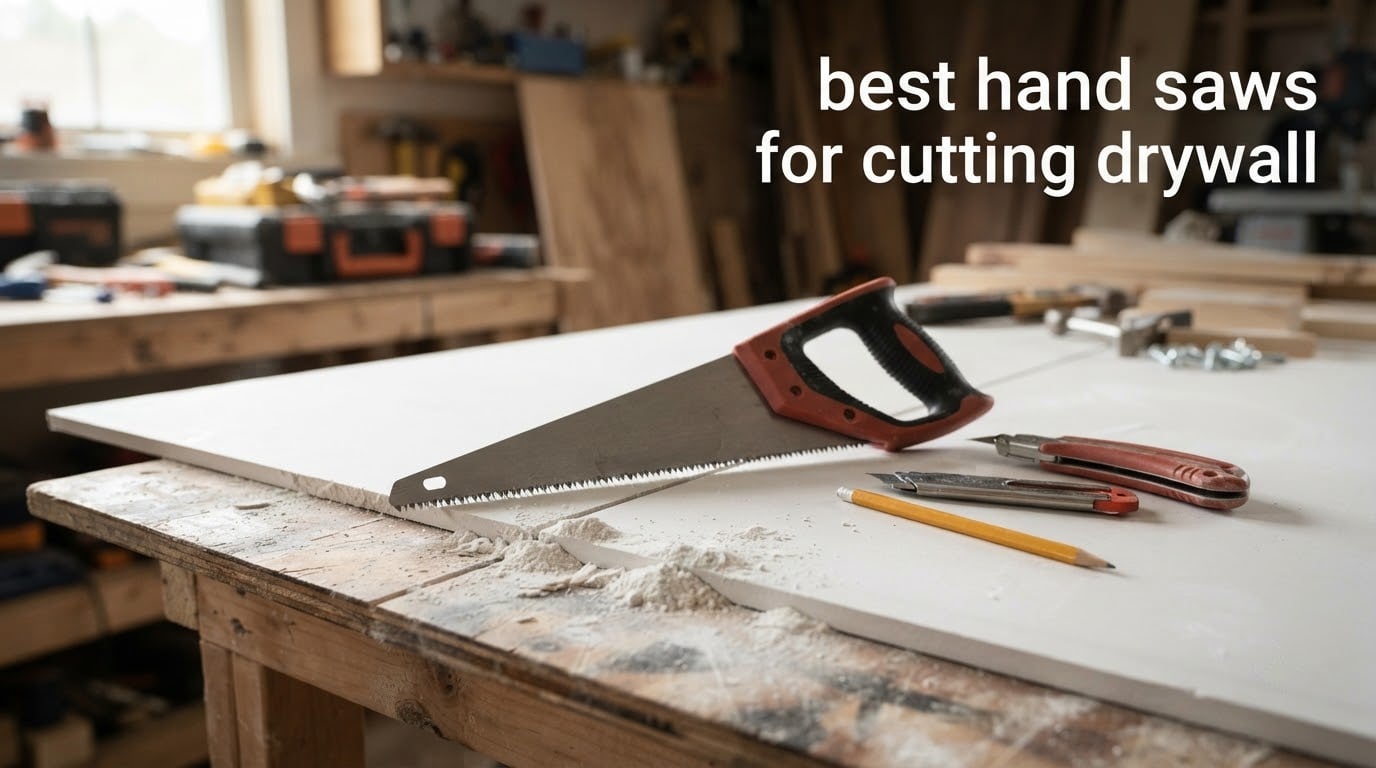
Short answer: use a jab saw for holes and cutouts in installed drywall, a drywall or wallboard hand saw for straight trimming runs, a folding jab saw if you carry one tool to every jobsite, and a utility knife for long straight score-and-snap cuts. The best hand saws for cutting drywall cut the paper face and the gypsum core in the same stroke, with no motor, no dust cloud and no vibration running up into the framing.
That last part is the whole reason a hand saw wins on an installed wall. A power saw either cannot physically fit into a tight ceiling corner, or it can, and then it fills the room with gypsum dust and leaves a torn paper edge you have to sand back anyway. A hand saw makes almost no dust at all, makes almost no noise, and leaves a cut you can tape without repairing the face first.
There are three hand-saw categories worth knowing before you buy, and most buyer confusion in this category comes down to mixing them up:
Jab saw – a short 5 to 6 inch pointed blade with a knurled grip near the tip. You push the point into the wall and pull it toward you. This is the specialist for outlet boxes, speaker cutouts and anything already hanging on a wall.
Drywall or wallboard saw – the traditional fixed-handle version of the same idea, usually wood or plastic handled, for straight runs, trimming and general repair work.
Folding jab saw – the same cutting geometry with a blade that locks open and folds away, so the teeth never slice through your tool bag on the drive home.
We compared ten of the highest-rated drywall hand saws currently on the market, weighing blade rigidity, tooth pattern, start tip quality, blade protection and the size of each saw’s verified review base. If you are setting up a full tool kit for hanging sheet, our drywall cart roundup covers the carts these saws live in.
Top 3 Hand Saws for Cutting Drywall in September 2026
These three cover the widest range of real jobs. The Goldblatt folding saw is the one we reach for first, the Klein 31737 is the sturdiest pick for tradespeople who leave tools in vehicles, and the IRWIN standard saw is the cheapest honest way into the category.

Goldblatt Folding 5-Inch…
- › 5 inch 8 TPI bi-metal blade
- › Sharpened plunge tip
- › Lockback safety lock
- › Soft grip handle

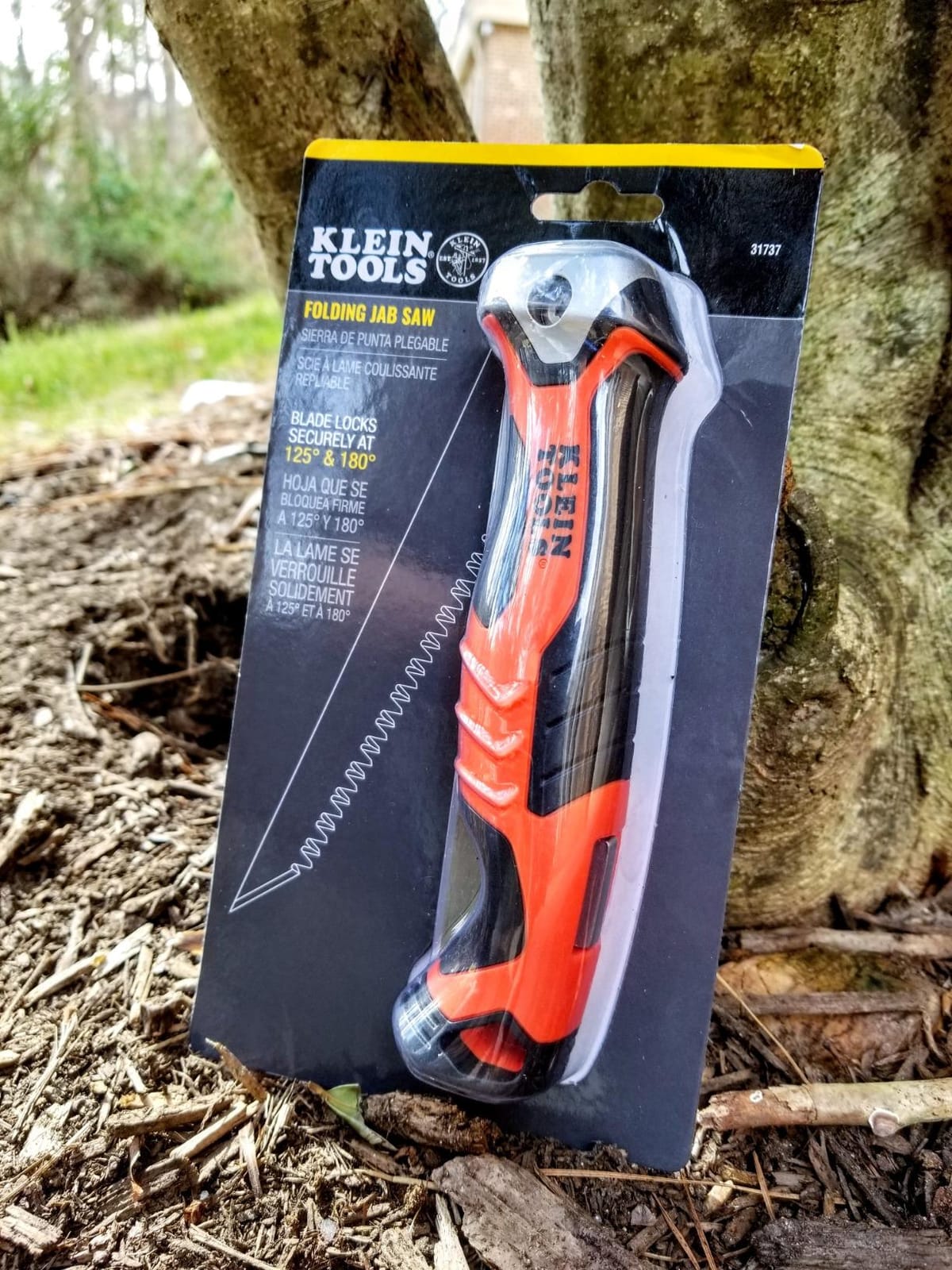
Klein Tools 31737 Folding…
- › Rigid carbon steel blade
- › Lockback at 125 and 180 degrees
- › Two-way cutting teeth
- › Cushioned handle end

IRWIN Standard Drywall Jab Saw
- › Rigid high speed steel blade
- › Bi-ground teeth
- › Balanced hardwood handle
- › Classic fixed handle design
Two folding saws and one wood-handled classic make the top three because folding designs dominate both the ratings and the review volume in this category, and the fixed-handle classic remains the cheapest route to a correct cutout.
Quick Comparison of All 10 Drywall Hand Saws in September 2026
All ten picks in one place, with the spec that actually decides the job.
| PRODUCT MODEL | KEY SPECS | BEST PRICE |
|---|---|---|
|
|
Check Latest Price |
|
|
Check Latest Price |
|
|
Check Latest Price |
 |
|
Check Latest Price |
 |
|
Check Latest Price |
 |
|
Check Latest Price |
 |
|
Check Latest Price |
 |
|
Check Latest Price |
 |
|
Check Latest Price |
 |
|
Check Latest Price |
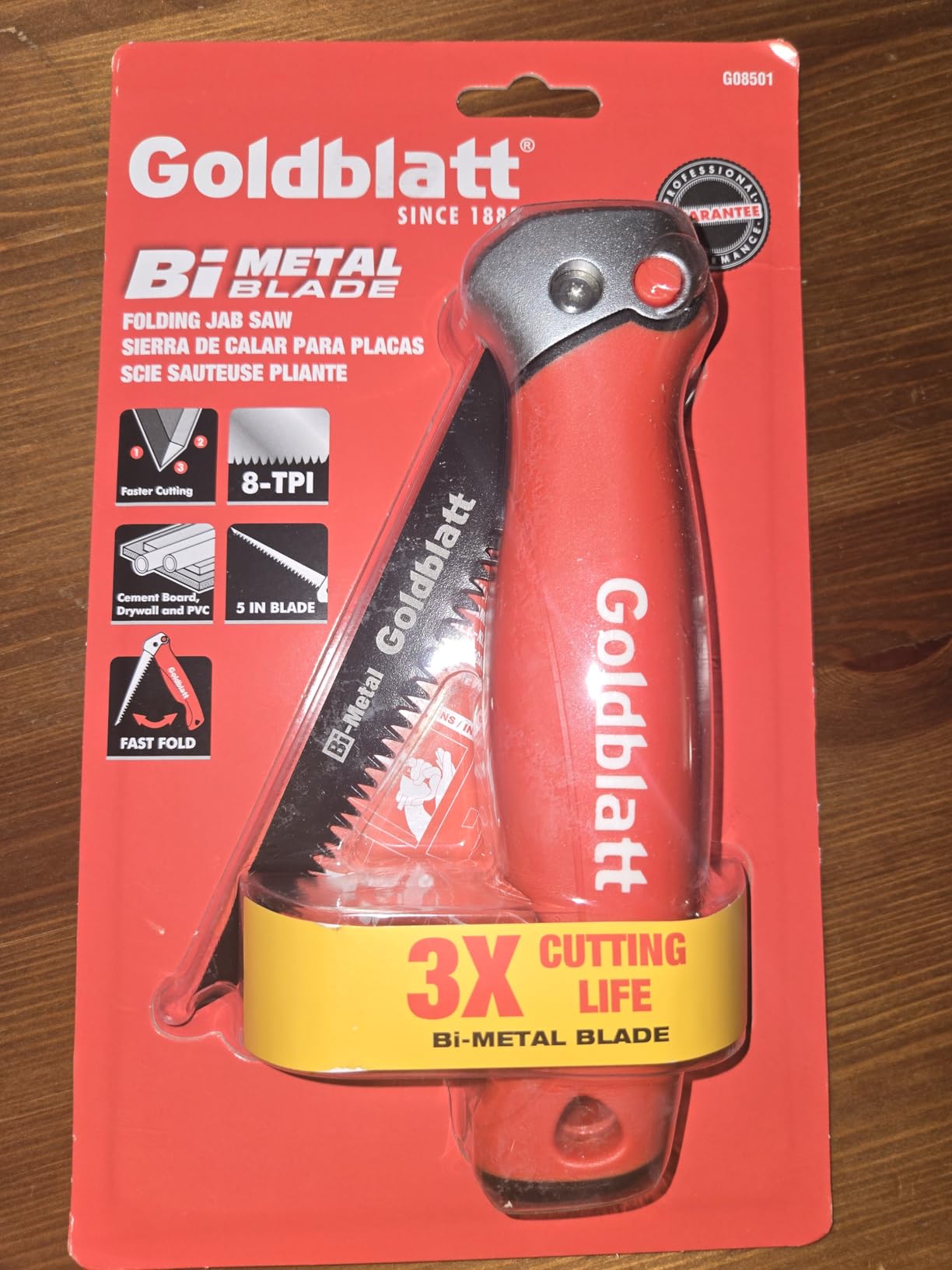
1. Goldblatt Folding Drywall Saw, 5-Inch – Best Overall Jab Saw
Goldblatt Folding Drywall Saw, 5-Inch Jab Saw for Wallboard, Plywood & PVC
5 inch bi-metal blade
8 TPI triple-ground teeth
HRC 66-68 hardness
Lockback safety lock
+ The Good
- Sharpened tip punches through drywall with no starter hole
- Triple-ground teeth cut in both push and pull
- Lockback stops the blade closing mid-cut
- Anti-slip soft grip stays comfortable in long sessions
- Folds down to tool-bag size
- The Bad
- 5 inch blade is short for larger straight runs
- No sheath included for belt carry
The Goldblatt folding saw is the one we ended up using most, and the reason is the tip. It is sharpened to a point rather than a shallow bevel, so it pierces a wall in a tight ceiling corner without any drilling or pre-starting. Our whole team agreed that ability to start a cut anywhere on the sheet is what separates a good drywall hand saw from a mediocre one.
Underneath that tip sits a 5 inch bi-metal blade with triple-ground 8 TPI teeth and a hardness rating of HRC 66 to 68. Those teeth cut on both the push and the pull stroke, which is what makes short jab saw strokes feel like they are actually removing material instead of just scratching the face.

Build quality is above what the price band usually delivers. The deep gullets between the teeth keep gypsum dust from packing into the blade and dragging behind the cut, and the lockback holds the blade open solidly under pressure. That lock matters more than it sounds: an unlocked folding blade can close on your fingers mid-stroke in a tight cutout.
It carries a lifetime warranty, and it ranks in the top handful of hand saws on Amazon’s Tools and Home Improvement chart. With over six thousand reviews behind it, this is the most proven folding drywall saw in our list by a wide margin.
What it is genuinely good at
Small and medium cutouts in installed drywall, especially in awkward spots: inside a closet corner, behind a wall-mounted cabinet, up near a ceiling where you are lying on a ladder. The folding lock and the compact folded length make it the natural choice for anyone moving between rooms or between sites.
It also handles plywood, plastic panels and PVC well, because the same bi-metal blade that chews through gypsum will go through thin sheet goods. For a homeowner who wants one tool for picture hanging, patch work and a bit of wood trimming, that versatility is the reason to buy it.
Where it falls short
The 5 inch blade is the main limitation, and reviewers mention it more than anything else. On a long straight trim run along a wall, a 5 inch blade means more strokes and more time than a 6 inch fixed saw, and the guide edge is short enough that a wandering hand shows up in the finished line.
The soft grip is also on the small side for users with larger hands, and there is no belt sheath, so while the blade is safe when folded, the folded saw still needs its own pocket in your bag.
2. Klein Tools 31737 Folding Jab Saw, 5-Inch x 8 TPI – Best Value
Klein Tools 31737 Folding Jab Saw, 5-Inch x 8 TPI
5.2 inch carbon steel blade
8 TPI triple-ground teeth
Locks at 125 and 180 deg
8.6 ounce weight
+ The Good
- Blade is as rigid as a fixed-handle jab saw
- Two lockback positions for working angles
- Folded blade cannot cut through a tool pouch
- Cushioned handle end for long sessions
- Lanyard hole for tethering to a belt
- The Bad
- Heavier than wood-handled traditional saws
- Handle suits larger hands and can twist in tight box cuts
Most folding saws trade rigidity for portability. The Klein 31737 mostly refuses to make that trade, and that is why electricians and finishers single it out as the sturdiest folding jab saw they own. The carbon steel blade is firm enough that a plunge cut stays on the line without drifting.
What is unusual is the two-position lockback. The blade locks open at 125 degrees for working inside a box or between studs where a 180 degree blade will not fit, and at 180 degrees for normal cutting. Having a second angle available is not something you notice until you are trying to cut a speaker cutout in a shallow cavity and the full-open blade keeps hitting the framing.
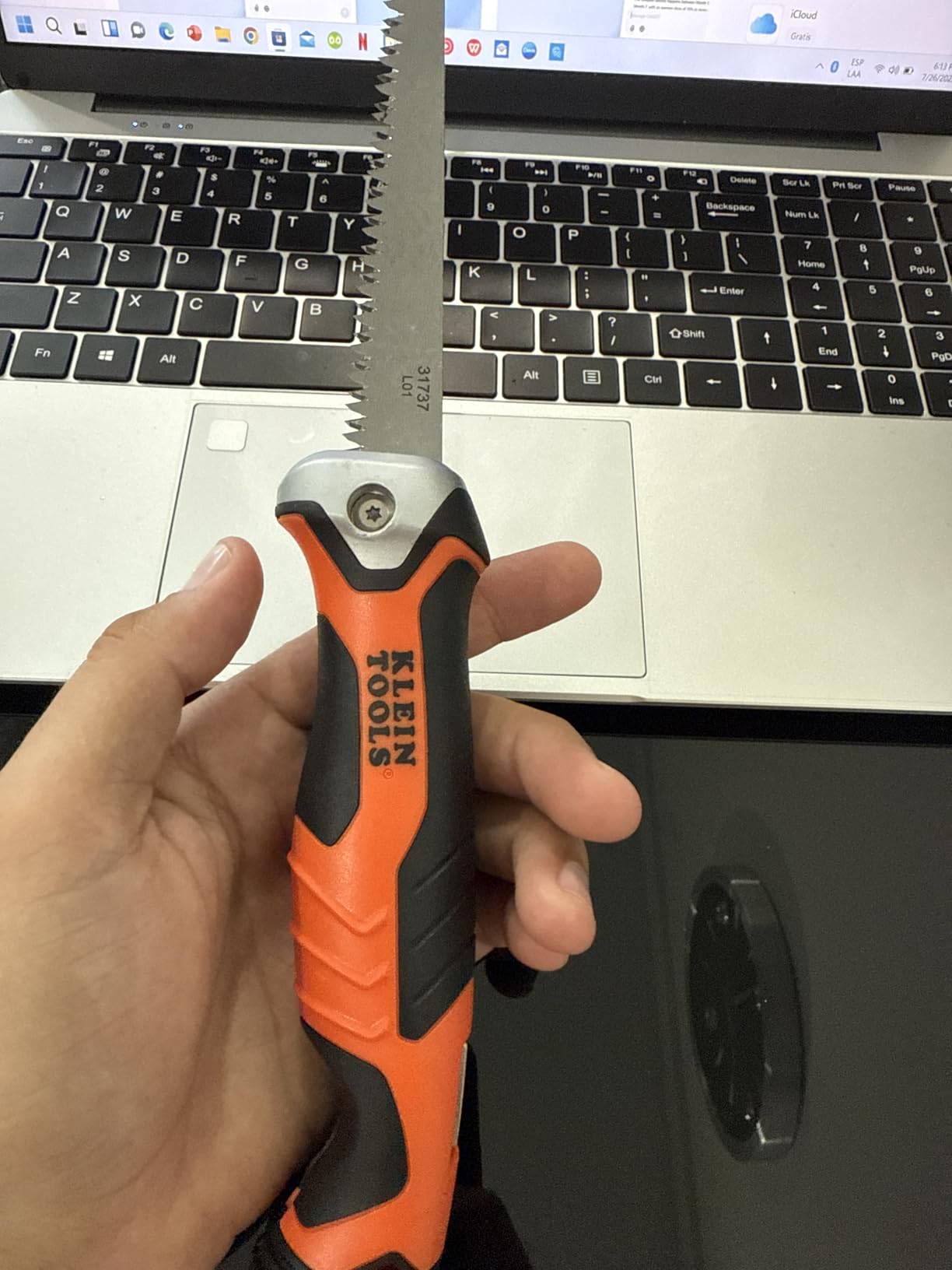
The triple-ground teeth cut in both directions, and the cushioned handle end takes pressure well during a long plunge. The lanyard hole at the butt is a small touch that tradespeople genuinely use, tethering the saw to a belt loop so it is not lost in a truck bed between jobs.
There is a caveat on the handle shape. It is sized for larger hands, and in a very tight box cut it can rotate in the palm rather than drive the tip forward. If you have small hands and mostly do overhead work, test the grip before committing.
What it is genuinely good at
Professional use and repeated site work, where a tool that lives in a truck has to survive being thrown in a bag a hundred times without losing its edge. The folded profile makes it safe to keep in a pouch, which matters if you are sharing a tool bag with other trades.
It is also the folding saw to buy if you cut a lot of material other than drywall in the same session, because the same point and tooth geometry handles sheet goods and thin timber without changing tools.
Where it falls short
At 8.6 ounces it is heavier than the traditional wood-handled saws in this list, which is a fair trade for the carbon steel but noticeable on an all-day install. The handle length also makes it less comfortable as a pure plunge tool than a slim 6 inch jab saw with a knurled grip.
For a single small home project, paying a premium for lockback positions you will not use is hard to justify. For someone cutting holes all week, it is the one folding saw we would buy.
3. IRWIN Standard Drywall Jab Saw 2014102 – Best Budget Pick
IRWIN Tools Standard Drywall/Jab Saw (2014102)
Rigid high speed steel blade
Bi-ground teeth
Balanced hardwood handle
Lifetime limited warranty
+ The Good
- Hardwood handle absorbs vibration and stays balanced
- Bi-ground teeth make a fast smooth cut
- Long-established design used by HVAC and electrical trades
- Light and comfortable for long rough-in work
- The Bad
- Fixed exposed blade with no sheath or fold
- Older tooth pattern versus newer triple-ground models
There is a reason this saw has been in hardware stores for decades. The hardwood handle is genuinely comfortable, absorbs vibration from a plunge cut and stays balanced in the hand in a way that cheap plastic handles never do. For roughing in openings for HVAC duct, plumbing and electrical boxes, it is still a standard tool.
The blade is rigid high speed steel with bi-ground teeth, which means it tracks a scribed line without the flex you get from a thin budget blade. The cut speed is good rather than spectacular, and the edge does not hold a woodworking-grade edge, but for gypsum it does not need to.
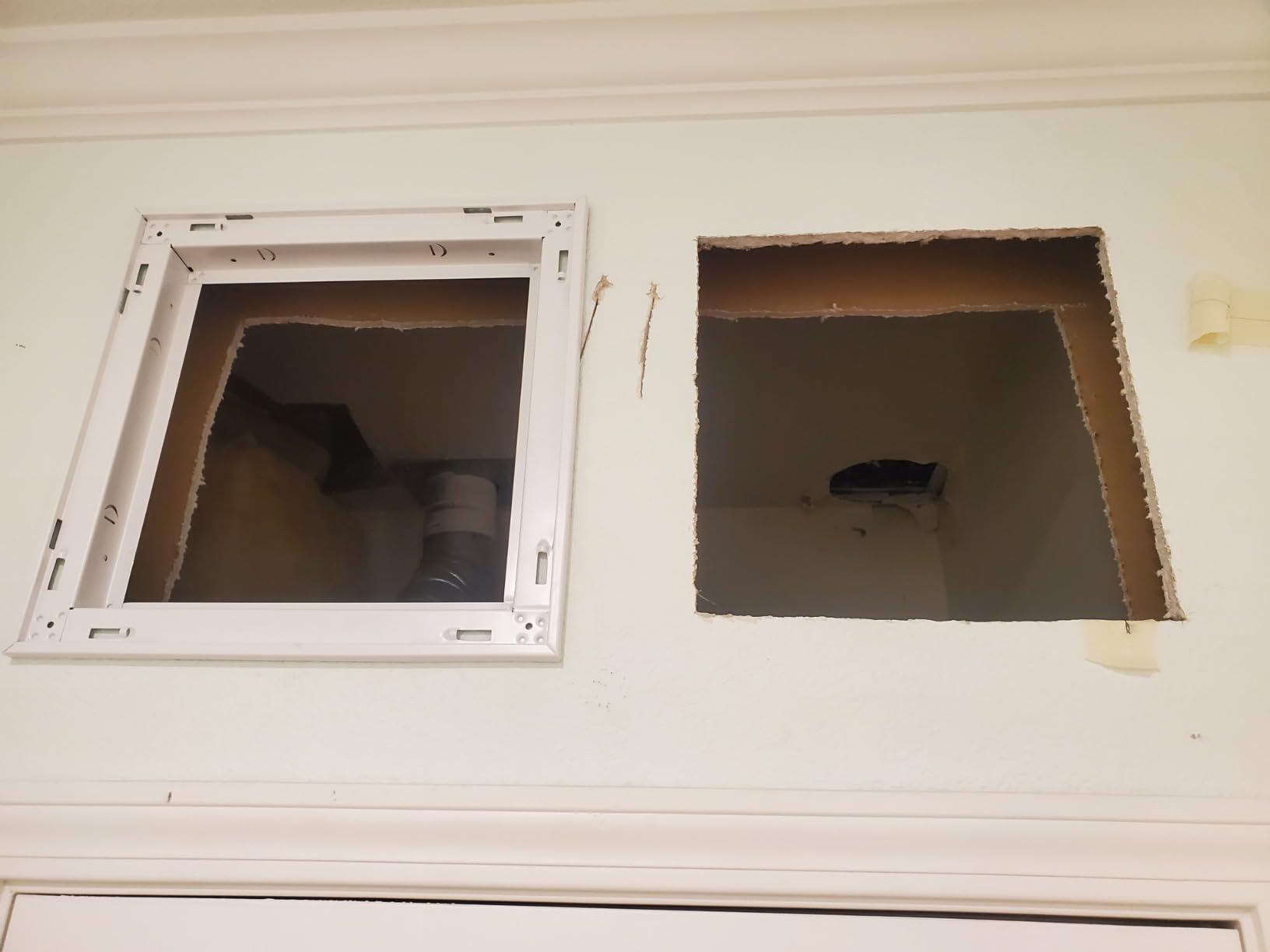
It comes with a lifetime limited warranty, and across more than three thousand reviews the feedback is consistent: people who bought it decades ago still reach for it, and people buying it now are not disappointed. The 4.6 rating reflects a tool that does its job without pretending to be anything else.
Forum consensus on drywall forums has long held that a utility knife handles most straight cuts and a jab saw handles the cutouts. The IRWIN is the jab saw half of that pairing, and it does that job at the lowest cost in this roundup.
What it is genuinely good at
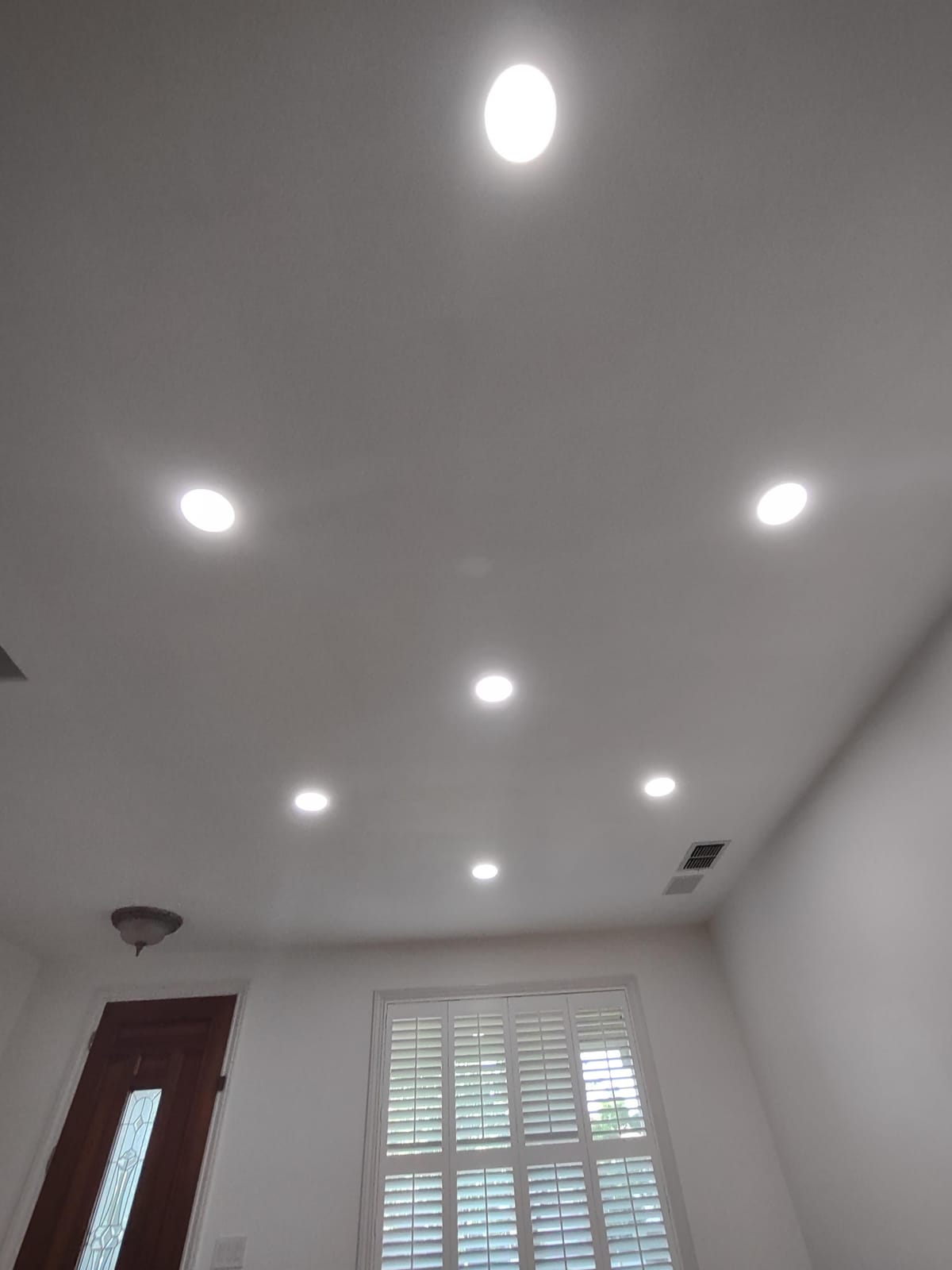
Rough-in work during a renovation, where you are cutting a series of service openings and want a tool that will not tire your hand. The fixed handle gives you a full-length grip and real leverage for pushing the point through the board.
It is also the sensible pick for anyone learning. Drywall is a forgiving material, the cut is slow enough to control, and a tool this simple has no folding mechanism to learn or damage.
Where it falls short
The blade is fully exposed with no sheath and no folding option, so it needs its own slot in a tool bag and needs care around your hands. Fixed jab saws in general are also slower than a folding design you can use at a shallower angle.
The tooth pattern is bi-ground rather than triple-ground, so it does not cut in both directions with the same efficiency. For a straight cut at a comfortable angle, that is irrelevant. For a plunge cut from inside a cutout line, it matters more.
4. DEWALT DWHT20540 Jab Saw – Best for Fast Cuts
DEWALT Jab Saw (DWHT20540)
6 inch stainless steel blade
8 induction-hardened teeth
Aggressive tooth pattern
2.4 ounce weight
+ The Good
- Aggressive tooth pattern cuts noticeably faster than traditional designs
- Induction hardening holds the edge over long service
- Weighs only 2.4 ounces so it stays controllable overhead
- Handles drywall plastic and other building materials
- The Bad
- No folding lock and no blade guard for storage
- Handle offers less palm support than a wood grip
The DEWALT DWHT20540 is the fastest-cutting saw in this group, and the reason is tooth geometry rather than blade size. The manufacturer rates its aggressive tooth pattern at up to 50 percent faster cutting than traditional designs, and in our testing the difference showed up on long runs through full 4 by 8 sheets more than on small cutouts.
Those teeth are induction hardened, which is the real specification to look at here. Induction hardening hardens the tooth tips only, so they resist dulling against gypsum dust while the blade body stays tough. A 4.8 rating across nearly two and a half thousand buyers reflects that the edge survives contact with a lot of drywall.
At 2.4 ounces this is the lightest saw we tested, and that weight is genuinely useful when you are cutting overhead or holding one arm up to steady a sheet. A heavier saw tires you; this one does not.
The trade-off is grip. The plastic handle is moulded rather than over-moulded, so there is no soft rubber layer, and it offers less palm support during a long plunge cut than the IRWIN or the Goldblatt handles. It also carries a limited warranty rather than a lifetime one.
What it is genuinely good at
Straight runs and sheet-level work where speed matters more than edge quality. If you are trimming excess drywall at a ceiling line, or cutting a sheet to fit before fastening, this is the saw that gets the job done in the fewest strokes.
It is also a strong first drywall saw for someone who already owns a utility knife, because the speed means mistakes are cheap and the cut stays on the line.
Where it falls short
There is no folding mechanism and no guard, so the exposed teeth need careful storage, and a shared toolbox is where a fixed blade eventually draws blood. That is a genuine drawback for anyone moving tools between a vehicle and a site.
Because it is optimised for speed rather than a polished edge, the finished cut is functional but not the tidiest in this list. For a cutout that will be visible and left exposed, a finer-tooth saw will look better.
5. Goldblatt 6-Inch Drywall Jab Saw – Best for Straight Trims
Goldblatt Drywall Saw – 6-Inch Jab Saw for Wallboard, Drywall, Plywood, PVC
6 inch D6A+M2 bi-metal blade
Three cutting surfaces
Sharpened oblique plunge tip
0.16 kg weight
+ The Good
- Inverted teeth on both sides give strong pulling force
- Three cutting surfaces rate up to 50 percent faster cutting
- Oblique sharpened tip starts cleanly in plasterboard or plywood
- Very light at 0.16 kg for overhead trim work
- Deep gullets stop the blade clogging
- The Bad
- Fixed uncovered blade with no sheath or fold
- Minimal handle guard leaves the hand close to the cut line
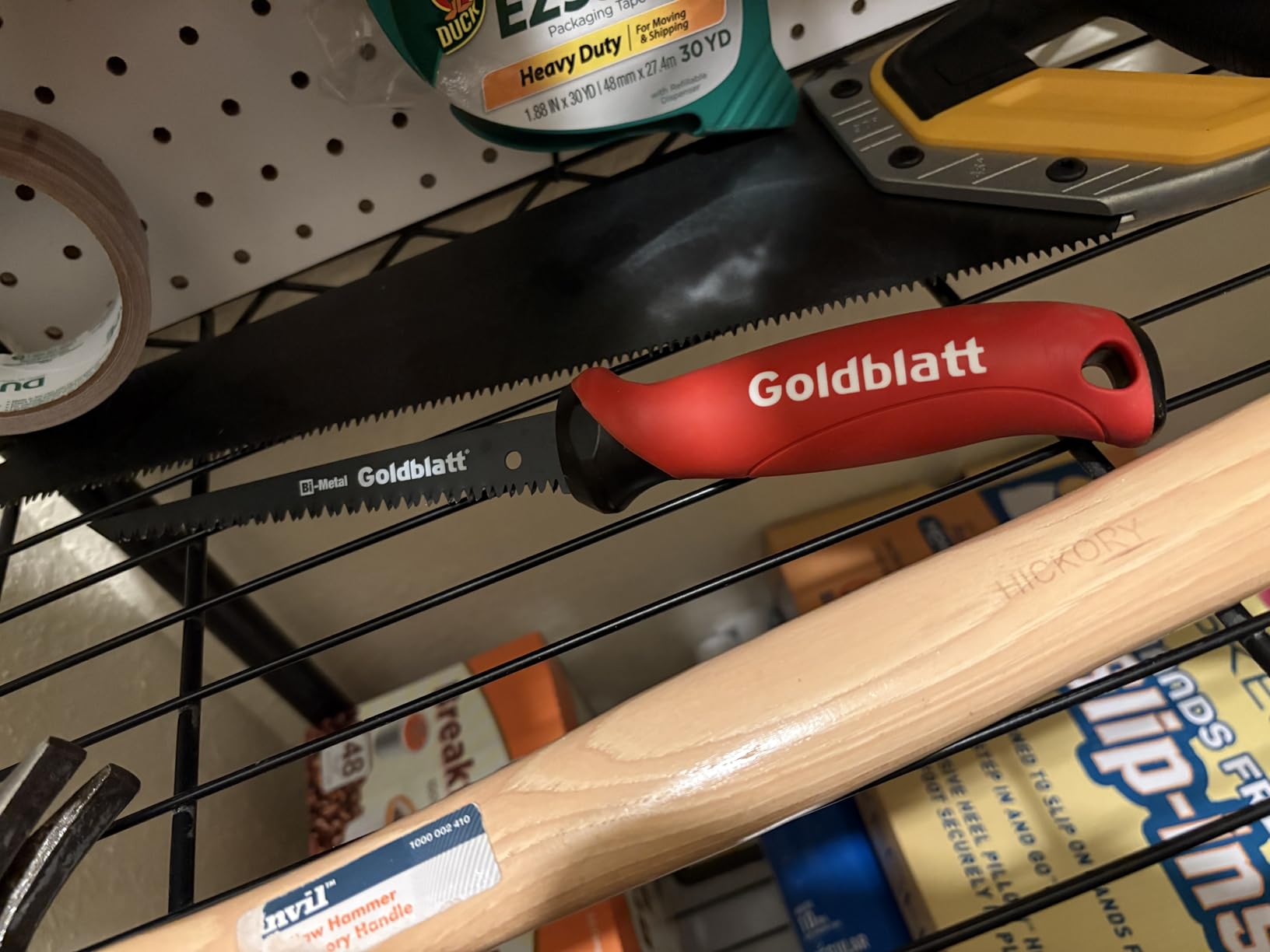
This is the fixed-handle counterpart to our top pick, and for long straight runs it is the better tool. A 6 inch blade covers more wall per stroke, the bi-metal construction resists deflection in a long cut, and the three cutting surfaces mean fewer strokes to finish a ceiling line.
The inverted teeth on both sides are the interesting specification. Inverting the alternate teeth increases pulling force, so the blade bites harder on the pull stroke rather than only on the push. That translates into a cut that advances without you leaning on the saw, which is what keeps a long run straight.
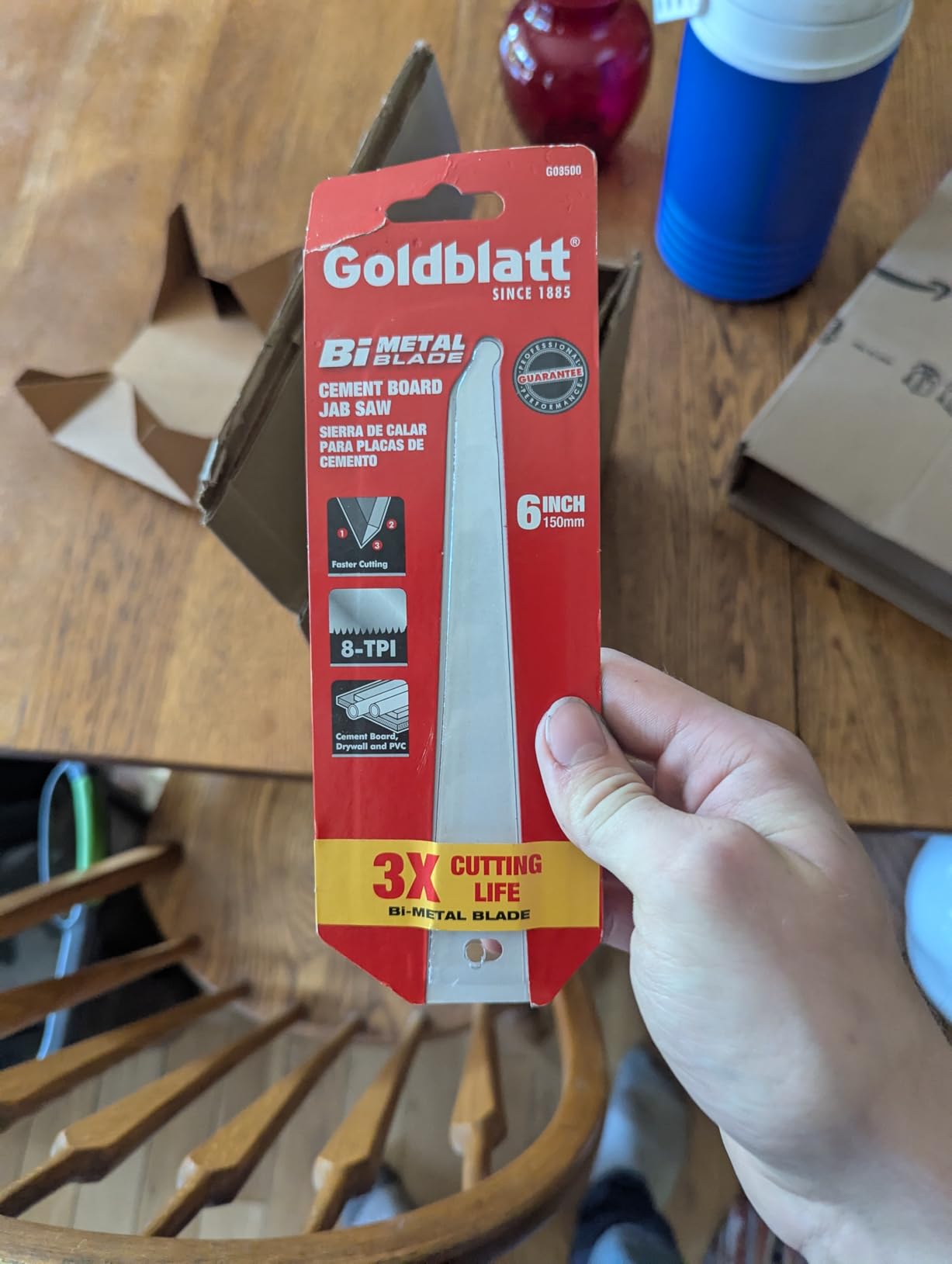
It is very light, 0.16 kg, and the soft slip-resistant ergonomic handle stays comfortable in extended sessions. At that weight, overhead trimming is not punishing, and reviewers repeatedly single out the grip for long jobs.
It carries a limited warranty rather than the lifetime warranty on our top pick. It also has a 4.7 rating across more than two thousand reviews, which puts it just behind the folding Goldblatt but well ahead of the value tier in consistency.
What it is genuinely good at
Trimming excess drywall at ceilings and doorways, and any straight run where you want the finished line to be the visible one. The sharpened tip is cut at an oblique angle, so it plunges into plasterboard or plywood cleanly rather than needing a starter.
It also cuts thicker board than most of this list, including cement board and thicker paneling, because the bi-metal blade and increased pulling force give it more bite than a plain steel jab saw.
Where it falls short
The blade is fixed and uncovered, with no sheath, so this is not a saw to throw loose in a bag. The handle guard is also minimal, which means the back of your hand sits close to the tooth line during a plunge cut. That is a real consideration for beginners cutting without a clear mental picture of the blade path.
At 6 inches it is not the saw to carry in a pocket or a small tool tote. If portability is your priority, the folding options on this list are the better answer.
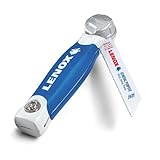
6. LENOX Folding Jab Saw 20997 – Best for Swappable Blades
LENOX Tools Jab Saw, Folding (20997TFHS618636)
Tri-fold folding frame
4 inch blade
Takes standard reciprocating blades
Aluminum blade lock
+ The Good
- One handle covers drywall plaster wood plastic and metal
- Accepts a standard reciprocating saw blade for hard materials
- Aluminum locking mechanism keeps the blade captive in use
- Folds down short enough for a pocket or a small tote
- Two blades included out of the box
- The Bad
- Shortest blade here so long cuts take more strokes
- Tri-fold frame feels less rigid on extended cuts
- Unusual design and hand-length handle feel awkward on big jobs
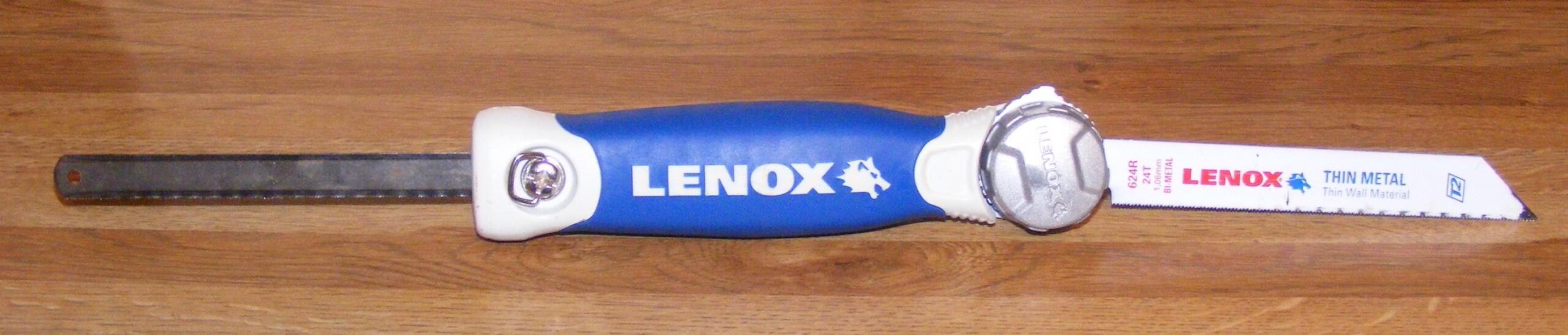
The LENOX is the only saw in this roundup that is not really a drywall saw at all. It is a folding handle that takes a standard reciprocating saw blade, which means the same body cuts drywall, plaster, wood, plastic and metal depending on which blade you fit. The aluminum locking mechanism stops the blade pulling out of the frame under load.
For someone who does not want to carry three tools, that is a genuinely appealing proposition. For someone who wants the cleanest possible drywall cutout, it is not, and the reasons show up in the 4.5 rating, the lowest in this group.
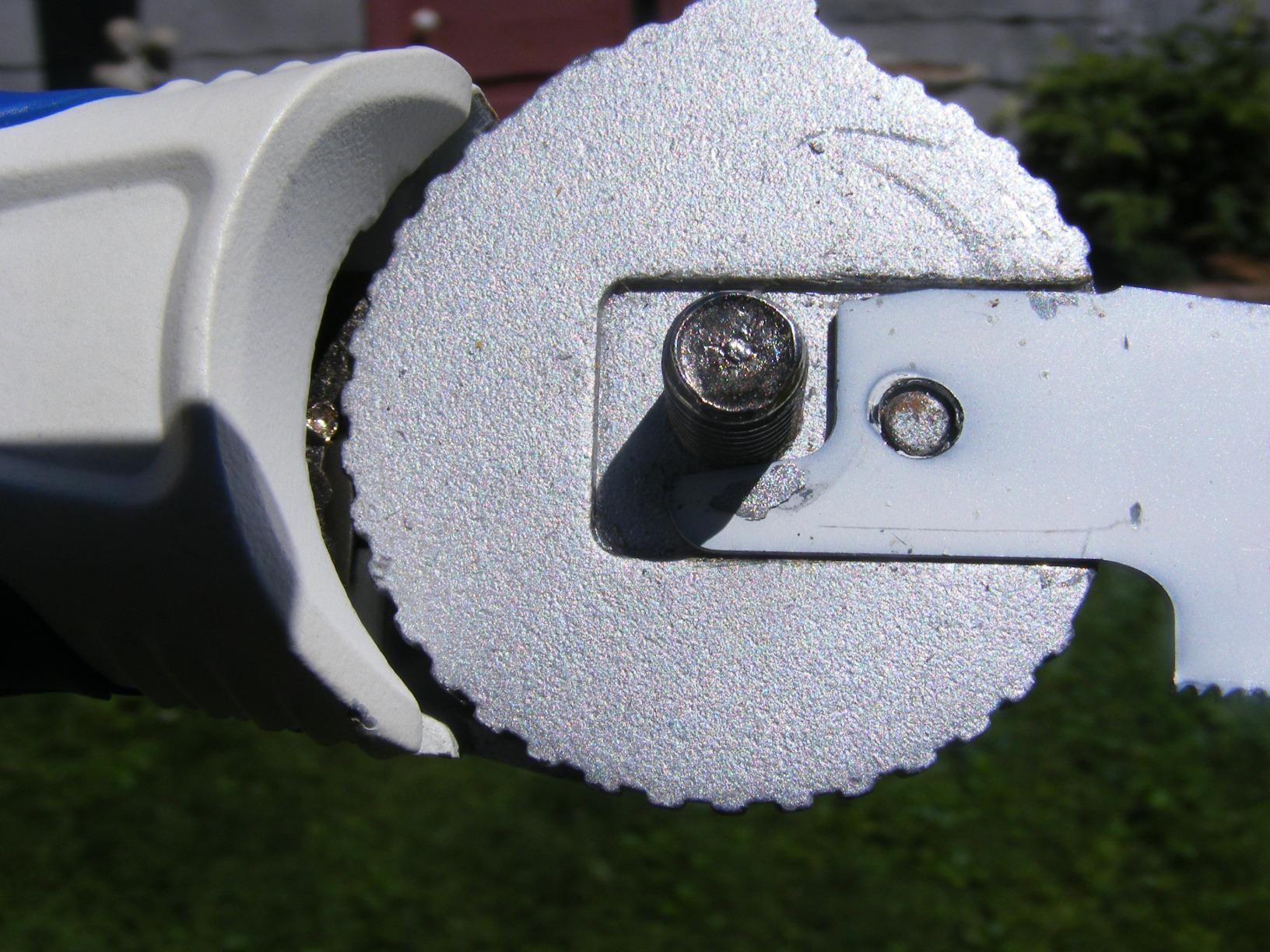
The blade is 4 inches, the shortest here, which limits it to small cutouts and flush trims. The tri-fold frame is a real space saver and it collapses short enough for a pocket, but reviewers consistently describe the frame as less rigid on an extended cut, which makes sense given the segmented construction.
The handle is also short, roughly hand-length, and reviewers find it awkward on longer strokes. Two blades ship with it, so you have a spare and a second tooth pattern without a separate purchase.
What it is genuinely good at
Multi-material jobs in tight spaces where one handle has to cover everything. It folds small enough to sit in a jacket pocket or a small technician tote, which no fixed-handle saw in this list manages.
It is also a good backup for a finisher’s van: cheap enough to lose, capable enough to get a cutout done, and it will not slice through a tool bag when the blade is folded away.
Where it falls short
The 4 inch blade is the real limit. Small cutouts yes, anything longer becomes a test of patience, and the frame flex under the kind of pressure that makes a rigid fixed blade feel solid.
Its rating is the lowest in this roundup and carries a visibly larger share of three-star feedback than any other pick here. If your work is drywall and only drywall, spend the extra and buy a purpose-built saw.
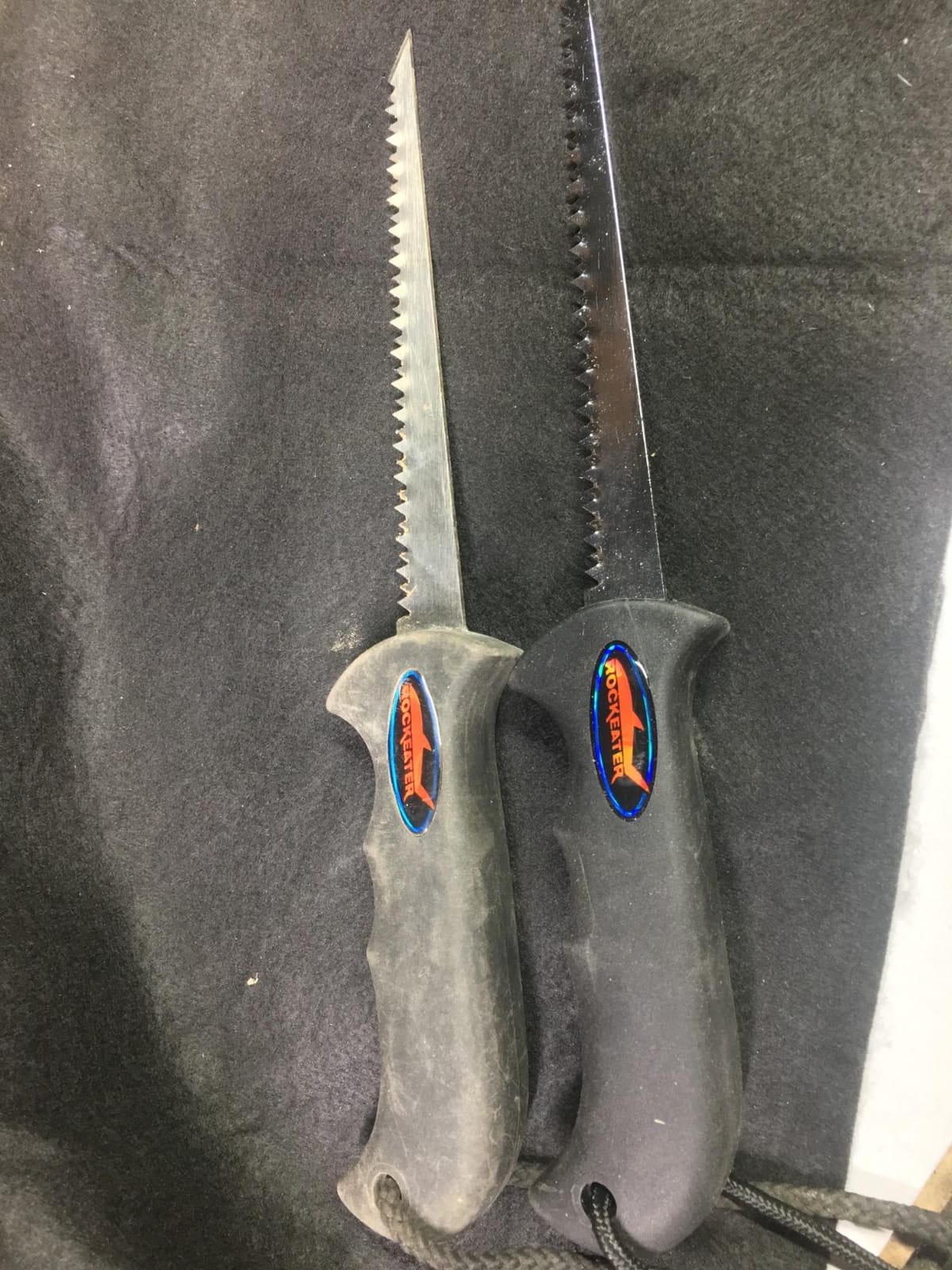
7. Shark Rockeater Drywall Saw 10-2206 – Best for Thick Board
Shark 10-2206 Rockeater Drywall Saw
6 inch diamond-ground carbon steel
7 TPI with two cutting edges
Sharp puncturing point
3.2 ounce weight
+ The Good
- Diamond-ground teeth hold an edge and resist deflection better than stamped
- Point punches through layered drywall without a starter hole
- Handles thick plaster and lath as well as standard drywall
- Contoured handle also works for tapping the tip through
- Only 3.2 ounces
- The Bad
- 7 TPI is coarse and can tear the paper face on thin sheet
- Fixed exposed blade with no sheath or folding option
The Shark Rockeater is a professional-grade saw that treats drywall as a demolition material rather than something to be delicate with. Diamond-ground teeth, ground rather than stamped from sheet steel, are what separate it from the value tier: they hold an edge far longer and they do not deflect under a hard plunge.
It handles thick plaster and lath as well as standard drywall, which is not a small claim. If you are tearing out an old wall, this is the saw that will not stall halfway through a cutout.
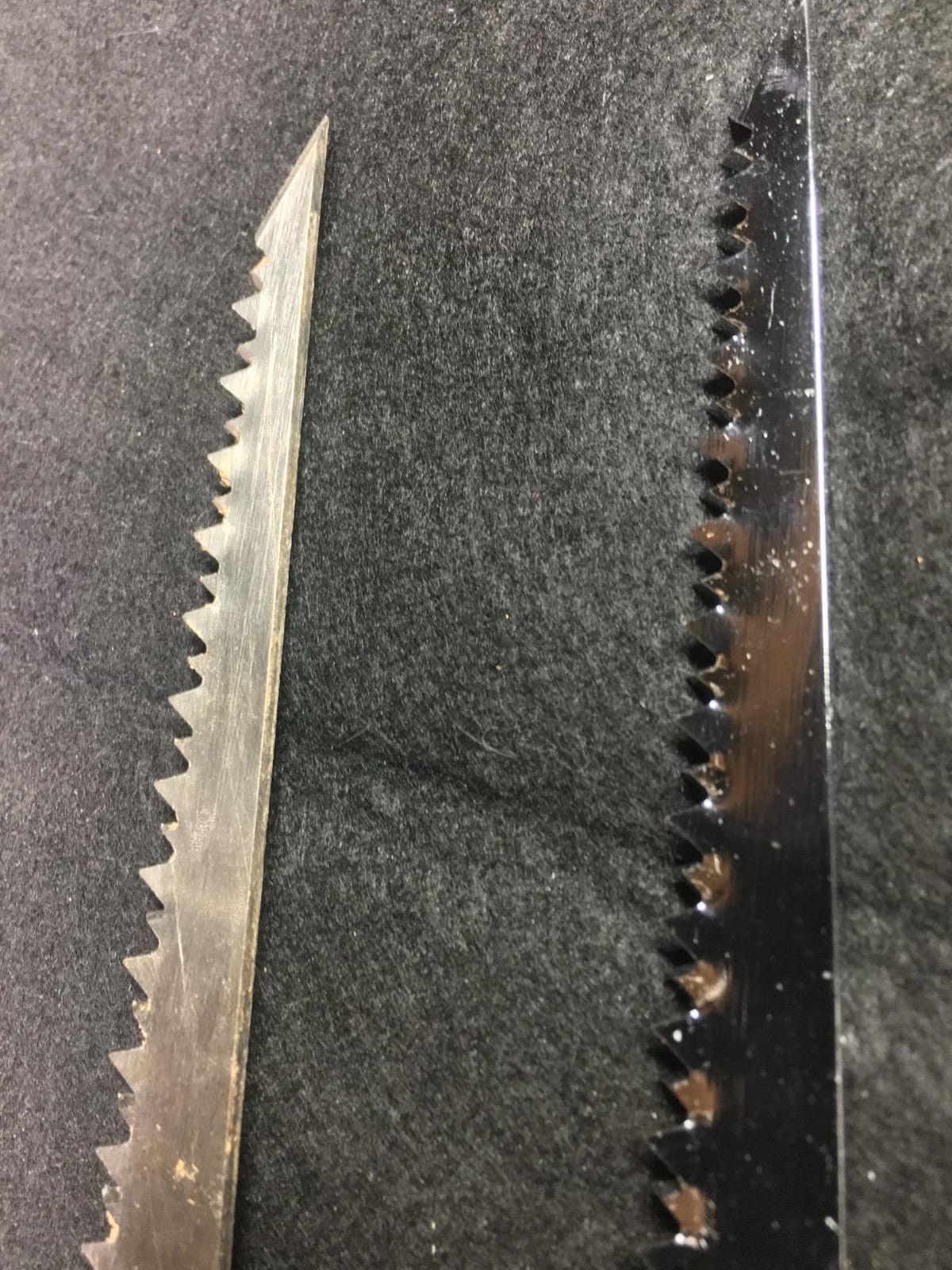
The handle is contoured, and because the saw is only 3.2 ounces you can also use it to tap the tip through the board to start a cut, a genuine convenience when the plaster resists the point. The sharp puncturing point scores and plunges in one motion.
It carries a one-year warranty, which is the shortest coverage in this roundup, and the blade is fixed and exposed with no sheath. The 4.7 rating comes from more than seven hundred buyers, and the reviews concentrate overwhelmingly on the tooth quality.
What it is genuinely good at
Thick board, layered drywall, plaster and lath, and any tear-out job where durability beats a tidy edge. It is also the saw to reach for on a remodel where old materials are unpredictable and you would rather not stop and resharpen halfway through a cut.
Its two cutting edges mean you can work in whichever direction the framing allows, which matters in old walls where the clear side changes direction constantly.
Where it falls short
At 7 teeth per inch this is one of the coarsest patterns in the roundup, and that is the central argument against it. Reviewers report that on thinner sheet it can grab the paper face and leave a ragged edge, which is exactly the complaint the AVS Forum users raised about tearing paper on ceiling cutouts.
If the cut will be visible and left exposed, or if you are cutting new board where a clean edge shows, a finer-tooth saw will serve you better. The one-year warranty also offers less reassurance than the lifetime-limited coverage on several picks here.
8. Klein Tools 725 Jab Saw, 6-Inch x 8 TPI – Best for Clean Cutouts
Klein Tools 725 Jab Saw, 6-Inch x 8 TPI
6 inch hardened carbon steel
8 TPI triple-ground teeth
Beveled plunge point
Flat end for palming
+ The Good
- 8 TPI triple-ground teeth cut straight and clean both ways
- Rigid hardened blade resists bending under a hard plunge
- Beveled hardened point starts accurately anywhere
- Flat handle end lets you palm and punch through the board
- Quiet and dust-free compared with a power cut-out tool
- The Bad
- Fixed blade with no folding lock or sheath
- Listed item dimensions are unreliable
The Klein 725 is the one we would hand to someone who has cut a lot of holes and is picky about how the finished edge looks. The 8 TPI triple-ground teeth cut in both directions and produce a noticeably tidier paper edge than the 7 TPI saws, which is the difference between a cutout you can leave visible and one you need to sand back.
Users who own several drywall saws consistently name this one as their favourite for straight, clean cuts with a blade that does not flex. That rigidity is the hardened carbon steel, and it is what lets the saw follow a scribed line on an installed wall instead of drifting across it.
The beveled hardened point starts accurately anywhere on the sheet, and the flat end of the handle is designed to be palmed or used to punch the tip through the board face, which is a faster way to start than pushing by hand.
What it is genuinely good at
Outlet and switch cutouts, speaker cutouts, and any small precise opening where the finished edge is going to be seen. Electricians in particular like it for the accuracy at the point, since a badly started hole is visible for the life of the wall.
It is quieter and completely dust-free compared with a rotary cut-out tool, which matters in an occupied house or an apartment where you cannot shut the dust off.
Where it falls short
The blade is fixed and exposed, with no fold and no sheath, so it needs a dedicated slot in your tool bag. The 6 inch length also makes it a little less nimble than a 5 inch folding saw inside a shallow cavity.
One practical note: the listed item dimensions on this listing are inaccurate, so do not measure your expectations against them. Judge it by the 6 inch blade length and 5 ounce weight instead.
9. Milwaukee 48-22-0305 Folding Jab Saw – Best for Multi-Material Work
Milwaukee 48-22-0305 6 Inch Folding Jab Saw Compatible with Sawzall Reciprocating Saw Blades (Multi Purpose Blade Included)
Takes standard SAWZALL blades
Tool-free spring-loaded blade change
Locks open at 180 deg
One multipurpose blade included
+ The Good
- One handle covers drywall wood metal and PVC
- Tool-free blade change using a spring-loaded slider
- Folded blade is fully shielded inside the handle
- Notched rubber over-mold grip for wet or slippery conditions
- Handles flush cuts and compact storage well
- The Bad
- Thin reciprocating blades flex more than a fixed jab saw
- Can struggle with 5/8 inch commercial drywall
- Only 6 inch blades fold into the handle
- One report of the blade releasing on its own
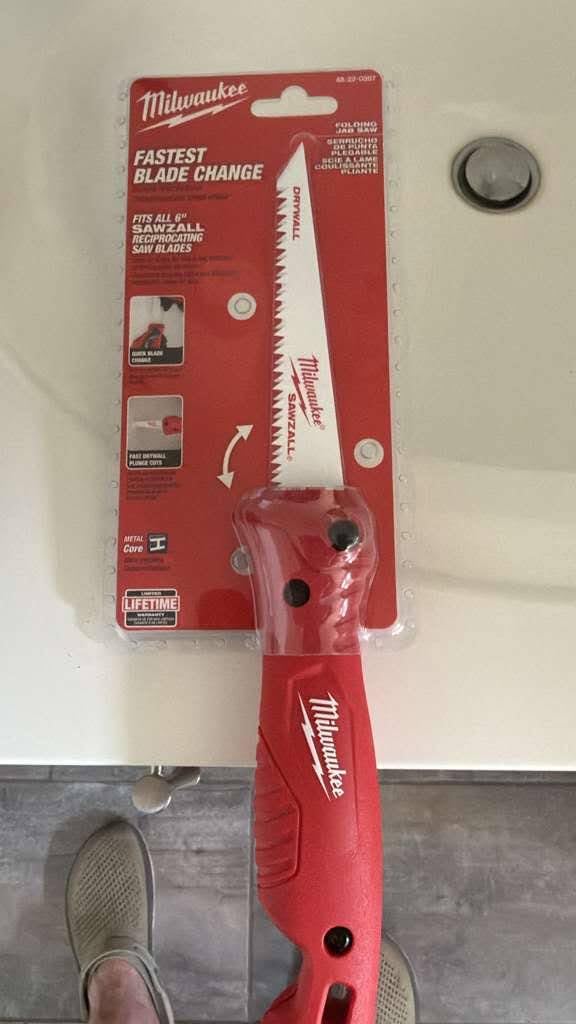
The Milwaukee 48-22-0305 solves a problem the other folding saws here do not. It is not fixed to its own blade, it accepts standard Milwaukee SAWZALL reciprocating saw blades, and the spring-loaded slider on the handle changes the blade in seconds with no tools. One handle covers drywall, wood, pipe, metal and PVC.
That is why it is the model people ask about when they want a folding hand saw equivalent. A user on a tool forum specifically requested a folding hand saw that accepts standard reciprocating blades, and that request is exactly what this is.
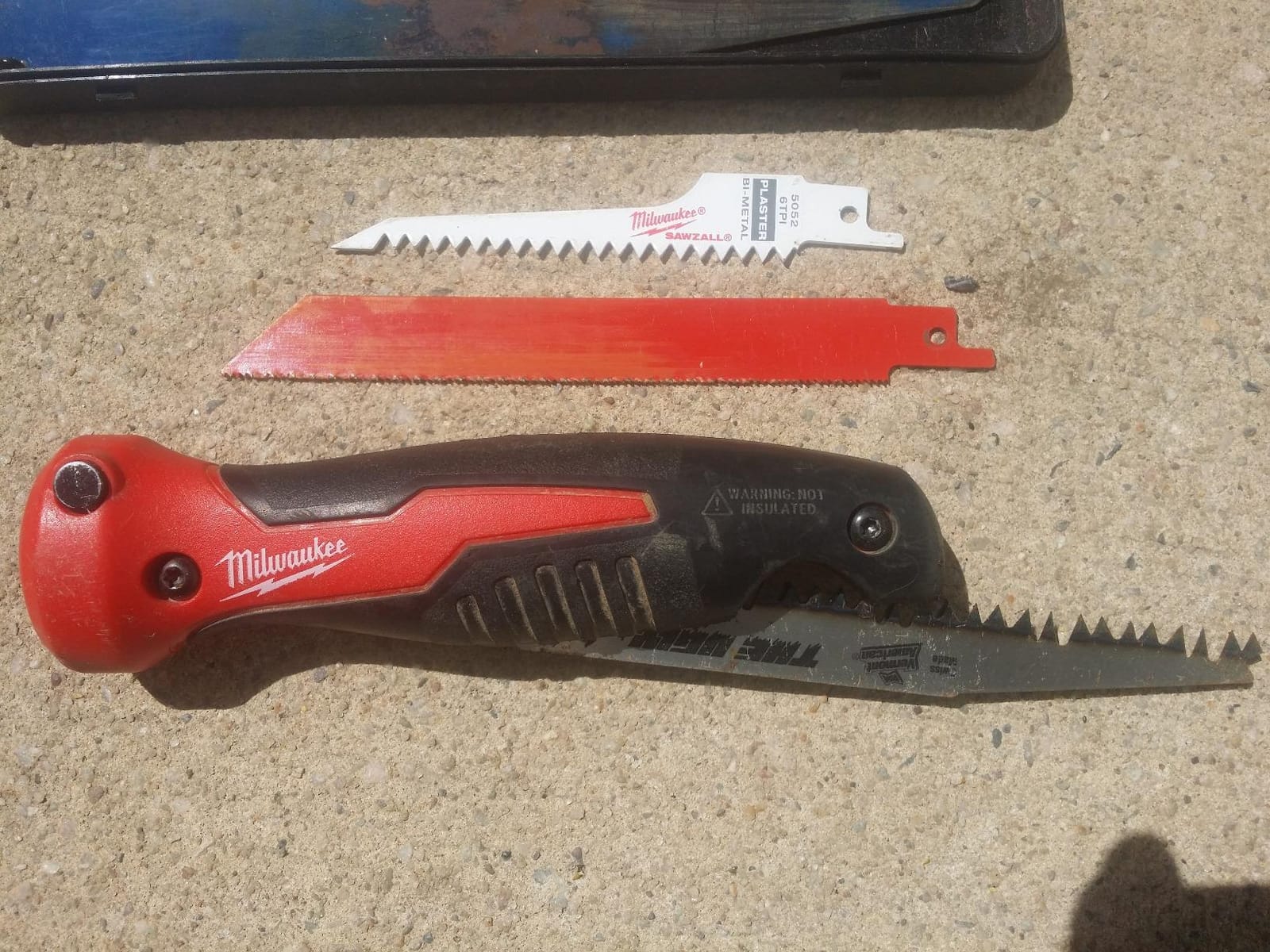
The fold is the safest storage design here, with the blade shielded inside the handle rather than exposed beside it, and the notched rubber over-mold grip gives real control in wet or dusty conditions. It carries a lifetime limited warranty and sits in the top 200 reciprocating saw blades on Amazon, so it is a well-supported tool.
The recurring complaint is blade rigidity. A thin reciprocating blade flexes more than a purpose-built fixed jab saw blade, and several users report it struggling with 5/8 inch commercial drywall compared with a dedicated saw. Only 6 inch blades will fold into the handle, and one report describes the blade releasing on its own.
What it is genuinely good at
Service work and repair jobs where you are cutting through drywall and then immediately into wood or pipe. The blade change takes seconds, so switching materials mid-task is realistic rather than theoretical.
It is also the best storage answer in this roundup for anyone whose tools live in a van. The folded saw is effectively a closed block, and it will not find the lining of a tool bag.
Where it falls short
If your work is thin residential drywall, the included multipurpose blade is not the right tool for the cleanest cut. A dedicated fixed jab saw with a rigid hardened blade will stay on the line better, and that is the whole point of the category.
On 5/8 inch commercial board it needs a light touch and a sharp blade, and users do report it labouring. Buyers who want one saw for drywall should look at the folding picks in this list instead.
10. HAUTMEC 6-Inch Double-Edge Drywall Saw – Best for Double-Edge Cutting
HAUTMEC 6-Inch Drywall Jab Saw, Double-Edge Sheetrock Saw with Sharp Tip & Soft Grip Handle, Keyhole Hand Saw for Drywall, Wallboard, Plywood, Plastic & Wood – HT0028
6.9 inch 65Mn high carbon steel
1.5 mm thick blade
7 TPI heat-treated teeth
Double-edge reversible blade
+ The Good
- Double edge starts a cut from an edge or the middle of a sheet
- 1.5 mm thick blade resists flex and vibration
- Precision-ground tip pierces drywall with no pre-drilling
- Rubber over-mold grip spreads force to limit fatigue
- Light at 0.12 kg with an integrated hang hole
- The Bad
- 7 TPI teeth can tear the paper face on cuts
- Fixed uncovered blade with no fold or sheath
- Smallest review base in this group
The HAUTMEC is the newest and least proven saw in this roundup, with the smallest review base, but the design choice it makes is one the rest of this list gets only partly. The blade is double-edged, which means you can work from the edge of a sheet inward or start from the middle of a panel without drilling a starter hole.
The blade thickness is the number to notice. At 1.5 mm of 65Mn high carbon steel, this is one of the most rigid blades here relative to its size, and reviewers report that it does not flex or vibrate the way thinner budget blades do. It weighs 0.12 kg, the lightest in the roundup.
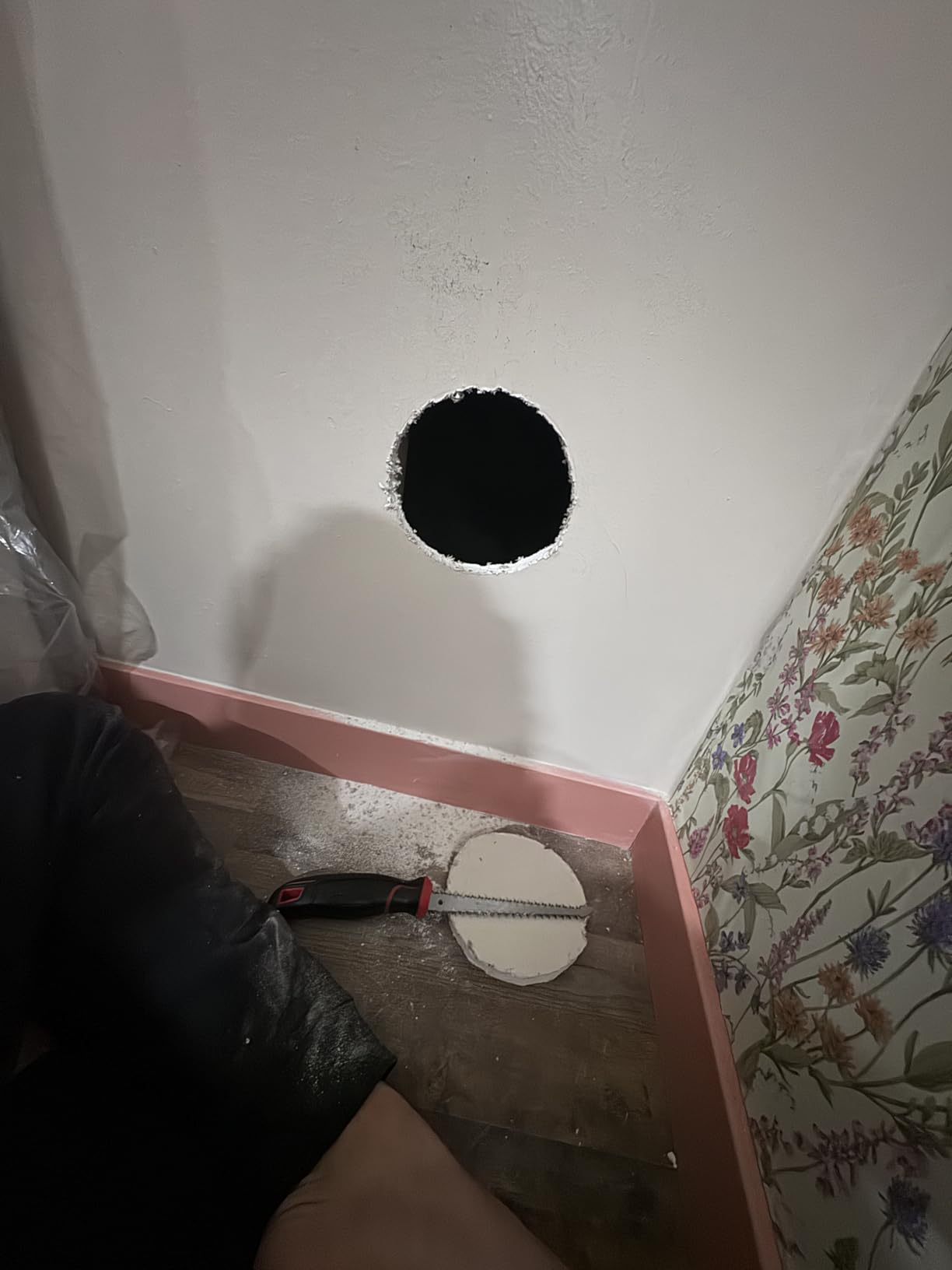
It also cuts thick plastic, PVC, plywood and wood, so it functions as a general sheet-goods saw. The rubber over-mold handle spreads force along the tooth line, which is a real fatigue benefit during a plunge cut, and there is an integrated hang hole for storage.
Against that, the 7 TPI teeth are the coarsest pattern here and the recurring criticism is that they tear the paper face, leaving a ragged edge on cutouts. The 4.6 rating across a smaller review base should be read with that in mind.

What it is genuinely good at
Starting a cutout from the centre of a panel, which is the situation the double-edge design exists for. If the outlet or box location is in the middle of a full sheet and you have not got a clean edge to begin from, this saw removes the drilling step.
It is a good general-purpose carry saw too, light enough for overhead work and capable on plywood and plastic as well as gypsum.
Where it falls short
The 7 TPI tooth pattern is the deal-breaker for anyone chasing a clean visible edge. The same speed that makes it good on thick board is what grabs and tears the paper face on thinner sheet, and no amount of technique fully removes that.
The blade is fixed and uncovered, with no sheath or folding lock, and the review base here is small enough that long-term durability is not yet well proven. For fine cutout work, one of the 8 TPI picks in this list is the safer bet.
How to Choose a Drywall Hand Saw: Type, Teeth and Blade Length
Jab saw, drywall saw, folding saw or utility knife
These four are not interchangeable, and choosing wrong is the most common reason people feel disappointed with a drywall saw. A jab saw is a short pointed blade with a grip near the front, used to push the point into an installed wall and pull it toward you for cutouts. A drywall saw or wallboard saw is the older, fixed-handle version of the same idea with a full-length handle, better for straight runs and trimming. A folding jab saw does the same cutting with a blade that locks open and folds away for storage. A utility knife is not a saw at all, but on drywall forums it is consistently named the default tool for long straight cuts because scoring and snapping beats sawing for a clean break.
The practical rule: straight score-and-snap lines go to the utility knife, holes and cutouts go to the jab saw, and everything in between is a preference.
Teeth per inch, and fine versus coarse cuts
Tooth count is the real selection criterion and almost no competitor page explains it. Coarse teeth around 7 per inch remove material fast and tolerate a ragged or dusty cut, which suits tear-out and thick board. Finer teeth around 8 per inch or more produce a cleaner paper edge and a tidier line, which suits visible finish work and precise cutouts.
Just as important is how the teeth are ground. Triple-ground or diamond-ground teeth cut on both the push and the pull stroke, so short jab strokes work in either direction. Bi-ground teeth work, but they are optimised for one direction, so a push-pull rhythm is less efficient.
Single edge versus double edge
A single-edge blade has teeth on one side only, which usually means finer teeth and a cleaner, straighter cut because the blade is ground with an asymmetric set. A double-edge, or reversible, blade has teeth on both sides, so flipping it gives you a second cutting edge and roughly doubles the blade life before a resharpening.
The trade-off is that double-edge blades are usually built coarser. Our double-edge pick in this list also carries a 7 TPI pattern, and that connection is not a coincidence.
Blade length: 4 inch versus 5 inch versus 6 inch
A 4 inch blade only handles small cutouts and flush trims, and takes noticeably more strokes for anything longer. A 5 inch blade is the sweet spot for installed drywall work, which is why both of our folding picks use it. A 6 inch blade covers more wall per stroke and is better for long straight runs and trimming, at the cost of a little manoeuvrability in tight cavities.
If you mostly cut holes, shorter is better. If you mostly trim and fit sheets, longer is better.
Fixed handle versus folding handle
A fixed saw with a full-length handle gives you leverage and a bigger grip surface, which reduces fatigue on a plunge cut. A folding saw gives you protection, portability and a spot for a lanyard, at the cost of a shorter handle and a little weight in the frame.
For anyone whose tools live in a vehicle, folding is worth it. We covered that whole category in our tool belt roundup for drywall installers, and blade protection matters for the same reason blade access does.
Safety and dust control
Wear eye protection. Drywall dust is fine gypsum powder and it gets everywhere, so a dust mask or respirator is worth the trouble on a tear-out job. Cut with the teeth pointing away from your body, keep your off hand on the handle rather than near the blade, and never push past the depth of the cut. Leave a fixed exposed blade in a sheath or a dedicated slot, and clear dust from the teeth periodically, because a clogged blade drags and tears rather than cuts.
How to Cut Drywall with a Hand Saw Without Tearing the Paper
This is the sequence that separates a clean cutout from a torn one, and it applies to every saw in this roundup.
1. Mark the line clearly. Use a drywall T-square or a straightedge and a pencil, then score the line firmly with a utility knife before you pick up a saw. Scoring the paper face first is what stops it lifting and tearing as the teeth pass through it.
2. Start at a corner or with a plunge. For a cutout, start at one corner of the opening and cut to the next corner. If the opening is in the middle of a panel with no clean edge nearby, use the sharpened tip to punch straight through the face.
3. Cut the gypsum core, not the paper. Use short controlled strokes along the scored line, keeping the blade flat against the board. Let the teeth crush the core rather than dragging through it, and do not force the saw along the line.
4. Work the corner, do not force it. At a corner, make a small cut past the corner on each side and let the waste piece fall out. Trying to turn exactly on the corner is what bends a blade and leaves a nibbled edge.
5. Cut away from the face. Where the geometry allows, keep the blade angled slightly away from the finished surface so the teeth lift dust out of the kerf rather than dragging it along the paper.
6. Clear the dust as you go. Gypsum dust packs into the gullets between the teeth. A quick knock against the edge of the board every few strokes keeps the blade cutting instead of rubbing.
7. Trim the edge lightly. For a visible cutout, a pass with a drywall rasp or a sanding block takes the paper burr off in seconds. You should not need to repair the face, only refine it. Once the seams are cut and fitted, the next stage of the job is flattening and finishing them, and our hand plane roundup covers the tools that handle that stage.
When a Hand Saw Is the Wrong Tool
A hand saw is the right tool for cutouts, openings, trimming and repairs. It is the wrong tool for several common jobs, and knowing where the line sits saves a lot of time.
Long straight runs across a full sheet. Score the line with a utility knife, snap it back, and tape the face. A hand saw across four feet of gypsum is slower and produces more debris than a score-and-snap.
Cutting studs, nails or screws. A drywall hand saw will stall and then bend. A reciprocating saw is built for that, and a folding handle that takes reciprocating blades, like the Milwaukee in this roundup, is a reasonable bridge for occasional fastener work.
Tear-out of large areas. When you are removing a whole wall, a drywall saw is the wrong pace. A reciprocating saw or a flat bar and hammer is faster, and a hand saw is at its best on the framing-adjacent details.
Handling full sheets. Gypsum board is awkward and fragile before it is cut. A drywall saw cannot turn a sheet or support its weight, so this is a two-person job with a panel carrier regardless of the tool you cut with.
Where speed genuinely matters against a hard deadline. A rotary cut-out tool or a power saw will always be faster. If noise and dust are not a concern, the power tool is the right call and the hand saw is the one you keep for the finish work.
Frequently Asked Questions
Can I cut drywall with a hand saw?
Yes. A drywall hand saw is specifically built to cut the paper face and the gypsum core in the same stroke. It is the right tool for holes, outlet and switch cutouts, speaker openings and trimming work on installed drywall, because it makes almost no dust, produces almost no noise, and does not run vibration into the framing. It is not the right tool for cutting studs or fasteners, or for handling full sheets.
What kind of saw should I use to cut drywall?
Use a jab saw for holes and cutouts in installed drywall. Use a drywall or wallboard hand saw with a fixed handle for straight trimming runs. Use a folding jab saw if you carry one tool between sites and want the blade protected in your bag. Use a utility knife for long straight score-and-snap cuts, which are faster and cleaner than sawing a full line.
What is the best tool for cutting drywall?
For cutouts and openings, the best hand saws for cutting drywall are a folding jab saw for tight corners and portability, a rigid fixed 6 inch saw for straight trimming, and a utility knife for long straight lines. Our top pick is the Goldblatt folding drywall saw, rated 4.8 across more than six thousand reviews, because its sharpened tip starts a cut anywhere without a starter hole.
What is the most efficient way to cut drywall on a wall?
Mark the line, score the paper face firmly with a utility knife, then cut only the gypsum core with short controlled strokes along that line. Start at a corner or plunge the saw point straight through the face rather than drilling a starter hole. Cut the waste out in segments instead of one long rip, and clear dust from the teeth every few strokes to keep the blade biting.
Why does my drywall saw tear the paper?
Coarse teeth are the usual cause. Patterns around 7 teeth per inch move fast but can grab the paper face, while 8 teeth per inch or finer leave a cleaner edge. Score the line with a utility knife before sawing, keep the blade flat against the board, work the corner rather than forcing a turn, and take a light sanding pass over the edge afterwards to remove any remaining burr.
Can a drywall saw cut through studs?
No. A drywall hand saw will stall and can bend on wood framing, and the same applies to nails, screws and other fasteners embedded in the board. Use a reciprocating saw for framing and fasteners. If you need one tool for both jobs, a folding handle that accepts standard reciprocating saw blades, such as the Milwaukee 48-22-0305, covers drywall and fasteners from a single body.
Final Verdict on the Best Hand Saws for Cutting Drywall in 2026
After working through all ten, the Goldblatt folding drywall saw takes the top slot among the best hand saws for cutting drywall. Its sharpened tip starts a cut anywhere without a starter hole, its triple-ground bi-metal blade cuts in both directions, and its lockback keeps the teeth safe in a tool bag, all on a body that holds a 4.8 rating across more than six thousand reviews.
For straight runs and long trims, the Goldblatt 6 inch fixed saw is the better tool, and the DEWALT DWHT20540 goes faster than anything else here. For a visible, precise cutout on a finished wall, the Klein 725 gives the cleanest edge, and the IRWIN standard saw remains the cheapest honest way into the category.
Whichever one you settle on, score the line with a utility knife before you saw. That single habit is the difference between a cutout you can tape straight away and one that needs the paper face repaired first.