

Most rain jacket roundups are written for commuters, not for people who walk uphill for four hours in it. That distinction matters more than any spec sheet, because a hiking shell has to manage your own sweat, survive pack-strap abrasion, breathe during a climb, and still keep you dry at a rest stop when your body temperature drops. A jacket that only stops rain from the outside can leave you just as wet, only from a different direction.
Our team spent the season narrowing the field of the best rain jackets for hiking, comparing construction, venting, packability, hood design and real-world review data across twelve shells. We focused on what actually changes your experience on a trail: whether the seams are taped, whether pit zips exist, whether the fabric survives a wet brush, and whether the whole thing disappears into your pack when you are not using it.
Below you will find a top-three box, a full twelve-product comparison table, an individual review of every pick with the honest trade-offs, and a buying guide that explains 2-layer versus 2.5-layer versus 3-layer, membranes, hydrostatic head ratings, DWR, wetting out, and fit for layering. If you are still working out the basics, our guide to waterproof hiking jackets covers the fundamentals first.
Top 3 Best Rain Jackets for Hiking Right Now for October 2026
Three shells stood out from the rest this season. The North Face Antora is the most complete hiking rain jacket here, pairing a seam-sealed 2-layer DryVent shell with a rating and review volume that make it an easy recommendation. The Marmot Precip Eco is the value pick, and it is the only jacket in this group under 12 ounces that still has fully taped seams and working pit zips. The 33,000ft Packable Rain Jacket takes the ultralight slot with a 10000mm waterproof rating and armpit vents at eight ounces.

The North Face Antora
- › Seam-sealed DryVent 2L shell
- › Non-PFC DWR finish
- › Adjustable 3-piece hood
- › Big sizes 2X-5X

Marmot Precip Eco
- › 100% seam-taped NanoPro membrane
- › Pit zips for ventilation
- › Stows into its own pocket
- › PFC-Free DWR
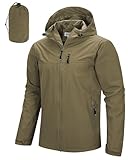
33,000ft Packable Rain Jacket
- › 10000mm waterproof rating
- › Armpit air vents and mesh lining
- › 8 ounces listed weight
- › Four zippered pockets
Best Rain Jackets for Hiking in October 2026
Every shell below is a genuine hiking option, but they are not interchangeable. The table is ordered by how we would pick between them, with the editor’s choice first, and it lists the three or four features that actually decided each placement.
| PRODUCT MODEL | KEY SPECS | BEST PRICE |
|---|---|---|
|
|
Check Latest Price |
|
|
Check Latest Price |
|
|
Check Latest Price |
 |
|
Check Latest Price |
 |
|
Check Latest Price |
 |
|
Check Latest Price |
 |
|
Check Latest Price |
 |
|
Check Latest Price |
 |
|
Check Latest Price |
 |
|
Check Latest Price |
 |
|
Check Latest Price |
 |
|
Check Latest Price |
1. The North Face Antora: Best Overall Hiking Rain Jacket
The North Face Antora Jacket (Standard & Big Size), Blk-NPF, Medium
DryVent 2L seam-sealed shell
Non-PFC DWR
Adjustable 3-piece hood
+ The Good
- Seam-sealed DryVent 2L holds up in backcountry storms
- Breathable enough for long climbs
- True-to-size standard fit with shoulder mobility
- Adjustable 3-piece hood adds real coverage
- Made with 75%+ recycled or responsibly sourced materials
- The Bad
- Hood and hem adjustments are limited for technical alpine use
- Shell only with no insulation
- Big-size availability varies by colorway
The Antora is the shell I reach for first when a forecast turns serious, and it earns that spot on construction rather than branding. The DryVent 2L fabric is seam-sealed across the whole body, which is the difference between a jacket that survives a squall and one that seeps at the shoulder seam after ninety minutes. It is a 2-layer build, so there is no separate lining to add bulk or weight, and the result is a shell that layers cleanly over a fleece without any bulk at the shoulders.
Fit is where the Antora quietly wins. The standard cut gives you real mobility through the chest and shoulders, so reaching for trekking poles or scrambling a granite step does not fight the fabric. It is also one of the few shells here that is offered in true big sizes from 2X through 5X, which is genuinely useful information for anyone who has ever been stuck between an XL and a 4X.
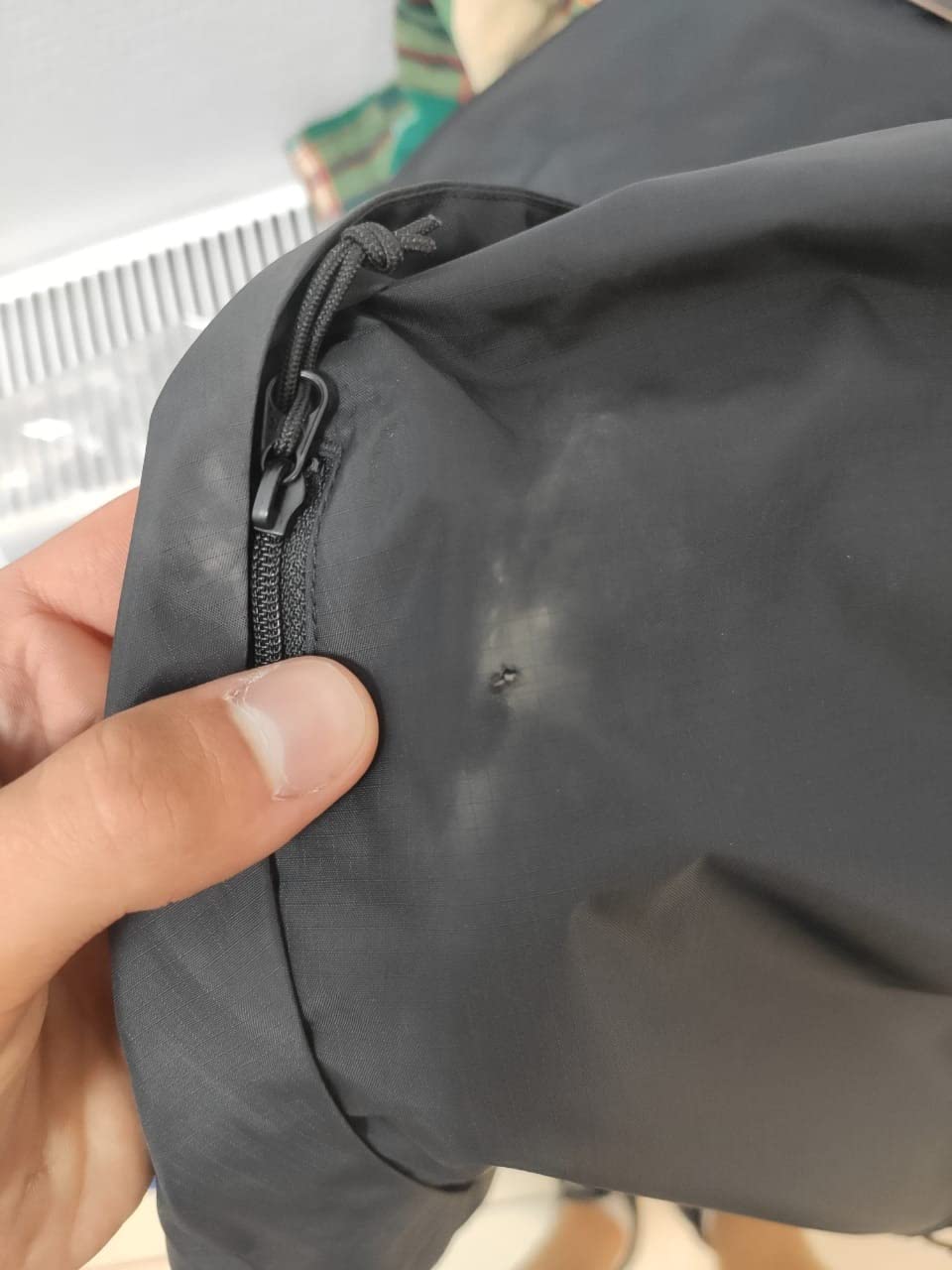
At 4.7 stars across more than 2,200 reviews, the pattern in the feedback is remarkably consistent. Owners talk about waterproofing holding up in backcountry storms, breathability that stays comfortable on long hikes, and a hood that gives genuine coverage in bad weather. Several reviewers single out the fact that the material is made with 75% recycled, regenerative or otherwise responsibly sourced content, which is increasingly the tie-breaker for people buying a shell they intend to keep for a decade.
The honest limitation is adjustability. Compared with a true alpine hardshell, the Antora’s hood and hem cinch do less, and the hem in particular will not ride as high over a loaded pack waist belt. If you are doing serious alpine work, route-finding in fog, or carrying a child in a framed pack, that is worth weighing. For trail hiking, backpacking and everyday wet-weather use, it is a small trade against a very solid package.
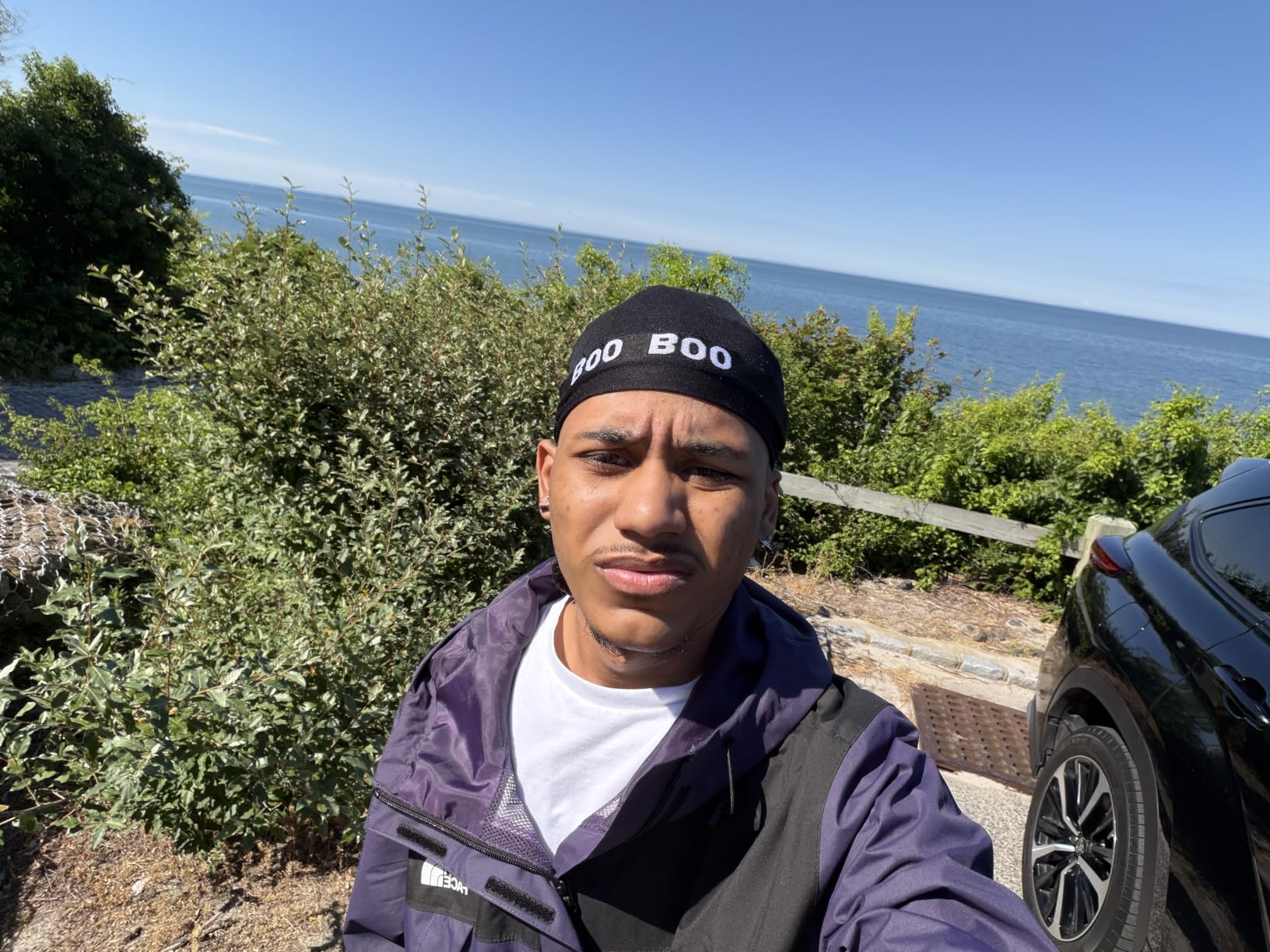
Who the Antora suits best
If you hike two to five days a month in variable weather and want one jacket that handles drizzle, downpours and a wet pack strap without thinking about it, the Antora is the safest recommendation in this roundup. It is equally good as a wet-weather commuter layer on the trail in to the office, and the big-size run is a real advantage for larger hikers who are used to being offered nothing but XS.
Where the Antora falls short
There is no insulation, so in genuinely cold alpine conditions you will be relying entirely on your midlayer to do the work. Reviewers also note that big-size availability varies by colorway, which is a practical annoyance rather than a design flaw. And if your priority is minimum pack weight, the Antora is a heavier option than the ultralight picks further down this list.
2. Marmot Precip Eco: Best Value Shell With Real Pit Zips
MARMOT Men’s PreCip Eco Lightweight & Waterproof Rain Jacket, Steel Onyx – Latest Collection, Large
NanoPro membrane
100% seam-taped
Pit zips
11.68 oz
PFC-Free DWR
+ The Good
- Fully taped seams held up in medium to heavy rain
- Extremely light and packs down to almost nothing
- Pit zips plus wide cuffs create real airflow
- Size range extends to 3X
- Long-term owners report it stays tight after years
- The Bad
- No insulation so it needs a base or mid layer
- Breathability trails premium membranes in humid climates
- Hood can droop over the eyes without adjustment
This is the jacket that convinced our team that a hiking shell does not have to be expensive to be properly made. The Precip Eco uses Marmot’s NanoPro membrane with a PFC-Free DWR and, critically, 100% seam-taped construction. At a listed 11.68 ounces it is also one of the lighter options here, and it stows into its own pocket rather than a separate stuff sack.
What sets it apart from every other jacket in this price bracket is the pit zips. Open them on a climb and the Marmot NanoPro membrane does something most budget shells never manage, which is vent actual heat instead of just describing it as breathable. Combined with the adjustable drawcord hem and wide Velcro cuffs, it gives you a genuine temperature control range rather than an all-or-nothing sealed bag.
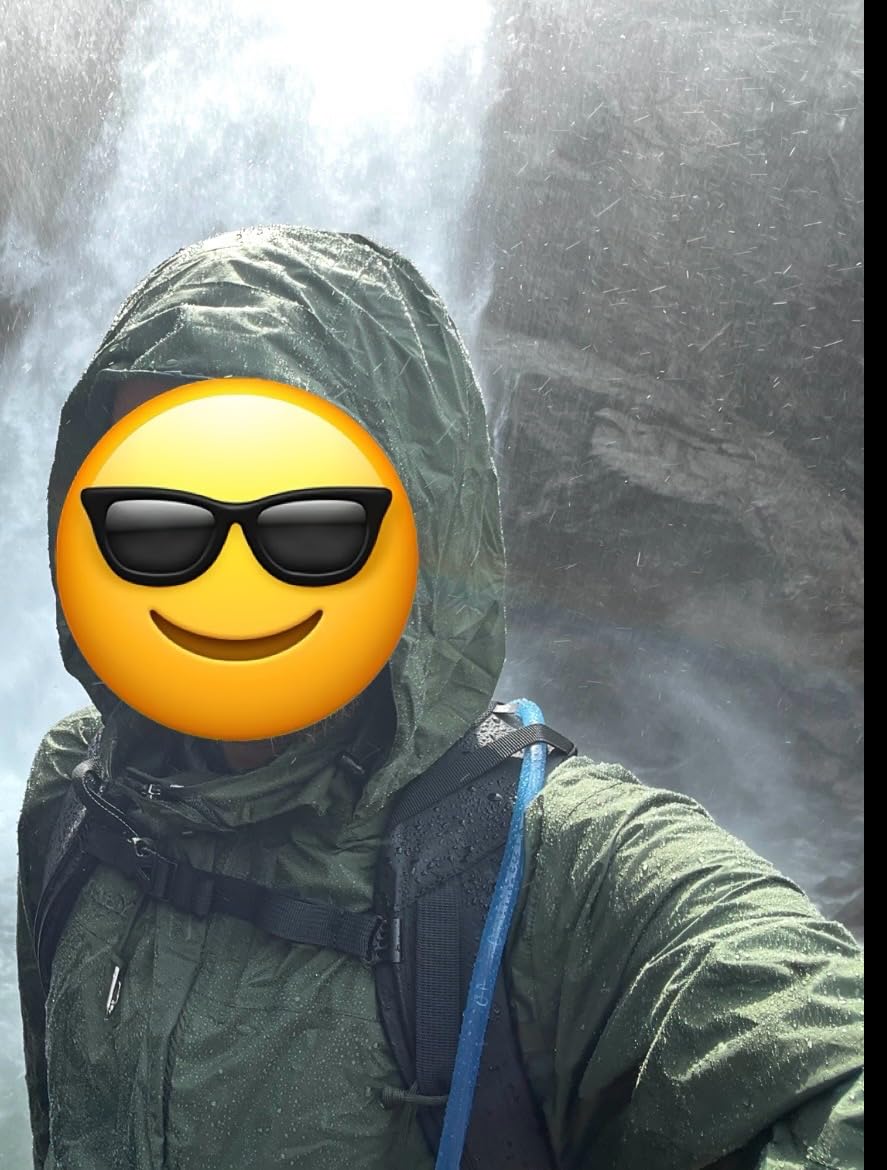
Reviewers report the taped seams holding up on European trips and during ATV riding in medium to heavy rain, which is a more demanding test than most people give a budget shell. Long-term owners describe it as still tight after years of hiking and washing. The size range reaching 3X and the wide selection of colorways are also called out more than once as reasons it works for a wide range of hikers.
There is no insulation in the Precip Eco, which is exactly what you want in a shell but worth restating. Marmot lists it as suited to mild weather, and buyers describe breathability as good rather than excellent in humid climates, which is the honest weakness of any membrane in still, wet air. The hood also needs a moment with the neck tab or it will droop toward your eyes on descents.

Who the Precip Eco suits best
This is the one to buy if you want a genuine trail shell on a budget and refuse to accept taped-less construction as a compromise. Backpackers counting ounces will like that it packs into itself, and hikers in warm, wet climates will like the pit zips more than almost anything else at this level. Our men’s and women’s cut guides cover more on fit if you are choosing between models.
Where the Precip Eco falls short
It is a shell, so you need a midlayer underneath in any temperature below mild. In genuinely humid conditions the membrane is less impressive than premium options, and the hood needs adjusting before you head into sustained rain. If your trips are week-long alpine missions rather than trail and backpacking use, you will want a heavier 3-layer shell instead.
3. 33,000ft Packable Rain Jacket: Best for Ultralight Pack Weight
33,000ft Men’s Packable Rain Jacket Waterproof Raincoat with Hood
10000mm waterproof rating
Heat-sealed seams
Armpit vents
8 oz listed weight
+ The Good
- Fully heat-sealed seams with a 10000mm rating for downpours
- Armpit air vents and mesh lining dump heat on climbs
- Four secure zippered pockets including an inner pocket
- Drawstring hood storm flap and lined chin guard seal out weather
- Wide size range up to 4XL
- The Bad
- Unbranded construction with no named membrane brand
- Some listings run large through the body
- Basic styling next to technical alpine shells
At a listed eight ounces, this is the lightest shell in our roundup, and unusually for a jacket that small it does not feel like a disposable. The construction is full heat seam-sealed with a 10000mm H2O waterproof rating, and the spec sheet claims 10000g/m2/24hr breathability. Those are real numbers rather than marketing adjectives, and they are backed by fully water-resistant exterior zippers, which is where cheap shells usually give up first.
The armpit air vents are the feature that turns a good ultralight shell into a useful hiking shell. On a steep climb in mild temperatures, opening the underarm vents dumps more heat than a mesh lining alone ever will, and it costs you nothing while stopped. Four secure zippered pockets including a zipped inner pocket is generous storage for something this light, and the drawstring hood, drawcord hem, hook and loop cuffs, front storm flap and lined chin guard give it a properly sealed perimeter.
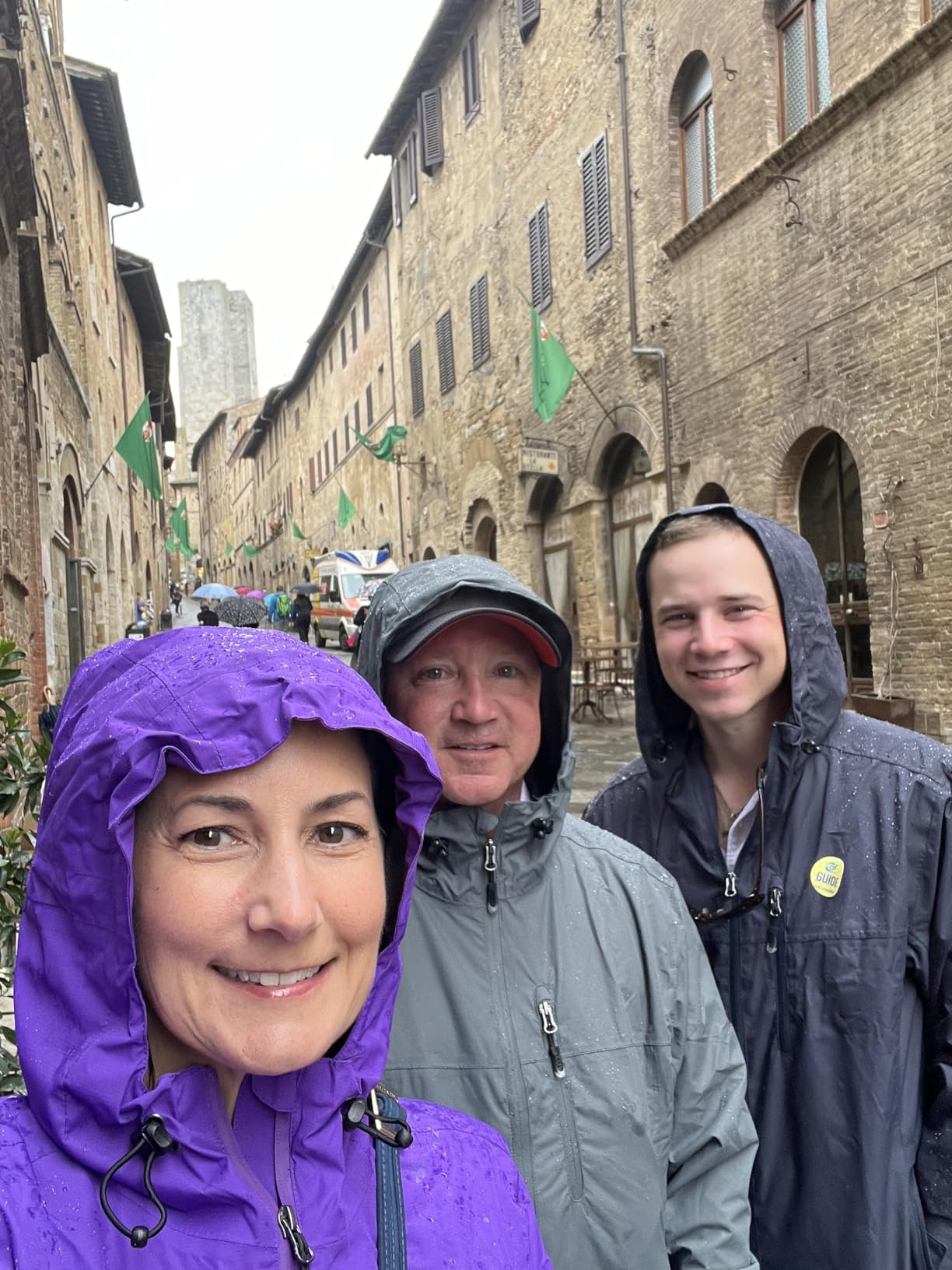
Reviewers highlight the seam-sealed waterproofing, the useful pit venting and the generous secure pocket storage, particularly for hiking, golf and cycling. The recurring notes are more about sizing and style than function, with some listings running large through the body and buyers describing the styling as basic next to a technical alpine shell. For most trail use, styling is not the deciding factor.
The main thing to know before buying is that no membrane brand is named. The waterproof rating and the heat-sealed seams are both meaningful and clearly stated, and reviewers confirm solid downpour performance, but you are buying on the numbers rather than on a proven chemistry. It is the best pack-weight-to-protection ratio we found, and it is a long way from being the last word in alpine durability.
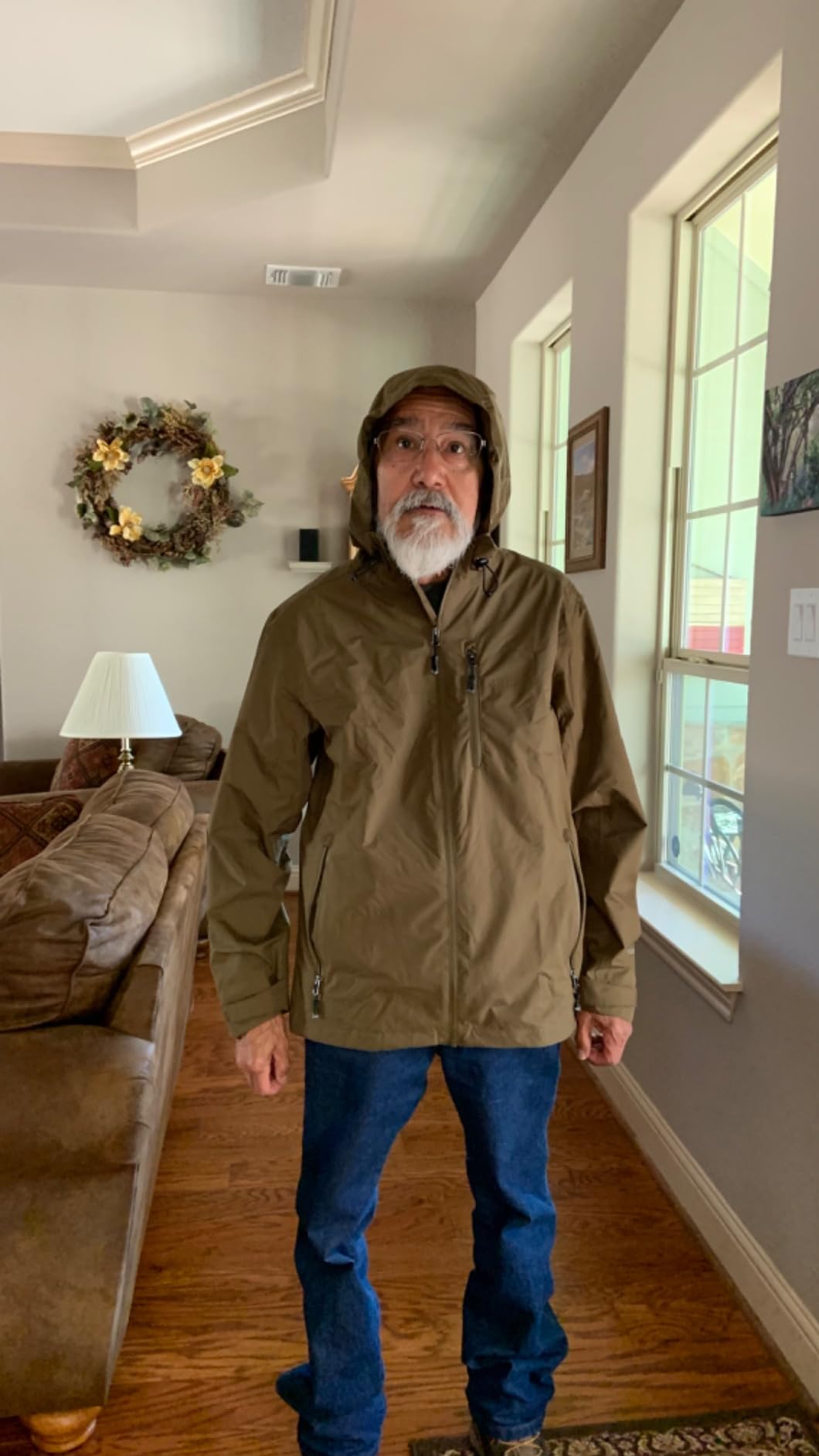
Who the 33,000ft jacket suits best
Backpackers and fast hikers who count every gram will get the most out of it, particularly on warm climbs where the armpit vents matter. Day hikers who want something small enough to live in a pack year-round without thinking about it will also love it. The size range extending to 4XL is a genuine benefit that many technical shells do not offer.
Where the 33,000ft jacket falls short
No named membrane brand means you are trusting the rating rather than a track record, which is a different kind of confidence. It is a 2-ply-feeling build, so expect it to be less abrasion-resistant under a heavily loaded pack over many seasons than a 3-layer hardshell. If your list runs large, check the sizing carefully because some buyers report it running big through the body.
4. Columbia Watertight II: Best Budget Rain Jacket for Hiking
Columbia Men’s Watertight II Waterproof Rain Jacket, Black, Large
Omni-Shield nylon shell
Packs into own pocket
Zippered pockets
Elastic cuffs
+ The Good
- Proven waterproof nylon shell that handles drizzle to downpour
- Omni-Shield repels moisture and dries fast instead of absorbing
- Packs into its own hand pocket
- Lightweight without bulk
- Elastic cuffs hem and chin guard seal out weather
- The Bad
- Not seam-taped like technical shells
- No pit zips or venting for high-output hiking
- Fixed hood with limited adjustment
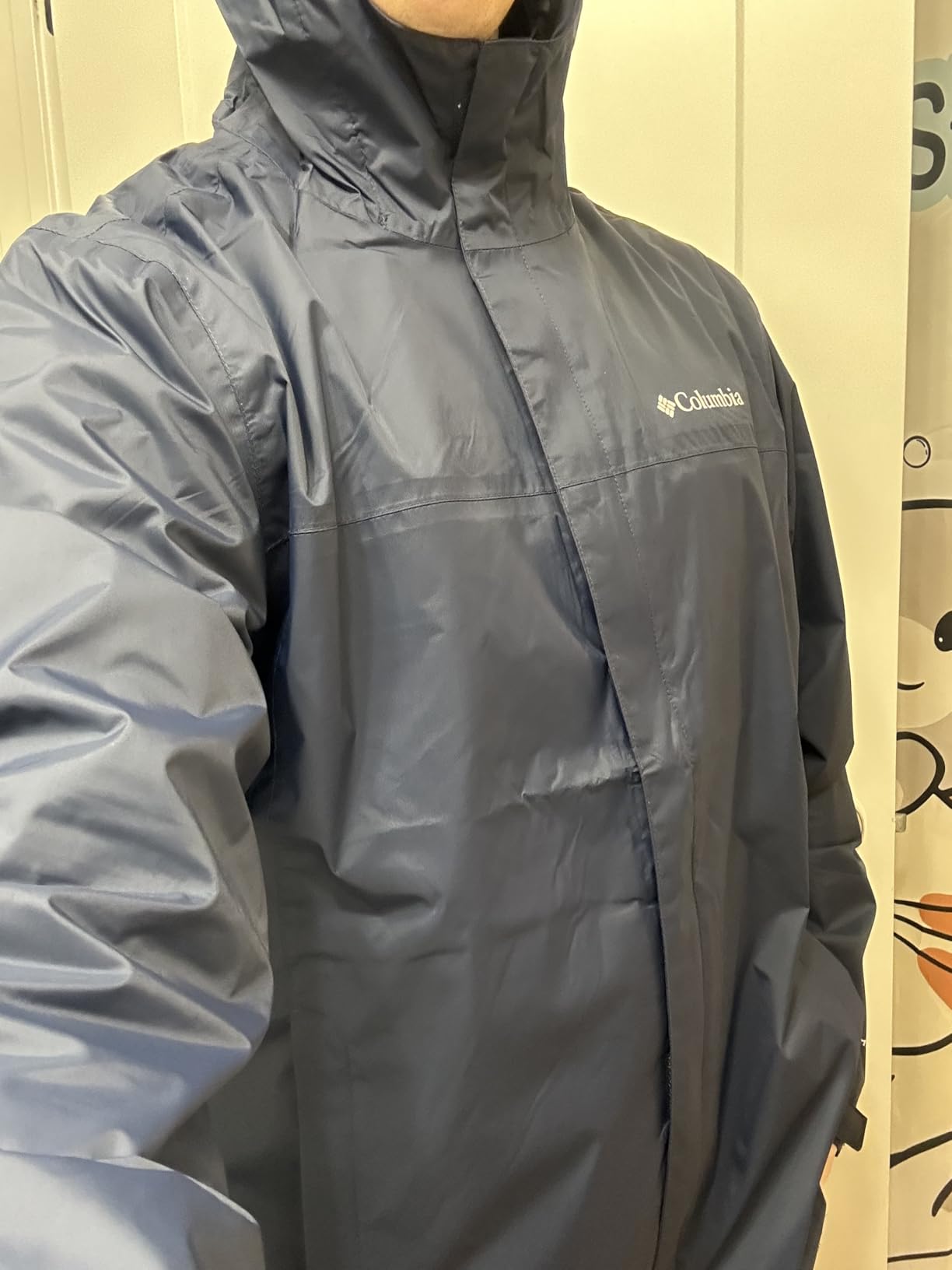
The Watertight II is among the most established rain jackets in this group, with more than 3,100 reviews holding a 4.7 average. That longevity is itself informative, because a jacket that has been in production since 2014 and still earns this kind of feedback is not a product that fails after a season. Reviewers consistently describe it as dependable waterproofing that runs from drizzle to downpour.
Columbia’s Omni-Shield treatment is the practical part of the story. Rather than absorbing water and staying cold like a cheap untreated fabric, it repels moisture and dries quickly, and the abrasion-resistant chin guard is the detail that tells you the brand built this for real use rather than a photo shoot. Two zippered side pockets, elastic cuffs and an elastic hem give it a snug, sealed feel.
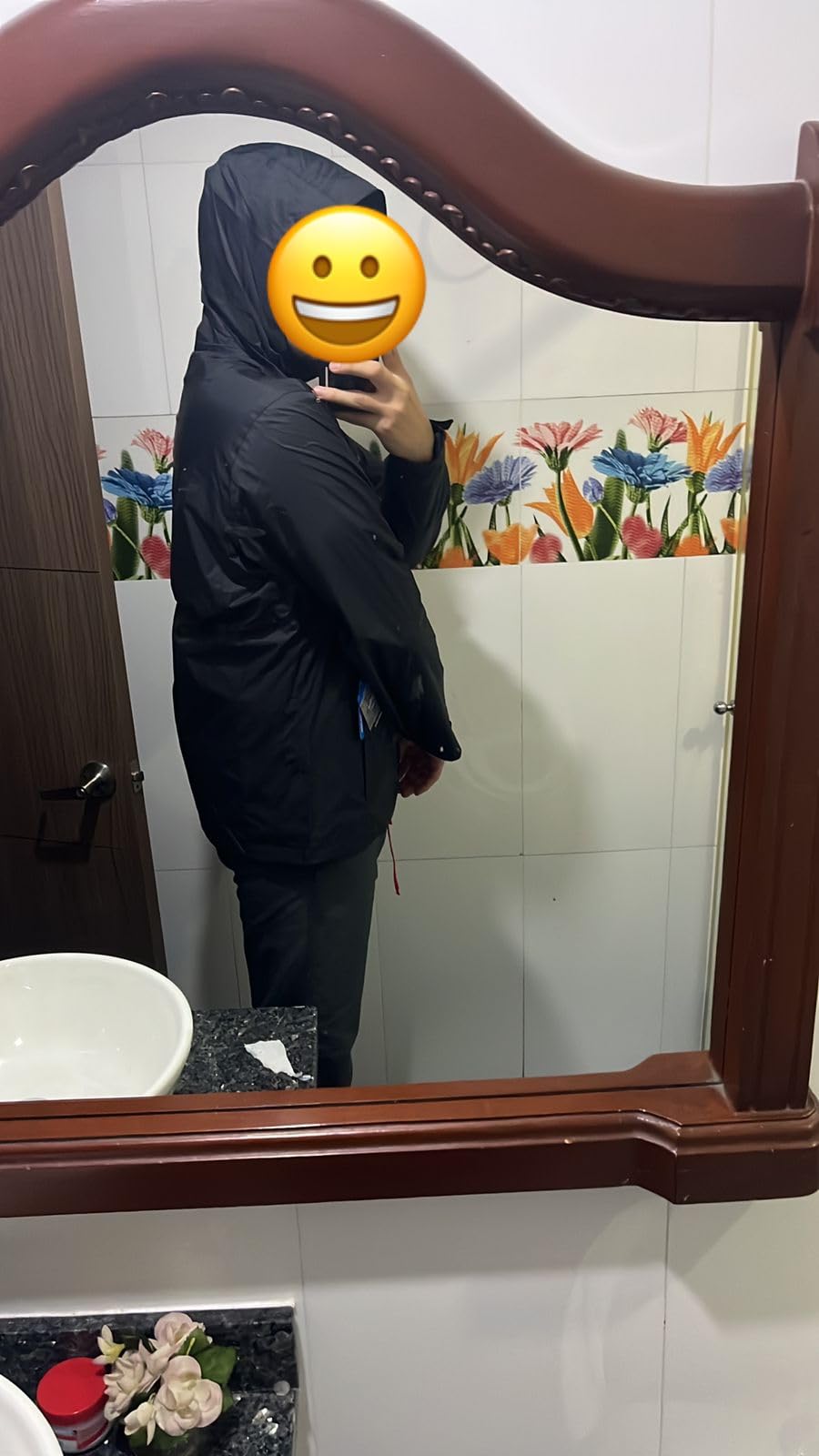
The packability is what separates it from a generic rain slicker. It folds into its own hand pocket, so it lives permanently in a pack lid or a car boot without a separate stuff sack. Buyers cite easy pack-down portability and a comfortable, slightly snug fit as the two most common positives, and owners frequently use the word value for money rather than describing it as a compromise.
The honest limitation is that the seams are not taped. That is fine for sustained rain on a trail with a pack, and it is less fine if you are in a downpour for hours with no break, where water can migrate through the stitch lines. There are also no pit zips, so the ventilation story is limited to whatever the fabric itself can do, and the hood is fixed with limited adjustment. Treat it as a good weather layer, not an alpine one.
Who the Watertight II suits best
Day hikers, casual walkers and anyone who wants one jacket that handles ordinary rain without overthinking it. It is also an excellent second jacket to keep in a car, a locker or a wheel bag. If you are new to hiking rain gear and want to find out whether you even like wearing a shell, this is a low-risk place to start.
Where the Watertight II falls short
Unseamed construction and a lack of venting mean it is the wrong tool for sustained downpours on steep climbs, where you will get wet from the inside regardless. The fixed hood also frustrates anyone who wears a hat or a helmet. If you are moving fast and generating a lot of heat, look at the Marmot Precip Eco or the 33,000ft jacket instead.
5. Helly Hansen Seven J: Best for Coastal Rain and Layering
Helly Hansen Seven J Jacket Black MD
Helly Tech fully seam sealed
Quick-dry mesh lining
One-hand hood adjust
+ The Good
- Polyamide Helly Tech shell stays dry in heavy rain and mist
- Full mesh lining keeps it cool in warmer weather
- Extensive adjustable hood that replaces a rain hat
- Sleek non-baggy look that works socially
- YKK zippers and quality stitching
- The Bad
- Shell only with no warmth of its own
- Modest breathability in humid climates can lead to sweat
- Interior chest pocket is Velcro rather than zippered
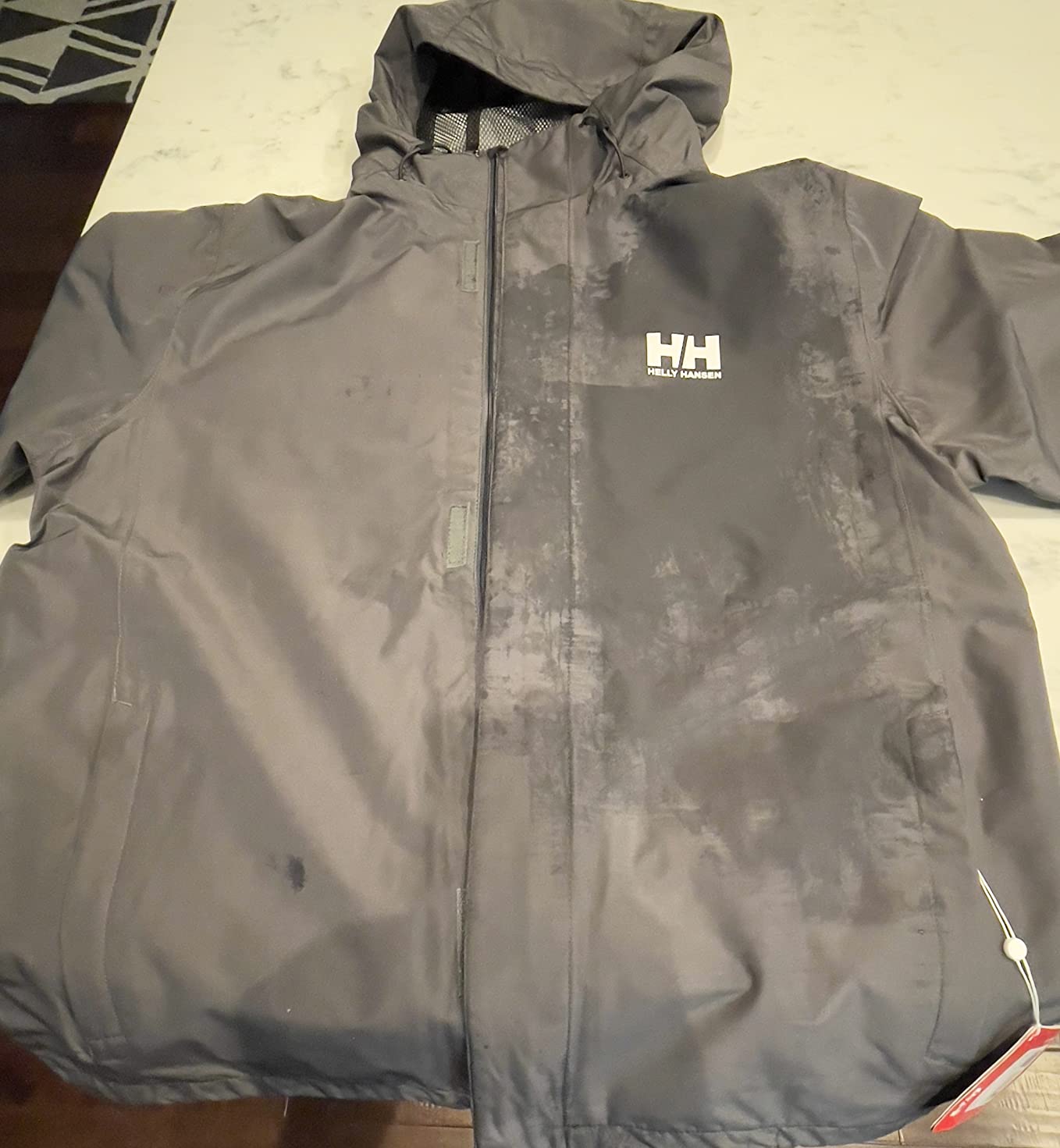
The Seven J has been around since 2009, which tells you something about how the brand and the construction have held up. The Helly Tech fabric is fully seam sealed with a DWR treatment, and reviewers describe the polyamide shell as staying dry in heavy rain and mist without absorbing water. That last part is the detail most hikers care about, because a fabric that saturates turns cold long before the rain stops.
The full mesh lining is the second reason to like it. Rather than a thin scrim, you get a proper quick-dry mesh that moves air across the body, and owners consistently mention that it stays comfortable against wind in warmer conditions. The fixed hood with one-hand hood adjustments is unusually capable, and multiple reviewers note that it is extensive enough to make a separate rain hat unnecessary.
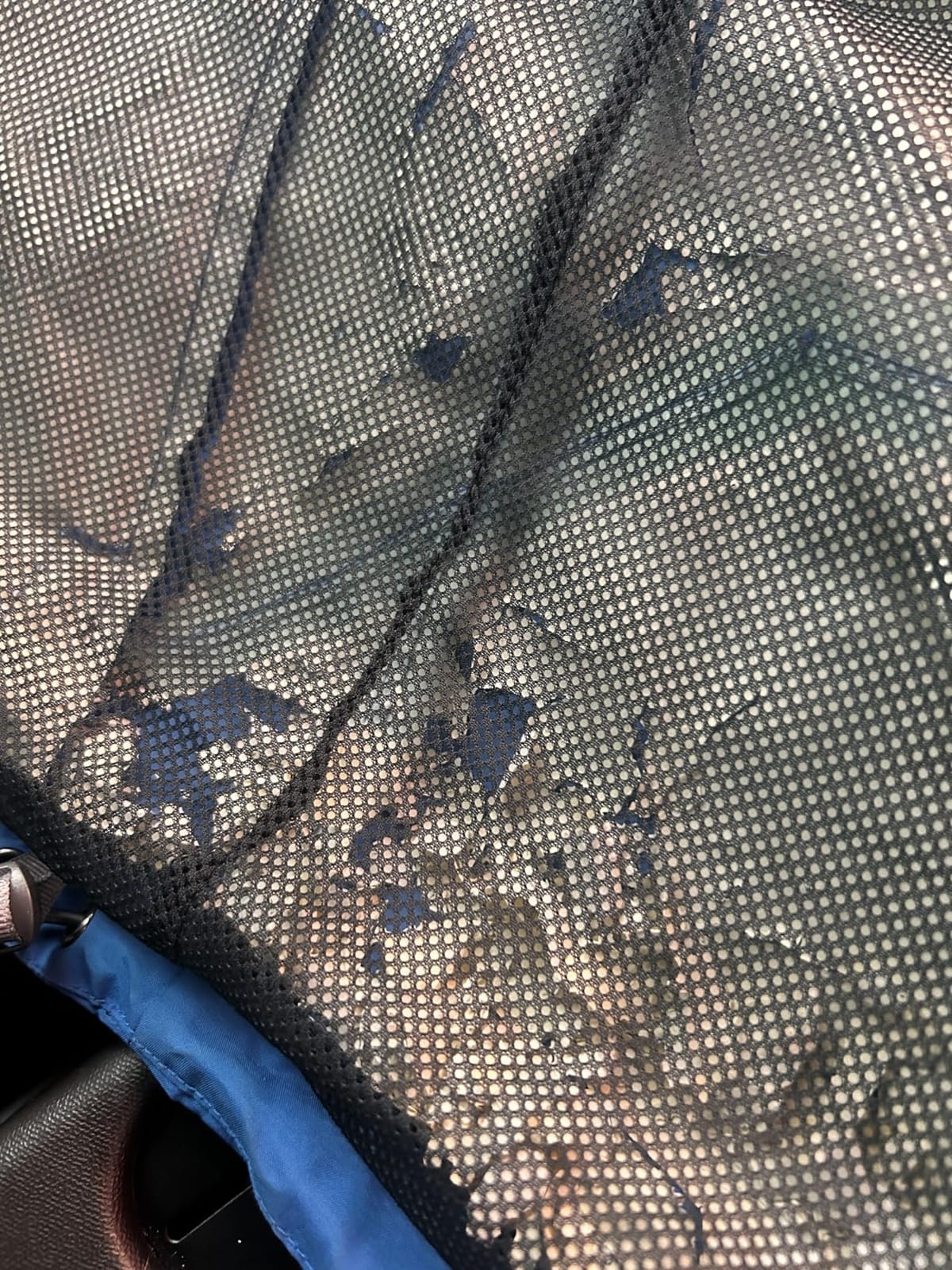
There is also a social argument for this jacket that most technical shells lose. The Seven J is a clean, non-baggy cut that looks fine in a cafe or on a train, so it does not have to live in a pack between adventures. YKK zippers and the quality of the stitching are called out as details that hold up over years rather than seasons, and a number of owners describe it as the best rain shell they have owned.
The front storm flap is a genuine feature in wind-driven coastal rain, and the hem cinch cord lets you close off the bottom when the wind comes from ahead. The interior chest pocket being Velcro rather than zippered is a small frustration if you carry a phone or keys in it, and breathability is described as modest in genuinely humid climates. Shell only, of course, with no insulation of its own.
Who the Seven J suits best
If you hike somewhere wet and windy, which in practice means the Pacific Northwest, the Scottish Highlands, Atlantic coastal paths or long-distance routes in unsettled weather, this is a very strong match. It is also a good choice for anyone who wants one jacket that works on the trail and in town, and for layering over a thicker midlayer because the mesh lining leaves room.
Where the Seven J falls short
Mesh linings feel clammy in genuinely humid, still air, and several owners note sweating through in hot conditions. It provides no warmth alone, so below mild temperatures it needs a real midlayer. The secure-pocket situation is weaker than competitors here, with the internal chest pocket secured only by Velcro.
6. Eddie Bauer Rainfoil WeatherEdge: Best for Travel and Day Hiking
Eddie Bauer Men’s Rainfoil WeatherEdge Waterproof Packable Hooded Rain Jacket, Medium Indigo, Medium
WeatherEdge 2L seam-sealed
StormRepel DWR Plus
Packs into own pocket
+ The Good
- WeatherEdge waterproof tech holds up in heavy downpours
- Packs into its own pocket so it is travel-ready
- Recycled polyester with a reflective chest logo
- Mesh lining helps prevent a clammy feel
- Machine washable with adjustable cuffs and storm flap
- The Bad
- No pit zips or dedicated venting for high output
- Fixed hood with limited adjustment
- Hiking-focused buyers note it is a shell without insulation
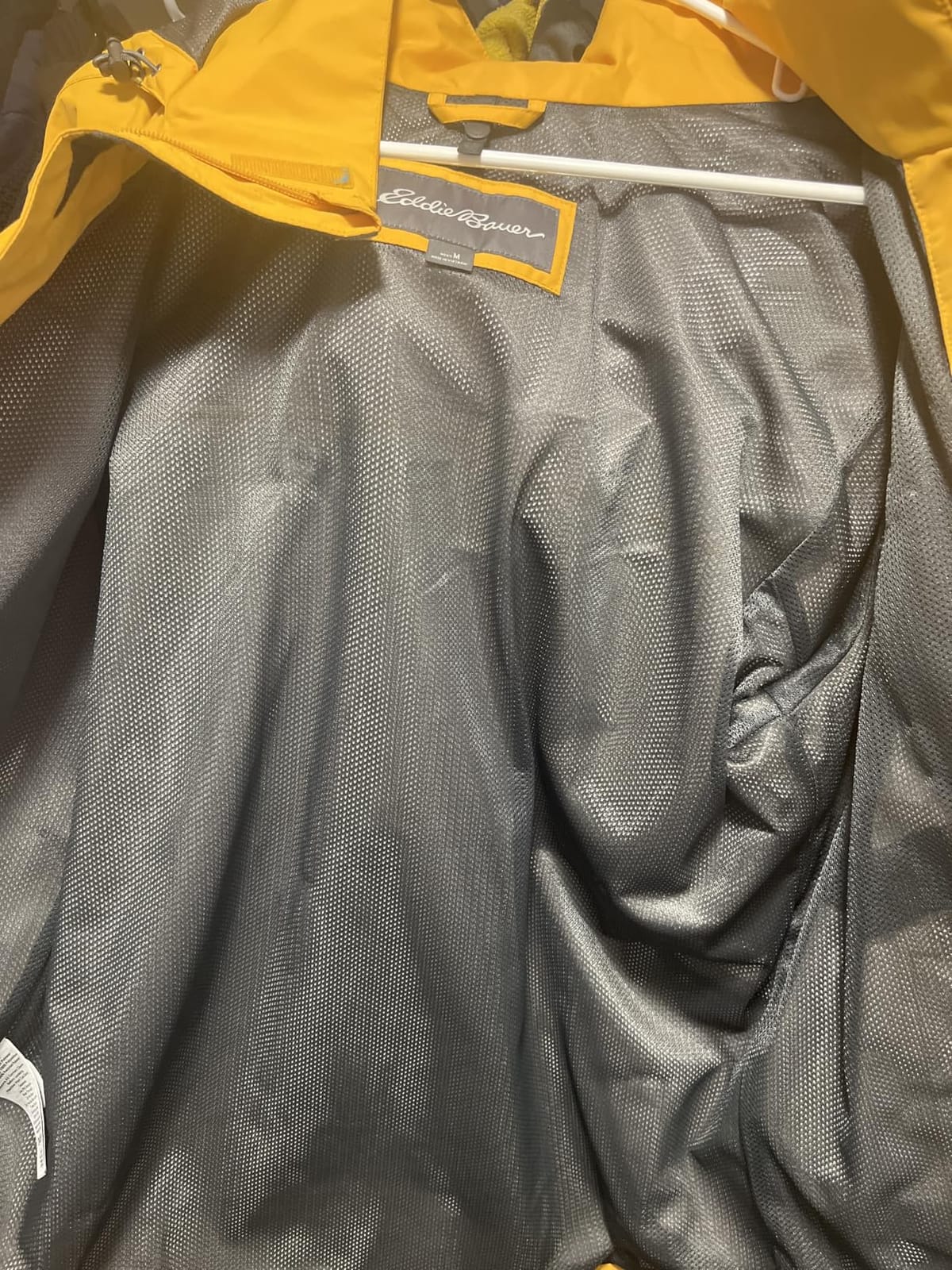
The Rainfoil is built for the specific situation where your jacket lives in a carry-on and has to be useful within a minute of arrival. It is a WeatherEdge 2-layer seam-sealed shell with a StormRepel DWR Plus finish, and reviewers confirm the waterproof technology holds up in heavy downpours rather than merely beading light rain. That is the difference between a travel jacket and a hiking shell, and it is a welcome surprise here.
It packs into its own right-hand pocket, which means no stuff sack to lose in a side pocket. The full-zip front with a storm flap, adjustable Velcro cuffs and a built-in chin guard give it a properly sealed perimeter, and the interior mesh lining is enough to keep a moderate pace from feeling clammy. The reflective chest logo also adds a little low-light visibility without shouting about it.
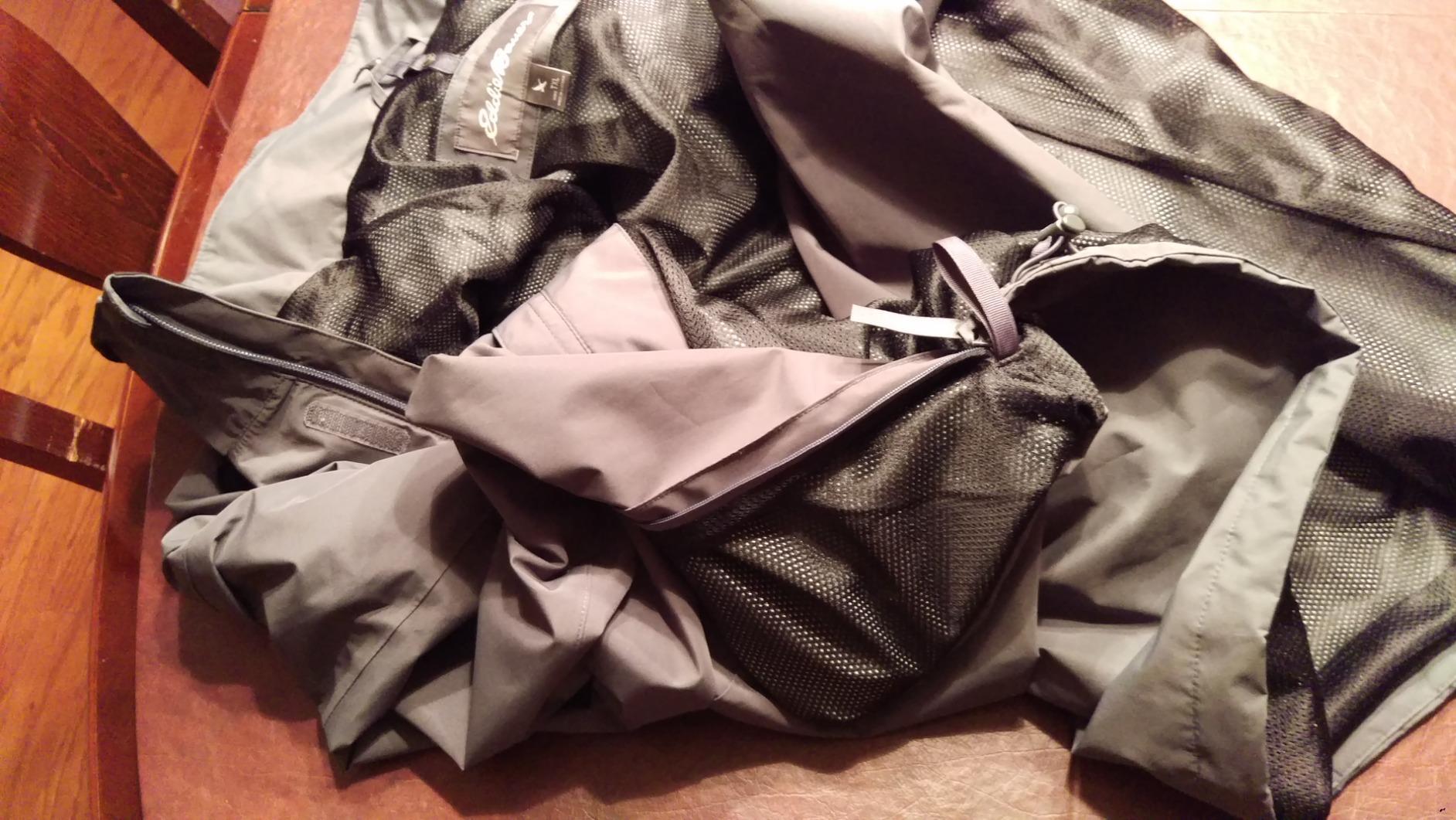
Feedback centers on reliable seam-sealed waterproofing, easy pack-down portability and a comfortable mesh-lined interior, with limited venting and a non-stowable hood as the recurring trade-offs. Making it from 100% recycled polyester and being machine washable are both meaningful details for a jacket that will be used hard and washed often.
There are no pit zips and no dedicated venting, so on a steep climb in mild weather you will need to manage heat by pacing, opening the front and managing layers. The hood is not stowable and offers limited adjustment, which is annoying if you want to use the front zip as a temperature control. And buyers hiking seriously note plainly that it is a shell with no insulation.
Who the Rainfoil suits best
Anyone who splits time between hiking and travel, or who wants one jacket to handle a wet city commute and a wet trail without carrying two. It works well for day hiking where you are out for a few hours rather than overnight, and for cyclists who want a packable layer. Machine washability makes it easy to keep in rotation.
Where the Rainfoil falls short
It is not a technical alpine piece, and the absence of pit zips is the main reason. The fixed, non-stowable hood is the second. If your hiking involves sustained rain at altitude, repeated shoulder abrasion under a heavy pack, or a lot of high-output climbing, step up to the Marmot Precip Eco or the Marmot Cascade.
7. baleaf Reflective Rain Jacket: Best for Visibility on Bike and Night Hikes
baleaf Men’s Waterproof Rain Jacket Packable Windbreaker Pockets Black XL
TPU membrane 5000mm
3000g breathability
Back vent
6 pockets
+ The Good
- Held rain off for 2.5 hours of cycling in Vancouver
- Fluorescent and reflective colorways give real visibility
- Packs down tiny into its own back pocket
- Ventilation system and light lining reduce clamming
- Six pockets including stormproof zippered hand pockets
- The Bad
- Large back vent means it is not a fully sealed shell
- Bulky hood that cannot be stowed into the collar
- Looser torso fit and elastic-only cuffs
The baleaf is built around visibility, and that is a real feature rather than a gimmick. It ranks at the top of its category for running jackets, and its fluorescent and reflective colorways plus reflective stripes and logo are repeatedly praised by cyclists and runners as serious low-light safety. For anyone who hikes or bikes at dawn, dusk or in fog, that is worth more than an extra membrane layer.
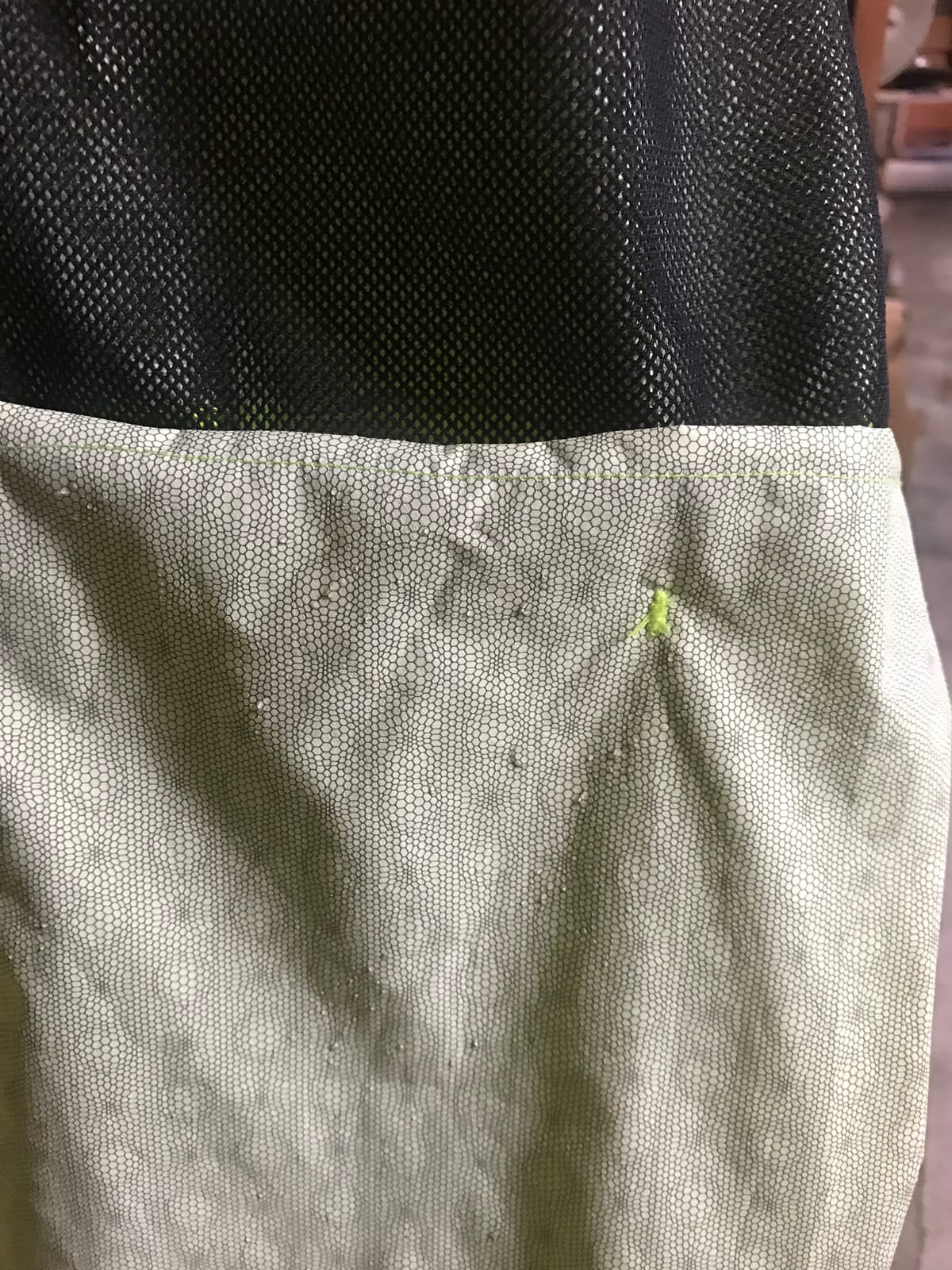
The core protection is a laminated TPU membrane rated at 5000mm waterproofing and 3000g/m2/24hr breathability, which is a modest but legitimate rating. One reviewer’s test of 2.5 hours of cycling in Vancouver rain kept water out entirely. It packs down tiny into its own back pocket, and six pockets including four zippered outer and two inner pockets is a lot of storage for a jacket that folds this small.
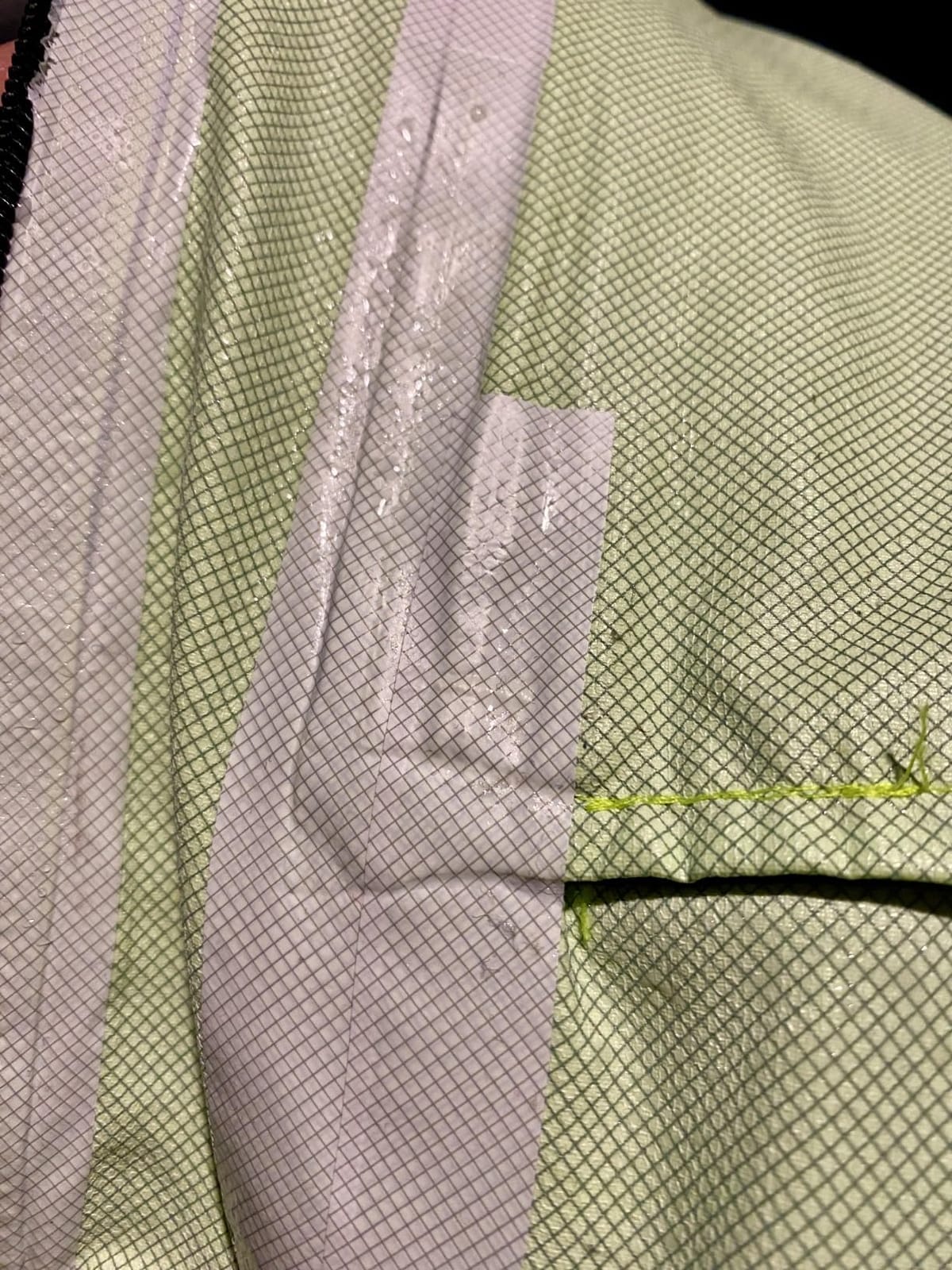
Be clear about what this jacket is, because the design makes the trade explicit. The large back ventilation system and light lining genuinely reduce clamming in heat and humidity, but that vent opening means it is not a fully sealed rain shell. It is a wind-and-rain layer that breathes, which is the opposite trade to the fully taped options earlier in this list.
The hood is bulky and cannot be stowed into the collar, and the roomier torso fit means the main zipper takes two hands while riding with gloves on. Cuffs are elastic only rather than adjustable. The drawcord hem and anti-skid hem do a good job of keeping spray off your back, which is the exact use case the jacket was designed for.
Who the baleaf suits best
Night runners, dawn cyclists, winter dog walkers and anyone who has been caught out after dark in poor visibility. It also works well as a packable storm layer for a bikepacking setup. If you move fast and generate heat but do not need to sit through a long, cold downpour, the venting design is an advantage rather than a compromise.
Where the baleaf falls short
The back vent is the whole trade-off, and it means this is not the shell to take into sustained heavy rain or onto exposed ridgelines. The bulky, non-stowable hood can be intrusive, and the loose torso fit is unhelpful if you want to layer a thick midlayer underneath it.
8. TEZO Hooded Hiking Coat: Best Low-Cost Fully Sealed Shell
TEZO Mens Rain Jacket Waterproof Hiking Coat Windproof Mountain Jacket Lightweight Windbreaker with Hooded(AG/GY M)
Fully sealed welded TPU seams
Waterproof coating
Detachable hood
+ The Good
- Outperforms pricier branded shells for the money
- Reliable waterproofing in heavy rain
- Lightweight mesh lining without bulk
- Detachable hood and adjustable cuffs add versatility
- Seam finish described as close to premium brands
- The Bad
- No drawstring hem and cheaper one-directional zippers
- No pit vents so it can feel warm on high output hikes
- Small unsecured pockets and a medium that runs large
The TEZO is the value anomaly in this roundup. For very little money you get fully sealed and welded TPU membrane seams, a professional waterproof coating and a non-fleece mesh lining, and the review base is enormous at more than 5,300 ratings. Buyers largely describe the seams and construction as close to premium shells, which is a remarkable claim that a lot of the feedback backs up.
Waterproofing is the headline. Reviewers report it holding up on European and Alaskan trips in heavy rain, and several specifically say it outperforms more expensive branded shells for rain repellency. The detachable windproof hood is unusual at this price and adds real versatility, because you can strip the hood back when you are not pushing through weather.
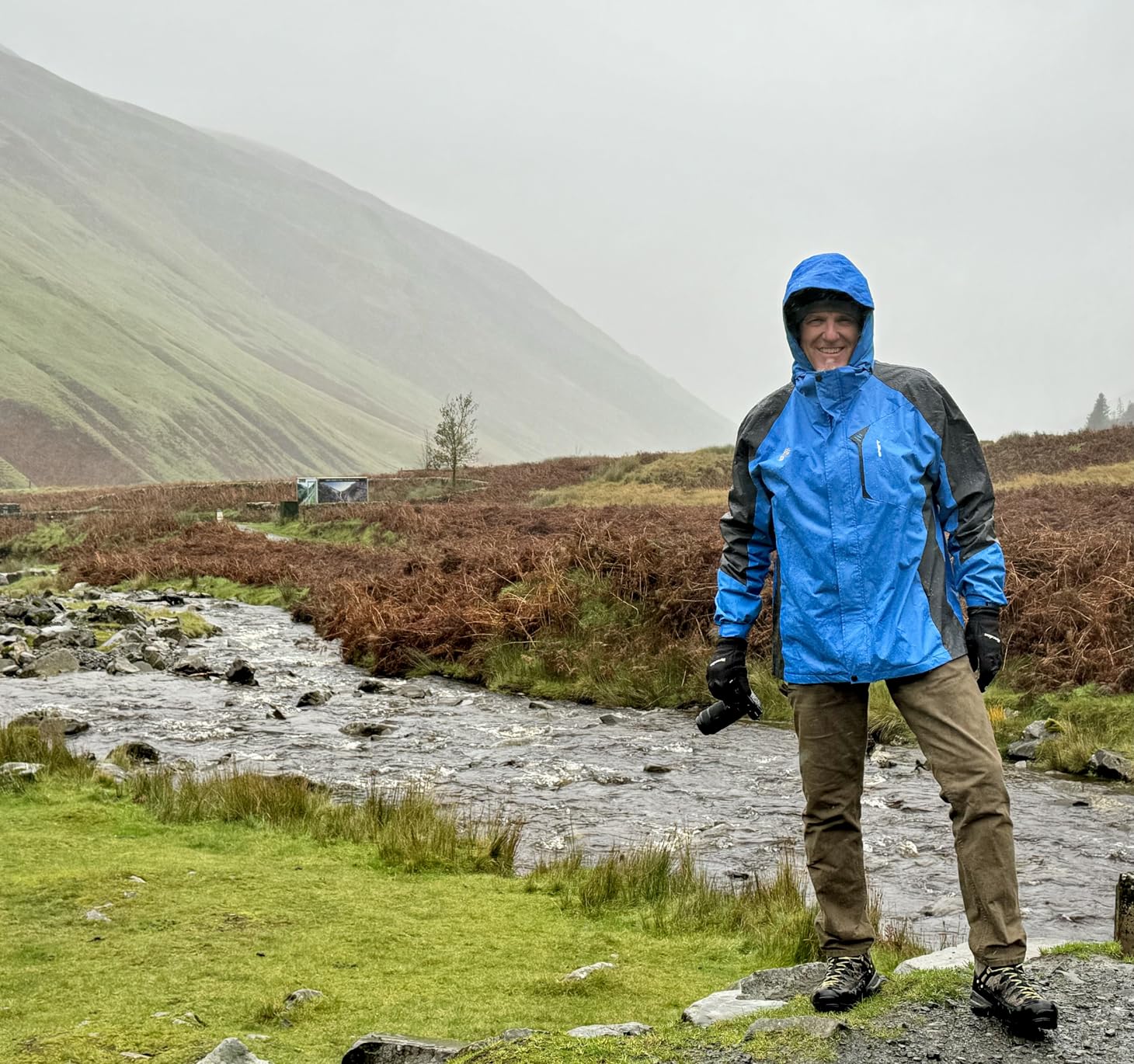
There is a small minority of feedback reporting water getting through in sustained rain, which is worth knowing about, though the overwhelming majority report it holding. The mesh lining keeps it light and comfortable in mild rain, and seal-taped chest pockets plus two waterproof side pockets give you somewhere to put a phone. Brand lists it for hiking, mountaineering, camping, rock climbing and cycling, which tells you the design intent.
The gaps are structural rather than quality issues. There is no drawstring hem and the one-directional zippers are cheaper. No pit vents means it can feel warm on high-output hikes, which is the classic way to get wet from the inside. The inner pocket has no closure and the pockets run small, and the medium size runs a little large, which is awkward if you want layering room in 2XL.

Who the TEZO suits best
Anyone who wants genuinely sealed seams and a detachable hood without spending real money. It is a strong choice for casual hikers, hikers in drier climates, and as a wet-weather layer for everyday use. If you have been put off waterproof jackets by price, this is the most convincing argument in this list.
Where the TEZO falls short
No pit vents, a hem you cannot cinch and small, unsecured pockets are the practical limits. The one-directional zippers are fiddly one-handed, which matters on a climb when you are holding a pole. And the loose medium fit reduces the layering room you get in larger sizes.
9. COOFANDY Packable Rain Jacket: Best as a Backup Emergency Layer
COOFANDY Men’s Waterproof Hiking Travel Shell Breathable Rain Jacket Packable Raincoat
Waterproof windproof layer
Adjustable drawstring hood
Included pouch
+ The Good
- Folds into an included pouch small enough for a glove compartment
- Kept hikers mostly dry through two full days of rain
- Blocks wind effectively
- Hood fits over or under a bicycle helmet
- Huge size range including 4XL with a relaxed fit
- The Bad
- Waterproofing wore off quickly with backpack strap friction
- Does not handle direct water splashing such as in a boat
The COOFANDY earns its place for a very specific reason: it disappears. It folds into an included carrying pouch small enough for a glove compartment, a purse or the top of a daypack, and it is rated with the best sellers category for packable rain jackets. If you want insurance against a forecast failure without carrying a second jacket, this is the cheapest way to do it.
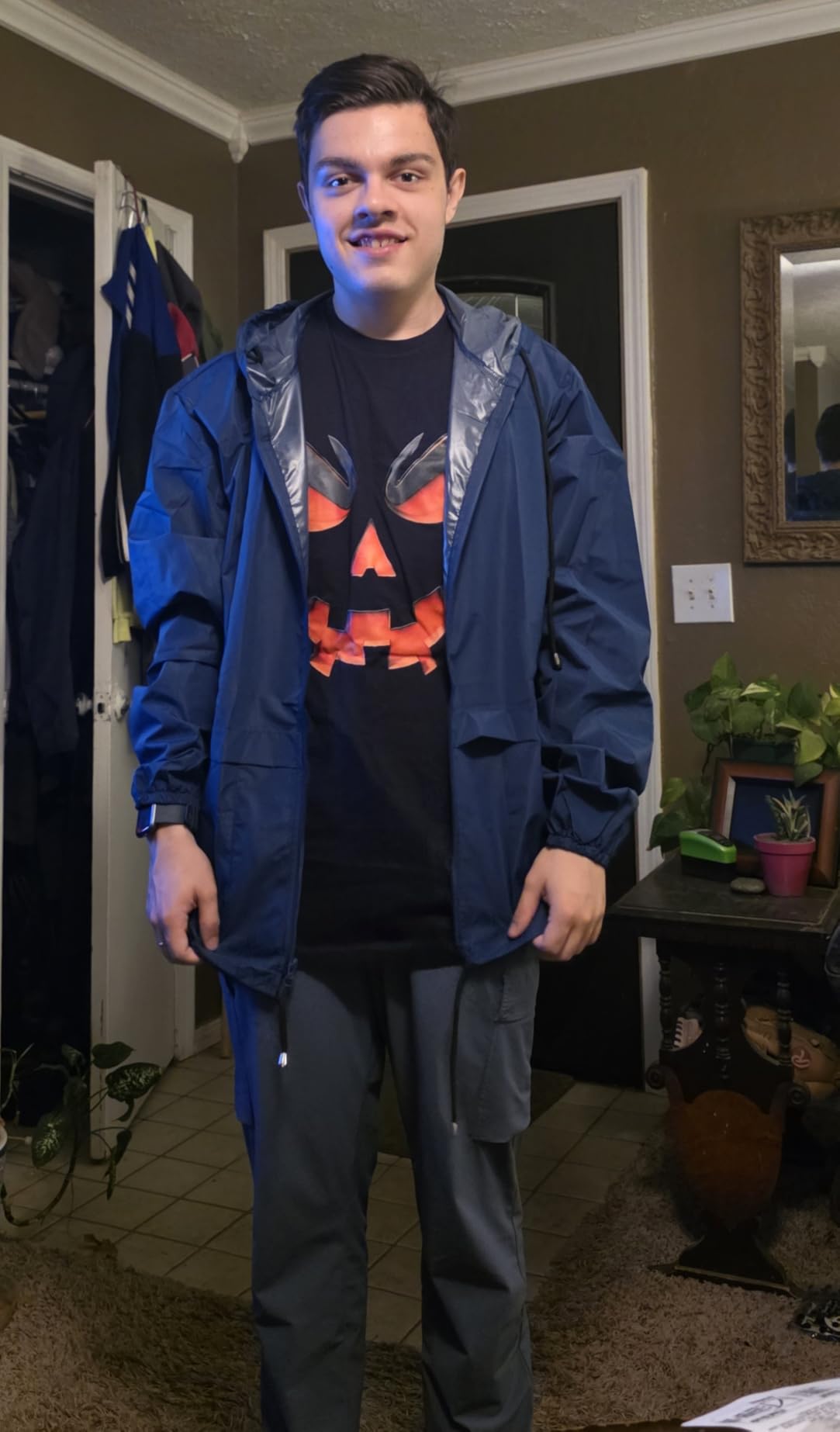
It is also more capable than its reputation. Reviewers report keeping hikers mostly dry through two full days of rain and blocking wind effectively, and the hood fits over or under a bicycle helmet, which makes it useful for cycle-commute or bikepacking setups. The classic relaxed fit runs true to size and the range extends to 4XL, and the bright high-visibility colorways are a genuine benefit for cycling and golf.
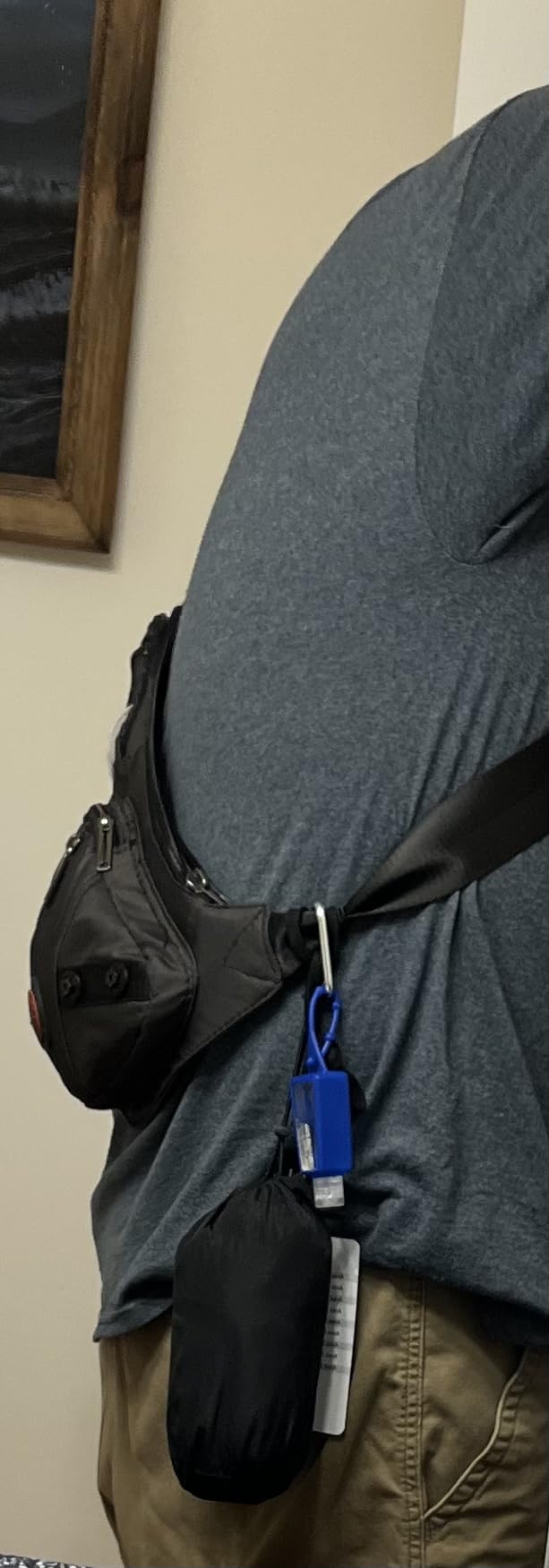
Understand what this is. The fabric is very thin and somewhat sheer, and reviewers describe it as feeling closer to an emergency blanket than a jacket. The hood is oversized and floppy if you are not wearing a hat underneath it, and the care instructions are explicit that you should not iron because heat damages the waterproof wax. It is machine or hand washable, which is convenient.
The most important limitation for a hiking roundup is durability. Some buyers report backpack straps wearing off the waterproofing within two days of hiking, which is a direct answer to the question of whether a cheap packable shell is adequate. It is adequate for overnight trips on maintained trails and completely inadequate for anything involving loaded straps, bushwhacking or direct splashing, such as being caught in a boat.
Who the COOFANDY suits best
Day hikers, travelers, festival-goers and anyone who wants a just-in-case layer for almost nothing. It is a good fit for warm climates where you will not wear a midlayer, and for anyone who needs a hood that fits over a cycling helmet. Think of it as a packable insurance policy, not a trail shell.
Where the COOFANDY falls short
Backpack strap abrasion destroys the waterproofing quickly, which disqualifies it for regular hiking with a pack. The fabric is sheer and thin, the hood is floppy, and it will not handle direct splashing. If you are heading into a real backpacking trip, spend the extra money on something taped and pit-zipped.
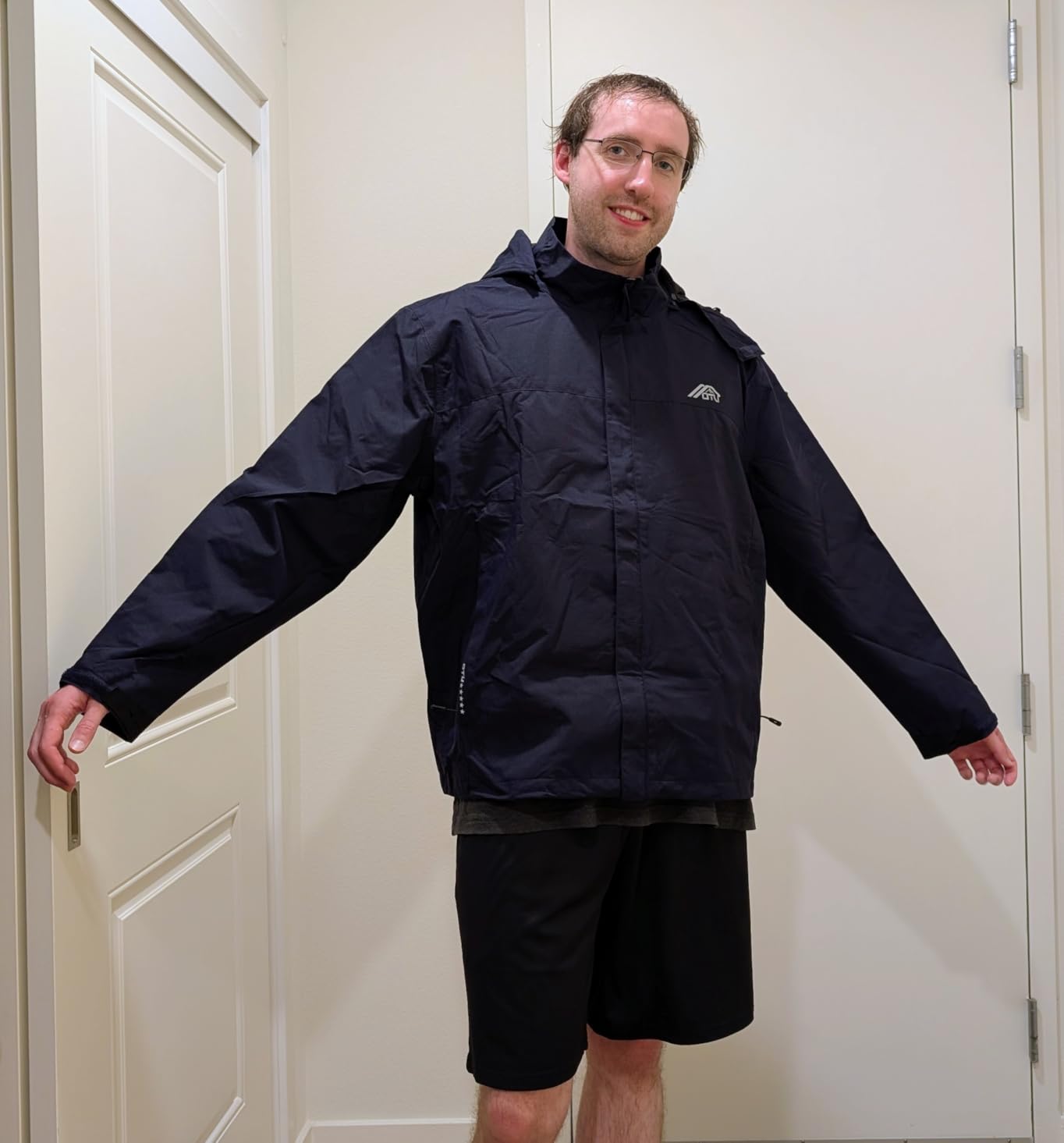
10. OTU Lightweight Waterproof Hooded Jacket: Best General-Purpose Everyday Shell
OTU Men’s Waterproof Rain Jacket
Watertight IV waterproof shell
Mesh lining
Stowable hood
+ The Good
- Enormous review base of more than 15000 buyers
- Lightweight mesh lining improves breathability
- Compact enough to fit into a bag for on-the-go rain
- Drawcord hem and hook and loop cuffs trap warmth
- Stowable and detachable hood adds flexibility
- The Bad
- Basic two-pocket layout with one inner chest pocket
- No pit venting for high-output hiking
- General-use shell rather than a technical alpine layer
The OTU is the most-reviewed jacket in this entire roundup, with more than 15,000 ratings averaging 4.5. That scale of feedback is its own kind of evidence, because a design that survives 15,000 buyers is not going to have a hidden structural problem. It is also one of the most highly ranked in active and performance shell categories, which is the closest thing to a category win we can point to.
What buyers highlight is the lightweight mesh lining, which improves breathability and comfort from the inside out. That single detail is what keeps the jacket from feeling like wearing a plastic bag on a mild day. The compact design fits into a bag for on-the-go rain readiness, and the drawcord hem with hook and loop cuffs traps warmth and blocks wind on the shoulders and wrists.
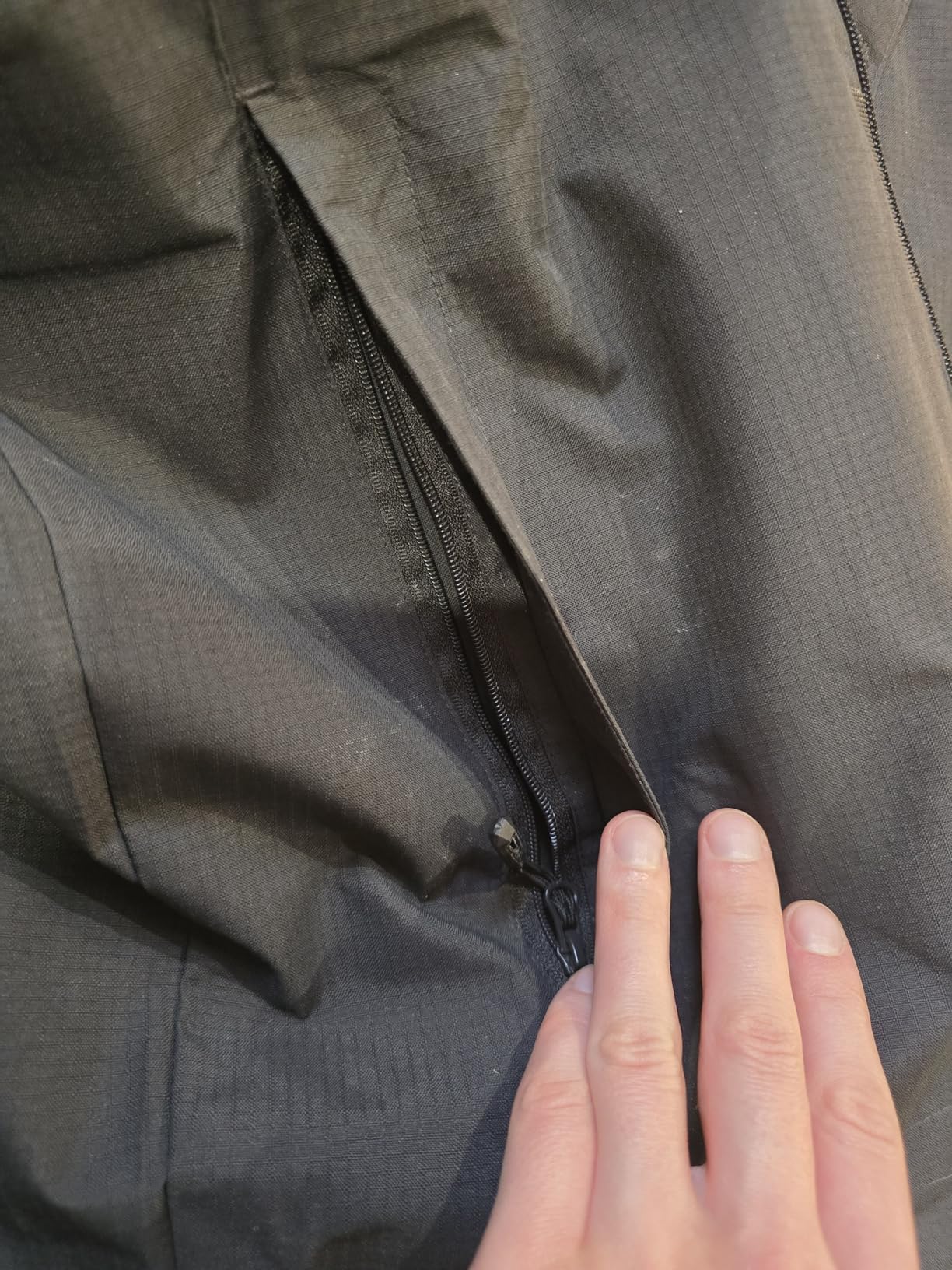
The hood is unusually flexible for a jacket at this level. It has adjustable drawstrings, it tucks away, and there is a detachable option, so you can run it three different ways depending on conditions. That is the kind of small design decision that separates a general-use jacket from a purely disposable one, and it is the feature several reviewers single out.
The limits are equally clear. The pocket layout is basic, with two zippered slash hand pockets with flap overlap and one inner chest pocket, which is not much storage for a hike. There is no pit venting, so high-output walking will warm up quickly. And at this level it is a general-use shell rather than a technical alpine layer, so it is best matched to trail and everyday rain rather than exposed terrain.
Who the OTU suits best
General hikers, commuters and travelers who want a capable everyday rain layer with a very large proven track record. It suits mild to cool conditions where you are not pushing hard, and it is a good shoulder-season jacket for a wardrobe that needs one dependable piece. The three-way hood makes it adaptable to changeable weather.
Where the OTU falls short
Storage is minimal and there is no pit venting, so it is the wrong choice for fast hiking in mild heat or for anyone carrying a lot of small items. As a general-use shell it will not keep up with taped construction in prolonged heavy rain. For those cases, go with the Antora or the Precip Eco.
11. FROGG TOGGS Xtreme Lite: Best Packable Shell for Long Trails
FROGG TOGGS Xtreme Lite Packable Waterproof Breathable Rain Jacket, Cloud Camo, X-Large
2-ply fully taped seams
Self-storage pocket
E-Z push cord locks
+ The Good
- Fully taped seams in a light 2-ply build give real protection
- Self-storage pocket makes packing into a daypack easy
- E-Z push cord locks allow one-handed adjustment
- Zippered side pockets keep gear secure while moving
- Hi-vis color options add visibility on trail
- The Bad
- Lightweight 2-ply fabric is not as durable as a 3-layer shell
- No pit venting for high-output hiking
- Hook and loop wrist closures can gather debris
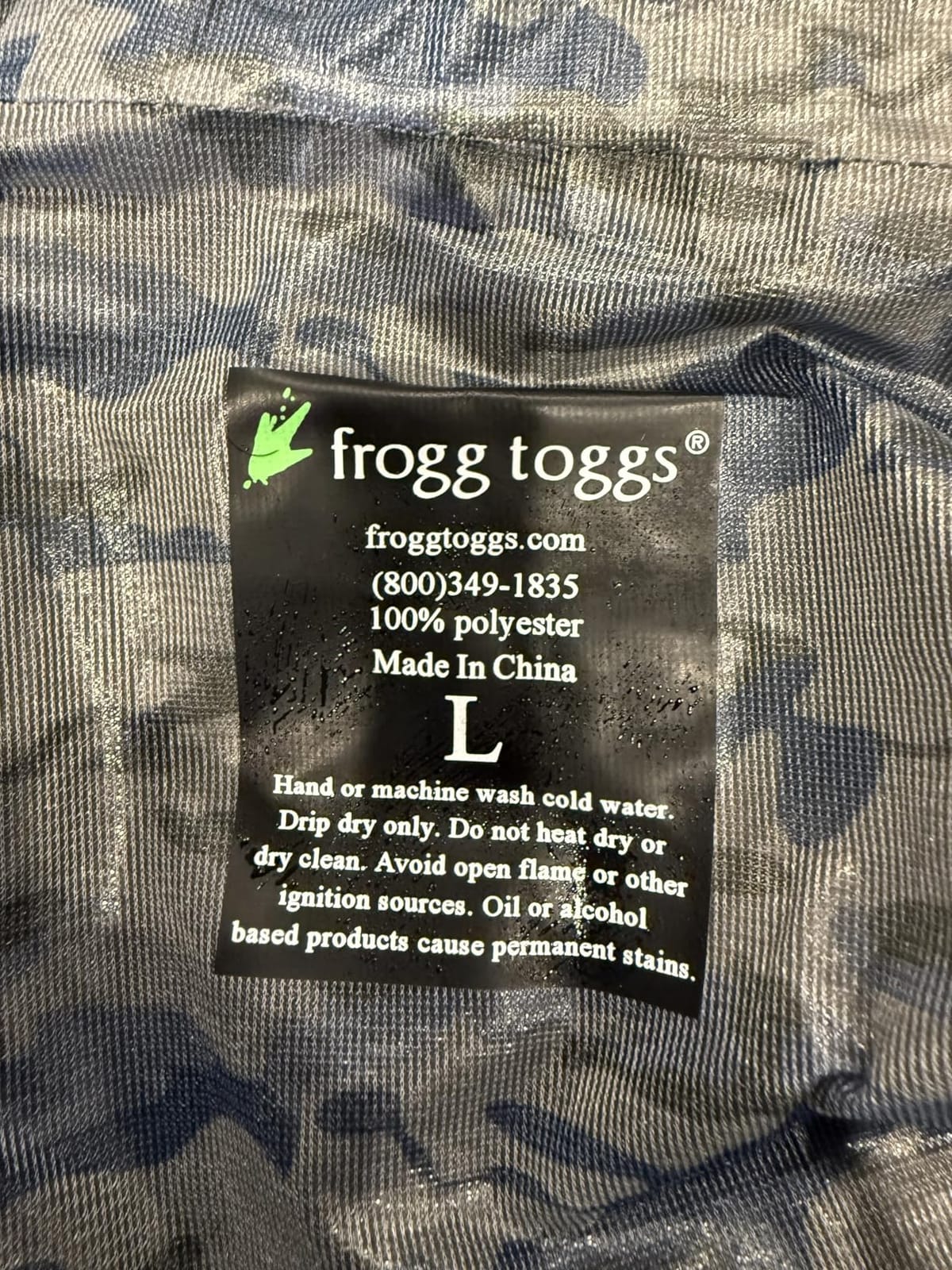
FROGG TOGGS has a well-earned cult following among long-distance hikers, and the Xtreme Lite is the version that justifies it. The critical distinction is the fully taped seams in a light 2-ply build, which is far more protection than the vast majority of packable shells at this size. Owners consistently praise the taped seams as dependable rain protection for the weight rather than as an afterthought.
Everything about it is designed around packing. The self-storage pocket means it goes into a daypack without a separate stuff sack, and the E-Z push cord locks on the hood and waist allow genuinely quick one-handed adjustment, which is more useful in real weather than it sounds. The zippered side pockets keep gear secure while moving, and the adjustable waist with cord locks lets you cinch the hem over a pack waist belt.
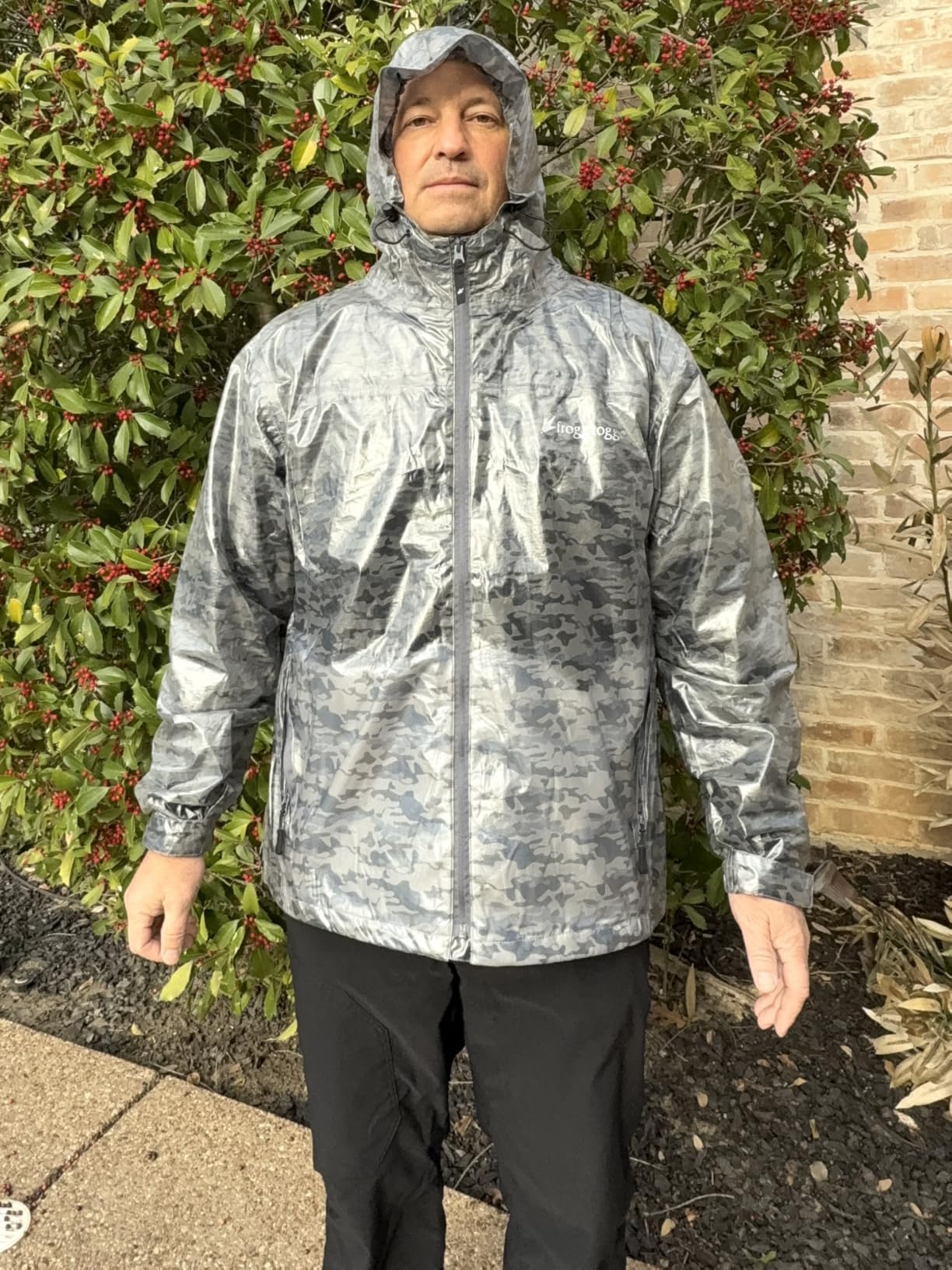
The hi-vis color options add a small but real safety benefit on trail and in poor weather, and they are a common reason people gravitate to this brand for long routes. The hook and loop wrist closures are a decent seal at the cuff, though they will collect grit and debris over time. Reviewers repeatedly describe this as the easy recommendation for someone who wants genuine waterproofing without weight.
The tradeoff is durability. Lightweight 2-ply fabric simply is not as tough as a 3-layer technical shell, and while this is the right choice for maintained trails and long footpaths, it is not what you want for rocky alpine terrain or heavy bushwhacking. There is no pit venting either, so heat management on a climb relies on your layers and pacing.
Who the FROGG TOGGS suits best
Thru-hikers, long-distance walkers and anyone covering many miles on maintained trails who wants a shell they will genuinely carry rather than leave in a closet. It also works well for backpacking where every ounce counts and for wet-weather travel. The cord locks are a genuine advantage if you adjust your hood constantly.
Where the FROGG TOGGS falls short
The 2-ply fabric will not survive rocky alpine terrain or sustained brush as well as a 3-layer shell, and there are no pit vents for high output. If your route involves talus, scrambling or off-camber descents, choose something heavier. Hook and loop cuffs need cleaning more often than most people expect.
12. Marmot Cascade: Best for Durability Under Pack Straps
MARMOT Men’s Cascade Durable & Waterproof Rain Jacket, Trail Blue, Large
NanoPro waterproof membrane
100% seam-taped
PFC-Free DWR
+ The Good
- Stayed completely dry on long hikes and downpours
- Quiet non-noisy fabric unlike crinkly shells
- Withstood mud campfire smoke tree sap and still looked new
- Lightweight enough to layer over base layers
- Elastic wrist cuffs keep water out when sleeves run long
- The Bad
- Water repellency degrades with frequent use and needs re-treatment
- Sizing runs inconsistent between small and medium
- Sleeves run long and there is no pit venting
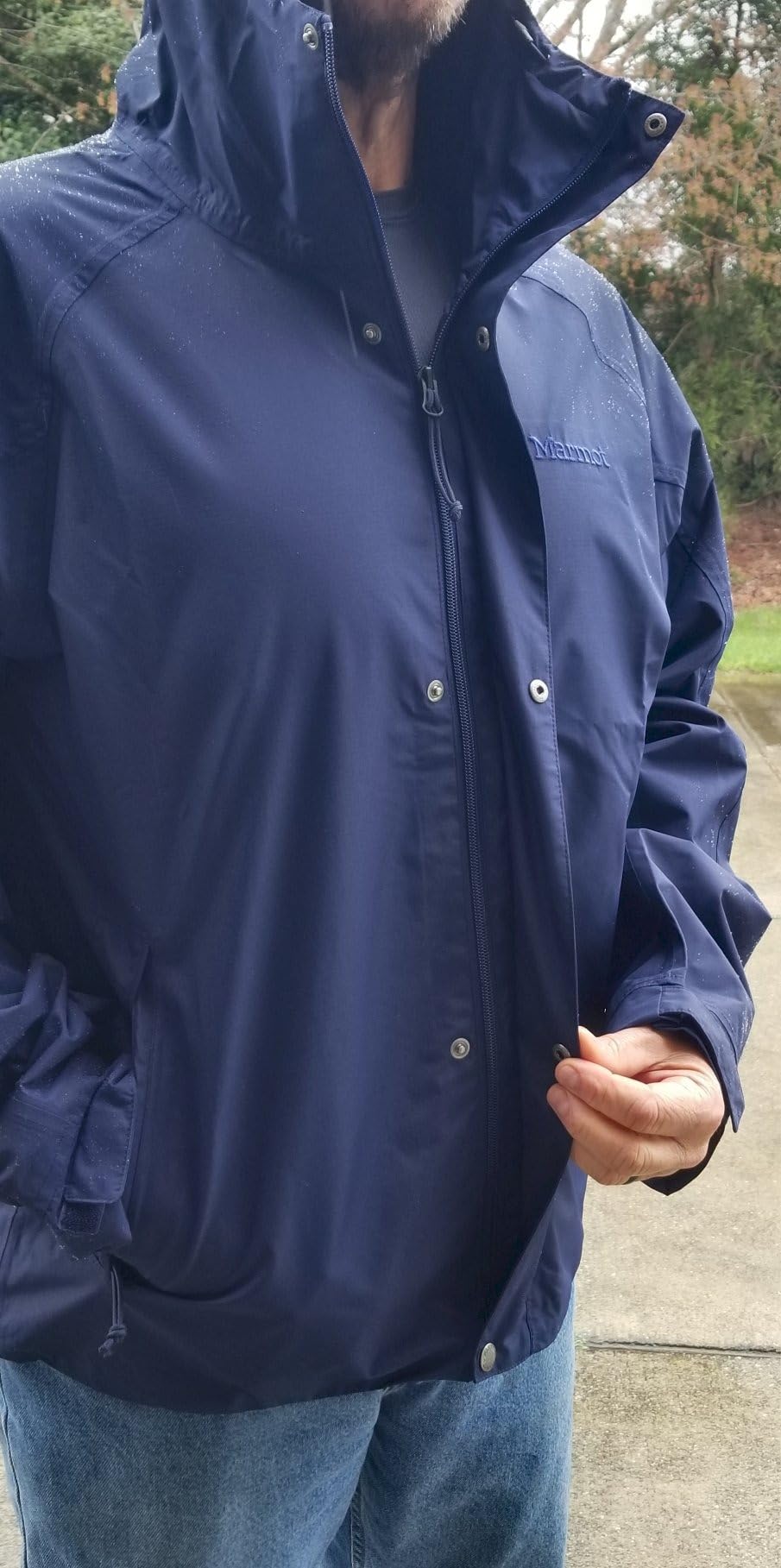
The Cascade is the quiet one, and that turns out to matter more than expected. Reviewers repeatedly single out the fabric as quiet and non-noisy, unlike many crinkly waterproof shells, and that is a genuine quality-of-life difference on a long day when your shell rustles with every step. It uses the same Marmot NanoPro membrane as the Precip Eco, with 100% seam-taped construction and a PFC-Free DWR.
The durability evidence is the strongest in this roundup. One owner describes it withstanding heavy mud, campfire smoke, tree sap and an atmospheric river rainstorm and still looking new after hand washing. Another reports staying completely dry during long hikes and downpours on an Iceland trip. Elastic wrist cuffs that keep water out even when the sleeves run long are a small detail with a real payoff.
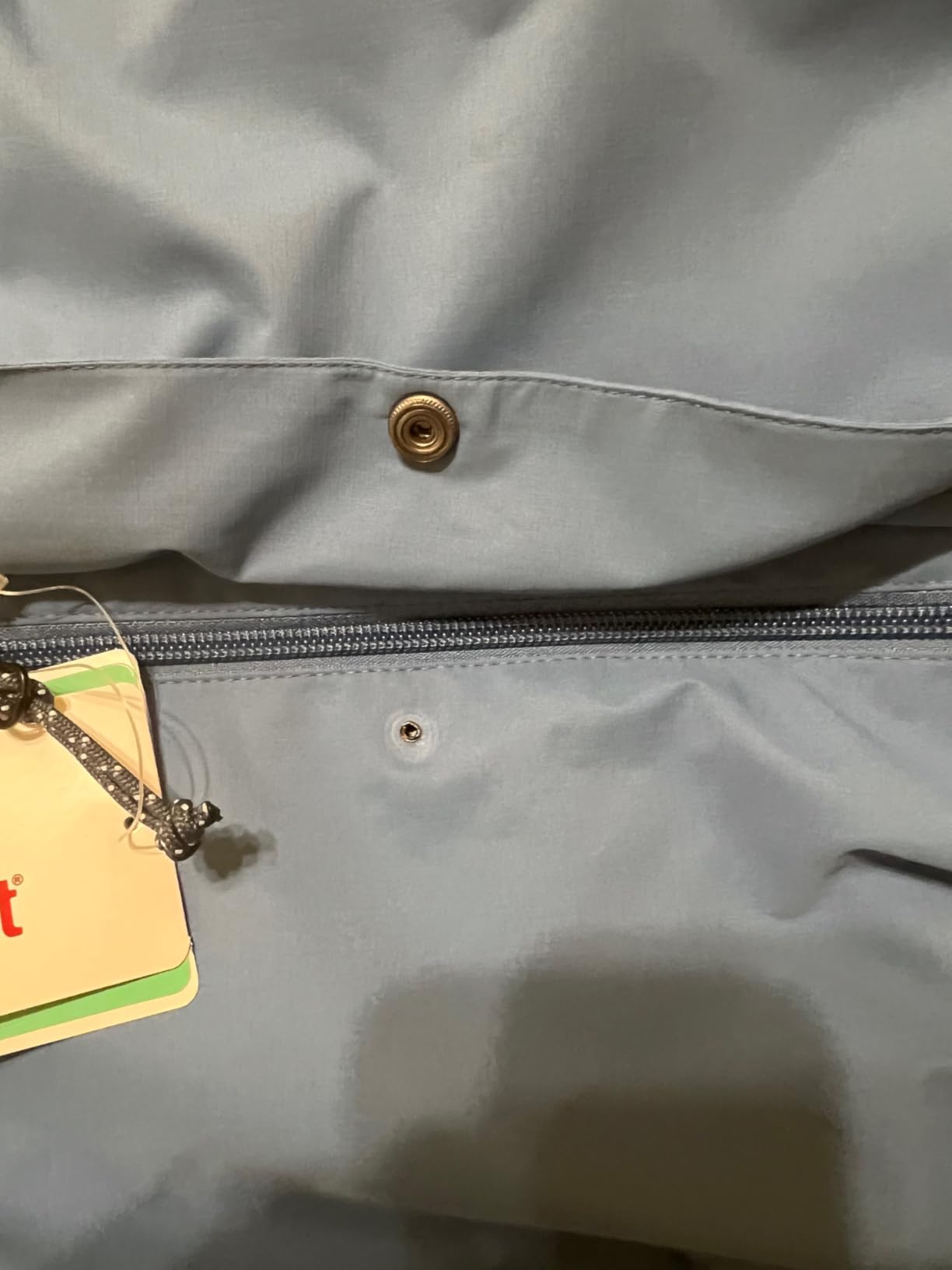
It is also described as lightweight and comfortable for extended wear and layering over base layers, which is exactly what a durable shell needs to be. There is a caveat on the review data: the Cascade carries the highest share of one-star ratings in this group, and the reason is almost always fit or care rather than waterproofing failing.
Sizing is the biggest problem. Buyers report that a small fits like a medium or large, and that sleeves run long for some wearers, so this is one jacket where reading the size chart carefully matters. Water repellency also degrades with frequent use and needs re-treatment, which is true of any DWR and a reason to read the care section below. It is not a highly technical or ventilated sport shell, so there are no pit zips.
Who the Cascade suits best
Repeat hikers, long-distance walkers and anyone who is hard on their gear through mud, smoke, sap and repeated washing. If your previous shell failed at the shoulder seams or the pack strap zone, this is the pick that addresses durability directly. The quiet fabric also makes it pleasant for multi-day trips where noise accumulates.
Where the Cascade falls short
Sizing is inconsistent between small and medium, and sleeves run long for some wearers, so order carefully and expect to try it on. There is no pit venting, so it is not the right shell for fast, high-output hiking in mild heat. And its review base is the smallest here, which means less long-term data behind it than the established names above.
How to Choose a Rain Jacket for Hiking
Choosing a hiking rain jacket comes down to four decisions: how many layers, what membrane, how much weight you can carry, and how much you sweat. Get those right and the rest is preference. Get them wrong and you will be wet either way, from outside or from the inside.
2-layer versus 2.5-layer versus 3-layer
A 2-layer shell puts the waterproof membrane directly on the inner face of the fabric, with nothing behind it. It is the lightest and cheapest construction, and it is what you get in the Antora, the Watertight II, the Eddie Bauer Rainfoil and most of the budget options here. The tradeoff is that there is no separate lining, so it feels closer to the skin and offers no comfort layer.
A 2.5-layer shell adds a thin, lightweight liner bonded to the inside face to create a tiny air gap and improve comfort and breathability. The 33,000ft jacket and the FROGG TOGGS Xtreme Lite sit here, and it is a good middle ground for hikers who want comfort without much weight.
A 3-layer shell has a face fabric, a waterproof membrane and a separate inner lining, all bonded together. It is the most durable and the most comfortable against the skin, but it is also the most expensive and usually the heaviest. None of the twelve shells in this roundup is a full 3-layer, which is a fair signal about where the accessible market currently sits. If you want premium 3-layer performance, start with our GORE-TEX rain jacket picks.
Memranes and hydrostatic head ratings
Waterproof membranes force water droplets through pores far smaller than a raindrop while letting water vapor pass outward. Two families dominate. ePTFE membranes, which includes GORE-TEX, use expanded polytetrafluoroethylene and are the long-standing benchmark for durability and waterproofing. Polyurethane laminates are cheaper, lighter and often more breathable but degrade faster with repeated flexing. Proprietary membranes such as Marmot NanoPro, Columbia Omni-Tech and Helly Tech sit somewhere in between, and in this roundup two shells, the Precip Eco and the Cascade, use NanoPro.
Hydrostatic head ratings are simply that measure of how much water pressure the fabric resists, and the number here is not standardized enough to compare across brands. As a rough guide for hiking, 5000mm handles drizzle and light rain, 10000mm handles sustained trail rain, and 20000mm and above is aimed at sustained downpours. Anything that also states a breathability figure, as the 33,000ft jacket and the baleaf do, is giving you more usable information.
Does anything beat GORE-TEX? For most hikers, no, and forum consensus across r/hiking and r/hikinggear continues to treat Patagonia Torrentshell and Arc’teryx Beta models as the durability benchmarks, while noting that Arc’teryx runs hot for the money. For most other hikers, the honest answer is that a well-made PU laminate with fully taped seams at a fraction of the cost will keep you just as dry, and the practical limit on trail is usually the DWR and your layer management, not the membrane chemistry.
Venting and condensation
Condensation is the real enemy on a trail. Your body produces a remarkable amount of water vapor while climbing, and if it cannot escape, the inside of your shell becomes the inside of your rain jacket. Pit zips are the single most effective mechanical fix, which is why the Marmot Precip Eco and the 33,000ft jacket stand out, and why the baleaf uses a full back vent instead.
Beyond venting, three habits do more than any membrane. Open the jacket from the front before you get hot rather than after. Choose a base layer that wicks moisture and a midlayer you can open or remove on the move. And dry your shell between days rather than wearing it damp, because insulation against damp fabric is close to no insulation at all.
Hoods, fit and layering room
A hood should sit above your head without flopping forward, and ideally adjust at the back and sides so you can turn your head without losing peripheral vision. The North Face Antora’s adjustable 3-piece hood and the Helly Hansen Seven J’s one-hand adjustments are the two most capable here, while the COOFANDY’s oversized hood and the baleaf’s bulky hood are the two that frustrate reviewers most.
On sizing, most hikers should size up by one if they intend to layer over a fleece or a light puffy, and should test with the layers they will actually wear. Watch the sleeve length, since the Marmot Cascade runs long and the TEZO runs large in the body. If you wear a bicycle helmet, check that the hood fits over it; if you run a climbing harness, check that the pockets sit above the waist belt rather than behind the pack.
Matching the shell to your trip
Day hikes need durability and venting, and a 2.5-layer or 2-layer with taped seams is plenty. Overnight backpacking adds a pack-strap abrasion problem, so shoulder construction and fabric toughness matter more than before. Thru-hikers prioritize packability above almost everything else, which is why the FROGG TOGGS Xtreme Lite appears in this roundup. Alpine and exposed ridgelines want the heaviest 3-layer construction you can justify.
Climate matching is the part most roundups skip. Persistent drizzle, mist and wind suit the Helly Hansen Seven J, whose mesh-lined Helly Tech is built for wet coastal air. Hot, humid, monsoon and warm tropical trails suit the Marmot Precip Eco or the baleaf, because you will need pit zips or a back vent more than you will need another layer of insulation. Arid deserts and cold, dry alpine weather suit almost anything, because the demand there is wind protection and breathability rather than rain.
Care, washing and DWR renewal
Wetting out is the most common complaint about otherwise excellent rain jackets, and it has a simple cause. The DWR finish on the face fabric is what makes water bead and roll off. Once that finish is worn away or washed out, the fabric stops repelling, stops absorbing and simply lets water soak straight through, so the jacket feels broken even though the membrane underneath is still perfectly waterproof.
The fix takes four steps. Wash the jacket on a gentle technical cycle, or by hand, using a small amount of a technical wash rather than a heavy detergent. Do not use fabric softener or dryer sheets, and do not iron. Tumble dry on low heat, or hit it with a hairdryer, because heat is what reactivates the DWR treatment. If the beading is still weak, reapply a spray-on DWR solution, and treat a new jacket after a few washes so you learn the routine before you need it.
Two smaller habits matter too. Wash technical shells less often than you think, because every wash is a wear cycle on the membrane and DWR. And if your shoulders are wetting out, check whether the pack sits on the jacket and whether the DWR has simply worn out there, because that is far more common than a membrane failure.
What to wear underneath
Start with a synthetic or merino base layer that moves moisture off skin, and avoid cotton, which stays wet and cold. Above that, add a midlayer that you can vent or remove on the move, and open the rain shell before you overheat rather than trying to cool down after the fact. Below about 10C, a light insulated midlayer is the difference between comfortable and miserable, and above about 20C, most hikers are better off in a base layer alone with the shell opened or removed.
If you want category-specific fit advice rather than technical guidance, our men’s and women’s roundups cover cut and sizing separately: the best rain jackets for men and the best rain jackets for women.
Frequently Asked Questions
What are the best rain jackets for hiking?
The North Face Antora is the best all-around hiking rain jacket we found, with a seam-sealed DryVent 2L shell, an adjustable three-piece hood and a 4.7 rating across more than 2,200 reviews. The Marmot Precip Eco is the best value pick because it adds fully taped seams and pit zips at under 12 ounces. The 33,000ft Packable Rain Jacket is the best ultralight option, with a 10000mm waterproof rating, armpit vents and a listed weight of eight ounces.
What is the best waterproof jacket for hiking?
For most hikers the best waterproof jacket is a shell with fully taped seams, a waterproof-breathable membrane and working pit zips, not simply the highest-rated fabric. The Antora and Precip Eco meet that standard at accessible prices. Only buy a premium GORE-TEX 3-layer shell if you need alpine-level durability, helmet-compatible hoods or harness-compatible pockets, because the membrane chemistry matters far less on trail than taped seams, DWR maintenance and managing your own condensation.
Is anything better than Gore-Tex?
For most hikers, no. ePTFE membranes such as GORE-TEX remain the durability benchmark, and premium 3-layer shells are hard to beat for long-term abrasion resistance. What often beats GORE-TEX in practice is a cheaper polyurethane laminate with fully taped seams, because on trail the difference you notice comes from seams, venting and DWR maintenance rather than from membrane chemistry. Many hikers report a well-made budget shell outperforming a pricier brand, particularly in heavy rain rather than heavy brush.
Which type of raincoat is best for trekking?
A 2.5-layer or 3-layer shell is best for trekking, because multi-day trips mean carrying weight and generating more condensation than a day hike. A 2-layer is lighter and cheaper but sits closer to the skin. A 3-layer is the most durable and comfortable for long trips and bad weather, and a 2.5-layer is the best compromise if you want packability with taped seams and pit zips. For trekking specifically, weight and venting matter more than absolute waterproofness, since you will usually be moving.
Is a 2.5-layer rain jacket waterproof enough for hiking?
Yes, a fully seam-taped 2.5-layer shell is waterproof enough for the vast majority of hiking. The 33,000ft jacket in this roundup has a 10000mm rating with full heat-sealed seams and handles downpours. What you lose against a 3-layer is durability under pack strap abrasion and comfort against the skin over a long trip, not waterproofing. The only case where the construction matters more is alpine terrain, long wet exposure or a jacket you expect to keep for many seasons of heavy use.
Why does my rain jacket get wet on the inside?
Almost always condensation from your own sweat rather than a leaking membrane. A waterproof membrane blocks liquid water from outside but traps water vapour from inside, and once you are working hard the vapour condenses on the cooler inner surface. Fix it with pit zips and a back vent, by opening the front zip before you overheat, by using a wicking base layer and a midlayer you can remove on the move, and by drying the shell between days rather than wearing it damp.
The Best Rain Jackets for Hiking: Final Verdict
After comparing all twelve, the best rain jackets for hiking come down to a short list with a clear order. The North Face Antora takes the editor’s choice for the most complete hiking package, with seam-sealed construction, a rating backed by more than 2,200 reviews, and an adjustable three-piece hood. The Marmot Precip Eco is the pick for value, because fully taped seams and real pit zips at under 12 ounces are very hard to find elsewhere.
The 33,000ft Packable Rain Jacket wins the ultralight slot with its eight-ounce listed weight and 10000mm rating, and the Columbia Watertight II remains the sensible budget choice for ordinary wet weather. For durability under a pack, the Marmot Cascade is the one to beat, and for coastal rain the Helly Hansen Seven J is hard to argue with.
Whichever you pick, buy the shell you will actually carry and wear rather than the most expensive one on the shelf, and then wash it properly and re-proof the DWR once a season. That maintenance step, more than any membrane brand, is what keeps a shell working for a decade. For fit-specific recommendations, see our waterproof hiking jacket guide and our full 2026 rain gear roundups.