
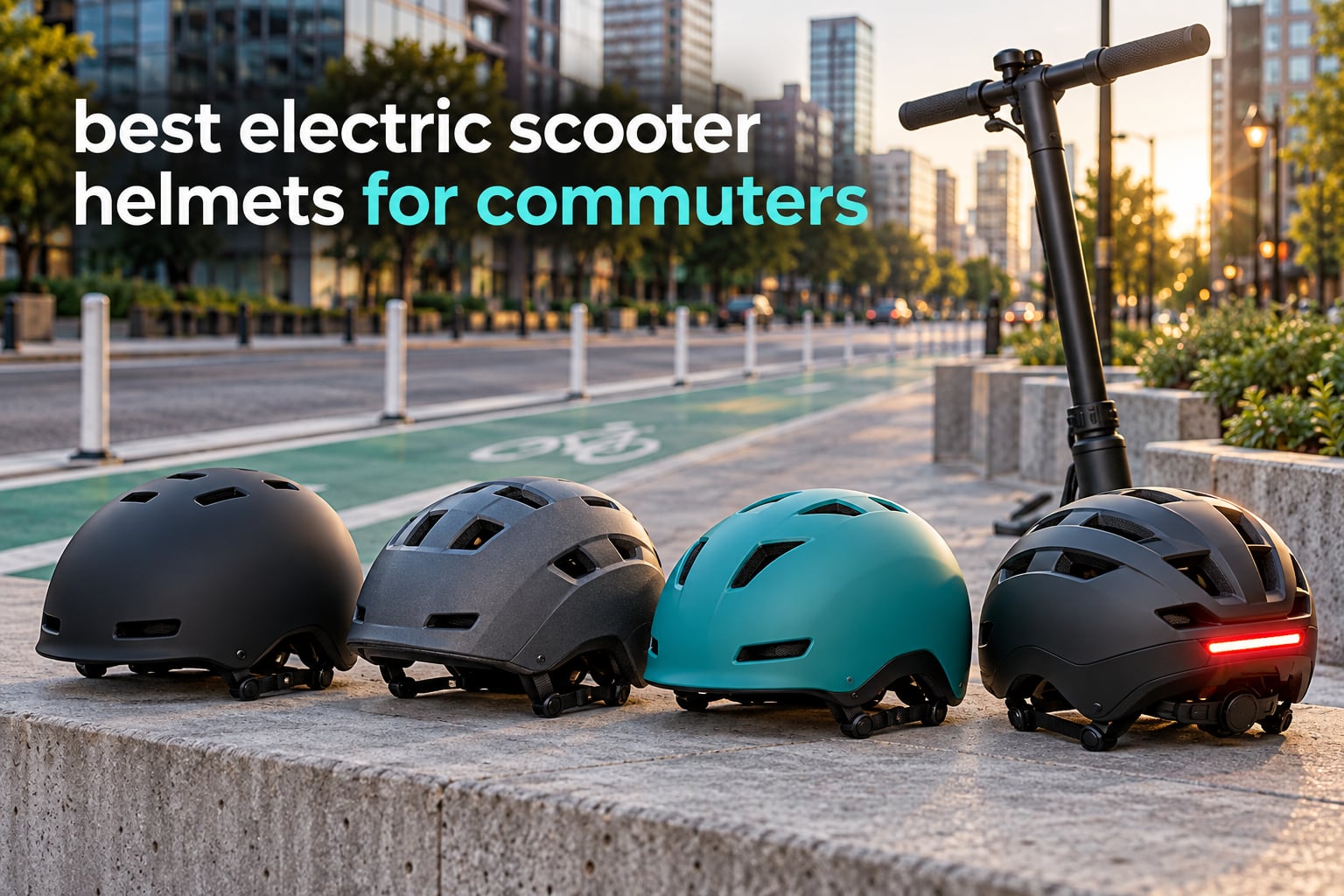
You should wear a certified helmet every single time you ride an electric scooter, and for most city commutes the right choice is a bicycle-standard or e-bike-standard helmet with rotational impact protection such as MIPS, real ventilation, and a rear light. The best electric scooter helmets for commuters are the ones that survive stop-and-go traffic: they stay cool when you are queueing at a junction, they fit over glasses and ponytails, and they are visible when a car turns across your path at dusk.
An e-scooter puts you in the same lanes as cars but with no crumple zone, no seatbelt and two wheels. That combination is why head injury is the most common serious outcome on an e-scooter, and why a well-fitting budget helmet beats an expensive one sitting in a hallway. If your commute includes a train or a bus leg, the carry problem is just as real as the crash problem, so we have included a folding option as well.
We compared 12 helmets against one question: would we wear it on a real commute? We read every certification claim on the listing, checked the fit range against adult head sizes, and weighed the ventilation claims against the real complaints riders post about sweat and fogging. Everything below was last checked for 2026, and every pick names the standard it carries rather than leaning on brand reputation.
Top 3 Picks for E-Scooter Commuting in October 2026

Giro Fixture MIPS
- › Integrated MIPS rotational protection
- › Roc Loc Sport dial with 7 cm range
- › Reflective details for low light

Schwinn Thrasher
- › CPSC bicycle standard compliant
- › 21 flow vents with wicking pads
- › Limited lifetime warranty

Exclusky Helmet
- › Lowest price in the set with a working rear LED
- › Three light modes switchable on the move
- › Extra pad set for fine fit tuning
Best Electric Scooter Helmets for Commuters in October 2026
Every helmet below is listed with the certification it actually carries, the lighting it actually has, and the fit range it covers. Certification is the first column to check because a helmet with no named standard has not been tested against the impact your scooter can produce.
| PRODUCT MODEL | KEY SPECS | BEST PRICE |
|---|---|---|
|
|
Check Latest Price |
|
|
Check Latest Price |
 |
|
Check Latest Price |
 |
|
Check Latest Price |
 |
|
Check Latest Price |
 |
|
Check Latest Price |
 |
|
Check Latest Price |
 |
|
Check Latest Price |
|
|
Check Latest Price |
 |
|
Check Latest Price |
 |
|
Check Latest Price |
 |
|
Check Latest Price |
The table is ordered by how well each helmet suits a daily urban ride rather than by price. Two picks sit in the premium band for reasons worth naming: two carry the NTA-8776 e-bike standard that maps to faster road-legal scooters, and only one adds turn signals that communicate your intention to traffic.
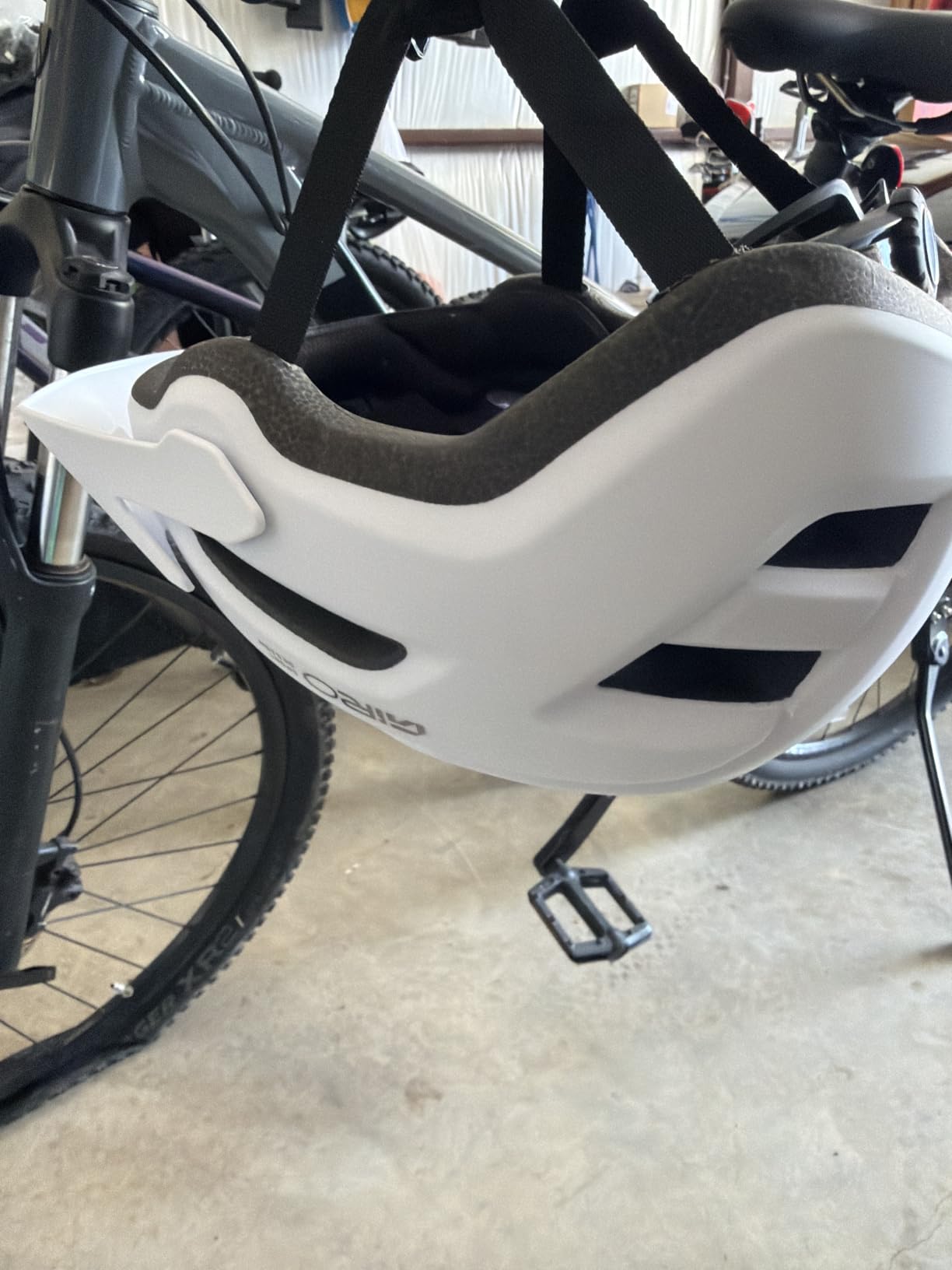
1. Giro Fixture MIPS – Best Overall for E-Scooter Commuting
Giro Fixture MIPS Bike Helmet – Matte Black/Grey – Universal Adult (54-61 cm)
MIPS rotational protection
Roc Loc Sport dial with 7 cm range
Universal adult 54-61 cm
+ The Good
- Integrated MIPS slip plane cuts rotational force
- Roc Loc Sport dial adjusts one-handed with 7 cm of range
- Shell fused to foam for lower weight and better airflow
- Reflective details bounce light back at night
- The Bad
- No integrated LED for night visibility
- Wind noise at speed and a short visor
- Riders outside 54-61 cm need the larger shell
The Giro Fixture MIPS is the best electric scooter helmet for commuters because it is the only pick here with genuine rotational-impact protection. It holds a 4.8 average across more than 5,000 ratings, which is tied for the highest rating in a set where most listings sit between 4.3 and 4.7.
For an e-scooter that matters more than it does for a bicycle. A stand-up scooter puts your head forward and low, and a scooter fall tends to produce angled impacts rather than clean straight ones. MIPS, the Multi-Directional Impact Protection System, adds a low-friction layer between the shell and the foam so the helmet can slide a few millimetres instead of yanking your brain sideways with it.
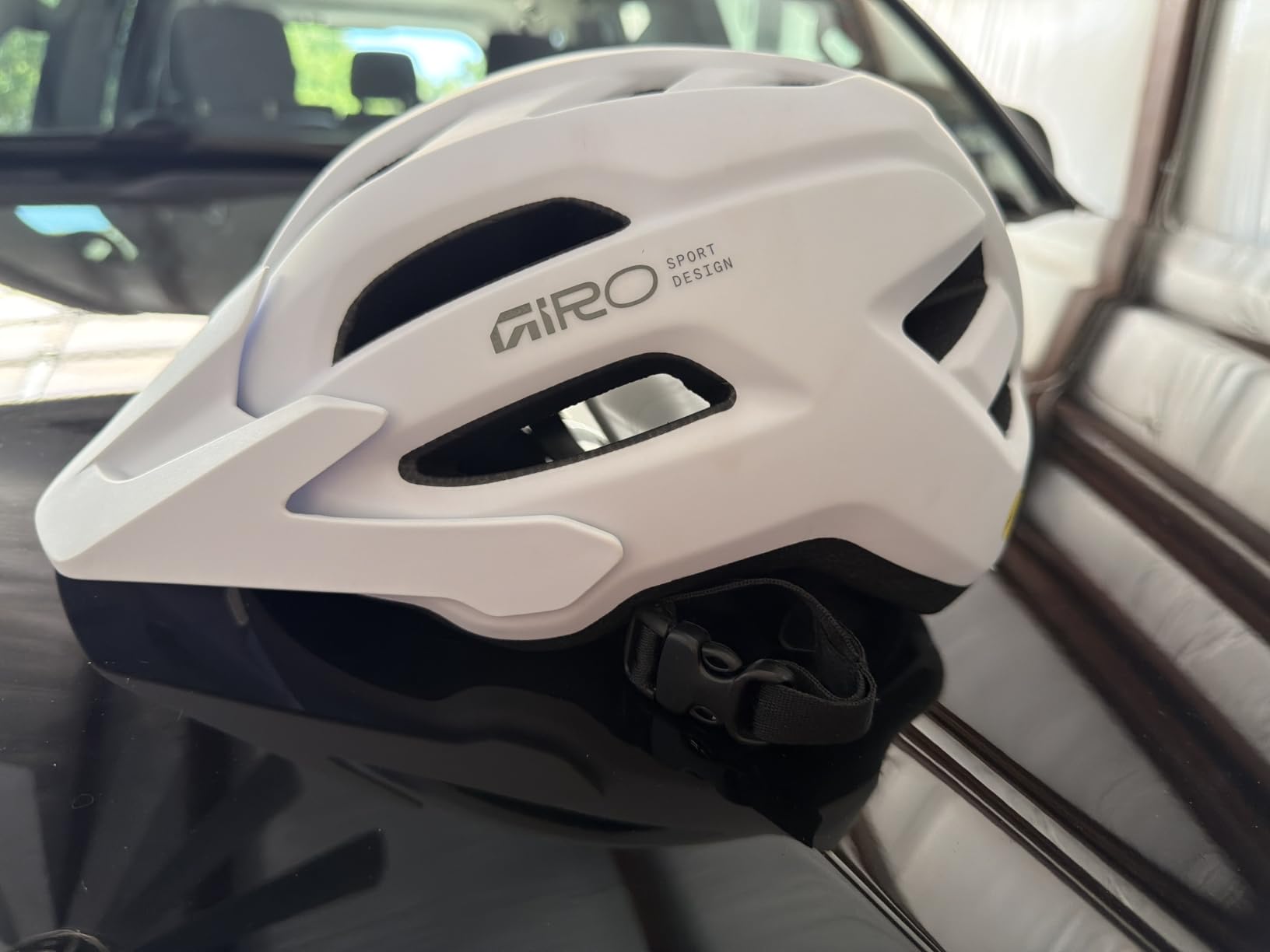
The Roc Loc Sport dial gives 7 cm of adjustment in a single band, and it adjusts with one hand, which matters when you are wearing gloves and standing at a junction. Reviewers repeatedly single out fit accuracy as the reason it beats more expensive rivals, and the shell-fused construction keeps weight down while opening up airflow for slow urban riding.
Two things give it away as an urban helmet rather than a dedicated e-scooter one. There is no integrated light, so night riders need a clip-on or handlebar light, and the single 54-61 cm size band means riders with larger heads need the extra-large shell. Wind noise at speed also comes through more than on a skate-style shape, which matters if your route has long open stretches.
Will it fit your head and commute style
Expect this to fit straight out of the box if your head is between 54 and 61 cm, which covers a large share of adults. Riders with textured or Afro-textured hair generally find the low-profile rear coverage workable, and the dial lets you fine-tune without pinching a high hairline. Glasses wearers can manage eyewear under the shell without the temple pads fighting the strap, which is a common complaint with bulkier shapes.
It suits a dry-weather city commute with mixed lit and unlit sections, where you already run a separate front and rear light. It is not the pick for a rural route with no lighting at all, or for a hot summer commute where you will be stationary in traffic for long stretches, because the shell is closer to the head than a skate-style shape.
Where it falls short
The missing integrated light is the biggest gap for evening riders, and the reflective details help but do not replace a real rear lamp. The visor is short, so it shades your brow rather than your eyes on a low sun, and some buyers find wind noise at speed annoying on open roads.
If you ride a Class 3 road-legal e-scooter at the upper end of its range every day, this helmet does not carry the NTA-8776 e-bike standard, so a dual-certified model further down this list is the more defensible choice. Everything below that cut-off, it is a strong daily helmet.
2. Schwinn Thrasher – Best Value Helmet With Serious Ventilation
Schwinn Thrasher Helmet for Adults, Black, Size 58 – 62 cm, for Riders Ages 14+, Lightweight Microshell, Adjustable Dial and Straps, Interior Padding, 20 Air Vents, Removable Visor, Adult Bike Helmet
CPSC bicycle standard compliant
21 flow vents
Head range 58-62 cm
+ The Good
- Dial Fit retention tightens with one twist
- 21 vents with moisture-wicking pads
- Removable washable padding in full wrap
- Limited lifetime warranty
- The Bad
- Fixed 58-62 cm size range
- No lighting for low-light riding
- Open-face shape has limited rear coverage
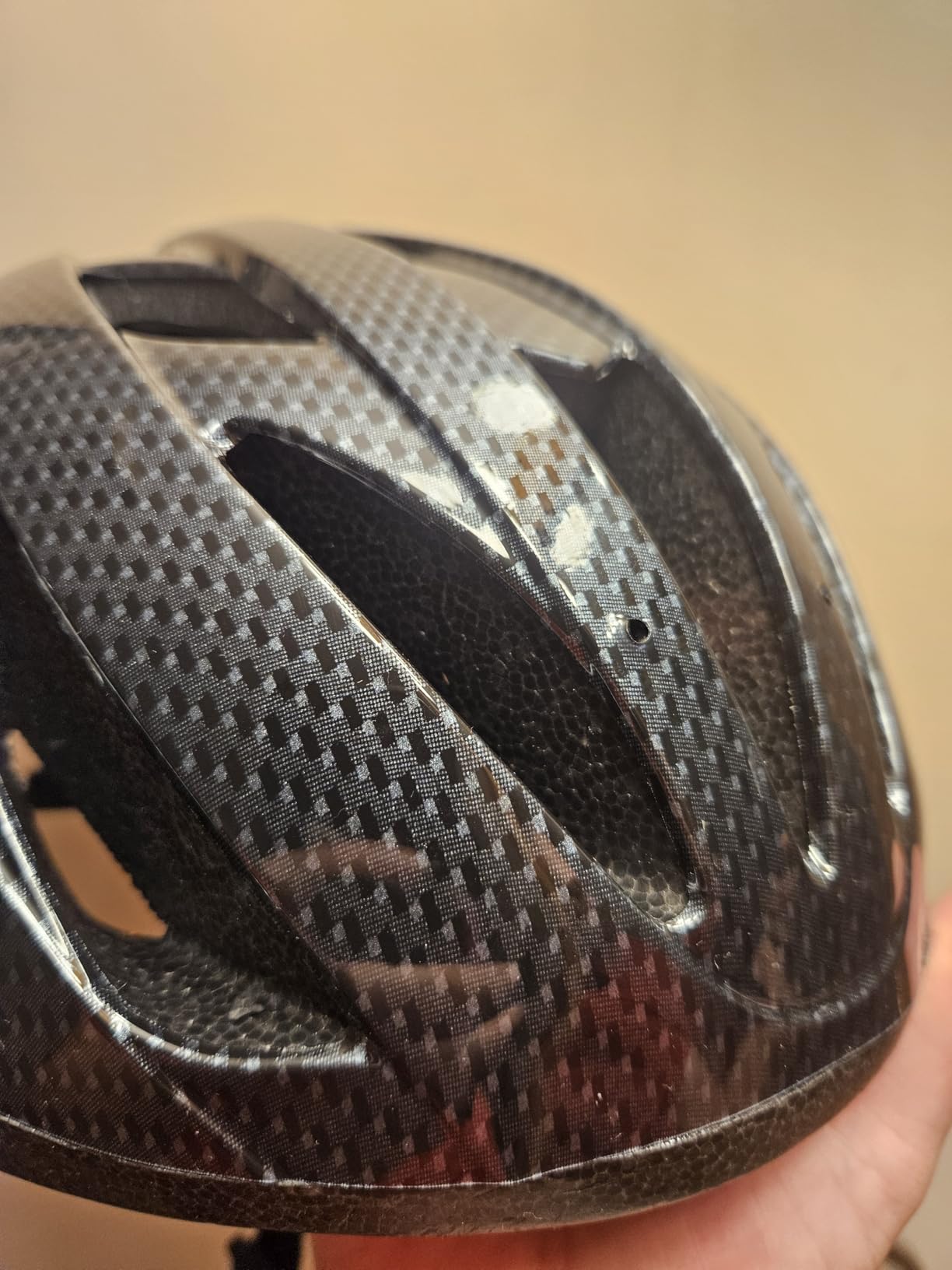
The Schwinn Thrasher is the best value pick because it combines the largest review base in this comparison with a vent layout that actually works for city riding. It holds 4.7 stars across more than 13,000 ratings and carries a limited lifetime warranty, which is rare at this tier and removes the main argument against spending little.
Twenty-one flow vents spread across the top and rear of the shell is the feature that matters most on a stop-and-go commute. When you are stationary at a junction your legs generate heat but your airflow drops to nothing, and a densely vented microshell gets that warm air moving again. The moisture-wicking pads sit against the head and can be removed and washed, which keeps the interior from turning into a problem after a few weeks of daily use.
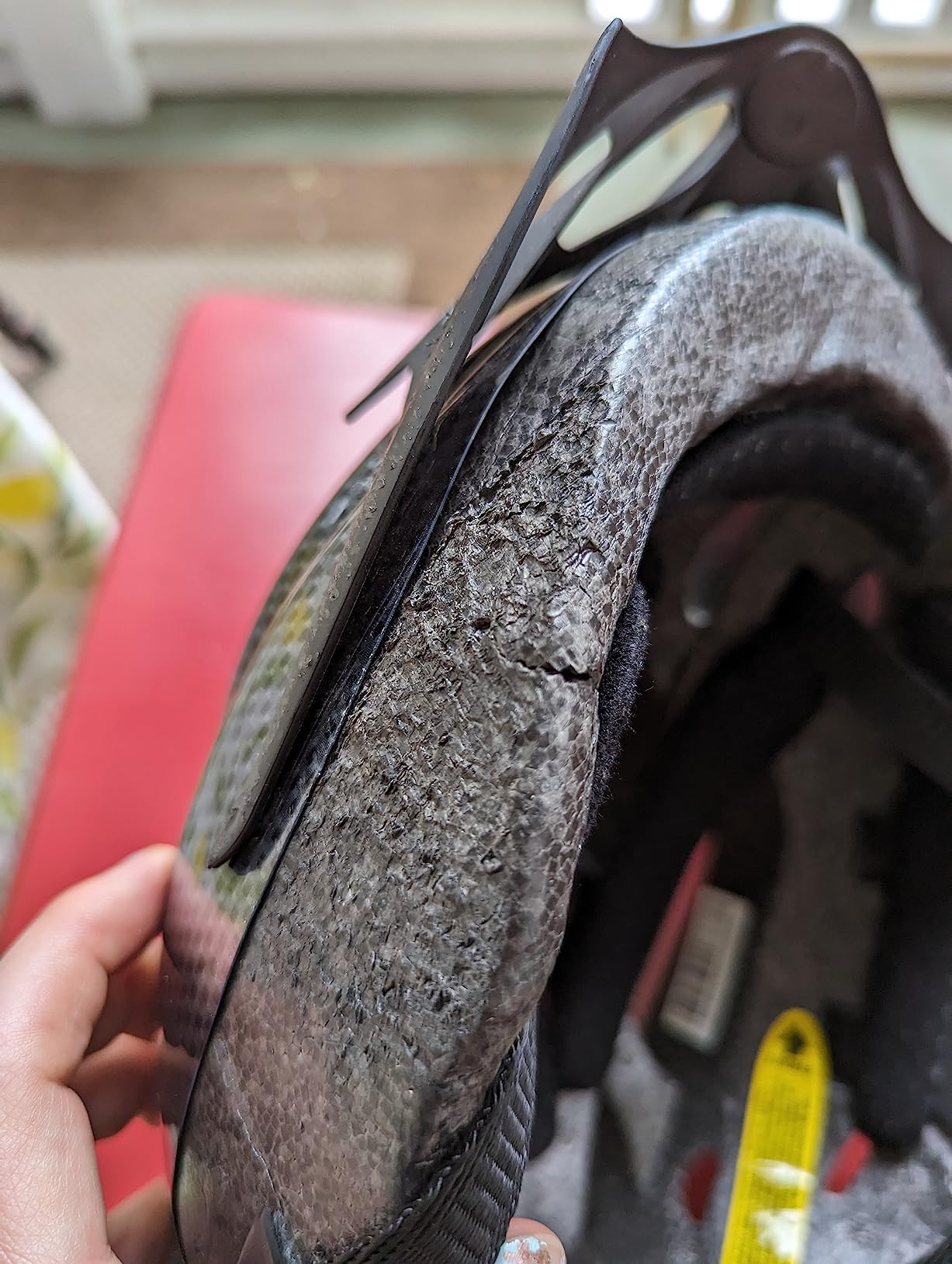
It complies with the US CPSC safety standard for bicycle helmets and is sized for riders aged 14 and up with head circumferences from 58 to 62 cm. The dial retention system tightens with a single twist, and the side and chin straps let you finish the fit without removing anything, which is a genuine time saver on a wet morning.
The removable visor is a small but underrated addition for a scooter commute, because at road speed on a bare stand-up scooter the wind on your face is relentless. Swapping it off when the sun is behind you costs nothing.
Where it works best on a commute
This is the pick for a warm-weather city route with frequent stops, because the vent count and washable padding address sweat directly. It also suits first-time helmet buyers who want a dial rather than pin fiddling, and anyone who rides several days a week and wants the confidence of a lifetime warranty behind the shell.
If you wear your hair in a ponytail or bun, the low rear edge sits low enough to cover the base of the head, and the padded interior is not thick enough to fight a bun. Riders with very small or very large heads are the exception, and that is where the fixed size range becomes a problem.
What to know before you buy
The 58-62 cm band is narrow for an adult product, so measure your head before ordering and be prepared to look elsewhere if you fall outside it. There is no lighting at all, so a night route means adding a separate rear lamp.
It is also an open-face shape with less rear coverage than the e-bike certified models here, and it carries no rotational-impact system. For a road-legal scooter held at 15 to 19 mph on ordinary streets, that is an acceptable trade. For a 28 mph Class 3 machine, pick a dual-certified helmet instead.
3. VICTGOAL LED Helmet – Best for Night Commuting and Glasses Wearers
VICTGOAL Bike Helmet Adult Men Women with LED Rear Light, M/L/XL Sizes
USB rechargeable rear LED
310 g with 21 vents
Magnetic eye shield included
+ The Good
- Rear LED has three modes and about 10 hours of runtime
- Magnetic eye shield fits over prescription glasses and blocks wind and bugs
- 310 g is light for the feature set
- Three size bands from 54 to 63 cm
- The Bad
- Sizing runs small near the top of each band
- Rear dial sits under the shell and is awkward to reach
- Visor mount pins snap in stiffly
The VICTGOAL LED Helmet is built for night commuting because it pairs a rechargeable rear light with a magnetic eye shield that works over prescription glasses. Both of those are commuter problems rather than cycling problems, and both are solved in one product.
The rear light plugs in over USB, takes about two hours to charge and runs up to ten hours across three modes — steady, fast flash and slow flash. That is a full week of commuting on one charge, and it removes the daily habit of charging a separate light.
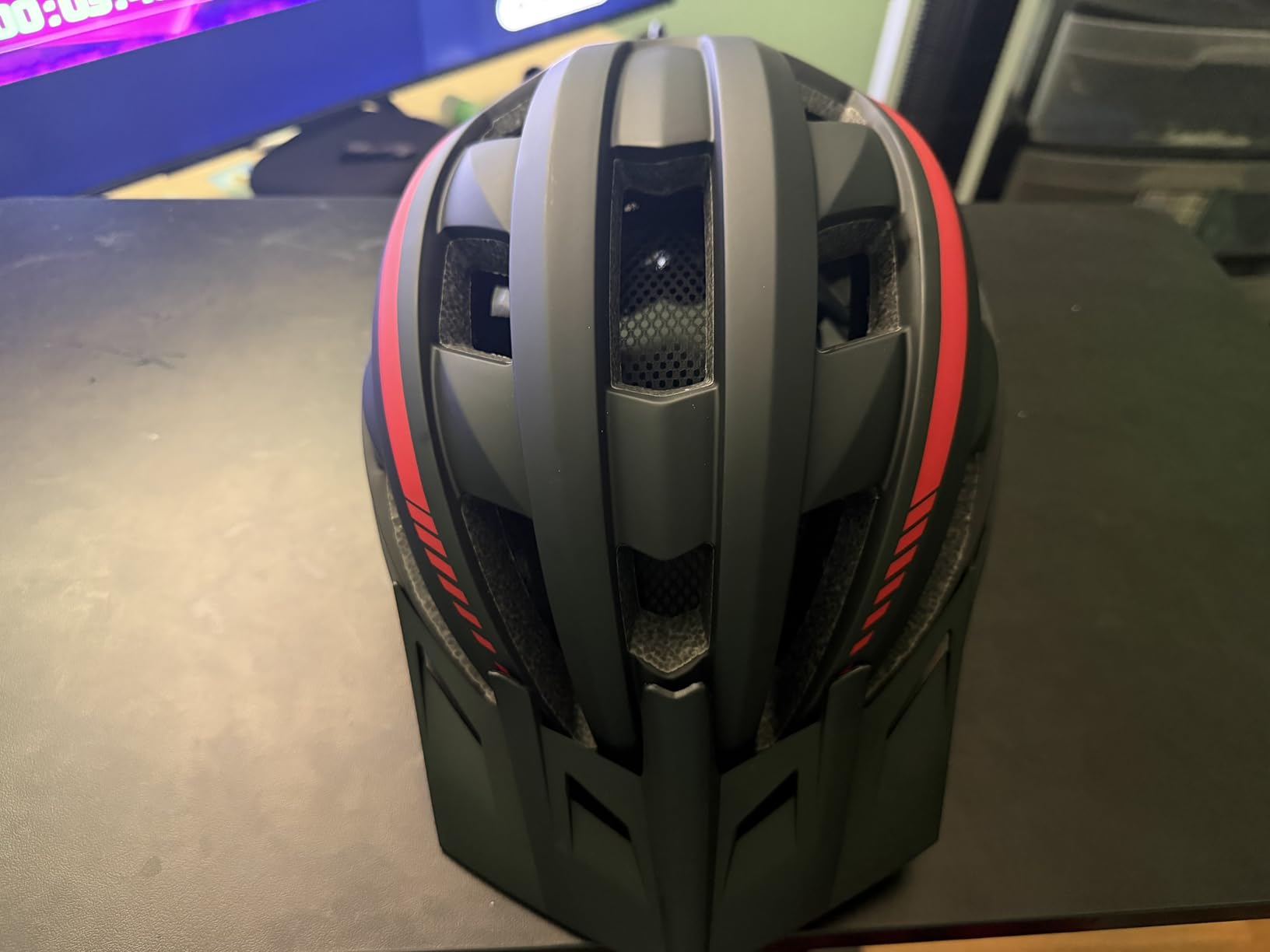
The magnetic eye shield is the sleeper feature. On a stand-up scooter you eat bugs, dust and road grit at speed, and a clear shield that magnetically attaches to the shell deflects all of it while leaving your glasses and peripheral vision intact. It attaches and detaches in seconds, so you can leave it at your desk on a warm day.
At 310 g with 21 breathable vents, it is among the lighter shells in this comparison, and the high-density polycarbonate shell over EPS foam gives it more structure than the price suggests.
How the sizing and shield behave in daily use
Sizes run M 54-58 cm, L 57-61 cm and XL 59-63 cm, so there is a good chance your head fits even if you have an unusual shape. The most common complaint is that the helmet runs small near the top of each band, so if you measure near 58 cm you should seriously consider stepping up rather than tightening the dial until it hurts.
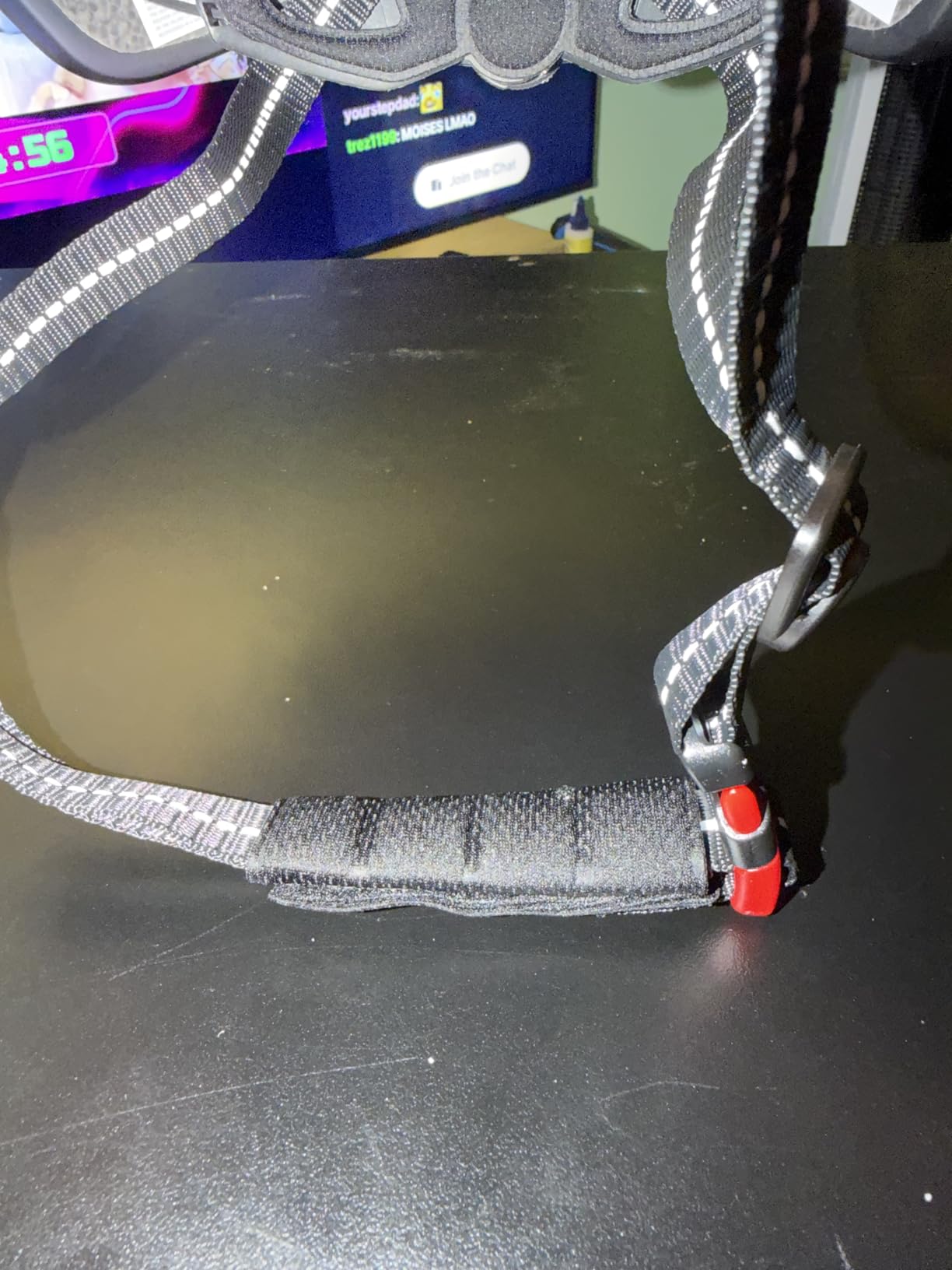
The rear adjustment dial is tucked under the shell edge, which makes it awkward to reach while wearing the helmet. Bring it forward with the helmet off for the first adjustment and the rest of the fit is straightforward. The visor mount pins can also be stiff on the first snap, and they loosen with use.
What it will not do for you
The rear light is genuinely bright after dark but not a substitute for daylight-level visibility, so do not treat it as a substitute for being seen in a daytime junction. There is no front illumination, so a handlebar light is still worth carrying on unlit routes.
It carries no rotational-impact system and no e-bike certification, which makes it a strong 15 to 20 mph urban helmet rather than a high-speed one. If your scooter is road-legal at the top of its class, move to the dual-certified picks further down.
4. ILM E3-10L – Best Multi-Certified Helmet With Front and Rear Lights
ILM Adult Bike Helmet with LED Front Back Light Bicycle Helmets E3-10L(Matte Black, Large/X-Large)
Certified to ASTM CPSC CE EN1078
Front and rear USB LED
421 g
+ The Good
- Rear lighting plus a forward light from a helmet
- Four named safety standards on the listing
- Detachable tinted lens works with eyeglasses
- Five year manufacturer warranty
- The Bad
- One of the heavier shells here at 421 g
- Relatively narrow fit inside each size band
- Integrated light cannot be replaced if it fails
The ILM E3-10L is the best multi-certified option because it is the only helmet in this roundup that names four safety standards and lights itself from both directions. It is certified to ASTM, CPSC, CE and EN 1078, and the USB rechargeable front and rear LEDs run in three modes.
That front light is genuinely useful rather than a novelty. Almost every e-scooter helmet on the market is rear-only, because a rear lamp is the one most riders think about. Lighting forward from the helmet also raises your visibility to oncoming drivers at a junction, which is where a surprising number of scooter collisions happen.
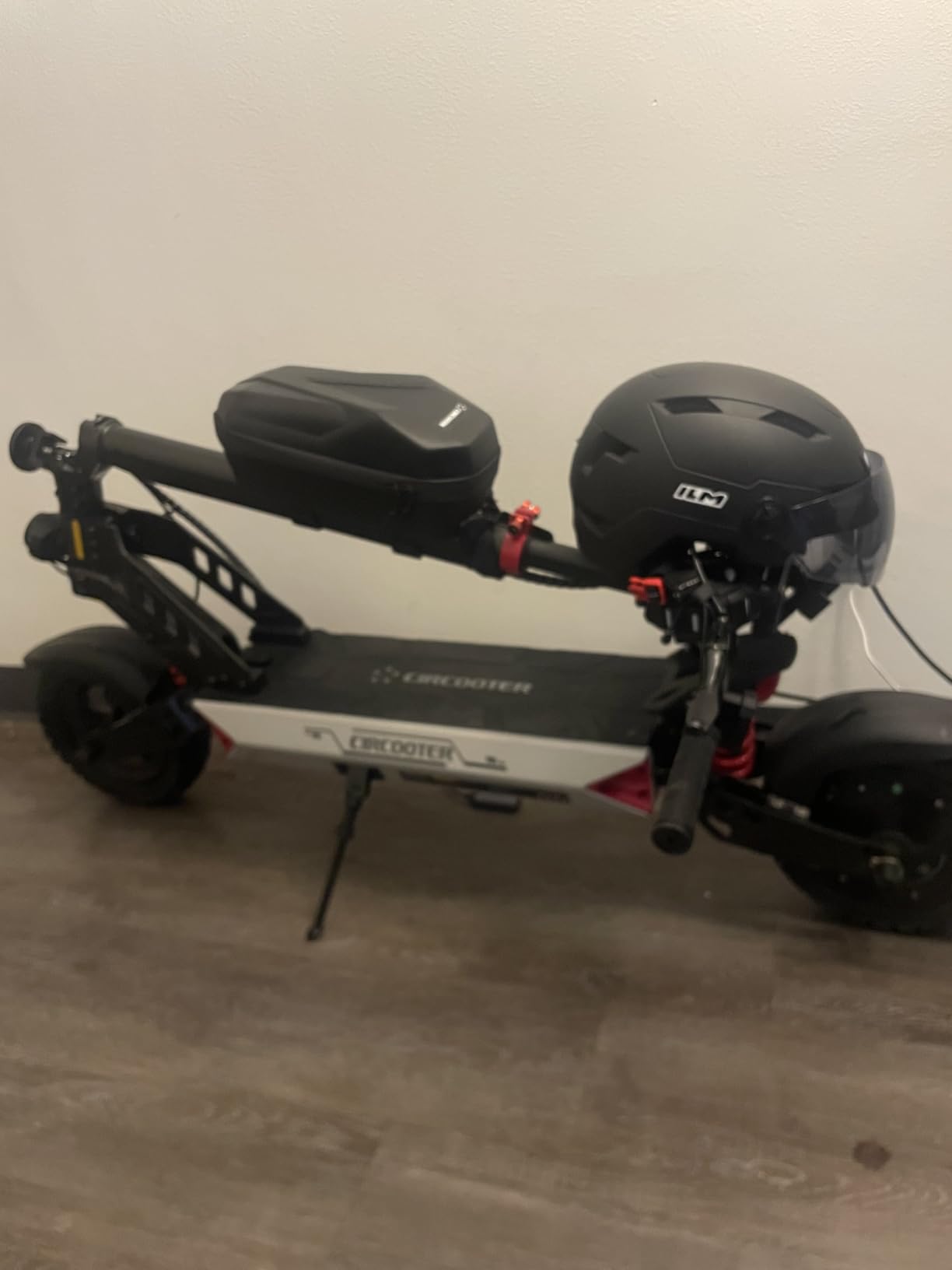
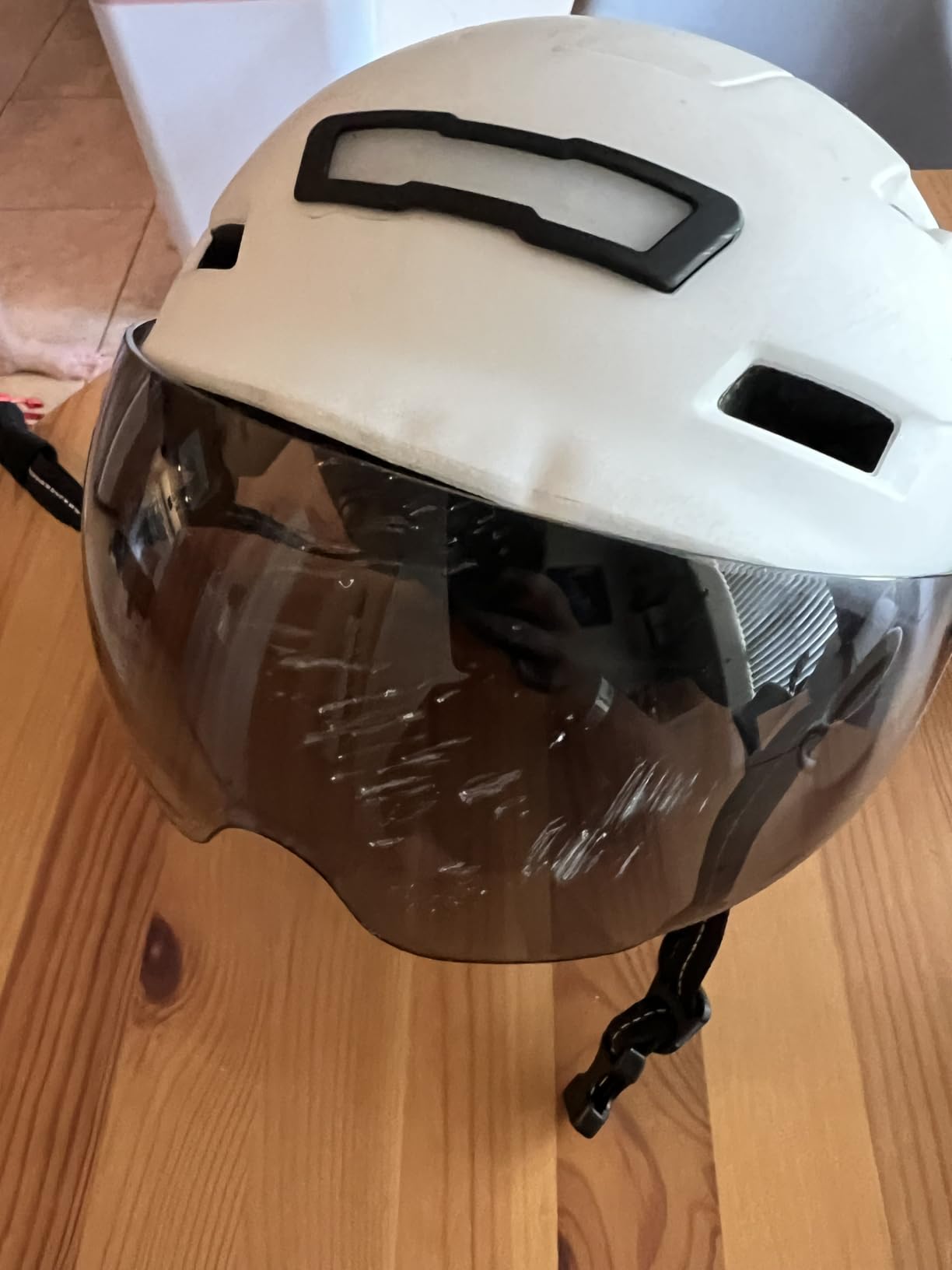
The detachable tinted lens blocks ultraviolet light, dust and sand while remaining clear enough to wear with eyeglasses, which solves the dusty summer commute and the windy winter one with a single accessory. Behind it sit ten vents with rear cooling channels and a removable washable mesh lining.
A five year manufacturer warranty is among the longest in this comparison, and it tells you something about how the brand expects the electronics and shell to age.
Is the weight a problem on a long commute
At 421 g this is one of the heavier shells here, and you will notice it on a hot afternoon more than on a cold one. On a typical 20 to 30 minute city commute the difference is manageable, but riders doing 45 minutes or more in summer report the weight as the main drawback in reviews.
The fit is also narrower within each size band than some rivals, so order carefully. Riders with wide heads or a fuller shape may find the side pads pressing at the temples, and there is no extra-large band offered here.
Where it is and is not the right call
Choose it if your route has unlit sections and you want one helmet handling visibility in both directions rather than juggling a separate light. The four named standards also make it an easy recommendation for anyone who plans to buy one helmet and keep it across bikes, e-scooters and skateboards.
Skip it if heat is your main enemy or if you ride a road-legal scooter at the upper end of its range, since the listed standards here do not include the NTA-8776 e-bike standard. Also note that the light is integrated rather than replaceable, so an electronic failure means a new helmet.
5. Retrospec Lennon – Best Clean-Looking Helmet for Office Commutes
Retrospec Lennon Commuter Bike Helmet Adult Men/Women, LED Light, Visor
Built-in 5-LED light with 3 functions
15 vents with air channels
Head range 54-61 cm
+ The Good
- Built-in 5-LED safety light with three functions
- ErgoKnob-2 dial makes fitting simple
- 15 vents with internal channels for airflow
- Removable visor and washable padding
- The Bad
- No e-bike specific certification listed
- One size band limits larger heads
- Fixed 5-LED light is dimmer than front-and-rear systems
The Retrospec Lennon is built for riders who commute into an office and do not want to arrive looking like they are on shift. The profile is clean and low, the visor detaches completely, and the black shell reads as ordinary urban apparel rather than sports gear.
That style question is a genuine buying barrier, not a frivolous one. A helmet you are willing to wear every morning beats a technically superior one left in a hallway.
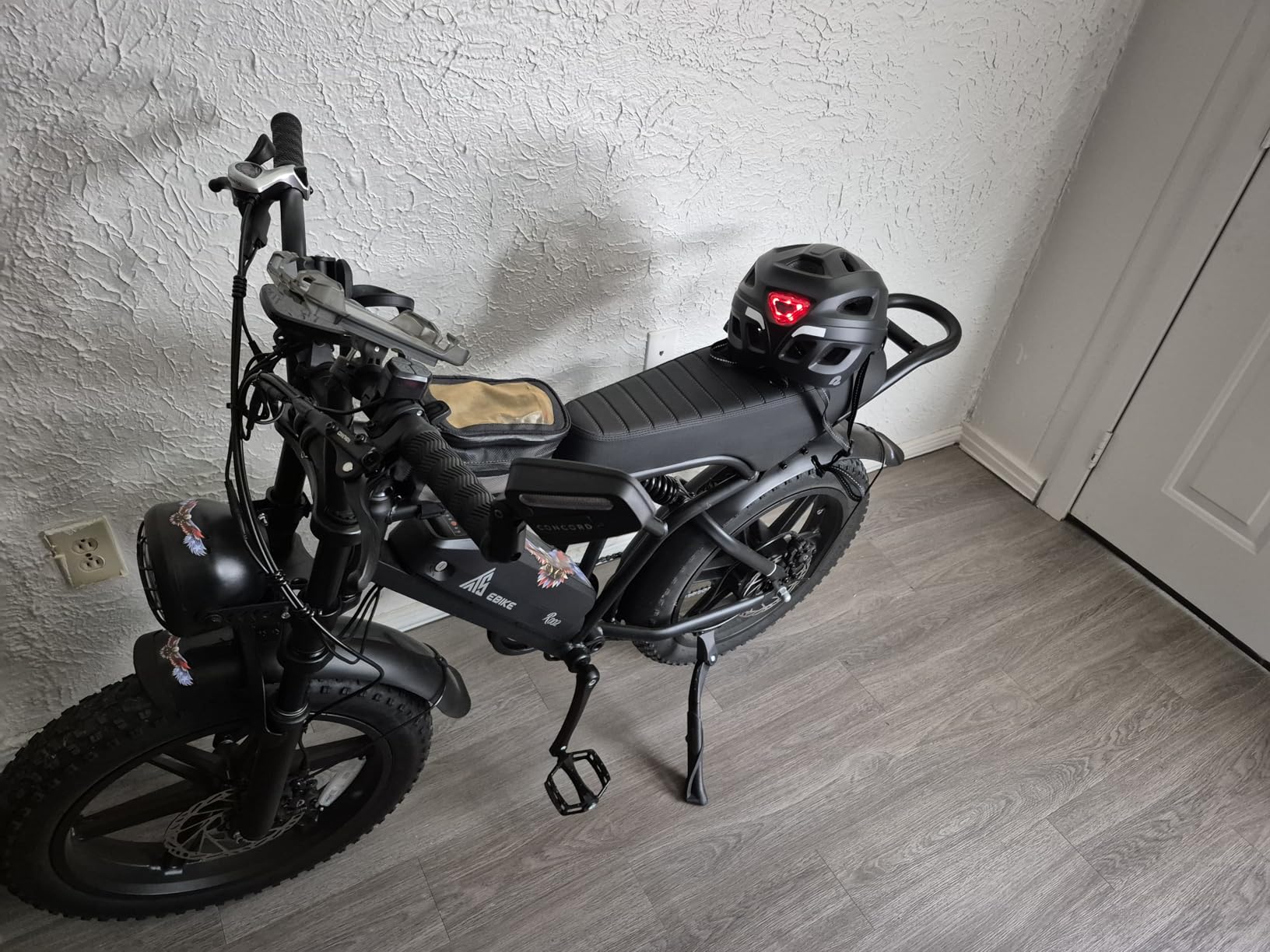
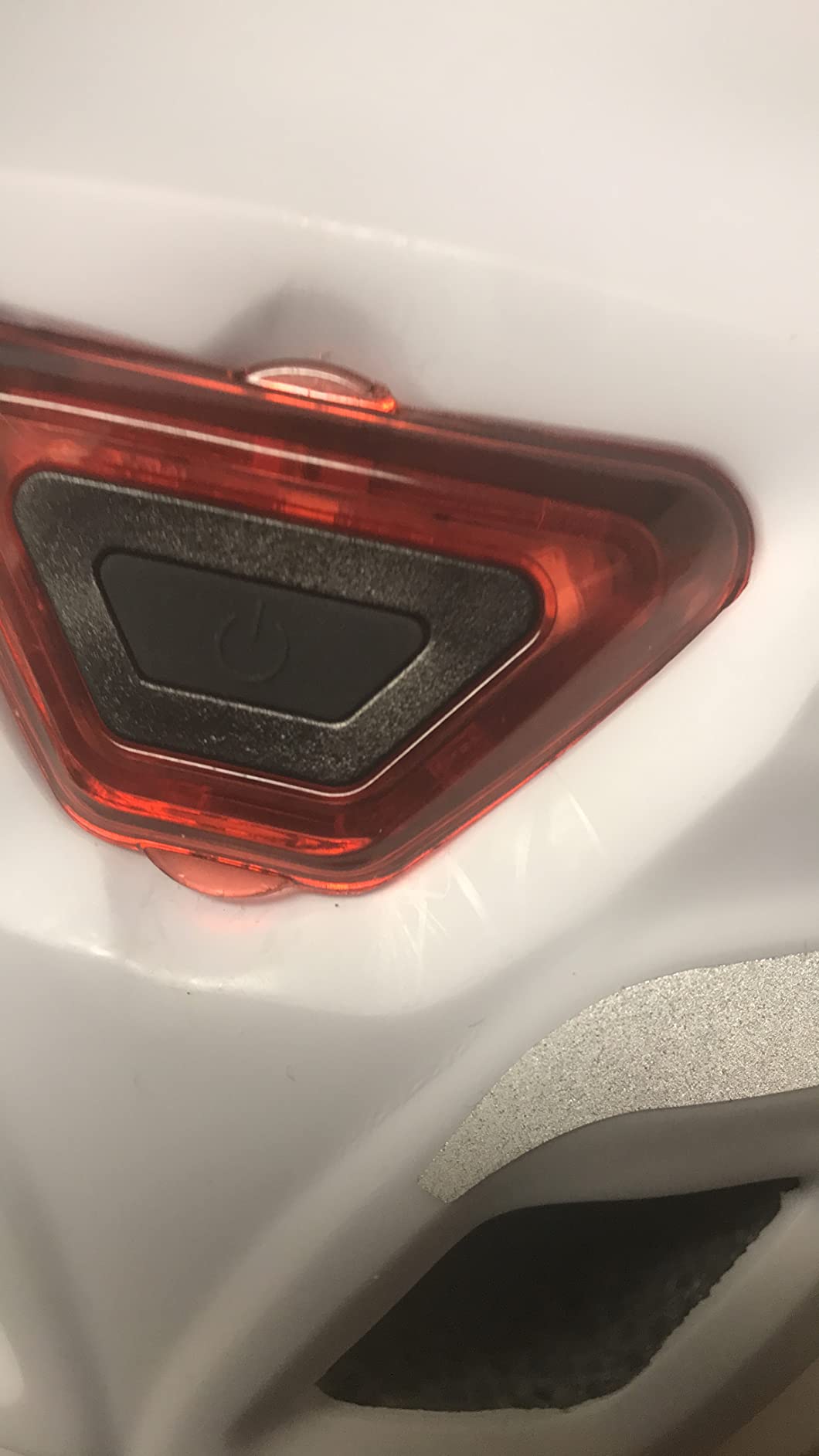
The built-in 5-LED light with three functions covers dawn, dusk and night without a separate accessory, and the ErgoKnob-2 dial handles fit adjustment in one movement. Fifteen vents feed air through internal channels across the top of the shell, which is enough for most urban distances.
The removable visor and washable padding are both practical rather than decorative. Padding you can wash is what makes a helmet survive a hot summer of daily use, and a detachable visor lets you change the look across seasons.
How it suits different commute lengths
For a short-to-medium urban commute of 20 to 35 minutes, the vent layout and washable padding handle the heat well, and the clean profile disappears into an office wardrobe. Riders with glasses report the single size band sits close to the temples without pushing frames forward.
For a longer ride or a hot summer route, the 5-LED fixed light is the weaker element. It is a marker light for dusk and darkness rather than something a driver will pick out at midday, so pair it with a handlebar lamp if your route crosses fast roads before sunset.
The limits to plan around
There is one size band, 54 to 61 cm, which excludes both ends of the adult range, and no high-speed or e-bike certification is listed on the product. That places it firmly in the city-commute category rather than the road-legal high-speed one.
Choose the Giro or the Schwinn instead if rotational protection or maximum ventilation matters more to you than appearance. Choose the Lennon when the deciding factor is that you will actually put it on every morning.
6. Thousand Heritage 2.0 – Best for Locking Your Helmet to the Scooter
Thousand Heritage 2.0 Adult Bike Helmet; The Original Low Profile Retro Commuter Cycling Helmet Safety Certified for Bicycle Skateboard Skating Roller Skates; for Men & Women (Phantom Black, L)
PopLock channel for a U-lock or chain
Dial Fit System at the rear
Safety certified for bike and skate
+ The Good
- PopLock channel lets you lock the helmet to the scooter or bike
- Dial Fit System handles sizing precisely
- Retro low profile suits city riding
- Anti-theft and accident replacement guarantees
- The Bad
- No integrated lighting or rotational protection
- Listed weight of 2 pounds is high for the shape
- No rear coverage extension for higher speeds
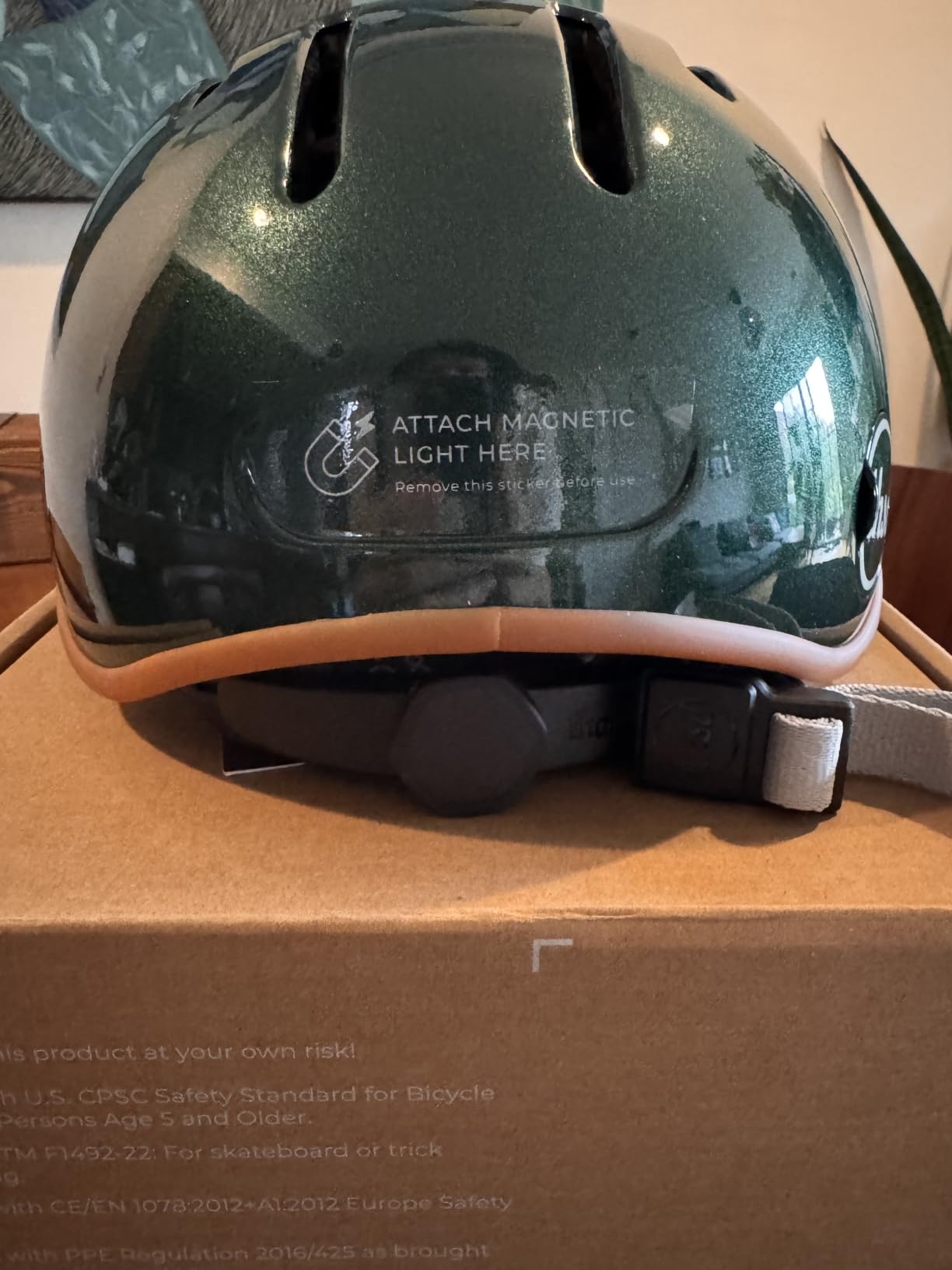
The Thousand Heritage 2.0 solves a problem most of the other picks here leave open: what you do with a helmet when you arrive at work and do not want to carry it. Its patent-pending PopLock channel runs across the shell so a U-lock or chain passes through the helmet and your frame at the same time, letting you lock both together in one motion.
That single feature changes commuting behaviour more than any amount of padding. Owners describe it as the reason they stopped leaving the helmet at the office, which in turn means they wear it on the ride back home as well.
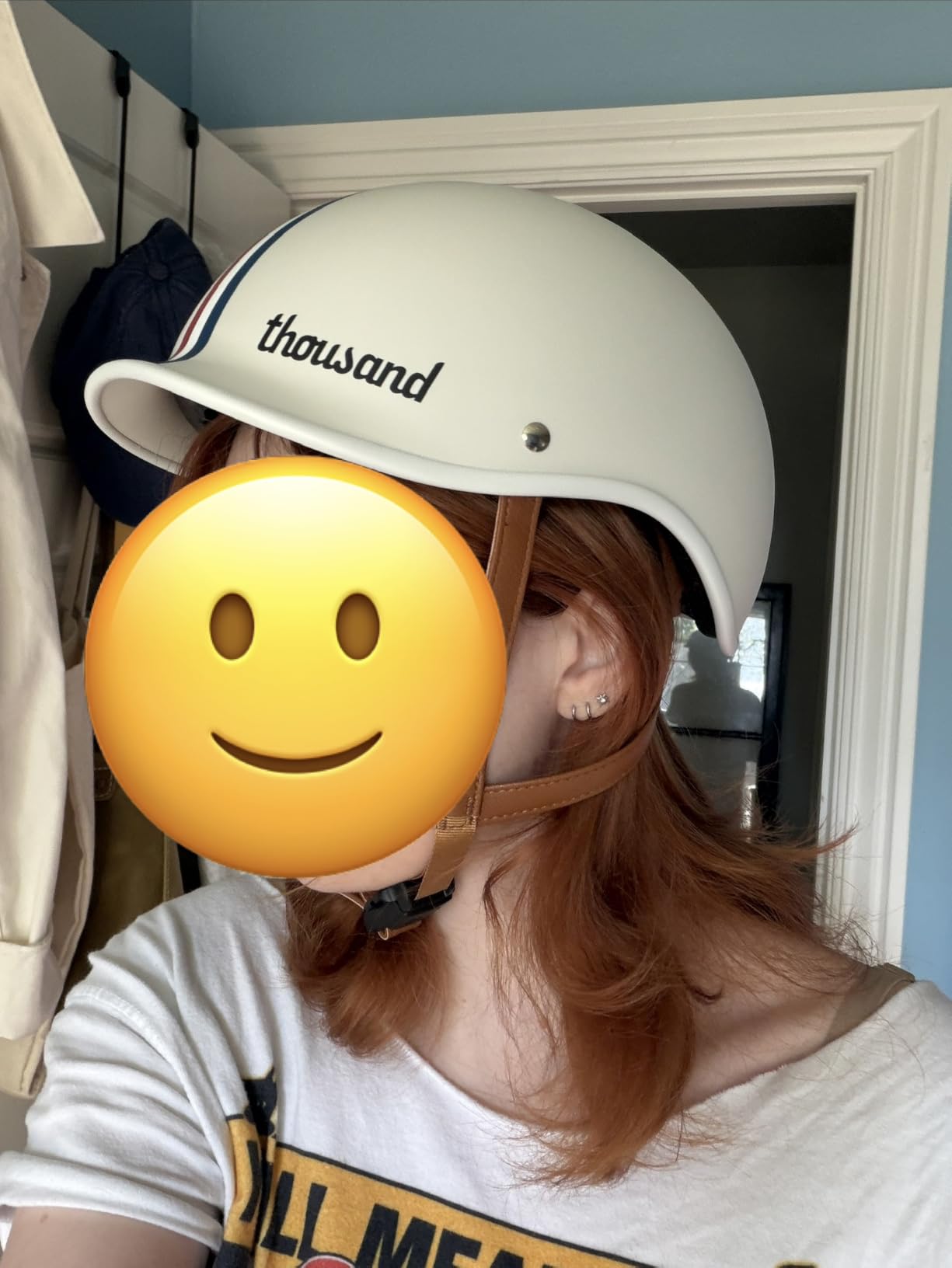
The retro low-profile shape is the other half of the appeal. It looks more like a cycling cap than a sports helmet, sits low on the head and carries a rear Dial Fit System for precise sizing. It is safety certified for bicycle, skateboard, skating and roller skates, and the brand backs it with anti-theft and accident replacement guarantees.
Reviewers pair the rating of 4.8 across more than 900 ratings with a practical result: a helmet that looks good enough to wear every day and locks to the scooter so it never ends up on a shelf.
When the PopLock channel changes the routine
It suits anyone with a train, bus or workplace destination, or anyone who parks a scooter in a shared rack where a loose helmet would be easy to take. It also solves the awkward case of locking up briefly at a shop, where removing the helmet first defeats the purpose.
It does not help if you carry your scooter inside, and you need to bring your own lock, since none is included. For riders with long hair, the smooth shell means there is no strap or buckle catching on the way through.
What you give up for the style
There is no integrated lighting and no rotational-impact system, so night riders need a separate lamp and high-speed riders should look at the dual-certified options. The listed weight of 2 pounds is high for a low-profile open-face shell, which is worth checking against your own sense of weight before committing.
It also sits in the premium band without the e-bike certification of the NTA-8776 picks. If your commute is short and station-based, those traits matter less than the fact that you will wear it without resenting it.
7. DKONI Front and Rear LED Helmet – Best LED Visibility for Night Routes
DKONI Bike Helmet with LED Lights Bicycle Helmets Commuter Cycling Helmet USB Rechargeable Front & Back LED Light Helmet for Adult Men Women (Large, Black)
Five front and thirteen rear LEDs
CPSC CE and ASTM certified
300 g with 20 vents
+ The Good
- Eighteen LEDs across front and rear with four flash modes
- CPSC CE and ASTM certified
- 300 g across three size bands from 48 to 61 cm
- Removable washable mesh liner
- The Bad
- Strap webbing can be hard to adjust consistently
- Some buyers report lights failing to hold a charge
- Older non-USB-C charging connector
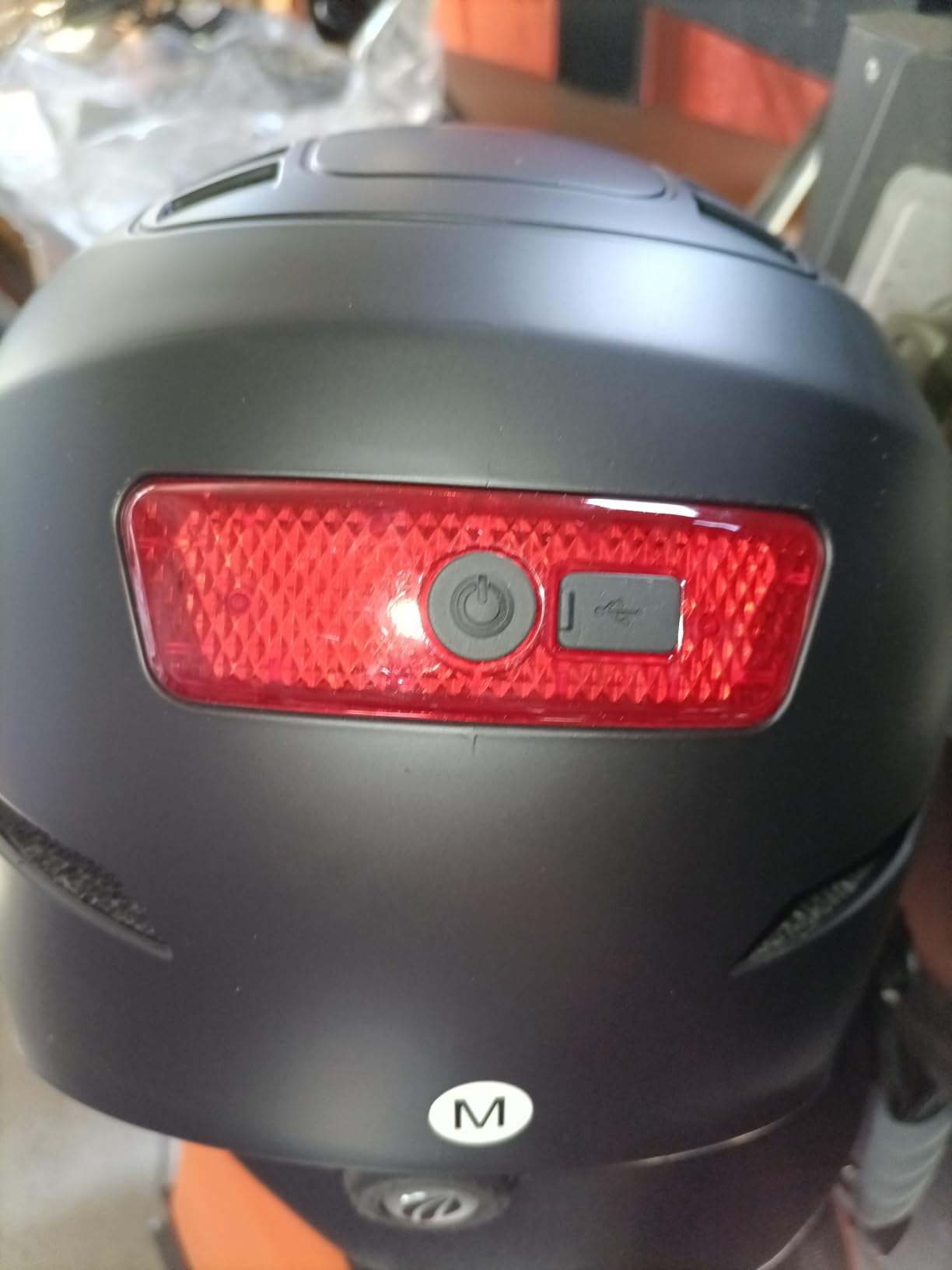
The DKONI front and rear LED helmet is the pick if visibility is your priority. It carries 5 white front LEDs and 13 red rear LEDs on a USB rechargeable system with four rear modes — fast flash, slow flash, warning flash and snake flash — and it is certified to CPSC, CE and ASTM.
Reviewers consistently describe the rear LEDs as very bright, which is what makes it useful on a route with unlit stretches where a small marker light would disappear. The snake flash mode in particular draws attention in traffic in a way a steady glow does not, and switching modes through a button on the shell avoids the faff of removing the helmet to reach a port.
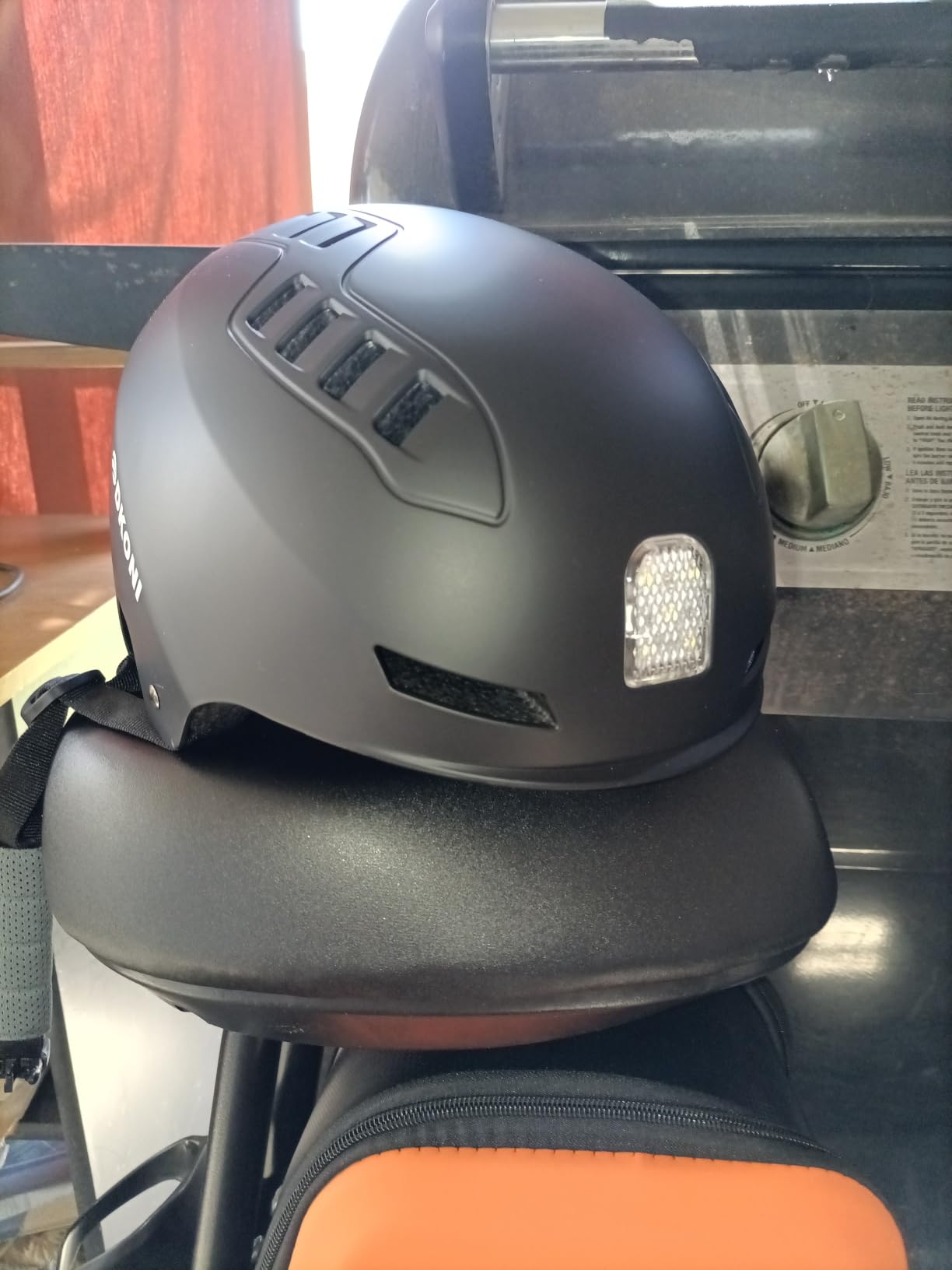
Twenty ventilation holes with airflow channels keep air moving, and at 300 g it is one of the lighter shells here despite carrying a lighting package on both ends. Sizes cover S 48-55 cm, M 52-58 cm and L 56-61 cm, which gives you a real chance of landing on a snug fit without an awkward compromise.
Charge time is one and a half to two hours using a 5V 1A charger, and the brand specifically advises against fast chargers. That is worth knowing before you plug it into a laptop brick and wonder why the light misbehaves.
How the lighting performs across a week
For a commuter who rides after dark two or three times a week, this is a capable lighting package and it needs a charge roughly twice a month on that pattern. Forward LEDs also help at junctions, where drivers approach from the side and a rear lamp alone does nothing.
What you should verify after arrival is the charge. Several buyers report lights that would not hold a charge or worked intermittently, and because the electronics are built into the shell there is no module swap. Test it on a short ride before you rely on it for a dark commute.
The build weaknesses worth knowing
Strap adjustment is the other recurring issue. A number of owners could not get the ear straps and chin strap to sit together comfortably, and the webbing takes practice to route properly. Budget ten minutes with it before your first real ride.
It also uses an older charging connector rather than USB-C, so you may need to carry the supplied cable. The lower 4.4 average across nearly 900 ratings reflects those two points rather than any safety concern.
8. XNITO Urban – Best for High-Speed Road-Legal Scooters
XNITO Bike Helmet with LED Lights – Urban Bicycle Helmet for Adults, Men & Women – CPSC & NTA-8776 Dual Certified – Class 3 E-Bikes, Scooters, Onewheel, Commuter, Mountain
CPSC and NTA-8776 dual certified
Class 3 speeds up to 28 mph
0.83 lbs in-mold shell
+ The Good
- Dual certified to CPSC and NTA-8776 for Class 3 speeds
- Thicker EPS with extended temple and rear coverage
- Integrated front and rear LEDs with three modes
- Under one pound with ten front and crest vents
- The Bad
- LEDs are integrated and cannot be replaced
- Deeper and bulkier profile than low-profile commuter helmets
- No MIPS or other rotational system listed
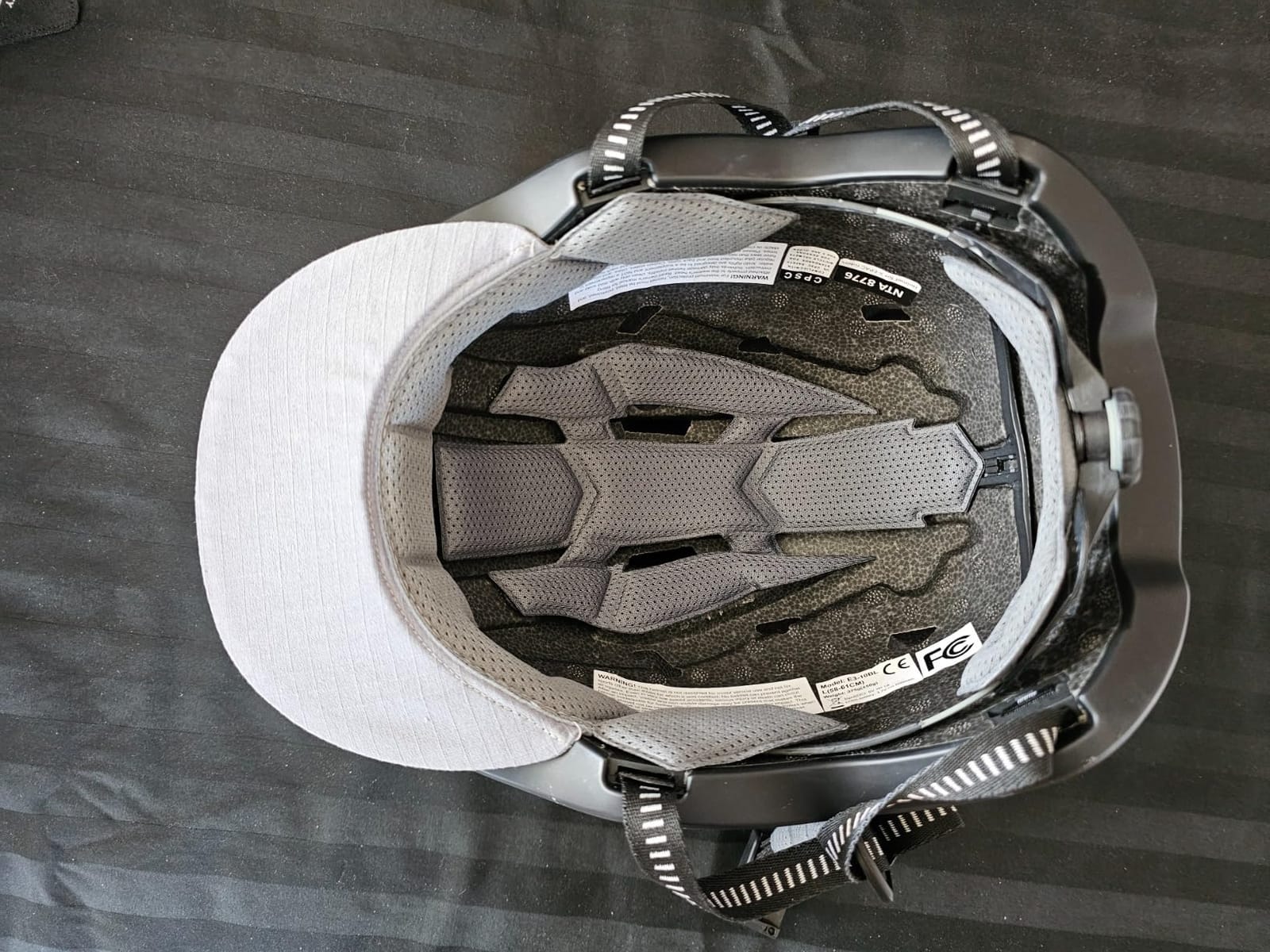
The XNITO Urban suits a road-legal e-scooter that genuinely uses its top speed. It is dual certified to CPSC and NTA-8776, and the NTA-8776 standard is the one written specifically for Class 3 electric bikes and e-scooters up to 28 mph, the certification that maps most directly to the fastest scooters on the road.
Plenty of riders are told that helmet choice has nothing to do with scooter top speed. That advice ignores impact energy. Faster means harder hits, and the NTA-8776 test protocol is designed around the velocity band these machines actually reach.
The protective story continues with a thicker EPS foam layer and extended coverage over the temples and rear of the head — the areas a rider takes first when a scooter drops sideways. In-mold construction keeps the whole thing at 0.83 lbs with ten vents front and crest feeding interior cooling channels.
Custom-integrated front and rear LEDs are USB rechargeable with three modes and up to ten hours of illumination, and a lifetime accident replacement warranty means a genuine crash gets you a new helmet rather than an argument. A dial-fit wheel covers medium, large and extra-large ranges for riders with larger heads.
Who should accept the bulkier profile
This suits riders who use bike lanes, mixed traffic or roads where 20 mph is routine, and who want the certification to match that reality. If you ride a Class 3 e-bike as well as a scooter, the dual certification transfers to both without buying a second helmet.
The depth of the shell is noticeable when you look in a mirror, and it sits less discreetly than the low-profile designs. If you are sensitive to workplace commentary about gear, that is a fair reason to weigh the trade differently.
What you trade away
There is no MIPS or other rotational-impact system listed, so you are choosing certified linear-impact protection with deeper coverage rather than a low-friction rotational layer. Some riders run this as a pairing: a MIPS bike helmet for shorter city trips and this one for the fast route.
The integrated LED modules are not user-replaceable, so an electronics failure means a new shell. It also sits in the premium band, and if your scooter tops out nearer 15 mph you can get comparable everyday protection for considerably less.
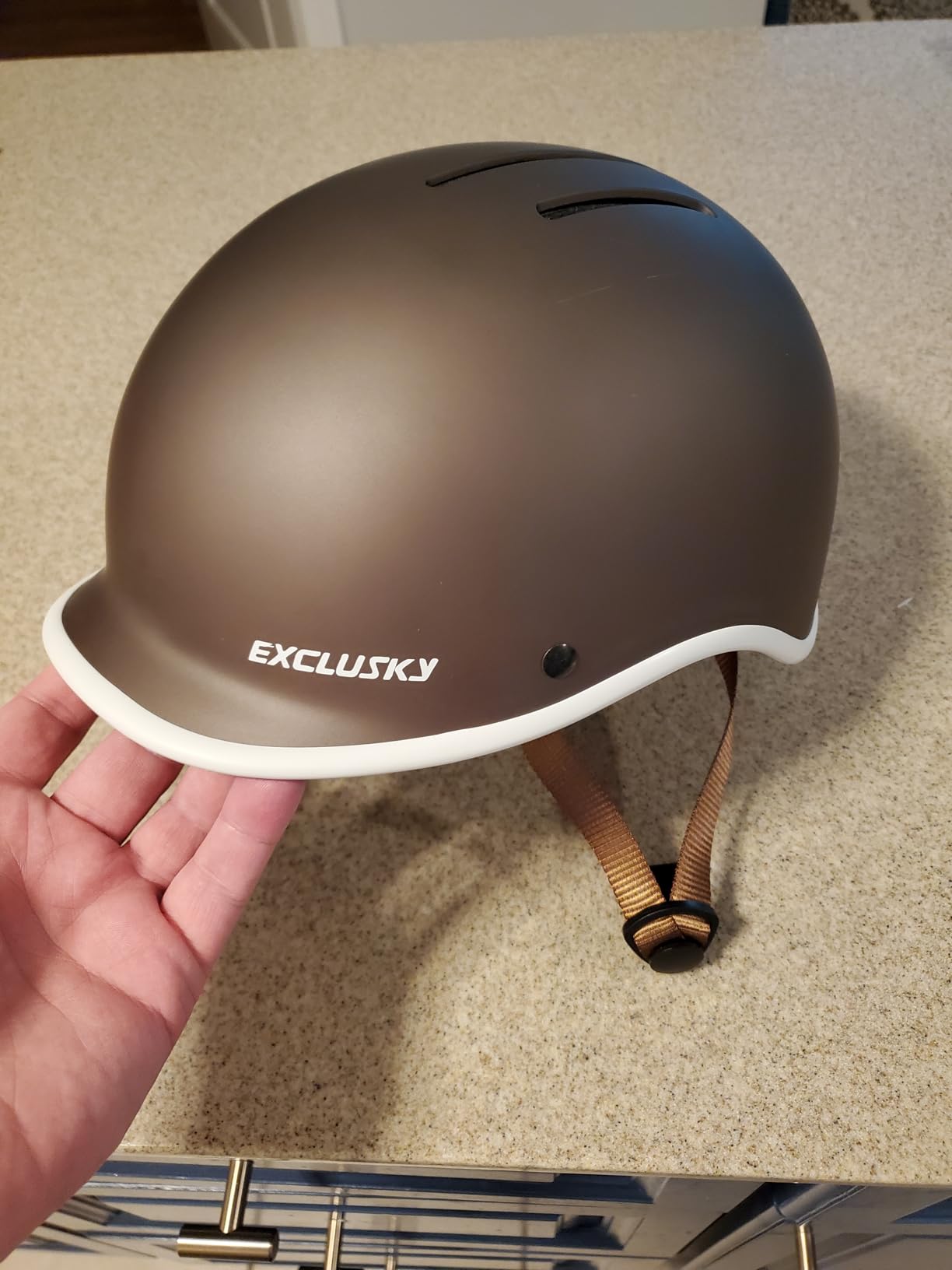
9. Exclusky Helmet – Best Budget Pick With a Working Rear Light
Exclusky Bike Helmet for Adults,Adjustable Cycling Helmet for Men & Women Safety Certified Bicycle Helmet for Commuting, Road Biking, Skating with USB Rechargeable Rear Light
CPSC tested and certified
USB rear LED with three modes
Head range 56-61 cm
+ The Good
- Lowest-cost pick here that still includes a working rechargeable rear light
- Three light modes change without removing the helmet
- Extra pad set included for fine fit tuning
- ABS shell with dense EPS foam
- The Bad
- Narrow 56-61 cm fit range with no other sizes
- Rear light only with no front illumination
- Heavier ABS construction than polycarbonate rivals
The Exclusky helmet is the budget pick, and it earns the label rather than borrowing it. It is tested at a CPSC lab and safety certified, it uses a durable ABS shell over dense EPS foam, and it includes a USB rechargeable rear LED with three modes — constant, flash and slow flash — that you can switch without taking the helmet off.
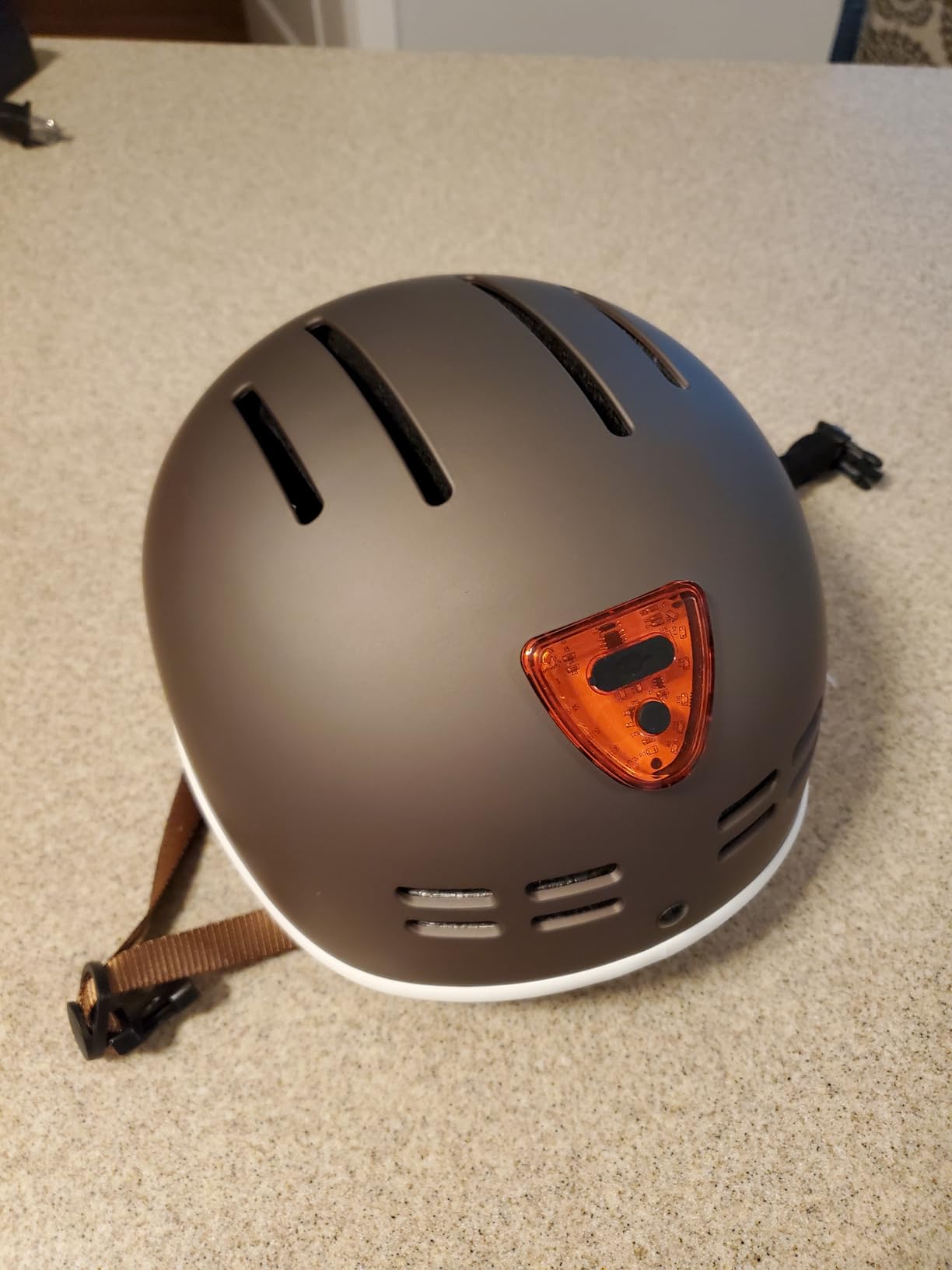
A rear size-adjustable dial comes with an additional set of pads, which lets you fine-tune the fit in a way single-dial helmets usually cannot. Head coverage is 56 to 61 cm, with cushioned interior and chin padding for longer wears.
The listing names commuting, skateboarding, skating, scootering, longboarding and road biking as intended uses, which tells you the shell is general purpose rather than tuned to one discipline. It carries a one year manufacturer warranty.
When a lower budget still works well
It suits occasional riders, second helmets for a partner or a shared household, and anyone who wants a certified light-equipped helmet without spending much. Riders on a short daytime route who want a rear light for dusk rides get the most from it, because that is exactly what the money was spent on.
Measure your head first. The 56 to 61 cm band is narrower than the multi-size models here, so if you are near either end of the adult range the fit may be a compromise rather than a snug fit.
Where the savings show
There is no front illumination and no rotational-impact system, so this is a linear-impact certified helmet for slower urban riding. The ABS outer shell is heavier than the polycarbonate shells used by several rivals in this list, which you feel most on a hot afternoon.
Its rating of 4.6 comes from a much smaller pool of roughly 650 ratings than the leaders here, so there is less long-term evidence behind it. If you can stretch, the Schwinn or Retrospec offer longer track records and better ventilation.
10. CLOSCA Foldable Helmet – Best for Train Plus Scooter Commutes
CLOSCA. Foldable Helmet for Bicycle and Electric Scooter. Lightweight, Compact and Certified. Urban Unisex Design for Men and Women. Adult Bike Helmet for Cycling and City Commuting.
Folds to 6.5 cm in under a second
Certified for e-scooters
Reflective rear panel
+ The Good
- Collapses fast enough to do at the platform
- Engineered so it cannot fold while worn or during an impact
- Rear elastic adjustment you set once and forget
- Three year warranty
- The Bad
- Strap clasp is fastened rather than looped and can detach
- Some owners question long-term hinge durability
- Awkward around long hair and over-ear headphones
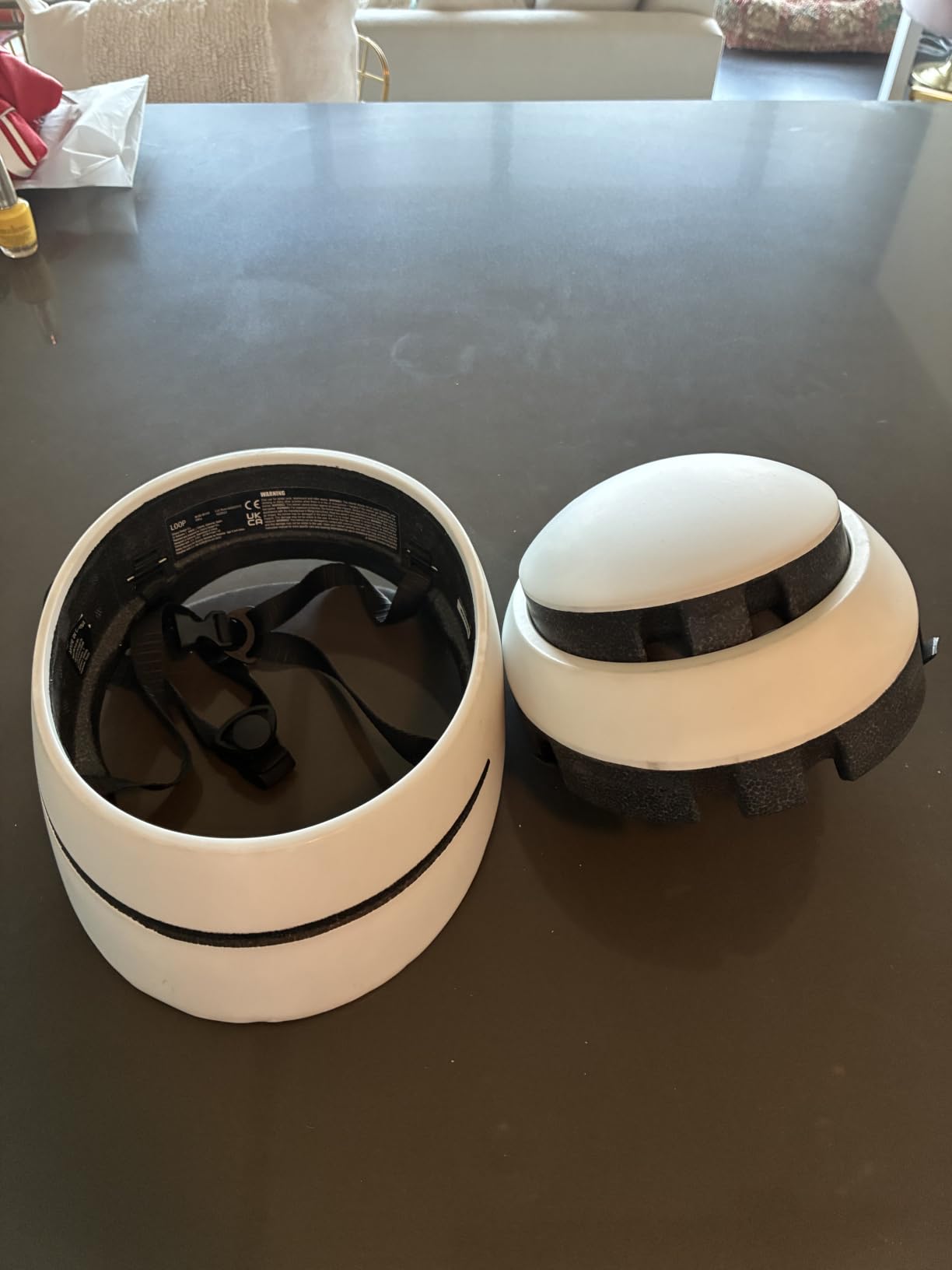
The CLOSCA foldable helmet is the answer to the problem that keeps most would-be commuters from wearing a helmet at all: you cannot wear a hard shell on a train and you do not want to carry one. Its patented mechanism collapses the helmet to 6.5 cm in under a second, so it goes into a backpack between the platform and the kerb.
The safety question here is obvious, so the design answers it directly. The helmet folds only when empty and cannot fold while it is on your head or during an impact. That is a mechanical interlock rather than a warning label.
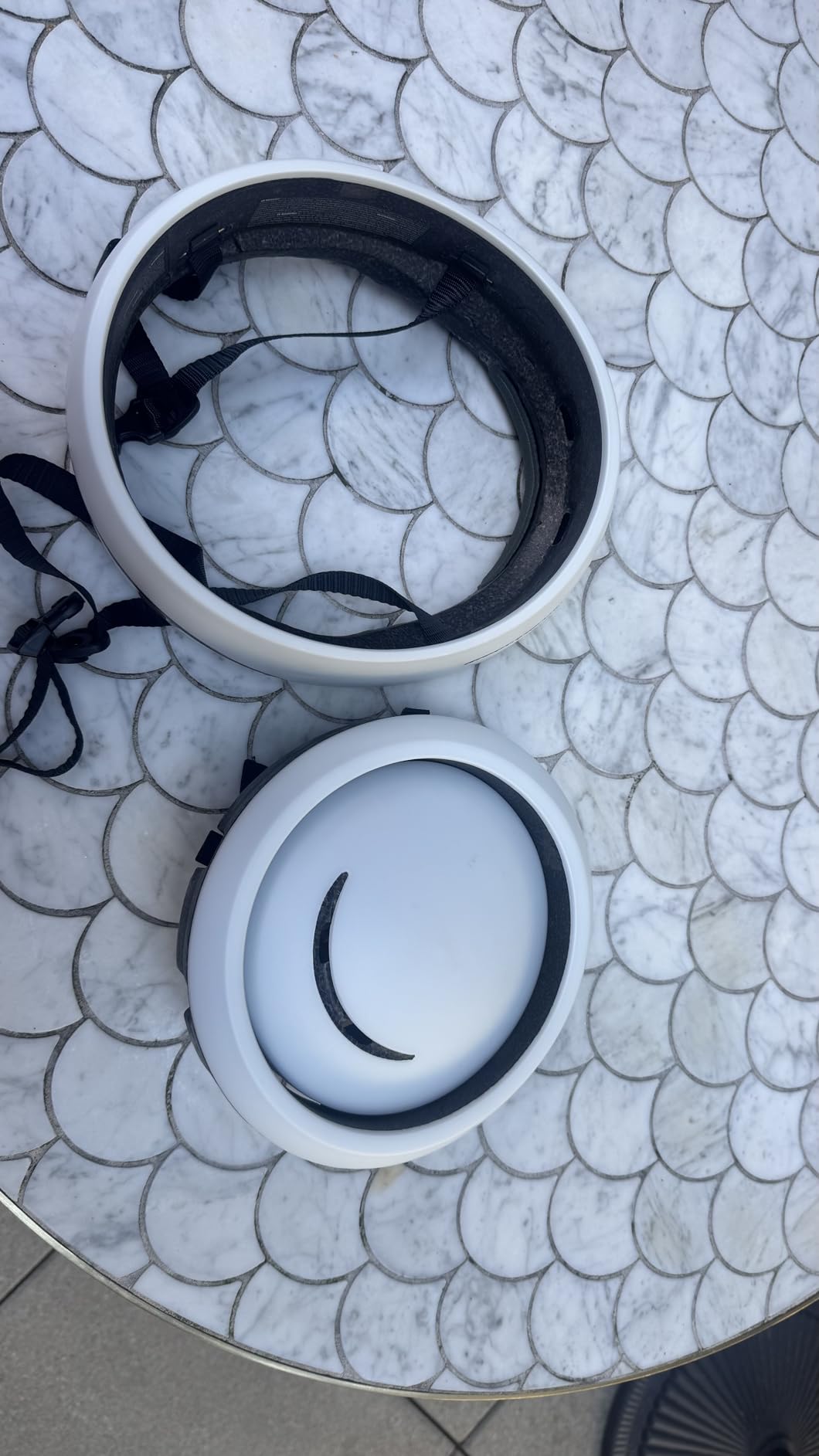
It is certified for bicycle, e-bike and e-scooter use, with a polycarbonate shell over EPS foam and a reflective rear panel for low light. The rear adjustment system uses elastic bands that you set once and leave in place, which is genuinely convenient on a commute where you are putting the helmet on and off daily.
Owners who previously left their helmet at work describe the fold as the reason they started wearing one daily, and the three year warranty is among the longest in this comparison.
How the fold handles a multimodal commute
At 6.5 cm collapsed it fits a backpack, a large handbag or a locker, and it reassembles before you reach the scooter. Sizes run M 56-59 cm and L 59.5-63 cm, so check your measurement against those bands rather than assuming a standard range.
It also suits anyone who stores a scooter in a small apartment, since you can keep the helmet flat instead of on a hook. The reflective rear panel adds passive visibility if you ride at dusk, though there is no integrated light.
The complaints worth taking seriously
The strap clasp is fastened rather than looped, and some owners report it can detach, with replacement instructions not included. Check the clasp every few rides until you trust it, and carry a spare buckle if your commute is long.
Long-term hinge durability is questioned by a small number of owners, and the straps can be awkward to route around long hair or over-ear headphones. If either of those describes you, test the routing before committing.
11. LUMDEER Smart Helmet – Best for Turn Signals and Automatic Brake Light
LUMDEER E-Bike Smart Helmet NTA 8776 Certified LED Lights with Turn Signals
NTA-8776 CPSC and EN 1078 certified
Wireless remote turn signals
12 hour light runtime
+ The Good
- Wireless handlebar remote controls front and rear turn signals
- Automatic brake light fires under sudden braking
- Photochromic magnetic visor adapts to sunlight
- Certified to NTA-8776 CPSC and EN 1078 for speeds up to 28 mph
- The Bad
- Magnetic visor and eye shield cannot be worn together
- Visor can press against the nose
- One large size only
- Certification markings are not printed on the shell
The LUMDEER smart helmet suits riders who want to communicate rather than just protect. A wireless handlebar remote controls front and rear turn signals, and an automatic brake light fires when the helmet detects sudden deceleration, which means you signal a car behind you without taking a hand off the bars or thinking about it.
That is a real behavioural difference on a stand-up scooter, where merging into a lane of faster traffic is one of the riskiest parts of the ride. Most scooter riders have no legal or practical turn signal, and a helmet-mounted one covers both directions at once.
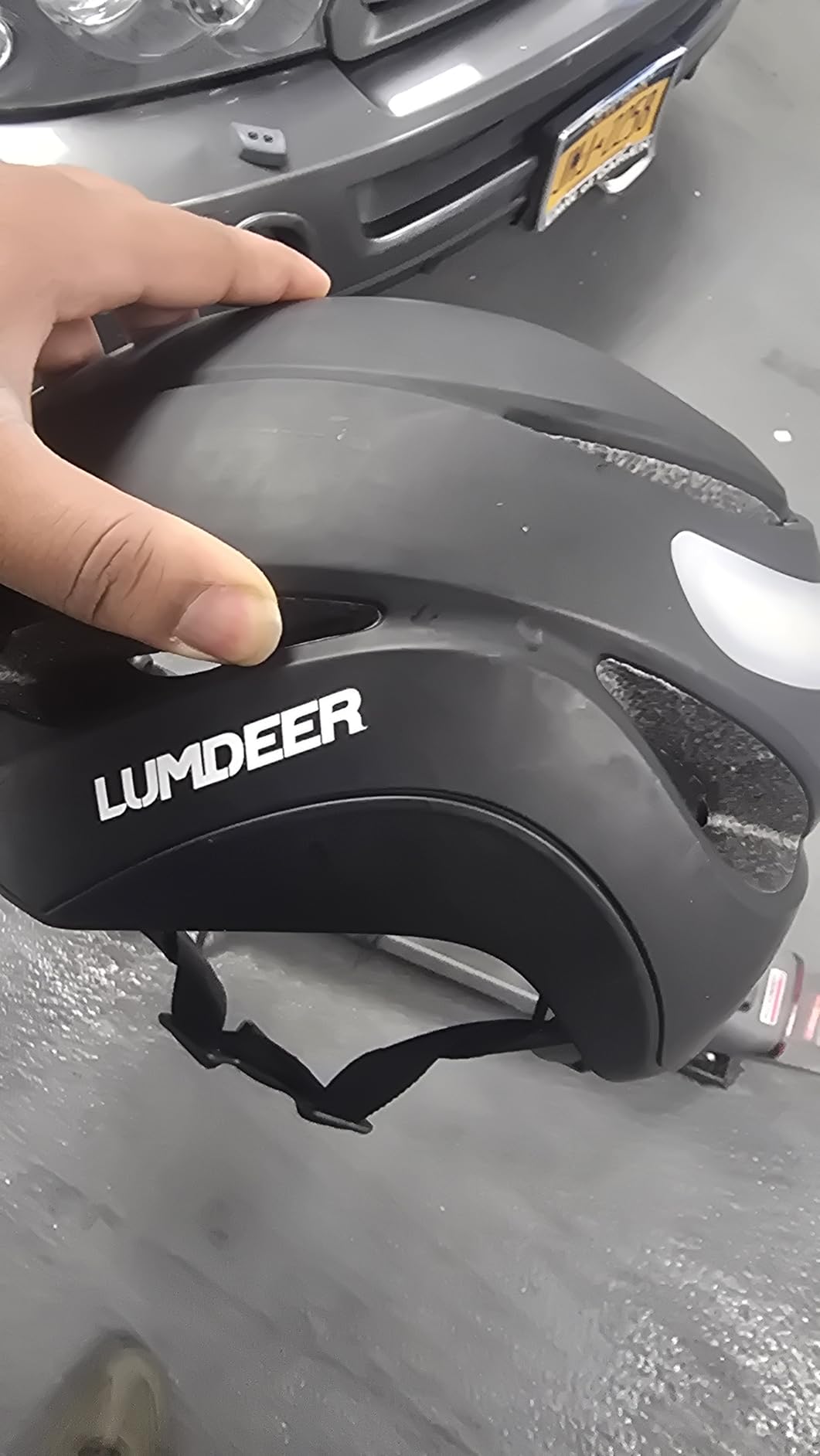
The shell is certified to NTA-8776, US CPSC and EU EN 1078 for speeds up to 28 mph, so the certification matches a Class 3 road-legal scooter. Front and rear LEDs are USB rechargeable with a 12 hour runtime and are described as water-resistant, with 10 vents for airflow and a rear dial for adjustment.
The photochromic magnetic visor adjusts its tint to ultraviolet intensity, so it darkens in strong sun and clears in low light. That replaces swapping a tinted lens for a clear one across a season, and the box includes a snap-on brim plus photochromic goggles.
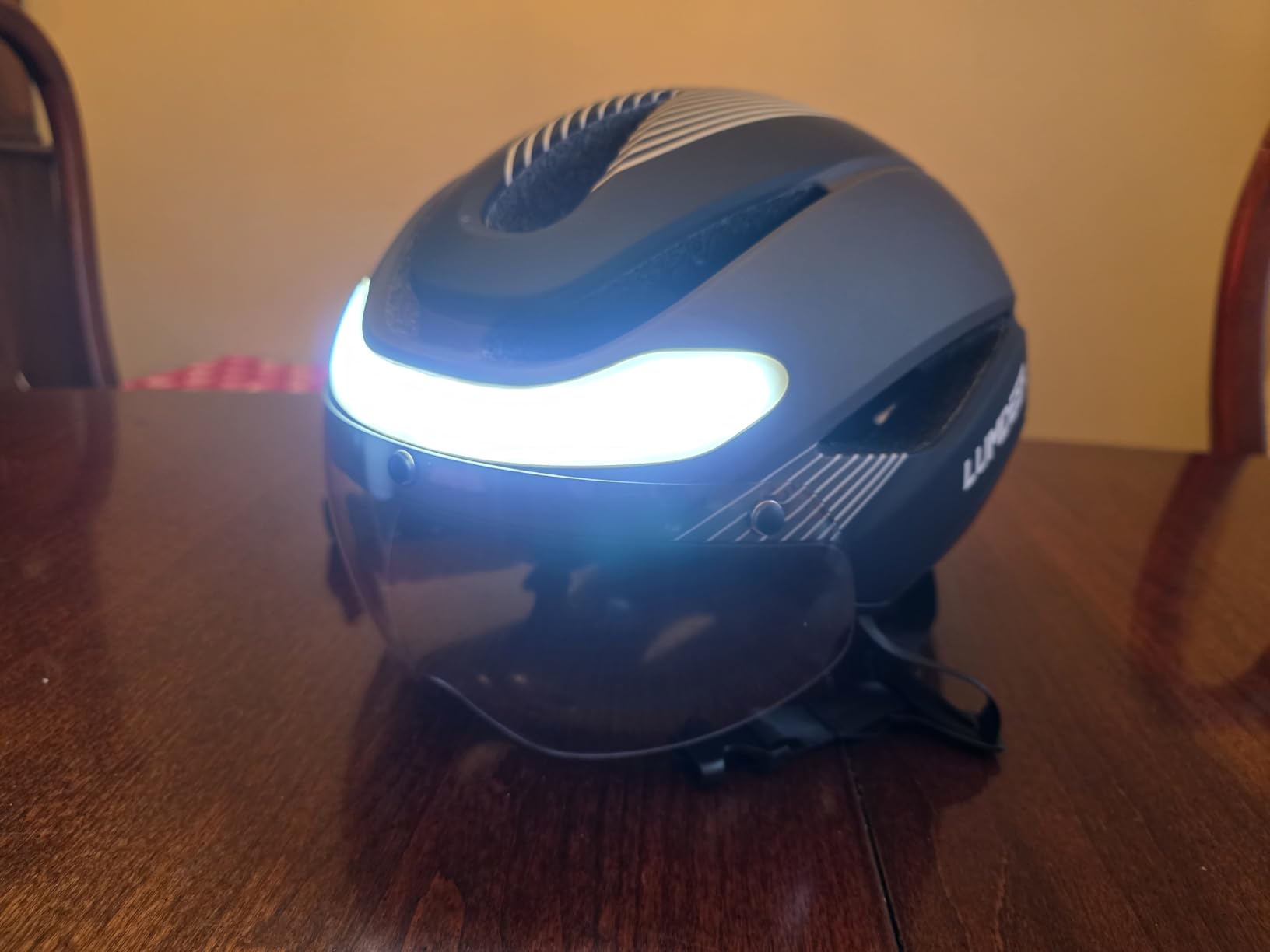
How the smart features hold up in traffic
Turn signals and the automatic brake light are the most mentioned strengths in buyer reviews, with bright front and rear LEDs cited alongside them. The 12 hour runtime means most commuters charge weekly or less, and the remote means you signal the way you would on a car.
The helmet sits low on the head, which adds rear coverage compared with many open-face rivals, and reviewers report it stays comfortable over long rides. For stop-and-go city use that comfort matters more than any app-based feature.
The drawbacks that decide it for you
The magnetic visor and the anti-fog eye shield are mutually exclusive — you wear one or the other, not both. The visor can also press against the nose, and some riders had to modify it to get a usable fit.
It comes in a single large size, 57 to 62 cm, which makes it hard to fit smaller heads, and the certification markings are not printed on the shell itself, so keep the packaging. At 4.3 across roughly 430 ratings it has the smallest evidence base and the most three-star fit complaints of our shortlist.
12. DKONI Urban Taillight Helmet – Best Lightweight Helmet for City Riding
Bike Helmet Adult Urban:Bicycle Helmet for Men Women with USB Charge Detachable Taillight Helmets for Commuter Cycling Scooters
9.6 oz in-mold shell
Detachable USB taillight
GCC and CE certified
+ The Good
- Lightweight 9.6 oz shell
- Detachable USB rear light visible in daylight
- Fifteen cooling vents
- Extended rear coverage versus similar helmets
- The Bad
- Medium size runs small for several riders
- Taillight only with no front light or turn signals
- Only a 6 month warranty
The DKONI urban helmet is the pick if the deciding factor is how little weight sits on your head. At 9.6 ounces it is the lightest shell in this comparison, and for a rider doing two rides a day in summer that difference is felt long before the range rating matters.
It uses an in-mold polycarbonate shell over high-density EPS foam, which is a lighter and better-vented construction than the typical glued microshell, and it is certified to GCC and CE standards for urban and road cycling.
The detachable USB rear light is the part that sets it apart from a plain lightweight helmet. It charges fully in about two hours and runs three to five hours across two modes, and because it detaches you can carry a charged light in a pocket and move it between helmets if you own more than one.
Fifteen cooling vents handle airflow, and reviewers single out the extended rear coverage as noticeably better than many helmets at a similar weight, which matters on a stand-up scooter where a low-cut shell exposes the base of your skull.
Who should choose the lightest option
This suits riders with short hops, hot climates, and anyone who wears a helmet across several journeys a day. The 9.6 oz weight is also kind to a ponytail or bun, since there is less structure pressing at the base of the head.
It works well for a daytime commute with an unlit final stretch, because the detachable taillight is reported as visible in broad daylight and lasts many hours per charge. Two sizes cover M 53-56 cm and L 57-61 cm.
What to check before ordering
The medium size runs small for a number of riders, and several reviewers recommend sizing up. Measure your head and if you are near 53 to 55 cm, order the large rather than relying on the dial.
The light is a detachable taillight only — there is no front lamp and no turn signals — so treat it as a supplement rather than a full lighting solution. The 6 month warranty is the shortest here, which is the main reason this sits last despite a strong 4.6 rating.
What Helmet Type Do You Actually Need on an E-Scooter?
For most commuters the right type is a certified open-face urban helmet with MIPS-type rotational protection, a rear light and enough vents for stop-and-go riding. Pick a skate-style half helmet when you want low weight and a longer rear cut, an e-bike or NTA-8776 certified helmet when your scooter is road-legal above 20 mph, a full-face helmet for high-speed or off-road terrain, and a folding helmet when your commute includes a train or a bus.
Urban commuter helmet with MIPS — the default for a 15 to 20 mph city scooter. Best ventilation and lowest weight, with rotational-impact protection.
Skate-style half helmet — a deeper rear cut and a flat top. Excellent airflow, but often no MIPS and occasionally no certification beyond the skate standard.
E-bike or NTA-8776 certified helmet — the sensible choice for a road-legal scooter up to 28 mph. Heavier shell, deeper coverage over the temples and rear.
Full-face helmet — coverage for high-speed or off-road riding. Noticeably hotter at junctions and often fogs at stops without active venting.
Folding helmet — collapses for a multimodal commute. Same protection in use, easier to carry, and priced accordingly.
Smart helmet with lights and signals — turn signals, brake sensing and integrated lighting on a certified shell. Heavier and more expensive, with electronics to maintain.
The word to avoid is novelty. A helmet that lists no certification, no shell material and no fit range is not a cheaper version of the above. It is a different category of object.
Certification Explained: CPSC 1203 vs ASTM F1492 vs NTA-8776
The safest helmet for riding an electric scooter is one whose certification matches the top speed of your machine. CPSC 1203 covers bicycles up to about 15 mph, ASTM F1492 covers skateboards and scooters at lower impact levels, and NTA-8776 is the e-bike standard tested to 45 km/h, which is the only one of the three written around electric speeds.
CPSC 1203 is the US bicycle standard and appears on most helmets in this roundup, including the Schwinn, Giro, DKONI and Exclusky. It is a single-impact standard that verifies the shell and liner absorb a straight hit at a defined velocity. It does not test rotational motion, which is why MIPS-style liners are worth considering alongside it.
ASTM F1492 is the skateboard and scooter helmet standard, found on several skate-certified helmets including the Thousand Heritage 2.0. It tests a different impact profile from CPSC, which matters if you also ride a kick scooter or a board, but it is not designed around electric motor speeds.
NTA-8776, the Dutch e-bike standard, is the one to look for above 20 mph. It is verified up to 45 km/h and appears here on the XNITO Urban and the LUMDEER smart helmet, both of which also carry a CPSC certification so they work as ordinary bike helmets too.
EN 1078 is the European bicycle standard and shows up alongside CPSC on the ILM, which is useful if you travel. MIPS is not a certification but a liner system that reduces rotational energy transfer, and it sits inside a certified shell rather than replacing one.
How to Fit a Helmet So It Actually Protects You
A certified helmet worn two sizes too big protects far less than you would expect, so fit is not a finishing touch. Use the two-two-five rule: two finger widths between your eyebrows and the top of the shell, two finger widths between each side strap and your ear, and five finger widths from the front edge of the helmet to the top of your head when the rear strap is buckled under your chin.
That middle measurement is the one riders get wrong. If the front edge sits low enough that the side straps are pulling inward under your ears, the helmet will rotate forward in a fall instead of staying put. If the fit works, the side straps form a V under each ear rather than a straight line to the chin.
For glasses, look for a shell with low temple pads and a rear adjustment that leaves room for the arms, then check that the side straps do not run through the frame temples. The VICTGOAL in this roundup is the clearest example of a design that handles eyewear, with a magnetic shield that sits over glasses rather than against them.
For textured or Afro-textured hair, test for squareness in a mirror before you buy, and expect to need the dial a little looser than the two-two-five rule suggests. The shape of the rear edge matters more than the tightness: a helmet with a lower cut at the nape will sit over fuller hair without compressing it.
Finally, fit your hair before you fit the helmet. A ponytail that sits inside the shell changes your head measurement, and a helmet that fits over a bun may not fit correctly without one.
Helmets for Night, Rain and Bad-Weather Commutes
Night visibility comes down to being lit from behind and from the side, and a helmet is the last place you want to rely on because it is easy to forget. Most riders here should run a handlebar front light and a seatpost rear light as their baseline, with a helmet light as backup rather than replacement.
What an integrated light genuinely adds is a second rear source at head height. Car drivers are looking at your taillight near the ground, so a bright light at helmet level separates you from the vehicle directly ahead in a queue, which is exactly where a scooter rider is most likely to be hit.
For rain, fogging on a full-face helmet is the thing riders complain about most. Visor fog is a physics problem that vents only partly solve, and a fogged visor during a stop-and-go commute is worse than no visor at all. The practical answers are airflow, a wipe, and a slower approach into junctions.
Reflective details matter in low light without a battery, and both the Giro and the CLOSCA carry them. On a dark route, pair a rear light with reflective elements rather than choosing between them. If cold weather is part of your year, our ski helmet guide covers layered liner systems, though the ventilation priorities there are the opposite of a city commute.
Folding Helmets for Train Plus Scooter Commutes
The single most commuter-specific problem here is that a hard shell is incompatible with a train. Wear it and you look like a commuter in full gear; carry it and you are carrying a lump in your bag all day. The folding helmet exists because riders kept refusing to do either.
A helmet that collapses to roughly 6.5 cm fits most daypacks, so the fold happens on the platform rather than at home. The CLOSCA in this roundup is the certified example, rated for e-scooters with a three year warranty.
Check the interlock carefully on any folding helmet. A safe one folds only when empty and mechanically cannot collapse while worn or during an impact, and that should be a stated design feature rather than an assumption.
If folding feels like too much, the lock-when-you-park approach solves half the problem. The Thousand Heritage 2.0 has a channel for a U-lock or chain so helmet and scooter secure together, which removes the risk of a loose helmet on a shared rack. Riders who only need one of those two solutions should look at which one matches their actual route.
If your route also involves carrying a scooter up steps, plan for the ramp and lifting side of the journey. Our mobility scooter ramp guide covers the loading and securing details that riders often overlook on the last leg of a multimodal commute.
What We Did Not Recommend and Why
We left out motorcycle helmets. They are the most protective option at speed and genuinely wrong for a 15 mph city commute, because the weight, heat and restricted field of vision cause more problems than they solve in stop-and-go traffic.
We also left out helmets marketed only for kick scooters with no named bicycle or e-bike certification. Skate-certified shells are fine for low-speed skateboards, but a standard written for a board pushed by a foot is not testing the impact your motor produces.
And we left out the fashion helmets with no certification at all. These are common in this product category and they are not a cheaper alternative to the picks above. A helmet with no published standard cannot be checked against anything.
Finally, we did not rank on brand reputation. Two of the strongest listings here come from names most riders will not recognise on a shopfront, so the standard, the fit range and the review count are what should decide your purchase, not the logo.
When to Replace a Commuter Helmet
Replace it after any hard impact, even if there is no visible dent. The EPS liner inside almost every helmet here is single-use crush foam that absorbs an impact by cracking internally, so the damage is invisible from outside while the protection is gone.
A significant drop counts too, even without a crash, and so does any impact that gives you a headache within a few hours. If the shell is cracked, the padding is crushed or the dial no longer holds, the helmet is finished.
Give it five years as a routine replacement, or sooner if the padding is worn through or the shell has yellowed from UV exposure. If your helmet has an integrated light and it fails electronically, replace rather than repair, because the light is part of the shell.
Frequently Asked Questions
What type of helmet is best for riding an electric scooter?
A certified open-face urban helmet with MIPS-type rotational protection, good ventilation and a rear light suits most 15 to 20 mph city commutes. Above 20 mph on a road-legal scooter, choose one certified to NTA-8776 for speeds up to 45 km/h, and consider a full-face helmet for off-road or high-speed riding.
Is it worth getting a helmet with MIPS?
For an e-scooter, usually yes. MIPS adds a low-friction layer between the shell and the foam so the helmet can slide slightly in an angled impact, which reduces the rotational force reaching your brain. Scooter falls tend to produce angled rather than straight impacts, and MIPS sits inside a certified shell rather than replacing one.
Should electric scooter riders wear helmets?
Yes. Riders travel at 15 to 28 mph with no crumple zone, no seatbelt and two wheels, and head injury is the most common serious outcome on an e-scooter. Local rules vary by city and many apply specifically to riders under a certain age, so check your own area, but the protection case does not depend on the law.
Do electric scooter helmets need to be DOT approved?
No. DOT approval applies to motorcycle helmets in the United States, not to bicycle or e-scooter helmets. Look instead for CPSC 1203, ASTM F1492, NTA-8776 or EN 1078 on the label, and choose NTA-8776 if your road-legal scooter runs above 20 mph.
When should I replace a helmet after a crash?
Replace it after any hard impact, even when there is no visible dent, because the EPS liner is single-use crush foam that cracks internally and loses its protective capacity without showing damage. A significant drop counts too, and replace the helmet if the shell is cracked, the padding is crushed or an integrated light fails.
What percentage of e-scooter riders wear helmets?
Reliable national data is limited, and the figures that circulate online often cover bicycles or all two-wheelers rather than e-scooters specifically. Observance on shared and rental scooters in many cities is low among adults, which is why rental companies often supply a helmet with the vehicle. Check your local rules rather than relying on a national percentage.
Conclusion: Our Top E-Scooter Helmet Picks
After reviewing 12 helmets for the best electric scooter helmets for commuters, the Giro Fixture MIPS is our top choice for the way most people actually ride: it carries real MIPS rotational protection, reflective details for low light, and a one-handed dial that works at a traffic light, at 4.8 stars across more than 5,000 ratings.
The Schwinn Thrasher is the value answer if you want the most proven shell with the best ventilation, and the CLOSCA foldable helmet is the one that changes behaviour for a train-based commute. Whichever you choose, match the certification to your scooter’s top speed, fit it properly with the two-two-five rule, and replace it after any hard impact because the EPS foam is single use. This is product guidance rather than legal or medical advice, and local helmet rules differ by city.