
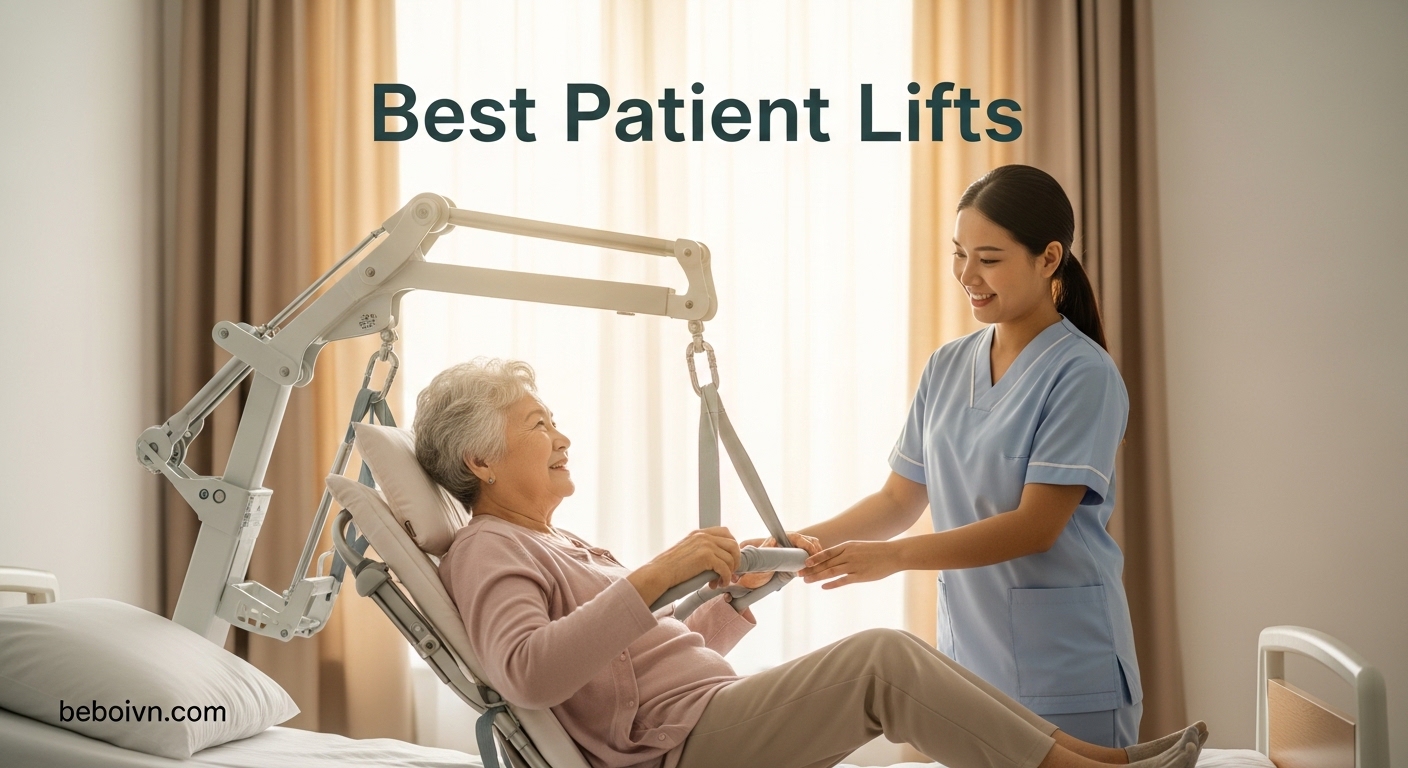
Caregiver injuries affect over 30,000 healthcare workers annually, and that number does not even count the millions of family members who strain their backs every day lifting loved ones at home. I have seen it firsthand in my own family, and it is exactly why we spent weeks researching and comparing the best patient lifts available right now.
A patient lift is a mechanical device designed to safely transfer individuals with limited mobility between positions, such as from a bed to a wheelchair, or from the floor to a chair. These devices use a sling system attached to a boom arm that cradles the person during the transfer, powered either by electric motors or manual hydraulic pumps.
In this guide, our team reviews 10 patient lifts across every category, from sit-to-stand aids and hydraulic floor lifts to electric portable models and folding travel units. Whether you are caring for an aging parent at home or outfitting a care facility, we break down exactly which lifts earn their keep and which ones fall short. We cover weight capacities, doorway clearance, sling compatibility, and real user experiences to help you make the right call for your situation.
Top 3 Picks for Best Patient Lifts
Best Patient Lifts in 2026
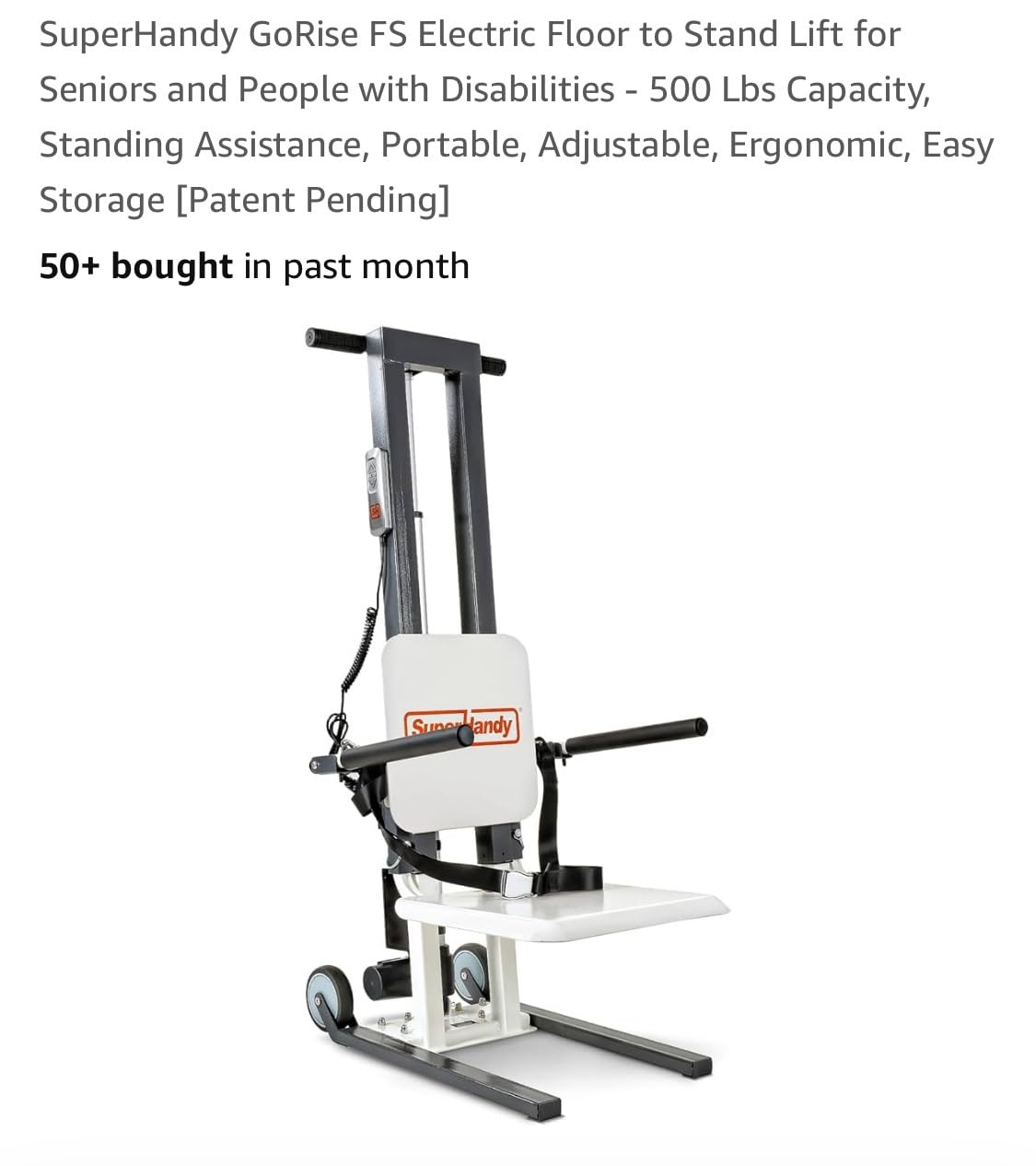
1. SuperHandy GoRise Electric Floor to Stand Lift – Best Overall Floor-to-Stand Pick

SuperHandy Electric Floor Lift, 500 Lbs Capacity, Portable Design
500 lb Capacity
52.9 lbs
Floor to Stand
Dual Power
+ The Good
- Lifts from near ground level
- Game changer for avoiding 911 calls
- 39 minute assembly
- Dual power battery and AC
- The Bad
- Heavy to maneuver on carpet with person
- No front wheels on FS model
- Can tip if tilted too far
When I first set up the SuperHandy GoRise, I had it assembled and running in under 40 minutes with nothing more than the included tools. The instructions were clear, the parts were well-organized, and the build quality was immediately apparent. At 52.9 pounds, it is one of the lighter electric options we tested, yet it handles up to 500 pounds without straining.
The standout feature here is the floor-to-stand capability. Multiple users in our research reported that this lift literally eliminated the need to call 911 for lift assists when a loved one falls to the floor. It lowers to about half an inch off the ground, slides under or beside the person, and lifts them smoothly to a standing or seated position. For aging-in-place scenarios, this alone justifies the investment.
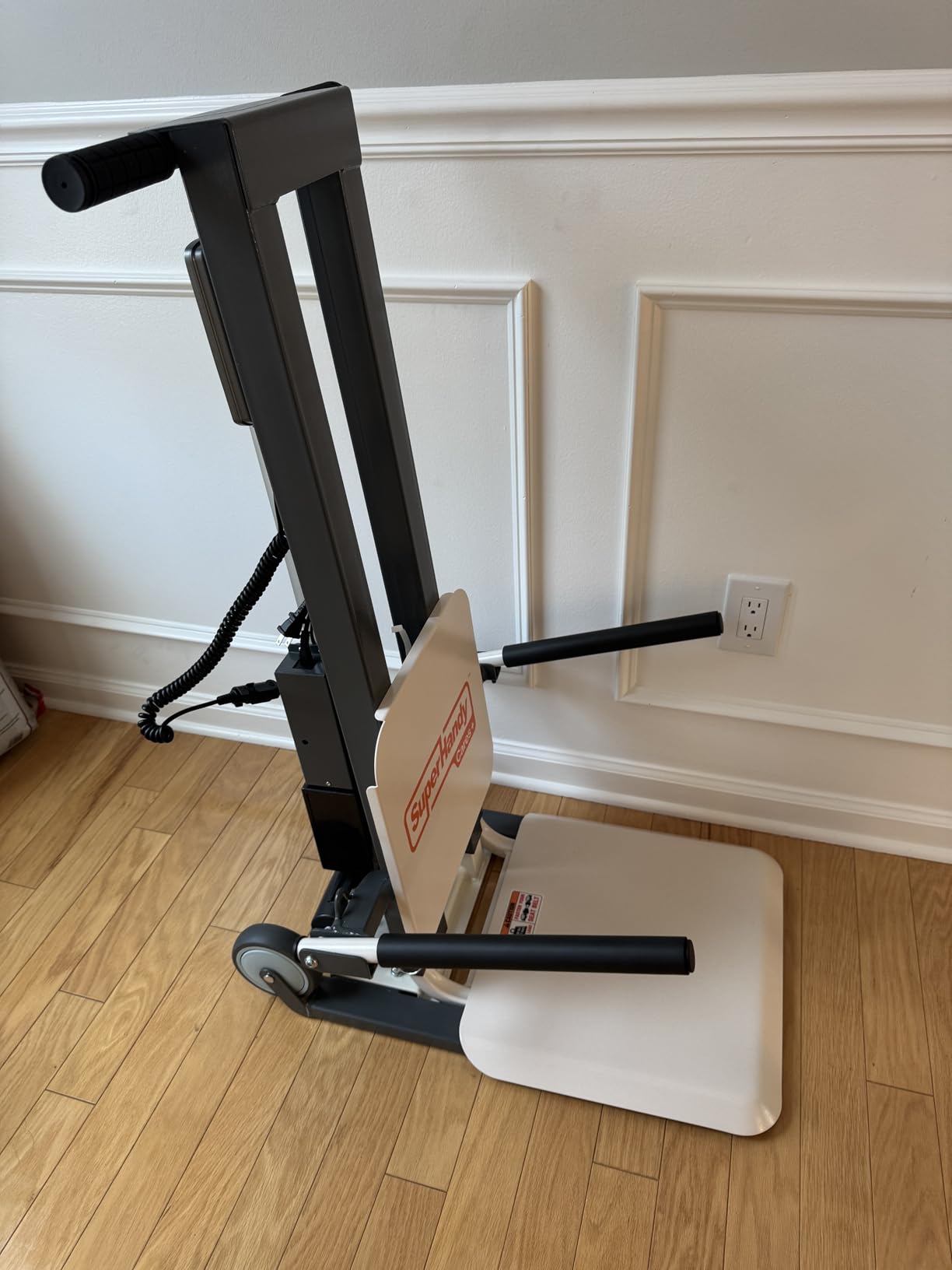
The magnetic wired remote control is a nice touch. It sticks to the frame when not in use, so you never lose it mid-transfer. The contoured seat with safety belt holds the user securely, and the foldable armrests make getting in and out straightforward. Operation is quiet, which matters more than you might think when you are doing multiple transfers throughout the day.
Floor Recovery Capability
This is where the GoRise truly separates itself from the pack. Most patient lifts require the person to already be in a seated or semi-seated position. The GoRise can lift someone who has fallen flat on the floor. One caregiver told us it saved them from calling emergency services at least a dozen times in the first year alone. If floor pickup is a regular concern in your household, this should be at the top of your shortlist.
The lift motion is smooth and controlled, never jerky. Users reported feeling safe and stable throughout the entire range of motion. The slight slope of the contoured seat helps position the person naturally as they rise.
Dual Power Operation
The GoRise runs on both a rechargeable battery and AC power, which is a massive practical advantage. You can plug it into a wall outlet for continuous use during the day, then switch to battery mode when you need to move between rooms. The battery holds a solid charge for dozens of lifts. One thing to note: the FS model lacks front wheels, so if you need maximum maneuverability, consider the TX variant which adds durable rear wheels and front casters.
2. Lumex LF1600 Stand Assist Sit-to-Stand Patient Lift – Best for Active Users
Lumex LF1600 Stand Assist, Sit to Stand Patient Lift for Elderly Seniors, Chair Transfer & Standing Support Aid
400 lb Capacity
61 lbs
Sit-to-Stand
Supports 5ft1in to 6ft6in
+ The Good
- Restores independence for weight-bearing users
- 1042+ verified reviews
- Cushioned knee pads and seat
- Doubles as standing exercise device
- The Bad
- Difficult on carpet
- Requires user to have arm and leg strength
- Seat release tabs hard for elderly
With over 1,000 verified reviews and a rock-solid 4.6-star rating, the Lumex LF1600 is the most battle-tested sit-to-stand lift in our roundup. Graham-Field has been making medical equipment for over 50 years, and that experience shows in every detail of this unit, from the heavy-duty steel frame to the comfortable cushioned knee pads.
I recommend the Lumex specifically for users who can bear 60 to 70 percent of their own body weight. It is not a full-body sling lift. Instead, it supports the person as they actively participate in standing up, which is actually better for maintaining muscle tone and circulation over time. Many physical therapists recommend sit-to-stand devices for exactly this reason.
The padded seat and ergonomic handbars make the process comfortable and secure. Users grip the handbars, rest their shins against the cushioned knee pads, and the lift assists them from sitting to standing. The height adjustment accommodates users from 5 feet 1 inch to 6 feet 6 inches, covering the vast majority of adults.
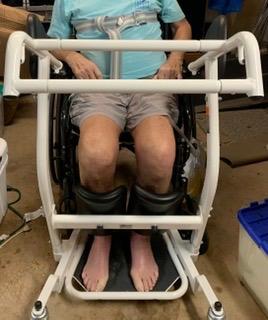
Weight-Bearing Requirements
This is the most important thing to understand about the Lumex LF1600: the user needs some functional arm and leg strength. If your loved one is completely unable to bear weight, this is not the right tool. But for stroke recovery patients, individuals with mild to moderate mobility challenges, or seniors who just need a boost getting up from a chair, it works beautifully. Many families told us it gave their loved one a renewed sense of independence and dignity.
The lift can also double as a standing exercise device, which several caregivers mentioned was an unexpected bonus for maintaining mobility during recovery.
Home Maneuverability
At 61 pounds, the Lumex is manageable for one caregiver to move between rooms. It rolls smoothly on tile and hardwood floors, and the 33.5 x 25 inch footprint fits through most standard doorways. The one consistent complaint is carpet. On thick carpet, the casters struggle significantly. If your home has wall-to-wall carpeting, consider hard floor mats along the transfer route or look at models with larger wheels. Threshold transitions between rooms can also be tricky, so plan your transfer paths carefully.
3. Vive Mobility Sit to Stand Patient Lift – Best Value Sit-to-Stand

Vive Mobility Sit to Stand Patient Lift for Handicapped – Stand Assist Lift
400 lb Capacity
60 lbs
Sit-to-Stand
FSA and HSA Eligible
+ The Good
- Budget-friendly price
- Easy to assemble
- Foot-operated locking brakes
- FSA and HSA eligible
- The Bad
- 26 inch base may not fit narrow doorways
- Smaller front wheels struggle with thresholds
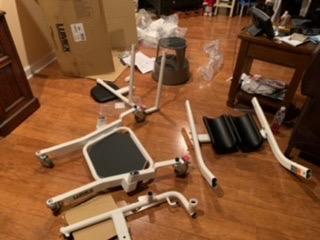
- Assembly can take 1.5 hours solo
The Vive Mobility sit-to-stand lift delivers the most bang for your buck in this entire category. With 467 reviews and a 4.5-star rating, it has earned real trust from caregivers and families. Vive Health designed this for users who can support 60 to 70 percent of their body weight, and the construction quality punches well above its price point.
What impressed me most is the attention to comfort details. The soft foam handrails reduce fatigue during extended use, the cushioned shin rests prevent bruising, and the split seat pads make positioning easier. The steel frame feels sturdy and stable, even at the maximum 400-pound capacity.
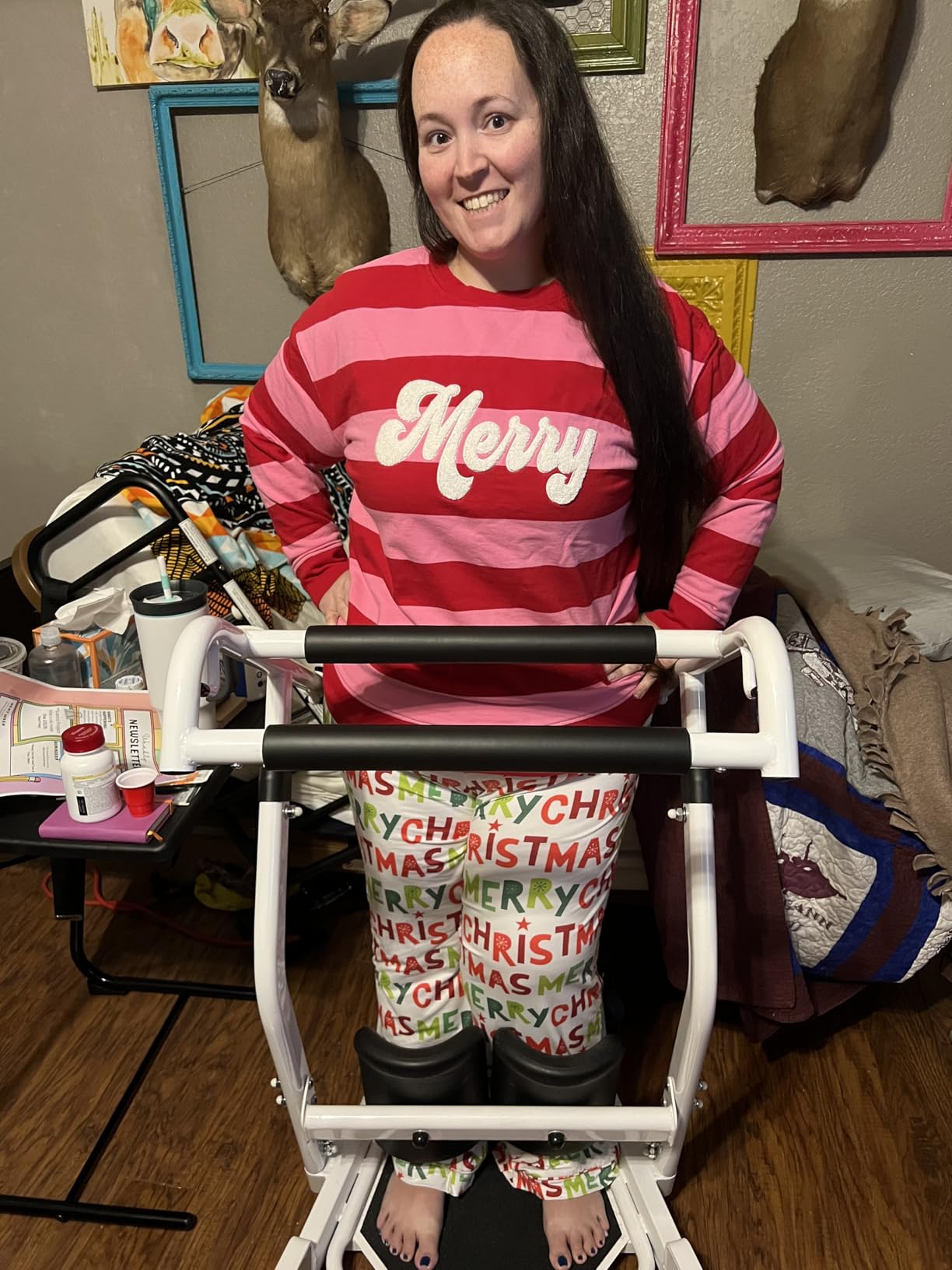
The foot-operated locking brakes are a standout feature that competitors at this price point often skip. Being able to lock and unlock the wheels with your foot means your hands stay free to assist the patient during transfers. It is a small detail that makes a real difference in daily use, especially when you are doing multiple transfers a day.
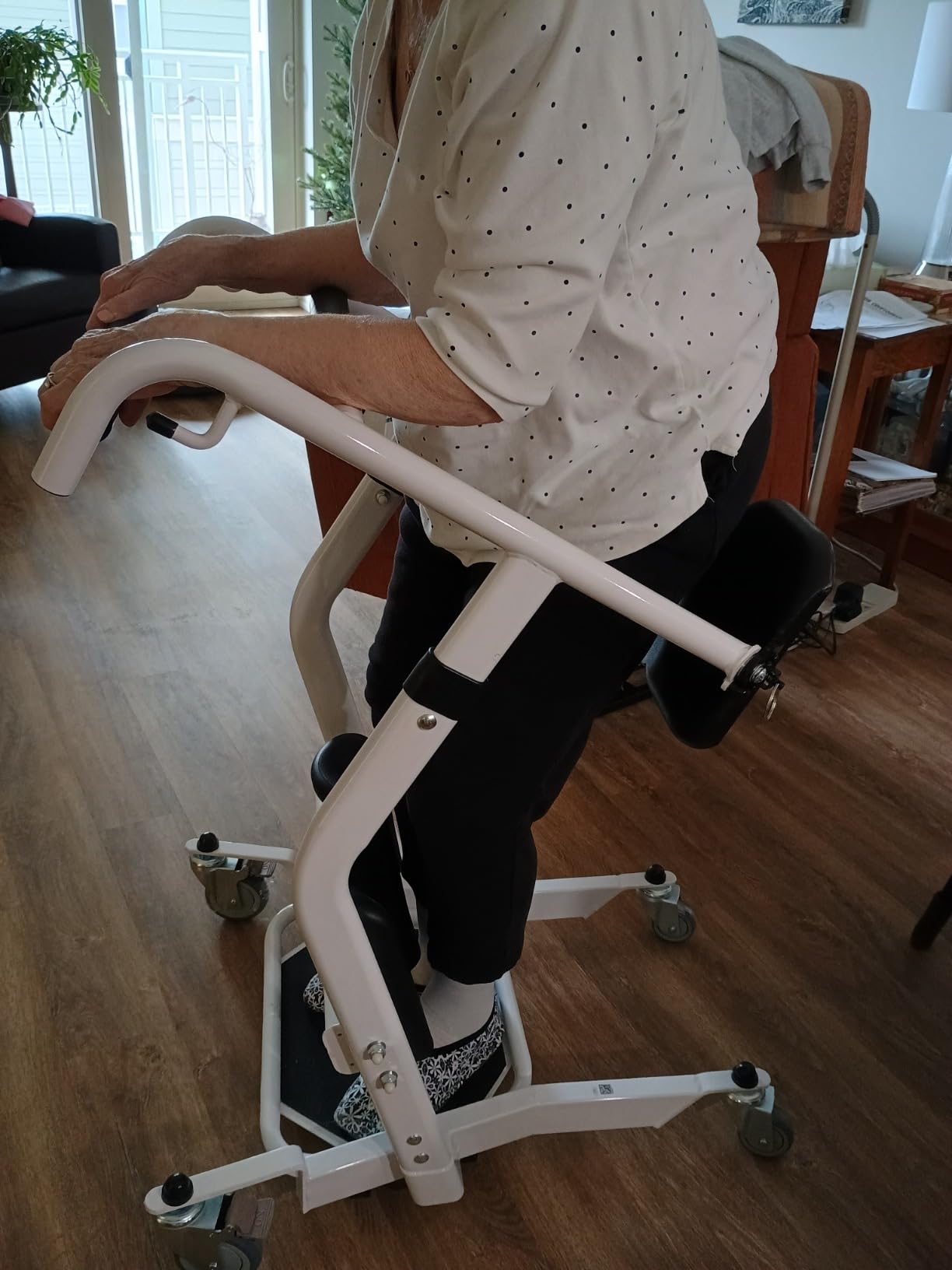
Assembly and Setup Experience
Assembly is straightforward but plan for about 90 minutes if you are doing it solo. The instructions are clear and all hardware is included. Several users mentioned that having a second person speeds things up considerably. Once assembled, the lift is ready to use immediately with no calibration or adjustment needed beyond setting the height for your specific user.
The included side support strap hooks add an extra layer of security during transfers, and the 2-year guarantee provides peace of mind for a budget purchase.
Doorway Compatibility
The 26-inch base width is the main limitation to consider. Most standard interior doors are 28 to 32 inches wide, so you should be fine in most homes. However, older homes with narrower doorways or bathrooms with tight entries could present problems. Measure your doorways and transfer paths before ordering. The four swivel casters glide well on hard flooring but the smaller front wheels do struggle with raised thresholds between rooms.
One major advantage: this lift is FSA and HSA eligible, which can significantly reduce your out-of-pocket cost if you have a flexible spending or health savings account.
4. ProHeal Electric Full Body Patient Lift – Premium Electric Power
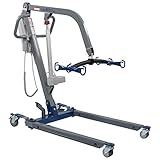
ProHeal Electric Lift – Safe and Easy Full Body Patient Transfer Lifter for Home Use and Facilities – Floor, Low Bed and Chair Lifting, 500 Pound Weight Capacity, 6 Point Spreader Bar
500 lb Capacity
108 lbs
Electric Touch Button
6 Point Spreader Bar
+ The Good
- Button operation eliminates manual pumping
- Foot pedal base adjustment
- Fits under most low beds
- Dual rear locking casters
- The Bad
- Assembly takes 30 to 60 minutes
- Battery issues reported by some
- Higher price point
- Requires electrical troubleshooting knowledge
The ProHeal Electric is built for caregivers who are done with manual pumping. Touch-button controls raise and lower the patient smoothly, which is a significant upgrade when you are doing five or more transfers every single day. The 500-pound weight capacity handles bariatric patients, and the 6-point spreader bar distributes weight evenly for safe, comfortable transfers.
At 108 pounds, this is a heavy unit, and that weight is a trade-off for the electric system and heavy-duty construction. You will not be carrying it up stairs. But once it is positioned where you need it, the electric operation and foot-pedal base adjustment make transfers noticeably easier than any manual hydraulic model we tested.
The compact design fits under most beds even in their lowest position, which is critical for safe transfers. The clip-free sling hookups are a smart design choice that makes attaching and detaching the sling faster and less fiddly, especially when you are working alone.
Electric vs Manual Operation
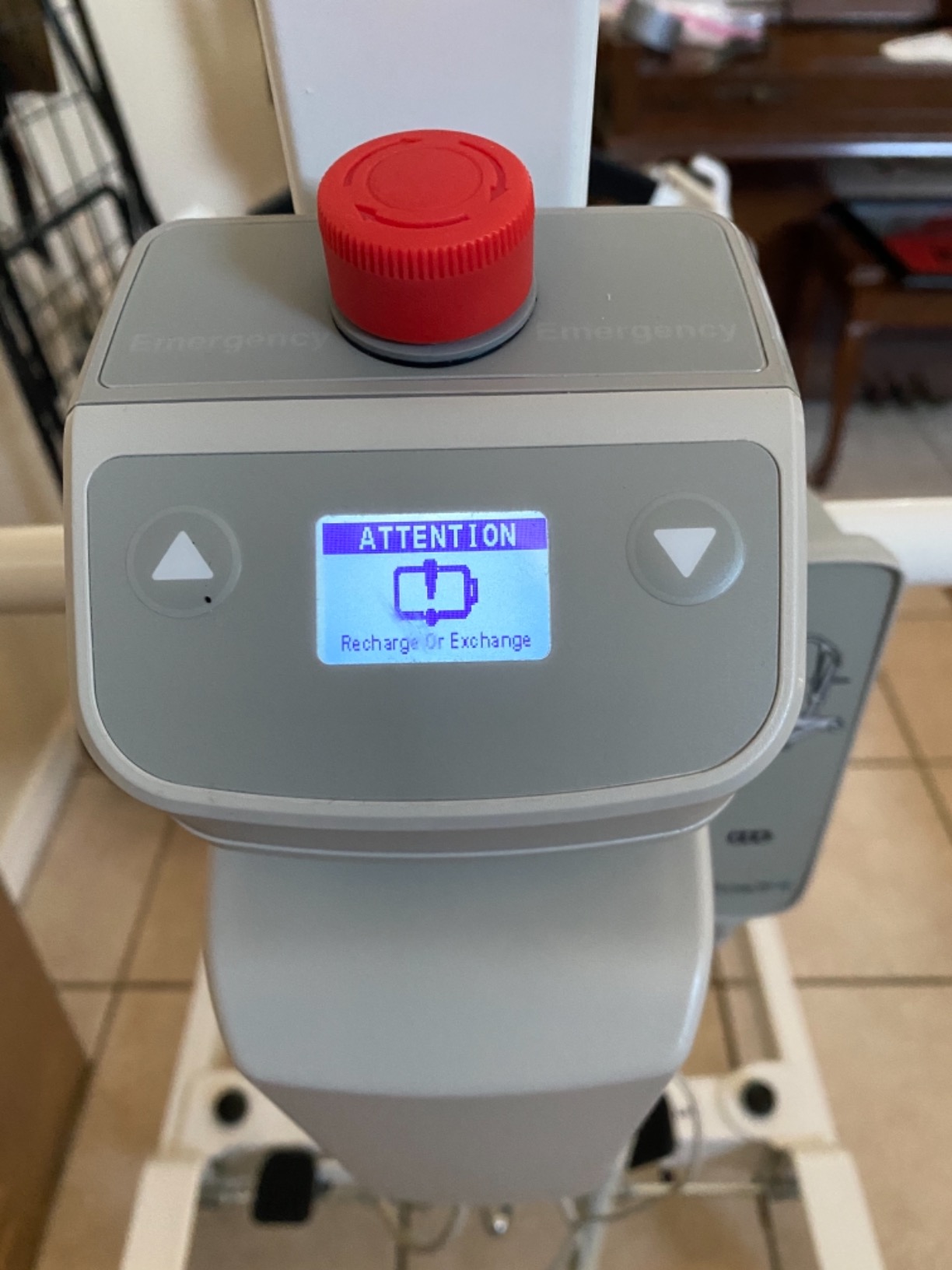
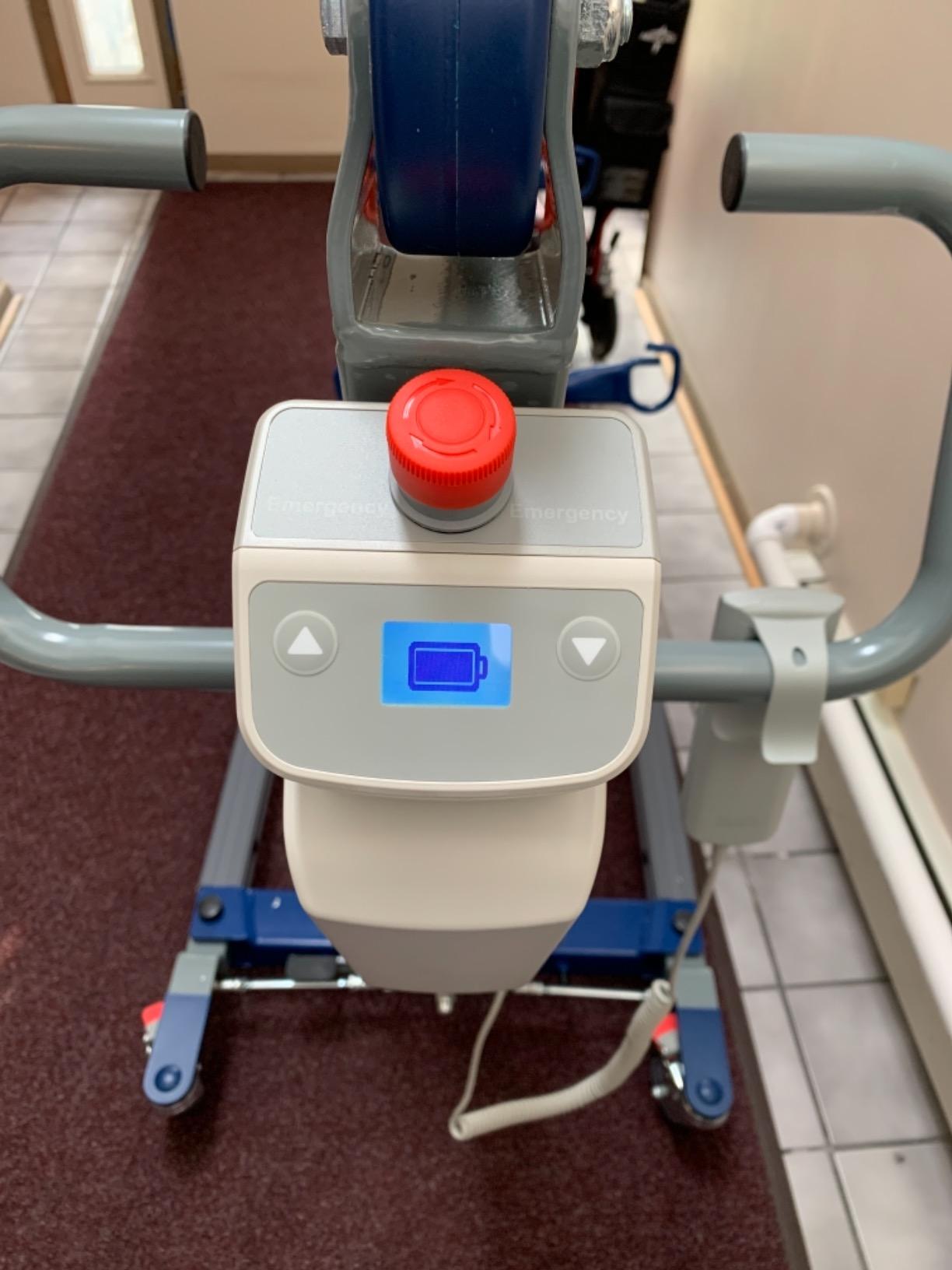
If you are deciding between electric and manual, consider how many daily transfers you perform. For one or two transfers, a hydraulic lift works fine. But for frequent use, the electric system saves significant physical effort and reduces caregiver fatigue. The ProHeal Electric also includes an emergency manual lowering feature, so you are never stuck if the battery dies mid-transfer. The 3-year frame warranty adds confidence to the investment.
Low Bed Compatibility
The ProHeal Electric is specifically designed to fit under low beds, which is a common frustration with other full-body lifts. Many users reported success with adjustable beds, hospital beds, and even some platform frames. The foot pedal for hands-free base widening lets you adjust the leg spread without bending over, which protects your back during setup. Just know that assembly takes 30 to 60 minutes, so plan accordingly on delivery day.
5. Joerns Hoyer Advance Electric Portable Patient Lift – The Gold Standard

Joerns Hoyer Advance Electric Portable Patient Lift – Foldable Lightweight 70 lbs, 340 lb Capacity, Battery Powered for Home Care, Nursing & Professional Use- E340
340 lb Capacity
69 lbs
Battery Powered
Folds for Transport
+ The Good
- Called the Cadillac of Lifts
- Lifts from floor to 66.5 inches
- Premium aluminum frame
- Tool-free folding for transport
- The Bad
- Expensive investment
- Legs too wide for some narrow doorways
- Battery issues if not maintained
- High return fees
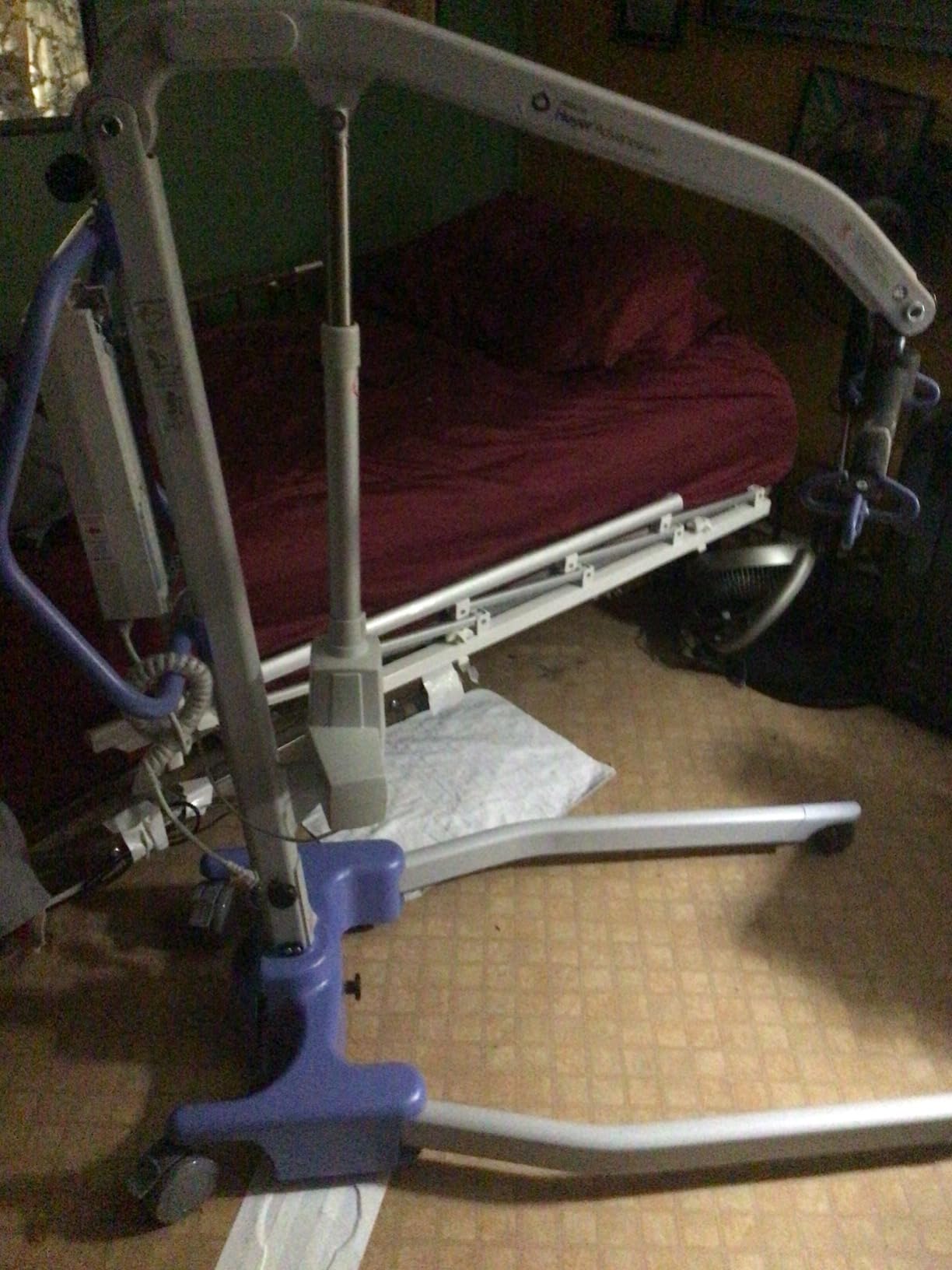
Joerns Hoyer is the name that comes up again and again in caregiver forums and professional healthcare settings. The Hoyer Advance Electric is frequently called the Cadillac of patient lifts, and after reading through hundreds of reviews, I understand why. The premium aluminum frame, battery-powered operation, and tool-free folding mechanism set a standard that other lifts try to match.
At just 69 pounds, it is remarkably light for an electric lift. The Swan-Neck leg design tapers inward, allowing the legs to slide closer to furniture for easier access during bed-to-wheelchair transfers. The oversized ergonomic handle makes pushing and steering comfortable even during long transfer routes.
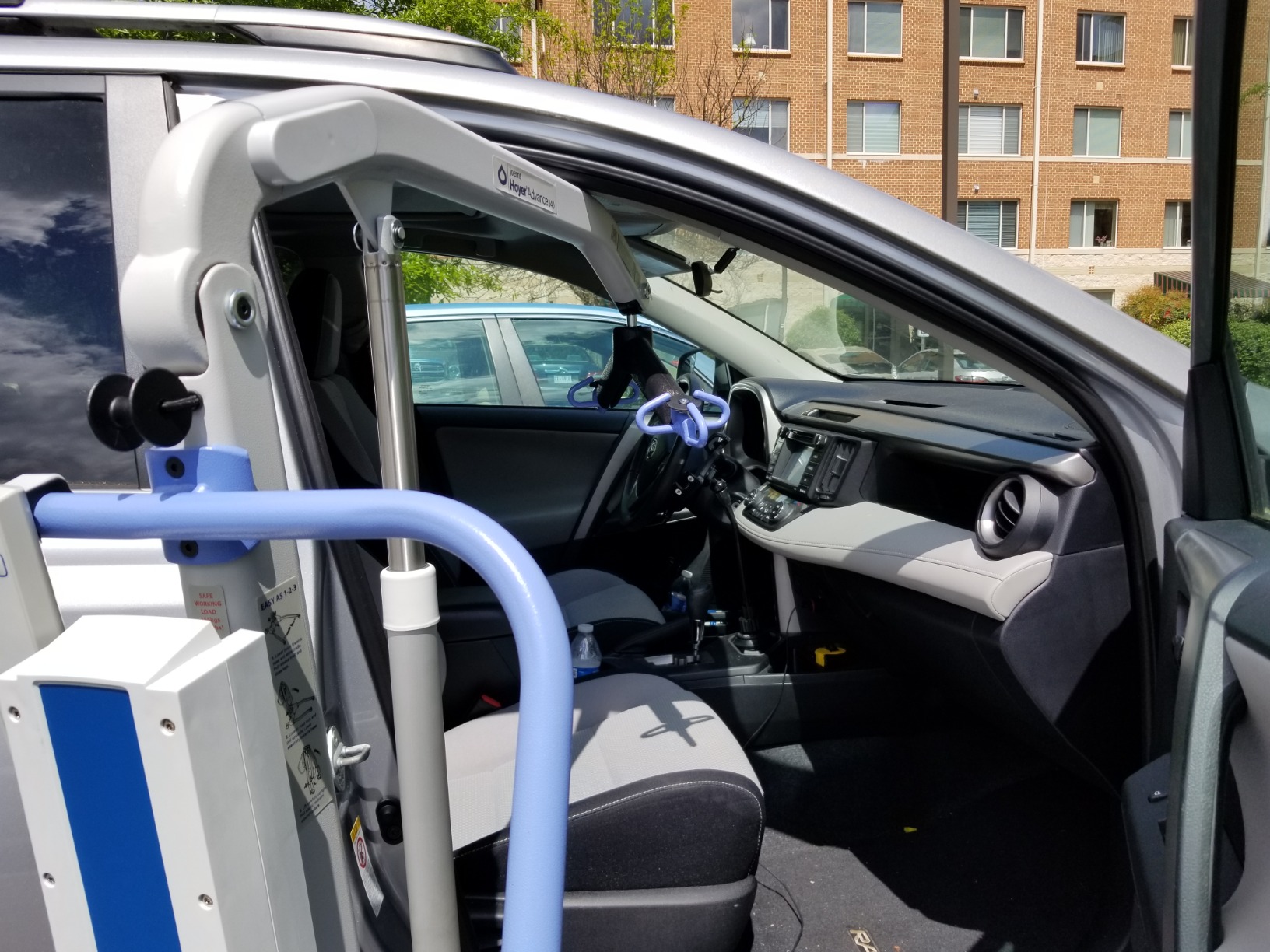
The lifting range from floor level up to 66.5 inches covers virtually every transfer scenario you will encounter. Whether you are picking someone up from the floor after a fall or lifting them from a low bed to a tall wheelchair, the Hoyer Advance handles it. It is certified to EN ISO 10535 standards, which is the European standard for patient lifting equipment.
Brand Reputation and Warranty
Joerns Healthcare has been a trusted name in patient handling for decades. Their customer service gets consistent praise, and replacement parts are readily available. The Hoyer Advance works with most Hoyer brand slings, though slings are sold separately. One important note: battery maintenance matters with this lift. Users who follow the charging guidelines report years of reliable service. Those who let the battery drain completely had issues.
Folding and Portability
The tool-free folding mechanism is a genuine standout feature. You can fold the Hoyer Advance flat for transport in a van or truck without any tools, making it one of the best options for families who travel or need to move the lift between locations. The foot-pedal spreader allows quick base width adjustment for navigating tight spaces. The trade-off is the price, which sits firmly in the premium range, but for daily caregiving situations, many families told us it was worth every penny.
6. WHLICKS Electric Patient Lift with Full Body Sling – Best Floor Lift with Included Sling

WHLICKS Electric Patient Lift with Divided Leg Sling – 400LBS Heavy Duty Transfer Chair for Elderly, Full-Range Open Base Slides Under Bed/Chair, Fast Folding Homecare Lift with Braked Casters
400 lb Capacity
88 lbs
Electric Floor Lift
Full Body Sling Included
+ The Good
- Lifts users directly from floor
- 8000N motor for 80 to 100 lifts per charge
- Full body sling included
- Slides under wheelchair for transfers
- The Bad
- Difficult to push on carpet
- Heavy at 88 lbs
- Quality control issues on some units
- Knee pads could attach more securely
The WHLICKS Electric Patient Lift earned a 4.5-star rating from 42 reviewers, and the most common phrase used to describe it was game changer. What makes this lift unique is its ability to lift users directly from the floor, no sitting up required. If your loved one has limited upper body strength and cannot get to a seated position independently, this floor lift handles the entire process.
The 8000N motor delivers enough power for 80 to 100 lifts per full charge, which covers a full day of caregiving without needing to recharge. The emergency stop button and manual descent knob provide safety redundancies that give caregivers confidence during transfers. And unlike many competitors, WHLICKS includes a full body sling in the box, so you do not need to make a separate purchase.
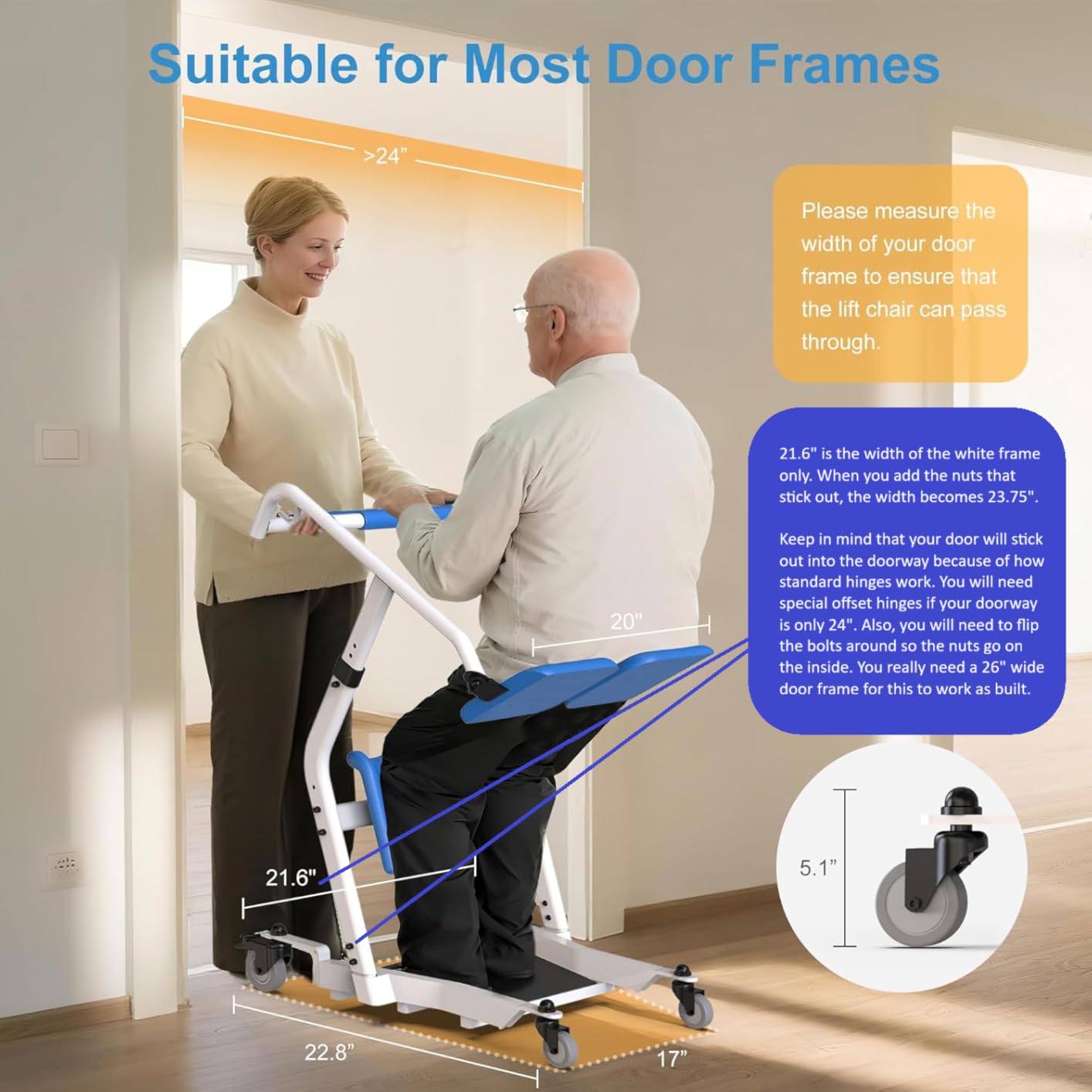
The full-range base adjusts from 20.9 inches to 35.5 inches wide, letting you narrow it for doorways and widen it for stability during the actual lift. The 360-degree swivel hook allows smooth rotation during positioning.
Full-Range Base Adjustment
The adjustable base is one of those features that sounds minor but becomes critical in daily use. At 20.9 inches, the base fits through standard doorways. At 35.5 inches, it provides a stable platform for lifting heavier patients. The braked casters lock firmly in place during transfers, preventing any unwanted movement. Several stroke patient caregivers specifically mentioned how this lift made transfers possible that were extremely difficult with other equipment.
Motor Performance and Battery
The 8000N motor handles the full 400-pound capacity without bogging down or straining. Charging is straightforward, and a single charge lasts through dozens of transfers. The emergency stop button is easily accessible, and the manual descent knob ensures you can lower the patient safely even if the electronics fail. Assembly does require some effort, and a few users reported minor quality control issues like overly tight bolts or unusual tool requirements, so have a basic tool set ready.
7. VOCIC Electric Transfer Lift Portable Folding – Best for Car Transfers

VOCIC Electric Transfer Lift for Car, Portable Folding Patient Lift Transfer Chair, Electric Assist Lift Aid for Seniors, Adults, AY06
330 lb Capacity
77 lbs
Foldable
Car Transfer Ready
+ The Good
- Fits in car trunks for travel
- One-button electric lifting
- Saves caregiver backs
- Easy 10 minute assembly
- The Bad
- Difficult on thick carpet
- Requires caregiver assistance
- Not suitable for fully paralyzed users
The VOCIC Electric Transfer Lift boasts the highest rating in our entire roundup at 4.9 stars, and it earned that score by solving a very specific problem: transferring patients in and out of cars. At 77 pounds with an aluminum frame, this lift folds compactly enough to fit in most car trunks, making it the go-to choice for families who refuse to let mobility challenges keep them housebound.
The one-button electric lifting adjusts the height from 35.8 to 49.7 inches, which covers the range needed for most car, bed, sofa, and toilet transfers. The thickened sponge cushion seat keeps the patient comfortable, and the 6 included support straps provide multiple secure attachment points. Assembly takes about 10 minutes, which is among the fastest in this roundup.
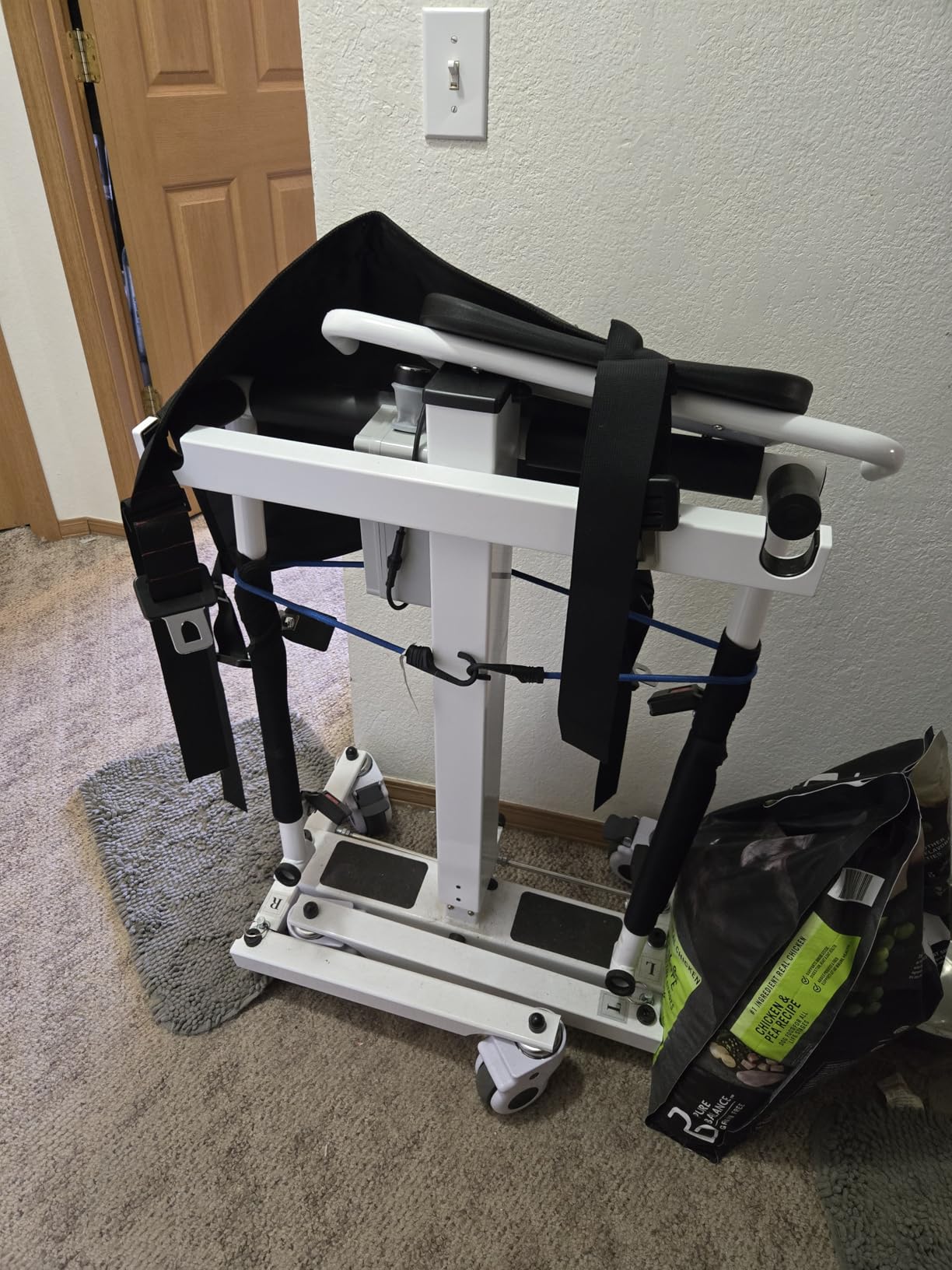
The base width adjusts from 19.3 to 33.1 inches, narrow enough for most doorways yet wide enough for stability. The extended backrest adds a safety margin during transfers, and the locking swivel casters keep the unit firmly planted when you need it stationary.
Car Transfer Capability
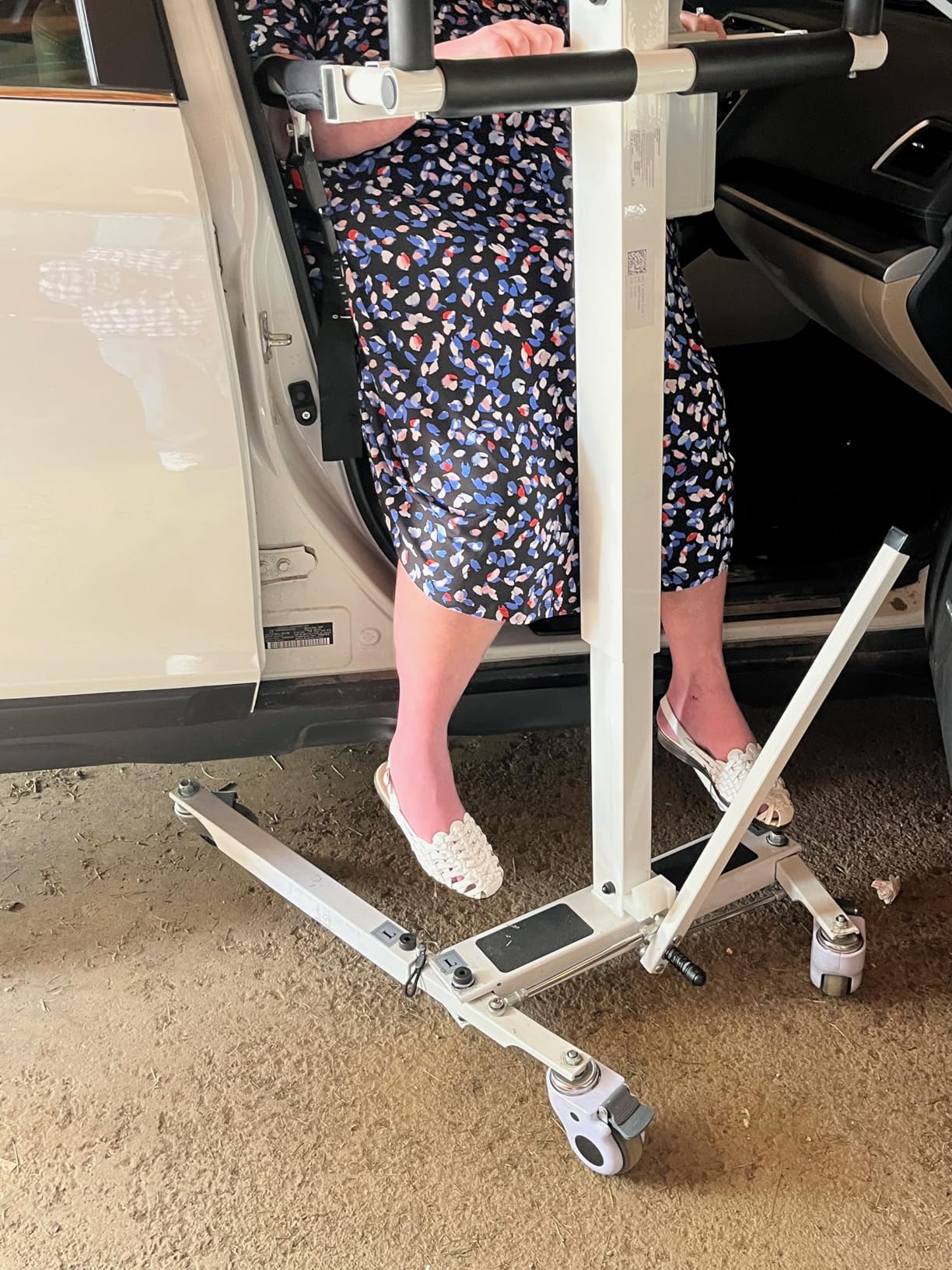
This is where the VOCIC truly shines. Getting a mobility-limited person into and out of a car is one of the most physically demanding tasks a caregiver faces. The VOCIC folds small enough to travel with you, then unfolds quickly at your destination. Multiple users reported successful car transfers that were previously impossible without calling for help. Note that your door width must be greater than 23 inches and your bed or sofa bottom gap must be at least 6 inches for the base to slide underneath.
Folding and Storage
The folding mechanism is intuitive and does not require tools. When folded, the VOCIC slides into car trunks and stores in closets or corners without taking over your living space. For families in smaller homes or apartments, this storage advantage is significant. The aluminum frame keeps the weight manageable at 77 pounds, though you will still want help lifting it in and out of vehicles. This lift is also FSA and HSA eligible, helping reduce costs through your health savings accounts.
8. Invacare Hydraulic Patient Lift – Best Budget Hydraulic Lift

Invacare Hydraulic Patient Lift, Lightweight Transfer Lift Chair with 450 lb Weight Capacity, Bent Mast for Safer Transfers, 6-Point Padded Swivel Bar, Floor-to-Bed Height Range for Fall Recovery
450 lb Capacity
68 lbs
Hydraulic Pump
Bent Mast Design
+ The Good
- Lightest in class at 68 lbs
- Bent mast prevents swinging
- Easy manual pumping
- Comes almost fully assembled
- The Bad
- Wheels do not lock
- Max lift height 64 inches
- Difficult on thick carpet
The Invacare Hydraulic Lift proves that you do not need electric power to get a reliable, well-designed patient lift. At just 68 pounds, it is the lightest full-body floor lift in our roundup, and that lightness translates directly into easier maneuverability around the home. The manual hydraulic pump requires surprisingly little arm effort to operate, even at the full 450-pound capacity.
What sets this lift apart is the ergonomic bent mast design. The wider lift path prevents the patient from swinging into the frame during transfers, which is a real safety concern with straight-mast lifts. It is a thoughtful design choice that shows Invacare understands real-world transfer dynamics.
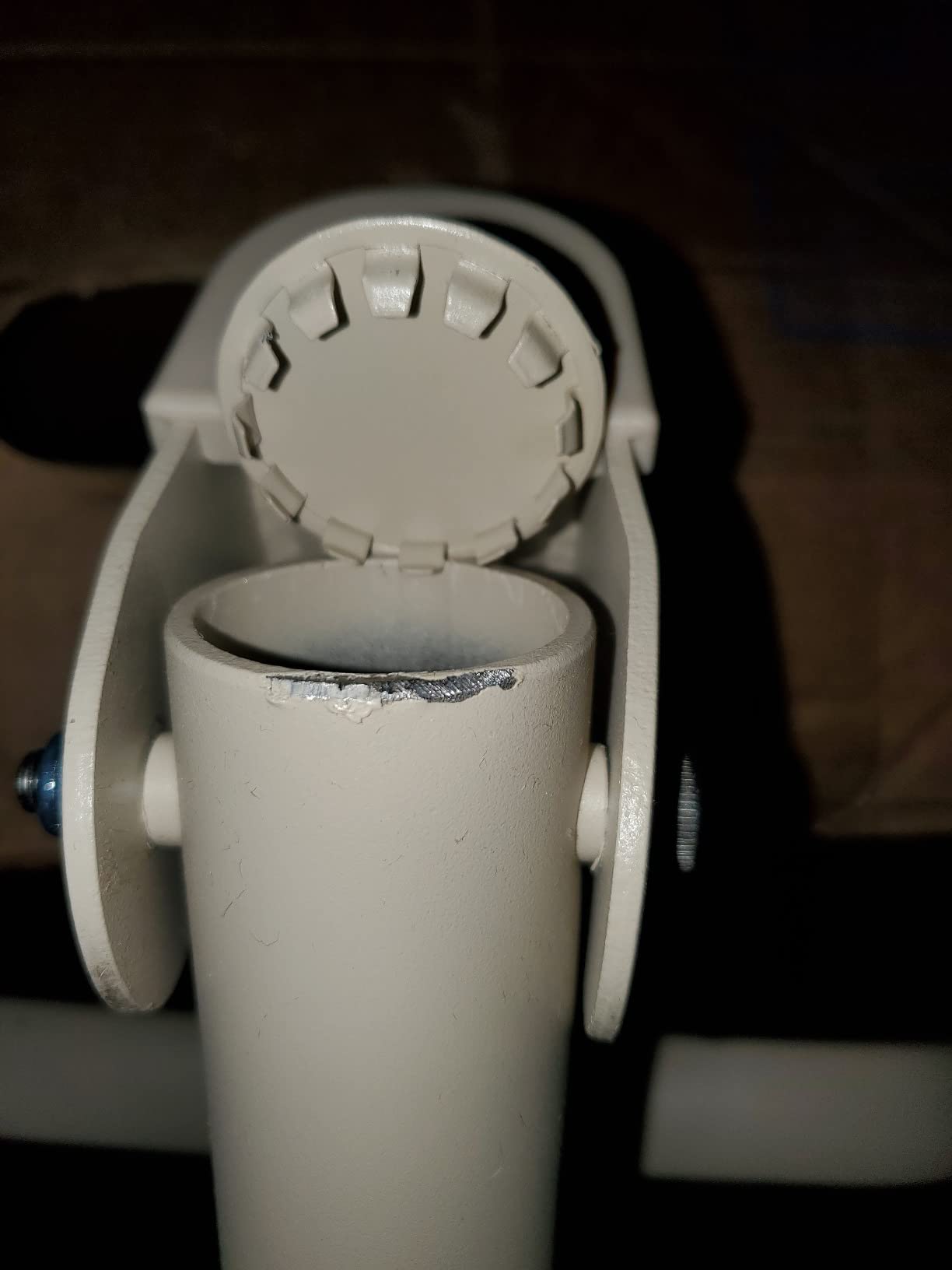
The shifter handle adjusts the base width from 22 to 62 inches, giving you a wide range for both stability and doorway navigation. The 5-inch low-friction casters roll smoothly on hard floors, and the lifting range of 20 to 64 inches covers floor recovery through standard bed and chair heights. It comes almost fully assembled, which is a blessing when you are eager to start using it right away.

Hydraulic Pump Operation
The hydraulic pump on the Invacare is genuinely easy to operate. Users consistently reported that it requires minimal physical effort, even for caregivers with limited upper body strength. Each pump stroke produces a smooth, controlled lift, and the descent is equally controlled via the release valve. The 3-year warranty on the hydraulic system adds confidence. If you are on a budget and do not need the convenience of electric operation, this manual lift delivers excellent performance.
Bent Mast Safety Design
The bent mast is more than just a cosmetic feature. It creates a wider, more open lifting path that keeps the patient centered and prevents them from swinging into the metal frame during rotation. This is especially important when transferring between surfaces at different heights, where pendulum motion can occur. Combined with the 6-point padded swivel bar, the bent mast design makes transfers feel safer and more controlled. The one downside is the 64-inch maximum lift height, which may not clear beds with full railing systems.
9. Drive Medical Hydraulic Patient Lift – Reliable Classic Construction
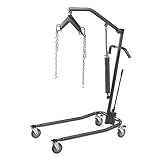
Drive Medical Handicap Hydraulic Lift, Silver Vein, 5 Inch
450 lb Capacity
Steel Welded
6 Point Swivel Bar
Height 17.5 to 62 inches
+ The Good
- Quality steel-welded construction
- Comes mostly pre-assembled
- Hydraulic pump easy to operate
- Good value vs medical supply stores
- The Bad
- Missing parts reported by some
- Not enough lift height for tall chairs
- S-hooks need rubber coating
- Difficult on carpet
Drive Medical has been a fixture in the home medical equipment market for decades, and their hydraulic patient lift is a straightforward, no-frills workhorse. The steel-welded silver vein construction feels solid and durable, exactly what you want in a device responsible for safely lifting another human being. With 504 reviews and a 4.4-star rating, it has a long track record of reliable performance.
The hydraulic pump operates smoothly with minimal strength required. The 6-point swivel bar works with 2 to 4 sling straps, and 2 chain connections are included for secure patient transfers. The lifting height range of 17.5 to 62 inches handles most standard transfer scenarios, from low bed pickups to wheelchair positioning.
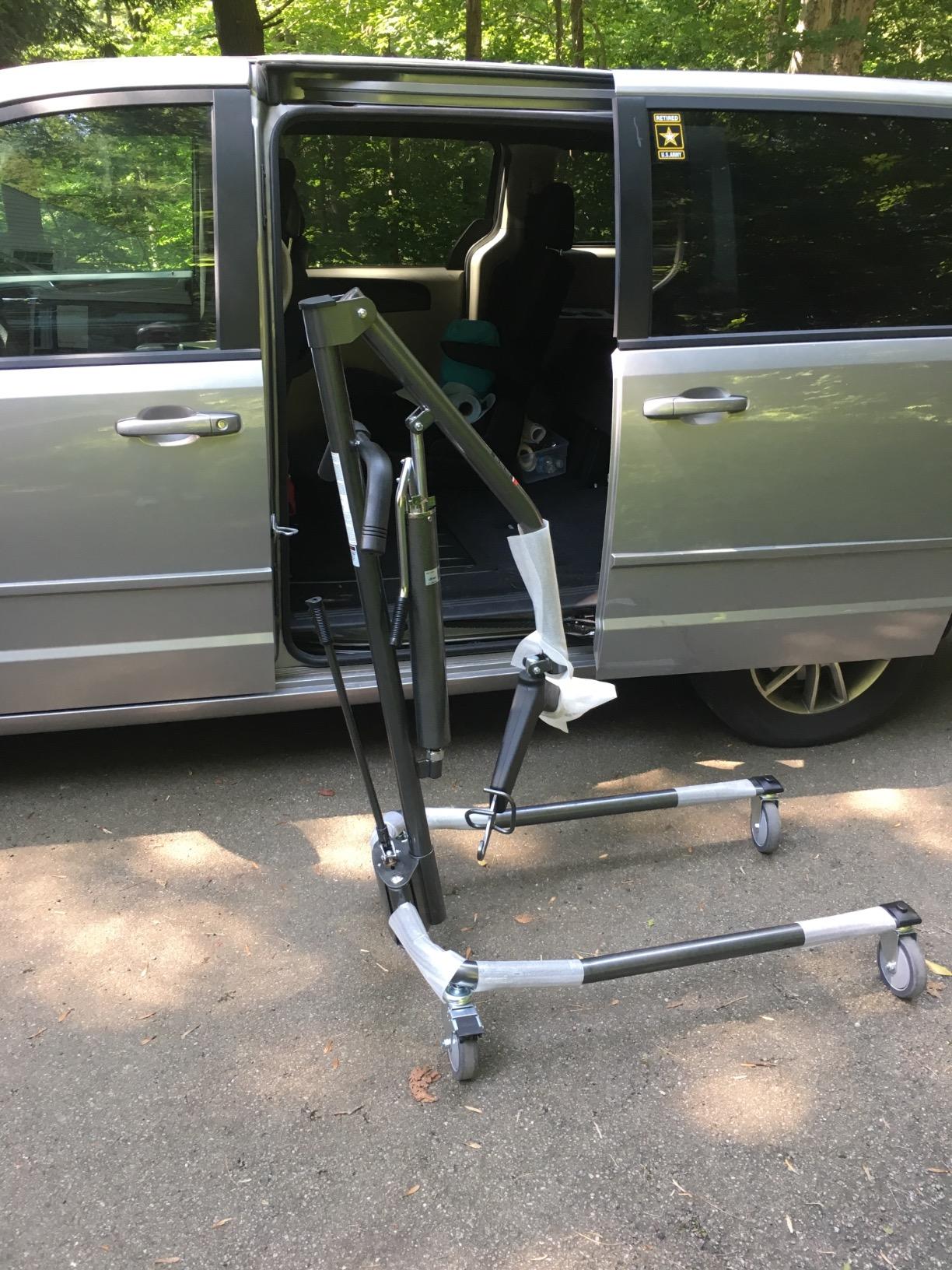
Assembly is minimal since the unit comes mostly pre-assembled out of the box. Most users reported being ready to use the lift within an hour of unboxing. The chains and straps are included, which is a nice touch since some competitors make you source those separately.
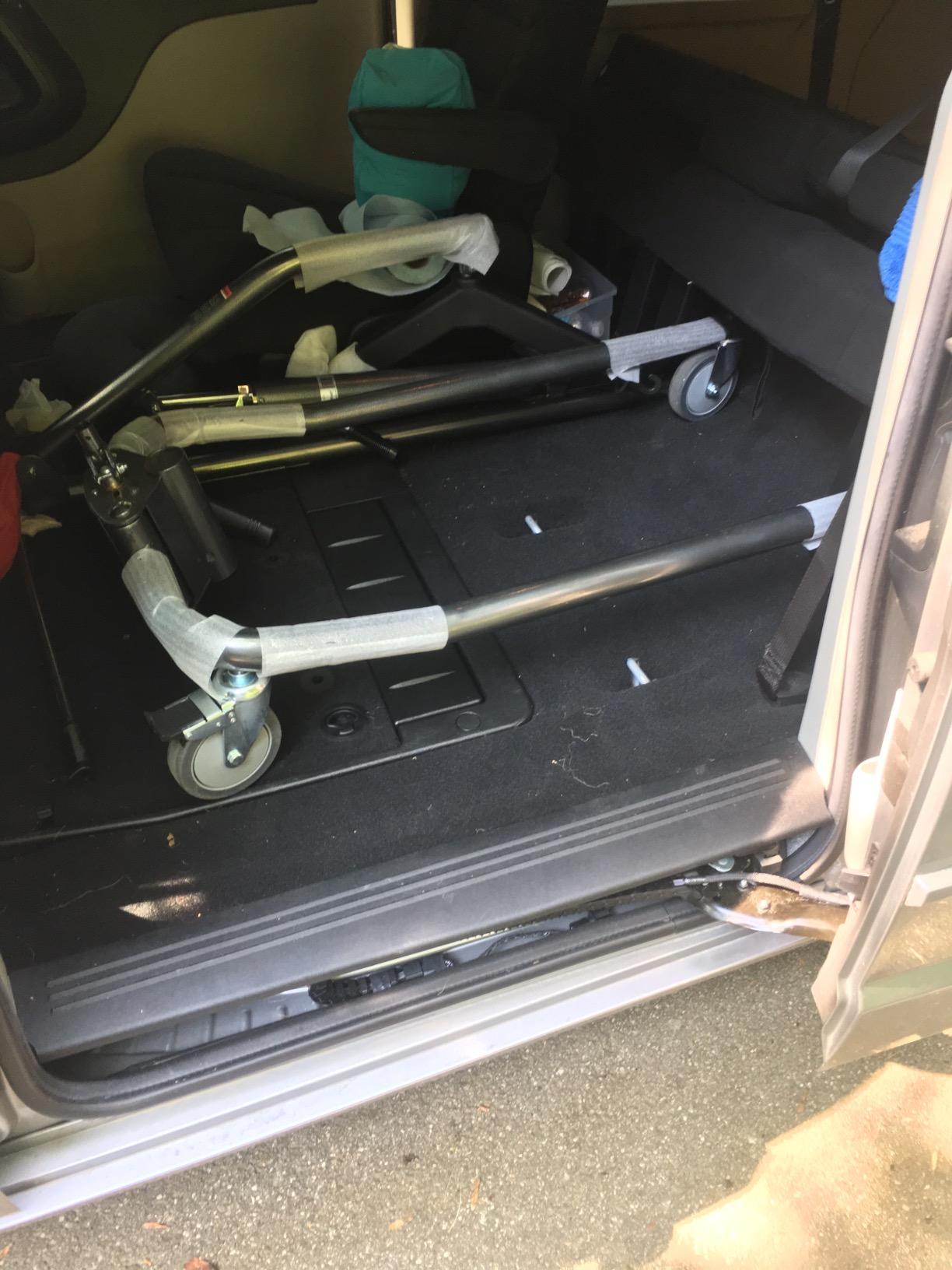
Assembly Experience
For the most part, assembly is painless. The lift arrives with the major components pre-assembled, so you are mainly attaching the mast, base, and boom arm. However, a notable number of users reported missing parts in their shipments, usually small hardware pieces like bolts or the S-hooks. Drive Medical customer service generally resolves these issues, but it can add days to your timeline if you are waiting for replacement hardware.
Sling and Chain Compatibility
The 6-point swivel bar is compatible with a wide range of sling styles, which gives you flexibility in choosing the right sling for your specific needs. The included chains provide a secure connection between the sling and the lift. One consistent user suggestion: add rubber coating to the S-hooks yourself. Several caregivers reported that bare metal hooks can scratch furniture or pinch fabric, a small but annoying issue that is easy to fix with some rubber dip or tubing from a hardware store.
10. ProHeal Portable Folding Patient Lift – Compact Travel Option

ProHeal Portable Patient Lift – Compact Folding Full Body Patient Transfer Lifter for Home Use and Facilities – Low Bed and Chair Lifting, 400 Pound Weight Capacity, 2 Point Spreader Bar
400 lb Capacity
99.2 lbs
Folds for Transport
Tool-Free Assembly
+ The Good
- Folds compact for car trunks
- Tool-free assembly and disassembly
- Fits under most beds
- Quality 1.75 inch steel tubing
- The Bad
- Heavy at 99+ pounds
- Actuator issues on electric version
- Reports of missing chains or harness
- Lower 400 lb capacity
The ProHeal Portable Patient Lift is designed for caregivers who need to move their lift between locations or store it when not in use. The folding mechanism collapses the lift to a compact 45.8 x 26 x 15.8 inches, small enough to fit in most car trunks for transport to different care locations. It is available in both hydraulic and electric variants, giving you flexibility in how you power the lifting mechanism.
The construction quality is solid, using 1.75-inch steel tubing that feels substantial and secure. The 2-point spreader bar is compatible with most standard slings, so you are not locked into proprietary sling systems. The foot pedal for hands-free base opening is ergonomically designed and easy to operate.
What makes this lift special is the emotional impact it has for bedridden patients. Multiple caregivers shared that being able to move their loved one to a window, a different room, or even outside for the first time in months was transformative. That quality of life improvement is something numbers alone cannot capture.
Travel and Storage
The folding design is genuinely compact when collapsed. Caregivers reported successfully transporting it in sedans, SUVs, and minivans. The tool-free assembly and disassembly means you can set it up at a destination in minutes without packing wrenches or screwdrivers. At 99.2 pounds, you will want help loading it into a vehicle, but the folded size is manageable. The 3-year frame warranty provides some protection for your investment, though the overall 4.3-star rating suggests some quality variability between units.
Hydraulic vs Electric Variant
ProHeal offers both hydraulic and electric versions of this portable lift. Based on user feedback, the hydraulic model gets higher marks for reliability. Several users of the electric version reported actuator problems, and customer service experiences were mixed. If you go with this lift, the hydraulic variant appears to be the more dependable choice. Both versions share the same folding frame, 400-pound capacity, and tool-free assembly, so your decision comes down to the convenience of electric operation versus the reliability of manual hydraulic power.
How to Choose the Best Patient Lift for Home Use
Choosing the right patient lift comes down to matching the equipment to the user’s physical abilities, your caregiving situation, and your home environment. After reviewing 10 models and reading through thousands of user experiences, here are the factors that matter most.
Electric vs Hydraulic: Which Type Is Right for You
Electric lifts use a battery-powered motor to raise and lower the patient at the push of a button. They are ideal for frequent daily transfers and caregivers with limited physical strength. The trade-off is higher cost, heavier weight, and potential battery maintenance issues.
Hydraulic lifts use a manual pump that requires physical effort to operate. They cost significantly less, weigh less, and have fewer components that can break. For one or two transfers per day, they work perfectly well. If you are doing five or more transfers daily, the convenience of electric operation becomes worth the extra investment.
Weight Capacity and User Size
Always choose a lift with a weight capacity at least 50 pounds above the user’s actual weight. This safety margin accounts for clothing, blankets, and the dynamic forces that occur during movement. In our roundup, capacities range from 330 to 500 pounds. For bariatric patients, the ProHeal Electric and SuperHandy GoRise both support 500 pounds. Height range matters too. Check the lift’s minimum and maximum heights against your bed and chair heights to ensure compatibility.
Sling Compatibility and Types
Slings are the interface between the patient and the lift, and getting the right one matters enormously. Common sling types include full-body slings for non-weight-bearing users, u-slings for toileting access, and standing slings for sit-to-stand devices. Not all slings work with all lifts, so verify compatibility before purchasing. The WHLICKS Electric is one of the few models in our roundup that includes a sling, while most others require a separate purchase.
Home Space Considerations
Measure your doorways, hallways, and transfer paths before ordering any lift. Standard interior doors are 28 to 32 inches wide, but older homes and bathrooms may have narrower openings. Base widths in our roundup range from 19.3 to 42 inches. Also consider floor surfaces. Almost every lift in our review struggles on thick carpet. If your home has carpeting, plan for hard floor runners along transfer routes. Ceiling height matters for floor lifts that raise above 60 inches.
Medicare and Insurance Coverage
This is one of the most common questions caregivers ask, and the answer is complicated. Medicare Part B covers patient lifts as Durable Medical Equipment, but only if prescribed by a doctor and deemed medically necessary. You typically pay 20 percent of the Medicare-approved amount after meeting your Part B deductible. The lift must be purchased from a Medicare-approved supplier. Private insurance coverage varies widely by plan. FSA and HSA accounts can be used for most patient lifts, including the Vive Mobility and VOCIC models in our roundup.
Safety Features to Look For
The most important safety features include locking casters or brakes, emergency lowering mechanisms, and a stable base width. Electric lifts should have an emergency manual descent option in case the battery or motor fails. The spreader bar design matters too. A 6-point bar distributes weight more evenly than a 2-point bar, which is especially important for longer transfers. Always check the weight capacity rating and never exceed it.
FAQs
What is the best patient lift for home use?
The best patient lift for home use depends on the user’s mobility level. For users who can bear some weight, the Lumex LF1600 Stand Assist and Vive Mobility Sit-to-Stand are excellent choices. For full-body transfers, the SuperHandy GoRise Electric Floor to Stand Lift offers 500-pound capacity and dual power operation. For portable needs, the Joerns Hoyer Advance Electric folds for transport and is trusted by healthcare professionals worldwide.
How much does a patient lift cost?
Patient lifts range from approximately $300 for basic hydraulic manual models to over $2,500 for premium electric portable units. Hydraulic floor lifts like the Invacare and Drive Medical typically cost between $500 and $600. Electric models range from $900 to $1,900. Premium portable electric lifts like the Joerns Hoyer Advance can exceed $2,500. Most lifts require a separate sling purchase, which adds $50 to $200.
What is the difference between a Hoyer lift and a patient lift?
A Hoyer lift is a specific brand of patient lift made by Joerns Healthcare, while patient lift is the general category term for all mechanical lifting devices used to transfer individuals with mobility challenges. Over time, Hoyer lift has become a commonly used generic term, similar to how Kleenex refers to facial tissue. All Hoyer lifts are patient lifts, but not all patient lifts are Hoyer lifts.
Does Medicare cover patient lifts?
Yes, Medicare Part B covers patient lifts as Durable Medical Equipment when prescribed by a doctor and deemed medically necessary. You typically pay 20 percent of the Medicare-approved amount after meeting your Part B deductible. The lift must be purchased or rented from a Medicare-enrolled supplier. A Certificate of Medical Necessity from your doctor is required. Private insurance and Medicaid coverage varies by state and plan.
How do you use a patient lift safely?
Safe patient lift operation follows these steps: First, position the lift with the base legs spread wide for stability and locks engaged. Second, place the sling under the patient, ensuring proper positioning and all straps secured to the spreader bar. Third, raise the patient slowly and smoothly, keeping them close to the lift mast. Fourth, rotate the lift to the destination while guiding the patient gently. Fifth, lower the patient slowly onto the target surface. Never leave a patient suspended in a lift unattended.
Final Thoughts on the Best Patient Lifts for 2026
After reviewing 10 patient lifts across hydraulic, electric, sit-to-stand, and portable categories, a few clear winners stand out. The SuperHandy GoRise is our top pick for its floor-to-stand capability and dual power operation. The Lumex LF1600 earns the highest recommendation for active users who can bear partial weight, with over 1,000 verified reviews backing its quality. And the Vive Mobility delivers the best value for budget-conscious families who need a reliable sit-to-stand device.
For caregivers reading this, your own safety matters as much as your loved one’s. Over 30,000 healthcare workers suffer lifting injuries every year, and family caregivers face the same risks. The right patient lift protects both of you. Take the time to measure your doorways, check weight capacities, and honestly assess the user’s mobility level before making your choice.
Each of the 10 lifts in our roundup has earned the trust of real caregivers in real homes. Whether you need a lightweight hydraulic model for occasional transfers or a heavy-duty electric lift for daily use, there is an option here that fits your situation and your budget.