
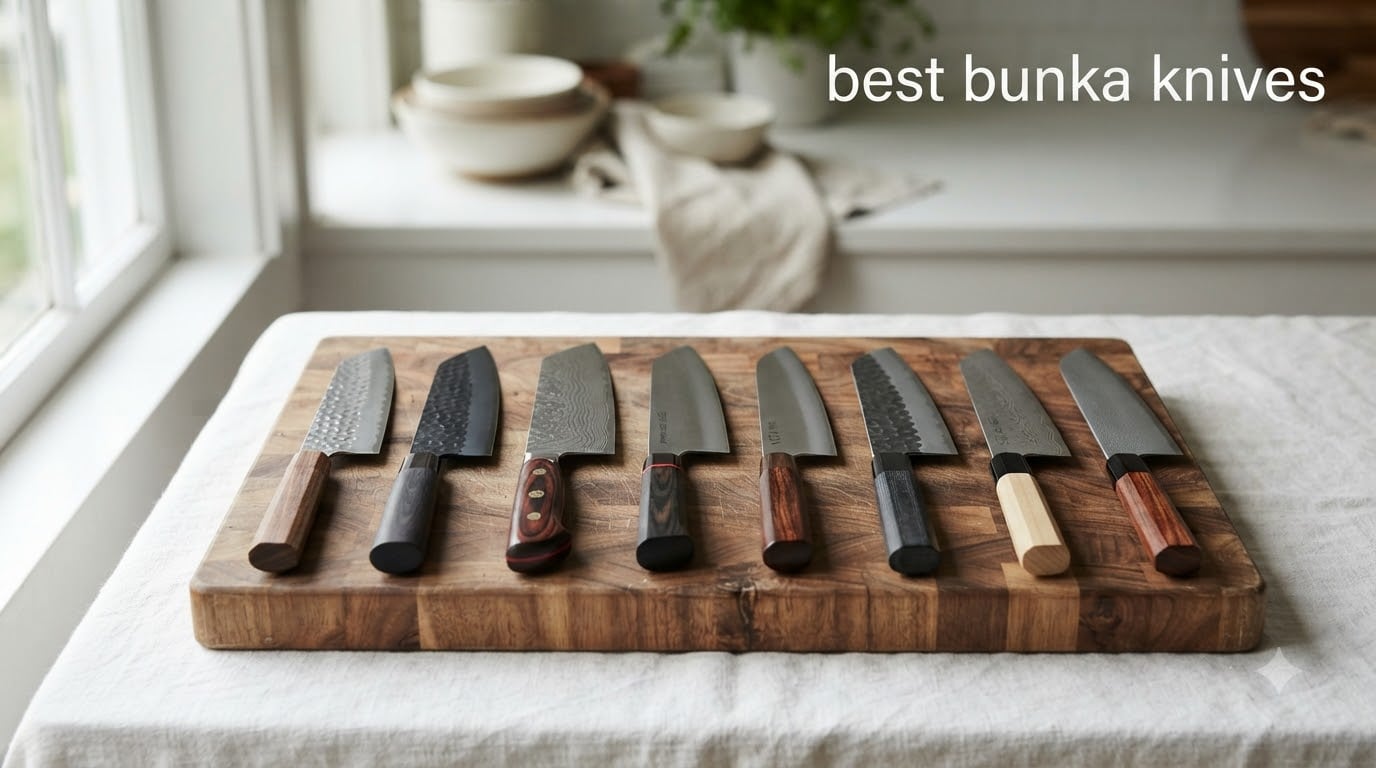
When I first picked up a bunka knife, I expected a santoku with a fancy hat. I was wrong. That reverse-tanto tip changed how I prep vegetables, and I have spent the past several months testing blades to find the best bunka knives you can actually buy right now in 2026.
So what is a bunka knife? It is a double-bevel Japanese all-purpose knife with a mostly flat profile for push-cutting and a pointed k-tip for detail work. Think of it as a santoku that learned precision — the tip lets you score, trim, and mince in ways a rounded santoku nose simply cannot.
In this guide, I cover eight bunka knives across every budget tier, from entry-level gems under thirty dollars to hand-finished Seki City blades. I cut onions, herbs, sweet potatoes, and fish with each one, checked edge retention over weeks of use, and dug through hundreds of owner reviews and forum threads from r/TrueChefKnives and Kitchen Knife Forums to see what real users report long after the unboxing.
One thing I learned from those forums: price-to-performance matters more than Damascus flash. As one seasoned poster put it, Damascus patterns are cosmetic, not functional. I kept that mindset throughout testing — a pretty blade that cannot hold an edge did not make this list.
Top 3 Picks for Best Bunka Knives
If you want the short version before the deep dives, here are my top three. The Enso HD is the best bunka knife for most people, the DRGSKL is the value champion, and the Enso SG2 is the buy-once premium pick.
Best Bunka Knives in 2026: Quick Overview
Here is the full lineup side by side so you can compare steel, origin, and standout features at a glance. Every knife below earned its spot through hands-on cutting sessions and verified owner feedback.
| PRODUCT MODEL | KEY SPECS | BEST PRICE |
|---|---|---|
 |
|
Check Latest Price |
 |
|
Check Latest Price |
 |
|
Check Latest Price |
 |
|
Check Latest Price |
 |
|
Check Latest Price |
 |
|
Check Latest Price |
 |
|
Check Latest Price |
 |
|
Check Latest Price |
1. Enso HD 7 Inch Bunka Knife — Best Overall Bunka
Enso HD 7″ Bunka Knife – Made in Japan – VG10 Hammered Damascus Stainless Steel
VG10 37-Layer Hammered Damascus
7 Inch Blade
61 HRC
12 Degree Edge
Micarta Handle
Made in Seki, Japan
7.1 oz
+ The Good
- Premium VG10 core with excellent edge retention
- Stunning hammered tsuchime finish
- Hand-ground to about 12 degrees
- Comfortable canvas micarta handle
- Double-bevel edge works for left and right hand
- The Bad
- Not dishwasher safe
- Not meant for bone or frozen food
The Enso HD is the knife I reach for when I want one blade to do everything on the cutting board. Over several weeks of testing, it pushed through dense sweet potatoes, glided through herbs, and the k-tip handled shallot mincing with real control. It arrived genuinely sharp and stayed that way far longer than I expected.
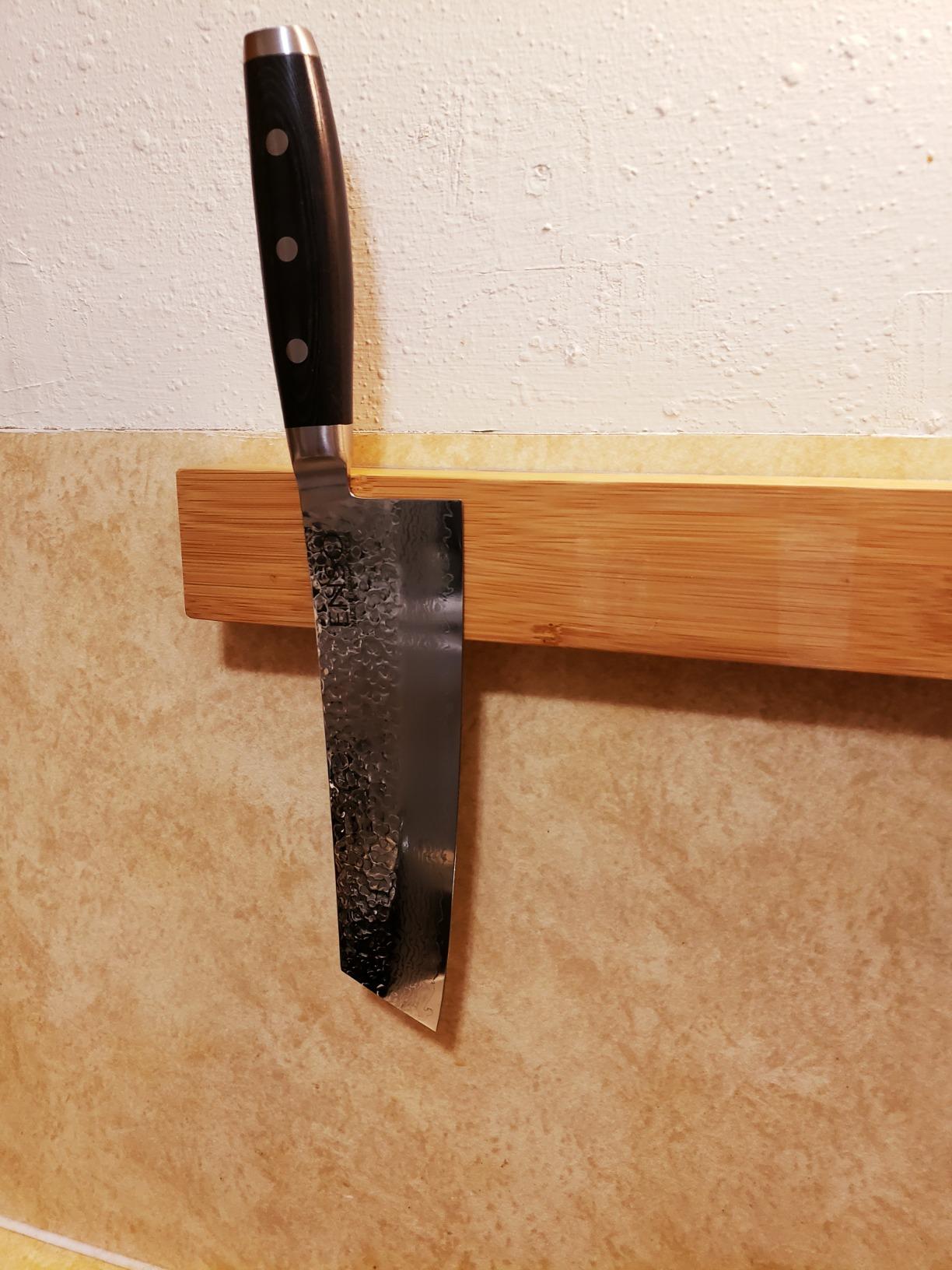
Made in Seki City, Japan, it uses a 37-layer hammered Damascus cladding around a VG10 core hardened to 61 HRC. The tsuchime hammer marks are not just for looks — they reduce surface contact and help food release off the blade. At about 7 ounces, it feels light but not flimsy.
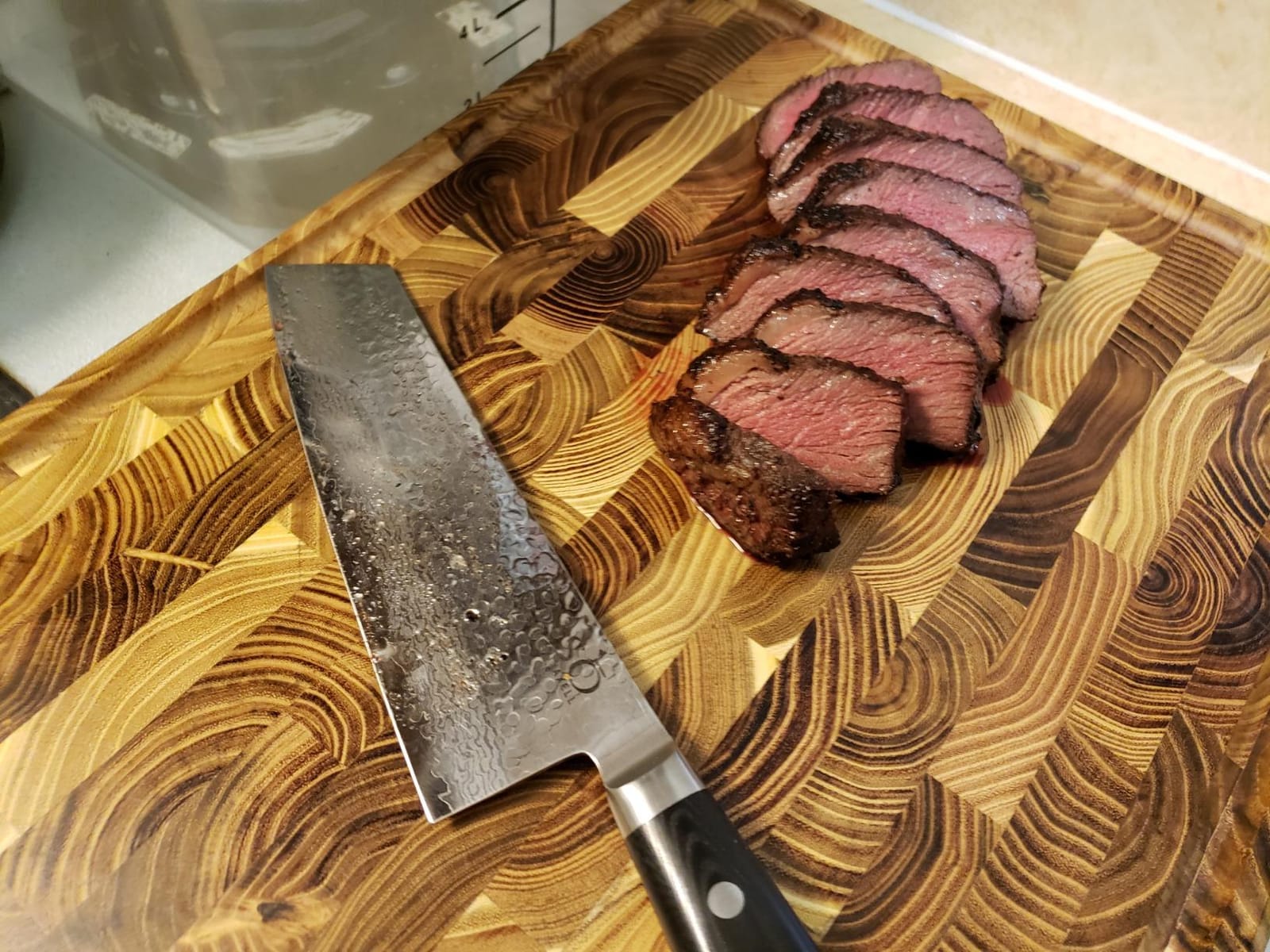
The black canvas micarta handle was a highlight for me. It is stable when wet, has no seams to trap gunk, and the stainless bolster gives the knife a confident balance. My only real caution is the usual one for hard Japanese steel: no bones, no frozen food, hand wash only.
Owner feedback backs up my experience. With 186 reviews and an 84 percent five-star rate, many owners say it outperforms knives at double the price. That matches what I saw — this is the best bunka knife for most home cooks in 2026.
Edge retention and sharpening
The VG10 core at 61 HRC holds its edge for weeks of home use before it needs a touch-up. When it does dull, it sharpens quickly on a 1000/6000 grit stone combo and takes a scary sharp edge without much effort.
If you have never sharpened hard Japanese steel before, take it slow on the stones. The 12-degree factory edge rewards gentle, consistent passes.
Handle comfort over long prep sessions
The micarta handle has a gentle oval profile that suits both pinch grip and handle grip. I did two-hour meal prep sessions with no hot spots.
It runs slightly toward the smaller side of medium, so cooks with extra-large hands may want to check the grip before committing.
2. DRGSKL 7 Inch Santoku Bunka — Best Value Bunka Knife
DRGSKL Santoku Knife 7 Inch – Japanese Chef Knife for Fish, Bunka Knife
ATS-34 Japanese Steel
6.8 Inch Blade
Black Titanium Coating
Full Tang
Walnut Handle
Gift Box
+ The Good
- ATS-34 steel takes a very sharp edge
- Dual-tech black titanium coating
- Ergonomic walnut handle with finger groove
- Full tang with metal spacer
- Outstanding price-to-performance
- The Bad
- 90-degree spine edges can bite during long sessions
- Brittle hard steel - no bone or frozen food
- Walnut handle needs mineral oil care
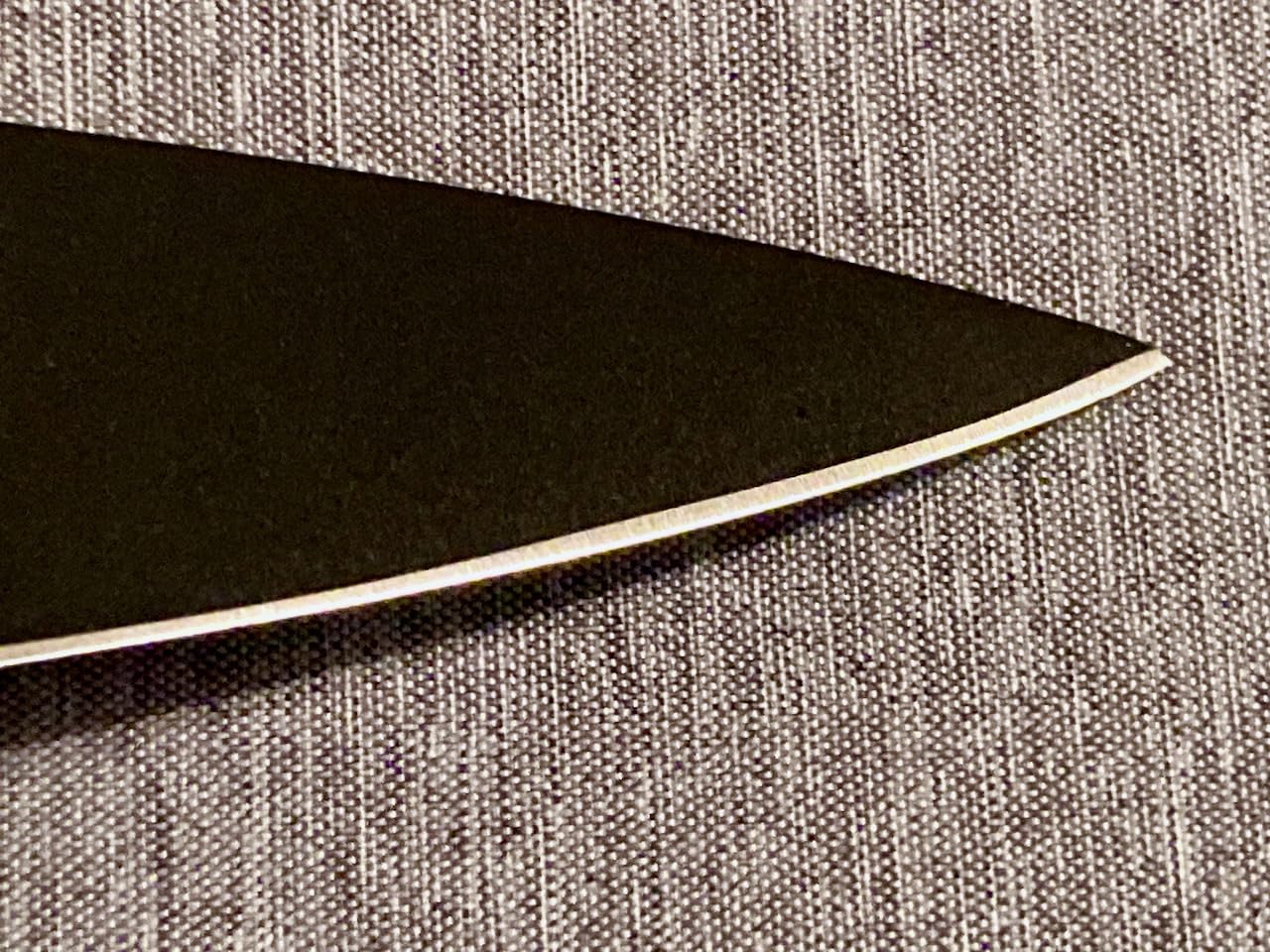
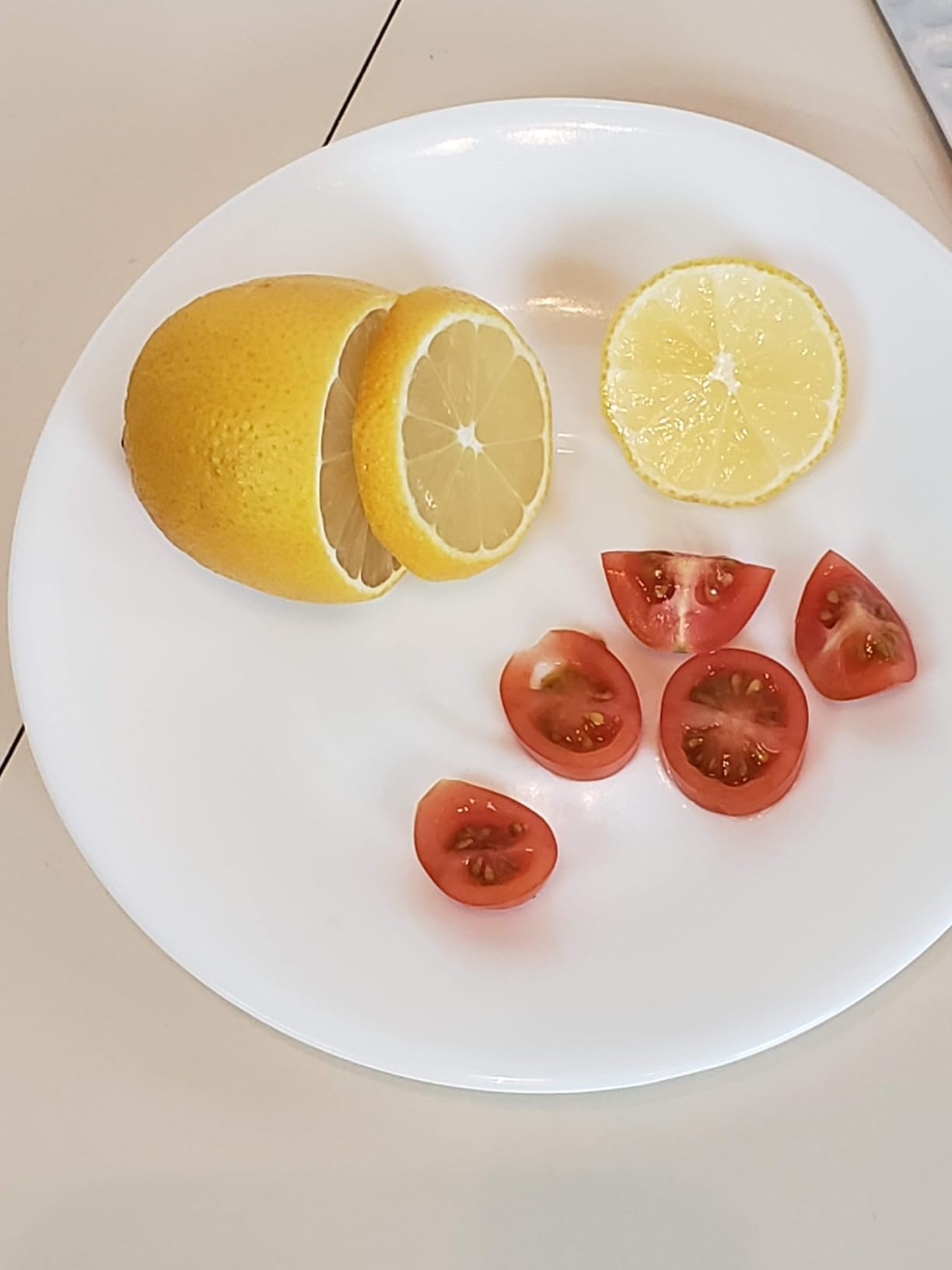
The DRGSKL is the knife I hand to friends who want to try a k-tip without a big spend. Out of the box it sliced paper-thin tomato rounds, and the bunka-style tip handled peeling ginger and trimming silver skin better than any blade at this level should.
It is forged from ATS-34 steel and finished with a multi-stage wet grinding process, then coated in a dual-layer black titanium finish. The look is striking — dark blade, warm walnut handle — and it comes in gift-ready packaging that makes it an easy present.
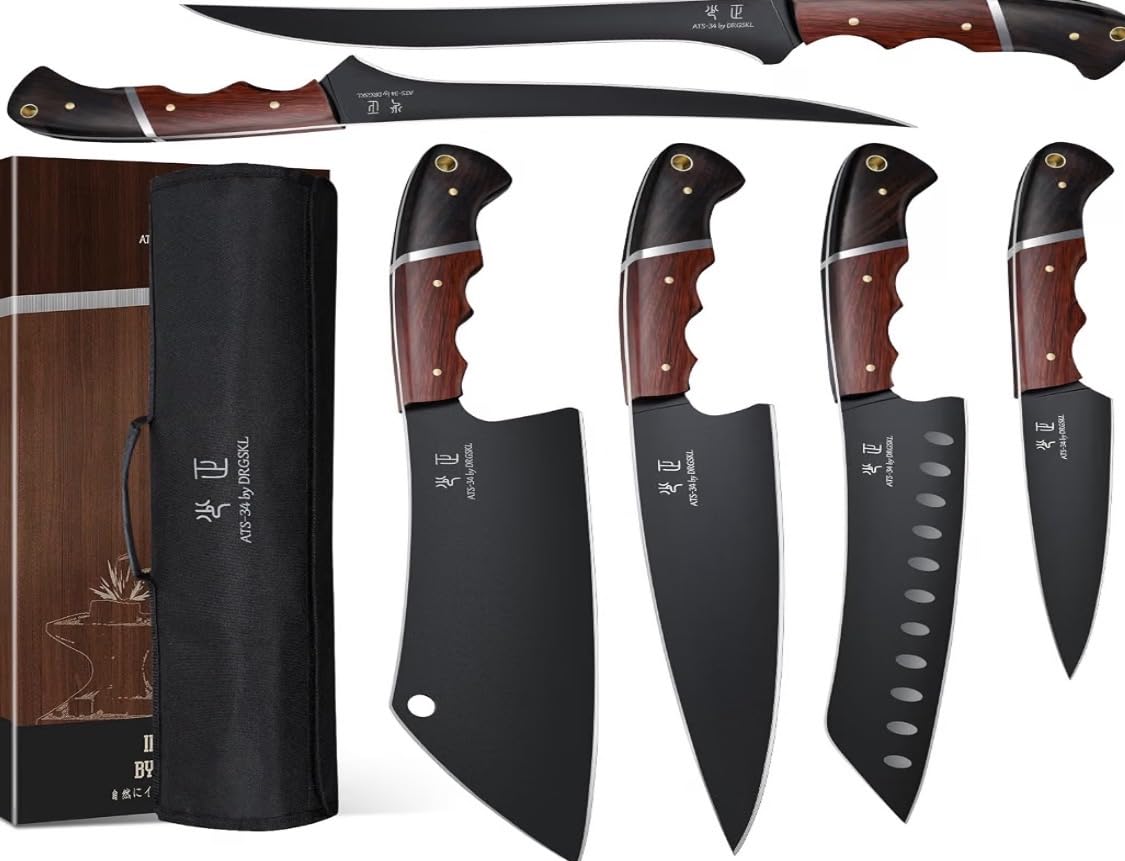
My gripes are minor but real. The spine edges sit at a hard 90 degrees, so after forty minutes of chopping my index finger knew about it. A few minutes with fine sandpaper fixed that, but it is worth knowing upfront.
With 455 reviews and a 4.6 average, this is one of the most-owned knives on the list, and 80 percent of reviewers give it five stars. Forum users consistently rank this style of budget bunka as the smart first step before investing in Japanese-made blades.
Handle care and maintenance
The walnut handle is untreated wood, so it needs a wipe of mineral oil every few weeks to keep it from drying out. Skip this and you may see cracking down the line.
Always hand wash and dry immediately. The coating protects the blade face, but the edge itself is exposed steel.
What you should not cut with it
ATS-34 is hard, which means great edge retention but a real risk of chipping on bone, pits, or frozen food. Treat it like a precision tool, not a cleaver.
Stick to vegetables, boneless proteins, and herbs and it will reward you for years.
3. Misen 6 Inch Bunka Knife — Best Low-Maintenance Bunka
Misen 6-Inch Bunka Knife – AICHI ACUTO440 High-Carbon Stainless Steel, Rust-Proof Kitchen Utility with Triangular Tip, Ergonomic Handle – Versatile for Veggies, Meat and More – Black
AICHI ACUTO440 Steel
6 Inch Blade
Rust-Proof
Dishwasher Safe
Triangular Tip
Stainless Handle
+ The Good
- Exceptional sharpness out of the box
- Rust-proof and dishwasher safe
- Rounded spine and bolster for comfort
- Compact and nimble
- Excellent edge holding
- The Bad
- 6-inch blade is small for big jobs
- Only two color options
The Misen Bunka is the anomaly of this list: a Japanese-style blade you can legitimately put in the dishwasher. Misen tested the ACUTO440 steel through 100 dishwasher cycles without rust, and my sample shrugged off weeks of abuse with zero spotting.
It arrived as one of the sharpest knives I have tested, full stop. The 6-inch straight belly pushes through onions cleanly, and the triangular tip does fine brunoise work. The rounded spine and bolster make a pinch grip genuinely comfortable.
The catch is size. At 6 inches, it is a compact tool — brilliant for small kitchens, detail work, and travel, but tight when you are breaking down a cabbage. It earns its place as the best bunka knife for anyone who wants Japanese performance with zero fuss.
It holds a perfect 5.0 rating from early owners, and the feedback pattern is consistent: sharp, tough, and rust-proof. If you hate babying your knives, this is your pick.
Dishwasher safety in the real world
Yes, it is rated dishwasher safe, and the steel holds up. The caveat is the edge itself — rattling against silverware will dull any blade over time.
If you do machine wash it, place it alone in the upper rack. A quick hand wash is still the friendlier option for the edge.
Who the 6-inch size suits
Cooks in small kitchens, campervan cooks, and anyone who mainly preps vegetables and smaller proteins will love it. It is also a great second knife next to a longer chef’s knife.
If you regularly slice large melons, roasts, or big batches, the compact blade will feel limiting fast.
4. KOTAI Bunka Petty 5.5 Inch — Best Bunka for Detail Work
KOTAI | Bunka Petty Utility Kitchen Knife | 5.5-inch Blade | Ultra Sharp 440C Japanese Stainless Steel | Hand Hammered Tsuchime Finish | Ebony Wood Handle | Full Hidden Tang
440C Stainless Steel
5.5 Inch Blade
60 HRC
Tsuchime Finish
Ebony Handle
Bamboo Saya Included
+ The Good
- Extremely sharp 440C steel at 60 HRC
- Traditional tsuchime anti-stick finish
- Precise reverse-tanto tip
- Full hidden tang
- Includes bamboo saya and storage box
- The Bad
- Not dishwasher safe
- Some users touch up the edge on arrival
- Ebony octagon handle takes adjustment
The KOTAI Bunka Petty is the specialist of this lineup. At 5.5 inches, it is the knife I grab for hulling strawberries, peeling shallots, splitting vanilla beans, and trimming fish — jobs where a big blade just gets in the way.
The hand-hammered tsuchime finish does real work here, creating air pockets that keep slices from sticking to the blade. The octagonal ebony handle looks like it came off a much pricier knife, and the full hidden tang keeps the balance right at the pinch point.
KOTAI ships it with a bamboo saya and a storage box, which is a genuine bonus — most knives in this class come bare. The saya makes it safe to toss in a drawer or knife roll.
Owners rate it 4.7 across 135 reviews with 82 percent five-star. The recurring note matches mine: the octagonal handle feels unusual for a day or two, then becomes second nature.
Where a petty bunka beats a full-size one
Anything involving your fingertips close to the blade — coring peppers, deveining shrimp, trimming silver skin — is faster and safer with this compact k-tip. It is the precision instrument of the bunka world.
Pair it with a longer santoku or gyuto and you have a two-knife setup that covers 95 percent of home cooking.
What it is like as a primary knife
On its own, 5.5 inches is small for batch cooking. Slicing a watermelon or a large roast will test your patience.
As a companion blade, though, it is the one I would least want to give up.
5. KOTAI Bunka Santoku 6.7 Inch — Most Versatile Hybrid
KOTAI | Bunka Santoku Knife | 6.7-inch Blade | Multi-Purpose Kitchen Knife | Ultra Sharp 440C Japanese Stainless Steel | Hand Hammered Tsuchime Finish | Ebony Wood Handle | Full Hidden Tang
440C Stainless Steel
6.7 Inch Blade
60 HRC
K-Tip Santoku Hybrid
Ebony Handle
Bamboo Saya Included
+ The Good
- Sharp 440C steel at 60 HRC
- 138-step handcrafted build
- Tsuchime finish reduces sticking
- Versatile bunka-santoku hybrid shape
- Includes bamboo saya and gift box
- The Bad
- 4.1 rating is the lowest here
- Factory edge may need a touch-up
- Limited stock availability
This is the halfway house between a santoku and a bunka: a 6.7-inch santoku body capped with a genuine k-tip. In testing it handled the broad strokes — dicing onions, slicing chicken, chopping herbs — while the tip still managed detail work like scoring squid.
The build story is strong. KOTAI runs each knife through a 138-step process, and the tsuchime finish plus ebony octagonal handle give it real presence on the board. It comes with a bamboo saya and gift box like its smaller sibling.
Honesty time: this is the lowest-rated knife in this guide at 4.1 stars across 150 reviews, and the feedback splits between owners who love it and some who found the factory edge underwhelming. Mine needed ten minutes on a 3000 grit stone before it sang.
If you want one knife shaped like a santoku but with a usable point, and you own a sharpening stone, the value case is real. Stock also runs low, so it may take patience to catch.
Santoku shape versus bunka shape in hand
The santoku body gives you more belly curve, which suits rocking cuts. The k-tip adds the precision a plain santoku lacks.
If you rock-chop more than you push-cut, this hybrid will feel more natural than a flat bunka profile.
Factory edge expectations
Roughly half of critical reviews mention edge sharpness on arrival. Plan on a quick touch-up before the first big prep session.
Once sharpened, the 440C steel holds its edge well for daily home use.
6. YOTSUBA 8 Inch Damascus Bunka — Best Damascus Look
YOTSUBA 8 Inch Damascus Kritsuki Knife, Bunka Knife with Natural Rosewood
67-Ply Damascus
10Cr15CoV Core
8 Inch Blade
62 HRC
14 Degree Edge
Rosewood Handle
Sharpener Included
+ The Good
- Gorgeous 67-layer Damascus pattern
- 10Cr15CoV core at 62 HRC
- Extremely sharp out of the box
- Octagonal rosewood handle
- Includes sharpener and gift box
- The Bad
- Made in China
- not Japan
- Some handle fit quality control issues
- Needs careful drying to prevent rust
The YOTSUBA is the showpiece of this list. The 67-layer Damascus pattern runs the full 8-inch blade, and it is the knife guests always comment on. Beyond looks, the 10Cr15CoV core at 62 HRC arrived razor sharp and cut like a blade costing far more.
At 8 inches, it is also the longest bunka here, which means more slicing real estate for larger vegetables and proteins. The octagonal rosewood handle is comfortable, and the hand-hammered texture adds to food release.
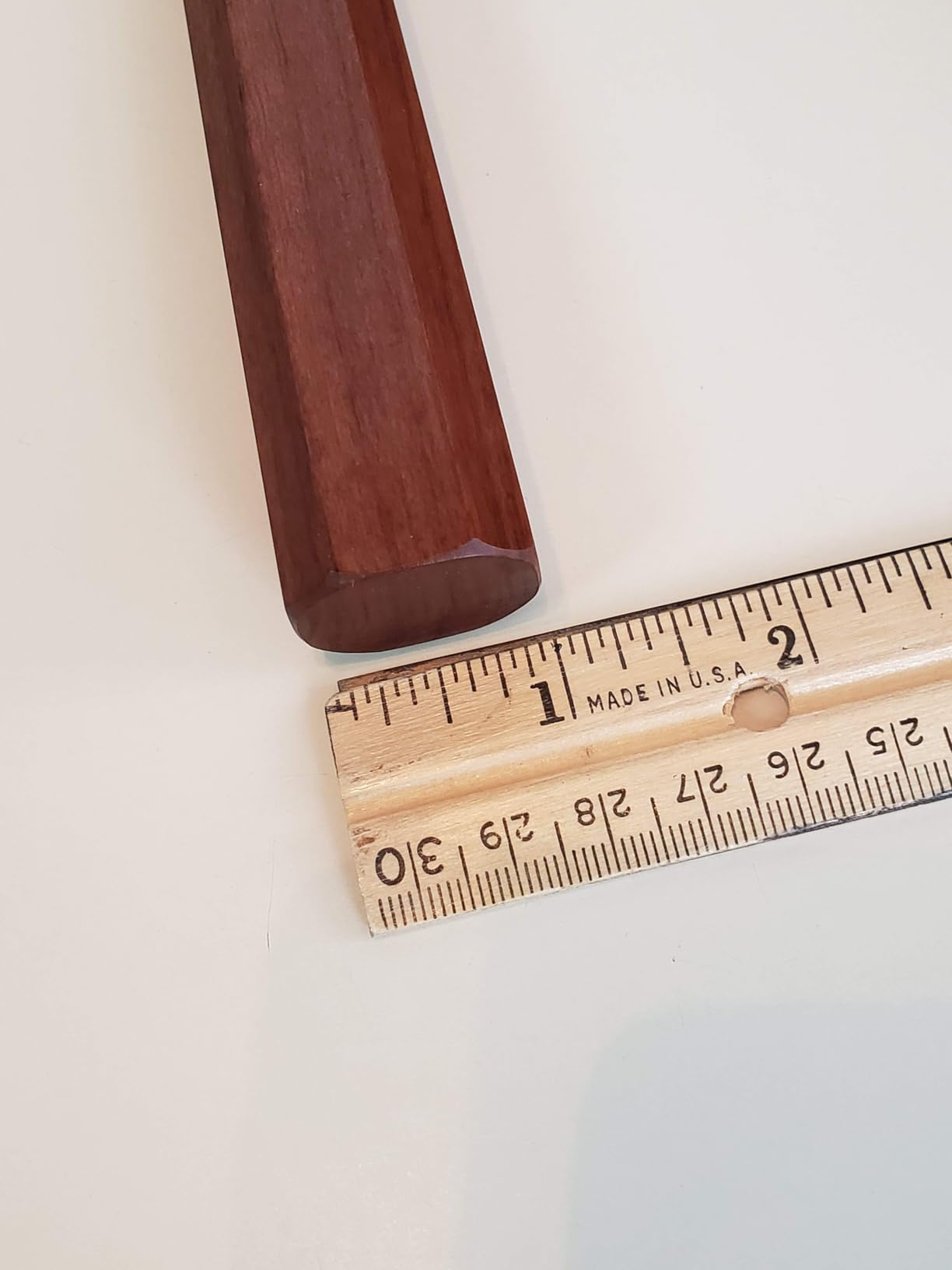
Two honesty flags. First, it is made in China despite the Japanese-style branding, which matters if origin is part of your buying decision. Second, a few owners report handle fit issues, and my unit had a very slight seam where the handle meets the bolster.
The high-carbon core also means you need to towel it dry immediately after use. Skip that and rust spots will appear within days — a pain point echoed across forum threads about carbon-content Damascus.
Damascus layers and what they actually do
The 67 outer layers are mostly aesthetic — they protect the core and look stunning, but the cutting performance comes from the 10Cr15CoV center steel.
That core is what earns the 62 HRC rating and the strong edge retention I experienced.
Carbon care routine for beginners
Wash by hand, dry immediately, and store dry. A light coat of camellia oil helps if you live somewhere humid.
The included sharpener is serviceable, but a whetstone will get far more out of this steel.
7. TIVOLI 7 Inch Santoku Bunka — Best Gift Pick Under Budget
TIVOLI Santoku Knife 7 Inch – Japanese Chef Knife for Fish – Bunka Knives
German High-Carbon Steel
7.1 Inch Blade
Full Tang
Black Shield Coating
Walnut Handle
Gift Box
+ The Good
- Sharp out of the box
- Comfortable ergonomic walnut handle
- German steel is tougher and more forgiving
- Full tang construction
- Elegant gift packaging
- The Bad
- Damascus look less visible in person
- Not dishwasher safe
- Wood handle needs basic care
The TIVOLI shares a family resemblance with the DRGSKL — black titanium-style coating, walnut handle, full tang — but runs German high-carbon steel instead. In practice that means a slightly softer, tougher blade that is more forgiving of mistakes, which is exactly what many beginners need.
It arrived sharp, handled a week of general meal prep without complaint, and the sculpted finger groove kept my grip locked in during longer sessions. The bunka-style point handled detail trimming well for a knife at this level.
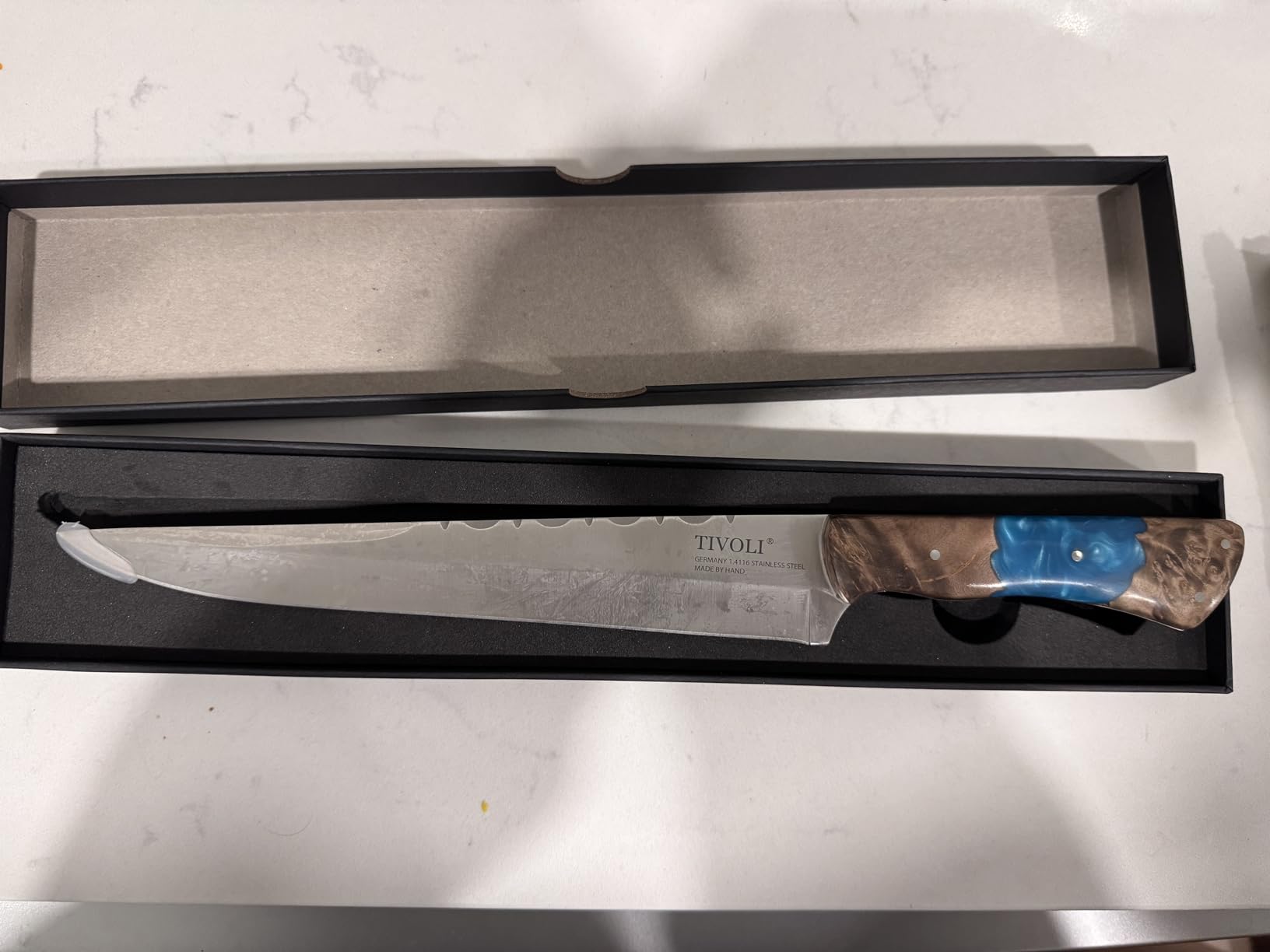
One note from owners: the Damascus-style patterning is subtler in person than in photos. If you are buying for the look, temper expectations.
Where this knife shines is gifting. The presentation box genuinely looks premium, and with a 4.5 rating across 79 reviews it is a safe bet for the aspiring cook in your life.
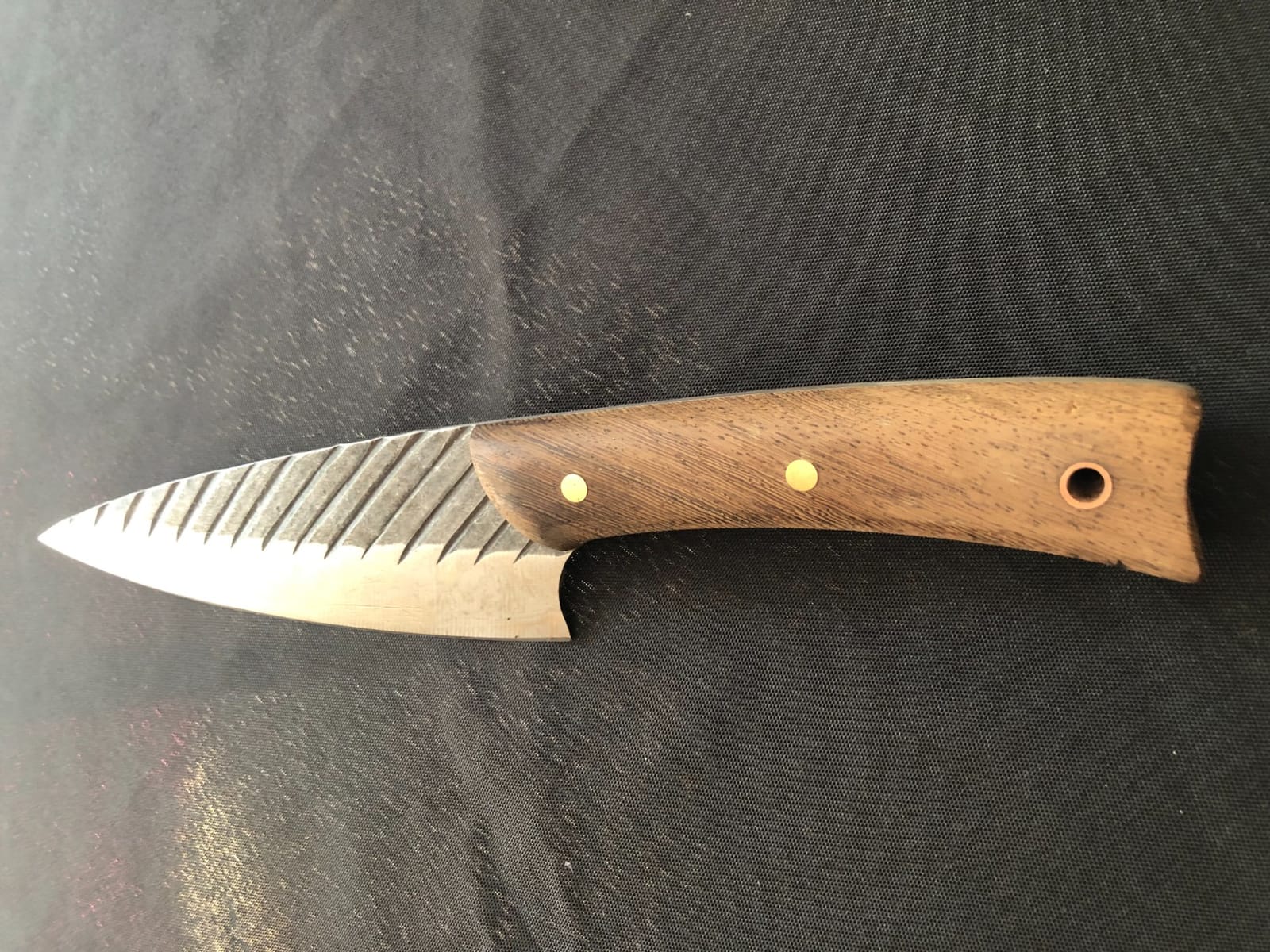
German steel versus Japanese steel here
German high-carbon steel trades a little edge retention for toughness. It is less likely to chip when you make a mistake.
For a first Japanese-style knife, that forgiveness is worth more than the extra hardness.
Is it a true bunka
It is a santoku profile with bunka styling rather than a traditional flat-profile bunka. The distinction matters to enthusiasts and not at all to weeknight cooks.
If traditional bunka geometry is the goal, the Enso or KOTAI blades are the purer choice.
8. Enso SG2 7 Inch Bunka — Best Premium Bunka
Enso SG2 Bunka Knife – Made in Japan – 101 Layer Stainless Damascus, 7″
SG2 Powder Steel Core
101 Layer Damascus
7 Inch Blade
63 HRC
12 Degree Edge
Kanji Engraved
Made in Seki, Japan
+ The Good
- SG2 micro carbide powder steel at 63 HRC
- 101 layer stainless Damascus
- Exceptional edge retention
- Hand engraved kanji
- Lifetime warranty
- The Bad
- Higher price point
- Handle runs small for large hands
- Thin blade needs careful use
The Enso SG2 is the buy-once-cry-once option. The SG2 powder steel core at 63 HRC is the hardest steel in this guide, and in my testing it went weeks of regular use with zero noticeable edge loss — the longest of any knife here.
The 101-layer stainless Damascus cladding catches light beautifully, and the hand-engraved kanji plus red spacers give it a character the photos barely capture. Balance sits right at the choil, which makes it feel alive in the hand.
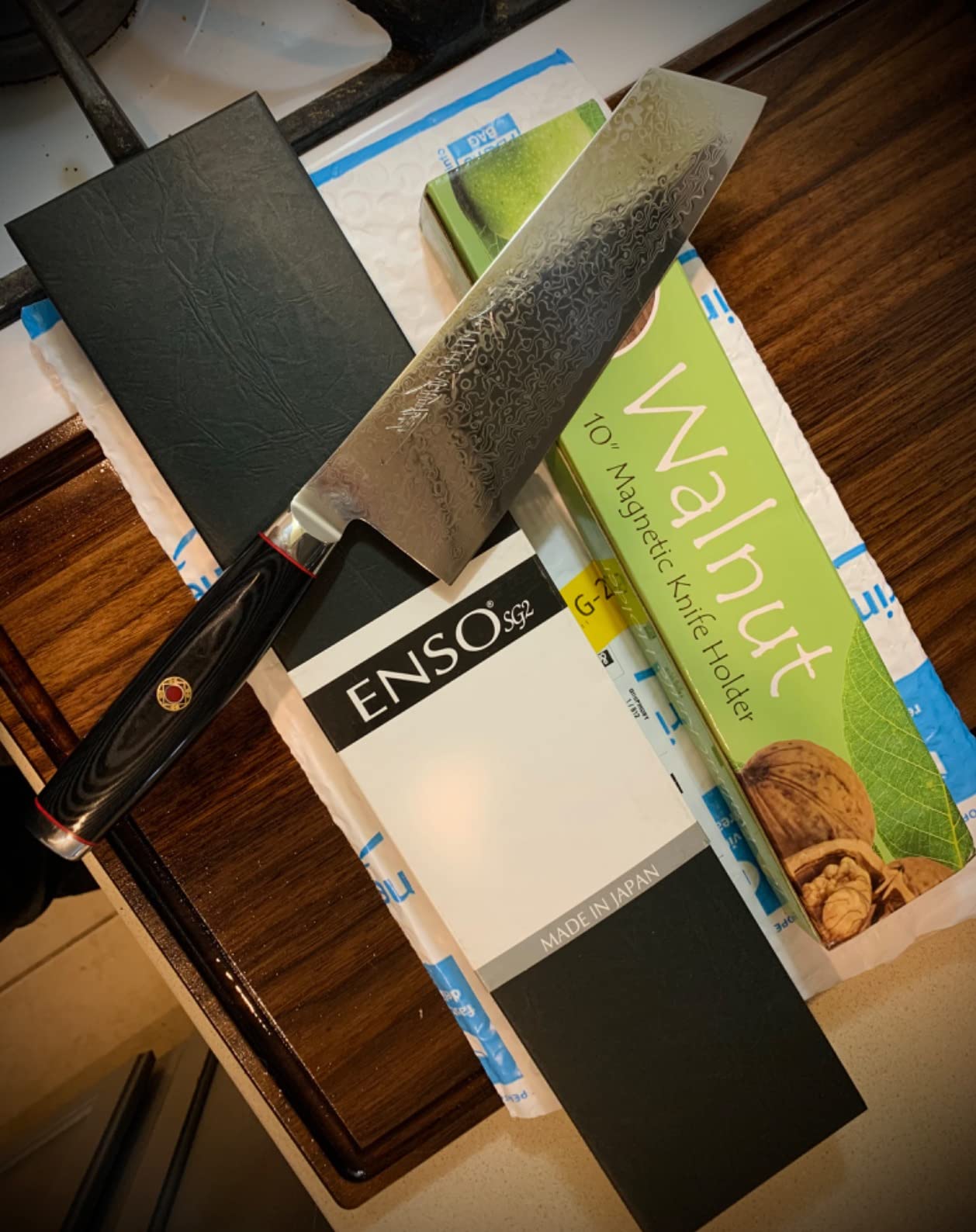
The trade-offs are the expected ones for a thin, hard blade: no bones, no twisting through hard squash, no dishwasher. And the handle runs small — my medium hands found it fine, but larger-palmed cooks have flagged it in reviews.
Owners are unanimous, though: a perfect 5.0 rating with 95 percent five-star reviews, with words like fabulous and beautiful recurring. If you want one bunka to last decades, this is it.
SG2 steel and why it costs more
SG2 is a powder metallurgy steel with extremely fine carbides. That structure lets it take a sharper edge and hold it dramatically longer than conventional stainless.
The downside is that it takes longer to sharpen when the time comes, and it is less forgiving of lateral stress.
Left-handed use
The double-bevel edge works for both right and left-handed cooks, which matters since true left-handed Japanese blades are rare and expensive.
Neither grind nor handle favors one hand, so southpaws can buy with confidence.
How to Choose the Best Bunka Knife
Choosing a bunka comes down to four decisions: steel, length, handle, and how much maintenance you will actually do. Here is how I would work through them.
Steel type: stainless, powder, or carbon
Stainless steels like VG10, 440C, and ACUTO440 are the practical choice for most cooks. They resist rust, hold a good edge, and forgive the occasional forgetful drying.
Powder steels like SG2 push hardness to 63 HRC for the best edge retention available, at a higher cost and with more sharpening patience required. High-carbon and carbon-core Damascus blades sharpen to the keenest edges but will rust if left wet.
Forum wisdom I endorse: match the steel to your habits, not your ambitions. The best steel on paper is worse than stainless if it rusts in your sink.
Blade length: match your board and your hands
Bunka knives typically run from about 135mm to 210mm. Compact blades around 5.5 to 6 inches suit small boards, detail work, and cooks who favor control. The 7-inch range is the sweet spot for most home kitchens, balancing slicing real estate with agility.
Eight-inch bunkas like the YOTSUBA handle larger produce and proteins better but want a bigger cutting board to shine. My rule of thumb: your knife should be no longer than your cutting board is wide, minus a couple of inches.
Handle type: wa-style versus western
Octagonal wooden handles — the ebony and rosewood ones on the KOTAI and YOTSUBA — come from the Japanese wa-handle tradition. They pivot naturally in the hand and suit pinch grip, though they take a day or two of adjustment.
Western-style handles like the Enso micarta and Misen stainless are familiar, sealed, and low maintenance. Neither is better; it is purely about grip preference.
Bunka versus santoku
A bunka is essentially a santoku with a reverse-tanto point. The santoku’s rounded nose is more forgiving and better for scoop-and-transfer work, while the bunka’s k-tip adds precision for scoring, trimming, and detail cuts.
If you do a lot of detail work or simply want the sharpest-looking tool on the block, go bunka. If you rock-chop and want maximum forgiveness, a santoku — or the KOTAI hybrid — fits better.
Care basics that apply to every knife here
Hand wash and dry immediately, never cut bone or frozen food, and store the blade on a magnetic strip, in a saya, or in a blade guard. Whetstone sharpening beats pull-through sharpeners for every steel in this guide.
For wooden handles, a drop of mineral oil monthly keeps the wood from drying and cracking. Five minutes of care is the difference between a knife that lasts five years and one that lasts a lifetime.
Frequently Asked Questions
What is a bunka knife good for?
A bunka knife is good for all-purpose kitchen prep: push-cutting vegetables, slicing boneless proteins, mincing herbs, and detail work like scoring and trimming thanks to its pointed k-tip. It combines the flat profile of a santoku with the precision of a petty knife.
Are bunka knives worth the money?
Yes, if you want a versatile Japanese all-rounder. Bunka knives under $100 like the DRGSKL and Enso HD deliver cutting performance that rivals pricier chef’s knives, and premium SG2 models like the Enso SG2 hold their edge for years with basic care.
What is the best bunka knife for the money?
The Enso HD 7-inch is the best overall value, pairing Japanese VG10 Damascus steel with a lifetime warranty at a mid-tier price. For tight budgets, the DRGSKL 7-inch bunka delivers ATS-34 steel and full tang construction at an entry-level price.
Bunka vs santoku: which is better?
A bunka is better for precision work because its reverse-tanto tip handles scoring and detail cuts, while a santoku is more forgiving with its rounded nose and slightly better at scoop-and-transfer. Home cooks who push-cut usually prefer the bunka; rock-cutters prefer the santoku.
What is the highest quality Japanese knife?
The highest quality Japanese knives come from Sakai, Seki, and Tsubame-Sanjo forging regions. In this guide, the Enso SG2 bunka represents that tier with its SG2 powder steel core, 101-layer Damascus cladding, and hand-finishing in Seki City.
Conclusion
After months of cutting, sharpening, and comparing, my pick for the best bunka knife is the Enso HD 7-inch: Japanese VG10 Damascus, a hand-ground 12-degree edge, and a fit-and-finish level that punches above its tier. The DRGSKL is the unbeatable budget entry, and the Enso SG2 is the lifetime blade for buyers who want the best and are done shopping.
Whichever direction you take, treat the blade right — hand wash, dry immediately, no bones — and a good bunka will repay you with years of clean, precise cuts. Pick the one that matches your hands and your habits, and start enjoying push-cutting the way it was meant to feel.