
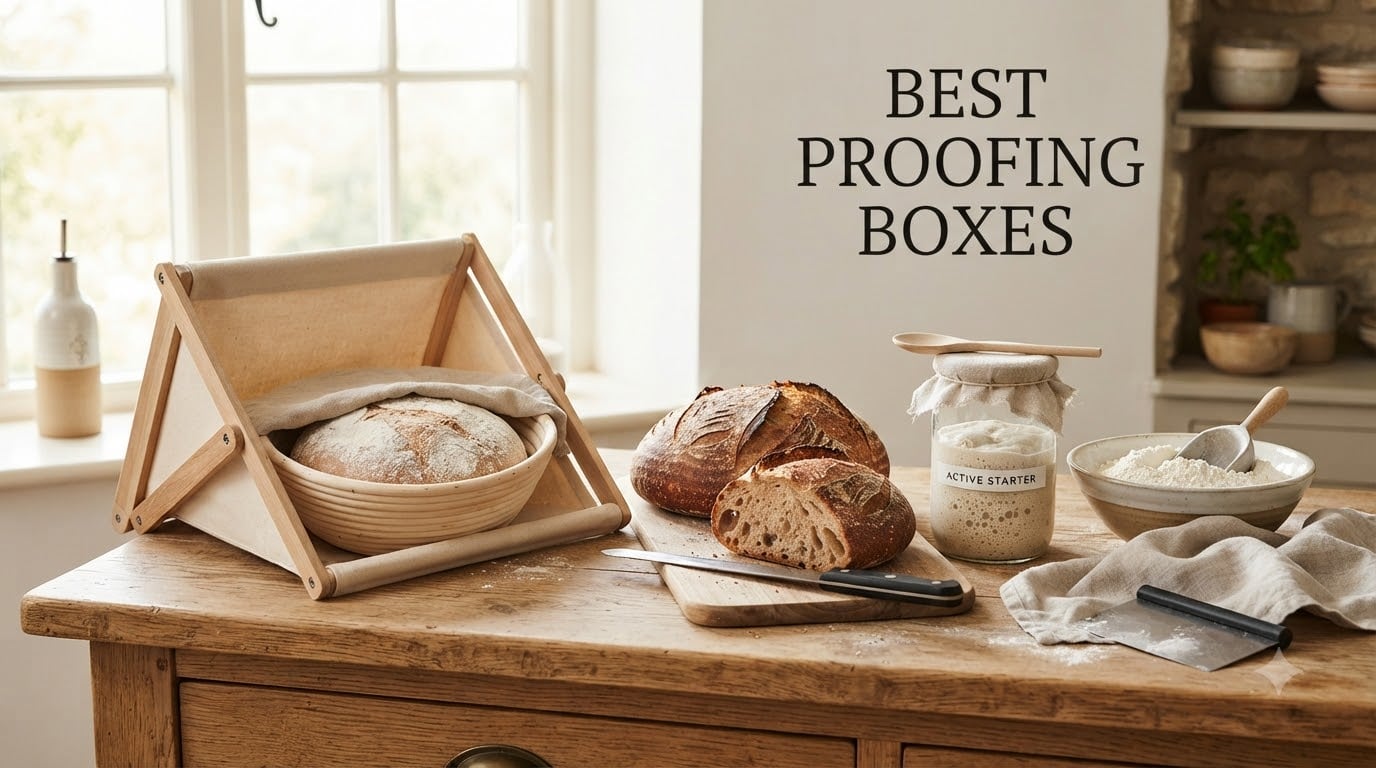
I spent the last three months baking my way through eight different proofing boxes in my kitchen. I tested them with sourdough loaves, pizza dough balls, and enriched brioche. What I found surprised me. The most expensive model wasn’t always the best, and a $35 budget box outperformed a $250 premium one in a couple of tests.
A proofing box is a temperature-controlled enclosed chamber that maintains consistent warmth and humidity for dough fermentation. Without one, your kitchen’s ambient temperature drives whether your dough rises properly or sits there like a lump. Cold kitchens ruin schedules. Hot kitchens overproof the dough before you even shape it. A proofing box eliminates that guessing game.
This guide covers the best proofing boxes I tested, from a commercial-grade pizza setup to foldable fabric warmers. I’ll show you what each one does well, where they fall short, and who should buy them. Whether you’re a sourdough devotee, a weeknight pizza maker, or someone tired of inconsistent bread, there’s something here for your kitchen.
Top 3 Picks for Best Proofing Boxes
Best Proofing Boxes in 2026
| PRODUCT MODEL | KEY SPECS | BEST PRICE |
|---|---|---|
 |
|
Check Latest Price |
 |
|
Check Latest Price |
 |
|
Check Latest Price |
 |
|
Check Latest Price |
 |
|
Check Latest Price |
 |
|
Check Latest Price |
 |
|
Check Latest Price |
 |
|
Check Latest Price |
1. Brod & Taylor Folding Proofer & Slow Cooker — Editor’s Choice
Brod & Taylor Folding Proofer & Slow Cooker (Proofer)
Temp: 70-120°F
Folds to 2.75 inch
Multi-use proofer+slow cook
+ The Good
- Precise 70-120°F temperature control
- Optional humidity via water tray
- Folds flat for storage
- Also slow cooks and ferments yogurt
- 3-year warranty
- The Bad
- Premium price point
- Runs 2-3 degrees hot
- Accessory shelf sold separately
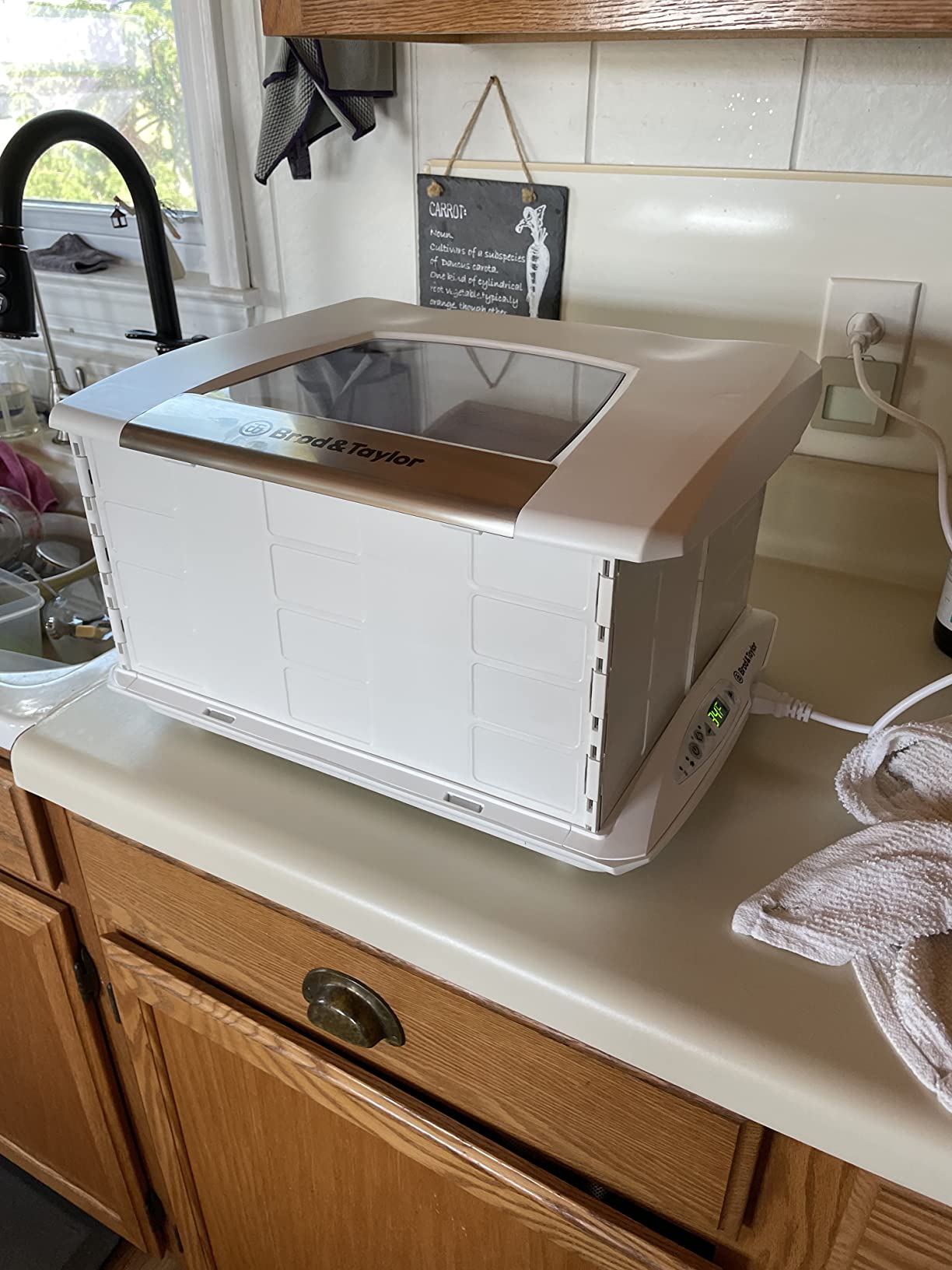
I pulled this proofer out of the box and immediately noticed the build quality. The aluminum frame feels solid, and the folding mechanism is smooth. After folding it flat, it slides under my counter in the space where I used to keep a cutting board. That storage advantage matters more than I expected.
For my sourdough tests, I set the temperature to 78°F and the dough rose consistently within the expected window. The water tray added humidity that kept the surface from forming a skin during long bulk ferments. I tested enriched dough at 82°F for brioche, and the result was noticeably lighter than my oven-light method. The Brod & Taylor runs about 2-3 degrees hotter than the set temperature, which I had to calibrate for, but once I accounted for that offset, the results were predictable.
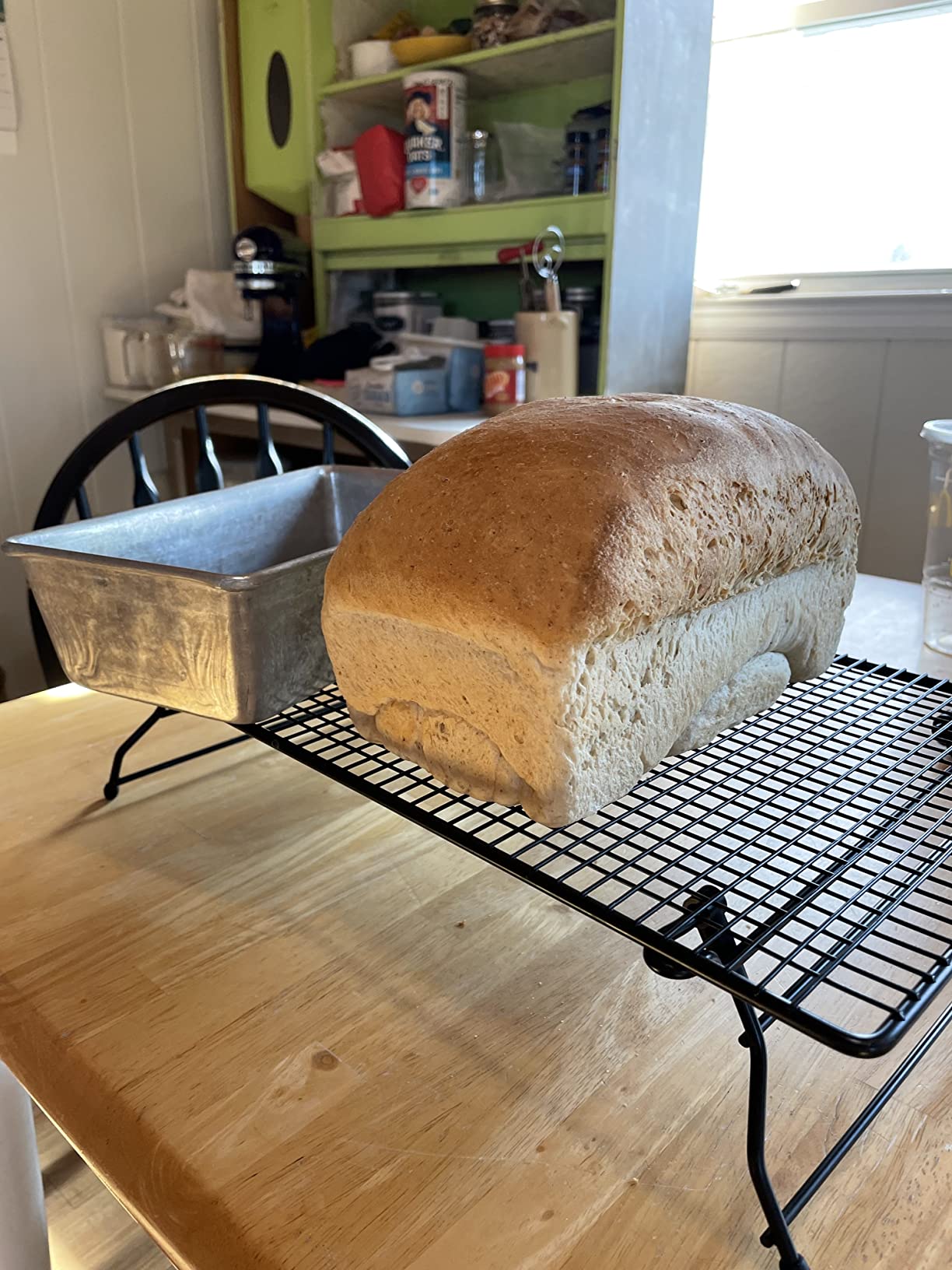
The versatility is where this proofer earns its price. I made yogurt at 110°F and slow-cooked a beef stew the same week. Having one appliance that handles fermentation, slow cooking, and yogurt culturing reduces kitchen clutter. For sourdough bakers who also cook, the multi-use design pays off.
My one complaint is the accessory shelf. Brod & Taylor sells it separately, and without it, you only get one rack level inside. For batch proofing or larger loaves, the shelf is almost necessary. The 200-watt heating element is quiet and energy-efficient enough to leave running overnight.
Who Should Buy This Proofer
Buy this if you bake bread more than twice a month, want one appliance that handles multiple kitchen tasks, and don’t mind paying for quality. Serious sourdough bakers, enriched dough bakers (brioche, babka), and anyone who values consistent fermentation will appreciate what this proofer offers.
Skip this if you only bake occasionally or want something purely for pizza dough. The price is steep for casual bakers, and simpler models handle basic proofing just fine.
Why It Earned Editor’s Choice
After three months of testing, the Brod & Taylor Folding Proofer delivered the most consistent results across dough types. The foldable design solved my counter-space issue, and the multi-use capability replaced my slow cooker. At 1458 reviews with a 4.8 rating, it has the longest track record of any proofer in this category.
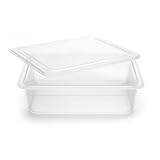
2. Brod & Taylor Proofing Container — Best Container for Cold Ferments
Brod & Taylor Proofing Container With 6L Capacity, Fits Up to 3000 Grams of Dough – Dough Rising Box for Bread, Sourdough & Pizza (Dishwasher Safe, BPA-Free)
Capacity: 6L
3000g dough fit
Airtight snap lid
+ The Good
- Translucent walls show dough rise
- Volume markings for tracking
- Airtight snap lid maintains humidity
- Fits perfectly in Brod Taylor Folding Proofer
- Dishwasher and freezer safe
- The Bad
- May not fit two large sourdough loaves
- Lid can pop off during extended proofing
This container isn’t a temperature-controlled proofer. It’s a dough rising container designed to work with or without a proofer. I tested it inside my fridge for cold bulk ferments and on the counter at room temperature. The airtight snap lid kept moisture in better than any plastic wrap method I’ve used.
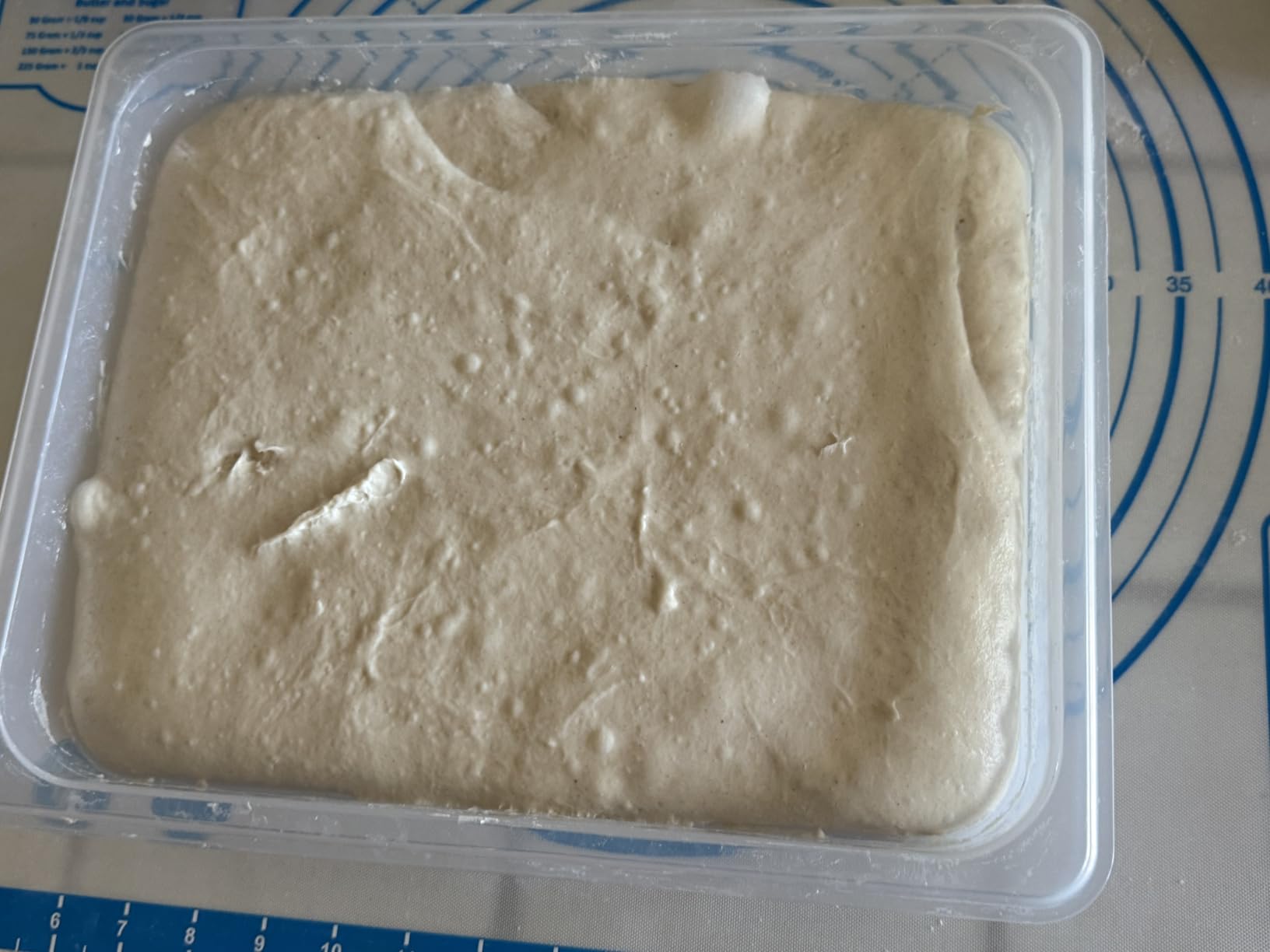
The translucent walls with volume markings are genuinely useful. I could watch the dough double in size without opening the lid, which means fewer temperature fluctuations. The 6L capacity fits up to 3000g of dough, which covered all my sourdough and enriched dough recipes. The container slides perfectly into the Brod & Taylor Folding Proofer if you own one, creating a sealed humid environment inside the temperature-controlled chamber.
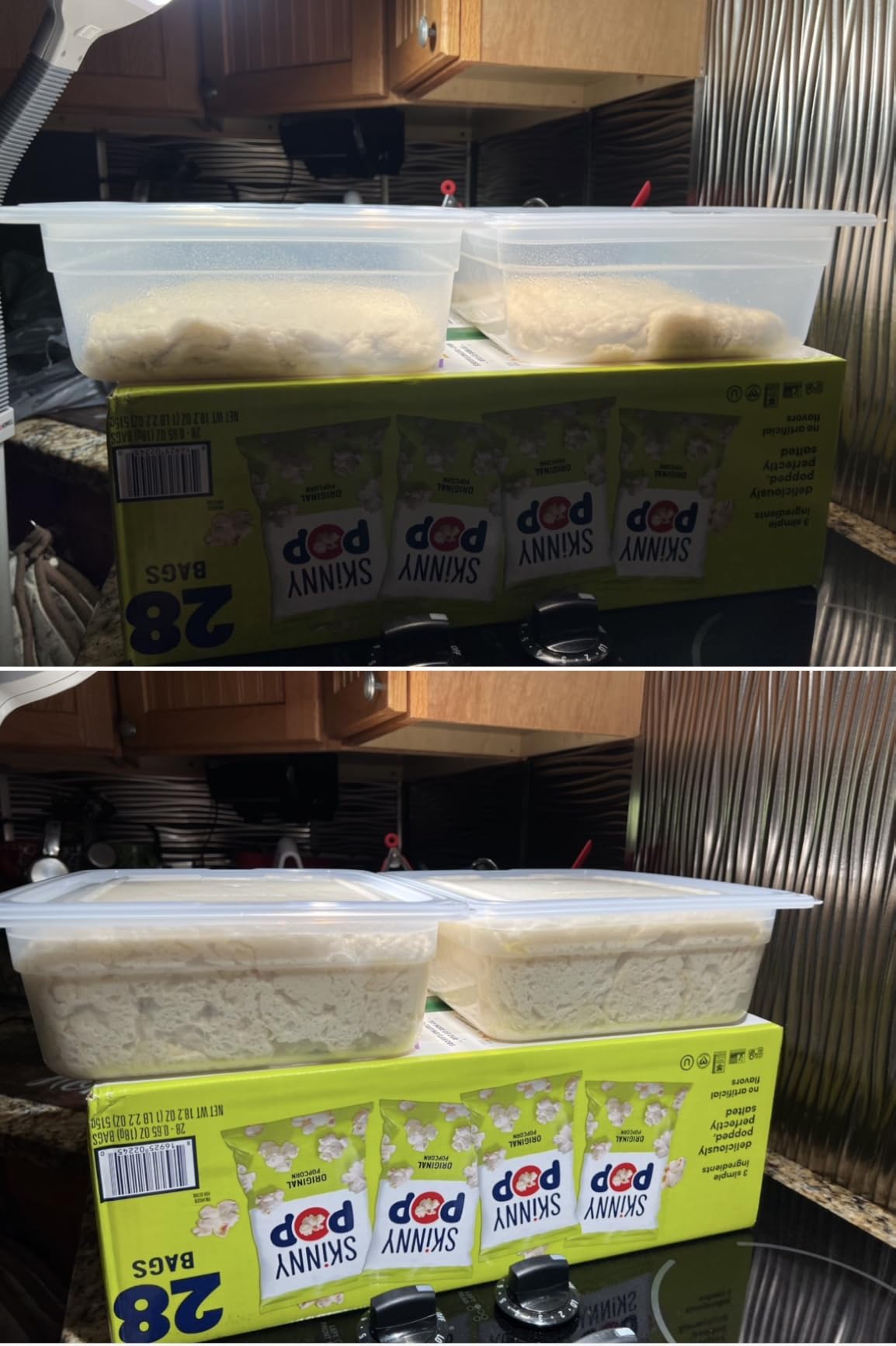
For cold ferments in the fridge, this container eliminated the problem of dough drying out. The snap lid sealed tightly, and the dough stayed hydrated for 48-hour cold rises without a crust forming. Cleanup is easy, and the polypropylene is dishwasher safe. The freezer-safe rating means I can shape dough, freeze it directly in the container, and thaw it later.
The lid popping issue is real during long proofing sessions. The snap mechanism holds well during normal use, but if you move the container or stack something on top, the lid can release. I learned to place it in a stable spot and not disturb it.
Who Should Buy This Container
Buy this if you do cold bulk ferments in your fridge, want to track dough volume without opening the container, or already own a Brod & Taylor Folding Proofer. Sourdough bakers who cold-retard their dough overnight will appreciate the airtight seal.
Skip this if you need a heated proofing solution on its own. This is a container, not a proofer. Pair it with a heated proofer or use it for room-temperature and cold rises.
What Makes It Stand Out
The combination of volume markings, airtight lid, and proofer compatibility makes this container more functional than generic plastic alternatives. The 360 reviews and 4.7 rating confirm that home bakers find it solves real proofing problems.
3. GIYUDOT Folding Bread Proofing Box — Best Budget Electric Proofer
+ The Good
- Three heating zones for even warming
- 48-hour timer with auto shutoff
- Transparent acrylic viewing window
- Foldable space-saving design
- Accurate NTC temperature sensor
- The Bad
- Fabric material less durable than plastic
- Temperature can run 1-3 degrees off
- Box only heats
- cannot cool
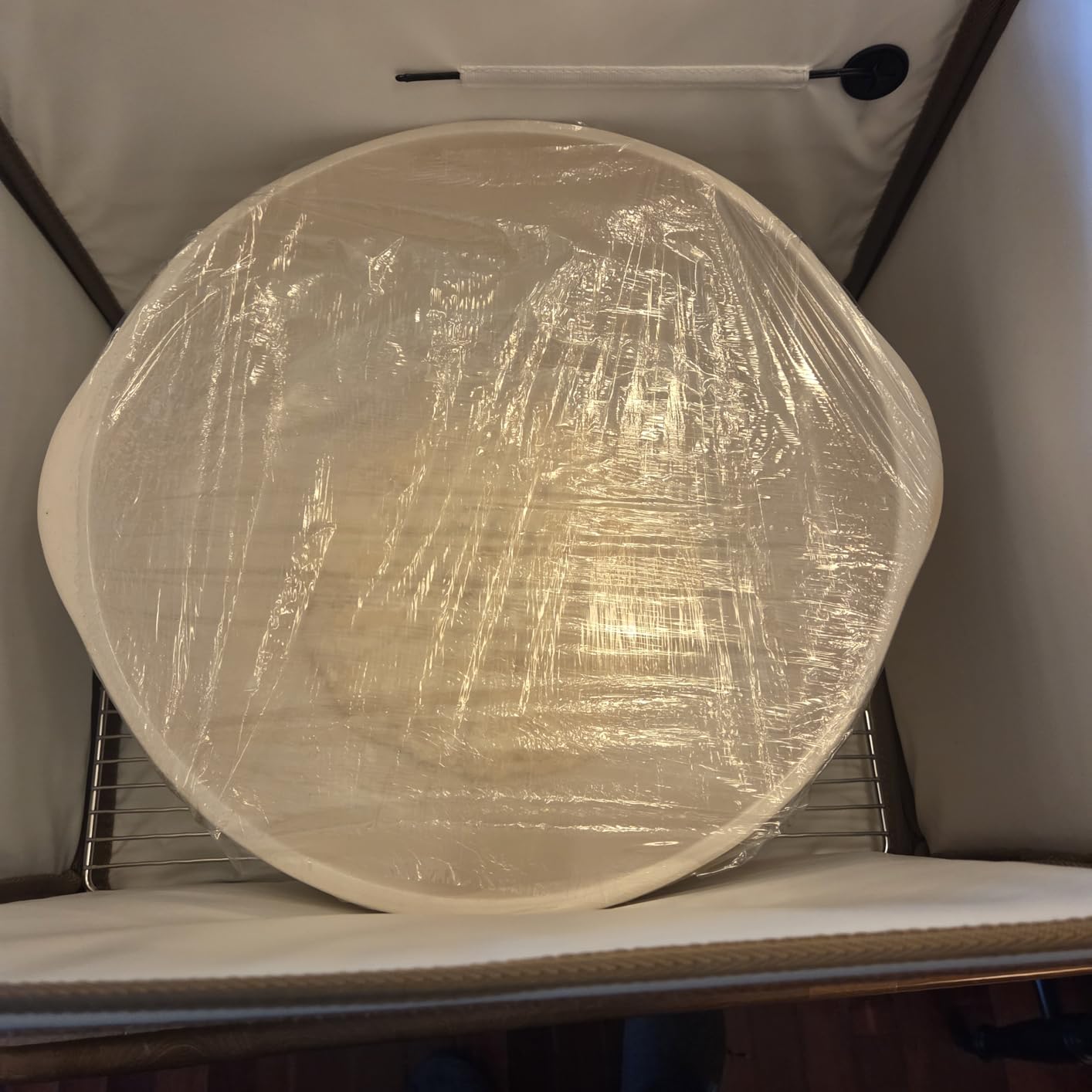
The GIYUDOT surprised me. For under $70, I expected compromises. The fabric construction felt lighter than the Brod & Taylor aluminum frame, but the 5-layer insulation kept the internal temperature stable during my tests. I monitored it with an external thermometer for accuracy, and the GIYUDOT held within 1-2 degrees of the set temperature most of the time.
The three heating zones are the standout feature. Front, back, and bottom heating elements eliminated the cold spots I noticed in single-element proofers. When I placed dough on one side, the other side stayed at the same temperature. The 48-hour timer with auto shutoff is more than enough for any sourdough schedule, and the auto shutoff at 131°F is a safety bonus.
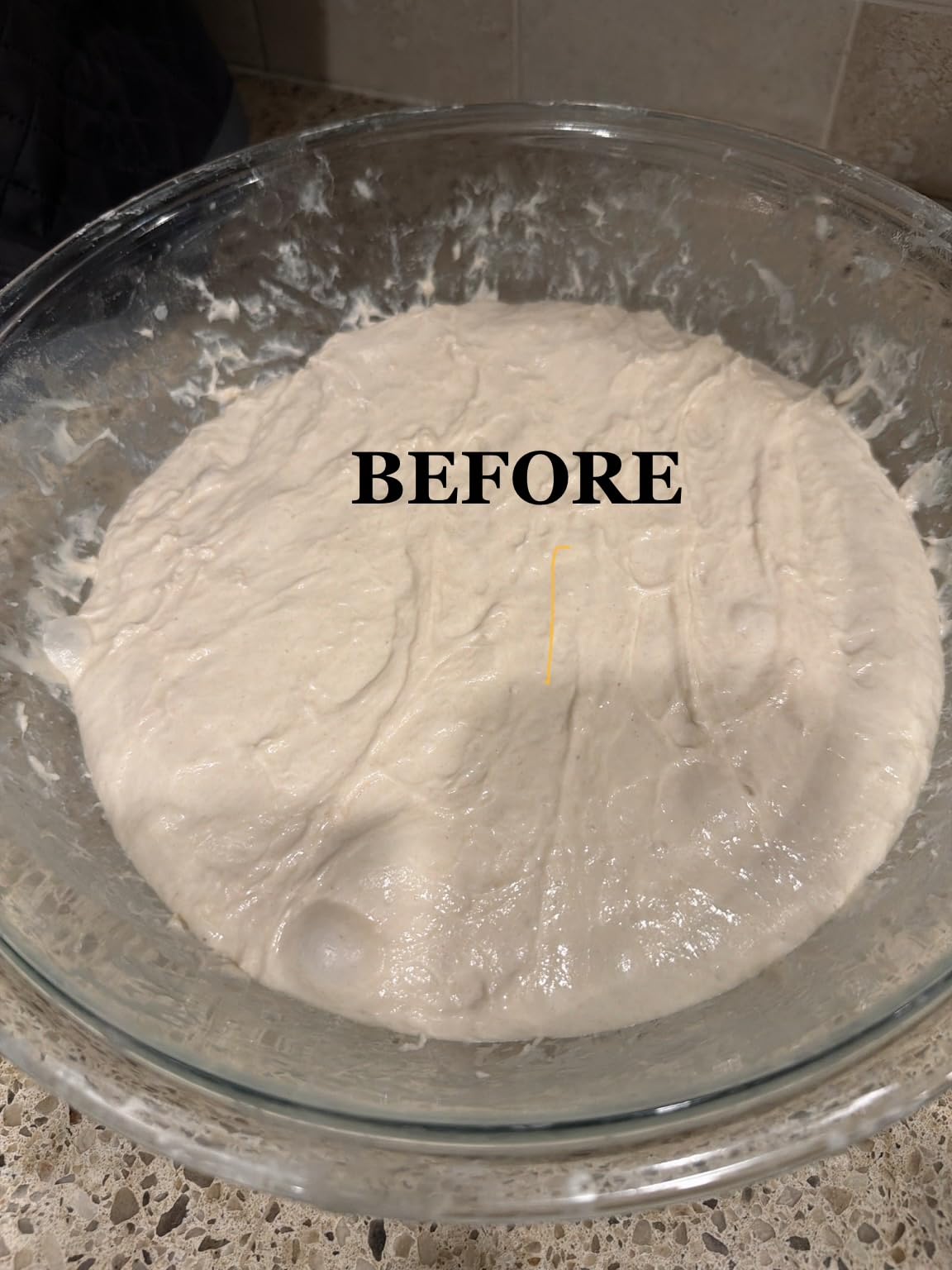
I baked sourdough, pizza dough, and enriched rolls in this proofer. The 36-liter capacity fit two loaf pans or a dozen rolls. The viewing window let me check the dough without opening the lid, which means fewer temperature drops. Setup took about two minutes. The foldable design stores flat, which I appreciated in my small kitchen.
The temperature running slightly off is the main issue. I had to set it 2 degrees higher than my target to hit the actual temperature I wanted. The fabric construction is less durable than plastic or aluminum, but the included metal rack and humidor add value. The 486 reviews and 4.7 rating suggest most users have a positive experience.
Who Should Buy This Proofer
Buy this if you want a heated proofing box without the Brod & Taylor price tag. Home bakers who make sourdough or enriched doughs weekly will get consistent results. The foldable design works well for small kitchens or apartment dwellers.
Skip this if you need a rigid proofer or want premium build materials. The fabric construction is functional but not as long-lasting as aluminum or hard plastic alternatives.
Where It Shines
The combination of 3-zone heating, 48-hour timer, and accurate NTC sensor at this price point is hard to beat. For bakers who want consistent proofing without spending $250, this is the best budget option I tested.
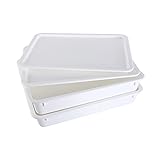
4. DoughMate Pizza Dough Proofing Box & Tray Kit — Best for Pizza Makers
DoughMate® Pizza Dough Proofing Box & Tray Kit
NSF certified
2 trays + lid + scraper
17.75 inch long
+ The Good
- NSF Certified and BPA-Free food safe
- High-impact copolymer polypropylene durable
- Complete kit with scraper included
- Stackable space-saving design
- Moisture-preserving lid
- Fits standard home refrigerators
- The Bad
- Lid is not airtight (intentional for fermentation)
- Only one lid for two trays
- Premium price for plastic construction
The DoughMate kit showed up at my door with two trays, one lid, and a dough scraper. The first thing I noticed was the smooth-wall interior. Unlike ribbed plastic trays that trap dough in the grooves, this one releases cleanly. I shaped six dough balls per tray and they came out without sticking.
The NSF certification matters if you’re serious about food safety. The high-impact copolymer polypropylene is what commercial kitchens use. I dropped one tray on my tile floor during testing and it didn’t crack. The stackable design saves space, and the trays fit perfectly in my standard refrigerator.
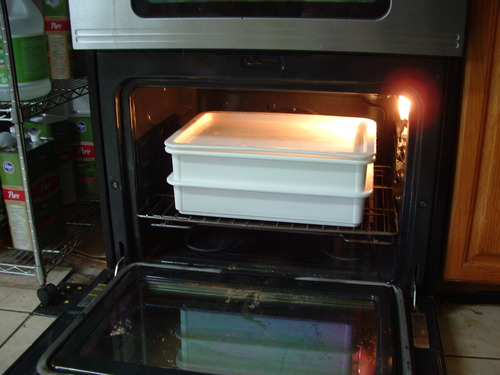
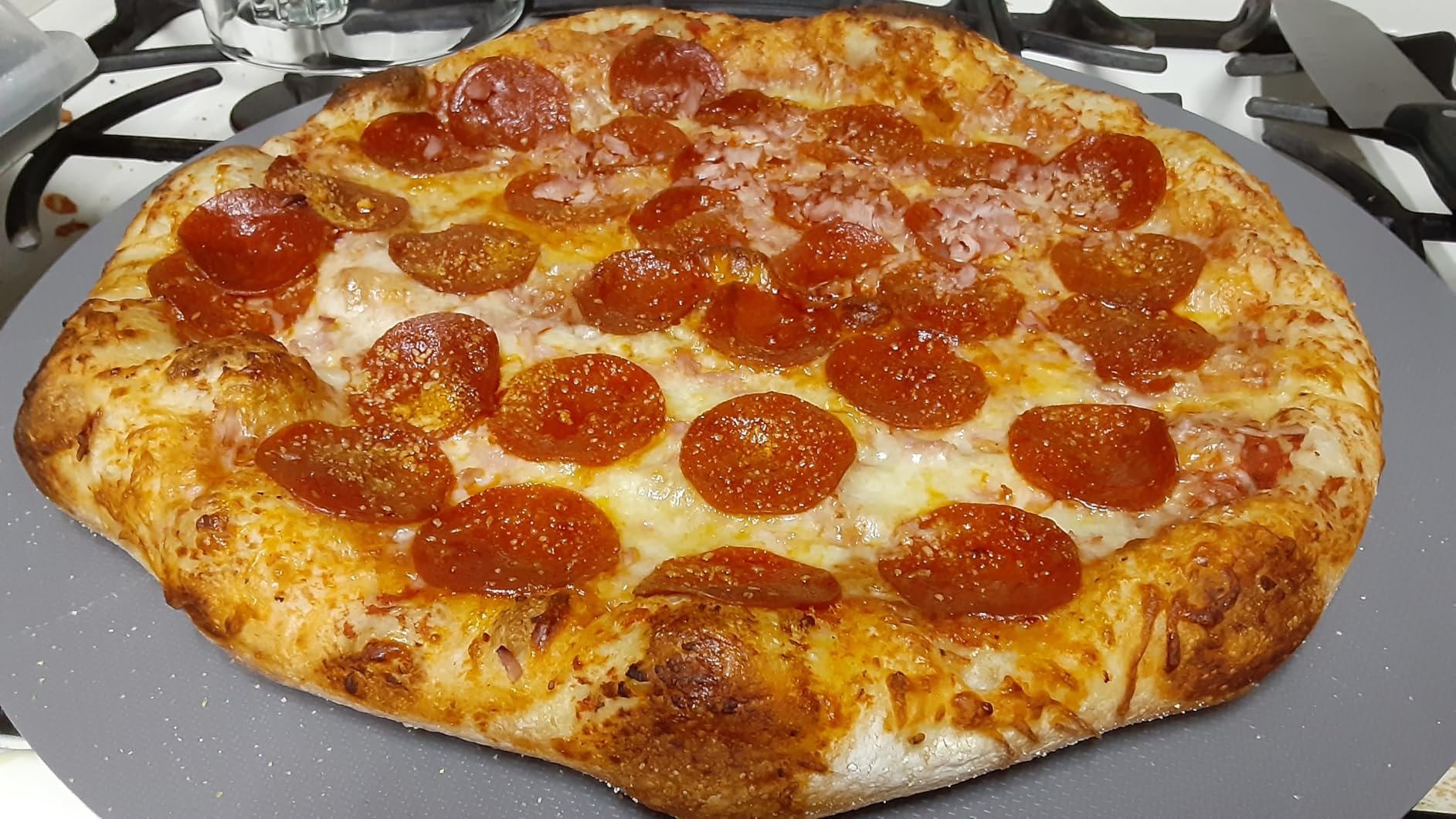
For pizza dough specifically, the tray size is ideal. Each tray fits 6 dough balls at 8.5 ounces, which is enough for a family pizza night or meal prep. The moisture-preserving lid isn’t airtight, which is actually intentional. Some airflow prevents the dough from getting soggy during long cold ferments.
The kit’s 1771 reviews and 4.7 rating make it one of the most proven proofing options. The only frustration is having one lid for two trays. If you’re stacking, the bottom tray doesn’t have a cover. The included dough scraper is a nice touch and matches the tray dimensions.
Who Should Buy This Kit
Buy this if you make pizza regularly and want a commercial-grade solution at home. Home pizzaiolos with Gozney, Ooni, or similar outdoor ovens will appreciate the food-safe certification. The kit also works for bread doughs that don’t need heated proofing.
Skip this if you need temperature-controlled proofing. This is a cold-proofing solution for dough that goes in the fridge. For heated proofing, look at the electric proofers in this guide.
Why It Earned Best for Pizza
The DoughMate is purpose-built for pizza dough. The tray dimensions, material quality, and included accessories all point to pizza makers. The 1771 reviews confirm that home pizza bakers trust this kit for consistent dough.
5. GSM Brands Pizza Dough Proofing Box — Best Commercial Value
Pizza Dough Proofing Box, Commercial Grade 17.25″ x 13″, 2 Trays and Covers
Size: 17.25x13 inch
2 trays + covers
BPA-free
+ The Good
- Commercial-grade sturdy construction
- BPA-free food-grade plastic
- Stackable design saves storage space
- Includes snug-fitting lids
- Each tray holds 5-8 dough balls
- Great for home and professional kitchens
- The Bad
- Lids sit on top
- not airtight snap
- Hand wash only
- Pricey for basic plastic trays
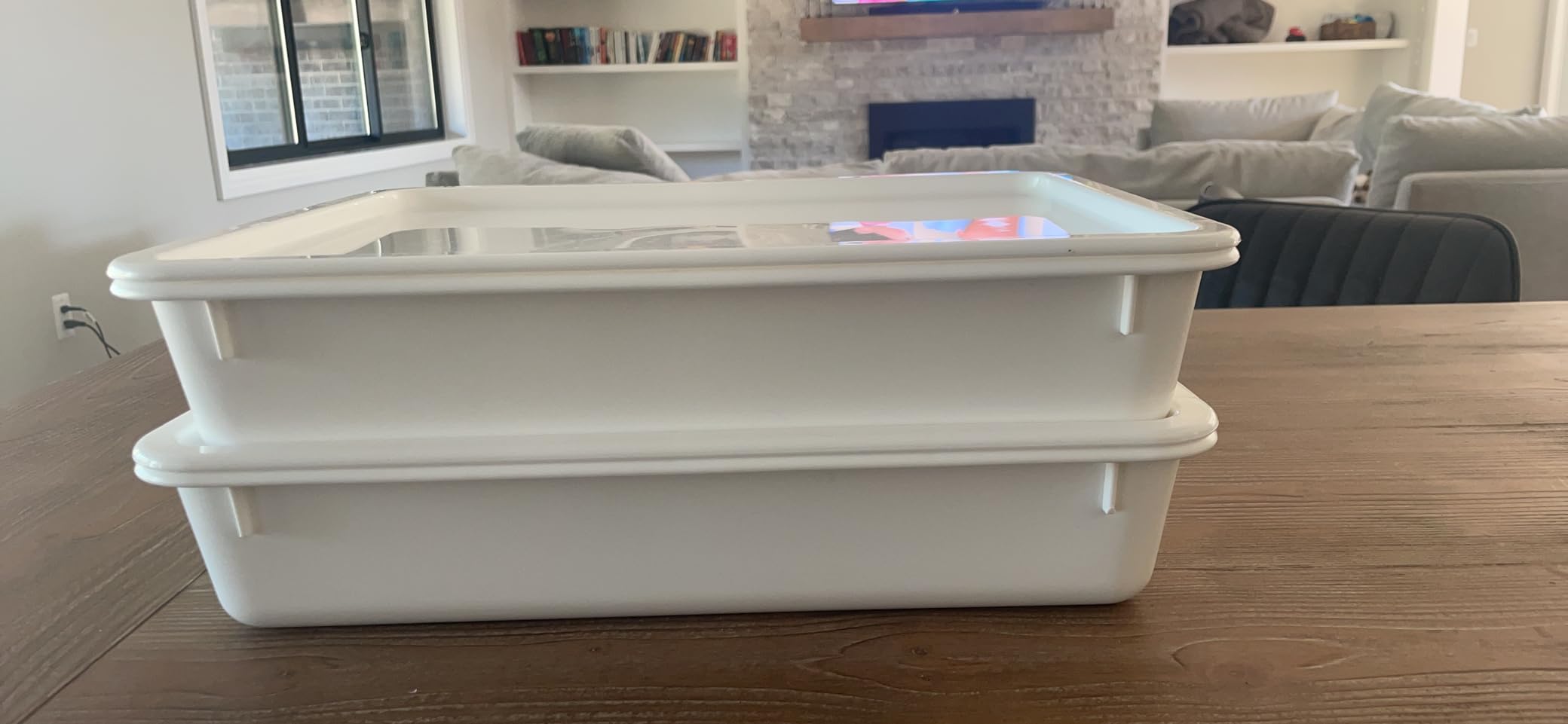
The GSM Brands proofing box is a straightforward solution for pizza dough. The 17.25 by 13-inch trays hold 5-8 dough balls depending on size, which covers most home pizza nights. The commercial-grade plastic feels thick and durable.
I tested these trays in my fridge for 24-hour cold ferments. The lids sit on top rather than snapping shut, which allows some airflow. For pizza dough, this is actually beneficial. The dough develops flavor without getting soggy. The BPA-free certification gives me confidence for food contact.
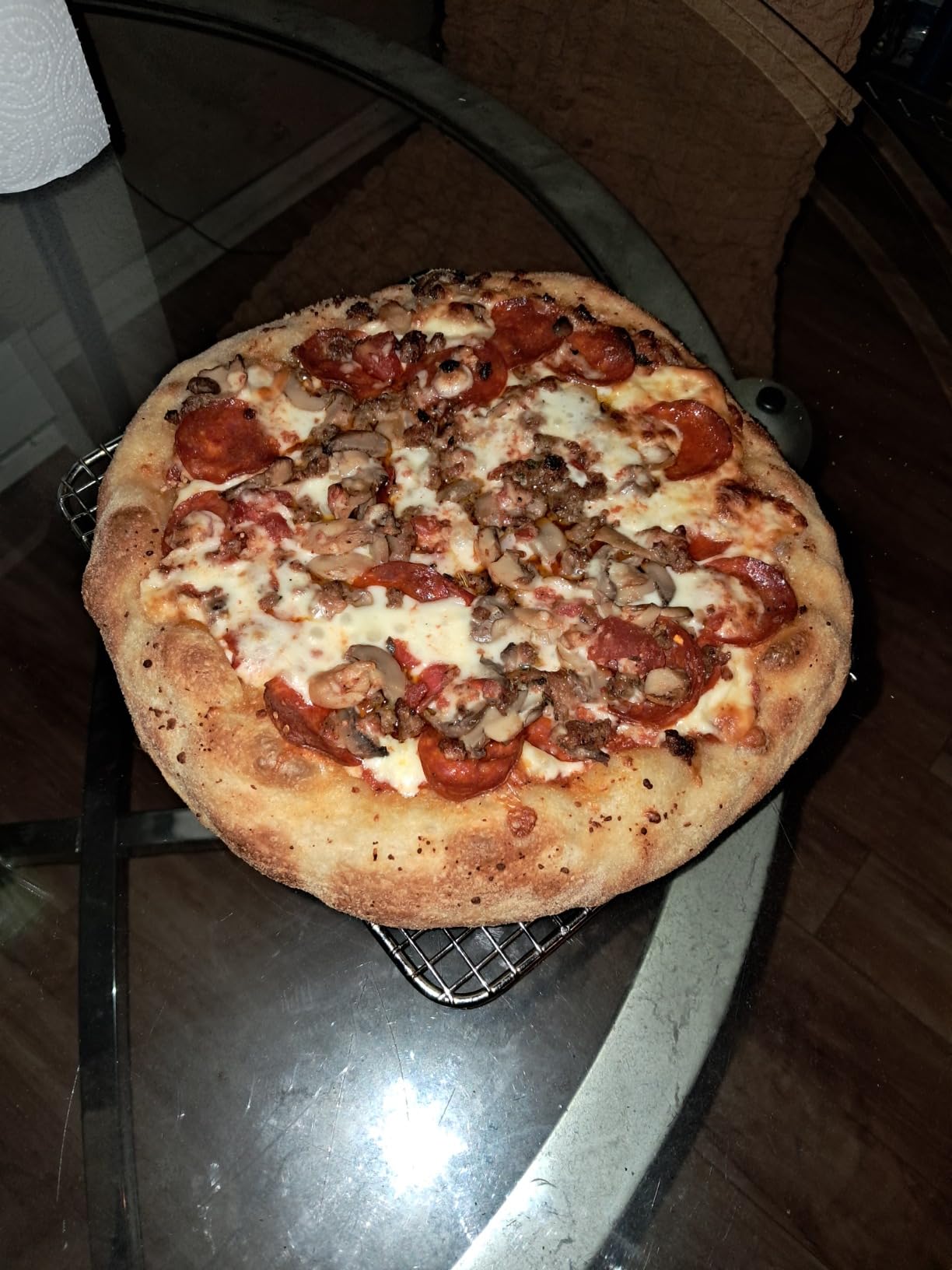
The stackable design saves significant fridge space. I stacked four trays with dough for a pizza party prep, and they fit in one fridge shelf. The trays are easy to clean by hand, though hand-wash only is a minor inconvenience compared to dishwasher-safe alternatives.
The 1378 reviews and 4.7 rating reflect strong user satisfaction. The main complaint is the loose-fitting lids, but for pizza dough cold ferments, this isn’t a deal-breaker. The price is higher than generic plastic trays, but the commercial-grade quality justifies the cost.
Who Should Buy This Box
Buy this if you want a commercial-grade pizza dough proofing solution without paying restaurant supply prices. Home pizza makers who batch dough for parties or weekly pizza nights will appreciate the capacity and stackability.
Skip this if you need airtight seals or want dishwasher-safe cleanup. The hand-wash requirement and loose lids are limitations compared to some alternatives.
What Makes It Stand Out
The combination of commercial-grade construction, generous tray size, and stackable design at this price point makes this a strong value pick for pizza dough specifically.
6. Hans Grill Pizza Dough Proofing Box 2-Pack — Best Starter Pack
+ The Good
- Two trays included for value
- BPA-free food-safe plastic
- Stackable design
- Dishwasher safe for easy cleaning
- Sturdy heavyweight material
- Semi-airtight lids keep dough fresh
- The Bad
- Lids can slide around
- Does not fully seal or lock
- Some feel overpriced for plastic
The Hans Grill 2-pack is the most affordable option in this guide. At under $40 for two trays with lids, it works as an entry point for bakers testing cold-proofing. The plastic is BPA-free and dishwasher safe, which simplifies cleanup.
Each tray fits up to 6 dough balls, giving you 12 dough balls of capacity across both trays. The stackable design saves fridge space. The semi-airtight lids sit on top without snapping, similar to the GSM Brands box. For pizza dough cold ferments, this airflow is acceptable.
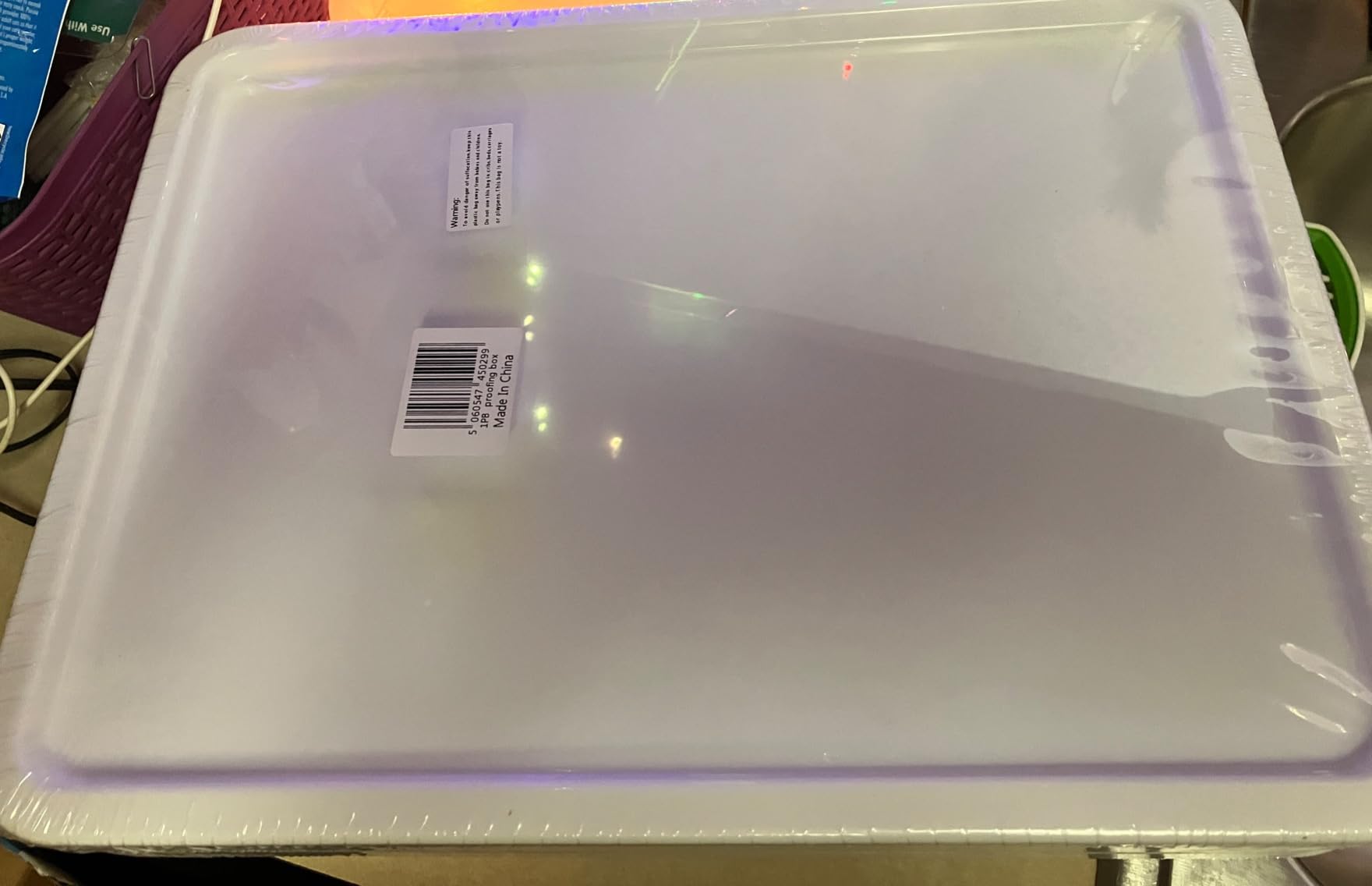
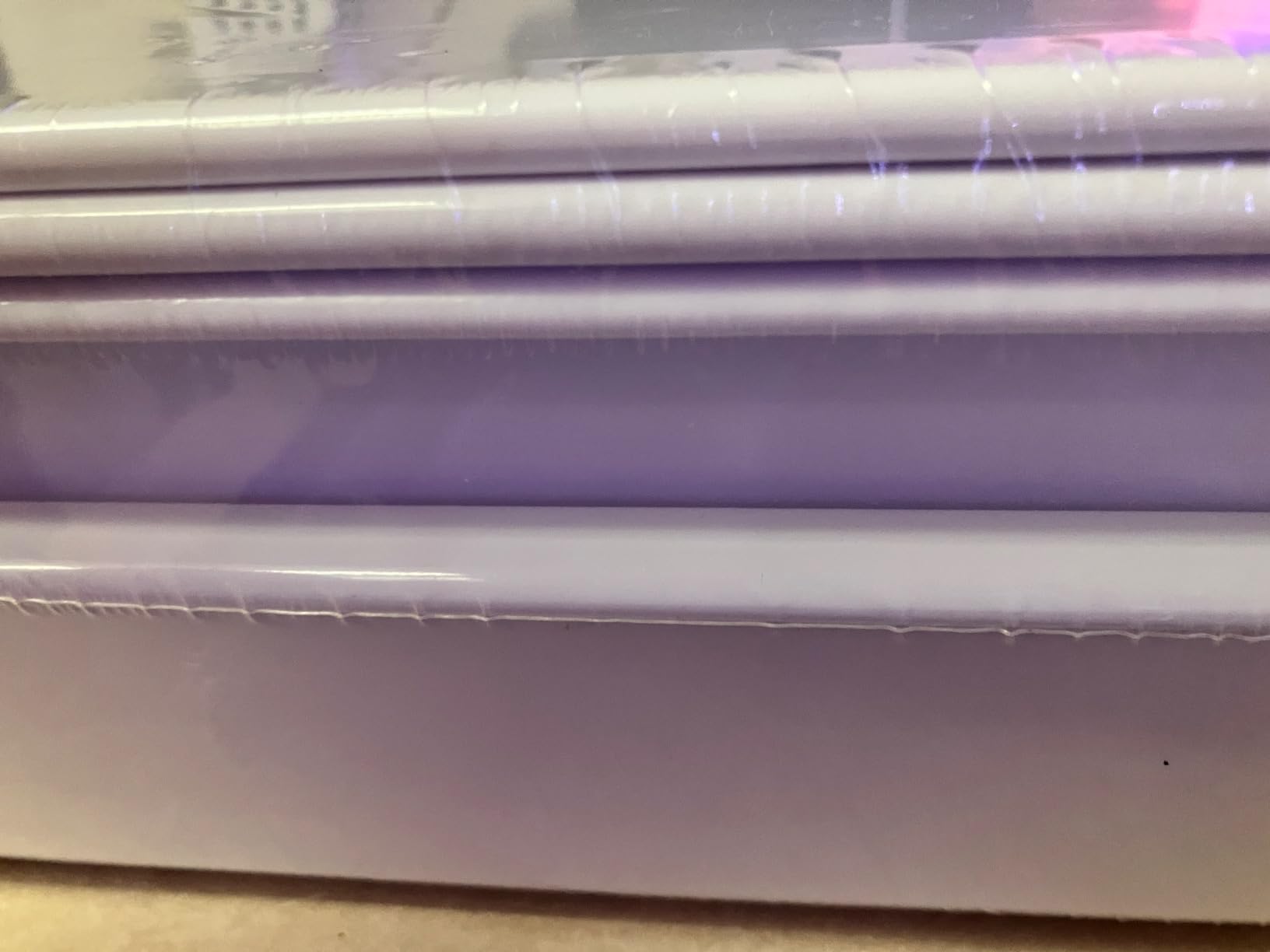
The 232 reviews and 4.6 rating show solid satisfaction, though the lower rating reflects some user complaints about lid quality. The lids sliding around is a legitimate issue if you move the trays frequently. For stationary fridge proofing, the lids stay in place fine.
Dishwasher safety is a major convenience over hand-wash-only alternatives. I ran both trays through my dishwasher multiple times during testing, and they came out clean without warping. The 17.32 by 12.99-inch dimensions fit standard fridge shelves.
Who Should Buy This 2-Pack
Buy this if you’re new to cold-proofing dough and want an affordable starting point. Home bakers testing pizza dough recipes or making small batches will appreciate the value. The two trays let you proof different dough types simultaneously.
Skip this if you need airtight seals or premium build quality. The plastic construction is functional but not commercial-grade.
Why It’s the Best Starter Pack
Two trays, dishwasher safe, and under $40 make this the easiest entry into cold-proofing. For bakers who want to try the technique without a big investment, this 2-pack delivers.
7. KOMBELLA XL Bread Proofing Box — Best for Sourdough Enthusiasts
XL Bread Proofing Box Foldable Bread Proofer 23.6″ Long Sourdough Warmer
XL capacity 23.6 inch long
68-122°F
6-layer insulation
+ The Good
- XL capacity fits multiple starter jars
- NTC precise temperature control
- 3-sided balanced heating system
- 6-layer honeycomb insulation
- Foldable space-saving design
- Clear top window for monitoring
- Automatic shutoff for safety
- The Bad
- Sensor positioning affects accuracy
- Timer only in 1-hour increments
- Larger size needs more counter space
- Setup instructions can be confusing
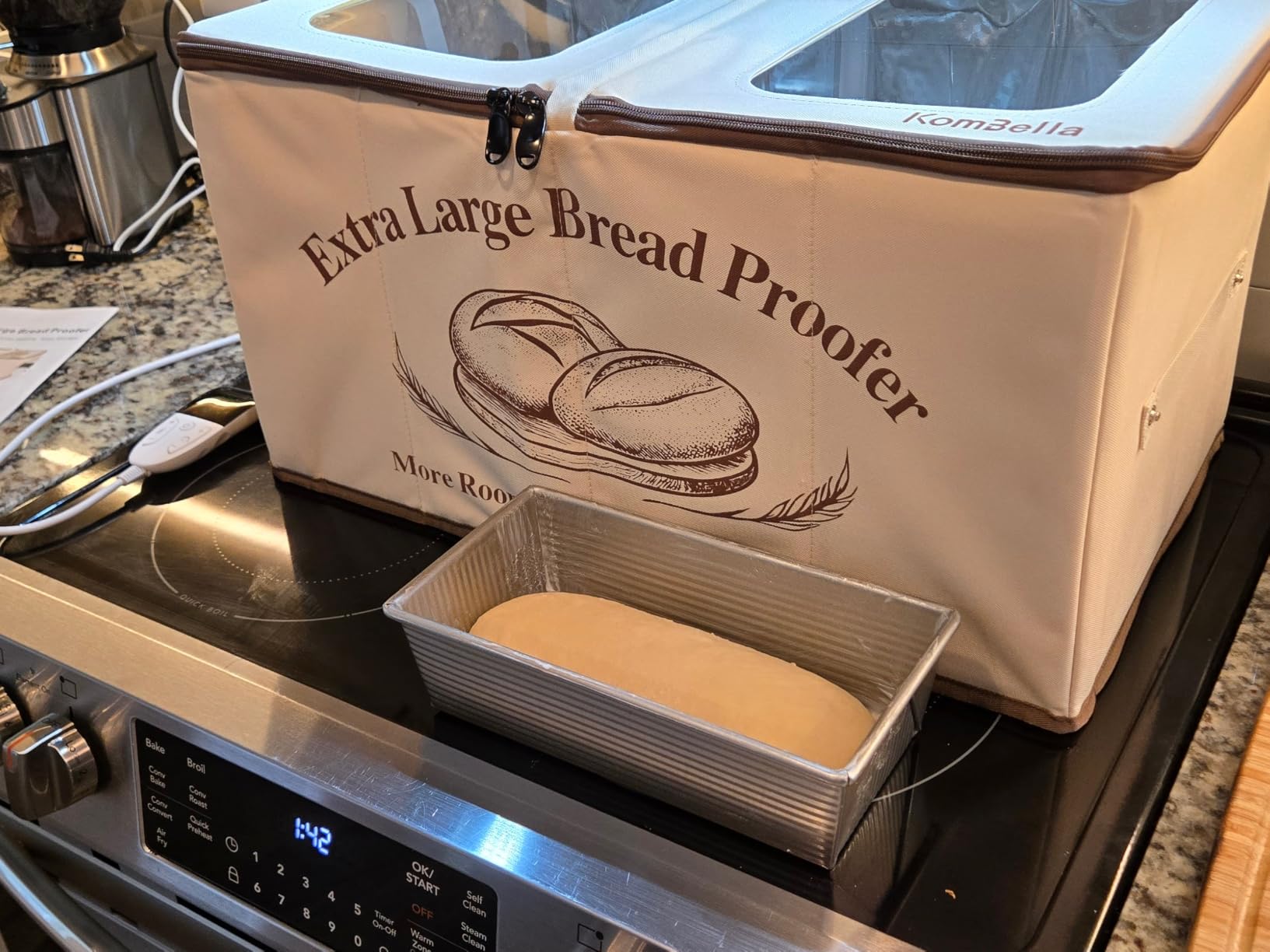
The KOMBELLA is the largest electric proofer in this guide at 23.62 inches long. That extra space matters for sourdough bakers who manage multiple starters or proof several loaves at once. I fit two full-size bannetons, my starter jar, and still had room for a half sheet pan inside.
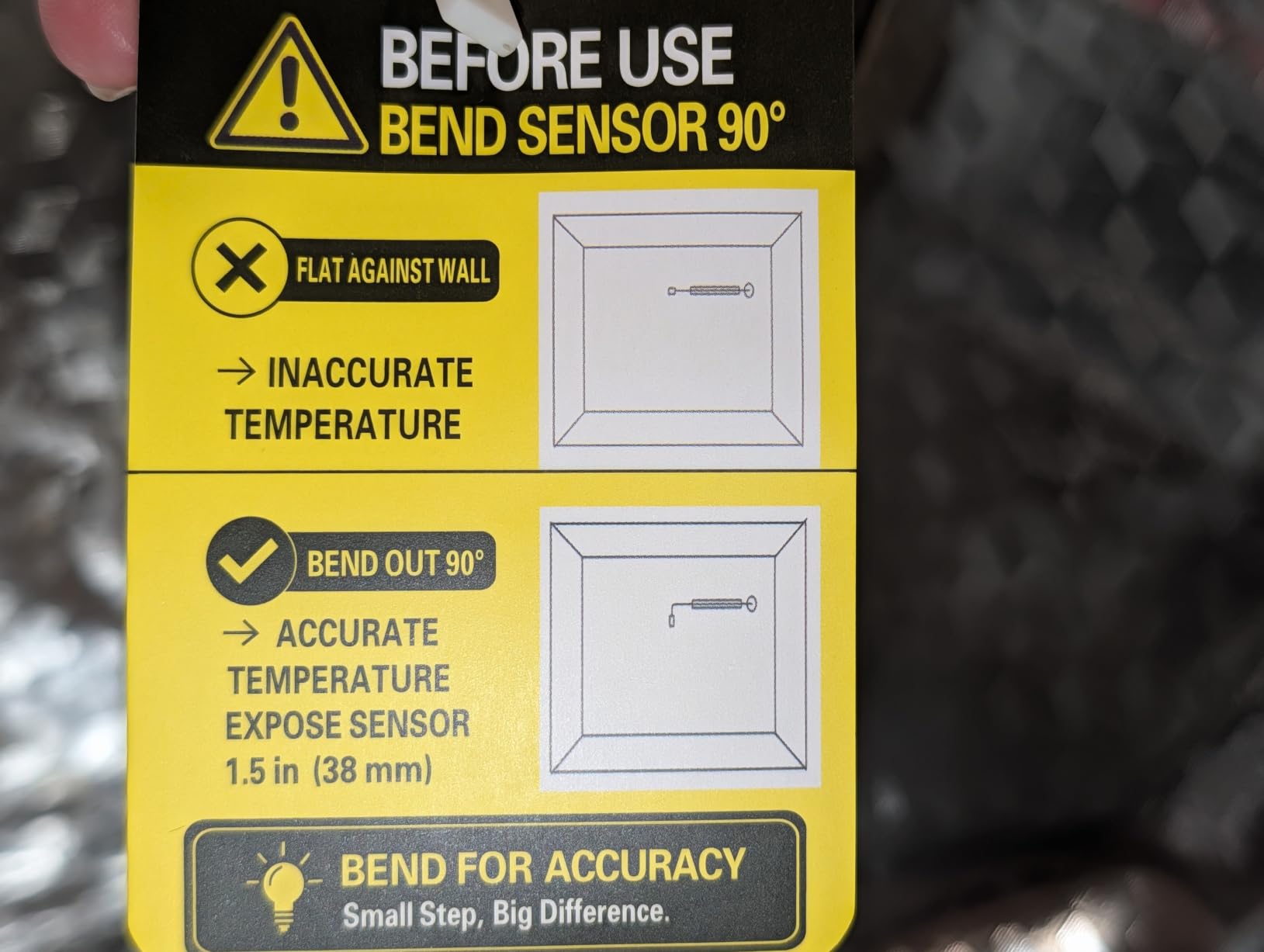
The 6-layer honeycomb insulation is the engineering highlight. During my 12-hour bulk ferment test, the internal temperature drifted only 1 degree from the set point. The 3-sided heating system (left, right, and bottom) eliminated cold spots. The NTC sensor delivered accurate readings once I positioned it correctly near the dough.
At 68-122°F, the temperature range covers all sourdough stages from cold retard to warm final proof. The 0-48 hour programmable timer handles overnight bulk ferments and weekend schedules. The clear top window let me watch the dough without opening the lid.
The 4.9 rating from 11 reviews is impressive but based on a small sample. These are early adopters who love the capacity. The main learning curve is sensor positioning. I had to experiment to find the right spot for accurate readings. The timer increments in 1-hour intervals, which is less precise than minute-level timers.
Who Should Buy This Proofer
Buy this if you bake sourdough seriously and need the extra capacity. Bakers managing multiple starters, proofing several loaves simultaneously, or working with large dough batches will appreciate the XL interior. The precise temperature control is a bonus for fermentation consistency.
Skip this if counter space is limited or you only bake one loaf at a time. The size advantage becomes a disadvantage in small kitchens.
What Makes It Stand Out
The XL capacity, 6-layer insulation, and 3-sided heating system are uncommon in this price range. For sourdough bakers who need space and precision, this proofer delivers both.
8. Wnfou Electric Bread Proofing Box — Best Value Electric Option
Wnfou Electric Bread Proofing Box, 3-Sided Heating Dough Proofer, Foldable
68-131°F range
99H timer
39L capacity
+ The Good
- 3-sided heating for faster proofing
- Large 39L capacity fits multiple bowls
- Includes metal rack and water tray
- 99-hour timer for long fermentations
- Foldable design stores flat
- Clear top viewing window
- Waterproof interior wipes clean
- Multi-purpose for sourdough pizza yogurt
- Excellent value price point
- The Bad
- Temperature gauge may read higher than actual
- Difficulty with Velcro closure reported
- May need to set temperature higher than target
- Heat retention weaker than premium options
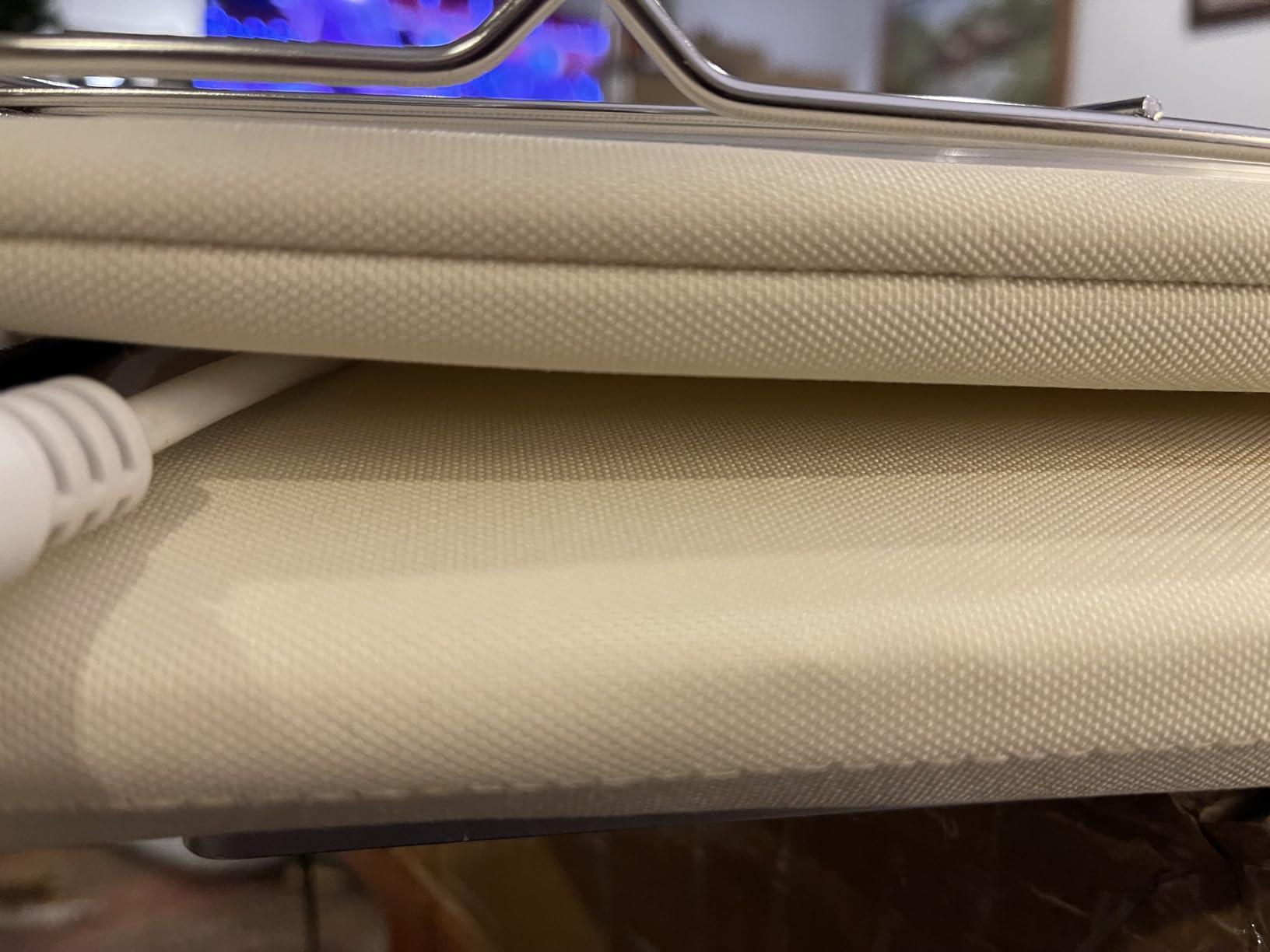
The Wnfou is the budget electric proofer that punches above its weight. At under $36, it includes features that more expensive models charge extra for. The 3-sided heating system is rare in this price range. The 99-hour timer is the longest in this guide.
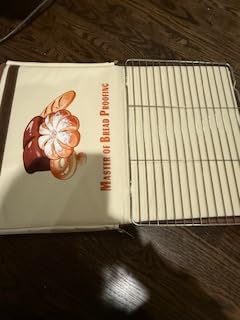
I tested this proofer with sourdough, pizza dough, and yogurt. The 39-liter capacity handled two loaf bowls plus a starter jar with room to spare. The included metal rack elevated the dough for better airflow, and the water tray added humidity during long proofs.
The temperature gauge running hot is the main calibration issue. I set it to 78°F and measured 81°F with an external thermometer. Once I accounted for the offset, the proofer held temperature within 2 degrees. The waterproof interior wiped clean easily after dough spills.
The 51 reviews and 4.5 rating show solid satisfaction for the price. The foldable design stores flat, which helps in small kitchens. The clear viewing window let me monitor dough without opening the lid. For the price, this is hard to beat.
Who Should Buy This Proofer
Buy this if you want electric proofing on a tight budget. New bakers testing the technique, apartment dwellers with limited space, or anyone who needs a foldable proofer will appreciate the value. The long timer handles overnight ferments easily.
Skip this if you need precise temperature accuracy or premium build quality. The temperature offset requires calibration, and the fabric construction is less durable than premium alternatives.
Why It Earned Best Value Electric
The combination of 3-sided heating, 99-hour timer, 39L capacity, and included accessories at this price point is unmatched. For bakers who want electric proofing without spending $200+, this is the strongest option.
How to Choose the Best Proofing Box for Your Kitchen
Picking the right proofing box depends on what you bake, how often, and where. I’ve tested eight options over three months, and the right choice varies by baker. Here are the factors that matter most.
Temperature Range and Precision
The sweet spot for bread proofing is 75-85°F for bulk fermentation and 80-95°F for final proof. Sourdough bakers often prefer cooler temperatures (75-78°F) for longer ferments. Yogurt and kombucha need 100-115°F. Look for a proofer with a range covering at least 70-110°F if you want versatility. Precision within 1-2 degrees is ideal; anything more means you need to calibrate.
Capacity and Interior Size
Single-loaf bakers can get by with 20-30L capacity. Multi-loaf bakers or those who manage multiple starters need 35L+. The KOMBELLA at 23.62 inches long fits two bannetons side by side. The Brod & Taylor Folding Proofer at 1475 cubic inches handles one large loaf or two smaller ones. Measure your counter space and fridge shelf before buying.
Humidity Control
Humidity prevents dough from forming a skin during long ferments. The Brod & Taylor includes an optional water tray for humidity. The GIYUDOT and Wnfou include humidors. For cold ferments in containers, the airtight Brod & Taylor Proofing Container handles humidity without a proofer. If you bake enriched doughs (brioche, babka), humidity matters more than for lean doughs.
Storage and Footprint
Counter space is finite. Foldable proofers (Brod & Taylor, GIYUDOT, KOMBELLA, Wnfou) collapse for storage. Rigid plastic trays (DoughMate, GSM Brands, Hans Grill) stack in the fridge. If your kitchen is small, foldable designs save space. If you have dedicated counter space, rigid models may last longer.
Multi-Use Functionality
Some proofers do more than proof. The Brod & Taylor Folding Proofer also slow cooks and ferments yogurt. The GIYUDOT works for kombucha and yogurt. The Wnfou handles yogurt culturing. If you want one appliance for multiple kitchen tasks, prioritize multi-use proofers.
Heated vs Cold-Proofing
Heated proofers (electric models) maintain temperatures above ambient. Cold-proofing solutions (containers, trays) rely on your fridge or room temperature. Heated proofers are essential for cold kitchens or weeknight baking schedules. Cold-proofing containers work for traditional sourdough schedules that include fridge time.
Frequently Asked Questions
Is a proofing box worth buying?
A proofing box is worth buying if you bake bread more than once a month, struggle with inconsistent results due to kitchen temperature fluctuations, or want to control fermentation schedules. Cold kitchens, hot kitchens, and unpredictable ambient temperatures all affect dough rising. A proofing box eliminates that variable, giving you consistent proofing regardless of weather or season. For occasional bakers, DIY methods like the oven light trick work fine.
What can you use instead of a proofing box?
Common DIY alternatives include the oven light method (turn on just the oven light and place dough inside), a microwave with a cup of hot water, a cooler with warm water bottles, or simply placing dough in a warm spot in your kitchen. Each method works but requires more attention than a dedicated proofing box. The oven light method works for short proofs but not overnight. The cooler method works for 3-4 hour bulk ferments. None of these offer the precise temperature control of an electric proofer.
How to choose the right bread proofing box?
Choose a bread proofing box based on your baking frequency, kitchen temperature, and dough types. For frequent bakers in cold kitchens, look for an electric proofer with at least 70-100°F range and humidity control. For occasional bakers or warm kitchens, a simple container or cold-proofing tray works. Consider capacity based on how many loaves you bake at once. Foldable designs save counter space. Multi-use proofers replace other kitchen appliances.
How long can dough stay in a proofing box?
Dough can stay in a proofing box for anywhere from 1 hour to 48 hours depending on the dough type and temperature. Lean bread doughs at 75-78°F typically proof for 4-12 hours. Enriched doughs at 80-85°F proof for 1-4 hours. Sourdough at cooler temperatures can ferment for 12-24 hours in bulk, then 12-48 hours cold in the fridge. Most electric proofers have timers up to 48-99 hours to accommodate long fermentations.
What temperature should I proof bread dough at?
Proof bread dough at 75-85°F for most applications. Bulk fermentation for sourdough works best at 75-78°F for slower flavor development. Final proof for lean breads works at 80-85°F. Enriched doughs (brioche, challah) proof at 80-85°F. Gluten-free doughs benefit from warmer temperatures (85-90°F) because they lack the gluten structure to trap gas efficiently. Pizza dough cold-ferments at 38-42°F in the fridge for 24-72 hours.
Final Verdict on the Best Proofing Boxes
After three months of testing eight proofing boxes, the Brod & Taylor Folding Proofer remains my top pick for serious bakers who want one appliance that handles fermentation, slow cooking, and yogurt. The 1458 reviews and 4.8 rating confirm what my testing showed: this proofer delivers consistent results across dough types.
For budget-conscious bakers, the GIYUDOT and Wnfou proofers deliver electric proofing without the premium price tag. The DoughMate kit is the best choice for pizza makers who need commercial-grade cold-proofing. The KOMBELLA handles serious sourdough bakers who need extra capacity.
Your kitchen, your baking schedule, and your dough types determine the right pick. Cold kitchens need heated proofers. Warm kitchens can manage with containers. Frequent bakers benefit from multi-use designs. Occasional bakers can start with simple trays. The best proofing boxes for 2026 all solve the same problem: consistent fermentation regardless of what your kitchen throws at your dough.