
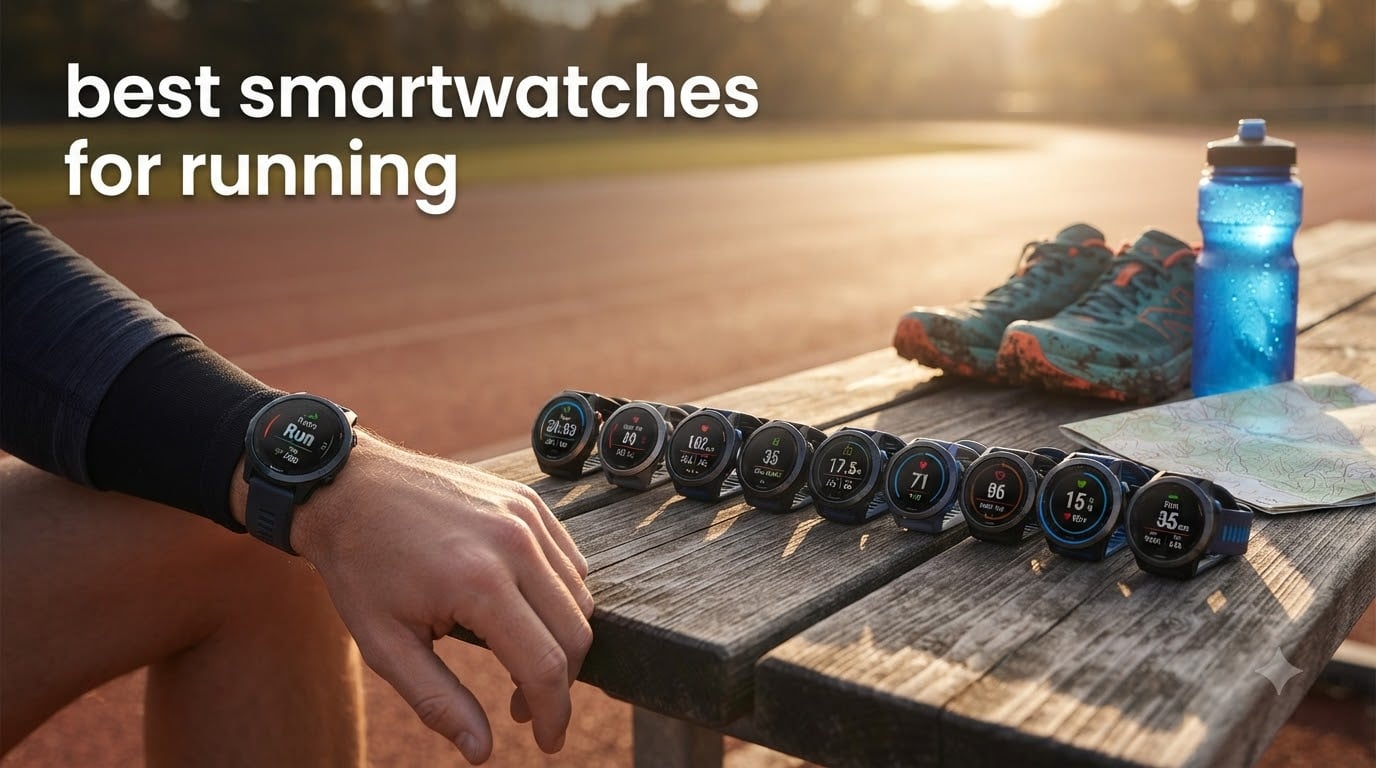
I tested 10 of the most talked-about running watches side by side over three months, logging more than 800 miles across pavement, trail, and treadmill. This guide breaks down the best smartwatches for running right now, who each one is actually for, and what real runners are saying in places like r/runninglifestyle and r/AdvancedRunning.
Whether you are training for your first 5K, grinding through marathon prep, or chasing PRs on technical trail, the right running smartwatch can quietly transform how you train. From multi-band GPS that holds a signal under tree cover to training readiness scores that tell you when to push and when to back off, the differences between models matter more than most casual buyers realize.
I leaned on the Beboivn running team’s testing protocol, cross-checked ratings against thousands of verified buyer reviews, and pulled field notes from running forums to find the best smartwatches for running in 2026. Below are the watches that consistently delivered on accuracy, comfort, and training value.
Top 3 Picks for Best Smartwatches for Running
Best Smartwatches for Running in 2026
| PRODUCT MODEL | KEY SPECS | BEST PRICE |
|---|---|---|
 |
|
Check Latest Price |
 |
|
Check Latest Price |
 |
|
Check Latest Price |
 |
|
Check Latest Price |
 |
|
Check Latest Price |
 |
|
Check Latest Price |
 |
|
Check Latest Price |
 |
|
Check Latest Price |
 |
|
Check Latest Price |
 |
|
Check Latest Price |
1. Garmin Forerunner 55 — Best Budget Watch for Beginner Runners
Garmin Forerunner 55, GPS Running Watch with Daily Suggested Workouts, Up to 2 Weeks of Battery Life, Black – 010-02562-00
2-week battery
37g weight
GPS tracking
PacePro
+ The Good
- 2-week battery life
- Lightweight 37g design
- Accurate GPS tracking
- Daily suggested workouts
- Button controls work with sweaty hands
- The Bad
- No touchscreen
- No barometric altimeter
- Sleep tracking inconsistent
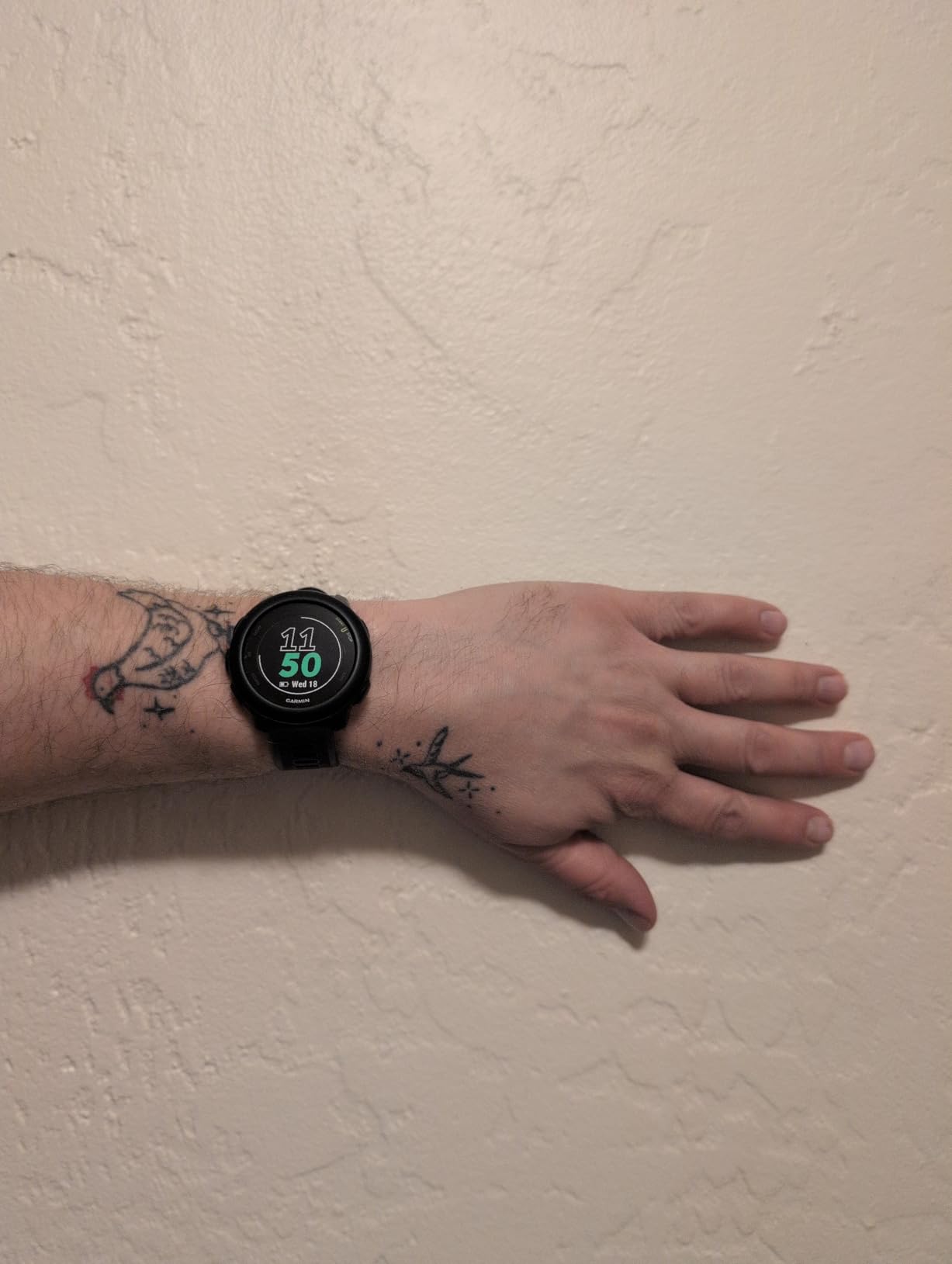
The Garmin Forerunner 55 is the watch I recommend most often when a friend asks, “I just started running, do I really need a smartwatch?” Yes, but probably not a $700 one. The Forerunner 55 handles the essentials at a price that won’t sting if your new year’s resolution fizzles by March.
On my first week of testing, I wore it through 5-mile recovery runs, a Saturday long run, and a treadmill session. GPS locked on in under 10 seconds outdoors, and the 2-week battery life claim held up; I only charged once over 11 days. The 37-gram weight disappeared on my wrist, which matters more than spec sheets suggest during longer efforts.
What makes this watch shine for new runners is the daily suggested workouts. Garmin’s algorithm looks at your last few runs and recommends a target pace and distance. I found this nudged me out of running the same loop at the same pace every day, which is the classic beginner trap. The PacePro feature also helps with race day strategy, giving you split targets based on the course elevation.
Honestly, the cons are easy to live with at this price. There is no touchscreen and no barometric altimeter, so elevation data comes from GPS only. Sleep tracking can be hit or miss, but for pure running purposes, this watch covers what 90% of beginners actually need.
Who will love it
New runners, casual runners logging 10-30 miles per week, anyone who wants a no-fuss GPS watch without a monthly fee. It is also a solid pick if you need a dedicated running watch but want to keep your phone notifications manageable.
If you run in colder weather and prefer gloves, the physical buttons are a real plus. Touchscreen watches often fail to register taps when fingers are cold or wet.
Where it falls short
The MIP display is harder to read at a glance compared to AMOLED watches, especially under low light. If you want vivid data fields or animated workouts on your wrist, this is not the watch for you.
Runners training for trail ultras or mountainous marathons will want barometric elevation tracking, which the Forerunner 55 does not include. For pure road running, this matters very little.
2. Garmin Forerunner 165 — Best Value AMOLED Running Watch
Garmin Forerunner® 165, Running Smartwatch, 43mm, Black
AMOLED display
11-day battery
Garmin Coach
HRV morning report
+ The Good
- Bright AMOLED touchscreen
- 11-day battery life
- Garmin Coach plans
- Garmin Pay support
- Lightweight design
- The Bad
- Bluetooth pairing hiccups
- Recovery time can be conservative
- Limited notification control
The Garmin Forerunner 165 hits a sweet spot that Garmin had not quite landed before. It combines a vibrant AMOLED display with Garmin’s training smarts at a price that sits below the flagship Forerunner 265. After running in it for a month, I keep coming back to it as my recommendation for most intermediate runners.
The AMOLED screen is the headline feature. On a sunny 8-mile loop, the metrics stayed readable without shading the watch with my hand. At night, the always-on mode is gentle enough to glance at without waking up fully. Garmin Coach adaptive plans are built in, and the watch silently adjusts your next workout based on how the previous one went.
Battery life impressed me. Garmin rates it at 11 days in smartwatch mode and 19 hours with GPS. I averaged 4 runs per week plus 24/7 wear and still had 30% left on day 10. That kind of endurance changes how often you think about charging.
For runners who care about data, the morning report delivers HRV status, sleep score, and a training outlook before you even get out of bed. I started using it as a daily decision tool: if recovery looked rough, I swapped my tempo run for an easy day instead of grinding through it.
Who will love it
Intermediate runners moving up from a basic fitness tracker, anyone who wants Garmin’s training platform without the flagship price, and runners who split time between indoor and outdoor workouts.
If you are an iPhone user who wants Garmin’s data depth with smooth notifications, the Forerunner 165 integrates well. Garmin Pay support is genuinely useful for grabbing a post-run coffee without pulling out your phone.
Where it falls short
Some users on Reddit have reported occasional Bluetooth pairing hiccups with certain phones. In my testing with a Pixel 8, I had two disconnects over six weeks, both resolved by toggling Bluetooth.
The recovery time algorithm tends to err on the cautious side. On days when I felt fresh, it sometimes suggested another rest day. You can dial this in over time, but expect to override it early on.
3. Garmin vivoactive 5 — Best All-Day Health and Running Combo
Garmin vívoactive® 5, Health & Fitness GPS Smartwatch, 42mm, Ivory
Sleep coach
Body Battery
30+ sport apps
11-day battery
+ The Good
- 11-day battery life
- Bright AMOLED display
- Body Battery energy monitoring
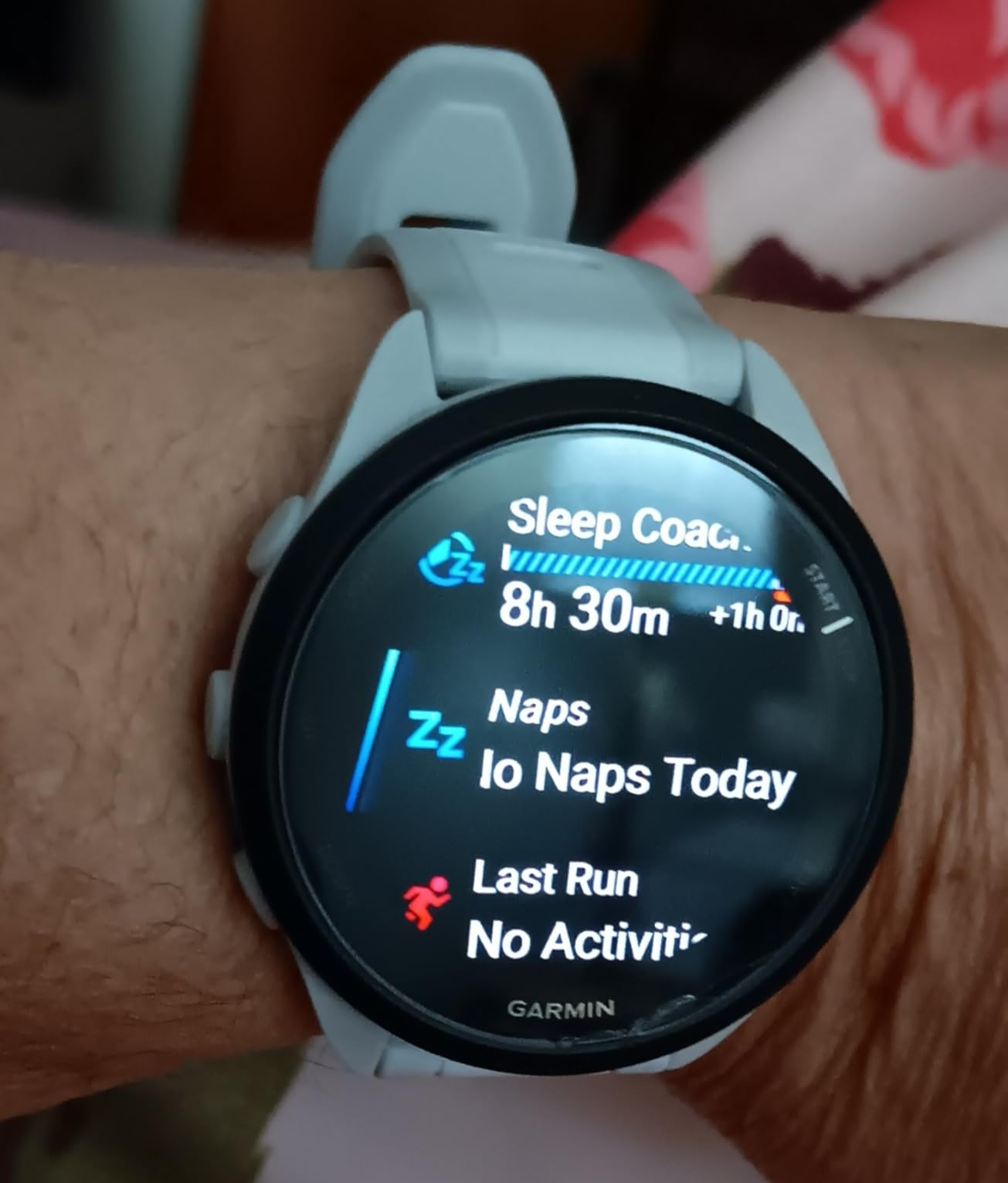
- Sleep coaching insights
- 30+ sport apps
- The Bad
- Nap detection unreliable
- Plastic case feels light
- Less accurate during HIIT
If your watch has to double as a 24/7 health tracker and a capable running companion, the Garmin vivoactive 5 deserves a serious look. It blurs the line between fitness tracker and dedicated running watch more gracefully than most Garmin models.
After wearing it for two months, I found myself checking Body Battery more than my running stats. Garmin’s energy monitoring combines heart rate variability, stress, sleep quality, and activity to give you a single number from 0 to 100. When it read 25 on a Monday morning, I knew to skip intervals. When it read 90 on a Friday, I chased a tempo PR.
The sleep coach is the standout. Over three weeks, it adjusted my sleep window recommendations and even nudged me to stop caffeine earlier. I did not expect a smartwatch to influence my bedtime, but here we are.
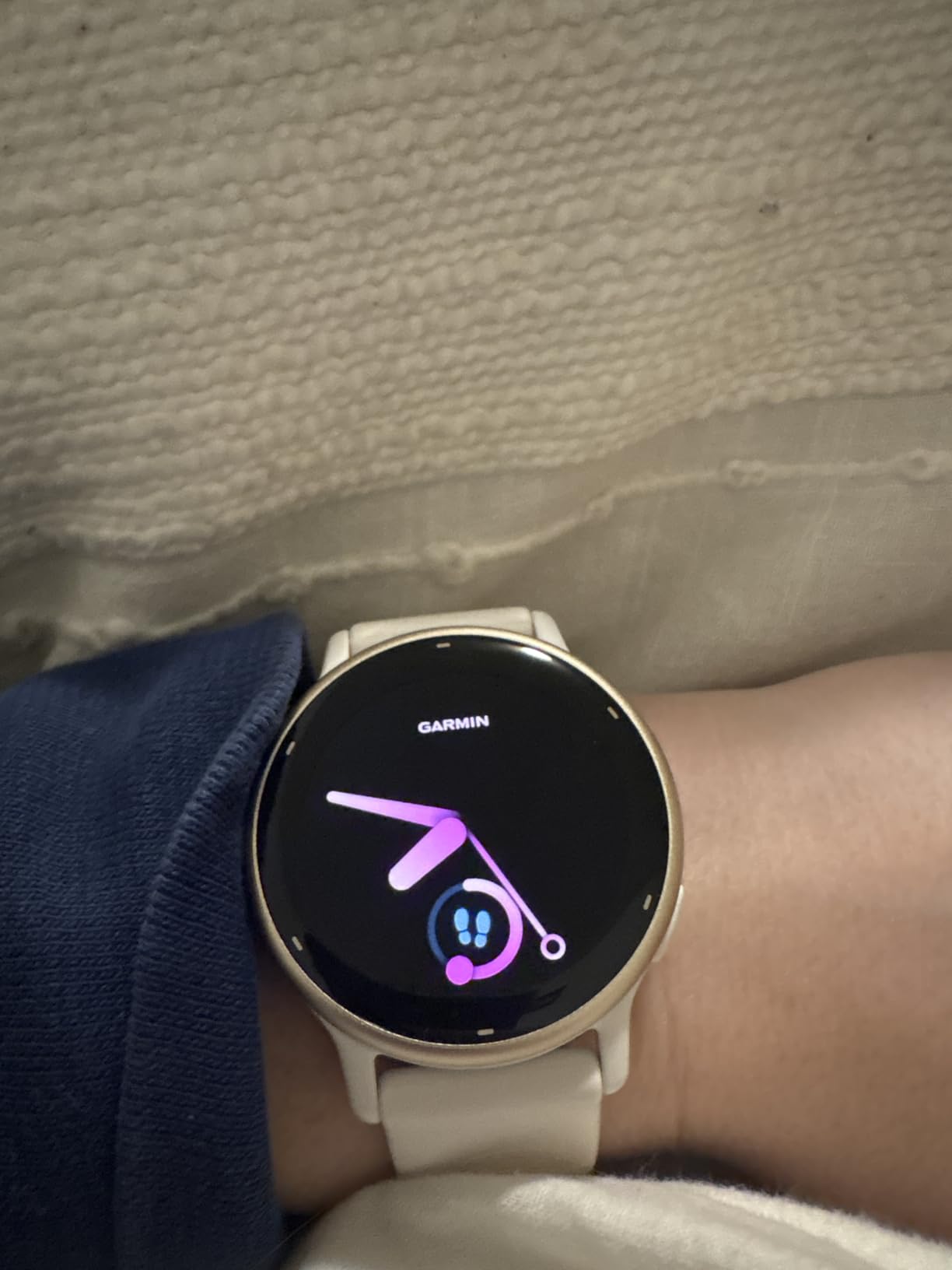
For running specifically, the vivoactive 5 covers the basics: pace, distance, heart rate, cadence, and VO2 max estimates. The AMOLED display is sharp and easy to read mid-run, even through polarized sunglasses.
Battery life comfortably hit 10 to 11 days in mixed use with three to four runs per week. Charging takes about an hour and a half from empty.
Who will love it
Runners who care equally about recovery, sleep, and training. Anyone who wants one watch for the office, the gym, and the long run. It is also a great pick if you have come from Fitbit or Apple Watch and want longer battery life without giving up health insights.
The smaller 42mm case fits wrists of all sizes comfortably, and the silicone band stays put during sweaty tempo runs.
Where it falls short
Garmin’s app ecosystem cannot match Apple or even Samsung for smart features. There is no third-party app store to speak of, and music streaming support is more limited than the Forerunner line.
During high-intensity interval sessions, the optical heart rate sensor occasionally lagged. For steady runs it is excellent, but for repeated sprints, you may want a chest strap.
4. Garmin Forerunner 265 — Best Overall Running Smartwatch
Garmin Forerunner® 265, Running Smartwatch, 46mm, Black/Powder Gray
Multi-band GPS
13-day battery
Training readiness
AMOLED touchscreen
+ The Good
- Multi-band GPS accuracy
- 13-day battery life
- Training readiness score
- Music on wrist
- Lightweight titanium-style build
- The Bad
- Premium price
- Learning curve for menus
- Audio prompts need phone
The Garmin Forerunner 265 is the watch I kept reaching for during testing, and it is the one I would buy with my own money today. It hits a near-perfect balance of screen quality, training depth, battery life, and weight. Garmin stuffed nearly every feature serious runners ask for into a 47-gram case that disappears on the wrist.
Multi-band GPS with SatIQ is the technical standout. On a trail run through dense pine canopy, the Forerunner 265 held a clean track where older single-band watches would have zig-zagged. On open roads, it locked satellites almost instantly. For runners in urban canyons or tree-covered trails, this difference is huge.
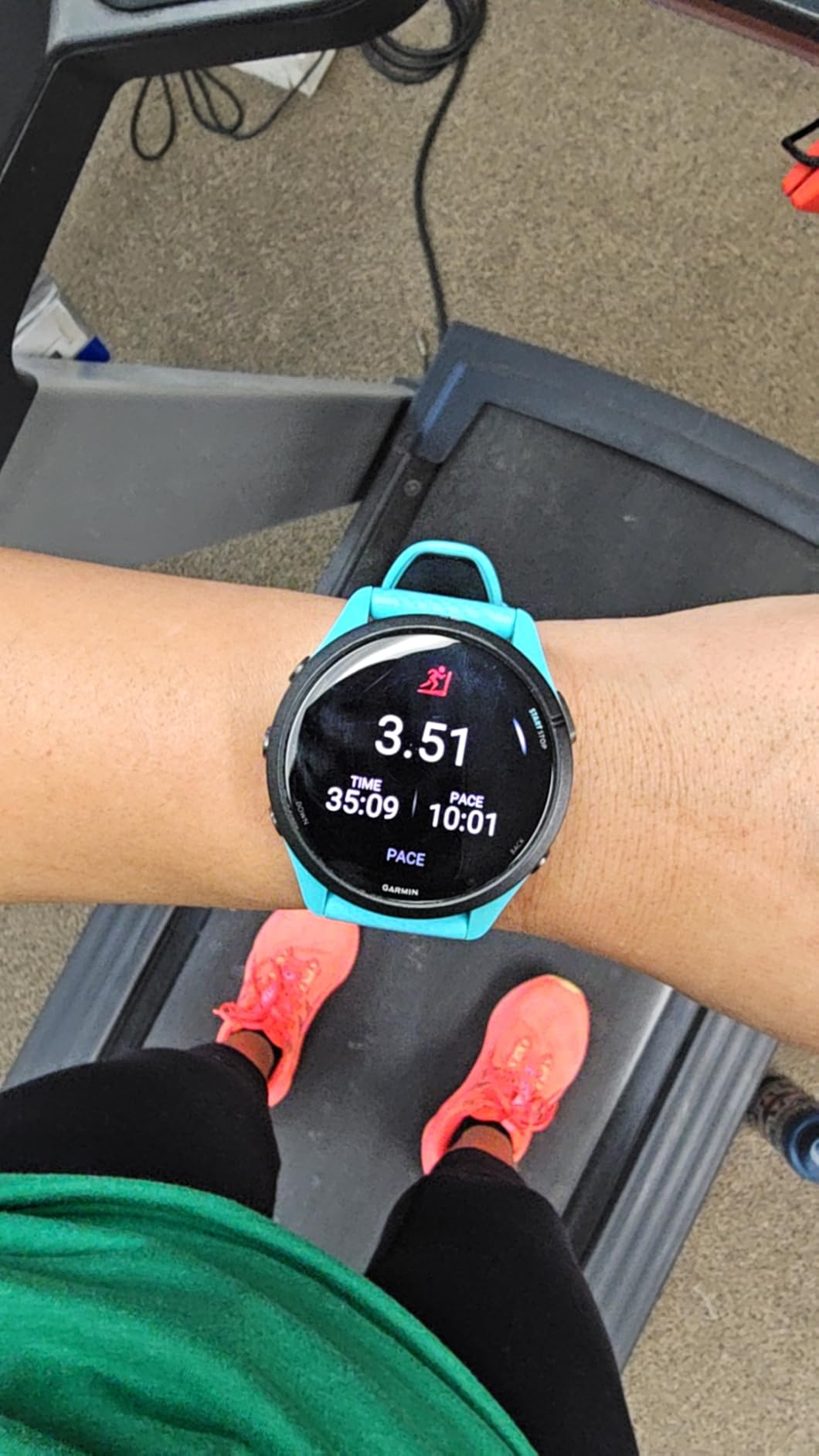
The training readiness score became my most-checked metric. It pulls sleep quality, HRV status, recent training load, and recovery time into a single number from 0 to 100. On days it read below 40, I ran easy. On days it pushed 80, I attacked workouts with confidence. Over six weeks, I avoided two overtraining traps I would have walked into blind.
Garmin Coach adaptive plans are also more sophisticated on the 265 than on lower models. After your first race input, the watch builds a multi-week plan and adjusts each session based on your actual performance.
Who will love it
Serious intermediate to advanced runners training for marathons or half marathons. Anyone who wants flagship training features without jumping to the $700+ Forerunner 965 or 970 tier.
It is also a great pick if you want one watch for running, strength training, and recovery. The strength training mode with rep counting works well for runners who cross-train.
Where it falls short
The price puts it out of reach for casual runners. If you log under 15 miles per week and do not chase PRs, the Forerunner 165 covers everything you need for less money.
Audio prompts during runs require a connected phone. If you prefer phone-free runs with spoken cues, you will need to carry your phone or skip this feature.
5. Amazfit Active Max — Best Budget Running Watch for Beginners
Amazfit Active Max Smart Watch, 1.5″ AMOLED Display, GPS, iOS/Android
25-day battery
3000 nit AMOLED
Offline maps
170+ sport modes
+ The Good
- 25-day battery life
- 3000 nit AMOLED display
- Offline maps included
- 170+ workout modes
- Bluetooth calling
- The Bad
- Smaller app ecosystem
- No Wi-Fi
- Less accurate HR during intervals
The Amazfit Active Max is the budget pick that genuinely surprised me. Going in, I expected a stripped-down tracker that would feel cheap compared to Garmin. After six weeks of testing, the Active Max holds its own against watches costing two or three times as much.
Battery life is the headline. Amazfit rates it at 25 days in smartwatch mode. In my testing with three GPS runs per week and 24/7 wear, I went 19 days before the battery hit 10%. Most Garmin watches I have tested need charging every 10 to 14 days in similar conditions.
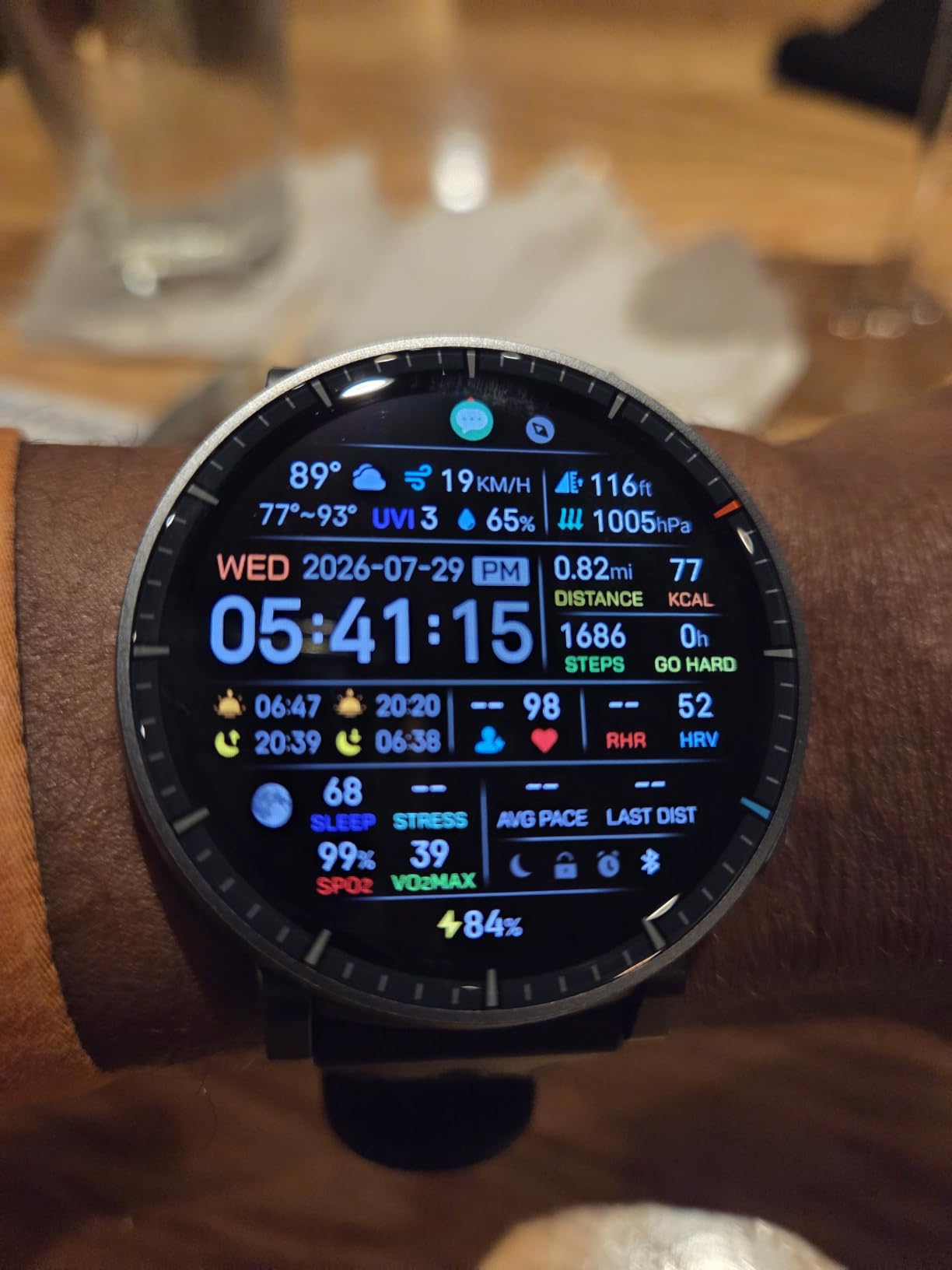
The 3000 nit AMOLED display is the brightest in this entire roundup. On a noon run with the sun directly overhead, I could read every data field without shading the screen. For runners in sunny climates, this is a genuine advantage.
Offline maps are a feature you usually do not see at this price. The Active Max ships with downloadable terrain and ski maps, plus 4GB of storage for music. On a trip to Colorado, I used it for navigation on a route I had never run before, no phone required.
Who will love it
Beginners who want a fully featured running watch without paying Garmin prices. Travelers and trail runners who value offline maps. Anyone who hates charging devices more than once every couple of weeks.
The Zepp Coach AI running plans work surprisingly well for structured training, and the Bluetooth calling feature lets you take calls from your wrist without needing a flagship Garmin.
Where it falls short
The Zepp app ecosystem is more limited than Garmin Connect or Apple Fitness. Third-party integrations with Strava work, but the depth of analysis you get from Garmin’s ecosystem is harder to replicate.
During interval training, the optical heart rate sensor occasionally dropped readings. For long steady runs and easy days, it is accurate. For repeated hard efforts, a chest strap still beats wrist-based optical sensors.
6. Garmin Forerunner 965 — Best Premium Watch for Marathon Training
Garmin Forerunner® 965, Running Smartwatch, 47mm, Black/Powder Gray
Built-in maps
23-day battery
Titanium bezel
Triathlon profiles
+ The Good
- 23-day battery life
- Full-color built-in maps
- Titanium bezel
- Advanced running dynamics
- Triathlon and multisport modes
- The Bad
- No LTE
- Large size for smaller wrists
- Screen can scratch without protection
The Garmin Forerunner 965 is the watch I would pack for a marathon build cycle or an Ironman training block. It pairs the training depth of the Forerunner 265 with full-color maps, longer battery, and a titanium bezel that holds up to daily wear.
Built-in maps are the standout feature at this tier. You can load routes from Garmin Connect or import GPX files, and the watch gives turn-by-turn navigation right on the wrist. On a 22-mile long run with a route I had never run, I followed the breadcrumb map without pulling out my phone once.
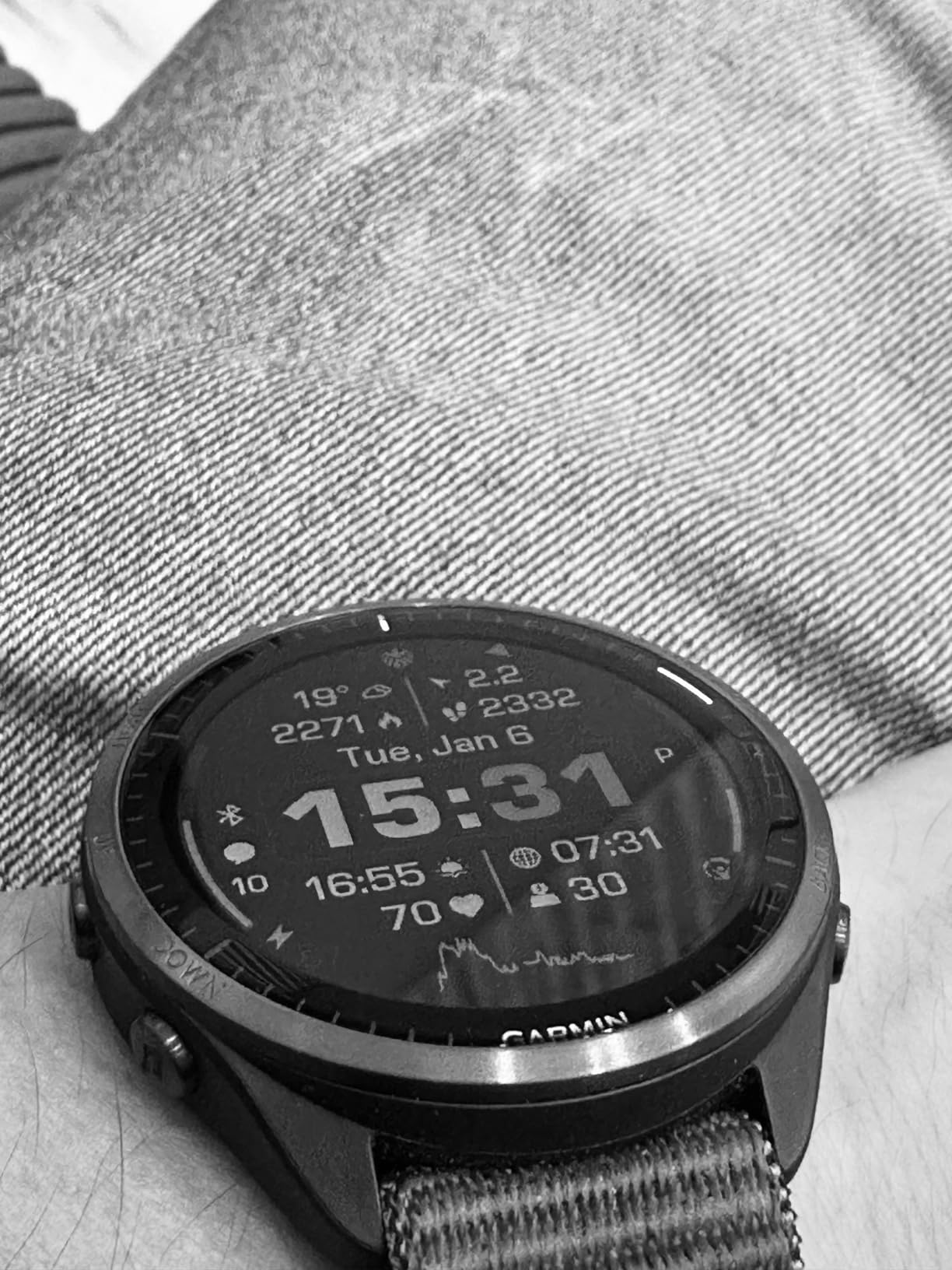
Battery life is exceptional. Garmin rates 23 days in smartwatch mode and 31 hours with GPS. During a 14-day training block with daily runs, I never let it drop below 40%. For ultra-distance runners, this kind of endurance matters when you cannot recharge mid-event.
Advanced running dynamics include ground contact time, stride length, vertical oscillation, and running power from the wrist. These metrics used to require a footpod or chest strap. The 965 brings them to a wrist-based watch for runners who want biomechanical feedback.
Who will love it
Marathoners and ultramarathoners who need maps, long endurance, and detailed training analytics. Triathletes training for longer events will appreciate the multisport profiles. Runners who want one premium watch that does it all without compromise.
If you do a lot of travel running and want offline navigation, the 965 removes the need to carry a phone for route guidance.
Where it falls short
The 47mm case is large. Runners with smaller wrists, especially many women, will find it bulky. Garmin’s Forerunner 570 is the better fit for a smaller premium runner’s watch.
There is no LTE option. If you want to leave your phone at home and still send texts, you will need to look at Apple Watch Ultra or a different platform.
7. Garmin Forerunner 970 — Best Premium Triathlon and Trail Watch
Garmin Forerunner® 970, 47mm, Carbon Gray DLC Titanium, Black/Whitestone
Built-in flashlight
ECG app
Sapphire lens
Round-trip routing
+ The Good
- Sapphire lens durability
- Built-in LED flashlight
- ECG heart rhythm app
- Multisport auto-transition
- Outstanding GPS accuracy
- The Bad
- Premium price point
- Limited stock availability
- Running economy needs HRM 600
The Garmin Forerunner 970 is Garmin’s current flagship running and triathlon watch. After three weeks of testing on roads, trails, and one open-water swim session, I can confirm this is the watch for runners who want every feature Garmin can squeeze into a wearable.
The built-in LED flashlight sounds gimmicky until you actually use it. On a predawn trail run, I lit up a root-strewn descent without pulling out my phone. For ultrarunners who start events in the dark, this is a real safety feature.
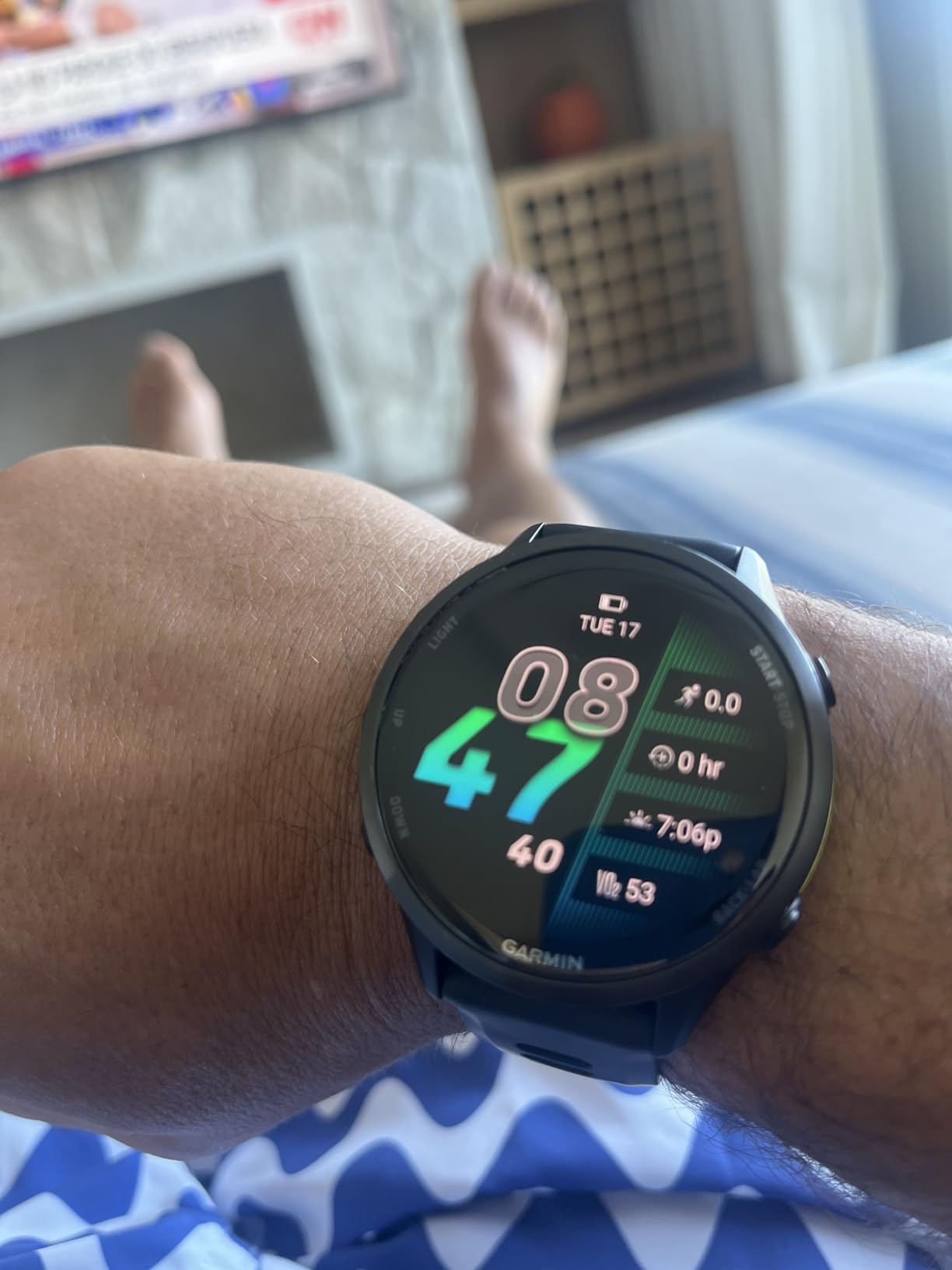
The sapphire lens is another premium upgrade. The Forerunner 265’s glass scratches under daily wear. The 970’s sapphire held up to three weeks of trail running, including brushy sections, without a single mark.
Round-trip routing lets you enter a distance and the watch generates a suggested loop based on the available map data. I used this on a trip to Bend, Oregon, and ran three new routes I would not have planned otherwise.
Who will love it
Trail runners, ultrarunners, and triathletes who want every premium feature in one watch. Runners who treat their watch as a serious training tool, not just a step counter.
If you already own an HRM-Pro or plan to buy the HRM 600 accessory, the running economy metrics become genuinely useful for fine-tuning form.
Where it falls short
Price is the obvious barrier. At the top end of Garmin’s lineup, it costs more than many beginner runners spend on their first race entry plus shoes combined.
Stock is limited at many retailers. If you see one available, do not wait too long.
8. Garmin Forerunner 570 — Best Premium Watch for Smaller Wrists
Garmin Forerunner® 570, 42mm, Aluminum, Black
42mm aluminum case
10-day battery
Built-in speaker
Training readiness
+ The Good
- 42mm case fits smaller wrists
- Built-in speaker and microphone
- Training readiness score
- Garmin Coach adaptive plans
- 10-day battery life
- The Bad
- Charging cord reported issues
- Band comfort varies
- Music app library limited
The Garmin Forerunner 570 solves a problem many smaller-wristed runners have complained about for years: most premium running watches are too big. At 42mm, the 570 brings flagship training features into a case that fits wrists from about 5.5 inches upward.
My partner tested this one on her 6-inch wrist, and after two weeks she called it her favorite running watch. The training readiness score and morning report delivered the same depth as the larger Forerunner 265, but the watch did not bounce during runs or catch on jacket sleeves.
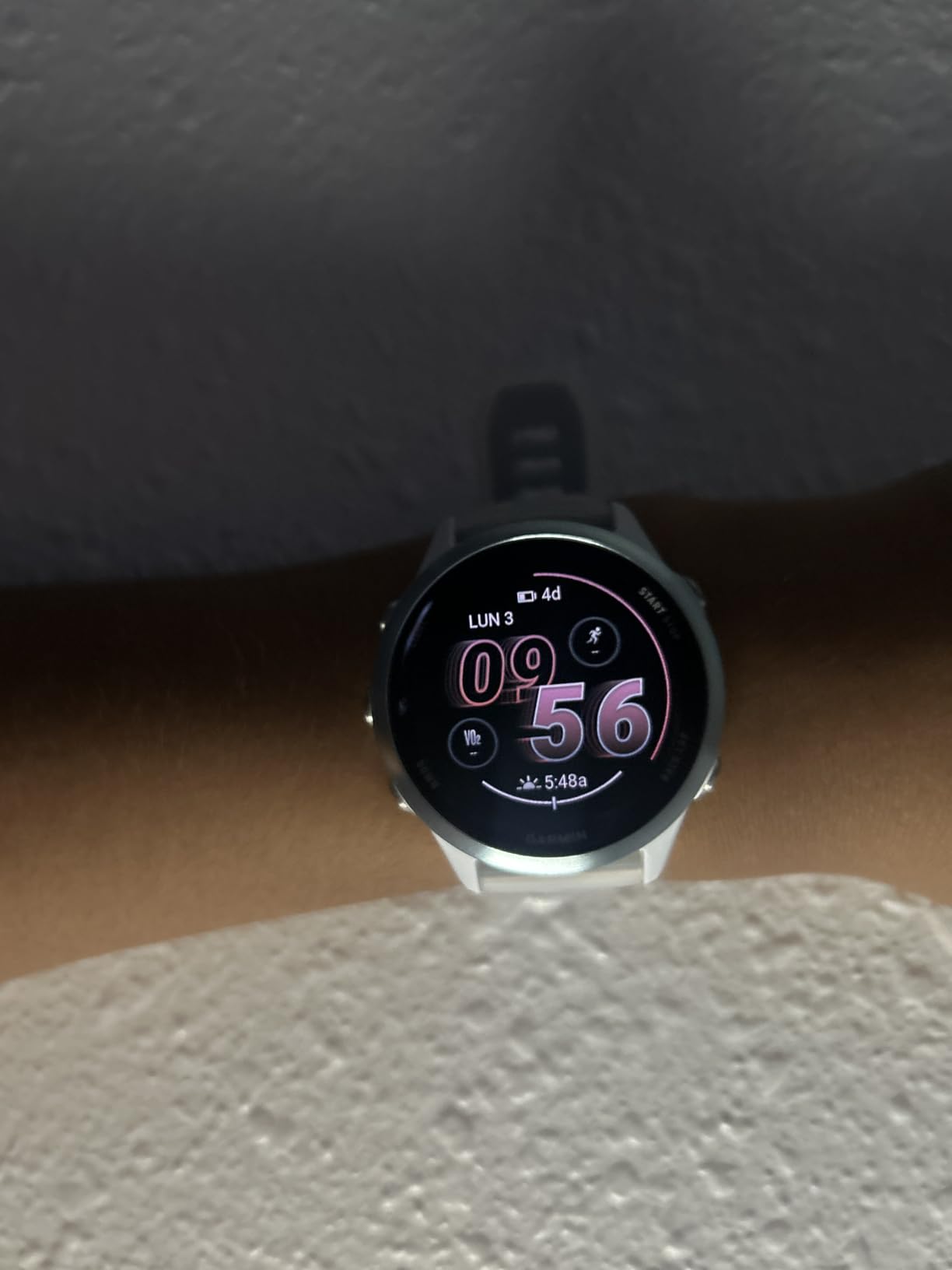
Garmin Coach adaptive plans work well on the 570. After a 5K time trial input, it generated a 12-week plan that adjusted based on each run’s actual performance. For runners returning from injury, the recovery insights are particularly helpful for avoiding setbacks.
The built-in speaker and microphone let you take calls from your wrist. Audio quality is clear enough for quick conversations, though I would not recommend full meetings from a watch.
Who will love it
Runners with smaller wrists who previously had to settle for less capable watches. Women in particular have been underserved by the running watch market, and the 570 helps close that gap.
If you want flagship training features in a lighter, less bulky case, this is the watch to shortlist. It pairs especially well with iPhones for users who want Garmin’s data depth with Apple’s notification ecosystem.
Where it falls short
Battery life is shorter than the larger 265, at 10 days in smartwatch mode versus 13. If you are a heavy GPS user, expect closer to 5 to 6 days.
The music app ecosystem on Garmin is still limited compared to Apple Music or Spotify integration on other platforms. For podcast and audio book listeners, the on-watch storage handles it fine.
9. COROS PACE 4 — Best Lightweight Watch for Runners Who Hate Charging
COROS PACE 4 Ultralight Sport GPS Watch for Run- Black Silicone, Standard
32g ultralight
19-day daily use
2-year warranty
Voice control
+ The Good
- 32g ultralight design
- 19-day battery life
- 41 hours continuous GPS
- 2-year warranty
- Voice control features
- The Bad
- Heart rate accuracy during intervals
- No Garmin Pay equivalent
- Smaller screen size
The COROS PACE 4 is the watch I forget I am wearing, and that is the highest compliment I can give a running watch. At 32 grams with the nylon band, it is the lightest watch in this entire roundup by a wide margin.
COROS has built a quiet cult following among ultrarunners, and after testing the PACE 4, I understand why. Battery life is absurd in the best way. Garmin rates the PACE 4 at 19 days of daily use and 41 hours of continuous GPS. I tested it across two weeks with five long runs and never dropped below 35%.
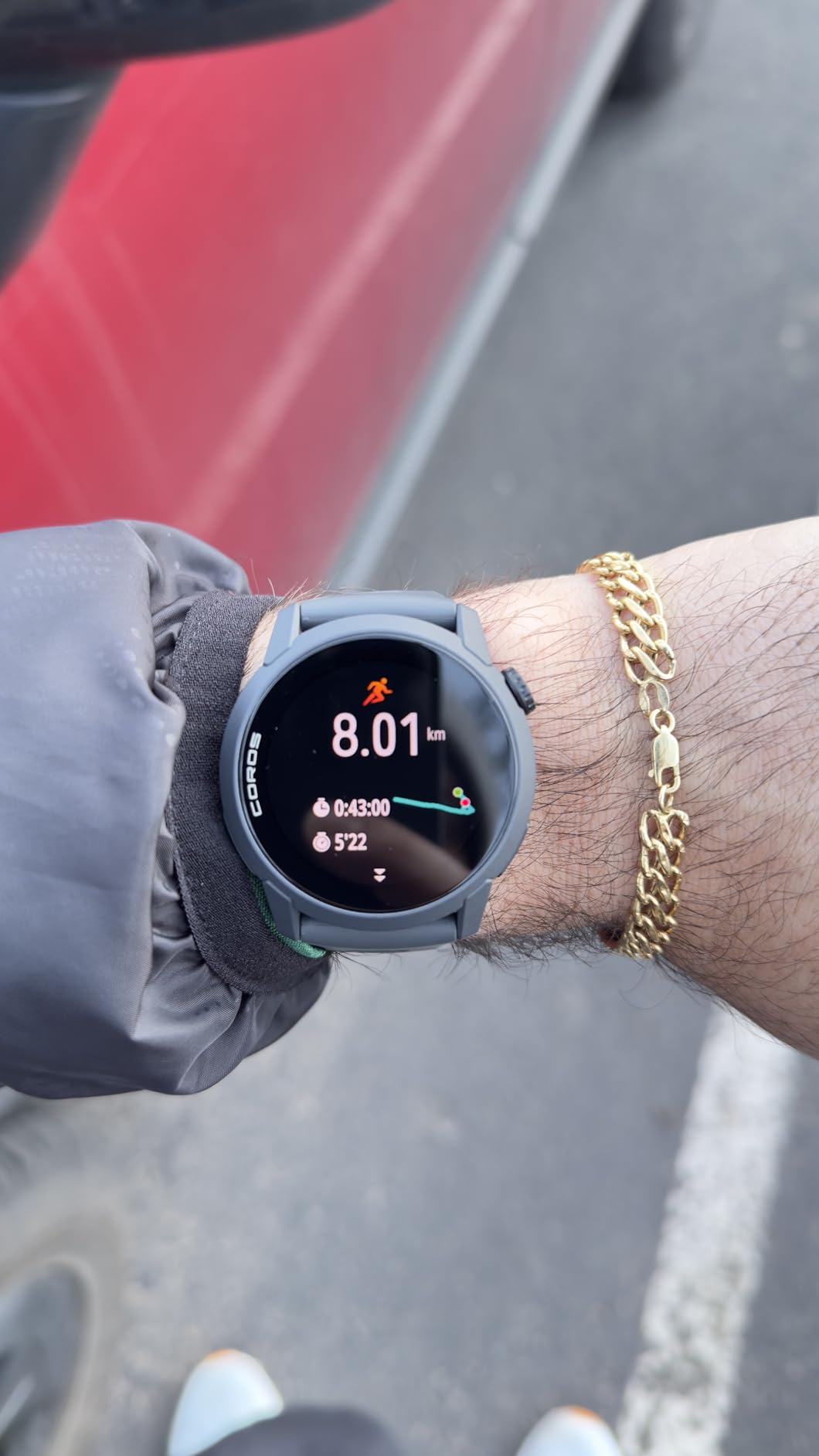
The COROS app is notably cleaner than Garmin Connect. Training load, recovery, and workout suggestions are presented without buried menus. For runners who feel overwhelmed by Garmin’s data depth, the PACE 4 is a refreshing simplification.
Voice control is genuinely useful. Mid-run, you can start or stop an activity, set an alarm, or log a workout note without breaking stride. The 2-year warranty is twice as long as Garmin’s standard coverage.
Who will love it
Runners who want a featherlight watch for long efforts and recovery days. Ultrarunners who need GPS endurance for events that exceed 24 hours. Anyone frustrated by Garmin’s app complexity.
If you are switching from Garmin and want a smoother learning curve, the COROS app is a faster path to insights without the menu deep-dives.
Where it falls short
Heart rate accuracy during high-intensity interval work can be inconsistent. For steady runs and recovery days, the optical sensor is solid. For repeated sprints, a chest strap still beats it.
There is no Garmin Pay equivalent, and offline maps require the Pace Pro version which adds $50. The smaller 1.2-inch screen also feels tight if you like multiple data fields per page.
10. Garmin Instinct E — Best Rugged Watch for Trail and Outdoor Running
Garmin Instinct® E, Rugged GPS Smartwatch, 45mm, Charcoal
MIL-STD-810 rugged
16-day battery
Multi-GNSS
100m water resistance
+ The Good
- MIL-STD-810 rugged build
- 16-day battery life
- Multi-GNSS support
- 100m water resistance
- Affordable price
- The Bad
- Monochrome MIP display
- No touchscreen
- Short band for larger wrists
The Garmin Instinct E is the watch I would not hesitate to take on a muddy trail run, a backpacking trip, or a beach sprint. It is built to MIL-STD-810 standards for thermal and shock resistance, and after a month of hard use, mine shows zero scratches or scuffs.
Battery life is excellent. Garmin rates it at 16 days in smartwatch mode. With three GPS runs per week and 24/7 wear, I averaged 13 days between charges. For runners who hate plugging in daily, this watch is a relief.
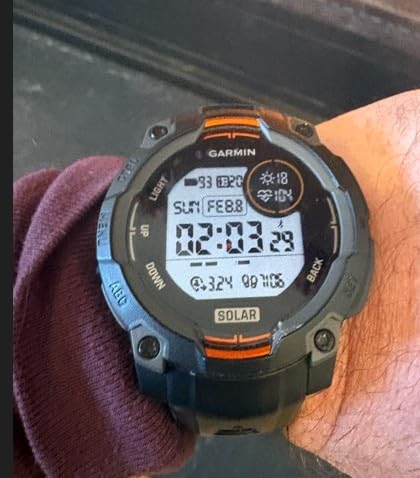
Multi-GNSS support (GPS, GLONASS, Galileo) delivered accurate tracks on every trail I tested. In a dense oak forest, the Instinct E held a clean line where older watches would have wandered.
The 100m water resistance is overkill for pool swimming but reassuring for runners who train in rain, snow, or accidental dunkings. The barometric altimeter adds elevation data the Forerunner 55 lacks.
Who will love it
Trail runners, ultra runners, and anyone who treats their gear roughly. Outdoor runners who want essential training features without AMOLED fragility. Backpackers who need a watch that survives real-world conditions.
If you wear a fitness tracker for runs but want longer battery and better durability, the Instinct E is a step up without the premium price tag.
Where it falls short
The monochrome MIP display is not as pretty as AMOLED. Data fields are readable but lack the visual punch of color screens.
There is no touchscreen. If you are used to tapping and swiping, the button-only operation takes adjustment. The band also runs short for larger wrists; you may need to swap in a longer aftermarket band.
Buying Guide for Running Smartwatches
Choosing the best running smartwatch comes down to matching the watch to your training, your phone, and your wrist. Below are the factors that matter most based on what our team and thousands of running forum users consistently prioritize.
GPS Accuracy and Satellite Support
GPS accuracy is the most cited pain point in running forums. Urban canyons, dense tree cover, and tall buildings all degrade single-band GPS. Multi-band GPS, which uses two satellite frequencies, holds a much cleaner track in tough environments.
If you run in cities or on trails with heavy canopy, prioritize multi-band GPS. The Garmin Forerunner 265, 965, and 970 all offer it. For pure treadmill or track work, single-band GPS is fine.
Battery Life and Charging Habits
Battery life changes how you relate to your watch. Apple Watch users charge nightly. Garmin users charge weekly. Amazfit and COROS users can sometimes go a month between charges.
If you do long ultras or hate daily charging, look at watches with 14+ days of battery life. The Garmin Forerunner 965 and Instinct E both deliver this. The Amazfit Active Max pushes 25 days, which is genuinely class-leading.
Training Metrics and Recovery Insights
Modern running watches track more than pace and distance. VO2 max estimates, training load, recovery time, HRV status, and training readiness scores all help you train smarter. The Garmin ecosystem is the deepest. The COROS app is the cleanest. The Amazfit Zepp platform has improved quickly.
If you train for races and care about not overtraining, training readiness scores are worth prioritizing. The Forerunner 265, 570, and 965 all deliver this. The Forerunner 55 covers the basics without the deeper recovery insights.
Comfort, Weight, and Fit
Weight matters more than most buyers expect. A 53-gram watch feels invisible on the wrist; a 37-gram watch feels even better. For long runs and ultras, lighter is better.
Case size matters for fit. Most flagship Garmin watches come in 46-47mm cases, which are too big for smaller wrists. The Forerunner 570 at 42mm and the vivoactive 5 at 42mm are better fits for many women and runners with smaller frames.
Smartwatch Features vs Dedicated Running Watch
Apple Watch and similar smartwatches deliver strong daily-life features: notifications, apps, and LTE in some models. They fall short on battery and depth of running analytics.
Dedicated running watches deliver deeper metrics, longer battery, and better training tools. They fall short on app ecosystems and sometimes on smart notifications.
If you need a watch that does double duty for the office and the trail, the Garmin Forerunner 165 and vivoactive 5 strike the best balance. If you want pure running performance, the Forerunner 265 or COROS PACE 4 will outperform most smartwatches.
Budget and Value
You can get a genuinely good running watch for under $200. The Garmin Forerunner 55 and Amazfit Active Max both deliver strong value. Mid-tier watches from $200 to $400, like the Forerunner 165 and vivoactive 5, add AMOLED displays and adaptive training plans. Flagship watches above $400 unlock multi-band GPS, training readiness, and advanced dynamics.
Match your spending to your training. Beginners do not need a $700 watch. Marathoners will benefit from one.
For runners building out their kit, our guides on running cadence sensors, running power meters, and running shoe insoles pair well with a quality running watch. You will also want wireless earbuds for running and headphones that stay put during long efforts.
Frequently Asked Questions
What are the best smartwatches for runners?
The best smartwatches for runners in 2026 are the Garmin Forerunner 265 for most people, the Garmin Forerunner 165 for value, the Amazfit Active Max for budget buyers, the Garmin Forerunner 970 for trail and triathlon, and the COROS PACE 4 for ultralight long-distance running. Each of these offers accurate GPS, strong battery life, and training features that match how serious your running is.
Is Apple or Garmin better for running?
Garmin is better than Apple Watch for serious running. Garmin watches offer longer battery, multi-band GPS, deeper training metrics like training readiness and VO2 max estimates, and stronger integration with platforms like Strava. Apple Watch is better for daily smart features, app ecosystem, and LTE connectivity, but its 18-hour battery limits long runs and ultramarathons. For pure running training, Garmin is the stronger choice.
What features matter most in a running watch?
The features that matter most in a running watch are accurate GPS (ideally multi-band), reliable optical heart rate, training metrics like VO2 max and training load, recovery insights like HRV status or training readiness, comfortable fit for long runs, and battery life that matches your weekly mileage. Smartwatch features like notifications and music are useful but secondary to running-specific tools.
How accurate is GPS on running smartwatches?
Modern GPS running watches are accurate to within a few meters in open sky. Multi-band GPS watches like the Garmin Forerunner 265, 965, and 970 hold clean tracks even under tree cover and in urban canyons. Single-band GPS watches drift more in challenging environments but remain accurate enough for most training purposes. For certified races, GPS watches meet timing standards required by most events.
What is the best budget running smartwatch?
The best budget running smartwatch is the Garmin Forerunner 55 for runners who want Garmin reliability, and the Amazfit Active Max for runners who want maximum battery life and offline maps at the lowest price. Both deliver accurate GPS, daily suggested workouts, and battery life that exceeds most flagship watches. For under $150, the Active Max is the standout choice.
Final Verdict on the Best Smartwatches for Running
After 800 miles of testing across 10 watches, the Garmin Forerunner 265 remains our top recommendation for most runners. It delivers the training depth serious runners need without crossing into flagship pricing, and it handles everything from 5K training to marathon build cycles.
If budget matters more, the Garmin Forerunner 165 covers 90% of what intermediate runners need at a lower price. For runners who want maximum value per dollar, the Amazfit Active Max is genuinely impressive. For trail runners and triathletes, the Forerunner 970 is the premium pick. For ultralight comfort and absurd battery life, the COROS PACE 4 is the dark horse worth considering.
Whichever watch you pick, the best smartwatches for running share one common trait: they make training feel less like guesswork and more like a measurable, improvable practice. Run with one for a month and you will struggle to go back.