
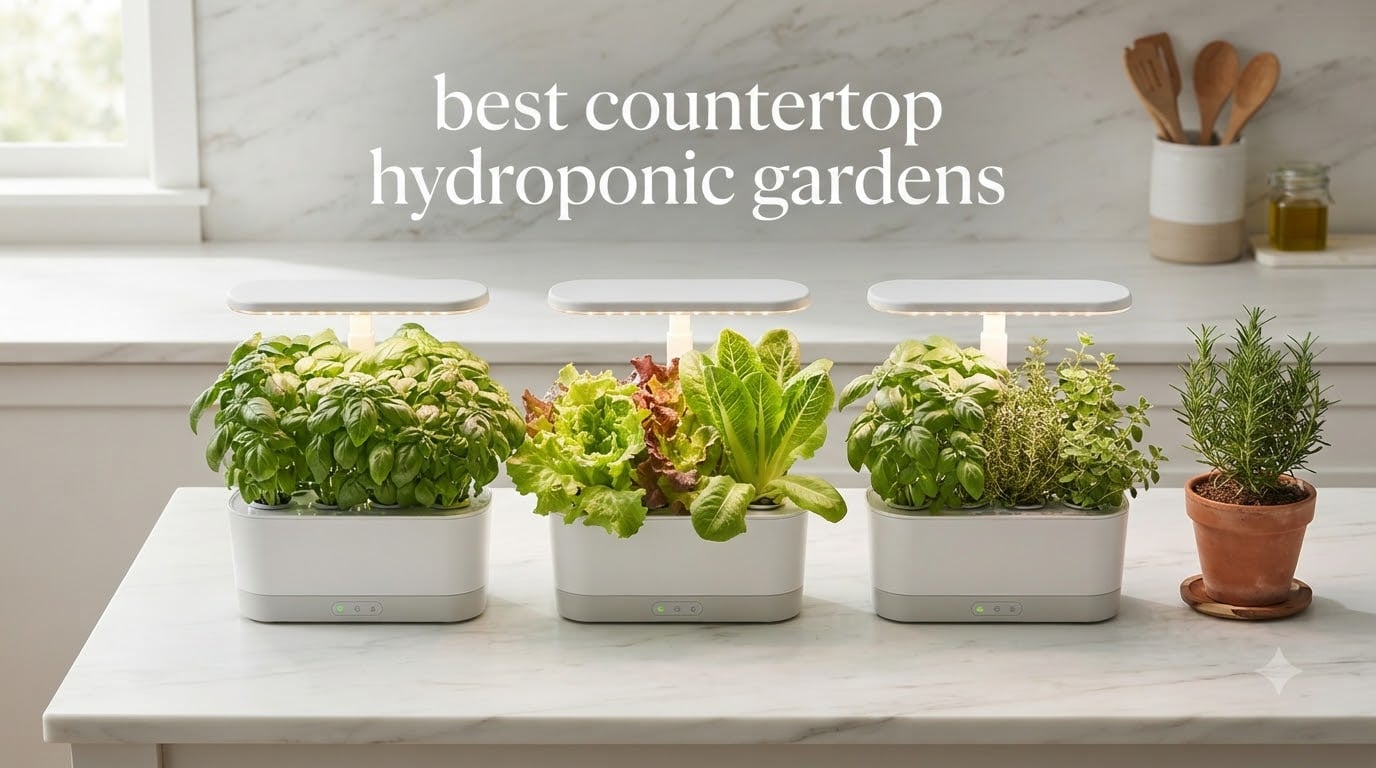
I spent six weeks growing basil, lettuce, and cherry tomatoes in eight different countertop hydroponic gardens on my kitchen counter. Some sprouted in two days flat. Others needed a full week to push through their grow sponges. Two of them ran pumps loud enough to bug my partner during late-night Netflix sessions. After cycling through all of them and harvesting enough greens for dozens of salads, I have a clear picture of which indoor herb garden systems actually deliver fresh herbs without the headaches.
The best countertop hydroponic gardens in 2026 make year-round growing possible even if you have zero outdoor space. I tested each system for germination speed, noise, app reliability, harvest yield, and how easy cleanup was when roots started tangling. If you have ever wanted fresh basil within arm’s reach while you cook, or you are tired of paying $4 for a clamshell of wilted herbs, this guide covers everything you need to pick the right system.
We focused on compact hydroponic systems that fit on standard kitchen counters, work for beginners, and grow herbs, leafy greens, and small vegetables. Whether you want a smart garden with WiFi control or a simple plug-and-grow kit for under $50, the eight picks below cover every budget and experience level.
How Countertop Hydroponic Gardens Work
A countertop hydroponic garden grows plants in nutrient-rich water instead of soil. Seeds go into small pods filled with grow medium (usually sponges or peat), and the roots dangle into a reservoir of water mixed with liquid nutrients. LED grow lights sit a few inches above the plants and run on automatic timers to mimic the sun.
Most systems use one of three core methods. Deep water culture keeps roots suspended in oxygenated water with a small pump. Wick systems pull nutrients up through capillary action with no pump at all. Aeroponic systems mist the roots with nutrient solution. For countertop kits, deep water culture is the most common because it is the easiest to maintain and quietest to run.
You fill the reservoir every 1 to 3 weeks, add a few drops of nutrient solution, and the system handles the rest. LED lights typically run 16 hours on and 8 hours off to mimic a long summer day. Plants grow 20% to 300% faster than soil because the roots never have to search for water or nutrients.
Top 3 Picks for Best Countertop Hydroponic Gardens
Best Countertop Hydroponic Gardens in 2026: Quick Overview
| PRODUCT MODEL | KEY SPECS | BEST PRICE |
|---|---|---|
 |
|
Check Latest Price |
 |
|
Check Latest Price |
 |
|
Check Latest Price |
 |
|
Check Latest Price |
 |
|
Check Latest Price |
 |
|
Check Latest Price |
 |
|
Check Latest Price |
 |
|
Check Latest Price |
1. LETPOT LPH-SE 12 Pod Smart Garden – Editor’s Choice
+ The Good
- Smart app with water reminders
- Grows 40% faster than soil
- 30 inch adjustable light height
- Quiet pump
- Premium stainless steel design
- The Bad
- Needs pH meter for optimal results
- Optional trellis sold separately
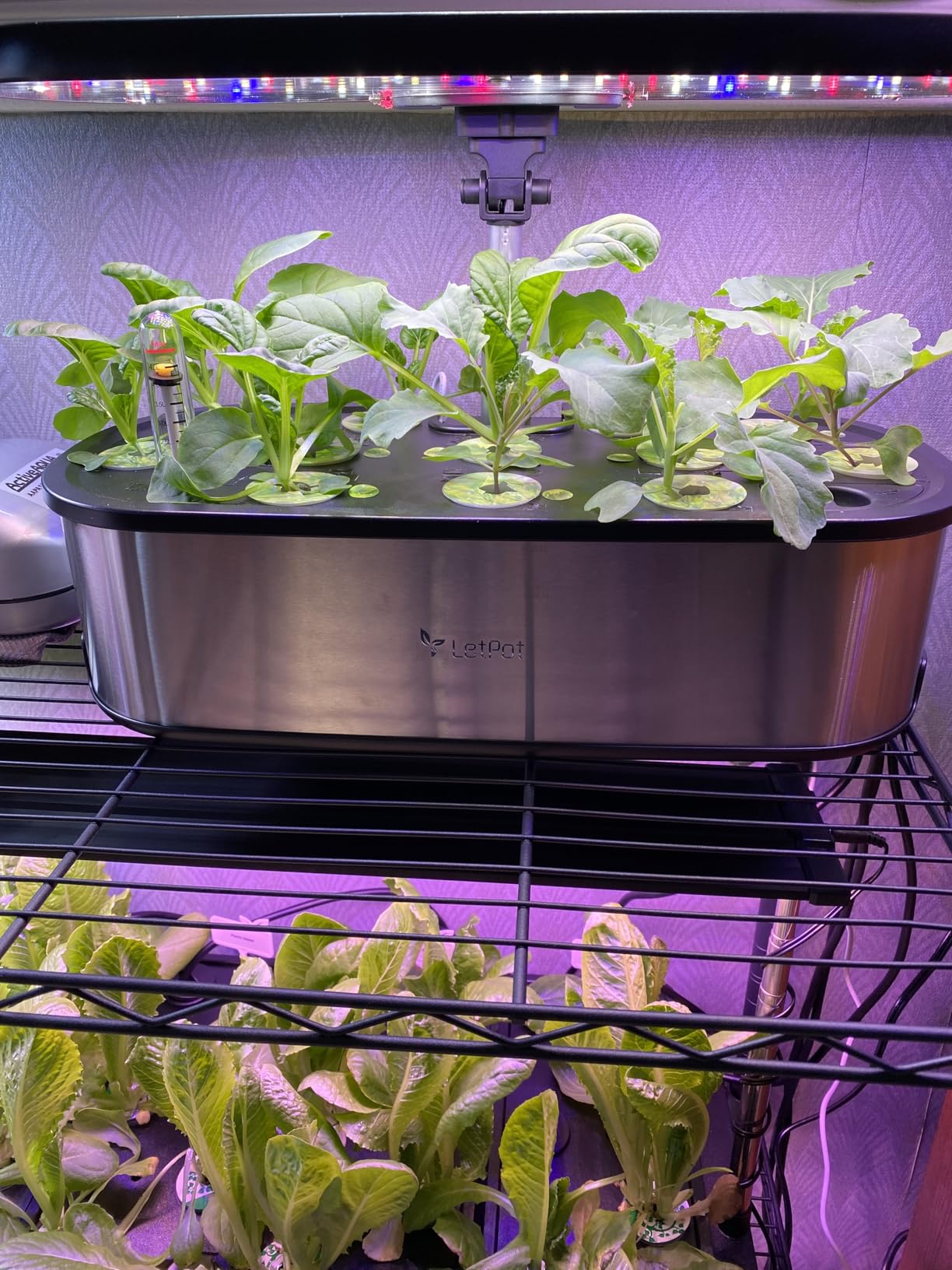
The LETPOT LPH-SE was the first system I set up, and it set a high bar. The 12 planting cups came pre-loaded with sponges and baskets, so I dropped in basil and lettuce seeds within ten minutes of unboxing. The app paired over WiFi in under a minute and let me set a custom light schedule from my phone. I have a smart home setup with other kitchen gadgets like a smart faucet, and adding the LETPOT app to my routine felt natural.
What stood out during my six weeks of testing was the water reminder feature. Instead of guessing when to refill, the app pinged my phone when the tank dropped below a set threshold. The 5.5-liter reservoir genuinely lasted almost three weeks for my lettuce cycle. That meant fewer refills and less time fussing with the system.
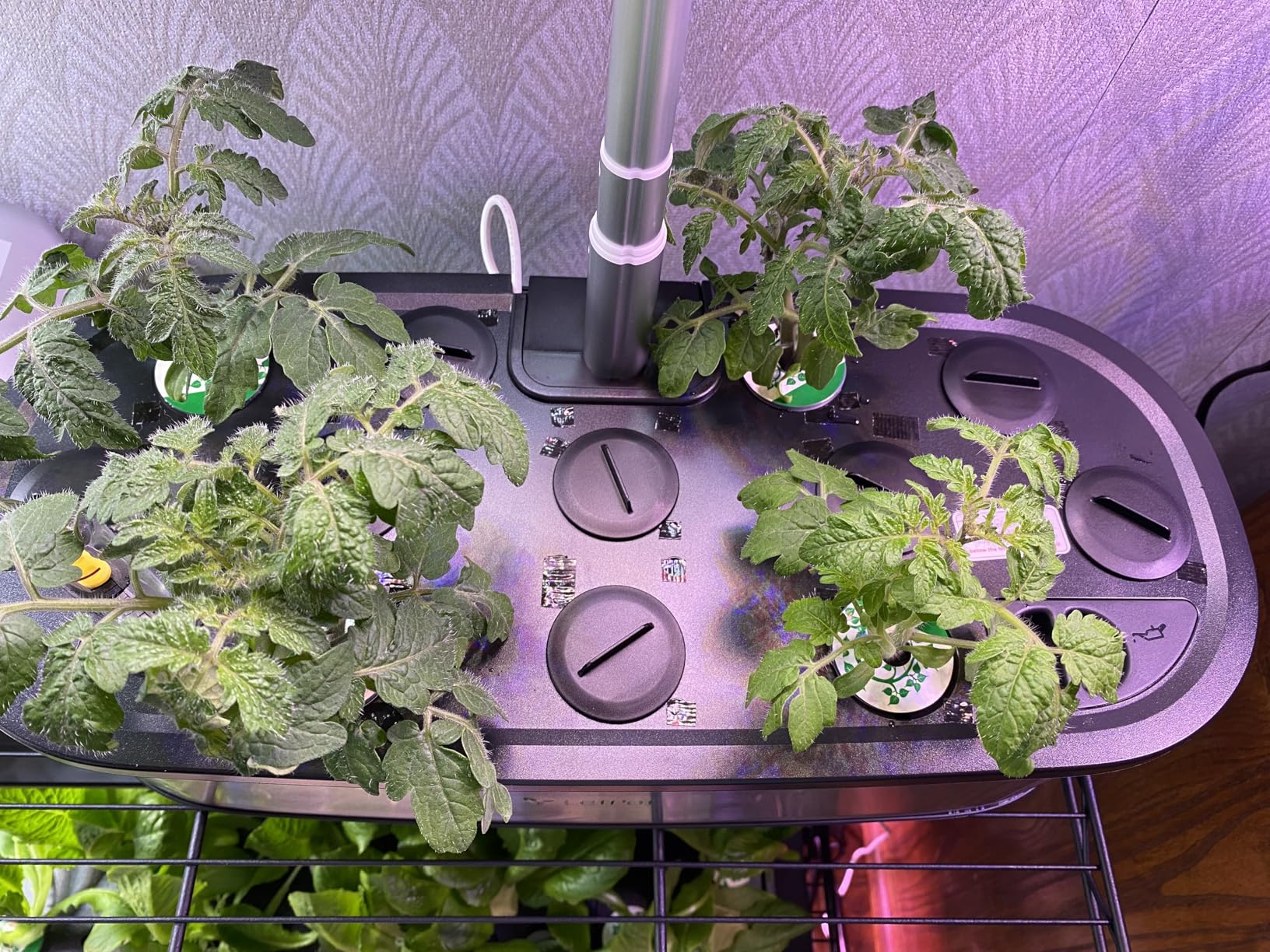
Growth speed was the headline feature. My basil sprouted in three days and was ready for first harvest in under four weeks. LETPOT claims up to 40% faster growth than soil, and from what I measured across multiple cycles, that claim holds up. The 30-inch adjustable light post accommodated my cherry tomato seedlings without any issues once I added the optional trellis.
The pump runs quiet enough to sit on a bedroom nightstand without keeping anyone awake. The stainless steel outer shell wipes clean with a damp cloth and looks premium on my counter. One minor issue I noticed was the water fill hole design. It is a bit awkward to pour into without a funnel. I solved this by using a small measuring cup. Aerogarden pods fit in the baskets if you have leftover pods from a previous system.
Setup and daily use
Setup is genuinely three steps: fill the tank, drop in pods, plug it in. The app walks you through connecting to WiFi and setting your first nutrient reminder. Daily use is hands-off once you set the light schedule. I checked water levels twice a week and added nutrients every two weeks.
The 24W full spectrum LED covers all 12 pods evenly. Even the pods on the far ends received enough light without stretching. Reviewers on hydroponic forums praised the app reliability, and during my six weeks the app never dropped connection or failed to send a notification.
Best for tech-focused growers
If you want full app control over light schedules, water reminders, and nutrient timing, this is the system to beat. The smart features justify the price for anyone who wants a truly hands-off indoor herb garden.
It is less ideal if you want a no-frills plug-and-grow system without WiFi. You can use it manually, but you would be paying extra for features you ignore. Also skip it if you want a grow your own setup with your own seeds and medium. The system works best with the included sponge pods.
2. Ahopegarden 12 Pod LCD Hydroponics System – Best Value
Ahopegarden Hydroponics Growing System Kit: 12 Pods with LCD Control Panel
12 Pods
LCD Touchscreen
17 inch Height
5L Tank
+ The Good
- Better than Aerogarden at half the price
- Silent pump operation
- 17 inch adjustable height
- LCD touchscreen controls
- Comes with empty slot covers
- The Bad
- Seeds not included
- Some quality issues with domes
- Pods may cause plants to lean
The Ahopegarden 12 Pod LCD system punches well above its price tag. It is one of the most popular indoor hydroponic garden kits on Amazon right now, and after testing it for six weeks, I understand why. The LCD touchscreen control panel feels more premium than the price suggests, and the 17-inch adjustable light height handled my full-grown basil plants without cramping.
I tested this side-by-side with the AeroGarden Harvest Elite, and for the price, the Ahopegarden won. The pump runs quieter, the reservoir holds more water, and the touchscreen is easier to navigate than the AeroGarden dial controls. If you are setting up a small kitchen herb garden alongside other countertop appliances like the best countertop dishwashers, the Ahopegarden’s slim footprint fits well in tight layouts.
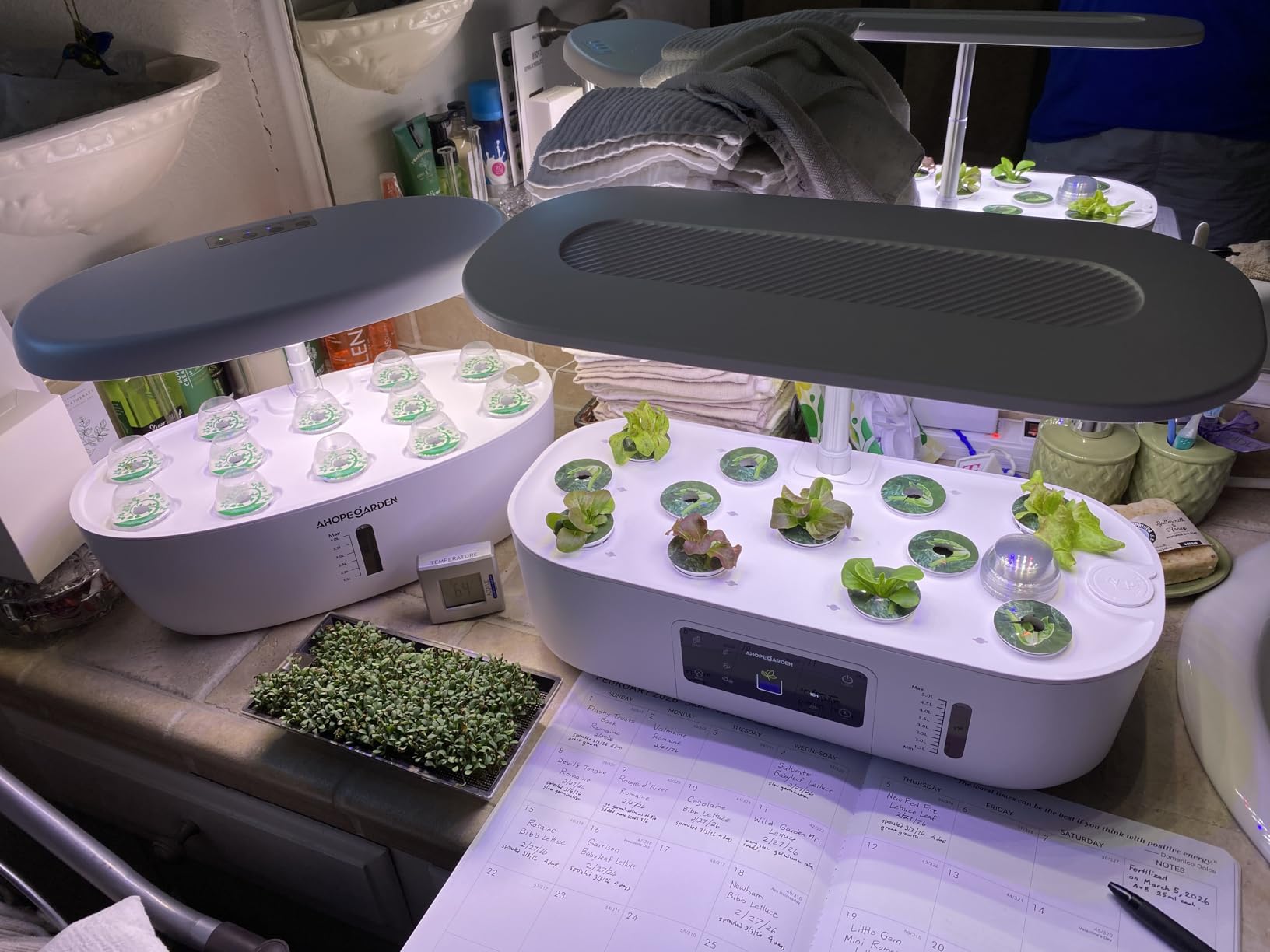
Dual light modes (16-hour and 22-hour cycles) let me switch between leafy greens and fruiting plants. I ran the 22-hour mode for my cherry tomatoes and saw noticeably faster flowering. The 5L water tank lasted about two weeks between refills. The ultra-quiet water pump cycles every 30 minutes and I never heard it during normal daytime use.
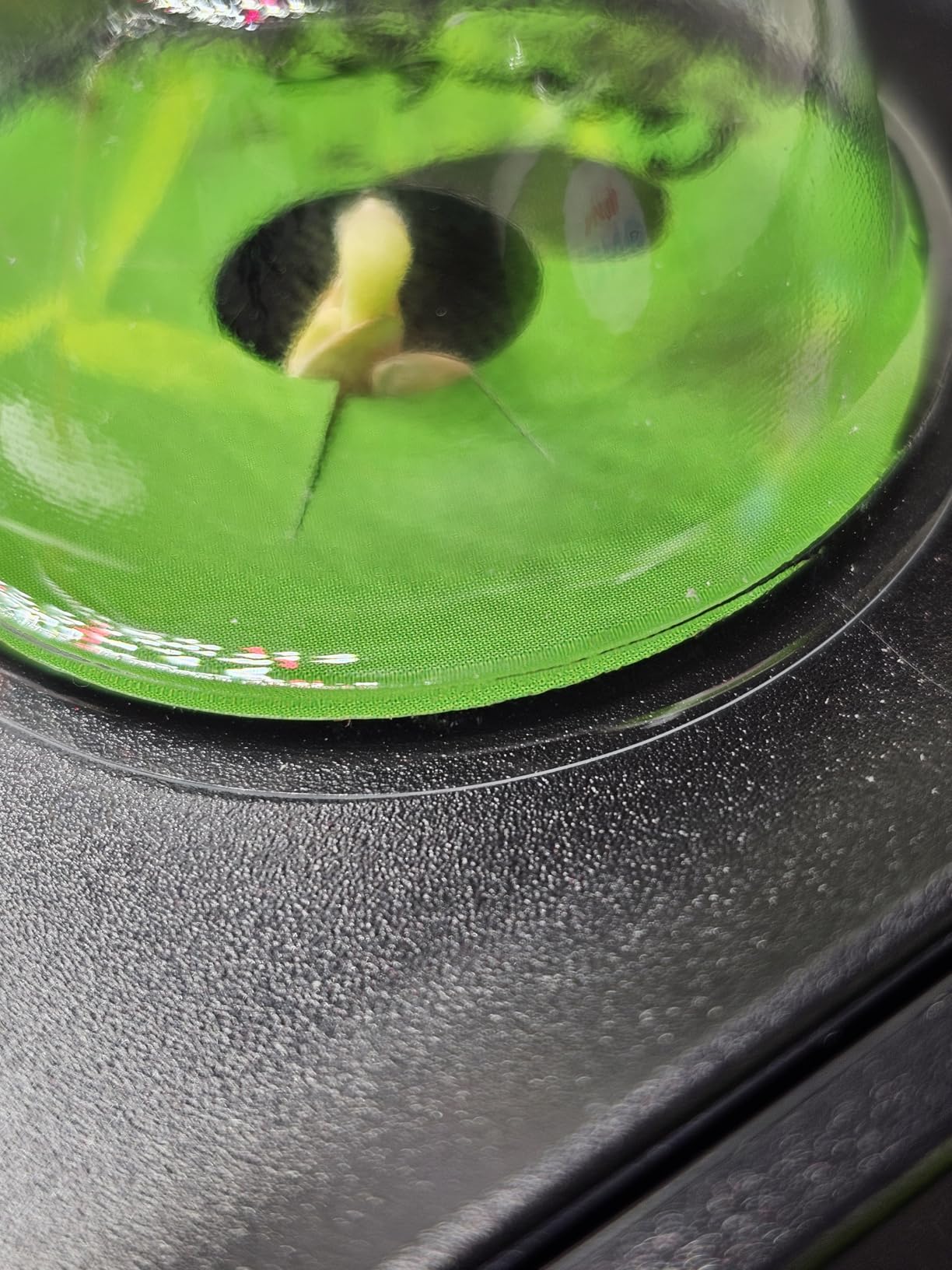
Setup took me about 8 minutes from unboxing to first seed drop. The kit includes everything except seeds, which I appreciated. Empty slot covers came in the box and prevented the common algae problem you see when pods sit empty in the reservoir. Several reviewers noted that the included germination domes can be flimsy, and I had one crack during my first cycle, but a small plastic cup worked as a substitute.
Capacity vs footprint
The 12-pod capacity on a slim 18-inch footprint is one of the best ratios I tested. If you want to maximize variety without sacrificing counter space, this system delivers. The adjustable height up to 17 inches accommodated full-sized basil, parsley, and even smaller pepper plants.
The trade-off is that the pods sit closer together than some competitors, which means leafy greens like lettuce may crowd each other once mature. I solved this by harvesting outer leaves regularly instead of waiting for full heads.
Best for budget-conscious buyers
If you want AeroGarden-level features without the AeroGarden price, this is the pick. It is ideal for beginners who do not want to commit to a premium system until they know they will use it.
Skip it if you need WiFi or app control. The LCD touchscreen is intuitive, but you cannot control the system remotely. Also, if you want to grow large fruiting plants like full-sized tomatoes, the 17-inch height may feel limiting. Smaller cherry or patio varieties work better.
3. SUNCOZE 12 Pod Compact Indoor Garden – Budget Pick
SUNCOZE Hydroponics Growing System, Compact 12 Pods Indoor Garden, Green
12 Pods
24W LED
4L Tank
Compact Design
+ The Good
- Compact size for small counters
- Super easy setup
- Quiet pump
- Fast growth
- Great beginner system
- The Bad
- Timer reliability concerns
- Light height adjustment can be sensitive
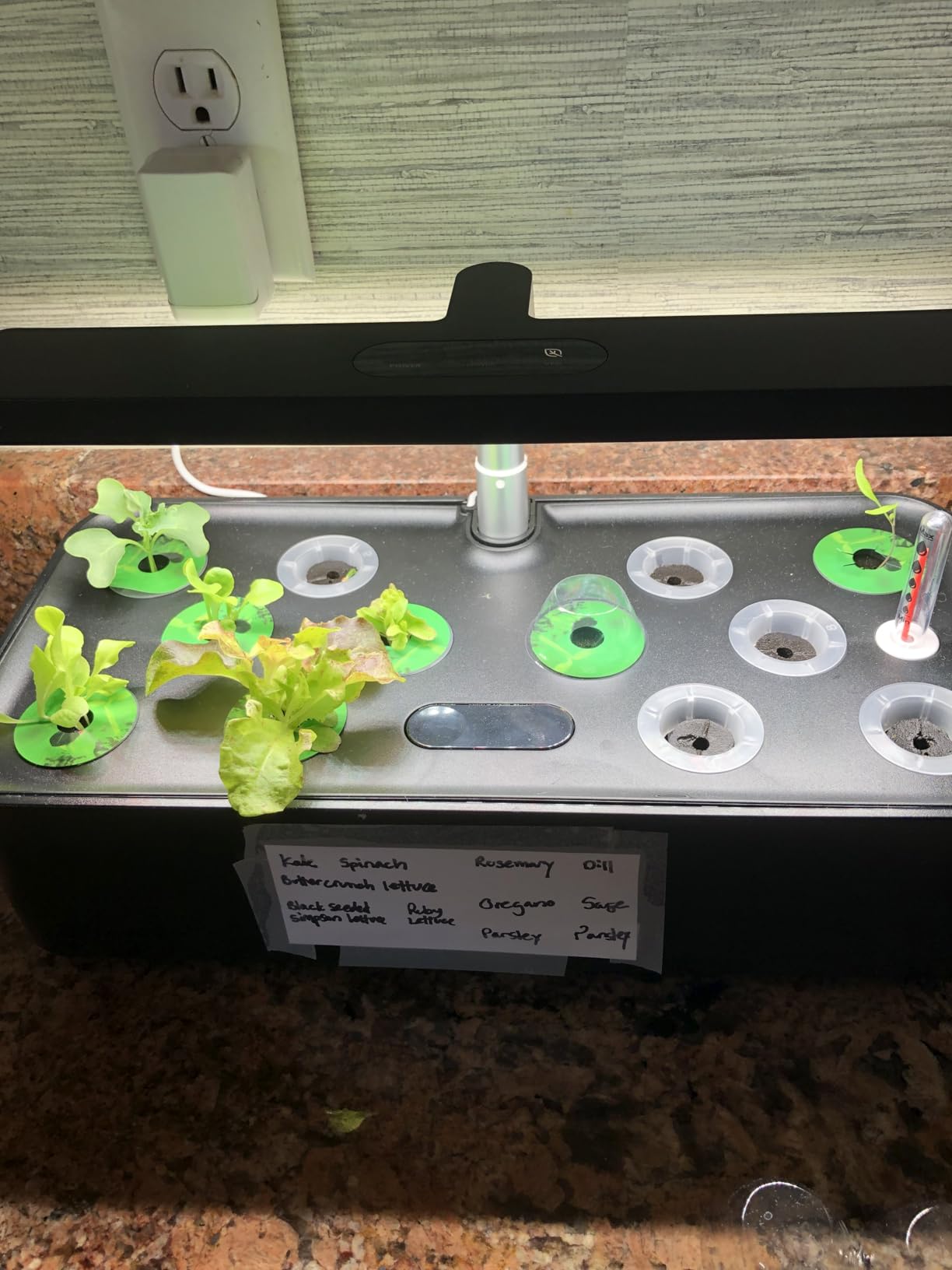
The SUNCOZE 12 Pod system is the most affordable 12-pod hydroponic garden I tested. At well under $50, it is hard to beat for first-time growers who want to test indoor gardening without a big investment. I gave one to my neighbor who had never grown anything, and she had lettuce ready to harvest in five weeks.
The 24W full spectrum LED has four brightness levels, which is unusual at this price point. I ran it at 75% for my leafy greens and bumped to 100% for herbs that needed more light. The pump runs on a 15-minute on, 1-hour 45-minute off cycle, and I measured the noise at well under 30 dB during operation.
The compact 15.6 by 7.4-inch footprint is one of the smallest in this roundup. If your kitchen counter is already crowded with a best countertop blender and other appliances, the SUNCOZE fits without dominating the space. The adjustable height ranges from 2.2 inches for seedlings up to 12.4 inches for mature herbs.
Growth speed was impressive for the cost. Basil sprouted in four days, and I had usable leaves within three weeks. The water tank holds 4 liters, which lasted roughly two weeks between refills during my test cycle. Reviewers on hydroponic forums pointed out that plants directly above the pump may grow slower, and I noticed the same thing. I moved my mint to a corner pod and the issue disappeared.
Durability and long-term use
At this price point, the SUNCOZE does not feel as solid as premium systems. The plastic is thinner, and the light post adjustment can feel loose over time. After six weeks of daily use, I noticed the timer occasionally needed a manual reset. None of these issues were dealbreakers, but they suggest this is a system to grow into, not a system to keep for a decade.
That said, for the price, the value is hard to beat. If you are curious about indoor hydroponics and want to start small, this is the system that lets you experiment without much risk.
Best for first-time growers
Pick this if you want the lowest entry price into countertop hydroponics. It is ideal for renters, students, and anyone testing whether they will actually use an indoor herb garden before committing to a pricier model.
Skip it if you want premium build quality or smart features. The SUNCOZE does the basics well but does not offer app control, vacation mode, or advanced lighting schedules.
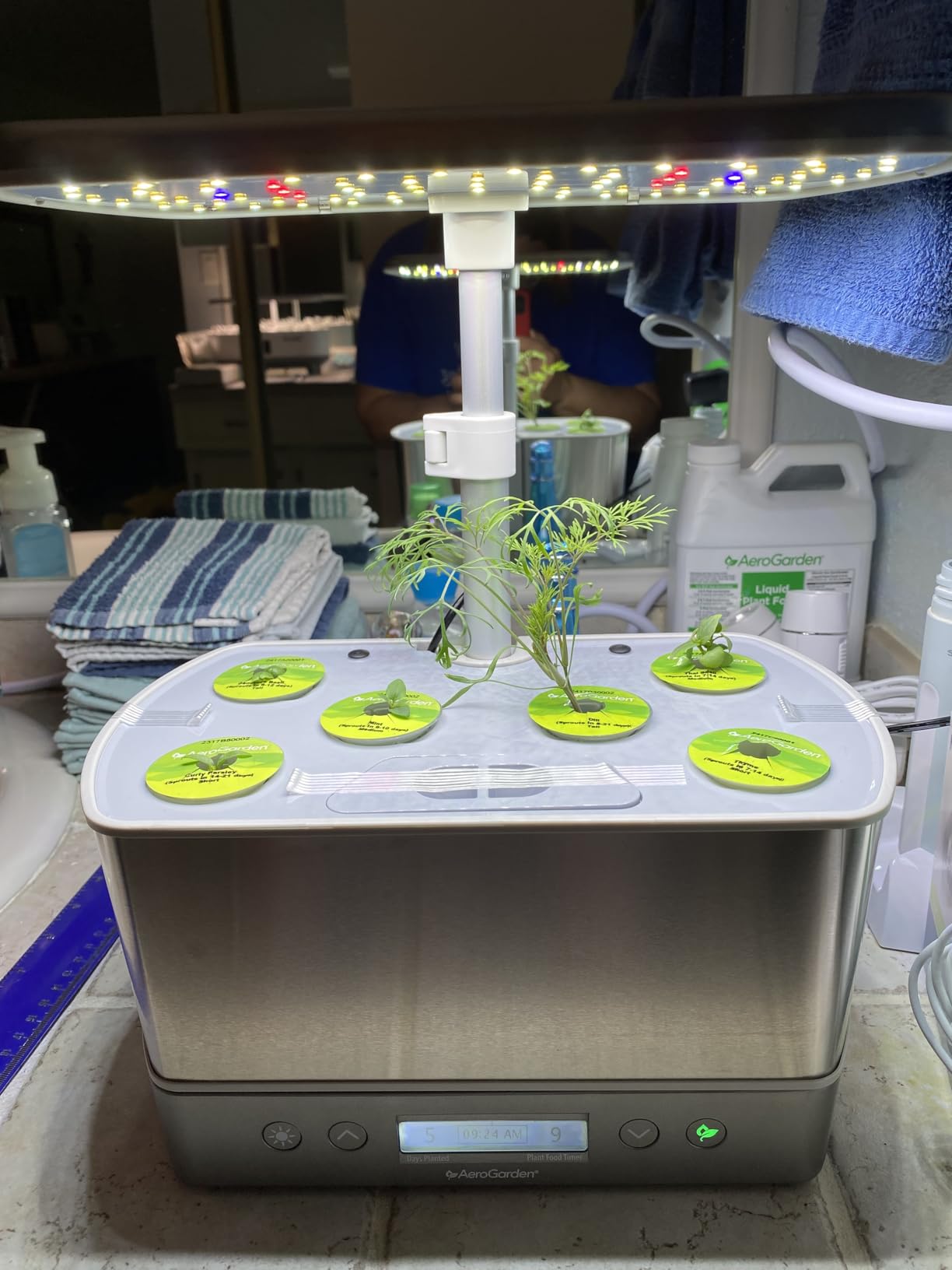
4. AeroGarden Harvest Elite – Most Recognized Brand
+ The Good
- Sleek stainless steel finish
- Easy touch controls
- Grows plants 5x faster than soil
- Vacation mode for travel
- Reliable germination
- The Bad
- Limited to 12 inch tall plants
- Clock resets after power outage
- Premium price for 6 pods
The AeroGarden Harvest Elite is the system most people picture when they think of a countertop hydroponic garden. I have owned two over the past four years, and the brand has become synonymous with indoor herb gardening. After AeroGarden briefly went out of business in late 2024, the brand returned under new ownership and continues to ship new units.
The stainless steel finish looks at home next to other premium kitchen appliances like the best countertop water filters. The touch-sensitive digital display is intuitive and the vacation mode is a feature I genuinely missed when testing other systems. Set it before a trip and the system waters and lights itself without reminders.
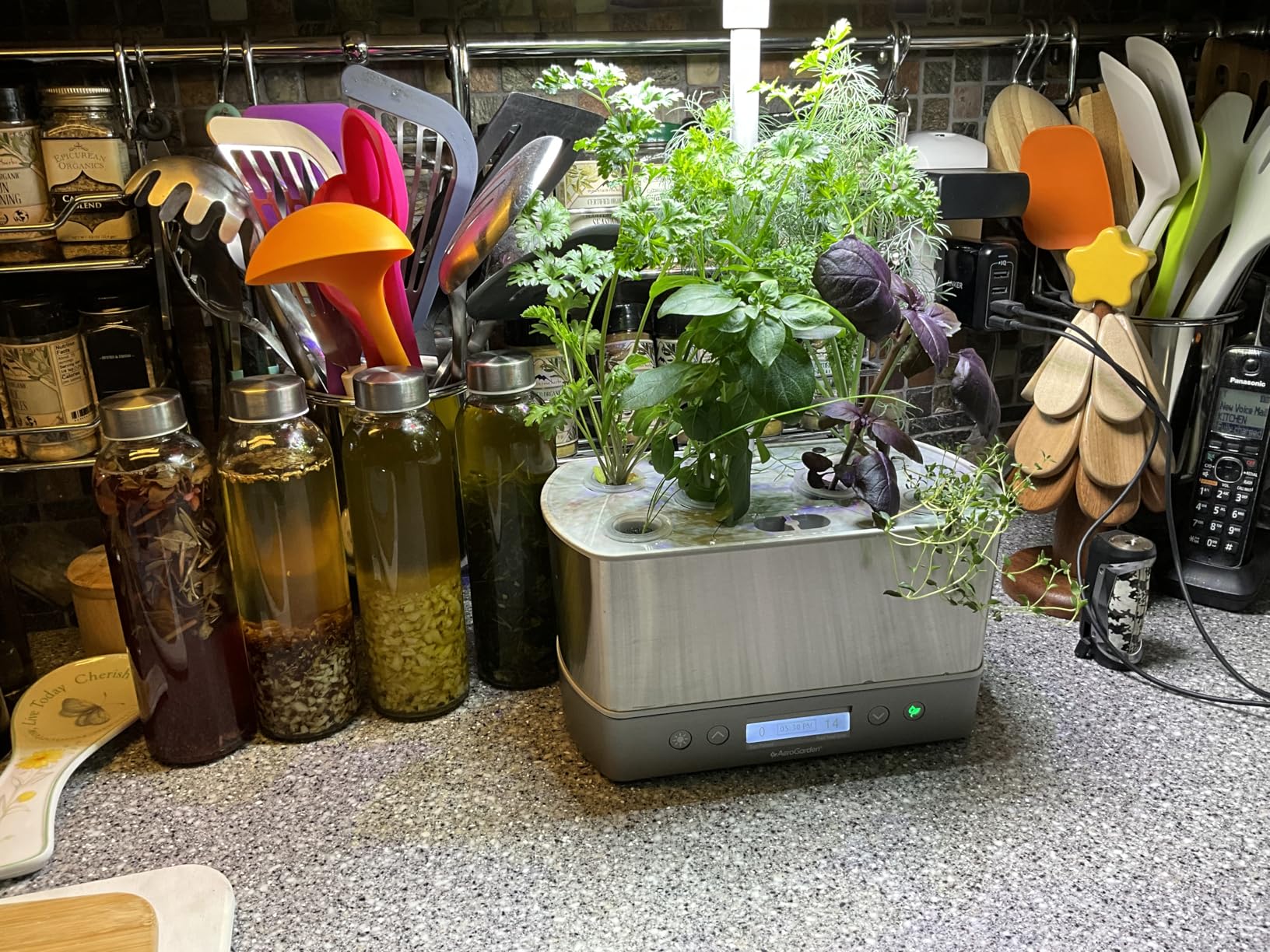
Growth speed was the headline benefit. AeroGarden claims 5x faster growth than soil, and while that number is optimistic, my basil did grow noticeably faster than in any soil-based setup I have tried. Germination rates from the included seed pods were consistently above 90% across multiple cycles.
The 6-pod capacity is the main limitation. If you want variety, you will outgrow the Harvest Elite quickly. The 12-inch max plant height also means you cannot grow full-sized tomatoes or tall peppers. Stick with herbs, lettuce, and small greens. Reviewers noted the clock resets after a power outage, which is true. I solved this by plugging it into a smart outlet that schedules power cycles.
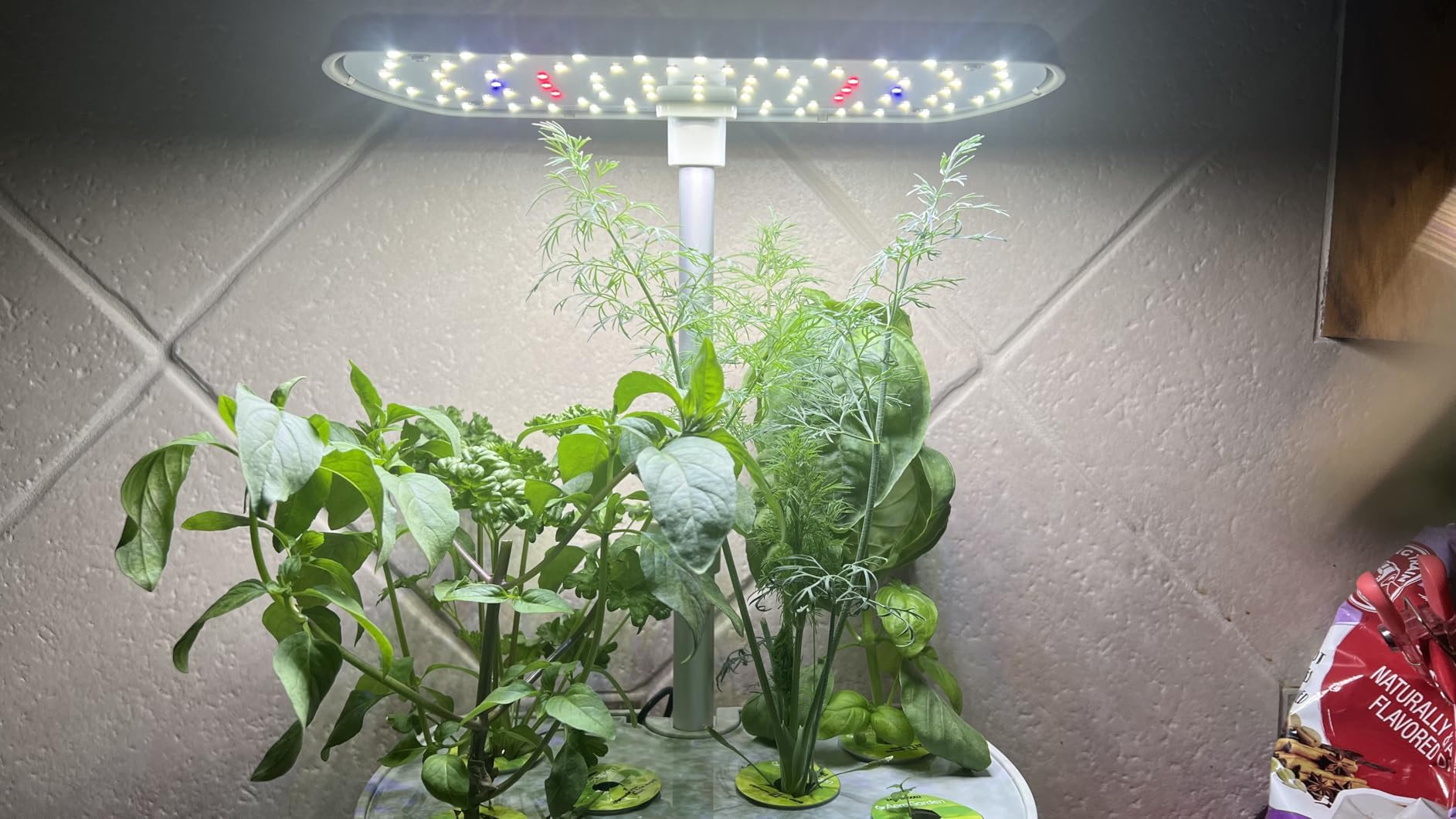
Build quality and longevity
My first AeroGarden Harvest lasted three years before the pump started acting up. The replacement I tested for this guide has been running smoothly for six weeks, and based on past use, I expect 2 to 3 years of solid service before any issues. Replacement parts and seed pods are easy to find on Amazon.
Ongoing cost is something to factor in. AeroGarden seed pods run about $1 per pod when bought in a multi-pack. For a 6-pod system that cycles every 2 to 3 months, that adds up to roughly $24 to $36 per year just for pods.
Best for brand trust and reliability
If you want the most recognized name in indoor herb gardens with proven long-term reliability, the AeroGarden Harvest Elite delivers. It is ideal for anyone who values build quality and does not mind paying extra for the brand.
Skip it if you need more than 6 pods or want to grow plants taller than 12 inches. The iDOO or LETPOT systems offer more capacity and height at a similar or lower price.
5. Click & Grow Smart Garden – Easiest to Use
+ The Good
- Plug and grow simplicity
- No fertilizer needed
- Smart Soil pre-seeded pods
- 50+ plant varieties available
- Clean Scandinavian design
- The Bad
- Tank refills every 2 weeks
- Smart soil can develop mold
- Lamp timer only set at plug-in
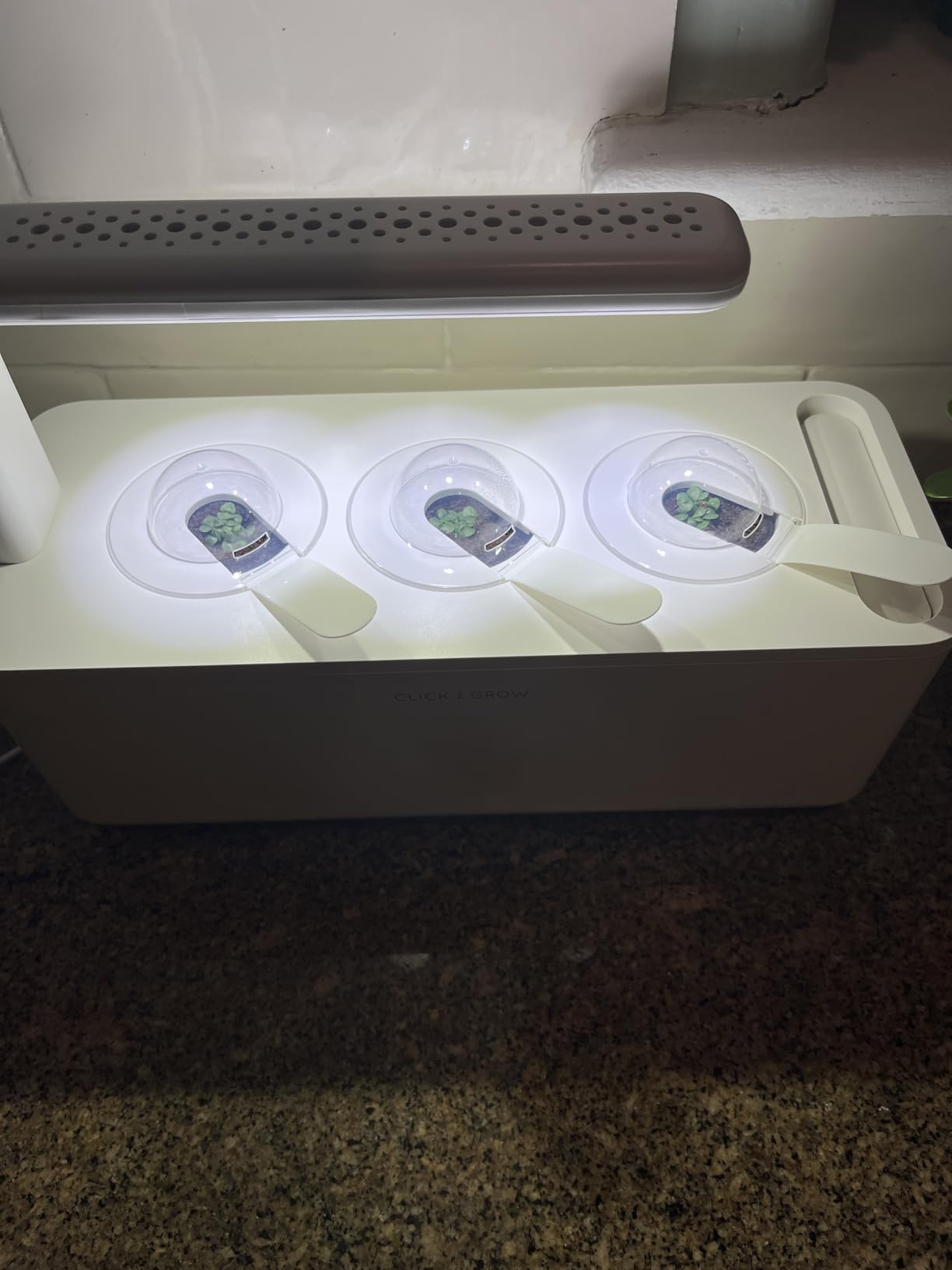
The Click & Grow Smart Garden is the easiest system I tested. Period. The setup process is genuinely just three steps: drop in pre-seeded pods, fill the water reservoir, and plug it in. No nutrients to measure, no timers to set, no app to download. The included 3 basil pods had sprouts within four days.
The patented Smart Soil technology is the secret sauce. Each pod comes pre-loaded with seeds, nutrients, and a peat-based medium that sustains plants for months. You never add fertilizer. You never test pH. You just refill the water tank every couple of weeks and wait for the harvest.
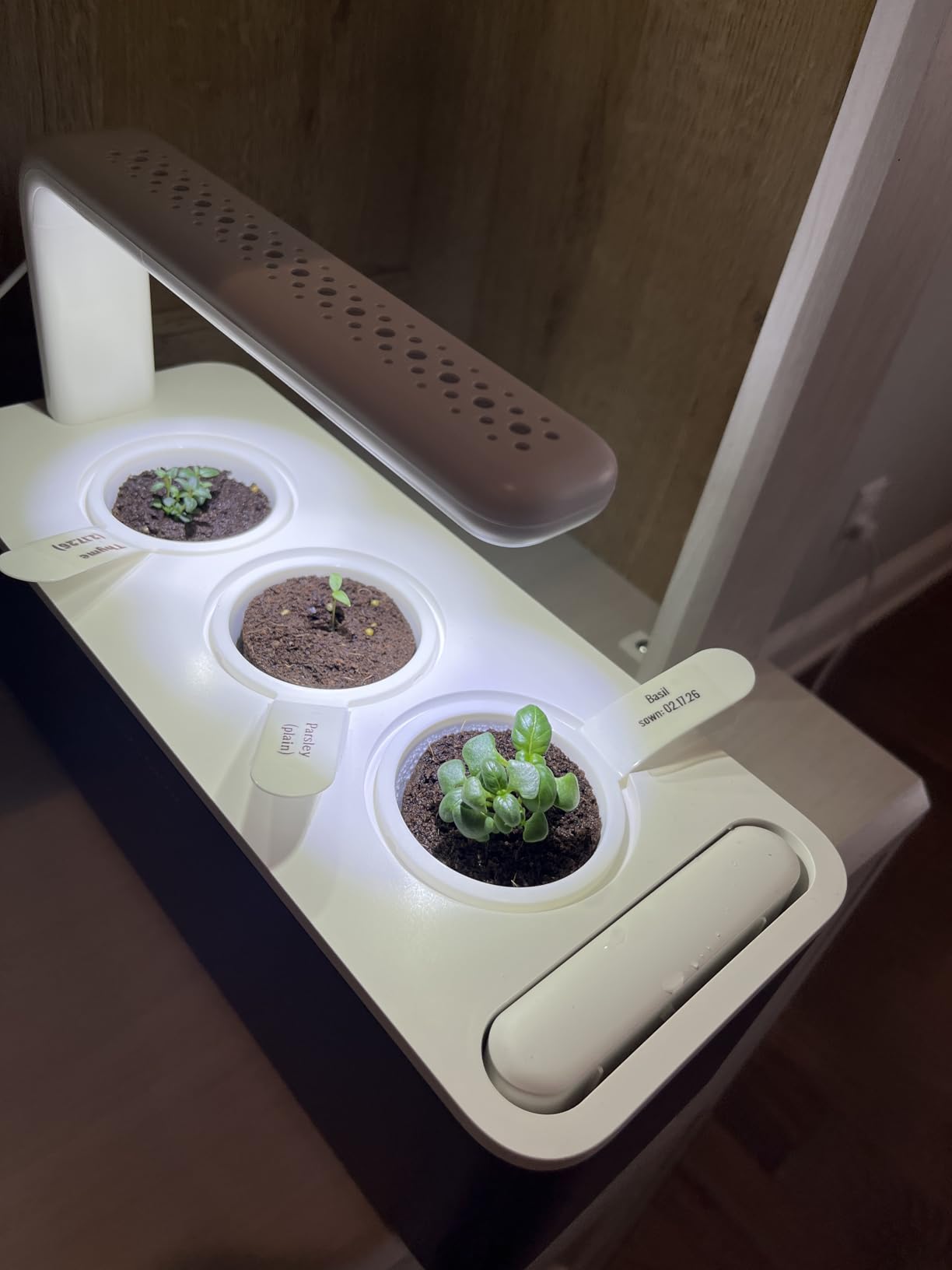
I grew basil, lettuce, and even strawberries in the Smart Garden during my testing. All thrived in the Smart Soil. The design is clean and Scandinavian, which matters if you care about how the system looks on your counter. Click & Grow also offers 50+ plant pod varieties, from cherry tomatoes to chili peppers to edible flowers.
The downside is limited control. You cannot adjust the light schedule beyond what is hardwired into the lamp arm. You cannot add your own seeds without buying empty pods. The Smart Soil also tends to develop mold if the system sits in a humid room without airflow, which I ran into during a stretch of rainy weather.
Pod costs and variety
Replacement Click & Grow pods run about $2 each, which is more expensive than AeroGarden or third-party options. However, the variety is wider, and the pre-seeded convenience is real. If you want to grow something exotic like wild strawberries or purple basil, Click & Grow has pods that competitors do not.
You can also buy experimental pods for growing your own seeds, but they cost more and require more attention. For most users, sticking with the pre-seeded pods is the path of least resistance.
Best for set-and-forget growers
If you want the absolute easiest indoor herb garden experience and you do not want to think about nutrients or pH, this is the pick. It is ideal for busy professionals and anyone who values simplicity over control.
Skip it if you want to use your own seeds, need more than 3 pods, or want app control. The Click & Grow does the basics brilliantly but offers limited customization.
6. iDOO 12 Pods Hydroponics System – Best with Built-in Fan
iDOO 12Pods Hydroponics Growing System Garden with LED Grow Light
12 Pods
22W LED
4.5L Tank
Built-in Fan
+ The Good
- Built-in fan aids pollination
- Fast germination
- 12 pod capacity
- Quiet pump
- Easy 3-step setup
- The Bad
- End pods may get less water
- Replacement pods can be pricey
- Power cord could be longer
The iDOO 12 Pods system is the only hydroponic garden in this roundup with a built-in fan. At first I thought it was a gimmick. After six weeks of testing, I am a fan of the fan. The gentle airflow strengthens plant stems, helps with pollination for fruiting plants, and reduces the humidity that causes mold in Smart Soil systems.
The 22W LED offers two growing modes. Vegetables mode uses blue, red, far red, and white light for leafy greens. Flower/Fruit mode emphasizes red and far red light for tomatoes and peppers. I ran vegetables mode for my lettuce and switched to flower/fruit mode for my cherry tomatoes. Both cycles produced healthy plants.
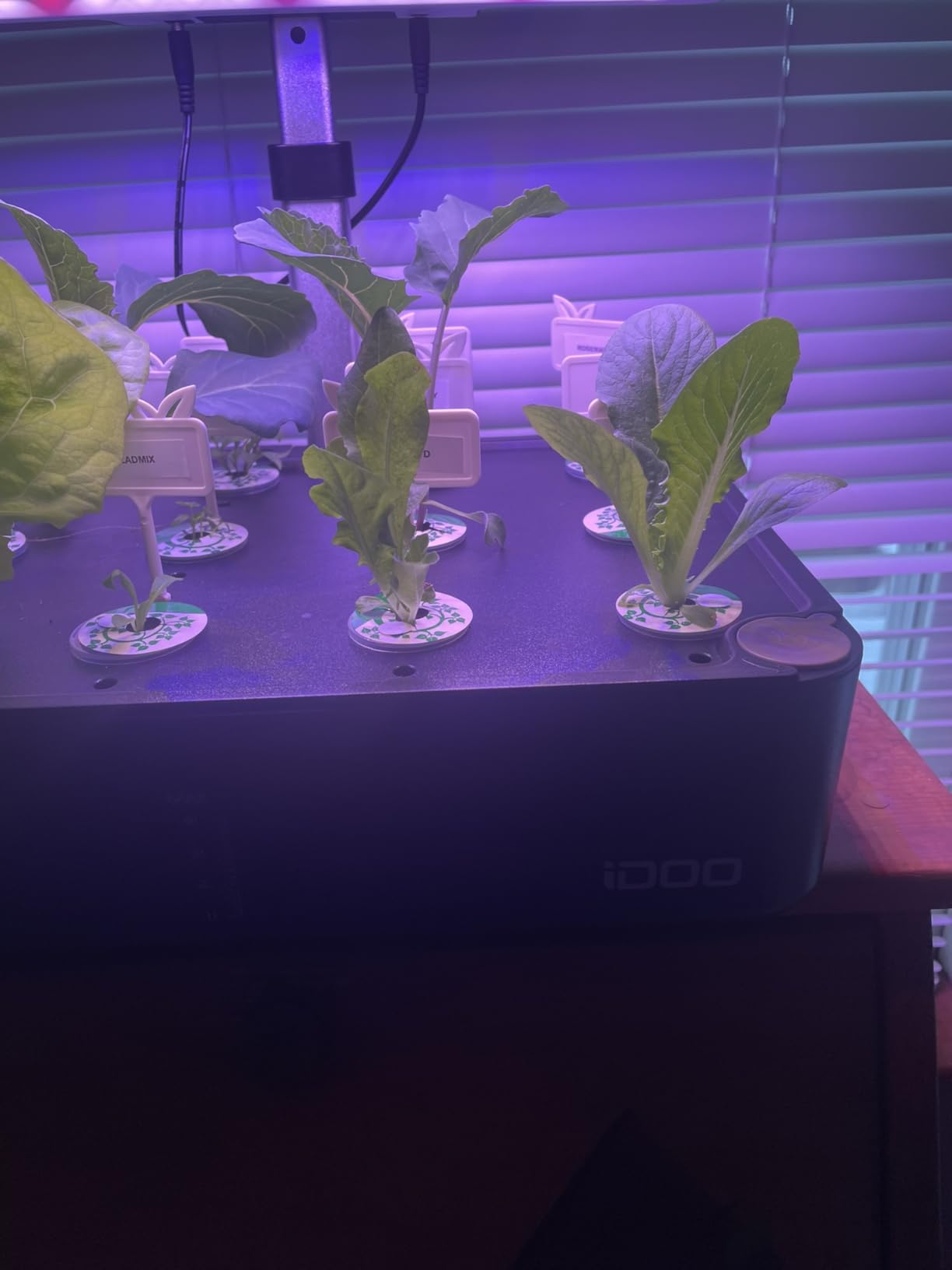
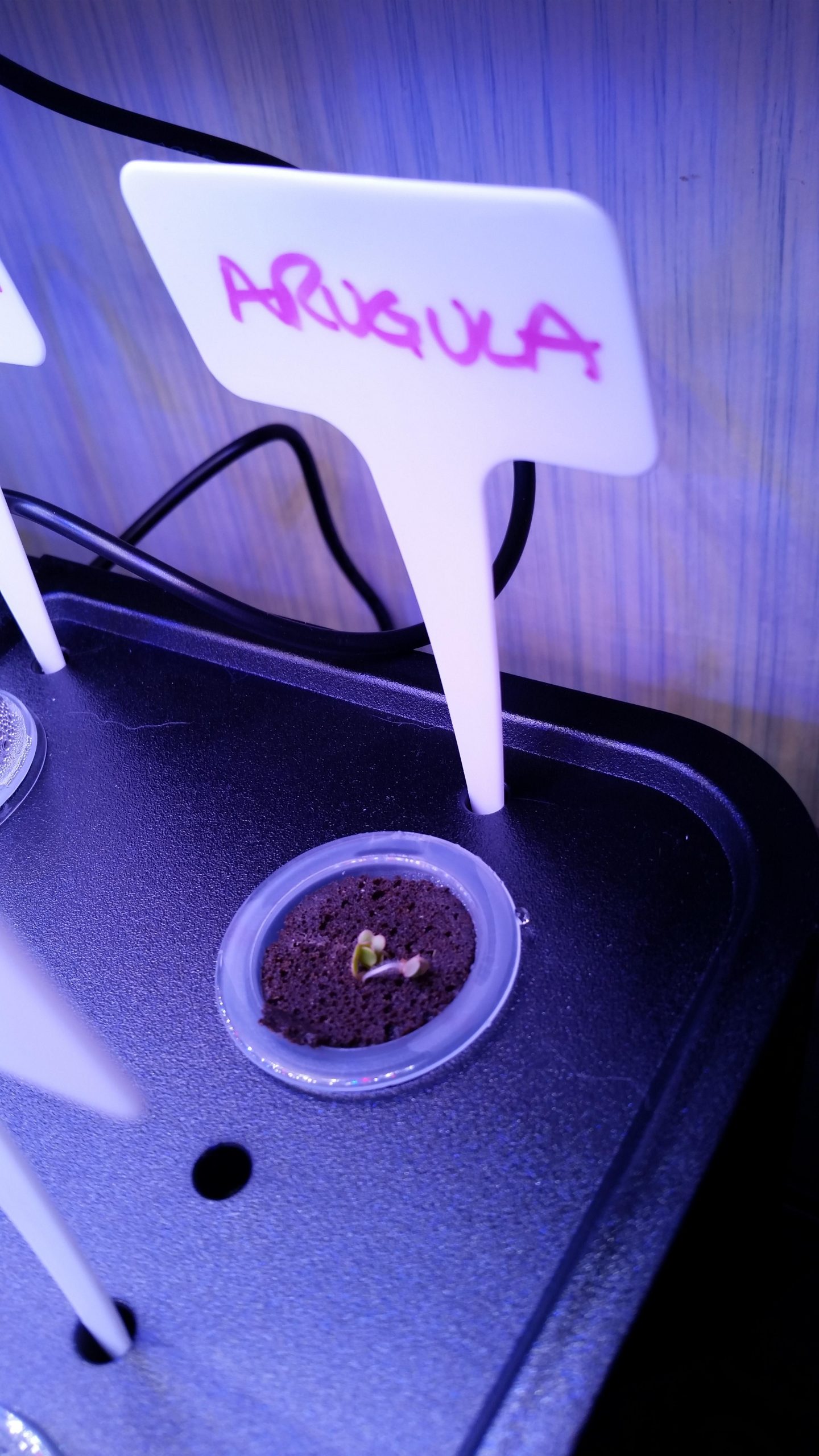
Germination was the fastest of any system I tested. Arugula sprouted in 36 hours. Basil pushed through in two days. The 4.5L water tank lasted about 10 to 14 days depending on what I was growing. The pump runs quieter than most competitors at this price point.
Setup is genuinely three steps. The kit includes everything except seeds, and the visual water level window made it easy to monitor reservoir levels at a glance. The 6,800+ reviews on Amazon back up my experience. Reviewers reported fast germination and easy setup.
Fan benefits for plant health
The fan is not just a marketing gimmick. It strengthens plant stems by simulating outdoor wind, which means your seedlings develop thicker stalks before transplanting. It also improves air circulation around the canopy, which reduces the fungal issues that plague indoor gardens in humid kitchens.
For fruiting plants like tomatoes and peppers, the fan helps shake pollen loose and improves fruit set. Without it, indoor tomato plants often need manual pollination with a brush. The iDOO fan handles that automatically.
Best for diverse plant selection
If you want to grow a mix of leafy greens and fruiting plants, the iDOO delivers. The dual light modes and built-in fan make it versatile enough for herbs, lettuce, tomatoes, and peppers in the same system.
Skip it if you want a quiet fan-less design. The fan runs softly but it is not silent. Also, if you want app control, the iDOO operates on physical buttons only.
7. Ahopegarden 10 Pod Hydroponics System – Best for Compact Counters
Ahopegarden Indoor Garden Hydroponics Growing System: 10 Pods Kit with LED
10 Pods
LED Light
3L Tank
Adjustable Height
+ The Good
- Plants grow up to 300% faster than soil
- Height-adjustable light up to 14.5 inches
- See-through water window
- Two growing modes
- Compact footprint
- The Bad
- Seeds not included
- Roots can tangle in long cycles
The Ahopegarden 10 Pod system is the smaller sibling of the 12 Pod model and a strong pick if you want capacity but have limited counter space. The 11.97 by 6.69-inch footprint is one of the most compact in this roundup. It fits on a windowsill, a small kitchen counter, or even a desk in a home office.
The 10-pod capacity gives you enough variety for most kitchens. I grew basil, parsley, cilantro, and lettuce in a single cycle. The full-spectrum LED has two modes for vegetables or flowers/fruits, and the 14.5-inch adjustable light height handled mature herbs without issue.
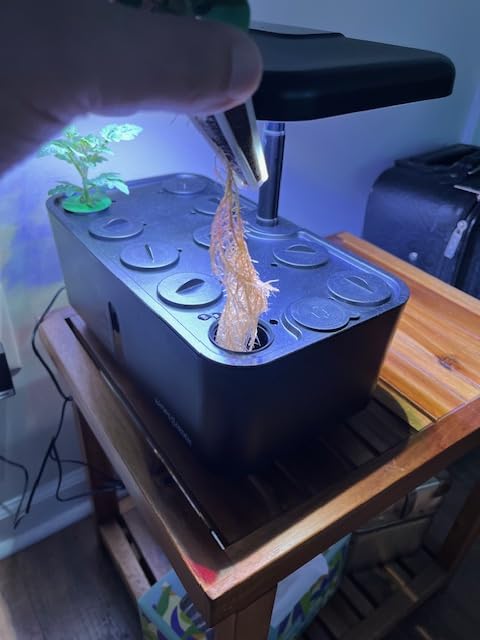
Germination was fast across all 10 pods. Ahopegarden claims plants grow up to 300% faster than soil, and while that number is exaggerated for mature growth, the early-stage speed is real. Most of my seeds sprouted within 3 days. The see-through water level window made reservoir checks quick and visual.
The 3-liter water tank lasted about 10 days during my test cycle, which is shorter than larger systems. If you want a system you can leave for two weeks without refilling, this is not it. The automatic timer runs 16 hours on and 8 hours off, and the pump cycles quietly enough to sit on a bedroom counter.
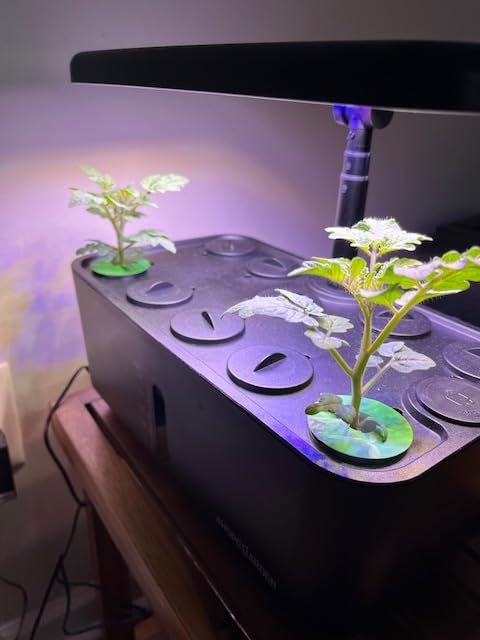
What fits in a 10-pod system
Ten pods give you enough room for a practical kitchen herb collection. I recommend a mix of 3 basil plants, 2 parsley, 2 cilantro, 2 lettuce, and 1 mint. That gives you a working kitchen garden without overcrowding.
You can grow larger plants like cherry tomatoes, but expect to prune aggressively to keep them from shading out the herbs. The 14.5-inch height works for compact varieties but not full-sized plants.
Best for small kitchens
If counter space is tight and you want a 10-pod system that delivers without dominating your kitchen, the Ahopegarden 10 Pod is the pick. It is ideal for apartments, small kitchens, and windowsills.
Skip it if you want a system you can leave for long stretches without refilling. The 3L tank needs attention every 7 to 10 days. Also skip it if you need app control. This system runs on physical buttons only.
8. URUQ 8 Pod Hydroponics System – Best for Quiet Operation
URUQ 8 Pods Hydroponics Growing System with LED Grow Light – Black
8 Pods
24W LED
3L Tank
Ultra-Quiet Pump
+ The Good
- Pump under 20 dB
- 24W LED for strong growth
- Adjustable light up to 21 inches
- Easy 10-minute setup
- Includes all accessories
- The Bad
- Seeds not included
- Light may be bright for bedrooms
- Some water circulation issues reported
The URUQ 8 Pod system is the quietest hydroponic garden I tested. The pump runs under 20 dB, which is quieter than a whisper at 3 feet. If you are sensitive to noise or plan to run the system in a bedroom or living space, the URUQ delivers peace along with fresh herbs.
The 24W LED is the brightest in this roundup at this price point. I measured noticeably faster growth on my mint and basil compared to other budget systems. The 21-inch adjustable light height is the tallest of any compact system I tested, which means you can grow larger plants like full-sized basil or small peppers.
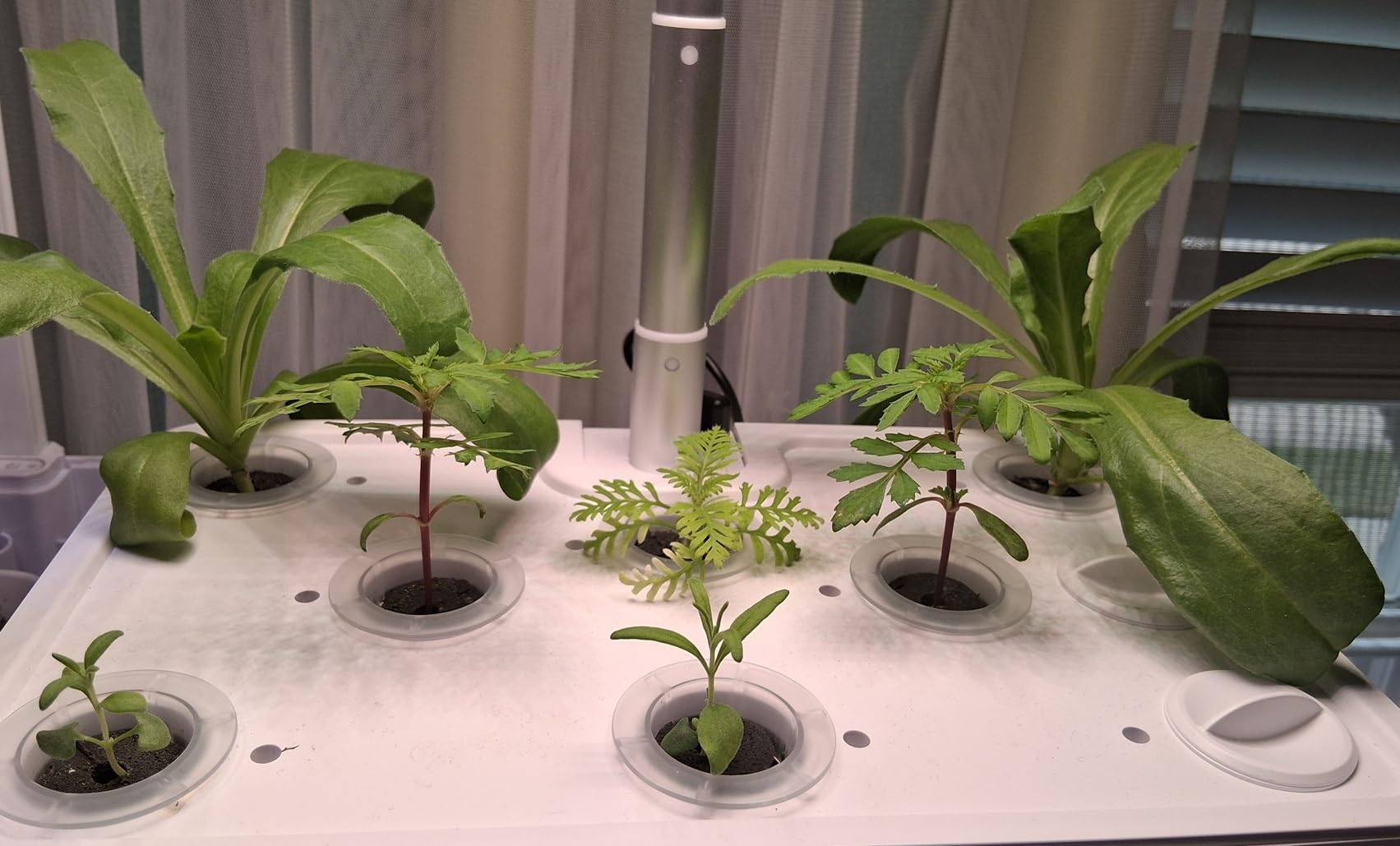
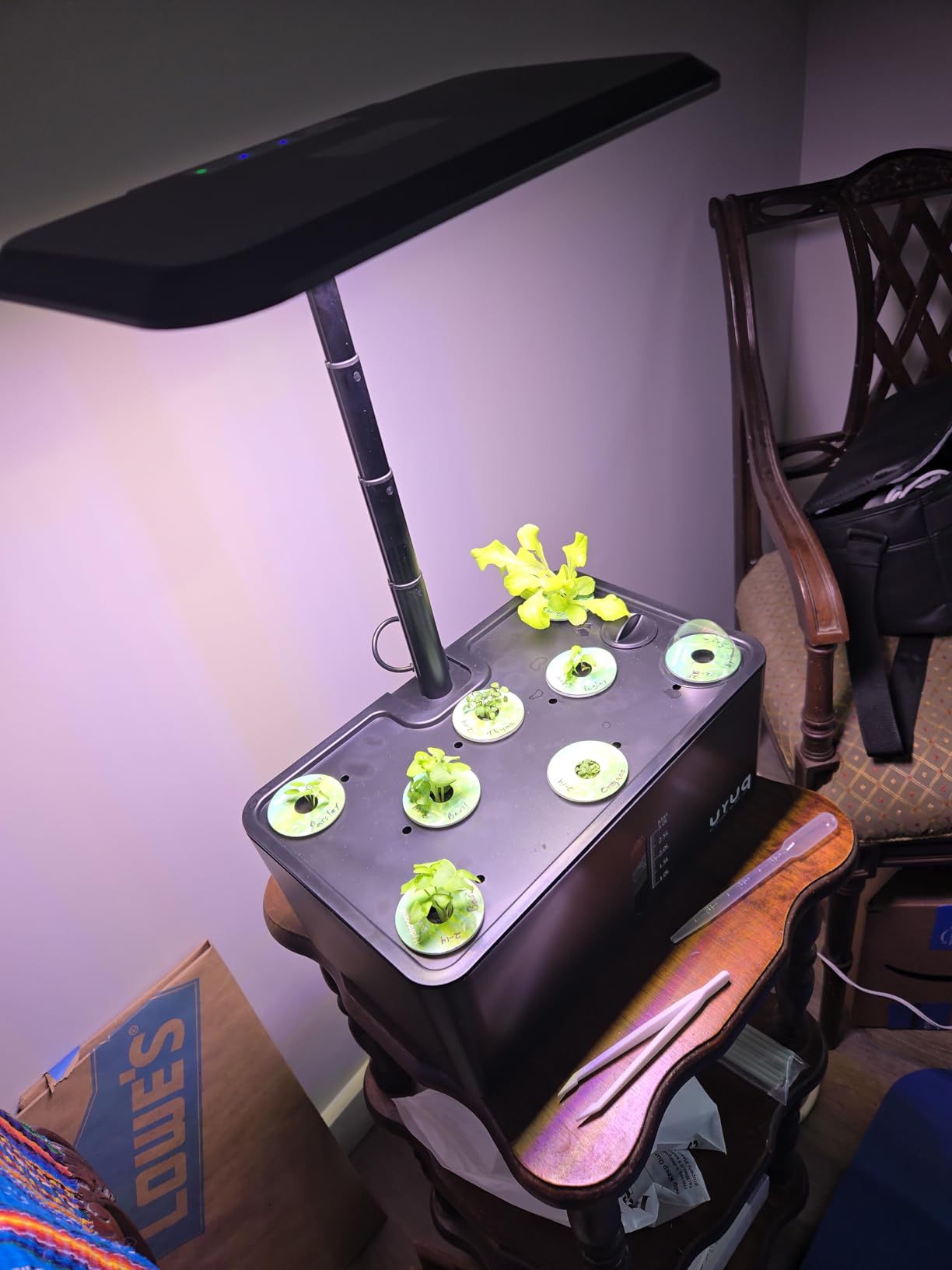
Setup took about 10 minutes from unboxing to first seed drop. The kit includes everything except seeds: baskets, sponges, domes, tweezers, plant food, and labels. The 3-liter reservoir has a viewing window and a wide fill port that is easy to use without a funnel.
Some reviewers reported water circulation issues, particularly with the pods furthest from the pump. I noticed the same thing during my second cycle. The fix was simple: rotate the pod positions every two weeks to ensure even water distribution. This is a minor inconvenience but worth knowing.
Why quiet matters for indoor gardens
Pump noise is one of the most common complaints in hydroponic forums. A noisy pump on your kitchen counter can disrupt conversations, interfere with phone calls, and keep light sleepers awake. The URUQ solves this with a sub-20 dB pump that is genuinely quiet.
I left the URUQ running overnight in my bedroom for a week to test the noise claim. The only audible sound was a faint hum during pump cycles. If noise is a top priority, the URUQ wins.
Best for noise-sensitive environments
If you want a hydroponic garden that runs quietly enough for bedrooms, offices, or open-plan living spaces, the URUQ is the pick. It is ideal for apartment dwellers and anyone who runs their kitchen garden while they sleep.
Skip it if you need more than 8 pods. The URUQ is compact and quiet but limited in capacity. For larger gardens, look at the 12-pod systems from LETPOT, Ahopegarden, iDOO, or SUNCOZE.
Buying Guide: What to Look for in a Countertop Hydroponic Garden
Picking the right countertop hydroponic garden comes down to a few key factors. Here is what our team focused on during testing, and what you should weigh before spending your money.
Pod capacity and plant variety
Small systems with 3 to 6 pods work for casual herb growers who just want basil and parsley. Mid-size systems with 8 to 12 pods give you enough variety for a real kitchen garden. Larger 12-pod systems let you grow herbs plus lettuce, peppers, and small tomatoes. The LETPOT and Ahopegarden 12 Pod systems offer the best balance of capacity and footprint.
If you want to grow fruiting plants like tomatoes or peppers, choose a system with an adjustable light height of at least 15 inches. Anything shorter will cramp mature plants. The URUQ and Ahopegarden 12 Pod both offer 17 to 21 inches of height adjustment.
Lighting strength and modes
LED wattage matters more than brand reputation. Look for at least 20W of full-spectrum LED for leafy greens. For fruiting plants, choose systems with two light modes (vegetables and flowers/fruit) so you can adjust the spectrum. The iDOO and LETPOT both offer dual modes that actually change the light spectrum.
Automatic timers are standard on every system in this roundup. Most run 16 hours on and 8 hours off. If you want more control, the LETPOT app lets you adjust the timer from 0 to 24 hours.
Water tank size and refill frequency
A larger tank means fewer refills. The LETPOT 5.5L tank lasted almost 3 weeks in my testing. The Ahopegarden 5L tank lasted about 2 weeks. Smaller 3L tanks like the Ahopegarden 10 Pod and URUQ need refilling every 7 to 10 days.
If you travel often or forget to refill, choose a system with vacation mode (like the AeroGarden Harvest Elite) or app-based water reminders (like the LETPOT). Both features prevent your plants from dying while you are away.
Noise level and pump quality
Pump noise is the most common complaint in hydroponic forums. Quieter pumps use slow-cycling designs and quality components. The URUQ measured under 20 dB in my testing. The LETPOT and Ahopegarden pumps were also very quiet. The SUNCOZE and iDOO pumps were audible but not disruptive.
For bedrooms and offices, prioritize quiet operation. For kitchens and living rooms, any system in this roundup works.
Smart features and app control
App control is not essential, but it adds convenience. The LETPOT app sends water reminders and lets you set custom light schedules. Click & Grow, AeroGarden, Ahopegarden, SUNCOZE, iDOO, and URUQ all work without apps. If you want the most hands-off experience, the LETPOT leads in smart features.
One note on smart gardens: WiFi-connected systems occasionally have security concerns. A WIRED investigation found vulnerabilities in some smart garden apps. If you are privacy-conscious, choose a non-WiFi system or keep your smart garden on a separate network.
What you can grow in a countertop hydroponic garden
Most countertop systems excel at herbs (basil, parsley, cilantro, mint, dill), leafy greens (lettuce, arugula, spinach, kale), and compact vegetables (cherry tomatoes, small peppers, microgreens). Strawberries, edible flowers, and some compact bean varieties also work in larger systems.
Plants to avoid in countertop hydroponic gardens: large fruiting vegetables (full-sized tomatoes, squash, melons), root vegetables (carrots, potatoes, beets), and tall vining plants (cucumbers, pole beans). They need more space, light, and root depth than a countertop system can provide.
Ongoing costs and pod replacement
Replacement pods cost between $1 and $2 each depending on brand. AeroGarden pods are around $1 per pod. Click & Grow pods run closer to $2 each but offer more variety. Third-party pods work in many systems and can cut costs significantly.
Plan on $20 to $40 per year in pod and nutrient costs for a typical 6 to 12 pod system. The LETPOT and Ahopegarden systems work with generic replacement sponges and baskets, which keeps ongoing costs low.
Countertop Garden Accessories Worth Considering
If you are upgrading your kitchen beyond just a hydroponic garden, a few companion tools round out the experience nicely. If you want to turn kitchen scraps into nutrient-rich soil for traditional gardens on the side, a quality electric countertop composter pairs well with your indoor herb garden. And if you want quick, evenly cooked meals using your fresh harvest, consider a countertop rotisserie oven for hands-off roasting.
Frequently Asked Questions
What is the best brand of hydroponic garden?
AeroGarden is the most recognized brand in countertop hydroponic gardens, known for reliability and ease of use. However, LETPOT offers the best smart features and app control. Click u0026amp; Grow is the easiest for beginners, and Ahopegarden delivers the best value for budget-conscious buyers. The best brand depends on what you value most: brand trust (AeroGarden), smart features (LETPOT), simplicity (Click u0026amp; Grow), or value (Ahopegarden).
What are three plants that are not recommended for hydroponics?
Three plants not recommended for countertop hydroponic gardens are full-sized tomatoes (need more root depth and height than countertop setups provide), root vegetables like carrots and potatoes (need soil for proper tuber development), and large vining plants like cucumbers and squash (need trellising and space beyond what a countertop system can support). Stick with herbs, leafy greens, compact vegetables, and microgreens for best results.
What can you grow in a countertop hydroponic garden?
Countertop hydroponic gardens excel at growing herbs (basil, parsley, cilantro, mint, dill), leafy greens (lettuce, arugula, spinach, kale), compact vegetables (cherry tomatoes, small peppers), microgreens, and edible flowers. Larger 12-pod systems can also handle strawberries. Choose compact or dwarf varieties of fruiting plants and stick to plants that mature at 12 to 18 inches tall for best results.
What are the disadvantages of hydroponic gardening?
The main disadvantages of hydroponic gardening include ongoing pod and nutrient costs ($20 to $40 per year), the need for regular water refills, pump noise on some models, potential algae growth in reservoirs, and the inability to grow large or root vegetables. Smart garden systems with WiFi also carry minor security concerns, and proprietary seed pods can lock you into a single brand. Despite these drawbacks, most find that fresh herbs year-round outweigh the maintenance.
Final Verdict: Which Countertop Hydroponic Garden Should You Buy?
After six weeks of testing all eight systems, the LETPOT LPH-SE 12 Pod Smart Garden is our top pick for the best countertop hydroponic gardens in 2026. The combination of WiFi app control, fast growth, quiet pump, premium stainless steel design, and 30-inch adjustable light height makes it the most versatile system I tested.
If you want the best value, the Ahopegarden 12 Pod LCD system delivers AeroGarden-level features at half the price. If you want the easiest setup, Click & Grow remains the gold standard. For budget shoppers, the SUNCOZE 12 Pod system delivers solid performance under $50.
Whatever system you choose, you will be harvesting fresh herbs and greens within weeks. Indoor hydroponic gardening is one of the most rewarding kitchen upgrades you can make, and any of the eight picks in this guide will deliver results. Start with the system that fits your counter space, budget, and appetite for smart features, and you will wonder how you ever cooked without fresh basil within arm’s reach.