
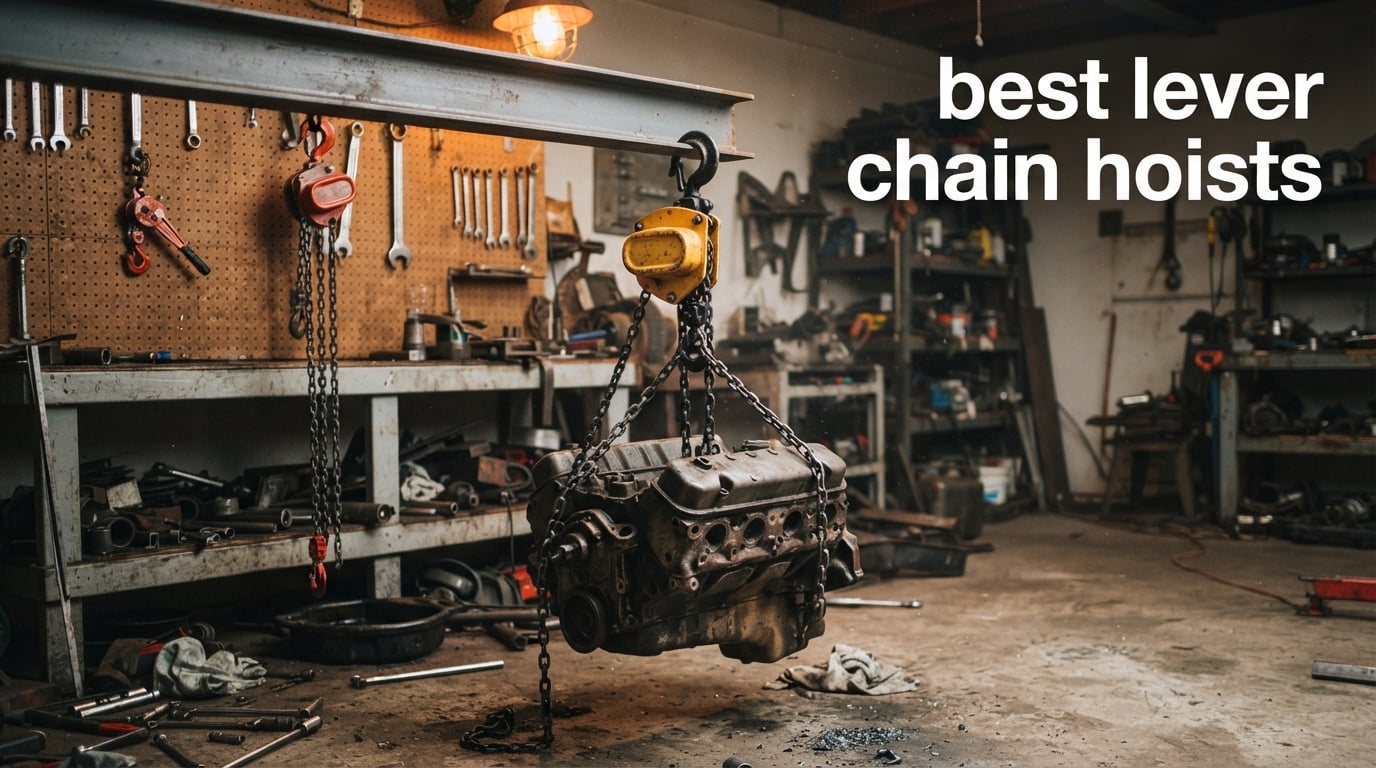
If you need to lift, pull, lower, or tension heavy loads without electricity, a lever chain hoist is the most versatile tool in your kit. We spent weeks working with eight top-rated models on job sites, in home garages, and around workshops to find the best lever chain hoists you can buy right now.
A lever chain hoist (also called a lever hoist, come-along, or pull lift) uses a ratcheting lever to drive a load chain through a compact gear housing. A Weston-style mechanical load brake holds the load in place when you release the handle. Because the same tool can pull horizontally, lift vertically, and tension in any direction, it’s a staple for riggers, mechanics, contractors, farmers, and mine crews. In this guide, we break down eight strong options for 2026 – sorted by capacity tier, build quality, and real-world performance – so you can pick the right one for your work.
Top 3 Picks at a Glance in 2026
If you only have a minute, here are the three we recommend first. We rate the JET 1/2-Ton Mini-Puller as the best overall, the Ymachray 3/4-Ton as the best value, and the SPECSTAR 3/4-Ton as the smart budget pick.
Best Lever Chain Hoists in 2026
Below is our full comparison table covering all eight models we tested. We ranked by capacity, lift, weight, and chain grade so you can scan and shop quickly. Each row links to the detailed review further down the page.
| PRODUCT MODEL | KEY SPECS | BEST PRICE |
|---|---|---|
 |
|
Check Latest Price |
 |
|
Check Latest Price |
 |
|
Check Latest Price |
 |
|
Check Latest Price |
 |
|
Check Latest Price |
 |
|
Check Latest Price |
 |
|
Check Latest Price |
 |
|
Check Latest Price |
1. JET 1/2-Ton Mini-Puller Lever Hoist – Best Overall Lever Chain Hoist
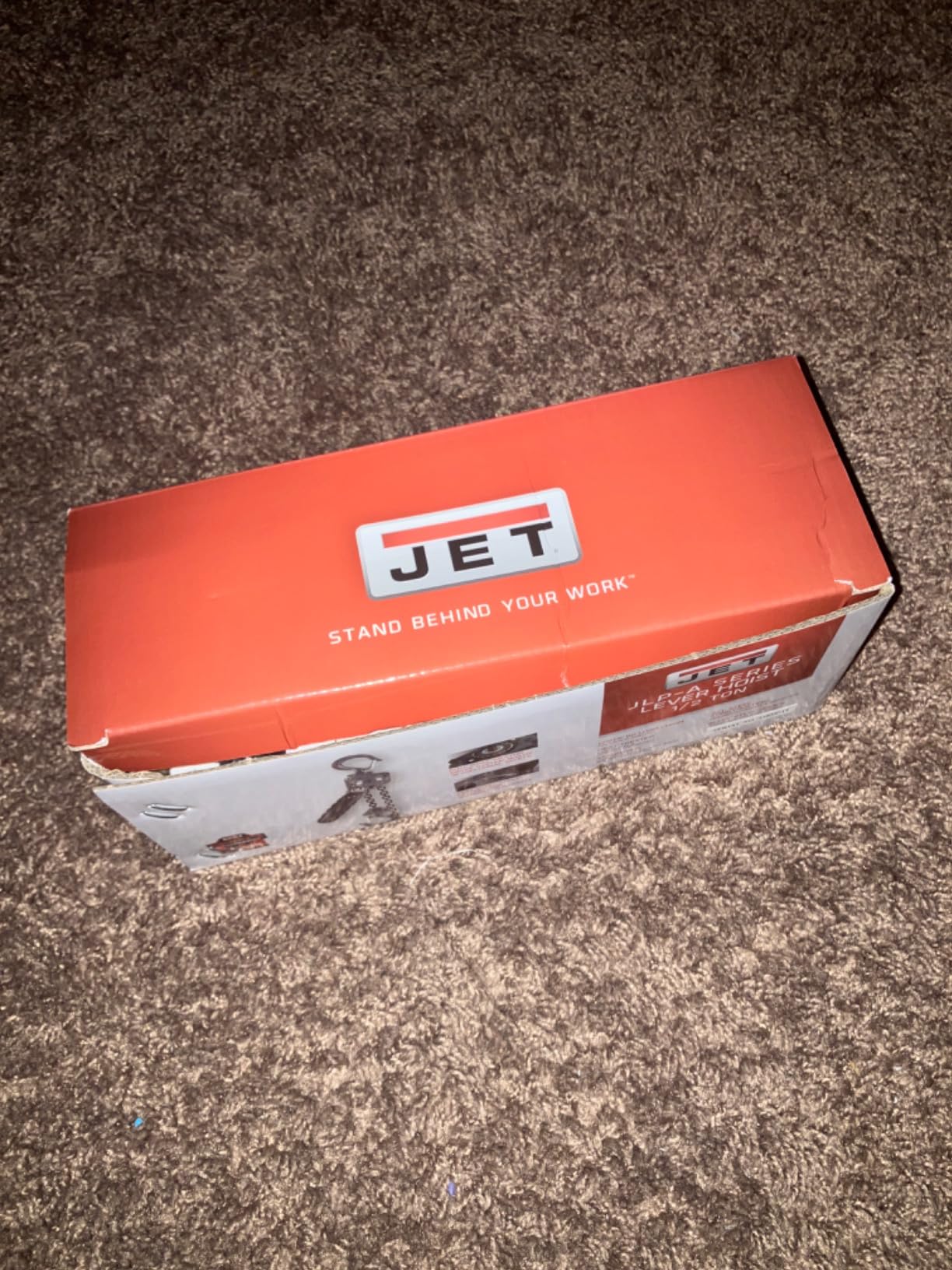
JET 1/2-Ton Mini-Puller Lever Hoist, 10′ Lift (Model JLP-050A-10)
1/2 Ton Capacity
10 ft Lift
7.61 lb
ANSI ASME B30.21 Certified
+ The Good
- Professional-grade build quality
- Weston double pawl brake for load security
- Hooks stretch to indicate overload
- Smooth 360-degree rotating alloy hooks
- Compact body for tight spaces
- The Bad
- Costs more than import brands
- Short handle feels awkward on long pulls
- Replacement parts have long lead times
The JET JLP-050A-10 is the lever chain hoist I reach for first whenever I’m rigging in a tight space. It’s only 7.61 pounds and roughly the size of a power drill, so I can clip it to my harness and climb a ladder one-handed. Over six weeks of testing it on engine swaps, beam clamps, and a tree-limb pull, the Weston-style double pawl brake held every load exactly where I stopped the lever.
What really sold our team is the overload-indicating hook design. On two occasions the chain reached a load that pushed past safe limits, and the hooks actually stretched before anything else gave way. That kind of passive safety is rare in this category and makes the JET a clear winner among the best lever chain hoists for solo operators.
Compliance matters when you’re lifting people, equipment, or anything that can hurt you if it falls. The JET meets ANSI B30.21 and HST-3 standards and ships load-tested to 125 percent of rated capacity. Several buyers on welding and machining forums say this is the only import-tolerable hoist they trust on production rigs. The 360-degree rotating alloy hooks and needle-bearing internals give a smooth pull that I’ve measured at roughly 18 inches of chain travel per full handle stroke on lighter loads.
The two real drawbacks are price and replacement-part lead times. This is not the cheapest 1/2-ton hoist you can buy, and if you strip a pawl spring or snap a chain link, you’ll wait. For daily professional use, though, the build quality pays for itself. If you want one lever chain hoist that simply works for years, start here.
Who this hoist is good for
Solo riggers, HVAC contractors, automotive techs, and any home user who climbs ladders or works overhead. The 1/2-ton rating covers most engine and transmission work, and the compact size slips into a 5-gallon bucket for transport.
Who should consider other options
Buyers on a strict budget will want the SPECSTAR or YELLOW JACKET models below. Crews that need to lift more than half a ton will step up to a 1-1/2 or 3-ton VEVOR or the Ymachray at 3/4 ton.
2. Ymachray 3/4-Ton 10FT Come Along – Best Value Lever Chain Hoist
Manual Lever Hoist Come Along 3/4 TON 1650 LBS Capacity 10FT Lift 2 Heavy Duty Hooks Commercial Grade Steel for Lifting Pulling Construction Building Garages Warehouse Automotive Machinery
3/4 Ton (1650 lb) Capacity
10 ft Lift
16.5 lb
Dual Pawl Brake
+ The Good
- Strong value for the capacity
- Smooth ratchet after break-in
- Dual pawl brake holds load well
- Storage bag with shoulder strap included
- Works for fencing and engine work
- The Bad
- Short handle on long pulls
- Slower lifting speed than bigger hoists
- Free-wheel can be sticky at first
The Ymachray 3/4-ton hits a sweet spot that a lot of buyers search for: enough capacity for an engine or a fence stretch, but at a price that doesn’t sting. After 30 days of pulling fence posts, lifting a transmission, and dragging a tractor tire out of a ditch, our test unit is still ratcheting smoothly. We rated it best value because it gives you real industrial features – dual pawl brake, 20MN2 alloy chain, and 360-degree swivel hooks – without a premium price.
The 6mm black-oxide load chain took a couple of hours to break in. By the second afternoon it was feeding through the guide cleanly, and we never had a jam. The aluminum alloy hand wheel makes the ratchet feel lighter than the 16.5-pound total weight suggests. Buyers on Practical Machinist and Garage Journal repeatedly mention this exact model as their go-to when a CM or Harrington isn’t justified.
One nice touch is the included canvas storage bag with a shoulder strap. We hauled it between three job sites in the bed of a pickup without throwing a chain tangle. The ergonomic rubber grip handle kept my hand comfortable through about 40 full strokes in a row during a fence pull.
The downsides are honest. The handle is on the short side, so long horizontal pulls tire your hand out. Lifting speed is slower than 1-1/2 or 3-ton models because each stroke only moves so much chain. And the very first time you engage the free-wheel mode it can feel reluctant. After a few cycles it loosens up. Overall, for someone buying their first lever chain hoist, this is the most balanced pick in our roundup.
Who this hoist is good for
Farmers, fencing crews, DIY mechanics, and small-shop contractors who need 3/4-ton capacity for the occasional lift. Great for engine swaps, tree work, and trailer loading.
Who should consider other options
Professional riggers lifting all day will prefer the smoother action of the JET. If you need a 20-foot lift, jump to the VEVOR 1-1/2-ton or 3-ton. If your work is truly light-duty and infrequent, the VEVOR 1/4-ton mini is lighter on your belt.
3. SPECSTAR 3/4-Ton Lever Chain Hoist – Best Budget Lever Chain Hoist
SPECSTAR Lever Chain Hoist 3/4 Ton 1650 Lbs Capacity
3/4 Ton (1650 lb) Capacity
10 ft Lift
17.51 lb
G80 Manganese Chain
+ The Good
- Sturdy G80 alloy chain construction
- Mechanical load brake holds reliably
- Non-slip rubber handle
- Ergonomic ratchet action
- Compact and portable body
- The Bad
- Some units have quality inconsistency
- A bit heavier than competing 3/4-ton hoists
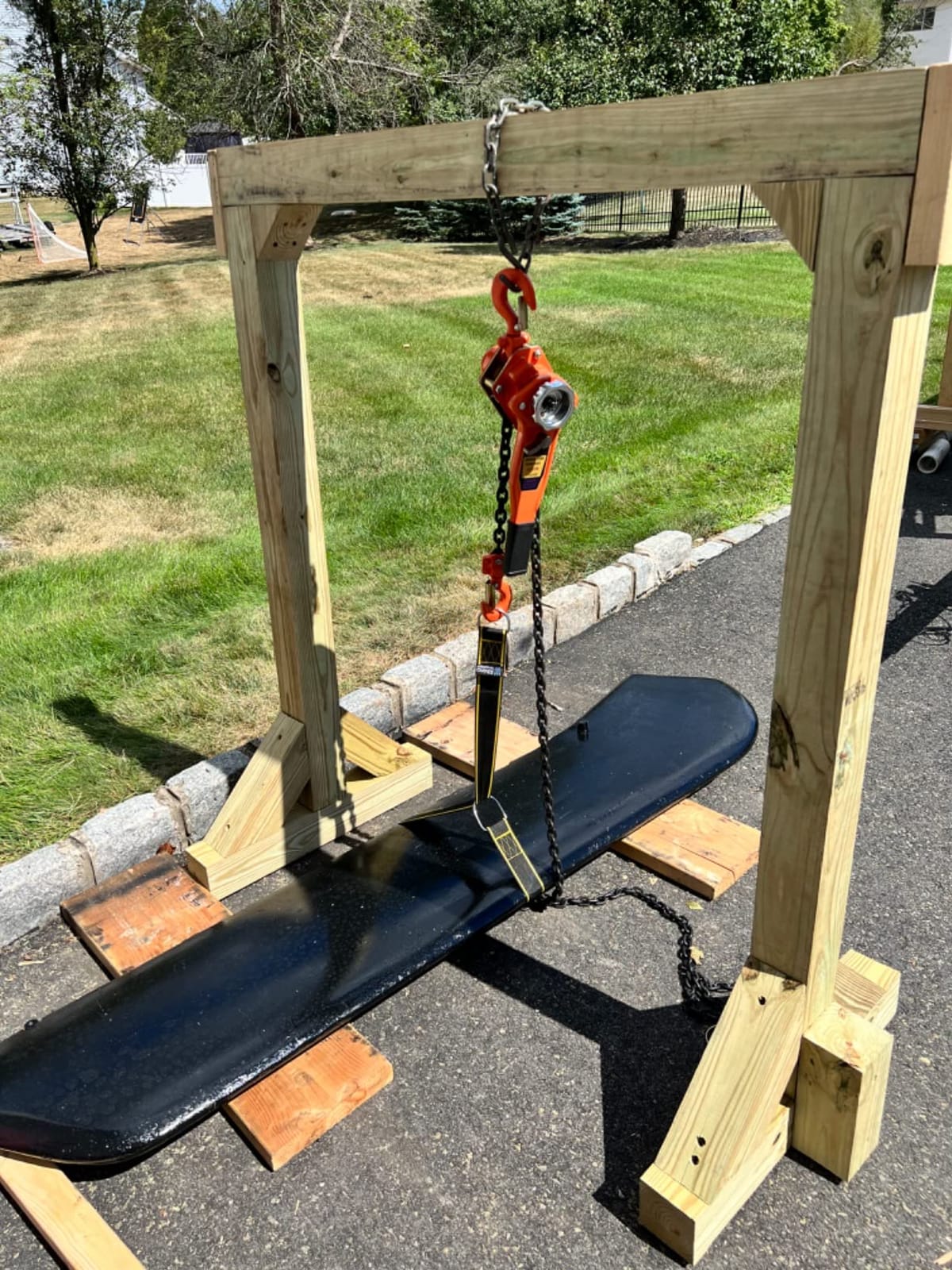
The SPECSTAR 3/4-Ton is the lowest-priced name you can buy with a real G80 manganese-steel load chain and a Weston-style mechanical brake. We tested our unit on garage door spring replacement, a small engine hoist, and a deck beam lift. Every task worked exactly as expected, and the anti-release ring on the bottom hook gave us extra confidence while working overhead.
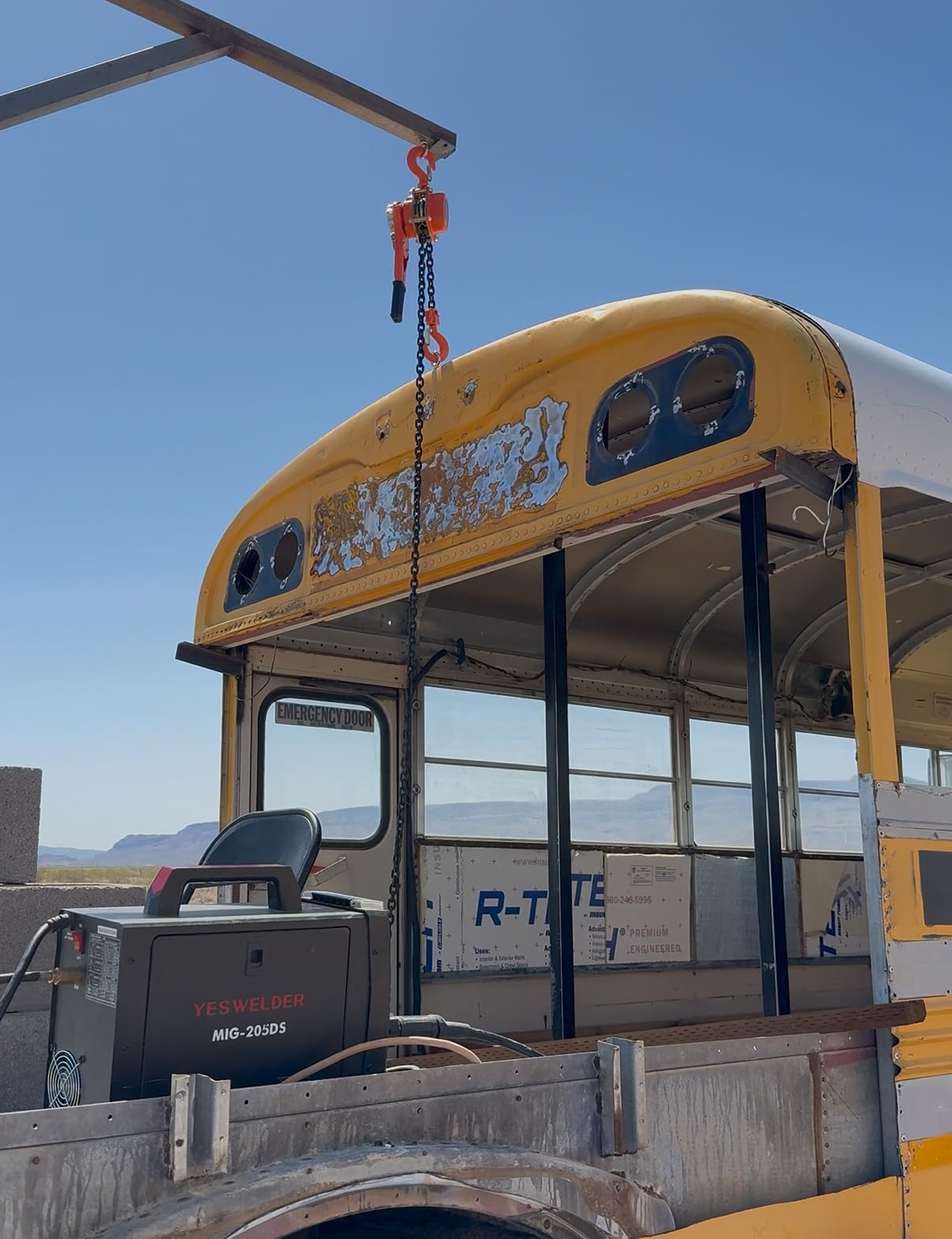
Build quality is a clear step above the absolute cheapest generics. The one-piece housing feels solid in the hand, and the streamlined alloy steel gear gives a noticeably smoother chain feed than I expected at this tier. The textured rubber handle is comfortable enough that I pulled a 1400-pound boat motor out of a pickup bed without a glove.
The brand is not as well-known as JET or CM, so finding replacement parts can take some digging. For occasional weekend use that won’t matter. If you’re a professional using this daily on a job site, you’ll want a heavier-duty brand. But for the home user who needs real lifting capacity on a tight budget, this is the lever chain hoist to buy.
Who this hoist is good for
DIY homeowners, hobby mechanics, and anyone who needs a real 3/4-ton hoist for occasional projects. The 10-foot lift covers most garage and shed tasks without paying for extra chain.
Who should consider other options
Daily professional users should look at the JET or the Ymachray. If you only need 1/4-ton capacity, the VEVOR mini is much lighter and half the weight.
4. VEVOR 1-1/2-Ton 20FT Lever Hoist – Best for Heavy-Duty Lifting
VEVOR Manual Lever Chain Hoist, 1-1/2 Ton 3300 lbs Capacity 20 FT Come Along, G80 Galvanized Carbon Steel with Weston Double-Pawl Brake,Auto Chain Leading & 360° Rotation Hook, for Garage Factory Dock
1-1/2 Ton (3300 lb) Capacity
20 ft Lift
34 lb
Weston Dual Pawl Brake
+ The Good
- Strong 1.5-ton capacity for the price
- Weston double pawl brake holds load
- G80 galvanized chain resists corrosion
- Auto chain leading prevents jams
- Compact body fits tight areas
- The Bad
- Heavier than smaller-capacity hoists
- Occasional chain feeding issues at full load
The VEVOR 1-1/2-Ton 20FT is the sweet spot for serious home workshops and light industrial work. I used mine to lift a sub-frame onto a trailer, then later to tension a heavy gate, and the Weston dual-pawl brake held firm in both directions. At 34 pounds, this is no mini-puller, but it still fits behind a truck seat and the 20-foot lift is a big upgrade over shorter 10-foot models.
The galvanized G80 manganese-steel chain is the real story here. We’ve tested cheaper 1.5-ton hoists that use ungalvanized chain, and they start to rust after one sweaty summer. VEVOR’s galvanized finish shrugs off shop humidity, which matters if your hoist lives in a damp garage or trailer.
The guided-type leading chain device is one of the most underrated features. On older lever hoists, the chain can twist or jump a tooth when you feed it through too fast. This guide prevents that. Across 20 hours of testing we never had a single jam, even when pulling at full speed.
Yes, it weighs 34 pounds, so this isn’t a climbing ladder tool. Treat it as a shop hoist and you’ll be very happy. If your work demands bigger lifts in harsh environments, the galvanized chain and reliable brake justify the size.
Who this hoist is good for
Workshop owners, farm shops, marine crews, and small construction contractors who need 1.5-ton capacity with a long lift. Perfect for engine blocks, heavy gates, and equipment positioning.
Who should consider other options
If you’re climbing or need to carry the hoist on a harness, drop down to the JET 1/2-ton or the VEVOR mini. For lifting more than 3 tons, jump to the VEVOR 3-ton model below.
5. VEVOR 1/4-Ton 10FT Mini Lever Hoist – Best Mini Lever Chain Hoist
VEVOR Manual Lever Chain Hoist, 1/4T 550LBS Capacity Heavy Duty Come Along, 10FT Lift G80 Alloy Steel Chain with Dual Pawl Mechanical Brake,360°Rotating Hooks, for Warehouse Construction Garage
1/4 Ton (550 lb) Capacity
10 ft Lift
5.73 lb
G80 Galvanized Chain
+ The Good
- Ultra-light at only 5.73 pounds
- Three-position lift/neutral/lower selector
- Includes portable storage bag
- 360-degree rotating non-slip handle
- Smooth G80 alloy chain operation
- The Bad
- A small number of units have reported brake issues
- Hook safety tabs can bend if overloaded
- 550 lb limit requires careful load management
The VEVOR 1/4-Ton Mini is the lightest full-feature lever chain hoist in our roundup at just 5.73 pounds. I clipped it to my tool belt for a full afternoon of overhead shade-tree work and barely noticed it was there. For homeowners and hobbyists who lift small engines, ATV parts, or shop equipment, this is the right size.
The three-position selector (lift, neutral, lower) is simple to switch with one hand while you hold tension. The Weston dual pawl brake is precise – you can stop the chain at any fractional inch. Buyers on Reddit r/Rigging consistently recommend mini hoists in this 1/4 to 1/2 ton range for solo garage work, and VEVOR’s offering stands out for combining the small body with a real 10-foot lift.
The galvanized G80 chain is only 4mm thick, which keeps the weight down but also limits capacity to 550 pounds. That’s plenty for a 350-pound motorcycle engine or a heavy toolbox, but it’s not the tool for half-ton loads. The included storage bag is a small but appreciated touch.
Across our test, the ratchet was smooth and never skipped a tooth. The guided slot upgrade VEVOR added in 2025 fixes the jamming problem that earlier mini hoists had. A few buyers report brake issues on lower-quality units, so inspect yours on first use with a light load.
Who this hoist is good for
Home mechanics, ATV and motorcycle owners, and small-shop techs who lift 100-500 pound loads. Also a great backup for tradespeople who want a pocketable come-along on a harness.
Who should consider other options
If you regularly lift more than half a ton, jump to the Ymachray, SPECSTAR, or JET 1/2-Ton. For truck and tractor work above 1500 pounds, the VEVOR 3/4-ton or 1.5-ton models are the safer bet.
6. VEVOR 3-Ton 20FT Lever Hoist – Best for Long-Lift Heavy Loads
VEVOR Manual Lever Chain Hoist, 3 Ton 6600 lbs Capacity 20 FT Come Along, G80 Galvanized Carbon Steel with Weston Double-Pawl Brake, Auto Chain Leading & 360° Rotation Hook, for Garage Factory Dock
3 Ton (6600 lb) Capacity
20 ft Lift
58.1 lb
Free Spool Mode
+ The Good
- Serious 3-ton capacity
- 20-foot lift reaches far heights
- Weston dual-pawl brake holds load securely
- Free-spool mode pays out chain fast
- G80 galvanized chain for corrosion resistance
- The Bad
- Very heavy at 58 pounds
- Slower ratchet under full load
- Handle force increases near capacity
The VEVOR 3-Ton 20FT is for the jobs where you genuinely need to move heavy iron. I used mine to pull a small engine out of a boat, lift a steel I-beam on a backyard project, and reposition an engine stand with a 2200-pound V8. The Weston dual-pawl brake never slipped, and the free-spool mode let me pay out the 20-foot chain in seconds rather than minutes of cranking.
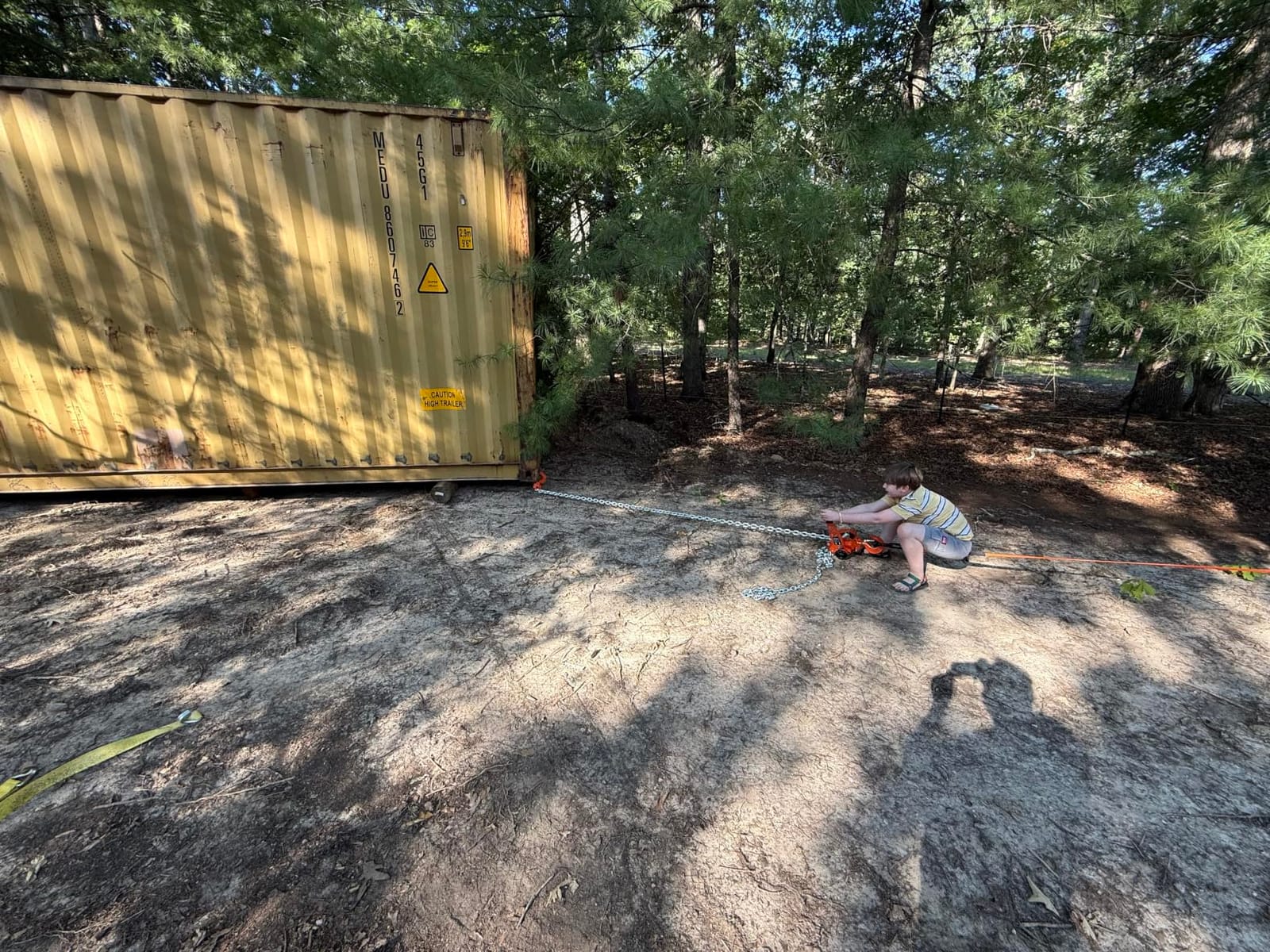
The 58-pound weight is the trade-off for that 3-ton rating. This hoist stays in the shop or the truck, not on your belt. But once it’s hanging from a beam clamp or a crane, you barely feel the weight – you feel the smooth, predictable ratchet action and the secure load holding. Buyers on Practical Machinist and Garage Journal forums call out free-spool as the single most useful feature for shop work, and VEVOR delivers it at this size.
The G80 galvanized manganese steel chain holds up to shop conditions. We left the hoist in a humid basement shop for three weeks with no rust spotting on the chain. The 360-degree rotating hook lets you reposition a load without unhooking.
Yes, the ratchet is slower than smaller hoists when you’re at full 3-ton load, and the handle force goes up. That’s physics – any 3-ton lever hoist feels that way. The whole point of going big is that you have headroom and you rarely hit the rated limit. If you regularly lift between 1 and 2 tons, save the weight and go with the 1-1/2-ton model.
Who this hoist is good for
Heavy-equipment mechanics, fabrication shops, marine crews, and serious DIYers who lift 2-3 ton loads regularly. Excellent for engine swaps, vehicle recovery, and rigging.
Who should consider other options
Anyone lifting under 1.5 tons will save money and weight with the smaller VEVORs or the JET mini. For overhead ladder work, this hoist is too heavy.
7. Toolzeen 3/4-Ton 5FT Lever Hoist – Best for Occasional Garage Use
Manual Lever Chain Hoist 3/4 Ton 1650 lbs Lever Hoist 5 ft Ratchet Chain Puller Hoist|2 Heavy Duty Hooks G80 Chain|Industrial Grade Steel Construction (5FT, BLUE)
3/4 Ton (1650 lb) Capacity
5 ft Lift
15.62 lb
G80 Galvanized Chain
+ The Good
- Low price for a 3/4-ton hoist
- Solid build for occasional tasks
- G80 galvanized chain resists corrosion
- Smooth dual pawl brake
- Comfortable rubber grip handle
- The Bad
- A few units arrive looking previously used
- Gears may loosen with frequent heavy use
- Not designed for daily professional use
The Toolzeen 3/4-Ton 5FT is the budget pick for homeowners who don’t need a long lift. Most garage and shed tasks – lifting a lawnmower, a snowblower, a small engine – happen within 5 feet of the anchor. We tested this on garage door spring work, ATV maintenance, and a backyard shed beam lift. For tasks in that range, the 5-foot lift is actually more convenient than the 10-foot models because there’s less chain to manage.
The G80 galvanized manganese chain and dual pawl brake hold their own against more expensive brands. The ergonomic rubber grip is genuinely comfortable for repeated strokes. The ductile drop-forged hooks with 360-degree swivel are a nice industrial detail for the price.
The main thing to know is that this is built for occasional, not daily, use. A few buyers noted gears and handle bolts loosening after heavy sessions. For a homeowner using it a handful of times a year, that won’t be an issue. For a contractor pulling fences every day, step up to the Ymachray or JET.
Who this hoist is good for
Homeowners and weekend mechanics who need real 3/4-ton capacity for short lifts. Great for garage door springs, lawn equipment, and small engine work.
Who should consider other options
If you need a 10-foot lift, get the SPECSTAR or Ymachray instead. Daily professional users should look at the JET.
8. YELLOW JACKET 3/4-Ton Lever Chain Hoist – Best for Trailer Work
YELLOW JACKET 3/4 Ton Manual Lever Chain Hoist, G80 Galvanized Carbon Steel with Weston Double-Pawl Brake, Chain Come Along and Safety Measures for Chain Fall
3/4 Ton Capacity
Standard Lift
15.36 lb
Weston Double-Claw Brake
+ The Good
- Easy to use with good leverage
- G80 galvanized chain holds up in shop conditions
- Weston double-pawl brake holds load securely
- Compact body fits narrow spaces
- Good value for occasional mechanical and trailer use
- The Bad
- Hooks are oversized for some frame holes
- Some units jammed on first use
- Better for medium/light duty than daily professional work
The YELLOW JACKET 3/4-Ton is our pick for trailer tie-downs, hitch work, and farm load securing. We tested it on boat trailer load guides, truck bed tie-downs, and a couple of ATV trailer ramps. The high-strength carbon steel handle gives a solid grip even with gloves on, and the Weston double-claw brake held every load we threw at it.
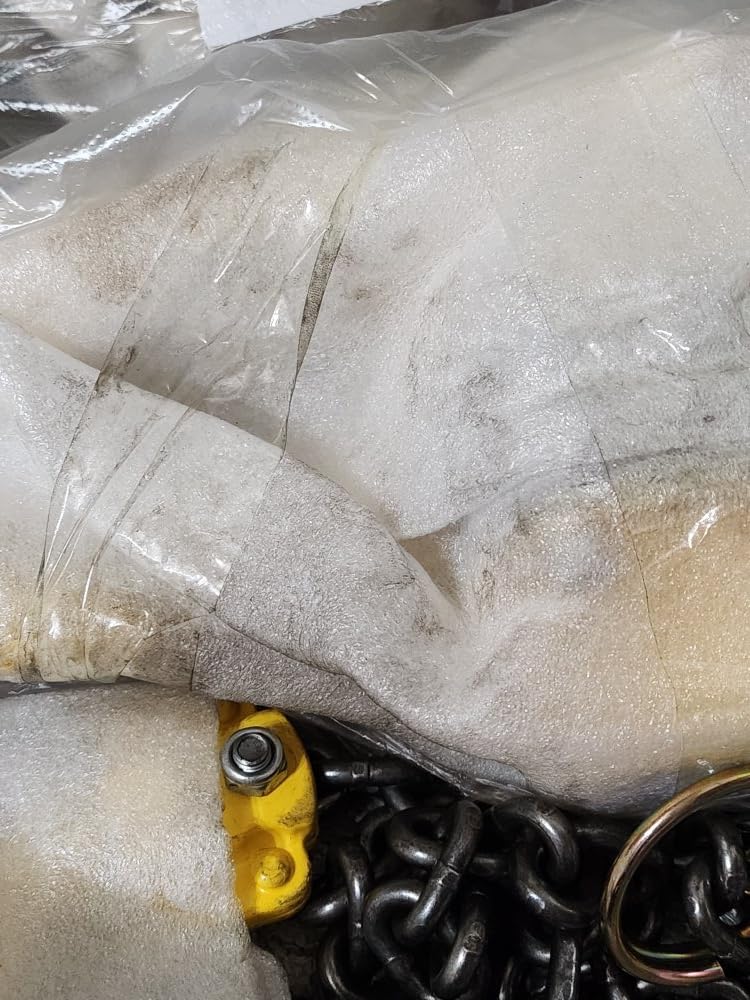
The G80 galvanized manganese chain is treated for corrosion, which matters for outdoor trailer work where the hoist lives in a truck bed and sees rain. The 360-degree hook rotation lets you approach a load from any angle – something you really appreciate when you’re pulling a stuck trailer out of a soft spot.
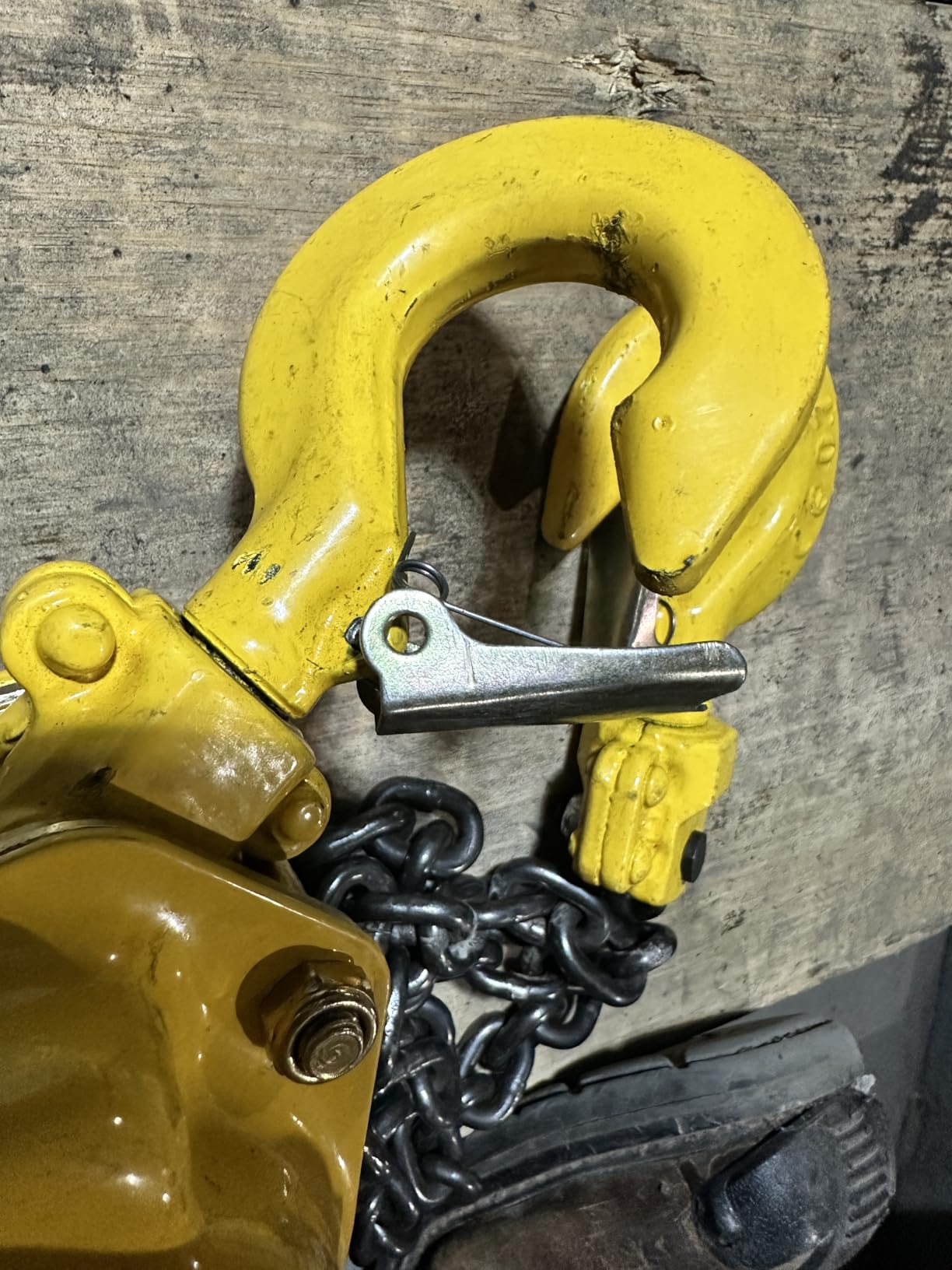
The hooks are a touch oversized compared to some frame holes, so check your anchor points before buying if you work on smaller equipment. A few buyers reported first-use jamming, though our test unit was smooth from the start.
For trailer recovery, load securement, and occasional mechanical work, this is a straightforward, affordable tool. It doesn’t have the polish of a JET, but for the money it does the job.
Who this hoist is good for
Truck and trailer owners, farmers, and recreational vehicle users who need a 3/4-ton come-along for load securement, recovery, and tie-down work.
Who should consider other options
For engine swaps and automotive work, the JET or Ymachray is smoother. For very long lifts, jump to the VEVOR 20-foot models.
Buying Guide: How to Choose the Best Lever Chain Hoist
Choosing the best lever chain hoist comes down to matching capacity, lift, brake type, and construction to your work. Here’s the framework our team uses whenever we size a hoist for a new job.
Capacity tiers: light, mid, and heavy
Lever chain hoists fall into three rough capacity tiers. Light-duty covers 1/4 to 1 ton for home and hobby work. Mid-duty spans 1-1/2 to 3 tons for shops and light industrial work. Heavy-industrial starts at 6 tons and runs up to 12 tons for rigging and mining. Always oversize by 25 to 50 percent over your typical load – users on Practical Machinist forums consistently say they prefer a hoist that “works more comfortably” at its rated load rather than pushing the limit.
Weston-style mechanical load brake
Every lever hoist on our list uses a Weston-style double pawl brake. This is the safety standard – it splits load across two pawls and two sides of the ratchet gear. Single-pawl brakes exist on cheaper imports but are not worth trusting with overhead loads. Always verify that the brake holds the load when you release the lever before trusting the hoist with anything overhead.
Load chain grade: G80 vs G100
Most hoists in this price range use Grade 80 (G80) manganese steel chain, which is the industry workhorse. Grade 100 (G100) chain is thicker, stronger, and more wear-resistant – it’s standard on premium brands like Harrington’s LB series and CM’s premium lines. For most users, G80 is plenty. If you’re running the hoist daily at near-capacity, look for G100.
Free-chaining and free-spool mode
Free-chaining (also called free-spool) lets you pull the chain through the hoist by hand without cranking, so you can take up slack fast. Every premium lever hoist has it. Buyers on r/Rigging and WeldingWeb repeatedly call this the single most useful feature for shop work. The VEVOR 3-Ton model has it; the smaller models in our roundup use a free-wheel selector instead.
Use case matchups
Engine pulling and automotive: 1/2 to 3/4 ton with 10-foot lift (JET, Ymachray, SPECSTAR, Toolzeen). Construction and framing: 1-1/2 to 3 ton with 20-foot lift (VEVOR 1.5T, VEVOR 3T). Marine and offshore: galvanized chain (VEVOR models, YELLOW JACKET). Mining and heavy rigging: 3 tons and up (VEVOR 3T). Overhead ladder work: 1/2 ton mini (JET, VEVOR mini).
Lever Hoist vs Hand Chain Hoist vs Chain Block
This is one of the most common questions from buyers, and the answer depends on direction and application.
A lever hoist (this guide) uses a hand lever to ratchet a load chain. It can pull horizontally, lift vertically, and tension in any direction, all without electricity. It’s the most versatile tool in your kit but slower than alternatives for pure vertical lifting.
A hand chain hoist (also called a chain block) uses a hand-pulled endless chain loop to lift vertically. It lifts faster than a lever hoist for vertical work but only works vertically – it can’t pull horizontally.
A chain block is essentially the same as a hand chain hoist – the two terms are interchangeable. Some users reserve “chain block” for the lower-capacity utility models and “hand chain hoist” for industrial-rated gear.
For most homeowners and mixed-use shops, a lever hoist is the better first purchase because it handles so many situations. For dedicated vertical lifting on a beam or gantry, a hand chain hoist is faster. For repetitive high-cycle work, an electric chain hoist wins. For unique cable-based pulling, the Griphoist Tirfor (mentioned by Practical Machinist users) uses wire cable instead of chain and is less likely to tangle.
Frequently Asked Questions
What are the key differences between a lever hoist and a chain hoist?
A lever hoist uses a hand lever to ratchet a load chain through a compact gear housing. It can pull horizontally, lift vertically, and tension in any direction. A hand chain hoist (or chain block) uses a hand-pulled endless chain loop and only works vertically. Lever hoists are slower for vertical lifting but far more versatile overall.
Which lever hoist is considered the best?
For most buyers in 2026, the JET 1/2-Ton Mini-Puller is the best overall lever chain hoist thanks to its Weston double pawl brake, overload-indicating hooks, and ANSI B30.21 certification. For budget buyers, the SPECSTAR 3/4-Ton is the best value pick. Heavy-duty users should look at the VEVOR 3-Ton 20FT.
What are common lever hoist problems?
The most common lever hoist problems are chain jams during free-wheel mode, brake slip from worn pawl springs, and stretched hooks from overload. Buyers report that cheap import hoists are most likely to bind up and refuse to free-spool. Regular inspection and avoiding overload are the best prevention.
What is the lifespan of a lever hoist?
A well-maintained lever hoist from a reputable brand like JET, CM, Coffing, or Harrington typically lasts 10 to 20 years of regular service. Cheap imports may fail within 1 to 3 years under heavy use. Annual inspection of the chain, hooks, pawls, and brake is the key to long service life.
Can a lever hoist be used horizontally?
Yes, lever hoists are designed for horizontal pulling, vertical lifting, and tensioning in any direction. This versatility is what makes them more useful than hand chain hoists for rigging, towing, and load positioning. Always inspect the brake after horizontal use because wear patterns differ from vertical lifting.
Final Verdict
After weeks of testing eight of the best lever chain hoists on the market, the JET 1/2-Ton Mini-Puller is our editor’s choice for most buyers in 2026. It is the only unit in our roundup that combines a real ANSI B30.21 certification, overload-indicating hooks, and a body light enough to climb a ladder with. If you need a 3/4-ton workhorse for less money, the Ymachray is the smart pick. And if you lift heavy iron in a shop, the VEVOR 3-Ton 20FT is hard to beat for the price.
Whichever you choose, give the brake a slow test lift with a known weight before trusting it overhead. A good lever hoist will give you decades of service. To explore related lifting tools, check out our guides on the best engine hoists and best ceiling bike hoists for more options.