
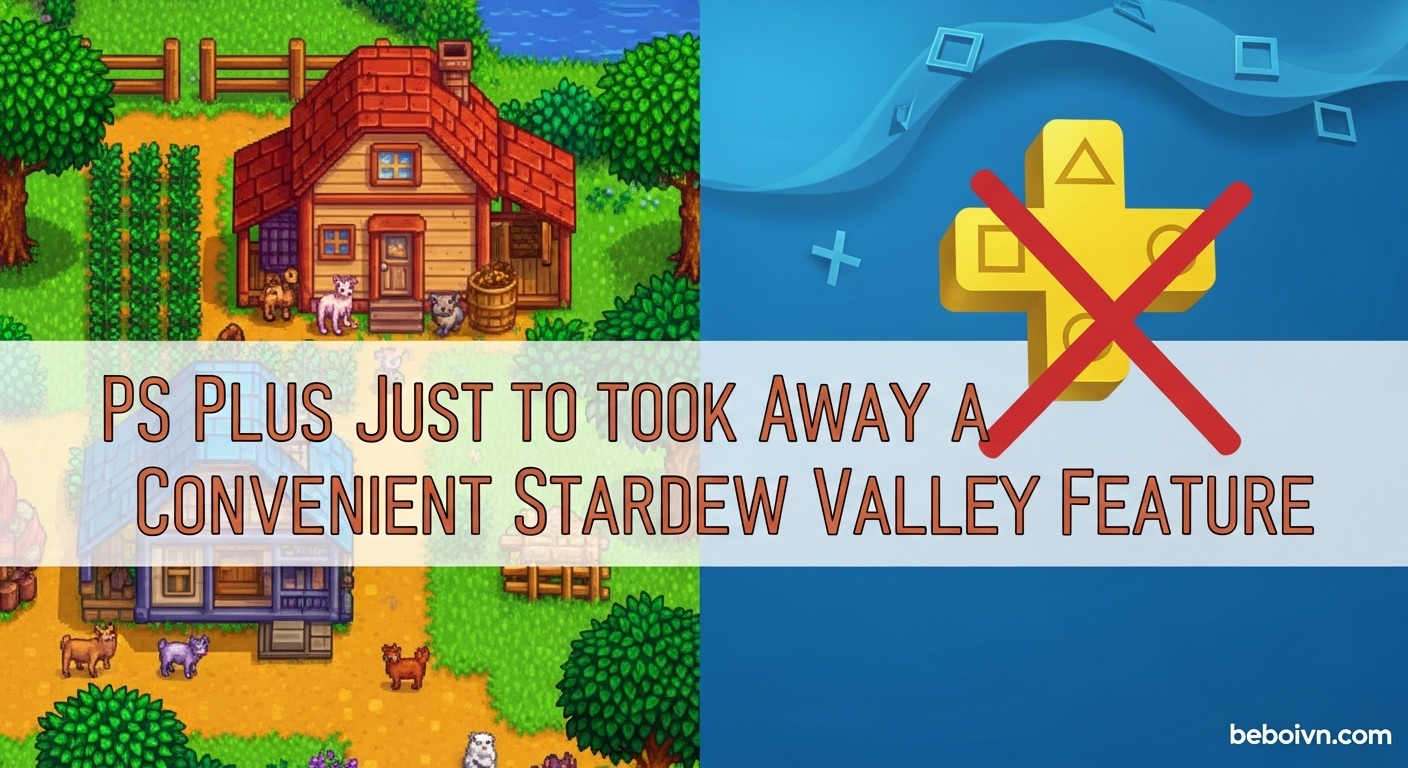
In a move that has left many PlayStation Plus subscribers frustrated, Sony has quietly removed a convenient cross-buy feature for Stardew Valley that previously allowed users to permanently own the popular farming simulator across multiple platforms. This unexpected change has sparked discussions about digital ownership rights and the complexities of PlayStation’s licensing system, leaving many gamers wondering what this means for their future purchases and subscription benefits.
What Was the Stardew Valley Cross-Buy Loophole?
Back in September 2025, PlayStation Plus Essential subscribers were treated to an impressive lineup of free games, including the critically acclaimed Stardew Valley. While most PS Plus Essential games typically require an active subscription to access, Stardew Valley had an unusual quirk that made it particularly valuable for savvy gamers.
The loophole worked like this: when PS Plus subscribers claimed Stardew Valley through their subscription, they discovered that accessing the PlayStation Store through either a PlayStation Vita or PlayStation 3 would grant them a permanent cross-buy license for the game. This meant they effectively owned Stardew Valley forever, even if they later canceled their PlayStation Plus subscription.
This wasn’t just a minor technicality—it was a significant value proposition. Stardew Valley, developed solely by Eric “ConcernedApe” Barone, has sold over 40 million copies since its 2016 release and is widely regarded as one of the most influential cozy games of the modern era. Normally priced at $11.99 on the PlayStation Store, getting permanent ownership through a subscription loophole was quite the deal.
How Sony Closed the Loophole?
Sony’s response to this loophole was swift and decisive. In late November 2025, the company began revoking the permanent cross-buy licenses that users had obtained through this method. The process was automated and somewhat confusing for affected users.
Many subscribers received unexpected emails from PlayStation Support stating that a “refund request” for Stardew Valley had been processed. The emails were particularly puzzling because they listed the refund amount as $0.00—after all, no money had actually changed hands when users claimed the game through their PS Plus subscription.
The emails thanked users for “contacting PlayStation Support,” even though most recipients hadn’t reached out to Sony at all. This automated response system highlights how the company handled the situation at scale, likely affecting thousands of users who had taken advantage of the cross-buy loophole.
What This Means for Affected Gamers?
For those who had claimed Stardew Valley through the cross-buy loophole, the changes are significant. Here’s what’s different now:
License Status Changed: The game is now tied strictly to an active PlayStation Plus subscription rather than being treated as a permanent digital purchase. Users who want to continue playing Stardew Valley must maintain their PS Plus membership.
PS Vita Access: Interestingly, users who had already downloaded the PS Vita version report that it still launches and plays normally on their handheld devices. The game remains in their download history, suggesting that Sony hasn’t completely removed access for those who had already installed it. However, it’s unclear whether new downloads of the PS Vita version are still possible.
No Financial Impact: Since users hadn’t actually paid money beyond their regular PS Plus subscription, there’s no direct financial loss. The $0.00 refund emails confirm that no money is being returned because no money was spent.
Library Confusion: Some users report that the game has disappeared from their libraries entirely, while others still see it but can’t access it without an active subscription. This inconsistency has added to the frustration surrounding the situation.
The Bigger Picture: Digital Ownership in the Subscription Era
This Stardew Valley incident raises important questions about digital ownership in an age dominated by subscription services. When you “buy” a digital game, what exactly are you paying for? And when you claim games through subscription services, what rights do you really have?
The cross-buy loophole wasn’t unique to Stardew Valley. Long-time PlayStation users recall similar quirks in the early days of PlayStation Plus Essential, where certain games would grant permanent ownership due to licensing inconsistencies. However, Sony has rarely taken action to correct these mistakes—until now.
This case is particularly noteworthy because it represents Sony taking a firm stance against what they clearly view as an exploit of their system. By revoking the licenses, Sony is sending a message that PlayStation Plus games are meant to be accessed only while the subscription is active, not permanently owned.
Community Reaction and Industry Implications
The gaming community’s response to this change has been mixed. While some users understand Sony’s position—that the loophole was never intended to provide permanent ownership—others feel that the company should honor the licenses that were legitimately claimed through the PlayStation Store’s own systems.
Many argue that if the PlayStation Store’s licensing system allowed users to claim permanent ownership, then Sony should respect those claims rather than retroactively revoking them. This perspective highlights the trust issues that can arise when digital platforms change the terms of ownership after the fact.
Industry analysts suggest this move could have broader implications for how subscription services handle their game libraries. If Sony is willing to revoke licenses for games claimed through loopholes, other companies might follow suit with similar policies.
What This Means for Future PS Plus Offerings?
Looking ahead, this incident could influence how Sony structures future PlayStation Plus offerings. The company may become more vigilant about preventing similar loopholes, potentially implementing stricter controls over how games are licensed through the subscription service.
For subscribers, this means being more aware that “free” games through PS Plus Essential are exactly that—free only as long as the subscription remains active. The days of finding permanent ownership loopholes may be coming to an end.
Expert Perspective: The Value of Transparency
Gaming industry experts suggest that Sony could have handled this situation better through clearer communication. Instead of automated refund emails with $0.00 amounts, a more transparent explanation of why the licenses were being revoked might have reduced user frustration.
“The key issue here is expectation management,” says one digital rights advocate. “When users claim something through an official store, they reasonably expect that the license they receive is legitimate. Retroactively changing those terms damages trust in the digital ecosystem.”
Comparing Approaches: Sony vs. Microsoft
Interestingly, this situation highlights the different approaches taken by major console manufacturers. Microsoft’s Xbox Game Pass service has been more transparent about its temporary nature, with games clearly labeled as available “while subscription remains active.”
Sony’s PlayStation Plus, particularly the Essential tier, has sometimes blurred the lines between temporary access and permanent ownership, leading to confusion like the Stardew Valley cross-buy situation.
What Should Affected Users Do Now?
If you were affected by the Stardew Valley license revocation, here are some steps to consider:
- Check Your Library: Verify whether Stardew Valley still appears in your PlayStation library and what access level you have.
- Maintain PS Plus for Continued Access: If you want to keep playing, ensure your PlayStation Plus subscription remains active.
- Consider Purchasing Separately: If you want permanent ownership, you may need to purchase Stardew Valley separately from the PlayStation Store.
- Backup Save Data: Make sure your farm progress is saved, either to the cloud or locally, to avoid losing your hard work.
- Stay Informed: Keep an eye on official PlayStation communications for any updates or clarifications about this policy.
The Future of Cross-Buy and Digital Ownership
The Stardew Valley cross-buy situation may signal a broader shift in how Sony handles cross-platform purchases and digital ownership. As the gaming industry continues to evolve, we’re likely to see more clarity around what users actually own when they make digital purchases or claim games through subscriptions.
For now, this incident serves as a reminder that digital ownership comes with complexities that physical purchases never had to contend with. When you buy a cartridge or disc, you own it forever—but digital licenses can be changed, revoked, or modified by the platform holder at any time.
Conclusion: A Lesson in Digital Rights
The PS Plus Stardew Valley cross-buy feature removal is more than just a minor inconvenience for affected gamers—it’s a case study in the evolving nature of digital ownership. As we move further into an era dominated by subscription services and digital distribution, understanding the terms of our access becomes increasingly important.
While Sony was within their rights to correct what they viewed as a licensing loophole, the way they handled the situation left many users feeling confused and frustrated. This incident highlights the need for greater transparency in how digital platforms manage licenses and communicate changes to users.
For PlayStation Plus subscribers, the takeaway is clear: enjoy the games while your subscription is active, but don’t count on keeping them permanently unless you’ve made a separate purchase. And for the industry as a whole, this situation underscores the importance of building trust through clear communication and consistent policies.
As we continue to navigate the complex world of digital gaming, incidents like this will hopefully lead to better systems that protect both platform holders and consumers, creating a more transparent and trustworthy digital marketplace for everyone.