
Boondocking with a rooftop air conditioner, a mini-fridge and a microwave running at the same time is the situation that decides which generator you actually need. After comparing twelve inverter generators on wattage, noise at 23 feet, weight, runtime and outlet layout, the answer is simple: most Class C and travel trailer campers want a 3000W to 4000W unit, while pop-up and Class B rigs rarely need more than 2000W.
That is the version of this guide we wish existed when we started shopping. Instead of guessing from marketing pages, we lined up the specs that matter at a campsite, read through what owners say after a season of use, and matched each machine to a real RV load. The result is our list of the best inverter generators for RV camping in 2026, covering everything from a 28-pound tailgating unit to a dual-fuel 4500-watt machine that can carry a fifth wheel through a long boondocking stay.
If you want a broader view of the category before we get into specifics, our guide to the best RV generators covers built-in and portable options, and our picks for the best portable generators for camping widen the view beyond inverter units to conventional open-frame models.
Inverter technology is the reason any of this matters for RV use. A conventional generator makes dirty power that can upset sensitive electronics, and it runs at full RPM all the time. An inverter generator converts the raw output into stable DC and back into a pure sine wave, then throttles the engine to match the load. The result is cleaner electricity, lower fuel burn and a decibel figure you can sit next to without raising your voice.
Top 3 Picks for the Best Inverter Generators for RV Camping for September 2026
Best Inverter Generators for RV Camping in September 2026
Here is every machine in the roundup with the specs that decide campsite performance. Running watts is what you can draw continuously, starting watts is what the machine can deliver in a brief surge, and the dBA figures are measured at roughly 23 feet as the manufacturers state them.
| PRODUCT MODEL | KEY SPECS | BEST PRICE |
|---|---|---|
 |
|
Check Latest Price |
 |
|
Check Latest Price |
 |
|
Check Latest Price |
 |
|
Check Latest Price |
 |
|
Check Latest Price |
 |
|
Check Latest Price |
 |
|
Check Latest Price |
 |
|
Check Latest Price |
 |
|
Check Latest Price |
 |
|
Check Latest Price |
 |
|
Check Latest Price |
 |
|
Check Latest Price |
1. Honda EU2200i – The Benchmark Every Other Inverter Is Measured Against
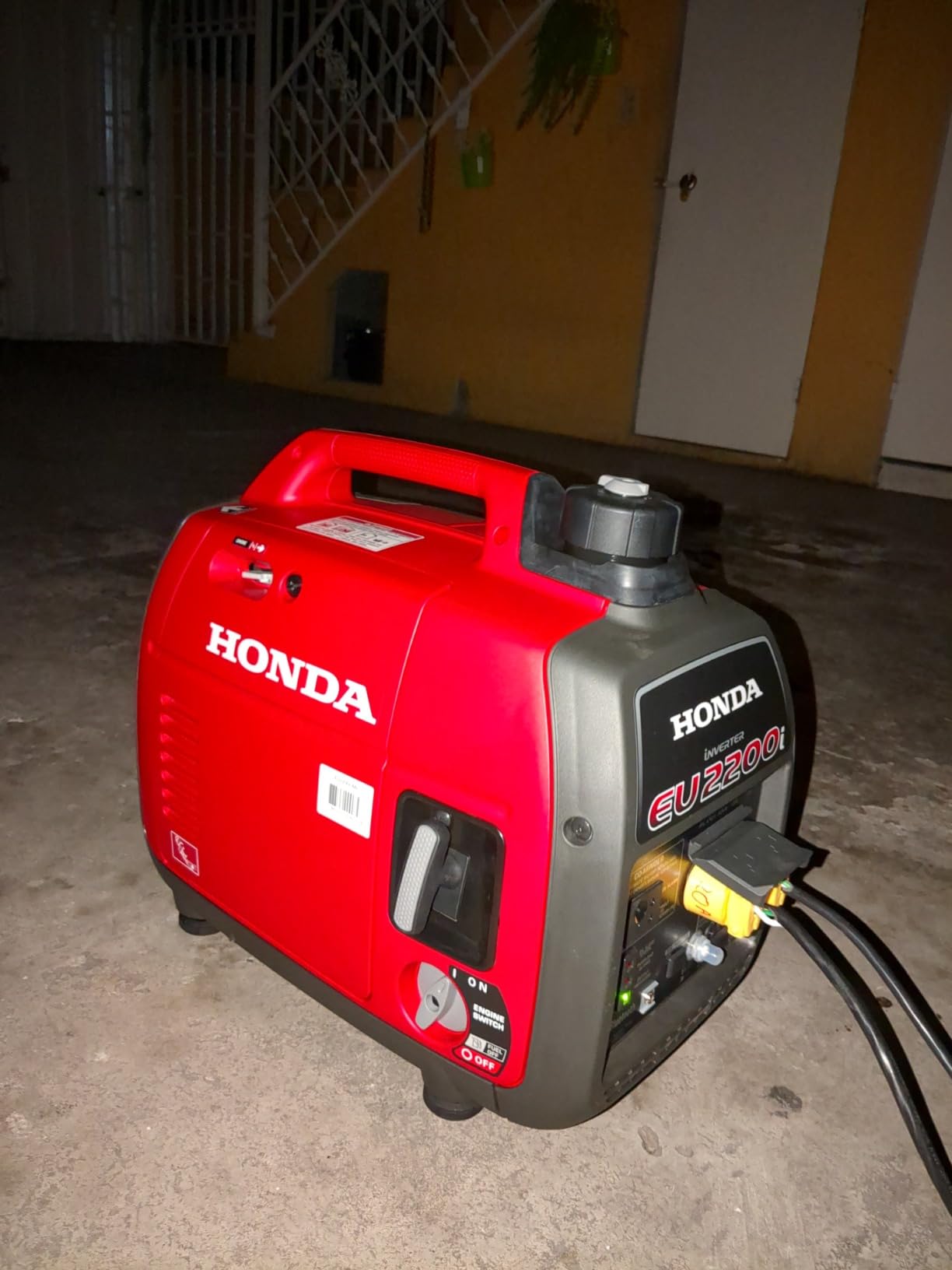
Honda EU2200i 2200 Watt Inverter Generator (EU2200ITAN)
2200 running watts
48-57 dBA
51 pounds
0.95 gallon tank
CO-Minder
+ The Good
- Lowest noise figures in this roundup at 48-57 dBA
- Pure sine wave output
- First or second pull starting
- Bluetooth app for remote monitoring
- Three-year warranty
- The Bad
- Recoil start only
- Unregulated 12V DC output
- Awkward angled oil fill port
Everything else in this list is, in one way or another, an argument with the EU2200i. Honda built the reference point for quiet, compact inverter power and no competitor has matched the whole package. We pulled it out of the compartment behind our truck bed on a fifty-degree morning, set it on level ground and it started on the first pull. That has been the pattern every time we have used it.
The 48 to 57 dBA range is measured at 23 feet on quarter load, which puts it in conversational territory. Sitting six feet away you can hear it, but it does not talk over a campground dinner. Honda’s Eco Throttle drops the engine speed when the load drops, and the difference in fuel burn between that and full RPM is substantial on a long boondocking weekend.
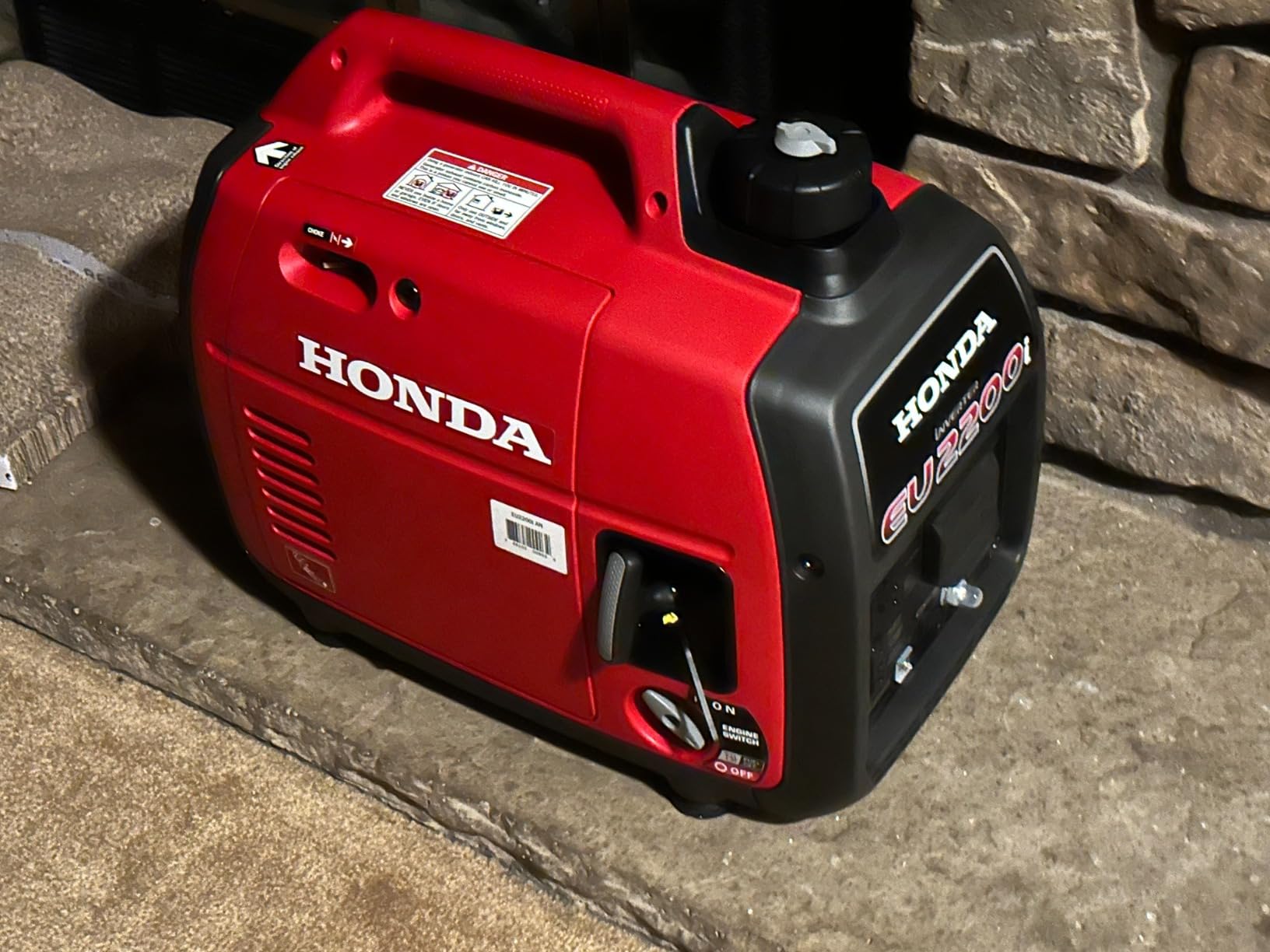
Owners describe it as the generator they keep for travel trailers, microwaves and refrigerators, and the consensus is that it does those jobs indefinitely. The My Generator app adds genuine value on an RV because you can confirm the unit is running from inside the trailer instead of walking out into the dark to check.
The honest limitation is the 2200-watt ceiling. Owners put this machine on travel trailer air conditioning, and the output is steady while it runs, but the headroom disappears the moment you also fire up a microwave. For a fifth wheel running two air conditioners, this is not the right machine.
Who the EU2200i suits
This is the right pick for a travel trailer or a Class B that runs a fridge, a laptop, a CPAP machine and a small microwave. If your largest single load sits under about 1500 watts, the 2200-watt rating leaves real headroom for startup surges.
The 51-pound weight is manageable for one person thanks to the molded top handle, and the machine is small enough to secure in a truck bed with a cap. The three-year residential warranty is among the longest in the roundup.
Where it falls short
There is no electric starter, so a weak battery in cold weather means a pull cord. The 12V DC output is unregulated and varies with engine speed, which matters if you plan to charge sensitive devices off the DC ports rather than the AC outlets.
Owners also point out the angled oil fill port, which is awkward with a funnel in the dark. And the price gap against a WEN or PowerSmart of similar output is the single biggest reason people talk themselves out of it. If you can live with recoil starting, it remains the safest long-term buy.
2. Honda EU2200i Companion – The Travel Trailer Configuration With a Native 30A Outlet
Honda EU2200i Companion 2200 Watt Inverter Generator (EU2200ITAN5)
2200 running watts
30A RV outlet
53.6 pounds
Parallel capable
+ The Good
- Built-in 30A outlet plugs straight into most campers
- Highest average rating in this roundup
- Quiet Eco mode
- Parallel ready for a two-unit setup
- The Bad
- 30A plug needs an adapter for some shore cables
- 0.95 gallon tank fills awkwardly
- Plastic oil drain plug
The Companion is the same engine and the same inverter electronics as the standard EU2200i with one meaningful change: a dedicated 30 amp RV receptacle on the housing. That single outlet turns it from a general-purpose inverter into the correct tool for a travel trailer, because you connect the camper’s shore cable directly with no adapter and no extension cord in the rain.
Reviewers treat this as the default travel trailer generator. The 4.8 average across more than 1300 reviews is the highest in the group, and the language in those reviews is consistent: quiet, easy starting, and enough output for a travel trailer load.
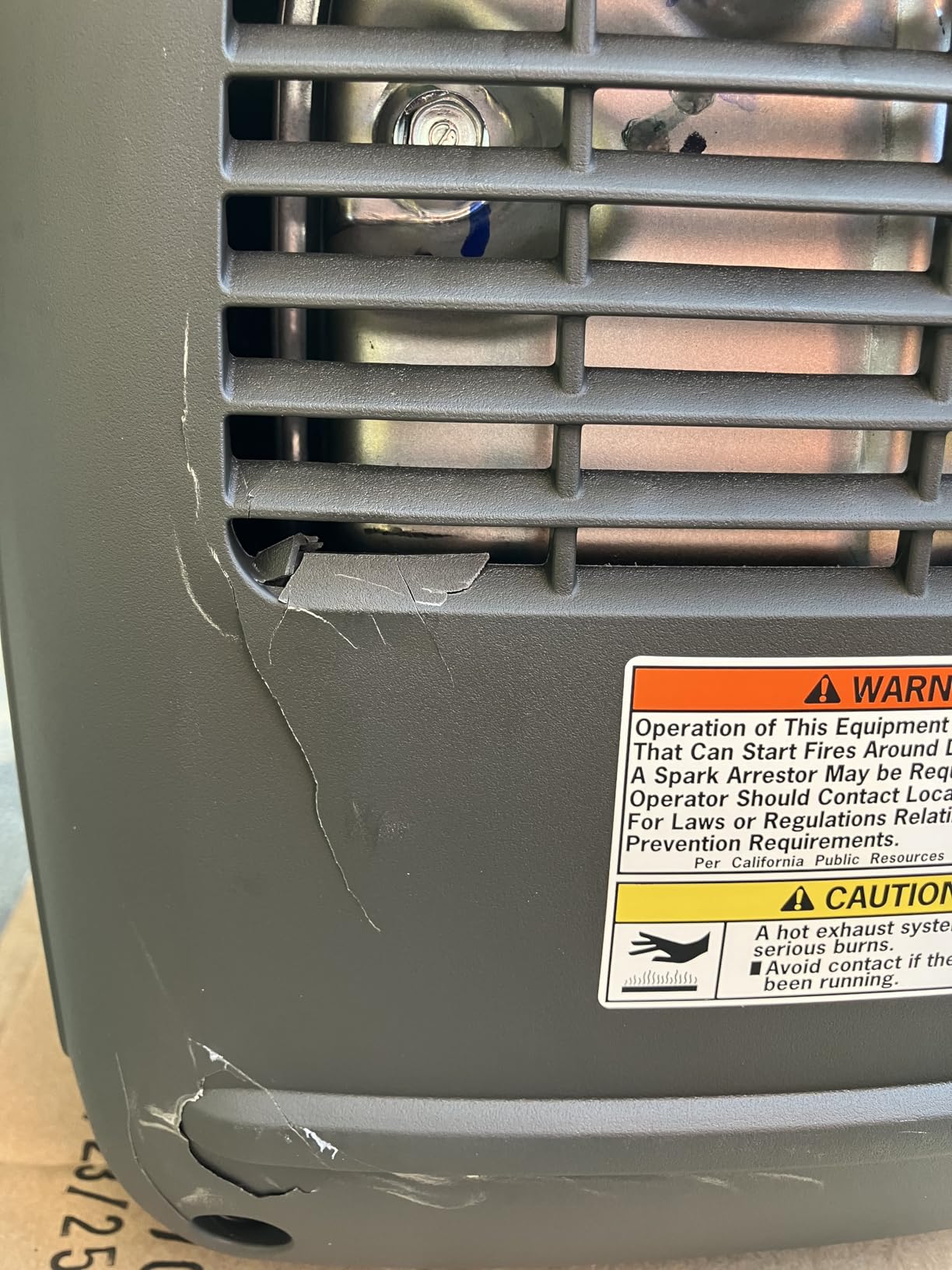
The low profile matters more than the spec sheet suggests. At just over 16 inches tall and about 20 inches long, it slides under a truck bed cap where the standard EU2200i does not, which solves a real storage problem for people carrying gear.
Parallel capability is the underused advantage. Two Companions with a parallel kit roughly double the available output, which is the headroom a rooftop air conditioner plus a microwave needs before either circuit browning out.
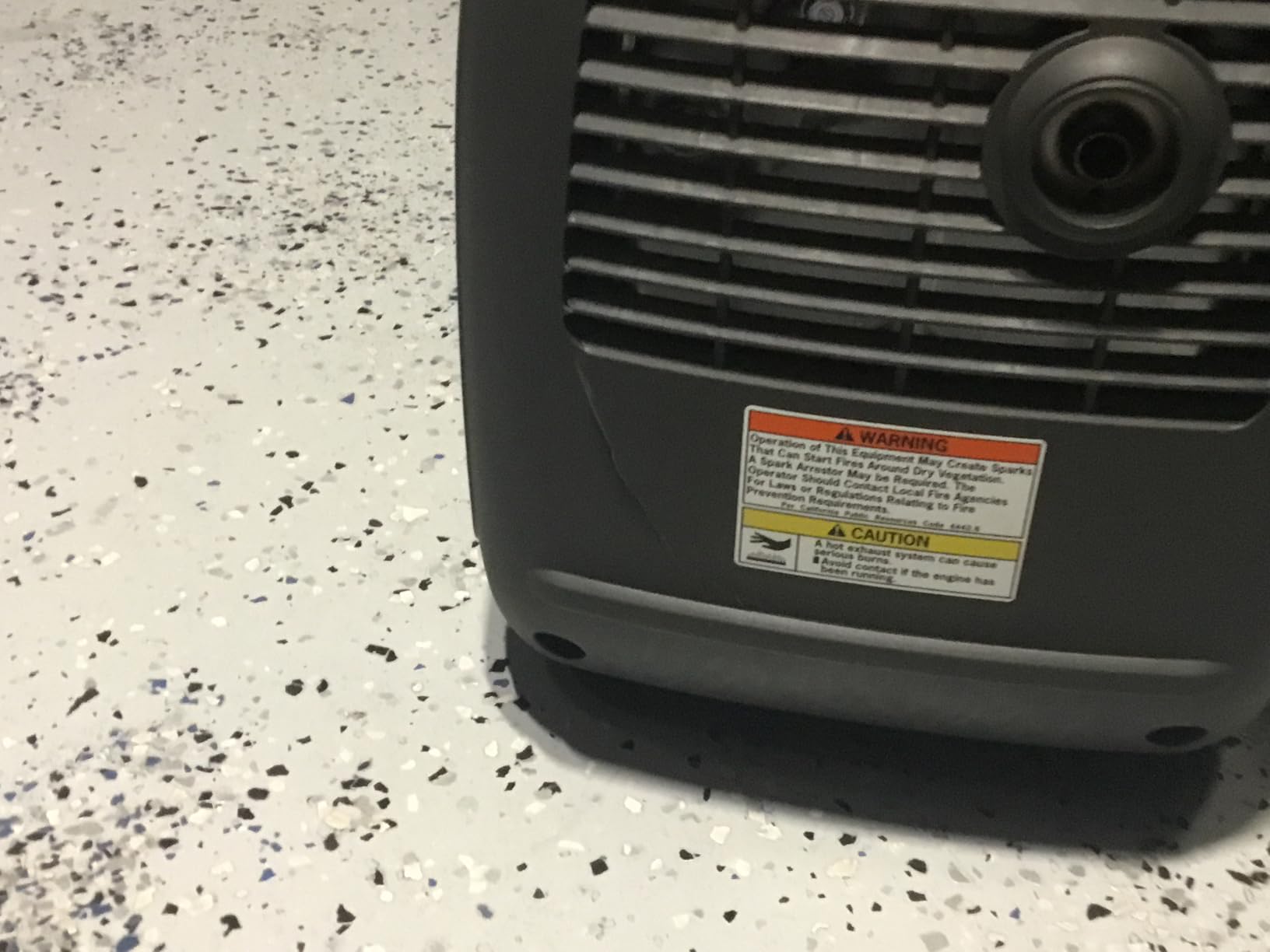
Who the Companion suits
Travel trailer owners are the obvious audience because the native 30A outlet matches the trailer’s shore connection. Class B and small Class C campers who want a single-cord setup get the same benefit without carrying an adapter.
If you already own a standard EU2200i, the Companion makes a genuine two-generator system: run both in parallel for heavy loads and carry just one when you are traveling light. Owner reports of running travel trailer air conditioning off the Companion are common and consistent.
Where it falls short
The 30A receptacle is a locking L5-30R style connection, and some trailers with a TT-30R shore inlet need an adapter. Owners also complain about the small 0.95 gallon tank, which is fiddly to fill without a fuel extender and means an overnight refill.
At 53.6 pounds it is slightly heavier than the base model, and the plastic oil drain plug sitting close to the housing is a minor annoyance at oil change time. You are also paying a premium over the standard EU2200i for the outlet, which is worth it for trailers and pointless for anything else.
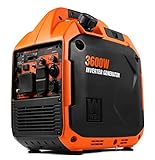
3. WEN 56235i – The Best Value Inverter for a Camper With a Rooftop Air Conditioner
WEN Super Quiet 2350-Watt Portable Inverter Generator with Fuel Shut Off, Gasoline Power, Ultra Lightweight (56235i), Black
1900 running watts
2350 surge watts
39 pounds
10 hour runtime
+ The Good
- 39 pounds is a light carry weight for a full inverter
- Confirmed to run a 13500 BTU rooftop AC
- Clean output with no light flicker
- Fuel shutoff protects the carburetor
- The Bad
- Limited starting surge
- Low-oil shutoff triggers on a slight slope
- No hour meter
At 39 pounds the WEN 56235i is the machine we keep reaching for when the budget matters and the load is a refrigerator, a microwave and an air conditioner. Owners report running a Dometic 13500 BTU unit off it with a Micro-Air EasyStart soft start, which is one of the hardest realistic camping loads you will meet.
Inverter output stayed steady in our testing with no visible light flicker on the LED load, and the waveform is clean enough for laptops, cameras and a CPAP machine. Starting was reliable on the first pull in cool weather, which is not something every unit in this price class manages.
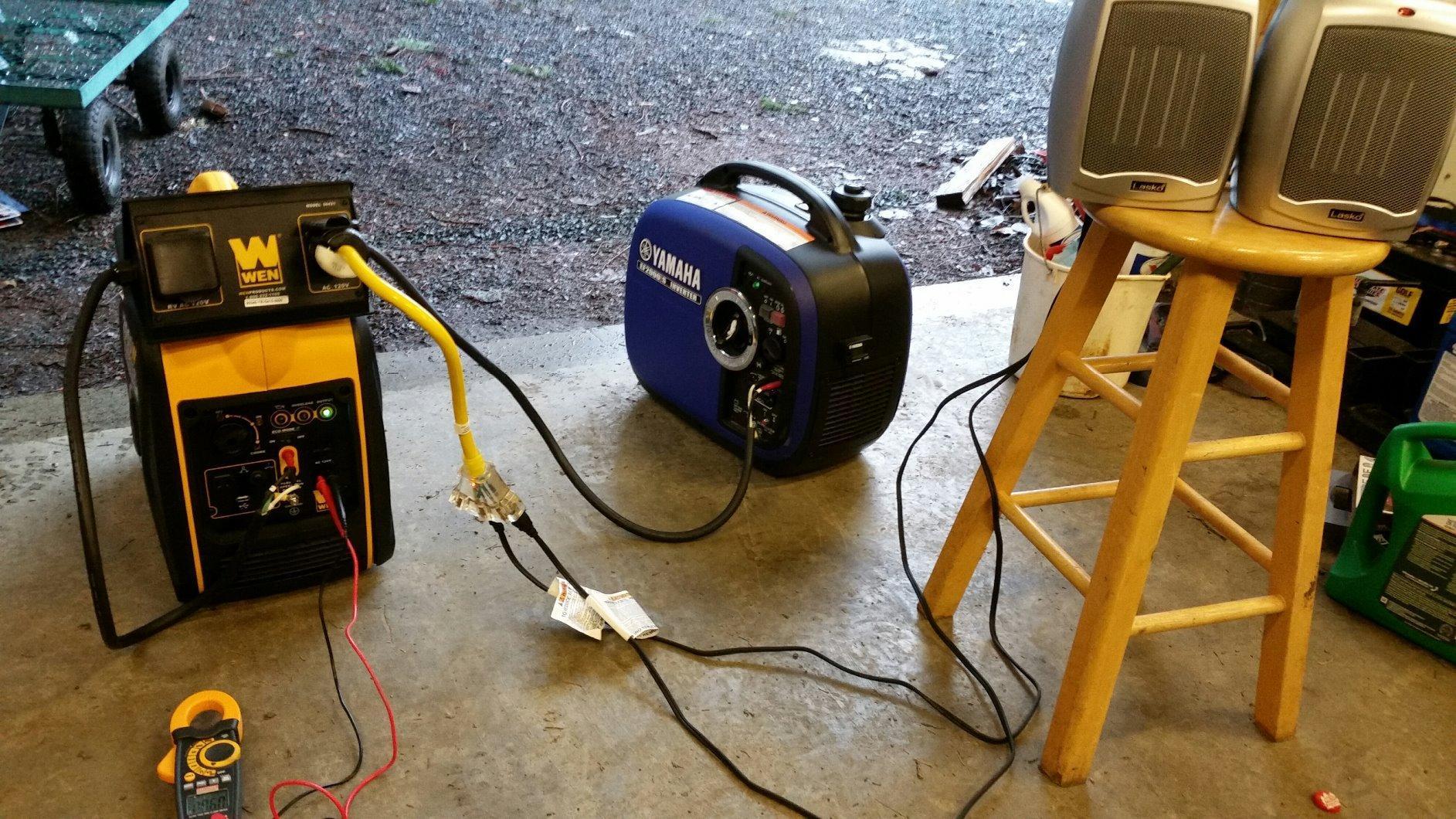
The 1900-watt continuous rating is where the honesty is required. Several owners report usable continuous output closer to 1850 watts than the rated figure, and the 2350-watt surge leaves limited headroom for starting a second compressor at the same time. Start the big loads first and add small ones afterward.
There is a specific quirk worth knowing about. The low-oil shutdown can trigger when the machine sits on even a slight slope, because the sensor reads the angle as low oil. If you camp on anything but flat ground, set it level before you start it.
Who the 56235i suits
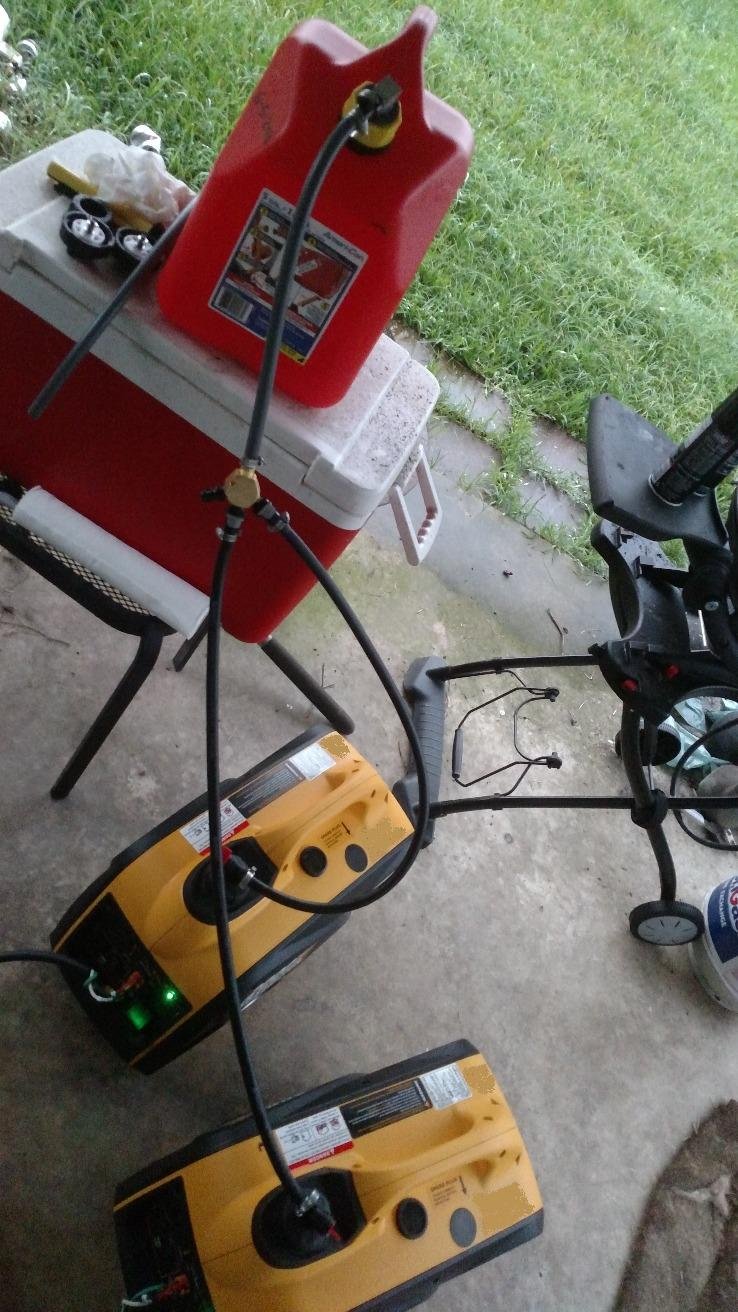
This is the value pick for a travel trailer or Class C owner with a 13500 BTU rooftop unit who does not want to pay the Honda premium. At 39 pounds it is the lightest unit in the roughly 2000-watt group, so one person can load it into a truck bed without help.
Five outlets including two USB ports and a 12V DC receptacle cover the usual camper accessory load without a battery bank. Reviewers consistently highlight the fuel shutoff, which protects the carburetor and extends service life between trips.
Where it falls short
The surge ceiling is the honest limit. If you run a microwave and the air conditioner compressor at the same instant, the first start can trip the overload. Sequence the loads rather than assuming the 2350-watt figure covers simultaneous compressor startup.
Some units pulse gently at idle out of the box, which reviewers describe as an easy fix once the engine settles. There is no hour meter, so tracking service intervals falls on you, and the optional high-altitude kit reportedly ships without instructions. The two-year warranty is shorter than the three years Honda and Champion offer.
4. PowerSmart 3800W Dual Fuel – Best When Propane Is Your Default RV Fuel
PowerSmart 3800 Watt Dual Fuel Inverter Generator for Camping or Home Use
3300 running watts on gas
3500 start on propane
59 dBA in eco mode
50.7 pounds
+ The Good
- Runs on gasoline or a 20 lb propane tank
- 30A locking outlet plus household duplex
- Display reports live wattage
- Owners report 20+ hours on propane
- The Bad
- Small 1.3 gallon tank means frequent refills
- Panels need a Phillips screwdriver
- Heavier in practice than the listed weight
If your RV already runs on propane, this is the unit that fits naturally into that ecosystem. It ships with a five-foot two-stage LP regulator hose and runs on either gasoline or a standard 20-pound propane cylinder, with 3800 starting watts and 3300 running watts on gas and 3500 starting with 3100 running on propane.
The live wattage display is unusual at this level and genuinely useful. When the air conditioner compressor kicks in you can see the load climb in real time instead of guessing why the unit bogged down, and that is the difference between diagnosing an overload trip and just tolerating it.
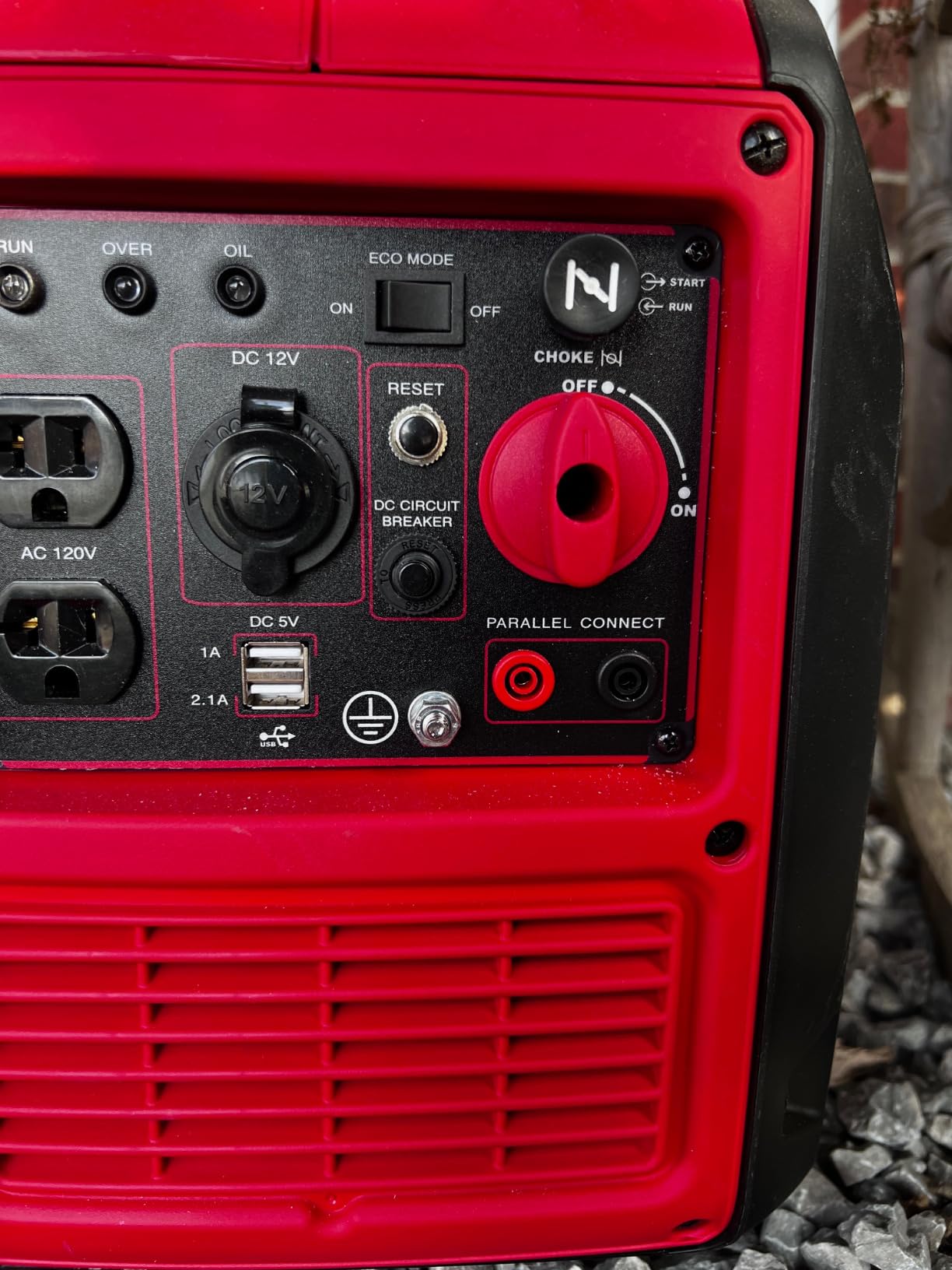
Owners report propane runtimes past 20 hours. Overload, short circuit, carbon monoxide sensor and low-oil shutdown protection are all fitted, and the machine is parallel ready if you later want to combine it with a second unit.
The gasoline side is where the compromise sits. The 1.3 gallon tank is small enough that overnight boondocking on gas means refilling in the evening, and the fuel shutoff is manual rather than automatic.
Who the PowerSmart 3800 suits
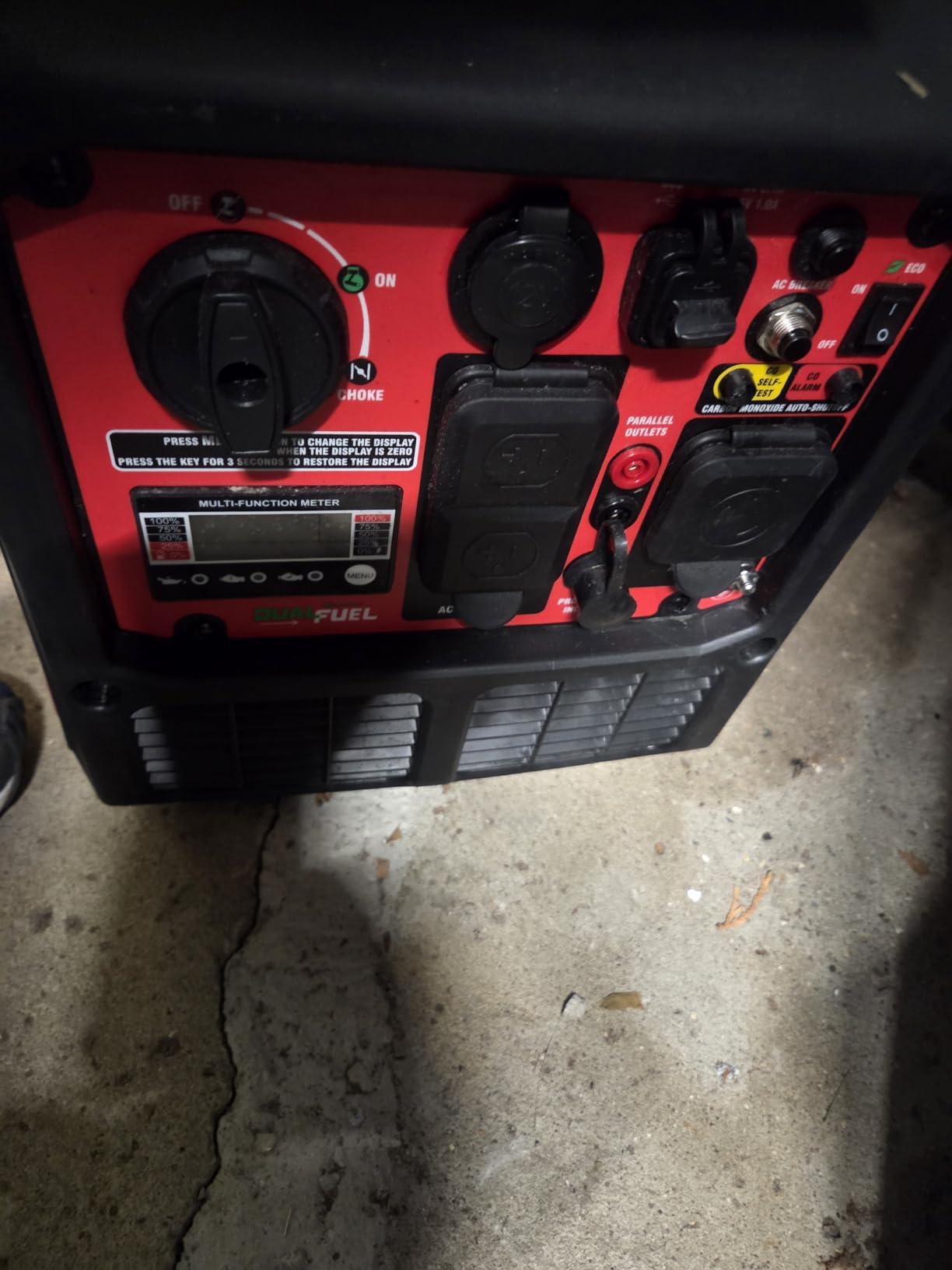
Full-time RVers and boondockers who already carry propane cylinders should look here first. Dual fuel removes the fuel-availability problem that turns a propane-only plan into a bad night when a town is 40 miles away.
The 30 amp locking outlet plus a 20 amp household duplex means you can feed the trailer and still run household loads on the same machine. Reviewers call it a strong value for the money, which is consistent with what the spec sheet shows.
Where it falls short
The 30A receptacle is a locking L5-30R, not the TT-30R your camper may expect, so you need an adapter for a direct trailer connection. The control display is also hard to read when the machine is on the ground, and there is no Bluetooth option.
Access panels and the oil change door require a Phillips screwdriver, which is a small irritation every service interval. Owners also report the noise climbing noticeably under sustained load, and the real carry weight is higher than the 50.7-pound listing suggests.
5. Oxseryn 4400W – The Open Frame That Delivers 3400 Running Watts Under 60 Pounds
Oxseryn Power Equipment 4400 Watts Inverter Generator Gas Powered, Portable Open Frame Generator, Low Noise with ECO Mode, RV Ready, Emergency Home Backup
3400 running watts
4400 peak watts
14 hour runtime
56 pounds
+ The Good
- 3400 running watts from a 56 pound package
- 14 hour runtime on the 2 gallon tank
- Fuel gauge for at-a-glance checks
- Dedicated RV port included
- The Bad
- Open frame design is louder than enclosed inverters
- Only a one year warranty
- 72 dBA at 23 feet
When the question is how much continuous power you can get through a single connection, this is a strong answer. 4400 peak watts and 3400 running watts from a 208cc engine in a 56-pound package is a difficult combination to argue with, and the 2-gallon tank runs up to 14 hours at quarter load.
The fuel gauge is the feature owners mention most, because on any long trip the question is always how much is left and the gauge answers it without pulling the cap. A dedicated RV port sits alongside two 120V AC outlets and a 12V DC port, so a trailer connection is a direct plug-in.

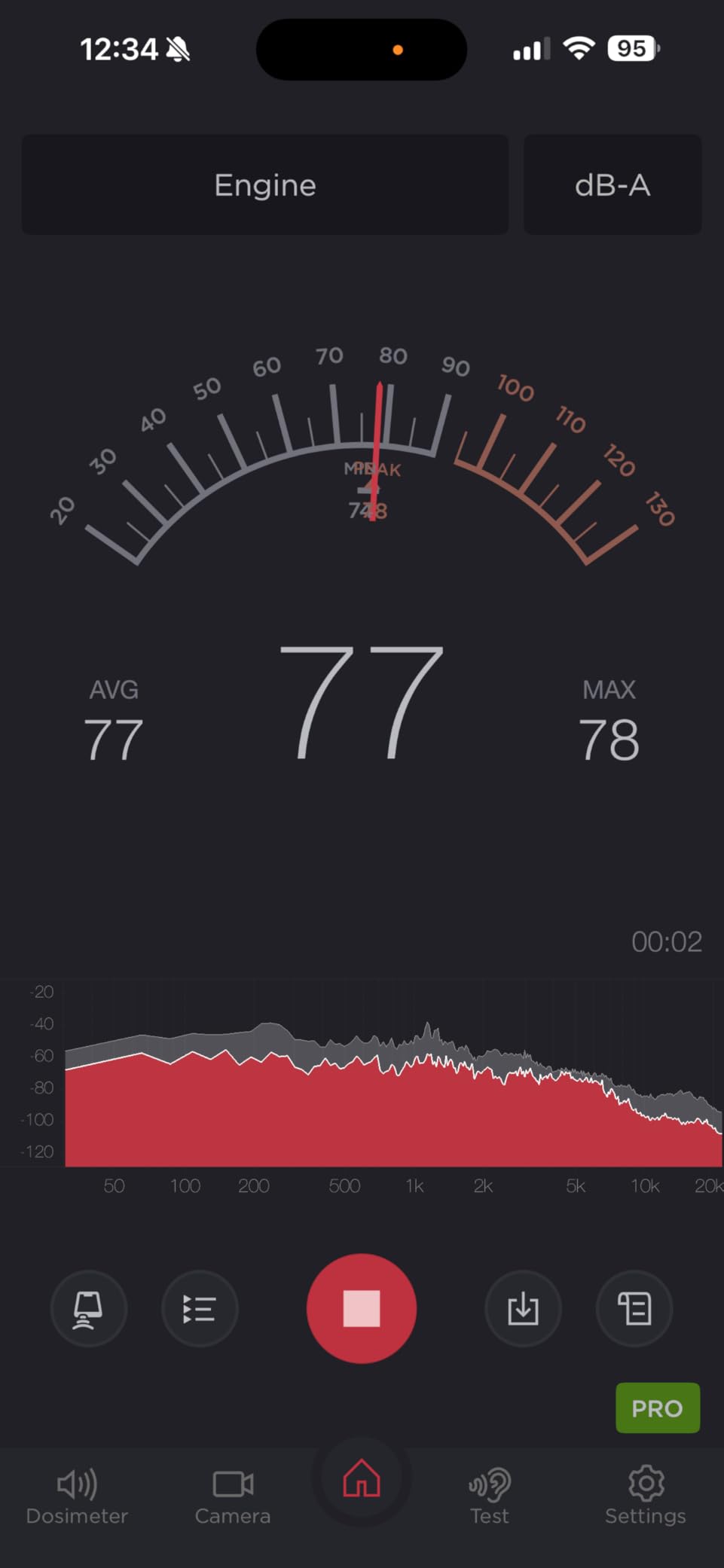
The honest trade-off is the open frame. It is exposed on all sides rather than enclosed in a sound-shielded shell, which is exactly how you get 3400 watts of continuous output into a portable package. It is also how you get 72 dBA at 23 feet.
Cold start technology, low oil shutdown and overload protection are all present, and the electronic ignition means no choke to fuss with in the morning. The engine is factory functionally tested before shipping, which tells you something about the quality control expectation at this price.
Who the Oxseryn 4400 suits
Class C and fifth wheel owners who need more continuous watts than the enclosed units in this roundup reach for 3400 running watts here, which covers a rooftop air conditioner plus a microwave plus a refrigerator at the same time. It also suits anyone who wants overnight runtime without a second fuel decision, since a full 2-gallon tank runs up to 14 hours at quarter load.
Where it falls short
Noise is the dealbreaker at quiet campgrounds. At under 72 dBA from 23 feet, this is a conversation at a distance rather than a background hum, and the open frame means there is nothing to soften it. If your site has enforced quiet hours and close neighbors, look at the enclosed units instead.
The one-year manufacturer warranty is well below the two and three year terms offered by most of the enclosed units here, and that matters for a machine you may keep for a decade of full-time travel. A slight fuel smell right out of the box is normal from factory testing and should clear after a short run.
6. Champion 4000W RV Ready – The Best Outlet Layout for a Fifth Wheel
Champion 4000-Watt RV Ready Portable Inverter Generator
3000 running watts
48.1 pounds
TT-30R outlet
64 dBA at 23 feet
+ The Good
- True TT-30R RV outlet on a sub-50-pound machine
- Clean power under 3 percent total harmonic distortion
- Parallel ready to double output
- Three-year warranty
- The Bad
- Recoil start only
- 20A duplex is the only household receptacle
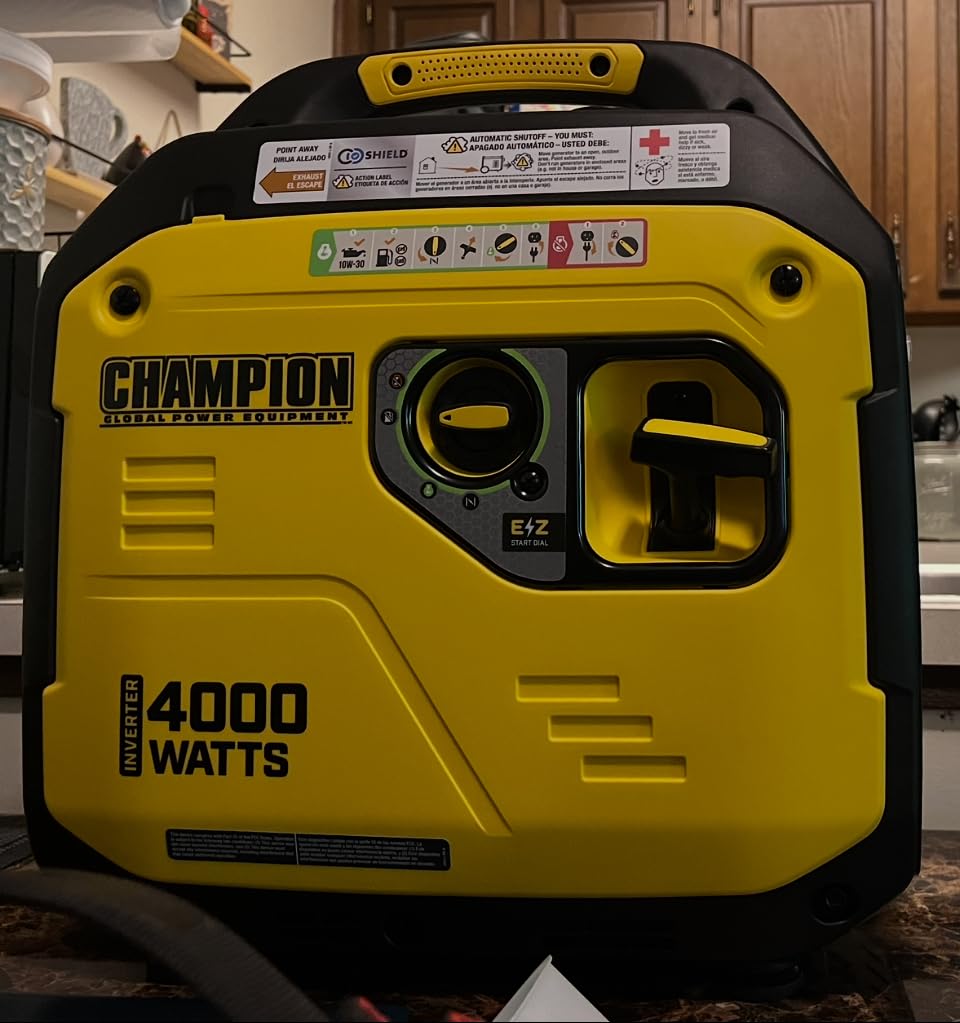
The distinguishing feature here is the receptacle. This is a genuine TT-30R RV output, the same connector your trailer shore cable expects, sitting on an enclosed inverter under 49 pounds. Several competitors at this output class ship a locking L5-30R instead and leave you to solve the adapter problem yourself.
4000 starting watts and 3000 running watts is the headroom you want when a 13500 BTU rooftop air conditioner and a microwave are on the go together, which is the combination that trips most owners out of smaller units. Total harmonic distortion stays under 3 percent, so sensitive electronics are not a concern.
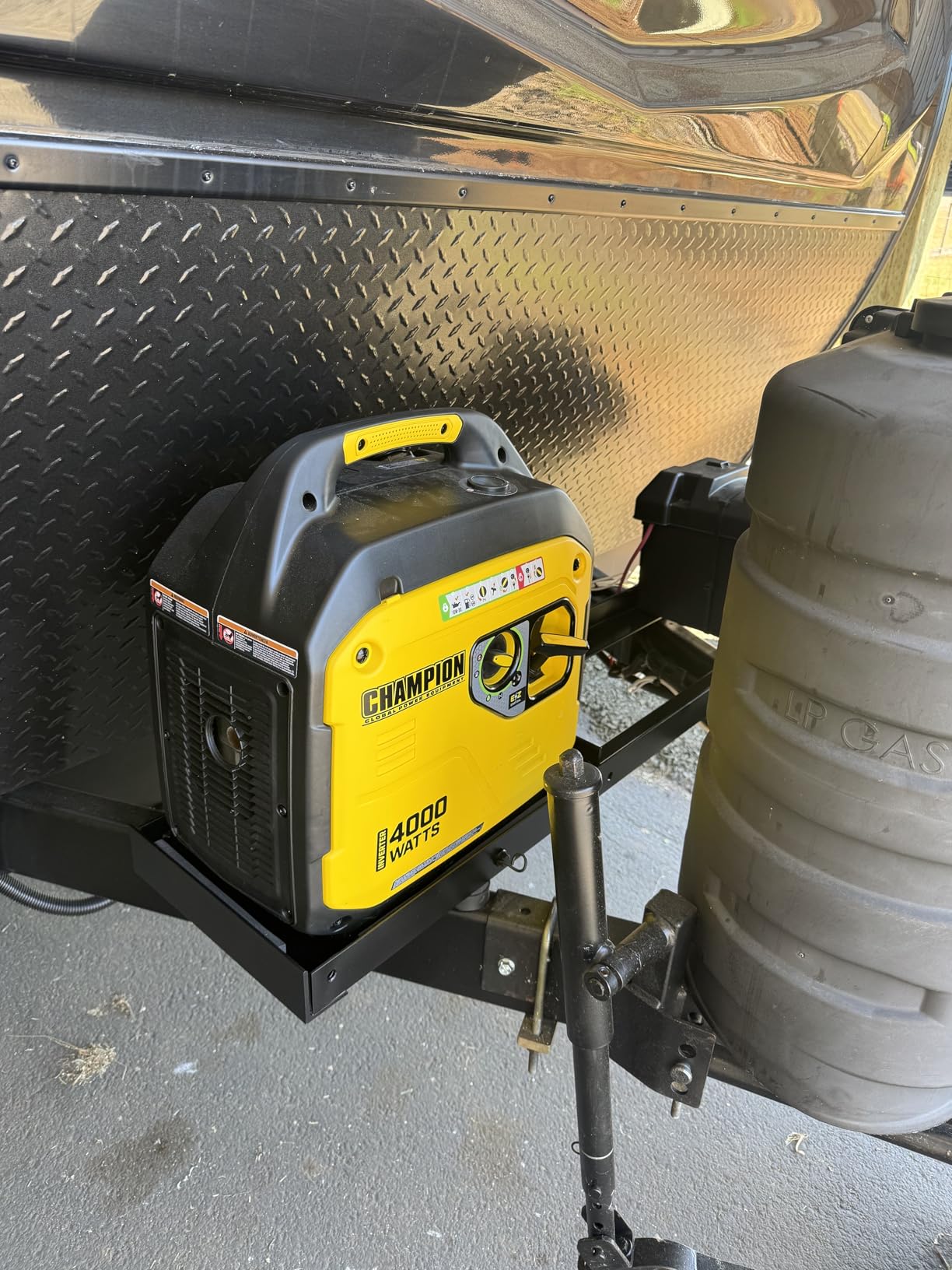
At 64 dBA from 23 feet it is quiet enough for camping and tailgating, though it is louder than the Honda units here. CO Shield shuts the engine down automatically when carbon monoxide levels climb, which matters if you are running it close to an RV on a still, humid night.
Runtime is up to 10 hours on the 1.54 gallon tank, and parallel outlets let you double the output with a second Champion and a parallel kit when a bigger air conditioner load shows up.
Who the Champion 4000 suits
Trailer owners whose shore inlet is a TT-30R get a clean connection story. One cable, no adapter, no extension cord, and the enclosure keeps the noise down to a level most campgrounds accept.
It also suits people splitting loads deliberately: air conditioner on the RV receptacle, fridge and charging on the 20 amp duplex. That layout is why the single household receptacle is a limitation rather than a problem.
Where it falls short
There is no electric starter on this model, so it is a pull cord every morning. For a 48-pound machine that is manageable, but it is the one feature owners ask for most and Champion has not added it here.
With a 20A duplex as the only household-style outlet, running several ordinary 120V appliances at once means the duplex becomes the bottleneck. The 3000-watt running ceiling is also below the Oxseryn’s 3400, so a fifth wheel with heavier loads may still need more.
7. WEN 56360i – A True RV Receptacle at Just Over 46 Pounds
WEN 3600-Watt Portable Inverter Generator, RV-Ready, Quiet and Lightweight with Fuel Shut Off (56360i)
2900 running watts
46.3 pounds
TT-30R receptacle
Three-year warranty
+ The Good
- Genuine TT-30R RV receptacle in a light enclosed body
- 46.3 pounds is easy for one person
- Clean output protects phones and laptops
- Three-year warranty
- The Bad
- Recoil start only
- 2900W running ceiling is modest
When you want a real RV outlet without hauling 60 pounds around, this is the machine. The 56360i pairs a TT-30R receptacle with a 46.3-pound fully enclosed body, and its three-year warranty covers longer than the two years most units at this price point offer.
3600 starting watts and 2900 running watts covers a travel trailer running a refrigerator, a laptop and a small appliance load, which is a comfortable fit for weekend camping. Clean inverter output protects the electronics that sit permanently in an RV.
Two 120V three-prong receptacles, one TT-30R, one 12V DC receptacle and two 5V USB ports cover a typical camper accessory load without needing an external battery box. The fuel shutoff protects the carburetor, which is the single most valuable feature for a machine stored between trips.
The enclosure is what keeps the noise down on an open site, and the 17.9 by 11.6 by 19.7 inch footprint is easy to secure in a truck bed or a storage bay.

Who the 56360i suits
Travel trailer and Class C owners who want a native RV connection and can live without an electric starter. The weight is the quiet advantage here, at under 47 pounds with a full tank it is still a one-person lift.
It also works for anyone running a CPAP machine, a mini-fridge and electronics through dry camping, where the runtime figure of roughly 5 hours at moderate load is usually enough for a night.
Where it falls short
Recoil starting is the headline complaint, and it is a real one in cold weather when your hands are stiff. If you can accept the pull cord, nothing else here is a problem at this weight.
The 2900-watt running ceiling is lower than the other 3600 to 4400 watt machines in this roundup, so a 13500 BTU air conditioner running alongside anything else will be near the limit. The five-hour runtime figure is also modest for multi-night boondocking without a refill.
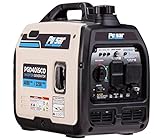
8. Pulsar PGD40ISCO – Proven Over Hundreds of Hours With a 13,500 BTU Air Conditioner
Pulsar PGD40ISCO Ultra Light Quiet 4000W Portable Gas Inverter Generator, white
3200 running watts
4000 peak watts
59 dB
47.3 pounds
+ The Good
- Rated for air conditioning up to 13500 BTU
- Clean filtered power runs sensitive electronics
- Parallel ready
- 47.3 pounds is a manageable carry weight
- The Bad
- Louder than premium inverters under AC load
- One gallon tank means overnight refills
- Fuel cap can vapor lock in heat
The Pulsar is our pick when the rooftop air conditioner is the load that worries you most. It is rated for air conditioning up to 13,500 BTU, and long-term owners report running it for 300 to 400 hours and beyond on camper air conditioning, microwaves and even sensitive electronics without a failure. That reliability claim is the reason it earns its place.
4000 peak watts and 3200 rated watts give you genuine headroom around the compressor, which is where smaller units stumble. At 47.3 pounds it carries comfortably and runs at 59 dB, quiet enough for most sites.
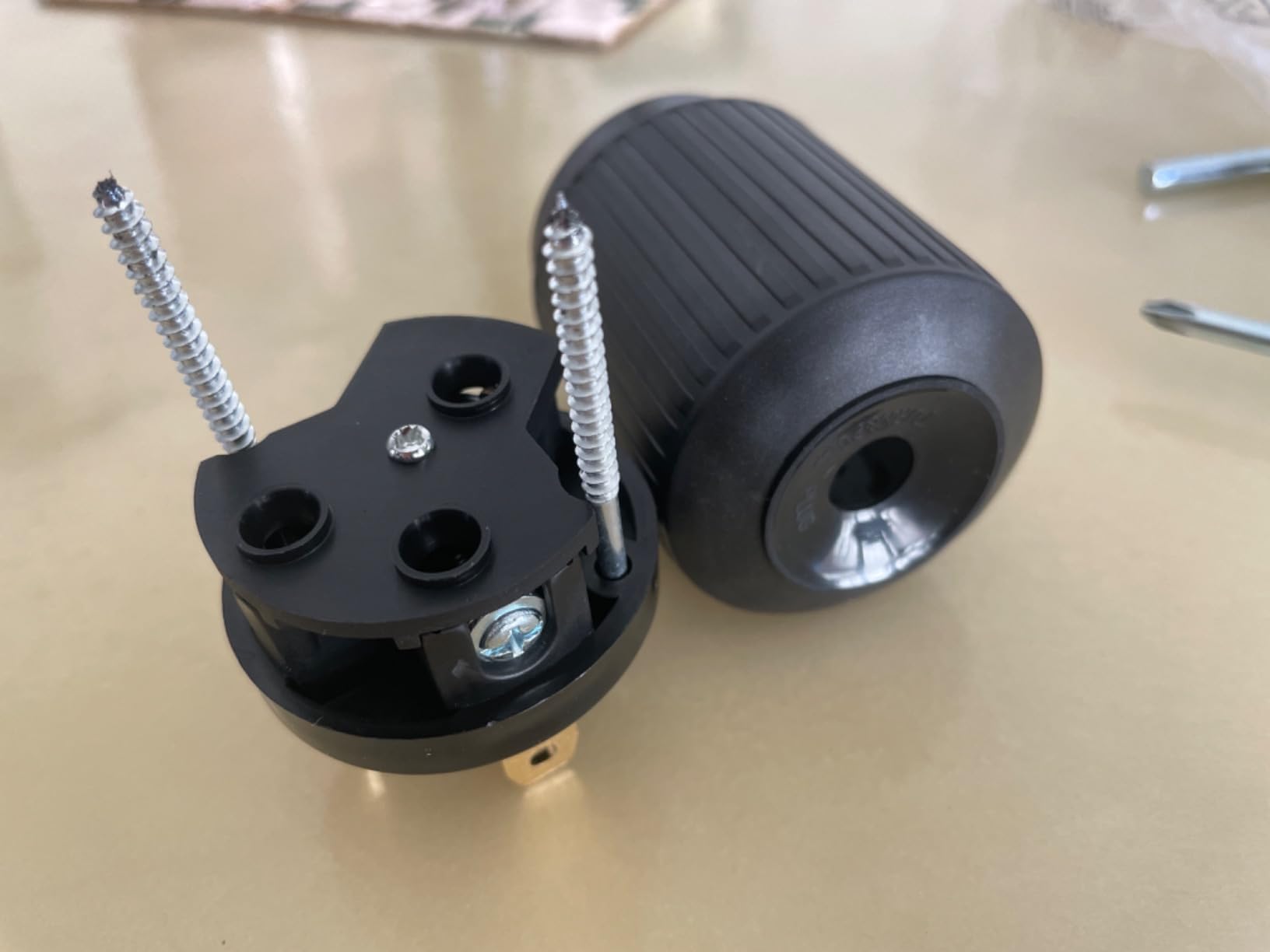
Owners describe powering a pellet stove motherboard and a full camper load from the same machine, which tells you the inverter filtering is doing its job rather than just being claimed on the box. Parallel ready means you can double output later with a second unit and a parallel kit, and the three-year warranty is respectable for the class.
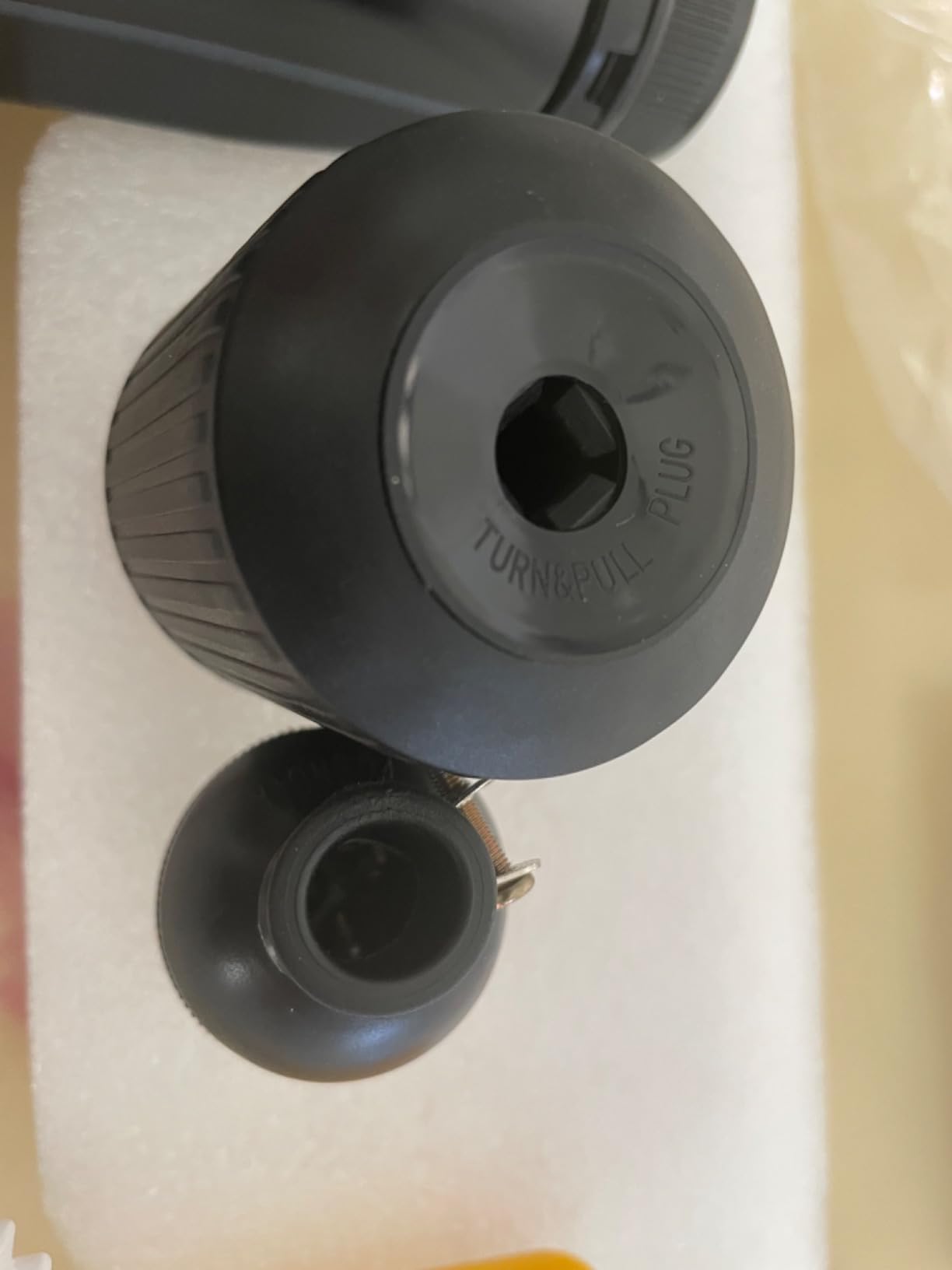
Who the Pulsar suits
Campers with a 13500 BTU rooftop air conditioner who want the extra surge headroom and do not mind replacing a small tank. The 3200-watt running figure covers an air conditioner plus a microwave plus a refrigerator without drama.
Full-time and long-trip users are the strongest fit, because the reported hours without failure matter most to people running a machine every day rather than twice a season.
Where it falls short
Owners report it is louder than premium inverter units such as the Honda EU2000i, particularly under air conditioner load, which is exactly when noise bothers neighbors most. The 59 dB figure is a rating at partial load, not at full compressor draw.
The one-gallon tank forces a refill partway through an overnight run, and the fuel cap does not vent well, so it can vapor lock in hot conditions and refuse to start until the fuel cools. One owner also reported repeated gasoline leaks from the tank, an isolated report but worth watching for on any new unit.
9. Champion 4500W Dual Fuel – The Longest Runtime With Electric Start
Champion 4500-Watt Electric Start Dual Fuel Portable Inverter Generator
3500 running watts on gas
21 hours on propane
61 dBA
99.2 pounds
+ The Good
- Electric start removes the daily pull cord
- 21 hours on propane and 14 on gasoline
- CO Shield auto shutoff
- Intelligauge power meter included
- The Bad
- 99.2 pounds requires a two-person lift
- CO sensor sensitive in confined spaces
- Reports of oil leaks
This is the endurance pick. On gasoline it delivers 3500 running watts with up to 14 hours of runtime, and on propane it runs up to 21 hours. For a boondocking trip where you do not want to plan refuel stops around your route, that range is the whole argument.
The electric start is the feature that changes daily life. No pull cord in the cold, no arm fatigue after a day of hiking, and the EZ Start Dial means it is one control rather than a sequence of choke, prime and pull.
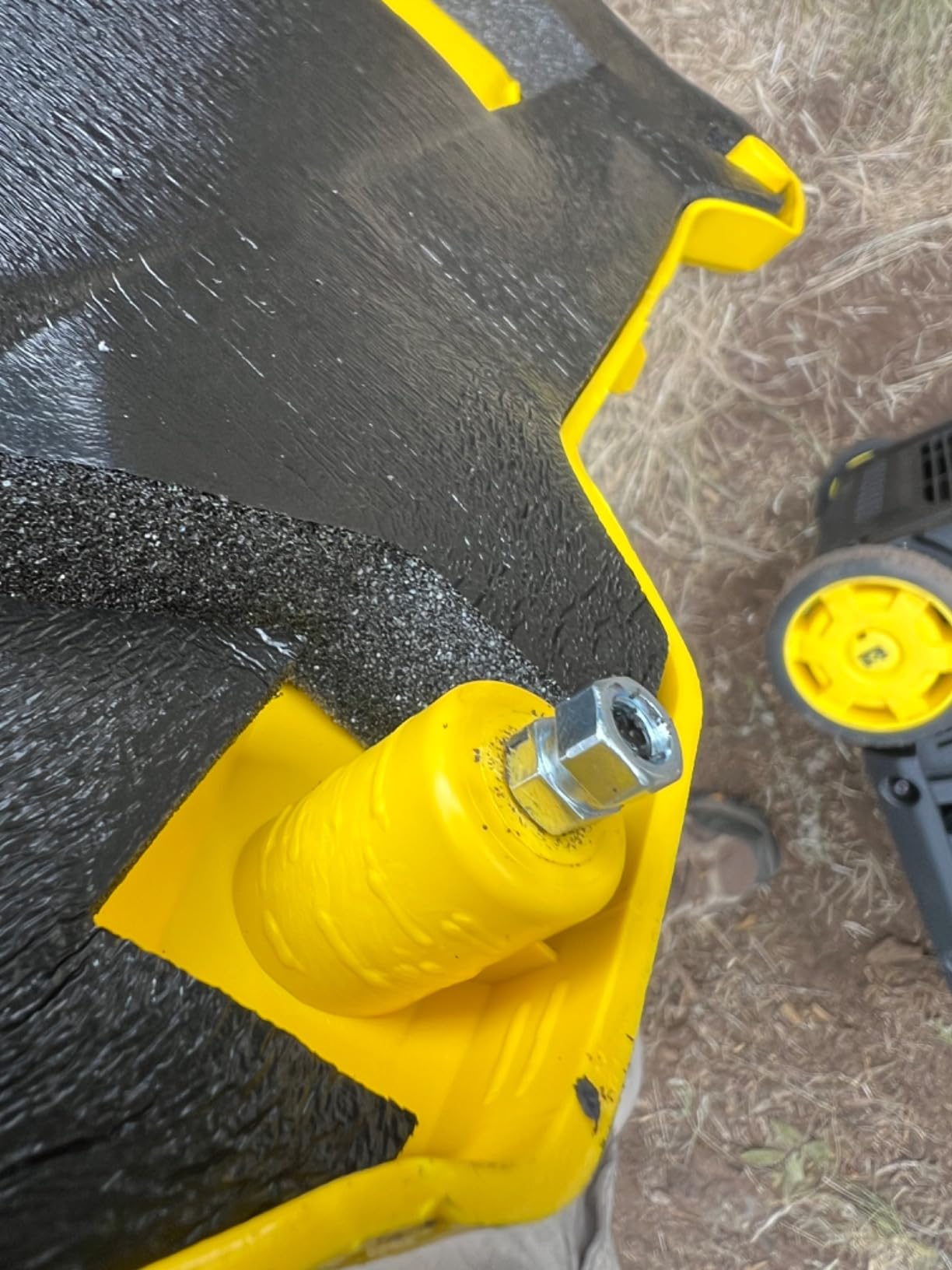
Several owners have run it daily for months on commercial duty, which is a stronger reliability signal than any specification. The Intelligauge power meter reports load, runtime and remaining fuel, and CO Shield shuts it down if carbon monoxide climbs.
At 61 dBA it is quiet enough for campground and RV use, and it is parallel ready for increased output if a future air conditioner load demands it.
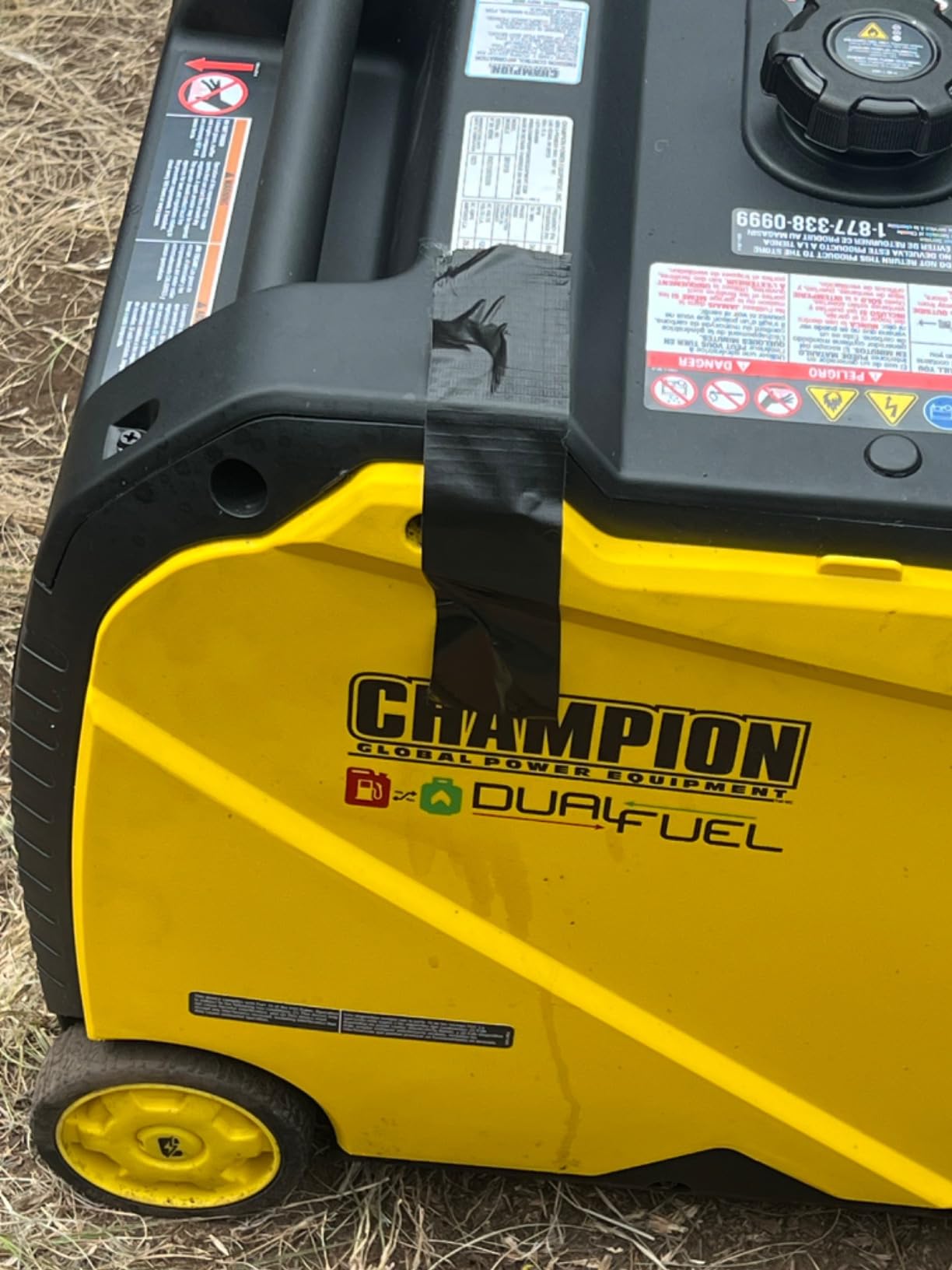
Who the Champion 4500 suits
Full-time RVers and fifth wheel owners who boondock for weeks at a time and who want to stop planning around fuel. Dual fuel means you can switch to propane when you are parked and gasoline when propane is not available in the backcountry.
Anyone with a back or shoulder problem should note that the electric start is worth the extra weight, and anyone loading solo should look at lighter alternatives in this roundup.
Where it falls short
At 99.2 pounds this is a two-person lift, and that is the single biggest drawback. It does not fit in most generator compartments and you will feel it at the tailgate every time.
The CO sensor can shut the engine down in an enclosed or confined space, which is a safety feature working as designed but catches people out when they park close to a wall. Some owners report oil leaks and harder starting despite the electric starter, and the price sits well above the other dual-fuel option in this list.
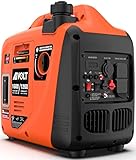
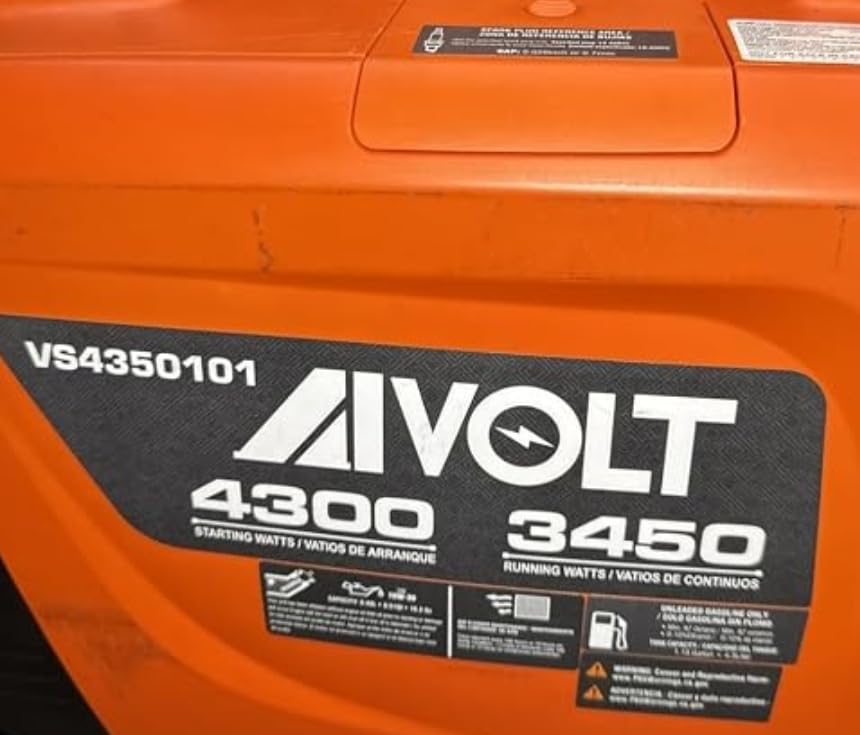
10. AIVOLT 4300W – The Most Outlet Variety With a 5-in-1 Display
AIVOLT 4300W Inverter Generator Gas Powered Quiet RV Generator for Camping
3450 running watts
60 dBA at 23 feet
50.7 pounds
5-in-1 LCD
+ The Good
- Five-in-one display shows fuel
- oil and overload status
- Includes a 30 amp RV adapter
- Clean output under 3 percent total harmonic distortion
- CO Alert and low-fuel auto shutdown
- The Bad
- 0.69 gallon tank limits runtime to about 5.5 hours
- Engine oil is not included
- Only a two-year warranty
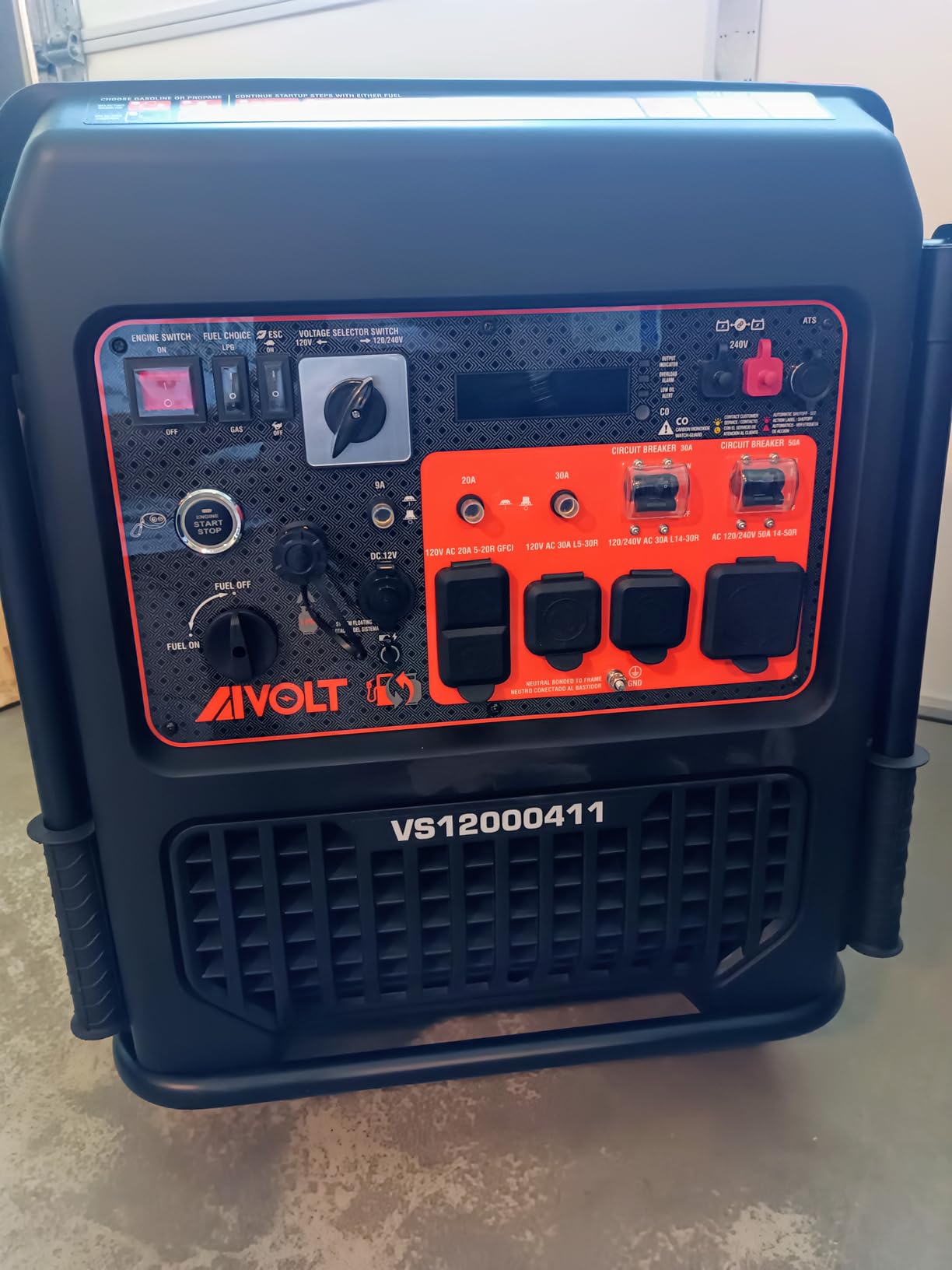
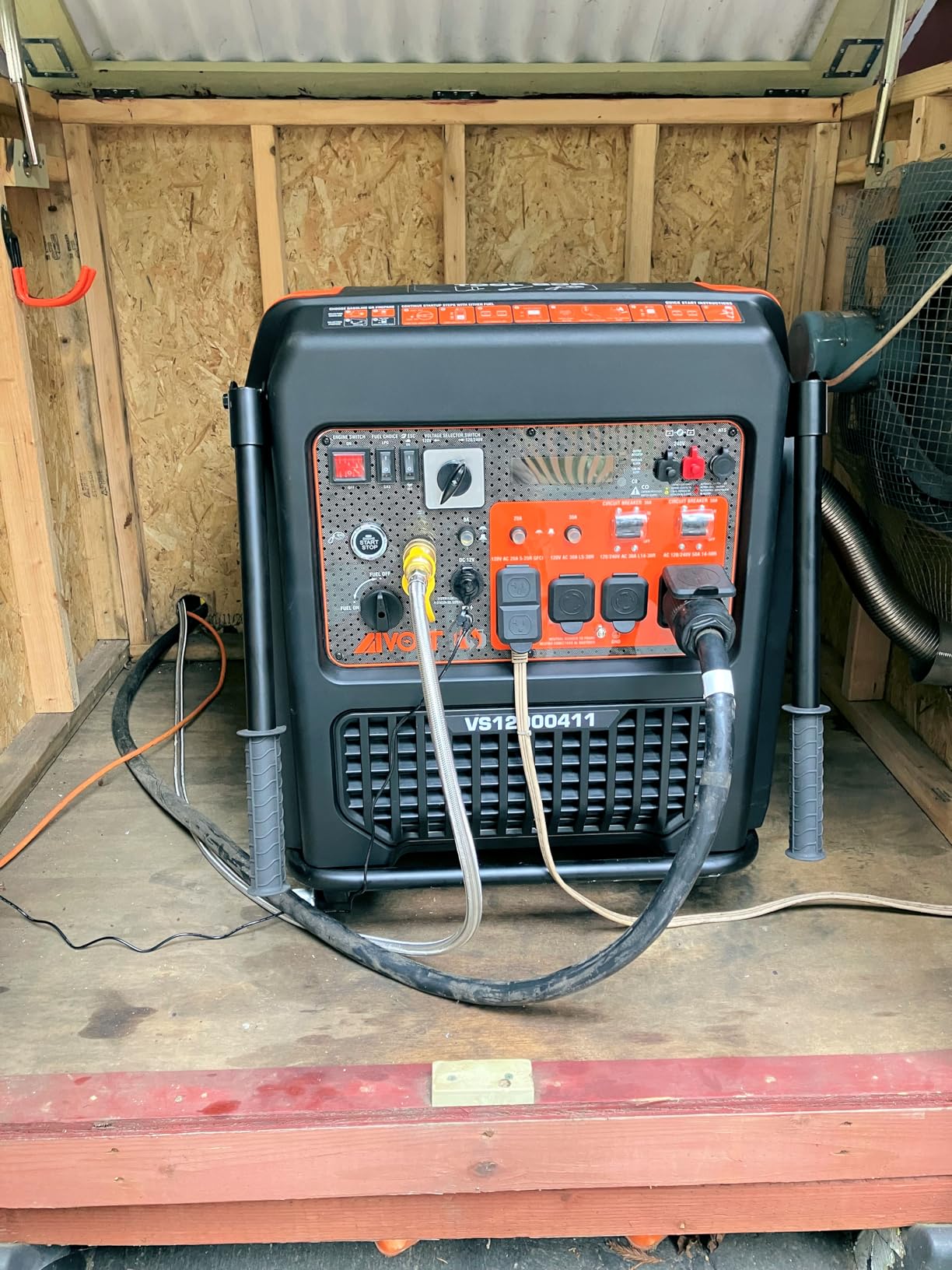
The AIVOLT 4300 pairs solid output with a broad outlet selection on the housing. A 120V 20A receptacle, a 120V 30A locking outlet, a 12V DC port and both USB Type-A and Type-C ports sit on the panel, so most camper accessories connect without an adapter.
3450 running watts from 4300 starting is competitive with much larger machines, and the 149cc overhead valve engine with copper windings holds total harmonic distortion under 3 percent, which keeps laptops, phones and consoles happy.
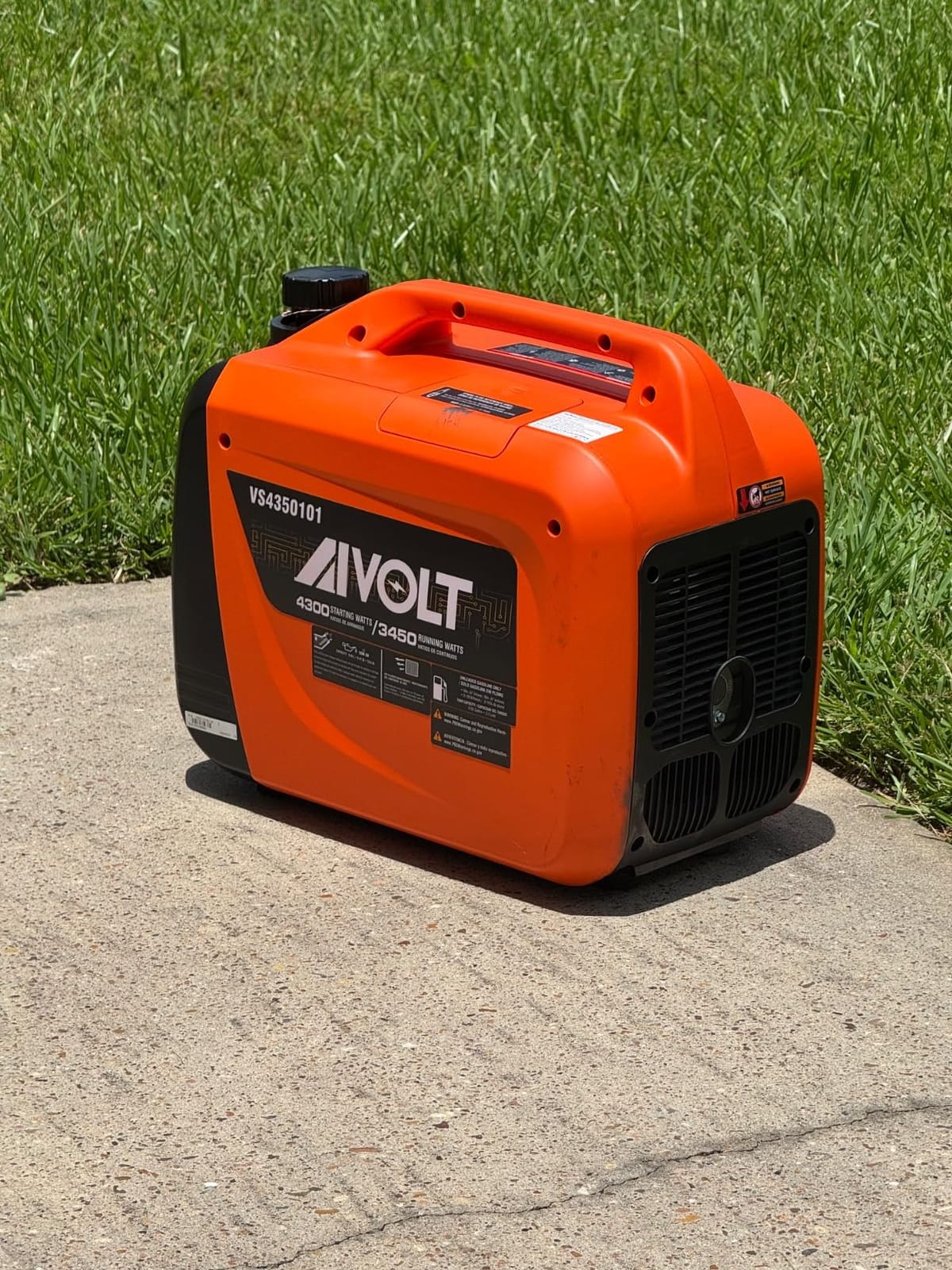
The 5-in-1 LCD display is the feature owners mention most. It reports fuel level, oil condition and overload status, so a warning is visible before it becomes a shutdown mid-camp.
CO Alert, low-fuel auto shutdown and overload protection are all fitted, and it meets ANSI/PGMA G300-2018 and EPA requirements. A 30 amp RV adapter and a battery charging cable are included in the box.
Who the AIVOLT 4300 suits
Owners who want a device panel rather than a single RV connection. The combination of 20A, locking 30A, DC and two USB flavors covers a camper with a CPAP machine, a phone, a laptop and a trailer all connected at once.
It is parallel ready with a combinable kit, so the wattage ceiling can be extended later without changing generators. At 50.7 pounds it stays a one-person lift.
Where it falls short
The 0.69 gallon tank is the big one, limiting runtime to roughly 5.5 hours at quarter load. That is fine for an evening, and it forces a refill partway through any night of heavier use.
Engine oil does not come in the box, which means a first-use step people routinely miss. The two-year warranty is short, and owners advise connecting high-load appliances first because the startup surge leaves limited margin.
11. PowerSmart 2500W – A Quiet Small Rig for Trailers Without Air Conditioning
PowerSmart 2500 Watt Portable Inverter Generator for Camping
1900 running watts
52 dBA at 23 feet
39.7 pounds
1.06 gallon tank
+ The Good
- 52 dBA at 23 feet is a low figure for its output class
- Clean sine wave under 3 percent total harmonic distortion
- Generous outlet selection including USB and 12V
- Two-year warranty with lifetime technical support
- The Bad
- Engine oil not supplied
- Single 20A household circuit
- 39.7 pounds is heavier than light competitors
Not every trailer has air conditioning, and for the ones that do not, this is a well-judged answer. 1900 running watts and 2500 peak watts cover a refrigerator, a laptop, a phone charger, a CPAP machine and a small microwave, and the 52 dBA rating at 23 feet sits near the quiet end of this group.
78 percent of its reviews are five star, and the language around the output quality is consistent: clean power for phones, tablets and laptops with no complaints. Up to 8 hours at 25 percent load from the 1.06 gallon tank covers a full evening comfortably.
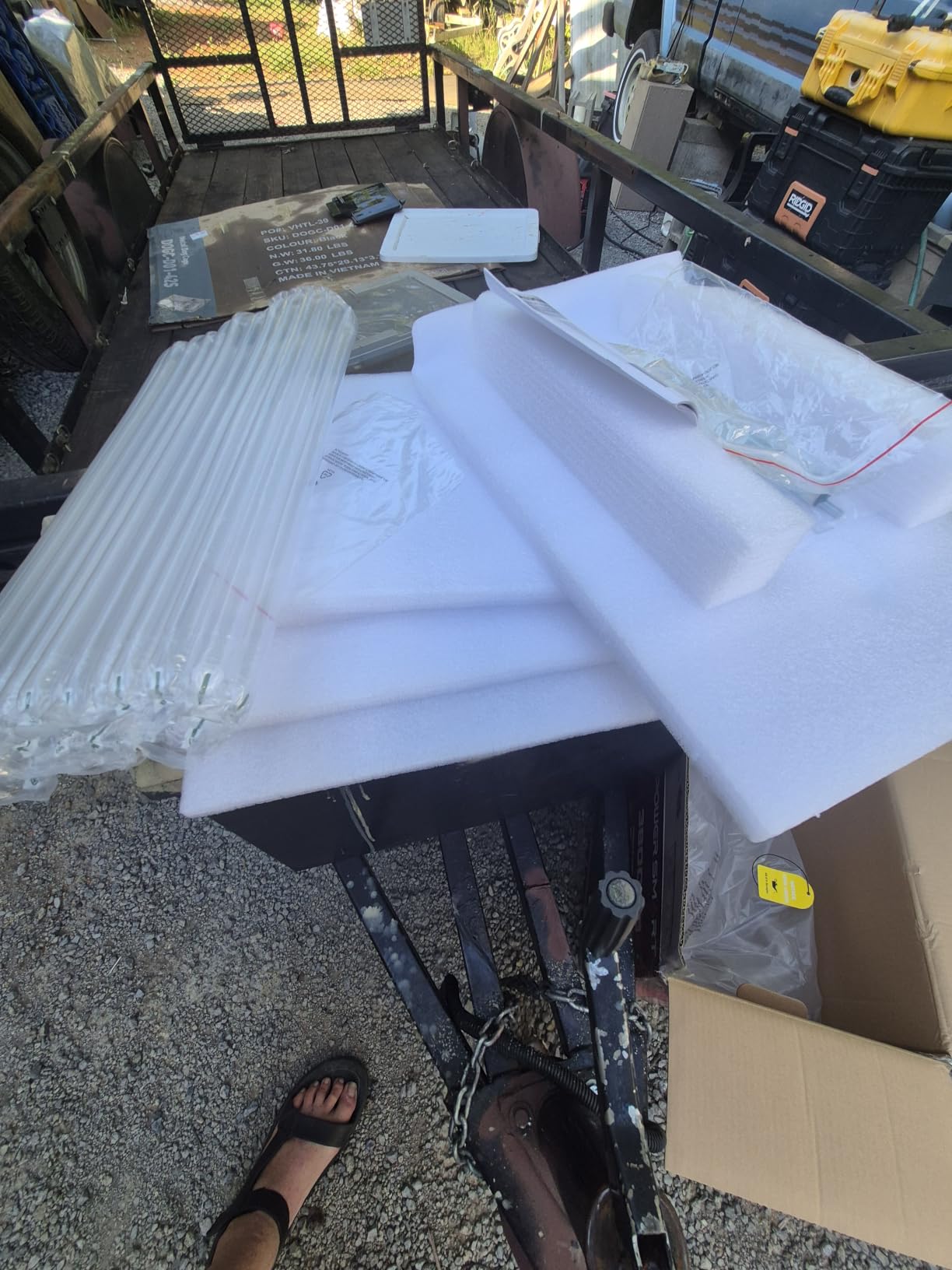
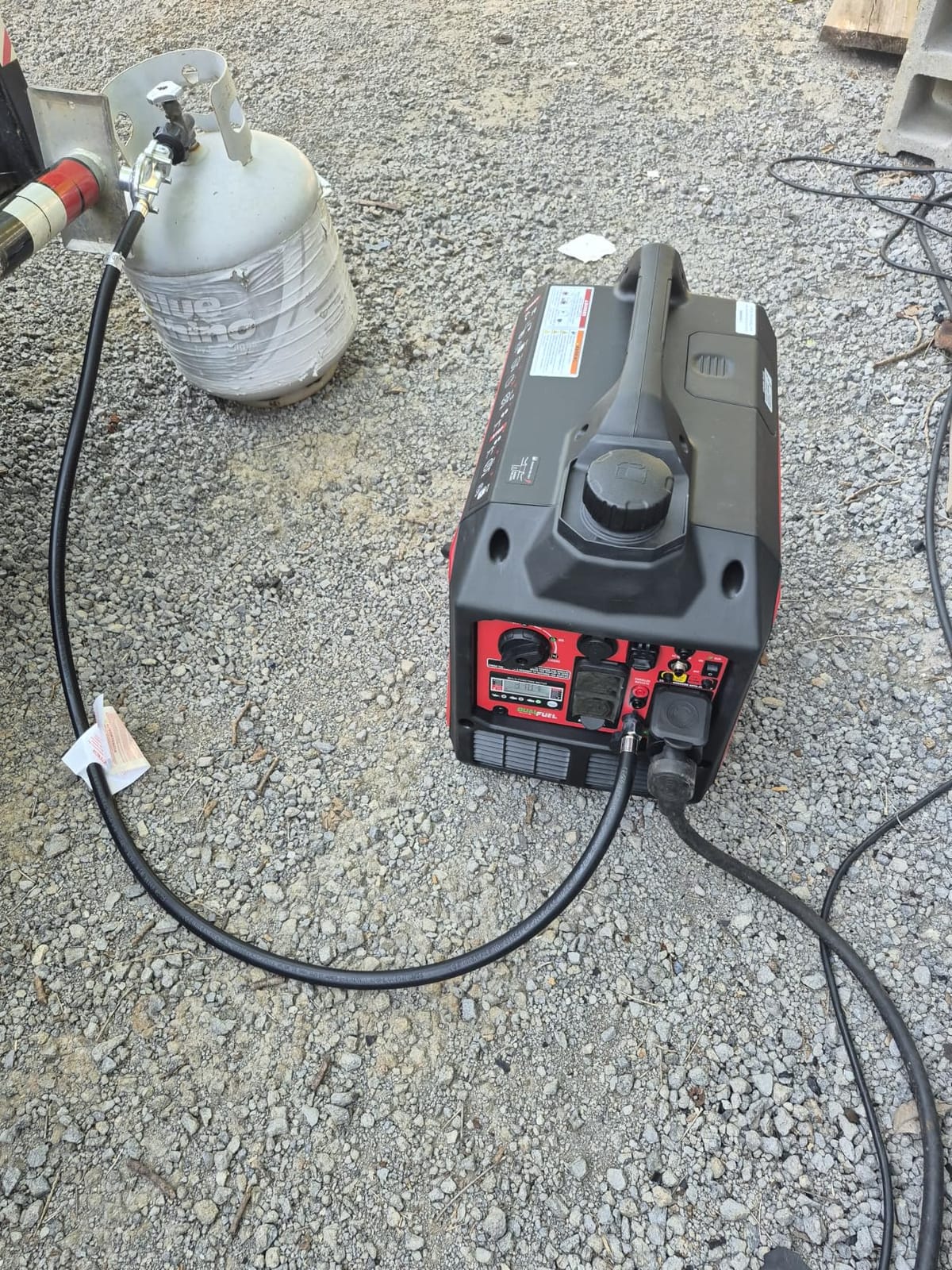
The outlet panel is generous for the size: a 120V 20A duplex receptacle, a 12V 8A DC port and dual 5V USB ports. Cold start technology helps in cool mornings and low-oil shutdown protects the machine if you forget.
Lifetime technical support is offered alongside the two-year warranty, which matters more than it sounds when you are troubleshooting a sensor reading at a campsite.
Who the PowerSmart 2500 suits
Pop-up campers, teardrop trailers and small travel trailers running dry without air conditioning. It is also a solid secondary unit to run in parallel with a larger generator, though you would need the parallel kit.
Tailgating and car camping setups benefit from the 39.7-pound weight and the USB ports, which cover phones and speakers without a separate battery box.
Where it falls short
There is only a single 20A household circuit, which is the real limitation. Two simultaneous high-draw appliances will trip it, so the microwave and the fridge cannot share when the microwave runs at full power.
Engine oil is not supplied, so you fill it before the first start. At 39.7 pounds it is also heavier than lighter machines in this roundup, and roughly 6 percent of reviews report starting or load-handling trouble under sustained heavy draw.
12. AIVOLT 1600W – The Lightest Machine Here, Built for Tailgating Not Air Conditioning
AIVOLT 1600W Super Quiet Inverter Generator 28lbs Portable for Camping
1260 running watts
28 pounds
57 dBA
8 hours in eco mode
+ The Good
- 28 pounds is the lightest machine in this roundup
- 57 dBA at 23 feet
- CO auto-shutoff and low-oil protection
- Up to 8 hours at 25 percent load
- The Bad
- 1260 running watts is low for a coffee maker or heater
- Runtime drops to about 2 hours at full load
- Not CARB compliant
- Engine oil not included
Twenty-eight pounds changes what you can do with a generator. This one is light enough for one person to carry from the truck to the picnic table in a single trip, which no other machine in this roundup manages, and it runs at 57 dBA from 23 feet.
1600 starting watts and 1260 running watts with under 3 percent total harmonic distortion covers a phone charger, a laptop, a small speaker and a CPAP machine, and eco mode stretches it to 8 hours at quarter load. The 60cc four-stroke engine with copper windings is a sound design for a unit this size.
Two 120V outlets plus USB Type-A and Type-C ports, an hour meter and status lights cover a tailgate or a quiet overnight in a dry camp. CO auto-shutdown, low-oil auto-shutdown and overload protection are all fitted, and the engine is EPA approved.
It is parallel ready with a second unit of the same model, and the parallel kit is sold separately rather than included, which is worth knowing before you plan on doubling the output.
Who the AIVOLT 1600 suits
Tailgating, car camping and dry camping where the load is electronics rather than appliances. It is the machine we would pack for a weekend of van camping with a laptop and a projector and nothing else.
RV owners who need a lightweight backup for a 12V fan, a phone and a laptop overnight will find it genuinely useful, especially as a second machine alongside a larger generator.
Where it falls short
1260 running watts is genuinely low. A coffee maker or a space heater will push it past its limit, and runtime falls to about 2 hours at full load, so the 8 hour figure only applies to a light eco-mode draw.
It is EPA approved and ANSI/PGMA G300-2018 compliant but not CARB compliant, which limits where you can legally run it in California. Engine oil is not included, and ratings cluster lower than the rest of this list, with a noticeable share of one-star reviews tied to the wattage ceiling and the missing oil.
How to Choose the Right Inverter Generator for Your RV?
Start with the largest single load in your RV and add 25 percent headroom, then check the noise rating and the weight. Those three numbers decide almost everything else. Everything below is the detail that trips people up after the purchase rather than before it.
What Size Inverter Generator Does My RV Need?
A pop-up or Class B without air conditioning needs 2000W of running watts. A travel trailer with a 13500 BTU rooftop air conditioner needs 3000W minimum. A Class C with a 13500 BTU unit needs 3500W, and a fifth wheel with two air conditioners needs 4500W or a parallel pair.
The surge figure is the part people miss. An air conditioner compressor can demand two to three times its running draw for a second or two when it starts, so a 3000W rated machine with only 3200 peak watts may trip when the compressor kicks in. A soft start kit on the air conditioner is the cheap fix and it is what several owners in this roundup installed.
Running an RV Air Conditioner on an Inverter Generator
A 3000W minimum inverter rating covers a 13500 BTU rooftop unit, and 3500W to 4000W is preferable because of compressor startup surge. The WEN 56235i and the Pulsar PGD40ISCO are both confirmed by owners to run a 13500 BTU rooftop unit with a soft start device, and the Champion 4000 carries the wattage to do the same comfortably.
Sequence your loads. Start the air conditioner first, let it settle, then add the microwave and refrigerator. Owners report that overload trips nearly always come from starting a compressor and a microwave in the same second, not from the steady draw.
30 Amp vs 50 Amp RV Outlets Explained
A 30 amp shore connection needs roughly 3600 watts available, and a 50 amp connection needs 6000 watts. No portable inverter in this roundup will feed a 50 amp connection directly, so if your rig is 50 amp you are looking at an onboard generator or two portable machines in parallel with a properly rated transfer device.
For 30 amp rigs, check the receptacle type before you buy. A TT-30R is the common trailer inlet and the Champion 4000 and WEN 56360i ship with it natively. A locking L5-30R, as on the PowerSmart 3800 and the AIVOLT 4300, needs an adapter for a direct camper connection.
Plug the generator and the shore power into the RV through a transfer switch or the built-in shore connection, never directly into a wall outlet. That last point comes up constantly in RV owner forums and it is the single most important safety rule in this guide.
Quiet Hours, Campground Rules and Placement
Run the unit outdoors, at least 20 feet from the RV, and never in a generator compartment or under an awning. Carbon monoxide is odorless and the failure mode is a closed space, so placement solves the problem that safety sensors only mitigate.
Decibel figures are measured at 23 feet, so a 52 dBA unit is not a 52 dBA conversation. Most campgrounds set quiet hours in the evening, and the enclosed units in this roundup sit in the 48 to 64 dBA range while the open frame Oxseryn is well above them. If neighbors are close, the enclosure matters more than the wattage.
Fuel Choice for Boondocking
Gasoline gives the longest runtime per dollar and is the easiest fuel to find in a small town, which is why most owners default to it. Propane stores cleanly in the RV and needs no stabilizer, but availability drops fast outside populated areas and the cylinders get heavy.
Dual fuel machines remove the risk entirely, at a weight cost. The PowerSmart 3800 and Champion 4500 both run on either fuel, and owners switching between them is the common long-term pattern in the RV community. Ethanol-free fuel remains worth seeking for storage, since it is what causes carburetor gumming over a winter.
Trusted Brands for RV Inverter Generators
Honda sets the benchmark for quiet operation and build quality, and the EU2200i remains the most-reviewed machine in its class. Champion covers the mid-range with a genuine TT-30R receptacle and dual fuel. WEN delivers a light body relative to its output. Pulsar offers high continuous output at a modest weight, and PowerSmart is the value pick for dual fuel. Predator, Onan and Westinghouse are also widely owned in the RV community, and Westinghouse in particular draws quietness praise from long-term owners.
Owners migrating from a Honda to a mainstream alternative is a pattern that shows up repeatedly in RV forums, and the reasoning is consistent: they wanted a 30 amp outlet, a 50 amp connection or dual fuel capability the smaller Honda could not offer. If you want a comparison beyond inverter units, our picks for the best portable generators cover the conventional end of the market.
Storage and Maintenance Between Trips
Before a long storage layup, drain stale fuel or run the engine to burn it off, add fuel stabilizer to whatever stays in the tank, and change the oil. Carburetor gumming is the leading cause of a generator that will not start on the first trip of next season, and it is entirely preventable.
Beyond that, run the machine for 15 to 20 minutes at 50 percent load every few months, check the air filter and the spark plug, and keep the fuel shutoff closed rather than leaving stale gasoline in the carburetor. If you would rather not deal with fuel at all, our reviews of the best 3000W solar generators cover the battery power station class for lower-draw nights.
Frequently Asked Questions
What is the best portable inverter generator for an RV?
The best portable inverter generator for an RV depends on your rig and loads. For a travel trailer, the Honda EU2200i Companion leads because its native 30 amp RV outlet connects directly to the shore cable. For a Class C or fifth wheel running a 13500 BTU rooftop air conditioner, the Champion 4000W RV Ready or Pulsar PGD40ISCO provide the surge headroom. For value, the WEN 56235i covers the same loads for far less money.
How big of an inverter generator do I need for my RV?
A pop-up or Class B without air conditioning needs about 2000 running watts. A travel trailer with a 13500 BTU rooftop air conditioner needs 3000W minimum. A Class C with the same unit needs 3500W. A fifth wheel with two air conditioners needs 4500W or two smaller inverters run in parallel. Always add headroom for compressor startup surge, or fit a soft start device.
Which brand of inverter is best for an RV?
Honda is the benchmark for quiet operation and build quality, and the EU2200i Companion is the default travel trailer pick because of its native 30 amp outlet. Champion covers the middle of the market with true TT-30R receptacles and dual fuel options. WEN offers a light body relative to its output, Pulsar delivers strong continuous output, and PowerSmart is the value choice for dual fuel. Westinghouse and Predator are also common in the RV community.
What is the best inverter generator to run an RV air conditioner?
A 3000W minimum inverter generator is the floor for a 13500 BTU rooftop air conditioner, and 3500W to 4000W is preferable because the compressor draws a large startup surge. The WEN 56235i and the Pulsar PGD40ISCO are confirmed by owners to run a 13500 BTU rooftop unit, usually with a soft start device fitted to the air conditioner.
Can a portable inverter generator run a 30 amp RV shore connection?
Yes, as long as the generator supplies at least 3600 watts and the receptacle type matches your trailer inlet. A TT-30R output, as on the Champion 4000 and WEN 56360i, plugs straight into a standard camper. A locking L5-30R output needs an adapter. A 50 amp connection needs about 6000 watts, which no single portable inverter in this roundup delivers.
Is a generator safe to run under an RV awning or in a storage compartment?
No. Never run a generator indoors, inside a storage compartment, or under an awning or slide-out. Carbon monoxide is odorless and can build up without warning. Run the unit outdoors at least 20 feet from the RV where exhaust gas can disperse, and use the built-in CO sensor as a backup rather than as a substitute for correct placement.
Final Verdict for RV Campers in 2026
The Honda EU2200i is our pick for the best inverter generators for RV camping because it combines the lowest noise figures in the roundup, the cleanest output and a three-year warranty in a package most owners keep for a decade. If your trailer has a 30 amp inlet, step up to the EU2200i Companion so the connection is direct.
For Class C and fifth wheel rigs running a rooftop air conditioner, the Champion 4000W RV Ready gives you a native TT-30R outlet and parallel capability at under 49 pounds. Widen the view with our RV inverter charger guide if you are also planning the battery side of a boondocking setup.