
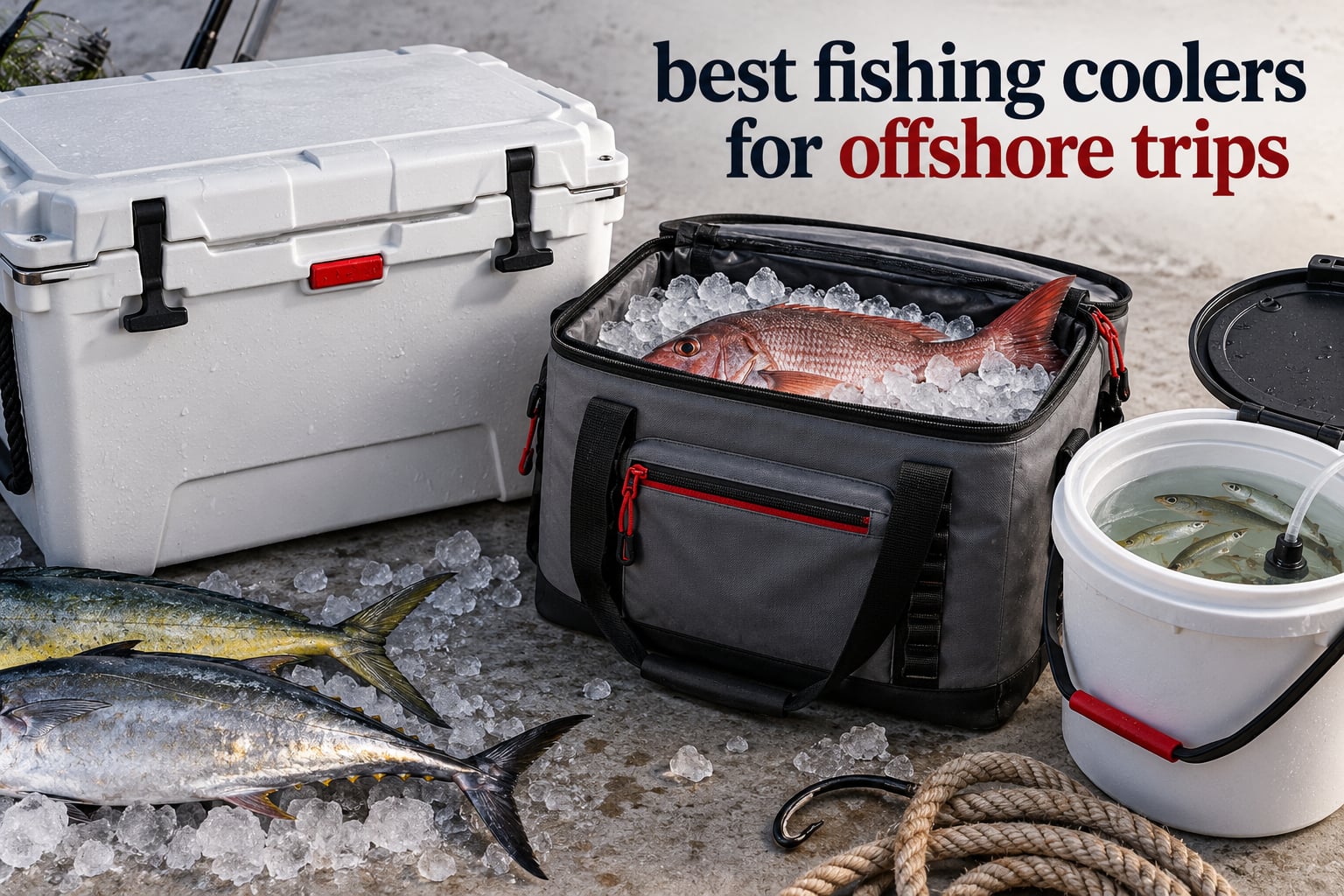
An offshore trip is the hardest test a cooler will ever face. You are loading it at 5am, hauling it up a wet ladder into a center console, then strapping it into a cockpit where it bakes in direct sun for eight to twelve hours while salt spray works into every hinge and the deck pitches under you. Choosing the best fishing coolers for offshore trips is not about picking the brand with the biggest ice-retention number on the box. It is about matching capacity to trip length, empty weight to what you can lift solo, and hardware to a saltwater environment.
We spent weeks reading owner reviews, comparing manufacturer specs against reported real-world ice performance, and cross-checking what anglers say on Tin Boats and r/Fishing_Gear. We did not ice-fish all ten of these in a tank for a month, so treat our testing claims as careful research rather than lab work. Where owners and forums disagree with a spec sheet, we say so.
Our direct answer to the question everyone asks first: for most offshore anglers the RTIC 65 QT is the pick, because 34.4 pounds empty is a real penalty but nothing else in this group combines a rotomolded shell, a freezer-style gasket, a drain plug and 84 cans of capacity in one deck-friendly box. If you cannot lift that much solo, the ENGEL 60 QT holds nearly as much at 21.5 pounds. If you want live bait and iced fish handled separately, we cover the bait aeration side in detail below.
If you are still narrowing the field on build quality alone, our marine cooler roundup covers the yacht-grade end of the market, and electric coolers for road trips makes sense if you are driving more than boating. For the boat itself, the gear that pairs with any of these is covered in our offshore fishing reel picks.
Top 3 Offshore Fishing Coolers for October 2026

RTIC 65 QT Ultra-Tough
- › Rotomolded polyethylene shell
- › Up to 2.4 inch closed-cell foam
- › Freezer-style gasket
- › 34.4 pounds empty

ENGEL 60 QT Ultra-Light
- › 60 quarts at 21.5 pounds
- › 2 inch closed-cell foam
- › Tie-down slots
- › Drain plug and bottle opener

Igloo 54 QT Marine Ice Chest
- › 54 quart hard shell
- › 5 pounds empty
- › Marine stainless hardware
- › UV inhibitors
Quick Overview: Every Pick in October 2026
| PRODUCT MODEL | KEY SPECS | BEST PRICE |
|---|---|---|
|
|
Check Latest Price |
 |
|
Check Latest Price |
 |
|
Check Latest Price |
 |
|
Check Latest Price |
 |
|
Check Latest Price |
|
|
Check Latest Price |
 |
|
Check Latest Price |
|
|
Check Latest Price |
 |
|
Check Latest Price |
 |
|
Check Latest Price |
1. RTIC 65 QT Ultra-Tough Hard Cooler – Best All-Round Offshore Fishing Cooler
RTIC 65 QT Ultra-Tough Hard Cooler, Navy
65 qt rotomolded
34.4 lb empty
2.4 inch foam
17.64 x 31.58 x 16.66 in
Drain plug
5 year warranty
+ The Good
- Rotomolded polyethylene with up to 2.4 inch closed-cell foam
- Freezer-style gasket rated for up to 7 days
- 84 can capacity doubles as a bench or step
- End handles built for a two-person lift
- Drain plug included
- The Bad
- 34.4 pounds empty is hard for one person to load
- Latch tabs can be very stiff to open
- Occasional gasket glue defects reported
This is the cooler we would load first for a two to three person offshore run. The 65 quart body is rotomolded polyethylene, which means the shell and the foam are one fused piece rather than a thin wall bonded to a liner, and that is where the durability advantage over cheap foam chests comes from. Owners running it for years report bodies that have been bounced, dropped and left in truck beds without cracking.
The insulation figure is up to 2.4 inches of closed-cell foam and the gasket is a freezer-style seal, which is the part that actually decides whether you still have ice at 5pm. The claim on the box is up to 7 days, and in Florida heat with frequent opening most owners describe something more like multi-day rather than full-week performance. That gap between claim and reality is normal for this category and we come back to it in the buying guide.
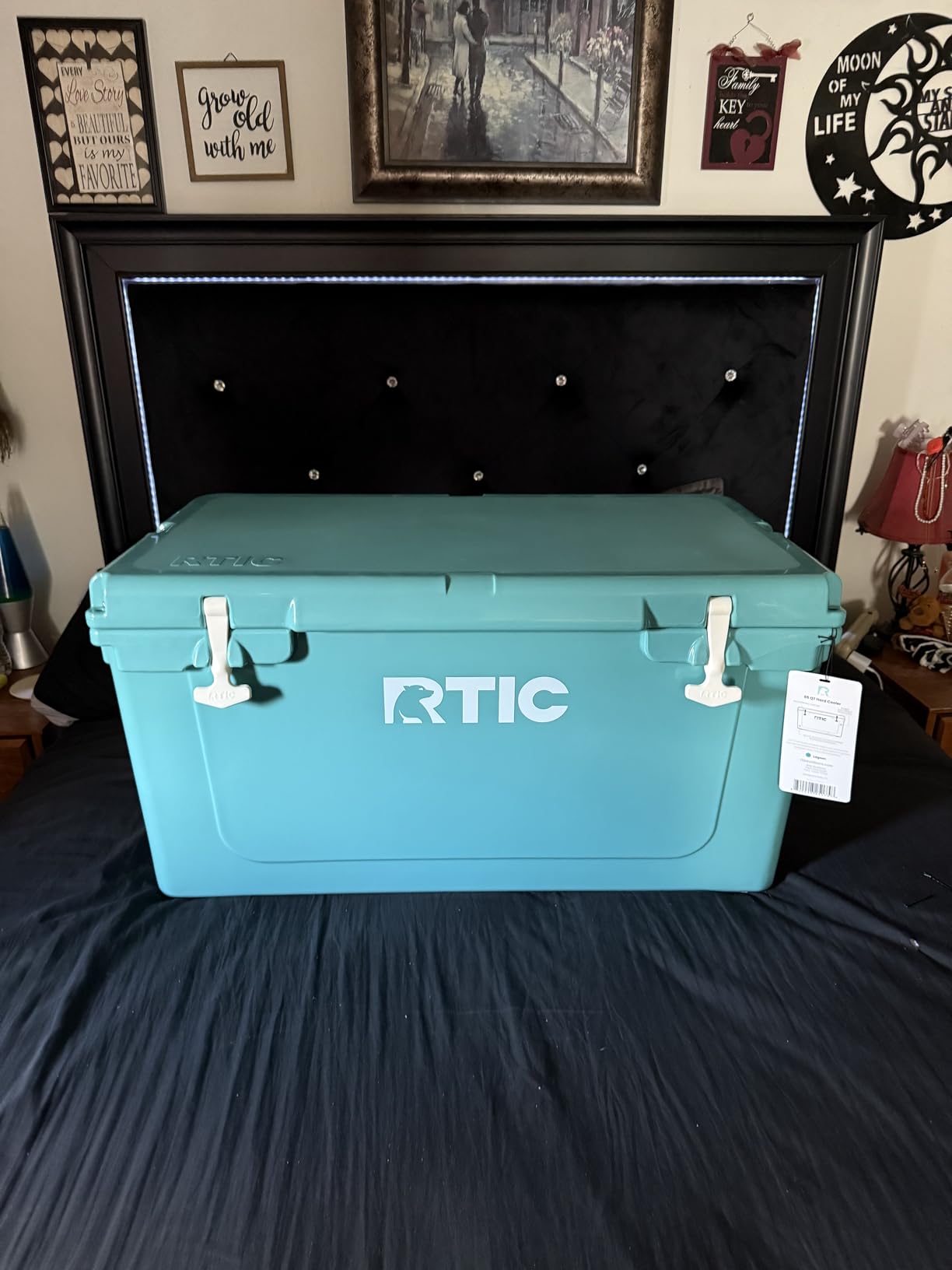
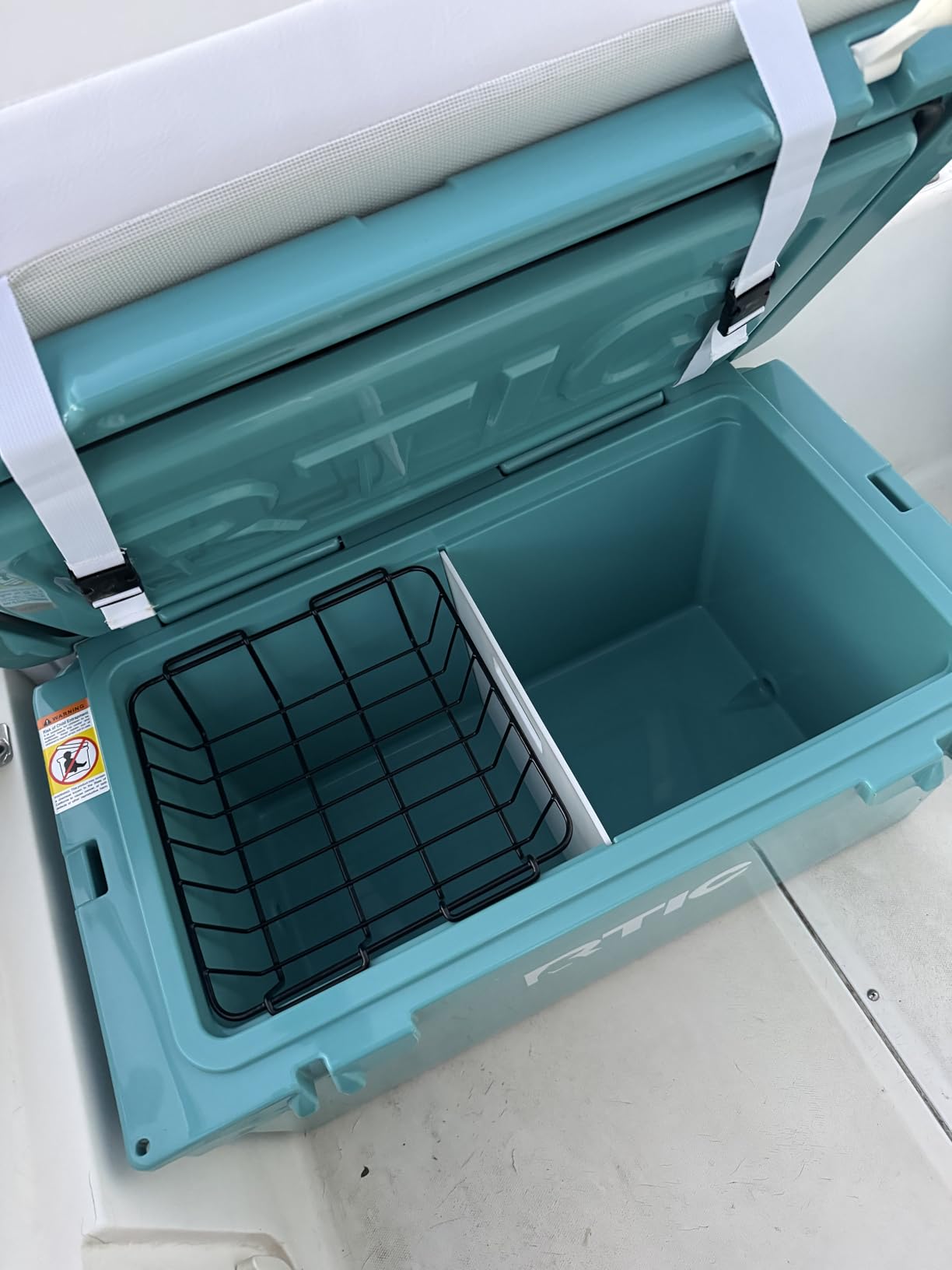
Capacity is the other reason this one wins. At 84 cans it is big enough to ice a full catch, hold lunch for the crew and still have room for drinks, which is the real offshore workflow nobody’s spec sheet accounts for. Owners also use the lid as a step or a casting platform, and at 17 inches of chamber depth it swallows fish that would not fit in a squat cooler.
The honest weakness is weight. 34.4 pounds empty means you are looking at 55 to 60 pounds once ice and catch are in, and forum regulars consistently call that a two-person job. If you fish alone off a center console ladder, that is a real problem, and it is the single biggest reason anglers step down to a 45 quart or an injection-molded body.
How the weight changes the decision
Thirty-four pounds empty is roughly seven times what the Igloo 54 in this guide weighs, and that difference shows up every single launch. On a center console with a high freeboard and a narrow ladder it is the difference between one trip up the ladder and a second trip to the cooler rack. On a bay boat with a swim ladder and a cooler shelf, it stops mattering entirely.
Our read: the weight is worth it for two people, for charter trips with a rod locker full of fish, and for anyone who genuinely wants two to three days of ice. It is not worth it for a solo nearshore day when a 45 quart carries the same lunch and the same catch.
What to watch before you commit
Check the latches early. Owners report stiff tabs that need a flat palm rather than fingertips, and if a latch feels seized on arrival, work it before your first trip rather than in the parking lot at dawn. A small amount of silicone on the hinge pin resolves most of it.
Inspect the gasket on arrival too. Recurring complaints involve the gasket seal being glued shut in spots, which is a manufacturing defect rather than a design flaw, but it will leak until you separate it.
2. ENGEL Live Bait Cooler PRO 7.5 Qt – Best Offshore Fishing Cooler for Live Bait
ENGEL 7.5 Quart Live Bait Cooler PRO for Fishing – Portable Minnow and Bait Bucket with Lithium-Ion Rechargeable Aerator – Tan (7.5Qt)
7.5 qt
PP foam
Stainless steel hinges and latches
Aerator up to 48 hours
6 in chamber depth
+ The Good
- Rechargeable ENG-AP3 lithium-ion aerator with USB-C charging
- Battery runs up to 48 hours
- Stainless steel hinges and latches with EVA gasket seal
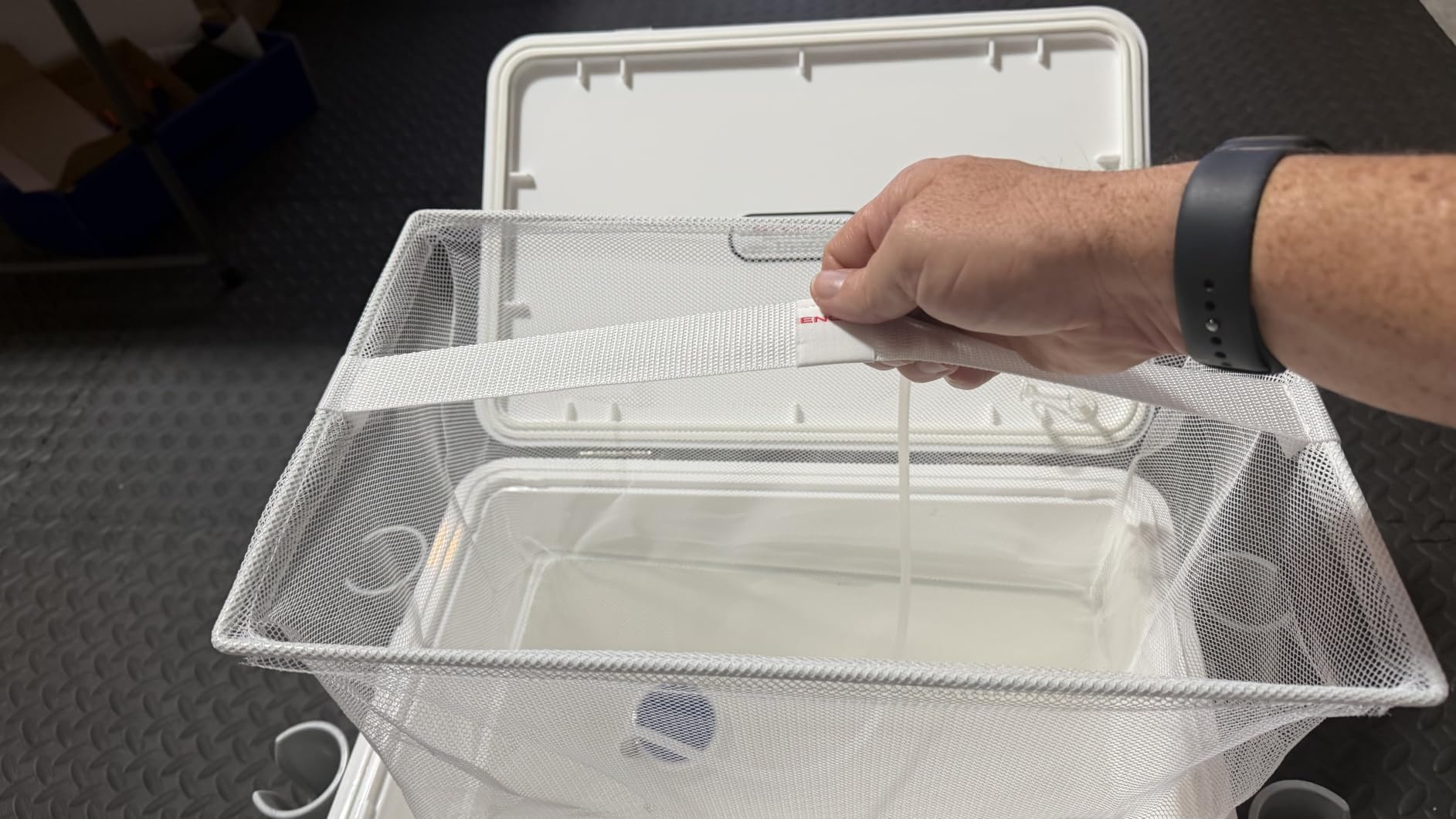
- Removable pull net for fast bait selection
- Shoulder strap and carry handles integrated
- The Bad
- Aerator tubing can kink at the tight angles the routing requires
- Aerator placement tips the empty box over
- Net handle gets in the way when pouring in water
This is a bait cooler, not a catch cooler, and understanding that distinction prevents most disappointment. The 7.5 quart chamber is sized for a working bucket of shrimp or minnows rather than fish on ice, and the whole point of the box is the rechargeable aerator keeping that water moving and oxygenated. Anglers fishing the Florida and Texas coasts report shrimp and pinfish staying active through full days of heat, which is the outcome that matters.
The aerator is an ENG-AP3 lithium-ion unit charged over USB-C and rated for up to 48 hours, which comfortably covers a day offshore and most of a second. A few owners suggest adding a vent grommet and rerouting the aerator line for better airflow, and that is a ten-minute modification if your water warms faster than you expect.
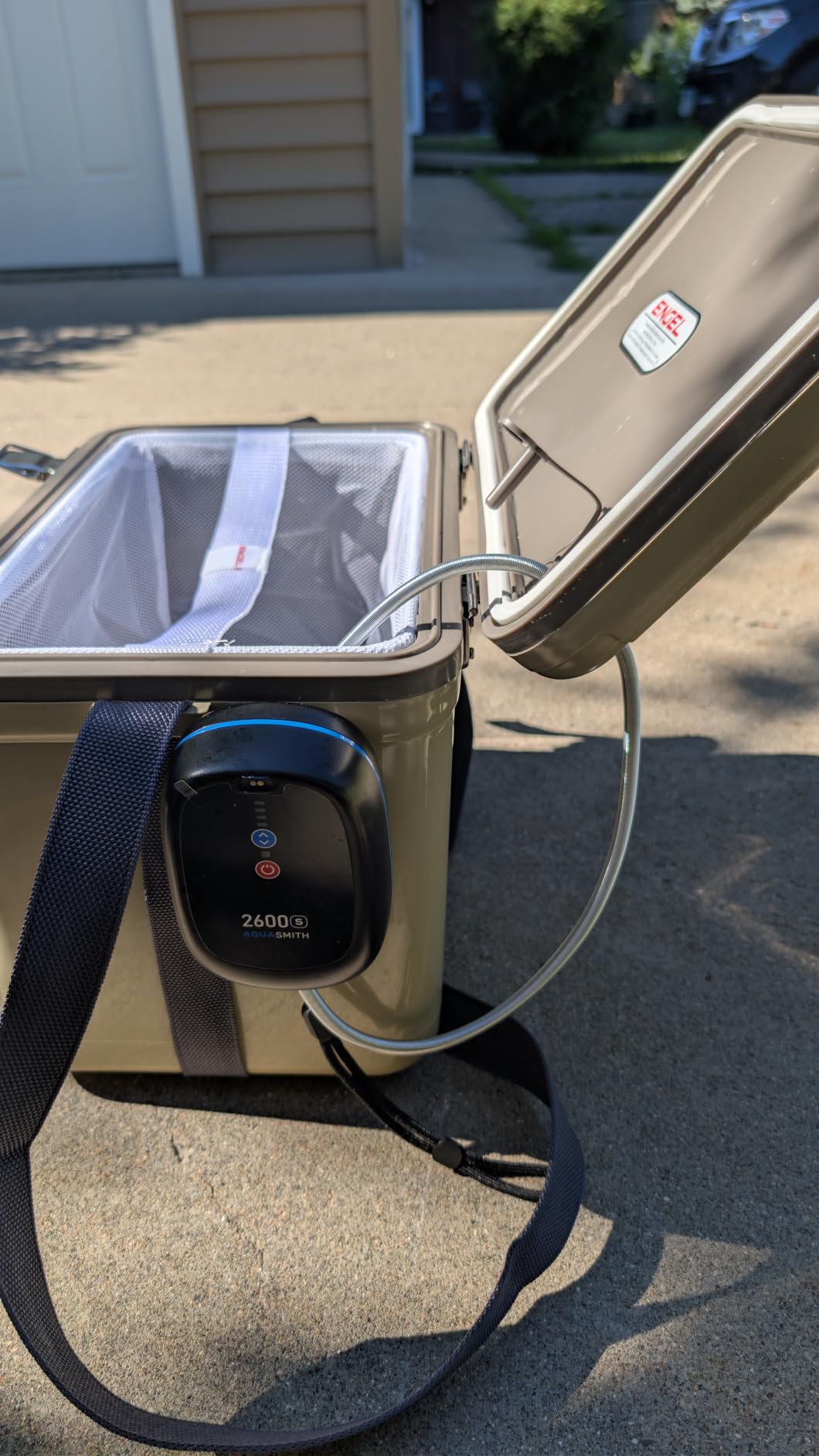
Hardware is where this box separates itself from the plastic-buckle bait boxes. It uses stainless steel hinges and latches with an EVA gasket seal, and polypropylene foam insulation rather than nothing, so bait water stays cooler than open bucket water in August heat. The removable pull net makes grabbing a handful of minnows fast, and the same box works as a drink cooler between bait runs.
Size range matters here. The same family runs in 7.5, 13, 19 and 30 quart versions, so if you are running a party boat with two people catching live snapper you can step up rather than forcing a big cooler to do a small job.
When the aerator routing works against you
The most common issue reported is that the aerator tubing kinks because the required path forces tight angles. Owners who solve it by trimming and re-routing the line, or by adding the vent grommet, report noticeably better flow and less warm water by mid-afternoon. Those who leave the factory routing alone tend to describe shorter bait life in peak heat.
Empty, the box also tips readily because the aerator sits high, so set it down on the deck rather than trusting it upright on a pitching gunwale.
Who should skip this one
Do not buy it to hold your catch. Seven and a half quarts disappears fast, and the removable net is sized for bait handling, not for a stringer of grouper. Anyone who does not need live bait is paying for an aerator they will never switch on.
The reverse is also true. If your trip depends on live bait staying active until the last hookup, this is the box that does it, and there is no soft-sided substitute for the gasket seal and stainless hardware.
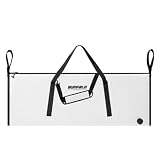
3. Buffalo Gear 35 Qt Insulated Fish Cooler Bag – Best for Handling a Heavy Catch
Buffalo Gear Insulated Fish Cooler Bag Portable Fish Kill Bag Keep Ice-cold More Than 48 Hours,48×18in White
35 qt soft bag
48 x 18 inches
1.6 lb
22oz tarpaulin liner
Corded drain plug
+ The Good
- Keeps catch ice-cold past 24 hours under heavy fish loads
- Heat-sealed construction resists leaking as ice melts
- Corded drain plug cannot be lost
- Folds flat for compact stowage
- Rinses clean with soap and water
- The Bad
- Soft construction is not airtight like a hard cooler
- Ice retention drops noticeably past about a day
- Bulky at the largest sizes when fully loaded
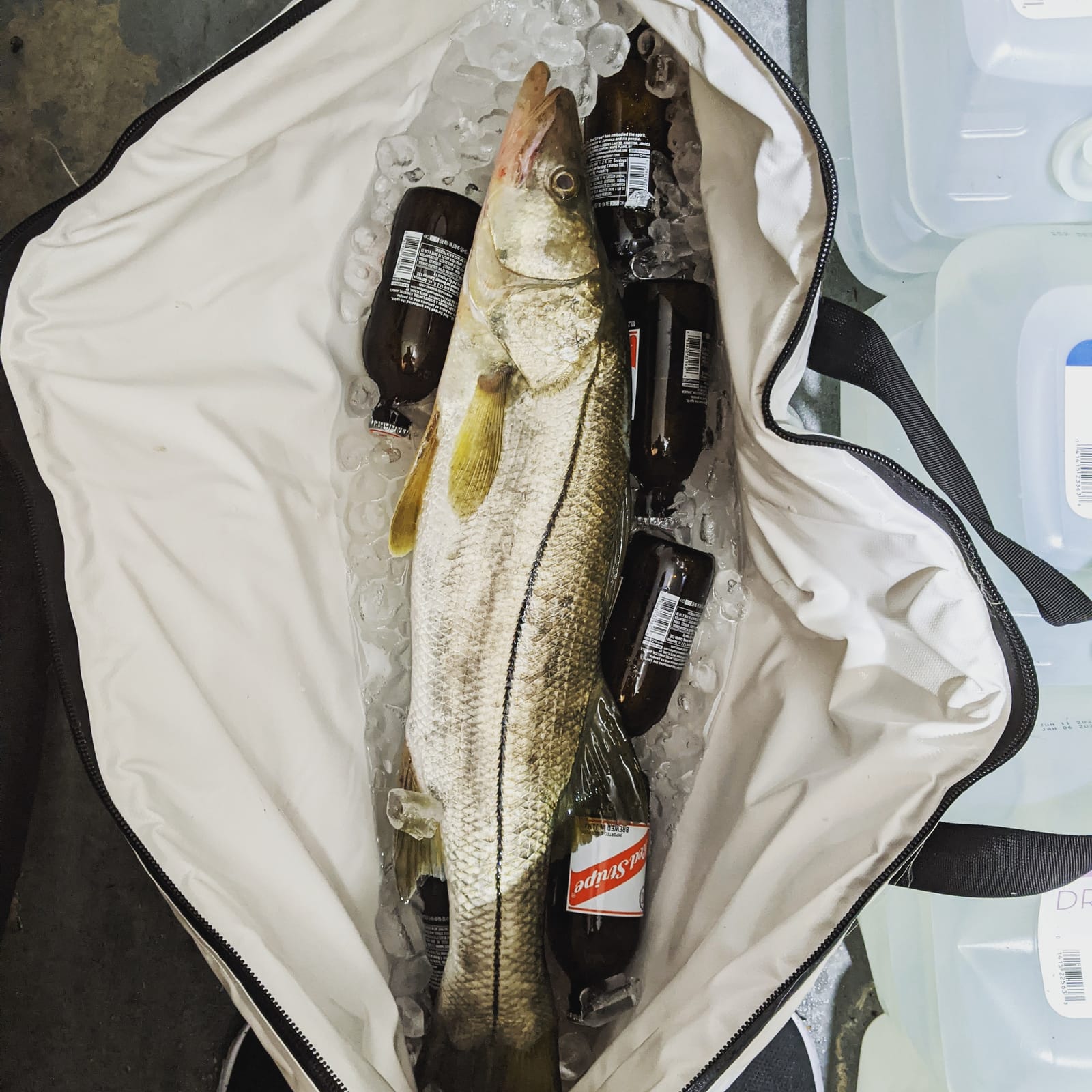
Soft bags get dismissed offshore, and for the cooler-and-lunch job the dismissal is fair. What a soft fish bag does better than any hard cooler is swallow a wet, heavy, awkward load. A stringer of snapper, a grouper or two, ice and fish blood going into a bag that lies flat on the deck is a very different job from loading cans into a rigid box.
This one is rated at 35 quarts in a 48 by 18 inch footprint with an 18 inch chamber depth, and at 1.6 pounds empty it is one of the easiest things on the boat to reposition. Owners fishing hard report the catch staying ice-cold well past 24 hours, which is the length of most day trips plus the drive home.
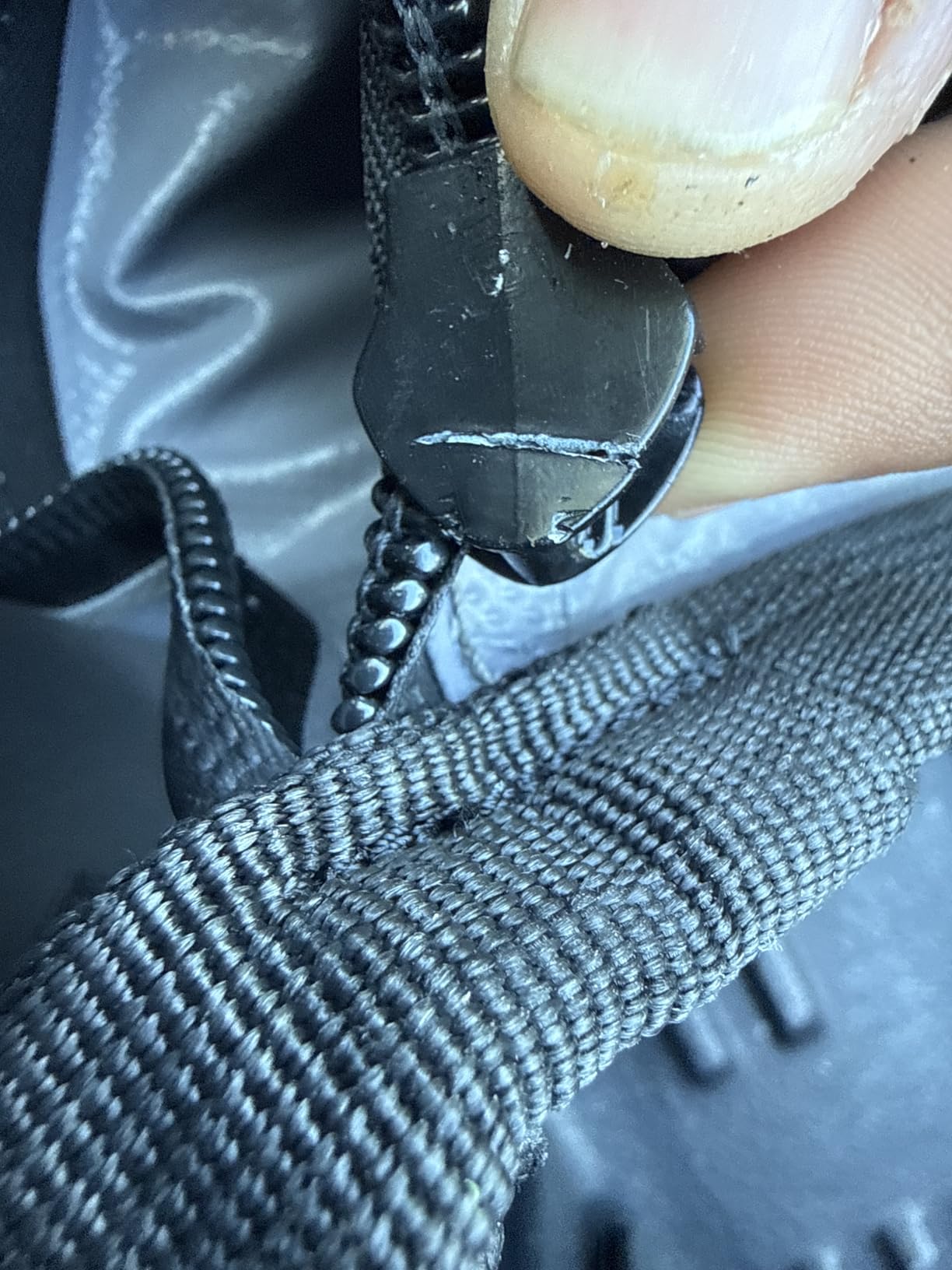
The construction details are what keep it from being a trash bag with padding. The interior is a 22oz polyester tarpaulin with a heat-sealed, fiber-interlaced skin, the zipper is reinforced with webbing straps, and the screw-on drain plug is attached to a cord so it cannot end up in the bilge. That corded plug is a small thing that every boat owner appreciates the first time they drain a bag full of meltwater and blood water.
Cleaning is the other quiet win. The whole bag rinses with soap and water, which matters when you are hose-downing a fish bag in a marina wash station rather than at home.
When a soft catch bag beats a hard cooler
The crossover point is weight and shape. Fish are heavy, wet and irregular, and a bag conforms to them while a rigid box makes you cut ice and rearrange. If your trip ends with more than a handful of fish, this is the tool for the aft deck while your hard cooler handles drinks and lunch.
The day-to-day limit is honest: performance drops noticeably after about a day, so it is not the box for a two-night trip offshore unless you keep it shaded and add ice at midday.
Watch these two details before you buy
First, bulk at full size. In the 48 by 18 configuration, fully loaded, it occupies a real patch of deck. Measure the space behind your leaning post rather than trusting the listed dimensions against your mental image.
Second, the soft shell is not airtight, so the lid zipper does not create the thermal break a hard gasket does. Buyers upgrading from an inline skate-style fish bag report the main upgrade here is the heat-sealed liner, not the zipper.
4. Pelican ExoChill 17L Soft Cooler – Best Fit for Kayaks and Tank Wells
Pelican Sport – ExoChill – Cooler Bag – Fit in Most Tank Wells – Removable Shoulder Strap and Handles On Each Side – More Storage Compartement – PS3012-00, Black/Grey, 18.701 in
17 liter
1.3 lb
0.5 inch insulation
18.75 x 13.75 x 5 inches
PEVA liner
+ The Good
- Shaped to fit most tank wells including Pelican kayak setups
- Lightest soft option here at 1.3 pounds
- Handles on both sides plus a removable shoulder strap
- Front pocket with hooks and carabiner loops for small items
- The Bad
- Does not hold cold beyond a single day trip
- Outer fabric retains water after soaking
- Not waterproof against heavy spills or submersion
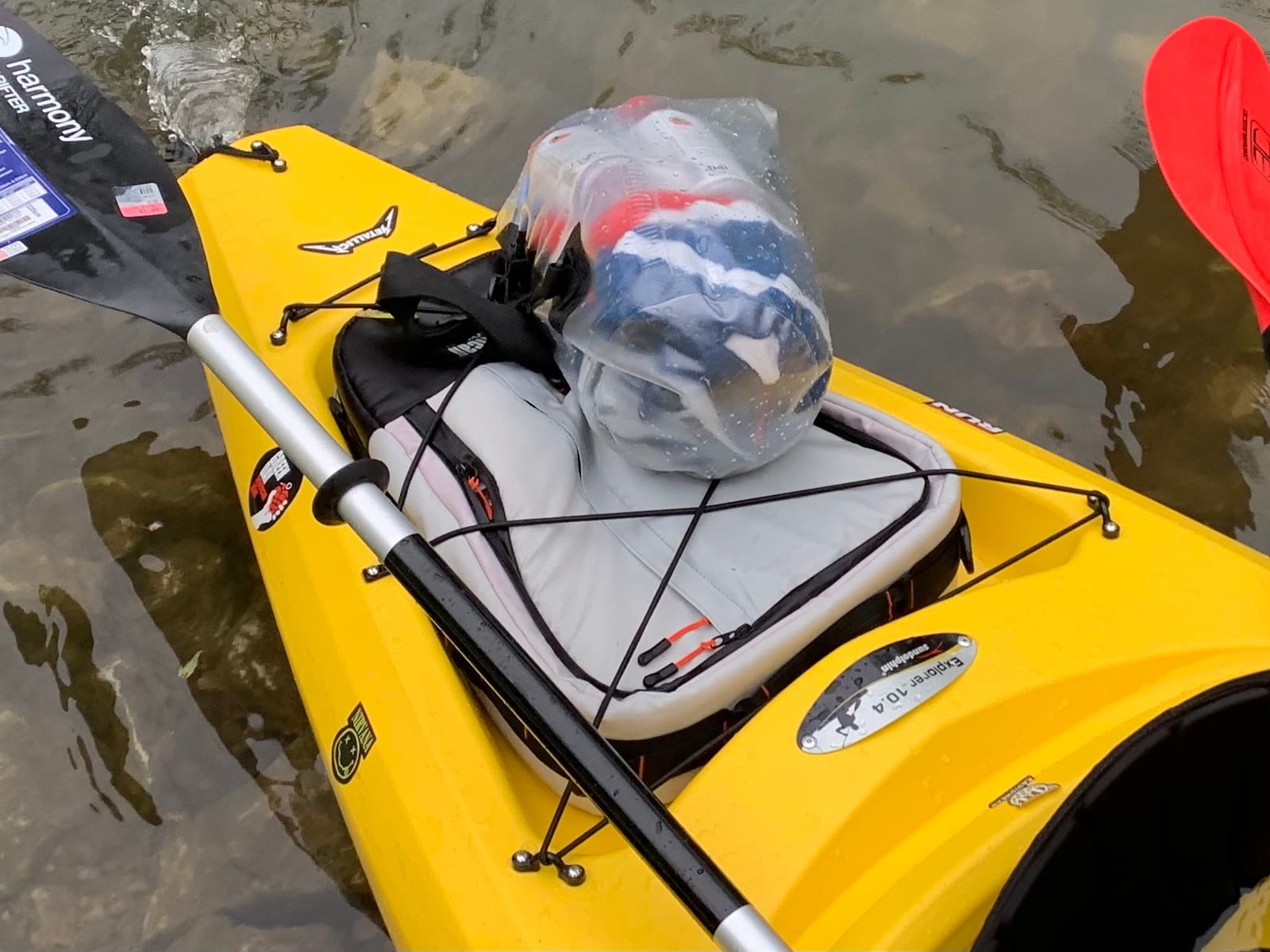
This is the smallest item in the guide and it has the narrowest job: sitting in a kayak tank well or on a paddleboard without taking up deck you do not have. Kayak and paddleboard owners dominate the reviews, and they consistently praise two things, the precise tank-well fit and all-day cold retention when loaded with frozen bottles and ice packs.
At 17 liters and 1.3 pounds empty, it disappears into a hull. The body is a 420 denier shell with 0.5 inch insulation and a PEVA liner, which handles splashes but is not the answer to a submerged hull or a dumped cooler.
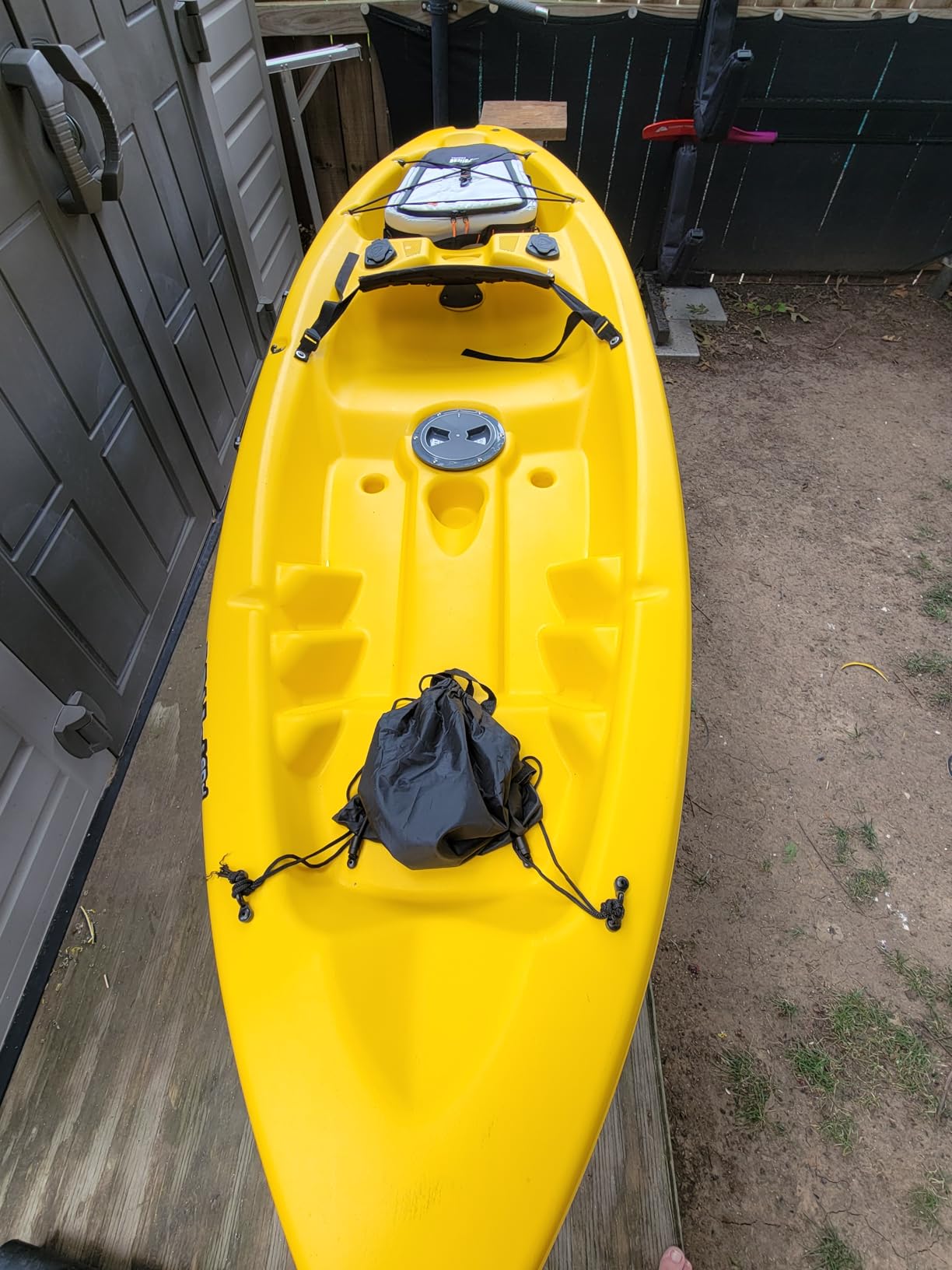
Carrying options are unusually good for a soft cooler. You get a removable shoulder strap plus handles on each side, which is how you keep it balanced on a kayak deck while both hands work a paddle or a rod. The front pocket with hooks and integrated carabiner loops holds keys, sunglasses and a phone where they will not end up in the hull.
Reflective logo trim adds a little evening visibility, which matters more on a lake at dusk than most cooler spec sheets admit.
Why tank-well fit beats capacity here
On a sit-on-top kayak the storage space is a molded well you did not choose. Anything that overhangs the rim catches water and makes the boat wallow, so the dimension that matters is how the cooler sits rather than how much it holds. Measuring 18.75 by 13.75 by 5 inches against your own well is the entire evaluation.
The reviews are clear that this performs as a day cooler. Multi-day ice retention is the recurring complaint, and the outer fabric holding water after a soak is the other.
Where it falls short offshore
Put it in a hard boat on a sunny deck and it underperforms every hard cooler here. Soft construction is not airtight, the zipper is the first leak point, and a heavy spill will get past a water-resistant liner.
It also needs its own strap or clips to stay put on a kayak deck. Owners mention that separately, which tells you it is a swim-platform cooler rather than a deck cooler until you secure it.
5. NorChill 24 Can Marine Boatbag – Best Soft Marine Boatbag
NorChill Soft Coolers 24 Can Insulated Marine Boatbag Soft Sided Cooler, White
24 can
2 lb
10 x 18 x 12 inches
1000 denier base
YKK zippers
2 year warranty
+ The Good
- Fusion welded seams hold ice without leaking when it melts
- Removable liner makes cleaning and drying easy
- Folds flat and stows better than a hard cooler
- 1000 denier anti-skid canvas bottom
- Zippered kangaroo pouch for small gear
- The Bad
- Not as rugged as premium hard rotomolded coolers
- Ice typically lasts about one day in warm weather
- Buckle and zipper hardware can wear over time
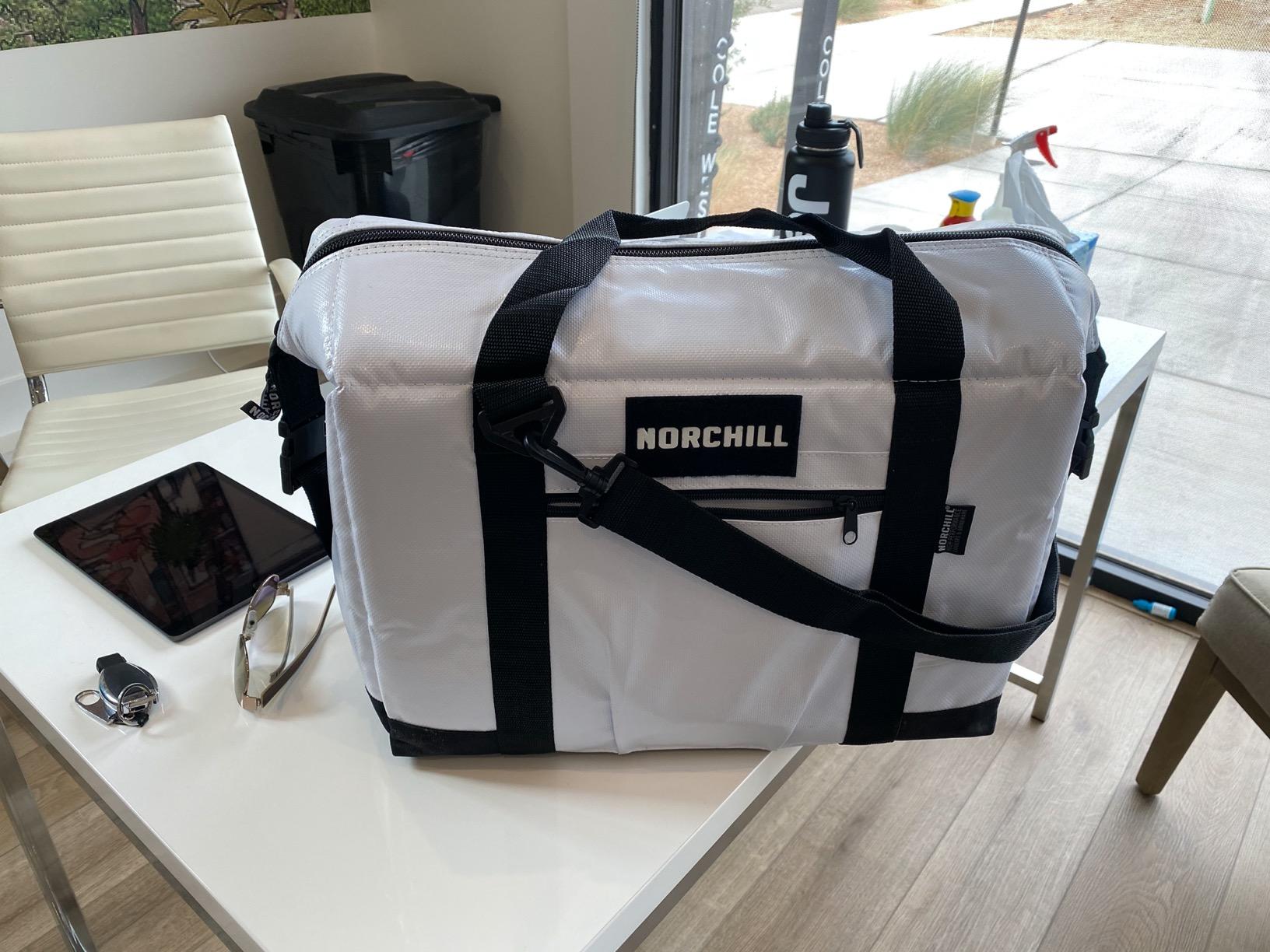
The NorChill is what a soft marine boatbag looks like when the manufacturer actually builds for the water. The shell is a waterproof tarpaulin over a puncture-resistant liner with fusion welded seams, and welded seams are the part that matters, because stitched soft coolers leak first at the stitching once the ice melts.
It is built by a marine manufacturer, comes in a 24 can and a larger 48 can version, and carries a two year manufacturer limited warranty. Long-term owners report it still looks close to new after years of fishing, camping and cruise trips, which is a durability signal soft coolers rarely earn.
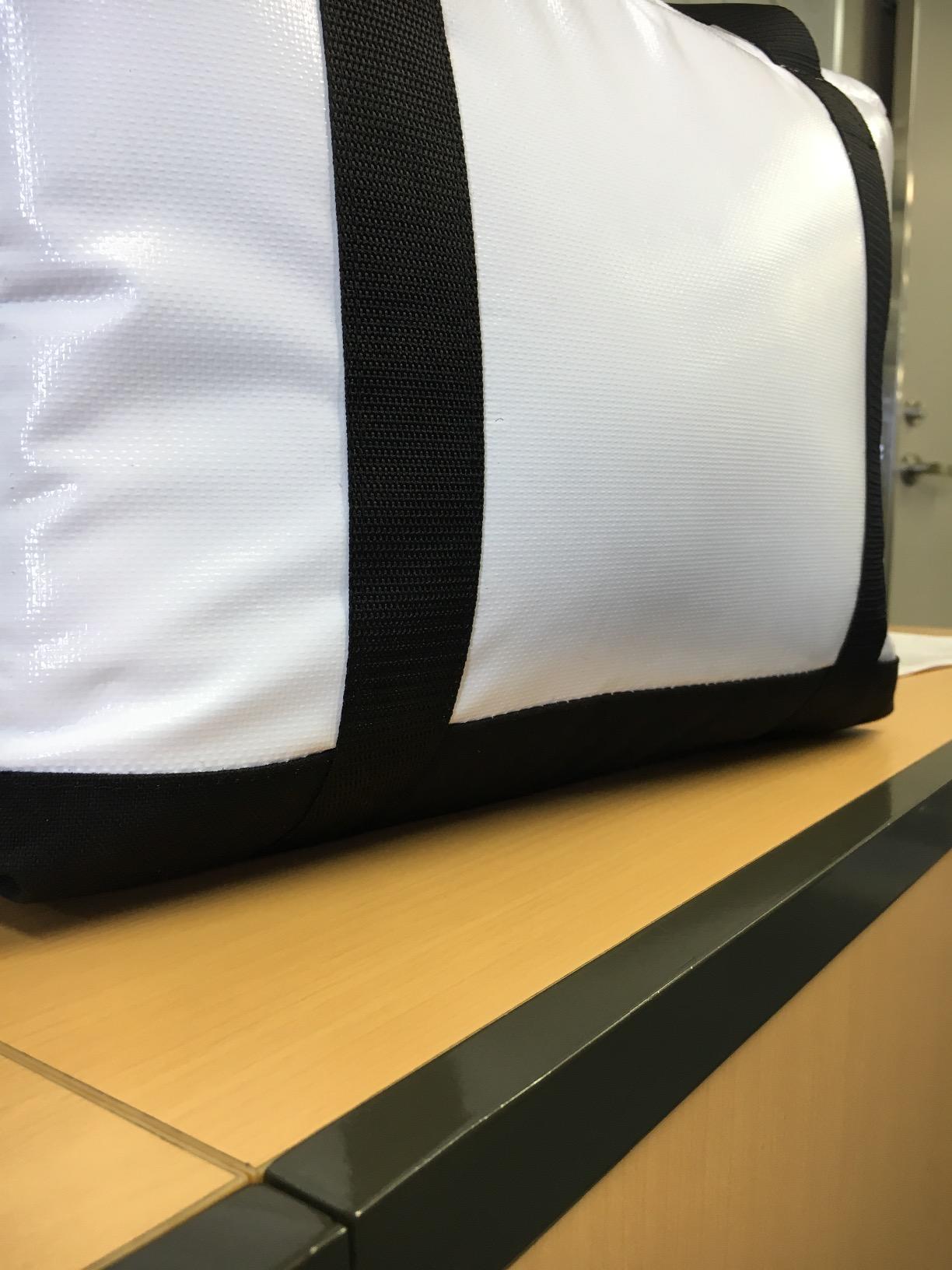
Two details earn their keep on a boat. The 1000 denier anti-skid canvas bottom resists the wet deck and abrasion better than plain tarpaulin, and the liner is removable, so you can wash it, dry it and swap in a spare instead of hand-washing the whole bag in a marina.
The kangaroo pouch pocket across the front is for the small stuff that otherwise disappears into the ice: keys, a phone, a rigged bait. YKK zippers on that pocket are a small reliability upgrade over generic hardware.
Where a soft boatbag actually fits offshore
Think of it as the drinks and lunch box that lives under a T-top or inside a console locker. At 2 pounds empty it is trivially portable, it folds flat for a wet locker, and the dual temperature insulation system works for cold contents as well as chilled ones.
Long-term value is the argument that resonates with owners. Comparatively priced hard rotomolded coolers cost several times more, and this one still looks good after seasons of salt and sun.
The limits you should accept up front
Ice lasts about one day in warm weather, which is a full trip and nothing more. The bottom fabric and buckle hardware wear faster than hard-shell components, and the interior shape is built around cans rather than wide casserole dishes.
If you are catching fish offshore, this is not the icing box. It is the box that keeps your sandwiches out of the meltwater while a hard cooler or a fish bag handles the catch.
6. Igloo 54 QT Marine Hard Shell Ice Chest – Budget Pick
Igloo 54 Qt Marine Ultra Cooler, White
54 qt
5 lb empty
15.5 x 26.38 x 15.5 inches
THERMECOOL foam
Hybrid steel latch
+ The Good
- Holds ice for close to two days in hot coastal conditions
- Marine grade stainless hardware resists rust
- Only 5 pounds empty for a 54 quart hard cooler
- UV inhibitors slow fading and sun damage
- Compact footprint fits a boat wheel well
- The Bad
- Some owners report weaker retention after a full afternoon in the sun
- Latch hardware feels less robust than premium coolers
- Offered in limited colorways
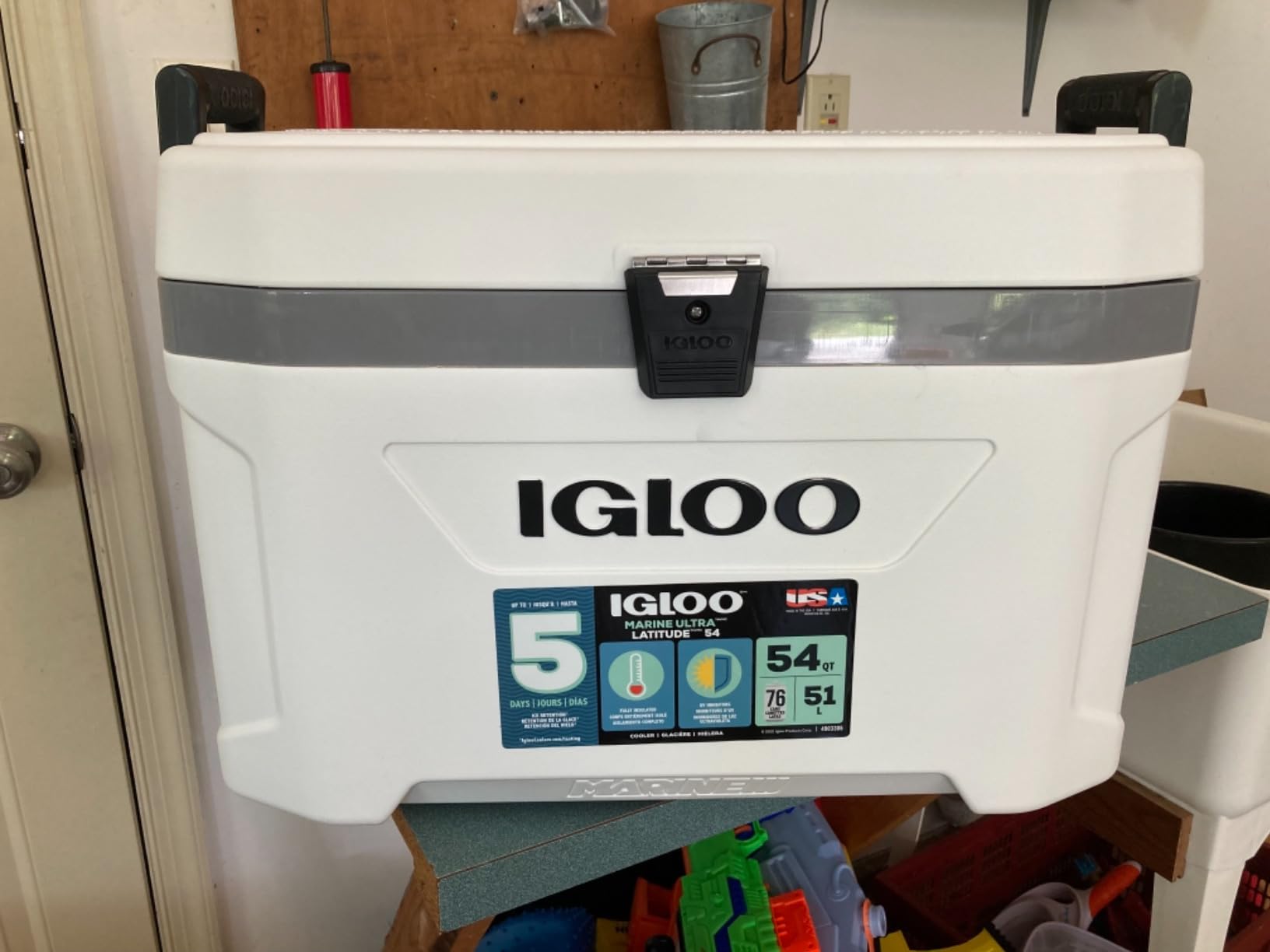
At 54 quarts and 5 pounds empty, this Igloo is the value pick of the entire guide and it is not close. Premium rotomolded coolers in this capacity class weigh 30-plus pounds, and this one carries enough for a day trip and a catch for roughly the weight of a gallon of milk. Owners who moved up from a basic Igloo talk about the hardware and the sun protection being the actual upgrades.
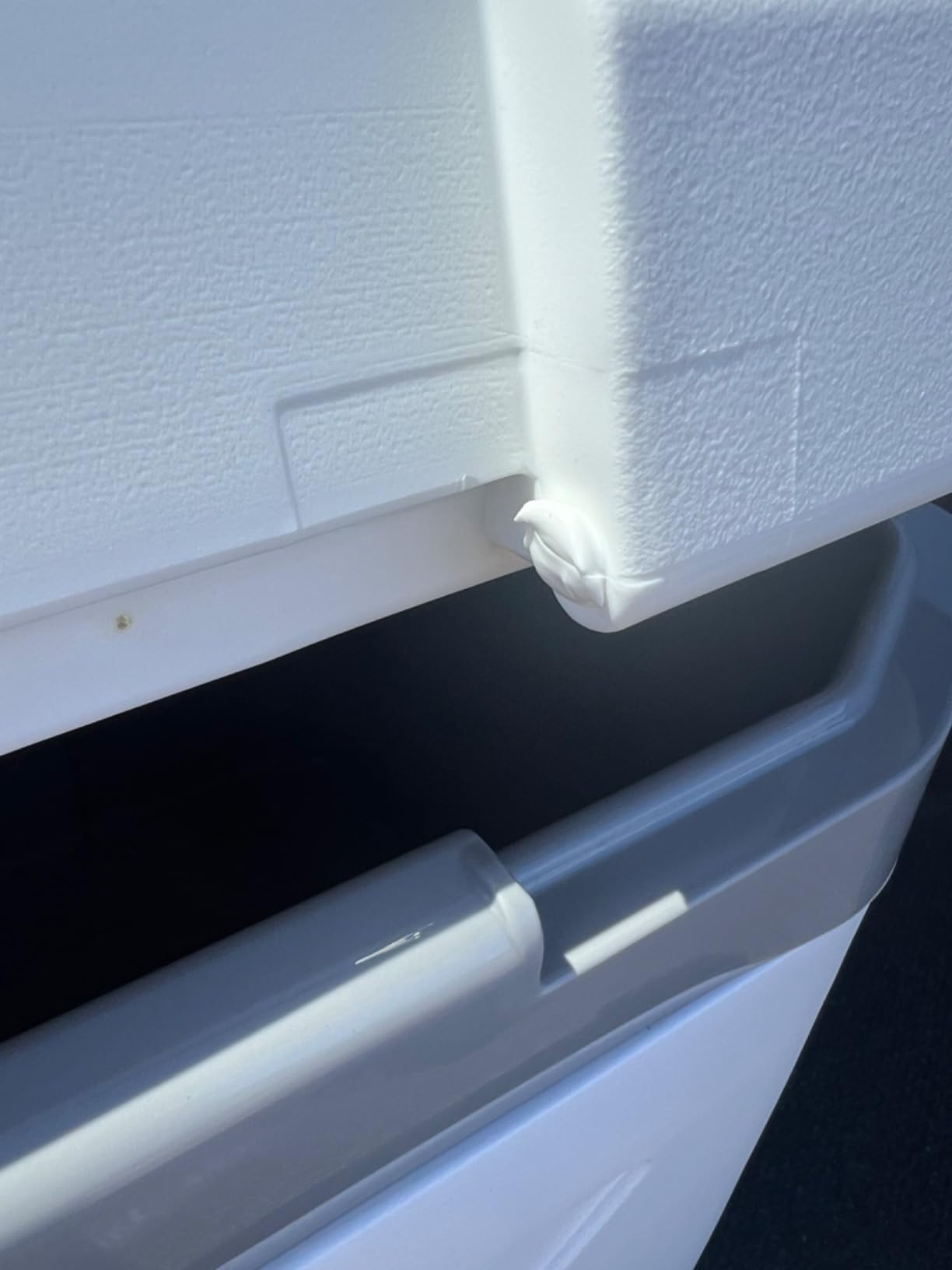
The build is a hard shell with THERMECOOL polyurethane foam insulation, a hybrid stainless steel and plastic latch, Riteflex resin impact-resistant hinges, and a rust-resistant stainless steel lid strap and screws. Marine grade hardware is the point here: salt spray eats plain plated steel latches in a single season.
UV inhibitors are listed for sun protection, and on a white-topped box that is genuinely relevant rather than marketing. A dark shell in direct Florida sun absorbs far more heat, and anglers on the forums consistently say they prefer a light lid for exactly that reason.
The footprint is a strength in small boats. At 15.5 by 26.38 by 15.5 inches, owners report it fitting under a truck bed cover or into a boat wheel well, which is the deck-space problem that rules out many 65 quart coolers on jon boats and small center consoles.
How close is close to two days
The honest answer is that close to two days describes a shaded, pre-chilled box, not a box sitting in open sun all afternoon. Most owners report solid day-plus performance, and a minority report ice softening noticeably after a full fishing afternoon in direct sun.
Pre-chilling is what separates the two experiences. A warm box loaded with warm ice gives you a day; the same box chilled in a freezer overnight with block ice gives you closer to the claim.
What you trade away for the weight saving
Wall thickness and hardware grade. The latch is a hybrid steel and plastic design and reviewers describe it as feeling less robust than a premium bear-resistant latch, so it is the part to inspect before season one ends.
Ice retention is also the trade, since a 5 pound box cannot hold the same foam thickness as a 34 pound one. For most nearshore and one-day offshore runs that is a good trade. For multi-day trips, step up to a heavier insulated body.
7. MORXPLOR Insulated Fish Cooler Bag – Best for Large Multi-Day Catches
MORXPLOR Insulated Fish Cooler Bag for Fishing 41×17 47x17In 50x20In 60×24 72×30 80X40 Inches,Large Insulated Fish Kill Bag,Fishing Catch Bag Cooler with Water-resistant Zipper 80inch Light Grey
Up to 180 liters
3.67 kg
10mm foam
PVC electro-welded
Tethered drain plug
+ The Good
- Extra large capacities up to 180 liters for heavy offshore catches
- 10mm cotton foam insulation holds catch cold
- Heavy duty PVC with electro-welded seams
- Tethered drain plug empties dirty water on the spot
- Three point fold-up for compact storage
- The Bad
- Waterproof but not leakproof because of the standard zipper
- Bulky when fully extended at the largest sizes
- Not an airtight seal so air exchange occurs
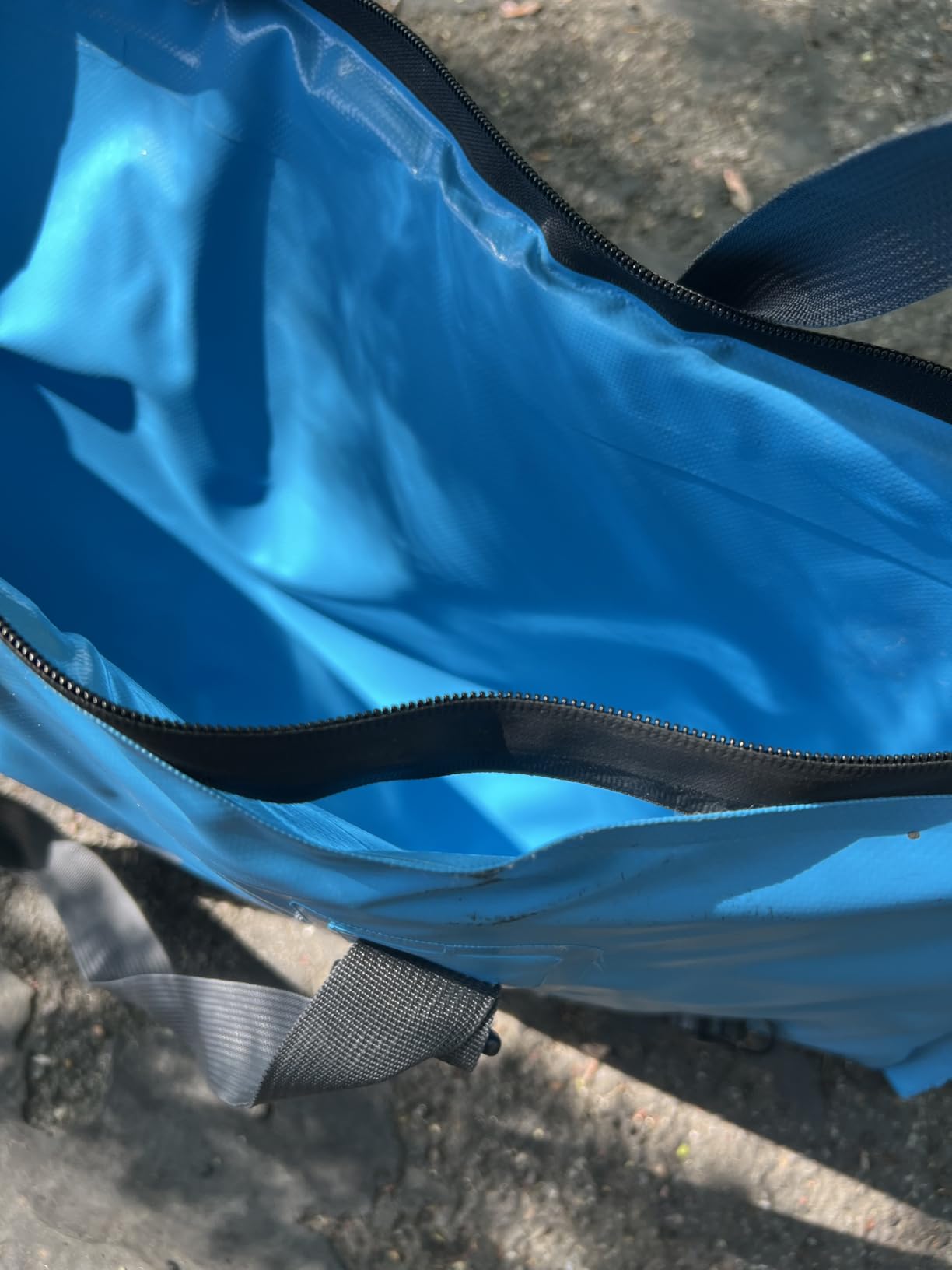
When the boat comes back with more fish than fits in anything reasonable, capacity becomes the deciding feature. This bag runs from 41 inch up to 80 inch lengths and tops out at 180 liters, which is a genuinely different class of container from the 35 quart Buffalo Gear and roughly five times a personal cooler.
Insulation is 10mm cotton foamed material inside a heavy duty PVC body with electro-welded seams and handles. That is thicker padding than most soft fish bags use, and reviewers point to capacity and easy cleaning as the two reasons they bought larger sizes.
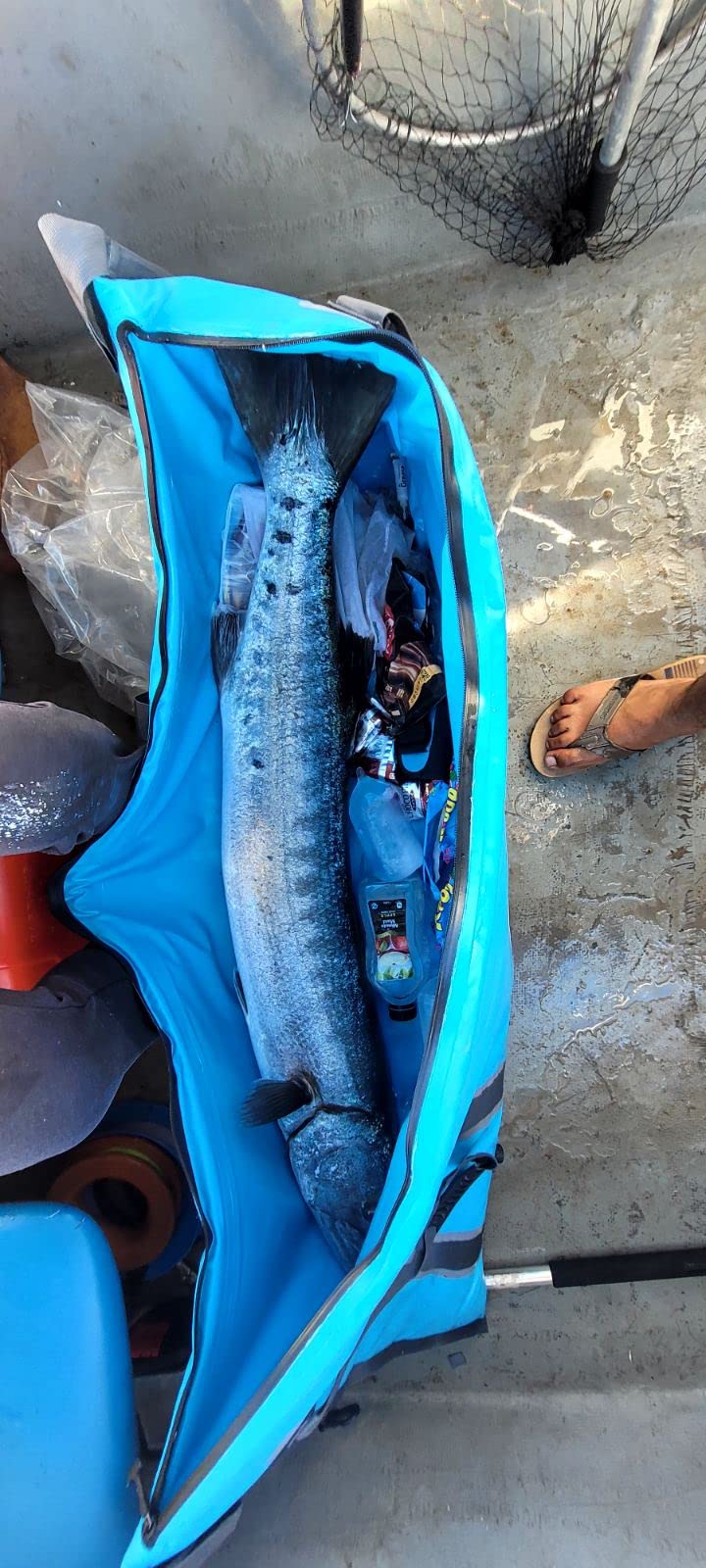
The tethered drain plug with a built-in drain hole lets you empty bloody meltwater where the boat is rather than carrying it across the deck, and the carry handle, carry ears and removable shoulder strap give you three ways to move it. It folds in three points for a wet locker between trips.
Be aware that sizing varies widely across the many variants, and the 80 inch version is bulky when fully extended. Measure your aft deck or a dock box before ordering the largest size rather than the largest fish you hope to land.
When you need this much capacity
Party boats, pier and offshore shark trips, and anyone who fishes a specific known ground and comes home with a limit every time. The math is simple: if your expected catch will not fit inside a hard cooler with ice around it, a large soft bag is faster than a second cooler.
Owners handling big pier and offshore catches single out the size and how easy it is to rinse out at the end of the day.
Read the zipper rating carefully
The closure is water resistant, not leakproof, and the bag is not an airtight seal. That means meltwater and air exchange both occur, which caps realistic retention at roughly a full day unless you keep it shaded and top up ice.
So treat the multi-day badge as multi-day catches and short overnights, not multi-day ice. If you need ice for two nights in August, you need a hard insulated body instead.
8. ENGEL 60 QT Ultra-Light Injection Molded Cooler – Best for Solo Loading
ENGEL 60 QT Ultra-Light Injection Molded Cooler – Ice Chest Keeps Ice up to 7 Days – Large Cooler Includes Wire Basket, Divider and Built-in Bottle Opener – Seafoam with Dark Grey Interior (Seafoam)
60 qt at 21.5 lb
2 inch foam
29.5 x 18 x 17 inches
Wire basket and divider
Tie-down slots
+ The Good
- 60 quart capacity at only 21.5 pounds
- Two inch closed-cell foam in a light body
- Holds ice for days when pre-chilled
- Wire basket and divider keep food dry and separate
- Tie-down slots and rubber feet built for boats
- The Bad
- In extreme heat ice realistically lasts two to three days not seven
- Limited color options compared with some rivals
- One reviewer questioned the country of origin labeling
This is the answer for anglers who want premium insulation without the 34 pound anchor. Sixty quarts at 21.5 pounds empty is the best capacity-to-weight ratio in this guide, and owners upgrading from cheap or older coolers describe it as a large step up in insulation while still being movable with one hand.
The construction is injection molded high-density food-grade polypropylene with 2 inches of advanced ultra-light closed-cell foam. That is a different strategy from rotomolding: instead of fusing a thick wall to a liner, it uses a lighter shell with heavy foam, and it saves roughly 13 pounds against the RTIC 65 for nearly the same capacity.
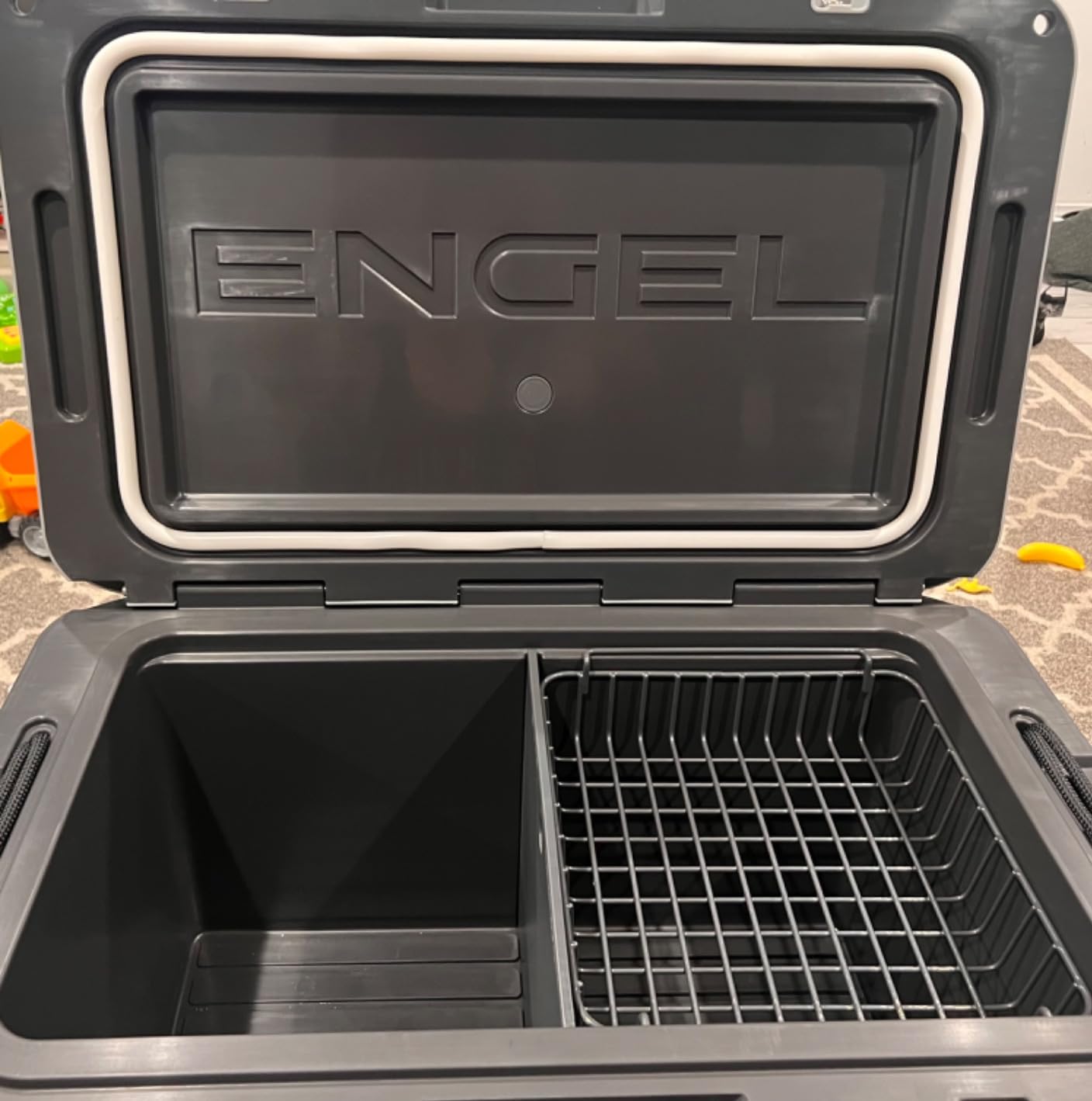
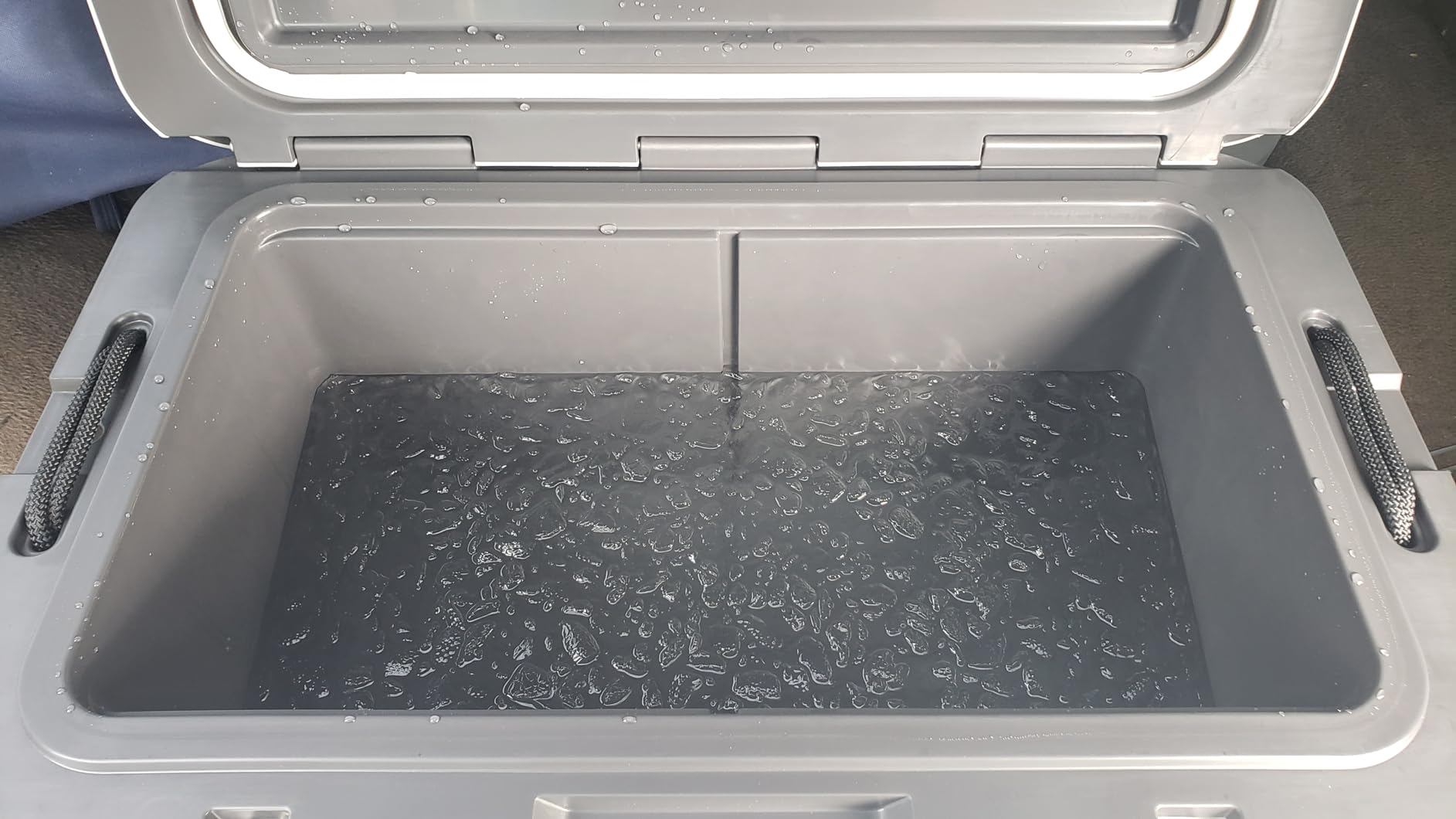
Boat-specific details are unusually thorough. It has molded tie-down slots for securing to a boat or paddleboard, rubber feet that stop it sliding on a wet deck, a gasketed drain plug, a built-in bottle opener, integrated rope handles, and molded hand-holds. Owners coming from cooler brands with no marine hardware mention the drain plug and tie-downs as the reason they switched.
A removable wire basket and a divider keep food dry and separated from meltwater, which is a bigger deal on a boat than it sounds, because a sandwich floating in ice water ruins the trip.
Claim versus reality in August heat
The listing says ice up to 7 days, and testers in Florida and Southwest Florida report two to three days in extreme heat. That is an honest and useful gap to know about: in real offshore summer conditions, plan on two to three days, not a week, and treat the seven day figure as a cold-weather lab result.
That is still a strong result at this weight, and it is why this box wins for solo anglers. If your trip is one long day, both numbers are irrelevant because you will open and close it constantly.
When this is the wrong cooler to buy
Buy the heavier rotomolded body if you need genuine multi-day ice in hot weather and you have a second person to help load. Injection molding saves weight by using a thinner shell, and a thinner shell always loses more heat than a fused one once the foam is doing the work.
Color options are still limited compared with some competitors, and at 29.5 by 18 by 17 inches you should measure a center console cockpit before buying, because a 60 quart box is not a small footprint.
9. ENGEL UC30 Drybox Cooler with Rod Holders – Best with Built-In Rod Holders
Engel UC30 30qt Leak-Proof, Air Tight, Fishing Drybox Cooler with Built-in Fishing Rod Holders, Also Makes The Perfect Hard Shell Lunchbox for Men and Women in White
30 qt airtight
10 lb
16.5 x 11.5 x 9.5 inches
4 rod holders
EVA gasket
5 year warranty
+ The Good
- Leak proof and air tight so it doubles as a dry box for gear
- Four built-in rod holders molded into the lid
- Stainless steel industrial strength latches and hinged lid
- Removable hanging tray separates soft food from meltwater
- Adjustable shoulder strap included
- The Bad
- Ice retention of about two days is short for premium hard coolers
- 10 pound empty weight is noticeable when loaded
- Not a long-term fish storage cooler without ice
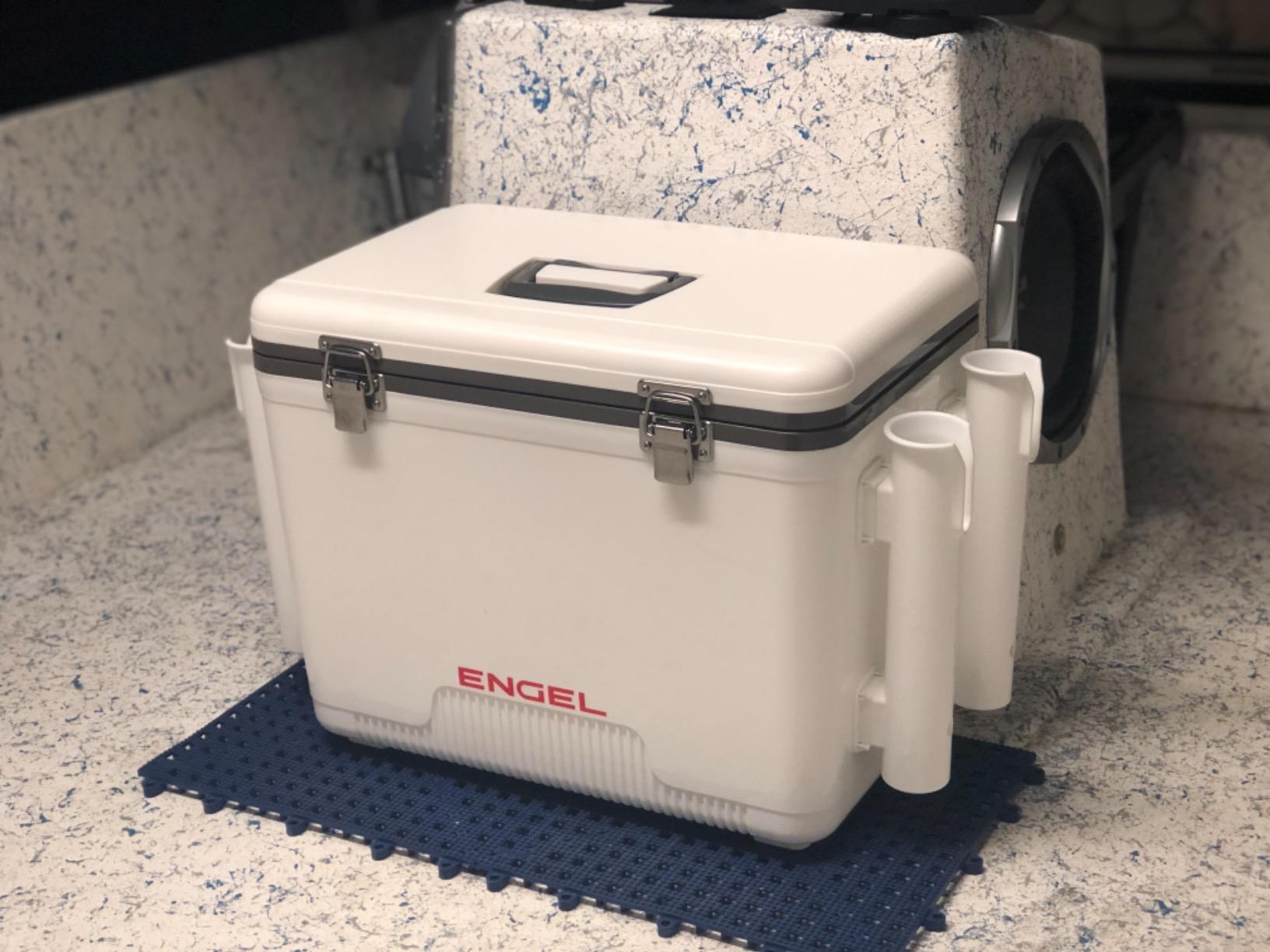
Four rod holders molded into the lid is the feature that makes this cooler unusual, and it turns a 30 quart box into a spot where rods ride instead of laying across the console getting salt on the blanks. Anglers and electricians use the same box for dry gear because the seal is genuinely airtight.
The seal is a recessed EVA gasket on a molded polystyrene foam body with a hard plastic heat barrier, and the hardware is stainless steel industrial strength latches with self-stopping ABS hinges. Rated to keep ice up to two days at a 2 to 1 ice-to-can ratio and hold up to 48 cans, it also carries a five year warranty.
A removable hanging accessory tray solves the meltwater problem by suspending sandwiches above the ice, and a heavy duty adjustable shoulder strap makes the 16.5 by 11.5 by 9.5 inch box carryable to a dock or down a beach without a second trip. UV inhibitors are built into the shell across fourteen color options.
At 10 pounds empty it is heavier than any soft cooler in this guide and lighter than every hard insulated body except the Igloo, which is a reasonable middle ground for a two-person boat.
Two days of ice is not the selling point here
Owners are clear that the two day ice hold is the tradeoff, and it is short compared with the premium rotomolded bodies. This box is not built to ice a fish for three days in the sun. It is built to keep cold drinks, lunch, and electronics dry at the same time.
Where that two day figure matters most is a long day offshore where you want the catch in one container and the crew’s food in another, without a second full-size cooler on the deck.
When the dry box function takes over
Plenty of owners use it as a dry box first and a cooler second, because a leak proof airtight box protects electronics, charts, and spare line from a soaking deck. VHF units, phones and camera gear go in the box and stay dry, which is worth more than an extra day of ice to some anglers.
If you want both, keep this as your personal rod-and-lunch box and pair it with one hard cooler for the catch. That is a cleaner deck layout than trying to make one box do every job.
10. Pelican 14 Quart Personal Cooler – Best Value
Pelican 14 Quart Personal Lunch Box Cooler (Cement/White)
14 quart
8.3 lb
18 x 11.5 x 13 inches
Molded cup holders
Tie-down slots
3 year warranty
+ The Good
- Holds ice two to three days with solid retention
- Swing-up handle resists heavy loads
- Molded cup holders and tie-down slots in the shell
- Inner tray keeps dry goods separate and cool
- Ten colorways available
- The Bad
- Interior is tight for tall 16 oz bottles
- Ice retention drops after about 48 to 72 hours
- No built-in shoulder strap provision
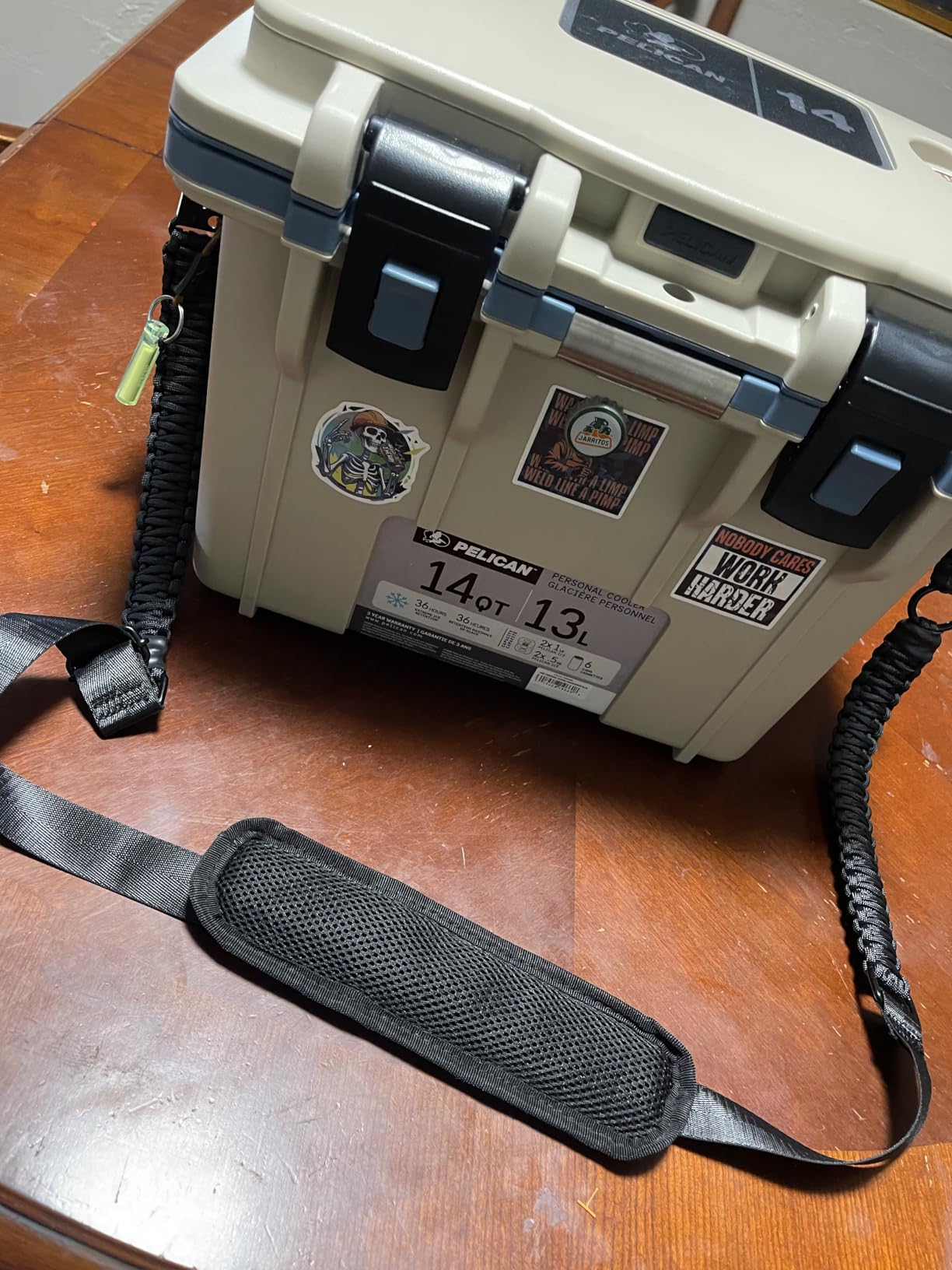
Not every cooler on a boat needs to hold a fish. The Pelican 14 is the personal cooler, the one that holds your lunch, your extra layer and a few drinks while a bigger box handles the catch, and at 14 true quarts it fits in spaces where nothing else will.
At 2 to 3 days of ice it outperforms most soft coolers of similar size, and owners moving up from an entry Igloo rate the swing-up handle and press-and-pull latches as the clearest upgrades. Reviews are heavy on durability and on the handle in particular, which is what fails first on cheaper boxes.
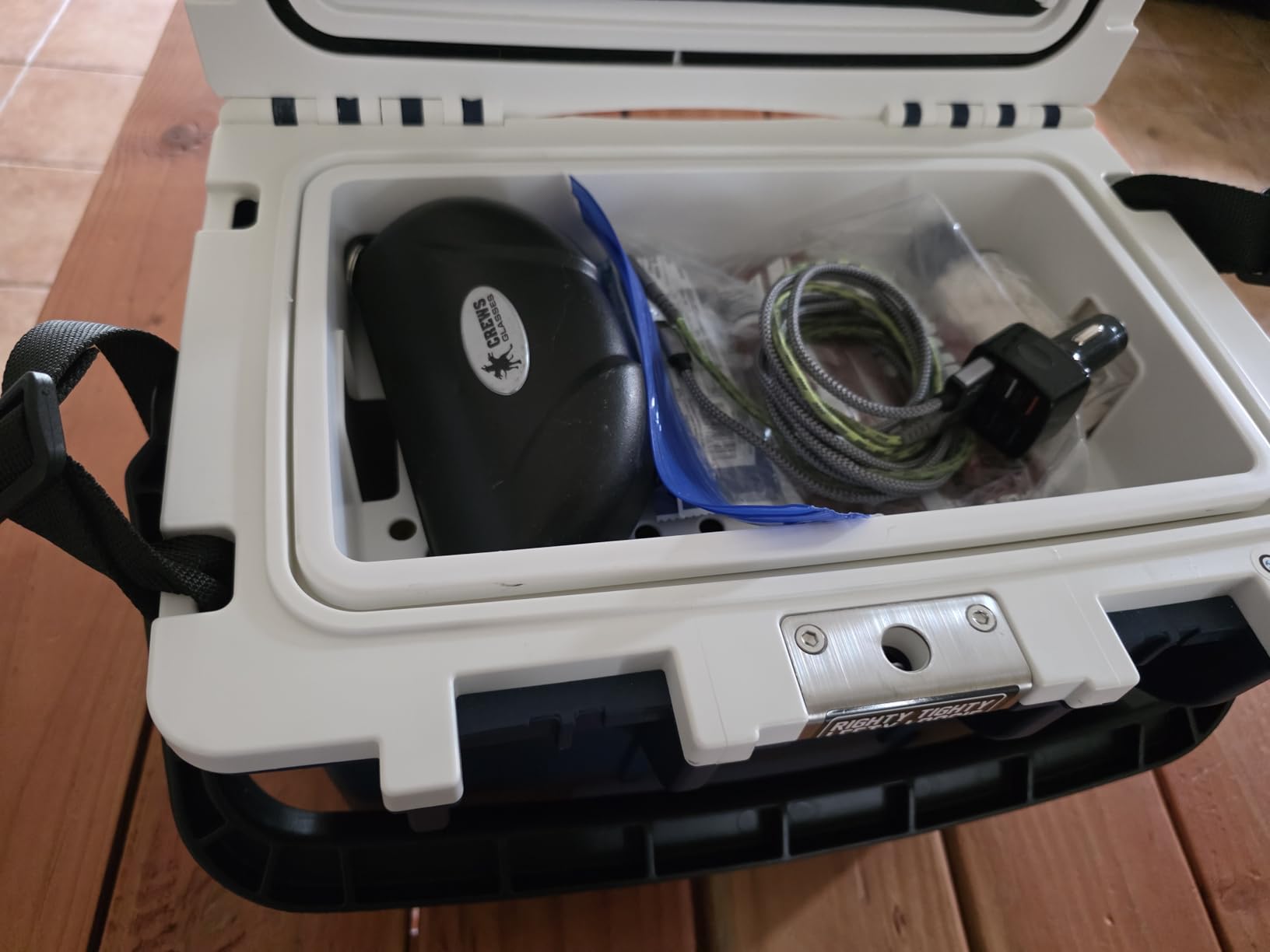
Molded-in cup holders and tie-down slots are the details that matter offshore. The tie-down slots let you secure it to a deck rather than let it slide into a rolling sea, and cup holders stop a drink rolling under the console on the way back in. The stainless steel bottle opener with a cap-catching magnet is a small, genuinely used feature.
Storage is split, with an inner tray for non-perishables and a snap-in flexible lid organizer for smaller items, which keeps paperwork and dry gear out of the ice. Warranty is a 3 year limited warranty alongside a Pelican lifetime guarantee.
How 14 quarts actually adds up
Fourteen quarts is roughly 20 cans, which covers two people for a day trip with lunch and a handful of drinks. It is not a two-day cooler and reviewers note retention falling off after roughly 48 to 72 hours, so plan a top-up on an overnight trip.
At 8.3 pounds empty it is heavier than the 1.3 and 1.6 pound soft bags, and that is the cost of polyurethane foam insulation in a rigid shell.
Know the one real limitation
The interior height is tight for tall 16 ounce water bottles. Owners switching from Igloo flag this consistently, so if your crew drinks tall bottles, check the dimensions or pick the larger size in the same line.
The lid organizer and dry storage area are also thin. It works for a phone, keys and a pack of cigarettes. It does not work for a hard tackle tray, so keep tackle in a separate box.
How to Choose an Offshore Fishing Cooler
Seven things that actually matter offshore
1. Empty weight. This is the number most anglers ignore and most regret. It is the weight of the cooler before ice, before catch, before lunch. Anything over 30 pounds is a two-person lift off a center console ladder, and forum threads about cooler choice keep circling back to exactly this point. Pick the heaviest cooler your boat and your back can handle.
2. Marine-rated hardware. Latches, hinges, straps and screws that live in salt spray need stainless steel or a proven composite. Plated steel corrodes into a hinge that will not open after one season, and that is the failure mode that ends a trip early.
3. Gasket seal quality. A recessed gasket that compresses evenly is the difference between a cold box and a warm one. Cheap coolers with flat lid edges let warm air in every time the boat hits a wave.
4. A drain plug. On a boat you will drain meltwater, and bloody fish water should go over the side or into a bucket, not into your deck. Every hard pick here except one includes a plug, and one includes a tethered plug.
5. Tie-down points or slots. A cooler that cannot be secured becomes a projectile in a rolling sea. Forum advice is consistent: bungee or strap it to forward cleats. Slots molded into the shell are better than a handle you hope holds.
6. Deck footprint. Measure the actual space, including the lid swing and the space needed to lift it out. Center console cockpits are not large, and an oversized cooler pushes you into picking a smaller one than you need.
7. Ice retention claim versus real world. Manufacturer numbers assume pre-chilled contents, shade, and infrequent opening. Forum consensus is blunt about this: coolers that look alike mostly perform alike, and the habits below matter more than the number on the box.
Size your cooler by trip length and crew
Two people, one day, nearshore: 25 to 35 quarts covers lunch, drinks and a modest catch. Our picks in that range are the ENGEL UC30 and the Pelican 14, and the UC30 adds rod holders while the Pelican adds cup holders and tie-down slots.
Two to four people, full day offshore: 54 to 65 quarts. This is the Igloo 54 at 5 pounds for light loading, the ENGEL 60 at 21.5 pounds for balanced loading, and the RTIC 65 at 34.4 pounds for two people who want multi-day headroom.
Overnight and multi-day: 65 quarts and up, in a rotomolded body, pre-chilled, with block ice. Add a separate soft fish bag for the catch so you are not opening the main cooler every time you check a fish.
Live bait runs: keep bait in its own small aerated box. The ENGEL Live Bait PRO at 7.5 quarts is sized for that, and mixing bait water into your food and drink cooler is a mistake most anglers make once.
Marine cooler versus regular cooler
A marine cooler is built for a saltwater deck, which in practice means stainless steel or composite hardware, UV inhibitors in the shell, a gasket that survives constant opening, and light colors. A regular cooler is built for a weekend in the yard: lighter walls, plastic latches, often a dark lid. The gap shows up after two seasons on a boat rather than on day one, which is why most owners here came from a cheaper box and can describe the difference specifically.
Our own line: a cooler that never leaves the truck should never be bought as a marine cooler, and a cooler that lives on a saltwater deck should not be an impulse purchase from a general coolers aisle.
Ice retention: the claim against reality
Every number on a cooler box is a lab result under controlled conditions. Real offshore results depend on four variables you control: whether the box was pre-chilled, how much sun hits the lid, how often you open it, and whether the meltwater stayed inside. The ENGEL 60 lists up to 7 days and reports of two to three days in extreme heat are typical. The RTIC lists up to 7 days and reports of multi-day retention are typical. The Igloo 54 holds close to two days in hot coastal conditions, which is an honest description rather than a boast.
So treat the claim as a ceiling, not an expectation. Two to three days of usable ice in summer heat is a genuinely good result, and any pick in this guide delivers that if you load it correctly.
Five habits that beat any spec sheet
1. Pre-chill the cooler overnight in a freezer or against an air conditioner before you load it, and load it with ice that is already cold.
2. Use block ice on the bottom with cubes packed around it. Blocks melt far slower than cubes and a block-cold box keeps everything above it colder.
3. Freeze two liter water bottles and use them as your ice. They are reusable for a season, and they make the meltwater problem disappear because there is none.
4. Keep the lid shaded. A light-colored lid, a T-top, or a dedicated cooler cover makes more difference than any construction upgrade, and forum owners say so repeatedly.
5. Open fast, close fast, and stop draining meltwater into the bilge if you can help it. That water is still cold and it is helping insulate the ice around it. Drain deliberately at the end of the trip, or use the plug over a bucket when cleaning the catch.
Soft versus hard, settled
Soft bags do not hold ice as well as hard coolers, and most owners say so plainly. They also leak once the ice melts unless the liner is heat sealed or fusion welded, and their zippers fail before hard latches do. So the rule is simple: soft for fish, drinks in a shaded locker, and kayaks. Hard for the boat’s main ice supply.
The exception worth naming is the very large soft fish bag. A 180 liter PVC bag will swallow a catch that no hard cooler you could afford holds, and it folds flat when you are done.
What to skip
Skip a soft cooler as the main boat cooler if you have deck space for a hard one. Skip any cooler without a drain plug if you plan to keep fish in it. Skip coolers with cheap plastic latches if you are leaving them on an unattended boat, and skip unsecured coolers of any size, because a loose cooler in a rolling sea is a safety problem rather than a storage problem.
Skip oversized boxes for jon boats and small center consoles. A cooler that does not fit on the deck is a cooler you will leave in the truck. Our broader camping cooler picks cover lighter use cases if the boat angle is secondary for you.
Frequently Asked Questions
What is the best cooler for offshore fishing?
For most offshore anglers the RTIC 65 QT Ultra-Tough is the best all-round choice: a rotomolded polyethylene body, a freezer-style gasket, up to 2.4 inches of closed-cell foam, a drain plug and 34.4 pounds empty. If you load the boat solo, the ENGEL 60 QT holds nearly the same capacity at 21.5 pounds. For live bait, run a separate ENGEL Live Bait PRO box with a rechargeable aerator.
What is the difference between a marine cooler and a regular cooler?
A marine cooler is built for a saltwater deck, which means stainless steel or composite latches, hinges and screws, UV inhibitors in the shell, a recessed gasket seal, and usually a light-colored lid. A regular cooler uses lighter walls, plastic latches and often a dark lid, and it is built for a yard or a weekend. The difference rarely shows on day one and shows up after two seasons of salt spray.
Which cooler stays cold the longest?
The heavy rotomolded bodies hold cold longest in real offshore heat. The RTIC 65 lists up to 7 days with a freezer-style gasket and owners report multi-day retention, while the ENGEL 60 lists up to 7 days but testers in Florida report two to three days in extreme heat. Pre-chilling, block ice, shade and leaving the lid closed matter more than the number printed on the box.
What coolers are just as good as Yeti but cheaper?
The RTIC 65 QT is the most common answer: it uses the same rotomolded polyethylene construction with up to 2.4 inches of closed-cell foam and a freezer-style gasket, and owners generally report performance close to premium brands at a lower cost. The Igloo 54 QT Marine is the value option at 5 pounds empty with marine stainless hardware, and the NorChill 24 Can boatbag handles drinks and lunch where a soft bag makes more sense.
Which cooler is better, Engel or Yeti?
Engel wins on weight and marine features. The ENGEL 60 QT holds 60 quarts at only 21.5 pounds with tie-down slots, a drain plug and a built-in bottle opener, and the UC30 adds four built-in rod holders with an airtight dry box seal. Yeti products are widely regarded as the ice retention benchmark, so choose Engel when you lift the boat alone and Yeti when you want the longest possible hold and can manage the weight.
Is a soft cooler good for offshore fishing?
Not as the main ice cooler on the boat. Soft bags are not airtight, zippers fail before hard latches do, and ice typically lasts about a day in warm weather. They are good for one specific job: holding a wet, heavy catch. The Buffalo Gear 35 quart fish bag and the MORXPLOR bag both handle fish that a rigid box makes you rearrange, and they rinse clean at the dock.
What color cooler retains the most ice?
Light colors, especially white or a light lid, reflect more solar heat than dark colors, which is why many offshore anglers prefer a white-topped cooler. Color matters less than shade and pre-chilling, so putting a light-colored box under a T-top or a cooler cover beats any color choice on its own.
The Bottom Line for Offshore Anglers
The best fishing coolers for offshore trips in 2026 come down to two questions: how many people are loading the boat, and how long the ice has to last. Two people and multi-day ice points to the RTIC 65 QT, the strongest combination of rating, review volume and rotomolded construction in this group. One person loading alone points to the ENGEL 60 QT, which gives up some peak retention to cut roughly 13 pounds.
Budget goes to the Igloo 54 QT Marine at 5 pounds empty with marine stainless hardware, and the Pelican 14 QT handles the personal box. Live bait gets the ENGEL Live Bait PRO, the catch gets a Buffalo Gear fish bag, and shade plus pre-chilling do more for your ice than any brand badge. Use the buttons above to check current pricing on the models we covered, and check the specs again before your first offshore run of the season.