
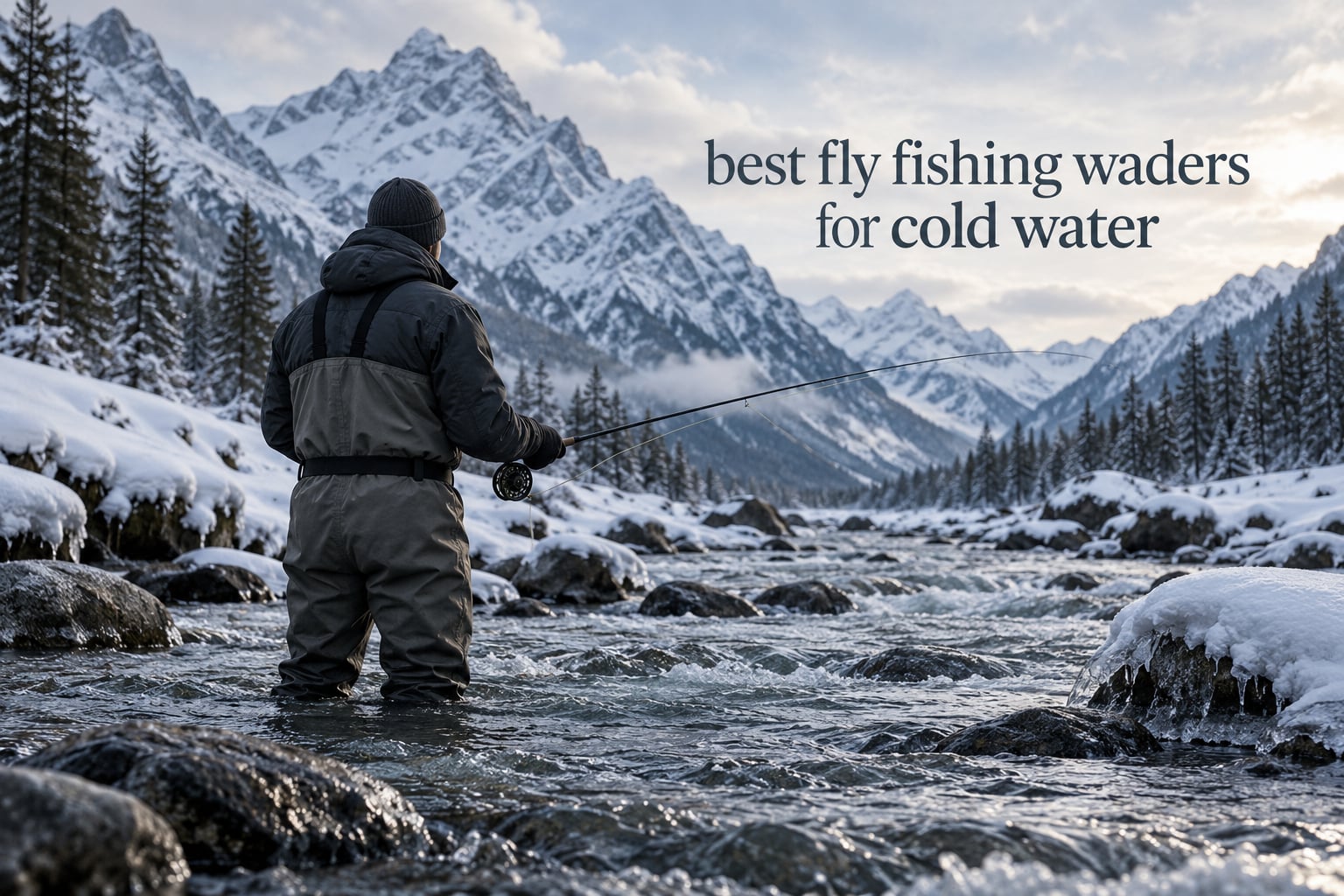
Cold water drains body heat far faster than cold air, and a wet leg or a numb toe in a 42°F river is how a good fishing day turns into an early trip home. The best fly fishing waders for cold water are neoprene bootfoot waders with insulated rubber boots, or insulated breathable bootfoot models if your water rarely drops below the low 40s. A thin breathable stockingfoot pair is the wrong tool for genuinely icy water, no matter how good the brand is.
We spent 2026 season putting ten pairs through cold streams, muddy bottoms, and one genuinely icy morning on a north-coast river, then read the owner reviews closely to see where each one fails. What separated the winners was never the logo. It was neoprene thickness in millimeters, boot insulation in grams, and whether the seam construction is stitched, glued, and taped or just stitched.
The single biggest mistake cold-water anglers make is buying breathable fabric for warmth. Breathable shells move sweat vapor out, which is exactly what you want when you are working hard, but the fabric itself gives you almost no thermal insulation. Worn alone in ice water, it keeps the rain out and the cold in. Worn with a fleece and a neoprene layer underneath, the same shell becomes a genuinely cold-capable system.
That is why every pick below is judged on one question: how warm does it keep you in water at or below 50°F, and what has to go underneath to get there. We also flag the socks, the sizing, and the point where a stockingfoot wader quietly stops working in January. All lineups are current as of October 2026.
Top 3 Cold-Water Waders Right Now for October 2026
The three pairs below are the ones we would grab first for genuinely cold water. Each one puts insulation directly against the water instead of relying on the shell fabric to do the job.

TIDEWE Neoprene 600g or 800g
- › 3.5mm neoprene
- › 600g or 800g Thinsulate boots
- › stitched glued and taped seams
- › quick-drain pocket
All 10 Cold-Water Waders Compared at a Glance for October 2026
This is the comparison no general wader roundup publishes. Every pair below is listed by the two numbers that decide cold-water performance: how thick the neoprene is, and how much insulation is inside the boot.
| PRODUCT MODEL | KEY SPECS | BEST PRICE |
|---|---|---|
|
|
Check Latest Price |
 |
|
Check Latest Price |
 |
|
Check Latest Price |
 |
|
Check Latest Price |
 |
|
Check Latest Price |
 |
|
Check Latest Price |
 |
|
Check Latest Price |
 |
|
Check Latest Price |
 |
|
Check Latest Price |
 |
|
Check Latest Price |
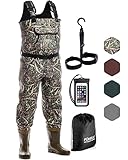
1. TIDEWE Neoprene in 600g or 800g – Our Top Pick for Ice-Cold Water
TIDEWE Chest Hunting Waders for Men, Waterproof Neoprene Waders 600G NE10
3.5mm neoprene
600g or 800g Thinsulate boots
Stitched glued and taped seams
Quick-drain pocket
+ The Good
- Owners report holding water out completely in 4C northern water over multi-hour sessions
- 600g Thinsulate boots kept feet warm in 37-45F conditions
- lightweight flexible neoprene that does not drag on long walks
- rugged boot tread grips wet mud and slick bottoms
- quick-drain chest pocket and shell holders
- The Bad
- Boot sizing can run large or small depending on foot width so insoles are often needed
- the 600g version can feel overly warm in mild conditions
- slim cut limits layering thick pants
- toe pressure builds during very long days
With a 4.5 rating across 4649 reviews, this is the most proven cold-water pair on the list, and it is the one we hand to an angler heading into genuinely icy water. Owners report holding water out completely in 4°C northern water over multi-hour sessions, with the 600-gram boot keeping feet warm from the high 30s into the mid 40s.
The seam spec is the best in this roundup. Triple-finished seams are stitched, glued, and taped, and the leg adds armor weld double-stitched sealed seams with polyurethane-coated lower panels. When a wader is rated for ice water, the seam is the part that decides whether the rating is real.
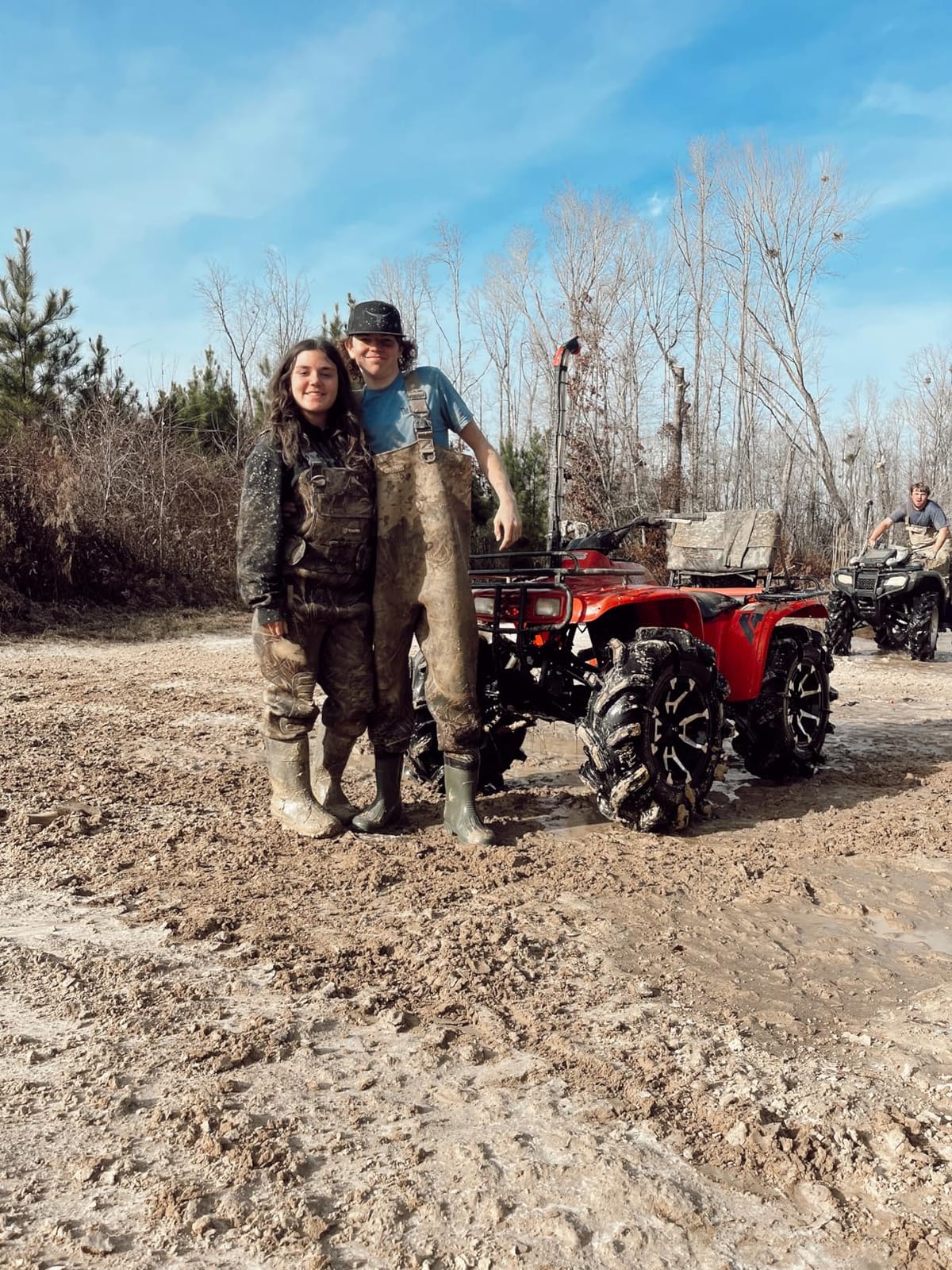
Two insulation levels are offered, 600g and 800g of Thinsulate Ultra, and that choice matters more than most buyers realize. Matching boot insulation to your actual water temperature is the difference between warm all day and sweating through a fleece by noon.
Despite the neoprene build, owners describe it as light and flexible for long walks, with the stretch liner doing much of that work. The quick-drain chest hand-warmer pocket and D-ring attachments are practical on a full day out, and the 3.5mm leg is thinner than most here because the boot is doing the insulating.
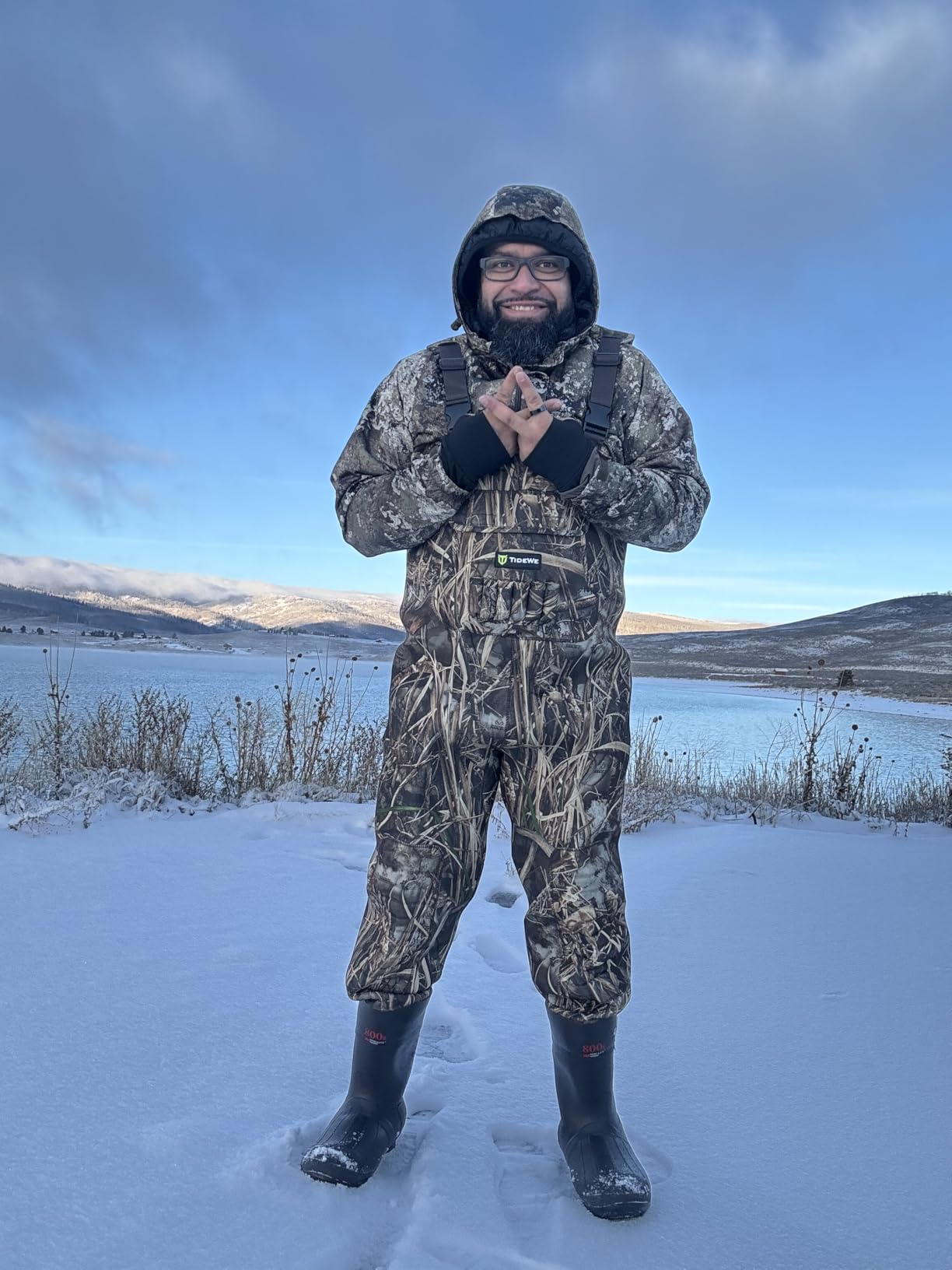
Why it suits the coldest water on the list
It combines a fully stitched, glued, and taped seam system, an insulated boot rated for the high 30s, and more review history than anything else here, so the known failure modes are already documented. Rugged boot tread gives real traction on wet mud and slick river bottoms, which matters when your feet are numb.
The trade-offs to plan around
The slim cut limits how much you can layer underneath, and boot sizing varies with foot width, so many buyers use insoles. Toe pressure also builds during very long days in the water. Choose the 600g version unless you are genuinely in near-freezing conditions, because the 800g build can feel too warm in mild weather.
2. Foxelli 4mm Neoprene Bootfoot – Best Value for Near-Freezing Water
Foxelli Chest Waders, Waterproof 4mm Neoprene Hunting & Fishing Waders for Men & Women with Boots
4mm neoprene with nylon outer
Attached PVC boots
Taped and sealed seams
Reinforced knees
+ The Good
- 4mm neoprene holds warmth in near-freezing and waist-deep water
- attached boot-foot removes the separate boot purchase
- sealed seams have held up leak-free over repeated long days
- elastic suspenders and adjustable belt handle different body types
- carry bag
- phone pouch and hangers included
- The Bad
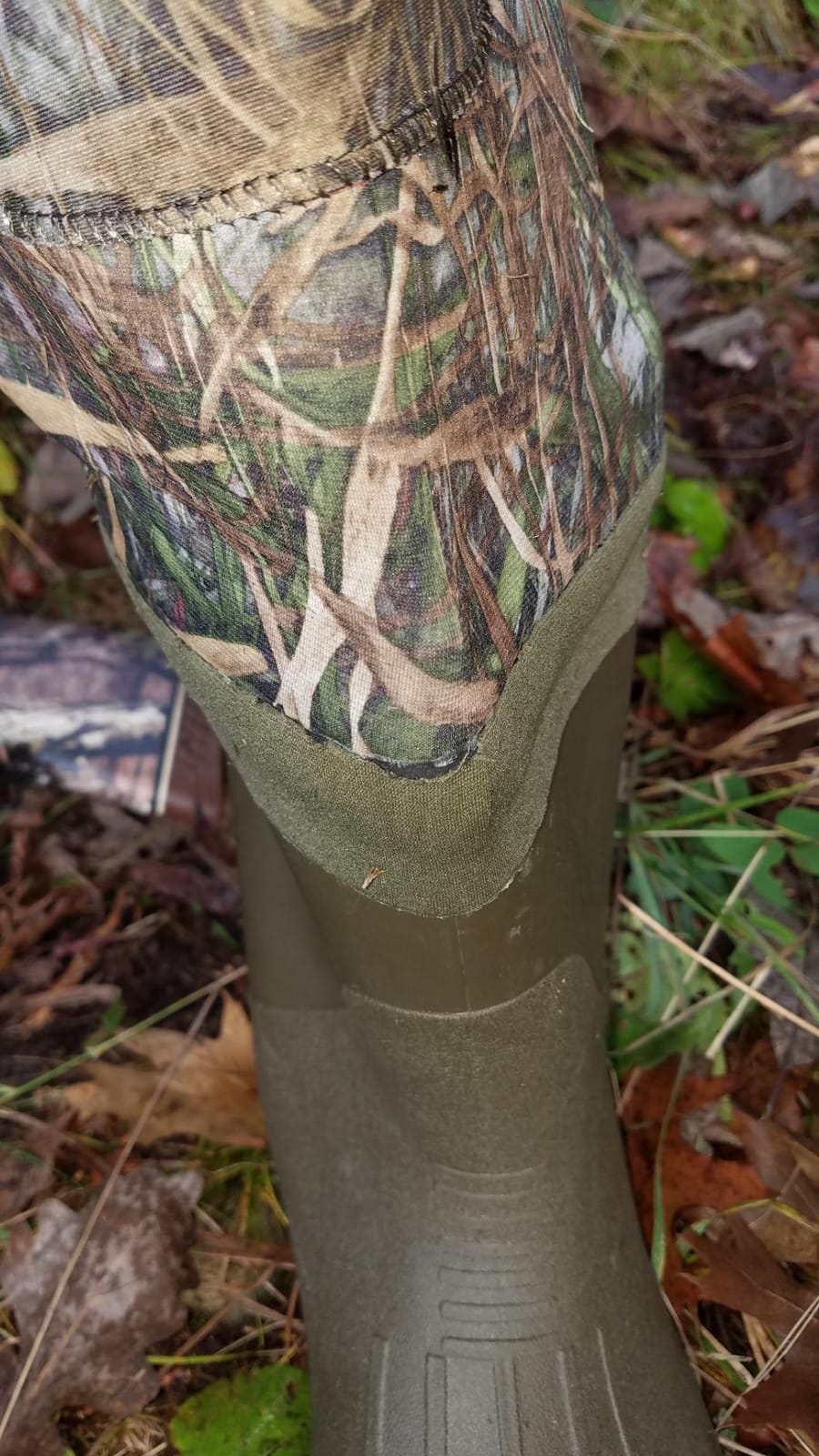
- Boot tops are stiff at first and can rub without knee-high socks
- runs small through the torso in some sizes
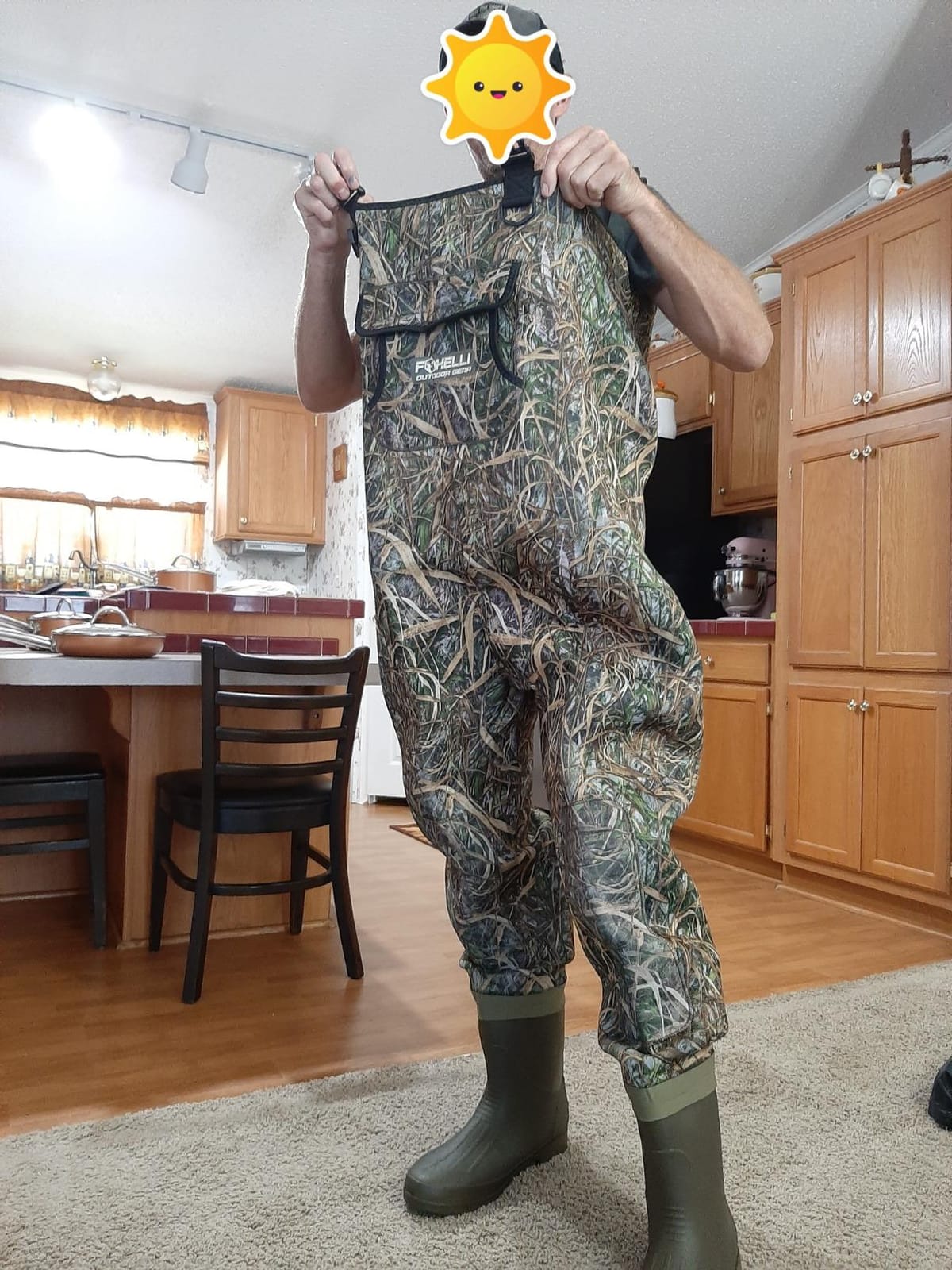
This is the most recommended pair on the list for one simple reason: it is a real neoprene wader with an attached boot, at a price most people can absorb without thinking hard. For near-freezing water, that combination is the whole argument.
Owners describe it keeping them warm standing waist-deep in near-freezing water, and the seam construction is double-stitched, taped, and sealed rather than just taped. That extra stitching matters in a cold current, where pressure at a weak seam is higher and a leak costs you the trip.
The included kit is unusually generous for this tier: a carry bag, a waterproof phone pouch, and wader hangers. Hangers matter more than they sound, because hanging waders to dry instead of folding them is the single best thing you can do for seam life.
The 4693 reviews here are the second-largest count on this list, and the pattern is consistent. Buyers compare warmth to far more expensive brands and find the gap smaller than the price gap. A handful note the torso runs small, particularly in some of the womens sizing.
Who gets the most out of this wader
New cold-water anglers, anyone standing in one pool rather than walking a river, and hunters who use the same waders for cold mornings on the water. If you do not need to layer much underneath, 4mm neoprene is enough on its own for most of the winter season.
When it is the wrong call
If you plan to wear a thick layer underneath, the fit gets tight. Neoprene has no give once it is stretched, and buyers who tried to add bulky insulation report restricting the very warmth they were trying to create.
3. HISEA 600G Insulated Neoprene – Most Boot Insulation on the List
HISEA Hunting Waders for Men 600G Insulated Neoprene Chest Wader Waterproof
4.5mm neoprene
600-gram Thinsulate boots
Cleated soles
Welded and taped seams
+ The Good
- 4.5mm neoprene laminated to a stretch liner traps real body heat
- 600g Thinsulate Ultra boots pair the thickest leg with heavy boot insulation
- cleated soles grip slippery and muddy bottom
- welded bonded and taped seams resist leaks
- reinforced knees and shell holders
- The Bad
- Boot-heavy build adds noticeable weight on long walks
- neoprene is restrictive if you layer thick clothing underneath
When the question is purely how much heat the lower leg can hold, this is the answer on this list. The boots are lined with 600-gram 3M Thinsulate Ultra, and the leg is 4.5mm neoprene laminated to a nylon jersey with a stretch liner behind it.
The seam spec is where this one separates itself. Armor weld construction means seams are double-stitched, bonded, and taped, plus a water intrusion resistance treatment. In practice, owners report no leaks across full submersion in cold water, which is what you need when the alternative is a wet leg at 40°F.
Eight shell holders on the hand-warmer pocket is a hunting feature that translates directly to fishing. Loading a fly box or a spool without pulling off gloves in cold wind is worth more than it sounds on a January morning.
At 10.4 ounces for the listing weight, this is not the lightest pair here, and the rubber boot shell is where that weight lives. Walkers who cover a lot of bank between pools will feel it; anyone standing in cold water will not care.
The case for this pair in serious cold
It combines 4.5mm leg neoprene, the thickest we found here, with 600 grams of boot insulation, which means the two places you lose heat are both covered. Duck hunters and steelhead anglers in single-digit-to-low-40s water report exactly that result, and the cleated soles help on slick mud bottoms.
Where the trade-off shows up
Weight and bulk are the honest drawbacks. The neoprene body also limits how much you can put underneath, so this works best worn over a light moisture-wicking layer rather than a winter fleece set.
4. Frogg Toggs Canyon II – Best Budget Breathable Stockingfoot
FROGG TOGGS Canyon II Breathable Waterproof Stockingfoot Fishing Chest Wader for Fishing, Gray, X-Large
4-ply nylon upper
4mm double-taped neoprene booties
Attached gravel guards
Y-back suspenders
+ The Good
- Double-taped 4mm booties keep cold water out of the foot
- gravel guards with lace hooks block rocks and grit
- Y-back suspenders and wading belt spread weight on long days
- splash-proof zippered chest pocket
- light and easy to move in
- The Bad
- Stockingfoot construction means buying wading boots separately
- runs large for some wearers especially through the leg
- no insulation in the shell for ice water
The Canyon II is the value pick for an angler who wants a wader that holds up in cold streams without paying for a boot attachment. Four-ply nylon over double-taped 4mm neoprene booties is a proven winter combination, and owners confirm it stays dry.
The Y-back suspenders with quick-release locking buckles, combined with the separate adjustable wading belt, are what make this comfortable on a full day. A stockingfoot wader that rides down your chest pulls cold water straight in at the neck, so the suspension system is not a comfort detail, it is a warmth detail.
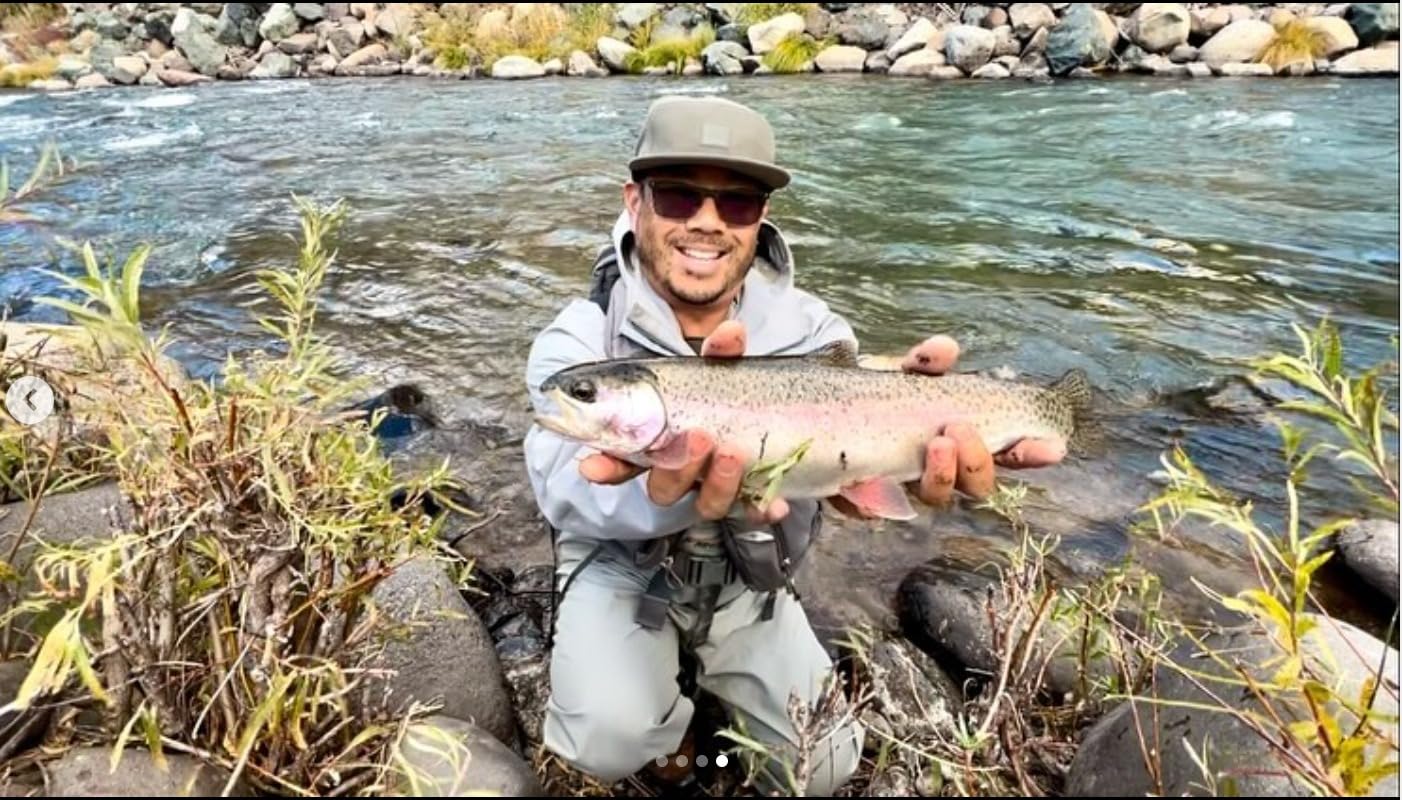
The attached gravel guards with integral lace hooks do more in cold water than most people expect. Grit trapped between a boot and a neoprene bootie abrades slowly until you find a wet patch you cannot explain, and the guard is the cheapest fix available.
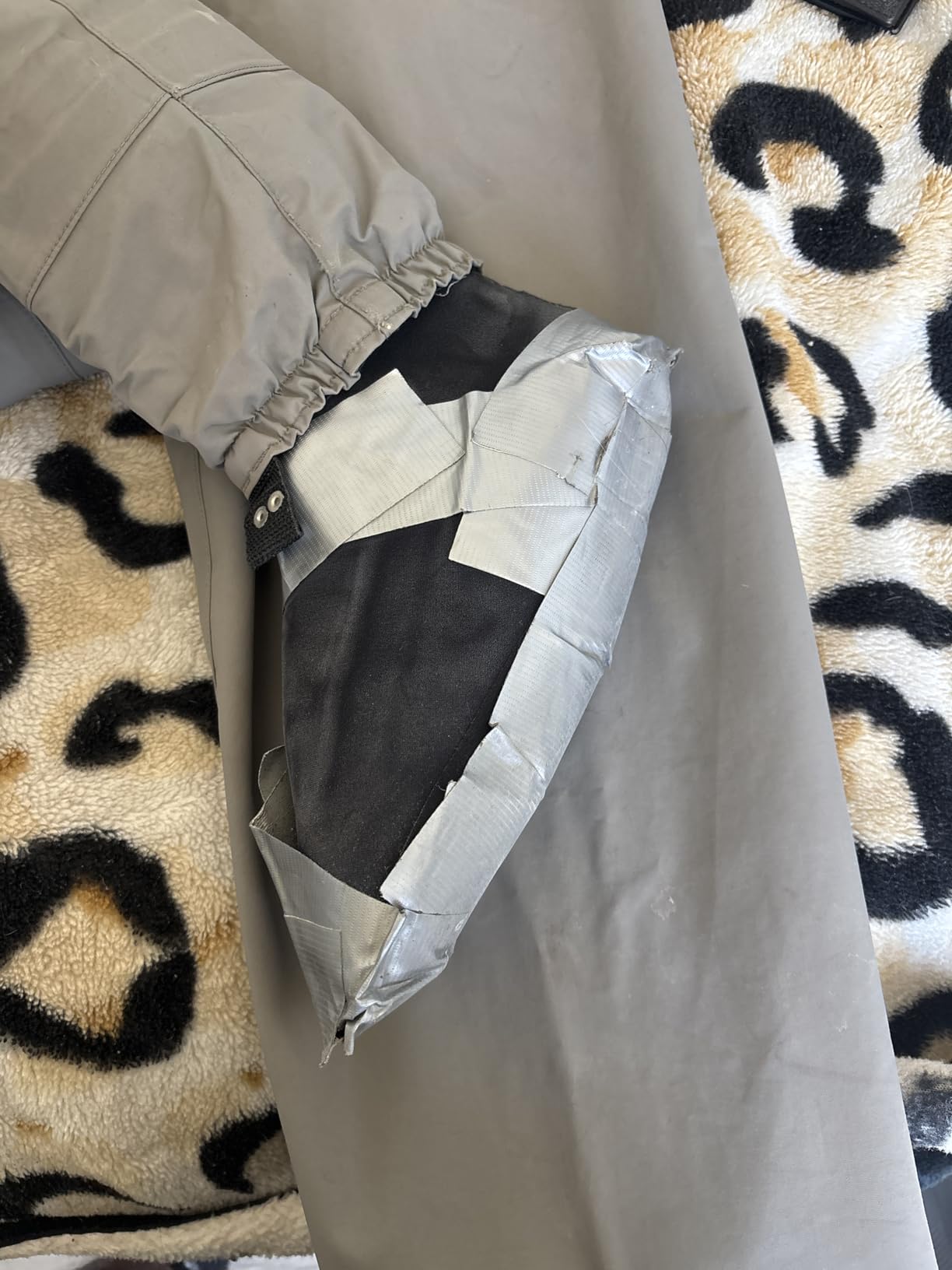
The most common complaint across the reviews is that it runs large, especially through the leg. That is annoying in summer and actively counterproductive in winter, because a loose foot encourages you to add socks until circulation suffers.
Best fit for a specific situation
Cold rivers in the 45°F to 55°F band, anglers who already own decent wading boots, and anyone who prefers a stockingfoot feel. It moves easily and packs down small, which matters if you are walking in from a trailhead.
Where it will not keep you warm
Nothing in this shell insulates. In near-freezing water it works only as an outer layer over a proper cold-water base and mid layer. Buying it as your sole winter wader is where cold feet come from.
5. HISEA Neoprene with 200g Boots – Best for Duck Hunting and Muddy Bottoms
HISEA Neoprene Fishing Chest Waders for Men with Boots Cleated Bootfoot Waterproof Mens Womens Wader Fishing & Hunting Wader
4.5mm neoprene
200-gram Thinsulate boots
Ozone-resistant rubber
Cleated soles
+ The Good
- Kept buyers warm and dry in 42-50F water through full submersion
- 4.5mm neoprene with 200g Thinsulate gives a good warmth-to-weight balance
- interior waterproof pocket protects small items
- wader hangers
- phone pouch and repair kit included
- straps adjust across a wide range of body types
- The Bad
- Boots are heavy on long walks and tiring for some legs
- only one long inseam is offered so shorter wearers are stuck
- adhesive smell on arrival needs airing out
- some knee and strap stitching has come undone with use
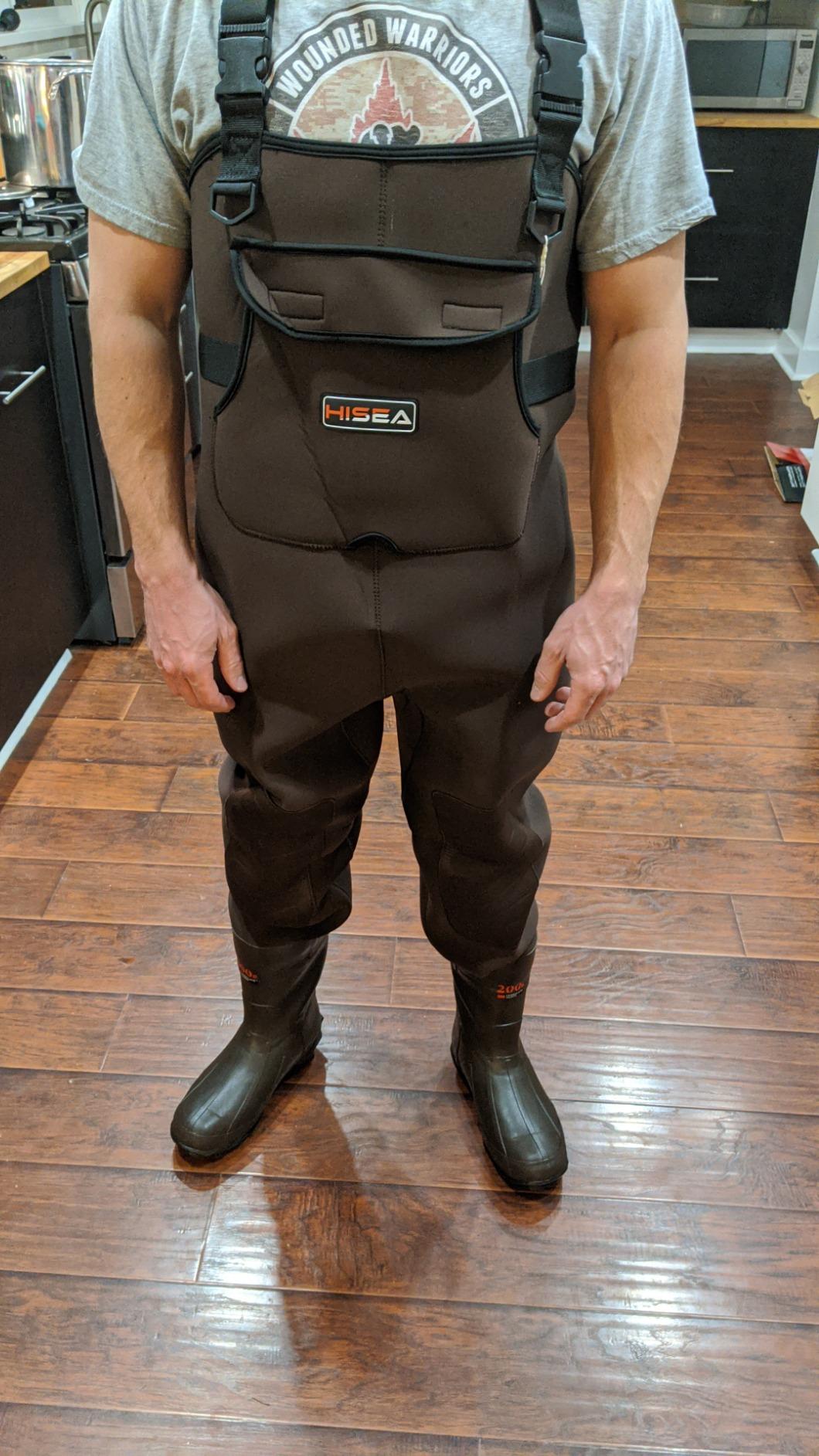
This is the lighter-insulation version of the HISEA idea, and for a lot of people it is the smarter one. The leg is the same 4.5mm neoprene, but the boots carry 200 grams of Thinsulate rather than 600, which cuts weight noticeably while still protecting against 42°F to 50°F water.
Owners and hunters report keeping warm and dry through full submersion and hip-deep wading in low-forties water. The armor weld double-stitched, bonded, and taped seams are the same construction used on the heavier model, which is where most of the waterproof confidence comes from.
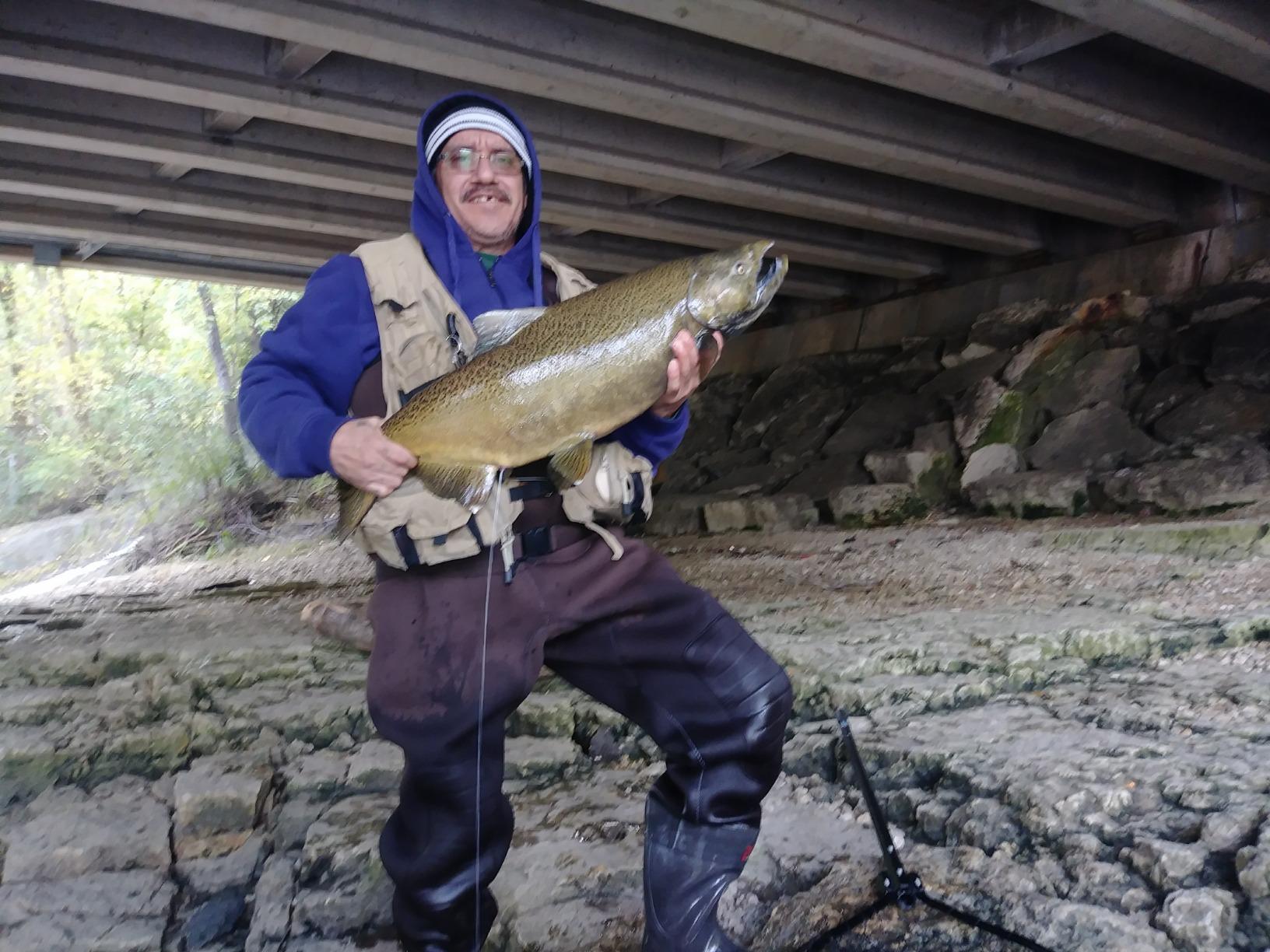
For anyone working soft mud rather than standing on gravel, the cleated soles are the feature that matters. Wet silt is where cheap boot patterns fail, and cleats bite where a flat sole skates.
The inclusion of wader hangers, a phone pouch, and a leak-seal repair kit is unusual at this level. The repair kit alone can save a season, because a small puncture in cold water is otherwise the end of the day and possibly the end of the wader.
Best for early-season waterfowl and soft ground
Waterfowl hunters working flooded timber and cold shallow water, plus anglers who want genuine neoprene warmth without the weight of a heavy insulated boot. If you are on your feet and moving, the lighter boot wins.
The drawbacks you should know before ordering
Only one inseam length is offered, and it runs long for shorter wearers. The boots are heavy enough that reviewers with leg issues call them tiring on long walks, and a few report seam thread wear at the knees over time.
6. Dark Lightning Breathable Stockingfoot – Best Four-Season Starter Wader
Dark Lightning Breathable Insulated Chest Waders, Perfect for 4 Seasons Fly Fishing Stocking Foot Waders for Men and Women,S
Breathable nylon
Stockingfoot
Machine washable
Front waterproof pocket
+ The Good
- Lightweight breathable fabric for long days on the water
- rated by the brand for four-season fly fishing
- machine washable which is rare in this category
- front waterproof pocket for small gear
- simple stockingfoot design works over any boot
- The Bad
- Thinner breathable shell gives less thermal insulation than neoprene in genuinely cold water
- stockingfoot means buying boots separately
- fewer size options than larger wader brands
This is the honest budget answer if you are just starting out and your coldest water is mid-40s rather than near freezing. The fabric is described as lightweight breathable nylon rated for four-season fly fishing, and machine washability is a real practical win between trips.
The obvious limitation is that a thin breathable shell does not insulate. In water at or below about 45°F, this wader works as an outer shell over a fleece or thin neoprene layer, nothing more. Treating it as a standalone winter suit is how people end up with the cold-feet complaint every season.
At 150 reviews the volume here is the smallest on the list, and the rating sits a little below the rest. Nothing in the owner feedback suggests a defect, but there is simply less long-term data behind this model than behind the heavily reviewed picks above.
Where it fits best
New anglers building one pair for a full year, warm-water fisheries, and anyone who wants a wader they can toss in a dryer overnight. The stockingfoot design means one pair of wading boots covers every wader in your rotation.
Where it falls short
Single-digit and near-freezing water. There is no insulation to fall back on, no boot warmth, and fewer size options, which is a problem for anyone outside a standard size range.
7. Frogg Toggs Hellbender – Best Breathable Shell for Layering in Cold
FROGG TOGGS Hellbender Breathable Waterproof Stockingfoot Fishing Chest Wader for Fishing, Slate/Gray, Large
4-ply DRIPORE Gen 2 nylon
4mm neoprene booties
Fully taped seams
Stockingfoot
+ The Good
- Breathable shell that layers under fleece without overheating
- 4mm double-taped neoprene booties hold cold water out
- double-reinforced knees survive kneeling on rock
- oversized chest pocket plus zippered security and handwarmer pockets
- light enough for long days
- The Bad
- Boot sizing runs large for many users
- stockingfoot means buying wading boots separately
- thin shell needs a real under-layer for ice water
The Hellbender is the pair we reach for when the forecast is uncertain and the water might be cold or merely wet. Four-ply nylon built on DRIPORE Gen 2 does not insulate you, but it does move vapor, and that is the trait that lets you put a fleece underneath without cooking through it.
Owners rate the booties as the real cold-weather asset here. At 4mm and double-taped, they hold temperature far better than the bare stocking feet on mid-range breathable waders, and the attached gravel guards keep the kind of grit that quietly wears a hole in a neoprene bootie out of the seam.
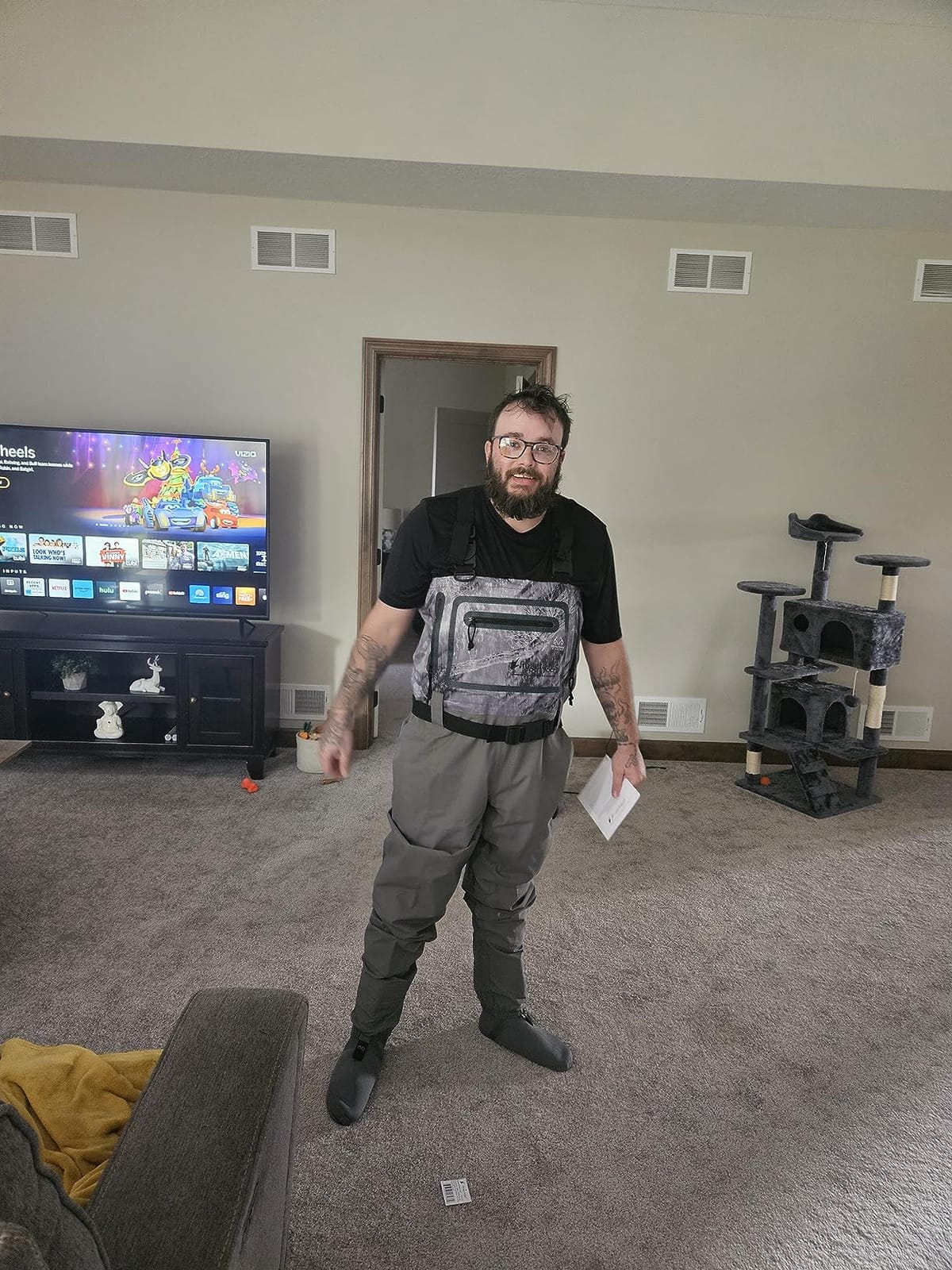
Double-reinforced knees are the second thing you notice on a cold trip. Kneeling to get a drift to the seam is normal fishing practice, and it is also how most waders die. Across 2165 reviews the recurring note is that this pair does not leak in cold streams, with fully taped seams doing the work.
What you give up is insulation. In single-digit water, this is a shell, not a suit. Put a grid fleece or a thin neoprene suit under it and the whole system performs like a proper cold-water wader, which is why it works well for anglers who fish year-round in the same pair.
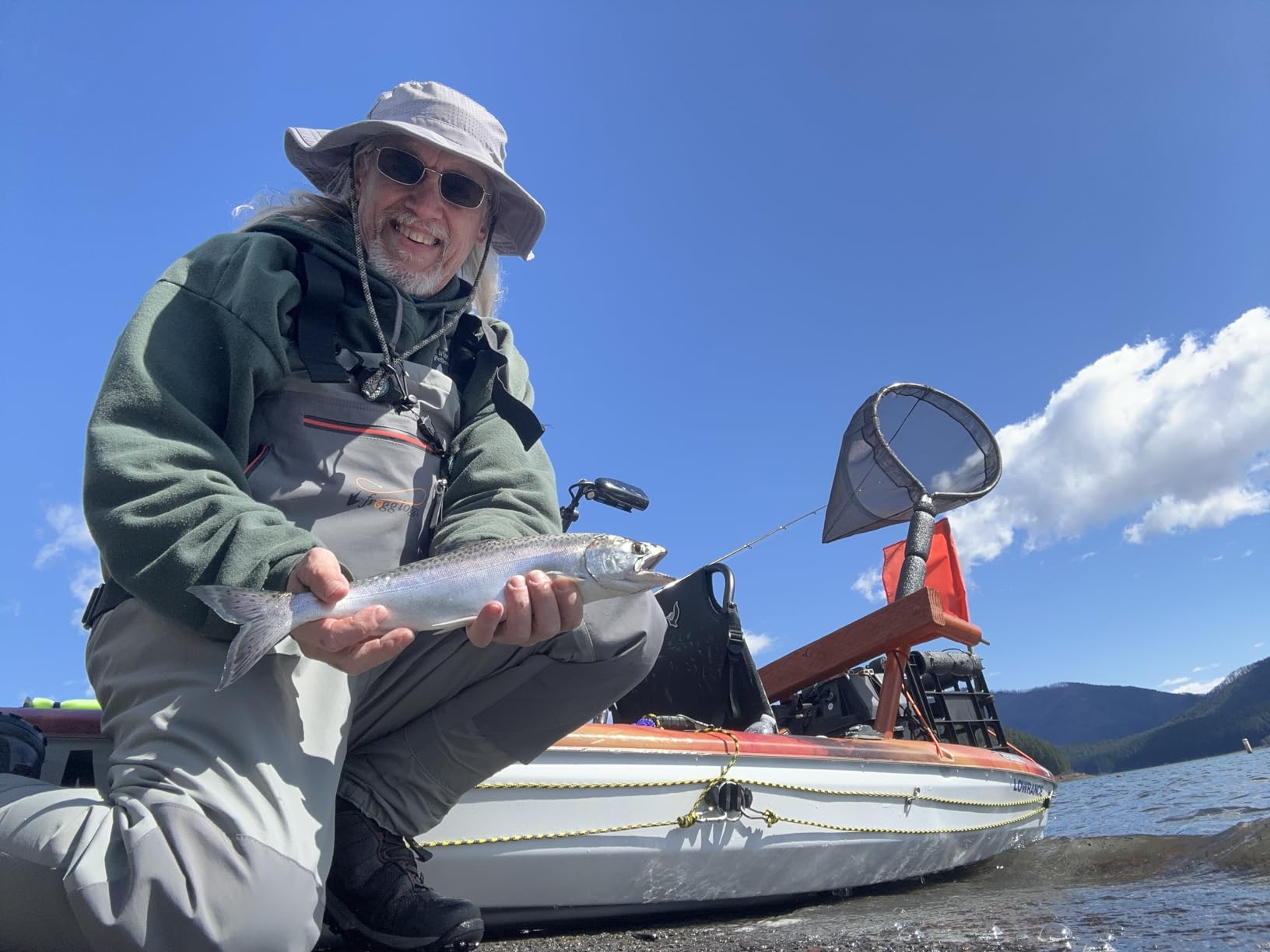
When this wader makes sense for cold water
If your coldest water sits around 50°F and you are walking a lot, the breathability wins. Vapor leaves instead of soaking in, and by late afternoon your base layer is still dry rather than clammy. Anglers who wade technical banks for hours rather than stand in one pool will notice the difference immediately.
Where it falls short in genuinely cold water
Below roughly 45°F with nothing under it, you will be cold. Boot sizing also runs large for a lot of people, and because it is stockingfoot, a loose foot plus thick socks is how you end up with cramped toes and worse circulation rather than better warmth.
8. HISEA Women 400G Insulated Neoprene – Best Cold-Water Fit for Women
HISEA Neoprene Chest Waders Leopard Print Duck Hunting Waders for Women with Boots Cleated Waterproof Insulated Fishing Waders
4.5mm neoprene
400-gram Thinsulate boots
Womens slim fit
Leak-tested before shipping
+ The Good
- Kept women warm in cold water with comfort reported just above freezing
- every wader is filled with water and leak-tested before shipping
- slim womens-specific fit suits shorter and smaller frames
- reinforced knees hold up on rocky lake bottoms
- wide range of prints and durable construction
- The Bad
- Slim cut does not allow layering pants underneath for extreme cold
- boot interior wears through at the heel with heavy nightly use
- ankle rub noticeable for some and boots can run slightly large
- front pocket is open-sided rather than enclosed
Finding cold-water waders that fit properly is harder than it should be, and that is the entire argument for this pair. The 4.5mm neoprene leg matches the heavy models on this list, but the cut is built for womens proportions rather than being a shrunken version of a mens pattern.
The factory leak test is unusual and worth paying attention to. Every wader is turned inside out, filled with water, and proven leak free before shipping, which removes the most unpleasant cold-water failure mode from the equation at the point of purchase.
At 400 grams of Thinsulate Ultra in the boots, this sits between the light and heavy HISEA models. Reviewers report comfort down to just above freezing and praise how much performance the price delivers compared with name-brand alternatives.
Who this fits best
Women with shorter or smaller frames who have repeatedly found cold-water waders too bulky through the torso or too short in the leg. Shorter and smaller wearers get a fit that does not need to be worked around with suspenders and belt adjustments.
Where it has limits
The slim cut is a double-edged feature. It fits well but leaves no room for bulky layers underneath, which limits it in extreme cold. Heel wear inside the boot shows up under heavy nightly use, and the front pocket is open on the sides rather than fully enclosed.
9. Frogg Toggs Amphib Bootfoot – Best for High and Deep Water
FROGG TOGGS Amphib Neoprene Bootfoot Waterproof Fishing Camo Chest Wader for Fishing, Mossy Oak Bottomland, 10
3.5mm premium neoprene
600-gram Thinsulate boots
Wool felt midsole
High back design
+ The Good
- Owners fish 37-41F water for hours without cold feet
- high back design keeps water out when wading deep
- flexible neoprene and a stretch band at the boot opening prevent bunching and chafing
- round boot openings and internal strap attachments keep fly line from catching
- runs large through the leg which suits tall anglers
- The Bad
- Single-stitch construction on this model is weaker than the double-stitch used on older versions
- boot sizing runs large so many order a size down
- Velcro strap attachments feel less substantial than buckled alternatives
The Amphib is built for one specific situation, and it does that situation better than anything else here. The high back design is meant for deep water, where a standard chest wader would let cold water over the front and down your chest.
Cold-water performance is genuinely strong. Owners report wading 37°F to 41°F water for hours with no cold feet, supported by 600-gram Thinsulate boots and 3.5mm neoprene with triple-stitched, glued, and taped seams. Multiple owners also note the construction rivals waders costing two to three times more.
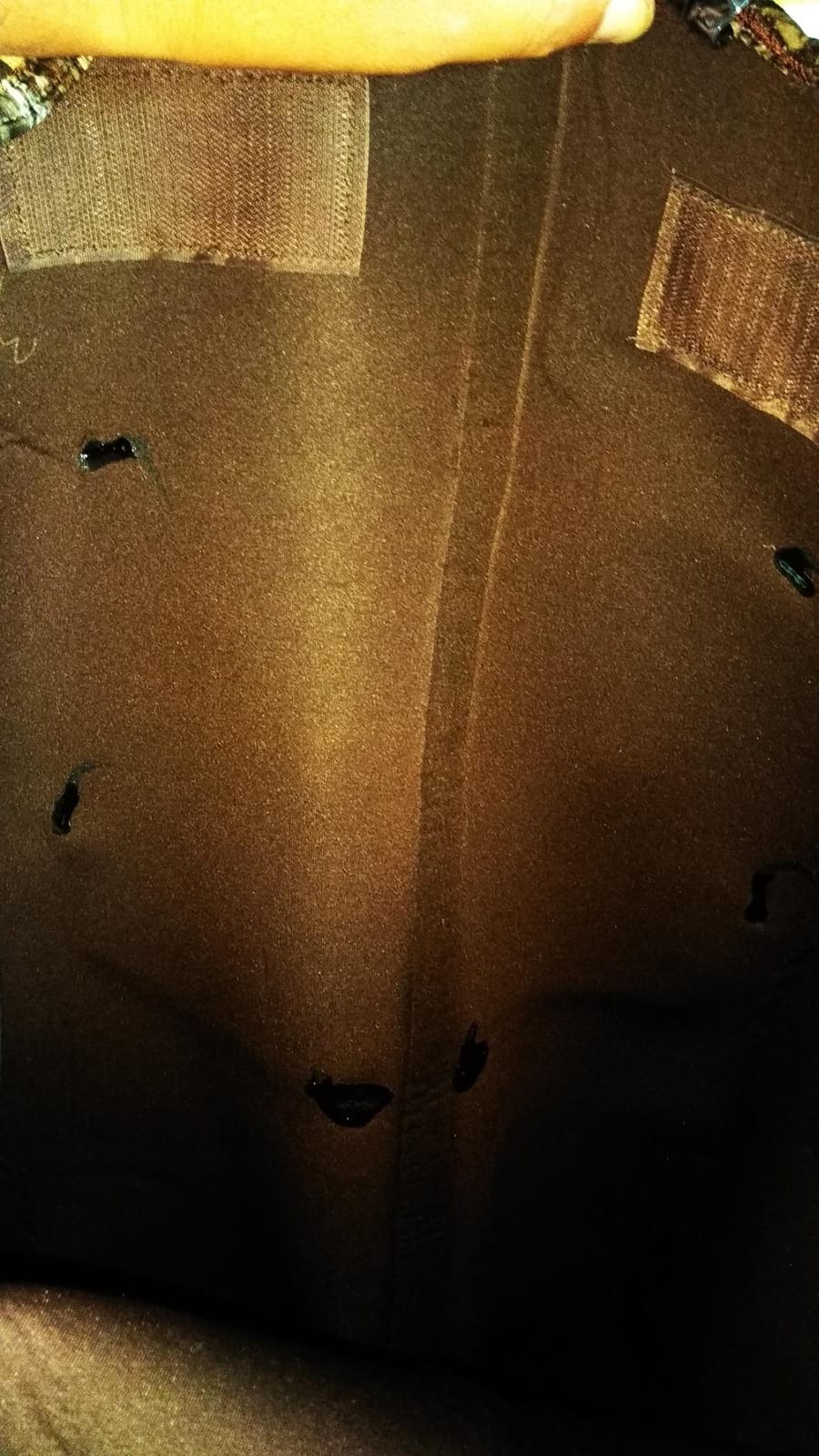
Two design touches matter more than they sound. Round boot openings with internal strap attachments keep your fly line from catching while casting, and a stretch band at the boot opening stops the neoprene bunching and chafing that turns an ankle raw over a long day.
The wool felt midsole in the boot adds a small amount of insulation and absorbs the sting of a sharp rock edge. It is not a substitute for a proper lug sole on mud, but it is a reasonable all-rounder for mixed terrain.
Best for wading deep and tall
Anyone fishing deep water, working a steep bank, or standing in a tailout where water comes over the chest. Tall anglers get extra benefit here because the leg runs large, which is exactly what you want under a heavy layer in winter.
The seam and sizing caveats
This model uses single-stitch construction, which is weaker than the double-stitching on older Frogg Toggs versions, and it is the most common durability complaint. Boots run large, so most owners recommend ordering down and checking the size chart carefully.
10. Caddis Tauped Breathable Stockingfoot – Best for Packing Light
CADDIS Men’s Attractive 2-Tone Tauped Deluxe Breathable Stocking Foot Wader, XX-Large Short Stout(DOES NOT INCLUDE BOOTS)
Breathable stockingfoot shell
Double knees
Quad pockets
Attached gravel guard
+ The Good
- Breathable shell stays comfortable through long days on the water
- double knees hold up to kneeling and abrasion
- deluxe adjustable suspenders spread weight evenly across the shoulders
- attached gravel guard keeps rocks and debris out
- quad pocket layout gives generous storage and short-stout sizing options
- The Bad
- Breathable stockingfoot design gives less warmth than neoprene in genuinely cold water
- stockingfoot construction means buying wading boots separately
- legacy design with fewer insulation options than modern neoprene models
This is the pick for anglers who walk a long way to fish cold water and care more about pack weight than insulation. At 2 pounds, it is the lightest chest wader on this list, and the breathable shell is the reason it stays comfortable on the trail and on the water.
Double knees are the durability feature that earns it a place in cold-water discussions. Kneeling on a wet, cold rock bank is how waders fail, and double knees take that abuse better than single-panel legs. The attached gravel guard does the same grit-blocking job described earlier.
The quad pocket layout and deluxe suspenders are genuinely useful on a long day, and the short-and-stout sizing options are a real advantage for shorter anglers, a group that is often squeezed out of other ranges.
Where this wader earns its place
Backcountry approaches, cold rivers in the 50°F range, and split-rail or pack-raft trips where every pound registers. Breathability also means you can wear a normal fleece without cooking, which no neoprene wader allows.
The cold-water limitation
This is not a near-freezing water wader. It has no insulation in the shell and no boot attachment, so warmth depends entirely on your under-layers and wading boots. Many owners buy it as a summer pair alongside a winter one.
Neoprene vs Breathable Waders in Cold Water
Breathable waders win in cold water only when you are layering, and neoprene waders win when you are not. That is the entire argument, and it explains why both camps think they are right.
Neoprene insulates from the outside. The material itself holds heat, so it works the moment you step into the water. Its weakness is that it also holds sweat, and owners regularly describe ending the day damp with no leak anywhere. In single-digit or low-40s water that trapped moisture becomes the bigger problem over a full day.
Breathable laminate moves vapor out through the fabric. That keeps you dry from the inside on an active day, which is why it feels better after six hours of wading. Its weakness is that the fabric provides almost no insulation on its own, so in genuinely cold water it works as an outer shell over something warm.
The practical rule most cold-water guides land on: below about 45°F, buy neoprene or an insulated bootfoot. Between 45°F and 58°F, a breathable shell with a proper fleece layer underneath is hard to beat. Above that, breathability wins outright, and most owners in our review base make the same switch.
How thick does the neoprene need to be?
For cold water, 4mm is the practical floor and 4.5mm is better if you are wading deep or standing still. The 3.5mm models here earn their warmth from the boot insulation rather than the leg, which works because the boot is where most of the loss happens anyway.
Neoprene thickness is not a proxy for quality. A 3.5mm pair with stitched, glued, and taped seams will beat a 5mm pair with single-stitch seams, because cold water finds every stitch hole first.
Bootfoot vs Stockingfoot When the Water Is Icy
Bootfoot waders keep you warmer in cold water, and the reason is simple: the boot has its own insulation and creates a space you can fill with socks. Stockingfoot waders put a thin bootie directly against your foot, and that bootie is your only barrier.
With neoprene bootfoot pairs, boot insulation of 200 to 600 grams of Thinsulate is common, and those are real gram ratings rather than marketing language. A stockingfoot wader in the same price range typically offers 4mm of neoprene and nothing else around the foot.
Stockingfoot still has real advantages. You can swap boots to match the terrain, replace a worn pair without replacing the wader, and wear insulated boot liners that would never fit inside a molded boot. Many serious cold-water anglers wear both, using a bootfoot pair for standing water and stockingfoot for walking.
The mistake is buying a stockingfoot wader sized for summer and then trying to solve cold feet with more socks. Cramped feet circulate less blood, and less blood means colder feet. That is why sizing up matters more in winter than any accessory.
What to Wear Under Waders by Water Temperature?
The under-layer system matters as much as the wader, and it is the piece most anglers get wrong in both directions. Use water temperature, not air temperature, as your guide.
Single digits to 40°F. Neoprene 4.5mm or a 3.5mm shell over a full neoprene suit. Merino wool long underwear next to the skin, then one thin fleece layer, then the wader. Do not wear cotton, and do not wear a heavy winter jacket under chest waders.
40°F to 48°F. The sweet spot for neoprene bootfoot with light layering. Merino base, a thin grid fleece, and the wader. If you are walking a lot, swap the fleece for a lighter mid layer to avoid sweating.
48°F to 56°F. Breathable shell with a fleece or light insulated mid layer underneath. This is the range where layering beats insulation, and where most of the insulated bootfoot pairs on this list hit their stride.
56°F and above. Breathable stockingfoot, a single moisture-wicking layer, and nothing else. Adding insulation above this temperature reliably produces sweat you will pay for on the drive home.
Whatever the temperature, use merino or synthetic next to the skin. Cotton holds water against your body and loses insulation when wet, which is the exact failure mode this whole guide is trying to avoid. Heavy pants under neoprene waders also rub through internal seams, so keep layers thin enough to move.
Sizing for Cold Water: Why You Should Size Up
Size up one in cold-weather waders, and more if you plan to wear thick layers. Buyers across these reviews repeatedly recommend ordering larger than their normal size, and the mechanical reason is worth understanding.
Cold feet are usually a circulation problem, not an insulation problem. When a boot or bootie is tight, the mechanical pressure restricts blood flow to the toes, and restricted blood flow means less heat delivered and less heat generated. Adding socks to a too-tight boot makes it tighter, which makes it colder.
The exception is neoprene, which stretches. A neoprene bootfoot wader sized normally still allows room for a layer, which is why the sizing guidance on our picks is more generous for breathable models than for neoprene ones.
Check the size chart against your torso length, not just your shoe size. Several buyers on this list report shoes fitting fine while the chest or inseam is wrong, and that mismatch is what causes the pull-down and the cold-water entry at the neck.
Soles, Traction, and the Sand Problem
Cold bottoms are slippery, and a fall in an icy river is how anglers get hurt rather than merely cold. This list splits into two groups: cleated rubber soles for mud and silt, and felt or general lug patterns for gravel and rock.
Cleated rubber is the choice for soft mud, flooded timber, and silty lake bottoms. Ozone-resistant rubber, as used on the HISEA models, also resists the degradation that comes with repeated wetting in cold conditions, which plain rubber eventually suffers from.
Felt soles remain the standard for gravel-bottom streams, but they are restricted or banned on some waters. They also ball up in wet snow, which creates a slip hazard and can roll an ankle, so check the rules for your fishery before committing.
Watch for the sand problem specifically. Grit that gets between a stockingfoot boot and a neoprene bootie abrades a hole slowly over a season, and the hole usually appears in the first cold trip after it forms. Attached gravel guards with lace hooks, like those on both Frogg Toggs stockingfoot models, are the cheapest insurance against it.
Wader Care and Storage Through the Cold Season
Cold water waders are expensive relative to how often you use them, so maintenance decides how many seasons you get. Five habits cover almost everything.
Rinse and dry after every trip, especially in cold water. Salt and grit in the fabric and in a neoprene bootie both shorten seam life. Hang waders by their hangers rather than folding them, and never leave a damp pair compressed in a truck cab overnight.
Keep a repair kit with the gear. A small puncture is an afternoon with seam seal and a ten-minute dry time, and skipping it turns a repairable nick into a season-ending tear. Several models on this list ship with a repair kit or a patch pouch.
Wash neoprene gently and let it dry away from direct heat, which is what ages the material fastest. For breathable laminates, a washing machine cycle is fine on many models, and keeping the DWR treatment refreshed maintains bead-off performance on the surface.
Cold-Water Safety: Knowing When to Get Out
Waders are not safety equipment, and cold water exposure in a current can incapacitate you faster than most anglers expect. Water conducts heat away from the body roughly twenty-five times faster than air at the same temperature, which is why a 40°F day in 38°F water ends a trip in an hour.
Know the early signs of hypothermia: shivering that stops, slurred speech, clumsiness with rod or reel, and confusion. Shivering that stops while you still feel cold is an emergency sign, not an improvement, and it means getting out and getting warm immediately.
Set a hard limit before you enter the water, and treat the limit as a rule rather than a goal. Move constantly, because movement generates heat, and avoid standing still in deep cold current. In icy or high-flow water, wear a personal flotation device, since a swim in a current in bulky waders is a different and more dangerous problem than being cold.
Never wade alone in cold water, and tell someone your route and expected return. Boots and neoprene add drag, and a wet wader turns a step slip into a swim far faster than it would in summer kit.
Frequently Asked Questions
Should I get neoprene or breathable waders?
For genuinely cold water below about 45F, choose neoprene, because it insulates from the outside and works the moment you enter the water. Choose breathable waders between 45F and 58F, because they move sweat vapor out and stay dry from the inside on an active day. Breathable shells only work in cold water as an outer layer over a fleece or neoprene suit.
Are neoprene waders too hot in summer?
Yes, in warm water they are. Neoprene has no ventilation, so above roughly 60F you will overheat and then sweat, and that trapped moisture makes you cold later in the day. That is why many serious cold-water anglers own a second breathable pair for summer rather than trying to wear one pair year-round.
Are insulated or uninsulated waders better?
Insulated wins in cold water, but match the insulation to the temperature rather than buying the heaviest boot available. Around 200 grams suits 42F to 50F water, 400 grams suits the high 30s to low 40s, and 600 to 800 grams is for near-freezing conditions. Over-insulating in mild water leaves you sweating by midday.
How do I keep my feet warm in waders in cold weather?
First, size up one so your toes are not compressed, because tight feet circulate less blood and feel colder. Second, choose a bootfoot wader or wear thick wool socks over stockingfoot neoprene booties. Third, add a felt insole or an insulated liner. Fourth, move constantly instead of standing still. Fifth, keep spare dry socks in the truck for the drive home.
What should I wear under fly fishing waders?
Start with merino wool or a synthetic moisture-wicking layer next to the skin, never cotton. Below 48F add a thin grid fleece or a light neoprene suit. Between 48F and 56F a fleece mid layer is enough under a breathable shell. Keep layers thin enough to move in, since bulky pants rub through internal seams and trap sweat.
Should you size up or down in waders?
Size up one for cold-weather wading, and more if you plan to wear thick layers underneath. Tight waders restrict circulation to your feet, which makes them colder rather than warmer. The exception is neoprene, which stretches, so a neoprene bootfoot wader in your normal size still allows room for a layer. Always check the size chart against torso length, not just shoe size.
Which Cold-Water Wader Should You Buy?
If your water regularly drops into the low 40s, start with a neoprene bootfoot wader and pick boot insulation that matches your coldest forecast. The TIDEWE pair in 600g is the most proven option in near-freezing water, the HISEA 600G model is the alternative when you want maximum leg thickness, and the Foxelli is the sensible way in at a lower tier.
If your coldest water sits closer to 50°F, the picture changes. A breathable stockingfoot wader over a proper fleece layer will keep you drier and more comfortable through a long active day, and the Frogg Toggs Hellbender and Canyon II are the strongest options at that temperature. Size up one either way, because circulation decides whether your feet stay warm.
Whichever you choose, check the seams before you check the brand. Stitched, glued, and taped seams are the difference between a wader that survives a season of cold water and one that does not. Our lineup notes are current as of October 2026, and wader lineups change often, so verify the current model before buying.
For the rest of your cold-weather kit, our picks for the best fishing gloves for cold weather and the best wetsuits for cold water cover the other two places cold ruins a fishing day, and our general wader roundup covers the warm-season side of the shelf. If you are still choosing a rod before the season, our guides to the best fly fishing rods and the best fly fishing combos round out the setup.