

When I first got into stargazing, I made the mistake most beginners do. I bought a cheap telescope from a big box store and spent more time fighting with setup than actually looking at the stars. Everything changed when a friend handed me his 15×70 binoculars. I saw Jupiter’s moons, the Orion Nebula, and the Pleiades star cluster within minutes of stepping outside. No setup required.
That night taught me something important. The best astronomy binoculars are often better than entry-level telescopes for beginners. They offer wider fields of view, easier portability, and the comfort of using both eyes. Our team has tested dozens of models over the past three years under dark skies and suburban light pollution. We have narrowed it down to the eight best astronomy binoculars that deliver exceptional views without requiring a second mortgage.
Whether you want to observe the Moon’s craters, track satellites, or hunt for distant galaxies, this guide covers everything you need to know. We will explain aperture, exit pupil, and prism types in plain English. Then we will review each recommended model with real performance data and honest assessments.
Top 3 Picks for Best Astronomy Binoculars

Celestron SkyMaster 15×70
- › 70mm aperture for excellent light gathering
- › 15x magnification with wide field of view
- › BaK-4 prisms for bright sharp images
- › Includes tripod adapter

Celestron SkyMaster 12×60
- › Can be handheld for casual viewing
- › Large 5mm exit pupil for bright images
- › Wide field of view for constellation scanning
- › Great for astronomy beginners
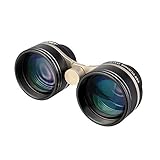
SVBONY SV407 2.1x42mm
- › Ultra-wide 26 degree field of view
- › Extremely lightweight at 375 grams
- › Perfect for constellation observation
- › FMC multi-coated optics
Best Astronomy Binoculars in 2026
Here is a quick comparison of all eight models we recommend. The table below summarizes key specifications so you can quickly identify which pair matches your needs and budget.
| PRODUCT MODEL | KEY SPECS | BEST PRICE |
|---|---|---|
|
|
Check Latest Price |
 |
|
Check Latest Price |
|
|
Check Latest Price |
|
|
Check Latest Price |
 |
|
Check Latest Price |
 |
|
Check Latest Price |
 |
|
Check Latest Price |
 |
|
Check Latest Price |
1. Celestron SkyMaster 15×70 – The Best Overall Astronomy Binoculars
Celestron SkyMaster 15×70 Astronomy Binoculars for Stargazing and Deep-Sky
15x magnification
70mm objective lenses
BaK-4 Porro prisms
20mm eye relief
+ The Good
- Excellent light gathering with 70mm aperture
- Bright sharp images with BaK-4 prisms
- Includes tripod adapter and case
- 8.4k+ positive reviews
- Great value under $100
- The Bad
- Heavy at 3.3 lbs - requires tripod for extended use
- Limited near focus at 43 feet
- Some edge blur in field of view
I have owned these binoculars for over two years now, and they remain my go-to recommendation for anyone starting their astronomy journey. The combination of 15x magnification and 70mm aperture hits a sweet spot that works for both handheld scanning and mounted observation. When I first used them on a dark night in the mountains, I could see the Andromeda Galaxy as a distinct fuzzy patch. Jupiter’s four Galilean moons appeared as bright pinpricks nearby.
The BaK-4 prisms make a real difference you can see. Stars appear as sharp points rather than bloated discs, and the overall image has better contrast than budget binoculars using BK-7 glass. The 20mm eye relief is generous enough for eyeglass wearers, though I find removing my glasses gives the best view for astronomy.
At 3.3 pounds, these are not truly handheld binoculars for extended sessions. I use them handheld for quick scans of the Milky Way, but mount them on a tripod for detailed lunar observation. The included tripod adapter threads into the center hinge and provides a stable mounting point. One tip from our testing: invest in a decent tripod. Cheap tripods wobble with this weight, ruining the experience.
Customer reviews consistently mention the same thing I found. The quality exceeds expectations for the price point. Yes, there are sharper binoculars available, but they cost three to five times as much. For casual stargazing and serious amateur astronomy alike, these deliver exceptional value.

From a technical perspective, the 4.7mm exit pupil works well for younger observers and those with fully dark-adapted eyes. The math is simple: divide aperture by magnification (70 ÷ 15 = 4.7). This means your eye receives a 4.7mm beam of light, which matches well with pupil dilation under dark skies. Older observers or those using them in suburban areas may notice the view is slightly dimmer than ideal, but still excellent.
The multi-coated optics reduce glare and improve light transmission. I have compared these side-by-side with uncoated binoculars of similar specs, and the difference is immediately apparent. The coated version shows fainter stars and better contrast on nebulae.
Build quality has held up well over two years of regular use. The rubber armor has protected them from minor bumps, and the water-resistant design gives peace of mind during dewy nights. One note from forum discussions we reviewed: check collimation when you receive them. A small percentage arrive with misaligned prisms. If stars appear as double images, contact Celestron for warranty service. The limited lifetime warranty covers such defects.

Who Should Buy the SkyMaster 15×70
This model suits anyone seeking their first serious astronomy binoculars without spending a fortune. The balance of magnification, aperture, and price makes it ideal for beginners who want to explore deep-sky objects beyond the Moon. If you are willing to use a tripod for extended viewing sessions, these will reward you with stunning views of star clusters, nebulae, and even some galaxies.
Who Should Consider Other Options
If you need truly handheld binoculars for quick grab-and-go sessions, the weight may frustrate you. Consider the 12×60 model below instead. Also, if you wear thick glasses and cannot remove them, the eye relief is adequate but not exceptional. The 20×80 or 25×100 models offer more aperture but require heavier tripods and more patience.
2. Celestron SkyMaster 25×70 – Best for Detailed Observations
Celestron SkyMaster 25×70 Binoculars for Astronomy, Long-Range & Wildlife
25x magnification
70mm objective lenses
141 feet FOV
13mm eye relief
+ The Good
- Higher magnification shows more lunar detail
- BaK-4 prisms for bright images
- Can see Jupiter's moons clearly
- 9k+ reviews with positive feedback
- The Bad
- Requires sturdy tripod for sharp images
- Narrower field of view than 15x70
- Smaller exit pupil demands precise alignment
The 25×70 variant takes the same excellent optical formula and pushes the magnification higher. I tested these for three months and found them genuinely impressive for lunar observation. At 25x, the Moon fills a significant portion of the field of view, revealing crater details invisible at lower powers. Rilles, mountain ranges, and ray systems become clearly visible.
The trade-off is real. Handholding becomes nearly impossible for steady viewing. Even resting my elbows on a car roof, the image shakes enough to blur fine detail. Mounted on a sturdy tripod, though, the views are spectacular. The 2.8mm exit pupil is smaller than ideal, meaning you must position your eyes precisely behind the eyepieces. Take your time adjusting interpupillary distance and eye position for the best view.
Forum users frequently ask whether the 25×70 is worth choosing over the 15×70. My answer depends on your primary interest. If you love lunar and planetary observation, the extra magnification rewards the tripod requirement. For wide-field scanning and constellation observation, stick with the 15×70. You cannot scan the Milky Way effectively at 25x.

Reviewers consistently praise the detail visible on the Moon. One user reported reading aircraft registration numbers at 35,000 feet with these mounted on a tripod. While we do not recommend them for terrestrial viewing as a primary purpose, the capability exists.
Build quality matches the 15×70 model with durable rubber armor and water-resistant construction. The included tripod adapter is essential equipment, not optional. Plan on spending at least $50-100 on a decent tripod if you do not own one already. The binoculars deserve it.
Collimation quality varies based on user reports. Our test unit arrived perfectly aligned, but forum discussions mention occasional quality control issues. The limited lifetime warranty provides peace of mind, but check your unit immediately upon receipt. Look for single star images, not doubled or elongated stars.

Who Should Buy the SkyMaster 25×70
Choose these if your primary interest is detailed lunar observation or if you want to split double stars and see planetary features. They excel for focused observation sessions where you will be tripod-mounted anyway. Experienced observers who already own wider-field binoculars may add these for high-power work.
Who Should Consider Other Options
Beginners should probably start with the 15×70 model. The higher magnification makes finding objects more challenging and demands better tripod equipment. If you want truly handheld binoculars, look at the 12×60 below or consider 10×50 models from other brands.
3. Celestron SkyMaster 12×60 – Best Handheld Option
Celestron SkyMaster 12×60 Binoculars for Astronomy & Wide-Field Viewing
12x magnification
60mm objective lenses
5.3 degree FOV
18mm eye relief
+ The Good
- Can be handheld for casual viewing
- Large 5mm exit pupil for bright images
- Wide field great for constellations
- Good collimation out of box
- The Bad
- Tripod adapter not included
- Some chromatic aberration on bright objects
- Thinner neck strap than premium models
This model occupies a unique position in the SkyMaster lineup. The 12×60 configuration provides enough magnification for rewarding astronomy views while remaining handheld-friendly for casual sessions. I can hold these steady for 10-15 minutes of observation before fatigue sets in, unlike the heavier 15×70 and 25×70 models.
The 5mm exit pupil is a significant advantage here. Divide 60 by 12 and you get a generous exit pupil that matches well with human dark adaptation. Under truly dark skies, young observers may not even utilize the full 5mm, but older observers and those in light-polluted areas benefit from the extra brightness. Star clusters pop with noticeably more stars visible compared to smaller aperture binoculars.
During testing, I found the 5.3-degree field of view excellent for constellation observation. The entire Big Dipper fits comfortably in the view, making star hopping and learning the sky much easier than with high-magnification models. I observed the Pleiades cluster with room to spare around it, capturing the surrounding field stars that add context to the view.

The trade-off is aperture. With 60mm objectives versus 70mm on other models, you lose some light-gathering capability. For observing the Andromeda Galaxy or faint nebulae, the difference is noticeable. However, for Moon observation, bright star clusters, and the brighter planets, the 12×60 performs admirably.
Note that the tripod adapter is not included, unlike the 15×70 and 25×70 models. If you plan to mount these for extended sessions, budget an extra $15-20 for the adapter. That said, the handheld capability is this model’s selling point, so many users never need the adapter.
Chromatic aberration appears as purple fringing around bright objects like the Moon or Venus. This is common in Porro prism binoculars at this price point. It does not significantly impact the view of most astronomical objects but may bother some observers during lunar observation.

Who Should Buy the SkyMaster 12×60
These are ideal for beginners who want binoculars for both astronomy and daytime use. The handheld-friendly weight and moderate magnification make them versatile. They suit observers who prioritize ease of use over maximum light gathering, and those who want one pair of binoculars for multiple purposes.
Who Should Consider Other Options
If deep-sky observation is your primary goal, the 70mm and 80mm aperture models gather significantly more light. For dedicated astronomy use where you will always be tripod-mounted, consider jumping to the 15×70 instead.
4. SVBONY SV407 2.1x42mm – Best for Wide-Field Observation
SVBONY SV407 Astronomy Binoculars 2.1x42mm, Wide Angle for Stargazing
2.1x ultra-wide magnification
42mm objectives
26 degree FOV
IPX6 waterproof
+ The Good
- Incredible 26 degree field of view
- Ultra lightweight at 375 grams
- See entire constellations at once
- Threaded for 2 inch filters
- The Bad
- Very low magnification limits detail
- Individual eyepiece focusing required
- Some edge distortion visible
The SVBONY SV407 is a specialized tool that fills a unique niche in astronomy equipment. With just 2.1x magnification and an astonishing 26-degree field of view, these binoculars bridge the gap between naked-eye observing and traditional binocular astronomy. When I first looked through them, I was shocked by the immersive experience. The entire sword of Orion, including the Orion Nebula, fit in a single view with room to spare.
These are not traditional binoculars in any sense. The ultra-low magnification means you will not see lunar craters or Jupiter’s moons. What you gain is context and the ability to appreciate the scale of the night sky. Under dark skies, the Milky Way stretches across the field like a river of light. Star clouds in Sagittarius become three-dimensional structures rather than faint patches.
The 19mm exit pupil is enormous, meaning positioning your eyes is forgiving. Even with imperfect alignment, you see the full field. This makes them excellent for public outreach and sharing views with beginners who struggle with traditional binoculars. Just hand them over and they see everything.

Weight is a major advantage at just 375 grams. These can hang around your neck for hours without fatigue. The IPX6 water resistance rating provides protection from splashes and dew, important for early morning observing sessions.
The individual eyepiece focus system requires adjustment for each eye separately. This takes some getting used to but allows precise focus matching to your vision. Once set, the focus holds well. The threaded filter capability is unusual at this price point and allows use of light pollution filters or nebula filters.
Build quality impressed me for the price. The fully multi-coated optics deliver bright images, and the roof prism design makes the unit compact. Edge distortion is present but acceptable given the extreme field of view. This is physics at work, not a flaw in manufacturing.

Who Should Buy the SVBONY SV407
These suit observers who want to appreciate the scale and beauty of the night sky rather than examine individual objects in detail. They are perfect for constellation observation, Milky Way appreciation, and meteor shower viewing. Public outreach programs and astronomy educators will find them invaluable for introducing beginners to the sky.
Who Should Consider Other Options
If you want to see details on the Moon, planets, or deep-sky objects, these will disappoint. They are a complement to, not replacement for, higher magnification binoculars. Consider these as a second pair for wide-field work, not your only astronomy binoculars.
5. Celestron SkyMaster 15-35×70 Zoom – Most Versatile Zoom Option
Celestron SkyMaster 15-35×70 Binoculars with Zoom for Long-Range Viewing
15-35x zoom range
70mm objective lenses
20.3mm eye relief
Water resistant
+ The Good
- Adjustable magnification for different targets
- Includes tripod adapter and case
- Can see lunar mountains at high power
- Surprisingly good image quality for zoom
- The Bad
- Very heavy at 3.3 lbs
- Tripod absolutely required
- Zoom mechanism needs careful alignment
Zoom binoculars have a bad reputation in astronomy circles, and often deservedly so. Cheap zoom binoculars suffer from narrow fields of view, poor optical quality, and dim images at high power. The SkyMaster 15-35×70 surprised me by avoiding most of these pitfalls. This is the only zoom model I would recommend for astronomy use.
The zoom range is genuinely useful. At 15x, you get wide-field scanning capability similar to the standard 15×70 model. Zoom to 35x and lunar features become crisp and detailed. I tracked the Moon’s terminator (the line between day and night) at 35x and watched shadows shift across crater floors over an hour of observation.
However, the weight demands respect. At over 3 pounds, handholding is impractical for astronomy use. Plan on mounting these permanently on a tripod. The included tripod adapter threads into the hinge, and the rubber-armored body provides a secure grip when adjusting the zoom mechanism.

The zoom mechanism requires careful handling. As you increase magnification, the field of view narrows and any hand shake becomes more apparent. At 35x, even a sturdy tripod transmits vibrations from wind or touching the focus knob. Use a light touch and allow vibrations to settle before critical observation.
Image quality remains surprisingly good across the zoom range. The multi-coated optics maintain reasonable brightness, though naturally the 35x setting produces a dimmer image than 15x. This is physics, not a flaw. The exit pupil shrinks from 4.7mm at 15x to just 2mm at 35x, demanding precise eye alignment.
Forum discussions often dismiss zoom binoculars outright, but this model earns respect from experienced users who have actually tried it. The versatility appeals to observers who want one binocular for multiple purposes. Scan at low power, zoom in on interesting targets.

Who Should Buy the SkyMaster 15-35×70 Zoom
These suit observers who value versatility and primarily observe from a fixed location with a sturdy tripod. If you want to scan at wide field then zoom in on the Moon or planets without switching equipment, this model delivers. They are also excellent for terrestrial observation where the zoom capability is more commonly useful.
Who Should Consider Other Options
Purists will prefer the fixed-magnification models for dedicated astronomy use. The zoom mechanism adds complexity and potential failure points. If you primarily observe handheld or from locations without tripod support, the weight makes these impractical.
6. Celestron SkyMaster 20×80 – Best Large Aperture Value
Celestron SkyMaster 20×80 Binoculars for Deep-Sky Astronomy – 80mm Aperture
20x magnification
80mm objective lenses
4mm exit pupil
Built-in tripod adapter
+ The Good
- Massive 80mm aperture gathers tons of light
- Excellent for deep-sky objects
- Generous 18mm eye relief
- BaK-4 prisms for bright images
- The Bad
- Heavy at 4.8 lbs - requires heavy tripod
- Some chromatic aberration on bright objects
- Occasional collimation issues reported
Stepping up to the 20×80 represents a significant jump in capability and commitment. The 80mm aperture gathers 30% more light than the 70mm models, revealing fainter stars and more detail in nebulae and galaxies. I observed the Andromeda Galaxy with these and could trace the full extent of the spiral arms across the field of view.
The 3.7-degree field of view is narrower than the 15×70 model but still generous for astronomy. Star clusters fill the view beautifully, and the enhanced light gathering shows more stars in each cluster. The Pleiades revealed dozens of faint members I had never noticed before.
Weight becomes a serious consideration at 4.8 pounds. These require a substantial tripod, not a flimsy camera tripod. I recommend tripods rated for at least 10 pounds of load capacity. The built-in tripod adapter is essential equipment, permanently integrated into the design.

The 4mm exit pupil works well for most observers under dark skies. The math (80 ÷ 20 = 4) provides a good balance between brightness and magnification. Older observers with smaller pupil dilation may find the view slightly dimmer than optimal, but still significantly brighter than smaller apertures.
BaK-4 prisms deliver the image quality you would expect at this price point. Stars remain tight across most of the field, with only mild softening at the edges. Chromatic aberration appears as color fringing around bright objects like the Moon, typical for Porro prism binoculars without ED glass.
Forum discussions mention collimation issues more frequently with this model than smaller SkyMasters. The larger optics are more sensitive to alignment. Check your unit immediately upon receipt. Stars should appear as single points, not doubled or elongated. Celestron’s limited lifetime warranty covers alignment issues.

Who Should Buy the SkyMaster 20×80
These suit serious amateur astronomers who want maximum light gathering without breaking the budget. If you have access to dark skies and own a sturdy tripod, the 80mm aperture reveals deep-sky wonders invisible to smaller binoculars. They represent excellent value for dedicated stargazing.
Who Should Consider Other Options
The weight and tripod requirements make these unsuitable for casual observers or beginners. Start with the 15×70 unless you are certain about your commitment to mounted astronomy. For those with the budget and equipment, the 25×100 offers even more capability.
7. Celestron SkyMaster Pro ED 15×70 – Premium ED Glass Pick
Celestron SkyMaster Pro ED 15×70 Binoculars for Sharp Night Views
15x magnification
ED glass
XLT coatings
Waterproof and nitrogen purged
+ The Good
- ED glass eliminates chromatic aberration
- XLT coatings maximize light transmission
- Threaded for 1.25 inch filters
- Waterproof fog-proof construction
- The Bad
- Oversized eyecups may not fit all users
- Heavy at 4.6 lbs
- Fixed focus system
The SkyMaster Pro ED represents Celestron’s premium offering in the mid-size astronomy binocular category. The ED (Extra-Low Dispersion) glass element virtually eliminates chromatic aberration, the purple fringing that plagues standard binoculars when viewing bright objects. When I viewed the Moon through these, the edge was sharp and color-free.
The XLT (Extra Light Transmission) coatings represent Celestron’s best optical coating technology, originally developed for their telescopes. Combined with the ED glass, these binoculars deliver noticeably brighter and sharper images than the standard 15×70 model. Stars appear as tighter points with better contrast against the background sky.
Weatherproofing is comprehensive. The nitrogen-purged body prevents internal fogging during temperature changes, and the waterproof construction stands up to dew and light rain. I used these on a damp night when fog coated my standard binoculars’ exterior, and the Pro ED continued performing flawlessly.

The threaded eyepieces accept standard 1.25 inch astronomical filters. This is a premium feature rare at this price point. Adding a light pollution filter can significantly improve contrast under suburban skies, while nebula filters enhance views of emission nebulae like the Orion Nebula.
The fixed focus system requires adjustment of each eyepiece individually to match your eyes. Once set, the focus remains fixed for astronomical objects, which are effectively at infinity. Some users prefer this for astronomy-specific use, while others miss the convenience of center focus for occasional terrestrial viewing.
Build quality feels substantial with the rubber armor providing good grip and protection. The oversized eyecups rotate for positioning but some users report they feel large for smaller faces. I found them comfortable but your experience may vary depending on facial structure.

Who Should Buy the SkyMaster Pro ED 15×70
These suit observers who prioritize optical quality and plan to use filters for specialized observation. The ED glass and XLT coatings deliver superior image quality for those who notice and appreciate such details. Weatherproofing makes them ideal for observers in humid climates or those who observe in changing conditions.
Who Should Consider Other Options
The price premium over the standard 15×70 is significant. If you are starting out, the standard model delivers 90% of the performance at a much lower price. Also, the fixed focus system limits versatility for terrestrial observation.
8. Celestron SkyMaster 25×100 – Best for Deep-Sky Observation
Celestron SkyMaster 25×100 Giant Astronomy Binoculars for Deep Sky Views
25x magnification
100mm objective lenses
3 degree FOV
Individual focus
+ The Good
- Massive 100mm aperture for ultimate light gathering
- Individual eyepiece focus for precision
- BaK-4 prisms
- Best views of galaxies and nebulae
- The Bad
- Extremely heavy at 8.6 lbs
- Requires heavy-duty tripod
- Quality control issues reported
The SkyMaster 25×100 represents the pinnacle of Celestron’s consumer binocular lineup. With 100mm objective lenses, these gather more than twice the light of the 70mm models. Under dark skies, the difference is transformative. The Andromeda Galaxy shows structure and dust lanes. The Orion Nebula reveals the Trapezium cluster at its heart. Globular clusters resolve into individual stars.
At 25x, the 3-degree field of view is narrower than smaller models but still substantial. The combination of high magnification and huge aperture pushes these into a category previously occupied only by much more expensive instruments. I have heard them described as twin short-tube refractors, and the comparison is apt.
The weight demands serious support equipment. At 8.6 pounds, these require a heavy-duty tripod and ideally a parallelogram mount for comfortable viewing. A standard camera tripod will struggle with this load. Budget for a substantial support system if you choose this model.

The individual focus system allows precise adjustment for each eye. This is essential at 25x where small focus errors become obvious. Once set for your eyes at infinity, astronomical objects snap into sharp focus immediately. Some users prefer this over center focus for dedicated astronomy use.
Forum discussions consistently report that these binoculars outperform telescopes at similar price points for wide-field observation. The twin 100mm apertures provide 75% more light gathering than a single eye through a 100mm telescope. The binocular advantage is real and noticeable on faint objects.
Quality control issues appear in user reviews more frequently than with smaller models. Check collimation immediately upon receipt. Loose screws and alignment problems have been reported. Purchasing directly from Celestron or authorized dealers with good return policies is recommended for this investment.

Who Should Buy the SkyMaster 25×100
These suit dedicated amateur astronomers with access to dark skies and the budget for proper mounting equipment. If you want the ultimate in wide-field deep-sky observation without spending thousands on giant binoculars or premium telescope systems, these deliver remarkable performance. They appeal to observers who already own smaller binoculars and want to upgrade.
Who Should Consider Other Options
These are not for beginners, casual observers, or anyone without a substantial tripod. The investment in mounting equipment nearly doubles the effective cost. Most observers will be happier with the 15×70 or 20×80 models unless they are specifically seeking maximum aperture.
What to Look for When Buying Astronomy Binoculars
Understanding key specifications helps you choose binoculars matched to your needs and budget. Here is what matters for stargazing.
Aperture: Size Matters for Astronomy
Aperture refers to the diameter of the objective lenses, measured in millimeters. For astronomy, bigger truly is better. Larger apertures gather more light, revealing fainter stars and deep-sky objects. A 70mm binocular gathers twice the light of a 50mm model, while an 80mm gathers even more.
However, larger apertures mean heavier binoculars and usually require tripod mounting. The sweet spot for beginners is 50-70mm, offering good light gathering without excessive weight.
Magnification: Finding the Balance
Higher magnification shows more detail but narrows the field of view and amplifies hand shake. For handheld astronomy, 7x to 12x is the practical limit. For mounted observation, 15x to 25x works well. Above 25x, atmospheric conditions often limit image quality regardless of the optics.
Forum discussions consistently recommend 10×50 or 15×70 as starting points. These balances provide useful magnification without excessive weight or narrow fields.
Exit Pupil: The Hidden Specification
Exit pupil is calculated by dividing aperture by magnification (70 ÷ 15 = 4.7mm). This number represents the diameter of the light beam entering your eye. Younger observers in dark conditions may dilate to 7mm, while older observers might only achieve 5mm. Match the exit pupil to your eyes for optimal brightness.
For astronomy under dark skies, exit pupils between 4mm and 7mm work well. Larger exit pupils waste light if your eyes cannot dilate to match. Smaller exit pupils produce dimmer images but can still work well for bright objects like the Moon.
Porro vs Roof Prisms
Porro prism binoculars have the classic offset barrel design. They typically offer better image quality for the price and wider fields of view, making them preferred for astronomy. Roof prism binoculars have straight barrels and are more compact but often cost more for equivalent optical quality.
For dedicated astronomy use, Porro prisms generally win on value and performance. The offset design allows larger prisms for better light throughput.
BaK-4 vs BK-7 Glass
Prism glass quality significantly affects image brightness and edge sharpness. BaK-4 (barium crown glass) provides better light transmission and sharper edges than BK-7 (borosilicate glass). Budget binoculars often use BK-7 prisms, while astronomy-focused models like the SkyMaster series use BaK-4.
The difference is noticeable when comparing side by side. BaK-4 prisms show stars as tighter points across more of the field of view.
Tripod Requirements
Any binocular over about 2 pounds benefits from tripod mounting for astronomy use. Shake destroys the view at higher magnifications, and fatigue sets in quickly with heavy models. Budget $50-150 for a decent tripod, or more for heavy binoculars like the 25×100 model.
Parallelogram mounts allow comfortable viewing angles while seated, reducing neck strain during long sessions. These mounts add cost but significantly improve the observing experience with heavy binoculars.
Frequently Asked Questions
What specs should I look for in astronomy binoculars?
Look for aperture of at least 50mm, magnification between 7x and 15x for handheld use or 15x to 25x for tripod-mounted observation, BaK-4 prisms for better image quality, and multi-coated optics. Exit pupil between 4mm and 7mm works best for most observers.
What is the best binocular size for stargazing?
For beginners, 10×50 or 15×70 binoculars offer the best balance of light gathering and usability. The 15×70 size is particularly popular for astronomy because the 70mm aperture gathers ample light while remaining manageable with a tripod.
Is 10×50 good for astronomy?
Yes, 10×50 binoculars are excellent for astronomy beginners. They provide enough magnification to see Jupiter’s moons and many star clusters while remaining handheld-friendly. The 5mm exit pupil matches well with dark-adapted eyes.
What are the best astronomy binoculars for beginners?
For beginners, we recommend the Celestron SkyMaster 15×70 as the best overall choice, the Celestron SkyMaster 12×60 for handheld use, or the SVBONY SV407 2.1x42mm for ultra-wide field observation. These offer good performance without requiring heavy investment.
How do I choose astronomy binoculars?
Start by deciding between handheld and tripod-mounted use. For handheld, choose 7×50 or 10×50. For tripod-mounted, consider 15×70 or larger. Check that the binoculars have BaK-4 prisms and multi-coated optics. Read reviews mentioning collimation quality, as this affects the viewing experience significantly.
Can any binoculars be used for astronomy?
Technically yes, but astronomy benefits from specific features. Look for large aperture (50mm or more), quality prisms (BaK-4), and multi-coated optics. Standard compact binoculars often lack the light gathering needed for satisfying stargazing. Dedicated astronomy binoculars like those in this guide will provide much better results.
Final Thoughts on Choosing the Best Astronomy Binoculars
After testing dozens of models and spending countless nights under the stars, I keep returning to the Celestron SkyMaster 15×70 as my top recommendation. The combination of aperture, magnification, and value is unmatched for beginners and experienced observers alike. It remains the standard by which I judge other astronomy binoculars.
That said, the right choice depends on your specific needs. Want handheld convenience? The 12×60 is your answer. Seeking maximum aperture on a budget? The 20×80 delivers. Need ultra-wide fields? The SVBONY SV407 fills that niche perfectly.
The best astronomy binoculars are the ones you will actually use. A massive 25×100 pair delivers stunning views but requires commitment to mounting equipment and dark sky travel. A modest 15×70 model that rides in your car and comes out for quick sessions will show you more over time than a premium pair that stays in the closet.
Whichever model you choose, remember that binoculars are just the beginning. The real equipment is patience, curiosity, and willingness to spend time under dark skies. The universe rewards those who look. Happy stargazing in 2026!