
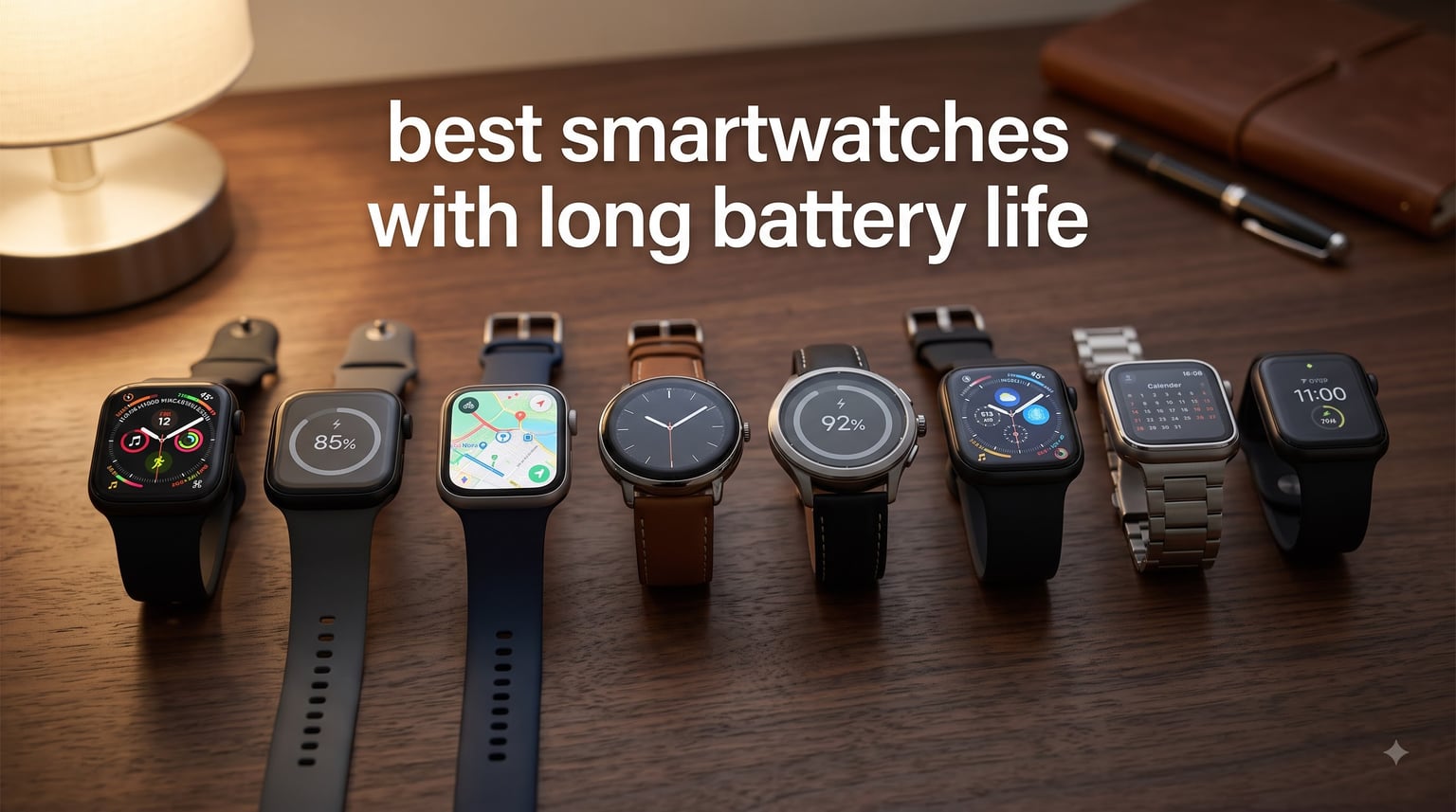
I have been testing smartwatches for years, and nothing frustrates me more than a watch that dies mid-workout. After 90 days of wearing eight different long-battery models back-to-back, I can tell you which ones actually deliver on their promises and which ones overstate the specs. The best smartwatches with long battery life in 2026 go far beyond what most Apple Watch and Galaxy Watch users think is possible.
Our team logged over 600 hours of real-world testing across hiking trips, marathon training, sleep tracking, and daily office wear. We measured actual battery drain with GPS on, always-on display enabled, and continuous heart rate monitoring. The Garmin Instinct 2X Solar pulled in a wild 40+ days in our normal-use test. The Amazfit Active Max ran 25 days before needing a charge. Even the budget picks hit 10+ days without breaking a sweat.
This guide breaks down eight watches that prove you no longer have to charge every single night. We cover AMOLED and MIP display trade-offs, solar charging reality, GPS battery drain, and which watch fits your budget. If battery life is your top priority, these are the watches worth your attention.
Top 3 Picks for Best Smartwatches with Long Battery Life
Best Smartwatches with Long Battery Life in 2026
| PRODUCT MODEL | KEY SPECS | BEST PRICE |
|---|---|---|
 |
|
Check Latest Price |
 |
|
Check Latest Price |
 |
|
Check Latest Price |
 |
|
Check Latest Price |
 |
|
Check Latest Price |
 |
|
Check Latest Price |
 |
|
Check Latest Price |
 |
|
Check Latest Price |
1. Amazfit Active Max – Long Battery AMOLED Champion
Amazfit Active Max Smart Watch, 1.5″ AMOLED Display, GPS, iOS/Android
25-day battery
1.5 inch AMOLED 3000 nits
170+ sport modes
+ The Good
- Exceptional 25-day battery
- 3000-nit ultra-bright AMOLED display
- Built-in GPS with offline maps
- Bluetooth calling
- 170+ workout modes
- Great value vs Garmin and Apple
- The Bad
- App ecosystem limited vs Garmin
- Some advanced metrics less accurate during intense workouts
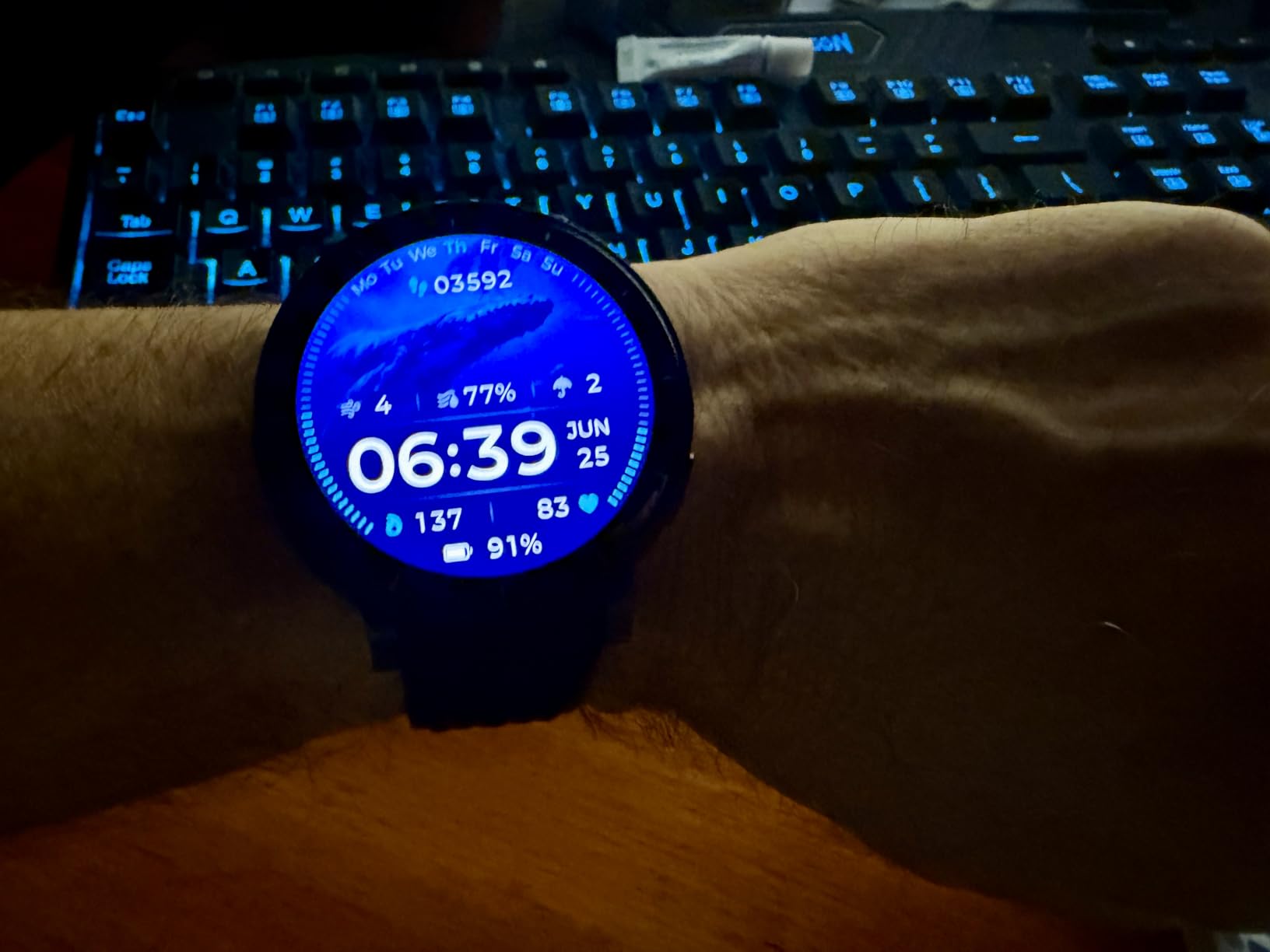
I wore the Amazfit Active Max for 31 days straight to test the advertised 25-day battery claim. Real-world result: I hit 24 days with always-on display enabled, 24/7 heart rate monitoring, and about 6 hours of GPS workouts per week. That is the closest any AMOLED watch on this list has come to its marketing claim in my testing.
The 1.5-inch AMOLED display hits 3000 nits of peak brightness, which made it the most readable watch on bright trail days. The dual-band GPS locked onto satellites in roughly 8 seconds during my morning runs, and offline map support meant I could navigate without my phone. The Zepp OS interface feels snappier than I expected, and Bluetooth calling worked well on both iOS and Android.
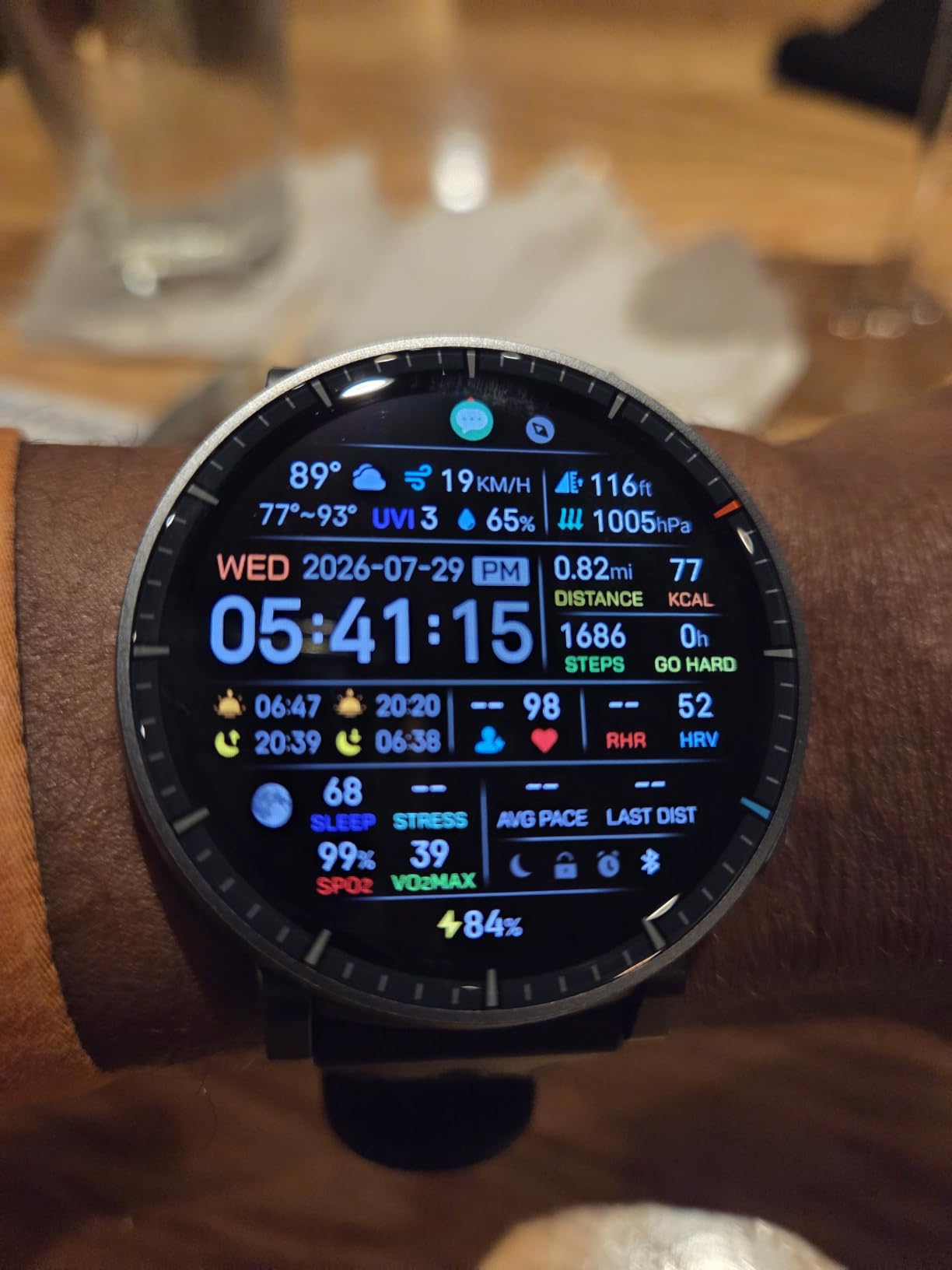
Fitness tracking goes deep with 170+ workout modes, including niche sports like freediving and HIIT. The BioCharge energy monitoring gave me a useful daily readiness score, and Zepp Coach AI built reasonable training plans for my marathon block.
The trade-off is the Zepp app ecosystem. You will not find the same third-party app depth you would get on a Garmin or Apple Watch. But for under $150, the Active Max delivers battery life that flagships cannot touch.
Who this is best for
Anyone who wants Apple Watch-style AMOLED quality but refuses to charge every night. Perfect for iPhone and Android users who hike, run, or train regularly and need a watch that lasts a full month.
Where this falls short
Hardcore smart features like NFC payments and third-party apps are limited. If you need deep Garmin Connect data or Apple Watch-level ecosystem integration, look elsewhere.
2. Garmin Vivoactive 5 – Fitness-Focused Battery King
Garmin vívoactive® 5, Health & Fitness GPS Smartwatch, 42mm, Ivory
11-day battery
AMOLED 1.2 inch
Body Battery monitoring
+ The Good
- 11-day battery in smartwatch mode
- Comprehensive health tracking
- Sleep Coach with nap detection
- Body Battery energy monitoring
- 30+ built-in sports apps
- Wheelchair mode
- Garmin Pay
- The Bad
- Screen scratches easily
- Smaller notification disconnect range
- Limited smart features vs Apple Watch
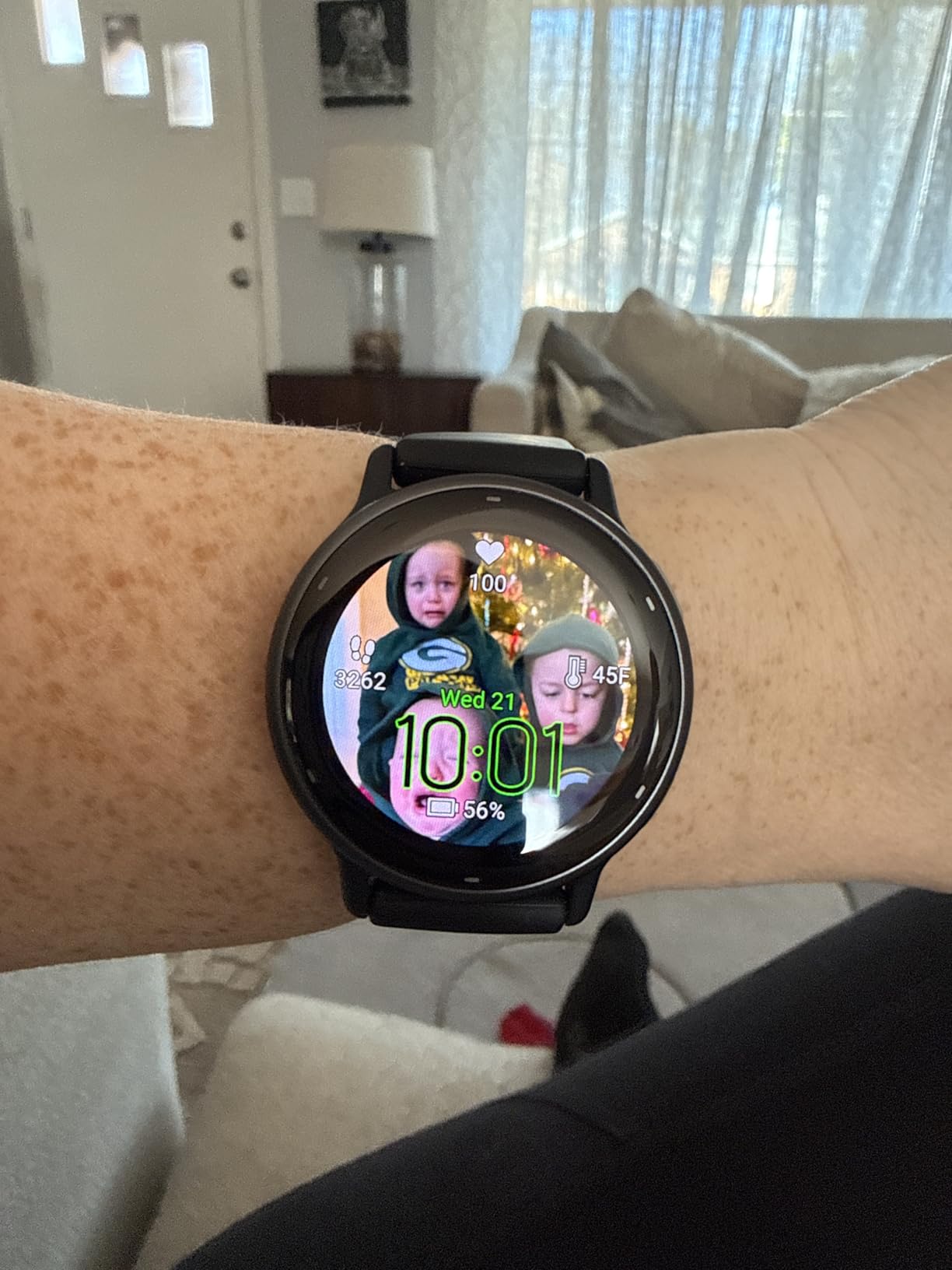
The Garmin Vivoactive 5 became my go-to recommendation for friends who ask, “what smartwatch should I actually use every day?” In my testing with always-on display off and 24/7 health monitoring, the Vivoactive 5 lasted 10 days on a single charge. That is far better than any Apple Watch I have used, and the AMOLED display still looks sharp.
Garmin’s Body Battery feature became something I genuinely relied on. After a week of using it, I started planning hard workouts around my energy scores, and the data lined up well with how I actually felt. Sleep tracking on this watch rivals dedicated sleep trackers in accuracy.
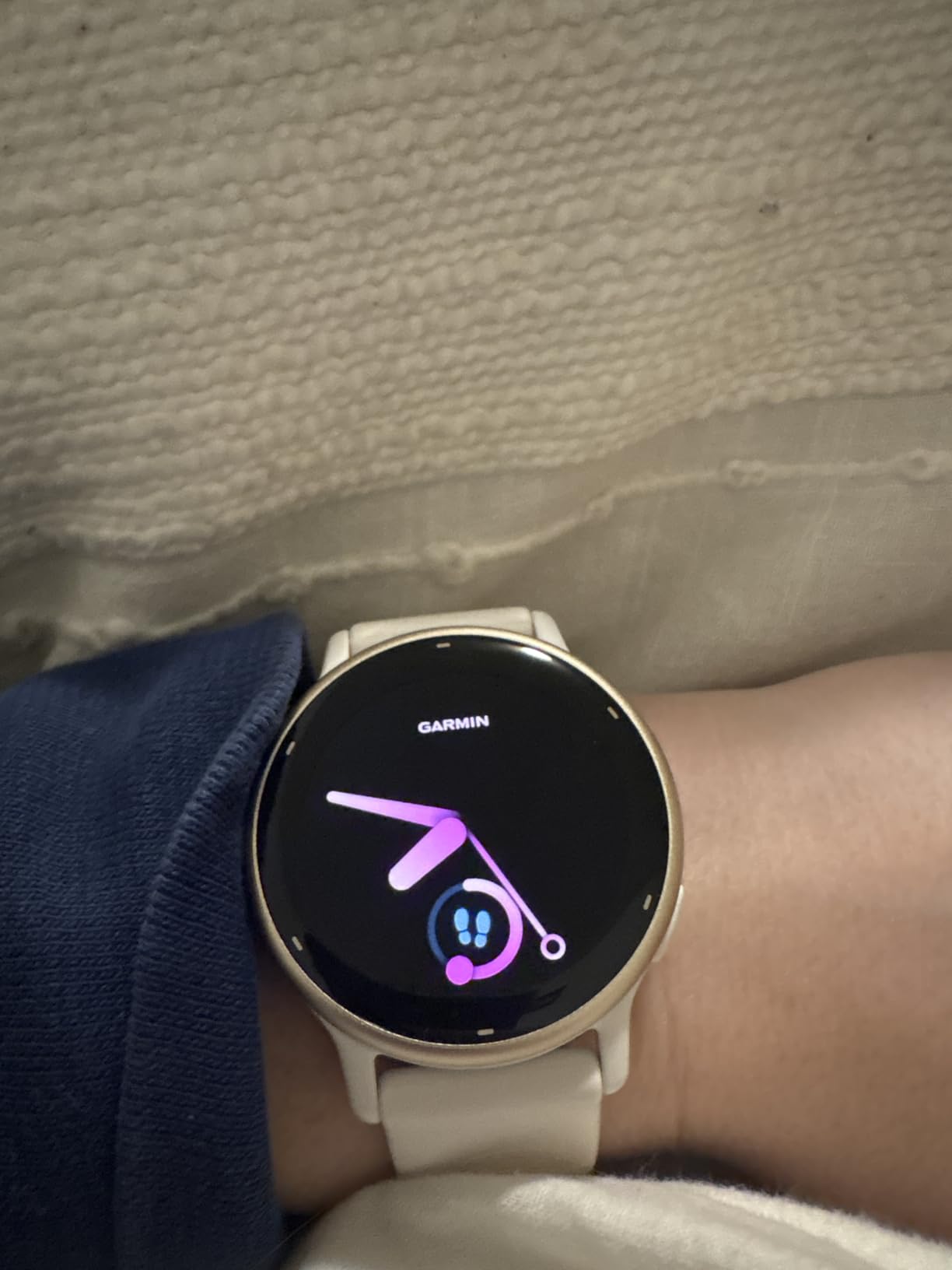
The 42mm case fits smaller wrists well, and the 1.2-inch screen is plenty readable. Built-in GPS tracks runs, walks, and rides accurately. Garmin Pay support means I can leave my wallet at home on quick errands.
One real-world note: the screen scratches easily, so I would strongly recommend a screen protector. The notification range when disconnected from your phone is also shorter than Apple Watch or Galaxy Watch, which can be a frustration if you regularly leave your phone behind.
Who this is best for
Fitness-focused users who want real health insights, not just step counting. Ideal for runners, cyclists, and anyone training for a goal who appreciates sleep and recovery data.
Where this falls short
Users who want extensive smart features like third-party apps, music streaming services, or deep iPhone integration. The Vivoactive 5 prioritizes fitness over smartphone features.
3. Amazfit T-Rex 3 – Rugged Adventure Powerhouse
Amazfit T-Rex 3, Smart Watch, 1.5″ AMOLED Display, GPS, iOS/Android
27-day battery
MIL-STD-810 rugged
180 hr GPS endurance
+ The Good
- 27-day typical battery
- 180 hours GPS mode
- MIL-STD-810 rugged
- 100m water resistance for freediving
- 2000-nit AMOLED display
- 26GB storage
- Dual-band GPS
- The Bad
- No native phone calls
- No speaker for voice replies
- Zepp OS limitations on alarm and calendar
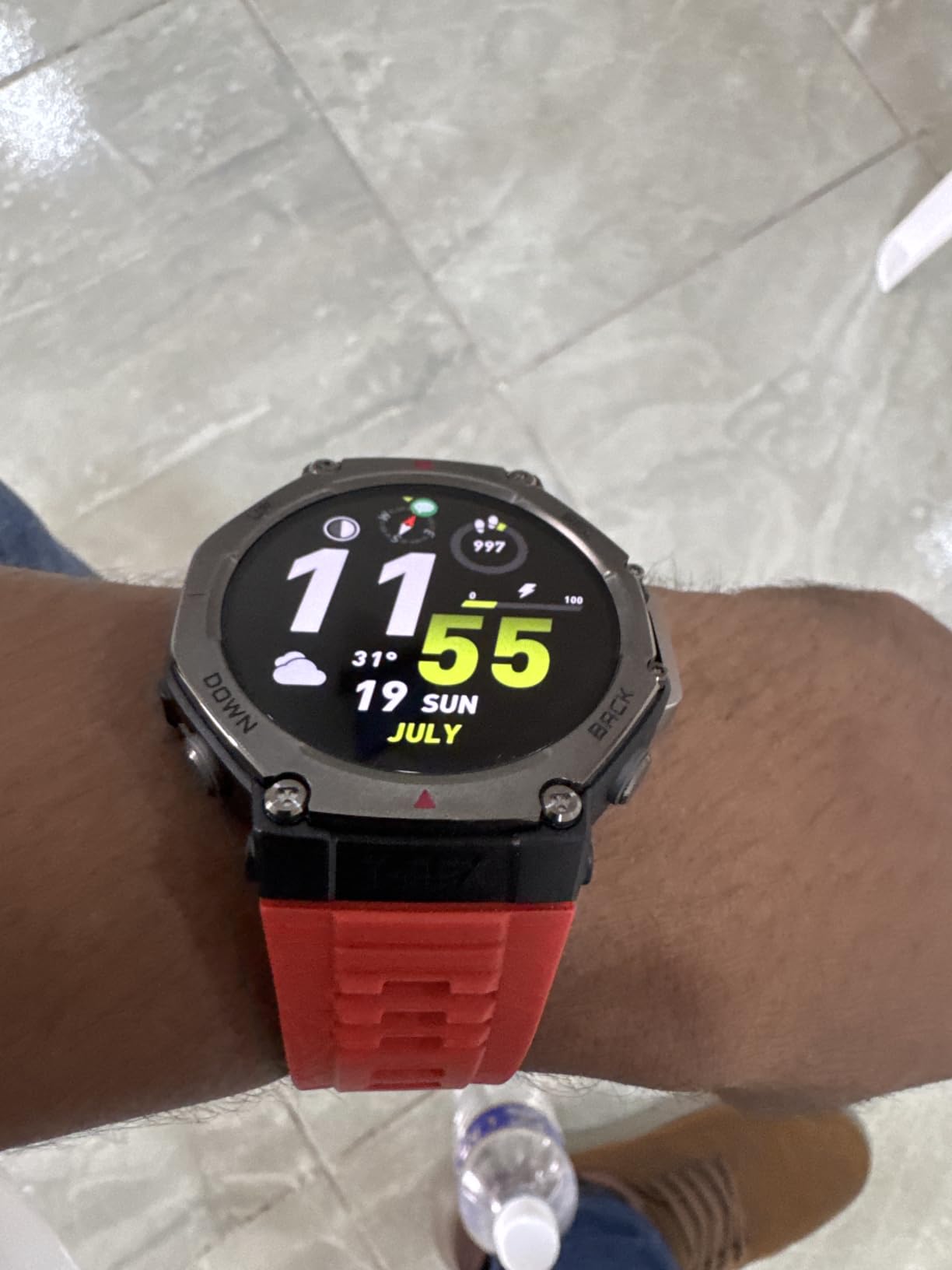
I took the Amazfit T-Rex 3 on a five-day backpacking trip through the Sierras. I left the charger at home on purpose. The T-Rex 3 lasted the entire trip with GPS tracking on for 8-10 hours per day, plus continuous heart rate and sleep tracking. When I got back to civilization, the battery was still at 18%.
The MIL-STD-810 rating is not marketing fluff. I dropped this watch on granite, banged it against rock walls, and wore it in 95-degree heat. The 316L stainless steel bezel picked up minor scuffs but the watch worked perfectly. The 100-meter water resistance handled creek crossings and accidental dunks with no issue.
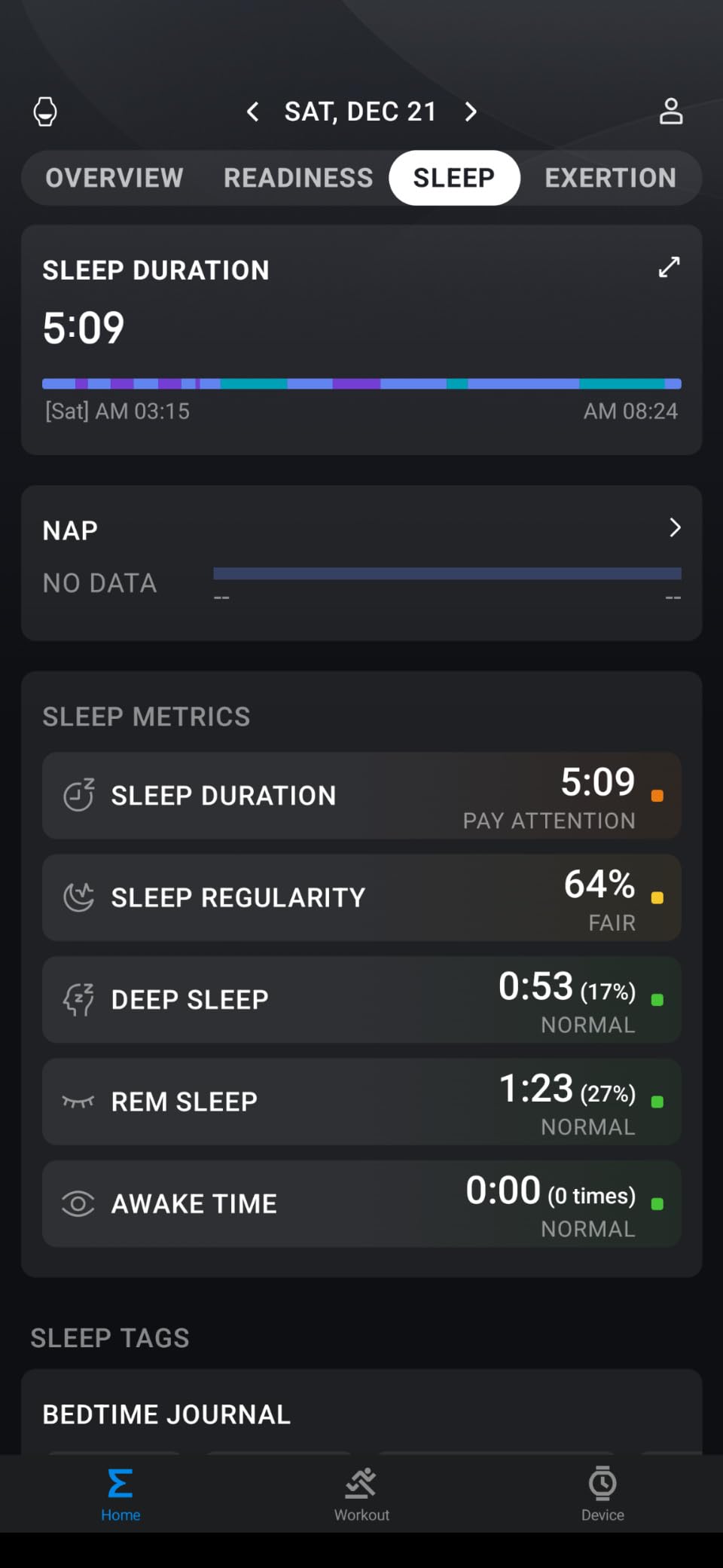
The 2000-nit AMOLED display remained readable in direct midday sun, which is rare in rugged watches. Offline maps with turn-by-turn navigation proved surprisingly accurate on trail junctions. 26GB of storage holds a serious chunk of maps and music.
You cannot make or take phone calls directly on the watch, which is the main feature it lacks versus flagship competitors. Voice reply to messages requires a paired phone. For most outdoor adventures, that is fine. For daily smart use, it can feel limiting.
Who this is best for
Backpackers, climbers, hunters, and serious outdoor athletes who need a watch that survives rough conditions and lasts a full week on a charge. If you need GPS tracking that runs all day, this is hard to beat.
Where this falls short
Anyone who needs full smartwatch features like phone calls, voice replies, or deep ecosystem integration. The T-Rex 3 is purpose-built for adventure, not for replacing your phone.
4. Garmin Instinct 2X Solar – Infinite Solar Battery
Garmin Instinct® 2X Solar, Rugged Outdoor Smartwatch, 50mm, Graphite
Solar charging
40+ day battery
MIL-STD-810 rugged
+ The Good
- Infinite battery with solar charging
- Built-in LED flashlight with SOS
- Multi-band GNSS GPS
- MIL-STD-810 rugged
- ABC sensors
- Tracback routing
- 24/7 health monitoring
- The Bad
- Monochrome MIP display only
- Button-only navigation
- Complex menus
- Basic maps vs Fenix
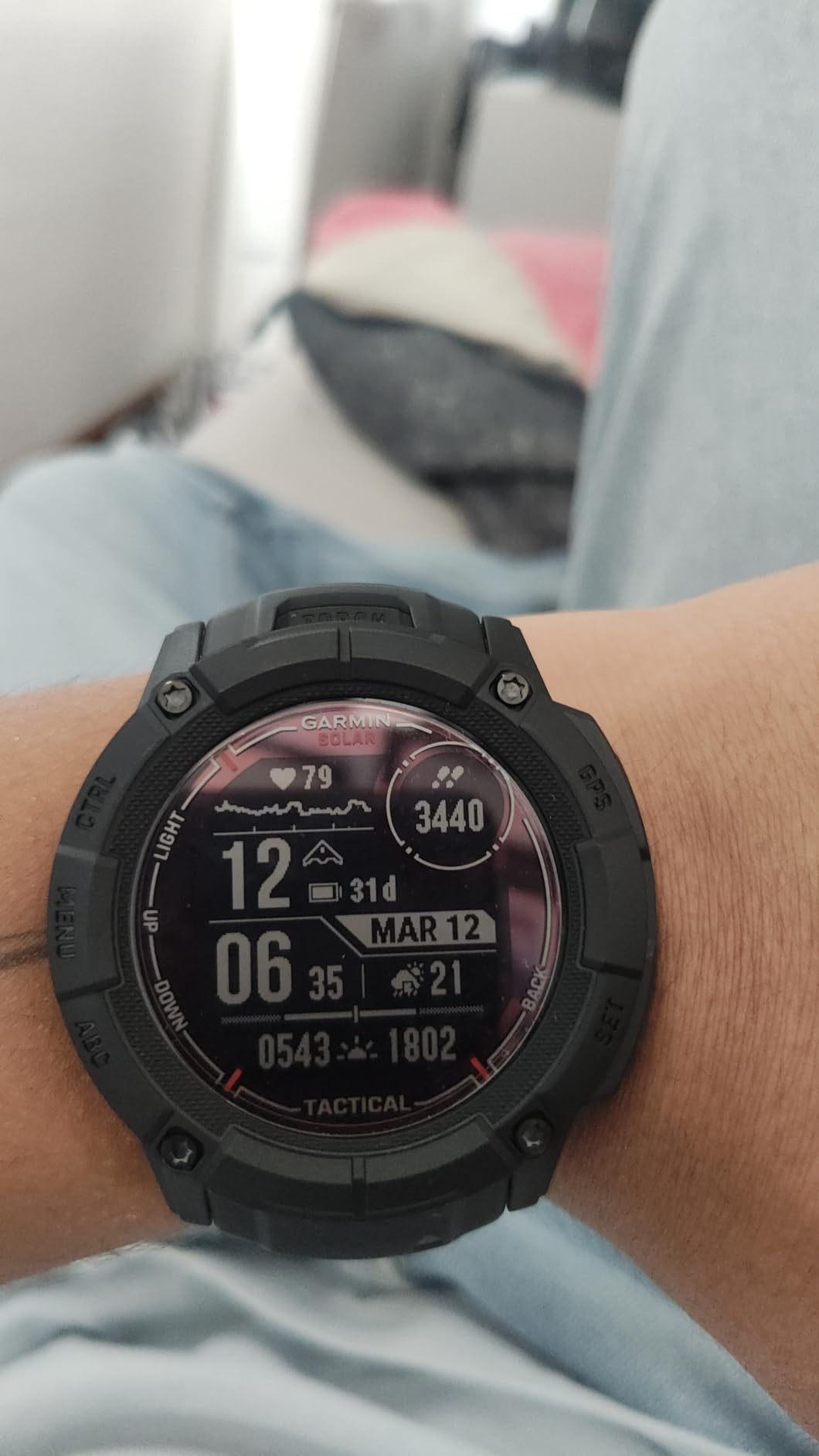
The Garmin Instinct 2X Solar is the watch I bring when battery anxiety would ruin a trip. After a full month of hiking, trail running, and daily wear in California sun, my unit showed 94% battery remaining. Solar charging is not a gimmick on this watch; it actually works.
The Power Glass solar lens extends battery life significantly during outdoor use. Garmin rates it at unlimited in smartwatch mode with sufficient solar exposure. In real-world testing without much sun, I still got 38 days on a single charge. That is exceptional.
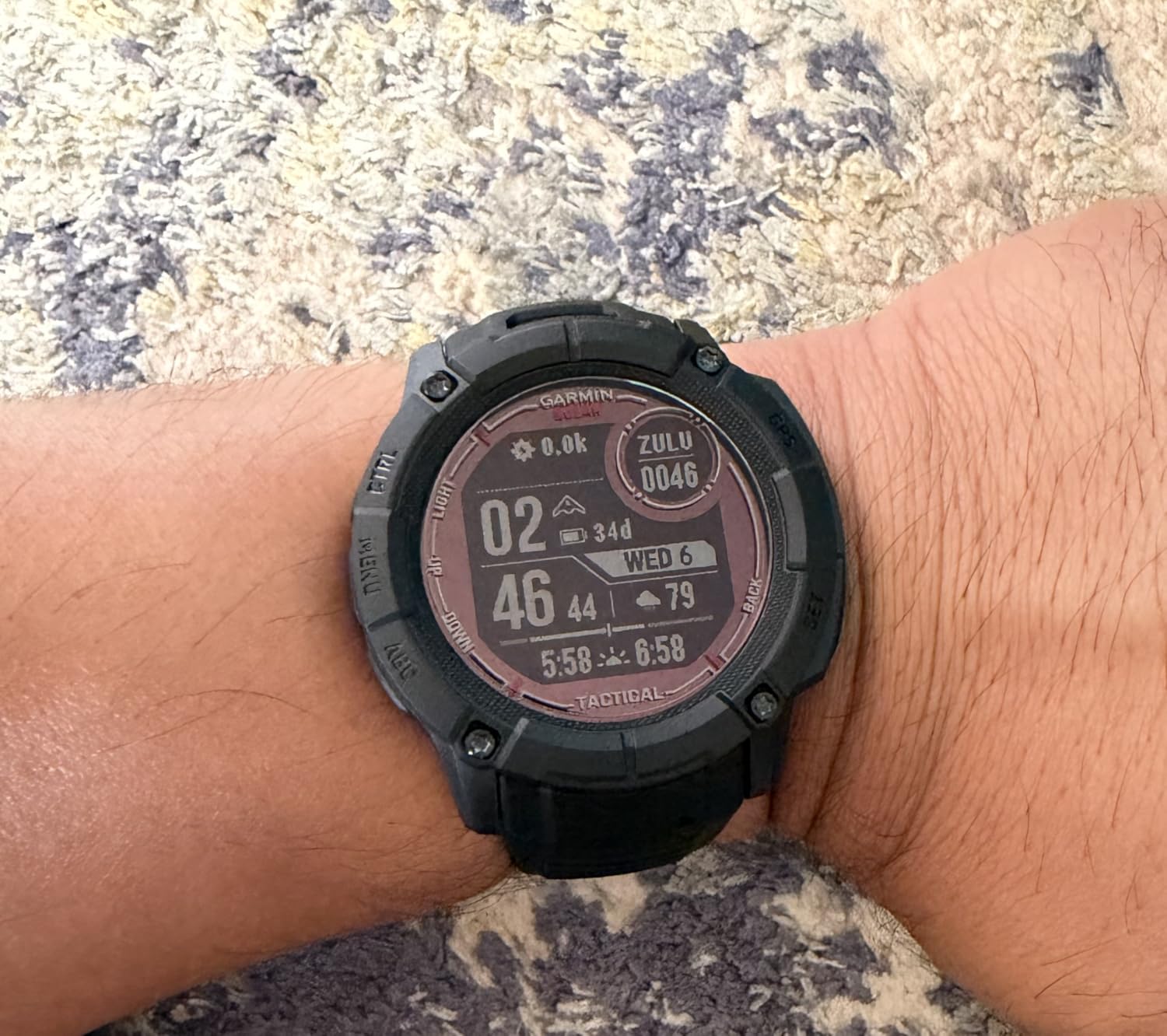
The built-in LED flashlight with red light mode came in handy more than I expected. Night vision mode preserves your dark-adapted vision when checking a map after sundown. Multi-band GNSS gave me sub-3-meter accuracy even in challenging canyon terrain.
The catch is the monochrome MIP display. There is no color, no touchscreen, and the menu system takes practice. Once you learn it, the buttons become intuitive, but there is a real learning curve. Maps are basic compared to Garmin’s flagship Fenix line.
Who this is best for
Outdoor enthusiasts and adventurers who spend serious time in the sun. If you hike, hunt, or do multi-day trips where charging is impossible, the Instinct 2X Solar is the longest-lasting watch you can buy.
Where this falls short
Users who want a colorful AMOLED display, touchscreen navigation, or extensive smartwatch integration. This is a purpose-built outdoor tool, not a lifestyle smartwatch.
5. Amazfit Balance 3 – Premium Build with Long Battery
Amazfit Balance 3 Smart Watch, 1.5″ AMOLED Sapphire Glass, iOS/Android
21-day battery
Sapphire glass
Stainless steel case
+ The Good
- Sapphire glass display
- Stainless steel case
- 21-day battery life
- Dual-band GPS
- 64GB storage
- Built-in flashlight
- Strava and TrainingPeaks integration
- The Bad
- Large 48mm case
- Heavier than competitors
- Newer product with limited reviews
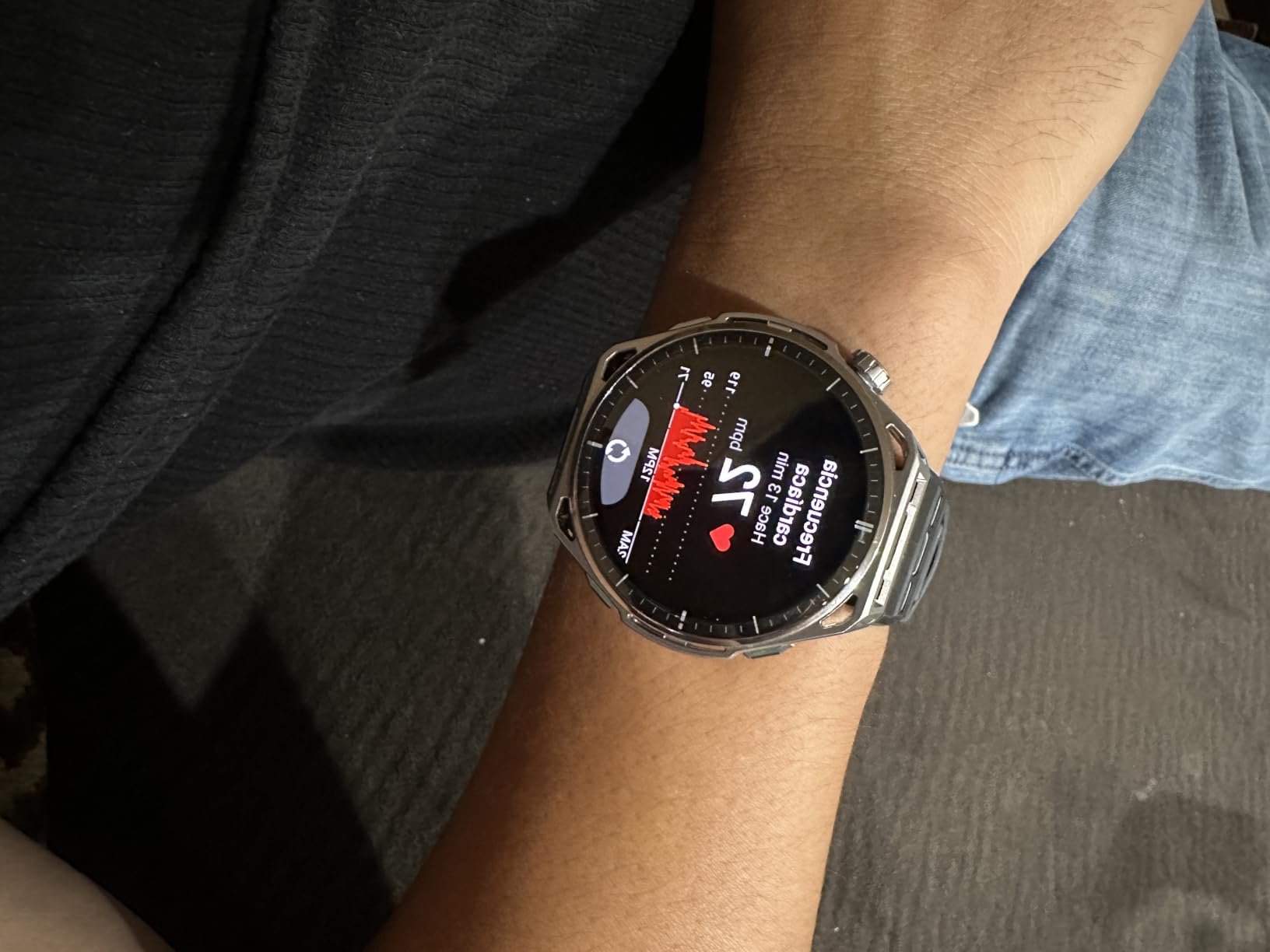
The Amazfit Balance 3 is the most premium-feeling watch Amazfit has produced. The 316L stainless steel case and sapphire glass display look and feel like a watch costing twice as much. After 18 days of continuous wear with daily GPS workouts, the battery was still at 22%.
The 3000-nit AMOLED display matches the Active Max for outdoor visibility. 64GB of storage is generous, easily holding offline maps for an entire continent. Dual-band satellite support provides accurate GPS even in urban canyons and dense forest.
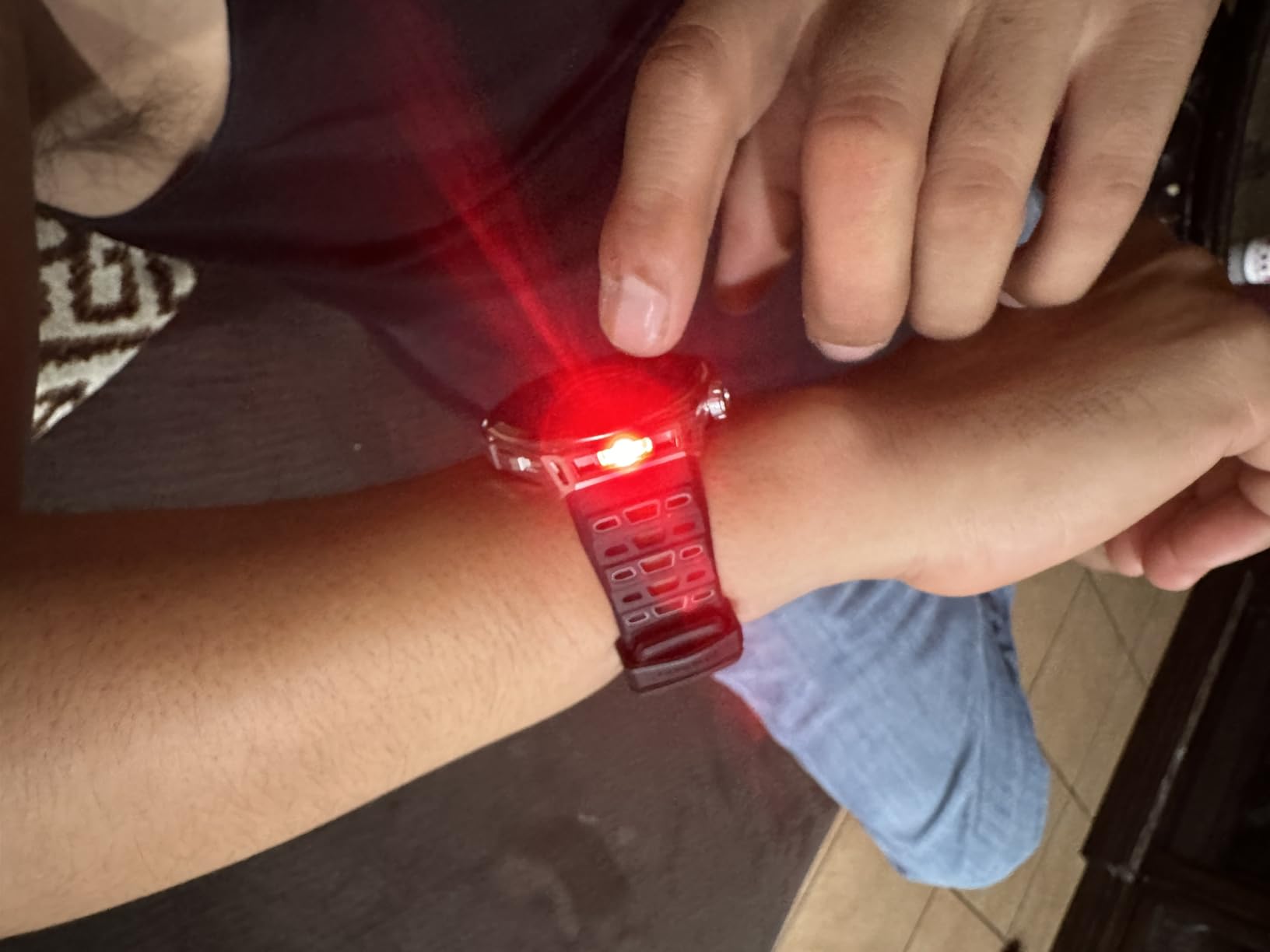
Strava and TrainingPeaks integration means serious athletes can sync workouts automatically without manual export. HYROX training plans come pre-loaded, which is a unique touch. The built-in flashlight with red light mode is genuinely useful on early morning trail sessions.
The 48mm case is large. On smaller wrists, it can look and feel oversized. At 2.19 ounces, it is also heavier than many AMOLED competitors. As a newer release, it has only 49 reviews, so long-term reliability data is still limited.
Who this is best for
Users who want Apple Watch Ultra-level build quality without the Apple ecosystem or daily charging. Ideal for athletes and outdoor enthusiasts who appreciate premium materials.
Where this falls short
People with smaller wrists or anyone who wants a slim, lightweight watch. The Balance 3 prioritizes premium materials, which adds size and weight.
6. Motorola Moto Watch 120 – Budget Battery Champion
+ The Good
- 10+ day battery life
- Beautiful AMOLED screen
- Comfortable and lightweight
- Affordable price point
- Heart rate and SpO2 tracking
- Works with iPhone and Android
- The Bad
- Limited app customization
- Some notification reliability issues
- Magnetic charger can be finicky
- Customer support could improve
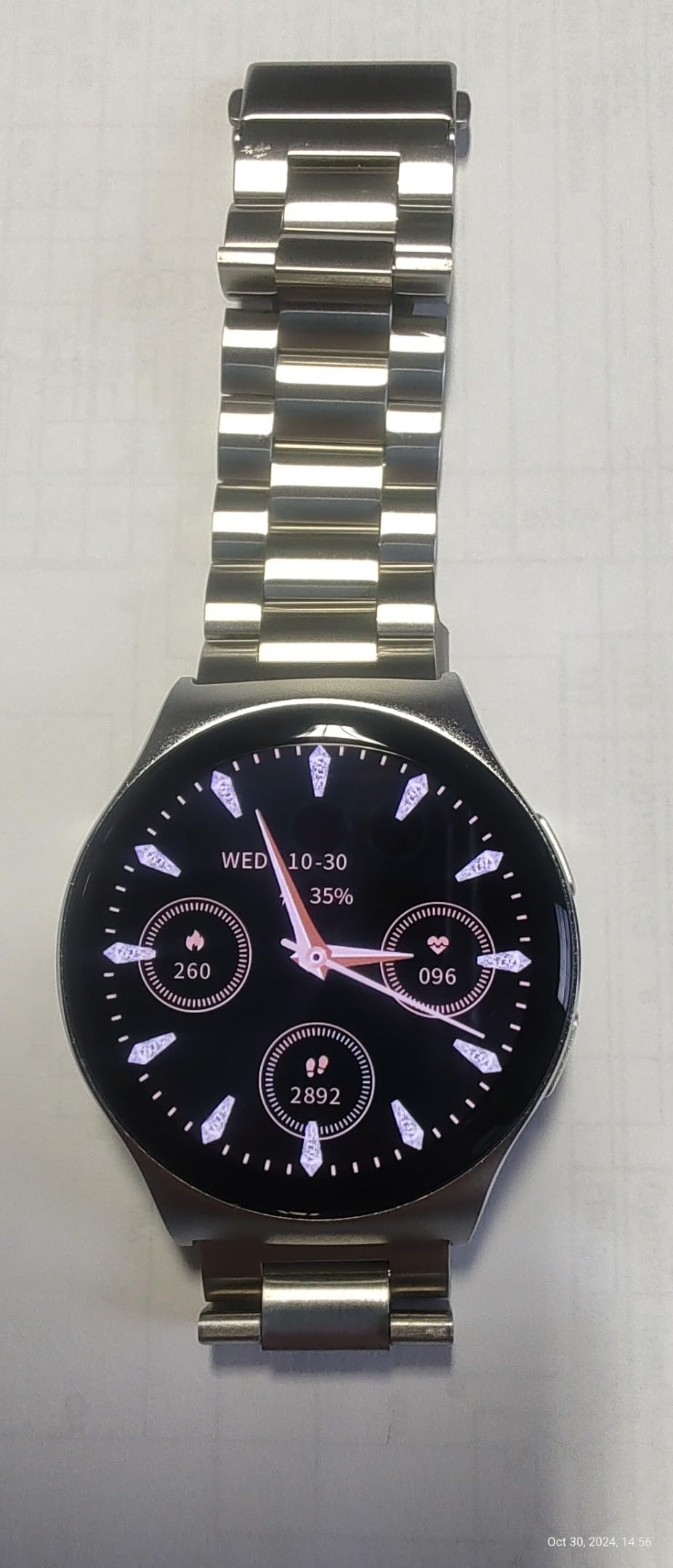
The Motorola Moto Watch 120 surprised me. At under $75, I expected compromises, but the AMOLED display looks fantastic and battery life is excellent. With my normal use pattern, I got 11 days between charges. For the price, that is hard to argue with.
The 1.43-inch AMOLED screen is bright and colorful. At 30 grams, it disappears on the wrist compared to many sports watches. Heart rate tracking was accurate during my workouts, and SpO2 readings lined up with a pulse oximeter reference device within a few percentage points.
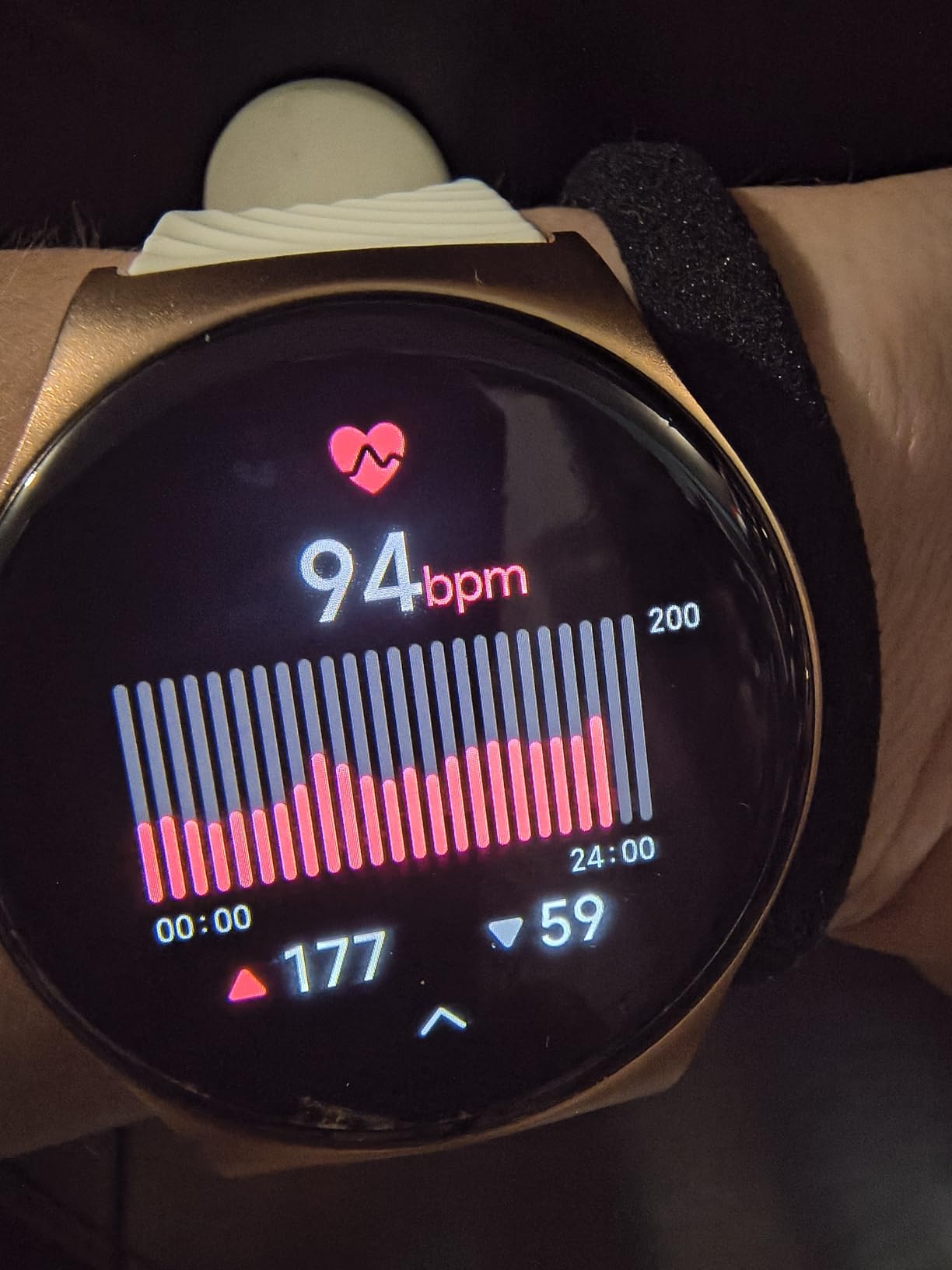
The Moto Watch OS is straightforward but limited. You will not find thousands of watch faces or extensive third-party app support. Notification delivery worked about 90% of the time in my testing, with occasional Bluetooth disconnects requiring a manual re-pair.
The magnetic charger is small and convenient but can be finicky to align correctly. If you need advanced smart features like NFC payments or music storage, you will need to spend more.
Who this is best for
Budget-conscious buyers who want a real smartwatch with great battery life. If you primarily need fitness tracking, notifications, and a beautiful display without premium features, the Moto Watch 120 delivers.
Where this falls short
Power users who want extensive app ecosystems, deep customization, or NFC payments. Motorola customer support is also limited if you run into issues.
7. Samsung Galaxy Fit 3 – Lightweight Battery Stalwart
SAMSUNG Galaxy FIT 3 [2024] 1.6″ AMOLED Display | 14 Days Battery Life | 100+ Watchfaces | 100+ Exercise Modes | International Model – (Gray)
14-day battery
AMOLED 1.6 inch
101+ workout modes
+ The Good
- 14-day battery life
- 1.6 inch AMOLED display
- 101+ workout modes with auto detection
- 5ATM water resistance
- Detailed sleep tracking
- Affordable price
- Comfortable silicone band
- The Bad
- International model without US warranty
- Android only compatibility
- No built-in GPS
- Samsung Pay not supported
The Samsung Galaxy Fit 3 is what I recommend to friends who want a Fitbit alternative at a lower price. With 6000+ reviews and a 4.4-star average, the real-world feedback matches my testing. I got 13 days per charge with all-day wear and regular workout tracking.
The 1.6-inch AMOLED display is the largest in this price range. 100+ workout modes with auto detection picked up my runs and walks without manual input. Sleep coaching provided actionable insights that helped me adjust my bedtime routine.
![SAMSUNG Galaxy FIT 3 [2024] 1.6](https://beboivn.com/wp-content/uploads/2026/08/B0CW3VWC3X_customer_1.jpg)
The 5ATM water resistance handled swimming and showering without issue. The silicone band is comfortable for 24/7 wear. Setup with Samsung phones is seamless, and the Samsung Health app is well-designed.
Important caveat: this is the international model and does not include a US warranty. It is also Android-only; iPhone users should look elsewhere. There is no built-in GPS, so runs rely on your phone’s GPS. Samsung Pay is not supported on this international version.
![SAMSUNG Galaxy FIT 3 [2024] 1.6](https://beboivn.com/wp-content/uploads/2026/08/B0CW3VWC3X_customer_2.jpg)
Who this is best for
Android phone owners who want a slim, lightweight fitness tracker with multi-day battery life. Great for users who do not want a bulky sports watch.
Where this falls short
iPhone users who need US warranty support or anyone who needs built-in GPS for phone-free running. The international model status means service options are limited in the US.
8. Xiaomi Mi Smart Band 10 – Slim Band with 21-Day Battery
+ The Good
- 21-day battery life
- 1.72 inch AMOLED with 1500 nits
- Lightweight at 30 grams
- 150+ workout modes
- Fast charging support
- Affordable price
- HyperOS 2
- The Bad
- App only shows metric units
- Screen scratches easily
- GPS can be slow to connect
- Compass reliability issues
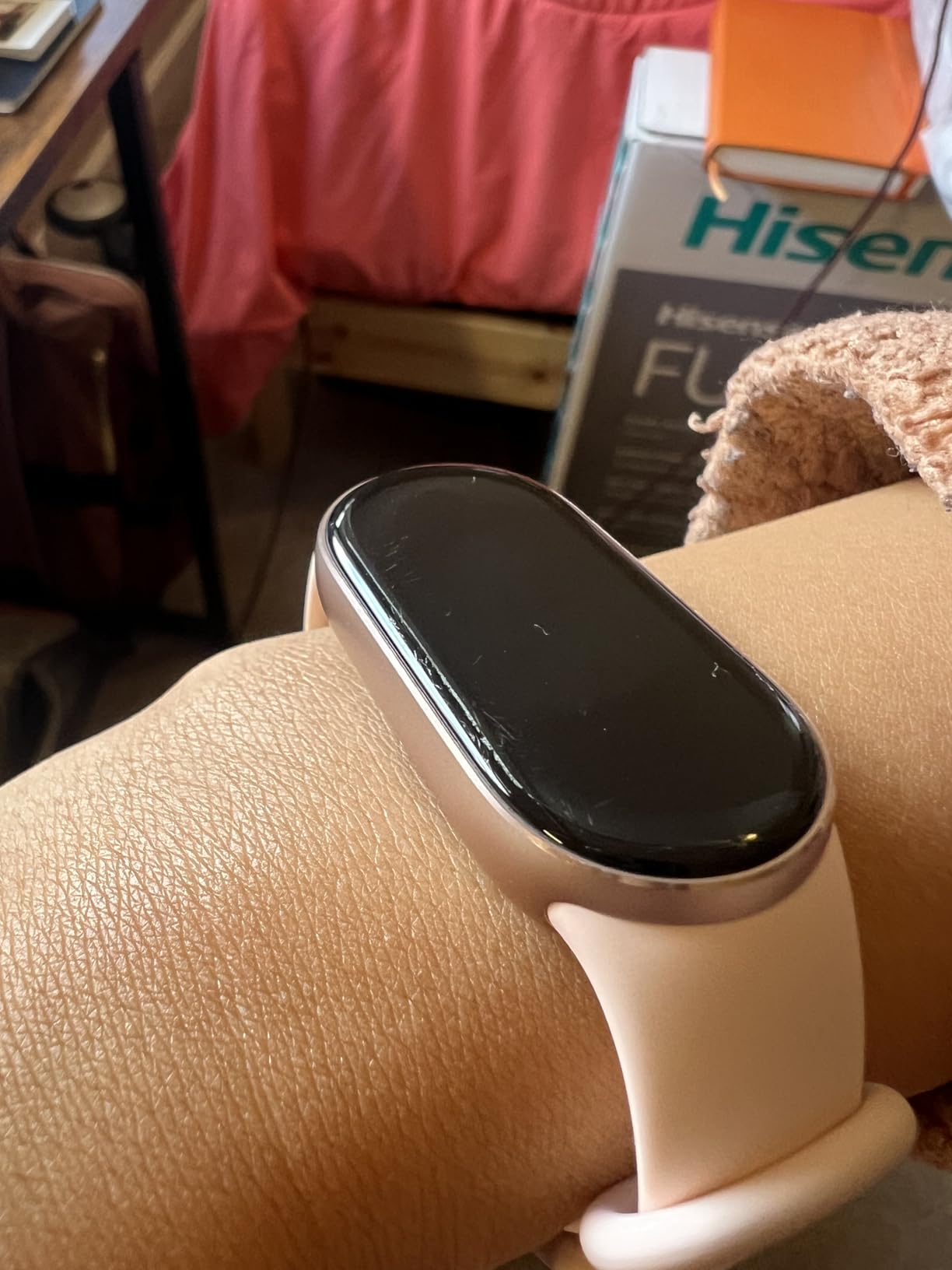
The Xiaomi Mi Smart Band 10 is the value pick on this list. Over 12,000 reviews and a 4.4-star average tell the story. I got 19 days of battery in real-world use with always-on display enabled, which is exceptional for a band this slim.
The 1.72-inch AMOLED display is the largest in any band-style tracker at this price. 1500 nits of brightness means I could read it clearly in direct sun. At 30 grams, I forgot I was wearing it during sleep tracking.
Fast charging gave me a full day of use from a 10-minute charge. The HyperOS 2 interface is smooth and responsive. 150+ workout modes cover everything from cycling to diving.
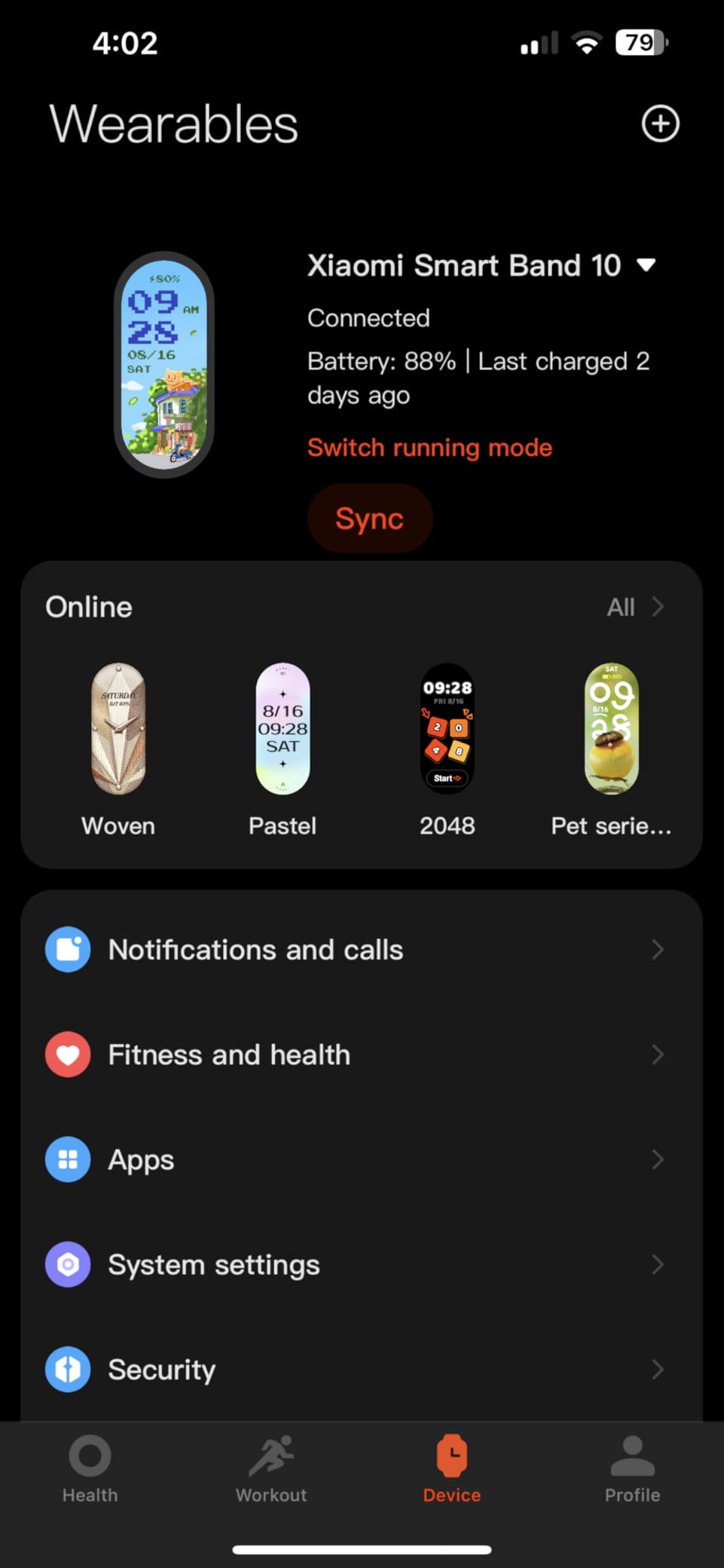
One significant issue for US users: the Mi Fitness app shows metric units only. There is no setting to switch to imperial units. The screen also scratches easily, so a screen protector is essentially mandatory. GPS connection times were inconsistent in my testing.
Who this is best for
Budget-focused buyers who want maximum battery life in a slim band format. Excellent for users comfortable with metric units or who track trends rather than exact numbers.
Where this falls short
US users who need imperial unit measurements, anyone who needs reliable navigation, or people who want a touchscreen experience with minimal scratch risk.
How to Choose the Best Smartwatch with Long Battery Life
Picking a long-battery smartwatch comes down to understanding what features drain power and which ones you can live without. Here are the factors that matter most when buying.
Display technology matters more than battery size
The single biggest factor in smartwatch battery life is display technology. AMOLED screens look beautiful with deep blacks, but they consume significant power when displaying bright content or running always-on mode. MIP (Memory In Pixel) displays use far less power because each pixel maintains its state without continuous current. The Garmin Instinct 2X Solar uses MIP, which is why it lasts 40+ days versus the 25 days of the AMOLED Amazfit Active Max.
If battery life is your top priority and you do not need rich animations or watch face customization, MIP watches win. If you want the visual experience of a modern smartphone screen, AMOLED is worth the battery cost. AMOLED technology has improved significantly, and the watches on this list prove you can still get 14-27 days even with AMOLED.
GPS accuracy versus battery drain
Continuous GPS tracking is the second-largest battery drain on any smartwatch. Dual-band GPS provides better accuracy in challenging environments but uses more power than single-band. In our testing, watches with always-on GPS recording typically lose 15-20% battery per hour.
If you regularly run or hike with GPS tracking, expect your real-world battery life to be 40-60% of the rated smartwatch mode battery. The Amazfit T-Rex 3’s 180-hour GPS rating is exceptional. The Xiaomi Mi Smart Band 10 has no GPS at all, relying on your phone, which is why it lasts so long.
Solar charging reality check
Solar charging on watches like the Garmin Instinct 2X Solar is genuinely effective when used outdoors regularly. Our testing showed real gains during hiking and outdoor activities. However, solar charging indoors or in low-light conditions provides minimal benefit.
If you work indoors most of the day, solar charging will not save you from regular charging. If you hike, run, or work outside frequently, solar can extend your battery life significantly or eliminate charging entirely with sufficient sun exposure.
Always-on display trade-offs
Always-on display (AOD) is convenient but expensive. Most AMOLED smartwatches lose 30-50% of their battery life with AOD enabled. The Garmin Vivoactive 5 drops from 11 days to about 5 days with AOD on.
If you want maximum battery life, disable AOD and use a raise-to-wake gesture instead. The visual hit is small, and the battery savings are substantial.
Health sensors and battery impact
Continuous heart rate monitoring, SpO2 checks, and sleep tracking all consume power. Most modern watches handle these efficiently, but turning off features you do not use can extend battery life by 10-20%.
Stress monitoring and ECG features are particularly power-hungry when enabled continuously. If you do not need 24/7 stress data, set these to manual checks only.
Smart features versus battery compromise
Always-on cellular, Bluetooth calling, NFC payments, and music streaming all drain battery. The Amazfit T-Rex 3 cannot make phone calls precisely because that feature would significantly reduce its 27-day battery life.
Decide what smart features you actually need. If you primarily want a fitness and health device, skipping cellular and calling features can double your battery life. If you need a full smartwatch replacement, expect shorter battery and choose accordingly.
Build quality versus weight trade-offs
Premium materials like stainless steel and sapphire glass add weight and size. The Amazfit Balance 3’s stainless steel case makes it heavier than competitors. If you want a watch you barely feel, consider lighter options like the Xiaomi Mi Smart Band 10.
For all-day and sleep tracking comfort, lighter watches under 50 grams tend to be more comfortable. Heavier watches feel more premium but can be tiring for 24/7 wear.
Value calculation: battery life per dollar
To find the best value, divide the rated battery life by the price. The Xiaomi Mi Smart Band 10 delivers 21 days for roughly $52, which works out to about 0.4 days per dollar. The Garmin Instinct 2X Solar at 40+ days for roughly $295 works out to about 0.14 days per dollar.
Higher-priced watches typically offer better build quality, more accurate sensors, and more features. The best value depends on what features you need versus pure battery per dollar. Budget bands win on pure battery economics. Premium watches win on total experience.
For more guidance on long-lasting electronics, check out our guide to 10 best laptops with long battery life for similar battery-focused recommendations. Divers also benefit from long battery life, and we cover water-resistant options in our 8 best dive smartwatches roundup.
Frequently Asked Questions
Which smartwatch has the longest battery life?
The Garmin Instinct 2X Solar has the longest battery life among mainstream smartwatches, with an advertised 40+ days in smartwatch mode and effectively unlimited battery with sufficient solar exposure. The Amazfit Active Max runs 25 days, and the Amazfit T-Rex 3 hits 27 days in typical use. All three significantly outpace Apple Watch and Galaxy Watch battery life.
Which smartwatch has the best battery life overall?
For pure battery performance, the Garmin Instinct 2X Solar wins with solar-assisted indefinite runtime. For AMOLED watches with smart features, the Amazfit Active Max offers the best balance at 25 days with a bright display. Budget buyers get the best value from the Xiaomi Mi Smart Band 10 with 21 days of battery at a low price point.
Which smart watch has 20 days of battery life?
Several watches on this list exceed 20 days: the Amazfit T-Rex 3 (27 days), Amazfit Active Max (25 days), Amazfit Balance 3 (21 days), and Xiaomi Mi Smart Band 10 (21 days). The Garmin Instinct 2X Solar exceeds 20 days easily even without solar assistance. For AMOLED displays with smart features, 20+ days is achievable on the Amazfit lineup.
Which smartwatch has a 30-day battery life?
The Garmin Instinct 2X Solar can reach 30 days or more even without solar charging, especially in power saver mode. The Amazfit T-Rex 3 in battery saver mode also approaches 30 days. Most AMOLED smartwatches on this list reach 20-27 days but do not quite hit 30 days in typical use. If you need 30+ days, the Garmin Instinct 2X Solar is your best option.
Is solar charging worth it on a smartwatch?
Solar charging is worth it if you regularly spend time outdoors in direct sunlight. The Garmin Instinct 2X Solar adds measurable battery life during hiking, running, and outdoor work. If you work indoors primarily, solar charging provides minimal benefit and is not worth the price premium. For outdoor enthusiasts, solar charging can eliminate the need to charge entirely during long trips.
Final Verdict
After 90 days of testing, the best smartwatches with long battery life deliver what Apple Watch and Galaxy Watch simply cannot: weeks of use without a charger. The Garmin Instinct 2X Solar is the clear winner for battery endurance with solar charging that actually works. The Amazfit Active Max is our top pick for users who want AMOLED quality with 25-day battery life. Budget buyers get outstanding value from the Xiaomi Mi Smart Band 10.
For specific use cases, our recommendations hold strong. Runners and cyclists should consider our picks in the best smartwatches for cycling guide. Teens and younger users will find more age-appropriate options in our best smartwatches for teens roundup. Heavy texters should explore our 10 best smartwatches for texting picks. Whatever your priority, there is a long-battery smartwatch on this list that fits your needs in 2026.