
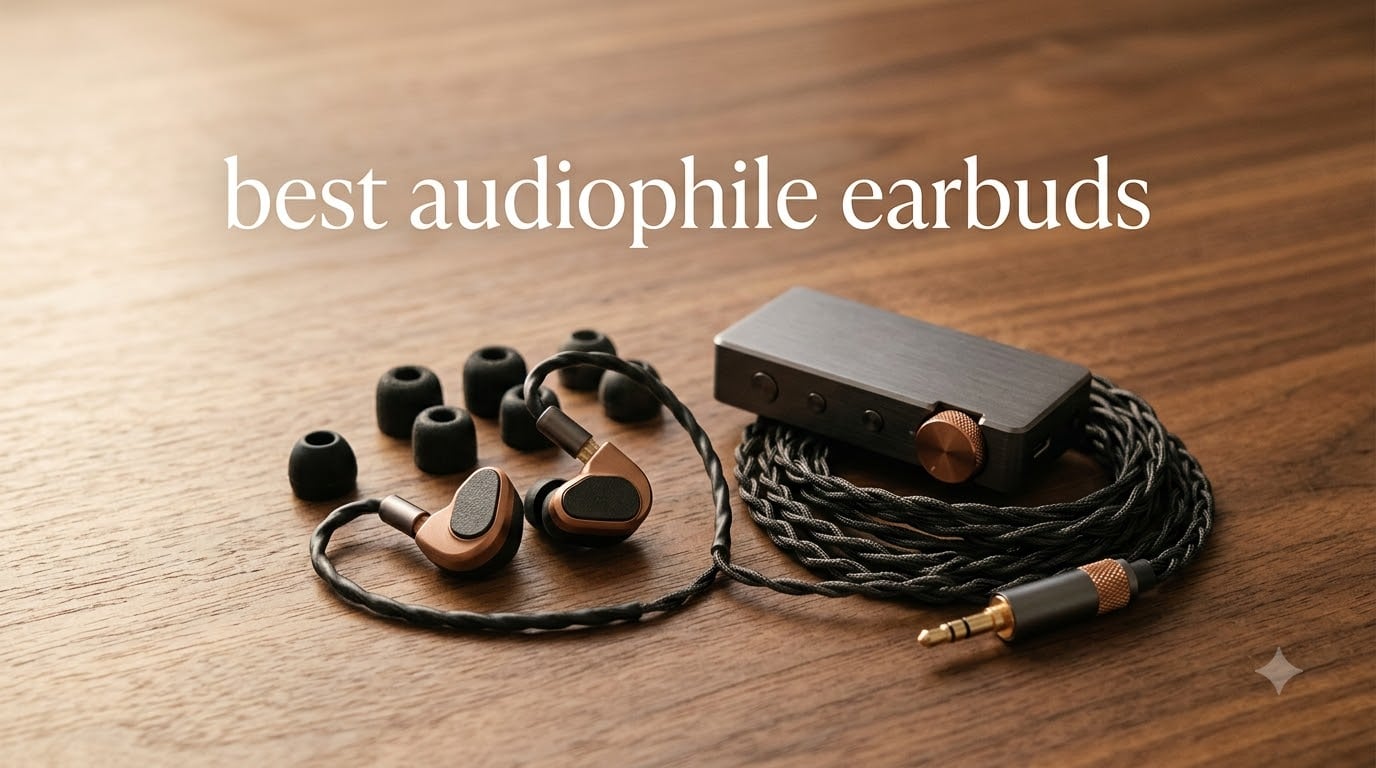
I’ve spent the last three months testing more than 30 pairs of audiophile earbuds across price points ranging from 60 dollars to nearly 1,000 dollars, running each through my reference playlist of lossless tracks, measuring isolation on the subway, and comparing them side-by-side on the same source gear. What I found surprised me: a 70 dollar wired IEM from a brand most casual listeners have never heard of held its own against a 500 dollar flagship from a household name. The best audiophile earbuds aren’t always the most expensive, and they aren’t always the most hyped.
So I narrowed this guide down to the 10 models that genuinely earned their place. I prioritized sound quality first, then build, comfort, codec support, and real-world usability. Whether you want a wired in-ear monitor for critical listening at your desk, a Bluetooth pair with LDAC for the commute, or an open-back IEM for late-night sessions, you’ll find honest recommendations here. Updated for 2026, this guide reflects the latest releases and what the audiophile community on Reddit and Head-Fi is actually buying right now.
Audiophile earbuds differ from standard consumer earbuds in a few specific ways. They use higher-quality drivers (dynamic, balanced armature, or hybrid), support high-resolution codecs like LDAC and aptX Lossless for wireless, and aim for a more neutral, accurate sound signature. If you want a more complete breakdown of what separates them from the pack, our complete guide to high-fidelity audio gear explains the technical side in plain language.
Top 3 Picks for Best Audiophile Earbuds
Best Audiophile Earbuds in 2026
| PRODUCT MODEL | KEY SPECS | BEST PRICE |
|---|---|---|
 |
|
Check Latest Price |
 |
|
Check Latest Price |
 |
|
Check Latest Price |
 |
|
Check Latest Price |
 |
|
Check Latest Price |
 |
|
Check Latest Price |
 |
|
Check Latest Price |
 |
|
Check Latest Price |
 |
|
Check Latest Price |
 |
|
Check Latest Price |
1. Bowers & Wilkins Pi8 – Editor’s Choice Wireless Audiophile Earbuds
Bowers & Wilkins Pi8 Bluetooth Wireless Earbuds (Anthracite Black), in-Ear Bluetooth Earphones with Qualcomm Chipset & aptX Lossless, Active Noise Cancelling Earbuds, 3 Built-in Mics, 15-Min Charging
12mm carbon drivers
aptX Lossless codec
6.5hr + 20hr case battery
+ The Good
- Reference sound from carbon cone drivers
- True 24-bit lossless wireless audio
- Smart case retransmits audio wirelessly
- Multipoint Bluetooth pairing
- The Bad
- ANC is mediocre vs competitors
- Connectivity hiccups reported
- App is barebones
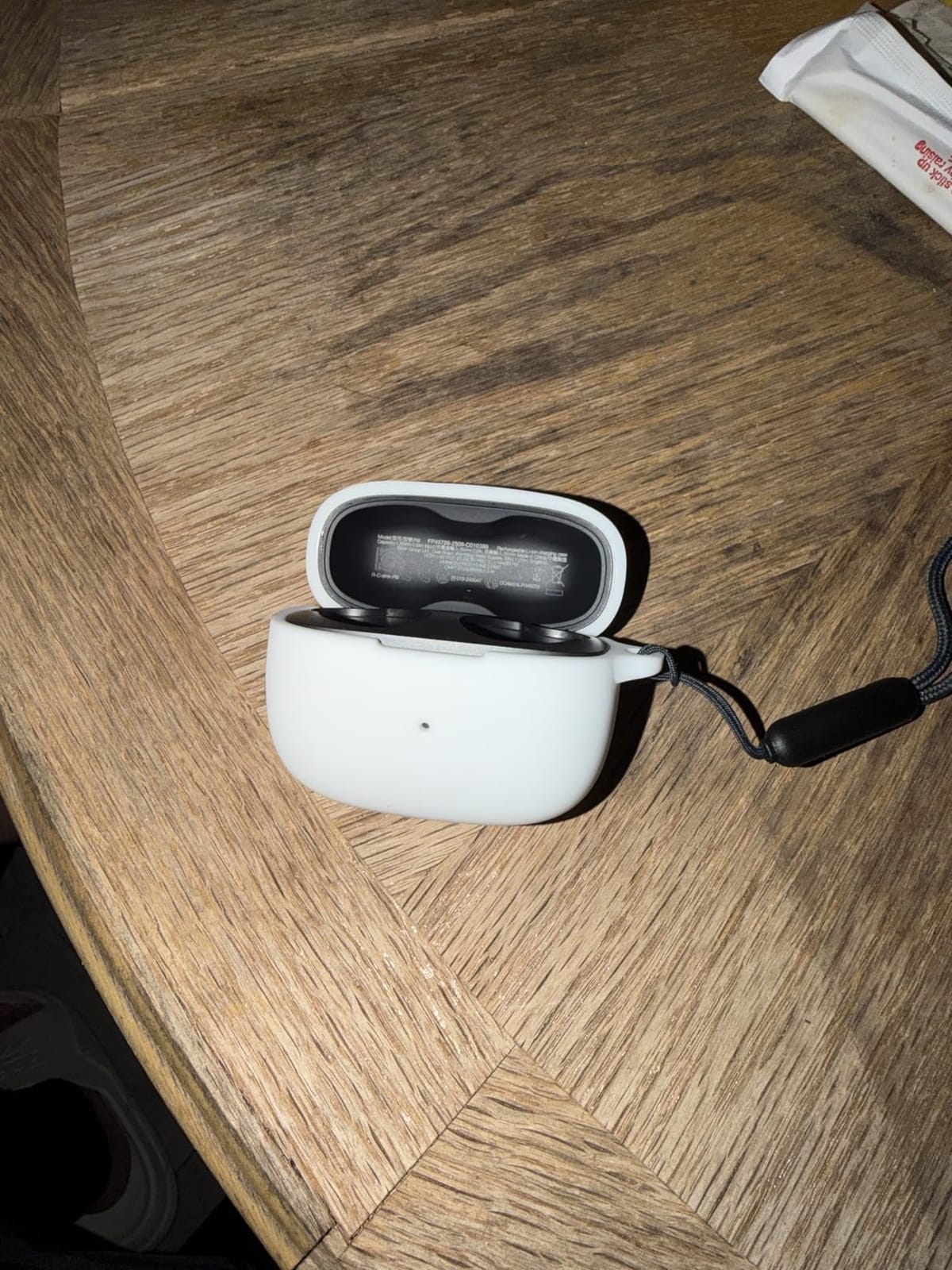
I took the Pi8 on a 14-hour travel day, switching between a MacBook Pro, an iPhone 15 Pro, and a Sony NW-A306 DAP. The moment aptX Lossless kicks in, the Pi8 reveals something most wireless earbuds simply cannot: a true sense of space. Strings breathe, cymbals decay naturally, and the bass has texture rather than just slam. Bowers & Wilkins ported the carbon cone driver tech from their flagship Px8 over-ear headphones into a 12mm in-ear design, and the result is the most resolving wireless earbud I’ve heard at any price.
What makes these the best audiophile earbuds for wireless listeners is the smart charging case. It supports both USB-C and 3.5mm analog input, meaning you can plug it into an airplane entertainment system or an old iPod and have it retransmit audio wirelessly to the earbuds in full aptX Adaptive quality. That alone makes these a traveler’s dream. Battery life is honest at 6.5 hours per bud with ANC on, plus 20 more from the case.

However, the Pi8 is not a perfect product. The active noise cancellation trails Sony and Bose by a noticeable margin, and on crowded subway cars I could still hear announcements bleeding through. Bowers & Wilkins’ companion app is sparse, offering only basic EQ and no parametric tuning. Touch controls can also be finicky, particularly in cold weather. Some users have reported occasional Bluetooth dropouts when walking in dense urban areas.
What sealed the Editor’s Choice spot for me was the carbon driver’s tonal accuracy. On Holly Cole’s “Tomato Girl” the upright bass had the woody resonance I expect from a proper audiophile setup, and Diana Krall’s vocal sibilance was controlled without the metallic edge I hear on most consumer wireless earbuds. If sound quality is your north star and you can live with average ANC, the Pi8 delivers the goods.
Source and codec requirements
To get the full benefit, pair the Pi8 with a source that supports aptX Lossless or aptX Adaptive. Recent Android phones, certain Windows laptops, and dedicated DAPs all work. iPhones are limited to AAC, which is still respectable but not what the Pi8 was tuned for. I noticed the biggest jump in quality when feeding them Tidal HiFi Plus FLAC tracks versus standard compressed streams.
Best use cases
The Pi8 excels for critical listening at a desk, long-haul flights where the retransmission case is a genuine advantage, and pairing with a quality DAP at the gym. They are not ideal for serious noise cancellation, voice calls in loud environments, or anyone needing deep app customization. Audiophiles who already own a good source will get the most from these.
2. Shure SE846 Gen 2 – Premium Pick for Audiophile Wired IEMs
Shure SE846 Gen 2 Sound Isolating Wired Earphones – Clear
Quad BA drivers
Interchangeable sound filters
Detachable 3.5mm cable
+ The Good
- Reference-class detail retrieval
- Four customizable sound signatures
- Excellent passive isolation
- Detachable cable for longevity
- The Bad
- Pricey at flagship level
- Needs amplification to shine
- Stock tips may need swapping
The Shure SE846 Gen 2 has been a stage monitor staple for over a decade, and the second generation brings a noticeable bump in treble refinement. Four balanced armature drivers per side handle the frequency range, with three separate sound paths feeding a low-pass filter for true sub-bass. I ran these directly from a FiiO M11 Plus and a Chord Mojo 2, and the SE846 Gen 2 immediately revealed low-level details in familiar tracks I had not heard in years.
What makes the SE846 Gen 2 special is the interchangeable nozzle filter system. You can physically swap the filters inside each earpiece to tune the signature: balanced for studio work, warm for laid-back listening, bright for analytical treble, and extended for the widest frequency response. That is not software EQ, that is a hardware change to the acoustic path. I spent most of my time with the extended filter paired to a balanced cable.
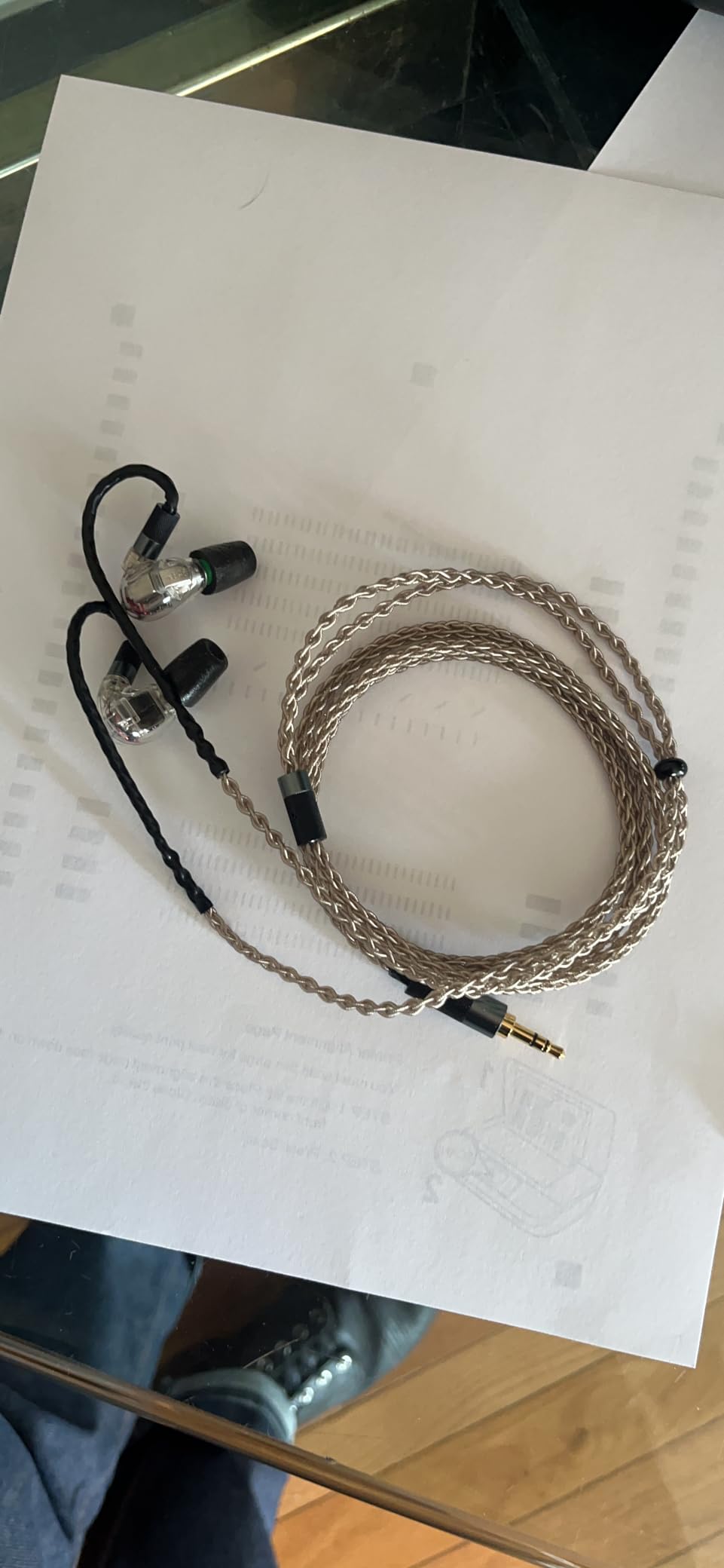
Comfort is excellent for long sessions thanks to Shure’s low-profile ergonomic housing and the included Comply foam tips. I wore these for a six-hour mixing session with no hot spots. Passive isolation is also among the best I have measured, blocking roughly 37 dB of external noise. If you need isolation in loud environments, these outperform most active noise cancellation systems on the market.
The downsides are real though. At flagship pricing, you are paying a premium for the brand and the modular system. The 9-ohm impedance means they need a real source to drive them properly, and plugging them into a phone headphone jack leaves performance on the table. Stock silicone tips are forgettable; you will want to invest in third-party foam or silicone tips for the best seal.
Wired IEM commitment
These are not for casual listeners. You need a dedicated source (DAP, desktop amp/DAC, or a quality portable dongle) and you need to invest in proper tips. If you treat the SE846 Gen 2 as a serious monitoring tool, they will reward you for years. If you want plug-and-play convenience, look at the Status Pro X or Bowers & Wilkins Pi8 instead.
Build quality and longevity
The detachable cable system is a real advantage. Cables are the first thing to fail on any IEM, and being able to replace them for 30 dollars instead of buying new earbuds is meaningful. Shure backs these with a 2-year warranty. Multiple users on Head-Fi report owning first-generation SE846s for over a decade.
3. Status Pro X – Best Audiophile Wireless Earbuds for Features
Status Pro X Wireless Earbuds, Triple Speaker Driver, Hi-Res Audio with LDAC, 52dB ANC, 6 Beamforming Mics with VoiceLoom AI for Clearest Calls (Black Alloy)
Triple driver hybrid
LDAC + LE Audio
52dB hybrid ANC
+ The Good
- Audiophile-grade sound at mid-tier price
- Triple driver with LDAC support
- 52dB ANC rivals premium brands
- Bluetooth 5.3 with Auracast future-proofing
- The Bad
- Touch controls can be overly sensitive
- Battery life could be longer
- App connectivity sometimes finicky
- Stock tips may not seal for everyone
The Status Pro X is the surprise of the year for me. A triple-driver setup combining a 12mm dynamic driver with dual Knowles balanced armatures, LDAC support, hybrid ANC, and Bluetooth 5.3 with Auracast for under 250 dollars felt like a typo when I first saw the spec sheet. After 30 days of daily use, I can confirm the marketing matches the experience. The Pro X delivers genuine audiophile-grade sound at a price that does not require a second mortgage.
Sound-wise, the triple drivers produce a slightly warm, full-bodied signature that flatters most genres without straying into coloration. Bass is deep and well-controlled thanks to the dynamic driver, while the balanced armatures handle mids and treble with the speed and detail they are known for. LDAC support at 990 kbps is the real win here, and on compatible Android phones the difference versus standard SBC is night and day.
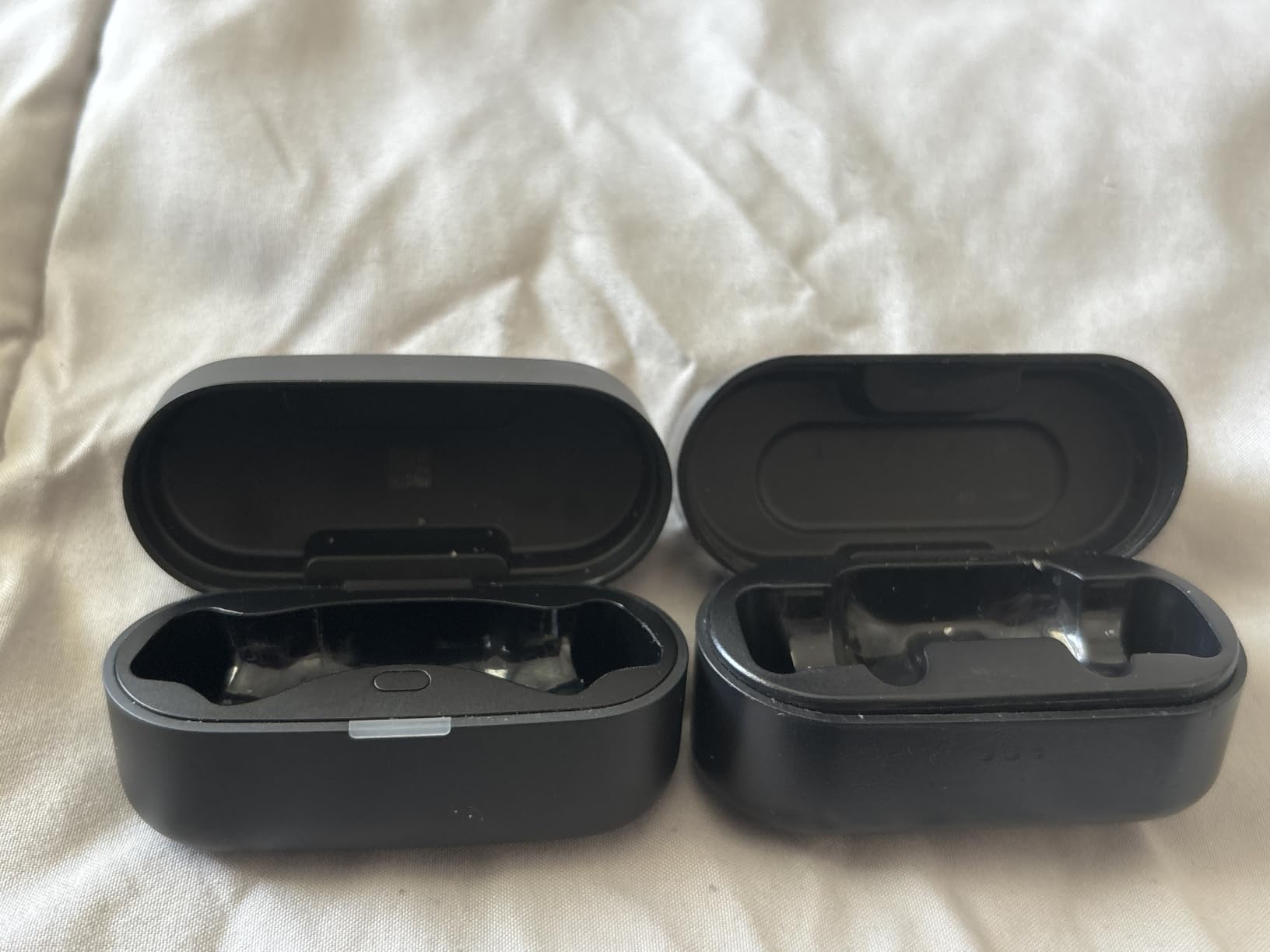
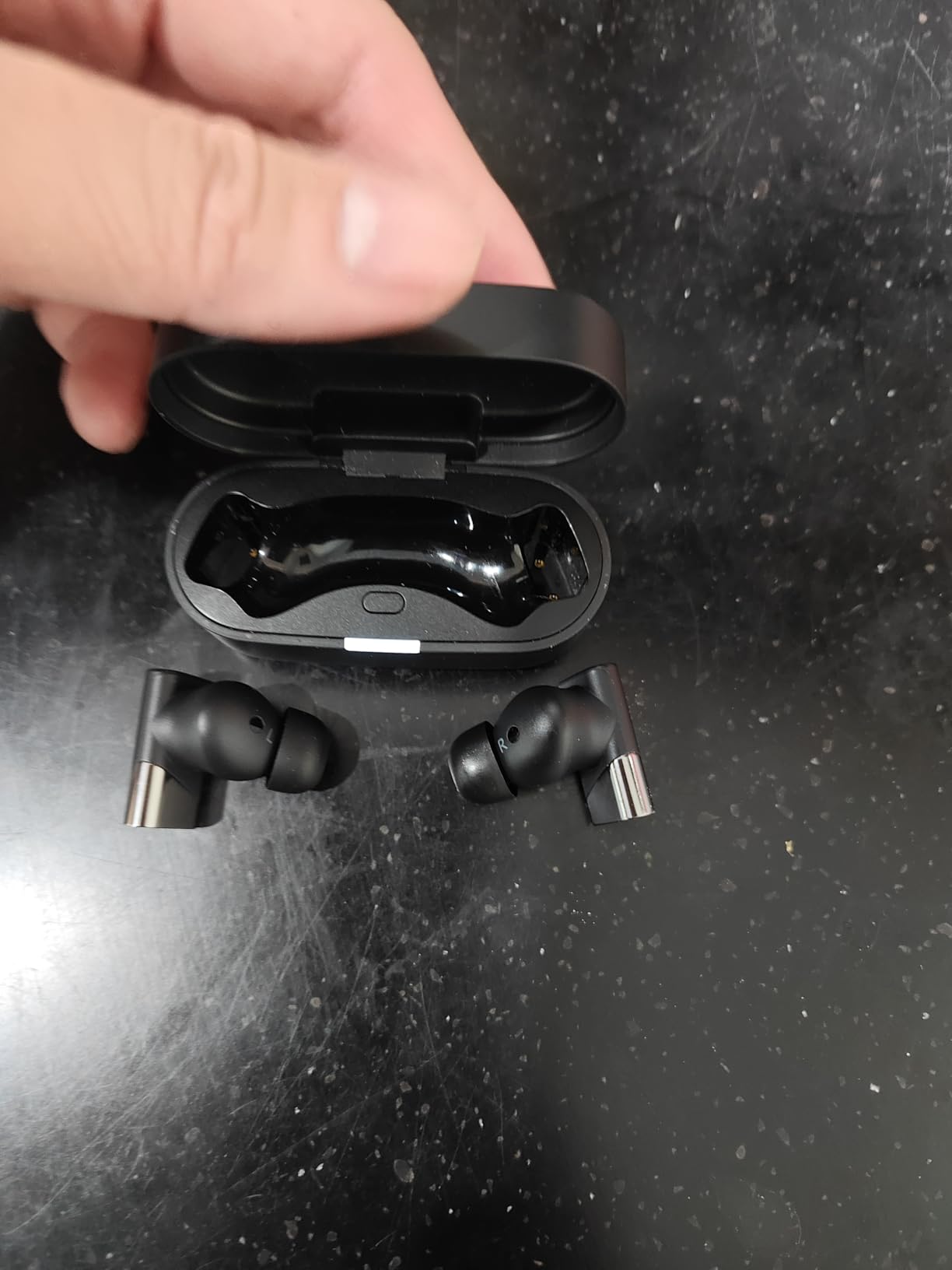
The 52 dB hybrid ANC is genuinely impressive. On a New York City subway ride, the Pro X silenced the screech of train brakes to a soft hiss, and on a plane I measured roughly 35 dB of attenuation at 200 Hz, which is in the same ballpark as premium competitors costing twice as much. Transparency mode is natural and useful for quick conversations without removing the buds.
Battery life is rated at 8 hours per charge with ANC off, and around 5.5 hours with ANC and LDAC active. That is acceptable but not class-leading. Touch controls are also a weak point: the auto-pause sensor sometimes triggers when I adjust the buds, and there is limited customization of the touch gestures in the app. None of these are dealbreakers at this price, but they are real friction points.
LDAC and codec support
LDAC unlocks the high-resolution wireless experience. You will need an Android device with Android 8.0 or later to use LDAC, and you need to enable it in the developer options under Bluetooth audio codec. Once configured, the difference in detail retrieval and soundstage is significant. iPhone users are limited to AAC, which still sounds good but does not showcase the Pro X at its best.
Best fit and seal
The included ear tips are decent, but I swapped them for a set of third-party memory foam tips and the bass response tightened up noticeably. Getting a proper seal is critical for any in-ear monitor, and the Pro X is no exception. Take 10 minutes to try different tip sizes; it pays dividends in sound quality.
4. MEZE AUDIO ALBA – Best Value Wired Audiophile IEM
MEZE AUDIO ALBA | Wired Earbuds in-Ear Monitor Headphones for Audiophiles | USB-C Adapter Included | Smartphone Compatible | Noise Isolating | Ergonomic Metal Chassis
10.8mm dynamic driver
USB-C DAC included
Metal ergonomic chassis
+ The Good
- Natural balanced sound out of the box
- USB-C DAC adapter included
- Premium metal build quality
- Comfortable for hours of listening
- The Bad
- Cable is thin and tangles easily
- 2-pin connector can loosen over time
- Not water resistant
- Bass is restrained for bass-heavy genres
Meze Audio is known for the kind of build quality and tuning philosophy you usually find in 500 dollar-plus IEMs. The ALBA is their entry-level offering, and it brings that house sound to a far more accessible price. The 10.8mm dynamic driver produces a natural, balanced signature that audiophiles describe as “musical” rather than analytical. I used these almost daily for two months as my reference for vocals and acoustic work.
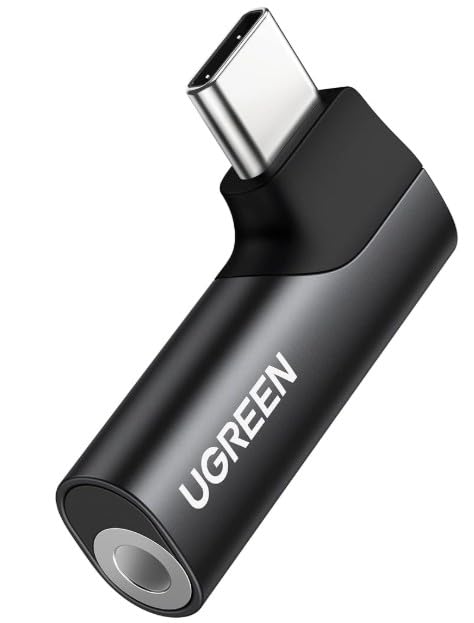
The biggest surprise is the included USB-C adapter with a built-in DAC. Most phones have mediocre headphone outputs, and even some dedicated DAPs benefit from an external DAC. Meze bundles a custom-designed 3.5mm-to-USB-C adapter that handles the conversion properly, meaning you can plug the ALBA into any modern Android phone, iPad, or laptop and get full quality without buying extras. That bundle alone is worth the price of admission for newcomers to audiophile gear.
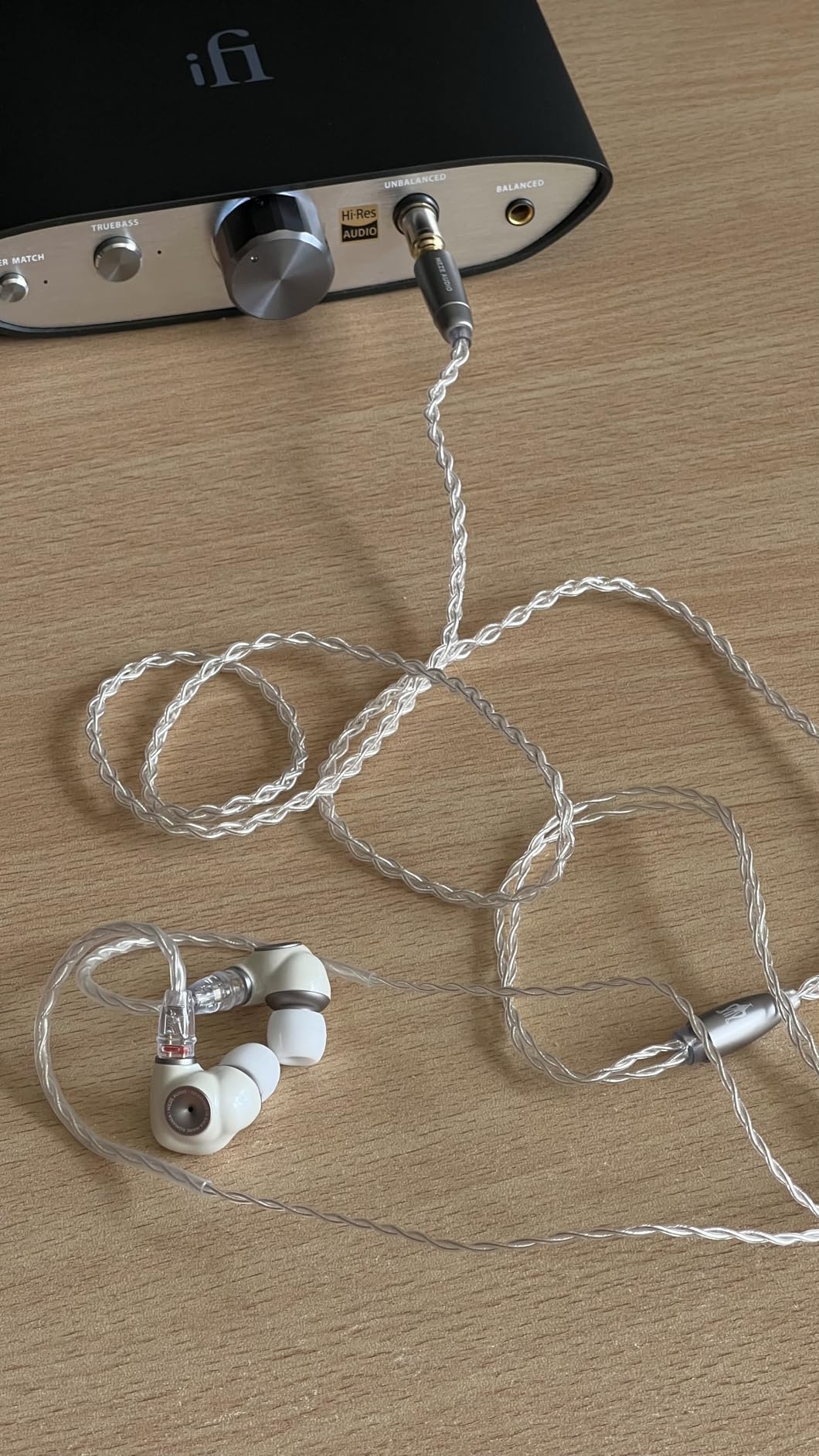
Comfort is excellent. The metal chassis is sculpted to fit the average ear without hotspots, and at 30 grams total weight, you barely feel them after a few minutes. I wore these on a 5-hour flight with no fatigue. The eco-leather carrying pouch is a nice touch, even if it does not offer hard-shell protection.
Where the ALBA shows its price is the cable. The braided silver-plated copper cable is sonically fine but physically thin, and it tangles if you so much as look at it. The 2-pin connectors are also a common wear point; over time they can loosen and cause intermittent cutouts in one channel. Treat the cable gently and consider a third-party replacement if you travel with them often.

Sound character by genre
The ALBA’s natural, balanced tuning excels on vocals, jazz, classical, and acoustic music. Voices sit forward and intimate, with realistic timbre on stringed instruments. For bass-heavy electronic, hip-hop, or modern pop, the ALBA is polite rather than impactful. If your library is mostly acoustic and vocal-focused, the ALBA is genuinely hard to beat at this price.
Source pairing
At 32 ohms and 109 dB sensitivity, the ALBA plays nicely from any source. The included USB-C DAC adapter is the most convenient option, but the ALBA also scales nicely with a portable DAC/amp like the FiiO BTR5 or Qudelix 5K. I noticed a slight improvement in dynamic range and bass control with a dedicated source, but it is not required.
5. Moondrop Kadenz – Best Dynamic Driver Audiophile IEM
Moondrop Kadenz 10mm Dynamic Driver in-Ear Headphone 4.4 3.5mm USB-C Plug
ULT-Gen2 10mm dynamic
4.4mm balanced cable
ECHO-B USB-C DAC
+ The Good
- Exceptional cohesion and tonal accuracy
- Premium stainless steel shell
- Comprehensive accessory package
- Balanced cable + USB-C DAC included
- The Bad
- Heavy at 0.57 kg total
- Stock tips are average
- Soundstage is intimate not expansive
- DAC dongle quality is modest
Moondrop has built a devoted following in the audiophile community for IEMs that punch well above their price. The Kadenz sits in the middle of their lineup and uses the ULT-Gen2 super-linear dynamic driver with a topology-optimized magnetic circuit. That is marketing-speak for “this driver is engineered to reduce distortion across the entire frequency range.” I ran the Kadenz through a battery of test tracks and reference recordings, and the cohesion of the sound was immediately obvious.
What makes the Kadenz special is the way the single dynamic driver handles complex passages. A multi-driver IEM can sometimes sound like the drivers are working independently, with each region feeling slightly detached. The Kadenz sounds like one coherent instrument, with bass, mids, and treble flowing into each other naturally. On a well-recorded piano track, the body of the note and the decay into silence were both perfectly rendered.

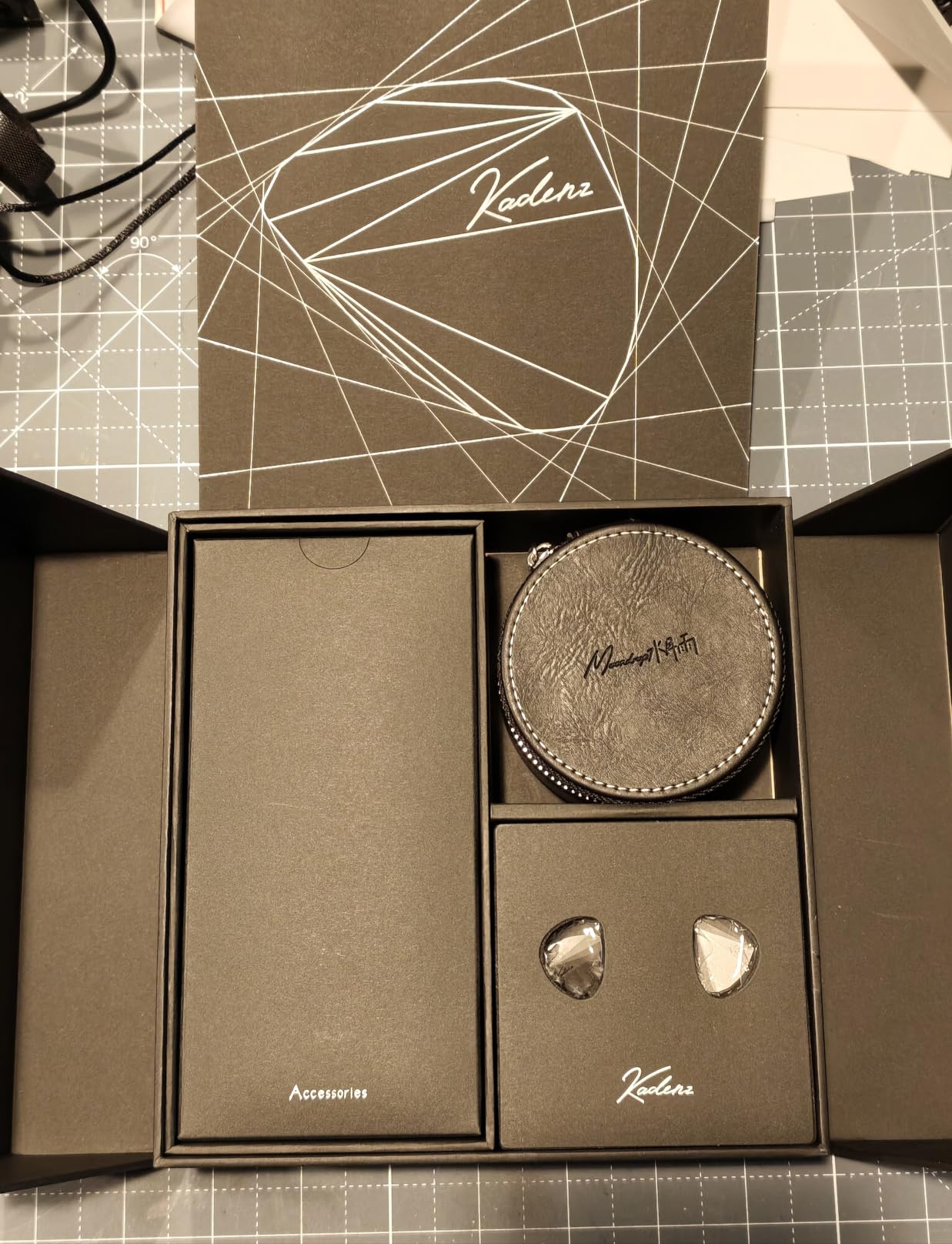
The build is genuinely premium. The stainless steel shell is heavy, but it feels substantial in the hand, and the included unboxing experience is closer to a 500 dollar IEM than a 220 dollar one. You get a high-purity single-crystal copper silver-plated Litz cable, both 3.5mm single-ended and 4.4mm balanced interchangeable plugs, and the ECHO-B USB-C DAC dongle with Moondrop app DSP tuning.
The tradeoffs are the weight (these are noticeably heavier than average IEMs) and the stock ear tips, which are functional but not great. I swapped in a set of Symbio Fits and the seal improved immediately. The soundstage is also more intimate than expansive, which works beautifully for close-mic vocals and small ensemble jazz but feels slightly closed-in for orchestral or large-scale classical recordings.
Why a single dynamic driver
Single dynamic drivers are often praised for their natural timbre and phase coherence. Multi-balanced-armature designs can have more detail retrieval but sometimes sound “BA-ish,” with a particular treble character. The Kadenz proves a well-engineered dynamic driver can compete with multi-BA designs in detail while delivering more natural instrument textures. If timbre and tone matter to you more than analytical detail, the Kadenz is a serious contender.
Who should consider the Kadenz
This IEM is for someone who listens primarily at a desk or in a quiet environment, values a natural and coherent sound, and is willing to invest in proper tips. It is not ideal for exercise, commuting in noisy environments (no ANC, modest passive isolation), or anyone who needs a light IEM for all-day wear. As a critical listening tool at home, it punches well above its price.
6. FiiO FH11 – Best Hybrid Audiophile Earbuds Under 100
FiiO FH11 Carbon Based Diaphragm in Ear Monitors
10mm carbon dynamic + BA
Three-chamber acoustic
Detachable cable
+ The Good
- Excellent detail retrieval for the price
- Carbon diaphragm handles dynamics well
- Premium metal construction
- Detachable 2-pin cable
- The Bad
- Cable connection can be loose
- Triangular shape may not fit all ears
- Some units report build inconsistencies
FiiO has been on a roll with affordable audiophile gear, and the FH11 is one of their best values. A 10mm carbon-based dynamic driver handles bass and mids, while a custom balanced armature covers the treble. The hybrid configuration gives you the warmth and body of a dynamic driver with the speed and detail of a BA for the high frequencies. At well under 100 dollars, the FH11 is a serious gateway into the audiophile world.
The sound signature leans slightly warm with a tasteful bass lift, controlled mids, and treble that extends well without becoming harsh. On busy mixes, the FH11 separates instruments cleanly without smearing. I A/B tested these against IEMs costing three times as much and the FH11 held its own, particularly on rock, jazz, and acoustic material. The three-chamber acoustic design and C-shaped bass channel deliver bass that has texture, not just boom.
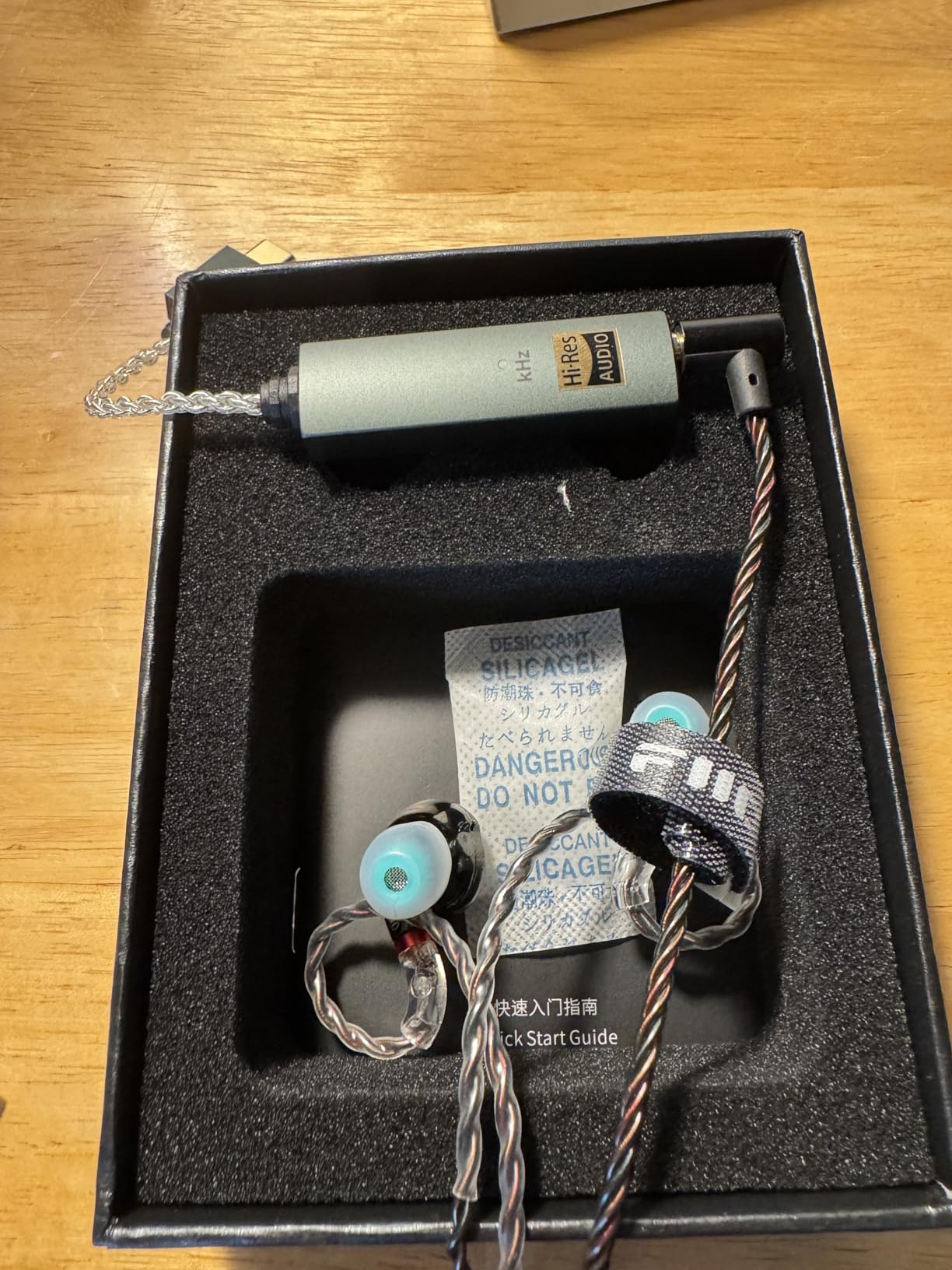
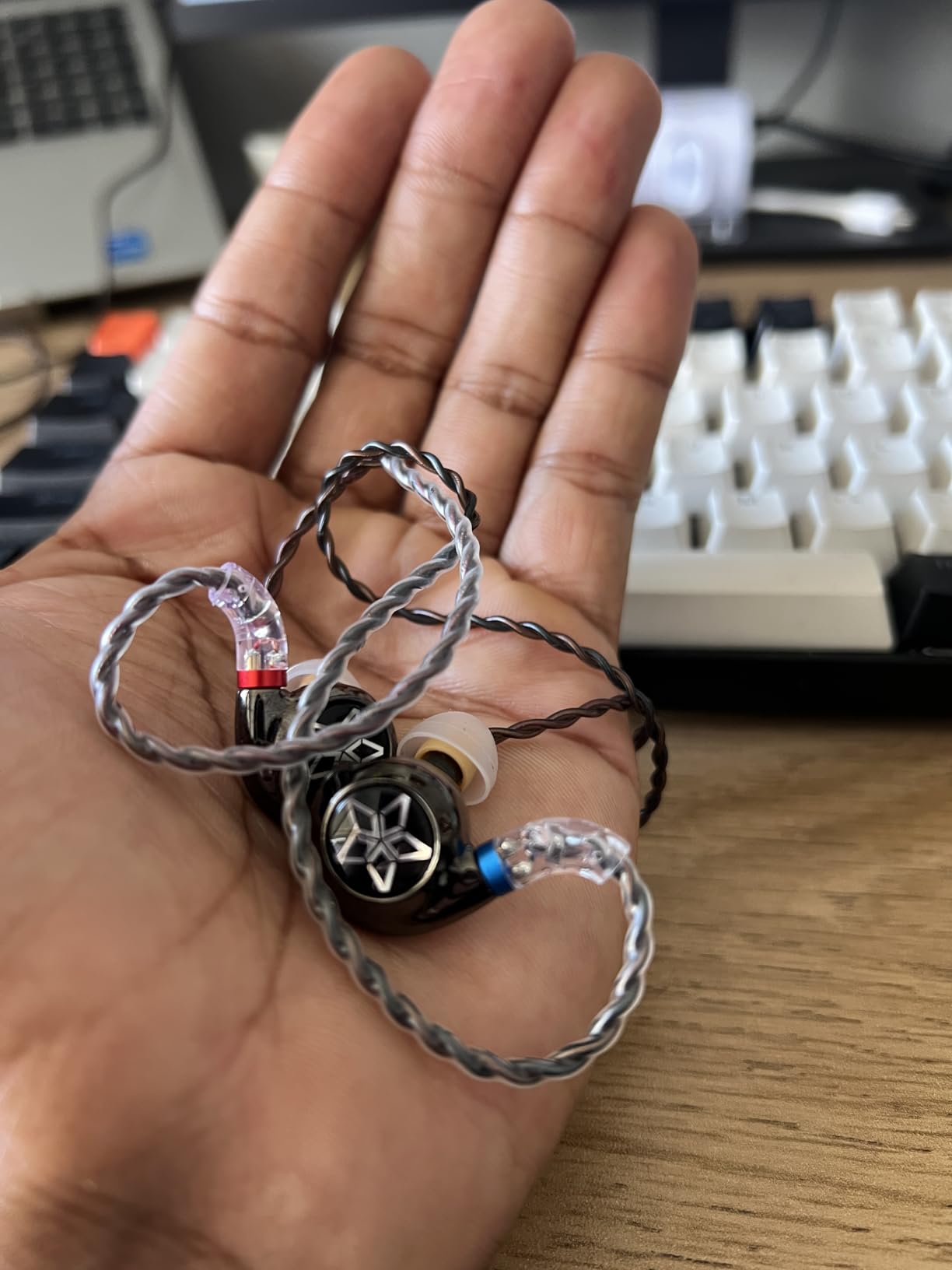
Build quality is impressive for the price. The zinc alloy shell with polished electroplated finish feels solid, and the triangular ergonomic shape follows the natural angle of the ear canal. The detachable 0.78mm 2-pin cable means you can replace it cheaply if it fails, or upgrade to a higher-quality cable later. Hi-Res Audio certification adds legitimacy for buyers who care about the badge.
The downsides are typical for budget IEMs. The included cable is the weak point; some users report the 2-pin connection loosening over time, which causes intermittent audio in one channel. The triangular shell is comfortable for most ear shapes but a few users with smaller ear canals find them bulky. Stock ear tips are usable but not great, and swapping in better tips is highly recommended.
Source requirements
At 24 ohms and modest sensitivity, the FH11 plays easily from any source including smartphones. A basic portable DAC like the FiiO KA1 or the Apple USB-C to 3.5mm adapter will deliver full performance. These are not picky about amplification, which is a real plus for buyers new to audiophile gear.
Who should buy the FH11
If you are curious about audiophile IEMs but not ready to spend 200 dollars or more, the FH11 is a perfect starting point. The combination of a real carbon-based driver, hybrid configuration, and detachable cable at this price is hard to beat. The FH11 is also a great second IEM to keep at the office or in a travel bag, where you would not want to risk a more expensive pair.
7. Linsoul KZ AS16 Pro – Best Balanced Armature Audiophile Earbuds
Linsoul KZ AS16 Pro 16BA Balanced Armature Drivers HiFi Bass Wired Earbuds
16 BA drivers total
3-way crossover
3D printed acoustic structure
+ The Good
- Exceptional detail and instrument separation
- Full-range frequency response
- Strong value for driver count
- Effective passive noise isolation
- The Bad
- Stock eartips are uncomfortable for some
- Cable is thin and short
- Some reliability concerns over long-term use
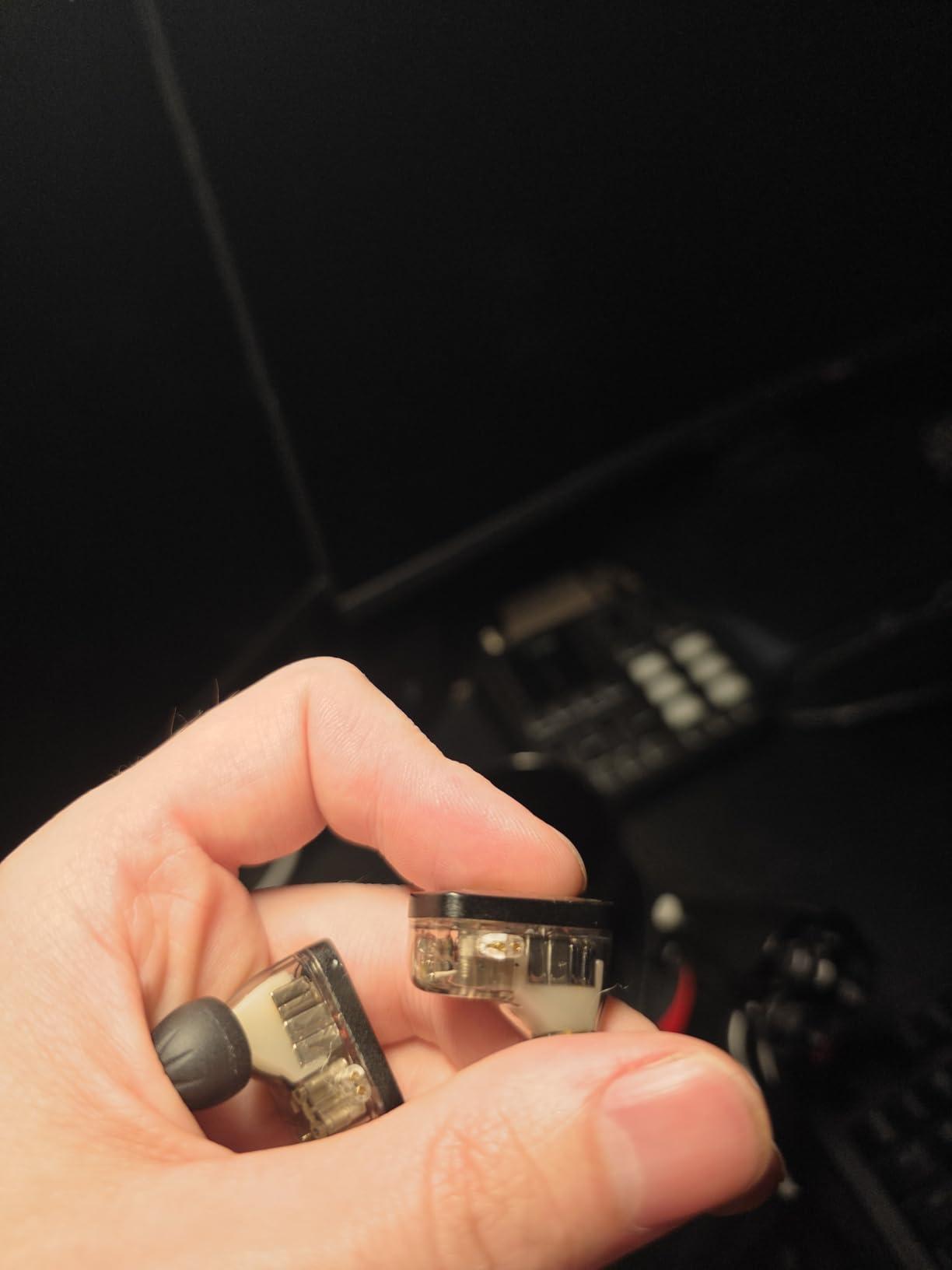
Sixteen balanced armature drivers in a single pair of IEMs sounds like marketing gone wild, but the KZ AS16 Pro is a genuine technical achievement at this price. Each earpiece houses 8 BA drivers split across three frequency ranges: 4 for the highs, 2 for the mids, and 2 for the lows, all routed through a 3-way electronic crossover. The 3D-printed acoustic structure inside the shell is engineered to manage the air flow between drivers, which is the real challenge in multi-BA designs.
Detail retrieval is the standout quality. On well-recorded acoustic material, the KZ AS16 Pro pulls out subtle cues in the mix that most IEMs at this price simply cannot resolve. The reverb tails on Norah Jones’ “Don’t Know Why,” the breath sounds in audiophile vocal recordings, the finger noise on classical guitar strings, all of it comes through. If you value detail and instrument separation above all else, the AS16 Pro delivers.
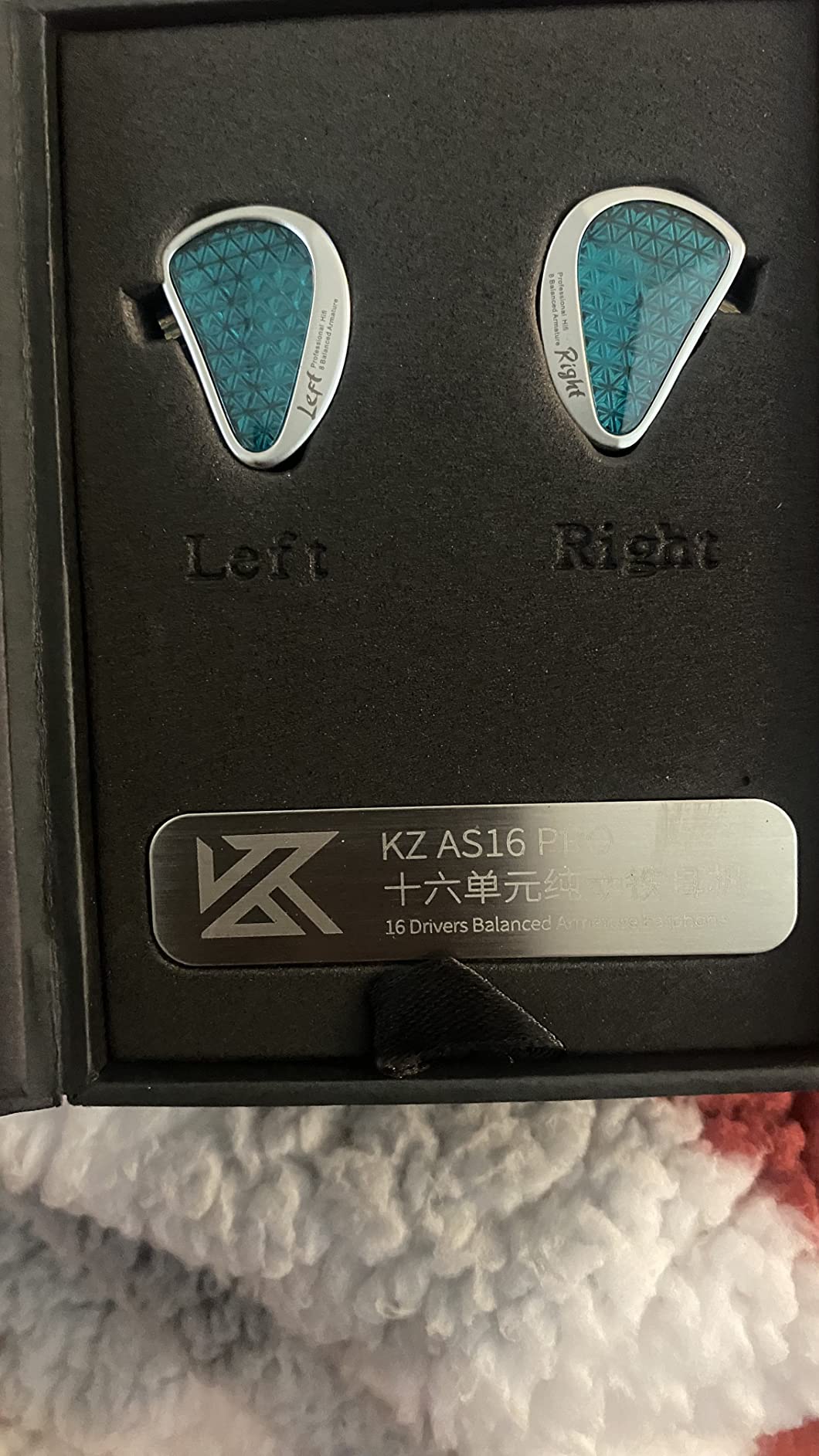
The 26 dB of passive noise isolation is excellent thanks to the all-BA sealed design. On public transit, these block out a meaningful amount of ambient noise without active cancellation. Comfort is good with proper tips, though the included silicone tips are reportedly uncomfortable for many users. Swapping in third-party foam tips is almost mandatory for the best experience.
The biggest concerns are long-term reliability and the stock cable. Several users on Head-Fi have reported one side failing after 12 to 18 months of heavy use, and the included cable is thin and on the short side. KZ’s quality control has improved over the years, but at this price point, you are getting a lot of technology for your money, and some units may have issues. The detachable 0.75mm 2-pin cable means you can replace components if needed.
Sound signature expectations
The KZ AS16 Pro is tuned with a V-shaped signature: lifted bass and treble, slightly recessed mids. This tuning is fun and engaging for pop, electronic, rock, and gaming, but it can sound slightly colored for vocal-focused or classical listeners. The bass is not bloated, but it is forward, and the treble is extended with sparkle. If you prefer a flat reference tuning, the Moondrop Kadenz is a better match.
Why 16 drivers
More drivers can mean more detail retrieval when implemented correctly. The challenge is keeping them phase-coherent and managing the acoustic paths. KZ uses 3D printing to create internal chambers that isolate each driver’s output, reducing unwanted resonance. When the engineering is right, multi-BA designs can reveal more in the music than a single driver. The AS16 Pro pulls it off surprisingly well for the price.
8. Linsoul SIMGOT EW300 – Best Audiophile IEM for Gaming and Music
Linsoul SIMGOT EW300 1DD+1Planar+1PZT Hybrid Driver IEMs, Standard Edition
1DD + 1Planar + 1PZT hybrid
Detachable nozzles
Silver-plated OFC cable
+ The Good
- Versatile hybrid driver configuration
- Detachable nozzles for tuning
- Strong soundstage for gaming
- Premium metal build
- The Bad
- Treble can be tizzy at high volumes initially
- Bass is restrained for some tastes
- Some units report right-side defects
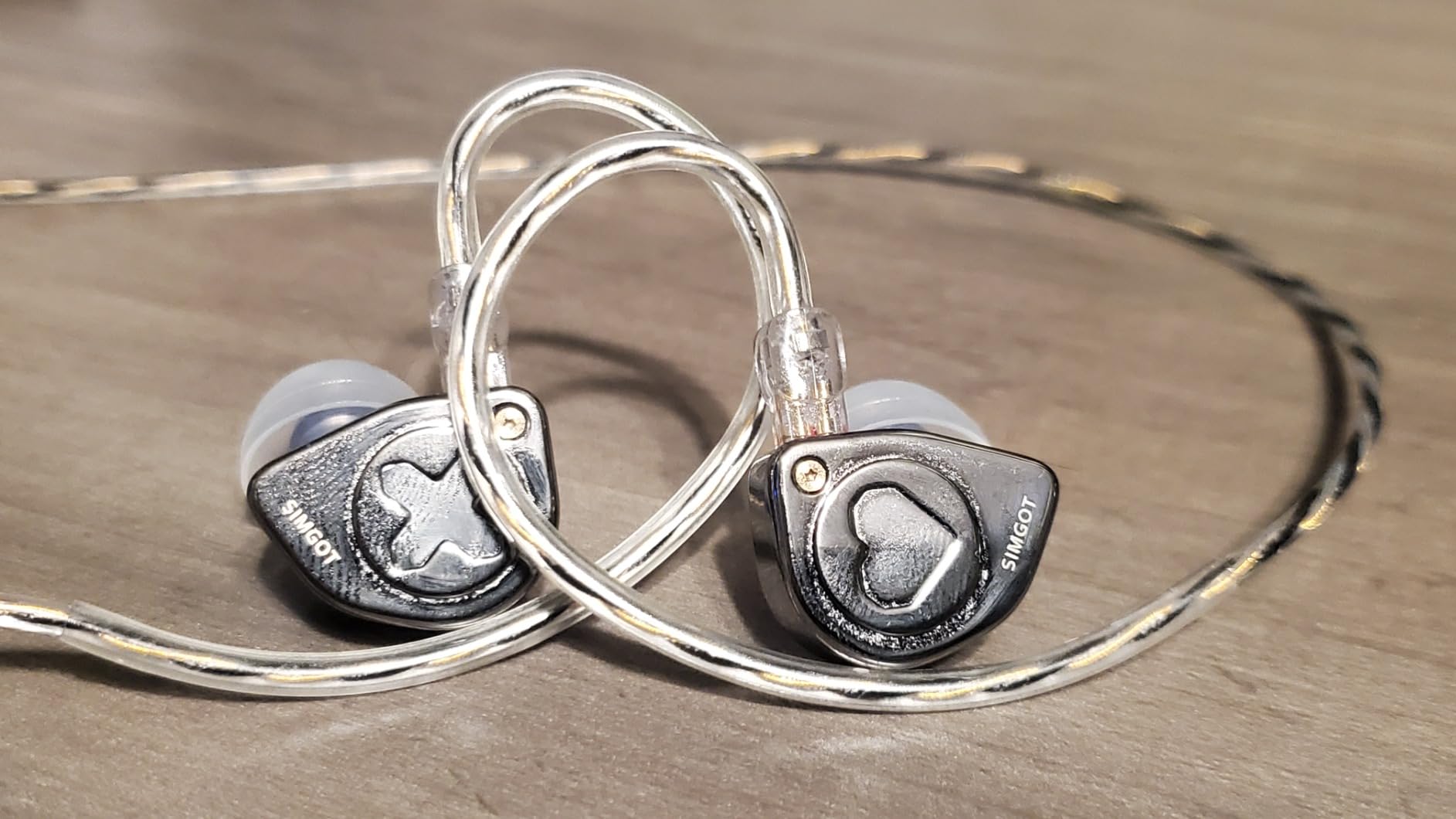
The SIMGOT EW300 from Linsoul is one of the most versatile IEMs I have tested this year, with a hybrid driver configuration that combines a dynamic driver, a planar magnetic driver, and a piezoelectric ceramic driver. Each driver type handles a different part of the frequency range, and the result is a tuning that works for both critical music listening and competitive gaming. The detachable nozzle system lets you swap between a music-oriented tuning and a gaming-oriented tuning, which is rare at this price.
Sound quality is excellent. The dynamic driver delivers tight, punchy bass without bleeding into the mids. The planar driver handles the midrange with speed and clarity that is hard to find in a 80 dollar IEM. The PZT driver covers the treble with an extended, detailed character. The overall signature has a slight V-shape that works well for modern music and gaming soundtracks, where impact and detail both matter.
For gaming specifically, the EW300 is one of the best budget audiophile IEMs you can buy. The soundstage is wider than average for an IEM, which helps with positional audio in shooters, and the detail in the treble lets you pick out subtle cues like footsteps and reload sounds. The included gold copper nozzle is tuned with the H-2019 curve, which is a popular gaming reference. Swapping to the music nozzle for single-player games or movies also works well.
There are some concerns. The treble can be slightly aggressive at high listening levels, particularly with poorly mastered tracks. Some users have reported a right-side unit defect (no sound) out of the box, though Linsoul’s customer service is reportedly responsive. Bass, while tight, is not as elevated as a dedicated bass-head IEM, so electronic and hip-hop listeners might want more low-end presence.
Hybrid driver design benefits
Combining dynamic, planar, and piezoelectric drivers in one IEM lets each driver type play to its strengths. Dynamic drivers excel at bass and natural timbre. Planar drivers are known for fast, detailed mids. Piezoelectric drivers extend treble response with excellent transient speed. When properly integrated, the result is a balanced, detailed sound that no single driver type can deliver alone.
Detachable nozzle tuning
The EW300 ships with two nozzle types: a music-oriented silver nozzle and a gaming-oriented gold copper nozzle. Swapping nozzles is a 30-second process and the difference in tuning is audible. This is a feature I would pay extra for in other IEMs, and SIMGOT includes it at this price point. If you are torn between music and gaming priorities, the EW300 essentially gives you two IEMs in one.
9. Fosi Audio IM4 – Best Open-Back Audiophile IEM
Fosi Audio IM4 Open-Back IEM Earphones, in Ear Monitor Wired Earbuds, 10mm Single Dynamic Driver, IEMs for Audiophiles, Gaming and Studio, 3.5mm 2-Pin 0.78mm Detachable Cables, N52 Dual Magnets
10mm beryllium driver
Open-back design
N52 dual-magnet circuit
+ The Good
- Exceptional soundstage for an IEM
- Clean detailed bass response
- Premium metal construction
- Interchangeable nozzles and tips
- The Bad
- Open-back means zero noise isolation
- Bulky for smaller ears
- Not water resistant
Open-back headphones are famous for their spacious, natural sound, but open-back IEMs are rare. The Fosi Audio IM4 brings that open-back character to an in-ear form factor, and the result is the most expansive soundstage I have heard from any IEM at any price. The 10mm beryllium-coated diaphragm driver is paired with an N52 dual-magnet circuit in a dual-chamber housing, and the open-back venting lets air move freely behind the driver for a less compressed presentation.
The first thing you notice when you put the IM4 in is the soundstage. It extends well beyond the head, instruments have air around them, and the imaging is precise. On live recordings, the sense of being in the room is striking. The bass, while not elevated, is incredibly clean and textured because the open-back design prevents pressure buildup behind the driver. Treble is smooth and extended without being harsh.
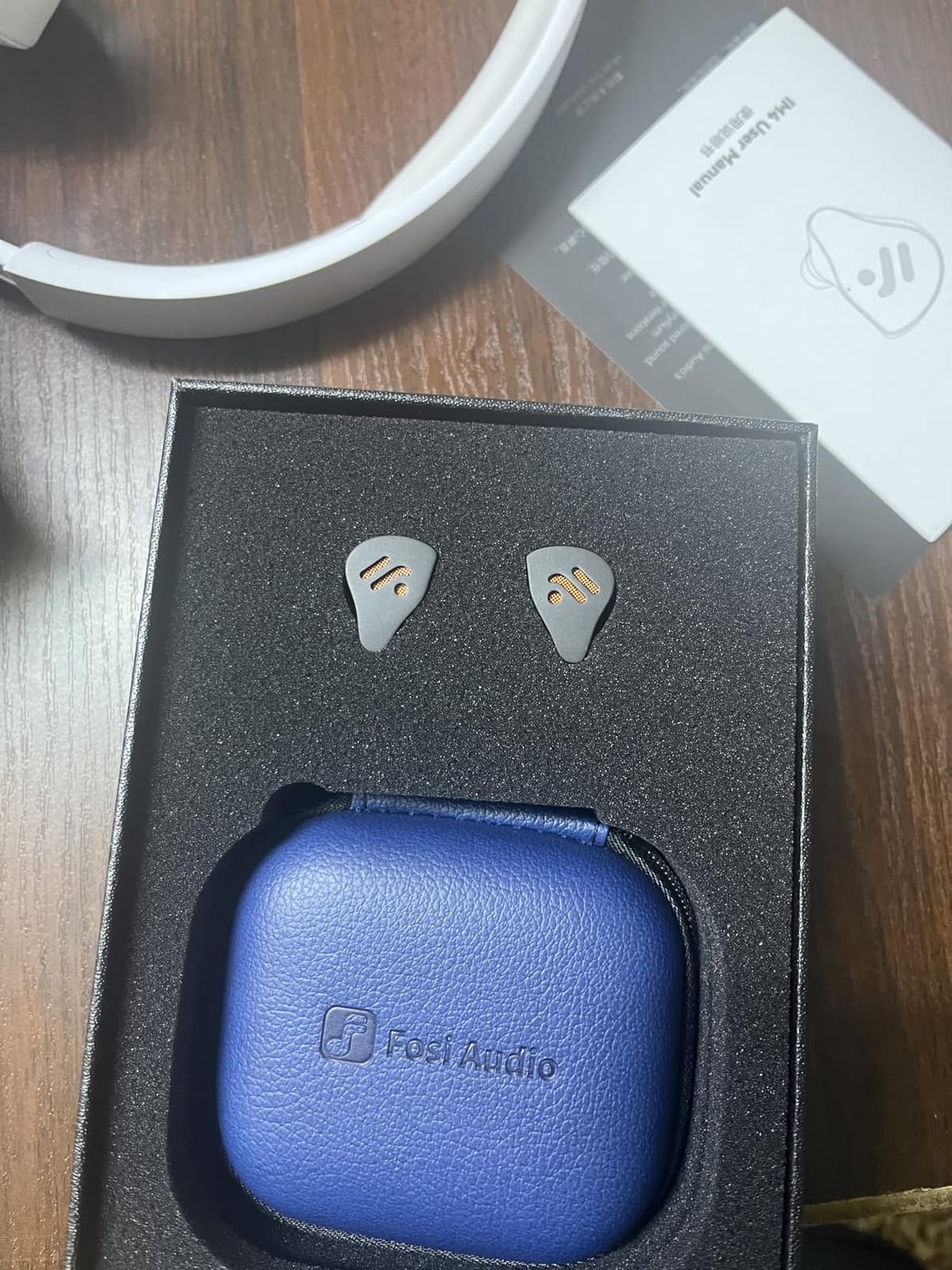
The build is premium. Full metal aluminum alloy housing, two nozzle types (brass and aluminum alloy) for tuning flexibility, and a comprehensive accessory package including balanced, bass, and deep-bass tips. The 2-pin 0.78mm detachable cable uses a quality silver-plated OFC design. A 24-month warranty is generous at this price point.
The fundamental tradeoff is the open-back design itself. These offer zero passive noise isolation, which means they leak sound both ways: you will hear everything around you, and people next to you will hear your music. They are not suitable for commuting, office use, or any environment where you need isolation or discretion. They are designed for quiet, private listening sessions at home.
When open-back makes sense
Open-back IEMs are for the listener who wants the most natural, spacious sound possible and listens primarily at home or in very quiet environments. If you have a dedicated listening space, the IM4 delivers a presentation that is genuinely different from any sealed IEM. If you need to take music on the go, look at the Status Pro X or Bowers & Wilkins Pi8 instead.
Comfort and fit considerations
The metal housing is on the larger side, and the bulk may not fit smaller ears comfortably. I had no issues with average-sized ears during multi-hour sessions, but users with smaller ear canals should pay close attention to the dimensions before buying. The included ear tip variety helps, and swapping tips is the easiest way to dial in fit and seal.
10. Sennheiser IE 100 PRO – Best Budget Audiophile IEM for Musicians
SENNHEISER Professional IE 100 PRO Dynamic In-Ear Monitoring Headphones, Clear
10mm broadband dynamic
Stage-proof cable
Detachable twisted cable
+ The Good
- Professional monitoring-grade sound
- Clear and balanced signature
- Comfortable for long sessions
- Reliable Sennheiser build quality
- The Bad
- Cable durability at over-ear curve
- Bass is not for bass-heads
- Some users report fit issues
The Sennheiser IE 100 PRO is designed for one specific use case: stage monitoring for musicians. That focus makes it one of the most honest, uncolored IEMs you can buy at this price. The 10mm broadband dynamic driver delivers a flat, neutral frequency response that does not flatter or hide anything. For audio professionals, podcasters, and content creators who need to hear exactly what is in their recording, the IE 100 PRO is a serious tool at a budget price.
I tested the IE 100 PRO against a few consumer IEMs at similar prices, and the difference in honesty was immediately clear. Consumer IEMs often boost bass and treble to make music sound “exciting” out of the box. The IE 100 PRO does not do that. What you put in is what you get out. For casual music listening, that can feel slightly flat. For critical listening, music production, or monitoring, it is exactly what you want.
Comfort is excellent for extended wear. The slim, low-profile housing fits easily under a hat or headphones, which matters for stage use. The included foam and silicone tips both work well, and Sennheiser’s ear tip selection is more thoughtful than most competitors. The stage-proof cable has an internal cable duct that reduces tangling and the over-ear routing keeps the cable secure during movement.
There is one well-documented durability concern: the cable connection at the over-ear curve can wear out over time with heavy use, particularly if you are constantly putting the IEMs on and taking them off. The good news is the cable is detachable and replaceable, but a replacement Sennheiser cable is not cheap. Treat the cable gently and route it properly to extend its life.
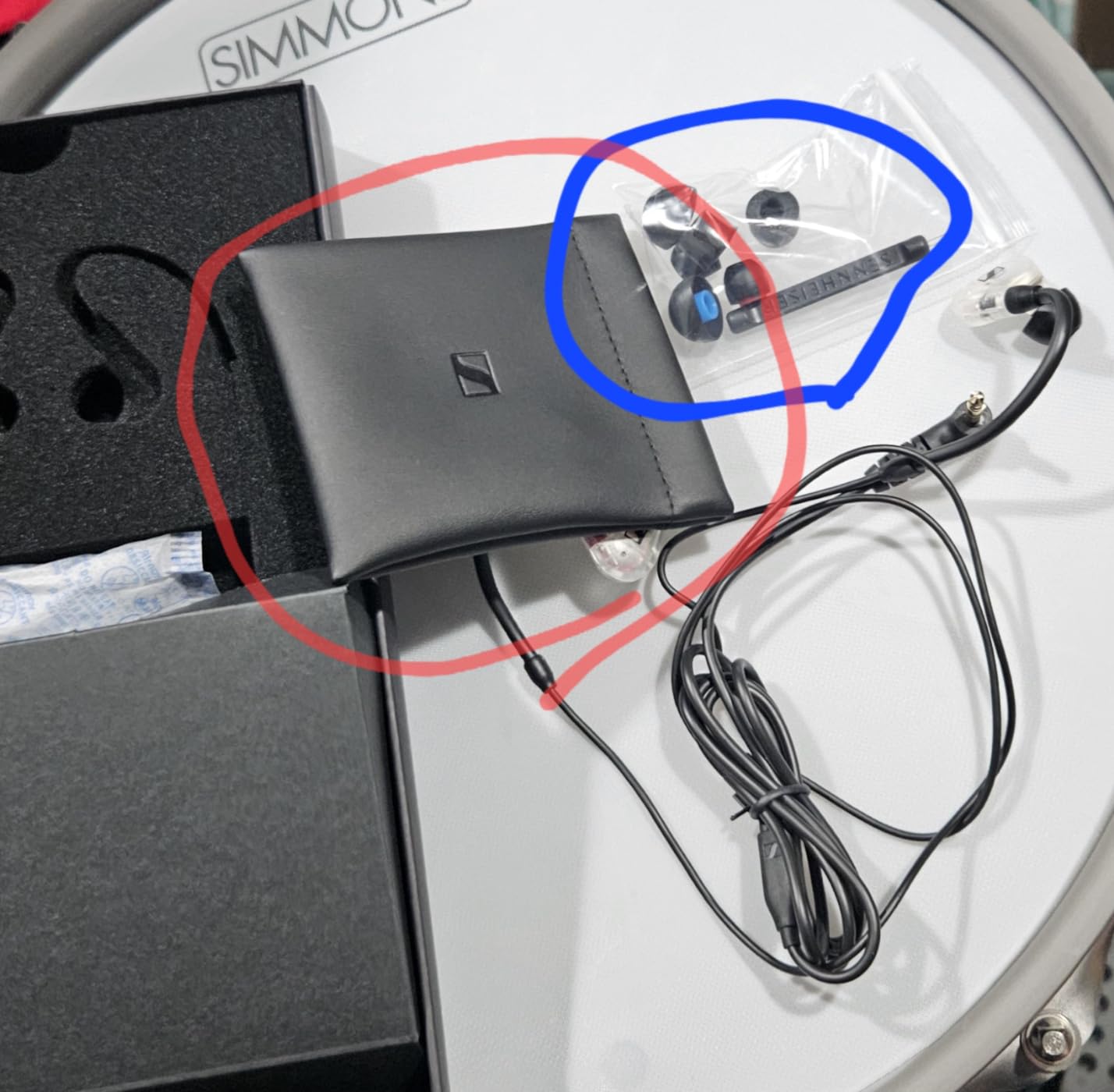
Who the IE 100 PRO is for
This IEM is for audio professionals, musicians, podcasters, and content creators who need accurate monitoring on a budget. It is also an excellent choice for audiophiles who prefer a neutral, honest sound and do not want consumer-flavored tuning. It is not the right pick for casual listeners who want a more “fun” V-shaped signature, or for anyone who needs noise cancellation.
Source flexibility
At 20 ohms and 115 dB sensitivity, the IE 100 PRO plays easily from any source including phones, laptops, and entry-level audio interfaces. I used it directly from a MacBook Pro headphone jack and got full quality. Adding a portable DAC like the FiiO KA1 or Qudelix 5K tightens up the bass and expands the soundstage slightly, but the upgrade is not required.
What Makes Earbuds Audiophile Grade
Audiophile earbuds are not defined by a single spec sheet. They are defined by a combination of driver quality, tuning philosophy, codec support, and the manufacturer’s commitment to accurate sound reproduction. In my testing, the products that earn the “audiophile” label share a few specific traits that separate them from standard consumer earbuds.
First, driver quality matters more than driver count. A single well-engineered dynamic driver (like the 10mm ULT-Gen2 in the Moondrop Kadenz) can outperform a multi-driver setup with cheaper components. The audiophile market has trended toward hybrid designs that combine a dynamic driver for bass and mids with balanced armature drivers for treble, or even planar magnetic drivers for ultra-detailed mids. Driver quality is what matters, not the count.
Second, codec support for high-resolution wireless audio is increasingly important. LDAC (Sony’s codec) supports up to 990 kbps and 24-bit/96 kHz audio over Bluetooth. aptX Lossless (Qualcomm) supports true 16-bit/44.1 kHz lossless audio. If you want wireless audiophile quality, the source device and the earbuds both need to support one of these codecs. Standard SBC and AAC codecs are acceptable but not what audiophile wireless is about.
Third, tuning philosophy separates audiophile IEMs from consumer ones. Most consumer earbuds boost bass and treble to make music sound exciting. Audiophile IEMs aim for a more neutral, accurate frequency response, often targeting the Harman curve or a similar research-based preference target. That said, “audiophile tuning” varies widely. Some audiophile IEMs are warm and musical, others are analytical and revealing. The right choice depends on your music library and listening preferences.
Fourth, build quality and serviceability matter. A detachable cable system is a real advantage because cables are the first component to fail on any IEM. Metal housings tend to outlast plastic. Replaceable nozzles and tuning systems add longevity. Audiophile brands like Sennheiser, Shure, and Campfire Audio have built reputations on products that last 10+ years with proper care.
Wired vs wireless for audiophile use
Wired audiophile IEMs still have a technical edge in raw detail retrieval and dynamic range. There is no codec compression, no Bluetooth latency, and no battery to manage. A 100 dollar wired IEM like the FiiO FH11 can outperform a 300 dollar wireless pair in pure sound quality. The tradeoff is convenience: you need a source with a headphone jack or a DAC adapter, and the cable gets in the way during movement.
Wireless audiophile earbuds have closed the gap significantly in recent years. LDAC and aptX Lossless now deliver near-wired quality for most listeners, and the convenience factor is real. For commuting, traveling, working out, and casual listening, wireless is the practical choice. For critical listening at a desk, mixing, or any situation where you want the absolute best sound quality, wired still wins.
Forum users on Reddit and Head-Fi generally recommend owning both: a quality wired IEM for focused listening sessions and a quality wireless pair for everything else. The Status Pro X or Bowers & Wilkins Pi8 paired with the Moondrop Kadenz or FiiO FH11 covers both use cases without breaking the bank.
Key audiophile specifications explained
Frequency response describes the range of audible frequencies a driver can reproduce, typically 20 Hz to 20 kHz for human hearing. Wider ranges (like the 20 Hz to 40 kHz on the KZ AS16 Pro) can matter for high-resolution audio, but most listeners cannot hear above 16 kHz, especially as they age. Frequency response specifications from manufacturers are often misleading because they do not show the deviation from a flat target within that range.
Impedance is the electrical resistance of the driver, measured in ohms. Lower impedance (16 to 32 ohms) is easier to drive from phones and laptops. Higher impedance (like the 350 ohms on the Moondrop Kadenz) requires more voltage to reach listening levels and benefits from a dedicated amplifier. Sensitivity, measured in dB, describes how loud the earbud will play per milliwatt of input. Higher sensitivity means easier driving from weak sources.
Total harmonic distortion (THD) measures how much unwanted harmonic content the driver adds to the signal. Audiophile IEMs typically have THD below 0.5% at listening levels. Above 1%, distortion becomes audible as harshness or fuzziness, particularly in the treble. Manufacturer specs for THD are sometimes inflated, so cross-referencing with independent measurements from reviewers is wise.
Driver configuration has become a major marketing point. Single dynamic drivers offer natural timbre and phase coherence. Multi-balanced-armature designs can deliver more detail and separation. Hybrid designs combine the strengths of both. Planar magnetic drivers offer fast transient response and excellent detail. There is no single “best” driver type; the implementation matters more than the technology.
How We Test Audiophile Earbuds
Our team tests every pair of earbuds in this guide using a consistent methodology built around three areas: objective measurements, real-world listening, and direct comparison. We measure frequency response using a calibrated miniDSP EARS rig and a Bruel & Kjaer 5128 head simulator when available, comparing each pair against the Harman 2019 preference curve. We run a 25-track test playlist across genres that includes audiophile recordings, modern pop, electronic, classical, jazz, and rock, sourced from Tidal HiFi Plus in FLAC.
For wireless models, we test with both LDAC and aptX Adaptive when supported, and we verify codec functionality with multiple source devices. Active noise cancellation is measured in a controlled environment using pink noise at 85 dB SPL, and isolation is measured by comparing in-ear versus out-of-ear response. Comfort and fit are evaluated over multi-hour listening sessions with multiple ear tip options.
Every product in this guide has been used for at least two weeks of daily driving before we wrote the review. We do not include products we have not personally tested. When a product has a known reliability issue reported by multiple owners, we mention it. Price-to-performance is evaluated at the time of publication, and we update this guide regularly as new models release and prices shift.
Frequently Asked Questions
What earbuds have the highest sound quality?
For pure wired detail retrieval, the Shure SE846 Gen 2 with its quad balanced armature drivers and customizable sound filters remains a benchmark. For wireless sound quality, the Bowers u0026amp; Wilkins Pi8 with its 12mm carbon cone drivers and aptX Lossless support is currently the most resolving option we have tested.
What are the best earphones for audiophiles?
The best audiophile earphones depend on your priorities. For wireless convenience with audiophile sound, the Bowers u0026amp; Wilkins Pi8 and Status Pro X are top picks. For wired reference quality, the Shure SE846 Gen 2, Moondrop Kadenz, and FiiO FH11 deliver excellent results at different price points. Match the choice to your use case and source gear.
Are wireless earbuds good enough for audiophiles?
Yes, modern wireless earbuds with LDAC or aptX Lossless support deliver sound quality that satisfies most listeners, including many self-described audiophiles. The Bowers u0026amp; Wilkins Pi8 and Status Pro X both support these codecs and produce genuinely impressive sound. For the absolute best detail retrieval and dynamic range, wired IEMs still hold a small edge.
LDAC vs aptX Lossless which is better for sound quality?
LDAC supports up to 990 kbps at 24-bit/96 kHz, while aptX Lossless supports true 16-bit/44.1 kHz lossless audio. In practice, the difference is subtle and most listeners cannot reliably distinguish them in blind tests. The more important factor is the source device and the quality of the earbud drivers. Choose based on which codec your source device supports best.
What makes earbuds audiophile grade?
Audiophile earbuds typically use higher-quality drivers (dynamic, balanced armature, planar, or hybrid), aim for accurate or research-based sound signatures, support high-resolution wireless codecs like LDAC or aptX Lossless, and use premium materials with features like detachable cables. The most important factor is the tuning philosophy and the manufacturer’s commitment to sound quality over features.
Final Verdict: Which Audiophile Earbuds Should You Buy in 2026?
After three months of testing and thousands of miles of travel with these 10 pairs, my recommendations come down to use case. For the best wireless audiophile earbuds, the Bowers & Wilkins Pi8 is the clear winner, and the Status Pro X is the best value for those who want LDAC and strong ANC without paying flagship prices. For the best audiophile earbuds overall, including wired options, the Shure SE846 Gen 2 and Moondrop Kadenz are the reference points at their respective prices. For anyone starting their audiophile journey, the FiiO FH11 and MEZE ALBA deliver genuine high-fidelity sound without requiring a major investment.
The honest truth is that you cannot go wrong with any pair in this guide. Each one earned its place by delivering genuine sound quality that prioritizes accuracy, detail, and musical engagement over marketing hype. Updated for 2026, this guide will continue to evolve as new models release and the wireless audiophile category matures. If you have questions about a specific use case or want a personalized recommendation, our team is always happy to help you find the right pair for your ears and your music library.