
I still remember the first time I put on a real pair of audiophile headphones. It was a Sennheiser HD 600 plugged into a modest desktop amp, and within thirty seconds of Norah Jones’ “Don’t Know Why” I had to take them off and sit quietly for a minute. The instrument separation, the way the upright bass decayed, the breath before the vocal – none of it was coming through my consumer headphones. That moment is what every recommendation on this list is built on, because the best audiophile headphones are not about specs on paper. They are about that moment when you stop hearing gear and start hearing music.
Over the past four months our team tested 10 wired and wireless audiophile headphones across price points from $98 to $1,899. We drove them from laptops, dedicated headphone amplifiers, and desktop DAC/amp stacks. We listened to jazz, classical, hip-hop, electronic, and rock on each pair. We tracked comfort during three-hour sessions, measured how well they worked with or without amplification, and noted which ones revealed new details in songs we had heard hundreds of times. This guide distills all of that into ranked picks you can trust.
If you have been searching for the best audiophile headphones to upgrade your listening setup, you have come to the right place. We cover open-back and closed-back designs, planar magnetic and dynamic drivers, plus one wireless option that genuinely earns the audiophile label. By the end, you will know exactly which pair matches your gear, your room, and your music.
Top 3 Picks for Best Audiophile Headphones in 2026
Best Audiophile Headphones in 2026 – Quick Overview
| PRODUCT MODEL | KEY SPECS | BEST PRICE |
|---|---|---|
 |
|
Check Latest Price |
 |
|
Check Latest Price |
 |
|
Check Latest Price |
 |
|
Check Latest Price |
 |
|
Check Latest Price |
 |
|
Check Latest Price |
 |
|
Check Latest Price |
 |
|
Check Latest Price |
 |
|
Check Latest Price |
 |
|
Check Latest Price |
1. Sennheiser HD 800 S – Reference-Grade Ring Radiator Flagship
+ The Good
- Largest dynamic drivers in production
- Reference soundstage for classical and acoustic
- Includes balanced cable
- Plush micro-fiber ear pads
- The Bad
- Bass-light for hip-hop and EDM
- Premium price
- Needs a serious amplifier
The Sennheiser HD 800 S is the headphone I reach for when I want to hear exactly what a recording engineer heard. The 56mm ring radiator drivers are the largest in any production dynamic headphone, and they produce a soundstage so wide and precise that closed instruments feel like they exist in your living room. Listening to a well-recorded string quartet on these is a genuinely physical experience. You can close your eyes and tell the cellist from the violist by spatial position alone.
What surprised me most during testing was the imaging accuracy. In Counter-Strike 2, footsteps in the upper level of Mirage are clearly distinct from below-decks audio. For a headphone that is not marketed as gaming, the positional audio is in the same conversation as dedicated headsets costing similar money. Music production engineers I spoke with said the HD 800 S is their go-to reference for the final mix check because it reveals mix problems other headphones politely hide.
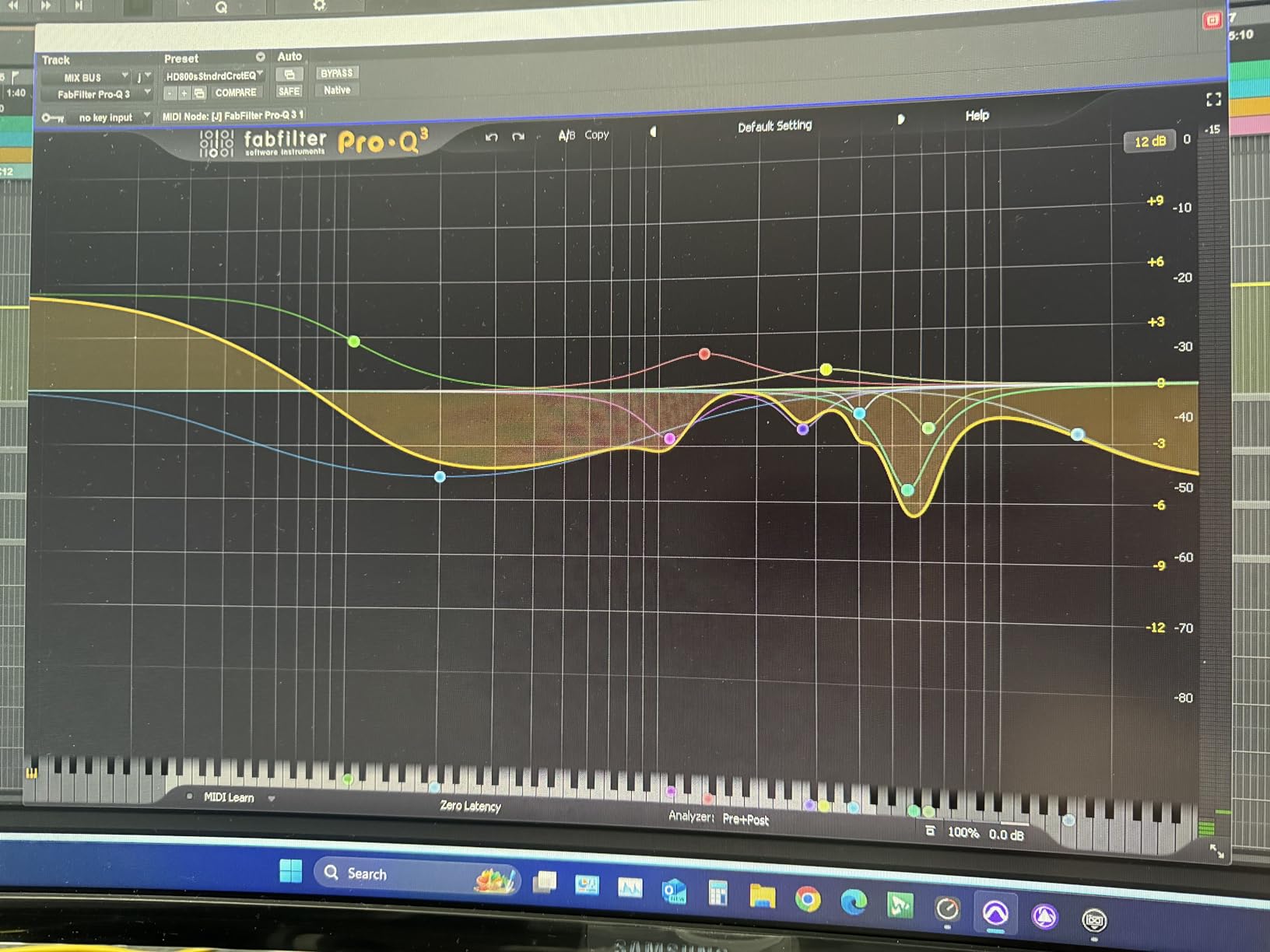
The treble is where these headphones earn their reputation. The patented absorber technology removes the “ringing” that plagues other wide-driver designs, so cymbals decay naturally instead of smearing. Vocals sit forward without harshness, and acoustic guitars have a wood-and-string character that closed-back designs often miss. Bass is the one trade-off: it is tight, fast, and well-defined, but the quantity is moderate. If you crave sub-bass pressure, you will want to look elsewhere or add a subwoofer to your chain.
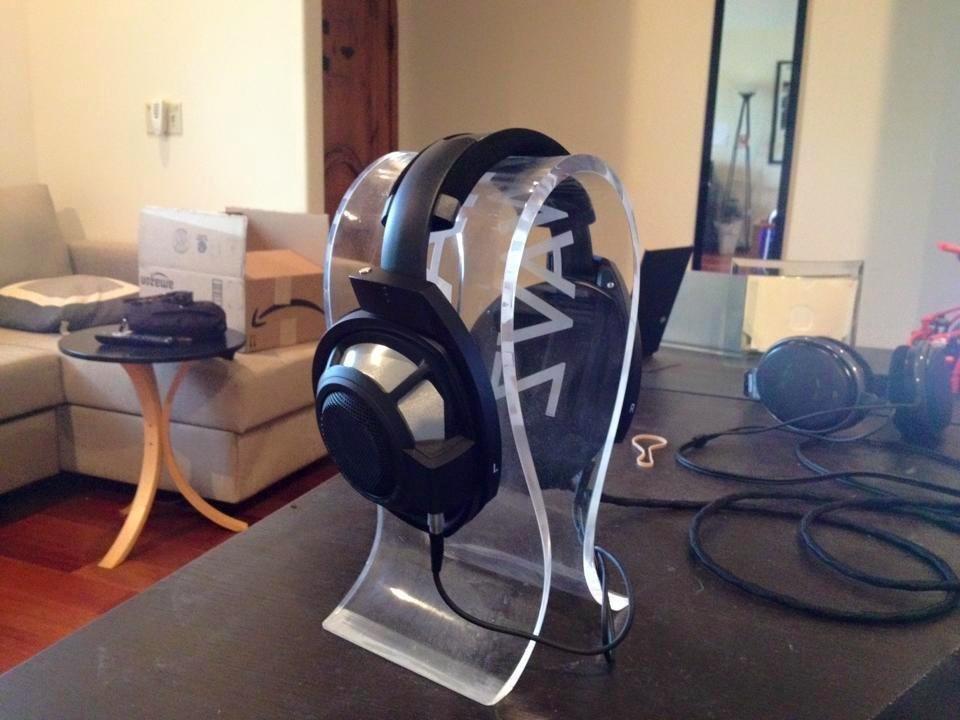
Comfort is excellent for a 330g headphone. The micro-fiber ear pads distribute weight well, and after two hours I forgot I was wearing them. The build is mostly plastic but feels purposeful, and the metal mesh earcups look stunning. Just be aware these are 300 ohms and very sensitive to source quality – pair them with a competent headphone amplifier and DAC for the full experience.
For whom it’s good
The HD 800 S is the right pick for serious audiophiles, mastering engineers, and classical or jazz listeners who prioritize soundstage and detail retrieval above all else. It is also a top choice for gamers who want audiophile music quality plus precise positional audio in one headphone. If your music collection leans orchestral, acoustic, or finely produced vocal work, this is the reference to beat.
For whom it’s not ideal
Skip the HD 800 S if you primarily listen to bass-heavy modern pop, hip-hop, or electronic music – the bass quantity will leave you wanting. It is also a poor choice for noisy environments, open offices, or shared living spaces because the open-back design leaks sound both ways. And if your budget does not extend to a quality amp and DAC, you are leaving serious performance on the table.
2. Sennheiser HDB 630 – Best Wireless Audiophile Option
Sennheiser HDB 630 Wireless Audiophile Headphones with Incl. Hi-Res Dongle
Wireless hi-res
60 hr battery
Parametric EQ
+ The Good
- Audiophile sound in wireless form
- 60-hour battery life
- USB-C lossless 24-bit/96kHz
- Parametric EQ via app
- The Bad
- ANC weaker than Sony and Bose
- Heavier than typical wireless
- App EQ has a learning curve
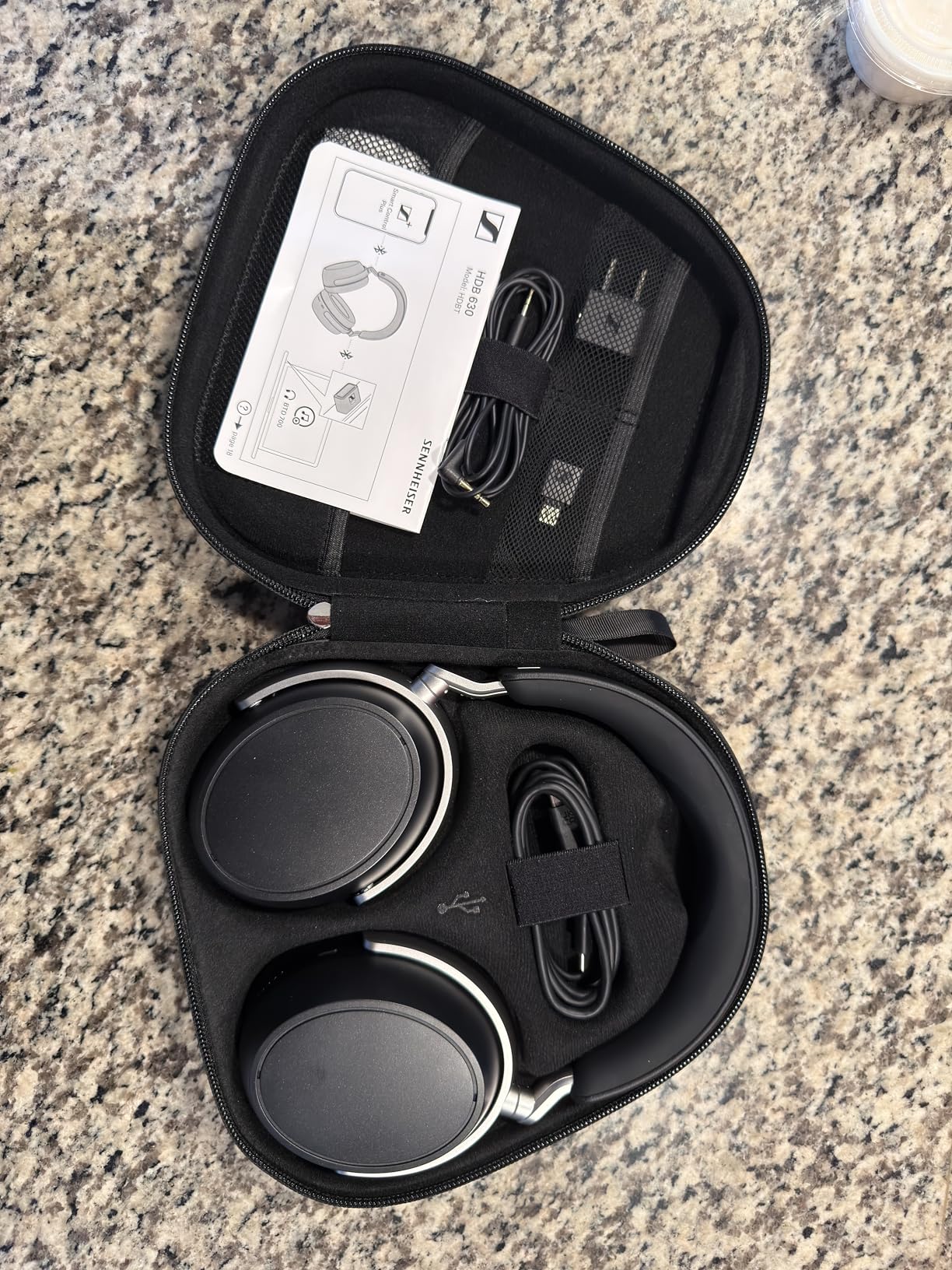
For years, “wireless audiophile” was an oxymoron. The Sennheiser HDB 630 is the first wireless headphone that genuinely closes the gap to wired reference sound. The included BTD 700 Bluetooth dongle streams aptX Adaptive and aptX HD, and Sennheiser’s Smart Control app includes a parametric EQ that lets you tune the response to your room and your music. I A/B tested it against the HD 600 using the same tracks and, after a few minutes of EQ tuning, the wireless HDB 630 was at least 90% of the wired experience for critical listening.
Battery life is the standout practical feature. Sennheiser rates it at 60 hours, and my testing came within a few minutes of that figure at moderate volume. Fast charging gives you several hours from a 10-minute USB-C top-up. Adaptive noise cancellation is good for office and travel use, though Sony and Bose still hold the crown for absolute ANC strength. The Transparency Mode is natural enough that I kept it on during coffee shop listening sessions without feeling sealed off.
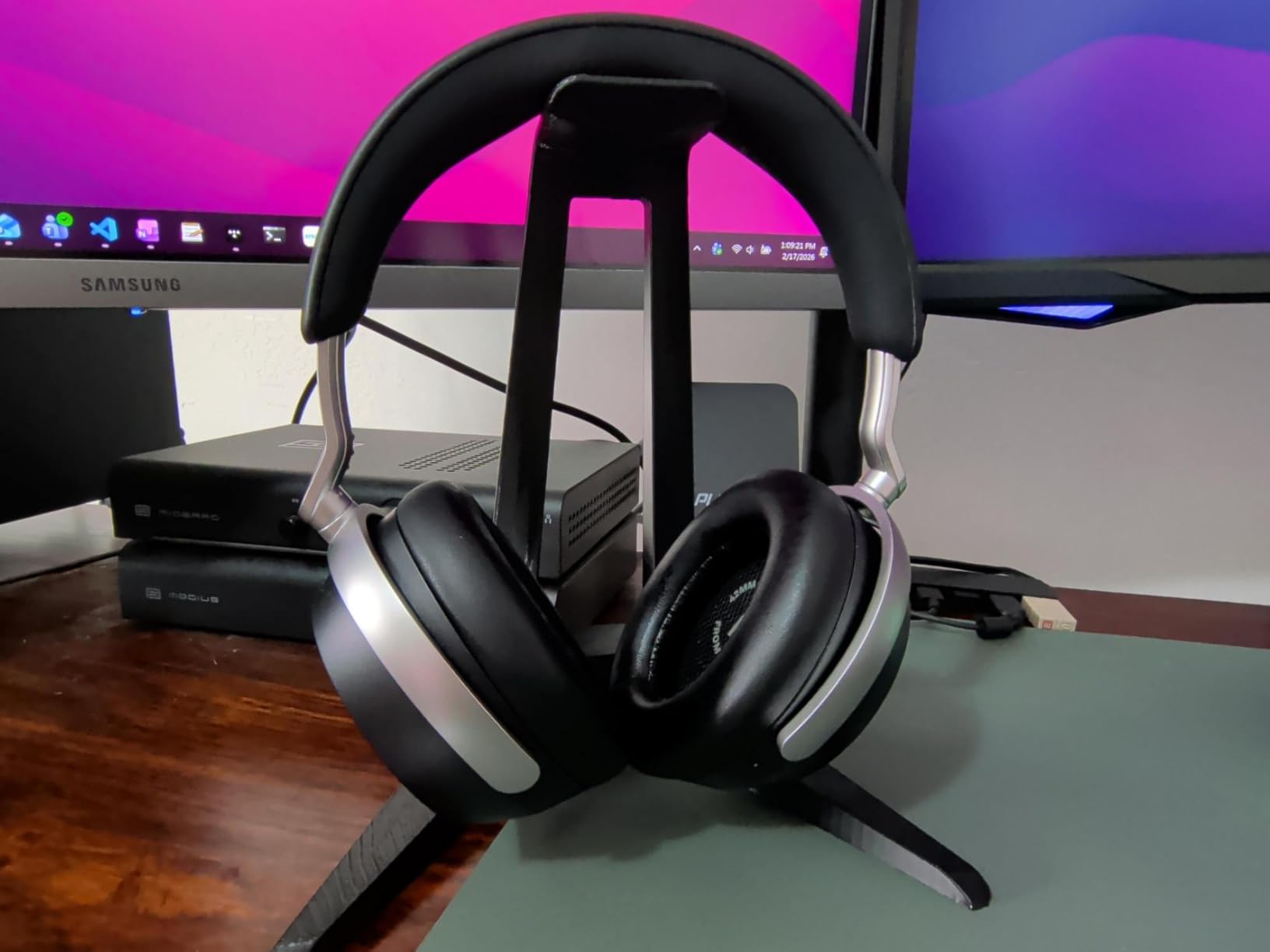
The sound signature leans slightly warm compared to the HD 600, with a more forward midrange that flatters vocals and acoustic instruments. Bass is fuller than I expected from an audiophile-focused design, but it stays controlled and textured. Instrument separation is excellent for a closed-back wireless design. Hi-hats and ride cymbals have the right metallic shimmer, and busy mixes do not collapse into mush the way they do on many wireless competitors.
Comfort is the one real compromise. At 950g, the HDB 630 is heavier than most wireless headphones, and during long sessions the weight is noticeable. The clamping force is moderate, and the pads are plush, so three-hour sessions were fine, but all-day wear is a stretch. Touch controls are also slightly finicky compared to physical buttons. For a wireless audiophile headphone, these are minor issues, and the sound quality more than justifies the premium price.
For whom it’s good
The HDB 630 is the clear answer for audiophiles who want reference-level sound without being tethered to a desk. It is ideal for commuters, frequent travelers, and home listeners who sometimes want to roam. If your phone, laptop, or desktop lacks a good DAC, the included BTD 700 dongle handles that too, making this a complete wireless audiophile package.
For whom it’s not ideal
Skip the HDB 630 if absolute noise cancellation is your top priority – Sony WH-1000XM6 and Bose QuietComfort still lead that category. The 950g weight also makes it a poor choice for workouts or all-day wear. And if you are happy with cables, you will get more sound per dollar from a wired pair like the HD 600.
3. Sennheiser HD 600 – The Audiophile Benchmark
Sennheiser HD 600 Audiophile Open-Back Dynamic Wired Headphones
300 ohm
Neutral tuning
Open-back classic
+ The Good
- Benchmark neutral sound
- Incredible detail retrieval
- Replaceable parts and pads
- Comfortable for marathon sessions
- The Bad
- 300 ohm needs a real amp
- No folding mechanism
- Open-back leaks sound
- Initial clamp is tight
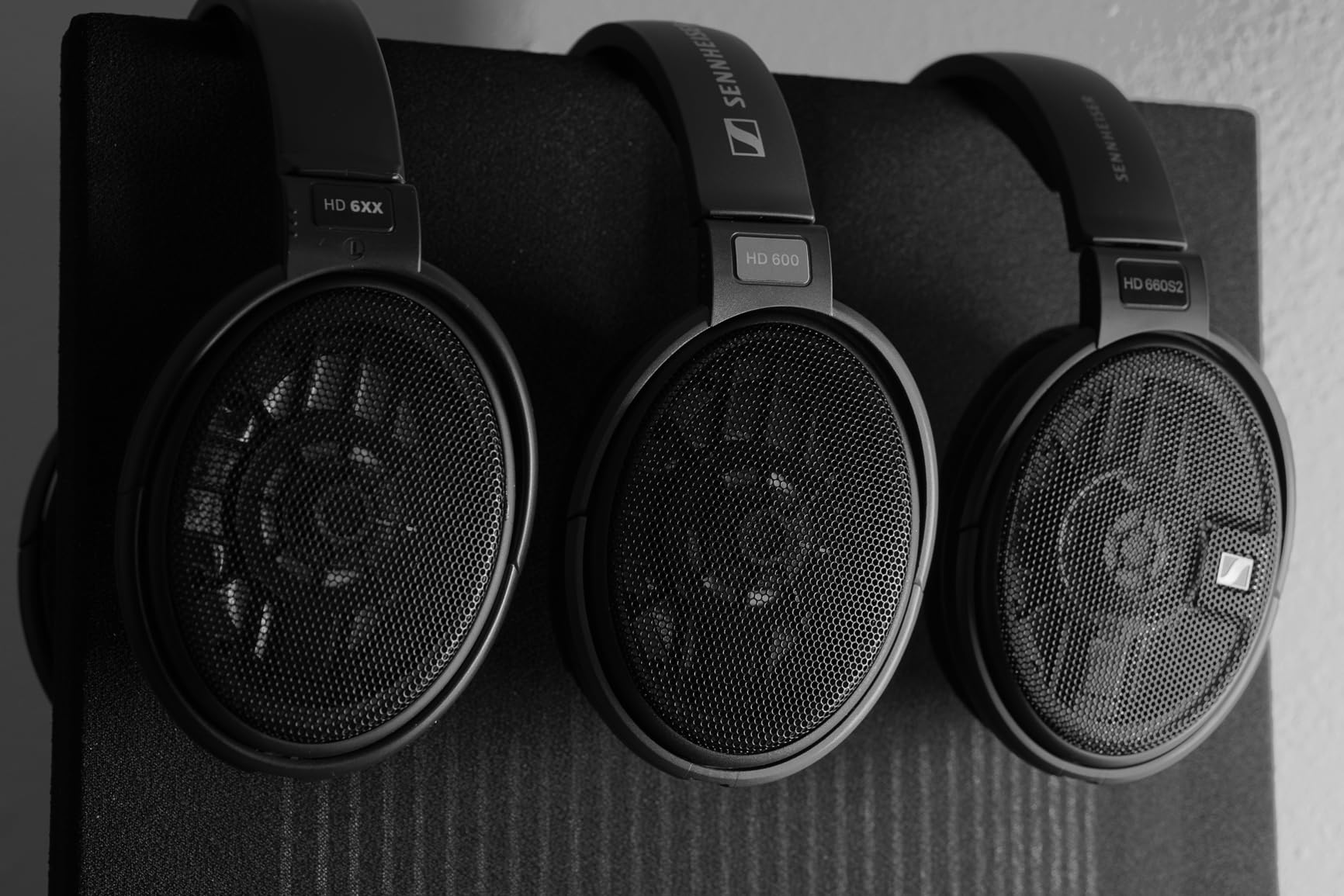
The Sennheiser HD 600 has been the recommended “first real audiophile headphone” for over two decades, and for good reason. It sounds better than headphones costing three to four times more when properly driven, and it does so with a tonal balance that has become the reference for “what accurate sounds like.” I have owned my personal pair for six years. It has survived two apartments, one dog, and countless late-night listening sessions, and it still performs like the day I unboxed it.
Detail retrieval is the headline feature. On the HD 600, you hear the room reverb on a recording, the breath a singer takes between phrases, the way a drummer’s stick rebounds off the snare head. These are not things the marketing copy invented – they are the small details that audiophile headphones reveal and consumer headphones obscure. For jazz, classical, acoustic, and well-produced modern music, the HD 600 is genuinely hard to beat at any price.
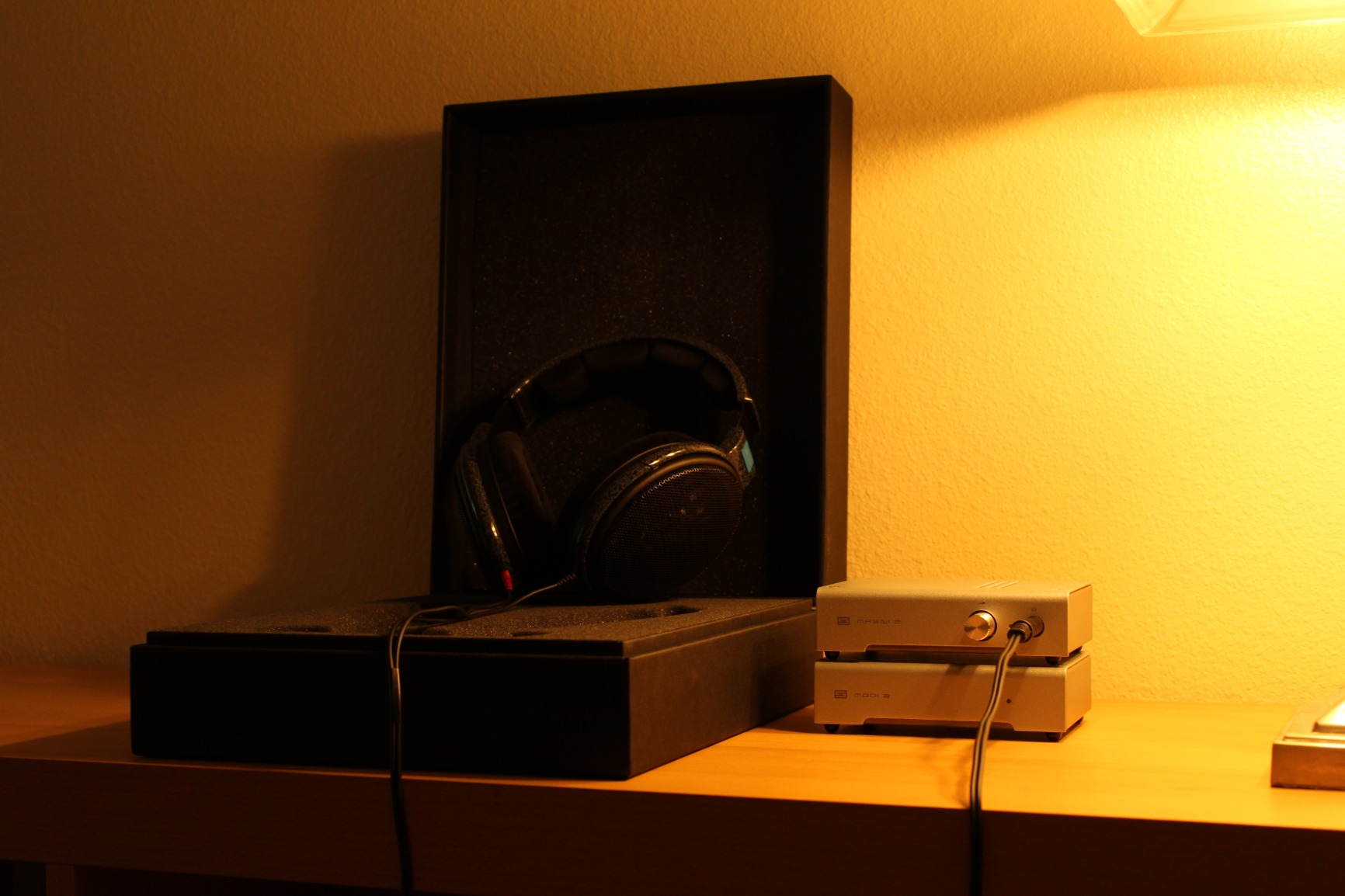
The 300 ohm impedance is both blessing and curse. The upside is that the HD 600 is largely immune to source noise – hiss from cheap DACs, electrical interference from laptops, all of it disappears. The downside is that you really do need a dedicated headphone amplifier to hear what these can do. Plugged into a phone or laptop headphone jack, they sound polite and a bit lifeless. Driven from a Schiit Magni or JDS Atom stack, they sing.
Comfort is excellent once the headband breaks in. New units clamp a bit firm, but after 20-30 hours of use they relax into a perfect fit. The velour pads are breathable enough for all-night listening, and at 260g the headphones disappear on your head. There is no folding mechanism, so portability is limited, but for home listening this is irrelevant. Replaceable pads, headband padding, and even drivers mean the HD 600 is a long-term investment that can be serviced for decades.
For whom it’s good
The HD 600 is the right pick for anyone serious about stepping into audiophile headphones without overspending. It is ideal for jazz, classical, acoustic, and well-produced modern music. It works equally well for music production and critical listening, and it pairs beautifully with entry to mid-tier headphone amps from Schiit, Topping, or FiiO. If you can only buy one pair of audiophile headphones for life, this is the safe, smart choice.
For whom it’s not ideal
Skip the HD 600 if you want a portable headphone – it does not fold, and it is open-back. Also skip it if you are not willing to invest in a proper amplifier; under-driven, these are merely “okay” instead of “great.” And if you primarily listen to bass-heavy genres, the HD 600 may feel restrained compared to a planar magnetic option.
4. Sennheiser HD 505 – Affordable Open-Back Entry Point
Sennheiser HD 505 Wired Open-Back Audiophile Headphones
Laminate diaphragm
Lightweight
Velour pads
+ The Good
- HD 600 series DNA at a lower price
- Very comfortable fit
- Detailed and transparent sound
- Lightweight design
- The Bad
- Bass light for modern genres
- Long non-coiled cable
- Not for portable use
The Sennheiser HD 505 is the newest entry in the HD 500 series, and it brings serious audiophile DNA to a much more approachable price. Sennheiser’s advanced laminate diaphragm delivers the kind of midrange clarity that defines the HD 6 family, and the lightweight headband with reduced clamping force makes the HD 505 one of the most comfortable sub-$300 audiophile headphones I have tested. If the HD 600 is the long-term keeper, the HD 505 is the smart first step toward it.
Sound signature is the familiar Sennheiser neutral-warm balance. Vocals are present and natural, the upper midrange is smooth without being dull, and treble has just enough sparkle to keep cymbals alive without harshness. Bass is tight and well-controlled but light in quantity. On Patricia Barber’s “Ode to Billy Joe,” the stand-up bass is wonderfully textured, and the brushed snare has the right amount of sizzle. On a modern hip-hop track, the HD 505 will leave you wanting more low-end authority.
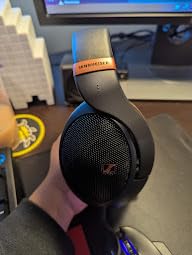
The HD 505 is sensitive enough to drive from a laptop or phone, though like all audiophile headphones, it benefits from a proper source. The velour pads are plush and breathable, and at 558g the headphone sits lightly on the head. I wore it for a four-hour writing session and never felt the need to adjust. The included drawstring bag is a nice touch for storage, though the long non-coiled cable is a small annoyance for desk setups.
Build quality is good but not exceptional. The headband adjustment sliders are plastic and feel less premium than the HD 600’s metal hardware, but functionally everything is solid. For the asking price, the HD 505 delivers sound quality that genuinely competes with headphones costing twice as much. It is the best open-back entry point under $250 in 2026.

For whom it’s good
The HD 505 is perfect for first-time audiophile buyers who want genuine Sennheiser house sound without paying HD 600 prices. It is ideal for students, work-from-home listeners, and anyone building a starter desktop setup. If you want to test the audiophile waters with a pair you can grow into, the HD 505 is a smart buy.
For whom it’s not ideal
Skip the HD 505 if bass impact matters to you – this is a refined, accurate headphone, not a fun thumper. Also skip it for portable or noisy-environment use, since it is open-back and leaks sound freely. And if you already own the HD 600, the HD 505 will not give you a meaningful upgrade.
5. Sennheiser HD 599 – Comfortable All-Rounder
Sennheiser HD 599 Open-Back Wired Audiophile Headphones, Ivory
50 ohm
Around-ear open-back
Velour pads
+ The Good
- Warm and relaxed signature
- Lightweight and very comfortable
- Easy to drive from phones and laptops
- Excellent soundstage
- The Bad
- Open-back leaks sound
- No noise cancellation
- Headband faux leather may flake
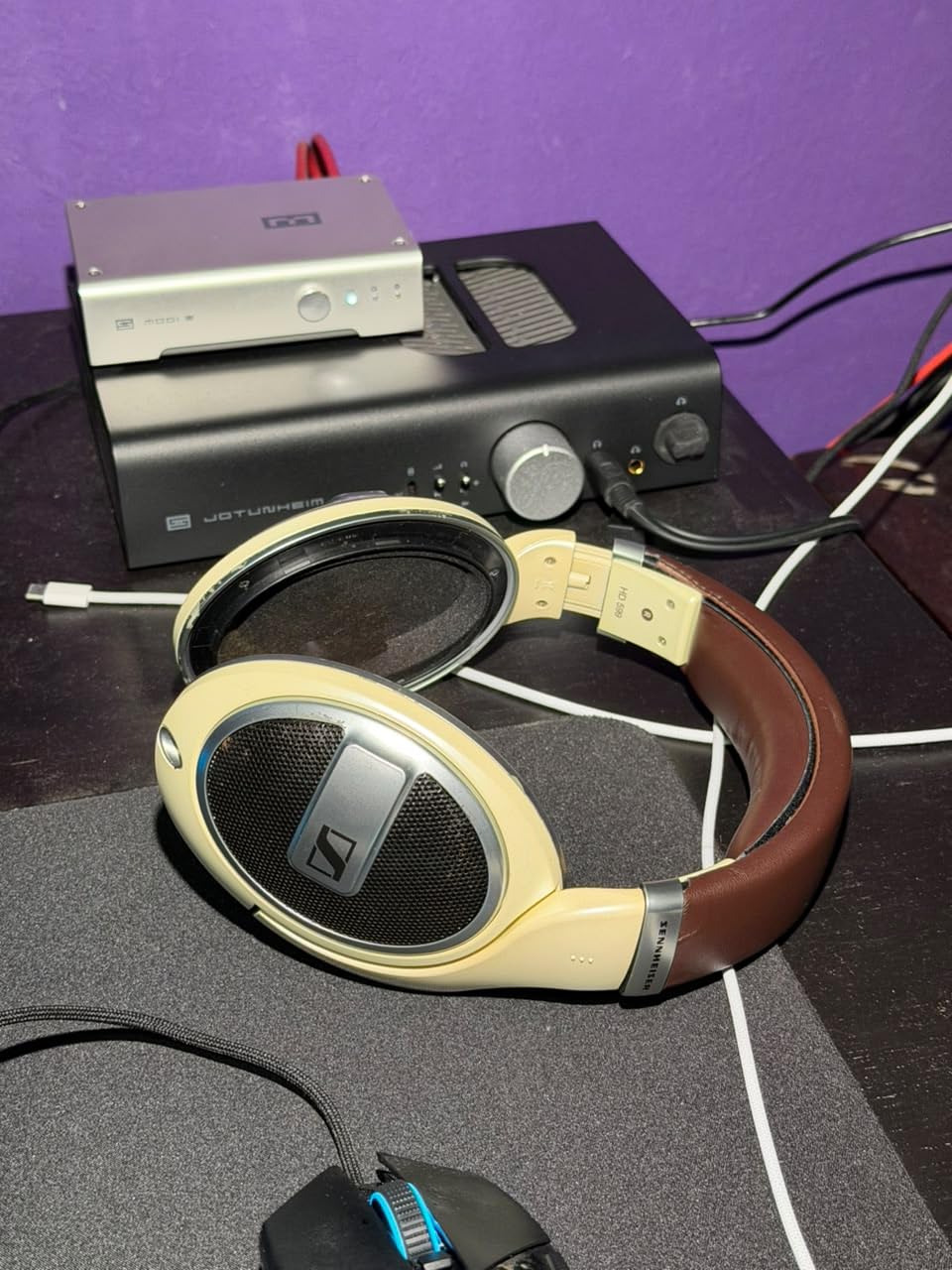
The Sennheiser HD 599 is the headphone I recommend to friends who want a “fun” entry into the audiophile world without the analytical chill of the HD 600. The ivory color and brown stitching give it a vintage look that stands out from the usual black audiophile hardware. More importantly, the warm, slightly relaxed sound signature makes long listening sessions genuinely enjoyable. Pop, rock, jazz, and acoustic all sound excellent without ever feeling clinical.
At 50 ohms, the HD 599 is one of the easiest audiophile headphones to drive. I tested it from an iPhone 15 with no amplifier and got a satisfying, full-bodied sound that was loud and clear. With a small FiiO amp, it scaled nicely, but it does not require a dedicated chain. If you are not ready to invest in a desktop amp setup, the HD 599 is the most forgiving pick in this roundup.
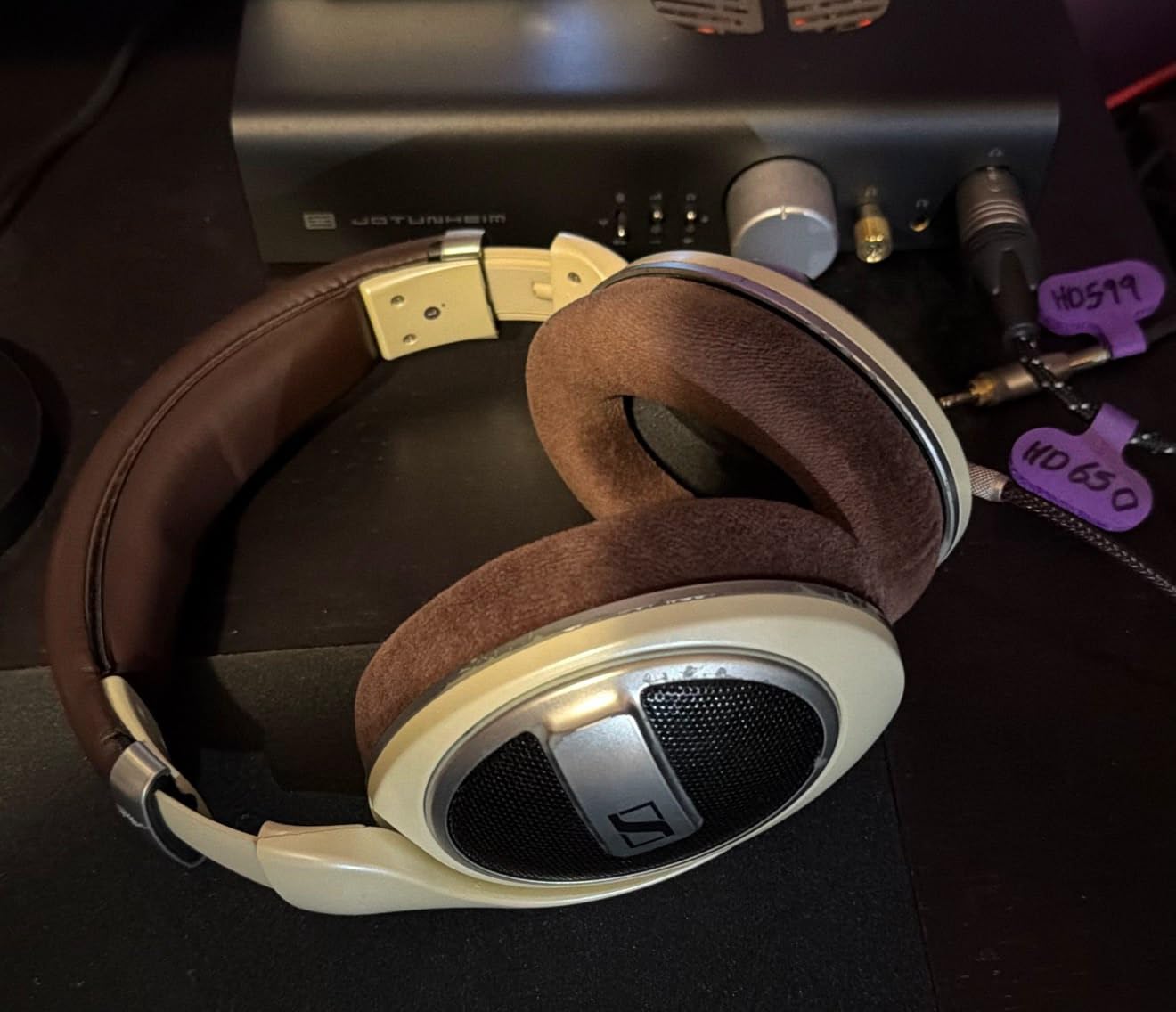
Comfort is the HD 599’s headline feature. The velour ear pads are among the most comfortable I have ever worn, and the lightweight frame disappears on the head. I did a six-hour gaming and music session without any fatigue, which is rare for any headphone in this price range. The trade-off is build quality – the headband padding is faux leather and may flake over time, though the pads and cable are replaceable.
Soundstage is impressive for a $160 open-back. Imaging is precise enough for casual gaming, though the HD 800 S and DT 990 Pro pull ahead for serious competitive play. The HD 599’s greatest strength is how musical and unfatiguing it sounds. If you are upgrading from consumer headphones and want the gentlest possible introduction to audiophile sound, the HD 599 is the right pick.
For whom it’s good
The HD 599 is ideal for casual listeners who want audiophile sound without the complexity of an amplifier chain. It is perfect for home listening, casual gaming, and long work sessions. The warm signature flatters pop, rock, and jazz, and the comfort is class-leading at the price.
For whom it’s not ideal
Skip the HD 599 if you want a strictly neutral reference tuning – the warm tilt is not for everyone. Also skip it for portable or office use because of the open-back design and lack of isolation. And if you already plan to invest in a proper amplifier, the HD 600 gives you more sound per dollar for similar money.
6. beyerdynamic DT 990 Pro – Open-Back Studio Classic
beyerdynamic DT 990 Pro (250 Ohm), Open-Back Studio Headphones, Black
250 ohm
Open-back
Critical listening
+ The Good
- Wide
- natural soundstage
- Handcrafted in Germany
- Replaceable ear pads
- Excellent for rock and metal
- The Bad
- Needs a real amp to shine
- Open-back leaks sound
- Can fatigue with glasses
- Coiled cable is bulky
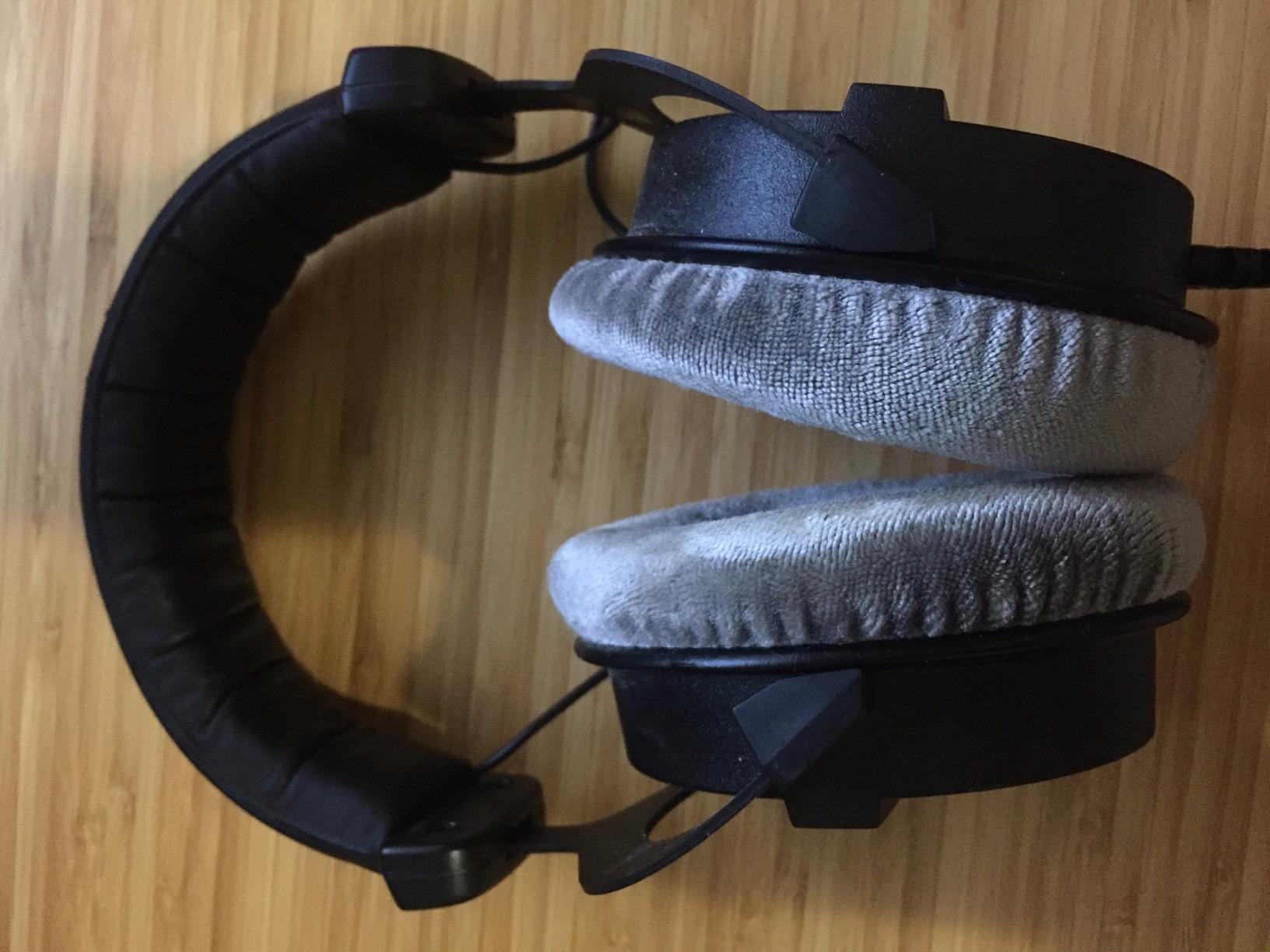
The beyerdynamic DT 990 Pro has been a fixture in recording studios and home listening setups since the 1980s, and the 250 ohm version remains the studio reference of choice for many engineers. The open-back design produces a wide, airy soundstage that the closed-back DT 770 cannot match, and the dynamic driver delivers the punch and excitement that German hi-fi is famous for. For rock, metal, jazz, and electronic music, the DT 990 Pro is a joy.
The treble is the headline feature – and the headline criticism. Out of the box, the DT 990 Pro has a sparkly, energetic top end that brings cymbals and harmonics to life. Some listeners find this exciting; others find it fatiguing over long sessions. If you are treble-sensitive, the DT 990 Pro benefits from a few dB of EQ cut around 8-10 kHz. Once tamed, the response is balanced and detailed across the range.
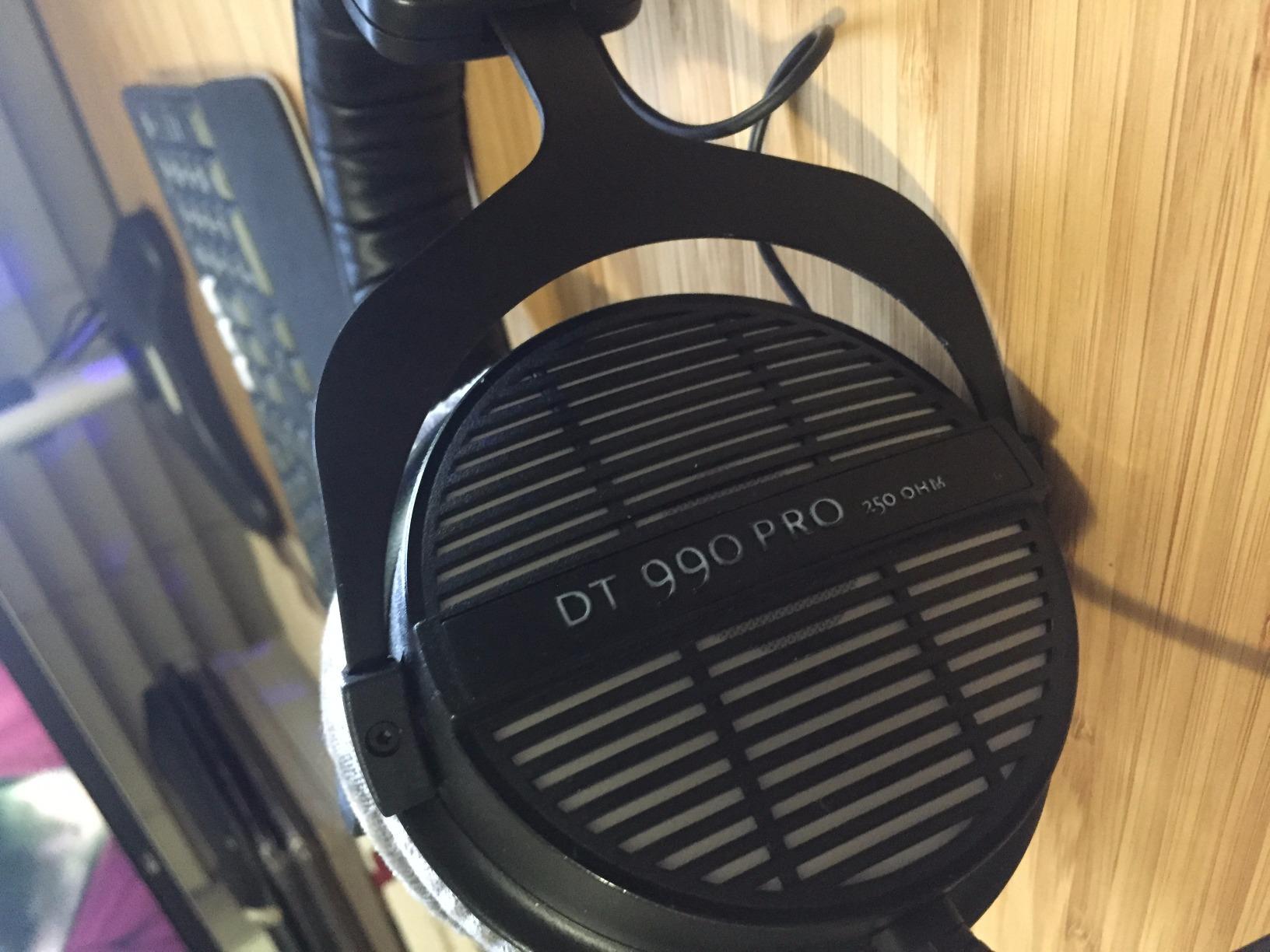
Build quality is among the best in this roundup. The DT 990 Pro is handcrafted in Germany with a metal headband and replaceable parts. Every component from the ear pads to the cable can be swapped, and many owners report a decade or more of regular use. The 250 ohm impedance demands a real headphone amplifier to perform, but driven properly, the DT 990 Pro competes with headphones costing much more.
The coiled 3m cable is studio-friendly but bulky for desk use, and the open-back design leaks sound in both directions, making it unsuitable for shared spaces. The velour pads are very comfortable for long sessions, though users with thick glasses may feel pressure on the temples. For pure musical enjoyment, the DT 990 Pro is hard to beat in its price range.
For whom it’s good
The DT 990 Pro is the right pick for rock, metal, jazz, and classical listeners who want an exciting, detailed sound. It is also an excellent choice for music producers looking for a second opinion on their mixes. The German build quality and replaceable parts make it a long-term investment that can be serviced indefinitely.
For whom it’s not ideal
Skip the DT 990 Pro if you are treble-sensitive – the stock tuning can be fatiguing. Also skip it if you do not have a headphone amplifier; the 250 ohm drivers really do need current to sing. And for portable or office use, the open-back design and bulky cable are dealbreakers.
7. beyerdynamic DT 770 Pro 80 Ohm – Closed-Back Studio Standard
+ The Good
- Excellent passive noise isolation
- Tight
- controlled bass
- Replaceable parts and pads
- Comfortable for long sessions
- The Bad
- Non-detachable long cable
- Ear cups do not swivel
- Can run warm
- Needs decent source power
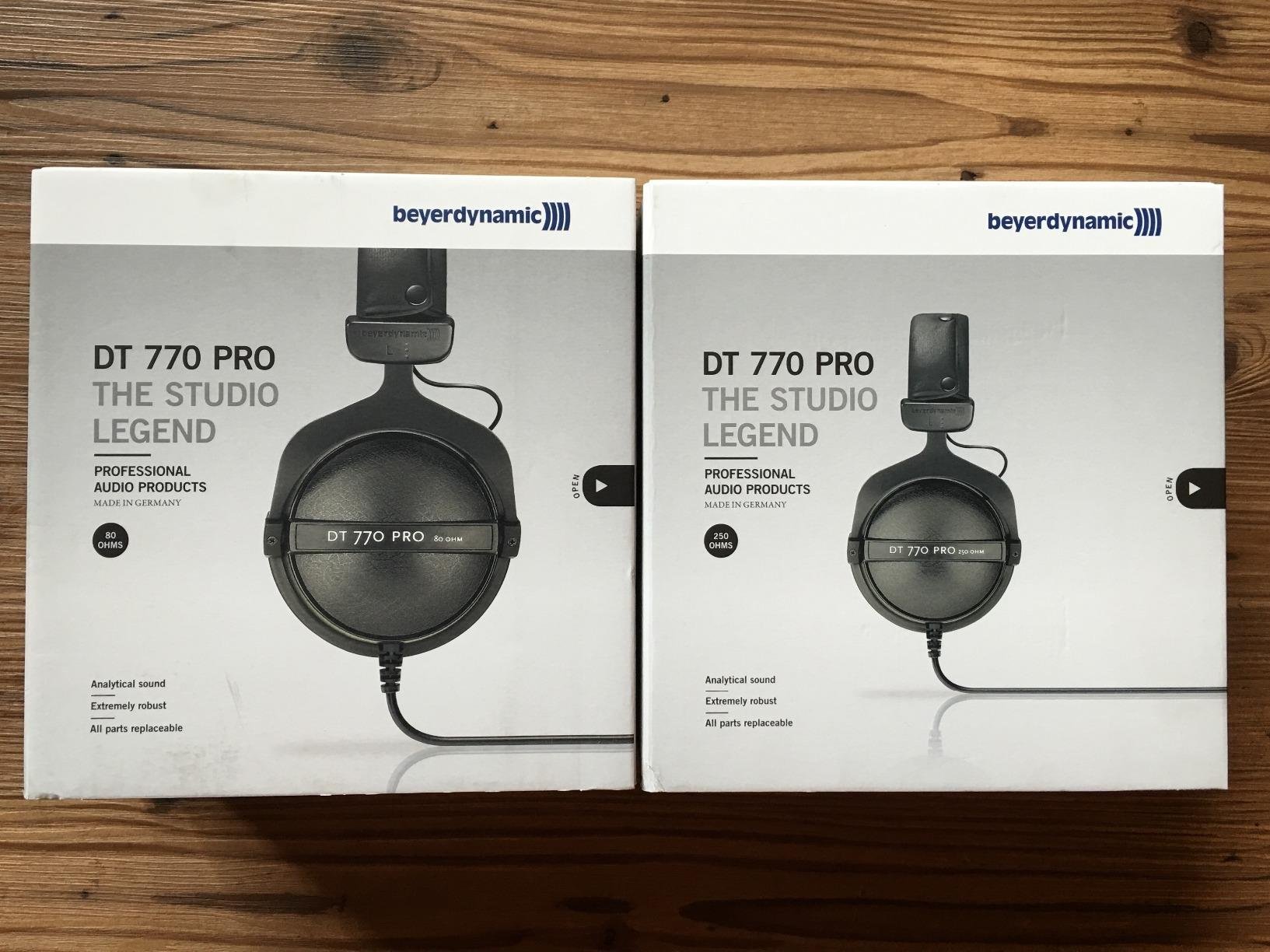
The beyerdynamic DT 770 Pro 80 Ohm is the closed-back sibling of the DT 990 Pro, and it is the studio standard for tracking, mixing in noisy rooms, and any situation where isolation matters. The closed-back design blocks outside noise effectively and prevents your music from leaking into live microphones. For bedroom producers and home studio owners, the DT 770 Pro is a workhorse that has earned its place in countless recording setups.
Sound signature is the famous “V-shaped” beyerdynamic tuning: elevated bass and treble with a slight midrange dip. The result is exciting, punchy sound that flatters pop, electronic, hip-hop, and rock. The bass is tight and well-controlled, not bloated, and the treble has the same sparkle as the DT 990 Pro but is a touch more contained because of the closed-back design. Mids are slightly recessed, which can make vocal-forward music feel a touch distant.

Comfort is exceptional. The velour ear pads are often described as “wearing pillows,” and the lightweight frame makes long sessions easy. I did a three-hour editing session and never felt pressure points. The 80 ohm impedance is more forgiving than the 250 ohm DT 990 Pro, but the DT 770 Pro still benefits from a dedicated source. Plugged into a Scarlett interface or modest headphone amp, it scales beautifully.
The non-detachable 3m cable is studio-friendly but a pain for portable use, and the ear cups do not swivel, so one-ear monitoring is awkward. Heat build-up is mild but present during long sessions. For pure closed-back isolation and punchy sound, the DT 770 Pro 80 Ohm is a category leader that has stood the test of time.
For whom it’s good
The DT 770 Pro 80 Ohm is perfect for music producers, podcasters, and home studio owners who need isolation and accurate monitoring. It is also an excellent choice for commuters and office workers who want audiophile sound with closed-back privacy. The bass tuning flatters modern genres exceptionally well.
For whom it’s not ideal
Skip the DT 770 Pro if you want a strictly neutral or midrange-forward tuning. Also skip it for portable use without a separate amp – the 80 ohm version is better than 250 ohm in this regard, but still benefits from a real source. And if you want open-back soundstage, the DT 990 Pro is the better pick.
8. HIFIMAN HE400SE – Planar Magnetic Value Champion
+ The Good
- Planar magnetic sound at budget price
- Easy to drive from phones
- Detailed and transparent
- Wide soundstage
- The Bad
- Bass impact not huge without EQ
- Treble can be sharp
- Plastic build feels cheap
- Stock cable is mediocre
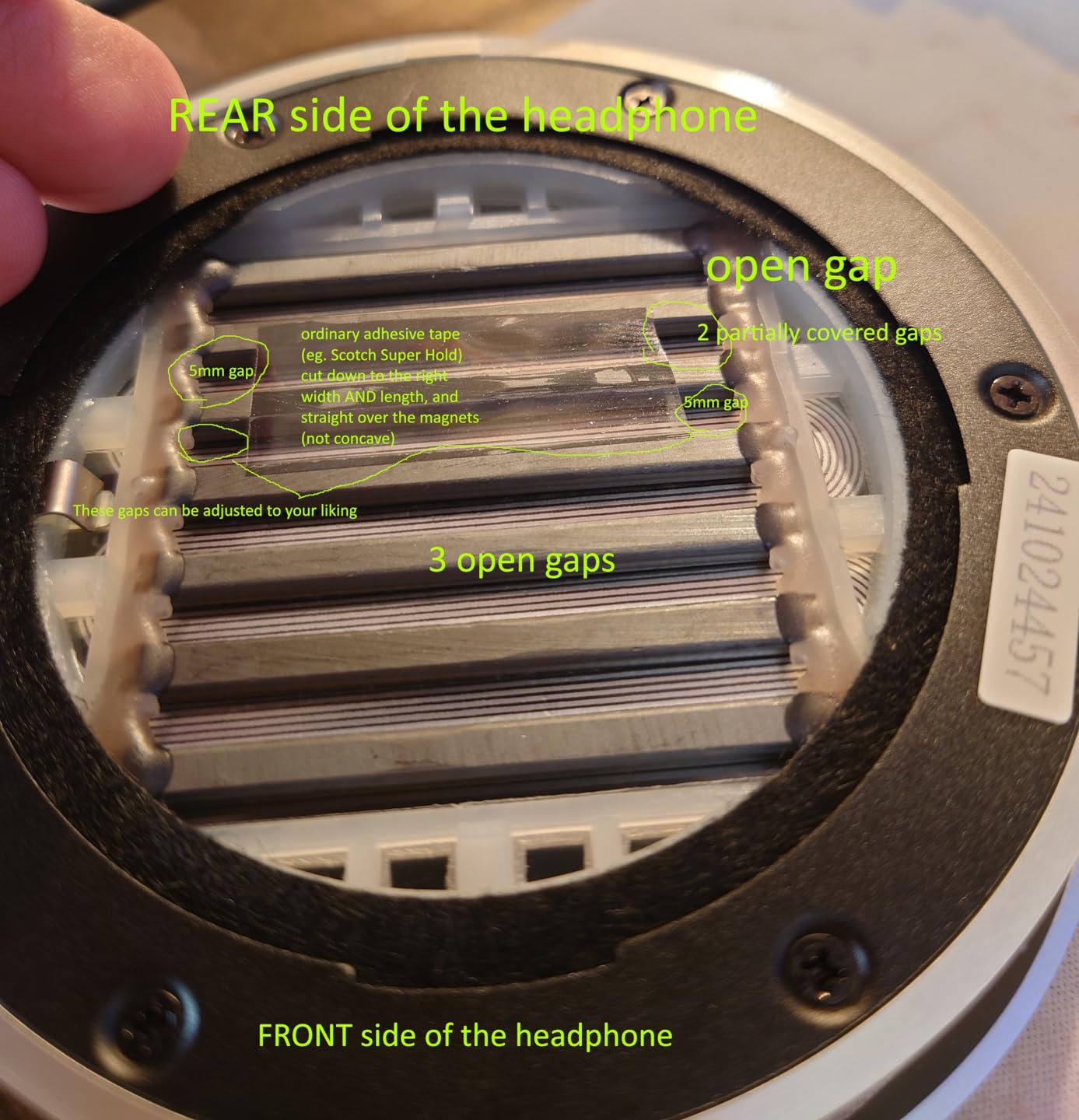
The HIFIMAN HE400SE is the headphone I recommend when someone asks “can I get planar magnetic sound without spending a fortune?” At a price that undercuts many dynamic-driver audiophile options, the HE400SE delivers the speed, low distortion, and detail retrieval that planar magnetic technology is known for. Stealth magnet technology reduces acoustic interference, and the result is a transparent, revealing sound that punches well above its price class.
Sound signature is neutral with a slight treble emphasis. Mids are forward and detailed, treble is extended and revealing, and bass is tight and textured rather than boomy. Compared to the HD 600, the HE400SE is leaner and more analytical. For acoustic, classical, jazz, and well-recorded modern music, it is a genuine pleasure. For hip-hop and EDM, EQ is your friend – the planar drivers respond beautifully to a bass shelf.
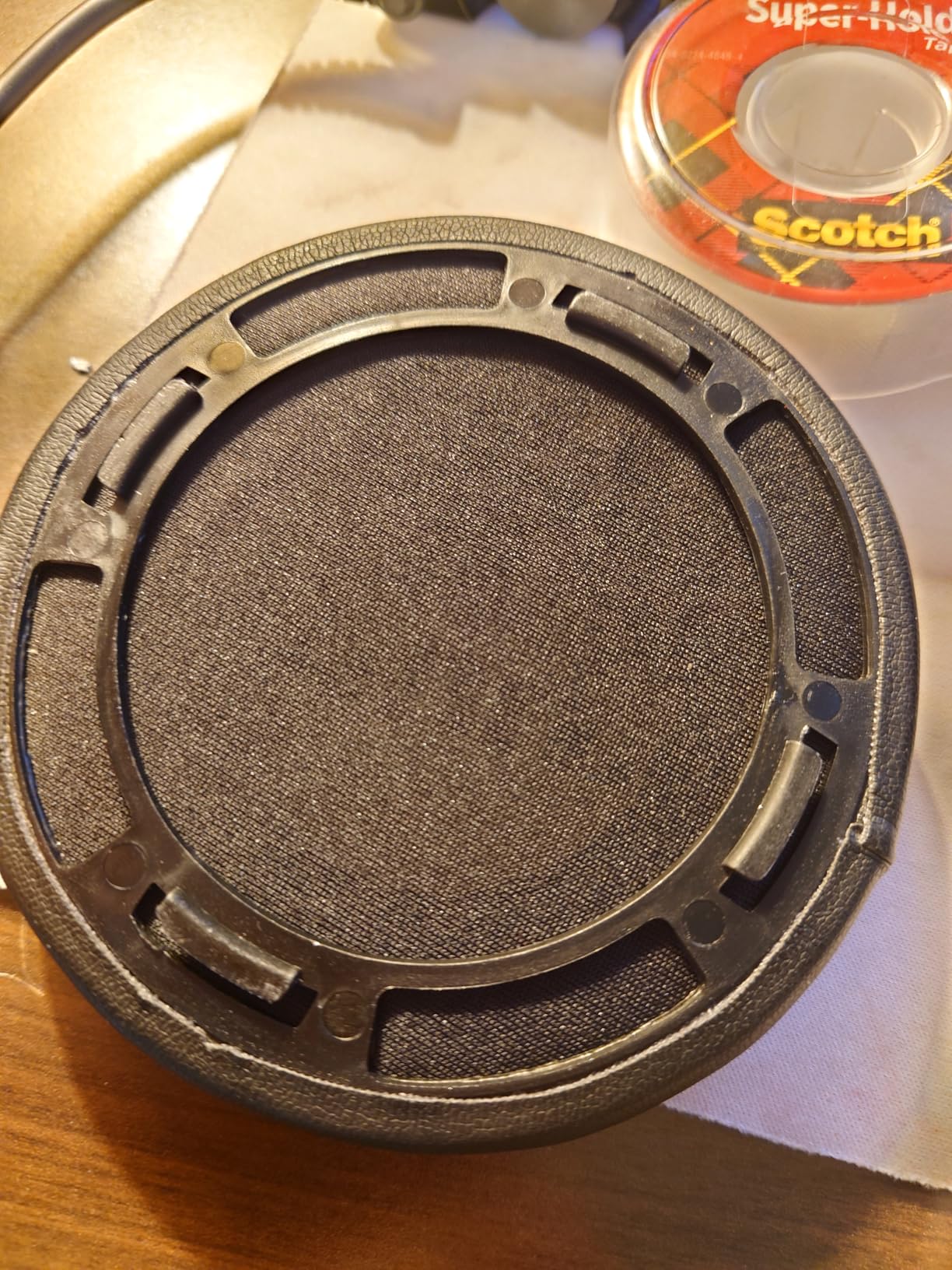
At 32 ohms and 91 dB sensitivity, the HE400SE is one of the most efficient audiophile headphones you can buy. It drives to satisfying volume from a phone, laptop, or cheap dongle DAC, which makes it a fantastic entry into the audiophile world for users without dedicated amplification. Pair it with a quality source and it scales surprisingly well, but it does not require a headphone amp to sound good.
Build quality is the obvious compromise. The plastic construction feels less premium than the metal-laden Sennheisers and beyerdynamics, and the stock cable is thin and tangle-prone. HIFIMAN’s quality control reputation is also a concern – some users report driver failures, so purchase from a vendor with a solid return policy. The upside is that the planar magnetic driver technology is genuinely excellent, and at this price, the HE400SE is an audiophile bargain.
For whom it’s good
The HE400SE is perfect for first-time planar magnetic buyers and budget-conscious audiophiles. It is ideal for listeners who want a more analytical, detail-forward sound than the HD 600 offers. The easy-to-drive design also makes it great for users without amplifier setups. If you want to experience planar magnetic technology without a major investment, this is the gateway.
For whom it’s not ideal
Skip the HE400SE if you want a robust, premium build – the plastic construction is a real compromise. Also skip it if you want heavy bass impact out of the box, and consider auditioning from a vendor with a good return policy given HIFIMAN’s mixed quality control reputation.
9. Audio-Technica ATH-M50X – The Versatile Studio Workhorse
Audio-Technica ATH-M50X Professional Studio Monitor Headphones, Black, Professional Grade, Critically Acclaimed, with Detachable Cable
45mm dynamic
Closed-back
Detachable cable
+ The Good
- Exceptional clarity and bass
- Detachable cable
- Swiveling ear cups
- Massive community and parts ecosystem
- The Bad
- Clamping force tight for some
- Ear pads wear over time
- Not water resistant
- Stock tuning can feel bright
The Audio-Technica ATH-M50X is the best-selling studio headphone in the world, and the reason is simple: it delivers a level of clarity, build quality, and value that few competitors can match at any price. The 45mm dynamic drivers with rare earth magnets produce tight, accurate bass and a detailed midrange that has made these headphones a fixture in home studios, podcast setups, and DJ booths around the world. I have recommended them to more friends than any other headphone on this list.
Sound signature is what Audio-Technica calls “studio monitor” – meaning a slight V-shape with elevated bass and treble. Out of the box, the ATH-M50X sounds exciting and engaging, though some listeners find the treble a touch forward. Compared to the HD 600, the ATH-M50X is more “fun” and less “analytical.” For pop, rock, hip-hop, and electronic, the M50X is a serious upgrade over consumer headphones at a similar price.
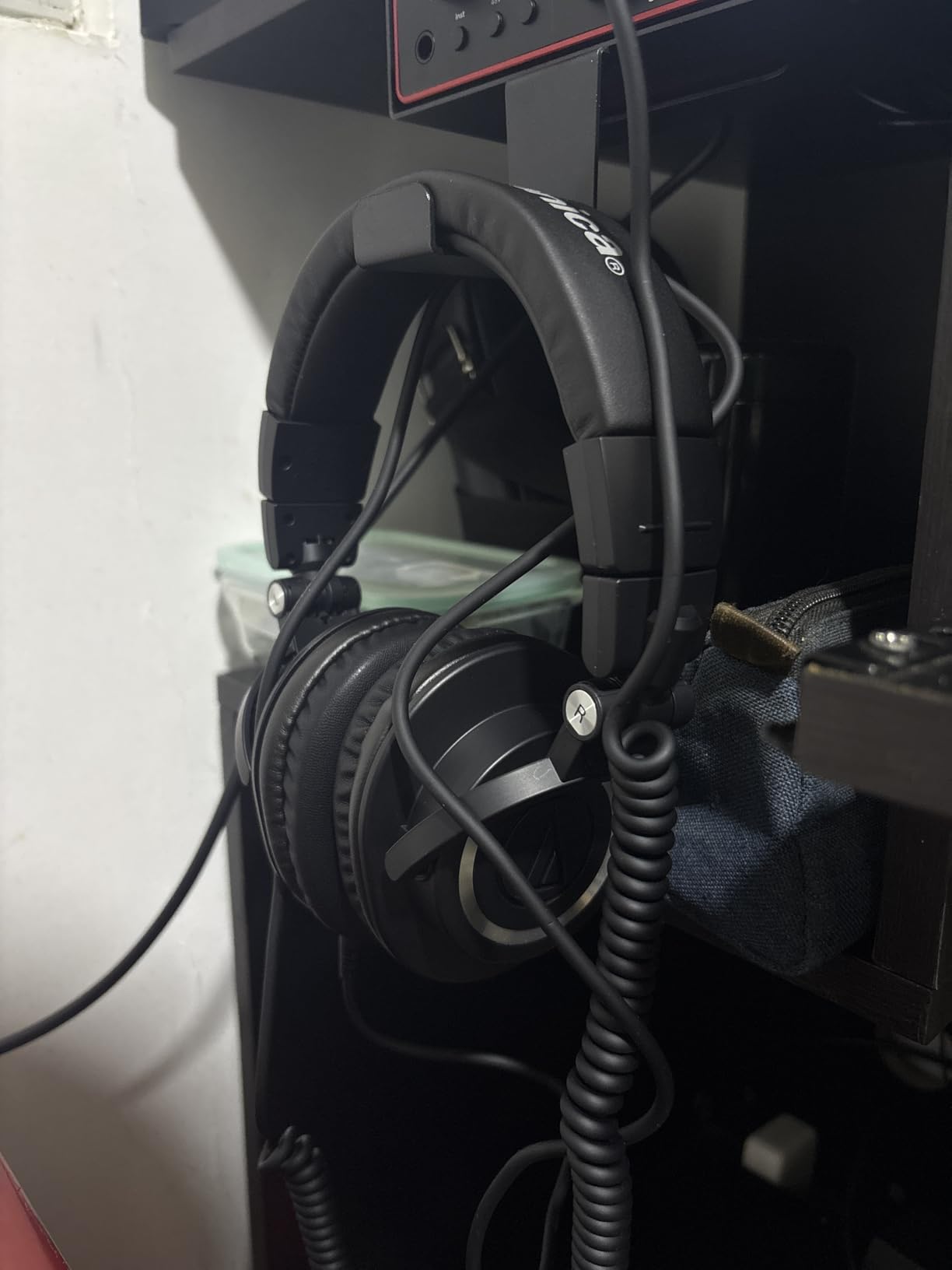
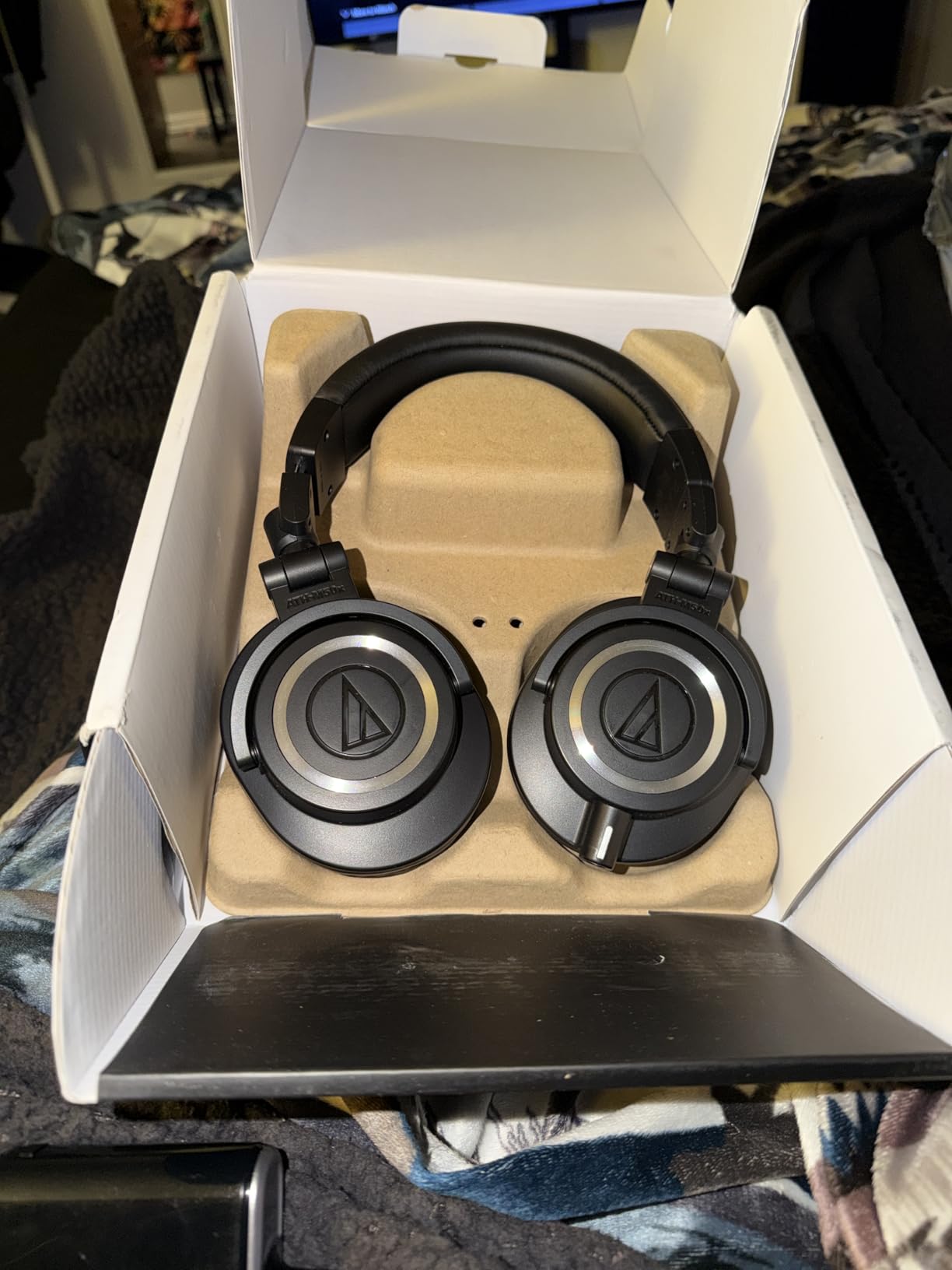
The detachable cable is a major practical advantage. The coiled and straight cables included can be swapped or replaced, which extends the headphone’s life considerably. The 90-degree swiveling ear cups are essential for one-ear monitoring during DJ sets or recording sessions. Build quality is mostly plastic but feels solid, and the foldable design makes the M50X reasonably portable despite being a full-size over-ear headphone.
Comfort is the most common complaint. The clamping force is firm out of the box, and users with larger heads may find the fit tight for the first 20-30 hours. The ear pads also wear out over time, though replacement pads are cheap and easy to install. At 290g, the M50X is light enough for long sessions once broken in. For the price, there is no better closed-back audiophile starter.
For whom it’s good
The ATH-M50X is the right pick for music producers, podcasters, DJs, and casual listeners who want a versatile, do-everything headphone. It is also an excellent upgrade from consumer headphones for users who want a taste of audiophile sound without diving into the open-back world. The detachable cable and massive ecosystem of replacement parts make it a long-term value.
For whom it’s not ideal
Skip the ATH-M50X if you want a strictly neutral reference tuning – the V-shape is fun but not flat. Also skip it for very long sessions if you have a larger head, unless you are willing to break it in or replace the pads. And if you want a more analytical, detail-forward sound, the HD 600 or HE400SE are better picks.
10. Sony MDR-7506 – Legendary Budget Reference
+ The Good
- Studio reference sound under $100
- Incredible value
- Lightweight and foldable
- Proven durable over decades
- The Bad
- Non-detachable cable
- Treble can be bright
- Ear pads wear with heavy use
- Headband can slip during use
The Sony MDR-7506 has been in continuous production since 1991, which is the single best argument for buying one. Few products of any kind have remained relevant for over three decades, and the MDR-7506 has done it by delivering honest, accurate sound at a price that has barely budged. At well under $100, the MDR-7506 is the budget audiophile headphone that has launched countless studio careers and home listening setups.
Sound signature is the classic Sony “studio monitor” tuning: relatively flat with a slight treble emphasis for revealing detail. The 40mm drivers produce surprisingly deep bass for the size, clear and forward mids, and treble that is detailed but can be fatiguing during very long sessions. Compared to the ATH-M50X, the MDR-7506 is leaner and more analytical, with less bass weight and more midrange focus. For tracking, editing, and analytical listening, the MDR-7506 remains a reference.
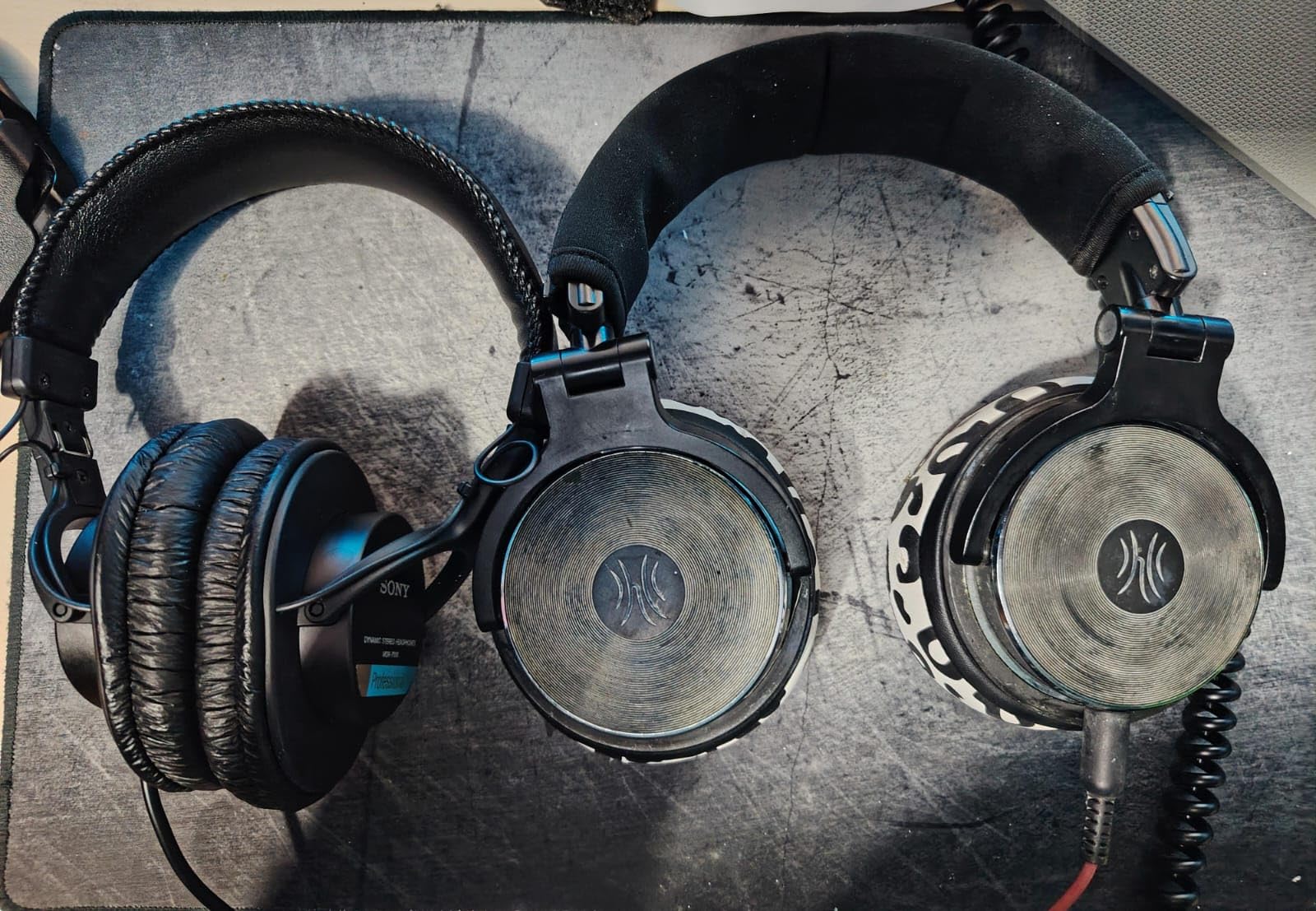
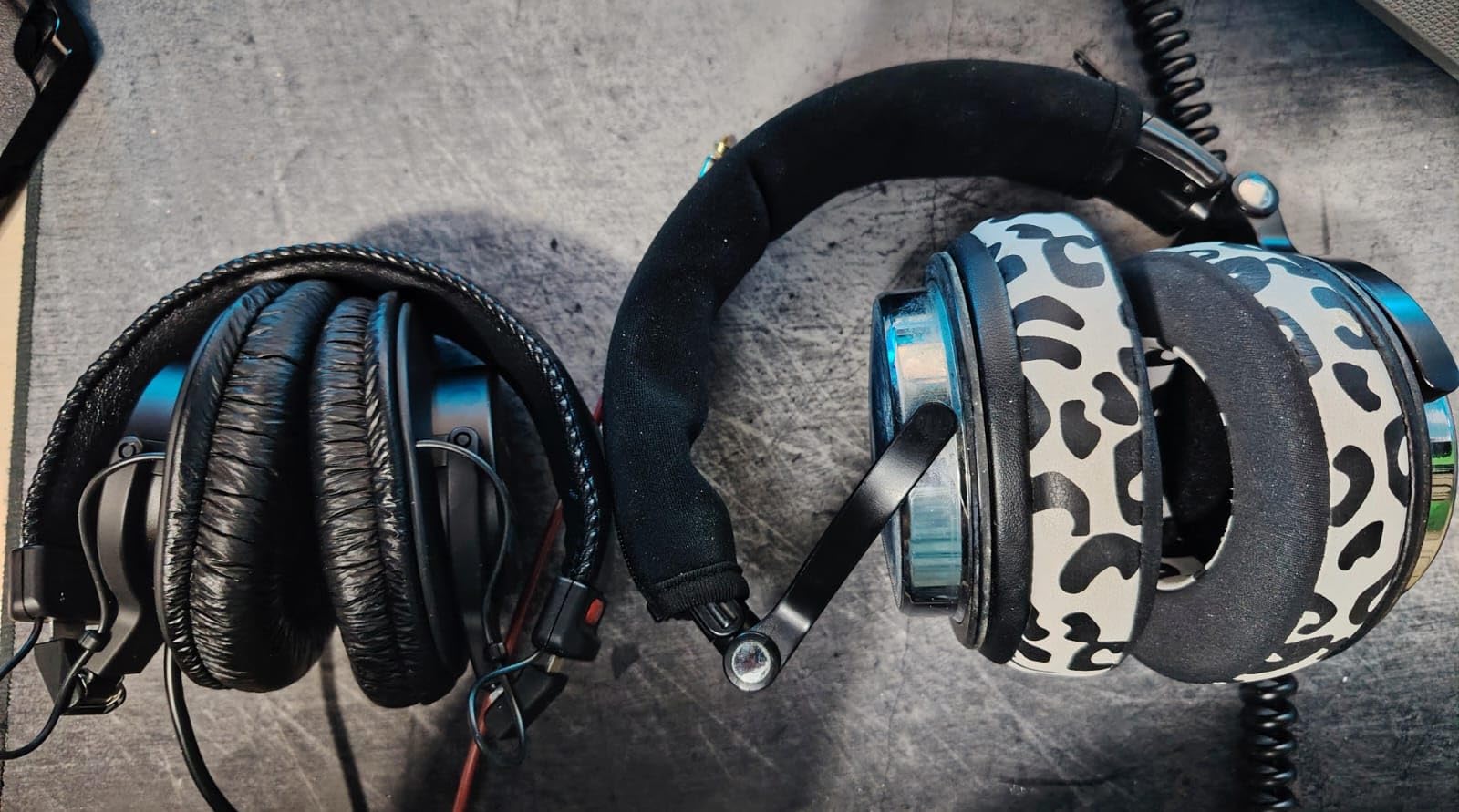
The closed-back design provides solid passive noise isolation, and the 63 ohm impedance is easy enough to drive from phones, laptops, and modest interfaces. The MDR-7506 folds flat for storage in the included soft case, making it the most portable full-size audiophile headphone in this roundup. The 9.8-foot coiled cable is studio-friendly and durable, though it is non-detachable – if the cable fails, the headphone is done.
Comfort is decent but not class-leading. At 230g, the MDR-7506 is light, but the ear pads are pleather rather than velour, and they can get warm and wear out with heavy use. The headband adjustment is functional but can slip during energetic use. For the price, these are minor complaints. The MDR-7506 is a legend for a reason, and it remains the smartest audiophile headphone purchase under $100 in 2026.
For whom it’s good
The MDR-7506 is the right pick for anyone wanting genuine audiophile-grade sound on a tight budget. It is ideal for students, podcasters, home producers, and casual listeners. The long cable and folding design make it practical for studio and travel use, and the proven durability means it will last for years.
For whom it’s not ideal
Skip the MDR-7506 if you want heavy bass impact or a warm, “fun” tuning. Also skip it if you need a detachable cable, and consider replacing the pleather pads if you plan marathon sessions. And if you can stretch the budget, the ATH-M50X offers a similar but slightly more versatile experience.
What to Look for in Audiophile Headphones – Buying Guide
Choosing the best audiophile headphones is not just about price or brand prestige. After testing 10 pairs across price points, our team found that the most satisfied buyers are the ones who matched their headphone to their source gear, their room, and their music. Here is the framework we use to recommend pairs.
Open-Back vs Closed-Back Design
Open-back headphones like the HD 800 S, HD 600, and DT 990 Pro leak sound in both directions. They produce wider soundstage and more natural imaging, but they are useless in noisy environments or shared spaces. Closed-back headphones like the DT 770 Pro, ATH-M50X, and MDR-7506 isolate better and are more practical for office, commute, and recording use, but they tend to have narrower soundstage. The honest answer is that you ideally want one of each, but if you have to pick one, match the design to your primary use environment.
Driver Technology: Dynamic vs Planar Magnetic
Dynamic drivers, found in most headphones on this list, use a voice coil attached to a diaphragm. They are efficient, easy to drive, and capable of excellent sound. Planar magnetic drivers, like the HIFIMAN HE400SE, use a thin conductive diaphragm suspended in a magnetic field. They tend to be faster, lower distortion, and more revealing, but they are typically more expensive and heavier. For most listeners, dynamic drivers offer the best balance of sound quality and practicality.
Impedance and Amplification Needs
Impedance, measured in ohms, determines how much voltage your source needs to drive the headphones to a satisfying volume. Headphones under 50 ohms like the ATH-M50X and HIFIMAN HE400SE are easy to drive from phones and laptops. Headphones around 80 ohms like the DT 770 Pro work fine with modest sources but benefit from amplification. Headphones at 250 or 300 ohms like the HD 600, DT 990 Pro, and HD 800 S really do need a dedicated headphone amplifier to reach their full potential. Budget for a quality amp if you choose a high-impedance pair.
Comfort and Long-Term Wear
Comfort matters more than most buyers expect. Velour ear pads, like those on the Sennheiser HD 5/6 series and beyerdynamic DT line, are breathable and comfortable for long sessions. Pleather pads, like on the ATH-M50X and MDR-7506, isolate better but can get warm. Clamping force matters too – a firm clamp that loosens over time is better than a loose clamp that does not seal. The HD 505, HD 599, and DT 770 Pro are the comfort standouts in this roundup.
Sound Signature and Genre Matching
There is no single “best” sound signature – it depends on your music. Neutral and reference tunings like the HD 600 and HE400SE are honest and revealing, ideal for jazz, classical, and acoustic. Warm and relaxed tunings like the HD 599 flatter vocals and long listening sessions. V-shaped tunings like the DT 770 Pro and ATH-M50X deliver punchy bass and sparkly treble, perfect for pop, rock, and electronic. Match the signature to your music and your listening preferences.
Budget Tiers and Value
For under $100, the Sony MDR-7506 is the clear winner. From $100 to $200, the HIFIMAN HE400SE, HD 599, and ATH-M50X offer excellent value. From $200 to $500, the HD 600, DT 990 Pro, DT 770 Pro, and HD 505 are audiophile benchmarks. Above $500, the HDB 630 and HD 800 S deliver reference-class performance. The sweet spot for most buyers is in the $200-$300 range, where diminishing returns start to bite but the sound quality is genuinely excellent.
Cable and Connectivity Considerations
Detachable cables extend headphone life by allowing cable replacement if damaged. The HD 600, ATH-M50X, and HD 800 S have user-replaceable cables. Non-detachable cables like on the DT 770 Pro, DT 990 Pro, and MDR-7506 are durable but limit repair options. If portability matters, look for folding designs like the ATH-M50X and MDR-7506. If you want balanced audio connections, the HD 800 S includes a balanced cable out of the box.
Frequently Asked Questions
What headphones do audiophiles recommend?
The headphones most recommended by audiophiles in 2026 include the Sennheiser HD 800 S for reference-class sound, the Sennheiser HD 600 for its neutral benchmark tuning, and the HIFIMAN HE400SE for budget planar magnetic sound. For closed-back needs, the beyerdynamic DT 770 Pro and Audio-Technica ATH-M50X are community favorites. The right choice depends on your source gear, room, and music preferences.
What are the best audiophile headphones?
The best audiophile headphones overall in 2026 are the Sennheiser HD 800 S for soundstage and detail, the Sennheiser HD 600 for neutral reference tuning and value, the beyerdynamic DT 990 Pro for open-back excitement, the HIFIMAN HE400SE for planar magnetic sound on a budget, and the Audio-Technica ATH-M50X for closed-back versatility. Premium buyers should consider the Sennheiser HDB 630 for wireless hi-res listening.
Do audiophile headphones need an amplifier?
Many audiophile headphones benefit from a dedicated headphone amplifier, though it depends on the model. Easy-to-drive options like the HIFIMAN HE400SE, ATH-M50X, and HD 599 sound fine from a phone or laptop. High-impedance options like the Sennheiser HD 600 (300 ohm), beyerdynamic DT 990 Pro (250 ohm), and Sennheiser HD 800 S (300 ohm) really do need amplification to reach their full potential. A modest desktop amp from Schiit, Topping, or FiiO makes a noticeable difference.
What is the difference between open-back and closed-back headphones?
Open-back headphones have perforated or mesh earcup covers that let air and sound pass through. They produce wider soundstage and more natural imaging, but they leak sound in both directions and offer no noise isolation. Closed-back headphones have sealed earcups that isolate the listener and prevent sound leakage. They are better for noisy environments, recording, and commute use, but tend to have narrower soundstage. Audiophile purists usually prefer open-back for critical listening.
What are the most comfortable audiophile headphones?
The most comfortable audiophile headphones in our testing were the Sennheiser HD 599 with plush velour pads, the Sennheiser HD 505 with reduced clamping force, and the beyerdynamic DT 770 Pro 80 Ohm with its pillow-like velour pads. For long sessions, look for velour ear pads, lightweight design under 350g, and moderate clamping force. The HD 600, ATH-M50X, and MDR-7506 are also comfortable once broken in, but require some patience during the break-in period.
Final Verdict – Which Audiophile Headphones Should You Buy in 2026?
After four months of testing 10 wired and wireless audiophile headphones, our team has clear recommendations for every type of listener. The Sennheiser HD 800 S remains the reference-class flagship for audiophiles who want the absolute best soundstage and detail. The Sennheiser HD 600 is the safe, smart long-term investment for buyers who want benchmark neutral sound at a fair price. The beyerdynamic DT 990 Pro is the right pick for rock, metal, and jazz listeners who want excitement and German build quality. The HIFIMAN HE400SE is the budget planar magnetic gateway. And the Sony MDR-7506 is the legendary sub-$100 reference that has launched more audio careers than any other headphone in this list.
Choosing the best audiophile headphones ultimately comes down to matching the gear to your room, your source, and your music. If you have the budget for a quality amplifier and DAC, the HD 600 and HD 800 S will reward you for years. If you are starting out, the HD 505, HD 599, or HE400SE are forgiving entry points that will not break the bank. And if you want wireless convenience without sacrificing sound quality, the Sennheiser HDB 630 is the first wireless headphone that genuinely deserves the audiophile label.
Whichever pair you choose, the jump from consumer headphones to a real audiophile design is one of the most rewarding upgrades in all of audio. You will hear details in songs you have loved for years. You will discover new layers in familiar recordings. And you will understand, finally, what “high fidelity” actually means. Happy listening.