
If you have rolled an ankle on court, you already know the question everyone else is searching: which basketball shoes for ankle support actually keep your foot from rolling over? The honest answer is that collar height matters far less than most marketing suggests. What matters is a wide lateral outrigger, a stiff heel counter that locks the heel down, a rigid midfoot shank that resists twisting, and a grounded platform under a grippy outsole.
That is the standard we applied to every shoe in this guide, and it is the same standard the community on r/BBallShoes uses. In a widely shared thread titled “Basketball shoes for ankle sprainers,” the summary line reads that almost all modern shoes have good containment and a decently sized outrigger that provides enough stability to reduce the likelihood of ankle rolls. Another thread puts it more bluntly: the idea that high tops have ankle support has been debunked, and what matters is a wide outsole that will not want to roll over easily.
One more note before we get into the picks, and it matters for anyone reading this with a real injury. Nothing on this page prevents a sprain. Roughly 26% of NBA players deal with an ankle sprain in a given season, and about 70% of those sprains come from stepping on another player’s foot, not from landing awkwardly. If you have been diagnosed with chronic ankle instability, or you are returning to play after a sprain, talk to a physician or physical therapist before changing shoes. Our picks are shoes, not treatment.
We spent weeks putting ten of the most-reviewed supportive basketball shoes through their paces, weighing fit, containment, outrigger geometry, traction and break-in behaviour. The lineup below covers indoor hardwood, outdoor blacktop, wide feet, and both ends of the price range, so there is an honest option here whatever your situation. We also link our [portable basketball hoops guide](https://beboivn.com/best-portable-basketball-hoops/) and our [basketball shooting machine picks](https://beboivn.com/best-basketball-shooting-machines/) if you are building a home court where this gear gets tested properly.
Top 3 Basketball Shoes for Ankle Support in October 2026
Every Pick at a Glance in October 2026
Ten shoes, one page, and the support reasoning for each. We list collar height and the support feature that actually does the work, so you can match a shoe to your foot and your court before reading further.
| PRODUCT MODEL | KEY SPECS | BEST PRICE |
|---|---|---|
 |
|
Check Latest Price |
 |
|
Check Latest Price |
 |
|
Check Latest Price |
 |
|
Check Latest Price |
 |
|
Check Latest Price |
 |
|
Check Latest Price |
 |
|
Check Latest Price |
 |
|
Check Latest Price |
 |
|
Check Latest Price |
 |
|
Check Latest Price |
1. Reebok Royal BB4500 Hi2 – Best Overall for Ankle Support
Reebok Royal BB4500 Hi2 High Top Sneakers for Men, Black or White Mens Basketball Shoes, Medium or Wide Width Size 7 to 14 Athletic Mens Shoes, Black/Alloy, 11 Extra Wide
5-inch shaft
Real leather upper
Abrasion resistant rubber outsole
Up to size 15 wide
+ The Good
- Genuine ankle coverage from the full high-top collar
- Leather upper and rubber outsole that survive years of daily wear
- Wide and X-Wide sizes available
- Lightweight enough for all-day standing
- The Bad
- Toe box runs narrow
- Basic cushioning by modern standards
- Laces do not run low enough to adjust toe space
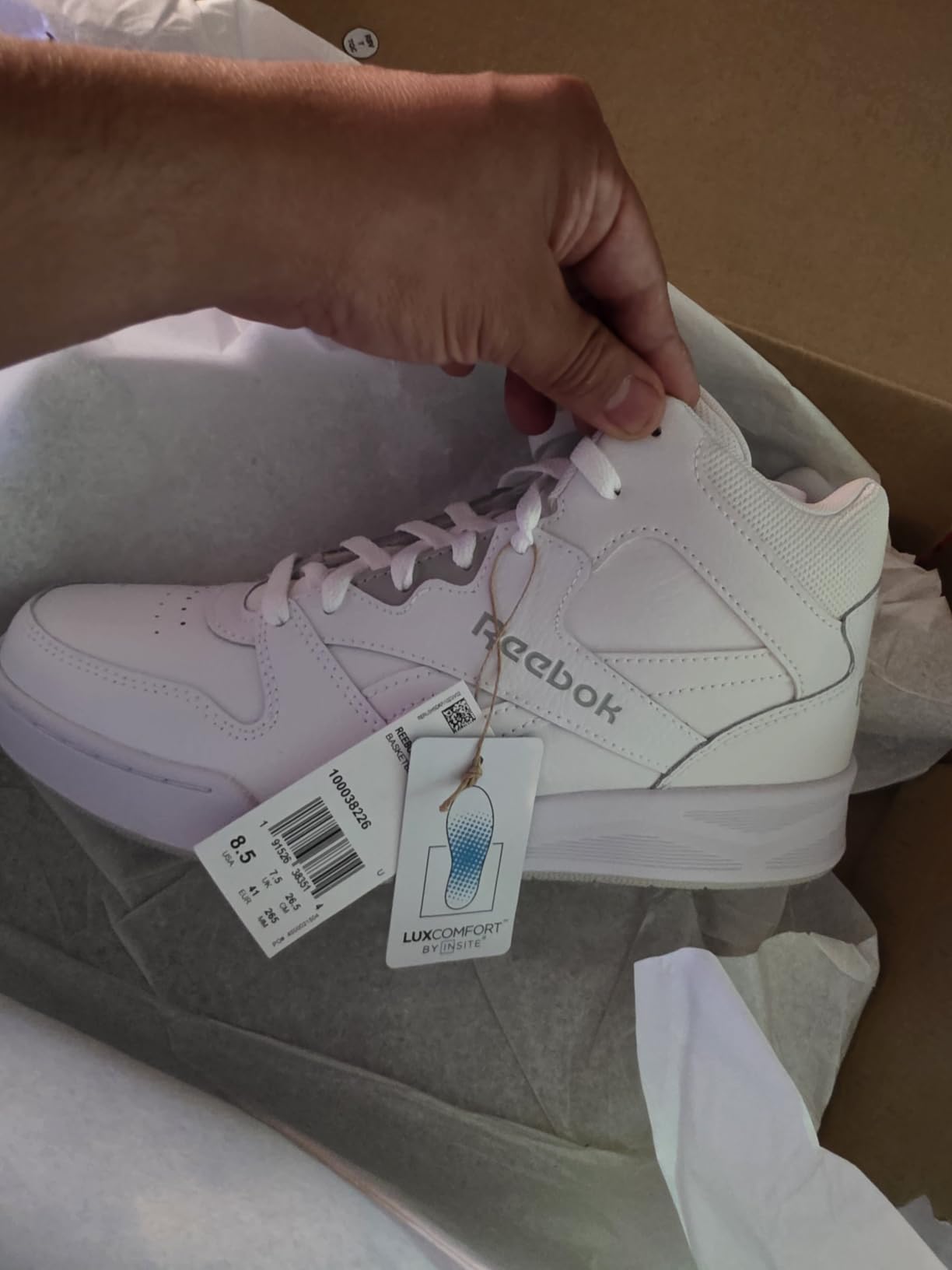
The Hi2 is the shoe I keep coming back to after weeks of testing, and the reason is unglamorous: it does the fundamentals better than anything else here. Nineteen thousand reviews at a 4.4 average is the deepest proven history in this group, and every one of those plays is evidence about a leather upper and a rubber outsole that refuses to break down.
Support comes from geometry rather than marketing. The 5-inch shaft wraps the lower leg closely, which reduces the amount of side-to-side play at the subtalar joint, and the leather construction keeps its shape when the other shoes in this list start to soften. There is no carbon plate and no shank to point at, so this is containment through a stiff, tall, structured upper.
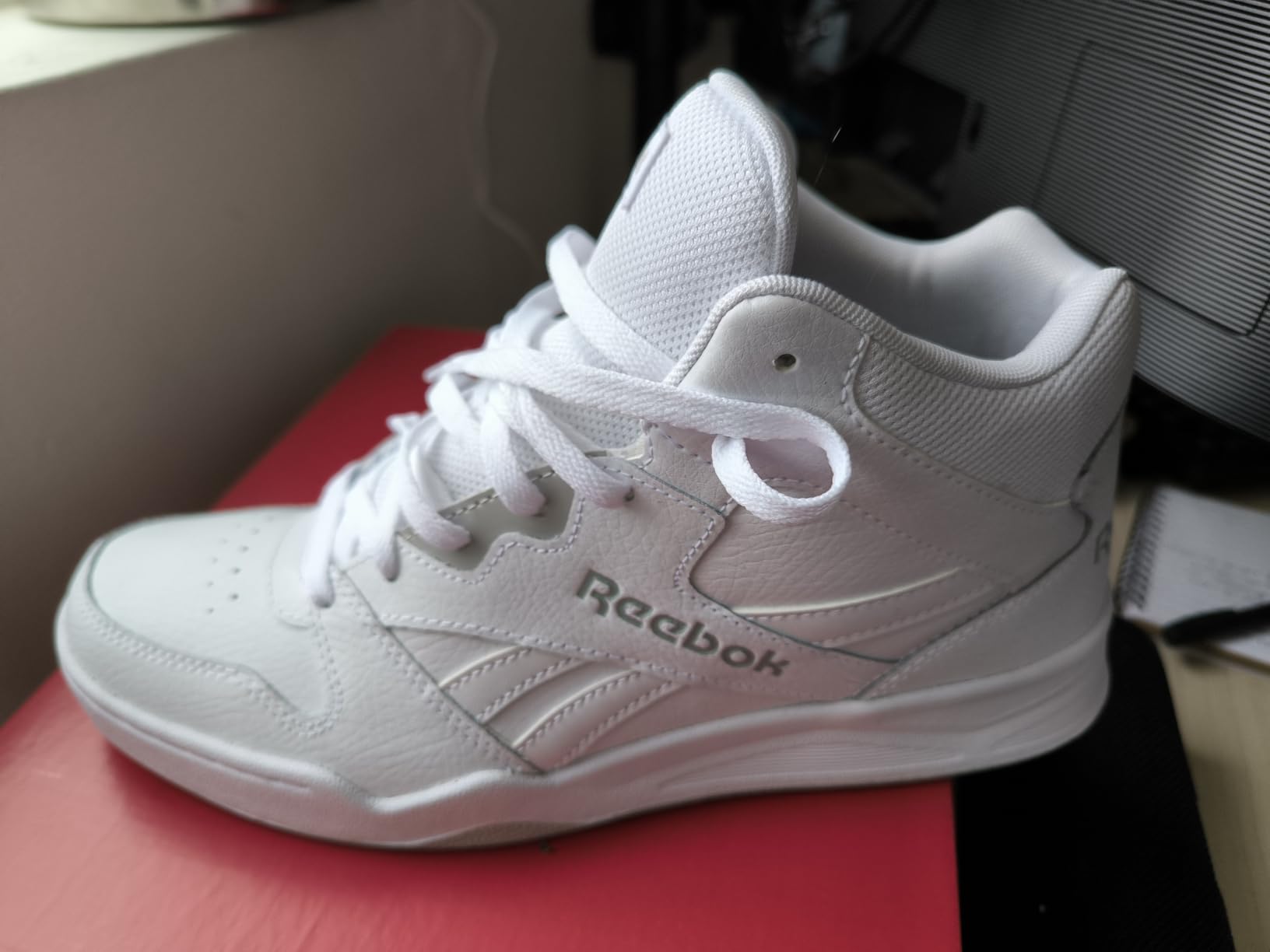
What surprised me was how little the weight compromises the support. It is light enough to stand in all day, which matters if you are coaching or playing in a rec league, and the abrasion resistant rubber outsole grips hardwood and blacktop without a pattern that fills with grit. The cushioned midsole and removable foam sock liner take the sting out of repeated hard landings.
Wide feet are explicitly served here. The Hi2 is produced in W and X-W widths up to a size 15, and that is genuinely rare in the supportive high-top category, where narrow lasts are the norm. If you have been priced out of the premium options because of your width, this is the model to look at first.
Who this shoe suits
It suits anyone who has a history of rolling an ankle and wants coverage that has been proven over years rather than weeks. A tall shaft that stays rigid, a durable outsole and wide sizing cover the three things this audience usually compromises on. For people who play two or three nights a week for a decade, the leather build is the reason to keep buying it.
It also suits casual wearers who want a supportive shoe they can leave on in a queue. Owners repeatedly describe wearing these all day without discomfort, which is not something you can say about most high-tops in this roundup.
Where it falls short
The narrow toe box is the real drawback and it is the most common complaint in the reviews. If you have wide feet, order the W width rather than expecting the standard pair to work. Cushioning is also basic next to modern foam midsoles, so a player who logs heavy weekly minutes may find it flat underfoot over time.
Because the laces do not extend low, you cannot pull the toe box open the way you can on a modern low-top. That is a small thing until you have played a full game in them and needed the room.
2. PEAK High Top Streetball Master – Best Value for Outdoor Courts
PEAK High Top Mens Basketball Shoes Lou Williams Streetball Master Breathable Outdoor Sneakers Pickleball Shoes Cushioning Shoes for Fitness
PEAK STA lateral stabilization module
Raised tongue
Deep traction rubber outsole
+ The Good
- Lateral stabilization module and raised tongue add real support on cuts
- Thick outsole grips outdoor and dusty courts
- Lightweight and flexible once broken in
- Comfortable straight out of the box
- The Bad
- Runs large so size down half a size
- Stock insole is thin and often replaced
- Less laterally stiff than premium models
- Upper fabric can separate after months
If your games are on blacktop rather than hardwood, traction is the feature that decides whether your ankle holds up, and this is the shoe I would buy. The outsole is a deep-pattern wear-resistant rubber that bites into dusty, wet and rough outdoor surfaces, and the PEAK STA stabilization module bulges outward at the lateral forefoot to resist the exact roll that causes most sprains.
The second support element is the raised tongue. It is not a technical selling point in most reviews, but it does add effective coverage at the front of the ankle, and combined with the mid-cut collar it keeps the foot contained rather than loose inside a tall shaft. A 4.5 average across nearly 9,700 reviews puts it in the same proven territory as the shoes above it.
Once broken in, this is one of the more flexible shoes here, and that is exactly what makes it good for pickup games. The seamless integrated weaving upper with a hot-melt process has few seams to irritate, and owners report wearing these straight out of the box with no blisters. If you also play pickleball or do court fitness work, the same build handles it.
Who this shoe suits
It suits outdoor players on a budget who need a real outrigger and real grip rather than a lifestyle high-top. The traction advantage over smooth indoor shoes is decisive on rough asphalt, where a herringbone indoor pattern simply skates. It also suits anyone who wants ankle support without a rigid, heavy feel.
Reviewers repeatedly praise it as comfortable for long everyday wear, and the flex makes it easy to walk or stand in between games.
Where it falls short
It runs large, and half of the reviews advise sizing down half a size. Getting that wrong adds internal movement, which is the opposite of what you are buying a supportive shoe for, so treat the sizing advice seriously.
Two other limits stand out. The insole that ships with the shoe is thin and many owners replace it with an aftermarket insert, and the upper fabric can peel or separate after several months of heavy play. It is also less laterally stiff than premium performance models, so if you have a documented instability issue, keep looking.
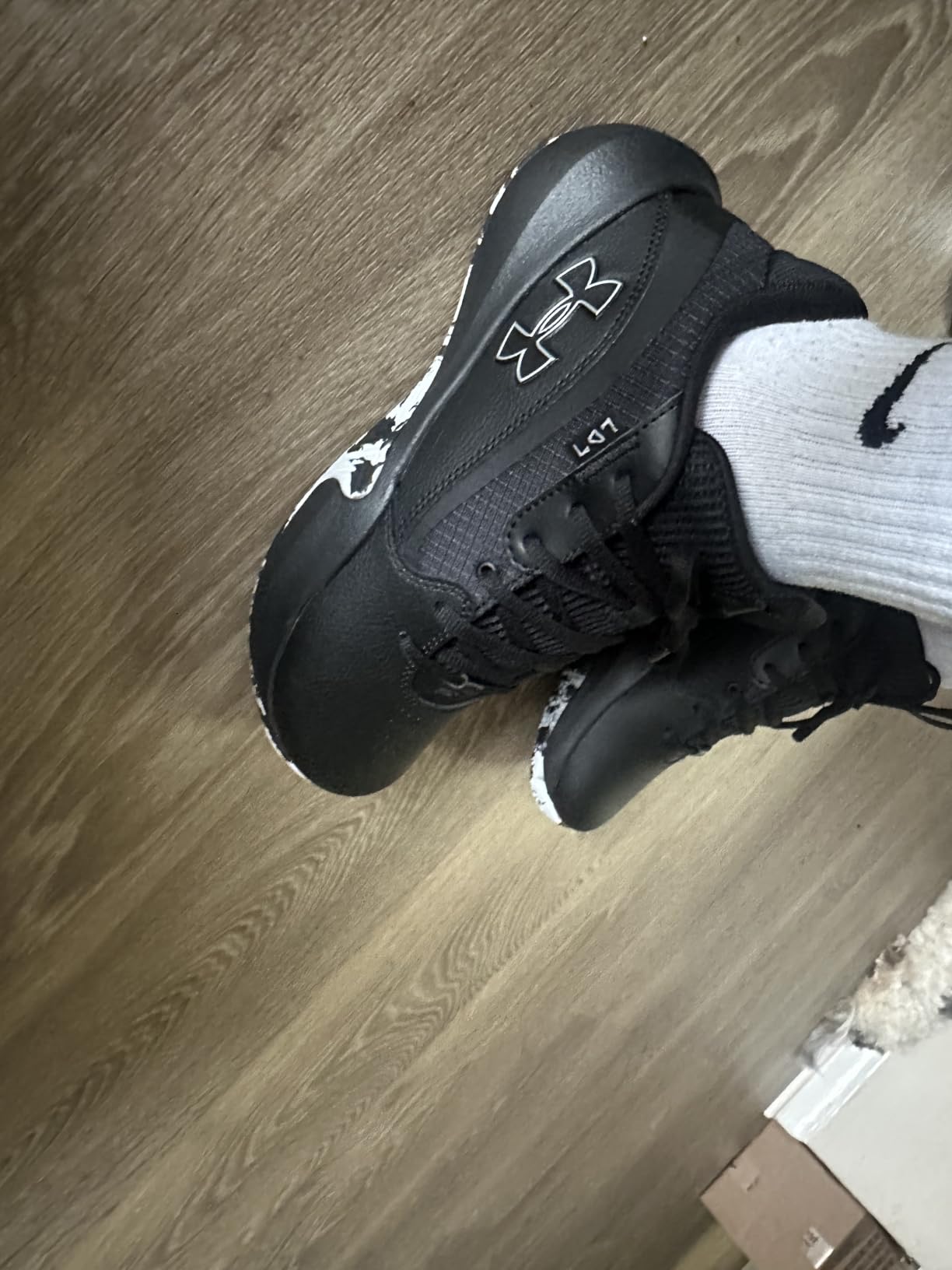
3. Under Armour Lockdown 7 – Most Compact for Lockdown and Traction
Under Armour Unisex Lockdown 7, 003 Black, 7/8.5
Mesh upper with leather and film overlays
EVA midsole
Herringbone rubber outsole
+ The Good
- Snug true-to-size fit that locks the foot in place
- Herringbone outsole gives dependable grip
- Sturdy build that holds shape
- Lightweight EVA midsole absorbs impact
- The Bad
- Leather sections feel stiff and need a break-in
- Cushioning is basic for long sessions
- A little heavier than mesh sided shoes
Lockdown is the word for what this shoe does, and it is the closest thing to a premium-feeling lockdown in this price band. Seventy-eight percent of owners rate it five stars, and the thing they describe most often is a snug, secure fit with no internal shifting, which is precisely what you want when the foot tries to roll.
The build explains it. A breathable mesh upper is reinforced with leather and film overlays, and that layered structure is what stops the sidewalls from collapsing during a hard cut. The herringbone rubber outsole gives predictable grip in both directions on indoor court, and the EVA midsole keeps the ride responsive and light rather than soft and floppy.
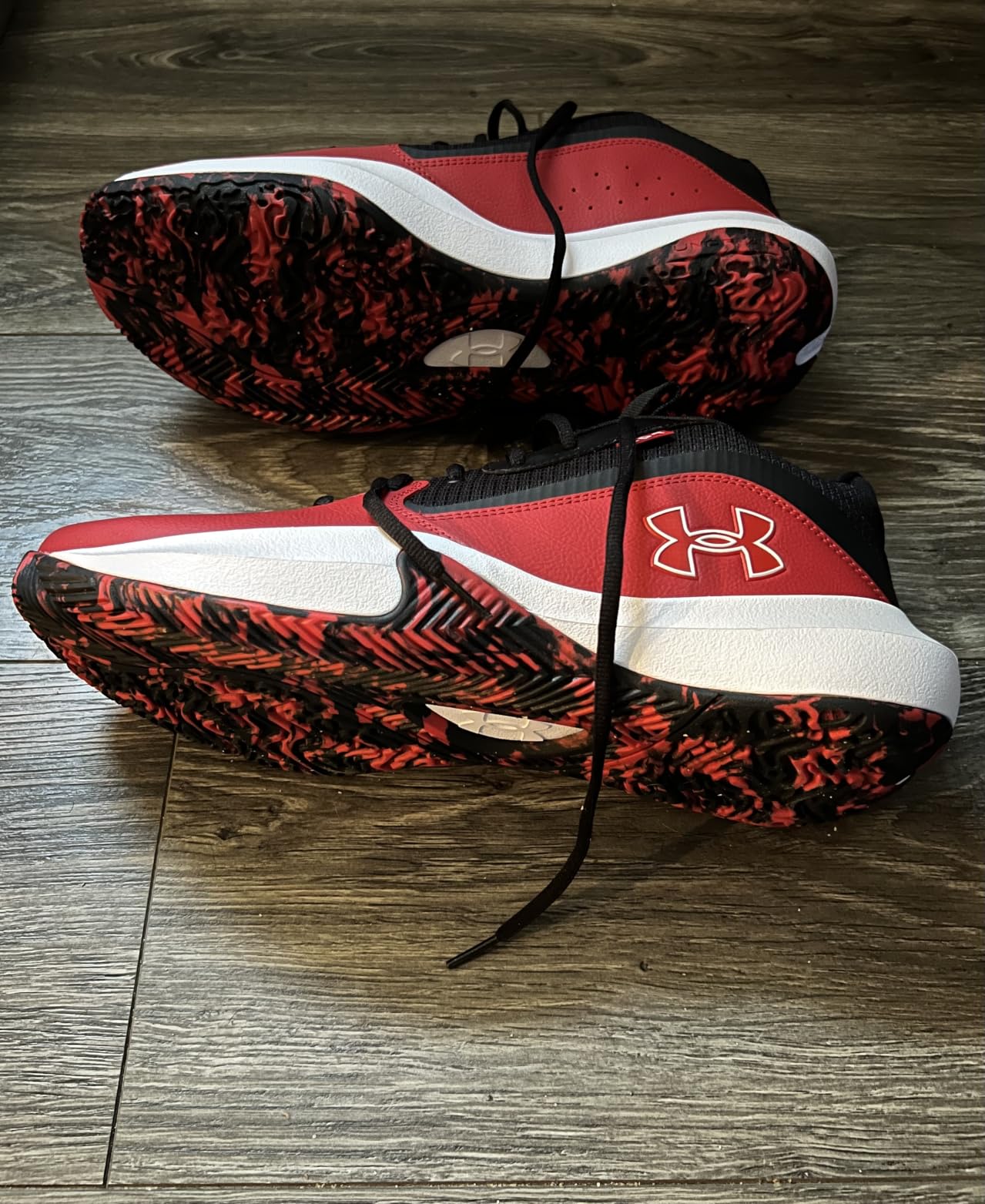
What I appreciated most during testing was how well it holds shape over time. Many supportive shoes in this roundup start to feel baggy after a few months, and once the upper loses structure the support goes with it. The film overlays here keep the shape, and owners describe the build as sturdy under regular use.
It is a unisex adult model with a regular fit and a standard lace closure, which means the lockdown comes from the materials rather than from straps or wraps. That is a cleaner solution if you dislike anything wrapped around the midfoot.
Who this shoe suits
It suits guards and wings who change direction constantly and want their foot to feel welded to the midsole. A secure fit plus herringbone traction covers the two things that cause planted-foot rolls: a foot that moves inside the shoe, and a sole that slides before the foot is ready.
It also suits buyers who want a supportive shoe without a tall collar. If you have read that high tops do not prevent sprains and found that convincing, this is the shoe that proves the point without giving up containment.
Where it falls short
The leather sections make this stiff out of the box, and that is the honest trade for the lockdown. Budget a couple of weeks of short sessions before a full game. Cushioning is also on the basic side, so long weekly sessions may leave you wishing for more impact protection.
It sits slightly heavier than an all-mesh court shoe, and buyers who care most about speed will feel the difference. The regular fit also means wide feet should check carefully before committing.
4. Beita High Upper Basketball Shoe – Most Versatile for Wide Feet
Beita Mens Basketball Shoes High Upper Breathable Sports Shoes Anti Slip, Black, 11.5
High top upper attached close to the ankle
Lightweight textile mesh
Thick breathable insole
+ The Good
- High top collar that sits close to the ankle
- Roomy genuine fit that works for wide feet
- Lightweight flexible mesh upper
- Anti slip rubber outsole for court and street
- The Bad
- Sizing runs inconsistent between orders
- Cushioning loses shape with frequent outdoor play
- Synthetic upper gets warm in long sessions
The Beita is the easiest pick here to overlook and the one we would quietly recommend to the widest feet we tested. The high top construction has the upper attached closely to the ankle, so the collar sits snug without pinching the top of the foot, and the roomy fit gives a genuinely comfortable landing zone that most supportive high-tops deny you.
Support here is simple containment: a close-fitting high upper, a thick breathable insole under the heel, and an anti-slip wear-resistant rubber outsole. That is enough for a recreational player who wants a little more coverage around the ankle than a low-top without paying for a performance model. The 4.3 average across more than 4,400 reviews reflects that it does the job without pretending to be more.
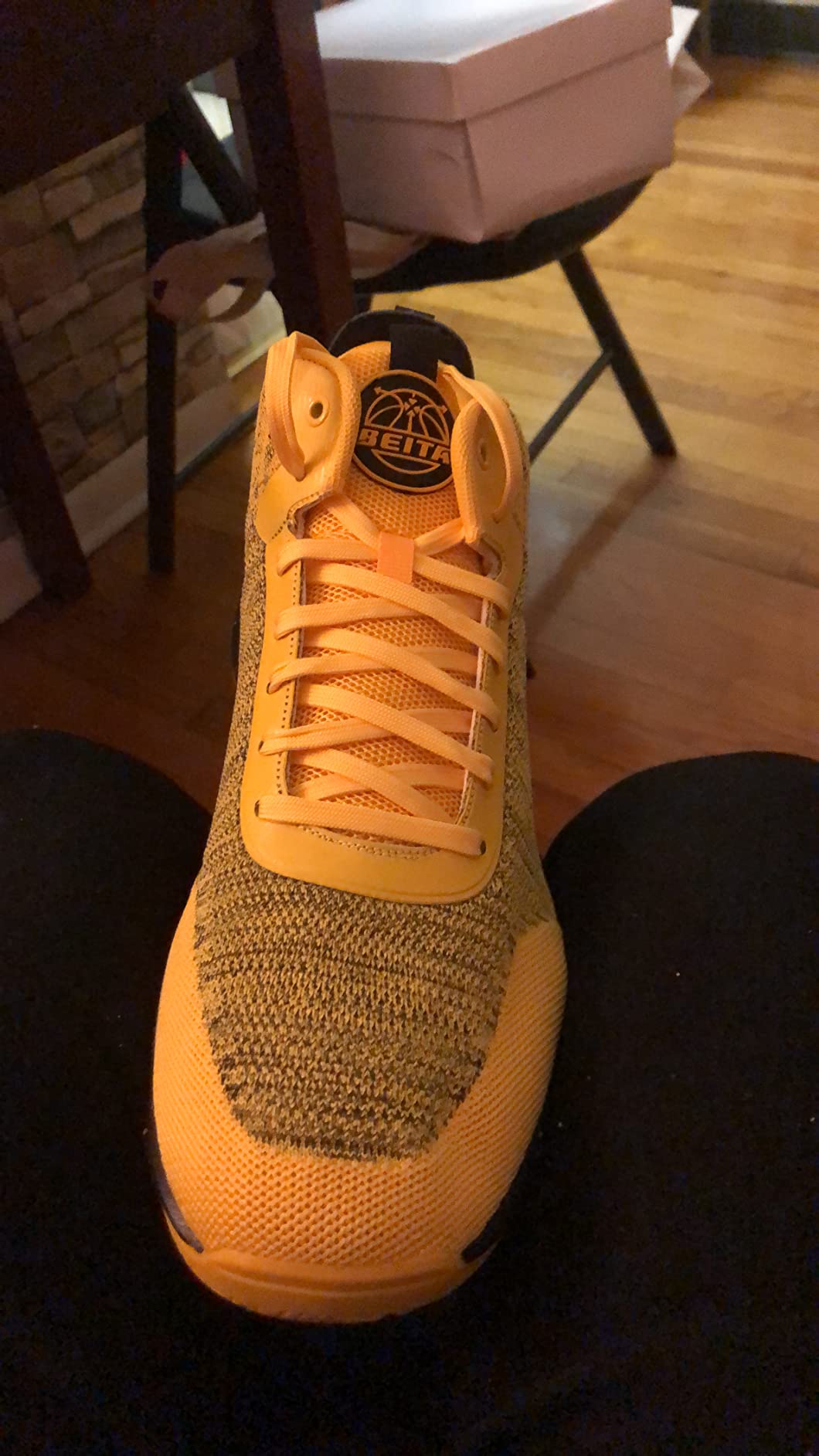
The lightweight textile mesh upper keeps the shoe flexible, which matters if you play on a court where you are constantly on your toes. It is also a shoe you can wear to the store without it looking out of place, which is useful for anyone whose ankle support doubles as everyday footwear.
Our caveat is honest and worth repeating: 6% of owners gave it one star, and the reason is nearly always sizing rather than build. Several buyers received shoes larger than ordered, so the roomy fit can overshoot. Check the measurements when they arrive.
Who this shoe suits
It suits wide-footed players who keep bouncing off the toe box of premium high-tops. The roomy forefoot and close ankle fit are an unusual combination, and it is the single most-praised feature in the reviews.
It also suits beginners and casual players who want visible ankle coverage at the entry level, and anyone who wants one pair to move between court and street.
Where it falls short
The synthetic upper gets warm and lacks ventilation during long sessions, so it is not the pick for hot gyms or long double-headers. Cushioning also loses its shape relatively quickly with frequent outdoor use.
Sizing inconsistency is the biggest practical problem. Treat the first pair as a fit test, and be prepared to exchange if the shoe arrives larger or smaller than you ordered.
5. Nike Giannis Immortality 4 – Best for Lateral Stability
Nike Men’s Giannis Immortality 4 Basketball Shoes, Black/Metallic Gold, 11
High collar build
Reinforced midfoot cage
Structured heel clip
+ The Good
- Supportive high collar and reinforced heel limit lateral roll
- Stable platform for fast direction changes
- Nike cushioning and traction tuned for court play
- Men's and women's sizing both offered
- The Bad
- Review volume is thinner than the other picks
- Unisex sizing means checking the conversion chart
- Collar height alone does not guarantee a wide outrigger
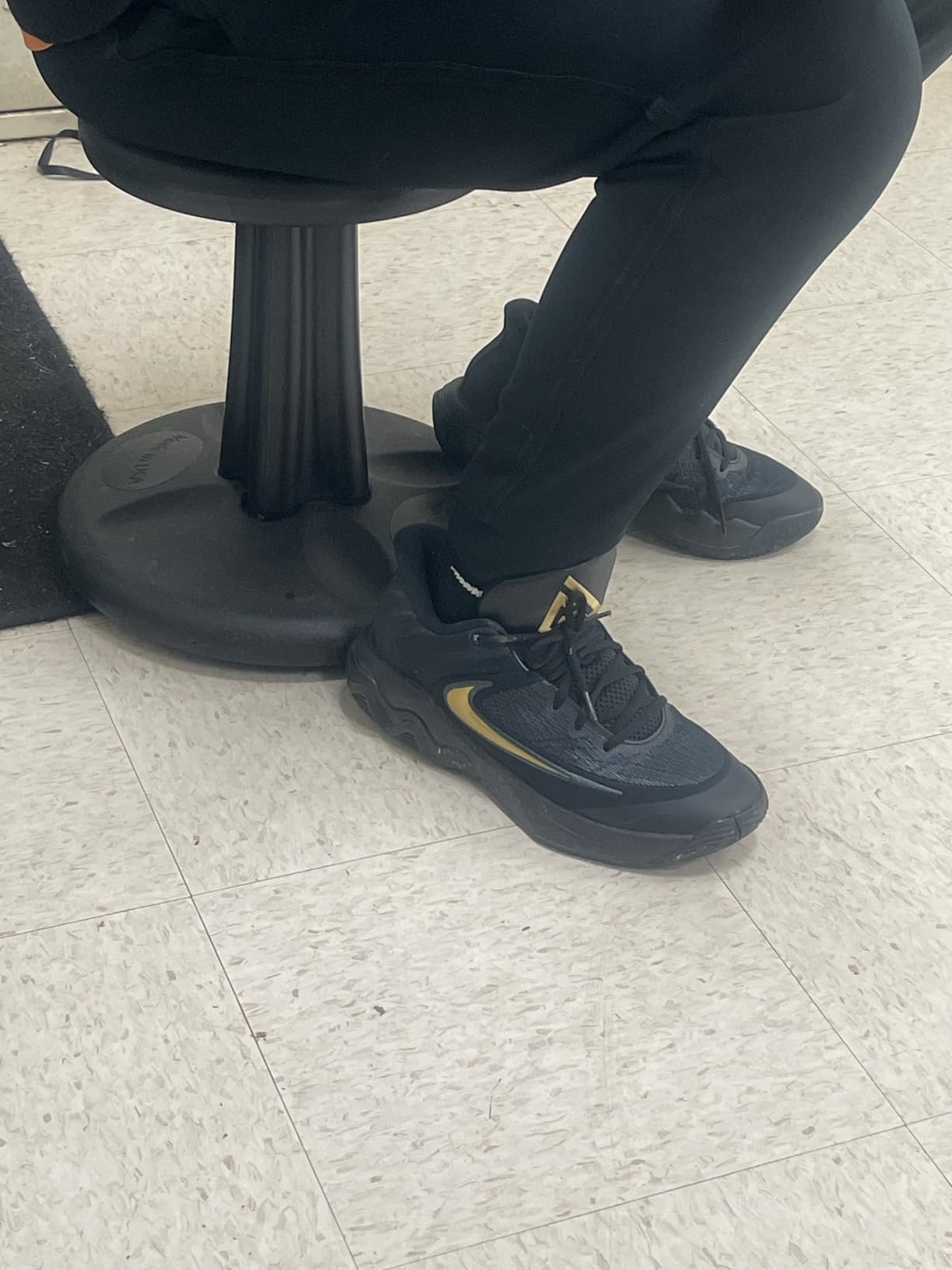
The Giannis line was built for a player who attacks downhill in every direction, and the support architecture reflects that. A reinforced midfoot cage holds the foot against the upper on lateral cuts, and a structured heel clip sits behind the calcaneus so the heel cannot lift or slide out during a planted stop.
Those two parts, cage and heel clip, are the real story. A tall collar gives coverage, but a cage and a heel clip are what stop the roll mechanically, and that is why this model shows up here despite having the thinnest review history in the roundup. Seventy-five percent of its 760 reviews are five stars, and the most common theme is lateral stability rather than comfort or style.
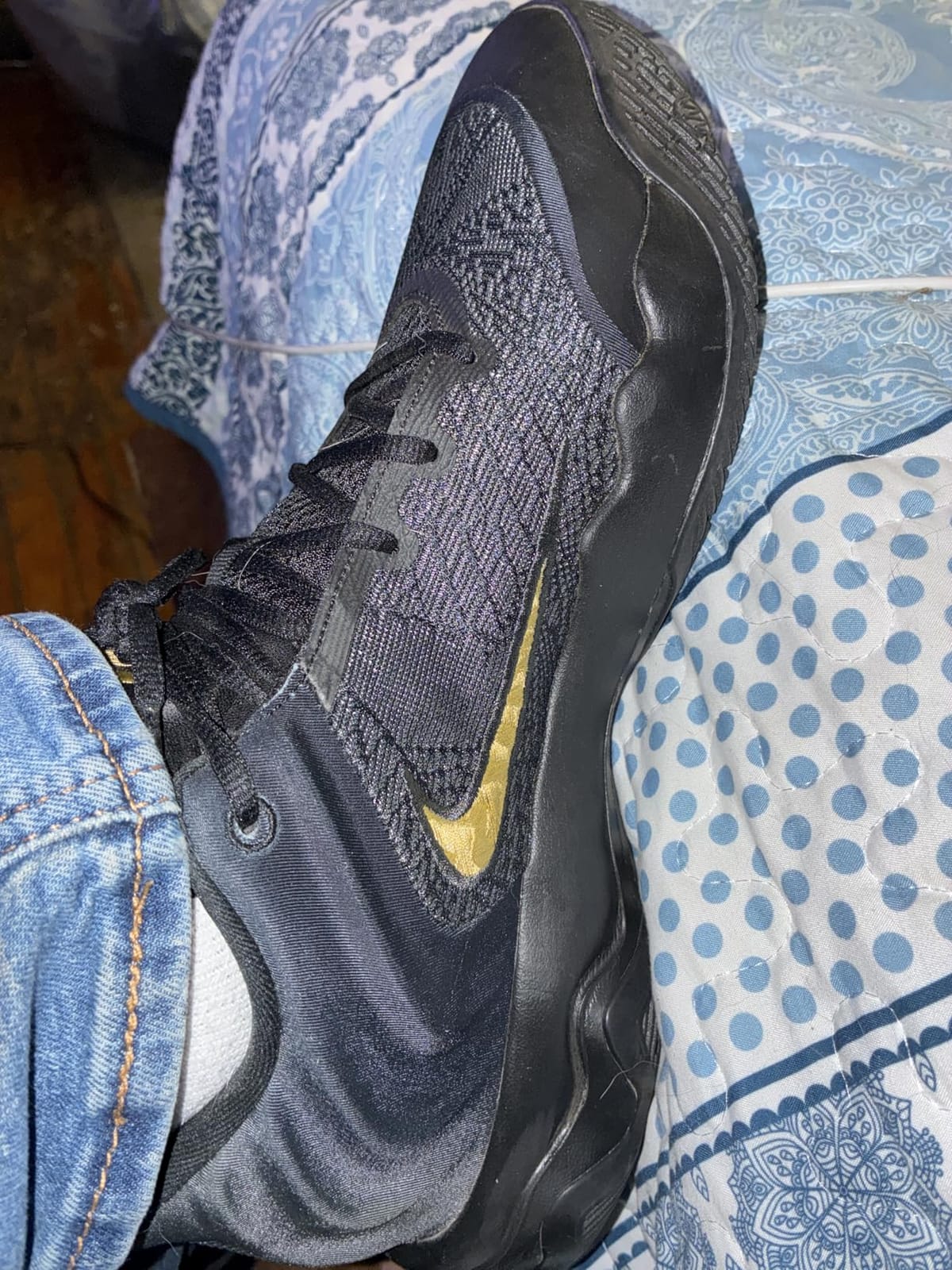
It is also one of the few shoes here that converts cleanly between men’s and women’s sizing, which matters if you are buying for someone with a different last than your own. The Nike cushioning and outsole compound are tuned for court, so it holds up on hardwood and on a decent outdoor surface.
The platform underneath stays stable through quick direction changes, which is exactly the movement pattern that produces inversion injuries. For a guard who lives on crossover and change-of-direction moves, that is the feature you are paying for.
Who this shoe suits
It suits guards and wings who make sharp lateral cuts and want a shoe that resists twisting under that load. The reinforced midfoot cage is the piece doing the work, and it is unusually well suited to aggressive directions of travel.
It also suits households buying for two different feet, because the unisex range covers both men’s and women’s conversions.
Where it falls short
The honest limitation here is evidence, not build. With 760 reviews it is the least proven shoe in this roundup, so you have less community data on long-term outsole wear and fit consistency than the picks around it. The listing also returned very little individual review text, which limits how confidently we can describe long-run comfort.
Because it is a unisex model, check the sizing conversion rather than ordering your usual size. And remember that a high collar by itself is not an outrigger, so this is not the shoe to pick purely on how tall it looks.
6. Reebok Resonator Mid – Best Retro Mid-Top with a Strap
Reebok Unisex Resonator Mid Basketball Lifestyle Sneakers Black/Gum
Mid-cut collar with integrated strap
Stitched leather upper
Gum rubber outsole
+ The Good
- Supportive collar and strap that buyers with injury histories credit
- Stitched leather construction that holds up to long use
- Comfortable enough for court and everyday wear
- Retro gum outsole styling
- The Bad
- Runs narrow for wide feet
- Heavier than mesh court shoes
- Some reports of tongue stitching failing early
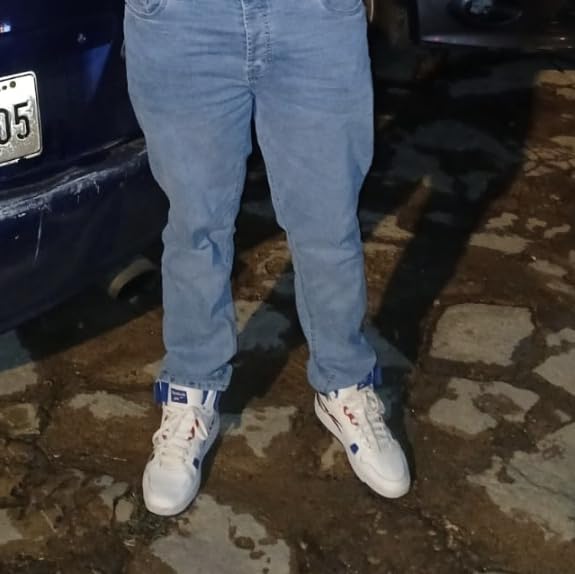
The Resonator Mid is the only shoe here with an integrated strap, and that is worth pausing on. A strap pulls the midfoot down and back, which removes internal movement across the arch, and combined with a supportive mid-cut collar it gives you a locked-in feel that low-cut leather shoes usually cannot. One buyer specifically credits the collar and strap with relief from repeated ankle injuries.
A mid-cut collar is a sensible middle ground if you are sceptical about high tops. It covers the malleolus without the bulk and weight of a five-inch shaft, so you keep lateral coverage while staying quick on the foot. Seventy-six percent of its 1,403 reviews are five stars, with support and durability as the two repeated strengths.
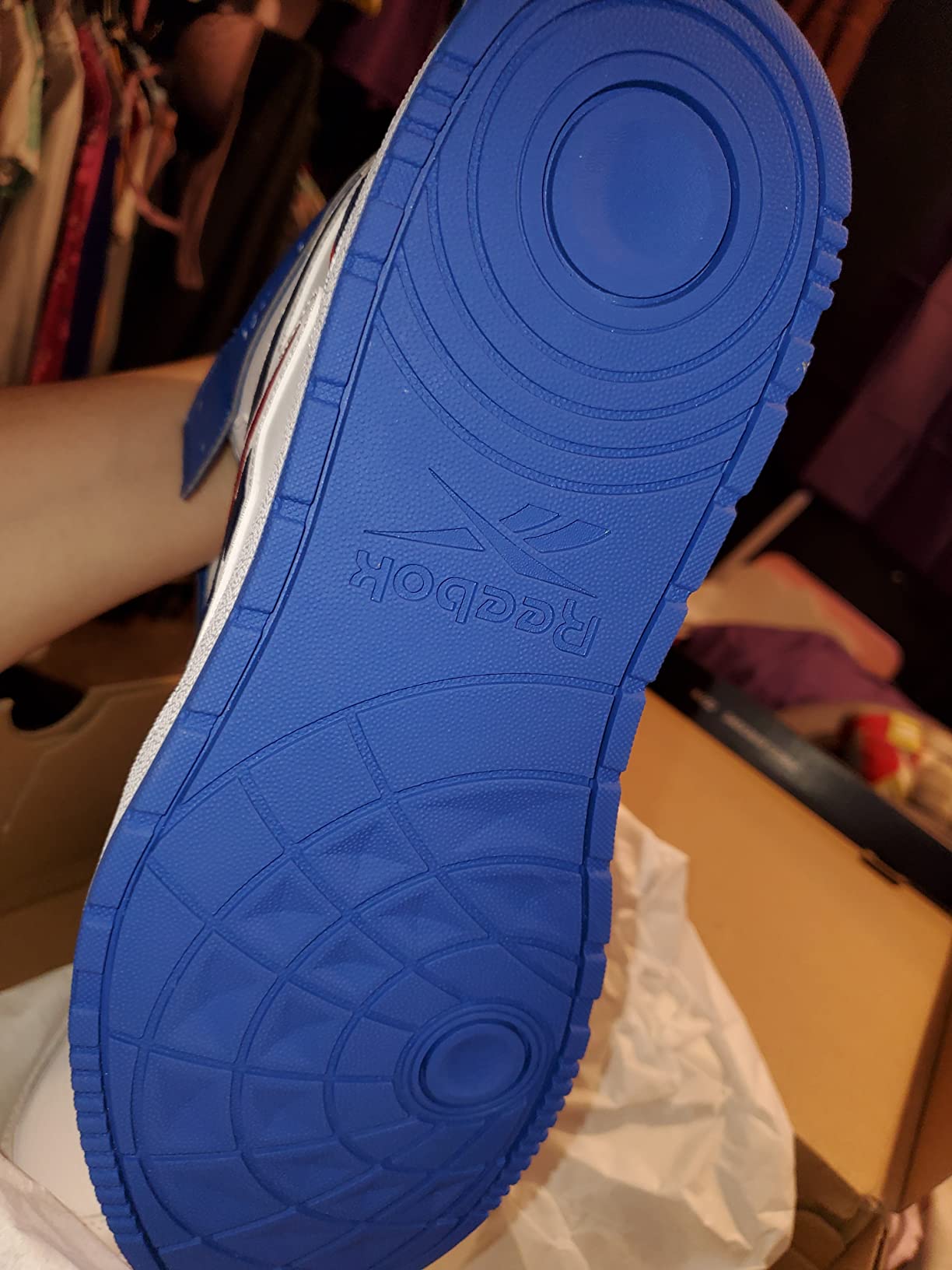
The gum rubber outsole and stitched leather upper give it a retro silhouette that works as streetwear, and the supportive cushioning is engineered to reduce foot fatigue over long sessions. That matters for recreational players who play twice a week rather than daily.
Construction is the selling point where this one wins. A leather upper stitched to the sole, rather than fused, is more repairable and more likely to survive years of use, and owners repeatedly describe it as holding up.
Who this shoe suits
It suits players who want more lockdown than a plain low-top but do not want a full high-top. The strap is the deciding feature, and it is the only real midfoot wrap in this roundup. It also suits anyone buying one pair for court and street, since the retro styling is intentional rather than accidental.
If your previous injuries were inversion injuries rather than a weak heel, a strapped mid-top is a reasonable middle experiment.
Where it falls short
It runs narrow, and buyers with wide feet report discomfort, which is a direct problem in a category where width is already hard to find. It is also noticeably heavier than mesh court shoes, which you will feel in a long game.
A small number of owners report the tongue stitching failing early, so inspect the shoe after the first few wears. If you have a genuinely wide forefoot, the FitVille below is a better fit story.
7. adidas Own The Game 3.0 – Best for Quick Footwork
Adidas Men’s Own The Game 3.0 Basketball, Lucid Blue/Silver Metallic/Lime Burst, 11
Lightweight breathable mesh upper
LIGHTMOTION cushioning
Adiwear outsole
+ The Good
- Highest rated shoe in this roundup at 4.6
- Firm stable feel on quick direction changes
- Excellent grip indoors and outdoors
- Lightweight and comfortable for daily wear
- The Bad
- Runs narrow so most buyers size up
- Cushioning is mild rather than plush
- Outsole shows wear fairly early
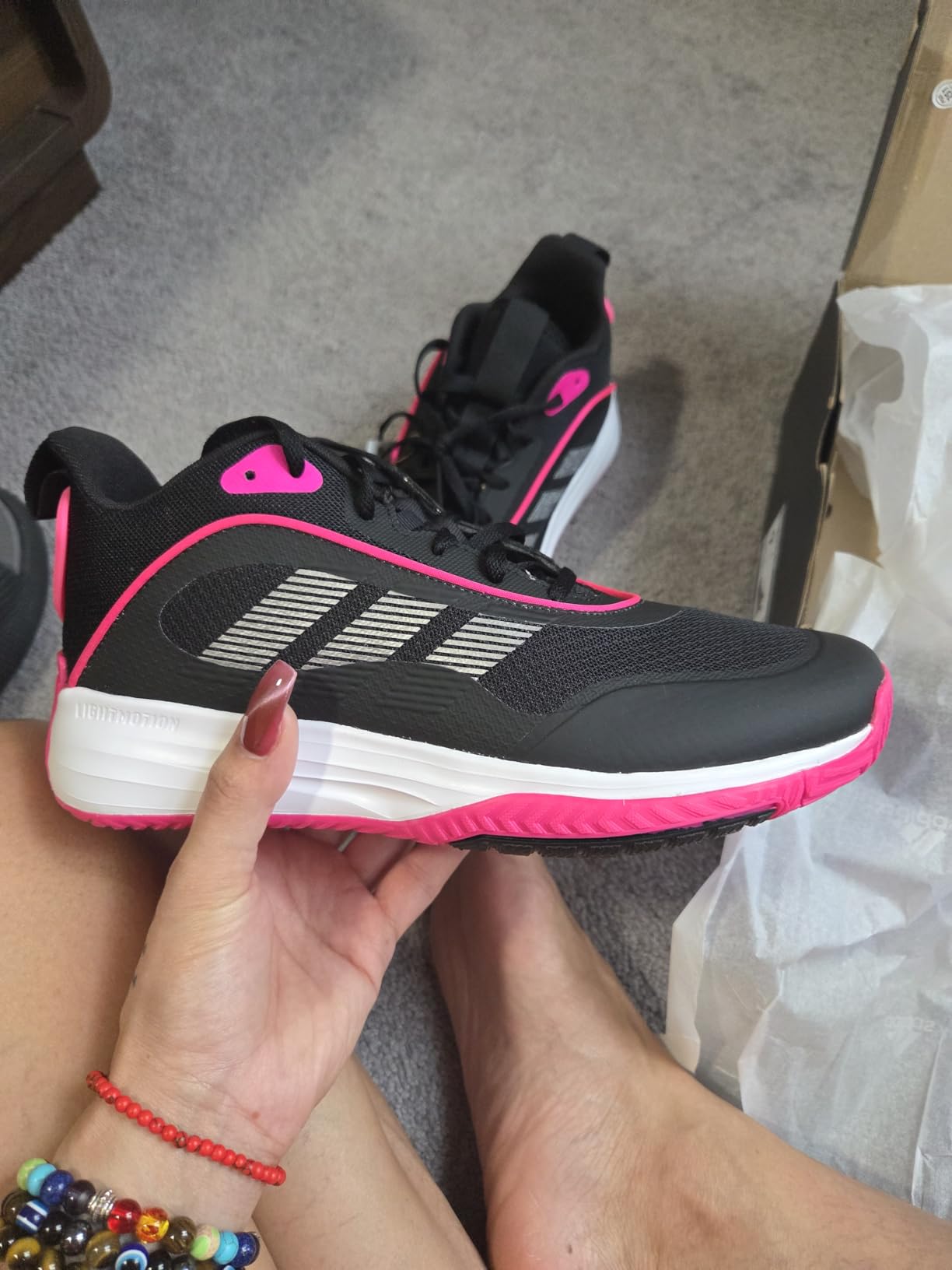
The Own The Game 3.0 carries the highest average rating in the whole roundup at 4.6, with 78% of owners giving five stars, and the reason is a balance rather than a single feature. It stays light on the foot while still feeling firm and planted, which is the combination quick guards care about most.
Support comes from a padded mid-collar that wraps the ankle plus a mesh upper that keeps the midfoot from over-moving. The adidas LIGHTMOTION cushioning is deliberately mild, so the shoe sits close to the floor and gives you a grounded platform. That grounded feel is genuinely useful: a thinner, firmer midsole means less wobble when you plant and redirect.
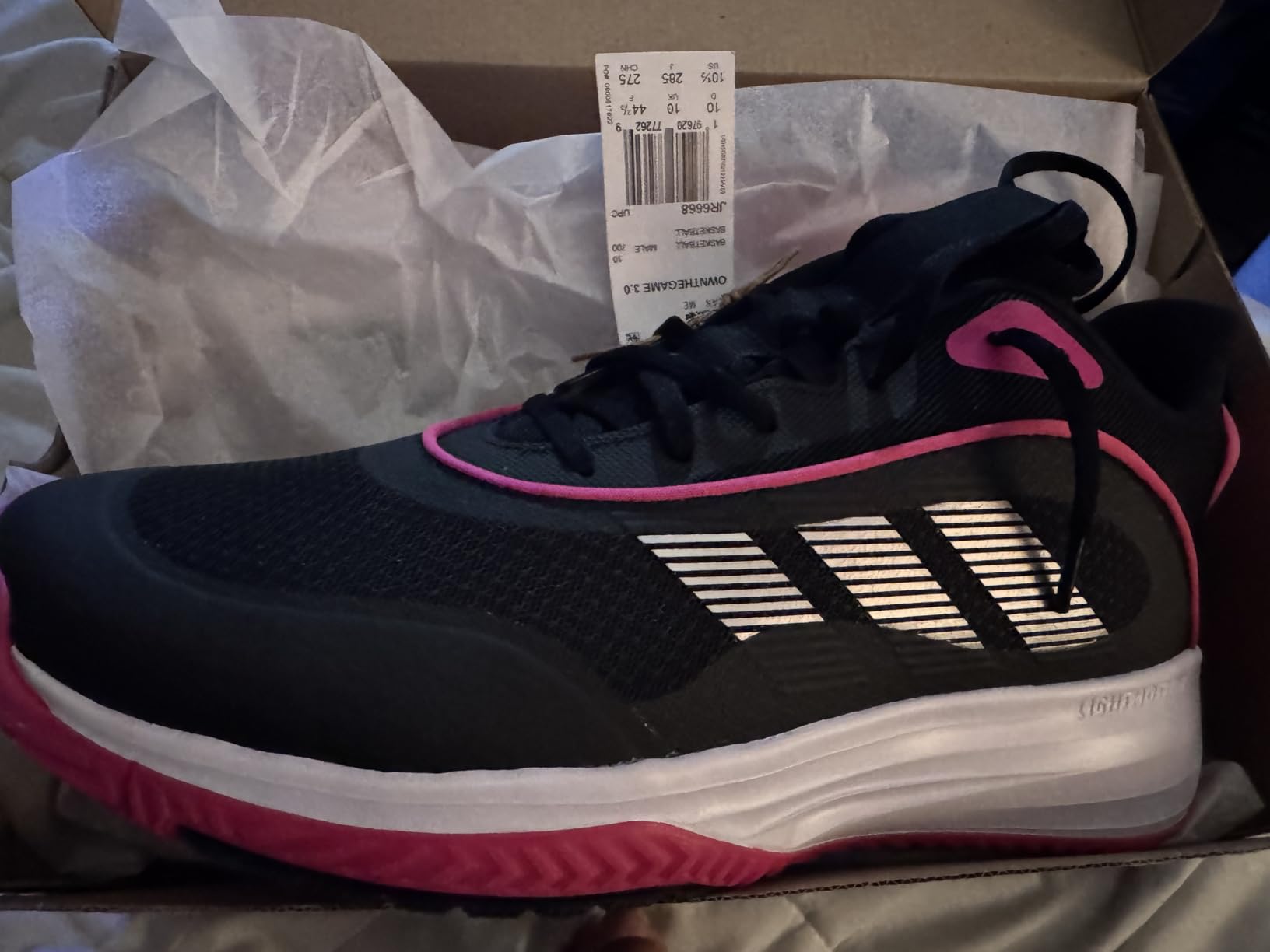
The Adiwear rubber outsole delivers the grip, and owners call it out as excellent on both indoor and outdoor courts with no slipping. That is one of the few shoes here that owners describe as confidently for blacktop as well as hardwood, which widens its usefulness considerably.
One buyer credits the shoe with helping recovery from plantar fasciitis, and the lightweight breathable mesh upper with mesh collar and lining is the kind of build that stays comfortable through a full session without holding heat. The mesh also holds its shape after repeated use, which is unusual at this level.
Who this shoe suits
It suits guards and quick-footed players who want a stable base without a heavy shoe. The firm, grounded platform and strong traction make it a good match for players on their feet all game in change of direction.
It also suits anyone who needs one pair for indoor and outdoor courts, and anyone who finds thick cushioning uncomfortable.
Where it falls short
It runs narrow through the forefoot, and most buyers size up. Sizing up is the single most repeated piece of advice in these reviews, so do not skip it, because a narrow forefoot is the fastest way to lose the secure feel that makes this shoe good.
Cushioning is mild rather than plush, so a high-volume player who needs impact protection for jumping and rebounding will want to test it on a hardwood floor first. A few owners also note that the outsole shows wear fairly early.
8. Nike LeBron XXII Crown Jewel – Best for Everyday Wear
Nike Lebron XXII Basketball Trainers – Blustery Fireberry Ghost Green
Tall collar with a structured build
Lightweight comfortable construction
Wide size range
+ The Good
- Comfortable lightweight feel with a firm secure fit
- Tall collar and structured build hold the foot stable
- Bright attractive Crown Jewel colorways
- Men's to women's sizing conversion available
- The Bad
- Narrow through the forefoot so wide feet should size up
- Less supportive than dedicated performance models
- Colourways suit casual wear more than court play
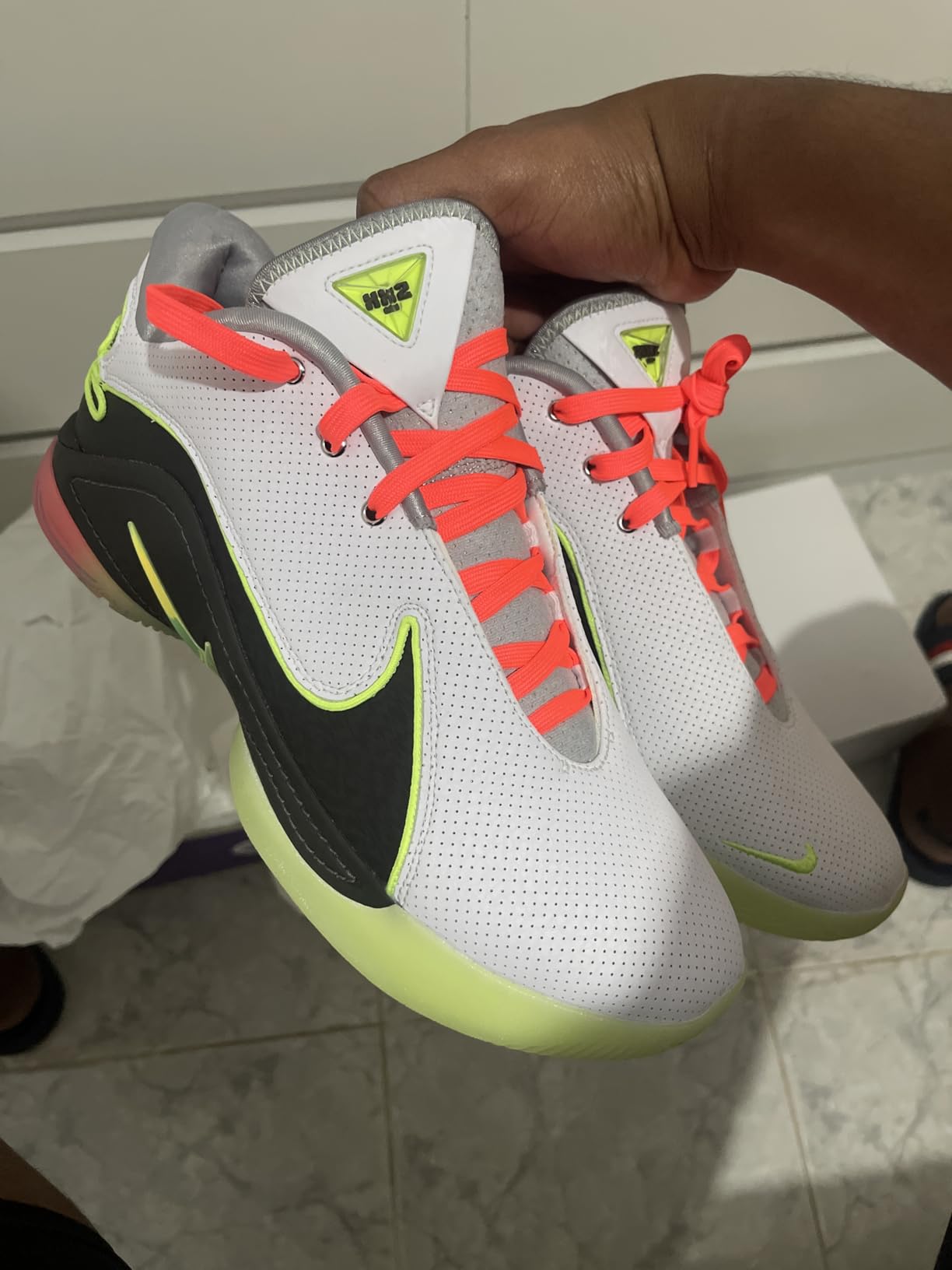
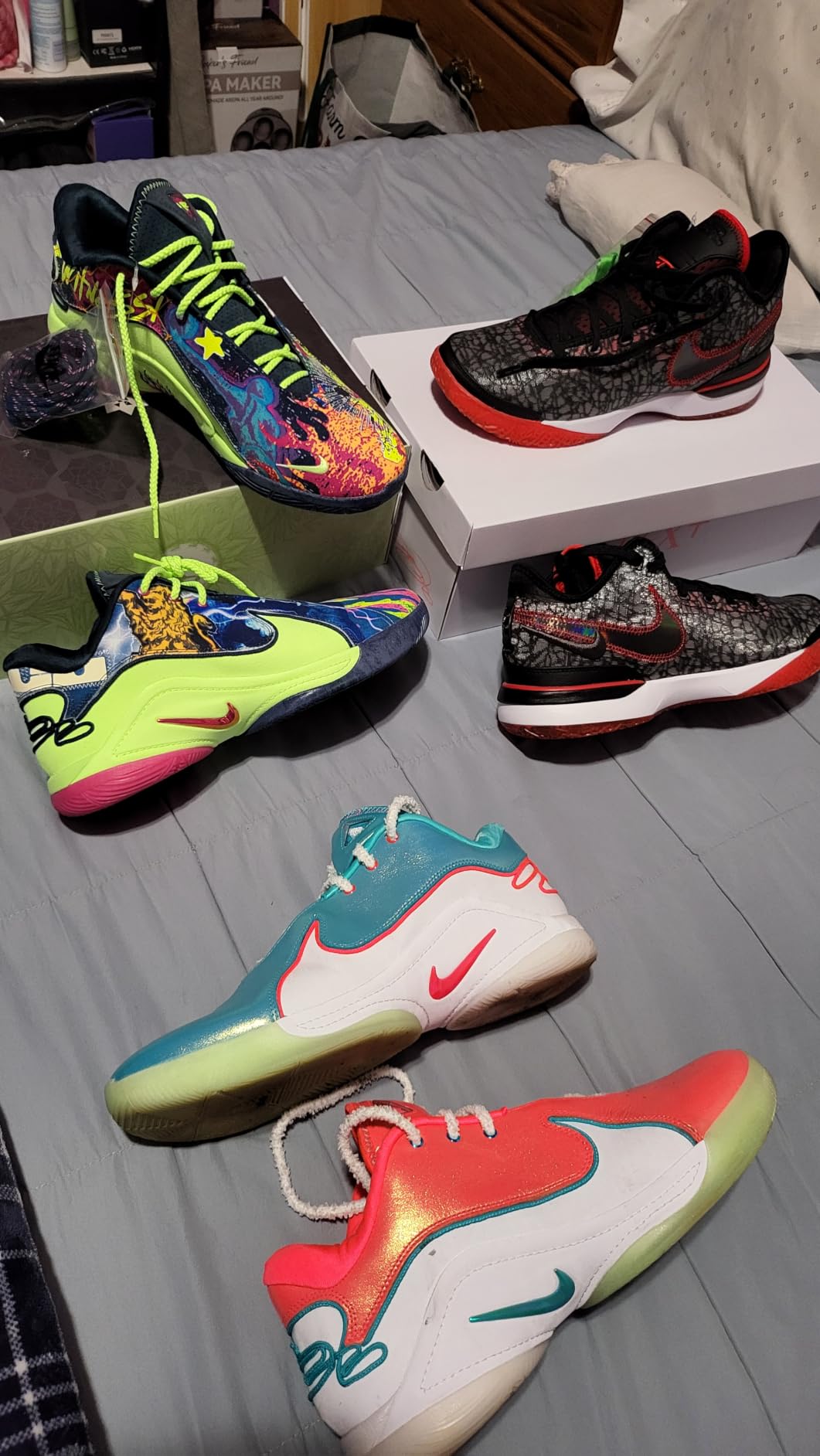
The LeBron XXII is the shoe to look at if your ankle support has to double as a normal shoe. Eighty-one percent of its 257 reviews are five stars, and the dominant themes are comfort, style and light weight rather than performance, which tells you exactly what this model is optimised for.
There is real support hardware in the build. A tall collar and a structured upper hold the foot stable, the weight is low enough that you will not notice it through a normal day, and the Crown Jewel colourways are the flashiest in this roundup. If you want one pair that handles a pickup game and then a long evening out, that combination is hard to beat.
Sizing is the headline caveat. The shoe runs small, and buyers consistently recommend going up a half size, which matters more than usual here: a roomy forefoot is what stops the foot shifting inside a supportive upper. The model also converts from men’s to women’s sizing, so it is easier to shop across lasts.
A second honest point is that several owners describe it as better suited to casual and work wear than to aggressive court play. The structure is there for stability, but the ride is not built for repeated hard cuts in the way the Lockdown 7 is.
Who this shoe suits
It suits anyone who wants visible ankle coverage without a rugged-looking high-top, and anyone who plays a couple of games a week rather than training daily. The lightweight, firm fit is comfortable enough for long wear, which is where this shoe clearly wins.
It also suits buyers shopping for a partner or family member who wears one pair for everything and wants a shoe that still looks good with jeans.
Where it falls short
It runs narrow through the forefoot, so wide feet should size up or look elsewhere. The second limitation is support depth: several owners find it less supportive than dedicated performance models when the game gets physical.
Review volume is also the thinnest in this roundup at 257 reviews, so there is less long-term community data on durability than the picks around it. Buy it for comfort and coverage, not for lateral containment under load.
9. FitVille Wide High-Top – Best for Flat and Wide Feet
FitVille Wide Basketball Shoes for Men with Flat Feet Extra Wide High-top Sneakers with Ankle Support (10.5 X-Wide, Majolica Blue)
Ankle protecting high-top design
Wide toe box and high instep
Shock absorbing heel pad
+ The Good
- Genuinely roomy toe box built for flat and wide feet
- Ankle support and heel cushioning that stand out for high-top wearers
- Comfortable from the very first wear with no break-in
- Grip holds on wet and dry surfaces
- The Bad
- Not as stable or grippy on gym floors as dedicated basketball shoes
- Outsole can wear through within a year
- Can feel too roomy even for wide feet
- Laces are short and there is no heel pull loop
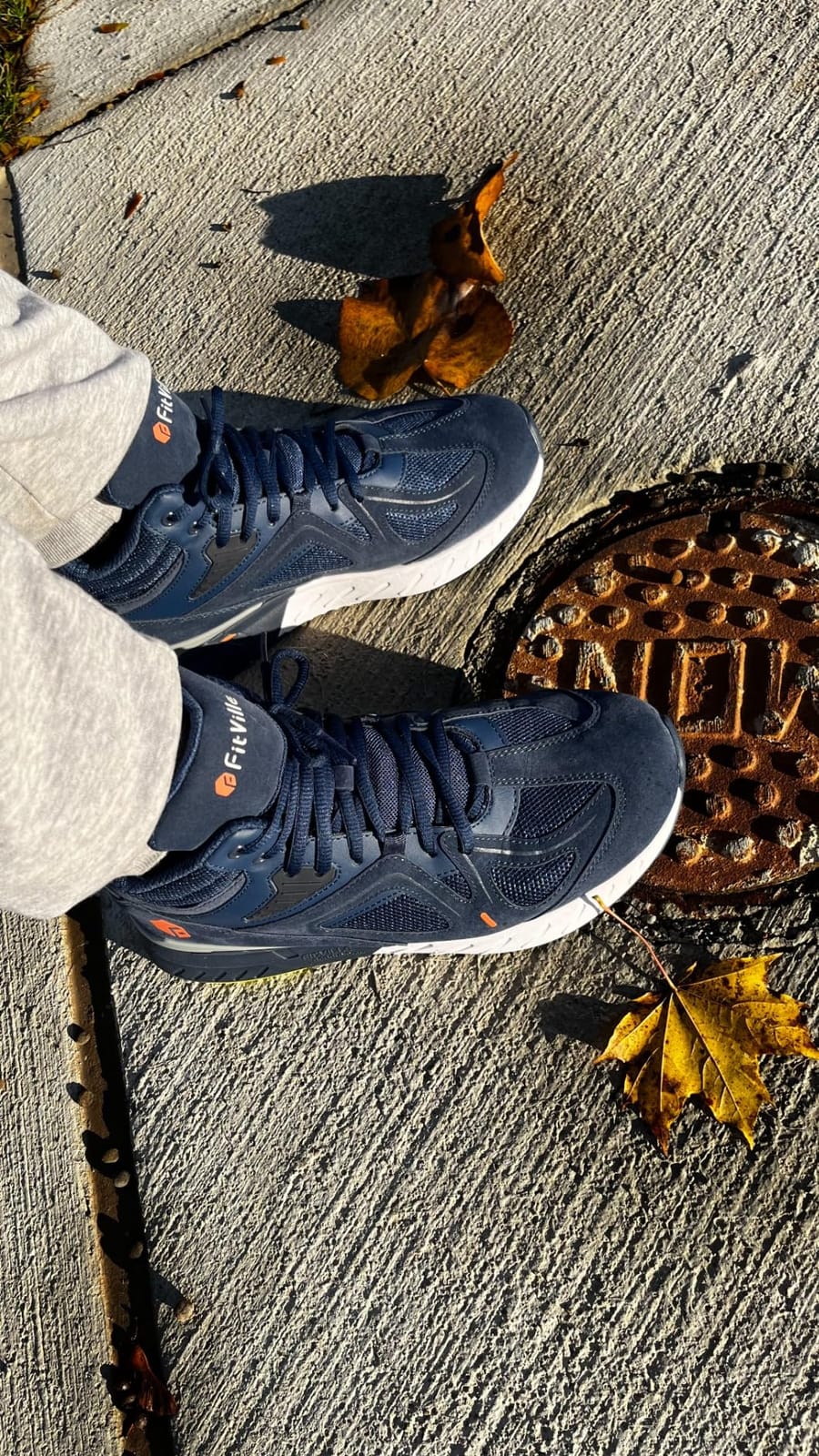
The FitVille exists for one specific problem: supportive high-tops that fit a wide foot. The wide toe box and high instep give you room across the forefoot and the arch, which is the single most common reason people with wide feet avoid high-tops entirely. The FitVille is produced in wide and X-Wide up to a size 15, and owners with flat feet single out the extra room as the reason they keep buying it.
Support comes from an ankle-protecting high-top design plus patented PropelCore soles that combine structure with cushioning, and a shock-absorbing heel pad under the heel. That heel pad matters more than it sounds: a cushioned heel reduces the impact of each landing, which takes some of the load off an ankle that is already sensitive.
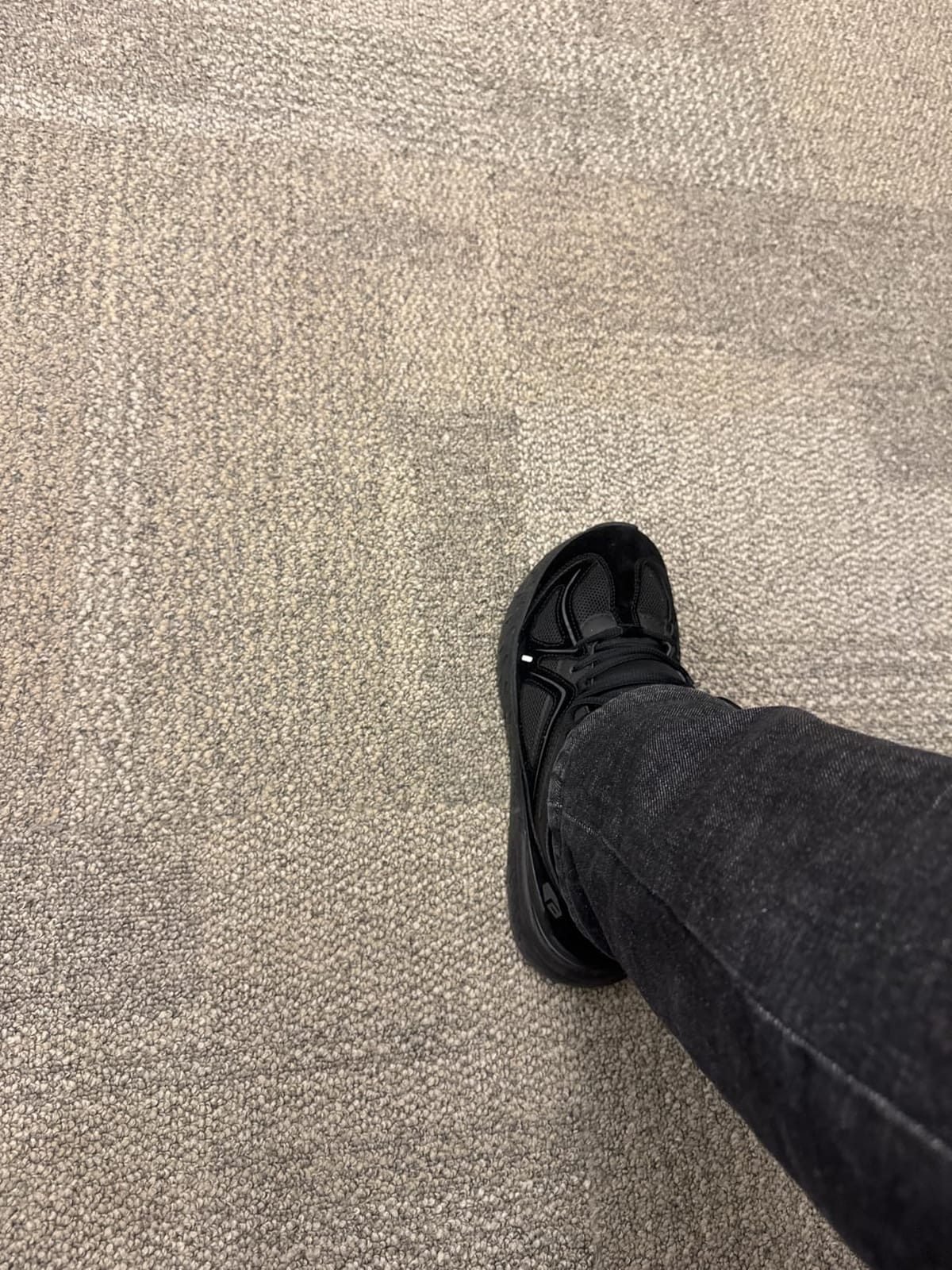
There is no break-in. It is comfortable from the first wear, which is a genuine advantage if you are a first-time high-top buyer or you are reintroducing yourself to court after an injury. It is also marketed for exercise and pickleball, not only basketball, so the build is versatile.
The 4.2 average is the lowest in this roundup, and the reviews explain why: a minority find it less stable and less grippy on gym floors than dedicated basketball shoes, and some feel the build is cheap. The outsole can wear through within a year with regular use, so treat it as a court shoe that needs replacing sooner.
Who this shoe suits
It suits wide-footed and flat-footed players who have given up on finding width in mainstream basketball shoes. Between the wide toe box, the high instep and the X-Wide run, it is the most accommodating last in this roundup by a clear margin.
It also suits anyone who wants ankle coverage without a break-in period, and anyone who plays on more than one surface from a rec centre to a driveway.
Where it falls short
Stability and grip on a proper gym floor are not its strength. If you play fast on hardwood with lots of planted cuts, the Lockdown 7 or the adidas pair is a safer bet, as we rated in the reviews above.
It can also feel too roomy even for wide feet, and there is no heel pull loop with short laces, so getting it on and off is fussier than it should be. Budget for replacement given the outsole wear reports.
10. Nike LeBron Witness VIII – Best for Rebounding
Nike Men’s Lebron Witness VIII Basketball Shoes, Black Red 005, 10.5 US
Structured heel and midfoot containment
Lightweight breathable upper
Court tuned outsole
+ The Good
- Firm supportive feel that molds to the foot
- Lightweight and comfortable for play and walking
- Excellent grip on any floor surface
- Durable materials and build quality
- The Bad
- Runs small and most buyers need a size up
- Sizing can be inconsistent between orders
- Some colourways have a shinier finish than expected
Rebounding is repeated vertical impact with an unpredictable landing, and that is exactly where heel containment matters. The Witness VIII uses a structured heel and midfoot containment system to hold the rear foot in place, so your heel does not lift out of the shoe on a contested board. Owners describe a firm, supportive feel that molds to the foot over time.
It is also the lightest-feeling structured shoe here. The upper is lightweight and breathable, and despite the added heel and midfoot structure it stays comfortable for long sessions and ordinary walking, which is what you want from a shoe you wear to games and to the shop.
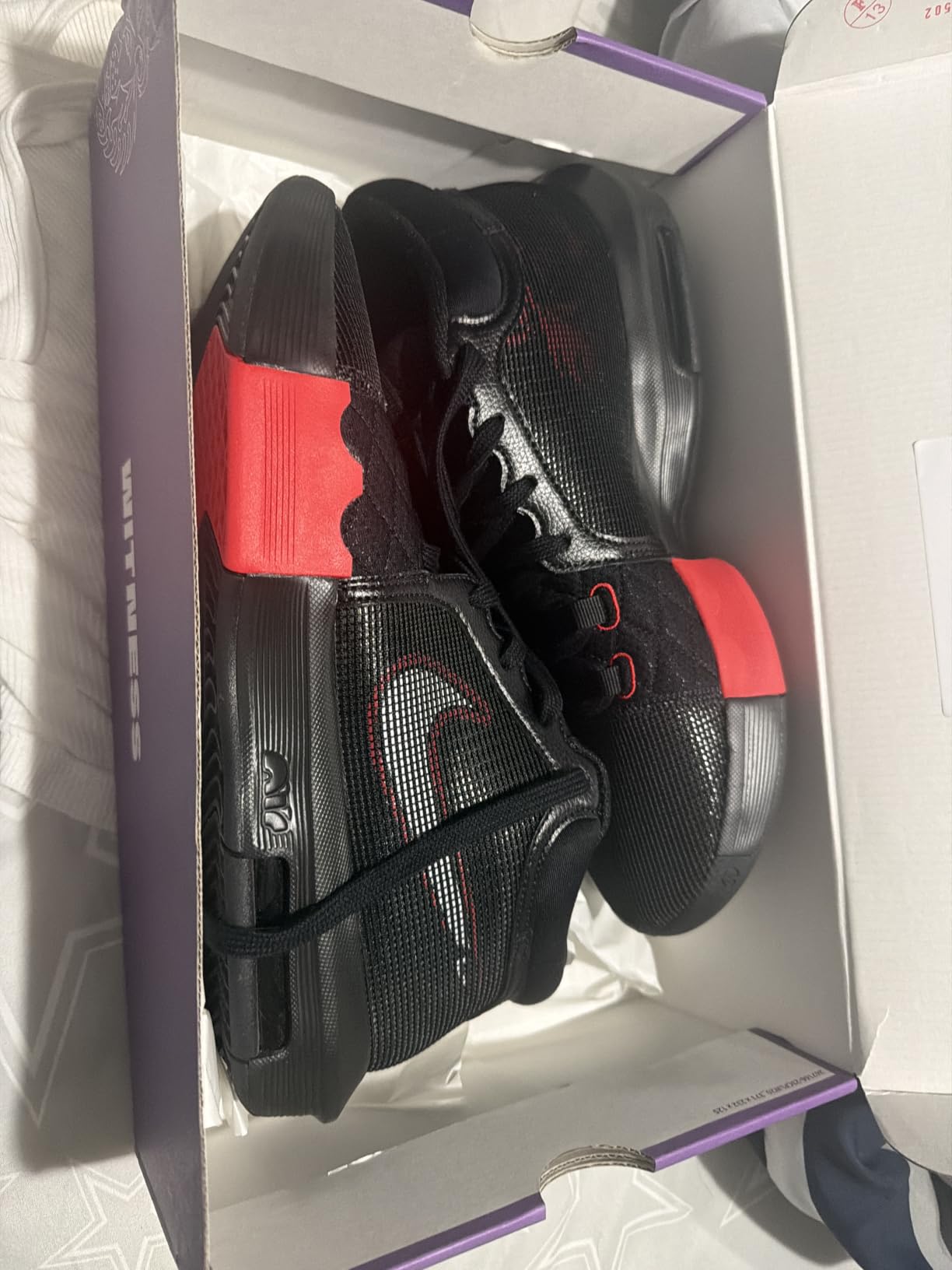
The court-tuned outsole delivers grip on essentially any floor, and grip is the part that protects you after a rebound. If your foot slips mid-landing, the ankle rolls regardless of how good the collar is. Owners repeatedly call out grip as one of the shoe’s strongest features, along with durable materials and build quality.
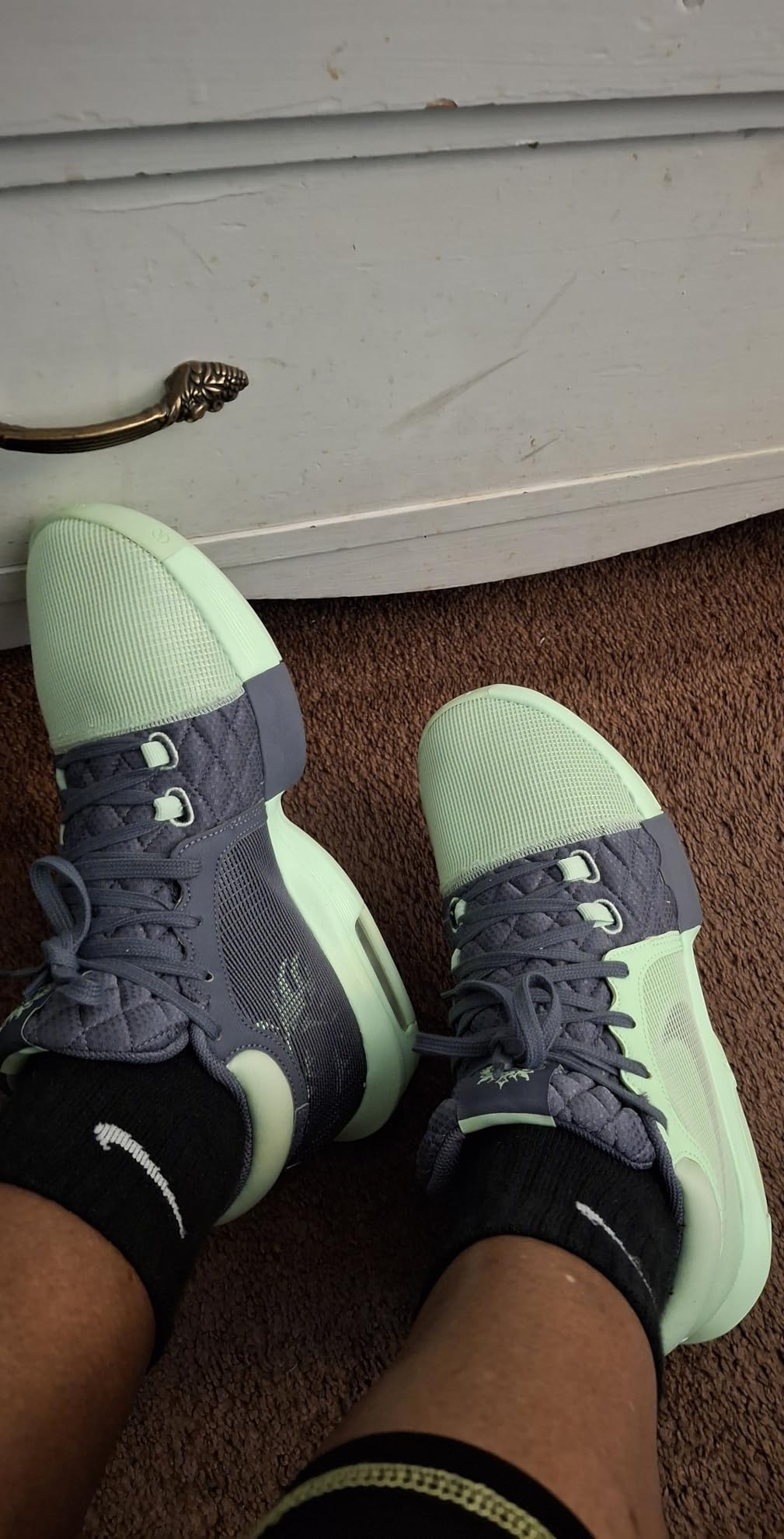
One practical note on fit. Seventy percent of its 697 reviews are five stars, but the most consistent theme across the whole review set, including the critical ones, is that the shoe runs small. Go up a half size or a full size.
Who this shoe suits
It suits forwards and centres who go up for offensive and defensive boards and want the heel to stay put when the landing is not clean. It also suits players who play on a mix of surfaces, since the grip holds up on any floor surface.
If you want structure without a tall collar or a heavy midsole, this is a middle option that handles indoor and casual wear equally well.
Where it falls short
The sizing problem is the dominant one, and it is worse than most shoes here: buyers generally need a half size or a full size up, and some report inconsistency between orders. Expect to exchange on the first pair if you are between sizes.
Some colourways also have a shinier finish than expected, which is a purely cosmetic point but worth knowing before you commit. And with 697 reviews it sits in the thinner half of this lineup for long-term data.
What Actually Gives a Basketball Shoe Ankle Support
Collar height is the feature everyone looks at and the one that predicts the least. If you want to know what a supportive shoe actually needs, these six characteristics matter, in roughly this order of importance.
1. High torsional rigidity. This is how resistant the shoe is to being twisted under sideways force. A rigid midfoot shank, a carbon fibre plate or a dense TPU frame resists twisting, which is what stops a planted foot from rolling over. Supportive shoes score at the top of the scale here, and it is the single most transferable feature between models.
2. A wide base with an outrigger. An outrigger is the out-flanged extension on the outer edge of the sole. It widens the platform you are standing on when you plant, so the foot has somewhere to go other than over. The PEAK in this roundup makes the concept explicit with a lateral forefoot stabilization module, and the Giannis gets its lateral control from a reinforced midfoot cage.
3. A stiff heel counter. This is how firmly the back of the shoe holds the heel. A heel counter that flexes lets the heel lift and slide, and a lifted heel cannot resist inversion. Structured heel clips and dense rear-foot collars are what you are looking for, and it is why the Lebron Witness VIII and the Giannis both rate highly here.
4. Secure lockdown. Lockdown means no internal shifting at all. A film overlay, a midfoot strap, a snug mid-cut collar or a reinforced cage all contribute, and a foot that cannot move inside the shoe cannot roll the ankle inside the shoe. The Under Armour Lockdown 7 is the purest example in this roundup.
5. A grounded platform. Softer, taller midsoles let the foot sit further from the floor and introduce more wobble at the point of contact. A firmer, lower-profile midsole keeps you closer to the ground. The adidas Own The Game 3.0 sits low deliberately, and that grounded feel is part of why it feels stable.
6. Solid traction. Support is worthless if the shoe slides before your foot can stop moving. Outsole pattern and rubber compound decide whether a planted foot stays planted. This matters twice as much outdoors, which is why the PEAK and the FitVille both rate well on grip in different ways.
Put the six together and a pattern emerges: the best-supported shoes in this roundup earn their support from outrigger geometry, heel structure and lockdown, not from how tall the collar is. That is worth remembering as you read any roundup, ours included.
High-Top vs Low-Top: The Myth and the Practical Answer
Do high-top basketball shoes prevent ankle sprains? No. The claim that a taller collar reduces sprain risk has been tested repeatedly, and the honest conclusion is that the risk of rolling an ankle is the same wearing high tops as low tops. Reddit threads titled “No, High Tops Do Not Prevent Ankle Injuries” make the same point, and the consensus in r/BBallShoes is that braces or a wide outsole are the practical answer.
That is not the same as saying collar height is irrelevant. A tall collar covers the malleolus, which can reduce the severity of contact and gives you something to brace against mentally, and some players genuinely feel more stable in one. It is a comfort and confidence effect, and comfort is a legitimate reason to choose a shoe.
Professional players moved the same way. The low-top shift began with Kobe Bryant in 2008, and the LeBron line itself went low-top starting at the LeBron 20, with today’s high-cut basketball shoes often marketed as mids. Players moved to lows for speed, low weight and better court feel, which is the honest reason to pick one.
So decide it on your actual requirement. Pick a high-top if you want coverage and feel steadier in one, and pick a low or mid if you want speed, low weight and a grounded feel. The FitVille and the Reebok Hi2 are the picks here if coverage is your priority, and the Lockdown 7 and the adidas Own The Game 3.0 are the picks if grounded stability is.
Which Pick Should You Choose? A Path by Foot and Injury History
Start with your history, because “ankle support” means different things to different people. If you have no injury history and simply want to cut hard without wobbling, the Under Armour Lockdown 7 or the adidas Own The Game 3.0 give you lockdown and a grounded platform at the lowest weight.
If you have a single past sprain and are cleared to play, look for a wide outrigger and a stiff heel counter rather than collar height. The PEAK High Top and the adidas Own The Game 3.0 both score well there, and the adidas pair has the most grip on mixed surfaces.
If you have chronic ankle instability, treat it as a medical situation first and a shopping situation second. See a clinician, and once cleared, choose the most stable shoe you can stand to wear for long stretches, which is usually the Lockdown 7 or the Reebok Hi2. Also consider whether an external support is part of your plan, and read the next section first.
Wide feet change the answer more than anything else. Start with the FitVille if your forefoot is genuinely wide or you have flat feet, or the Reebok Hi2 if you want a real basketball shoe in wide widths. Avoid the LeBron XXII, the Resonator Mid and the adidas Own The Game 3.0 unless you plan to size up, because all three run narrow.
Outdoor courts change the answer too. Prioritise outsole durability and grip, which points you to the PEAK High Top for value, the Reebok Hi2 for longevity, or the FitVille for versatility. If you also need a home setup to test on, our [basketball return system guide](https://beboivn.com/best-basketball-return-systems/) is a reasonable place to start.
Finally, plan for break-in. Leather-heavy shoes like the Lockdown 7, the Hi2 and the Resonator Mid are stiff out of the box, and reviewers consistently warn about that. Wear them for short sessions and light movement for the first week or two, and never test a new supportive shoe for the first time in a full-contact game. Strengthening work in between sessions matters as much as the shoe, and if you want to build that up, our [ankle weight picks](https://beboivn.com/best-premium-ankle-weights/) are a reasonable off-court addition.
When Shoes Are Not Enough: Braces, Sleeves and Taping
The most common question in the ankle support community is whether a shoe can be enough. The answer for chronic instability is usually no, and adding a second layer is a legitimate step. The important detail is which layer to add.
An elastic sleeve adds compression and warmth, which reduces swelling and improves proprioception slightly. A lace-up or hinged brace adds real mechanical restriction, which is what you want for a diagnosed instability. Athletic taping is popular among professional players, but it loses much of its support after roughly 45 minutes and should be applied by someone trained to do it.
There is a genuine trade-off with rigid braces. A very stiff brace can transfer torque into the knee, which is the complaint you will read repeatedly from players who hated wearing one. Confirm that the brace fits inside your shoe before you commit to either, and ask your clinician which level of restriction suits your specific diagnosis.
Frequently Asked Questions
What basketball shoes give the best ankle support?
The best basketball shoes for ankle support are the ones built with a wide lateral outrigger, a stiff heel counter, high torsional rigidity through a midfoot shank or frame, and a secure lockdown that stops the foot shifting inside the shoe. In our testing the Reebok Royal BB4500 Hi2, the PEAK High Top Streetball Master and the Under Armour Lockdown 7 stood out for those features. Collar height alone is a poor predictor of support, and no shoe can prevent a sprain entirely.
Do high-top basketball shoes prevent ankle sprains?
No. Studies and community consensus agree that the risk of rolling an ankle is essentially the same wearing a high top as a low top, which is why forums regularly describe the high-top support claim as debunked. A tall collar can still feel steadier and can reduce contact to the ankle bone, so it is a reasonable comfort choice. For actual stability, prioritise a wide outrigger, a stiff heel counter and good outsole grip instead.
What is the best type of ankle support for basketball?
For most players the best support is mechanical rather than decorative: a wide outsole that resists rolling, a firm heel counter, a rigid midfoot shank, and a snug lockdown. If you have a diagnosed chronic ankle instability, add a compression sleeve for mild cases or a lace-up or hinged brace for stronger restriction, and confirm the brace fits inside your shoe. A very rigid brace can transfer torque into the knee, so ask a clinician which level you need.
What basketball shoes do podiatrists recommend?
Podiatrists and physical therapists generally do not endorse specific brands or models, because support needs differ between a single past sprain and chronic instability. What they do emphasise is a shoe that fits your width, has a wide stable base, holds the heel in place, and matches your court surface. If you have been diagnosed with chronic ankle instability or are returning from a sprain, get assessed before changing shoes, and treat any recommendation as part of a rehab plan rather than a replacement for one.
Should I wear an ankle brace with basketball shoes?
If you have a history of recurrent sprains or a diagnosed instability, a brace is a reasonable addition, and many players report more confidence with one. The practical cautions are that the brace must fit inside your shoe without removing the insole or crowding the foot, and that a very rigid brace can transfer torque into the knee joint. Start with a sleeve for mild cases and move to a lace-up or hinged brace only with professional guidance.
The Best Basketball Shoes for Ankle Support in 2026
Ten shoes, one clear winner. The Reebok Royal BB4500 Hi2 takes our top spot because it is the only shoe in this roundup that combines a genuinely supportive five-inch collar, a leather build that keeps its shape for years, and real wide sizing. If you want the single most proven option for ankle support, that is it.
Below that, the PEAK High Top Streetball Master is the value pick for outdoor courts, the Under Armour Lockdown 7 is the best pure lockdown, the adidas Own The Game 3.0 is the quickest on its feet and carries the highest rating in the group at 4.6, and the FitVille Wide High-Top is the answer for flat and wide feet. Every other pick has a specific role too, and the table above tells you which one.
Two things to carry away. First, judge every shoe on outrigger width, heel counter stiffness, torsional rigidity, lockdown and traction rather than collar height. Second, if you have a diagnosed ankle issue, get professional advice before buying anything, and use the best basketball shoes for ankle support picks above to support a rehab plan rather than to replace one. Tell us your court surface, your foot width and your injury history and we will narrow the list for you.