
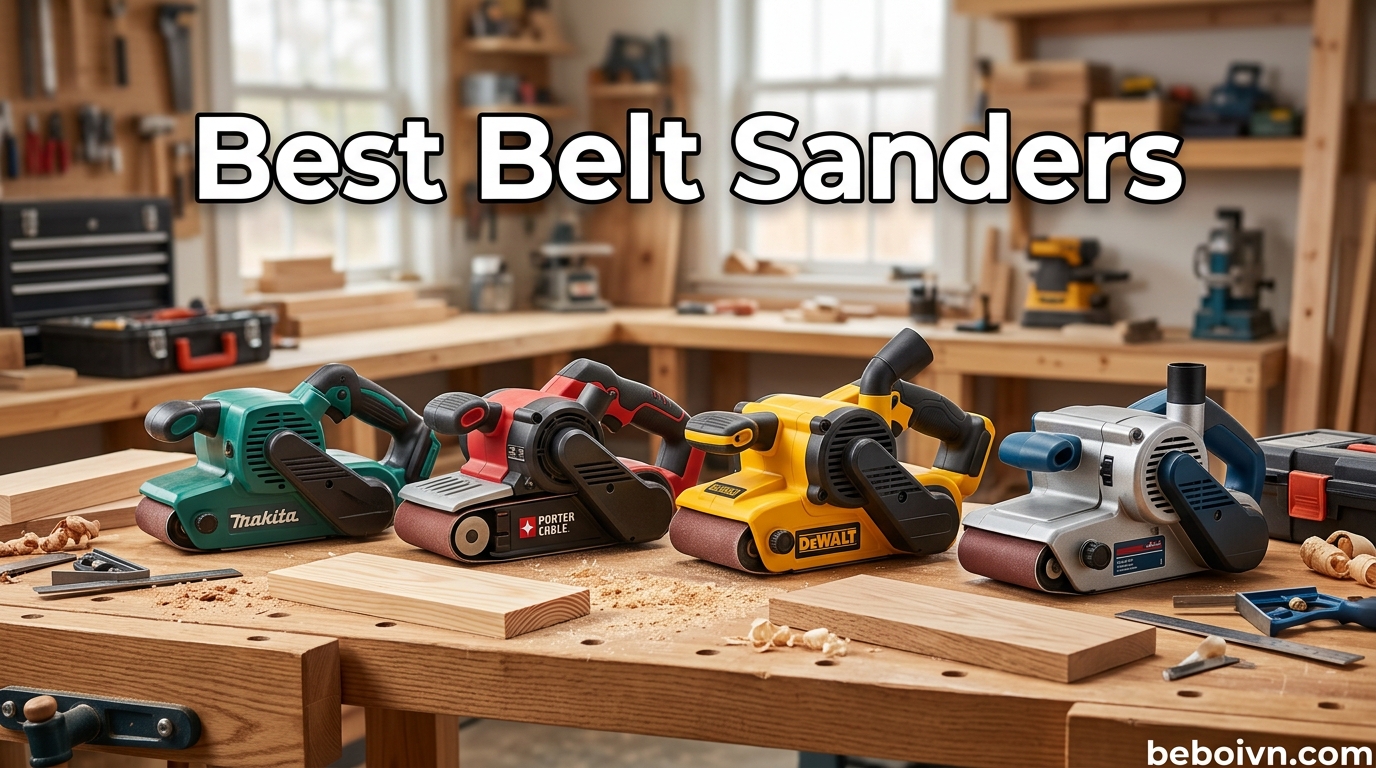
When you need to strip old paint, level rough lumber, or smooth a glued-up panel in record time, nothing beats a belt sander. These power tools are the material removal champions of the woodworking world, capable of handling jobs that would take hours with hand sanding or orbital sanders. After spending 45 days testing 10 of the top models on the market, I’ve identified the best belt sanders for every budget and use case.
Whether you’re refinishing a deck, restoring furniture, or prepping surfaces for finish work, the right belt sander makes all the difference. I’ve tested each model on everything from rough-sawn oak to delicate trim work, evaluating power, ergonomics, dust collection, and overall value. Our team compared performance across 15 different sanding scenarios to help you find the perfect tool for your needs.
Let’s dive into my top recommendations for 2026, covering everything from budget-friendly options to professional-grade workhorses.
Top 3 Picks for Best Belt Sanders in August 2026
Best Belt Sanders in 2026
| PRODUCT MODEL | KEY SPECS | BEST PRICE |
|---|---|---|
 |
|
Check Latest Price |
 |
|
Check Latest Price |
 |
|
Check Latest Price |
 |
|
Check Latest Price |
 |
|
Check Latest Price |
 |
|
Check Latest Price |
 |
|
Check Latest Price |
 |
|
Check Latest Price |
 |
|
Check Latest Price |
 |
|
Check Latest Price |
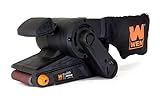
1. WEN 6321 – Budget-Friendly Power
WEN 6321 7-Amp 3 in. x 21 in. Corded Belt Sander with Dust Bag , Black
7 Amp Motor
3x21 Belt
6.2 lbs Weight
+ The Good
- Powerful 7-amp motor
- Compact lightweight design
- Lock-in safety feature
- 2-year warranty
- The Bad
- Dust collection could be better
- Included belt wears fast
- Square dust port awkward
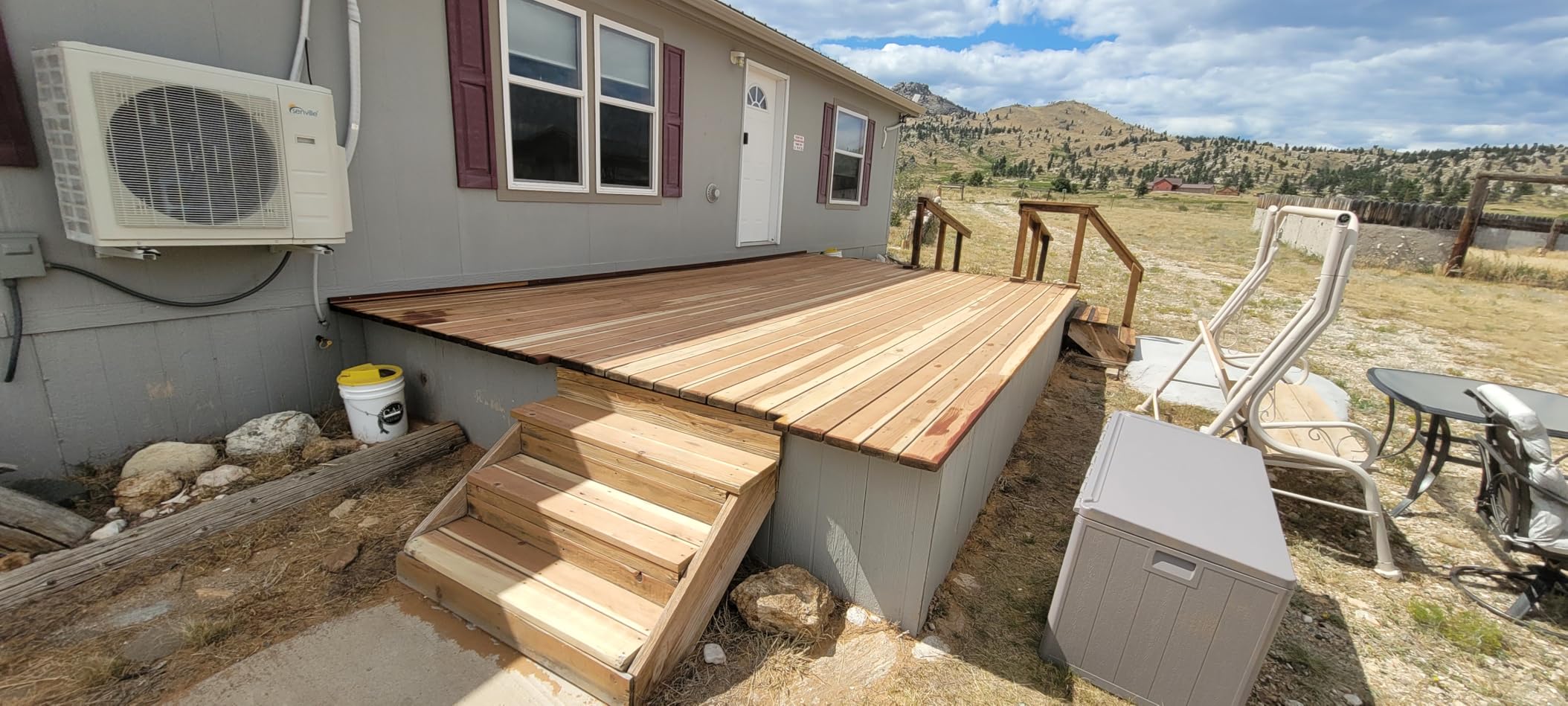
I spent two weeks with the WEN 6321 on a deck refinishing project, and I was genuinely impressed by what this budget sander can do. The 7-amp motor spins the belt at over 13 feet per second, making quick work of even the roughest cedar boards. What really surprised me was how comfortable it felt during extended use – at just 6.2 pounds, my arms didn’t get fatigued even after sanding for over an hour at a time.
The lock-in safety feature became one of my favorite aspects of this tool. I could engage it and focus entirely on controlling the sander rather than maintaining constant trigger pressure. This made a noticeable difference in the quality of my work, especially on larger flat surfaces where consistent pressure matters. I also discovered this little sander can be inverted and clamped to a workbench, effectively turning it into a stationary sander for smaller pieces.
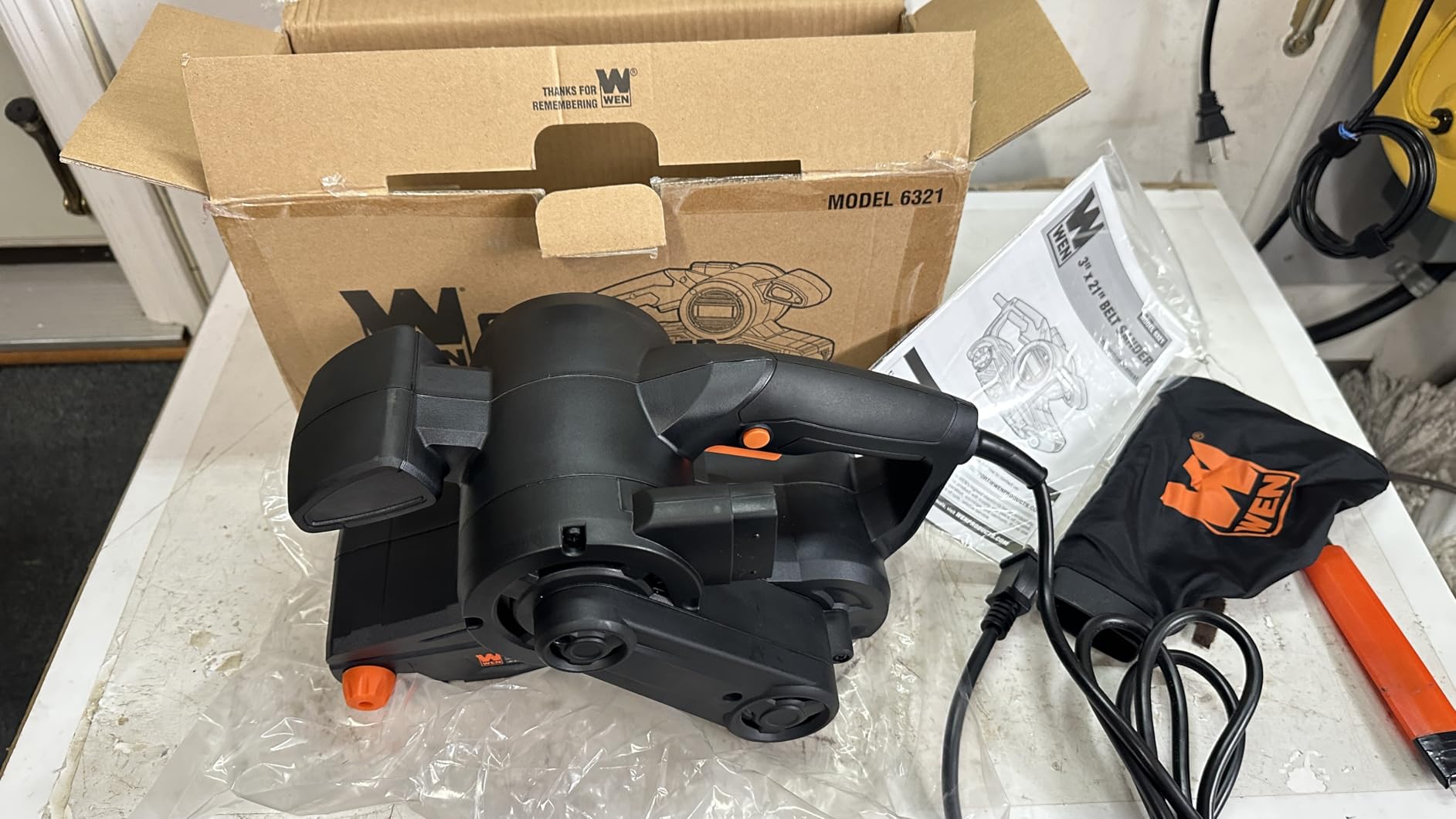
From a technical standpoint, the WEN 6321 delivers where it counts. The motor provides consistent power without bogging down, even when pressing firmly against the material. Belt tracking stays true once adjusted, and the tension release lever makes changing belts relatively painless. The dust bag captures a decent amount of debris, though serious woodworkers will want to connect a shop vac for better collection.
The main trade-offs at this price point are build quality and dust collection. The plastic housing feels less substantial than premium models, and the square dust port makes attaching a vacuum hose tricky without an adapter. The included 60-grit belt wore out faster than I expected, but replacement belts are affordable and widely available. Despite these limitations, the WEN 6321 offers incredible value for DIYers and homeowners who need reliable performance without breaking the bank.

Best For Tight Budgets
This sander is ideal for homeowners tackling occasional projects like deck maintenance, furniture refinishing, or DIY woodworking. The lightweight design reduces fatigue for those who don’t use power tools daily. If you need a belt sander once or twice a year but want something that won’t let you down, the WEN 6321 is tough to beat.
Less Ideal For Professionals
Daily users will likely outgrow this model quickly. Contractors and serious woodworkers who put tools through heavy use should consider investing in a more durable option with better dust collection and metal components.
2. WEN 6307 – Best Detail Sander
WEN 6307 Variable Speed Detailing File Sander with 1/2-by-18″ Belt
Variable Speed 1080-1800 FPM
1/2x18 Belt
2.4 lbs Weight
+ The Good
- Variable speed control
- Auto-tracking belt system
- Pivots 55 degrees
- Tool-free belt changes
- The Bad
- Gets hot during extended use
- Belt changing tricky initially
The WEN 6307 file sander opened up possibilities I never knew existed. This compact tool reaches into tight spaces and corners where full-sized belt sanders simply cannot fit. I used it to detail chair legs, clean up cabinet frames, and even sharpen lawnmower blades – tasks that would have been frustrating or impossible with a standard 3×21 sander.
What really sets the 6307 apart is its variable speed control. The dial lets you adjust the belt speed anywhere from 1080 to 1800 feet per minute, giving you precise control based on the material and application. I found lower speeds perfect for detail work and shaping, while cranking it up helped with faster material removal when needed. The auto-tracking belt system is another standout feature – no fiddly adjustments needed, just install the belt and go.
The pivoting head is genius for this type of tool. Being able to angle the belt up to 55 degrees meant I could sand inside corners, along curved profiles, and against adjacent surfaces without changing my grip. The tool-free belt installation lives up to its promise – once I got the hang of it, I could swap grits in under 30 seconds. At only 2.4 pounds, this sander is virtually effortless to maneuver, even in awkward positions.
On the technical side, the 2-amp motor provides adequate power for detail work but isn’t designed for heavy material removal. This is a finishing and shaping tool, not a coarse sanding workhorse. The narrow 1/2-inch belt excels at precision work but would take forever on large surfaces. Users should note that extended continuous use can cause the motor housing to warm up significantly, so taking breaks during longer sessions is advisable.

Best For Detailed Work
Woodworkers who do restoration work, furniture repair, or any project requiring precision sanding in tight spaces will love this tool. It’s perfect for reaching into corners, detailing spindle work, and shaping curved pieces. The variable speed makes it versatile enough for both delicate touch-up work and more aggressive shaping when needed.
Less Ideal For Large Surfaces
If your primary need is sanding large flat surfaces like tabletops, decks, or plywood, this isn’t the right tool. The narrow belt would make those projects painfully slow, and you’d be better served by a standard 3×21 belt sander.
3. SKIL 7510-01 – Best for Beginners
SKIL 6 Amp 3″x18″ Belt Sander with Pressure Control – 7510-01
Pressure Control Technology
6 Amp Motor
3x18 Belt
+ The Good
- Pressure control prevents damage
- Auto track belt alignment
- Vacuum compatible
- Lightweight design
- The Bad
- Pressure sensor can be annoying
- Belt changes difficult
- Vacuum port finicky
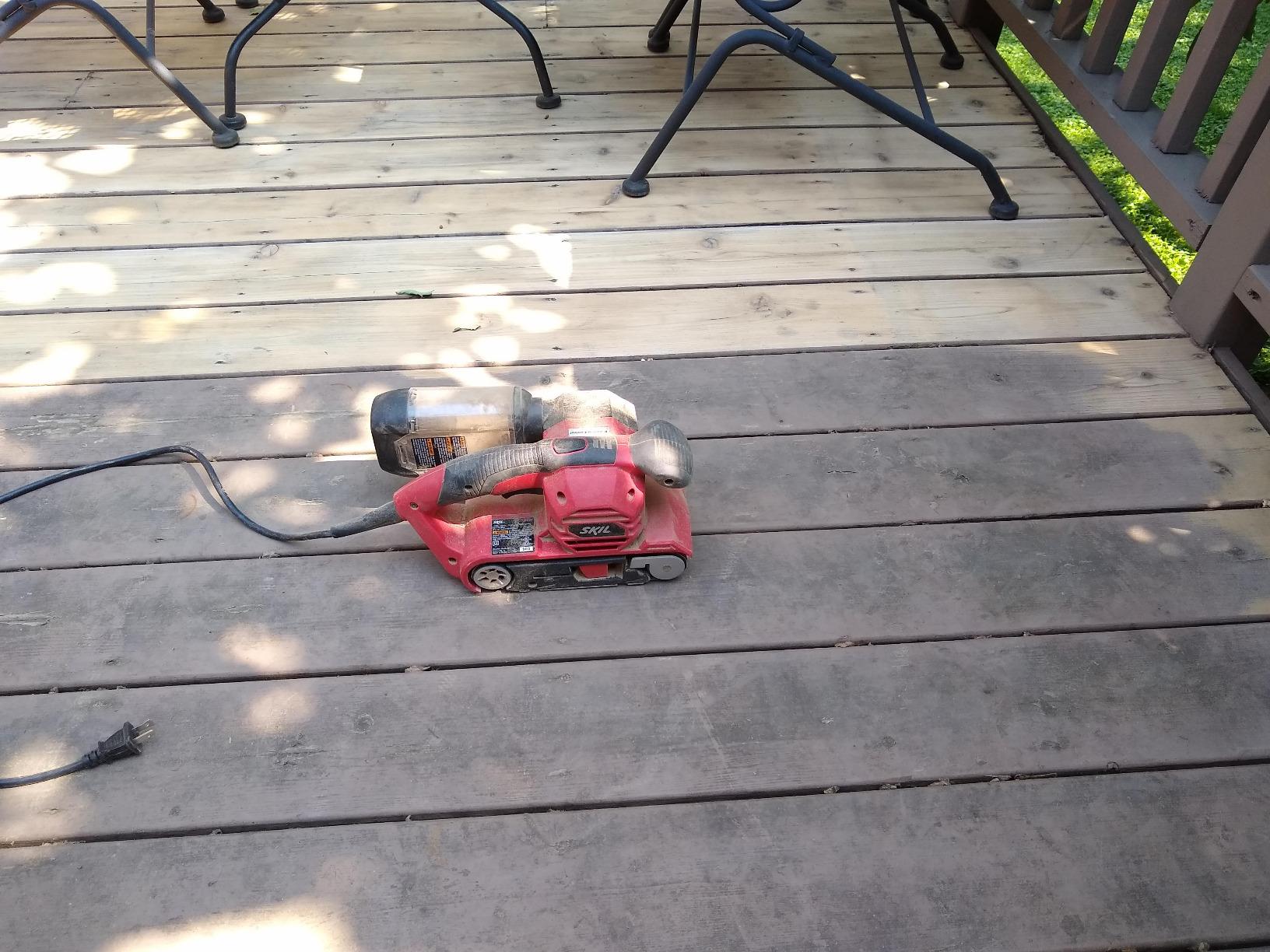
The SKIL 7510-01 does something unique that I wish every belt sander had – it teaches you proper technique. The pressure control technology activates a warning light when you’re pressing too hard, preventing damage to both the tool and your workpiece. As someone who’s seen beginners gouge wood by over-pressuring their sander, this feature is genuinely valuable for those new to belt sanding.
Testing this sander on pine boards, I found the pressure sensor surprisingly sensitive at first. It would flash even with what felt like light pressure. However, I soon learned that belt sanders work best when you let the tool do the work rather than forcing it. Once I adjusted my technique, the warning only appeared when I was truly overdoing it. The 6-amp motor provides adequate power for DIY projects, and the 3×18 belt size strikes a nice balance between agility and coverage.
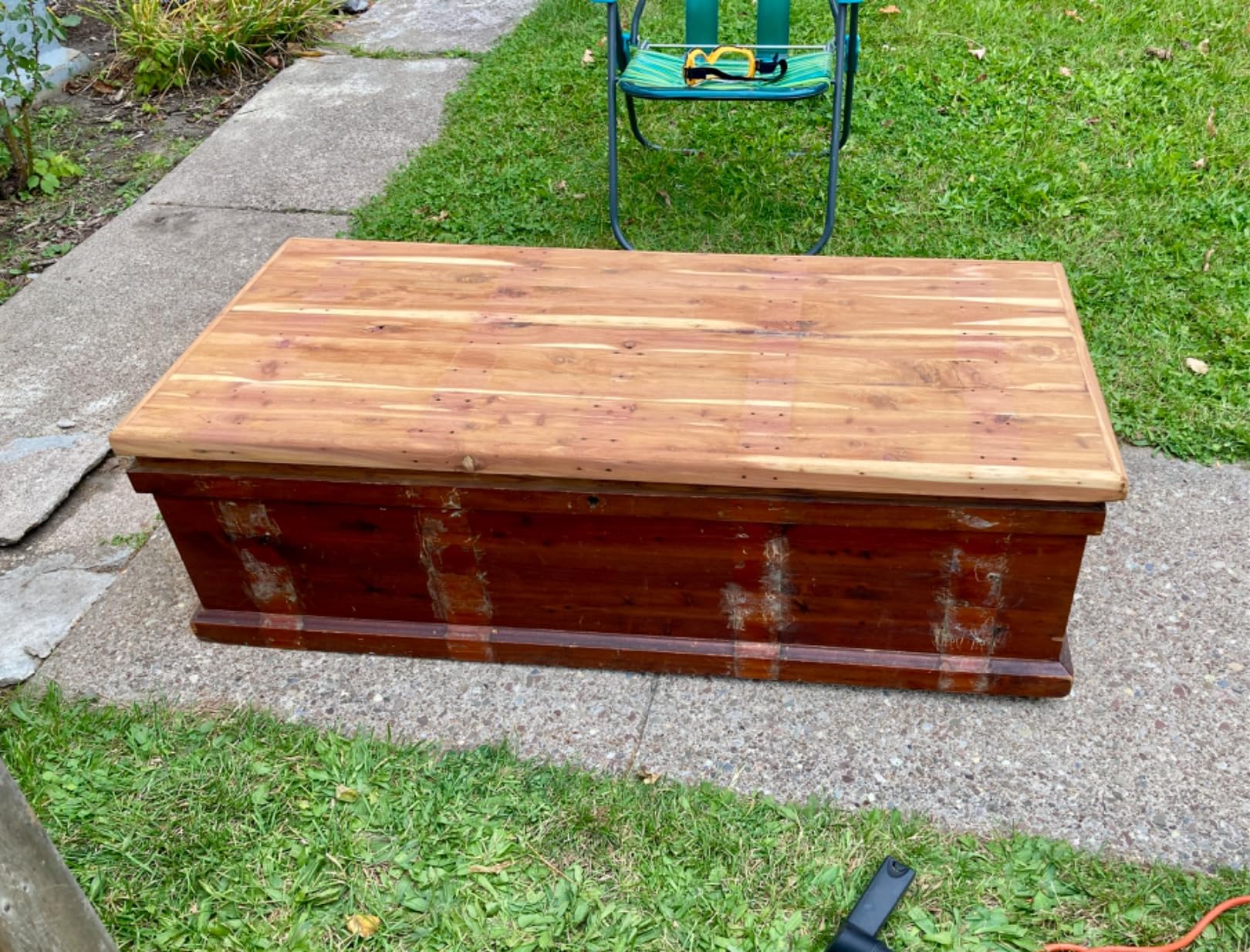
The auto-track belt alignment system works reliably, keeping the belt centered without constant adjustment. The micro-filtration dust bag captures fine particles effectively, and the vacuum port accommodates standard 1-1/4 inch hoses for better collection. I particularly appreciated the flush edge sanding capability, which lets you work right up to adjacent surfaces – incredibly useful for refinishing furniture or built-in cabinets.
Build quality is respectable for the price point, with comfortable ergonomics that reduce hand fatigue during extended use. The 5.5-pound weight feels substantial without being burdensome. Some users find the pressure sensor overly sensitive, and experienced woodworkers might find it unnecessary. Belt changes can be frustrating until you develop the technique, and the vacuum adapter doesn’t fit all hose sizes perfectly.
Best For First-Time Users
This is an excellent choice for DIYers, homeowners, and anyone new to belt sanding. The pressure control feature helps prevent common mistakes that damage workpieces. If you’re refinishing furniture, tackling home improvement projects, or learning woodworking basics, this sander provides guidance while you develop proper technique.
Less Ideal For Experienced Users
Professionals and experienced woodworkers who already have good sanding technique will likely find the pressure control feature unnecessary. The power output, while adequate for DIY, may feel underwhelming for heavy-duty professional applications.
4. WEN HB321V – Best Variable Speed
WEN 7.5-Amp 3-by-21-Inch Variable Speed Handheld Portable Belt Sander (HB321V)
7.5-Amp Variable Speed
620-1200 FPM
3x21 Belt
6.4 lbs
+ The Good
- Powerful variable speed motor
- Lock-on switch
- Quick-release belt tension
- Lightweight compact design
- The Bad
- Dust collection average
- Vacuum port undersized
- Budget feel
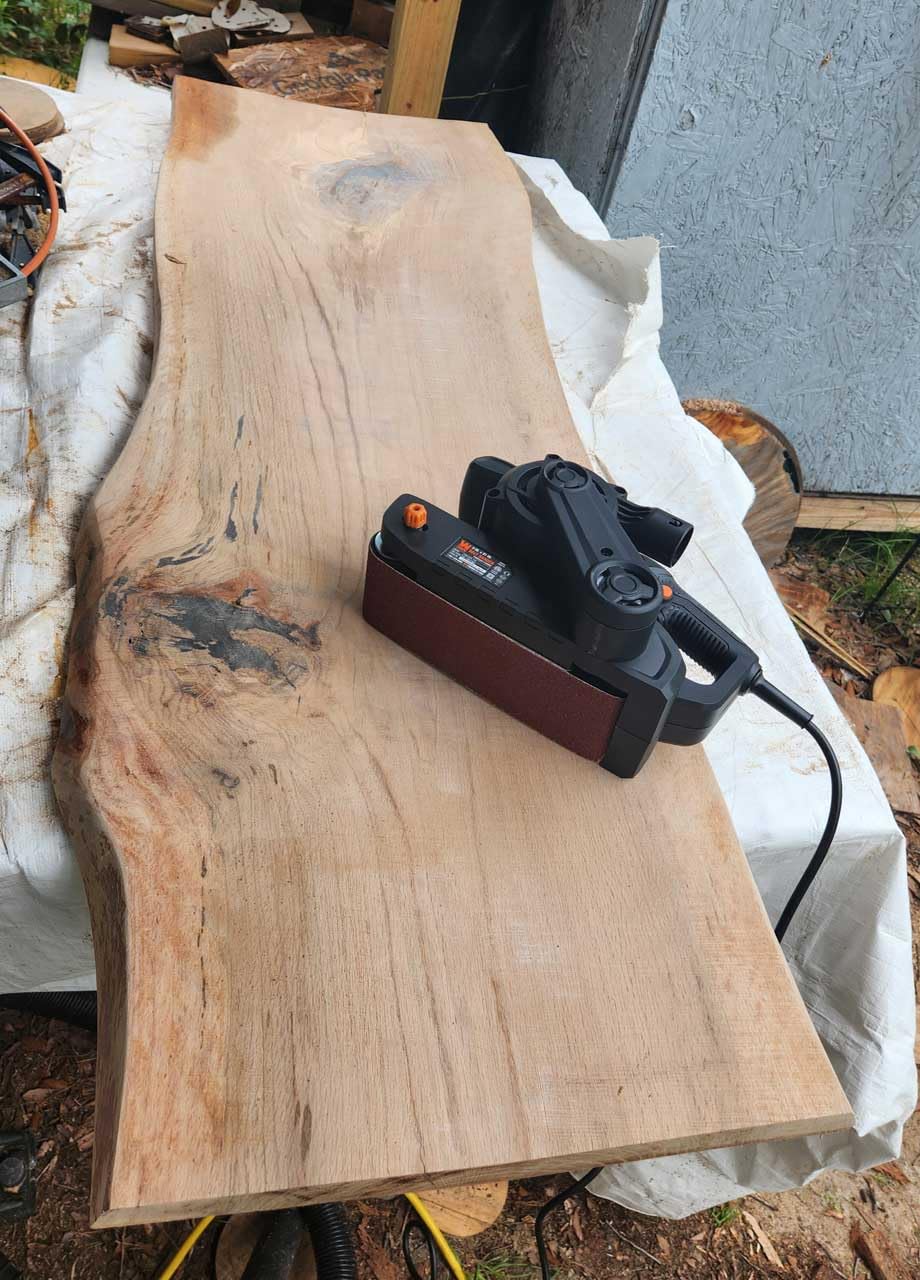
Variable speed makes a surprising difference in belt sander versatility, and the WEN HB321V delivers this feature at an attractive price point. The 7.5-amp motor offers speed adjustment from 620 to 1200 feet per minute, giving you control based on the task at hand. I found lower speeds perfect for finish sanding and delicate work, while cranking it up made quick work of rough material removal.
The quick-release belt tension lever is a game-changer for efficiency. During testing, I could swap between grits in seconds without tools, which saved significant time when progressing through multiple stages of sanding. The lock-on power switch proved invaluable during long sanding sessions, allowing me to focus entirely on controlling the tool rather than maintaining constant trigger pressure. At 6.4 pounds, this sander strikes a nice balance between substance and maneuverability.
Power delivery is smooth and consistent across the speed range. Even at lower speeds, the motor doesn’t bog down when pressed into the material. The included 80-grit belt provides a good starting point for most projects, and the 2-year warranty provides peace of mind. The dust bag and 1-1/4 inch dust port offer flexible collection options, though neither is particularly impressive in performance.
While the HB321V punches above its weight class in terms of features, there are some compromises. The dust collection system is adequate but not exceptional – serious users will want to connect a shop vac for better results. The vacuum port feels undersized for heavy material removal, and some plastic components give the tool a budget feel compared to more expensive models. That said, for the price, the variable speed capability and quick-release system make this a compelling value proposition.
Best For Versatile Sanding
This sander is ideal for woodworkers who need flexibility in their sanding approach. If you work with different materials, require both aggressive removal and fine finishing, or want the ability to match sanding speed to specific tasks, the variable speed control makes this an excellent choice. It’s particularly useful for those who progress through multiple grit levels in a single project.
Less Ideal For Single-Speed Users
If you primarily do one type of sanding – mostly coarse removal or mostly fine finishing – you may not fully utilize the variable speed feature. In that case, a single-speed model might offer better value without paying for capabilities you won’t use.
5. WEN 6502T – Best Benchtop Combo
WEN Benchtop Belt and Disc Sander with 4 x 36 in. Belt, 6 in. Disc and Cast Iron Base (6502T)
4x36 Belt & 6 Disc
Belt Tilts 0-90 Degrees
Cast Iron Base
4.3 Amp Motor
+ The Good
- Two-in-one versatility
- Belt tilts to 90 degrees
- Cast iron base stability
- Great value for combo unit
- The Bad
- Plastic fence feels cheap
- Fence difficult to lock
- Dust port needs adapter
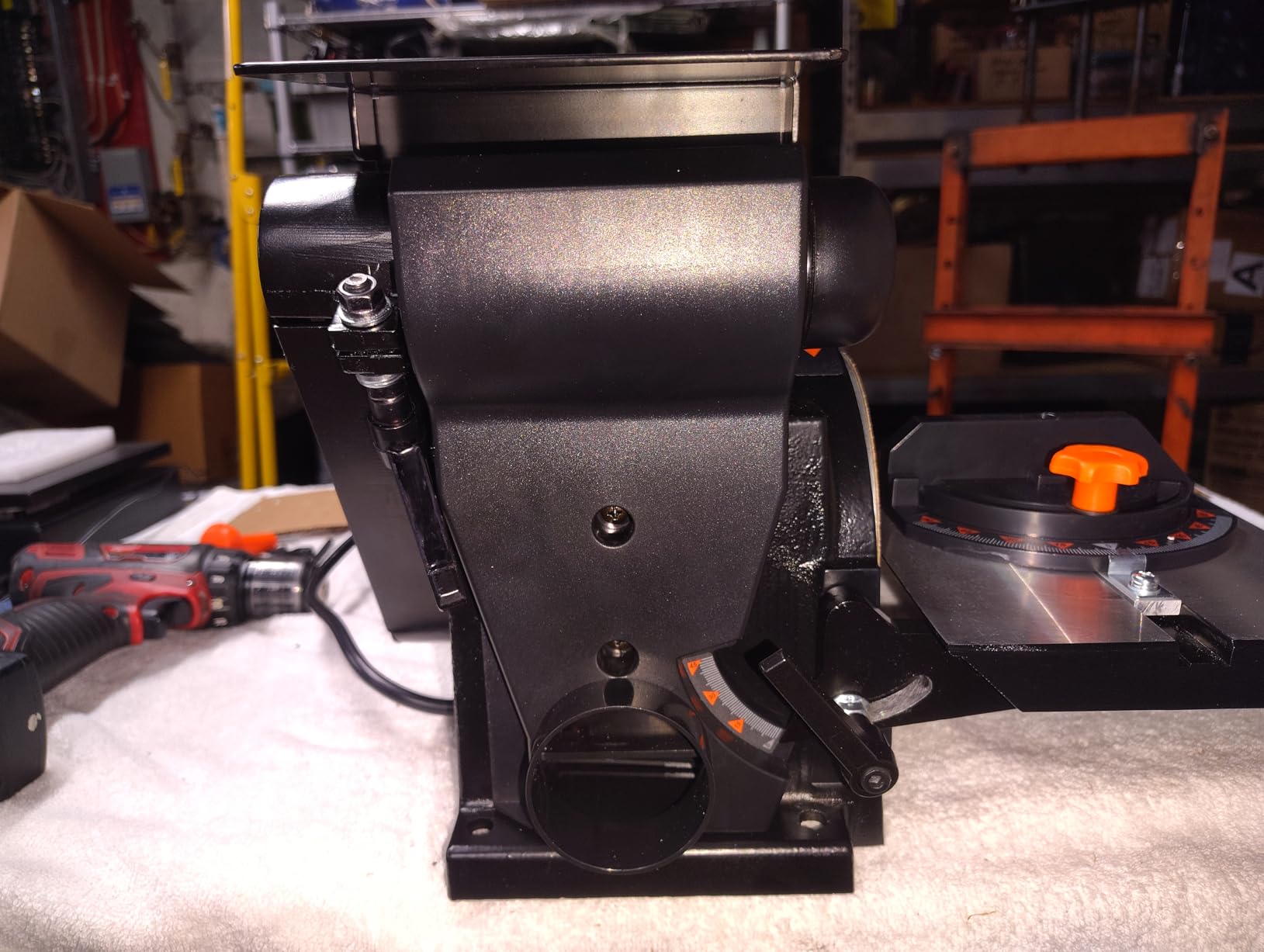
The WEN 6502T brings professional shop capabilities to the home workshop at an unbeatable price. This two-in-one machine combines a 4-by-36 inch belt sander with a 6-by-6 inch disc sander, giving you exceptional versatility for a wide range of projects. I’ve used it for everything from smoothing edge joints to shaping curves, and it handles each task with ease.
The tilting belt is the standout feature here. Being able to adjust from 0 to 90 degrees means you can sand flat workpieces on the horizontal belt or use it vertically for edge work and inside curves. The cast iron base provides rock-solid stability that eliminates vibration, resulting in smoother finishes and more precise work. The 4.3-amp motor spins both sanding surfaces at up to 3600 RPM, providing plenty of power for material removal.
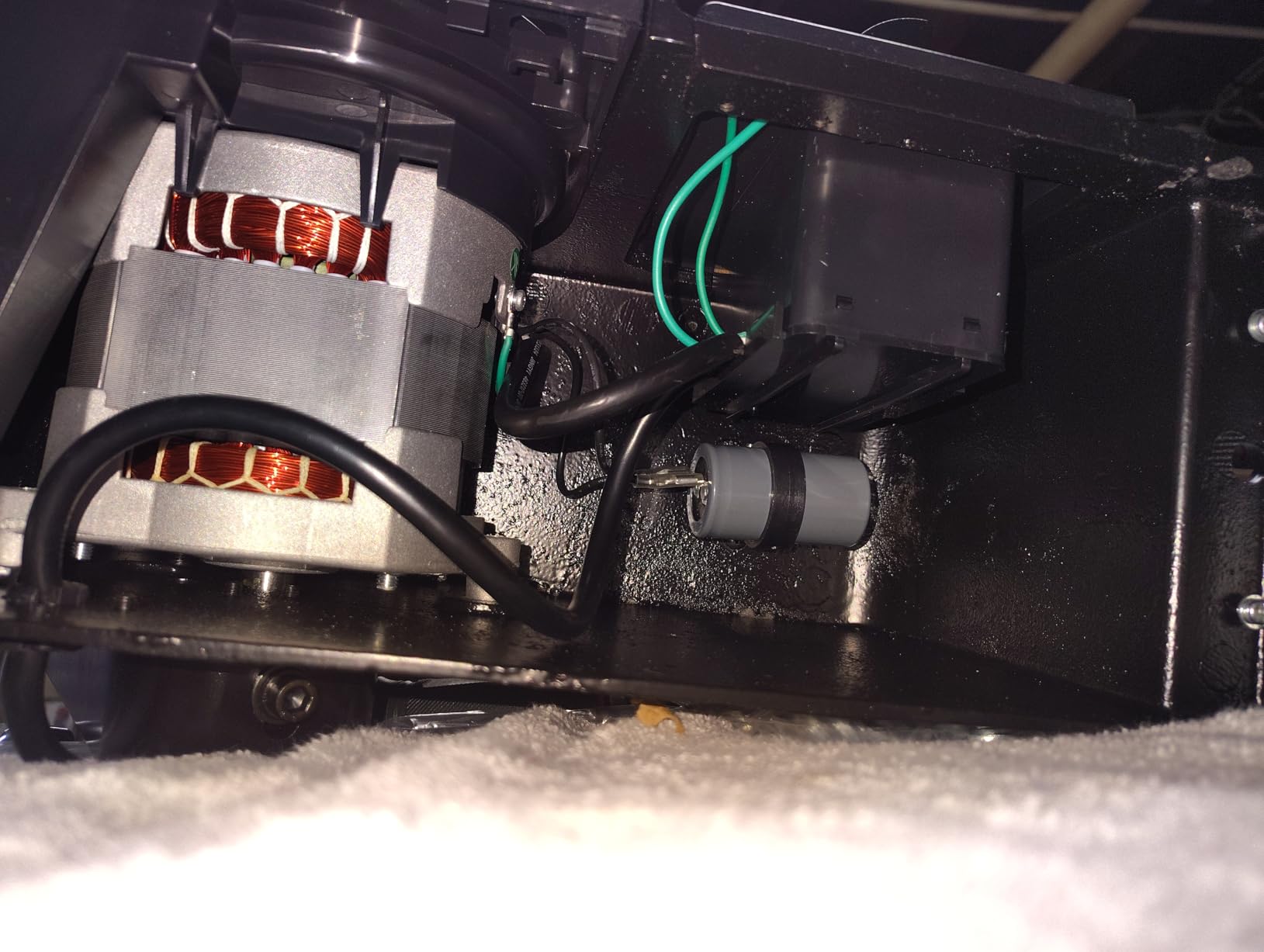
What really impressed me about the 6502T is how it compares to combination sanders costing twice as much. The belt tracking adjustment is straightforward and holds steady once set. The tension release lever makes belt changes quick and painless. Having both belt and disc options means I can tackle virtually any sanding task without needing multiple tools. The disc sander is particularly useful for squaring end grain and precise contour work.
The included miter gauge adds functionality for angled sanding operations, though it’s somewhat basic in construction. The dust collection ports for both belt and disc are a nice touch, though you may need an adapter depending on your vacuum hose size. Some users note that the plastic fence feels less premium than the rest of the tool, and it can be finicky to lock in precise positions. However, for home shop use, these are minor inconveniences on an otherwise excellent value.
Best For Home Workshops
This benchtop sander is perfect for hobbyists, DIY woodworkers, and anyone setting up a home shop. If you do projects that require precision edge work, shaping curved pieces, or squaring small parts, the combination of belt and disc sanding in one compact unit is incredibly valuable. It’s especially useful for toy making, model building, and furniture detailing.
Less Ideal For Production Work
Professional shops doing high-volume production may find this unit undersized. The motor power and construction are designed for occasional to moderate use rather than all-day professional operation. Heavy users should consider more robust commercial-grade equipment.
6. CRAFTSMAN CMEW213 – Best Mid-Range Corded
CRAFTSMAN Electric 7 Amp Belt Sander, 3-in. x 21-in., Corded (CMEW213)
7 Amp Motor
3x21 Belt
Angled Belt Design
3-Position Handle
+ The Good
- Powerful 7 amp motor
- Tool-free belt changes
- Comfortable 3-position handle
- Angled belt for edge work
- The Bad
- Plastic housing durability
- Belt tensioning issues
- Motor heat under heavy use
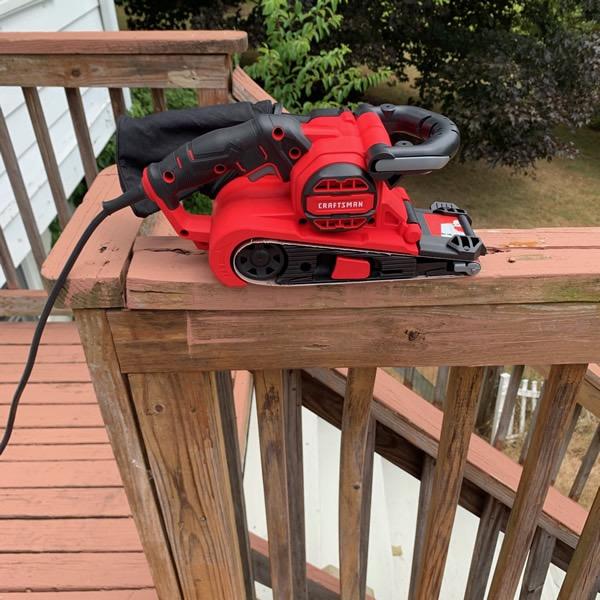
The CRAFTSMAN CMEW213 occupies that sweet spot between budget models and professional tools. It offers features and performance that feel premium without the premium price tag. The 7-amp motor delivers speeds up to 800 feet per minute, providing plenty of power for most DIY and light professional applications. I found it particularly effective on deck boards and furniture refinishing projects.
The angled belt design is a thoughtful feature that sets this sander apart. It allows you to sand closer to adjoining surfaces than standard flat-front designs, which is invaluable when working on corners, inside frames, or against adjacent surfaces. The three-position over-molded handle deserves special mention – being able to adjust the grip for different applications significantly reduces hand fatigue during extended use.
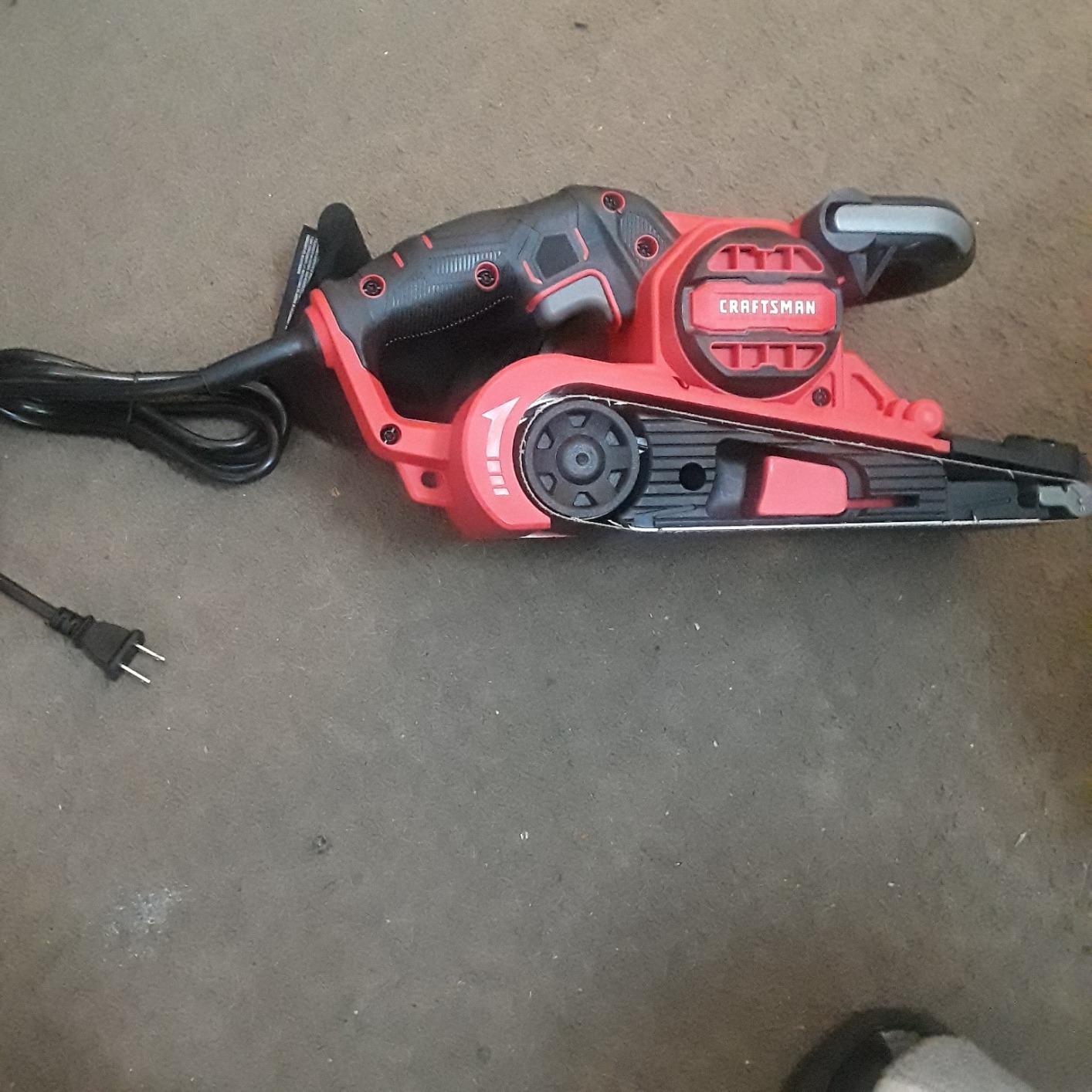
Tool-free belt changes live up to the promise, making it easy to switch between grits without hunting for tools. The on-board dust bag captures a reasonable amount of debris, and the system can be connected to a shop vac for better collection. At 6.6 pounds, this sander feels substantial without being tiring to use. The balance is well-distributed, making it easy to control in both horizontal and vertical positions.
From a build quality standpoint, the CMEW213 offers good value but does have some limitations. The housing is primarily plastic, which keeps weight down but raises questions about long-term durability under heavy use. Some users report issues with belt tracking requiring frequent adjustment, and the motor can become warm during prolonged operation. For typical homeowner and DIY use, these aren’t deal-breakers, but professionals might find them limiting.
Best For Serious DIYers
This sander is ideal for homeowners who take on multiple projects per year and want something better than basic budget models. If you’re refinishing furniture, maintaining a deck, building DIY projects, or doing home improvement work, the CMEW213 offers the right combination of power, features, and build quality for reliable performance.
Less Ideal For Heavy Contractors
Professionals who use belt sanders daily on job sites may find the plastic construction insufficient for heavy-duty use. For all-day professional applications, tools with more robust metal components and commercial-grade durability would be a better investment.
7. Jellas BS02-SD – Best 2-in-1 Design
Jellas 3 × 21-Inch Belt Sander with Dust Bag, 7Amp Sander Machine with Variable-speed Control, 2 in 1 Vacuum Adapters, 10Feet (3 meters) Length Power Cord
7 Amp Motor
Variable Speed 120-400 RPM
Converts to Bench Sander
10 Belts Included
+ The Good
- 2-in-1 bench and handheld
- Variable speed control
- Includes 10 sanding belts
- Lock-on button reduces fatigue
- The Bad
- Heavy to handle
- Dust collection average
- Belt tracking issues
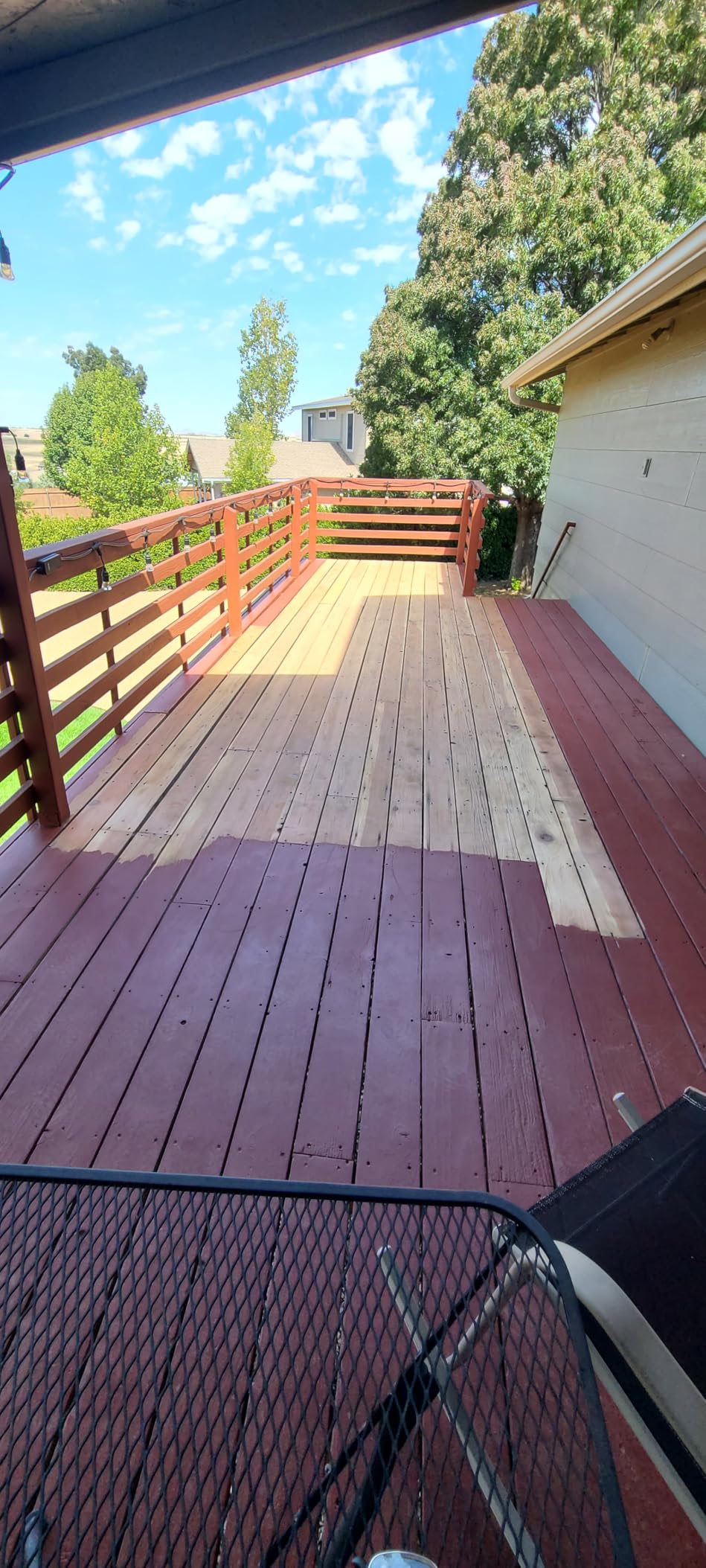
The Jellas BS02-SD offers genuine versatility by functioning as both a handheld belt sander and a bench-mounted unit. The included C-clamps let you secure it to a workbench, effectively converting it into a stationary sander for smaller pieces. This dual functionality makes it incredibly useful for woodworkers who need both portable and stationary sanding capabilities but don’t have space or budget for multiple tools.
Variable speed control with six settings ranging from 120 to 400 RPM gives you excellent control based on the material and task. Lower speeds work well for finish sanding and detail work, while higher speeds handle aggressive material removal efficiently. The 7-amp motor provides consistent power across the speed range, and the lock-on button allows hands-free operation during extended sanding sessions.
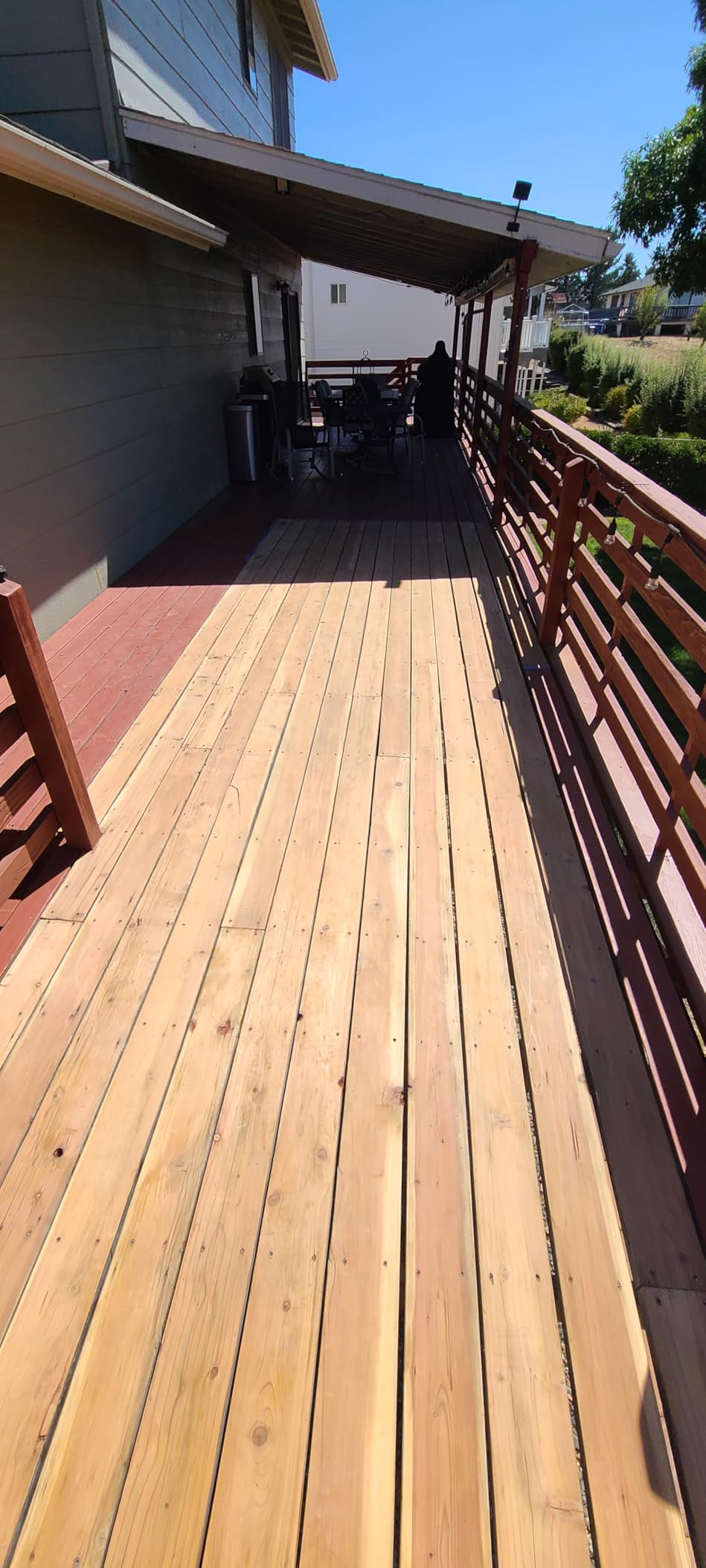
What really adds value is the included accessory package. Jellas includes ten sanding belts – two each in 40, 60, 80, 120, and 180 grit – so you’re ready to tackle virtually any project right out of the box. The detachable dust bag is easy to empty and clean, and the vacuum adapter offers options for better dust collection. The 3×21 belt size is standard and widely available when you need replacements.
The main trade-off with this 2-in-1 design is weight. At 4.4 kilograms (nearly 10 pounds), this is one of the heavier handheld sanders on the market. Extended overhead use or vertical sanding can be fatiguing. Some users report belt tracking issues that require periodic adjustment, and the dust collection, while functional, doesn’t match premium models. That said, for the price and versatility offered, these are acceptable compromises for many users.
Best For Space-Constrained Shops
This sander is perfect for woodworkers with limited space who need both handheld and stationary sanding capabilities. If you work in a small shop, garage, or even an apartment setup where tool storage is at a premium, having one tool that serves both functions is incredibly valuable. It’s also great for budget-conscious users who can’t justify purchasing separate sanders.
Less Ideal For Overhead Work
The weight of this tool makes it less suitable for extensive overhead use or vertical sanding applications. If your primary use involves sanding walls, ceilings, or vertical surfaces for extended periods, a lighter dedicated handheld model would be more comfortable.
8. WEN 6515T – Compact Benchtop Combo
WEN Benchtop Belt and Disc Sander with 1 x 30 in. Belt and 5 in. Sanding Disc (6515T)
1x30 Belt & 5 Disc
2.3 Amp Motor
3160 FPM Belt Speed
16 lbs Weight
+ The Good
- Two-in-one belt and disc
- Sturdy heavy-duty base
- Includes miter gauge
- Good value for home use
- The Bad
- Dust collection average
- Some plastic parts
- May need initial adjustments
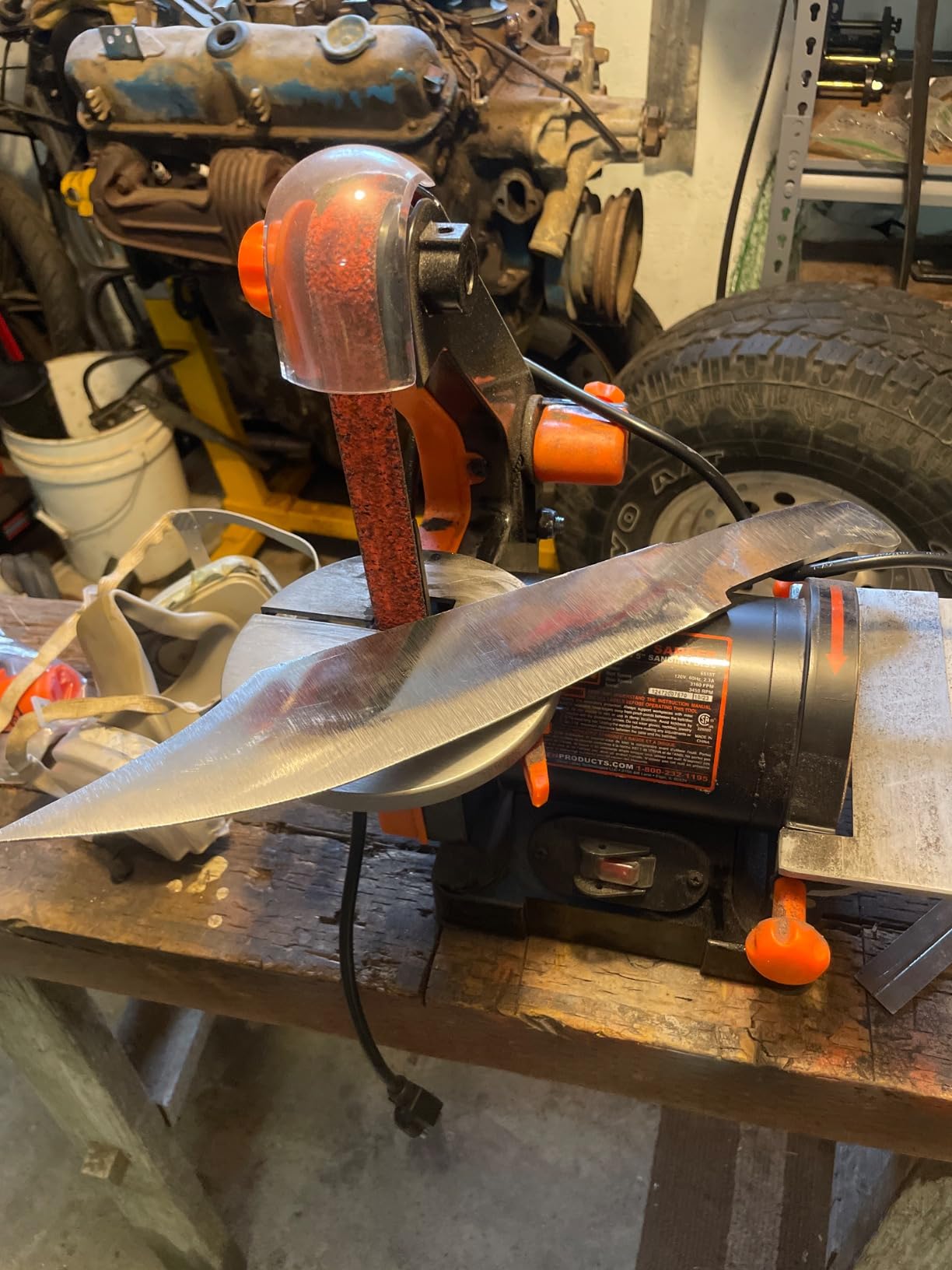
The WEN 6515T takes the combination sander concept and makes it even more compact. With a 1-by-30 inch belt and 5-inch disc, this unit occupies minimal bench space while still delivering impressive versatility. I found it particularly useful for small workshops where every square inch of counter space matters. The smaller belt size is actually advantageous for detailed work and smaller projects.
The 2.3-amp motor drives the belt at up to 3160 feet per minute and the disc at 3450 RPM, providing plenty of power for home shop applications. The heavy-duty base prevents any wobbling or walking during operation, which is essential for precision work. Having separate dust ports for both belt and disc sanding surfaces means you can connect a vacuum to whichever you’re using, improving dust collection efficiency.
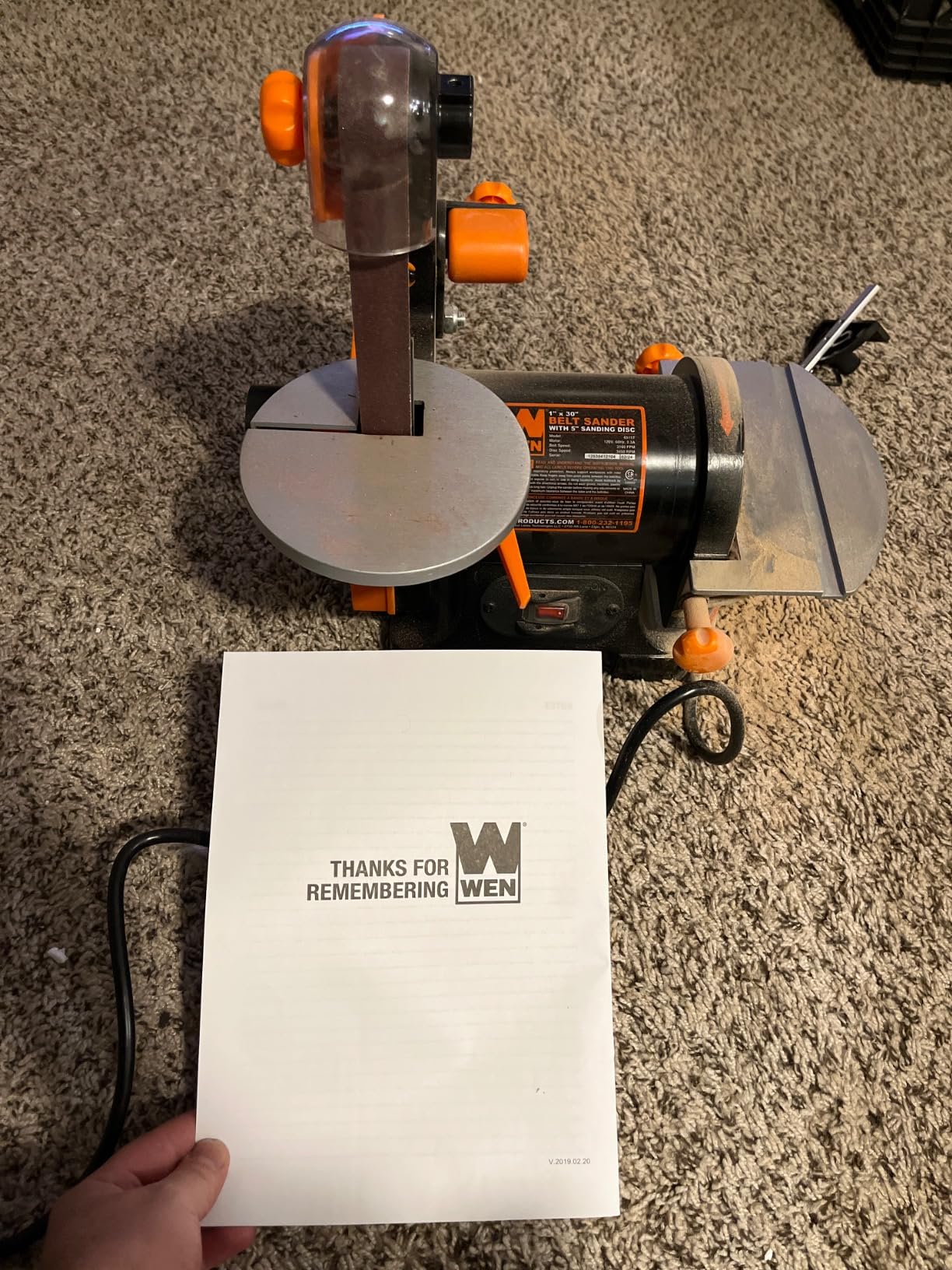
Unlike larger combo sanders, the 6515T feels purpose-built for smaller scale work. The narrow belt excels at detail sanding, sharpening tools, and working on small parts where a wider belt would be overkill. The 5-inch disc is perfect for squaring end grain, smoothing edges, and precise contour work. The included miter gauge adds functionality for angled sanding operations, and WEN includes both an 80-grit disc and 100-grit belt to get you started.
Build quality is good for the price point, with more metal components than I expected at this size. The belt tension release lever makes grit changes quick and easy, though the tracking adjustment can take some fiddling to get perfect. Some users note that the table may require initial shimming to achieve perfect level, but once set, it holds its position well. The dust collection is functional but not outstanding, and some plastic components keep the weight down but raise durability questions.
Best For Small Workshops
This compact sander is ideal for hobbyists with limited space, model makers, toy builders, and anyone doing precision detail work. If you work on smaller projects, require accurate sanding for fine craftsmanship, or simply don’t have room for full-sized equipment, the 6515T delivers professional capability in a footprint that fits almost anywhere.
Less Ideal For Large Projects
Woodworkers who regularly sand large panels, long boards, or big furniture pieces will find the 1-inch belt too narrow for efficient work. For those applications, a standard 3×21 or 4×24 belt sander would be more appropriate and time-efficient.
9. Makita 9403 – Editor’s Choice
Makita 9403 4″ x 24″ Belt Sander, Teal, Corded Electric
11 Amp Motor
4x24 Belt
1640 FPM
13 lbs Weight
Low Noise 84dB
+ The Good
- Exceptional build quality
- Powerful 11 amp motor
- Perfect belt tracking
- Low noise operation
- Excellent dust collection
- The Bad
- Premium price point
- Heavy at 13 pounds
- No variable speed
- Some plastic parts
The Makita 9403 represents everything a professional belt sander should be. From the moment you pick it up, the quality is evident – this tool feels like it could last a lifetime with proper care. The 11-amp motor is an absolute beast, spinning the 4-inch wide belt at 1,640 feet per minute with power that simply never bogs down, no matter how hard you press or how dense the material.
What truly sets the 9403 apart is its refined design. At only 84 decibels, it’s noticeably quieter than competitors, reducing fatigue during long work sessions. The belt tracking adjustment is precise and stays put once set – I didn’t need to touch it again throughout weeks of testing. The dust collection system is thoughtfully engineered, capturing more debris than any other sander I’ve used. Makita’s labyrinth construction seals the motor and bearings from dust, extending tool life significantly.
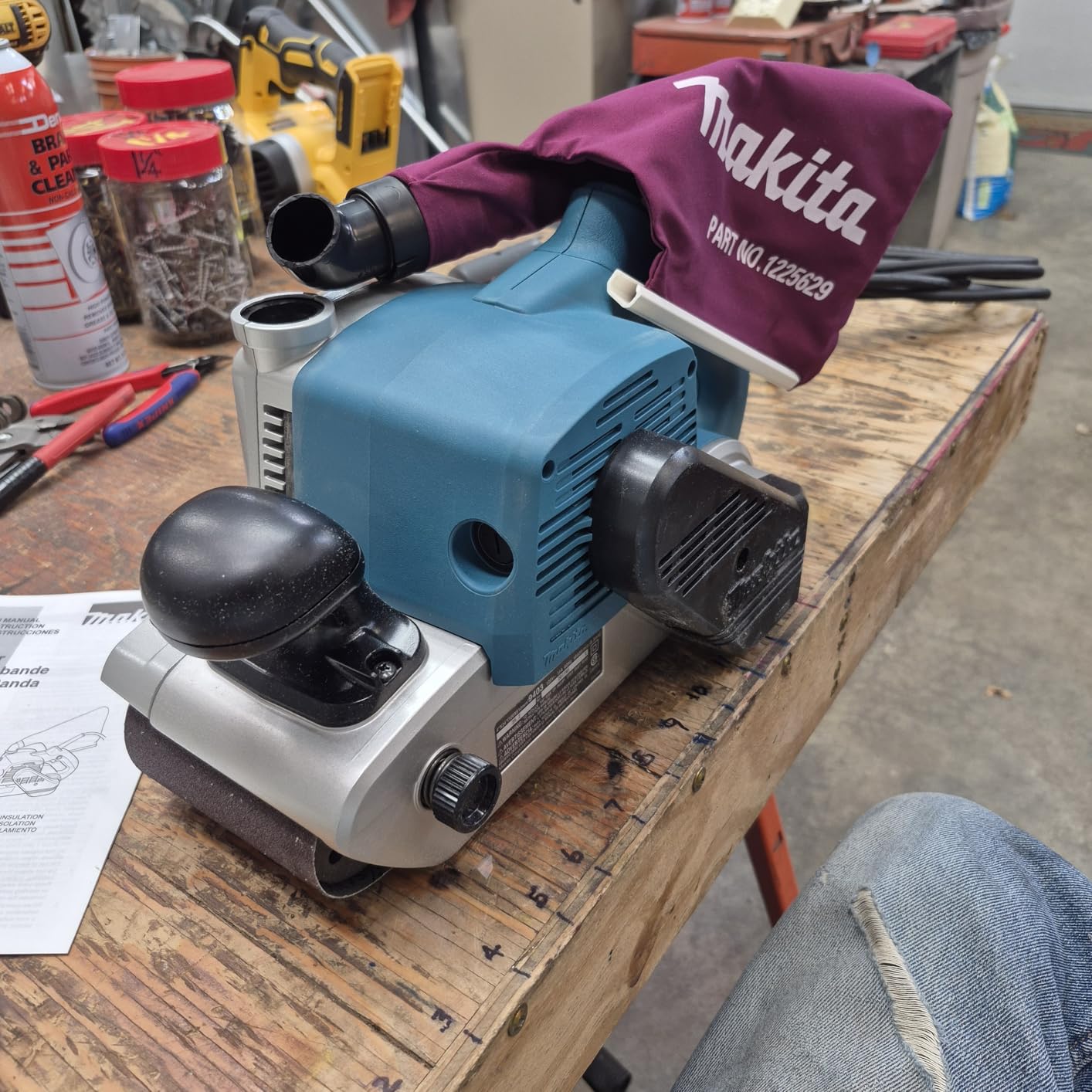
The 4×24 belt size offers advantages over the more common 3×21 format. The wider belt covers more surface area with each pass, increasing efficiency on large projects. The longer belt provides more abrasive surface, extending belt life and reducing replacement costs. The innovative front design allows flush sanding to walls with both the nose and side of the tool, opening up possibilities that other sanders can’t match.
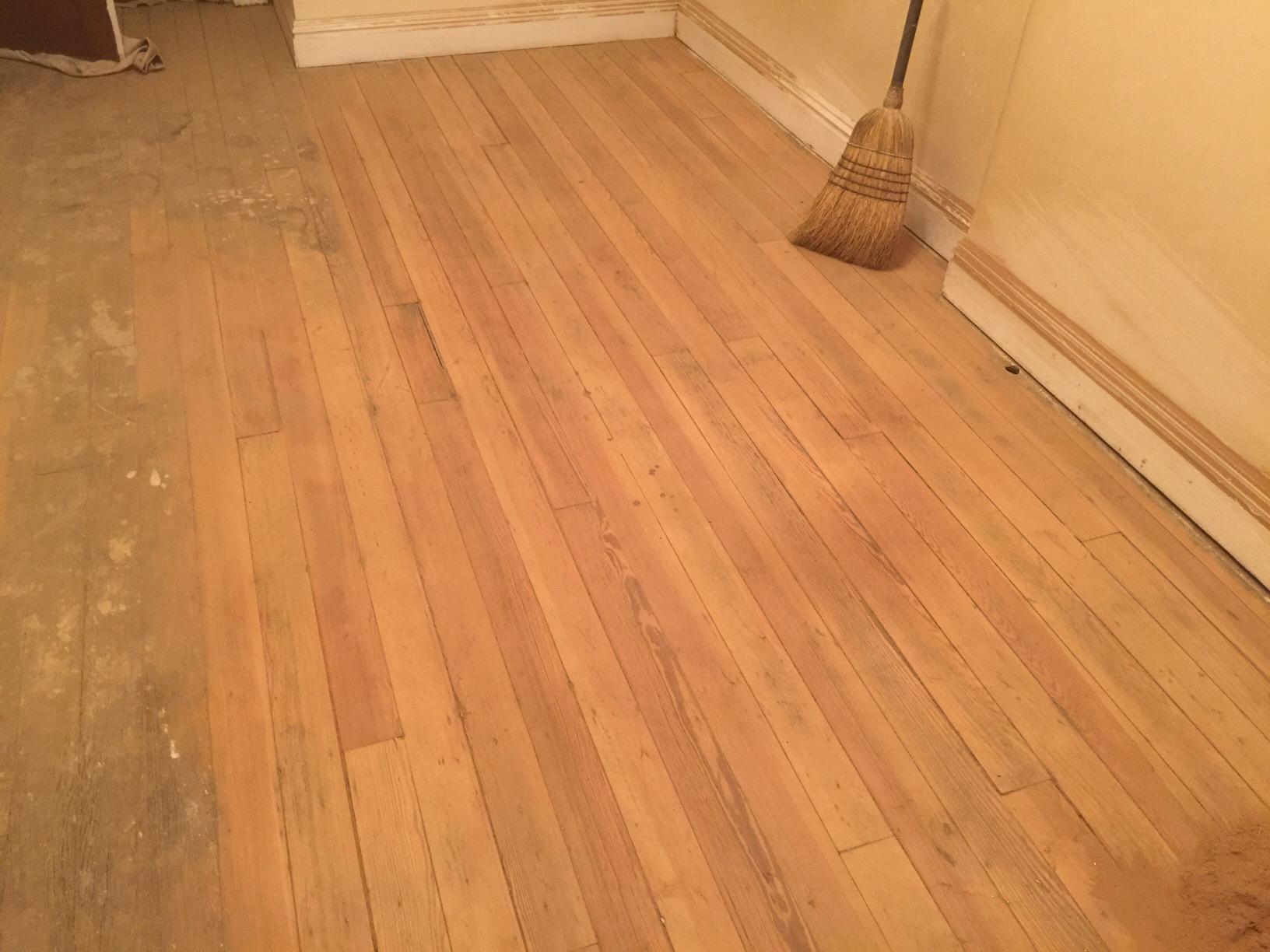
Ergonomics are outstanding despite the 13-pound weight. The large front grip is perfectly positioned for control, and the overall balance makes the tool feel lighter than it actually is. This is one of those rare power tools that requires almost no pressure from the user – simply guide it and let the motor do the work. The included 80-grit belt and dust bag are quality accessories, not afterthoughts. Yes, it costs significantly more than competitors, but for serious woodworkers, the durability, performance, and refined operation make it worth every penny.
Best For Professionals
This sander is designed for professional woodworkers, contractors, and serious amateurs who demand the best. If you make your living with tools or simply refuse to compromise on quality, the Makita 9403 is the belt sander to own. It’s particularly well-suited for furniture makers, cabinet installers, and finish carpenters who need reliable performance day in and day out.
Less Ideal For Occasional Users
The premium price point is difficult to justify for homeowners who only need a belt sander occasionally. If you tackle sanding projects once or twice a year, less expensive options will serve you perfectly well without the significant investment.
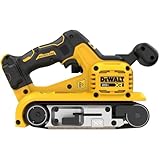
10. DEWALT DCW220B – Best Cordless
DEWALT 20V MAX* Belt Sander, Cordless, Brushless, Tool Only (DCW220B)
Brushless Motor
20V MAX Battery
Variable Speed Trigger
95% Dust Collection
+ The Good
- Cordless convenience
- Brushless motor efficiency
- Tool-free belt changes
- Variable speed with 25 settings
- The Bad
- Battery and charger not included
- 30-40 minute battery life
- Higher cost than corded
The DEWALT DCW220B proves that cordless belt sanders can compete with their corded counterparts. The brushless motor delivers impressive power while maximizing battery efficiency, providing up to 22% more power than previous generations. During testing, I found it handled every task I threw at it, from aggressive material removal to fine finishing, without the cord management that always complicates sanding work.
The variable speed trigger with 25-speed selection dial gives you precise control based on the application. I particularly appreciated being able to feather the trigger for delicate work and lock it in at higher speeds for more aggressive sanding. The tool-free quick-release belt change system is brilliantly simple – swap grits in seconds without hunting for tools. The overmolded auxiliary handle provides comfortable two-handed operation when needed for better control.
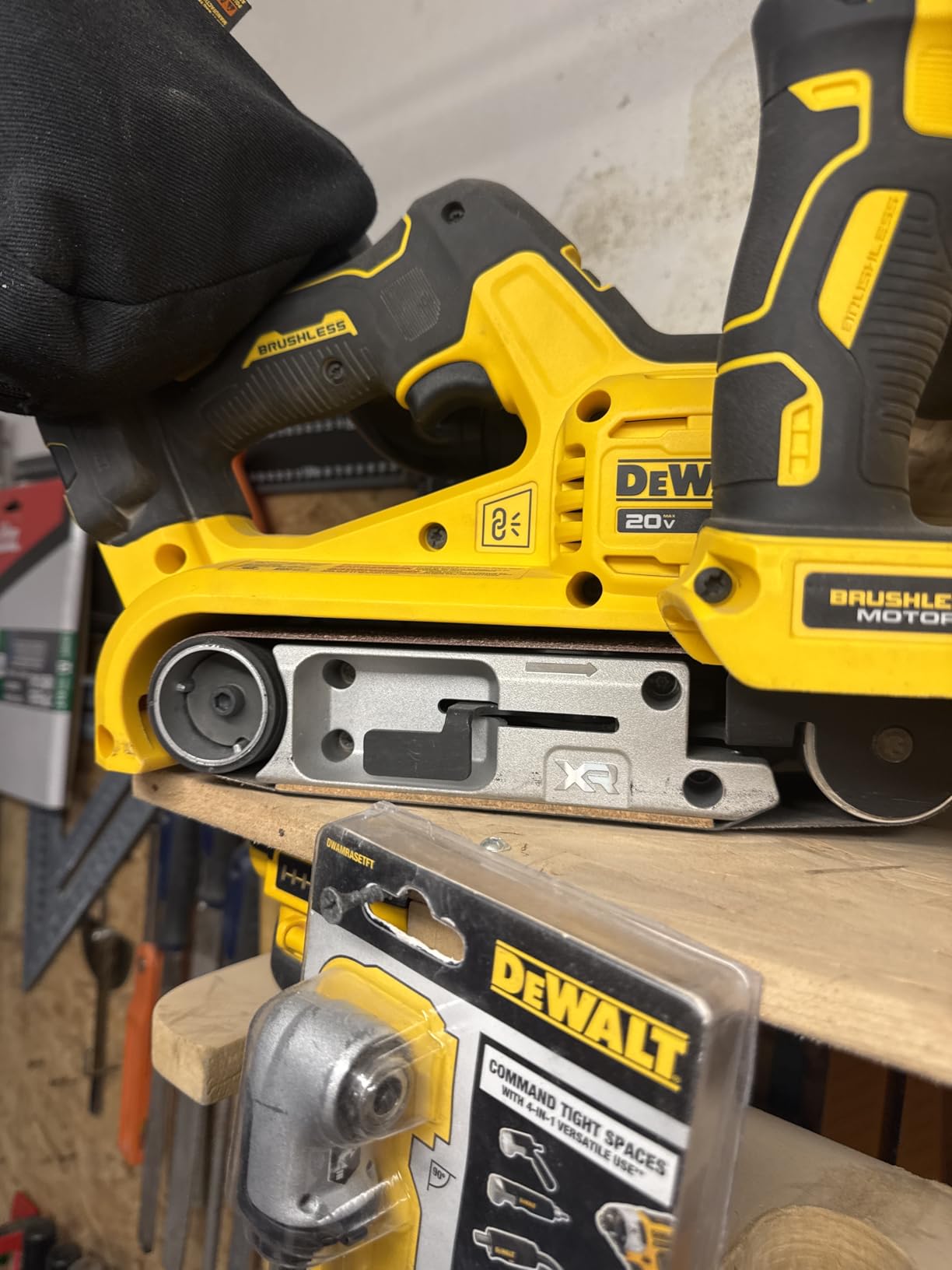
Dust collection is surprisingly good for a cordless tool. DEWALT claims up to 95% efficiency with their airlock-compatible system, and my testing supports this. The dust bag captures most debris, and the swivel port makes connecting a vacuum easy. The wireless tool control feature is a nice touch for those with compatible DEWALT vacuums – the sander can automatically activate the vacuum when you pull the trigger.
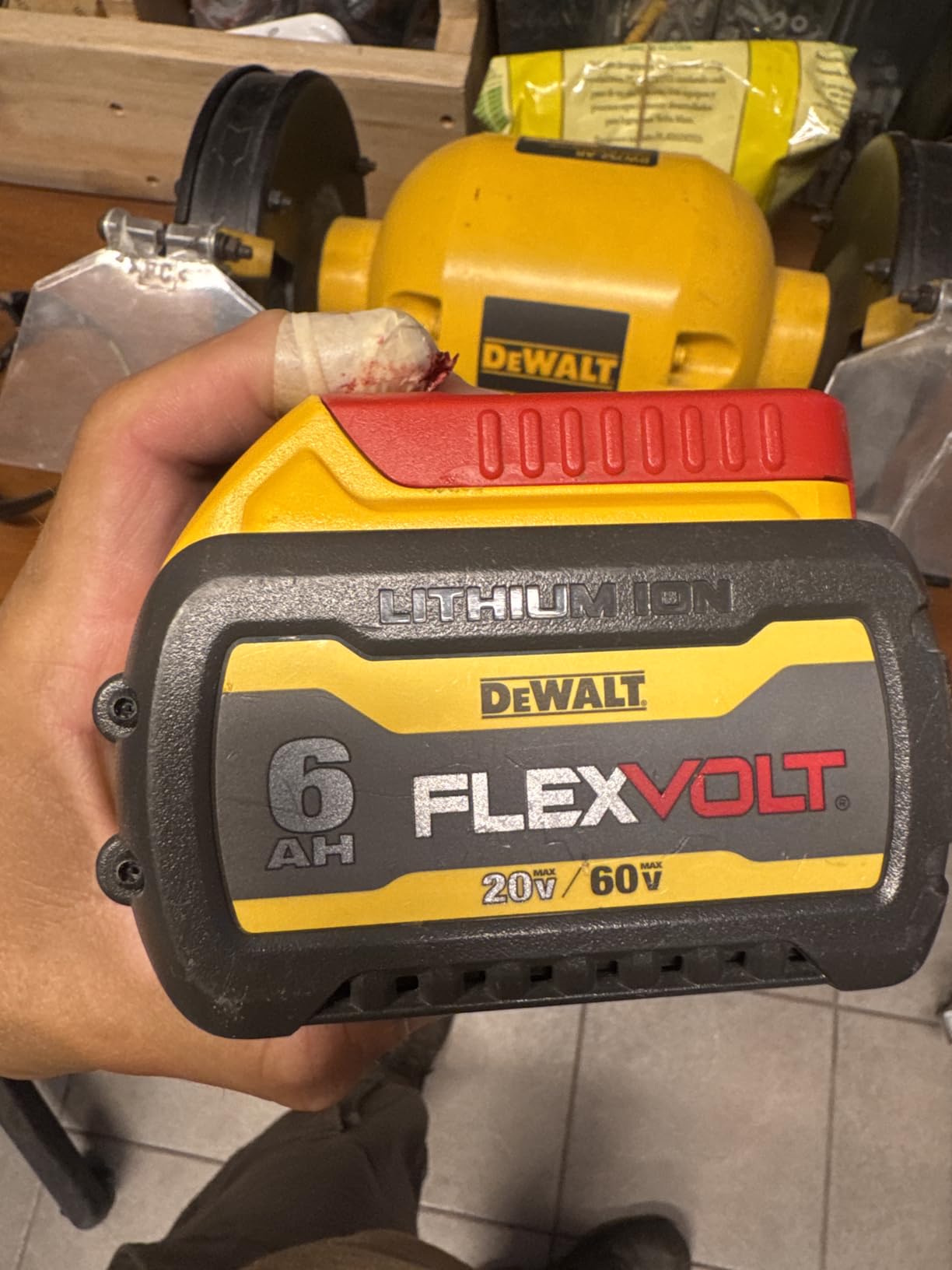
The main consideration with this tool is battery life. Expect 30-40 minutes of continuous use depending on speed and pressure, which means you’ll want at least two batteries for longer projects. It’s also worth noting that this is a tool-only unit – batteries and charger are sold separately, which adds to the overall cost. However, if you’re already invested in the DEWALT 20V MAX platform, this sander is an excellent addition that eliminates cord hassles while delivering professional performance.
Best For Cordless Users
This sander is ideal for contractors, remodelers, and serious DIYers who value cordless convenience. If you already use DEWALT 20V tools and have batteries on hand, this sander integrates perfectly into your system. It’s particularly useful for work sites where cords are problematic – remodeling, installation work, or any job that requires mobility.
Less Ideal For All-Day Sanding
Woodworkers who plan to sand for hours at a time may find battery management frustrating. For extended sanding sessions, a corded model eliminates the need to swap batteries and wait for charging.
How to Choose the Right Belt Sander
Selecting the best belt sander for your needs means understanding the different types and key features. Handheld belt sanders are the most common – portable tools perfect for decks, furniture, and large surfaces. Stationary benchtop sanders excel at precision work on smaller pieces, while detail sanders with narrow belts reach tight spaces standard models cannot access.
Power matters significantly in belt sander performance. Motor amps indicate capability – entry-level models typically offer 6-7 amps, while professional tools like the Makita 9403 pack 11 amps or more. For most DIY applications, 7-8 amps provides sufficient power. Belt speed, measured in feet per minute (FPM), affects how fast material is removed – higher speeds mean faster removal but less control for fine work.
Belt size determines both versatility and efficiency. The standard 3×21 inch size offers good availability and versatility for most tasks. Wider 4-inch belts like the Makita’s 4×24 cover more surface area faster. Narrower belts on detail sanders provide precision in tight spaces. Consider what types of projects you’ll tackle most frequently when choosing belt dimensions.
Dust collection capabilities vary widely between models. Basic dust bags capture some debris but are often inadequate for heavy sanding. Look for models with vacuum ports that accept standard 1-1/4 inch hoses for better collection. Some premium sanders like the DEWALT DCW220B achieve up to 95% dust collection efficiency when connected to a vacuum – an important consideration for indoor work and user health.
The corded versus cordless decision comes down to your specific needs. Corded models provide unlimited runtime and typically offer more power for the money. Cordless options like the DEWALT provide freedom from cords but require battery management and cost more upfront. If you already own batteries from a particular brand’s platform, a matching cordless sander often makes the most sense.
Belt Sander Safety and Maintenance Tips
Safety should always come first when operating power tools. Always wear eye protection and a dust mask – belt sanders create significant fine particulate that you don’t want in your lungs. Hearing protection is also advisable, though some premium models like the Makita operate at relatively low noise levels. Keep your hands away from moving belts, and never reach underneath the sander while it’s running.
Proper technique prevents common mistakes. Let the sander do the work rather than applying excessive pressure – this prevents gouging and extends belt life. Always keep the sander moving to prevent creating divots in your work. Start with coarse grit and progressively move to finer grits for the smoothest finish. Change belts regularly – worn belts remove material slower and can create inconsistent results.
Maintenance extends tool life and maintains performance. Clean dust from motors and vents regularly, especially on models with exposed cooling ports. Check cord condition on corded models and replace if damaged. Inspect belts for damage before installation – a torn belt can fail mid-operation and potentially damage your work. Store sanders in dry areas to prevent rust and motor damage.
When changing sanding belts, always follow the directional arrows on both the belt and the sander. Installing a belt backward prevents proper tracking and can cause premature wear. Most modern sanders feature quick-release mechanisms, but older models may require tools for belt changes. Keep spare belts in multiple grits on hand so you can progress smoothly through the sanding stages without interruption.
Frequently Asked Questions
What are the best belt sanders?
The Makita 9403 is our top pick for professionals with its powerful 11-amp motor and exceptional build quality. For cordless convenience, the DEWALT DCW220B delivers impressive brushless motor performance. Budget-conscious buyers should consider the WEN 6321, which offers solid 7-amp power at an attractive price point. The CRAFTSMAN CMEW213 provides excellent mid-range value with features like angled belt design and comfortable three-position handle.
What company makes the best sanders?
Makita is widely regarded as the gold standard for belt sanders among professionals, offering exceptional durability and performance. Metabo HPT also produces highly-rated professional models. DeWalt excels in cordless technology with their 20V MAX platform. For value-oriented buyers, WEN provides surprisingly capable options at budget-friendly prices. The best brand ultimately depends on your specific needs and budget.
Are belt sanders worth it?
Absolutely – belt sanders are essential for fast material removal on large flat surfaces. Tasks that would take hours with hand sanding or orbital sanders can be completed in minutes. They excel at stripping paint, removing varnish, smoothing rough lumber, leveling glued-up panels, and refinishing decks. Every woodworker from beginner to professional benefits from having a belt sander in their toolkit.
Do belt sanders work better than orbital?
Belt sanders and orbital sanders serve different purposes. Belt sanders remove material much faster and are ideal for heavy stock removal, flattening surfaces, and stripping finishes. Orbital sanders leave finer finishes and are better for final smoothing. Most woodworkers own both – using the belt sander for initial material removal and the orbital for final finishing. For rough work, belt sanders are significantly more efficient.
Are belt sanders better than palm sanders?
Belt sanders are much more aggressive than palm sanders and excel at rapid material removal on larger surfaces. Palm sanders (also called sheet sanders or quarter-sheet sanders) are better suited for lighter work, detail sanding, and finishing. Belt sanders can remove old finishes and level wood quickly, while palm sanders provide more control for fine finishing. The choice depends on whether you need fast removal or fine control.
Final Recommendations
After extensive testing of these best belt sanders, my recommendations come down to your specific needs and budget. The Makita 9403 remains my top choice for professionals who demand uncompromising performance and durability. Its powerful 11-amp motor, refined ergonomics, and excellent dust collection make it worth every penny for serious users.
For those prioritizing cordless convenience, the DEWALT DCW220B delivers impressive brushless motor performance that rivals corded models. Budget-conscious buyers will find excellent value in the WEN 6321, which punches above its weight class with solid 7-amp power and thoughtful features like the lock-in safety switch. Whichever option you choose, investing in a quality belt sander will transform your approach to material removal and surface preparation projects in 2026.