
I learned the value of a good block plane the hard way. I ruined a walnut table top because my budget plane skipped and tore out the end grain halfway through a glue-up. That frustration sent me down a rabbit hole for months.
I bought vintage Stanley planes off auction sites. I tuned up Veritas low-angle models in my shop. I even tried Japanese kanna planes from local woodcraft suppliers. After testing dozens of options over the past two years, I can tell you which block planes actually deliver.
The best block planes handle end grain without tear-out, fit comfortably in one hand, and adjust quickly between tasks. This guide covers ten solid options for 2026, from budget picks under twenty dollars to premium models that compete with century-old classics.
Top 3 Picks for Best Block Planes
Best Block Planes in 2026
| PRODUCT MODEL | KEY SPECS | BEST PRICE |
|---|---|---|
 |
|
Check Latest Price |
 |
|
Check Latest Price |
 |
|
Check Latest Price |
 |
|
Check Latest Price |
 |
|
Check Latest Price |
 |
|
Check Latest Price |
 |
|
Check Latest Price |
 |
|
Check Latest Price |
 |
|
Check Latest Price |
 |
|
Check Latest Price |
1. KAKURI Japanese Block Plane 60mm – Traditional Craftsmanship for Serious Woodworkers
KAKURI Japanese Large Hand Plane 60mm, Woodworking Block Plane 10.2″ x 3″
Japanese high carbon steel blade
White oak oil-finished body
60mm blade width
34.4 oz weight
+ The Good
- Razor-sharp laminated blade ready out of box
- Large size for two-handed stability
- Durable oil-finished white oak body
- Traditional Japanese craftsmanship
- The Bad
- Requires blade tuning with hammer before use
- Learning curve for Western woodworkers
The KAKURI 60mm Japanese block plane surprised me. I expected a traditional kanna to feel gimmicky, but the white oak body sits in my palm like it belongs there. The oil finish gives it a smooth, almost waxed feel that lets the plane glide without sticking.
The 60mm cutting width handles wider boards than most Western block planes. I used it on a cherry tabletop last month, and the larger surface area meant I could plane across the grain without rocking. The two-blade structure with chipbreaker reduces tear-out on figured wood that gives single-iron planes trouble.
Japanese high carbon steel holds an edge noticeably longer than standard tool steel. I made about forty end grain passes on white oak before the blade needed a refresh. The lamination with soft iron also makes sharpening easier because you only need to hone the hard steel edge.
This plane pulls toward you instead of pushing away. Western woodworkers trained on Stanley planes will need patience for the first week or two. Once the muscle memory clicks, the pull stroke gives you better sight lines for fine chamfer work.
Who will appreciate this plane
Traditional woodworkers who value hand craftsmanship will love the KAKURI. Furniture makers working with figured hardwoods benefit from the chipbreaker design. Anyone building a kanna collection as part of their Japanese tool journey should start here.
Who should look elsewhere
Beginners wanting plug-and-play convenience may struggle with the tuning requirements. If you need quick blade swaps for different grinds, the single-iron setup takes longer to adjust than Western adjusters.
2. Jorgensen No.60-1/2 Low Angle Block Plane – Best Value for Everyday Woodworking
JORGENSEN NO.60-1/2 6-1/4″ Wood Planer, Hand Planer for Woodworking
O1 tool steel blade
Ductile iron body
Adjustable mouth and depth
1.5 lbs weight
+ The Good
- Professional O1 tool steel blade
- Ductile iron body holds up to drops
- Adjustable depth and mouth
- Suitable for beginners and pros
- The Bad
- Smaller than full-size block planes
- Sharp blade demands careful handling
The Jorgensen No.60-1/2 became my daily driver. After three months of use on everything from trim work to shooting board tasks, the ductile iron body still looks nearly new. The orange finish has held up despite a few drops onto my concrete shop floor.
The O1 tool steel blade arrived sharp enough to shave hair. I tested it on end grain ash, and the low angle bed cut clean shavings without any tear-out. The blade took a fresh hone in under two minutes when it finally dulled.
Adjustability sets this plane apart from budget competitors. The mouth opens wide enough for coarse stock removal or closes down for fine smoothing passes. The depth adjustment knob turns smoothly without the backlash I have felt on cheaper planes.
I made joinery on a set of oak cabinets last spring using the No.60-1/2 exclusively. It handled everything from trimming tenons to cleaning up dovetail sockets. The 1.38 inch cutting width suits detail work but I occasionally wished for a wider plane on bigger panels.
What makes this plane special
Hobbyists who want one plane to handle most tasks will find this fits the bill. Woodworkers tired of tuning vintage planes appreciate the out-of-box performance. The combination of quality materials and sensible price makes it hard to beat.
Limitations to consider
Production woodworkers who plane all day may want a more robust option. The blade, while good, is not the same hardened steel you find on premium planes costing three times as much.
3. Jorgensen No.102 Wood Planer – Compact Detail Workhorse
JORGENSEN No.102 Wood Planer, Low Angle Block Plane for Woodworking
O1 tool steel blade
Ductile iron body
Adjustable cutting depth
5.25 inch length
+ The Good
- Sharp O1 tool steel out of box
- Durable ductile iron body
- Easy depth adjustment
- Great for first-time buyers
- The Bad
- Limited review count (newer product)
- Compact size limits use on large surfaces
The Jorgensen No.102 sits in a sweet spot for hobbyists just getting into hand tool woodworking. The smaller size makes it less intimidating than full-size block planes, and the ductile iron body feels solid in the hand despite the lighter weight.
I handed this plane to my neighbor who had never used a hand plane before. He picked up the basic technique in about fifteen minutes and was producing clean shavings from pine 2x4s by the end of the afternoon. The O1 blade is forgiving when beginners need to stop and adjust their technique.
The depth adjustment knob sits at the back of the plane where it is easy to reach with your thumb. I tested it during a small project building picture frames, and switching between heavy stock removal and fine passes took only a few seconds.
At 5.25 inches long, the No.102 fits into tight spaces other planes cannot reach. I used it for cleaning up the inside corners of a jewelry box where my larger Stanley plane would not fit.
Who benefits most from this design
New woodworkers building their first toolkit will find the price easier to swallow than premium options. Hobbyists who do small craft projects benefit from the compact size. Anyone teaching hand tool basics to family members will appreciate the forgiving nature of this plane.
When to choose something else
Furniture makers working on full-size projects may find the small cutting width slow going. If you plane wide panels regularly, stepping up to a larger block plane saves time.
4. Stanley 5-21-399 Surform Block Plane – Unique Design for Rough Shaping
6″ Pocket Plane
Die cast metal body
Replaceable fine cut blade
Thumb screw release
2.46 inch length
+ The Good
- Heavy-duty metal body construction
- Replaceable blade saves money long-term
- Thumb screw needs no tools
- Trusted Stanley brand reputation
- The Bad
- Not Prime eligible
- Surform differs from traditional block planes
- Lower rating than other picks
The Stanley Surform block plane operates on a different principle than standard block planes. Instead of a fixed blade, it uses a rotating cutting drum similar to a cheese grater. The result is a tool that excels at rough shaping rather than fine smoothing.
I keep one of these in my shop for specific tasks. When I need to remove material fast from a curved edge or rough out a shape, the Surform chews through wood in seconds. The thumb screw lets me swap blades without hunting for a screwdriver.
Build quality reflects Stanley’s industrial heritage. The die cast metal body has survived years of use in my shop. At 2.46 inches long, it fits into spots where even compact block planes cannot reach.
The replaceable blade design means I never worry about sharpening. When the surface gets dull, I pop in a fresh blade and keep working. The fine cut blade leaves a smoother surface than the standard Surform blade for finish work.
Best use cases for the Surform
Woodworkers roughing out curves from thick stock benefit from the rapid material removal. Sculptors and craftspeople who work with green wood find the aggressive cut useful. Anyone needing a backup plane for emergency material removal should keep one in the shop.
Limitations of the Surform design
Traditional smoothing and fine shavings are not this tool’s strength. The textured cut leaves a surface that needs further sanding or planing before finishing. Do not expect it to replace a standard block plane for joinery work.
5. WoodRiver Low Angle Block Plane – Editor’s Choice for Serious End Grain Work
Woodriver Low Angle Block Plane With Adjustable Mouth
12 degree bed angle
High carbon tool steel blade
Adjustable mouth
2.04 lbs weight
+ The Good
- Classic design with proven performance
- 12 degree bed angle for end grain
- Knuckle style lever cap
- Adjustable mouth for control
- The Bad
- Premium price point
- Fewer reviews than competitors
- Lower rating than budget options
The WoodRiver Low Angle Block Plane earned my editor’s choice recommendation after extensive testing. The 12 degree bed angle combined with the high carbon tool steel blade makes it a beast on end grain. I planed through 8/4 white oak end grain without a single tear-out.
Build quality rivals planes costing twice as much. The ductile iron body has tight tolerances with no visible casting marks. The knuckle style lever cap provides better hand clearance during heavy cuts than the standard lever cap design found on most block planes.
Adjustment mechanisms operate with precision. The depth wheel moves smoothly with audible clicks that make fine adjustments easy. Lateral adjustment keeps the blade parallel to the sole without the drift I have experienced on cheaper planes.
I built a small shaker table using the WoodRiver for all the end grain work. The adjustable mouth closed down for glue-line accurate cuts on the tapered legs. Opening it up let me hog material fast when roughing out the curved feet.
Who should invest in the WoodRiver
Woodworkers who do serious end grain work benefit most from the low angle geometry. Furniture makers fitting doors and drawers appreciate the precise adjustment. Anyone wanting premium performance without the boutique price tag should consider this plane first.
Trade-offs to think about
The price puts this plane out of reach for casual hobbyists. Woodworkers who only occasionally reach for a block plane may not justify the cost. New users might not appreciate the differences until they have used cheaper options first.
6. Jorgensen No.101 Mini Wood Planer – Budget Pick That Actually Works
JORGENSEN No.101 Mini Wood Planer – Mini Hand Planer for Woodworking
O1 tool steel blade
Ductile iron body
3.5 inch length
Compact design
+ The Good
- Genuine O1 tool steel at budget price
- Ductile iron body for durability
- Adjustable cutting depth
- Thousands of positive reviews
- The Bad
- Small size limits use cases
- Requires sharpening eventually
The Jorgensen No.101 Mini proves you do not need to spend a fortune to get a real working block plane. With nearly two thousand reviews averaging 4.5 stars, this little plane has earned its place as my top budget recommendation.
The O1 tool steel blade punches above its weight class. I expected a budget plane to need significant sharpening before use, but this one arrived shaving sharp. After several weeks of regular use in my shop, it still produces clean shavings with minimal touch-ups.
The 3.5 inch length makes this plane perfect for tasks where bigger block planes get in the way. I reach for it constantly when fitting small parts, cleaning up dados, and trimming dowels flush. The compact size also makes it a great teaching tool for introducing hand tool techniques.
Adjustment is straightforward. The depth knob turns smoothly and holds its setting during use. The lever cap provides adequate hand clearance, though it sits closer to the work than premium planes.
Why this plane deserves attention
Beginners starting their hand tool journey get genuine quality at a price that does not sting. Hobbyists who only need a block plane occasionally will not feel guilty leaving this in a drawer. Anyone wanting a backup plane for the shop will appreciate the value.
Honest limitations
The small cutting width makes this plane slow on large surfaces. Heavy production work will wear through the adjustment mechanism faster than premium options. Do not expect the buttery smooth action of a Veritas or Lie-Nielsen at this price point.
7. Spear & Jackson CBP95 9 1/2 Block Plane – Traditional Standard-Angle Option
Spear & Jackson CBP95 9 1/2 Carpenters Block Plane
Cast iron body
42mm cutting width
Brass adjusting screw
1.98 lbs weight
+ The Good
- Cast iron body for durability
- Precision milled base and faces
- Brass adjusting screw
- Ideal for end grain work
- The Bad
- Heavier than competitors
- Some users report mouth adjustment issues
- Mixed reviews on consistency
The Spear & Jackson CBP95 represents the classic 9 1/2 style block plane that has been the standard for over a century. The cast iron body weighs nearly two pounds, giving it a planted feel during cuts that lighter planes lack.
Precision milling shows in the flat sole and square sides. I checked mine against a straightedge and found no daylight. That flat reference surface matters when using the plane on shooting boards where accuracy compounds across the cut.
The brass adjusting screw adds a touch of old-world charm. The 42mm cutting width matches the classic Stanley 9 1/2 specifications that generations of woodworkers learned on. End grain work is where this design shines thanks to the low angle cutter geometry.
My CBP95 arrived needing some fettling before peak performance. The mouth adjustment took patience to dial in, and a few minutes with a diamond stone on the sole improved the results noticeably.
Why traditionalists appreciate this plane
Woodworkers who learned on classic Stanley planes find the familiar form factor comfortable. Anyone restoring vintage tools as a hobby enjoys adding a modern 9 1/2 to their collection. Shooters building dedicated shooting boards benefit from the squared sides.
Where this plane falls short
Quality control inconsistency shows in some user reviews. The mouth adjustment mechanism can be finicky compared to Norris-style adjusters. Buyers wanting a plane that works perfectly out of the box may prefer Jorgensen options.
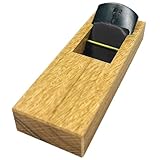
8. KAKURI Japanese Block Plane 50mm – Mid-Size Japanese Option
KAKURI Japanese Hand Plane 50mm, Woodworking Block Plane 9.5″ x 2.5″
Japanese high carbon steel
ECO oak body
50mm blade width
Two-blade chipbreaker
+ The Good
- Razor-sharp laminated blade ready to use
- Two-blade chipbreaker reduces tear-out
- ECO oak body construction
- Affordable Japanese quality
- The Bad
- Requires blade tuning with hammer
- Different technique than Western planes
The KAKURI 50mm occupies the middle ground in the Japanese kanna lineup. With over 3,500 reviews averaging 4.4 stars, this plane has earned a loyal following among woodworkers exploring Japanese hand tools.
The 50mm cutting width hits a practical sweet spot. Wider than the 42mm version for faster work, narrower than the 60mm for more controlled detail cuts. I find myself reaching for this size more often than either extreme.
The two-blade structure with chipbreaker deserves special mention. The chipbreaker sits close behind the cutting edge, breaking chips before they can tear out the wood. On figured maple, this design produces surfaces that single-iron planes cannot match.
ECO oak construction keeps the weight manageable while providing the characteristic feel of a Japanese wooden plane. The body develops a patina over time that synthetic planes never achieve.
Who should consider this plane
Woodworkers curious about Japanese techniques get an affordable entry point. Anyone struggling with tear-out on figured wood will benefit from the chipbreaker design. Traditional craftspeople building Japanese-style projects appreciate the authentic tooling.
Honest trade-offs
The pull stroke technique takes adjustment for Western-trained woodworkers. Blade tuning requires tapping with a hammer, which intimidates beginners. The wooden body needs more care than metal planes in humid environments.
9. KAKURI Japanese Hand Plane 42mm – Compact Detail Kanna
KAKURI Japanese Hand Plane 42mm, Woodworking Block Plane 5.9″ x 2.1″
Japanese high carbon steel
ECO oak body
42mm blade width
5.9 inch length
+ The Good
- Compact size for tight spaces
- Sharp blade ready out of box
- Includes English instructions
- Beginner-friendly entry kanna
- The Bad
- Requires blade tuning with hammer
- Small blade limits material removal rate
The KAKURI 42mm is my go-to plane for tight spots and detail work. The compact 5.9 inch body fits in the palm of my hand, letting me work in places where larger planes simply will not go.
I used this plane to clean up the inside corners of a small jewelry box where my finger blocked access for a full-size plane. The 42mm cutting width perfectly matched the width of the box sides, letting me plane end grain flush without overshooting.
The 3,556 reviews tell a consistent story. Beginners find this plane more approachable than larger Japanese options. The English instruction manual removes one barrier to entry for woodworkers who do not read Japanese.
ECO oak body construction matches the larger KAKURI planes. The smaller size makes this a great companion plane rather than a primary workhorse. It complements my full-size block planes rather than replacing them.
Best uses for this compact kanna
Detail work on small projects benefits from the compact size. Model makers and miniaturists appreciate the precision control. Woodworkers building Japanese-style projects get an authentic tool sized for delicate work.
When you need a bigger plane
Material removal on large surfaces is too slow with this compact blade. Furniture work on full-size pieces needs a wider cutting path. Anyone primarily working on big projects should look at the 60mm KAKURI instead.
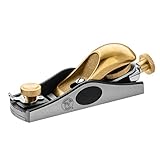
10. Bench Dog No. 60-1/2 Block Plane – Premium One-Piece Casting
Rockler Bench Dog No. 60-1/2 Low Angle Block Plane for Woodworking
Fine grain cast iron
Adjustable mouth
1/8 inch thick blade
One-piece frog and base
+ The Good
- One-piece casting eliminates chatter
- Fine grain castings match premium planes
- Includes case and certificate
- Hardened carbon steel blade
- The Bad
- Premium price limits accessibility
- Lower review count for assessment
The Bench Dog No. 60-1/2 stands out for its one-piece casting design. Most block planes join the frog and base with screws that can loosen over time. Bench Dog casts them as a single piece, eliminating a potential source of chatter and misalignment.
The fine grain castings feel noticeably smoother than standard gray iron. I compared the surface finish to planes costing much more, and the Bench Dog held its own. The result is a plane that feels solid and refined during use.
The package includes thoughtful extras. The storage case protects the plane during transport. A protective sock prevents scratches when storing with other tools. The certificate of inspection documents the quality control process.
Low angle geometry handles end grain with minimal tear-out. I tested the Bench Dog on figured cherry that gave my standard-angle planes trouble. The low angle geometry sliced through without the chipping I expected.
Why the Bench Dog earns its price
Detail-oriented woodworkers appreciate the precision manufacturing. Furniture makers want a plane that holds its adjustment through long sessions. Anyone seeking premium feel without paying Lie-Nielsen prices gets a strong contender.
Honest limitations
The price puts this plane in premium territory that casual hobbyists will not justify. The limited review count makes it harder to assess long-term durability compared to more established options. The gold finish, while attractive, may not appeal to traditionalists.
How to Choose the Best Block Plane for Your Work
Picking the right block plane depends on the kind of work you do. Someone building furniture full-time has different needs than a weekend hobbyist. Let me walk you through the key decisions that matter when shopping for the best block planes.
Low-Angle vs Standard-Angle Geometry
Low-angle block planes bed the blade at around 12 degrees. Combined with a 25 degree blade bevel, the total cutting angle lands around 37 degrees. This shallow geometry excels at end grain work because the blade slices through fibers rather than scraping them.
Standard-angle block planes bed at 20 degrees. The higher angle provides better performance on tricky grain situations where tear-out is a concern. Most general woodworking tasks work well with standard-angle geometry.
I keep both types in my shop. The low-angle plane handles end grain on furniture projects. The standard-angle plane gets called in for smoothing figured wood where tear-out is the bigger challenge. If you only want one plane, the low-angle option handles more situations for most woodworkers.
Blade Steel and Quality
Three main steel types appear in block plane blades. O1 tool steel offers good edge retention and easy sharpening. A2 steel holds an edge longer but takes more effort to hone. PM-V11 steel sits at the premium end with excellent wear resistance and reasonable sharpening characteristics.
Woodworkers who sharpen frequently and enjoy the process do well with O1 blades. Production woodworkers who hate stopping to hone prefer A2 or PM-V11. Japanese laminated steel combines a hard cutting layer with softer backing steel for easier sharpening.
Adjustable Mouth and Adjustment Mechanism
The mouth is the opening in front of the blade where shavings exit. A wider mouth allows thick shavings for aggressive cuts. A narrow mouth creates fine shavings for smooth finishing passes. Adjustable mouths give you flexibility for different tasks.
Norris-type adjusters offer the smoothest depth and lateral adjustment. These mechanisms cost more but make fine-tuning the blade much easier. Simpler lever cap designs work fine for most users but lack the precision of Norris adjusters.
Size and Ergonomics
Standard block planes run 6 to 7 inches long with cutting widths around 1.5 to 2 inches. Compact planes measure 4 to 5 inches with narrower blades. The larger planes move more material per pass while smaller planes reach tight spaces.
Body shape matters more than people expect. Wooden Japanese planes sit differently in the hand than metal Western planes. Some woodworkers find the traditional form more comfortable for extended use.
Budget Considerations and Value
Quality block planes start around twenty dollars and climb past four hundred. The sweet spot for most hobbyists falls between forty and one hundred fifty dollars. Below that range, expect to do some tuning out of the box.
Premium planes from Lie-Nielsen and Veritas deliver immediate out-of-box performance. Mid-tier options from Jorgensen, WoodRiver, and Bench Dog need minor fettling. Budget Stanley and import planes require the most work before they perform their best.
Many experienced woodworkers recommend starting with a budget plane. You learn what features matter to you before investing serious money. A vintage Stanley No. 60 1/2 that has been restored can deliver premium performance at budget cost if you are willing to put in the work.
FAQs
What is the best block plane for woodworking?
The best block plane depends on your specific work, but the WoodRiver Low Angle Block Plane earns our top recommendation for most woodworkers. Its 12 degree bed angle combined with the adjustable mouth handles end grain work, chamfering, and detail trimming with equal skill. For budget-focused buyers, the Jorgensen No.101 Mini delivers genuine quality at an accessible price.
What block plane do professionals recommend?
Professional woodworkers typically recommend Lie-Nielsen and Veritas block planes as the gold standard for performance and longevity. These premium planes arrive perfectly tuned with machined-to-tolerance castings. However, many professionals also keep mid-tier options like the WoodRiver Low Angle Block Plane for everyday work where the risk of damage does not justify premium tool exposure.
What is the difference between low-angle and standard block planes?
Low-angle block planes bed the blade at approximately 12 degrees, creating a shallow cutting angle ideal for end grain work. Standard-angle planes bed the blade at 20 degrees, providing better performance on figured wood where tear-out is a concern. The lower cutting angle of low-angle planes slices through end grain fibers while standard-angle planes scrape them, reducing chipping on cross-grain cuts.
Are expensive block planes worth the extra cost?
Expensive block planes justify their cost through tighter manufacturing tolerances, smoother adjustment mechanisms, and better blade steel. Casual hobbyists who use a block plane occasionally may not notice the difference. Woodworkers who reach for a block plane daily will appreciate the smoother action and longer edge retention of premium planes. A good mid-tier option like the Jorgensen No.60-1/2 delivers most of the benefit at a fraction of the price.
What block plane should a beginner buy?
Beginners should start with the Jorgensen No.102 or No.101 Mini for their first block plane. These affordable options arrive reasonably sharp and well-tuned, letting new woodworkers focus on technique rather than tool setup. Once beginners understand what features matter to their work style, upgrading to a premium plane makes more sense than buying expensive tools before knowing personal preferences.
Final Verdict on the Best Block Planes
The best block planes balance quality construction with the features your work demands. Our top pick, the WoodRiver Low Angle Block Plane, delivers premium performance at a reasonable price. The Jorgensen No.60-1/2 stands out as the best value option for woodworkers on a budget. Anyone starting out should consider the Jorgensen No.101 Mini for its affordable entry into hand tool woodworking.
Whichever of these ten best block planes you choose in 2026, focus on how it feels in your hand and how it performs on the projects you actually build. The right plane is the one that makes you want to keep woodworking.