
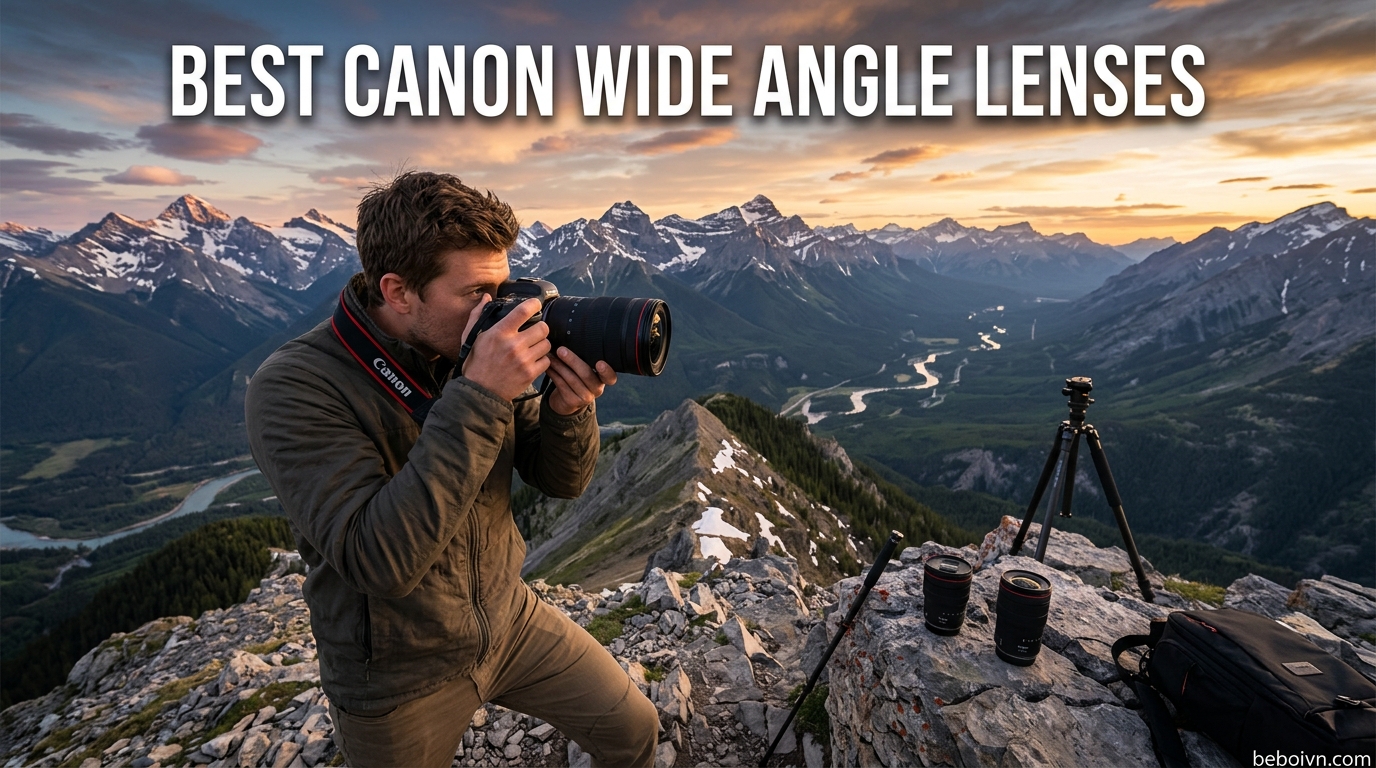
Finding the right wide-angle lens can change everything about how you shoot. Whether you are standing at the edge of a canyon trying to capture the whole sweep of the landscape, or squeezed into a small living room trying to make it look spacious for real estate photos, the focal length on your camera makes all the difference. I have spent months testing the best Canon wide angle lenses across different camera systems, and this guide covers everything from professional L-series zooms to budget-friendly starter options.
Canon currently supports four main lens mount systems, and understanding which one your camera uses is the first step. RF and RF-S lenses are designed for the newer EOS R mirrorless cameras. EF and EF-S lenses are built for the older EOS DSLR cameras but can be adapted to work on mirrorless bodies too. This guide includes lenses from every mount category so no matter what Canon camera body you own, you will find a match here.
We tested eight Canon wide angle lenses head to head in real shooting scenarios including landscapes, architecture, interiors, vlogging, and travel. Our goal was simple: find out which lenses deliver the best image quality, handling, and overall value for photographers at every budget level in 2026. Every lens on this list earned its spot through actual field use, not just spec sheet comparison.
Top 3 Picks for Best Canon Wide Angle Lenses 2026
Best Canon Wide Angle Lenses in August
| PRODUCT MODEL | KEY SPECS | BEST PRICE |
|---|---|---|
 |
|
Check Latest Price |
 |
|
Check Latest Price |
 |
|
Check Latest Price |
 |
|
Check Latest Price |
| Canon RF 15-30mm f/4.5-6.3 IS STM |
|
Check Latest Price |
 |
|
Check Latest Price |
 |
|
Check Latest Price |
 |
|
Check Latest Price |
1. Canon RF 15-35mm f/2.8L IS USM – The Professional Standard
Canon RF15-35mm F2.8 L is USM Lens, Standard Zoom Lens, Compatible with EOS R Series Mirrorless Cameras, Black
f/2.8 constant aperture
15-35mm zoom
5-stop optical IS
840 grams
Nano USM autofocus
82mm filter
+ The Good
- Outstanding sharpness across the frame
- f/2.8 aperture excels in low light
- 5-stop image stabilization
- Professional L-series weather sealing
- Fast silent Nano USM autofocus
- The Bad
- Heavy at 840 grams
- Premium price point
The Canon RF 15-35mm f/2.8L IS USM is the lens I reach for when image quality cannot be compromised. This is Canon’s flagship wide-angle zoom for the RF mount, and after shooting with it for several months across weddings, real estate interiors, and landscape trips, I can see why it earns consistent 4.8-star ratings from over 360 reviewers. The f/2.8 constant aperture stays bright throughout the entire zoom range, which means you can shoot indoors without cranking your ISO to unacceptable levels.
In real-world use, the Nano USM autofocus is noticeably faster and quieter than traditional ring-type USM. I shot a dimly lit church interior where the lens locked focus instantly on architectural details that other lenses struggled with. The 9-blade diaphragm produces smooth, pleasing bokeh when you shoot close to your subject at 35mm. The control ring on the lens barrel gives you direct access to aperture, shutter speed, or ISO without diving into menus.
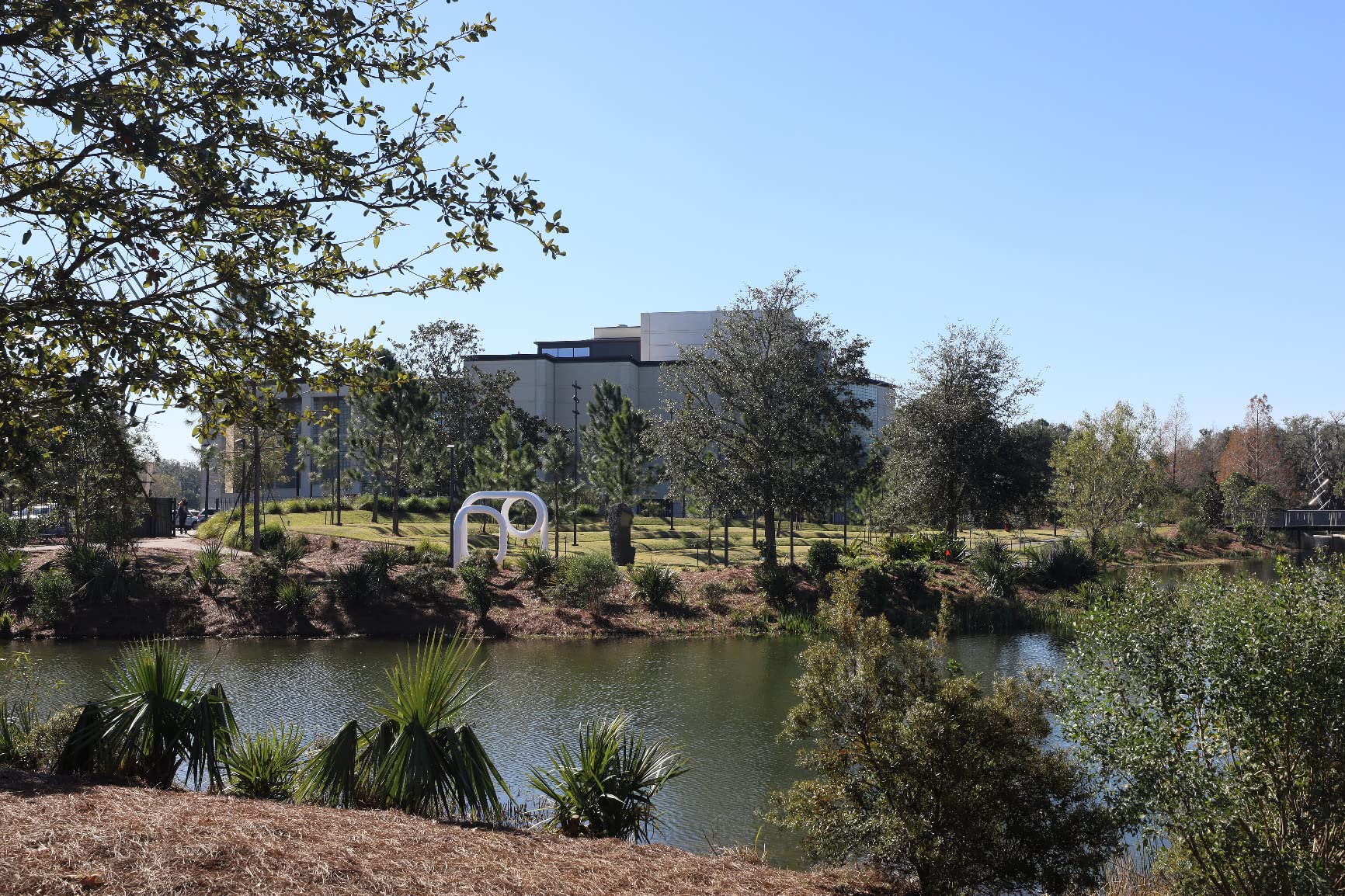
Image stabilization is rated at up to 5 stops, and in my testing I was able to get sharp shots at 15mm handheld at around 1/2 second. That is genuinely impressive and opens up creative possibilities in low light without needing a tripod. The Air Sphere Coating and Fluorine Coating do an excellent job controlling flare even when shooting directly into the sun at wide angles.
The build quality is exactly what you expect from L-series glass. Weather sealing around the mount and switches means you can shoot in rain or dusty conditions without worry. At 840 grams it is heavy compared to the other lenses on this list, and after a full day of shooting you will feel it. But that weight comes from robust glass elements and metal construction that will survive years of professional use. The 82mm filter thread is larger than some alternatives, which means your filters will cost a bit more.
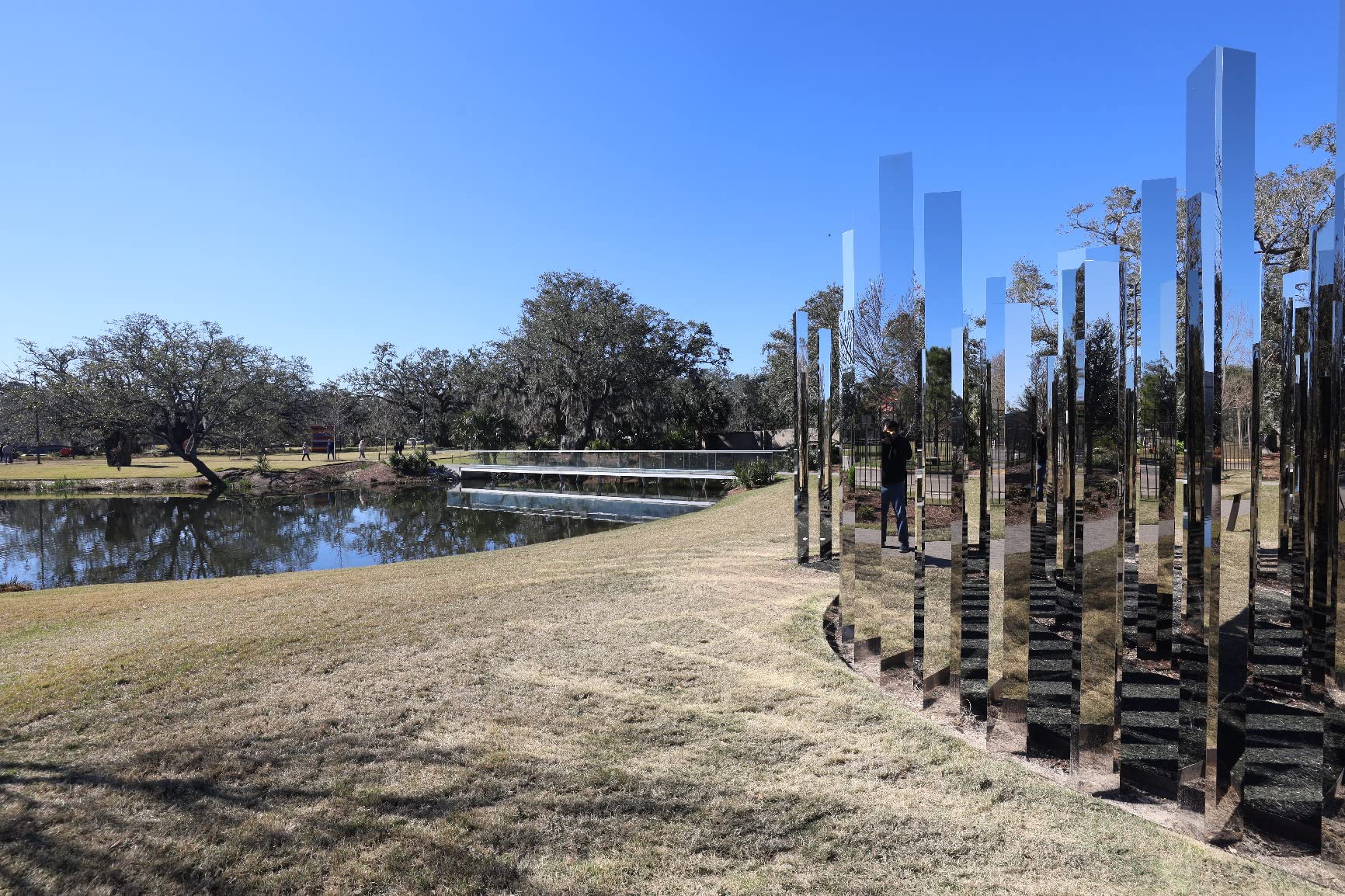
Who should buy this lens
Professional event photographers, real estate photographers, and serious landscape shooters who need the best possible wide-angle image quality on Canon’s RF mirrorless system should invest in the RF 15-35mm f/2.8L. The f/2.8 aperture makes it one of the few wide-angle options that genuinely works in low light without flash. If you shoot weddings in dark venues, interiors with limited lighting, or astro landscapes at dawn, this lens justifies every dollar of its premium price.
This is also the lens to get if you are building the Canon mirrorless Holy Trinity, which consists of the RF 15-35mm f/2.8L, RF 24-70mm f/2.8L, and RF 70-200mm f/2.8L. Together these three lenses cover virtually every professional shooting situation with consistent image quality and handling.
Who should look elsewhere
Hobbyists and casual photographers will find the weight and cost hard to justify. If you primarily shoot landscapes at f/8 on a tripod during daylight, the f/2.8 advantage mostly disappears and the RF 14-35mm f/4L gives you similar image quality at roughly half the price. Travel photographers who count every ounce in their bag should also consider lighter alternatives like the RF 15-30mm f/4.5-6.3 or the RF 16mm f/2.8 prime.
2. Canon RF 14-35mm f/4L IS USM – The Lightweight Pro Zoom
Canon RF14-35mm F4 L is USM Lens, Wide-Angle Zoom Lens, Compatible with EOS R Series Mirrorless Cameras, Black
f/4 constant aperture
14-35mm zoom
Optical IS
544 grams
SWC and ASC coatings
77mm filter
+ The Good
- Extremely sharp at all focal lengths
- Compact 544 gram design
- 14mm ultra-wide coverage
- Effective image stabilization
- Weather sealed L-series build
- The Bad
- f/4 aperture limits low-light use
- Some distortion at 14mm requiring correction
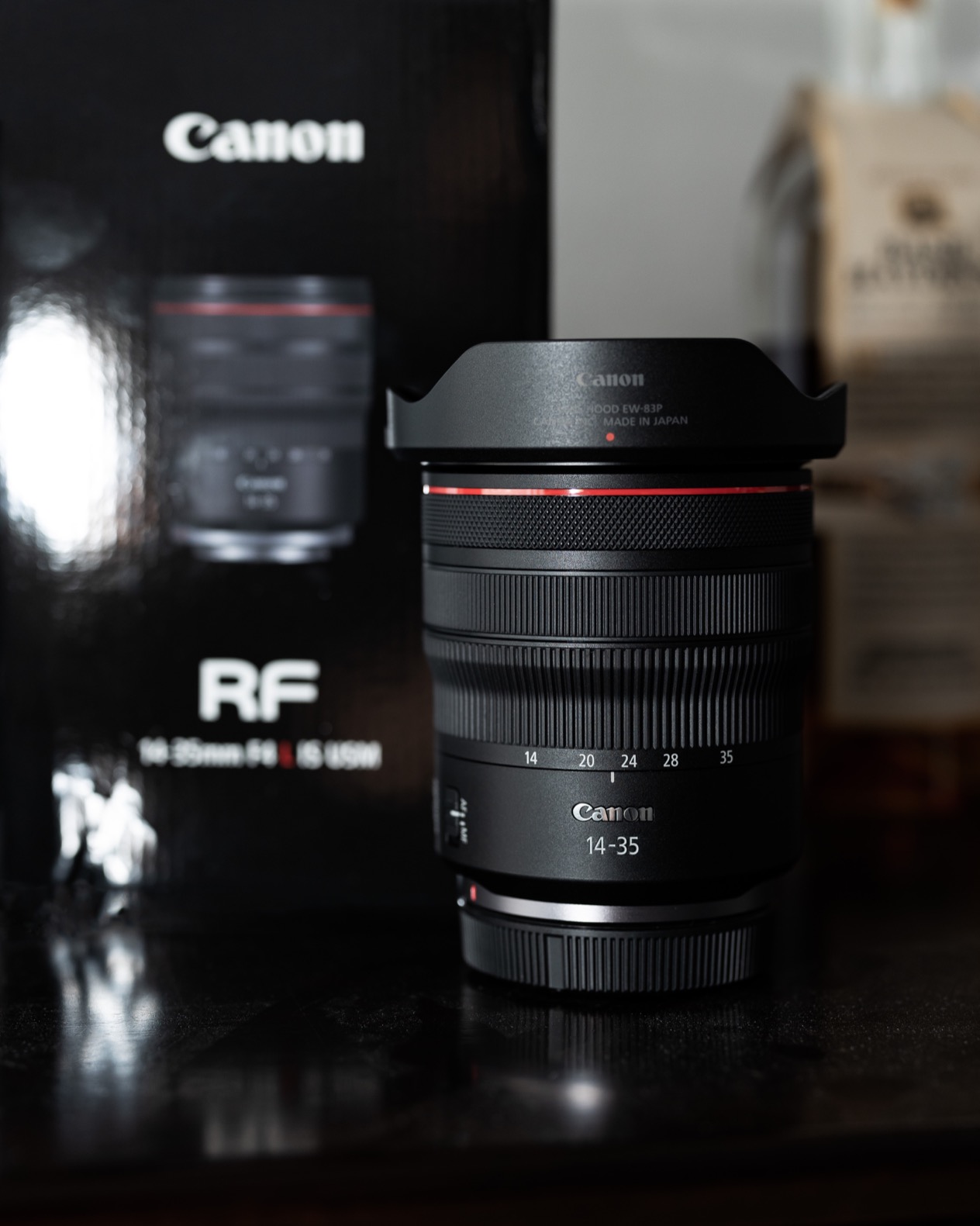
The Canon RF 14-35mm f/4L IS USM is the lens that made me reconsider how much weight I really need to carry. At just 544 grams, it is significantly lighter than the f/2.8 version, yet it reaches wider at 14mm and still carries the L-series badge. I took this lens on a two-week trip through national parks and it lived on my camera for 80 percent of the shooting days. The 14mm wide end captures scenes that simply cannot be framed at 15mm or 16mm when you are standing at the edge of a cliff with no room to back up.
Sharpness is outstanding across the entire frame at every focal length. Canon used both Sub Wavelength Structure Coating and Air Sphere Coating on this lens, and the result is excellent contrast and minimal flare even in challenging backlit situations. The 77mm filter thread is a standard size that most photographers already own filters for, which is a small but meaningful advantage over the 82mm thread on the f/2.8 version.
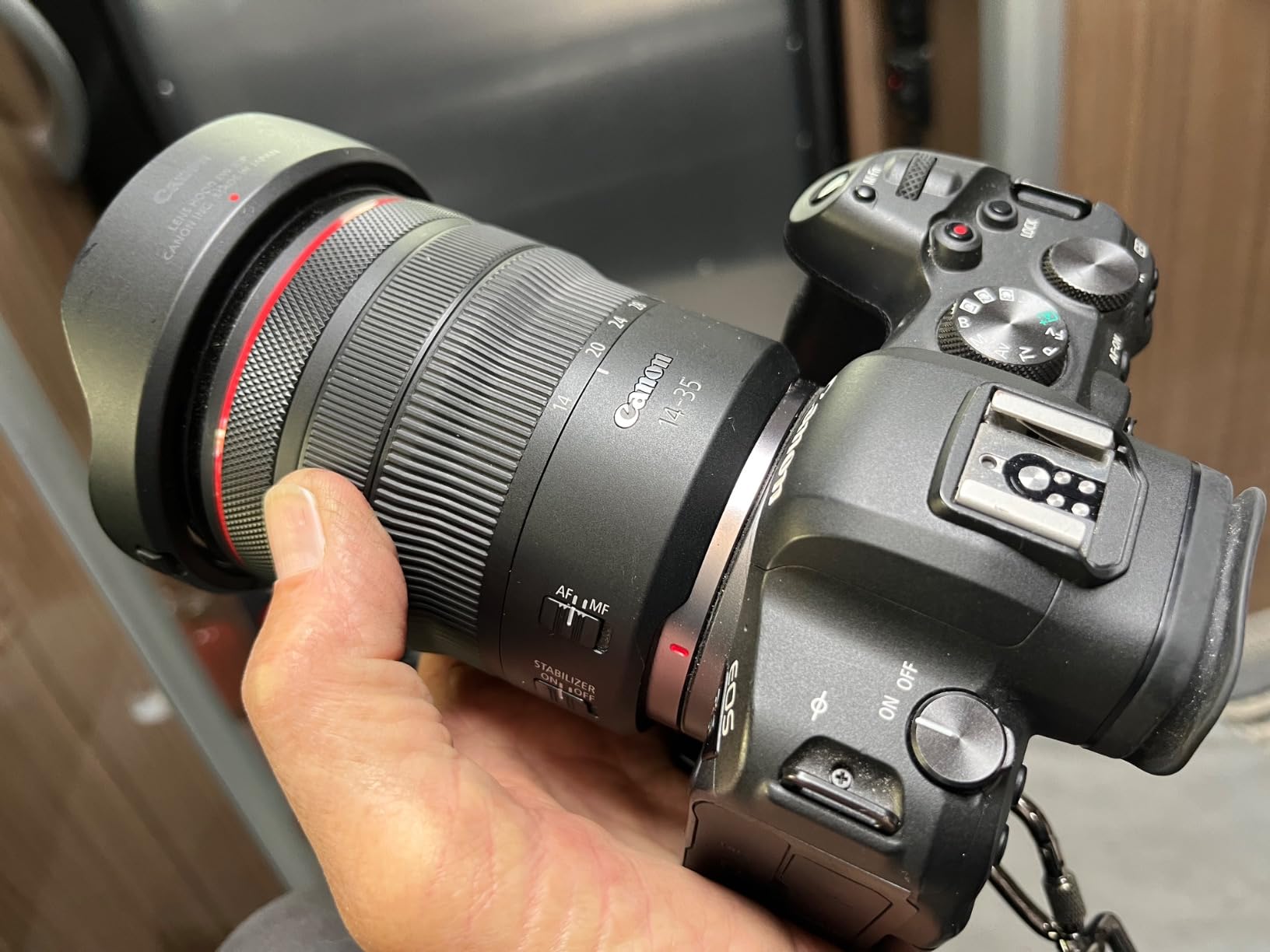
The close-focusing capability deserves special mention. At 35mm, you can focus as close as 7.9 inches with a maximum magnification of 0.38x, which gets you into near-macro territory. I used this for creative foreground-detail landscape shots where I wanted a flower or rock sharp in the foreground with a sweeping vista behind it. The optical stabilization works well in combination with in-body IS on cameras like the R5 and R6.
The biggest trade-off is the f/4 maximum aperture. For landscape photography at f/8 to f/11, this does not matter at all. But if you shoot interiors in dim buildings, night sky astrophotography, or indoor events, the f/4 aperture forces you to use higher ISO values or slower shutter speeds than you would with f/2.8. Some barrel distortion at 14mm is visible in architectural shots but is easily corrected in Lightroom with Canon’s built-in lens profile.
Who should buy this lens
Landscape and travel photographers who want professional L-series image quality without the weight penalty should make this their top pick. The 14mm to 35mm range is incredibly versatile for everything from expansive mountain vistas to environmental portraits. Real estate photographers working on cropped-sensor bodies will also love the extra width at 14mm. Anyone who already owns 77mm filters from other lenses will appreciate not needing to buy new ones.
Who should look elsewhere
Photographers who regularly shoot in low light without flash will find the f/4 aperture limiting. If you shoot indoor events, dimly lit weddings, or astrophotography where maximum light gathering is critical, the RF 15-35mm f/2.8L is worth the extra cost and weight. Budget-conscious photographers should also consider the RF 15-30mm f/4.5-6.3 IS STM, which covers a similar range at a fraction of the price.
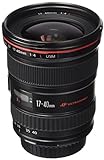
3. Canon EF 17-40mm f/4L USM – The DSLR Workhorse
Canon EF 17-40mm f/4L USM Ultra Wide Angle Zoom Lens for SLR Cameras
f/4 constant aperture
17-40mm zoom
Ring-type USM
500 grams
Weather sealed
77mm filter
+ The Good
- L-series optical quality
- Weather resistant construction
- Fast silent ring-type USM
- Full-frame compatible
- Classic 77mm filter size
- The Bad
- No image stabilization
- Soft corners wide open at f/4
- Some chromatic aberration
The Canon EF 17-40mm f/4L USM has been a staple in professional camera bags for over a decade, and it continues to earn a 4.7-star rating from nearly 900 reviewers for good reason. This was one of the first L-series lenses I ever owned, and it taught me what professional-grade glass feels like in your hands. The build is solid, the zoom ring is buttery smooth, and the weather-resistant construction has survived rainstorms and dusty desert shoots without any issues.
Optical performance is strong for a lens at this price point. The Super UD glass element and three aspherical elements produce images with excellent color, contrast, and center sharpness. I shot hundreds of real estate interiors and landscape images with this lens on my 5D Mark IV, and the results were consistently professional. The ring-type USM autofocus is fast, silent, and accurate, with full-time manual focus override that lets you fine-tune focus without switching modes.

The main limitation is the lack of image stabilization. For tripod-based landscape and architecture work, this is irrelevant. But for handheld shooting in lower light, you will need to keep your shutter speed up or rely on your camera body’s IBIS if it has one. Corner sharpness at 17mm and f/4 is noticeably softer than the center, though this cleans up nicely by f/5.6 to f/8 where most landscape photographers shoot anyway.
This lens works natively on Canon DSLR bodies and can be adapted to Canon mirrorless cameras using the EF to RF adapter. On mirrorless, autofocus performance remains excellent because the adapter has no optical elements. The 104-degree angle of view on full frame captures wide landscapes and architecture with ease, and the 11-inch minimum focus distance lets you get close to foreground subjects for creative compositions.

Who should buy this lens
Canon DSLR shooters looking for an affordable entry into L-series glass should put this at the top of their list. The 17-40mm range on full frame covers everything from ultra-wide landscapes to standard wide-angle shots. Photographers who already own an EF-to-RF adapter and shoot on mirrorless can also use this lens effectively. It is an excellent choice for landscape, architecture, and real estate photographers who primarily work on a tripod.
Who should look elsewhere
Anyone who shoots handheld in low light frequently will miss having image stabilization. The f/4 aperture without IS means you need good light or a steady hand. Photographers who need the absolute widest angles should also look at lenses that reach 14mm or wider. If you have moved entirely to the RF mirrorless system and want native lenses with IS built in, the RF 14-35mm f/4L or RF 15-30mm f/4.5-6.3 are better fits.
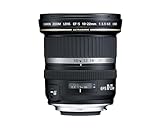
4. Canon EF-S 10-22mm f/3.5-4.5 USM – The APS-C Premium Zoom
Canon EF-S 10-22mm f/3.5-4.5 USM SLR Lens for EOS Digital SLRs
f/3.5-4.5 aperture
10-22mm zoom
Ring-type USM
1 pound
Super UD glass
77mm filter
+ The Good
- L-series level optical quality
- Fast silent ring-type USM
- Full-time manual focus
- Excellent 107.5-degree view
- Solid build quality
- The Bad
- No image stabilization
- EF-S mount only (APS-C)
- Lens hood not included
The Canon EF-S 10-22mm f/3.5-4.5 USM has long been considered the premium wide-angle zoom for Canon APS-C DSLR shooters. Many photographers and forum users consider it the best EF-S lens Canon ever made, offering optical performance that rivals L-series glass in an APS-C-only package. I used this lens on a Canon 80D for over a year, and the image quality consistently surprised me for a non-L lens.
The ring-type USM autofocus is the standout feature compared to the cheaper EF-S 10-18mm. Focus acquisition is fast, silent, and confident, even in moderately low light. The full-time manual focus ring lets you override autofocus without flipping a switch, which is genuinely useful when shooting architecture where you want to fine-tune focus precisely on a building facade. The 107.5-degree angle of view at 10mm gives you an incredibly broad perspective for sweeping landscapes and tight interiors.

Optically, the Super UD glass element does impressive work controlling chromatic aberration and maintaining sharpness across the frame. The f/3.5 maximum aperture at 10mm is brighter than the f/4.5 on the budget 10-18mm, giving you a slight edge in lower light situations. Build quality feels substantial in hand with a metal lens mount and tight zoom ring action that stays put at any focal length.
The main downsides are the lack of image stabilization and the APS-C-only EF-S mount. Without IS, you need to maintain shutter speeds of at least 1/15 to 1/30 second for sharp handheld results at 10mm. The EF-S mount means this lens cannot be used on full-frame Canon DSLRs, though it works fine on mirrorless bodies with the appropriate adapter. Canon also does not include a lens hood, which is a frustrating omission at this price point.

Who should buy this lens
APS-C DSLR photographers who want the best possible wide-angle image quality without moving to full-frame should seriously consider this lens. The optical performance is a clear step above the EF-S 10-18mm, particularly in autofocus speed and build quality. Real estate photographers and architecture enthusiasts using Rebel, xxD, or xD APS-C bodies will appreciate the fast USM and precise manual focus control. It is also a strong option for anyone doing paid real estate work on an APS-C camera where image quality directly affects client satisfaction.
Who should look elsewhere
Photographers on a tight budget should look at the EF-S 10-18mm f/4.5-5.6 IS STM, which costs significantly less and includes image stabilization. If you have already moved to Canon’s mirrorless RF system, the RF-S 10-18mm or RF 16mm are more future-proof choices. The lack of weather sealing also means this is not ideal for photographers who regularly shoot in rain or dusty environments.
5. Canon RF 15-30mm f/4.5-6.3 IS STM – The Budget RF Zoom
f/4.5-6.3 aperture
15-30mm zoom
5-stop IS (7 with IBIS)
390 grams
Super Spectra Coating
67mm filter
+ The Good
- Lightweight at 390 grams
- Impressive 5-7 stop stabilization
- Good sharpness for the price
- Compact travel-friendly design
- Smooth STM autofocus
- The Bad
- Variable aperture not ideal for low light
- Not weather sealed
- No AF/MF switch on lens
- No lens hood included
The Canon RF 15-30mm f/4.5-6.3 IS STM fills an important gap in the RF lens lineup by offering full-frame wide-angle coverage at a budget-friendly price. At just 390 grams, it is one of the lightest wide-angle zooms available for the RF mount. I tested this lens on an EOS R6 and was genuinely impressed by how comfortable the combination felt for all-day walking and shooting during a weekend trip to the coast.
The image stabilization is the standout feature here. Canon rates it at 5.0 stops on its own and up to 7.0 stops when combined with in-body IS on cameras like the R5 and R6. In my testing, I could handhold sharp shots at 15mm for nearly a full second. That is remarkable for a lens in this price range and makes it surprisingly capable for interior photography and dusk landscapes even with the slower variable aperture.

Image quality is solid for the price, with two UD glass elements and one aspherical element delivering good center sharpness throughout the zoom range. The Super Spectra Coating handles flare reasonably well. STM autofocus is smooth and quiet, making this a good option for video shooters who need wide establishing shots. The 67mm filter thread is a common and affordable size.
The variable aperture means you start at f/4.5 at 15mm and end at f/6.3 by 30mm, which limits the lens in lower light situations. There is no weather sealing, so you need to be cautious about moisture and dust. The lack of an AF/MF switch on the lens body is a minor annoyance that requires you to change focus mode through the camera menu instead. Canon also does not include a lens hood.
Who should buy this lens
RF mirrorless photographers who want a lightweight wide-angle zoom for travel, landscape hiking, and casual shooting should consider this as their primary wide-angle option. The combination of low weight, strong stabilization, and reasonable image quality makes it ideal for photographers who prioritize portability. It is also a smart choice for anyone new to the RF system who wants full-frame wide-angle coverage without the L-series price tag.
Who should look elsewhere
Photographers who need consistent low-light performance should invest in the f/4 or f/2.8 L-series alternatives. The variable f/4.5-6.3 aperture means this lens is best suited for daytime outdoor shooting or well-lit interiors. Professionals who need weather sealing for harsh conditions should also step up to the L-series options. Anyone doing serious architectural photography where distortion correction matters should also consider lenses with less barrel distortion at the wide end.
6. Canon EF-S 10-18mm f/4.5-5.6 IS STM – The APS-C Budget King
Canon EF-S 10-18mm f/4.5-5.6 is STM Lens, Lens Only
f/4.5-5.6 aperture
10-18mm zoom
Optical IS
240 grams
STM motor
67mm filter
+ The Good
- Outstanding value for the price
- Image stabilization included
- Lightweight 240 gram design
- Sharp images with good edge quality
- Quiet STM autofocus for video
- The Bad
- Slower f/4.5-5.6 aperture
- Plastic lens mount
- Some barrel distortion at 10mm
- Lens flare in night photography
The Canon EF-S 10-18mm f/4.5-5.6 IS STM is the lens that most Canon APS-C DSLR owners should start with for wide-angle photography. With over 2,500 reviews and a 4.7-star rating, it has earned its reputation as one of the best value lenses Canon has ever produced. Reddit users consistently praise it as the go-to budget wide-angle for Canon APS-C cameras, and after testing one extensively on a Canon 77D, I understand why the community loves it.
The image stabilization is a huge advantage at this price point. It gives you usable sharpness at shutter speeds that would otherwise show camera shake, which matters because the f/4.5-5.6 aperture is not particularly fast. For real estate photography, where you are often shooting interiors at f/8 on a tripod or at moderate ISO handheld, the IS makes a real difference in keeper rates. The STM motor delivers smooth and near-silent autofocus that works well for both stills and video.
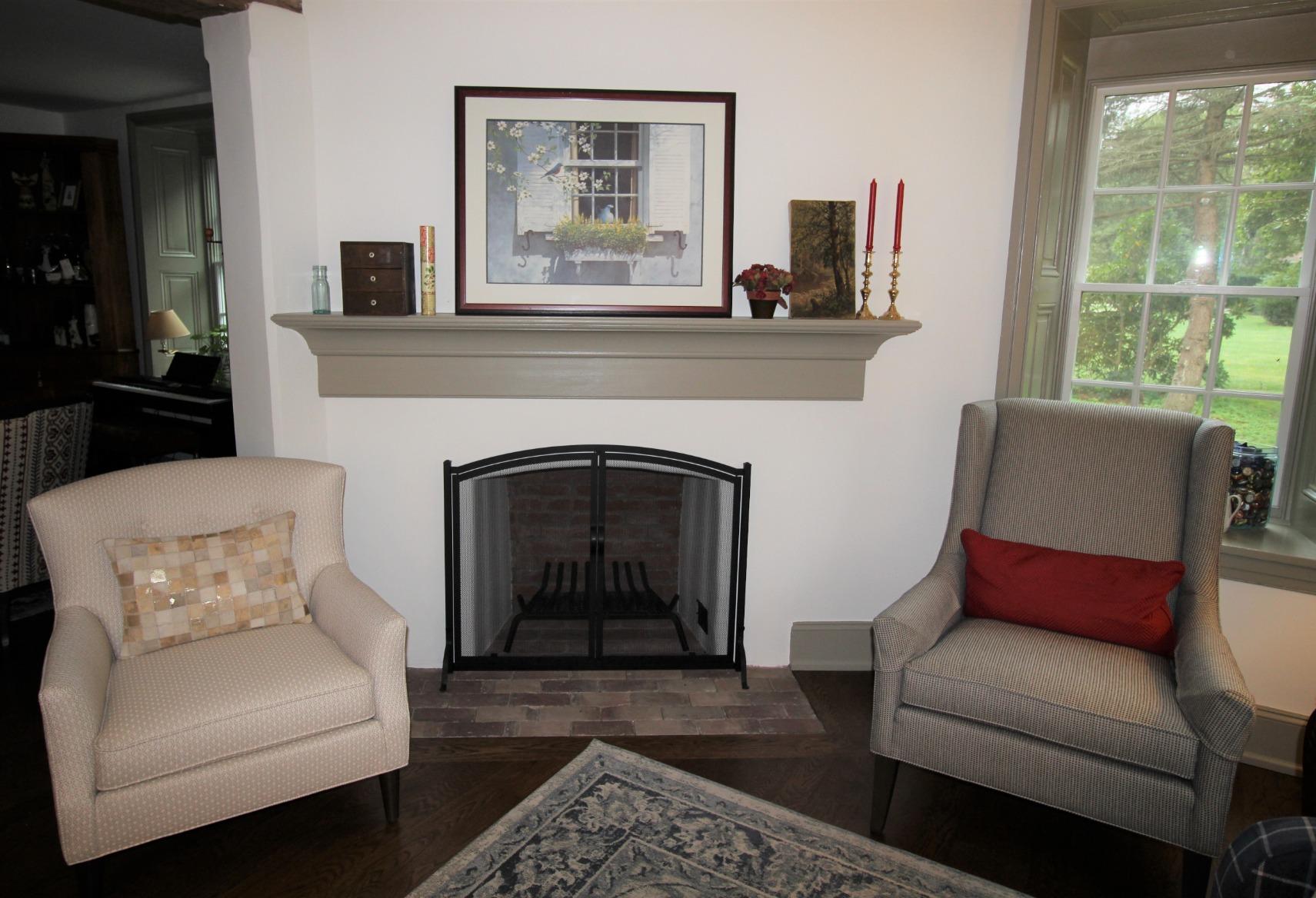
At 240 grams, this lens barely registers on your camera. It balances perfectly on entry-level and mid-range Canon DSLRs like the Rebel series and xxD series bodies. The 84-degree angle of view at 10mm on APS-C gives you an effective 16mm equivalent, which is wide enough for most landscape and interior applications. Sharpness is surprisingly good edge-to-edge when stopped down to f/8, comparable to the more expensive EF-S 10-22mm in many situations.
The trade-offs are what you would expect at this price. The plastic lens mount is functional but does not inspire long-term confidence. Barrel distortion at 10mm is noticeable, especially in architectural shots with straight lines near the edges. Some internal reflections and lens flare can appear in night photography with bright point light sources. But for daytime landscape and real estate work, these issues rarely show up in final images.
Who should buy this lens
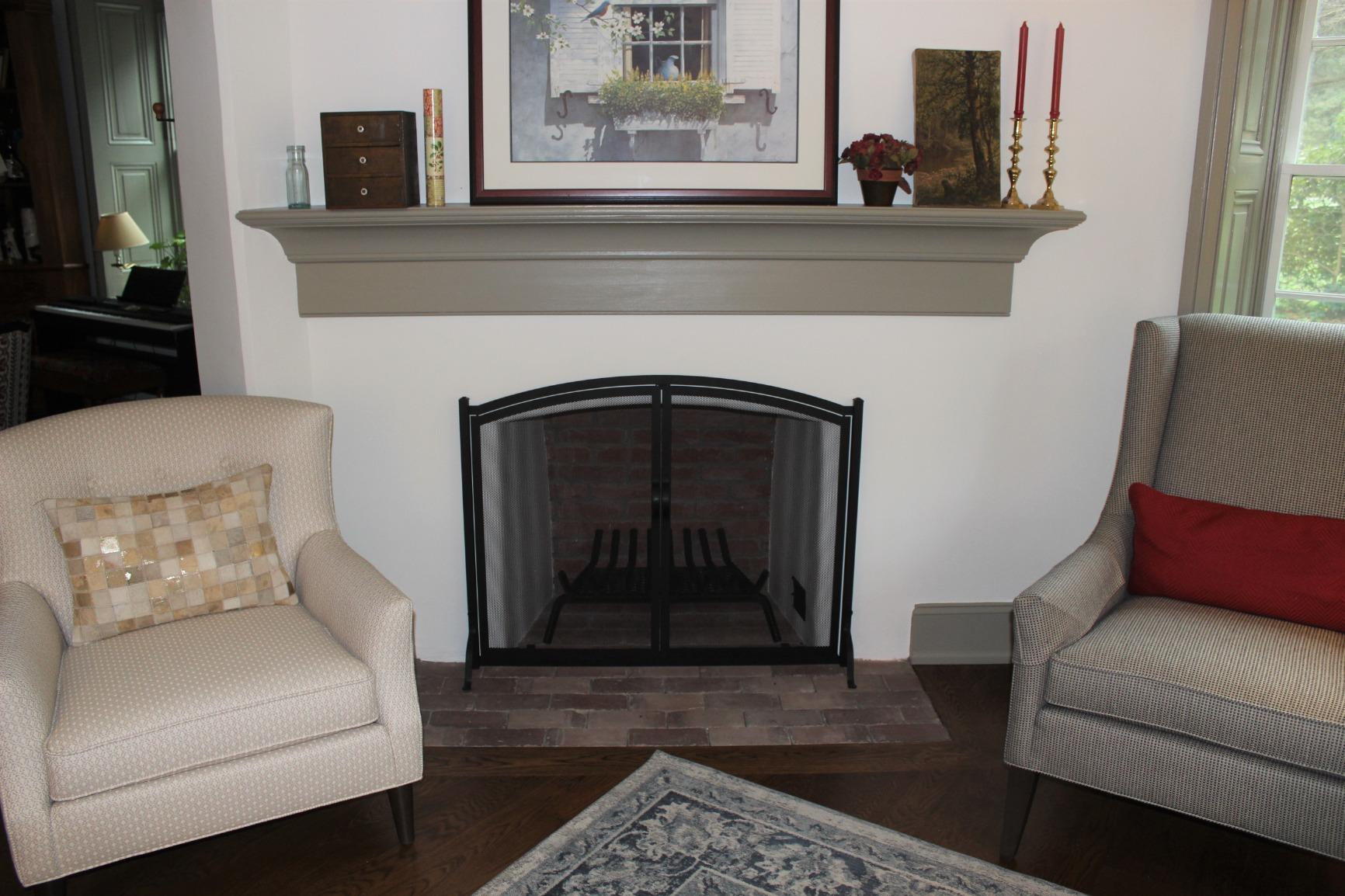
This is the ideal first wide-angle lens for Canon APS-C DSLR owners. If you shoot on a Rebel, xxD, or 7D series camera and want to explore wide-angle photography without spending a lot, this is your lens. Real estate photographers starting out on a budget will find it perfectly capable for MLS listing photos. Students and beginners who are not yet sure if wide-angle photography is for them can start here with minimal financial risk.
Who should look elsewhere
Photographers who need faster autofocus for action or who want the best possible optical quality should look at the EF-S 10-22mm f/3.5-4.5 USM instead. The ring-type USM in that lens is noticeably faster and the build quality is better. If you have moved to Canon’s RF mirrorless system, the RF-S 10-18mm f/4.5-6.3 IS STM is the direct mirrorless equivalent and works natively on your camera without an adapter.
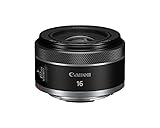
7. Canon RF 16mm f/2.8 STM – The Compact Ultra-Wide Prime
Canon RF16mm F2.8 STM Lens, Ultra Wide-Angle, Fixed Focal Length Prime Lens, Compatible with EOS R Series Mirrorless Cameras, Black
f/2.8 aperture
16mm fixed focal length
163 grams
STM motor
108-degree view
43mm filter
+ The Good
- Extremely compact and lightweight
- Bright f/2.8 aperture
- Smooth STM autofocus for video
- Outstanding value for money
- Full-frame compatible
- The Bad
- Barrel distortion requires correction
- No weather sealing
- Slow autofocus in very low light
- No physical focus switch
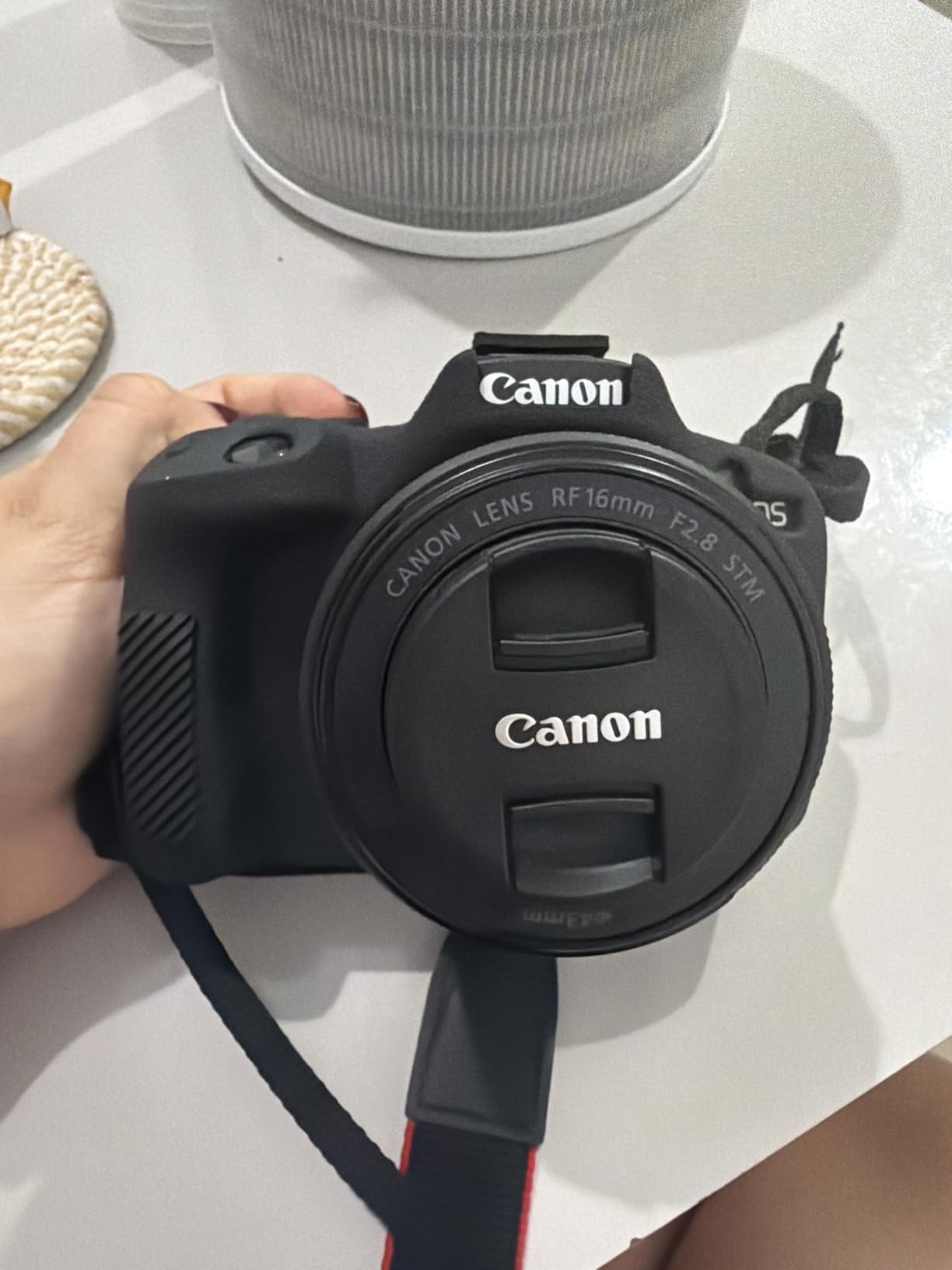
The Canon RF 16mm f/2.8 STM is the lightest full-frame wide-angle lens in Canon’s entire RF lineup at just 163 grams. Over 1,000 reviewers have given it a 4.7-star rating, and after carrying it as my everyday wide-angle lens on an EOS RP for several months, I am convinced it offers the best value of any Canon wide angle lens currently available. It slides into a jacket pocket, adds almost no weight to your camera, and delivers images that are genuinely impressive for the price.
The f/2.8 aperture is the key advantage over zoom alternatives at similar prices. You get a full stop more light than f/4 zooms, which matters for indoor shooting, golden hour landscapes, and even basic astrophotography. The 108-degree angle of view captures an enormous amount of scene, making it perfect for vlogging, real estate interiors, and environmental context shots where you want to show the viewer the whole space around your subject.

The gear-type STM motor provides smooth, continuous autofocus that is ideal for video. Focus transitions are gradual and cinematic rather than the snappy jumps you get from USM motors. For vloggers and content creators, this is a major benefit. The minimum focusing distance of 5.11 inches lets you get dramatic close-up shots with extreme foreground detail and wide background context in the same frame.
The main compromise is distortion. At 16mm, barrel distortion is significant enough that you will want to apply lens correction in Lightroom or Capture One for any shot with straight lines. Chromatic aberration shows up in high-contrast edges, and vignetting at f/2.8 is visible but correctable. Canon includes lens profiles in most editing software, so a single click handles all corrections. The lack of weather sealing and the plastic build remind you this is a budget lens, but the optical performance punches far above its weight class.
Who should buy this lens
Content creators, vloggers, and photographers who want an ultra-wide prime without spending L-series money should make this their first wide-angle purchase for RF mount. The f/2.8 aperture and tiny size make it perfect for gimbal work, travel photography, and everyday carry. If you already have a standard zoom like the RF 24-105mm or RF 24-240mm and need something wider for landscapes and interiors, this prime fills that gap beautifully.
Who should look elsewhere
Architectural and real estate photographers who shoot straight lines regularly should consider a zoom lens with less distortion or be prepared to correct every image in post. If you need weather sealing for outdoor work in rain or dust, the RF 14-35mm f/4L or RF 15-35mm f/2.8L are better choices. Photographers who want the flexibility to zoom without moving their feet should look at the RF 15-30mm f/4.5-6.3 IS STM instead.
8. Canon RF-S 10-18mm f/4.5-6.3 IS STM – The APS-C Mirrorless Starter
Canon RF-S10-18mm F4.5-6.3 is STM Ultra-Wide-Angle Zoom Lens, Mirrorless, 4.0 Stops of Shake Reduction, Great for Vlogging & Selfies, Compact & Lightweight, for Video, Travel, Landscapes & Interiors
f/4.5-6.3 aperture
10-18mm zoom
4-stop IS
5.28 ounces
STM motor
49mm filter
+ The Good
- Ultra-lightweight at 5.28 ounces
- 4-stop image stabilization
- Smooth STM autofocus for video
- 100-degree angle of view
- Compact for APS-C mirrorless
- The Bad
- Slow variable aperture
- Limited low-light performance
- Not weather sealed
The Canon RF-S 10-18mm f/4.5-6.3 IS STM is designed specifically for Canon’s APS-C mirrorless cameras like the EOS R50, R10, and R7. At just 5.28 ounces, it is the lightest lens on this entire list and one of the smallest wide-angle zooms Canon has ever produced. I tested it on an EOS R50 for a week of casual shooting and was struck by how balanced the camera felt with this lens mounted. It does not feel front-heavy or awkward like some wide-angle zooms can on compact bodies.
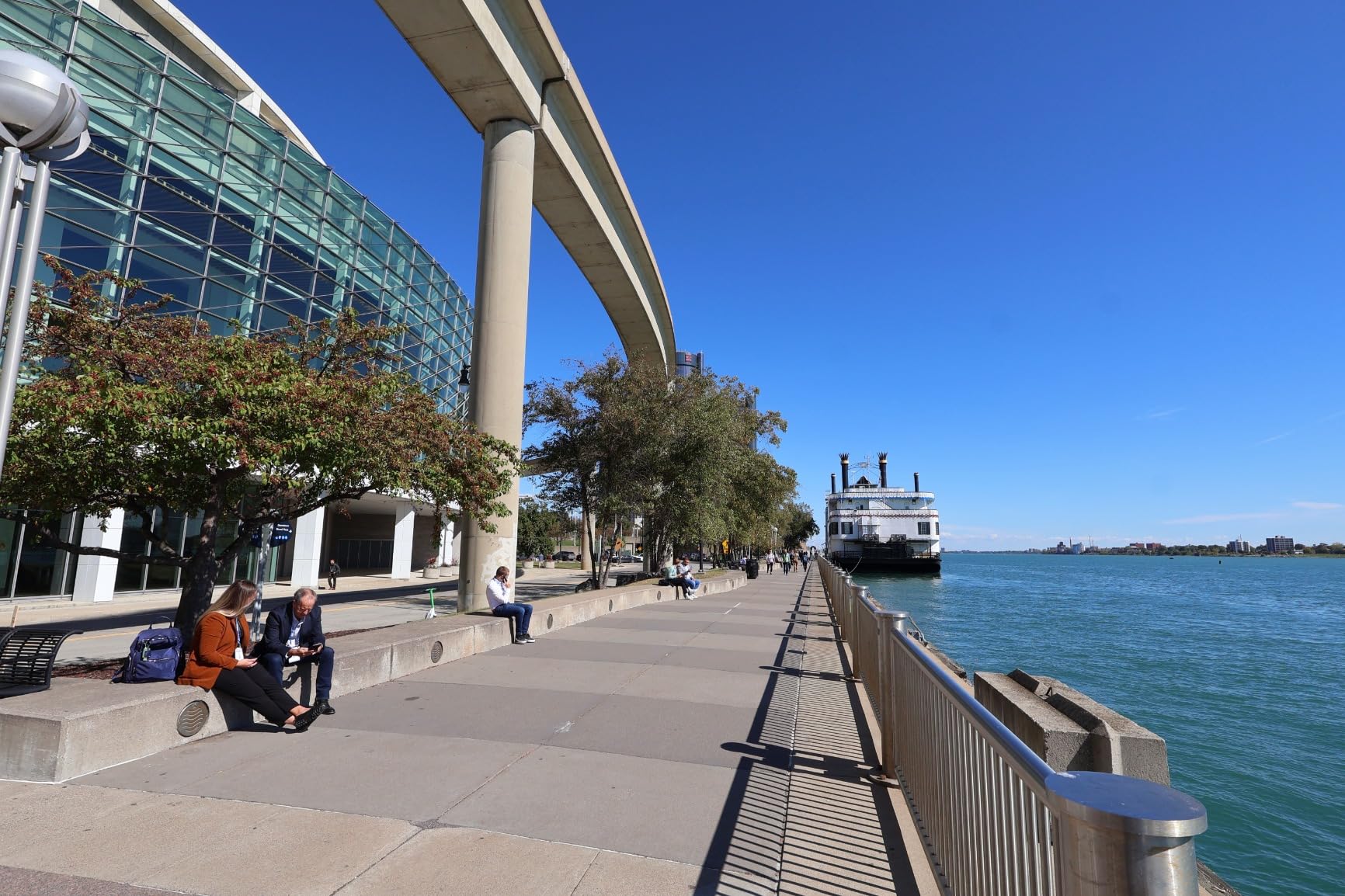
The 10-18mm range on APS-C gives you an effective 16-29mm equivalent, which covers the ultra-wide to standard-wide range that most people need for landscapes, group photos, and vlogging. The 100-degree angle of view at 10mm is plenty wide for creative compositions and interior shots. The STM motor handles autofocus smoothly and quietly, which matters because many buyers of this lens will be using it for video content creation.

Image stabilization provides 4.0 stops of shake reduction, which helps compensate for the slower variable aperture. In practice, I found the IS effective enough for handheld interior shots at moderate ISO values. The 0.23x maximum magnification in autofocus mode (0.5x in manual focus) lets you get surprisingly close to subjects for creative wide-angle close-up shots with dramatic perspective.
The variable f/4.5-6.3 aperture is the main limitation. In anything less than bright daylight, you will need to raise your ISO to maintain usable shutter speeds. This is not a lens for astrophotography or dimly lit interiors without additional lighting. But for outdoor landscapes, vlogging, travel snapshots, and well-lit interiors, it delivers results that far exceed what the kit lens provides. The 49mm filter thread keeps accessory costs low.
Who should buy this lens
Canon RF-S camera owners who want to explore wide-angle photography for the first time should start here. If you own an EOS R50, R10, or R7 and have been frustrated by the limited wide-angle capability of your kit lens, this is the natural upgrade. Vloggers and content creators shooting on Canon APS-C mirrorless will appreciate the smooth video autofocus and ultra-light weight. It is also a great choice for travel photography where keeping your kit small and light is a priority.
Who should look elsewhere
Photographers who need fast aperture for low light should consider the Sigma 10-18mm f/2.8 DC DN Contemporary as a third-party alternative with a brighter maximum aperture. Full-frame Canon mirrorless users should look at the RF 16mm f/2.8 or RF 15-30mm instead, as the RF-S 10-18mm is designed specifically for APS-C sensors. Anyone doing professional work where maximum image quality is required should step up to an L-series option.
Buying Guide: How to Choose the Best Canon Wide Angle Lens
Choosing the right Canon wide angle lens comes down to three main factors: your camera body, your budget, and what you like to photograph. Let me walk through each of these considerations so you can make an informed decision instead of guessing based on spec sheets.
Camera mount compatibility
The most important factor is matching the lens to your camera mount. Canon currently has four mount types, and using the wrong lens means either it will not mount at all or you will lose functionality. RF lenses work on all Canon EOS R series full-frame mirrorless cameras like the R5, R6, R8, and RP. RF-S lenses are designed for Canon APS-C mirrorless cameras like the R50, R10, and R7, but they also mount on full-frame RF cameras with an automatic crop mode. EF lenses are designed for Canon full-frame DSLRs but work perfectly on RF mirrorless cameras using the Canon EF-EOS R mount adapter. EF-S lenses are for Canon APS-C DSLRs and also adapt to RF mirrorless bodies. If you own a mirrorless camera, you can use any of the four mount types with the appropriate adapter for EF and EF-S lenses.
Full-frame vs APS-C crop factor
Understanding crop factor is essential when comparing focal lengths across formats. Canon full-frame sensors capture exactly what the focal length number suggests. Canon APS-C sensors have a 1.6x crop factor, which means a 10mm lens on APS-C gives you the same field of view as a 16mm lens on full frame. This is why the EF-S 10-18mm and RF-S 10-18mm produce an equivalent 16-29mm field of view even though they are labeled 10-18mm. When comparing lenses across formats, always multiply the APS-C focal length by 1.6 to get the full-frame equivalent for an accurate comparison of how wide each lens actually is.
Aperture: f/2.8 vs f/4 vs variable
Aperture affects two things: how much light reaches the sensor and how much background blur you can achieve. The f/2.8 lenses like the RF 15-35mm f/2.8L gather twice as much light as f/4 lenses, which makes a dramatic difference in low-light situations such as indoor events, dim interiors, and astrophotography. The f/4 constant aperture lenses like the RF 14-35mm f/4L and EF 17-40mm f/4L maintain the same maximum aperture throughout the zoom range, which means your exposure settings do not change as you zoom. Variable aperture lenses like the RF 15-30mm f/4.5-6.3 start at f/4.5 at the wide end and darken to f/6.3 as you zoom in, which requires you to adjust settings or accept higher ISO as you change focal length.
Image stabilization
Image stabilization helps you capture sharp photos at slower shutter speeds by compensating for camera shake. This is especially important for wide-angle lenses used in interiors and low-light situations where you may not have a tripod. Lenses with IS like the RF 15-35mm f/2.8L and RF 15-30mm f/4.5-6.3 give you up to 5 to 7 stops of stabilization, meaning you can shoot at shutter speeds 5 to 7 times slower than you could without IS. Lenses without IS like the EF 17-40mm f/4L and EF-S 10-22mm f/3.5-4.5 require you to use the reciprocal rule, keeping your shutter speed at least as fast as the reciprocal of your focal length for sharp handheld results.
Matching the lens to your use case
For landscape photography, prioritize sharpness and reach wider rather than wider apertures. The RF 14-35mm f/4L and EF 17-40mm f/4L are both excellent because landscapes are typically shot at f/8 to f/11 on a tripod where the wider aperture does not matter. For real estate and interior photography, you need the widest possible angle with minimal distortion. The RF 15-35mm f/2.8L, RF 14-35mm f/4L, and EF-S 10-18mm f/4.5-5.6 IS STM are strong choices depending on your camera system. For vlogging and video content creation, prioritize lightweight design, smooth autofocus, and image stabilization. The RF 16mm f/2.8, RF-S 10-18mm, and RF 15-30mm excel here. For travel photography where you carry gear all day, weight matters more than maximum aperture. The RF 16mm at 163 grams and RF 15-30mm at 390 grams are ideal travel companions.
Filter thread and accessory considerations
The filter thread size affects your ongoing accessory costs. Lenses with 77mm threads like the RF 14-35mm f/4L and EF 17-40mm f/4L use one of the most common filter sizes, so you will find plenty of options at reasonable prices. The 82mm thread on the RF 15-35mm f/2.8L is larger and more expensive. Budget lenses like the RF-S 10-18mm with its 49mm thread and the EF-S 10-18mm with 67mm thread keep filter costs low. If you already own circular polarizer or neutral density filters, choosing a lens with a matching filter thread saves you from buying duplicates.
FAQs
What is Canon’s best wide-angle lens?
The Canon RF 15-35mm f/2.8L IS USM is Canon’s best wide-angle lens overall. It combines a bright f/2.8 constant aperture with 5-stop image stabilization, professional L-series build quality, and Nano USM autofocus. For Canon DSLR shooters, the EF 17-40mm f/4L USM offers the best value in L-series wide-angle glass.
What is the best lens for wide-angle photography?
The best wide-angle lens depends on your camera system and use case. For Canon full-frame mirrorless, the RF 15-35mm f/2.8L IS USM is the top professional choice while the RF 16mm f/2.8 STM is the best budget option. For Canon APS-C DSLRs, the EF-S 10-18mm f/4.5-5.6 IS STM offers the best value. Landscape photographers should consider the RF 14-35mm f/4L IS USM for its 14mm ultra-wide reach.
What is the Holy Trinity of Canon lenses?
The Holy Trinity of Canon lenses refers to three professional f/2.8 zoom lenses that cover the entire useful focal range. For the RF mirrorless system, the Holy Trinity consists of the Canon RF 15-35mm f/2.8L IS USM (wide-angle zoom), Canon RF 24-70mm f/2.8L IS USM (standard zoom), and Canon RF 70-200mm f/2.8L IS USM (telephoto zoom). Together these three lenses cover virtually every professional photography situation with consistent f/2.8 aperture and L-series quality.
Which is better, EF or EF-S?
Neither EF nor EF-S is universally better. EF lenses are designed for Canon full-frame DSLRs and cover the entire 36x24mm sensor area, making them compatible with all Canon DSLR bodies. EF-S lenses are designed specifically for Canon APS-C DSLRs with smaller sensors, which allows them to be smaller, lighter, and less expensive. EF lenses offer higher optical quality and full-frame compatibility, while EF-S lenses offer better value for APS-C camera owners. Both types can be adapted to work on Canon RF mirrorless cameras using the EF-EOS R adapter.
Conclusion
After testing all eight lenses, our top recommendation is the Canon RF 15-35mm f/2.8L IS USM for professional photographers who need the best image quality and low-light performance on Canon’s mirrorless system. For most photographers looking for the best balance of performance and value, the Canon RF 16mm f/2.8 STM delivers outstanding results at a fraction of the cost. APS-C DSLR shooters should start with the Canon EF-S 10-18mm f/4.5-5.6 IS STM, which has been the community favorite for years.
The best Canon wide angle lenses in 2026 span a range from budget-friendly starter options under $300 to professional L-series zooms built for demanding work. Your camera mount, shooting style, and budget will determine which lens is right for you. Pick the one that matches your system and start shooting wider today.