
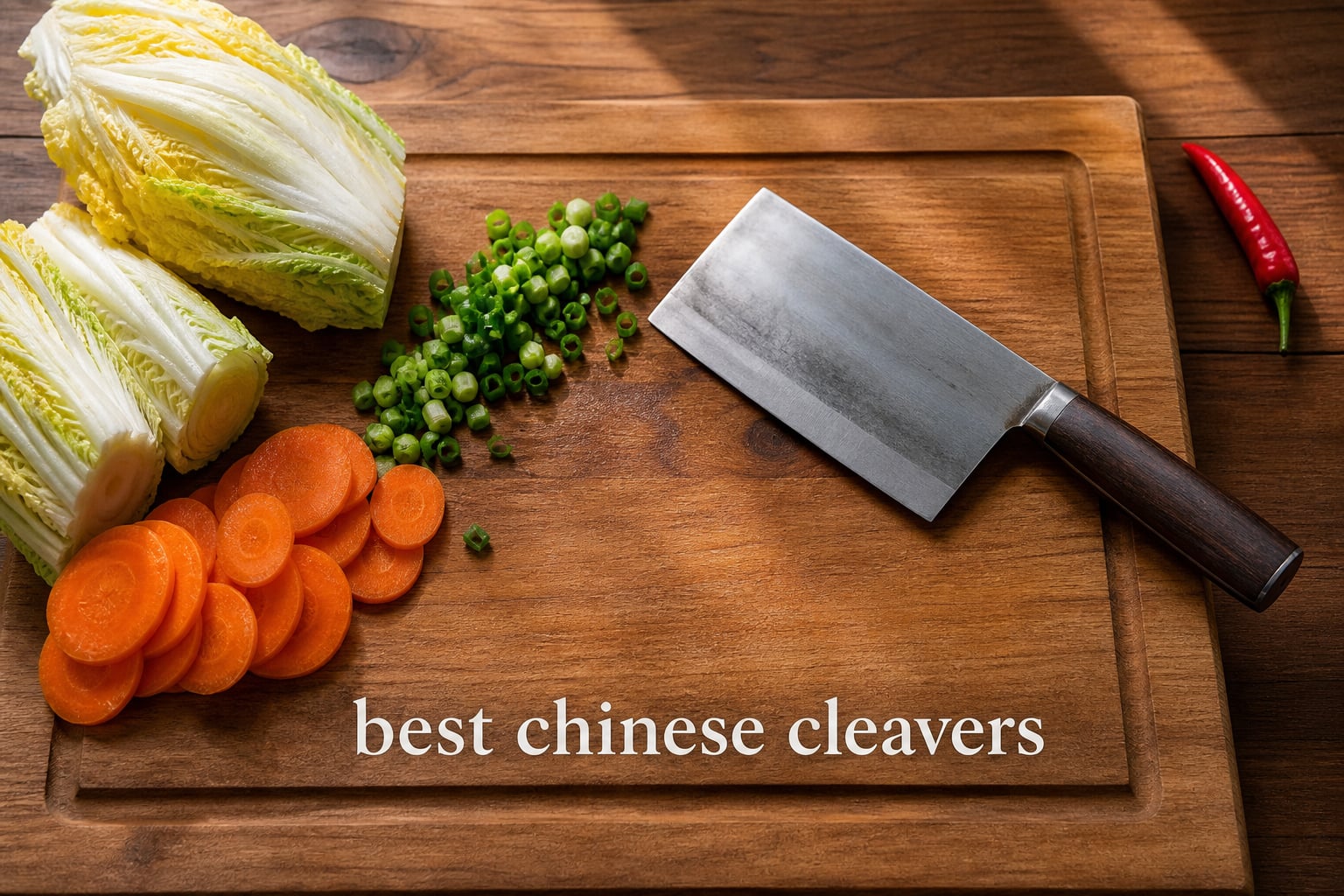
I have spent the better part of two years chopping with Chinese cleavers, and I can tell you the hype is real. A good cai dao, the rectangular Chinese chef knife you see flying across wok stations, does 90% of my kitchen work: slicing scallions, mincing garlic, dicing onions, breaking down boneless chicken thighs. When our team set out to find the best chinese cleavers for 2026, we put eight of the most popular models through weeks of daily vegetable prep, and the differences were bigger than I expected.
Here is the short version: a Chinese cleaver is not a meat cleaver. It is a thin, lightweight slicing tool that glides through food with a push-cut motion, not a heavy wedge for smashing through pork bones. Confusing the two is the number one mistake buyers make, and it usually ends with a chipped edge and a bad review that the knife did not deserve.
In this guide, I cover eight cleavers from a $30 budget workhorse to a $105 Solingen-made showpiece. I also worked through dozens of Reddit threads from r/chefknives and r/cooking, because forum users care about things expert reviews skip, like how hard a handle is to dry, whether a blade rusts if you look at it wrong, and which boards will destroy your edge. Those real-world insights are baked into every review below.
Top 3 Picks for Best Chinese Cleavers
The TUO Fiery Phoenix is my editor’s choice because it nails the fundamentals at a price anyone can justify. Almost 20,000 reviewers agree, and after months of push-cutting onions and mincing garlic, so do I. The SYOKAMI wins best value thanks to a clever 3-in-1 design and a real 4.8-star rating, and the Wüsthof is the premium pick if you want German craftsmanship that your grandkids will inherit.
Best Chinese Cleavers in 2026
This table gives you the full lineup at a glance. Every model below was used in a real kitchen before it earned its spot.
| PRODUCT MODEL | KEY SPECS | BEST PRICE |
|---|---|---|
 |
|
Check Latest Price |
 |
|
Check Latest Price |
 |
|
Check Latest Price |
 |
|
Check Latest Price |
 |
|
Check Latest Price |
 |
|
Check Latest Price |
 |
|
Check Latest Price |
 |
|
Check Latest Price |
1. TUO Fiery Phoenix 7 inch Cleaver – Best Overall
TUO Vegetable Cleaver Knife, Chinese Chef Knife 7 inch Meat Cleaver with Pakkawood Handle, Stainless Steel Butcher Chopper for Home Kitchen – Fiery Phoenix Series
7 inch blade
German X50CrMoV15 steel
HRC56±2
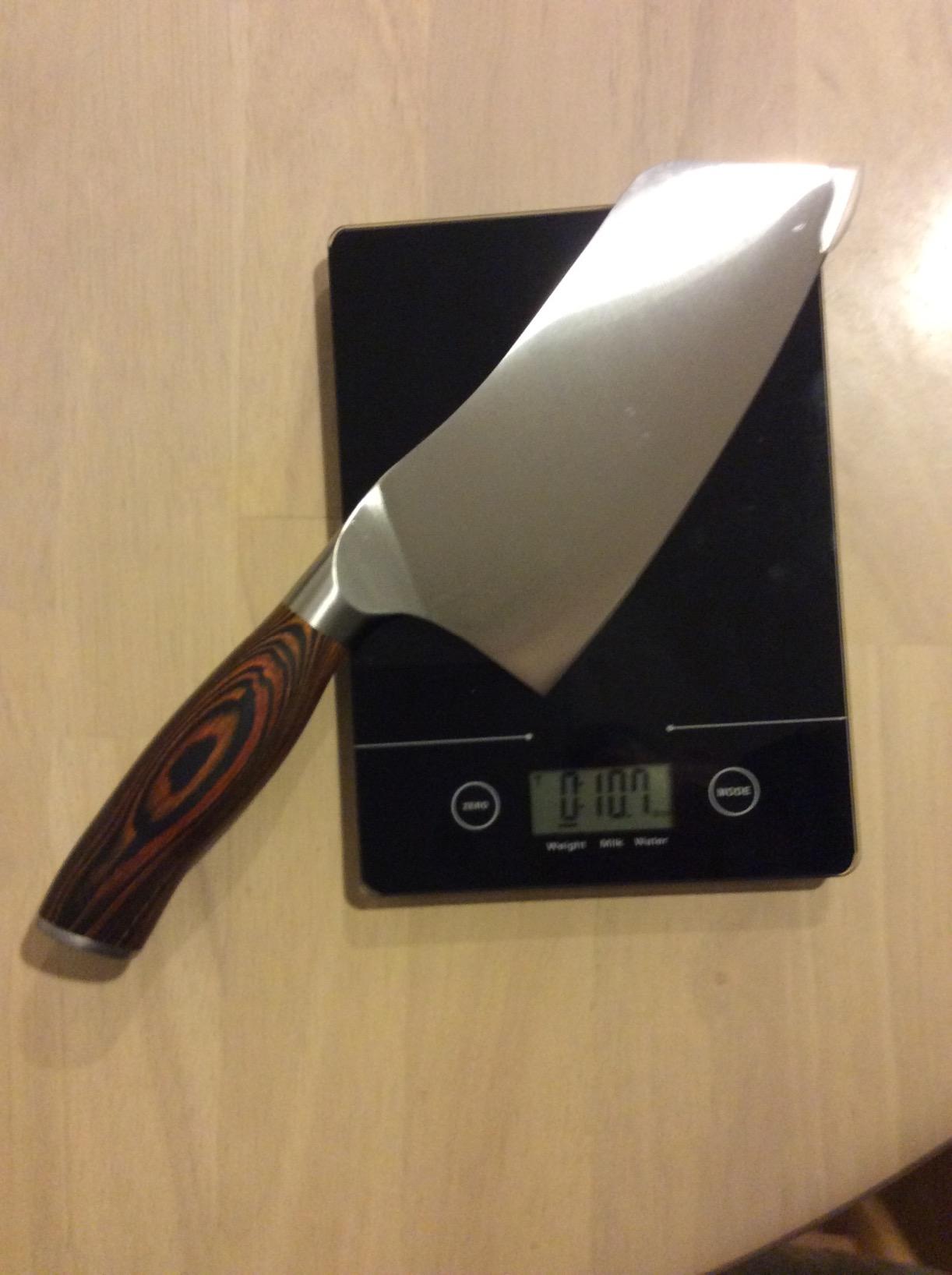
10.4 oz
Full tang pakkawood handle
+ The Good
- Curved blade profile handles slicing
- garlic work and mincing
- Hand-sharpened 18 degree edge arrives truly sharp
- Full tang construction feels rock solid
- Vacuum heat-treated steel holds its edge
- Lifetime guarantee against defects
- The Bad
- Not dishwasher safe
- Handle needs hand drying around the rivets
The TUO Fiery Phoenix is the cleaver I reach for most often, and it earned that spot honestly. The first thing I noticed out of the box was the edge: hand-sharpened to 18 degrees per side, it pushed through a pile of scallions like they were not there. Over three months of near-daily stir-fry prep, it has needed only a quick strop to stay hair-splitting sharp.
The curved blade profile is smarter than it looks. TUO designed it so the tip handles vegetables, the middle crushes garlic, and the lower edge does the mincing, which matches exactly how I actually cook. At 10.4 ounces it sits right in the sweet spot between nimble and planted.
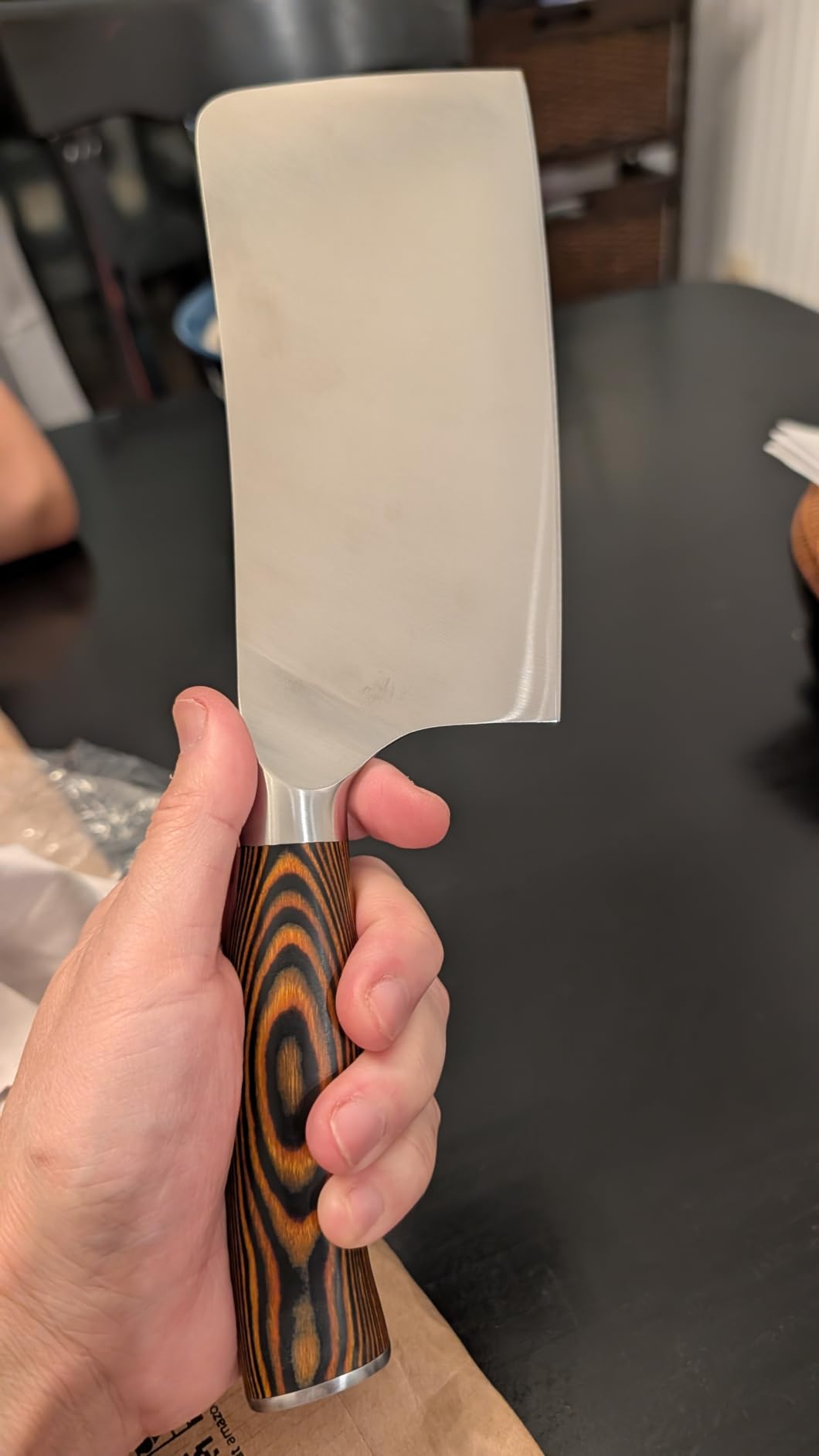
Technically, this is German engineering at a friendly price: X50CrMoV15 high-carbon stainless, vacuum heat-treated to HRC56±2. That steel formula is the same one used in mid-range German chef knives, and it means you get solid edge retention without the rust anxiety of carbon steel. The pakkawood handle is polished, sealed, and comfortable through long prep sessions.
With nearly 20,000 reviews at 4.7 stars, this is also the most battle-tested knife on this list. The negatives are minor and predictable: hand wash only, and dry it properly or the handle rivets can complain over the years.
Who should buy the TUO Fiery Phoenix
Home cooks who want one do-everything knife for daily vegetable and boneless-meat prep. It is also the safest gift choice on this list thanks to the gift box and lifetime guarantee.
Who should skip it
If you want to hack through bones or split squash, get a dedicated heavy cleaver instead. This is a slicer with cleaver styling, and asking it to do butcher work will chip it.
2. SYOKAMI 7 inch Asian Kitchen Knife – Best Value 3-in-1
SYOKAMI Cleaver Chef Knife with Herb Stripper, 7″ Asian Kitchen Knife
7 inch blade
High carbon stainless steel
56+ Rockwell
Wenge wood handle
Built-in herb stripper
+ The Good
- Combines chef knife
- santoku and nakiri roles in one blade
- Built-in 3 hole herb stripper speeds up prep
- Non-slip gear teeth on the FSC-certified handle
- 14-16 degree edge is impressively sharp
- The Bad
- Not dishwasher safe
- Smaller review base than category leaders
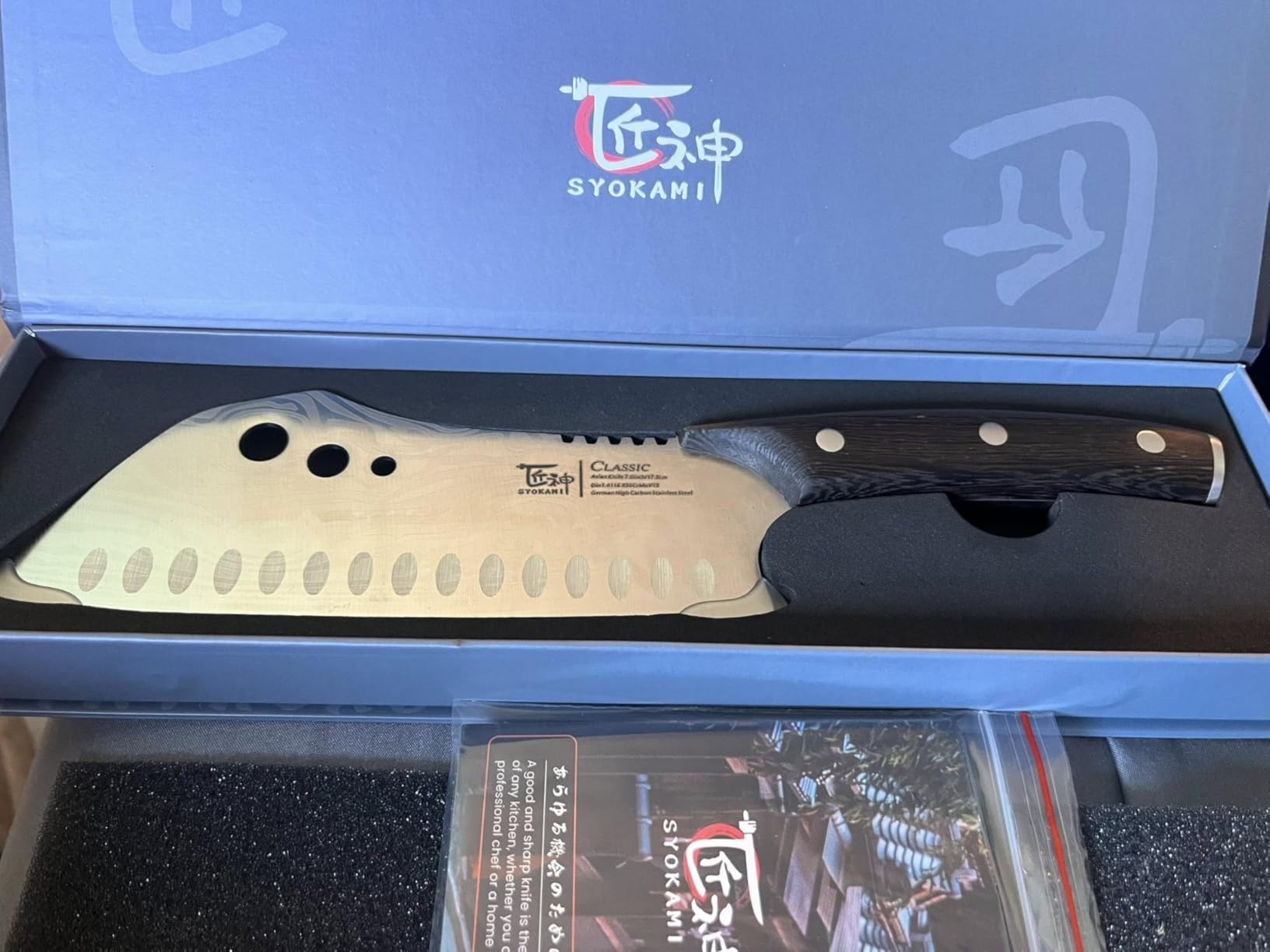
The SYOKAMI surprised me. I expected a gimmick knife with a herb stripper bolted onto the concept, but the blade itself is genuinely good. Hand-polished to 14-16 degrees per side, it is actually sharper out of the box than knives costing twice as much, and 87% of its reviewers give it five stars.
The herb stripper turned out to be more useful than I assumed. Pulling kale and thyme stems through the three holes takes seconds and saves my knife edge from woody stems. It is the kind of small design win that grows on you.
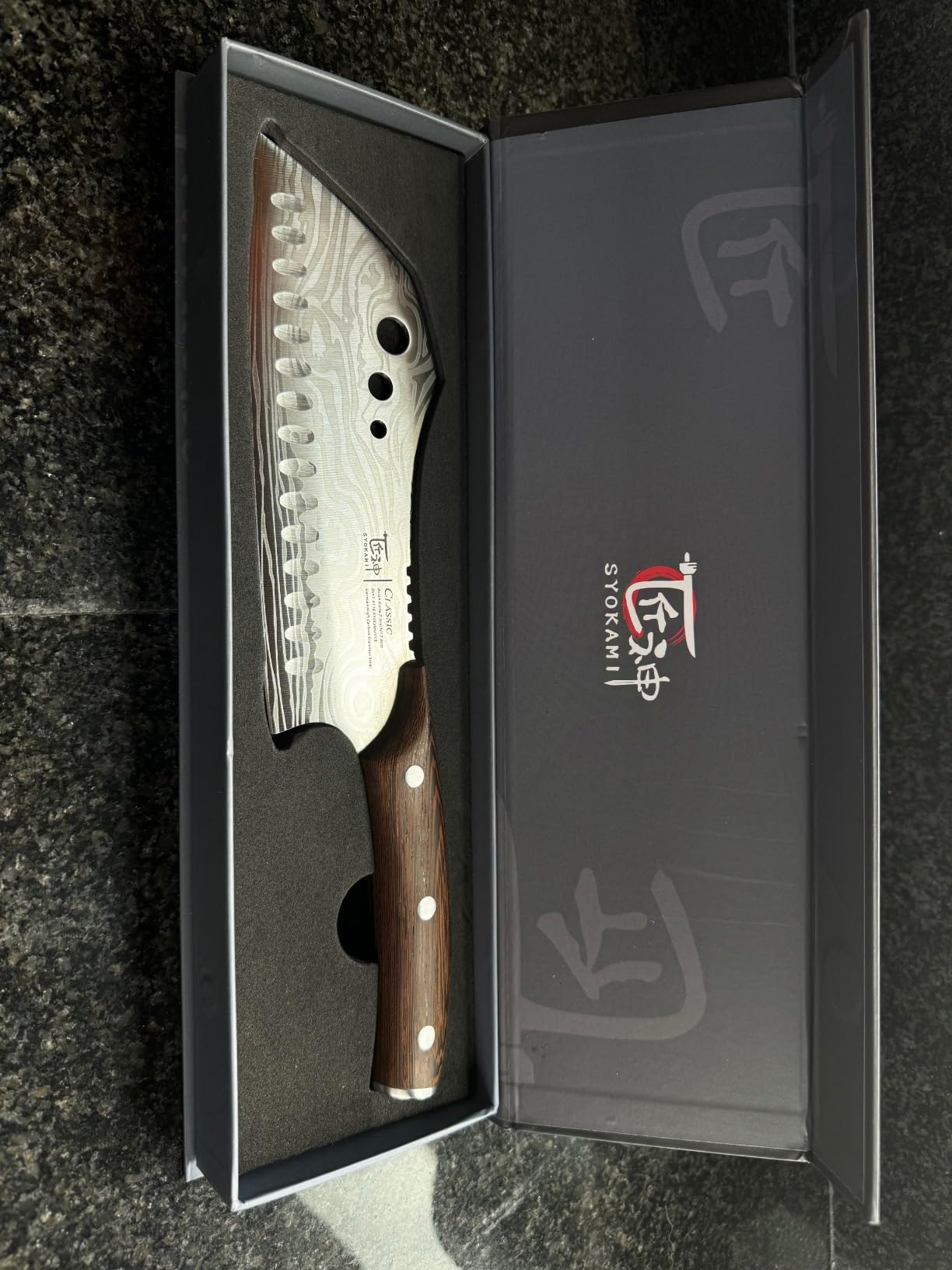
Under the hood you get forged high-carbon stainless steel at 56+ Rockwell hardness, which is respectable company at this price. The wenge wood handle has a gear-teeth texture that keeps its grip when your hands are wet or greasy, something slick pakkawood handles do not manage as well. The full-tang construction gives it a planted feel during push cuts.
The trade-offs are ordinary: hand wash only, and because it is a newer product, only around 650 reviews exist so far. Based on my time with it, that 4.8 average looks sustainable.
Who should buy the SYOKAMI
Cook on a budget who still wants a genuinely sharp edge, and anyone who preps a lot of fresh herbs and leafy greens. It is also a great first Asian-style knife for a curious cook.
Who should skip it
If you want a large-format 8-plus inch cai dao blade for big batch prep, this 7-incher will feel compact. It also will not replace a dedicated santoku for people who do a lot of rocking cuts.
3. imarku 7 inch Cleaver – Best for Sharpness Retention
imarku Cleaver Knife 7 Inch, Japanese High Carbon Stainless Steel Chopper
7 inch blade
Japanese high carbon stainless
57+1 HRC
2.4mm thickness
11.84 oz
FSC pakkawood handle
+ The Good
- 57+1 HRC hardness holds its edge noticeably longer
- 15 degree double-sided edge slices paper-thin
- 2.4mm blade is thin for clean push cuts
- FSC certified ergonomic handle suits both hands
- The Bad
- Not for bones or hard frozen food
- Dishwasher will ruin the edge
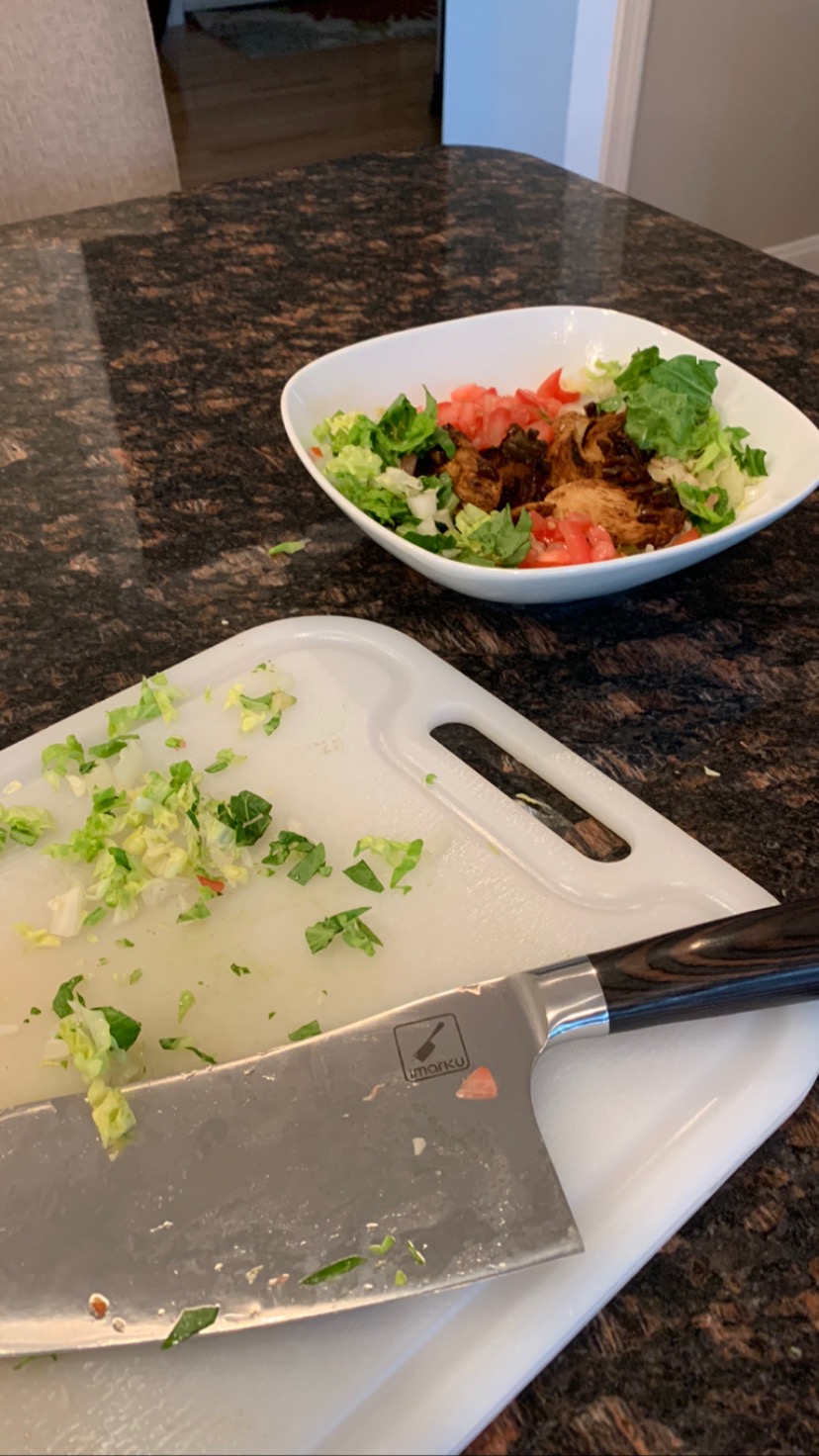
The imarku is the knife I hand to guests who want to feel what a properly thin cleaver can do. At 2.4mm thick with a 15-degree double-sided edge, it falls through daikon and carrots with almost no wedging. That thin geometry is exactly what forum users on r/chefknives keep saying matters more than brand names, and imarku got the memo.
I left this one untouched on the strop for six weeks as an experiment, and it was still cutting clean tomato slices at the end. The 57+1 HRC Japanese steel is the reason, and it is a meaningful step up in edge retention from softer budget blades.
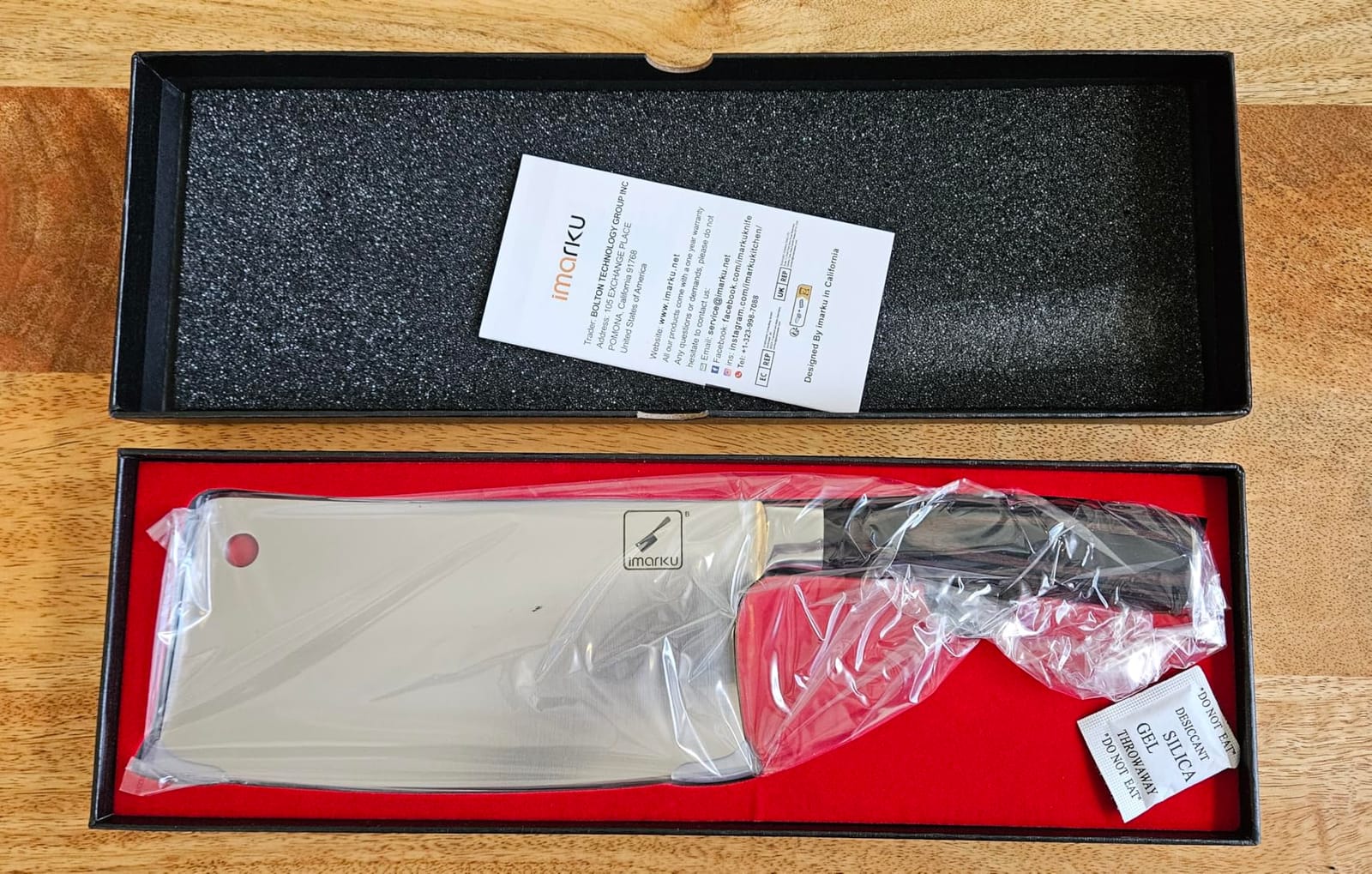
The FSC-certified pakkawood handle is ergonomically shaped and works for right and left-handed users alike. At 11.84 ounces it is the heaviest knife in this lineup, which gives it authority for larger vegetables but makes it slightly less fluttery-nimble than the Wüsthof.
Respect the two real limits: no bones, no frozen food. The same hardness that keeps the edge sharp also makes it more brittle, and a lateral twist through a frozen block is how edges get chipped.
Who should buy the imarku
Cook who hate sharpening and want a knife that stays sharp for weeks. Its rust resistance also makes it the best pick here for people who are a little lazy about drying blades immediately.
Who should skip it
Anyone who regularly cuts through joints or small bones should look at the Mercer or Victorinox instead, since this blade will chip under that abuse.
4. PAUDIN 7 inch Nakiri Cleaver – Best for Vegetable Prep
PAUDIN Nakiri Knife – 7″ Razor Sharp Meat Cleaver and Vegetable Kitchen Knife, High Carbon Stainless Steel, Multipurpose Asian Chef Knife for Home and Kitchen with Ergonomic Handle
7 inch blade
5Cr15Mov stainless steel
56+ hardness
225g
Pakkawood handle with wave pattern
+ The Good
- Razor sharp straight out of the box
- Light and quick for high-volume vegetable work
- Comfortable pakkawood handle
- Money-back satisfaction guarantee
- The Bad
- Not for bones or frozen food
- Laser wave pattern is cosmetic
- not true Damascus
The PAUDIN blurs the line between a nakiri and a Chinese cleaver, and that hybrid nature is its strength. The flat profile and straight edge are brilliant for the up-and-down push cut that defines cai dao technique, and it dispatched two full heads of napa cabbage in my tests without ever feeling bulky.
At 225 grams it is light, quick, and easy on the wrist during long prep sessions. Nearly 5,000 reviewers have pushed it to best-seller status in its category, and the feedback pattern is consistent: sharp, light, great for the money.
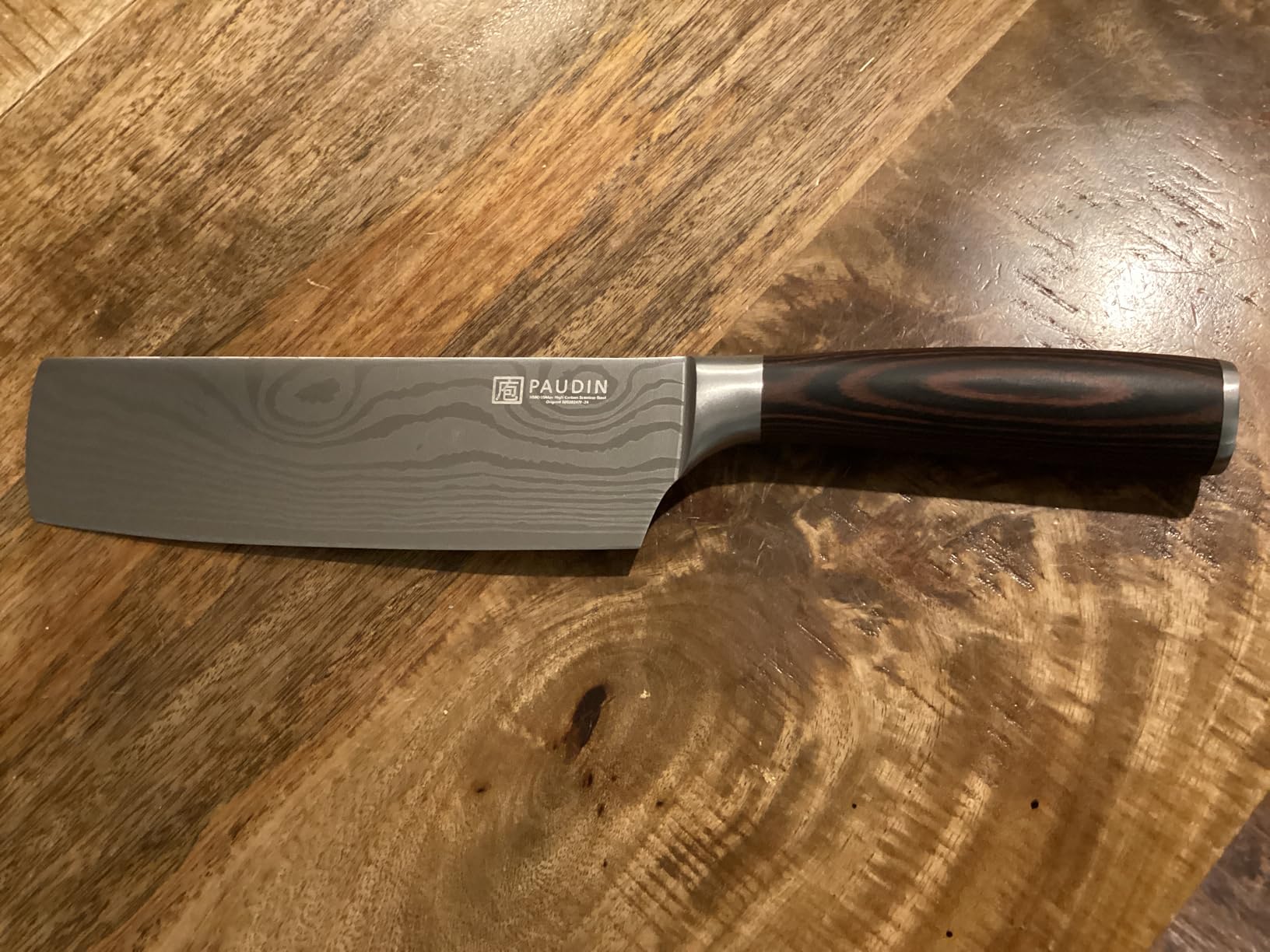
The 5Cr15Mov stainless steel runs at 56+ hardness, which is a solid mid-tier steel. It sharpens easily on a whetstone, which makes it a fantastic practice knife if you are learning to sharpen, because mistakes are cheap to fix.
Two honest cautions from user reviews. The wave pattern is a laser etch, not layered Damascus steel, so do not buy it for the looks alone. And like most thin blades here, bones and frozen foods are off the menu.

Who should buy the PAUDIN
Vegetable-forward cooks, meal preppers, and anyone wanting a proven 4.6-star knife with almost 5,000 reviews for the price of a pizza night. It is also my pick for learning whetstone sharpening.
Who should skip it
If you want one knife for protein and produce, the TUO or imarku is more versatile. This is a vegetable specialist.
5. Mercer Culinary Chinese Chef’s Knife – Best Low-Maintenance Workhorse
Mercer Culinary Asian Collection Chinese Chef’s Knife with Santoprene Handle
6 inch blade
High-carbon German steel
10.2 oz
Santoprene handle
NSF certified
+ The Good
- NSF certified for professional kitchens
- Grips securely even with wet hands
- Low maintenance and rust resistant
- Great entry point to Chinese-style knives
- The Bad
- Chips on hard materials like squash shells
- Needs sharpening more often than premium steel
- Blade is slightly flexible
The Mercer is the knife working cooks actually buy with their own money. It is NSF certified, which means it meets commercial kitchen sanitation standards, and the Santoprene handle is the grippiest on this list when things get wet or oily. Line cooks do not spend money lightly, and this one shows up in real kitchens.
This was my daily driver recommendation for years for one reason: zero drama. No wood to maintain, no rust anxiety, no special treatment. Wash it, dry it, get back to work.
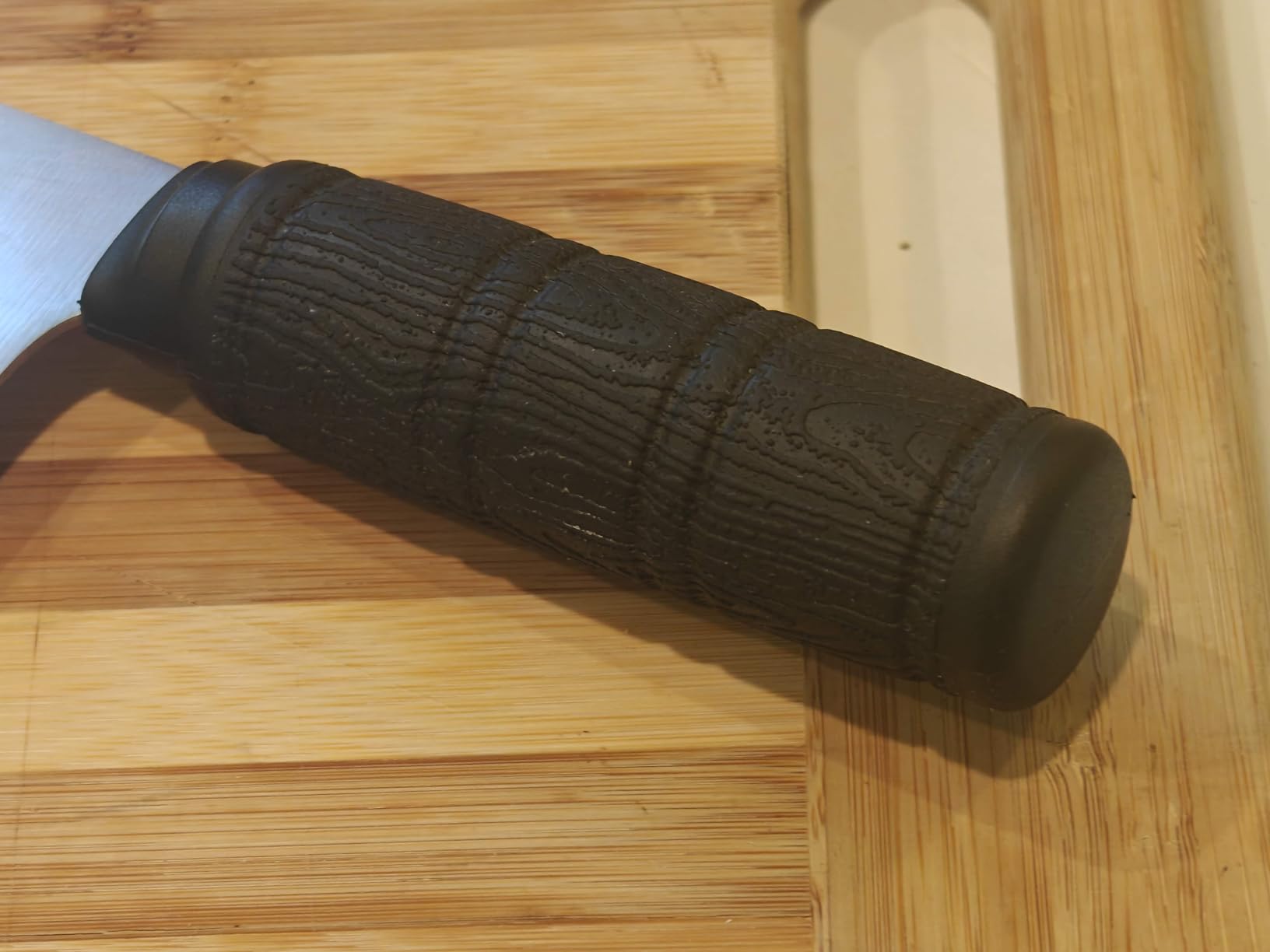
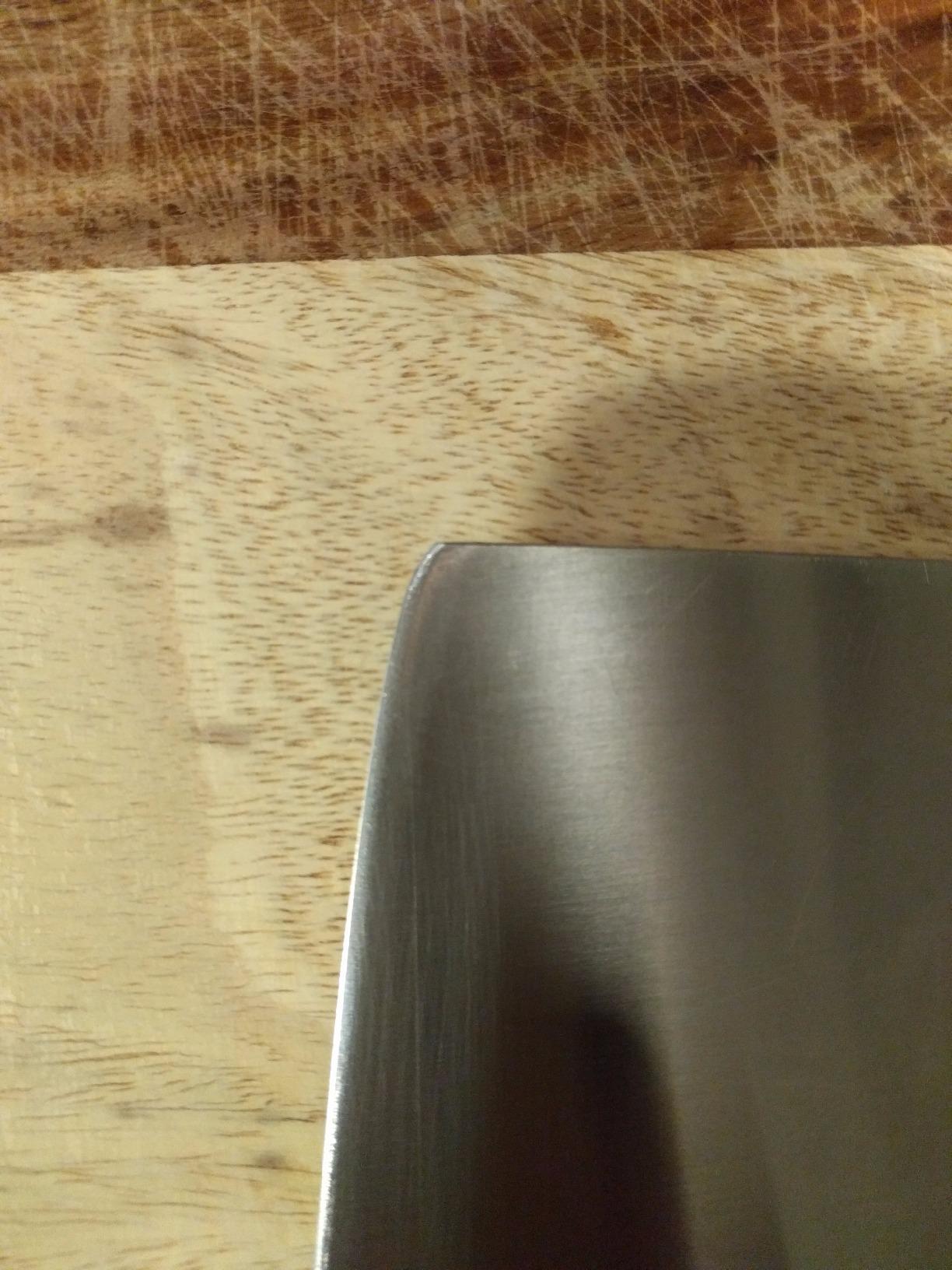
The high-carbon German steel comes with a dual-edge taper-ground finish that arrives quite sharp. It is a stamped blade rather than forged, which keeps the price sane but makes it a touch more flexible than the TUO or Zwilling.
The compromises are real, though. It needs sharpening more often than the harder Japanese and German steels above, and it can chip if you force it through hard squash or, worse, bone. Treat it as a slicer and it rewards you with years of service.
Who should buy the Mercer
Anyone who wants a fuss-free knife: students, busy parents, cottage kitchens, and cooks who refuse to baby a blade. Reddit threads frequently recommend Mercer as the affordable option real Chinese restaurant cooks actually use.
Who should skip it
Enthusiasts chasing the thinnest, sharpest geometry will find it workmanlike rather than thrilling. If edge retention is your top priority, spend up for the imarku or Zwilling.
6. Victorinox Fibrox 7 in Chinese Cleaver – Best Dishwasher Safe Pick
Victorinox Fibrox 7 in Chinese Cleaver – Swiss Made Butcher Chef Knife
7.1 inch blade
Swiss stainless steel
12.2 inch total length
Non-slip Fibrox handle
Dishwasher safe
+ The Good
- Genuinely dishwasher safe
- Swiss made build quality
- Non-slip Fibrox handle stays secure
- Well balanced for vegetable prep and light meat work
- The Bad
- Not for heavy bone chopping
- Spotting occurs if left wet
- Lighter than traditional cleavers
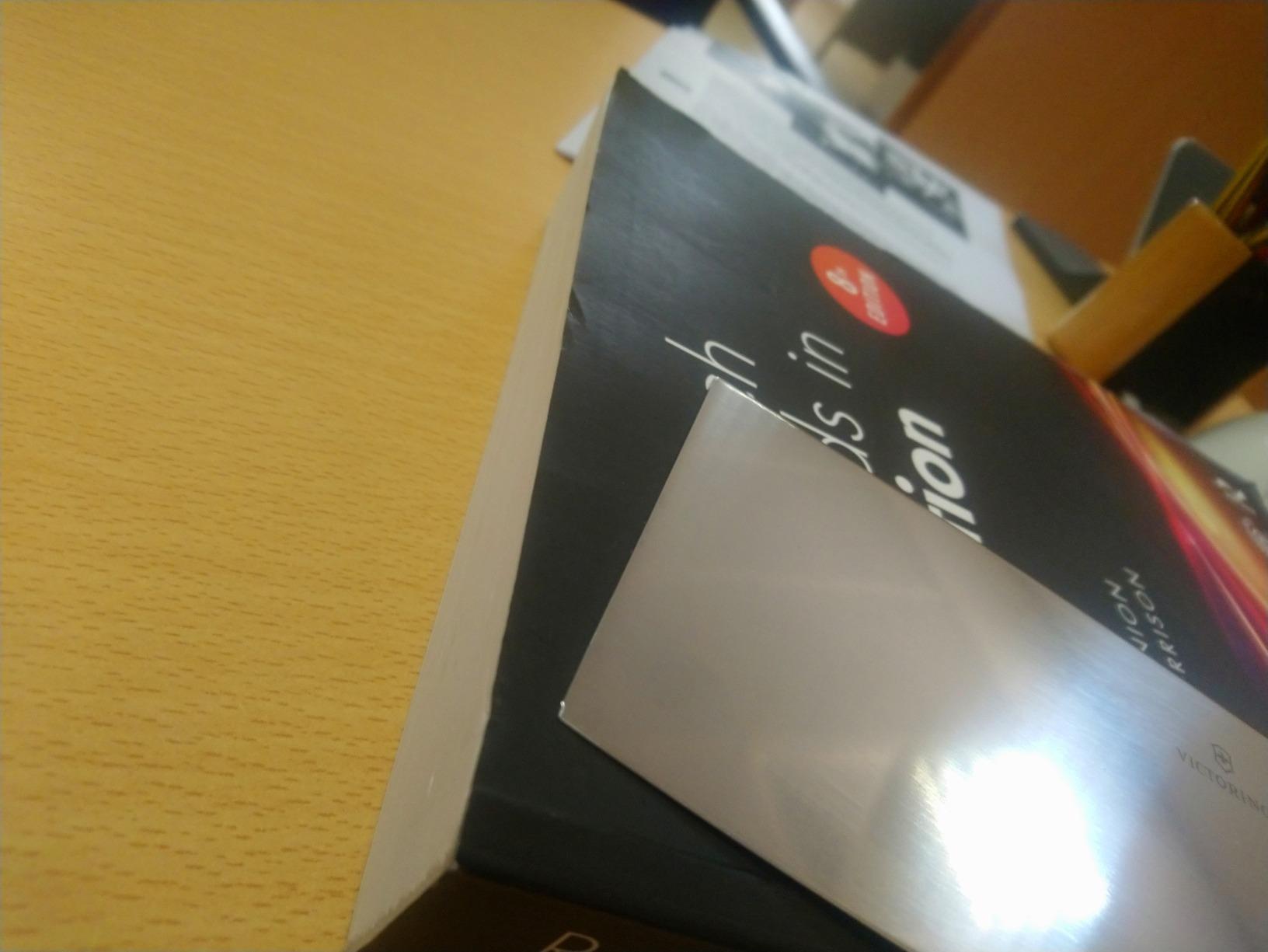
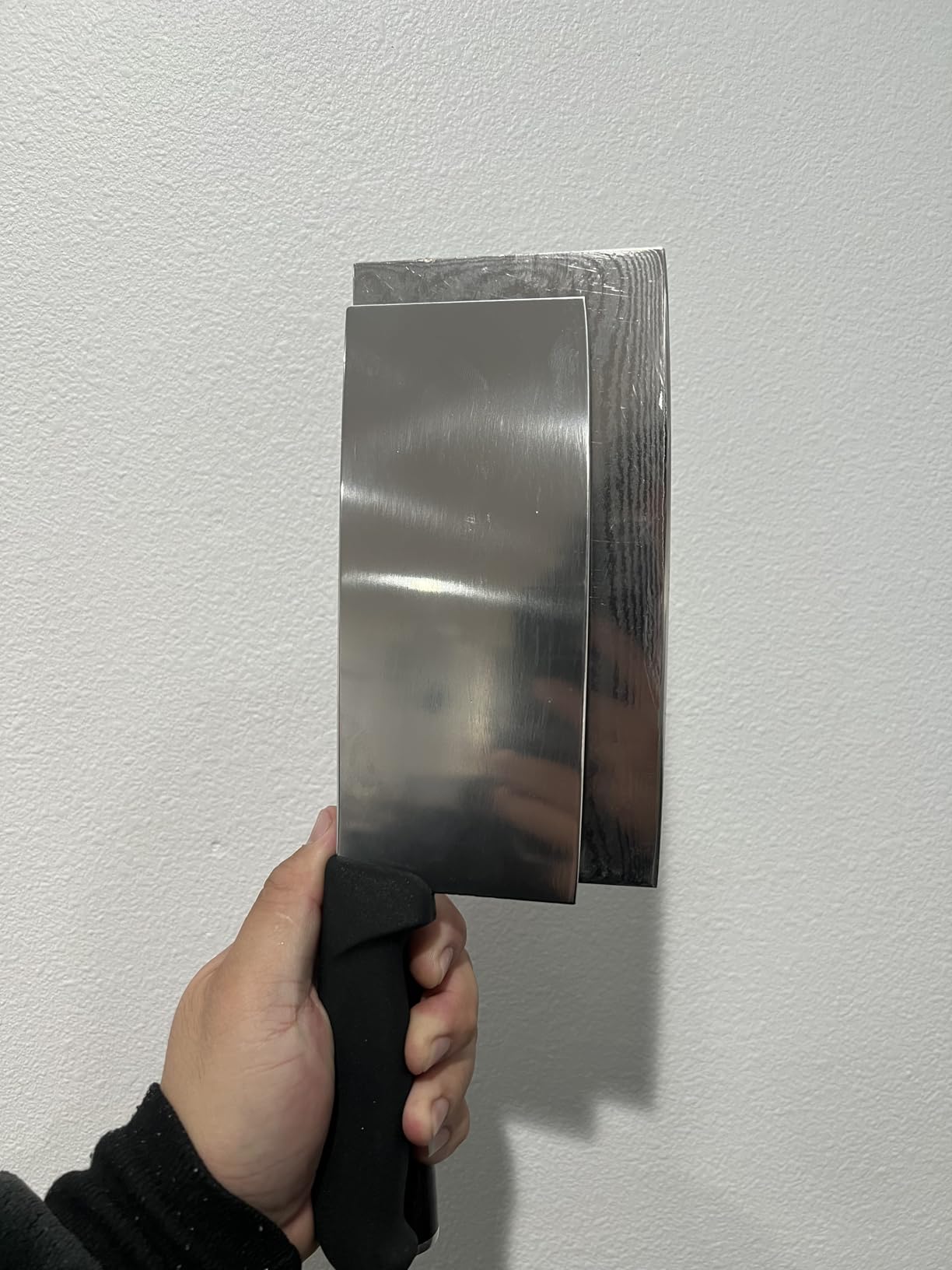
The Victorinox is the only knife in this lineup I would let near a dishwasher, and that alone makes it the practical choice for a lot of households. The Swiss stainless steel and Fibrox thermoplastic handle shrug off neglect that would ruin a wood-handled blade in months.
Do not let the friendly price fool you about the performance. The straight edge arrived sharp, the balance point sits right at the bolster, and it handled everything from herb prep to slicing pork shoulder for stir-fry without complaint.
The Fibrox handle is the same design Victorinox puts on its legendary chef knives, and it earns its reputation. Wet, oily, soapy hands all get the same confident grip, which matters when you are moving fast.
Know its lane, though. It is lighter than a traditional cleaver and not built for heavy bone chopping. Users also note it spots if you leave it wet, so a quick towel-dry is still good manners.
Who should buy the Victorinox
Cooks who want zero-maintenance reliability and dishwasher convenience. It is also a smart pick for shared kitchens, vacation homes, and anyone replacing a cheap supermarket knife with something genuinely good.
Who should skip it
If you want the thin, laser-like cutting feel of a true cai dao, this blade runs a bit thicker and softer. It is a workhorse, not a scalpel.
7. ZWILLING Twin Signature 7 inch Chinese Vegetable Cleaver – Best Premium Edge Retention
ZWILLING Twin Signature 7-inch Chinese Vegetable Cleaver, Razor-Sharp, Made in Company-Owned German Factory with Special Formula Steel perfected for almost 300 Years, German Knife
7 inch blade
Ice-hardened FRIODUR steel
57 Rockwell
10 oz
Full tang polymer handle
+ The Good
- Ice-hardened FRIODUR blade stays sharp for months
- 15 degree per side edge
- Ergonomic polymer handle bonded to full tang
- Lifetime warranty and Made in Germany pedigree
- The Bad
- Stock runs low frequently
- A few buyers received a model differing from the listing
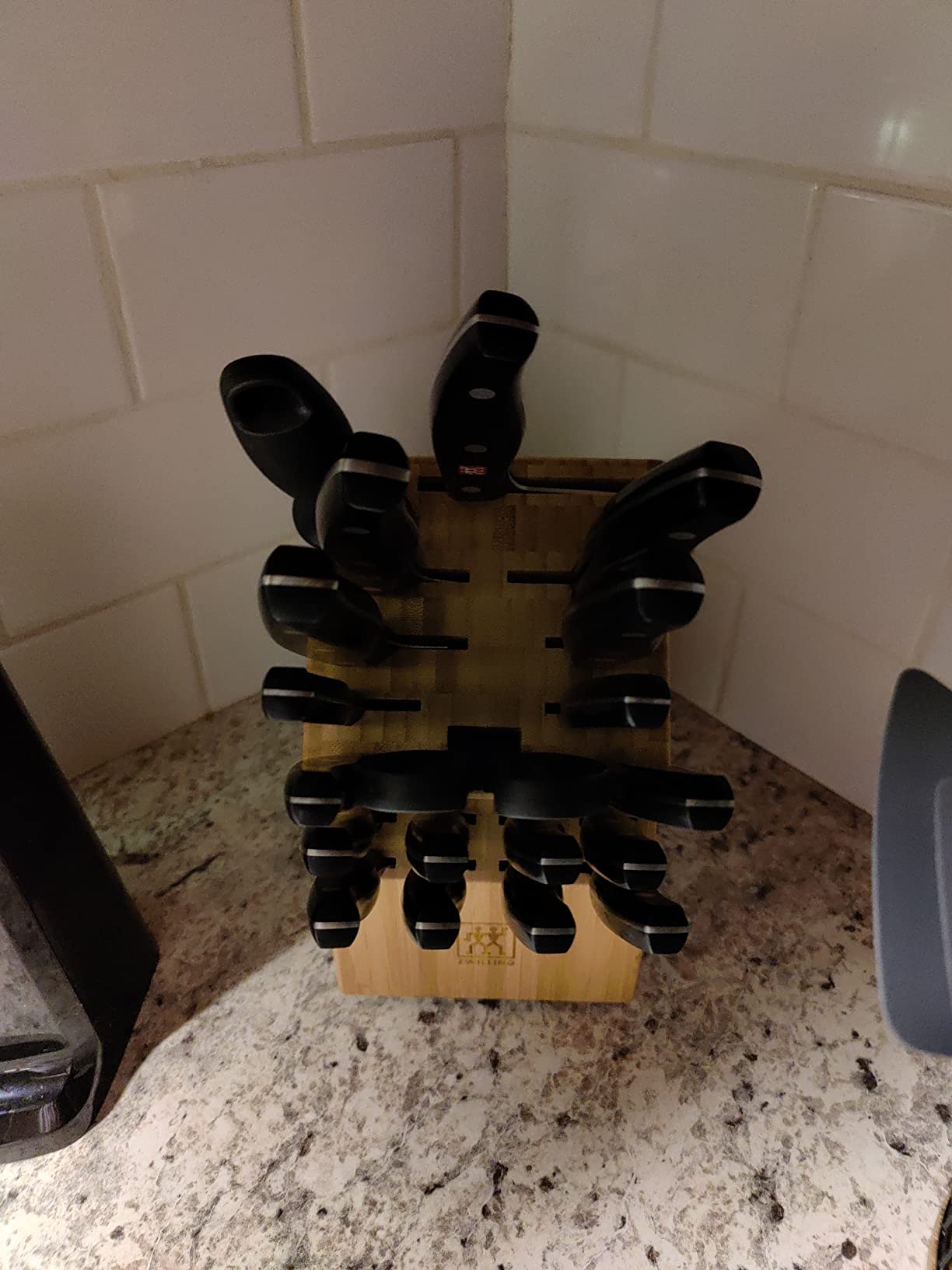
The ZWILLING Twin Signature is the knife that converted me on German cai dao. The ice-hardened FRIODUR blade sits at 57 Rockwell with a 15-degree-per-side edge, and in my testing it went months of regular home use before I felt any real decline in sharpness. That is class-leading edge retention for this format.
ZWILLING has been making knives in Solingen since 1731, and it shows in details like the polymer handle bonded directly to the full tang. There is no rattle, no flex, and no wobble, just a planted, confident feel.
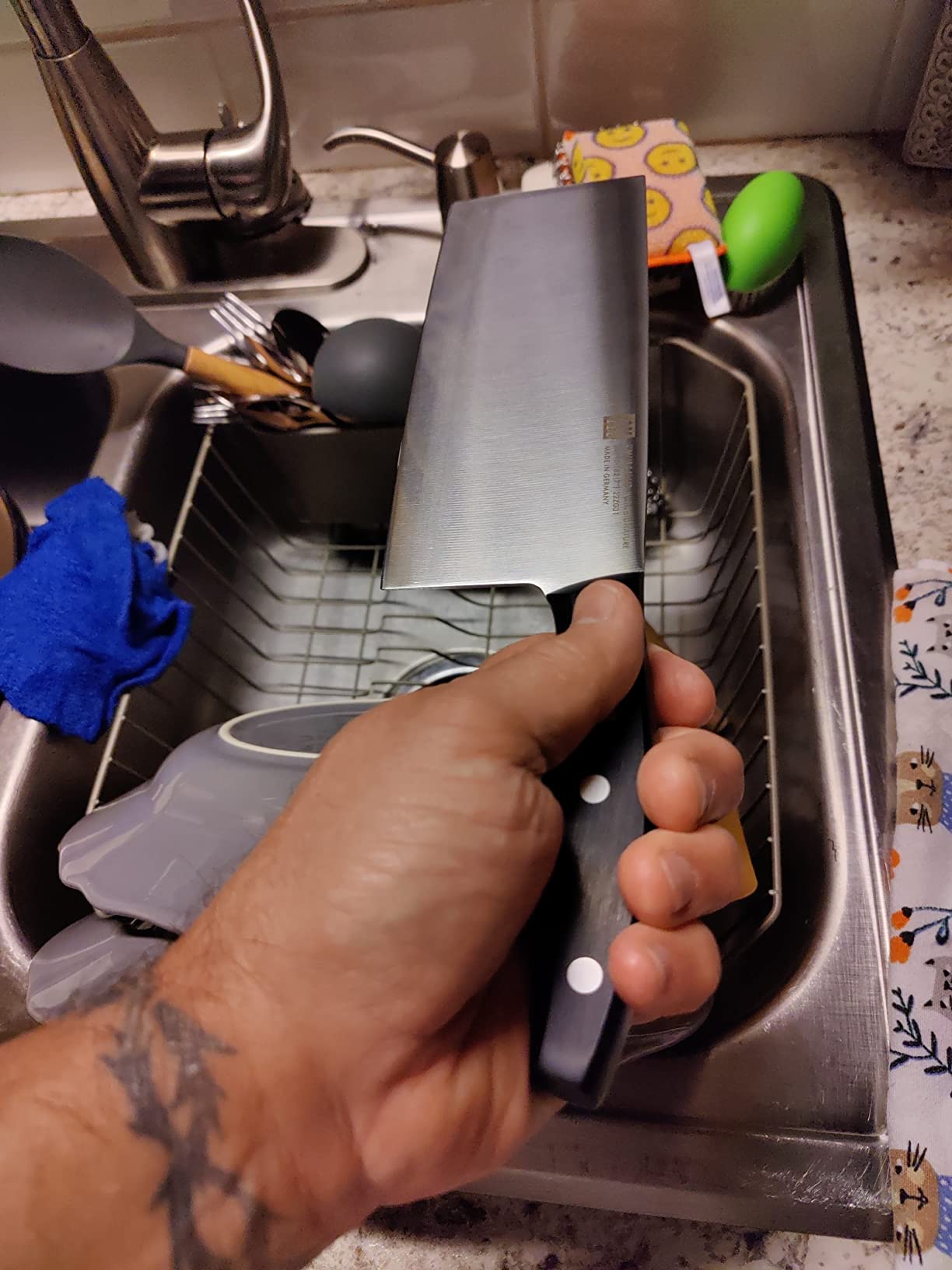
Performance-wise, this is a true vegetable cleaver. It push-cuts scallions cleanly, dices onions without tearing, and glides through boneless proteins. The balance is exceptional, which matters when you are doing high-volume prep for a family.
Two practical warnings. Stock is genuinely limited, so if you want one, do not sit on the decision. And a handful of buyers reported receiving a slightly different model than listed, so double-check the product details on arrival.
Who should buy the ZWILLING
Cook who want premium edge retention and German build quality with a lifetime warranty backing it. It is the rational upgrade pick if you already love using a cai dao.
Who should skip it
If you are still deciding whether a Chinese cleaver suits you, start cheaper with the TUO or PAUDIN and upgrade later. No point paying premium prices for a blade shape you might not click with.
8. Wusthof 7 inch Chinese Chef’s Knife – Best Lightweight Precision
WÜSTHOF 7″ Chinese Chef’s Knife
7 inch blade
High carbon stainless steel
8.96 oz
POM handle
Made in Solingen, Germany
+ The Good
- Feather-light at under 9 ounces for precision work
- Extremely sharp out of the box
- Corrosion and dulling resistant steel
- Seven generations of Solingen craftsmanship
- Limited lifetime warranty
- The Bad
- Premium price point
- Some users with small hands found it too big
- Not for heavy bone work
The Wüsthof is the featherweight of this lineup at 8.96 ounces, and that lightness is its whole personality. Where heavier cleavers feel planted, this one feels precise: it is the knife I grab for fine herb work, paper-thin radish slices, and anything where control beats momentum.
The edge arrives razor sharp, as you would hope at this price, and the high-carbon stainless steel is formulated to resist both corrosion and dulling. Wüsthof has been family-run in Solingen for seven generations, and the fit and finish here are flawless.
The POM handle is dense, sealed, and shaped for a pinch grip. Some reviewers note it is not quite as perfectly balanced as Wüsthof’s larger Classic line, and I agree slightly, but for vegetable-forward prep I never found it tiring.
Be honest with yourself about fit before buying. A few users with smaller hands found the overall size too big, which is a common complaint across full-size cai dao. And like everything else on this list, it is a slicer, not a bone-breaker.
Who should buy the Wusthof
Cook who do detail work and want the lightest, most precise premium cai dao available. It is also the nicest gift on this list, full stop.
Who should skip it
Budget hunters and anyone who prefers a heavier, momentum-driven blade should look elsewhere. You are paying a premium for the name and the refinement, not raw cutting power.
How to Choose the Best Chinese Cleaver
Picking the right cai dao comes down to four decisions, and none of them are complicated once you know what to weigh.
Carbon steel vs stainless steel
Carbon steel takes a screaming edge and is easier to sharpen, but it rusts and develops patina if you so much as blink at it wrong. Stainless and high-carbon stainless resist corrosion and need far less care, at a small cost in ultimate sharpness. Every knife in this list is stainless or high-carbon stainless for exactly that reason: for most home cooks, low maintenance beats the last 5% of sharpness.
If you do go carbon later, the forum wisdom is consistent: wipe the blade dry between tasks, hand-wash and dry immediately after use, and rub on a drop of tsubaki oil before storage. Users on r/chefknives also warn that handles on some carbon blades, like the classic CCKs, trap water where the blade enters the wood, so dry that joint carefully.
Blade length and weight
Seven inches is the sweet spot for most home cooks, and it is no coincidence that every knife here lands there. Smaller blades around 6 to 6.8 inches suit small hands and tight cutting boards, while 8-inch-plus blades cover professional volume but feel unwieldy for beginners. Weight-wise, expect roughly 9 to 12 ounces: lighter for precision, heavier for authority through dense vegetables.
Handle comfort and material
Blocky handles cause fatigue, and this is one of the most repeated complaints in forum threads. Wood and pakkawood look great but need hand drying; Santoprene and polymer handles like the Mercer and Victorinox shrug off water and grip better when wet. If you cook with wet hands a lot, prioritize grip texture over aesthetics.
Cutting board compatibility
Nobody talks about this and everybody should: glass and stone cutting boards will destroy a thin cleaver edge in weeks. Use end-grain wood, edge-grain wood, or soft plastic boards. This came up repeatedly in Reddit discussions, with users baffled why their new knife went dull instantly, and the answer was almost always a glass board.
Care basics that apply to every pick
Hand wash even the dishwasher-safe Victorinox if you want the edge to last, and dry immediately. Hone regularly with a few passes on a ceramic rod, and learn to push-cut rather than rock the blade, since cai dao geometry is built for straight up-and-down cuts.
Frequently Asked Questions
Is a Chinese cleaver worth it?
Yes, for most cooks a Chinese cleaver is absolutely worth it. A good cai dao replaces a chef knife, santoku and nakiri for vegetable and boneless-meat prep, costs less than a single premium chef knife, and its thin geometry makes push-cutting vegetables noticeably faster and cleaner.
What is the best cleaver on the market?
The TUO Fiery Phoenix 7 inch cleaver is the best overall pick for most home cooks, with German steel, a full tang and nearly 20,000 reviews at 4.7 stars. For premium buyers, the Wusthof 7 inch Chinese Chef’s Knife offers the lightest, most refined cutting experience, while the ZWILLING Twin Signature leads on edge retention.
What are Chinese cleavers good for?
Chinese cleavers excel at slicing, chopping and mincing vegetables, herbs, fruits and boneless meats using a push-cutting motion. They are precision slicing tools, not bone-crushing meat cleavers, and should not be used on hard bones, frozen food or squash shells.
What is the best Chinese cleaver on Amazon?
The TUO Fiery Phoenix 7 inch vegetable cleaver is the top Amazon pick, ranking in the bestsellers for Chinese chef knives with a 4.7-star average from almost 20,000 reviews. The PAUDIN 7 inch nakiri cleaver is the strongest budget option with nearly 5,000 reviews at 4.6 stars.
Final Verdict on the Best Chinese Cleavers
The best chinese cleavers in 2026 cover a wide spread of budgets and priorities, and my top recommendation is the TUO Fiery Phoenix for its proven 4.7-star track record and do-everything design. The SYOKAMI is the value play, the imarku and ZWILLING win on edge retention, and the Wüsthof is the lightweight precision king.
Whichever you choose, pair it with a wood or plastic cutting board, keep it away from bones, and dry it after every wash. Do that, and any knife on this list will handle your daily prep for years to come.