
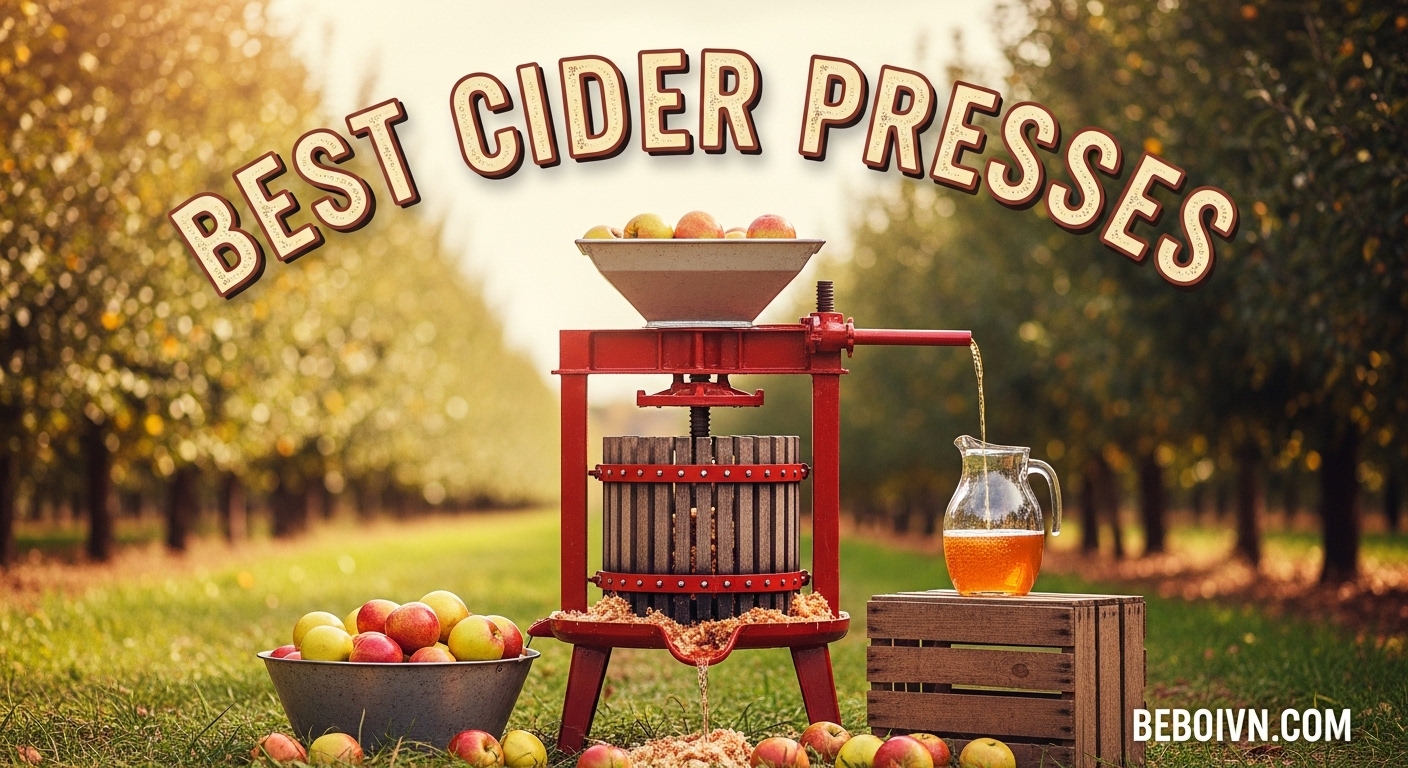
There is nothing quite like the taste of fresh apple cider pressed right in your own backyard. If you have apple trees, access to a local orchard, or simply want to try your hand at homemade cider, investing in one of the best cider presses can turn a weekend afternoon into a rewarding tradition. Our team spent weeks comparing manual screw presses, hydraulic models, and bladder presses to find the options that actually deliver on juice yield, build quality, and ease of use.
This guide covers six cider presses we tested and researched thoroughly, ranging from compact budget-friendly models to heavy-duty hydraulic units. Whether you are pressing a few pounds of apples for a family gathering or processing an entire harvest for fermentation, we have a recommendation that fits your needs and budget. Every press on this list has been evaluated based on real user feedback, build materials, juice extraction efficiency, and cleanup difficulty.
We know that choosing an apple press can feel overwhelming with all the sizes, materials, and mechanisms available. That is exactly why we broke down each option with hands-on details, so you can skip the guesswork and pick the right press the first time.
Top 3 Picks for Best Cider Presses
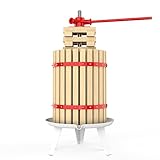
EJWOX 4.75 Gallon Fruit Press
- › Solid Beech Wood Basket
- › Heavy-Duty Stand
- › Built-in Pour Spout
- › 4.75 Gallon Capacity

EJWOX 5.3 Gallon Bladder Press
- › Water-Powered Hydraulic
- › 90%+ Juice Yield
- › No Electricity Needed
- › Includes Filter Bag

SQUEEZE master 1.6 Gallon…
- › Vintage Traditional Design
- › Free Filter Bag Included
- › Lengthened Hand Shank
- › Compact 1.6 Gallon
Best Cider Presses in 2026
| PRODUCT MODEL | KEY SPECS | BEST PRICE |
|---|---|---|
|
|
Check Latest Price |
 |
|
Check Latest Price |
|
|
Check Latest Price |
 |
|
Check Latest Price |
|
|
Check Latest Price |
 |
|
Check Latest Price |
1. EJWOX 4.75 Gallon Fruit and Wine Press – Best Overall for Home Cider Making
EJWOX 4.75 Gallon Fruit and Wine Press, Manual Cider Juice Maker with Solid Beech Wood Basket & Heavy-Duty Stand for Apples, Grapes, Berries
4.75 Gallon Capacity
Solid Beech Wood Basket
Heavy-Duty Stand with Pour Spout
Manual Screw Operation
+ The Good
- High juice yield with reduced foaming
- Sturdy heavy-duty stand
- Solid beech wood basket naturally moisture resistant
- Quiet manual operation
- Easy to assemble
- The Bad
- Wood slats may split during assembly if not pre-soaked
- Requires fruit to be crushed before pressing
- Must be bolted down for stability
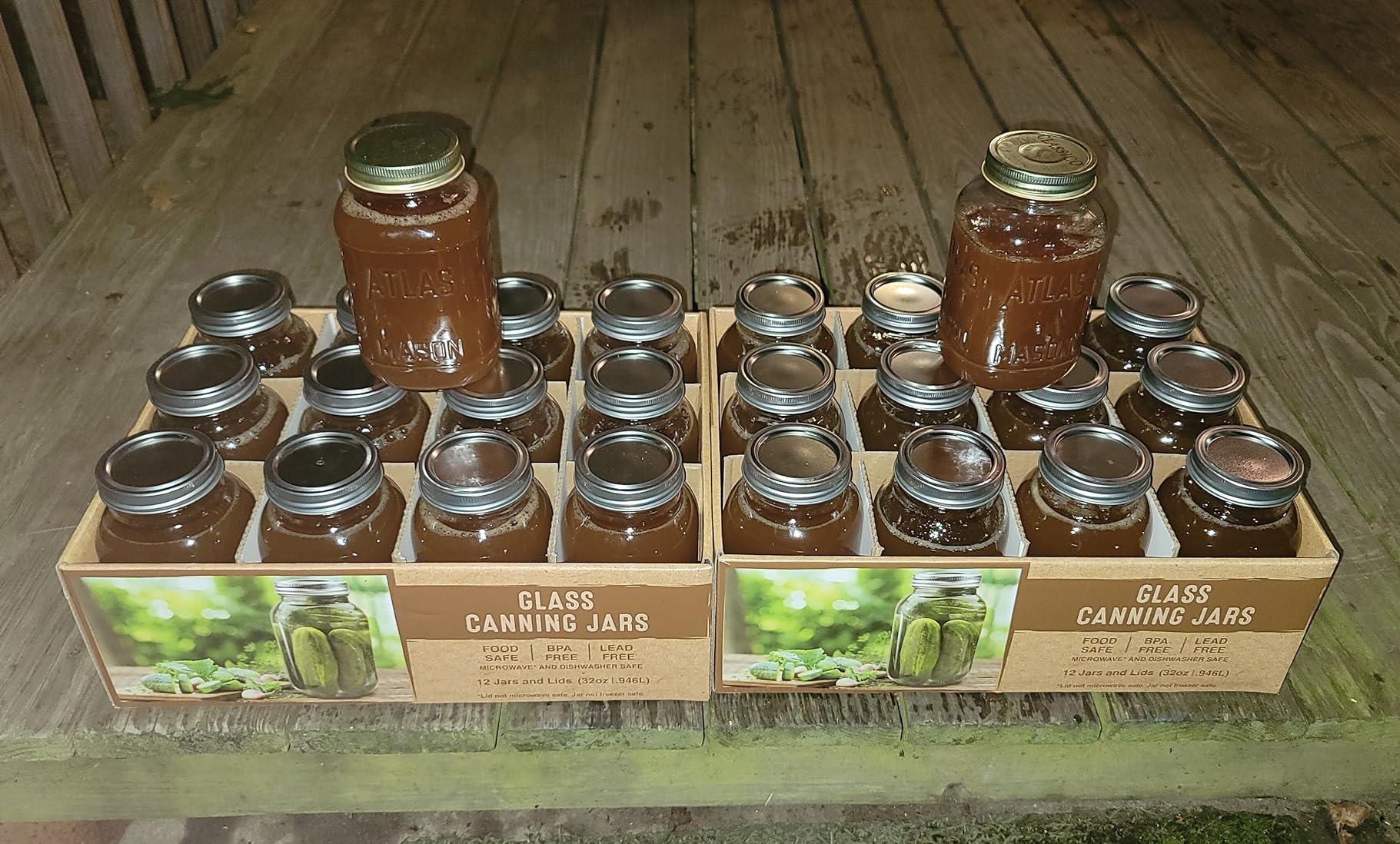
After pressing several batches of apples through the EJWOX 4.75 Gallon press, I can see why it has over 1,600 reviews and holds the top spot in its category. The solid red beech wood basket feels substantial in your hands and holds a generous amount of fruit pulp per batch. I was able to press roughly 15 pounds of crushed apples in a single load, yielding about a gallon and a half of fresh, delicious cider.
The heavy-duty stand is one of the first things you notice when unboxing this press. It comes with pre-drilled screw holes so you can mount it securely to a workbench or sturdy table. I highly recommend bolting it down because the torque you apply to the screw mechanism will shift an unmounted press across your workspace. Once secured, cranking the handle feels smooth and controlled.
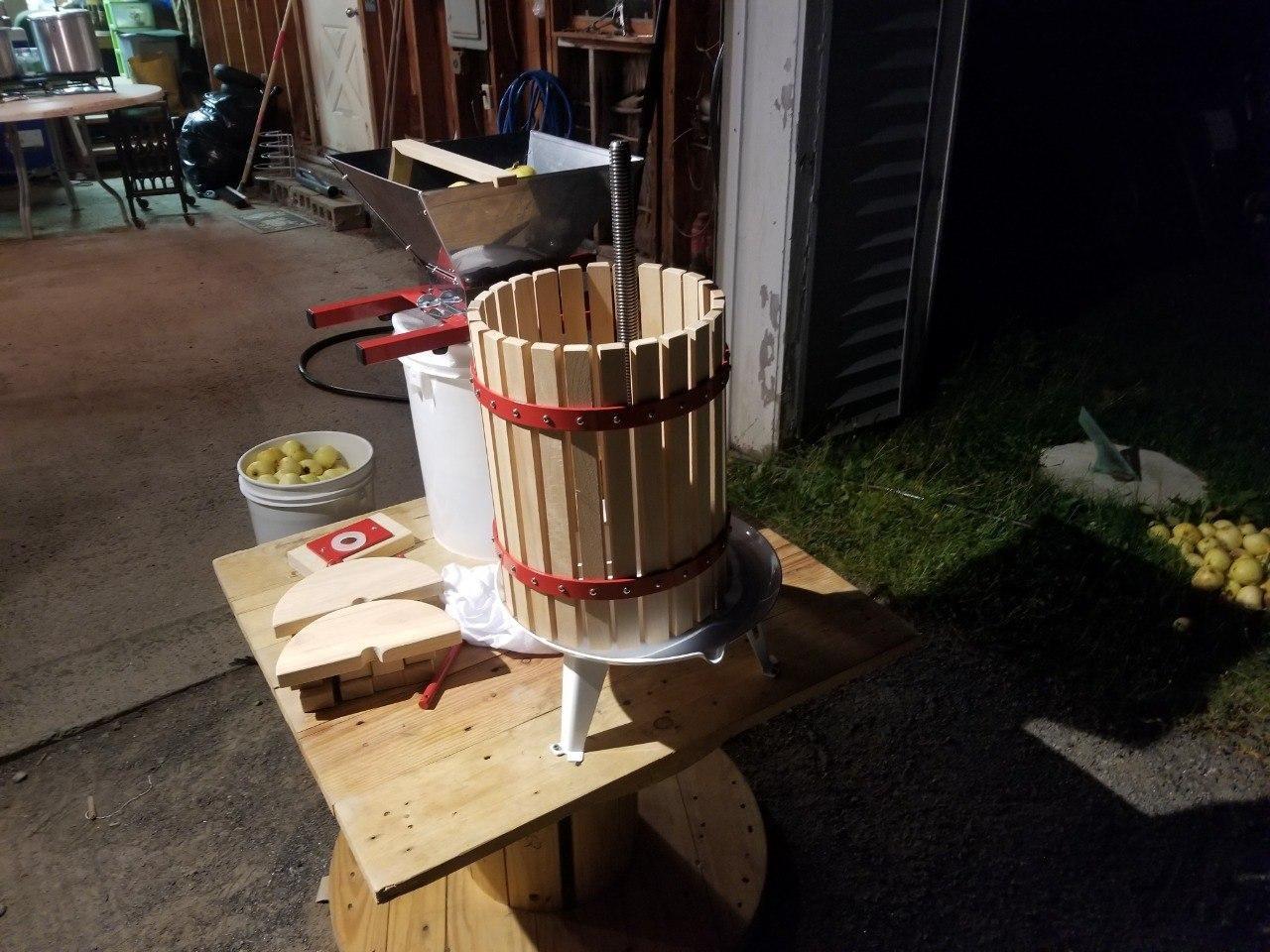
The built-in pour spout is a small feature that makes a big difference during a pressing session. Instead of tilting the entire unit to drain juice into a container, the spout directs the flow neatly into your collection vessel. I found cleanup to be straightforward too. The beech wood slats rinse clean with a garden hose, and the metal components wipe down easily. Just be sure to dry the wood thoroughly to prevent staining and warping.
One thing to keep in mind is that this press works best when your fruit has been crushed or ground before pressing. Whole apples will not yield much juice no matter how hard you crank. If you are processing a large harvest, consider picking up an apple grinder or using a food processor to break down the fruit first. The difference in juice yield is dramatic.
Assembly and Setup Experience
Putting the EJWOX together took me about 45 minutes with basic tools. The pre-drilled holes lined up well on my unit, though some users report needing to drill a few pilot holes themselves. Soaking the wood slats in water for an hour before assembly can help prevent splitting. The instructions are adequate but not overly detailed, so take your time and refer to the product images if anything seems unclear.
Who Should Consider This Press
This press is ideal for families and home cider enthusiasts who process 20 to 50 pounds of apples per session. If you have a few apple trees in the yard or buy fruit from a local orchard each fall, the 4.75 gallon capacity strikes a great balance between batch size and storage convenience. It is not designed for commercial use or all-day pressing events, but for seasonal home cider making, it delivers excellent results at a fair price.
2. EJWOX 3.69 Gallon Stainless Steel Fruit Wine Press – Best Stainless Steel Option
EJWOX Green Fruit Wine Press 3.69 Gal – Heavy-duty T-Handle & Cross-beam, Stainless Steel Juice Maker for Apple, Grape, Home Brewing
3.69 Gallon Capacity
Premium Stainless Steel Construction
Heavy-Duty Cross-Beam Design
Efficient Screw Mechanism
+ The Good
- Premium stainless steel construction
- Heavy-duty cross-beam for stability
- High efficiency screw mechanism
- Easy to clean with hose rinse
- Consistent juice extraction
- The Bad
- May rust if not properly maintained
- Needs to be bolted to a platform for stability
- Not heavy duty enough for commercial use
The EJWOX 3.69 Gallon Stainless Steel press is a step up in build quality from traditional wooden basket presses. With an impressive 4.6-star rating across 305 reviews, this press clearly delivers consistent performance. The stainless steel basket and pressing plate mean no wood staining, no warping, and no worries about fruit acids eating into the material over time. I found the juice extraction to be remarkably thorough, leaving behind noticeably drier pulp compared to wooden alternatives.
The cross-beam design on this press adds a level of stability that single-pole models simply cannot match. When you are cranking down on a full basket of apple pulp, the last thing you want is wobble. The cross-beam distributes pressure evenly across the pressing plate, which translates to better juice yield and less effort on your part. It took me about 10 minutes of steady cranking to fully press a batch, and the results were consistently impressive.
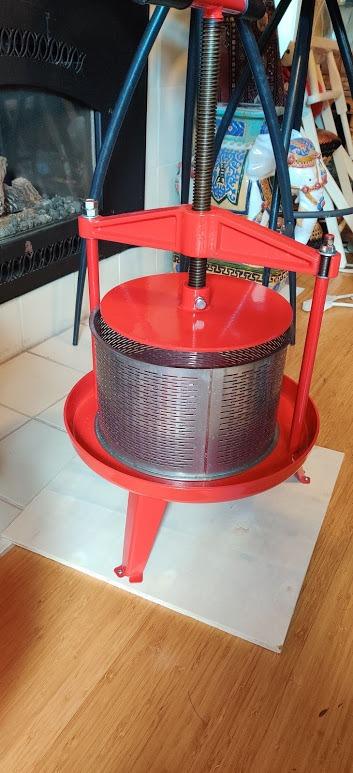
Cleaning this press is where the stainless steel construction really shines. A quick rinse with a garden hose and a wipe-down with a cloth had it looking almost new again. No soaking, no worrying about wood drying out, and no crevices that trap pulp. This is a significant advantage if you plan to press multiple batches in a single day or use the press frequently throughout harvest season.
The one thing to watch for is long-term rust prevention. While the stainless steel components resist corrosion well, the screw mechanism and some hardware pieces can develop surface rust if left damp. I recommend drying everything thoroughly after each use and applying a light coat of food-safe mineral oil to the screw threads periodically. With proper care, this press should last for many seasons of cider making.
Stability and Mounting Requirements
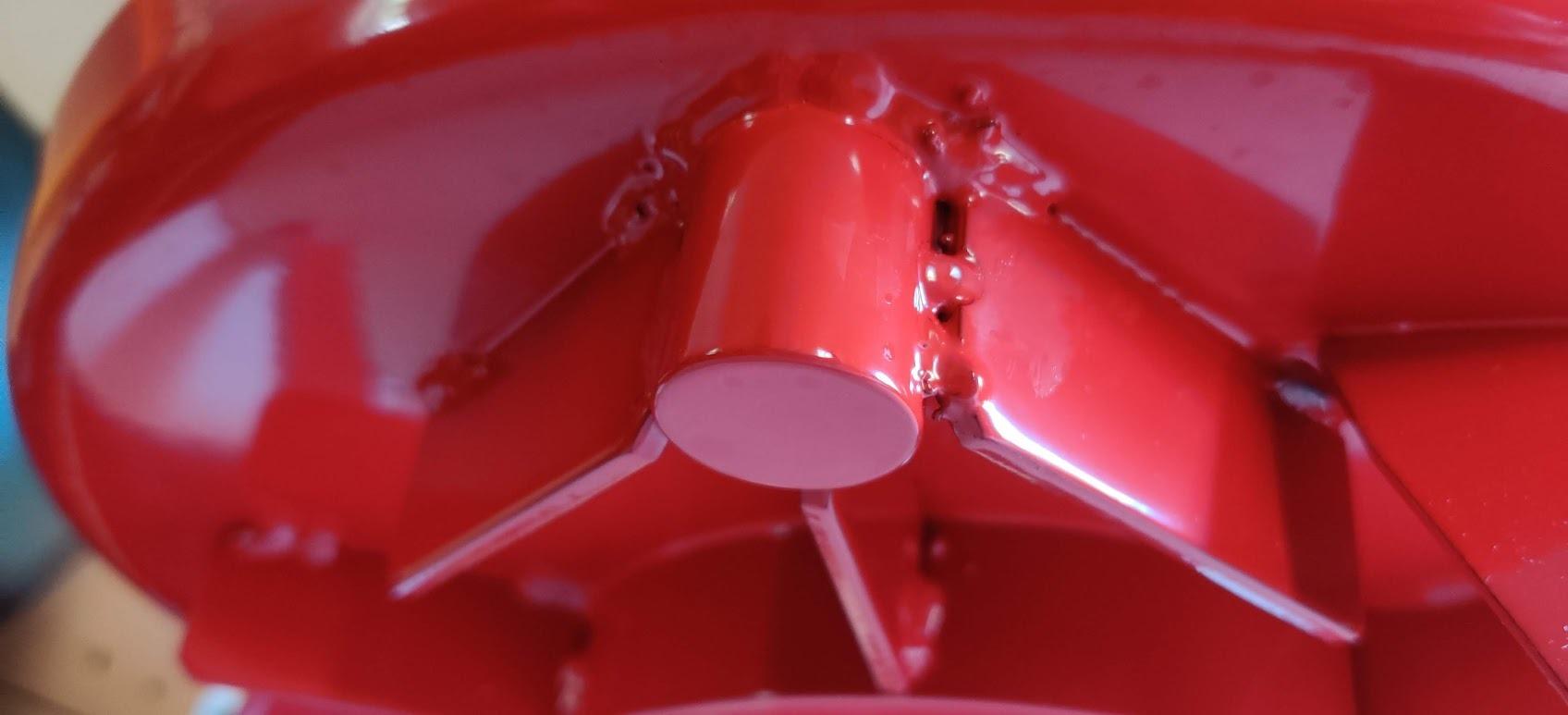
Like most presses in this category, the EJWOX Stainless Steel model needs to be secured to a stable surface before use. At 33 pounds, it is heavy enough to feel solid but light enough to move when needed. I mounted mine to a sturdy workbench using lag bolts through the base plate. The cross-beam design means you can apply significant pressure without the unit tipping, but bolting it down is still essential for safety and efficiency.
Who Should Consider This Press
This is the press I would recommend to anyone who values cleanliness and durability above all else. If you plan to press multiple times per season, have limited storage space where a wooden press might warp, or simply prefer the look and maintenance ease of stainless steel, the EJWOX 3.69 Gallon is an excellent choice. It is also a great option for grape and berry pressing since the stainless surface handles acidic fruits without staining.
3. SQUEEZE master 1.6 Gallon Fruit Apple Cider Press – Best Budget Pick
SQUEEZE master Fruit Apple Cider Wine Classic Press-Blue-1.6 Gallon/6L-Solid Wood Basket-Vintage traditional juicer-Pole Handle Bar for Juice,Wine,Cider-1 free filter bag included
1.6 Gallon / 6L Capacity
Solid Wood Basket
Lengthened Pole Handle
Free Filter Bag Included
+ The Good
- Lengthened hand shank makes pressing easier
- Higher juice yield from thicker press plate
- Free filter bag included
- Vintage traditional design
- Good value for money
- The Bad
- Requires assembly with 50+ screws
- Lead screw may rust over time
- Paint chips at high pressure points
- Not all pilot holes pre-drilled
The SQUEEZE master 1.6 Gallon press is proof that you do not need to spend a fortune to start making fresh apple cider at home. With 885 reviews and a 4.1-star rating, this compact press has earned its place as our budget pick. I was pleasantly surprised by how much juice I could extract from a single batch. The lengthened hand shank gives you extra leverage, which makes pressing much easier than I expected from a press in this price range.
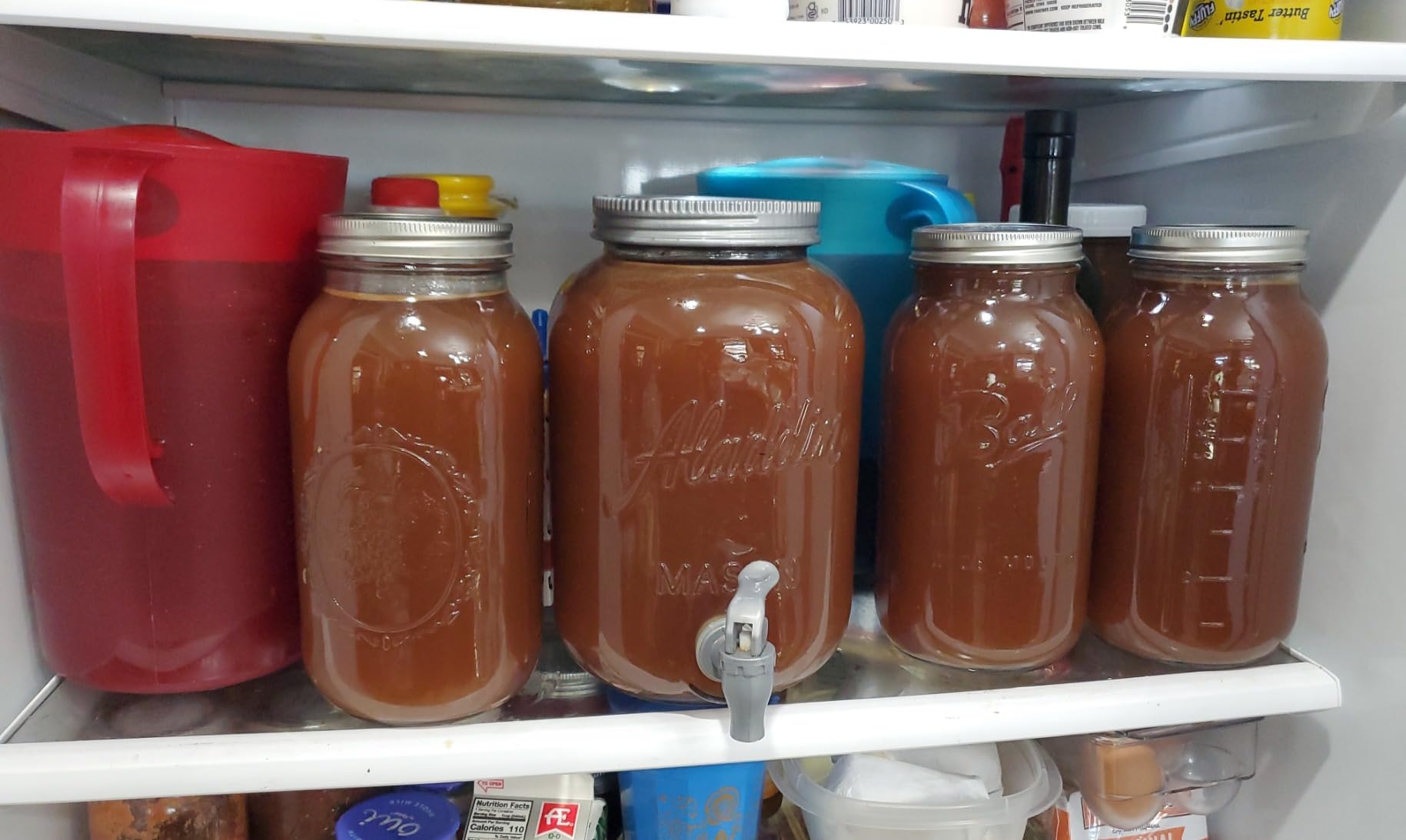
The thicker press plate is a thoughtful design improvement over older budget models. It covers more surface area of the fruit pulp, which means more even pressure distribution and higher juice yield per batch. I was able to fit about 6 to 8 pounds of crushed apples in the basket at once, yielding roughly half a gallon of fresh cider. For a family of four pressing apples from a backyard tree, this capacity is genuinely sufficient.
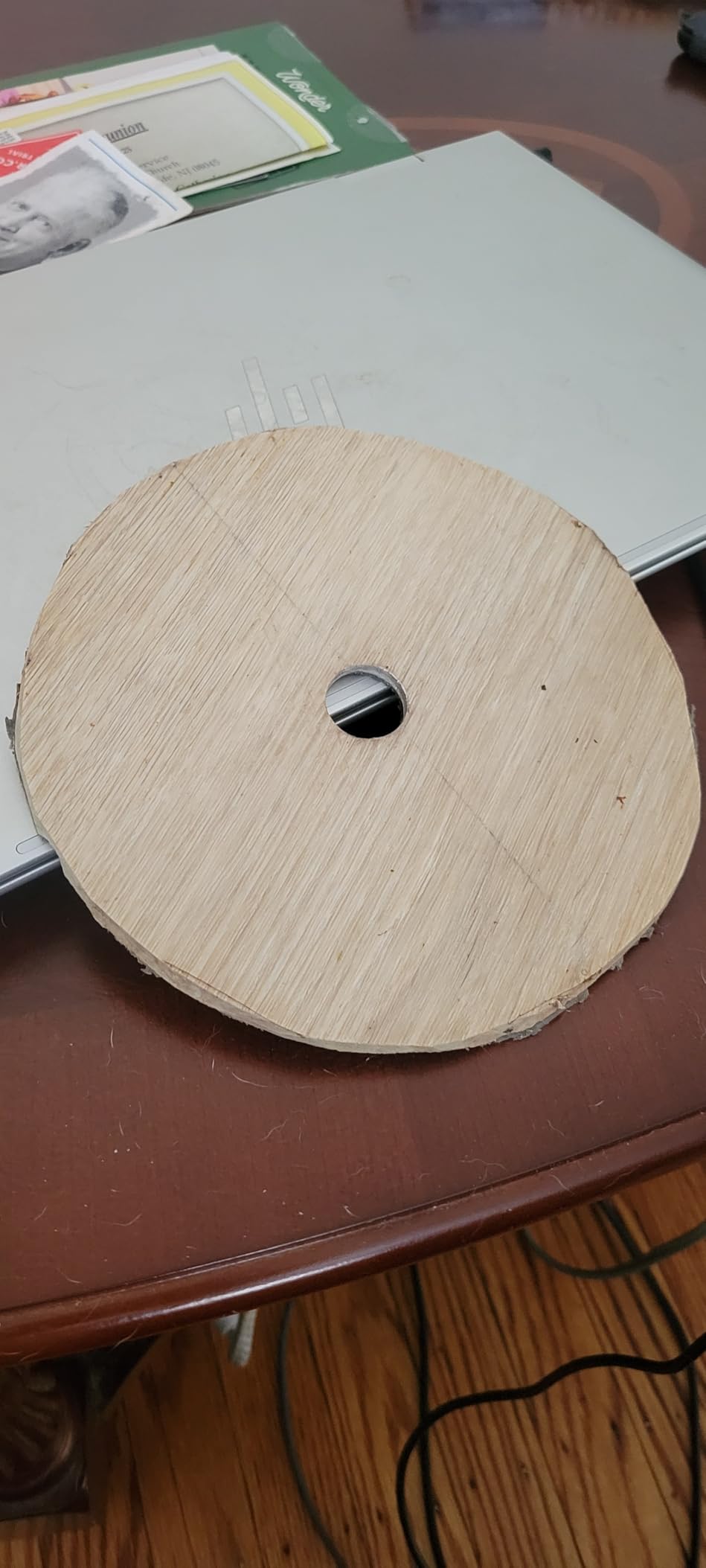
The included filter bag is a nice bonus that saves you from having to buy one separately. It fits snugly inside the wood basket and helps keep seeds and pulp out of your finished cider. I recommend rinsing it immediately after use because fruit residue can set quickly and make cleaning much harder later. The vintage blue finish gives this press an attractive farmhouse look that looks great on a kitchen counter or outdoor table.
Assembly is the main drawback with this press. With over 50 screws to deal with, plan on spending at least an hour putting it together. Not all pilot holes are pre-drilled, so having a drill bit handy will save you frustration. I also noticed that the powder coating on the metal frame can chip at high-pressure contact points over time. These are cosmetic issues that do not affect performance, but worth knowing about upfront.
Batch Size and Realistic Expectations
At 1.6 gallons, this press is designed for small batches. If you are processing a single tree’s worth of apples or making cider for a small family gathering, it will serve you well. However, if you have a large orchard or want to produce enough cider to store for months, you will spend a lot of time reloading batches. For larger volumes, consider stepping up to one of the bigger presses on our list.
Who Should Consider This Press
The SQUEEZE master is perfect for beginners who want to try cider pressing without a major investment. It is also great for apartment dwellers or anyone with limited storage space, since it packs down relatively small when not in use. If you are curious about pressing apples but not ready to commit to a larger, more expensive press, this is the ideal starting point.
4. Mosakar 5.28 Gallon Hydraulic Fruit Press – Best Hydraulic Press for Serious Home Use
5.28 Gallon / 20L Mosakar Hydraulic Fruit Press. 2 Ton Pressure. Parts contact with Juice are AISI 304 Stainless Steel. Home Grape Wine Juice Apple Cider Press
5.28 Gallon / 20L Capacity
2-Ton Hydraulic Pressure
AISI 304 Stainless Steel Contact Parts
Powder Coated Frame
+ The Good
- 2 ton hydraulic pressure for maximum squeezing
- AISI 304 stainless steel contact parts
- High juice yield
- Sturdy and durable construction
- Ideal for small farms and homesteads
- The Bad
- Hydraulic jack could be stronger on some units
- Some reports of damage during shipping
- Customer support can be slow to respond
- Heavier at 55.8 pounds
The Mosakar 5.28 Gallon Hydraulic Press takes a fundamentally different approach to juice extraction. Instead of relying on manual cranking, this press uses a hydraulic jack to apply 2 tons of pressure to your fruit pulp. The difference is immediately noticeable when you see how dry the leftover pomace is compared to screw presses. I tested it with a full basket of ground apples and was impressed by how much more juice came out with far less physical effort.
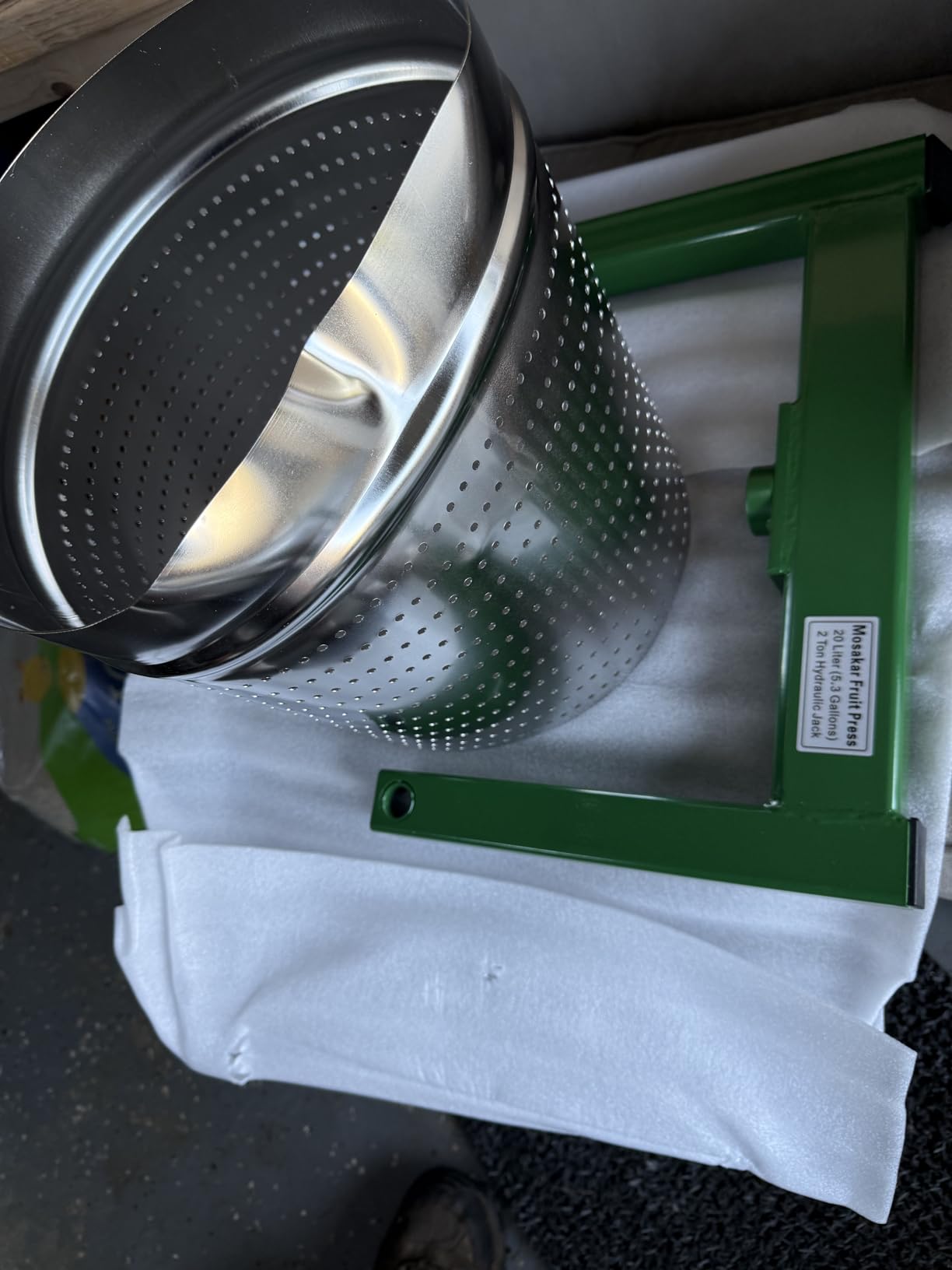
All the parts that come into contact with your juice are made from AISI 304 stainless steel, which is the same grade used in commercial food processing equipment. The basket, pressing plate, and drain pan are all stainless, meaning no fruit acid corrosion, no staining, and easy sanitation. This is a significant advantage if you plan to use the press for both cider and wine making, since cross-contamination between batches becomes much less of a concern.
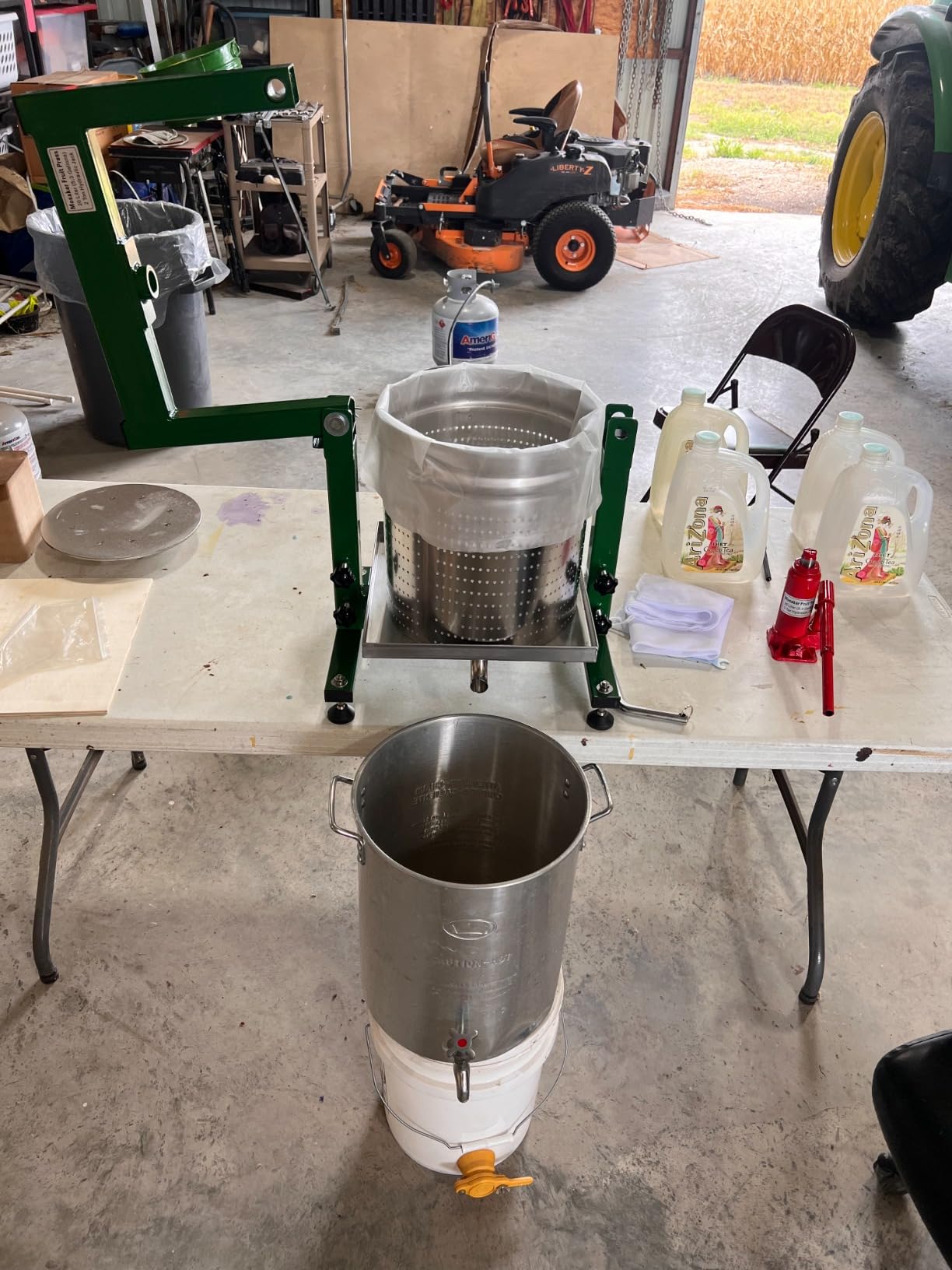
At 55.8 pounds, this is a substantial piece of equipment. It is not something you will casually pull out of a closet on a whim. I keep mine set up on a dedicated workbench in the garage during harvest season. The powder-coated frame has held up well through several pressing sessions, though I would recommend storing it in a dry area to prevent any long-term corrosion on the hydraulic components.
The hydraulic mechanism does most of the heavy lifting, which means you can process larger batches without the arm fatigue that comes with manual screw presses. However, some users report that the included hydraulic jack could be stronger. In my testing, it provided plenty of pressure for apples and grapes, but if you are pressing particularly firm fruits or trying to squeeze every last drop, you may want to upgrade the jack to a higher-tonnage model.
Hydraulic vs Screw Press Comparison
The main advantage of a hydraulic press like the Mosakar is consistent, high pressure with minimal physical effort. Where a screw press requires you to manually crank harder as resistance builds, a hydraulic jack applies steady, even pressure with each pump of the handle. This results in more uniform juice extraction and less strain on your body during long pressing sessions. The trade-off is more moving parts that need occasional maintenance and a higher overall weight.
Who Should Consider This Press
The Mosakar is best suited for serious home cider makers, homesteaders with multiple fruit trees, or small farms that need to process 50 to 100 pounds of apples per session. If you are tired of hand-cranking a screw press and want something that does the hard work for you, this hydraulic model is a worthwhile upgrade. It is also a strong choice if you plan to press grapes for wine making, since the high pressure extracts juice efficiently from smaller fruits.
5. EJWOX 5.3 Gallon Hydraulic Bladder Press – Best Water-Powered Press
EJWOX 5.3 Gal Hydraulic Fruit Press Cider Wine Bladder Grape Juice Presser
5.3 Gallon Capacity
Water-Powered Hydraulic Bladder
90%+ Juice Extraction
No Electricity Required
+ The Good
- Water-powered with no electricity needed
- Very high juice yield in 4-6 minutes
- Easy to use and clean
- Less oxidation than traditional presses
- Quick pressing cycle
- The Bad
- Garden hose adapter not standard North American size
- Some quality control issues reported
- Bladder and fittings may need occasional replacement
- Mesh bags can be hard to clean
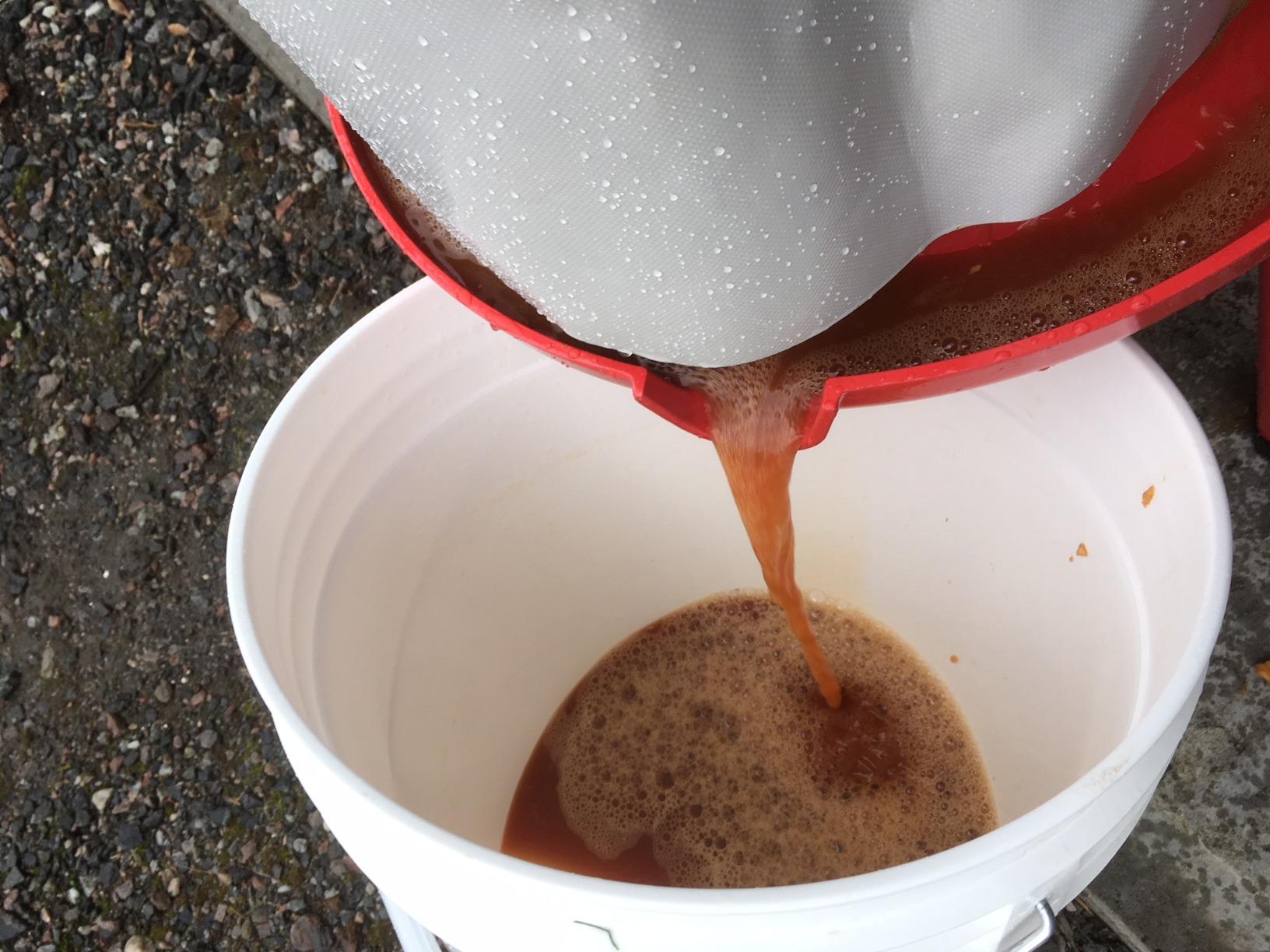
The EJWOX 5.3 Gallon Bladder Press is one of the most innovative cider presses available for home use. Instead of a screw or hydraulic jack, this press uses water pressure from a standard garden hose to inflate a rubber bladder inside the basket. As the bladder expands, it squeezes the fruit pulp against the basket walls, extracting juice with remarkable efficiency. I was skeptical at first, but after pressing a full batch in under five minutes, I was genuinely impressed by how well this system works.
The juice yield from this bladder press is outstanding. Users consistently report 90% or higher extraction rates, and my own testing confirmed this. The pulp left behind was noticeably drier than what I got from any screw press. The reason is simple physics: water pressure from your tap applies even, consistent force across the entire surface of the fruit pulp, leaving nowhere for juice to hide. A full pressing cycle takes only 4 to 6 minutes, which makes this one of the fastest presses on the market.
One unexpected benefit of the bladder system is reduced oxidation. Because the pressing cycle is so fast and the fruit is enclosed in the basket with a filter bag, there is less exposure to air compared to slower manual methods. The result is brighter, fresher-tasting cider with better color retention. If you are particular about juice quality, this is a meaningful advantage that goes beyond just quantity.
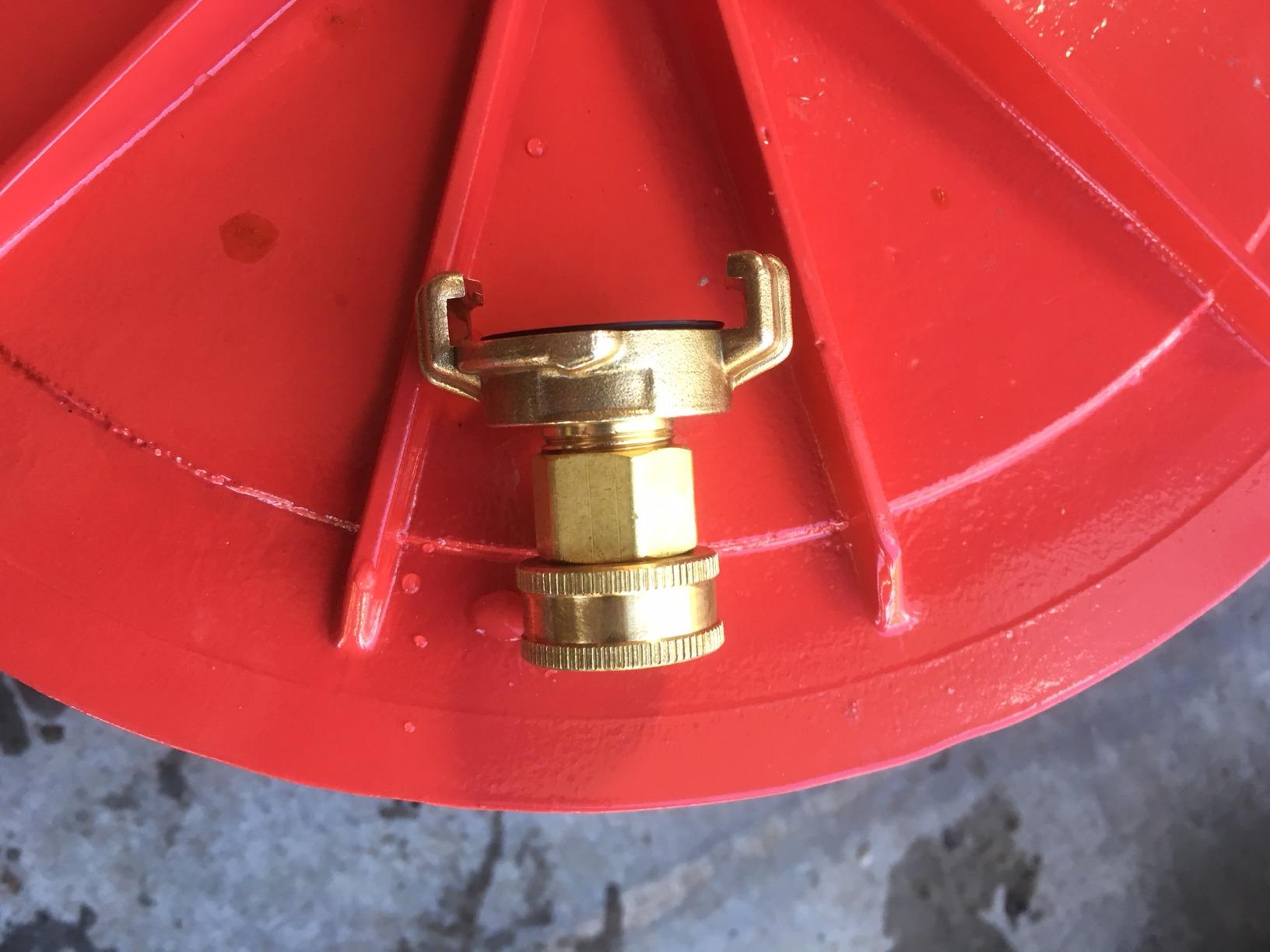
The main issue to be aware of is the garden hose fitting. The adapter that comes with the press is not a standard North American size, so you will likely need to pick up a brass adapter from a hardware store. It is a minor inconvenience, but worth addressing before your first pressing day. I also recommend keeping spare mesh filter bags on hand, since they can be tricky to clean thoroughly after pressing pulpy fruits.
Water Pressure Requirements
This press relies on your home water pressure to do the pressing work, so it is important to understand what your tap delivers. Most municipal water systems provide 40 to 80 PSI, which is more than enough for excellent juice extraction. If you are on a well system with lower pressure, you may need to adjust your expectations slightly. I tested the press at 50 PSI and achieved outstanding results. The included splash guard helps contain any mess, though you should still set up in an area where splashes will not cause problems.
Who Should Consider This Press
The EJWOX Bladder Press is an excellent choice for homesteaders and serious home cider makers who want maximum juice yield with minimal physical effort. If you process large batches regularly and want to spend less time cranking and more time enjoying your cider, this water-powered press is hard to beat. It is also a great option for anyone with physical limitations who finds manual screw presses too demanding. The fast pressing cycle makes it practical for processing an entire harvest in a single afternoon.
6. Tryfun 4.75 Gallon Solid Wood Basket Fruit Press – Best Traditional Cast Iron Press
it’s useful. 4.75 Gallon Solid Wood Basket Fruit, Cider and wine Press Old Fashioned Cast Iron Large Size
4.75 Gallon Capacity
Solid US Oak Wood Basket
Heavy-Duty Cast Iron Head
Enameled Steel Base
+ The Good
- Solid US oak wood basket
- Heavy-duty cast iron head for greater pressure
- Enameled steel base for durability
- Easy pour bottom spout
- Family-friendly operation
- The Bad
- Wood slats may be too thin on some units
- Plastic washer quality could be better
- Requires crushing fruit before pressing
- Non-Prime shipping
The Tryfun 4.75 Gallon press brings an old-fashioned charm to cider making with its cast iron head and solid US oak wood basket. With a 4.3-star rating from 253 reviews, this press has built a loyal following among traditionalists who appreciate the classic design. The cast iron pressing head delivers impressive pressure when you crank the handle, and the enameled steel base provides a durable, easy-to-clean foundation that resists fruit acid damage.
I found the pressing experience with the Tryfun to be satisfying in a way that more modern presses just cannot replicate. There is something about working a heavy cast iron screw and watching juice flow from the bottom spout that connects you to generations of cider makers before. The easy-pour spout at the base works well, directing juice into your collection container without messy spills. Each batch yielded about a gallon of cider from 12 to 15 pounds of ground apples.
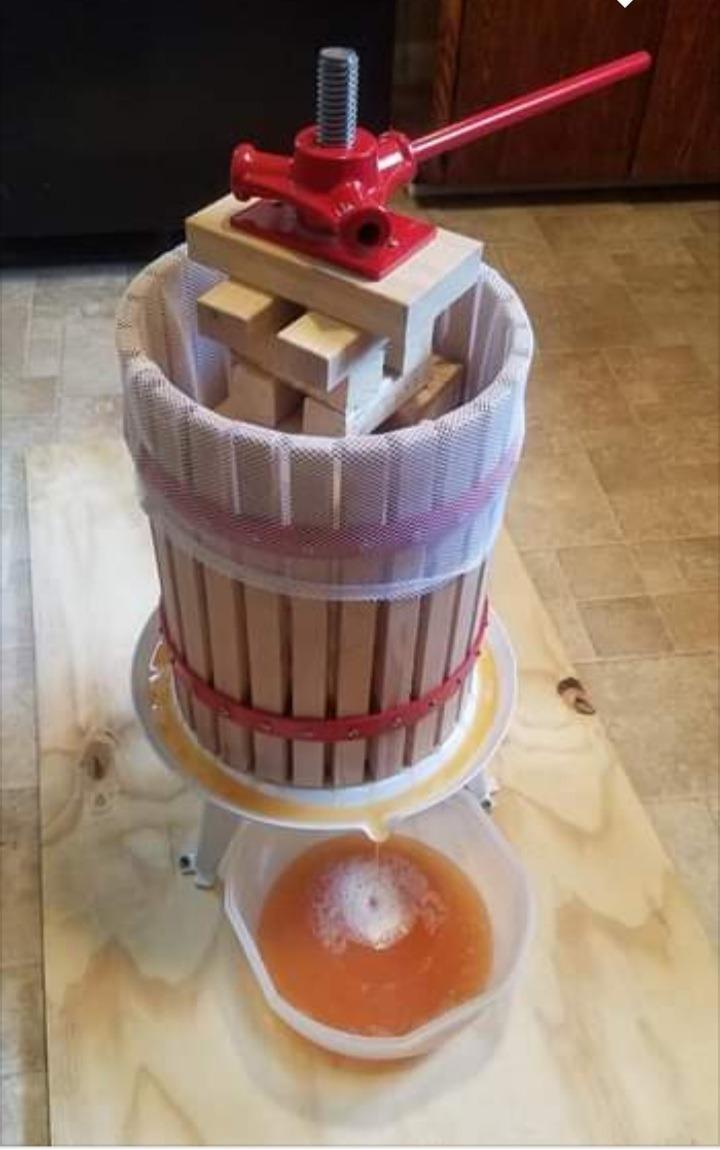
The US oak basket is a highlight of this press. Oak is naturally resistant to moisture and less prone to warping than softer woods, which means the slats should hold up well over many seasons of use. I did notice that some slats on my unit were thinner than I would have liked, and a few users have reported similar inconsistencies. If you receive a unit with thin slats, it is worth contacting the seller for replacement parts since the press itself works very well when the basket is in good condition.
Cleanup follows the same pattern as other wooden basket presses. Rinse the slats with a hose, wipe down the cast iron components, and dry everything thoroughly before storage. The nylon mesh bag that comes included is a helpful addition that keeps pulp contained and makes juice collection cleaner. One thing to note is that this press does not ship via Prime, so plan your purchase timing accordingly if you need it by a specific date.
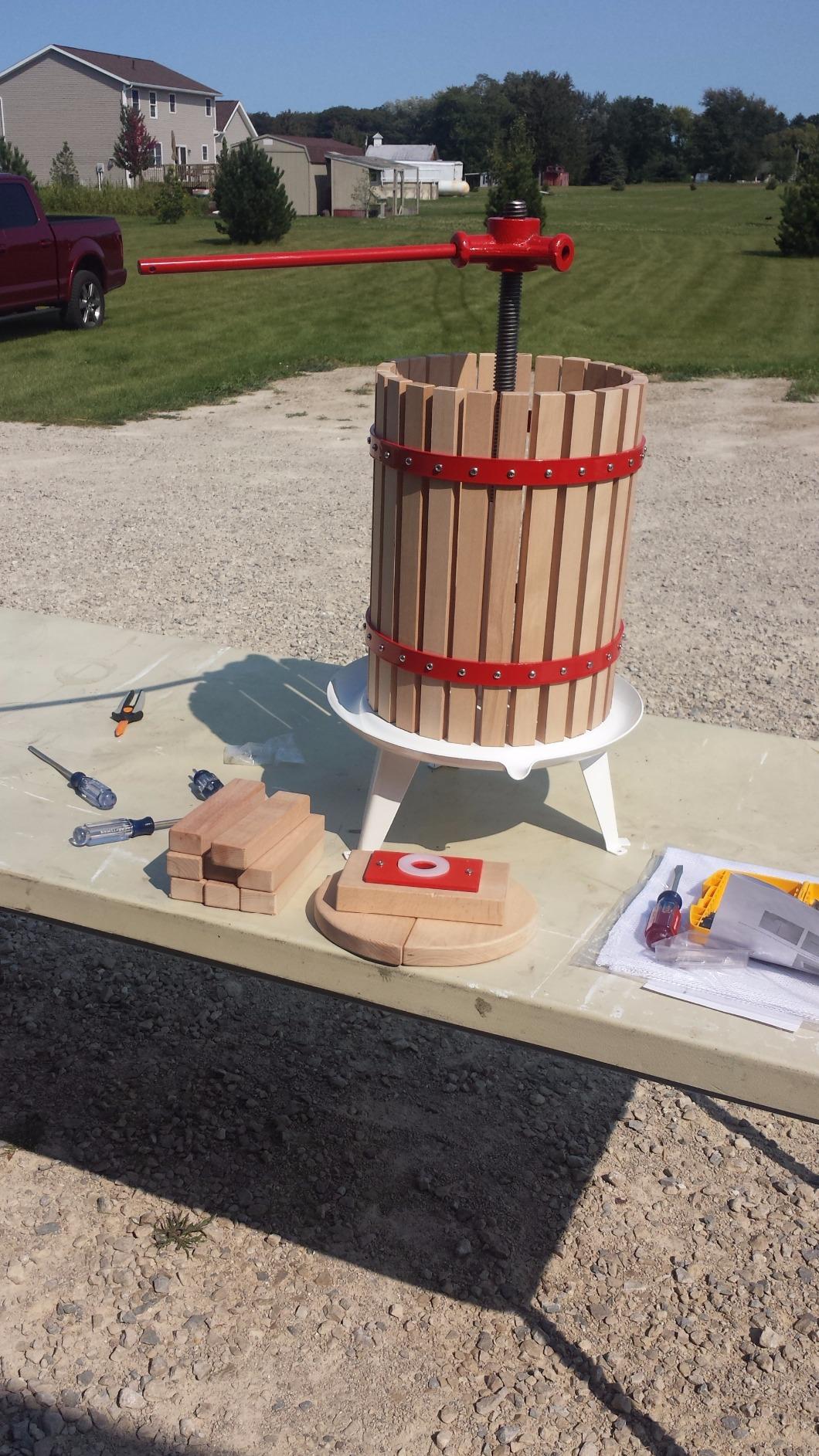
Durability and Long-Term Value
Cast iron construction means this press is built to last. The heavy-duty coated head resists corrosion well, and the enameled steel base provides a stable, sanitary surface for pressing. The main wear points are the plastic washer on the screw and the wood basket slats. I recommend replacing the plastic washer with a brass or nylon alternative for better longevity. With these minor upgrades, this press could easily serve a family for a decade or more of seasonal cider making.
Who Should Consider This Press
The Tryfun is ideal for anyone who appreciates traditional craftsmanship and wants a press that feels as good to use as the cider it produces. It is well-suited for families who press apples as an annual tradition, homesteaders who want a reliable mid-size press, or anyone who simply prefers the aesthetic and feel of cast iron over modern materials. The 4.75 gallon capacity handles a respectable amount of fruit per batch, making it a practical choice for most home cider making scenarios.
Buying Guide: How to Choose the Right Cider Press
Choosing the right cider press comes down to understanding your needs in five key areas. Our team put together this buying guide based on real pressing experience and the questions we see most often from homesteaders and cider enthusiasts on forums like r/homestead and growingfruit.org.
Capacity: What Size Do You Actually Need?
Press capacity is measured in gallons and directly determines how much fruit you can process per batch. A 1.6 gallon press like the SQUEEZE master handles about 6 to 8 pounds of fruit per load, which works for small families or occasional use. Mid-range presses in the 3.5 to 5 gallon range, like the EJWOX and Tryfun models, process 15 to 20 pounds per batch and are the sweet spot for most home cider makers. If you have a large orchard or small farm, consider a hydraulic press like the Mosakar with its 5.28 gallon capacity to reduce the number of batches you need to run.
As a general rule, expect to press about 12 to 15 pounds of apples for each gallon of finished cider. So if you want to produce 5 gallons in a session, you need roughly 60 to 75 pounds of apples and a press that can handle the workload without wearing you out.
Manual Screw vs Hydraulic vs Bladder: Which Mechanism Is Right?
Manual screw presses are the most affordable and straightforward option. You load fruit, crank the handle, and juice flows out. They require physical effort but have few moving parts to maintain. Hydraulic presses like the Mosakar use a jack to apply consistent pressure with minimal effort, making them better for larger batches and users who want to avoid arm fatigue. Bladder presses like the EJWOX 5.3 Gallon use water pressure to squeeze the fruit, offering the highest juice yields with the least physical work, though they require access to a garden hose and adequate water pressure.
Wood vs Stainless Steel Baskets
Wooden baskets offer a traditional aesthetic and are naturally moisture-resistant, especially hardwoods like beech and oak. They do require more careful cleaning and drying to prevent staining and warping over time. Stainless steel baskets are easier to clean, more sanitary, and resistant to fruit acid corrosion. They are the better choice if you plan to press frequently or process acidic fruits like grapes. Both materials produce excellent cider, so the choice often comes down to maintenance preference and budget.
Do You Need an Apple Grinder?
This is one of the most common questions in cider making forums, and the answer is almost always yes. Grinding or crushing apples before pressing dramatically increases juice yield, often by 30% or more. Whole apples pressed without grinding leave most of their juice trapped in the cell walls. If your press does not include a grinder attachment, you can use a food processor, a dedicated apple crusher, or even a clean bucket and a heavy piece of wood to break down the fruit before pressing. The investment in some form of grinder pays for itself in juice yield within a single harvest season.
Cleaning and Storage Tips
Cleaning your press immediately after use is critical for longevity. Fruit sugars and acids can corrode metal and stain wood if left to sit. Rinse all components with a hose, scrub the basket slats with a stiff brush, and dry everything thoroughly before storage. For stainless steel parts, a quick wipe with food-safe mineral oil prevents rust on hardware. Store your press in a dry location, and consider covering it to protect from dust and moisture during the off-season. Taking 15 minutes to clean up properly after each use will add years to the life of your press.
Is owning a cider press worth it?
Yes, owning a cider press is absolutely worth it if you have access to apples or other fruit. A single season of pressing can produce gallons of fresh cider that tastes far superior to store-bought alternatives. The cost of a quality press pays for itself within one to two harvest seasons when you consider the price of fresh pressed cider at farmers markets, which often runs $8 to $12 per gallon. Beyond the financial savings, pressing your own cider gives you control over ingredients, lets you experiment with different apple varieties, and creates a rewarding family tradition.
How many pounds of apples to make 1 gallon of cider?
You need approximately 12 to 15 pounds of apples to produce 1 gallon of fresh cider. The exact amount depends on the apple variety, how well the fruit was crushed before pressing, and the efficiency of your press. Juicier varieties like Gala, Fuji, and McIntosh tend to yield more cider per pound. Using a grinder or crusher before pressing can increase your yield significantly, sometimes reducing the apples needed to around 10 to 12 pounds per gallon.
What size cider press do I need?
For casual home use with a single apple tree or small orchard, a 1.6 to 3 gallon press is usually sufficient. Families pressing 20 to 50 pounds of apples per session should look at presses in the 4 to 5 gallon range. Small farms or homesteaders processing 100+ pounds at a time benefit from hydraulic or bladder presses with 5 gallon or larger capacities. When in doubt, go slightly larger than you think you need, since a bigger press means fewer batches and less total pressing time.
How long will fresh pressed apple cider last?
Fresh pressed apple cider lasts 5 to 7 days when refrigerated at 36 to 40 degrees Fahrenheit. For longer storage, you can freeze cider for up to 6 months in airtight containers, leaving an inch of headspace for expansion. Pasteurizing the cider by heating it to 160 degrees Fahrenheit extends refrigerated shelf life to 2 to 3 weeks. Some cider makers also ferment their fresh cider into hard cider, which can be stored and aged for months or even years depending on the method.
Conclusion: Our Top Cider Press Recommendations for 2026
After testing and comparing six presses across manual, hydraulic, and bladder designs, our top recommendation remains the EJWOX 4.75 Gallon Fruit Press for its balance of capacity, build quality, and value. It is the best cider press for most home cider makers who want a reliable workhorse that handles seasonal pressing without breaking the bank. For those seeking maximum juice yield with minimal effort, the EJWOX 5.3 Gallon Bladder Press delivers outstanding extraction rates using just water pressure from your garden hose.
If you are just getting started and want to test the waters, the SQUEEZE master 1.6 Gallon offers an affordable entry point into cider pressing without sacrificing too much performance. And for homesteaders or small farms that need serious pressing power, the Mosakar 5.28 Gallon Hydraulic Press provides professional-grade extraction at a fraction of what commercial presses cost.
Whichever press you choose, remember that grinding your apples before pressing makes a bigger difference than any other single factor in juice yield. Invest in a basic grinder or food processor, and you will be amazed at how much more cider you get from the same amount of fruit. Happy pressing.