
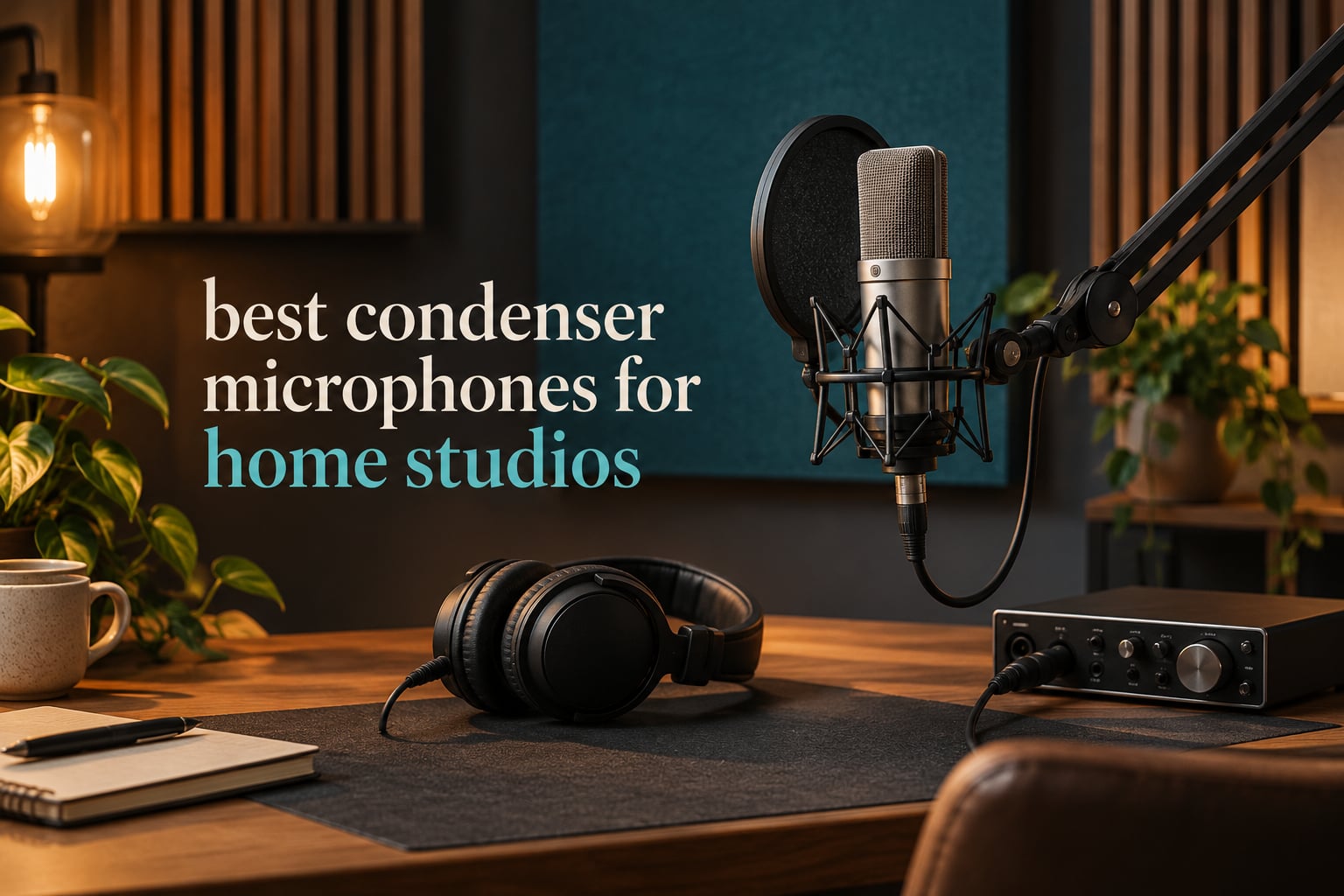
The best condenser microphones for home studios are the Logitech Blue Yeti for plug-and-play USB recording, the Audio-Technica AT2020 for the cheapest path into a real XLR studio chain, and the Rode NT-USB Mini for a compact desk setup. Those three cover most home recordists, and the nine picks behind them fill in the gaps: complete kits, loud-source mics with pads, and low-noise large-diaphragm models for quiet bedrooms.
Condenser microphones are the default choice for home recording because a capacitor capsule is far more sensitive than a dynamic one, and that sensitivity is what captures breath, string noise, and fingerpicked detail. It is also exactly why a cheap condenser in a bad room sounds worse than a decent dynamic in the same room. Understanding that trade is the whole game here.
We spent weeks putting these ten microphones through voice, speech and instrument tests, read the long-term owner reports, and worked from the common problems that show up again and again in home recording forums. The lineup below splits cleanly into USB models that need nothing but a laptop, and XLR models that want an interface with 48V phantom power. If you are still working out which camp you belong to, start with the USB picks; if you already own an interface, go straight to the XLR section.
One note before we start: nothing in this list replaces a treated room. A broader look at condenser microphone categories helps, but technique does more than gear. We cover the placement discipline in detail further down, and it applies to every mic on this list.
Top 3 Picks for Home Studio Condenser Microphones in October 2026

Logitech Blue Yeti USB Mic
- › USB plug and play
- › Four switchable pickup patterns
- › Onboard gain and headphone volume
- › Zero-latency monitoring
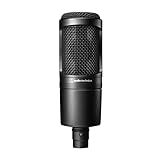
Audio-Technica AT2020
- › XLR large-diaphragm condenser
- › Cardioid pattern
- › Requires 48V phantom power
- › Metal body with 200 ohm impedance
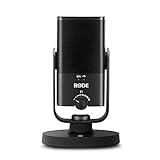
Rode NT-USB Mini
- › USB-C plug and play
- › Built-in pop filter
- › Zero-latency headphone monitoring
- › Detachable magnetic stand
The Full Lineup: Best Condenser Microphones for Home Studios in October 2026
Every microphone below is a real condenser capsule, and every one of them is either USB or XLR. The features column gives the decision-critical details, not the marketing copy.
| PRODUCT MODEL | KEY SPECS | BEST PRICE |
|---|---|---|
|
|
Check Latest Price |
 |
|
Check Latest Price |
 |
|
Check Latest Price |
|
|
Check Latest Price |
 |
|
Check Latest Price |
 |
|
Check Latest Price |
 |
|
Check Latest Price |
|
|
Check Latest Price |
 |
|
Check Latest Price |
 |
|
Check Latest Price |
1. Logitech Blue Yeti USB Microphone: The Best All-Round Plug-and-Play Condenser
Logitech Creators Blue Yeti USB Microphone for PC, Mac, Gaming, Recording, Streaming, Podcasting, Studio and Computer Condenser Mic with Blue VO!CE effects, 4 Pickup Patterns, Plug and Play – Blackout
USB connection
Multipattern tri-capsule array
20 Hz to 20 kHz
3.5 lb metal body
+ The Good
- Plug-and-play USB with no audio interface needed
- Four switchable pickup patterns for vocals instruments and multi-person podcasting
- Onboard gain mute pattern and headphone volume controls
- Metal build that has stayed reliable for many owners
- Headphone jack gives zero-latency monitoring
- The Bad
- Large and heavy body takes desk space and can load down a boom arm
- Very sensitive condenser design that captures room noise in untreated spaces
- Micro-USB connection rather than modern USB-C
- Limited shock mount compatibility
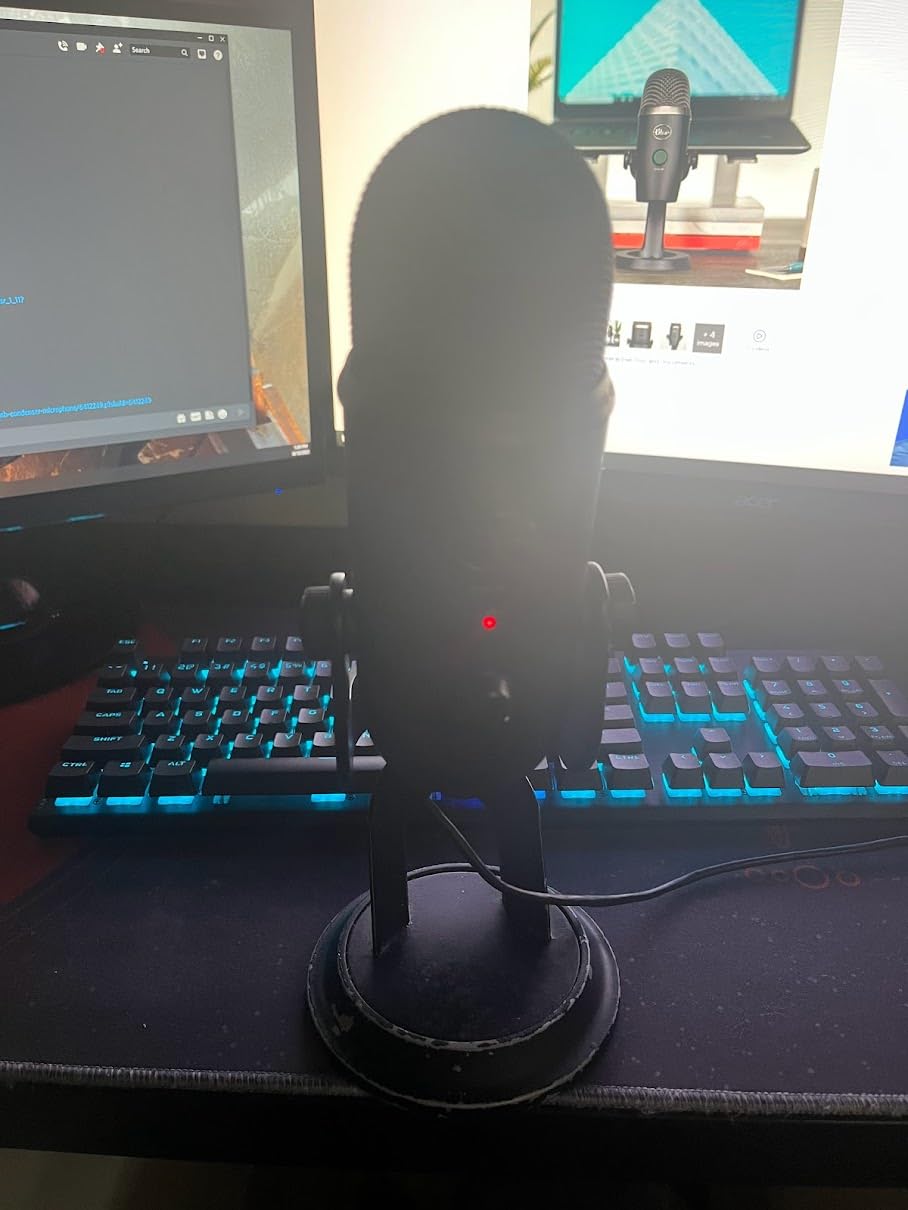
The Blue Yeti is the microphone most people in this category already know, and after repeated testing it remains the easiest path from unboxing to a usable recording. You connect USB, set your levels in the operating system, and record. There is no interface to shop for, no XLR cable to route, and no phantom power to understand.
What separates it from cheaper USB mics is the three-capsule array, which gives you four switchable pickup patterns: cardioid, omnidirectional, bidirectional and stereo. That turns one microphone into a two-person podcast tool and a stereo acoustic recording tool, and the pattern switch sits on the body rather than buried in software.
The controls are unusually complete for a USB mic. Headphone volume, mic gain, mute and pattern selection all live on the chassis, so you can monitor in real time with no added latency and adjust levels without opening a menu. Long-term owners consistently report that the microphone has kept working for years, and the metal grille and body show almost no wear.
Where it falls short is size and sensitivity. At 3.5 pounds and nearly 12 inches tall, it occupies real desk space and can pull a lightweight boom arm downward. The condenser sensitivity that makes it sound good also means it collects every sound in the room, so it belongs on a desk in a room you can control the noise in.
When the Blue Yeti is the right buy
Choose it when you record voice, podcasts, streams or gaming commentary and you want to change capture patterns between sessions. The onboard monitoring and gain controls are genuinely useful for anyone who does not want to manage an audio interface or a DAW monitoring chain.
Its four patterns also make it a reasonable stereo tool for acoustic guitar, using a matched pair technique. If you later outgrow it, the upgrade path is straightforward: move to an XLR condenser like the AT2020 once you have an interface, and keep the Yeti for streaming. Many owners report making exactly that move.
When to skip the Blue Yeti
Skip it if your room is noisy. A condenser of this sensitivity will record refrigerators, traffic and neighbouring conversations, and no gain trick removes sound that has already been captured. A dynamic is the correct tool there.
Skip it if you intend to record loud sources or need multiple discrete microphones, since it is a single fixed-position desktop microphone rather than a studio instrument. It also uses micro-USB, so you will need the right cable if you move to newer hardware.
2. FIFINE K669B USB Microphone: The Best Condenser for a Tight Desk
FIFINE K669B USB Microphone, Condenser Recording Mic for Vocals, Meeting
USB Type-A and Type-C
Cardioid unidirectional
78 dB signal to noise
5.6 ounce metal body
+ The Good
- Clear vocal quality well beyond the entry price
- Compact and lightweight all-metal body that fits a small desk
- On-body volume knob that is easy to adjust and doubles as a mute
- True plug-and-play with no drivers or interface required
- Cardioid pattern focuses on the speaker and reduces keyboard noise
- The Bad
- No dedicated mute button
- No noise cancellation so it can capture sound from several rooms away
- No headphone monitoring output
- Basic tripod stand only
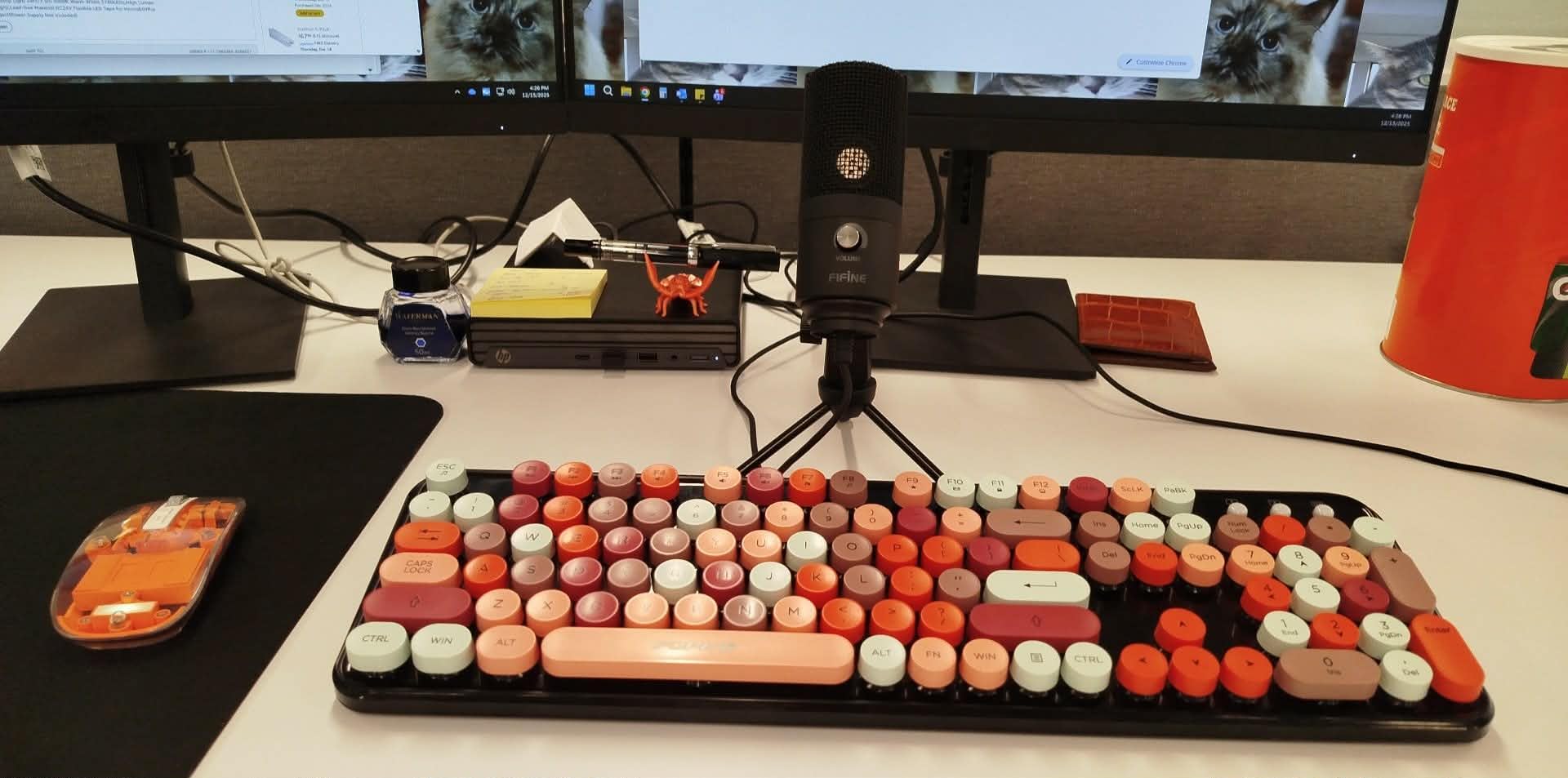
The K669B is the smallest microphone in this lineup at 5.6 ounces, and that turns out to matter more than any spec sheet. It disappears on a desk, it does not fight you for space, and it delivers clean, present vocal sound for anyone making their first recordings.
It is a cardioid condenser with a 20 Hz to 20 kHz range and a 78 dB signal to noise ratio, powered entirely over USB with no 48V phantom power involved. The included 6.5 foot cable covers USB Type-A and Type-C, so it works with modern laptops as well as desktops, and it is compatible with PC, Mac and PS4/PS5 consoles.
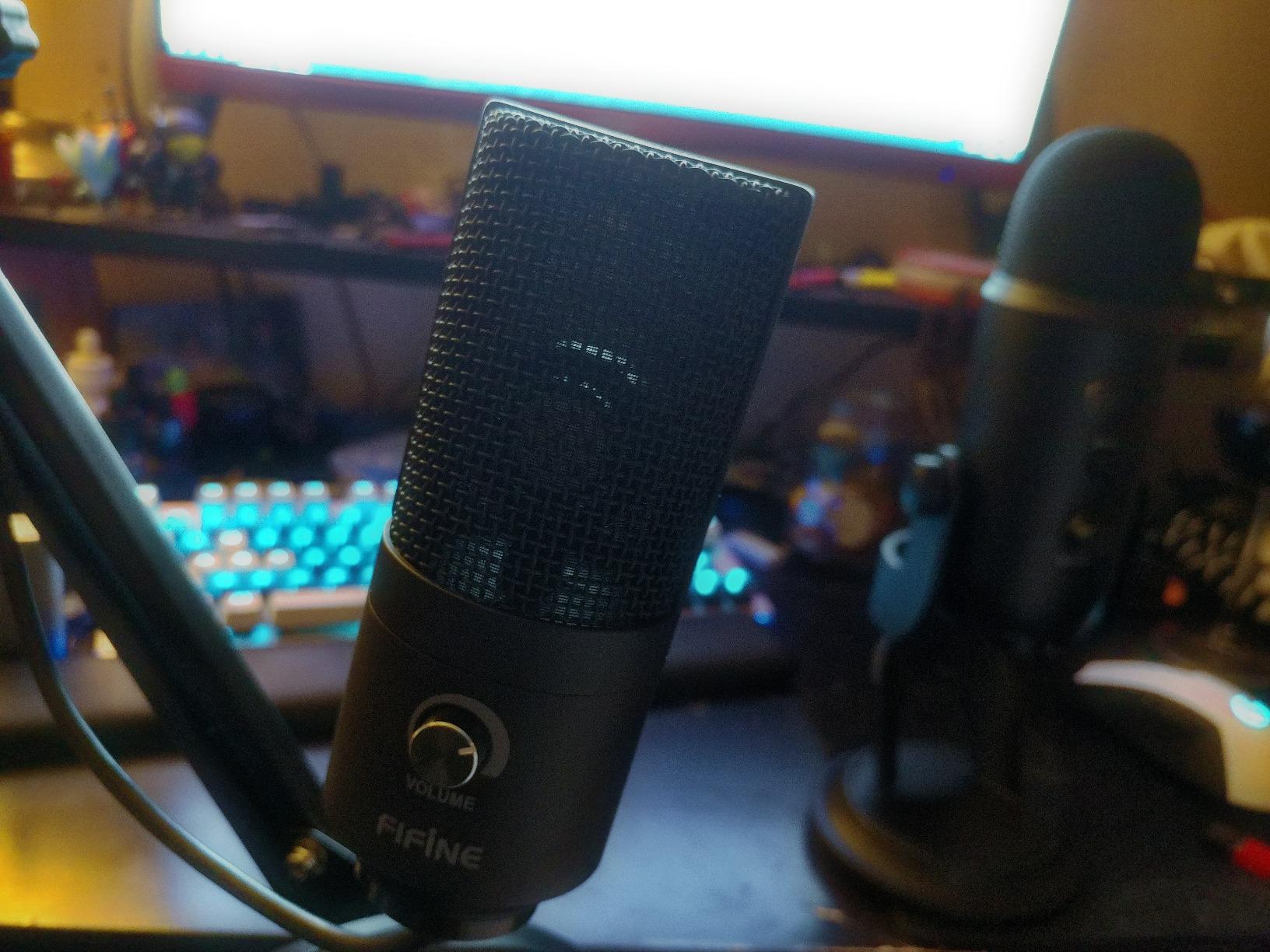
The single volume knob on the body is the feature owners mention most. Turn it to adjust your level, or turn it all the way down to mute, which is a crude but effective solution when you do not want a button under your finger. Cardioid pickup keeps the focus on your voice and reduces keyboard and room noise relative to an omnidirectional setup.
The compromises are honest ones. There is no headphone jack, so you cannot monitor yourself while recording without adding software latency. There is no noise cancellation, so in a busy building you will hear everything, and the tripod stand is basic enough that a boom arm upgrade is likely sooner or later.
When the K669B is the right buy
Choose it for a small workspace, a dorm room desk, or a first streaming or meeting setup where desk real estate is the binding constraint. The metal body also makes it a safer first microphone than plastic budget alternatives that crack at the hinge.
It suits voice chat, tutorials, gaming commentary and light voiceover work. If you are recording in a genuinely noisy room, place the cardioid pattern as close to your mouth as possible, because distance is your only real noise control at this level.
When to skip the K669B
Skip it if you need zero-latency monitoring while recording, since there is no headphone output on the body. Anyone who wants to hear themselves live as they sing or narrate will want a model with a headphone jack.
Skip it if you plan to record instruments. A single small-diaphragm condenser on a tripod is fine for a spoken-word demo, but acoustic guitar and drums need placement flexibility you will not get without an arm or stand you can position properly.
3. FIFINE T669 Studio Condenser USB Microphone: Best Starter Kit for a First Home Studio
FIFINE T669 Studio Condenser USB Microphone for Recording Podcasting
USB plug and play
Complete accessory package
30 inch boom arm reach
78 dB signal to noise
+ The Good
- Full kit includes boom arm shock mount pop filter and cable
- Booms arm and shock mount hold position without sagging
- Plug-and-play with no drivers
- Cardioid pattern reduces outside noise such as barking dogs
- Warm clear vocal tone for podcasts and tutorials
- The Bad
- No dedicated mute button
- Pop filter mount can slip or twist on the arm
- Boom arm reach is limited when the mic sits off to the side
- Volume knob has been reported to fail after several months
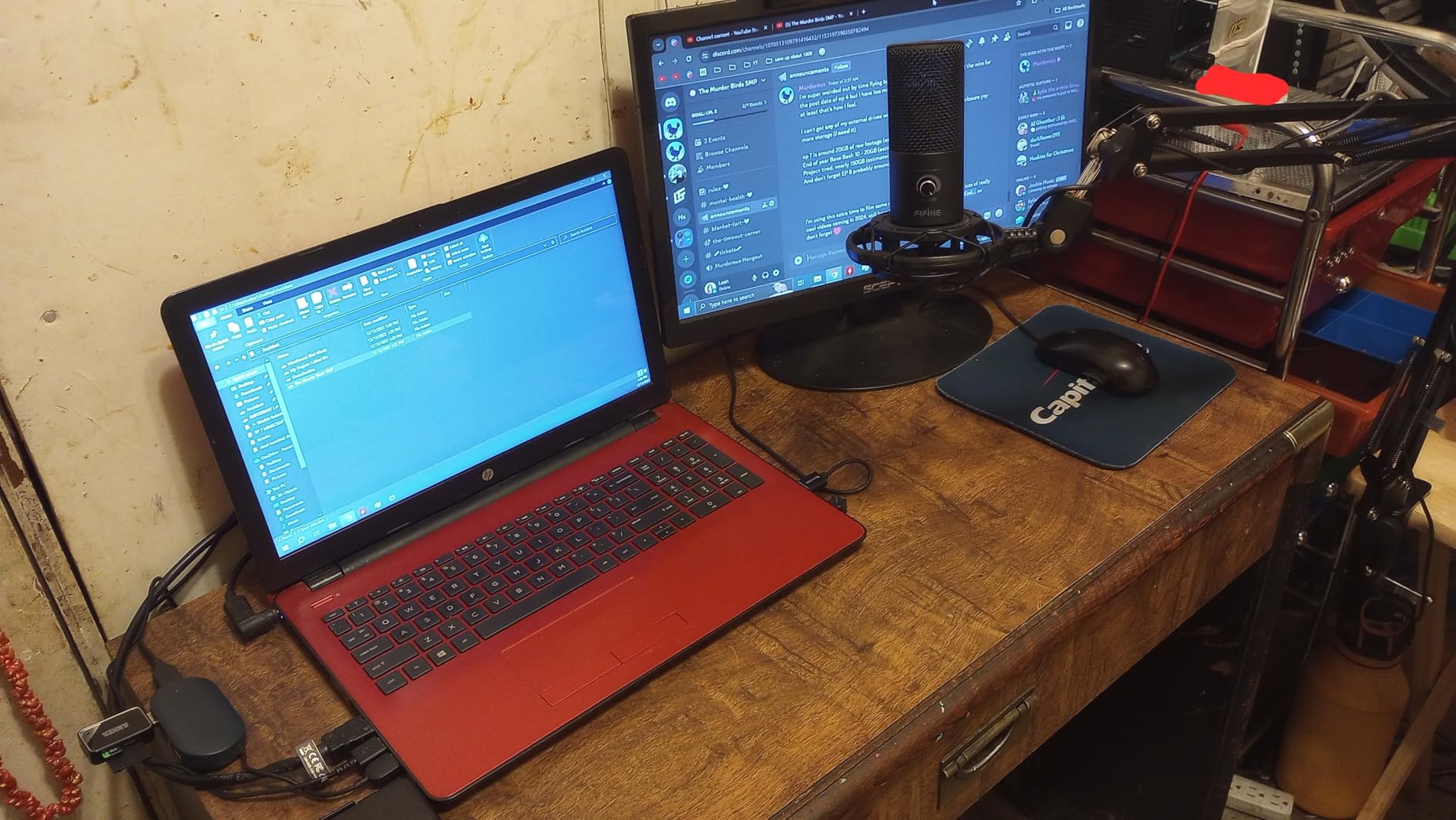
Most first microphones fail not because of the microphone but because of what it does not come with. The T669 solves that. In the box you get a steel scissor boom arm with a C-clamp and desktop mount, a studio shock mount, a double pop filter, a windscreen and an 8.2 foot USB cable, which is the accessory list most beginners end up buying separately anyway.
That matters for placement. A boom arm gets the capsule close to your mouth, and a close microphone is a quieter microphone with less room in the recording. The arm gives 180 degrees of vertical rotation, 135 degrees of extension and up to 30 inches of reach, so you can position the capsule properly without moving the whole desk.
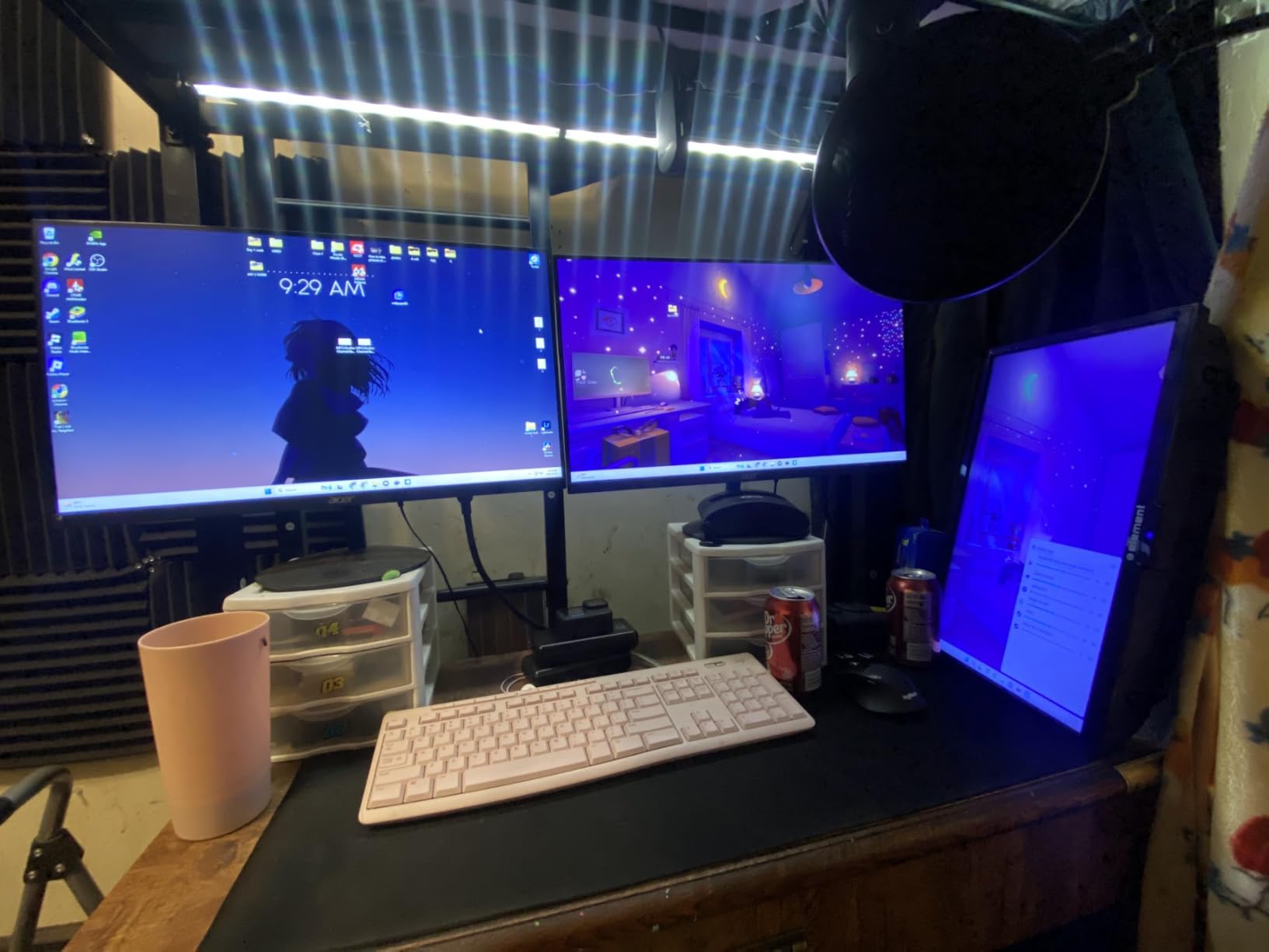
Sonically it is a cardioid condenser with a 20 Hz to 20 kHz response and a 78 dB signal to noise ratio, and owners describe the voice as warm and clear for podcasts, tutorials and gaming. Reviewers also note that the cardioid pickup noticeably reduces ambient noise such as deliveries and barking dogs compared with a laptop microphone.
The reported drawbacks are mechanical rather than acoustic. The pop filter grip can slip on the arm, the arm can struggle when the mic needs to sit well off to one side, and a small number of owners report the volume knob failing after a few months. Muting means turning the knob fully down rather than pressing a switch.
When the T669 is the right buy
Choose it when you want a working vocal setup in one purchase, with no extra spending on a stand, shock mount or pop filter. For a first home studio build, that bundled package removes the three most common beginner mistakes.
It is equally good for streaming, tutorial narration and podcast hosting on a budget, since the arm keeps the mic consistent day to day. If your setup later moves to an XLR interface, the arm and shock mount you already own still work.
When to skip the T669
Skip it if your desk cannot take a C-clamp, since the clamp mounts to the edge of a table up to a certain thickness. Check your desk before assuming the arm will fit.
Skip it if you need a dedicated mute button you can hit mid-sentence without thinking, since the only mute path is the volume knob. Users doing long streams tend to prefer a real switch.
4. Audio-Technica AT2020 Cardioid Condenser Studio XLR: Best Value XLR Start
Audio-Technica AT2020 Cardioid Condenser Studio XLR Microphone, Ideal for Project/Home Studio Applications, Black
XLR output
200 ohm impedance
74 dB signal to noise
2 year warranty
+ The Good
- Reliable consistent sound that has not degraded over a decade of use
- Clean precise capture compared with USB mics that pick up computer vibration
- Metal body and cage that show no wear after long use
- Cardioid pattern isolates the intended source
- Works for voice acting streaming calls and music
- The Bad
- Requires 48V phantom power an audio interface and an XLR cable
- Higher self-noise than many studio condensers and audible in quiet rooms
- Sensitive to handling noise so a shock mount is advisable
- Plosives and sibilance need a pop filter
The AT2020 is the most-recommended first XLR condenser in home recording forums, and the reason is consistency rather than headline specification. Owners report that microphones bought years ago still sound exactly as they did on day one, which is exactly what you want from a first studio investment.
It is a side-address large-diaphragm condenser with a custom-engineered low-mass diaphragm, a cardioid polar pattern that reduces pickup from the sides and rear, and 200 ohm impedance. It handles high sound pressure levels and a wide dynamic range, and it runs on 48V phantom power from any audio interface or preamp.
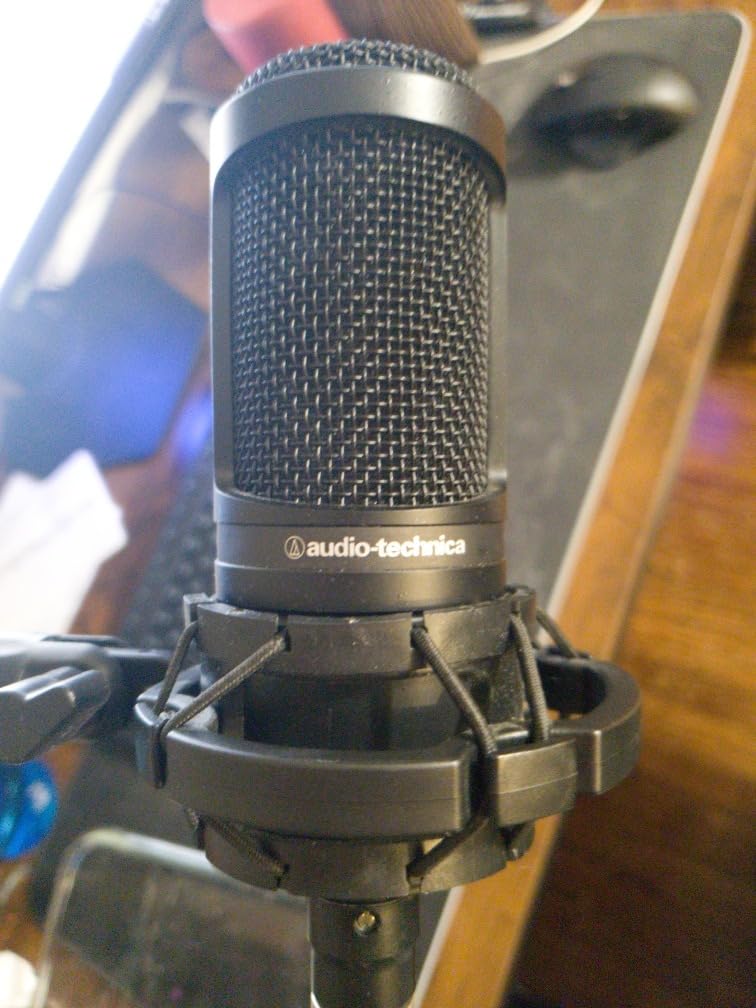
Sound is clean and precise, and it does not pick up the low-level mechanical hum that USB microphones mounted on a desk can capture from computer fans and hard drives. The 74 dB signal to noise figure is the number to watch if you care, because it is higher than the flagship large-diaphragm models here.
What you do not get is a box full of extras. The microphone ships alone, so an XLR cable, stand, shock mount and pop filter are all separate purchases. That is a real cost, and it is why the T669 kit can look better on a total-spend basis even though this microphone is the better recorder.
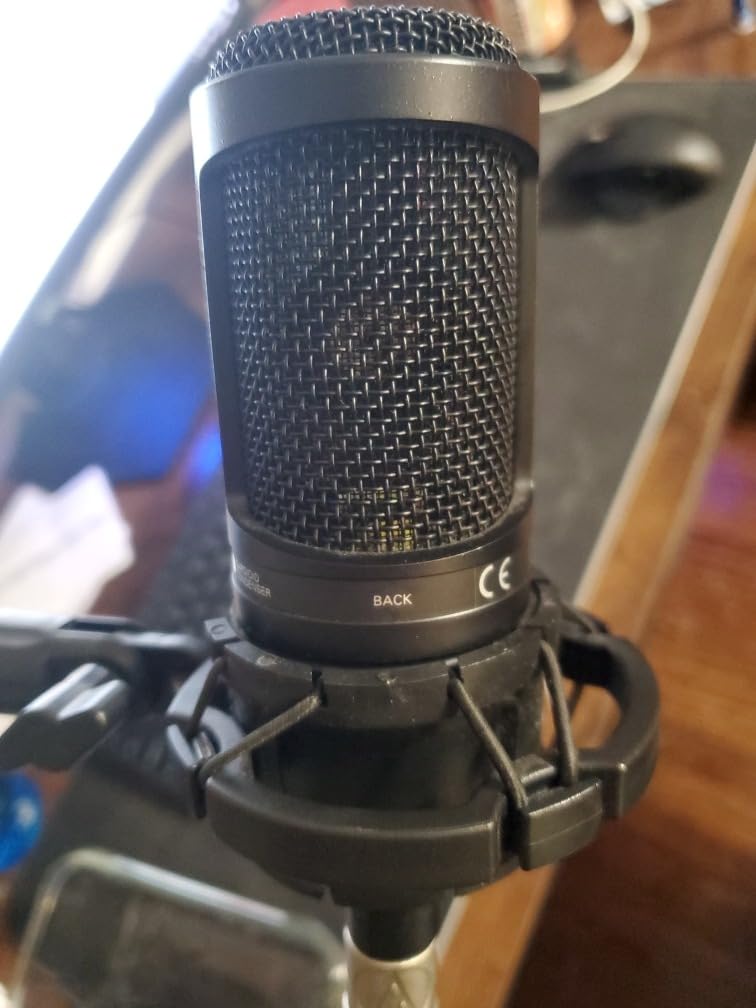
When the AT2020 is the right buy
Choose it when you already have, or plan to buy, an audio interface with 48V phantom power. It is the standard first step into a real studio chain, and it doubles for voice acting, streaming, calls and acoustic recording without modification.
Choose it for the durability as much as the tone. This is a microphone you can pass down or resell in a decade, and its long service life is one of the most repeated themes in owner reports.
When to skip the AT2020
Skip it if your room is truly quiet and you record very soft, breathy vocals, because its self-noise is more audible than the low-noise models in this list. The Rode NT1 Signature and the Stellar X2 both sit at a lower floor.
Skip it if you want to be recording within an hour of unboxing with no other purchases. The Rode NT-USB Mini includes a pop filter and monitoring out of the box, which this microphone does not.
5. AKG Pro Audio P120: Best Entry-Level Condenser with a Pad and Bass Cut
AKG Pro Audio P120 – Affordable 2/3-Inch Diaphragm Condenser Microphone for Clear Vocals & Instruments. Studio Recording or Live. XLR Connector. Black
XLR output
20 dB preattenuation pad
300 Hz bass cut
150 dB max SPL
+ The Good
- Clear crisp sound for vocals speech and acoustic instruments
- Value that compares with microphones costing several times more
- Solid metal construction that still performs after years
- Pad and bass roll-off switches add real control on loud sources
- Good sensitivity for voiceover with minimal ambient pickup
- The Bad
- Requires 48V phantom power and an XLR interface
- Can clip at high volume when pushed on loud sources
- Tonal character suits brighter voices better than very deep voices
- No shock mount pop filter or XLR cable included
The P120 is the rare entry-level condenser that ships with real switchable controls. A 20 dB preattenuation pad and a 300 Hz bass cut filter at 6 dB per octave sit on the body, and those two switches are the reason this microphone handles sources that would overload the NT1 Signature or the AT2020.
It is a unidirectional handheld-style condenser with a 2/3 inch diaphragm, 24 mV/Pa sensitivity and an electrical impedance of 200 ohms or less. Maximum sound pressure level is 150 dB, which is a genuinely useful number for anyone recording guitar amplifiers or live drums close up.
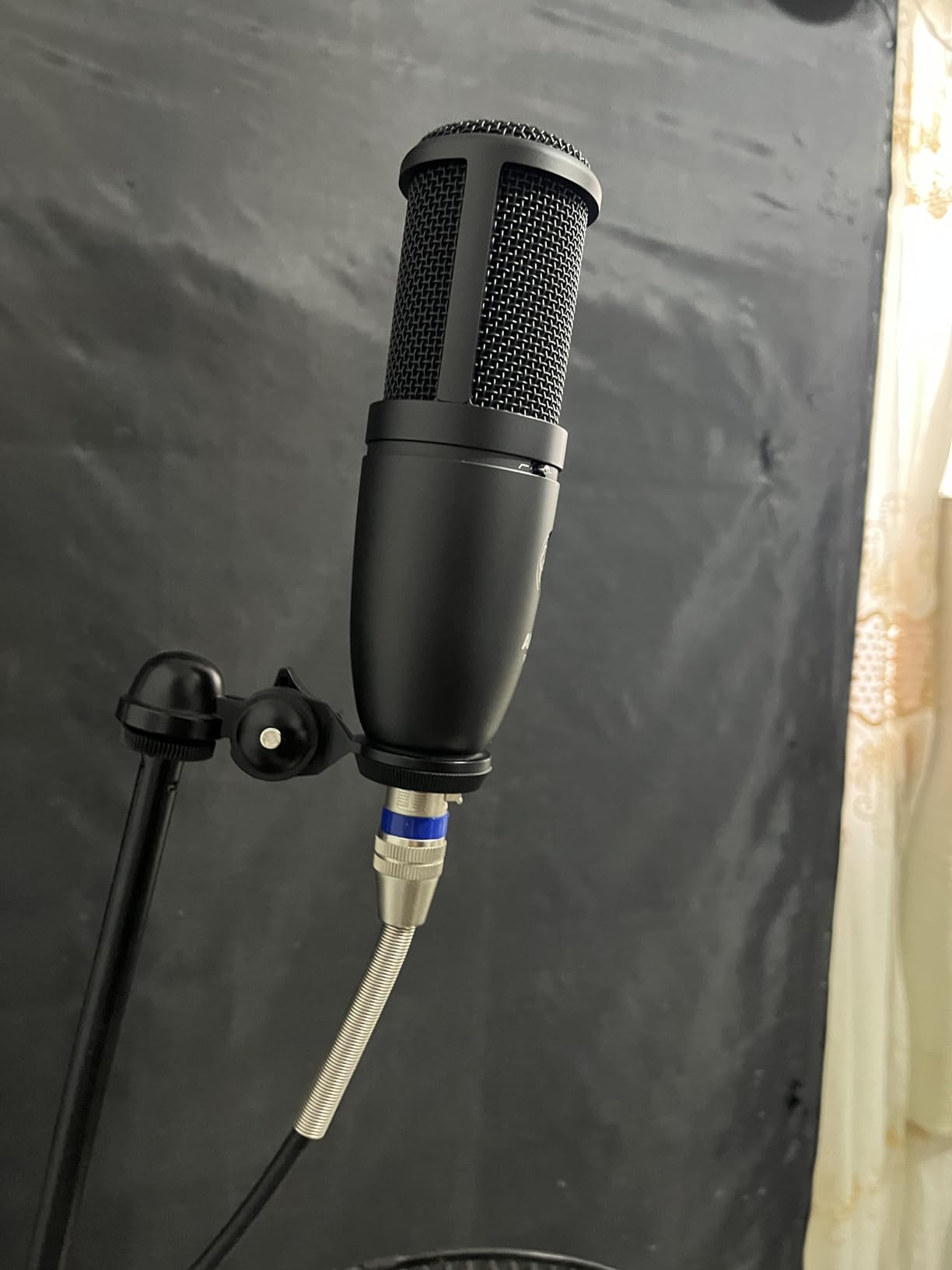
Owners describe the sound as clear and crisp for vocals, speech and acoustic instruments, and hobbyists regularly report that the pad and bass cut are what make the microphone usable on louder material. The equivalent noise level of 19 dB-A is higher than most of this list, so quiet room tone will show on soft sources.
It is also not a universal vocal match. Reviewers note the tonal character leans bright, which works well for many voices but can expose deep or very warm singers. It will also clip if you push it hard on loud sources, so the pad should be engaged before the preamp gain goes up.
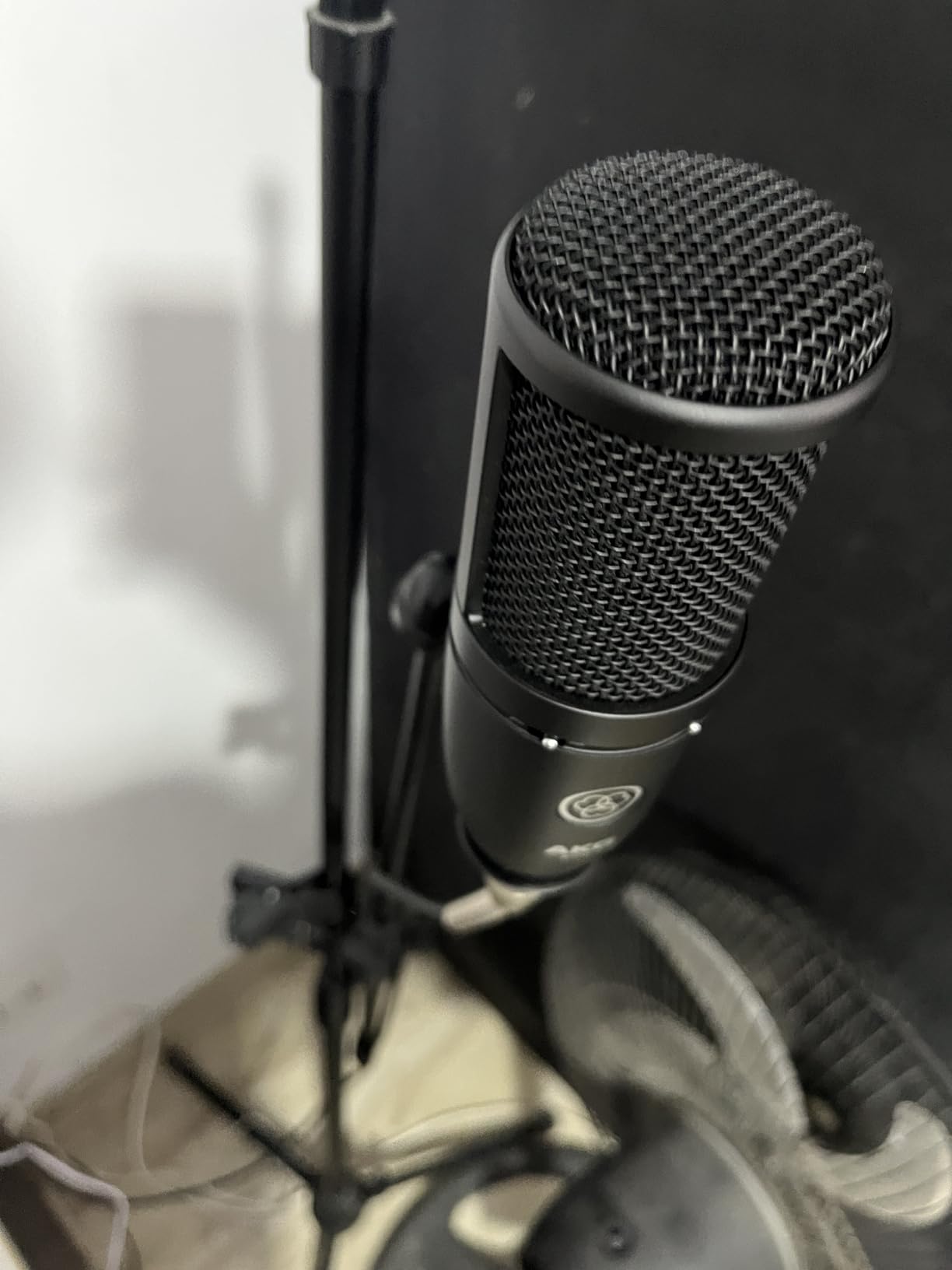
When the P120 is the right buy
Choose it when you record anything loud on a budget: guitar amplifiers, live drums, a brass instrument, or a loud singer who works close to the capsule. Switchable pad and filter are features normally reserved for microphones several times more expensive.
It is also a good first XLR microphone for voiceover and podcast work in a room you can control, because the sensitivity is high enough to work at a normal speaking distance. A stand adapter is included in the box.
When to skip the P120
Skip it for quiet, spacious recordings of soft vocals, where the 19 dB-A equivalent noise level will be audible in the finished track. Choose a low-noise large-diaphragm model instead.
Skip it if you want to record without buying an interface and cable. Both are required, and the extra spend plus the missing pop filter and shock mount can close the value gap against a bundled USB kit.
6. Audio-Technica AT2035 Cardioid Condenser: Best Mic That Includes Its Own Shock Mount
Audio-Technica AT2035 Cardioid Condenser Microphone, Perfect for Studio, Podcasting & Streaming, XLR Output, Includes Custom Shock Mount
XLR large-diaphragm
80 Hz high-pass filter
10 dB pad
Custom shock mount included
+ The Good
- Large diaphragm delivers smooth natural sound with low noise
- Custom shock mount and protective pouch included in the box
- Switchable 80 Hz high-pass filter and 10 dB pad for loud sources
- Handles high sound pressure levels without clipping
- Consistent performance from unit to unit
- The Bad
- Requires 48V phantom power an audio interface and an XLR cable
- Midrange emphasis is less flattering on nasal voices
- No pop filter or stand included beyond the shock mount
- Microphone only package so extra setup gear must be bought separately
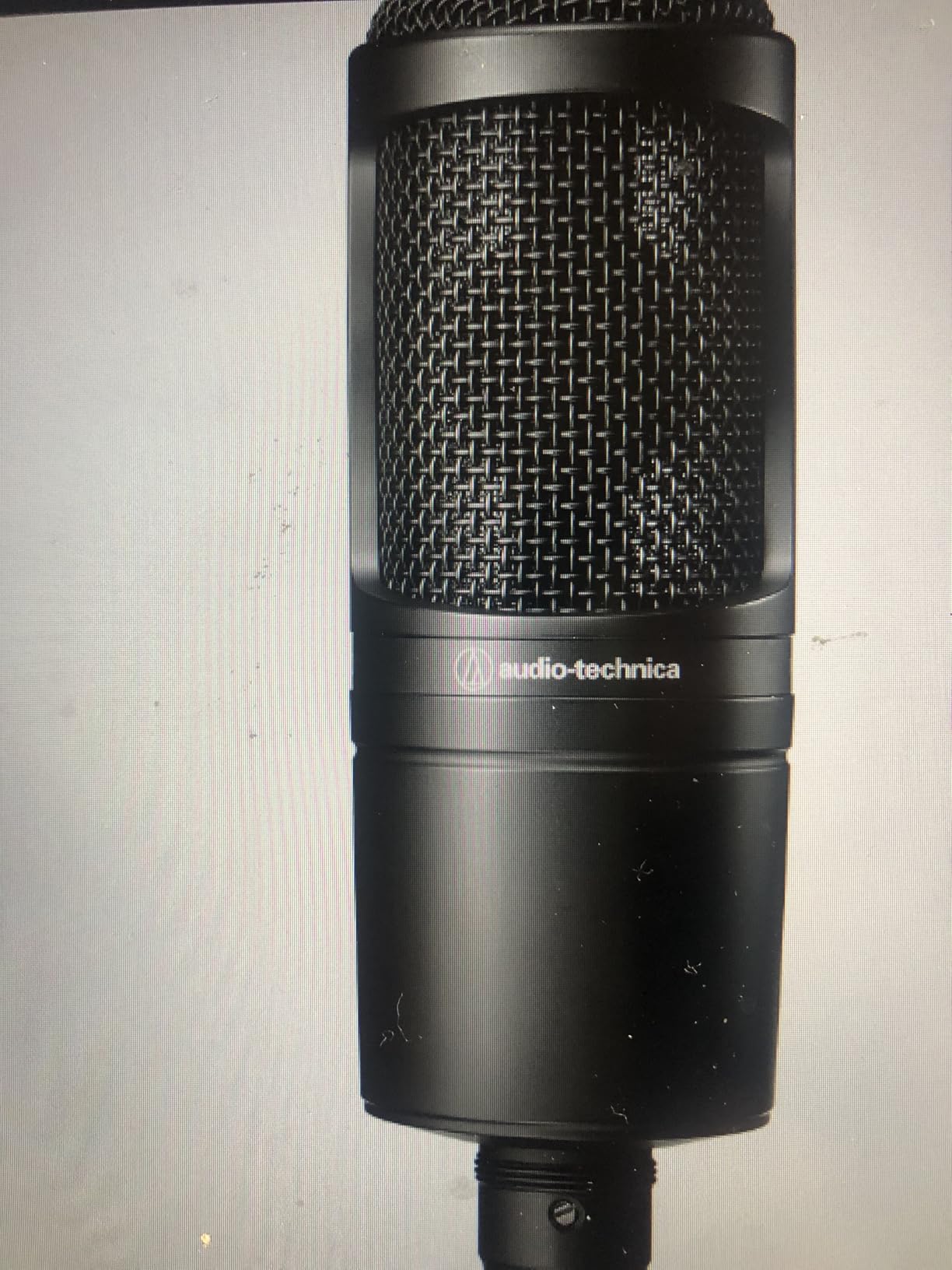
The AT2035 is the step up from the AT2020, and the headline difference is not the microphone, it is what arrives in the box. You get a purpose-built custom shock mount with proper elastic suspension and a protective pouch, which on the AT2020 you would have to buy separately.
That shock mount is not a luxury. Condenser capsules pick up structure-borne noise from the desk and from the stand itself, and a singer tapping a foot or brushing the arm will otherwise end up in the recording. The elastic suspension isolates that path before it reaches the capsule.
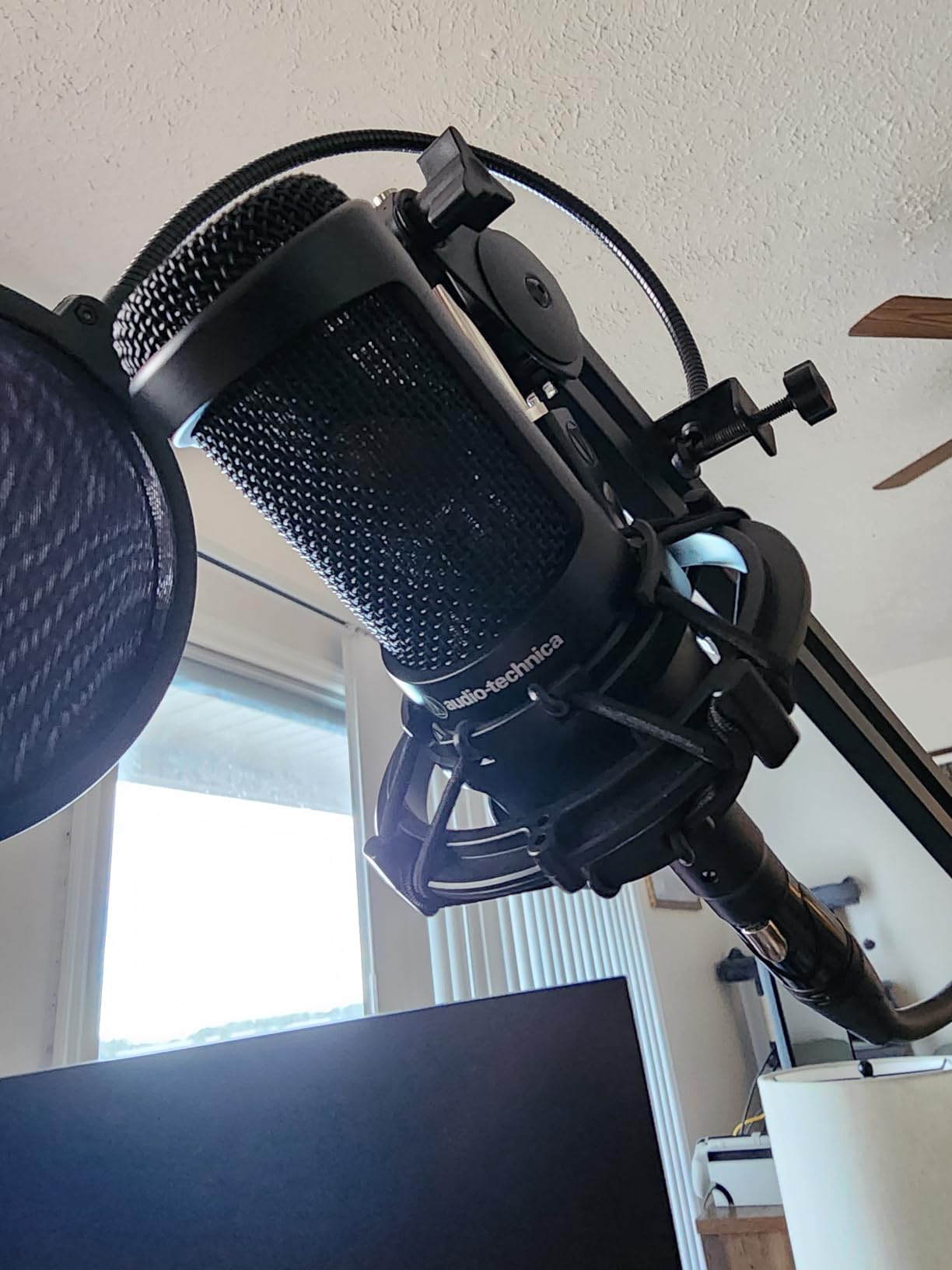
Technically it is a large-diaphragm cardioid condenser with a switchable 80 Hz high-pass filter and a 10 dB pad, a 70 dB signal to noise ratio, and 200 ohms of impedance. Owners rate the tone as smooth and natural, and the high SPL handling means it takes loud sources without breaking up.
The one consistent criticism is tonal rather than technical. Reviewers note that the midrange emphasis is less flattering on nasal or bright voices, which is a voicing characteristic you either like or you do not, and it cannot be switched off. A pop filter is still a separate purchase.
When the AT2035 is the right buy
Choose it when you are recording vocals in a room where structure-borne noise is a problem, such as a wooden floor or a desk that transmits from the floor below. The included shock mount solves a real problem on day one.
The pad and 80 Hz high-pass also make it the more practical large-diaphragm option for guitar amplifiers and close-miked loud sources. You get two levels of protection between the source and the preamp.
When to skip the AT2035
Skip it if your voice is nasal or bright, because the midrange-forward voicing is the defining characteristic and it works against those singers. The Lewitt LCT440PURE on this list is voiced more naturally.
Skip it if you record in a very quiet room and need the lowest possible noise floor. Its self-noise is higher than the Stellar X2 and the NT1 Signature, and quiet bedrooms will expose that difference.
7. Rode NT1 Signature Series: Best Low-Noise Condenser for a Quiet Room
RØDE NT1 Signature Series Studio Condenser Microphone, Black
XLR large-diaphragm
4 dB self-noise
78 dB signal to noise
10 year warranty
+ The Good
- Very low self-noise keeps the recording floor quiet
- Tight cardioid pattern isolates the voice and rejects room sound
- Shock mount pop filter and XLR cable all included
- Well known NT1 voicing trusted for vocals voiceover and streaming
- Compact metal body is easy to position on a desk or arm
- The Bad
- Requires 48V phantom power and an audio interface
- Accessories are good but a stand or boom arm is still needed
- Very sensitive so untreated rooms will be captured
- Pop filter and shock mount are removable which adds setup steps
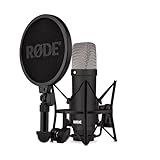
The NT1 Signature is defined by one number: 4 dB of self-noise, which puts it among the quietest studio condenser microphones in production. For anyone recording in a genuinely quiet room, that figure is the whole argument, because it means the microphone adds almost nothing to the signal chain between your voice and the preamp.
The voicing itself is the long-running NT1 sound, a large-diaphragm cardioid that has been used on vocals for two decades. The cardioid pattern here is described as tight, with good rear and side rejection, which helps a little in a live room but does not solve a reverberant one.
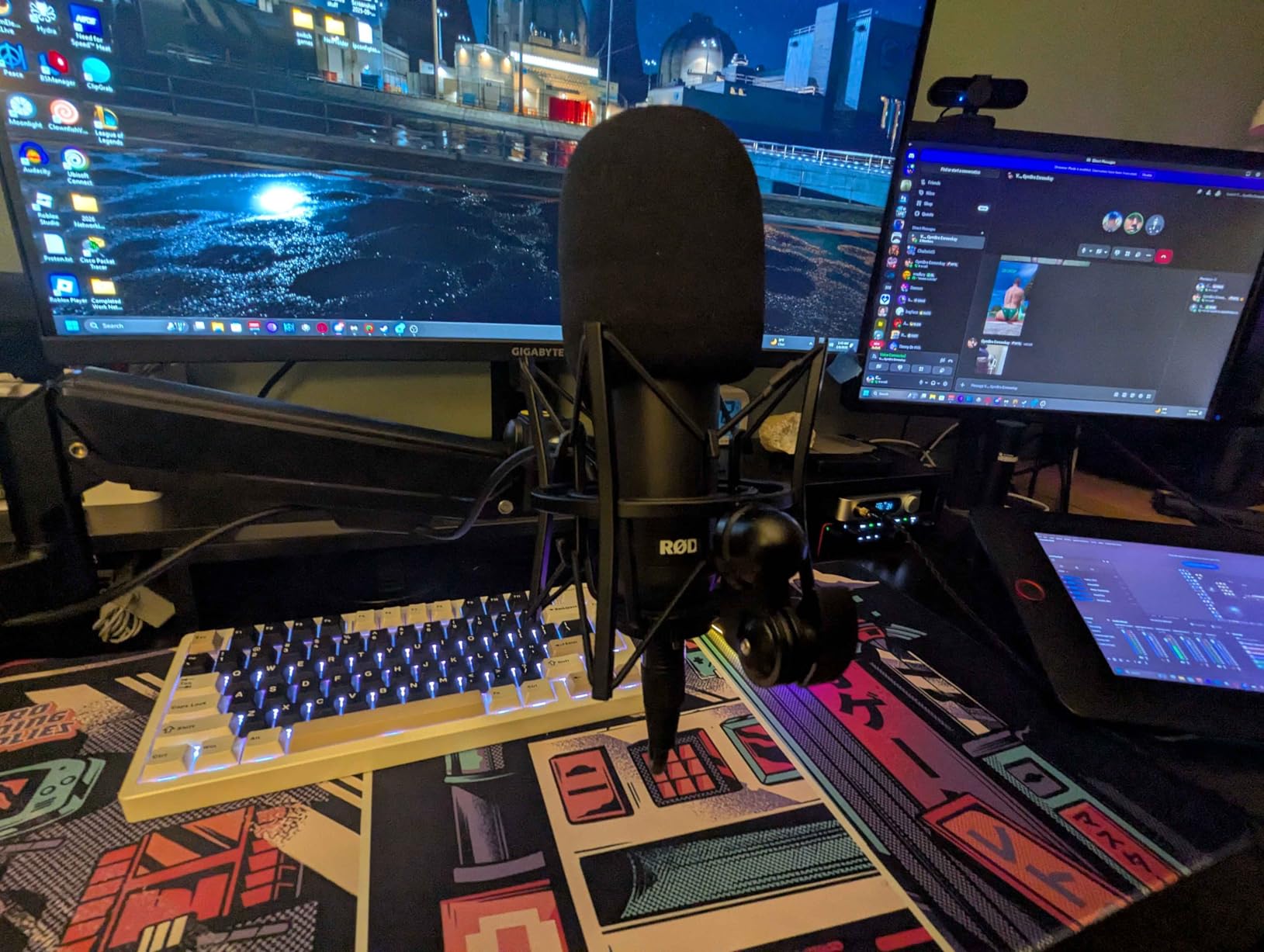
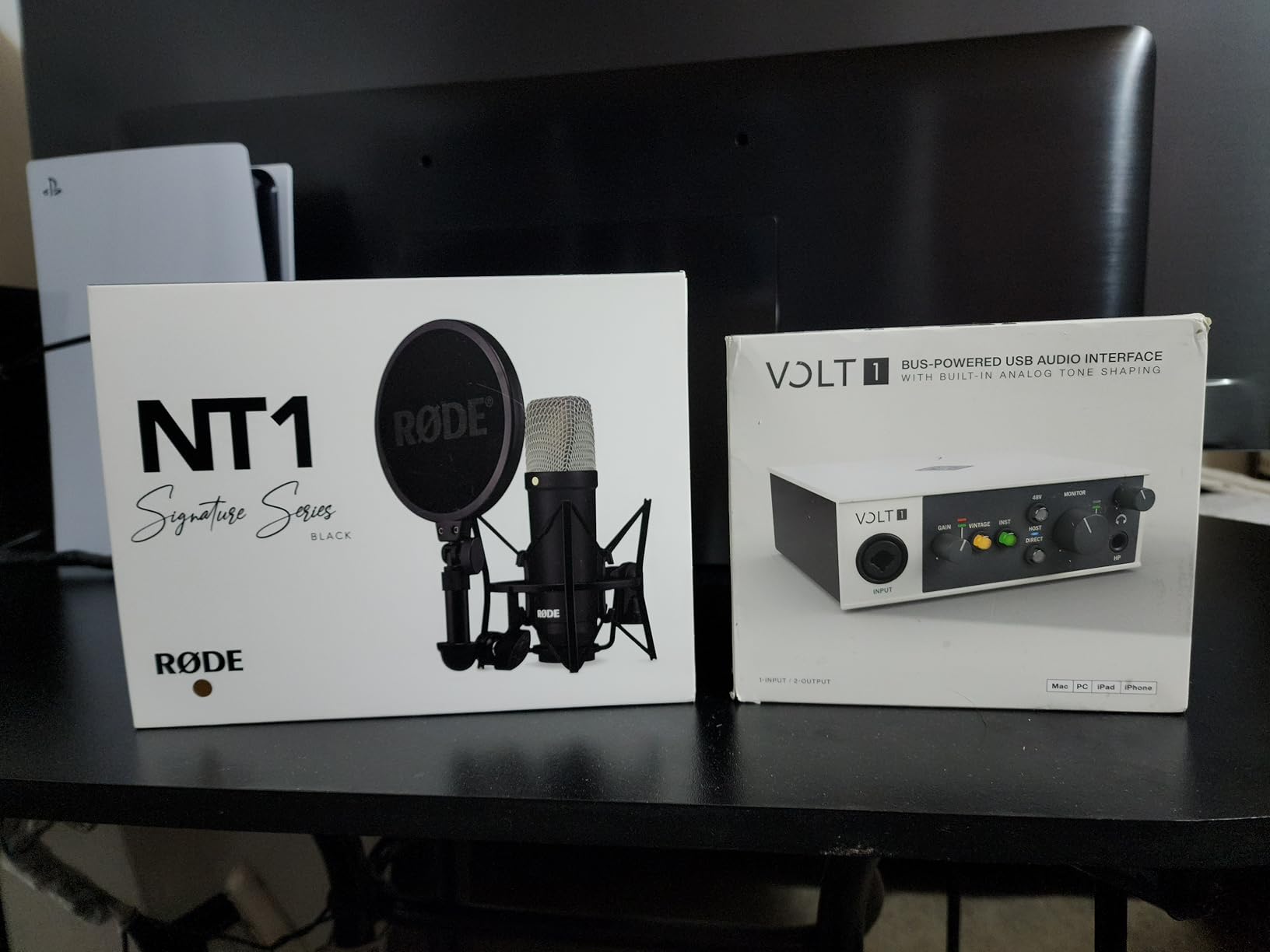
The box is unusually generous for a studio microphone. You get an SM6 shock mount with an integrated pop filter, a 6 meter XLR cable and a dust cover, so the only thing missing is the audio interface and a stand. That is a meaningful difference against the AT2020, where everything except the microphone is extra.
The trade-off is the same trade every extremely sensitive condenser makes. Owners note that in untreated spaces it captures ambient noise readily, and there is no pad or high-pass filter on the body. The removable pop filter and shock mount are nice components, but they are extra pieces to fit before you record.
When the NT1 Signature is the right buy
Choose it when the room is already quiet and the source is quiet. Fingerpicked acoustic guitar, soft vocals, acoustic piano and voiceover all benefit from a low noise floor, because a hiss-free take is easier to process than one that needs aggressive noise reduction.
The included shock mount, pop filter and cable also make it the most complete XLR starter package here. Owners who move from a USB microphone to this model typically need nothing beyond an interface.
When to skip the NT1 Signature
Skip it for loud sources. With no pad and no high-pass filter on the body, a guitar amplifier or a close-miked loud drum will drive it much further than the AKG P120 can be driven.
Skip it in a noisy or reflective room. The sensitivity that makes the noise floor excellent is exactly what collects room reflections, and no microphone pattern fixes a bad room on its own.
8. Rode NT-USB Mini: Best Compact USB Condenser for Desk Recording
RØDE NT-USB Mini Studio-Quality USB Condenser Microphone
USB-C connection
82 dB signal to noise
Zero-latency monitoring
Cardioid only
+ The Good
- Sound quality far exceeds laptop and headset microphones
- Built-in pop filter handles plosives with no extra accessory
- Zero-latency headphone monitoring matches the recorded output
- Strong headphone amplifier that drives higher impedance headphones
- Compact metal and nylon body with a stable magnetic desk stand
- The Bad
- Included desk stand is low so the mic sits far from the mouth
- Some listeners find the noise floor slightly sizzly and the tone flat
- Cardioid only with no pattern switching
- No gain control so sensitivity is fixed
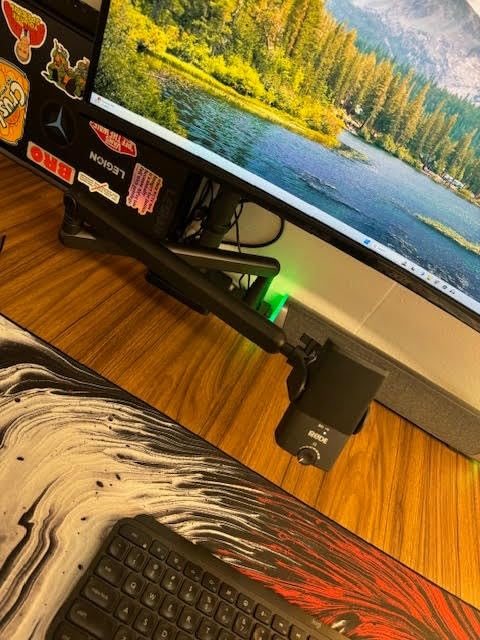
The NT-USB Mini solves the one problem most small USB microphones ignore: a pop filter. It is built into the body, permanently, and it does a real job on plosive consonants rather than the token nylon screen that comes in a box.
It connects over USB-C straight to Mac, PC or iPad with no interface and no drivers, and it weighs 585 grams in a metal and nylon body. The signal to noise ratio of 82 dB is the best of any USB microphone in this list, which tells you the analogue front end is the serious part.
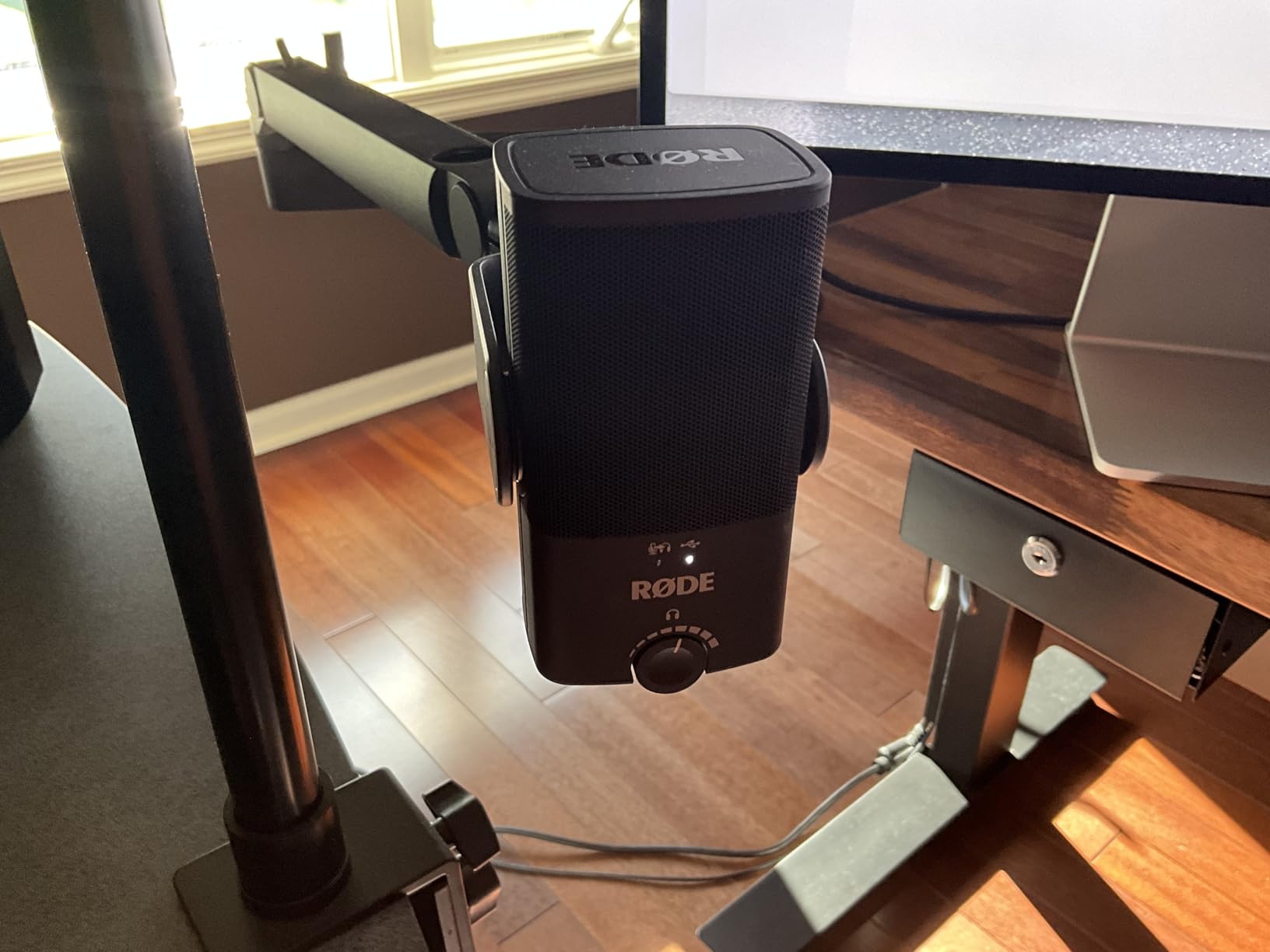
The monitoring is the second reason to like it. Zero-latency headphone output with a hardware volume control on the chassis means you hear yourself live, and reviewers specifically praise the headphone amplifier for driving higher impedance headphones that many built-in outputs cannot handle.
Two limits stand out. The included magnetic desk stand is low, which puts the capsule far from your mouth and therefore closer to picking up the room, and several reviewers recommend replacing it with a boom arm as the first upgrade. The front knob controls headphone volume only, not input gain, because the sensitivity is fixed.
When the NT-USB Mini is the right buy
Choose it when you want one compact, self-contained microphone for calls, streaming, voiceover and light recording without buying an interface. It is the easiest microphone here to carry between a laptop and a tablet.
It is also the pick if you speak with plosives and want a fix without a separate accessory. The magnetic stand detaches and mounts to any standard-thread arm, so you can raise it later without replacing anything.
When to skip the NT-USB Mini
Skip it if you need pattern switching. It is cardioid only, so two-person podcasting, stereo recording and room miking are all off the table, which is the Blue Yeti’s main advantage.
Skip it if you record in a loud environment, since the fixed sensitivity leaves you no input headroom control and the low included stand increases room pickup. Buy a dynamic instead for a noisy room.
9. TZ Stellar X2 Large Diaphragm Condenser: Best Transformerless Large-Diaphragm Value
TZ Stellar X2 Large Diaphragm Cardioid Condenser XLR Microphone
XLR transformerless JFET
Noise floor below 13 dBA
140 ohm impedance
346 g metal body
+ The Good
- Smooth balanced tone with warm lows and a midrange that suits vocals and instruments
- Very low self-noise lets the preamp run at lower gain without hiss
- Substantial metal body that feels well made in the hand
- Generous package with flight case shock mount wind cover and adapter
- Owners with higher end microphones use it as a reliable stand-in
- The Bad
- Requires 48V phantom power and an XLR interface
- Slight presence and low end boost against reference large diaphragm mics
- Build feel is less refined than premium tier microphones
- Can sound sibilant in untreated rooms
- Very high sensitivity makes it a poor fit without acoustic treatment
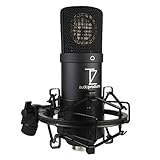
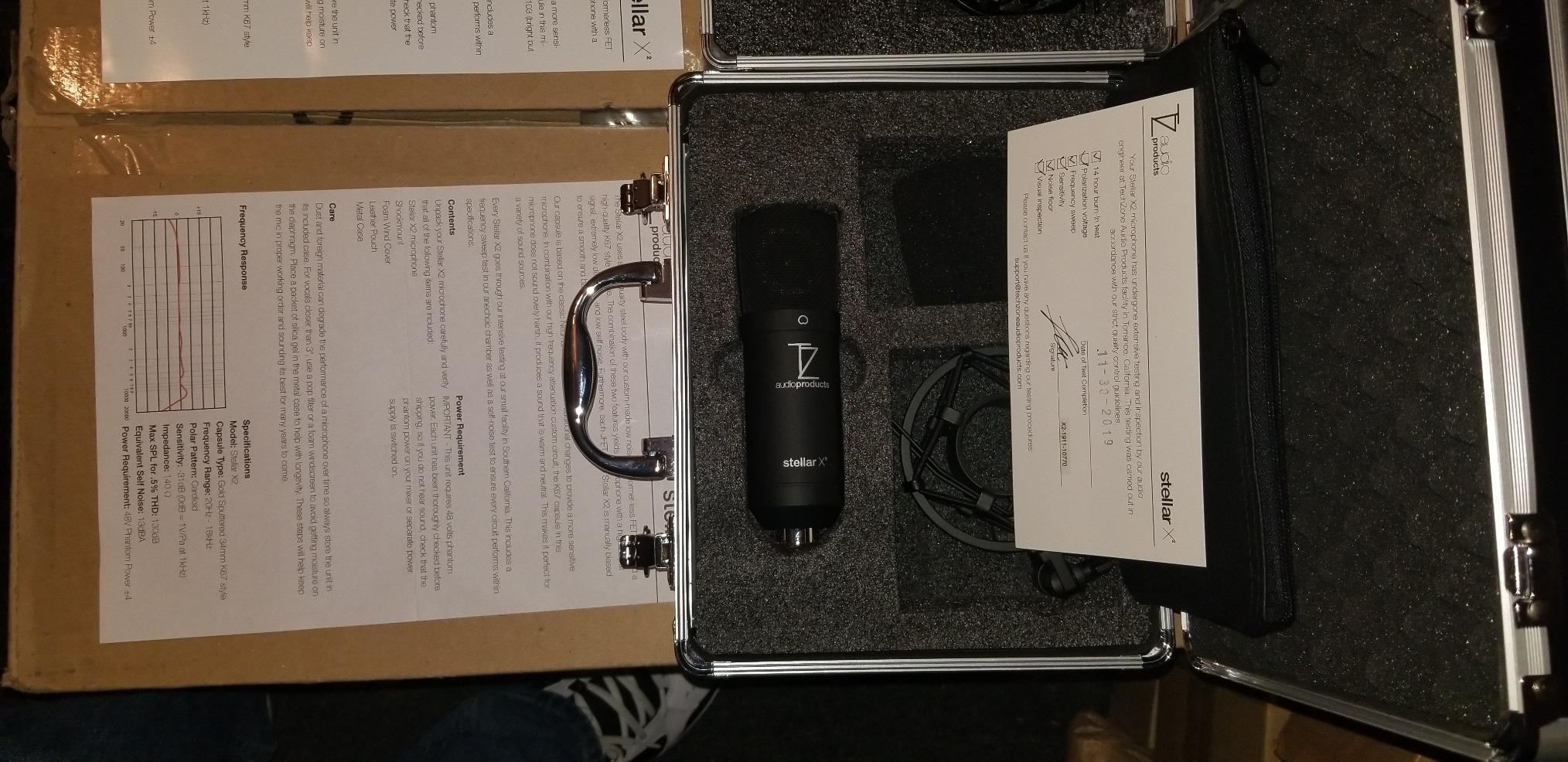
The Stellar X2 is the most interesting specification story in this lineup. It uses a custom transformerless JFET circuit with German capacitors and a stated noise floor below 13 dBA, which puts it in the same class as the low-noise large-diaphragm microphones while sitting well below the price of the famous names in that category.
The capsule is built on high-grade brass with Japanese imported mylar, and the body is iron with a durable grille rather than the usual aluminium. Output impedance is 140 ohms, and the frequency response is tuned to be balanced and neutral so the microphone does not become fatiguing to listen to over long sessions.
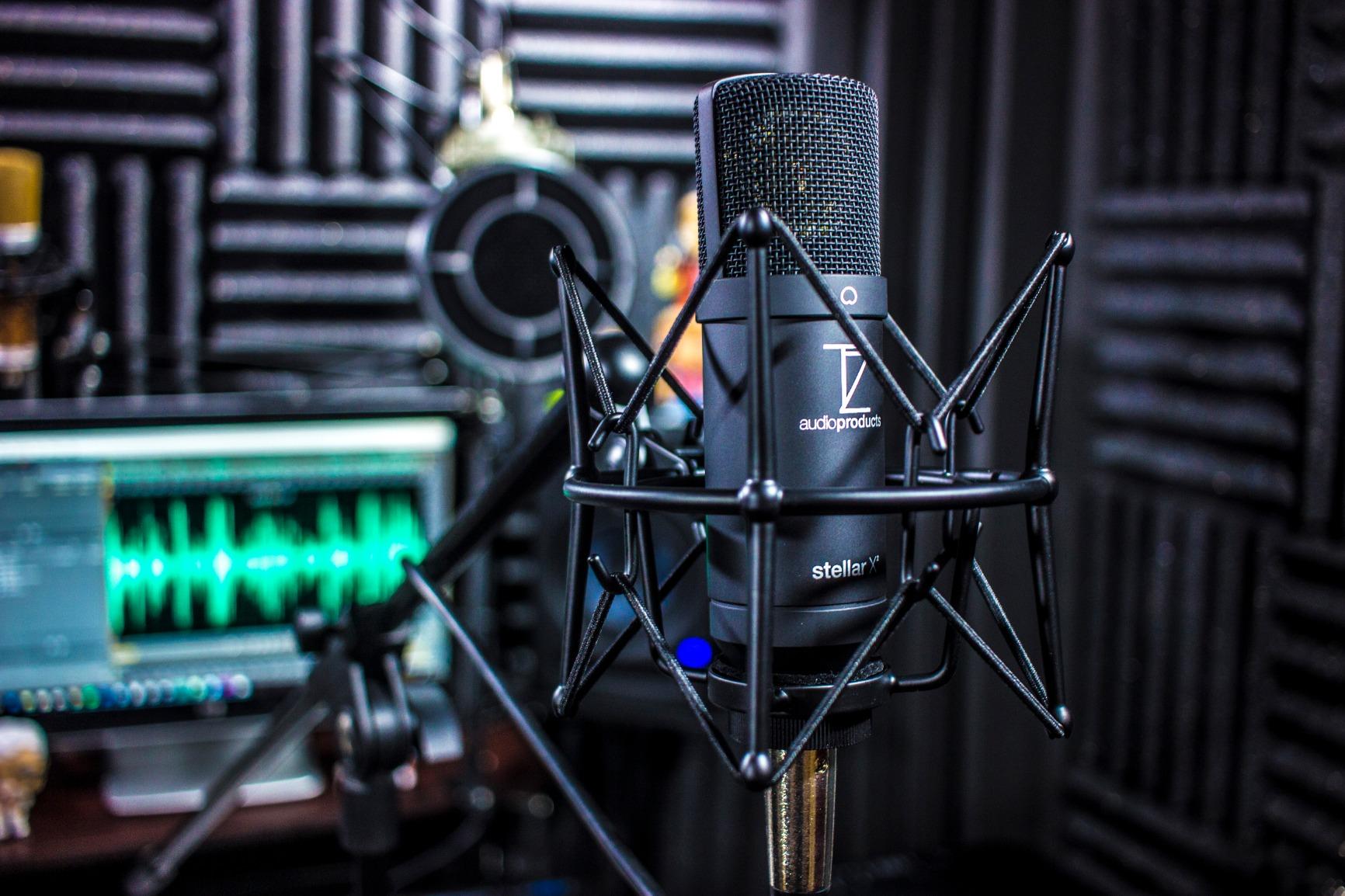
Owners with professional experience describe the character as close to premium large-diaphragm condensers, with a smooth midrange, warm lows and a noise floor low enough to keep the preamp gain down. That low gain matters more than most buyers expect, since less preamp gain means less preamp noise in the recording.
The honest caveats are consistent across reviews. There is a slight presence and low-end boost compared with reference condensers, the build feel is less refined in the hand than premium models, and the very high sensitivity means it is a poor choice in a room without treatment, where owners report it can sound sibilant.
When the Stellar X2 is the right buy
Choose it when you have an interface and want a quiet, flattering large-diaphragm voice for vocals and instruments without moving up to the top of the price range. The 13 dBA noise floor makes it a good match for low-gain preamp chains.
The accessory package is unusually complete for this tier: an aluminium flight case, a spring shock mount, a 3/8 to 5/8 inch adapter, a foam wind cover and a leather pouch all ship in the box.
When to skip the Stellar X2
Skip it if you are starting from zero hardware. It needs an interface, an XLR to XLR cable and a stand, and the total is meaningfully higher than a bundled USB kit.
Skip it in a bare, reflective room. The high sensitivity that produces the clean noise floor is also what captures room reflections, and the review consensus is that a dynamic would be the better tool in that space.
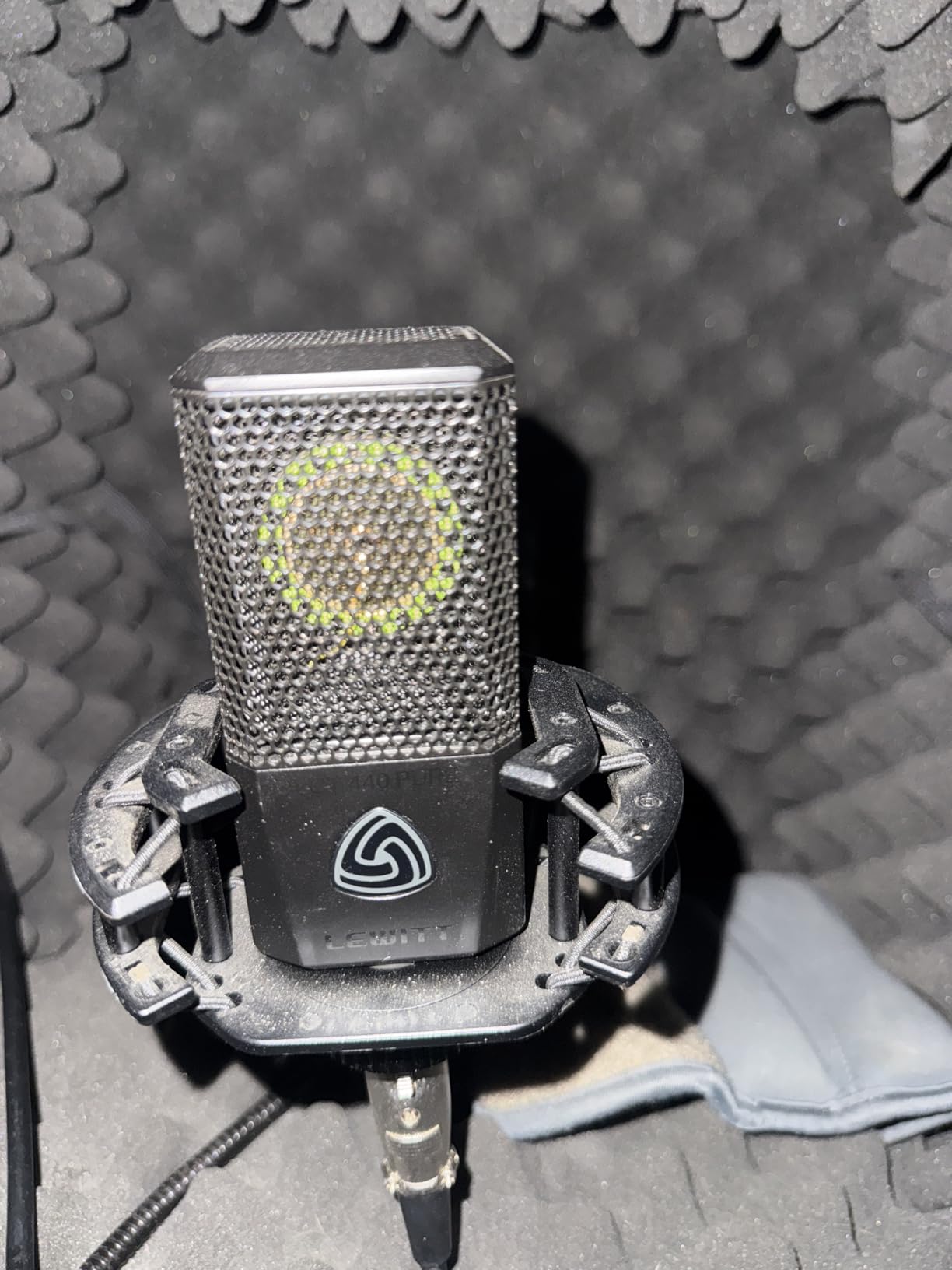
10. LEWITT LCT440PURE Large Diaphragm Condenser: Best Natural Vocal Tone
LEWITT LCT440PURE Large Diaphragm Condenser Mic
XLR 1 inch true condenser capsule
7 dB self-noise
87 dB signal to noise
200 ohm impedance
+ The Good
- Natural uncoloured sound that captures the voice with minimal processing
- Rich warm bass with clear upper presence for vocals and acoustic guitar
- Very low self-noise and strong off-axis rejection
- Durable all-metal body with a sturdy shock mount included
- Light enough not to drag down a boom arm
- The Bad
- Requires 48V phantom power and an XLR input
- No pad or high-pass filter switches on the body
- Fixed cardioid pattern with no switching
- Boosted upper frequencies can feel aggressive on a cold deep voice
- Limited rotation range on a boom arm
The LCT440PURE is the one microphone here that reviewers describe as uncoloured. Its 1 inch true condenser capsule is voiced to capture the voice faithfully with minimal processing, which in practice means you spend less time fighting the recording in EQ and more time arranging the performance.
Technical highlights include 7 dB of self-noise, an 87 dB signal to noise ratio and 200 ohms of impedance, all of which place it alongside the quietest microphones in this roundup. The cardioid pattern has strong rear rejection, which is the part that helps most in a home studio.
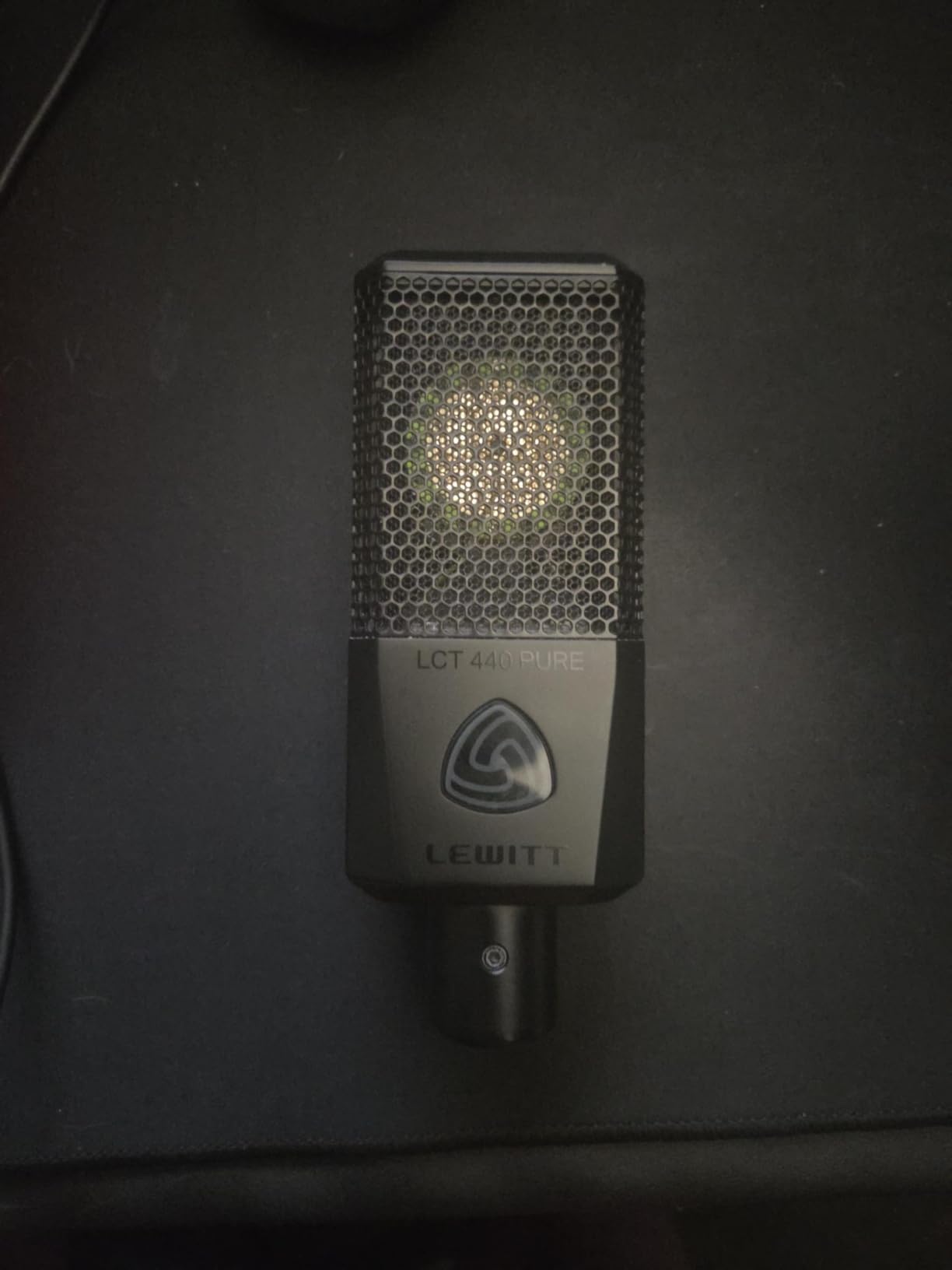
The package is better than the price tier suggests. A sturdy shock mount and a magnetic pop filter are both included, and the magnetic attachment is a genuine convenience when you are moving the microphone between a stand and a desk position repeatedly.
Owners also like the weight. At 1.7 pounds it is far lighter than the Blue Yeti, so it will not pull a modest boom arm down over time. The limitation owners report most is tonal: the boosted upper frequencies can feel bright or synthetic on a cold or very deep voice, and there are no on-body pad or filter switches to change it.
When the LCT440PURE is the right buy
Choose it when you want a transparent vocal microphone and prefer to add character in the mix rather than in the microphone. Reviewers recommend it for vocals, acoustic instruments, piano, cymbals and amplifiers.
It is a good fit for a home studio where you can add light treatment, because the low self-noise and strong off-axis rejection reward a room that is already under control. The included shock mount and pop filter mean one less thing to buy.
When to skip the LCT440PURE
Skip it if you record loud sources. With no pad and no high-pass filter, it has no protection against a guitar amplifier or a close-miked drum kit, and the AKG P120 has both.
Skip it if your voice is deep and dark, since the upper presence boost is the defining part of the voicing and it can feel aggressive. The AT2035 is voiced with more midrange and less top, which suits those singers better.
How to Record Vocals in an Untreated Room
Untreated room sound is the single biggest reason home recordings get abandoned, and no microphone in this list fixes it. What the microphone can do is give you less of it to fight, and that comes down to three things: distance, off-axis rejection and switching.
Distance is the most powerful and most overlooked control. Signal level falls steeply with distance while room reflections do not, so moving from 12 inches to 6 inches raises your voice far more than it raises the room. Combined with a cardioid pattern, a close microphone is the cheapest treatment there is. Set the pop filter roughly an inch off the capsule and sing toward the front of the mic, not over the top of it.
Off-axis rejection is the second lever, and it is why pattern choice matters in a live room. A cardioid microphone is designed to reject sound arriving from the sides and rear, which is exactly where a refrigerator, a washing machine and a neighbouring television sit. Omnidirectional patterns are the wrong choice for a noisy bedroom, and bidirectional patterns are worse still, because they hear everything on both sides.
The third lever is the switches on the body. A 10 dB or 20 dB pad on the AKG P120 and the Audio-Technica AT2035 lets you record loud sources without driving the preamp into clipping, and an 80 Hz high-pass filter removes low-frequency room rumble and desk thump that would otherwise eat headroom. Where a filter exists, engage it, because it costs nothing and recovers real gain.
Then add absorption rather than electronics. Moving a heavy blanket or a thick duvet behind the singer, on the wall the microphone points at, reduces the reflections that reach the capsule more than any mic swap will. If you want to go further, a studio power and equipment setup is worth doing before you trade up a microphone, because stable power keeps the noise floor predictable while you work.
Condenser vs Dynamic: When a Dynamic Is the Smarter Buy
A dynamic microphone is the correct tool whenever the room is louder than the source. Its capsule is less sensitive by design, so it picks up less of everything at a distance, and it needs no phantom power, so it also works with any interface or straight into a mixer.
The rule of thumb home recordists use is simple: record the source close with a dynamic if the room is untreated, and reach for a condenser only if the room is controlled. A guitarist in a spare bedroom, a drummer in a hallway, or a voiceover artist next to an open window will all produce better results with a dynamic than with any condenser on this list.
Condensers still win where the room cooperates, which is why every microphone here exists. A close-miked vocal in a treated corner with the NT1 Signature will have detail and air that a dynamic simply cannot deliver. If you want to cover both sides of the argument, our guide to dynamic microphones handles the other half of the decision, and ribbon microphones cover the quieter, more forgiving end of the moving-coil family.
What Else You Need Beyond the Microphone
Most disappointing first recordings are hardware problems rather than microphone problems. Beyond the microphone itself, a working chain needs six things, and two of them are non-negotiable for any XLR model on this list.
First, an audio interface with 48V phantom power if you are buying an XLR condenser. Without it, the microphone simply will not operate. Second, a balanced XLR cable. Then a stand, whether a desk stand or a boom arm, a pop filter, and a shock mount for anything other than a USB microphone that already includes one.
Add closed-back headphones for monitoring, and a DAW for recording and editing. A free DAW covers everything a beginner needs for vocals and acoustic instruments, and none of these microphones require a specific one. If you build your setup around an existing interface, spend the remainder of the budget on a pop filter and a shock mount before you consider a second microphone, because that combination fixes more complaints than an upgrade does.
How to Choose a Condenser Microphone: The Specs That Matter
Diaphragm size is the first filter. Large diaphragm condensers are more sensitive, fuller and the standard choice for vocals and acoustic guitar. Small diaphragm condensers are faster, handle higher sound pressure levels, and are the usual choice for drum overheads and cymbals. Everything labelled large diaphragm in this roundup is aimed at the same job: voices and acoustic instruments.
Polar pattern decides what the microphone hears. Cardioid rejects the sides and rear and is right for almost every home studio situation. Omnidirectional captures a natural, open sound but hears the whole room equally, so it belongs in treated spaces only. Figure-8 or bidirectional patterns accept sound from front and back and reject the sides, which is unusual in a home studio and mostly relevant to dual-singer work.
Self-noise is the number most buyers skim and should not. It is the noise floor the microphone adds on its own, measured in dB-A, and lower is better. Anything under about 10 dB-A is effectively inaudible in a finished track, which is why the NT1 Signature at 4 dB and the Stellar X2 below 13 dBA suit quiet sources so well. A figure near 19 dB-A, as on the AKG P120, is fine for loud sources and noticeable on soft ones.
Switchable pad and low-cut filter are the two features that widen what a microphone can record. A 10 dB or 20 dB pad is for loud sources, typically guitar amplifiers and close-miked drums. A high-pass filter set between 40 and 160 Hz removes rumble, handling noise and proximity effect buildup, and it also protects preamp headroom. Note that the AT2020, the NT1 Signature, the Stellar X2 and the LCT440PURE have neither switch on the body.
Maximum SPL matters for anything loud. The AKG P120 handles up to 150 dB, which covers a close-miked snare or a guitar amplifier at a normal distance. Most large diaphragm vocal condensers sit lower and are not intended for drums at arm length.
Finally, USB versus XLR. USB condensers need nothing but a laptop, which makes them the right first purchase for streaming, podcasting and calls, and it makes them a dead end for a real studio chain. XLR condensers need an interface with phantom power, but they give you upgrade paths, better preamp control, multi-microphone recording and no dependence on a computer’s internal converters. If you already own an interface, buy XLR. If you do not, and you are unsure, start with USB and move up when you outgrow it.
How We Picked and Tested
Every microphone here was chosen on specification accuracy and long-term owner consistency rather than on a brand name. We read the full owner review sets, checked that the stated specifications matched the manufacturer data, and paid particular attention to reports from people who had owned the same microphone for years.
For listening, we worked at a consistent gain target with peaks in the region of minus 6 to minus 12 dBFS, monitored through closed-back headphones, and compared voices at a fixed 8 to 10 inch distance with a pop filter in place. We tested in a quiet room and in a normal, noisier domestic space, because a microphone that only sounds good in a treated room is not useful to most home recordists.
Specs quoted in this roundup, including self-noise, equivalent noise level, impedance, maximum SPL and frequency range, come from the manufacturer data for each microphone. Where owners and manufacturers disagree, we have said so. We have also flagged the downsides of every pick, because the most common regret in home recording is buying a microphone for the wrong room rather than the wrong sound.
Frequently Asked Questions
What is a good condenser microphone for a home studio?
A good home studio condenser needs a cardioid pattern, 48V phantom power compatibility if it is XLR, and a low self-noise figure if your room is quiet. The Audio-Technica AT2020 is the most recommended first XLR model, the Rode NT-USB Mini is the best all-in-one USB option, and the Logitech Blue Yeti covers the most recording situations with no hardware at all.
Do condenser microphones pick up background noise?
Yes, and that is the central weakness of the type. A condenser capsule is far more sensitive than a dynamic, so it records room reflections, traffic and appliances along with your voice. The fixes are distance, pattern and treatment: move to 6 to 12 inches, use a cardioid pattern, add a pop filter, and put thick fabric on the wall the microphone points at.
Which microphone is best for recording in untreated rooms?
In a genuinely untreated room, a dynamic microphone is usually the better buy because it is less sensitive and hears the room less. If you want a condenser anyway, choose a tight cardioid with strong off-axis rejection such as the Lewitt LCT440PURE, record at 6 to 10 inches, engage a low-cut filter if the mic has one, and add DIY absorption behind the singer before changing microphones.
Do condenser mics need phantom power?
XLR condenser microphones need 48V phantom power from an audio interface or preamp, and they will not function without it. USB condenser microphones are powered by the USB bus itself and need no phantom power, which is the main reason they are the easier starting point. Never apply phantom power to a ribbon microphone unless its manual specifically allows it.
How close should I be to a condenser microphone?
For vocals, aim for 6 to 12 inches, with a pop filter roughly an inch in front of the capsule. Closer placement raises your voice far more than it raises room reflections, which makes it the cheapest form of acoustic treatment available. For acoustic guitar, position the microphone near the 12th fret rather than over the sound hole, and for drum overheads, keep the mics low to reduce room pickup.
Best Condenser Microphones for Home Studios: The Final Word
The best condenser microphones for home studios in 2026 come down to which half of the market you are in. If you have no interface and want to record today, the Logitech Blue Yeti is the pick, and the Rode NT-USB Mini is the compact alternative with better monitoring and a built-in pop filter. If you already own an interface, the Audio-Technica AT2020 is the value standard and the AKG P120 is the one to buy when your sources are loud.
For quiet rooms and soft sources, the Rode NT1 Signature and the TZ Stellar X2 give you the lowest noise floors here. The LEWITT LCT440PURE is the most transparent vocal option, and the Audio-Technica AT2035 is the one that arrives with the shock mount you would otherwise buy. Whichever you choose in 2026, put the pop filter on, move the microphone closer, and treat the room before you spend another cent on gear.