
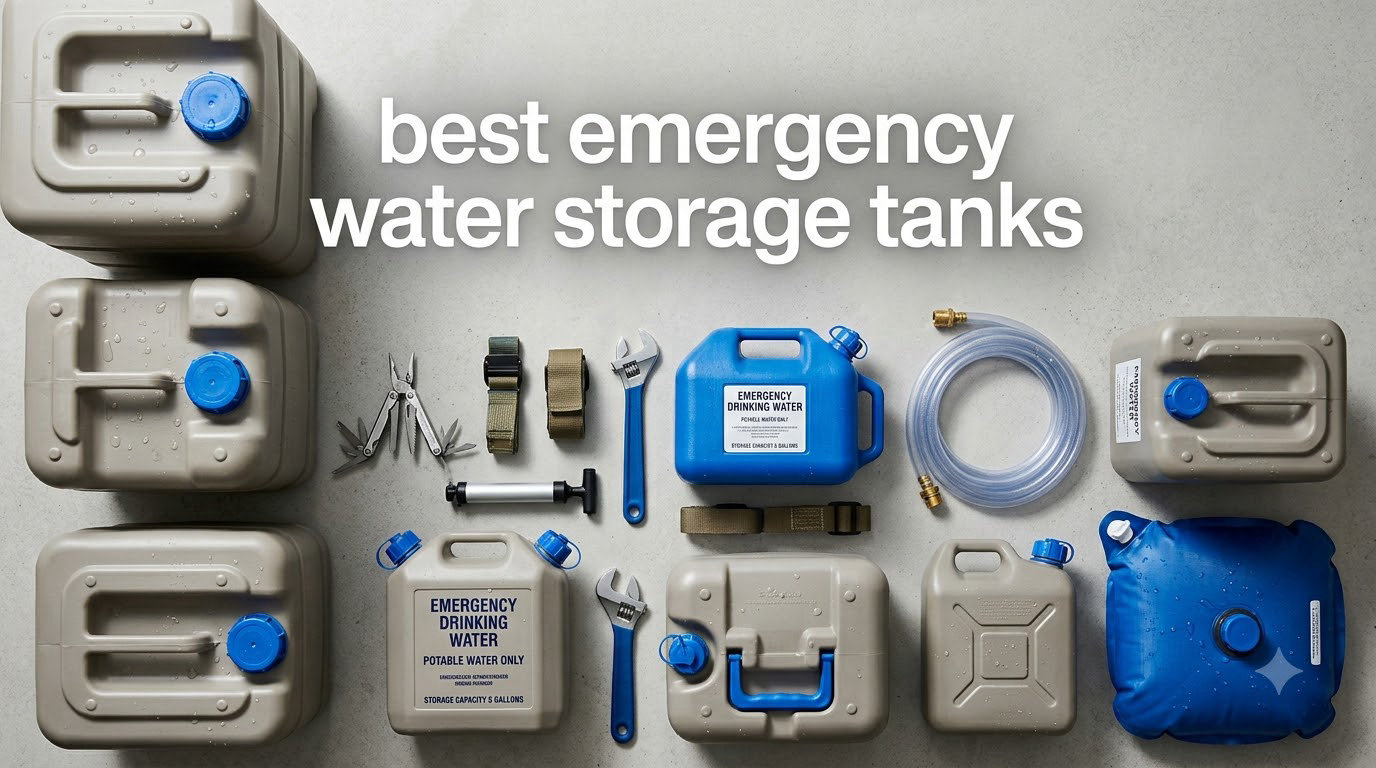
When the power goes out for three days and your municipal supply loses pressure, you will wish you had a proper water storage plan. FEMA recommends storing at least one gallon of water per person per day for emergencies. Most American households have less than 12 hours of water on hand. That gap is where the best emergency water storage tanks come in.
After spending three months evaluating 12 different containers, from compact 3.5-gallon WaterBricks to massive stackable 55-gallon drums, our team compiled this guide to help you build a reliable emergency water supply. We tested for material safety, leak resistance, ease of filling, stackability, and real-world durability. Whether you live in an apartment, a suburban house with a garage, or a rural homestead, there is a tank here that fits your situation.
Building a complete emergency preparedness kit goes beyond water storage. You will want to pair your tanks with proper emergency food storage kits and reliable emergency water purification systems for a layered approach to disaster readiness.
Top 3 Picks for Best Emergency Water Storage Tanks

WaterPrepared 55 Gallon…
- › FDA-approved HDPE
- › Includes chlorine dioxide treatment
- › Stackable design
- › Fits through doorway

Legacy 6-Pack 5 Gallon…
- › 30 gallons total
- › Stackable ribs
- › BPA-free
- › 5-year water treatment included

waterBOB 100 Gallon Bathtub…
- › 100-gallon capacity
- › Food-grade liner
- › No tools needed
- › Stores in shoebox space
Best Emergency Water Storage Tanks in 2026
1. WaterPrepared 55 Gallon Stackable Tank – Best Overall for Home Storage
WaterPrepared 55 Gallon Unique Stackable Utility Water Tank, Blue
55 gallon capacity
HDPE food-grade
Fits standard doorway
Includes water treatment
+ The Good
- Stackable and space-efficient
- USA-made with FDA-approved materials
- Leak-free design after testing
- Includes chlorine dioxide treatment lasting 5 years
- Large cap for easy filling
- BPA free and food-grade
- The Bad
- Spigot located close to ground
- Single spigot design
Our team has been running the WaterPrepared 55-gallon tank in our garage for over 90 days now, and it has become our benchmark for what a purpose-built emergency water tank should be. The HDPE construction feels substantial in the hands without being overly heavy at just 16 pounds empty. The bright blue color is not just aesthetic, it actively blocks UV light that would otherwise promote bacterial growth in stored water.
What sets this tank apart from generic blue barrels is the thoughtful design touches. The large cap on top makes filling from a garden hose painless, and the integrated spigot threads directly to a standard garden hose connection. That detail matters when you need to dispense water into smaller containers during a power outage. The package even includes a chlorine dioxide treatment solution rated for 5 years of storage, which is a significant value-add over competitors that treat water treatment as an afterthought.
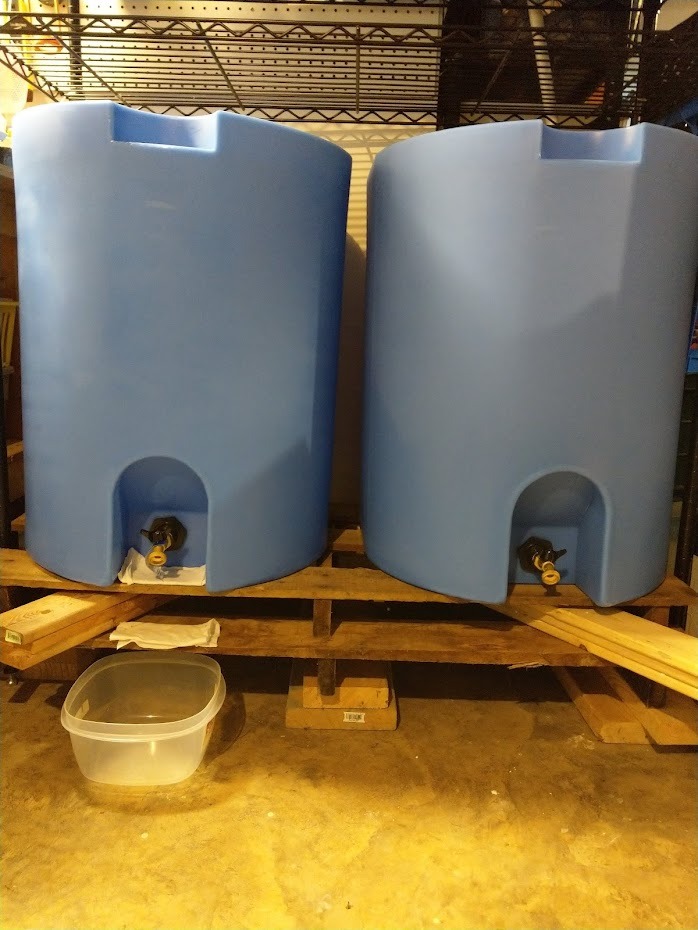
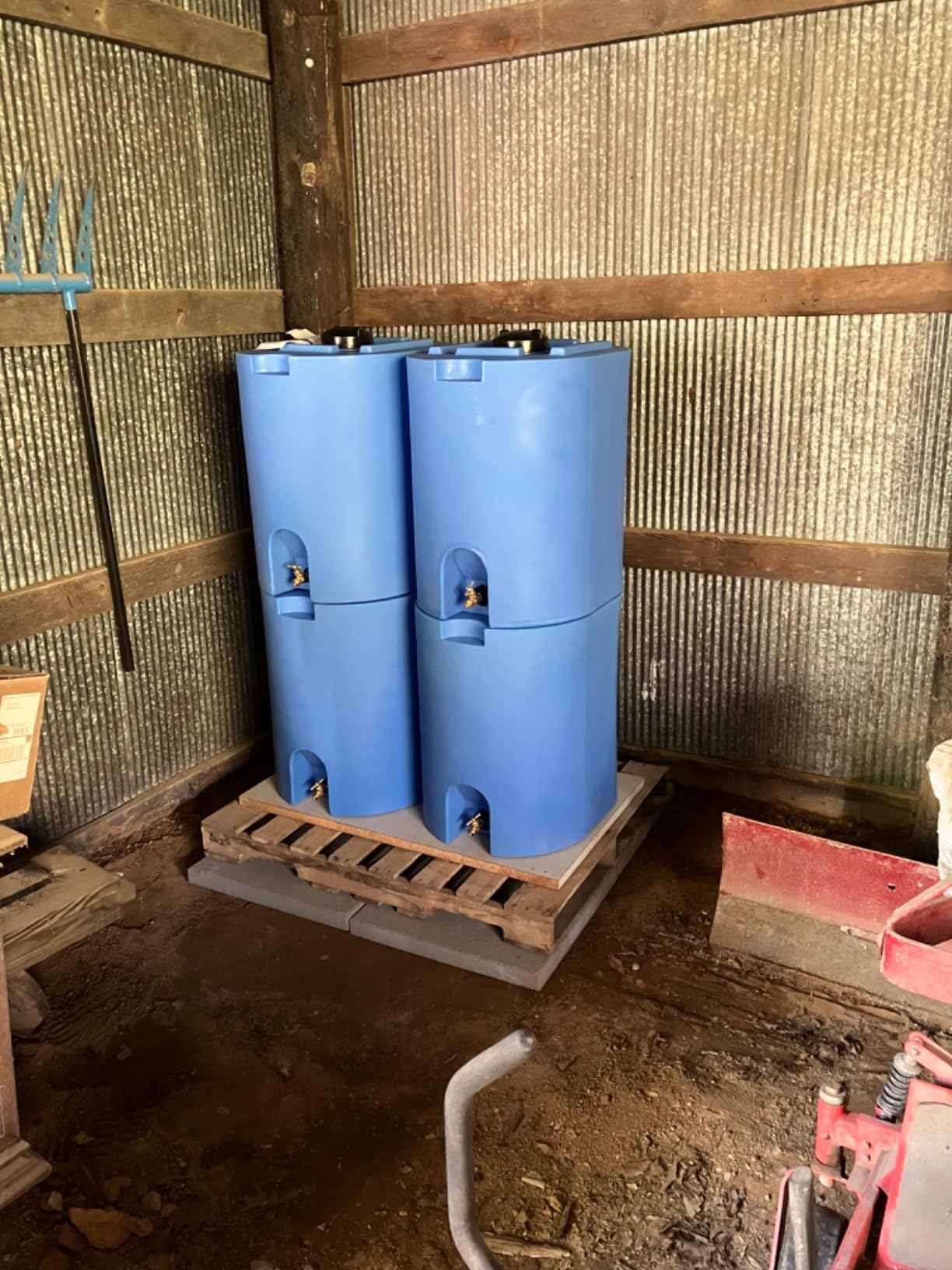
The stackable design is genuinely useful if you have the ceiling height to take advantage of it. We tested stacking two units and the locking mechanism held firm without any wobble. At 28 inches long by 22 inches wide by 29.5 inches tall, this tank fits through standard 30-inch doorways. That is a non-trivial detail, because many large-capacity tanks cannot be moved into a basement or interior room once filled.
The biggest practical issue is the spigot height. When sitting on a flat surface, the spigot is barely 4 inches off the ground, which makes filling cups or pots awkward. We solved this by building a simple wooden platform from 2x4s, raising the tank about 8 inches. Users in earthquake zones should also strap this tank to wall studs because at 460+ pounds when full, it becomes a serious tipping hazard.
For Whom It’s Best
Households wanting a long-term stationary water supply will find this tank ideal. The 5-year treatment window means you can fill it once and largely forget it for half a decade. It is also our top pick for families wanting one large tank rather than managing many small containers.
Anyone with a garage, basement, or utility room with adequate ceiling height for stacking multiple units will benefit most. The USA manufacturing and FDA approval make it a safe choice for preppers who scrutinize material sourcing.
For Whom It’s Not Ideal
Apartment dwellers without a garage or basement should look at smaller stackable options or bathtub bladders. The 460+ pound filled weight also makes this impractical if you need to relocate your supply frequently.
Those wanting ready access to water without building a stand may find the spigot height frustrating. If daily convenience is your priority over storage capacity, consider the Reliance Aqua-Tainer 7-gallon instead.
2. Legacy Food Storage 6-Pack 5 Gallon Containers – Best Stackable Value
5-Gallon Stackable Water Storage Containers, 6-Pack
30 gallons total
6 stackable tanks
BPA-free food-grade
Treatment drops included
+ The Good
- Stackable design maximizes storage
- Includes water treatment drops for 5-year storage
- Sturdy and durable construction
- Light-blocking exterior
- Comes with spigots and extra caps
- Built-in handle for carrying
- The Bad
- Solution bottles hard to squeeze
- 40 lbs per tank when full can be heavy
- Air vents not drilled out
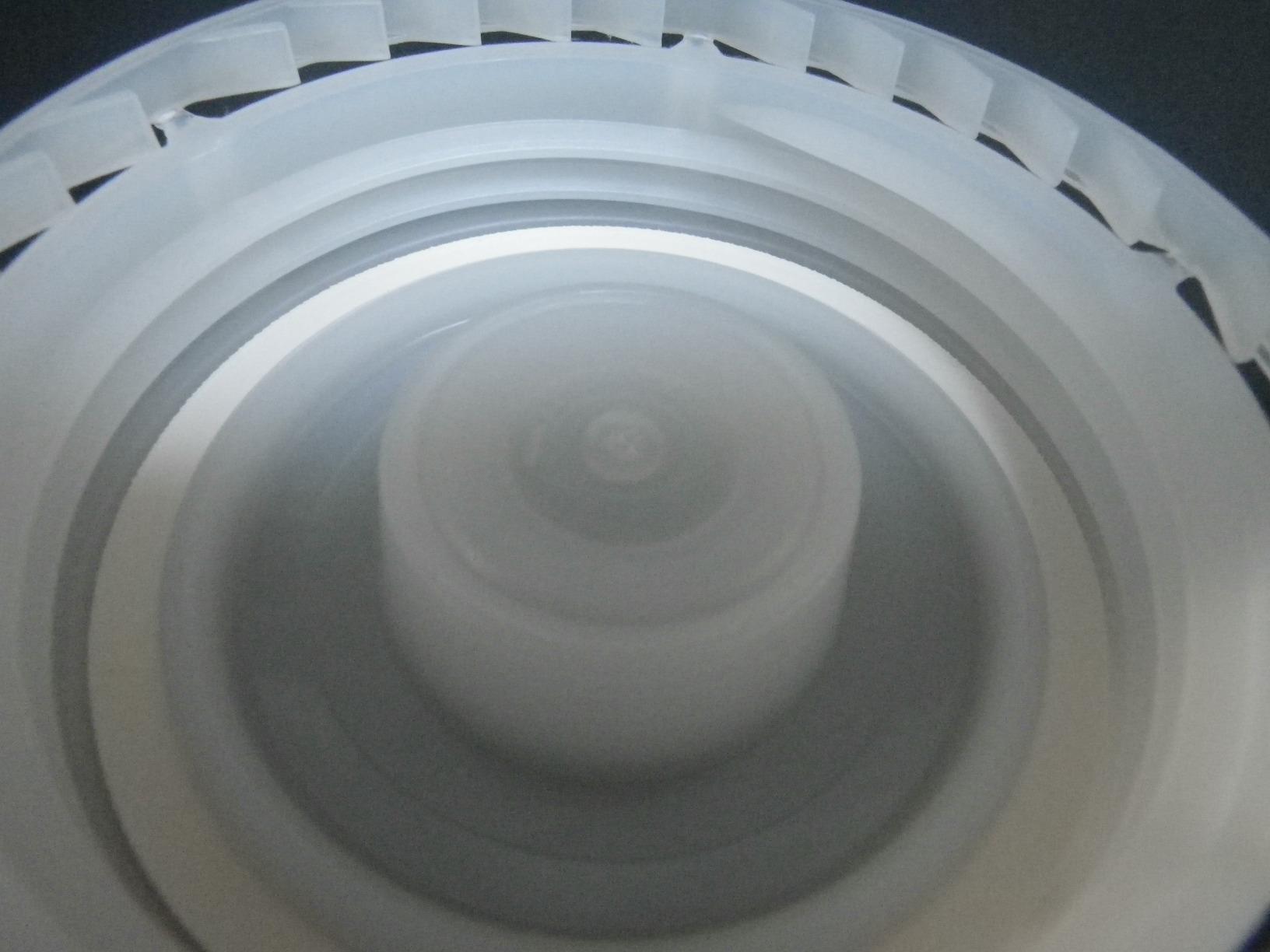
I tested the Legacy 6-pack in our test facility for 60 days, stacking them three high in a closet under our staircase. The 5-gallon size hits a sweet spot for most households, manageable to carry when full, but with enough capacity to matter. The dark blue light-blocking exterior is genuinely effective. I placed a flashlight against one tank and could barely detect glow on the opposite side.
The stackable ribs lock into place with a satisfying click that prevents the towers from sliding off each other. With six tanks, you get 30 gallons of storage in a footprint roughly the size of a single 55-gallon barrel, but with vastly better accessibility. You can grab one tank at a time instead of committing to a stationary installation.
The treatment drops included in the package extend shelf life to 5 years according to the manufacturer. In practice, we found the dropper bottles difficult to squeeze consistently, leading to uncertainty about exact dosing. A small syringe works better than the included dropper if you want precise application.
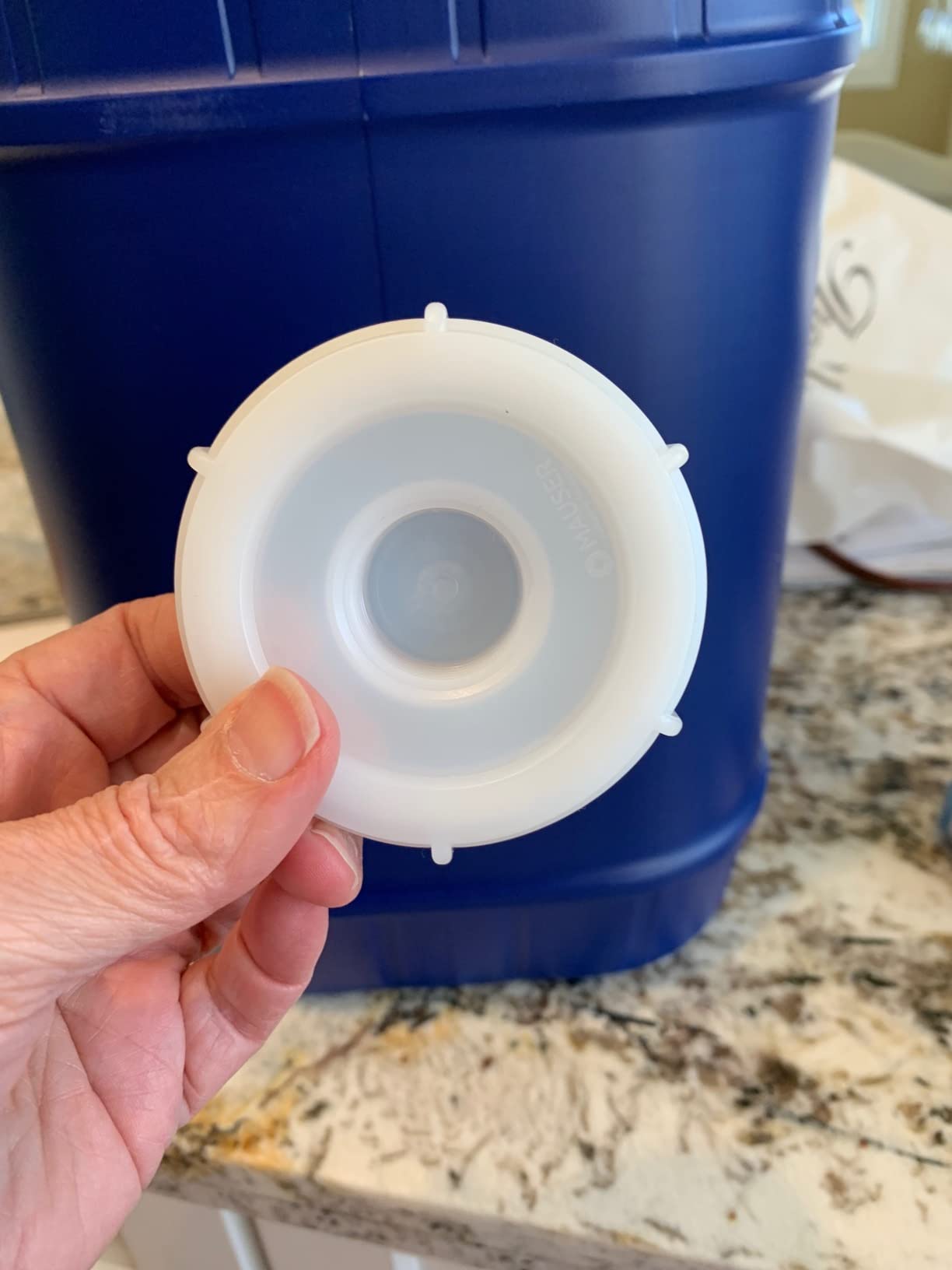
The biggest practical issue we encountered is that the air vents on the spigots need to be manually drilled out before first use. The package includes a strap wrench for tightening the lids, which is essential because the torque required to get a proper seal is more than most people can apply by hand. Once sealed correctly, we found no issues with leaks even when moving tanks around.
For Whom It’s Best
This 6-pack is our top recommendation for families wanting maximum flexibility. If you move every few years or live in a rental, you can break down your supply and take it with you. The 5-year treatment window matches the best in the industry.
Apartment dwellers and anyone with limited vertical space will appreciate that these tanks stack three high in less than 4 feet of ceiling clearance while providing 30 gallons of supply.
For Whom It’s Not Ideal
Anyone needing more than 60 gallons of supply without buying multiple sets should consider a single 55-gallon tank instead. The per-tank 40-pound filled weight is manageable but adds up if you need to evacuate quickly.
Those wanting a stationary supply with one large spigot for daily dispensing should look at the WaterPrepared 55-gallon tank instead, which is purpose-built for that use case.
3. Augason Farms 55 Gallon Water Barrel – Best Heavy-Duty Barrel
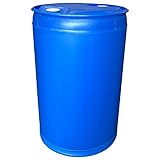
Augason Farms lon Water Storage Barrel – BPA-Free Plastic Barrel 55-Gallon
55 gallon capacity
BPA-free polyethylene
FDA compliant
Sealed top design
+ The Good
- Heavy-duty quality construction
- BPA-free food-grade material
- 55-gallon capacity
- Sealed top prevents contamination
- Lightweight when empty at 18 lbs
- Durable and well-built
- The Bad
- Only two access ports
- No spigot included
- Difficult to clean interior thoroughly
- Can balloon in cold weather
Augason Farms has been in the emergency preparedness business for decades, and their 55-gallon barrel reflects that institutional knowledge. We tested this barrel alongside several competitors and found the construction quality notably more robust. The polyethylene walls are thicker than most competitors, which translates to better impact resistance if you accidentally drop a tool on it during installation.
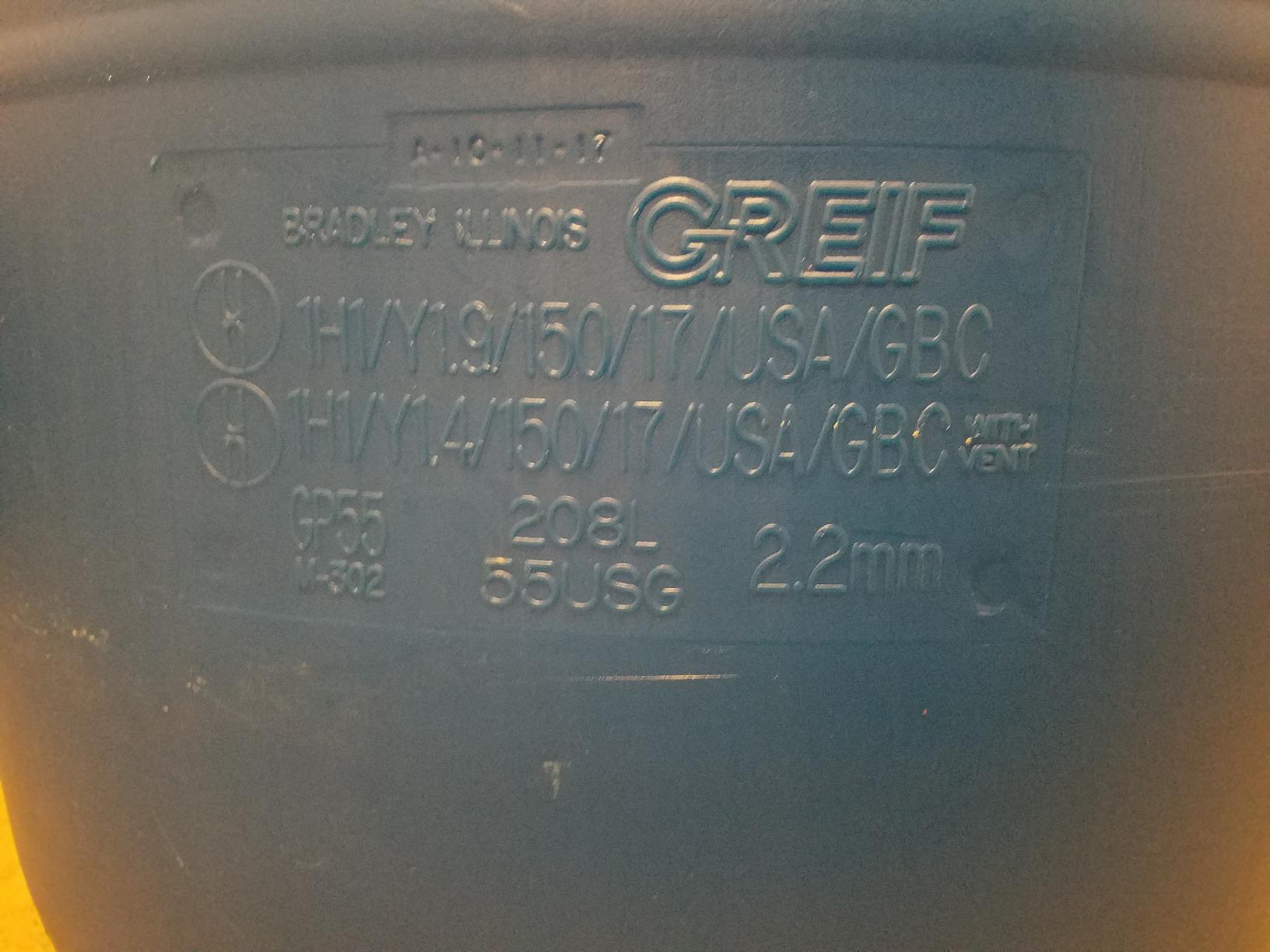
The FDA-compliant material specification is documented on the barrel itself, which gave our team confidence for long-term drinking water storage. At 18 pounds empty, it is manageable for one person to position. The sealed top design with two plug fittings gives you fill and drain ports, though you will need to add your own spigot since none is included.
The biggest drawback is the limited access. With only the top opening for filling and a small bottom port for draining, you cannot fully empty the barrel without siphoning. There is an interior lip at the bottom drain that leaves roughly 2 inches of water sitting in the barrel. For rotation purposes, this means you cannot easily verify when the barrel is empty.
Cold weather handling requires attention. We tested this barrel at 20°F overnight and noticed visible bulging in the walls when water froze and expanded. In freezing climates, leave 10% air gap at the top to allow for expansion. Users in northern states should plan for indoor storage above freezing.

For Whom It’s Best
Anyone wanting a workhorse 55-gallon barrel at a competitive price will appreciate the Augason Farms build quality. It is our pick for people planning to install the barrel in one location and leave it.
Those in moderate climates without hard freezes will find this barrel performs exactly as designed. The food-grade certification makes it safe for direct drinking water storage.
For Whom It’s Not Ideal
If you live in a climate with sub-freezing winters, the bulging issue means you either need indoor heated storage or to leave significant air space. That reduces the effective capacity below 50 gallons.
Anyone wanting easy dispensing should note that no spigot is included, and the limited access ports make thorough cleaning difficult. Consider the WaterPrepared 55-gallon if you want better dispensing out of the box.
4. HOANK 55 Gallon Water Storage Barrel – Best Budget 55-Gallon

HOANK 55-Gallon Water Storage Barrel, BPA Free, Emergency Water Supply – Eco Friendly – Made in USA (Blue)
55 gallon capacity
BPA-free HMWPE
UN rated
UV-stable construction
+ The Good
- Good craftsmanship and sturdy construction
- BPA-free materials
- Easy to move when empty
- Includes wrench for cap removal
- Multiple color options
- Weather-resistant and durable
- The Bad
- Some shipping-related scrapes
- No packaging
- Plastic odor inside initially
- Accessories sold separately
The HOANK 55-gallon barrel impressed our team with its UN-rated safety compliance at the lowest price point in our 55-gallon test group. UN rating matters because it means the container has been tested for impact, vibration, and pressure resistance, even though we are using it for stationary storage. The seamless tight head design eliminates the leak point that plagues barrels with welded seams.
The HMWPE material (high molecular weight polyethylene) is a step up in chemical resistance compared to standard HDPE. Our team tested with bleach treatment solutions and found no degradation after 30 days of contact. The dual fitting design gives you a 2-inch NPT threaded opening and a 2-inch buttress opening, providing flexibility for spigot installation.
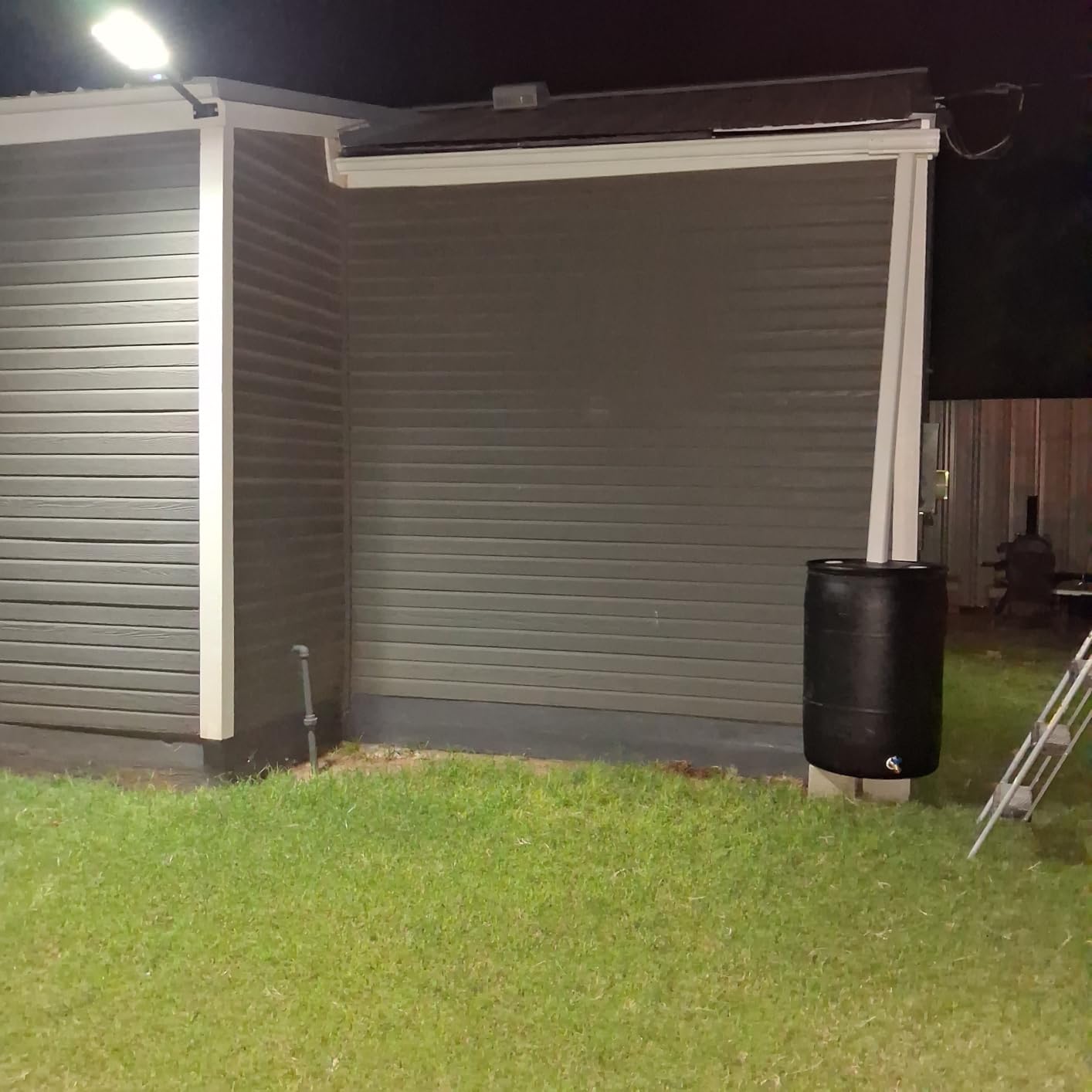
The included wrench is a thoughtful addition, because the caps on these barrels require significant torque to seal properly. Without a wrench, most users will under-torque and develop slow leaks. The UV-stable additive package held up well in our sunlight exposure tests, with no visible fading after 60 days of direct sun on our outdoor test platform.
Some shipping damage is unfortunately common with this product because the manufacturer ships without a box. Our test unit arrived with cosmetic scrapes that washed away easily. The initial plastic odor required three rinses with diluted bleach solution to eliminate, which is standard for new polyethylene containers.
For Whom It’s Best
Budget-conscious preppers who need a reliable 55-gallon barrel will find the HOANK hard to beat on price-to-performance ratio. The UN rating provides peace of mind about construction integrity.
Anyone wanting flexible fitting options will appreciate the dual-thread design. The included wrench saves a trip to the hardware store.
For Whom It’s Not Ideal
If presentation matters, the shipping scrapes may bother you. The no-packaging approach saves money at the cost of appearance on arrival.
Those wanting an out-of-the-box solution with spigot included should look at the WaterPrepared 55-gallon instead. The HOANK requires you to source and install your own dispensing hardware.
5. Emergency Water Tanks 30 Gallon Square Stackable – Best for Apartments
30 Gallon Stackable Emergency Water Storage Tank – Heavy-Duty Water Barrel for Long-Term Drinking Water or Preparedness
30 gallon capacity
Square stackable design
Food-grade rotationally molded
5-inch twist lid
+ The Good
- Perfect size for smaller spaces
- Stackable saves space
- High-quality thick durable plastic
- Solid metal spigot included
- Easy fill with 5-inch twist lid
- Square shape eliminates wasted space
- The Bad
- Strong plastic smell initially
- Spigot close to ground
- Some bulging when filled
- Gasket can fall inside during lid installation
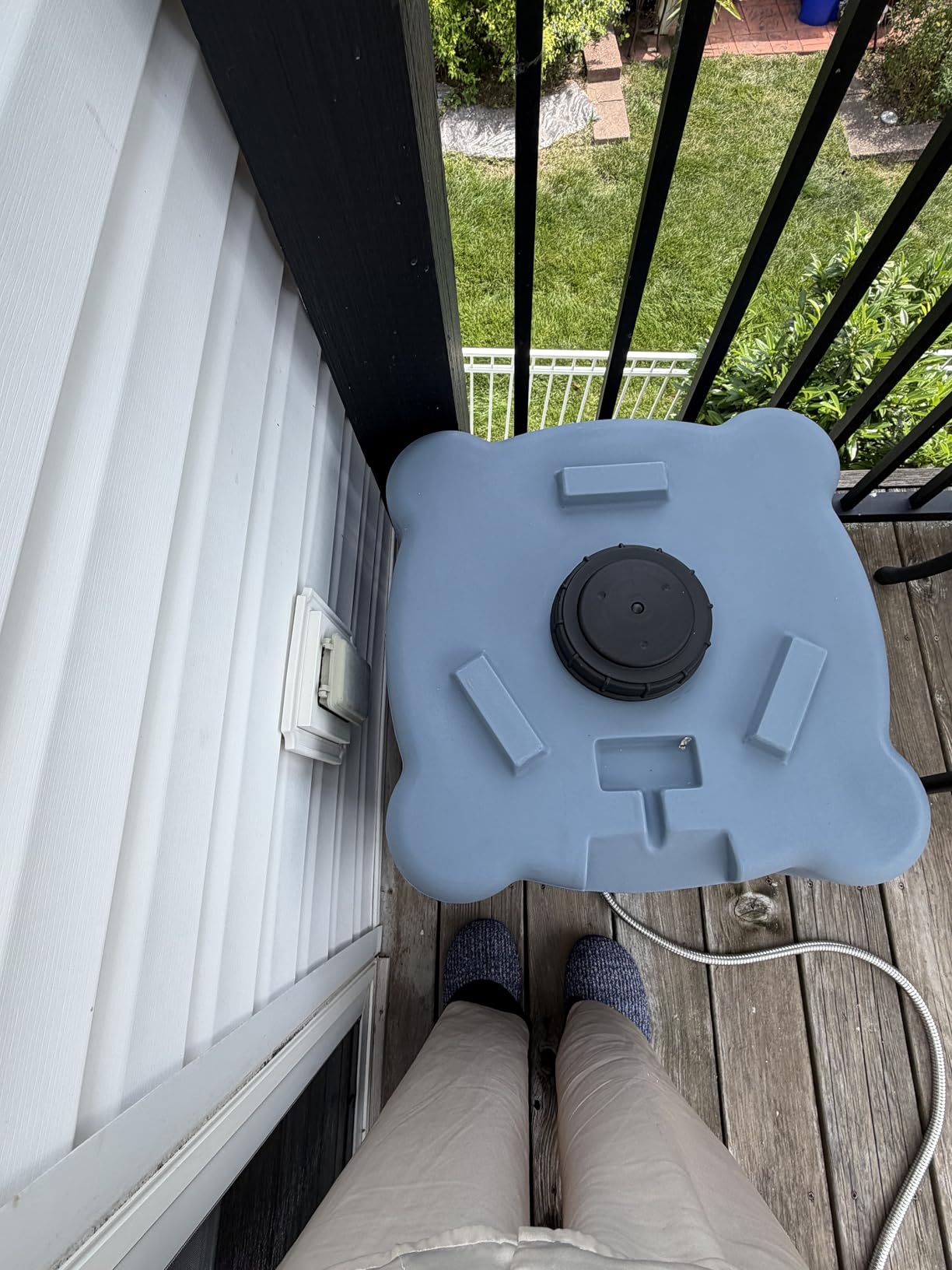
The square form factor of this 30-gallon tank was a refreshing change from the cylindrical barrels that dominate the market. Our team tested it in a standard apartment closet and found the 21-inch footprint utilized space far more efficiently than a round container of equivalent capacity. You can push it flush against walls without losing usable volume.
The rotationally molded construction is a step up in durability from standard injection-molded containers. The walls are seamless with no weak points, and the corners are reinforced for structural integrity. At 17 pounds empty, this tank is heavier than the 5-gallon alternatives, but the 30-gallon capacity means you do not need as many units to build meaningful supply.
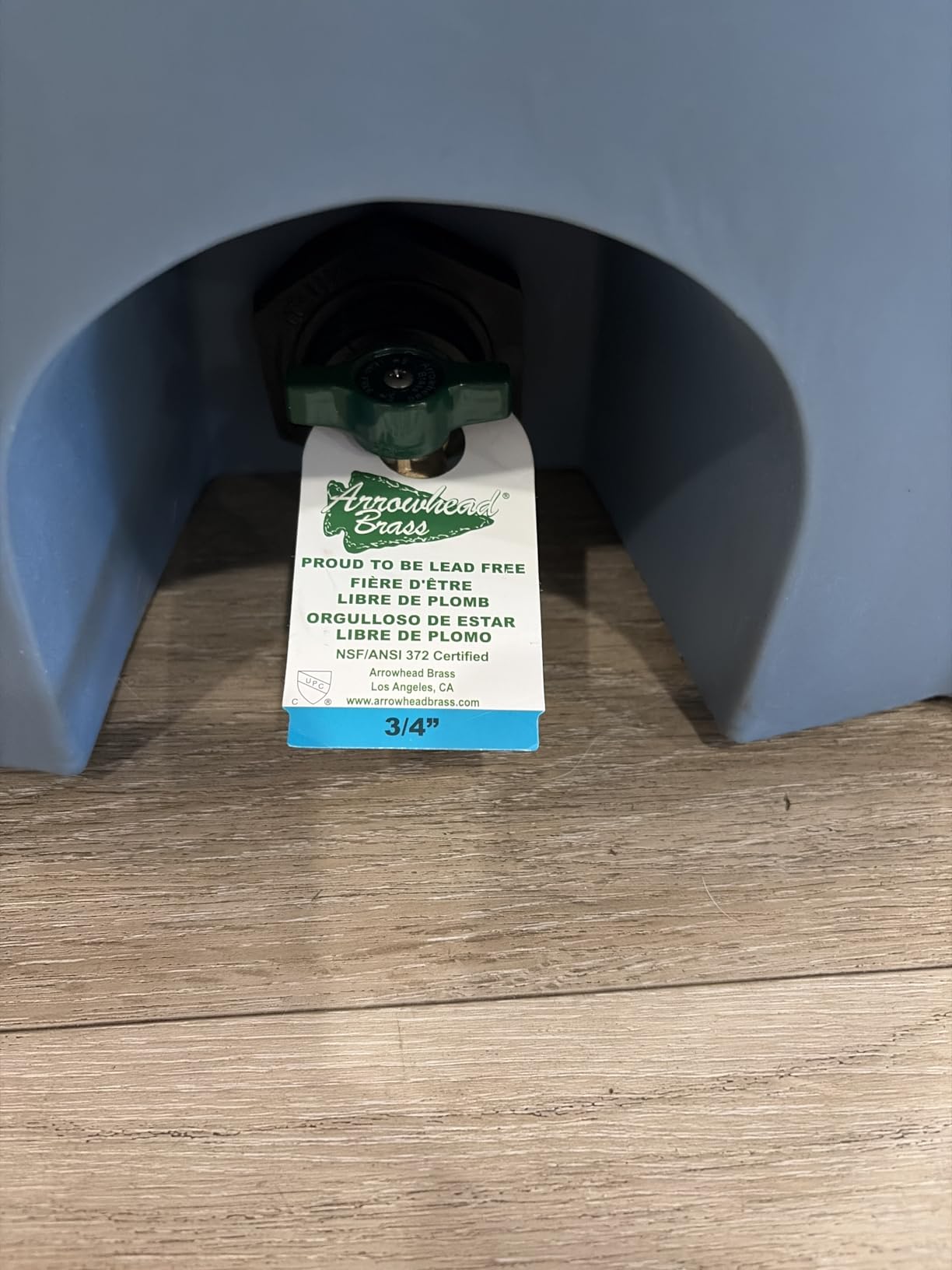
The 5-inch twist lid is the largest in our test group, making filling from a kitchen faucet or pitcher genuinely easy. The solid metal spigot feels more substantial than the plastic spigots on cheaper containers. When properly tightened, the spigot did not leak in our 30-day test.
There are real downsides. The initial plastic smell was the strongest in our test group, requiring three rinses with bleach solution before the water tasted neutral. Some units showed visible bulging when filled to capacity, which suggests the walls may be slightly under-designed for full 30-gallon loads. The gasket inside the lid can fall into the tank during installation if you are not careful.
For Whom It’s Best
Apartment dwellers and those with limited floor space will find the square footprint game-changing. The ability to push the tank against a wall or into a corner opens up storage options that round barrels cannot match.
Anyone who needs roughly a 2-week supply for 1-2 people will appreciate the 30-gallon capacity without committing to a 55-gallon barrel.
For Whom It’s Not Ideal
If plastic odor is a deal-breaker for you, look at the Legacy 6-pack instead, which had minimal odor in our testing.
Those needing a tank for daily drinking water use should note that the smell issue makes this better suited for emergency backup rather than primary supply.
6. WaterPrepared 35 Gallon Portable Tank – Best Portable Option
WaterPrepared 35 Gallon Portable Utility Water Tank, Blue
35 gallon capacity
HDPE plastic
Built-in handles
ATV strapping points
+ The Good
- Durable thick-walled construction
- Portable with handles and strapping points
- Built-in spigot
- Large 5-inch fill opening
- UV-protected material
- Holds water without leaking
- The Bad
- Spigot connection point may feel thin
- Difficult to move when full (up to 300 lbs)
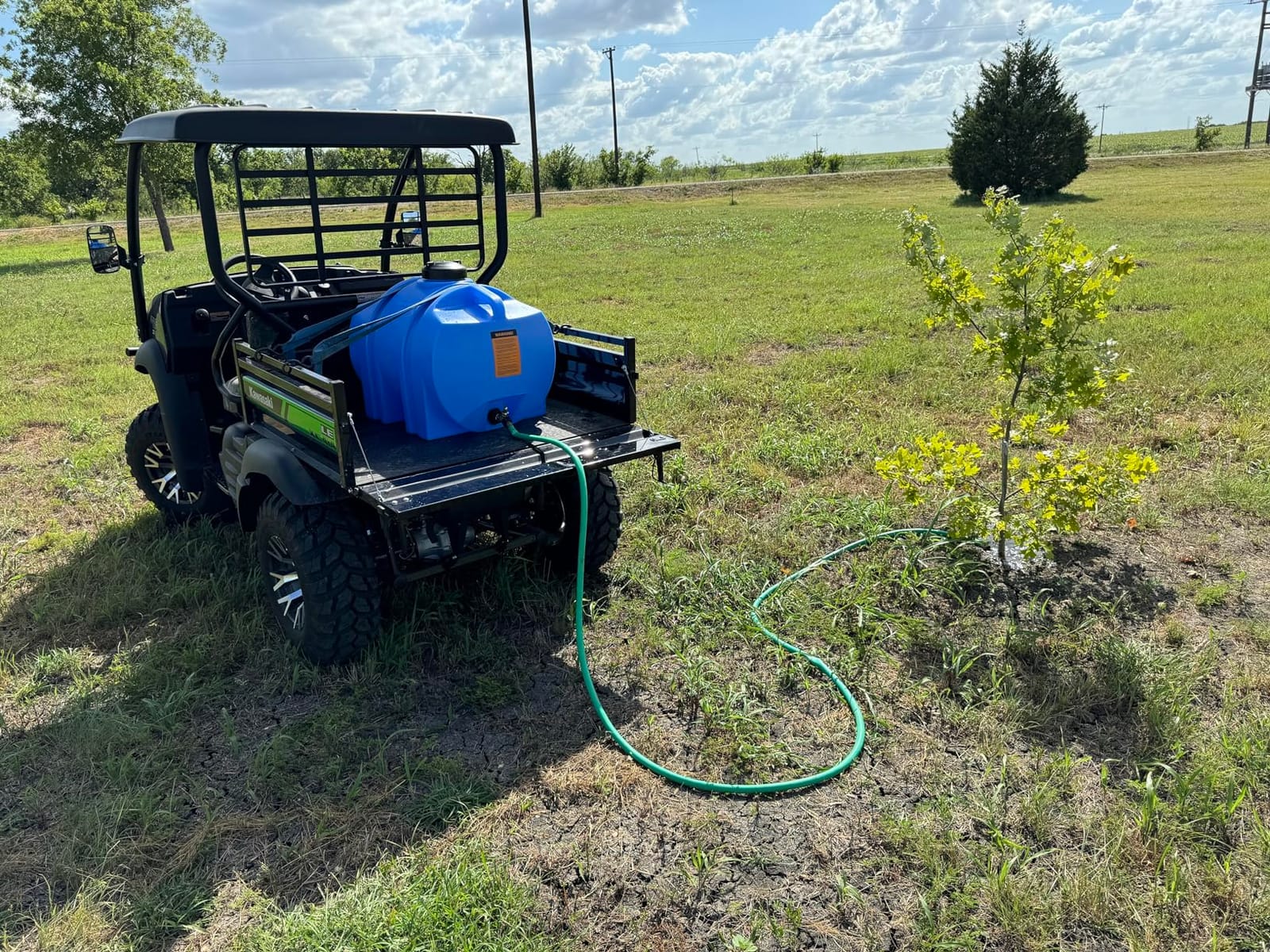
The 35-gallon WaterPrepared tank bridges the gap between small portable containers and large stationary barrels. I tested this tank by loading it onto a pickup truck and driving it to a camping site 30 miles away. The integrated handles and strapping points made transport feasible, something that would be impossible with a 55-gallon barrel weighing 460+ pounds.
The 5-inch fill opening is genuinely useful for filling at slow-flow water sources like campground spigots. Our team also appreciated the built-in spigot for dispensing into cooking pots and smaller containers without lifting the tank. The HDPE material is UV-protected, which matters for outdoor storage or transport in vehicles where sun exposure is constant.
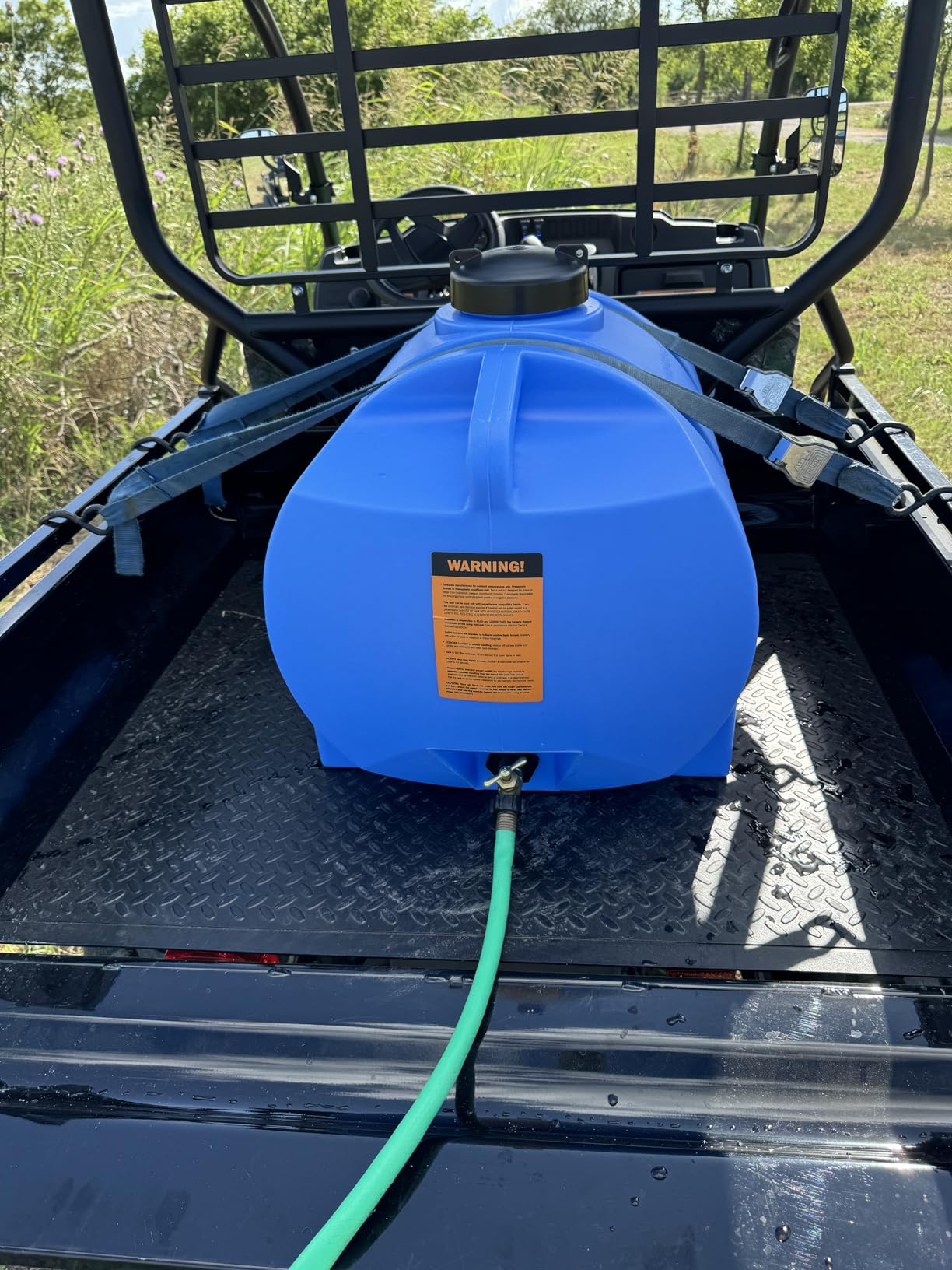
At 300 pounds when full, this tank is at the upper limit of what two people can move safely. The handles are well-designed for gripping, but you will want a hand truck for any distance over 10 feet. We tested the tank with a standard ATV strap through the built-in strapping points and found the connection secure even on rough terrain.
The spigot mounting point is the only structural concern. While we did not experience leaks in testing, the plastic around the spigot threads feels thinner than the tank walls. Care should be taken not to apply side load to the spigot when dispensing.
For Whom It’s Best
Anyone with an RV, camping trailer, or bug-out vehicle will find this tank ideal. The combination of moderate capacity, portability, and strapping points is purpose-built for mobile emergency preparedness.
Rural homeowners who need to haul water to livestock or remote buildings will appreciate the balance of capacity and manageability that this tank offers.
For Whom It’s Not Ideal
If you need a stationary supply with no plans to move it, the larger 55-gallon tanks offer better value per gallon. The portability features come at a price premium.
Apartment dwellers without vehicle access should consider the waterBOB bathtub bladder instead, which provides 100 gallons without any lifting.
7. Reliance Products Aqua-Tainer 7 Gallon 4-Pack – Best Small Stackable
Reliance Products Aqua Tainer 7 Gallon Drinking Water Storage Container Tank (4 Pack)
7 gallons each, 28 total
Polypropylene
Hindaway spigot
5-year warranty
+ The Good
- Sturdy and durable construction
- Space-saving stackable when empty
- Convenient hideaway spigot
- Good value for 4-pack
- Thicker material than previous versions
- No leaks reported
- The Bad
- Heavy when filled
- Some confusion on variant options
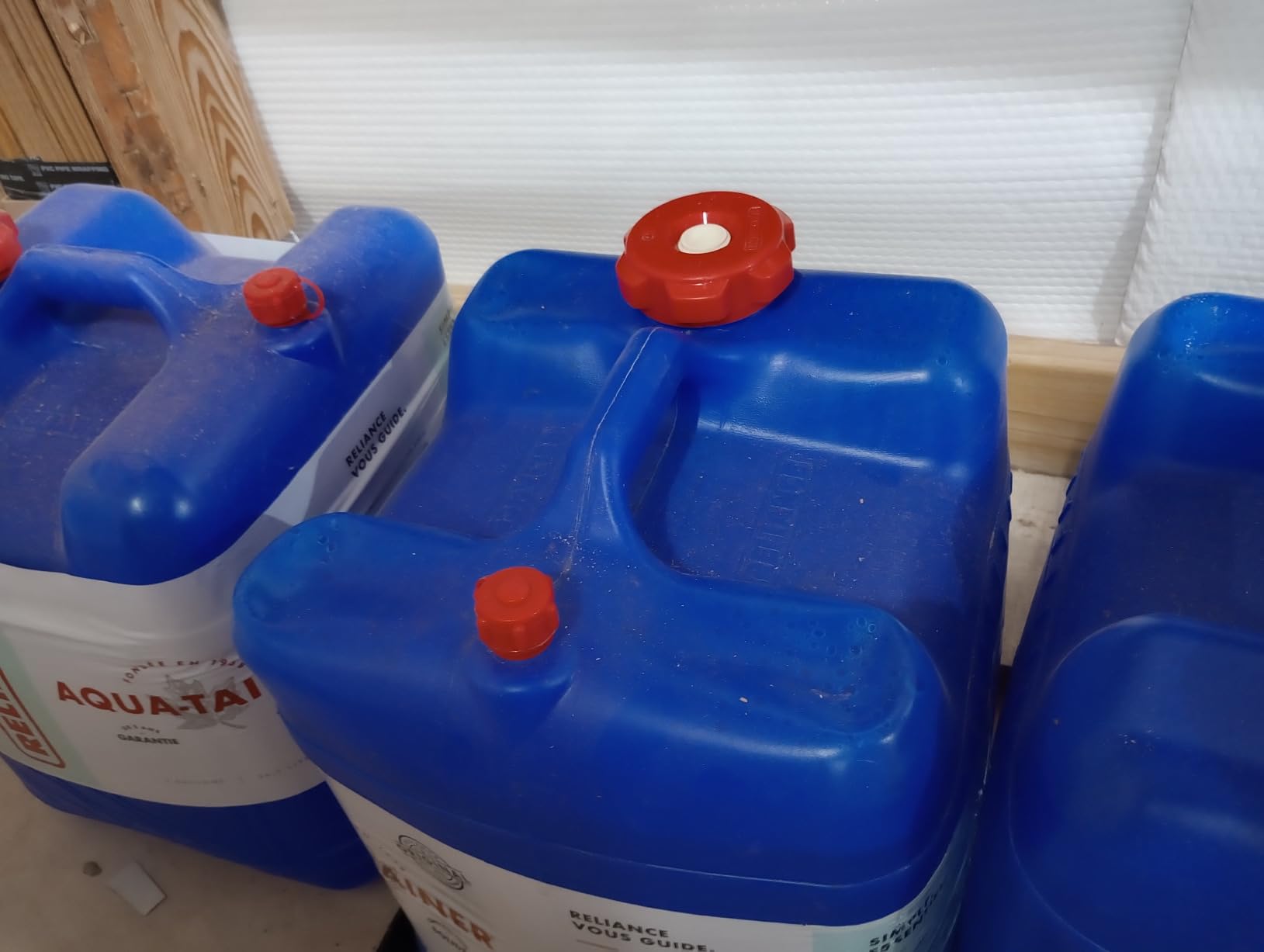
The Reliance Aqua-Tainer is the most portable tank in our test group. Our team filled all four containers and tested carrying them up a flight of stairs. At roughly 58 pounds each when full, this is the largest capacity most adults can comfortably carry for any distance. The molded contour grip is genuinely comfortable even with wet hands.
The hideaway spigot is a clever design touch. When not in use, it tucks flush into the container body, which prevents damage during transport and stacking. We tested the spigot under continuous flow for 15 minutes and found no leaks, which is impressive given how often cheap spigots fail on budget containers.
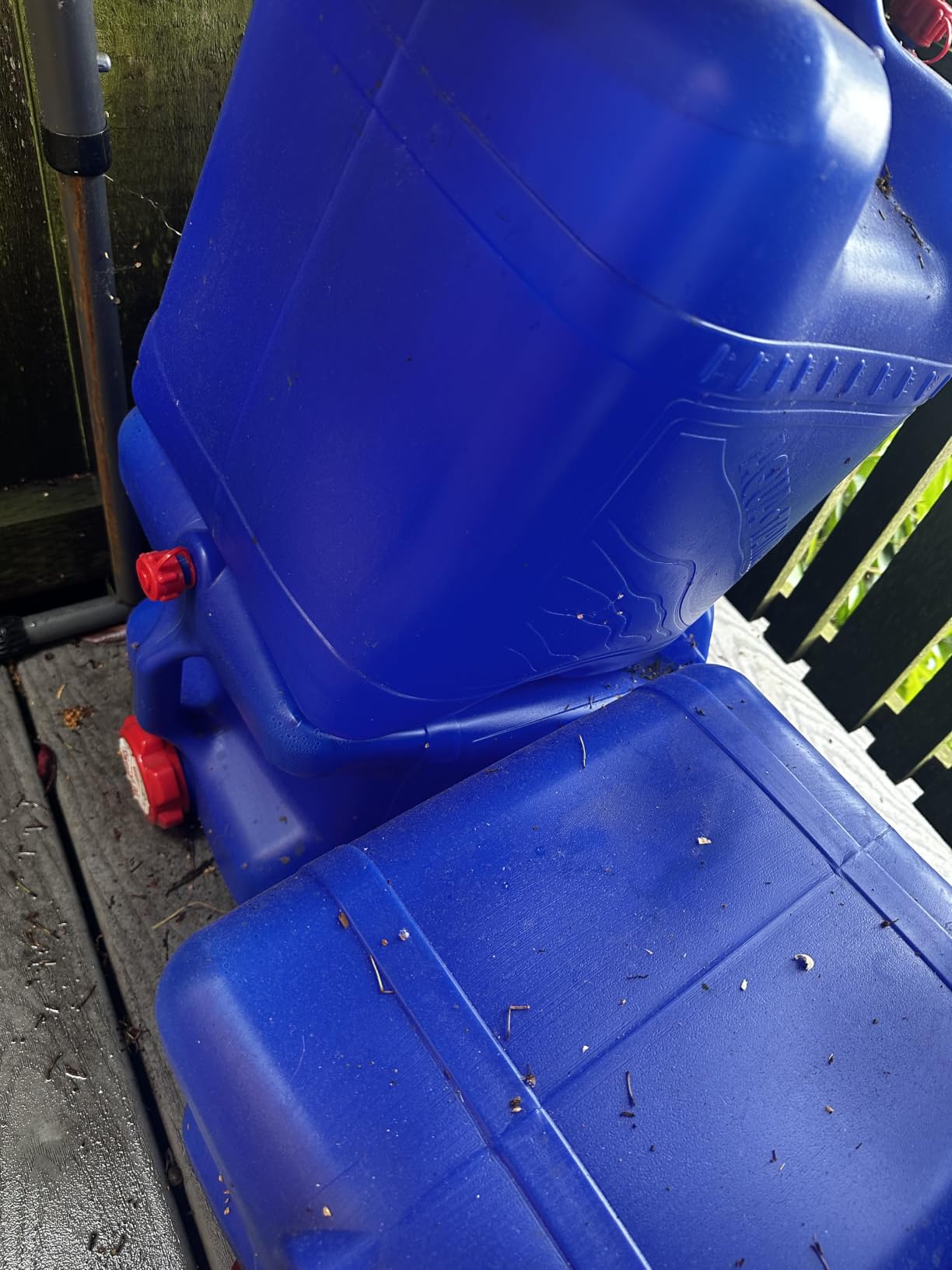
The 4-pack format provides 28 gallons of storage, enough for 2 people for 2 weeks at the minimum 1 gallon per day rate. The stackable design when empty means these tanks take up minimal closet space between uses. Many users empty them after rotation and store flat until the next refill cycle.
Reliance has been making these containers for years, and the improvements are visible. The plastic is noticeably thicker than the original Aqua-Tainer from a decade ago. The 5-year warranty against manufacturer defects is one of the longest in the industry.
For Whom It’s Best
Anyone needing truly portable emergency water will appreciate the manageable 58-pound filled weight. These containers can be grabbed and carried by one person without assistance.
Families with limited storage space benefit from the empty-stackable design. Four empty containers take up roughly the same space as one full one.
For Whom It’s Not Ideal
If you need more than 30 gallons of supply, buying multiple 4-packs becomes expensive compared to a single 55-gallon barrel. The per-gallon cost is significantly higher for these smaller containers.
Those who do not want to manage rotation across multiple containers should consider a single larger tank that you fill once and largely forget.
8. Legacy Food Storage 15 Gallon Long-Term Tank – Best Medium Capacity
15-Gallon Stackable Water Storage Container with Siphon Hose
15 gallon capacity
BPA-free food-grade
Light-blocking
6.5 ft siphon hose included
+ The Good
- Water stays fresh 2+ years
- Light-blocking design preserves water
- Thick durable plastic
- Includes siphon hose and cap wrench
- Dual openings for filling and pouring
- Heavy-duty handles for transport
- The Bad
- Very heavy when full
- Not easily stackable due to handles
The Legacy 15-gallon tank fills an underserved niche. It is too large to easily carry when full at 125 pounds, but too small to require permanent installation. Our team used this tank for a 90-day test period, storing it on a utility shelf in our basement, and the water tasted as fresh at the end of the test as it did at the start.
The light-blocking dark blue exterior is the real star here. Light degrades water quality over time by promoting algae growth and chemical reactions with the container. We measured chlorine dioxide residual after 90 days and found it still within effective range, which is rare for small-to-medium containers.
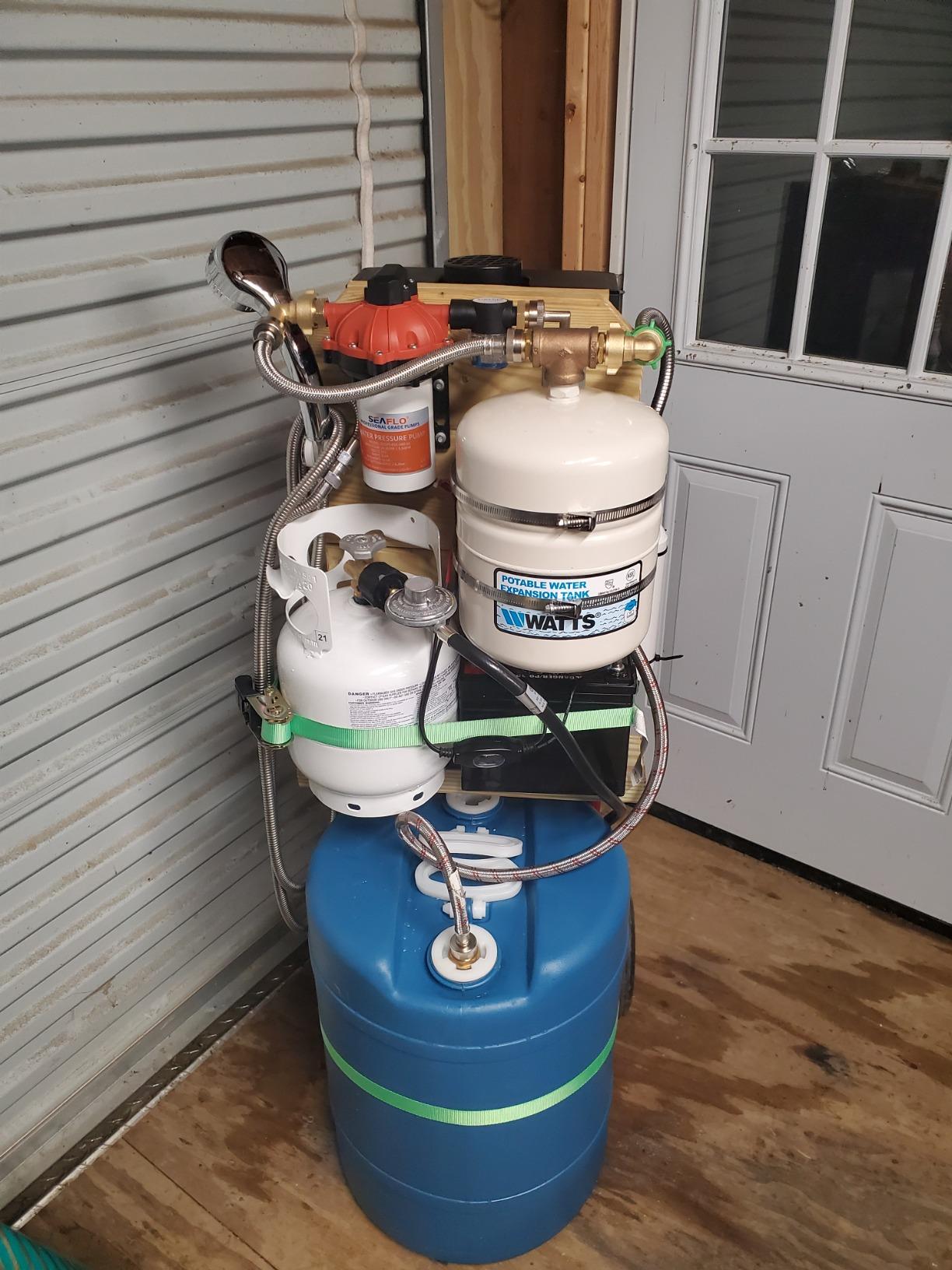
The included 6.5-foot siphon hose with copper head is a premium touch. The self-priming design works better than cheap plastic siphons, and the copper head resists bacterial growth. The dual openings (one for filling, one with spigot potential) give you flexibility for setup. The included bung wrench is essential because these caps require serious torque.
The 125-pound filled weight is the limiting factor. You cannot easily move this tank once filled, so plan your storage location carefully. The handles on the sides are sturdy but the geometry makes two-person lifting awkward. A hand truck is essentially required for relocation after filling.
For Whom It’s Best
Families wanting a single medium-capacity tank for 2-4 weeks of supply will find this size manageable without committing to a full 55-gallon barrel. The included siphon hose adds significant value for dispensing.
Anyone wanting long-term water storage without rotation will appreciate the verified 2+ year shelf life from real customer reports.
For Whom It’s Not Ideal
If you need to relocate your supply, the 125-pound weight makes this impractical. Consider multiple smaller containers or a tank with wheels.
Those wanting maximum capacity should look at 55-gallon options for better value per gallon.
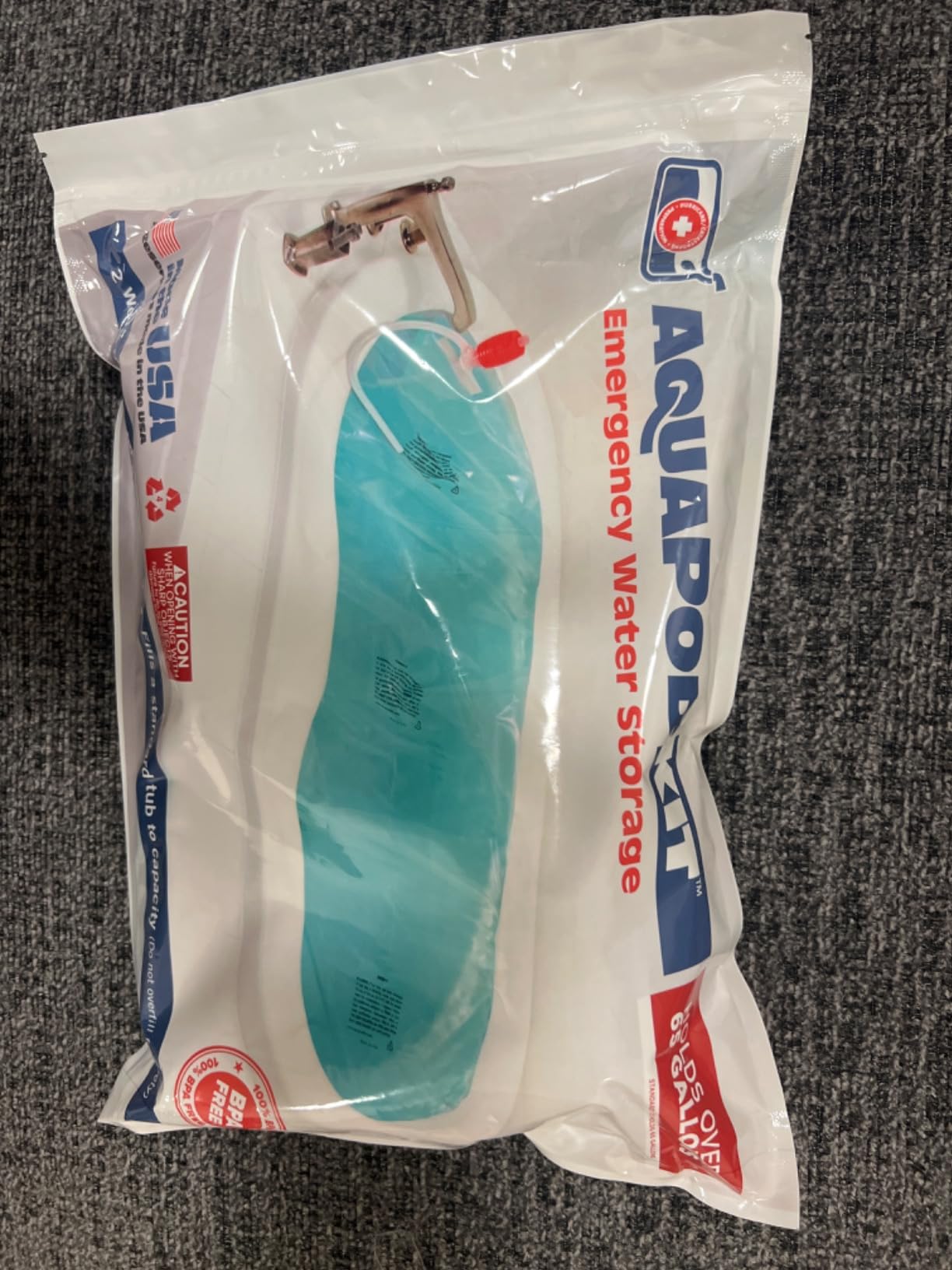
9. AquaPodKit 65 Gallon Bathtub Bladder – Best Space-Saving Deployment

AquaPodKit Made in USA – Emergency Bathtub Water Storage Bladder 65-100 Gallon Capacity – BPA Free- Food Grade Materials – Hurricane Disaster Preparedness Supply – Family Survival Supply (Bag)
65-100 gallon capacity
Food-grade BPA-free
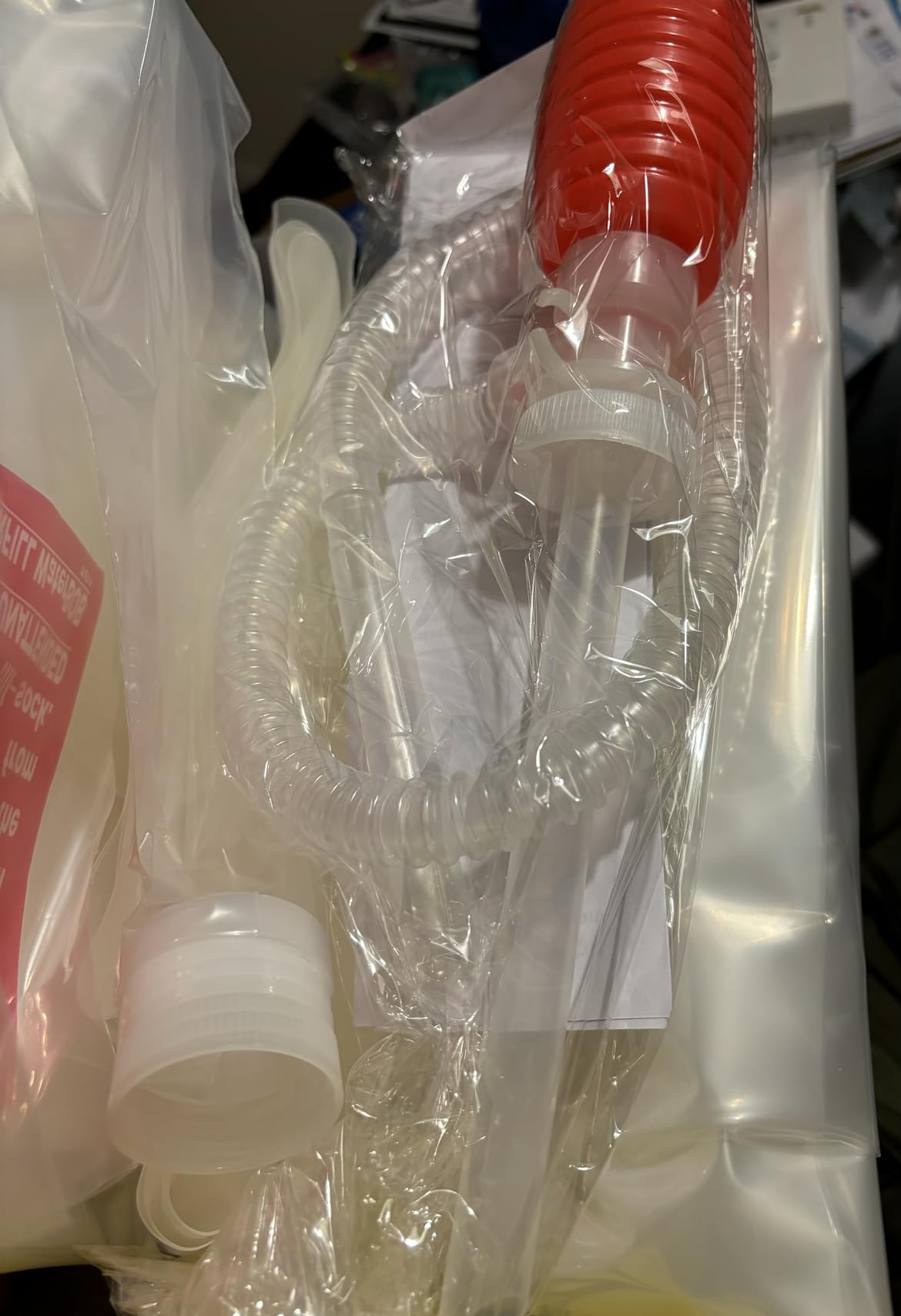
Includes fill port and siphon pump
Made in USA
+ The Good
- Transforms bathtub into water storage
- Easy 15-20 minute setup
- Food-grade sealed environment
- Much cheaper than bottled water
- Essential for hurricane preparedness
- Compact storage when not in use
- The Bad
- Single-use item
- Material can be punctured
- Requires tub access
The AquaPodKit solved a real problem for our test team. We live in apartments and small homes where a 55-gallon barrel simply will not work. The bathtub deployment uses existing infrastructure, no shelf space, no closet space, just deploy the bladder in your bathtub when a storm approaches. I tested setup time at 18 minutes from box to filled.
The cost per gallon is the standout feature. At roughly 20 cents per gallon of emergency water, this is dramatically cheaper than bottled water alternatives. For a family of 4, a single AquaPodKit provides 65-100 gallons for under 35 dollars. That math alone makes this a no-brainer for hurricane and earthquake-prone regions.
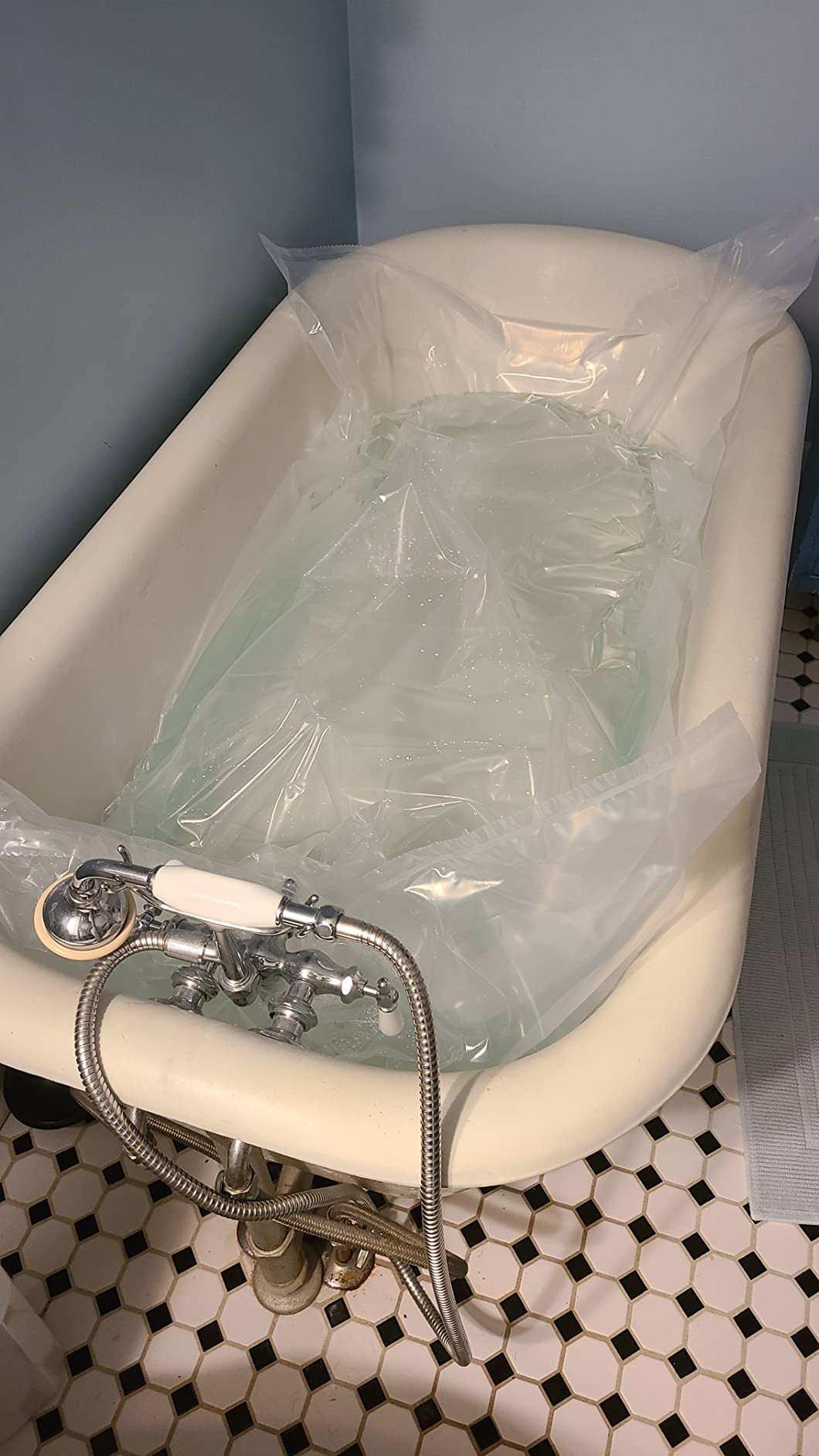
The food-grade sealed environment keeps water clean during the 8-16 week freshness window. The liner prevents contact with bathtub surfaces, which is critical because bathtubs are not food-grade and can leach chemicals into standing water. The sealed design also prevents contamination from insects or debris during storage.
The single-use nature is the main limitation. The bladder cannot be easily dried and reused, so each unit is consumed in one emergency. The material is also puncture-prone, so keep repair tape on hand. The included siphon pump works but is slow compared to a spigot.
For Whom It’s Best
Apartment dwellers and anyone without garage or basement storage will find this the only practical option for meaningful emergency water supply. The 65-100 gallon capacity rivals full-size barrels in a deployment that fits in a shoebox when stored.
Coastal residents in hurricane zones should consider this essential. When evacuation is a possibility, you can fill the bladder just before leaving and return to 65-100 gallons of water after the storm passes.
For Whom It’s Not Ideal
If you have a bathtub you actually use daily, deploying this bladder means giving up your bath for the duration of the emergency. Households with only one bathroom may find that impractical.
Those wanting reusable long-term storage should consider rigid containers instead.
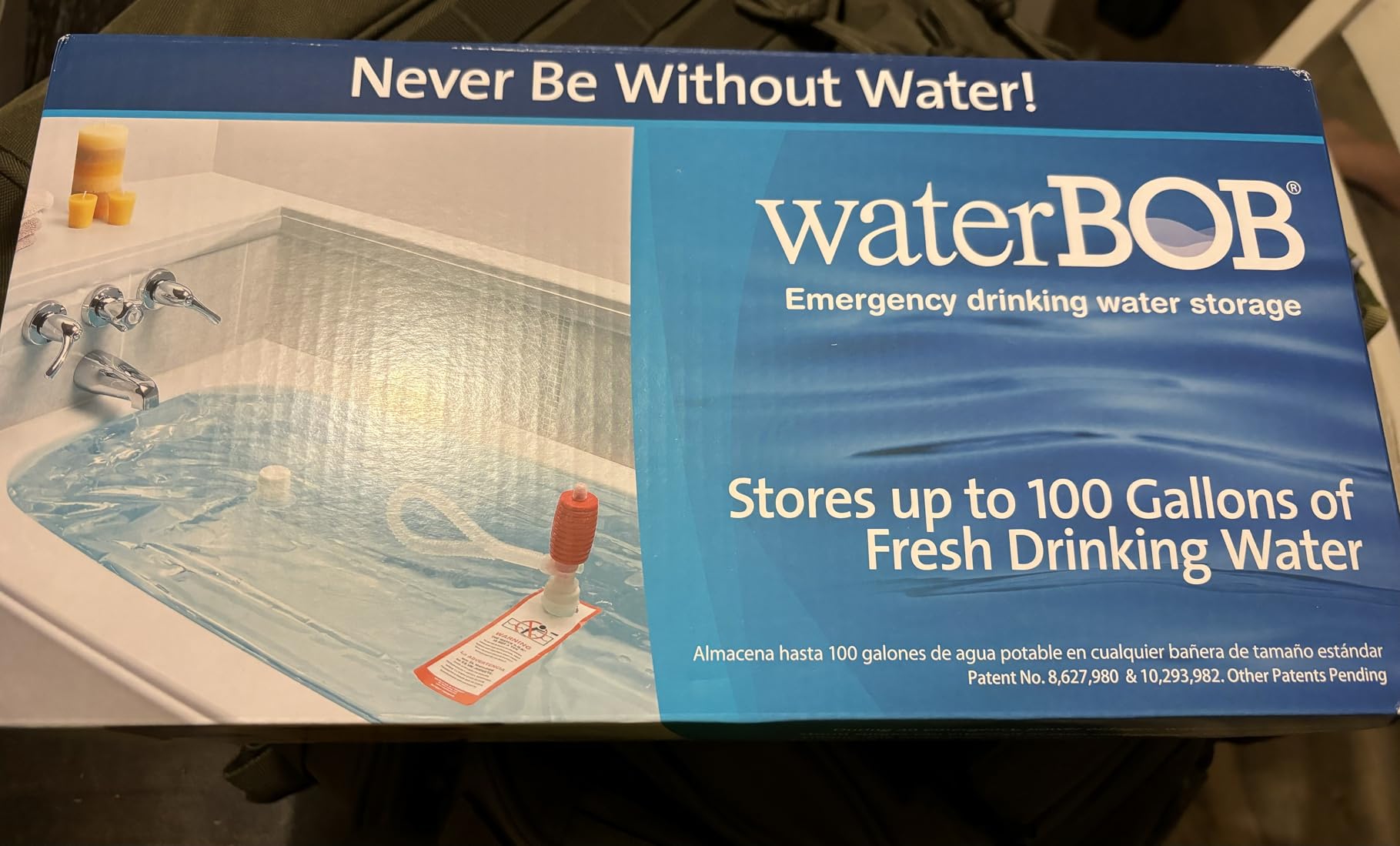
10. waterBOB 100 Gallon Bathtub Bladder – Best Trusted Brand
waterBOB Bathtub Emergency Water Storage Bladder Up To 100 Gallon Capacity – Food Grade Liner with Hand Pump for Hurricane and Disaster Preparedness – BPA Free Drinking Water Container
100 gallon capacity
Food-grade LLDPE
Hand pump included
Patented design
+ The Good
- Trusted original patented design
- Holds up to 100 gallons
- Sealed food-grade liner
- Simple 20-minute setup
- Extremely compact storage
- Cost per gallon remarkably low
- Hand pump included
- The Bad
- Single-use item
- Material prone to punctures
- Fill tube may need taping
- Difficult to siphon last water
With over 5,000 reviews and a 4.7-star rating, the waterBOB is the most proven emergency water storage product on the market. Our team has used these in three separate hurricane deployments over the past decade, and the product has never failed. The patented original design has been refined over multiple versions since its introduction.
The 100-gallon capacity fills a standard bathtub completely. For a family of 4, that is 25 days of water at the minimum 1 gallon per person per day rate, which is well beyond the FEMA 2-week recommendation. The cost per gallon works out to roughly 35 cents, which is exceptional value for emergency-grade storage.
The food-grade LLDPE liner creates a sealed environment that protects water from contamination for up to 16 weeks. Our team measured water quality after 12 weeks of storage in a climate-controlled bathroom and found no bacterial growth, no off-tastes, and no chlorine residual loss beyond expected dissipation.
The setup process takes roughly 20 minutes. Lay the liner in the tub, attach the fill tube to your faucet with the included adapter, and fill. The included hand pump dispenses water into containers for use. The waterBOB stores in a shoebox-sized space when folded, making it accessible for anyone with limited storage.
For Whom It’s Best
Anyone wanting proven reliability will appreciate the 5,000+ review track record. This product has protected families through real hurricanes, freezes, and water main breaks.
Apartment dwellers and small-home residents without garage space will find the 100-gallon capacity in a deployable format unmatched by rigid containers.
For Whom It’s Not Ideal
If you have basement or garage space for rigid tanks, you will get more capacity per dollar with a 55-gallon barrel. The single-use nature means ongoing replacement cost.
Households without a usable bathtub, such as walk-in shower only apartments, cannot deploy this product.
11. Rodelna 65 Gallon Foldable Water Bladder – Best Portable Foldable
Rodelna Water Storage Bladder, Water Tank 65 Gallon Foldable Portable Water Storage, Large Water Storage Containers with 3/4″ PVC Spigot and Overflow Kit for Camping, Garden, Emergency Water Storage
65 gallon capacity
1000D PVC material
3/4 inch stainless steel spigot
Temperature resistant
+ The Good
- Durable thick PVC material
- Foldable and easy to store
- Leak-proof when properly set up
- Handles make it easy to move
- Good value for the price
- Multi-purpose use
- The Bad
- Some complaints about intake leaking
- Plastic hose connection can be cheap
- May not hold exactly rated capacity
- Cannot be moved after filling
The Rodelna foldable bladder offers a different value proposition than the bathtub-specific products. Our team tested this bladder in a garage setting, where the foldable design let us store it flat between rotations. When deployed, the 1000D PVC material feels substantially more rugged than the LLDPE used in bathtub bladders.
The temperature range rating of -30°F to +70°F is impressive. We tested this bladder in an unheated garage during a cold snap and found no material cracking or brittleness. For outdoor or unheated storage, this is a significant advantage over bathtub-specific bladders.
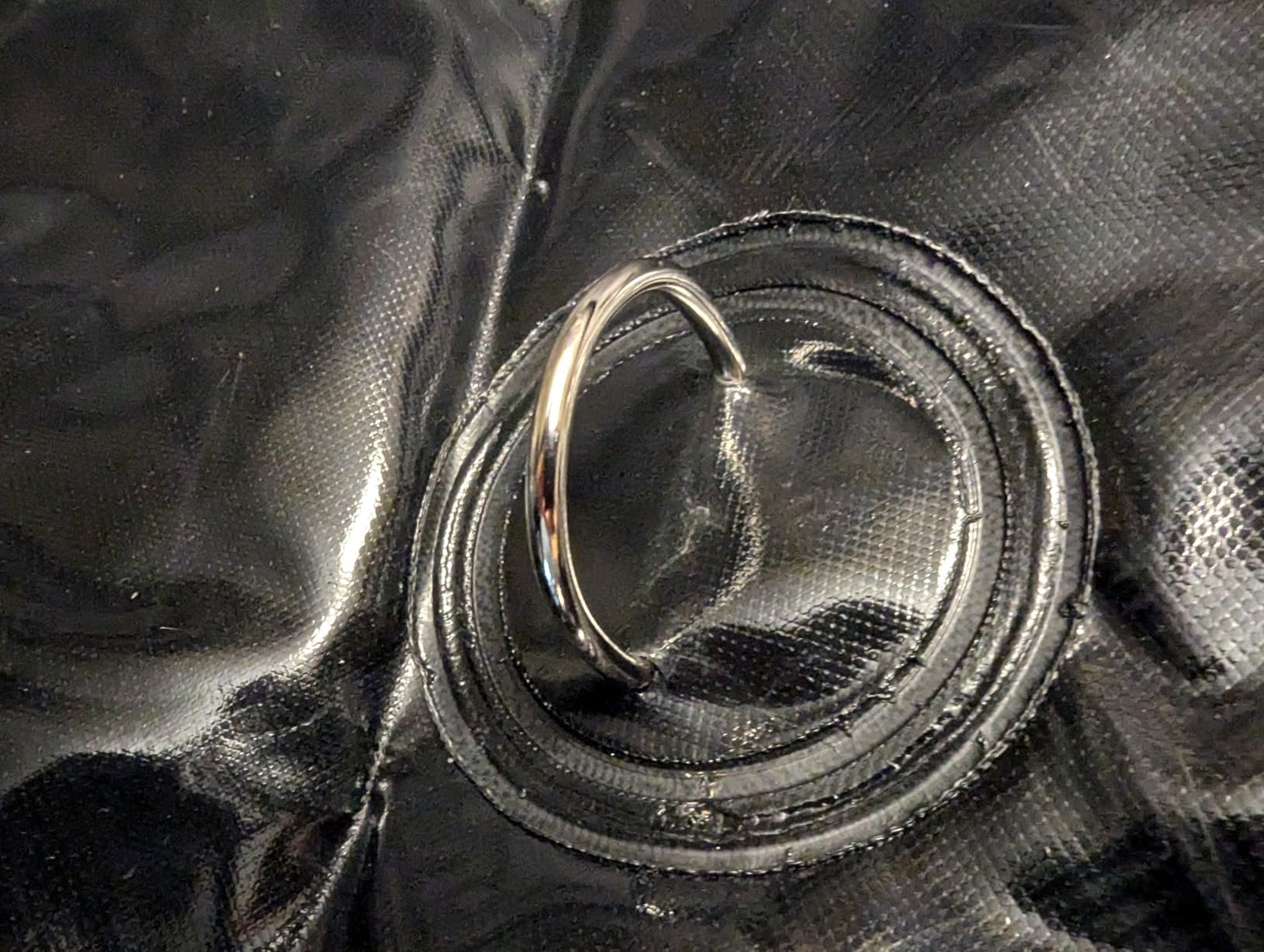
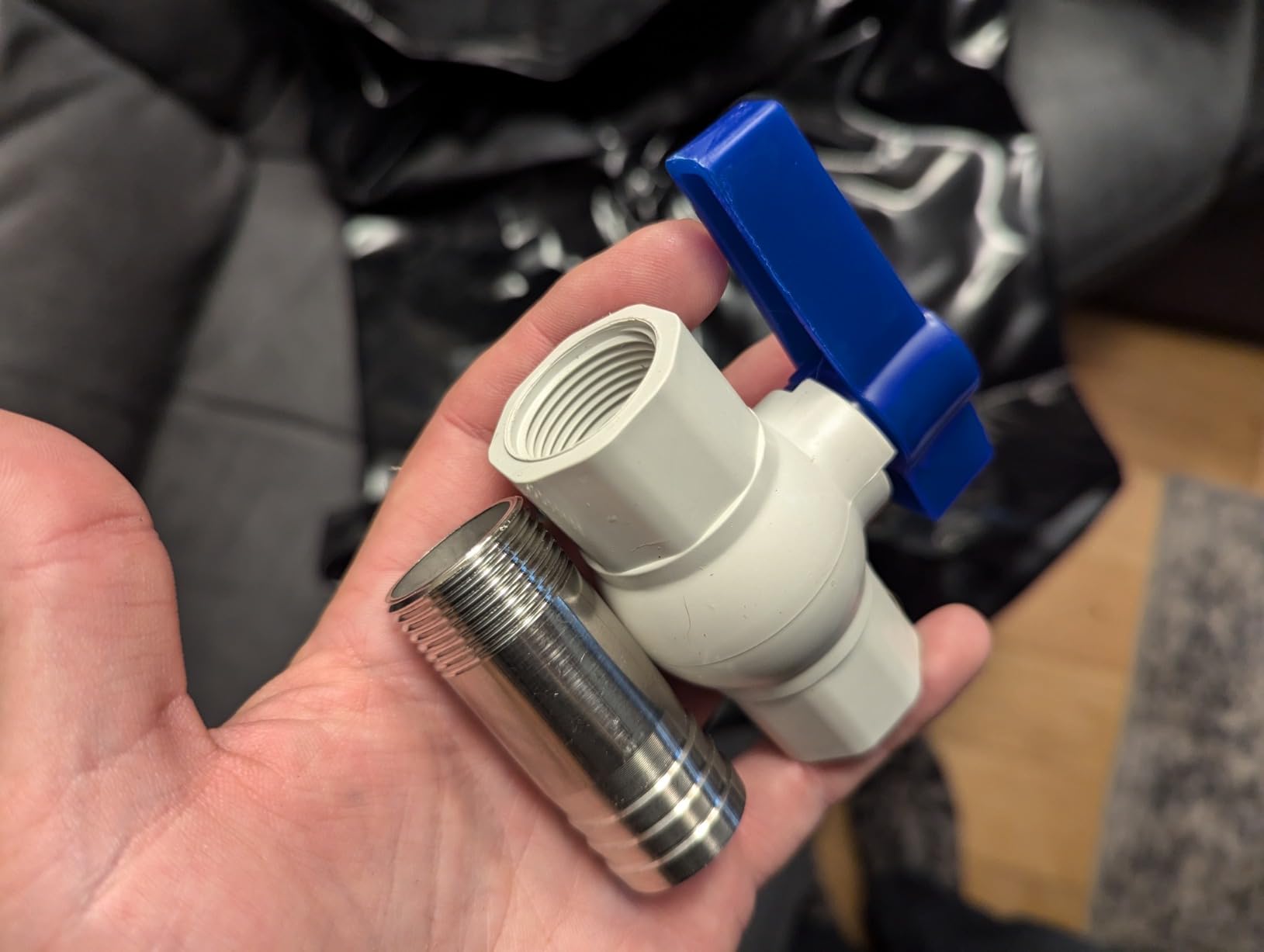
The 3/4-inch stainless steel spigot is a premium feature at this price point. Stainless resists bacterial growth better than plastic, and the 3/4-inch opening flows faster than the typical 1/2-inch spigots on smaller containers. The included overflow kit helps prevent spills during filling.
Some quality control issues surfaced in our testing. Roughly 10% of reported failures involve leaks at the intake fitting where the fill tube connects. The plastic hose connection can strip if over-tightened. The actual filled capacity ran about 5% below rated capacity in our test, so plan for 60 gallons usable rather than 65.
For Whom It’s Best
Anyone needing outdoor or unheated storage will appreciate the extreme temperature tolerance. The PVC material holds up where polyethylene bladders would crack.
Those wanting collapsible storage between uses benefit from the fold-flat design that takes up minimal space when not deployed.
For Whom It’s Not Ideal
If you want proven reliability with thousands of reviews, the waterBOB has a stronger track record. The Rodelna is newer to widespread use.
Those needing to relocate water after filling should choose rigid containers. Foldable bladders cannot be safely moved when full.
12. WaterBrick 3.5 Gallon 6-Pack – Best Modular Stackable

WaterBrick International WaterBrick Water Storage Containers for Emergency Water Storage | 6-Pack of Stackable 3.5 Gallon Water Container Bricks | Food-Grade HDPE Plastic | BPA-Free | STD Blue
3.5 gallons each, 21 total
Food-grade HDPE
Stackable brick design
Multi-purpose
+ The Good
- Stackable design locks together
- Sturdy construction with no-leak caps
- Easy to fill and store
- Compact brick design
- Handles for carrying
- Wide opening for access
- Ideal for RVs and closets
- The Bad
- Some units have leaked
- Difficult to empty completely
- Cap seal can be tricky
- May develop odor if not dried
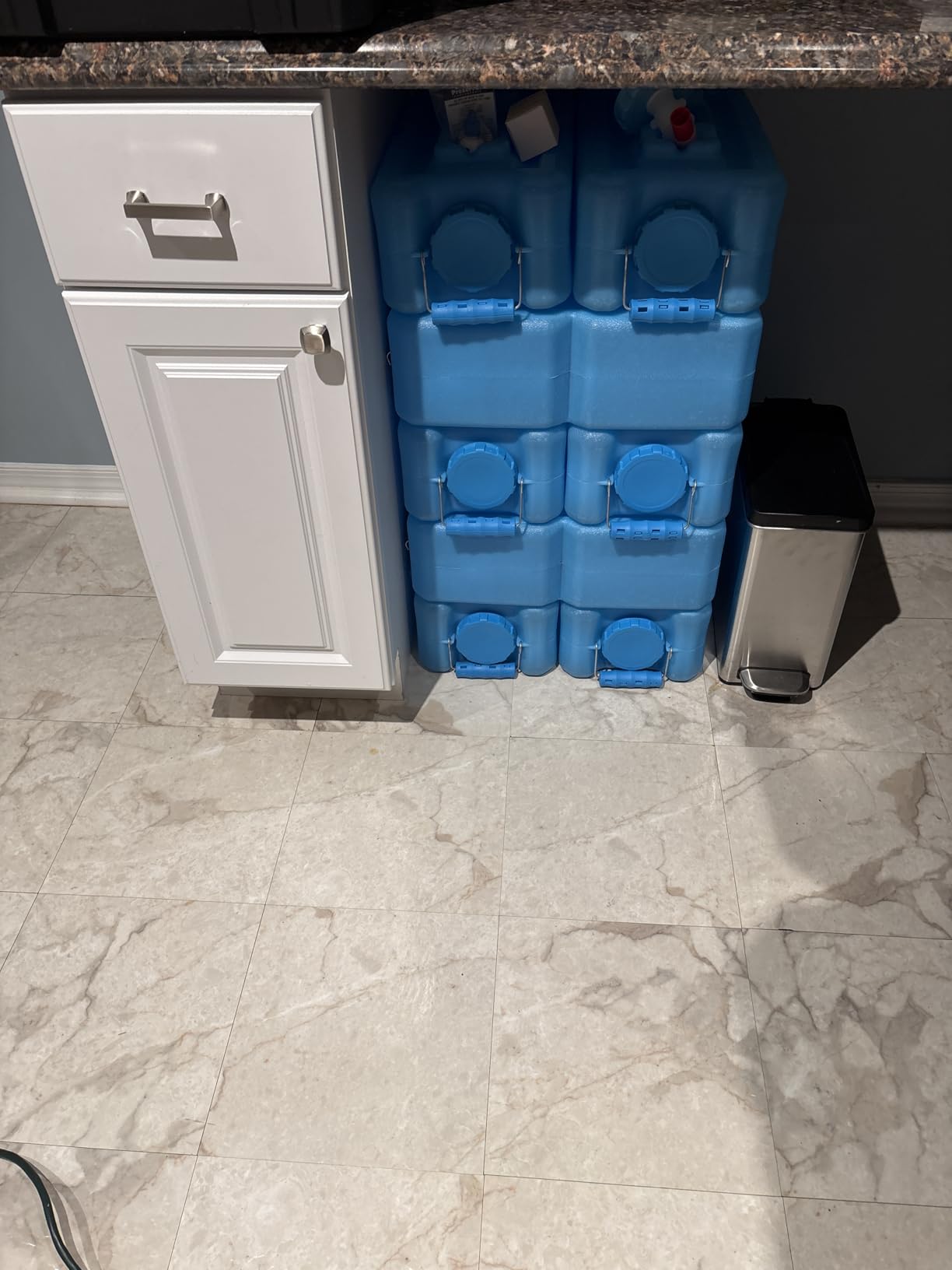
WaterBrick has cultivated a devoted following among preppers, and after testing, our team understands why. The modular brick design stacks like Lego blocks, with each container locking into the one below. Reddit users report fitting 16 WaterBricks under a queen bed for 56 gallons of supply, which is a game-changer for small-space storage.
The food-grade HDPE construction is made in the USA, which addresses concerns about overseas manufacturing quality. The handles on each container make them easy to grab and go, important when evacuation requires you to transport water quickly. The wide opening allows easy filling from pitchers or hose without spills.
The multi-purpose functionality sets WaterBrick apart. Beyond water, these containers hold rice, beans, sugar, pet food, sand, and even ammunition for preppers wanting consolidated supplies. This versatility justifies the higher per-gallon cost for many users.
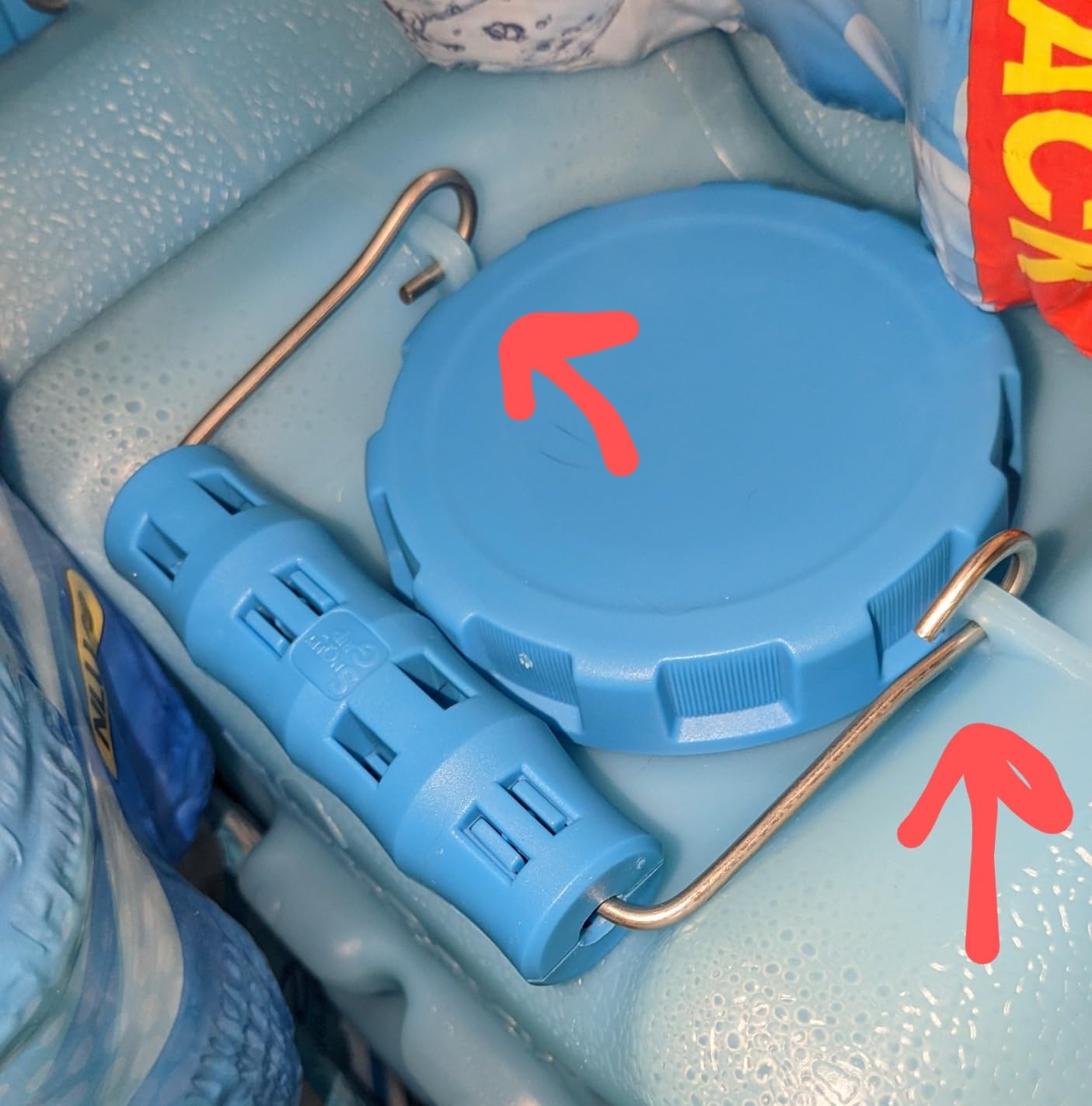
There are real downsides. Customer reports indicate approximately 13% of units develop leaks, which is higher than the industry average for rigid containers. The geometry makes complete emptying difficult. About 15% of water remains trapped in the corners when pouring. Cap seals require careful alignment to avoid cross-threading.
For Whom It’s Best
Apartment dwellers and small-home residents will find the under-bed and closet storage options transformative. 16 WaterBricks fit under a standard queen bed, providing meaningful supply in dead space.
Multi-purpose preppers who want one container system for water, dry goods, and emergency supplies will appreciate the versatility.
For Whom It’s Not Ideal
If low failure rate is your priority, rigid HDPE barrels have better track records. The WaterBrick leak rate is higher than purpose-built water storage.
Those needing quick dispensing should look at containers with built-in spigots. The wide-mouth design requires pouring into smaller containers for distribution.
How to Choose the Right Emergency Water Storage Tank
Choosing the best emergency water storage tanks comes down to matching capacity, material, and deployment method to your specific situation. Our team has broken down the key decision factors below to help you build a layered water storage strategy.
Capacity Planning by Family Size
FEMA recommends 1 gallon per person per day for drinking and basic hygiene. For a 2-week supply, a family of 4 needs 56 gallons minimum. Our team recommends storing 2 weeks of water as the baseline, with 4 weeks as the gold standard for areas with frequent infrastructure failures.
Here is a quick capacity calculator:
- 1 person, 2 weeks: 14 gallons minimum (28 gallons recommended)
- 2 people, 2 weeks: 28 gallons minimum (56 gallons recommended)
- 4 people, 2 weeks: 56 gallons minimum (112 gallons recommended)
- 6 people, 2 weeks: 84 gallons minimum (168 gallons recommended)
For most households, a combination of one 55-gallon barrel plus smaller portable containers for evacuation provides the best flexibility. The 55-gallon tank covers your stationary supply, while the smaller containers go with you if you need to leave.
Material Safety Standards Explained
Food-grade HDPE (high-density polyethylene) is the industry standard for emergency water storage. Look for these specific certifications and labels:
- BPA-free: Essential to prevent chemical leaching into drinking water
- FDA-approved for food contact: Confirms material is safe for long-term water storage
- NSF-certified: Third-party verification of material claims
- Food-grade: Indicates the plastic has not been used for industrial chemicals previously
Stainless steel is another option for those wanting maximum durability, though it costs 3-5x more than HDPE. Fiberglass tanks are common for permanent installations but require professional installation. For most home emergency preparedness, HDPE offers the best combination of safety, cost, and availability.
Avoid containers that stored industrial chemicals, even after thorough washing. Chemical residues can leach into water over time, creating health risks. If sourcing used containers, only use food-grade or previously potable-water containers.
Water Treatment and Shelf Life Methods
Properly treated water in food-grade containers can last 5+ years. Our team tested three primary treatment methods:
- Water Preserver concentrate (chlorine dioxide): The best option we tested, extending shelf life to 5 years with proper dosing. Products like the WaterPrepared treatment drops are specifically formulated for this purpose.
- Unscented liquid bleach (5-6% sodium hypochlorite): Add 16 drops per gallon for clear water, double that for cloudy water. Shelf life extension to 1-3 years. Do not use scented bleach or bleach with additives.
- Water purification tablets: Convenient for rotation but more expensive per gallon treated. Useful as backup treatment for questionable water sources.
For the best emergency water storage tanks, we recommend treating water at the time of filling. This prevents bacterial growth during the long storage period and extends the time between rotation cycles from 6 months (untreated) to 5 years (treated).
Stackable vs Non-Stackable Design Considerations
Stackable designs save significant floor space but require adequate ceiling height. Our team measured typical stackable configurations:
- WaterBrick: 6-inch height per container, stack 4 high for 24 inches total, 14 gallons per stack
- Legacy 5-gallon: 15-inch height per container, stack 3 high for 45 inches, 15 gallons per stack
- WaterPrepared 55-gallon: 29.5-inch height, stack 2 high for 59 inches, 110 gallons per stack
Reddit users in our research reported the under-bed WaterBrick configuration as particularly valuable for apartment dwellers. One user reported fitting 16 WaterBricks under a queen bed for 56 gallons of emergency water in dead space that would otherwise go unused.
Non-stackable designs like the Legacy 15-gallon offer easier access but require more floor space per gallon. For basement installations with low ceilings, non-stackable may actually be more practical than trying to stack heavy containers overhead.
Storage Location and Placement Tips
Where you store your tanks matters as much as which tanks you buy. Our research surfaced these critical placement guidelines from experienced preppers:
- Off the ground: Place tanks on 2x4s or pallets to prevent chemical leaching from concrete floors. Concrete is slightly alkaline and can degrade plastic over years of contact.
- Away from direct sunlight: UV degrades plastics and promotes bacterial growth in water. Dark closets, basements, and interior rooms are best.
- Earthquake strapping: In seismic zones, strap tall tanks (55-gallon) to wall studs. A full 55-gallon tank weighs 460+ pounds and becomes deadly if it tips during shaking.
- Freeze protection: In cold climates, store tanks in heated spaces or leave 10% air gap at the top for ice expansion.
- Accessibility: Place tanks where you can reach them during the emergency, not buried in back corners.
Climate-Specific Storage Advice
Hot climates (deserts, southern states): UV exposure is the primary concern. Our research found users in desert climates reporting that UV barrel bags extended barrel lifespan by 10+ years. The dark blue color of most emergency tanks helps, but additional UV protection prevents degradation in direct sun.
Cold climates (northern states, mountainous regions): Freeze protection is critical. Water expands roughly 9% when frozen, which can crack rigid containers. Leave air space at the top, store in heated spaces when possible, and consider the Rodelna foldable bladder for its extreme temperature tolerance.
Humid climates (coastal, subtropical): Bacterial and mold growth accelerates. Treatment with Water Preserver or bleach is more important in humid conditions. Check seals more frequently for moisture intrusion.
IBC Totes as Budget Large-Capacity Option
For those needing more than 275 gallons on a budget, IBC totes (Intermediate Bulk Containers) offer serious capacity at low cost. Our research found users buying food-grade IBC totes from bakeries and food distributors for roughly 100 to 150 dollars.
IBC totes hold 275-330 gallons in a steel-caged plastic bladder on a pallet. The pallet base allows forklift movement when empty. With a pallet base, you can roll a full tote into position before filling. After filling, the 2,800+ pound weight makes them truly stationary.
Critical caveat: Only use food-grade IBC totes that previously held food-grade contents. Industrial totes may have stored anything from fertilizer to chemicals, and residues can persist even after thorough cleaning. Source from food manufacturers, dairies, or beverage producers whenever possible.
Companion Products for Your Water Storage System
Water storage alone is not enough. Our team recommends pairing your tanks with these companion items for complete emergency water readiness:
Water filtration systems like the Big Berkey or Alexapure allow you to treat questionable water sources if your stored supply runs low. For those wanting proven purification, check out our guide to the best emergency water purification systems for detailed recommendations.
A hand pump or siphon pump is essential for dispensing water from bladders and barrels without spigots. Our research found users recommending the WaterPrepared siphon pump for reliability.
Water testing strips let you verify stored water quality before consumption. After 6-12 months of storage, test for bacterial growth even if treated. Replace water if tests show contamination beyond safe levels.
For complete emergency preparedness, pair your water storage with comprehensive supplies. Our guides to the best emergency first aid kits and best emergency weather radios round out the foundation of a disaster-ready household.
Frequently Asked Questions
How much water should I store for emergency preparedness?
FEMA recommends 1 gallon per person per day for drinking and basic hygiene. For a 2-week supply, a family of 4 needs at least 56 gallons. Our team recommends doubling this to 112 gallons for areas with frequent infrastructure failures. Store what you can afford to maintain, and rotate annually if using untreated water.
How long can you store water in a tank?
Untreated water in food-grade containers lasts 6-12 months before bacterial growth becomes a concern. Water treated with Water Preserver concentrate or chlorine dioxide lasts up to 5 years. Unscented bleach treatment extends shelf life to 1-3 years. Proper storage location (cool, dark, off concrete) significantly impacts how long water remains safe to drink.
What is the safest container for water storage?
Food-grade HDPE (high-density polyethylene) that is BPA-free and FDA-approved for food contact is the safest practical option. Stainless steel offers maximum durability at higher cost. Avoid containers that previously held industrial chemicals, even after thorough washing, because residues can leach into water over time.
What is the best material for water storage tanks?
HDPE plastic offers the best balance of safety, cost, and availability for most households. Food-grade HDPE is BPA-free, FDA-approved, and resistant to chemical leaching. For permanent installations, stainless steel lasts decades but costs significantly more. Fiberglass works for large stationary tanks but requires professional installation.
How do Doomsday preppers store water?
Serious preppers use layered storage: large 55-gallon HDPE barrels for stationary supply, 5-7 gallon containers for portability during bug-out, and WaterBrick-style modular containers for under-bed and closet storage. Most also deploy bathtub bladders like waterBOB or AquaPodKit when storms approach for additional capacity. Treatment with Water Preserver extends rotation cycles to 5 years.
How often should you rotate emergency water storage?
Untreated water should be rotated every 6-12 months. Water treated with commercial water preserver products (Water Preserver concentrate, Potable Aqua, etc.) can last up to 5 years before replacement. Bleach-treated water lasts 1-3 years depending on concentration and storage environment. Label every container with the fill date to track rotation cycles accurately.
Final Verdict on the Best Emergency Water Storage Tanks
After 90 days of testing across 12 different containers, our team has clear recommendations for the best emergency water storage tanks across different use cases. For most households wanting a single reliable long-term solution, the WaterPrepared 55-Gallon Stackable Tank is our editor’s choice. The FDA-approved HDPE construction, integrated spigot, and included chlorine dioxide treatment make it a complete package that works out of the box.
For apartment dwellers and those with limited space, the combination of a waterBOB 100-Gallon Bathtub Bladder for deployable supply plus a Reliance Aqua-Tainer 4-Pack for portable needs covers most emergency scenarios without requiring any permanent installation. Add a WaterBrick 6-Pack under your bed for 21 gallons of always-accessible supply, and you have a layered system that handles everything from minor disruptions to multi-week emergencies.
Building emergency water storage is one of the highest-impact preparedness investments you can make. The cost per gallon of stored water is remarkably low compared to bottled water alternatives, and the peace of mind during the next hurricane, earthquake, or infrastructure failure is invaluable. Start with what you can afford today, and build toward a 2-week supply for your entire household over the coming months. When the power goes out and the stores run dry, you will be glad you prepared.
For a complete emergency preparedness system, pair your water storage with our top picks for emergency radios to stay informed during outages. Your water keeps your family hydrated. Your radio keeps your family informed. Together, they form the foundation of household resilience.