
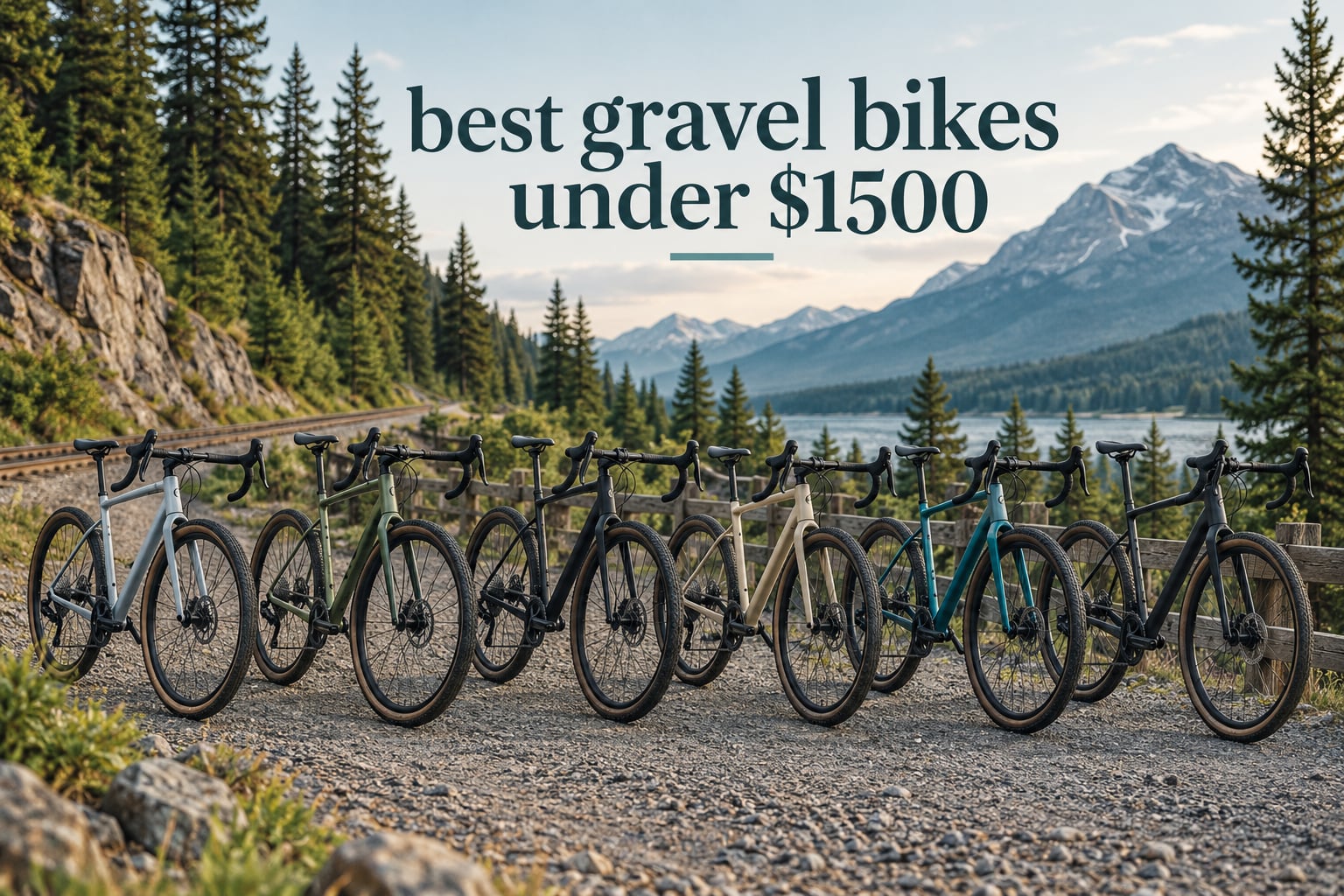
Six complete gravel bikes. Three aluminum frames from Tommaso, three full-carbon builds from SAVADECK and KABON. Every one of them clears a 1,500-dollar ceiling, and every one of them shares the same weakness: they arrive in a box and need a real mechanic before the first ride.
That last detail decides most purchases at this budget. Frame material gets all the attention, but the bike that fits you, is built correctly, and can be serviced in your town is the bike that will still be worth something in five years. We spent weeks reading spec sheets, owner reviews, warranty terms and mount points to work out which of these six actually deserve your money.
Our pick for the best gravel bikes under 1,500 right now is the Tommaso Sentiero. It is a 24-speed Shimano Claris bike on a lifetime-warranty aluminum frame with upright geometry, and it is the most sensible first gravel bike in this group. Riders who want a lighter carbon build should read the SAVADECK section; riders on a tighter budget should start with the Tommaso Siena.
If you want the wider view first, our general gravel bike roundup covers the discipline end to end, and gravel bikes under 2,000 dollars covers the next price tier up. If you ride to work rather than for fun, our picks for electric bikes under 1,500 and e-bikes under 1,500 dollars are the ones to read instead.
Top 3 Picks for the Best Gravel Bikes Under 1500 in October 2026
Tommaso Sentiero
- › 24-speed Shimano Claris
- › Aluminum frame with lifetime warranty
- › Upright compact geometry

SAVADECK T800 Carbon U6000
- › T800 R21 carbon frame and fork
- › 10.4 kg complete weight
- › Hydraulic disc brakes
Best Gravel Bikes Under 1500 in October 2026
All six machines below sit under the ceiling. The quick way to sort them is by frame material first, then by how the bike arrives: three are aluminum, three are carbon, and only two arrive close to ride-ready.
| PRODUCT MODEL | KEY SPECS | BEST PRICE |
|---|---|---|
|
|
Check Latest Price |
 |
|
Check Latest Price |
 |
|
Check Latest Price |
|
|
Check Latest Price |
 |
|
Check Latest Price |
|
|
Check Latest Price |
1. Tommaso Sentiero: Shimano Claris 24-Speed Aluminum Gravel Bike
Tommaso Sentiero Sport Performance Aluminum Gravel Bike – Shimano Claris 24 Speeds – Road Bicycle for Men & Women – Small 53cm
Aluminum frame
24-speed Shimano Claris
Upright compact geometry
Lifetime warranty
+ The Good
- All-Shimano drivetrain and component set
- Sturdy aluminum frame with a lifetime warranty replacement promise
- Upright geometry that suits first-time drop-bar riders
- Rated 4.2 across 69 verified owner reviews
- The Bad
- Professional assembly needed before the warranty applies
- Flat bar less efficient on long descending stretches
- Entry component tier on an already modest frame
Tommaso has been building Italian-designed bikes since 1985, and the Sentiero is the bike where that company is most honest about what it is doing: an aluminum frame, a Shimano Claris drivetrain, upright compact geometry, and nothing else to pay for. The 24-speed group uses rapid-fire shifters, and every drivetrain and component piece in the build is Shimano rather than a mix of brands.
What stands out most is the warranty structure. Tommaso backs the frame with a lifetime replacement promise, and Shimano’s own two-year warranty covers the component set. That combination is rare at this tier, where most sellers offer a year at best.
The geometry is the real argument for this bike. The compact, upright setup keeps the saddle higher and the front end closer to you than an aggressive race position, which makes it far easier to ride for a week without sore wrists. It is a first-gravel-bike posture rather than a racing one.
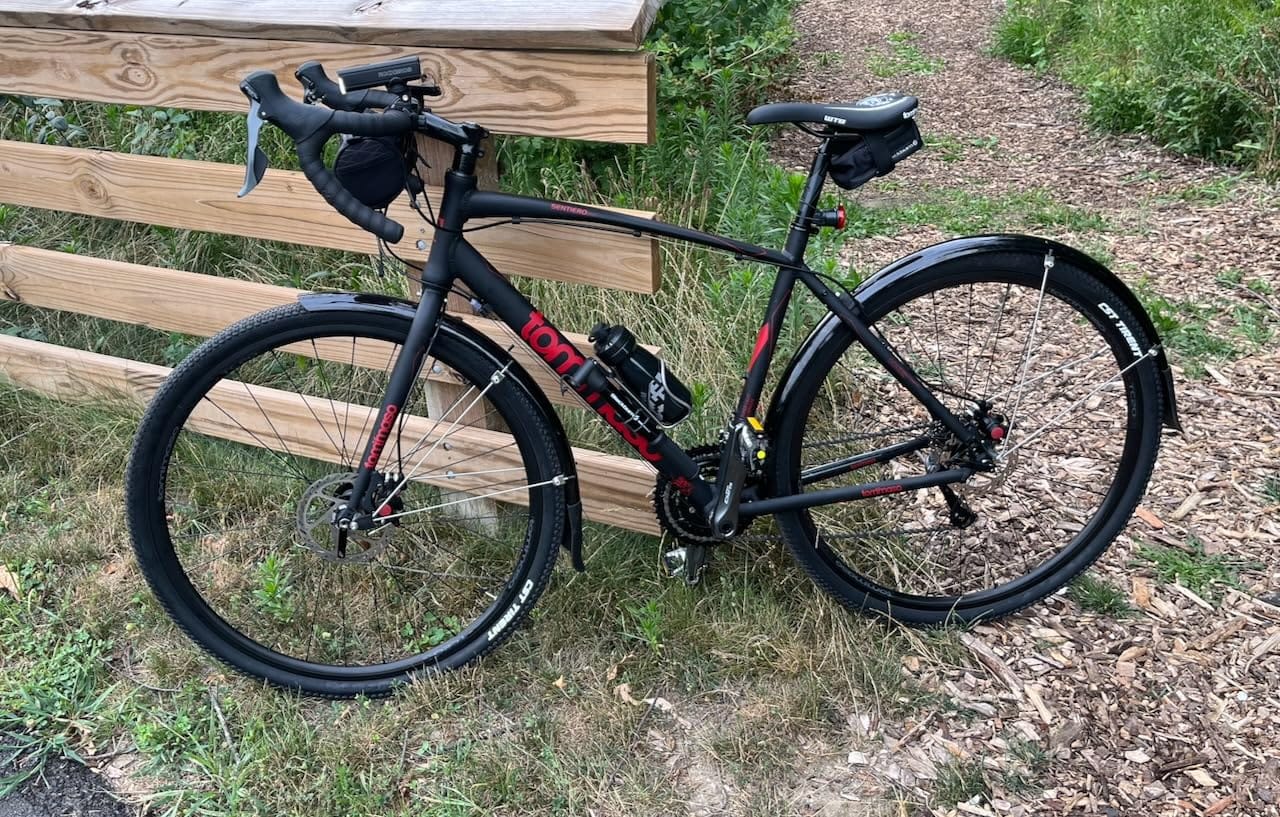
Owner reviews settle into a predictable pattern. Praise lands on the Shimano component package, the sturdiness of the frame, and the value for the money. The rating split is telling too: 63% of verified ratings are five stars, while 11% are one star, and the gap between those two groups is almost entirely assembly and fit.
That is the catch. The Sentiero is delivered un-tuned, and Tommaso requires professional assembly before the lifetime warranty is validated. Budget for a shop visit before the first ride rather than tightening bolts in a hallway on a Sunday.
Weighing everything, the Sentiero is the pick we would put a first-time gravel rider on. It is not the lightest bike here and it will not win a race, but it is dependable, it is serviceable, and the brand has a decade-plus of parts knowledge behind it.
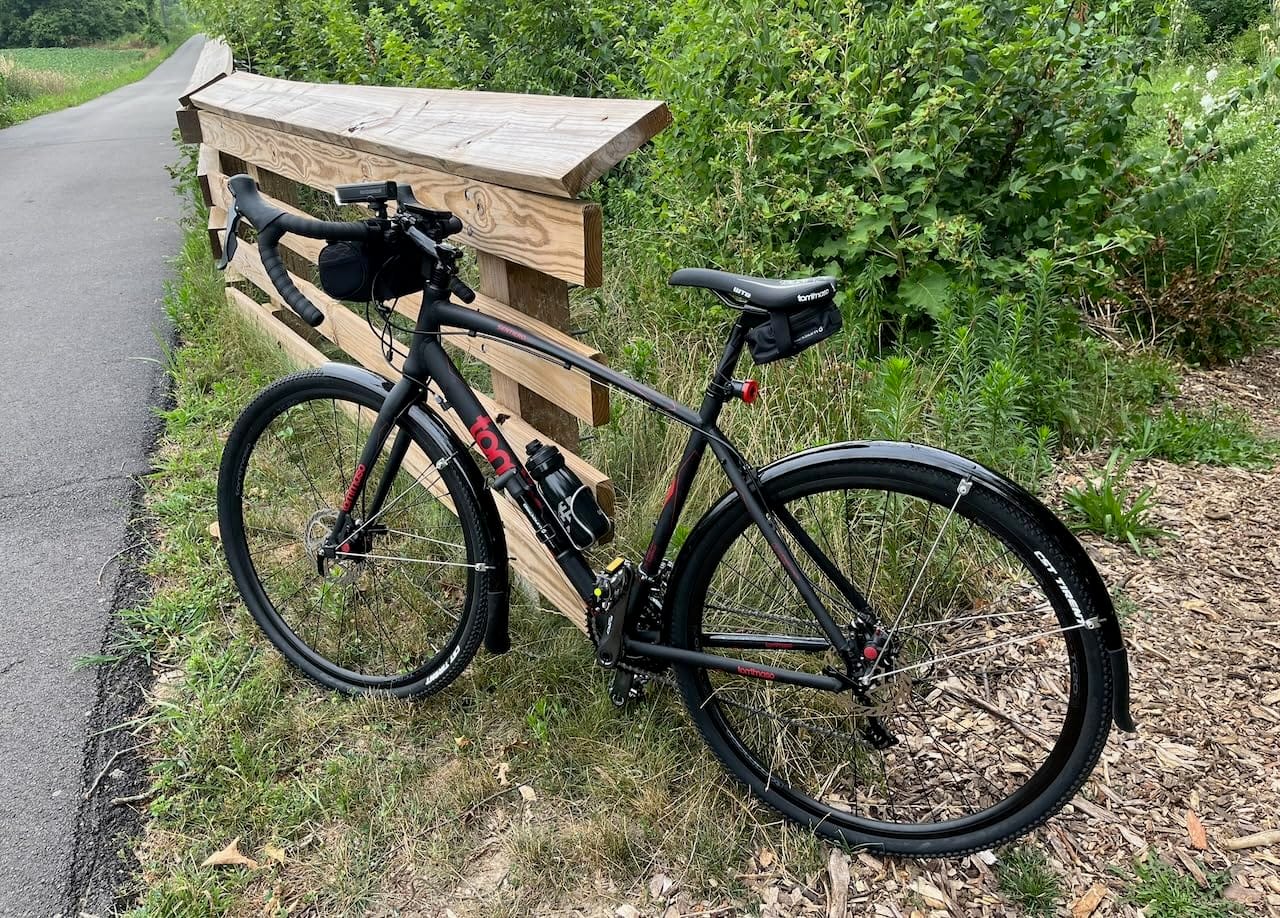
Who the Tommaso Sentiero suits
Riders moving from a hybrid or a mountain bike who want drop bars without adopting a racing stance. The upright geometry shortens the learning curve, and the 24-speed Claris group has close, predictable steps rather than the gaps a wide-range 1x cassette leaves behind.
It also makes sense for anyone buying one bike to cover pavement, gravel, and dirt. The Claris group has the low gears to pull a loaded bike up a fire road, and the rigid fork keeps handling predictable on loose surfaces.
Who should look elsewhere
Riders chasing weight. At this tier an aluminum frame with a standard fork sits well above the carbon builds in this list, and that difference shows on any climb long enough to matter. Riders chasing brake feel should also move on, because mechanical discs need regular adjustment and fade less predictably on steep wet descents.
Riders planning a bikepacking build should look at the SAVADECK instead. Its listed frame range runs from 47cm to 58cm, which is broader than the single 5’6″ to 5’8″ size listed for the Sentiero, and that matters more than most spec sheets admit.
2. Tommaso Sterrata: Carbon Fork and 700x40c Tires on Aluminum
Tommaso Sterrata Sport Performance Aluminum Gravel Bike – Carbon Shimano Claris 24 Speeds Road Bicycle for Men and Women – Sport Speed Racing Adult City Bike – S 53cm
Aluminum frame with carbon fork
24-speed Shimano
700x40c tires
Avid BB5 disc brakes
+ The Good
- Carbon fork adds comfort and off-road control
- 700x40c tires and 28-spoke rims handle mixed terrain
- Disc brakes stop predictably in wet conditions
- Shimano drivetrain across the board
- The Bad
- Sizing runs small for taller riders
- Entry drivetrain limits on steep loaded climbs
- Assembly and fit adjustments needed before riding
The Sterrata is the same aluminum platform as the Sentiero with one significant swap: a carbon fork. Carbon does not make a frame lighter in any meaningful way, but it does damp the chatter that comes through the front wheel on loose gravel, and that is exactly the fatigue you feel after an hour on a washboard rail trail.
It is also the better-equipped Tommaso for mixed surfaces. The 700x40c gravel tires sit on TC-20D rims with 28 spokes each, a wheel built a little heavier and stronger than a road rim but still low enough to feel quick on pavement. Avid BB5 mechanical disc brakes handle the wet descents most gravel riders end up doing in spring.
Two sizes are listed here, which is better than the single size on the Sentiero. Riders between 5’6″ and 5’11” have something to choose from, and the Shimano 24-speed drivetrain uses the same rapid-fire shifters as its sibling.
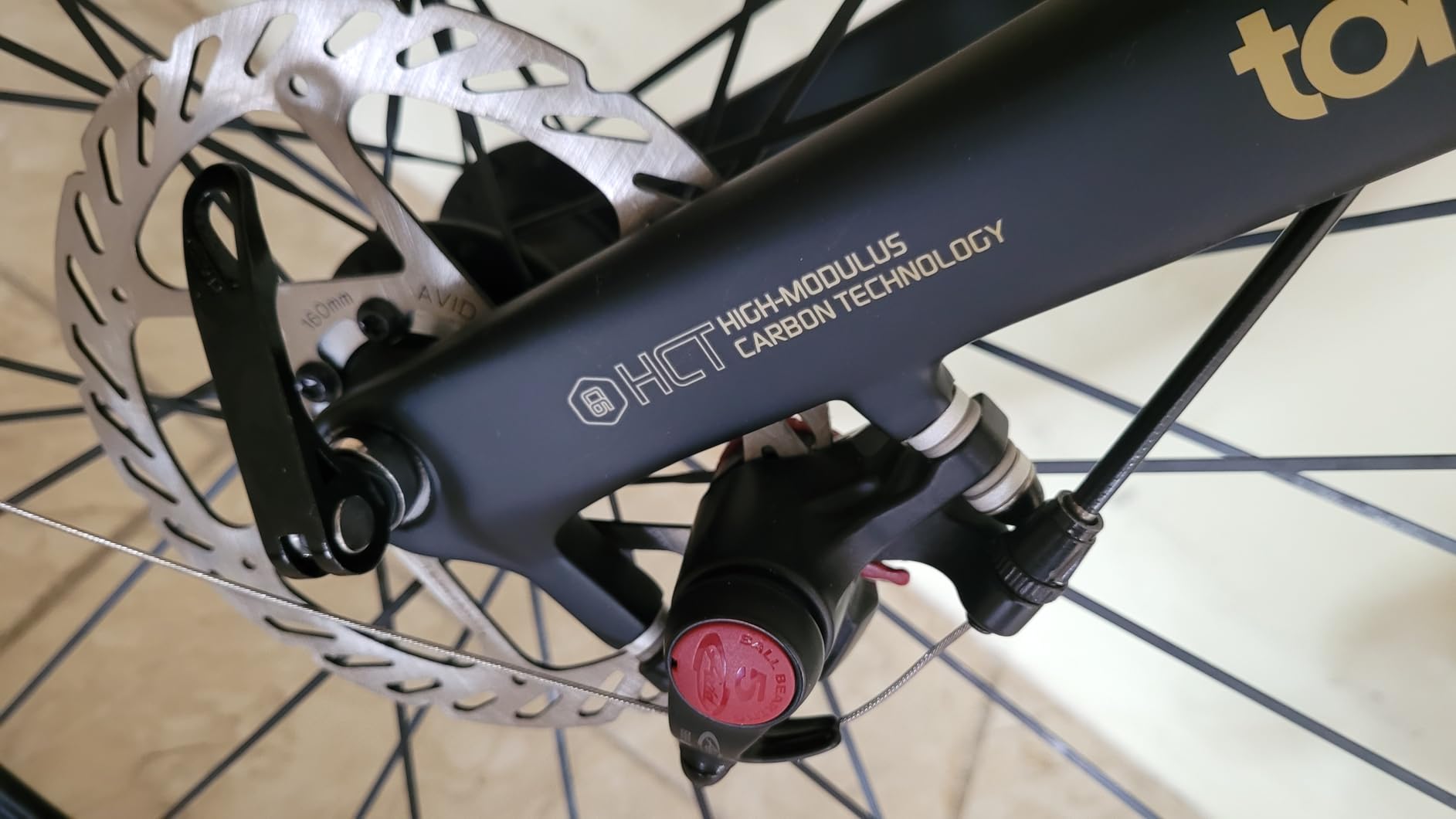
Reviewers describe the Sterrata as a capable, comfortable gravel bike that blends road handling with wider tires and disc brakes. Recurring caveats are fit sizing and post-delivery tuning, which points to the same real answer as the rest of this list: get it built properly.
The honest weakness is sizing. Owners specifically call out that the geometry runs small, and that stack and reach may not suit taller riders, which means the listed height range is a starting point rather than a promise. If you are near the top of the range, confirm the standover height against your inseam before ordering.
The drivetrain is also the entry Claris 24-speed group, which means limited range. Riders planning to tour with luggage or climb steep, sustained grades will want a lower bottom gear than this cassette provides out of the box.
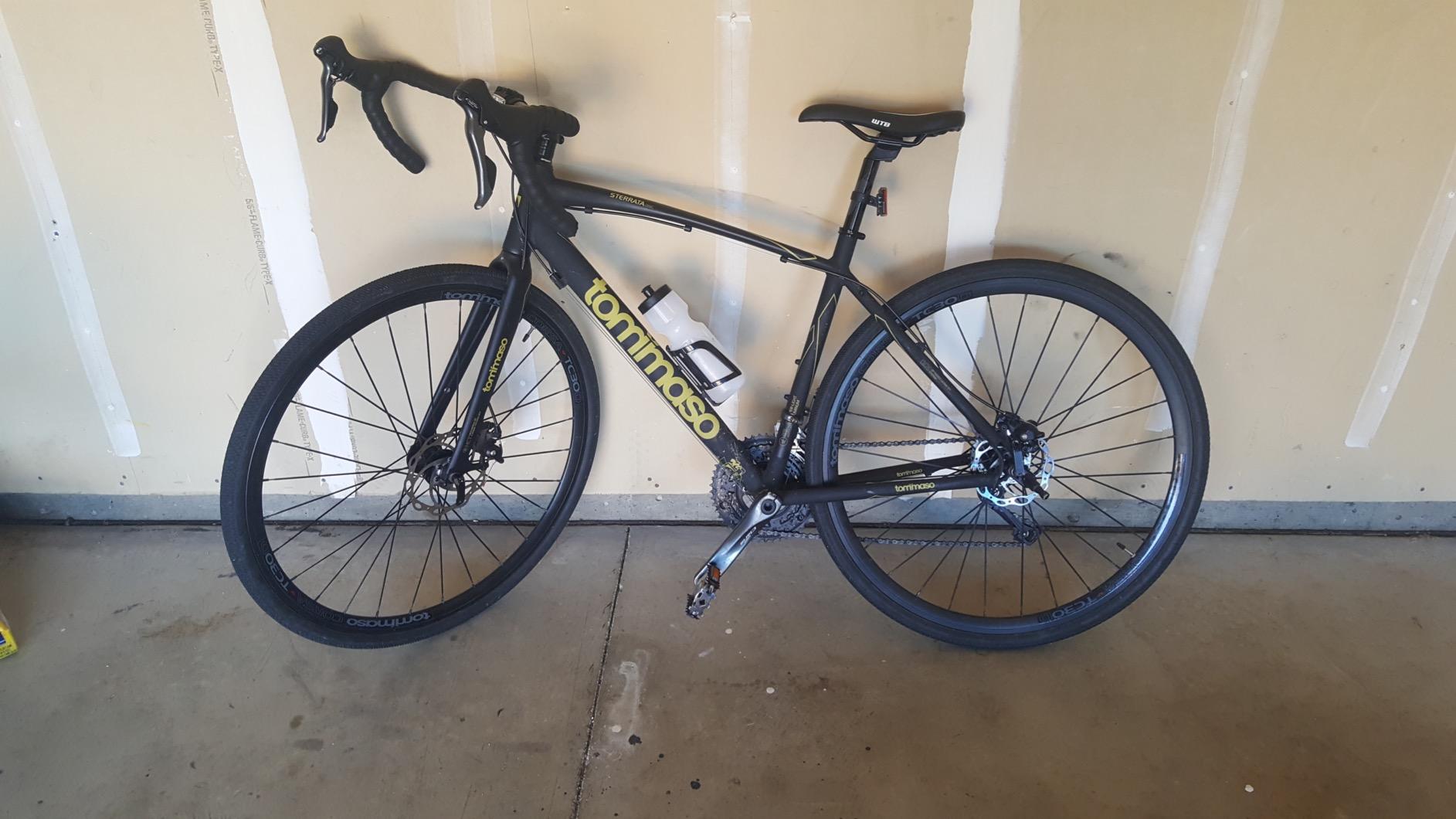
Why we rate the tires and fork so highly
For mixed-surface riding, tire width and fork compliance do more for comfort than almost anything else you can change at this budget. Forty-millimeter casing on a gravel bike rolls acceptably on road while giving far more grip and comfort on dirt than a 28mm road tire would.
Combining that with a carbon fork reduces the harshness that turns an hour into two hours of discomfort. For riders who spend weekends on unmaintained roads and weeknights commuting, the Sterrata package is the most well-rounded setup in the aluminum group here.
Who should look elsewhere
Taller riders need to be careful, because the small-sizing complaint is repeated rather than isolated. Anyone taller than the listed range who cannot test ride should step up to a carbon build with a wider size spread, or budget for professional fitting.
Bikepackers should also reconsider. There is no rack or fender mounting information in the listed specifications, so this is not the bike to build a bag-and-tent setup on. Riders wanting stop-after-work brakes and a broader size range are better served by the SAVADECK.
3. Tommaso Siena: Shimano Tourney 21-Speed Triple Chainring Value Pick
Tommaso Siena – Shimano Tourney Gravel Adventure Bike with Disc Brakes Perfect for Road Or Dirt Touring, Matte Black – Small
Aluminum frame
21-speed Shimano Tourney triple
700x40c tires
Avid BB5 disc brakes
+ The Good
- Roughly half the price of entry gravel bikes from major brands
- Handles pavement gravel and dirt equally well
- Comes mostly assembled with only finishing steps left
- Genuinely responsive customer service
- The Bad
- Front derailleur and caliper often need adjustment
- 130mm rear dropouts limit modern wheelset upgrades
- Supplied 40c tires exceed the rim maker's recommended width
The Siena exists because the bottom of this market is full of bikes priced as though they are complete, then delivered as a bag of parts with a pump in it. The Siena is the exception, and that is the whole argument for it. Roughly half what you would pay for an entry gravel bike from a major brand, delivered mostly assembled with only finishing steps left to do.
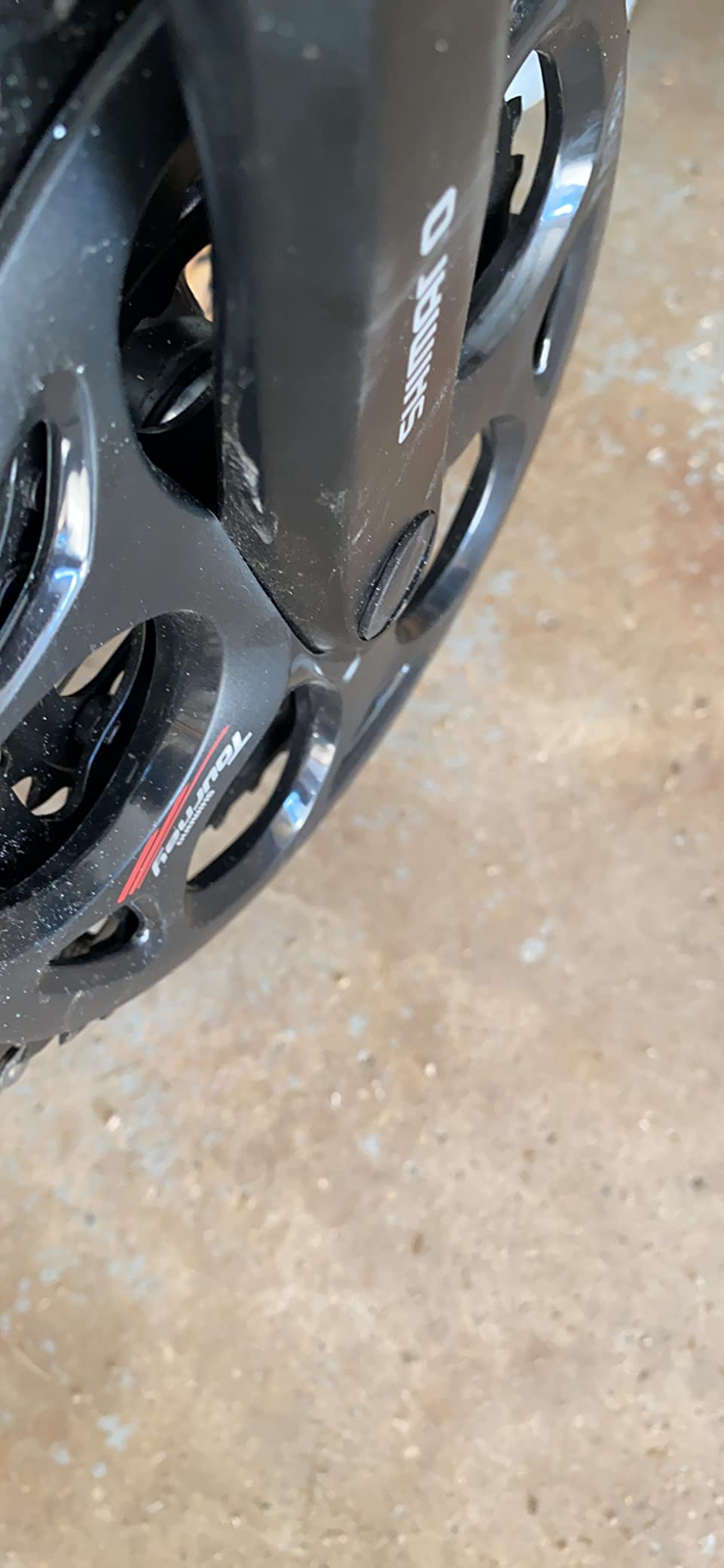
Mechanically you get a 21-speed Shimano Tourney drivetrain with a triple chainring, 700x40c tires on TC-20D rims with 28 spokes, and Avid BB5 mechanical disc brakes. A triple chainring gives you more usable gear combinations than a double at the same component tier, which is genuinely useful when you are climbing above 10% grade.
Frame-wise it is aluminum with the same lifetime warranty replacement promise as the rest of the Tommaso range. It is not fast, and it is not light, but it puts a functioning gravel bike on the road for less than most accessories on bigger bikes.
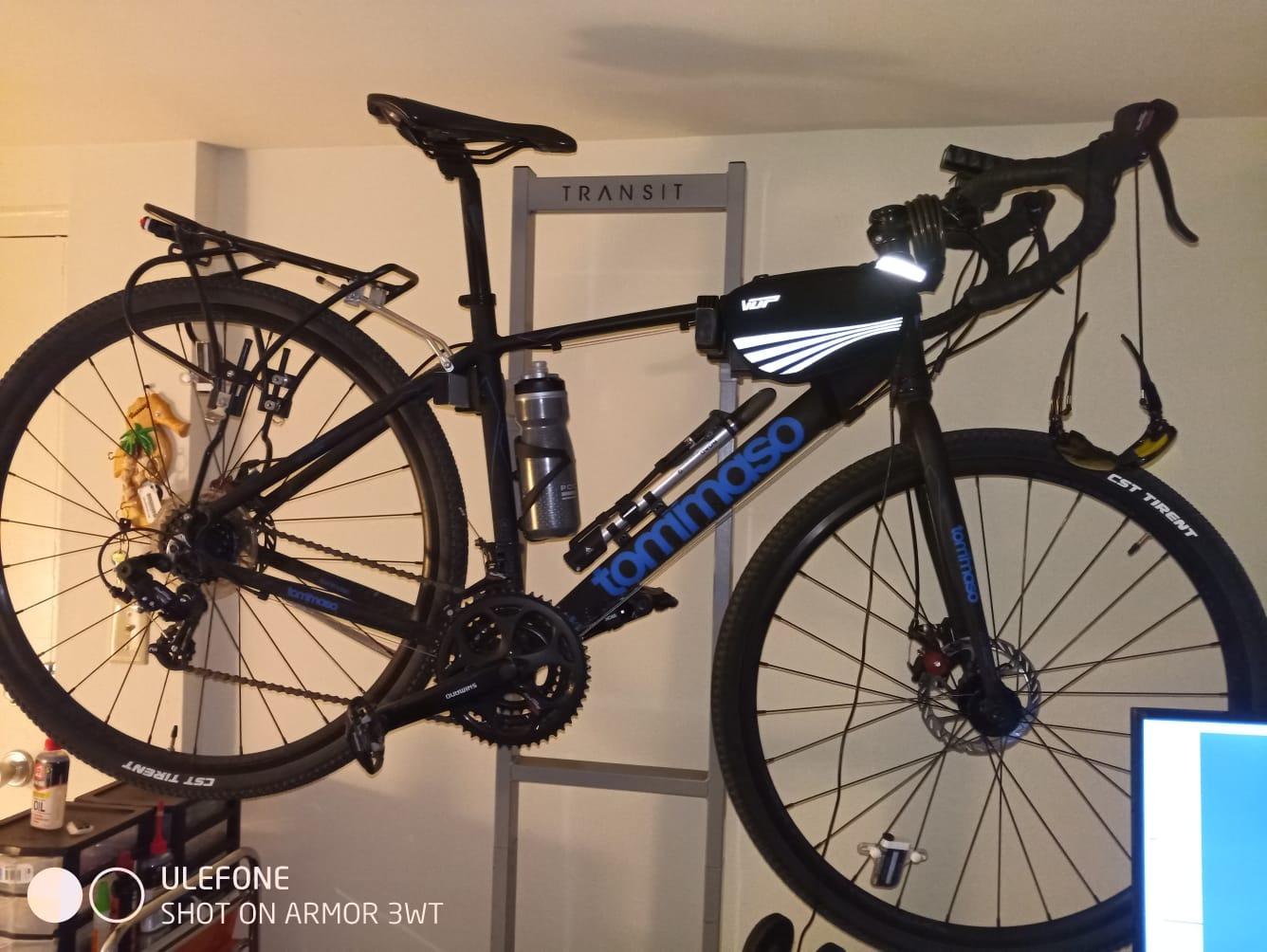
Owner feedback is the most detailed in this group, and it repeatedly names the Siena as the best value in its class. Praise covers Tourney shifting, frame quality, and service that resolved issues quickly. The rating distribution leans heavily positive at 63% five stars.
Two real caveats come up again and again. The front derailleur and brake caliper frequently need adjustment straight out of the box, so the assembly requirement is not a formality here. And the supplied 40c tires exceed the rim maker’s recommended width, which some owners report as a handling concern on looser surfaces.
The most consequential limitation is the 130mm rear dropout. That standard is fine for the wheelset it comes with, but it makes fitting a modern wide gravel wheelset later a real project rather than a quick swap.
When the Siena is the smart buy
This is the bike to buy when budget is the binding constraint and the goal is simply to get onto gravel. It handles pavement, gravel, and dirt equally well, which means one machine covers commuting, weekend loops, and the gravel paths in between.
The triple chainring is a genuine advantage at this price. Riders who want fine gear selection for hills, or who intend to carry luggage, get a usable gear for every situation without stepping up to a higher groupset.
When it is the wrong buy
Buy something else if you care about long-term chassis upgrades. The 130mm rear dropout will block the wide wheelset swap that most riders eventually want, and that turns a normal upgrade path into a full rebuild.
Riders who value stopping power and consistency on descents should also skip it. Mechanical disc brakes need regular adjustment and are the single most common service complaint on this bike, so the time savings at purchase get partly returned to the workstand later.
4. SAVADECK T800 Carbon: Full Carbon with Hydraulic Disc Brakes
SAVADECK Carbon Gravel Bike – T800 Carbon Frame & Fork | Shimano U6000 11-Speed Groupset | Hydraulic Disc Brakes | 700CX40mm All-Terrain Tires | Men & Women Road/Off-Road Bicycle (Black, 51cm)
T800 R21 carbon frame and fork
10.4 kg weight
Shimano U6000 11-speed
Hydraulic disc brakes
+ The Good
- Full carbon frame and fork well under the ceiling
- Light 10.4 kg complete build weight
- Shimano U6000 11-speed shifting
- Consistent all-weather stopping from hydraulic brakes
- The Bad
- Entry-level U6000 tier rather than a mid-tier alloy group
- Small owner review base for the price
- Only one listed frame size at 51cm
The SAVADECK is the bike that makes the strongest argument against dismissing this price tier. A T800 R21 carbon frame and fork, a full 10.4 kg complete weight, Shimano U6000 shifters and rear derailleur with an LG400 cassette, and hydraulic disc brakes with internal cable routing.
Hydraulic brakes are the headline. Mechanical discs need cable adjustment and lose bite as pads wear; hydraulics give consistent one-finger stopping in rain and on long descents, which is the difference between confidence and white knuckles on a loose gravel descent.
The build details are better than they have any right to be at this level. A tapered head tube adds torsional rigidity, 700x40c tires run on 45-spoke wheels for durability, and it comes 90 percent pre-assembled with tools included, meaning far less setup work than the Tommaso bikes need.
One listed colorway and a 51cm size appear in the specifications, though the model is described as unisex adult sizing from 47cm to 58cm. Confirm your size with the seller before ordering rather than assuming.
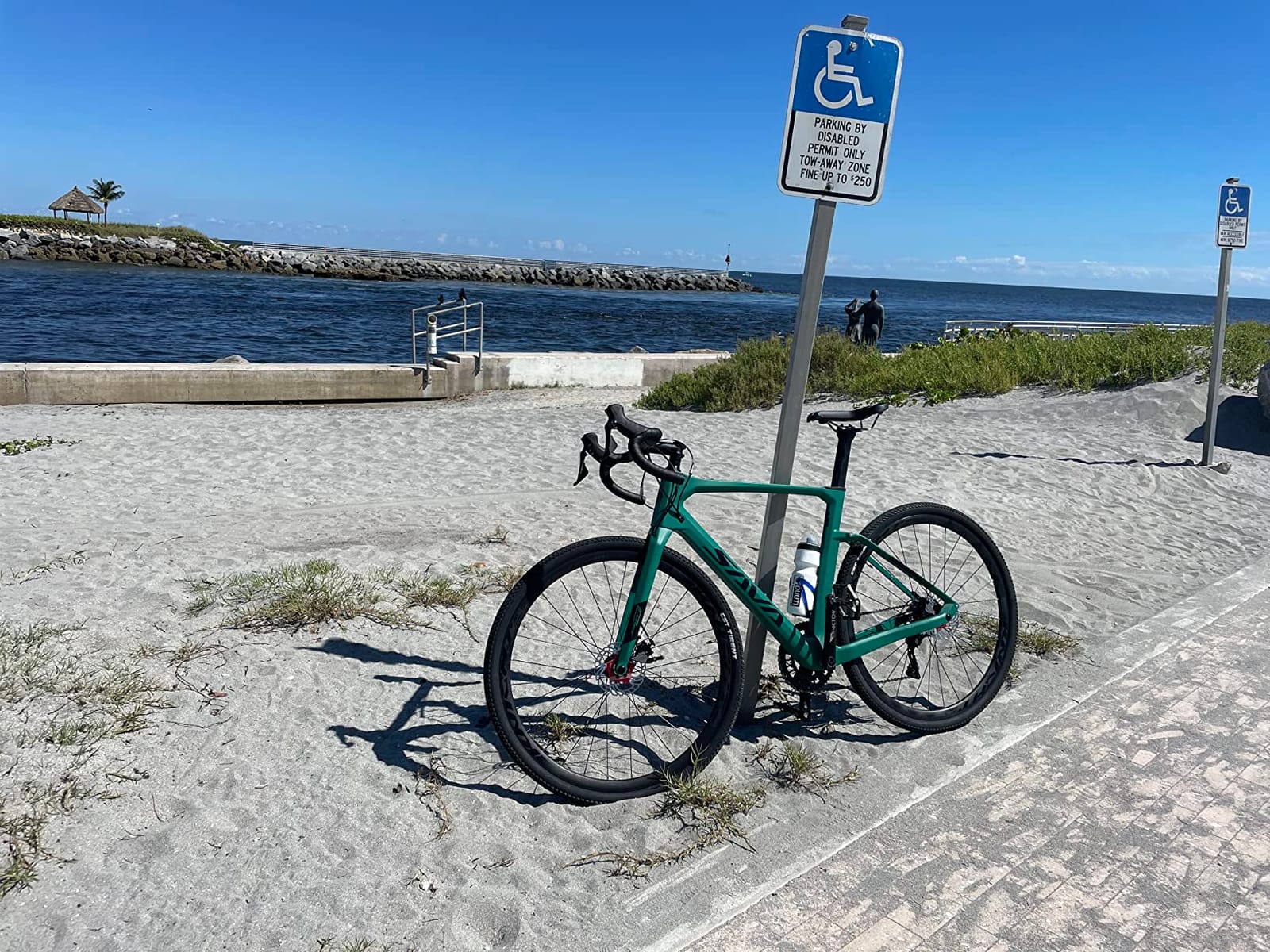
Owner reviews are uniformly positive. All 28 verified ratings are five stars, and the emphasis falls on the carbon frame and fork value, the low weight, and smooth Shimano shifting. That kind of perfect score usually signals either a very satisfied small group or a very small group, and here it is the latter.
The main caveat is component tier. U6000 is Shimano’s entry gravel group, below Sora and well below the 105 mechanical groupset, so shifting steps are larger and there is no clutch on the rear derailleur for technical descents.
We also note that it ranks in the top ten for road bikes on the major retail marketplace, which suggests demand outstrips independent review volume. Buy it understanding the service implications as much as the ride quality.
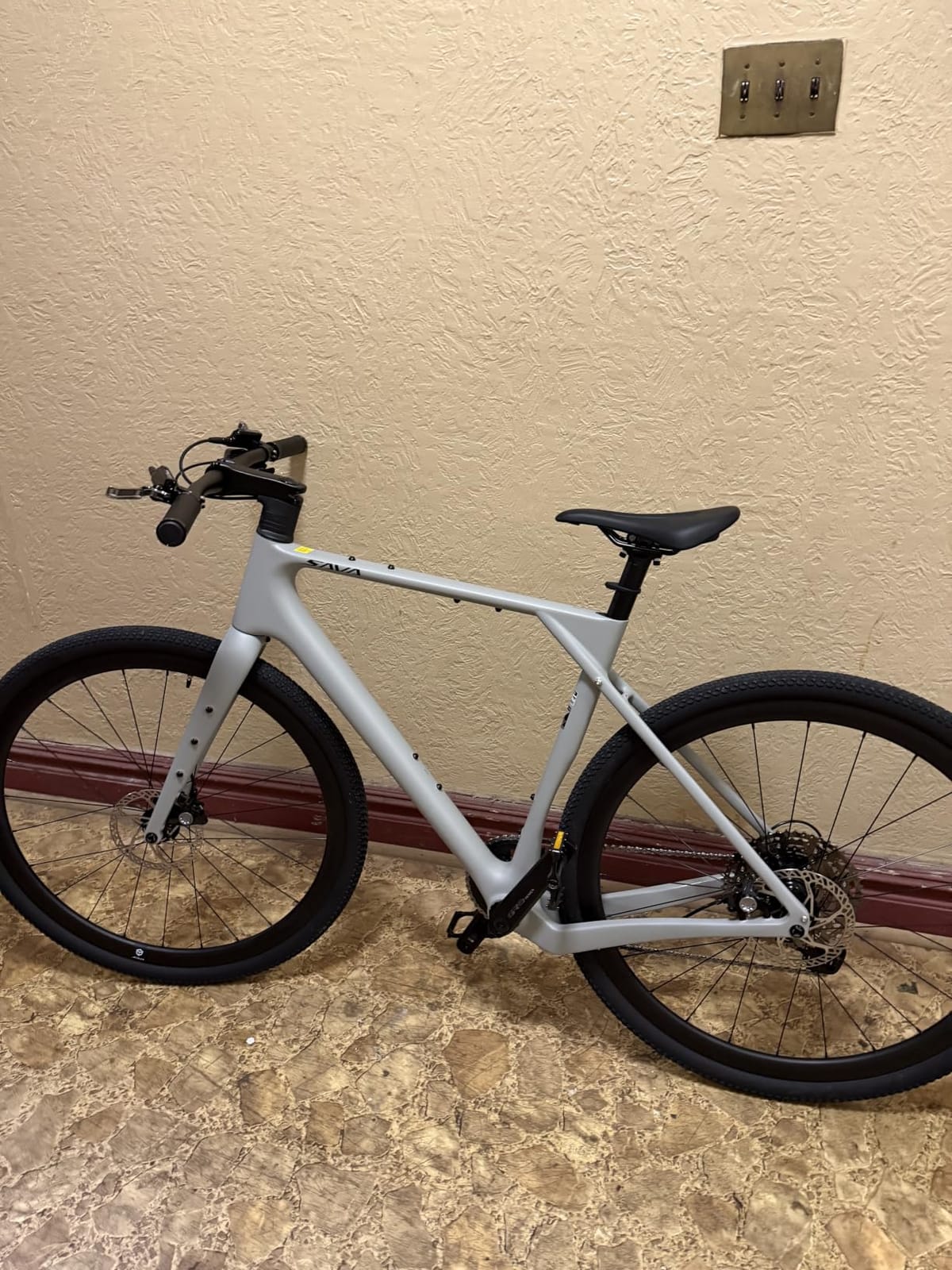
Why weight matters more than the spec sheet
A complete build weight of 10.4 kg is where carbon earns its price. On a long climb that difference compounds, and on a bike you carry up stairs or lift into a rack every day it is felt immediately rather than theoretically.
Combined with hydraulic brakes and a tapered head tube, this is the most modern-feeling bike in the roundup. Riders upgrading from an older aluminum gravel bike will notice the ride quality difference on the first long ride.
Who should be cautious
Buyers who care about long-term parts support should weigh the review base before committing. Twenty-eight verified ratings is a thin data set for a near four-figure purchase, and independent component sourcing is limited to what the manufacturer specifies.
Riders who already own a quality Shimano groupset and know how to service a bike may prefer to spend the difference on a better-tier drivetrain. And anyone with a large or very small frame needs to verify sizing before ordering, because one listed size is not a range.
5. KABON T800 Carbon Sora: The 8.7 kg All-Carbon Build
KABON Carbon Gravel Road Bike, T800 Carbon Fiber Frame 700C Road Bike with 18 Speeds Drivetrain, Integrated Carbon Handlebar, Disc Brakes Racing Bicycle for Adult Unisex (Chameleon Blue, 50cm)
T800 carbon frame fork bar and post
8.7 kg weight
Shimano Sora 18-speed
Mechanical disc brakes
+ The Good
- Full carbon cockpit of bar fork and seatpost
- Lowest complete weight in this roundup at 8.7 kg
- Shimano Sora R3000 shifting is smooth and durable
- Frame sizes from 50cm to 58cm in five colors
- The Bad
- Mechanical rather than hydraulic disc brakes
- Vinyl saddle is basic against the carbon frame
- Accessories carry only a six-month warranty
The KABON Sora is the lightest complete bike here, and it gets there by including everything. The frame, fork, handlebar, and seatpost are all T800 carbon, which is why the whole thing lands at 8.7 kg with an integrated cockpit rather than a bolted-on alloy bar and post.
Drivetrain is a Shimano Sora R3000 2×9 18-speed group with front and rear derailleurs, running on 700x40c tires with fast-rolling high-traction tread and aluminum wheels. Frame sizes run 50cm to 58cm across five colors, which is the broadest fit range of any bike in this roundup.
Maximum recommended rider weight is listed at 120 kg, the frame carries a three-year warranty, and accessories are covered for six months. It also comes nearly fully pre-assembled, so setup time is shorter than the Tommaso bikes require.
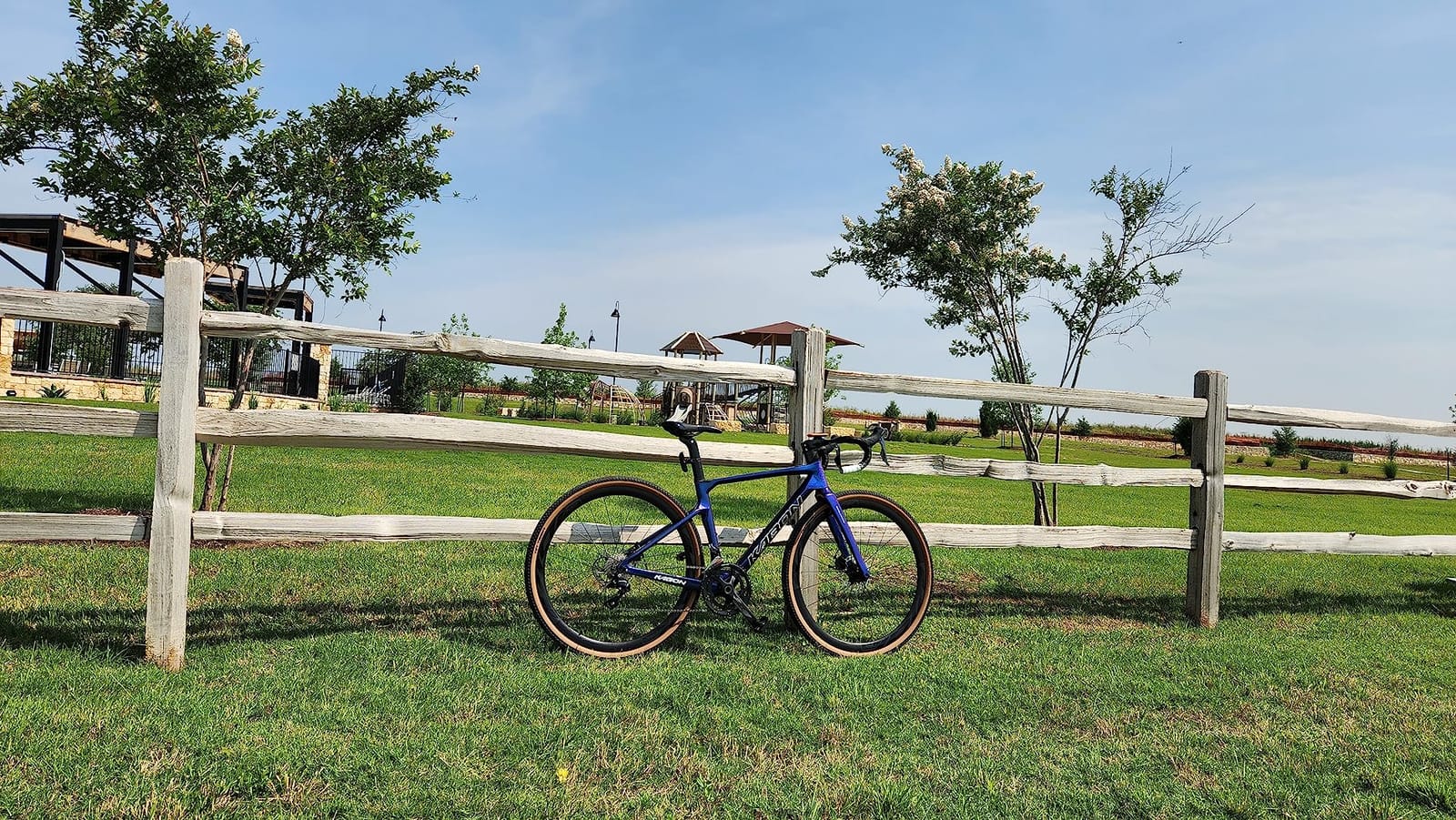
Owners rate the build quality against price highly. The recurring positives are smooth Sora shifting, the light all-carbon package, and the grip and stability of the 40c tires on rougher ground. Disc brakes shorten stopping distance and add confidence, which matters more here than the price tag suggests.
The criticisms are consistent and specific. The saddle is vinyl and basic compared with the frame it sits on, and the brakes are mechanical rather than hydraulic, so you give up consistent cold-weather stopping power for lower cost and easier servicing.
Thirteen verified reviews at a 4.4 average is a small sample. The distribution leans positive at 57% five stars and 25% four stars, with no one- or two-star ratings at all, which is a healthier-looking spread than a uniform score.
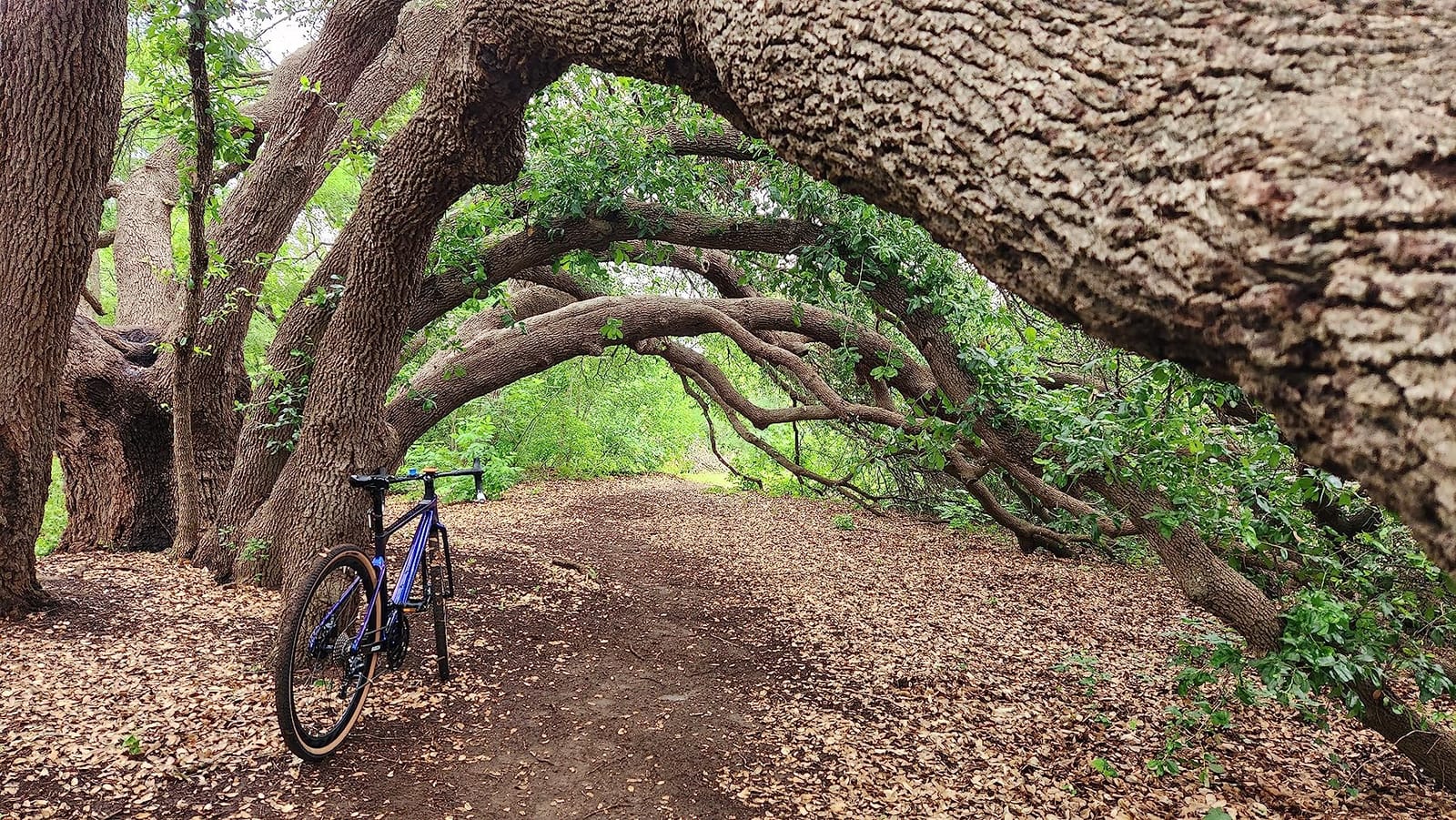
How the integrated cockpit helps
Integrating the handlebar and seatpost in carbon does two things. It removes joints that flex under load, and it drops weight at exactly the points where a bolted component adds the most mass without adding much strength.
For riders who care about weight, that is the entire pitch of this bike. At 8.7 kg it is roughly a full kilogram lighter than a typical aluminum gravel build, which is felt directly on any sustained climb.
What the weight saves you does not cover
Carbon does not solve brake feel, and mechanical discs on a bike this light still need adjustment as pads wear. Riders who ride steep, wet, technical descents regularly will feel that compromise every time.
Riders with a comfortable saddle on another bike should keep it. A vinyl saddle on a 20-mile ride is the most common reason people abandon an otherwise good gravel bike, and replacing it is the single cheapest upgrade available. Riders over 120 kg should check the listed limit before committing.
6. KABON T800 Carbon Shimano 105 R7000: The Best Groupset Here
KABON Carbon Gravel Road Bike, T800 Carbon Fiber Frame Adventure Bicycle with Shimano 105 22 Speed Disc Brake Racing Bicycle for Men and Women (Chameleon Blue, 56cm)
T800 carbon frame fork bar and post
Shimano 105 R7000 22-speed
Five-year frame warranty
8.7 kg weight
+ The Good
- Shimano 105 R7000 is the highest-grade drivetrain in this roundup
- All-carbon build at 8.7 kg
- Internal cable routing protects cables from rust
- Smooth quiet ride with quick handling
- The Bad
- Supplied brake pads feel weak
- Handlebar drops can be uncomfortable on long rides
- Handlebars may arrive unassembled with spacers missing
If you want the best groupset available at this budget, this is the one. The Shimano 105 R7000 2×11 22-speed drivetrain sits a full tier above everything else in this roundup, and it is paired with the same all-carbon frame, fork, handlebar, and seatpost package weighing 8.7 kg.
The frame uses full internal cable routing with aerodynamically contoured stays, seatpost, and seat tube. That keeps cables out of rain and sun, which cuts the rust and grit intrusion that wears drivetrain housings on bikes ridden in real weather.
The recommended maximum rider weight is listed at 150 kg, the highest here, the saddle is leather rather than vinyl, and the frame carries a five-year warranty. The listed specification sheet pairs it with a 56cm frame and a 2×11 22-speed group.
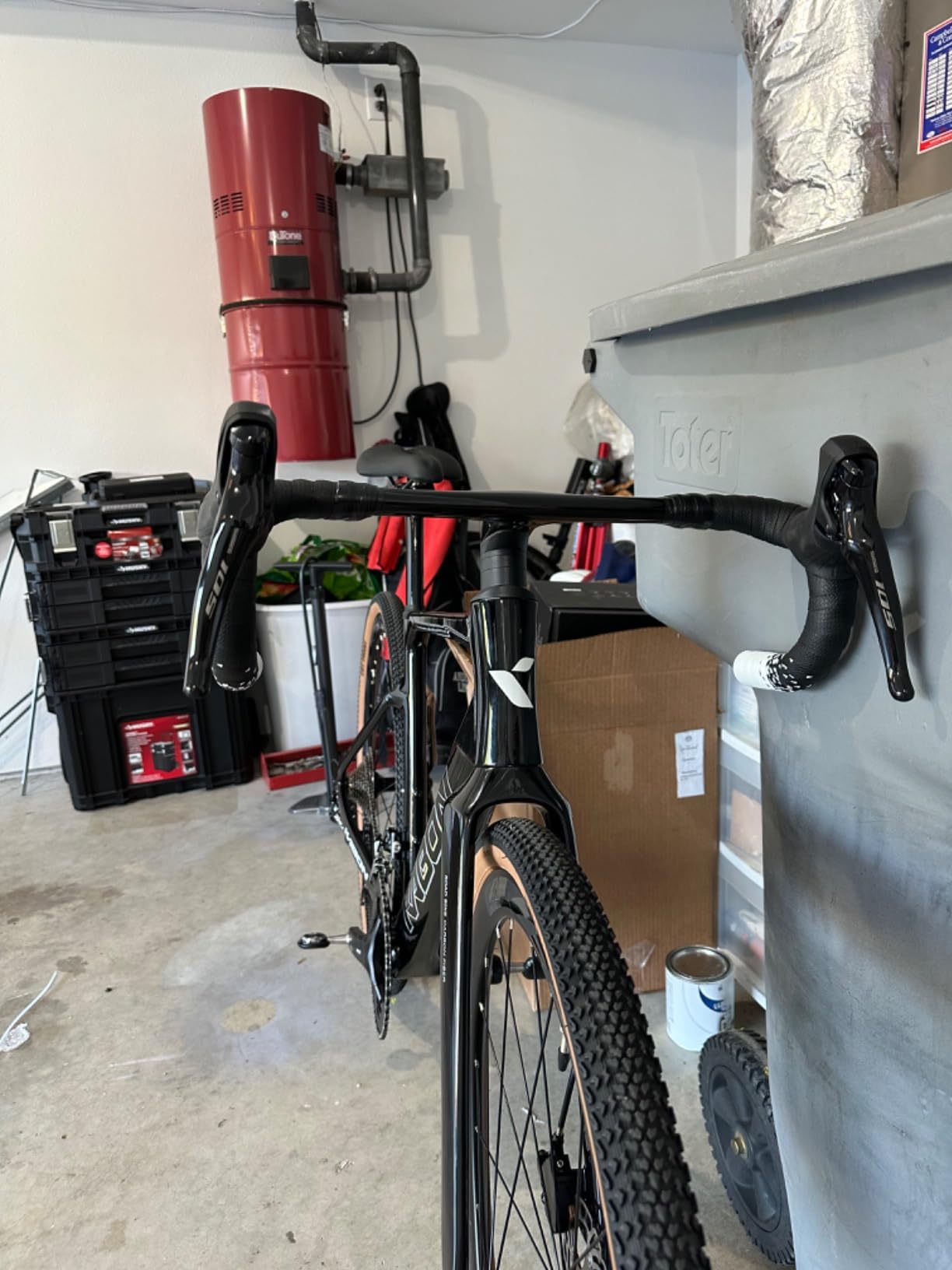
Owner feedback, while limited, is enthusiastic. Long-term owners all rate it five stars and point to a sturdy carbon frame that holds up over time, smooth Shimano 105 shifting, and value at the price. A sturdy frame that ages well is exactly what you want from a bike you plan to keep.
Two practical complaints are worth planning around. The supplied brake pads feel weak, and owners recommend swapping to Shimano XTR pads, which is a small and cheap fix. Separately, the handlebars may arrive unassembled with spacers missing, so allow extra setup time.
The handlebar drops are also described as not organic, meaning they can become uncomfortable on long rides. Riders with long-distance ambitions should budget for a bar swap along with the pads.
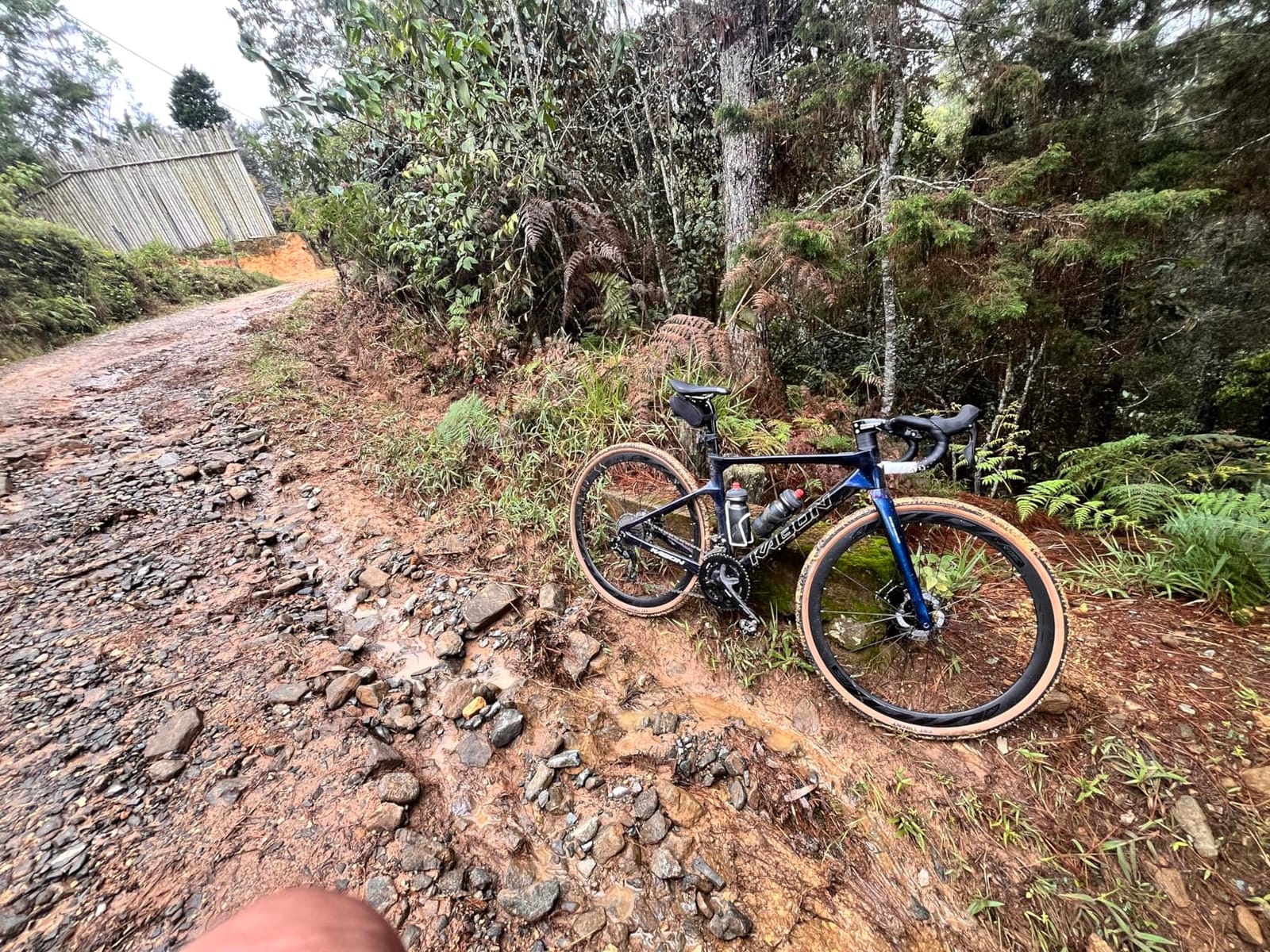
Why the groupset tier matters more than the frame
Frames do not wear out under normal use. Drivetrains and brakes do, and the 105 R7000 group is built to a higher standard of durability and finish than the Claris, Tourney, Sora, and U6000 groups in this roundup.
In practical terms that means closer, more consistent shifts under load and better long-term wear. If you keep a bike for a decade rather than a season, paying up for the higher group costs less than replacing entry components twice.
Where the savings go
The frame is excellent but not cheap, so several costs got pushed to the components. Mechanical disc brakes and supplied pads, the comfort of the integrated handlebar, and possible extra assembly are where the money went instead.
Four verified reviews is a very small base for the highest-priced bike in the group, so we rank it on hardware rather than owner consensus. Riders who want proven long-term feedback should read the Tommaso reviews, and riders who want brakes you can rely on in the rain should move to the SAVADECK.
How to Choose a Budget Gravel Bike Under 1,500
Price is the entire constraint on this list, which means every remaining dollar has to be allocated deliberately. Here is how we would think through the tradeoffs, in the order that actually changes your experience on the bike.
Frame material: aluminum with a carbon fork vs full carbon
Aluminum is the volume choice at this tier and it is not a compromise so much as a different allocation. A Tommaso aluminum frame with a carbon fork gives you most of the comfort benefit of carbon where riders actually feel chatter, while keeping the frame durable, repairable, and inexpensive.
Full carbon buys weight and stiffness. The two carbon bikes here weigh 10.4 kg and 8.7 kg complete, against an aluminum platform that sits noticeably heavier. On long climbs that difference is real, and on a bike carried up steps it is felt every day.
The tradeoff is that unbranded carbon frames come with less certainty. Tubing quality, layup consistency, and long-term impact repair are all harder to verify than a stamped Shimano component. Our broader gravel roundup covers the named-brand end of the spectrum for readers who want dealer support.
Groupset tiers: what Claris, Tourney, Sora, U6000 and 105 actually mean
Shimano’s road groupsets run in a clear order, and this roundup happens to contain five points on it. From lowest to highest: Tourney, Claris, U6000, Sora, then 105 mechanical. SRAM Apex and Rival sit roughly between Sora and 105, and the electronic GRX and AXS tiers sit above this budget entirely.
The practical differences are shift precision under load, durability of the chain, cassette, and derailleur, and the presence of a clutch on the rear derailleur for technical descents. For most riders at this budget, a well-maintained Claris or Sora outlasts a neglected 105.
If you ride in rain and mud weekly, step up a tier. If you ride dry pavement and graded gravel, the entry groups are genuinely fine and the money is better spent on tires and a saddle you can sit on all day.
Hydraulic vs mechanical disc brakes
Only one bike here has hydraulic brakes. The difference is control consistency: hydraulics deliver the same lever feel as pads wear and temperatures change, while mechanical discs depend on cable tension and need adjustment more often.
Mechanical brakes are cheaper, easier to service yourself, and lighter. If you maintain your own bike and ride dry conditions, they are a defensible choice. If you ride wet, steep, loose descents, hydraulics are worth the extra.
Tire width and wheel size: why 700x40c keeps showing up
Every bike in this roundup runs 700x40c. That is the most useful single spec at this budget: wide enough for real gravel grip and comfort, narrow enough to feel quick on pavement.
The bands work like this. Thirty to 32mm suits pavement-dominant riders. Thirty-five to 38mm is the balanced all-round choice. Forty millimeters and above is for riders who spend most of their time off-road. Note that the Siena ships with 40c tires wider than the rim maker recommends, which some owners report as vague handling on loose ground.
1x vs 2x drivetrain: none of these picks run 1x
This comes up constantly in buying questions, so the short answer is that every bike here uses a double chainring. Both carbon builds run 2x, the Tommaso Sterrata and Sentiero run 2x, and the Siena runs a triple.
A 1x drivetrain is simpler, lighter, and has no front derailleur to adjust, which suits riders who want minimal maintenance and prefer very wide gear steps. A 2x group gives closer gear increments across the same range, which is why it still suits most riders, especially on rolling terrain.
If you are torn, consider how much time you spend riding versus fixing. Riders who never touch their drivetrain once it is set up will be happier with 1x; riders who enjoy tuning and want precise cadence on climbs will prefer 2x.
Sizing and fit without a test ride
Measure your inseam in centimeters, then compare it against the manufacturer’s size chart rather than your height. Standover height is the number that matters for clearance, and reach and stack determine whether you will feel stretched or cramped.
Check the listed size range before you commit. Frame ranges across this roundup run from a single small size on some models to 50cm through 58cm on others, and a bike that is five centimeters too small will not be fixed by a saddle adjustment.
Women-specific and small and extra-large frames are genuinely harder to find at this price ceiling than marketing suggests. Riders at the ends of the size range should verify fit before buying rather than after.
Assembly, mounts, and what it really costs to own
Several bikes in this group are delivered un-tuned, and at least one brand makes professional assembly a condition of keeping the lifetime warranty. Skipping that step to save money can cost you the coverage entirely.
Then plan for the parts that wear first. Brake pads are the cheapest recurring item. A saddle is the biggest comfort upgrade, and it is the one most riders outgrow fastest. Tires on a 40c gravel setup have a shorter life than narrow road rubber, especially if you run low pressures.
Check mount points before buying if you plan fenders, a rack, or bags. Two of the bikes here list mounting information in their specifications and the others do not, so treat that as unknown rather than absent.
Named brands vs unbranded carbon: the honest read
The unbranded carbon bikes in this roundup are objectively impressive on paper. Full carbon frames and forks under the ceiling with hydraulic brakes are things that were impossible at this price a few years ago.
What you give up is verification. A named brand publishes geometry, warranty terms, and service channels, and sells replacement parts through shops you can physically visit. An unbranded seller can replace a broken part, but rarely the frame, and seldom on a timeline you control.
Forum discussion on riding forums consistently favors named brands with real geometry over unbranded carbon in this price band, and riders arriving from entry mountain bikes on small budgets tend to report the same thing: the bike is fine, the support is the problem.
Our recommendation is to buy unbranded carbon if you are comfortable with the bike possibly becoming unfixable, and to buy named aluminum if you want a machine you can keep for a decade. Neither choice is wrong; they are different relationships with risk.
Frequently Asked Questions
What is the best budget gravel bike this year?
The Tommaso Sentiero is our pick for the best budget gravel bike. It pairs a 24-speed Shimano Claris drivetrain with a lifetime-warranty aluminum frame and upright compact geometry, so it is easy to ride and easy to service. Budget for professional assembly, because the brand requires it before the warranty applies.
What is the best gravel bike under 1500?
For most riders, the Tommaso Sentiero is the best gravel bike under 1500 because of its Shimano components, upright geometry, and lifetime frame warranty. Riders who want a lighter carbon frame and hydraulic brakes should choose the SAVADECK T800, which weighs 10.4 kg complete and comes nearly assembled.
What is the best gravel bike for the money?
The Tommaso Siena delivers the most capability per dollar, with a 21-speed Shimano Tourney drivetrain, triple chainring, 700x40c tires, and mechanical disc brakes for roughly half the price of an entry gravel bike from a major brand. Its 130mm rear dropouts make later wheelset upgrades difficult.
Are budget gravel bikes worth it?
Yes, for recreational and commuting riders. The limiting factor at this budget is component durability and the need for professional assembly, not ride quality. Riders pursuing racing or long-distance touring will feel the difference between entry and mid-tier groupsets more than the difference between frame materials.
Should I get a 1x or 2x gravel drivetrain?
Choose 1x if you want the lowest maintenance and no front derailleur to adjust. Choose 2x if you ride rolling terrain and want closer gear steps. Every bike in this roundup uses a double chainring or a triple, so you will be choosing 2x here unless you look at a different tier of bike.
How do I size a gravel bike without a test ride?
Measure your inseam in centimeters and compare it against the manufacturer size chart rather than using your height alone. Check standover height for clearance, then confirm reach and stack. Frame size ranges in this roundup run from one listed size on some models to 50cm through 58cm on others, so verify your size before ordering.
Final Verdict: Which Budget Gravel Bike Should You Buy?
Our choice among the best gravel bikes under 1,500 in 2026 is the Tommaso Sentiero. A lifetime-warranty aluminum frame, an all-Shimano Claris 24-speed drivetrain, and upright geometry add up to the bike we would put a first-time gravel rider on without hesitation.
If your priority is stopping power and low weight, the SAVADECK T800 carbon is the alternative worth the extra spend. If your priority is spending as little as possible, the Tommaso Siena gets you onto gravel for the least money of anything here. Riders chasing the best drivetrain in this price band should look at the KABON Shimano 105 build and plan for a pad and bar upgrade.
Whichever one you choose, budget for professional assembly before the first ride and replace the saddle within your first month. Those two steps do more for how the bike feels than any spec on this page.