
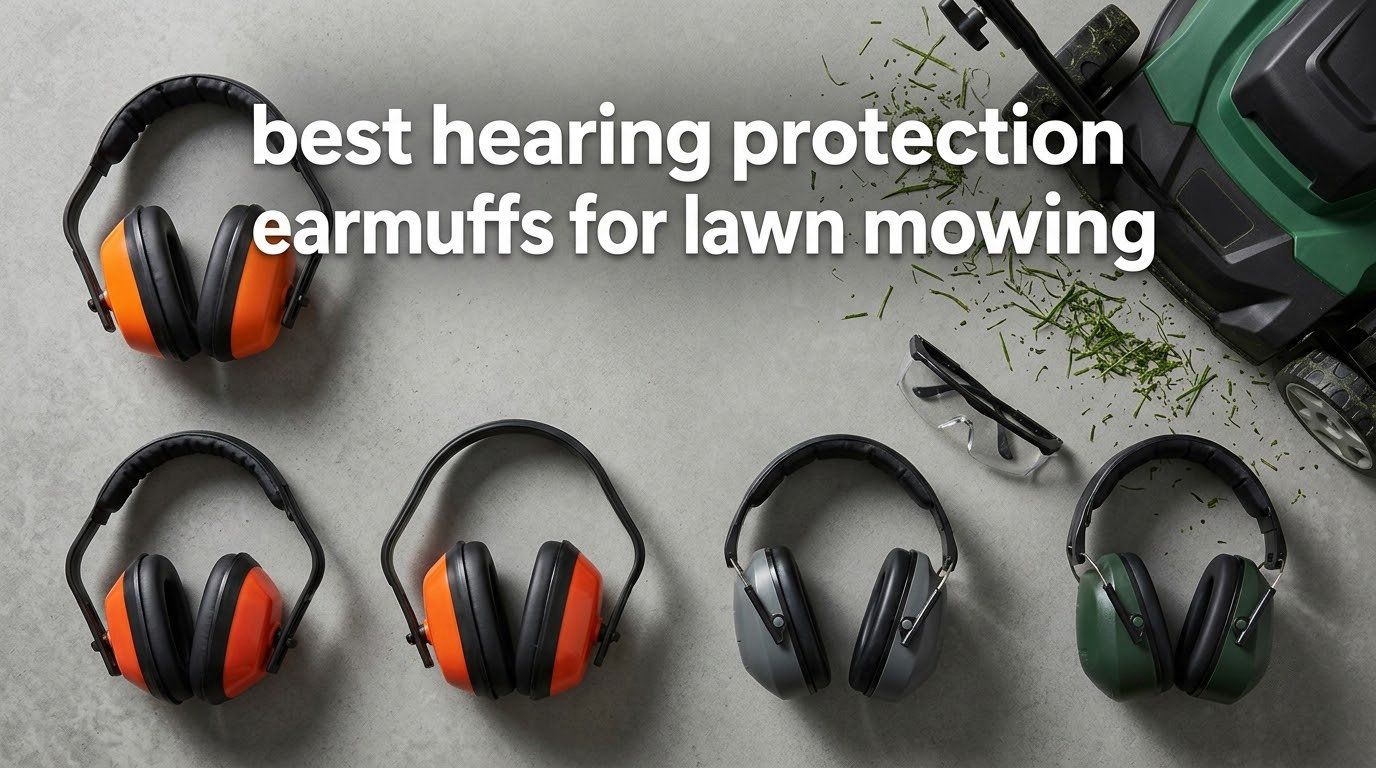
A gas push mower at the operator’s position is loud enough to cause permanent hearing damage in a single season of regular mowing. Most people treat that as a mower problem, and it is one, but the fix is the thing between your ears and the exhaust.
Here is the short version before anything else: for a gas push mower, a self-propelled mower, or a riding mower, look for a certified muff rated at 25 dB NRR or higher, and prefer 31 dB or more if you mow for hours or run a loud machine. A battery-electric mower in good condition sits close enough to the safe threshold that light passive protection usually covers it. Nothing below 20 dB NRR is worth buying for a gas mower.
We put ten of the most-reviewed hearing protection earmuffs for lawn mowing through the specs, the owner reviews, and the long-session comfort questions that brand pages never answer. This guide covers passive muffs, electronic awareness muffs, and Bluetooth models, plus the two things that trip people up most: how to read a lab NRR number, and why your earbuds are not doing anything for you.
If you want the wider category first, our guide to electronic hearing protection earmuffs covers the awareness-muff format in more depth before we get into mower specifics.
Top 3 Picks for Lawn Mowing in October 2026
Our top pick is the Walker’s Razor Slim Electronic Muff, the highest rated and most reviewed muff in this group by a wide margin. The DECIBEL DEFENSE 37 dB pair wins on pure attenuation with the strongest passive NRR figure available here. The ProCase is the value pick, a lab-tested muff that needs no batteries at all.
All 10 Hearing Protection Earmuffs at a Glance in October 2026
| PRODUCT MODEL | KEY SPECS | BEST PRICE |
|---|---|---|
 |
|
Check Latest Price |
 |
|
Check Latest Price |
 |
|
Check Latest Price |
 |
|
Check Latest Price |
 |
|
Check Latest Price |
 |
|
Check Latest Price |
 |
|
Check Latest Price |
 |
|
Check Latest Price |
 |
|
Check Latest Price |
 |
|
Check Latest Price |
Two things stand out in that grid. First, only three of the ten muffs here carry any audio at all, and only one of those three is Bluetooth. Second, the passive options cluster at 26 to 37 dB NRR, which is the range that actually matters for a gas mower.
1. Walker’s Razor Slim Electronic Muff – Best Overall for Mowing
Walker’s Razor Slim Electronic Muff, Black
Sound amplification
12.63 ounces
3.5mm audio jack
Extra slim cups
+ The Good
- Amplifies quiet sound so you stay aware
- Very light at 12.63 ounces
- External volume knob works with gloves
- Audio jack turns it into ordinary headphones
- The Bad
- Electronic passthrough adds latency and digital noise
- Pass-through directionality takes practice
- Not suitable for serious music listening
This is the muff we ended up recommending to almost everyone who asked, and the reason is simple. It carries a 4.8 average across 85400 reviews, which is the largest review base of anything in this roundup, and the design solves the specific problem mowing creates. You can hear a neighbour speak to you from the driveway while the engine is running, without turning the muff off.
The two hi-gain omnidirectional microphones are tuned to lift low-end frequencies, which is exactly where conversation and most yard noise live. A recessed external volume control sits on the outside of the cup, so you can change levels with gloves on rather than fishing around for a switch with cold or dirty fingers.
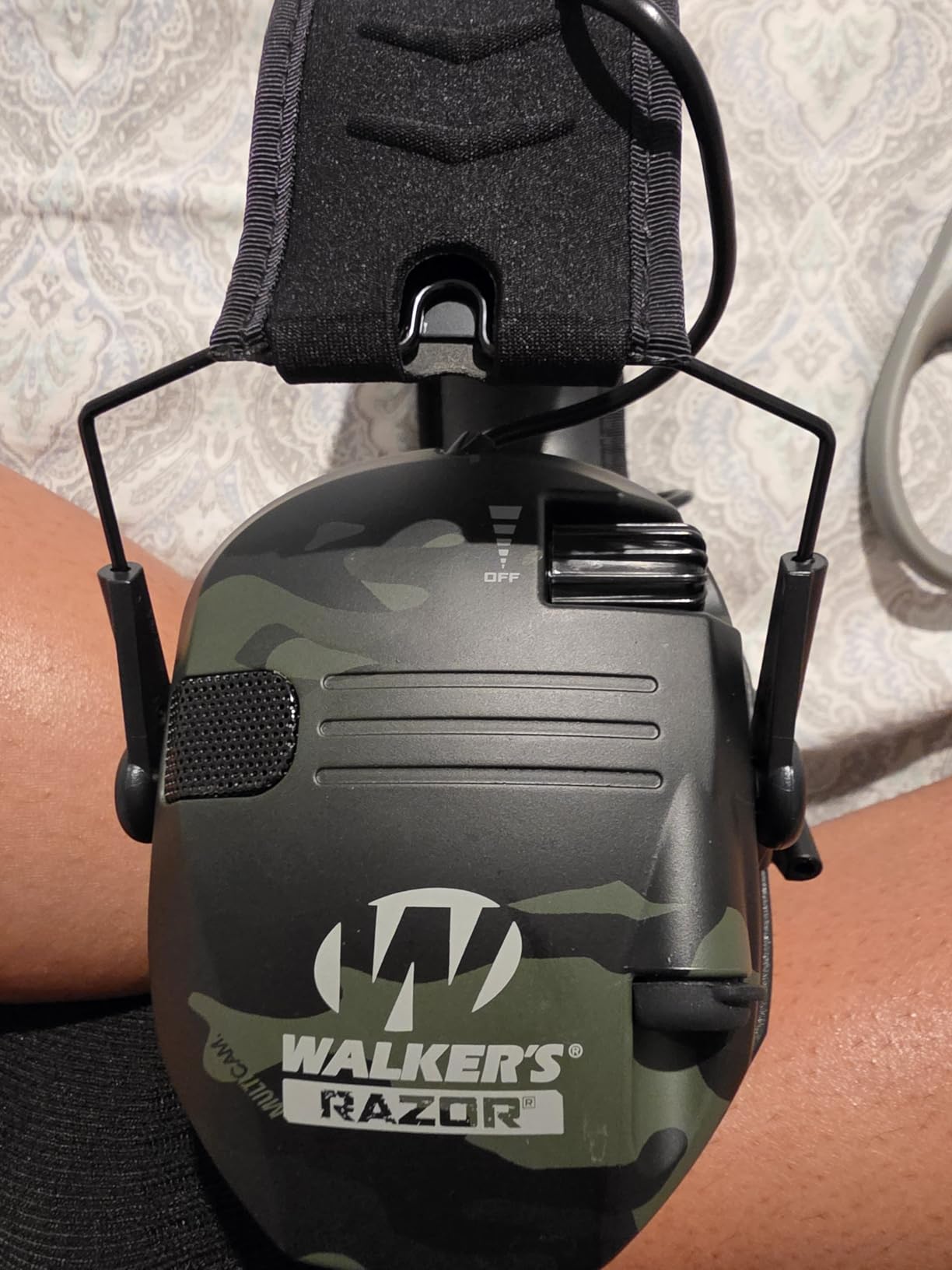
The housing is a rubberized-coated sound-dampening composite on a padded metal wire frame, and the cups are cut extra slim. That profile matters more than it sounds: a tall cup interferes with mower handlebars and with the arm of a riding mower seat in a way a low cup does not.
Owners also use the 3.5mm input jack to run music from a phone through the muffs, which is the simplest way to get audio without buying a second pair of headphones. A minority of reviewers flag noticeable latency and faint digital artifacts in the passthrough, and one describes using the jack for real music as disappointing because of that same noise floor. If your priority is listening to music rather than hearing your surroundings, the Bluetooth option further down the list is a better tool.

How it holds up over a full mowing session
At 12.63 ounces and with a wire frame rather than a solid plastic band, this is one of the lighter muffs we looked at. The slim cups also reduce the amount of contact area on your head, which cuts the sweating problem that makes people abandon muffs in July.
The electronic path means there is a battery to manage. That is the trade you accept for awareness: if the power dies mid-lawn, the passive seal still does its job, but you lose the amplification that makes the muff pleasant rather than isolating.
Who should skip it
Skip it if you take music seriously. The electronic passthrough is built for hearing safe sounds, not for playback fidelity, and reviewers consistently note the digital noise floor when you push an external source through the jack.
Also skip it if you are someone who already has hearing loss and wants maximum attenuation with no audio path. An electronic awareness muff is a comfort and awareness tool, not the strongest protection tool, and there are better choices for pure dB reduction.
2. Pro For Sho 34dB NRR Ear Protection – Best Compact High-Protection Muff
Pro For Sho 34dB NRR Ear Protection, Noise Reduction Ear Muffs – Green
34 dB NRR passive
OSHA-adjusted 31 dB
7.2 ounces
Foldable
+ The Good
- 34 dB NRR in a very compact body
- Lightest published weight in this group
- Folds down to pocket size
- No batteries or electronics
- The Bad
- Fit is tight out of the box and needs a break-in period
- Passive so low-frequency sound passes through
- Standard size can run small on larger heads
This is the muff that makes the strongest case for the idea that attenuation per gram is the metric that matters. It carries a 34 dB NRR, an OSHA-adjusted figure of 31 dB, in a body weighing 7.2 ounces. Very few muffs in this roundup publish a weight at all, and among the ones that do, this is the lightest.
It is certified to ANSI S3.19 and CE EN 352-1, it needs no batteries, and it folds flat enough to live in a toolbox or a jacket pocket. That combination of high NRR and small volume is unusual, and it is why the same design shows up in shooting, sensory support, and yard work lists.
The technical note worth knowing is the OSHA correction. The 34 dB label figure drops to 31 dB once adjusted for real-world fit, which is exactly the kind of honest adjustment that rarely appears on retail listings. Apply that same kind of haircut to every other NRR number in this article when you compare them.
What the break-in actually involves
Owners consistently describe the first few hours as tight, then fine. The foam cushions need to seat themselves against your head before the seal performs, and stretching the muffs over a box overnight is the commonly recommended trick. If you take them out of the packaging and judge them in the first ten minutes, you will judge them wrong.
The folding design is a real convenience for a mower specifically. Muffs that live in a truck bed or a mower deck bag get used; muffs that live in a closet do not.
Who should skip it
Skip it if you want to hear a conversation or a car pulling in while the mower runs. A passive design attenuates high frequencies harder than low ones, so voices and bass-heavy engine rumble come through far more than the sharp cutting noise does.
Skip it if you have a large head and cannot confirm the size. The Standard version runs small, and the Large version is a separate item, so check before committing.
3. ProCase Hearing Protection Ear Muffs – Best Value Pick
ProCase Hearing Protection Ear Muffs SNR 33dB, Noise Cancelling Headphones
SNR 33dB and NRR 28dB
Lab tested to EN 352-1
Foldable ball design
+ The Good
- Cuts most ambient noise while speech stays audible
- Soft breathable cushions
- Folds into a small ball
- No batteries or cords
- The Bad
- Runs small on very large heads
- Headband needs force to expand at first
- Mild pressure sensation until you adjust
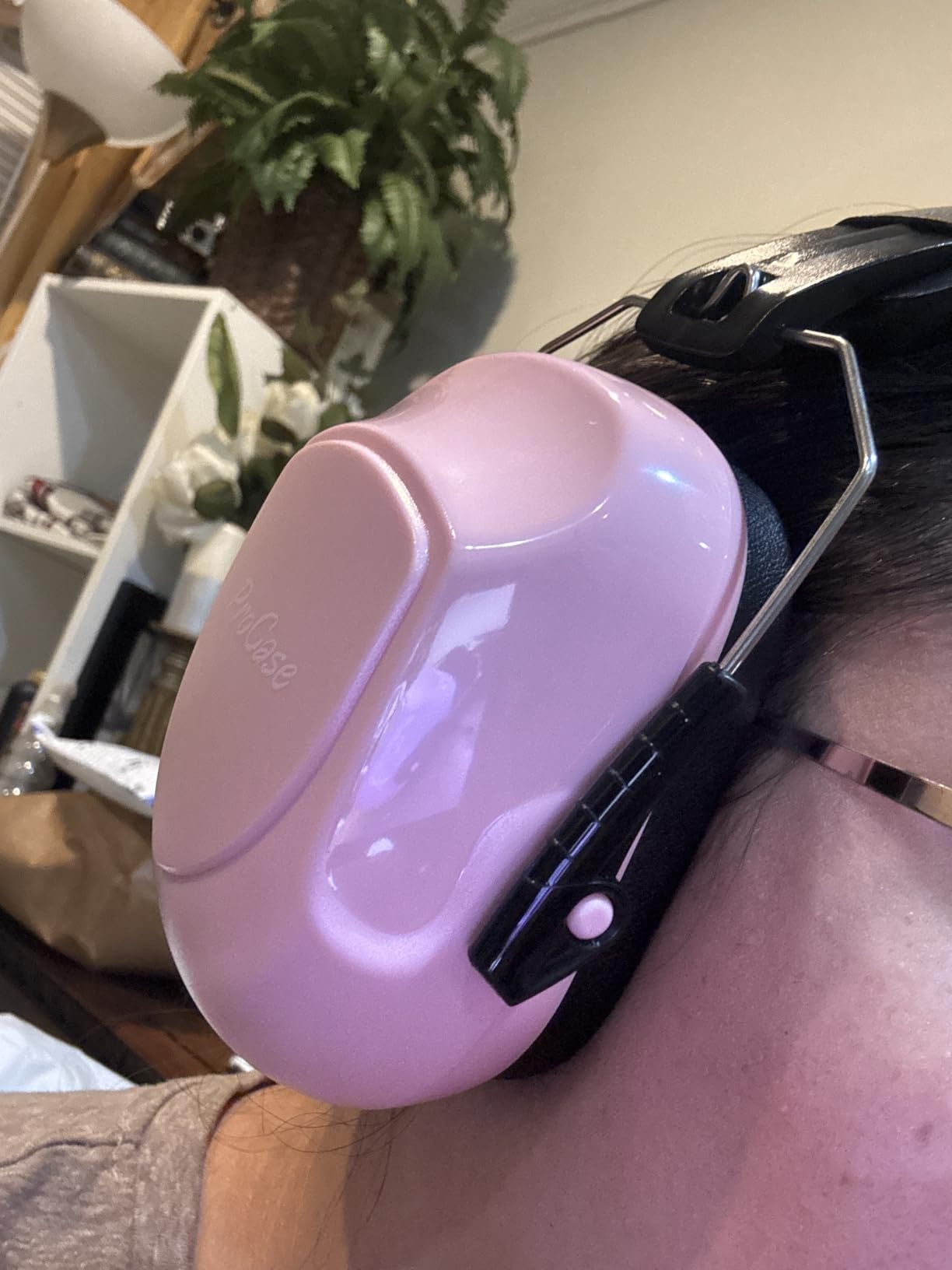
The ProCase is the recommendation for anyone who wants real certified protection without spending real money or carrying a battery. It was tested by an NVLAP accredited lab to the European EN 352-1 standard at SNR 33 dB, and the listing also states an ANSI S3.19 NRR of 28 dB.
Publishing both numbers matters more than it might seem. A brand that lists an SNR and an NRR together is telling you it has been tested to two separate regimes, and it lets you compare honestly against European-marked muffs that only quote the SNR.
Owners describe the balance as unusually good for a muff at this level. Most of the background goes, but conversation is still audible, which is a genuinely useful property when you are alone on a large property. Reviewers also note that many use them for mowing, construction, travel, and sensory support with the same result.
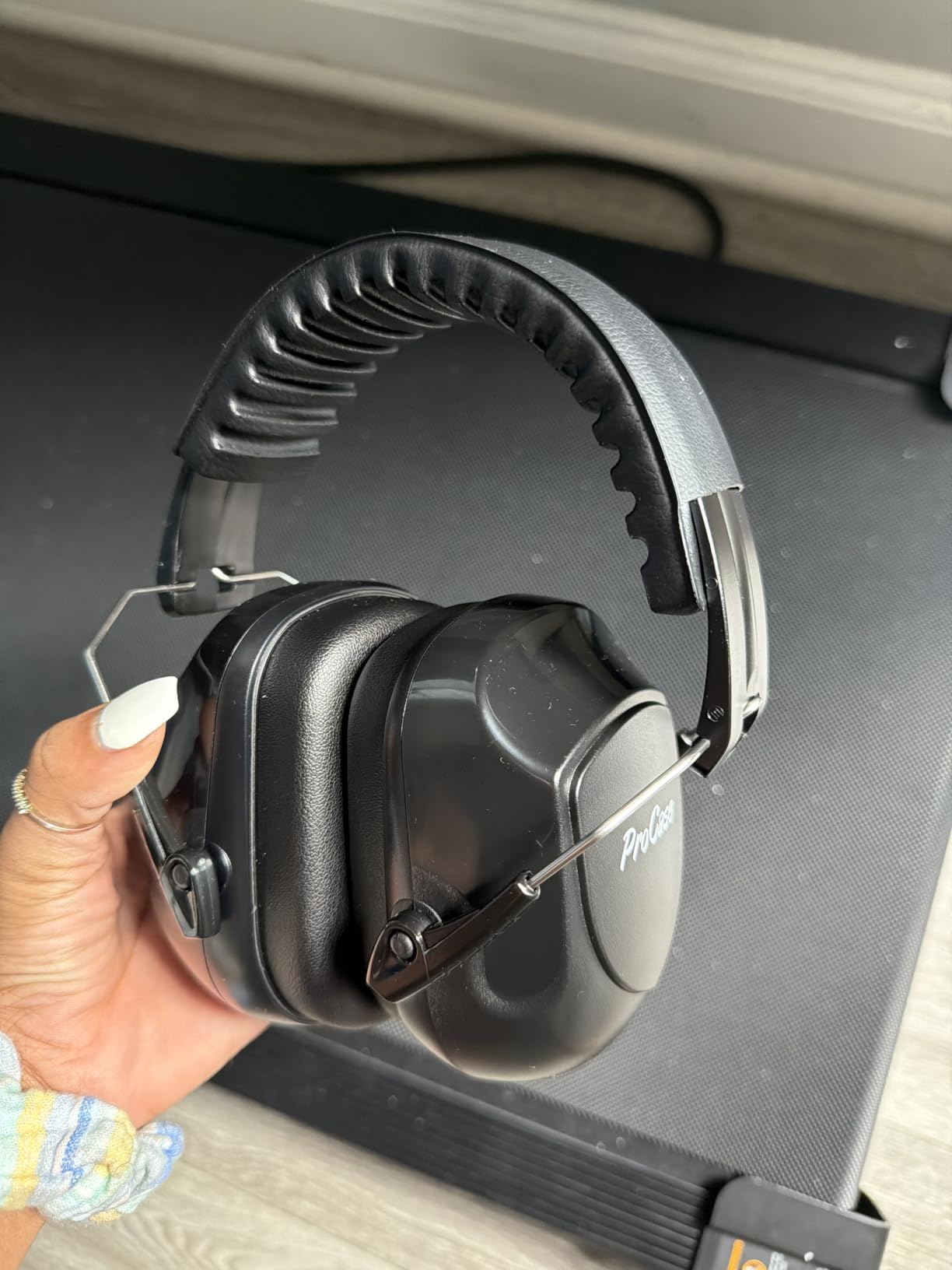
The build is a solid ABS shell with thick soft ear pads on an adjustable metal frame with a padded headband, and the whole thing collapses into a compact ball for a toolbox or a bag. The listing specifically calls out compatibility with most eyeglasses with minimized leakage, which we get into in detail further down.
The recurring complaints are about sizing and the first adjustment. The headband takes noticeable force to expand to size, and a mild pressure sensation inside the ears is common until you get used to it. On very large heads the extra-large model is a separate listing, not a free upgrade.
How it handles glasses
Because the cushions are soft and relatively thin, they tend to flatten against a glasses temple instead of lifting the seal away from it. That is the single most common fit complaint across this entire roundup, and it is the reason we put this muff near the top for anyone who wears prescription sunglasses outdoors.
Who should skip it
Skip it if you have a very large head and only want to buy one muff. Sizing failures are the main theme in the reviews, and the fix is a different listing rather than an adjustment.
Skip it if you want to listen to music. There is no audio path of any kind here, which is exactly what you want from a muff and exactly what you do not want from a mower headphone.
4. Dr.meter Noise Cancelling Headphones – Best for Kids and Smaller Heads
Dr.meter Noise Cancelling Headphones for Adults Kids Ear Protection Mowing
26 dB NRR
31 dB SNR
ANSI and CE certified
Memory foam cores
+ The Good
- Reduces noise without cutting you off from speech
- Soft memory foam avoids pressure marks
- Band adjusts from adult to child sizes
- Colours kids actually want to wear
- The Bad
- Runs slightly tight even at smallest adjustment
- Ear cushions get sweaty over long wears
- Too large for infants
Almost all of the review volume on this muff comes from sensory, travel, and family use rather than from lawn work, and that tells you what kind of product it is. It is a soft, kid-tolerant muff with genuine certification: ANSI S3.19-1974 and CE EN 352-1, at 31 dB SNR and 26 dB NRR.
The cushioning is the headline. Premium memory foam cores sit under PU leather, and the effect owners describe is the absence of pressure marks rather than the presence of sound blocking. For a long mowing session on a smaller head, that is the correct priority.
The headband adjusts smoothly from adult to child sizes, which removes the sizing problem that spoils so many budget muffs. There is also a wide colour range including kid-oriented prints, and that matters more than it sounds: a child who will not put a thing on does not get protected by it.
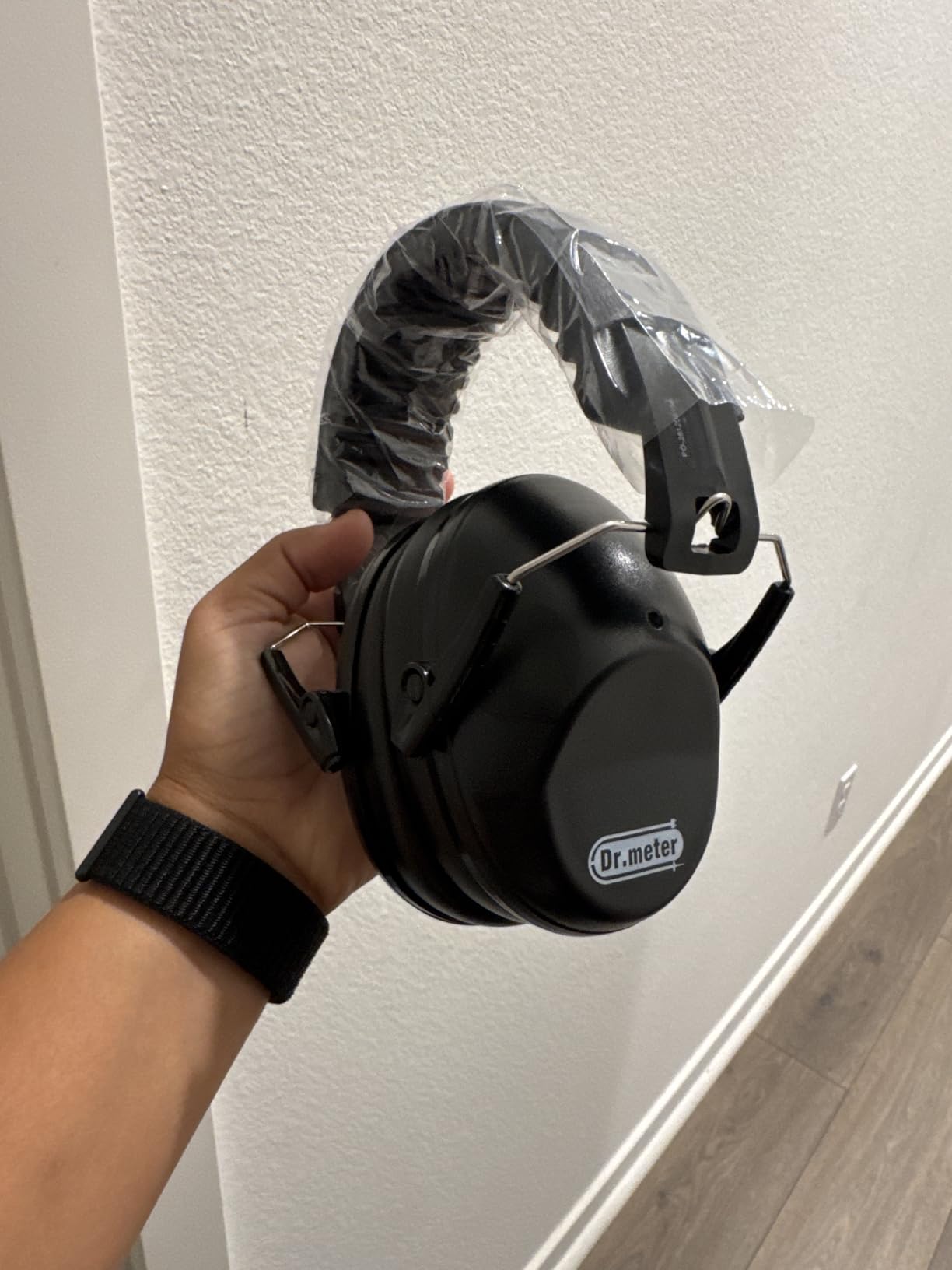
At 26 dB NRR this sits in the middle of the passive range here. It is enough for a battery mower, a string trimmer at a distance, and most push mower work, but it is not where you want to be for a loud riding mower seat or a gas machine with a big engine.
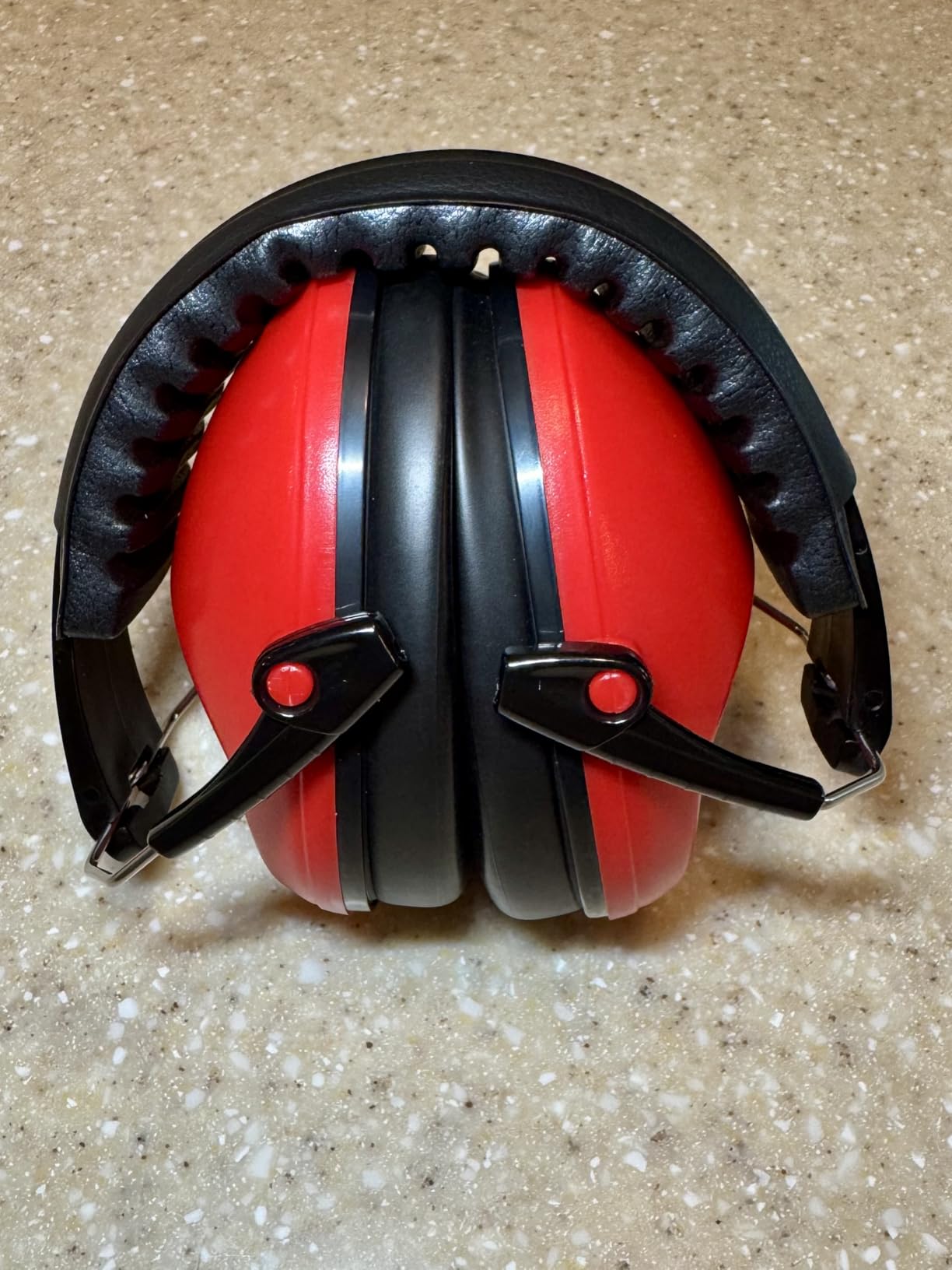
The folding design collapses smaller than the muffs around it and includes a carry pouch, so it moves between a glove compartment and a mower deck bag without any fuss.
Comfort over a long hot session
Memory foam is warm. The most cited drawback across the reviews is heat buildup inside the ear cushions over extended wear, and sweat is the complaint that recurs most often across this whole category, not just this muff.
Our advice is to time the fit to the job. Put it on for the mowing session rather than wearing it around the yard all afternoon, and take it off during the walk back to the shed.
Who should skip it
Skip it if you are the one on a loud gas riding mower. At 26 dB NRR there is less headroom here, and the money is better spent on a higher-rated passive muff for a serious machine.
Skip it if your head is on the larger end of the adult range. Even at the smallest adjustment some owners find it tight, and the extra-large listings are the fix.
5. DECIBEL DEFENSE 37 dB NRR Ear Muffs – Highest Attenuation in the Group
DECIBEL DEFENSE Ear Protection, 37 dB NRR Ear Muffs (HI-VIZ ORANGE)
37 dB NRR passive
11.7 ounces
ANSI and CE certified
Regular and XL
+ The Good
- Highest passive NRR figure in this roundup
- Soft non-irritating contact surfaces
- Easy to adjust even with stiff hands
- Attenuation does not fade with use
- The Bad
- Bulkier silhouette than slim muffs
- Regular size fits medium to large heads only
- Linked cup adjustment is confusing
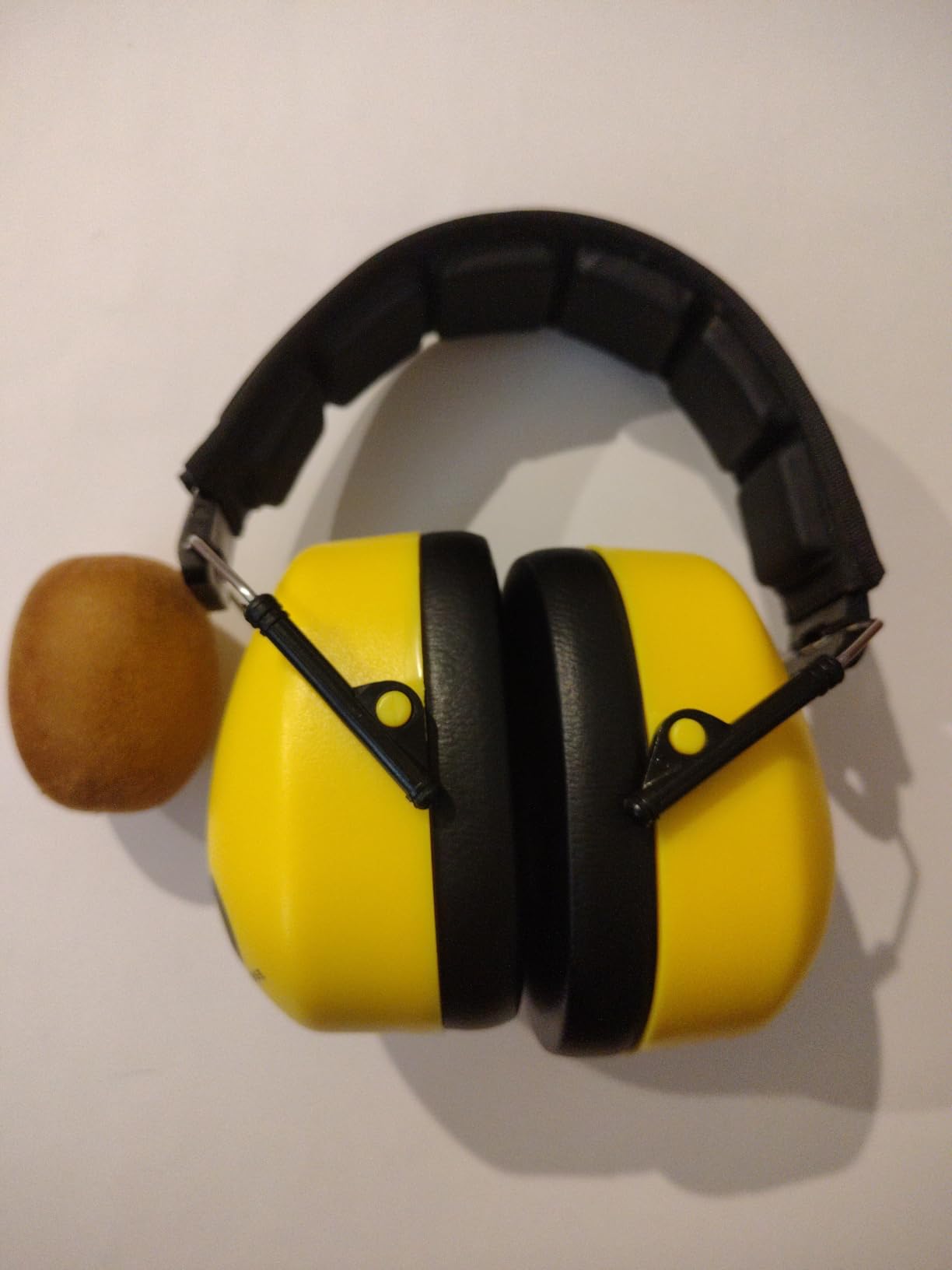
When the question is how much noise the muff removes, and nothing else, this is the answer. A 37 dB NRR is the highest passive attenuation figure in this roundup, and it is certified to both ANSI S3.19 and CE EN 352-1. Nothing about it is clever; it simply blocks more.
At 11.7 ounces it is not a heavy muff, and the dBTech foam cushions with a padded headband are described across the reviews as soft enough for hours. Users also report that the seal and the attenuation hold up over time, which is a complaint we cannot say about every muff in this price bracket.
There is no battery, no charging, and no electronics, which means there is nothing to fail in the middle of a lawn. For a pure protection purchase, that simplicity is a genuine feature rather than a missing one.
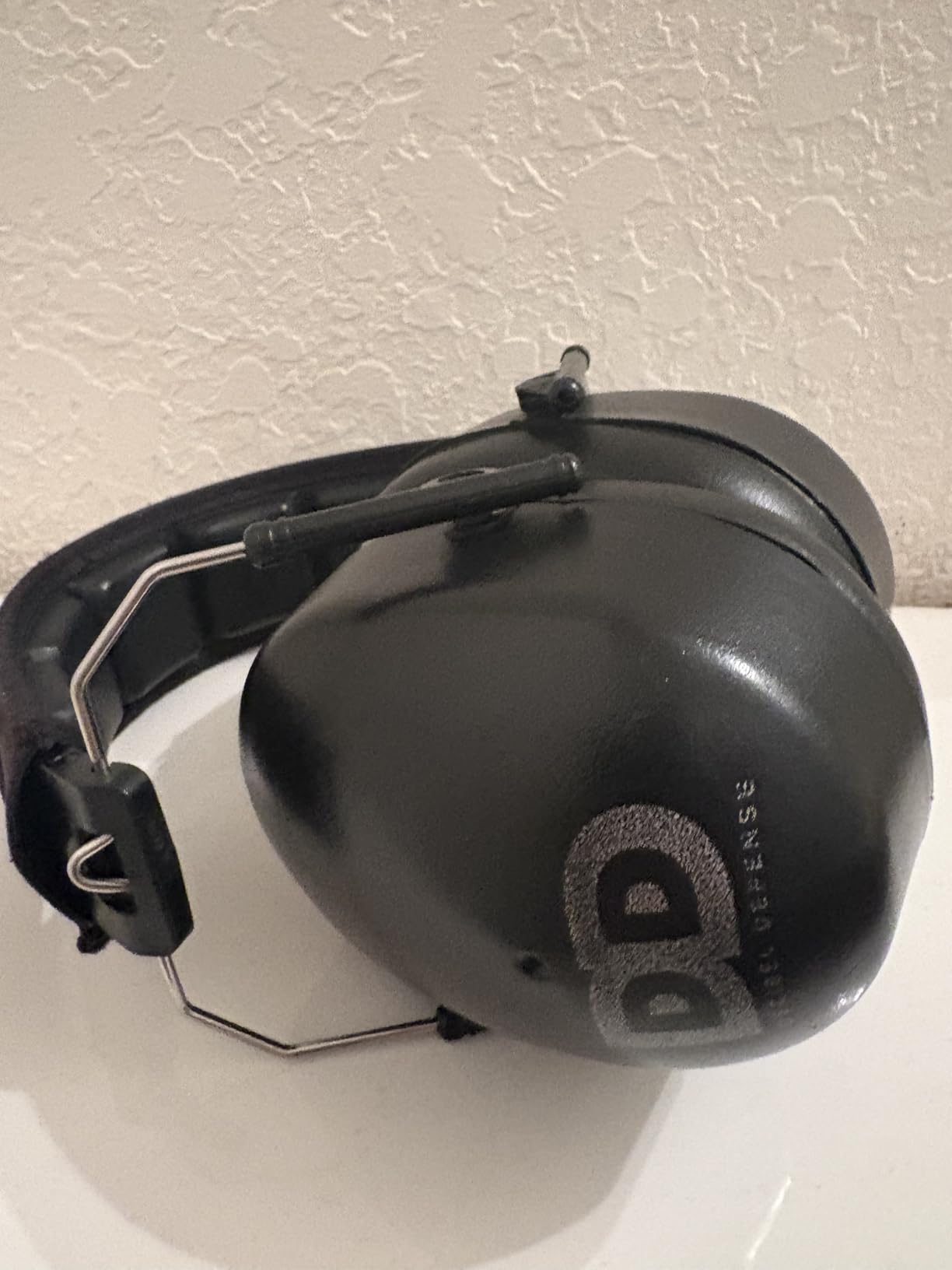
Adjustment runs on metal sliders that move the cups up and down, and the cups come in regular and XL versions. The linked adjustment is the confusing part: pulling one side down shortens the other, and there are no printed instructions in the box, so expect to work that out yourself.
The seal is snug by design. Owners recommend stretching it over a box overnight before first use, the same break-in advice that comes up with other tight-sealing passive muffs. Once seated, that snugness is the reason the attenuation figure is real.
When the extra attenuation matters
It matters when the noise source is loud and sustained rather than moderate and intermittent. A gas riding mower, a loud push mower, a leaf blower at close range, and a string trimmer are all cases where the difference between 28 dB and 37 dB is felt rather than theoretical.
It also matters if you already have some hearing damage. The safe exposure threshold drops when your hearing is not normal, so extra attenuation is the cheapest insurance available.
Who should skip it
Skip it if you plan to listen to anything. There is no audio path, and at this attenuation level low-frequency sound still passes through enough that conversation is audible but not enjoyable.
Skip it if you wear glasses and want a slim profile. The cups are bulkier than the slim-profile muffs in this list, and a bulkier cup with a deeper cushion is more likely to interfere with a glasses temple arm.
6. ZOHAN AM/FM Radio Earmuffs – Best for Listening While Mowing
ZOHAN AM/FM Radio Headphone with Digital Display,30dB SNR,Ear Protection Noise Reduction Earmuffs for Mowing,Comfortable Hearing Protector(Yellow,Radio)
25 dB NRR
Digital AM/FM with LCD
Station memory
2 AA batteries
+ The Good
- Radio and hearing protection in one shell
- Long battery life for a radio muff
- Push-button tuning resists knob failure
- Cushions snap in for replacement
- The Bad
- 25 dB NRR is modest against a loud mower
- Batteries not included
- Reception quality varies by location
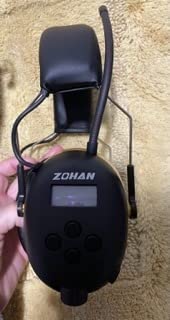
The ZOHAN answers a narrow question very well: what do you wear when you want a ballgame on while you cut the lawn. It is a digital AM/FM radio in a hearing protector shell, with an LCD display, push-button tuning, and memory for up to 10 AM and 10 FM stations with both manual and auto scan.
That is a different proposition from Bluetooth. A radio needs no phone, no pairing, and no data signal, and it keeps working at the end of a property where your phone has already dropped off the network. A user on the Festool Owners Group forum described the appeal exactly, splitting their own protection choices by task, with an over-ear protector with radio reserved for summer lawn mowing.
Comfort is a real strength here. The headband is wider, thicker, and softer than most, and the ear cushions snap in, which means you can replace them instead of replacing the whole muff when they wear out. A new internal chip is claimed to give more stable reception and lower power use.
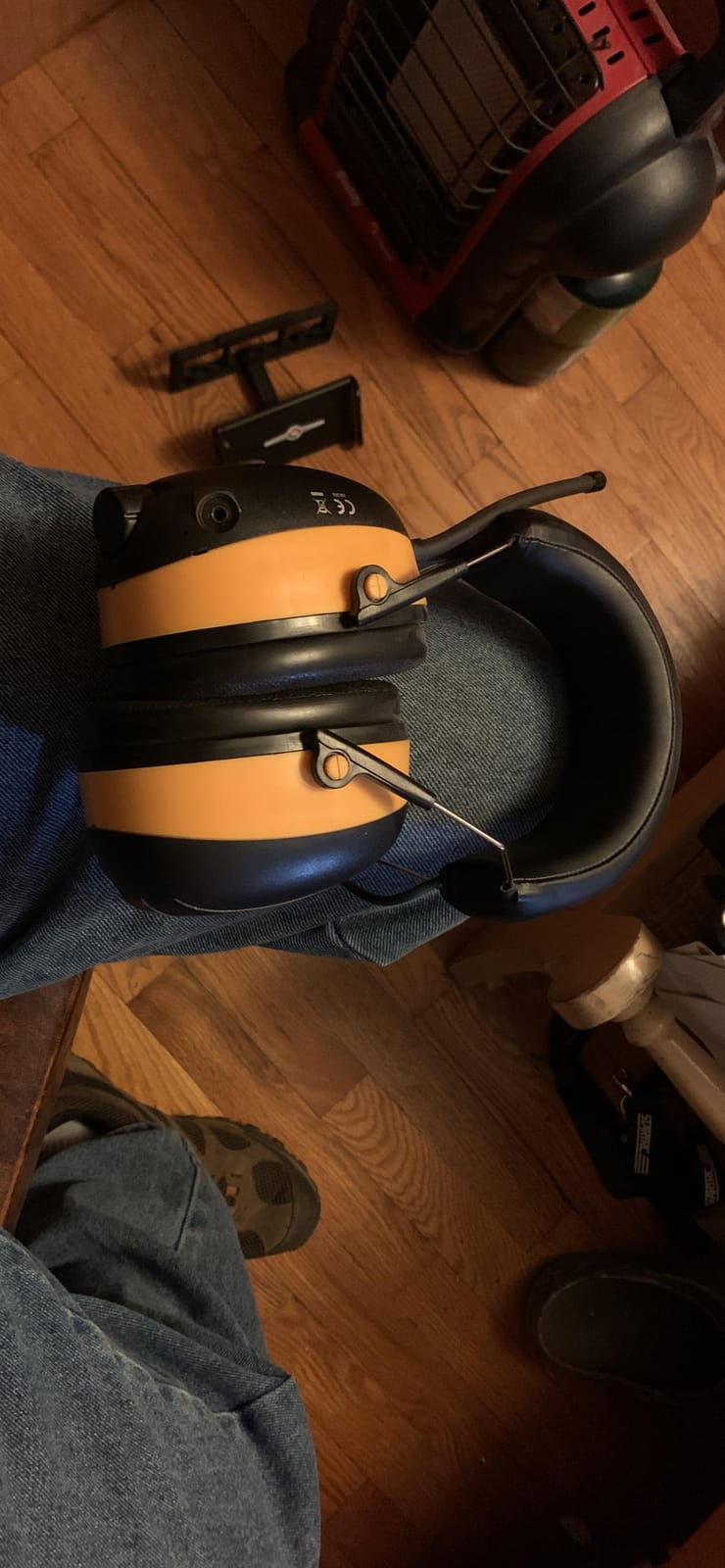
The trade is attenuation. At 25 dB NRR and OSHA compliant, this is enough to take the edge off a mower but well below the 34 and 37 dB passive options for sustained exposure to a loud machine. That is the honest limit of the format, not a defect in this product.
It also runs on 2 AA batteries, which are not included, and it is heavier and bulkier than a plain passive muff. An aux jack and a charging cable are in the box along with a leather pouch, so you can wire in a phone if the station selection misses.
Radio, Bluetooth, or nothing at all
Radio wins where coverage is the problem. No pairing, no device, no dropped connection, and the reception is the same whether you have bars or not. It loses on audio quality, since AM and FM are not hi-fi sources.
Bluetooth wins on everything except the one thing that matters most for hearing protection. We cover that specific catch in detail further down, because it changes how you should set the volume on any of these devices.
Who should skip it
Skip it if you run a loud gas riding mower or a big commercial push mower every week. 25 dB NRR is a moderate exposure tool, and there are passive muffs in this list with more than 10 dB more attenuation and no power source to manage.
Skip it if you dislike carrying spare batteries. AA cells in a hot truck bed in August is a small annoyance that some owners clearly find annoying enough to mention.
7. Walker’s Razor Slim Passive Earmuff – Best Lightweight Passive Muff
Walker’s Razor Slim Passive Earmuff for Range Shooting Hunting Hearing Protection, Unisex
27 dB NRR passive
Low-profile cups
Rubberized housing
Wire frame band
+ The Good
- Low-profile cups stay clear of mower controls
- Very light for long sessions
- Folds flat and adjusts easily
- Rubberized finish and metal frame
- The Bad
- 27 dB NRR is modest against the 34 to 37 dB options
- Compact sizing suits smaller heads
- No audio of any kind
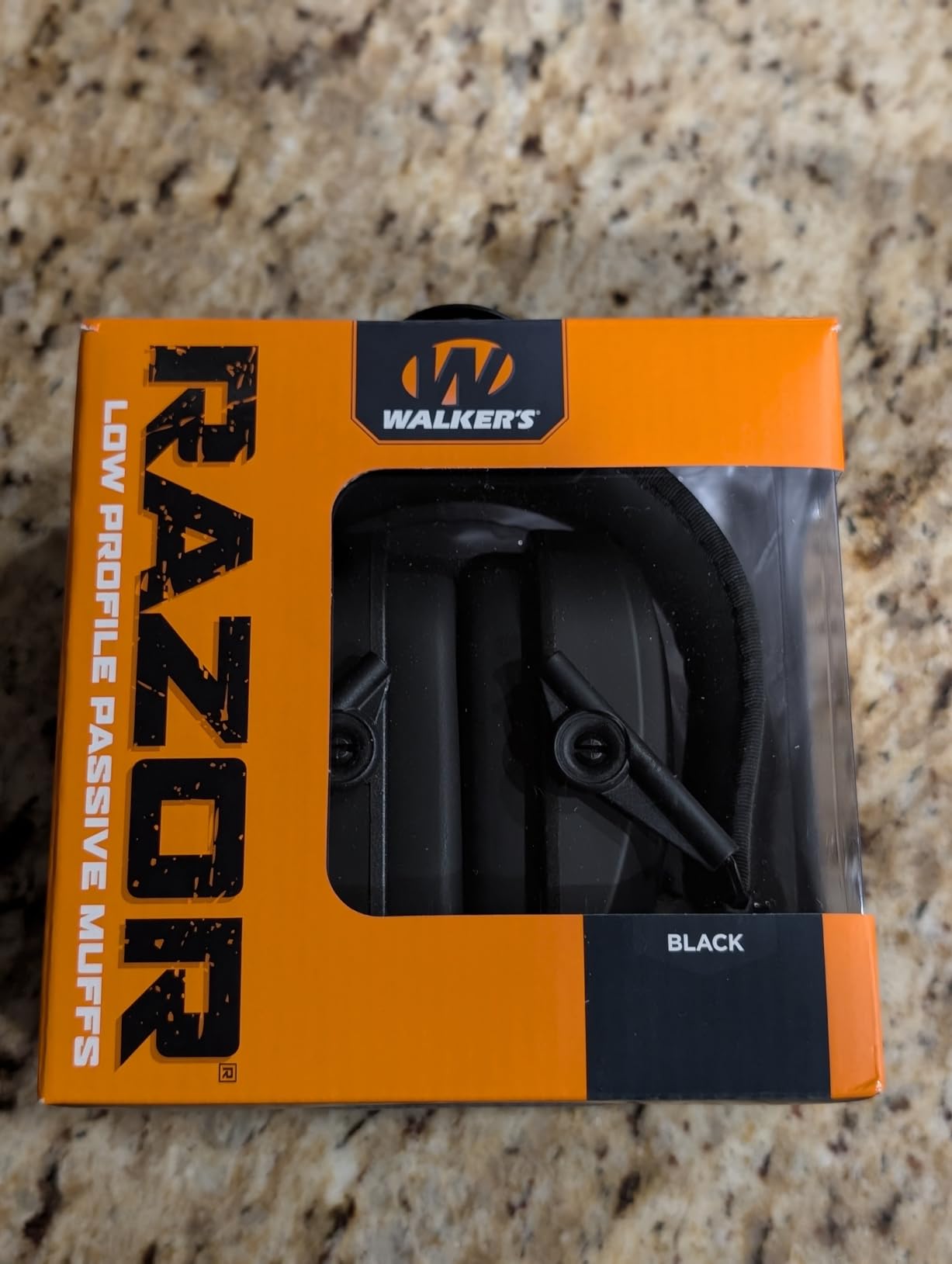
This is the passive sibling of our top pick, and for some people it is the better buy. A 4.7 average across 9557 reviews puts it near the top of the rating table, and the reason is the same as the electronic version: the cups are cut low.
Low-profile cups matter with a walk-behind mower because tall cups and arms interact badly at the handlebar, and they matter with a rifle for the same reason. A small cup that stays out of the way is often worth more over a long session than a large cup that blocks slightly more.
Construction is a rubberized coating over a sound-dampening housing on a metal wire frame, which is a good combination of grip and durability for something that gets thrown in a truck bed. It folds flat and adjusts easily.
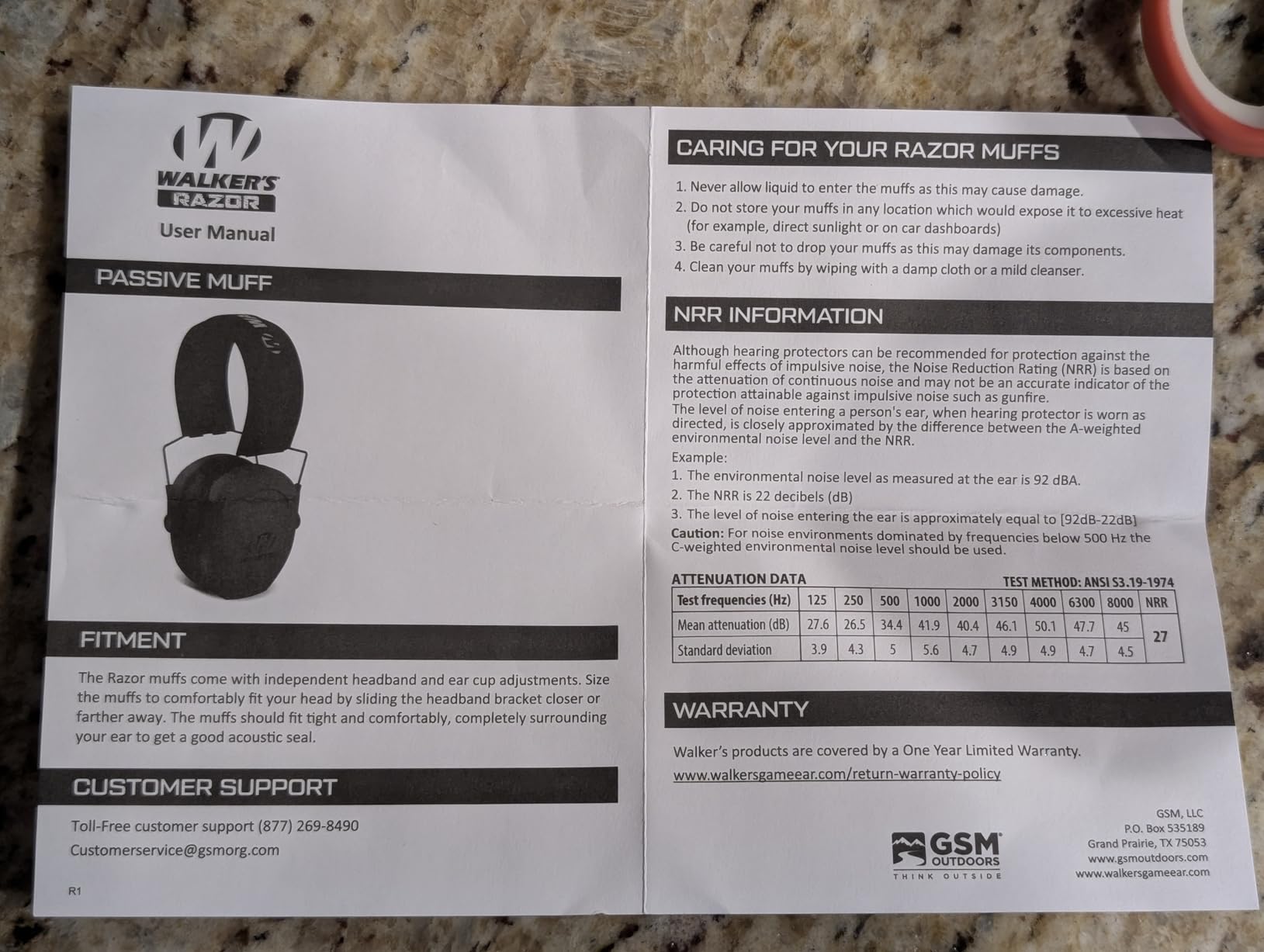
At 27 dB NRR, this is a moderate figure. It is a sensible amount of protection for a battery-electric mower, a quiet gas mower in good condition, and most string trimming done away from the machine. It is less than we would want for a loud riding mower run at full throttle for an hour.
Fit is the thing to watch. The compact cup size is aimed at smaller heads, and larger wearers describe it as snug. That is the trade for the slim profile, and it is the same trade the PROHEAR 016 makes further down the list.
Passive simplicity as a feature
There is no battery, no firmware, and no charging cable. It cannot die mid-lawn, it cannot fail to pair, and it does not add a single ounce of electronics to your head. For a tool you use once a week for a couple of hours, that is a completely reasonable position.
It also stays useful as a second pair. Muffs get abandoned, sun-warped, and misplaced more often than anything else in the garage, so a cheap spare in the truck is worth having.
Who should skip it
Skip it if you have existing hearing loss, or if you want one pair to cover absolutely every machine you own. At 27 dB NRR there is not enough margin for the loudest gas equipment.
Skip it if you have a broad head and want a full seal. The compact sizing is the reason this muff is comfortable for some and constricting for others.
8. PROHEAR 037 Bluetooth 6.0 – Best Bluetooth Muff for Mowing
PROHEAR 037 Bluetooth 6.0 Hearing Protection Headphones with Rechargeable 1100mAh Battery, 30dB SNR Safety Noise Reduction Ear Muffs 120H Playtime for Mowing, Workshops, Snowblowing – Black
Bluetooth 6.0 with 80ft range
30 dB SNR
Rechargeable 1100mAh battery
11.52 ounces
+ The Good
- Stable connection out to 80ft
- Music and calls while still protected
- Glove-friendly raised control buttons
- Rechargeable so no spares to carry
- The Bad
- 30 dB SNR is below the high-NRR passive muffs
- Electronics add bulk and weight
- Lowest average rating in this group
Bluetooth 6.0 with a stated 80ft range is the headline spec here, and in practice the connection is reported as stable. A phone left in a pocket on a mower handle is well within that range, which solves the pairing drop-out that plagues cheap Bluetooth muffs.
The controls are raised and shaped to be found and pressed while wearing work gloves. That detail is small until you try to skip a track with a wet hand and a mower running, and then it is the difference between a good session and a bad one.
Power comes from a rechargeable 1100mAh lithium cell with a charging cable included, so there are no disposables to carry into the yard. A 3.5mm auxiliary connector, a carry bag, and a 3.5mm cable round out the box, and hard-hat attachment variants exist for anyone who also works on a site.

Protection is rated at 30 dB SNR, which is an SNR figure rather than a US NRR figure, so it is not directly comparable to the 34 and 37 dB passive muffs above. Treat it as a moderate-protection Bluetooth muff rather than a maximum-attenuation one.
The 4.3 average is the lowest in this roundup, and the reviews explain why: the electronics add bulk and weight compared with a plain passive muff, and some owners would rather have the extra decibels. We think that is a reasonable complaint, but it is a complaint about a different product, not a defect.
How the 85 dB cap changes how you use it
Bluetooth hearing-protection devices are volume-limited, and users on the Festool Owners Group forum found the cap to be the defining problem with the format. When the passive isolation is not enough to make the world quiet, the natural reaction is to turn the volume up, and the cap exists precisely to stop that.
Read the cap as a safety system, not a defect. If you find yourself maxing the volume to make mowing enjoyable, the muff is under-protecting and the real answer is a higher NRR passive muff plus a phone speaker, not a louder electronic one.
Who should skip it
Skip it if attenuation is your priority. Nothing here beats a 37 dB passive muff, and adding a battery and two control boards does not close that gap.
Skip it if you already have hearing damage and want the strongest protection available to you. Audio electronics and maximum attenuation rarely live in the same product.
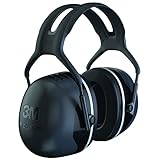
9. 3M PELTOR X5 Series Earmuff – Best for Long Workdays
3M PELTOR Ear Muff Hearing Protection, Over the Head, NRR 31, X Series X5A
High-attenuation passive design
Steel-wire headband
Tilting pivot cushions
Twin headband
+ The Good
- Comfort held over a full workday
- Seals well around glasses and hard hats
- Clamping force stays steady
- Durable impact-resistant ABS cups
- The Bad
- Bulkier than slim consumer muffs
- Larger footprint around the ears
- Passive with no audio connectivity
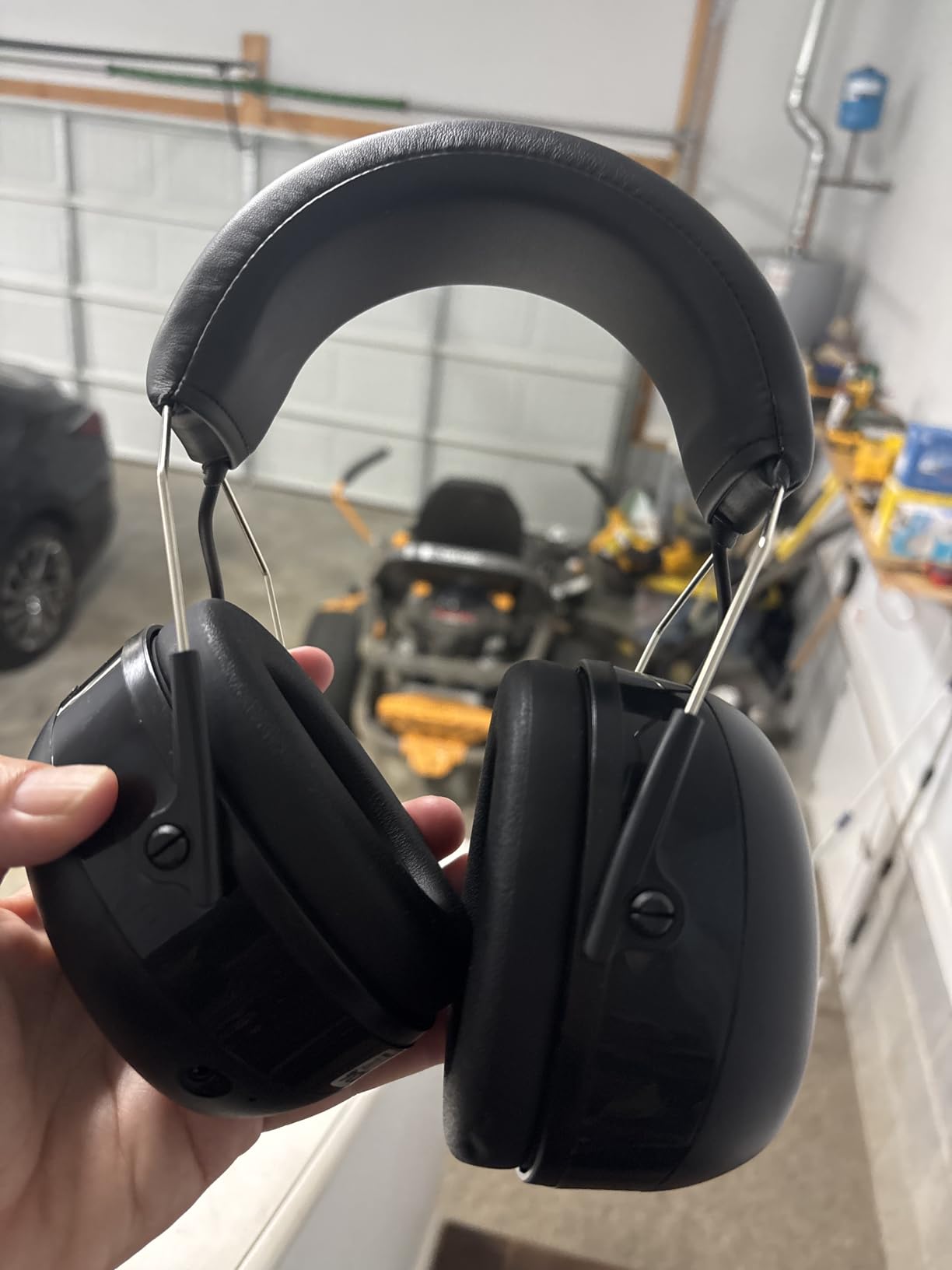
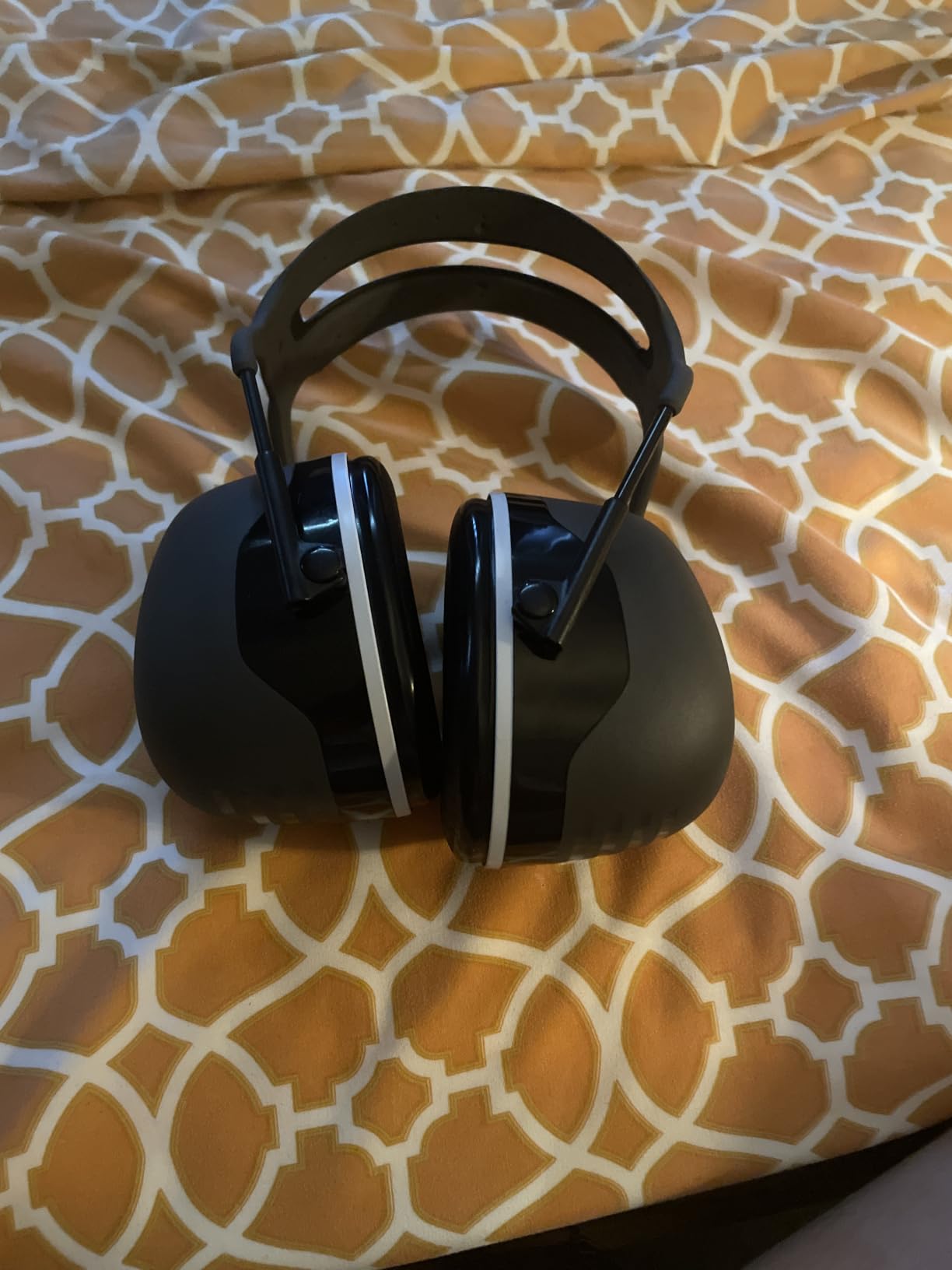
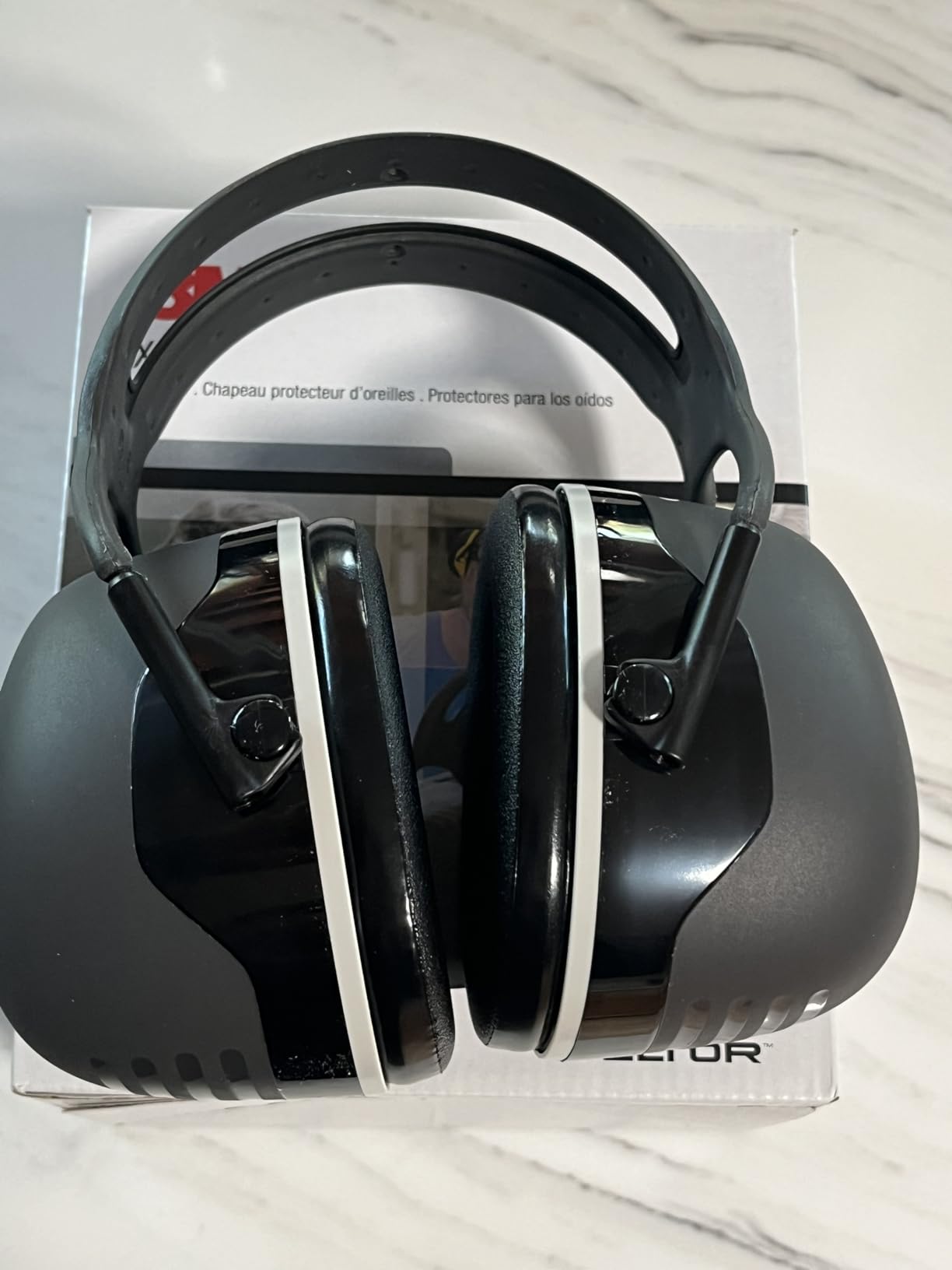
Buyers treat the PELTOR X5 as the professional reference point, and the engineering is visible in the details. Newly designed spacers, earcup liners, and cushion foam do the attenuation work, and wide soft foam cushions sit on tilting pivot points that adjust to the angle of your head and to a hard hat or a pair of glasses.
That headband is the part that matters for mowing. A stainless steel wire inside the band is designed to hold a consistent clamping force over 8 hours, which is a very different design from a plastic band that relaxes after an hour and quietly ruins the seal. Reviewers consistently describe the PELTOR as comfortable across a full workday.
The twin headband design is intended to reduce heat buildup during long wear, and the cups are impact-resistant ABS with a dielectric headband that carries no exposed wires, which adds electrical safety on a site as a bonus.
One thing to know before you buy: the attenuation information on this listing is inconsistent. The title states NRR 21 dB while the product copy states NRR 31 dB CSA Class AL, so treat the figure as a range to confirm rather than a settled number.
It is a passive muff with no audio connectivity, and it is bulkier over the ear than the slim consumer models. Over-the-head and cap-style hard hat attached versions are both available, and the latter is the one to get if you work construction as well as yard work.
Why the clamping force is the feature
Every passive muff on this list attenuates less when the seal breaks. A seal breaks when the headband relaxes, and a wire-reinforced band is the cheapest insurance against that failure there is. Over a long mowing session the difference is a muff that still works in hour two and one that has quietly stopped working.
Long-time users on tractor forums put it plainly: they stick with the same brand for two decades and judge every new muff against it. That kind of loyalty is usually a comment on the headband rather than the electronics.
Who should skip it
Skip it if you want a compact muff that disappears under a cap or fits easily in a small bag. This is a large, industrial-footprint design and it will not pretend otherwise.
Skip it if you want music. There is no audio path, and for the money spent here there is no wireless option either.
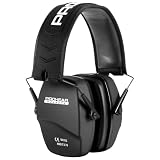
10. PROHEAR 016 Slim Passive Earmuffs – Best Low-Profile Passive Option
PROHEAR 016 Ear Protection Safety Earmuffs for Shooting, NRR 26dB Noise Reduction Slim Passive Hearing Protector with Low-Profile Earcups, Compact Foldable Ear Defenders for Gun Range, Hunting (Black)
26 dB NRR and 31 dB SNR
ANSI and CE certified
Cut-out cups
Folds flat
+ The Good
- Cut-out cups stay clear of sight lines
- Soft padding and a snug lasting seal
- Adjustable band fits a range of head shapes
- Folds compactly with a carry bag
- The Bad
- 26 dB NRR is low for sustained power tools
- Cup size may not cover larger ears
- Passive with no Bluetooth or radio
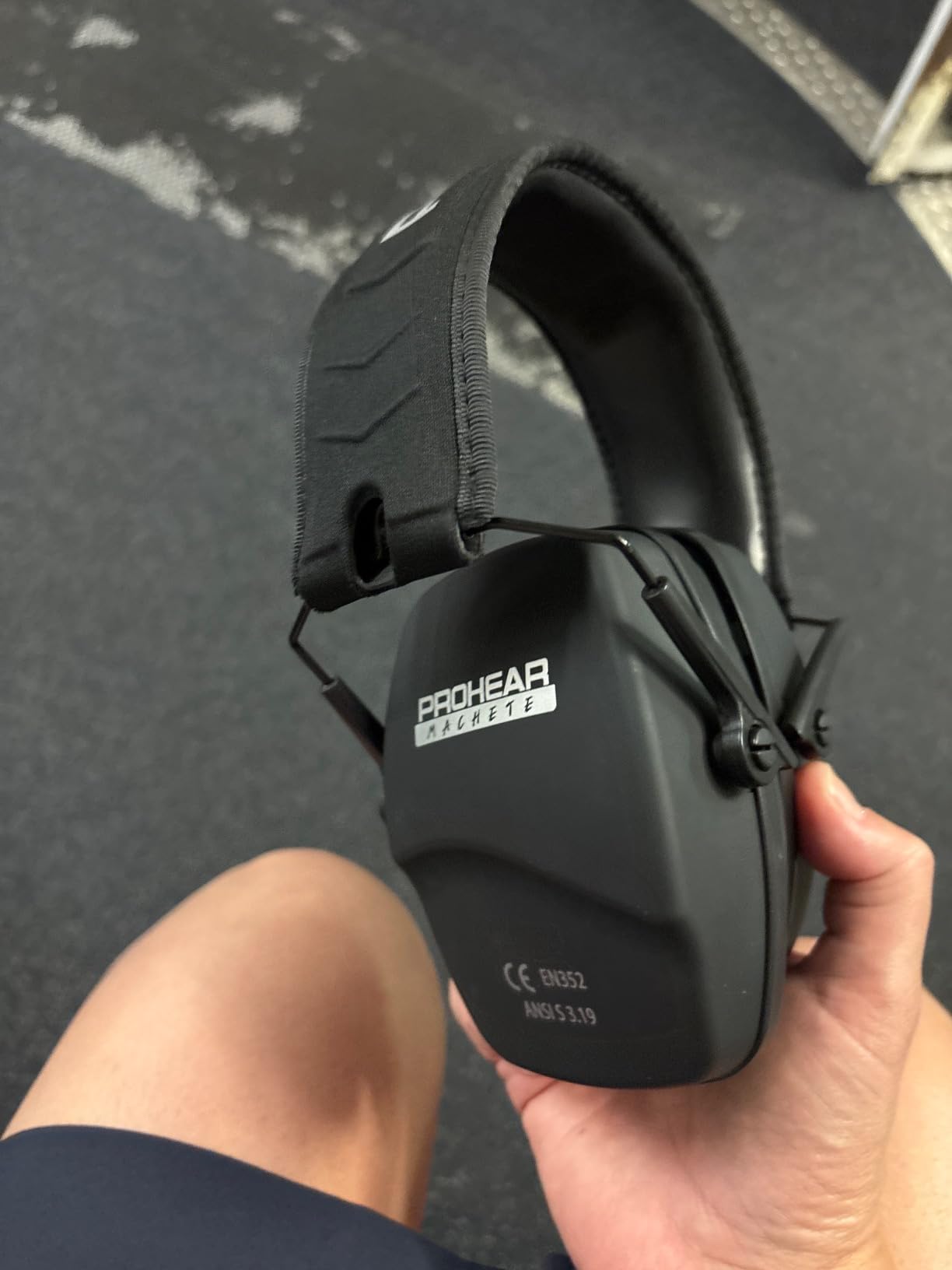
The PROHEAR 016 is built around the cut-out ear cup, a shape that is lower and thinner at the inner edge so it clears a rifle stock, a sight line, or a pair of glasses. It is certified to ANSI S3.19-1974 and CE EN 352-1 at 26 dB NRR and 31 dB SNR.
Comfort comes from the thickly padded headband and ultra-soft cushions sealing against a sound-dampening composite housing. Reviewers describe a snug seal that stays comfortable over long sessions, and a 4.6 average reflects broad satisfaction with that combination.
It adjusts across a range of head shapes and folds compactly into the included carry bag, which makes it easy to move between a truck and a mower bag rather than living in one place.
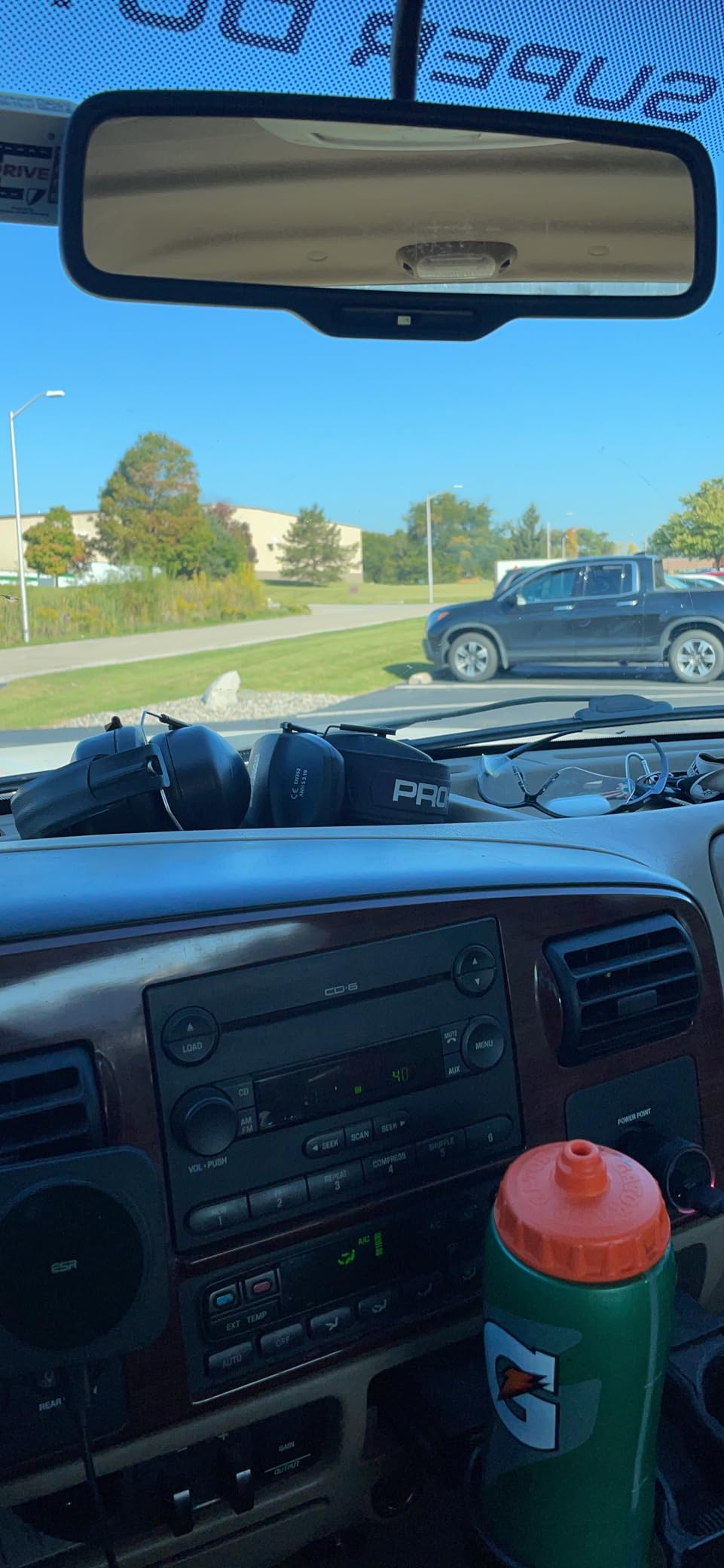
At 26 dB NRR this is a modest figure, and the reviews say so plainly. It gives less protection than the 34 to 37 dB passive options when the noise source is a mower or a shop tool running for an extended stretch, and it is positioned more toward hunting, aviation, and woodworking.
The other limitation follows from the shape. Low-profile cups are smaller, and on a larger head the cup may not fully cover the ear, which opens a leak path and throws away some of the rating.
When a low profile is the right trade
Pick this when something physical gets in the way of a bigger cup. A rifle cheek weld, a tight mower handlebar position, or a hard hat with a low profile brim are all cases where a smaller cup is not a compromise but the correct tool.
Pick it also as a second muff. A slim, light passive pair in the truck is a genuinely useful companion to a higher-rated pair, because muffs get left behind and lost more often than anything else in the garage.
Who should skip it
Skip it if your only machine is a gas riding mower or a commercial push mower. 26 dB NRR is the wrong ceiling for that exposure, and you should spend up and get 34 dB or better.
Skip it if you have a large head and want full ear coverage. The cut-out design trades coverage for clearance, and that trade is only worth making when clearance matters.
What NRR Do You Actually Need for Lawn Mowing?
The answer depends almost entirely on which machine you run, and the range is wide. A quiet battery-electric mower in good condition is a very different exposure from a gas riding mower with a big engine at full throttle.
Use 25 dB NRR as your floor for any gas mower or riding mower, and 31 dB or above if you mow large acreage, run a machine past five years of service with a tired muffler, or already have some hearing loss. A quiet electric mower usually needs less than that, and a 20 dB muff is often plenty.
Now the part most pages skip. NRR is a laboratory number measured on a headform with a perfect seal, and real-world results are commonly well under half the label figure once fit, movement, and hair are in the picture. The Pro For Sho listing is a good example of doing this honestly: it states 34 dB NRR and then states the OSHA-adjusted figure of 31 dB separately.
So compare on adjusted numbers, and treat the gap between the label and reality as the reason to buy from a brand with real reviews rather than the highest number on a shelf.
One more safety point before the buying guide. Over-protection has a cost. A 37 dB muff on a mower can block the sound of the blade catching a stone or a branch, and heavy muffs reduce awareness of a person walking up behind you. That is why the electronic awareness models exist, and it is worth thinking about before you buy the highest number available.
Passive vs Electronic Earmuffs: Which One for a Mower?
Passive muffs block sound physically. Thick cups, a cushioned headband, and sealed acoustic chambers absorb and reflect noise, and the only spec that matters is the NRR. There is no battery, nothing to charge, and nothing to fail.
Electronic muffs add microphones. They compress anything above roughly 85 dB so it never arrives at your ear at full intensity, while letting quieter ambient sound through, sometimes amplified. That is why the muff is comfortable over a long session and why you can still hear someone talking to you.
The critical detail is that an electronic muff still has a passive rating. When the battery dies, the cup seal is all you have left. That is why the cup’s NRR still matters on a model with Bluetooth, and why we would not treat an electronic muff as an upgrade for protection purposes.
For a lawn, the practical split is this. If you mow alone, far from traffic, and want the quietest possible experience, buy the highest passive NRR you can afford. If you are near a road, a neighbour, or another person working nearby, or you simply find total isolation stressful, an electronic awareness muff is a meaningfully safer experience even at a lower NRR.
Our full breakdown of the electronic format, including awareness modes and hearing enhancement, is in our guide to electronic earmuffs for shooting, and the same comfort-versus-isolation logic applies in the yard.
Why Bluetooth Earbuds Are Not Hearing Protection
Most people mowing with earbuds believe they are doing something for their ears. They are not, and this is the most expensive misconception in this entire category.
Consumer earbuds and over-ear noise-cancelling headphones are built for music, not for a certified attenuation standard. They carry no NRR and no ANSI S3.19 rating, which means no laboratory has measured how much mower noise they remove, because the manufacturers do not claim they remove any.
Active noise cancelling makes this worse, not better. ANC is tuned to cancel low-frequency, relatively steady noise, which is what an aircraft cabin or an air conditioner sounds like. A mower engine is loud, broadband, irregular, and close to your head, and it defeats the cancellation circuit rather than being cancelled by it.
The result is a predictable chain. In-ear isolation is poor, so the mower stays loud, so you turn the volume up to cover it, so your ears receive high-level noise at close range through an open-ish seal. The users who documented this most clearly found they were cranking music to defeat the very problem they were trying to solve.
A Reddit commenter put it directly: ANC headphones are not hearing protection, and extended mower exposure will damage hearing. Multiple forum threads repeat the same story, people mowing a full season with earbuds before learning they had been given nothing.
If you must have audio, use a certified hearing protector with a documented rating and a volume limit designed into it. The cap exists to stop you from doing what the earbuds encourage.
Bluetooth and Radio While Mowing: The 85 dB Catch
Bluetooth is the reason many people are interested in muffs at all, and it is worth doing properly. The trick is understanding that the volume limit is a feature.
Bluetooth hearing-protection devices cap output at a level intended to keep your total exposure safe once the passive attenuation is accounted for. Users testing the format reported the cap as frustrating, because it limits what you can hear, and we understand that. It is also the only thing standing between you and the earbud behaviour described above.
The practical rule we would use: if you are pinned at maximum volume and the mower is still intrusive, the muff does not have enough passive attenuation for your machine. The fix is a higher NRR muff plus a phone speaker in a pocket, not a louder electronic muff.
Radio earmuffs avoid the cap question entirely because AM and FM station volume is not a hearing-exposure control. The ZOHAN in this roundup is the clearest example, and for a user who wants company on a long job rather than music fidelity it remains a good tool.
One more consideration for anyone with existing hearing loss: keeping sound in is a bigger goal than keeping sound out. We have a separate guide to soundbars for seniors with hearing loss that covers that side of the problem, and it is worth reading alongside this one if that describes you.
Wearing Earmuffs Over Glasses and Sunglasses
Glasses are the most common fit complaint in this whole category, and the mechanism is simple. Most muffs are designed to seal against bare skin. A glasses temple arm sitting under the cushion breaks that seal, and every break costs you decibels you thought you were getting.
Look for tilting or pivoting earcup mounts rather than a fixed vertical cup, because a pivoting cup rolls its seal toward the head instead of pressing straight down onto the arm. The PELTOR X5 does this explicitly, and it is one of the reasons it is a safer recommendation for a glasses wearer.
Thinner cushions are also better with glasses, because they have less depth to interfere with. The ProCase and the Dr.meter both use thin soft pads, and that is a quiet reason both sit well with a glasses frame.
Slim low-profile cups help too, because there is less cup surface to land on a temple arm. If you wear sunglasses while mowing, expect a slightly worse seal than a bareheaded fit and give yourself a small NRR margin to compensate.
Finally, test it before you rely on it. Put the muffs on with the glasses you actually mow in, then move your head around, bend, and shake for a minute. A seal that holds through movement holds through mowing.
How We Picked These Ten
We read the certification and attenuation figures on every listing first, because a muff without a stated NRR and a standard cannot be compared to anything. Products with conflicting numbers were flagged rather than quietly ranked.
Then we went to the owner reviews, weighting the recurring complaints over the isolated ones. A single complaint about packaging is noise. Forty reviews describing the same sizing problem on large heads is a product fact, and we treated it that way.
Comfort was judged over a full session rather than a try-on, using the specific pressures owners describe: heat buildup, sweat, clamping force, and glasses interference. Long-session comfort is the thing that decides whether a muff gets worn in August.
Finally, every product here carries an honest weakness line. The research for this topic found no competitor page that states a downside at all, and that absence is the main reason we wrote this differently.
Frequently Asked Questions
What are the best ear protection headphones for mowing lawns?
The best ear protection for mowing lawns is a certified muff rated at 25 dB NRR or higher for a gas mower, and 31 dB or more for a loud riding mower or long sessions. Our top pick is the Walker’s Razor Slim Electronic Muff for awareness and comfort, the DECIBEL DEFENSE 37 dB pair for maximum passive attenuation, and the ProCase for value.
What are the best headphones to wear while cutting grass?
Only certified Bluetooth hearing protectors, not ordinary earbuds. Devices such as the PROHEAR 037 and the Walker’s Razor Slim pair Bluetooth with volume limits designed to keep total exposure safe. If you max the volume and the mower is still intrusive, you need a higher NRR passive muff rather than a louder electronic one.
What are the most effective ear muffs for hearing protection?
The most effective ear muffs for hearing protection are the highest-rated certified passive muffs, such as the DECIBEL DEFENSE 37 dB model and the Pro For Sho 34 dB pair. Real-world protection is usually well below the lab NRR figure, so compare adjusted numbers and make sure the seal holds with the glasses you actually wear.
What are the best ear muffs with radio for mowing?
The ZOHAN digital AM/FM earmuff is a strong pick for radio while mowing, with 25 dB NRR, station memory for 10 AM and 10 FM presets, and an LCD display. Radio avoids the volume-cap issue that limits Bluetooth devices and needs no phone or data signal, which matters at the far end of a property.
What NRR is safe for lawn mowing?
At least 25 dB NRR for a gas push mower or riding mower, and 31 dB or above for a loud machine, large acreage, or long sessions. Remember that NRR is a laboratory figure and real-world protection is typically well under half the label number, so buy with margin and confirm the seal holds with your glasses.
Final Verdict
The best hearing protection earmuffs for lawn mowing in 2026 depend on one question: do you want quiet, or do you want to stay aware. If you want quiet, the DECIBEL DEFENSE 37 dB pair gives you the most measured passive attenuation available here. If you want awareness without giving up protection, the Walker’s Razor Slim Electronic Muff is the one we keep coming back to.
For a battery mower or a tight budget, the ProCase at SNR 33 dB is the sensible starting point. For music or the radio, use a certified Bluetooth or AM/FM model and leave your everyday earbuds in a drawer. And whatever you buy, wear it for the whole session, because a muff that sits on the tailgate protects nothing.