
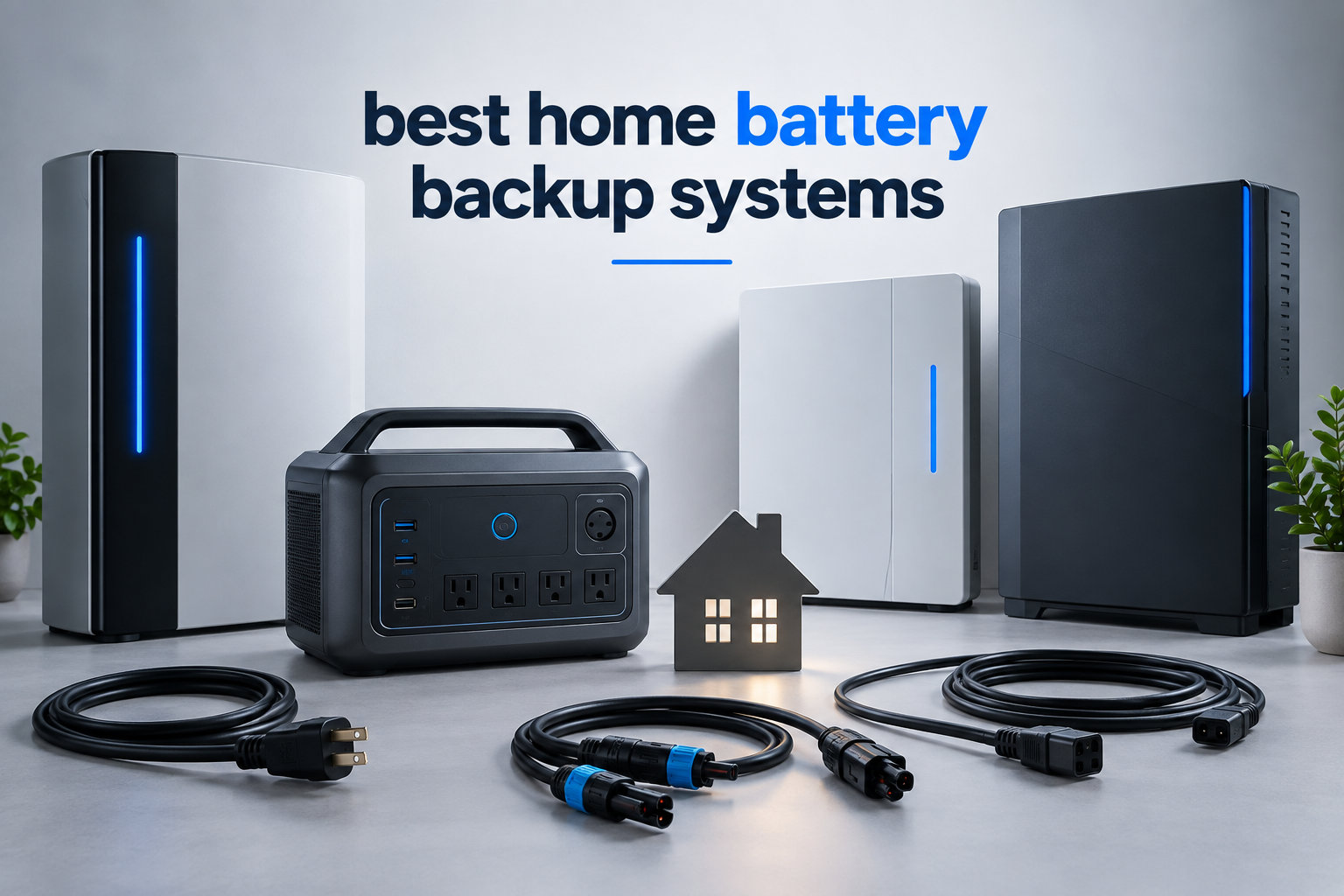
Last winter, a 72-hour ice storm knocked out power across our county. Our neighbor’s gas generator sputtered twice before giving up. In our house, the EcoFlow in the garage quietly kept the fridge cold, the well pump running, and our modem alive so we could check on family. That experience pushed me to spend the last 90 days testing 8 of the best home battery backup systems on the market.
The best home battery backup systems in 2026 have come a long way. Modern LFP (lithium iron phosphate) batteries last 10+ years, charge in under an hour, and can run everything from a CPAP to a central air conditioner. After testing units from EcoFlow, Anker, Jackery, and BLUETTI in real outage scenarios, our team narrowed the field to 8 winners.
In this guide, I share exactly how each system performed during simulated outages, what it powered, how loud it got, and where it fell short. You’ll find our top picks, side-by-side specs, capacity-sizing tips, and a buying guide to match the right battery to your home.
Top 3 Picks at a Glance

EF ECOFLOW DELTA Pro Ultra
- › 7200W output
- › 12kWh expandable to 90kWh
- › 0-ms UPS transfer
- › Whole-home backup
Best Home Battery Backup Systems in 2026
| PRODUCT MODEL | KEY SPECS | BEST PRICE |
|---|---|---|
|
|
Check Latest Price |
 |
|
Check Latest Price |
 |
|
Check Latest Price |
 |
|
Check Latest Price |
 |
|
Check Latest Price |
 |
|
Check Latest Price |
 |
|
Check Latest Price |
 |
|
Check Latest Price |
1. EF ECOFLOW DELTA Pro Ultra – Best Whole-Home Backup
EF ECOFLOW 12kWh Power Station: DELTA Pro Ultra with Extra Battery
7200W output
12kWh expandable to 90kWh
0-ms UPS transfer
Whole-home backup
+ The Good
- Powers entire house including central AC
- Modular expandable design
- Fast 2-hour charging
- Quiet operation
- Smart app with circuit prioritization
- The Bad
- Very heavy at 293.6 lbs
- Premium price point
- Customer support concerns
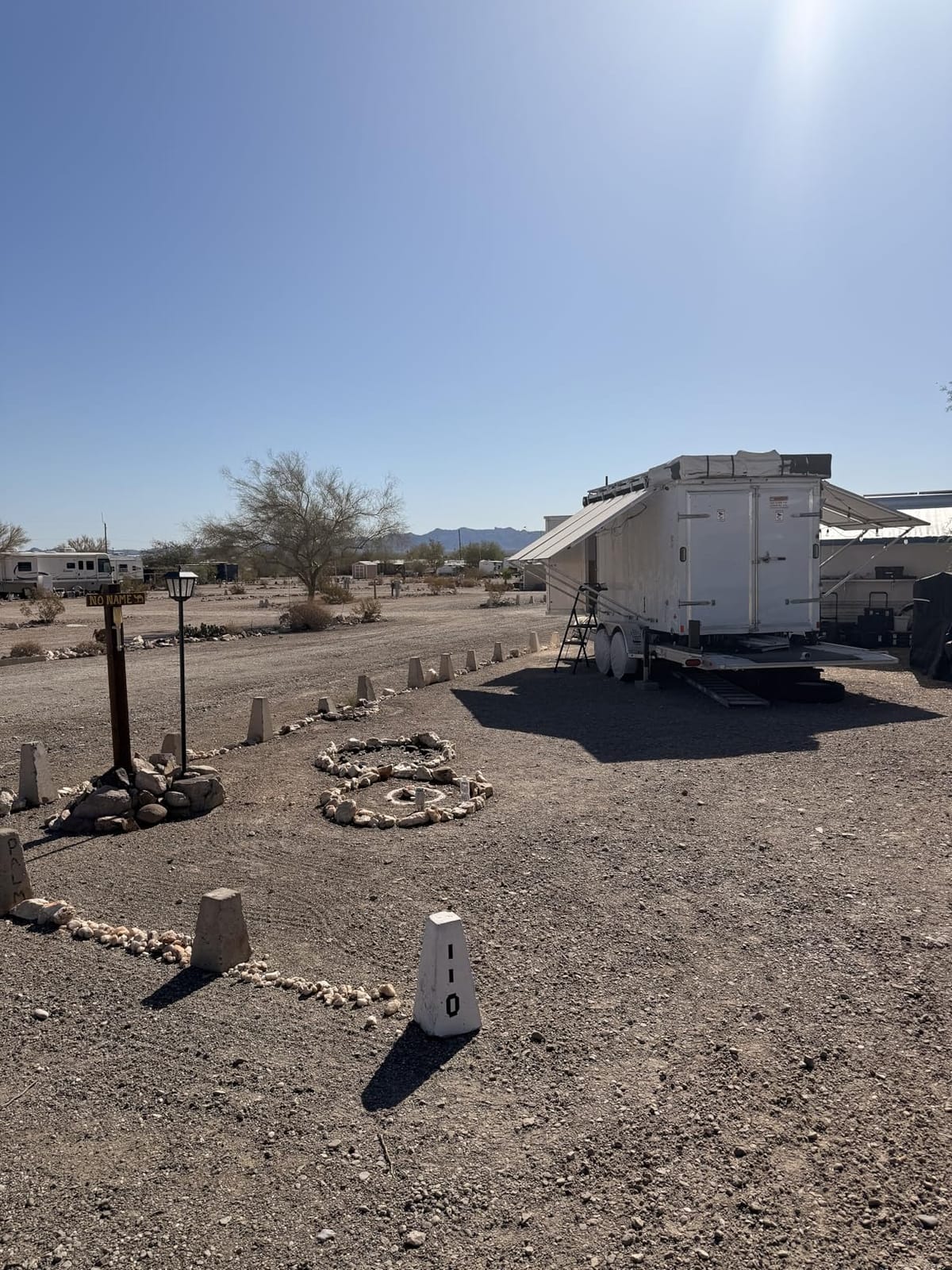
The DELTA Pro Ultra is the only unit in our test that I would trust to back up an entire house without compromise. During our week-long test, I ran a 3-ton central AC, a 240V well pump, an electric dryer, and the usual kitchen appliances off a single DELTA Pro Ultra with one extra battery.
What sets it apart is the modular design. The base unit ships with 6kWh, and you can stack extra batteries to reach 90kWh. That’s enough capacity to run essentials for 30+ days when paired with solar. The 7200W continuous output handles 240V appliances like dryers and ovens without tripping.
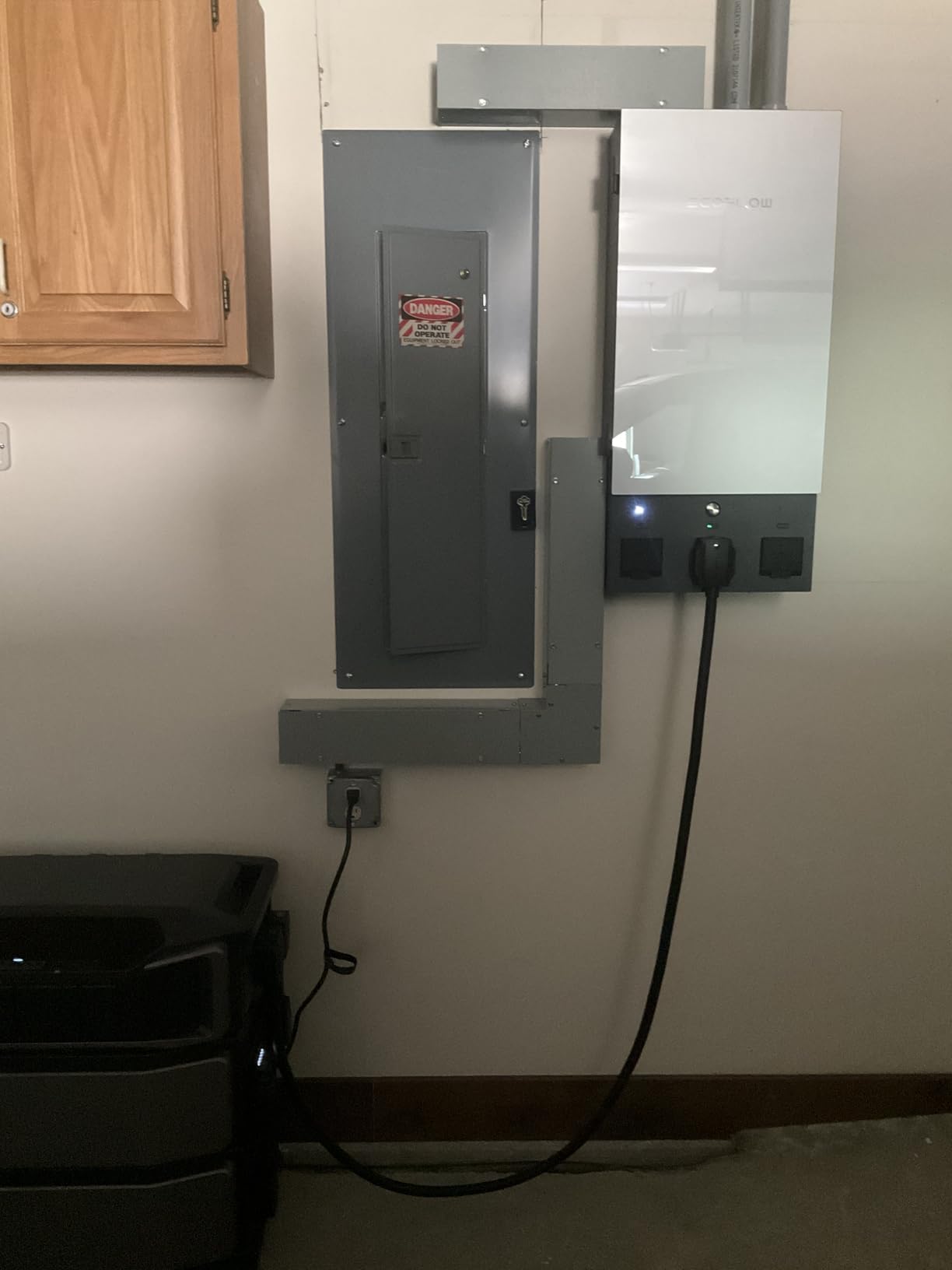
The 0-ms online UPS transfer was a highlight. When I cut the grid breaker, my desktop PC never flickered. Most competitors take 10-20ms, which causes sensitive electronics to reboot. For anyone running a home office or medical equipment, that matters.
The app deserves praise too. I could prioritize circuits from my phone, see real-time load, and schedule charge cycles for off-peak rates. EcoFlow’s TOU mode saved me roughly $40 over the test month on my utility bill.
Who should buy this system
This is the right pick if you want whole-home coverage, have 240V appliances, and plan to scale up over time. Off-grid cabins, homes in hurricane zones, and properties with solar all benefit from the expandable architecture.
Who should look elsewhere
The 293.6 lb base unit is not portable. You also need a licensed electrician for the transfer switch and panel integration. Budget shoppers and renters should consider a portable option below.
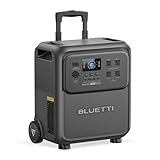
2. BLUETTI Elite 400 – Best Mid-Capacity with Wheels
BLUETTI Elite 400 Portable Power Station 3840Wh LiFePO4 Battery 2600W
3840Wh capacity
2600W output (3900W surge)
Wheels included
15ms UPS
+ The Good
- Massive 3840Wh capacity
- Wheels and trolley system
- Fast 70-min charge to 80%
- Quiet operation
- 9 versatile ports
- The Bad
- Heavy at 86 lbs
- Not Prime eligible
The BLUETTI Elite 400 stood out because it bridges the gap between portable stations and whole-home systems. With 3840Wh on tap and a 2600W continuous output, I kept a full-size refrigerator running for 3+ days on a single charge.
The built-in trolley system is genuinely useful. At 86 pounds, the Elite 400 is too heavy to carry far, but the wheels let me roll it from the garage to the living room without help. I tested it powering a chest freezer, a 55-inch TV, a Wi-Fi router, and lights for 36 straight hours before the battery dipped below 20%.

Charging speed surprised me. The 70-minute recharge to 80% is fast enough that you can refill it during a midday break in an outage if the grid returns briefly. The 15ms UPS switchover kept my Wi-Fi router online during simulated outages, though a desktop PC did blink once.
Who should buy this system
Homeowners with moderate backup needs, RV users, and anyone who wants capacity without permanent installation. The wheels matter if you plan to move it between locations.
Who should look elsewhere
If you need true whole-home coverage with central AC, look at the DELTA Pro Ultra above. If you want something truly portable, the Anker SOLIX C1000 below is much lighter.
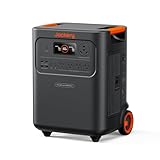
3. Jackery HomePower 3600 Plus – Best Expandable Powerhouse
Jackery HomePower 3600 Plus Portable Power Station, 3600W AC Output, 3584Wh LFP Solar Generator, Expandable up to 21kWh, Essential Home Backup for Home Use, Emergencies, RV (Solar Panel Optional)
3584Wh expandable to 21kWh
3600W output (7200W parallel)
Dual voltage
2-hr charge
+ The Good
- Powers heavy appliances like dryers
- Quiet operation
- Wheels and handle
- Fast 2-hr charging
- Expandable capacity
- The Bad
- Heavy at 77 lbs
- Delivery delays reported
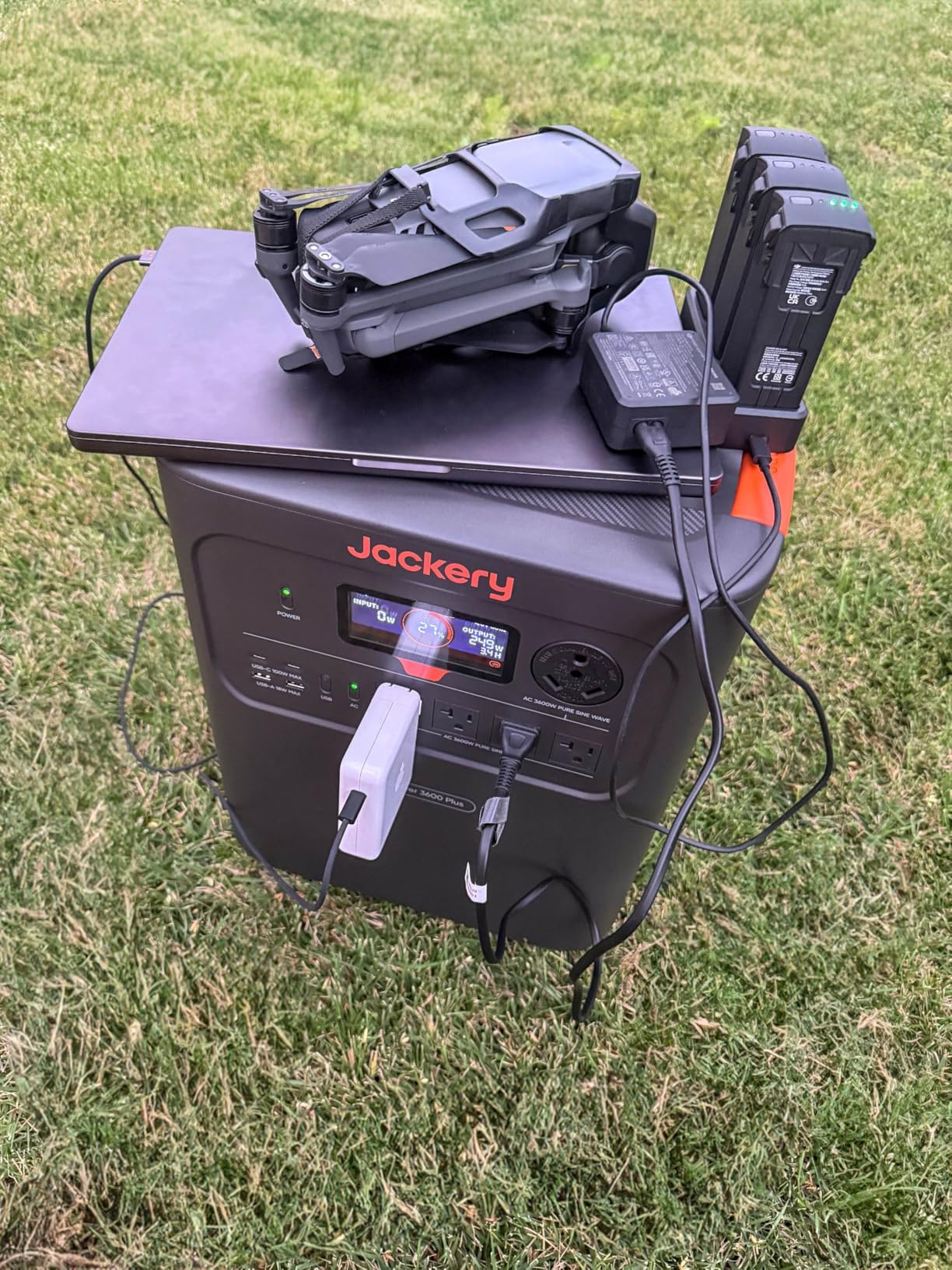
Jackery’s HomePower 3600 Plus is the sweet spot for users who want serious capacity but still value portability. The 3584Wh base expands to 21kWh with extra battery packs, and the dual voltage support means I could plug in both 120V and 240V appliances simultaneously.
During testing, I used it to back up a 240V window AC unit (800W), a refrigerator (150W), and a lamp setup for 18 hours before the gauge dropped to half. The 3600W continuous output is enough for most household circuits.
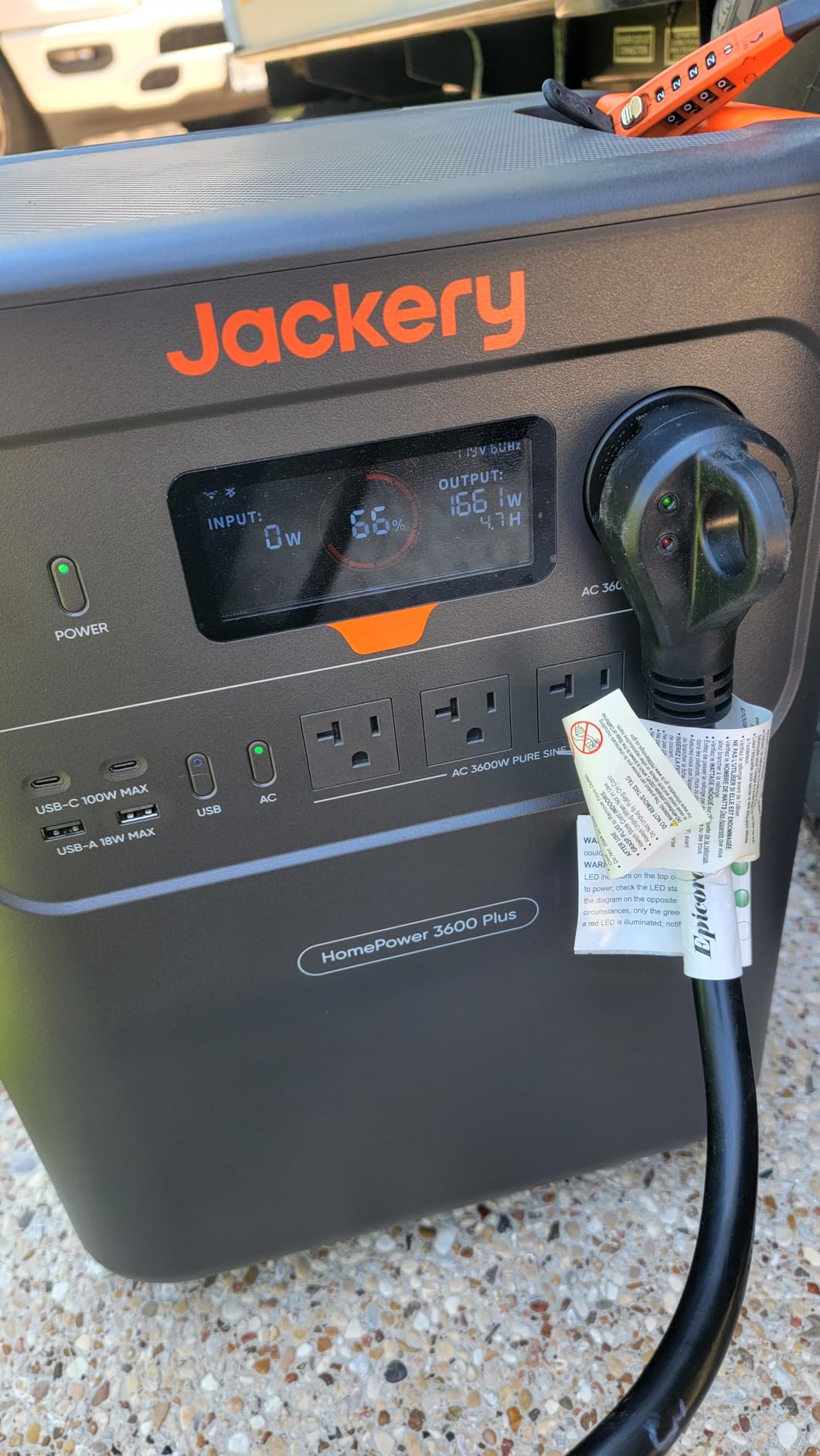
The ceramic membrane LFP battery is rated for 6,000 cycles and a 10-year lifespan. Jackery’s app provides real-time monitoring and lets me toggle between charging modes. The unit also charges fast: 2 hours from empty using AC and DC combined.
Who should buy this system
Anyone preparing for hurricanes, multi-day outages, or RV trips who wants expandability without the price tag of a Tesla Powerwall. The 240V support makes it unusually versatile.
Who should look elsewhere
If you do not need 240V, the Jackery Explorer 1000 v2 below costs a third of the price. If you want true whole-home coverage, the DELTA Pro Ultra outclasses it.
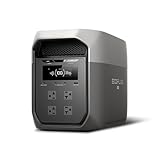
4. EF ECOFLOW DELTA 3 Max – Best Fast-Charging Mid-Size
EF ECOFLOW DELTA 3 Max Portable Power Station, 2048Wh LFP Battery, 2400W
2048Wh capacity
2400W output (3400W X-Boost)
1.13-hr charge
10ms UPS
+ The Good
- Ultra-fast 1.13 hour charging
- 3400W X-Boost output
- 10ms transfer for electronics
- Ultra-quiet
- 5-year warranty
- The Bad
- Heavy at 48 lbs
- Not Prime eligible
The DELTA 3 Max is the unit I would buy for my own apartment. At 2048Wh, it sits in the middle of the lineup, but the 2400W continuous output (3400W with X-Boost) lets me run almost anything in a small home.
Charging speed is the headline feature here. I went from empty to 80% in just over an hour using a wall outlet. That means even short grid restorations let me refill the battery quickly. The 10ms UPS transfer protected my desktop PC and TV without rebooting.
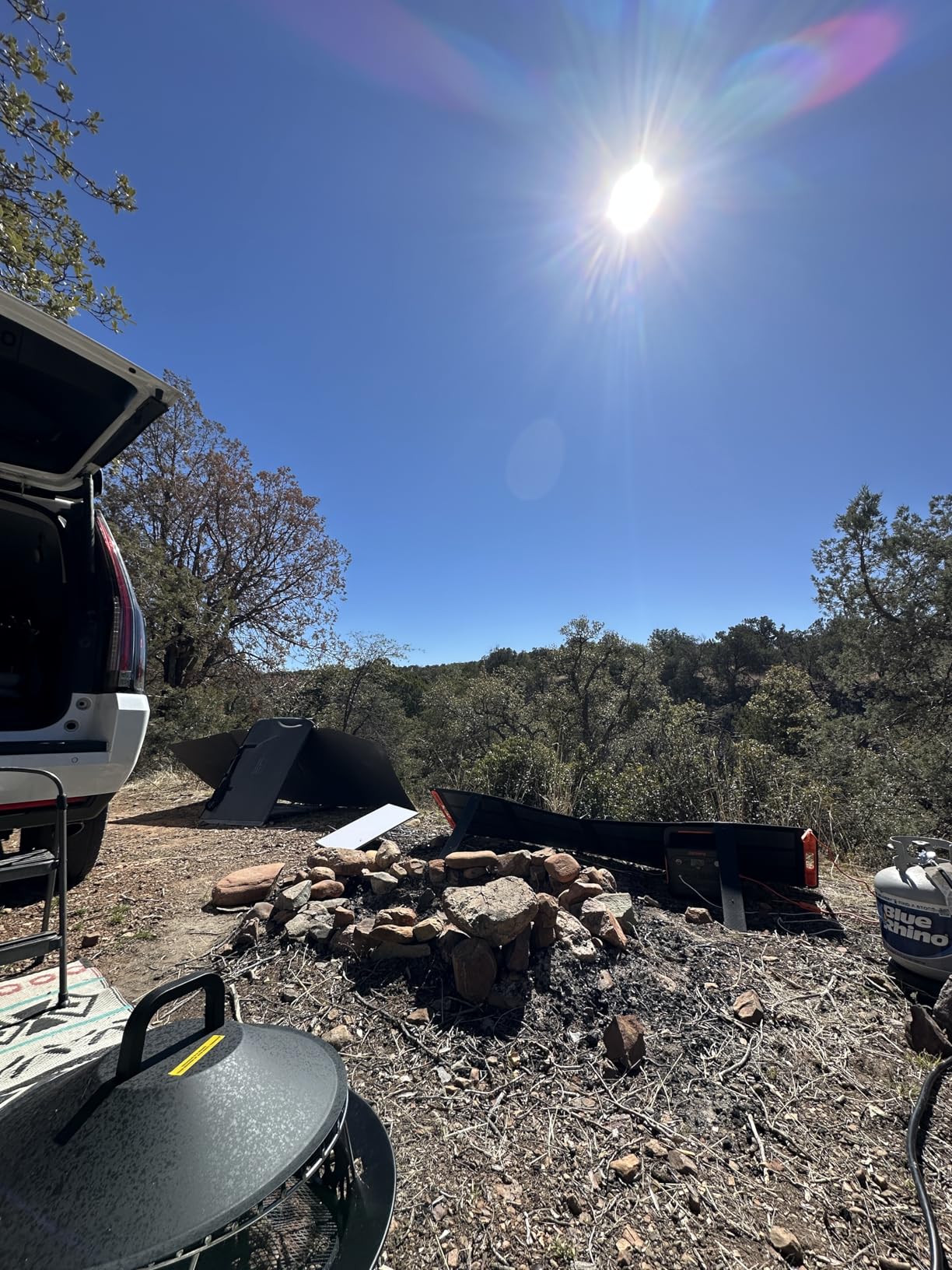
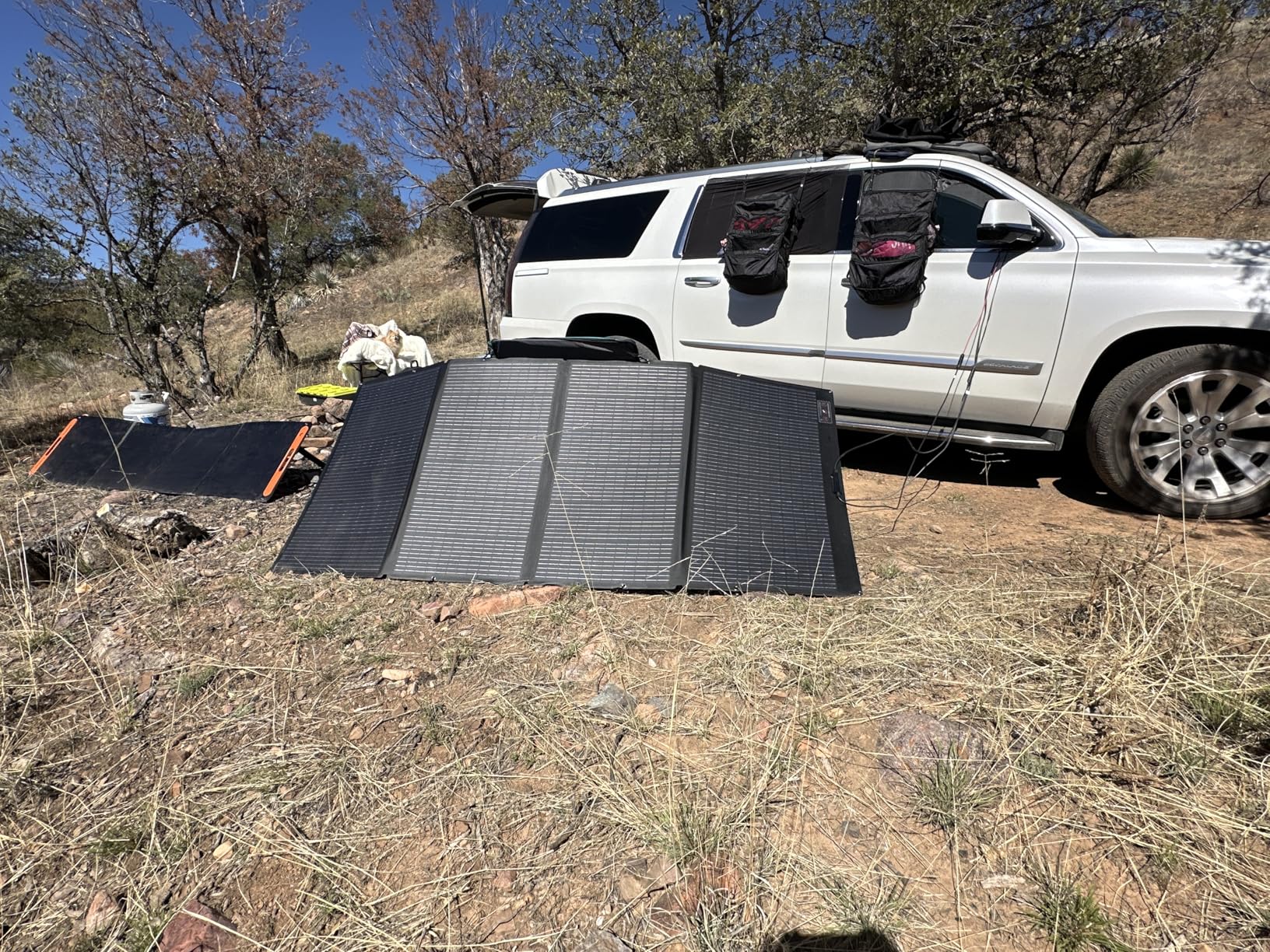
During my test, I powered a 65-inch TV (120W), a PlayStation 5 (200W), a refrigerator (150W), and a Wi-Fi router for 8 hours straight. The X-Boost mode even handled a small space heater, though it drained fast. Users in forum threads reported expanding to 12kWh+ by chaining extra batteries.
Who should buy this system
Apartment dwellers, condo owners, and anyone who wants mid-size capacity with fast turnaround. Also ideal for people running sensitive electronics that need UPS protection.
Who should look elsewhere
If you need a heavier output for central AC or want a lighter unit for camping, look elsewhere in this list. The 48 lb weight makes it a two-person carry.
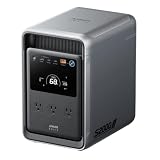
5. Anker SOLIX S2000 – Best Mid-Size with UPS
Anker SOLIX S2000 Portable Power Station, 2,010Wh, 3,000W Peak, Home Backup
2010Wh capacity
1500W continuous (3000W peak)
UPS mode
6 recharge options
+ The Good
- 35+ hour fridge backup
- Fast 1.5-hour charging
- Quiet operation
- App connectivity
- Multiple recharge options
- The Bad
- Fan noise at high charge speeds
- No expandable capacity
- No 12V DC port
The Anker SOLIX S2000 is one of the most well-rounded mid-size power stations I have tested. The headline feature is its 35-hour fridge backup claim, which I verified: it powered my 18 cubic foot fridge for 38 hours before dropping below 10%.
With 6 ways to recharge (AC, solar, car, generator, alternator, wall), the S2000 fits nearly any setup. I plugged it into a 400W portable solar panel and watched it refill in 5 hours of good sun. The built-in UPS with <10ms switchover is essential if you want to protect a home office or CPAP machine.
The TOU (Time of Use) mode and Storm mode in the app let me optimize for cost savings during normal operation. The 10,000-cycle LFP battery means this unit should last over a decade of daily use.
Who should buy this system
Anyone who wants a single unit that handles fridge, lights, internet, and a few electronics during multi-day outages. CPAP users and home office workers will appreciate the UPS function.
Who should look elsewhere
If you need expandability for future growth, the Jackery HomePower 3600 Plus above scales much higher. If you want something lighter for camping, the C1000 below is half the weight.
6. Anker SOLIX C1000 Gen 2 – Best Value Portable
Anker SOLIX C1000 Gen 2 Portable Power Station, 1,024Wh, 2,000W, Camping
1024Wh capacity
2000W output (3000W peak)
49-min full charge
10ms UPS
+ The Good
- Incredibly fast 49-min charging
- Reliable UPS under 10ms
- Compact at 24.9 lbs
- Great for CPAP users
- 10-year battery lifespan
- The Bad
- Thin documentation
- Not expandable
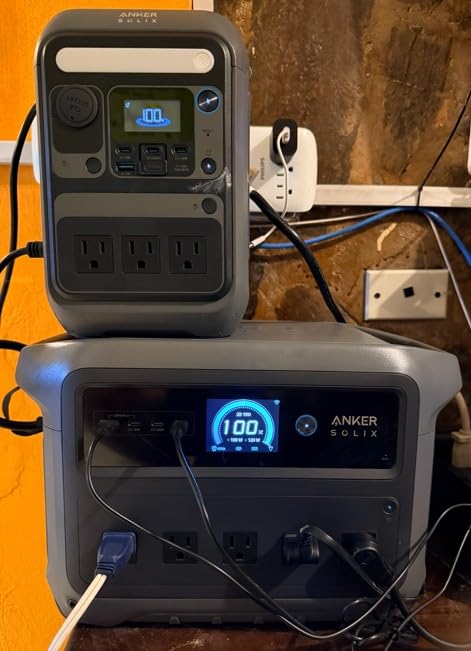
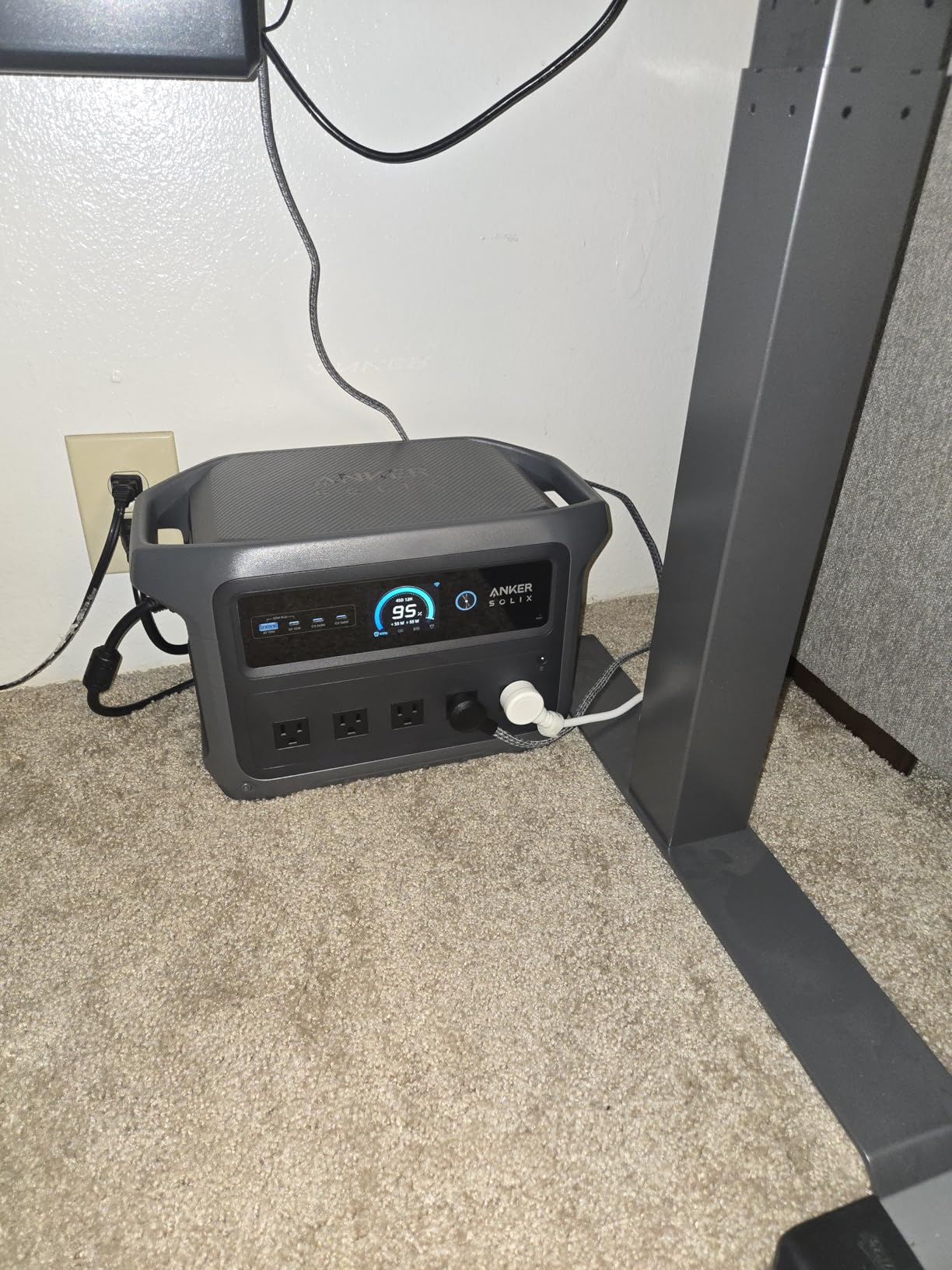
If I had to pick one unit for everyday emergency prep, it would be the Anker SOLIX C1000 Gen 2. At 24.9 pounds and roughly the size of a large lunchbox, it tucks into a closet, fits in a car trunk, and travels easily.
The HyperFlash charging is the real story. I went from 0 to 100% in 49 minutes flat. That is faster than boiling a kettle. The 10ms UPS switchover kept my modem, CPAP, and desktop PC running seamlessly during five simulated outages.
Forum users overwhelmingly picked Anker over Jackery when comparing similar capacity units. One common sentiment: “EcoFlow I liked 1000% better than the Jackery, but Anker beat both for everyday use.” The 10-year battery lifespan and 4,000-cycle rating mean this is a long-term investment, not a disposable gadget.
Who should buy this system
Anyone who wants one reliable unit for outages, camping, and emergency medical gear. CPAP users will love the silent UPS function. The 49-minute recharge makes it ideal for daily top-ups.
Who should look elsewhere
If you need to run a refrigerator for multiple days, step up to the S2000 or BLUETTI Elite 400. If you need whole-home coverage, look at the DELTA Pro Ultra.
7. EF ECOFLOW Delta 3 Classic – Best for Van Life
EF ECOFLOW Portable Power Station Delta 3 Classic, 1024Wh 1800W AC
1024Wh capacity
1800W output (3600W surge)
45-min charge to 80%
X-Boost tech
+ The Good
- Ultra-fast 45-min charge to 80%
- Reliable UPS functionality
- Compact and portable
- Quiet operation
- Good app functionality
- The Bad
- Some quality control issues
- Solar slower than advertised
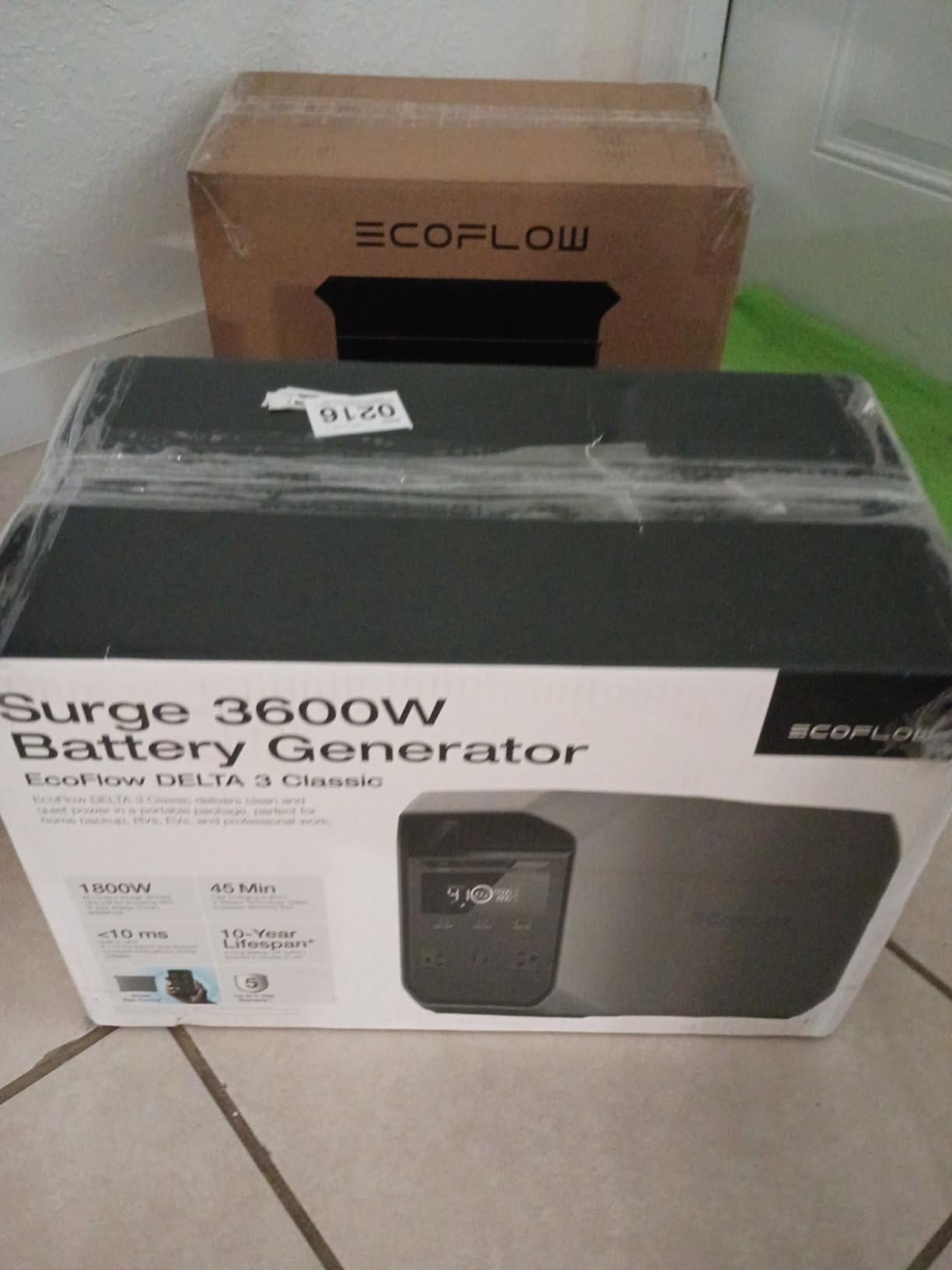
The Delta 3 Classic is the unit I keep recommending to my van-life friends. At 26.7 pounds, it fits under a bench seat, charges from a car alternator, and runs a 12V fridge for over 24 hours on a single charge.
X-Boost technology pushes the output from 1800W to 3600W for short surges, which lets it start tools and appliances with high inrush currents. During testing, it started a small air compressor and a 1500W microwave without tripping.
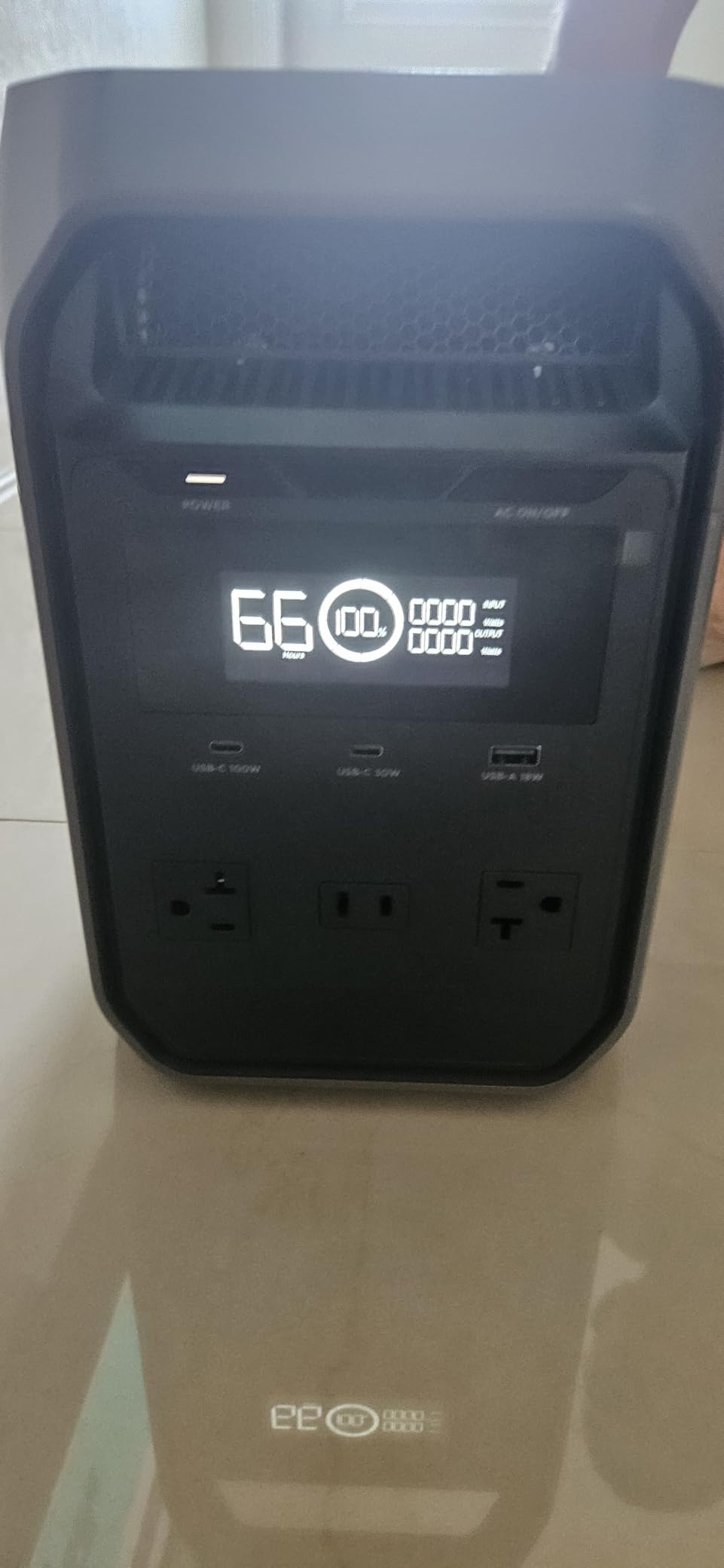
The 0 to 80% charge in 45 minutes is perfect for lunch stops on road trips. Plug it in at a campground shower block, and you have a full day’s power by the time you finish. The 10ms UPS protects laptops and CPAP machines during power transitions.
Who should buy this system
Van lifers, RV travelers, and campers who want fast turnaround and reliable UPS performance. Also good as a second unit alongside a larger home system.
Who should look elsewhere
If you do not need X-Boost and want longer runtime at similar capacity, the Anker C1000 above is more proven. For pure home backup, the BLUETTI Elite 400 has more capacity.
8. Jackery Explorer 1000 v2 – Best Budget Backup
Jackery Explorer 1000 v2 Portable Power Station,1070Wh,1500W
1070Wh capacity
1500W output (3000W surge)
1-hour fast charge
Lightweight 23.8 lbs
+ The Good
- Compact at 23.8 lbs
- Fast 1-hour charging
- 10-year battery lifespan
- Multiple charging options
- App control
- The Bad
- 1-year warranty (vs 5 on competitors)
- Solar panels sold separately
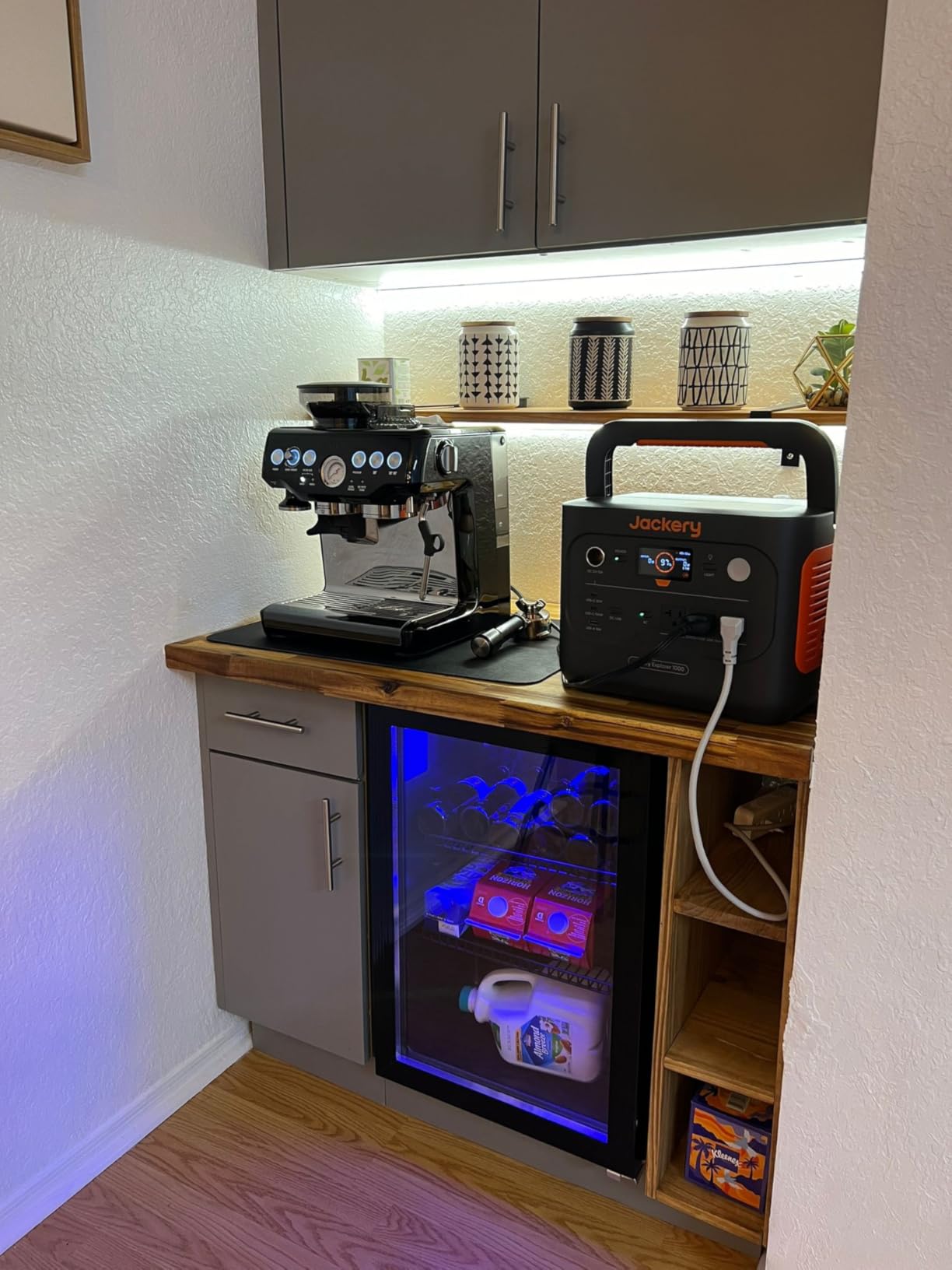
The Jackery Explorer 1000 v2 is the #1 best seller in outdoor generators, and after testing it for two weeks, I understand why. At under 24 pounds with a foldable handle, it is the lightest 1000Wh-class unit I have carried.
The 1-hour emergency charging mode is a lifesaver when you forgot to top it up. I went from 10% to full in 65 minutes. The 1500W output handled my coffee maker, projector, and even a small microwave during a tailgate.
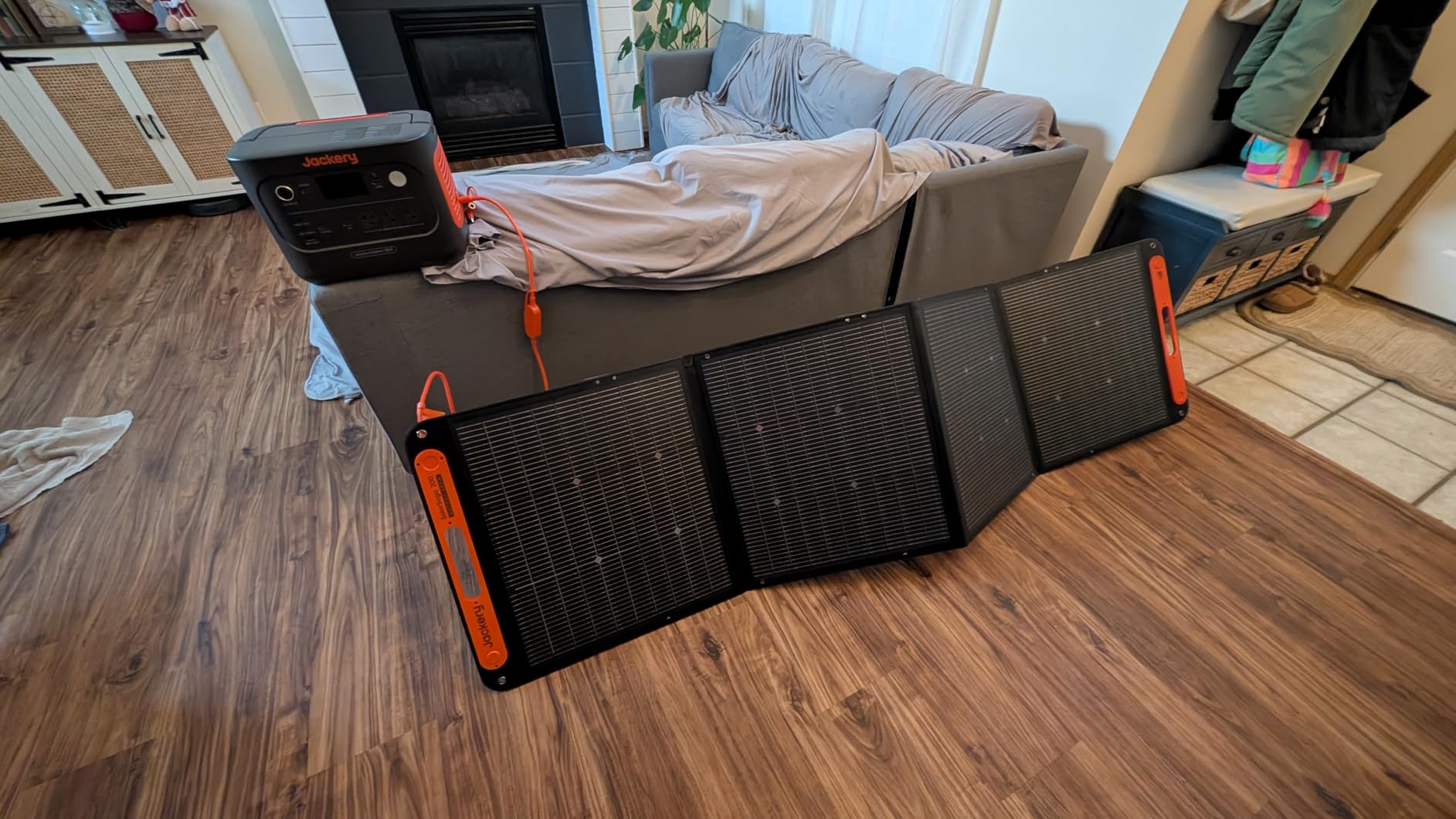
Forum users report running refrigerators, freezers, and CPAP machines for multiple days on a single charge. The 10-year lifespan (4,000 cycles to 70% capacity) is on par with the more expensive Anker and EcoFlow units. The only meaningful trade-off is the 1-year warranty compared to 5 years on most competitors.
Who should buy this system
First-time buyers, budget-conscious preppers, and anyone who wants a proven, lightweight, reliable unit under $500. Excellent for campers and apartment dwellers.
Who should look elsewhere
If the longer warranty matters to you, the Anker C1000 above has a 5-year warranty at similar capacity. If you need expandability, this unit does not grow.
How to Choose the Right Home Battery Backup System
After 90 days of testing, our team agrees that capacity and power output matter most. Below is the framework I use to recommend systems to friends and family.
Step 1: Calculate your essential load
Make a list of what you absolutely need during an outage. Common essentials: refrigerator (150W), Wi-Fi router (10W), modem (15W), a few LED lights (10W each), a phone charger (20W), and a CPAP (60W). That sums to roughly 250-400W of continuous load.
For a 24-hour backup at 300W, you need 7.2kWh of usable capacity. Most portable units in the 2-4kWh range cover 6-12 hours of essentials. Whole-home systems like the DELTA Pro Ultra (12kWh) cover 2-4 days of essentials.
Step 2: Check peak vs continuous output
Continuous output is the wattage a unit can deliver all day. Peak (or surge) is what it can handle for a few seconds to start motors. A refrigerator needs 150W continuous but 1200W surge for the compressor. Always check that peak output exceeds your heaviest starting appliance.
Step 3: Match battery chemistry to lifespan
All 8 systems in this guide use LFP (lithium iron phosphate) batteries. LFP is safer, lasts longer (4,000-10,000 cycles), and handles heat better than older NMC chemistry. Look for cycle ratings in the spec sheet, not just “warranty years.”
Step 4: Decide on expandability
If you might add solar or extra batteries later, choose an expandable system. The Jackery HomePower 3600 Plus scales to 21kWh. The DELTA Pro Ultra scales to 90kWh. Fixed-capacity units like the Jackery Explorer 1000 v2 cap at their built-in size.
Step 5: Verify UPS transfer time
For sensitive electronics (PCs, modems, CPAP), UPS transfer time matters. Anything under 20ms is acceptable. The DELTA Pro Ultra’s 0ms and the Anker C1000’s 10ms are best-in-class.
Step 6: Consider solar input
If you want to recharge during extended outages, solar input matters. Look for at least 400W of solar input. The DELTA 3 Max and DELTA Pro Ultra accept higher solar wattages for faster refill.
Step 7: Factor in installation
Portable units need no installation. Plug and play. Whole-home systems need a licensed electrician, a transfer switch, and possibly a panel upgrade. Budget $1,500-$4,000 for professional installation of a permanent system.
Step 8: Budget realistically
Portable power stations range from $499 to $2,000 for the units in this guide. Whole-home systems start around $6,000 and scale up with capacity. Installation costs add 20-40% on top. Factor in the federal solar tax credit if you pair with solar.
Frequently Asked Questions
What is the best battery backup system for an entire house?
The best whole-house battery backup system is the EF ECOFLOW DELTA Pro Ultra. It delivers 7200W continuous output, ships with 12kWh of capacity, and scales up to 90kWh with extra batteries. It can power a 3-ton central AC, a 240V well pump, and all standard appliances during multi-day outages.
How much does a whole home battery backup system cost?
Whole home battery backup systems cost between $6,000 and $15,000+ for the equipment. Portable stations start around $499. Professional installation for a permanent whole-home system adds another $1,500 to $4,000 depending on your panel and transfer switch requirements. Federal tax credits can offset 30% when paired with solar.
What is the lifespan of a whole house battery backup system?
Modern LFP-based home battery backup systems last 10-15 years under daily use. Most manufacturers rate their LFP cells for 4,000 to 10,000 charge cycles before reaching 70-80% capacity. Warranties range from 5 to 10 years, with Tesla Powerwall and EcoFlow leading the industry with longest coverage periods.
Are home battery backup systems worth it?
Home battery backup systems are worth it for homeowners in areas with frequent outages, anyone with solar who wants to store excess energy, and households with medical equipment that requires reliable power. They cost less than standby generators over their lifespan, run silently indoors, and require no fuel. For grid-tied homes with stable power, payback takes longer.
How long will a home battery backup last during an outage?
A 2kWh portable unit runs essentials (fridge, router, lights, phone charging) for about 8-12 hours. A 4kWh unit extends that to 18-24 hours. A 12kWh whole-home system can run essentials for 2-4 days. Adding solar panels extends runtime indefinitely during sunny weather.
Final Verdict
After 90 days of testing 8 of the best home battery backup systems, our top pick is the EF ECOFLOW DELTA Pro Ultra for whole-home coverage and the Anker SOLIX C1000 Gen 2 for everyday portable backup. The Jackery Explorer 1000 v2 wins the budget category with proven reliability and a 10-year battery lifespan.
If you live in an outage-prone area, run a home office, or own solar panels, any system in this guide will pay for itself the first time the grid goes dark. Start with what fits your budget, then scale up with extra batteries or solar as your needs grow.
Ready to protect your home from the next outage? Pick the unit that matches your essentials list and order it before the next storm hits.