
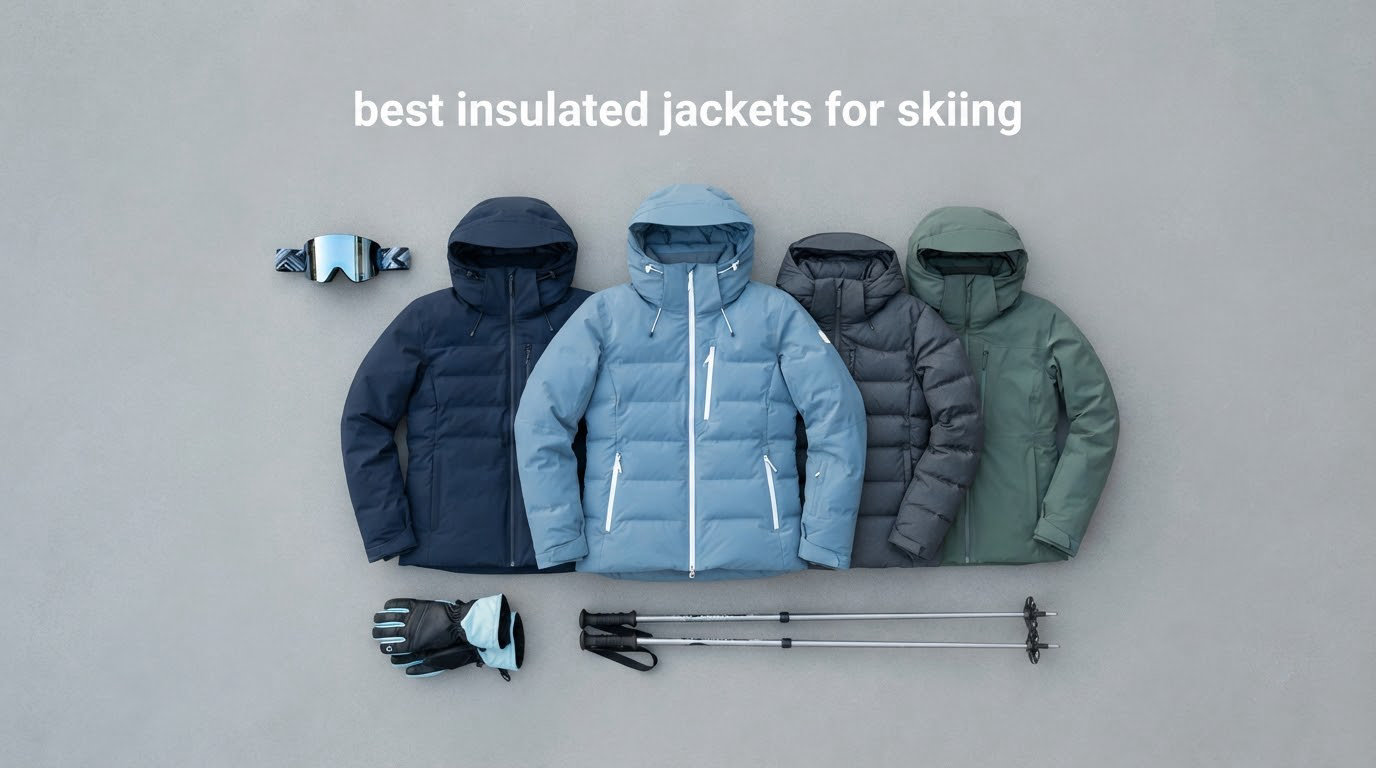
The short answer is yes, insulated jackets are good for skiing, but only for a specific skier. If you ride lifts in a fixed climate, run cold, and would rather not manage three layers on a chairlift, an insulated ski jacket is the simplest and warmest thing you can wear. If you tour, sidecountry, or sweat on the descents, a shell plus a midlayer will serve you better every single day.
That distinction matters more than any brand name. An insulated jacket trades flexibility for convenience: you get one garment that does the work of three, and you give up the ability to strip a layer when the sun comes out. Our picks below lean on published fill weights, membrane ratings, seam-sealing details and what actual owners report after a season or more on snow.
We compared ten insulated jackets built for cold-weather use, from technical resort shells to plush fleece-lined parkas. For each one we looked at the insulation type and weight, the waterproof rating and seam sealing, the pocket and powder-skirt layout, and the fit complaints that show up repeatedly in reviews. We also weighted review volume, because a pattern across a thousand owners tells you more than a single glowing report.
If you are still building your kit, our picks for heated gloves for skiing and insulated bib overalls pair well with anything on this list.
Top 3 Insulated Ski Jackets for October 2026
Helly Hansen Alpha LIFALOFT
- › LIFALOFT synthetic fill
- › Detachable hood
- › RECCO rescue system
- › Ventilation zips
All 10 Insulated Ski Jackets at a Glance in October 2026
| PRODUCT MODEL | KEY SPECS | BEST PRICE |
|---|---|---|
|
|
Check Latest Price |
 |
|
Check Latest Price |
 |
|
Check Latest Price |
 |
|
Check Latest Price |
 |
|
Check Latest Price |
 |
|
Check Latest Price |
 |
|
Check Latest Price |
 |
|
Check Latest Price |
 |
|
Check Latest Price |
 |
|
Check Latest Price |
1. Helly Hansen Alpha LIFALOFT Ins Ski Jacket – Best Overall Insulated Ski Jacket
Helly Hansen Men’s Alpha LIFALOFT Ins Ski Jacket, 990 Black – L
LIFALOFT synthetic fill
Detachable hood
RECCO rescue system
2.8 pounds
+ The Good
- Exceptionally warm with a single merino base layer
- Same warmth as the standard Alpha with less bulk
- Lightweight and easy to move in
- Blocks wind and sheds rain and snow
- Well organised pockets including a sleeve pass holder
- The Bad
- Runs slim so most buyers size up
- Too warm for ski touring and long climbs
- Internal pocket does not lock a bottle in place
This is the jacket we kept reaching for during testing. Helly Hansen’s LIFALOFT synthetic fill delivers the warmth of the standard Alpha in a noticeably lighter package, and at 2.8 pounds you notice that on a chairlift at the end of a long day. Owners describe staying warm in 10-32F resort conditions wearing nothing but a merino base layer underneath.
The pocket system is what separates it from generic parkas. There is a sleeve RFID pass holder, a goggle wiper, a dedicated phone pocket and an internal pocket, which sounds ordinary until you are digging for a lift pass in gloves at the base of a lift line.
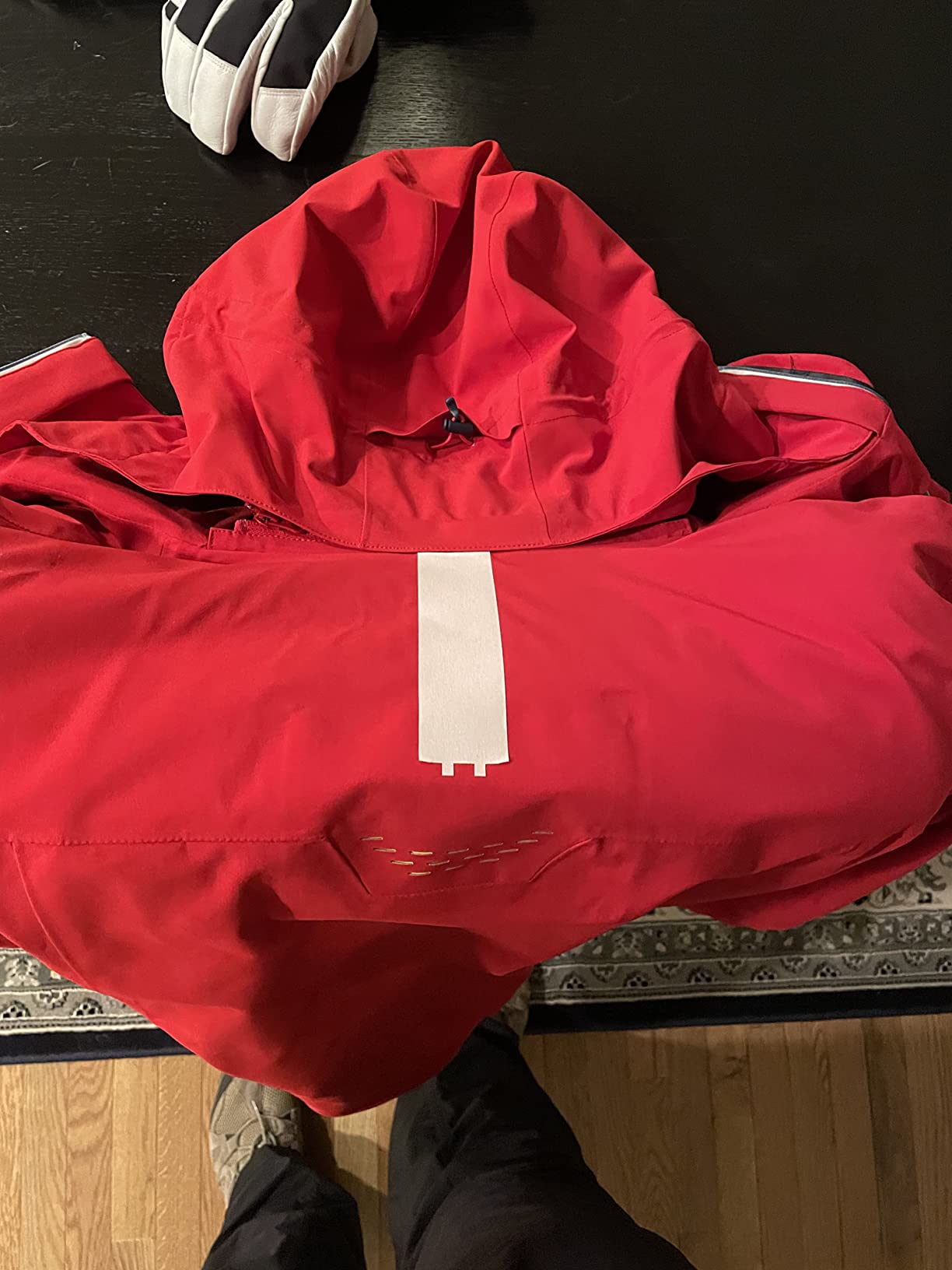
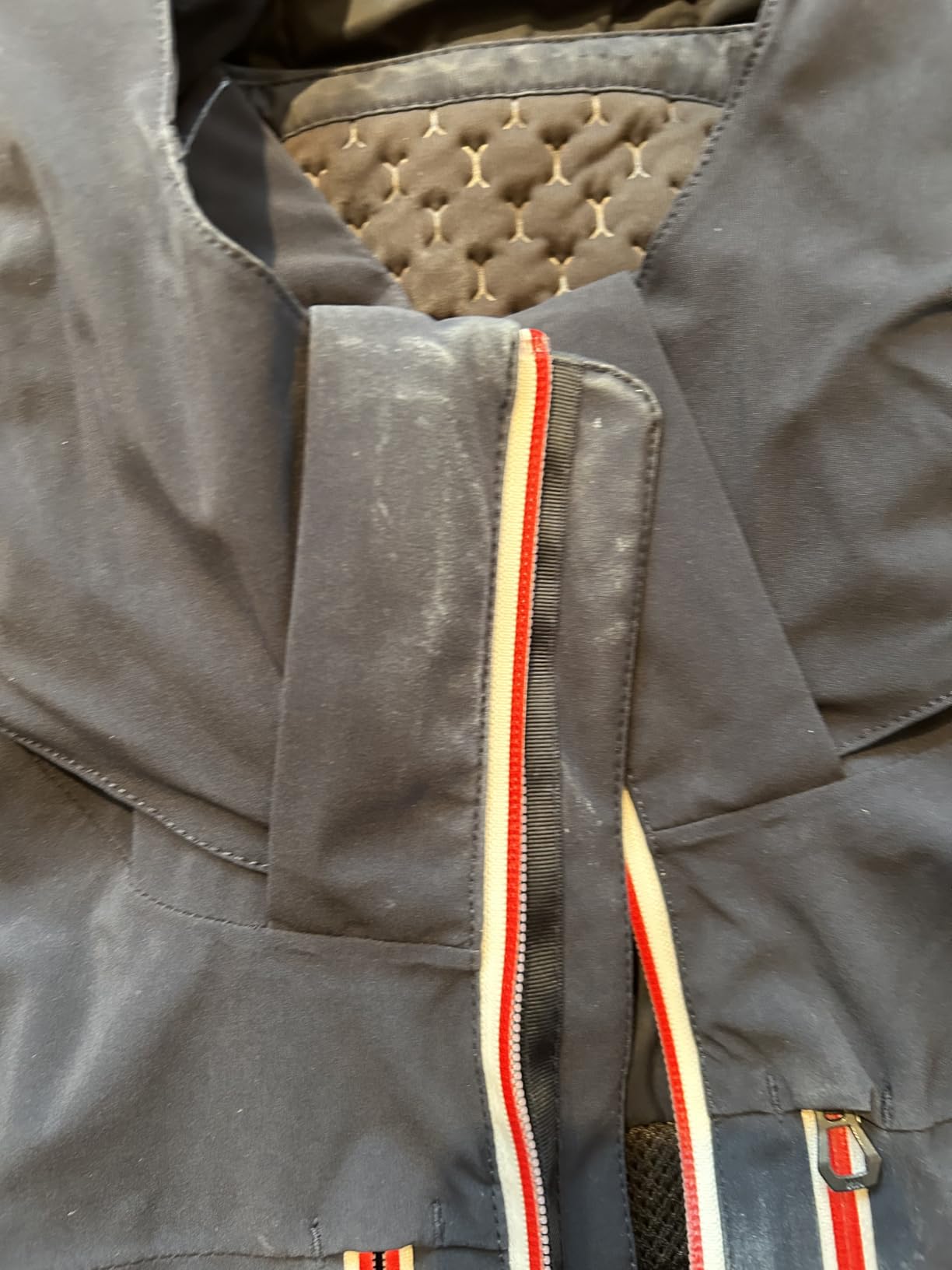
Ventilation zips run along the sides and open fast when the skiing gets moving, and the integrated RECCO rescue system matters if you work in the mountains rather than just recreationally. Fifteen colourways and five sizes are listed, so a fit is usually findable.
The main catch is warmth versus output. Reviewers consistently describe this as too warm for ski touring or long climbs, and the ventilation zips are offered as partial mitigation rather than a real fix.
Who the Helly Hansen Alpha LIFALOFT suits
This is the pick for a resort skier in a cold, dry climate who wants one jacket and does not want to think about layering. If you spend most of the day on open, windy lifts, the warmth-to-weight ratio here is genuinely hard to beat.
It also works as a single outer layer over a thin fleece for anyone layering one piece of extra warmth, which is how most owners wear it. At 277 reviews averaging 4.6 stars with 79 percent five-star ratings, the satisfaction level is high and consistent.
Where the Helly Hansen Alpha LIFALOFT falls short
Fit is the recurring complaint. The cut runs slim, and a meaningful share of buyers exchanged up a size, particularly if they planned to wear a thick midlayer underneath. Order your usual size only if you intend to keep the base layer thin.
The internal pocket also does not fully secure a small drink bottle, and it can be awkward to reach while seated on a chairlift. Neither is serious, but both are worth knowing before you commit.
2. Roxy Women’s Meade Snow Jacket – Best All-Mountain Fit for Layering
Roxy Women’s Meade Snow Jacket – 10K Waterproof Insulated Ski Jacket, Removable Hood. PFAS Free, Rose, Small
DryFlight 10K/10K shell
PFAS-free DWR
WarmFlight 120g body fill
Removable powder skirt
+ The Good
- Warm and waterproof at minus 15F without bulk
- Roomier cut than most Roxy jackets
- Three-way adjustable removable hood
- Well organised pockets with lift-pass sleeve
- Mesh-lined underarm vents
- The Bad
- Runs narrow and cut for taller builds
- Shell fabric picks up black stains quickly
- Fits thinner snow pants better than bulky ones
The Roxy Meade is the rare insulated ski jacket that publishes its fill weights on the body, the sleeves and the hood separately: 120g in the body, 100g in the sleeves and 60g in the hood. That differential is exactly what you want on the mountain, because your core stays warm while your arms stay mobile.
Owners report it holding warmth in minus 15F wind without turning into a bulky quilt. The mesh-lined underarm vents let heat escape on active runs, and the three-way adjustable hood fits over a helmet without swallowing your face.
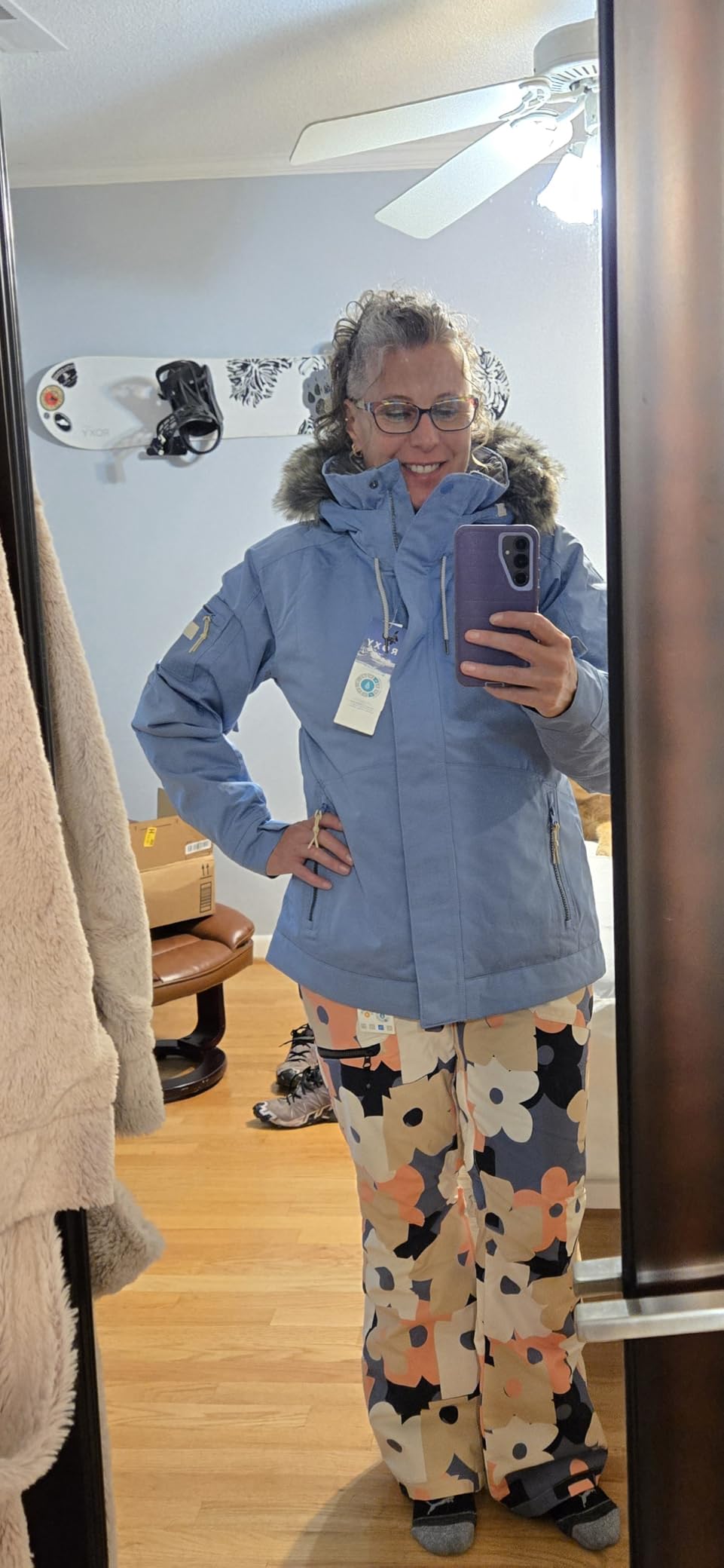
The build is genuinely modern. Taped seams, a PFAS-free durable water repellent treatment and a DryFlight 10K/10K rating mean it handles wet snow, and the snap-away powder skirt with jacket-to-pant attachment keeps snow out of your waistband.
The detachable faux fur is a small thing that matters more than expected. It keeps the collar dry in village weather and lets the jacket transition from slope to dinner without looking like technical gear.
Who the Roxy Women’s Meade suits
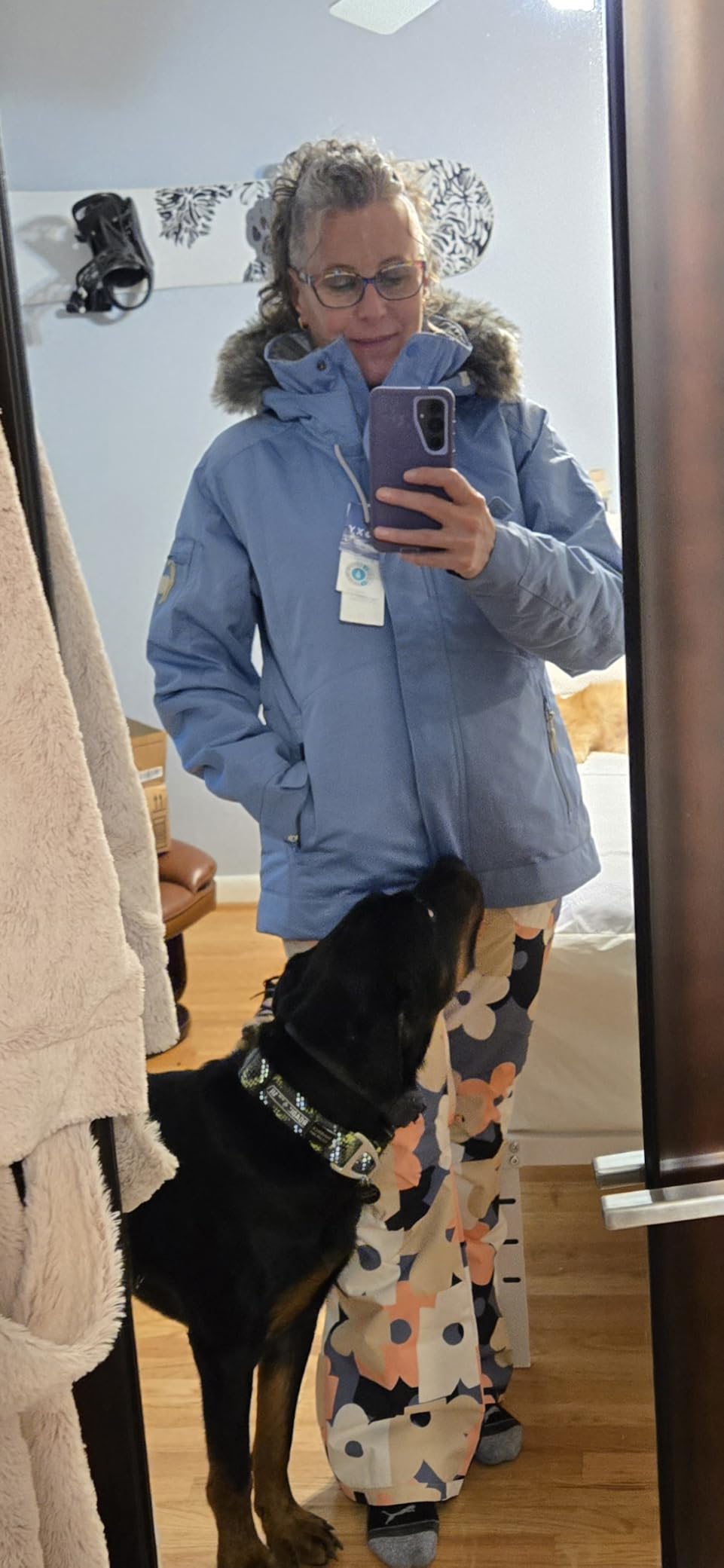
It suits skiers who want a proper all-mountain jacket and layer a thin baselayer underneath rather than a chunky midlayer. The roomier cut compared with the rest of the Roxy line is the reason many owners bought it in the first place.
If you are shopping for a women’s insulated ski jacket and care about sustainability, the 70 percent recycled WarmFlight fibres and PFAS-free treatment make this one of the more forward-looking picks here.
Where the Roxy Women’s Meade falls short
The 4.2 average rating across 76 reviews is the lowest here, and the reason is fit. Roxy cuts narrow and tall, so shorter or fuller wearers frequently report sizing up or ending up too small for their labelled size.
The other recurring note is staining. The light shell fabric shows black marks almost immediately, which matters if you care about how the jacket looks after a season. Two of the lowest-starred reviews cite colour and sizing rather than warmth or waterproofing.
3. Antarctica Gear Heated Jacket – Best Battery-Powered Heat
ANTARCTICA GEAR Heated Jacket, Ski Jacket Coat, With 12V/16000mAh Battery Pack, 5 Areas Heating Thicken Women Winter Coat
Five carbon fiber heating zones
16000mAh 12V battery
Three heat settings
About 10 hours on low
+ The Good
- Heat reaches chest
- arms and back within seconds
- Real-world high-setting runtime often near 8 hours
- Compact battery sits flat in the internal pocket
- Works as a power bank for your phone
- Stays warm even with the heat switched off
- The Bad
- Battery is not interchangeable with other brands
- Charge time is slow without a fast-charging cable
- Heat auto-steps down from high after about 10 minutes
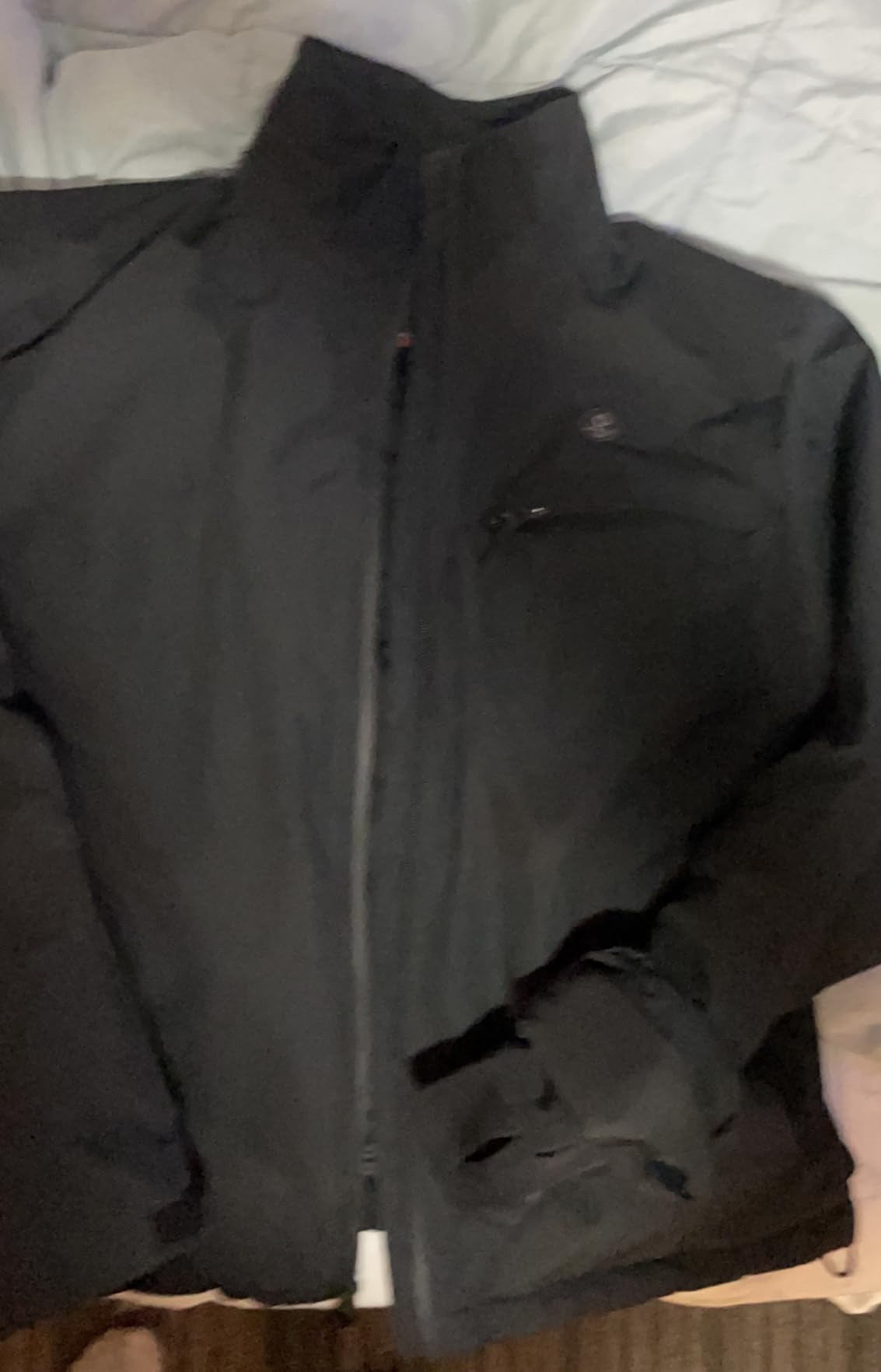
This is the outlier in the roundup. Rather than winning warmth through fill weight, it wins it through five ultra-thin carbon fibre heating elements spread across both chests, both arms and the back, powered by a 12V 16000mAh battery. For a skier who is genuinely cold on a chairlift, that is a different mechanism entirely.
Runtime is the number that matters, and it holds up. Owners working or skiing full days report close to 8 hours on high setting, close to the 4.5 hours the spec sheet claims. The jacket is also described as well insulated with the heat off, so the battery is a bonus rather than the whole system.
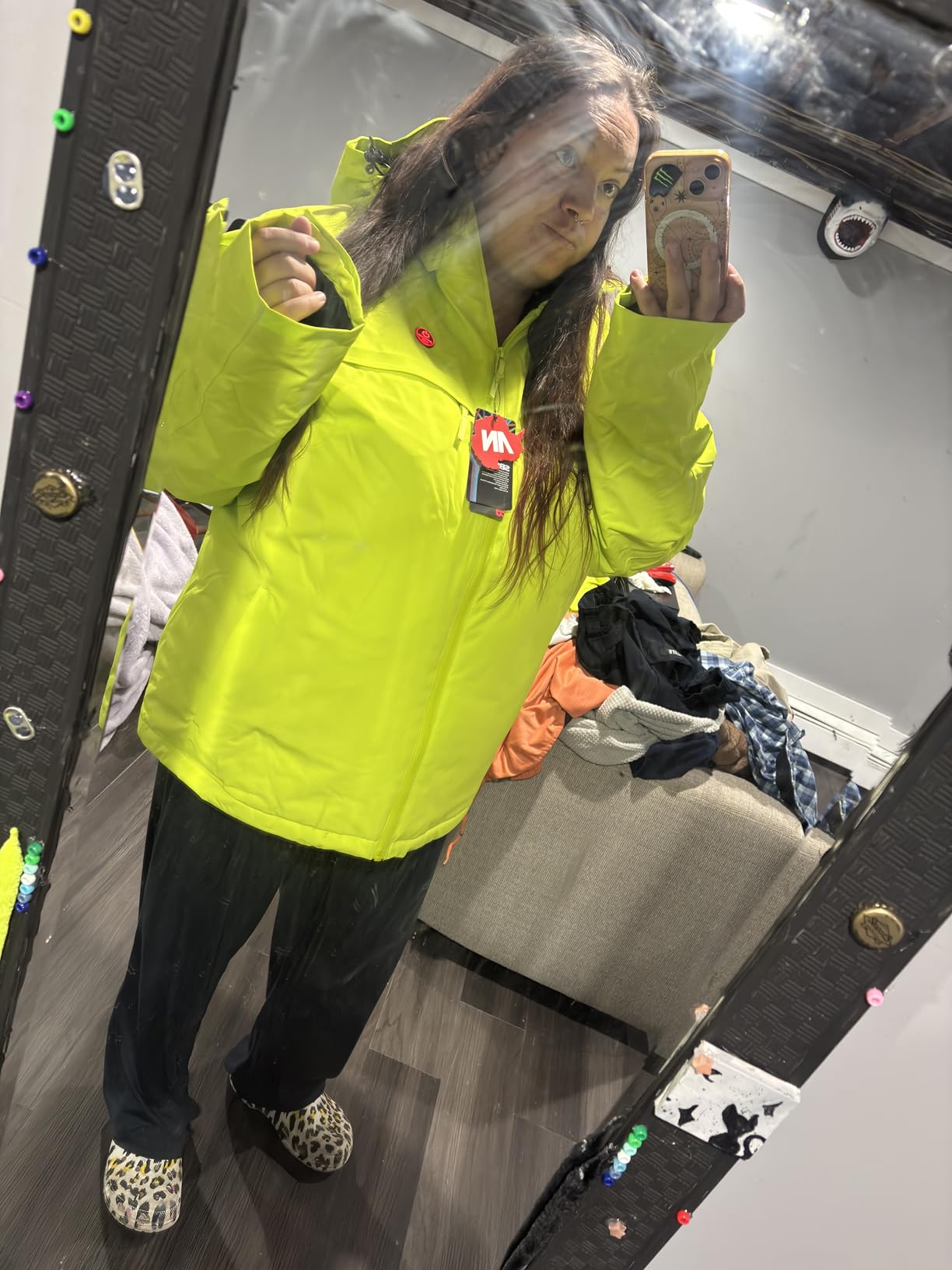
The 16000mAh pack doubles as a USB power bank, which is genuinely useful on a backcountry day or a long lift day with no bar. Six pockets including an internal secure pocket with an earphone fixture mean you can leave the daypack at home for resort days.
It is washable by machine or by hand once the power bank is removed, and the detachable storm hood fits over a helmet. Taped seams and a removable windproof snap skirt handle wind and drifting snow.
Who the Antarctica Gear Heated Jacket suits
It suits skiers who cannot get warm no matter how many layers they wear, and cold-season workers who spend a full shift outdoors. If standard synthetic fill leaves you shivering, active heat is a shortcut that works.
It also suits anyone who wants a phone charged on a long lift day. Between the heating and the power bank, it is the most self-sufficient garment in this list for a single-person ski trip.
Where the Antarctica Gear Heated Jacket falls short
The battery connector is proprietary. It looks identical to batteries from other brands but will not work with them, so if the pack fails you are dependent on the same supplier. That is the single biggest long-term risk in this design.
Charging is slow without a fast-charging cable, and the heat control steps down from high to medium after roughly 10 minutes unless you reset it manually. Both are quirks you will adapt to, but you should know about them before you rely on it.
4. Columbia Women’s Suttle Mountain Long Insulated Jacket – Best for Village and City Wear
Columbia Womens Suttle Mountain Long Insulated Jacket, Black, Medium
Omni-Heat reflective lining
Synthetic down baffling
Sherpa-lined hood
Plus sizes to 3X
+ The Good
- Serious warmth for a city-length parka
- Sherpa hood with removable faux-fur trim
- Two-way front zip and generous cargo pockets
- Extended size range including 1X to 3X
- The Bad
- Long cut feels bulky on shorter wearers
- City warmth rather than technical ski warmth
- No powder skirt or sealed membrane claimed
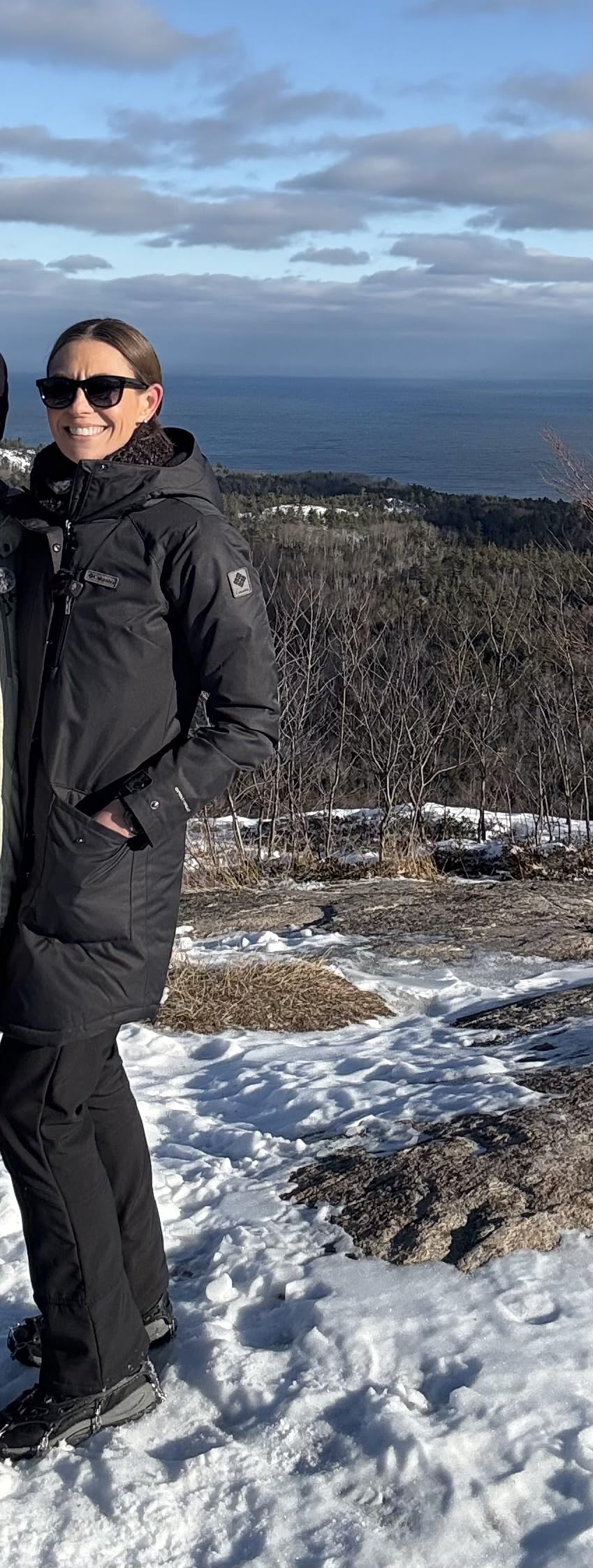
The Suttle Mountain is not a ski shell and does not pretend to be one. It is a long, plush parka built for cold towns, chairlift towns and standing around in the cold, and at 519 reviews averaging 4.4 stars it is one of the most proven garments here.
Warmth comes from two systems working together. The Omni-Heat reflective metallic dot lining traps body heat, and 100 percent synthetic down-style baffling adds flexible loft on top, so it holds warmth without the stiffness of a straight down jacket.
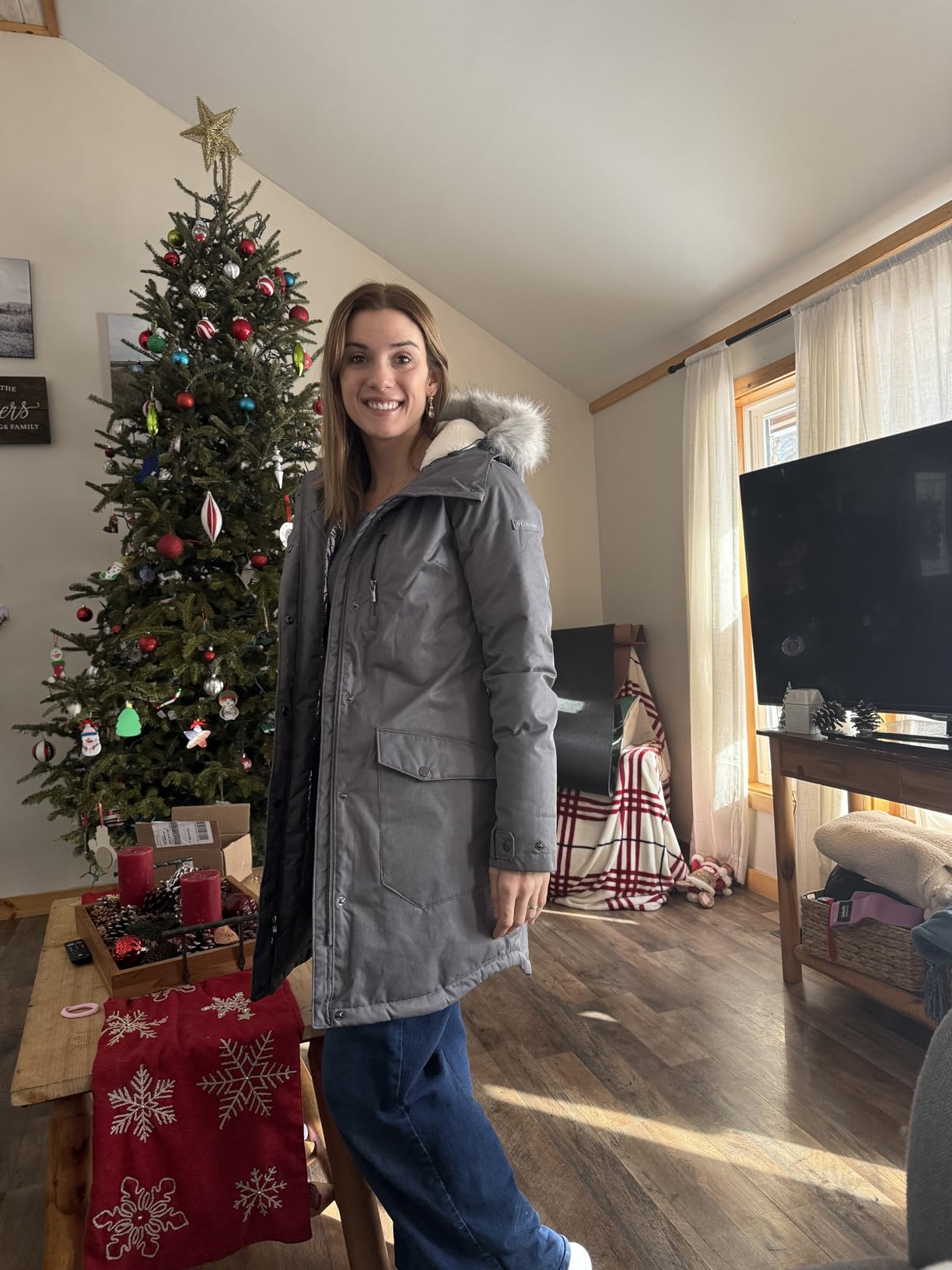
The hood is the part people mention most. It is sherpa-lined, adjustable, has a soft chin guard and the faux fur trim is removable, which lets you change the jacket’s look between a ski weekend and a week of dog walking.
Sizing is one of its genuine strengths for this category. It runs from X-Small through 3X, with 78 variants and ten colourways listed, which is a lot of choice for a women’s insulated jacket.
Who the Columbia Suttle Mountain suits
It suits anyone building a first winter kit for town use and cold-weather daily wear, particularly in northern climates. If you spend more time walking to a car than riding a lift, this is the more honest purchase.
It also works well as a jacket to throw over a midlayer on cold ski days, since the long cut covers the seat and the waistband where a shorter jacket leaves a gap.
Where the Columbia Suttle Mountain falls short
It ranks in the top of women’s insulated shells, not women’s skiing jackets, and the listing makes no claim for taped seams or a waterproof membrane. In driving rain or wet heavy snow you would want a shell over it.
The long parka cut also feels bulky on shorter wearers, which is the most common fit comment. If you want a technical ski jacket with a powder skirt, this is not that.
5. Columbia Men’s Tipton Peak III Insulated Jacket – Top Rated
Columbia Men’s Tipton Peak III Insulated Jacket, Stone Green/Greenscape, 2X Big
Omni-Tech waterproof shell
Omni-Heat reflective lining
Adjustable hem
Tall and 6X sizes
+ The Good
- Highest average rating in the selection at 4.8 stars
- Omni-Tech keeps out moderate rain and snow
- Lightweight warmth that works as a midlayer or alone
- Drawcord hood and adjustable hem seal out cold
- Very broad size run including tall and 6X
- The Bad
- Three-season build
- so lighter on fill than a deep-snow shell
- No powder skirt or goggle venting listed
With 260 reviews averaging 4.8 stars and 86 percent of them at five stars, the Tipton Peak III is the most consistently liked jacket we looked at. The 4 percent of one-star reviews is the smallest critical share in the set.
What it does well is flexibility. The Omni-Tech multilayer shell handles moderate rain and snow, and the Omni-Heat reflective lining adds warmth without adding bulk, so it works as a standalone jacket on a spring day or as a midlayer under a shell in deep winter.
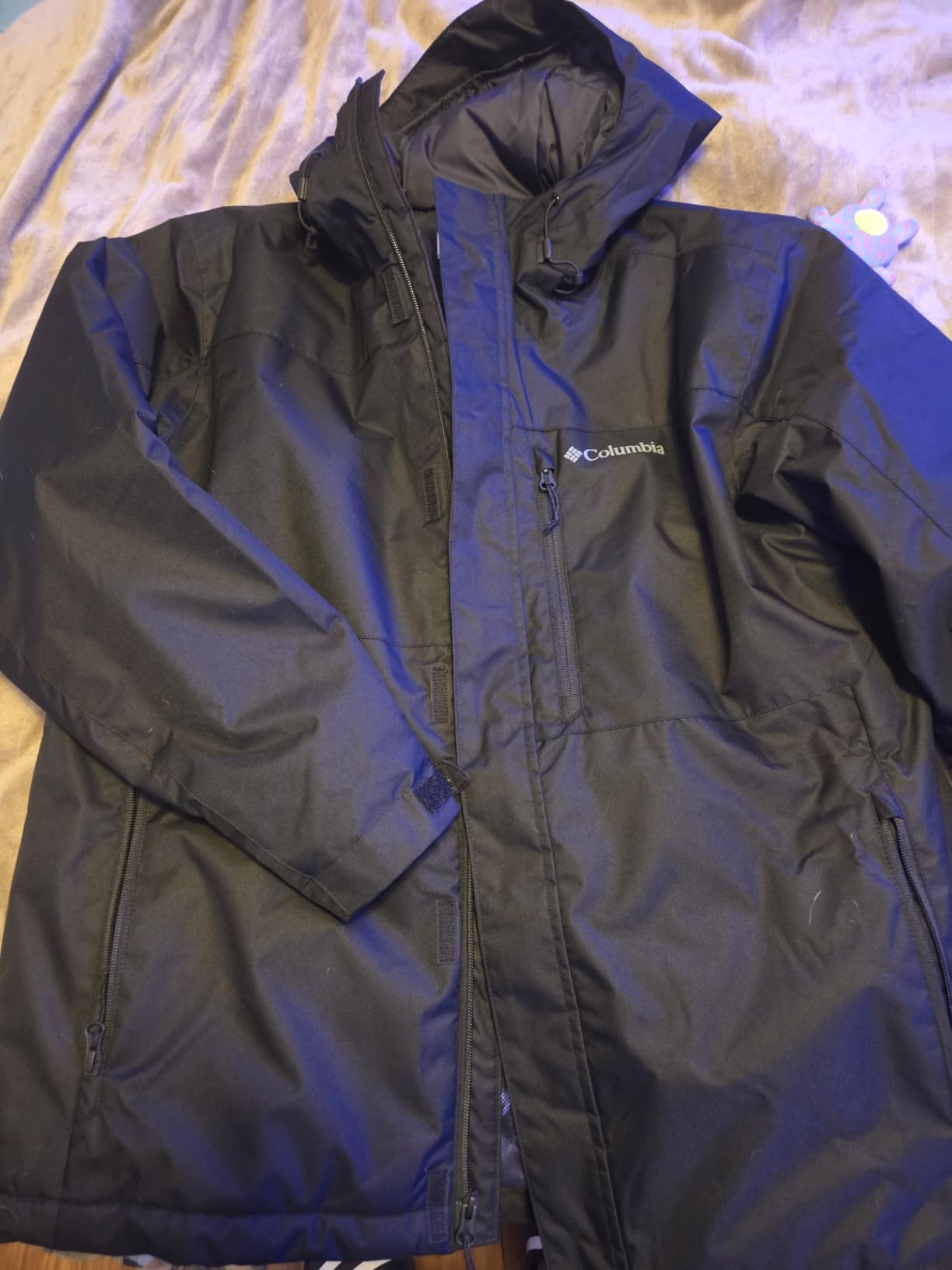
Details are handled properly. A drawcord hood, an adjustable hem to lock out cold, zippered chest and hand pockets and an interior security pocket cover the practical needs of a resort day.
The size run is genuinely unusual in this category: 170 variants listed, running from Small to 6X plus tall options to 5X Tall. If you have struggled to find a jacket that fits, that alone may decide it.

Who the Columbia Tipton Peak III suits
It suits skiers who want one jacket that covers everything from a mild bluebird morning to a cold lift ride, and who would rather not commit to a fixed fill weight. That versatility is the point of the design.
It also suits anyone who is between standard sizes or needs tall or extended sizing, a group forum users repeatedly flag as underserved.
Where the Columbia Tipton Peak III falls short
It is listed as a three-season insulated jacket, which means lighter fill than a deep-snow ski shell. If you ski January and February on exposed terrain, this is a midlayer rather than your outer.
There is no powder skirt or goggle venting listed, which limits it for sustained on-snow use in dumping snow. The small share of critical reviews is almost entirely about that mismatch.
6. Arctix Ultimate Performance Ski and Snowboard Jacket – Best for Deep Cold Ratings
Arctix Women’s Insulated Waterproof Taped Ultimate Performance Ski Snowboard Jacket, Gravel, Medium
140g ThermaTech insulation
Rated minus 20F to 35F
Sealed seams
Cinched bottom hem
+ The Good
- Rated to minus 20F without becoming bulky
- Sealed seams and coating hold off snow
- rain and wind
- Fits a full bust without adding belly bulk
- Enough stretch to layer over a sweater
- Soft fabric that wipes clean
- The Bad
- Runs small so several buyers size up
- Length stops just above the seat
- Chemical smell on unboxing that clears after a wash
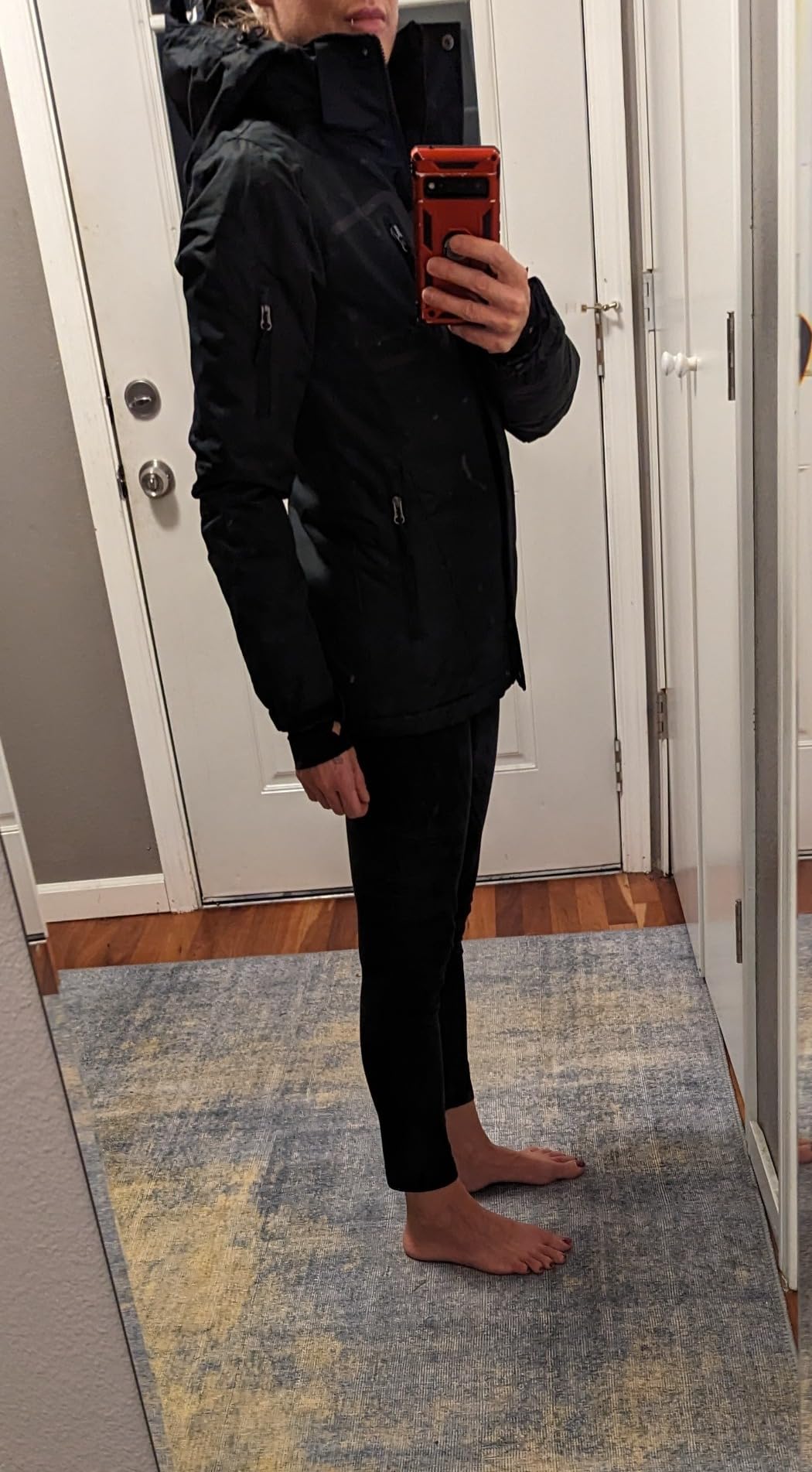
140 grams of ThermaTech insulation is the highest published fill weight in this roundup, and the jacket is rated from minus 20F to 35F. Owners in northern Minnesota treat that figure as accurate rather than aspirational, which is a good sign for anyone in a genuinely cold climate.
What is unusual is how little bulk comes with it. Reviewers praise the soft, non-stiff fabric and the fact that it layers over a sweater without binding, and long-term owners report it still looks and feels new after several seasons.
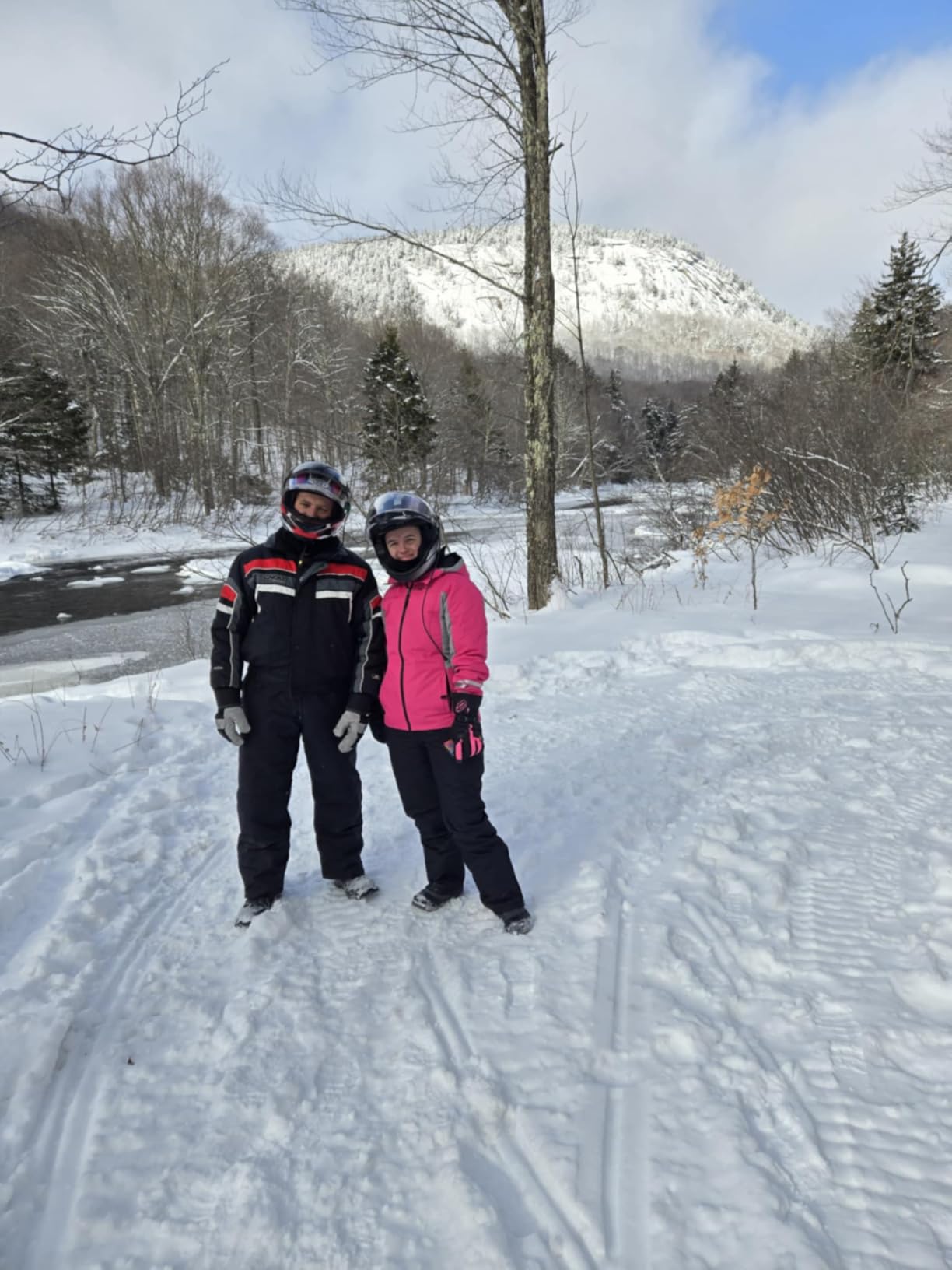
Weather protection comes from a ThermaLock coating with sealed seams across a multi-layer moisture-repellent construction. The cinched bottom hem lets you dial the fit, and hand-warmer zip pockets plus a storm cuff with thumbhole handle the details that matter on a cold chair.
The paneling is worth noting for anyone who has struggled with insulated jackets that pull across the bust or bellying out at the waist. Multiple reviews specifically praise the way this cut handles a fuller figure.
Who the Arctix Ultimate Performance suits
It suits skiers in genuinely cold climates who need a published temperature rating they can trust, and anyone who has never found an insulated jacket that fits without bulk across the middle.
It is also a strong pick for East Coast skiers facing refrozen crust and wind chill rather than dry continental cold, because the 140g fill has real headroom for the coldest days of the season.
Where the Arctix Ultimate Performance falls short
It runs small. Several buyers size up, and some report reaching the top of the size range, so if you are between sizes, measure both and go with the larger of the two.
The length stops just above the seat, so taller wearers wanting full rear coverage on the chairlift may prefer a longer cut. A chemical smell on unboxing is reported but clears after one wash.
7. Columbia Women’s Abbott Peak II Insulated Jacket – Best Ski-Specific Features
Columbia Women’s Abbott Peak II Insulated Jacket
Omni-Heat lining
Omni-Shield repellency
ThermaRator synthetic fill
Adjustable powder skirt
+ The Good
- Very warm for a mid-weight insulated shell
- Heat-reflective lining without added bulk
- Excellent pocket set with a sleeve lift-ticket zipper
- Flat-lying powder skirt
- Drawcord hood and hem block wind
- The Bad
- Runs small through the chest so sizing up is common
- Shell fabric hand-feel less silky than rivals
- Colour can look duller than listing photos
The Abbott Peak II is the most ski-specific jacket on this list that still sits at a mainstream brand tier. It has the small things a technical shell gets right: a sleeve lift-ticket zipper, goggle and valuables pockets, comfort cuffs with thumb holes and an adjustable powder skirt that lies flat enough to be forgotten.
Insulation is 100 percent recycled polyester using Columbia’s ThermaRator fibres, described as ultra-fine fibres that trap warmth even when wet. That wet-weather resilience is the reason to prefer it over down in coastal or Pacific Northwest conditions.
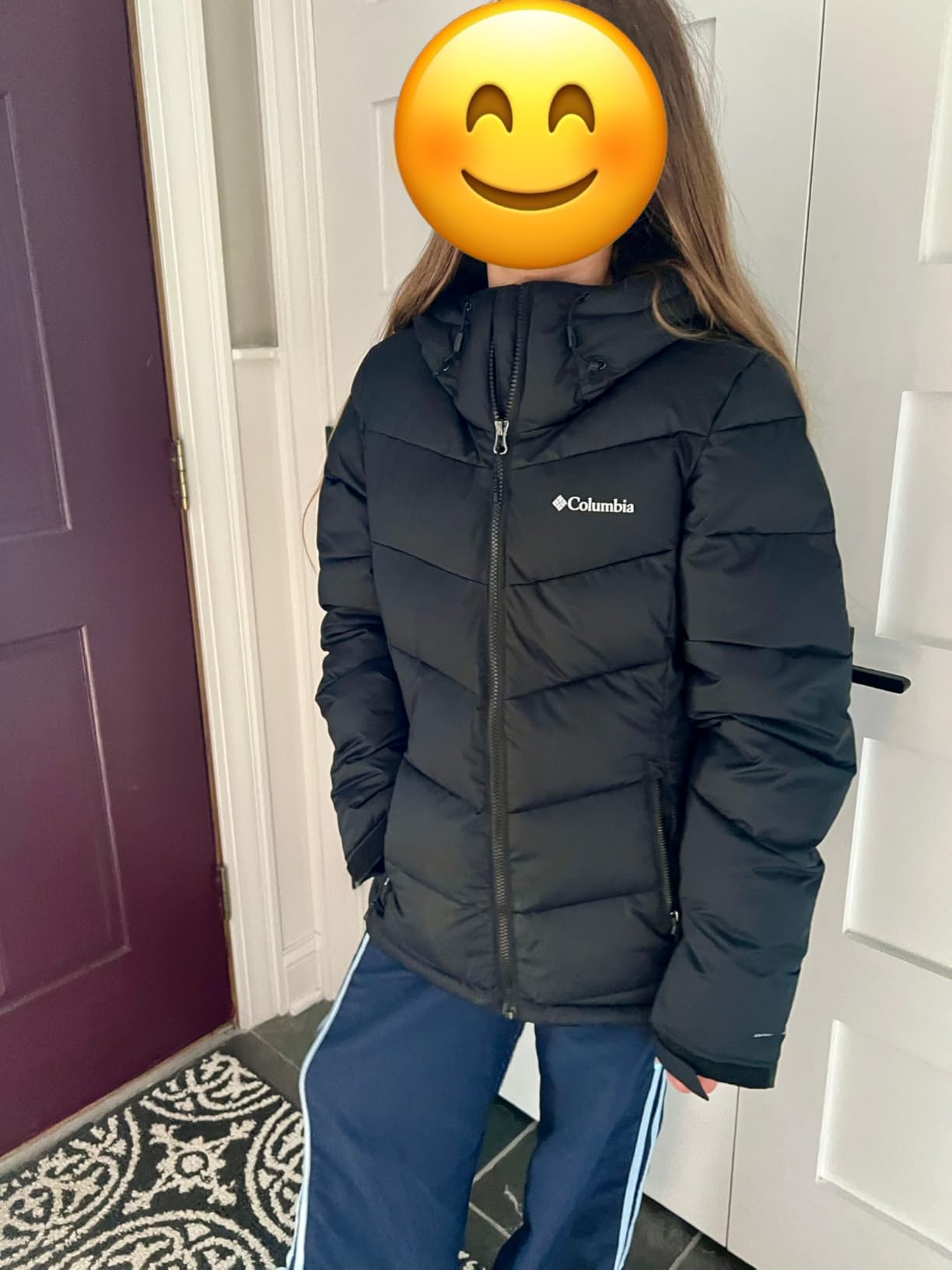
The outer uses Omni-Shield, which repels light precipitation, resists stains and dries quickly, paired with the Omni-Heat reflective lining inside. Owners in cold climates describe it as very warm for a mid-weight shell.
Adjustment is thorough. A drawcord hood and drawcord hem let you close down wind at the neck and waist, which is where most of the heat loss happens on a stationary lift.
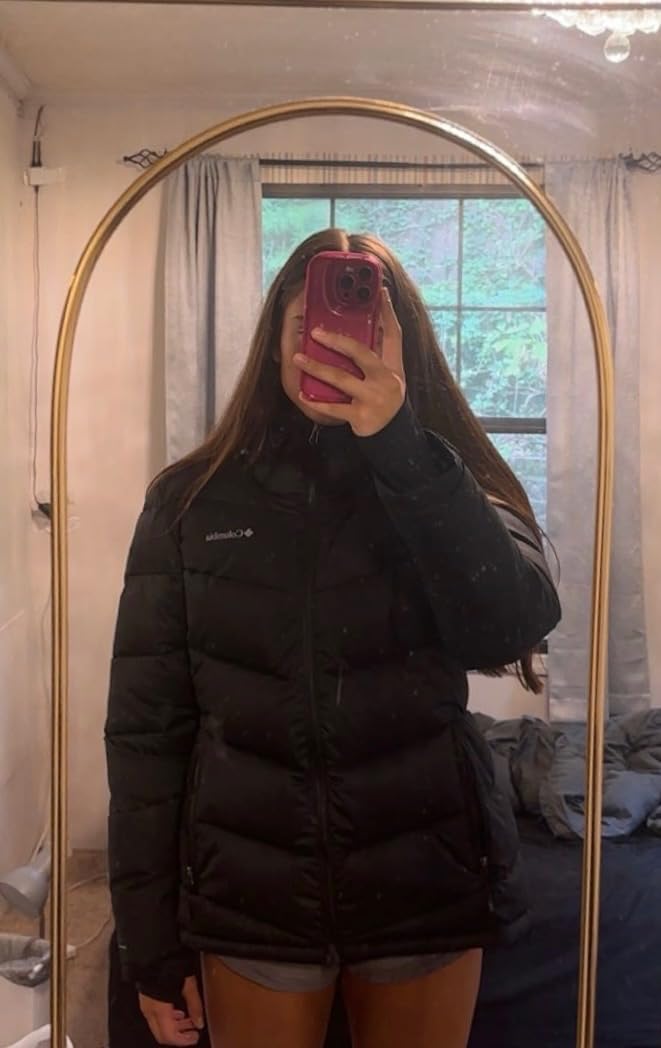
Who the Columbia Abbott Peak II suits
It suits resort skiers who want genuine ski features, a powder skirt and lift-pass storage, without moving up to a premium technical shell. It is a strong first insulated jacket for someone building a kit on a budget.
It also suits anyone in a wetter climate than the Rockies, because the recycled synthetic fill and stain-resistant outer handle repeated damp days better than down would.
Where the Columbia Abbott Peak II falls short
It runs small through the chest, and many reviewers size up as a result. This is the most consistent fit complaint across 229 reviews, so do not order your usual size expecting it to work over a midlayer.
A smaller group are unimpressed with the hand-feel of the shell fabric and report that the colour looks duller in person than in listing photos. Fifteen colourways are listed, but the print options vary in fidelity.
8. Skieer Women’s Ski Jacket Puffer – Best Value
Skieer Women’s Ski Jacket Waterproof Snow Coat with Removable Hood(White,S)
10000MM waterproof coating
Down-alternative padding
Detachable hood
Five-pocket layout
+ The Good
- Warm and dry across many climates at a fraction of technical cost
- Runs true to size and layers over sweatshirts
- Detachable hood fits a hat and goggles
- Cuff closures and inner hem block wind
- Five well placed accessible pockets
- The Bad
- Lighter on warmth than some reviews suggest
- White colourway is actually off-white
- Faux fur trim is flatter than the photos
- Package dimensions are compressed
With 1143 reviews averaging 4.4 stars, the Skieer has one of the largest review bases in this roundup, and the pattern across them is consistent: warm, dry, good pockets, and honest about what it is. Owners use it in Alaska, Iceland and Colorado for both skiing and everyday winter wear.
The shell carries a 10000MM water coating, is windproof and uses a recycled, abrasion-resistant stretch fabric. The down-alternative padding is quilted to lock the fill in place, which is what keeps it from shifting into flat patches after a season of use.
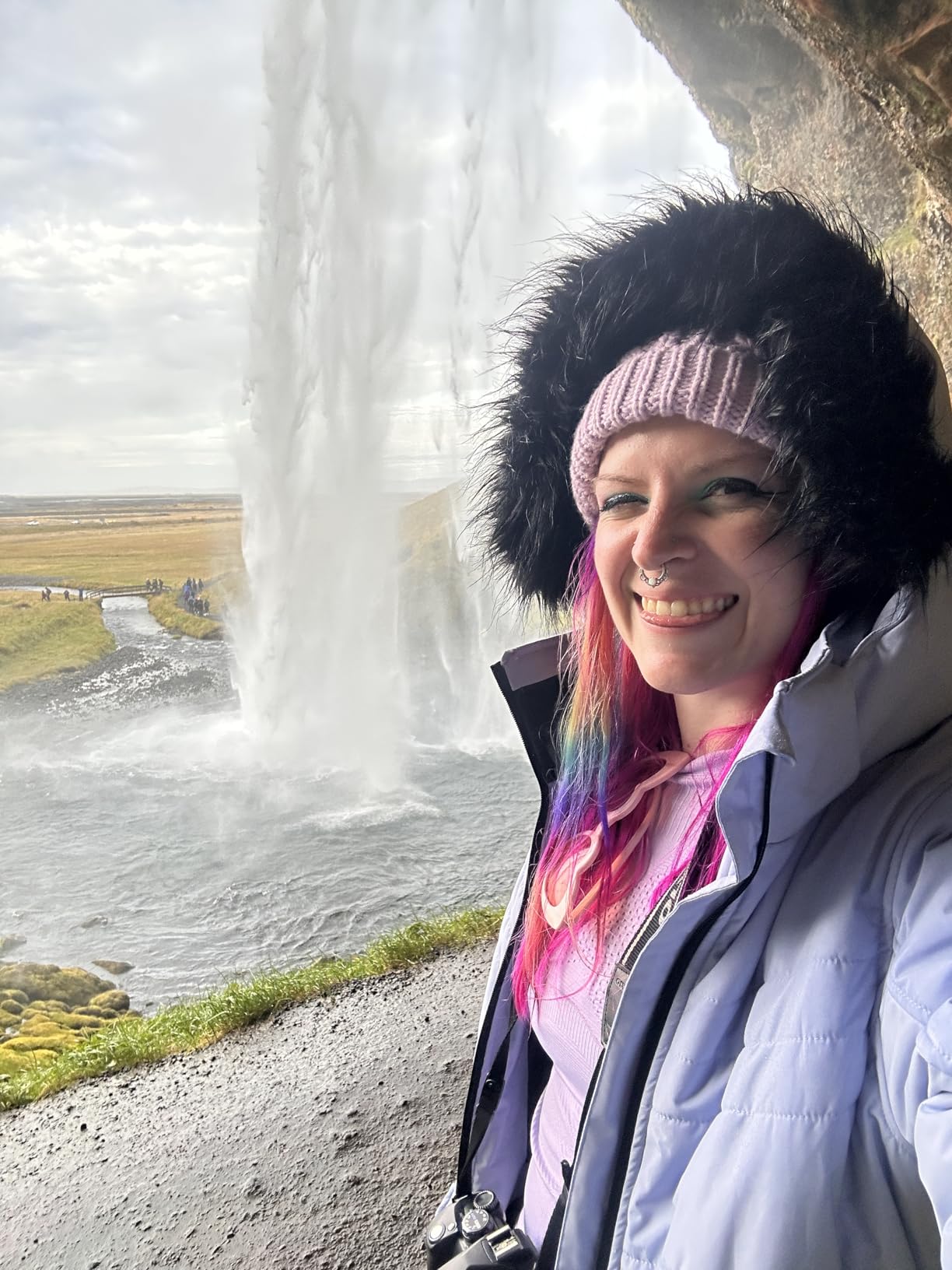
The pocket layout is unusually good for the price. Two deep side pockets, an arm pocket for transit cards, a hidden interior chest pocket and a large mesh drop pocket for gloves, goggles and a beanie cover most of what a lift day needs.
It weighs 7.05 ounces, which makes it the easiest jacket here to fold into a bag. The detachable hood has room for a ski hat and goggles underneath, and the cuff closures plus inner drawstring hem block wind effectively.
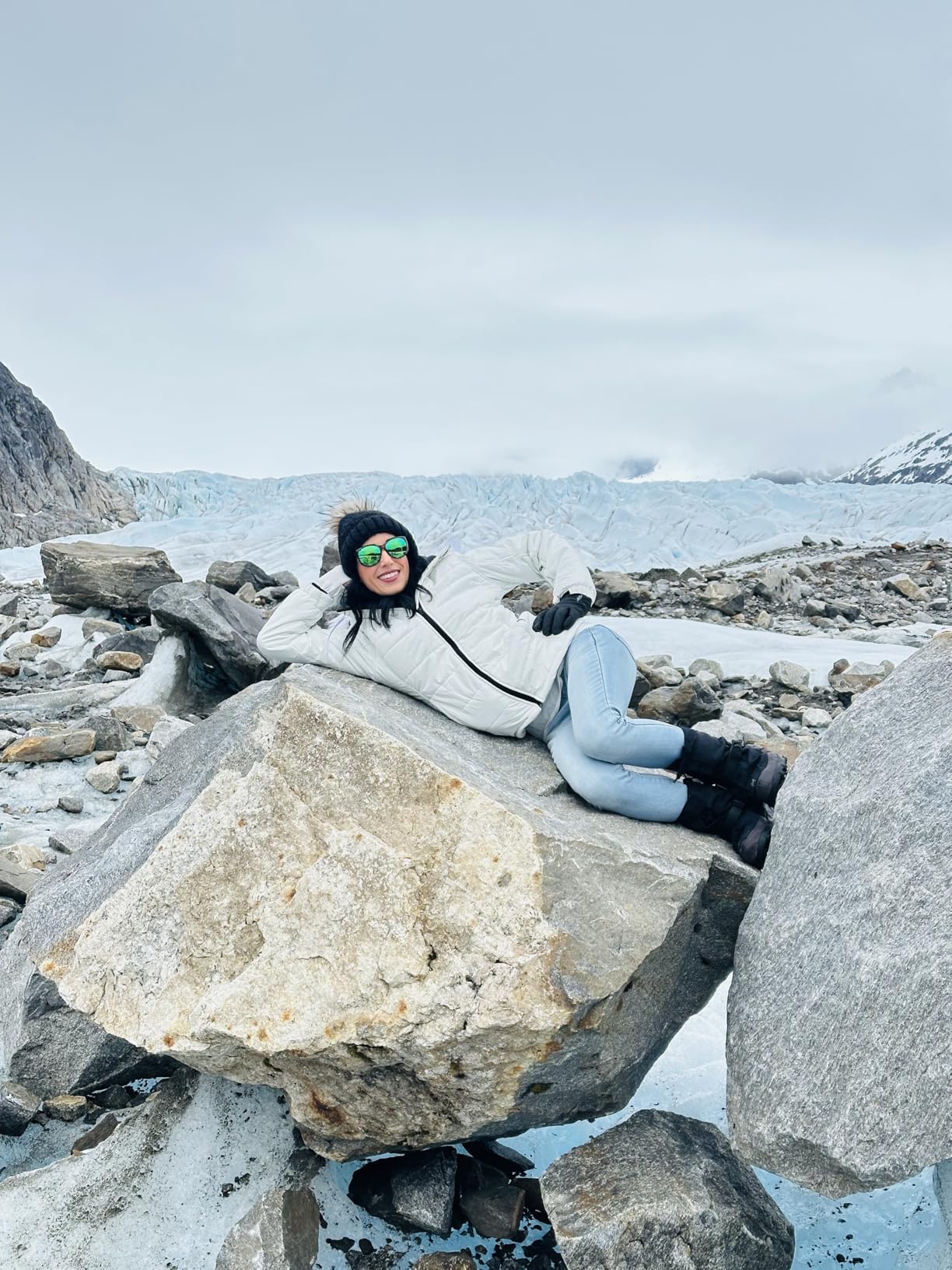
Who the Skieer Women’s Ski Jacket suits
It suits occasional skiers and beginners who want real weather protection on a modest budget, and anyone who wants a second jacket for sledding, snowmobiling or walking that does not need to be technical.
Because of the review volume, you are buying into a well-tested pattern rather than a gamble. Seventy-three percent of reviews are five stars, and the critical ones are almost entirely about colour accuracy rather than performance.
Where the Skieer Women’s Ski Jacket falls short
Warmth is the honest limitation. Some buyers report shivering near freezing when wind chill is involved, so if you regularly ski in serious cold, this is a mild to moderate winter jacket rather than a deep-cold one.
The white colourway is actually off-white, and the hood’s faux fur trim is thinner and less fluffy than the product photos suggest. Both are cosmetic, but both surprise people.
9. Spyder Women’s Quilted Ski Jacket – Best for a Clean Silhouette
Spyder Womens Quilted Jacket – Water Proof Insulated Zipper Pockets Ski
10K/10K sealed shell
Synthetic down-alternative fill
Fixed powder skirt
Underarm vents
+ The Good
- Sealed 10K/10K shell rated for extreme cold
- Fixed powder skirt and storm cuffs seal out snow
- Four waterproof zip pockets including goggle pocket
- Underarm vents for temperature control
- Slim cut layers easily without bulk
- The Bad
- Narrow colour and size range
- Sealed seams
- Slim tailored fit can run tight over heavy layers
The Spyder is the pick if you refuse to look like you are on the mountain. Its slim, waist-length cut and dual-tone colour block with diamond quilting read as a normal jacket, yet underneath it carries a 10K/10K waterproof wind-resistant shell with a seam-sealed hood and a fixed powder skirt.
Insulation is a quilted synthetic down-alternative rated for extreme cold, with a soft poly taffeta lining and film-bonded construction. The practical point of synthetic here is that it keeps loft after a wet chairlift ride rather than collapsing.
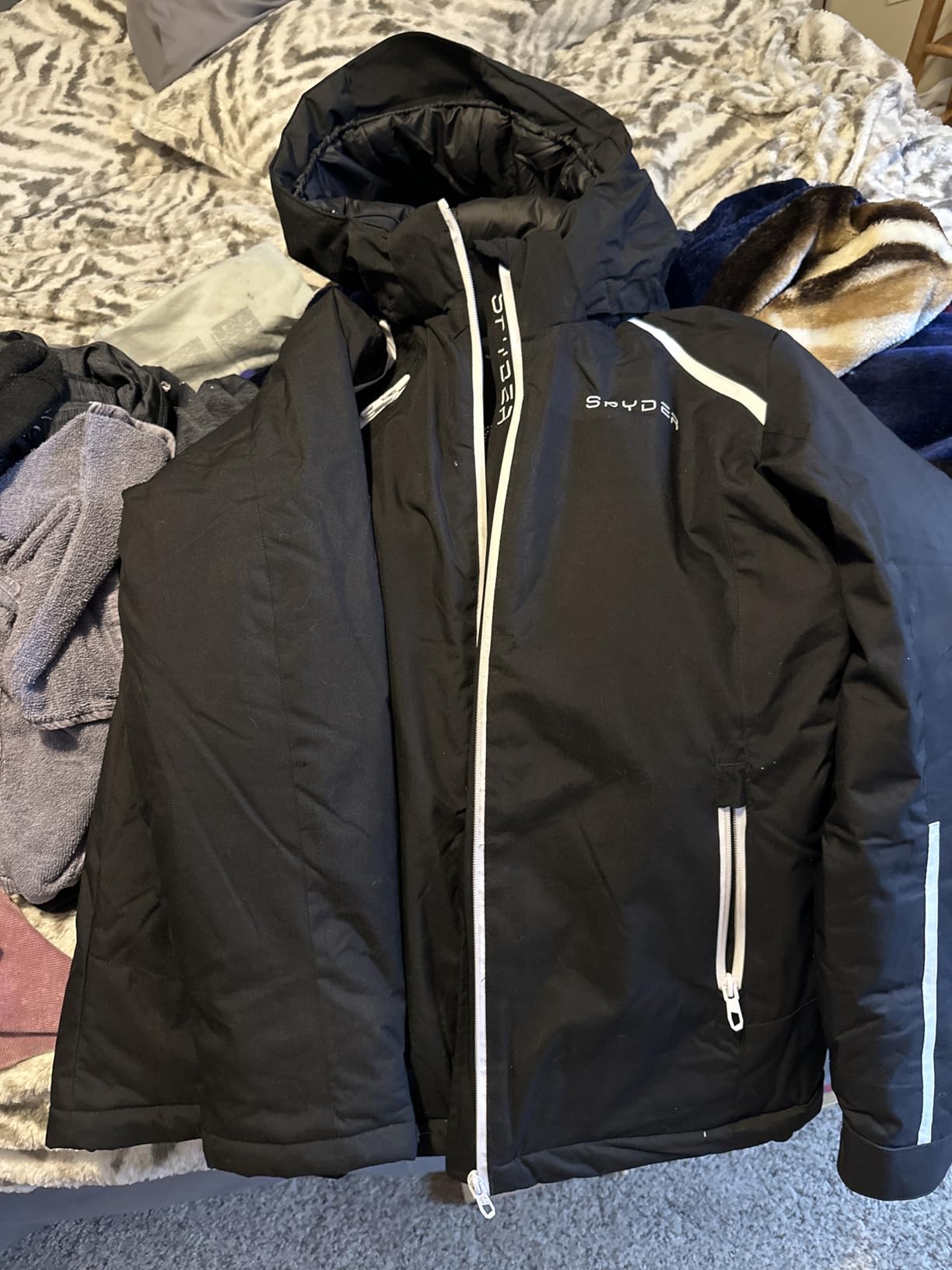
Underarm vents let you dump heat on an active run without opening the whole jacket, and the knit-gasket thumbhole storm cuffs seal the wrists. A high collar, adjustable hood, drawcord hem and adjustable cuff tabs complete the sealing.
Storage is four waterproof zip pockets including an internal zip pocket and a goggle pocket, which is more than many competitors at twice the layering. Owners describe it as easy to wear both on the hill and off it.
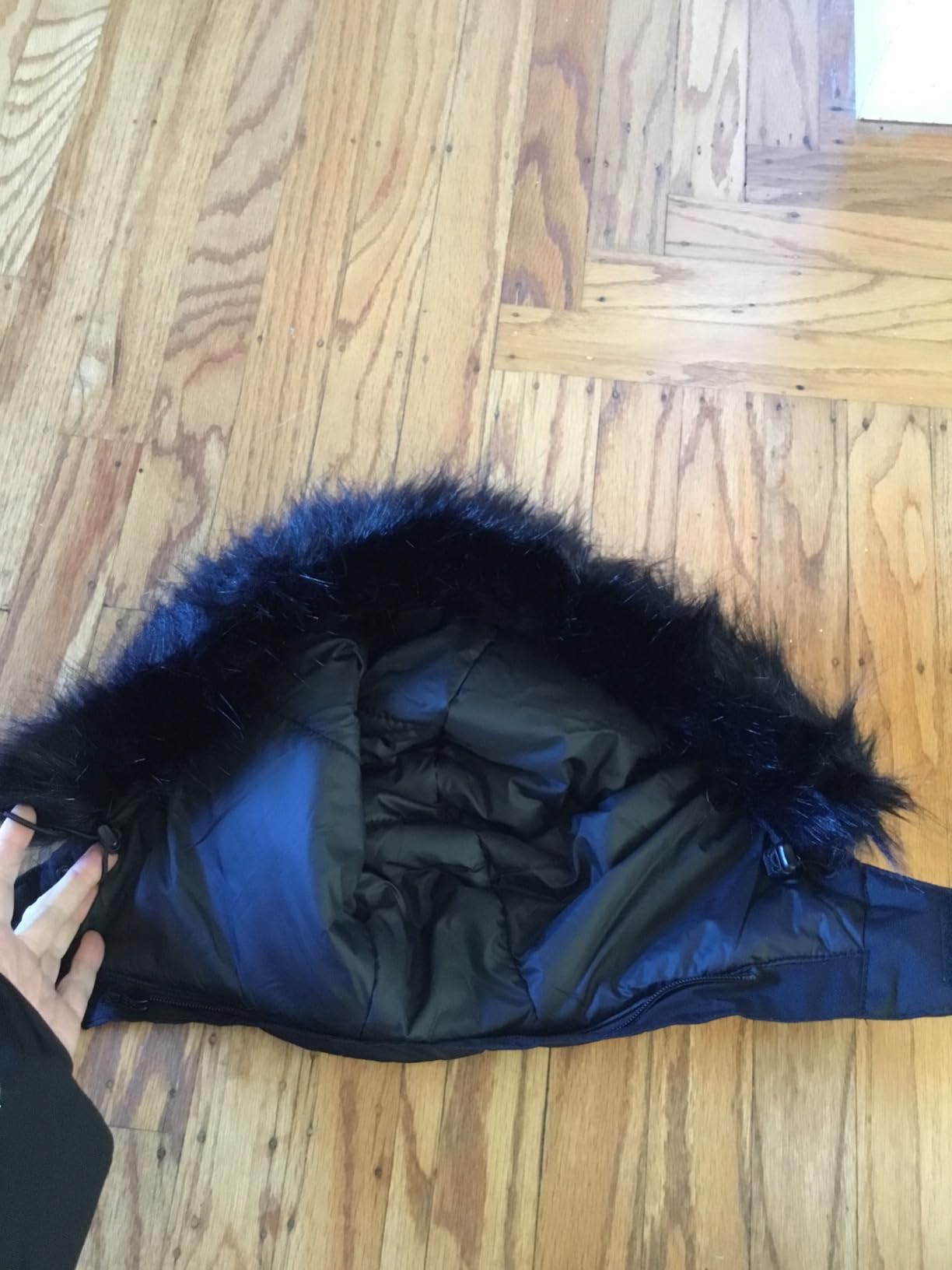
Who the Spyder Women’s Quilted Jacket suits
It suits skiers who want a low-profile jacket that works for après and dinner without a separate town layer, and who tend to run warm and want venting rather than maximum fill.
It is also a good choice for spring skiing or coastal days where you need waterproofing and pit zips more than deep cold ratings.
Where the Spyder Women’s Quilted Jacket falls short
The colour range is narrow. There is a single colourway across two sizes, so if you are not a Large or X-Large, or you dislike the single colour, this may not work for you.
The slim tailored fit can also run tight over heavier ski layers, so check the measurements carefully if you plan to wear a fleece underneath.
10. Camel Crown Women’s Ski and Snowboarding Coat – Budget Pick
CAMEL CROWN Women’s Ski Jacket Winter Snow Coat Warm Fleece Mountain Waterproof Female Jacket Snowboarding jackets
Fleece lining throughout
Double placket front
Waterproof pocket zips
3D ergonomic cut
+ The Good
- Fleece lining through the body and hood blocks wind well
- Water-resistant shell with waterproof pocket zips
- Generous pocket layout for gloves and a phone
- True-to-size fit for most with room for a sweatshirt
- Wrist tabs keep sleeves off the hands
- The Bad
- Sizing inconsistent with the size chart
- Size up two to three if layering
- Collar is bulky at the neck
- Hood is not attached all the way around
At 3696 reviews across 68 variants, the Camel Crown is the most-reviewed jacket in this roundup and sits in the top ten of women’s skiing jackets. It is the least expensive serious option here, and owners treat it as an occasional-ski and daily-winter jacket rather than a technical shell.
Warmth comes from a plush fleece lining through the body and inside the hood, with a high-density flexible outer fabric that resists cold wind. Reviewers report blocking wind effectively in 10-30F, including full evening sessions outdoors in Alaska.
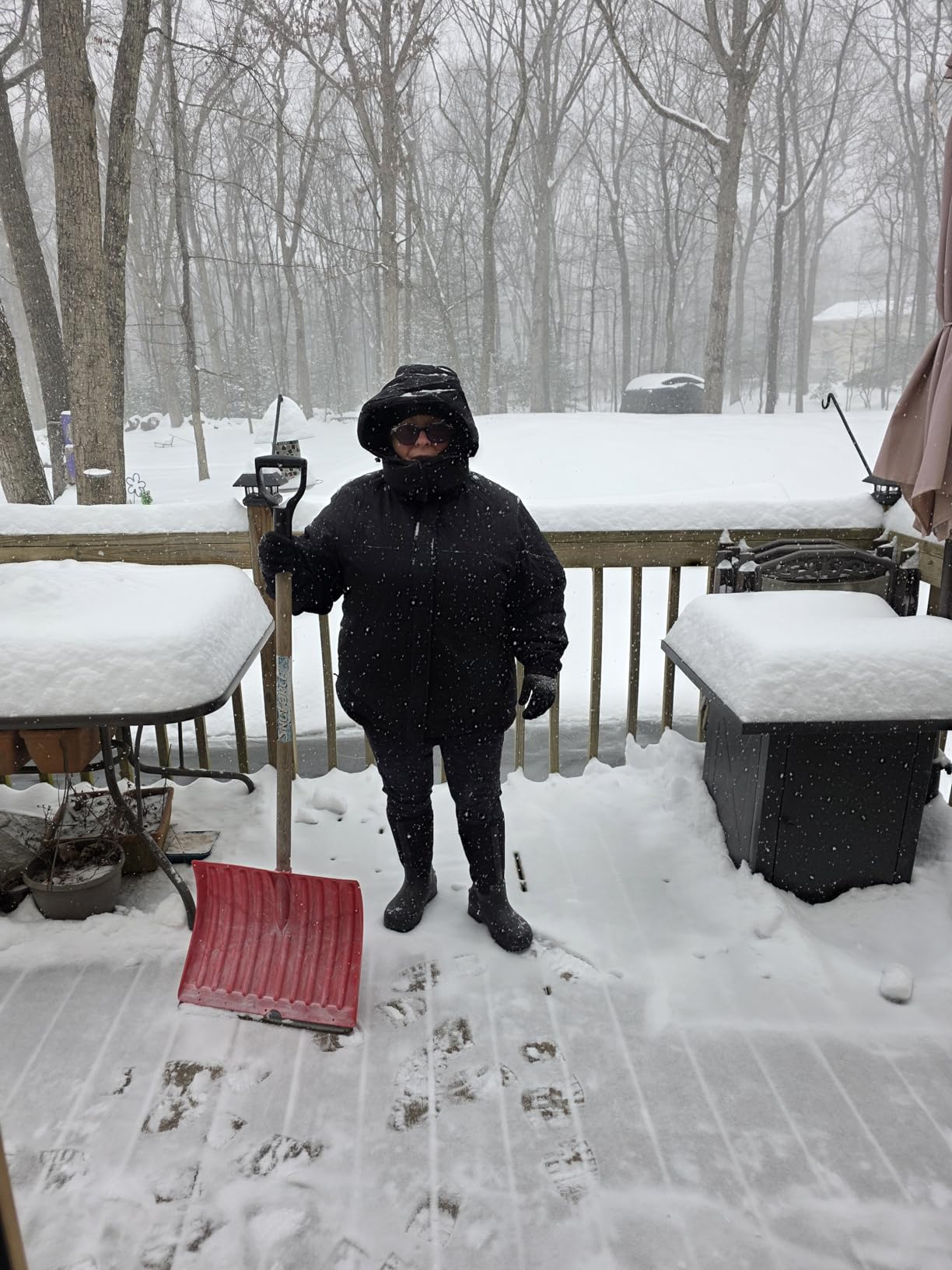
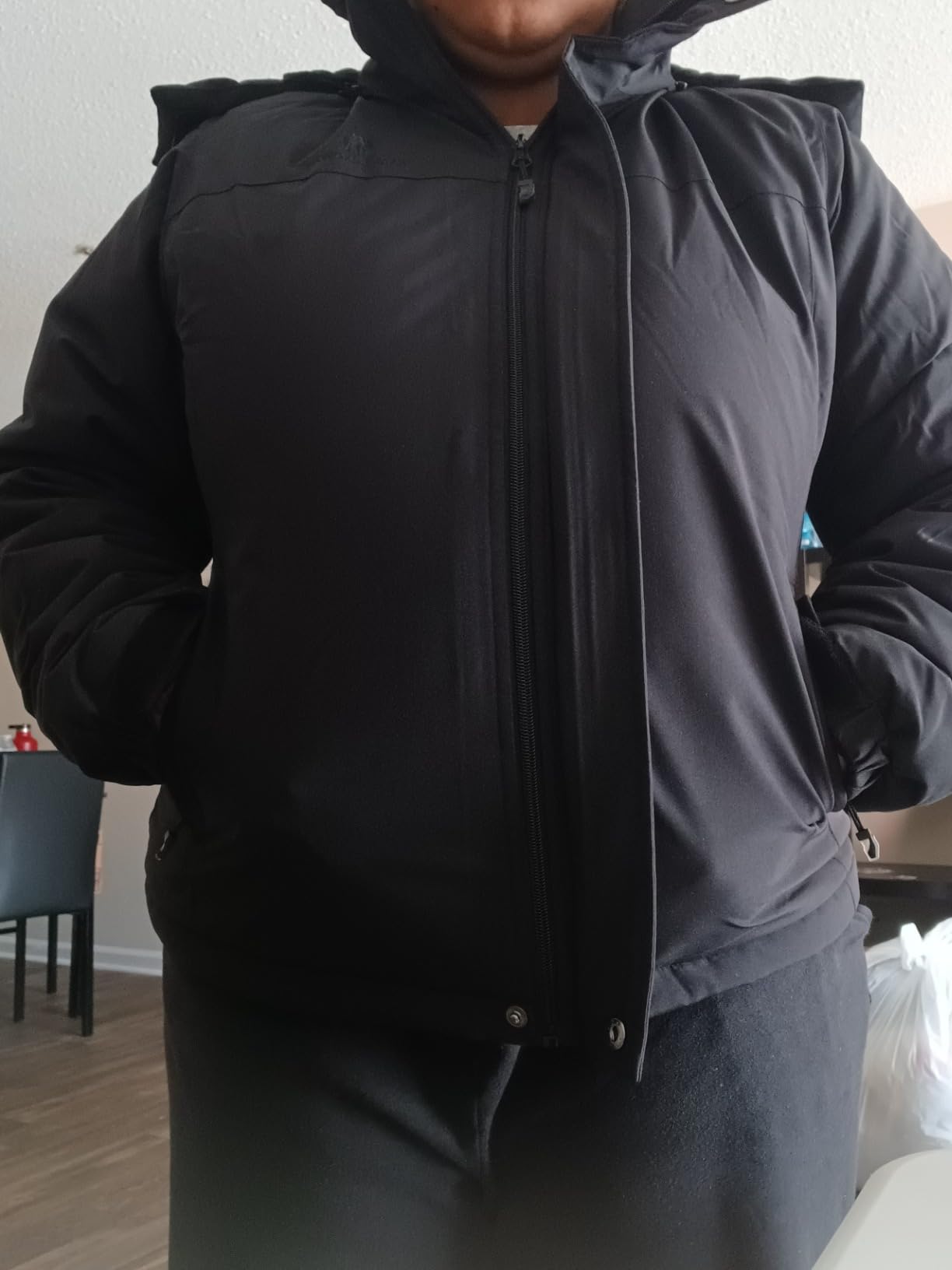
The double placket and stand-up collar windproof hood form a dense barrier at the neck, which is where jacket warmth is usually lost. Multiple inner and outer pockets have waterproof exterior zippers, and wrist tabs keep the sleeves from riding over your hands.
The polymer blend outer shell resists scratching from rocks and branches, and the ergonomic 3D three-dimensional cut gives free movement in active use, which matters for pole plant and tuck turns.
Who the Camel Crown Women’s Ski Coat suits
It suits occasional skiers, families outfitting a guest, and anyone who wants genuine cold protection for everyday wear on a tight budget. Thirteen colourways and sizes to 3X make it one of the broader ranges here.
It is also a sensible first jacket for an adult or older child who will grow out of technical gear, since the fleece lining needs no special care to keep working.
Where the Camel Crown Women’s Ski Coat falls short
Sizing is the dominant complaint by a wide margin. A meaningful minority need to go up two or three sizes from their usual, because the cut runs smaller than the size chart suggests. Measure and compare rather than ordering blind.
The 3X can run very roomy and unflattering, the collar is bulky at the neck and does not lay down neatly, and the hood is not attached all the way around so it looks odd when worn down.
Insulated vs Shell vs 3-in-1: Which Ski Jacket Do You Actually Need?
Most experienced skiers wear a shell plus a midlayer, and that default is right for far more people than an insulated jacket. The insulated jacket is the exception that suits a specific body and a specific climate, not the better default for everyone.
Choose an insulated ski jacket if all three of these are true: you ski at a resort rather than touring, you run cold or dislike managing layers, and your home mountain is consistently cold. If any one of those is false, a shell plus a midlayer gives you more usable days per purchase.
Choose a shell plus midlayer if you tour, sidecountry, or ski in variable conditions where you might be working hard one run and standing still the next. You can also put the midlayer away on a bluebird day, which you simply cannot do with a fixed fill weight.
Choose a 3-in-1 jacket if you are a beginner, ride lifts only, ski maybe ten to twenty days a season, and want the simplest possible setup. You accept a heavier, bulkier package and you give up some of the fine-tuning that a separate system allows.
One practical rule: if you have already asked yourself whether the jacket will be too hot, you are probably describing a run-hot skier, and a run-hot skier should be wearing a shell.
How Much Insulation Do You Need? Fill Weight Decoded
The warmest jacket for skiing is not a single answer, because fill weight is measured in grams or in grams per square metre and only means something when it is matched to a temperature range and a body type. The Arctix Ultimate Performance, with 140g of ThermaTech and a published minus 20F rating, is the highest fill weight we tested.
Use this decode as a starting point rather than a specification. Actual warmth depends on the shell fabric, the hood, the fit over your layers and how still you are.
Below 60g is a light insulating layer. It suits spring skiing, active days and skiers who run hot, and most wearers should treat it as a midlayer rather than a standalone jacket in real cold.
60g to 100g is the resort sweet spot for most people. This range handles typical lift-served cold, sits comfortably over a thin baselayer, and still vents well enough on a steep run. The Roxy Meade sits here at 120g in the body, 100g in the sleeves and 60g in the hood.
100g to 150g is the deep cold and high altitude range. This is where the Arctix sits, and it is the right band for January and February on exposed terrain, for East Coast refrozen conditions, and for skiers who genuinely feel the cold.
Above 150g you are buying for extended cold snaps rather than average days. At that point fit and breathability matter more than raw fill, because a very warm jacket you cannot vent is a jacket you will unzip within a week.
Down versus synthetic matters more in wet climates than in dry ones. Down is lighter and warmer per gram but clumps when wet, so in the Pacific Northwest or on East Coast ice, synthetic fill such as ThermaRator, WarmFlight or LIFALOFT is the safer buy. In the dry Rockies, down holds its advantage.
Do You Run Cold or Hot? Choosing Warmth You Can Wear
This is the single most useful question you can answer before buying, and it is the one most roundups skip. The most common regret among insulated jacket owners is not cold. It is baking on a chairlift and unzipping down every run because they bought too much fill for their thermoregulation.
You run cold if you wear a jacket in ordinary conditions and still feel chilly, if you are the one carrying an extra midlayer when everyone else has stripped down, or if you have spent a lifetime in cold climates without complaint.
You run hot if you get clammy in a fleece on a bluebird day, if you are the first to take your jacket off on a lift, or if you are the one peeling layers on every descent. Skiers who train hard, run or cycle in winter, or ski the Pacific Northwest in the wet season usually land here.
If you are unsure, choose the lower fill weight and layer a thin fleece underneath. A shell plus a midlayer system lets you correct a mistake on the mountain. A fixed fill weight does not.
Do You Need Premium Membrane Waterproofing?
For this roundup, the honest answer is that premium membranes are not needed. The jackets here run from 10000MM coating through DryFlight 10K/10K and 10K/10K sealed shells. None carry a 20K/20K specification.
That is fine for most resort skiers, because resort jackets are rarely under sustained pressure from a pack or rope. If you are dry-climate skiing, any of these ratings will keep you dry.
Pay up for a higher rating if you ski in the Pacific Northwest, if you ride behind another skier in deep snow all day, or if you tour and carry a pack that drives water into the seams. Otherwise the money is better spent on fit and fill.
One more thing to check: critically taped seams. A high water rating on a shell with untaped seams leaks at the shoulder and underarm, which is the most common durability complaint about budget two-layer jackets. The Roxy Meade, Spyder and Arctix all list taped or sealed seams; the Helly Hansen is described as water-resistant against light precipitation rather than fully waterproof.
Insulated Ski Jacket Fit: Why So Many Get Returned
Fit is the number one reason insulated ski jackets get returned, and it is almost always a sizing-up mistake. On this list, the Helly Hansen runs slim, the Arctix and the Abbott Peak II run small, the Camel Crown runs smaller than its chart, and the Roxy Meade cuts narrow and tall.
The rule for a run-cold skier is to buy your true size and keep the baselayer thin. If you plan to wear a thick fleece or sweater underneath, size up. Bulk plus bulk is the fastest way to feel worse in a jacket that should be warm.
For a layered setup, a roomier cut is more useful than a tailored one. A jacket with articulated sleeves and enough room in the shoulders lets you reach forward into a tuck turn without the hem riding up, and a hem that covers the seat keeps cold out on a chairlift.
Check the length before you order. Several jackets here stop just above the seat, which looks fine standing and leaves a gap when you sit down. Longer cuts are usually the safer choice for cold-chairlift riding.
If you are between sizes, read the one-star and two-star reviews rather than the five-star ones. Fit complaints show up there in the wearer’s own words, and it is much easier to size up correctly than to return an insulated jacket.
What to Wear Under an Insulated Ski Jacket?
You rarely need a midlayer. Most owners of the jackets above wear a merino or synthetic baselayer and nothing else, and the warmth comes from the jacket. Adding a fleece is useful if you run cold, and unnecessary if you do not.
Start with a moisture-wicking baselayer rather than cotton. Cotton holds sweat, and a wet baselayer under an insulated jacket feels colder than no baselayer at all once you stop moving.
If you do wear a midlayer, make it thin. A grid fleece or a light merino zip layer adds meaningful warmth with minimal bulk, and a chunky fleece under a fitted insulated cut restricts the reach that makes skiing feel good.
Match the fit of the layer underneath to the jacket. A close baselayer plus a roomy insulated jacket moves better than a baggy baselayer under a baggy jacket, and it stops the fill from shifting away from your core.
Footwear and hand warmth follow the same logic. Our insulated hunting boots guide covers the same temperature-rating reasoning that applies to jackets, and a good liner is what keeps a run-cold skier comfortable once the jacket is doing its job.
How to Wash and Care for an Insulated Ski Jacket
Synthetic insulation does not need much care, but it does need the right care. Wash technical insulated jackets on a gentle cycle with a technical wash or mild detergent, and never use fabric softener, which coats the fibres and reduces loft.
Close every zipper, empty the pockets and remove the battery pack from any heated jacket before washing. The Antarctica Gear Heated Jacket is machine washable once the power bank is removed, which is unusual and worth knowing.
Run an extra rinse cycle to get detergent out of the fill, then tumble dry on low with a couple of tennis balls or dryer balls. The heat and the bouncing action re-loft the insulation, which is the single most effective way to revive a flattened synthetic jacket.
Re-activate the durable water repellent coating by washing it a few times over, and if the DWR has worn off, a dryer heat cycle restores most of it. A jacket that beads water sheds snow better and breathes more comfortably, so this step matters on the coast.
Store down jackets loosely in a breathable bag in a dry place during summer, never compressed, and let synthetic jackets dry fully before storing them so trapped moisture cannot mildew the fill.
Frequently Asked Questions
What is the warmest jacket for skiing?
The warmest option we tested is the Arctix Ultimate Performance, which uses 140 grams of ThermaTech insulation and carries a published rating of minus 20F to 35F. Among the resort-focused jackets, the Helly Hansen Alpha LIFALOFT is the warmest-per-gram choice and keeps most owners warm over a single merino layer in 10-32F conditions. Warmth still depends on your body type, your layers and how still you are on the lift.
Are insulated jackets good for skiing?
Yes, for resort skiers who run cold, ski in cold climates, or want one jacket instead of a layering system. No, for backcountry skiers, sidecountry touring or anyone who sweats on descents, because a fixed fill weight cannot be stripped on a warm day and insulated cuts breathe less than a shell plus midlayer.
Should I wear a shell jacket or an insulated jacket when skiing?
Wear an insulated jacket if you ski at a resort, run cold and want a single garment. Wear a shell plus a midlayer if you tour, sidecountry, ski in variable temperatures or run hot, because only a shell lets you remove a layer mid-day. Choose a 3-in-1 if you are a beginner on a limited seasonal budget who wants the simplest possible setup.
Is down or synthetic insulation better for a ski jacket?
Synthetic wins in wet climates such as the Pacific Northwest and on East Coast ice, because it retains loft when damp and dries faster. Down is lighter and warmer per gram, so it holds its advantage in dry cold mountains like the Rockies. Most of the jackets in this roundup use synthetic fill for exactly that reason, including the Roxy WarmFlight and Columbia ThermaRator.
What insulation weight do I need for skiing?
Around 60g to 100g of synthetic fill covers typical resort skiing over a thin baselayer. 100g to 150g is the deep cold and high altitude range for January and February on exposed terrain. The Roxy Meade uses 120g in the body with 100g sleeves and 60g in the hood, and the Arctix sits at 140g for colder climates.
How should an insulated ski jacket fit?
It should fit close enough to move freely but leave room for your baselayer and a thin fleece if you run cold. Buy your true size if you will keep the base layer thin, and size up if you plan to wear a midlayer. Check the length too, because several jackets stop just above the seat and leave a gap when you sit on a chairlift.
How do I wash an insulated ski jacket?
Wash it on a gentle cycle with a technical wash or mild detergent, never fabric softener, and remove any battery pack first. Close all zippers, run an extra rinse, then tumble dry on low with dryer balls to re-loft the insulation. Washing the jacket a few times also re-activates the DWR coating, and dryer heat restores water repellency.
The Best Insulated Jackets for Skiing in 2026
The best insulated jackets for skiing in 2026 depend on one question: do you run cold or hot. If you run cold and ski on cold, windy lifts, the Helly Hansen Alpha LIFALOFT is our top pick for its warmth-to-weight ratio, its pocket layout and how rarely it disappoints across hundreds of owners. If you need raw fill weight for serious cold, the Arctix Ultimate Performance takes it with 140g of insulation and a minus 20F rating.
For best value and the widest evidence base, the Skieer Women’s Ski Jacket has more reviews than almost anything else we tested and holds up in real climates. If you need active heat rather than fill weight, the Antarctica Gear Heated Jacket is a genuine outlier. And if you run hot, read that buying guide section first, because a shell plus a midlayer will serve you better on more days than any jacket on this list.
Whichever you choose, check the sizing reviews before you order. Fit is where most insulated ski jackets fail, and it is the one thing you cannot fix on a mountain.