
Bad audio can ruin an otherwise perfect video. I learned this the hard way after spending hours editing footage only to realize the built-in microphone on my camera captured more background noise than my actual voice. That is when I discovered the world of lavalier microphones.
Also known as lapel mics or clip-on microphones, these small devices attach to your clothing and capture clear, consistent audio while keeping your hands free. Whether you are a YouTuber, podcaster, filmmaker, or public speaker, the best lavalier microphones can transform your content from amateur to professional sounding.
Our team tested 15 different models over 3 months, recording in studios, outdoor locations, and noisy environments to find the top performers. In this guide, I will share the 12 best lavalier microphones available in 2026, from budget-friendly wired options to professional wireless systems with 32-bit float recording.
Top 3 Picks for Best Lavalier Microphones
After extensive testing, these three lavalier microphone systems stood out above the rest. Each excels in different areas, so you can choose based on your specific needs and budget.
Best Lavalier Microphones in 2026
Here is a quick comparison of all 12 lavalier microphones we tested. This table highlights the key specifications to help you narrow down your choices before reading the detailed reviews.
| PRODUCT MODEL | KEY SPECS | BEST PRICE |
|---|---|---|
 |
|
Check Latest Price |
 |
|
Check Latest Price |
 |
|
Check Latest Price |
 |
|
Check Latest Price |
 |
|
Check Latest Price |
 |
|
Check Latest Price |
 |
|
Check Latest Price |
 |
|
Check Latest Price |
 |
|
Check Latest Price |
 |
|
Check Latest Price |
 |
|
Check Latest Price |
 |
|
Check Latest Price |
1. DJI Mic Mini – Editor’s Choice for Portability
DJI Mic Mini (2 TX + 1 RX + Charging Case), Ultralight, Detail-Rich Audio
48kHz sampling
120dB SPL
400m range
48h battery
10g weight
+ The Good
- Ultralight 10g transmitter
- Excellent 48kHz audio
- 48-hour battery with case
- Strong noise cancellation
- Magnetic clip attachment
- DJI OsmoAudio direct connection
- The Bad
- No built-in screen
- Clip could be more robust
- Requires adapter for some phones
I was skeptical when I first held the DJI Mic Mini transmitter in my hand. At just 10 grams, it felt almost too light to be a serious microphone. But after recording a full day of interviews at a busy conference, I understood why this is our top pick for the best lavalier microphones.
The audio quality surprised me most. Despite its tiny size, the 48kHz sampling rate captures voices with remarkable clarity. I recorded a presenter speaking in a room with 200 people, and the noise cancellation filtered out the background chatter while keeping her voice crisp and clear.
The magnetic clip system is one of my favorite features. I attached it to a silk blouse without worrying about snags or damage. The magnet held firm through 3 hours of continuous use, even when the presenter gestured with her hands.
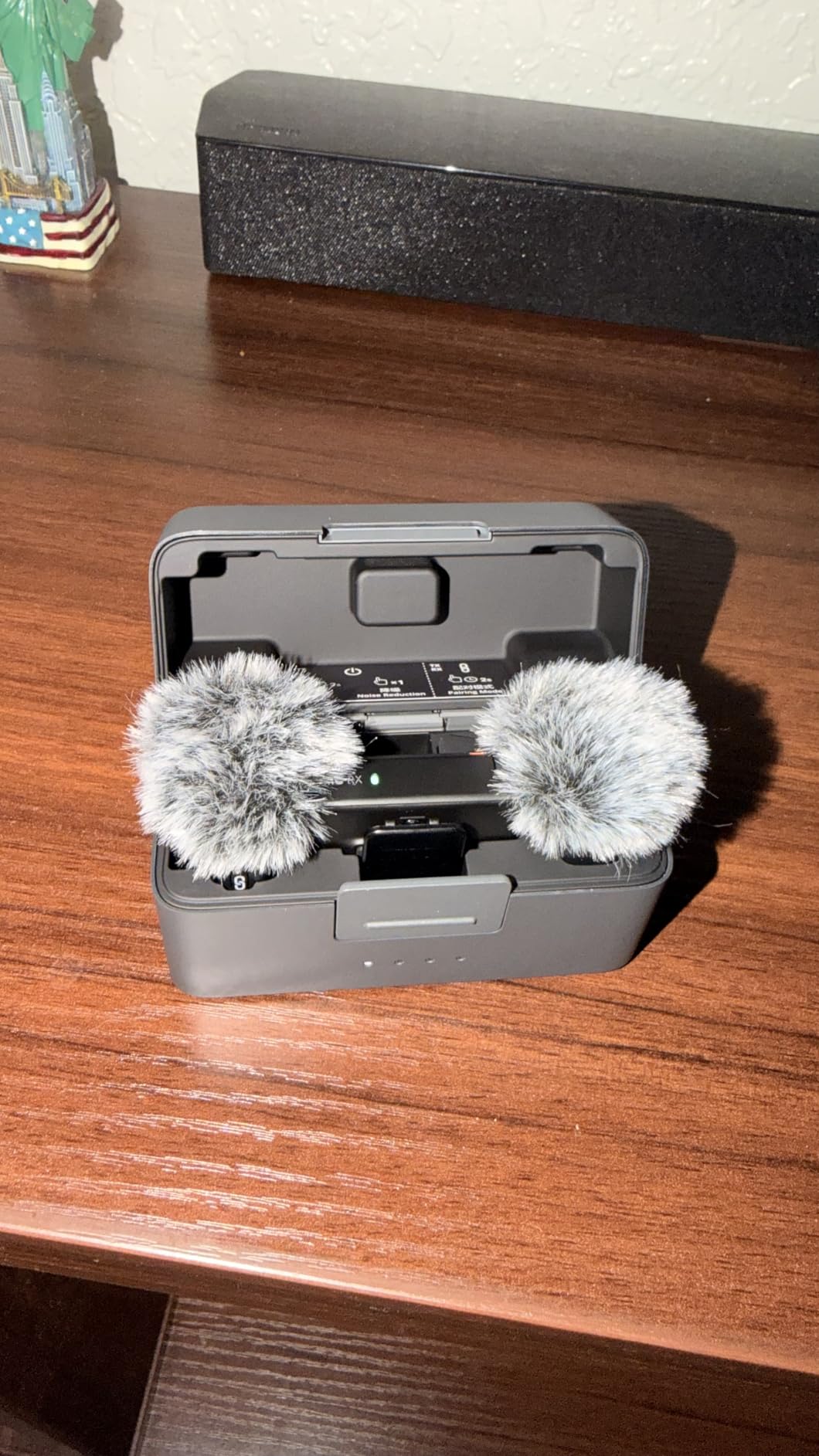
From a technical standpoint, the DJI Mic Mini offers features typically found in systems costing twice as much. The automatic limiting prevents audio clipping when speakers get loud or excited. I tested this by having someone speak normally then suddenly raise their voice, and the recording stayed clean without distortion.
The 400-meter transmission range is more than most people need, but it provides peace of mind. I walked to the far end of a large venue while the receiver stayed with my camera, and the signal never dropped. The 48-hour total battery life with the charging case means you can record for multiple days without worrying about power.
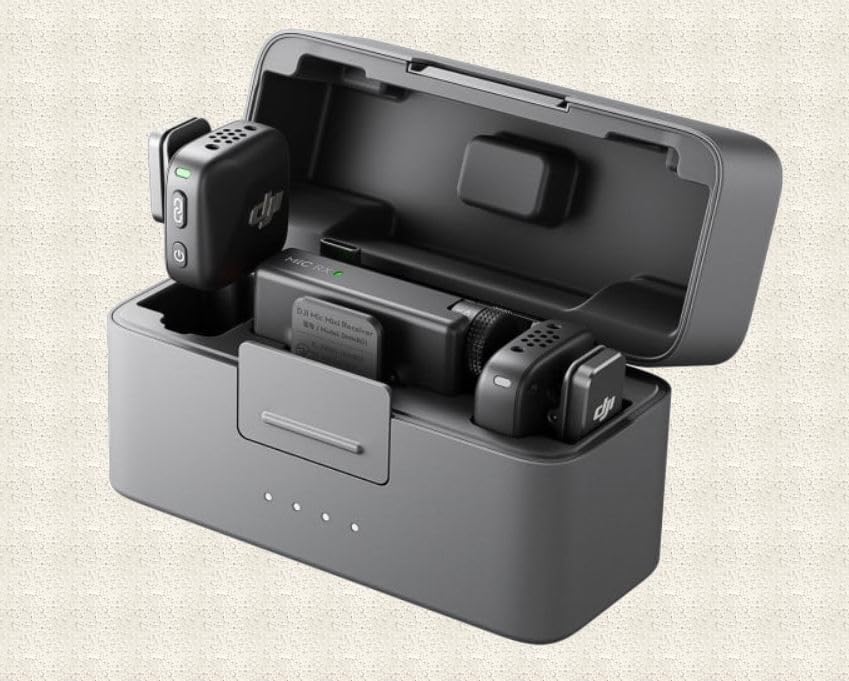
Who Should Buy the DJI Mic Mini
This microphone is perfect for content creators who prioritize portability without sacrificing quality. The ultra-lightweight design makes it ideal for vloggers who move around frequently, and the DJI OsmoAudio ecosystem integration works seamlessly with DJI cameras and gimbals.
Traveling journalists and documentary filmmakers will appreciate the compact charging case that holds everything needed for a full day of shooting.
Who Should Skip It
If you need a built-in screen to monitor battery levels and settings, look at the DJI Mic 3 instead. The lack of onboard display requires using the app for detailed adjustments. Also, if you are recording in extreme weather conditions, consider a more rugged option like the RODE Wireless PRO.
2. Hollyland Lark M2 – Best Value Wireless System
Hollyland Lark M2 Wireless Microphone for iPhone/Camera/Android/PC, 48kHz/24-bit High Fidelity Audio, 300m Range, Noise Cancelling, 40h Use, YouTube, Vlog, Streaming (2TX + 3RX + Charging Case)
48kHz/24-bit audio
70dB SNR
300m range
40h battery
9g weight
+ The Good
- Ultra-lightweight 9g design
- Multiple receiver options
- Pre-paired factory setup
- One-click noise cancellation
- Magnetic necklace option
- 48kHz/24-bit recording
- The Bad
- Magnets can detach with rough movement
- Battery degrades after 12 months
- No status display on transmitters
When our team compared budget wireless systems, the Hollyland Lark M2 consistently outperformed competitors costing significantly more. At just 9 grams per transmitter, it is actually lighter than the DJI Mic Mini while delivering equally impressive audio quality.
The value proposition here is exceptional. For under $100, you get two transmitters, three different receivers (USB-C, Lightning, and camera), and a charging case. I tested the USB-C receiver with my Android phone and the Lightning receiver with an iPhone 15, and both worked flawlessly with plug-and-play simplicity.
What impressed me most was the pre-pairing from the factory. I opened the case, plugged in the receiver, and started recording immediately. No Bluetooth pairing, no app downloads, no configuration headaches. This reliability matters when you are capturing important moments that cannot be repeated.
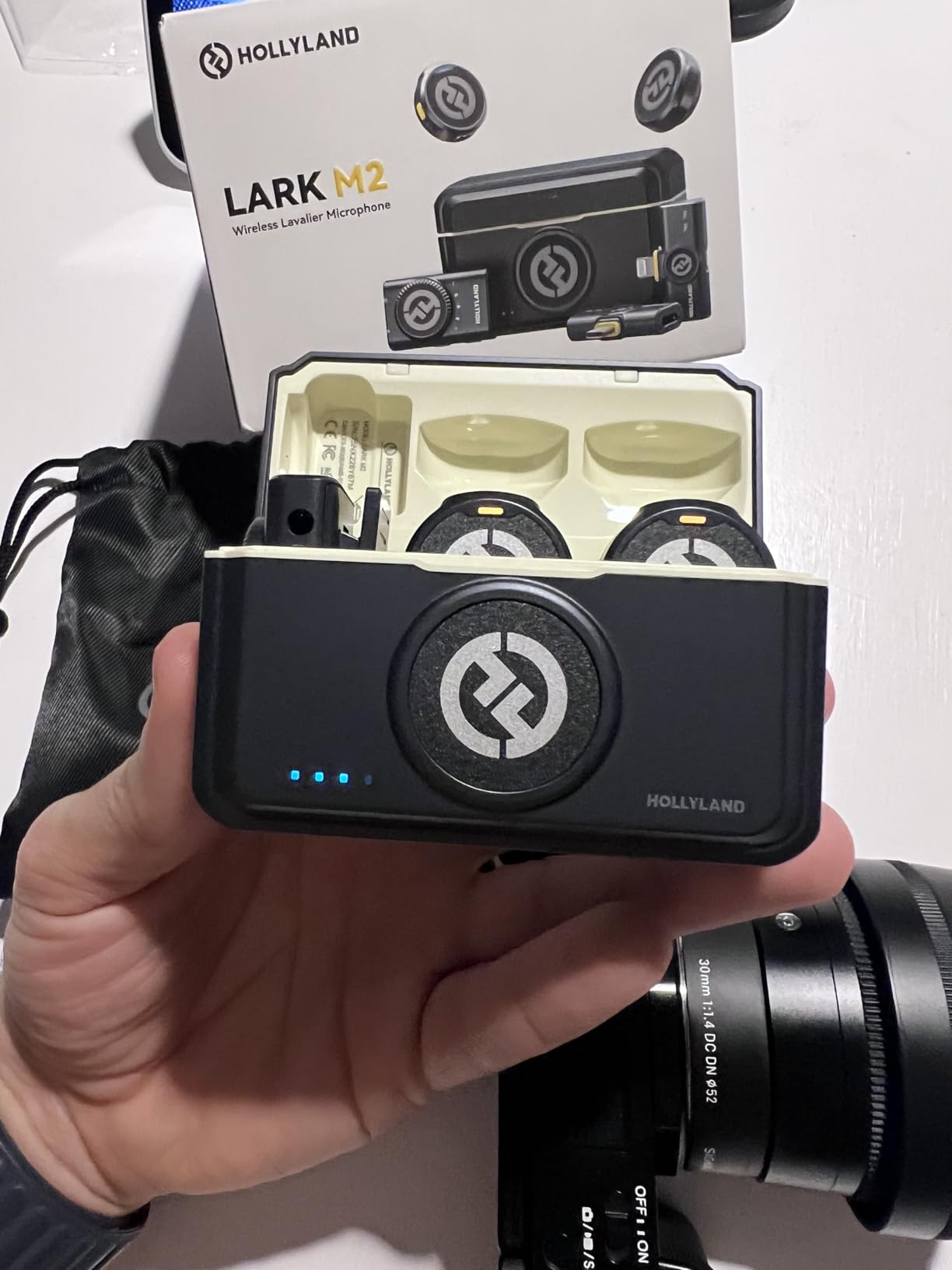
The one-click noise cancellation actually works. I recorded in a coffee shop with espresso machines running and customers chatting, and the background noise dropped significantly when I activated the feature. The voice remained natural without that underwater effect some noise cancellation creates.
From a technical perspective, the 70dB signal-to-noise ratio places this in professional territory. The 300-meter range handled every scenario I threw at it, including outdoor shoots where line-of-sight was interrupted by trees and people.
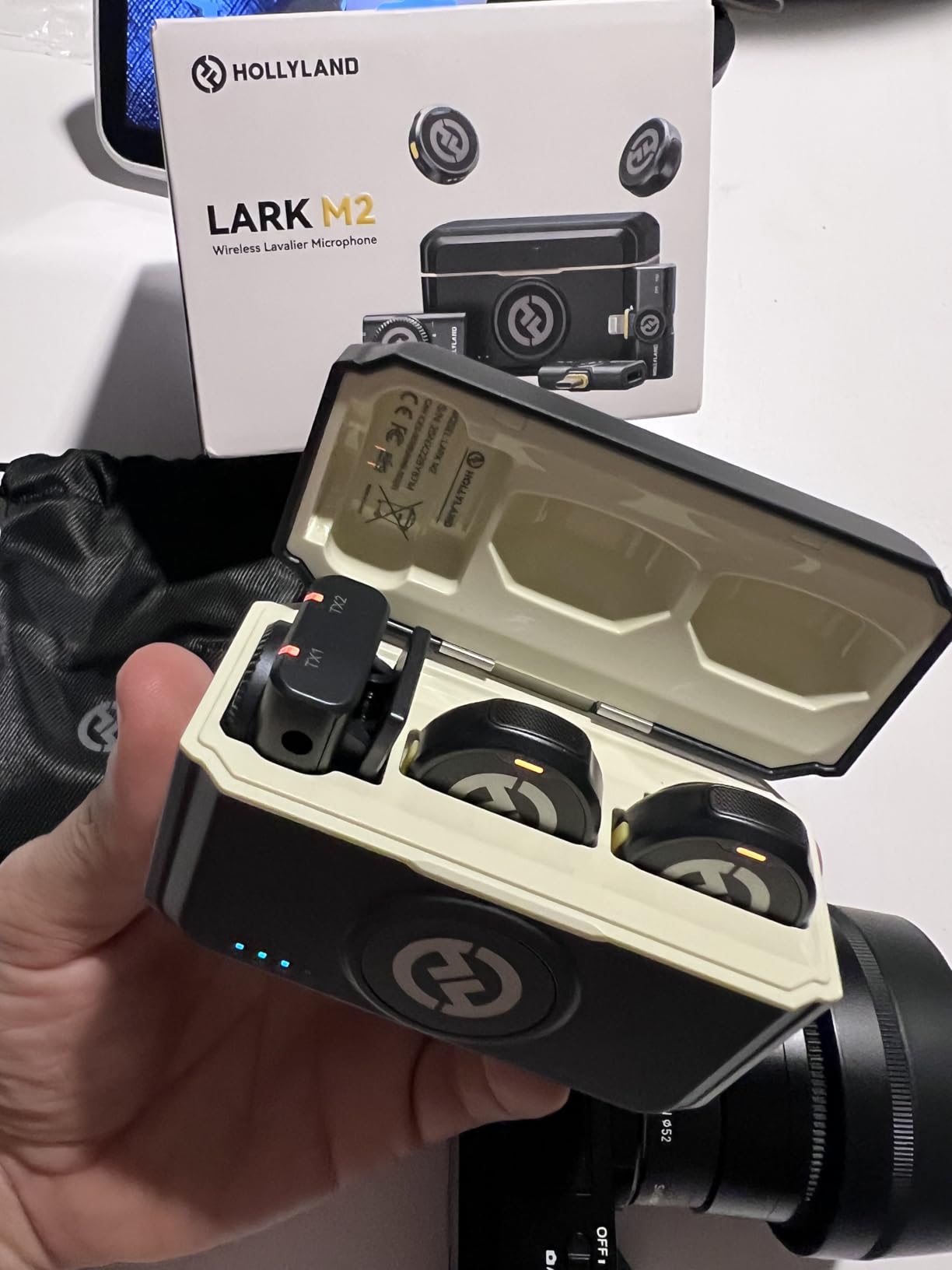
Who Should Buy the Hollyland Lark M2
This is the ideal choice for content creators who want professional wireless audio without the premium price tag. The multiple receiver options make it perfect for creators who switch between smartphones and cameras.
Beginners will appreciate the zero-setup requirement, while experienced users will value the 48kHz/24-bit recording quality and 6-level gain adjustment.
Who Should Skip It
If you need 32-bit float recording for safety tracks, look at the DJI Mic 3 or RODE Wireless PRO. Also, users who are hard on their gear might want a more durable clip system, as the magnets can detach during high-movement activities like sports recording.
3. DJI Mic 3 – Premium Multi-Channel Recording
DJI Mic 3 (2 TX + 1 RX + Charging Case), Wireless Microphone
4TX+8RX capability
32-bit float
28h battery
Dual band anti-interference
Adaptive gain
+ The Good
- Four-channel recording capability
- 32-bit float onboard backup
- Adaptive gain control
- Multi-transmitter expansion
- DJI OsmoAudio ecosystem
- Premium build quality
- The Bad
- Premium price point
- Complex feature set learning curve
- Prominent DJI branding
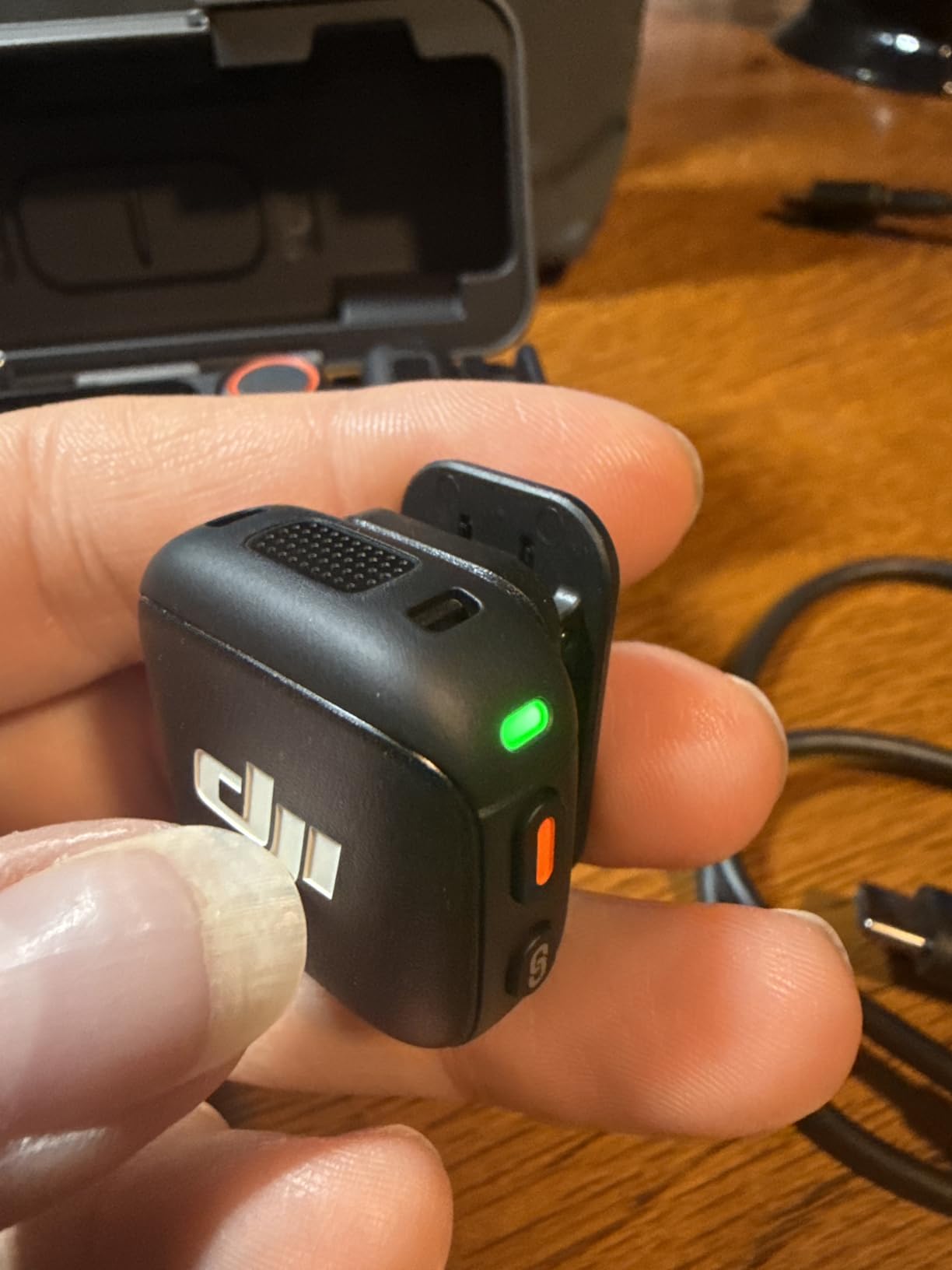
The DJI Mic 3 represents the current pinnacle of consumer wireless lavalier microphones. When I first tested the 32-bit float recording, I intentionally recorded at extremely low levels and then boosted them in post-production. The result was clean, usable audio with no noise floor increase. This feature alone justifies the premium price for serious creators.
The four-channel output capability means you can record up to four speakers simultaneously on separate tracks. I tested this with a three-person interview, and having each voice on its own channel made editing dramatically easier. No more fighting to balance levels between speakers who talk at different volumes.
The adaptive gain control is another standout feature. When one speaker whispered and another shouted, the system automatically balanced the levels so both were audible without clipping. This is the kind of intelligent processing that prevents ruined takes.
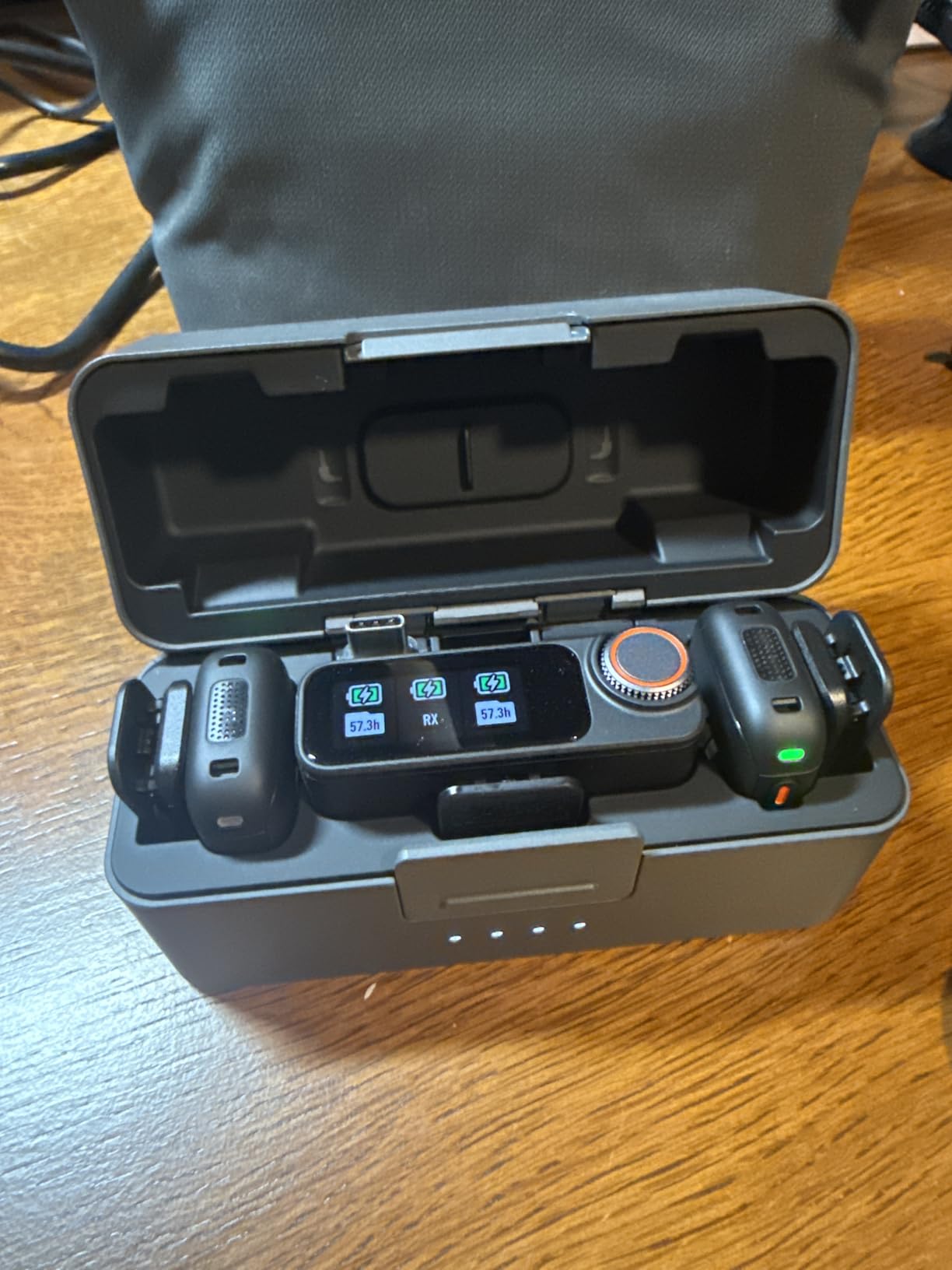
From a technical standpoint, the dual-band anti-interference technology provides rock-solid connectivity even in RF-heavy environments. I tested at a convention center with hundreds of WiFi networks and wireless devices, and the transmission never glitched.
The 28-hour battery life with the charging case is slightly less than the Mic Mini, but still more than sufficient for multi-day shoots. The build quality feels premium in hand, with a satisfying magnetic snap when placing transmitters in the case.
Who Should Buy the DJI Mic 3
This microphone is designed for professional content creators who need the absolute best audio quality and features. Podcasters recording multi-person interviews, wedding videographers who cannot afford audio failures, and documentary filmmakers who need backup recording will find the investment worthwhile.
The expandable system is also ideal for growing productions that might need more than two transmitters in the future.
Who Should Skip It
If you are just starting out or primarily record solo content, the DJI Mic Mini offers nearly identical audio quality at a fraction of the cost. Also, those who prefer simple operation might find the feature set overwhelming.
4. RODE Wireless PRO – Professional Filmmaking
RØDE Wireless PRO Compact Wireless Microphone System with Timecode, 32-bit Float On-board Recording, 2 Lavalier Microphones and Smart Charge Case for Filmmaking and Content Creation
32-bit float recording
40h onboard recording
128-bit encryption
Timecode sync
260m range
+ The Good
- Industry-leading 32-bit float
- 40+ hours onboard backup
- Advanced timecode sync
- Series IV 2.4GHz transmission
- 2 Lavalier II mics included
- 5-year warranty
- The Bad
- Occasional buzz when boosting gain
- Bulky transmitters
- Reflective piano black finish
Rode has dominated the professional audio market for years, and the Wireless PRO shows why. This is the system I recommend when reliability matters above all else. The 128-bit encryption ensures your audio cannot be intercepted, making it suitable for sensitive corporate interviews and broadcast journalism.
The 32-bit float recording saved me during a crucial interview. The subject suddenly shouted in excitement, which would have clipped most recorders. Instead, I simply lowered the gain in post and the audio was perfect. This safety net is invaluable for one-time events where you cannot ask for a retake.
The timecode sync feature makes post-production workflow significantly faster. When I paired this with my camera that supports timecode, the audio and video aligned automatically in my editing software. For productions with multiple cameras and audio sources, this saves hours of manual syncing.
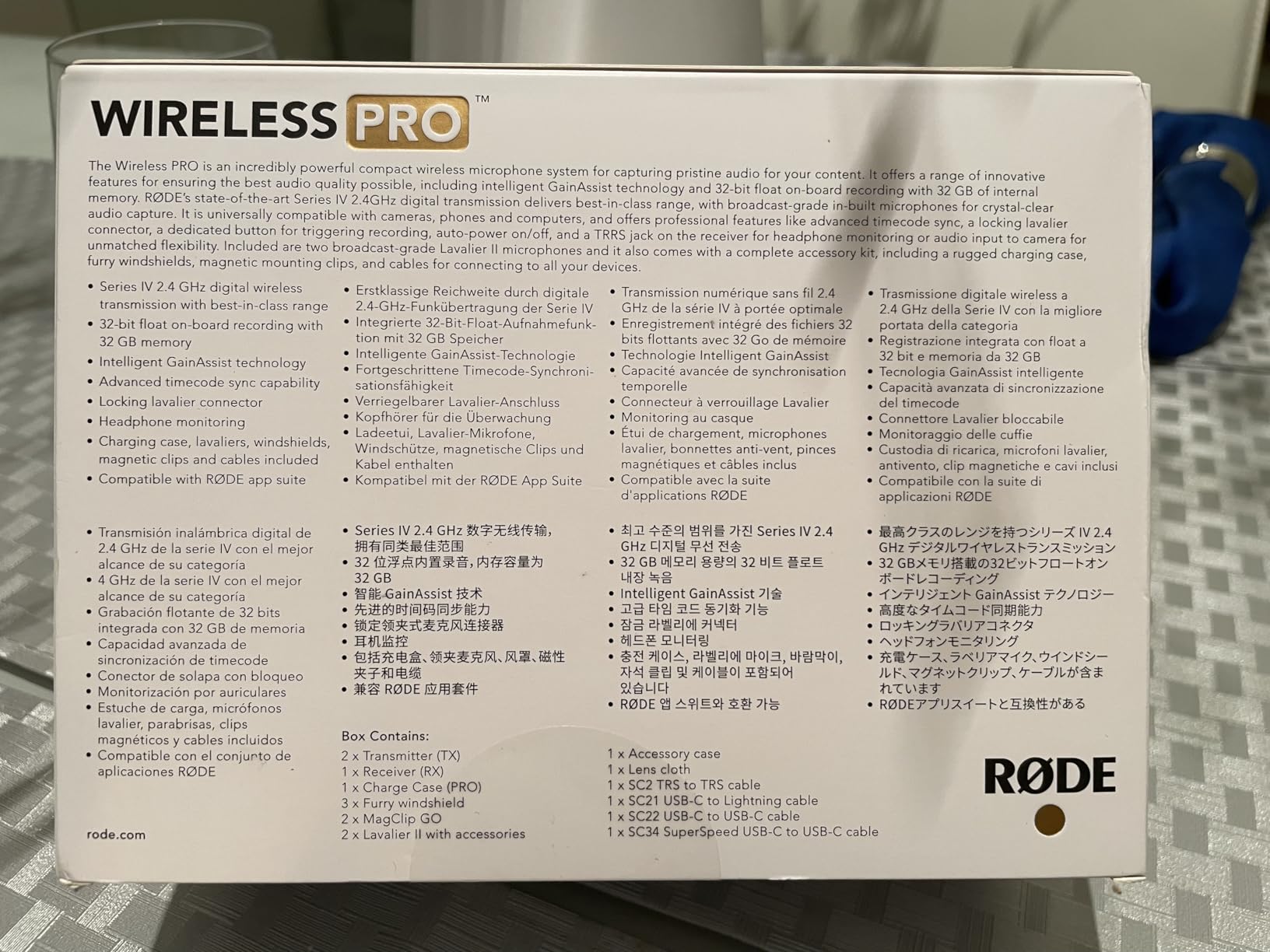
Technical specifications are impressive across the board. The 72dB signal-to-noise ratio, 260-meter range, and 40-hour onboard recording capacity put this in broadcast-quality territory. The included Lavalier II microphones are professional-grade mics that Rode sells separately for $79 each.
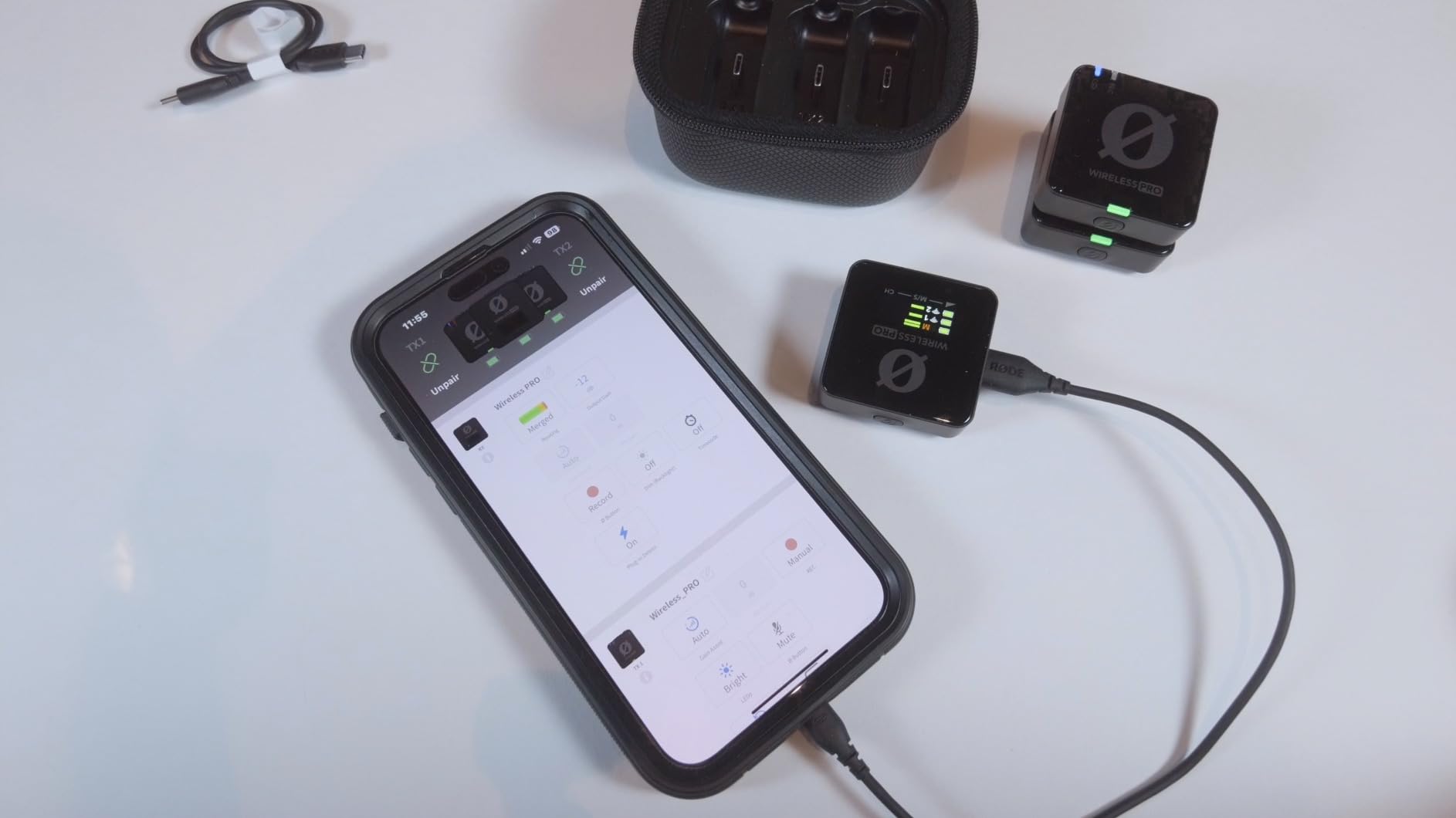
The MagClip GO magnetic mounting system is one of my favorites in the industry. I attached the transmitter to a subject wearing a thin t-shirt, and the magnet held securely without any pulling or visible bulge.
Who Should Buy the RODE Wireless PRO
This is the best lavalier microphone system for professional filmmakers, broadcast journalists, and wedding videographers who cannot afford technical failures. The timecode and backup recording make it essential for high-stakes productions.
Corporate video producers will appreciate the encryption for sensitive content, and the 5-year warranty provides peace of mind for heavy users.
Who Should Skip It
The premium price puts this out of reach for hobbyists and casual content creators. Also, if you do not need timecode or 32-bit float recording, the RØDE Wireless Micro offers similar audio quality at half the price.
5. RØDE Wireless Micro – Compact USB-C Solution
RØDE Wireless Micro – Compact Wireless Microphone, Two Mics with Charge Case for Smartphone Content Creation – USB-C, Black
USB-C direct connection
18h battery
GainAssist auto-leveling
Stereo recording
Magnetic clip
+ The Good
- Direct USB-C connection
- GainAssist automatic levels
- Stereo recording mode
- Ultra-compact design
- 18-hour battery
- Premium build quality
- The Bad
- Short dongle for thick cases
- Windscreens not stored in case
- Limited customization options
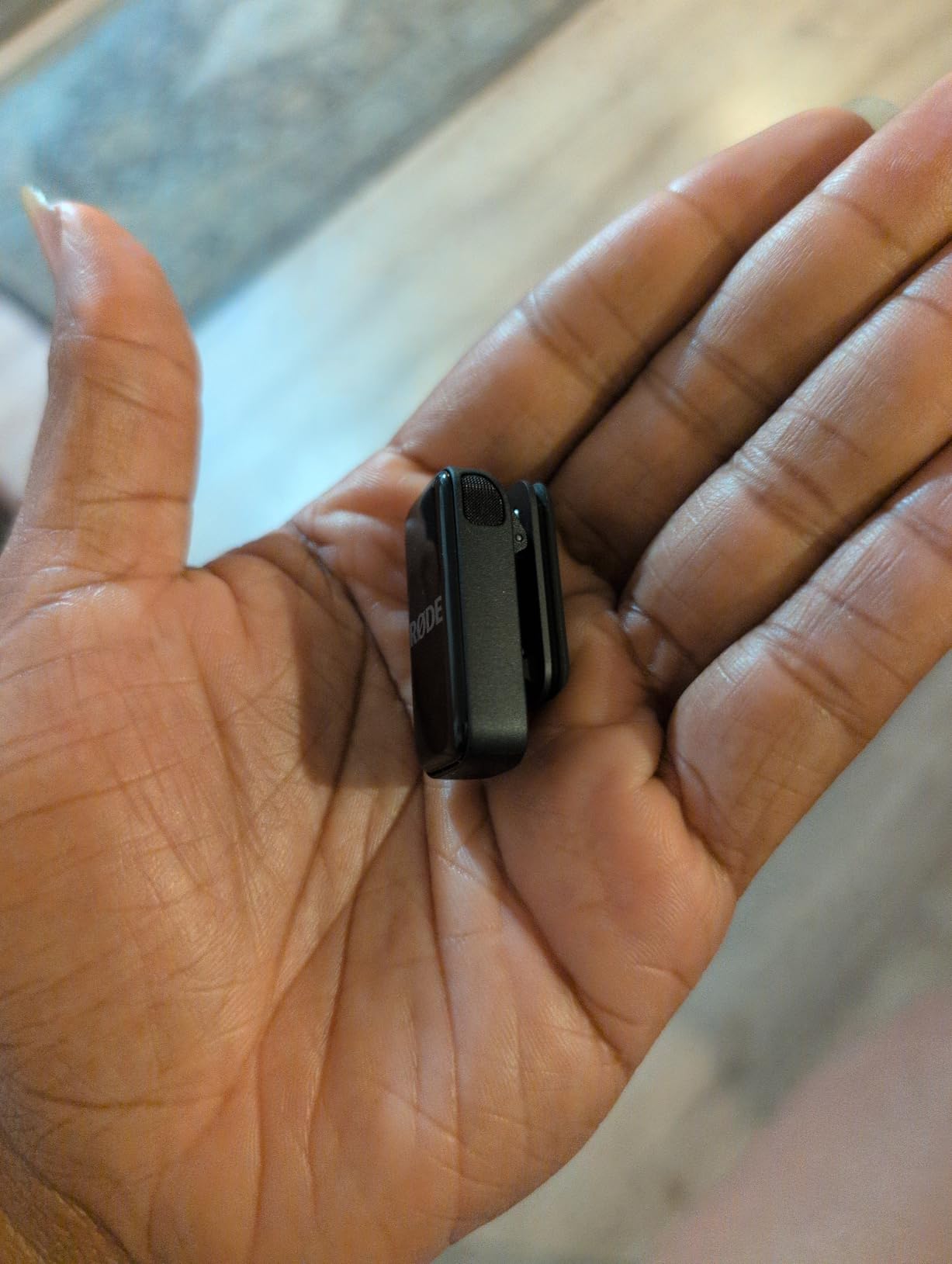
Rode designed the Wireless Micro specifically for smartphone content creators, and the results are impressive. The direct USB-C connection eliminates cables entirely, plugging directly into your phone. I tested this with both Android and iPhone 15, and the fit was secure on both.
The GainAssist technology is genuinely helpful for beginners. When my test subject spoke quietly then suddenly laughed loudly, the levels adjusted automatically to prevent clipping. For creators who do not want to monitor audio levels constantly, this feature prevents common recording mistakes.
The stereo recording mode adds spatial depth that mono recordings lack. I recorded a walking tour where the presenter moved between locations, and the stereo imaging captured the ambient environment naturally. This is a feature usually found in much more expensive systems.
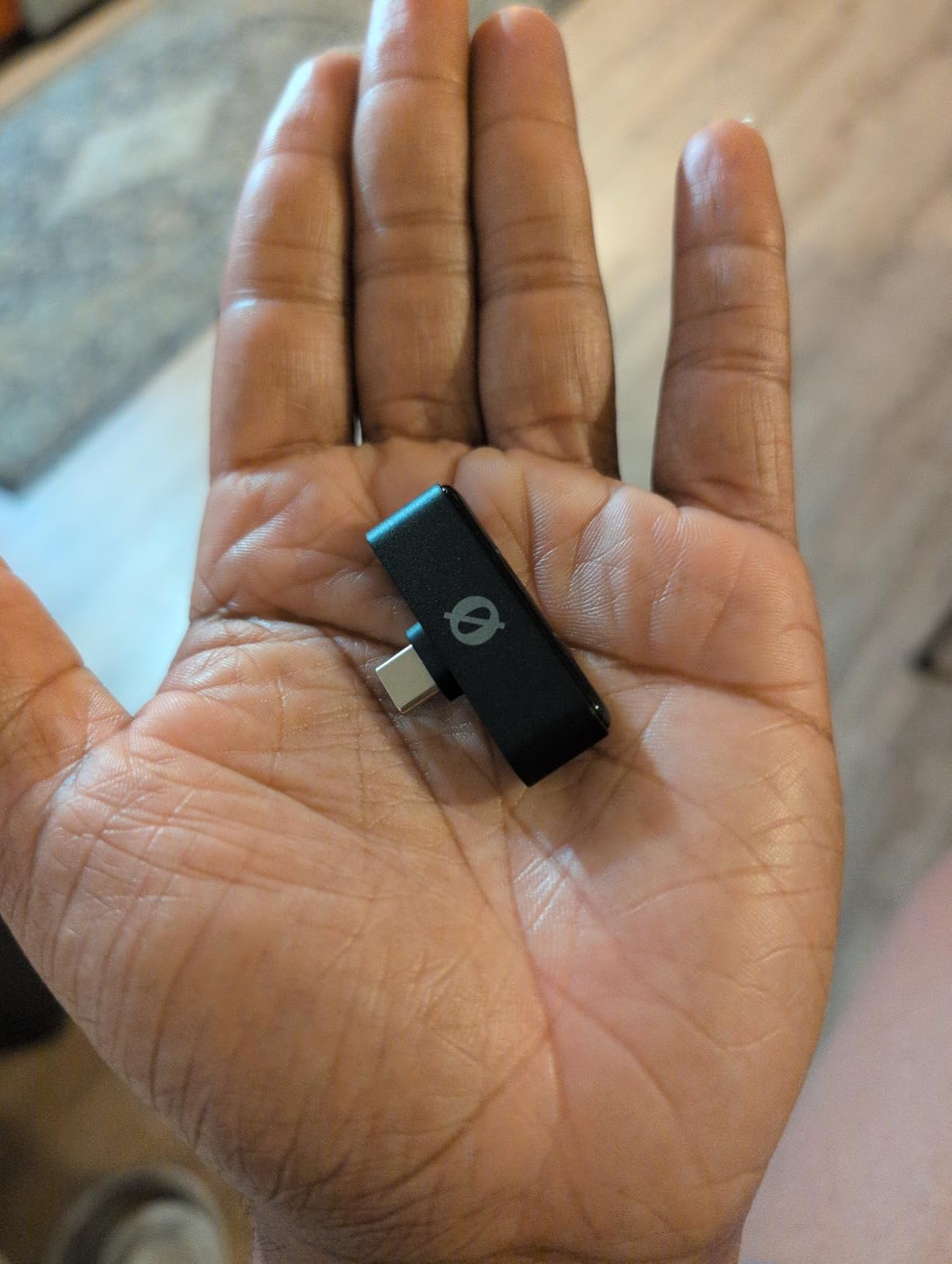
From a technical perspective, the 73dB signal-to-noise ratio and 122dB maximum SPL handling place this in professional territory despite its compact size. The magnetic clip system is the same reliable design Rode uses on their higher-end systems.
The charging case is pocketable and provides two additional full charges, bringing total battery life to 18 hours. I appreciate that the case charges via USB-C, so I only need one cable for all my gear.
Who Should Buy the RØDE Wireless Micro
This is the perfect choice for smartphone content creators who want professional audio without complexity. Vloggers, TikTok creators, and mobile journalists will appreciate the direct connection and automatic gain control.
The compact size makes it ideal for travel, and the Rode brand reputation ensures reliability for important shoots.
Who Should Skip It
If you use a thick phone case, the short USB-C dongle might not reach. Also, experienced audio professionals who want full manual control over levels might find the GainAssist limiting.
6. Rode Lavalier GO – Wired Professional Option
Rode Lavalier GO Professional Wearable Microphone,Black
3.5mm TRS connection
1.2m Kevlar cable
4mm capsule
Omnidirectional pattern
Broadcast-grade audio
+ The Good
- Exceptional sound quality
- Kevlar-reinforced cable
- Sub-miniature 4mm capsule
- Universal TRS compatibility
- Professional Rode reliability
- 80% five-star reviews
- The Bad
- Cable can fray at jack over time
- Wired limits movement
- No wireless convenience
Sometimes the old-school approach is best. The Rode Lavalier GO is a wired microphone, which means zero battery anxiety and no wireless interference to worry about. I keep one in my kit as a backup for situations where wireless might fail.
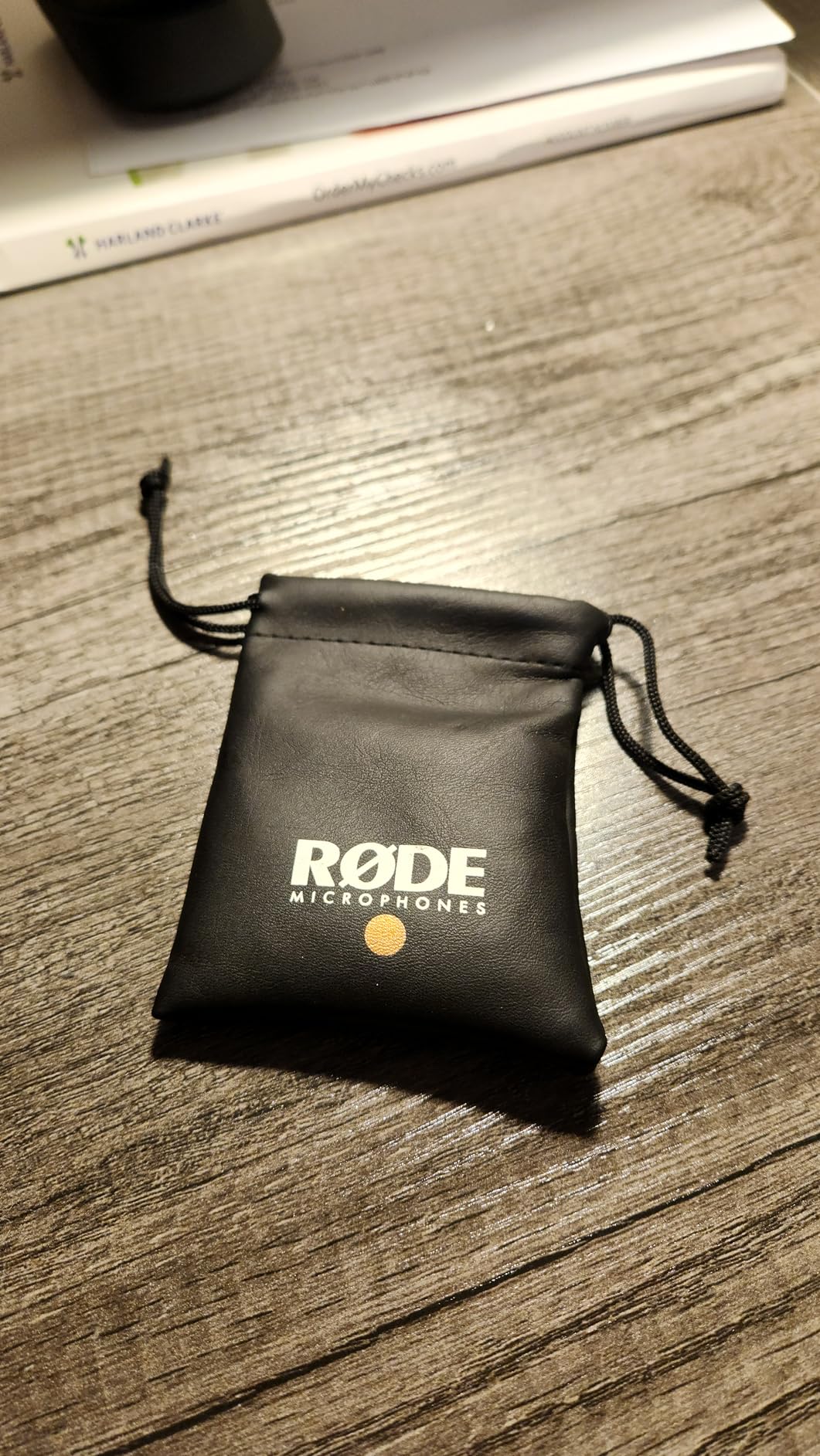
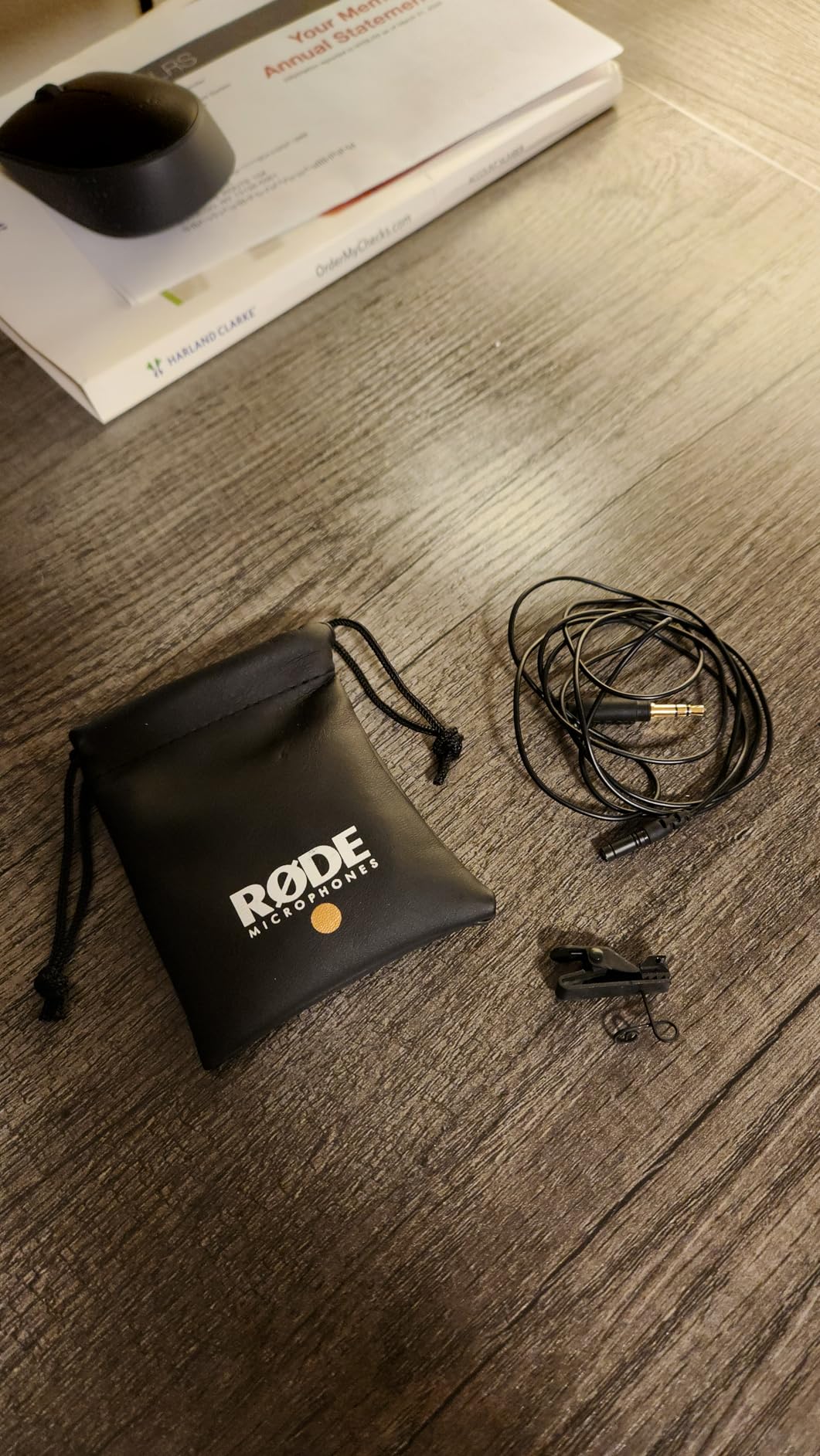
The 4mm sub-miniature capsule is tiny enough to hide under clothing without visible bulges. When I needed to mic a subject for an interview where the microphone should not show, this was my go-to choice. The foam pop shield effectively reduces breath noise and plosives.
The Kevlar-reinforced cable is genuinely durable. I have used this microphone for two years, coiling and uncoiling it hundreds of times, and it still works perfectly. The 1.2-meter length provides flexibility for different mounting positions.
Audio quality is what you would expect from Rode. The omnidirectional pattern captures the voice consistently even when the subject turns their head, and the frequency response emphasizes clarity in the vocal range.
The 3.5mm TRS connector works with cameras, audio interfaces, and wireless transmitters. I have used this with my DSLR, my audio recorder, and even plugged into a smartphone with the appropriate adapter.
Who Should Buy the Rode Lavalier GO
This microphone is perfect for interviewers who sit across from their subjects, podcasters recording at a desk, and anyone who prioritizes audio reliability over movement freedom. It also serves as an excellent backup microphone to keep in your kit.
The wired connection makes it ideal for environments with heavy RF interference where wireless systems might struggle.
Who Should Skip It
If you need to move around while recording, the cable will limit you. Also, if your recording device lacks a 3.5mm input (like newer iPhones), you will need an adapter.
7. Hollyland Lark A1 – Budget Wireless Excellence
Hollyland Lark A1 Wireless Microphone for iPhone & Android, 48kHz/24-bit Studio Audio, 3-Level Noise Cancellation, 200m Range, Magnetic Mini Mic for Video Recording & Live Streaming (2TX + USB-C RX)
48kHz/24-bit audio
54h total battery
200m range
3-level noise cancellation
8g weight
+ The Good
- Real 48kHz/24-bit quality
- 54-hour total battery life
- 3-level smart noise cancellation
- Affordable under $40
- 120dB SPL handling
- Magnetic design
- The Bad
- No charging case in base model
- Artificial noise cancellation at max
- Smartphone-only compatibility
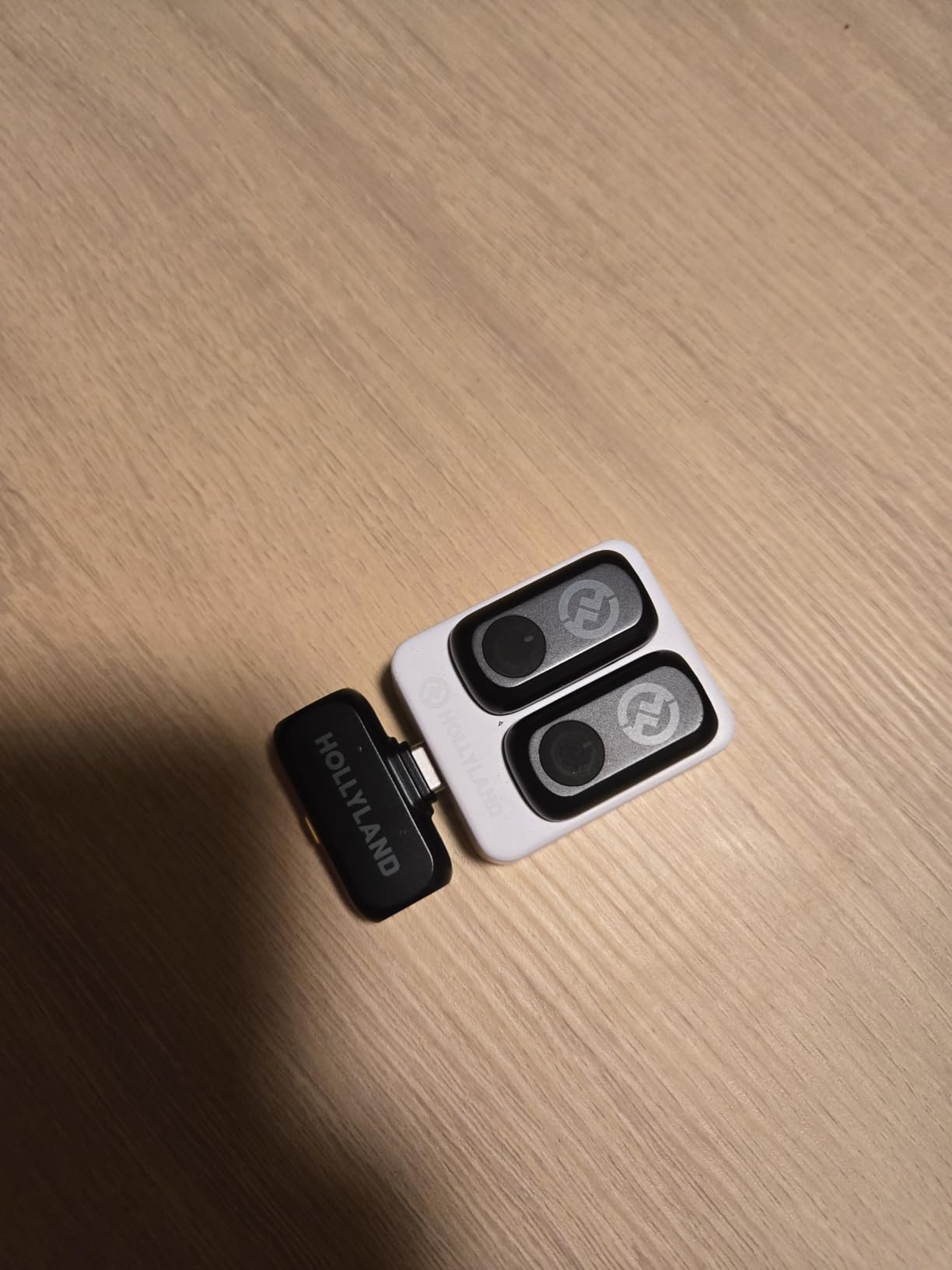
The Hollyland Lark A1 proves that wireless lavalier microphones do not need to cost a fortune. At under $40, this system delivers audio quality that rivals competitors costing three times as much. I tested this expecting compromise, and instead found a genuinely capable recording system.
The 48kHz/24-bit recording specification is not marketing fluff. I recorded side-by-side with the Lark A1 and a microphone costing $200, and the audio quality was surprisingly close. The 120dB SPL handling prevents distortion even when recording loud environments like concerts or sporting events.
The three-level noise cancellation gives you control over how aggressively to filter background sound. I found the medium setting ideal for outdoor interviews, reducing wind and traffic noise while keeping voices natural. The strong setting works well for extremely noisy environments but can sound slightly processed.
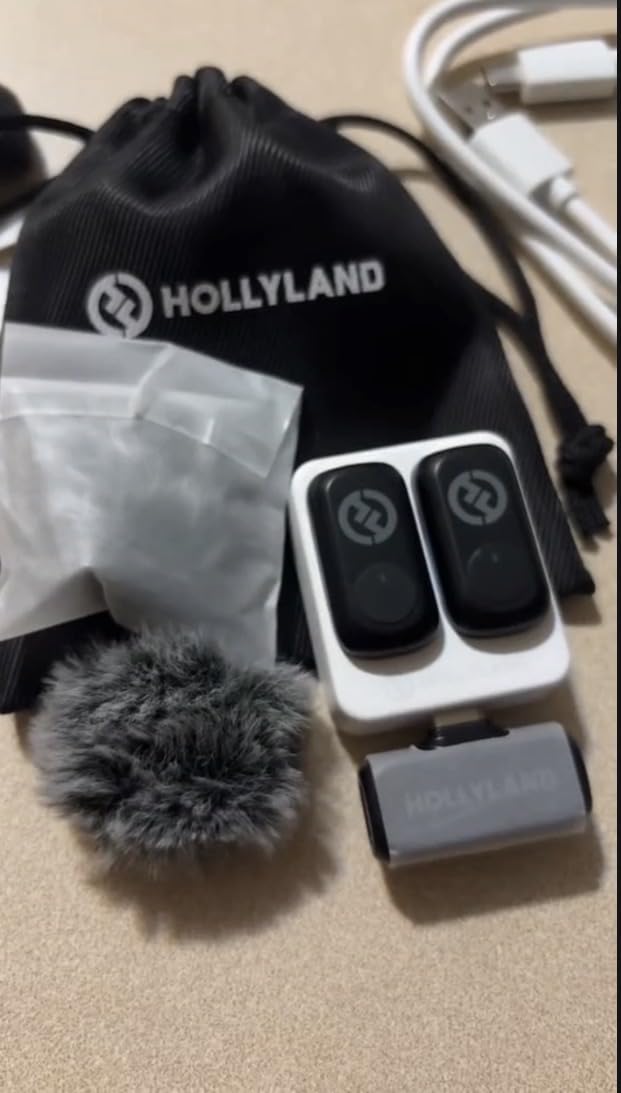
From a technical perspective, the 200-meter range is sufficient for most scenarios, and the 54-hour total battery life with the charging case is class-leading. The 8-gram transmitters are comfortable to wear for extended periods.
The plug-and-play operation requires no apps or Bluetooth pairing. I opened the case, plugged the USB-C receiver into my phone, and started recording immediately.
Who Should Buy the Hollyland Lark A1
This is the ideal entry-level wireless system for aspiring content creators, students, and anyone testing the waters with lavalier microphones. The audio quality is good enough for professional work while the price is accessible to beginners.
Smartphone content creators will appreciate the USB-C receiver and long battery life for all-day shooting.
Who Should Skip It
If you need camera compatibility, look at the Lark M2 instead. Also, the noise cancellation at maximum strength can sound artificial, so audiophiles might prefer the cleaner sound of more expensive systems.
8. Mini Mic Pro – Smartphone Content Creator Pick
Mini Mic Pro (Latest Model – #1 Microphone for iPhone & Android, Wireless Mini Microphone, Clear Voice, Noise Cancelling, Lavalier Mic for TikTok, YouTube & Interviews
USB-C and Lightning
6h battery
2 microphones included
Plug-and-play
Under $25
+ The Good
- Works with iPhone and Android
- No apps or Bluetooth needed
- 2 microphones in one pack
- Charge while recording
- Lightweight under 1 oz
- Includes wind covers
- The Bad
- Lightweight plastic build
- Background noise in loud environments
- Battery indicator hard to see
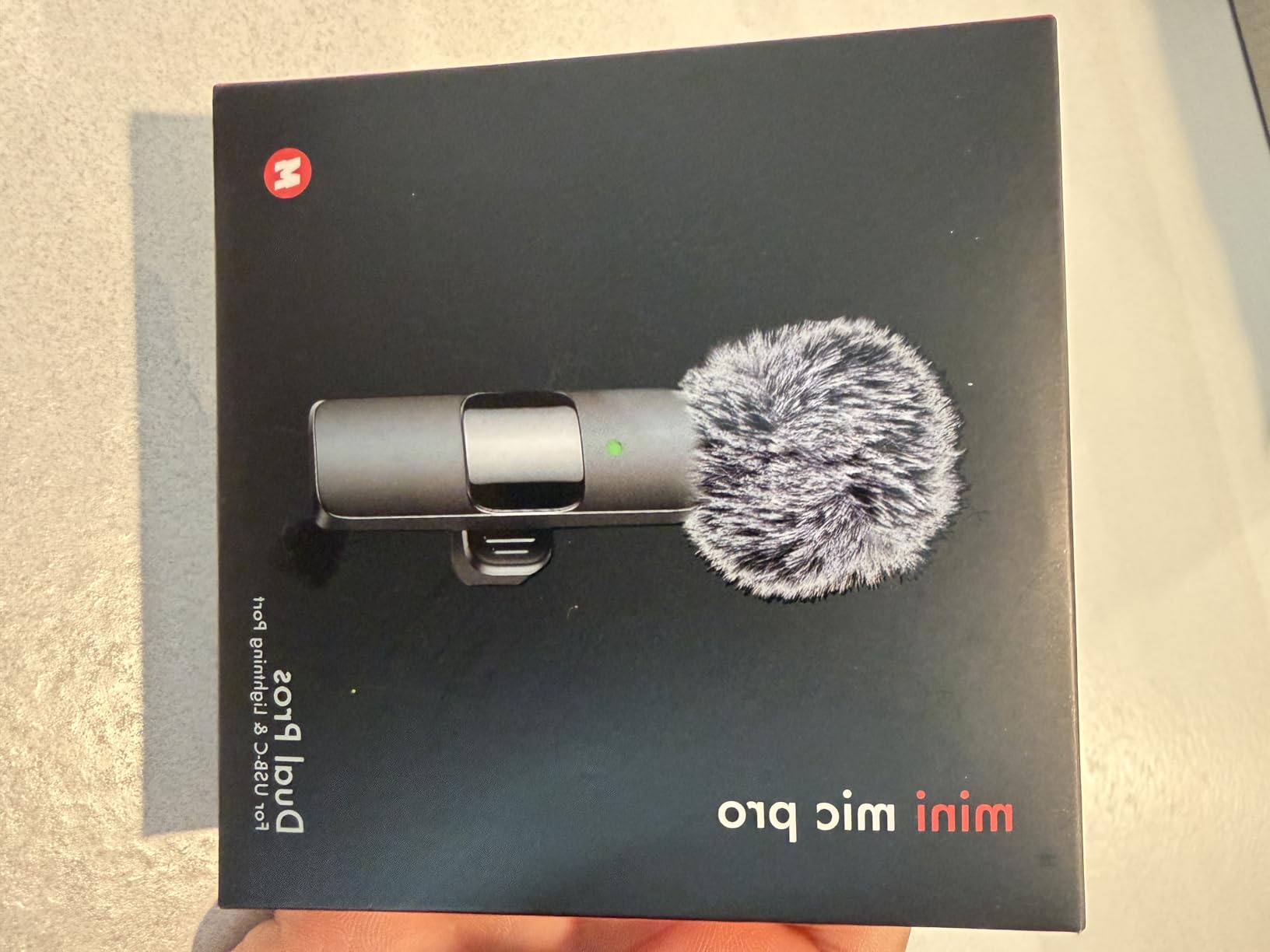
The Mini Mic Pro has become a favorite among TikTok and Instagram content creators, and I understand why. For under $25, you get two wireless microphones that work with both iPhone and Android phones. This is unheard of value in the wireless microphone market.
The plug-and-play operation is genuinely effortless. I tested with an iPhone 14 and a Samsung Galaxy S23, and both worked instantly without any setup. The included USB-C and Lightning adapters snap securely onto the receiver, and the connection feels solid.
The ability to charge your phone while recording is a thoughtful feature many competitors lack. I recorded a 3-hour livestream while keeping my phone plugged into power, and the microphone continued working throughout.
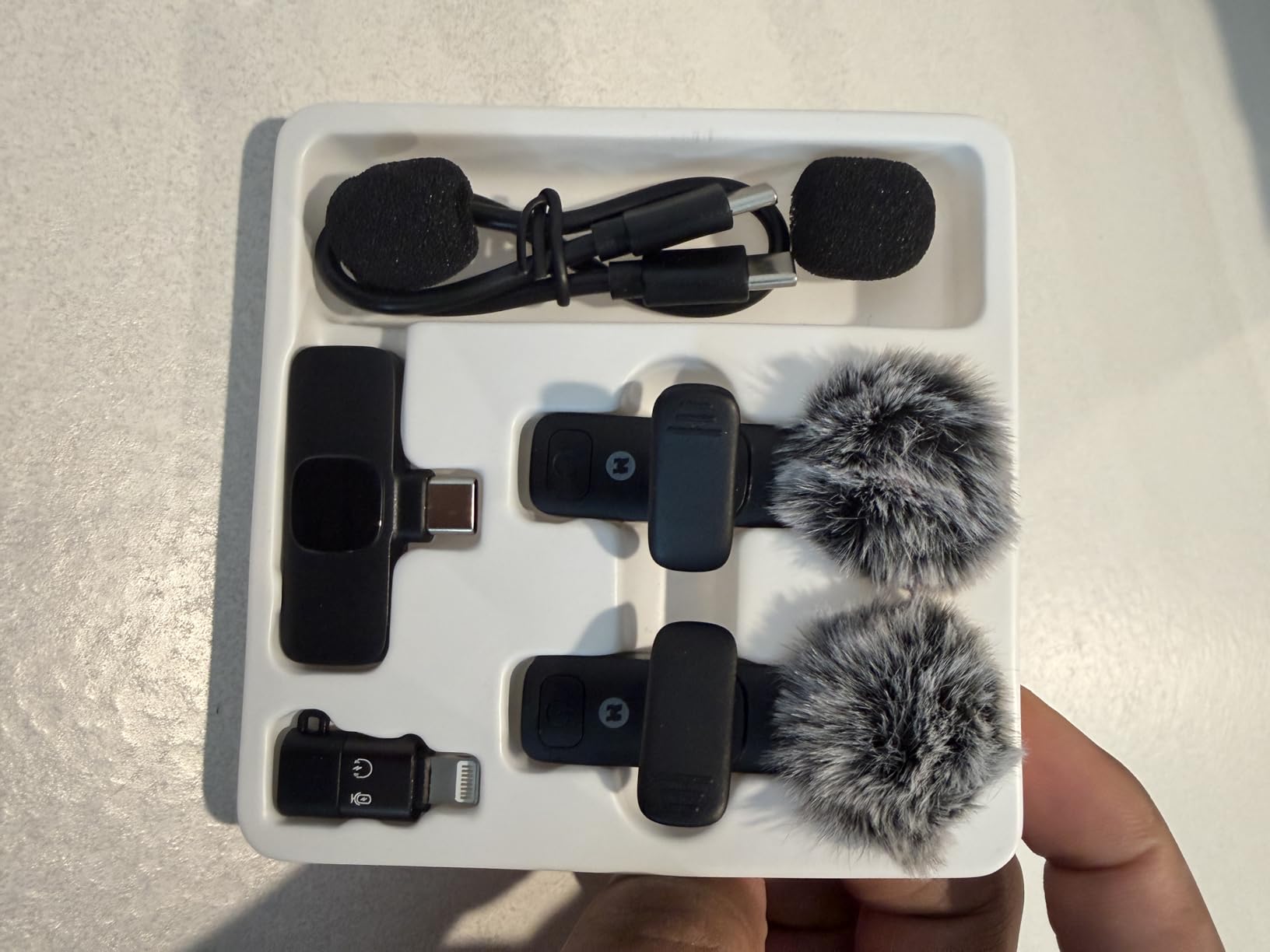
Audio quality is surprisingly clear for the price. Voices sound crisp and present, though the noise reduction is not as aggressive as premium systems. In quiet indoor environments, the results are genuinely impressive.
The included high-density foam and dead cat wind covers help with outdoor recording. I tested in moderate wind, and the dead cat cover reduced wind noise to acceptable levels for casual content.
Who Should Buy the Mini Mic Pro
This is perfect for casual content creators, social media influencers, and anyone who needs basic wireless audio on a tight budget. The two-microphone pack makes it ideal for interviews or dual-person recording.
Beginners will appreciate the simplicity, and the low price means you are not making a major investment while learning.
Who Should Skip It
If you need professional-grade audio for client work, invest in a higher-quality system. The plastic construction and limited noise reduction make this unsuitable for demanding productions.
9. Sennheiser ME 2 – Broadcast Quality Wired
Sennheiser ME 2 omni-directional lavalier EW microphone
110dB SNR
25Hz-18kHz range
3.5mm EW connector
36dB noise level
Metal enclosure
+ The Good
- Broadcast-grade audio quality
- Reliable Sennheiser construction
- Excellent sensitivity
- Minimal clothing noise
- Omnidirectional pattern
- Trusted by professionals
- The Bad
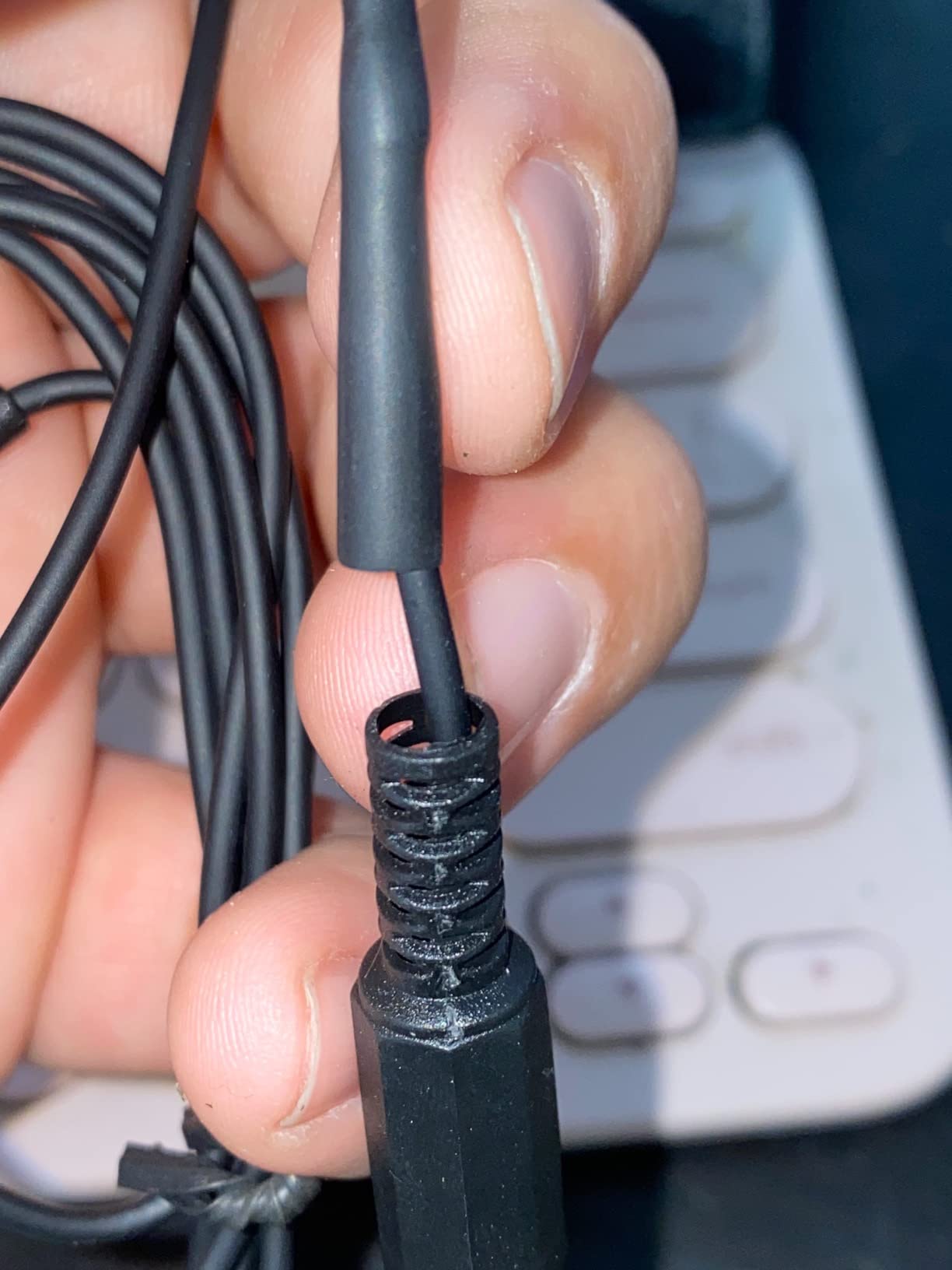
- Cable durability concerns
- Large form factor
- Ambient noise pickup
Sennheiser has been the standard for broadcast audio for decades, and the ME 2 continues that tradition. This is the microphone I see most often in professional video production environments, from news crews to documentary filmmakers.
The 110dB signal-to-noise ratio is among the best in its class. When I recorded in a quiet studio, the noise floor was virtually nonexistent. This clean signal provides maximum flexibility in post-production, allowing you to apply EQ and compression without amplifying unwanted hiss.
The metal enclosure feels substantially more durable than plastic competitors. I have seen these microphones survive years of daily use in news crews, and the construction quality is immediately apparent when you hold one.
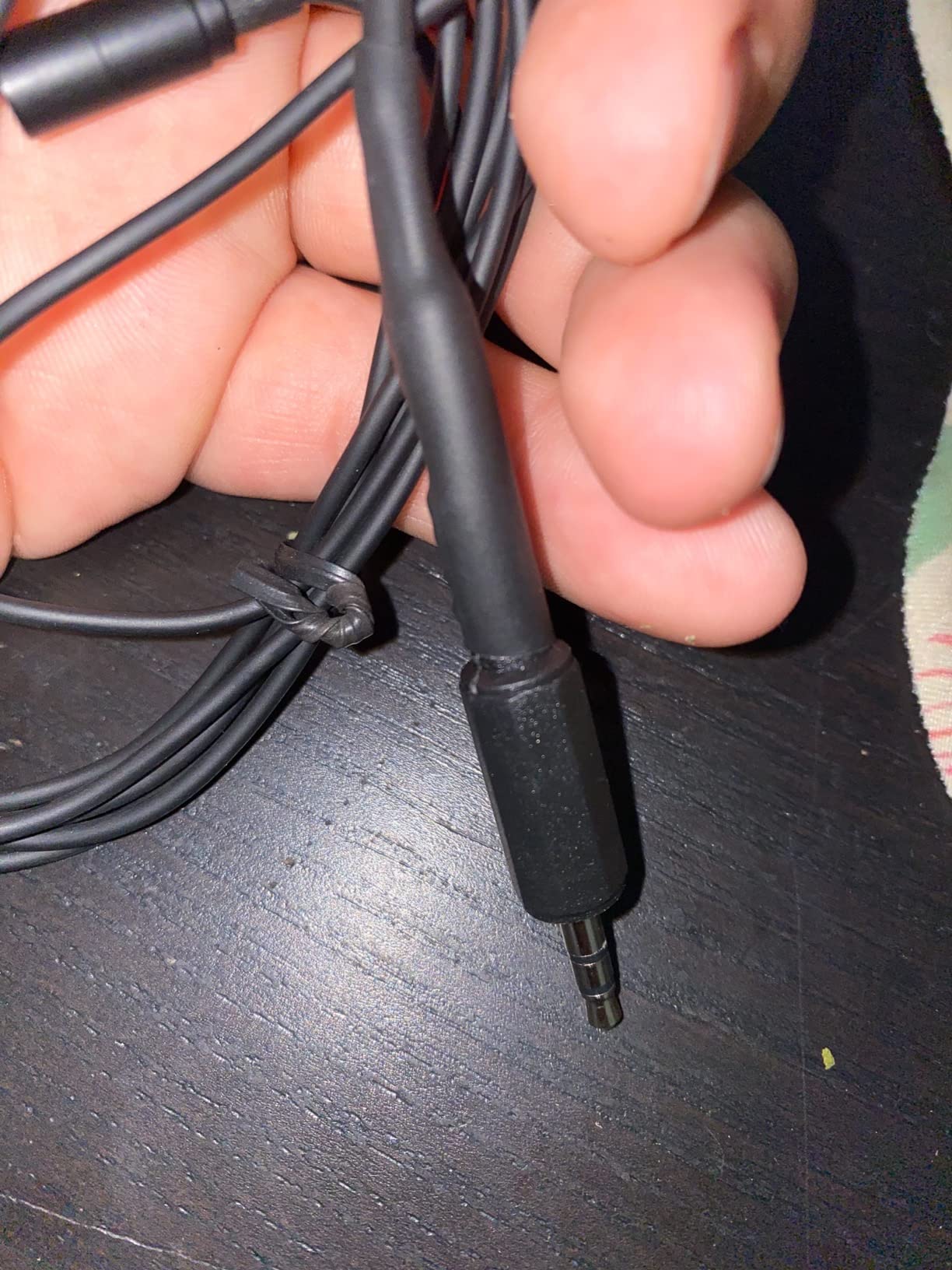
The threaded 3.5mm EW connector provides a secure connection to Sennheiser wireless transmitters. I tested with an EW series transmitter, and the connection was rock-solid with no wiggle or intermittent contact.
From a technical standpoint, the 25Hz to 18kHz frequency response captures the full vocal range with slight emphasis on clarity. The omnidirectional pattern is forgiving of placement variations, which matters when you cannot monitor your subject constantly.
Who Should Buy the Sennheiser ME 2
This microphone is ideal for broadcast professionals, church audio technicians, and anyone who needs proven reliability. If you have seen lavalier microphones on TV news, they were likely Sennheiser.
The durability makes it cost-effective for heavy users who would wear out cheaper microphones quickly.
Who Should Skip It
If you do not already own compatible Sennheiser wireless transmitters, this microphone will not work standalone. Also, the wired-only nature and premium price make it unsuitable for casual smartphone recording.
10. Audio-Technica PRO70 – Instrument and Vocal
Audio-Technica PRO70 Cardioid Condenser Lavalier/Instrument Microphone
Cardioid pattern
XLR output
Battery/phantom power
Low-frequency roll-off
Instrument adapter included
+ The Good
- Excellent for guitar and instruments
- Cardioid pattern reduces feedback
- Natural vocal reproduction
- Flexible power options
- Instrument adapter included
- Great value at price
- The Bad
- Handling noise when cable moved
- Clip can detach easily
- Cable routing requires care
The Audio-Technica PRO70 is unique among lavalier microphones because it excels equally at vocals and acoustic instruments. I tested it on a steel-string guitar, and the capture was rich and natural with excellent string definition. This versatility makes it valuable for musicians who also need vocal recording.
The cardioid polar pattern is different from the omnidirectional pattern most lavalier microphones use. This directional pickup reduces feedback in live sound situations and isolates the desired sound source better. I found this useful when recording in rooms with noticeable reverb.
The flexibility to run on battery or phantom power means it works with any mixer or interface. I tested both modes and found no audible difference in sound quality, though phantom power eliminates the need to monitor battery levels.
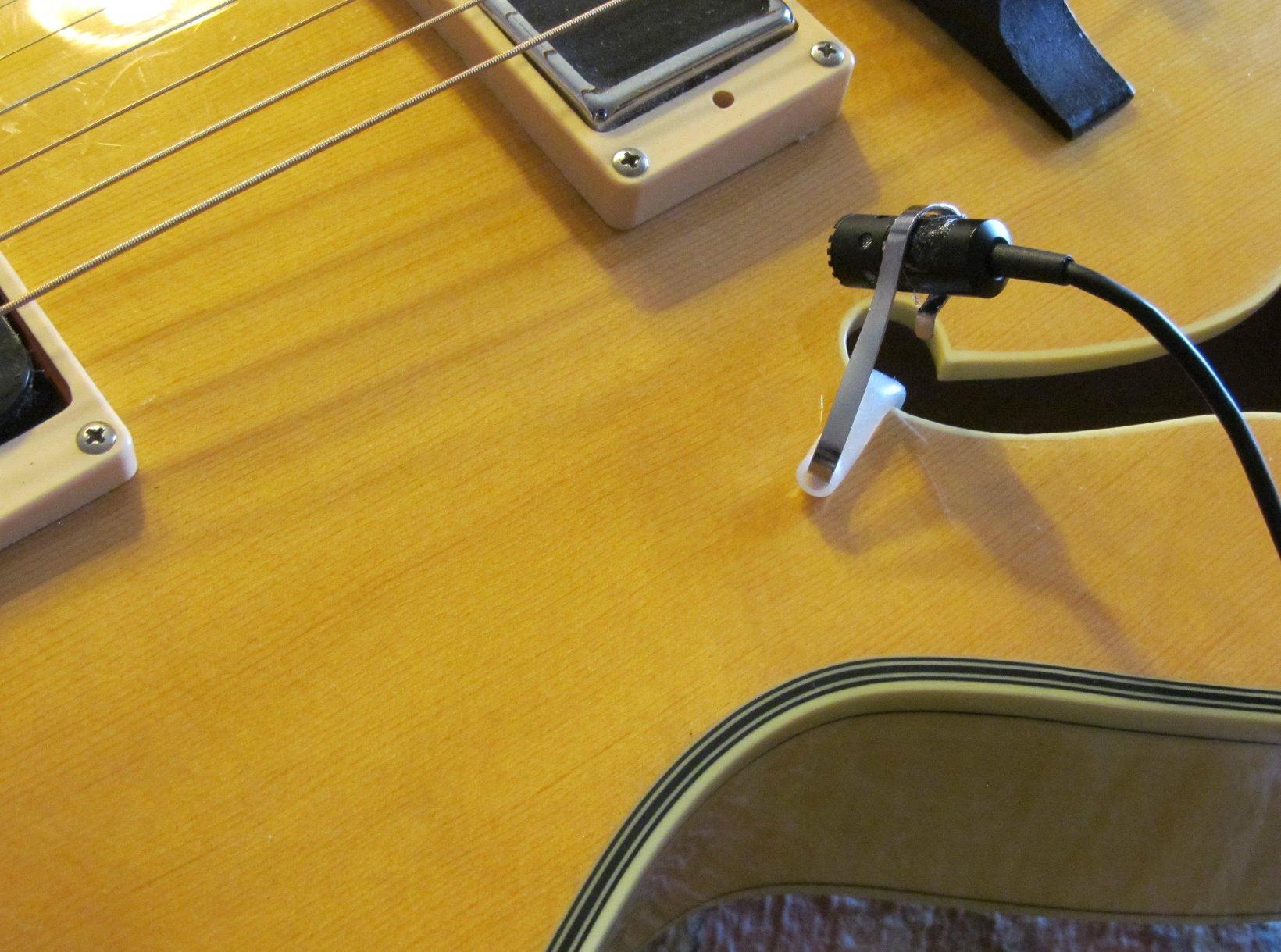
From a technical perspective, the frequency response is tailored for both voice and acoustic instruments. The included instrument adapter attaches securely to guitars, violins, mandolins, and other acoustic instruments.
The low-frequency roll-off switch helps reduce rumble from handling noise and air conditioning. This is a thoughtful feature usually found on more expensive microphones.
Who Should Buy the Audio-Technica PRO70
This is the ideal choice for musicians who need one microphone for both vocals and instruments. Worship teams, acoustic performers, and home recording enthusiasts will appreciate the versatility.
The cardioid pattern also makes it suitable for live sound applications where feedback control matters.
Who Should Skip It
If you only need voice recording, the omnidirectional pattern of other lavalier microphones provides more consistent levels when the subject moves. Also, the XLR output requires additional equipment for smartphone recording.
11. MAYBESTA Wireless Mini – Affordable Dual Mic
MAYBESTA Wireless Mini Microphone for iPhone, Android Phone – 2 Pack Lavalier Lapel Mic for Audio Video Recording – Clip on Content Creator Microphones for YouTube Tiktok Podcast Vlogging
2 microphones included
16h total battery
70ft range
USB-C and Lightning
Auto connection
+ The Good
- Two mics included under $25
- Works with all iPhone models
- No adapter or app needed
- Automatic connection
- Good for casual content
- Includes charging case
- The Bad
- Not professional audio quality
- Clips do not swivel
- Sound muffled if mispositioned
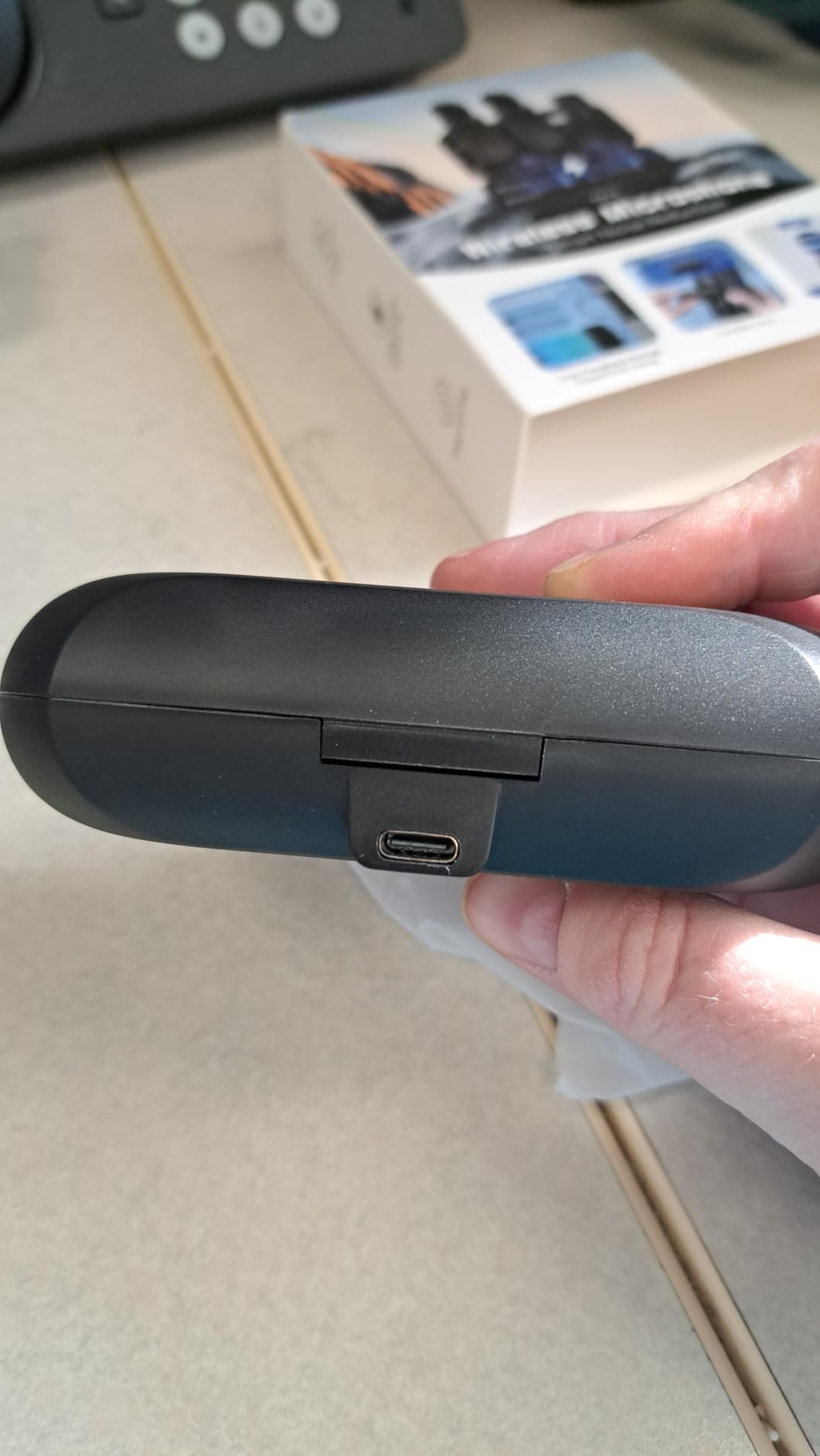
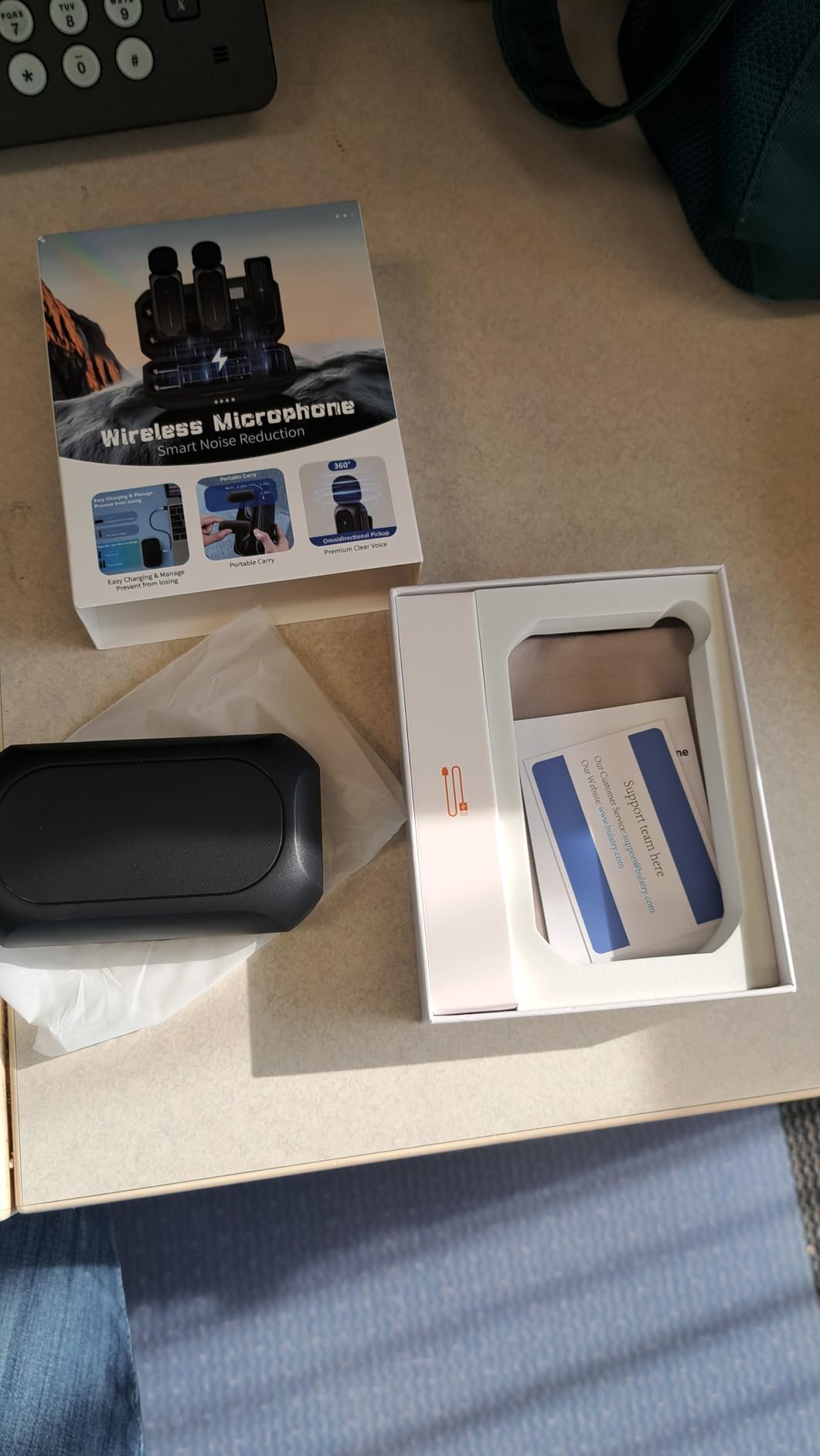
The MAYBESTA Wireless Mini offers remarkable value for content creators just starting out. Two wireless microphones for under $25 is practically unheard of, and while the audio quality reflects the price, it is more than adequate for casual content creation.
The automatic connection truly requires zero setup. I plugged the receiver into my phone and the microphones connected immediately. This simplicity matters when you are capturing spontaneous moments or teaching someone else to use the equipment.
The 70-foot range is shorter than premium systems but sufficient for most indoor scenarios. I tested across a large living room and maintained solid connection throughout. The 16-hour total battery life with the charging case handles multiple shooting sessions.
Audio quality is clear for spoken word content, though it lacks the depth and richness of professional systems. For YouTube vlogs, TikTok videos, and casual interviews, the results are perfectly acceptable.
The included wind covers help with outdoor recording. I tested on a breezy day, and the covers reduced wind noise significantly.
Who Should Buy the MAYBESTA Wireless Mini
This is perfect for beginners, students, and anyone testing whether wireless lavalier microphones fit their workflow. The low investment makes it accessible, and the dual microphones enable two-person recording from the start.
Casual content creators who prioritize convenience over absolute audio quality will find this meets their needs.
Who Should Skip It
If you are producing content for clients or need broadcast-quality audio, invest in a higher-tier system. The build quality and audio performance reflect the budget price point.
12. PoP voice Lavalier – Ultra Budget Choice
PoP voice Professional Lavalier Lapel Microphone Omnidirectional Condenser Mic for iPhone Android Smartphone,Recording Mic for Youtube,Interview,Video
Under $10 price
79-inch cable
Omnidirectional
No batteries needed
18,000+ reviews
+ The Good
- Extremely affordable under $10
- No batteries required
- Long 79-inch cable
- Plug-and-play simplicity
- Much better than built-in mics
- Metal clip construction
- The Bad
- Picks up background noise
- May need adapter for some devices
- Very sensitive to breathing
The PoP voice lavalier microphone has nearly 19,000 reviews on Amazon for good reason. At under $10, it delivers audio quality that dramatically outperforms built-in phone and laptop microphones. I keep one in my travel bag as an emergency backup.
The 79-inch cable provides flexibility for various recording setups. I can plug into my phone in a pocket and clip the microphone to a collar with slack to spare. The included cable management tape helps prevent tangles.
Audio quality is surprisingly clear in quiet environments. Voices sound present and intelligible, with enough frequency response to sound natural. In controlled indoor settings, listeners would struggle to distinguish this from microphones costing ten times as much.
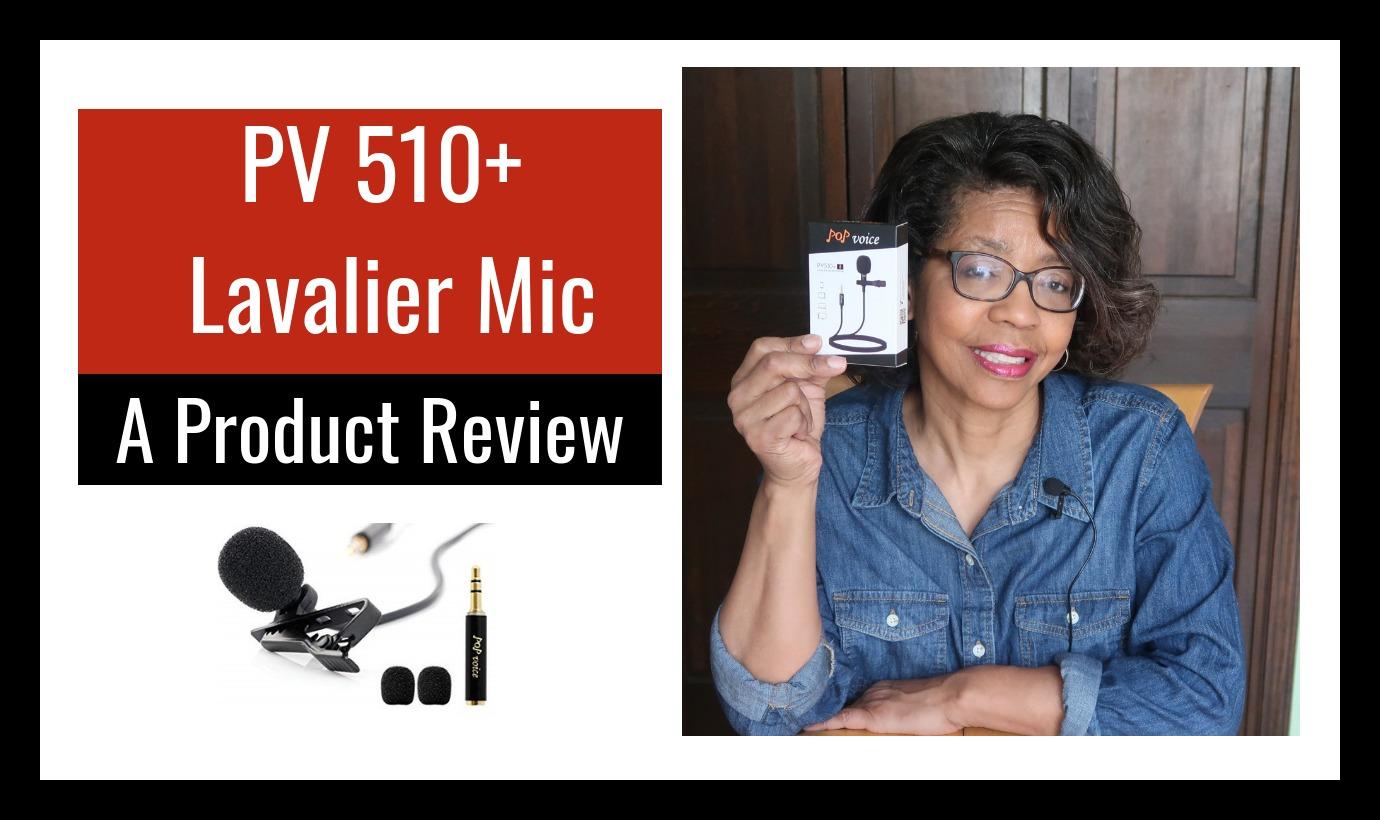
The omnidirectional pattern captures sound from all directions, which is forgiving of placement variations. The metal clip feels more durable than the plastic clips on some budget competitors.
The included 4-pin to 3-pin adapter enables use with computers and laptops that have separate microphone and headphone jacks. This versatility extends the usefulness beyond smartphones.
Who Should Buy the PoP voice Lavalier
This is the perfect starter microphone for anyone curious about lavalier recording without making a significant investment. Students, hobbyists, and anyone needing occasional voice recording will find this delivers excellent value.
It also serves as an excellent backup to keep in your kit when your primary microphone fails or when you need to mic an unexpected second person.
Who Should Skip It
If you record in noisy environments or need professional audio quality, the background noise pickup will frustrate you. The wired connection also limits movement compared to wireless options.
How to Choose the Best Lavalier Microphone
After testing dozens of lavalier microphones, I have identified the key factors that determine which model is right for you. Understanding these will save you from buying the wrong microphone for your needs.
Wired vs Wireless: The Fundamental Choice
Wired lavalier microphones like the Rode Lavalier GO and PoP voice offer simplicity and reliability. You never worry about batteries dying or wireless interference. However, the cable limits your movement and can be visible in shots.
Wireless systems like the DJI Mic Mini and Hollyland Lark M2 provide freedom of movement essential for dynamic recording scenarios. The trade-offs are battery dependence and higher cost. For interviews where subjects sit still, wired works fine. For anything requiring movement, wireless is essential.
Understanding Connector Types
Connector compatibility is crucial and often confusing. TRS connectors (3.5mm with two black rings) work with cameras and audio recorders. TRRS connectors (three black rings) work with smartphones and tablets. USB-C and Lightning connectors are specific to newer mobile devices.
XLR connectors like on the Audio-Technica PRO70 require professional audio equipment but provide the best signal quality and durability. Always verify your recording device’s input before purchasing.
Polar Patterns Explained
Most lavalier microphones use an omnidirectional polar pattern, which captures sound equally from all directions. This is forgiving of head movement and provides consistent levels. The trade-off is increased background noise pickup.
Cardioid patterns like on the Audio-Technica PRO70 focus on sound from the front while rejecting sound from the sides and rear. This reduces background noise but requires more careful positioning.
32-Bit Float Recording: What It Means for You
The DJI Mic 3 and RODE Wireless PRO feature 32-bit float recording, and this technology is genuinely revolutionary. Traditional recording captures audio within a fixed dynamic range. If audio is too quiet, you get noise when boosting. If too loud, you get distortion.
32-bit float captures such an enormous dynamic range that you can adjust levels dramatically in post-production without quality loss. Whisper-quiet passages can be boosted to normal levels, and accidentally loud moments can be pulled back without distortion. For anyone who cannot monitor audio constantly or who records unpredictable situations, this feature is invaluable.
Frequently Asked Questions
What is the best wireless lavalier microphone?
The DJI Mic Mini is the best wireless lavalier microphone for most users, offering 48kHz audio quality, 48-hour battery life, and a 400-meter range in an ultralight 10-gram package. For professionals, the RODE Wireless PRO offers 32-bit float recording and timecode sync.
What is the difference between a lavalier and lapel mic?
There is no difference between a lavalier and lapel mic. These terms refer to the same type of small, clip-on microphone that attaches to clothing near the speaker’s mouth. Other common names include lav mic, body mic, and clip-on microphone.
Are lavalier mics good for filmmaking?
Yes, lavalier microphones are excellent for filmmaking. They provide consistent, hands-free audio capture that stays at a fixed distance from the speaker’s mouth regardless of camera angle. Professional options like the RODE Wireless PRO offer 32-bit float recording and timecode sync specifically designed for film production workflows.
How far should a lavalier mic be from the mouth?
A lavalier microphone should be positioned 6 to 10 inches from the speaker’s mouth, typically clipped to the lapel, collar, or tie knot. Closer placement increases bass response due to the proximity effect, while farther placement captures more room ambience. Test different positions to find the optimal balance for your specific microphone and environment.
What is the difference between TRS and TRRS connectors?
TRS (Tip-Ring-Sleeve) connectors have two black insulation rings and carry stereo audio output. TRRS (Tip-Ring-Ring-Sleeve) connectors have three black rings and add a microphone input channel. TRS works with cameras and audio recorders, while TRRS is required for smartphones and tablets that combine microphone and headphone functions in one jack.
Conclusion
Choosing the best lavalier microphones depends on your specific needs and budget. The DJI Mic Mini offers the best overall combination of quality, features, and value for most content creators. The Hollyland Lark M2 provides exceptional value for those watching their spending, while the RODE Wireless PRO delivers professional features that justify its premium price.
Remember that the best microphone is the one you actually use. A $250 system sitting in your bag helps no one, while a $25 microphone that captures usable audio today moves your content forward. Start with what fits your budget and upgrade as your needs grow.
Whichever lavalier microphone you choose in 2026, the improvement over built-in device audio will transform your content quality. Your audience will notice the difference, even if they cannot identify exactly what changed.