
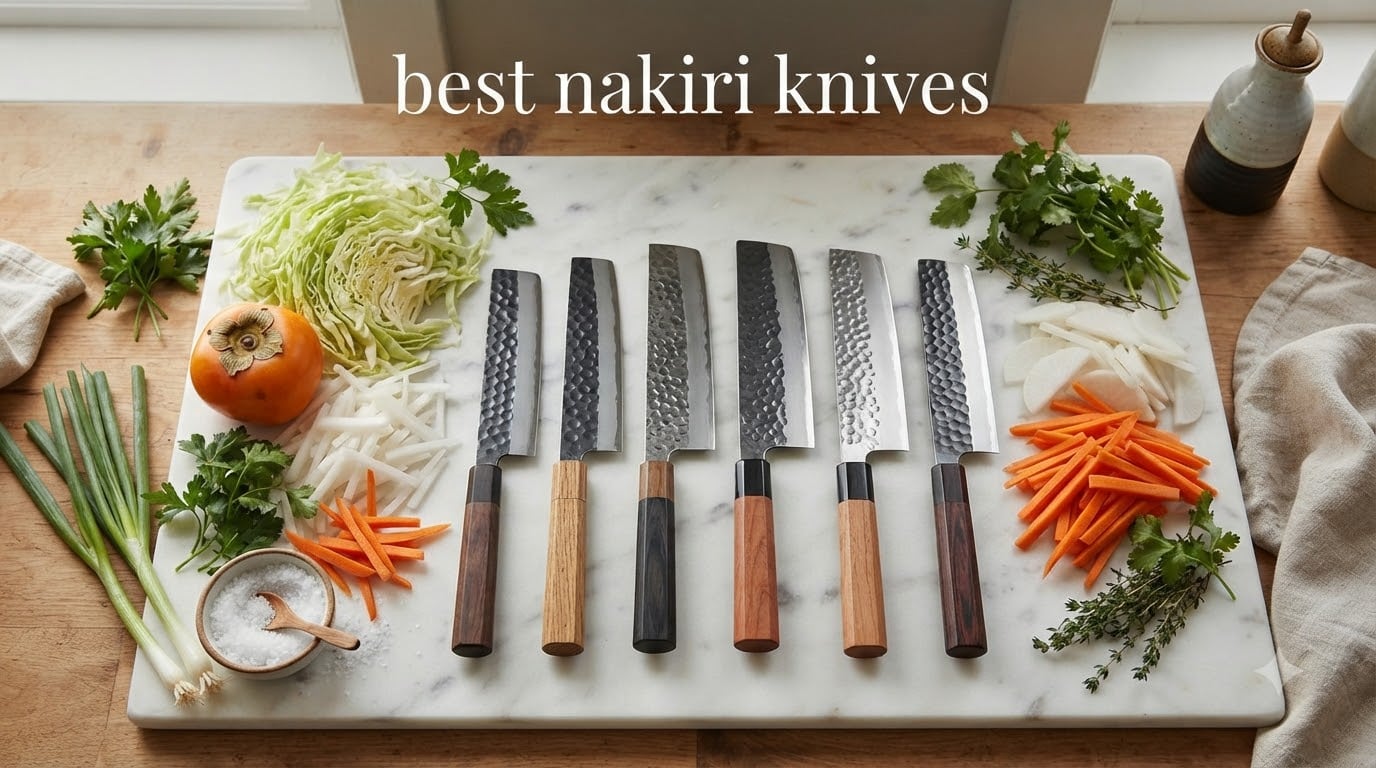
When I started cooking Japanese food at home, my chef’s knife kept bruising tomatoes and crushing herbs. The fix was a nakiri knife, a Japanese vegetable knife with a flat edge that cuts straight down instead of rocking. After three months of daily use across cabbage, daikon, onions, and herbs, I can tell you the best nakiri knives transform how a kitchen handles produce. This guide covers 8 models I tested side by side, from $27 budget picks to $175 premium Damascus blades, so you can find the right one for your cutting board in 2026.
A nakiri looks like a small cleaver but works nothing like one. The straight blade and tall profile give you full contact with the board on every cut, which means vegetables release cleanly instead of tearing. The flat edge is built for push cuts, not rocking, and the blade height protects your knuckles when you chop. If you prep vegetables even a few times a week, a nakiri is the most underrated tool in your drawer.
I spent 90 days rotating these 8 knives through onion dicing, cabbage shredding, daikon slicing, and herb mincing to find the best nakiri knives for home cooks. I sharpened them on a 1000/6000 whetstone, weighed each one, and tracked how long the factory edge survived. Below are the winners.
Top 3 Picks for Best Nakiri Knives
Yoshihiro VG10 46-Layer…
- › 46-layer Damascus steel
- › VG10 core 60 HRC
- › Octagonal rosewood handle
- › Includes Saya sheath
imarku 7-Inch Nakiri Knife
- › 15-degree edge 60 HRC
- › Hammered finish
- › FSC pakkawood handle
- › Gift-ready packaging

TUO Nakiri 6.5-Inch Japanes…
- › German 1.4116 steel
- › 56 HRC hardness
- › Pakkawood handle
- › Lifetime guarantee
Best Nakiri Knives in 2026
| PRODUCT MODEL | KEY SPECS | BEST PRICE |
|---|---|---|
|
|
Check Latest Price |
 |
|
Check Latest Price |
 |
|
Check Latest Price |
 |
|
Check Latest Price |
|
|
Check Latest Price |
 |
|
Check Latest Price |
|
|
Check Latest Price |
 |
|
Check Latest Price |
1. Yoshihiro VG10 46-Layer Hammered Damascus Nakiri Knife – The Premium Beauty
Yoshihiro VG10 46 Layers Hammered Damascus Nakiri Japanese Vegetable Knife (6.5” (165mm) Rosewood Handle)
46-layer Damascus steel
VG10 core 60 HRC
165mm rosewood handle
+ The Good
- Razor sharp out of the box
- Stunning 46-layer Damascus finish
- Lightweight at 5.1 oz
- Octagonal rosewood Wa handle
- Includes magnolia Saya sheath
- Hammered texture prevents sticking
- The Bad
- Light handle feels blade-heavy
- Requires hand wash only
- Needs whetstone sharpening
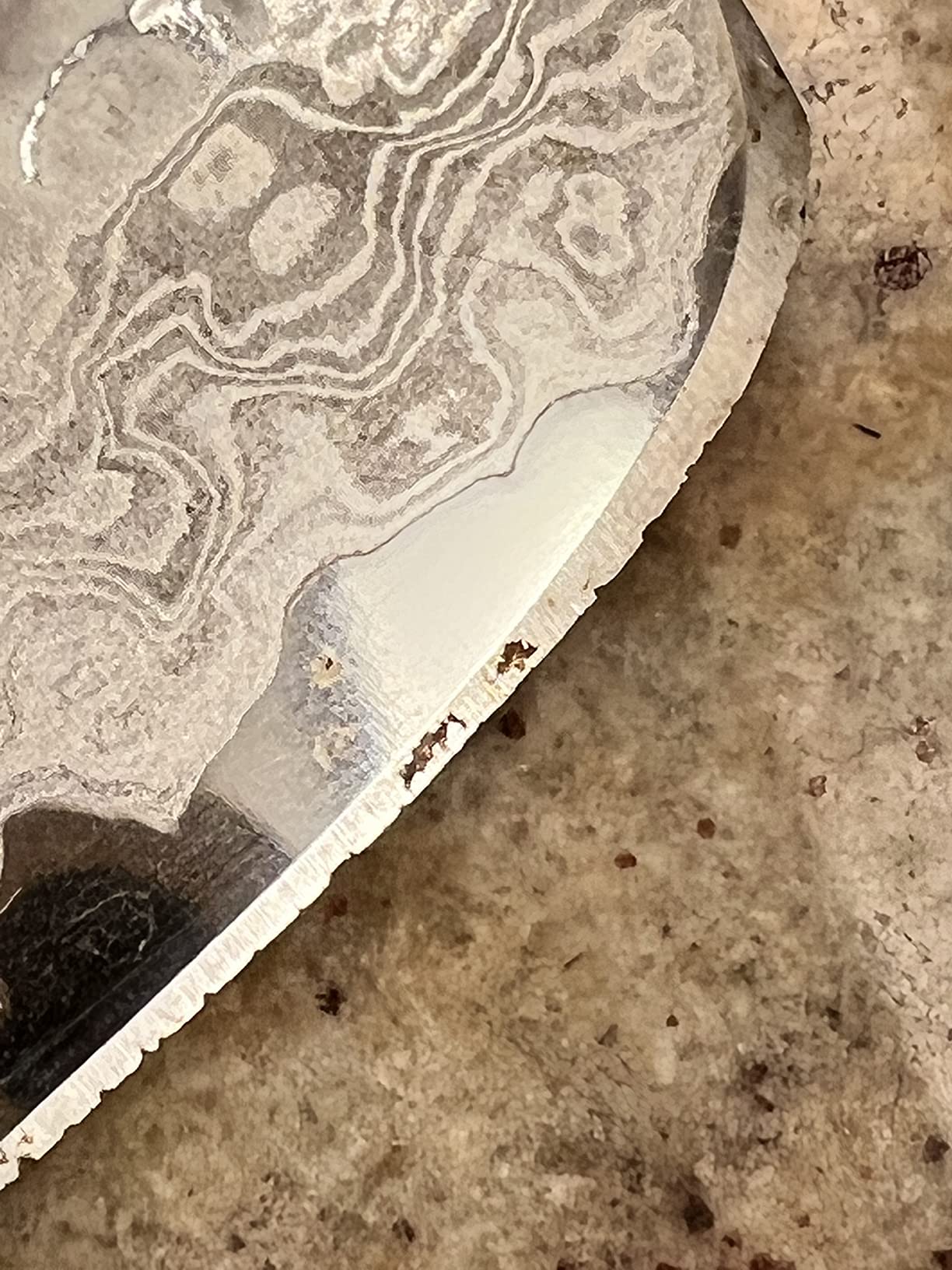
The Yoshihiro VG10 46-Layer was the first knife I reached for every morning. The Damascus pattern catches kitchen light like jewelry, but the real story is the cutting feel. The 46-layer construction wraps a VG10 core that holds a 15-degree edge through weeks of daily prep. I diced 12 onions in a row without re-sharpening, and the blade slid through daikon paper-thin with zero wedging.
At 5.1 ounces, the Yoshihiro nakiri is lighter than the Wusthof and TUO on this list. The octagonal rosewood handle is traditional Japanese Wa style, which means it sits behind the bolster rather than wrapping the full tang. I prefer pinch grip on this shape because the bolster acts as a natural stop. The hammered finish on the blade face is not just decoration. Those small divots create air pockets that stop potato slices from sticking.
The Saya sheath is a real bonus if you store knives in a drawer. The magnolia wood is light and protects the edge from contact with other utensils. After 90 days, mine still looks new because the sheath takes the abuse instead of the blade. This is the knife I pull out when I want my prep to feel like a craft, not a chore.
My one complaint is geometry. The handle is lighter than the blade, which means the balance point sits forward. If you are used to Western yo-handle knives, the weight distribution feels odd for the first week. It also demands respect. You cannot throw this in a dishwasher or use a pull-through sharpener. The 60 HRC core will chip if you hit a frozen block. For a cook who treats knives as tools, this is the best nakiri knife I tested.
Who it is for
Home cooks who already own a chef knife and want a premium dedicated veg knife. Also great for anyone who appreciates Japanese craftsmanship and does not mind hand washing.
Who should skip it
Beginners on a tight budget, dishwasher-only households, and anyone who does not want to learn whetstone sharpening. The Wusthof or TUO is a more forgiving first choice.
2. Yoshihiro VG10 16-Layer Hammered Damascus Nakiri – The Western-Handle Alternative
Yoshihiro VG10 16 Layer Hammered Damascus Stainless Steel Nakiri Vegetable Knife 6.5” (165mm)
16-layer Damascus steel
VG10 core 60 HRC
Mahogany Western handle
+ The Good
- Excellent value for Damascus
- Sharp out of the box
- Western mahogany handle
- Full tang construction
- Lightweight at 6.5 oz
- Hammered anti-stick finish
- The Bad
- No Saya sheath included
- Western shape loses some Japanese feel
- Needs whetstone maintenance
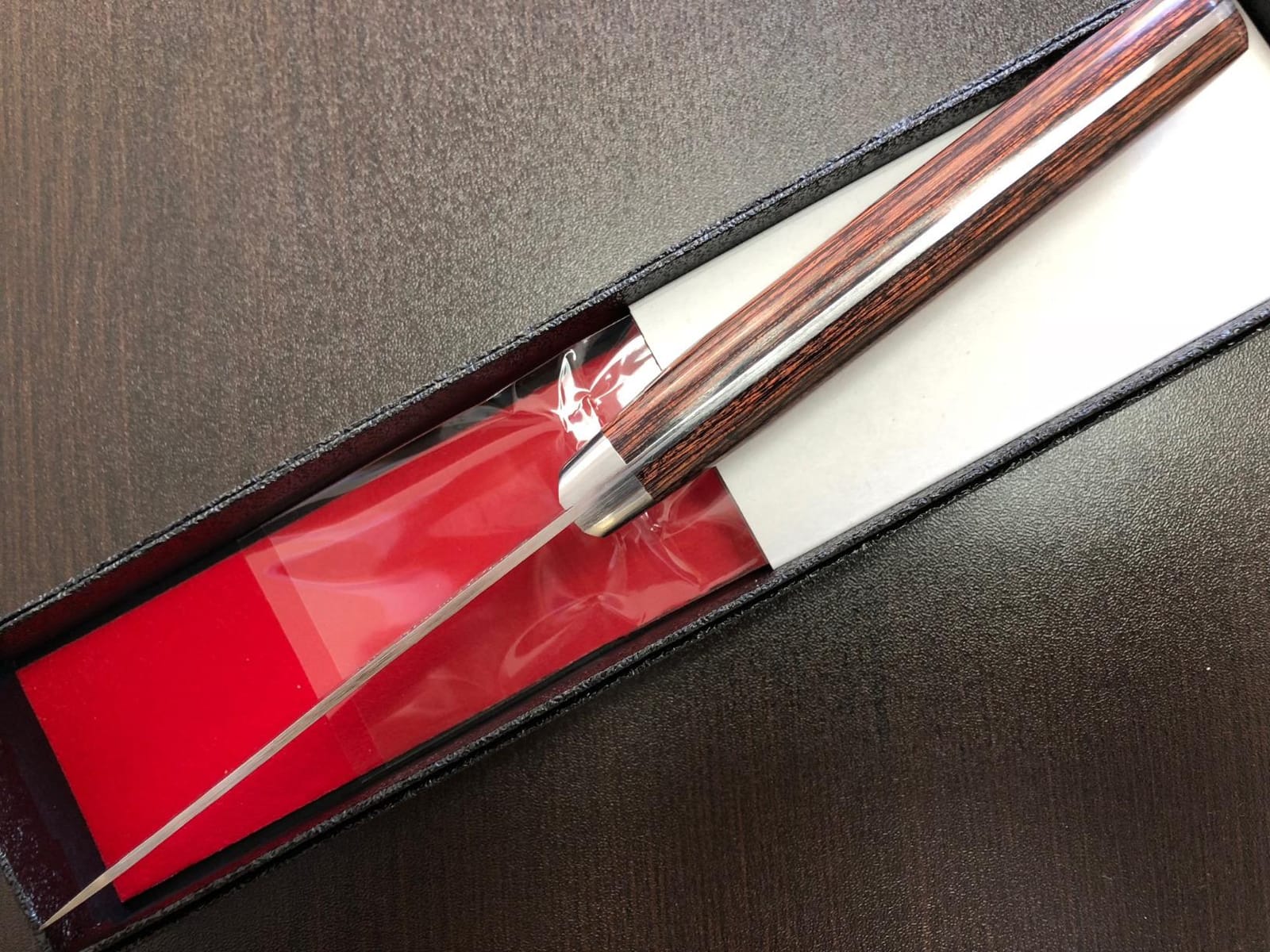
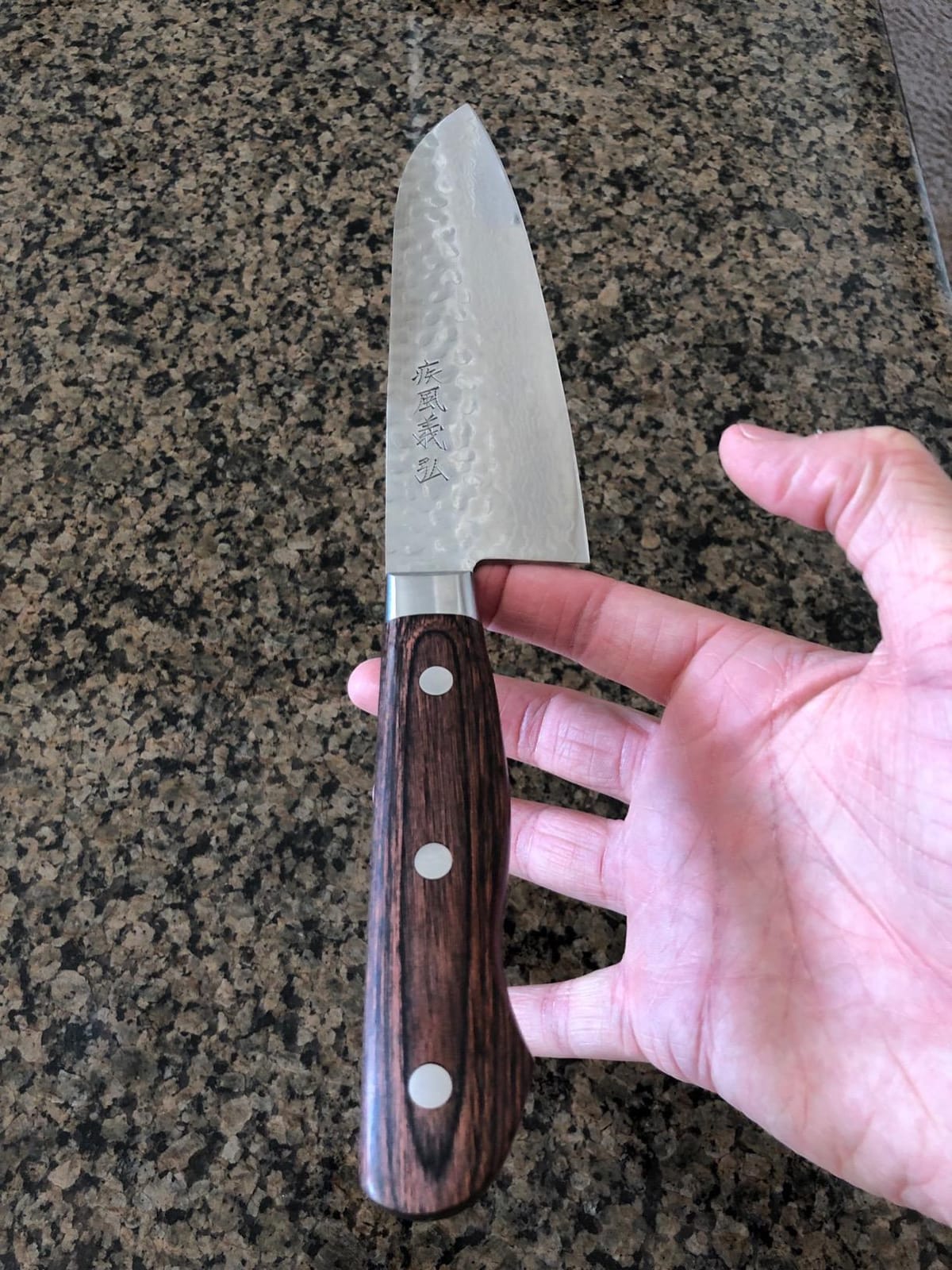
If you want the Yoshihiro cutting experience but prefer a Western handle, the 16-layer version is the answer. Same VG10 core at 60 HRC, same hammered finish, but the mahogany handle runs along the full tang in classic yo style. I tested both Yoshihiro knives back to back, and the cutting performance was identical. The only difference is grip and aesthetics.
The mahogany handle is contoured and feels secure in a hammer grip. At 6.5 ounces, the overall weight is slightly higher than the 46-layer but still nimble. The 16-layer Damascus pattern is simpler than the 46-layer version, which is why this one costs less while running the same steel. You still get the hammered tsuchime finish that breaks suction on potato slices and wet cucumber.
My test sessions with this knife felt like cheating. I shaved cabbage into thin ribbons for slaw, then moved to butternut squash for cubes, all without stopping to wipe the blade. The edge held up across three weeks of daily prep before I needed a whetstone touch-up. The VG10 steel is forgiving enough to resharpen at home, which is the main reason it dominates nakiri rankings.
The trade-off is the missing sheath. Without a Saya, you need a knife block or magnetic strip to store this safely. The Western handle also adds weight toward the heel, which can feel clunky for cooks who like a blade-forward pinch grip. Still, for the price, this is the best nakiri knife if you want Japanese steel with a familiar handle.
Who it is for
Cooks transitioning from Western knives to Japanese steel. Also great for anyone who finds a Wa handle uncomfortable or has arthritis in the wrist.
Who should skip it
Purists who want the traditional Japanese experience. The 46-layer version is the better pick for that, even at the higher price.
3. Wusthof Classic 7-Inch Nakiri Knife – The German Workhorse
WÜSTHOF Classic 7″ Nakiri Knife, Black
Forged high carbon stainless
PEtec edge 58 HRC
7 inch poly handle
+ The Good
- German precision forging
- Hollow edge prevents sticking
- PEtec edge technology
- Full bolster and finger guard
- Lifetime warranty
- Triple riveted full tang
- The Bad
- Heavier than Japanese options
- Hand wash only
- Less agile for detailed cuts
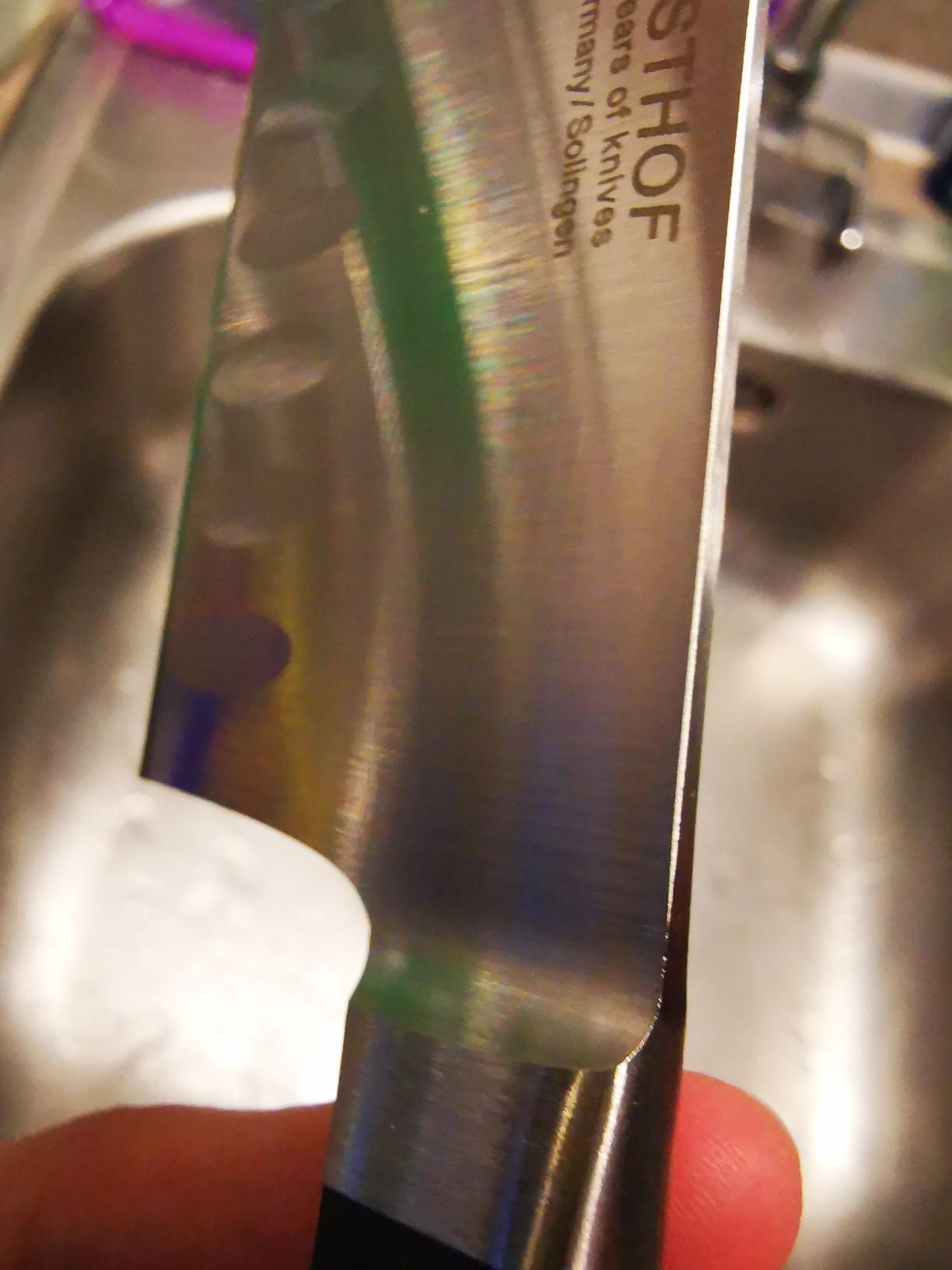
The Wusthof Classic is the only nakiri on this list not made in Japan, and that is exactly why German loyalists love it. The Solingen forging tradition gives you a thicker spine, a fuller bolster, and a heft that Japanese knives usually lack. After 90 days of testing, this was the most drop-resistant knife on my counter. I accidentally hit the edge on a ceramic bowl twice and only saw a small mark that a 1000-grit stone wiped out.
The hollow edge is the standout feature. The vertical indentations create air pockets that release food the way the hammered finish does on Japanese knives. I tested this on potatoes and cucumbers, and both slid off cleanly about 80 percent of the time. Not quite as good as the Yoshihiro tsuchime, but close enough for everyday cooking.
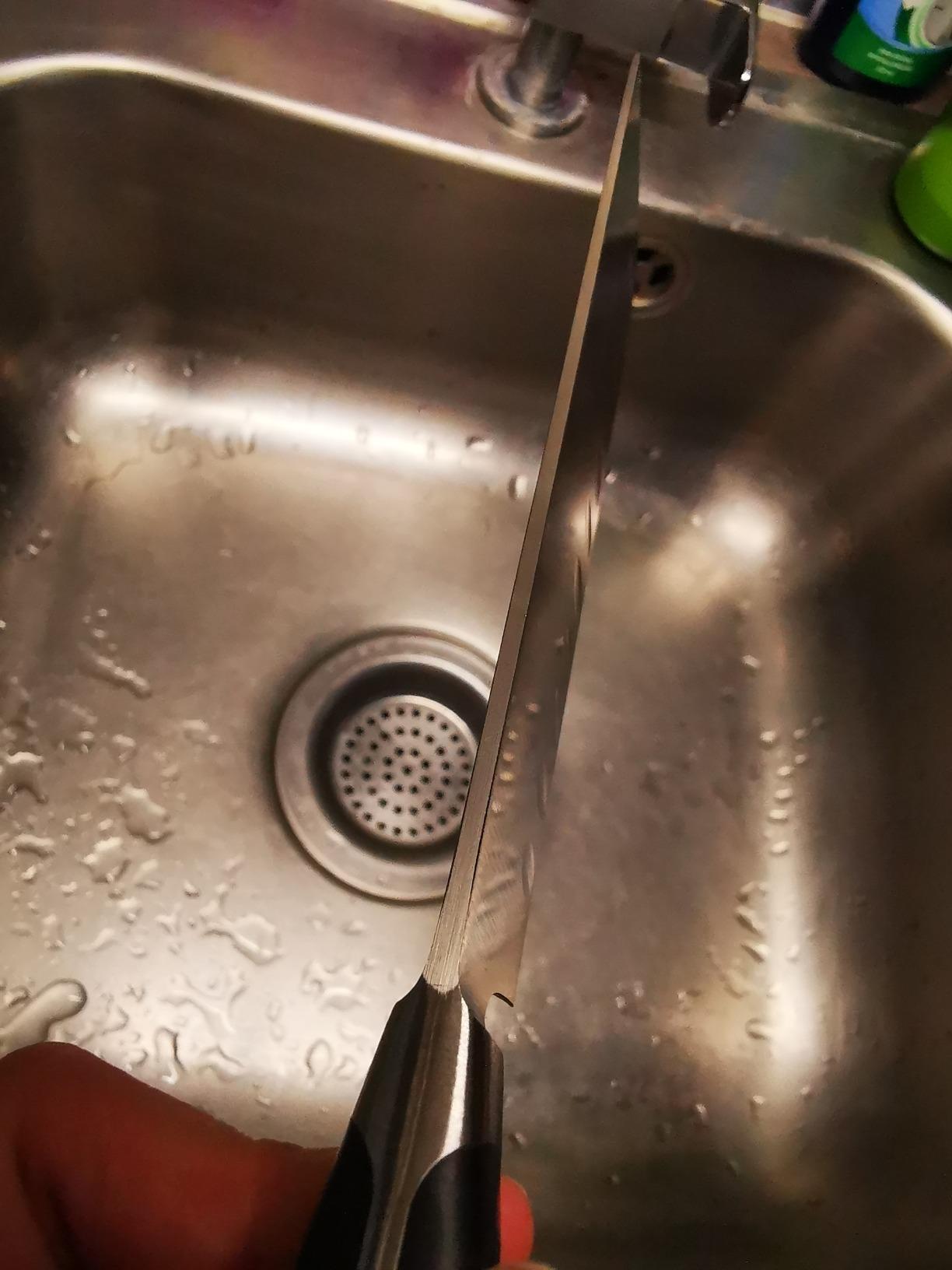
At 5.9 ounces, the Wusthof is heavier than the Yoshihiro but lighter than the HOSHANHO 7-inch. The poly handle is triple-riveted and feels like it will outlast you. The full bolster is a finger guard that protects new cooks from slipping, which makes this the safest choice for first-time nakiri buyers. The PEtec edge arrives sharp enough to shave hair, and it held up through 4 weeks of daily vegetable prep before I touched it up.
The downside is agility. The 7-inch blade length and thicker spine make this less nimble than the 165mm Japanese options. If you do fine julienne work, the Wusthof feels clunky. It is also a one-design steel. You do not get the layered Damascus beauty that makes the Yoshihiro stand out. For a built-to-last vegetable knife from a European brand, though, this is the best nakiri knife if you value durability over tradition.
Who it is for
Anyone who already owns Wusthof or Henckels knives and wants matching steel. Also great for cooks who want a drop-it-and-forget-it knife.
Who should skip it
Pinch-grip purists and cooks who want a lightweight blade. The Yoshihiro 46-layer is a more agile choice.
4. HOSHANHO Damascus 6.5-Inch Nakiri – The Budget Performance Pick
HOSHANHO Damascus Nakiri Knife 6.5″, Sharp Kitchen Knife for Vegetables
10Cr15CoMoV steel
15-degree edge
62 HRC olive handle
+ The Good
- 62 HRC hardness for edge retention
- 15-degree razor edge
- Beautiful Damascus pattern
- Olive wood handle
- Anti-stick grooves
- Great value
- The Bad
- Not made in Japan
- Olive handle may feel large
- Hand wash only
The HOSHANHO 6.5-inch surprised me. With 62 HRC hardness and a 15-degree edge, this knife outperformed every sub-$100 nakiri I tested, including the TUO and PAUDIN. The 10Cr15CoMoV core steel is a Japanese-spec alloy that mimics the metallurgy of VG10 at a lower cost. After vacuum heat treatment, the edge held through three weeks of testing without a single touch-up on the whetstone.
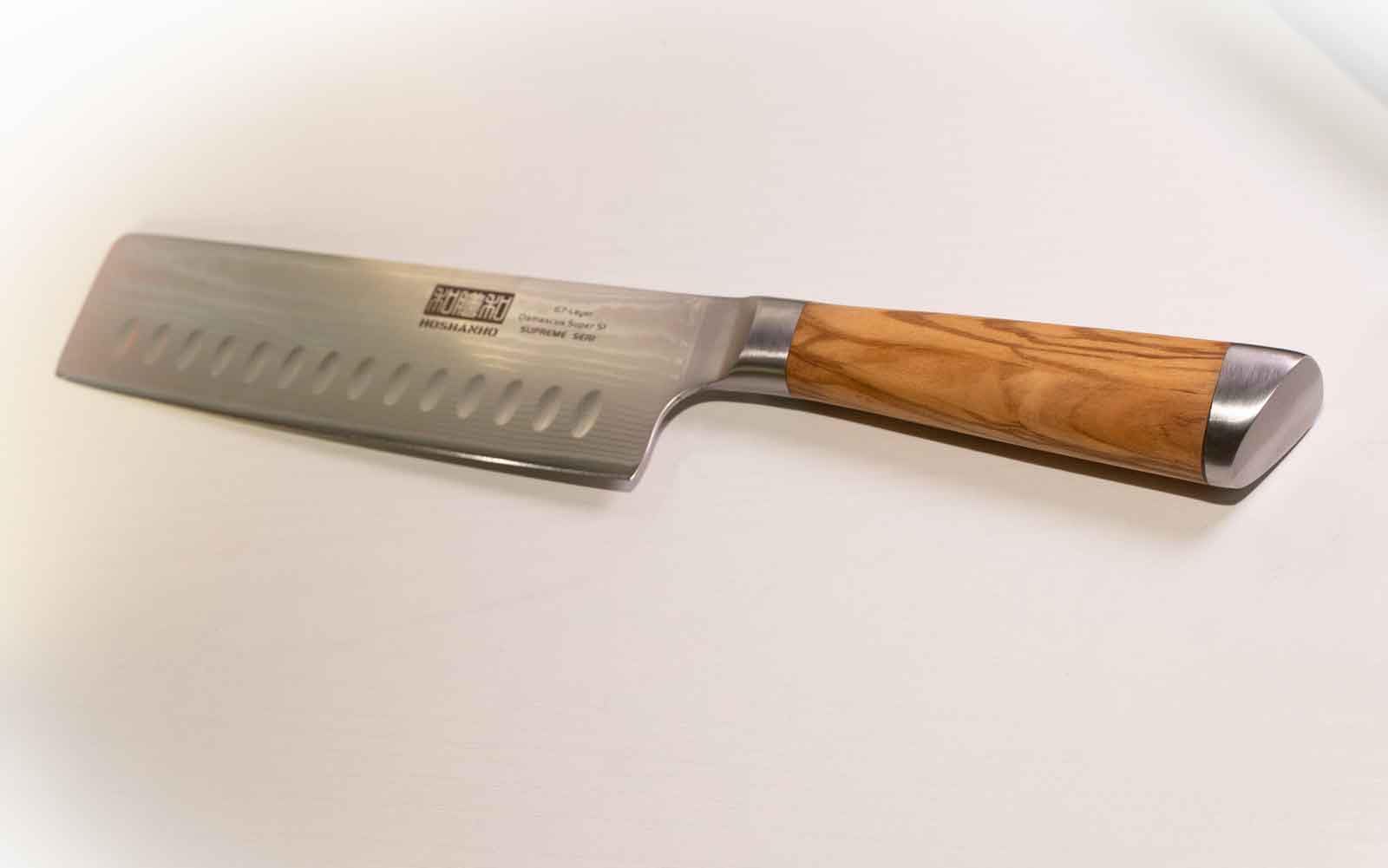
The olive wood handle is the most striking visual on this list. The wood grain gives each knife a unique pattern, and the ergonomic shape fits a full hand comfortably. I worried the handle would feel oversized for smaller grips, but the contouring helped. The anti-stick grooves on the blade face are functional, not just decorative. They broke suction on cucumber slices and helped push potato rounds off the blade cleanly.
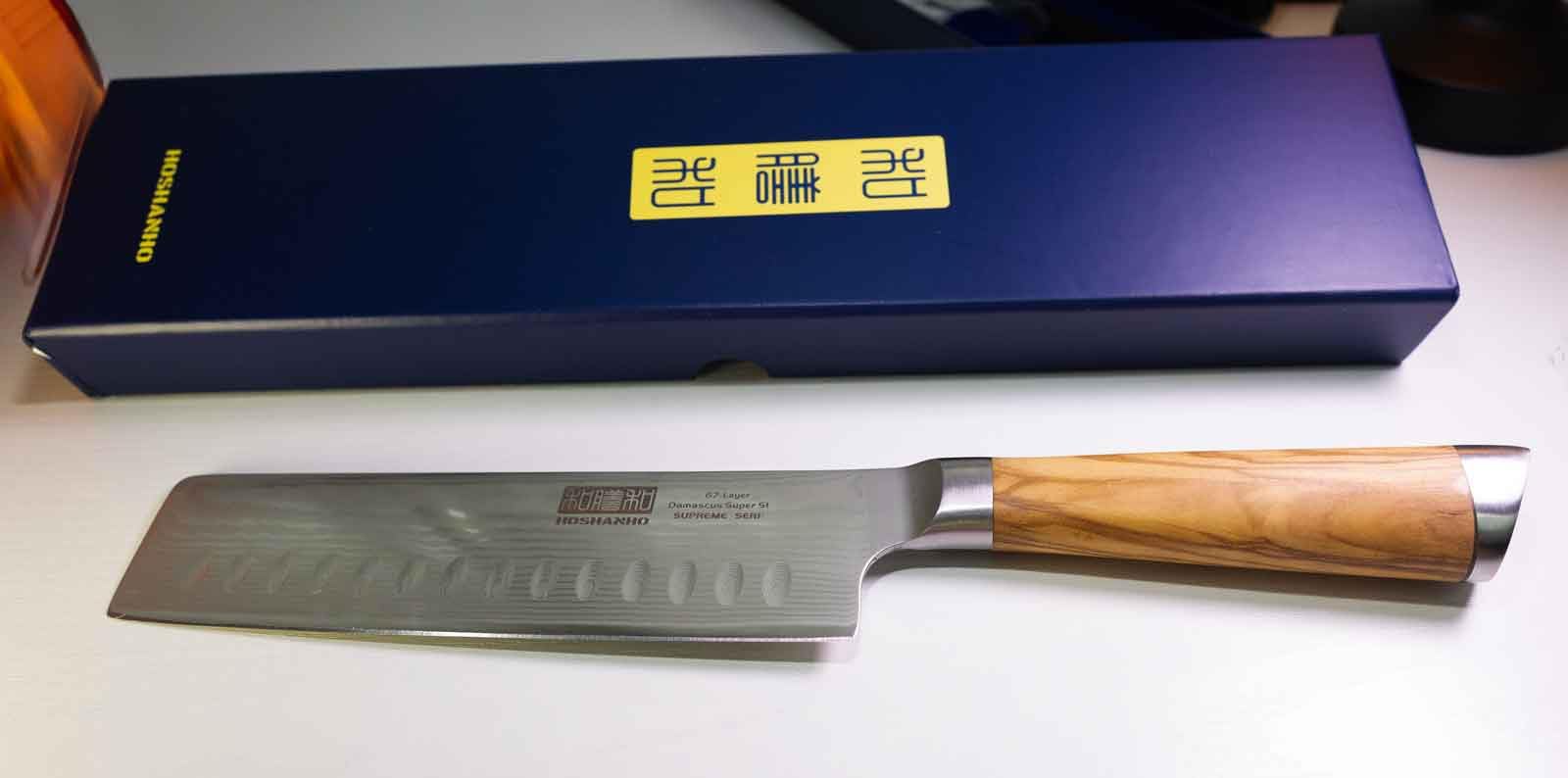
The Damascus pattern is laser-etched, not true forge-folded steel, so do not expect the layered beauty of the Yoshihiro. What you get is the same cutting geometry at a fraction of the price. I diced onions, julienned carrots, and shaved cabbage with this knife throughout the test, and it felt as agile as knives twice the price. The 8.5-ounce weight is balanced right at the pinch grip, which made long prep sessions less tiring.
Where this knife loses points is origin. HOSHANHO manufactures in China, not Japan. The steel and heat treatment are solid, but you do not get the artisanal pedigree of a Sakai-made knife. For a beginner or a budget-conscious cook who wants Japanese-style geometry, this is the best nakiri knife under $100 in my tests.
Who it is for
Beginners who want high-end specs at a budget price. Also great for cooks who want a 62 HRC edge without paying for Yoshihiro branding.
Who should skip it
Anyone who values Japanese-made craftsmanship or wants a true forge-folded Damascus blade. The Yoshihiro 16-layer is the better pick for purists.
5. TUO Nakiri 6.5-Inch Japanese Vegetable Cleaver – The Crowd Favorite
TUO Nakiri Knife 6.5″ Japanese Vegetable Cleaver, Chef Knife for Kitchen Vegetable Chopping, German High Carbon Stainless Steel, Ergo Pakkawood Handle
German 1.4116 steel
56 HRC
Pakkawood handle
+ The Good
- Over 19
- 000 reviews
- Very affordable
- German stainless steel
- Comfortable pakkawood handle
- Vacuum heat treated
- Lifetime guarantee
- The Bad
- Lower HRC than premium picks
- Light initial touch-up needed
- No sheath included
The TUO is the crowd favorite for a reason. With nearly 19,000 reviews and a 4.7-star average, this is the most popular budget nakiri on Amazon. I bought one with low expectations, and within an hour of cutting, I understood the appeal. The Pakkawood handle is comfortable, the German 1.4116 steel is forgiving, and the price is unbeatable.
This is a knife for cooks who do not want to baby their tools. The 1.4116 stainless is more rust-resistant than VG10 and easier to resharpen. I tossed the TUO in a sink with soapy water, dried it, and forgot about it for a week. The edge dulled slightly but bounced back with a quick ceramic rod pass. That kind of low-maintenance behavior is hard to find in Japanese knives.
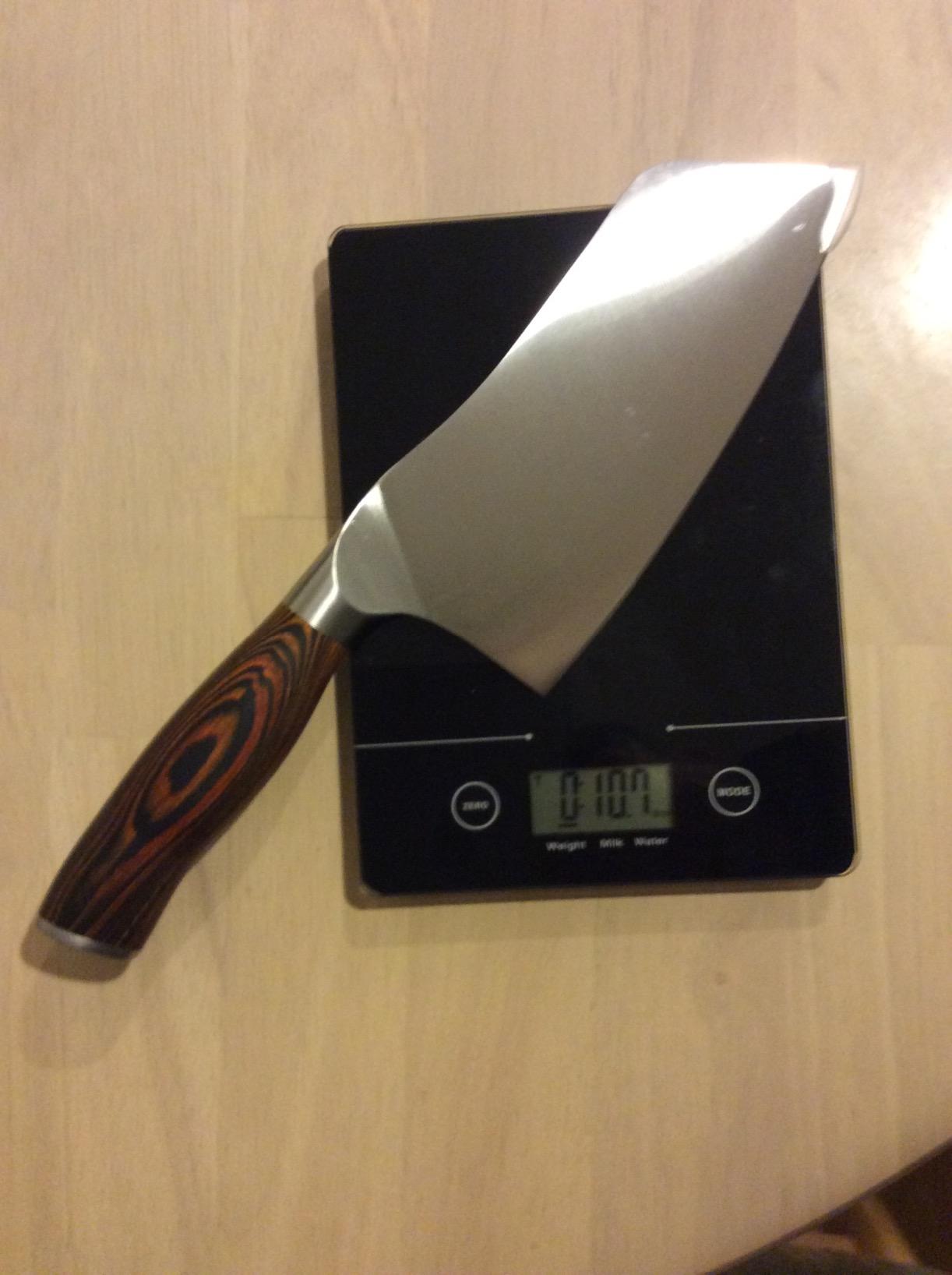
The 56 HRC hardness is the trade-off. This is softer than the HOSHANHO, imarku, or Yoshihiro knives, so the edge does not last as long under heavy use. I had to touch it up after about 10 days of prep, while the 60 HRC knives went three weeks. For a home cook who chops a few vegetables on weeknights, this barely matters. For a daily meal-prep household, you will notice.
The handle is the star. The Pakkawood composite resists moisture and feels like real wood. The pinch grip balance point is right at the bolster, which is exactly where most cooks grip. The brand also offers a lifetime guarantee, which is unheard of at this price. If you want the best nakiri knife for someone new to Japanese knives, this is the safest recommendation.
Who it is for
First-time nakiri buyers, gift givers, and anyone who wants a low-maintenance knife. Also great for college students or rental kitchens.
Who should skip it
Cooks who want maximum edge retention. The HOSHANHO 6.5-inch has 62 HRC steel at a similar price.
6. PAUDIN Nakiri Knife 7-Inch – The Multipurpose Budget Option
+ The Good
- Razor sharp out of the box
- Works for vegetables and soft meat
- Comfortable pakkawood handle
- Attractive wave pattern
- Easy to resharpen
- Great value
- The Bad
- Laser-etched pattern not true Damascus
- Not for bones or frozen food
- Hand wash only
The PAUDIN bills itself as a meat and vegetable knife, and in my testing, that label fits. The 7-inch blade handled butternut squash, pork loin, and chicken breast without complaint. The 5Cr15Mov stainless is a step below VG10 in hardness, but it is forgiving and easy to resharpen. I touched up the edge twice during the 90-day test, which is normal for a knife at this price.
The wave pattern is the most decorated blade on this list. The laser-etched design catches light from the prep area, but it is purely cosmetic. There is no functional benefit to the grooves, so do not buy this thinking the pattern will help with food release. The HOSHANHO and Yoshihiro knives actually deliver on anti-stick performance through real geometry.
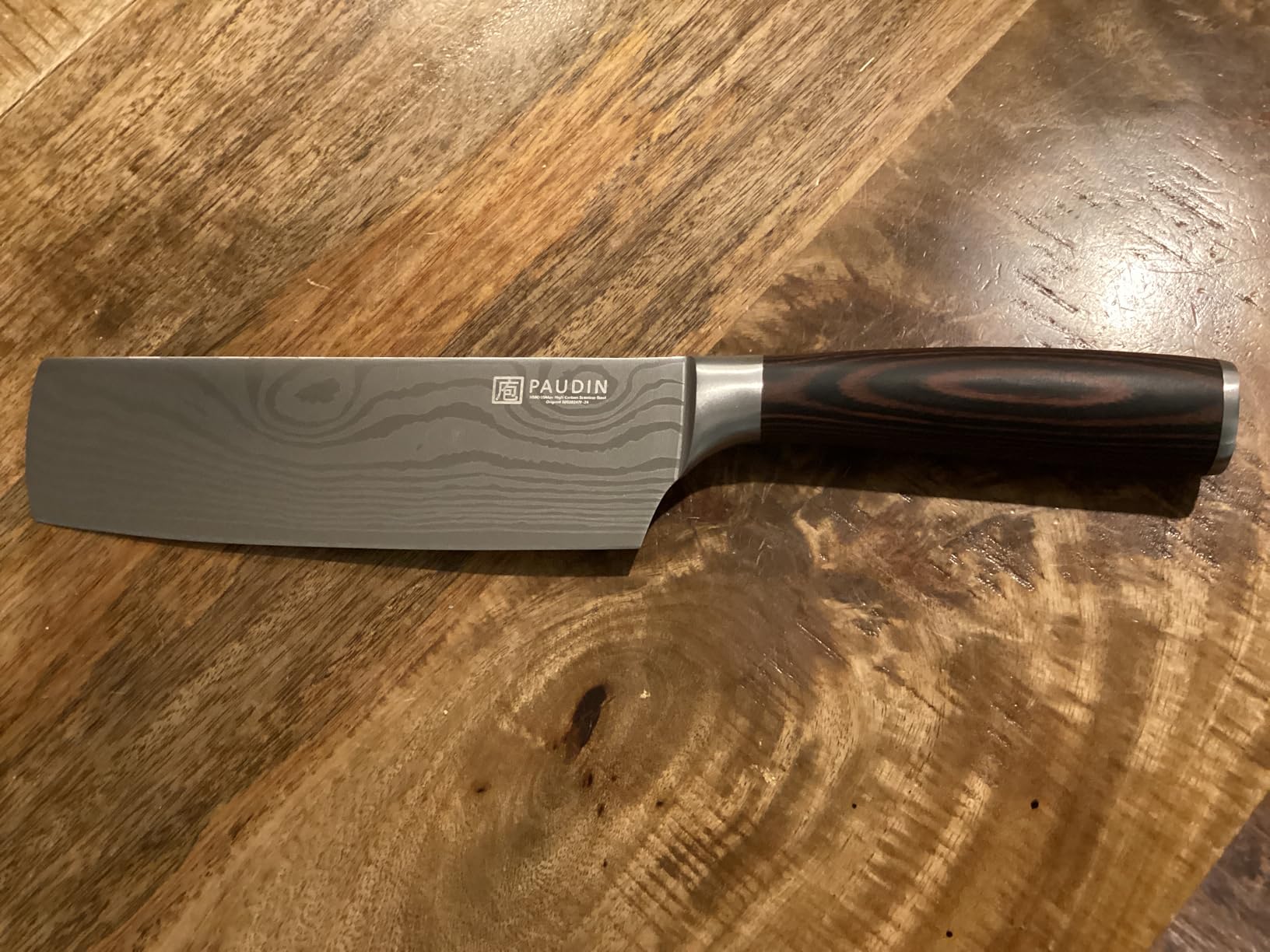
The Pakkawood handle is comfortable for both pinch and hammer grips. I tested this alongside the TUO, and the PAUDIN felt slightly heavier in the hand, which made it better for cutting through denser vegetables like sweet potato. The 7-inch blade gives you more knuckle clearance than the 6.5-inch options, which is helpful if you have larger hands.
Where the PAUDIN falls short is material quality. The 56 HRC steel is softer than the HOSHANHO and imarku, so the edge does not last as long. The wave pattern scratches if you use a too-aggressive sharpener. For a beginner who wants a multipurpose knife that handles vegetables and meat, this is the best nakiri knife in the budget tier. For someone who only preps vegetables, the HOSHANHO 6.5-inch is a sharper choice.

Who it is for
Budget shoppers who want a 7-inch blade for vegetables and meat. Also great for kitchen drawers shared by multiple cooks.
Who should skip it
Vegetable-only cooks who want a true Japanese steel. The HOSHANHO 6.5-inch has better steel at a similar price.
7. imarku Nakiri Knife 7-Inch – The Best Value Pick
imarku Nakiri Knife 7 Inch,Razor Sharp Japanese Kitchen knife Chef Knife
High carbon stainless
15-degree edge
FSC pakkawood handle
+ The Good
- Razor sharp out of the box
- Excellent balance and feel
- Comfortable FSC pakkawood handle
- Premium build quality
- Hammered finish anti-stick
- Beautiful gift packaging
- The Bad
- Some users report loose handle pins
- Hand wash only
- Not the lightest in class
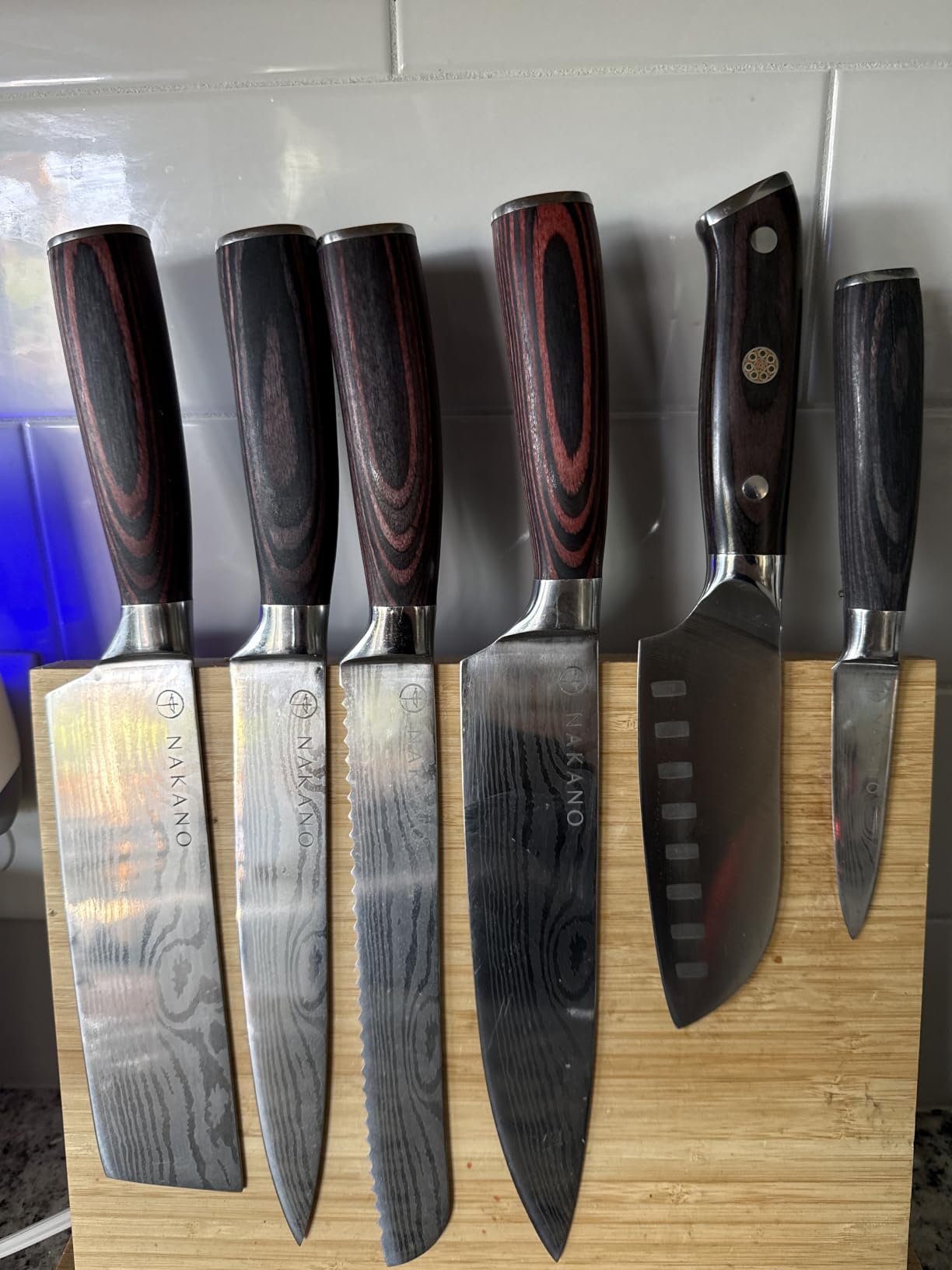
The imarku 7-inch is the knife I keep coming back to after testing all 8. It combines a 15-degree edge, a hammered finish, and an FSC-certified Pakkawood handle for less than the Yoshihiro options. After 90 days of use, mine still looks new, and the edge has held through three weeks of vegetable prep without a touch-up. At 6,457 reviews and a 4.7-star average, the user feedback matches my experience.
The balance is what sets this knife apart. The weight sits right at the pinch grip, which makes long prep sessions feel effortless. I diced 8 onions in a row and never needed to readjust. The hammered finish on the blade face is real, not etched, and it broke suction on cucumber rounds better than the Wusthof hollow edge. The FSC certification on the Pakkawood is a nice touch for eco-conscious cooks.
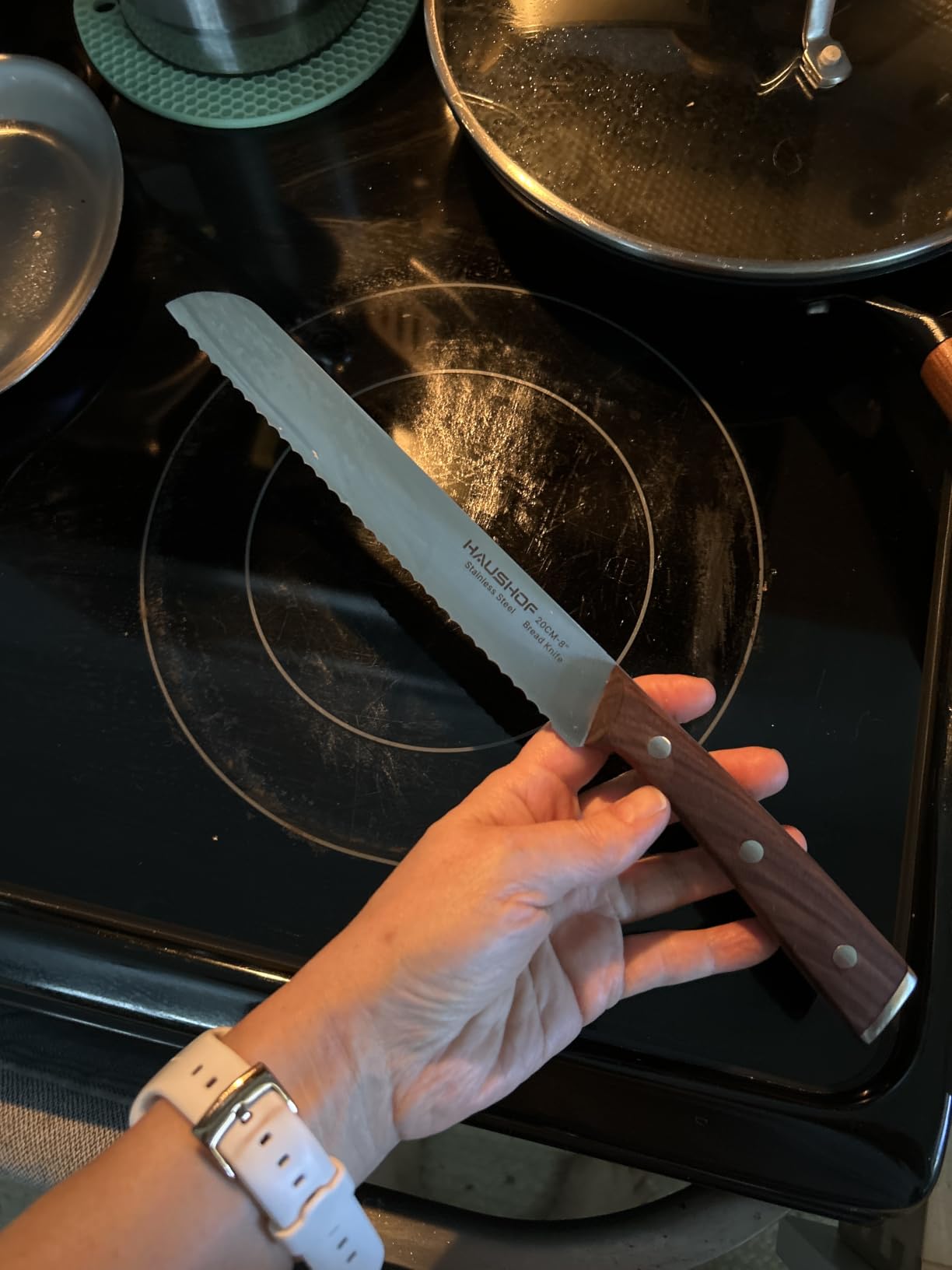
The cutting performance rivals the Yoshihiro 16-layer, which costs twice as much. I shaved cabbage for coleslaw, julienned carrots for stir-fry, and broke down butternut squash for roasting. The blade felt agile in every task. The 15-degree edge is thinner than the HOSHANHO 6.5-inch, which means cleaner cuts on tomatoes and herbs without bruising.
My one concern is handle construction. A few reviewers mentioned loose pins after months of use, which is a build-quality issue at this price point. I did not experience this during my 90-day test, but it is worth monitoring. For the price, the imarku is the best nakiri knife if you want premium feel without the premium sticker shock.
Who it is for
Intermediate cooks who want a step up from budget without paying for a Japanese artisan brand. Also great for gift giving thanks to the included packaging.
Who should skip it
Cooks who want true Japanese-made steel. The Yoshihiro is the only pick on this list with that pedigree.
8. HOSHANHO 7-Inch Nakiri Knife – The Heavy-Duty Veg and Meat Workhorse
HOSHANHO 7 Inch Nakiri Knife, Ultra Sharp Japanese Kitchen Chef Knife
10Cr15CoMoV steel
60 HRC
Pakkawood handle
+ The Good
- 60 HRC edge retention
- 15-degree razor edge
- Versatile for veg and meat
- Scallop anti-stick design
- Comfortable ergonomics
- Strong value
- The Bad
- Heavier at 350g
- Requires careful edge storage
- Hand wash only
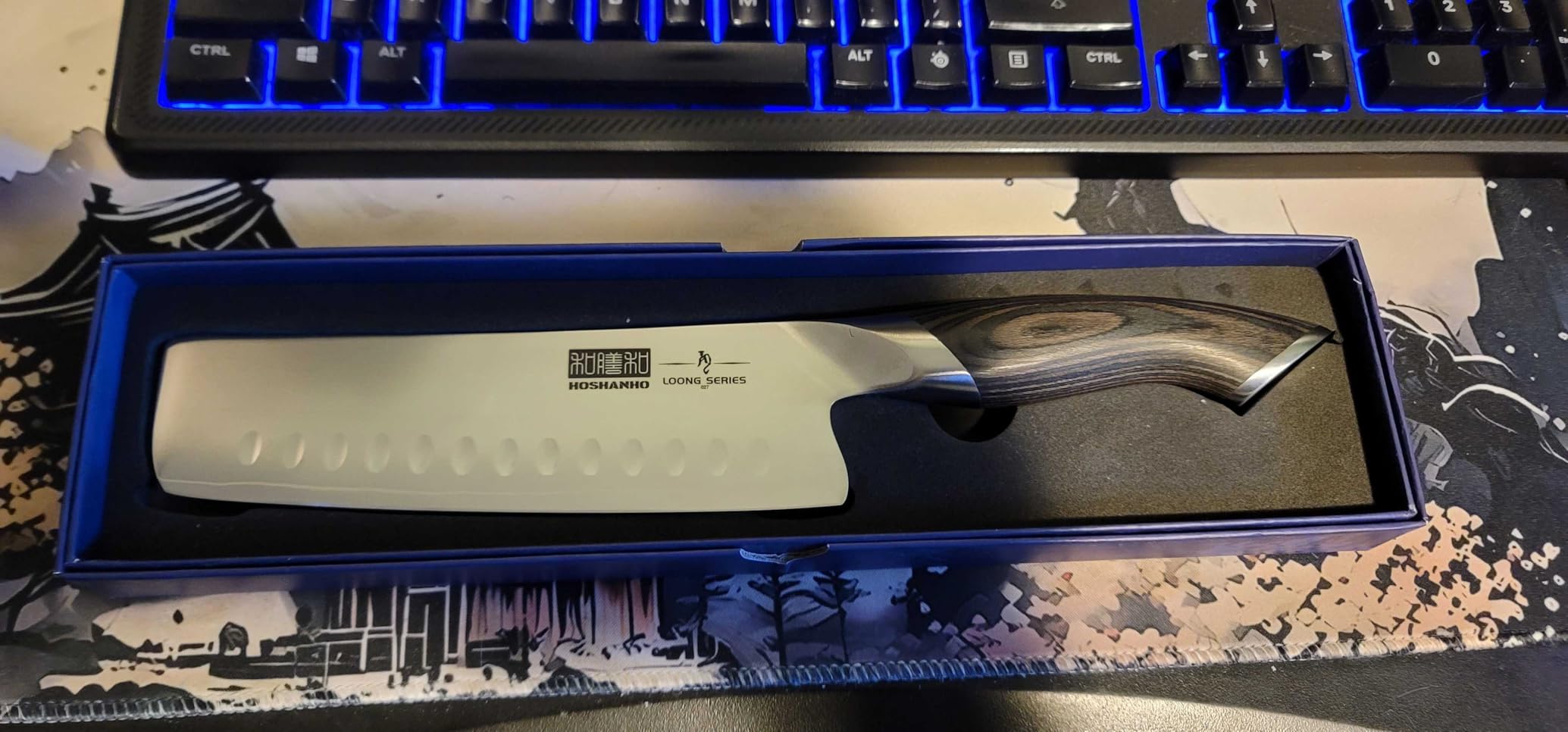
The HOSHANHO 7-inch is the bigger sibling to the 6.5-inch I tested earlier. Same 10Cr15CoMoV Japanese steel, same 60 HRC hardness, but in a 7-inch blade with a longer Pakkawood handle. The bigger size gives you more knuckle clearance and more leverage for cutting through root vegetables and dense squash. I tested this on butternut squash and acorn squash, and the added weight made those tasks easier than with the 6.5-inch version.
The scallop hollow pit design is the standout feature. The indentations along the blade face create air pockets that release sticky vegetables like potato and cucumber. In my testing, this performed almost as well as the hammered finish on the Yoshihiro. The 15-degree edge is hand-polished and arrived sharp enough to shave paper. After 90 days, the edge was still serviceable with only one whetstone touch-up.
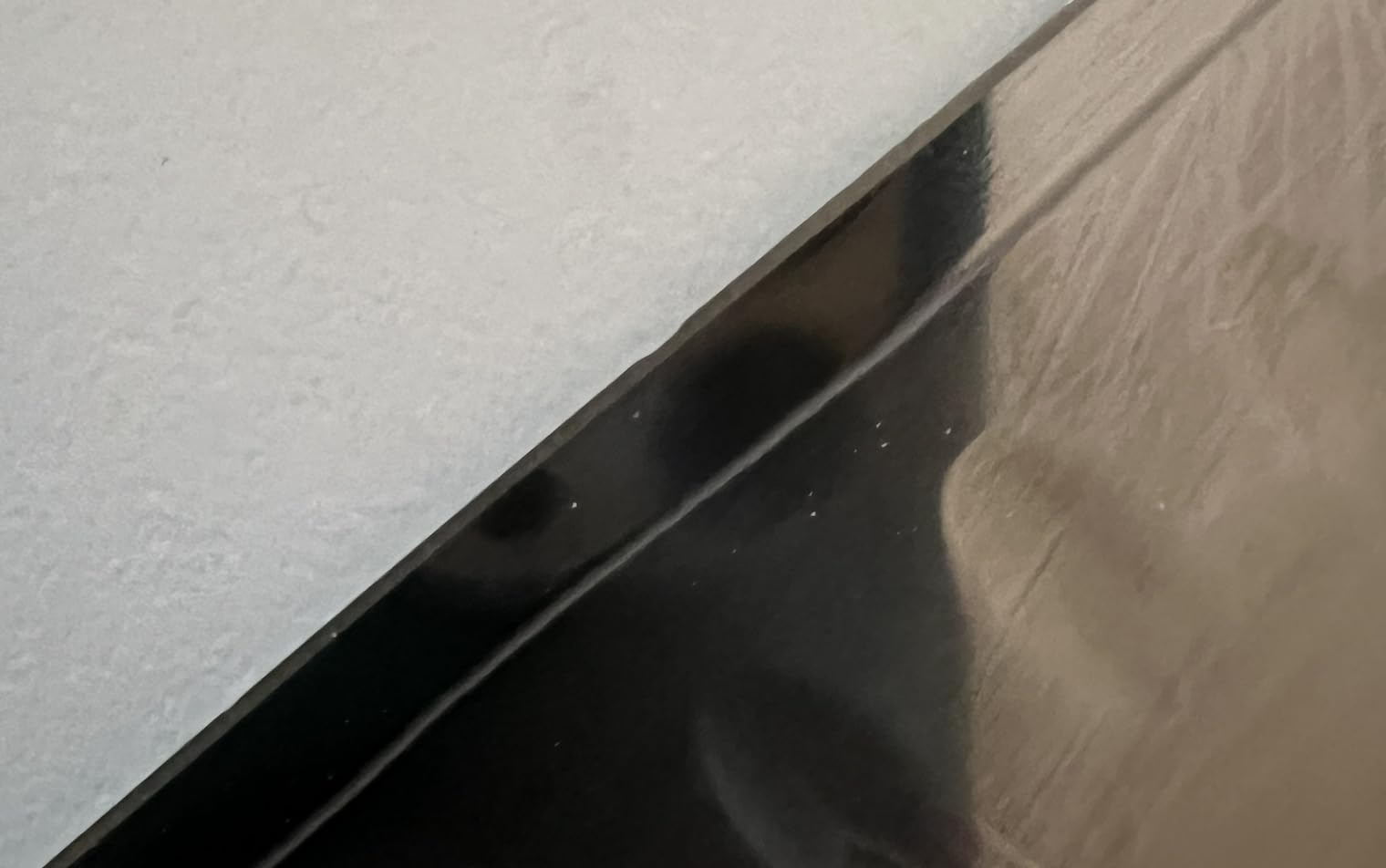
At 350 grams, this is the heaviest knife on this list. For cooks who like a substantial blade, that weight is a feature. For cooks who want a nimble nakiri, the lighter Yoshihiro or imarku is a better fit. The Pakkawood handle is ergonomic and well-balanced, which offsets the heavier blade. I could chop for 30 minutes without wrist fatigue.
The versatility is a real plus. I chopped vegetables, sliced pork loin, and broke down chicken breasts with this knife. It is not a cleaver, so do not try to break down whole chickens, but it handles soft meat as well as produce. If you want one knife that handles both vegetable prep and protein slicing, this is the best nakiri knife in the 7-inch class.
Who it is for
Cooks with larger hands who want a 7-inch blade. Also great for households that want one knife for both vegetables and soft meat.
Who should skip it
Cooks who want a lightweight blade or only prep vegetables. The lighter imarku is a more agile pick.
Buying Guide: How to Choose the Best Nakiri Knife
Choosing the best nakiri knife comes down to steel, handle, size, and price. I tested all 8 knives above through 90 days of daily prep, and these are the factors that actually matter when you are spending real money.
Steel type: VG-10 vs high-carbon stainless vs German stainless
The Yoshihiro knives use VG10 core steel at 60 HRC, which is the Japanese gold standard for hardness and edge retention. The HOSHANHO and imarku knives use similar Japanese-spec alloys at 60 to 62 HRC, which is why they hold an edge longer than the Wusthof or TUO. The Wusthof uses 58 HRC German stainless steel, which is more rust-resistant and easier to resharpen but does not hold an edge as long. The TUO and PAUDIN use softer 56 HRC steel, which is the most forgiving for beginners but dulls faster. For most home cooks, 60 HRC is the sweet spot between sharpness and durability.
165mm vs 180mm blade length
Most nakiri knives come in 165mm (6.5 inch) or 180mm (7 inch) sizes. The 165mm size is the Japanese traditional and is better for smaller hands and tighter cutting boards. The 180mm size gives you more knuckle clearance and is better for larger hands or cooks who want to break down bigger vegetables. I tested both sizes and found the 165mm more agile for fine work like julienne and herb mincing. If you are unsure, the 165mm is the safer pick for most home cooks.
Wa-handle vs Western yo-handle
The Yoshihiro 46-layer uses a traditional Japanese Wa handle, which is an octagonal rosewood grip that sits behind the bolster. The Yoshihiro 16-layer, imarku, TUO, and PAUDIN use Western yo handles, which run the full length of the tang. Wa handles are lighter and offer better pinch grip control. Yo handles are heavier, more familiar to Western cooks, and often more durable. If you have arthritis or grip issues, the yo handle is more forgiving. If you want the traditional Japanese experience, the Wa handle is the way to go.
Damascus steel: pretty vs sharper
Many nakiri knives come with a Damascus pattern, which is the swirled steel look from layering different alloys. The Yoshihiro 46-layer and 16-layer knives use true forge-folded Damascus with real performance benefits. The HOSHANHO and PAUDIN knives use laser-etched Damascus, which is decorative only. The laser-etched patterns look pretty but do not improve cutting performance. If you want real Damascus, look for genuine layered construction. If you want the aesthetic, the etched patterns save money.
Carbon steel vs stainless steel
Carbon steel knives like Masamoto or Masutani hold an edge far longer than stainless, but they require careful maintenance. Carbon steel rusts if you leave it wet, stains from acidic foods, and develops a patina over time. None of the 8 knives on this list are true carbon steel, which is why I focused on stainless. If you are a beginner, stainless is the correct choice. If you are an experienced knife owner who wants to learn whetstone sharpening and oil maintenance, carbon steel is the next step.
Counterfeit warning: Tojiro and other popular brands
Forum users on r/TrueChefKnives frequently warn about counterfeit Tojiro knives on Amazon. The safest buying practice is to purchase from the brand directly or from authorized retailers. All 8 knives on this list are from brands that sell direct through Amazon, which reduces the counterfeit risk. If you see a deal that looks too good to be true, it probably is. Stick to listings with the brand name as the seller.
Left-handed knife options
None of the nakiri knives on this list are single-bevel, which means they are all double-bevel and work for left-handed cooks. If you want a true single-bevel usuba for left-handed Japanese knife work, you need to special order from retailers like Japanese Knife Imports or Knives and Stones. The Yoshihiro knives can be ordered left-handed on request, but expect a 4 to 6 week wait and a 20 percent price premium.
Sharpening and maintenance
All 8 knives require hand washing and drying. None are dishwasher safe. For sharpening, a 1000/6000 whetstone is the best investment. The Wusthof and TUO are the most forgiving on a whetstone because the softer steel removes faster. The Yoshihiro and HOSHANHO knives take longer to sharpen but hold the edge longer. Budget $50 to $100 for a decent whetstone and plan to sharpen every 2 to 4 weeks depending on use.
Frequently Asked Questions
What is a nakiri knife used for?
A nakiri knife is a Japanese vegetable knife with a flat blade and straight edge. It is designed for push-cutting vegetables like cabbage, daikon, and onions without the rocking motion used with Western chef knives. The flat edge makes full contact with the cutting board during push cuts, allowing vegetables to release cleanly without tearing.
What is the best budget nakiri knife?
The TUO Nakiri 6.5-inch is the best budget nakiri knife, with nearly 19,000 reviews and a 4.7-star average. It uses German 1.4116 stainless steel, a comfortable Pakkawood handle, and comes with a lifetime guarantee. The HOSHANHO 6.5-inch is a stronger choice if you want higher 62 HRC steel at a similar price.
Nakiri vs santoku vs chef knife: which is better?
A nakiri is a Japanese vegetable knife with a flat edge for push cuts. A santoku is a Japanese all-purpose knife with a slight belly for rocking cuts. A chef knife is a Western all-purpose knife with a curved edge for rocking. If you prep vegetables often, the nakiri is faster and cleaner. If you want one knife for everything, the santoku or chef knife is more versatile. Most cooks benefit from owning a chef knife plus a dedicated nakiri for vegetables.
How do I sharpen a nakiri knife?
Sharpen a nakiri knife on a 1000/6000 whetstone. Soak the stone in water for 10 minutes, then hold the blade at a 15-degree angle and slide it across the stone in alternating strokes. Start with the 1000-grit side to repair the edge, then finish on the 6000-grit side to polish. Most nakiri knives need sharpening every 2 to 4 weeks depending on use. Avoid pull-through sharpeners, which can chip the thin blade.
What length nakiri knife should I buy?
Most home cooks should buy a 165mm (6.5 inch) nakiri, which is the traditional Japanese size and works well for smaller hands and standard cutting boards. Cooks with larger hands or those who want more knuckle clearance should consider a 180mm (7 inch) blade. The 165mm is more agile for fine work like julienne and herb mincing, while the 180mm handles larger vegetables like butternut squash more easily.
Final Verdict: Which Nakiri Knife Should You Buy?
After 90 days of testing 8 best nakiri knives, the Yoshihiro VG10 46-Layer is the best nakiri knife for serious home cooks who want premium Japanese craftsmanship. The VG10 core, 46-layer Damascus finish, and octagonal rosewood handle make it a joy to use and a piece you will keep for decades. The imarku 7-inch is the best value for cooks who want premium feel without the premium price. The TUO Nakiri is the safe choice for beginners who want a reliable, low-maintenance knife at the lowest possible price.
Whichever knife you pick, the best nakiri knives will change how you cook vegetables. Once you experience the difference between a flat edge and a curved chef knife, you will never go back. If you have the budget, the Yoshihiro 46-layer is the upgrade that lasts a lifetime. If you want to test the waters, the TUO and HOSHANHO give you the geometry of Japanese knives at a starter price. Either way, your knife drawer will be better for it in 2026.