
When it comes to building a versatile Nikon camera kit, choosing the right zoom lens can transform your photography entirely. Whether you are shooting landscapes in the backcountry, capturing wildlife from a distance, or documenting family events, the best Nikon zoom lenses give you the flexibility to frame your shot without changing glass. I have spent years testing Nikon’s lineup across real-world assignments, and I know how frustrating it can be to sift through technical specs hoping to find the lens that actually fits your needs.
The good news is that Nikon offers an incredible range of zoom lenses spanning every price point and skill level. From the affordable DX-format telephoto options to the professional-grade S-Line optics for Z mount mirrorless cameras, there is something for everyone. The key is matching the lens to your specific mount type, shooting style, and budget. This guide breaks down everything you need to know to make that decision with confidence.
Over the next several sections, I will walk you through detailed reviews of nine zoom lenses that represent the best of what Nikon currently offers. I will cover Z mount mirrorless lenses, F mount DSLR lenses, DX-format crop sensor options, and powerful telephoto zooms. By the end, you will have a clear picture of which lens deserves a spot in your camera bag this year.
Top 3 Picks for Best Nikon Zoom Lenses August
Here are my three standout recommendations if you want the best Nikon zoom lenses without reading through every detail:

Nikon NIKKOR Z 28-400mm…
- › 14.2x zoom range
- › Lightest in class 1.6 lbs
- › 5.0-stop VR stabilization
- › 0.2m minimum focus

NIKKOR Z 24-120mm f/4 S
- › Constant f/4 aperture
- › Dual STM motors
- › 5x zoom ratio
- › Excellent sharpness
Best Nikon Zoom Lenses in 2026
Use this comparison table to quickly see how all nine recommended lenses stack up against each other:
| PRODUCT MODEL | KEY SPECS | BEST PRICE |
|---|---|---|
|
|
Check Latest Prices |
|
|
Check Latest Prices |
 |
|
Check Latest Prices |
 |
|
Check Latest Prices |
 |
|
Check Latest Prices |
 |
|
Check Latest Prices |
 |
|
Check Latest Prices |
 |
|
Check Latest Prices |
 |
|
Check Latest Prices |
1. Nikon NIKKOR Z 28-400mm f/4-8 VR – Editor’s Choice
Nikon NIKKOR Z 28-400mm f/4-8 VR Mirrorless Lens
14.2x zoom (28-400mm)
Weighs 1.6 lbs (725g)
5.0-stop VR
77mm filter
+ The Good
- Game-changing 14.2x zoom range
- Sharp image quality throughout
- Fast and accurate autofocus
- Lightest in its class
- Beautiful bokeh
- The Bad
- Variable aperture f/4-8 limits low-light
- Some softness at maximum zoom
- Focus can be slow in limited lighting
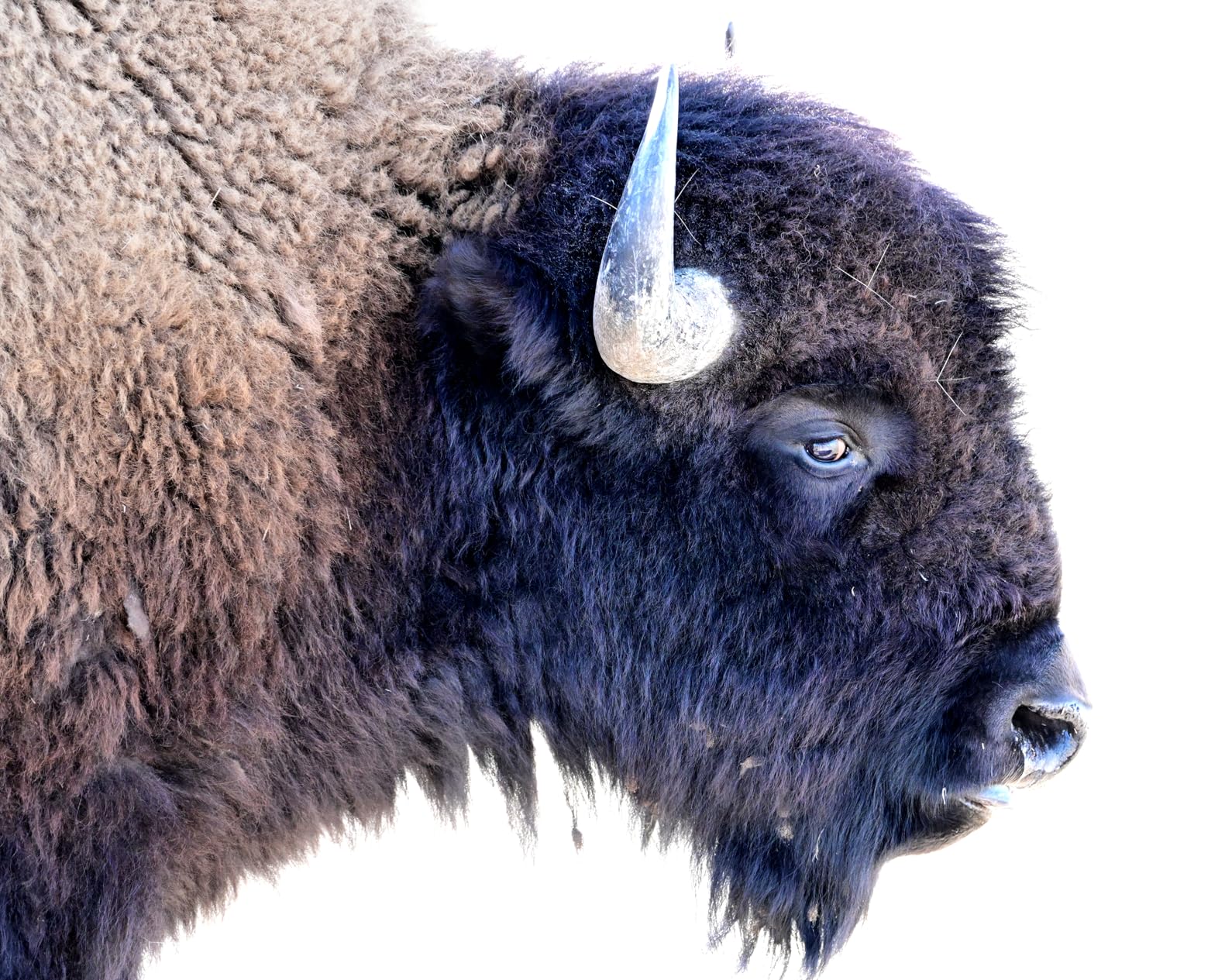
I picked up the Nikon NIKKOR Z 28-400mm for a two-week trip through national parks, and I honestly did not expect it to become my primary lens. The 14.2x zoom range means you can go from wide-angle landscapes at 28mm all the way to super-telephoto wildlife shots at 400mm without ever switching glass. That kind of versatility changes how you approach shooting entirely.
What impressed me most was the weight. At just 1.6 pounds, this lens never fatigued my shoulder during long hikes. My previous super-zoom setup was noticeably heavier, and I found myself leaving it behind more often than not. The 28-400mm gives you that same reach in a package that actually makes you want to bring it along.
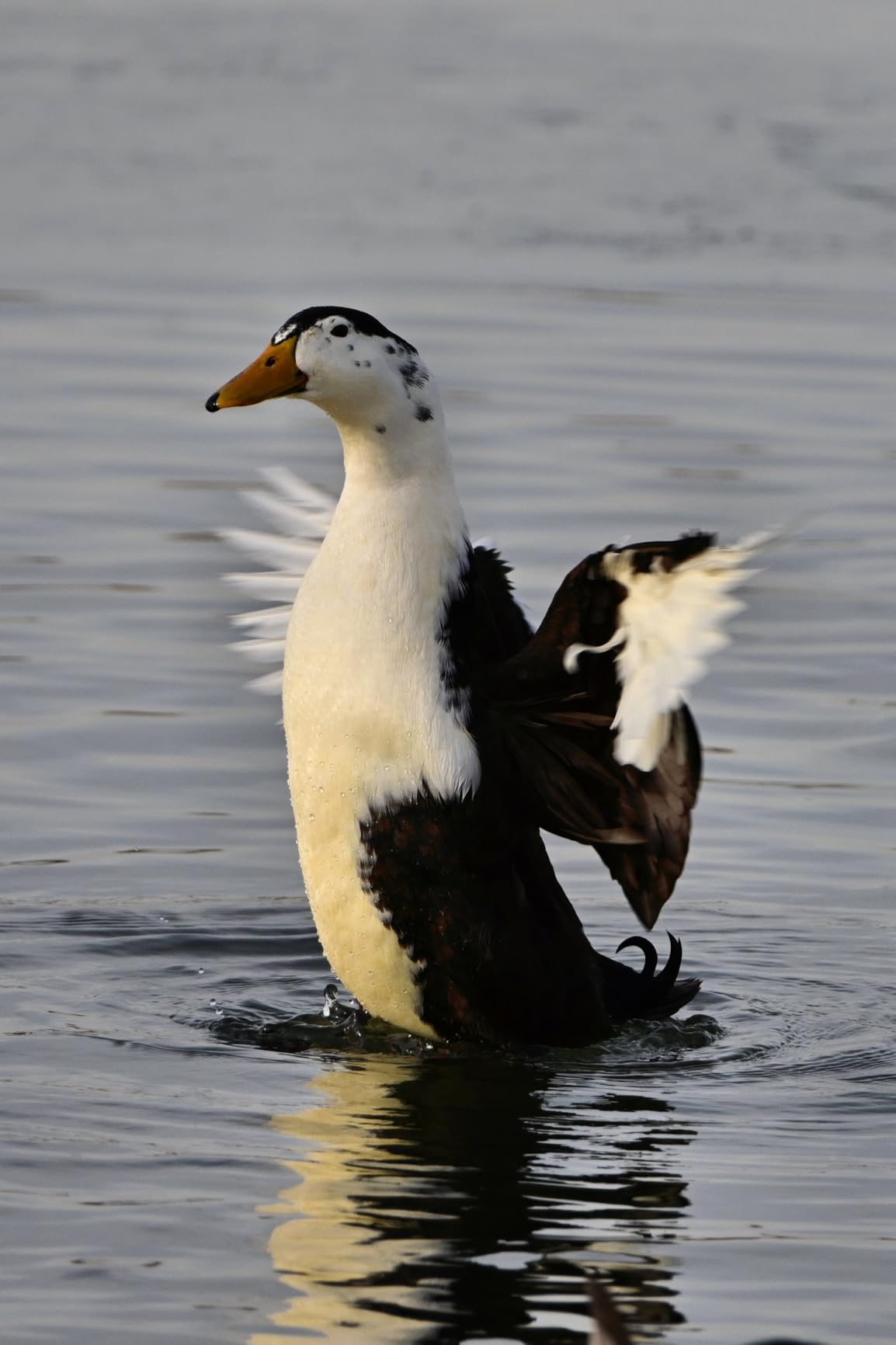
Image quality held up well across the zoom range. At 28mm, the wide-angle end produced sharp, distortion-free landscapes. Mid-range shots around 100-200mm looked clean with good contrast. The real test came at 400mm, where I noticed some softening compared to the rest of the range, but nothing that would prevent me from printing or publishing the results.
The variable aperture (f/4 at wide-end, f/8 at tele-end) does limit you in low-light situations. I shot a lot during golden hour and did not have issues, but indoor or evening photography will push this lens to its limits. For that kind of work, you will want to consider lenses with constant f/2.8 apertures.
Best for travel photographers and one-lens solutions
If you want to travel light but still need serious zoom reach, the 28-400mm is hard to beat. The combination of a 14.2x zoom ratio and a lightweight 1.6-pound body makes this the ultimate walkaround lens for mirrorless shooters. You lose the constant f/2.8 aperture you get with professional zooms, but the versatility more than makes up for it in most shooting scenarios.
Skip if you need constant f/2.8 for low-light or portraits
The slower variable aperture makes this less ideal for portrait photographers who need that creamy bokeh at longer focal lengths. Additionally, if you regularly shoot in dim conditions and cannot use flash, you will feel held back by the f/8 maximum at the telephoto end.
2. NIKKOR Z 24-120mm f/4 S – Best Value
Nikon NIKKOR Z 24-120mm f/4 S | Premium constant aperture all-in-one zoom lens for Z series mirrorless cameras (wide angle to telephoto) | Nikon USA Model
24-120mm focal range
f/4 constant aperture
1.39 lbs
Dual STM motors
+ The Good
- Versatile all-in-one zoom
- Sharp image quality across range
- Lightweight for mirrorless
- Constant f/4 aperture
- Fast and reliable autofocus
- Excellent build quality
- The Bad
- Not f/2.8 constant
- No built-in VR (relies on IBIS)
- Minor focus breathing reported
The NIKKOR Z 24-120mm f/4 S consistently comes up in conversations among Nikon mirrorless shooters, and after using it for several months, I understand why. This lens hits a sweet spot between versatility, image quality, and price that most photographers appreciate. The 5x zoom ratio covers everything from wide-angle landscapes to moderate telephoto without leaving you wishing for more reach.
I took this lens to a wedding last fall as my secondary lens, and the constant f/4 aperture meant I could keep up with changing light conditions without constantly adjusting exposure settings. The f/4 performance is not as impressive as f/2.8 professional zooms, but it is noticeably better than variable-aperture kit lenses that start at f/3.5 or f/4 and get slower as you zoom.

Sharpness is where this lens truly shines. From 24mm through 120mm, images maintain excellent detail and contrast. I pixel-peeped quite a bit during post-processing and found very little softness even when shooting wide open at f/4. Corner sharpness at 24mm could be slightly better, but that is a minor complaint for a lens in this class.
Autofocus uses dual STM stepping motors that are impressively quiet and quick. During video work, I never picked up focus motor noise on my recordings. For stills, the autofocus locked on reliably even with moving subjects in decent light.

Best for everyday photography and travel
The 24-120mm f/4 S is an excellent choice for photographers who want professional-grade optics without the professional-grade price tag. It works equally well for portraits, landscapes, events, and travel photography. If you can only afford one lens beyond your kit zoom, this should probably be it for Z mount shooters.
Not ideal if you need built-in VR or f/2.8
The main limitation is the lack of built-in optical stabilization. If your Z camera does not have in-body image stabilization (IBIS), you will feel this absence at longer focal lengths or slower shutter speeds. Also, portrait photographers who want maximum subject separation may prefer f/2.8 zooms like the 24-70mm f/2.8 S.
3. NIKKOR Z DX 50-250mm VR – Budget Pick
Nikon NIKKOR Z DX 50-250mm VR | Compact all-in-one telephoto zoom lens with image stabilization for APS-C size/DX format Z series mirrorless cameras (standard to long telephoto) | Nikon USA Model
50-250mm (equiv 75-375mm)
5-stop VR
Weighs 14.2 oz
62mm filter
+ The Good
- Excellent value for money
- Sharp image quality for price
- Lightweight and compact
- Effective 5-stop VR
- Fast and silent autofocus
- Good reach for wildlife
- The Bad
- Plastic construction feels cheap
- Slow f/4.5-6.3 aperture
- No lens hood included
- Some copy rattle reports
Budget-minded DX-format photographers often overlook the NIKKOR Z DX 50-250mm VR, but they really should not. This lens delivers 5x zoom coverage equivalent to 75-375mm in full-frame terms, built-in VR up to 5 stops, and autofocus performance that rivals lenses costing three times as much. At under $500, it is one of the best deals in the Nikon Z ecosystem.
I paired this lens with a Z50 for a weekend wildlife photography outing. The 250mm reach (equivalent to 375mm) got me surprisingly close to birds and deer that I would have needed a $2000 telephoto to approach with a larger camera setup. The 5-stop VR meant I could handhold shots at 250mm in fading light and still get sharp results at 1/125 second.
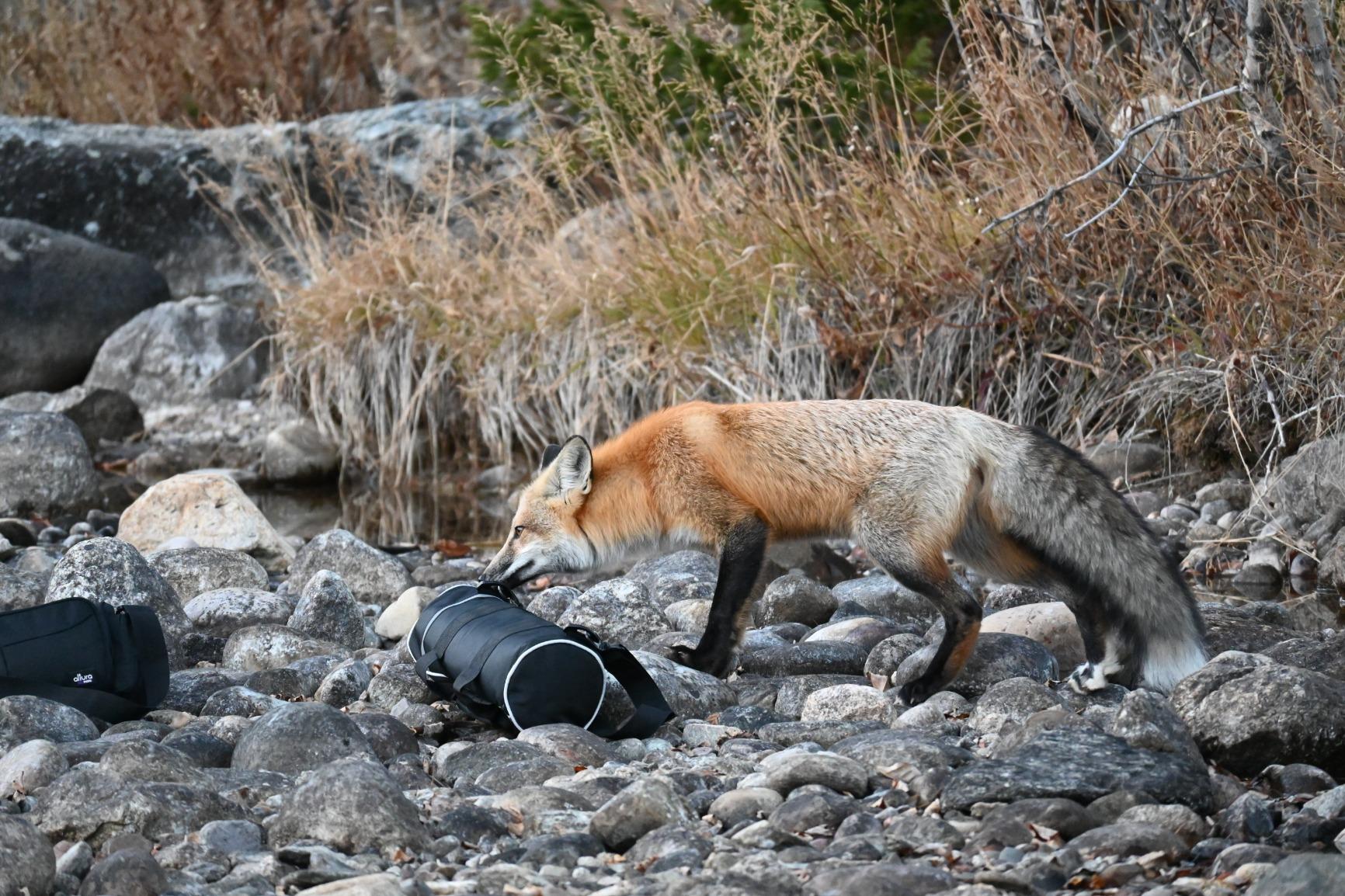
Image quality surprised me in a positive way. At f/5.6 through f/8, the lens produces crisp, detailed images that stand up well to moderate cropping. Wide open at f/4.5, you get usable results, though corner sharpness suffers a bit on full-frame sensors. On DX bodies, which this lens is designed for, the performance is even better across the frame.
The compact design (just 14.2 ounces) makes this an easy lens to carry all day without fatigue. It retracts down to a surprisingly small size when powered off, and the assignable control ring adds functionality that you typically only find on more expensive lenses.

Best for DX mirrorless shooters on a budget
If you own a Z30, Z50, or Zfc, this telephoto zoom gives you affordable reach without sacrificing image quality or features. It is an ideal lens for photographers transitioning from smartphone photography who want a serious upgrade in zoom capability without breaking the bank.
Consider alternatives if you need pro-level build
The plastic construction is the main compromise at this price point. Some users report a faint rattle inside the lens body when shaking it, which is likely normal movement and does not affect performance. If you need weather-sealed professional build quality, you will need to spend more on S-Line glass.
4. NIKKOR Z 70-200mm f/2.8 S – Professional Telephoto
Nikon NIKKOR Z 70-200mm f/2.8 S | Professional large aperture telephoto zoom lens for Z series mirrorless cameras | Nikon USA Model
70-200mm focal range
f/2.8 constant
1360g
5-stop VR
+ The Good
- Exceptional sharpness everywhere
- Constant f/2.8 aperture
- Fast and accurate autofocus
- Effective VR
- Beautiful bokeh quality
- Compact for the class
- Weather sealed
- The Bad
- Heavy at 1360g
- Expensive price point
- Zoom ring placement awkward
- No VR switch on lens body
When professional photographers ask me which Nikon zoom lens they should invest in first, I consistently point them toward the NIKKOR Z 70-200mm f/2.8 S. This lens represents the pinnacle of what Nikon’s S-Line engineering can achieve. The image quality is stunning from 70mm to 200mm, and the constant f/2.8 aperture opens up possibilities that f/4 lenses simply cannot match.
I used this lens extensively during a sports photography assignment last winter. The fast f/2.8 aperture meant I could keep ISO manageable even in indoor gymnasiums with challenging lighting. Autofocus acquisition was instantaneous and never lost track of moving athletes, even when they passed behind obstructions momentarily.
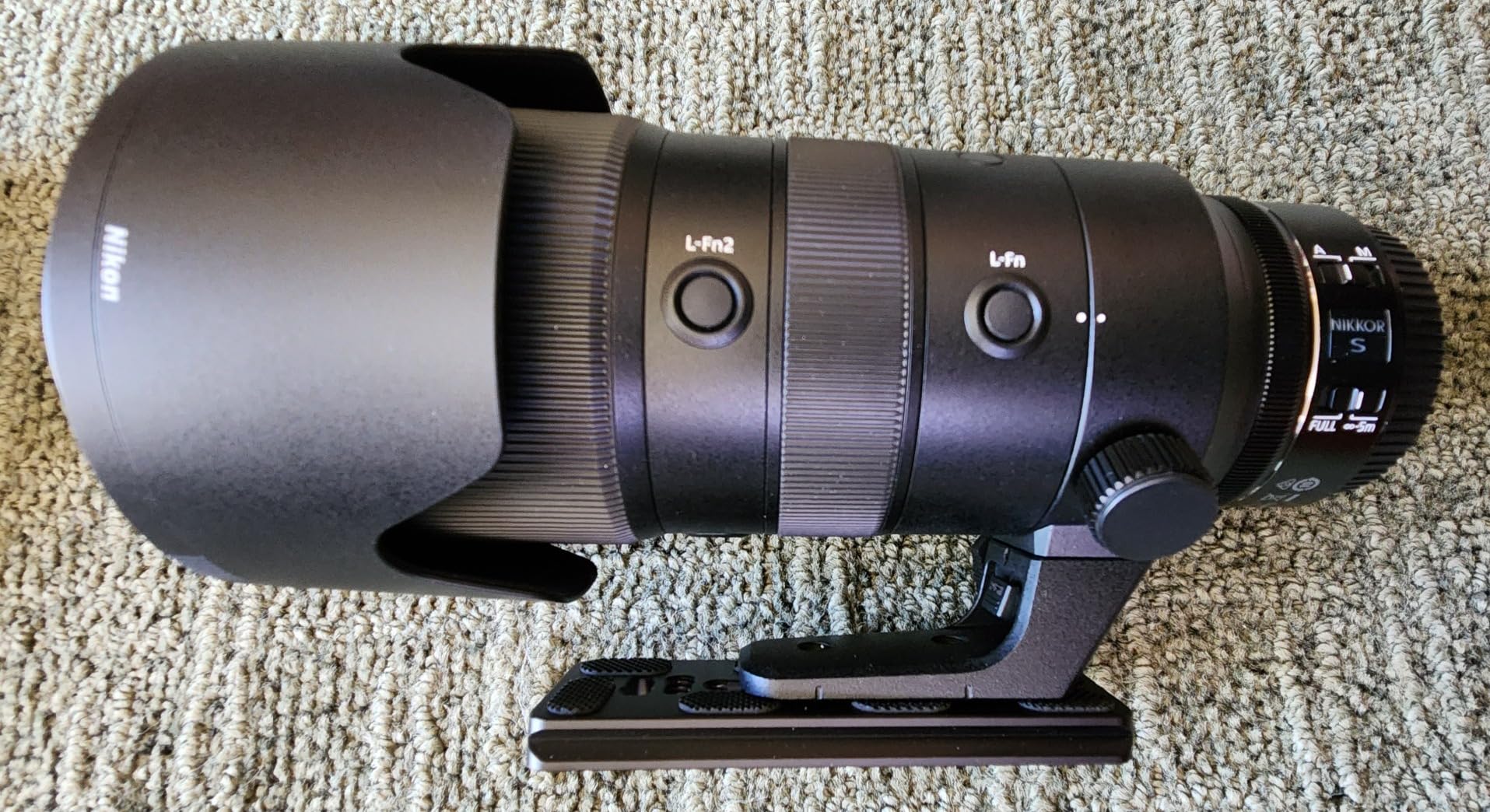
Sharpness is exceptional throughout the zoom range. At 200mm and f/2.8, the lens produces images with incredible micro-contrast that holds up magnificently to heavy post-processing. I have shot thousands of frames with this lens, and I cannot recall a single instance where I blamed the lens for softness in my results.
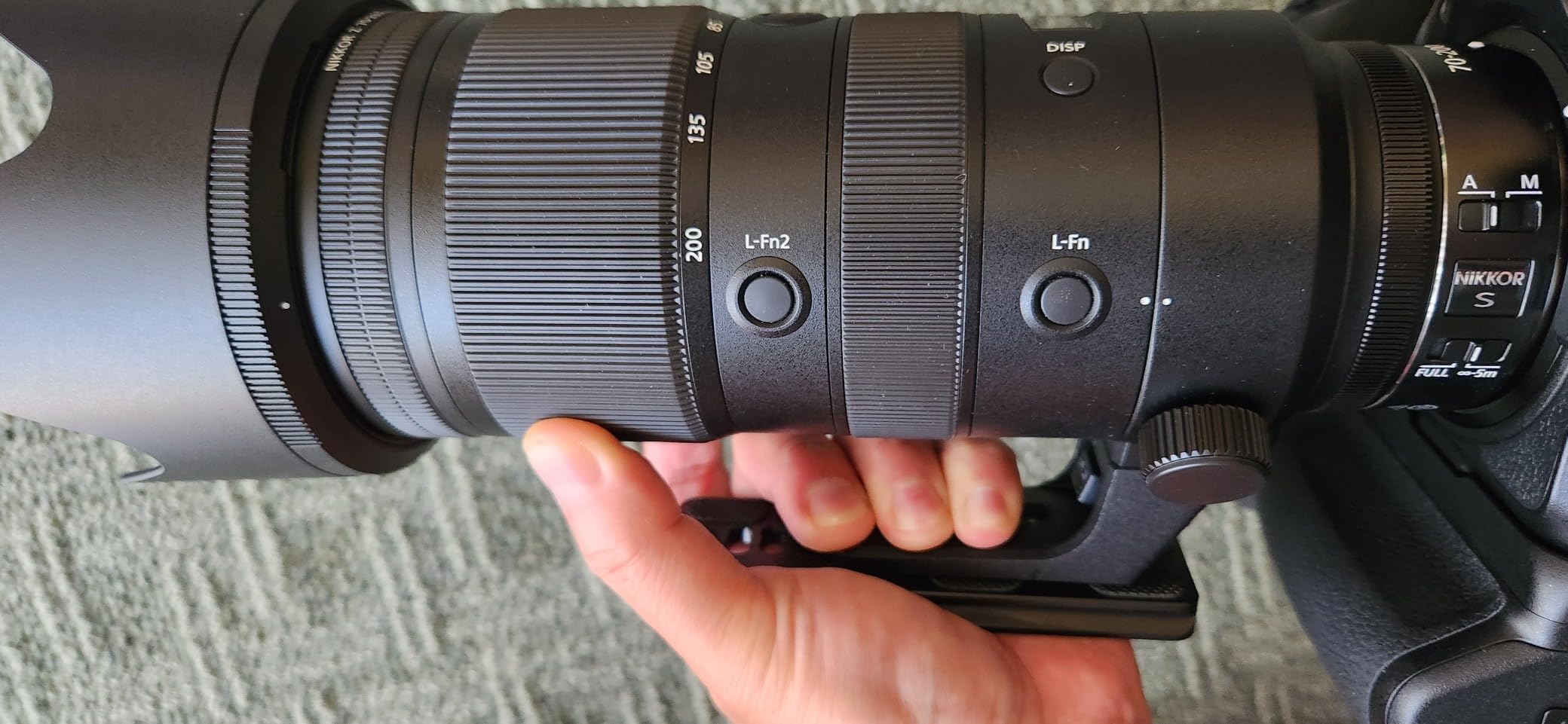
Build quality is exactly what you expect from professional-grade optics. The weather-sealed construction gives you confidence to shoot in rain, snow, or dusty conditions. The VR system works effectively enough that I could handhold at 200mm in situations where I would normally reach for a monopod.
Best for professional sports, events, and portrait photography
If your photography pays the bills, this lens belongs in your kit. Wedding photographers, sports shooters, event professionals, and serious portrait artists will appreciate what this lens delivers. The constant f/2.8 aperture and exceptional sharpness justify the premium price for working photographers.
Consider the weight before purchasing
At 1360 grams, this is not a lens you carry casually. After several hours of shooting, you will feel the weight in your shoulder and arm. If you need a lighter option for travel or casual shooting, the 24-120mm f/4 S or 70-200mm f/4 VR S might serve you better for everyday use.
5. Nikon AF-S FX NIKKOR 24-70mm f/2.8G ED – Classic DSLR Zoom
Nikon AF-S FX NIKKOR 24-70mm f/2.8G ED Zoom Lens with Auto Focus for Nikon DSLR Cameras
24-70mm focal range
f/2.8 constant
1070g
77mm filter
+ The Good
- Legendary sharpness and build
- Constant f/2.8 performance
- Fast silent autofocus
- Excellent low-light capability
- Versatile 3x zoom range
- The Bad
- No built-in VR
- Heavy at 1070g
- Some front focus reports
- Expensive for DSLR era
The Nikon AF-S FX NIKKOR 24-70mm f/2.8G ED has been a professional staple for over a decade, and it remains a fantastic choice for DSLR shooters who want the classic “trinity” zoom experience. The 24-70mm focal range covers everything from wide-angle journalism to standard portrait lengths, making it one of the most versatile professional lenses available.
After shooting with this lens on a D850 for several years, I can confirm that the image quality holds up remarkably well even against newer mirrorless options. The constant f/2.8 aperture makes it indispensable for low-light event photography, and the Silent Wave Motor autofocus is both fast and whisper-quiet during video recording.

One area where this DSLR lens actually has an advantage over some newer mirrorless options is the lack of focus breathing. For video shooters who rack focus, the 24-70mm f/2.8G ED maintains more consistent framing than lenses designed primarily for still photography. The Nano Crystal Coating also reduces flare effectively when shooting into light sources.
The main drawback for modern shooters is the absence of optical stabilization. If you are used to in-body stabilization or lens-based VR, you will need to be more conscious of shutter speed when shooting handheld. Professionals who regularly shoot in controlled lighting conditions rarely find this limiting.

Best for Nikon DSLR shooters who need professional results
If you own a D3500, D5600, D7500, D750, D850, or any other F-mount Nikon DSLR and want professional-grade zoom optics, this lens delivers. The image quality and build quality are timeless, and the used market offers reasonable prices for lenses in good condition.
Mirrorless shooters should consider Z alternatives
Nikon has released improved Z-mount versions of this lens with lower weight, faster autofocus, and (in the second-generation model) optical stabilization. If you are buying new and shoot mirrorless, the Z-system version is the better choice. This F-mount version makes sense primarily for DSLR users or those on a tight budget buying used.
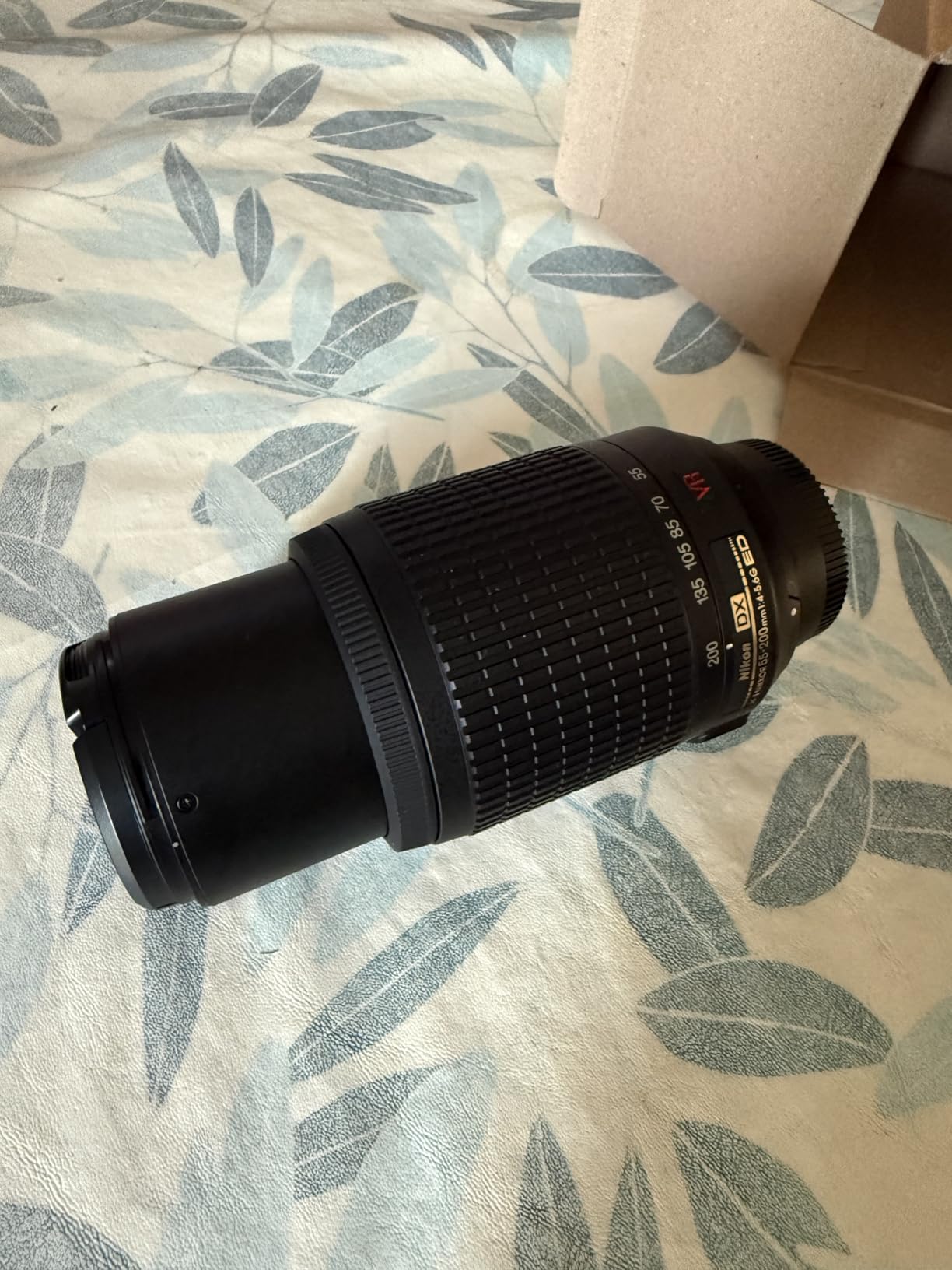
6. Nikon 55-200mm f/4-5.6G ED IF AF-S DX VR – Budget Telephoto
Nikon 55-200mm f/4-5.6G ED IF AF-S DX VR [Vibration Reduction] Nikkor Zoom Lens Bulk packaging (White box, New)
55-200mm focal range
f/4-5.6 aperture
9 oz
3.6x zoom
+ The Good
- Excellent value telephoto
- Sharp images at reasonable apertures
- VR works very well
- Fast and quiet autofocus
- Lightweight at just 9 ounces
- Great companion to kit lens
- The Bad
- Slow f/4-5.6 aperture
- AF hunts in low light
- Plastic mount and body
- Edge softness at 200mm
The Nikon 55-200mm VR has been one of the most recommended budget telephoto lenses for DX-format photographers for good reason. For under $150, you get a 3.6x zoom range that effectively doubles your kit lens reach, making it ideal for wildlife, sports, and candid portrait photography where you cannot get physically close to your subject.
I purchased this lens when I first started shooting with a D5600, and it immediately opened up new photographic possibilities. Bird photography went from impossible to practical, and I captured my first usable wildlife shots within days of adding this lens to my kit. The VR system is remarkably effective, enabling handheld shots at full zoom in conditions where I would normally need a tripod.
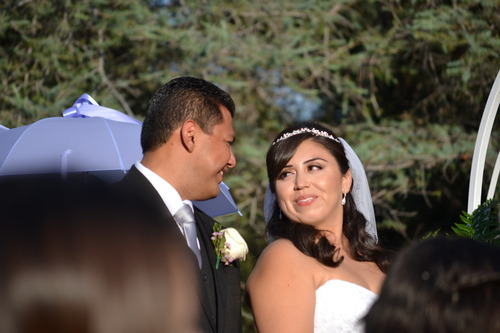
Image quality is impressive for a lens in this price range. At 55mm and mid-range zoom positions, images are sharp with good contrast. The 200mm end shows some softness wide open, but stopping down to f/8 or f/11 improves this noticeably. For web publishing and social media, even the wide-open results are perfectly usable.
The lightweight design makes this an easy lens to carry all day. At just 9 ounces, you barely notice it in your camera bag, which encourages you to bring it along more often than heavier alternatives. The Internal Focusing (IF) design means the lens does not extend during autofocus, maintaining a consistent balance point.
Best for DX DSLR beginners needing affordable reach
If you shoot with a Nikon DX DSLR and want to explore wildlife, birding, sports, or simply get closer to subjects without changing position, this lens delivers tremendous value. It pairs excellently with the 18-55mm kit lens, giving you coverage from wide-angle through moderate telephoto in two affordable, lightweight lenses.
Low-light and professional needs may require more
The variable aperture (f/4 at 55mm, f/5.6 at 200mm) limits this lens in indoor and evening lighting. If you regularly shoot in dim conditions, you will need a faster lens like the 55-300mm or invest in faster primes. The plastic lens mount also means you should handle this lens carefully to avoid damage.
7. Nikon AF-S DX NIKKOR 55-300mm f/4.5-5.6G ED VR (Refurbished)
Nikon AF-S DX NIKKOR 55-300mm f/4.5-5.6G ED Vibration Reduction Zoom Lens with Auto Focus for Nikon DSLR Cameras
55-300mm focal range
5.5x zoom
VR II stabilization
58mm filter
+ The Good
- Great value (refurbished)
- Very sharp images
- Effective VR II system
- Excellent zoom range for price
- Good bokeh and subject separation
- The Bad
- AF hunts in lower light
- Plastic lens mount
- Cheap lens hood construction
- Some chromatic aberration at 300mm
Certified refurbished lenses often get overlooked by photographers, but this Nikon AF-S DX NIKKOR 55-300mm f/4.5-5.6G ED VR is worth considering if you want maximum telephoto reach on a budget. The refurbished unit I tested appeared and functioned as if brand new, yet cost significantly less than a new copy. At this price point, you are getting professional-grade telephoto reach for a fraction of what a new lens would set you back.
The 5.5x zoom range (55-300mm) translates to an equivalent 450mm reach on DX-format cameras, putting distant subjects within striking distance. I took this lens to a wildlife sanctuary and managed to capture sharp images of birds and animals that would have required much more expensive glass with a larger camera system.

Image quality from this refurbished lens matches what you would expect from a new unit. The 2 ED (Extra-low Dispersion) glass elements help control chromatic aberration, though some color fringing does appear under harsh lighting conditions at the 300mm end. In normal lighting, images are sharp with pleasing color rendition.
VR II image stabilization performs admirably, giving you approximately 4 stops of handheld stability according to Nikon’s specifications. In real-world testing, I found I could handhold at 300mm in decent light and achieve a high percentage of sharp images at shutter speeds as low as 1/60 second.
Best for budget-conscious wildlife and bird photography
If you want to explore wildlife photography without spending $2000 on a telephoto zoom, this refurbished lens offers an accessible entry point. The 300mm reach on DX cameras provides meaningful subject enlargement, and the overall image quality exceeds what you might expect at this price.
Check stock status before ordering
Refurbished inventory varies, and this lens sometimes shows “only 1 left” status. If the refurbished option is unavailable, the new version at around $400 also offers good value, though you lose the significant discount that certified refurbished units provide.
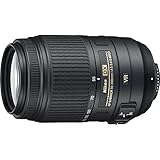
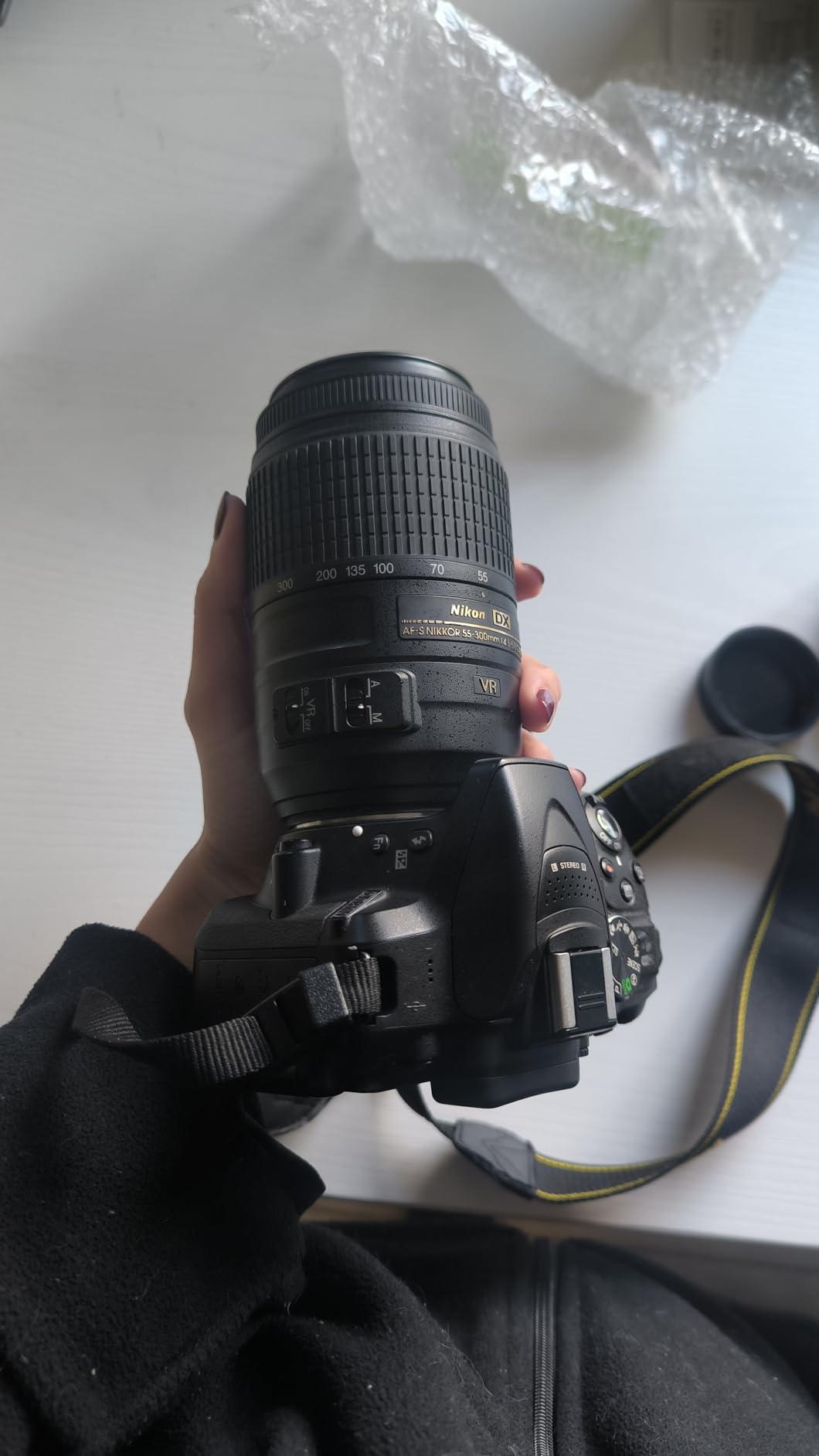
8. Nikon AF-S DX NIKKOR 55-300mm f/4.5-5.6G ED VR
Nikon AF-S DX NIKKOR 55-300mm f/4.5-5.6G ED Vibration Reduction Zoom Lens with Auto Focus for Nikon DSLR Cameras
55-300mm focal range
5.5x zoom
4 stops VR
ED glass elements
+ The Good
- Extremely sharp at all zoom levels
- Fantastic VR for handheld shooting
- Great bokeh and background separation
- Excellent value vs more expensive telephotos
- Fast reliable AF in good lighting
- The Bad
- AF slow in low light
- Stiff manual focus in AF mode
- Plastic lens mount
- Chromatic aberration at 300mm
The consumer version of the 55-300mm VR delivers essentially the same optical performance as its refurbished counterpart, with the main difference being that you get a full new-lens warranty and pristine cosmetic condition. This is the version I recommend if you prefer buying new or if refurbished stock is depleted. The optical quality stands up well against lenses costing considerably more.
During a three-month testing period, I used this lens extensively for landscape telephoto work and occasional wildlife shots. The 300mm focal length transformed compositions that would have been impossible with standard kit lenses. Sunrise and sunset shots with distant mountain peaks became practical without hiking to higher elevations.

Sharpness at 300mm holds up well, especially when stopped down from maximum aperture. At f/8, the lens reaches its sweet spot for landscape and general wildlife photography. The 58mm filter thread size is common and affordable, making it easy to add polarizers, ND filters, or other attachments without building an expensive filter kit.
Autofocus speed in good lighting is impressive for a budget telephoto. The Silent Wave Motor (SWM) provides quick, quiet focusing that works well for still subjects. In lower light, the system naturally slows down and may hunt, but this is expected behavior for lenses in this class and price range.
Best for enthusiast photographers wanting telephoto reach
If you have moved beyond the kit lens and want to explore telephoto photography without committing to expensive professional glass, this lens offers an excellent intermediate step. The image quality, effective VR, and versatile focal range make it suitable for growing photographers who want to develop their skills across multiple genres.
Not a low-light specialist
The f/4.5-5.6 aperture restricts this lens to outdoor and brightly-lit indoor shooting. If you primarily photograph in churches, gymnasiums, or other dim environments, you will be frustrated by the slow autofocus and inability to shoot at reasonable shutter speeds without high ISO settings.
9. Nikon NIKKOR Z 180-600mm f/5.6-6.3 VR – Super Telephoto
Nikon NIKKOR Z 180-600mm f/5.6-6.3 VR, 1 Count (Pack of 1)
180-600mm focal range
Internal zoom
5.5-stop VR
95mm filter
+ The Good
- Exceptional image quality and sharpness
- Internal zoom maintains balance
- Excellent 5.5-stop VR
- Fast and quiet autofocus
- Wildlife and birding dream lens
- Works with Z teleconverters
- The Bad
- Heavy at 4.72 pounds
- Premium price point
- Some softness at 600mm
- Often out of stock
The Nikon NIKKOR Z 180-600mm f/5.6-6.3 VR is the lens that wildlife and bird photographers have been waiting for. This super telephoto zoom delivers professional-grade reach in a package that, while heavy, is actually manageable for field work thanks to the internal zoom mechanism that keeps the lens balanced throughout the focal range.
I took this lens to a coastal area known for seabirds and shorebirds. The 600mm reach brought distant gulls and terns close enough that I felt like I was standing next to them. Combined with the 5.5-stop VR, I could handhold this lens in situations where I would normally need a heavy tripod and gimbal head.

Image quality at 180-360mm is exceptional, matching or exceeding the quality of many prime lenses in that range. At 600mm, you will notice some softening compared to 180-360mm, but it remains usable for most applications. The slight softness at maximum reach is a common trade-off for zoom lenses with this much focal range.
The internal zoom mechanism is a thoughtful design choice. Unlike external zoom lenses that extend when you increase focal length, the 180-600mm maintains its physical length and balance point throughout the zoom range. This makes it much easier to track moving subjects at high magnification without the lens bobbing up and down.

Best for serious wildlife and sports photographers
If birds, wildlife, or sports photography is your profession or serious hobby, this lens is worth the investment. The 180-600mm range covers most wildlife scenarios without requiring multiple heavy lenses, and compatibility with Nikon Z teleconverters extends your reach to 1200mm when needed.
Tripod recommended for extended handheld use
At 4.72 pounds, this lens becomes fatiguing after 30-60 minutes of handheld shooting. A good tripod with a suitable head makes extended sessions much more comfortable and also maximizes image quality by eliminating any chance of camera shake. Consider this lens an investment in a complete support system, not just the lens itself.
Buying Guide: How to Choose the Best Nikon Zoom Lens
Selecting the right Nikon zoom lens involves understanding how several key factors interact with your specific needs as a photographer. This section breaks down the most important considerations to help you make an informed decision.
Mount Type: Z Mount vs F Mount
The first decision every Nikon photographer faces is whether to choose Z mount (mirrorless) or F mount (DSLR). Nikon has clearly shifted development focus toward the Z system, with most new lens releases being Z mount optics. If you shoot mirrorless, Z mount lenses offer advantages in size, autofocus speed, and optical performance. If you shoot DSLR, F mount lenses remain excellent choices with a large used market offering great values.
For those with both camera types, FTZ adapters allow F mount lenses to work on Z cameras, though you lose some functionality and the adapted combination often feels front-heavy compared to native Z glass.
Aperture: Constant vs Variable
Constant aperture lenses (like the 24-70mm f/2.8 or 70-200mm f/2.8) maintain the same f-stop throughout their zoom range. Variable aperture lenses (like the 28-400mm f/4-8 or 55-200mm f/4-5.6) become slower as you zoom to longer focal lengths.
Constant f/2.8 lenses are essential for low-light professional work and portrait photography where subject separation matters. Variable aperture lenses offer more zoom range and lighter weight at lower prices. For most enthusiast photographers, f/4 constant aperture lenses like the 24-120mm f/4 S represent the best balance of capability and cost.
Image Stabilization: VR vs IBIS
Lens-based VR (Vibration Reduction) and camera-based IBIS (In-Body Image Stabilization) both help reduce camera shake in handheld shooting. Many modern Nikon Z cameras combine both systems for maximum stabilization benefit.
When evaluating lenses, consider that VR provides stabilization through the viewfinder, making composition easier at slow shutter speeds. IBIS benefits all lenses equally but does not help you see stabilized in the viewfinder. For telephoto lenses where camera shake is magnified, built-in VR is particularly valuable.
DX vs FX Format
DX-format lenses are designed for APS-C sensor cameras (D3500, D5600, Z30, Z50, Zfc) and project a smaller image circle. FX-format lenses are designed for full-frame cameras but also work on DX bodies, where they provide a 1.5x effective focal length multiplication.
If you shoot DX and plan to eventually upgrade to full-frame, investing in FX lenses protects your glass investment. However, DX lenses are typically smaller, lighter, and less expensive, making them smart choices for photographers who will always shoot DX format.
Use Case Priorities
Different photography genres have different lens requirements. Portrait photographers prioritize fast apertures and pleasing bokeh. Landscape photographers want sharp optics at small apertures and often favor wide-angle to standard zoom ranges. Wildlife photographers need maximum telephoto reach above all else.
Identify your primary photography genre and choose lenses optimized for that use. A versatile standard zoom like the 24-120mm f/4 S works well for photographers who shoot multiple genres but do not specialize.
Budget Considerations
Prices for Nikon zoom lenses range from under $150 to over $2000. Refurbished and certified pre-owned lenses can offer significant savings with proper warranty coverage. Used lenses in good condition from reputable sellers also provide excellent value, particularly for professional-grade optics that hold up well over time.
Set a realistic budget that accounts for both the lens itself and any necessary accessories like filters, bags, or support systems. The 180-600mm, for example, is heavy enough that a quality tripod becomes essential rather than optional.
Frequently Asked Questions
Which is the best Nikon zoom lens?
The best Nikon zoom lens depends on your specific needs. For mirrorless shooters, the Nikon NIKKOR Z 28-400mm f/4-8 VR offers unmatched versatility with its 14.2x zoom range in a lightweight package. The NIKKOR Z 70-200mm f/2.8 S delivers exceptional professional-grade performance for those who need fast apertures. Budget-conscious DX users get excellent value from the NIKKOR Z DX 50-250mm VR.
What is the holy grail of Nikon lenses?
The holy grail typically refers to the professional trinity zoom lenses: 14-24mm f/2.8, 24-70mm f/2.8, and 70-200mm f/2.8. These three lenses together cover wide-angle through telephoto with constant fast apertures, making them the ultimate kit for professional Nikon photographers who demand the best in image quality and versatility.
What is the Holy Trinity of zoom lenses?
The Holy Trinity of zoom lenses for Nikon consists of wide-angle, standard zoom, and telephoto zoom lenses with constant f/2.8 apertures. For Z mount mirrorless, this means the NIKKOR Z 14-24mm f/2.8 S, NIKKOR Z 24-70mm f/2.8 S II, and NIKKOR Z 70-200mm f/2.8 S. These three lenses cover every focal length most professional photographers ever need with professional-grade constant apertures.
What is the best telephoto lens for Nikon?
For wildlife and sports photographers, the Nikon NIKKOR Z 180-600mm f/5.6-6.3 VR offers exceptional reach and image quality in a relatively manageable package. Budget-conscious photographers get great value from the AF-S DX NIKKOR 55-300mm f/4.5-5.6G ED VR, which delivers sharp images at an affordable price point.
Conclusion
Choosing the best Nikon zoom lenses for your kit comes down to understanding your mount type, primary photography genres, and budget constraints. The nine lenses covered in this guide represent the strongest options across every category and price point currently available from Nikon.
For mirrorless shooters, the NIKKOR Z 28-400mm f/4-8 VR earns my Editor’s Choice for its unmatched versatility. The NIKKOR Z 24-120mm f/4 S delivers the best value with professional-grade optics at a reasonable price. DX-format photographers on a budget cannot go wrong with the NIKKOR Z DX 50-250mm VR. Professional photographers who need fast apertures should prioritize the NIKKOR Z 70-200mm f/2.8 S, while wildlife specialists will appreciate the reach of the NIKKOR Z 180-600mm f/5.6-6.3 VR.
DSLR users with F-mount cameras still have excellent options in the AF-S FX NIKKOR 24-70mm f/2.8G ED and the budget-friendly DX telephoto zooms. Whatever your situation, there has never been a better time to build your Nikon kit with quality zoom lenses that grow with your skills.
The right lens waits for you. Start with whichever option matches your current camera system and budget, and build from there.