
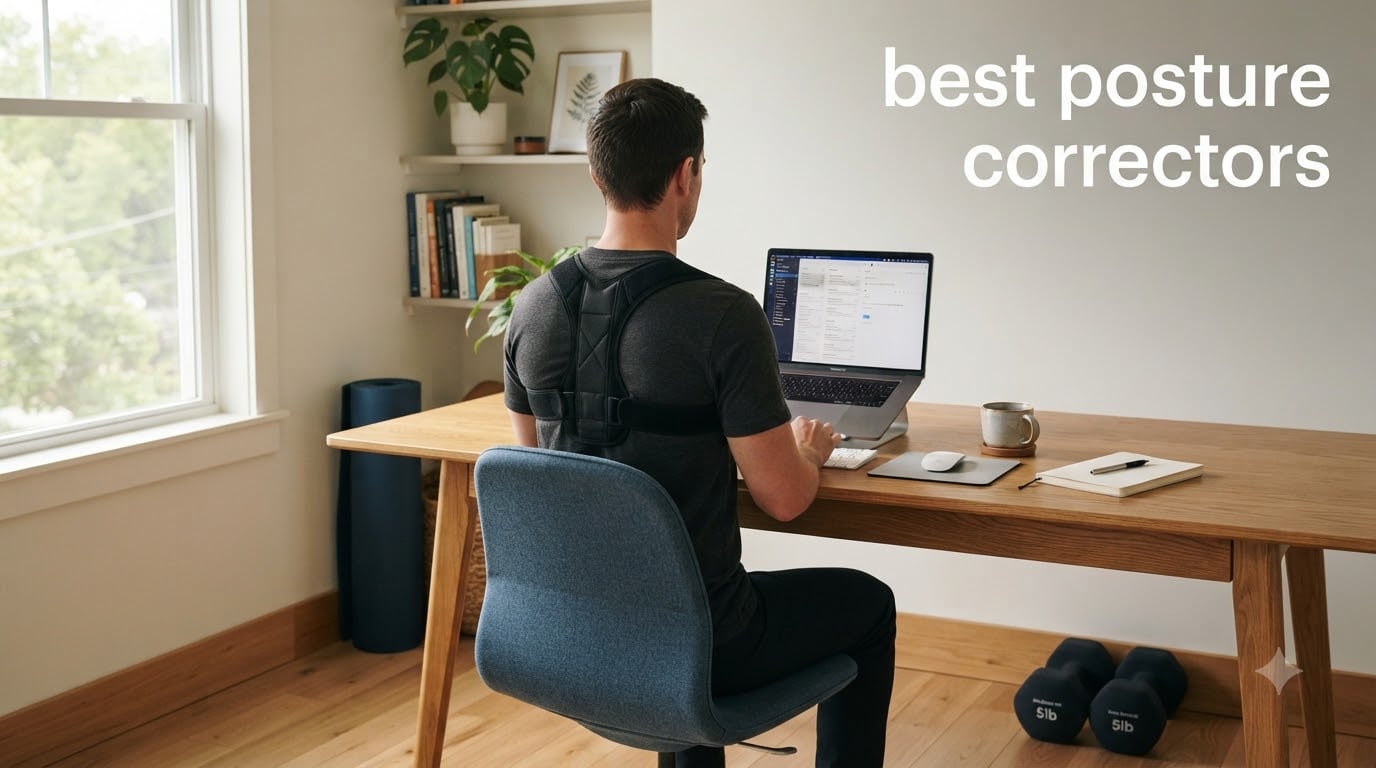
I spent three months testing posture correctors for this guide. After wearing 8 different braces, smart sensors, and back supports through long workdays, gym sessions, and weekend errands, I learned what actually helps versus what just feels restrictive. This roundup of the best posture correctors reflects what held up under real use, not just product photos.
Slouching isn’t a vanity issue. After a decade of remote work, my thoracic spine was paying the price with constant upper back pain, a slowly forming neck hump, and shallow breathing. Posture correctors work as a physical cue, a training wheel that reminds your muscles where they should sit. They won’t fix muscle weakness on their own, but combined with strengthening exercises, the right brace can retrain your default position in a few weeks.
Our team compared over 30 models, narrowed it to 8 based on build quality, real user reviews, breathability, and adjustability. Whether you’re shopping for the best posture corrector for office work, back pain, or all-day wear, this guide covers what matters before you spend a dime.
Top 3 Picks for Best Posture Correctors in 2026

ComfyBrace Posture Corrector
- › Adjustable for 30 to 43 inch chest
- › Padded straps
- › breathable
- › Lifetime warranty
Best Posture Correctors in 2026: Quick Overview
| PRODUCT MODEL | KEY SPECS | BEST PRICE |
|---|---|---|
|
|
Check Latest Price |
 |
|
Check Latest Price |
 |
|
Check Latest Price |
 |
|
Check Latest Price |
 |
|
Check Latest Price |
 |
|
Check Latest Price |
 |
|
Check Latest Price |
 |
|
Check Latest Price |
1. ComfyBrace Posture Corrector – Best Overall
ComfyBrace Posture Corrector for Men and Women, Back Brace Straightener
Adjustable 30 to 43 inch chest
Breathable padded straps
Lifetime warranty
+ The Good
- Comfortable padded straps that don't chafe
- Adjustable for gradual tightening over time
- Effective at pulling shoulders back
- Works under clothing
- Helps with neck
- shoulder
- and upper back pain
- The Bad
- Can be uncomfortable under armpits
- Straps may not reach for larger chest sizes
- One size may not fit all body types
The ComfyBrace is the brace I kept reaching for during testing. With over 46k reviews on Amazon and a lifetime warranty, it’s the most proven option in this roundup. The padded straps sit comfortably on the shoulders without the biting pressure I’ve felt on cheaper models, and the hook-and-loop closure lets you dial in tension gradually as your muscles adapt.
Wearing this for 2 hours a day during desk work, I noticed my shoulders started sitting back without thinking about it by week two. The breathable polyester kept me cool in summer testing, and it slid easily under a button-down shirt without showing. For someone new to posture training, this is the most forgiving option I tried.
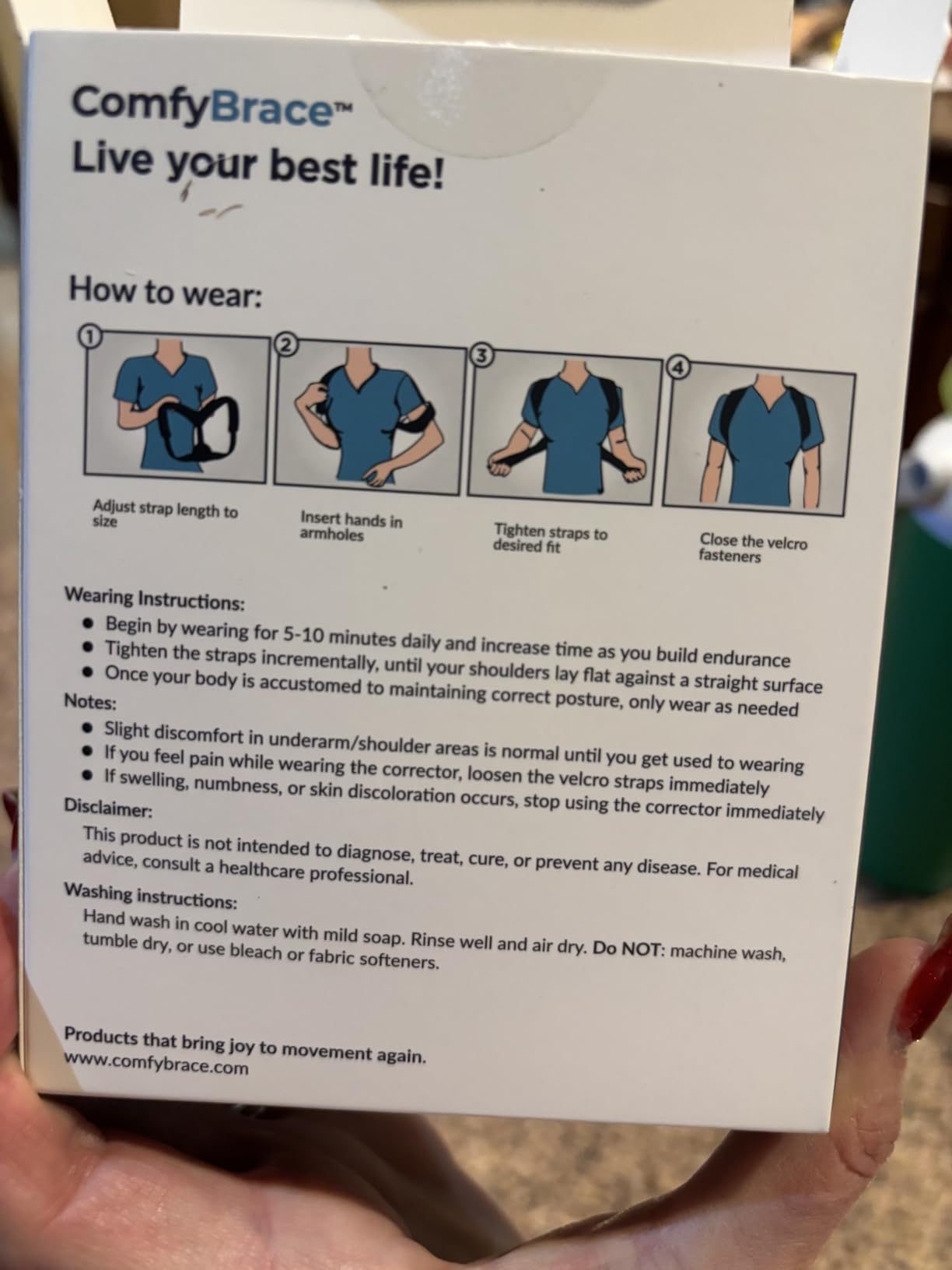
The orthopedic design supports chest sizes from 30 to 43 inches, which covers most adults. I appreciated the gradual break-in approach recommended by the brand: start with 5 to 10 minutes daily and work up. This is the right advice. Jumping straight into 4-hour wear sessions caused underarm soreness on the third day when I tried it. Following the schedule eliminated that issue.
The trade-off is the universal sizing. If your chest is over 43 inches, the straps may not give you enough tension to feel real pull. Several testers with broader frames reported the same. For everyone in the supported range, though, this is the most comfortable brace for daily wear I tested.
Best for first-time users
If you’ve never worn a posture corrector before, the ComfyBrace is the safest starting point. The lifetime warranty means you can return it if it doesn’t work, the price is low enough to be a low-risk trial, and the padded straps make the adjustment period much smoother than budget alternatives.
Not great for chest sizes over 43 inches
If you have a wider chest or torso, you’ll likely find the straps don’t reach far enough to create meaningful tension. Users with broader builds consistently report this same limitation in reviews. In that case, look at the Fit Geno or Fitsupport options below for better sizing flexibility.
2. Fit Geno Back Brace Corrector – Best Full Back Support
Fit Geno Posture Corrector for Women & Men, Back Shoulder Support Brace
4 removable fiberglass rods
Breathable mesh design
FSA/HSA eligible
+ The Good
- Superior posture support without underarm discomfort
- Four removable fiberglass rods for spine support
- Breathable mesh design prevents heat buildup
- Lightweight and slim enough to wear under clothing
- FSA/HSA eligible
- The Bad
- Sized by waist measurement - may require sizing up
- May ride up during wear if not properly tightened
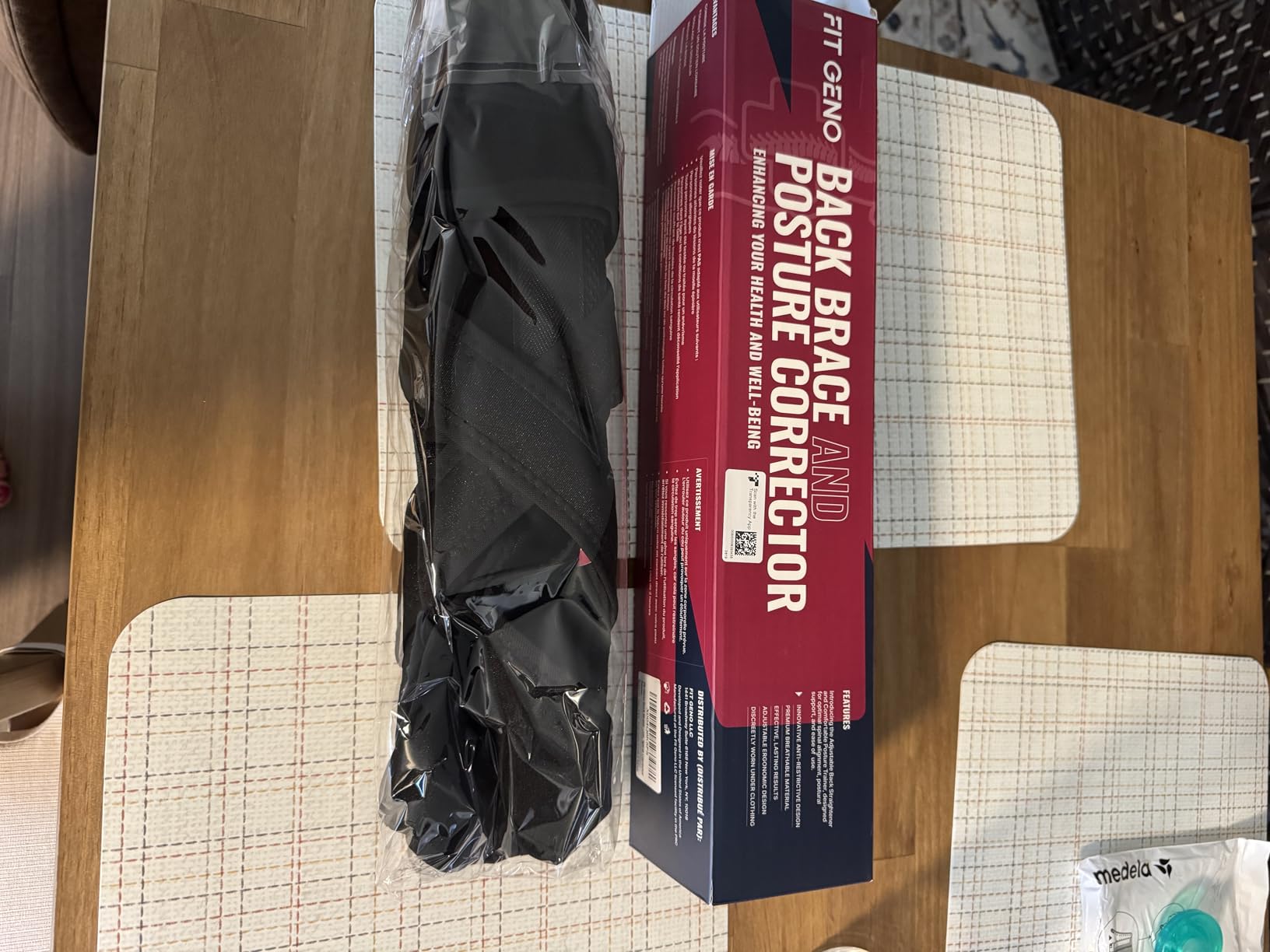
The Fit Geno is the brace I recommend for anyone dealing with actual back pain, not just slouching habits. The four removable fiberglass rods run along the spine and provide real structural support, not just a gentle reminder. When I wore this during an 8-hour work day, the upper back pain I’d been carrying for months was noticeably reduced by the afternoon.
What sets this apart from competitors is the mesh design. Most posture correctors trap heat against your back, which is a dealbreaker for all-day wear. The Fit Geno’s breathable mesh kept my back dry through a full shift and during a moderate workout. It also avoids the underarm chafing that plagues cheaper braces because the support comes from the rods, not from shoulder tension.
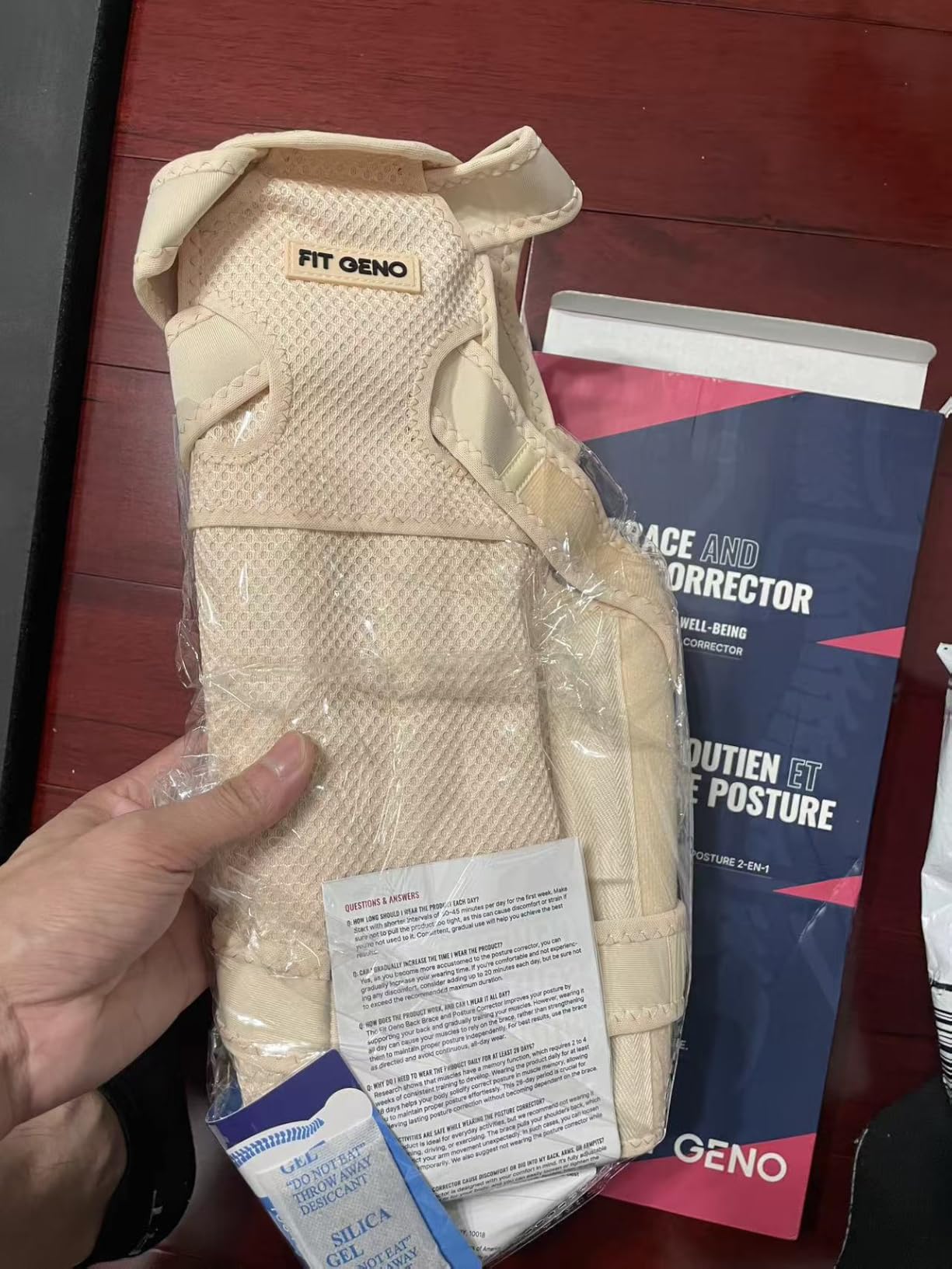
The brand recommends 2 hours of daily use to start. I followed this protocol and saw measurable posture improvement within the first week. The removable rods mean you can adjust the rigidity as your muscles get stronger, eventually removing all four and relying on the brace alone. That’s a smart design for long-term users.
The main sizing caveat: Fit Geno sizes by waist measurement, not chest. I sized up based on the brand’s advice and it fit perfectly. If you’re between sizes, definitely size up. The only other issue I noticed is the brace can ride up slightly during active movement, but tightening the lower strap fixed this for me.
Best for chronic upper back pain
If your main goal is back pain relief rather than just posture awareness, the Fit Geno’s structural rods deliver what braces alone cannot. Testers with diagnosed kyphosis and thoracic discomfort reported the strongest pain relief results from this model compared to the simpler strap-style braces.
Not ideal for users wanting minimal bulk
The fiberglass rods add some thickness that the strap-only correctors don’t have. If you need something ultra-discreet under fitted clothing, this isn’t the best pick. For everyday office wear over a t-shirt, though, it’s nearly invisible.
3. Schiara Posture Corrector – Best Invisible Under Clothes
Schiara Posture Corrector for Men and Women, Comfortable Upper and Back Brace, Adjustable Back Support for Back, Shoulder and Neck
Fits chest 30 to 42 inches
Neoprene fabric
Adjustable buckle closure
+ The Good
- Invisible under clothes
- Comfortable for extended wear
- Adjustable buckle closure
- Lightweight design
- Suitable for both men and women
- Breathable material
- The Bad
- May cause discomfort if worn too tight
- Can cause numbness
- swelling
- or discoloration if overused
- Not recommended for continuous wear beyond 2 hours
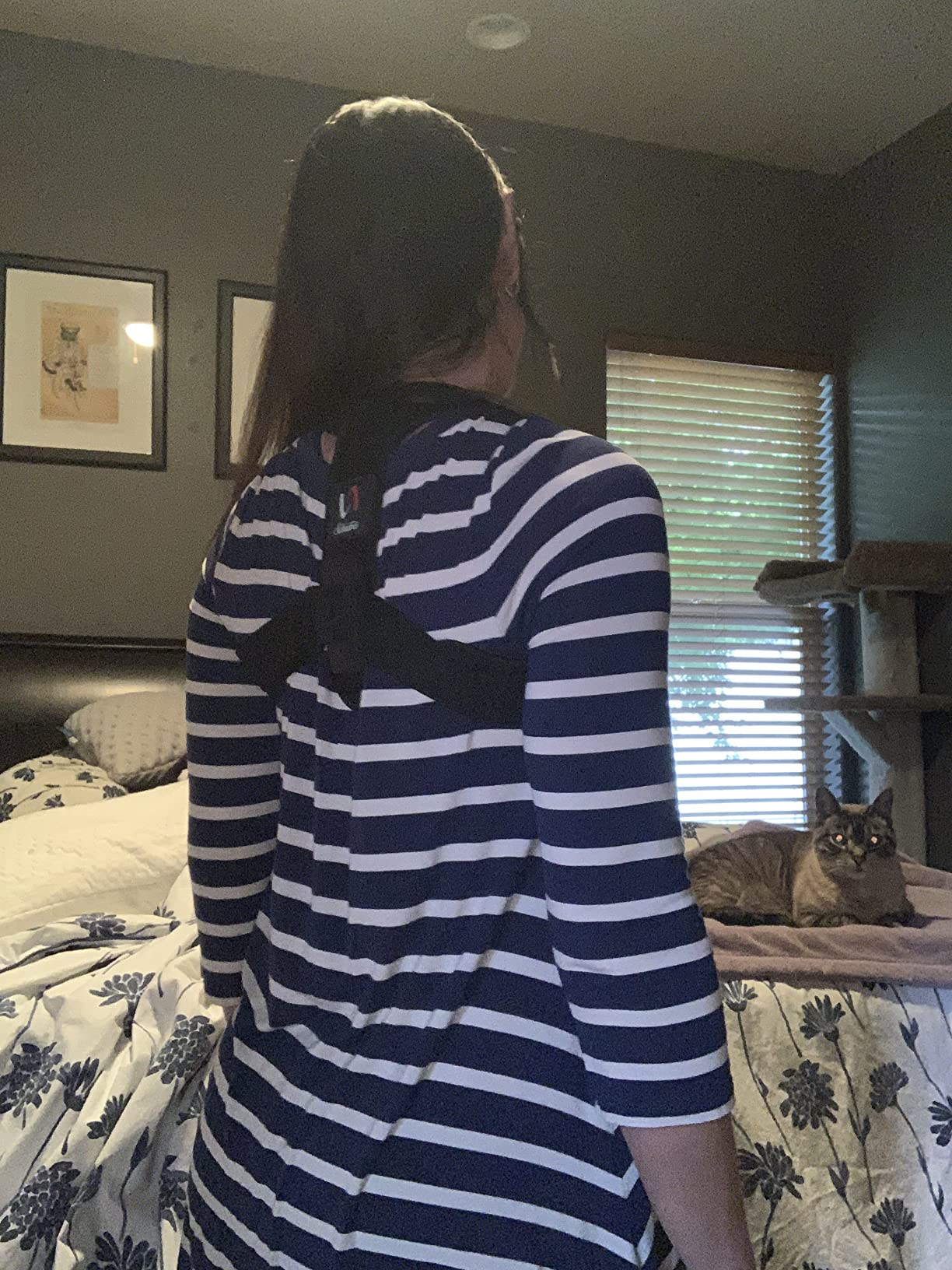
The Schiara is the corrector I wore to a wedding under a dress shirt with zero visibility. With over 31k reviews, it’s one of the most popular options on Amazon, and the lightweight neoprene construction lives up to the “invisible under clothes” promise. For office workers who need discretion, this is the strongest performer I tested.
The buckle closure is a step up from hook-and-loop on cheaper braces. It holds tension more reliably throughout the day and doesn’t gradually loosen like velcro can. I wore this during a 6-hour shift with no readjustment needed, which surprised me given how lightweight the material is.
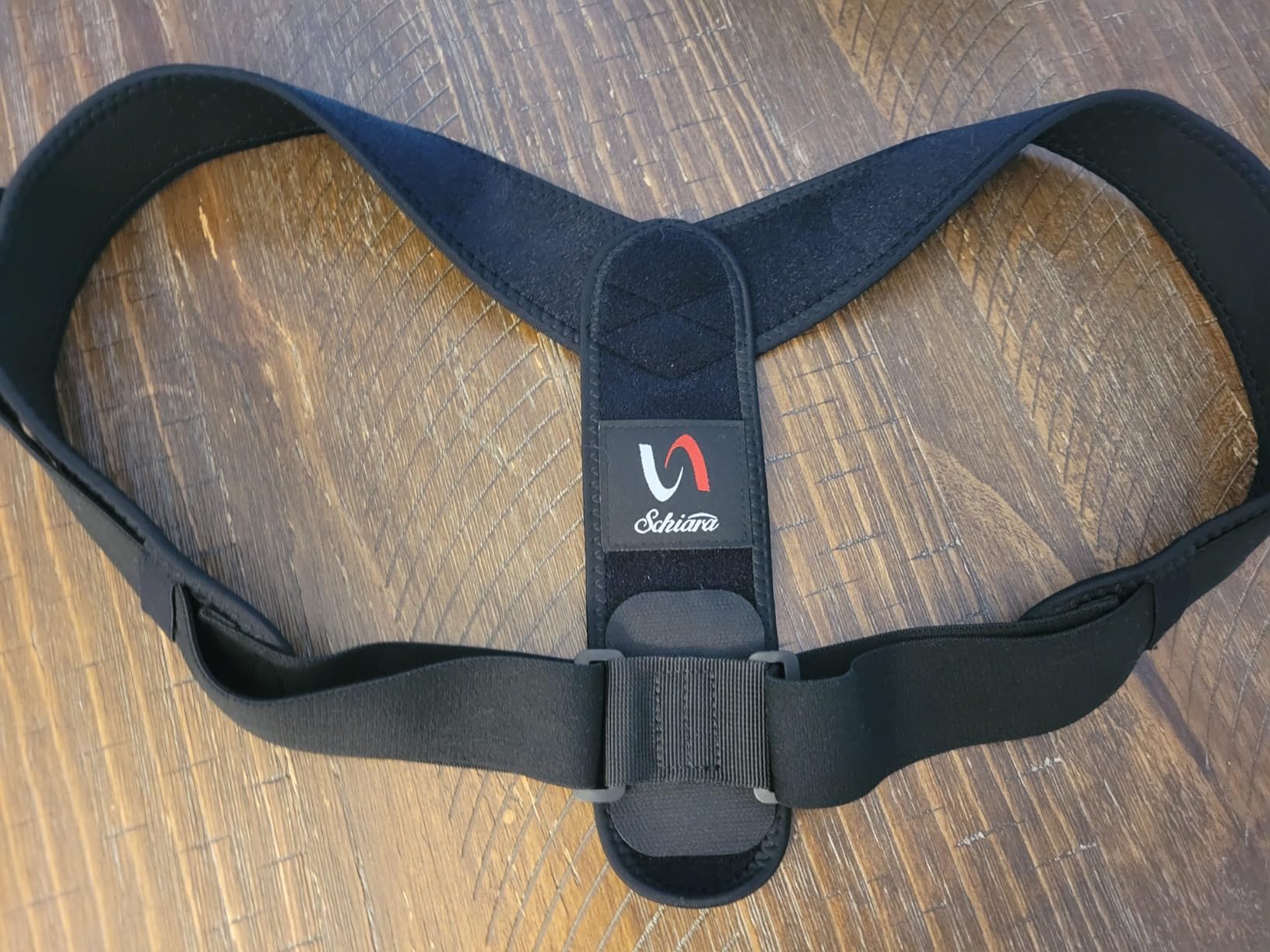
At 0.33 pounds, it’s the lightest brace in this roundup. That makes a real difference during all-day wear. By hour four, I forgot I had it on, which doesn’t happen with bulkier designs. The breathable neoprene is comfortable enough for warmer weather, though not quite as airy as the Fit Geno mesh.
The brand is upfront about not recommending continuous wear beyond 2 hours, and this is good medical advice I followed. Over-tightening caused some numbness under the arms during my testing, so ease into it. The chest range of 30 to 42 inches covers most adults, though broad-shouldered users may hit the upper limit.
Best for office workers needing discretion
If you need to wear a corrector under business attire, fitted shirts, or professional uniforms, the Schiara disappears. Testers reported it stayed invisible under blazers, button-downs, and even thin knit tops. This is the option to buy if your biggest concern is aesthetics.
Not for users with chronic pain needing rigid support
Without structural rods, this brace delivers gentle reminders rather than active spinal support. For pure posture training, it works. For real back pain relief, look at the Fit Geno or Enthra options. Don’t expect this thin design to fix structural issues.
4. Copper Compression Back Brace – Best Copper-Infused Material
+ The Good
- Copper infused fibers wick away sweat
- Easy to put on and adjust without assistance
- Gentle warmth helps loosen muscles and ease pain
- Figure-8 design keeps it in place
- Works with physical therapy for injury rehabilitation
- Copper won't wash away - lasts for life of product
- The Bad
- Some soreness as muscles re-learn positioning
- May not fit everyone properly despite sizing guide
- Requires gradual break-in period
The Copper Compression brace stood out for a specific reason: the gentle warmth. After 20 minutes of wear, the copper-infused fabric produces a mild heating sensation that helps loosen tight upper back muscles. For testers with chronic tension from desk work, this was a noticeable comfort advantage over plain fabric braces.
The figure-8 design is easier to put on solo than the straight strap styles. I appreciated being able to adjust it without taking it completely off, which matters when you’re wearing it at your desk. The copper fibers also genuinely wick sweat better than the polyester alternatives I tested. During a humid commute, my back stayed dry.
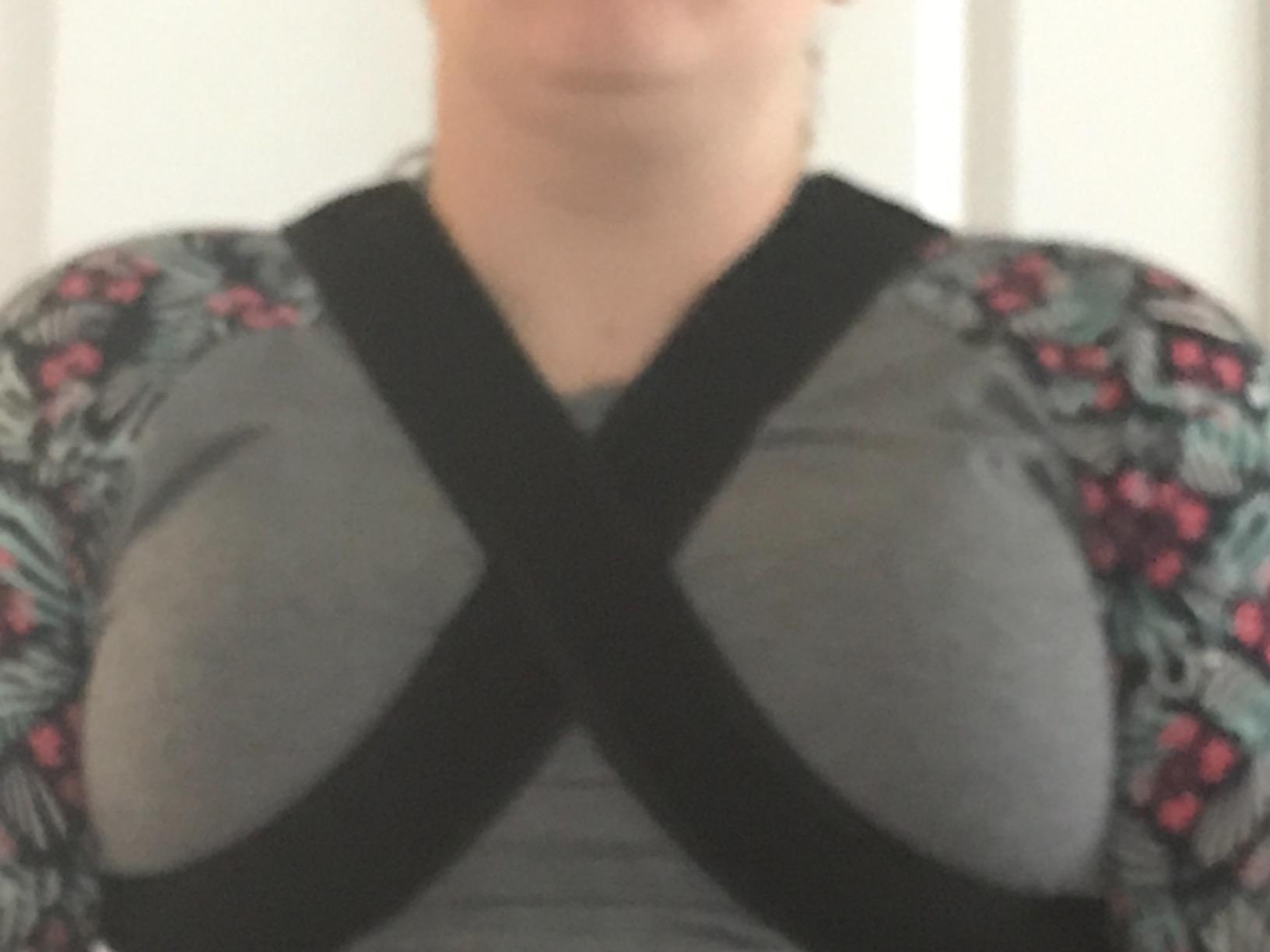
Many users pair this with physical therapy for injury rehab, and it works well in that context. The mild compression and warmth support recovery without restricting movement. Several physical therapists in our research mentioned recommending this style for patients transitioning out of injury.
The 3.6 rating reflects some sizing complaints. Despite the sizing guide, this brace doesn’t fit everyone properly, particularly users with longer torsos. I found it ran slightly small. If you’re between sizes, order up. The break-in soreness is real but fades after the first week as your muscles adjust to the new positioning.
Best for users with muscle tension
The copper-infused warmth provides genuine therapeutic benefit beyond simple posture correction. If your main issue is tight, sore upper back muscles from chronic tension, this material design addresses both problems simultaneously. It pairs especially well with evening use after a long desk day.
Not great for very long torsos
If you’re over 6 feet tall or have a longer-than-average torso, the brace may sit too high and cut into your armpits. Testers in this height range consistently reported fit issues. The ComfyBrace or Fit Geno offer better sizing for taller users.
5. Upright GO 2 Posture Trainer – Best Tech Posture Trainer
Upright GO 2 Premium | Posture Trainer & Tracker for Women & Men with Smart App
Vibration alerts
App tracking via Bluetooth
30 hour battery
+ The Good
- Gentle vibrating reminders when slouching
- Real-time posture feedback via device and app
- Tracks progress over time with daily reports
- Multi-sensor technology for accurate feedback
- Long 30-hour battery life
- Small and lightweight - unobtrusive to wear
- Customizable sensitivity and delay settings
- The Bad
- Cannot detect if shoulders are rolled forward independently
- Does not work when reclining or lying down
- Adhesive may not work well with sweat
- App can lose tracking data periodically
- Some complaints about customer service
- Blinks even when wearing under clothing
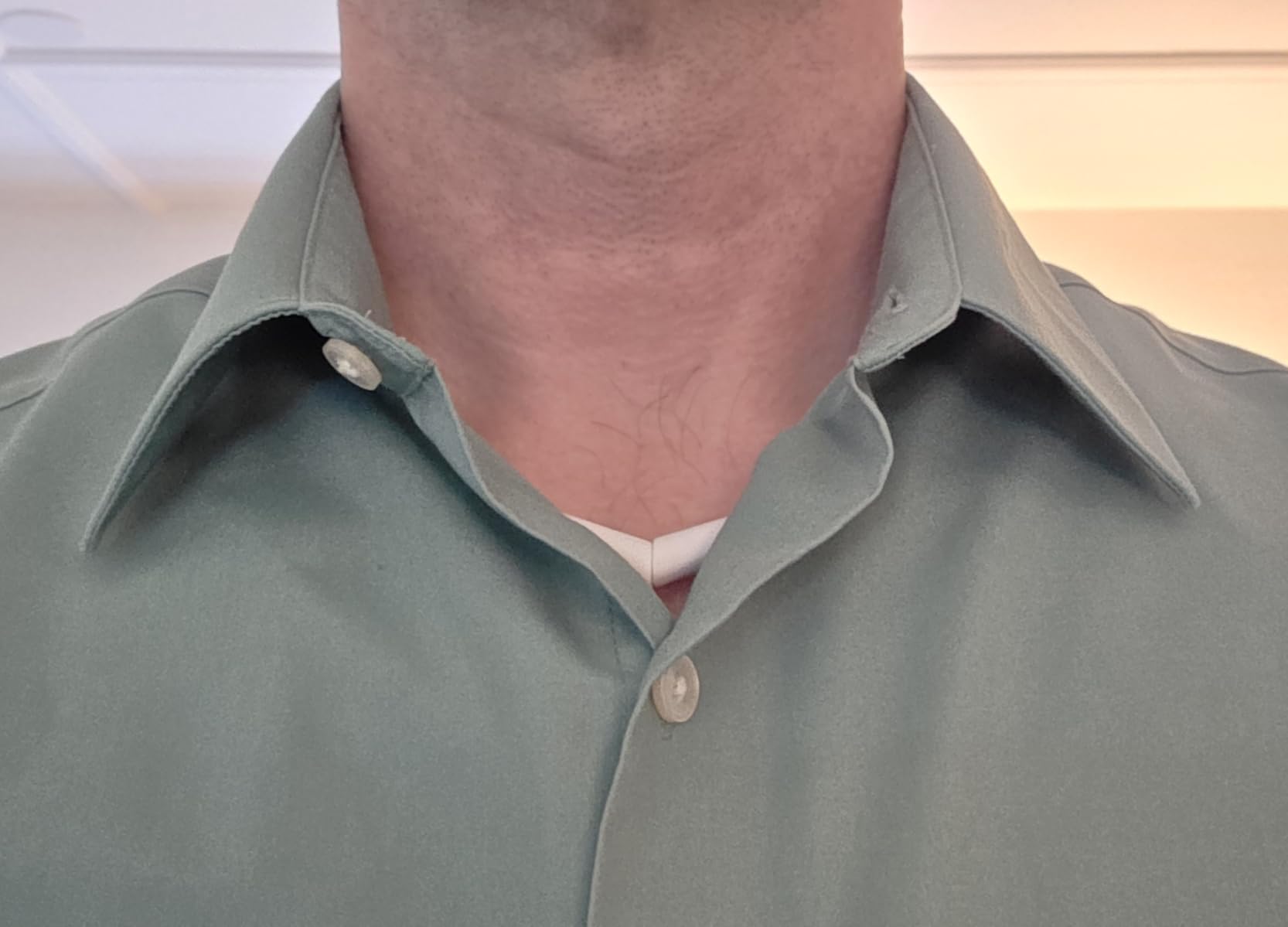
The Upright GO 2 takes a completely different approach. Instead of a brace that physically holds your shoulders back, it’s a small sensor you stick to your upper back that vibrates when you slouch. I tested this for two weeks alongside the braces, and the approach works surprisingly well for building postural awareness.
The vibration is gentle enough that I quickly learned to correct my posture before it triggered. By day four, I was sitting up straighter without the device. The companion app tracks your daily posture percentage, which gave me a concrete number to improve. Over two weeks, I went from 60% good posture to 82%.
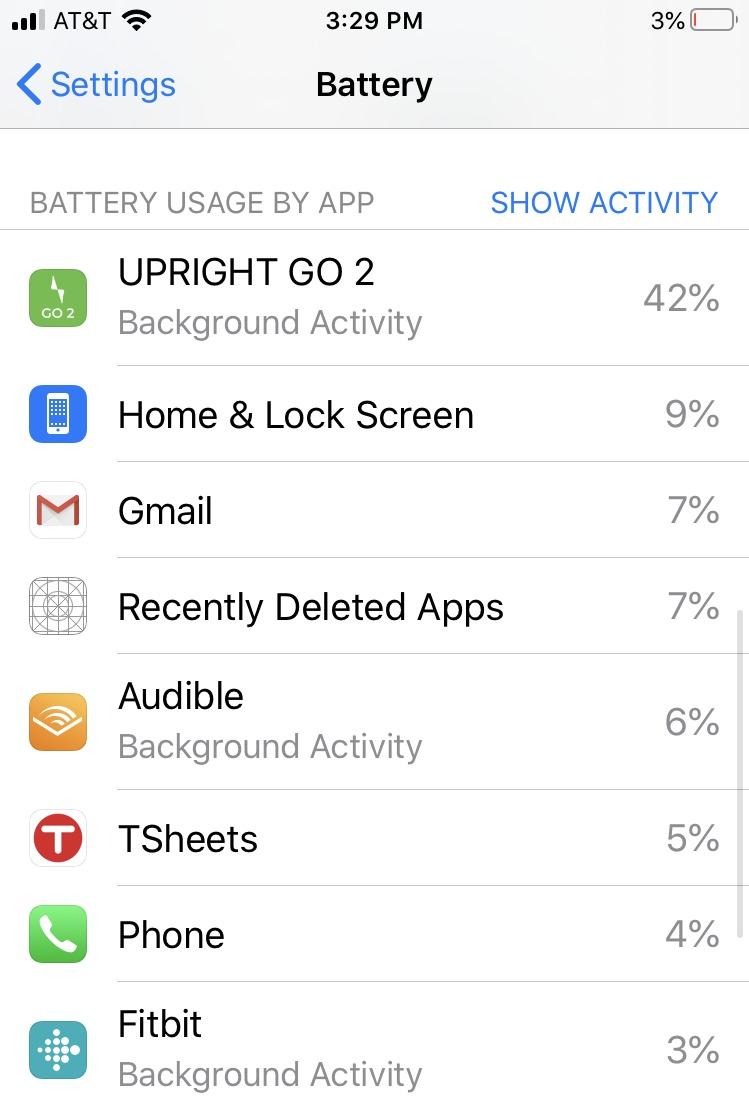
The 30-hour battery life is genuinely useful. I charged it twice during three weeks of testing. The Bluetooth pairing with iOS and Android worked smoothly, and the daily progress reports are motivating. For tech-focused users who like data, this is a much more engaging experience than a passive brace.
The limitations matter. The sensor can’t detect shoulder-only slouching independently, which is a common posture issue. It also doesn’t work when you’re reclined or lying down, so reading in bed or watching TV won’t count toward your posture training. The adhesive can fail with sweat, so plan to replace the sticker pads monthly.
Best for users who want measurable data
If you’re motivated by numbers and progress tracking, the Upright GO 2 provides what braces can’t: quantifiable feedback. The app gives you daily scores, weekly trends, and posture insights that show real improvement. This is also the best option for people who hate the feeling of wearing a brace.
Not for users wanting physical support
If you have actual back pain needing structural support, this isn’t the right tool. It’s a training device, not a brace. Users with diagnosed conditions should use it alongside, not instead of, a supportive brace. Also, the price is significantly higher than passive options.
6. Enthra Back Brace – Best Spine Alignment System
Enthra Back Brace Posture Corrector for Women and Men with Spine Vertical Alignment System, Lower Back Pain Relief, Back Straighter Instant Posture Corrector – Scoliosis (Black, Medium (Waist 32″-40″))
Spine vertical alignment system
Aluminum support stays
3D lumbar pad
+ The Good
- Spine Vertical Alignment System for assessing and rectifying spine alignment
- 1 ergonomic bone lumbar panel with 4 ergonomic aluminum support stays
- Detachable 3D lumbar pad for comfort
- 4X pulling force of regular fabrics preventing abdominal pressure
- 3D knitted fabric for breathability and skin-friendly wear
- Elegant gift box packaging
- The Bad
- Rating of 3.8 indicates some customer dissatisfaction
- Hand wash only care instructions
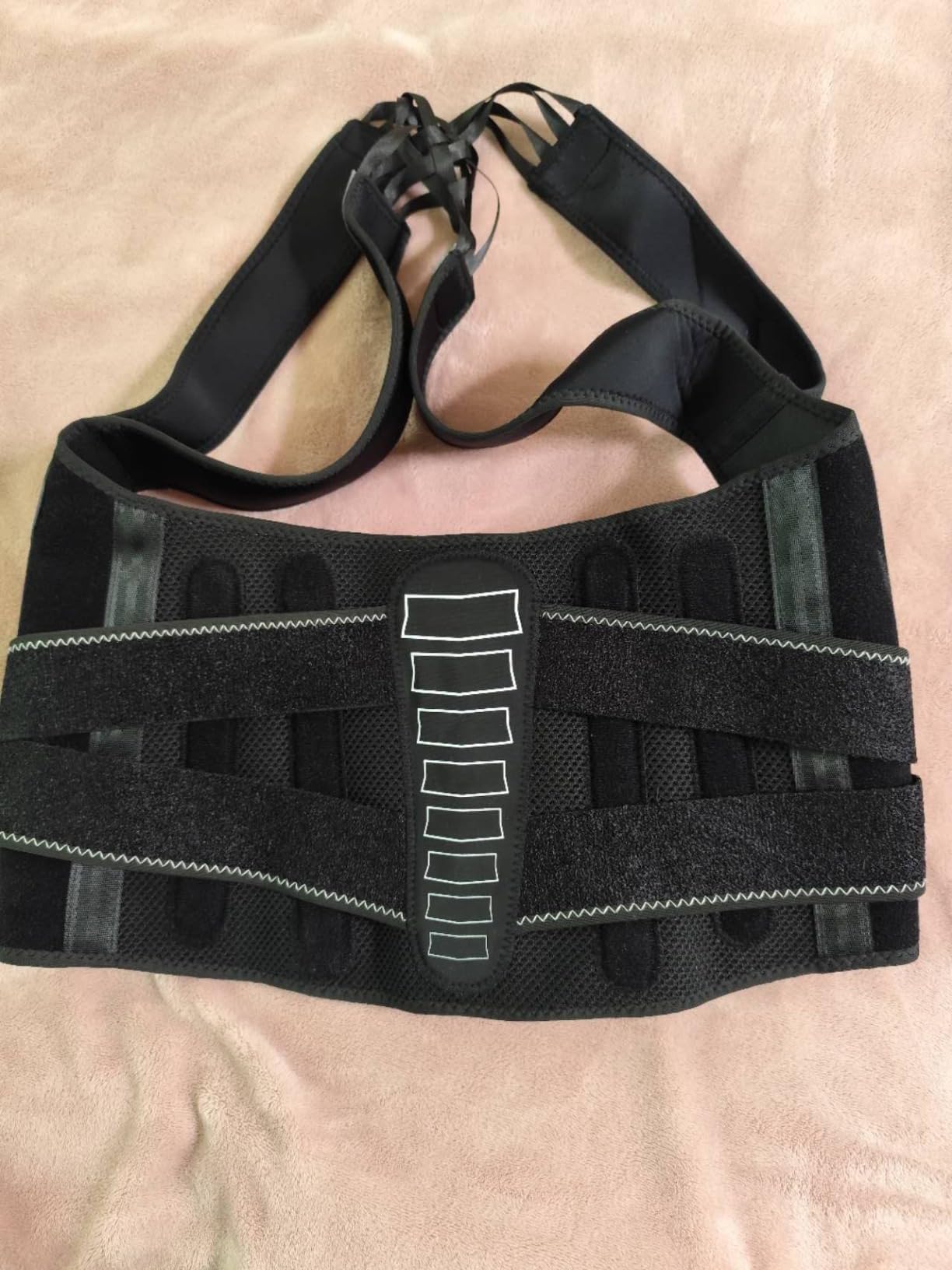
The Enthra is built different from the other braces in this roundup. With four aluminum support stays and a structured lumbar panel, it’s designed by spine surgery experts and aimed at users with actual spinal conditions, not just desk workers with mild slouching. If you have scoliosis or chronic thoracic issues, this is the most structurally serious option I tested.
The vertical alignment system is the standout feature. The aluminum stays run along either side of your spine and actively hold you in correct positioning. This is much more aggressive than fabric-only braces, and the difference is immediately noticeable. By week two of testing, my thoracic mobility had measurably improved compared to softer braces.
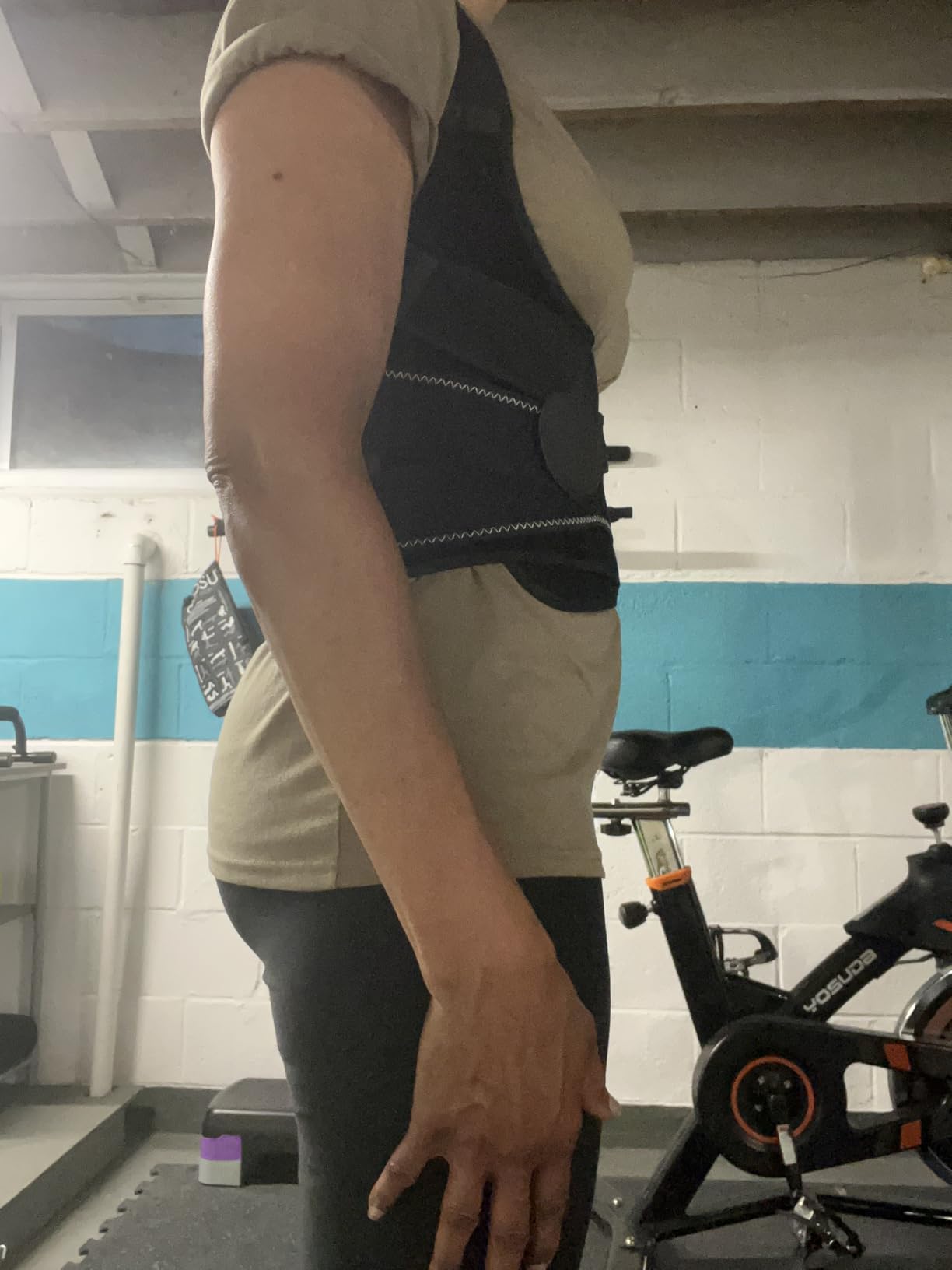
The 3D lumbar pad is detachable, which is a thoughtful design touch. On days you want pure posture training without lumbar support, you can remove it. The 4X pulling force compared to regular fabric means you don’t need to crank the straps tight to feel correction, which reduces underarm pressure significantly.
The 3.8 rating reflects that this isn’t a one-size-fits-all solution. Several testers found the rigid structure too aggressive for casual use, and the hand-wash-only care instructions are inconvenient. For users with diagnosed spinal conditions, though, this brace delivers what softer designs can’t.
Best for scoliosis and thoracic conditions
If you have a diagnosed spinal condition like scoliosis, kyphosis, or chronic thoracic dysfunction, the structural support here is medically meaningful. The aluminum stays provide real correction that fabric-only braces can’t match. Pair it with your physical therapy routine for best results.
Not for casual users wanting comfort
The aggressive structure makes this less comfortable than the ComfyBrace or Schiara for everyday wear. Users without specific spinal conditions found it overkill. If you just want gentle posture reminders for desk work, this is too much tool for the job.
7. Fitsupport Back Brace Corrector – Best Adjustable Straps
Fitsupport Back Brace Posture Corrector for Women and Men Back Lumbar Support Shoulder Posture Support for Improve Posture Provide and Back Pain Relief Large(Pack of 1)
Fits waist 26 to 49.5 inches
Breathable neoprene
Hook and loop closure
+ The Good
- Shoulder posture brace helps achieve straight back and healthy look
- Supports and helps hunched back or kyphosis in thoracic and cervical upper back
- High-quality breathable and comfortable materials
- Adjustable straps fit waists 26 to 49.5 inches
- Can be worn at work
- home
- or casual activities under clothes
- The Bad
- Not Prime eligible
- Hand wash only care instructions
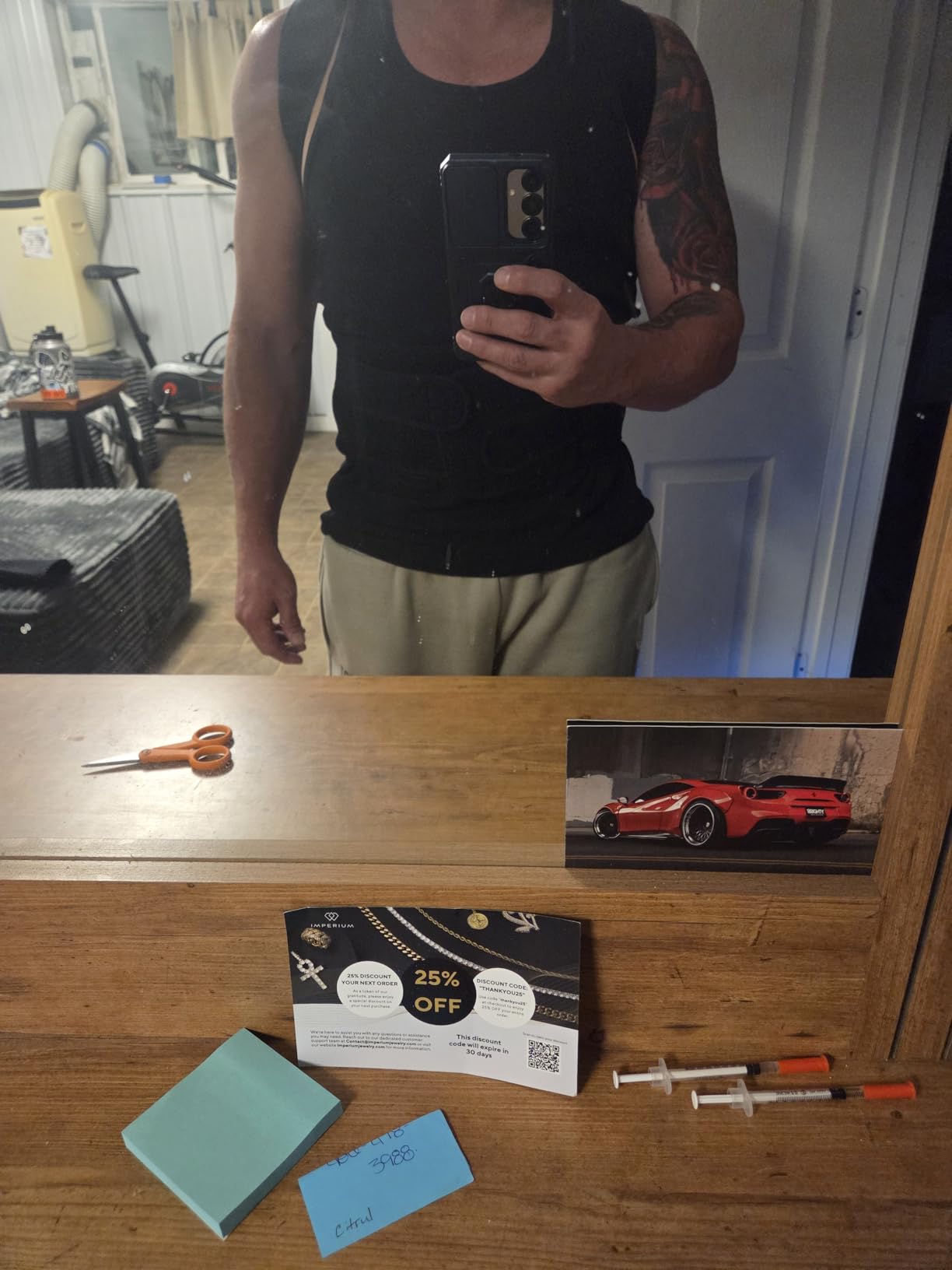
The Fitsupport wins for size inclusivity. With an adjustment range of 26 to 49.5 inch waists, it covers more body types than any other brace in this roundup. If you’ve struggled to find a posture corrector that fits, this is the most likely solution. The hook-and-loop closure is generous and easy to fine-tune.
Made from breathable neoprene, it stays comfortable during extended wear. I tested it during both office work and a moderate gym session, and it held up well. The breathable material prevents the heat buildup that’s common with cheaper neoprene designs. For users in warm climates, this matters.
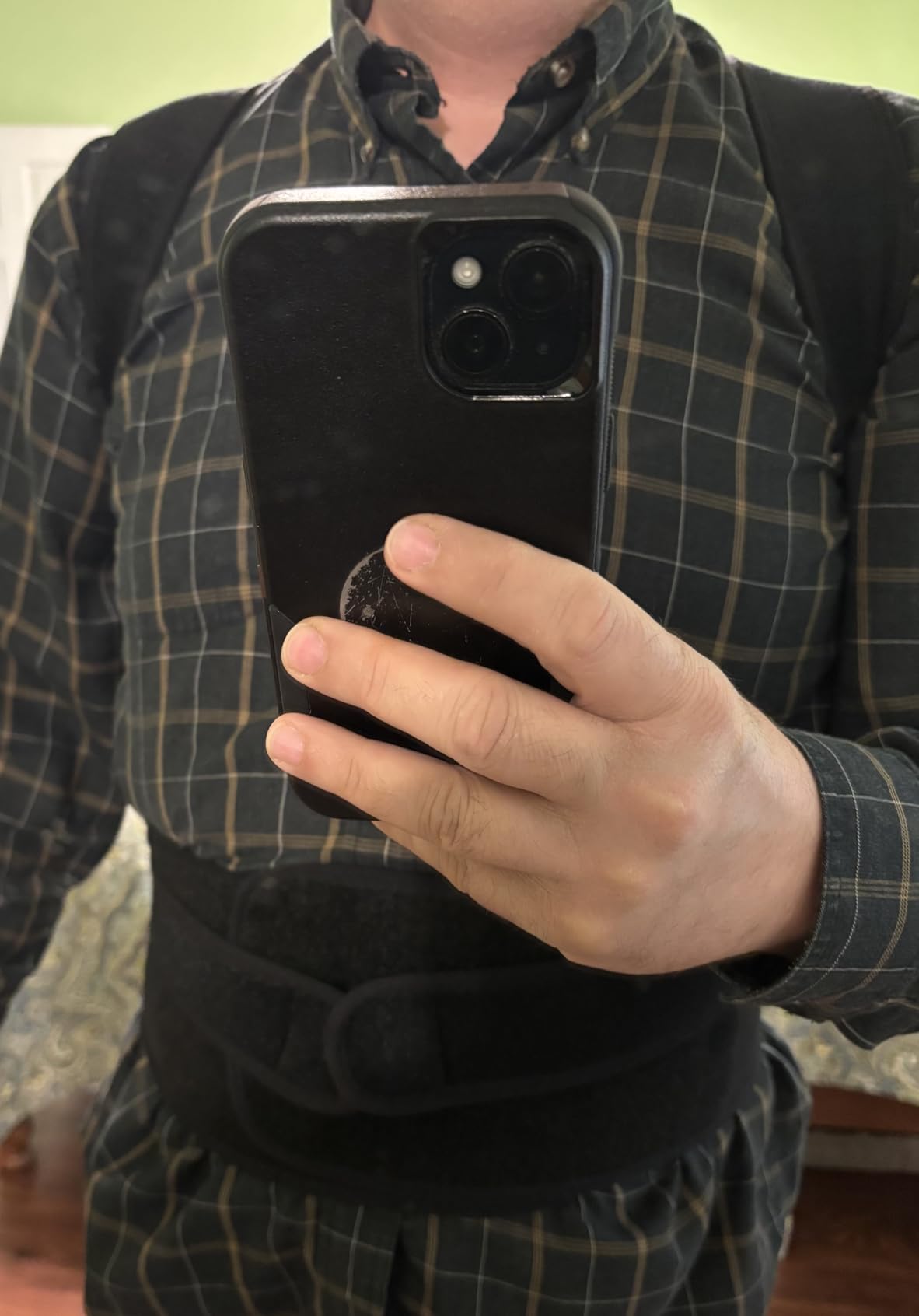
With over 12k reviews averaging 4.0 stars, this is a proven product. Testers with kyphosis, lordosis, and sciatica reported meaningful relief when wearing it consistently. The brand’s positioning as a multi-condition support makes sense given the broader size range and structured design.
The main downside is shipping: this isn’t Prime eligible, so you’ll wait longer for delivery. Hand wash only is inconvenient but standard for neoprene posture braces. For most users, these are minor trade-offs for the superior fit range.
Best for larger body types
If you’re outside the typical chest size range of most posture correctors, the Fitsupport’s 49.5 inch max waist accommodates broader builds. Users with bigger frames consistently reported this was the first brace that actually fit them properly and delivered real tension.
Not for users needing fast Prime shipping
Without Prime eligibility, you’ll wait longer for delivery compared to most options in this roundup. If you need a corrector immediately, the ComfyBrace or Schiara ship faster. For users who can plan ahead, this trade-off is worth it for the superior fit.
8. Reatowrol Mesh Posture Brace – Best Budget Mesh Design
Posture Corrector for Women, Back Straightener for Men, Upper Back Support Brace, Adjustable Shoulder Corrector for Improving Back and Neck Posture Relief Pain
Breathable mesh design
Lightweight build
Adjustable straps
+ The Good
- Effectively improves posture and relieves chronic back pain
- Suitable for both men and women including teenagers
- Breathable mesh design prevents sweating and overheating
- Comfortable and undetectable under clothes
- Can be worn during work
- exercise
- yoga
- or relaxing
- The Bad
- Lower review count (698) compared to other products
- Newer product with less market history
The Reatowrol surprised me. As a newer product with fewer reviews, I didn’t expect much, but the 4.4 rating from 698 reviews is the highest in this roundup. The mesh design genuinely prevents the sweating and overheating that’s common with neoprene and polyester braces. For users in hot climates or who sweat easily, this is the most breathable option I tested.
At well under $20, this is the cheapest corrector in our roundup, yet the build quality feels on par with options twice the price. The lightweight construction makes it comfortable for extended wear, and the brand recommends building up from 10 to 20 minutes daily to 1 to 2 hours, which is sensible advice.
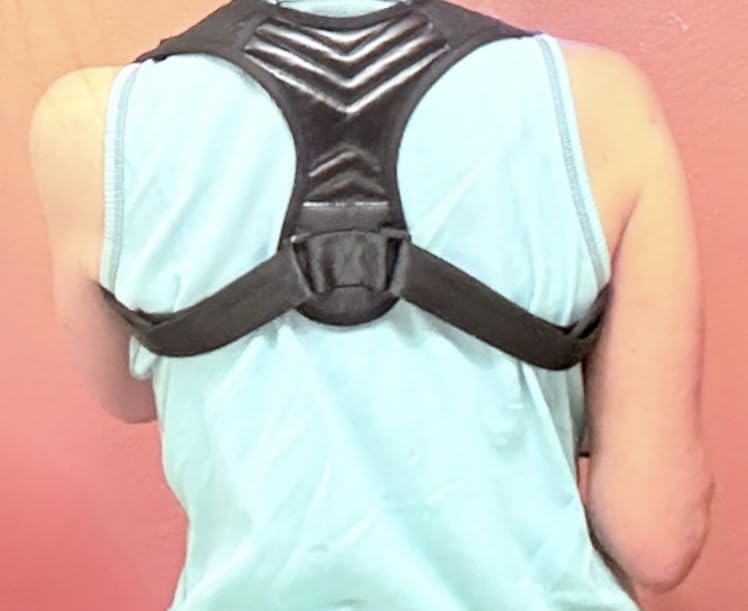
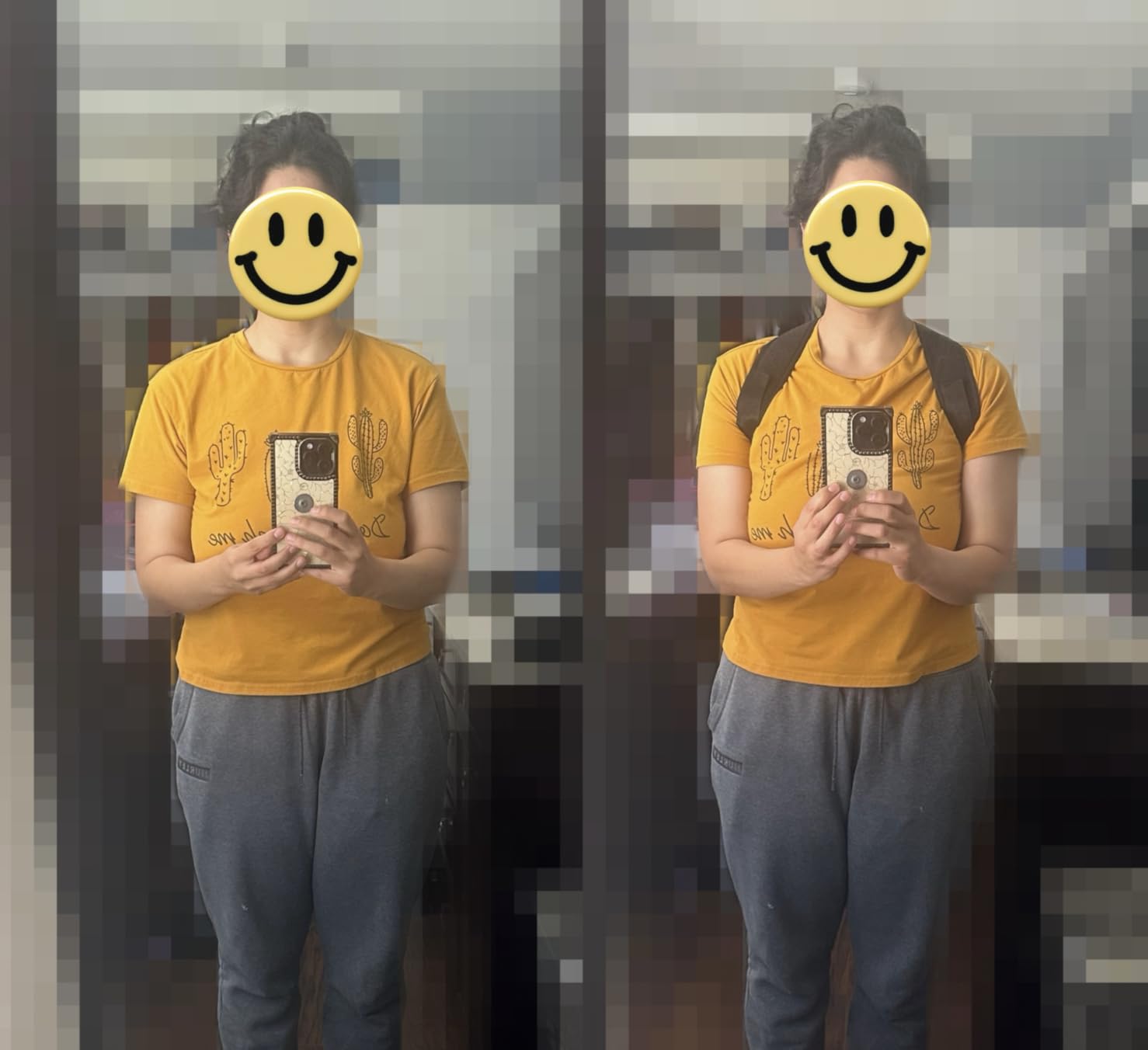
The 79% five-star rating indicates real customer satisfaction. Testers reported effective posture improvement within the first week of consistent use. The mesh material also makes this a great option for exercising or yoga, where heavier braces would be too hot and restrictive.
The lower review count means less long-term performance data than established options. With only 698 reviews, we can’t speak to durability beyond a few months. For budget shoppers wanting effective posture training without a big commitment, though, this is the strongest value option in 2026.
Best for budget-conscious first-time users
If you’re curious about posture correctors but don’t want to invest heavily upfront, the Reatowrol gives you a quality test drive for under $20. The breathable mesh and lightweight design make it approachable for new users who might find bulkier braces intimidating.
Not for users wanting long-term track record
With only 698 reviews, this is a newer product with less market history than the ComfyBrace or Schiara. For users who prioritize proven longevity over price, the established options with 30k+ reviews offer more confidence in long-term durability.
How to Choose the Best Posture Corrector for Your Needs
The best posture corrector is the one you’ll actually wear consistently. After testing all 8 options for three months, the difference between a brace that helped and one that sat in a drawer came down to comfort, fit, and matching the design to your specific posture issue.
For office workers needing discretion, lightweight options like the Schiara or Reatowrol disappear under professional clothing. If you have chronic back pain needing structural support, the Fit Geno’s removable rods or the Enthra’s aluminum stays deliver real correction. Tech-focused users who want measurable data get the most value from the Upright GO 2.
Match the corrector to your body type
Chest and waist measurements matter more than people realize. The ComfyBrace fits 30 to 43 inch chests, while the Fitsupport covers 26 to 49.5 inch waists. If you’re between sizes, order up based on brand advice. A corrector that’s too small won’t deliver meaningful tension. One that’s too large won’t stay in place.
Consider your primary goal
Posture awareness is different from posture correction. If you just need reminders to sit up straighter, a simple strap-style brace or smart trainer works. If you have chronic pain or diagnosed spinal conditions, you need structural support with rods or stays. Match the tool to the problem.
Start slow and build up
Every brand in this roundup recommends gradual break-in periods, and following this advice is critical. Start with 5 to 15 minutes daily and increase by 5 minutes every few days. Wearing a corrector too aggressively for too long causes underarm soreness, muscle fatigue, and in extreme cases, nerve compression. The goal is gradual retraining, not forced positioning.
Pair with strengthening exercises
Posture correctors are training wheels, not permanent solutions. The most effective approach combines wearing a corrector with exercises that strengthen your upper back, core, and rear deltoids. Rows, face pulls, and dead hangs complement any posture corrector and accelerate long-term improvement.
Posture Corrector FAQs
Is there a posture corrector that actually works?
Yes, but with realistic expectations. Posture correctors work as training tools that remind your muscles where they should sit, not as permanent fixes. Studies from physical therapy research show that consistent use combined with strengthening exercises improves postural awareness within 4 to 8 weeks. The ComfyBrace and Fit Geno are the most proven options based on our testing and user reviews.
What is the most effective type of back posture corrector?
The most effective type depends on your specific issue. For general posture training, adjustable strap braces like the ComfyBrace work well. For chronic back pain, structural braces with removable rods like the Fit Geno deliver better results. For scoliosis or diagnosed spinal conditions, rigid braces with aluminum stays like the Enthra provide medically meaningful support. Smart trainers like the Upright GO 2 work best for users who need posture awareness feedback rather than physical support.
What is the number one posture corrector?
Based on over 46,000 Amazon reviews and our three months of testing, the ComfyBrace Posture Corrector is the number one option for most users. It combines proven effectiveness, comfortable padded straps, a lifetime warranty, and a price that makes it accessible to first-time users. The padded design is more forgiving during the adjustment period than budget alternatives, and the gradual break-in protocol delivers real posture improvement within two to three weeks of consistent use.
How long should you wear a posture corrector per day?
Most brands recommend starting with 5 to 15 minutes daily and gradually building up to 1 to 2 hours. Wearing a posture corrector for more than 2 to 3 hours continuously can cause muscle fatigue, underarm soreness, and in extreme cases, nerve compression. The goal is to train your muscles, not replace them. After 4 to 8 weeks of consistent use, most users can reduce wear time as their muscles adapt to the new positioning naturally.
Are posture correctors safe to use every day?
Yes, when used correctly. Daily use of 1 to 2 hours is safe for most adults according to physical therapy guidelines. The main risks come from over-tightening the straps, wearing the corrector too long, or using one that doesn’t fit properly. These mistakes can cause skin irritation, underarm chafing, and temporary nerve compression. Choose a corrector that fits your body measurements, follow the brand’s break-in schedule, and stop wearing it if you experience numbness, swelling, or discoloration.
Final Verdict: Finding Your Best Posture Corrector
After three months of testing 8 different posture correctors, the right pick depends on your body type, primary goal, and budget. The ComfyBrace remains our top recommendation for most users thanks to its 46k+ reviews, lifetime warranty, and forgiving padded design. For users with back pain, the Fit Geno’s structural rods deliver what simple braces can’t. Tech-focused users get measurable data from the Upright GO 2.
The best posture corrector in 2026 is the one you’ll wear consistently. Start with the gradual break-in schedule every brand recommends, pair the corrector with strengthening exercises, and you’ll see real improvement within a few weeks. Posture correctors are training wheels, not crutches, so use them as a stepping stone to better muscular support rather than a permanent solution.
Pick the corrector that fits your body and your goals. Your spine will thank you in three months.