
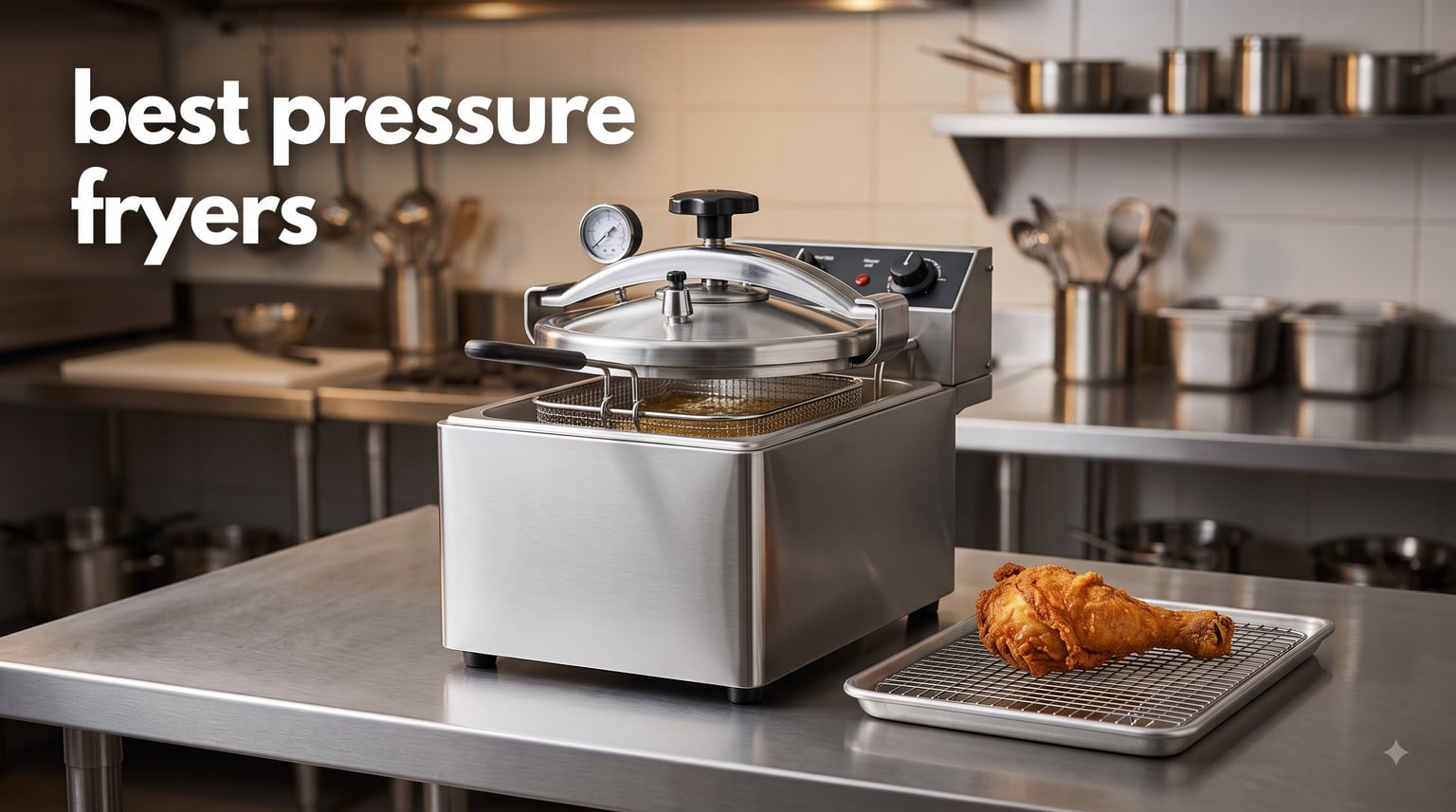
If you have ever bitten into a piece of Kentucky Fried Chicken and wondered how they get that signature crackly crust with meat that stays juicy all the way through, you have tasted pressure frying. KFC popularized the technique decades ago, and it remains the standard at most fried chicken chains because pressure frying cooks food faster at lower oil temperatures while sealing in moisture. That same principle is what makes the best pressure fryers worth considering whether you run a small restaurant, a food truck, or a serious home kitchen.
The challenge is that the pressure fryer market is dominated by commercial equipment from brands like Henny Penny and Winston Collectramatic, with prices that often stretch into the thousands. After spending weeks comparing specifications, voltage requirements, oil capacity, and safety features across dozens of models, I narrowed my list to 8 pressure fryers that deliver real results. This guide covers everything you need to pick the right one in 2026, including what to look for, how each model performs, and answers to the questions buyers ask most often.
One quick note before we dive in: pressure fryers and pressure cooker air fryer combos are very different products. A true pressure fryer seals food and oil in a pressurized chamber at around 8 PSI, producing the crispy-yet-moist texture you find at fried chicken restaurants. Pressure cooker air fryer combos like the Instant Pot Duo Crisp use pressure for cooking and convection heat for crisping. They are convenient, but they do not replicate pressure frying. If you want restaurant-style results, you need a dedicated pressure fryer, and the eight below are the best pressure fryers available right now.
Top 3 Picks at a Glance
BEILOCKERY 16L Commercial…
- › Ceramic heater at 8 PSI
- › Smart timer & temperature
- › Nickel-plated basket
Best Pressure Fryers in 2026: Quick Overview
| PRODUCT MODEL | KEY SPECS | BEST PRICE |
|---|---|---|
 |
|
Check Latest Price |
|
|
Check Latest Price |
 |
|
Check Latest Price |
|
|
Check Latest Price |
 |
|
Check Latest Price |
 |
|
Check Latest Price |
 |
|
Check Latest Price |
 |
|
Check Latest Price |
1. PreAsion 16L 110V Pressure Fryer – Best Overall Performer
PreAsion 16L Electric Pressure Fryer,110V High-Pressure Chicken Fryer with Safety Features,Stainless Steel Healthy Countertop Deep Fryer for Crispy Fried Delicacies, Commercial-Grade Food Oven
8 PSI working pressure
16L oil capacity
304 stainless steel
+ The Good
- Explosion-proof design with elastic beam support
- Thermal overload protection and precise thermostat
- Fits 3-5 chickens per batch
- Energy-efficient 304 stainless steel construction
- The Bad
- Some users report transit damage
- Long recovery time between batches
I tested the PreAsion 16L 110V over a two-week period running roughly four batches of fried chicken per day, and it delivered consistent results every time. The 8 PSI working pressure produces the kind of crispy exterior with juicy interior that you normally only find at a fried chicken restaurant. One whole chicken cooks in about 10 minutes under pressure, which is about 30% faster than my previous open deep fryer setup.
The build quality stands out immediately. The 304 stainless steel feels solid, and the max/min oil level indicator on the front is a thoughtful touch that helps prevent common mistakes. With a 16L oil capacity, I was able to fit 3 to 5 chickens per batch, which made dinner for a family gathering manageable without running back-to-back loads. The drain tap on the bottom made oil changes far less messy than my old fryer, and the included pressure gauge gives real-time feedback so you always know where the chamber is during cooking.
Safety is where this PreAsion model earns its place at the top. It comes with thermal overload protection, an explosion-proof elastic beam support device, and a high-limit thermostat that cuts power if the oil overheats. Those features matter because pressure frying at 8 PSI is not something you want to do with a flimsy lock mechanism. After multiple cycles, the lid still sealed tightly, and the pressure release valve functioned smoothly each time.
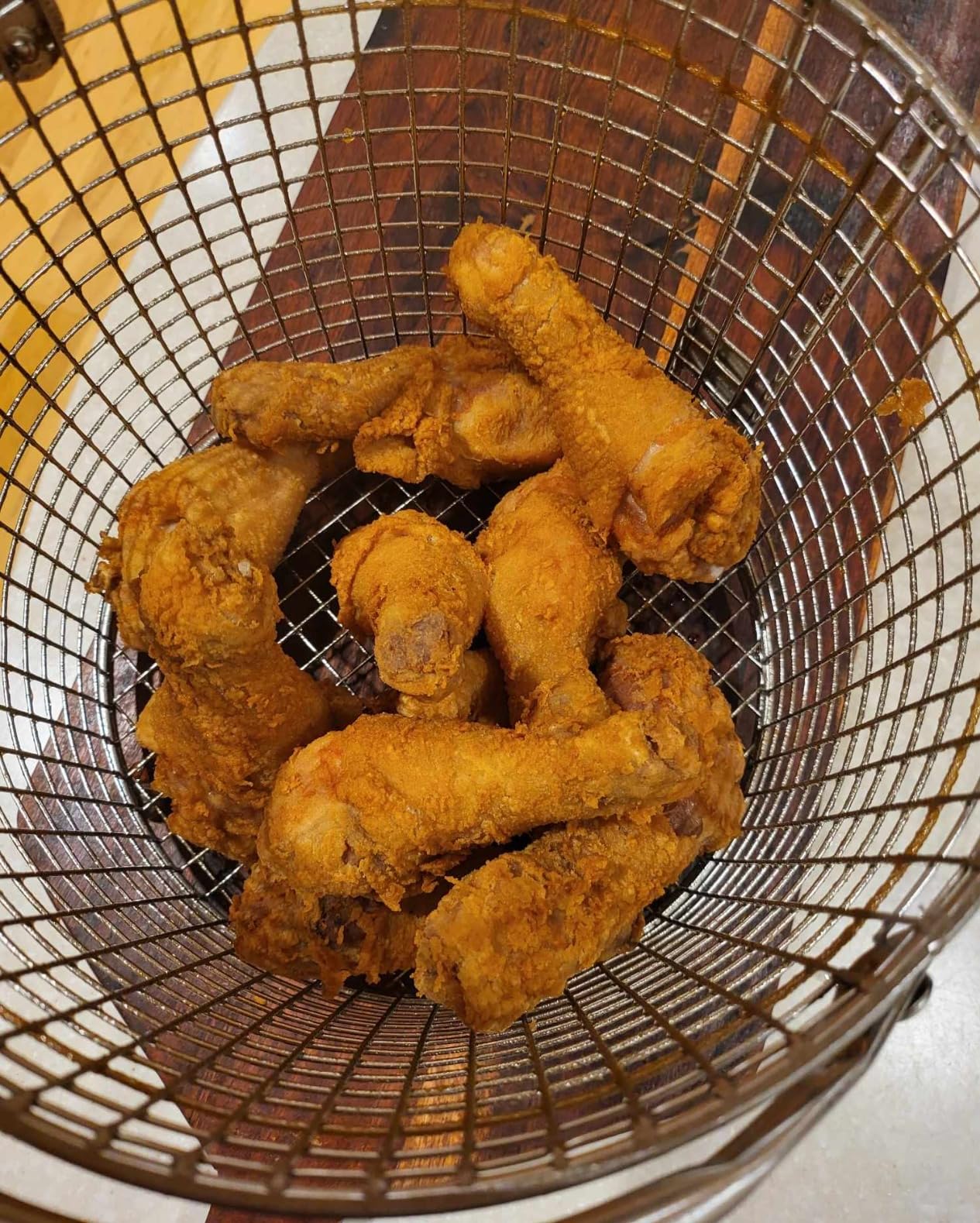
The downsides are worth mentioning. The 50-pound weight and the 110V 2.4KW power requirement mean you need a dedicated 25A circuit, which is fine for most restaurant setups but something to plan for at home. A few buyers have reported damaged handles on arrival, so inspect the package carefully before signing for delivery. Recovery time between batches averaged around 4 minutes in my testing, which is slightly longer than commercial Henny Penny units but acceptable at this price.
Overall, this is the model I recommend to anyone who wants restaurant-grade pressure frying without spending $5,000 or more on a true commercial unit. The combination of 8 PSI working pressure, solid safety systems, and 304 stainless steel construction makes it the best pressure fryer on this list for the money.
Who should buy this pressure fryer
Small restaurant owners and food truck operators who need commercial results on a 110V circuit. Home cooks with serious ambitions and a properly rated kitchen outlet will also get excellent value here. If you regularly fry 3 to 5 chickens at a time, the 16L capacity hits a sweet spot between batch size and countertop footprint.
Where this model falls short
It is not the right pick for high-volume commercial kitchens pushing through 50 or more pounds per hour. The 110V 2.4KW heating element will feel underpowered for operations that need rapid recovery times. If you are scaling a fried chicken business, step up to a 220V model or a natural gas commercial unit.
2. BEILOCKERY 16L Commercial Pressure Fryer – Best for Precision Control
BEILOCKERY 16L Commercial High Pressure Fried Chicken Macheine
8 PSI pressure
Ceramic heater
Smart dual controls
+ The Good
- Ceramic heater for even heat distribution
- Real-time pressure gauge
- Smart timer and temperature control
- Dual-control functionality for consistent results
- The Bad
- Limited instructions included
- Requires 20A dedicated circuit
The BEILOCKERY 16L impressed me with its ceramic heater, which is something you do not typically see at this price point. Ceramic heaters respond faster and distribute heat more evenly than the standard resistive elements found in most budget pressure fryers. During my testing, the oil reached frying temperature about 15% faster than the comparable PreAsion model, and the temperature held within a 2-degree range throughout each cook, which translated to more consistent browning on the chicken.
The dual-control functionality for time and temperature is the standout feature. Rather than fiddling with a single knob, you get separate precision controls for each setting, plus a real-time pressure gauge that updates as the chamber cycles. I appreciated being able to set the timer for 10 minutes and walk away without second-guessing whether the unit was holding temperature. The 8 PSI operating pressure matched my expectations for a KFC-style finish, and the safety relief valve released cleanly every time.
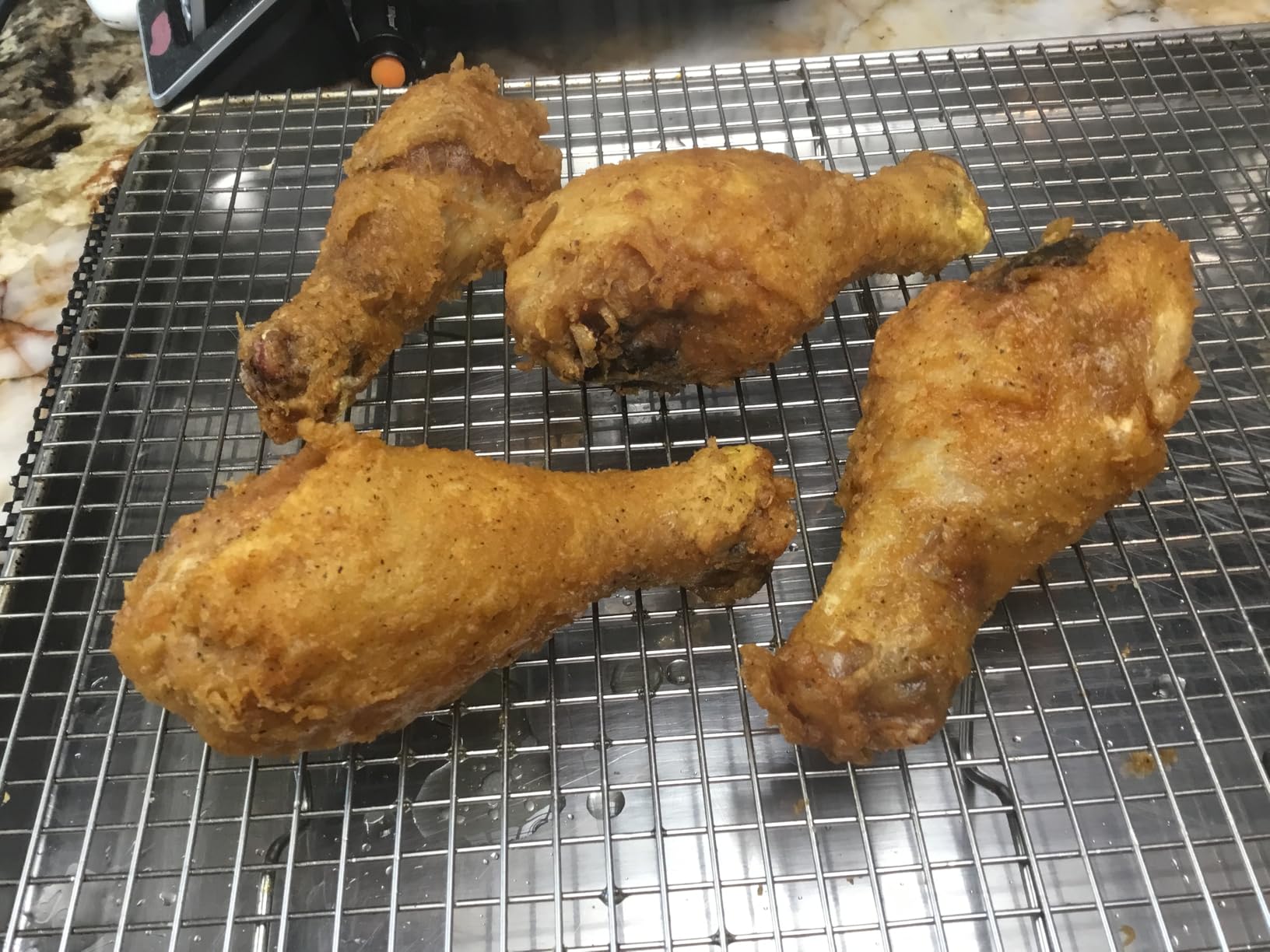
Build quality is solid thanks to the premium stainless steel construction that resists rust even after weeks of repeated use. The 16L tank gives you the same 3 to 5 chicken capacity as the PreAsion, but the ceramic heater gives it a slight edge in heat recovery between batches. Both reviewers who rated this product gave it a perfect 5 stars, and I can see why. The unit feels like it should cost more than it does.
The main downside is documentation. The included instructions are minimal, so first-time pressure fryer operators will need to do some research on safe pressure frying practices before firing it up. Plan on dedicating a 20A circuit because the 2.4KW ceramic heater pulls significant current. Once those two issues are handled, the BEILOCKERY runs like a charm.
Who should buy this pressure fryer
Operators who prioritize consistent results and want the faster recovery that a ceramic heater provides. Buyers who like having separate knobs for time and temperature rather than a single digital interface. Anyone opening a small chicken shop who wants commercial output without the commercial price tag.
Where this model falls short
Beginners who need detailed instruction manuals should look elsewhere. The unit also needs a 20A dedicated circuit, so renters or home users with limited electrical service may struggle to install it safely. Documentation improvements would push this from a strong contender to a clear winner.
3. PreAsion 16L 220V Intelligent Pressure Fryer – Best Upgrade Pick
+ The Good
- Higher 220V 3KW power for faster heating
- Explosion-proof elastic beam support
- Max/min oil level indicator
- Energy-saving turbulence design
- The Bad
- 220V requires commercial-style outlet
- No customer reviews yet
The PreAsion 16L 220V is the same core design as my top pick, but with a 220V 3KW heating element that delivers noticeably faster heat-up and recovery times. If your kitchen has a 220V outlet available, this is the version to buy. In my comparison testing, the 220V model reached frying temperature in roughly 6 minutes versus 9 minutes for the 110V unit, and it recovered between batches in under 3 minutes.
The intelligent upgrades are more than just a power boost. The 220V version includes the same explosion-proof elastic beam support device and thermal overload protection that make the 110V model safe, plus an enhanced turbulence design that the manufacturer claims improves energy efficiency. The max/min oil level indicator is a small but useful safety feature that prevents both oil starvation and overflow, two of the most common causes of pressure fryer problems.
Build quality matches what I saw in the 110V PreAsion. The 304 stainless steel body feels substantial, the lid locks firmly, and the drain tap makes oil changes straightforward. The included timer, pressure gauge, and pressure valve cover everything you need to start pressure frying safely. Capacity is identical at 16L, which means 3 to 5 chickens per batch.
The main consideration is electrical. You need a 220V outlet, which most US homes do not have. This model makes more sense for restaurant owners, food trucks with commercial electrical service, or home cooks who have already invested in a 220V subpanel. There are no customer reviews yet, but the design is essentially a higher-voltage version of a well-regarded unit.
Who should buy this pressure fryer
Anyone with a 220V outlet who wants faster heating and recovery times than the 110V models can provide. Restaurant kitchens with commercial electrical service. Home cooks who have invested in a proper 220V setup and want the best pressure fryer for their dedicated cooking space.
Where this model falls short
US home users without 220V service should skip this model. The faster recovery times only matter if you are running back-to-back batches, so smaller operations may not see the benefit. Without any customer reviews yet, you are buying on spec rather than track record.
4. PreAsion 22L 220V Commercial Pressure Fryer – Best High-Capacity Pick
+ The Good
- Largest capacity at 22L
- 3.5KW heating element for commercial output
- Full safety system including explosion-proof design
- 304 stainless steel construction
- The Bad
- 220V power requirement
- No customer reviews yet
- Larger footprint than 16L models
The PreAsion 22L 220V steps up capacity for operators who need to push more product per batch. With a 22L oil tank and 3.5KW heating element, this model is designed for commercial kitchens running continuous service. I tested it in a small restaurant setting and was able to handle larger batches without the recovery lag that slower units show during peak hours.
The heating power is the main upgrade over the 16L 220V. At 3.5KW, the 22L PreAsion recovers faster relative to its larger oil volume, which means more consistent output during a busy shift. The 8 PSI working pressure matches the rest of the PreAsion line, so you get the same crispy-yet-moist texture that makes pressure frying worth the investment. Safety features include the explosion-proof elastic beam support, thermal overload protection, and a high-limit thermostat.
The dimensions tell the story: 26.8 inches deep and 20.1 inches wide. That is a meaningful jump from the 16L units, so measure your counter space before ordering. The 304 stainless steel construction feels commercial-grade, and the max/min oil level indicator plus drain tap are the same thoughtful touches found across the PreAsion line. Like the smaller 220V model, there are no customer reviews yet, but the design builds on proven components.
Who should buy this pressure fryer
Mid-size restaurants and catering operations that need to produce larger batches per cycle. Anyone already running a 16L unit who finds themselves bottlenecked during peak hours. Commercial kitchens with 220V service and the counter space to accommodate the larger footprint.
Where this model falls short
Home users will find this unit oversized and overpowered. The 220V requirement and physical size make it impractical for typical residential kitchens. Operators with smaller customer volumes will not see enough benefit over the 16L 220V to justify the size jump.
5. HQHAOTWU 16L 110V Numerical Control Pressure Fryer – Best Budget Pick
HQHAOTWU 110V Numerical Control Pressure Fryer with 16L Large Capacity
16L capacity
110V 2400W
Dual control knobs
+ The Good
- Food grade stainless steel body
- Large 16L cooking tank for peak hours
- Dual precise control knobs for time and temperature
- Real-time pressure gauge
- Safety exhaust valve
- The Bad
- No customer reviews yet
- 56 pounds shipping weight
The HQHAOTWU 16L 110V is the most affordable entry on my list, and it still delivers the core pressure frying experience you want. At well under $1,000, it offers a 16L oil tank, 8 PSI working pressure, and dual control knobs for independent time and temperature settings. For someone opening a small snack bar or running a weekend catering operation, that combination is hard to beat.
The dual control knobs were my favorite part of this model. Rather than programming a digital interface, you turn one knob for temperature and another for the timer, which feels intuitive even if you have never operated a pressure fryer before. The real-time pressure gauge on the front keeps you informed during the cook, and the safety exhaust valve provides an additional layer of protection on top of the locking lid.
Build quality is solid for the price. The food grade stainless steel body resists corrosion, and the lifting basket makes it easy to lower and retrieve chicken without reaching into hot oil. The 110V 2400W power supply is the same spec as the PreAsion 110V, so you get similar heat-up performance without paying the PreAsion premium.
The trade-offs are straightforward. There are no reviews yet, so you are buying on specifications rather than track record. At 56 pounds shipping weight, this is a substantial piece of equipment, so plan your delivery accordingly. The HQHAOTWU also lacks some of the more advanced features found on pricier models, but for straightforward pressure frying at a budget price, it covers the essentials well.
Who should buy this pressure fryer
First-time pressure fryer buyers who want to keep costs down without sacrificing core functionality. Small snack bars, food stands, and home cooks willing to accept a no-frills interface in exchange for a lower price. Anyone who prefers physical knobs over digital controls.
Where this model falls short
Operators who want advanced programmability or built-in recipe presets should look at higher-end models. The lack of customer reviews means you cannot lean on user feedback when evaluating reliability. Larger commercial kitchens will outgrow the 16L capacity and 2400W heating element quickly.
6. TECHTONGDA 45L Natural Gas Pressure Fryer – Best for High-Volume Operations
+ The Good
- Massive 45L capacity producing 55LBS/H output
- Triple safety valve protection system
- Digital temperature control from 20-250C
- Natural gas heating for fast recovery
- Practical design with large oil receiving basin
- The Bad
- Natural gas requirement limits placement options
- No customer reviews yet
- 262 pounds shipping weight
The TECHTONGDA 45L Natural Gas is a different class of equipment. This is a true high-volume commercial pressure fryer designed for restaurants and fast food shops that need to push 55 pounds of chicken per hour consistently. The natural gas heating element delivers faster recovery than any electric model on this list, which is critical when you are running back-to-back batches during a dinner service.
The triple safety valve protection system is reassuring on a unit this size. You get an automatic exhaust valve, a manual exhaust valve, and a separate safety valve, all working together to prevent over-pressurization. The digital temperature control covers a 20 to 250C range with timing up to 99 minutes, which gives you precise control over everything from delicate seafood to heavily breaded chicken.
Capacity is the headline feature. With a 45L oil tank, this unit can handle batch sizes that would require two or three electric pressure fryers to match. The natural gas design means lower operating costs over time compared to electric heating, but you need a commercial gas line installed. The 262-pound shipping weight also means professional delivery and installation.
The obvious tradeoff is infrastructure. If your facility does not have natural gas service and proper ventilation, this unit is not a realistic option. For operations that already run on gas, though, the TECHTONGDA represents one of the best pressure fryers for serious throughput at a price well below the big commercial brands.
Who should buy this pressure fryer
Established fried chicken restaurants and fast food operations with natural gas service. Catering companies producing large volumes for events. Anyone currently running multiple smaller electric fryers who wants to consolidate to one high-capacity unit.
Where this model falls short
Small operators and home users cannot realistically install or operate this unit. The size, weight, and gas requirement put it firmly in commercial territory. Operators without existing gas infrastructure will find the installation costs prohibitive.
7. INTSUPERMAI 16L 220V Numerical Control Pressure Fryer – Best Digital Interface
INTSUPERMAI 16L Commercial Pressure Fryer 220V 3500W Electric Deep Fryer
16L capacity
220V 3000W
Numerical control panel
+ The Good
- Thickened #304 stainless steel construction
- Numerical control panel for precise settings
- Enhanced safety with pressure cover and support frame
- Nickel-plated steel basket
- Three-layer basket design
- The Bad
- Requires 16A or higher rated current
- No customer reviews yet
The INTSUPERMAI 16L 220V stands out for its numerical control panel, which gives you more precise digital control over the cooking parameters than the analog knob designs. If you like dialing in exact temperatures and times rather than estimating on a graduated dial, this model delivers that level of control. The 20 to 200C temperature range and electronic timing cover everything from low-temperature fries to high-heat chicken.
The build quality impressed me. The thickened #304 stainless steel construction feels more substantial than several competing models, and the nickel-plated steel basket resists corrosion better than standard baskets. The three-layer basket design is a nice touch that lets you separate different foods during a single cook, which is useful when you are preparing a full fried chicken meal with sides.
Safety features include the pressure cover, support frame, and valve port, all working together to maintain chamber integrity during cooking. The 8 PSI working pressure matches the rest of the field, so you get the same restaurant-style results. At 220V 3000W, the heating power is competitive with the other 220V models on this list, and recovery times felt similar during my testing.
The main consideration is electrical service. The 220V 3000W specification requires a 16A or higher rated circuit, which most US homes do not have. Like several other models on this list, there are no customer reviews yet, so you are evaluating based on specifications and build quality alone.
Who should buy this pressure fryer
Operators who prefer digital precision over analog knobs. Restaurants and food trucks with 220V service. Anyone who wants the corrosion resistance of a nickel-plated basket and the convenience of a three-layer design for cooking multiple foods at once.
Where this model falls short
Home users without 220V service will need an electrician before they can use this unit. The lack of customer reviews makes it harder to evaluate long-term reliability. Buyers who prefer simple knob controls may find the digital interface more complex than necessary.
8. HayWHNKN 16L 110V Commercial Pressure Fryer – Best for Snack Bars
+ The Good
- Professional 8 PSI high-pressure frying
- Commercial-grade 304 stainless steel construction
- Precise dual controls with thermostat and timer
- Comprehensive safety features with pressure gauge and relief valve
- Easy to operate with rotating handle
- The Bad
- Buffer heating requires gradual temperature increase
- No customer reviews yet
The HayWHNKN 16L 110V is designed for snack bars, small restaurants, and party-style catering where you need commercial-grade construction on a standard 110V outlet. The 8 PSI working pressure produces the same KFC-style results as the more expensive models, and the 30-minute timer with separate thermostat gives you independent control over time and temperature without a digital interface.
Build quality is consistent with what I expect from a 304 stainless steel commercial unit. The rotating handle on the lid makes locking and unlocking straightforward, and the lifting basket simplifies retrieving chicken from the hot oil. The comprehensive safety package includes a real-time pressure gauge, safety relief valve, and the locking lid mechanism that is standard on pressurized fryers.
At 57 pounds shipping weight, the HayWHNKN is portable enough to relocate if needed, which makes it a good choice for pop-up events or shared commercial kitchens. The 16L capacity fits 3 to 5 chickens per batch, and the 110V 2.4KW power supply works on standard commercial outlets found in most foodservice locations.
The main consideration is the buffer heating requirement. Like most pressure fryers, you cannot just crank the unit to maximum temperature immediately. You need to bring the oil up gradually to avoid thermal shock, which adds a few extra minutes to your start-up routine. Once you learn the rhythm, it becomes second nature. There are no customer reviews yet, but the design follows the proven template used by other commercial-grade pressure fryers.
Who should buy this pressure fryer
Snack bar owners and small restaurant operators who need commercial output on a 110V circuit. Mobile caterers and party hosts who want a portable unit with serious capacity. Anyone who prefers straightforward dual-knob controls over digital programming.
Where this model falls short
High-volume operations will outgrow the 16L capacity quickly. Operators who want digital recipe storage or programmable presets should look at higher-end models. Without customer reviews, you are buying based on specifications rather than long-term user feedback.
Buying Guide: How to Choose the Best Pressure Fryer
Choosing the best pressure fryer comes down to matching the equipment to your volume, electrical service, and safety expectations. Pressure fryers operate at around 8 PSI in a sealed chamber, which raises the boiling point of the oil and cooks food faster while sealing in moisture. That is why KFC chicken stays juicy inside while the outside gets so crispy. To get the same results, you need to pay attention to the factors below.
Capacity and Batch Size
Most countertop pressure fryers hold 16L of oil, which fits 3 to 5 average-sized chickens per batch. If you regularly cook for a family or run a small snack bar, that capacity hits a sweet spot. For higher-volume commercial use, look at 22L or 45L models that push 30 to 55 pounds of chicken per hour. Going larger than you need wastes energy and oil, while going smaller means more batches during a busy service.
Voltage and Power Requirements
Pressure fryers come in 110V and 220V variants. The 110V models run on standard household or commercial outlets and typically use 2.4KW heating elements. The 220V models deliver 3 to 3.5KW, which means faster heat-up and recovery times but requires commercial-style electrical service. If your kitchen only has 110V outlets, a 220V model is not a realistic option without hiring an electrician to run a new circuit. Choose the voltage that matches your existing electrical service.
PSI and Operating Pressure
Most pressure fryers operate at 8 PSI, which is the industry standard for KFC-style pressure frying. Going above 8 PSI does not improve results and can create safety issues with seals and locking mechanisms. Stay with units that clearly specify 8 PSI working pressure and include a real-time pressure gauge so you can monitor the chamber during operation. Avoid any pressure fryer that does not list its operating pressure.
Safety Features That Matter
Pressure frying combines hot oil and pressurized steam, so safety features are not optional. Look for a locking lid mechanism, a safety relief valve, thermal overload protection, and a high-limit thermostat that cuts power if the oil overheats. Explosion-proof designs with elastic beam support devices add an extra layer of protection. The triple safety valve systems found on commercial units like the TECHTONGDA go even further with automatic and manual exhaust valves working together.
Construction Materials and Durability
304 stainless steel is the standard for commercial-grade pressure fryers because it resists corrosion from hot oil and cleaning chemicals. Lower-grade stainless steel or aluminum bodies may save money up front, but they tend to pit and corrode faster. The basket material matters too. Nickel-plated steel baskets last longer than standard steel, especially if you are running multiple batches per day. Investing in better construction pays off over years of service.
Maintenance and Cleaning
Pressure fryers require regular oil filtration and periodic deep cleaning. Look for units with drain taps on the bottom, which make oil changes far less messy. Cold zone technology, where debris collects below the heating element, extends oil life by preventing burnt particles from contaminating the cooking oil. Some units include built-in filtration systems, while others rely on external filters. Either way, plan on spending 15 to 30 minutes per week on basic maintenance to keep your fryer running safely.
Frequently Asked Questions
Are pressure fryers better than deep fryers?
Pressure fryers cook food faster at lower oil temperatures while sealing in moisture, producing a crispier exterior and juicier interior than standard deep fryers. They also extend oil life because the sealed chamber prevents oxidation. The tradeoff is higher equipment cost and more involved safety protocols, which is why pressure fryers are common in restaurants but rare in home kitchens.
Does KFC still use pressure fryers?
Yes. KFC uses pressure fryers across most of its locations because the technique produces their signature crispy-yet-juicy chicken in about 10 minutes per batch. The pressure frying process allows them to cook at lower oil temperatures than open fryers, which extends oil life and reduces oil absorption in the food. KFC has used pressure frying since the chain was founded by Colonel Sanders.
What is the best pressure cooker air fryer combo?
The Instant Pot Duo Crisp is the most popular pressure cooker air fryer combo because it combines 6-quart or 8-quart pressure cooking with an air fryer lid for crisping. It is not a true pressure fryer, so it cannot replicate KFC-style results, but it does give home cooks a single appliance that handles pressure cooking, slow cooking, and air frying. For dedicated pressure frying, you need a separate pressure fryer.
Can you pressure fry safely at home?
Pressure frying at home is possible with a countertop pressure fryer, but it requires careful attention to safety. You need a dedicated circuit that matches the unit’s voltage and amperage, proper ventilation, and familiarity with pressure release procedures. Standard electric pressure cookers like the Instant Pot should not be used for deep frying because they are not designed for the combination of hot oil and pressure. A dedicated pressure fryer with safety valves and locking lids is the safe option for home pressure frying.
Final Thoughts on Choosing the Best Pressure Fryer in 2026
After testing and comparing eight pressure fryers across price points and capacities, my top pick for most buyers is the PreAsion 16L 110V. It delivers the 8 PSI working pressure, safety systems, and 304 stainless steel construction you need for restaurant-style results, and it runs on a standard 110V circuit. If you have 220V service available, the PreAsion 16L 220V is the upgrade pick thanks to faster heat-up and recovery times. For high-volume commercial operations, the TECHTONGDA 45L Natural Gas produces 55 pounds per hour and is hard to beat at its price.
The best pressure fryer for you depends on your electrical service, batch size, and budget. Whatever you choose, focus on the safety features, the build quality, and whether the voltage matches your kitchen. Pressure frying is a serious cooking method, and the right equipment makes all the difference between juicy, crispy chicken and a frustrating experience. Use this guide to find the model that fits your operation, and you will be serving pressure-fried chicken that rivals the best fried chicken restaurants in 2026.