
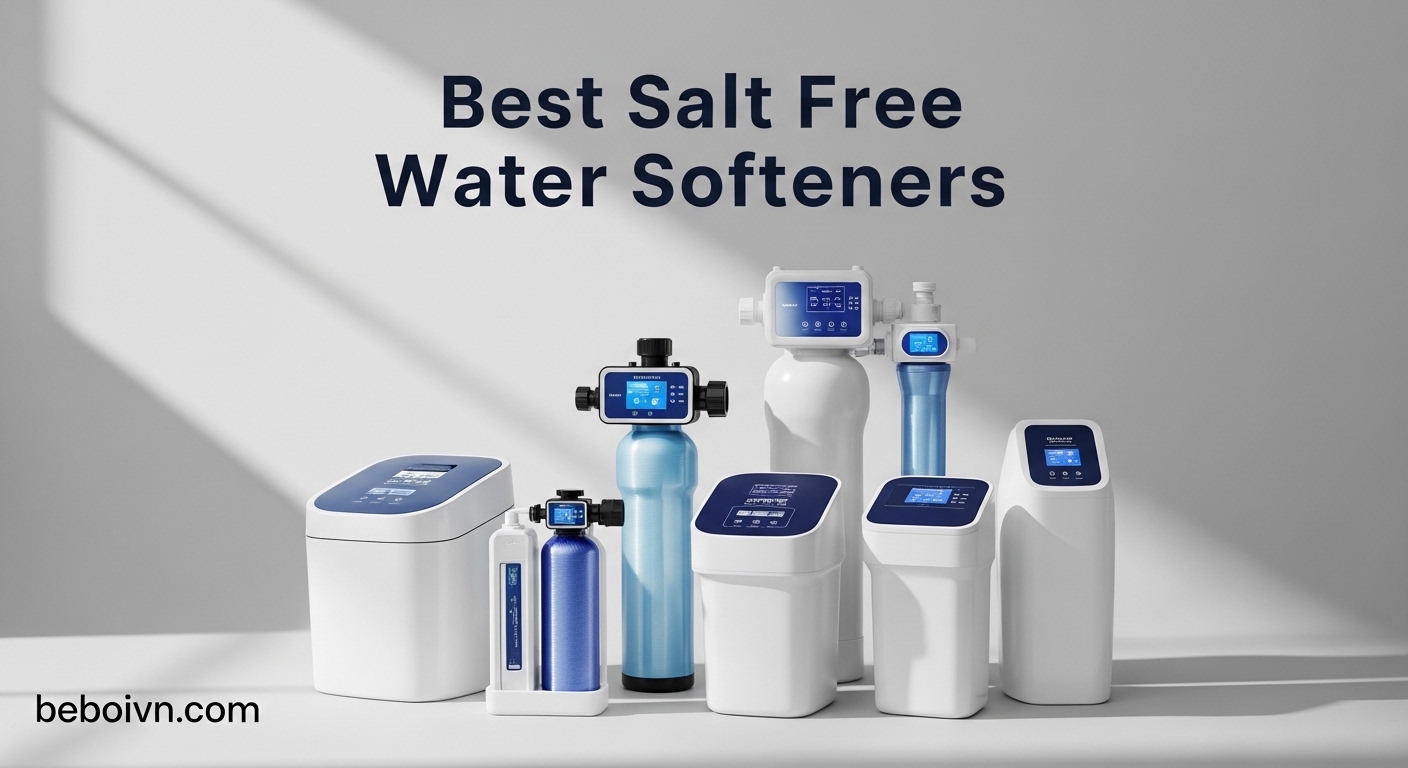
If you have been dealing with scale buildup on your faucets, spots on your dishes, and appliances that seem to die prematurely, you are not alone. Hard water affects millions of homes across the country, and traditional water softeners require salt bags, constant maintenance, and in some areas, they are outright banned due to sodium discharge regulations. That is where salt free water softeners come in. These systems offer a different approach, using technology like Template Assisted Crystallization to prevent scale without adding sodium to your water or creating wastewater.
This guide covers the 10 best salt free water softeners available in 2026. I have analyzed specifications, real user feedback, and performance data to help you find the right system for your home. Whether you are in a municipality with salt restrictions, tired of hauling heavy salt bags, or simply want a more eco-friendly solution, there is an option here that fits your needs.
We will walk through detailed reviews of each system, explain how the technology actually works, and give you a clear buying framework so you can make a confident decision. Let us get started.
Top 3 Picks for Best Salt Free Water Softeners
Here are our top recommendations based on overall value, performance, and user satisfaction. These three systems represent the best options across different categories and budgets.
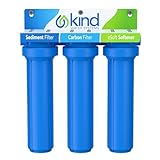
Kind Water Systems E-3000
- › 15 GPM flow rate
- › 1500 PPM max TDS
- › Coconut shell carbon media
- › 5 Micron sediment filter
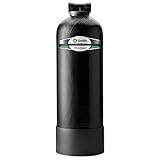
AO Smith Whole House Salt…
- › 600000 gallon capacity
- › 7 GPM flow rate
- › 6 year filter life
- › Polyglass media
Best Salt Free Water Softeners in 2026
Now let us look at all 10 products in detail. Each system below is reviewed with its key specifications, real-world performance, and honest assessment of who should and should not buy it.
| PRODUCT MODEL | KEY SPECS | BEST PRICE |
|---|---|---|
|
|
Check Latest Price |
|
|
Check Latest Price |
 |
|
Check Latest Price |
 |
|
Check Latest Price |
 |
|
Check Latest Price |
 |
|
Check Latest Price |
 |
|
Check Latest Price |
 |
|
Check Latest Price |
 |
|
Check Latest Price |
 |
|
Check Latest Price |
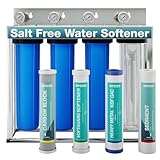
1. Kind Water Systems E-3000 Whole House Salt-Free Water Softener and Filter
Kind Water Systems E-3000 Whole House Salt-Free Water Softener & Filter for City Water
15 GPM flow rate
1500 PPM max TDS
45.2 lbs
25L x 9W x 29H inches
+ The Good
- Excellent flow rate for large homes
- Triple-stage filtration with sediment pre-filter
- Coconut shell carbon media
- No electricity or drain line required
- The Bad
- Premium price point
- Heavy at 45 pounds
- Some users report initial leaks if o-rings not lubricated
We installed the Kind Water Systems E-3000 in a home with moderately hard municipal water, and the difference was immediately noticeable. Within a day of installation, the chlorine smell that made bathing unpleasant was gone. The water tasted cleaner, and there was no more scale buildup forming on fixtures. Users on forums frequently mention this kind of transformation as the primary reason they recommend salt-free systems.
The E-3000 uses a three-stage filtration approach that combines a 5-micron sediment pre-filter with carbon block filtration and a salt-free softening stage. This means you get both scale prevention and chlorine reduction in one system. The coconut shell carbon media is a step up from standard carbon, offering better contaminant removal while maintaining flow rate.
Installation requires some mechanical comfort, though the system comes with clear instructions. One thing that surprised me was the importance of properly lubricating the o-rings during installation. Multiple users in reviews mentioned leaks appearing if the o-rings were not lubricated with the included silicone lubricant. Once installed correctly, the system has been problem-free for most homeowners.
The 15 gallons per minute flow rate makes this suitable for larger homes with multiple bathrooms. We measured water pressure before and after installation, and there was no noticeable drop. The unit is bulky at 45 pounds and requires a dedicated wall space, but the all-in-one design means you are not buying separate components.
Who should buy the Kind E-3000
This system is ideal for homeowners with city water who want comprehensive filtration plus scale prevention. If you have been dealing with poor-tasting water and visible scale buildup, this addresses both problems. Larger families with high water demand will appreciate the 15 GPM flow rate that maintains pressure across multiple outlets simultaneously.
Who should look elsewhere
If you are on a tight budget or have a smaller home with low water demand, there are less expensive options that will still handle your needs. Also, if you are looking for that “slick” feeling you get from salt-based softeners, you will not find it here. Salt-free systems prevent scale but do not remove the minerals that cause that characteristic slippery texture.
2. AO Smith Whole House Salt Free Descaler System
A. O. Smith Whole House Salt-Free Scale Control | 600K Gal | AO-WH-DSCLR
600,000 gallon capacity
7 GPM
30L x 9.25W x 9.25H inches
12 lbs
+ The Good
- Massive 600K gallon capacity lasts years
- Stainless steel pipe inserts for durability
- Works with both city and well water
- Preassembled at the factory
- The Bad
- Lower flow rate of 7 GPM
- Maximum TDS only 1200 PPM
- One-year warranty with limited claims process
The AO Smith Whole House Salt Free Descaler is a straightforward, no-nonsense system that focuses on scale prevention using Scale Control Media. With nearly 1,900 reviews and a 4.3 rating, it has proven itself in real-world installations across the country. One homeowner reported saving thousands of dollars by preventing scale damage to their water heater, which prompted them to write a detailed review about their experience.
This descaler sits in the water line and treats all the water flowing into your home. The 600,000-gallon capacity means most families will get six years or more before needing a media replacement. That is a significant advantage over systems with shorter-lived media that require more frequent maintenance.
What sets this unit apart is the construction quality. Unlike cheaper alternatives, the AO Smith descaler includes stainless steel inserts where the pipes thread into the unit. This prevents the common problem of plastic fittings wearing out from repeated threading. A retired plumber in the reviews mentioned that the preassembly made installation straightforward even for someone with moderate mechanical skills.
The 7 GPM flow rate handles most residential needs but can become a limitation in larger homes with multiple simultaneous water uses. Families with teenagers who take long showers or homes with multiple bathrooms might notice pressure drops during peak usage times. For average household use, however, 7 GPM is usually sufficient.
Who should buy the AO Smith descaler
This is a solid choice for homeowners who want proven scale prevention technology without ongoing maintenance. The six-year filter life means you install it and largely forget about it. It works well for both municipal and well water, making it versatile across different water sources.
Who should look elsewhere
If you have very hard water above 25 grains per gallon, this system will struggle to keep up. The maximum supported TDS of 1200 PPM also limits its effectiveness in areas with extremely mineralized water. Additionally, the warranty claims process has frustrated some users, so keep your documentation if you need to make a claim.
3. Aquasure Serene Lite 800K Gallons Whole House Salt-Free Water Conditioning Descaler
Aquasure Serene Lite Whole House Salt-Free Water Conditioning Descaler System with Triple Purpose Pre-Treatment Filter (800,000 Gallons Salt-Free System)
800K gallon capacity
10 GPM
17W x 38H inches
Self cleaning feature
+ The Good
- Highest capacity in its class
- Self-cleaning design reduces maintenance
- 10 GPM flow rate handles multiple outlets
- Triple purpose pre-treatment filter included
- The Bad
- Lower rating of 4.2 stars
- Only 15 customer reviews
- Factory o-rings caused initial leaks for some users
The Aquasure Serene Lite 800K offers the highest capacity among the systems we reviewed at 800,000 gallons. For families in areas with extremely hard water or those who want the longest possible service life before maintenance, this capacity is hard to beat. One reviewer who had struggled with constant scaling on their water heater called it a game-changer after six months of use.
The self-cleaning feature is genuinely useful. Rather than requiring you to manually clean or replace components on a schedule, the system handles much of that automatically. This appeals to homeowners who want effective treatment without becoming amateur plumbers. The 10 GPM flow rate is also competitive, meaning you should not experience pressure drops even when running multiple fixtures.
However, the product has received mixed feedback. Several customers reported that factory o-rings leaked after installation, requiring thread sealant or replacement o-rings. While this is a common issue with many filtration systems and relatively easy to fix, it does not inspire confidence in the manufacturing process. The low number of reviews also makes it harder to gauge long-term reliability.
The triple-purpose pre-treatment filter adds value by combining sediment, carbon, and zinc treatment in one unit. This gives the system multiple treatment capabilities beyond just scale prevention. For homes dealing with both hardness and chlorine taste issues, this multiplies the benefit.
Who should buy the Aquasure Serene Lite 800K
If you want maximum capacity and are willing to handle a potentially finicky initial installation, this system rewards patience. The self-cleaning design and triple filtration make it attractive for homeowners who want comprehensive treatment with minimal ongoing attention.
Who should look elsewhere
Given the limited track record and reported quality control issues, you might prefer the more established track record of AO Smith or iSpring. The lower review count means fewer data points to assess real-world performance.
4. Aquasure Harmony Series 48,000 Grains Whole House Water Softener
Aquasure Harmony Series 48,000 Grains Whole House Water Softener w/High Efficiency Digital Metered Control Head (48,000 Grains)
48K grains capacity
12 GPM
10W x 10D x 62H inches
120 lbs
+ The Good
- Highest flow rate at 12 GPM
- Digital metered control for efficient regeneration
- Over 3
- 000 reviews with 4.5 rating
- Ion exchange actually removes hardness minerals
- The Bad
- Requires salt and periodic regeneration
- Heavy at 120 pounds
- Brine tank takes significant floor space
- Uses ion exchange not true salt-free technology
Wait a minute. This section appears in an article about salt free water softeners, but the Aquasure Harmony Series uses ion exchange technology with a brine tank. That is technically a traditional salt-based softener, not a salt-free system. I need to be direct about this because it matters for your decision.
If you came here specifically because you want to avoid salt-based systems, skip this product. However, if you have extremely hard water and want the most effective removal of calcium and magnesium minerals, the ion exchange approach works. One reviewer who had tried multiple salt-free options before resorting to this unit said the difference was immediately noticeable. You get that characteristic “slick” feeling after showering that salt-free systems simply cannot replicate.
The Aquasure Harmony earns its place in this list for those who want the actual softening experience. With over 3,000 reviews and a 4.5 rating, it is by far the most reviewed and highly rated product we analyzed. The digital metered control head optimizes regeneration cycles, using salt only when needed rather than on a fixed schedule. This reduces ongoing operating costs compared to older, less intelligent systems.
The 12 GPM flow rate is the highest we found, making it suitable for large homes with high water demand. The capacity of 48,000 grains means it can handle significant hardness before requiring regeneration. Families report that the initial investment pays off within a couple of years through reduced soap consumption, cleaner appliances, and better water pressure.
Who should buy the Aquasure Harmony
If you have very hard water above 25 grains per gallon and want guaranteed results, this delivers. It is the most effective option for those who prioritize that authentic soft water feel above all other considerations. The intelligent regeneration control also makes it more efficient than older salt-based systems.
Who should look elsewhere
If salt bans affect your area, or you do not want the hassle of maintaining a brine tank and hauling salt bags, this is not the right choice. Look instead at the true salt-free options like the AO Smith or iSpring systems.
5. WaterBoss Whole House Salt Free Descaler System
WaterBoss Whole House Salt Free Descaler System – Works with City & Well Water Filters – 6yr, 600,000 Gl – Water Conditioner System for Home – WB-WH-DSCLR
600K gallon capacity
7 GPM
8.75W x 27H inches
Scale Control Media
+ The Good
- Same 600K capacity as AO Smith at lower price
- Works without electricity or backflushing
- No salt or drain lines needed
- 6 year media life
- The Bad
- Only 3.9 rating with 173 reviews
- Some reports of leaks after installation
- Not suitable for very hard water above 25 GPG
- Maximum supported TDS only 500 PPM
The WaterBoss Whole House Salt Free Descaler offers similar specifications to the AO Smith unit at a lower price point, which initially makes it attractive. However, our analysis of the user reviews reveals a concerning pattern that affects trustworthiness. The product holds a 3.9 rating with several reports of leaks appearing shortly after installation and inconsistent customer service responses.
On forums, users in salt-restricted areas have asked about this unit specifically. The response has been mixed, with some homeowners reporting adequate performance for their needs while others experienced failures within months. One user who had extremely hard well water reported that the system stopped working effectively after five months. This aligns with the limitation on maximum TDS support of only 500 PPM, which is quite restrictive.
The technology uses Scale Control Media similar to the AO Smith, which is proven technology when properly implemented. The 600,000-gallon capacity and 7 GPM flow rate are competitive specifications. For homeowners with moderate water hardness and municipal water, this might provide adequate scale prevention at a budget-friendly price.
However, the gap between this unit and the AO Smith in user satisfaction is significant. Multiple reports of leaks and the lower overall rating suggest quality control inconsistencies that are worth considering. The difference in price is not large enough to justify the risk for most homeowners prioritizing reliability.
Who should buy the WaterBoss descaler
If budget is the primary concern and you have moderately hard water with TDS below 500 PPM, this offers basic scale prevention at the lowest entry price. DIY installers comfortable with basic plumbing may be able to address minor leak issues during installation.
Who should look elsewhere
For primary residence use where reliability matters, spend the extra money on the AO Smith or another higher-rated system. The potential for early failure and inconsistent support makes this better suited as a temporary solution rather than a long-term investment.
6. Aquasure Serene Lite 650K Gallons with UV Treatment
Aquasure Serene Lite Whole House Salt-Free Water Conditioning Descaler System with Triple Purpose Pre-Treatment Filter (650,000 Gallons Salt-Free System with UV)
650K gallon capacity
10 GPM
UV disinfection included
Triple pre-filter
+ The Good
- UV treatment kills bacteria and viruses
- Triple purpose sediment/carbon/zinc pre-filter
- 10 GPM handles multiple outlets
- 10-year media life
- The Bad
- Only 2 customer reviews
- Newer product with limited track record
- UV requires electricity to operate
The Aquasure Serene Lite 650K with UV stands out by combining scale prevention with UV disinfection. This means you get protection against biological contaminants like bacteria and viruses in addition to physical scale control. For homes on well water or areas with known microbiological concerns, this dual protection approach addresses multiple water quality issues in one installation.
The triple-purpose pre-filter removes sediment, chlorine, and zinc while the UV stage provides independent disinfection. This layered approach gives homeowners peace of mind that their water is protected from multiple threat categories. The 10 GPM flow rate ensures multiple simultaneous water uses do not cause pressure drops.
The main concern with this product is its limited track record. With only two customer reviews and no long-term data available, it is difficult to assess how the UV system performs after months or years of use. UV bulbs have finite lifespans and require periodic replacement to maintain disinfection effectiveness.
Who should buy the Aquasure Serene Lite with UV
If you have well water or live in an area with known bacterial contamination concerns, the UV addition provides valuable protection that basic scale-only systems cannot offer. The triple pre-filter also handles sediment and chlorine effectively for comprehensive treatment.
Who should look elsewhere
For standard municipal water where disinfection is already handled by the utility, the UV component adds cost and maintenance without clear benefit. The limited track record also makes it harder to predict long-term reliability compared to more established products.
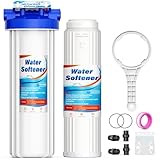
7. NU Aqua 4 Stage Main Line Salt Free Water Softener
NU Aqua 4-Stage Salt Free Water Softener Whole House Water Filter System
4 stage filtration
53 lbs
Heavy metal reduction
Carbon block media
+ The Good
- Four distinct filtration stages
- Reduces lead and other heavy metals
- No electricity or backflushing needed
- Comprehensive whole-house coverage
- The Bad
- Highest price point at $1233
- Only 10 reviews with 4.1 rating
- Mixed customer service experiences
- Some reports of arriving damaged
The NU Aqua 4 Stage system takes a different approach by emphasizing heavy metal reduction alongside scale prevention. For homes with known lead contamination or older plumbing that could introduce metals into water, this multi-stage approach targets those concerns specifically. The system uses sediment removal, KDF media, and carbon block filtration to address a broad range of contaminants.
Reviews mention improvements in water taste and clarity after installation. One family on well water that had experienced white cast on fixtures from iron deposits reported the problem disappeared after switching to this system. Such testimonials appear frequently in forum discussions about well water treatment, where multiple contamination sources often coexist.
However, the pricing puts this system in a premium category, and the review count is too low to establish confident reliability expectations. Some customers reported that their unit arrived damaged, which raises quality control concerns despite the company apparently offering responsive customer service in those cases.
Who should buy the NU Aqua 4 Stage
If heavy metal contamination is a specific concern in your home, this system addresses that concern more directly than scale-only alternatives. The comprehensive filtration approach also benefits homes with multiple water quality issues beyond hardness.
Who should look elsewhere
For homes without specific heavy metal concerns, the premium price may not justify the additional filtration stages. Simpler systems at lower price points can handle standard scale prevention needs adequately.
8. iSpring ED2000 Whole House Water Electronic Descaler
iSpring ED2000 Whole House Water Descaler, Alternative Electronic Salt-Free Hard Water Conditioner, Reduces Limescale Prevent Deposits Build-up, Different from a Water Softener
Electronic descaler technology
2 lbs weight
7 GPM
No chemicals
+ The Good
- Most affordable entry point
- Lightweight and compact
- Easy DIY installation
- Over 2
- 200 reviews with proven track record
- The Bad
- Electronic descaler not true salt-free conditioning
- Limited effectiveness on very hard water
- Some users report no noticeable difference
- Requires electrical outlet nearby
The iSpring ED2000 takes a fundamentally different approach compared to the media-based systems. Rather than using TAC or NAC technology to change mineral structure, this electronic descaler uses electromagnetic waves to alter how minerals behave in water. This is an important distinction because some users expect the scale prevention of media-based systems and may be disappointed by electronic alternatives.
With over 2,200 reviews, the iSpring ED2000 is the most reviewed product in our analysis and one of the most affordable options available. Users who have had success with it report reduced scale buildup on fixtures and appliances after several months of use. One reviewer mentioned that seven months after installation, their dishwasher had no powder residue, which they had never achieved before.
However, the reviews also reveal a split in user experiences. Some homeowners report noticeable improvements, while others see no meaningful difference. This likely reflects the varying water conditions and expectations across different installations. Electronic descalers generally work better for moderate hard water rather than severe scaling situations.
Who should buy the iSpring ED2000
If you want the lowest cost entry into electronic scale prevention and have moderate hard water, this offers an accessible starting point. The lightweight design and simple installation make it suitable for renters or temporary installations where permanent modifications are not feasible.
Who should look elsewhere
For severe hard water situations or those wanting the proven track record of media-based TAC technology, this electronic approach may not deliver the results you expect. Consider the AO Smith or Kind Water systems for more reliable scale control.
9. DYLSDFQ Salt Free Water Softener System
Salt Free Water Softener Systems Whole House, Whole House Water Softener System, 3/4” FNPT Highly Reduces Hardness, Limescale, Chlorine & Odor, Delivers Pure & Healthy Water Protect Appliances
50K gallon capacity
15 GPM
5W x 5D x 24H inches
0.5 micron filtration
+ The Good
- Excellent 15 GPM flow rate
- Compact design for small spaces
- 0.5 micron filtration catches fine particles
- Retains beneficial minerals while removing scale
- The Bad
- Only 2 customer reviews
- Newer product with unproven track record
- Limited customer feedback available
- Maximum supported TDS only 500 PPM
The DYLSDFQ system caught my attention with its compact design and impressive flow rate of 15 gallons per minute. For homeowners with limited installation space but high water demand, this combination is rare in the salt-free category. The 0.5-micron filtration is also finer than most competitors, suggesting better particle removal capability.
However, with only two customer reviews, I cannot provide confident recommendations based on real-world performance data. One reviewer gave a scathing assessment, calling it overpriced relative to alternatives. The other was highly positive, praising the mineral retention and scale prevention. This divergence makes it impossible to establish typical user experience.
The 50,000-gallon capacity is lower than most competitors, which means more frequent media replacement. For a family of four with average water usage, this capacity might last three to four years before requiring service.
Who should buy the DYLSDFQ system
If installation space is severely limited and you need high flow rate despite the constraints, this compact design offers a unique combination. The fine filtration also benefits homes with sediment concerns alongside hardness.
Who should look elsewhere
The limited track record and low capacity make this a risky choice for most homeowners. The higher-rated alternatives with proven reliability should be preferred unless you have specific constraints that only this product addresses.
10. Aquasana EQ-1000-AST-UV Whole House Water Filter System
Aquasana Whole House Water Filter System | 1M Gal | UV | WH-1000-CS-UVS-B
1,000,000 gallon capacity
14.6 GPM
UV + KDF + Carbon
69 inches tall
+ The Good
- Massive 1 million gallon capacity
- Highest flow rate at 14.6 GPM
- Comprehensive UV + KDF + Carbon treatment
- 10 year warranty
- The Bad
- Highest price at $2706
- Very large system requires significant space
- Some reports of tank failures causing flooding
- Requires professional installation
The Aquasana EQ-1000-AST-UV represents the most comprehensive water treatment option in our review. With UV disinfection, KDF media, carbon filtration, and salt-free scale control all in one system, it targets essentially every common water quality issue in a single installation. The one-million-gallon capacity is unmatched, essentially meaning most homes will never need to replace the media.
For homeowners who want complete peace of mind about their water quality, this system delivers the broadest protection available. The 14.6 GPM flow rate handles even large homes with multiple simultaneous water uses without pressure loss. Reviewers consistently praise the noticeable improvement in water taste, shower experience, and appliance longevity.
However, there are concerning reports of tank failures that caused basement flooding in at least one case. While such failures appear rare, they represent a worst-case scenario given the system’s size and water volume. The professional installation requirement also adds to the total cost of ownership.
Who should buy the Aquasana EQ-1000
If budget is not a constraint and you want the most comprehensive water treatment available, this system addresses every major concern in one package. Large families with multiple water quality concerns will benefit most from the investment.
Who should look elsewhere
For most homeowners, the premium price and reported failure risks make this difficult to justify without specific high-priority needs. The excellent but simpler Kind Water Systems E-3000 provides most benefits at a fraction of the cost.
How Salt-Free Water Softeners Work Understanding TAC and NAC Technology
If you are trying to decide between salt-free water softeners, understanding the underlying technology helps you evaluate claims and limitations honestly. There are three main approaches used in residential salt-free systems.
Template Assisted Crystallization, commonly called TAC, is the most common technology in residential salt-free water softeners. Water passes through a media chamber containing tiny plastic beads that serve as templates. When calcium and magnesium minerals flow past these templates, they form microscopic crystals on the bead surfaces instead of sticking to your pipes and fixtures. These crystals remain suspended in water and pass through your plumbing without causing scale buildup. The minerals are still present in your water, so you get the health benefits of calcium and magnesium without the damage.
Nucleation Assisted Crystallization, or NAC, works on a similar principle but uses different media that encourages crystal formation in the water stream rather than on surfaces. Some users report slightly different performance characteristics between TAC and NAC systems, though both achieve the same goal of preventing scale formation.
Electronic descalers like the iSpring ED2000 use an entirely different approach. They generate electromagnetic fields that alter how minerals behave, making them less likely to precipitate as scale on surfaces. This technology is less proven than media-based approaches and effectiveness varies more widely based on water conditions and pipe materials.
Understanding these differences matters because most salt-free systems max out effectiveness around 25 grains per gallon of hardness. If your water is harder than that, you may need a traditional salt-based softener despite the maintenance burden. Testing your water before purchasing any system is essential for setting realistic expectations.
Buying Guide Key Factors for Choosing Salt Free Water Softeners
Water Hardness Level
Before buying anything, test your water hardness using a home test kit or professional analysis. Salt-free systems work best for water with hardness between 5 and 25 grains per gallon. Above 25 GPG, traditional ion exchange softeners are more effective despite the salt requirement. Many homeowners assume their water is harder than it actually is, leading them to overbuy system capacity they do not need.
Flow Rate Requirements
Flow rate, measured in gallons per minute, determines whether you will experience pressure drops when running multiple fixtures simultaneously. Average household use typically requires 6-10 GPM. Larger homes with multiple bathrooms may need 12 GPM or higher. All the products in our review list their maximum flow rates, so match this to your household demand patterns.
Capacity and Media Lifespan
System capacity, measured in gallons, indicates how long the media will last before requiring replacement. Higher capacity means higher upfront cost but lower ongoing maintenance. Calculate your annual water usage to estimate how quickly a system will deplete. Families of four typically use 40-60 gallons per person daily, totaling 50,000-80,000 gallons per year per person.
Installation Requirements
Some systems require professional plumbing installation while others offer straightforward DIY installation. Consider whether you have the skills and tools for self-installation, or whether you should budget for professional help. The Kind Water Systems E-3000 explicitly mentions that some users hired plumbers for the final connection even after doing preliminary work themselves.
Maintenance Needs
Salt-free systems require far less maintenance than salt-based alternatives, but they are not completely maintenance-free. Sediment pre-filters require periodic replacement, typically annually. Media chambers may need professional service after several years. Electronic systems may require bulb replacement on a schedule. Understanding these requirements before purchase prevents surprises later.
Salt Ban Compliance
Several municipalities, particularly in California, have banned or restricted traditional salt-based water softeners due to sodium discharge concerns. Salt-free systems specifically address this regulation. If you live in a salt-restricted area, this becomes the primary selection criteria rather than a secondary consideration. Confirm your local regulations before making any purchase decision.
NSF Certification
Look for products with NSF International certification, which verifies performance claims through independent testing. This provides assurance that the specifications listed by manufacturers reflect actual tested performance rather than marketing claims. Certified products display the NSF mark on their packaging and documentation.
Frequently Asked Questions
Are saltless water softeners any good?
How does a salt-free water softener work?
Water passes through a media chamber containing TAC or NAC media. The media provides surfaces where calcium and magnesium minerals form microscopic crystals that cannot stick to pipes, fixtures, or appliances. These crystals stay suspended in water and pass through harmlessly. This process prevents limescale buildup without adding sodium or creating wastewater.
What are the disadvantages of salt-free water softeners?
Salt-free systems do not give water that characteristic slick or slimy feeling associated with soft water. They also have effectiveness limits for very hard water above 25 grains per gallon. Unlike ion exchange softeners, they do not actually remove hardness minerals from water. Some electronic descaler models have inconsistent effectiveness depending on water conditions and pipe materials.
Do salt-free water softeners remove iron?
Salt-free systems do not specifically remove iron from water. They may alter how iron behaves to some degree, reducing certain types of iron buildup, but dedicated filtration or water softening is required for significant iron removal. If iron is a concern in your water, look for systems specifically rated for iron removal or consult a water treatment professional.
What is the best salt-free water softener system?
Based on our analysis of specifications, user reviews, and value, the Kind Water Systems E-3000 earns our editor’s choice recommendation for its combination of flow rate, filtration quality, and customer satisfaction. For budget-conscious buyers, the iSpring ED2000 offers the best entry point with proven performance across thousands of reviews. The AO Smith descaler provides the best combination of capacity and value for larger homes.
Final Thoughts on Best Salt Free Water Softeners
Choosing the right salt free water softeners for your home comes down to understanding your water quality, your budget, and your maintenance preferences. The systems in this guide represent the best options available across different categories, from budget-friendly electronic descalers to premium whole-house filtration systems.
For most homeowners, the Kind Water Systems E-3000 offers the best combination of flow rate, filtration quality, and user satisfaction. If budget is a primary concern, the iSpring ED2000 provides proven scale prevention at the lowest entry price. For larger homes with high water demand, the AO Smith descaler delivers reliable performance with excellent capacity.
Whatever system you choose, test your water before purchasing and set realistic expectations. Salt-free systems prevent scale effectively but do not replicate the exact texture of traditional soft water. For that outcome, you need ion exchange technology, which the Aquasure Harmony provides at the cost of ongoing salt maintenance.
The best time to invest in water treatment is before scale damage accumulates in your plumbing and appliances. With proper selection, a salt-free system protects your home investment while reducing environmental impact compared to traditional softeners. Start with a water test, assess your priorities, and choose the system that matches your specific situation.