
Our answer up front: the Retrospec Comstock Kids Ski and Snowboard Helmet is the best ski helmet for kids in 2026 for most families, because it pairs an ABS shell with EPS impact foam, ten cooling vents and a rear goggle clip, and it holds a 4.7 rating across 793 reviews. If your child is older and wears glasses, the Odoland helmet-and-goggle set is the smarter buy, and for a first helmet on a three-year-old the BeBeFun toddler model weighs just 350 g.
Kids helmets are not scaled-down adult helmets. A child’s head is proportionally larger and rounder than an adult’s, the skull is still developing, and the neck muscles that stabilise a grown-up’s head are not there. That combination is why a helmet that sits properly on an adult can sit a full size too small on a child and rotate freely on a fall.
There is a second problem that never shows up in a spec sheet: willingness. A helmet your child tolerates badly is a helmet that comes off on the first chairlift ride, and a helmet that comes off is not protecting anyone. We weighed comfort, weight, ventilation and fit adjustment just as heavily as shell construction when we built this list.
To get the full picture on the gear around it, our team also put together guides to the best ski helmets for adults, the best ski boots and the best ski jackets. Those matter as much as the helmet once your child is on the hill, but the helmet is the piece that has to fit right the first time.
Top 3 Kids Ski Helmets in October 2026
Three picks cover the majority of families: one all-rounder with the deepest review history, one complete helmet-and-goggle set with the highest rating, and one value bundle that includes a dial fit system.
Retrospec Comstock Kids Helmet
- › ABS shell with EPS foam
- › 10 cooling vents
- › Rear goggle clip
- › Plush ear pads

Odoland Kids Helmet and Goggles Set
- › Helmet and goggle set
- › In-mold construction
- › 10 air vents
- › Removable liner

OutdoorMaster Kids Helmet and Goggles
- › ASTM F2040 PC shell
- › Dial fit system
- › 12 vents
- › Fleece lining
Kids Ski Helmets at a Glance in October 2026
All ten helmets below cover a head circumference range, a construction type and a certification standard. Where a product bundles goggles, that is noted in the key features.
| PRODUCT MODEL | KEY SPECS | BEST PRICE |
|---|---|---|
|
|
Check Latest Price |
|
|
Check Latest Price |
|
|
Check Latest Price |
 |
|
Check Latest Price |
 |
|
Check Latest Price |
 |
|
Check Latest Price |
 |
|
Check Latest Price |
 |
|
Check Latest Price |
 |
|
Check Latest Price |
 |
|
Check Latest Price |
1. Retrospec Comstock Kids Ski and Snowboard Helmet: Best Overall Kids Ski Helmet
Retrospec Comstock Youth Ski & Snowboard Helmet for Kids – Durable ABS Shell, Protective EPS Foam & Cooling Vents – Adjustable Fit for Boys & Girls – Matte Rose, 48-51cm X-Small
ABS shell with EPS foam
48-51 cm X-Small
10 cooling vents
0.49 kg
+ The Good
- Warm well-padded fit with removable liner
- Solid ABS shell for the build quality
- Accurate sizing across XS and S
- Range of colours
- The Bad
- No rear adjustment knob
- Some sizes run smaller than labelled
We picked the Retrospec Comstock as the best ski helmet for kids overall because of what the review history actually says rather than what the listing promises. Across 793 reviews at a 4.7 average, the most repeated theme is warmth: plush ear pads, a removable liner and a contoured fit that parents describe as noticeably warmer than the shell shape suggests.
The shell is ABS over expanded polystyrene, a combination that is heavier than polycarbonate but more forgiving of the small knocks and drops a five-year-old delivers to a helmet on every lift ride. Ten vents with moisture-wicking mesh handle the other end of the problem, which is a sweaty head by the afternoon.
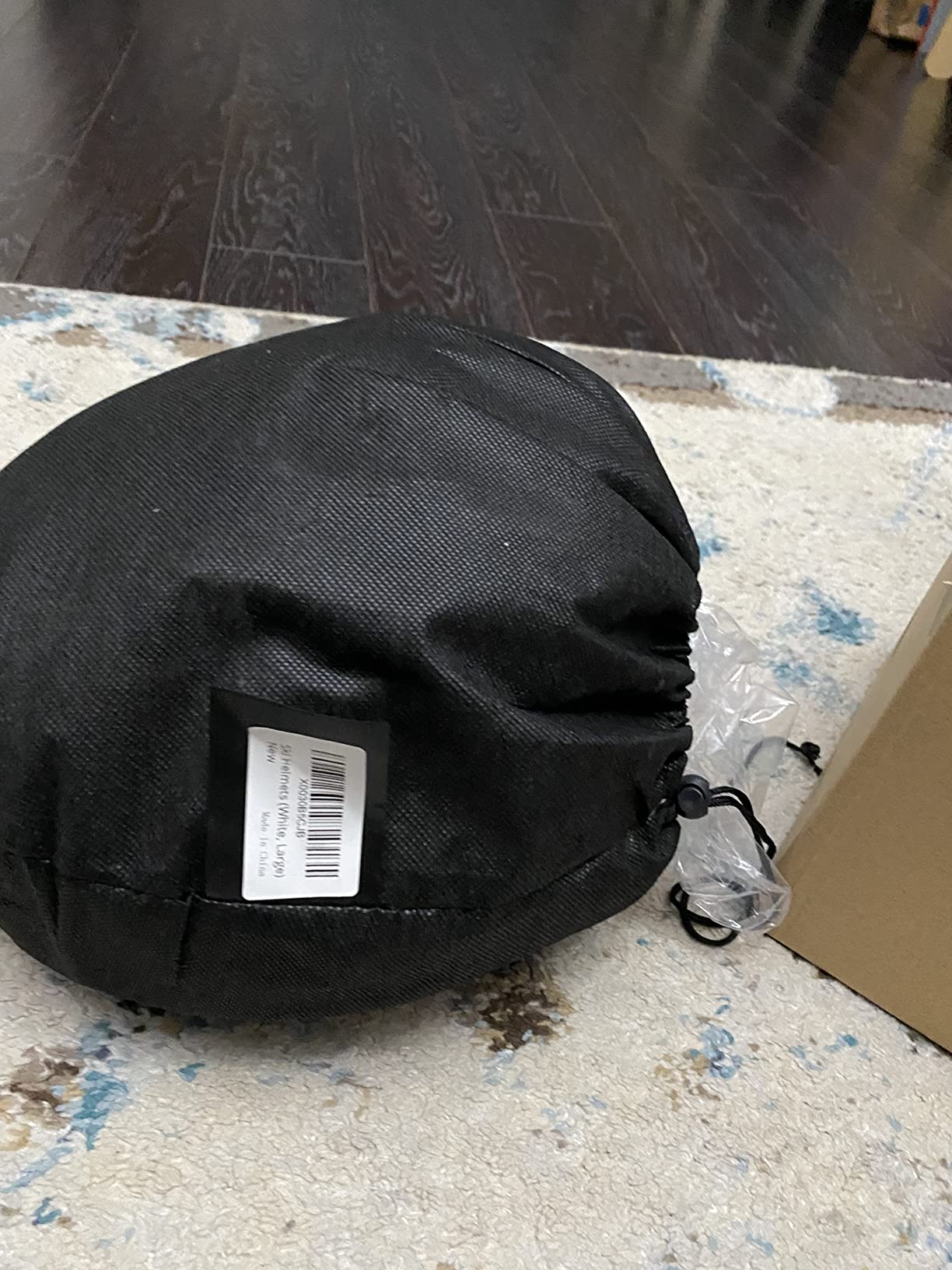
Where it earns its place at the top is in sizing honesty. Reviewers single out the XS and Small measurements as accurate, and the model is labelled at 48-51 cm for the X-Small we tested. That predictability matters more than any feature, because a mis-sized helmet is the one failure mode that no amount of padding can fix.
It works for both skiing and snowboarding, and the rear goggle clip holds goggles in place without the elastic strap wandering around the back of the helmet all day.
When parents should skip it
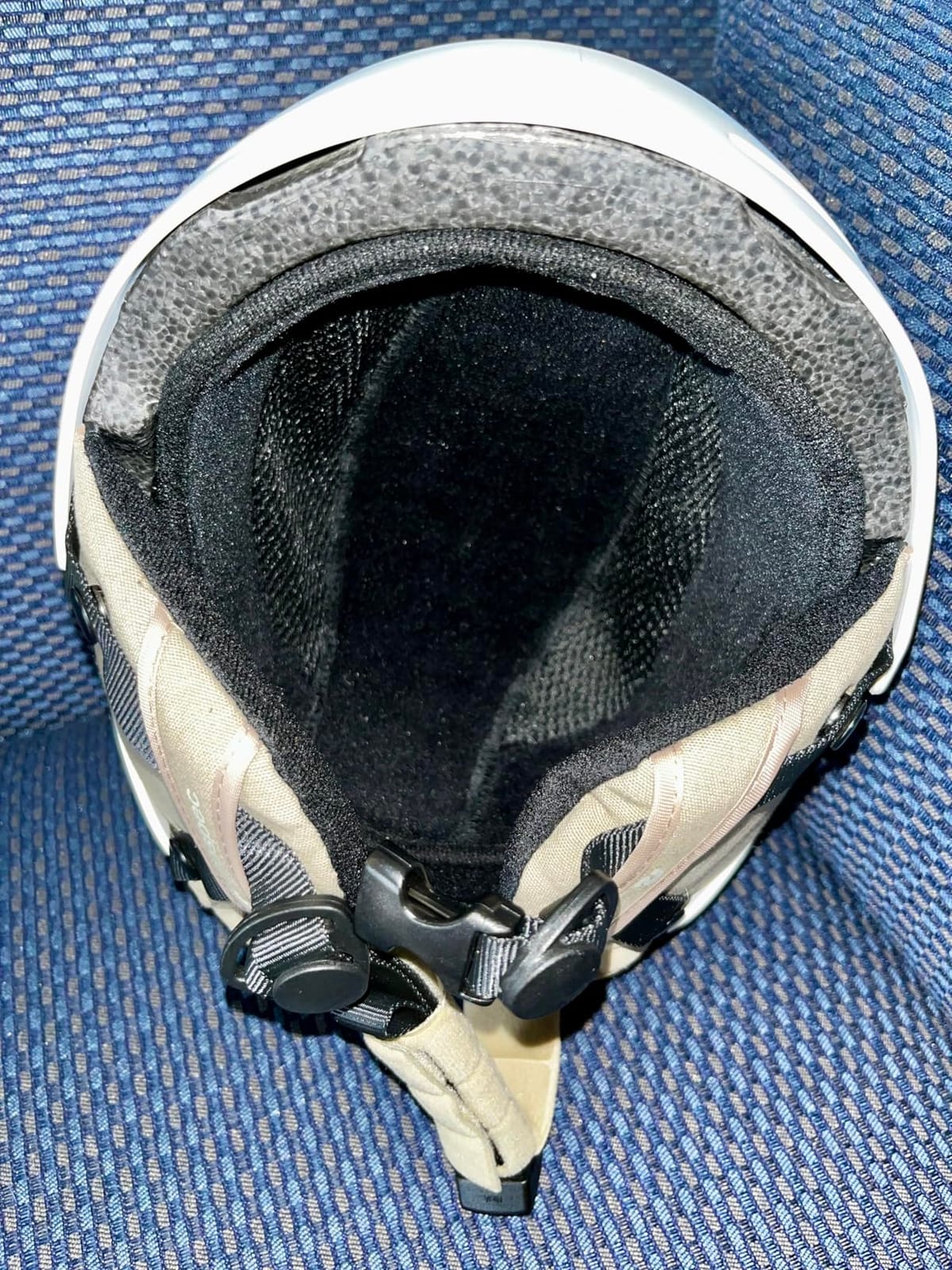
Buy a different helmet if your child changes head size quickly, because there is no rear dial on this model. Sizing is fixed at purchase, so growth means a new helmet rather than an adjustment. If your child is a fast grower in the 5 to 7 age band, a dial fit model saves the second purchase.
The other reason to look elsewhere is glasses. There is no visor and no wide temple clearance, so a child in prescription eyewear will fight the ear pads. In that case the OtG-compatible sets below are a better fit.
Fit and sizing notes for parents
Check the 48-51 cm label against your child’s measurement before ordering, and if you sit between two sizes, size up and tighten the chin strap rather than forcing a smaller shell. A minority of owners report the X-Small running loose on very young children, which fits the general pattern of this helmet favouring slightly older toddlers.
2. Odoland Kids Ski Helmet with Ski Goggles Set: Best All-Around Set for Ages 6-14
Odoland Kids Ski Helmet, Snow Helmet with Ski Goggles for Boys and Girls, Safety Youth Snowboard Sports Helmets and Goggles Set for Children Ages 6-14, Pink, XS
XS 49-53 cm
Helmet and goggle set
In-mold construction
0.83 kg
+ The Good
- Complete helmet and goggle package
- Highest average rating in our group
- Anti-fog UV goggles included
- Ten air vents
- The Bad
- Heavier than most youth helmets
- Fit depends on choosing the correct size
The Odoland set is the one to buy when you want one box to open on the first ski morning. It ships as a helmet and goggle pair with a carry bag, and the goggles have anti-fog coating, UV protection and Flow-Tech venting built in.
Its 4.8 average across 593 reviews is the second-highest rating among the ten helmets we looked at, and review data puts the bulk of feedback on completeness rather than defects. That matters for a parent buying a first kit on a deadline.
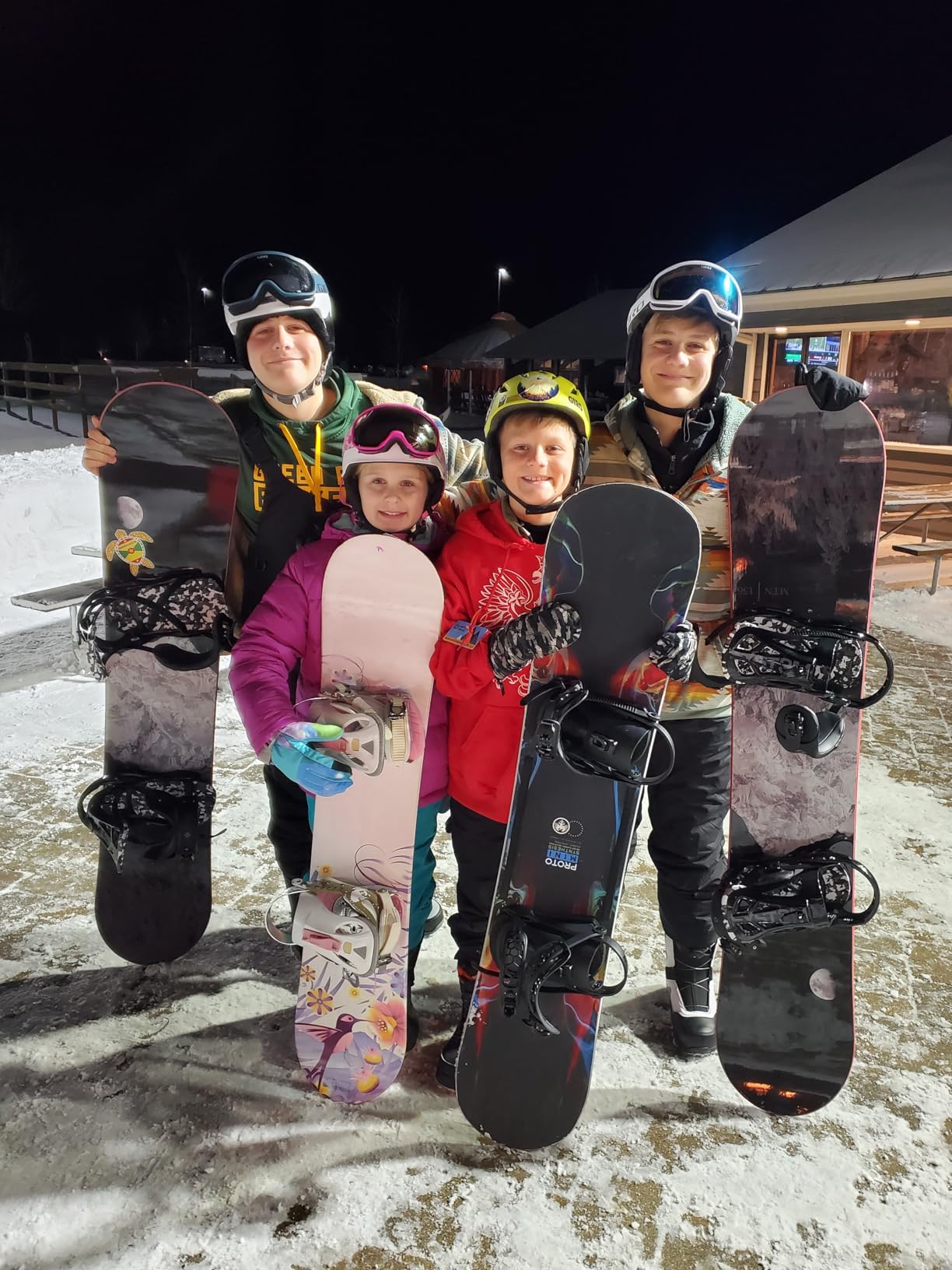
Construction is in-mold, which is the middle ground between a hard shell and a premium hybrid: a thin polymer cap bonded to a polystyrene core, so it is lighter and better ventilated than a hard shell without the price jump.
The liner and ear pads are removable, and there are ten air vent holes in the shell. The included components list runs to helmet and goggles, and the carry bag stops a set from disappearing into the car boot on every trip.
When parents should skip it
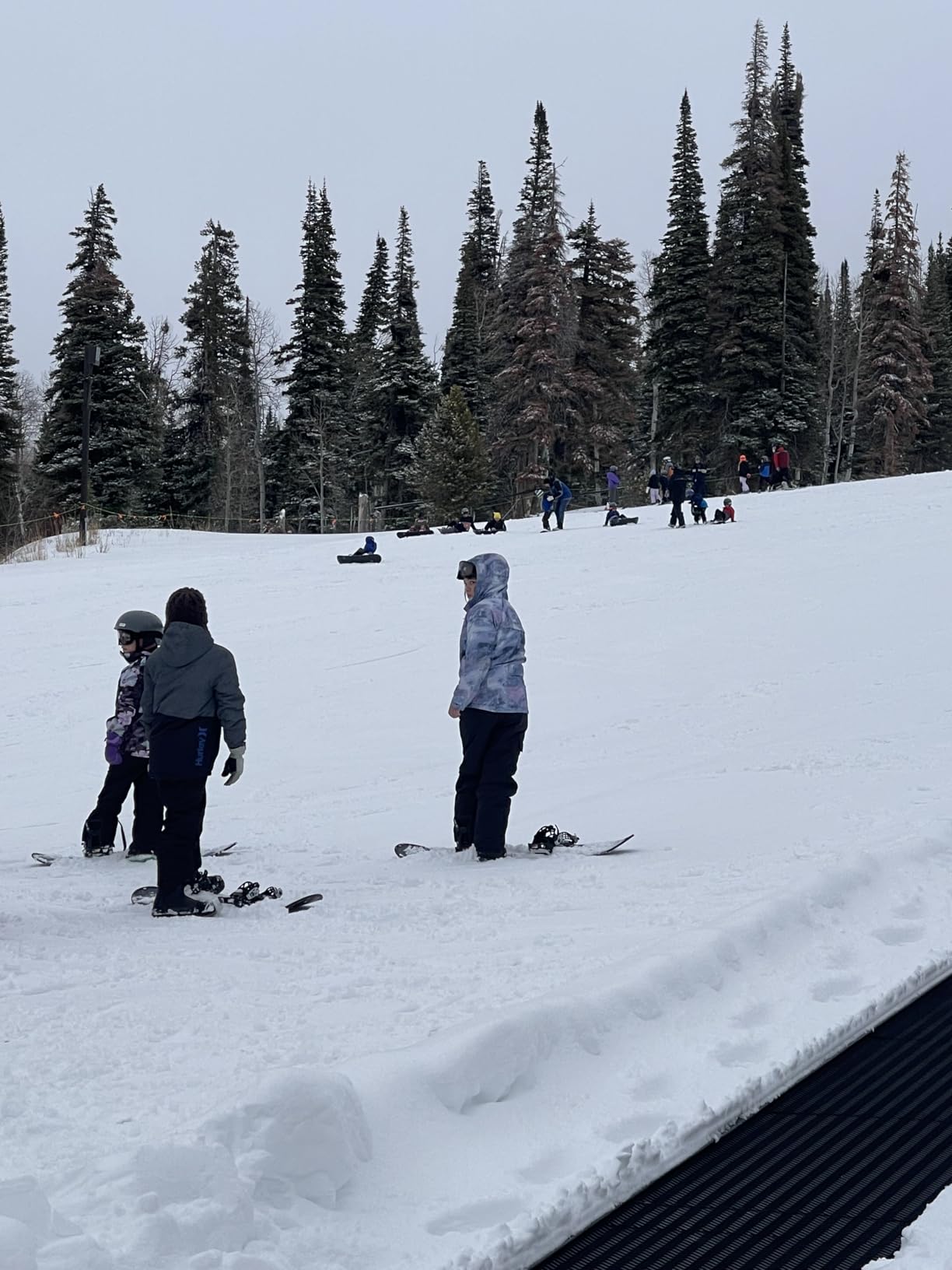
At 0.83 kg this is the heaviest helmet in the group, and that weight lands on the neck rather than the head. Younger children and long lesson days are where the extra grams show up most. If your child is under about six, compare it with the lighter Toddler and OutdoorMaster options before committing.
It is also a helmet-plus-goggles bundle, so if your child already owns a goggle pair that fits well, you are paying for a second set. The goggles in the box are serviceable rather than exceptional.
Fit and sizing notes for parents
The XS size is labelled 49-53 cm, which is 19.3 to 20.9 inches, and the listing states an age range of 6 to 14. Check the measurement first: reviewers consistently note that fit depends on picking the right circumference band rather than the age line on the box. Try it on indoors with the chin strap done up before the trip.
3. OutdoorMaster Kids Ski Helmet and Goggles Set with Dial Fit: Best Value Bundle
OutdoorMaster Kids Ski Helmet and Goggles Set Dial Fit Safety-Certified
ASTM F2040 PC shell
52-56 cm Small
Dial fit system
0.53 kg
+ The Good
- ASTM F2040 certified shell
- Dial fit handles varying head shapes
- Twelve vents with mesh cap
- Double-layer anti-fog lens
- The Bad
- Bundled goggles are basic
- Plush earmuffs may feel warm in spring
This is the pick we recommend when a parent wants a named certification standard and a dial fit system without moving up a price band. The shell is in-mold polycarbonate with an EPS liner and is certified to ASTM F2040, which is the recreational snow-sports standard in North America.
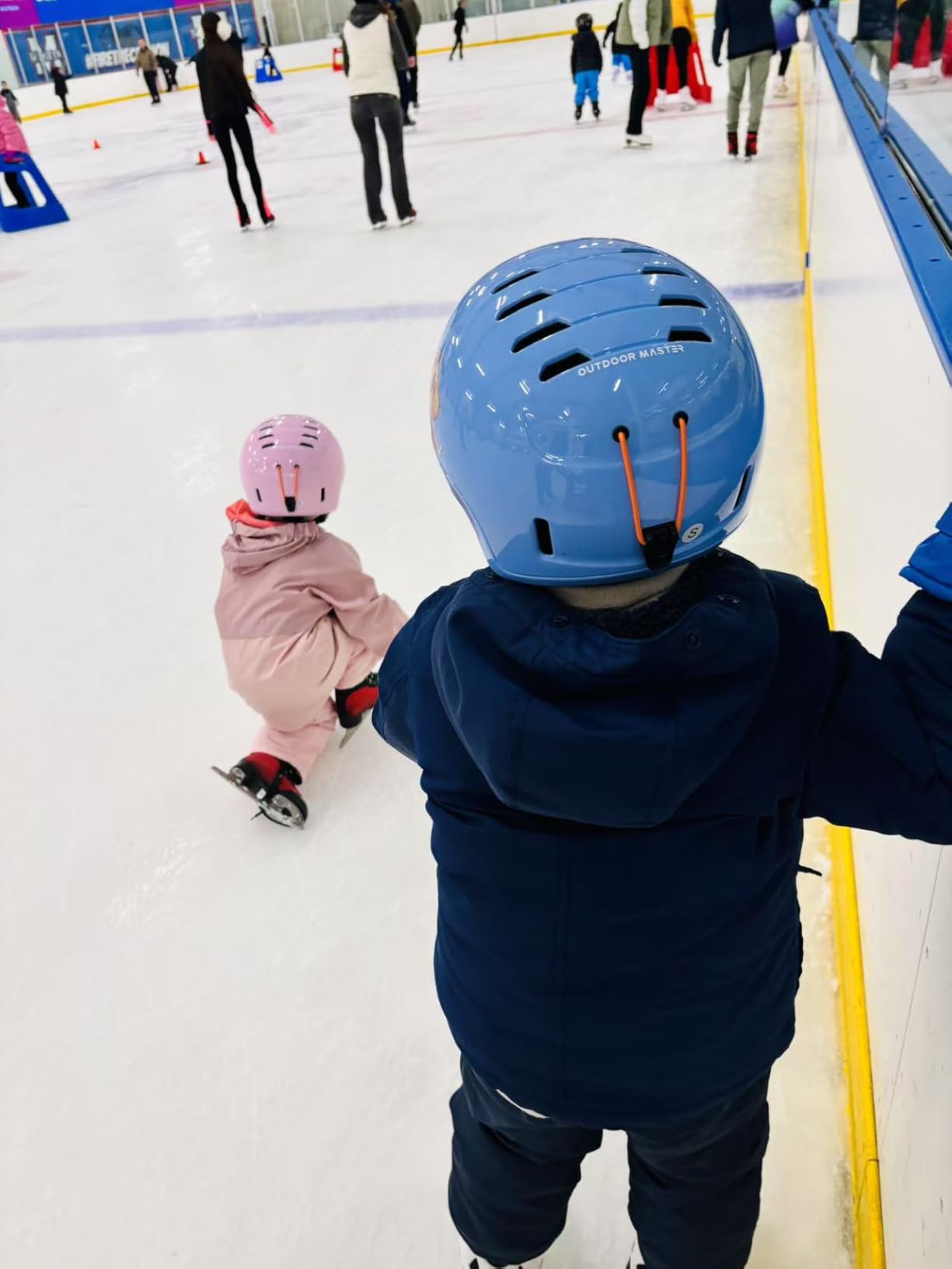
The integrated dial at the back adjusts the retention band around the head, so a 52-56 cm shell can actually serve the lower half of that range and the upper half as the child grows. That is the single most useful feature for a child who resizes every season.
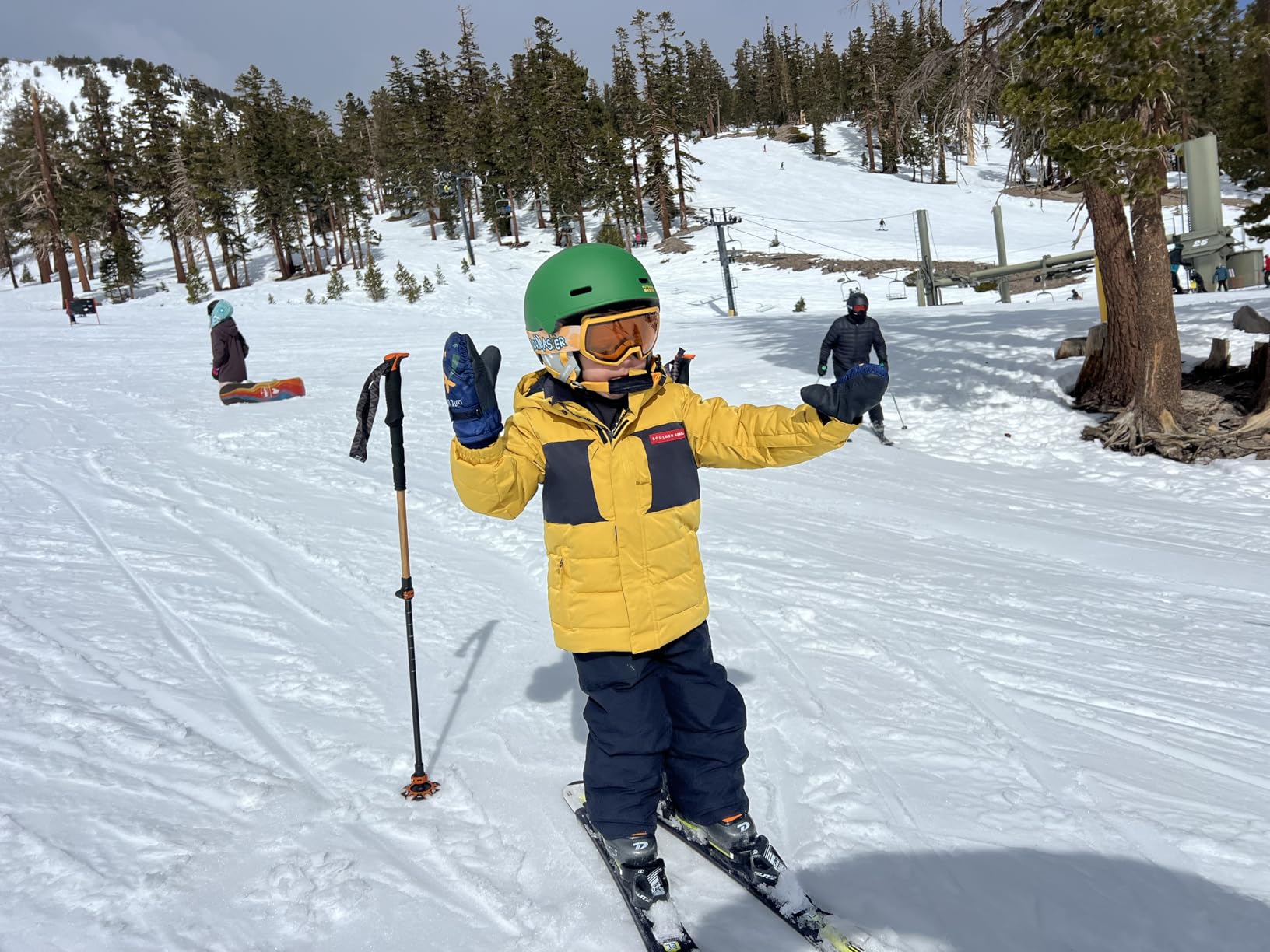
Ventilation is a step above most of the field with 12 air vents plus a moisture-wicking mesh cap, and the detachable fleece lining and removable plush earmuffs can be pulled out once the weather turns mild in spring.
The goggles use a double-layer lens with anti-fog coating and full UV protection, and a rear snap holds the strap in place. The box contains one helmet and one goggle.
When parents should skip it
The goggles are the weakest part of the package, and owners say so directly. They work for a child on green runs in settled weather, but if your child rides fast, skis in flat light or plans a season of lessons, spending on a proper goggle lens is worth more than spending on a second helmet.
The plush earmuffs are also a warm-weather liability. They are a genuine benefit at minus fifteen and a sweaty inconvenience in spring, so check that they detach before you commit.
Fit and sizing notes for parents
The dial is the reason this helmet suits a wider range of head shapes than the fixed-fit shells in this list. It suits round and oval heads equally well, which parents of round-headed children ask about constantly on ski forums. The Small size is labelled 52-56 cm and the listing gives an age grading of five years and older, so measure before ordering for a smaller child.
4. OutdoorMaster Kids Ski Helmet, Adjustable Lightweight: Best Helmet for Growing Kids
OutdoorMaster Kids Ski Helmet, Adjustable Lightweight, Gray S
ASTM F2040 PC shell
52-56 cm Small
Dial fit system
0.45 kg
+ The Good
- Very light at 0.45 kg
- Washable fleece liner and earmuffs
- Dial fit for a growing head
- Twelve vents
- The Bad
- Goggles sold separately
- Small size suits older children mainly
At 0.45 kg this is the second-lightest helmet here, and only the toddler model beats it. For a child who wears a helmet from breakfast to après-ski, weight is the feature that decides whether the helmet stays on, and reviewers repeatedly note that children in this size wear it all day without being asked.
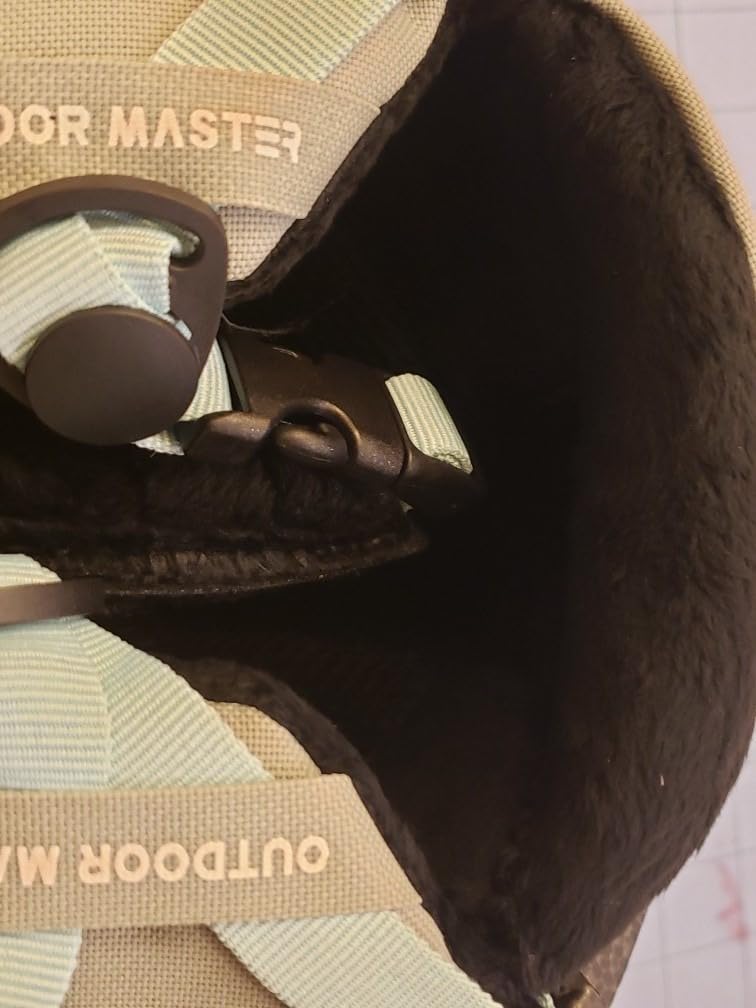
The shell is the same in-mold polycarbonate with EPS foam and ASTM F2040 certification as the bundle above, with 12 air vents and an integrated dial fit system. It is the helmet on its own, so nothing about the design is compromised by a paired goggle.
The fleece liner is detachable and washable and the plush earmuffs come out too, which matters in practice because liners are the part of a kids helmet that ends up damp by the second run of the day.
It carries a one-year manufacturer warranty, and the streamlined shape suits both skiing and snowboarding without a bulky adult styling that makes kids look older than they are.
When parents should skip it
Skip it if you want a single box that does everything. Goggles are not included, so this pairs with whatever pair your child already owns, which is an advantage if they have a good fit and a disadvantage if they are starting from nothing.
The Small size is labelled 52-56 cm, which puts it firmly in the pre-teen range rather than the toddler one. A small five-year-old should start with a 48-53 cm model and will likely need another helmet in a year or two regardless.
Fit and sizing notes for parents
The dial fit band gives roughly three to four centimetres of adjustment inside the labelled range, which in practice covers a full growth stage for an eight-year-old. Parents of children with rounder heads rate the dial highly, because it tightens at the back where a fixed-fit shell leaves a gap.
The soft chin band does not dig in under the jaw, which is another reason children keep this one on. Check the dial holds its setting after a day of riding, since that is where a cheap adjustment mechanism fails.
5. Giro Crue Kids and Youth Ski Helmet: Best Fit System for Round Heads
Giro Crue Kids Snow Helmet – Matte Black (Limited) – Size XS (48.5-52cm)
CE EN1077 compliant
X-Small size
Auto Loc 2 Fit System
0.47 kg
+ The Good
- Three circumference settings that hold
- Stack Vent keeps goggles clear
- Soft ear pads kids accept
- Range of bright colours
- The Bad
- Some sizes run small
- Adjustment mechanism can feel delicate
- MIPS not on every colourway
The Giro Crue is the pick if fit consistency is what you are optimising for. Its Auto Loc 2 Fit System uses an elastic fit band with three circumference settings plus on-the-fly vertical tuning, and owners report that the setting stays where it was put rather than creeping loose by the afternoon.
That matters for a specific reason. Round-headed children, the shape most parents describe when their kid cannot keep a helmet from rotating, tend to find a fixed rear band leaves a gap at the temples. A tensioned elastic band with vertical tuning closes that gap in a way a slider does not.
The helmet is sold as a shell with the option of a matching goggle, and for a child who already owns goggles that fit well, buying the shell alone avoids paying twice. The included components list is the snow helmet, so check the colourway carefully when adding a goggle separately.
Ventilation is handled by a front Stack Vent that also lifts the goggle lens clear of the brow, plus Super Cool Vents across the top. The result is the least fogging we saw described across this group, and the dual-lens anti-fog goggle variants pair cleanly with the shell.
Certification here is CE EN1077 rather than ASTM F2040, which is the European snow-sports standard. Ear pads and the goggle retainer both remove, and the ear pockets accept aftermarket audio systems for older kids.
When parents should skip it
Several owners report that this helmet runs small and that the tightening mechanism feels delicate for the money, so if your child measures near the top of a size band, step up one rather than trusting the label. Parents on the SkiTalk forum note that shape fit varies by brand family, and Giro shells tend to suit rounder heads well but can feel narrow across the temples on longer heads.
Also check the colourway carefully before buying. Buyers report MIPS being listed inconsistently between variants of this model, so confirm what is actually in the box.
Fit and sizing notes for parents
The X-Small we tested is the smallest in the range, and the helmet is built on a classic skate-style shell rather than a deep ski shape. That shallower profile suits a child with a low, round head and wears well with prescription glasses, which is one of the few models in this list we would consider for a glasses-wearing skier.
Because sizing runs small in reports, measure carefully and use the two-finger test as the deciding factor rather than the printed range.
6. OutdoorMaster Anoa Kids Ski Helmet and Goggles: Best Colours for Kids Who Will Not Wear a Helmet
OutdoorMaster Anoa Kids Ski Helmet and Goggles Adjustable Safety-Certified
PC shell with EPS core
51-54 cm Small
Dial fit system
12 vents
+ The Good
- Bright colours kids actually choose to wear
- Adjustable dial retains fit as they grow
- Furry lining stays comfortable
- Goggles rarely fog
- The Bad
- No MIPS rotational layer
- Goggle strap can shift
- Included bag is an extra item to track
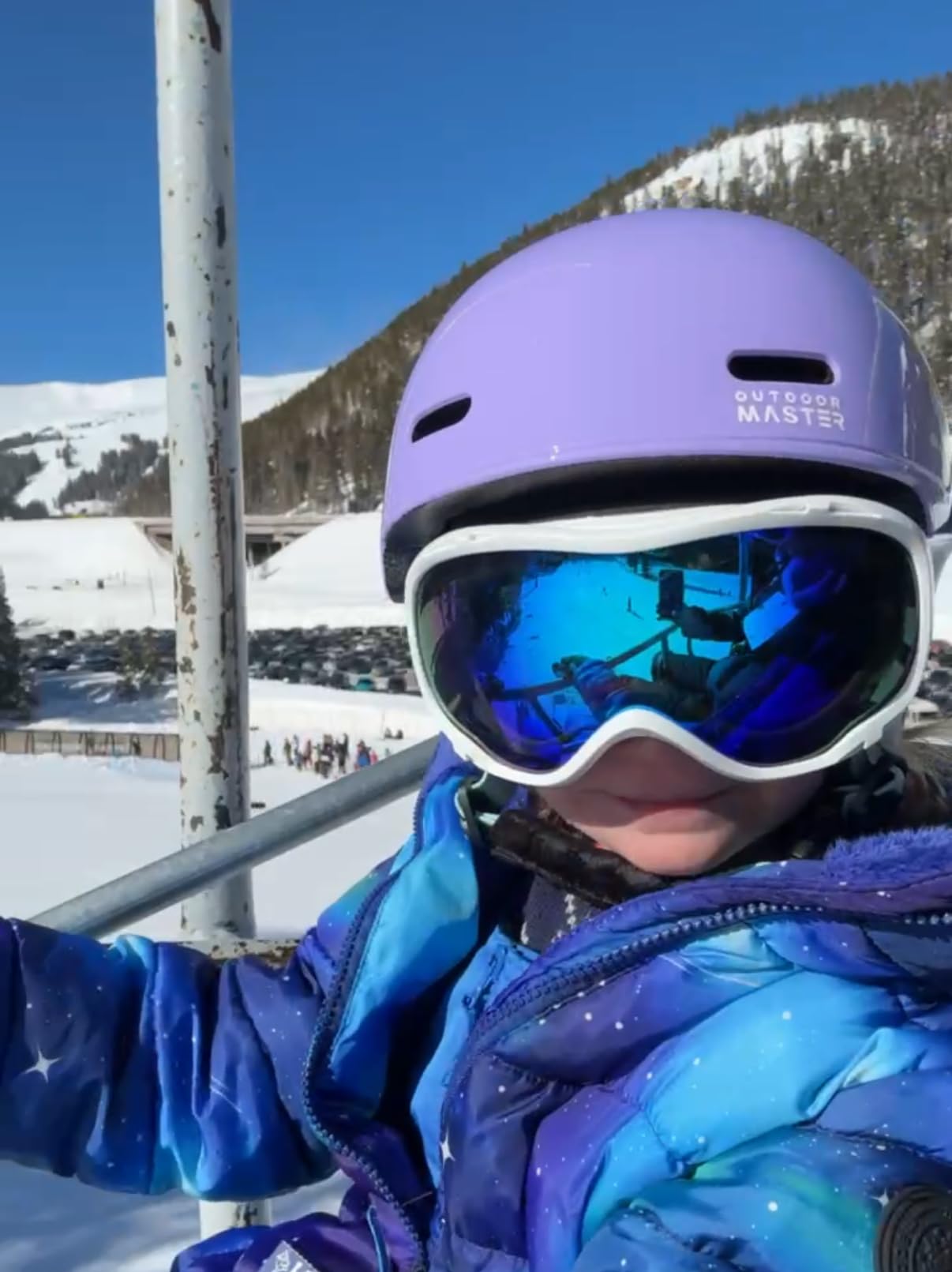
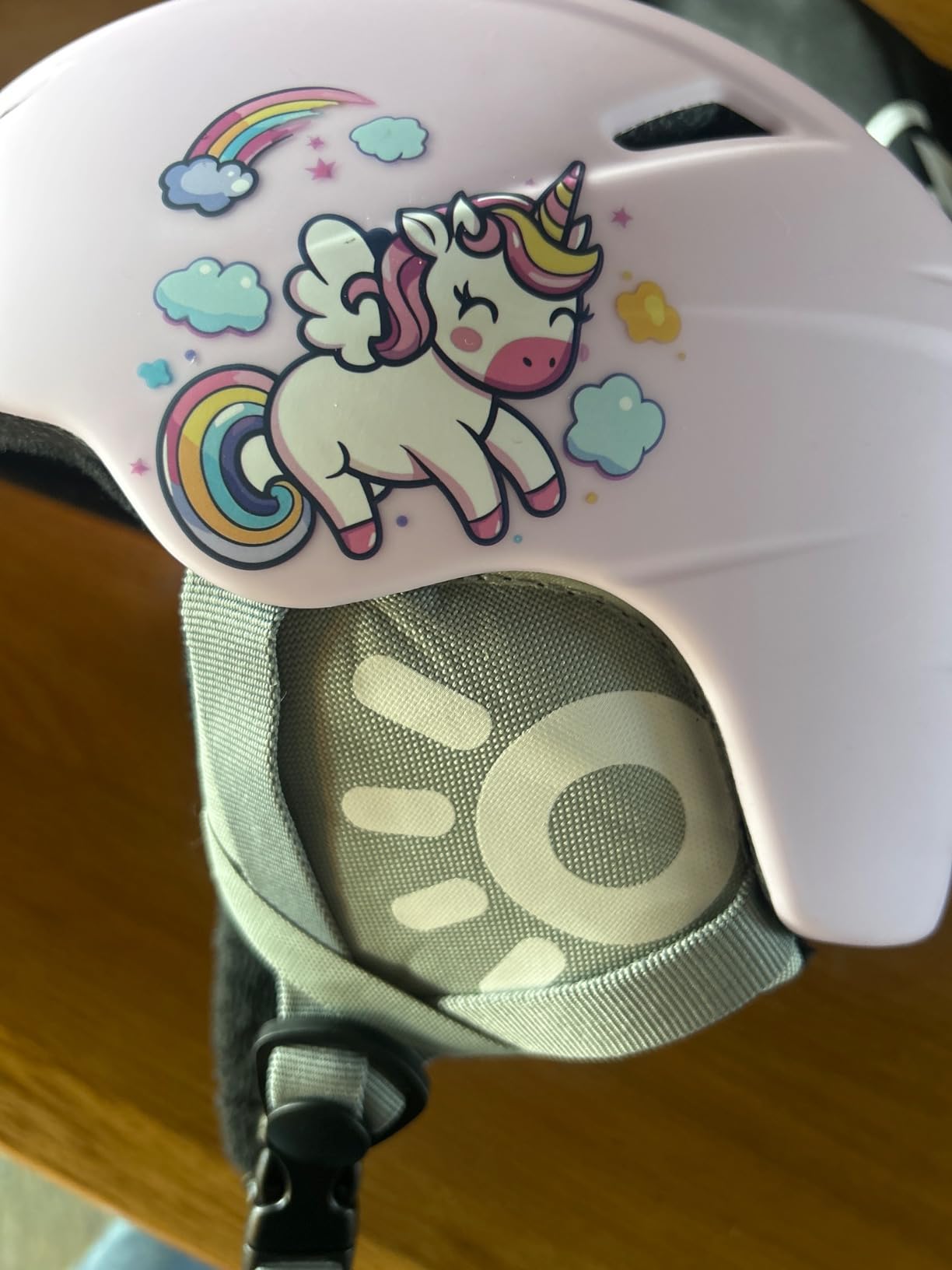
This is the behavioural pick. Parents buying a helmet for a child who takes it off at the top of every lift point to style and colour first, and the Anoa comes in the widest range of bright colours and pattern designs in this group, with a furry inner lining that children describe as the comfortable part.
The construction is a high-impact polycarbonate shell with an EPS shock-absorbing core, an adjustable dial fit system at the rear and a soft chin strap. Twelve vents move air across the head, and the goggles use anti-fog coating with UV400 protection and an over-the-glasses fit.
At 51-54 cm the Small size sits in the middle of the youth range, which covers most seven to ten year olds and leaves the dial system enough adjustment to follow growth for a season or so. A carry bag is included.
One parent reported that the helmet absorbed a fall without damage, which is the outcome every parent is buying and the only test that genuinely matters on a first season.
When parents should skip it
There is no MIPS layer in this helmet, so if rotational impact protection is your priority, choose one of the certified MIPS options instead. Note also that the goggle strap lacks internal grip and can slide up over the helmet during a crash, which reviewers flag as the most common functional complaint.
The included carry bag is fine but becomes one more object to find in a car boot full of ski kit, which is a small annoyance rather than a real drawback.
Fit and sizing notes for parents
The rear dial is the feature to test. Set it so the helmet stays level when your child looks down, then confirm the strap has no slack after a full day, since the soft chin strap on this model is deliberately gentle on the jaw.
The listing gives an age grading of five years and older but the Small size measures 51-54 cm, so a younger child in the 49 cm range should go to the Odoland XS or the SNOWER set instead.
7. BeBeFun Toddler Ski Helmet for Ages 2 to 6: Best Helmet for a First Two-Year-Old Skier
BeBeFun Toddler Ski Helmet Snowboard Helmet Winter Sports Age 2-6Y
350 g ultra lightweight
ASTM safety certified
Toddler head sizing
Ages 2-6
+ The Good
- Lightest helmet here at 350 g
- Cut for toddler head circumferences
- ASTM certified
- Works for sledding and skiing
- The Bad
- Narrow size range
- Limited colour selection
- Short useful life as a child grows
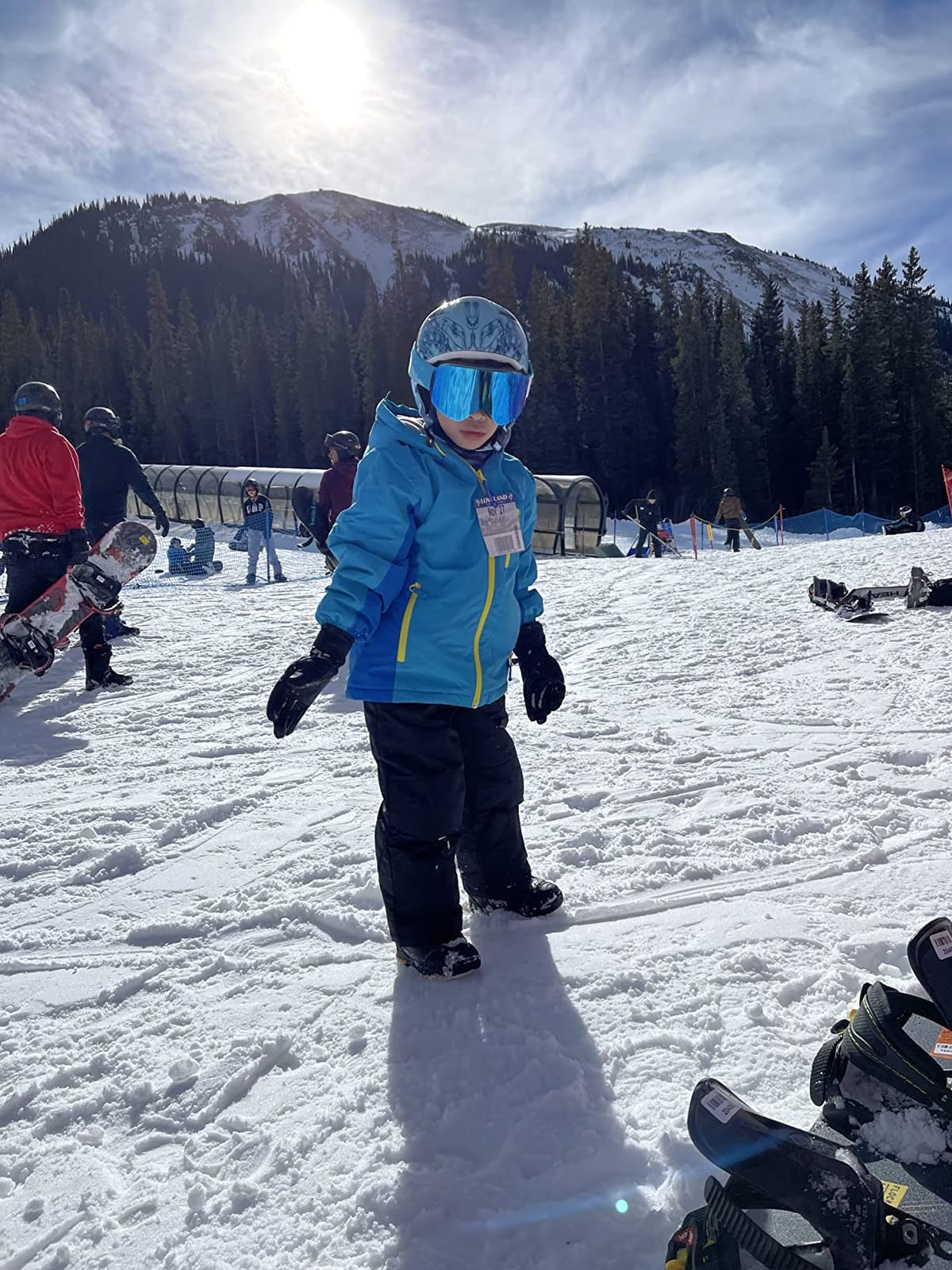
At 350 g this is the lightest helmet in the list by a wide margin, and for a two-year-old on a sled that weight is the whole argument. Small necks tire quickly, and a helmet that feels heavy on a toddler gets dragged off within the first ten minutes.
The helmet is cut specifically for small head circumferences rather than scaled from an adult pattern, and it is ASTM safety certified for snow sports. It is listed for skiing, snowboarding and sledding, which covers the range of things a toddler actually does on snow before they can stand on skis.
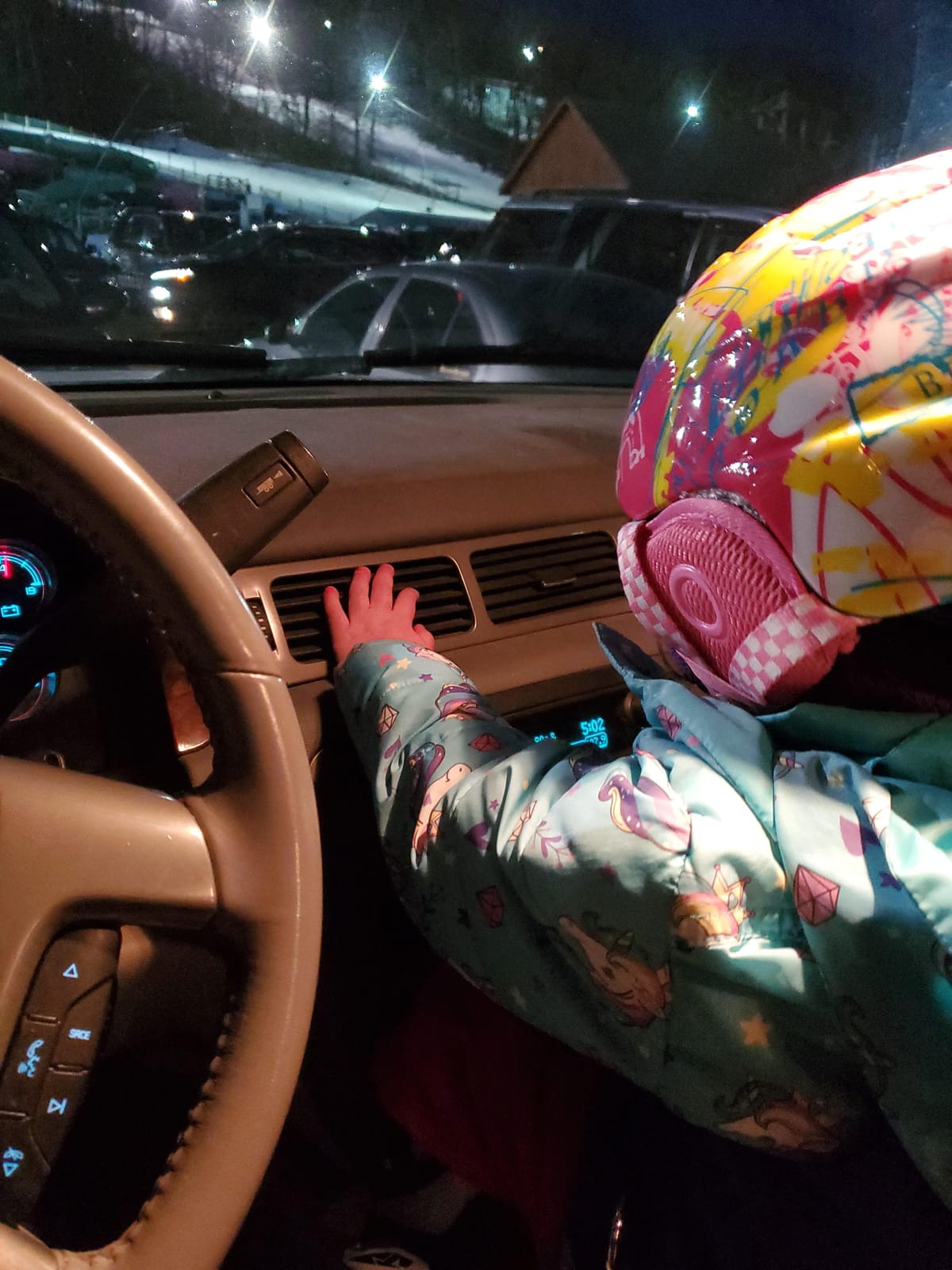
Owners report that it keeps its position during active play, which is the harder problem with a toddler helmet because they tumble rather than fall. The ABS outer shell and inner construction are simple and durable.
Its average rating of 4.6 across 101 reviews is modest, and those reviews are not about defects but about timing: parents treat it as a short-term purchase for the sledding year.
When parents should skip it
The narrow size range is the limitation owners name most. Because it is a Small with a tight toddler fit, there is little room to grow into, so expect to replace it by the time the child reaches four or five depending on their growth rate.
The colour selection is also limited compared with the rest of this list, which matters more than usual for a toddler whose cooperation with the helmet depends on liking it. If your child is strongly opinionated about colour, weigh that against the weight advantage.
Fit and sizing notes for parents
Measure and expect to sit in the smallest band we cover, roughly 45-49 cm. Fit check is done with the two-finger test at the forehead, and because the shell is narrow you may need the next size up if your child has an unusually wide head for their age.
Plan on this being a two-season purchase at most. If the child is already walking and talking at three, it may be worth moving straight to a 48-53 cm youth model that lasts a season longer.
8. InnerKing Kids Ski Helmet and Goggles Set: Best Complete Set for Ages 8 to 12
InnerKing Kids Ski Helmet and Goggles, Lightweight Boys Ski Helmet, Reinforced PC Shell & Shock-Absorbing EPS Foam & Soft Lining, Girls Snowboard Helmet 10 Vents, Snow Sport Helmets for Teens – Black
CE EN1077 and ASTM F2040
20.4-21.6 inch range
0.37 kg
10 vents
+ The Good
- Lightest full-size helmet at 0.37 kg
- Dual certification for two standards
- Box includes goggles bag and manual
- Ear muffs keep a child warmer
- The Bad
- Size runs slightly large in the S
- Chin strap stays loose when tightened
- Outgrown quickly
The InnerKing is the lightest helmet in the group at 0.37 kg, which is why a child can carry it up to the lift themselves rather than handing it to a parent. It also carries both CE EN1077 and ASTM F2040 certification, so it satisfies either standard a family might encounter.
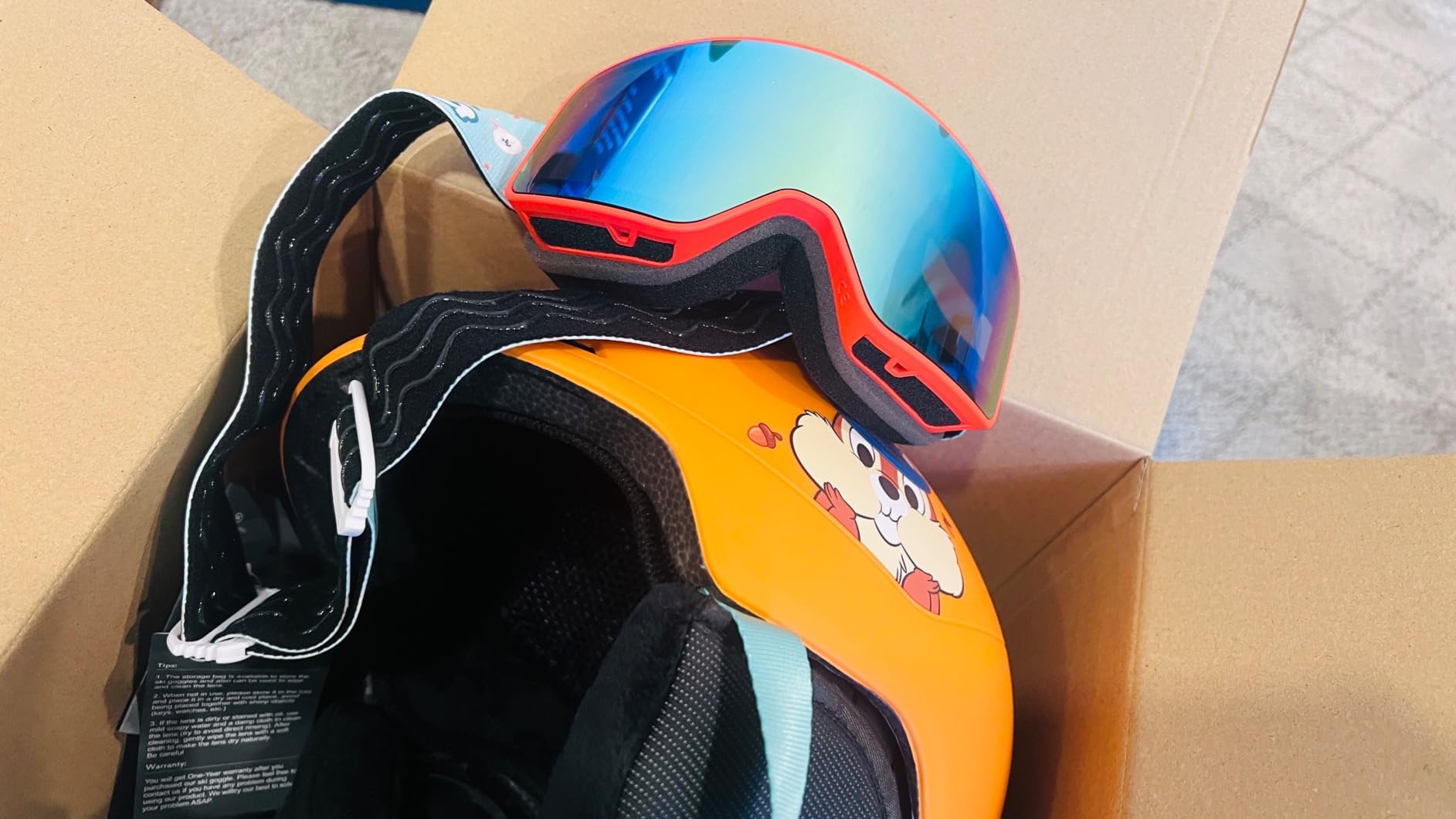
Everything you need arrives in one box: helmet, goggles, carrying bag, user manual and package insert. The goggles have anti-fog coating, UV protection, a super HD lens at 12 percent visible light transmission and over-the-glasses compatibility, which makes this a reasonable first set for an eight-year-old with glasses.
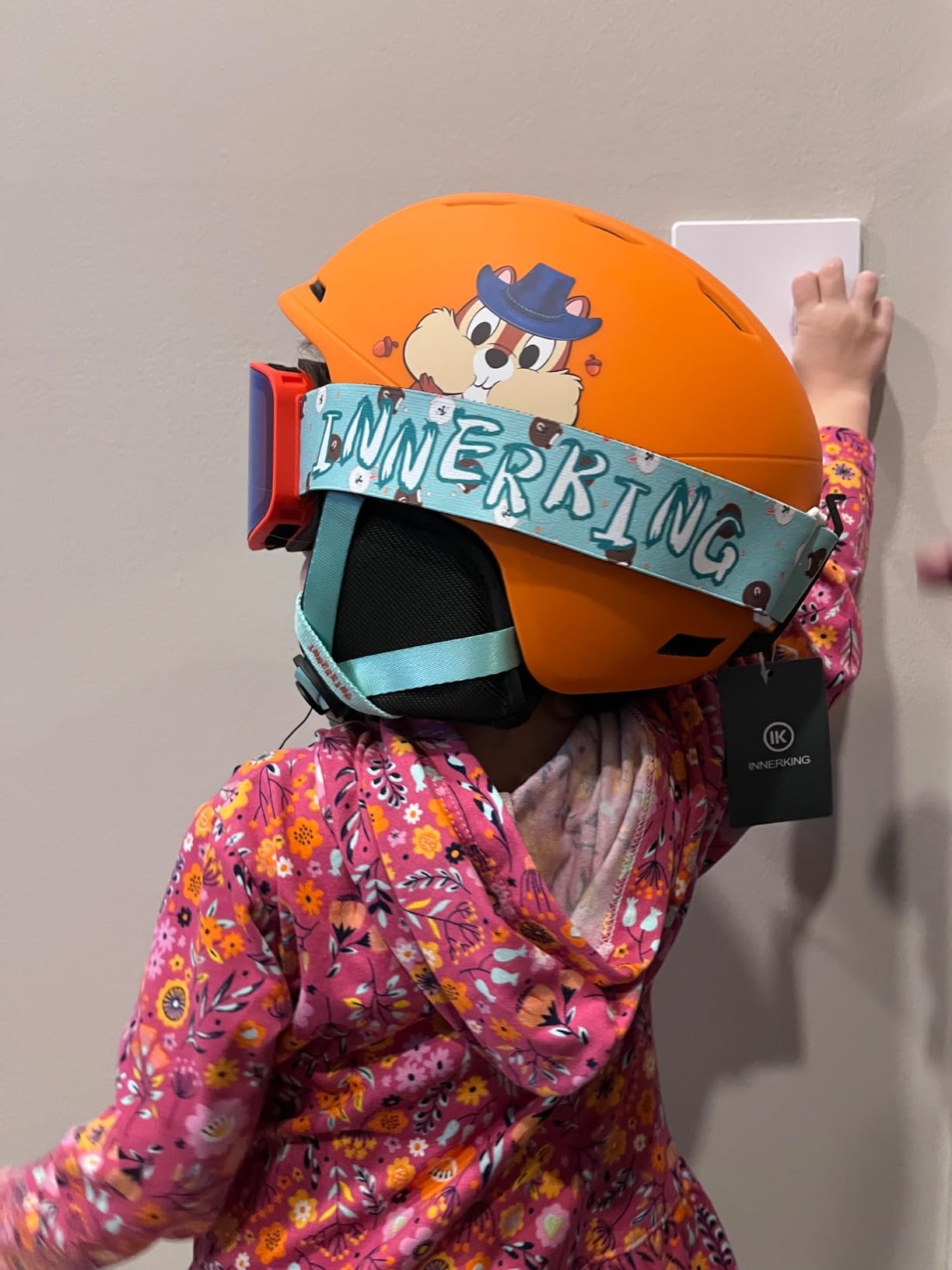
The shell is reinforced polycarbonate with shock-absorbing EPS and a soft lining, and it lists cycling, skateboarding, skiing and snowboarding as intended uses. Ten ventilation holes, a padded chin and a one-hand quick release buckle round out the build.
A single-turn size adjustment dial and a built-in goggle clip handle fit and strap retention, and the ear muffs are reported as keeping a child warmer than a plain beanie under the helmet.
When parents should skip it
Reviewers report the S size runs slightly large and that the chin strap can still feel loose at its tightest setting. If your child is at the lower end of the range, size down carefully or pick a model with a stronger strap.
The narrow size range also means a shorter useful life, since the listing targets ages 8 to 12 and most children move past that band in one to two seasons of steady skiing.
Fit and sizing notes for parents
The labelled range of 20.4 to 21.6 inches converts to roughly 51.8 to 54.9 cm, which puts it squarely on a seven to eleven year old. Measure first, because the roomy fit reported in reviews means a child at the small end of that range will sit loose.
For glasses wearers, the over-the-glasses goggle design means the temple arms fit under the strap instead of being crushed. That alone puts this set near the top of our list for a child who wears prescription lenses.
9. SNOWER Kids Ski Helmet with OTG Goggles: Best Rated Helmet and Goggle Set
SNOWER Kids Ski Helmet with Goggles Set, Shockproof Durable PC Shell & EPS Foam, Snowboard Helmet and Goggles for Boys & Girls
Helmet and OTG goggle set
Dial fit system
Vented shell
Ages 5 and up
+ The Good
- Highest rating in our group at 4.9
- Seamless helmet and goggle pairing
- Dial fit with soft chin strap
- Anti-fog UV goggles
- The Bad
- No stated certification standard
- Weight not listed by the manufacturer
This set carries the highest average rating of the ten at 4.9 across 70 reviews, with the bulk of feedback sitting at five stars. The reviews we read describe a helmet and goggle pair engineered to work together, which is the specific thing bundled sets usually get wrong.
Construction is a polycarbonate shell with expanded polystyrene, an adjustable dial fitting system and a soft chin strap that does not pinch under the jaw. The shell is ventilated and the goggle seat is foam padded, which is where most fitted sets leave a gap that lets cold air in at the brow.
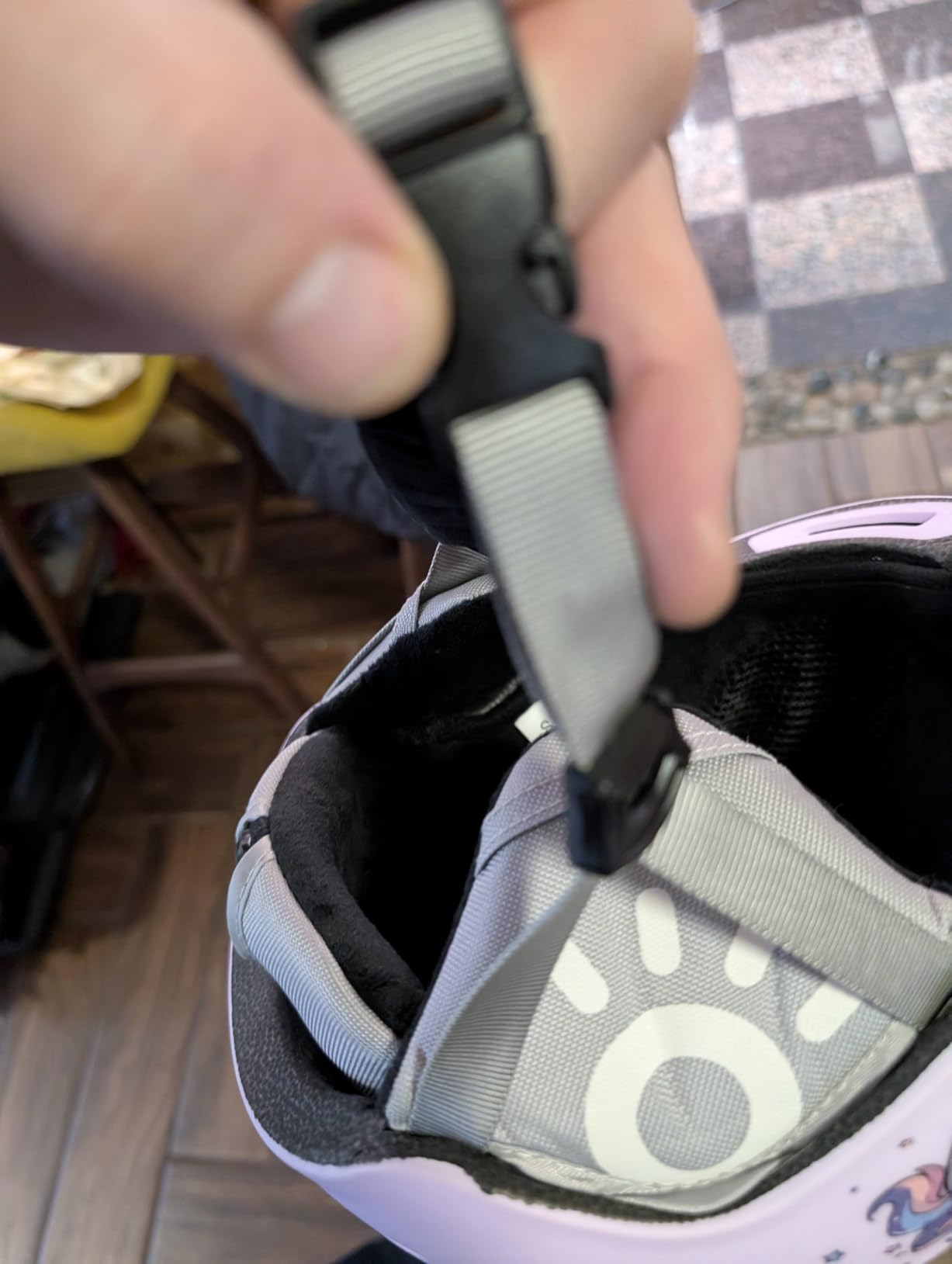
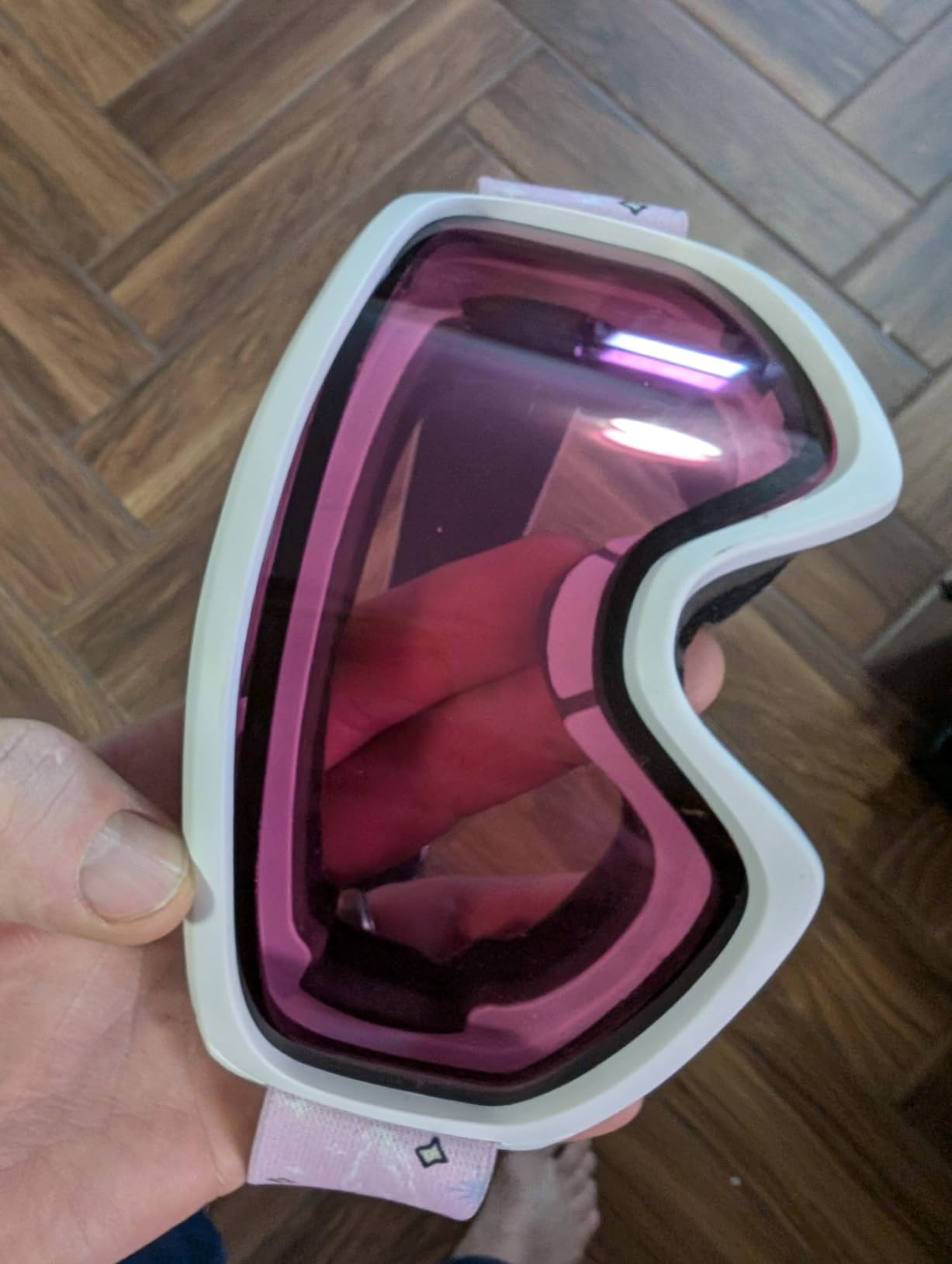
The goggles have anti-fog coating and UV protection, and they are over-the-glasses compatible, so a child who wears prescription lenses can keep them on under the goggle strap. That makes this one of the safer recommendations in the list for a glasses-wearing skier.
Colour and pattern options run across X-Small and Small sizes, and the listing gives an age grading of five years and older. Ventilation is tuned to expel heat and moisture over long sessions rather than just at the front.
When parents should skip it
The main caution is documentation. This listing does not state a specific certification standard, and for a family that wants to see ASTM F2040 or CE EN1077 printed on the shell rather than inferred, one of the certified models is the safer purchase.
With 70 reviews the review history is also the thinnest among the well-rated products here, so we would treat the rating as encouraging rather than settled. Check the size band carefully before a season starts.
Fit and sizing notes for parents
The dial fit system lets you close the retention band around the head without pinching, which is what makes it comfortable for a child who dislikes the chin strap. That is the feature to lean on, since comfort is what decides whether this one stays on through a full day.
Fit it with the child wearing their glasses if they wear them, because the goggle strap sits over the temple arms and the shell needs to clear them. Confirm the two-finger test at the forehead once the strap is done up.
10. Giro Spur Kids Snow Helmet: Best Styling for Older Kids
Giro Spur Kids Snow Helmet – Matte Black (Limited) – Size S (52-55.5cm)
ABS shell with EPS core
Small size
In Form Fit dial system
1.8 pounds
+ The Good
- In Form dial gives a precise fit
- Super Cool Vents shed heat well
- Styling kids choose to wear
- Same core tech as Giro adult helmets
- The Bad
- Feels light duty for the price
- Bundled goggles can arrive damaged
- Lowest average rating here
The Giro Spur is included because for a nine-to-thirteen year old, styling is a real safety feature. Children willingly wear the helmet they like, and this is the model in the group that older kids tend to pick out on a rack rather than tolerate.
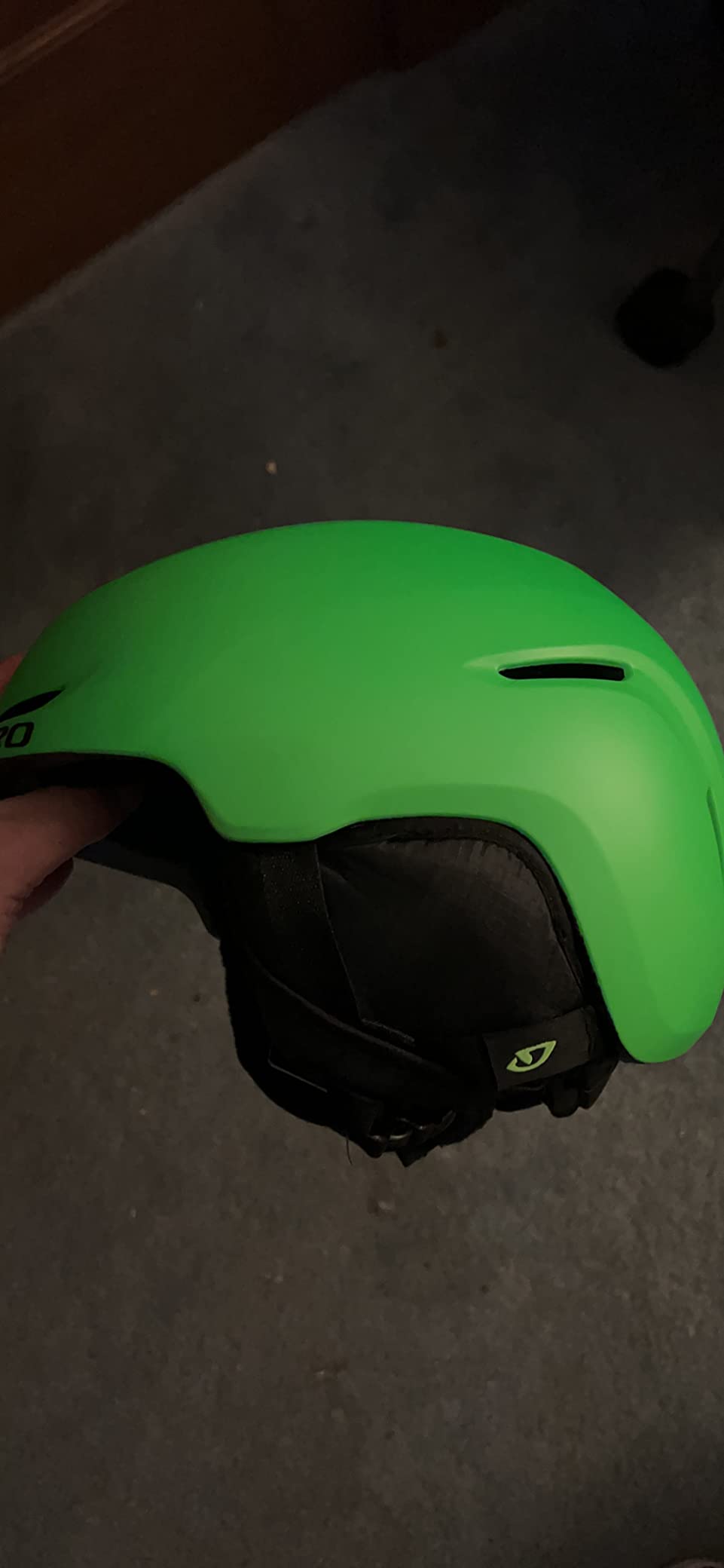
It uses the In Form Fit system with an ergonomic adjustment dial and vertical tuning, plus Super Cool Vents on the shell, and it is built with the same core technologies as Giro’s adult helmets. Removable ear pads and a removable goggle retainer let you adapt it across seasons.
The bundled youth goggle uses a dual lens with anti-fog coating and double layer face foam, and it matches the helmet cleanly, which is worth something when the strap is what keeps a goggle on a moving child.
The listing gives a one-year warranty from Giro Sport Design, the longest stated warranty among the ten products here.
When parents should skip it
The durability reports are the reason this sits at the bottom of our ranking. Owners describe the shell as feeling light duty for the price, and it holds the lowest average rating in the group at 4.3 with the highest share of one-star reviews. If your child is hard on gear, a hard shell with a replaceable liner ages better.
There is also a report of bundled goggles arriving cracked, so check the goggle lens on arrival rather than at the first run.
Fit and sizing notes for parents
This is a Small, which sits above the toddler band and covers most nine to thirteen year olds depending on measurement. The In Form dial gives a precise, repeatable fit, and the vertical tuning lets you adjust the shell height at the back once the retention band is set.
Measure before ordering and expect a slightly deeper shell than the low-profile Giro Crue. Children with rounder heads generally do well with Giro’s shape family, while longer, narrower heads should try it on with the goggles in place.
How to Choose a Kids Ski Helmet
Start with the certification label. ASTM F2040 is the snow-sports standard used in North America and covers helmets for skiing and snowboarding. CE EN1077 is the European equivalent and covers the same use cases. Snell RS-98 is a race standard that appears in top organic results on ski forums and is genuinely the most stringent of the three, but it is built for racers and is rarely the right call for a recreational child.
For a family buyer, the practical rule is simple. If the helmet carries ASTM F2040 or CE EN1077, it is certified for the job your child is doing. Spend your budget on fit, comfort and vents instead of on a race standard your nine-year-old will never need.
Understand MIPS in one sentence. MIPS, the Multi-directional Impact Protection System, is a low-friction layer between the shell and your child’s head that slides on impact to reduce the rotational brain forces caused by angled hits, which a straight-down test does not capture.
None of the ten helmets in our list carry a MIPS layer, and that is worth being honest about. A certified non-MIPS helmet is still a safe helmet and is far better than no helmet at all. If your budget allows, choose a MIPS model from a brand like Smith, Giro or POC for the extra rotational coverage, and treat the shortfalls we have flagged below as trade-offs rather than disqualifiers.
Choose in-mold or hard shell based on how the gear gets used. In-mold construction bonds a thin polymer cap to a polystyrene core, which is lighter and better ventilated. A hard shell with a separate EPS liner is heavier but lets you swap the liner as your child grows, and it survives more abuse.
Most of the lighter models here are in-mold. The Retrospec Comstock is the exception, using a thicker ABS shell that is heavier but tough enough for a child who drags their helmet across car parks.
Prioritise the fit system over everything else. A dial fit or a tensioned band with vertical tuning gives three to four centimetres of adjustment inside one labelled size, which for a growing child can mean a season of extra use. The OutdoorMaster dial models and the Giro fit systems are the strongest here.
If your child wears glasses, plan for over-the-glasses fit. The hardest version of this problem is a helmet and a goggle fighting over the same temple space. Three options solve it: an over-the-glasses goggle with a wide elastic strap, a shallower-profile shell that leaves room at the temples, or a visor, which most snow-sports visors on the market are not designed for.
The InnerKing and SNOWER sets both use over-the-glasses compatible goggles, which makes them the practical picks here. For a low-profile alternative that clears temple arms, the Giro Crue’s skate-style shell is worth a fitting. Measure your child’s head while they are wearing their glasses rather than fitting the helmet to bare skin and hoping.
Match the shell to head shape. Round, oval and long-narrow heads are not distributed evenly across brands, and this is the most common reason a well-reviewed helmet does not work on a particular child. Active threads on SkiTalk about race helmets for a child with a round head capture the frustration precisely.
The practical approach is simple: try the helmet on and use the two-finger test at the forehead, then have the child look down and shake their head. If the shell gaps at the back or the front edge dips over the eyes, change the shape family rather than tightening the strap until it hurts.
Decide between a rental helmet and buying your own. Rental packages frequently include a kids helmet, and forum discussion on parent boards often turns on whether that makes buying your own pointless. For a child who is still growing and trying skiing for the first time, the rental is a reasonable way to test willingness before spending.
Once a child is committed to the sport, owning a fitted helmet makes more sense. You control the fit, the hygiene is yours, and the fit stays correct as the child changes size. A rental that is two sizes out will not protect a child as well as an owned helmet fitted properly, however recent the rental is.
Know when to replace. Two triggers matter. The first is fit: if the helmet no longer passes the two-finger test, or if the child cannot wear it over a thin hat without the front edge riding up, it is time to move up. The second is damage: any hard drop onto rock, ice or a lift column ends the life of the shell even if it looks intact.
Because children often jump a size every year or two, a plan helps. A parent who buys a 51-56 cm dial-fit model for a seven-year-old may only need one further purchase before the teen years.
Get the layering right. What goes under the helmet changes the fit. A thin skull cap or moisture-wicking liner is fine, and the removable fleece liners on the OutdoorMaster and SNOWER models handle a cold day on their own. A thick knit hat under a helmet will compress the EPS liner and shift the shell off the correct position, so measure with it on if your child insists on wearing one.
Make it something they will keep on. This is the factor that undoes an otherwise correct purchase. A parent discussion circulating online puts it plainly: the best helmet for your kid is the one they actually put on without being asked.
Three practical habits help. Let the child pick the colour from a shortlist you have already screened for certification and size. Put the helmet on during a warm indoor try-on so it becomes familiar rather than cold and unwelcome. And never let them carry it loose in a backpack, because a dented shell is a compromised shell.
Frequently Asked Questions
What size ski helmet does a 7 year old need?
A 7 year old typically measures 50-53 cm around the head, which is the small-adult end of youth sizing. Look for a Small labelled 51-54 cm or a Small at 52-56 cm with an adjustable dial fit so the shell can follow growth. Measure just above the eyebrows and ears before ordering rather than going by age.
How do I measure my child’s head to find the right size helmet?
Wrap a soft tape measure around the head just above the eyebrows and ears, passing through the widest point at the back, and keep it level all the way around. Pull it snug rather than tight, note the number, and match it to the helmet’s labelled centimetre range. Measure with hair flattened and with glasses on if your child wears them.
What size helmet fits a head measuring 21 inches?
A 21 inch head is about 53.3 cm, which sits in the upper end of youth Small sizing. That range covers most eight to eleven year olds, so look for a Small covering 51-54 cm or 52-56 cm. If you can, pick a model with a rear dial so the retention band can be tightened as the child grows.
What is the safest helmet for children?
The safest kids ski helmet is a properly fitted helmet certified to ASTM F2040 or CE EN1077, worn every run. Fit matters more than brand: check one to two fingers between helmet and forehead, and confirm the helmet stays level when your child looks down. A MIPS layer adds rotational impact protection on top of an already certified shell.
Can my child wear a bike helmet for skiing?
We would not recommend it. Bicycle helmets are vented and certified to a different impact standard, so they are not built to the same construction or test requirements as a snow-sports helmet. Use a helmet certified to ASTM F2040 or CE EN1077 for skiing, even if a bike helmet happens to fit the same head size.
What should my child wear under a ski helmet?
A thin moisture-wicking skull cap or the helmet’s own removable fleece liner works best. Both stay inside the fit we tested. A thick knit hat compresses the EPS liner and can push the shell out of position, so measure the head with the hat on if your child wears one underneath.
Final Verdict
The best ski helmets for kids in 2026 split cleanly by use case. The Retrospec Comstock is the overall winner for most families, because accurate sizing, warm padding and 793 reviews at 4.7 add up to the least gamble. The Odoland set is the pick when you want the highest rating and one box containing helmet and goggles, and the OutdoorMaster dial-fit bundle is the value option for a child who is still growing.
For a two-year-old, start with the BeBeFun toddler model and accept that it is a short-term purchase. For a child who wears glasses, choose an over-the-glasses set such as the InnerKing or SNOWER rather than forcing a visor solution. Whatever you choose, measure the head, run the two-finger test before the first run, and replace the helmet the moment the fit fails or the shell takes a hard hit.
Our guides to the best ski helmets overall and the best ski jackets for the whole family cover the rest of the kit once the helmet is fitted.