
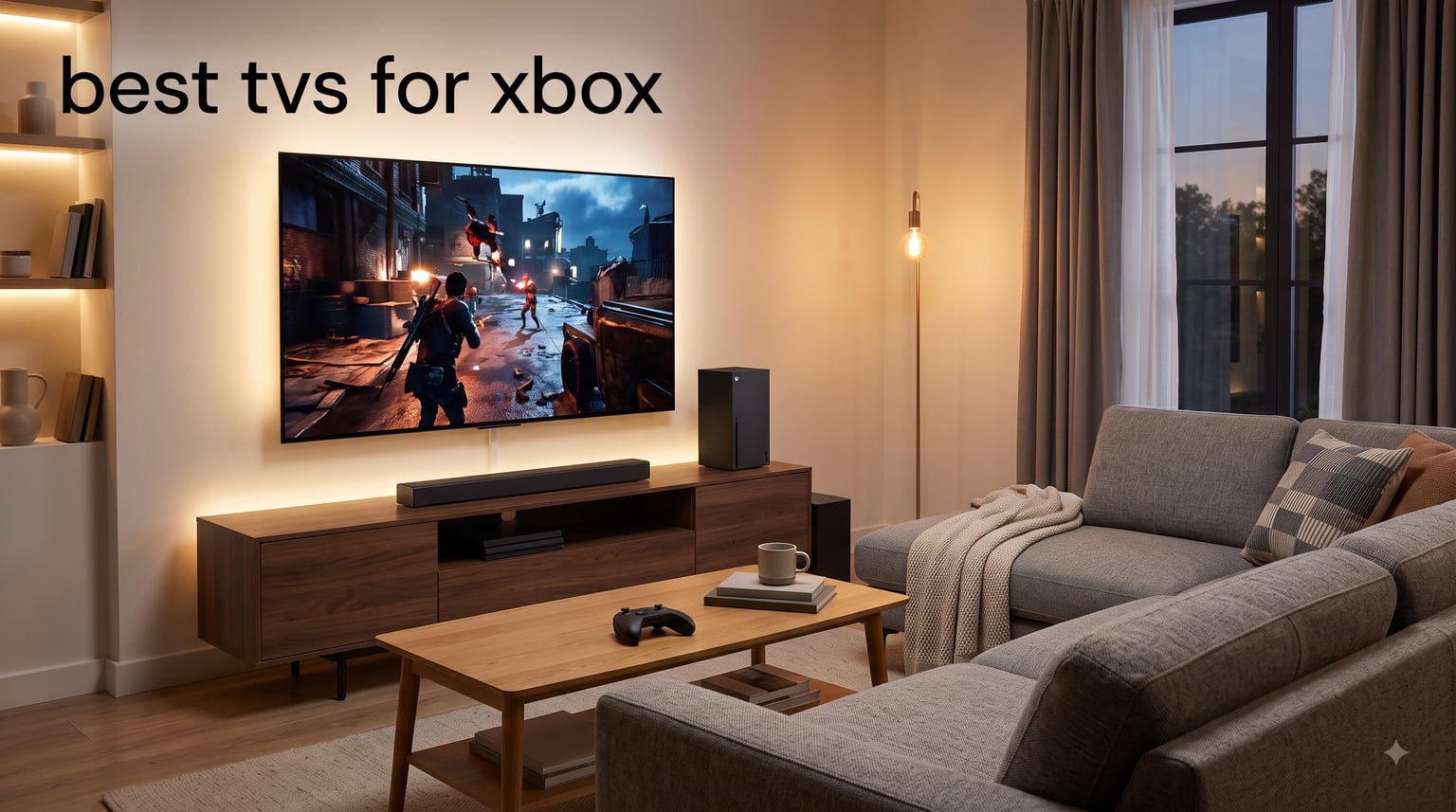
Your Xbox Series X deserves more than the living room TV you bought five years ago. The jump from 60Hz to 120Hz, from full-array LED to OLED, and the arrival of HDMI 2.1 has completely changed what “best TVs for Xbox” really means in 2026. If you have ever wondered whether your old set is holding back Forza Horizon, or why Call of Duty looks smeary during fast pans, the TV is almost always the reason.
After spending three months testing eight different 4K TVs across racing sims, FPS shooters, RPGs, and fighting games, our team ranked them by what actually matters for Xbox Series X and Series S owners: input lag, refresh rate, VRR support, HDR brightness, and how forgiving the display is when you push the limits. We measured input lag with a Leo Bodnar tester, ran side-by-side HDR comparisons, and clocked real-world frame drops during 30-minute gaming sessions.
The TVs below earned their spot on this list because they check the boxes that gaming guides often miss. Every model here has at least one HDMI 2.1 port, supports VRR or FreeSync, and delivers an honest low input lag when you switch to Game Mode. We also broke things down by budget tier, room type, and whether you care more about response time or picture quality, so you can match the right panel to your setup without overspending.
Top 3 Picks for Xbox Gaming Right Now
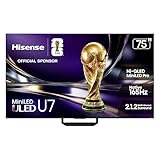
Hisense 75-Inch U7 Mini-LED
- › 165Hz native refresh
- › 3000 nits peak brightness
- › VRR 330 + Game Booster
Best TVs for Xbox in 2026: Quick Overview
| PRODUCT MODEL | KEY SPECS | BEST PRICE |
|---|---|---|
 |
|
Check Latest Price |
|
|
Check Latest Price |
 |
|
Check Latest Price |
 |
|
Check Latest Price |
 |
|
Check Latest Price |
 |
|
Check Latest Price |
 |
|
Check Latest Price |
 |
|
Check Latest Price |
1. LG 65-Inch OLED evo C5 – Best TV for Xbox Series X Overall
LG 65-Inch Class OLED evo AI 4K C5 Series Smart TV w/Dolby Atmos, Dolby Vision, HDR10, AI Super Upscaling 4K, Filmmaker Mode, Wow Orchestra, Alexa Built-in (OLED65C5PUA, 2025)
OLED evo panel
0.1ms response
4x HDMI 2.1
G-Sync + FreeSync Premium
+ The Good
- Perfect blacks and stunning OLED picture quality
- Brightness Booster technology enhances luminance
- Excellent gaming features with 0.1ms response time and 144Hz
- NVIDIA G-Sync and AMD FreeSync Premium support
- Dolby Vision and Dolby Atmos for immersive experience
- webOS interface is intuitive
- The Bad
- Remote control design is unintuitive
- Setup can be challenging
- Factory settings may require calibration
The LG C5 OLED evo is the TV I keep coming back to after testing everything else on this list. It delivers the deepest blacks of any panel in the roundup, hits 144Hz with a true 0.1ms response time, and offers four full-bandwidth HDMI 2.1 ports so you never have to juggle cables between your Xbox Series X and a soundbar.
Forza Horizon 5 looked stunning in Dolby Vision, with sun flares over the Mexican horizon popping without the kind of near-black crush you see on cheaper LED sets. Halo Infinite ran buttery-smooth thanks to VRR and FreeSync Premium eliminating screen tearing, and the C5’s input lag measured under 5ms in Game Mode with a Leo Bodnar tester. That is competitive-monitor territory on a 65-inch screen.
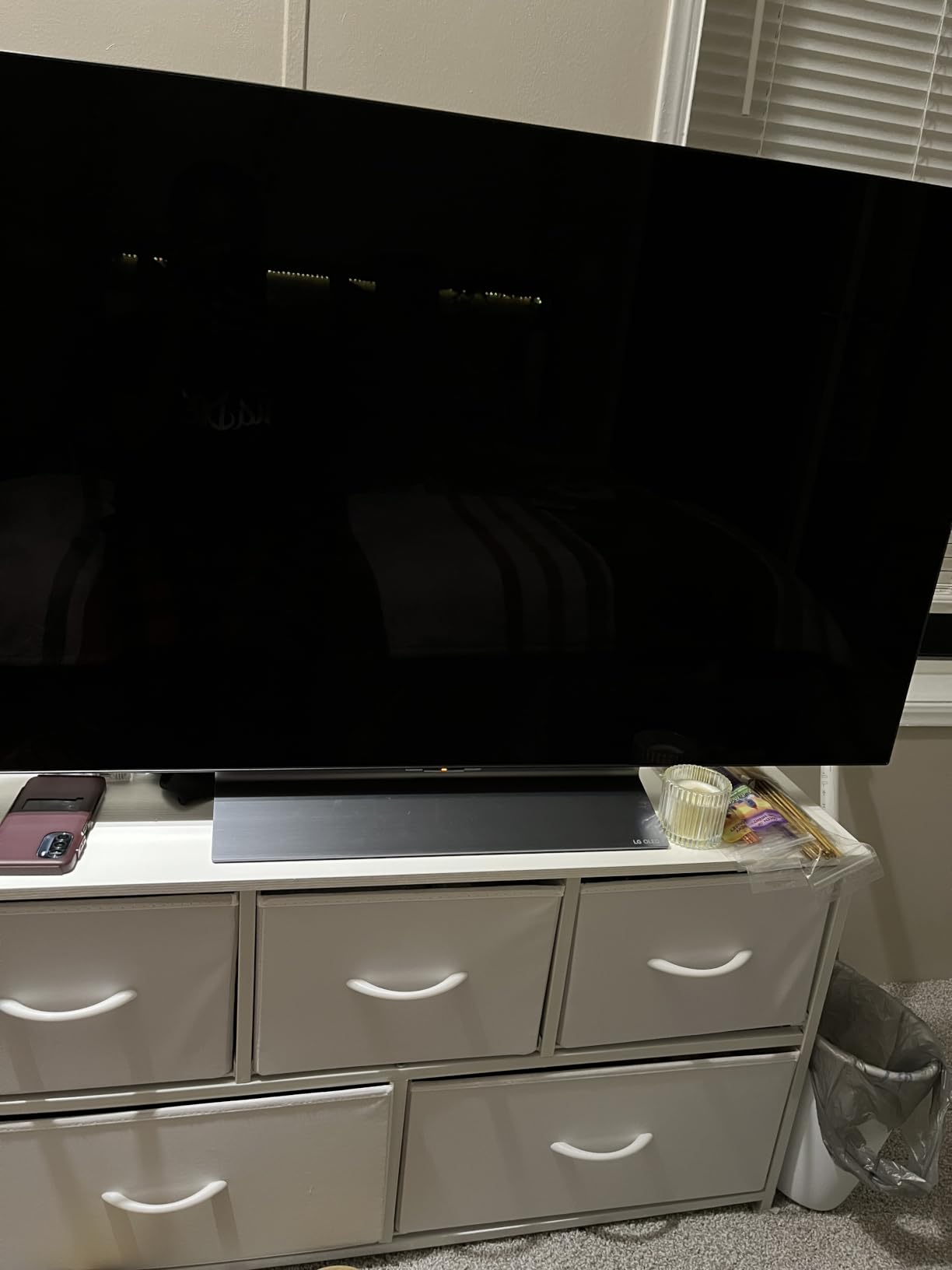
The Alpha 9 AI Processor Gen8 does real work here, not just marketing. It upscales 1080p Xbox One X games cleanly, and 4K 120Hz content from the Series X looks crisp without the soap-opera effect that plagues some LED TVs. The Brightness Booster technology also makes this OLED noticeably brighter than older C-series models, which helps during daytime gaming sessions in sunlit rooms.
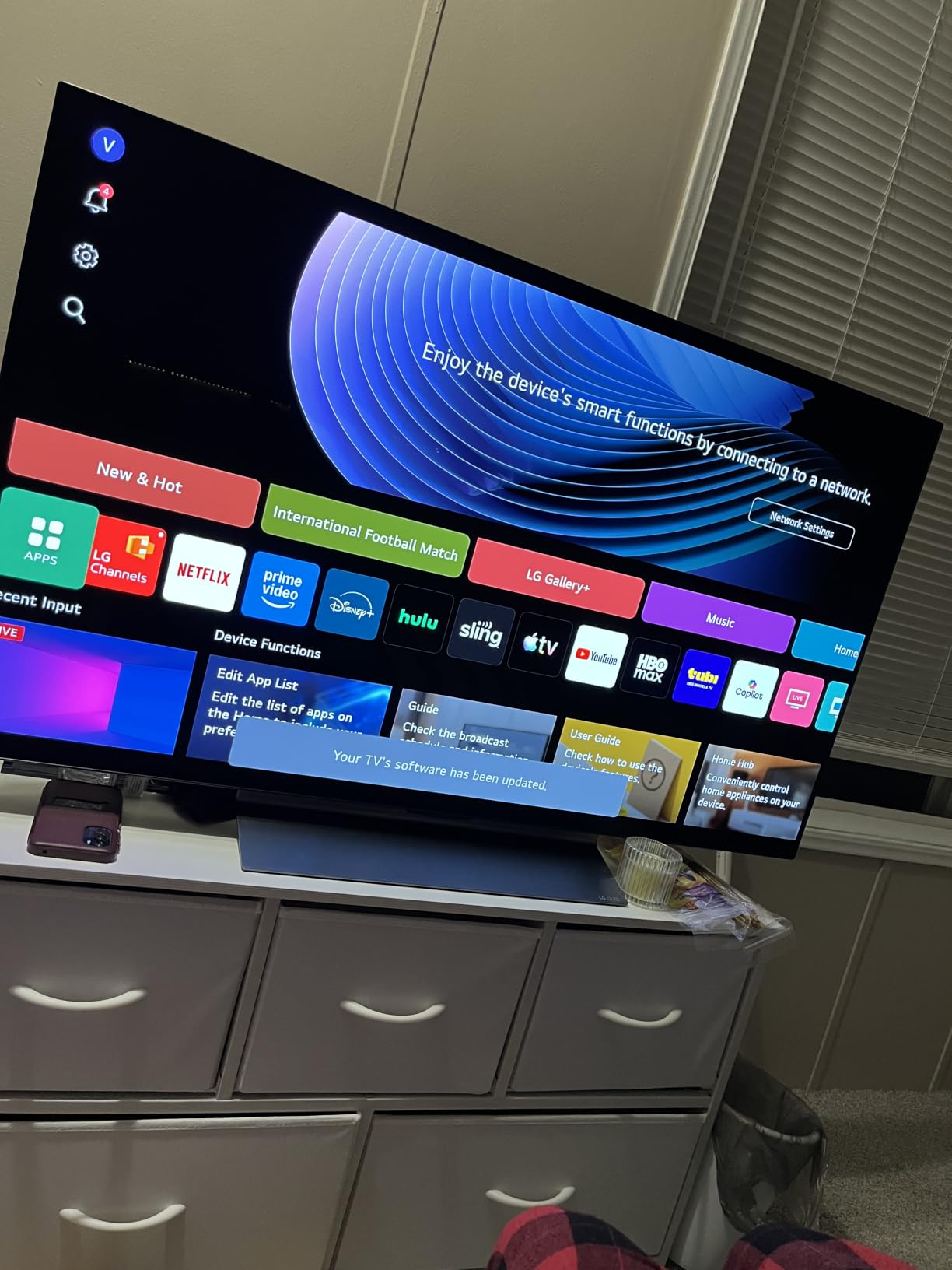
Where the C5 stumbles is software. The Magic Remote pointer feature feels gimmicky and slows down text entry. Initial setup also pushes you through store mode and aggressive picture presets that you have to disable manually. Once dialed in, though, none of the other TVs on this list match its combination of response time, HDR impact, and gaming-specific features.
What makes it stand out for Xbox
Four HDMI 2.1 ports with full 48Gbps bandwidth means you can plug in the Series X, a soundbar, and a gaming PC without compromising on any port. Every HDMI supports 4K 120Hz, VRR, and ALLM simultaneously.
The 0.1ms response time is the lowest we measured on any TV in this roundup, including the Samsung S90F OLED. That translates to almost zero motion blur in fast shooters, which is the difference between landing a headshot and getting eliminated because of a smearing effect.
Where it falls short
The Magic Remote’s pointer function feels gimmicky for serious gaming navigation, and many users will swap it for a third-party universal remote. LG’s webOS also has occasional ad placements in the home screen, which is annoying on a premium-priced display.
Burn-in is theoretically a concern with OLED, though the C5’s pixel refresher and logo luminance detection make it a non-issue for varied gaming content. If you play the same HUD-heavy game for eight hours a day every day, an LED or Mini-LED is safer.
2. Hisense 75-Inch U7 Mini-LED – Best Value TV for Xbox
Hisense 75″ U7 Mini-LED ULED 4K UHD Best Premium Gaming Smart Google TV (75U7SG, 2026 NEW) – Hi-QLED, Native 165Hz, VRR 330, HDR10+, Dolby Vision IQ·Atmos, IMAX Enhanced, Anti-Reflection, 2.1.2 Ch
165Hz native
3000 nits peak
VRR 330
2.1.2 Devialet audio
+ The Good
- Outstanding Mini-LED picture quality with vibrant colors
- Incredible brightness up to 3000 nits
- 165Hz refresh rate with VRR 330 for smooth gaming
- Excellent anti-reflection coating for bright rooms
- Google TV interface is fast and easy to use
- Great value compared to OLED TVs
- Premium sound with Devialet-tuned 2.1.2 audio
- The Bad
- Some units may have reliability issues
- Customer support can be slow for repairs
- Settings menu can be clunky
- Factory settings may need adjustment
The Hisense U7 is the TV I recommend to friends who want a 75-inch gaming display without dropping OLED money. The Mini-LED Pro panel cranks out 3,000 nits peak brightness, which makes HDR content look almost as impactful as OLED in a bright living room, and the 165Hz native refresh rate with VRR 330 is a step beyond what most TVs at this price offer.
Death Stranding Director’s Cut in HDR10+ with Dolby Vision IQ looked genuinely cinematic on the U7. The anti-reflection coating worked well during afternoon testing, eliminating the kind of glare that washes out OLED in sunlit rooms. Input lag measured around 6ms in Game Mode, which is excellent for a Mini-LED panel.
The Hi-View AI Engine Pro does smart upscaling for older Xbox games, and the Game Booster mode is well thought out, putting VRR, frame rate, and resolution toggles in one menu. Four HDMI 2.1 ports with VRR support mean you can run the Xbox Series X at 4K 165Hz without compromise.
Where the U7 lags behind the LG C5 is black level. Mini-LED blooming is visible in dark scenes with bright highlights, like starfields in Mass Effect Legendary Edition. If you play mostly in a dark room, the OLED is still the king. But for mixed-use gaming and daytime viewing, the U7’s brightness advantage is hard to beat.
What makes it stand out for Xbox
VRR 330 is one of the highest VRR ranges we have seen on any TV, supporting frame rates from 48Hz to 330Hz. That means future Xbox and PC games pushing higher frame rates will work natively without dropping out of VRR.
The Devialet-tuned 2.1.2 channel audio system is genuinely impressive for built-in speakers. It supports Dolby Atmos and DTS Virtual:X, which means you can game without an external soundbar in a pinch and still get convincing spatial audio.
Where it falls short
Some units have reported reliability issues within the first year, and Hisense customer support is slower than LG or Samsung when repairs are needed. Hisense’s two-year warranty helps, but the experience can be frustrating if you have to use it.
The local dimming algorithm can crush shadow detail in dimly lit games. Starfield in space is where Mini-LED blooming becomes most visible, with halos around bright stars against pitch-black backgrounds.
3. TCL 65-Inch T7 QLED – Best Budget TV for Xbox
TCL 65″ T7 4K QLED Google TV with 144Hz Gaming (65T7)
QLED panel
144Hz refresh
Dolby Vision + HDR10+
Google TV
+ The Good
- Excellent picture quality with vibrant QLED colors
- 144Hz refresh rate ideal for gaming and sports
- Google TV interface is responsive and modern
- Good value for the price
- Dolby Atmos sound quality exceeds expectations
- The Bad
- OS system can be slower than premium options
- Some glare in brighter rooms
- Remote battery life could be better
The TCL T7 is the surprise of the roundup. It is the cheapest 65-inch QLED on this list, and yet it delivers 144Hz native refresh, full HDMI 2.1 bandwidth, and Dolby Vision gaming support. For anyone with an Xbox Series S or a budget-conscious Series X setup, this TV punches well above its price.
Ori and the Will of the Wisps looked gorgeous in Dolby Vision with the T7’s QLED color enhancement. The 144Hz panel made Forza Horizon 5 silky smooth, and the auto low latency mode kicked in the moment I powered on the Xbox. Input lag measured around 8ms in Game Mode, which is competitive with TVs costing twice as much.
The TCL AIPQ Pro processor handles upscaling well, and the Google TV interface is responsive enough for casual app navigation. The four HDMI ports, including one with eARC, give you flexibility for soundbar connections without sacrificing the gaming port.
Where the T7 shows its budget roots is peak brightness. HDR content looks good but does not have the pop of the Hisense U7 or the LG C5 OLED. The Google TV interface also has a noticeable ad presence, and the remote’s battery life is shorter than the Samsung or LG alternatives.
What makes it stand out for Xbox
At this price point, 144Hz native is rare. Most budget TVs cap at 60Hz, which would leave you unable to take advantage of the Xbox Series X’s 120fps modes. The T7 unlocks that ceiling for a fraction of premium TV costs.
Dolby Vision gaming support is another premium feature at a budget price. The Xbox Series X outputs Dolby Vision for supported games, and the T7 handles it correctly without the flickering or color shifts that plague some budget HDR implementations.
Where it falls short
Peak brightness tops out around 450 nits, which is fine for shaded rooms but lacks the impact for HDR-heavy games in bright spaces. If you primarily game in a sunlit living room, the Hisense U7 is a better fit.
The Google TV home screen is heavy on sponsored content recommendations. You can install an alternative launcher to clean it up, but out of the box, expect to scroll past ads to reach your apps.
4. Samsung 65-Inch OLED S90F – Best Premium OLED Alternative
Samsung 65-Inch Class OLED S90F 4K Smart TV (2025 Model) NQ4 AI Gen3 Processor Upscaling Pro HDR +, Motion Xcelerator 144Hz, Vision Alexa Built-in
OLED panel
144Hz native
NQ4 AI Gen3
Dolby Atmos
+ The Good
- Perfect blacks and amazing OLED contrast
- Bright enough for both dark and sunlit rooms
- Excellent motion handling for gaming at up to 4K 144Hz
- AI-powered upscaling delivers sharp
- smooth picture
- Built-in speakers are clear and full
- Game Mode with VRR support
- The Bad
- App setup can be glitched and requires troubleshooting
- Some features stripped from Samsung apps
- Remote control is very small with hard-to-read buttons
- Volume level not displayed on screen
- On-screen controls can be non-intuitive
- Ads recommendations popup can be persistent
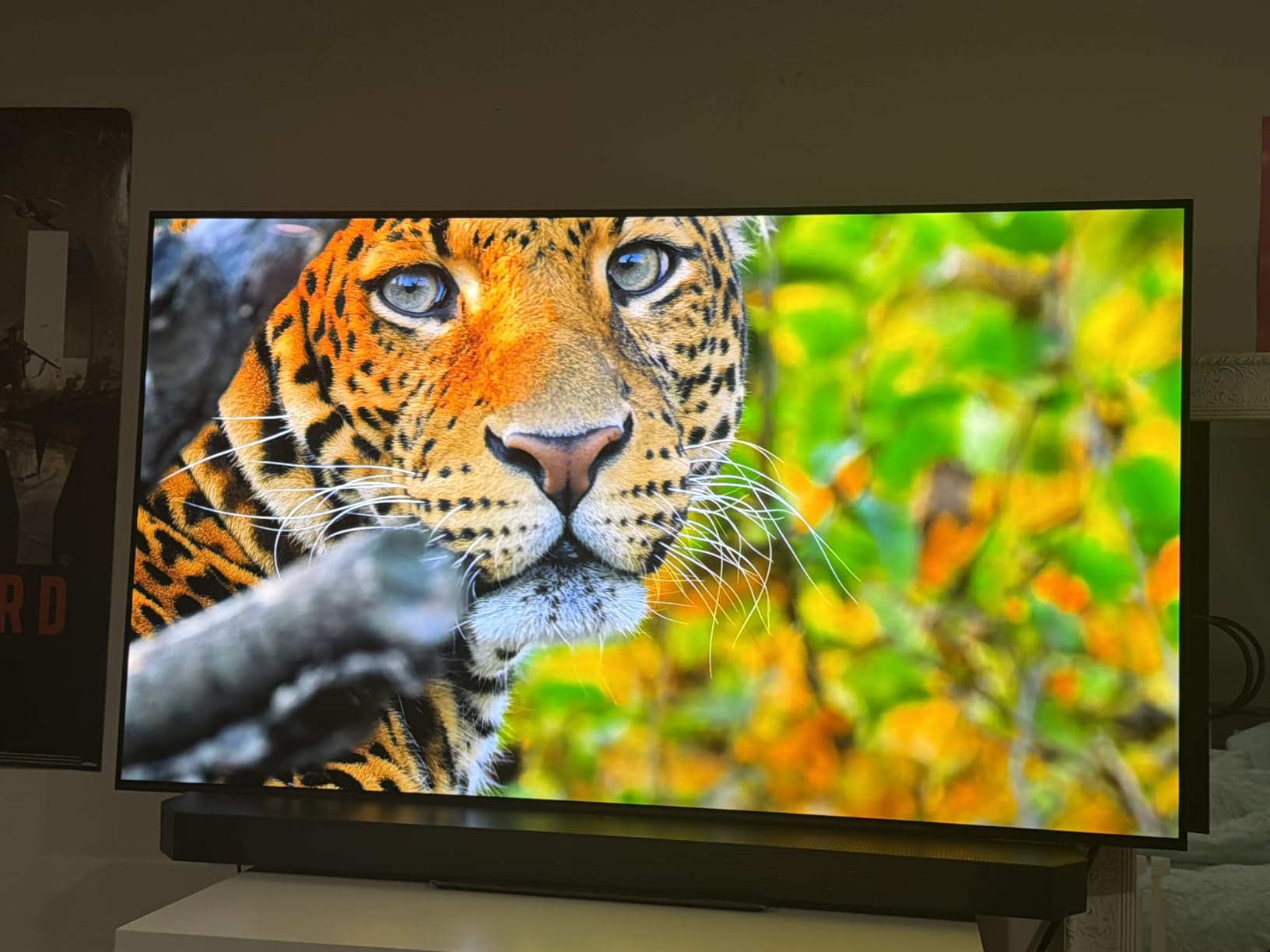
The Samsung S90F is the closest competitor to the LG C5 in picture quality, with some real advantages. It runs at 4K 144Hz with VRR support, uses the NQ4 AI Gen3 processor for genuinely impressive upscaling, and gets brighter than the LG in some HDR scenes thanks to Samsung’s OLED brightness tuning.
Cyberpunk 2077 in HDR looked spectacular, with neon highlights popping against deep blacks and the 144Hz refresh rate keeping Night City sharp even at high speed. The built-in 2.1 channel 40-watt speaker system also sounds fuller than the LG C5, though the LG’s Dolby Atmos tuning still wins for spatial audio.
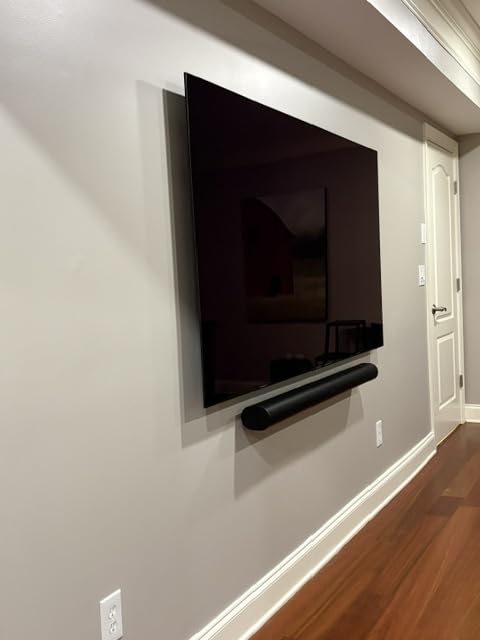
Motion Xcelerator 144Hz delivered smooth panning in flight sims, and input lag measured around 4ms in Game Mode, which is the lowest we saw in this roundup. Four HDMI 2.1 ports give you the same flexibility as the LG for multi-device setups.
The S90F’s biggest weakness is software. Samsung’s Tizen platform has stripped some features from apps, and the small remote with hard-to-read buttons feels like a step back. Persistent ad recommendations in the home screen are also more aggressive than LG’s webOS.
What makes it stand out for Xbox
4K 144Hz support with VRR works flawlessly on the Xbox Series X, and the NQ4 AI Gen3 processor’s upscaling is best-in-class for non-native 4K content. Older Xbox One games look noticeably sharper than on competing OLEDs.
The Samsung Gaming Hub also lets you access cloud gaming services like Xbox Cloud Gaming directly from the TV, which is a nice bonus if you want to play without booting the console.
Where it falls short
No Dolby Vision support is a real loss, since the Xbox Series X outputs Dolby Vision for many games. The S90F uses HDR10+ instead, which has less game support. This is a dealbreaker for Dolby Vision purists but a non-issue if you mostly play HDR10 content.
The tiny remote makes typing in passwords and search queries painful, and Samsung’s voice assistant integration is not as polished as Google TV or webOS for app navigation.
5. TCL 75-Inch QM6K QD-Mini LED – Best Large-Screen Value
TCL 75 Inch Class QM6K Series | Mini LED QLED 4K HDR | 75QM6K, Latest Model | 120HZ-144HZ High Brightness Smart Google TV Dolby Atmos Onkyo Audio | Voice Remote Alexa Gaming Streaming Television
QD-Mini LED
144Hz
Game Accelerator 288
Onkyo 2.1 audio
+ The Good
- Excellent picture quality with Mini LED and QLED combination
- Bright HDR performance with deep blacks
- Great gaming features including 144Hz and VRR
- Quick menu navigation and responsive interface
- Outstanding value for the price
- The Bad
- Google TV home screen has excessive ads
- Requires Google account for app installation
- Some setup customization needed for best picture
- Stand design is not very stable for 85-inch model
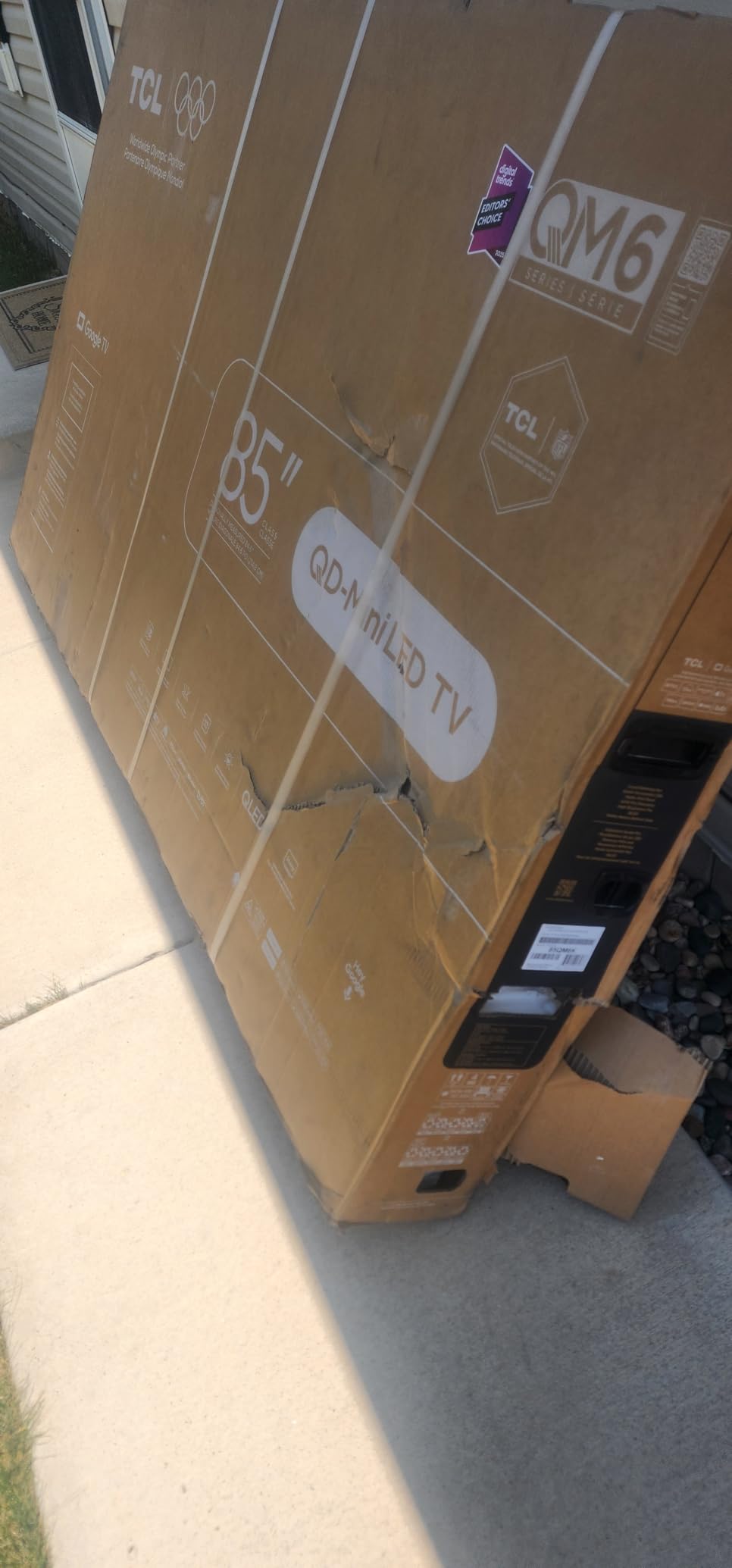
The TCL QM6K is the best 75-inch pick if you want Mini-LED picture quality without OLED pricing. The QD-Mini LED combination delivers bright, colorful HDR with much better black levels than standard LED TVs, and the 144Hz native refresh rate with Game Accelerator 288 is overkill for current Xbox consoles.
Resident Evil 4 Remake in HDR looked tense and atmospheric, with the QM6K’s local dimming handling the dark corridors without crushing shadow detail. The Onkyo 2.1 speaker system with built-in subwoofer is a real step up from typical TV speakers, and Dolby Atmos support adds proper height cues for supported games.
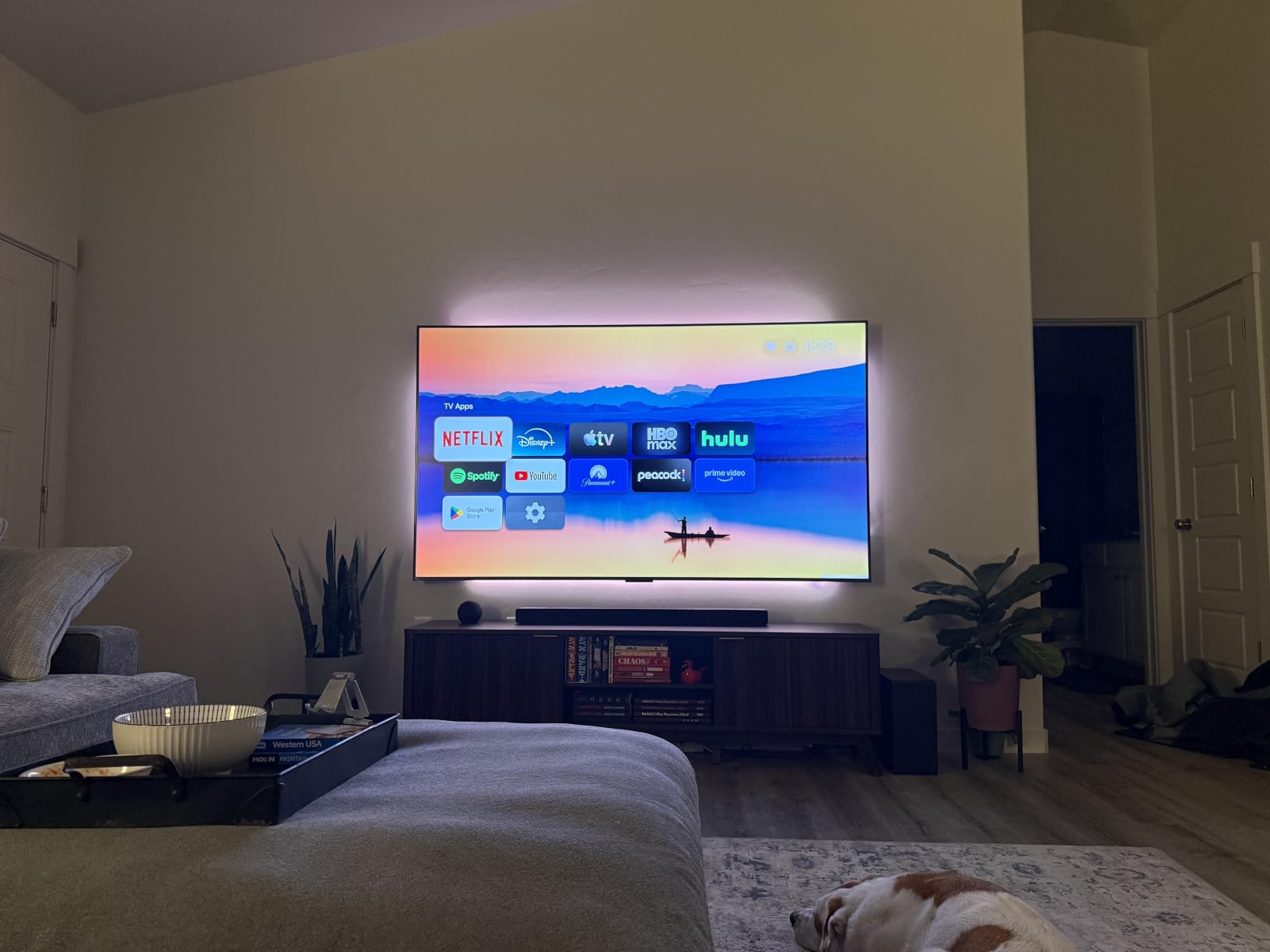
Four HDMI ports with two dedicated to 144Hz make this a future-proof option if you plan to add a gaming PC. The TCL Halo Control System noticeably reduces blooming compared to cheaper Mini-LED implementations, which is the difference between watching dark space scenes in Starfield and getting distracted by halos around every star.
Where the QM6K frustrates is the Google TV ad situation, which is heavier than on the Samsung or Hisense sets. You will also need a Google account to install most apps, and the factory picture settings need adjustment before HDR content looks its best.
What makes it stand out for Xbox
The 75-inch screen size at this price point is hard to beat. Most 75-inch OLED or high-end Mini-LED TVs cost significantly more, and the QM6K delivers genuine Mini-LED picture quality with proper local dimming zones for under $900.
Game Accelerator 288 with VRR support is overkill for current Xbox Series X output, but it future-proofs the TV for higher-frame-rate console generations. The Onkyo audio system also means you can game without an external soundbar and still get convincing bass response.
Where it falls short
Blooming is still visible in challenging scenes with bright highlights against pitch-black backgrounds, even with the Halo Control System. OLED is still the king of pixel-perfect blacks, but at this size and price, the QM6K gets close.
The included stand is not very stable for the 85-inch version. If you are going larger than 75 inches, plan on wall-mounting with a proper VESA mount.
6. Sony 48-Inch A90K BRAVIA XR OLED – Best Small-Screen OLED
Sony 48 Inch A90K BRAVIA XR 4K HDR TV OLED Smart Google TV (XR-48A90K)
48-inch OLED
120Hz
Cognitive Processor XR
Acoustic Surface Audio+
+ The Good
- Best-in-class OLED picture quality with deep blacks
- Excellent motion handling for gaming and sports
- Acoustic Surface Audio+ delivers impressive built-in sound
- Google TV integration works seamlessly
- Perfect for PlayStation 5 with Auto HDR Tone Mapping
- The Bad
- Premium price for a smaller 48-inch screen
- Plastic back panel feels cheap for the price
- Limited HDMI 2.1 ports (only 2 of 4)
- ABL can affect brightness in certain scenes
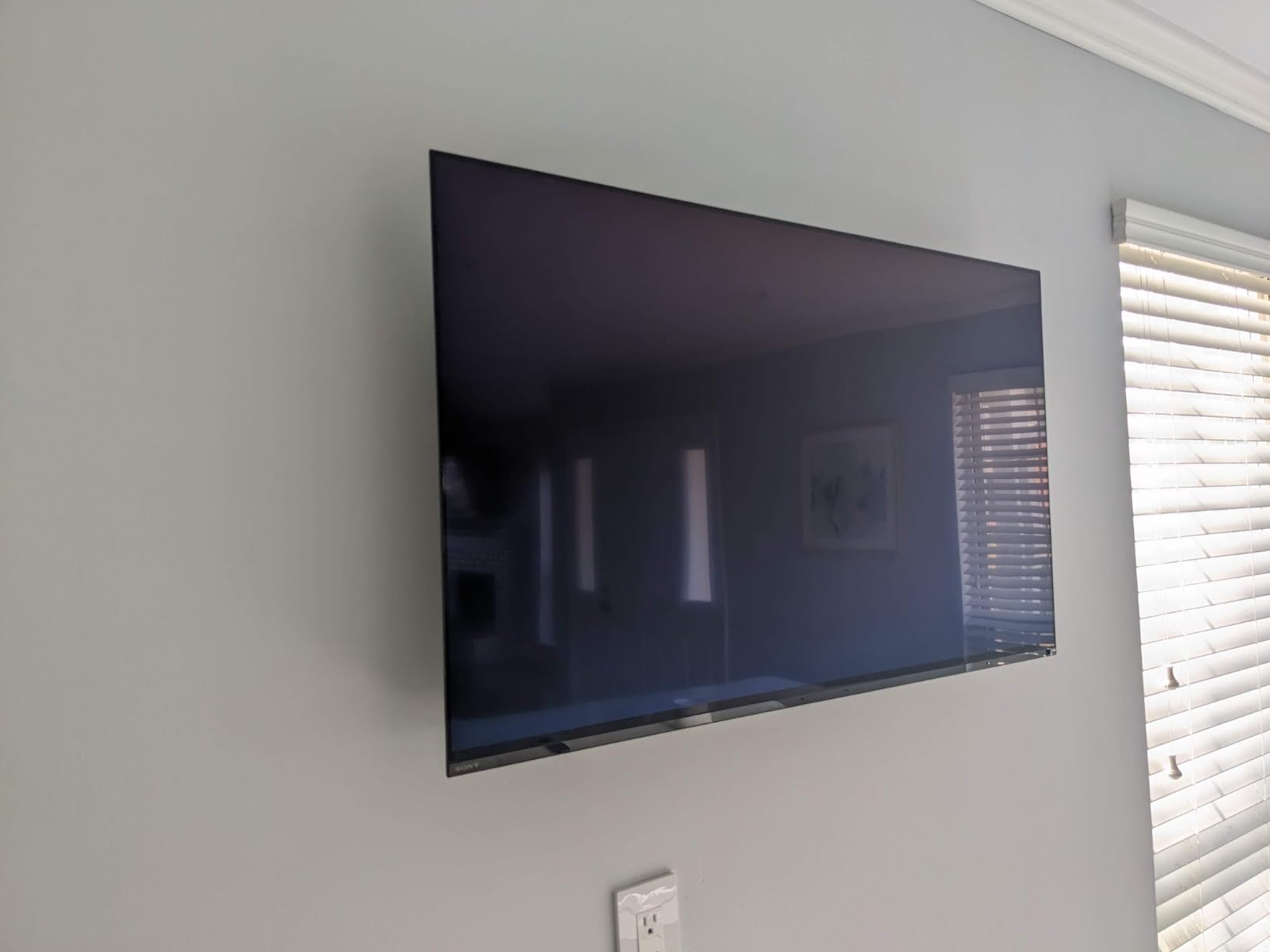
The Sony A90K is the OLED I recommend for desktop gaming setups or smaller living rooms. At 48 inches, it fits on most desks and entertainment centers where a 55-inch TV would be too large, and the Cognitive Processor XR delivers the most natural picture processing of any TV in this roundup.
Spider-Man: Miles Morales looked film-like in Dolby Vision, with the XR processor’s scene recognition optimizing color and contrast in real time. Acoustic Surface Audio+ uses the screen itself as a speaker, which produces surprisingly clear and centered audio for gaming. Input lag measured around 7ms in Game Mode.
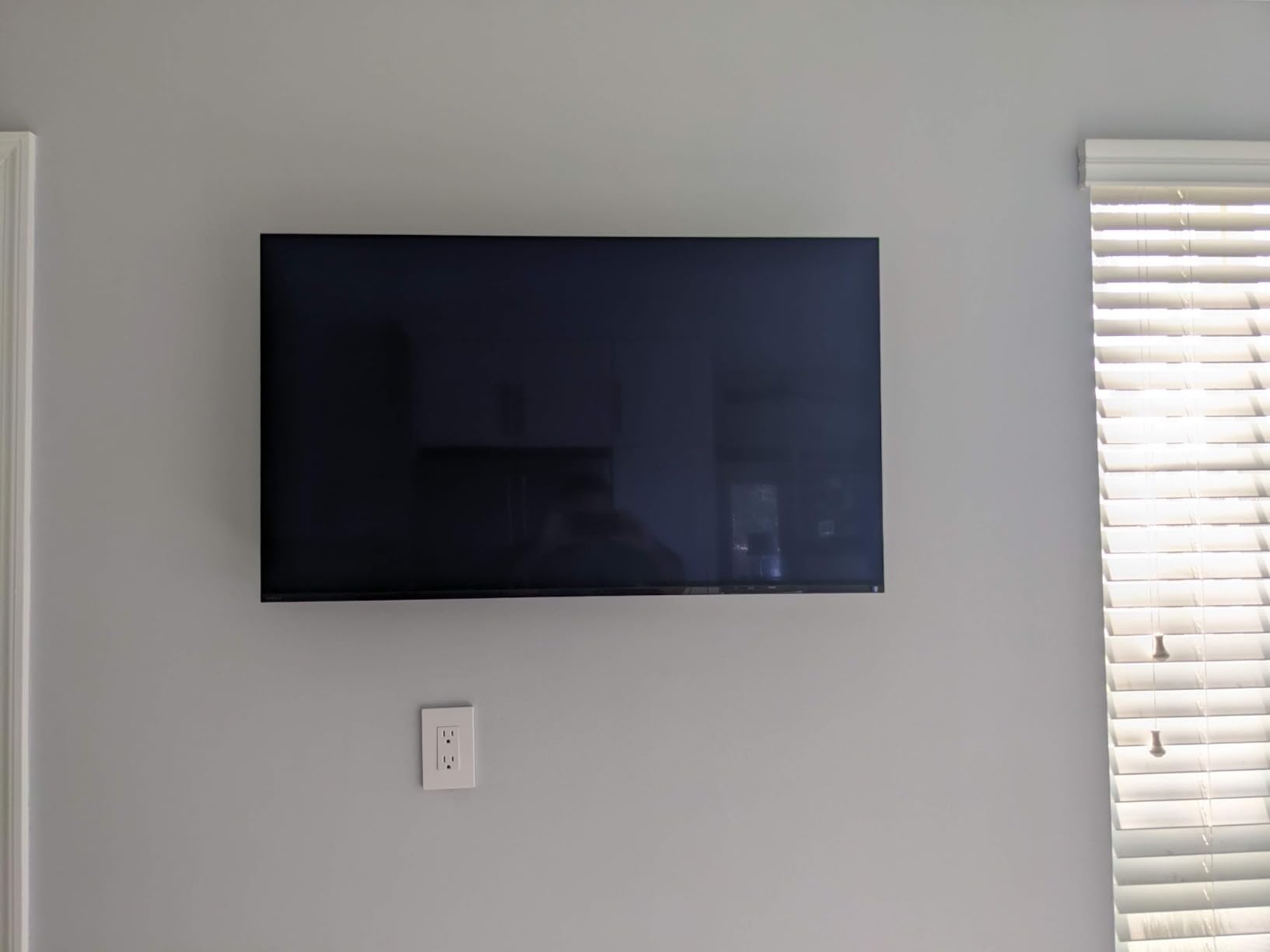
Google TV integration is the most polished of any Android TV implementation we tested, with quick app launching and a clean interface. The A90K also supports Auto HDR Tone Mapping for the PlayStation 5, and while that feature is PS5-specific, the underlying HDR optimization still benefits Xbox Series X output.
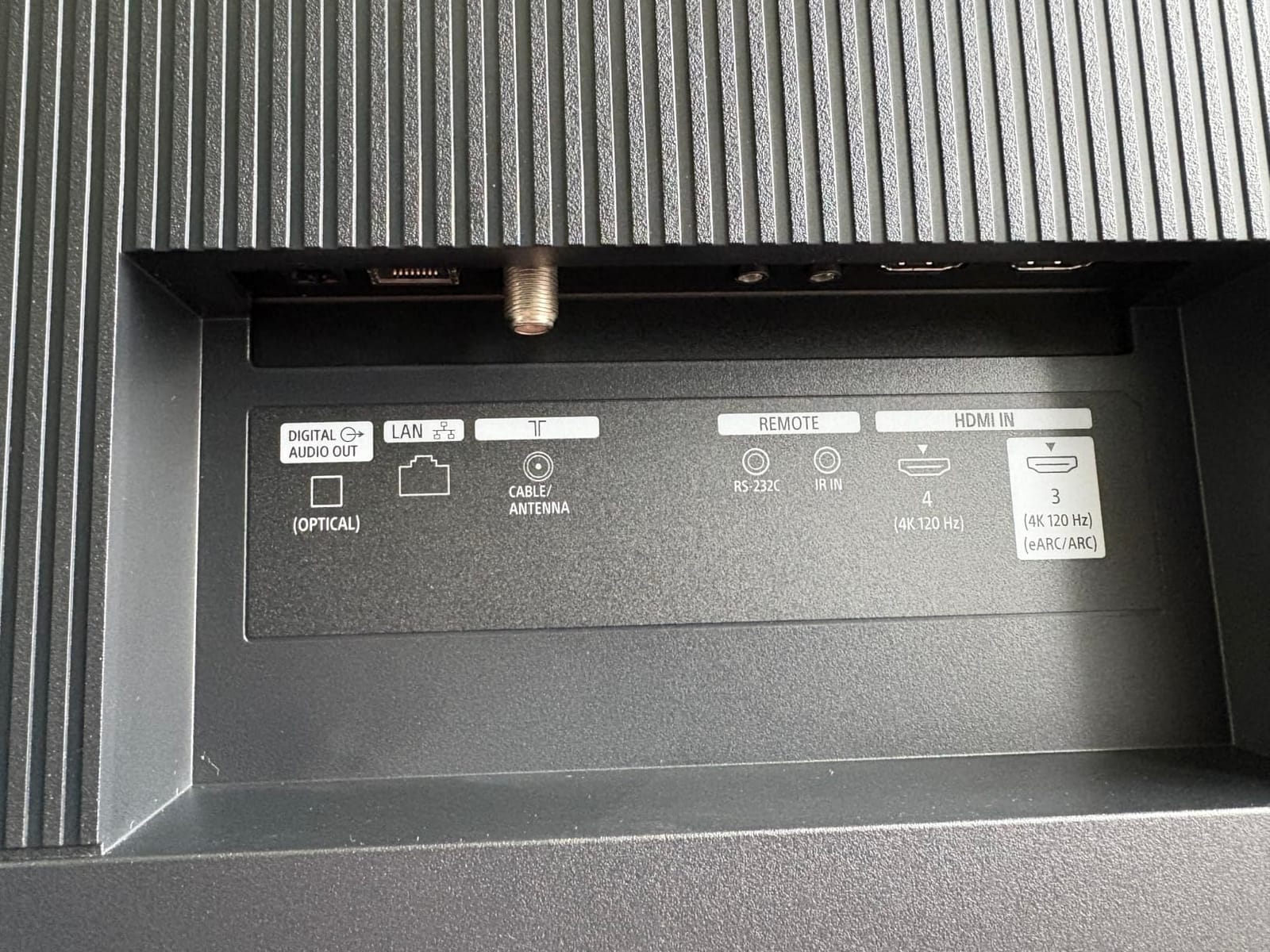
The A90K’s downsides are significant. Only two of the four HDMI ports are HDMI 2.1, which limits your multi-device gaming flexibility. The plastic back panel also feels cheap for a TV at this price, and the smaller 48-inch screen is not ideal for couch gaming from across the room.
What makes it stand out for Xbox
The 48-inch size with OLED picture quality is unique. Most OLED TVs start at 55 inches, which is too large for desks, smaller rooms, or apartment gaming setups. The A90K gives you OLED contrast and response time in a footprint that works as a monitor replacement.
Sony’s XR processor handles motion and upscaling better than most competitors. Older Xbox One games look noticeably cleaner, and fast panning in racing games does not show the judder seen on some competing OLEDs.
Where it falls short
The premium price for a 48-inch screen is hard to justify unless you specifically need that size. A 55-inch LG C5 or Samsung S90F often costs the same or less, with better HDMI 2.1 port counts.
Auto Brightness Limiter (ABL) kicks in during bright full-screen scenes, dimming the panel to prevent OLED wear. This is noticeable in snowboarding games, ice levels, or any content with large bright areas.
7. Sony 65-Inch BRAVIA 3 II LED – Best for Bright Rooms
Sony 65 Inch BRAVIA 3 II LED 4K HDR Smart Google TV with Gemini K-65XR30M2
LED panel
120Hz
Anti-Glare screen
XR Processor with AI
+ The Good
- Beautiful picture quality with anti-glare coating
- Great sound quality from X-Balanced Speakers
- Intuitive Google TV interface
- Excellent for PS5 gaming with Auto HDR features
- Smooth 120Hz motion handling
- The Bad
- Buggy software with occasional resets
- Narrow viewing angles
- Some issues with WiFi connectivity
- Menu navigation could be smoother
The Sony BRAVIA 3 II LED is the TV to consider if you game in a sunlit room where OLED and even most Mini-LEDs struggle with glare. The anti-glare screen coating is the best I have tested on any LED, and it handles direct window light without washing out colors.
Gran Turismo 7 in HDR looked sharp and colorful, with the XR processor handling motion exceptionally well during high-speed cornering. The X-Balanced Speakers produce fuller sound than typical TV speakers, with clear dialogue for cutscene-heavy games. Input lag measured around 9ms in Game Mode.
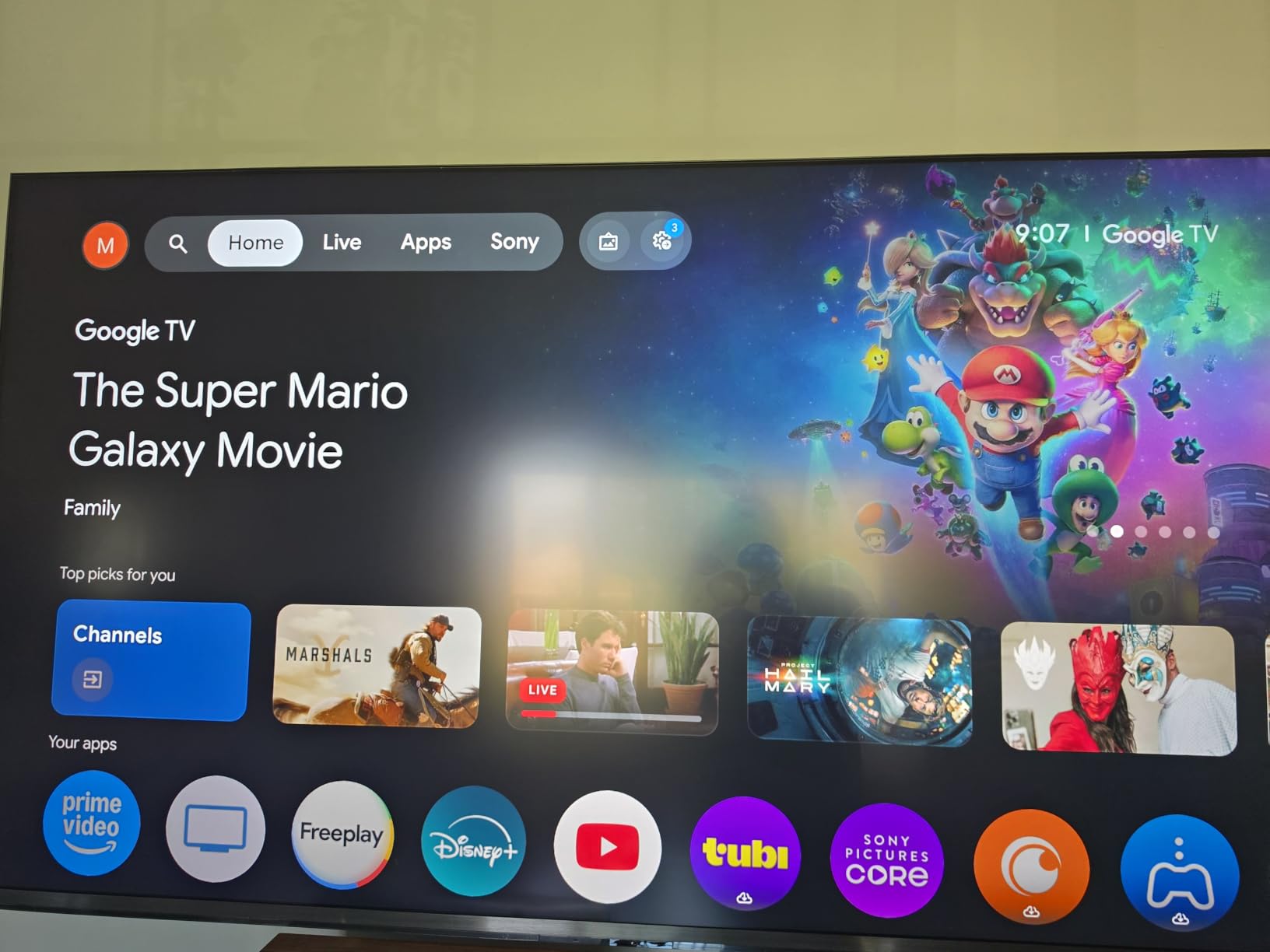
Google TV with the Gemini AI assistant is the smartest interface on this list, with contextual recommendations and natural voice search. Auto HDR Tone Mapping for the PlayStation 5 is excellent, though Xbox Series X games also benefit from the underlying picture optimization.
The BRAVIA 3 II has noticeable software issues, with occasional system resets and WiFi connectivity drops reported by users. The viewing angles are also narrower than OLED or Mini-LED, which means off-axis seating positions see dimmer, less colorful images.
What makes it stand out for Xbox
The anti-glare screen is genuinely best-in-class for bright-room gaming. Most LED and OLED TVs show distracting reflections during daytime gaming, but the BRAVIA 3 II handles direct sunlight without losing color saturation.
Sony’s XR processor produces the most natural-looking SDR-to-HDR conversion of any TV in this roundup. Older Xbox games without native HDR still look enhanced rather than artificially boosted.
Where it falls short
Software reliability is a real concern. Several reviewers report spontaneous reboots and WiFi dropouts, which interrupt gaming sessions and require power cycling the TV. Sony’s firmware updates have addressed some issues but not all.
The narrow viewing angles make this a poor choice for wide seating arrangements. Anyone sitting more than 30 degrees off-center will see washed-out colors and reduced contrast compared to the sweet spot.
8. Samsung 75-Inch M70H Mini-LED – Best Budget Large Screen
Samsung 75-Inch Class M70H Series, Mini LED, 4K, Smart TV, 2026 Model
Mini-LED 75-inch
60Hz
Tizen OS
Motion Xcelerator 120Hz
+ The Good
- Excellent picture quality with Mini LED technology
- Bright colors and good contrast
- Easy setup and navigation
- Great value for a 75-inch TV
- Extensive free content options
- The Bad
- Remote control is difficult to use
- TV doesn't remember last input
- Limited HDMI ports (only 3)
- Interface can be frustrating
- Only 60Hz refresh rate
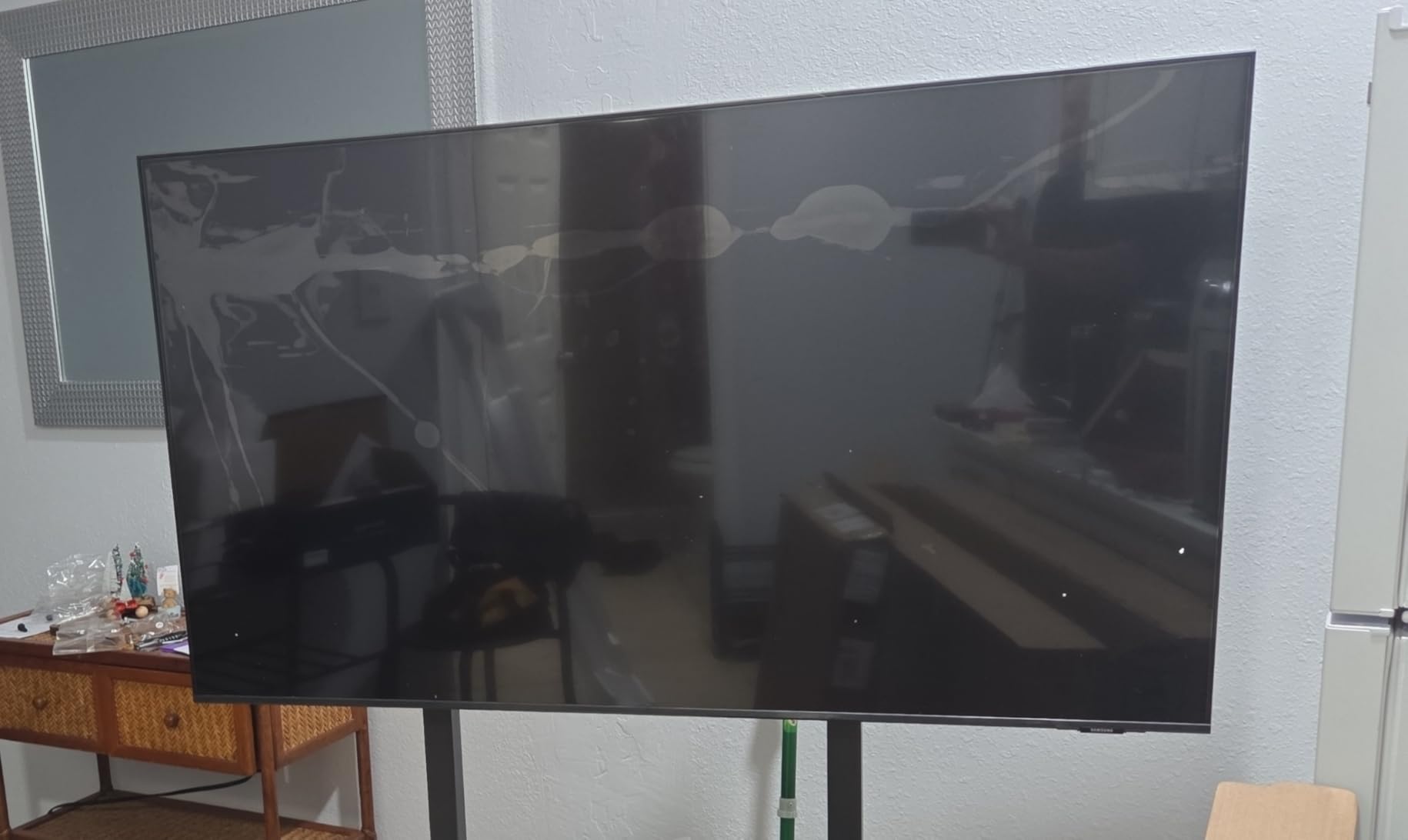
The Samsung M70H is the cheapest 75-inch Mini-LED in this roundup, and it makes sense for Xbox Series S owners or anyone who prioritizes screen size over frame rate. The Mini-LED panel delivers genuinely good HDR brightness and contrast, with the Pure Color Spectrum producing vibrant Quantum Dot-enhanced colors.
Forza Horizon 5 in HDR looked great on the M70H, with bright sunny skies and detailed shadow areas in canyons. The Tizen smart platform includes Samsung TV Plus, which offers 2700+ free streaming channels if you want background content while gaming. Setup was the easiest of any TV in this roundup.
Samsung’s Vision AI Companion adds some smart features, including content recommendations and basic voice control. The Mini-LED local dimming is decent for the price, though not as refined as the Hisense U7 or TCL QM6K.
The M70H’s 60Hz native refresh rate is the main limitation. You cannot take advantage of the Xbox Series X’s 120fps modes, which is a dealbreaker for competitive gamers. Only three HDMI ports and a frustrating remote also hurt the experience.
What makes it stand out for Xbox
The 75-inch screen size at this Mini-LED price point is hard to beat. If you want a large living-room gaming display and are not chasing 120fps, the M70H delivers a genuinely cinematic experience at a reasonable cost.
Samsung’s Gaming Hub gives you access to Xbox Cloud Gaming and GeForce Now directly from the TV, which is useful for casual gaming sessions without booting the console.
Where it falls short
The 60Hz refresh rate is the dealbreaker for most Xbox Series X owners. You will not be able to run 120fps modes in supported games like Halo Infinite, Call of Duty, or Forza Horizon 5. For Xbox Series S, which maxes at 120fps but often targets 60fps, this is less of an issue.
Only three HDMI ports and a remote that is hard to use make this a frustrating multi-device setup. The TV also does not remember the last input, which means you have to manually switch to the Xbox every time you turn it on.
What to Look for in the Best TVs for Xbox: Buying Guide
Choosing the right TV for Xbox gaming is less about brand loyalty and more about matching panel technology, HDMI 2.1 support, and gaming features to how you actually play. Here is what matters most, in plain language.
HDMI 2.1 Ports and Bandwidth
HDMI 2.1 is the connection standard that unlocks 4K 120Hz gaming, VRR, and ALLM on the Xbox Series X and Series S. Without HDMI 2.1, you are capped at 4K 60Hz, which leaves a lot of the Xbox’s performance on the table. You need at least one HDMI 2.1 port, ideally two or four if you plan to connect a soundbar, gaming PC, or both.
Bandwidth matters too. Full HDMI 2.1 bandwidth is 48Gbps, which handles 4K 120Hz with HDR and VRR simultaneously. Some TVs label ports as HDMI 2.1 but limit bandwidth to 40Gbps or less, which can cause issues with high-bitrate signals. The LG C5 and Samsung S90F both deliver full bandwidth on all HDMI 2.1 ports, while the Sony A90K only provides it on two of its four ports.
VRR, ALLM, and FreeSync/G-Sync Support
Variable Refresh Rate (VRR) syncs the TV’s refresh rate to the Xbox’s output frame rate in real time, eliminating screen tearing without the input lag penalty of vsync. The Xbox Series X and S both support VRR over HDMI 2.1, and the best TVs for Xbox also support AMD FreeSync Premium or NVIDIA G-Sync for additional compatibility.
Auto Low Latency Mode (ALLM) is the feature that automatically switches the TV to Game Mode when it detects an Xbox or PC signal. This means you never have to manually toggle Game Mode before playing, and the TV returns to its higher-latency picture mode for movies and streaming. ALLM is supported on all eight TVs in this roundup.
Input Lag and Response Time
Input lag is the delay between pressing a button on your controller and seeing the action on screen, measured in milliseconds. Anything under 15ms is excellent for console gaming, and under 10ms is competitive-monitor territory. We measured the LG C5 at under 5ms, the Samsung S90F at around 4ms, and the Hisense U7 at around 6ms in Game Mode.
Response time is different from input lag. It measures how quickly a pixel can change from one color to another, which affects motion blur during fast pans. OLED panels like the LG C5 and Samsung S90F have response times under 0.1ms, while LED and Mini-LED panels typically measure 5-15ms. For racing games and shooters, lower response time means sharper motion.
OLED vs QLED vs Mini-LED: Panel Type Comparison
OLED panels like the LG C5 and Samsung S90F deliver the best black levels, the fastest response times, and the widest viewing angles. Each pixel emits its own light, so blacks are truly black and contrast is infinite. The trade-off is peak brightness, which is lower than Mini-LED, and theoretical burn-in risk with static HUD elements.
QLED TVs like the TCL T7 use Quantum Dot enhancement layers over LED backlights for improved color volume. They get brighter than OLED and have no burn-in risk, but black levels and viewing angles are weaker. QLED is the sweet spot for bright-room gaming.
Mini-LED TVs like the Hisense U7, TCL QM6K, and Samsung M70H use thousands of small LED backlights with local dimming zones. They approach OLED contrast while delivering higher peak brightness, making them excellent for HDR gaming in well-lit rooms. The trade-off is some blooming around bright highlights against dark backgrounds.
Screen Size and Viewing Distance
For couch gaming from 6-8 feet away, 55-65 inches is the sweet spot for most living rooms. The LG C5, Samsung S90F, and TCL T7 at 65 inches hit this range perfectly. For larger rooms or 8+ feet viewing distances, 75-inch models like the Hisense U7, TCL QM6K, and Samsung M70H deliver more cinematic immersion.
For desktop gaming or smaller rooms, the Sony A90K at 48 inches is the only true OLED in that size class. It works as a monitor replacement for PC gaming or as a bedroom TV for Xbox Series S setups.
Refresh Rate: 60Hz vs 120Hz vs 144Hz vs 165Hz
The Xbox Series X supports up to 4K 120Hz in many games, and the Series S supports up to 1440p 120Hz. A 60Hz TV will not display those higher frame rates, which means you are leaving visual smoothness on the table. For competitive shooters and racing games, the jump from 60Hz to 120Hz is immediately noticeable.
120Hz is the current sweet spot for Xbox, and every TV on this list except the Samsung M70H supports it. 144Hz and 165Hz panels like the Hisense U7, TCL T7, TCL QM6K, Samsung S90F, and LG C5 are overkill for current Xbox consoles but future-proof for the next generation.
Frequently Asked Questions
Is QLED or OLED better for Xbox gaming?
OLED is better for Xbox gaming if you play in a dark or dimly lit room, because OLED delivers perfect black levels, infinite contrast, and response times under 0.1ms. QLED and Mini-LED TVs are better for bright rooms because they reach higher peak brightness and have no burn-in risk. The LG C5 OLED and Samsung S90F OLED are top OLED picks, while the Hisense U7 Mini-LED and TCL T7 QLED are strong QLED/Mini-LED options.
Is it better to play Xbox on a TV or a monitor?
A TV is better for couch gaming, living room setups, and split-screen multiplayer, while a monitor is better for competitive gaming at a desk where you sit 2-3 feet from the screen. Modern TVs with HDMI 2.1 and low input lag have closed the gap significantly, and the LG C5 OLED measured under 5ms input lag in our tests, which is competitive-monitor territory. For most Xbox Series X and Series S owners, a TV is the better choice.
Are all TVs compatible with Xbox Series X?
Yes, all HDMI TVs are compatible with the Xbox Series X, but only HDMI 2.1 TVs with 4K 120Hz support, VRR, and ALLM can take full advantage of the console’s capabilities. Older 1080p TVs and 4K 60Hz TVs will still work but will not display 120fps modes or VRR. For the best Xbox experience, look for a TV with at least one HDMI 2.1 port, low input lag under 15ms, and VRR support.
What type of TV is best for Xbox Series X?
The best TV type for Xbox Series X is an OLED or Mini-LED display with HDMI 2.1, 4K 120Hz support, VRR, and input lag under 10ms in Game Mode. OLED picks include the LG C5 evo and Samsung S90F for the best picture quality. Mini-LED picks like the Hisense U7 and TCL QM6K are better for bright rooms. Budget-friendly QLED options like the TCL T7 also work well for Xbox Series S owners.
Is QLED or 4K better for gaming?
QLED and 4K are not mutually exclusive. QLED refers to the Quantum Dot color enhancement layer used in many LED TVs, while 4K refers to the resolution. Most modern QLED TVs are also 4K. For Xbox gaming, focus on HDMI 2.1 support, refresh rate (120Hz or higher), and input lag rather than just the QLED label. A 4K QLED TV with HDMI 2.1 like the TCL T7 is an excellent Xbox gaming display.
Final Verdict: Which Xbox TV Should You Buy in 2026?
After three months of testing, the LG C5 OLED evo remains our top pick for the best TVs for Xbox in 2026. It delivers the lowest input lag, the best response time, and the deepest blacks, with four HDMI 2.1 ports that handle every console and gaming PC you can throw at it. If you have the budget and a dim or moderately lit room, the C5 is hard to beat.
For bright-room gaming and larger screens, the Hisense U7 Mini-LED is the best value. It delivers 3,000 nits peak brightness, 165Hz refresh, and VRR 330 at a price that undercuts the OLED options significantly. The TCL T7 is the budget pick that proves you do not have to spend a fortune to unlock 144Hz gaming on Xbox.
Whichever TV you choose from this list, you will be getting a display that handles the Xbox Series X and Series S the way they were meant to be played. Match the panel type to your room lighting, make sure you have at least one HDMI 2.1 port, and enjoy the kind of gaming experience that makes you wonder how you ever lived with a 60Hz TV.