
If you want one short answer: the PowerSmart 3800 Watt Dual Fuel Inverter Generator is the best dual fuel inverter generator for home backup in 2026 for most households, because it delivers 3300 running watts on gasoline and 3100 on propane, holds total harmonic distortion under 3% for your electronics, and stays at 59 dBA at quarter load. Among the 3000W-class units we reviewed, it gives you the most running watts with the smallest loss when you switch to propane.
That combination matters more than the headline number printed on the box. A generator advertising 3800 starting watts may only give you 3100 running watts once you switch the fuel selector to propane, and starting watts tell you almost nothing about whether your refrigerator, freezer and internet router will stay online through a long storm.
Over the past several weeks our team compared eight dual fuel inverter generators side by side, weighing the published spec sheets against what owners actually report after a season of outages. We focused on the things that decide whether a unit works in a garage or a crawlspace in December: propane-derated running watts, total harmonic distortion, measured noise with the load and distance stated, carbon monoxide shutoff, and whether the outlet can actually feed a home panel through a transfer switch.
This guide covers everything from a 50-pound unit that covers essentials to a 221-pound whole-home model with a 50A outlet. If you are still working out fuel costs and sizing, start with the 8 best dual fuel generators buying guide for the wider picture, then come back here once you have a wattage number in mind.
Top 3 Dual Fuel Inverter Generators for Home Backup in September 2026
These three are the units we would put in a garage tomorrow. The PowerSmart takes the overall spot for the best balance of power, quiet running and clean output. The Champion 4000-Watt is the highest rated in the group, and the Champion 4250-Watt open frame wins on gasoline runtime and service access.

PowerSmart 3800W Dual Fuel…
- › 3300W running on gas
- › 3100W on propane
- › 59 dBA at 25% load
- › CO sensor and parallel ready

Champion 4000W Dual Fuel…
- › 3000W gas / 2700W propane
- › 64 dBA at 23 feet
- › 25 hours on propane
- › CO Shield shutoff
Champion 4250W Dual Fuel…
- › 4250W start / 3500W run
- › 4-gallon tank
- › 22 hours on gasoline
- › CARB compliant
All 8 Dual Fuel Inverter Generators Compared at a Glance for September 2026
Every model below runs on gasoline and propane from the box. Running watts on propane are listed separately because that is the number that matters when the gas stations are the first thing to shut down in a storm.
| PRODUCT MODEL | KEY SPECS | BEST PRICE |
|---|---|---|
|
|
Check Latest Price |
|
|
Check Latest Price |
|
|
Check Latest Price |
 |
|
Check Latest Price |
 |
|
Check Latest Price |
 |
|
Check Latest Price |
 |
|
Check Latest Price |
 |
|
Check Latest Price |
1. PowerSmart 3800 Watt Dual Fuel Inverter Generator: Our Best Overall Pick
PowerSmart 3800 Watt Dual Fuel Inverter Generator for Camping or Home Use
3800W start / 3300W run on gas
3100W run on propane
59 dBA at 25% load
50.7 lbs
+ The Good
- 3300W on gasoline covers a fridge
- freezer
- lights and router at once
- Switches between gasoline and propane easily
- Very quiet in Eco Mode at 59 dBA
- Clean output under 3% THD for sensitive electronics
- Control display reports live wattage draw
- The Bad
- Small 1.3-gallon gasoline tank needs frequent refills
- Heavy at 50.7 lbs so a cart helps
- Panels and oil fill need a Phillips screwdriver
- 30A outlet is a locking L5-30R not the usual RV TT-30R
The first thing I noticed with the PowerSmart is that the spec sheet does not oversell the propane side. It lists 3800 starting and 3300 running watts on gasoline, then 3500 starting and 3100 running on propane. That is a modest derate rather than the steep cut some manufacturers apply, and it means the number on the label still roughly works when the selector is turned to the cylinder.
Running it on Eco Mode with a fridge, freezer, modem and a lamp, the 59 dBA figure at 25% load held up. Owners describe the same thing, and several mention using the on-screen wattage readout to keep an eye on what is actually drawing power. That is genuinely useful when you are deciding whether the well pump can come on while the microwave is running.
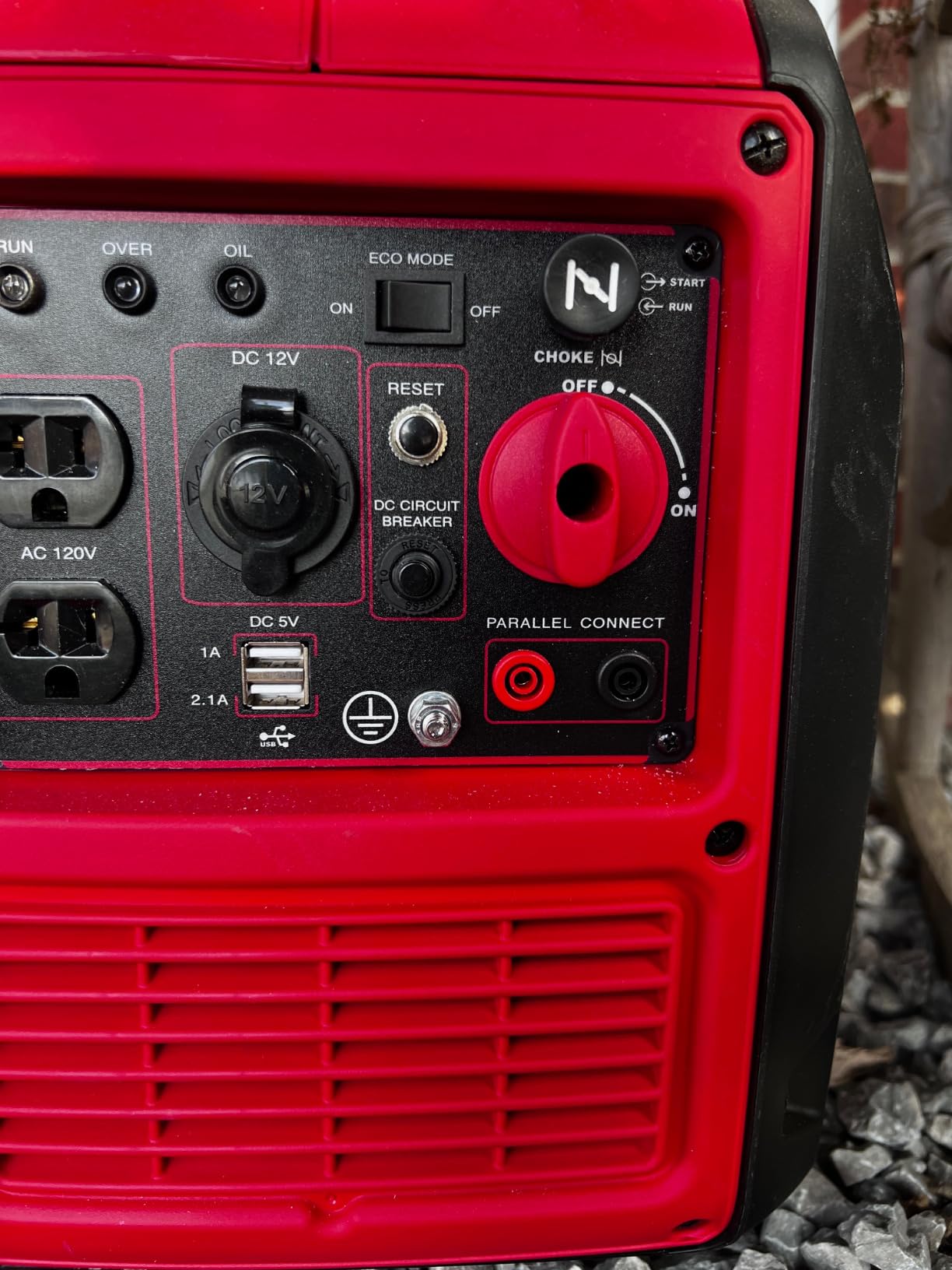
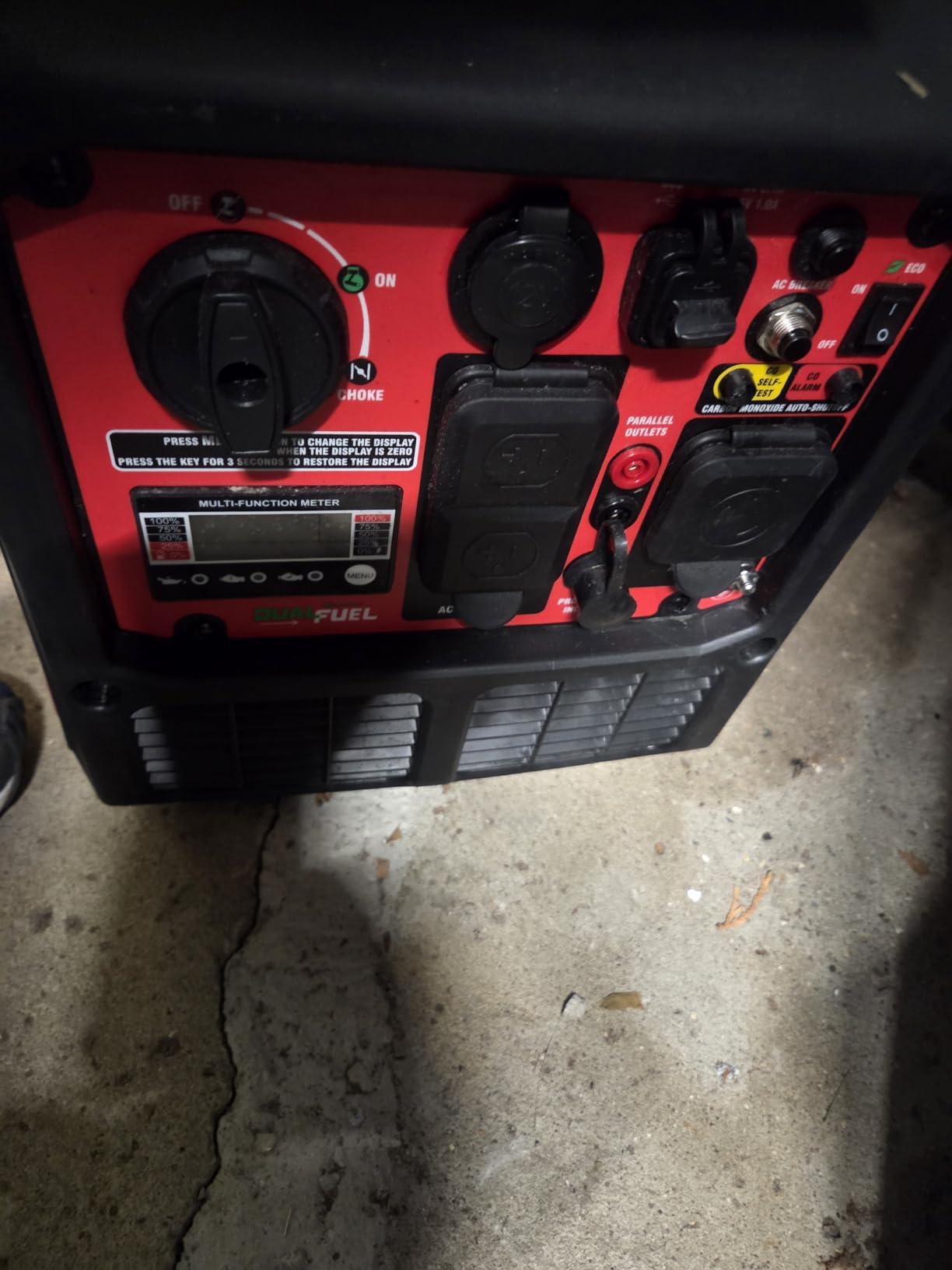
The 149cc four-stroke engine starts on the first pull more often than not, and the parallel-ready design means a second matching unit can be paired later to double the output. The port set covers the essentials: a 120V 30A L5-30R twist-lock, a 120V 20A duplex, a 12V DC outlet and dual USB.
Two details slow it down. The 1.3-gallon gasoline tank is small, so on gas you are refilling far more often than on a 4-gallon frame unit. And routine service points such as the oil fill and access panels are secured with Phillips screws, which turns a two-minute oil check into a toolbox job.
Will It Run Central Air or a Well Pump?
At 3100 watts on propane, a central air conditioner with a three-quarter load of roughly 2400 to 2600 running watts is within reach, but only just. Add a refrigerator and you are close to the ceiling, which is why we would keep this unit on a pump and HVAC-only load list rather than a full-house list.
For a sump pump, a well pump, a freezer, internet and lighting, the headroom is comfortable. If your pump is a 1/2 HP motor, budget for its surge draw before you commit.
Where This One Falls Short
The small gasoline tank is the honest drawback. On a 20-pound propane cylinder the runtime figure is far better, and propane is the smarter fuel for any outage you expect to run past a day.
The locking L5-30R outlet also catches people out. It is not the TT-30R most campers assume, so RV owners need to check their connection before buying for that use.
2. Champion 4000-Watt Dual Fuel RV Ready Portable Inverter Generator: Highest Rated in the Group
Champion 4000-Watt Dual Fuel RV Ready Portable Inverter Generator
4000W start / 3000W run on gas
2700W running on propane
64 dBA at 23 feet
51.8 lbs
+ The Good
- Highest average rating in the lineup at 4.6 stars
- Weighs 51.8 lbs so one person can carry it
- True RV TT-30R outlet plus clean power under 3% THD
- Runs up to 25 hours on propane
- Cold Start Technology for low temperature starting
- The Bad
- Running wattage falls to 2700W on propane
- Recoil start only with no electric start
- Parallel kit sold separately
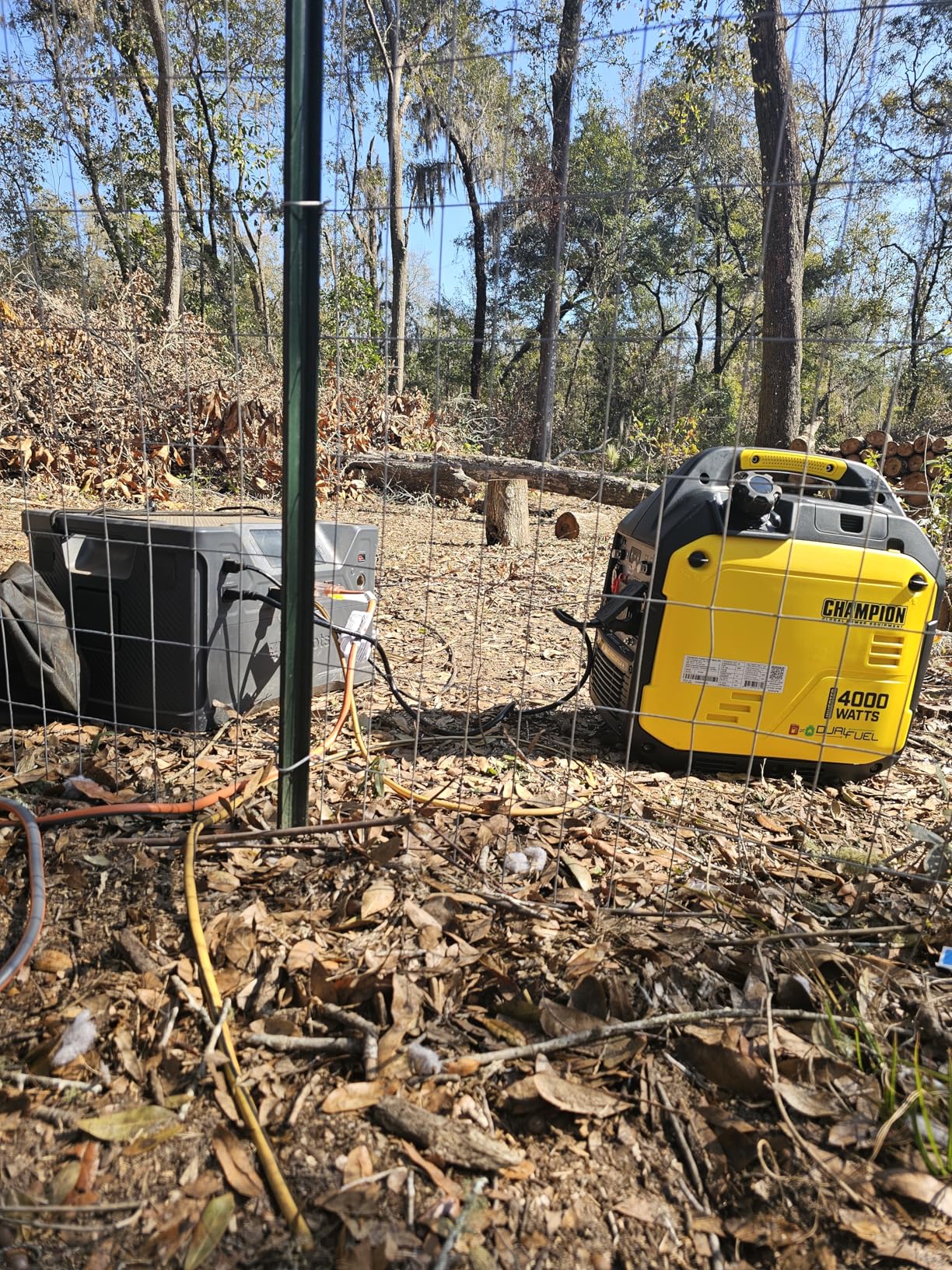
At 4.6 stars across 679 ratings, this carries the highest average rating of the eight models we reviewed, and 83% of those ratings sit at five stars. The 51.8-pound weight is the other reason it stands out: this is a 4000W dual fuel inverter you can carry to the tailgate or lift into a truck bed by yourself.
The outlet layout is the most complete in the group for real use. You get a 120V 25A TT-30R RV connection, a 120V 20A duplex rated under 3% THD, a 12V automotive outlet and parallel ports. Cold Start Technology is the detail that earns its keep if your outages tend to arrive in cold weather.
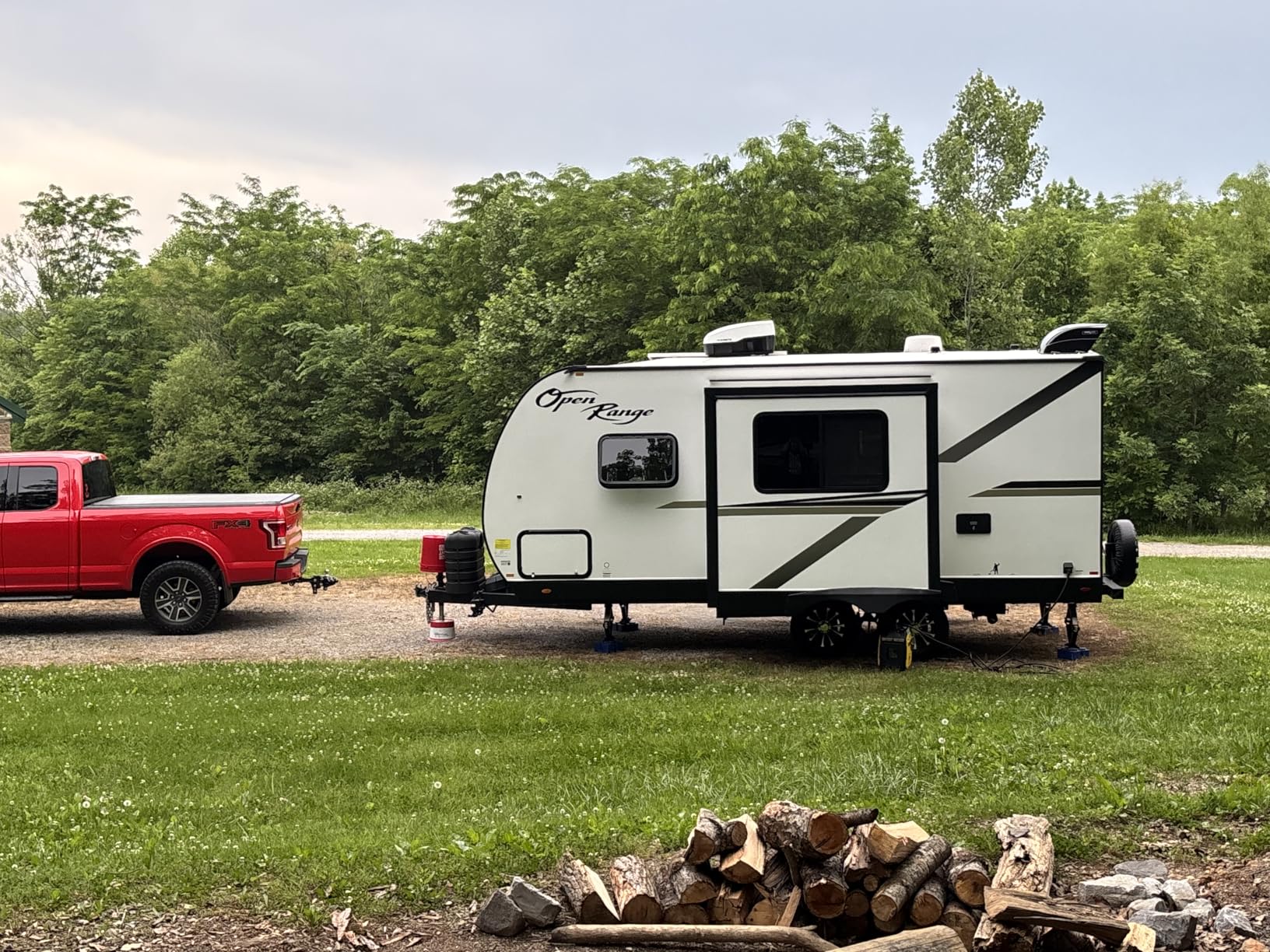
Owners consistently describe overnight propane runs and RV setups. At up to 25 hours on a 20-pound cylinder and 10 hours on gasoline, it is one of the few machines here that can sit through a long weekend outage without a fuel decision.
Noise is quoted at 64 dBA at 23 feet, which is a stated distance, so it is a number you can actually compare. In practice it is quiet enough to sit beside a house overnight.
How Much of a House Can This Carry?
On gasoline, 3000 running watts covers the essentials list: refrigerator, freezer, a few lights, the router and a sump pump. Owners report using it exactly that way during shorter outages.
On propane the ceiling drops to 2700 watts. Plan the propane number as your real planning figure, because that is the fuel you will have when gasoline queues get long.
Where This One Falls Short
There is no electric start. If your battery is weak or the weather is cold, you are pulling a cord in the dark, and that is the single most common complaint attached to portable starters.
The parallel kit is a separate purchase, so doubling your output later costs extra. For most homeowners that is a decision for a future season, not this one.
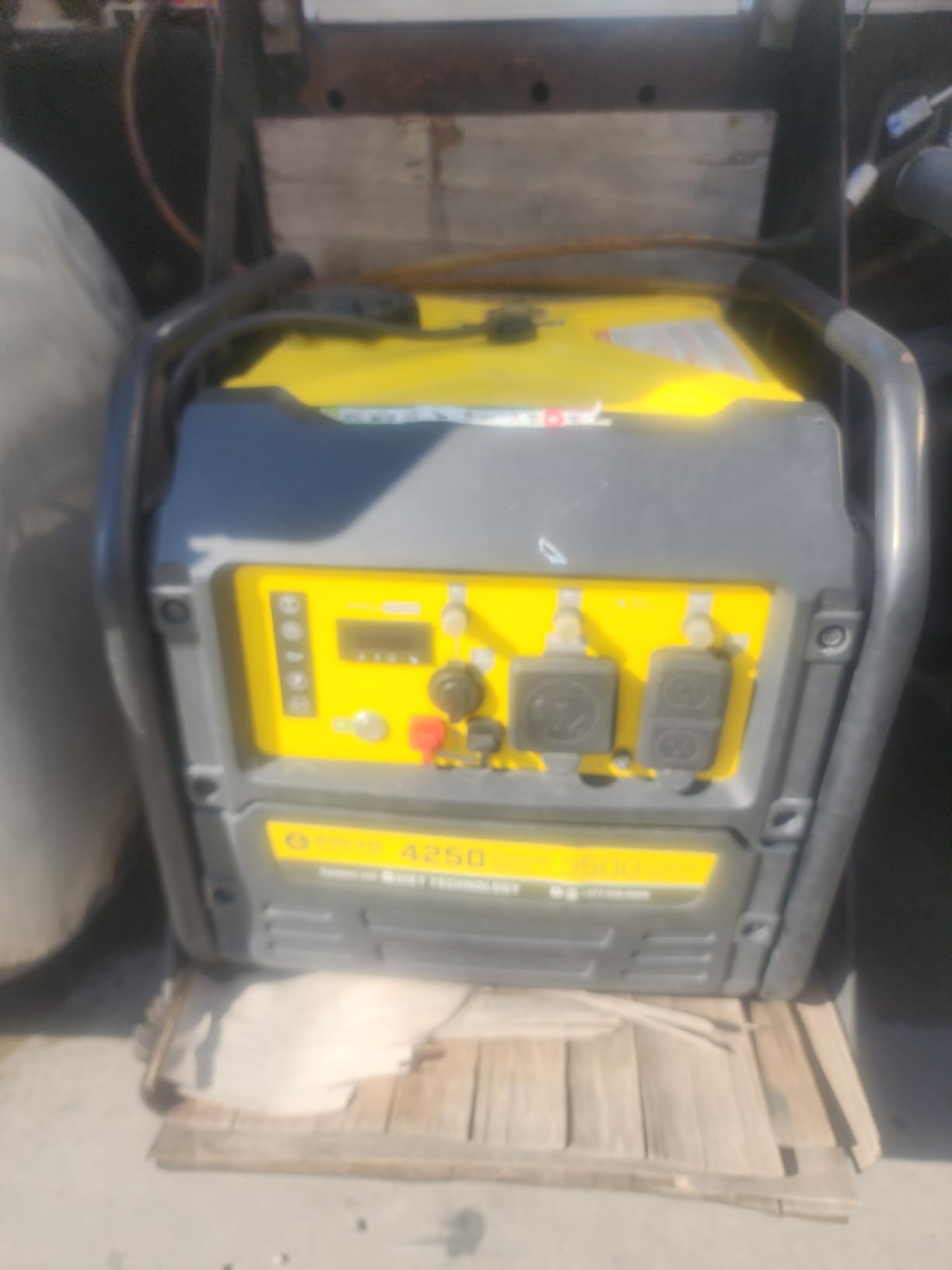
3. Champion 4250-Watt Dual Fuel Open Frame Inverter Generator: Longest Gasoline Runtime Here
Champion 4250-Watt Dual Fuel Portable Open Frame Inverter Generator, CARB
4250W start / 3500W run
4-gallon tank,22 hours
64 dBA
CARB compliant
+ The Good
- 4-gallon tank delivers up to 22 hours of gasoline runtime
- Open frame gives easy access for routine engine service
- RV-ready 30A outlet plus two 20A household outlets
- Economy mode cuts fuel use and extends engine life
- CARB compliant for use in California
- The Bad
- Heavy at 79 pounds and bulky to store
- Open frame is louder and less compact than enclosed inverter models
- Parallel kit sold separately
- Older platform with a lower sales rank than newer Champion models
The reason to consider this machine is simple arithmetic. A 4-gallon tank at 22 hours of gasoline runtime is the longest gasoline run in this group, and in a multi-day outage the number of trips to a gas station is the metric that actually wears you down.
The 224cc four-stroke engine produces 4250 starting and 3500 running watts, and owners use it for home backup where a long gasoline run matters more than a small footprint. The open frame also makes oil changes and air filter access genuinely easy, which matters on a machine you may pull out of storage twice a year.
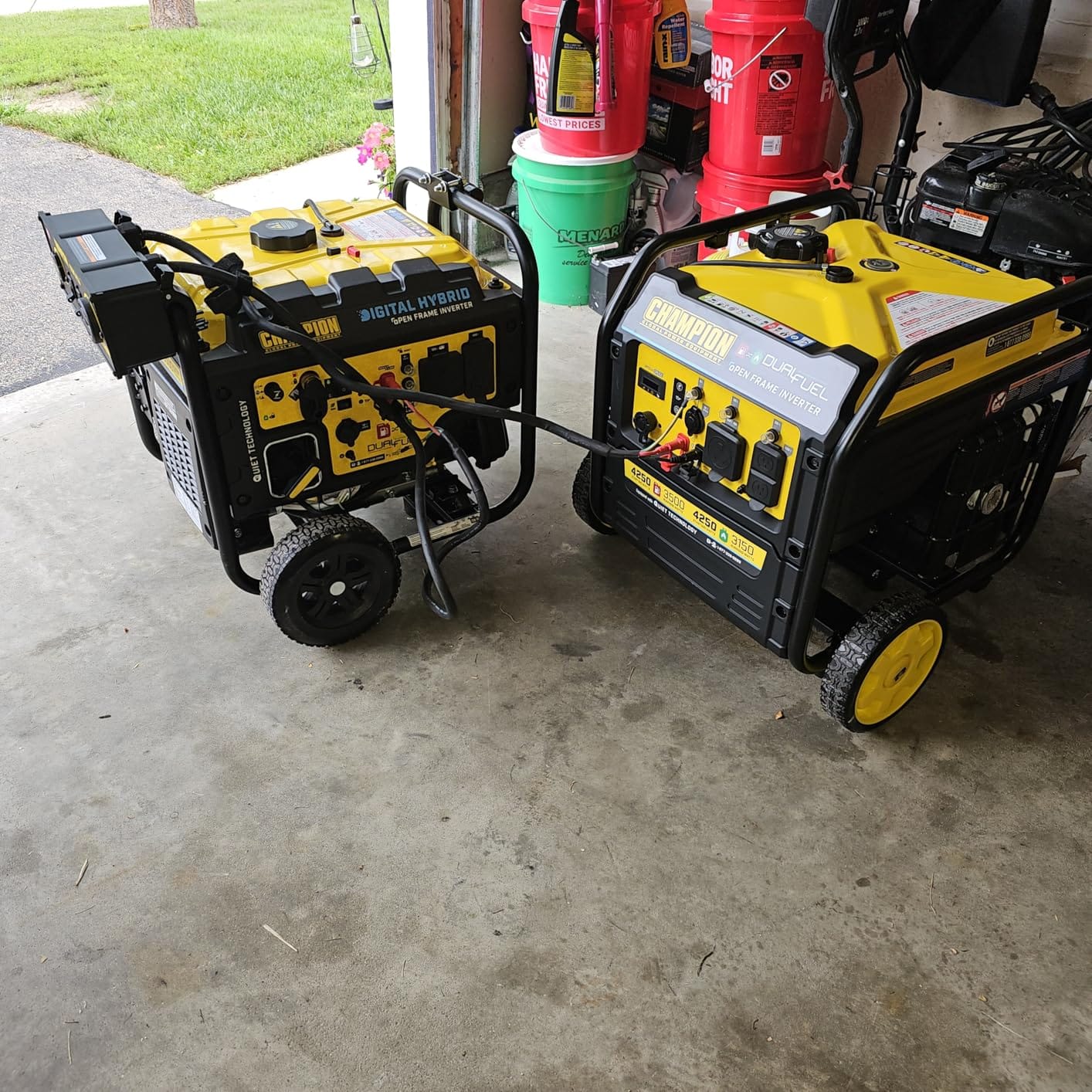
It is CARB compliant, so it is legal to operate in California, and it carries a 120V 30A RV outlet alongside two 120V 20A household outlets and a 12V DC port with a USB adapter. Economy mode handles lighter loads without dragging the engine down.
The trade is size and handling. At 79 pounds and 27.9 inches long, it is a two-person move and it eats garage space. Enclosed suitcase inverters are smaller and quieter simply because the enclosure damps the exhaust and vibration.
Is 3500 Running Watts Enough for a Medium Home?
For a 1500 to 2000 square foot house on essentials plus a window unit, yes. The 3500 running watt figure gives you room for a refrigerator, a freezer, lighting, a router and a sump pump simultaneously with headroom for a small window air conditioner.
It is not the answer for a central air conditioner, a well pump and a water heater all at once. That combination is a 5000W-plus problem.
Where This One Falls Short
The open frame means more sound and more vibration than an enclosed inverter at the same output, and 64 dBA is quoted without a stated distance or load. Treat it as a moderate figure, not a quiet-operation claim.
Being an older platform also means fewer owner reports circulating than the newer models. That cuts both ways, since there is less noise about problems and also less evidence of long-term reliability.
4. Champion 4500-Watt Electric Start Dual Fuel Inverter Generator: Best When Starting in the Dark
Champion 4500-Watt Electric Start Dual Fuel Portable Inverter Generator
4500W start / 3500W run on gas
3150W run on propane
61 dBA
99.2 lbs
+ The Good
- Electric start removes pull-start effort during an outage
- Very quiet at 61 dBA in owner reports
- Up to 14 hours on gasoline covers a full night
- Intelligauge power meter tracks voltage and running hours
- One long-term owner reports years of daily commercial use
- The Bad
- Heavy at 99.2 lbs and needs two people to load
- CO sensor can trip in partly enclosed setups
- Parallel kit sold separately
- Oil is not included with the kit
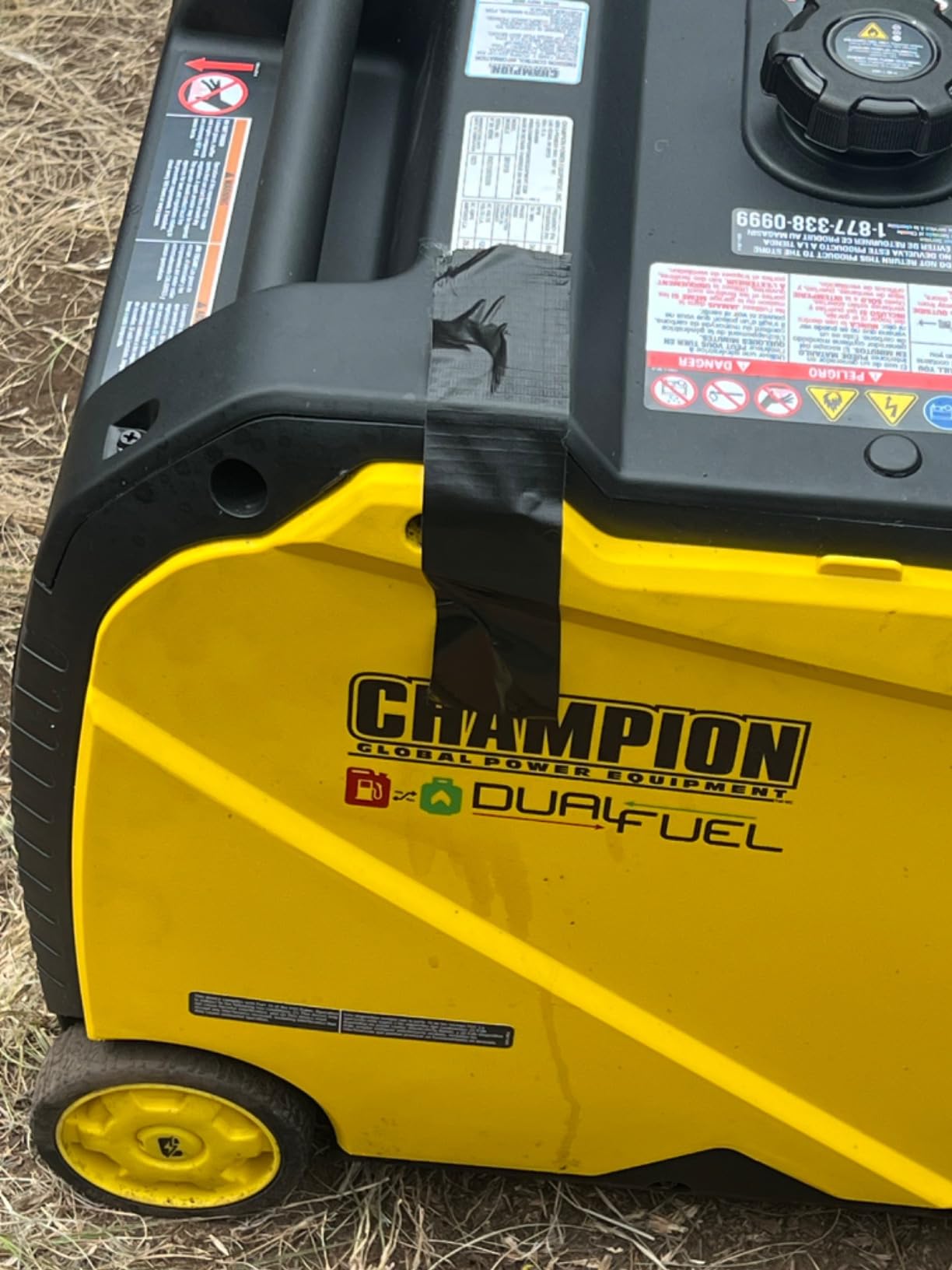
The electric start is the reason this model earns a place on a home backup list. During an outage you are often operating a panel in a dark garage with one hand on a flashlight, and a key or button start removes the single most irritating moment of portable power.
On the numbers it is solid: 4500 starting and 3500 running watts on gasoline, dropping to 3150 running watts on propane, with a 2.25-gallon tank giving up to 14 hours on gas and 21 hours on propane. The Intelligauge meter reporting voltage, frequency and accumulated hours is a small feature that pays off during a long event, because you can see whether your load is sagging the output.
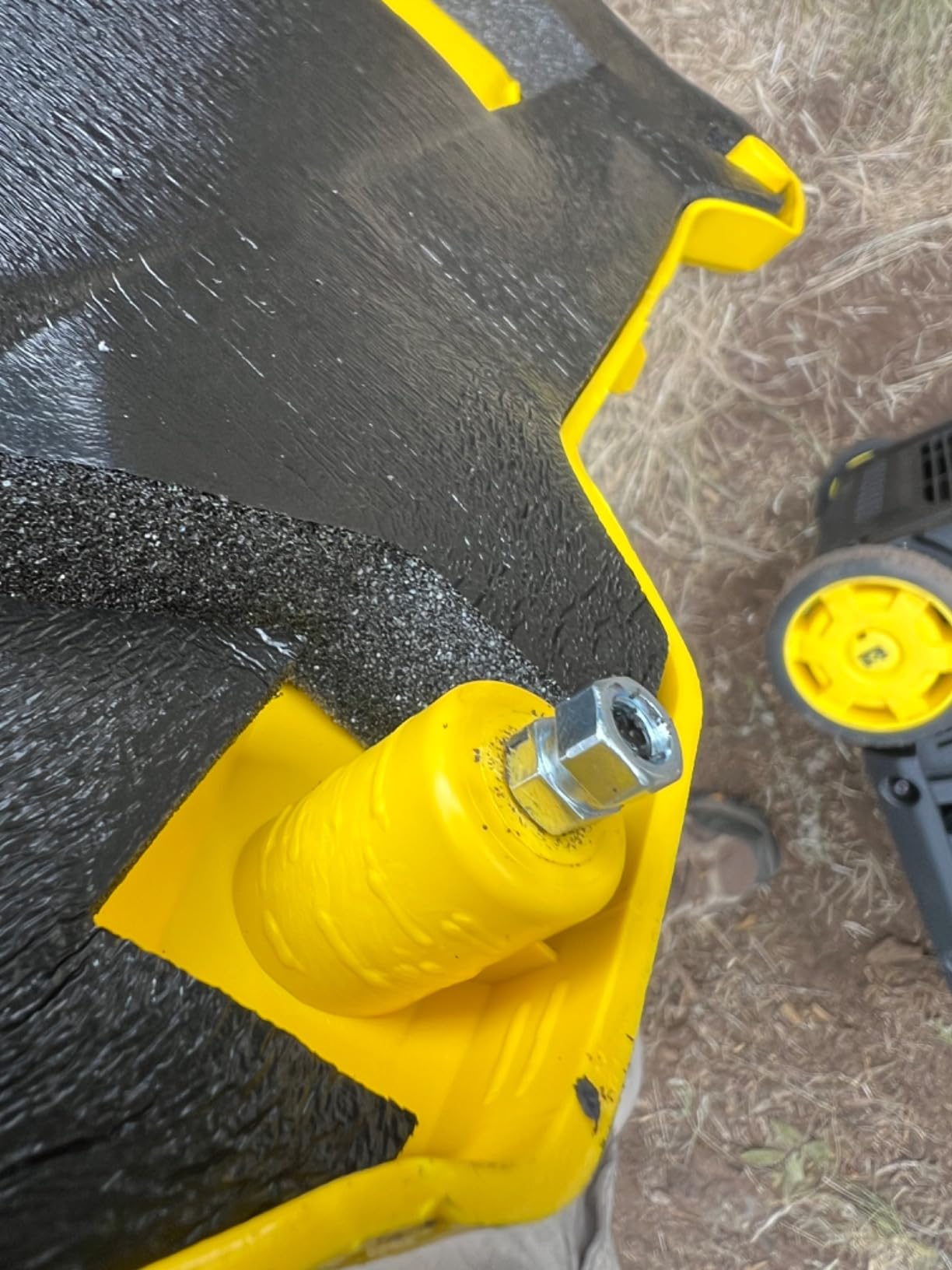
Owners describe it as quieter than competing units at 61 dBA, and several mention running RV rooftop air conditioners on it without trouble. One food-truck operator reports running multiple generators of this platform daily for years, and that is the most convincing long-term durability report we found.
The CO Shield system shuts the engine down when carbon monoxide rises. That is a feature, but it also means placement matters more than with some competitors, since a tailgate-up truck bed or a sheltered porch can read as partly enclosed.
Does 3150 Propane Watts Cover a Refrigerator and Central AC?
Just about, and only if you are disciplined about the load list. A three-quarter central AC load near 2500 watts plus a refrigerator near 150 watts puts you right at the propane ceiling.
On gasoline, 3500 running watts gives you proper breathing room for that combination. Choose your fuel deliberately rather than assuming the gasoline figure applies to both.
Where This One Falls Short
At 99.2 pounds this is not a one-person lift. Plan where it will live before it arrives, because hauling it out of a storage shed in bad weather is harder than the spec sheet suggests.
Engine oil is not included, and the parallel kit remains a separate purchase if you later want to pair two machines.
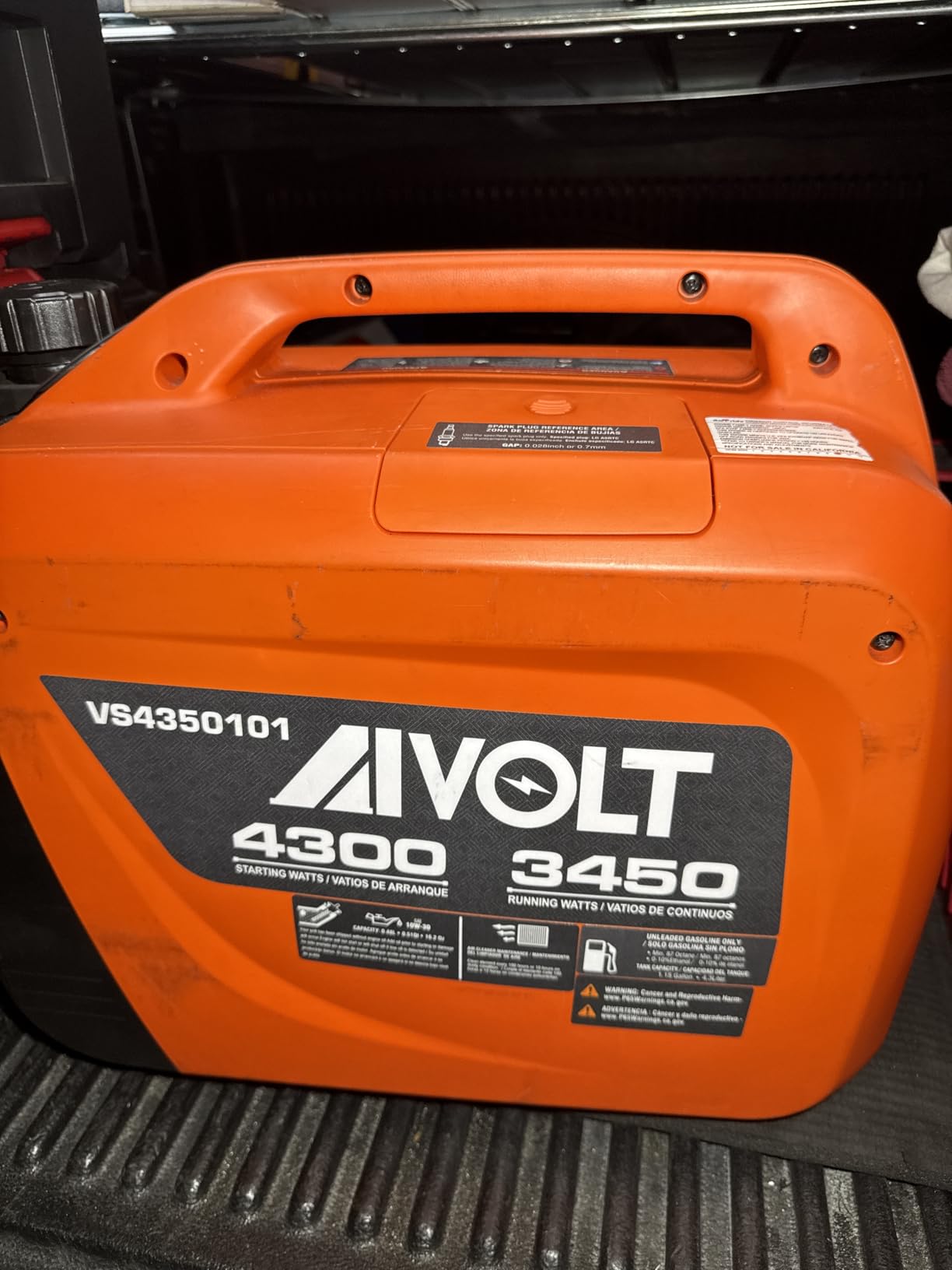
5. AIVOLT 4300W Dual Fuel Inverter Generator: Compact, Remote Start, Longest Propane Run
AIVOLT 4300W Dual Fuel Inverter Generator 53dB Quiet for RV Camp Home
4300W start / 3300W run
53 dBA
34 hours on propane
64 lbs with wheels and handle
+ The Good
- Well under 100 lbs at 64 with wheels and a telescoping handle
- 34-hour propane runtime at 25% load
- Remote key fob start from inside the house
- Clean sine wave output for sensitive electronics
- Responsive customer service that replaced a defective unit
- The Bad
- Lowest average rating in the lineup at 4.0 stars with 14% one-star reviews
- Some owners report output short of the advertised rating
- Minority of reviews describe carburetor leaks and restart failures
- Engine oil not included
At 64 pounds with built-in wheels and a telescoping handle, this is the model we were most willing to drag across a driveway in the rain. For anyone who does not want a permanently installed machine, that physical convenience can outweigh the rating gap.
It posts the longest propane runtime in this group at 34 hours on a 20-pound cylinder at 25% load, alongside 11.5 hours on gasoline. The remote key fob start lets you fire it up from inside the house before you walk out into the weather.
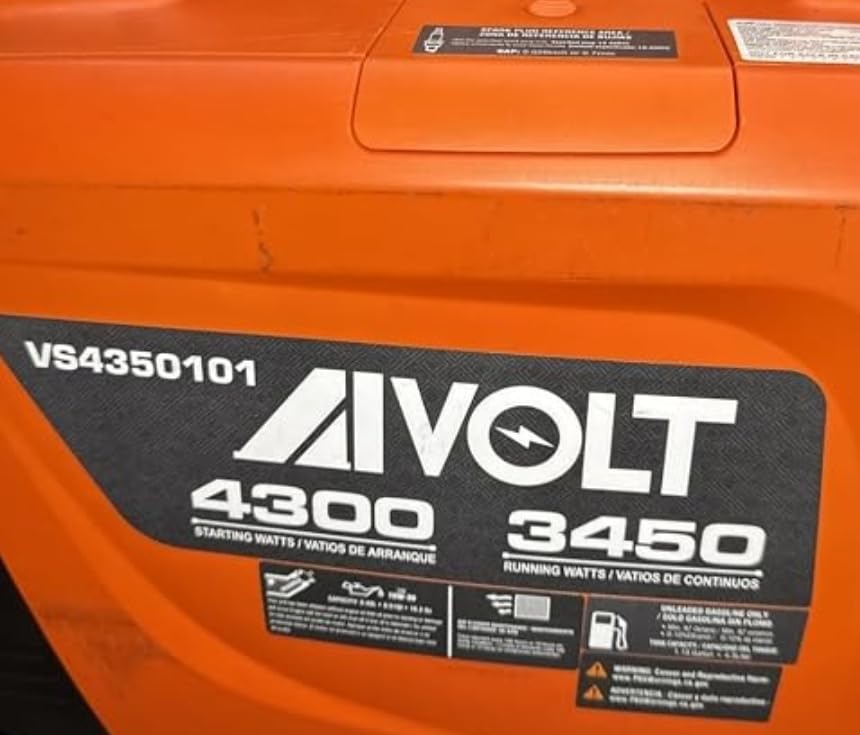
We want to be straight about the weakness, because it is real. This is the lowest-rated model we included at 4.0 stars, and the listing pools several AIVOLT variants, which means individual experiences vary with the size. A recurring minority describes carburetor fuel leaks and units that will not restart, and some owners report output below the advertised rating under sustained load.
Owners also report that the sound level rises measurably above the quoted 53 dBA once it is carrying a real load, which is exactly the gap we flag in our methodology.
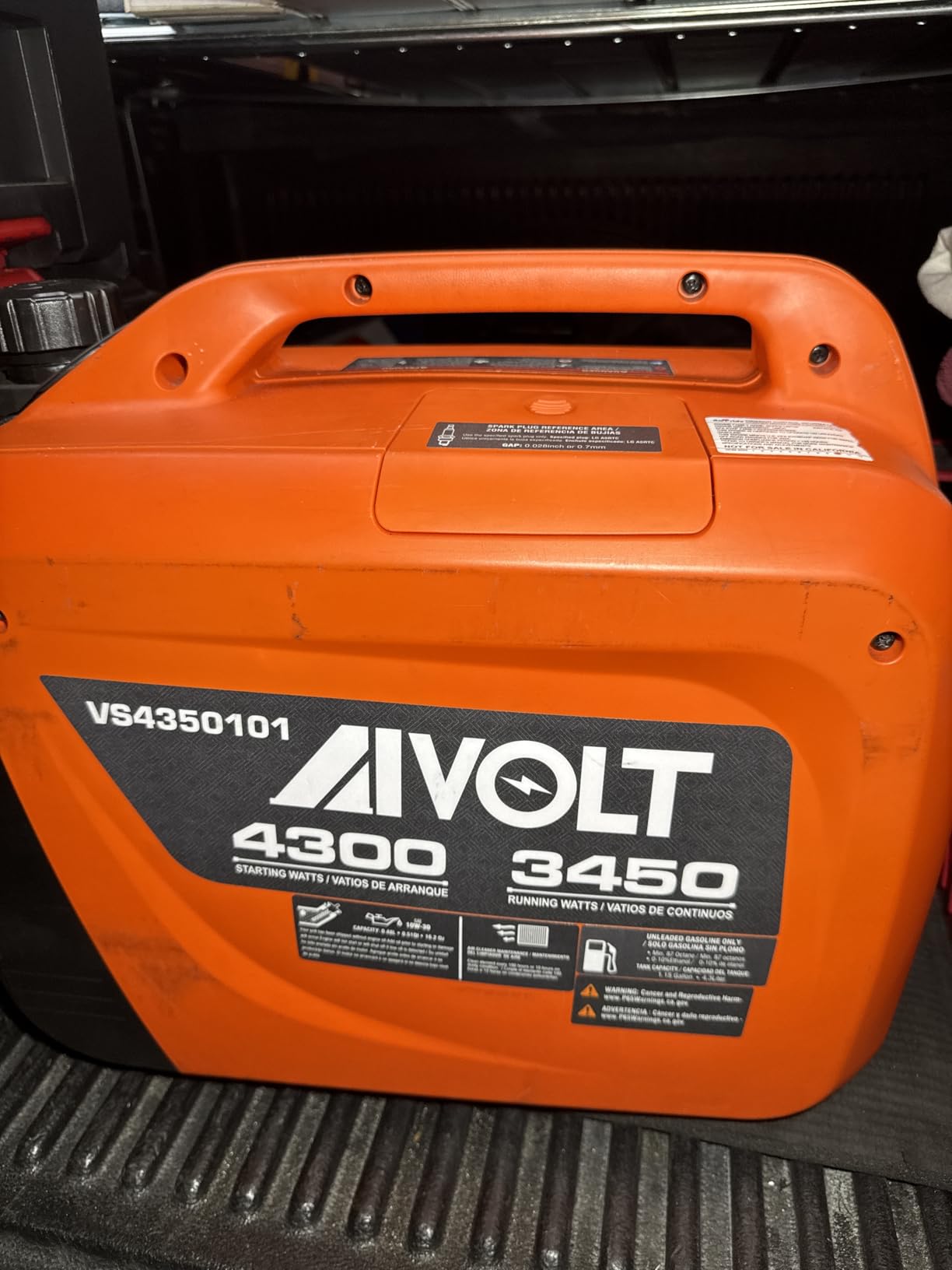
Is 3300 Running Watts Enough for Essential Circuits?
Yes, comfortably. Refrigerator, freezer, lighting, internet and a sump pump sit well under 3300 watts, and owners run rooftop air conditioners on this class of unit overnight.
The dedicated 30A outlet for air conditioners and microwaves is a sensible addition, since those are the two loads that most often trip a shared 20A circuit.
Where This One Falls Short
The 4.0 star average and 14% share of one-star reviews tell you the early units had more rough edges than the established brands in this list. That does not disqualify it, but it should inform how you handle a warranty claim.
If your household depends on a generator for medical equipment or a well pump, the reliability spread matters more here than the runtime headline.
6. AIVOLT 11250W Dual Fuel Inverter Generator: The Only True Whole-Home Pick
AIVOLT 11250W Dual Fuel Inverter Generator 50A for Home Backup
11250W start / 9000W run on gas
8540W run on propane
50A outlet with ATS
19 hours on 7.1 gallons
+ The Good
- 9000 running watts on gas covers a clothes dryer and computers together
- 50A outlet plus ATS connection to a home panel
- Up to 19 hours on a single 7.1-gallon fill
- Remote fob start up to 80 feet keeps you indoors
- 100% copper windings with a display tracking hours and load
- The Bad
- Very heavy at 221 lbs so it is effectively stationary
- Neutral is bonded to the frame and must be unbonded for whole-home install
- 12V battery charging output is weak
- Engine oil not included
- 4.1 rating with some reports of fuel delivery faults
This is the only model in the lineup built for a home panel rather than a cord. The 11250 starting and 9000 running watts on gasoline, dropping to 10570 starting and 8540 running on propane, put it in a different class from everything else on this list.
One owner reports running a clothes dryer, computers, television and lights at more than 7000 watts simultaneously, and handling eco mode at around 5000W without bogging down. The 50A heavy-duty outlet with automatic transfer switch compatibility is the spec that makes a manual-start-free installation possible, and the 459cc four-stroke engine has the displacement to back up the claim.
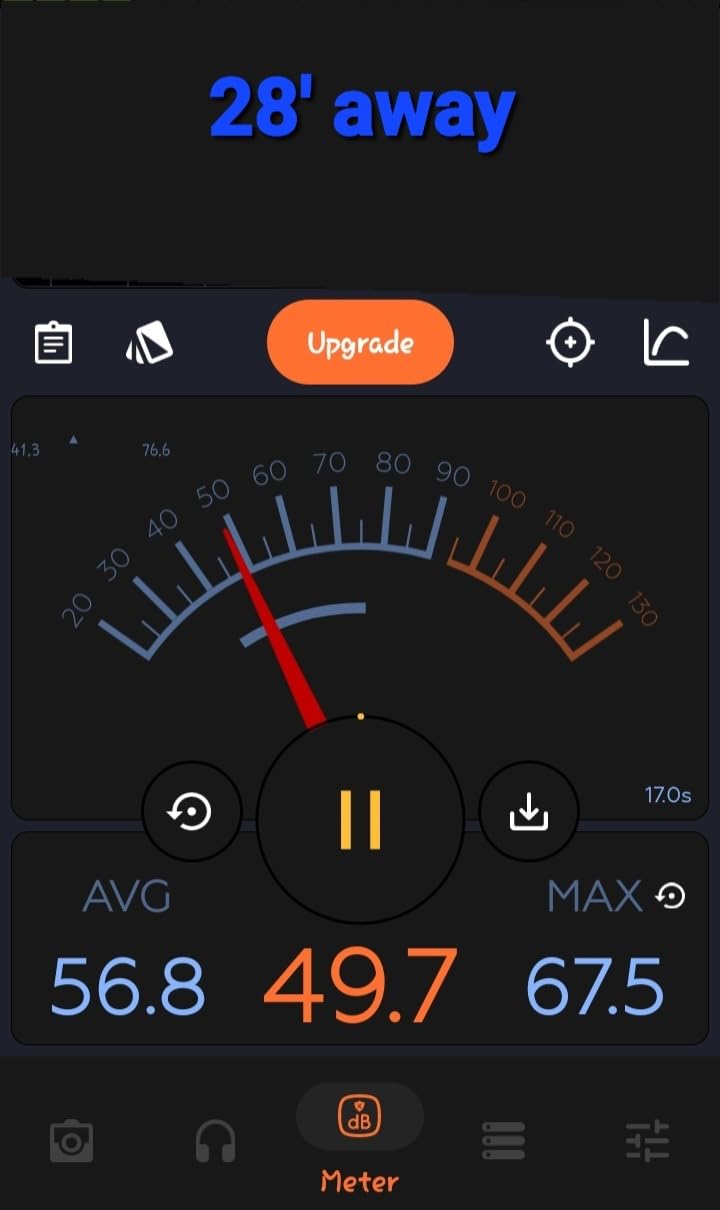
Sound is quoted as 60 dBA at 23 feet at 25% load, one of the few figures here with both the distance and the load stated. For a machine this size that is a respectable number, and long-term owners describe it as quiet in normal use.
The 7.1-gallon tank gives up to 19 hours on a fill, and the display tracks running hours, total hours, voltage and load. EPA and CARB compliance both check out for use across the US.
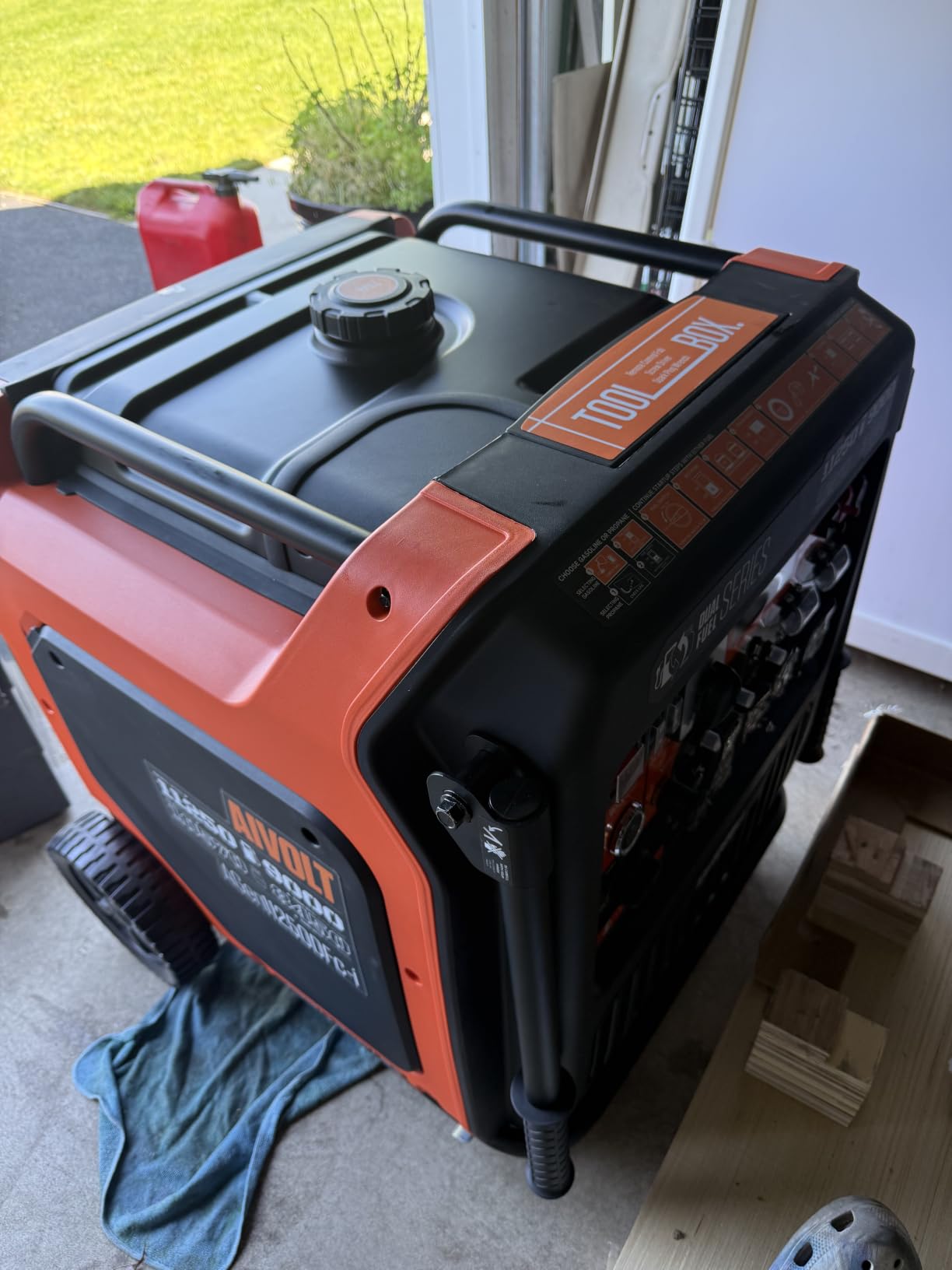
What Does Whole-Home Integration Actually Require?
A 50A outlet plus an automatic transfer switch is the clean path, and this unit supports it. A licensed electrician is still the right call, because the neutral is bonded to the frame and has to be unbonded before the unit is tied into a home panel.
That bonded-neutral detail is the one homeowners most often miss. It appears in long-term owner reports as the recurring technical caveat, and skipping it is how you create a wiring problem rather than solve one.
Where This One Falls Short
At 221 pounds this is a stationary machine. There is no scenario where one person moves it alone, so plan a pad, a path and a fuel line before delivery.
The 4.1 rating with 12% one-star reviews and reports of fuel delivery faults is worth weighing, as is the weak 12V battery charging output. For essential loads only, a mid-range unit is the smarter spend.
7. WEN DF451i Super Quiet 4500-Watt Dual Fuel Inverter Generator: Quiet Running With the Load and Distance Stated
WEN DF451i Super Quiet 4500-Watt Electric Start Dual Fuel RV-Ready Portable Inverter Generator with Fuel Shut-Off
3500W rated on gas
3150W rated on propane
58 dBA at quarter load at 22 feet
100 lbs
+ The Good
- 58 dBA at quarter load at 22 feet
- with load and distance both stated
- Auto Fuel Selection switches to gasoline for longer runs
- One owner logged 65 hours of continuous RV use
- Starts RV rooftop air conditioners on Eco Mode at half load
- Keyless electric start with fuel shut-off for maintenance
- The Bad
- Heavy at 100 lbs and awkward to load alone
- Oil fill sits low on one side and is hard to reach
- Some owners report a red light with no output until the unit is cycled
- Instructions for the battery hookup are inaccurate
- Rubber stabilizers catch on grass
The DF451i publishes 58 dBA at quarter load at 22 feet, one of just two models here whose noise figure names both the load and the distance. Owners who came to WEN skeptical, including several who compared it directly against Honda-class premium inverters, report that it holds up.
The 212cc EPA III and CARB compliant engine runs one of the cleanest outputs in this class, with Auto Fuel Selection Technology that switches from propane to gasoline to stretch the run. One owner logged 65 hours of continuous RV use on this platform, and another reports starting an RV rooftop air conditioner on Eco Mode at roughly half load.
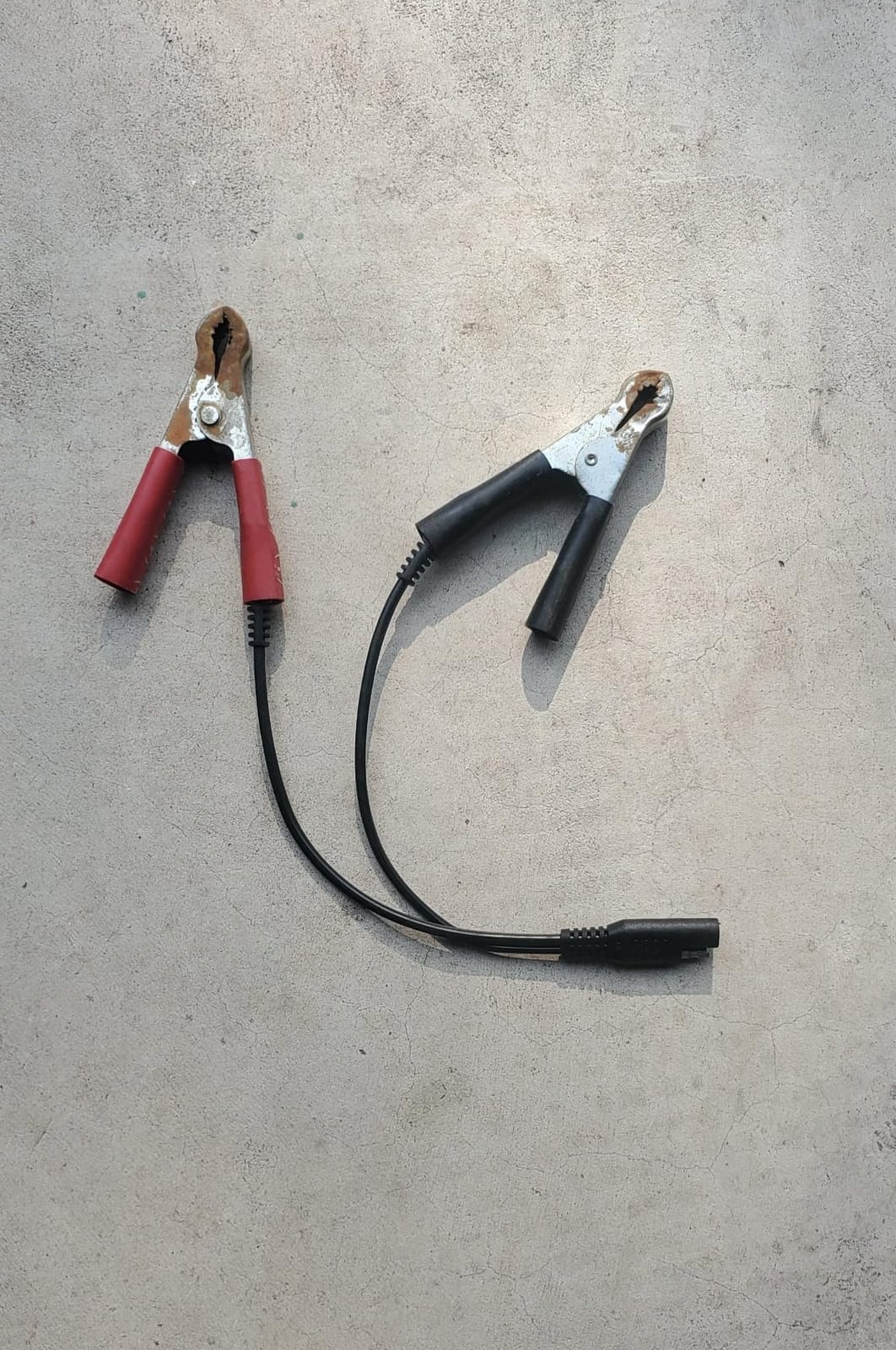
Port set covers two 120V three-prong outlets, a NEMA TT-30R RV connection, a 12V DC outlet and a 5V USB port, with onboard wheels, a carrying handle and a digital load and fuel display. The fuel shut-off simplifies maintenance, and the built-in oil drain makes changes cleaner than most competing frames.
It is also one of the few CARB-compliant dual fuel machines in this power class, which matters if your household is in California.
Will It Run a Refrigerator, Freezer and Router Quietly Overnight?
That load lands around 400 to 600 running watts, which is a light quarter load. This is the model to pick if a sleeping household, a neighbour or an HOA noise rule is the constraint rather than total wattage.
For comparison, 3500 rated watts on gasoline and 3150 on propane still leaves room for a sump pump or a small window unit alongside the essentials.
Where This One Falls Short
At 100 pounds it needs two people to load, and the oil fill port sits low on one side where a full jug is awkward. Both are real setup frictions rather than dealbreakers.
A few owners report a red indicator with no output on first power-up until the unit is cycled, plus occasional fuel-switching and display faults requiring a reset. The out-of-box battery hookup instructions are also reportedly inaccurate.
8. Generac 5200-Watt Dual-Fuel Portable Inverter Generator: Best Service Network Backing
Generac 5,200 Watt Dual-Fuel Portable Inverter Generator, Outdoor Use
5200W start / 3900W run on gas
3500W run on propane
under 3% THD
107 lbs with never-flat wheels
+ The Good
- Recognized brand with a large US service network
- 5200 starting watts is the highest in the portable class
- Owners rate it extremely quiet even under load
- Electric start also pull-starts reliably on the first pull
- Parallel ready for up to 7800 running watts with the optional kit
- Easy one-person transport reported by an older owner
- The Bad
- Smallest review base in the group at 93 ratings
- One owner reports a fuel leak tied to a recall that support would not honor
- COsense sensor requires care with placement
- Parallel kit sold separately
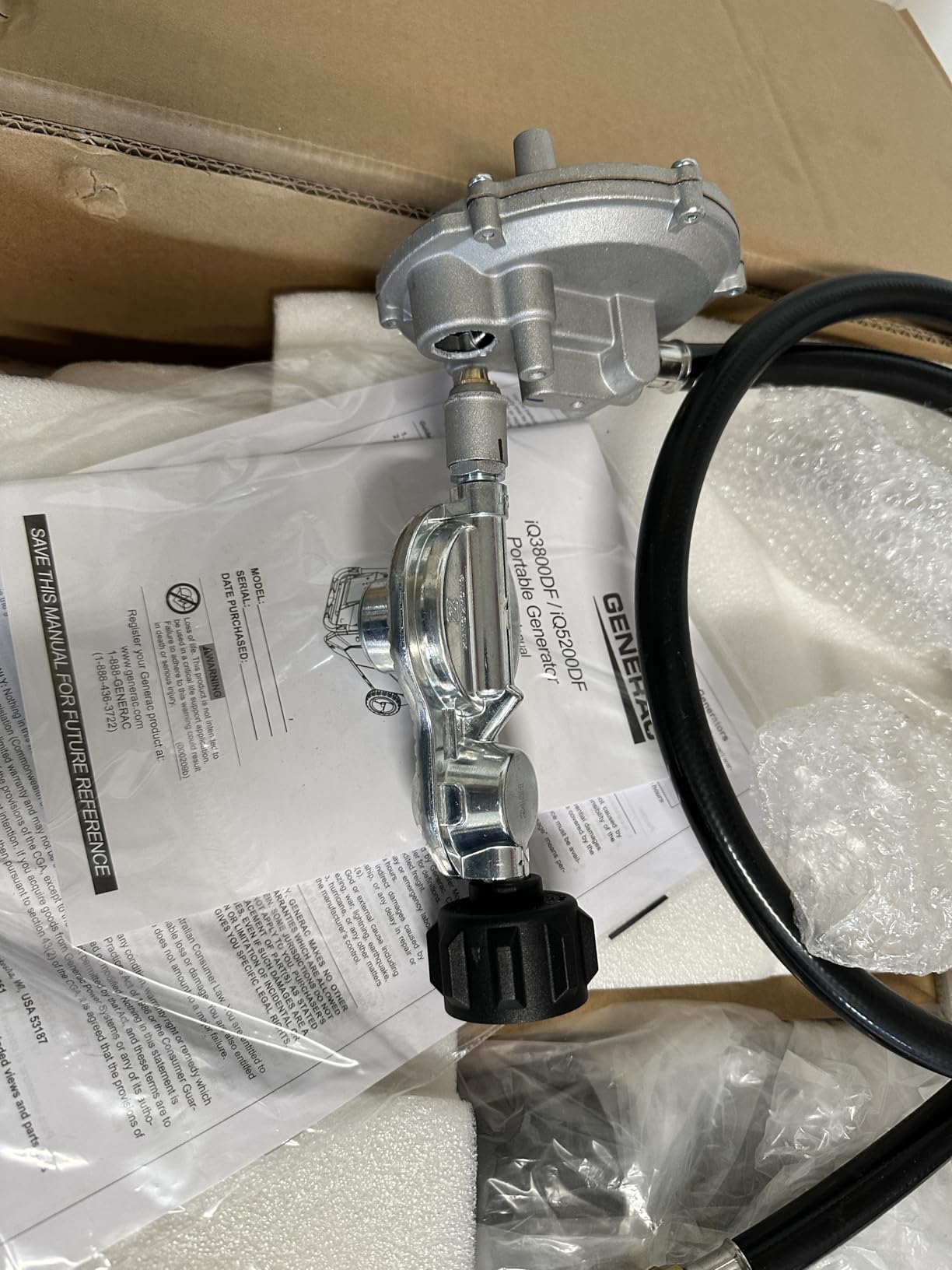
Generac is the name on the box that a service technician recognises, and for a machine you may run twice a year and then need parts for, that has value. The iQ5200 DF pairs 5200 starting and 3900 running watts on gasoline with 4700 starting and 3500 running on propane, all under 3% total harmonic distortion.
Owners describe it as extremely quiet even under load, with several comparing it favourably against Honda-class units. Push-button electric start is backed by a 12V battery and a recoil starter that pulls reliably on the first attempt, and the 107-pound weight is manageable with the folding handle and never-flat wheels. One 57-year-old owner reports transporting it into a pickup alone.
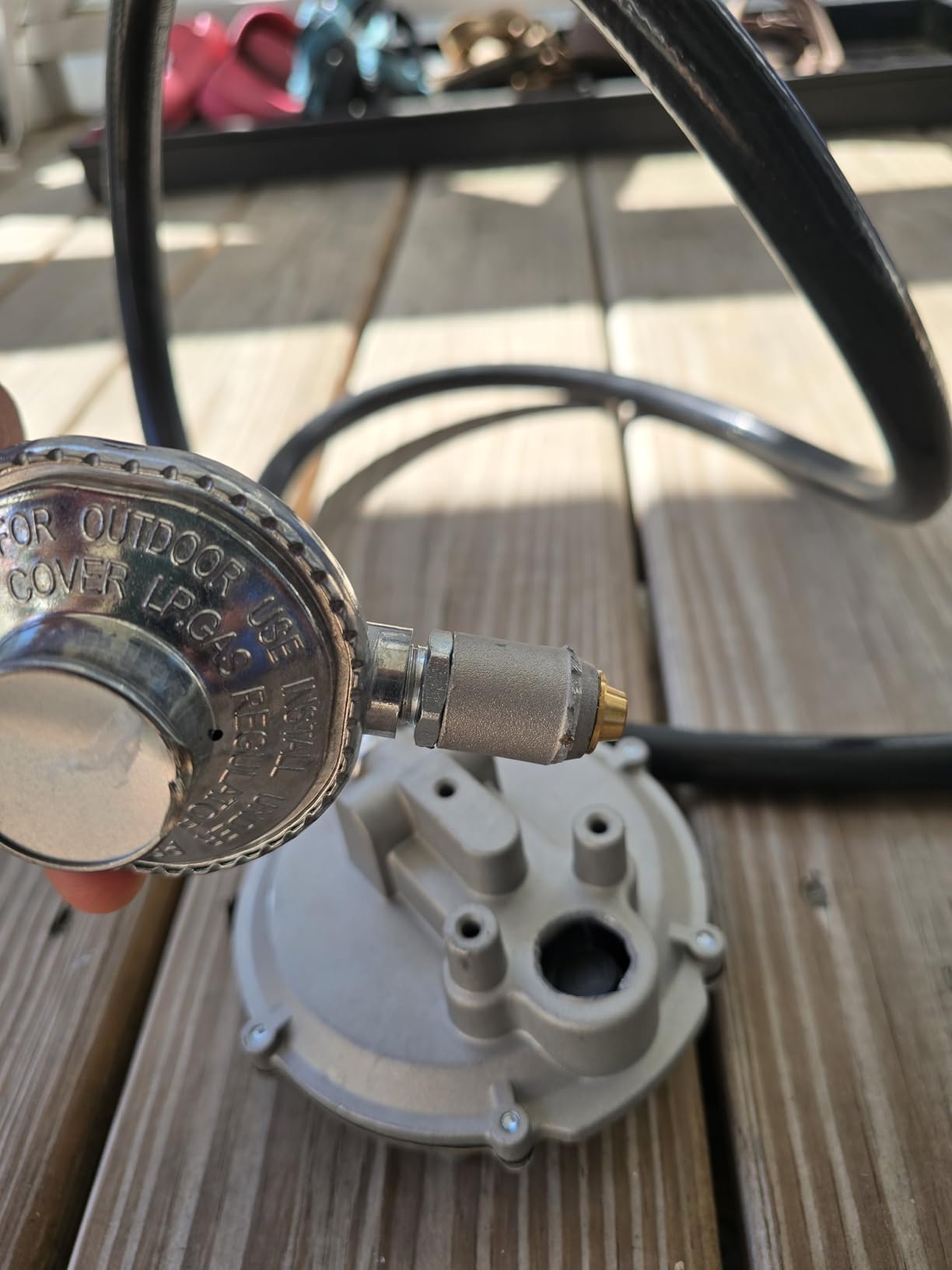
Economy Mode stretches the tank to up to 15 hours on gasoline at 25% load, with 9 hours on gas or 11 on propane at 50% load. Outlets cover a 120V 30A L5-30R, two 120V 20A GFCI receptacles, USB-A and USB-C, with an LED output and fuel display.
The warranty is 3-year residential and 2-year commercial, which is the strongest residential term in this lineup alongside the Champion and WEN models.
Does 3900 Running Watts Cover Most of a House?
For a typical home on a priority circuit list, yes. Refrigerator, freezer, lighting, router, a sump pump and a well pump fall inside 3900 watts with room to spare, and that is the load most people actually run.
Adding a central air conditioner is where you start watching the propane figure of 3500 running watts closely, and where a larger unit or a soft-start kit becomes worth the extra money.
Where This One Falls Short
At 93 ratings, this has the thinnest review base in the group. That means less long-term reliability data than the 1109-review PowerSmart or the 679-review Champion, and we weight that heavily in a machine bought for rare emergencies.
One owner reports a fuel leak matching a known recall that support would not honour, along with repeated runaround across multiple warranty providers. A COsense shutdown is also sensitive to placement, and the parallel kit is extra.
How Big a Dual Fuel Inverter Generator Do You Need?
Start with a load list, not a square footage number. Write down what you will actually run, look up each item’s running watts, add them, then add 30% headroom. Headroom is not optional for motors, because refrigerators, sump pumps and air conditioners draw a surge of roughly three times their running wattage at startup.
Here are the running figures most households care about, plus the surge demand a motor pulls at startup. You need a generator that can absorb both.
Refrigerator: 150 to 400 running watts. Chest freezer: 100 to 400. Wi-Fi router and modem: 15 to 25. LED lighting circuit: 60 to 100. Sump pump 1/3 HP: 800 running. Sump pump 1/2 HP: 1,100 running. Well pump 1/2 HP: roughly 1,000 running. Central air conditioner 3 ton: 2,400 to 3,000 running. Window air conditioner: 700 to 1,200. Electric water heater: 3,000. Microwave: 1,200 to 1,500. CPAP machine: 40 to 60. Home office with a desktop computer: 400 to 600.
For a 2000 square foot house, the forum consensus and our own math land in the same place: a 4000W to 5000W class inverter is plenty for essential circuits, a sump pump and one window unit. Central air pushes you toward 7000 running watts or more.
Propane Derating Is the Number Nobody Warns You About
Propane burns cleaner and more completely, but it produces less usable power from the same engine. Across the models here the derate runs from about 6% on the PowerSmart, which lists 3300 running watts on gasoline and 3100 on propane, to 10% on the Champion 4000 at 3000 down to 2700.
The AIVOLT 11250W derates by about 5%, from 9000 running watts on gasoline to 8540 on propane. Always plan with the propane number, because that is the fuel you will have when the gas stations are the first thing to shut down.
Altitude works the other way. Air is thinner at elevation, so expect roughly a 10% output loss for every 1000 feet above sea level. A household in a mountain valley should size up accordingly rather than discovering the shortfall mid-outage.
What to Run First When the Lights Come Back
Load shedding in the right order prevents nuisance shutdowns. Start with the refrigerator and freezer, then the Wi-Fi router, then lighting, then a sump pump if you have one, then heating or cooling, then everything else.
Do not start a central air conditioner and a water heater in the same second on a mid-size unit. Stagger large motor loads by at least 30 seconds, or fit a soft-start kit to the air conditioner if your model supports it.
For a fuller sizing reference beyond this list, our tri fuel generator guide covers natural gas models if your outage is likely to run for many days and you already have a gas line.
Connecting a Dual Fuel Inverter Generator to Your Home
This is where most portable generator mistakes happen, and where the difference between a safe setup and a dangerous one is a licensed electrician rather than a YouTube video. There are three connection methods, and only two of them are good ideas.
Extension cords. Safe for a single appliance on a short, heavy-gauge cord, and safe for nothing else. Household backfill cords are undersized for a 4000W inverter, and daisy-chaining them is how generators burn down garages. If this is your only method, limit the load to one or two items and never run a space heater, a dehumidifier or a freezer on a backfill cord.
Manual transfer switch. The right choice for most homeowners. The switch is installed beside your main panel by a licensed electrician, and you throw a lever at the panel to isolate the mains before starting the generator. The permit and the inspection are normal and expected.
Interlock kit. A cheaper alternative that physically prevents the main breaker and the generator breaker from being closed at the same time. It is legal when installed to code with a permit, and the electrician still does the work. Never attempt back-feeding the panel directly, because the utility and your insurer are right to treat it as a serious liability.
Match the amperage to the unit. A 30A connection suits a 5000W to 7000W range, while a 50A connection is what the larger machines, including the AIVOLT 11250W here, are built around. A 50A outlet paired with a 30A breaker is a mismatch, so let the electrician size the whole path.
If you rent, or your panel is in a location you cannot legally modify, a transfer switch is not available to you. In that case a battery system is the realistic path, and our guides to the best battery backup generators and home battery backup systems cover that route properly. Battery systems handle the fridge, lighting, internet and medical equipment well, but they do not heat a house.
Fuel Choice, Noise, Safety and Preparedness
Gasoline versus propane. Gasoline gives you the full rated output and refuels quickly, but it degrades in storage, gums up carburetors after a few months, and it is the first thing to run out during a long outage. Propane stores indefinitely, keeps the engine clean and sits in your garage for years waiting. The cost per runtime hour runs in gasoline’s favour, though the gap is narrower than most people expect. The practical answer is to keep both: gasoline for the first night, propane for everything after.
Why the quietest generator is usually the smallest one. Sound comes from the exhaust and from cylinder firing, and both scale with engine size and load. The 58 dBA WEN has a 212cc engine; the AIVOLT 11250W with a 459cc engine is quoted at 60 dBA at 23 feet at only 25% load. Always check the load and the distance in the published figure, and expect a jump of several decibels at full output.
Carbon monoxide. Every generator here has a CO sensor that shuts the engine down, but the sensor is a backup, not a permission slip. Run the unit outdoors at least 20 feet from the house, with the exhaust pointed away from doors, windows and vents. Never run it in a garage, even with the door open, and never in a basement or enclosed porch. Keep working CO detectors on every level and test them monthly.
The 20/20/20 rule of preparedness. Keep 20 pounds of fuel in reserve, 20 dollars of contingency cash, and 20 minutes of readiness each month. For fuel that means storing spare 20-pound propane cylinders and a gasoline can with stabilizer, rotating them so neither sits untouched for a year. The 20 minutes is for starting the generator in the dark, so plan where it lives, how you move it, and which extension cords or transfer switch path you will use before the outage rather than during it.
Maintenance. Check the oil level monthly and change the oil every 50 to 100 hours or once a season, whichever comes first. Replace the air filter annually, and run the unit dry to a quarter load every few weeks so the carburetor and the generator head stay in working order. Add fuel stabilizer to any gasoline you will keep longer than a month.
Who should not buy dual fuel at all. If you only need to keep a refrigerator, some lights and internet alive through a four-hour outage, a battery power station will be quieter, cleaner and cheaper to own. Dual fuel earns its complexity when you need multi-day runtime, motor-heavy loads, or the option to burn a fuel that will not spoil in your garage.
Frequently Asked Questions
What is the best dual fuel inverter generator for home backup?
For most households the PowerSmart 3800W Dual Fuel Inverter Generator is the best balance, offering 3300 running watts on gasoline and 3100 on propane at 59 dBA. Higher-output households should consider the AIVOLT 11250W with its 9000 running watts and 50A outlet for whole-home panel integration.
How much power do I lose running a generator on propane?
Expect roughly a 5% to 10% reduction. The models here rate 3000 watts on gasoline and 2700 on propane, 3500 and 3150, and 3300 and 3100. Size your generator using the propane figure, since that is the fuel available when gasoline queues form.
How big of a generator do I need to run a 2000 sq ft house?
A 4000W to 5000W inverter covers essentials for a 2000 sq ft house, which is a refrigerator, freezer, lighting, router, sump pump and a window air conditioner. Add 30% headroom for motor surge, and step up to 7000 running watts or more if central air is part of the load.
What is the 20/20/20 rule for generators?
It is a preparedness habit: keep 20 pounds of spare fuel, 20 dollars of contingency cash, and 20 minutes of monthly readiness. Rotate fuel so nothing spoils, and use the 20 minutes to practise starting the generator and connecting it to your home in the dark.
Do I need a transfer switch for a portable generator?
Yes, if you want to power anything beyond one or two appliances. A manual transfer switch or a code-compliant interlock kit, installed by a licensed electrician with a permit, prevents back-feeding the utility. Plugging a generator directly into a panel is dangerous and is a liability for you and the utility.
What is the disadvantage of a dual fuel generator?
The main drawbacks are a 5% to 10% power loss when running on propane, added weight from a second fuel system and larger engine, and higher cost than a comparable gasoline-only inverter. On some models the parallel kit is also sold separately, and electric start may be missing on lighter units.
How long does a dual fuel generator run on propane?
On a standard 20 lb cylinder the models here hold out from about 21 to 34 hours at reduced load. The AIVOLT 4300W quotes 34 hours at 25% load, while the Champion 4000W quotes up to 25 hours and the WEN DF451i benefits from automatic fuel selection for longer stretches.
Final Verdict: Which Dual Fuel Inverter Generator Should You Buy in 2026?
For most households, buy the PowerSmart 3800 Watt Dual Fuel Inverter Generator. It keeps 3300 running watts on gasoline while losing the least output of the 3000W-class machines here when you switch to propane, holds noise to 59 dBA at quarter load, and ships with CO sensor, overload and low-oil shutdown as standard.
Choose the Champion 4000-Watt if you want the highest average rating in the group and a genuine RV-ready TT-30R outlet, accepting the drop to 2700 watts on propane.
Choose the Champion 4250-Watt if gasoline runtime and easy engine service matter more than size, and the Champion 4500-Watt if you refuse to pull a starter cord in the dark.
For the most portable setup with remote fob start, the AIVOLT 4300W wins on handling despite its lower 4.0 rating. For genuine whole-home capacity, the AIVOLT 11250W is the only model here with a 50A outlet and automatic transfer switch compatibility. For the quietest operation with a fully specified noise figure, the WEN DF451i at 58 dBA at 22 feet is the pick, and the Generac 5200-Watt is worth considering if service network reach matters to you.
Whichever you choose, write the propane-derated running watt figure on the side of the unit, plan the connection path with an electrician before storm season, and keep one 20-pound cylinder you never have to think about.