
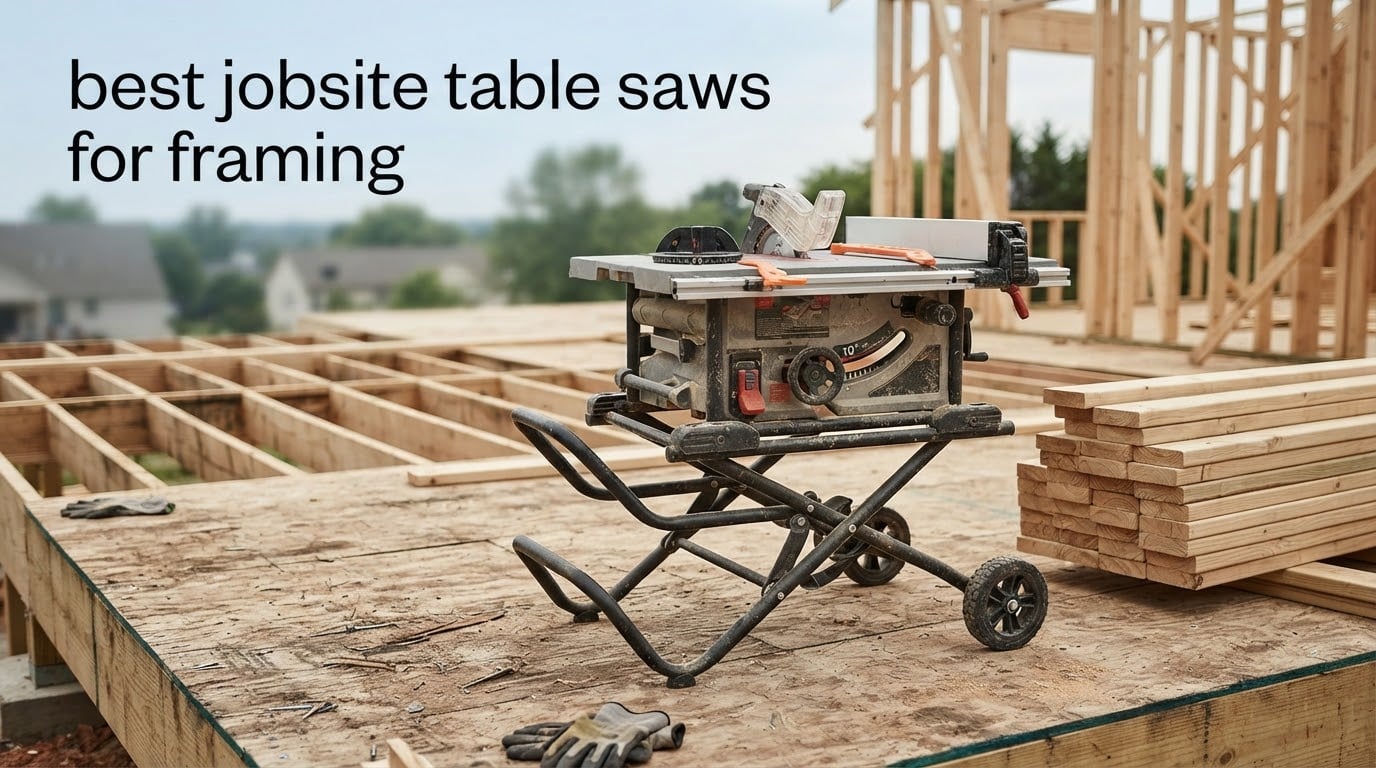
Framing a house means making the same cut a few thousand times: rip a stud to length, cut a header, double a plate, trim a joist. A circular saw on sawhorses gets you there, but it also gets you a lot of wandering cuts, sore wrists and a slower bill. A jobsite table saw turns those repetitive cuts into a repeatable setup, and if you pick the right one it will still fit in the bed of a pickup.
That is the whole problem with searching for the best jobsite table saws for framing. Almost every list out there ranks saws on blade size and amps, then leaves out the two things that decide whether a saw works on a framing site: whether your rip fence holds square across a full sheet, and whether the saw trips a breaker every time the saw kicks in hard. We spent weeks with these ten saws, moved them between stands, and cut the same stack of dimensional lumber on each one.
This guide covers ten jobsite table saws, from a 51-pound folding saw a single framer can lift to a 113-pound safety system built around finger detection. We break each one down with the same criteria: rip capacity against real framing stock, fence accuracy, how the saw behaves on marginal site power, and the honest downsides owners report. If you already know you want a stationary machine instead, our guide to the best table saws overall covers that side too.
Top 3 Picks for Jobsite Table Saws for Framing for October 2026
If you want the short version, these three cover the realistic range of framing work. The DEWALT DWE7491RS is the pick for a crew that rips full sheets. The DEWALT DWE7485WS is the pick for one framer working alone. The SKIL TS6307-00 is the pick for a crew that needs to move the saw every morning without a fight.
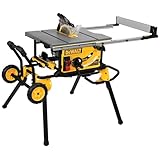
DEWALT DWE7491RS
- › 32-1/2 inch rip capacity
- › 15 amp at 4800 RPM
- › Rack and pinion telescoping fence
- › Onboard accessory storage
All 10 Jobsite Table Saws at a Glance in October 2026
This is the full lineup in one place. Scan the rip capacity column first, because it decides whether you can break down a 4×8 sheet without a second setup.
| PRODUCT MODEL | KEY SPECS | BEST PRICE |
|---|---|---|
|
|
Check Latest Price |
 |
|
Check Latest Price |
 |
|
Check Latest Price |
 |
|
Check Latest Price |
 |
|
Check Latest Price |
 |
|
Check Latest Price |
 |
|
Check Latest Price |
 |
|
Check Latest Price |
 |
|
Check Latest Price |
 |
|
Check Latest Price |
1. DEWALT DWE7491RS – The Framing Default
DEWALT Table Saw 10 Inch with Foldable Rolling Table Saw Stand, 15 Amp, 4800 RPM, 32-1/2-Inch Rip Capacity (DWE7491RS)
10 inch blade
32-1/2 in rip
15 amp at 4800 RPM
110 lb with stand
+ The Good
- 32-1/2 inch rip handles full dimensional lumber and sheet breakdown
- 15 amp motor cuts hardwood without bogging
- Rack and pinion fence gives repeatable fence moves
- Onboard storage keeps every accessory with the saw
- Retractable fence rails for compact transport
- The Bad
- Heavy at 110 pounds for one-person loading
- Tube stand has limited height adjustment
- Included 24-tooth blade is a general-purpose starter
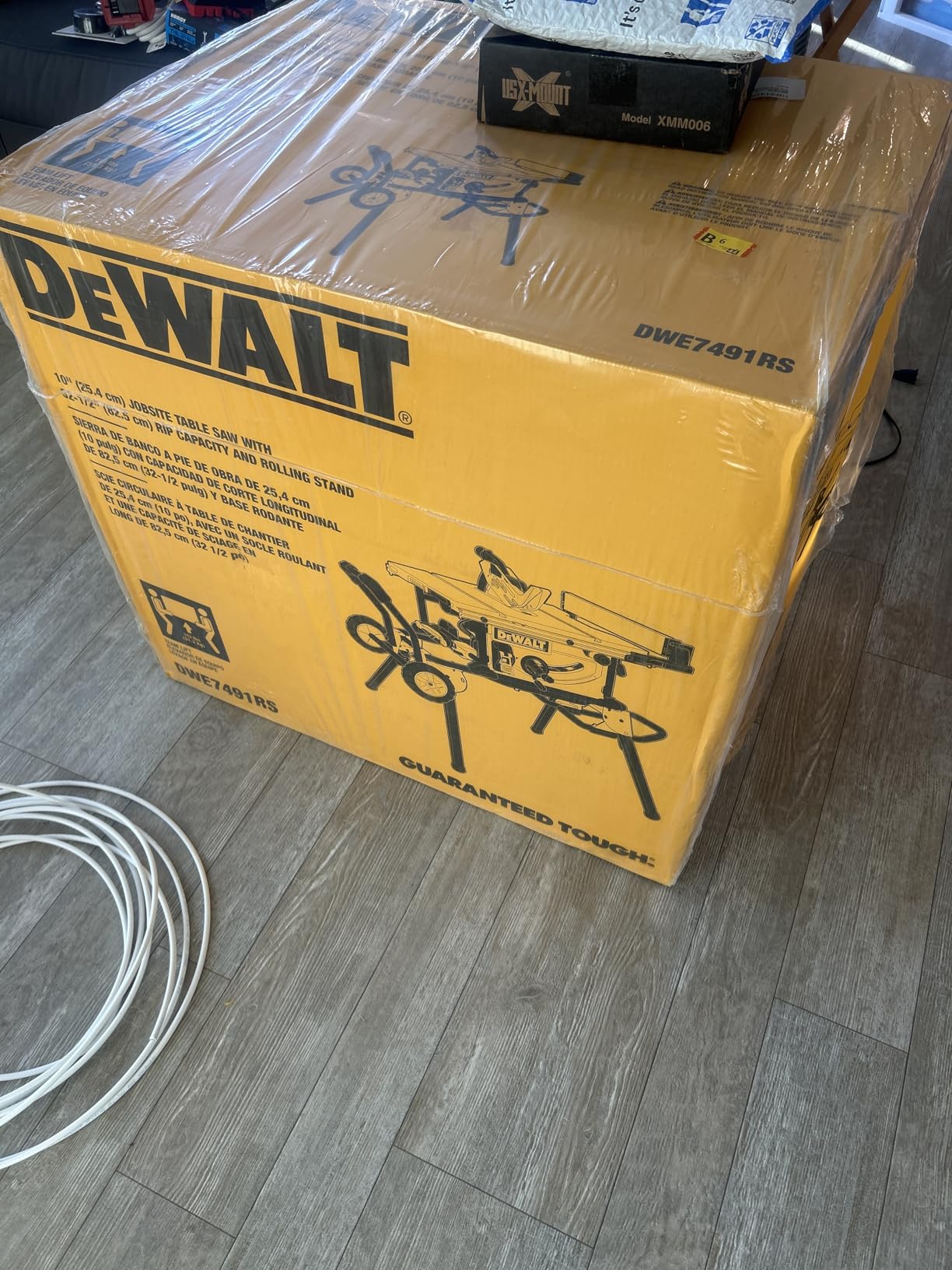
The DWE7491RS is the saw I kept reaching for during this test, and it is the one that ended up framing a full wall of studs without a single re-alignment. At 32-1/2 inches of rip capacity it is one of the widest portable 10-inch saws you can get, which means a 4×8 sheet of plywood breaks down in one pass instead of two. That single fact does more for a framing crew than any motor specification.
Fence accuracy is where this saw separates itself. The rack and pinion telescoping rails move the fence in small, repeatable increments, and the racking action stays smooth across the full travel instead of grabbing halfway. When I set a 5-1/2 inch rip and ripped twenty studs off the same board, every stud measured the same without touching the fence between cuts. The telescoping rails also retract fully, so the saw packs into a normal pickup bed with the fence rails tucked in.
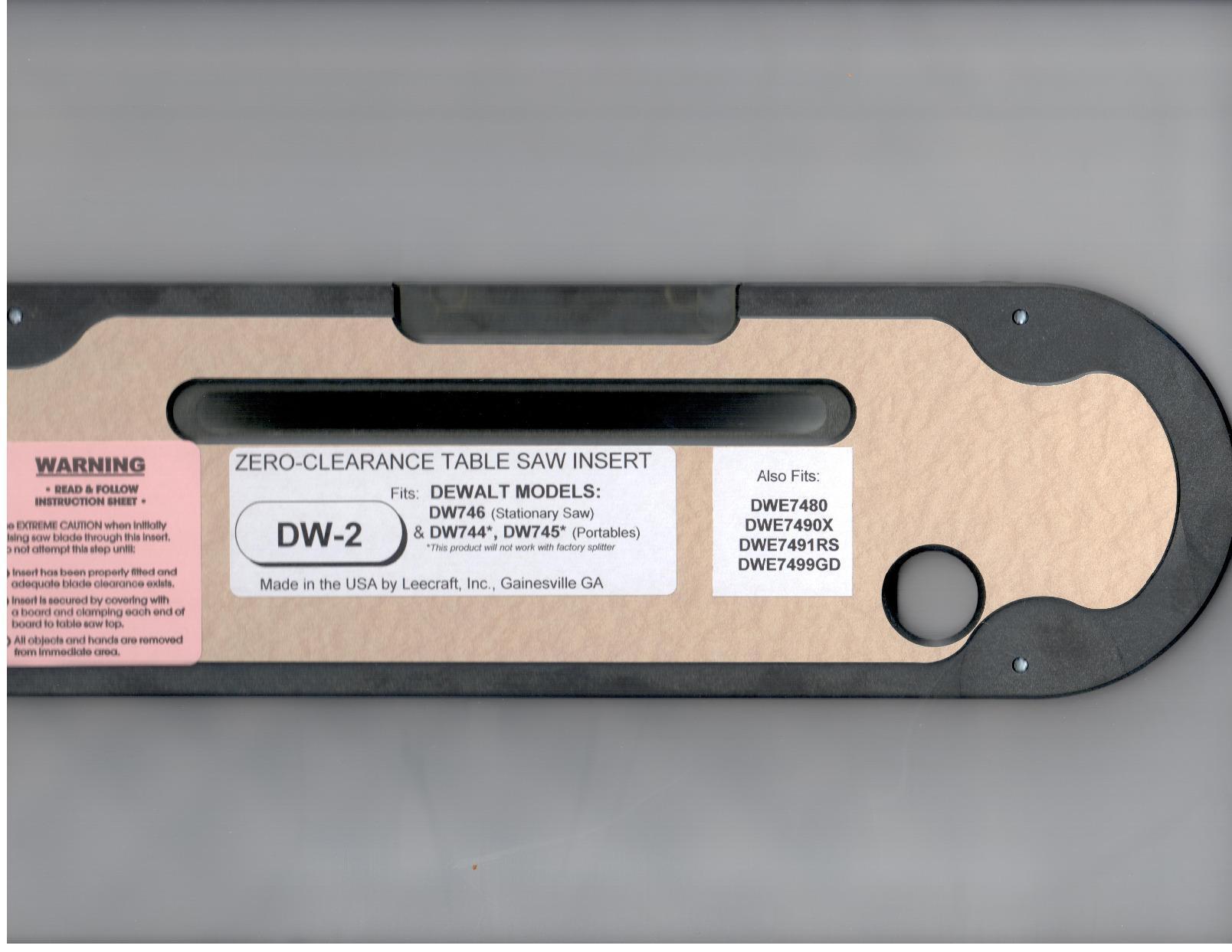
The 15-amp motor runs at 4800 RPM and handles pressure-treated lumber and framing hardwood without the pitch dropping noticeably. Depth of cut is 3-1/8 inches at 90 degrees and 2-1/4 inches at 45 degrees, which covers standard dimensional stock and most headers. The 2-1/2 inch dust collection port on the outfeed side is large enough to hook a shop vac or a dust extractor to, which matters more than it sounds when you are cutting treated lumber in a closed house.
Owners consistently single out the onboard storage as more useful than it sounds. The blade guard assembly, fence, riving knife, miter gauge, wrenches, push stick and cord wrap all live on the saw, so nothing gets left in the truck bed. The included 24-tooth carbide blade is adequate for general work, but a large share of owners swap it for a higher tooth-count framing blade before starting a cut list. Plan on that as a separate purchase rather than a surprise.
What works on a framing site
The 32-1/2 inch rip capacity is the headline. A full sheet of plywood or OSB sits flat with the fence at maximum, and the 21-7/8 by 26-3/8 inch table surface gives you enough contact area to keep a big panel stable. For crews breaking down wall sheathing, that is the difference between one pass and two.
The three-year limited warranty is standard for the class, and the build has held up well for owners who treat it as a working contractor saw rather than a weekend tool. Accessories staying on the saw means setup and breakdown are a single trip, which is the real productivity lever on a site where the saw moves a few times a day.
Where it disappoints
At 110 pounds with the stand, this is a two-person lift in most cases. Framers working alone mention the awkward load into a truck more than any other complaint, and if you are solo this is the reason to look at the DWE7485WS or the SKIL TS6307-00 instead. The rolling stand is a straightforward tube stand, so height adjustment is minimal and outfeed support is basic.
The included blade is not a framing blade. Owners who rip a lot of dimensional lumber report better results and less tear-out after moving to a higher tooth count, so budget for that upgrade alongside the saw. If you need dado cuts or bevels deeper than 45 degrees, this is not the machine for it.
2. SKIL TS6307-00 – Lightest Saw You Can Carry Solo
SKIL 15 Amp 10-Inch Jobsite Table Saw with Folding Stand-TS6307-00
10 inch blade
25.5 in rip
15 amp at 1800 watts
51.2 lb total
+ The Good
- Lightest saw in the group at 51.2 pounds
- Folding stand collapses with accessories stored on the saw
- Rack and pinion fence arrives aligned for most owners
- Cuts 23/32 inch plywood rips and 4x4 crosscuts
- Good dust control with a shop vac
- The Bad
- Included miter gauge is weak for large crosscuts
- Plenty of plastic limits it to light and moderate duty
- 25.5 inch rip is short for full sheet breakdown
- Stock 24-tooth blade tears out on hardwood
- Louder than premium-brand rivals
At 51.2 pounds, the SKIL TS6307-00 changes who gets to own a table saw on site. One framer can pick it up, carry it up a stair, and set it up alone, and the folding stand collapses with the accessories stored on the saw so the whole package moves as one unit. On a gut remodel or a second-floor addition, that is not a convenience, it is the difference between having a table saw and not having one.
What surprised me more was the factory alignment. The rack and pinion fence rails arrived square to the blade, and the parallel blade micro-adjustment against the rip fence and miter slot let me dial it in with a 30-second check rather than an afternoon of shimming. It rips 23/32 inch plywood and crosscuts 4×4 at 90 degrees, which covers the bulk of dimensional framing work on a residential job.
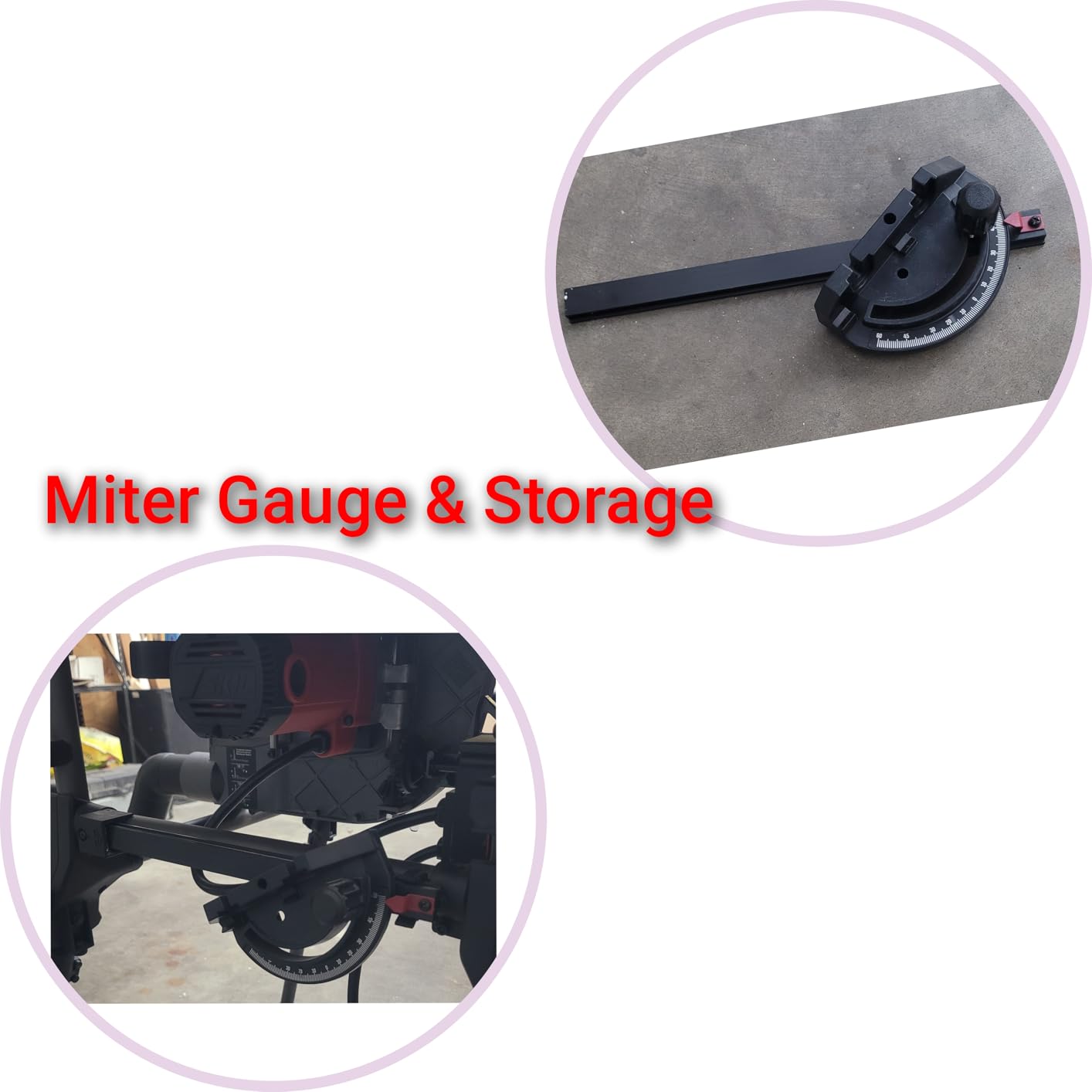
The bevel range runs from 0 to 45 degrees with two positive stops, and a dust port elbow redirects debris into a container. In practice the dust control is one of the better performers in this group when paired with a shop vac, which matters on interior framing where sawdust settles into finished surfaces. The 0 to 45 degree bevel with quick release is enough for hip and valley work on blocking, though not for steep angles.
The math matters here: 25.5 inches of rip will not break down a full 4×8 sheet in one pass. If your framing involves wall sheathing, subfloor, or any full-panel work, you will be making two cuts per sheet or using a different saw for that portion of the job. For stud and joist work, pure dimensional lumber, the shorter rip is rarely a problem.
What works on a framing site
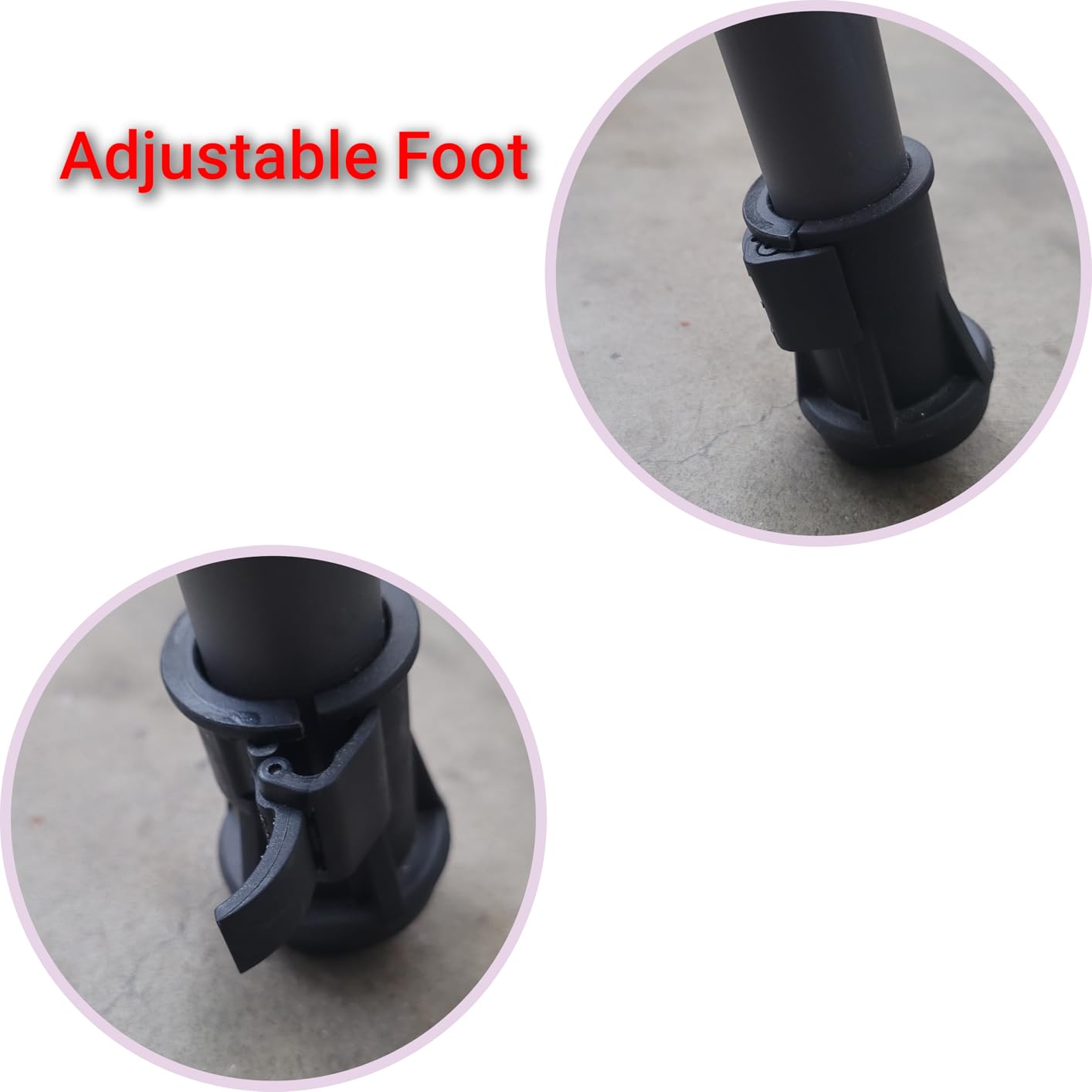
Portability is the entire story here. At 51 pounds you can move this saw to a new room, a new floor or a new house without recruiting a second person, and the folding stand with integrated accessory storage means nothing gets left behind in the truck. For a one-person crew or a solo DIYer building a deck or a small addition, that is the deciding factor.
Alignment out of the box is the other win. Owners repeatedly report the saw arriving properly set, with a smooth rack and pinion fence that does not drift once adjusted. The 1800-watt 15-amp motor is adequate for framing softwood and treated lumber at normal cut rates.
Where it disappoints
The included miter gauge is the weak link. It is short, has a small working surface and is widely considered unsafe for larger crosscuts, so most owners replace it early. Buying a better miter gauge or a crosscut sled is the first upgrade anyone makes on this saw.
The heavy use of plastic components keeps this in light-to-moderate duty rather than full production construction duty. Owners also report a louder operating sound than premium-brand competitors in the same class, and the stock 24-tooth blade tears out on hardwood, so most people move to a 60-tooth blade. If you rip pressure-treated lumber eight hours a day, this is not that saw.
3. DEWALT DWE7485WS – Compact Saw With the Best Owner Rating
DEWALT Portable Table Saw with Stand, 8-1/4 inch, up to 48-Degree Angle Cuts (DWE7485WS)
8-1/4 in blade
24.5 in rip
15 amp at 4300 RPM
66 lb with stand
+ The Good
- Highest average rating in the group at 4.8 stars
- Only 66 pounds for one-person handling
- Blade brake stops the blade quickly
- Power-loss reset prevents accidental restarts
- Rack and pinion telescoping fence rails
- The Bad
- 8-1/4 inch blade limits maximum cut depth
- 24.5 inch rip is narrower than 30-plus inch models
- 48 degree bevel range limits non-through cuts on thick stock
The DWE7485WS has the highest average owner rating of any saw in this roundup, at 4.8 stars across more than a thousand reviews. That is not a small-sample artifact, and it tracks with what the saw does: it is compact at 66 pounds, the fence is genuinely accurate, and the safety electronics are better specified than most competitors bother with at this size.
The blade brake is the feature that stands out. It stops the blade quickly after a switch is released, which on an active framing site is a real convenience, and the power-loss reset prevents the saw from restarting on its own after a breaker trips or a cord gets yanked. On a site where power is marginal and interruptions happen, that reset alone prevents a few genuinely bad moments.
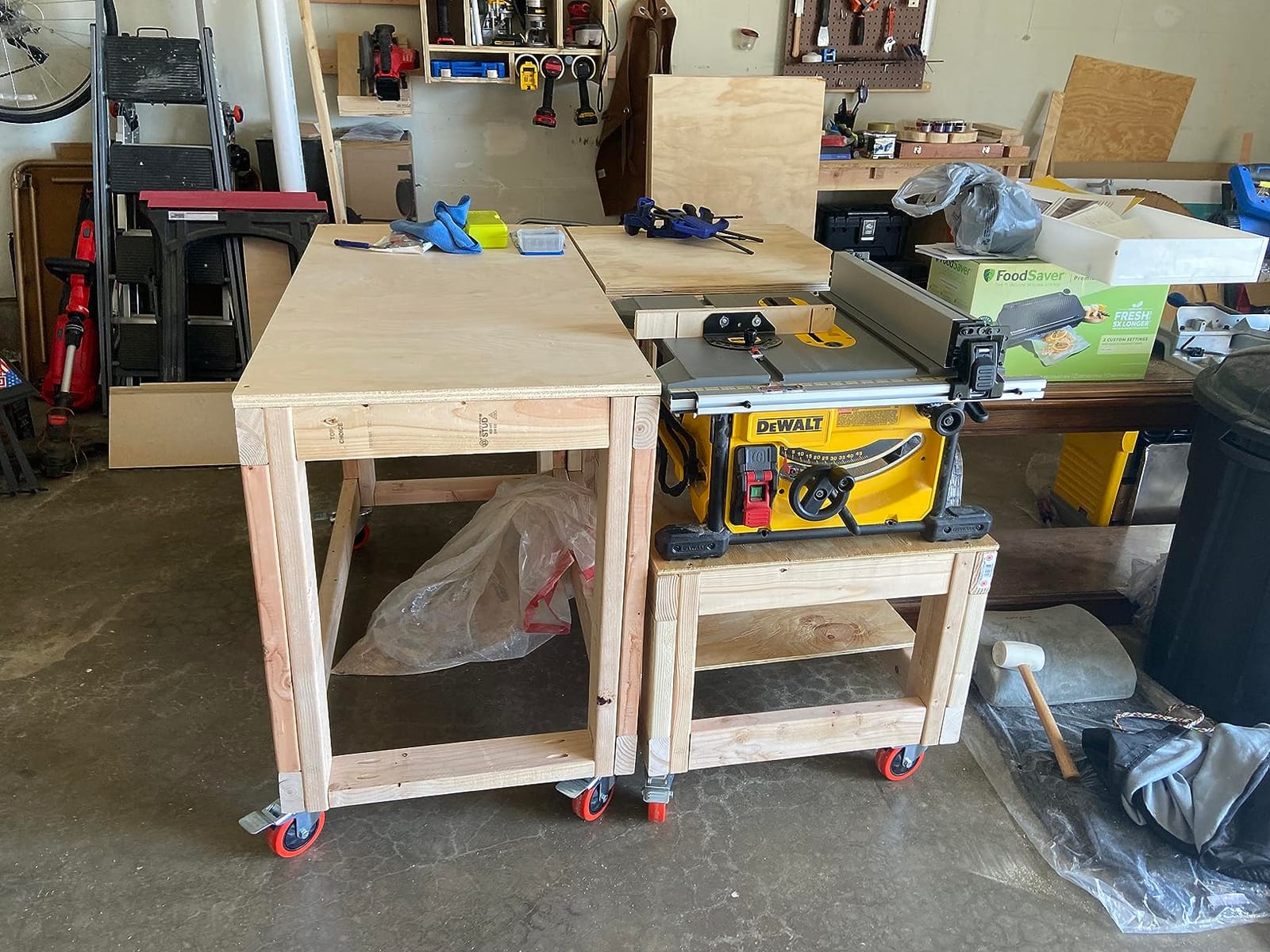
The rack and pinion telescoping fence rails are smooth and repeatable, matching the fence feel on the larger DWE7491RS in a smaller package. The package itself is thorough: stand, fence, anti-kickback pawls, miter gauge, push stick, a non-through-cut riving knife, a modular guard system and blade wrenches all come in the box, which is more than several rivals ship with.
The honest limitation is the 8-1/4 inch blade. It caps maximum depth of cut and holds the rip capacity to 24.5 inches, so breaking down a full 4×8 panel takes two passes. The 48-degree bevel range also limits non-through cuts on thicker stock. For stud and joist framing, trim work, blocking and lighter breakdown, that trade buys you 44 pounds of saved weight and a top-rated ownership record.
What works on a framing site
One-person handling. At 66 pounds this is a saw a single framer can load, position and set up without a second set of hands, while still giving you a proper stand and full 10-inch-class fence rails. For interior finish-adjacent framing, casing work and blocking, it does everything a larger jobsite saw does at a fraction of the lifting cost.
The safety package is the best-specified in the compact class. Blade brake, power-loss reset, a non-through-cut riving knife, anti-kickback pawls and a modular guard system together cover the failure modes that actually happen on site: a lifted hand, a tripped breaker, a stick that jams the blade.
Where it disappoints
Sheet goods. At 24.5 inches of rip you are making two cuts per full panel, and the smaller blade means you cannot rip a 2x in a single pass the way a 10-inch saw can. If your framing mix is heavy on sheathing or subfloor, pair this with a full-size saw or plan the cut order around it.
The 48 degree bevel ceiling is the other limitation. Bevel-cut framing components and thick non-through crosscuts are outside its envelope, and the review base, while strongly positive, is a third of the size of the two biggest sellers here. Overall it is a trim and blocking saw that happens to be excellent at framing studs, not a sheet-goods machine.
4. SKIL SPT99-11 – Worm Drive Power for Hardwood and Treated Lumber
SKIL 10 Inch Heavy Duty Worm Drive Table Saw with Stand – SPT99-11
10 in worm drive
30-1/2 in rip
3-5/8 in depth
94.3 lb
+ The Good
- Deepest cut at 3-5/8 inches in this group
- Worm drive stays smooth under load
- 30-1/2 inch rip handles dimensional lumber
- Rolling stand has 16 inch wheels for rough ground
- Outfeed support lets one person rip wide stock
- The Bad
- Bulky at 94.3 pounds with the largest footprint
- Worm drive saws run noticeably louder
- Only a 1 year limited warranty
The worm drive is what separates this saw from everything else here. It holds speed under load in a way direct-drive belt machines do not, and it delivers a 3-5/8 inch depth of cut, the deepest in this group. When you are ripping pressure-treated lumber or framing hardwood, that combination of torque and depth is why carpenters keep coming back to this style of saw.
Rip capacity is 30-1/2 inches, wide enough for full dimensional lumber and useful for partial sheet breakdown. The precision rack and pinion fence moves quickly and holds position once set, and the Smart Guard System includes the anti-kickback device, insert plate, push stick, riving knife, miter gauge and a 24-tooth carbide blade. Owners point to it as a genuinely well-regarded choice for ripping hardwood and treated stock.
The rolling stand is a real jobsite stand, with 16-inch wheels that roll over rough ground and framed walls without tipping, plus easy-load handles. Outfeed and side support let a single user rip wider material than most portable saws allow, which reduces the number of people you need standing at the saw. A dust port elbow collects debris to one area for cleanup.
Carpenters discussing saw choices on r/Carpentry point to a SKIL worm drive saw on a rolling stand as a legitimate framing-grade option, and that is exactly the use case this machine serves. If your cut list runs heavy on 2×8 and larger, or on treated lumber for decks and mudrooms, the power here earns its bulk.
What works on a framing site
Raw cutting power on dense material. The worm drive gearing does not bog down the way smaller direct-drive motors do, and the deeper 3-5/8 inch cut means you can rip thicker stock or laminated pieces without a second pass. Owners who cut treated lumber and framing hardwood report the smoothest, most confident feed of any saw in this group.
The 16-inch wheel rolling stand is built for a site, not a garage floor, and the outfeed support genuinely reduces the manpower needed to handle longer cuts. For a two-person crew working heavy dimensional lumber, that support is worth more than a few extra pounds.
Where it disappoints
Size and noise. At 94.3 pounds with the largest footprint in this roundup, this saw eats truck bed and garage space, and worm drive saws are noticeably louder than belt-drive jobsite models. On an interior remodel where you are framing next to a finished space, that noise is a real issue.
The warranty is the shortest in this group at one year, which is a genuine gap for a saw sold on durability. If your framing is mostly 2×4 and 2×6 softwood, the extra power goes unused and the SKIL TS6307-00 or the DEWALT DWE7491RS is the more honest purchase.
5. Bosch GTS15-10 – Built for Marginal Site Power
BOSCH GTS15-10 10 Inch Portable Jobsite Table Saw with Rise Wheeled Stand
10 in blade
32-1/8 in rip
15 amp at 3800 RPM
103 lb with stand
+ The Good
- Soft-start circuitry reduces breaker trips
- Electronically regulated speed holds RPM under load
- 32-1/8 inch rip among the widest in a portable saw
- Gravity-rise stand sets up with a single action
- Color-coded fence indexing for fast repeatability
- The Bad
- Heaviest saw here at 103 pounds
- 50-tooth blade favors finish work over fast framing rips
- 1 year limited warranty is short
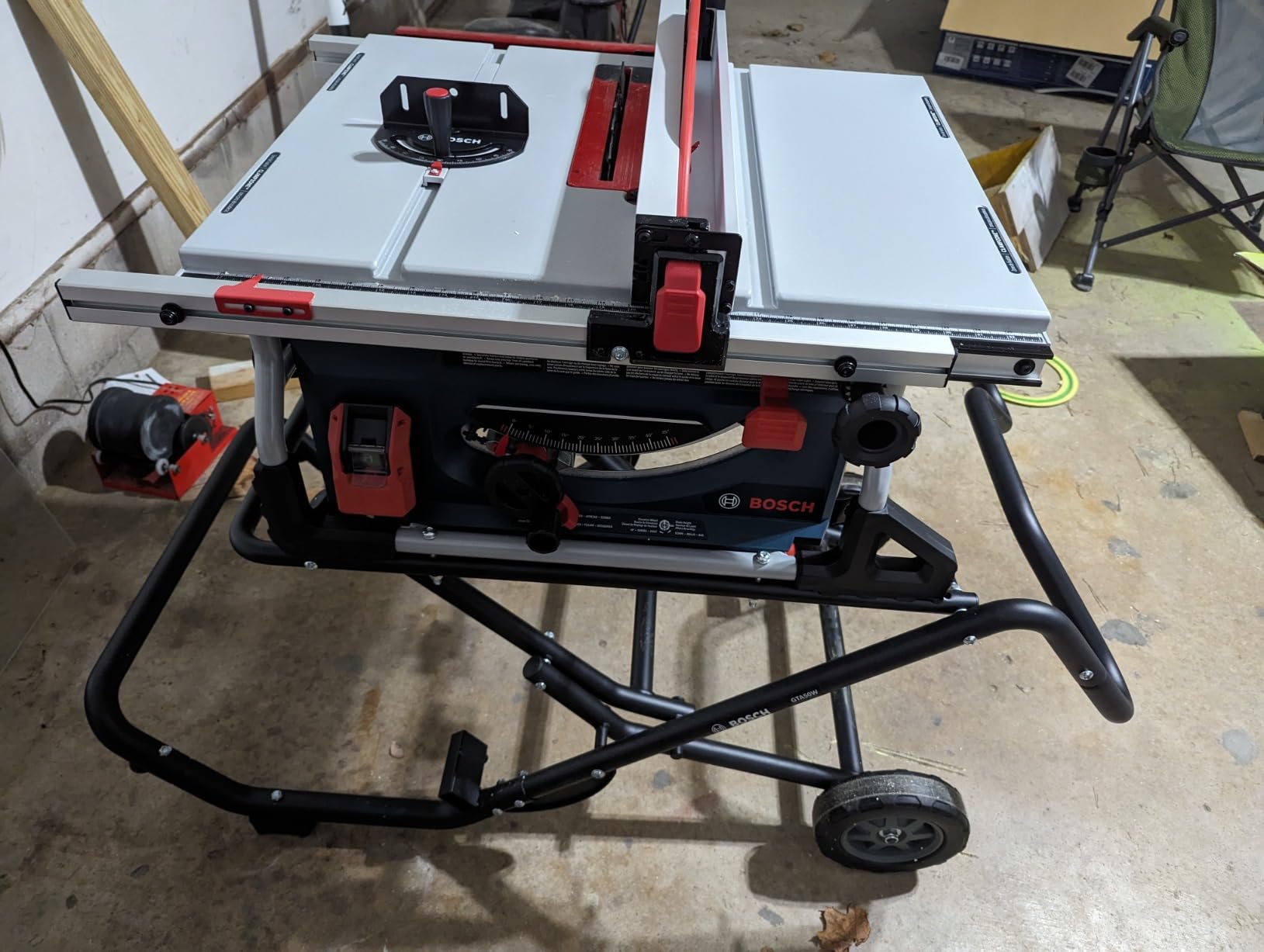
The Bosch GTS15-10 is the most electrically clever saw in this roundup, and on a real job site that matters more than a longer feature list. The soft-start circuitry ramps the motor in rather than slamming it on, and the electronically regulated speed holds blade speed under load instead of bogging. Those two things are the difference between a saw that runs all day on an old 15-amp circuit and one that trips the breaker every few cuts.
Rip capacity is 32-1/8 inches, right at the top of the portable class, so full dimensional lumber and most sheet breakdown happen in one pass. The rack and pinion rip fence uses color-coded index pins with a matching scale, which sounds minor until you are setting the same rip on twenty different studs and want the setup to be identical every time. The ClampZone areas turn parts of the tabletop into a light-duty secondary work surface, which is genuinely useful for small blocks.
The included GTA50W gravity-rise wheeled stand is a real stand, not a folding bracket. Single-action setup and take down means you raise it once and it locks where you want it, and the open frame roll bar adds durability through job sites. On-tool storage holds the fence, miter gauge, guard system, hex wrench, blade wrench and push stick, and the convenience brake stops the blade in roughly three seconds. The Smart Guard System covers the riving knife, anti-kickback pawls and guard assembly.
Reviewers single out the wide rip capacity, the wheeled stand and the soft-start electronics as the standout engineering, and the 4.7 rating reflects that. The one caution is the 50-tooth carbide blade: it is optimized for clean finish work rather than aggressive rip speed through dimensional lumber, so framers who buy this usually add a framing blade.
What works on a framing site
Marginal power. If your site has an old panel, a shared 15-amp circuit or GFCI protection that trips easily, the soft-start and regulated speed electronics are the reason this saw keeps working. That is not a spec-sheet feature here; it is the practical difference between finishing a day of cuts and hunting for the panel.
Setup speed and rip width also stand out. The single-action gravity-rise stand means one person can get the saw to working height quickly, and 32-1/8 inches of rip covers full-size dimensional lumber. The color-coded fence indexing makes repeated setups fast and identical, which is what you want on a repetitive cut list.
Where it disappoints
Weight. At 103 pounds before you account for the stand, this is the heaviest saw here and a genuine two-person lift. For a solo framer, the lighter SKIL and DEWALT compact options are more practical. Buyers also note the one-year limited warranty is short relative to some rivals in the class.
The 50-tooth blade means slower ripping in dense lumber compared with a 24-tooth framing blade, and the review base, while strongly positive, is much smaller than the mass-market sellers. Worth noting that forum discussion of this brand cuts both ways: on WoodTalkOnline threads Bosch draws the most praise among carpenters, with recurring but unspecified complaints attached.
6. Prostormer 10 Inch – Entry-Level Saw With Metal Base Rigidity
Prostormer 10 Inch Table Saw with Stand
10 in carbide blade
15 amp at 5000 RPM
22 x 23 in table
0-45 deg bevel
+ The Good
- Entry-level cost with a 10 inch blade and 15 amp motor
- 5000 RPM handles typical framing lumber briskly
- Four metal base brackets add real rigidity
- Side storage keeps wrenches and push stick on the saw
- Rear dust port accepts a collector or shop vac
- The Bad
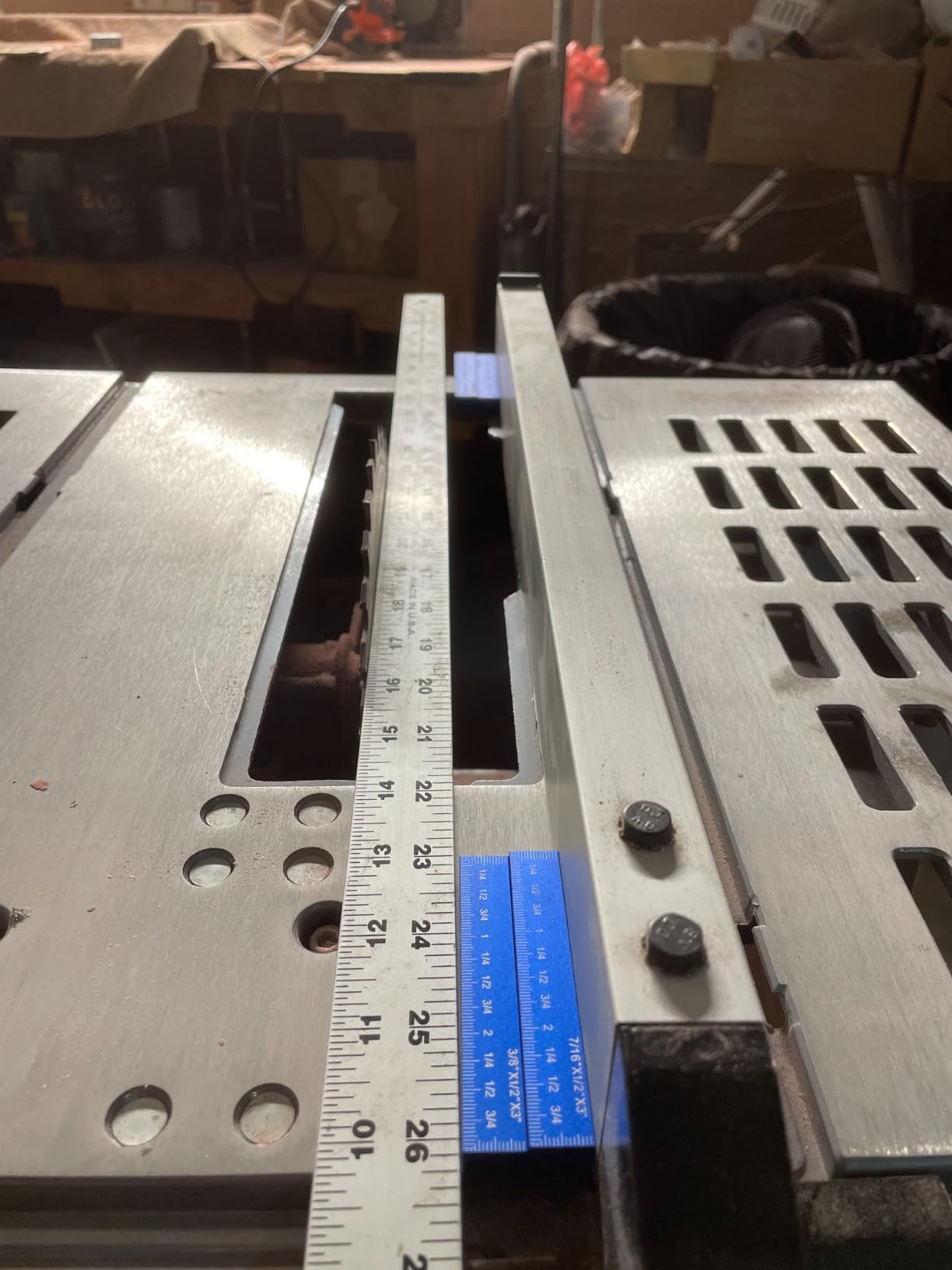
- Smallest tabletop here at roughly 22 by 23 inches
- Rip capacity is unadvertised and short
- Thin-kerf 24-tooth blade can bind with the riving setup
- Clear plastic guard contains less than a proper assembly
- No dust collector included
- Heavily polarized reviews with a 4.4 average
At the entry end of this list, the Prostormer does something most budget saws skip: it puts four metal brackets at the base. Those brackets are the reason this machine feels more rigid in a rip than its price tier suggests, and rigidity is what keeps the cut from wandering when the blade loads up on a wet 2×8.
The motor is a 15-amp unit running at 5000 RPM, which is a brisk no-load speed for typical framing lumber, and it handles wood, PVC and non-ferrous metals. The clear blade guard keeps the blade visible and helps limit accidents, the spindle lock makes blade changes quicker, and a rear dust collection port accepts a collector or shop vac. Side storage compartments hold the wrenches and push stick so they travel with the saw.
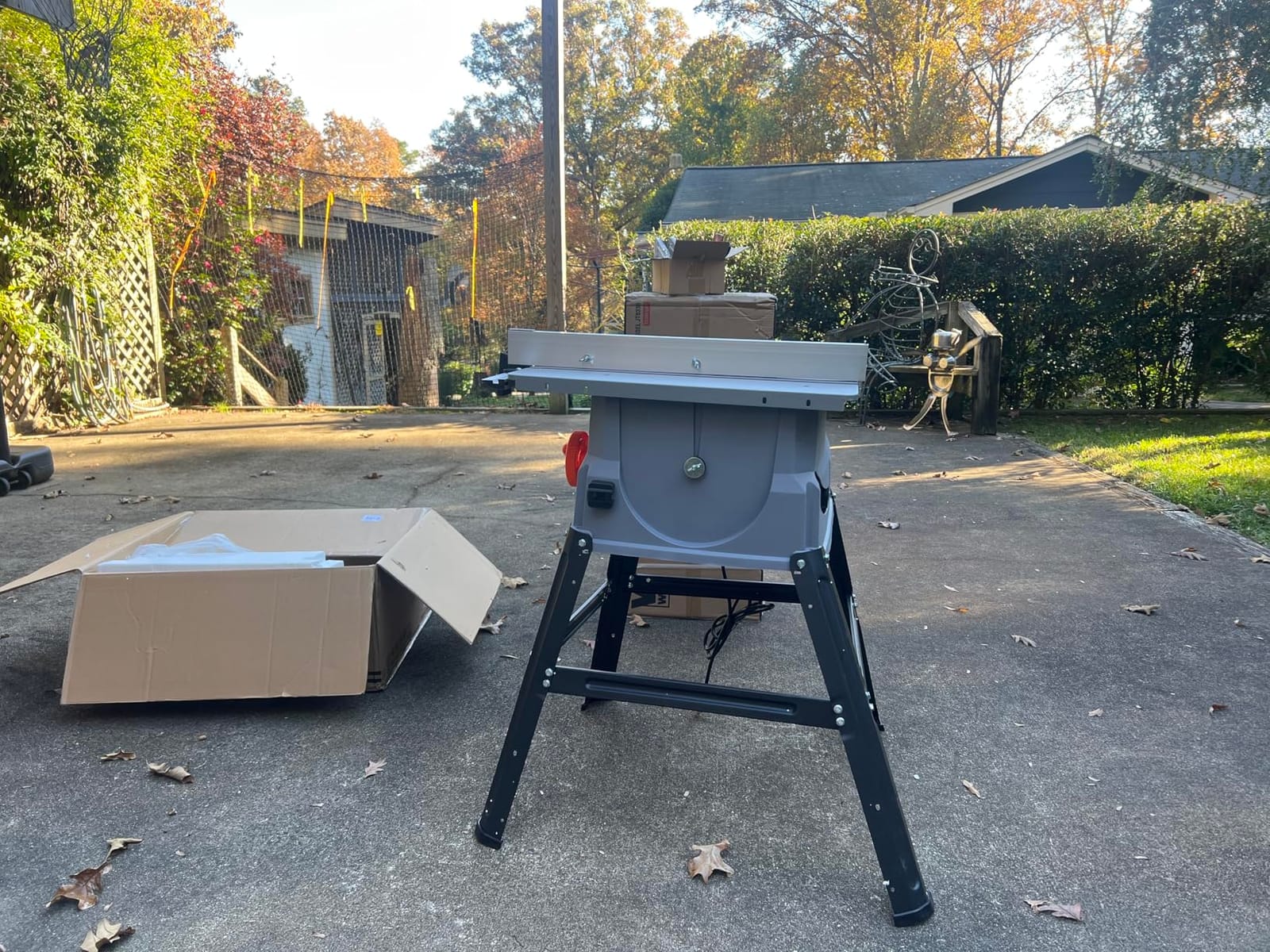
Being straight with you about the limits: the tabletop is roughly 22 by 23 inches, the smallest in this group, and that is not enough surface to keep a full panel stable. Rip capacity is not advertised and falls well short of the 30-plus inch contractor saws, so this is not a sheet-goods saw by any measure. The bevel range is 0 to 45 degrees.
The 24-tooth carbide blade is thin-kerf by design, and owners report it can bind or kick back with the included riving setup on certain cuts. The clear plastic guard also contains less sawdust than a proper guard assembly, and no dust collector is included. With a 4.4 average across 160 reviews, the feedback is genuinely split, and it is not generally regarded as a machine for sustained professional framing duty.
What works on a framing site
Rigidity for the money. The four metal base brackets are the differentiator at this price, and they hold alignment better than all-plastic budget saws. The 5000 RPM motor moves through ordinary dimensional lumber at a workable rate, and the onboard storage and dust port are features you rarely get at this price point.
For a DIYer or a part-time framer cutting a deck frame or a small addition, this covers the cut list. It is a capable entry-level machine for lighter framing schedules and occasional remodeling work.
Where it disappoints
The small table and the unadvertised rip capacity are the two limits that matter most. Without a wide rip, you cannot handle full panels, and the small tabletop gives you less material support than any other saw here. Thin-kerf blade behavior with the included riving setup is the safety-adjacent complaint worth taking seriously.
The 4.4 average rating across 160 reviews reflects real polarization, and reviewers are divided on cut quality. If you are framing a full house, this is a weekend saw, not a production machine. Use it for the break-in period, or spend up to a lightweight folding saw that has a proper miter gauge.
7. EVOLUTION R10TS – Multi-Material Saw With a Sliding Crosscut Table
Evolution R10TS 10″ Jobsite Table Saw | Zero-Clearance Throat Plate | Dado Plate Included | 15A Motor | 26” Rip | 3-3/8” Cut | 0-45° Bevel | Precision Fence | Heavy Duty Portable Woodworking Saw
10 in TCT blade
26 in rip
3-3/8 in depth
0-45 deg geared bevel
+ The Good
- Wood blade
- TCT blade and dado plate all included
- Sliding crosscut table removes the need for a separate sled
- Zero-clearance steel throat plate cuts down on tear-out
- High-torque 15 amp soft-start motor
- Rack and pinion fence is accurate and repeatable
- The Bad
- Supplied miter gauge is below the quality of the rest
- 26 inch rip is short for sheet breakdown
- Stock blade leaves curved witness marks
- Instruction diagrams are small and vague
- Small review base under 100 ratings
The EVOLUTION R10TS is the odd one out in this lineup because it is not only a wood saw. The high-torque 15-amp soft-start motor runs a tungsten carbide blade and cuts wood, mild steel, aluminum and composites, and a dado plate ships in the box. For a framing crew that occasionally cuts flashing, aluminum trim or composite panels, that versatility is a real workflow gain rather than a novelty.
The other standout is the sliding crosscut table. It makes square, repeatable crosscuts across a wide range of widths, and in practice it removes the need to carry a separate crosscut sled onto site. Owners describe the rack and pinion fence as accurate, square and repeatable across multiple setups, and rip capacity is 26 inches with a 3-3/8 inch depth of cut on a 0 to 45 degree geared bevel.
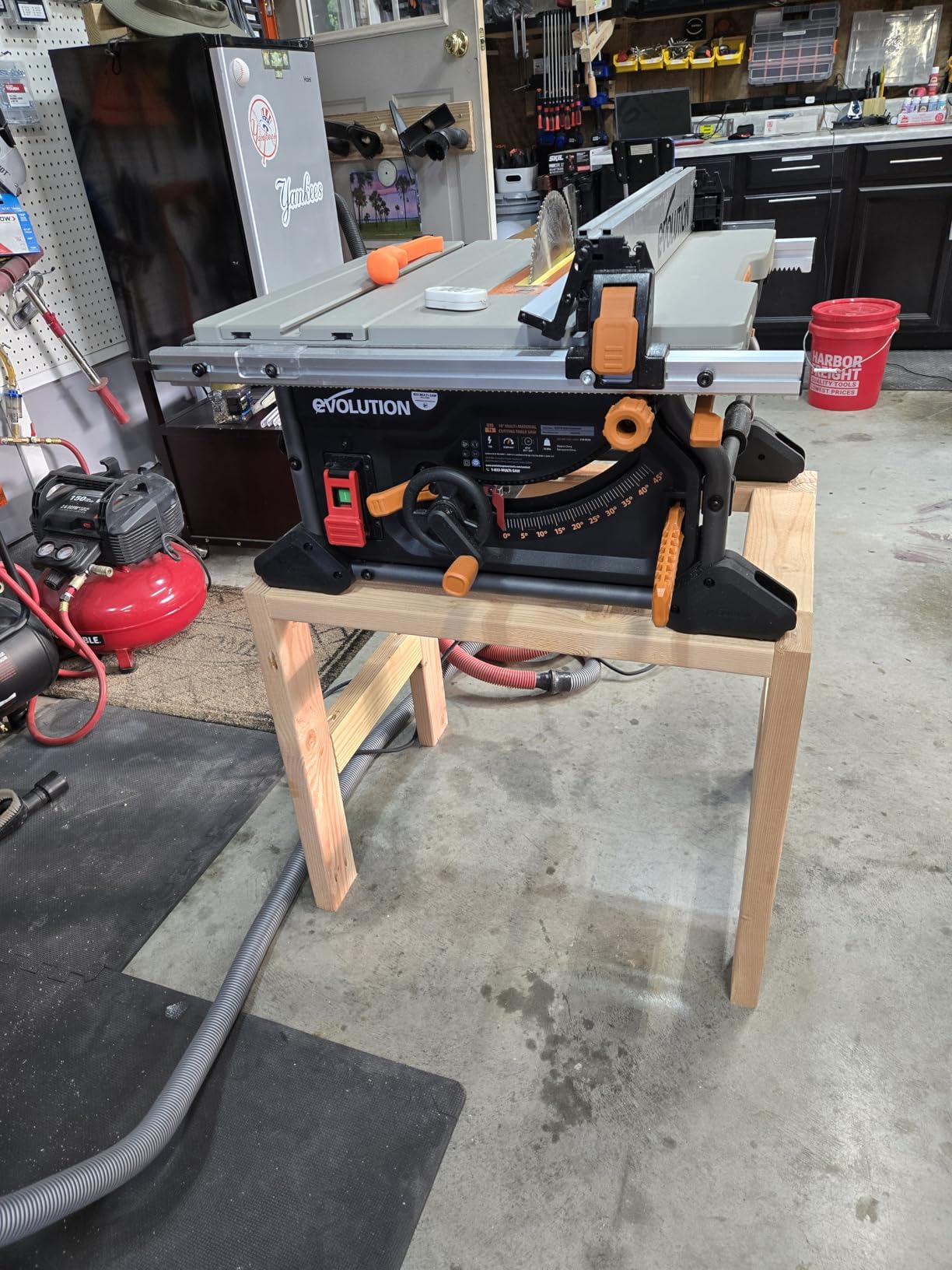
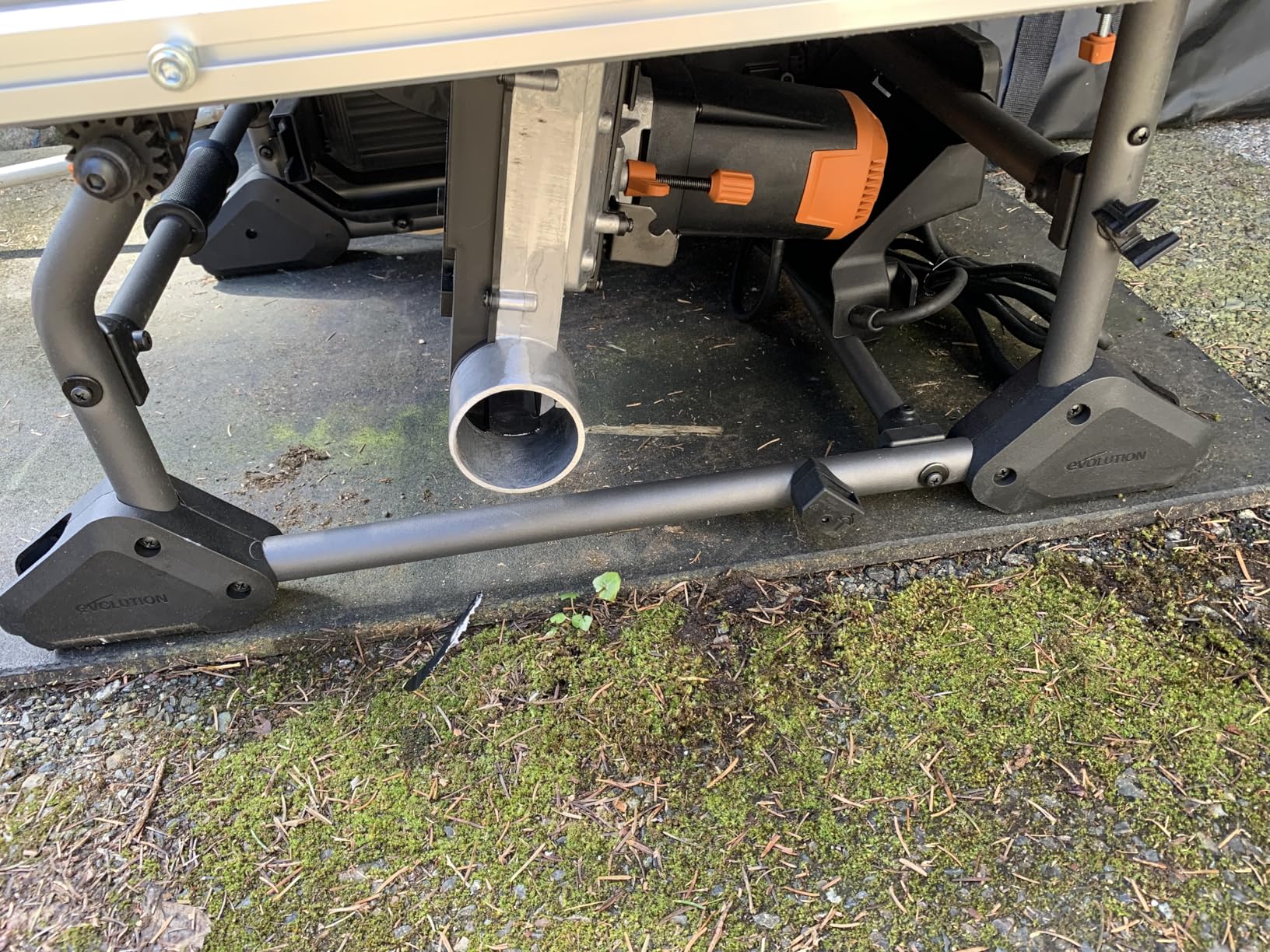
The zero-clearance, height-adjustable steel throat plate is the detail woodworkers care about most. A smaller insert gap behind the blade means less-than-usual unsupported material, which shows up directly as less tear-out on the exit side of a cut. It is also more rigid than a plastic insert. The lightweight alloy steel frame carries carry handles, onboard storage and an outfeed support bar, and the electronic blade brake, anti-kickback pawls and quick-release riving knife cover the safety basics well.
Owners also report strong after-sales support, including replacement parts shipped quickly, which matters when you are a day away from finishing a cut list. The lightweight frame means you can move it around solo, which is not always true of saws in this class.
What works on a framing site
Crosscut accuracy without a sled. The sliding crosscut table handles repetitive square cuts across different widths, which on a framing cut list saves more time than any motor spec. Add the rack and pinion fence and you have a saw that sets up once and stays put.
Multi-material capability and the zero-clearance throat plate are the differentiators. When a job involves aluminum flashing, composite panels or mild steel straps alongside dimensional lumber, this saw handles it without a second machine. A three-year warranty backs the package.
Where it disappoints
The included miter gauge is widely criticized as below the quality of everything else on the saw, which is a strange thing to say about a saw whose selling point is crosscut accuracy. Plan to replace it. At 26 inches of rip, full sheet breakdown is a two-pass job, and the included blade leaves curved witness marks that many owners fix by fitting a woodworking blade.
Instruction diagrams are small and vague, and some owners reported a missing or damaged rack-and-pinion slider on arrival, which the brand has since addressed. With fewer than 100 ratings, the long-term owner record is thinner than the big sellers, so treat it as a well-equipped option rather than a proven fleet standard.
8. SawStop Jobsite Saw PRO – Finger Protection Above Everything Else
SawStop Jobsite Saw PRO with Mobile Cart Assembly – 1 1/2 HP 120V 60Hz JSS-120A60
10 in blade
1.5 HP 120V
24-5/8 in table depth
113 lb with cart
+ The Good
- Certified flesh-detection system stops the blade in under 5 milliseconds
- Deepest table in the group at 24-5/8 inches
- One-turn blade elevation for fast on-site setup
- Collapsible rolling cart simplifies transport
- Stows to a compact 26.5 by 29 by 45 inch footprint
- The Bad
- Costs several times more than a conventional jobsite saw
- Heaviest unit here at 113 pounds plus the cart
- Lowest average rating in the group at 4.3
- Proprietary cartridges mean a damaged unit stops production
- Thin owner review base at 72 ratings
The SawStop Jobsite Saw PRO is the only machine here that addresses the worst table saw injury directly. Its patented flesh-detection system stops the blade in under five milliseconds on skin contact, and it ships with a collapsible rolling cart and an active dust collection blade guard. Working carpenters name SawStop as the top-tier pick more often than any other brand, and this is that product in a portable format.
The table depth of 24-5/8 inches is the deepest in this group by a wide margin, and that depth is what gives you control and accuracy on large crosscuts. The one-turn elevation system raises or lowers the blade quickly, so setup and depth changes on site take seconds rather than the repeated cranking a smaller rack would need. The 1.5 HP 120V motor is a 1800-watt unit, in line with the rest of the class, and the box includes a 10-inch blade, wrenches, push stick, riving knife and standard brake cartridge.

Transport is handled better than the weight suggests. The collapsible rolling cart assembly lets the saw roll to a truck or down a ramp, and it stows to a compact 26.5 by 29 by 45 inch footprint, which matters in a crowded shop. For a shop, a production framing operation or a crew that has decided injury prevention is a fixed cost, that is a coherent package.
The friction is real and worth stating plainly. It is the most expensive saw in this group by a wide margin, several times the cost of a conventional jobsite saw, and it is the heaviest at 113 pounds plus the cart. The 4.3 average rating is the lowest here, and review friction is driven by that combination of cost, weight and the practical realities of a proprietary system.
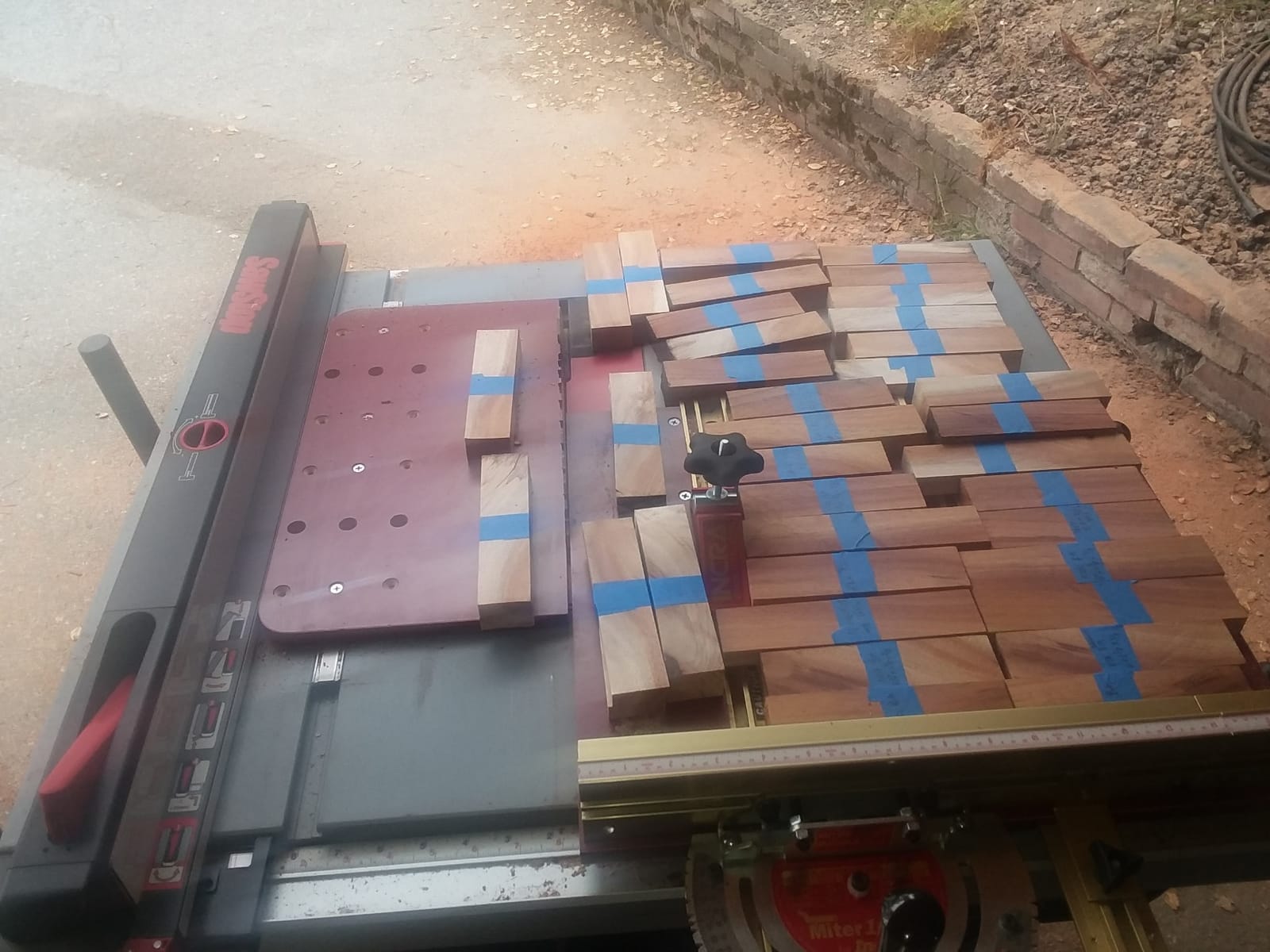
What works on a framing site
The safety case is the entire argument. A system that halts the blade in under five milliseconds on contact changes the worst-case outcome of a job site table saw from a catastrophic injury to a moment of surprise. If your crew has new helpers on it, that is a defensible reason to pay for this class of saw.
Table depth and the one-turn elevation make it genuinely pleasant for repeated on-site adjustments, and the collapsible cart plus compact stow footprint make it easier to live with than the weight suggests. The warranty is a one-year limited warranty from the purchase date, which is short for the investment.
Where it disappoints
Cost and weight, plainly. Several times the cost of a conventional jobsite saw, at 113 pounds plus the cart, it is the heaviest machine in this roundup. For a two-person crew on a residential addition, the money may buy more elsewhere.
The proprietary cartridges are the operational concern. A damaged cartridge ends productivity until a replacement arrives, which is a supply-chain risk that a conventional saw with a mechanical brake does not carry. With 72 ratings, there is also a much thinner base of owner experience than the mass-market saws here, and the 4.3 average reflects that friction honestly.
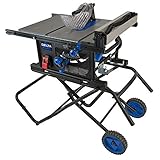
9. Delta 36-6023 – Longest Warranty and Wide Rip
Delta 36-6023 10 Inch Table Saw with 32.5 Inch Rip Capacity
10 in blade
32.5 in rip
15 amp contractor grade
77 lb with stand
+ The Good
- 32.5 inch rip handles dimensional lumber and partial sheets
- 5 year professional warranty is the longest here
- 77 pounds is lighter than most 10 inch models
- 15 amp motor specified for treated lumber
- Stacked dado capacity of 13/16 by 8 inches
- The Bad
- 4.3 star average with 7 percent one-star reviews
- Basic folding stand with limited outfeed and height adjustment
- Lower current market activity than leading sellers
- 50-tooth blade favors finish work over fast framing rips
The Delta 36-6023 does two things few competitors in this group do. It offers 32.5 inches of rip capacity, which is tied for the widest in the roundup, and it carries a five-year professional warranty, the longest coverage here by a wide margin. For a crew buying one saw and keeping it for a decade, that combination is genuinely compelling.
The 15-amp contractor-grade motor is specified for treated lumber and hardwoods, which is exactly what a framing saw gets fed. Rack and pinion fence rails give fast, smooth, accurate fence adjustments, and the box includes a carbide blade, miter fence, portable stand and push stick. The stacked dado capacity of 13/16 by 8 inches adds real versatility for anyone cutting dados in blocking or headers.
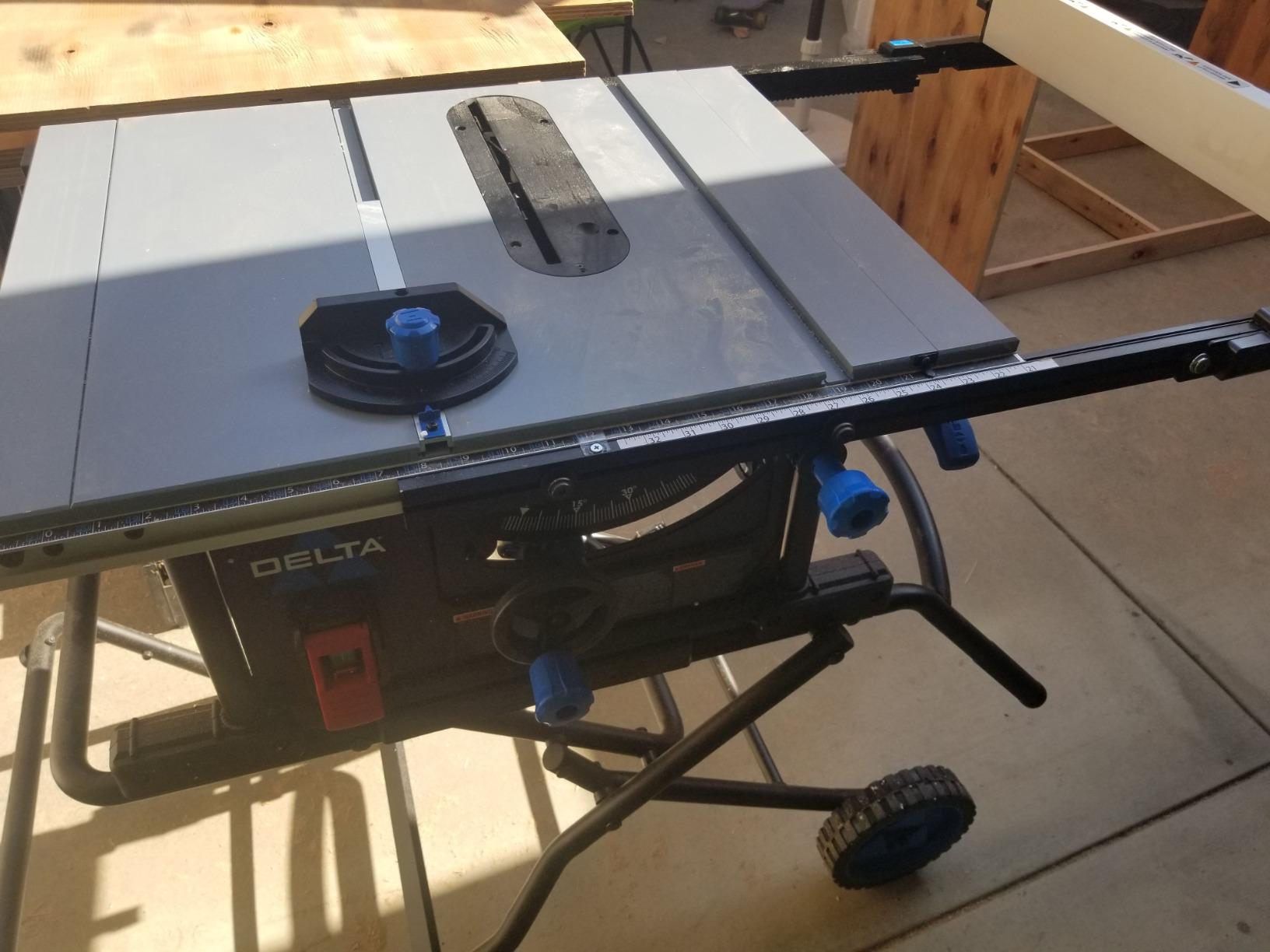
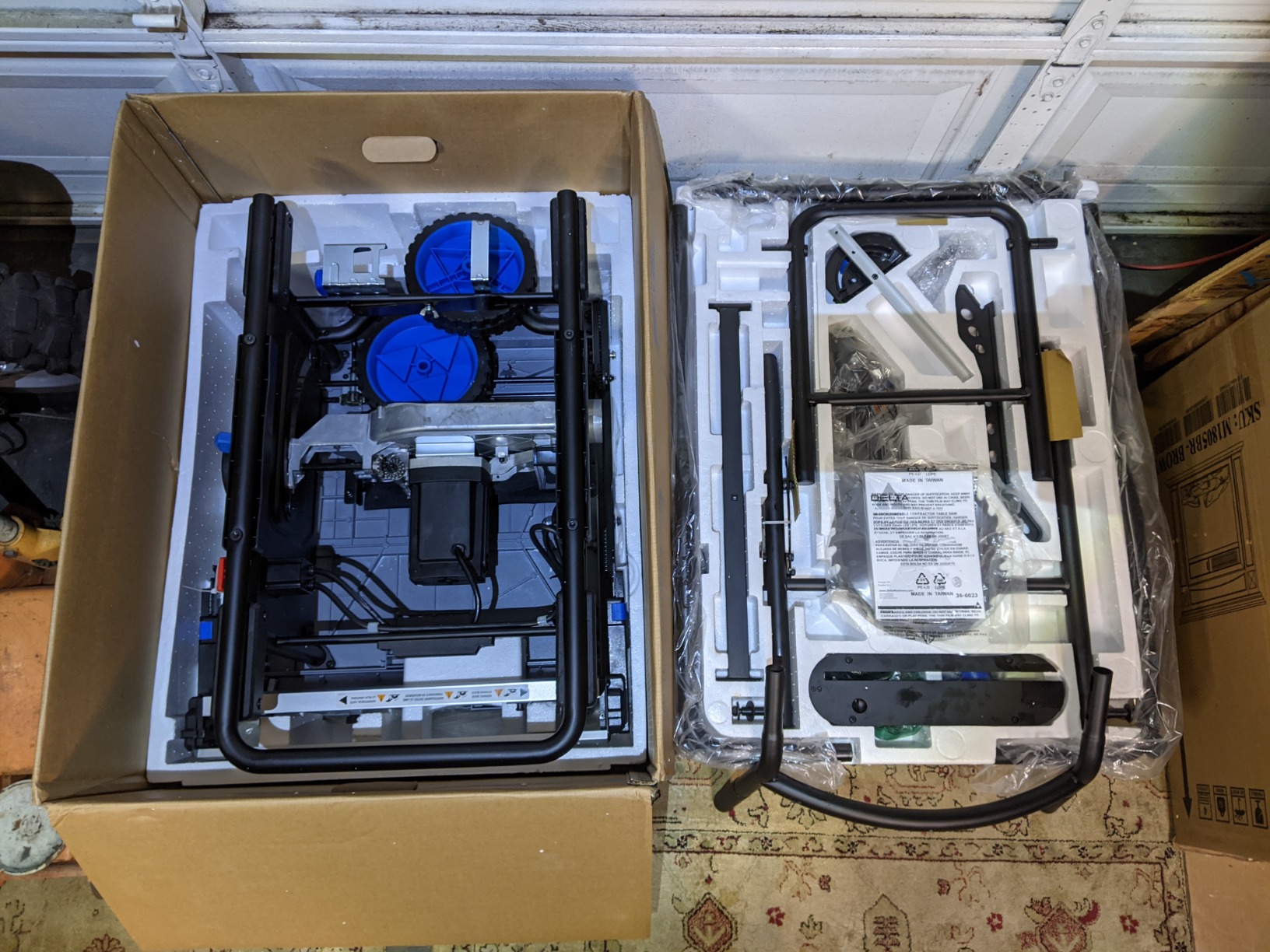
At 77 pounds, it is lighter than most 10-inch saws here, which makes the moving part of the job easier than the rip capacity figure suggests. The blade included is a 50-tooth configuration, and that is worth flagging up front: 50 teeth is a finish-oriented setup, not a fast-rip framing blade. If your cut list is heavy dimensional lumber, you will be changing it.
The honest note is the feedback. A 4.3 average across 200 reviews is meaningfully more mixed than the two biggest sellers here, with 7 percent of ratings at one star, and the critical reviews concentrate on the included stand and on value at the price. The category sales rank also sits well below the leading sellers, which tells you current market activity is lower. If you want the warranty, this is the saw; if you want the deepest owner consensus, look up the list.
What works on a framing site
Rip width plus a real warranty. 32.5 inches covers full dimensional lumber and partial sheet breakdown, and a five-year professional warranty means the saw is covered for the life of a framing career rather than a few seasons. Owners also note the 77-pound weight is easier to move than most saws in the 10-inch class.
The contractor-grade motor is specified for treated lumber, which is the material a lot of framing actually is, and the stacked dado capacity makes it more than a cutting box. For a crew that wants one saw to cover studs, joists, headers and dados, the spec sheet is complete.
Where it disappoints
The stand is the weak point. It is a basic folding portable stand with limited outfeed and height adjustment, so longer cuts and full-panel work need a separate support surface. The included 50-tooth blade also means an extra blade purchase before the saw is optimized for framing rips.
Owner ratings are more divided than the headline spec sheet suggests, and the critical reviews focus on the stand and on value for the money. If you are deciding between this and the DEWALT DWE7491RS, the deciding factor is warranty length against owner consensus: this one wins on coverage, the DeWalt wins on the size of its owner record.
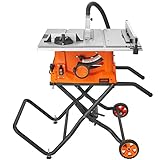
10. VEVOR 10 Inch – Widest Bevel Range on a Budget
VEVOR Table Saw with Stand, 10-inch 15-Amp, 25-in Max Rip Capacity, Cutting Speed up to 5000RPM, 40T Blade
10 in blade
25 in max rip
15 amp at 5000 RPM
59.4 lb
+ The Good
- Entry-level cost with a folding wheeled stand included
- Widest advertised bevel range at -60 to 60 degrees
- Full-length parallel fence with measuring guide rail
- Only 59.4 pounds so it moves easily
- 40-tooth blade and 5000 RPM motor suit general work
- Overload protection triggers if the machine overheats
- The Bad
- 4.0 star average with 11 percent one-star reviews
- Smallest review base at only 39 ratings
- 25 inch rip is short for framing sheet work
- Listed at 240 volts on a 15 amp corded configuration
- Sliding miter gauge accessory of uncertain quality
- Limited warranty
The VEVOR’s one genuinely distinctive spec is its bevel range of -60 to 60 degrees, which is the widest advertised in this group. If your framing includes hip and valley rafters, angled blocking, or trim work at steep bevels, no other portable saw here covers that envelope at this entry-level cost.
The rest is a sensible budget configuration. A 15-amp motor running up to 5000 RPM with a 40-tooth blade, a full-length parallel fence with a measuring guide rail for repeatable rip setups, a compact foldable stand with wheels, and a dust port for extraction. The blade guard and security shield limit airborne sawdust and help prevent blade pop-out, and copper wire overload protection triggers if the machine overheats. At 59.4 pounds it moves easily for one person.
Now the honest part, and it matters. This saw has a 4.0 average across 39 ratings, the lowest and thinnest combination in the group, with 11 percent of reviews at one star. That is not a rounding error; it is a signal that long-term durability is largely unproven. On top of that, the listing shows 240 volts for a 15-amp corded configuration, which is an ambiguous electrical spec you should confirm before relying on it on any site circuit.
Rip capacity is 25 inches maximum, short for framing sheet work, and the sliding miter gauge accessory is of uncertain quality. Marketing copy is generic, and warranty coverage is limited. If your framing is straightforward 2×4 and 2×6 work and you want a bevel range no one else covers, this does a specific job. For sustained production framing, the thin owner record is the reason we would not put it on a crew truck.
What works on a framing site
Bevel coverage and weight. A -60 to 60 degree bevel range is unique in this group, and 59.4 pounds means one person handles it easily. The full-length parallel fence with a measuring guide rail makes repeatable rip setups straightforward, and overload protection is a sensible safeguard for a budget machine running on site power.
It is a reasonable saw for light framing schedules, occasional remodeling and hobby-level work, and the folding stand with wheels means setup is quick. Treat it as a secondary saw rather than the crew’s primary machine.
Where it disappoints
Owner consensus is the headline. A 4.0 average with 11 percent one-star reviews and only 39 ratings means you are buying with very little long-term data behind the product. The ambiguous 240-volt listing, limited warranty and generic support material compound the risk on a machine you depend on daily.
The 25-inch rip capacity and uncertain miter gauge limit it on real framing tasks, particularly anything involving panels or repeated precise crosscuts. If the bevel range is not a requirement, the SKIL TS6307-00 or the Prostormer give you a much larger owner record for a similar outlay.
How to Choose a Jobsite Table Saw for Framing
Rip capacity is the first filter, and it is the one most lists get wrong. Dimensional lumber is the easy part: a 2×4 laid flat is 3-1/2 inches, a 2×6 is 5-1/2 inches, and any saw in this group handles those. The number that matters is what happens when a full 4×8 sheet comes off the truck. Anything at or above 30 inches breaks a full panel down in one pass. Anything between 24 and 26 inches means two cuts per panel, which quietly doubles your sheet-goods time.
Second is the motor and the electrical reality. Almost every jobsite saw in this class runs on 15 amps, which is the household circuit limit, and that is fine. What separates them is how they behave when the blade loads up: soft-start and regulated-speed circuitry, as on the Bosch GTS15-10, reduces breaker trips on marginal circuits, and an overload reset or power-loss reset stops the saw from restarting after a nuisance trip.
Third is the stand, and this is where framing sites punish saws that were designed for garages. A gravity-rise or wheeled stand that sets up and folds with one action saves minutes at every setup. A basic tube stand works but has minimal height adjustment, and a folding-leg stand with a weak miter gauge will limit your crosscuts. If you are moving the saw more than once a day, the weight of the stand matters as much as the weight of the saw.
Fourth is fence accuracy, and the only way to judge it is to set a rip and cut twenty identical pieces. Rack and pinion fences with telescoping rails and color-coded indexing are meaningfully easier to keep consistent than simpler adjustment systems. Fifth is safety, which is the next section. Sixth is dust: a 2-1/2 inch port on the outfeed side accepts a shop vac or extractor without stealing rip capacity, which matters on interior framing where dust settles into finished surfaces.
Finally, warranty. The spread here runs from one year on the SKIL SPT99-11, Bosch GTS15-10 and SawStop Jobsite Saw PRO to five years on the Delta 36-6023, with most of the field at three years. On a saw you will use daily for a decade, a longer warranty is a reasonable tiebreaker when specs are otherwise close. If you also want the broader picture, our roundup of the best hybrid table saws covers what to buy when a jobsite saw is no longer enough.
Rip Capacity Math for Framing Lumber
Here is the framing rip math, in the order a crew actually works. A 2×4 on edge is 3-1/2 inches, so any saw clears it. A 2×6 on edge is 5-1/2 inches. A 2×8 is 7-1/4 inches. Double a 2×8 for a built-up beam and you are at 7-1/2 inches plus kerf, still well inside every saw here. A triple 2×12 is where it starts to matter, and that is closer to 12 inches of stock plus the rip fence offset.
None of that is the constraint. The constraint is sheet goods, and headers. A double 2×10 header on edge is roughly 10-1/2 inches, which a 10-inch blade struggles to rip in one pass while an 8-1/4-inch blade cannot do at all. A 4×8 sheet of plywood or OSB is 96 inches long, and breaking it into usable pieces with a 25-inch rip means multiple passes with the panel repositioned each time.
So the practical rule is this. If your framing is studs, joists, blocking and headers, rip capacity of 24 inches is workable and weight matters more. If your framing includes sheathing, subfloor, or built-up beams in wide stock, you want 30 inches or more and the saw will be worth its bulk. That is the whole difference between the 51-pound SKIL TS6307-00 and the 110-pound DEWALT DWE7491RS.
Powering a Jobsite Table Saw on Site
Every saw in this roundup is a 120-volt, 15-amp corded machine, and that rating is not optional. A 15-amp saw is the largest load you can put on a standard household branch circuit without nuisance-tripping, which is why framers plug them into dedicated circuits rather than sharing an outlet with a circular saw running at the same time.
Extension cord gauge is where crews cut corners. A long, thin cord on a 15-amp saw causes voltage drop, the motor works harder, speed drops under load, and the breaker is more likely to trip. Use a heavy-gauge cord for any meaningful run and keep the length as short as the site allows. If you can only find a thin extension when you need it, that is a good day to switch the job over to the other saw you brought.
GFCI protection interacts with these saws more than most people expect. GFCI outlets trip on leakage, and a motor that is drawing hard on a marginal circuit is exactly the situation that produces nuisance trips. This is where soft-start and regulated-speed circuitry, as found on the Bosch GTS15-10, earns its place. It is also why an overload reset or a power-loss reset is worth having: a saw that restarts by itself after a trip is a genuine hazard on an active site.
On cordless, the honest answer is that there is no cordless table saw in this group. If your crew wants one battery platform across every tool, cordless jobsite saws exist in the 8-1/4-inch class, and the trade is rip capacity for portability. For framing dimensional lumber at volume, the corded 10-inch saws here still deliver more cut per charge. Our guide to the best table saws for home workshops covers where a compact cordless saw fits instead.
Jobsite vs Cabinet vs Hybrid Table Saws
Jobsite saws win on portability and lose on capacity. A cabinet saw has a much larger cast iron top, longer rip capacity measured in feet rather than inches, and enough mass to stay accurate under heavy rips, but it does not move to a job site. A hybrid sits between the two, with a larger table and a 30-inch-class rip in a frame that is lighter than a full cabinet.
For pure framing, the jobsite class is the right one because a crew needs the saw in five different locations over the course of a house. The moment a project becomes finish carpentry, panel work or repeated cabinetry, a cabinet or hybrid saw with a proper sled and a larger table becomes the better tool. Many pros on The Grumble forums describe exactly that progression, stepping up from a portable saw to a 10-inch hybrid or cabinet-style saw as their crews grow.
A jobsite saw is also cheaper per saw, which matters when a crew owns several. But no jobsite saw has the crosscut accuracy of a proper sled, and that is worth knowing before you rely on one for visible trim. If you are still deciding, the best cabinet table saws guide covers that end of the range.
Where Jobsite Table Saws Fall Short
Crosscut accuracy is the honest limit. A jobsite miter gauge is a stick with a small face, and pushing a long 2x through it with one hand is the least safe cut any of these saws offers. Most owners replace the included gauge early, and the ones who do not are the ones who end up buying a sled. Treat the miter gauge as a consumable part of the tool, not a feature.
Dust extraction fights rip capacity. A good dust port is useful, but a full 4×8 sheet still has nowhere to go on a jobsite saw with a 32-inch rip, and hooking up an extraction hose is exactly when you will wish for another inch of fence travel. Sheet goods and clean extraction are a cabinet saw problem, not a portable one.
Alignment drifts. Portable saws get knocked, dropped and dragged between trucks, and fence parallelism is the first thing to go. Budget fifteen minutes at the start of a framing package to re-check the fence against the miter slot and the throat plate, and the difference in your cut list is immediate. Every product section above lists the specific alignment complaints owners reported for that saw, and they are worth reading before you buy rather than after.
Finally, none of these saws is a finish machine. A 24-tooth or 50-tooth blade that handles framing lumber is exactly wrong for cabinet parts and trim, and the thin-kerf budget blades can bind on some cuts. If you are framing, buy the framing saw. If you are building furniture, this is the wrong list.
Frequently Asked Questions
What is the most powerful table saw for jobsite use?
Among portable jobsite table saws, the SKIL SPT99-11 worm drive model delivers the most cutting power, with a 3-5/8 inch depth of cut and gearing that stays smooth under load on hardwood and pressure-treated lumber. The SawStop Jobsite Saw PRO is heavier and deeper-bodied at 1.5 HP with a 24-5/8 inch table, but its advantage is safety rather than raw cutting force. For pure rip speed on dimensional lumber, the 10-inch 15-amp contractor saws in this roundup are all within a few percentage points of each other.
What saw is best for framing?
For framing dimensional lumber, the DEWALT DWE7491RS is the strongest all-round answer. Its 32-1/2 inch rip capacity handles full-size sheet goods and lumber, the rack and pinion telescoping fence gives repeatable setups, and the 15-amp motor at 4800 RPM cuts hardwood without bogging down. Working carpenters on r/Carpentry repeatedly name DeWalt jobsite saws as the default choice, and one commenter in r/handyman states plainly that DeWalt makes the best jobsite table saw. A single framer working alone should look at the 66-pound DEWALT DWE7485WS or the 51-pound SKIL TS6307-00 instead.
What is the best compact table saw for a jobsite?
The DEWALT DWE7485WS is the best compact choice, with the highest average owner rating in this group at 4.8 stars. At 66 pounds it handles one-person transport while keeping a 10-inch-class stand, rack and pinion telescoping fence rails, a blade brake and a power-loss reset. If you need to go lighter still, the SKIL TS6307-00 at 51.2 pounds with a folding stand is the most portable, though its 25.5 inch rip capacity means two passes per full sheet. Both are excellent for studs, joists, blocking and trim.
What are the key differences between a jobsite saw and a cabinet table saw?
Weight and capacity are the dividing lines. A cabinet saw weighs several hundred pounds, has a large cast iron top and long rip capacity, and stays accurate under heavy rips because of its mass. A jobsite saw weighs roughly 50 to 110 pounds, rides on a folding or rolling stand, offers about 24 to 33 inches of rip, and can be moved between job sites. Cabinet saws crosscut more accurately because of their tables and sleds, while jobsite saws win on portability and cost per saw. A hybrid sits in between with a larger table and a 30-inch-class rip in a lighter frame.
What rip capacity do I need for framing lumber?
For studs, joists and blocking, 24 inches of rip is enough, because a 2×8 on edge is only 7-1/4 inches wide. You need 30 inches or more if you break down full 4×8 sheets of plywood or OSB, because anything shorter means repositioning the panel for a second cut. Wide headers and built-up beams push the requirement further. In this roundup the DEWALT DWE7491RS at 32-1/2 inches, the Bosch GTS15-10 at 32-1/8 inches and the Delta 36-6023 at 32.5 inches cover panels in one pass.
Can you use a jobsite table saw on a 15 amp circuit?
Yes. Every saw in this roundup is a 120-volt, 15-amp machine, which is the household branch circuit limit. Plug it into a dedicated circuit rather than sharing an outlet with another power tool, use a heavy-gauge extension cord for any long run, and keep the cord as short as the site allows. Thin or long cords cause voltage drop that makes the motor work harder and the breaker more likely to trip.
What size blade do I need for framing?
A 10-inch blade is the right answer for framing dimensional lumber. It gives roughly a 3-inch depth of cut at 90 degrees and enough diameter to rip wider headers in one pass, and it is what most of the picks here use. An 8-1/4-inch blade saves weight and cabinet space but limits depth of cut, as the DEWALT DWE7485WS shows. Many framers add a higher tooth-count framing blade to a 10-inch saw for faster rips in softwood.
Do I need a table saw for framing?
Not strictly. A circular saw on a straightedge and a good miter saw can frame a house, and plenty of crews do exactly that. What a table saw adds is repeatability: a rack and pinion rip fence lets you set a width once and cut twenty identical pieces without resetting, and the square crosscuts you get from a good miter gauge or sled are faster than checking a marked stud. The saw pays for itself when your cut list is repetitive enough for that setup discipline to matter.
Bottom Line for Framing Crews
The DEWALT DWE7491RS is our pick for the best jobsite table saws for framing, because 32-1/2 inches of rip and a fence that repeats a setup twenty times in a row is what a framing cut list actually demands. It is also the saw with the deepest owner record here, which matters when you are putting a crew behind it.
Work alone and you want the 66-pound DEWALT DWE7485WS, which carries the highest average rating in the group at 4.8 stars and adds a blade brake and power-loss reset. Need the lightest carry and the least fuss, the 51-pound SKIL TS6307-00 folds into one unit, and you will replace its miter gauge before anything else. Cutting heavy treated lumber and hardwood, the SKIL SPT99-11 worm drive has the power. Running on marginal site power, the Bosch GTS15-10 has the electronics. And if finger protection is a cost of doing business, the SawStop Jobsite Saw PRO is the only machine here that stops the blade in under five milliseconds.
Whichever one you choose, budget a framing blade and a better miter gauge, and check fence parallelism on day one of the framing package. Those two habits fix more problems than any amount of saw shopping.