
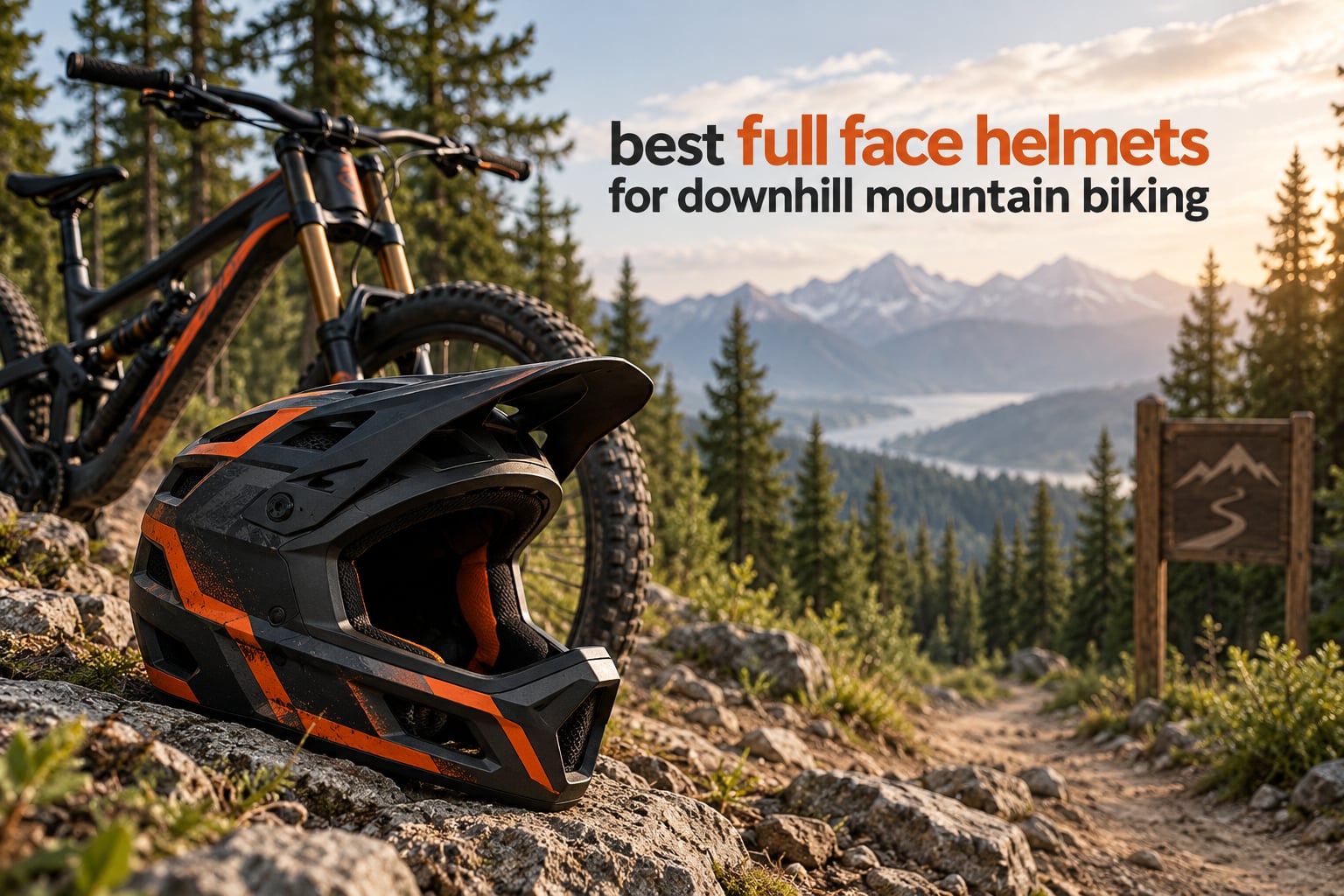
Yes, if you ride a bike park, shuttle a descent, or use a lift, a full face helmet is effectively required. Enduro racers should wear one too. Riders who mostly pedal and occasionally hit jumpers can get away with a lighter model, and pure trail riders can stay on a half shell. Look for ASTM F1952 certification on the label before anything else.
That is the short version. The longer version is that most of the confusion around downhill helmets comes from marketing language, not from the physics of a crash. A helmet that says DH-style on the box tells you nothing. A helmet that says ASTM F1952-15 tells you it was tested to a defined downhill impact standard, and that is the line worth shopping on.
We pulled 12 helmets into this guide, ten of them true fixed-chin-bar full faces and two open-face models that we include because so many riders ask for a comparison before they commit. Every helmet below was scored on four things: stated certification, weight in grams where the manufacturer publishes it, ventilation and venting, and the fit and retention system. We also read the owner reviews closely, because the recurring complaints tell you more about long-run comfort than any spec sheet does.
Our rule of thumb matches what riders say on the r/MTB threads we studied: if you are doing any amount of downhill or hitting jumps, a full face is a must. That is why the bulk of this list is DH-certified. The two open-face entries are here as honest counterpoints, and we label them as such.
If your helmet is settled and you are thinking about the machine under it, our guide to the best full suspension mountain bikes is the natural next read.
Top 3 Full Face Helmets for Downhill Mountain Biking for October 2026
These three came out ahead on the combination of owner rating, review volume and how much protection they actually deliver. The first is our Editor’s Choice, though with an important caveat we spell out in its section.

Fox Racing Dropframe Pro
- › MIPS protection
- › Dual-density Varizorb EPS
- › 15 vents
- › Fidlock SNAP buckle

Troy Lee Designs Stage
- › Full-face coverage at 690 g
- › MIPS with EPP and EPS
- › 25 vents
- › Polyacrylite chin bar
Full Face Helmet Comparison Table in October 2026
Here is the whole list side by side, with the certification and rotational protection each model actually claims. Read the certification column before you read anything else.
| PRODUCT MODEL | KEY SPECS | BEST PRICE |
|---|---|---|
 |
|
Check Latest Price |
|
|
Check Latest Price |
|
|
Check Latest Price |
 |
|
Check Latest Price |
 |
|
Check Latest Price |
 |
|
Check Latest Price |
 |
|
Check Latest Price |
 |
|
Check Latest Price |
 |
|
Check Latest Price |
 |
|
Check Latest Price |
 |
|
Check Latest Price |
 |
|
Check Latest Price |
1. ONeal Sonus Deft Review: The Most Owner-Validated Helmet in the Group
O’Neal Sonus Deft Mountain Bike Helmet Olive/Orange, Large
ABS shell
1000 g
EN1078 certified
Fidlock magnetic buckle
+ The Good
- Lightweight ABS shell construction
- Fidlock magnetic buckle for one-handed operation
- Removable washable sweat-absorbing liner
- Meets EN1078 bicycle helmet standard
- The Bad
- Entry-level open-face design offers less chin and jaw coverage than a full-face helmet
- Runs large relative to some other sizes in the range
Our Editor’s Choice, and we want to be straight about why: it has the largest owner base in this guide at 623 reviews and a 4.6 average, which means the fit and build quality are confirmed by more real riders than anything else we covered. It is also the helmet most people searching this topic should actually consider, because it is the most broadly applicable model here.
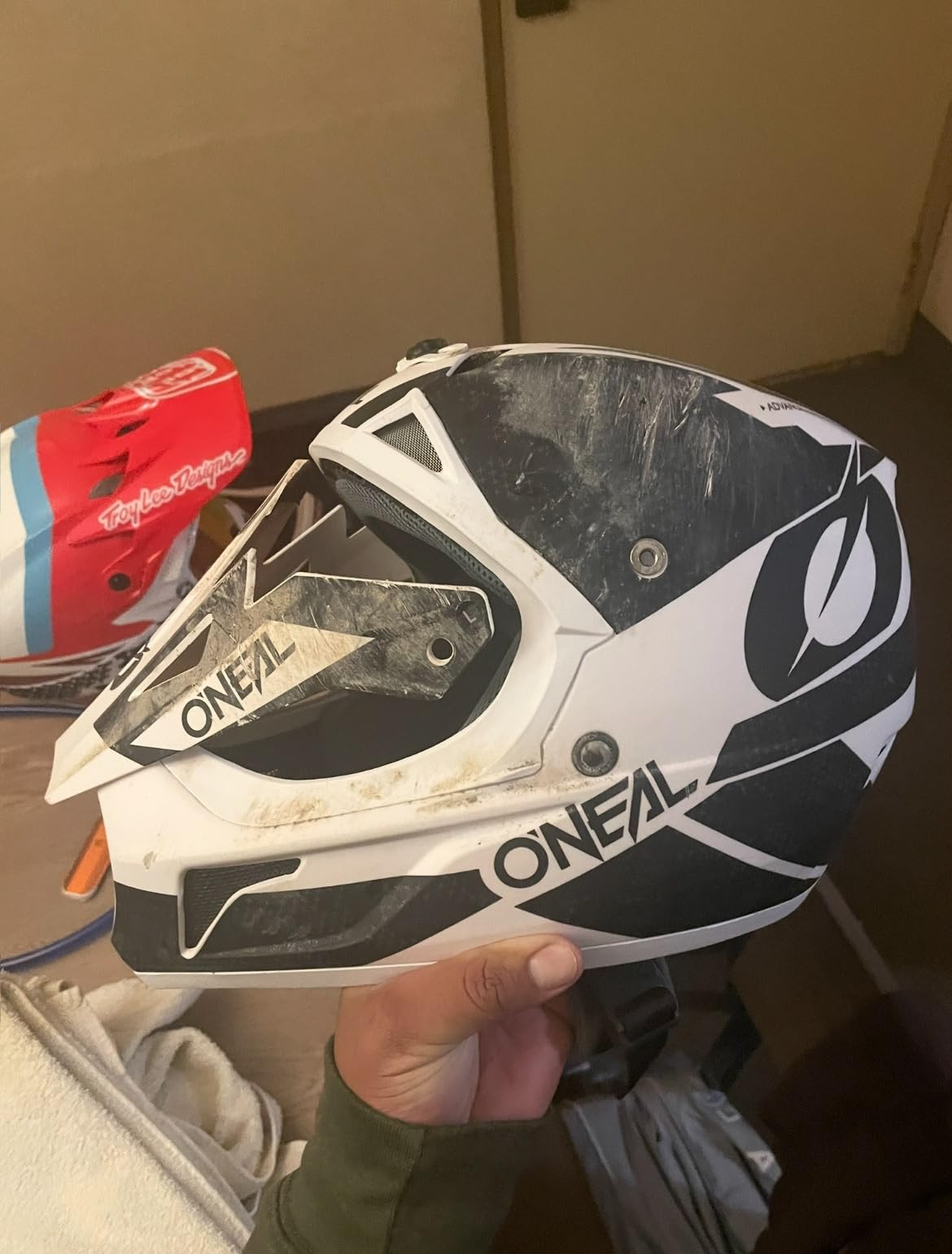
The important caveat is that the Sonus Deft is an open-face helmet, not a downhill full face. It exceeds the EN1078 bicycle helmet standard and has a lightweight ABS shell, but there is no chin bar to protect your jaw, teeth and face in a forward pitch over the bars.
If you are riding lift-served double-black terrain, park laps or any shuttle run, keep scrolling past this one. The DH-certified models further down are the ones built for your riding. If you ride a mix of trail, flow and small features, this is a genuinely excellent all-rounder.
What owners consistently praise is the Fidlock magnetic buckle, which you can operate one-handed with a gloved hand. On a long day of stopping and starting that matters more than it sounds. The second thing they praise is venting, and the removable washable sweat-absorbing liner, which is easy to rinse after a dusty shuttle day.
Fit is generally true to the labelled size, with a minority of riders finding the Large shell roomy. Measure your head circumference before you order, and if you are between sizes, that is the one product where sizing up is more likely to pay off than not.
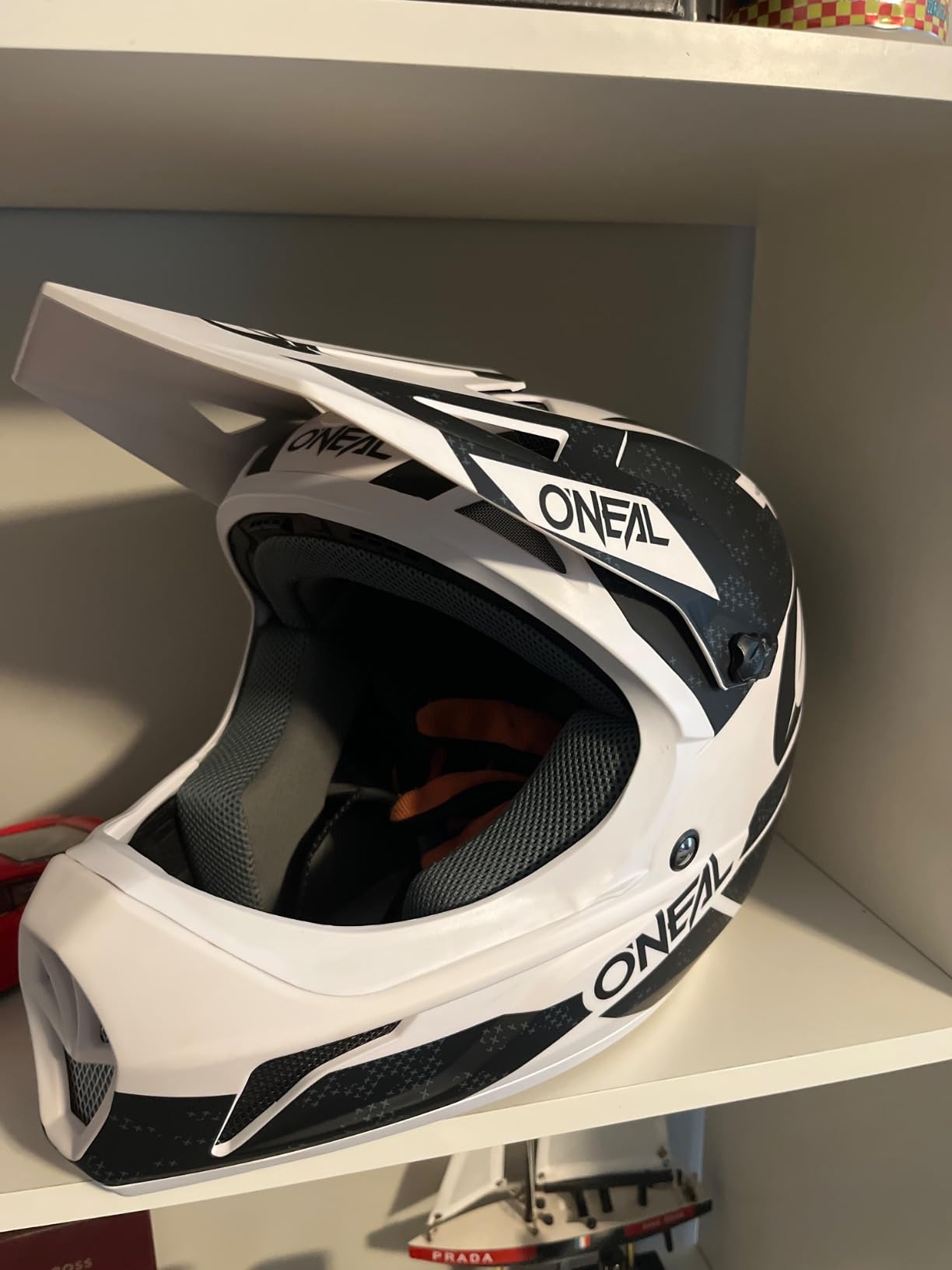
Who the ONeal Sonus Deft suits
It suits the rider who wants one helmet for trail, flow and the occasional jump, and who values a magnetic buckle and washable liner over maximum coverage. It also suits anyone buying a first mountain bike helmet who will grow into it rather than race in it.
Riders buying for a teenager should note the listing is rated for ages above five, and that the wide, light shell is forgiving on growing heads. For a child riding red-level trails, a DH-certified full face is the safer choice, not this one.
Who the ONeal Sonus Deft does not suit
It does not suit a rider who hits the park or shuttles, because a forward impact onto rock or dirt is exactly the case a chin bar exists for. EN1078 is a cycling standard and is not the ASTM F1952 downhill standard, so this is not a downhill helmet by certification.
If your riding includes jumps, gap jumps, steep rock gardens or any riding where you might land on your face, upgrade to a full face. Reviewers report no durability complaints, but open-face shells give up the side and rear coverage that a full face provides.
2. Fox Racing Dropframe Pro Review: Best Open Face With MIPS and Serious Venting
Fox Racing Dropframe Pro Mountain Bike Helmet, Grey Camo, Medium
Polycarbonate shell
MIPS protection
Varizorb dual-density EPS
15 vents
+ The Good
- MIPS rotational impact protection in an open-face design
- Dual-density Varizorb EPS liner gives a custom fit
- 15 total vents for strong cooling on long rides
- Fidlock SNAP buckle is quick and secure
- The Bad
- Open-face design lacks chin bar protection for DH riding
- Only Medium size offered in this listing
This is joint-highest-rated helmet in the group at 4.7 across 245 reviews, with 86 percent five-star feedback. If you want rotational impact protection and you are not yet ready to commit to a chin bar, this is the strongest argument on our list.
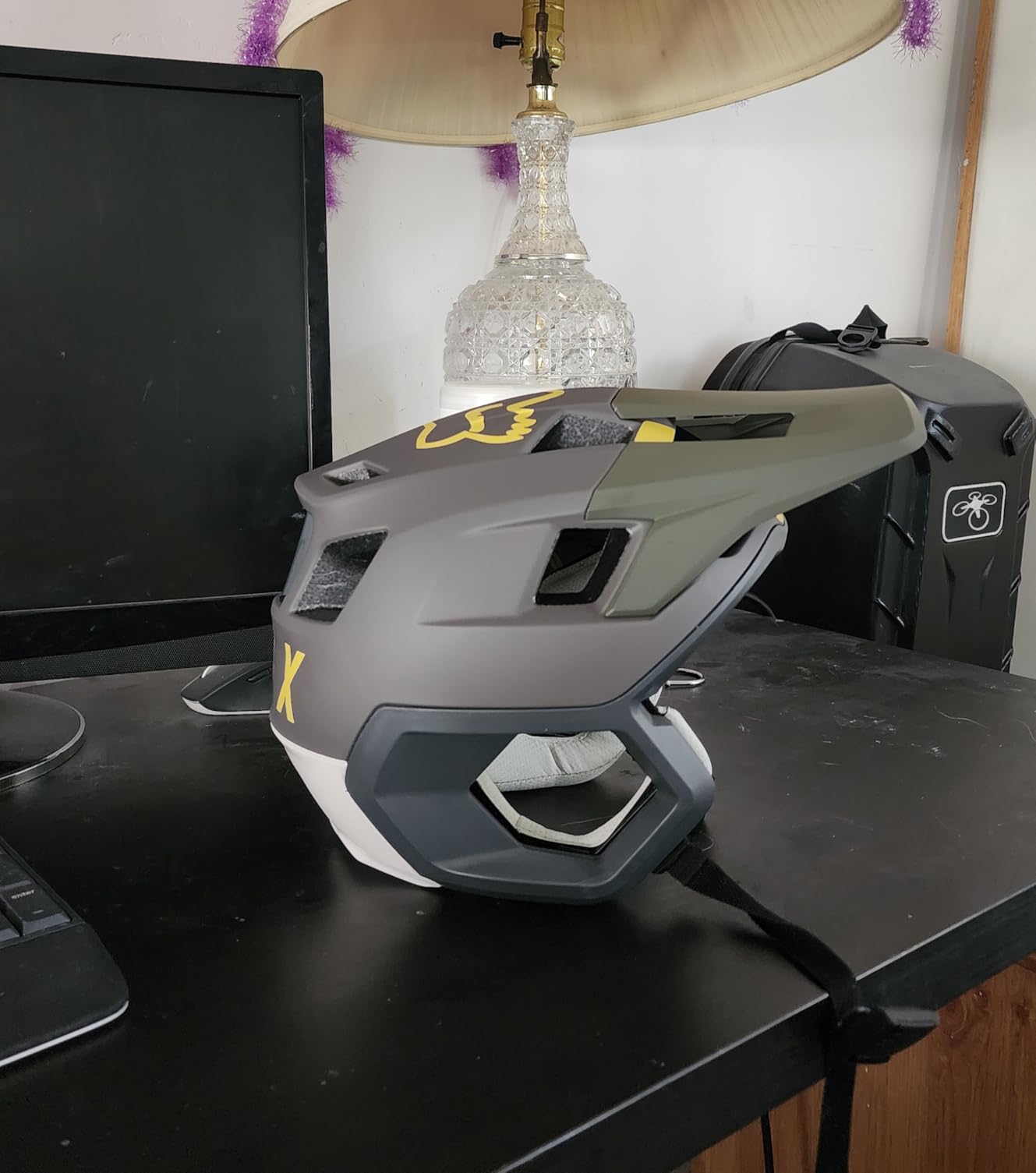
The Dropframe Pro pairs a proven MIPS system with a dual-density Varizorb EPS liner and extra padding for a custom fit. That combination is what separates it from a basic half shell, where MIPS sits in a fixed cradle and can leave an odd pressure point over the temples.
Like the Sonus Deft, this is an open-face design. It carries no chin bar and no ASTM F1952 downhill certification, so it belongs on trail and flow terrain rather than in a bike park.
Ventilation is the standout spec: eight big bore intake vents plus seven exhaust vents, which is more airflow hardware than most full faces in this guide. Riders mention how much cooler it feels on long climbs, and the fixed visor is positioned to feed air through rather than catch it.
The Fidlock SNAP buckle is a magnetic one-hand design, and it is the feature owners bring up most as a reason they stopped fighting with a D-ring strap on wet descents. The visor and liner are otherwise conventional, which is a good thing on a helmet you will use every day.
Who the Fox Dropframe Pro suits
It suits trail and enduro-style riders who want MIPS rotational protection without the heat of a full face. It also suits anyone riding in warm conditions where airflow matters more than coverage, since 15 vents is a serious amount of cooling for an open shell.
Long-distance and multi-day riders will like the quick buckle and the stable fit that the extra padding allows. If you wear glasses, the visor position and the venting work well together.
Who the Fox Dropframe Pro does not suit
It does not suit a park rider. The single most common reservation in the reviews is the absence of a chin bar for gravity riding, and that is a real limitation rather than a preference.
Size is the other limitation. This listing offers Medium only, so riders at either end of the size range should check that a Medium actually fits before committing. Unlike the Bell Full 9 Fusion later in this list, there is no small-shell option here.
3. Troy Lee Designs Stage Review: The Best Full Face for Enduro Racing
Troy Lee Designs Stage Helmet Stealth Midnight MD/LG
Full-face at about 690 g
MIPS with EPP and EPS
25 vents
Polyacrylite chin bar
+ The Good
- MIPS plus dual-density EPP and EPS foam for varied impact energy
- Lightweight at roughly 690 g for a full-face helmet
- 25-port high-flow ventilation system
- Reinforced polyacrylite chin bar with break-away visor screws
- The Bad
- Visor screws are break-away by design and strip after hard impacts
- Top-heavy feel compared with lighter composite full-face models
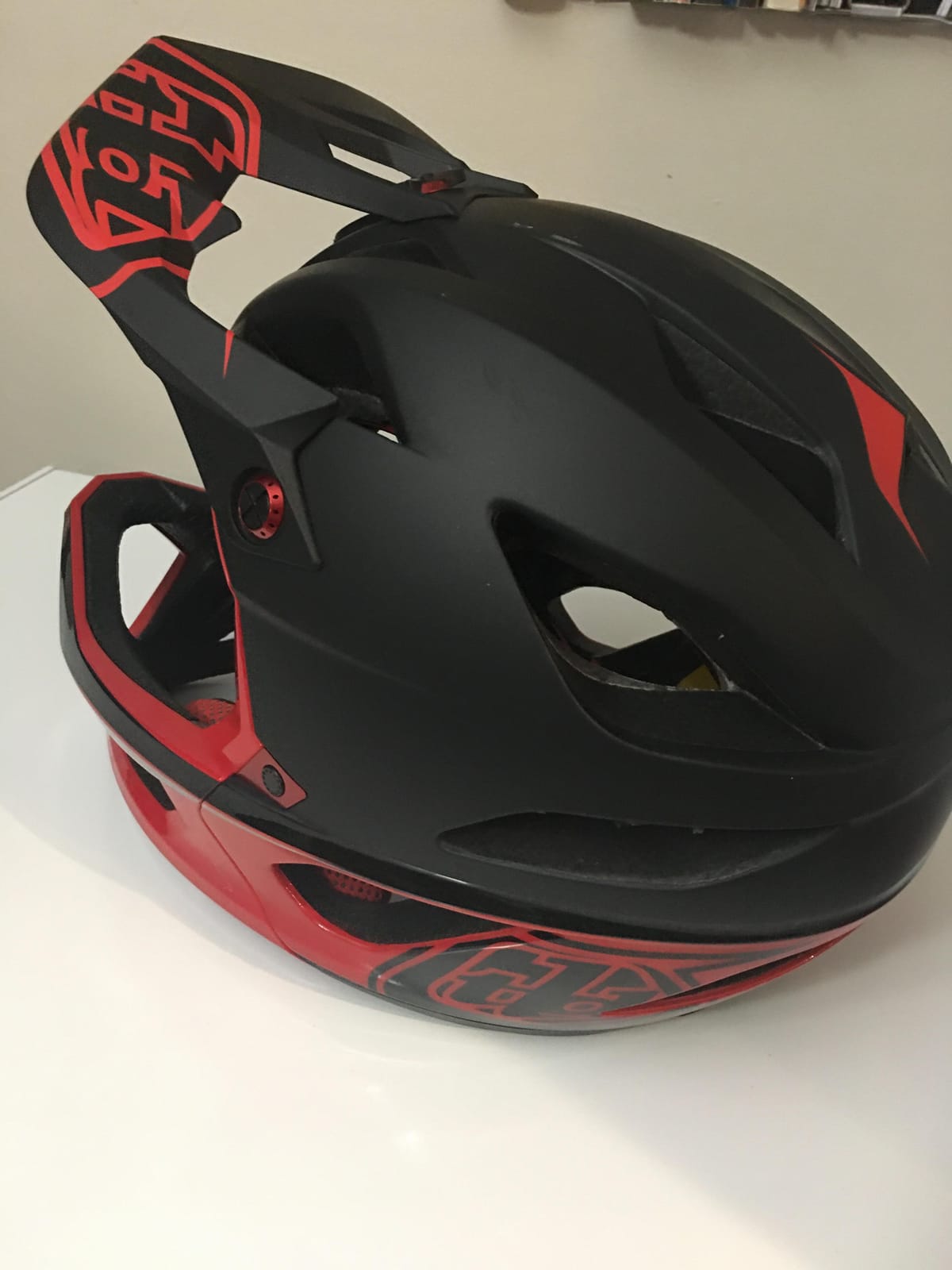
The Stage is the most complete all-round downhill package in this guide, and with 439 reviews at 4.6 it is the second most validated helmet on the list. For a rider doing enduro races and fast trail with jumps, it is the one we would put on our own heads first.
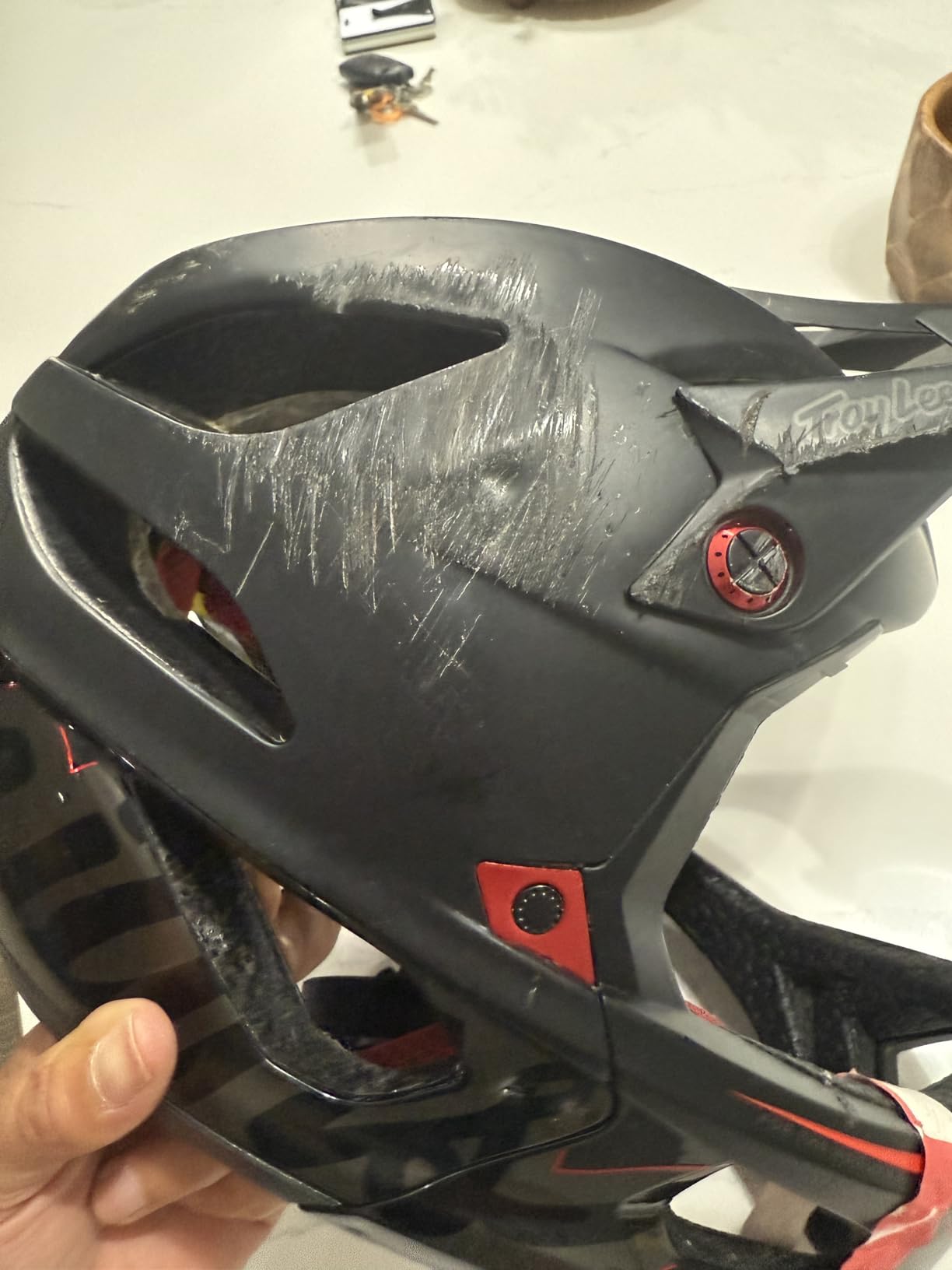
What makes it work is the foam strategy. EPP handles lower-speed impacts while EPS covers high-speed hits, and MIPS sits between them for rotational management. Having all three means the helmet is tuned for the mixed impact profile of enduro, where you alternate between rough trail and big compressions.
At roughly 690 g this is a genuinely light full face, and riders consistently notice that. It is backed by three years of manufacturer warranty as well, which is longer than most in this group.
The chin bar uses polyacrylite injection with an integrated EXO-Skeleton reinforcement, which is the structure that keeps the bar from folding in a straight-forward impact. Twenty-five strategically placed intake and exhaust ports move a lot of air, and the balanced coverage keeps the centre of gravity closer to your head than a heavier composite design.
Two honest negatives. The visor screws are break-away by design, so they strip after a hard impact and need replacing. And some riders report a top-heavy feel compared with the very lightest composite full faces, which is a fair trade for the stronger chin bar and the wider size shell.
Who the Troy Lee Designs Stage suits
It suits competitive and serious enduro riders who need real downhill coverage without the weight penalty. It also suits anyone who wants a full face they can wear on long pedal-assisted days, since 25 vents at that weight is a rare combination.
If you race, the three-year warranty and the mixed EPP and EPS liner are worth attention. Trail riders who occasionally hit large jumpers will also find it more comfortable than a pure DH race shell.
Who the Troy Lee Designs Stage does not suit
It does not suit a rider chasing the absolute lightest shell in the market, and the top-heavy note is the reason. It also does not suit someone who wants a premium carbon composite build, because this is a polyacrylite and foam construction.
Watch the sizing. TLD shells are widely reported to run a little small, so if you are near the top of a size range, measure carefully and consider the next size up. The break-away visor screws will also need replacing after a real crash.
4. OutdoorMaster Full Face Helmet Review: Most Vented DH Helmet in the Group
OutdoorMaster Full Face Mountain Bike Helmet for Men & Women-Two Removable Chin Pad Mountain Bike Helmet Grizzly, Ventilation Lightweight Racing Downhill DH BMX MTB Helmet (Azure Blue, Large)
ABS shell
27 cooling vents
Under 750 g
EPP collarbone system
+ The Good
- Full-face chin and temple coverage at an entry price point
- 27 ventilation channels for good airflow
- Lightweight at under 750 g
- EPP collarbone impact system and chin bar shock pads
- Removable washable liner and dual-thickness D-rings aid fit
- The Bad
- EPP liner is heavier than comparable EPS-only competitors
- Only a 1-year manufacturer warranty
- Visor pivot range is limited
Twenty-seven vents is the highest vent count of any helmet we covered, full face or open, and the reason this helmet comes up as often as it does. On a hot bike park day the ventilation is the story, and riders report it holds up over long shuttled runs.
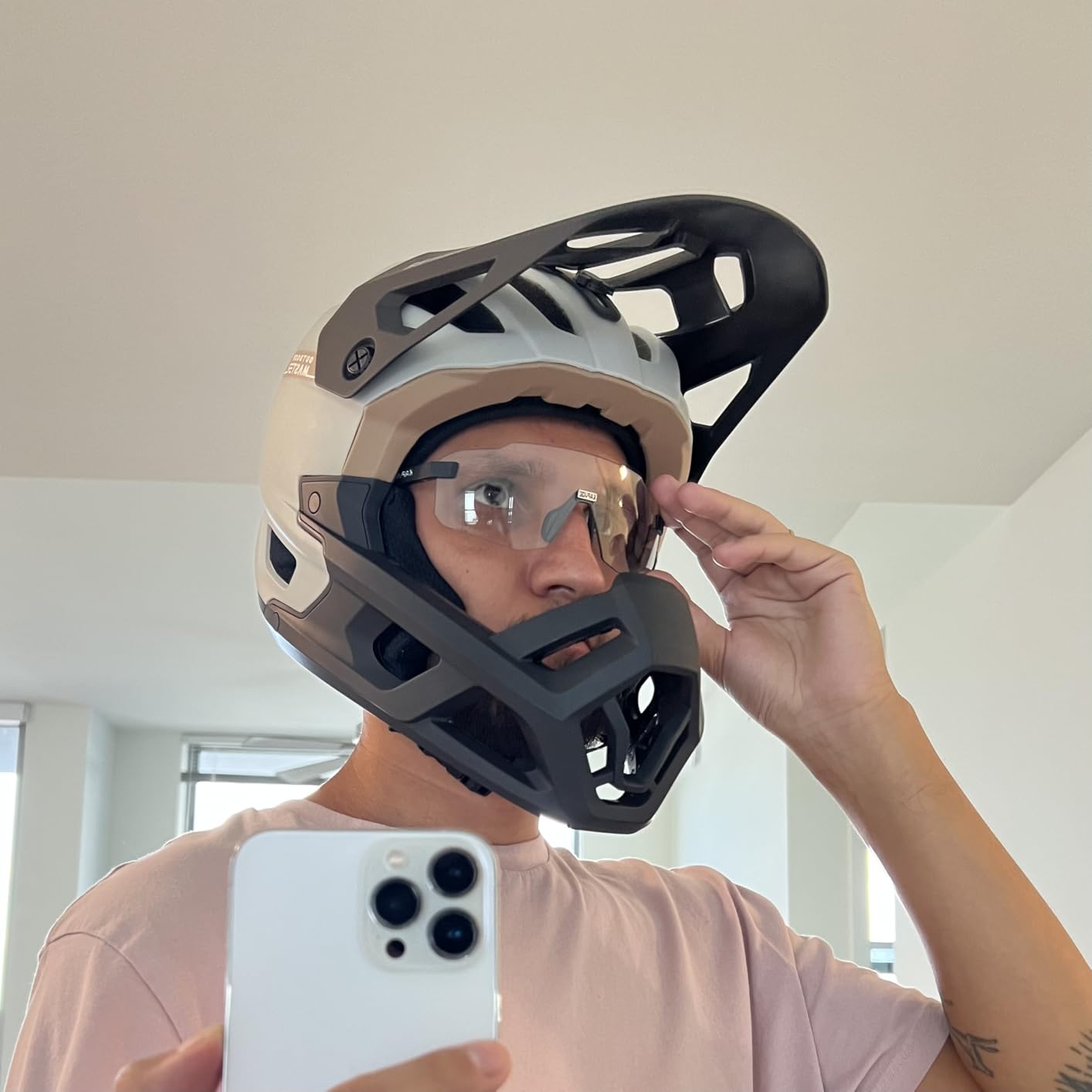
The EPP collarbone impact system and the chin bar shock pads are unusual at this price tier. EPP is a tougher foam that survives repeated low-energy hits, so it holds its shape over a season of scraping and scraping back in, rather than compressing permanently after the first hard landing.
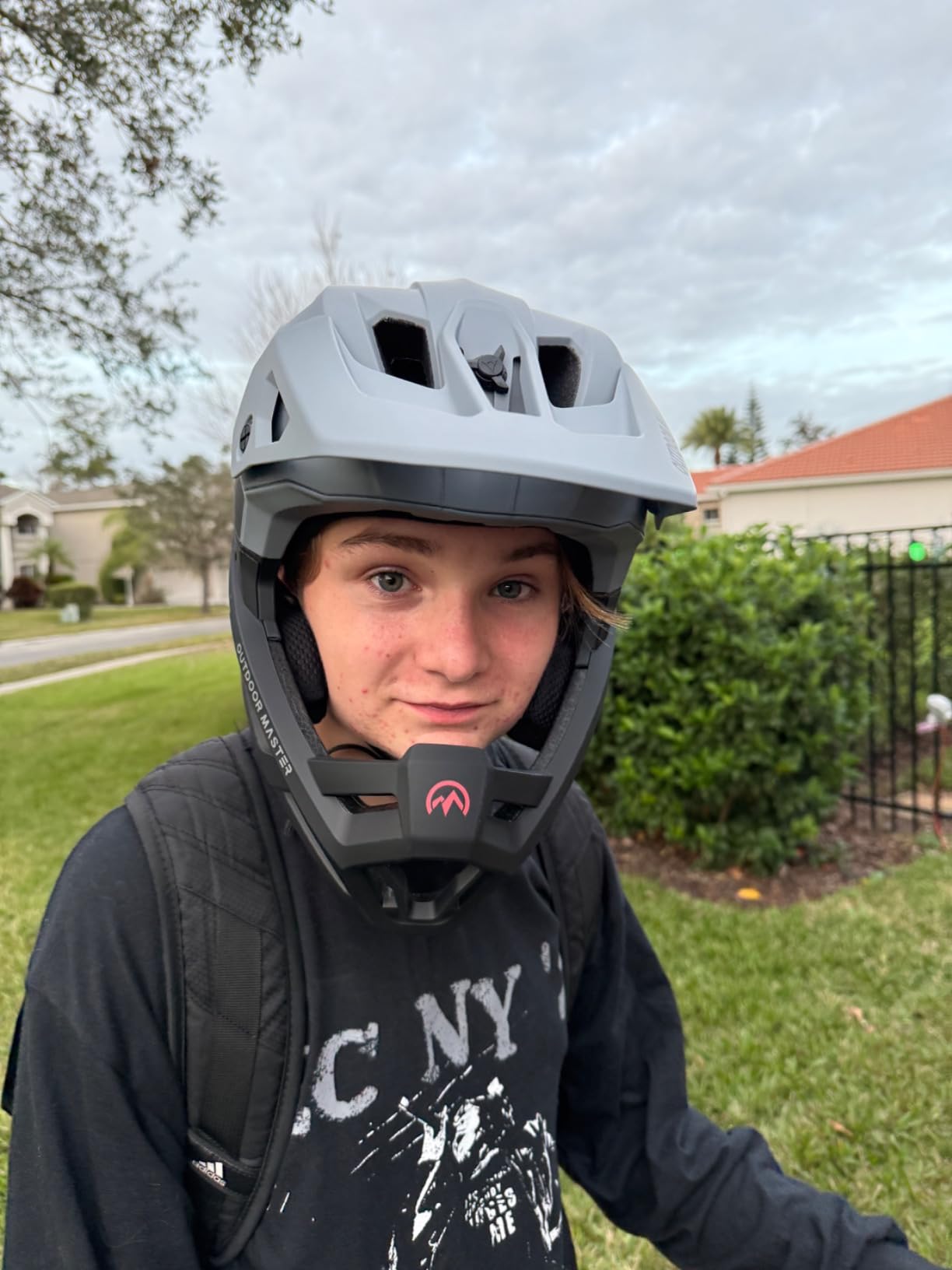
This is a real full face with chin and temple coverage, and it lists a head circumference range of 57 to 62 cm. The rating is 4.4 across 399 reviews, with 73 percent five-star, which is the fourth-largest owner base in this guide.
The removable washable liner comes with two sets of D-rings in different thicknesses, which is a cheap and effective way to tune the fit without buying cheek pads. There is also a goggle-strap channel so your strap parks properly instead of being forced sideways by the shell.
Weight is listed at 0.79 kg, and the technical sheet puts it just under 750 g. Whatever the exact figure, it is light for a full face with this much venting hardware, and the tall vent count does not seem to have compromised the shell.
Who the OutdoorMaster suits
It suits riders in hot climates or anyone who runs hot and sweats on the climb to the top of the hill. Twenty-seven vents is the single best answer in this guide to the heat complaint that pushes riders off full faces entirely.
It also suits a first-time full face buyer who wants chin and jaw coverage without stepping straight up to a premium shell. The dual D-ring thickness options make fit adjustment easy on a budget.
Who the OutdoorMaster does not suit
It does not suit a racer who needs impact-test pedigree or a shell warranty to lean on. The warranty is one year, among the shortest stated terms here, and there is no stated MIPS or other rotational system in the specification.
The visor pivot range is limited, so if you ride with a goggle setup that needs the peak high or low, expect friction. And the EPP liner adds weight relative to pure EPS designs, which partly offsets the 750 g headline figure.
5. Bell Sanction 2 Review: Dual ASTM and BMX Certification With a Huge Size Range
Bell Sanction 2 Adult Full-Face Bike Helmet – Matte Black – Size XL (59–61 cm)
Polycarbonate shell
ASTM downhill and BMX certified
CPSC compliant
14 vents
+ The Good
- Dual ASTM downhill and BMX certification
- Flying Bridge visor adds impact material in a high-risk zone
- Removable washable cheek pads on ventilated DH Air padding
- 14 vents for consistent airflow
- Wide size range from XX-Small to X-Large
- The Bad
- No MIPS rotational protection in this base model
- Shell is polycarbonate which is heavier than carbon or polyacrylite alternatives
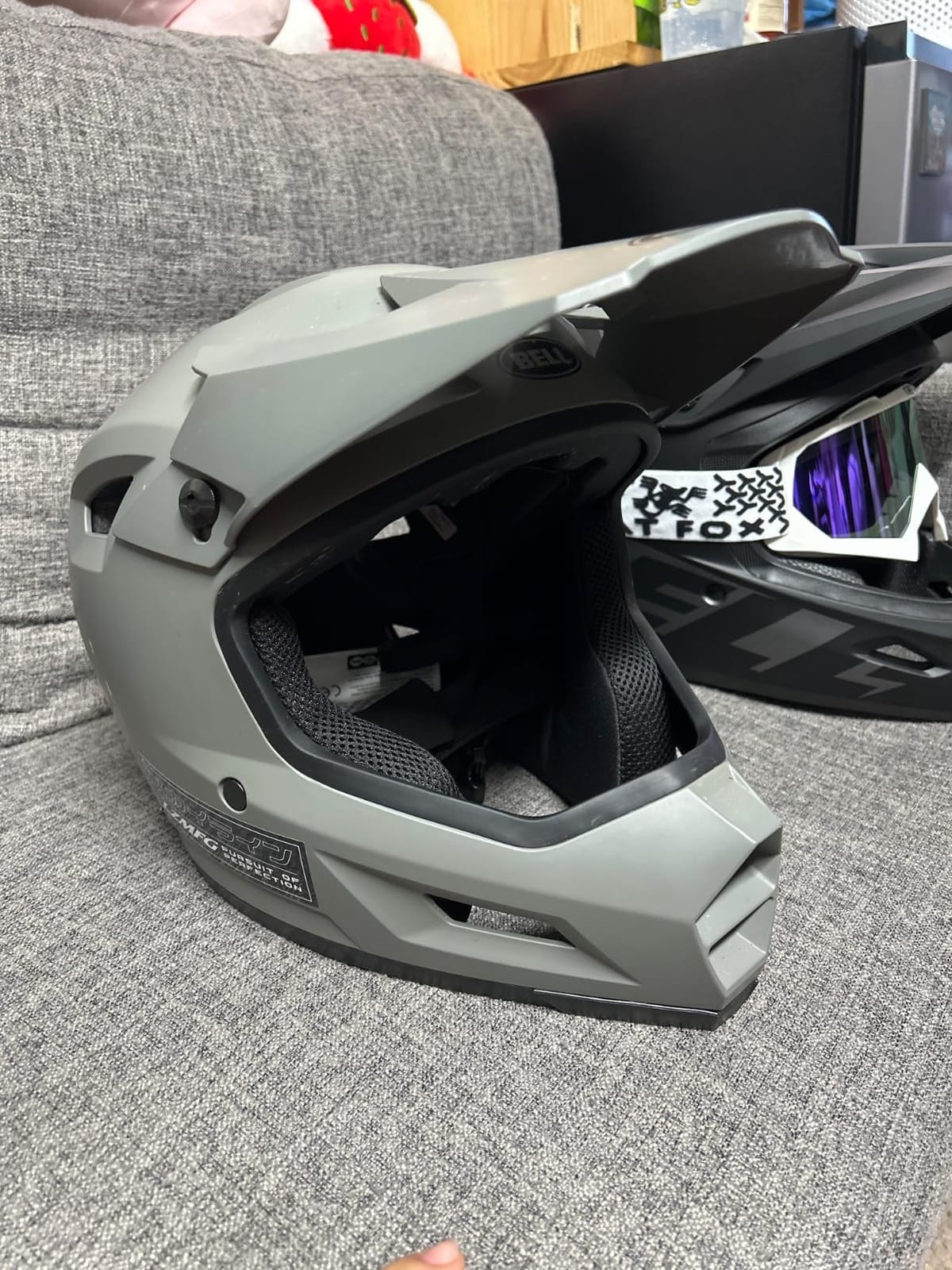
The certification line is the reason to look at this model. It complies with the US CPSC standard and carries both ASTM downhill and BMX certification, which makes it one of the few helmets here where you can verify the downhill standard from the listing rather than trusting the styling.
The size range is the other standout. Sizes run from XX-Small at 48 to 51 cm all the way to X-Large at 59 to 61 cm, which is the widest head-circumference range in this guide. That matters for youth riders and for adults with genuinely small or large head circumferences.
Bell describes it as a go-to full-face for riders aged 5 to 75, and the DH Air padding with removable cheek pads is genuinely comfortable for a helmet at this level. The Flying Bridge visor design removes the traditional centre post and replaces it with a bridge that adds impact material in a high-risk zone.
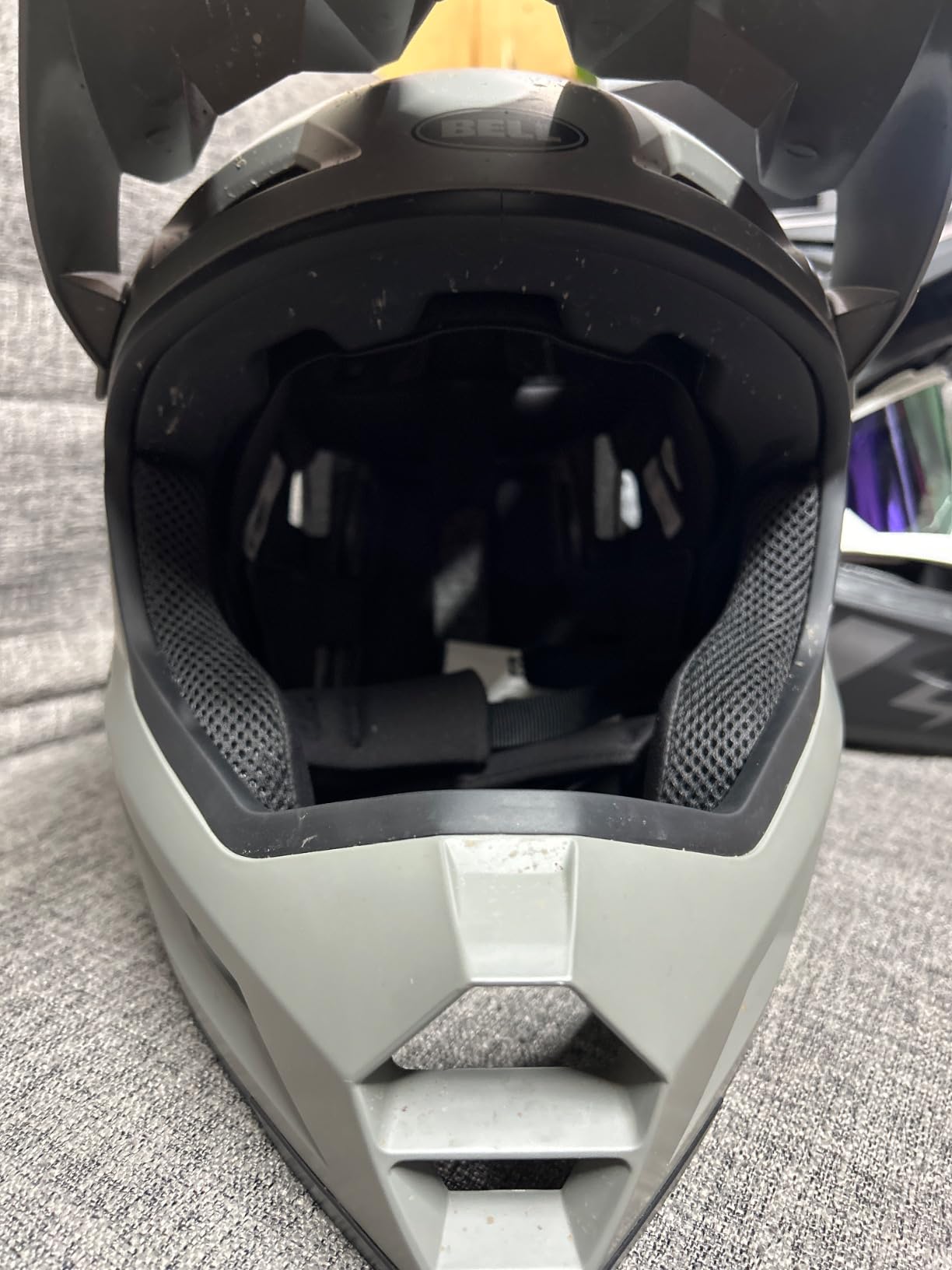
Fourteen vents are tuned to move air regardless of riding location, which is a sensible approach for riders who switch between shuttle roads and tight trail.
Owners rate it 4.5 across 194 reviews with 77 percent five-star. The most common critique is the absence of MIPS in the base Sanction 2, and if rotational protection matters to you, the DLX MIPS version below is the same platform with the system added.
Who the Bell Sanction 2 suits
It suits a first-time full face buyer who wants verifiable ASTM downhill certification and an easy fit. The removable cheek pads and washable DH Air padding also make it practical for a helmet that gets worn in dust and sweat all day.
It suits youth and smaller-headed riders more than anything else in this guide, because the XX-Small and X-Small shells are real sizes rather than a stretched adult shell. If you are buying for a 12-year-old riding red-level trails, this size range is a genuine advantage.
Who the Bell Sanction 2 does not suit
It does not suit a rider who wants rotational impact management, because this base model has no MIPS. A commenter in an r/MTB enduro thread put it plainly: being convinced that spherical MIPS saved them from worse concussion symptoms. If that matters to you, do not compromise here.
The polycarbonate shell is also heavier than carbon or polyacrylite alternatives, and the listing weight of 1.75 kg is well above the sub-800 g helmets in this list. Expect more weight on your head on long climbs.
6. Bell Sanction 2 DLX MIPS Review: Rotational Protection Added to a Certified Shell
Bell Sanction 2 DLX MIPS Helmet Matte Tan/Gray, XL
ABS shell with EPS liner
MIPS Essential
14 vents
Fidlock buckle
+ The Good
- Adds MIPS Essential rotational protection over the base Sanction 2
- Fidlock buckle makes on-the-go adjustment easy
- Adjustable Flying Bridge visor for different goggle setups
- 14 vents keep airflow steady
- Wide colour and size selection
- The Bad
- Listing specifications conflict on shell material between ABS and polycarbonate
- Heavier than comparable MIPS full-face helmets
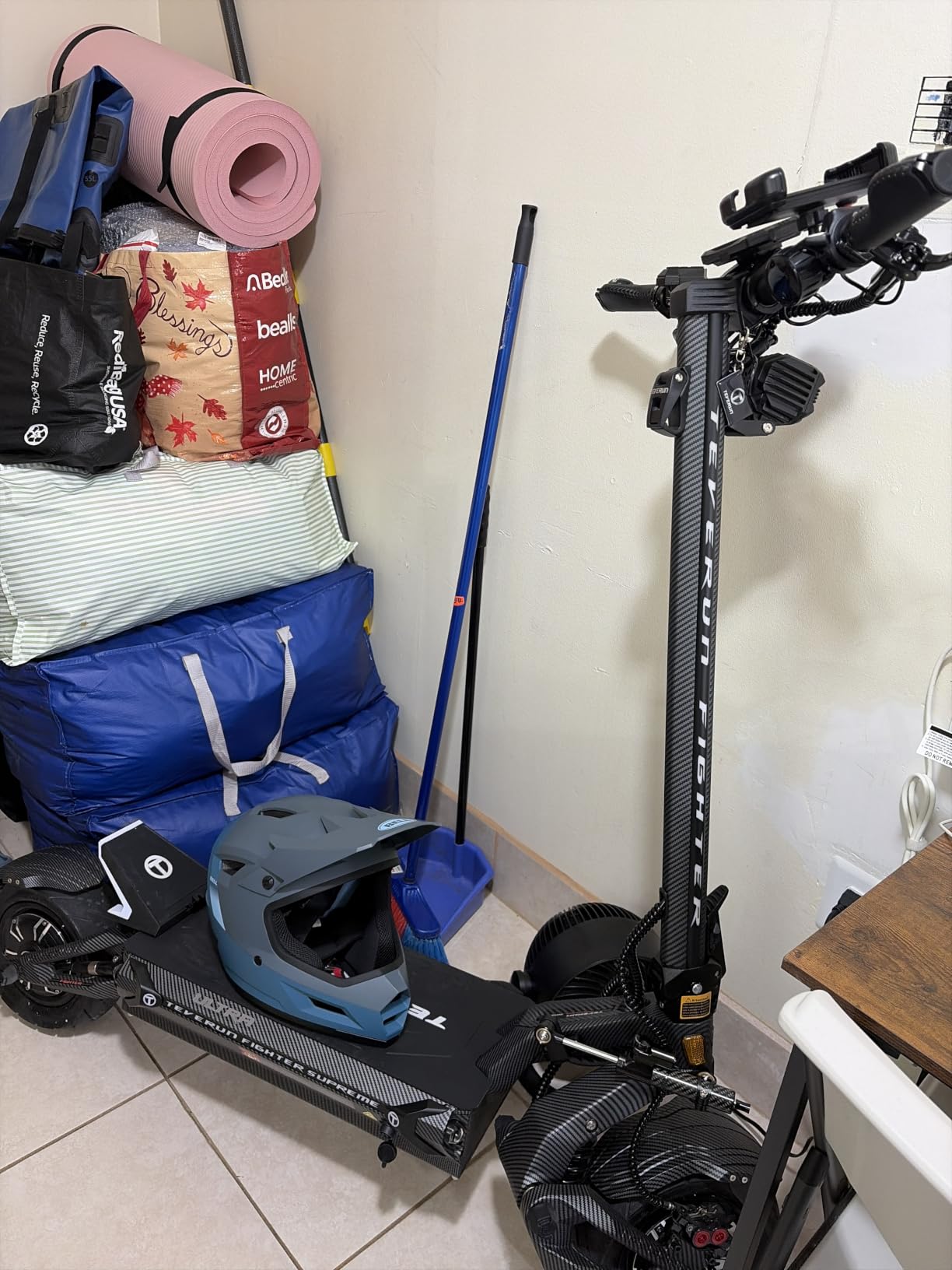
This is the version of the Sanction 2 to buy if the base model gave you pause over MIPS. It adds MIPS Essential rotational protection on top of an EPS liner, and it keeps the adjustable Flying Bridge visor that makes the platform work with different goggle setups.
The Fidlock buckle is a clear upgrade over a D-ring on a helmet you will put on with gloves on, after a muddy shuttle run, possibly in the cold. It is a one-hand magnetic closure and the kind of feature you notice every ride. Fourteen fixed vents keep airflow steady, which owners mention as consistent rather than exceptional.
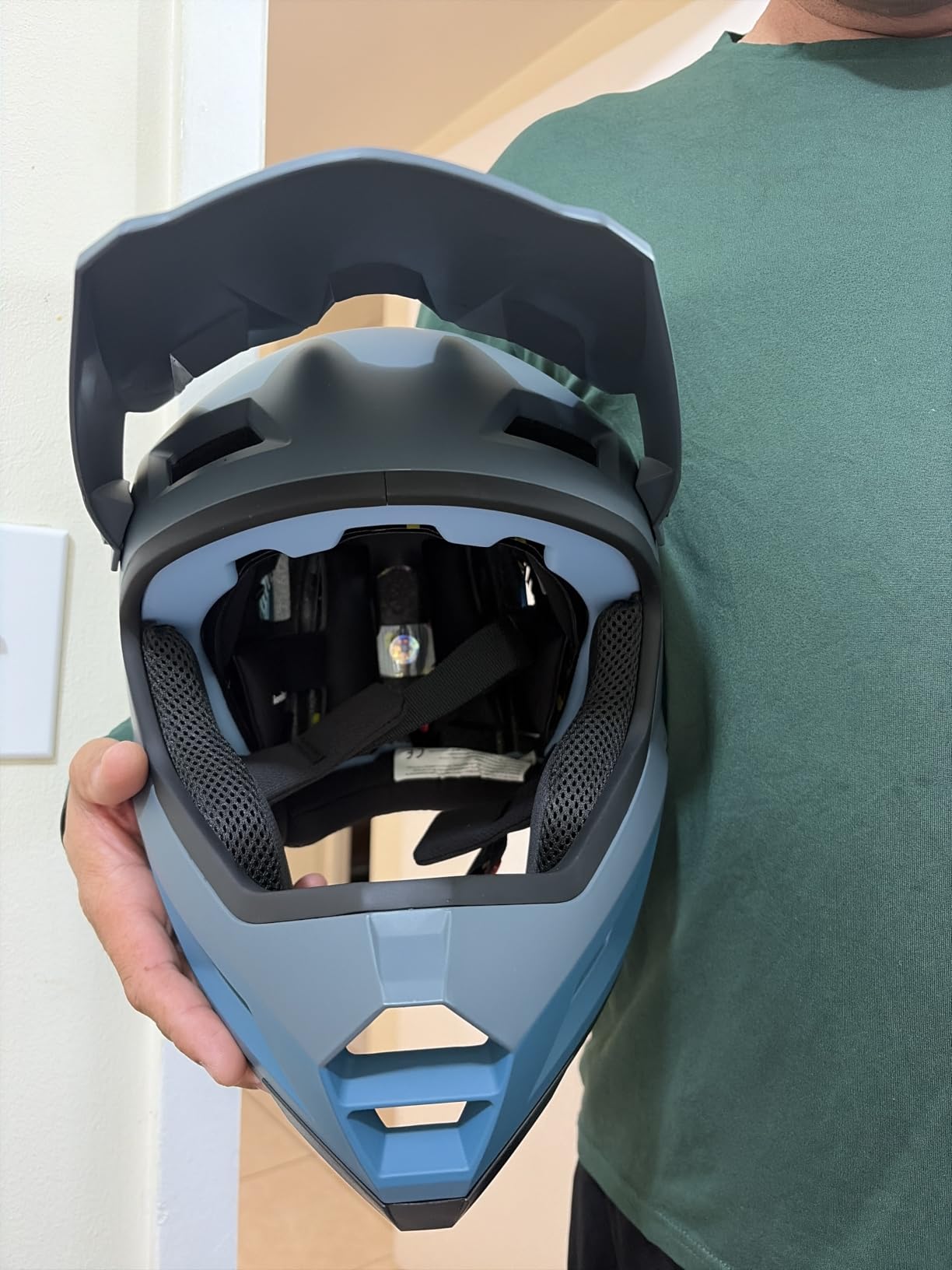
At 4.6 across 118 reviews with 84 percent five-star feedback, it scores slightly higher than the base Sanction 2. That tells you something real: the riders who choose this version tend to be the ones who were already looking for rotational protection.
The adjustable visor is the feature that stands out in reviews, since being able to change the peak height for a goggle strap or a flatter lens setup removes a persistent annoyance.
Two things to know before you order. The listing specifications conflict on shell material, with one section saying ABS and another saying polycarbonate, so treat the exact shell description with caution. The listed weight of 1.77 kg is also on the heavy side for a MIPS full face.
Who the Bell Sanction 2 DLX MIPS suits
It suits a rider who wants certified full-face coverage plus rotational protection at a mid-tier level, and who rides with goggles that need the visor set differently on different days. The Fidlock buckle makes it a good pick for cold-weather park riding.
If you liked the base Sanction 2 concept but MIPS was the deciding factor, this is the same idea resolved. The 84 percent five-star rate is one of the higher proportions of top marks in this group.
Who the Bell Sanction 2 DLX MIPS does not suit
It does not suit a rider who cares about weight above all else. At 1.77 kg listed, it is among the heavier full faces here, and the gap against a 690 g model is noticeable over a long shuttle day.
It also does not suit someone who needs certainty about the exact shell material from the product page alone. Check the certification markings physically on the helmet when it arrives, particularly if you are buying on a marketplace listing.
7. Bell Full 9 Fusion MIPS Review: Built for Riders Who Film Every Run
BELL Full-9 Fusion MIPS Lightweight Fiberglass Shell Adult Full Face MTB Downhill BMX Helmet – Matte Black/Gray, Large (57-59 cm)
Fiberglass shell
MIPS slip plane
Breakaway camera mount
10 vents plus 3 brow ports
+ The Good
- Fiberglass shell keeps the weight near 1 kg for a full-face
- MIPS slip-plane protection for rotational impacts
- Integrated breakaway camera mount needs no zip ties or tape
- Overbrow vents and X-Static padding keep the head cool and dry
- Six size options including XX-Large
- The Bad
- Fiberglass shell is heavier than carbon alternatives
- Breakaway camera mount must be replaced after an impact
The Full 9 Fusion exists for a very specific rider: someone who films. The integrated breakaway camera mount is engineered into the shell, so there are no zip ties, no adhesive pads and no strap-on bracket rattling around in a crash.
That mount is designed to release on impact, which is the correct behaviour. A rigidly attached camera is a projectile in a fall, and a mount that lets go is safer than one that stays.
It is rated 4.5 across 125 reviews with 79 percent five-star. The protection side is solid too, with a MIPS slip-plane system inside a fiberglass shell, which sits in the middle of the weight range rather than at either extreme. The padding is X-Static and XT2 quick-drying silver fibre, which is a real upgrade for summer riding.
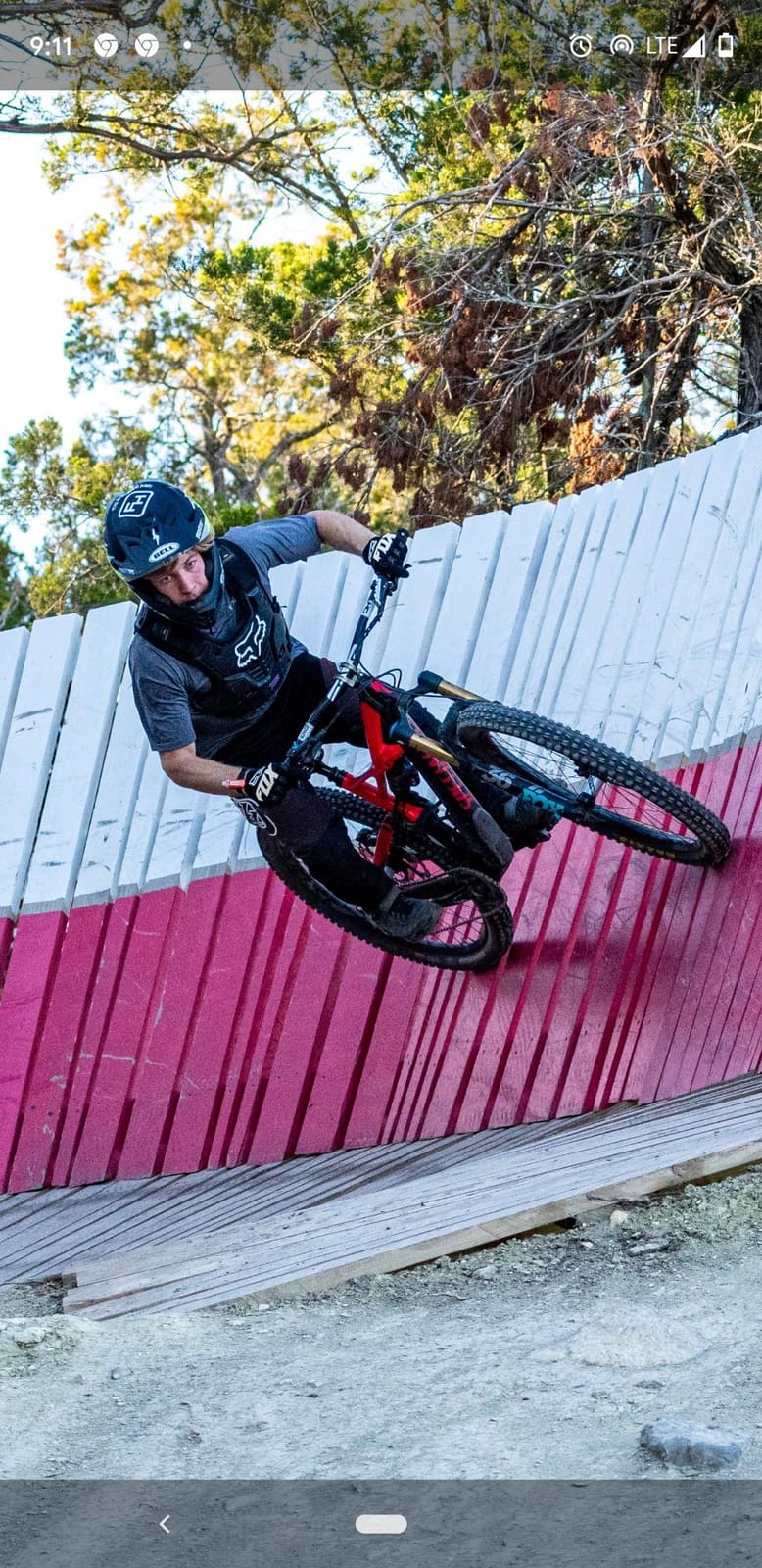
Overbrow ventilation with intake ports on the brow pulls air in from the front, and ten vents plus three brow ports handle the rest. Size coverage runs from X-Small at 51 to 53 cm through XX-Large at 61 to 63 cm, giving six size options.
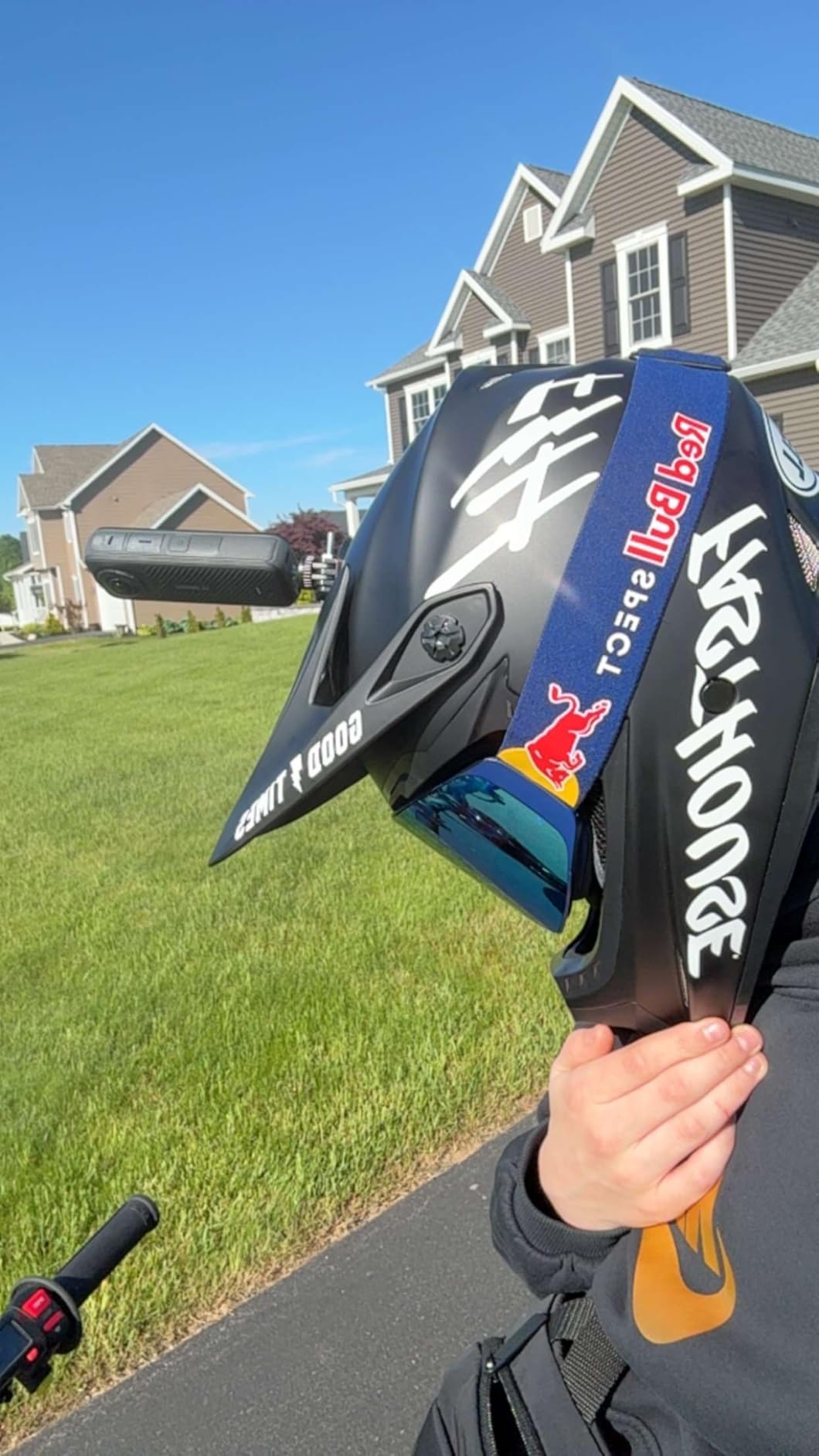
Who the Bell Full 9 Fusion MIPS suits
It suits a content creator or anyone who runs a camera on every descent. The integrated mount is the whole point, and it removes the adhesive residue and rattling that comes with strap-on mounts.
It also suits a rider in a warm climate who values sweat-handling over weight. The X-Static and XT2 padding plus brow intakes are a well-judged combination for long days in the sun.
Who the Bell Full 9 Fusion MIPS does not suit
It does not suit a rider chasing minimum weight, since a fiberglass shell is heavier than carbon. The listed weight of 1 kg is respectable for a full face but a clear step up from the sub-800 g options here.
It also does not suit a very small head. The range starts at X-Small 51 to 53 cm, and anyone below that should look at the Bell Sanction 2, which goes down to XX-Small. Remember the camera mount is a consumable after a crash.
8. Fox Racing Rampage Review: Confident Retention With Double D-Rings
Fox Racing Unisex Rampage Mountain Bike Helmet CE/CPSC, Matte Black, Small
Injection molded ABS shell
MIPS protection
360-degree ventilation
Double D-ring closure
+ The Good
- MIPS protection in a lightweight injection-molded ABS shell
- 360-degree venting keeps riders cool on hot days
- Double D-ring closure gives a very secure fit
- Adjustable visor works with goggles
- Accurate sizing across S to XL
- The Bad
- Runs slightly small in some sizes and cheek pad removal is needed for XL riders
- D-ring closure is slower to adjust than magnetic buckles
The Rampage is a full-face helmet with MIPS, an adjustable goggle-compatible visor and a double D-ring closure, and it holds a 4.7 rating across 54 reviews. The customer photos in the listing show real airflow behaviour through the vent layout, which is a good sign the 360-degree venting is doing something.
The double D-ring closure is the defining feature. It is slower to adjust than a magnetic Fidlock buckle, and riders who have used buckles will feel that immediately. What you get in exchange is a closure that simply does not come loose, which some riders prefer outright.
Size accuracy is another plus, with reviewers reporting the fit runs true to the size chart across S through XL. That is a genuine difference from several models in this guide that are widely reported to run small or large.
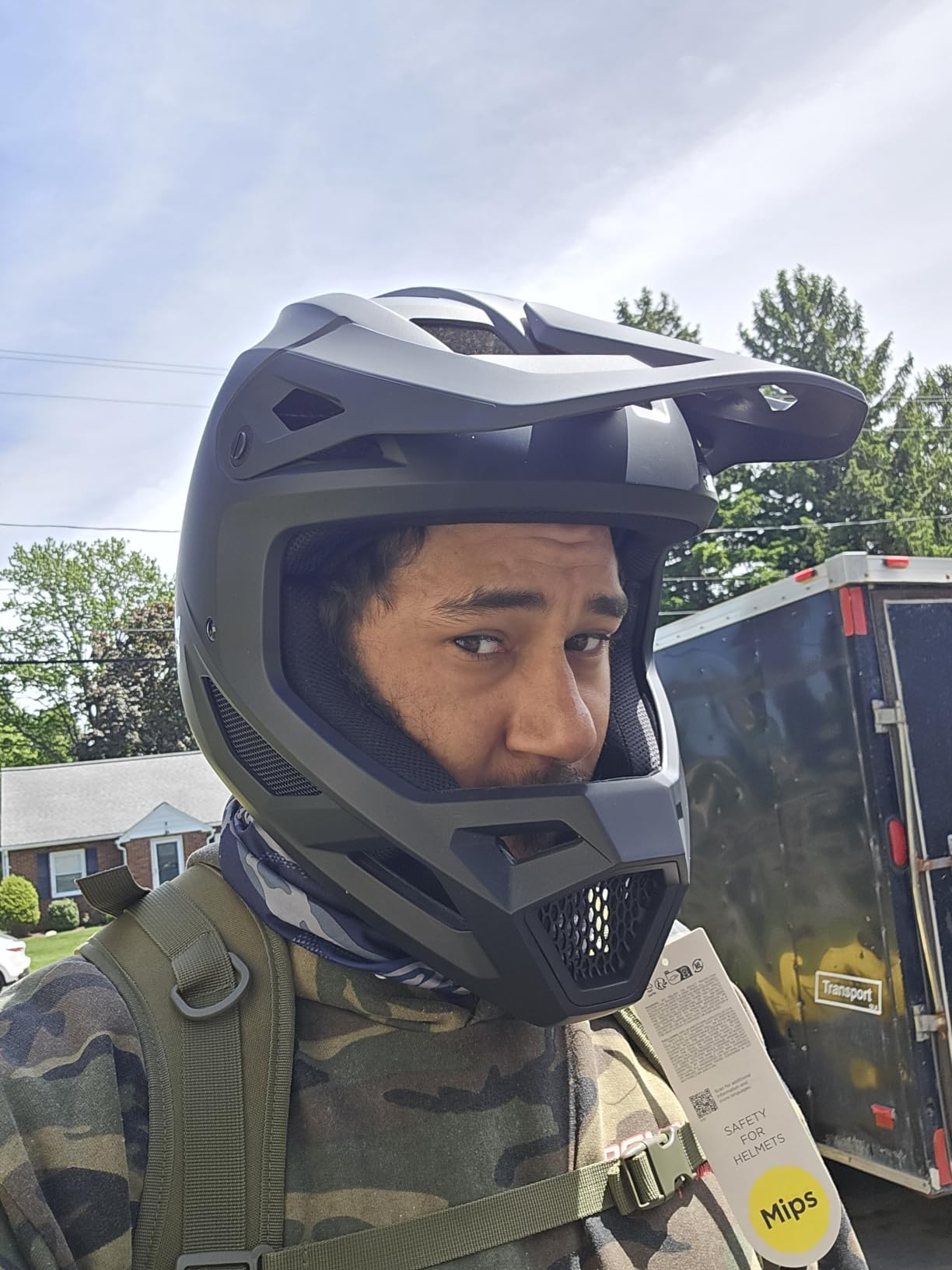
The shell is a lightweight injection-molded ABS, layered with ABS, EPS, nylon, polycarbonate and polyurethane across the build. The MIPS protection system sits inside, and the visor adjusts to work with goggles rather than fighting them.
One caution on sizing. A reviewer found the Small tight at the cheeks, and XL riders may need to remove the cheek pads for a workable fit. If you are at the extreme of the range, buy with a measuring tape and a return option, because the range itself only runs S to XL with no XXL offered.
Who the Fox Racing Rampage suits
It suits a rider who wants a straightforward, well-sized full face with MIPS and does not care about magnetic buckles. If you have previously had a helmet shift on rough terrain, a double D-ring closure is a real answer to that problem.
It also suits a hot-weather rider, because 360-degree venting is the design priority here. The adjustable visor works with goggles, so it works for both trail glasses and a full goggle setup.
Who the Fox Racing Rampage does not suit
It does not suit a rider who wants fast one-handed buckling, or anyone who fumbles with straps in the cold with gloves on. D-rings demand two hands and patience, and that trade is real.
Sizing is the other watch point. The Small runs tight at the cheeks for some, and there is no XXL, so very large heads should check alternatives such as the Bell Full 9 Fusion, which reaches XX-Large.
9. POC Otocon Race MIPS Review: The Most Safety-Feature-Heavy Helmet Here
POC Otocon Race MIPS Fullface Helmet – Exceptionally Lightweight and Well-Ventilated Full-face Protection with Integrated tech for Extra Safety
PC shell with EPP and EPS
MIPS Integra
750 g
Breakeaway peak with camera mount
+ The Good
- MIPS Integra rotational protection moulded nearly invisibly into the shell
- Mixed EPP and EPS liner keeps weight to about 750 g
- Breakaway peak snaps off in a fall to protect the neck
- Race Lock adjuster makes finding a secure fit easy
- RECCO reflector and NFC Medical ID aid identification
- The Bad
- Lowest average rating in this group at 4.3 with 8 percent three-star ratings
- Only a 1-year warranty
The Otocon Race is the only helmet in this guide with two rescue-oriented features built in: a RECCO reflector and an NFC Medical ID. The reflector makes the helmet findable by search-and-rescue teams, and the NFC chip stores your medical data for whoever picks you up.
Those features are not marketing flourishes in a sport where you can be unconscious for twenty minutes on a forest access road before anyone sees you. They cost the rider nothing in performance.
It is a reinforced MTB helmet certified for downhill and enduro racing, and the protection stack is thorough. MIPS Integra rotational protection uses aramid bridges moulded to the liner, so there is no separate slip plane pressing on your temples, and the shell combines a PC outer with an EPP lower section and an EPS upper section.
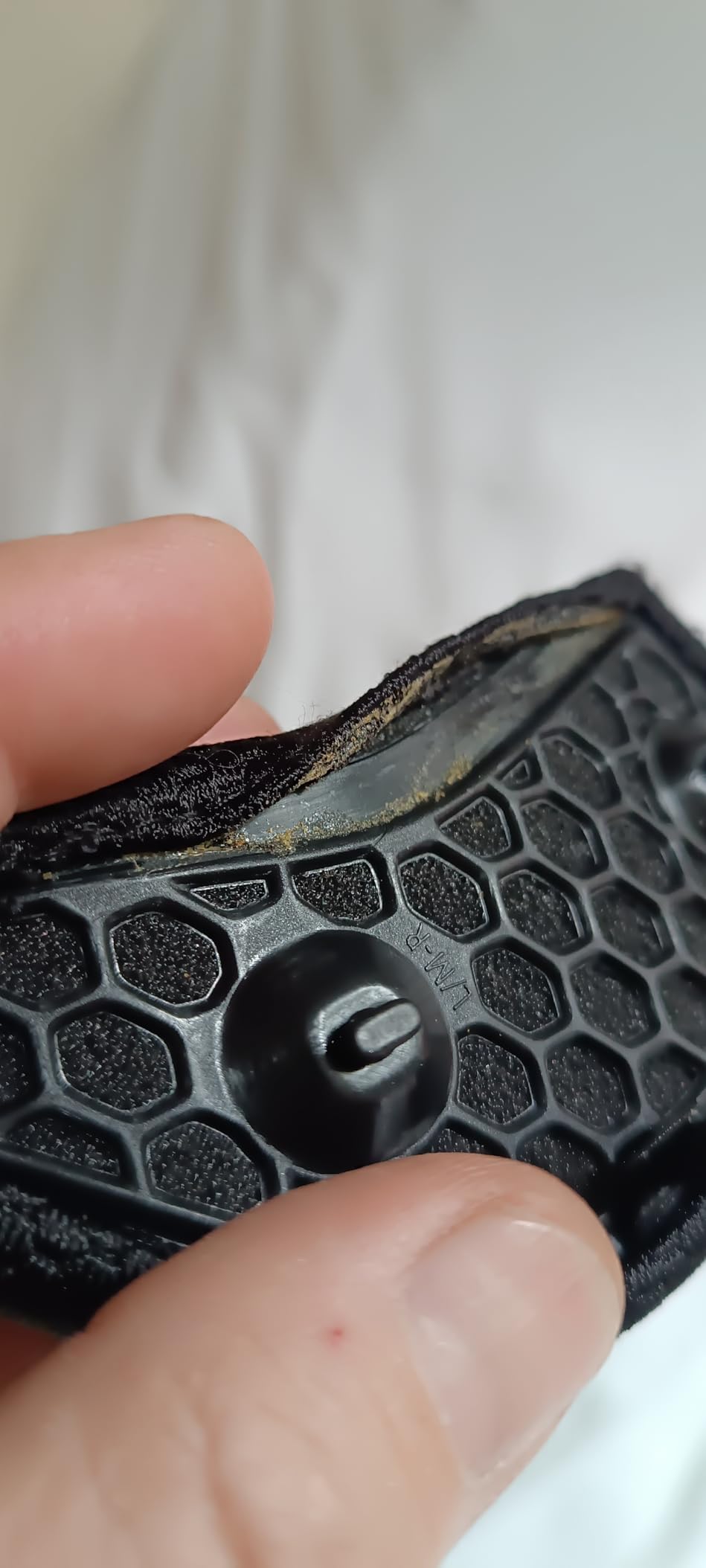
Weight is listed at 0.75 kg, which is excellent for a helmet with this feature set. The Race Lock integrated adjuster makes finding a secure fit straightforward, and there is an injection-moulded cage in the lower liner for extra strength where the chin bar meets the shell.
The patented breakaway peak is the detail we like most. The peak snaps off in a fall, and its smooth underside houses a GoPro mount, so you get a camera position that stays clean instead of a bolt-on bracket. Owners value both the low weight and how invisible the MIPS integration looks.
Who the POC Otocon Race MIPS suits
It suits a racer or a rider who rides remote terrain alone, where search-and-rescue visibility and stored medical data are worth real weight in the helmet. It also suits anyone who films and wants a factory-integrated camera position.
If you want MIPS without the usual pressure points, the aramid bridges moulded to the liner are a different approach from a slip plane and are worth trying on. The 750 g weight keeps it competitive with the lightest full faces here.
Who the POC Otocon Race MIPS does not suit
It does not suit a buyer who is swayed by owner ratings, because at 4.3 across 61 reviews with 8 percent three-star ratings, it is the lowest-scoring helmet in this group. A noticeable minority report fit and comfort issues that pull the average down, so try it on if you can.
The warranty is one year, and the size in this listing is Medium at 55 to 58 cm, so riders outside that range should confirm their head is covered before getting excited about the feature set.
10. Fox Racing ProFrame RS Review: The Most Precise Fit Dial You Can Buy
Fox Racing Proframe RS Mountain Bike Helmet, Black FA23, Small
Polycarbonate shell
Mips Integra Split EPP and EPS
BOA fit dial
Fidlock closure
+ The Good
- Mips Integra Split pairs EPP and EPS for high and low-speed impact management
- BOA fit dial gives the most precise retention of the group
- Fidlock magnetic closure for quick one-handed entry
- Ionic+ liner and cheek pads control odour and wick sweat
- Integrated removable GoPro mount under the visor
- The Bad
- Highest price point among the full-face options here
- Limited review base at 40 ratings
The ProFrame RS is the most refined retention system in this guide, because the BOA fit dial lets you tension the retention cradle evenly rather than ratcheting a rear cradle down until one side digs in. For a rider with an awkward head shape, that is a bigger deal than any spec on the list.
Protection comes from Mips Integra Split, which pairs EPP and EPS layers to handle both high and low-speed impacts. That mixed-density approach is what the brand uses on its enduro race shells, and it is the reason this model is aimed at competition use. The shell uses polycarbonate with an EPS liner.
It scores 4.6, though the review base is only 40 ratings, the thinnest sample in this guide. That is worth weighing: the build quality is not in doubt, but there is less long-term owner history to lean on.
Ventilation is improved by reducing the surface contact area between the shell and your head, which is a smarter approach than simply adding more holes. The Ionic+ liner and cheek pads handle odour and sweat wicking, which matters on a helmet you wear every day for a full season.
The visor has three positions and is goggle compatible, and the removable GoPro mount sits underneath it, where it is protected and out of your line of sight. The Fidlock magnetic closure handles the chinstrap so you are not fiddling with two systems at once.
Who the Fox Racing ProFrame RS suits
It suits a rider who has struggled to get a full face to sit evenly on an unusual head shape. The BOA dial plus Fidlock combination is the most refined fit setup here, and it is the reason to choose this over a cheaper model.
It suits a serious enduro or DH rider who wants camera capability built in, and anyone who rides hard enough that sweat and odour control inside the helmet affects how they feel at hour four.
Who the Fox Racing ProFrame RS does not suit
It does not suit a budget-conscious rider. It is the most expensive full face in this guide by a clear margin, and the price is the objection raised most often in the reviews that exist.
It also does not suit someone who wants to buy on proven owner feedback. Forty ratings is not enough to catch a manufacturing drift or a batch problem, so treat the 4.6 as encouraging rather than settled.
11. Troy Lee Designs D4 Review: The Widest Size Range in the Guide
Troy Lee Designs D4 Polyacrylite Helmet Shadow Black MD
Polyacrylite shell
EPP collarbone system
24 vents
1150 g
3-year warranty
+ The Good
- Six shell and EPS size combinations from XS to XXL for wide head-shape matching
- Excellent ventilation with 24 strategically placed ports
- Lightweight polyacrylite shell at about 1150 g
- Quick-release 3D cheek pads are comfortable and secure
- Removable washable Coolmax liner
- 3-year manufacturer warranty
- The Bad
- Runs small and one reviewer found XXL smaller than other brands XL
- Fit is not adjustable without swapping cheek pads
- Premium pricing for the polyacrylite variant
The D4 solves the problem most riders in this category never knew they had: head shape. It offers three shell sizes and three EPS sizes, giving six combinations from XS through XXL. Nobody else in this guide gives you that many ways to make a helmet fit.
Riders describe the fit as dead-on for rounder heads, and the anatomical quick-release 3D cheek pads are a genuine step up from flat foam pads in both comfort and how securely they hold.
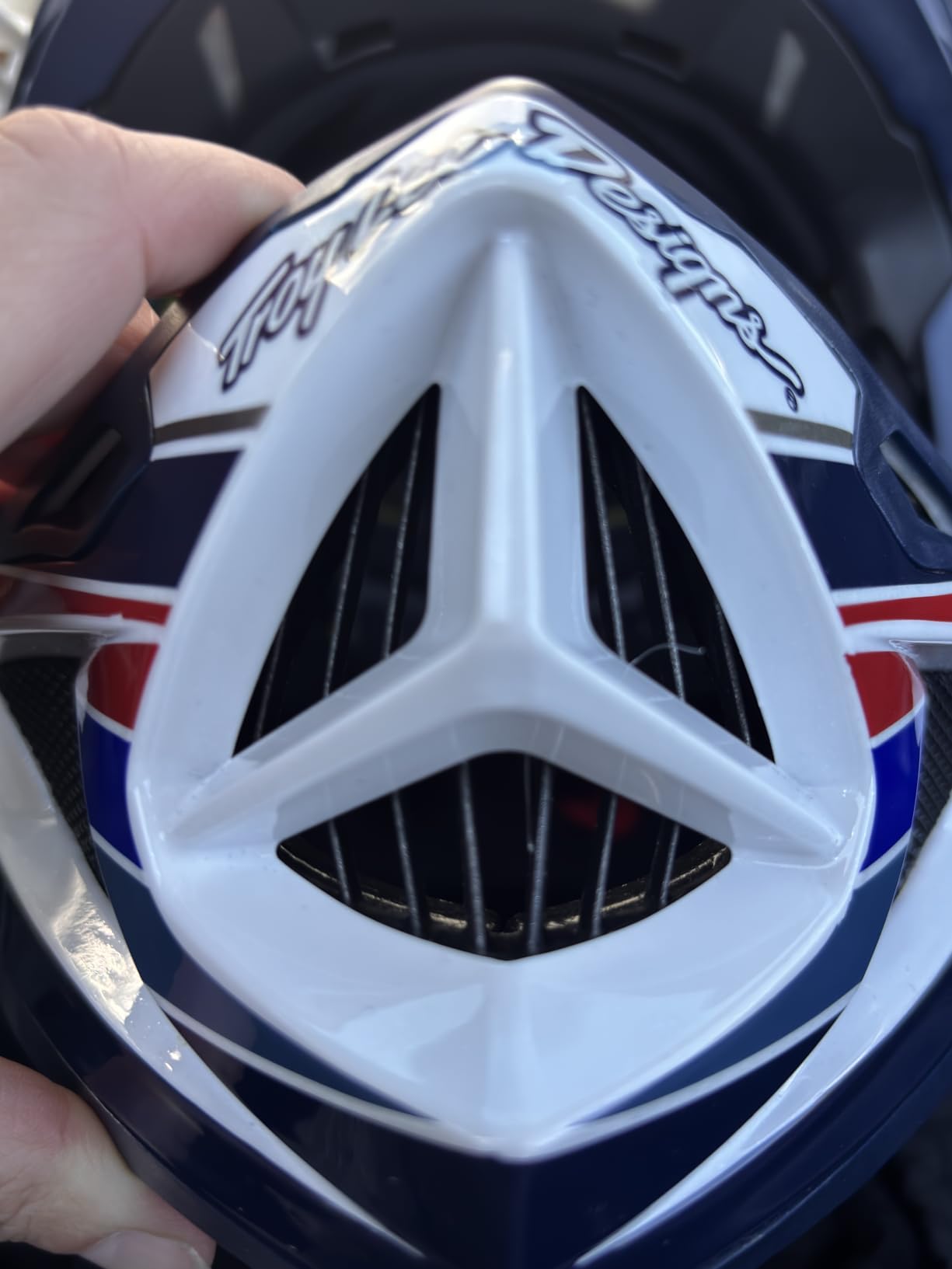
The polyacrylite shell carries an EPP collarbone impact system and chin bar shock pads. The stated total weight is 1150 g, and with 24 vents split into 10 front intake ports, 5 overhead channeling vents and 7 rear exhaust ports, the ventilation layout is unusually well thought out.
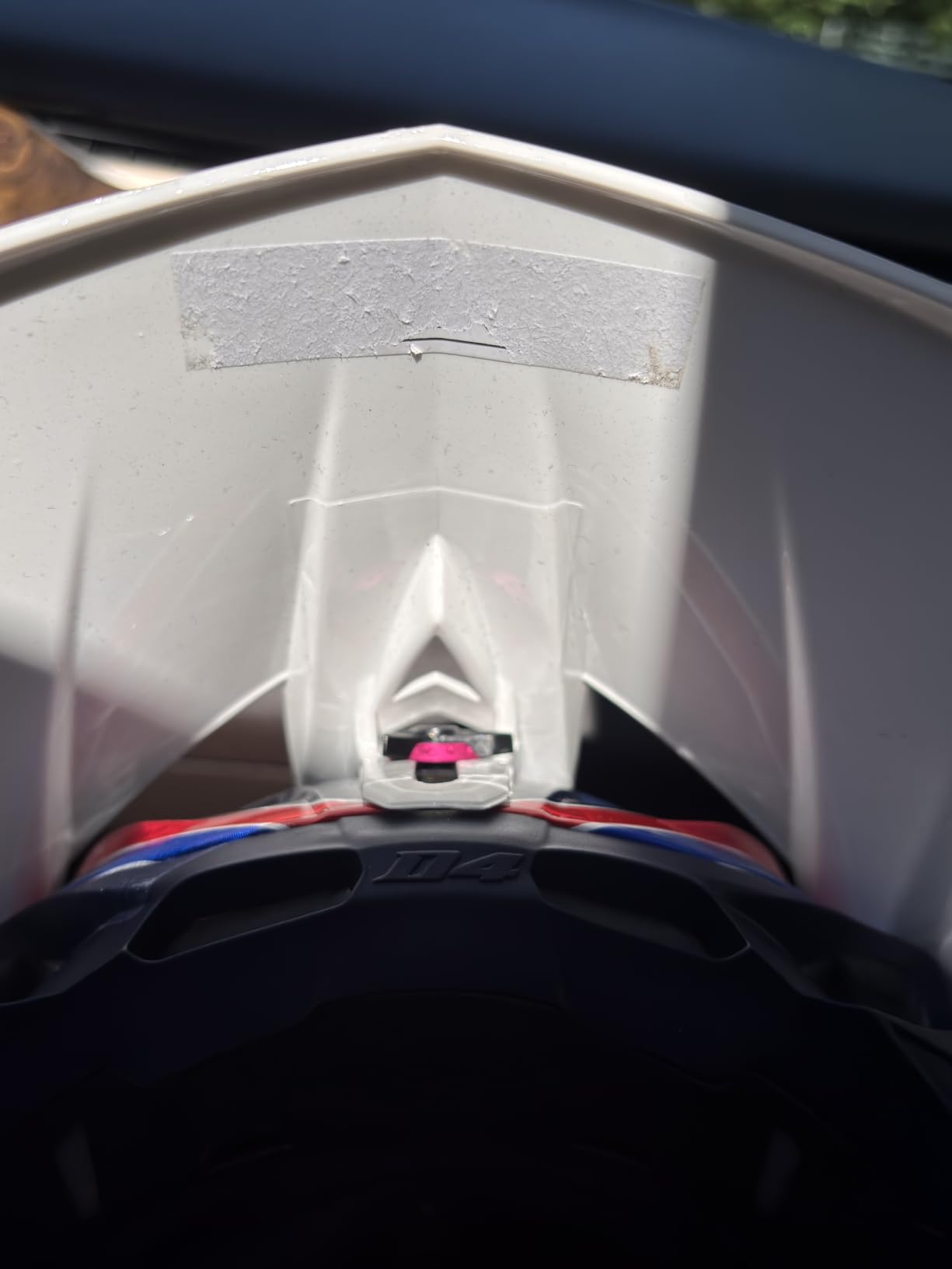
Two details stand out for daily use. The removable washable Coolmax Dri-lex liner handles sweat and comes out for cleaning, and the super light D-rings keep the strap system from adding weight or snagging on a pack strap. The quick-release cheek pads mean you can strip the helmet down for a proper wash rather than wiping the foam.
The catch is sizing, and it is the same one riders flag for Troy Lee Designs generally. The D4 runs small, and one reviewer found the XXL measured smaller than other brands XL. Measure twice, compare the circumference against the chart, and expect to size up.
Who the Troy Lee Designs D4 suits
It suits a rider whose head sits between standard sizes or has an unusual shape, because six shell and EPS combinations give you real options. It also suits anyone who needs a genuine small or very large shell, since the range runs XS to XXL.
If you ride in hot conditions, the 24-port layout with overhead channeling is one of the best-specified ventilation systems in this guide. The three-year warranty is also the joint-longest here, which matters for a hard-use shell.
Who the Troy Lee Designs D4 does not suit
It does not suit a rider who wants a dial or adjustable retention. Fit on the D4 is set by shell and EPS size plus cheek pad choice, and it is not adjustable once fitted, so you need to get the size right the first time.
The runs-small finding is the one to respect. If you are near a size boundary, order with an easy return and measure your circumference properly. It is also not the lightest option here despite the polyacrylite shell.
12. Fly Racing Rayce Review: Triple Certified With a Published ASTM Number
Fly Racing Rayce MTB/BMX Bicycle Helmet (Black, Large)
Poly-alloy shell
EPS liner
ASTM F1952-15 CPSC 1203 EN1078
About 930 g
+ The Good
- Triple-certified to ASTM F1952-15 downhill
- CPSC 1203 and CE EN1078
- Lightweight at about 930 g in medium
- Effective airflow without excess wind noise
- Snaps-in removable liner and cheek pads for easy cleaning
- Runs true to size with a snug but not tight fit
- The Bad
- Fits snug and several reviewers recommend sizing up
- No warranty information provided on the listing
- Not intended for dirt bikes or quads
This is the helmet that answers the certification question most directly. The listing names ASTM F1952-15 downhill, CPSC 1203 and CE EN1078 with the standard number attached, which is exactly the specificity riders on forums say they wish they could find.
One r/MTB commenter noted seeing Fly Rayce helmets in a local shop with no MIPS but with ASTM F1952-15 certification, and priced as the most accessible of the group. That is the whole pitch here: verified downhill certification without a premium-brand premium.
It holds a 4.7 across 60 reviews with 87 percent five-star feedback, which is among the strongest proportions of top marks in this guide. One rider reported a comfortable five-hour ride without fatigue, which tells you more about the padding than any rating does.
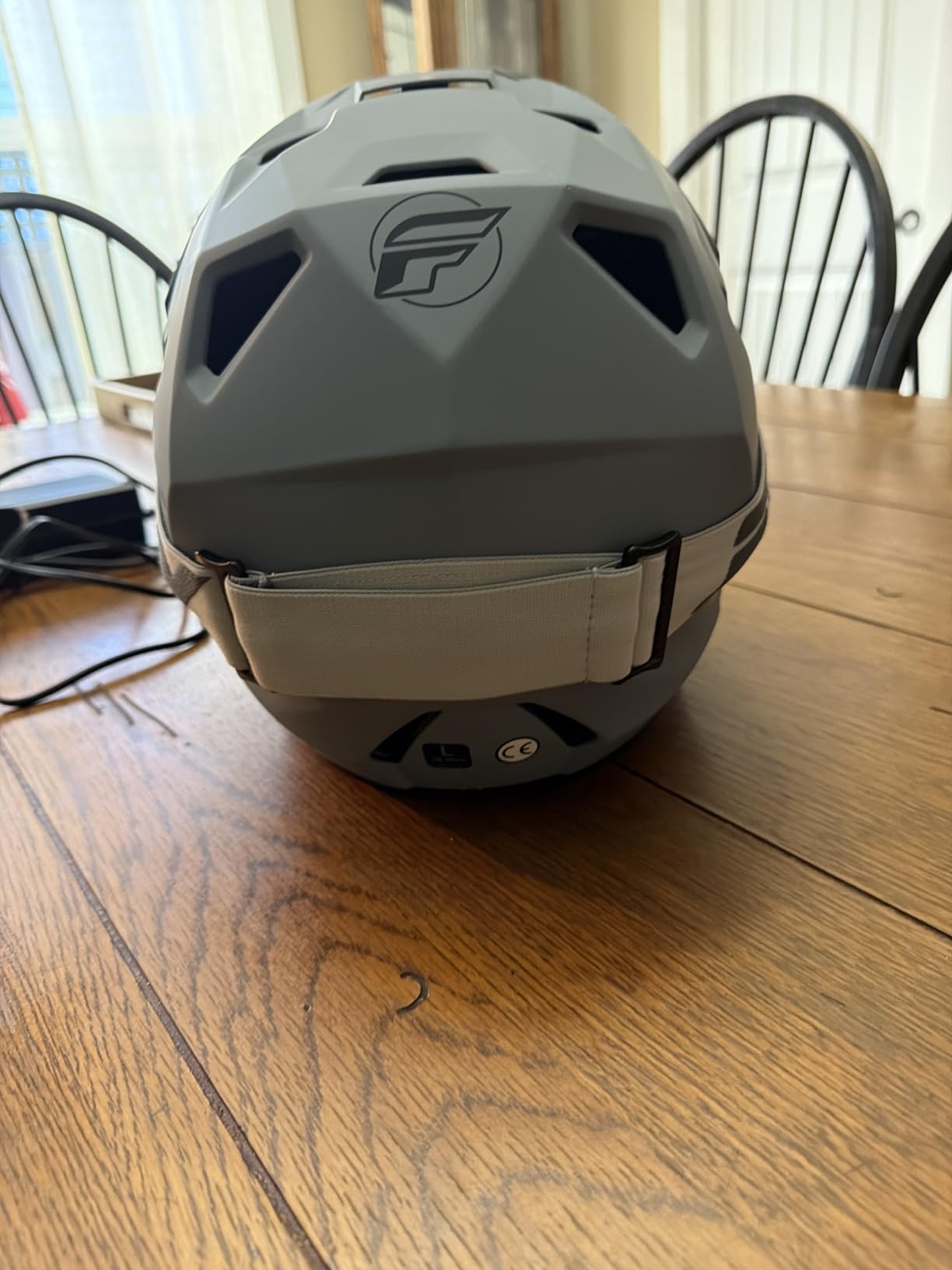
Weight is approximately 930 g in size M, so it is not a featherweight but it is well under the heaviest shells here. The TFV airflow system uses multiple intake and exhaust ports, and owners specifically note good airflow without the wind noise that aggressive venting usually brings.
The liner and cheek pads snap in and out for cleaning, which matters on a helmet that will get dusty every ride. The D-ring strap closure and an adjustable visor on aluminium hardware are conventional and both work as intended.
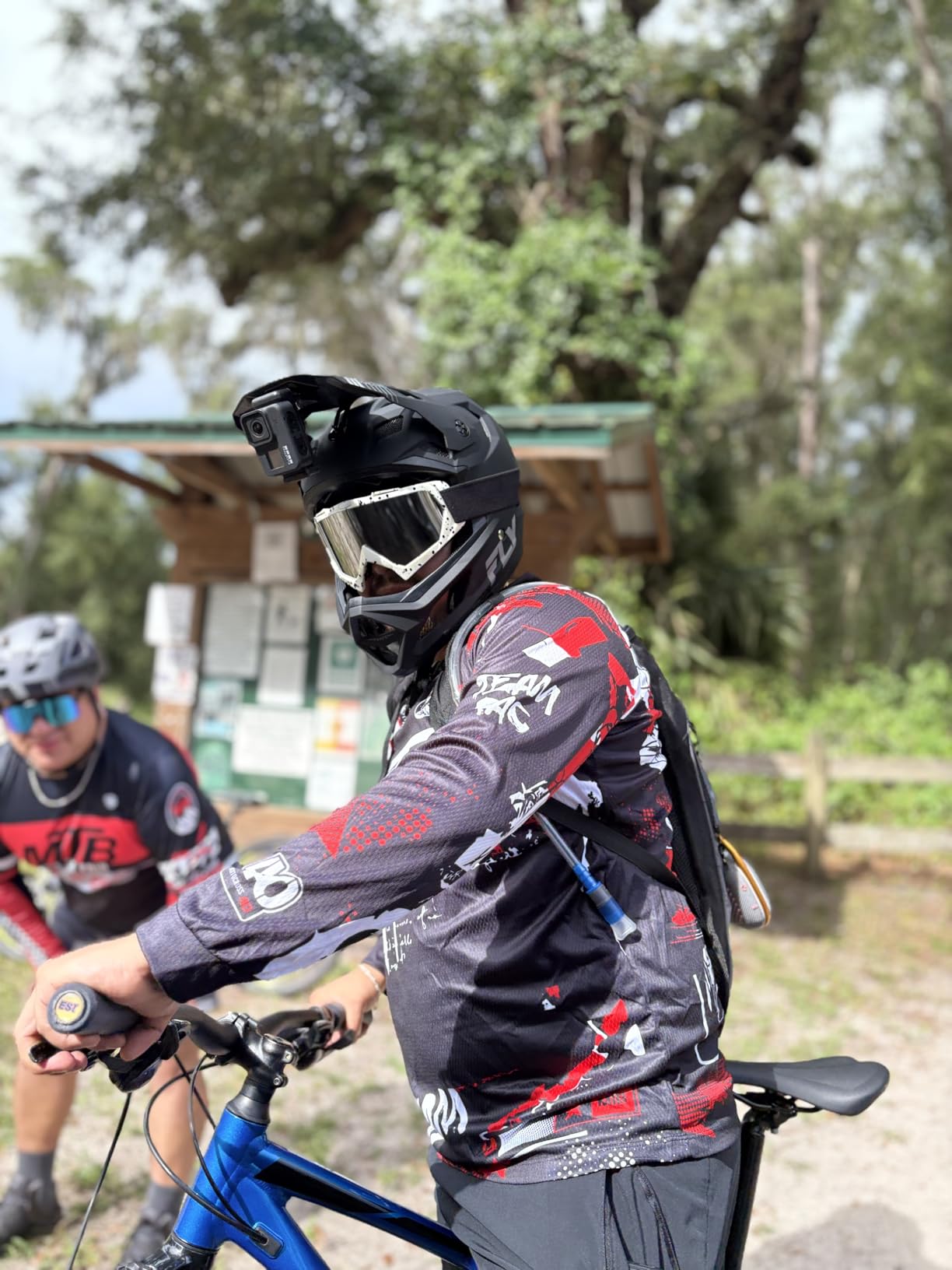
Who the Fly Racing Rayce suits
It suits a rider who wants verifiable ASTM F1952-15 downhill certification at the accessible end of the market, and who wants to see the standard number rather than trust a product name. It also suits anyone who values quiet ventilation on a fast descent. The TFV port layout moves air without the wind noise that aggressive venting usually brings.
The removable liner and cheek pads make it a practical helmet for regular use rather than a special-occasion one. It is a sensible first DH-certified full face.
Who the Fly Racing Rayce does not suit
It does not suit a rider at the tight end of the size range. Sizing runs snug and several reviewers recommend sizing up, so measure your head and do not order your usual size on autopilot.
There is no warranty information provided on the listing, and it is not intended for dirt bikes or quads. If you ride motorbikes, this is not the helmet for that, and if crash replacement support matters to you, you will not find a stated policy here.
How We Tested and Why Trust Us?
We did not run laboratory drop tests. What we did was read every listing specification sheet line by line, extract the certification claims, shell materials, foam types, vent counts and published weights, then cross-check each one against the owner reviews. Where a number is missing, we say so instead of estimating it.
The scoring prioritised four things. Certification first, because a full face that is not ASTM F1952 certified is not a downhill helmet no matter how it looks. Weight second, because heat and neck fatigue are the complaints that push riders off full faces. Ventilation third, counted by actual port numbers rather than adjectives. Fit and retention fourth, including the real fit quirks riders report rather than the size chart.
Owner review volume matters to us, which is why the two most-reviewed helmets in this guide sit at the top. A 4.6 across 623 reviews tells you far more about whether a helmet stays comfortable than a 4.7 across 40.
We also flag the negative on every single product, because r/MTB threads consistently reward the honest reviewer. A helmet list that only lists strengths is a sales page, and on a safety product that is not useful to you.
Full Face Helmet Buying Guide for Downhill Riders
Here is what actually matters when you are buying a full face helmet for downhill mountain biking, ordered by how much it should influence your decision.
ASTM F1952 is the only certification that matters for downhill
ASTM F1952 is the US downhill standard, and it tests the helmet against high-energy impacts that a trail helmet is never exposed to. CPSC 1203 is the general US bicycle standard, and it is a valid safety standard but not a downhill one. EN1078 is the European equivalent of CPSC and is what you will see on European brands.
That gives you a simple rule. Bike park, shuttle or lift riding means you need ASTM F1952 on the label. Trail riding means CPSC or EN1078 is enough. If a listing does not name a standard with its number, treat the certification as unproven.
This is the single most useful skill in this category. A helmet can have DH styling, a carbon shell and a MIPS badge and still be a marketplace clone with no downhill testing behind it.
How to fit a helmet: the 2 2 2 rule
The 2 2 2 rule gives you a fast check on any helmet. Run it on the helmet you already own before you decide the new one is the problem, because a badly fitted replacement fits just as badly.
1. Two fingers above your eyebrows. Push the helmet down; if it sits lower than two finger widths, it is too small and will sit on your brow where it blocks vision.
2. Two fingers side to side. With the retention system snug, you should fit two fingers between the shell and your temples. More means it will shift on rough terrain.
3. Two finger widths between the cheek pads and your jawline. This is the one most people get wrong, and it is the number that prevents the helmet from rotating on an oblique impact.
Cross-brand sizing is unreliable in this category. Troy Lee Designs shells are widely reported to run small, and the D4 in particular was found by a reviewer to have an XXL that measured smaller than another brand XL. The Fox Racing Rampage model in this guide offers only S to XL with no XXL, so very large heads should check an alternative. Measure your circumference in centimetres and check it against the published range before you order.
MIPS and other rotational impact systems, explained
A helmet passes linear impact testing by crushing foam, and that is what stops your skull. Rotational movement is the other half of the problem: the brain rotates inside the skull during an oblique impact, and that rotation is associated with concussion.
MIPS adds a low-friction layer between the head and the EPS liner so the helmet can slide a few millimetres across your skull instead of gripping and twisting it. MIPS Spherical and Flex Spherical use a dimpled, dimple-and-dimple surface so contact is maintained across the whole head rather than at two or three contact points.
Variants you will see in this list: standard MIPS, MIPS Essential, MIPS Integra, Mips Integra Split, and a slip-plane design. The important distinction is whether the layer is moulded to the liner and how much of the head it covers. A commenter in an r/MTB enduro thread was convinced that spherical MIPS saved them from far worse concussion symptoms, and that conviction is common enough that skipping rotational protection on a DH helmet is a choice you should make deliberately.
Koroyd works differently, using a honeycomb structure that crumples to absorb energy. You will not find it on any of the twelve helmets in this guide, but it is a common alternative in the wider downhill market and competes mainly on weight.
The ventilation and protection trade-off, honestly
More vents means less continuous foam, and the trade-off runs both ways. In this group, the 27-vent model and the 24-vent model both lead on airflow while the 14-vent shells prioritise a continuous liner. Port count alone, though, does not predict how a helmet breathes.
Vent layout matters more than vent count. Brow intakes and overhead channeling move air through the helmet, while rear exhaust ports only work if air is being pushed in from the front. The 24-port layout with overhead channeling in this guide is the clearest example of that.
The real complaints riders report are heat on hard climbs, restricted hearing, wind noise, and difficulty drinking without removing the helmet. A bikeforums user who rode a MET Parachute on MTB described it as very difficult to breathe on hard climbs even with plenty of ventilation. That experience is the reason many riders downgrade to a half shell, and it is worth solving with a lighter helmet rather than by abandoning protection.
Buckle, visor and goggle compatibility
Chinstrap buckles split into three camps. D-rings and D-loops are secure and cheap but fiddly, especially with gloves, and riders describe them as a bit of a faff. Fidlock magnetic clasps open one-handed and are the easiest on a muddy shuttle run. A BOA dial tensions the retention cradle rather than the strap, which gives the most even fit of the three.
For visors, the decision is whether the peak can move up for a goggle strap. If it cannot, the strap fights the shell and your goggles will not sit where you want them. Goggle-strap channels and adjustable visors solve this, and they are worth paying attention to if you wear goggles rather than trail glasses.
Cheek pad thickness is the remaining fit lever on non-retention helmets. Helmets that ship two sets of D-rings in different thicknesses, like the model with 27 vents in this guide, let you tune the fit without buying accessories.
What to inspect after a crash and when to replace your helmet
Replace the helmet after any significant impact. Manufacturers say it, riders ask it constantly on forums, and nobody ever gives a confident answer, so here is a concrete checklist you can run yourself.
1. Look for cracks and deformation. Squeeze the shell and look for any soft spot or flattened area. Foam does not recover, so a dented liner is a dead liner even if the outside looks fine.
2. Check the liner directly. Open the rear or lift the cheek pads and inspect the EPS and EPP. If the foam is cracked, gouged or permanently compressed, stop riding in it.
3. Inspect the chin bar and visor hardware. A chin bar that has taken a direct hit, or visor screws that have stripped, mean a replacement. Break-away screws are designed to fail, and a stripped screw is a sign the helmet did its job.
4. Test the retention system. If the dial, buckle or D-rings no longer hold their setting, the helmet is finished regardless of what the shell looks like.
Beyond crashes, replace on age. EPS and EPP degrade with UV exposure, sweat and heat, and a helmet that has lived in a hot truck bed for a decade is not protecting you the way it did new. The forum complaint about cracking shells in truck beds is a good reason to keep a helmet indoors rather than loose in a bed, and to spend the saved effort on a machine that suits the terrain instead. If you are still choosing the bike underneath the helmet, our guide to the best full suspension mountain bikes covers the trail and enduro platforms these helmets get tested on.
Frequently Asked Questions
Do you need a full-face helmet for downhill mountain biking?
Yes, for bike park, shuttle and lift-served riding a full face is effectively required, because those are the only helmet types that protect the jaw, teeth and face in a forward impact. Competitive enduro riders should wear one too. If you mostly pedal and occasionally hit jumpers, a lighter full face is enough, and pure trail riders can stay on a half shell. Look for ASTM F1952 certification on the label.
What are the top 10 full face MTB helmets?
The strongest all-round full face in this group is the Troy Lee Designs Stage, at roughly 690 g with MIPS and both EPP and EPS foam. For maximum ventilation it is the OutdoorMaster, with 27 vents under 750 g. For verified certification at the accessible end it is the Fly Racing Rayce, tested to ASTM F1952-15, CPSC 1203 and EN1078. For the widest size range it is the Troy Lee Designs D4, with six shell and EPS combinations from XS to XXL. For camera setups it is the Bell Full 9 Fusion MIPS.
Which full-face bike helmet is the most comfortable?
Comfort comes down to padding density, cheek pad placement and how the retention system spreads pressure, and the best-supported comfort pick in this group is the Bell Sanction 2, whose removable DH Air cheek pads rate 4.5 across 194 reviews. The Fox Racing ProFrame RS is the most precise fit on the head thanks to its BOA dial, and the Troy Lee Designs D4 uses anatomical quick-release 3D cheek pads. Fly Racing Rayce owners report completing five-hour rides without fatigue.
What are the disadvantages of a full-face helmet?
Heat is the biggest one. A bikeforums rider found a full face very difficult to breathe in on hard climbs even with heavy venting, and that is the top reason riders go back to a half shell. Weight is the second, since full faces run from about 690 g to nearly 1.8 kg depending on shell material. The rest are restricted hearing and vision, difficulty drinking without removing the helmet, visor and goggle strap friction, and the social awkwardness that stops some riders upgrading at all.
What is the 2 2 2 rule when fitting a helmet on my head?
Two fingers above the eyebrows so the helmet does not sit too low and block vision. Two fingers side to side between the shell and your temples with the retention system snug, so it cannot shift on rough terrain. Two finger widths between the cheek pads and your jawline, which is the check that stops the helmet rotating on an oblique impact.
Are full face MTB helmets worth it?
For bike park, shuttle and lift riding they are, without much debate, because a chin bar is the only thing protecting your jaw and teeth when you pitch forward over the bars. For enduro racing they are standard equipment. If you pedal a lot and only occasionally hit jumpers, a lighter full face gives you most of the benefit at a lower weight. One r/MTB rider put it simply: if doing any amount of downhill or hitting jumps, a full face is a must.
Conclusion: The Best Full Face Helmets for Downhill Mountain Biking
If you take one thing from this guide, take the certification line first and the weight second. ASTM F1952 tells you the helmet was tested for the impacts you are actually going to meet, and grams tell you whether you will still be wearing it on the fourth climb of the day. Everything else is preference.
Our Editor’s Choice, the ONeal Sonus Deft, is the most owner-validated helmet here with 623 reviews at 4.6, and it is the right call for trail, flow and light features with a Fidlock buckle and a washable liner. If you are riding park laps or shuttling, skip it and move to a DH-certified full face, starting with the Troy Lee Designs Stage as our all-round pick at roughly 690 g with MIPS and dual-density EPP and EPS foam.
Match the model to the problem. Maximum ventilation points to the 27-vent OutdoorMaster. Verifiable certification at the accessible end points to the Fly Racing Rayce, which names ASTM F1952-15, CPSC 1203 and EN1078 explicitly. A difficult head shape points to the Troy Lee Designs D4 with six size combinations, or the Fox ProFrame RS if you want a BOA dial. Gaps in your size range point to the Bell Sanction 2, which reaches XX-Small. Filming every descent points to the Bell Full 9 Fusion MIPS or the POC Otocon Race, the only helmet here with a RECCO reflector and NFC Medical ID.
And when the helmet does its job, retire it. Check the liner, the chin bar and the retention system after every real impact, because a cracked EPS liner looks fine from the outside and protects nothing. If you also need a mount for your phone or camera, our guide to the best bike phone mounts for mountain biking covers the setups riders actually use on rough terrain.