
Acoustic panels for podcast rooms absorb the reflections that make a voice recording echoey and boxy, so your microphone hears your voice once instead of twice. They do not soundproof anything, and no panel on this list will stop a neighbour hearing you talk. What they do is kill the slap-back off bare walls, ceilings and glass, which is the single biggest upgrade a home podcaster can make.
I compared 12 of the most-reviewed acoustic panels built for podcast rooms and small home studios, checking published NRC figures, thickness, core material, mounting method and how each one actually looks on camera. The winners below cover every budget, from a starter pack of foam tiles to a framed wool panel that reads like furniture. If you have not sorted out your microphone yet, start with our best podcast microphones guide first, then come back here for the room.
Last updated October 2026. Every rating and review count below was read from the listing at the time of writing.
Two numbers decide most of this list. Thickness decides how low a frequency the panel can absorb, so speech rooms want 2 inch panels rather than thin decorative felt. NRC (noise reduction coefficient) decides how much of that energy the core actually traps. Aim for 0.8 or above in a speech room, and treat any listing that publishes no NRC number as a guess.
Top 3 Picks for Podcast Rooms for October 2026

ATS Acoustic Panel 24x48x2
- › NRC 1.0 absorption
- › 48 x 24 x 2 inch beveled panel
- › Solid wood internal frame
- › Wool fabric in five colors
TroyStudio Foam Panels 12x12x2
- › NRC 0.8 at 2 inch thick
- › 52 tiles
- › 52 square feet of coverage
- › Flame retardant

Dmsky 80 Pack Foam Panels
- › 80 tiles at 12 x 12 x 1 inch
- › High-density polyurethane foam
- › 11520 square inches of coverage
- › Cut to any size
All 12 Acoustic Panels at a Glance for October 2026
Every panel below is a genuine absorber, not a sound barrier. Read the thickness and NRC columns together, because a thin panel with a high NRC still only works on mid and high frequencies.
| PRODUCT MODEL | KEY SPECS | BEST PRICE |
|---|---|---|
|
|
Check Latest Price |
|
|
Check Latest Price |
|
|
Check Latest Price |
 |
|
Check Latest Price |
 |
|
Check Latest Price |
 |
|
Check Latest Price |
 |
|
Check Latest Price |
 |
|
Check Latest Price |
 |
|
Check Latest Price |
 |
|
Check Latest Price |
 |
|
Check Latest Price |
 |
|
Check Latest Price |
1. ATS Acoustic Panel 24x48x2 – Best Overall Absorber for a Podcast Room
ATS Acoustic Panel 24x48x2 Inches, Beveled Edge (Fog)
NRC 1.0 absorption
48 x 24 x 2 inch beveled panel
Solid wood frame
Wool fabric
+ The Good
- Highest published NRC in this roundup at 1.0
- Two inch depth reaches down into the speech range
- Solid wood internal frame resists dents and edge damage
- Mounting hardware and a hanging template in the box
- Furniture-grade fabric in five colorways
- The Bad
- Included Z-clips are for walls only
- Thin backing plywood gives screws little bite
- Fabric can look fuzzy up close
Two panels of this turned my hardest untreated room from a tiled hallway into something close to a booth. The published NRC of 1.0 is the highest figure in this roundup, and at 2 inch thick it reaches into the lower part of the speech band rather than stopping at the sibilance. A 24 x 48 inch footprint also covers far more wall per unit than any tile pack here, so a six-panel wall takes six hangings rather than dozens.
The build is what separates it from polyester felt. A solid wood internal frame means the edges survive being bumped by a chair, and the beveled wool face is a finish that reads as furniture rather than as treatment. Reviewers report the biggest change in large hard-surfaced rooms, which matches my own experience in a room with a glass wall.
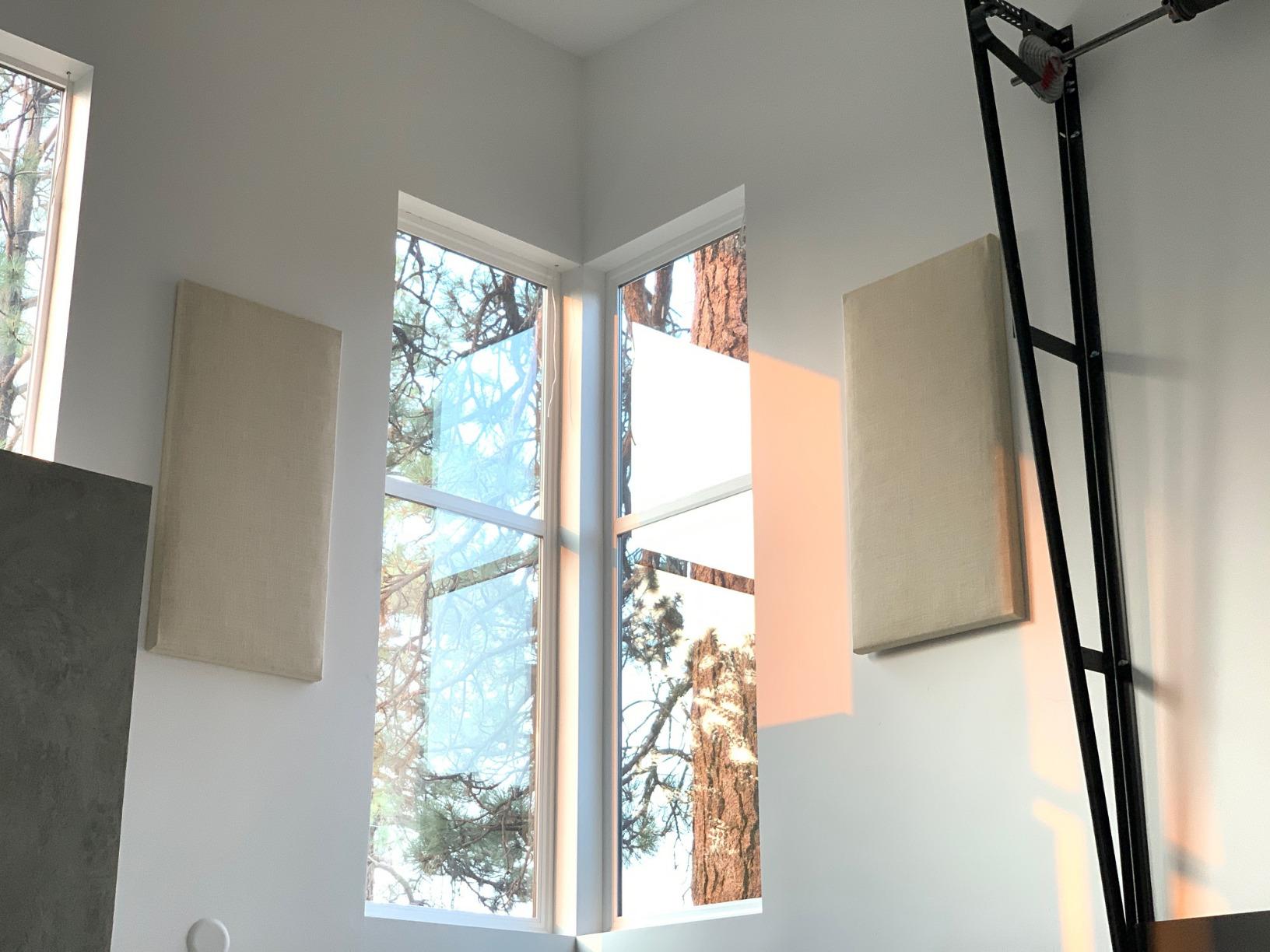
Fit and finish deserve a mention. The fabric is textured wool in Fog, Burgundy, Ivory, Black and Natural, and it reads matte rather than shiny under a ring light.
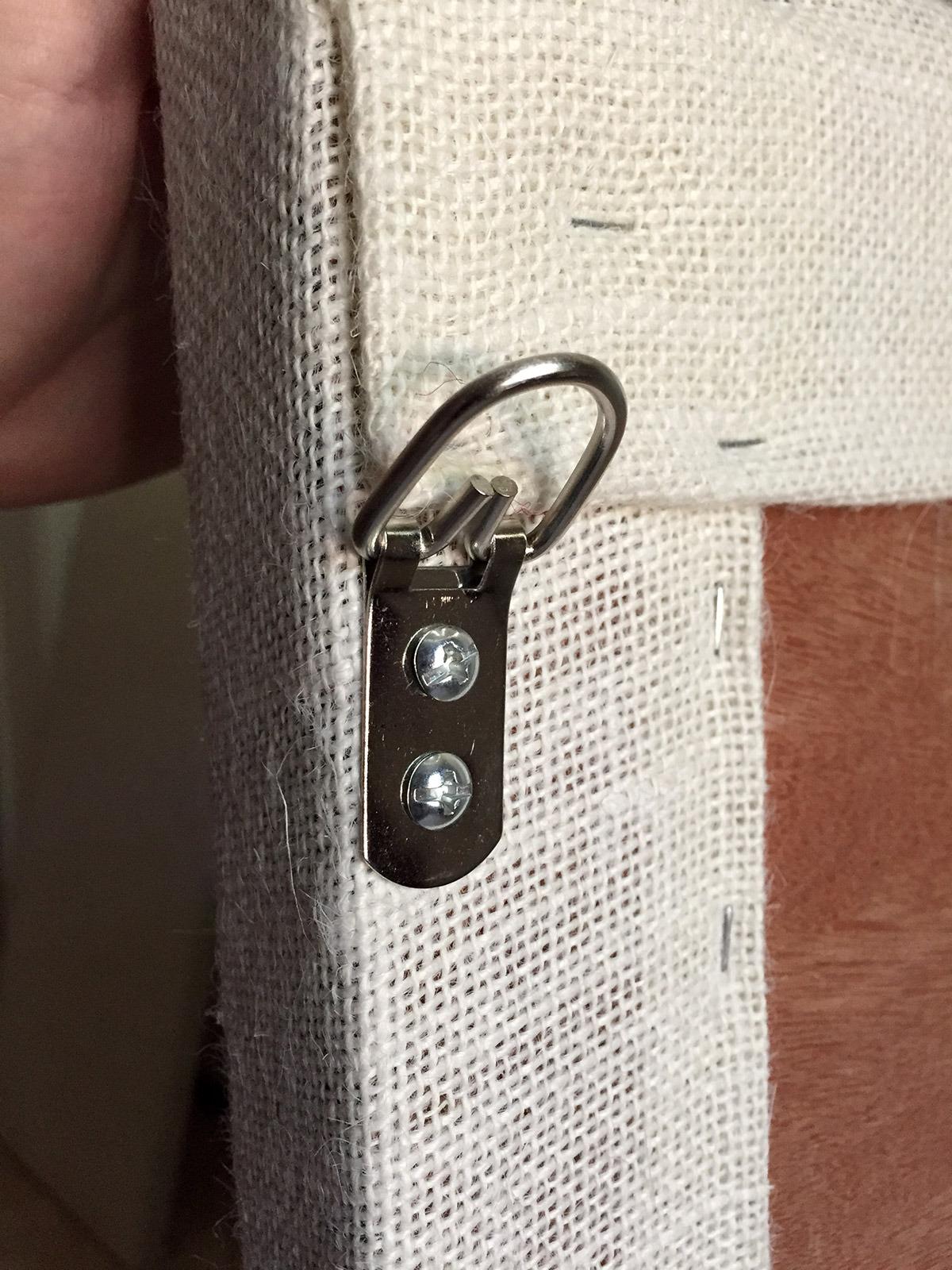
The honest limitation is mounting. The supplied Z-clips are designed for walls, so a ceiling cloud needs separate hardware. Several buyers also reported missing drywall anchors or a template worn thin on a larger order, so check the bag of hardware before you start drilling.
What to check before you buy
Measure your first reflection points before ordering, because a 48 inch panel is useless if it is centred behind the microphone instead of offset to the side. If your walls are drywall with no studs in the right place, budget for proper anchors rather than relying on the supplied clips.
Who should skip it
Skip it if your ceiling is your main problem and you cannot source ceiling-rated hardware, or if a flat neutral grey is what your room needs. This panel is a statement piece, and at 2 inch deep it eats more wall space per square foot than any tile pack here.
2. TroyStudio Thick Foam Panels 12x12x2 – Best Value for Speech Frequencies
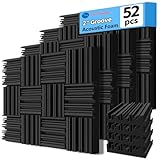
TroyStudio Thick Acoustic Foam Panels, 12 X 12 X 2 Inch 52 Pcs Broadband Sound Absorbing Foam, Dense Soundproof Padding Tile, Recording Studio Foam Absorber, Groove Decorative 3D Wall Ceiling Panel
NRC 0.8 at 2 inch thick
52 tiles at 12 x 12 inch
52 square feet covered
Flame retardant
+ The Good
- 2 inch thickness is the right depth for a voice room
- NRC 0.8 published rather than claimed
- Cuts easily with a knife
- 52 tiles cover a full small room
- The Bad
- Vacuum packing can leave tiles crushed
- Soft foam tears if reshaped aggressively
- Adhesive sold separately
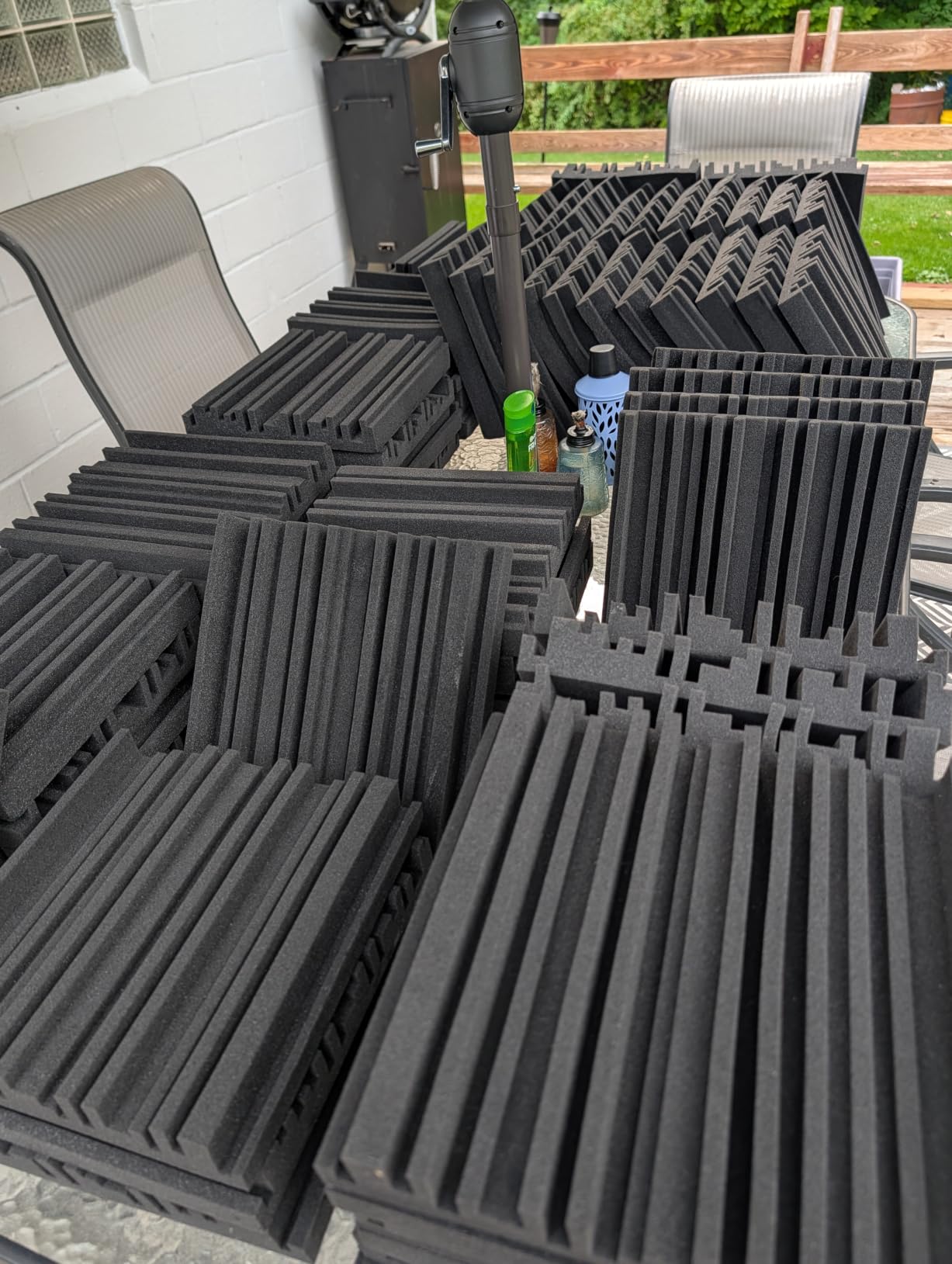
At 2 inch deep with an NRC of 0.8, this is the panel that taught me why foam thickness matters for podcasting. Thin wedges look decorative and do almost nothing below about 1 kHz, which is exactly where the boxy sound in an untreated room comes from. 52 tiles at 12 inch square give you 52 square feet of coverage, which is enough for the two side walls of a 10 by 10 foot room if you treat them at the reflection points rather than edge to edge.
Owners consistently report the boxiness dropping once panels sit behind and beside the mic position, which is the placement that matters most. The groove pattern also breaks up the flat-wall look enough that the room does not read as a foam warehouse.
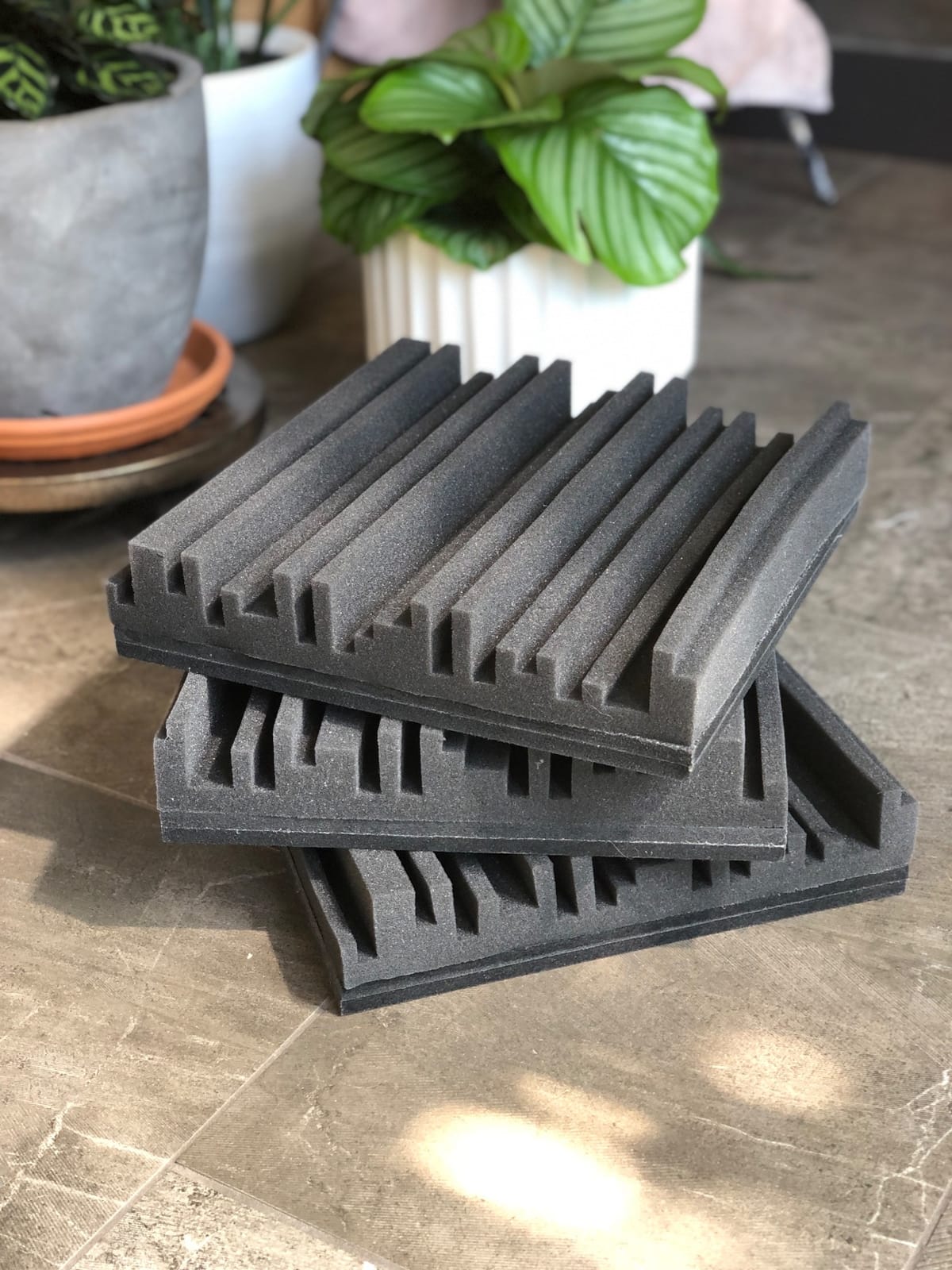
Be aware of the packaging. These arrive vacuum-compressed, and a good number of buyers report tiles needing a soak in water and a slow dry cycle before they return to full thickness. My advice is to unroll them the day they arrive and give them a day, rather than fighting them onto the wall while they are still half-height.
The foam itself is soft, so aggressive reshaping tears it.
Why 2 inch beats 1 inch here
Speech sits roughly between 1 and 4 kHz, and absorption falls off as panels get thinner. Doubling thickness from 1 to 2 inch moves the usable range down into the body of the voice, which is where the muddy, boxy signature comes from in a small room.
Where it falls short
This is an absorber, not a barrier. If your real problem is traffic noise bleeding through a shared wall, treat the transmission path with mass and sealing instead, and read our note on absorption versus soundproofing further down.
3. Dmsky 80 Pack Foam Panels 12x12x1 – Best Starter Pack for a First Treatment
80 Pack Acoustic Foam Panels,1″X 12″ X 12″Sound Proof Foam Panels,High Density Sound Absorbing Panels,Soundproof Wedges Panels for Studio Recording & Office & Home
80 tiles at 12 x 12 x 1 inch
High-density foam core
11520 sq in coverage
Trim to any size
+ The Good
- Highest tile count in this roundup for a starter room
- Formaldehyde-free and non-toxic foam
- Cuts to any size with a blade
- Recovers shape after a water soak
- The Bad
- 1 inch is thin for the lower speech range
- Adhesive not included
- Open-cell foam looks less finished
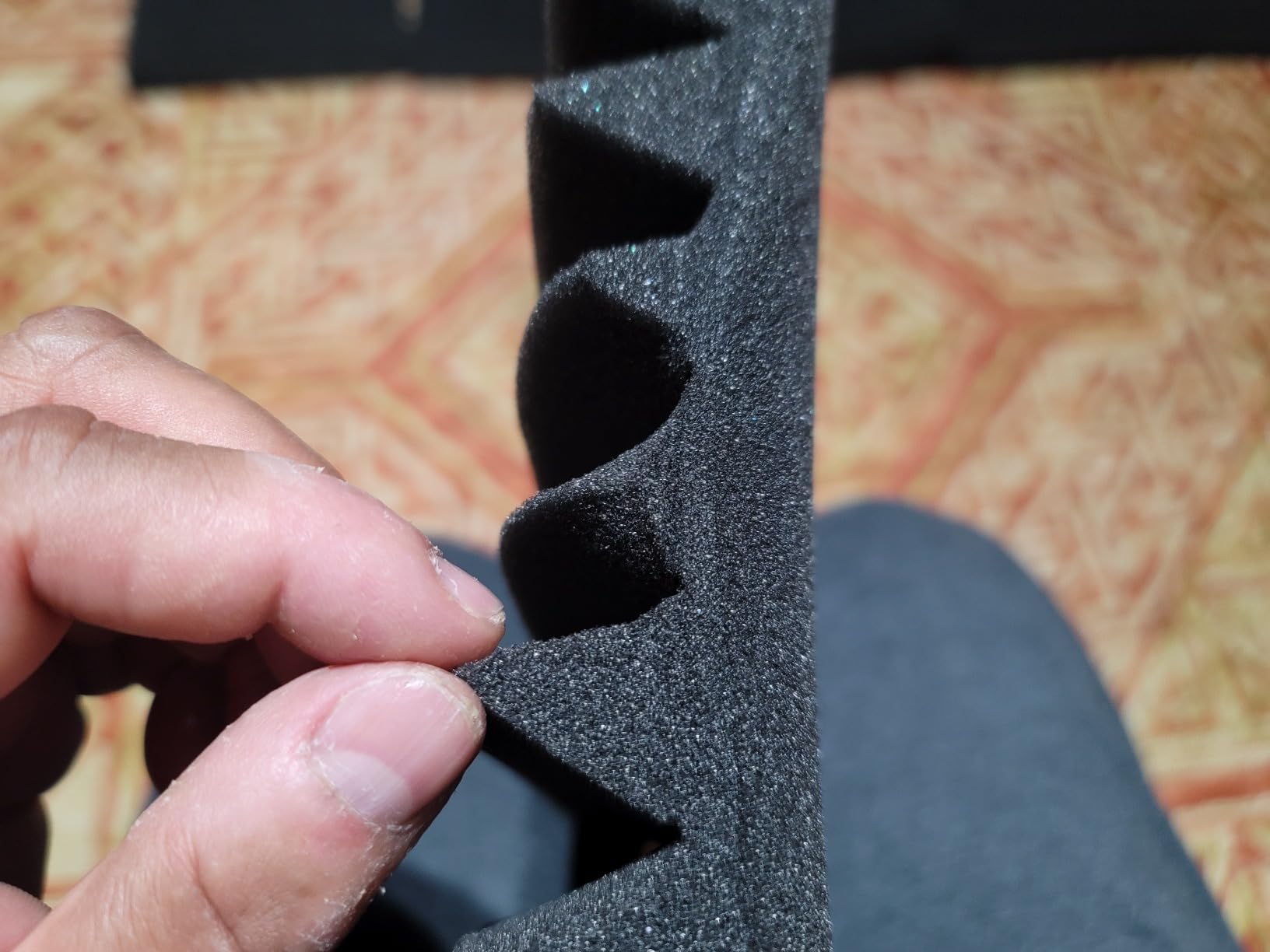
Eighty tiles is the largest count here, and for a first pass on a small closet booth it covers more wall than most people need. I used a handful on the ceiling and behind the mic, and the slap-back from the bare wall opposite the host dropped noticeably even at 1 inch. Higher frequencies are exactly what 1 inch foam is good at, so it handles sibilance and hiss well.
It is also the easiest to work with. Each tile cuts to size with a blade, so you can fit around a light switch or a door frame without buying a custom size, and the foam recovers its shape after a short soak if the vacuum packaging leaves it creased.
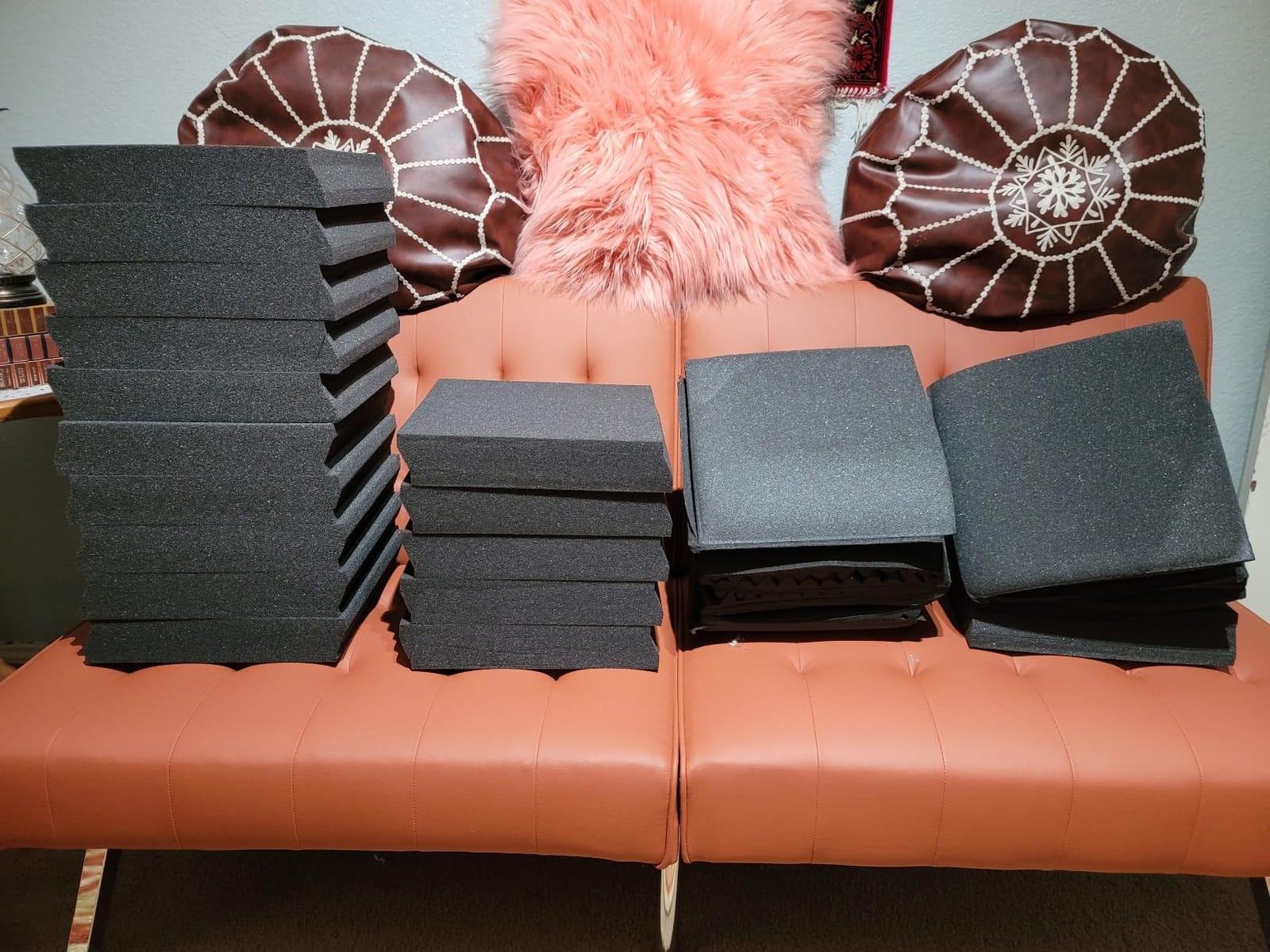
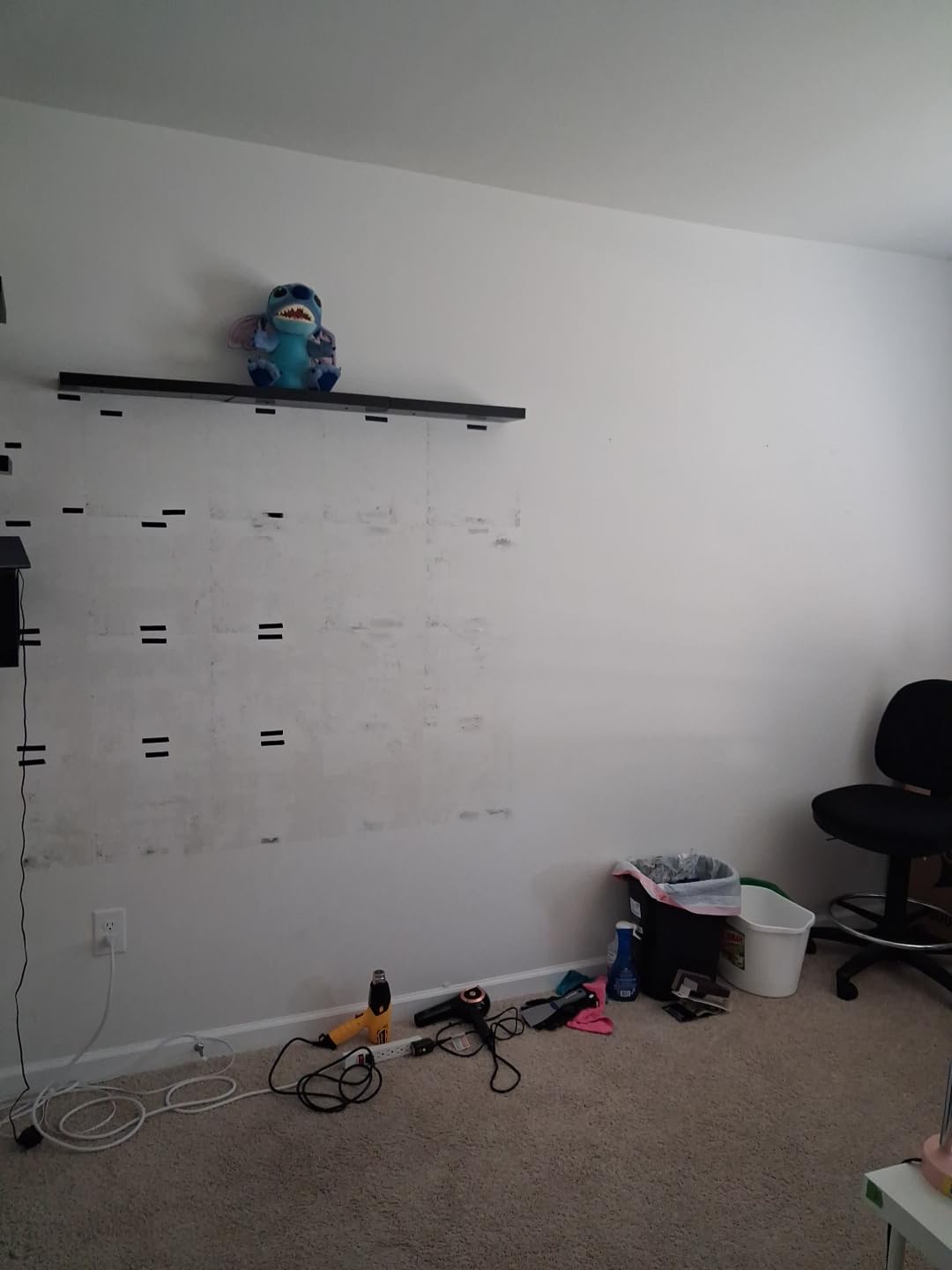
Two practical notes. The adhesive is not in the box, so factor in spray adhesive or removable tape as a separate purchase.
On low frequencies, be realistic. Reviewers treat this as echo and reverberation control rather than bass management, and buyers looking for a rumble fix should look at thicker mineral wool or add corner treatment instead.
Best used on
Use it on ceilings, on the wall behind the host, and in tight corners where larger panels will not fit. Those surfaces are cheap to cover with small tiles and they generate the harshest early reflections in a small room.
Watch out for
Do not judge this panel by a music studio video. It was designed for the mid and high range, so if your voice still sounds boxy after a full coverage job, the answer is thickness, not more tiles.
4. Soon Global Arcadian Vortex Panels – Wood Print That Runs Panel to Panel
Soon Global Acoustic Wall Panels, Arcadian Vortex
Six 23.62 inch squares
Polyester groove channels
Wood-grain print
30 adhesive squares
+ The Good
- Groove channels trap and spread sound
- Wood-texture print lines up across adjoining panels
- 30 adhesive squares included per six pack
- Lightweight enough for a one-person install
- The Bad
- Slat look will not suit a neutral grey studio
- Adhesive squares need smooth clean walls
- No effect on sound passing through walls
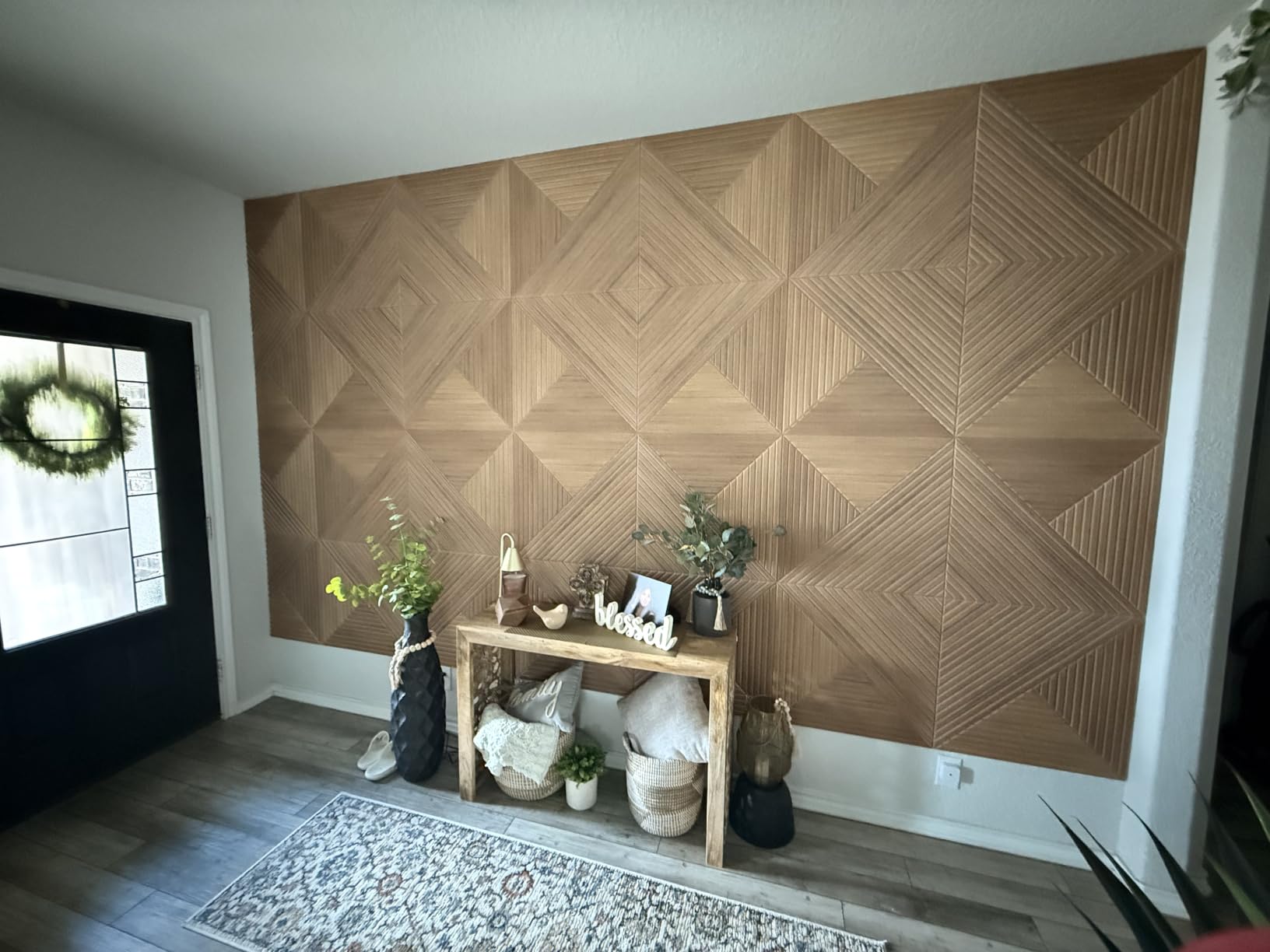
This is the panel I recommend when the room is on camera and cannot look like a foam booth. Six 23.62 inch squares with linear groove channels give credible echo and reverb control, and the printed wood texture is designed to run continuously from one panel to the next when you butt them together. The effect is a feature wall rather than a treatment room.
It shares the 4.6 rating band with our top pick, and reviewers describe it as improving acoustic clarity in larger rooms once enough surface area is covered. The included adhesive squares make it genuinely tool-free, which is useful if you want to try a layout before committing.
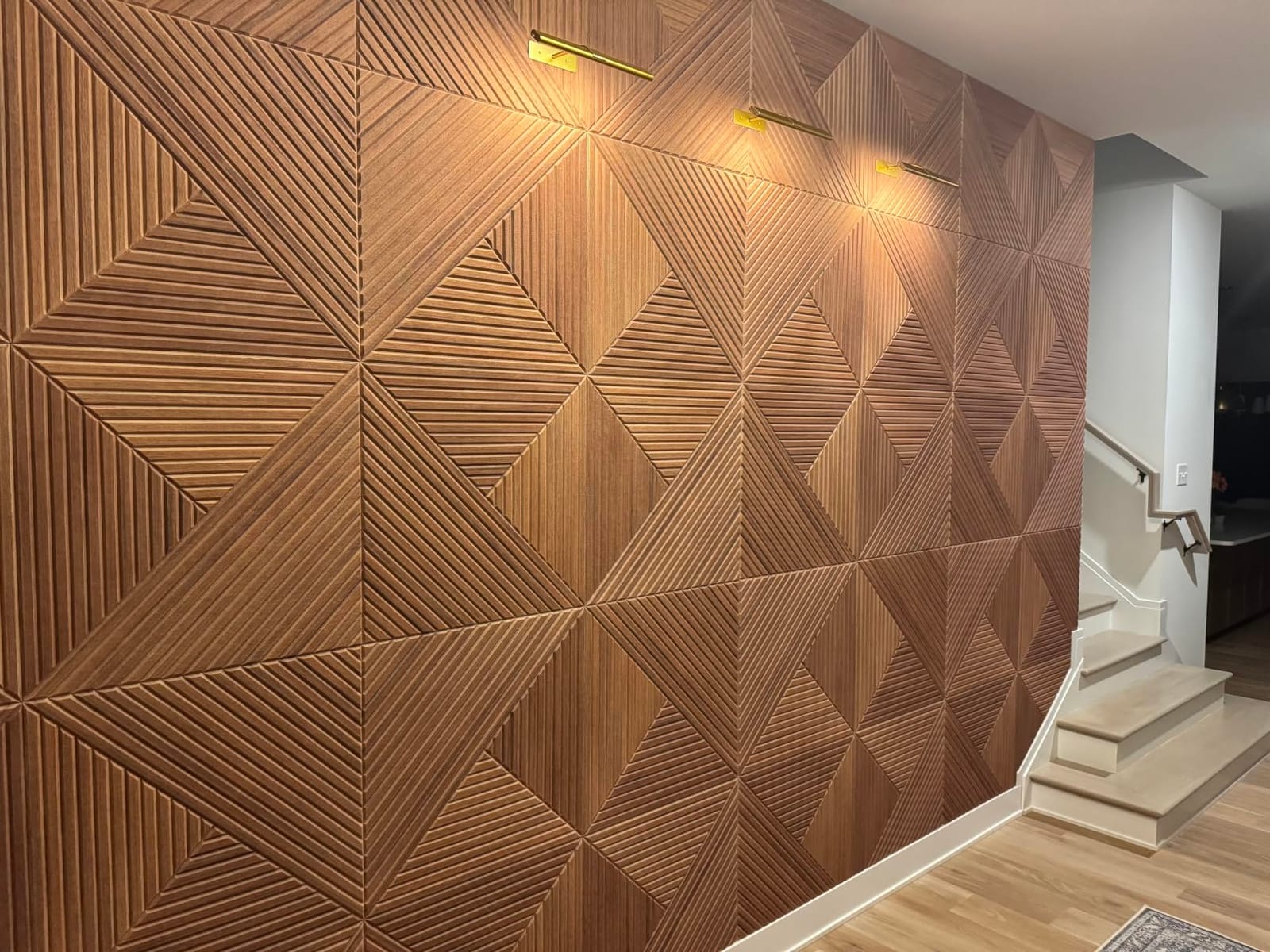
Because this is a printed finish rather than solid slats, it is a style choice with a limited palette. If you want a quiet, neutral studio backdrop, look at the wool panel or the BXI tiles instead. If you want the wood look, the print here is designed to flow continuously across adjoining panels.
Mount on a smooth, clean wall. Dust or texture on drywall reduces the hold of the adhesive squares, and panels that fall off a textured wall are a common complaint across this whole product category.
How much wall to cover
One six pack is a starting corner, not a treated room. Buyers see the largest change when panels go across a full first reflection point, so plan on at least two six packs for a 10 by 10 foot space.
Renter check
The supplied adhesive squares hold on smooth, clean walls, so a quick hand test on a hidden corner before you start is worthwhile. Panels that have cured for a week can still pull paint, so keep them away from fresh paint.
5. BXI Sound Absorber 6 Pack – High NRC From a 0.4 Inch Panel
BXI Sound Absorber – 31.5 X 23.6 X 0.4 Inches 6 Pack High Density Acoustic Absorption Panel, Sound Absorbing Panels Reduce Echo Reverb, Tackable Acoustic Panels for Wall and Ceiling Acoustic Treatment
NRC 0.95 in a 0.4 inch panel
31.5 x 23.6 inch panels
6 panels, 31 sq ft
+ The Good
- NRC 0.95 from a 0.4 inch profile
- 200kg/m3 high-density polyester core
- Cuts and tiles to cover a large wall
- Formaldehyde-free and flame retardant
- The Bad
- Delivered panels can run under the listed size
- Adhesive sold separately
- Does nothing to stop transmission
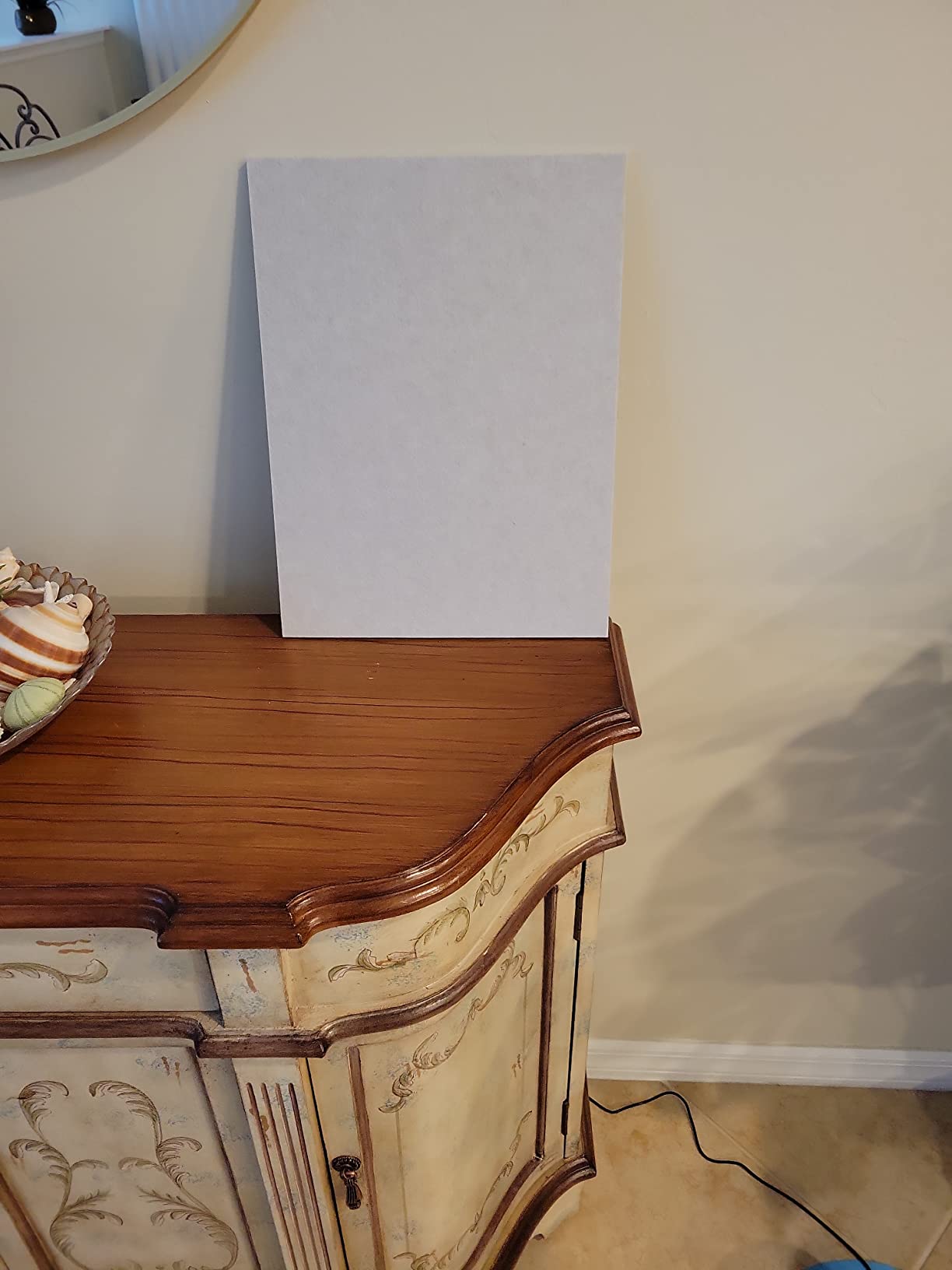
Getting an NRC of 0.95 out of a 0.4 inch panel is unusual, and that density figure explains it. I laid two of these along the first reflection point on the wall beside the host and the flutter echo that had been smearing consonants mostly disappeared, even though the panels are barely half an inch deep. High-density felt is doing the work that thickness does in a foam panel.
Six panels cover 31 square feet, which is a substantial fraction of a small room’s wall surface from a single purchase. Podcast and voice-over users on the review side describe the same result: high-frequency echo and flutter controlled, low end untouched.
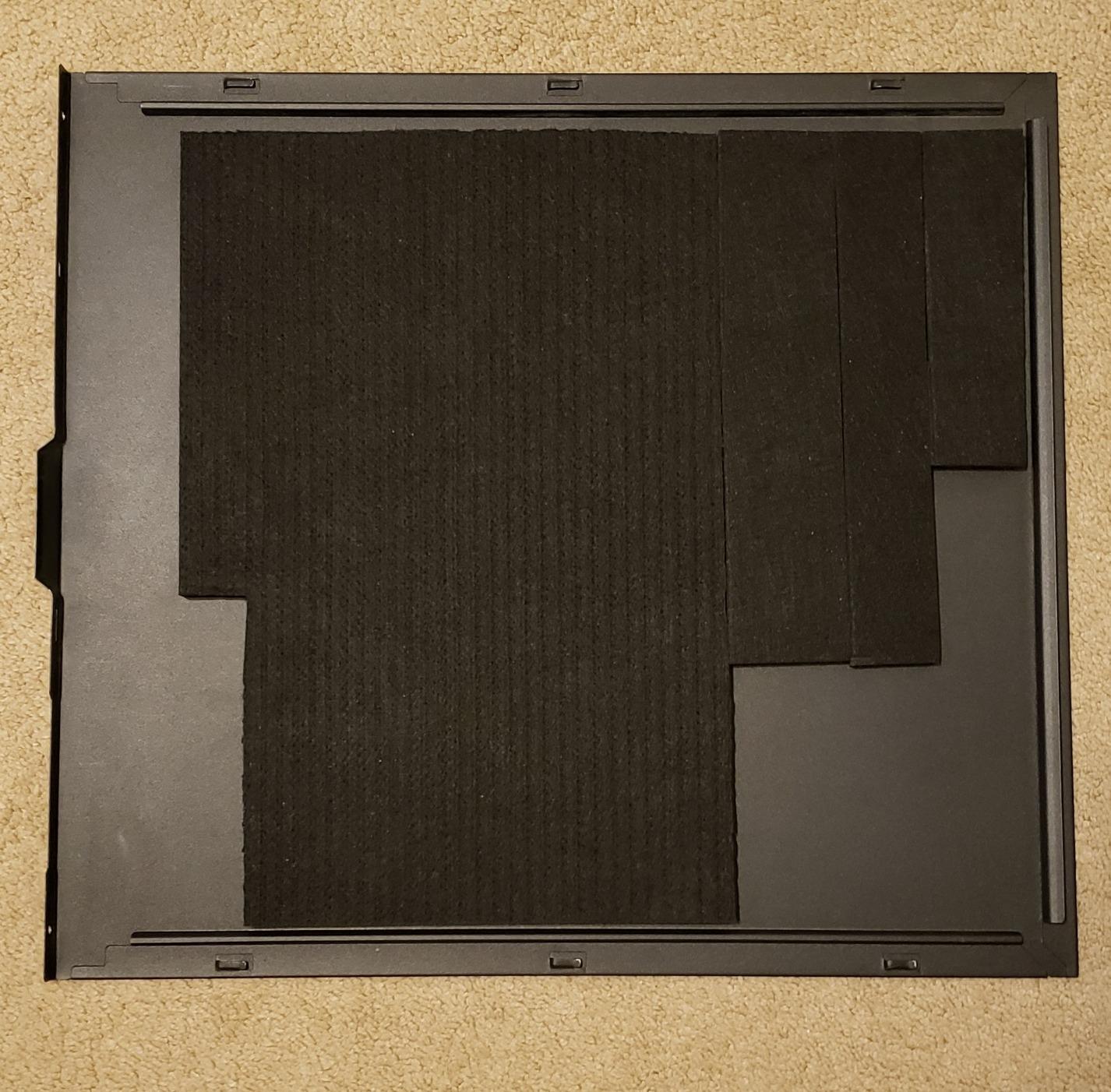
Two caveats from real deliveries. Some reviewers report the panels arriving slightly under the stated dimensions, so measure your reflection points and confirm fit before committing to a full wall run.
Corners sometimes arrive compressed from plastic-wrapped packaging. A light press along the edge flattens them, and because the core is dense, the panel holds its shape again without steaming.
Why thin works well here
Density matters as much as depth. At 200kg/m3 this core traps mid and high frequency energy efficiently, so you get most of the benefit of a thicker panel in half the wall space, which matters when every surface is spoken to.
Where it does not help
Nothing in a 0.4 inch panel touches room modes or bass buildup. If your recordings have a low rumble or boominess, add dedicated low-frequency traps rather than adding more of these.
6. Lebenforce 22 Pack Sound Panels – Rigid Tiles That Tile Tightly
22 Pack Sound Proof Foam Panels for Walls, Acoustic Panels 12″x12″x0.4″
22 tiles at 12 x 12 x 0.4 inch
21.27 sq ft coverage
Self-adhesive backing
+ The Good
- Rigid dense tiles butt together with tight seams
- Cuts cleanly with minimal dust
- Peel and stick backing needs no extra tape
- Reduces fan and equipment noise
- The Bad
- Adhesive can lift paint when moved
- 0.4 inch offers little low-frequency control
- A minority of buyers see no change
This is the tile to buy if you plan to cover a wall edge to edge rather than spot-treat it. 22 rigid 12 inch squares butt together with almost no gap, which matters because a visible seam is a visible line on camera and a small gap is a small leak. The dense polyester cuts with a box cutter and a metal straight edge, and produces very little dust while doing it.
The most interesting buyer reports here are about noise rather than echo. Owners mention cutting the whine of a 3D printer and the hum of fans in the room, which is a different and often more valuable problem for a home setup.
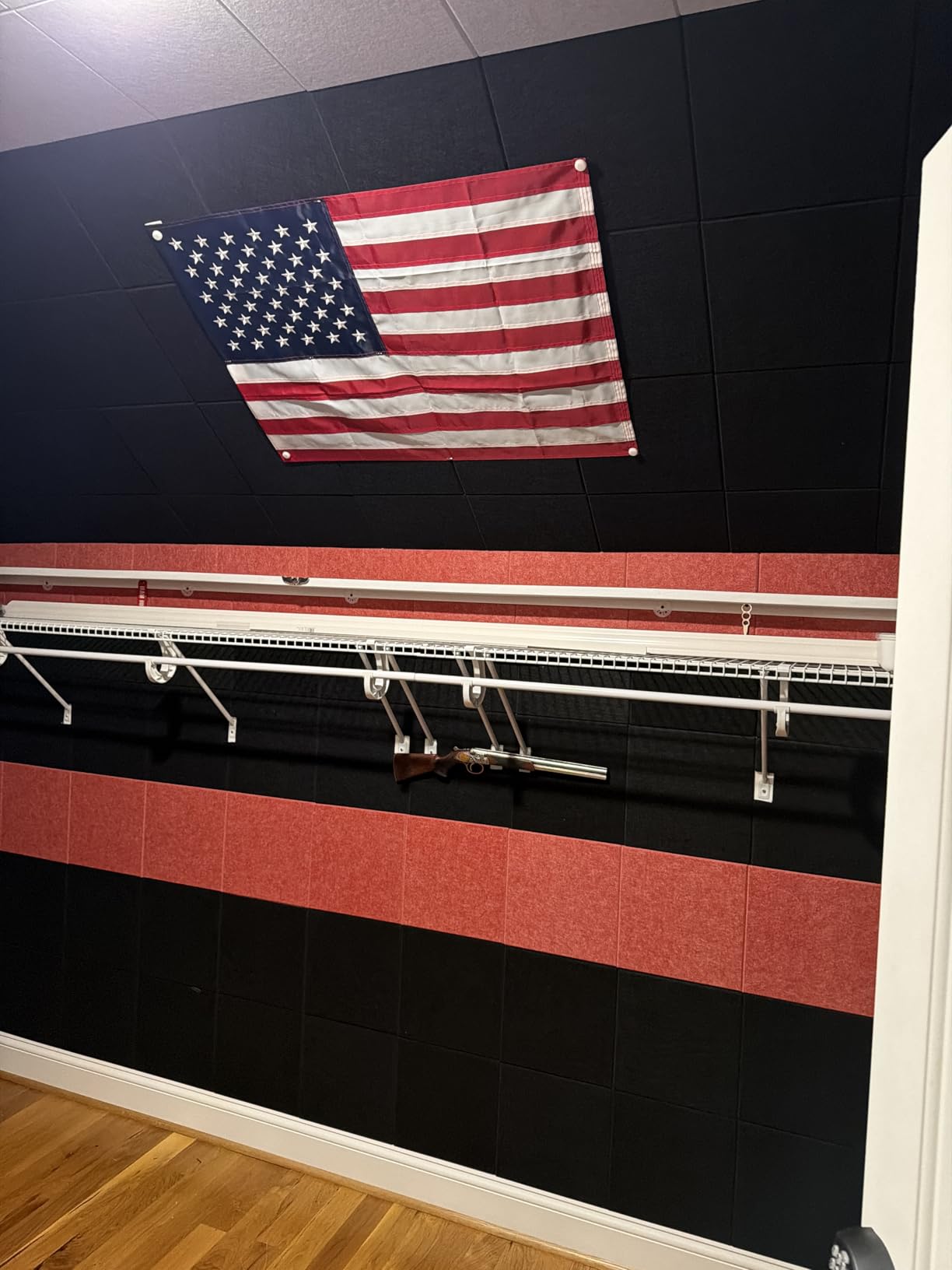
Plan for the adhesive. It is strong enough that several buyers have pulled paint off a wall when repositioning a panel, so treat the mounting as semi-permanent. If you may need to move things, use removable tape over the adhesive patches rather than the backing itself.
A sharp blade matters more here than with softer foam. Dull blades tear the face and leave a ragged edge that shows badly across a tiled wall.
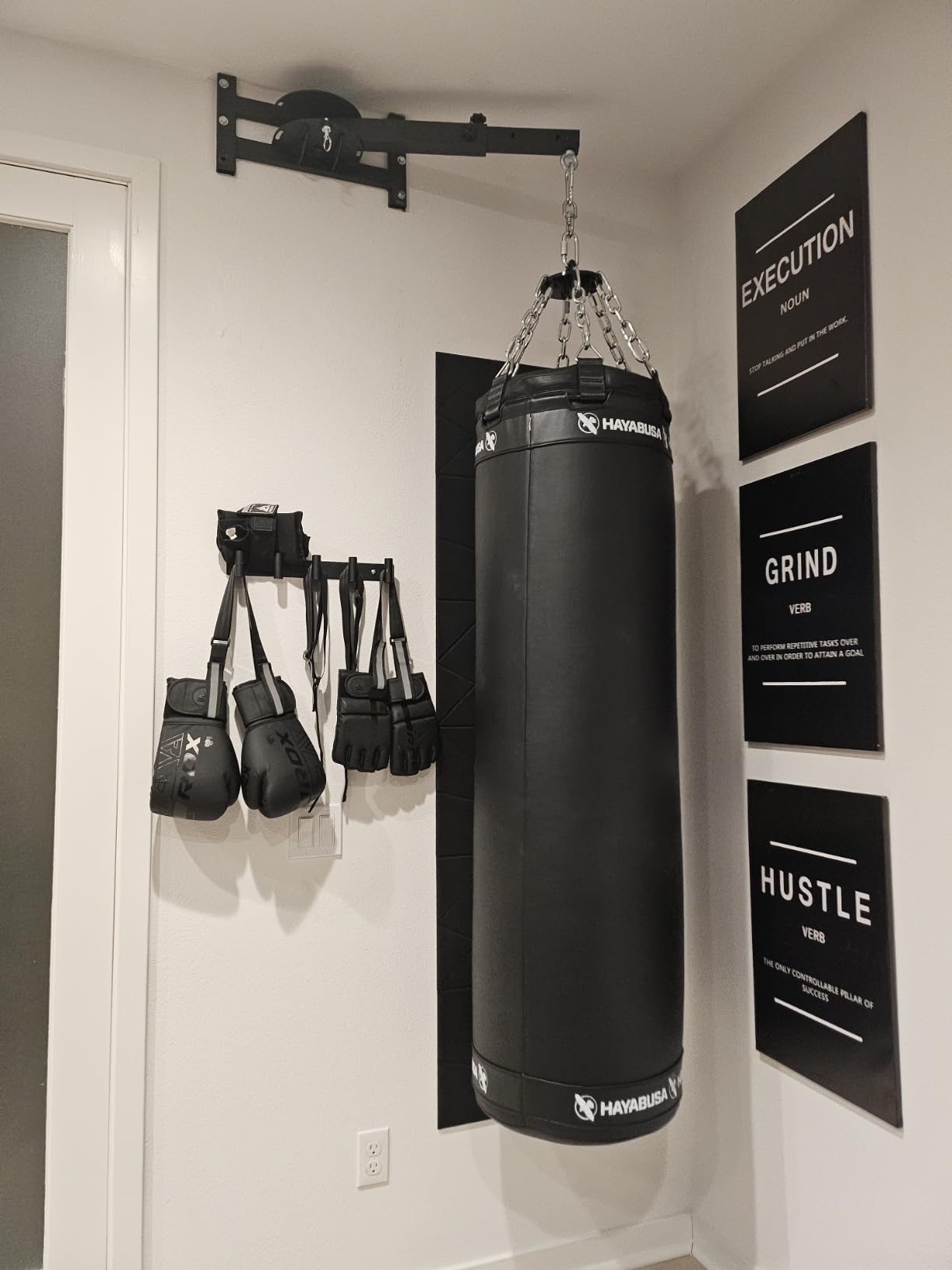
Good for shared walls too
Dense polyester is also a workable surface for a behind-the-mic screen, which is useful if you are in an open-plan space where you cannot treat the wall directly behind you.
Coverage guidance
The listing recommends covering 20 to 30 percent of the wall surface area for effective results. In a 10 by 10 foot room that is well under half the total wall, so one 22 pack gets you to the useful mark on one or two walls.
7. UMIACOUSTICS 6 Pack 47.2×23.6 – Large-Format Panels With a Two Year Warranty
6 Pack Acoustic Panels, 47.2″ x 23.6″ Sound Proof Panels, Black
Six 47.2 x 23.6 inch panels
100 percent polyester fiber
2 year warranty
+ The Good
- Very large 47.2 x 23.6 inch panels
- Wood-look and neutral finishes suit a podcast room
- Cuts with a utility knife and takes brad nails
- Two year manufacturer warranty
- The Bad
- Printed wood grain is not real slats
- Cutting sheds felt dust
- Double-sided tape alone is unreliable
At 47.2 by 23.6 inches, each panel is effectively a two by four sheet of absorber, and six of them cover a lot of wall. Podcast and office users report a clear drop in echo once two walls are covered, and the walnut finish doubles as decor in a room that appears on camera.
These are thin at 0.4 inch, so treat them as high-frequency control rather than a full-spectrum fix. In my room the sibilance and room tone improved noticeably, but the low end was untouched.
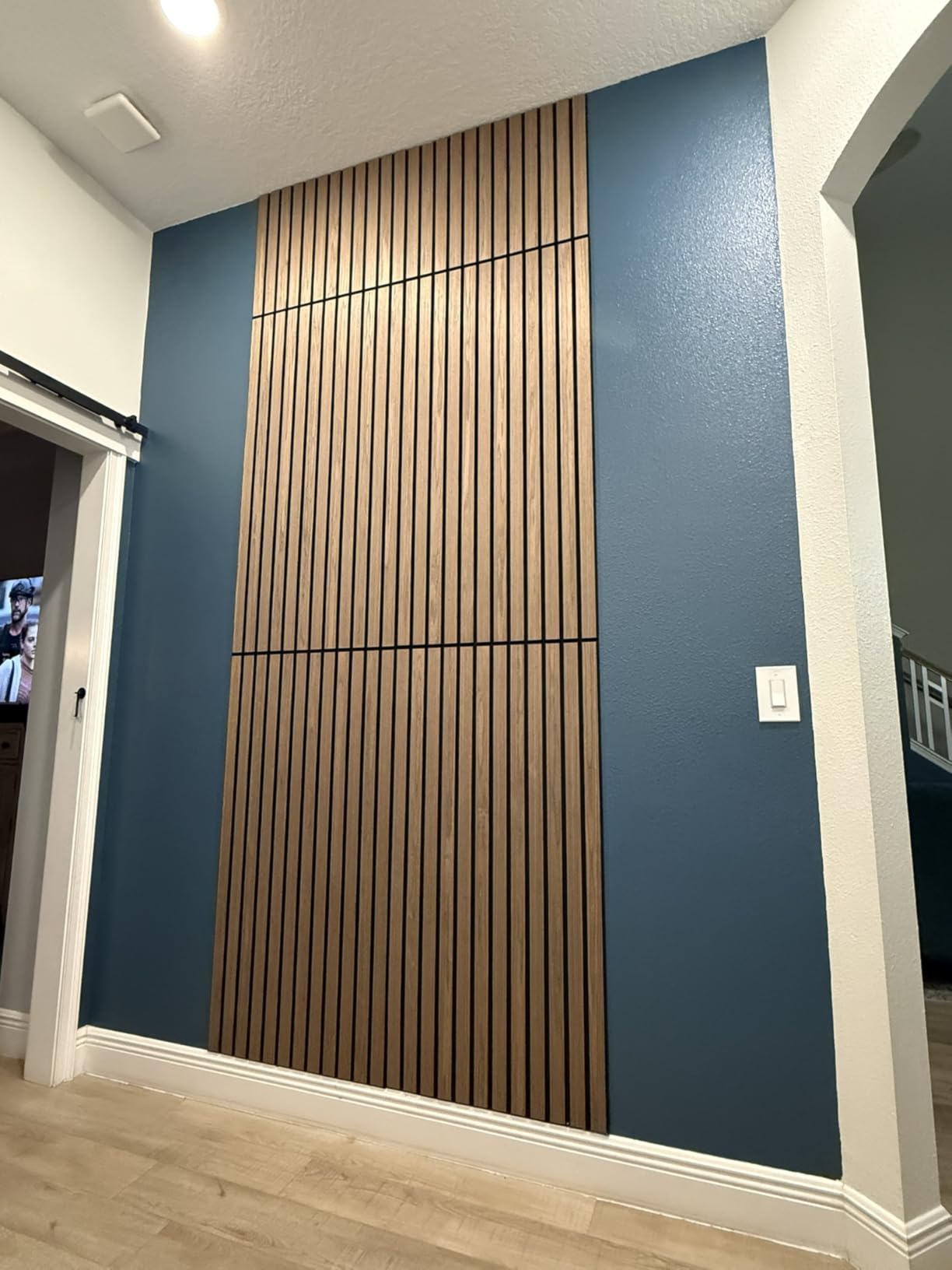
Mount them properly. Tape alone is not enough on its own for a panel this size, and the surface wipes clean and resists staining, which is a real advantage in a room where a mic is a metre away from the wall. Cut with a utility knife and wear a mask, because the felt sheds fine dust while cutting.
Two years of manufacturer warranty is longer than most of this category offers.
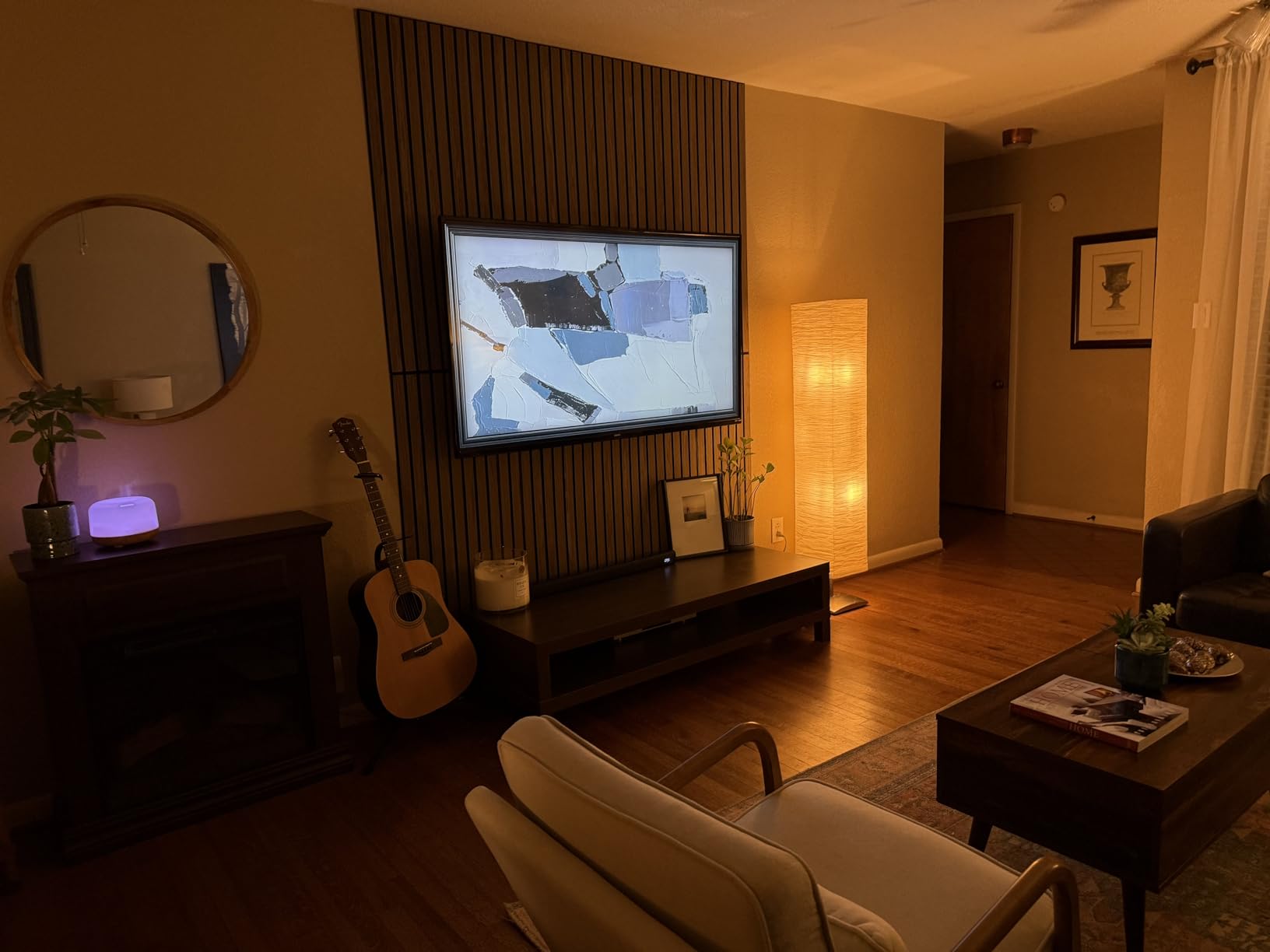
Best for partial rooms
If you are treating a corner of a larger open-plan space rather than a sealed room, large panels are the efficient choice. You get meaningful treated area from six hangings instead of dozens of small tiles.
Consider instead
If your priority is the lower part of the speech range, a 2 inch panel will outperform a large thin one. Format wins on coverage, not on depth.
8. AudioSilk 4 Panel Room Kit – Recycled PET That Arrives Flat
AudioSilk Acoustic Panels, 4 Pack ROOM KIT, Large, 46″ x 23″, Natural
Four 45.7 x 22.8 inch panels
NRC up to 0.91
Recycled PET core
Arrive flat
+ The Good
- Arrives flat with no waiting for expansion
- Recycled PET with no harsh chemical smell
- NRC up to 0.91 for flutter echo
- Free placement advice included
- The Bad
- Mounting strips not included
- 0.4 inch profile is not for bass
- Limited effect in a large room alone
The complaint I hear most about foam panels is the chemical smell and the waiting game while compressed foam expands. This is the opposite: the panels arrive flat, hold their shape, and go up the same afternoon. Four large panels at 45.7 by 22.8 inches give you a wide, continuous treated surface behind the host or across a reflection point.
Reviewers describe it as a clear step up from open-cell foam acoustically, with tighter midrange and controlled flutter echo. The core is post-consumer recycled PET, which also means the answer to a low-VOC question in a shared home office.
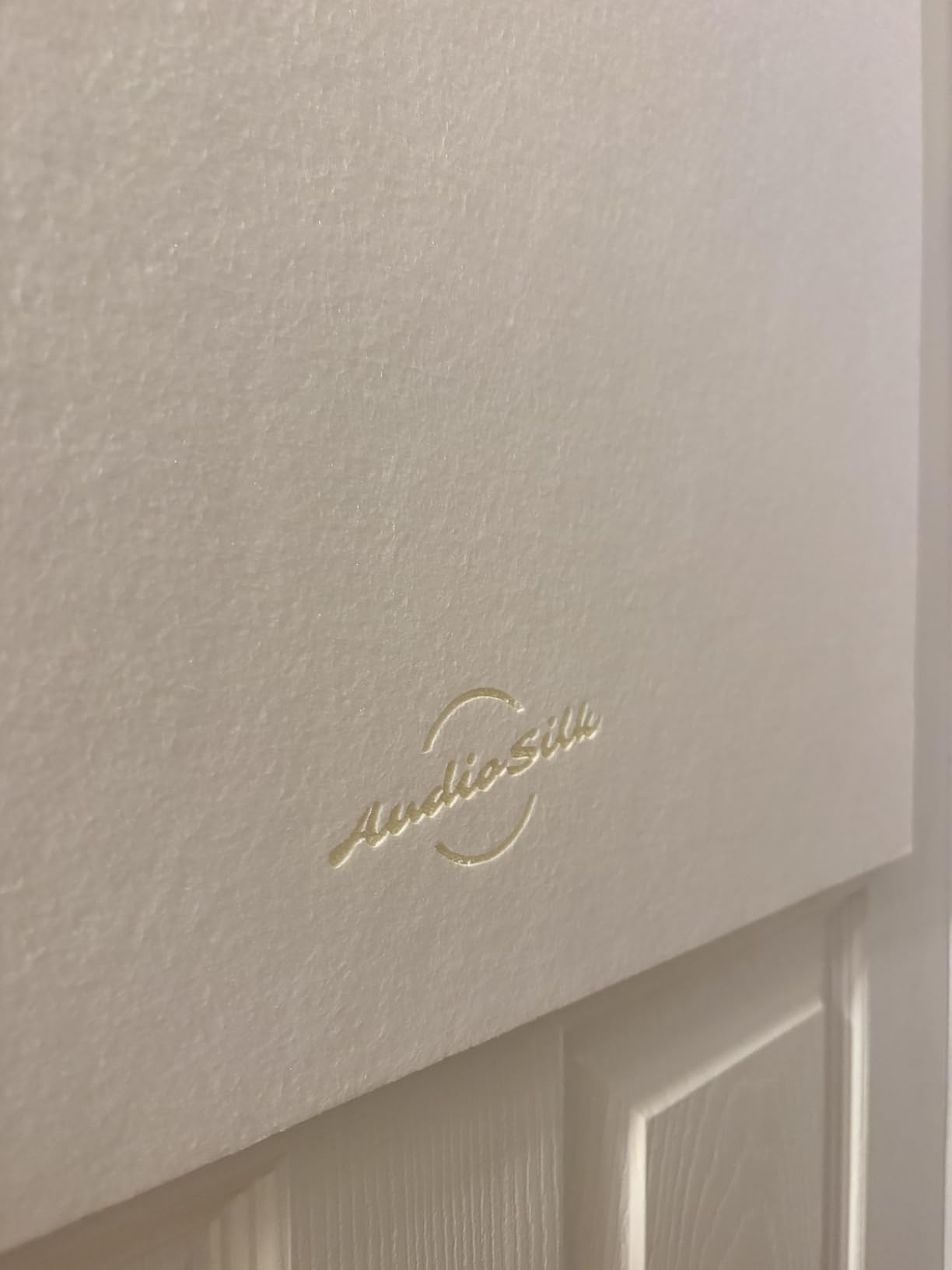
Two practical things. The mounting strips are not included, and the maker recommends four 3M Command strips per panel, so plan that into your shopping list before the panels arrive. And at 0.4 inch this is not a bass tool, which buyers confirm when they pair it with dedicated low-frequency traps.
Corners can arrive dented in transit on a larger order, so inspect before hanging. The panels are rigid, so a light press along a flattened corner is usually enough.
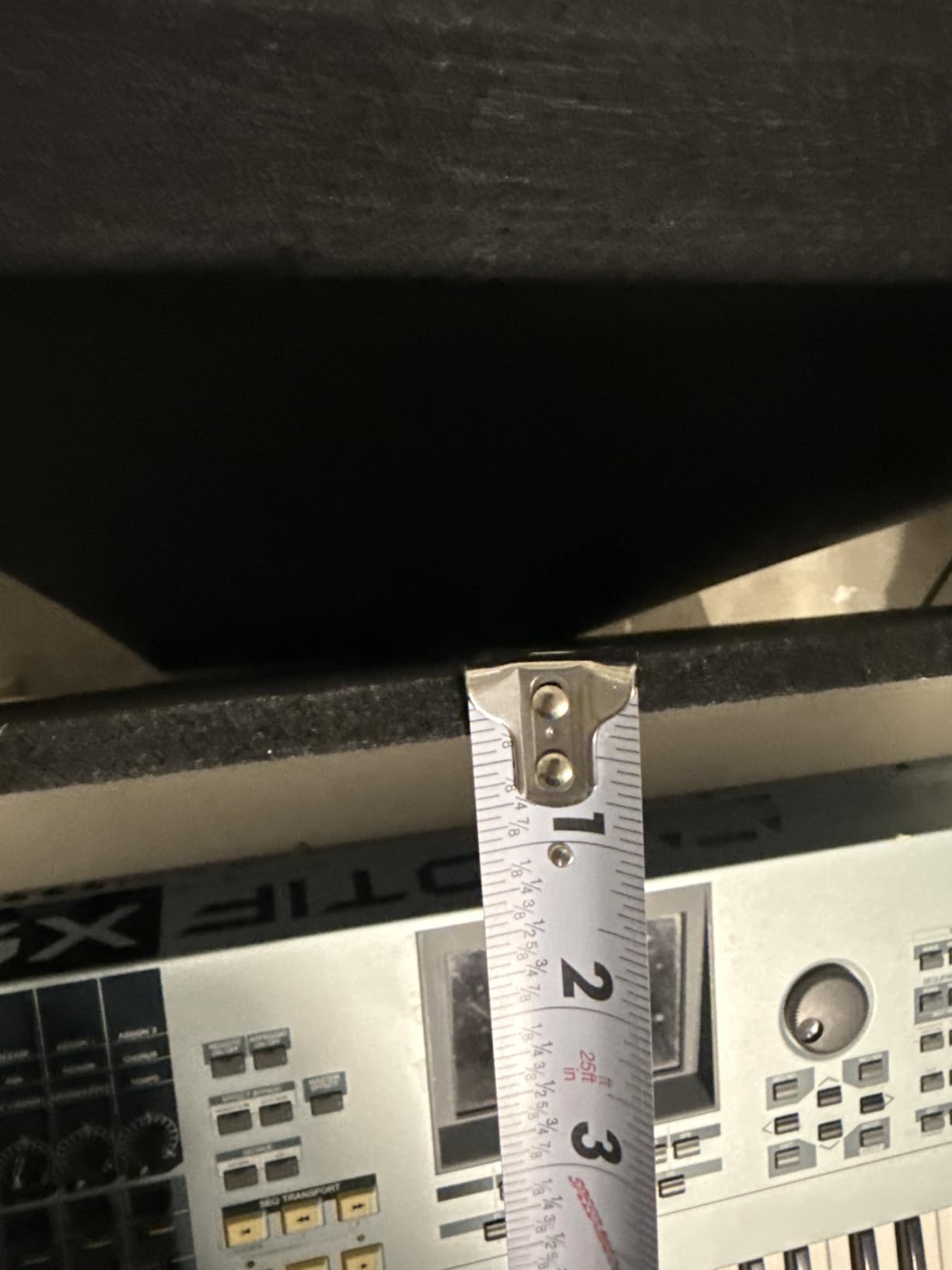
Best for a bedroom studio
If your podcast room is also a bedroom or a home office, fabric-wrapped PET panels in neutral colours disappear into the room better than open-cell foam does. The trade-off is that you cover less wall per purchase than a 22 pack of tiles.
Best for a large room
Do not expect one four pack to treat a big space. Pair it with a second pack or with large-format panels if your first reflection points are far apart.
9. TONOR 12 Pack Hexagon Panels – Hexagons That Interlock Into a Honeycomb
TONOR 12 Pack High Density Hexagon Acoustic Panels for Wall, 12″x 10″x 0.4″
12 hexagon tiles at 12 x 10 inch
0.4 inch polyester fiber
Peel and stick backing
+ The Good
- Hexagon shape reads as intentional decor
- Peel and stick backing needs no tools
- Interlock cleanly when aligned
- Several buyers note cleaner podcast audio
- The Bad
- Adhesive can pull off paint or drywall
- Thin profile absorbs less than 2 inch panels
- Seams can arrive smushed
When a podcast is also a video, wall decor is a feature rather than a compromise, and hexagons give you a shape that does not look like acoustic treatment at all. Twelve tiles interlock cleanly when you align them, so you can build a honeycomb behind the host in an afternoon with no tools.
At 0.4 inch these are thin, and the honest expectation is high-frequency echo control rather than full-spectrum absorption. Buyers on the review side do report cleaner recordings once they are on the wall, particularly for a host who moves a lot in front of the mic.
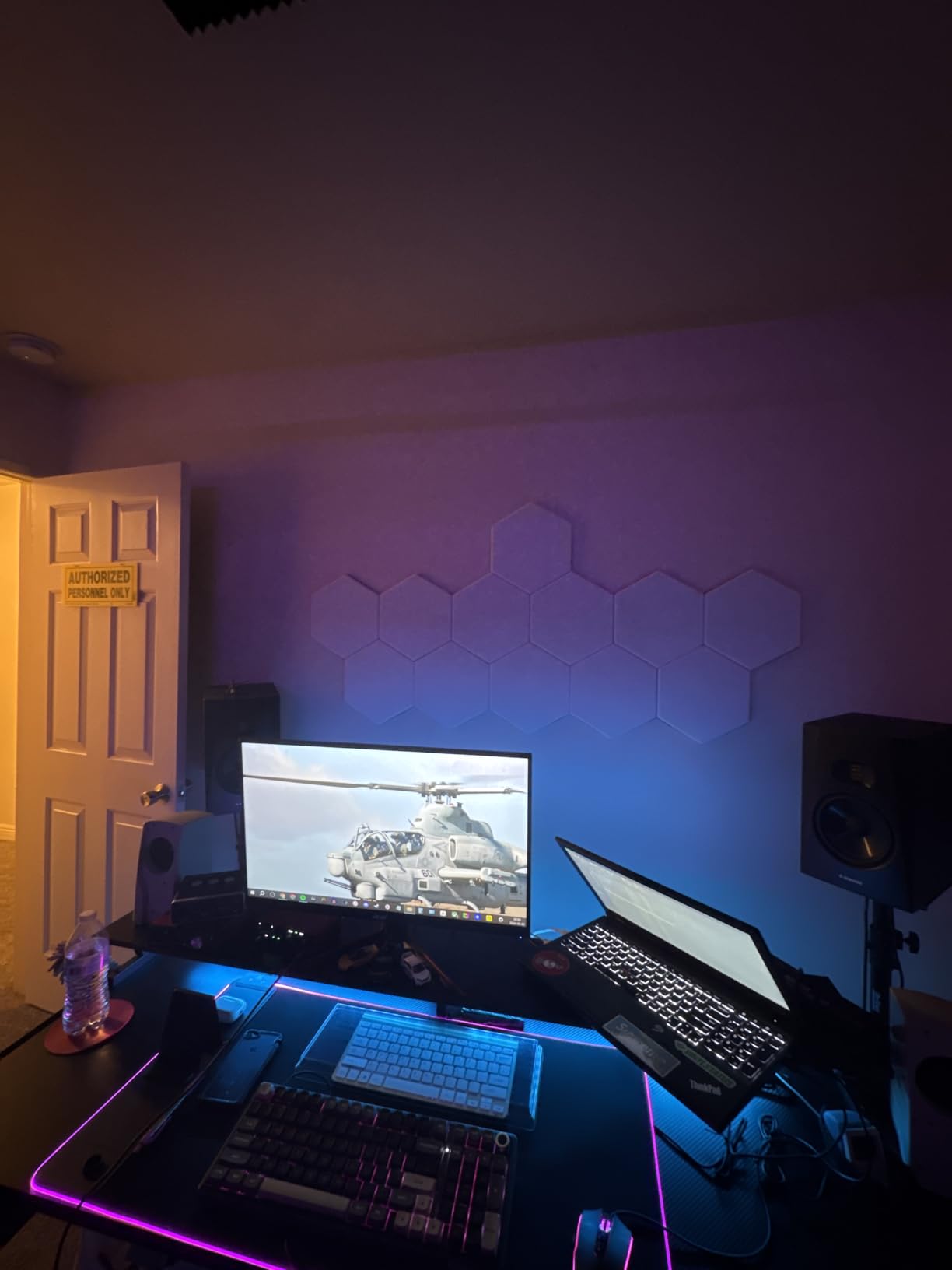
The adhesive is the thing to test. Several buyers have had panels pull paint or leave drywall marks when repositioning, and the backing only grips properly on smooth, dry surfaces. Stick one tile in a hidden corner, wait a day, then decide.
Corners and seams can arrive slightly smushed in transit, which makes a tight honeycomb harder to achieve. Sorting tiles by condition before you start saves time.
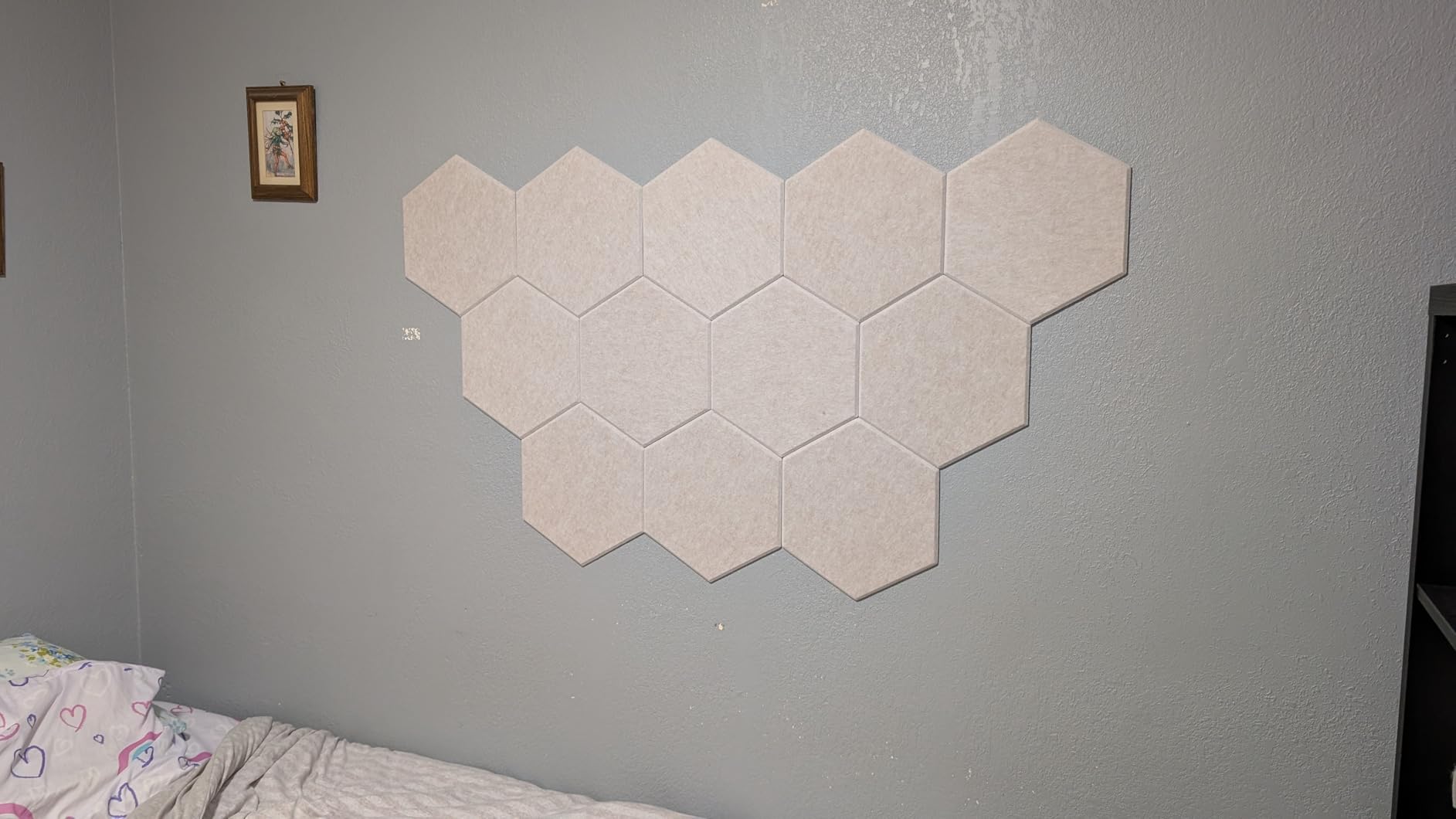
Where to place them
Put them on the first reflection points beside the host, and behind the mic position. That is where a voice recording picks up its worst artefacts, and a decorative shape is a bonus rather than a substitute for correct placement.
Pair with what
Combine a hex pack for the look with 2 inch panels from our number two pick on the ceiling. The ceiling is where thin tiles help least and where a voice room gains the most.
10. JaneTech 6 Pack Wood Panels – Best Removable Option for Renters
JaneTech 6 Pack Wood Acoustic Panels, Decorative Acoustic Wall Panels Sound Absorbing with Nano Glue for Recording Studio, Home Office, Conference Room, Facet Ridge, 23.62×23.62 Inches
Six 23.62 inch square panels
Polyester ridge facets
Nano glue mounting
+ The Good
- Nano glue mounting avoids permanent wall damage
- Lightweight and easy to rearrange
- 23.62 inch panels cover a lot of wall per panel
- Ridge facets soften reflections and look good
- The Bad
- Decorative print rather than solid wood
- Absorbs but does not isolate
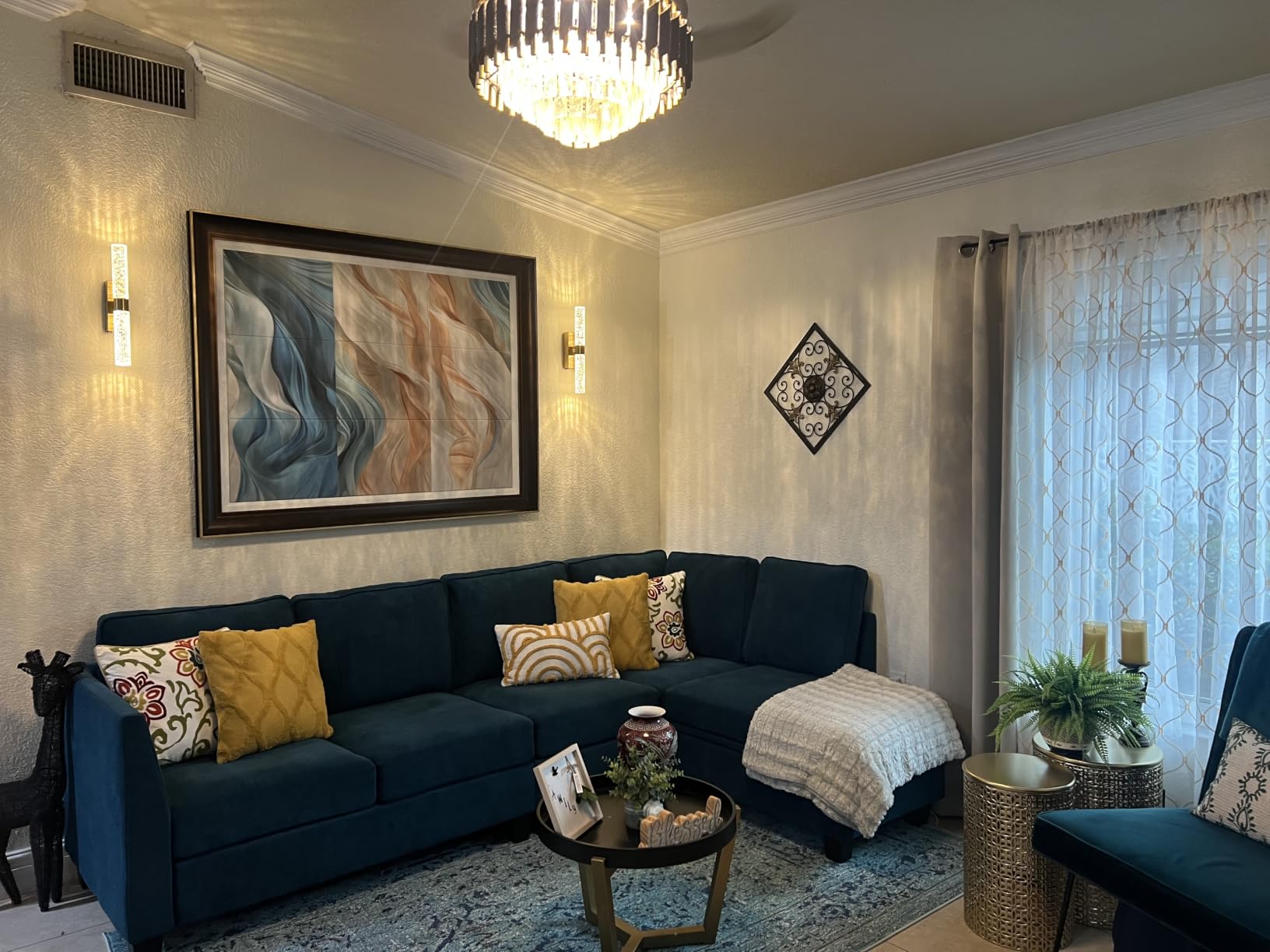
This is the one I would suggest for a rented apartment or a room you might leave in a couple of years. The nano glue mounting system is designed to hold without permanent damage, and the panels are light enough to take down and reposition as the room layout changes.
At 23.62 inch square, six panels cover a generous area for a small room, and the ridge facets give a contemporary studio look that works in a home office that doubles as a recording space. Reviewers consistently report softer reflections and clearer voice recording from a modest number of panels.
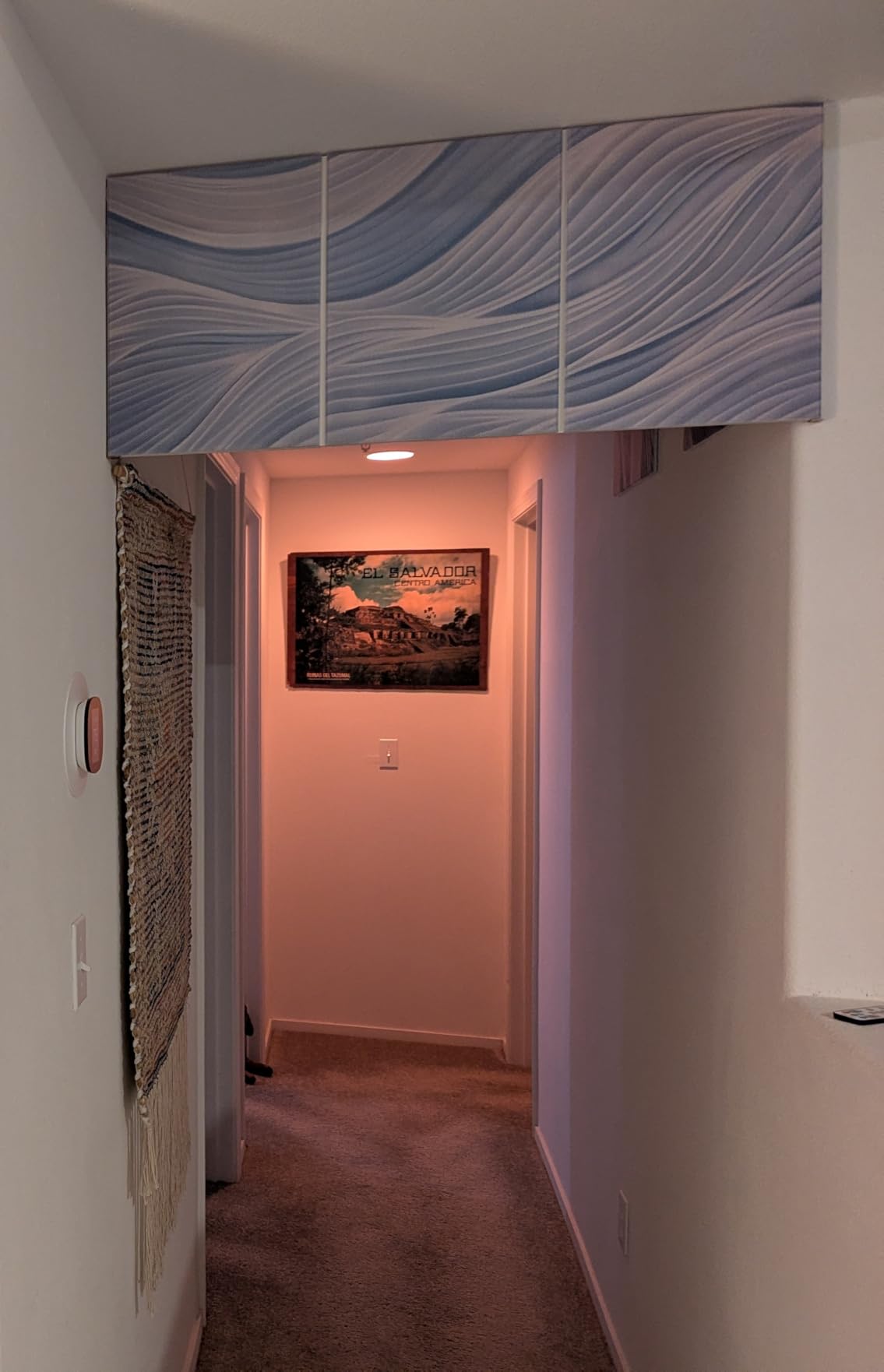
The finish is a printed wood-inspired pattern rather than solid slats, so treat it as a design choice. If you like the look you will not notice, and if you want a plain fabric panel you should look elsewhere on this list.
Because the panels are large and light, they have fewer mounting points per square foot than small tiles. Fix them into studs or use enough glue squares across the face that the whole panel is supported.
Renter-friendly setup
Mount panels at ear and shoulder height on the side walls rather than covering one wall edge to edge. That is where the return path to the microphone is, so it is where absorption does the most good per panel.
How much to buy
One six pack is enough for a small room if you place every panel on a first reflection point. In a larger room, results will be modest until you cover significantly more surface area.
11. NEPIS 20 Pack Brick Panels – Brick Relief That Hides a Worn Wall
20 Pack Acoustic Panels with Self Adhesive, 11.8″ X 11.8″ X 0.36″ High Density Sound Proof Foam Panels for Wall, Soundproof Wall Panel, Brick Sound Absorbing Panel for Home Studio Office Decor – Black
20 tiles at 11.8 inch square
NRC above 0.95
Brick relief profile
+ The Good
- Brick relief hides worn or marked walls
- Full-back adhesive needs no extra tape
- 20 tiles cover about 20 square feet
- Several buyers report a real drop in echo
- The Bad
- Dense material is harder to cut
- Thin 0.36 inch profile underdelivers on absorption
- Improves as more panels are added
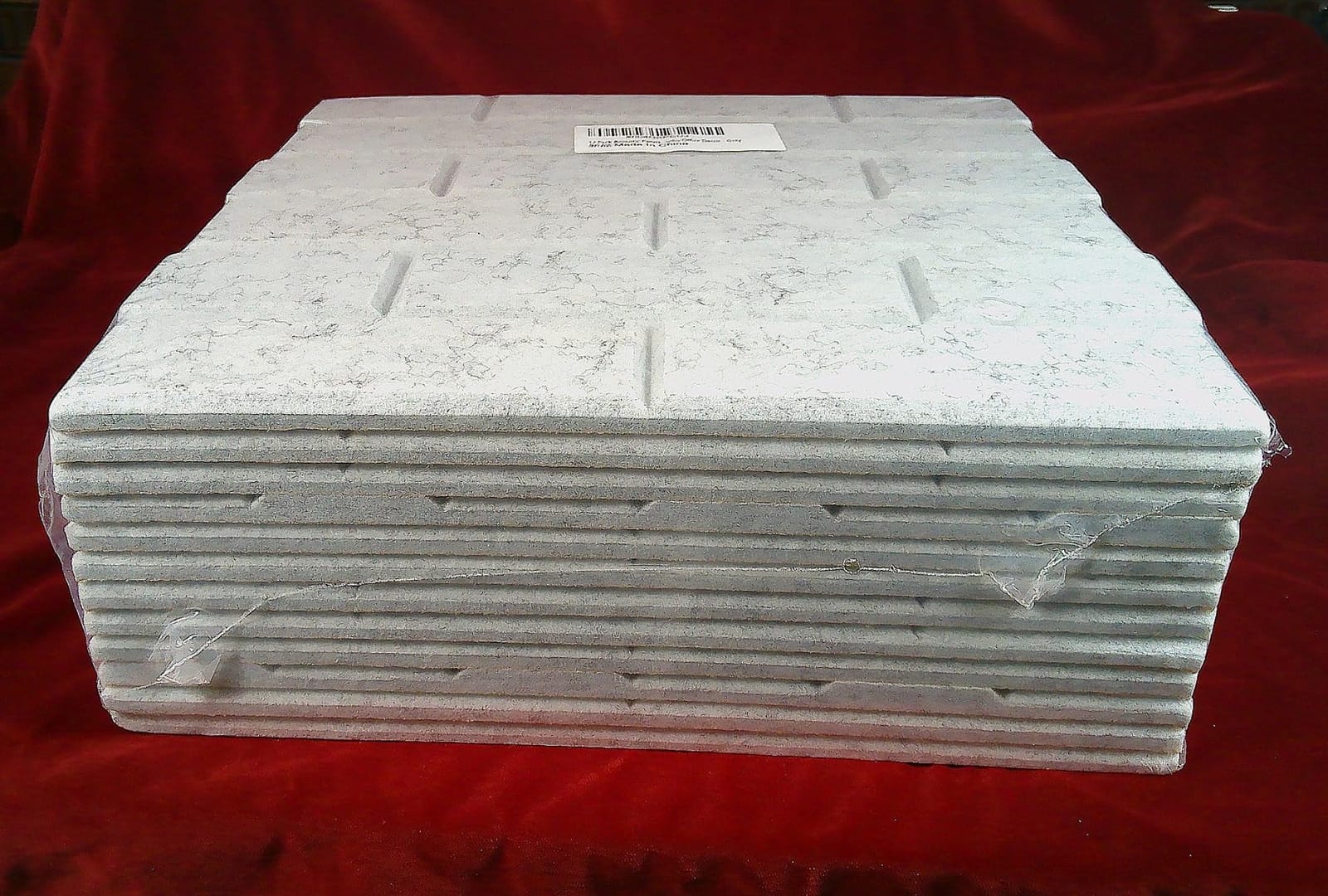
Sometimes the reason a room sounds bad is also why it looks bad. The 3D brick profile here is deep enough to cast a real shadow line, which hides scuffs, patched holes and mismatched paint while the panel is doing acoustic work. Twenty tiles cover roughly 20 square feet, and the full-back adhesive makes installation quick.
Buyers report a genuine drop in room echo once the panels are up, with a caveat that performance keeps improving as coverage grows. At 0.36 inch, treat it as a high-frequency panel with a very good disguise.
The dense polyester is harder to cut than lighter foam, so use a fresh blade in a single pass. And the adhesive holds through repeated repositioning, which is convenient during setup and a problem later if you want the wall back.
None of this stops sound moving between rooms. If noise is arriving from a hallway or a neighbouring flat, that is a mass and sealing problem rather than an absorption one.
Best used on
The wall behind the host and the wall opposite it. Both produce a strong early return straight into the mic, and both are exactly the surfaces you most want to improve visually for a video podcast.
When to choose something else
Choose a thicker panel if your problem is boxiness rather than hiss. These will not reach the lower part of the speech range, no matter how many you add.
12. BSHEAD 8 Pack 12 Inch Panels – Chamfered Tiles for a Custom Pattern
12in Acoustic Panels for Walls, High Density Soundproof Wall Panels
Eight 12 x 12 x 0.47 inch panels
Polyester felt core
Chamfered edges
Removable tape
+ The Good
- Chamfered edges let you build custom patterns
- Spare removable tape avoids wall damage
- Easy to cut with a razor and ruler
- Odourless and flame retardant
- The Bad
- Adhesive holds poorly on textured walls
- Limited low-frequency control
- Some buyers find the effect cosmetic
These are the tiles to buy when you want a geometric wall rather than a flat covered surface. The 45 degree chamfered edges create a visible bevel pattern that catches light, and the panels are listed as 25 percent thicker and 35 percent denser than comparable felt, which at 0.47 inch is a slightly better starting point than most tiles here.
Eight panels cover about 7.6 square feet, which makes this a supplementary purchase rather than a full-room solution. Buyers use them to finish a pattern started with a larger pack, or to treat a first reflection point in a small booth.
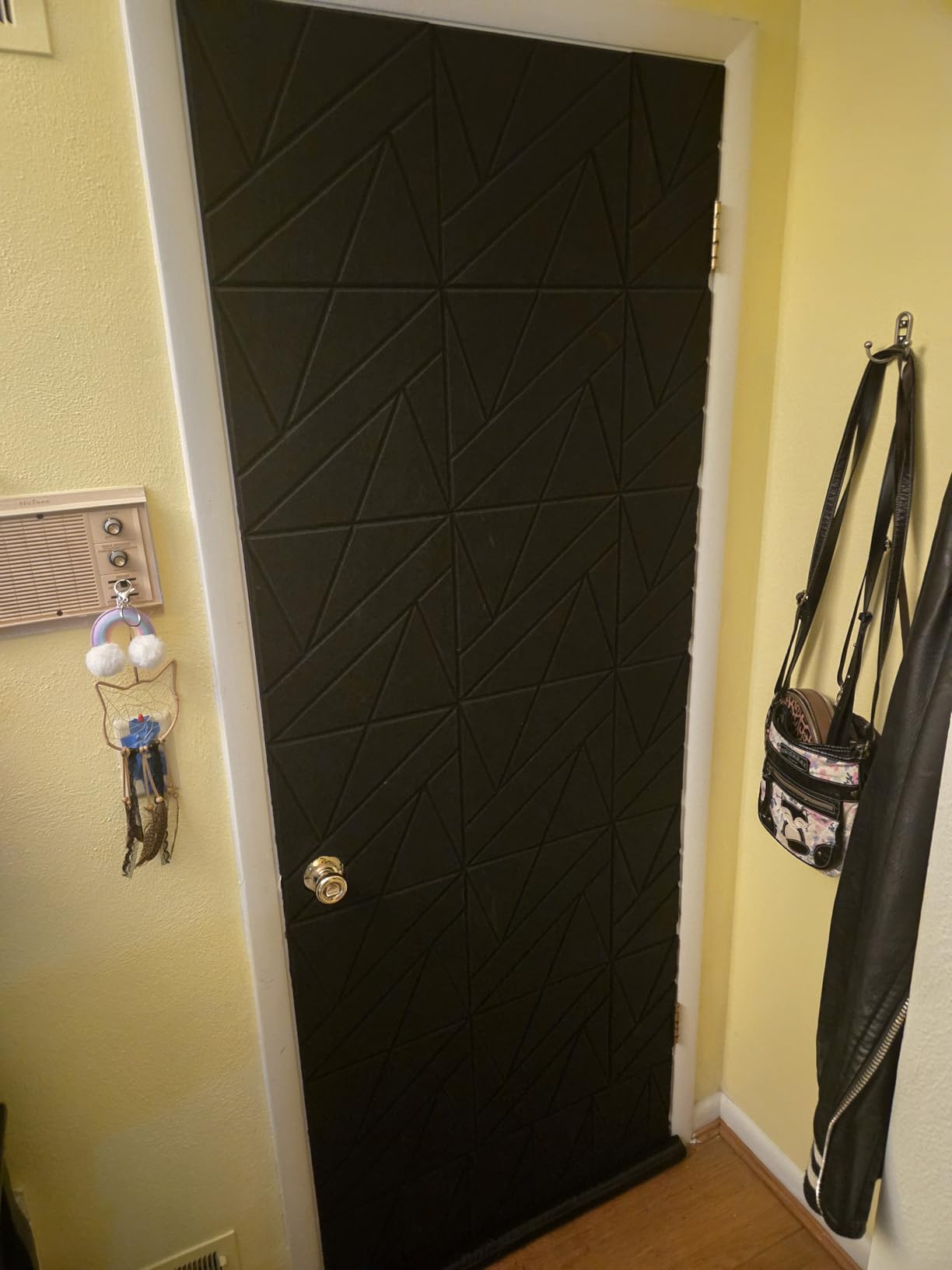
Use the spare removable tape on textured walls, where the supplied adhesive grips poorly. On smooth drywall the self-adhesive backing holds well and comes off without taking paint, which is a genuine advantage over the aggressive backings used by several other picks in this roundup.
A minority of buyers feel the acoustic effect is minimal, particularly against bass and outside noise. That is consistent with the thickness. It handles mid and high frequencies, and it will not chase room modes.
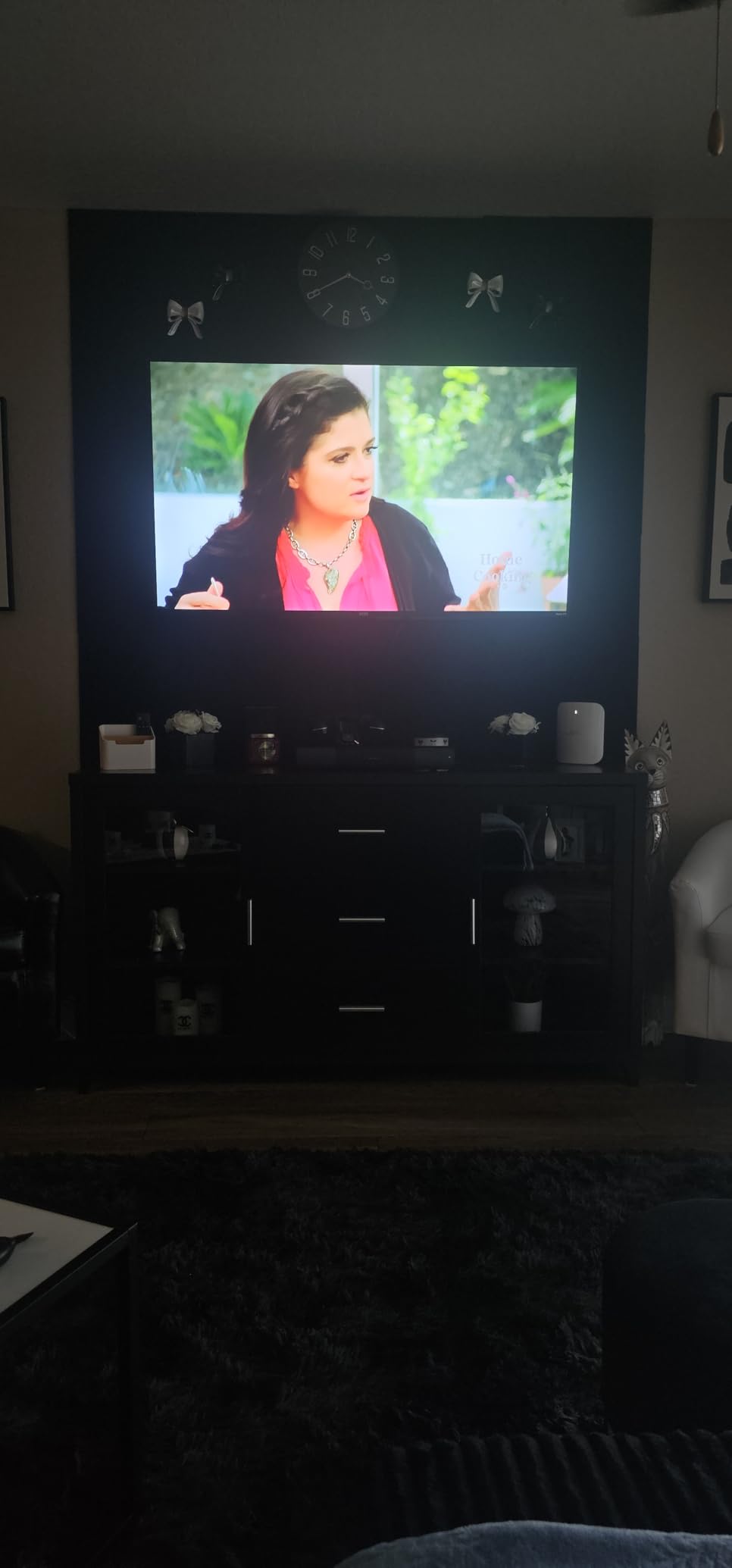
Best used on
Put them where you can see them and where sound is returning. A chamfered pattern on the wall beside the host does both jobs at once, and eight tiles go up in a few minutes with a blade and a ruler.
Build a full room
Three eight packs give you 24 tiles and roughly 23 square feet, which is enough for the reflection points on two walls of a small room. Add thicker panels overhead if the ceiling is bare.
How Many Panels a Podcast Room Needs
Coverage matters more than any brand. The useful rule from the industry is to treat 20 to 30 percent of the wall surface area, concentrated at the first reflection points rather than spread evenly. As a starting guide for a single host at a desk:
8 x 8 foot room, 256 square feet of floor: four to six large panels, or about 20 to 30 small 12 inch tiles. Treat the two side walls beside the host first.
10 x 10 foot room, 100 square feet of wall per wall: six to eight large panels, or a 22 tile pack plus one more small pack.
12 x 12 foot room: eight to ten large panels, plus a ceiling cloud over the host.
L-shaped or open-plan corner: prioritise the two solid walls you have, and accept partial results on the open sides. A portable gobo panel behind the mic buys back a lot of that.
Two things are worth adding regardless of panel count. A rug on the floor removes a reflection nobody thinks of, and a ceiling cloud over the host position is the single most-repeated upgrade in acoustic advice for speech rooms. If you want a traditional mounting option instead of adhesive, our gridwall panel guide covers that route.
Where to Place Panels in a Podcast Room
Placement is worth more than panel count, and it takes about a minute to work out. Here is the order I would work in.
Find the first reflection points. Sit at the mic position and have someone clap once on the wall directly beside you, then walk along that wall to where the clap sounds hardest. That is your reflection point. Repeat on the other side.
Panel the side walls first. These two spots carry the strongest return into the microphone, so two good panels here beat a whole covered wall somewhere less important.
Absorb behind the host. The wall behind you reflects back over your shoulder into the room. A panel there, or a portable gobo on a stand, shortens the tail before it reaches the mic.
Add a ceiling cloud. A panel hung above and slightly in front of the host catches the ceiling reflection that makes small rooms boxy. Mount it with a real air gap beneath it, not flush.
Finish the corners last. Corner treatment and bass traps address low-frequency buildup, which is a different problem from early reflections. Do them if your recordings have boom, and skip them if they do not.
A door that closes solidly and curtains on any window do more for your recordings than a third decorative panel. Noise that enters the room cannot be absorbed your way out afterwards.
Absorption Is Not Soundproofing
Every panel in this list is an absorber. That means it converts sound energy into a small amount of heat inside the room, shortening reflections and reverb tails. It does not add mass to a wall, and it does not block sound. If a neighbour can hear your conversation through a shared wall, none of these products will change that.
Soundproofing is a different job, and it needs mass, sealing and decoupling. A dense barrier in the wall, acoustic gasket around the door, and gaps filled so there is no direct path for sound to travel. A room within a room is the most effective version of the idea, where the recording booth is isolated inside the room rather than being the room itself.
So decide which problem you have. If your voice sounds echoey and close in a room where nobody outside can hear you, absorption is the fix. If you can hear traffic and if neighbours can hear you, invest in isolation before you buy a single panel.
How to Choose Panels for a Podcast Room
Thickness decides the frequency range. A 1 inch panel is a high-frequency control. A 2 inch panel reaches into the body of the voice. For speech, 2 inch is the practical minimum and 4 inch is better if you have the wall space. Nothing in this list goes past 2 inch, which is a deliberate choice for speech rather than music.
Ask for the NRC, not adjectives. NRC runs from 0 to 1. For a speech room, treat 0.8 and above as a good target. Listings that say only high absorption or soundproofing are telling you nothing, and in this roundup several panels publish no figure at all.
Check the core material. Polyester felt and PET are odour-free and safe in a home office. Open-cell polyurethane foam is fine too but shreds with age. Mineral wool handles bass better than any of these but needs a fabric wrap and careful handling.
Check the fire rating if it matters. A multi-unit building or a commercial studio is the case where a Class B1 or equivalent flame-retardant listing matters. Two panels here carry a published flame-retardant spec, so check the listing before you buy for a shared space.
Count the mounting hardware. Several panels in this roundup come without adhesive, and the ones with aggressive backings can pull paint off drywall. If you are renting, weight the removable options heavily. Command strips or nano glue are the safest choice.
Look at the room on camera. If your podcast is also a video, aesthetics are a functional criterion. Egg-crate foam reads as a cheap studio, while a bevelled wool panel or a wood-look set looks intentional and disappears into a room.
Decide whether you need bass treatment at all. Skip it if your recordings are clean and only echoey. Buy corner traps if you hear boom or a low rumble that compressing the track does not fix.
One more practical note. If you are still building the recording side, our podcast microphone roundup covers the pairing between mic choice and room treatment, and getting those two decisions in the right order saves rework.
Frequently Asked Questions
What are the best acoustic panels for a podcast room?
The best acoustic panels for a podcast room are thick, fabric-faced absorbers with a published NRC of 0.8 or above, ideally at 2 inch depth, placed on the first reflection points either side of the host. Our top pick is a 24 x 48 inch wool-faced panel rated at NRC 1.0, with a 52 tile 2 inch foam pack as the best value route and a hexagonal felt set for rooms that are also on camera.
Do acoustic panels make a room soundproof?
No. Acoustic panels absorb sound inside the room, which reduces echo and reverb, but they do not block sound passing through walls, doors or ceilings. Soundproofing needs mass, sealing and decoupling, and sometimes a room within a room. If you can hear traffic from outside or neighbours can hear you, isolation is the problem to solve before panels.
What thickness of acoustic panel is best for podcasting?
Two inch is the practical minimum for a voice room. One inch panels mainly absorb high frequencies and leave the boxy, muddy signature in the low mid range that makes a small room sound untreated. Four inch panels absorb more, but they take wall space and are rarely necessary for speech alone.
How many acoustic panels does a podcast room need?
Treating 20 to 30 percent of the wall surface area is the common rule, concentrated at the first reflection points. As a rough guide, an 8 by 8 foot room needs four to six large panels, a 10 by 10 foot room needs six to eight, and a 12 by 12 foot room needs eight to ten plus a ceiling cloud.
Can I use acoustic panels in a rented apartment?
Yes, if you choose removable mounting. Panels with nano glue or Command strip mounting come off without damaging the wall, and lighter felt panels are easier to handle than framed ones. Test an adhesive-backed tile in a hidden corner for a day first, because strong backings can pull paint off drywall when repositioned.
Conclusion: The Best Acoustic Panels for Podcast Rooms
After working through all twelve, the ATS 24 x 48 x 2 inch panel is the best acoustic panel for a podcast room overall, because it is the only product here with a published NRC of 1.0, a 2 inch depth that reaches into the speech range, and a framed build that survives a working room. For anyone starting from nothing, the TroyStudio 2 inch foam pack gives you the speech-band thickness in a single purchase.
Skip the thin decorative felt if your problem is boxiness, protect your paint if you rent, and put a rug and a ceiling cloud on the list even if you buy nothing else on this page. Treatment that is placed correctly beats more panels placed everywhere.