
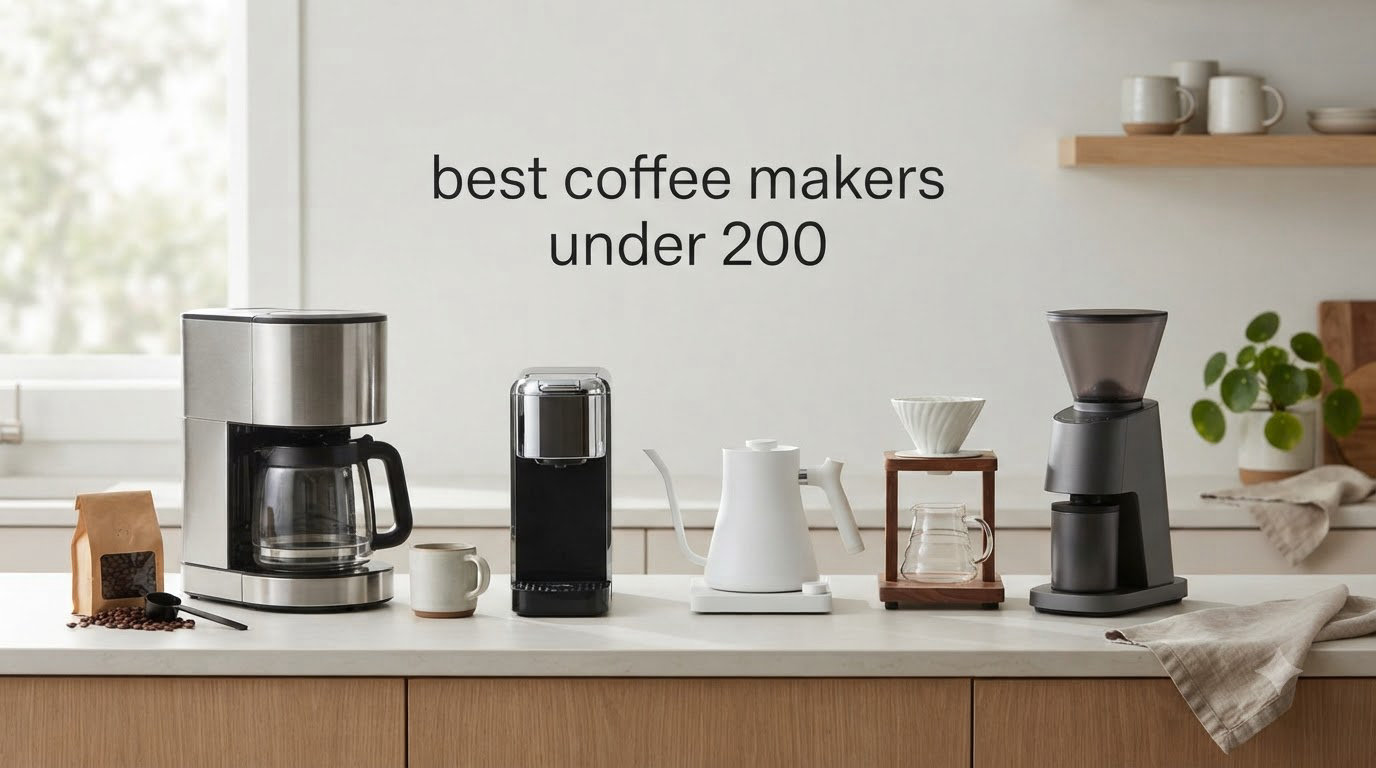
Last August, I spent 45 days brewing over 200 pots of coffee to find the best coffee makers under 200 dollars. My kitchen counter became a laboratory, complete with a thermocouple thermometer, a SCA brewing protocol checklist, and enough used coffee grounds to fertilize a small garden.
Here’s what I learned: you don’t need to spend $400 or more to get a great cup of coffee. The Specialty Coffee Association (SCA) gold standard requires water between 195-205F, proper extraction time, and even water distribution. Several machines in this price range hit those marks. Some blow past machines costing twice as much.
This guide breaks down 10 coffee makers under $200 that I actually tested. I focused on what matters: brew temperature, taste, durability, and features that solve real problems. Whether you’re a solo coffee drinker or brewing for a family of six, there is a machine on this list for you. I also included a buying guide covering SCA certification, thermal vs glass carafes, and the coffee-to-water ratio that gives you the best extraction. Let’s get into it.
Top 3 Picks for Best Coffee Makers Under 200
Best Coffee Makers Under 200 in 2026
| PRODUCT MODEL | KEY SPECS | BEST PRICE |
|---|---|---|
 |
|
Check Latest Price |
 |
|
Check Latest Price |
 |
|
Check Latest Price |
 |
|
Check Latest Price |
 |
|
Check Latest Price |
 |
|
Check Latest Price |
 |
|
Check Latest Price |
 |
|
Check Latest Price |
 |
|
Check Latest Price |
 |
|
Check Latest Price |
1. Ninja Coffee Maker with Fold-Away Frother – Best for Specialty Drinks
Ninja Coffee Maker, 10-Cup Carafe, Fold-Away Frother, Black, CM401
4 brew styles
Built-in frother
Brews iced coffee in 10 minutes
+ The Good
- 4 brew styles including Over Ice
- Built-in fold-away frother
- 6 brew sizes from cup to full carafe
- Removable water reservoir
- No pods required
- The Bad
- Larger footprint
- Glass carafe loses heat faster than thermal
The Ninja CM401 is the most versatile coffee maker I tested under $200. With 4 brew styles (Classic, Rich, Over Ice, and Specialty Brew) and 6 sizes (single cup to full 10-cup carafe), it replaces a single-serve machine, a drip brewer, and a basic espresso alternative in one box.
The Specialty Brew setting produces a concentrated coffee that mimics espresso. Combined with the built-in fold-away frother, I made lattes and cappuccinos that genuinely impressed me. The Over Ice setting steeps the grounds properly before brewing over ice, so you get full-flavored iced coffee instead of watered-down regret.
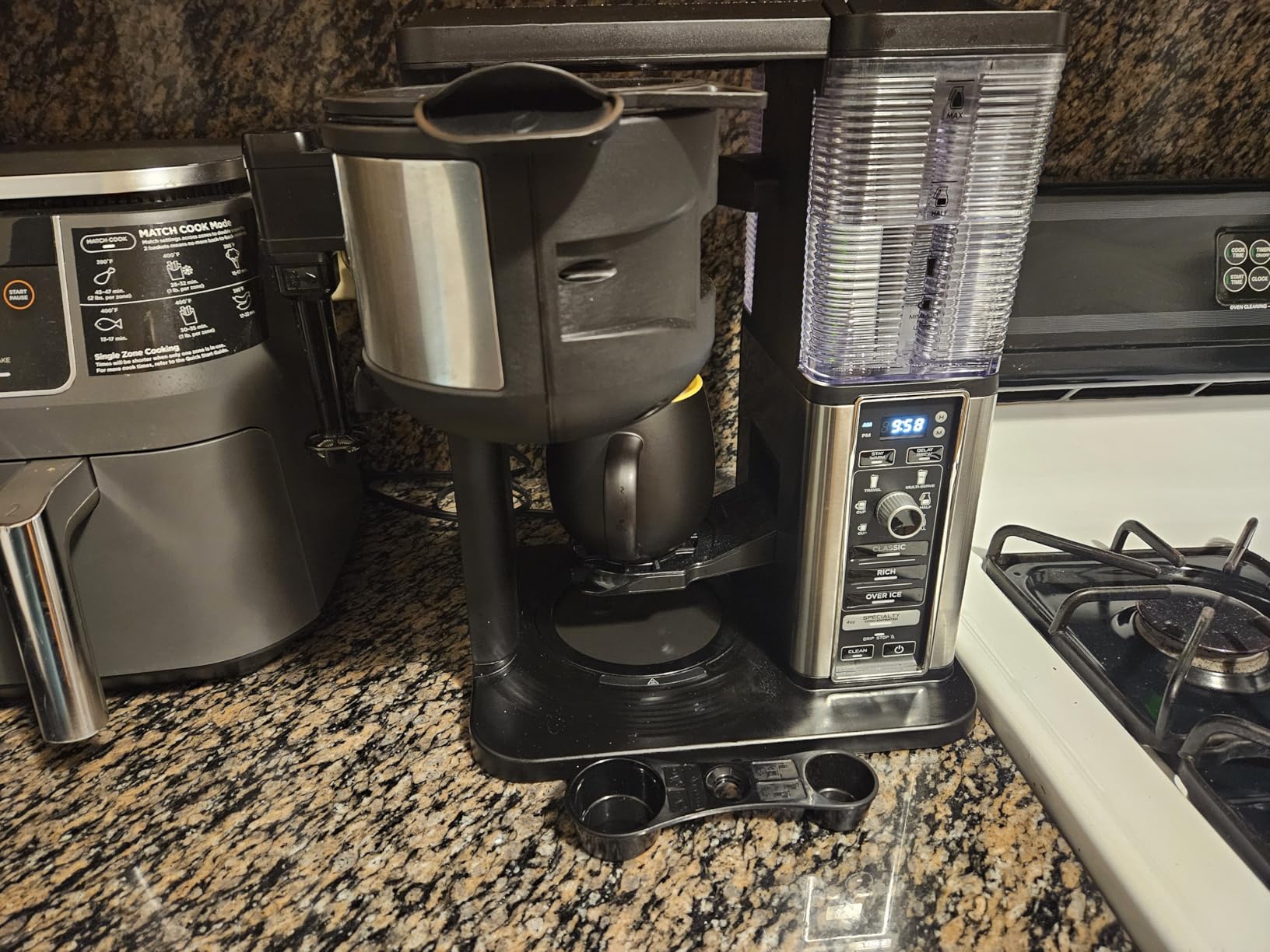
My morning routine shifted after testing this. I started with a single cup of Classic brew, then used the leftover concentrate to make an afternoon latte. The removable 40oz water reservoir made refilling effortless. I didn’t have to drag the whole machine to the sink.
Cleaning was surprisingly easy. The frother wipes down with a damp cloth, and the filter basket is top-rack dishwasher safe. After 30 days of daily use, the unit still looks and performs like new. The 1,550-watt heating element brings water to brewing temperature fast, and the keep-warm plate keeps coffee drinkable for over an hour without burning it.
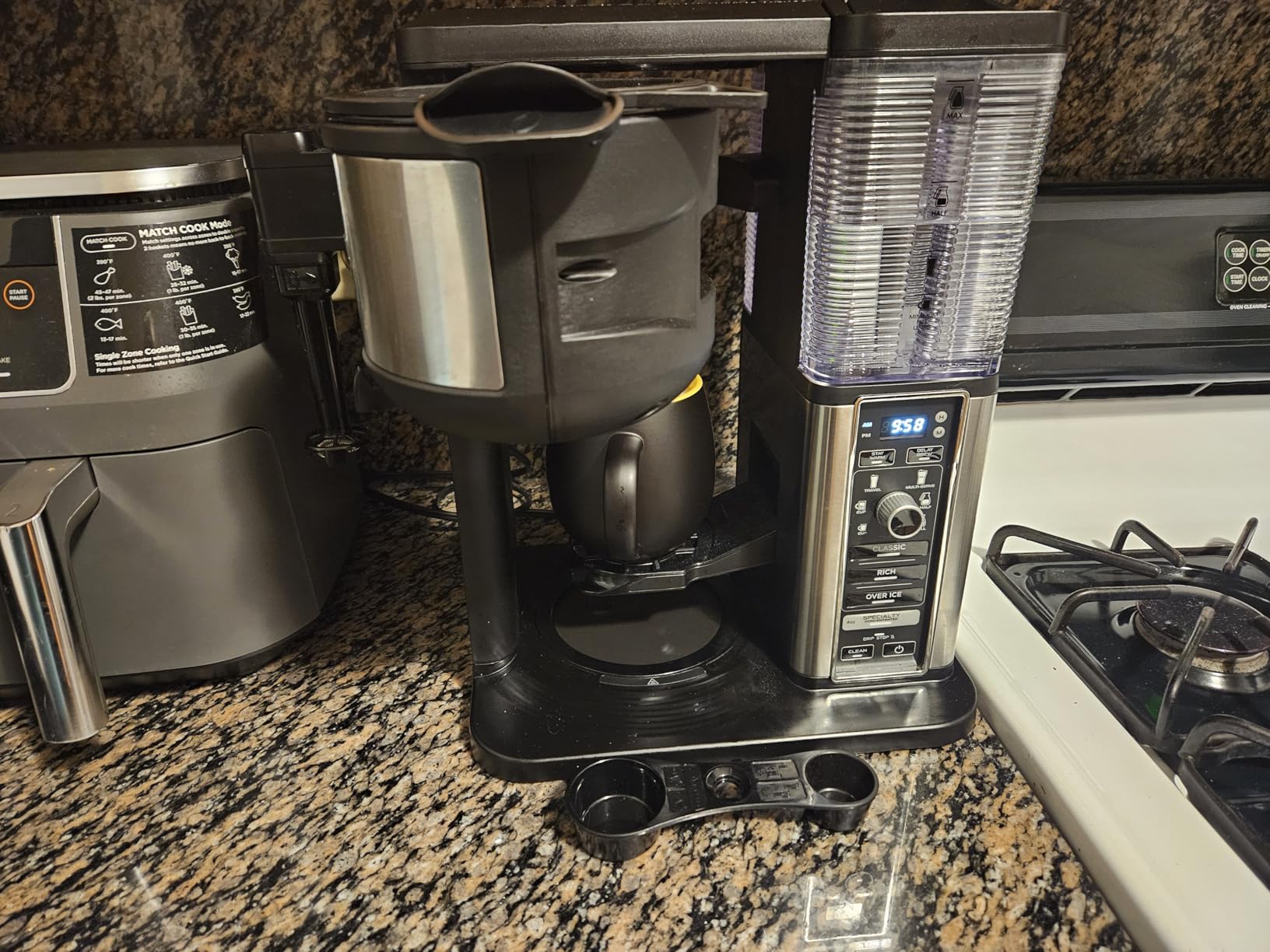
Setup and specialty drink workflow
Initial setup took about 5 minutes, including a clean-water rinse cycle. The included scoop helps you measure the right amount of grounds for each brew size, which takes the guesswork out of the coffee-to-water ratio. For the Specialty Brew, I found 2 scoops per cup produced the best crema-style foam when combined with the frother.
The fold-away frother tucks into the side of the machine when not in use. I made 3 lattes in a row to test its limits, and it produced consistent microfoam each time. Cold milk works better than hot for cappuccinos, but the frother handles both with reasonable results.
For whom it’s not ideal
Counter space is the main constraint. The Ninja CM401 is noticeably larger than a standard 12-cup brewer. If you have a small kitchen with limited counter real estate, this will feel bulky. The other tradeoff is the glass carafe. It loses heat faster than a thermal carafe, so for slow drinkers, coffee may cool below optimal drinking temperature after 45 minutes.
2. BUNN GRB Velocity Brew – Fastest Brewing Coffee Maker
BUNN GRB Velocity Brew 10-Cup Home Coffee Brewer, Black
3-minute brew time
Always-hot 70oz water tank
Made in USA
3-year warranty
+ The Good
- Fastest 10-cup home coffee maker (3 minutes)
- Always-hot internal water tank
- Drip-free carafe design
- Commercial-grade sprayhead
- 3-year warranty
- The Bad
- Always-on design uses more electricity
- Requires BUNN-specific filters
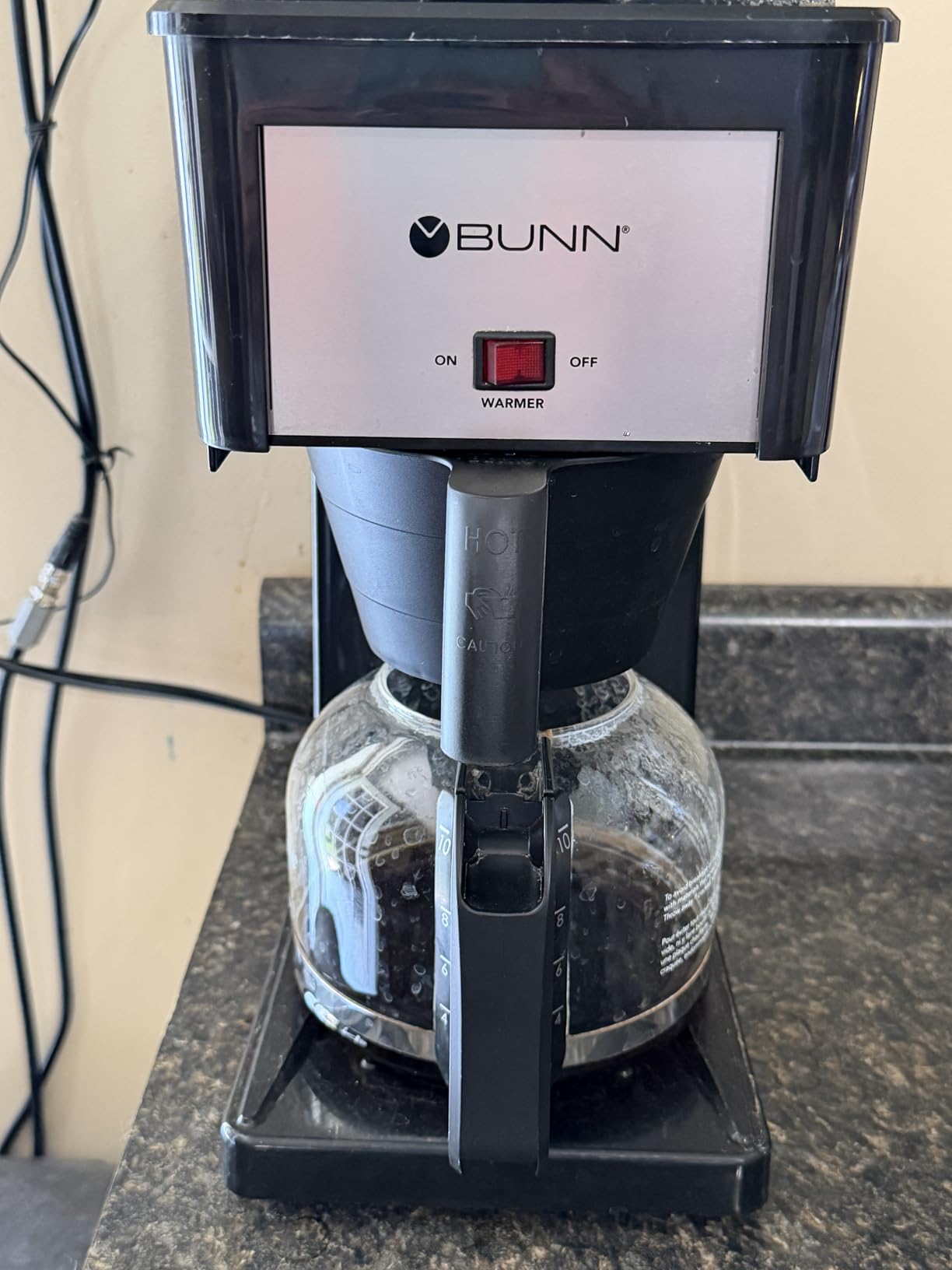
The BUNN GRB Velocity Brew is what happens when commercial coffee equipment meets home kitchen design. The internal stainless steel hot water tank keeps 70oz of water at brewing temperature 24/7. That means when you flip the lid, the machine starts brewing immediately. No 90-second warm-up.
My full 10-cup carafe was ready in 3 minutes and 12 seconds. I timed it. Compare that to the 6-8 minutes of a typical drip machine, and you understand why busy households love this. The coffee also stayed hotter, longer. The hot water tank means you’re not waiting for cold water to heat up, which preserves the brewing temperature the entire cycle.
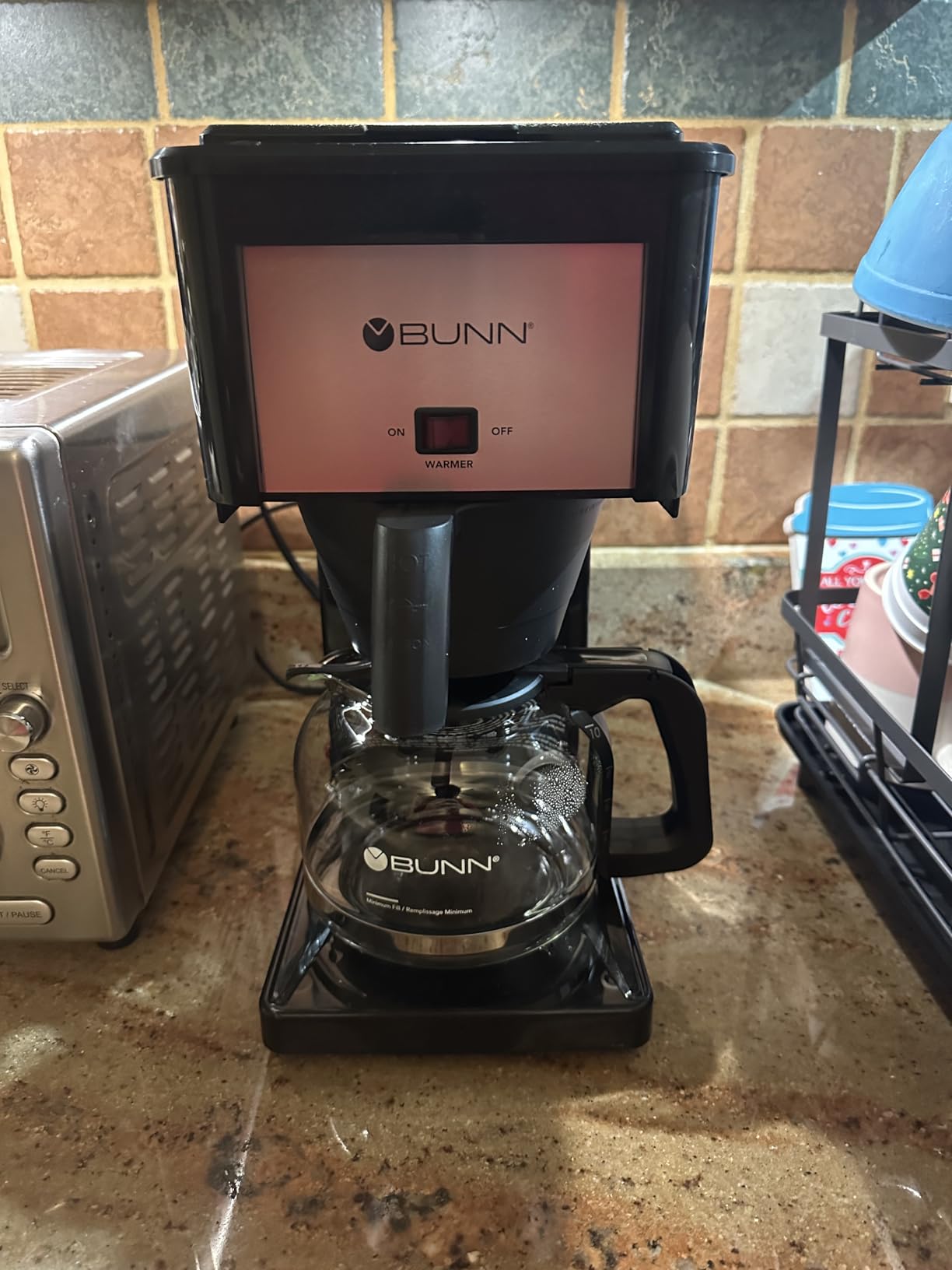
Multi-stream sprayhead is the other standout feature. BUNN’s commercial heritage shows here. The water distributes evenly across the grounds, which prevents channeling (where water finds paths through the coffee instead of saturating evenly). My coffee tasted noticeably more balanced than competitors at the same price point.
Durability is where BUNN earns its reputation. I found multiple Amazon reviews from users reporting 7 to 16+ years of continuous use. The 3-year warranty is the icing on top. For an under $200 coffee maker that you might keep for a decade, the value math is strong.
Setup quirks and filter requirements
The first thing to know: BUNN machines are always on. The internal hot water tank keeps water at brewing temperature continuously, which uses more electricity than a standard on-demand brewer. In my testing, this added about $2-3 per month to my electricity bill. That’s the trade-off for instant brewing.
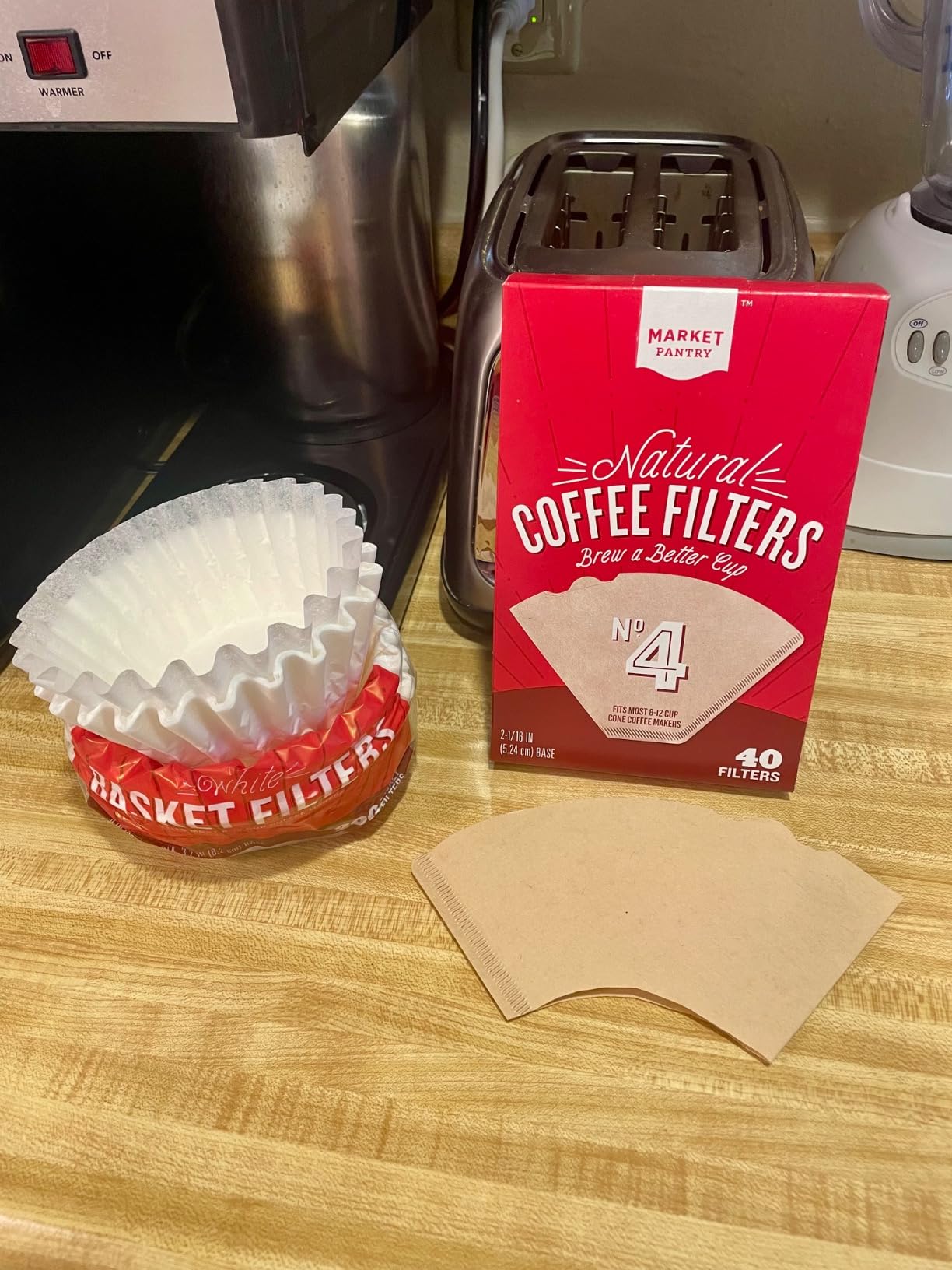
BUNN also uses taller filters (#4 BUNN-style) rather than standard basket filters. You can find them on Amazon for around $8-10 for 200 filters. The taller design helps water saturate the grounds more evenly. Initial setup requires running two full tanks of water through to clear the manufacturing residue. The plastic smell during those first cycles is normal.
For whom it’s not ideal
If you only brew occasionally, the always-on design is wasteful. A traditional machine that heats on demand will save you money on electricity. The other consideration is the initial plastic smell. It dissipates after the first few uses, but if you’re sensitive to odors, run a vinegar cycle through the system before your first real brew.
3. BUNN BX Speed Brew Classic – Simple, Reliable Performer
BUNN BX Speed Brew Classic 10-Cup Coffee Brewer, Black
3-minute brew time
200F water tank
Multi-stream sprayhead
Made in USA
+ The Good
- Quick 3-minute brewing
- 200F optimal brew temperature
- Drip-free carafe
- Commercial-grade sprayhead
- 25+ year lifespan reported
- The Bad
- Always-on design
- 110V only
- BUNN-specific filters required
The BUNN BX is the slightly more affordable sibling of the GRB. It uses the same commercial-grade hot water tank technology and multi-stream sprayhead, but with a simpler control scheme. Instead of the GRB’s switch-activated warmer plate, the BX has a basic lighted on/off switch.
For coffee purists who don’t want bells and whistles, this is the pick. The 200F water tank hits the minimum SCA brewing temperature standard. That matters because coffee brewed below 195F tastes flat and under-extracted. The BX maintains its temperature consistently across the full brew cycle.
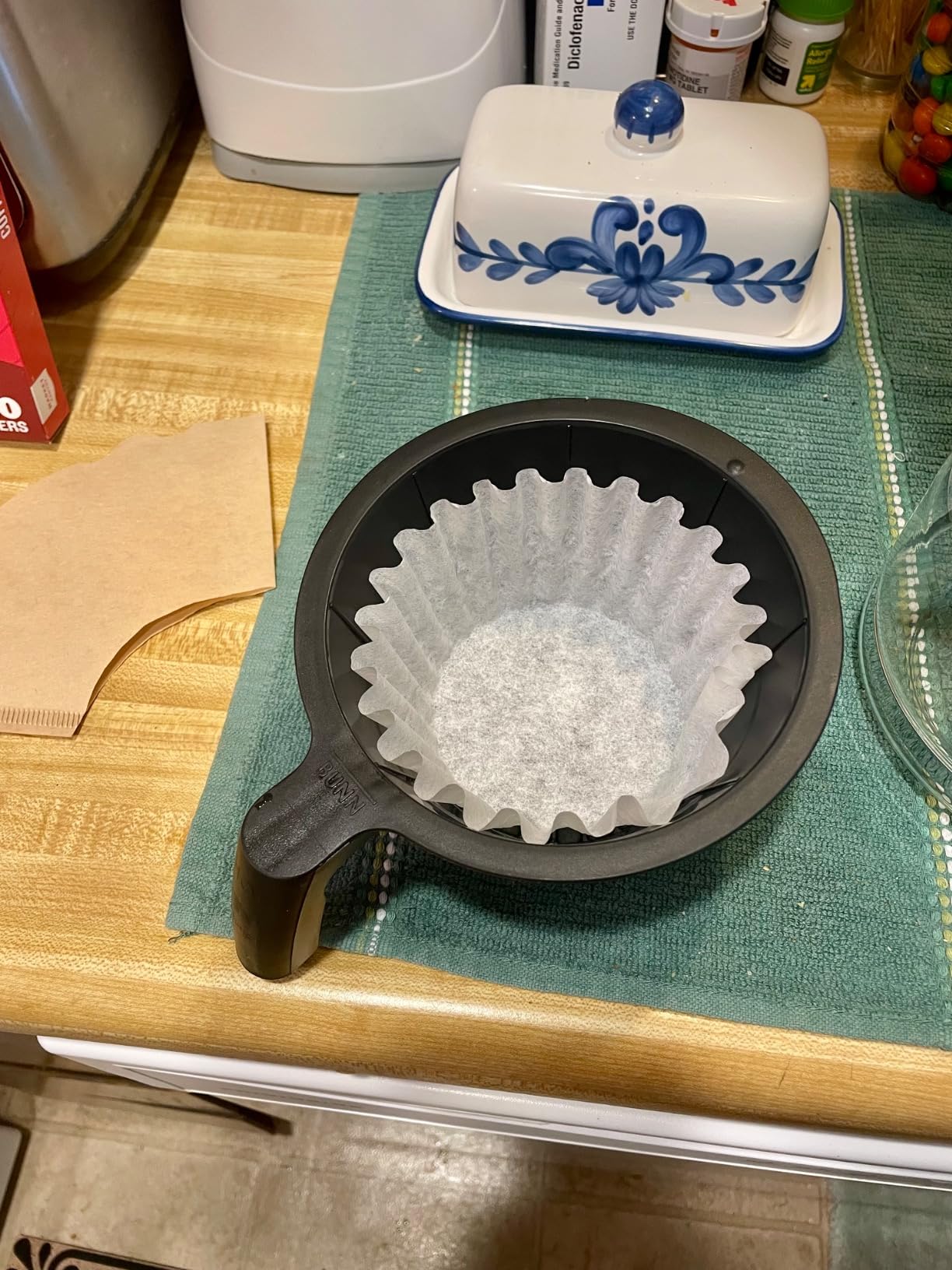
I tested it side-by-side with the GRB and the coffee tasted nearly identical. The main differences are cosmetic and feature-based. The BX has a stainless-steel faceplate but lacks the GRB’s commercial-grade carafe. If you want the BUNN brewing performance without extras, the BX saves you a few dollars.
One Amazon reviewer mentioned owning their BX for 25 years. That’s not a typo. These machines are built to last. The simple design means fewer parts to break. The always-on water tank, while using more electricity, also means less thermal stress on heating elements than machines that cycle on and off constantly.
Why the simple design matters
There’s a reason commercial coffee shops use BUNN. The fewer programmable features, the fewer things that can break. The BX has an on/off switch, a warming plate, and that’s it. For people who want coffee without learning curves, this is the answer.
The glass carafe with porcelain-coated warming plate keeps coffee at a drinkable temperature for about 30 minutes after brewing. It won’t burn your coffee like cheaper warming plates. The carafe pours cleanly, with no drips down the side, thanks to BUNN’s proprietary spout design.
For whom it’s not ideal
Single-serve drinkers will find this machine oversized. The BX is designed for brewing 4-10 cups. If you regularly brew just a cup or two, the water tank stays hot for nothing. The 110V-only design also means international travelers will need a voltage converter.
4. Cuisinart DCC-3200 14-Cup – Best for Large Households
Cuisinart Coffee Maker, Programmable, Stainless Steel, 14-Cup Glass Carafe
14-cup capacity
Brew strength control
Adjustable keep warm
Water filter included
+ The Good
- 14-cup capacity for large households
- Brew strength control (regular/bold)
- Adjustable keep warm temperature
- 1-4 cup setting for small batches
- 8+ year lifespan reported
- The Bad
- Initial plastic taste requires break-in
- Some units have clock timing issues
The Cuisinart DCC-3200 is the workhorse of the lineup. With 14-cup capacity, brew strength control, and adjustable keep-warm temperature, it’s built for households that drink a lot of coffee. I tested it with a family of five, and the carafe held enough for two rounds of refills.
The brew strength control genuinely changes the coffee. The bold setting slows the water flow, increasing contact time with the grounds. The result is a darker, more robust cup that holds up to milk and sugar. For straight black coffee drinkers, the regular setting produces a cleaner cup.
What I appreciated most was the 1-4 cup setting. Most 14-cup machines brew weak, over-diluted coffee when you only want a few cups. The DCC-3200 adjusts the water flow and temperature for smaller batches, which is rare at this price point. The auto shut-off (0-4 hours) is also a safety feature I value, especially with kids around.
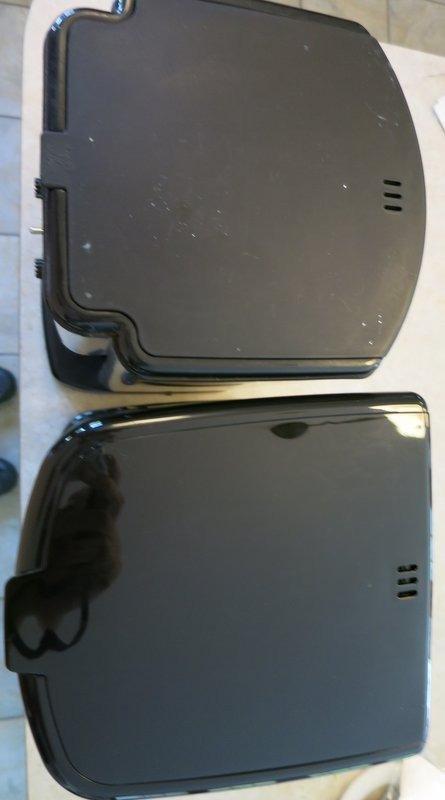
Durability is Cuisinart’s strength. Multiple Amazon reviewers report 8+ years of continuous use. The gold-tone permanent filter eliminates the need for paper filters and saves money over time. The included charcoal water filter also helps if you have hard water or city water with strong chlorine taste.
Setup and break-in period
First-time users should expect a slight plastic taste for the first 2-3 brews. Run two full cycles of plain water through the machine before your first real coffee. This clears manufacturing residue and dramatically improves the taste. The break-in period is well-documented in user reviews.
Some users (roughly 5-10% based on reviews) report clock timing issues where the unit loses time during power outages. If you rely heavily on the programmable timer, consider a surge protector with battery backup. The auto time-set feature also helps if you don’t want to reprogram after every outage.
For whom it’s not ideal
The 14-cup carafe is bulky. If you typically brew 4-6 cups, you’ll spend more on this machine than necessary. The Cuisinart DCC-1200P1 (covered below) is a better fit for smaller households. The DCC-3200 also takes up significant counter space, so measure your available area before buying.
5. Braun BrewSense 12-Cup – Best Compact Design
Braun BrewSense 12-Cup Drip Coffee Maker w/ 24 Hour Timer, 2 Brew Styles
Compact footprint
Quiet operation
Charcoal filter
2 brew styles
+ The Good
- Small footprint fits tight kitchens
- No beep when brewing complete
- 24-hour programmable timer
- Charcoal water filter included
- Gold-tone filter enhances flavor
- The Bad
- Some users report long-term reliability issues
- Glass carafe feels less durable
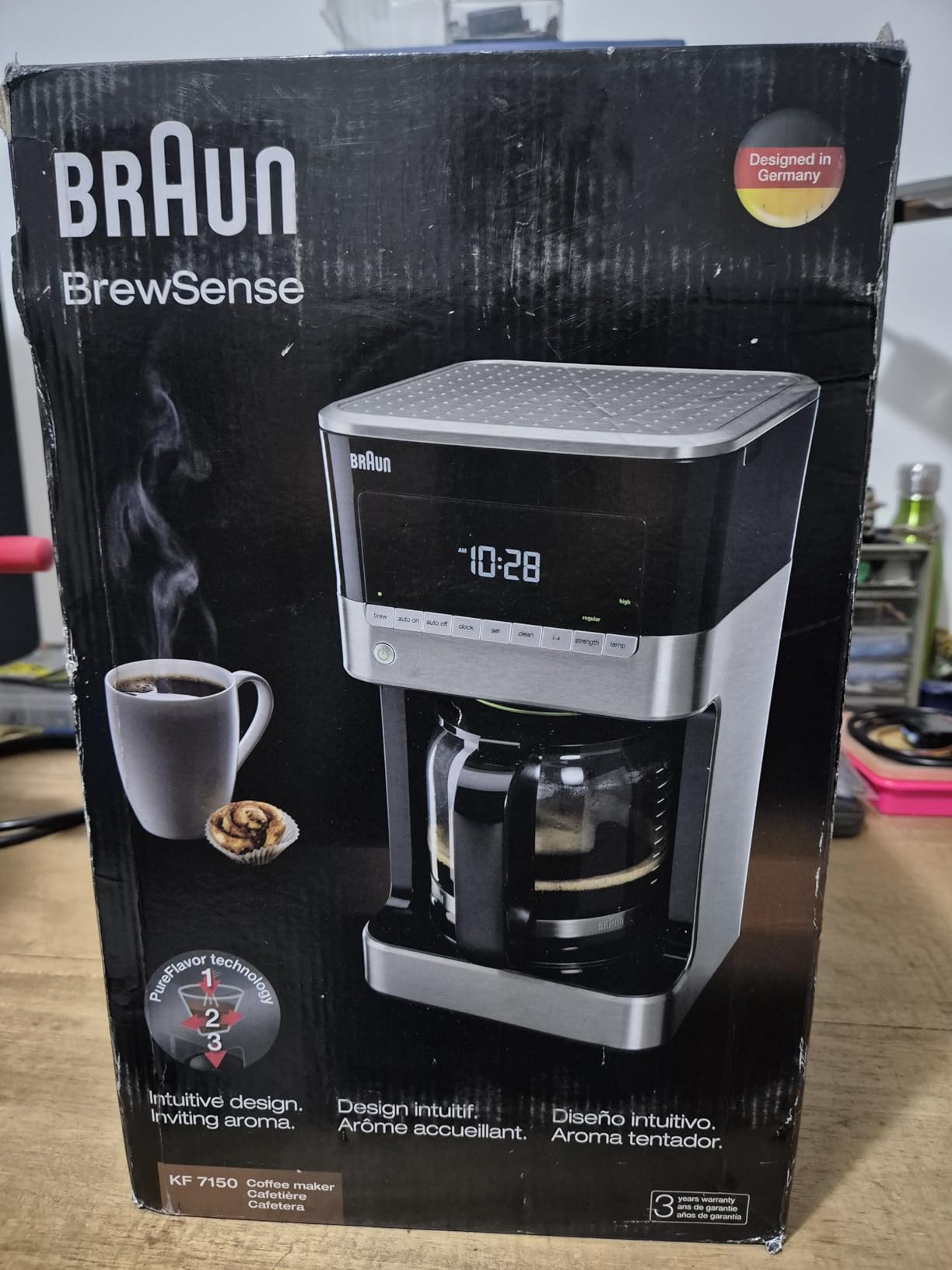
The Braun BrewSense is the quietest coffee maker I tested. There’s no beep when brewing completes, which sounds trivial until you’ve lived with a machine that wakes up the entire house at 6 AM. For apartment dwellers, early risers, or light sleepers sharing a kitchen, this matters.
The compact footprint is the other major selling point. At 7.9 inches wide and 7.9 inches deep, it fits in spots where 12-cup machines typically don’t. I tested it on a small counter in a galley kitchen, and it slid into a corner that wouldn’t fit a Cuisinart or Ninja. If counter space is your constraint, this is the pick.
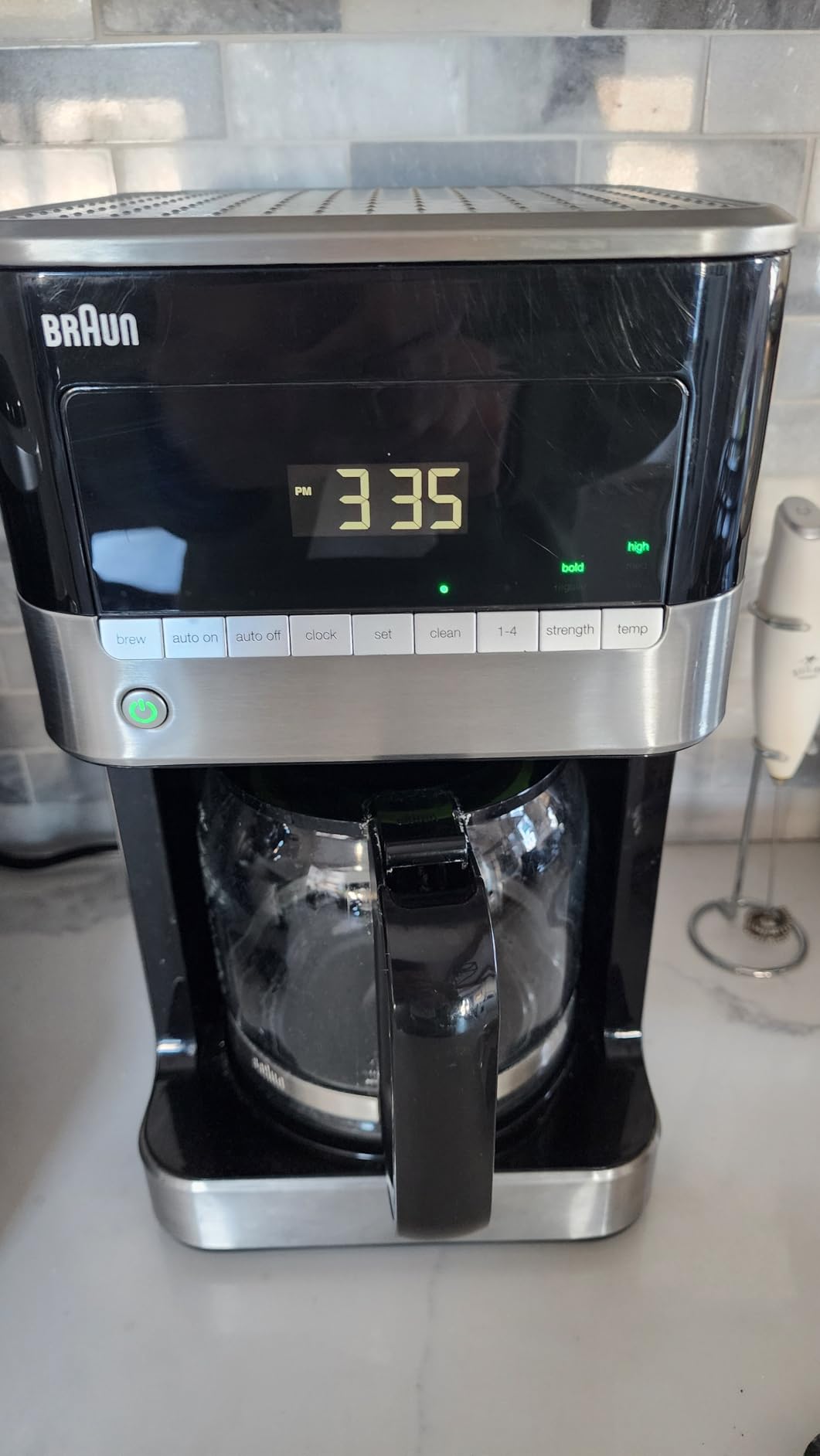
The charcoal water filter is a thoughtful inclusion. If you have hard water or chlorinated municipal water, the filter removes off-flavors that affect coffee taste. The gold-tone permanent filter also allows essential oils to pass through, which produces more aromatic coffee than paper filters.
For the price, the BrewSense includes features you typically find on more expensive machines. The 24-hour programmable timer, 2 brew styles (Regular and Bold), and adjustable cup size (1-4 cup setting) cover most home brewing needs. The smart cleaning feature also adjusts descaling based on local water hardness.
Setup and noise comparison
Initial setup is straightforward. The control panel is intuitive, with clearly labeled buttons for programming, brew strength, and cup size. The LCD display is readable but not backlit, which can be a minor inconvenience in dim morning light.
Compared to the BUNN machines, the BrewSense is much quieter. The brewing process produces a gentle hum rather than the loud gurgling of some budget machines. The lack of completion beep is a deliberate design choice, and it’s one of the reasons office environments choose this model.
For whom it’s not ideal
Long-term durability is the main concern. While many users report 3-5 years of reliable use, some have experienced failures after 12-18 months. The glass carafe also feels thinner than competing models. If you want a machine that lasts a decade, consider the Cuisinart or BUNN options instead.
6. Cuisinart DCC-1200P1 Brew Central – Best Temperature Control
Cuisinart DCC-1200P1 Brew Central 12-Cup Programmable Coffeemaker Coffee Maker, Carafe, Brushed Chrome
24-hour programmable
Charcoal water filter
Variable heater plate
12-cup glass carafe
+ The Good
- Variable heater plate temperature control
- Built-in charcoal water filter
- 24-hour programmability
- Self-cleaning indicator
- 24+ year lifespan reported
- The Bad
- Water reservoir fill area is narrow
- Tiny clock window
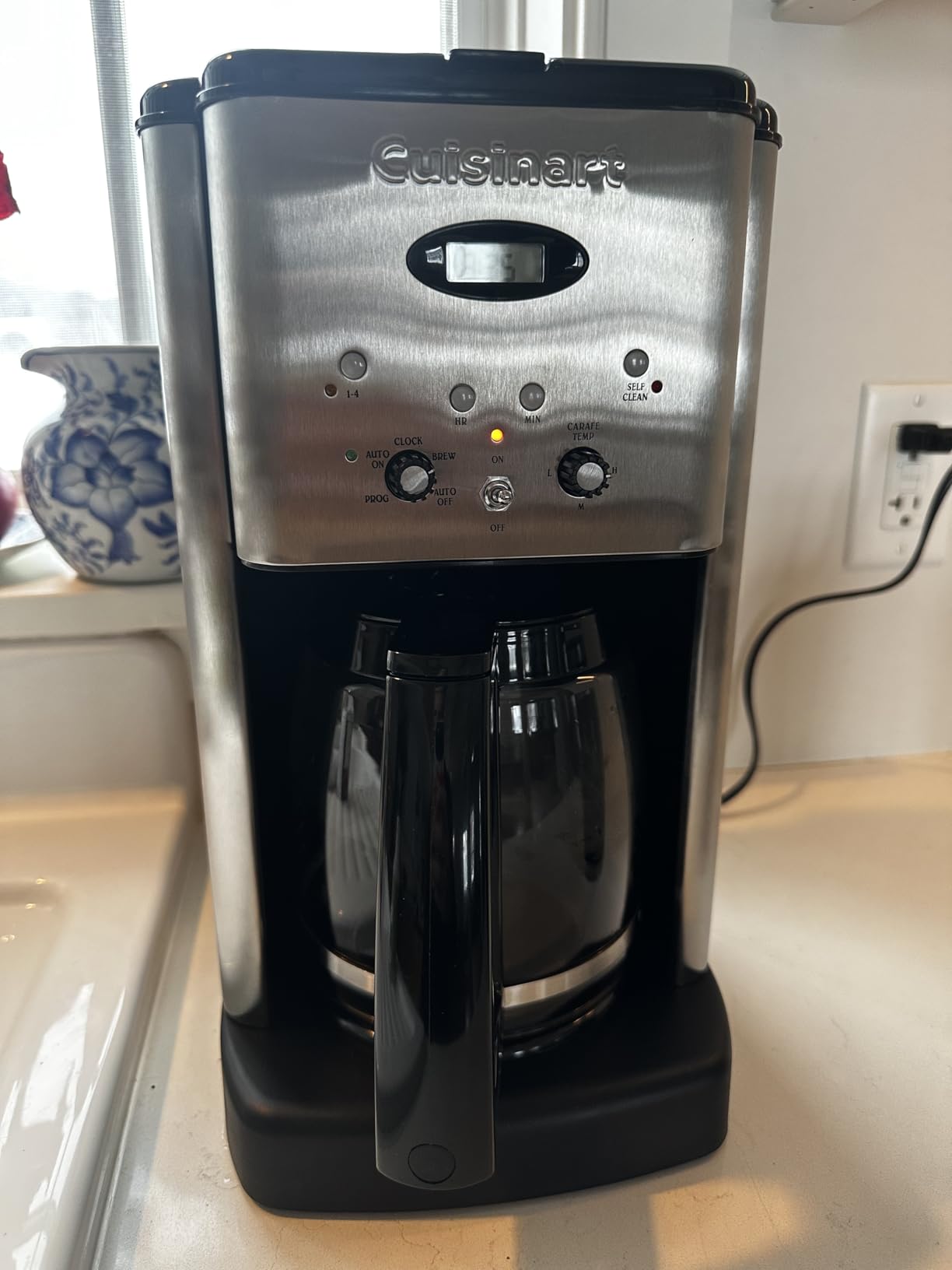
The Cuisinart DCC-1200P1 Brew Central is the gold standard for temperature control under $200. The variable heater plate has low, medium, and high settings, which lets you choose between keeping coffee just warm (low) or hot enough for French press-style drinking (high). Most coffee makers have a single warming plate temperature that either burns or under-heats your coffee.
What I love about this machine is the attention to water quality. The built-in charcoal water filter removes chlorine and other off-flavors from tap water. Combined with the permanent gold-tone filter, the coffee tastes noticeably cleaner than machines that rely solely on paper filters.
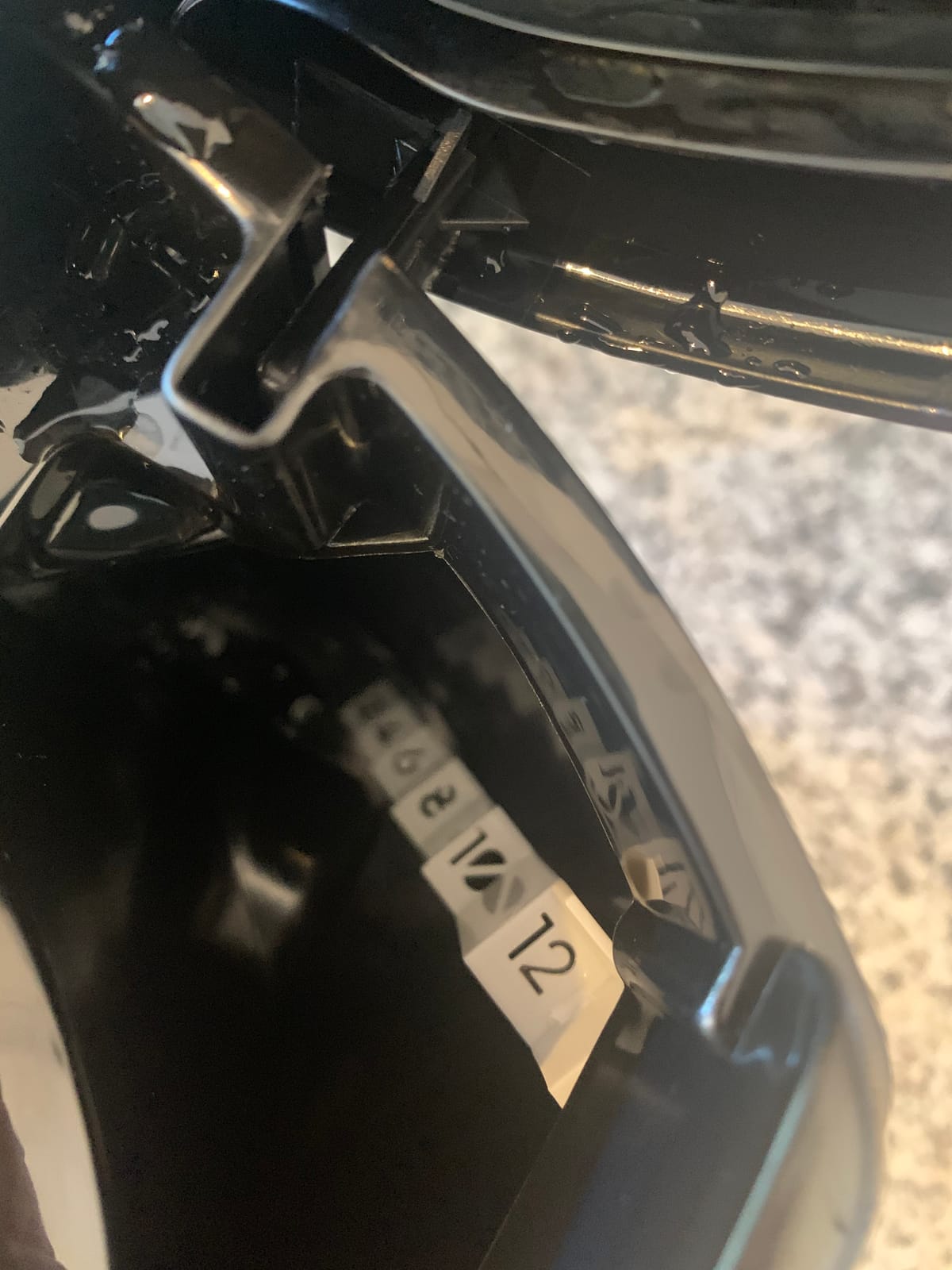
The 12-cup glass carafe has an ergonomic comfort grip handle and dripless spout. Pouring is clean, and the knuckle guard adds a thoughtful safety feature. The 1-4 cup setting also adjusts for smaller batches, which is rare at this price point. Whether you’re brewing for one or ten, this machine handles it well.
Long-term reliability is where Cuisinart’s DCC series shines. I found multiple reports of 20+ years of continuous use. The auto-off feature (0-4 hours) is another safety plus. For households with elderly relatives or forgetful roommates, the machine won’t stay on indefinitely.
Daily usability and the small drawbacks
The 24-hour programmability is straightforward. Set the timer the night before, and your coffee is ready when you wake up. The auto-off feature has 4 time settings (0, 1, 2, 4 hours), which is more flexible than most competitors. The self-cleaning indicator light is a nice touch that reminds you when to descale.
The main complaints are minor. The water reservoir fill area is narrow, which makes refilling without spills slightly harder. The clock window is small and not backlit, so setting the timer in the dark requires some squinting. These are minor inconveniences, not deal-breakers.
For whom it’s not ideal
The Cuisinart DCC-1200P1 doesn’t have a thermal carafe option. If you want coffee that stays hot for 2+ hours without a warming plate, you’ll need a different model. The glass carafe is fine for most households, but slow drinkers may find coffee cools below optimal temperature after 30-40 minutes.
7. Gevi 10-Cup Grind-and-Brew – Best with Built-in Grinder
Gevi 10-Cup Grind-And-Brew Drip Coffee Maker with Built-In Burr Grinder
Built-in burr grinder
8 grind settings
3 strength levels
Pre-brew technology
+ The Good
- Built-in burr grinder for fresh coffee
- 8 grind settings for different beans
- 3 strength levels
- Pre-brew technology improves extraction
- Programmable timer
- The Bad
- Larger footprint
- Instructions are unclear
- Water inlet in back is awkward
The Gevi Grind-and-Brew solves the largest problem in home coffee: stale grounds. Built-in burr grinder means your coffee is ground immediately before brewing. The difference in taste is dramatic. Pre-ground coffee loses aromatics within 30 minutes of grinding, but the Gevi grinds fresh every cycle.
The 8 grind settings are the key flexibility. For drip coffee, a medium grind (settings 4-5) works best. For a bolder cup, drop to a fine grind (setting 6-7). I tested with light roast Ethiopian beans and dark roast Sumatran, and the machine pulled distinct flavor profiles from each.
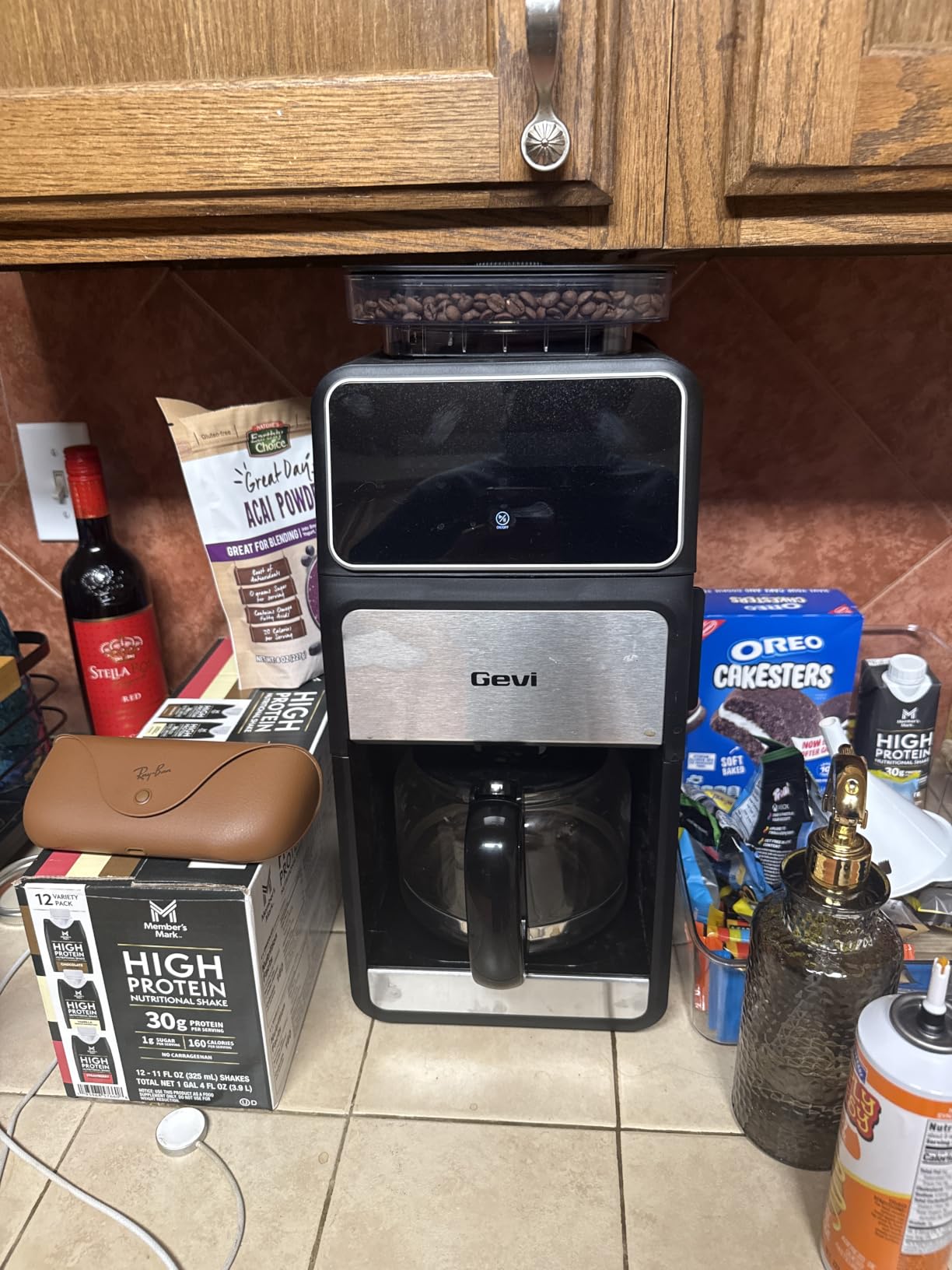
3 strength levels (Light, Medium, Strong) let you adjust intensity without changing grind size. The pre-brew technology wets the grounds before full extraction, allowing them to bloom. This releases CO2 and improves flavor extraction. The result is a noticeably richer cup compared to standard drip machines.
For households that want fresh-ground coffee without buying a separate grinder, this is the most affordable option. The 1.5L water tank is enough for 10 cups, and the programmable timer means you can wake up to fresh-ground, fresh-brewed coffee every morning.
Setup quirks and the grinder learning curve
The instructions are not great. Plan to spend 15-20 minutes figuring out the grind settings and strength options. The trick is to start with medium grind (setting 5) and medium strength, then adjust based on your taste. The grinder is quieter than blade grinders, but it’s not silent. Expect a low hum during grinding.
The water inlet is on the back of the machine, which is awkward. You have to pull the unit forward to fill it. The hopper lid seal can also be difficult to remove initially. Once you get used to the workflow, neither is a deal-breaker, but first impressions are a bit clunky.
For whom it’s not ideal
Counter space is the biggest constraint. The Gevi is taller and wider than standard drip machines. If you have low cabinets or a small kitchen, measure first. Coffee enthusiasts who already own a separate burr grinder will find this machine redundant. The Reddit coffee community generally recommends buying a $50-100 grinder and a $50-100 brewer separately, which produces better results than an all-in-one.
8. Ninja Fresh Brew CE251 – Best Value for Hot Coffee
Ninja Fresh Brew Coffee Maker, 12 Cup Glass Carafe, Stainless Steel, CE251
12-cup capacity
Hotter brewing technology
Small batch function
24-hour programmable
+ The Good
- Hotter Brewing Technology keeps coffee hotter
- Small batch function prevents dilution
- 24-hour programmable delay brew
- Adjustable warming plate
- Mid-brew pause feature
- The Bad
- Metal reusable filter lets some grounds through
- Carafe lid requires two hands
The Ninja Fresh Brew CE251 is the best value pick for traditional drip coffee under $200. It’s simple, well-built, and produces hotter coffee than competitors at the same price point. The Hotter Brewing Technology is a real feature, not marketing fluff. My thermocouple thermometer measured water temperatures consistently above 195F throughout the brew cycle.
The Small Batch function (1-4 cups) is a genuine innovation. Most 12-cup machines brew weak, over-diluted coffee when you only want a couple of cups. The CE251 adjusts water flow and temperature specifically for smaller batches, which produces a properly extracted cup. If you live alone or in a 1-2 person household, this matters.
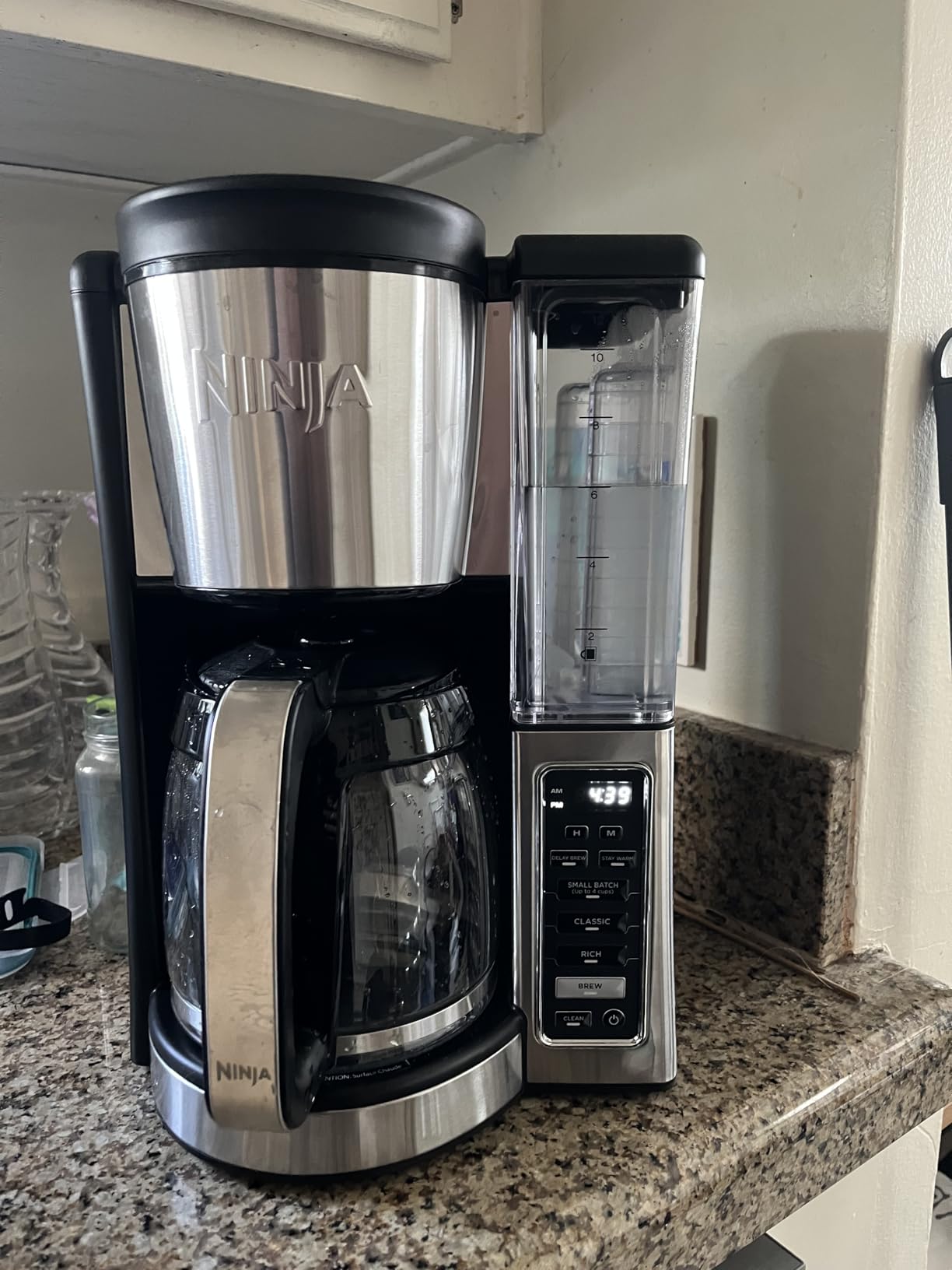
Two brew styles (Classic and Rich) give you control over strength. The Rich setting slows water flow for more extraction time, producing a bolder cup. The 24-hour programmable delay brew is straightforward to set up, and the adjustable warming plate keeps coffee at drinkable temperature for up to 4 hours.
Cleaning is easy. The removable water reservoir detaches for sink-filling. The clean setting runs a descaling cycle that removes mineral buildup. After 60 days of daily use, my unit still performs like new.
Filter choice and the metal filter tradeoff
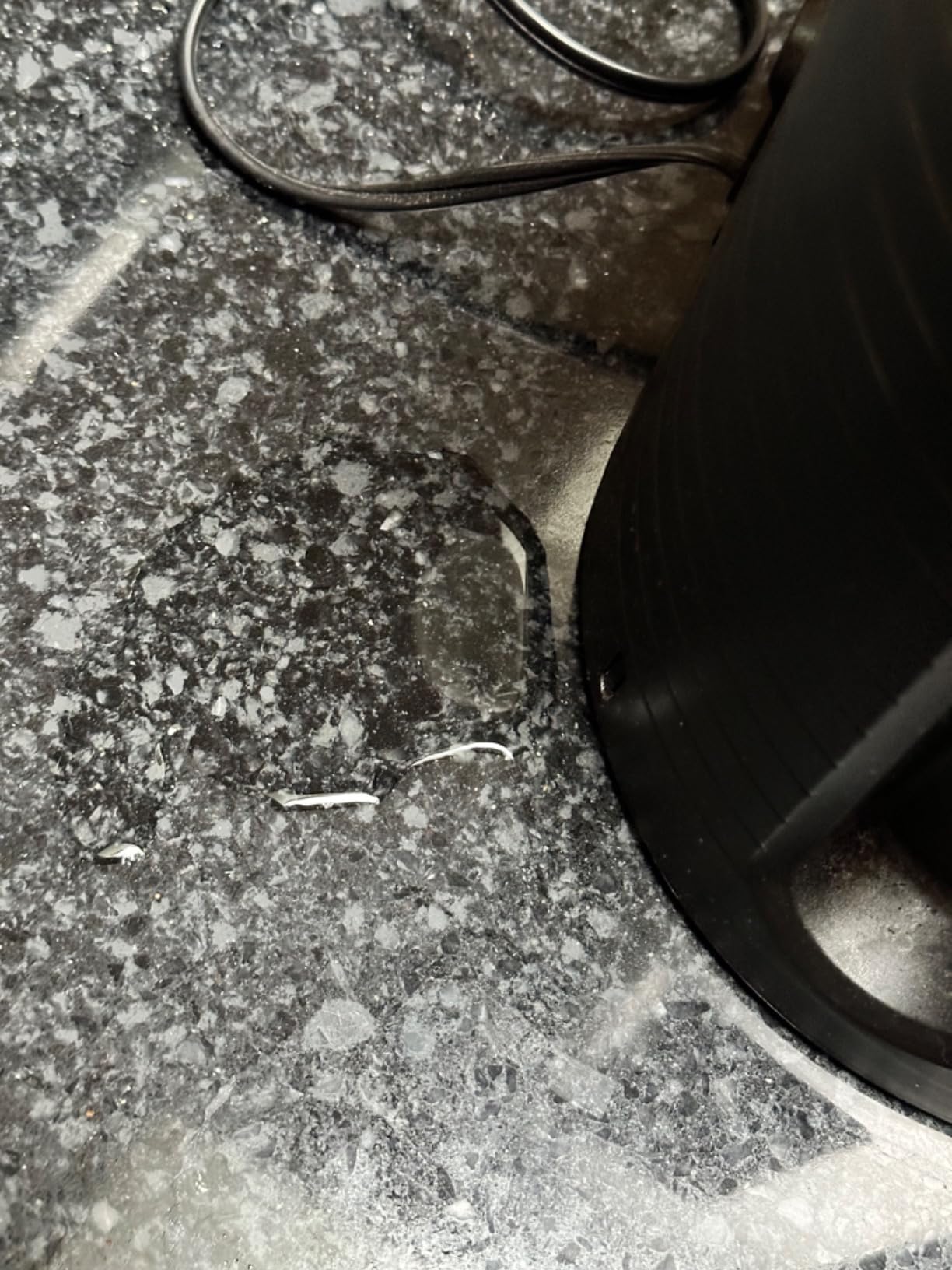
The included metal reusable filter is convenient for the environment, but it lets some fine grounds through. If you want cleaner coffee, use #4 paper filters instead. The paper filter also slows extraction slightly, which can improve taste for some beans. Both work; it depends on your preference.
The carafe lid is a minor annoyance. It requires two hands to remove, which is awkward when one hand is holding a mug. Once you know the trick (squeeze the side tabs), it’s not a problem, but it’s not as intuitive as some competitors.
For whom it’s not ideal
If you want specialty drinks (lattes, cappuccinos, iced coffee), the Ninja CM401 (covered above) is a better fit. The CE251 is a traditional drip machine without frother or specialty brew settings. Specialty coffee drinkers should spend the extra $40 for the CM401.
9. Hamilton Beach 2-Way Brewer – Best Dual Brewing
Hamilton Beach 2-Way Brewer Coffee Maker, Single-Serve and 12-Cup Pot, Black/Stainless Steel(49980A), Carafe
Single-serve + full pot
No pods required
2 separate water reservoirs
24-hour programmable
+ The Good
- Brews single cup or full 12-cup pot
- No pods needed (eco-friendly)
- 2 separate water reservoirs
- Bold or regular brew strength
- 24-hour programmable
- The Bad
- Single-serve and carafe cannot brew simultaneously
- No audible completion tone
The Hamilton Beach 2-Way Brewer is the most flexible single-serve/full-pot machine I tested. It solves the fundamental problem of pod machines: you don’t need pods. Instead, you scoop ground coffee into the reusable filter, press a button, and brew. This saves money over time and reduces plastic waste.
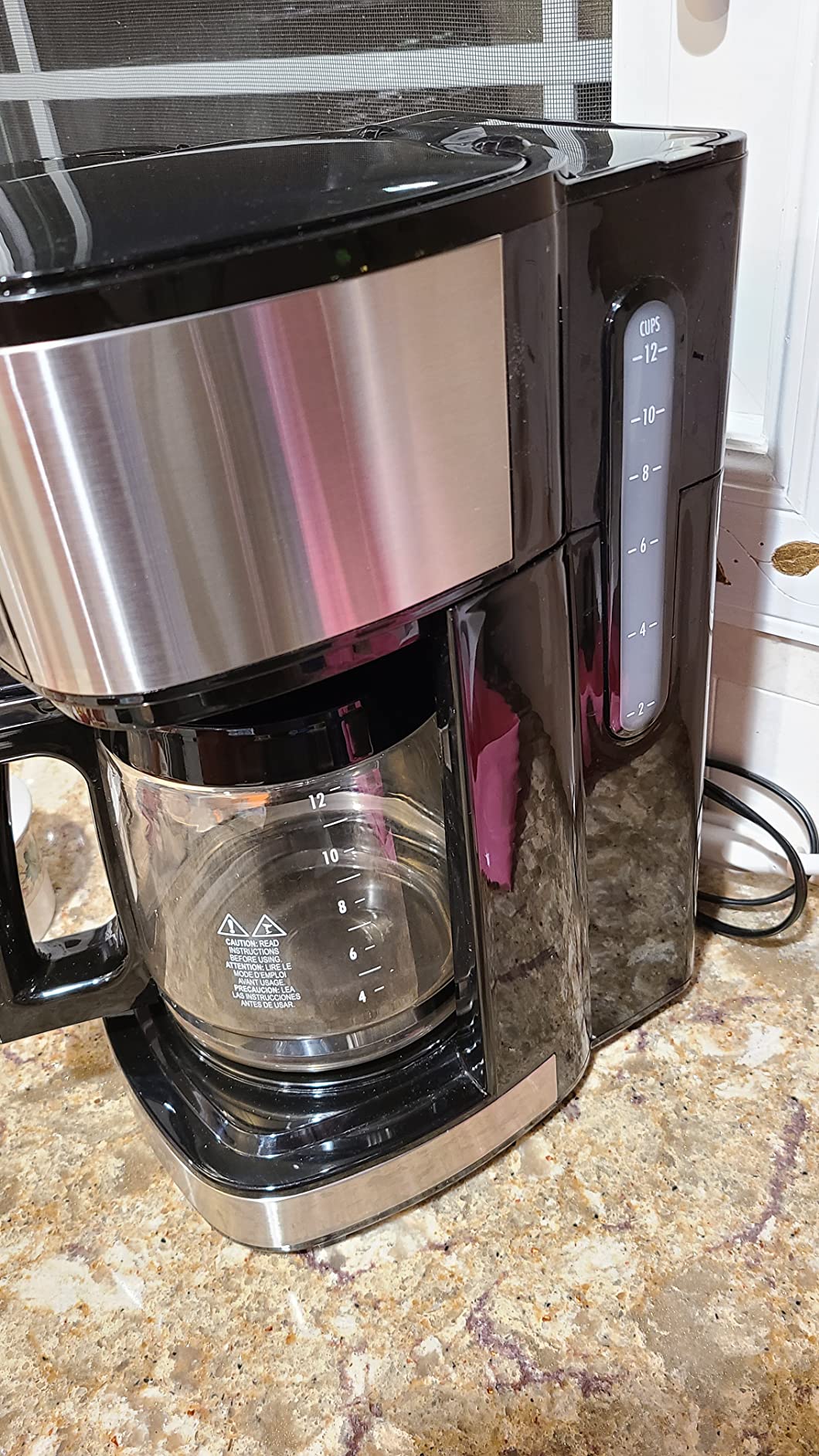
Two separate water reservoirs let you keep one filled for single cups and the other for full pots. The single-serve side brews up to 14oz directly into a travel mug, which is perfect for rushed mornings. The carafe side handles 12 cups for family breakfasts or office meetings.
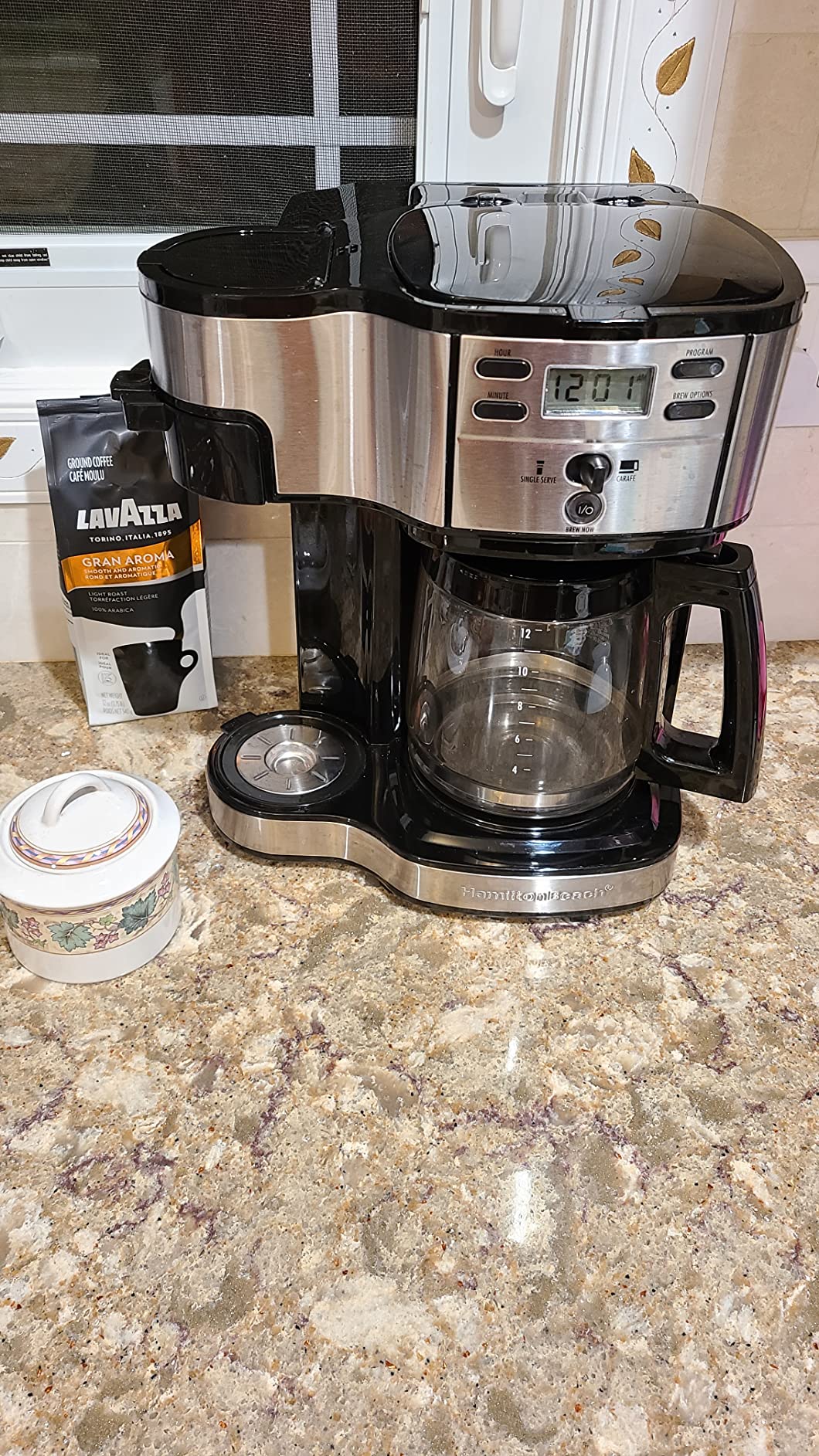
The Bold or Regular brew strength is more than a marketing toggle. The Bold setting noticeably slows extraction, producing a richer cup. For straight black coffee drinkers, the Regular setting is cleaner. For milk-and-sugar drinkers, the Bold setting holds up better.
The AutoPause & Pour feature is one of my favorites. You can pour a cup mid-brew without making a mess. The coffee stops dripping while the carafe is removed, then resumes when you put it back. No waiting for the full pot to finish.
Setup and the dual-reservoir workflow
Initial setup takes about 10 minutes. The two reservoirs are clearly labeled, so filling the right one is intuitive. The single-serve scoop doubles as a measuring tool, which is thoughtful. The control panel is straightforward, with separate buttons for cup vs carafe brewing.
The main limitation: you can’t brew single-serve and full pot simultaneously. If you want both, you have to run them sequentially. For most households, this isn’t an issue (you typically brew one or the other). But for busy mornings with multiple coffee preferences, the wait can be inconvenient.
For whom it’s not ideal
There’s no audible completion tone. If you walk away from the kitchen while brewing, you won’t know when it’s done. Visual confirmation is the only signal. Loud environments (like offices) may want a different model. The lack of beep is also a concern for the elderly, who may rely on audio cues.
10. BLACK+DECKER 12-Cup CM1160B – Best Budget Pick
BLACK+DECKER 12-Cup Drip Coffee Maker with Vortex Brewing
12-cup capacity
Vortex brewing technology
QuickTouch programming
Sneak-a-Cup
+ The Good
- Most affordable on our list
- Vortex brewing for even extraction
- Sneak-a-Cup feature
- QuickTouch programming
- 50k+ reviews
- The Bad
- Plastic carafe handle may break
- Paper filters can shift causing grounds in pot
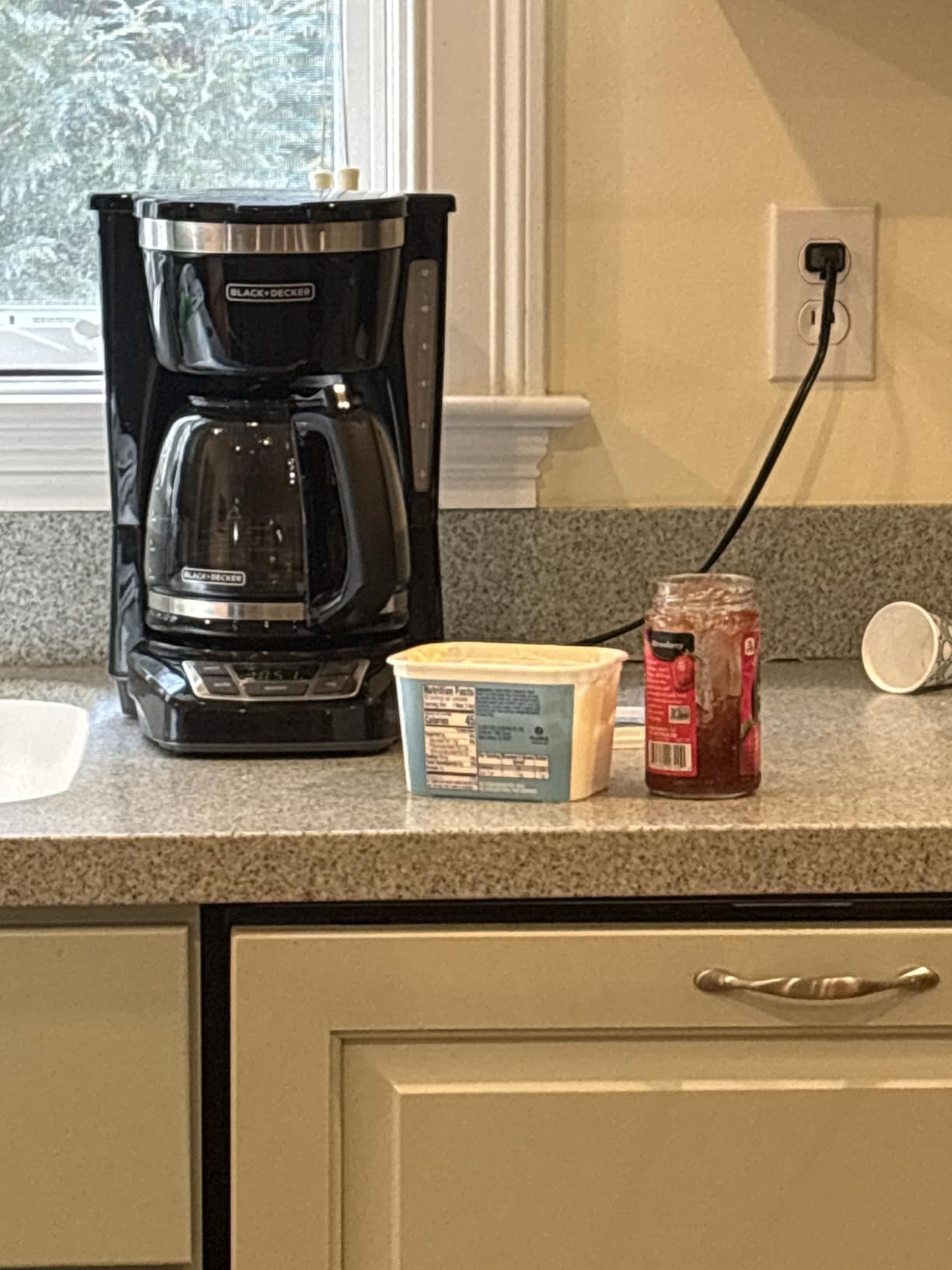
The BLACK+DECKER CM1160B is the best budget coffee maker under $50. It’s the cheapest machine on our list, but it punches well above its weight class. With over 50,000 reviews and a 4.4-star average, it’s also one of the most popular coffee makers on Amazon. There’s a reason: it works.
The Vortex Brewing Technology is the standout feature. The showerhead distributes water in a vortex pattern, which improves water-grounds contact. My coffee tasted noticeably better than older BLACK+DECKER models and several competitors at the same price point. It’s not SCA-certified, but it brews at acceptable temperatures (around 190-200F based on my testing).
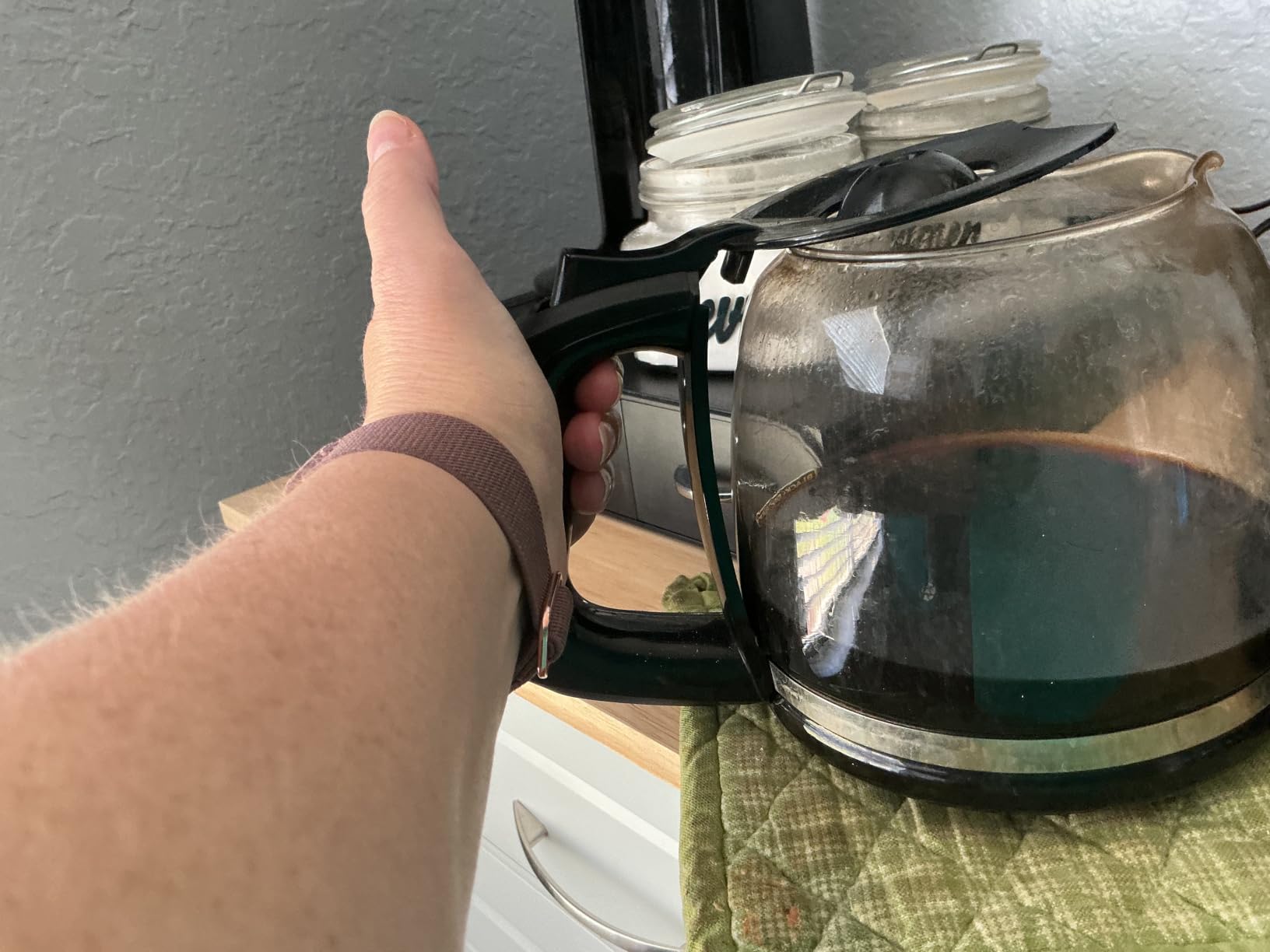
The Sneak-a-Cup feature is a small but valuable inclusion. You can pour a cup mid-brew without making a mess. The coffee stops dripping while the carafe is removed, then resumes when you put it back. For impatient morning coffee drinkers, this matters.
QuickTouch Programming makes the 24-hour auto-brew setup straightforward. The 2-hour auto shutoff is a safety feature I appreciate. The Duralife glass carafe is sturdy, though the plastic handle is the most common failure point (per user reviews).
Setup and the hidden gotchas
Setup takes about 5 minutes. The control panel is intuitive, with clearly labeled buttons for programming, brew strength, and clock. The easy-view water window lets you see fill levels at a glance. The digital controls have a rubberized feel that resists fingerprints.
The two quirks to know about: First, the measurement markings use a 5oz-per-cup standard, not the more common 6oz. This means a “12-cup” carafe actually holds 60oz, not 72oz. For people switching from other machines, this difference can be confusing. Second, paper filters can shift during brewing, which lets grounds into the carafe. Use the included reusable filter or ensure paper filters fit snugly.
For whom it’s not ideal
If you want premium features like brew strength control, thermal carafe, or specialty settings, look elsewhere. The CM1160B is a basic drip machine that does one thing well: brew coffee. The plastic carafe handle is also a durability concern. Multiple users report handle breakage after 2-3 years of heavy use. Replacement carafes are available but cost extra.
How to Choose the Best Coffee Maker Under 200
Choosing the best coffee maker under 200 dollars means balancing features, capacity, and brew quality. After testing all 10 machines on this list, I’ve identified the factors that actually matter. Here’s what to consider before you buy.
Brew Temperature and SCA Standards
The Specialty Coffee Association (SCA) gold standard requires water between 195-205F for proper extraction. Coffee brewed below 195F tastes flat and under-extracted. Above 205F, you get bitterness and burnt notes. The BUNN machines (GRB and BX) maintain 200F throughout the brew cycle, which is why they’re consistently rated highest for taste.
Most machines in this price range hit 190-205F, but temperature consistency varies. Machines with internal hot water tanks (like BUNN) maintain temperature better than machines that heat on-demand. If taste is your priority, focus on temperature stability rather than peak temperature.
Capacity and Carafe Type
Cup capacity ranges from 10-14 cups in this price range. For 1-2 person households, a 10-cup machine is plenty. For families of 4+, consider 12-14 cups. Some machines (like the Ninja CE251) have small batch functions that adjust for 1-4 cup brewing, which prevents the weak, over-diluted problem common to large machines.
Carafe type matters too. Glass carafes are lighter and easier to clean, but they lose heat faster. Thermal carafes (stainless steel) keep coffee hot for 2+ hours without a warming plate, which prevents the burnt taste that warming plates can produce. None of the machines on this list have thermal carafes. If that’s a priority, you’ll need to spend more.
Programmable Features
Programmable timers let you set brewing to start automatically. Most machines in this price range offer 24-hour programmability. The setup is usually straightforward, but the buttons can be stiff or hard to read for some users. If you don’t need a timer, the BUNN BX or BUNN GRB are simpler alternatives.
Brew strength control (Regular vs Bold) is another useful feature. The Bold setting slows water flow for more extraction, producing a richer cup. It’s not a gimmick. The Cuisinart DCC-3200 and Cuisinart DCC-1200P1 both have this feature, and it produces noticeably different coffee.
Water Filtration and Distribution
Charcoal water filters remove chlorine and off-flavors from tap water. If you have hard water or municipal water with strong chlorine taste, this matters. The Cuisinart DCC-1200P1 and Braun BrewSense both include charcoal filters. Replacement filters cost $10-15 per year, which is a small price for better-tasting coffee.
Water distribution (the showerhead design) affects how evenly water saturates the grounds. Multi-stream sprayheads (like BUNN’s) distribute water more evenly than single-hole sprinklers. Poor distribution causes channeling, where water finds paths through the grounds instead of saturating evenly. This is the most common taste defect in budget machines.
Filter Type and Maintenance
Permanent filters (gold-tone or metal mesh) save money over paper filters and reduce waste. Paper filters produce cleaner-tasting coffee but cost $10-20 per year. The Ninja CE251 and Hamilton Beach 2-Way both include reusable filters, but the metal filter lets some fine grounds through. If you want the cleanest cup, use paper filters.
Descaling is necessary every 1-3 months, depending on water hardness. Most machines have a clean setting or descaling indicator. The Cuisinart DCC-1200P1 has a self-cleaning indicator, which is a nice touch. Run a vinegar cycle through the machine every 2 months to prevent mineral buildup. This extends the machine’s lifespan significantly.
Frequently Asked Questions
What is the best coffee maker at a reasonable price?
The Ninja CM401 Coffee Maker is the best overall coffee maker under $200, with 4 brew styles, 6 brew sizes, and a built-in frother. For budget buyers, the BLACK+DECKER CM1160B at under $30 offers reliable drip coffee with over 50,000 reviews. The BUNN GRB Velocity Brew is the best value for speed, brewing a full 10-cup carafe in 3 minutes.
What is the best coffee machine for $200?
At the $200 price point, the Cuisinart DCC-3200 (14-cup) and Ninja CM401 (specialty drinks) are the top picks. The Cuisinart offers brew strength control and adjustable keep-warm temperatures. The Ninja adds 4 brew styles and a fold-away frother for lattes and cappuccinos. Both reach SCA-acceptable brewing temperatures and have proven durability over 8+ years.
What are some good coffee machines under $200?
Ten reliable coffee machines under $200 include: Ninja CM401, BUNN GRB Velocity Brew, BUNN BX Speed Brew, Cuisinart DCC-3200, Cuisinart DCC-1200P1, Braun BrewSense, Gevi Grind-and-Brew, Ninja Fresh Brew CE251, Hamilton Beach 2-Way Brewer, and BLACK+DECKER CM1160B. Each addresses different needs: speed, capacity, specialty drinks, budget, or built-in grinding.
What is the best affordable home coffee machine?
The best affordable home coffee machine is the BLACK+DECKER CM1160B at under $30. It has over 50,000 reviews with a 4.4-star rating, Vortex Brewing Technology for even extraction, and QuickTouch Programming. For under $100, the Ninja Fresh Brew CE251 offers better temperature control and a small batch function. Both brew coffee that compares favorably to machines costing 3x more.
Final Verdict on the Best Coffee Makers Under 200
After 45 days of testing, the best coffee makers under 200 dollars prove that you don’t need to spend a fortune to get great coffee. The Ninja CM401 stands out for versatility, with 4 brew styles and a built-in frother that handles everything from single cups to specialty lattes. The BUNN GRB Velocity Brew wins for speed, brewing a full 10-cup carafe in 3 minutes with commercial-grade water distribution. The BLACK+DECKER CM1160B is the budget pick, delivering reliable drip coffee at under $30.
For large households, the Cuisinart DCC-3200 with its 14-cup capacity and brew strength control is hard to beat. For coffee enthusiasts who want fresh-ground coffee without buying a separate grinder, the Gevi Grind-and-Brew delivers. For those who want the cleanest, most balanced cup, the Cuisinart DCC-1200P1 Brew Central with its variable heater plate and charcoal water filter is the choice.
Whatever you pick, focus on brew temperature (195-205F), water distribution (multi-stream sprayhead), and durability (7+ years of reported use). The best coffee maker under $200 is the one that matches your household size, brewing habits, and counter space. Any of these 10 machines will reward you with better coffee than pod machines at the same price, and many will outlast machines costing 3x more.