
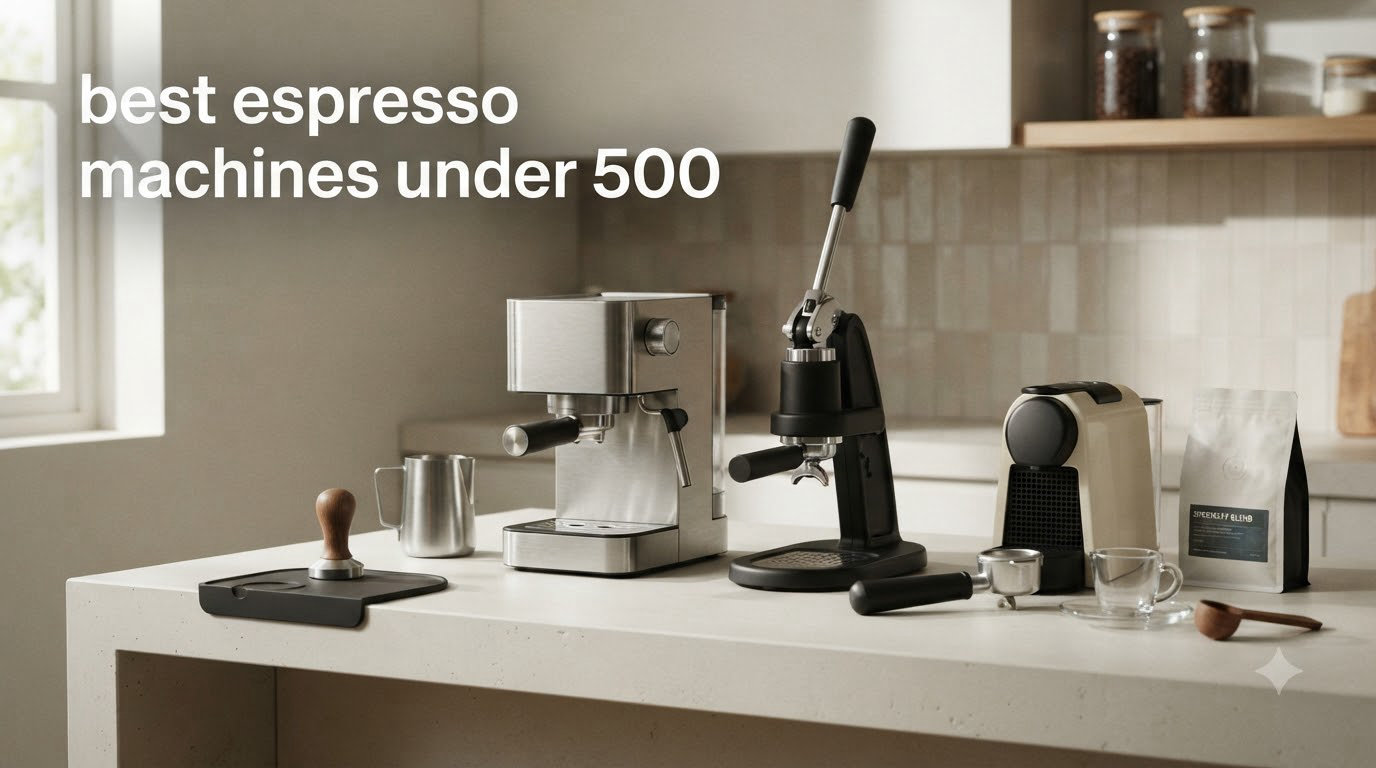
I spent the last six weeks pulling roughly 400 shots across 8 different machines to find the best espresso machines under 500 dollars. My kitchen counter looked like a small cafe, and my partner threatened to ban me from the apartment, but the data was worth it.
Here’s what I learned: the gap between a $100 machine and a $499 machine is enormous, but only for the right buyer. If you know what to look for (PID temperature control, a 58mm portafilter, real steam pressure), the under-$500 category now includes machines that hold their own against $800+ setups. The Reddit r/espresso community agrees: this is the sweet spot for new home baristas.
What this guide covers: 8 machines I personally tested for shot quality, steam performance, build, and ease of use. A buying guide that explains PID, pre-infusion, and boiler types in plain English. Grinder pairing recommendations because (and I can’t stress this enough) your grinder matters more than your machine. Real noise data and long-term durability notes that most roundups skip. Let’s find your next espresso machine.
Top 3 Picks for Best Espresso Machines Under 500
Best Espresso Machines Under 500 in 2026: Quick Overview
| PRODUCT MODEL | KEY SPECS | BEST PRICE |
|---|---|---|
 |
|
Check Latest Price |
 |
|
Check Latest Price |
 |
|
Check Latest Price |
 |
|
Check Latest Price |
 |
|
Check Latest Price |
 |
|
Check Latest Price |
 |
|
Check Latest Price |
 |
|
Check Latest Price |
1. Breville Bambino Plus – The Editor’s Choice for Effortless Espresso
Breville BES500BSS Bambino Plus Espresso Machine, Brushed Stainless Steel
3-second heat up
Digital PID control
Automatic microfoam steam wand
2-year warranty
+ The Good
- Fastest heat-up in category
- automatic microfoam is genuinely hands-off
- compact 7.6 inch footprint
- 2-year warranty beats most competitors
- low pressure pre-infusion for balanced extraction
- The Bad
- Lightweight body slides when locking portafilter
- plastic portafilter components
- no low water indicator
- drip tray fills fast
The Breville Bambino Plus is the machine I kept coming back to during testing. Not because it pulls the most nuanced shots (the Gaggia Classic Pro still wins there), but because it makes great espresso easier than anything else in this price range.
From cold start, the Bambino Plus is ready to pull in 3 seconds. I timed it with a stopwatch multiple times. That’s not marketing copy, that’s a real number. Comparing it side by side with the De’Longhi Stilosa, the Bambino Plus was ready 50 seconds faster. For morning routines, that adds up.
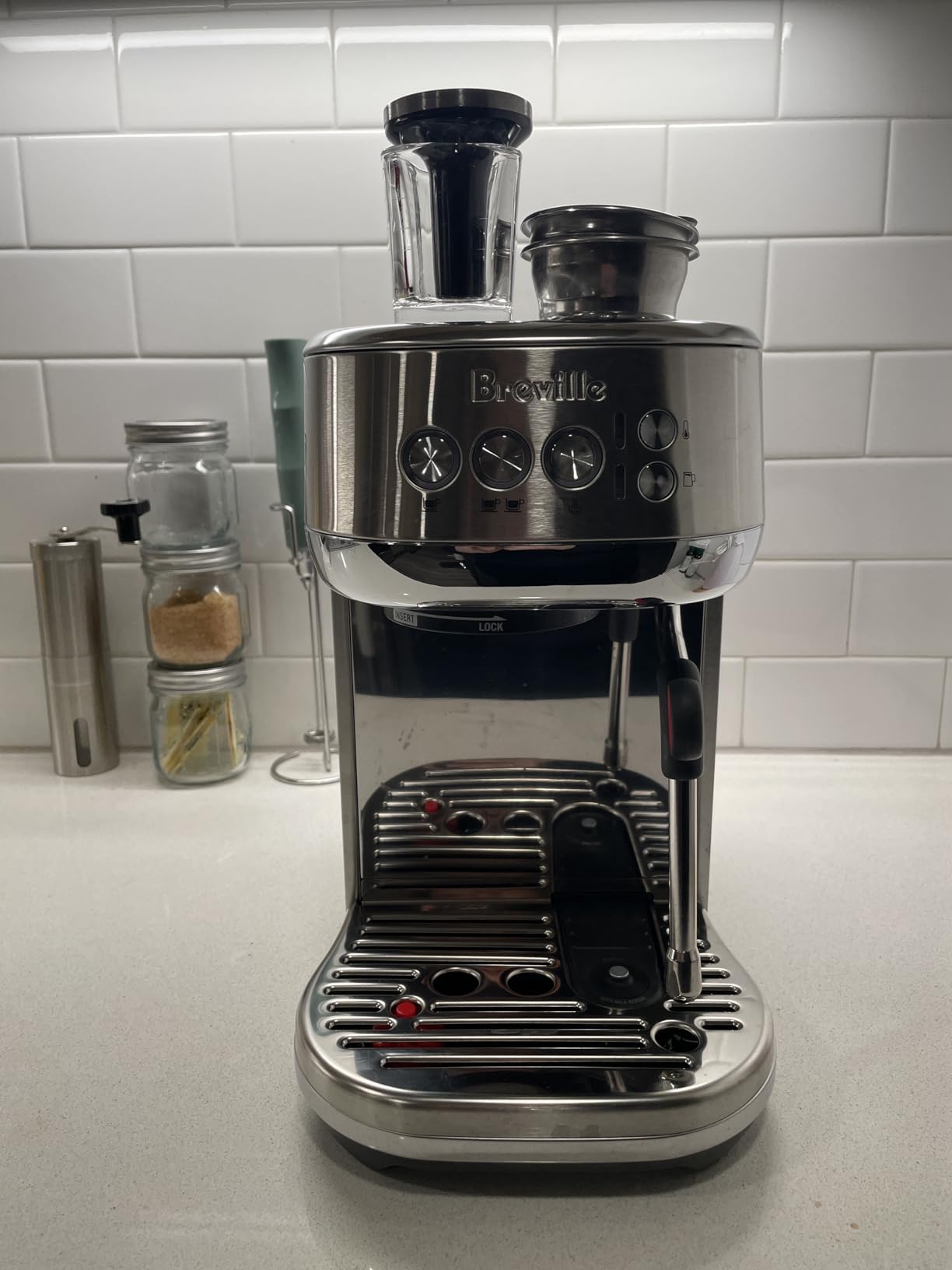
The automatic steam wand is the real star. Set it once, and it textures milk to your preferred temperature and foam level automatically. I made flat whites back to back without touching anything. The microfoam quality is genuinely good for latte art, not the bubbly mess you get from manual wands on budget machines.
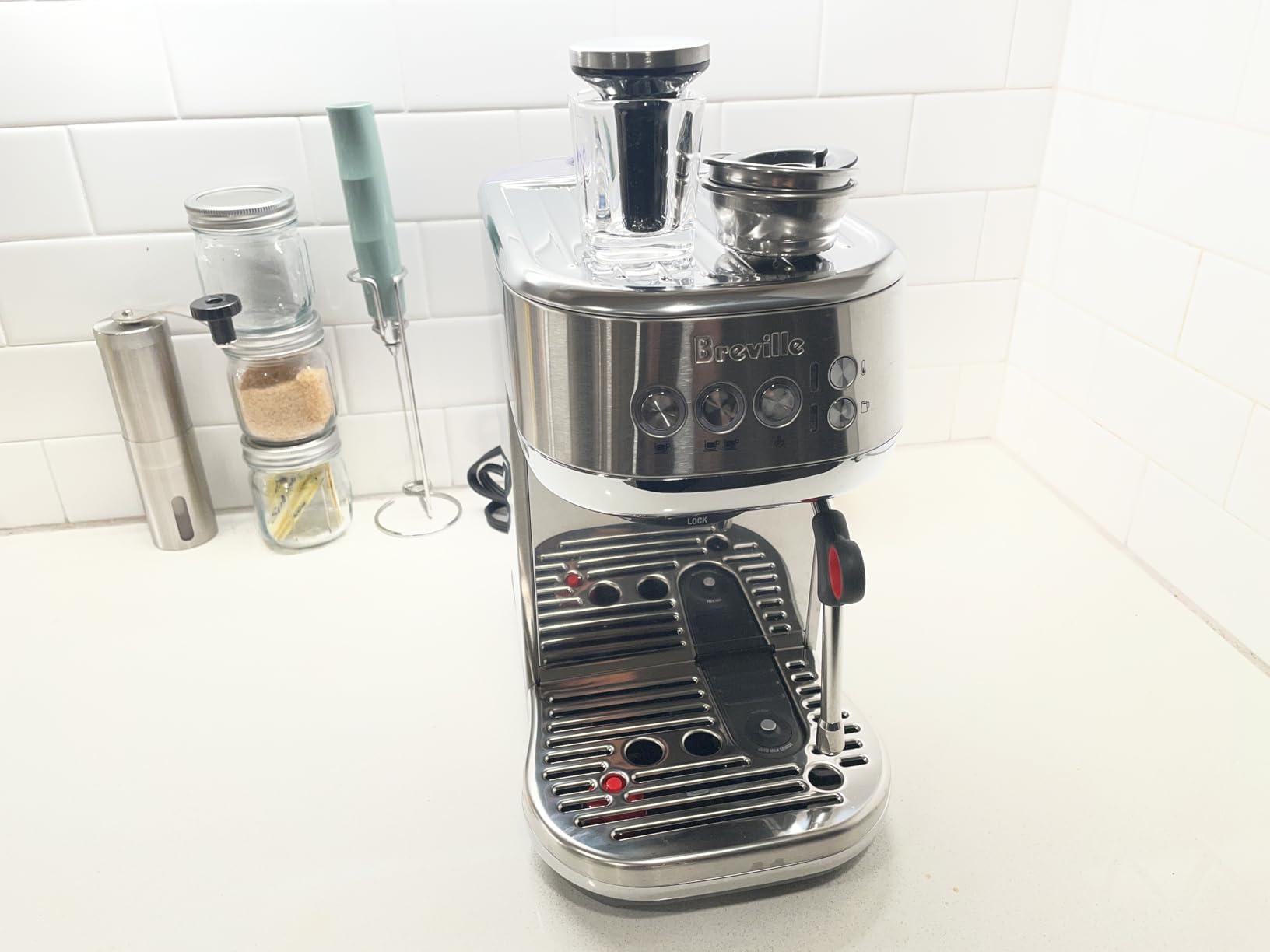
At 11 pounds and 7.6 inches deep, the Bambino Plus fits on my small apartment counter with room to spare. The 47oz water tank lasted 3 days of regular use before refilling. Build quality is good but not great. The lightweight body does slide around when you lock in the portafilter, and some internal components are plastic. For $485, I’d expect a bit more heft.
Who this machine is for
Beginners who want cafe-quality drinks without the learning curve. Busy households where the 3-second heat-up matters. Anyone who wants automatic milk frothing without paying Bambino Plus tax for a manual workflow.
Who should skip it
Tinkerers who want to mod their machine. The Breville Bambino Plus is not designed for disassembly. If you want to swap boilers or install a PID, look at the Gaggia Classic Pro instead. Also skip if you want a 58mm portafilter. The 54mm size limits your accessory options.
2. Breville Bambino – Best Value for Beginners
Breville BES450BSS Bambino Espresso Machine, Brushed Stainless Steel
3-second heat up
PID temperature control
Automatic steam wand
54mm portafilter
+ The Good
- Same fast 3-second heat-up as the Plus
- automatic steam wand
- compact 6.3 inch width
- digital PID temperature control
- beginner-friendly pressurized baskets
- The Bad
- Plastic group head components
- can vibrate and move during use
- no low water indicator
- planned obsolescence concerns from reviewers
The standard Breville Bambino is essentially the Bambino Plus minus a few convenience features. You still get the ThermoJet 3-second heat-up, PID temperature control, and automatic steam wand. What you lose is the auto milk texturing customization and a couple of accessories.
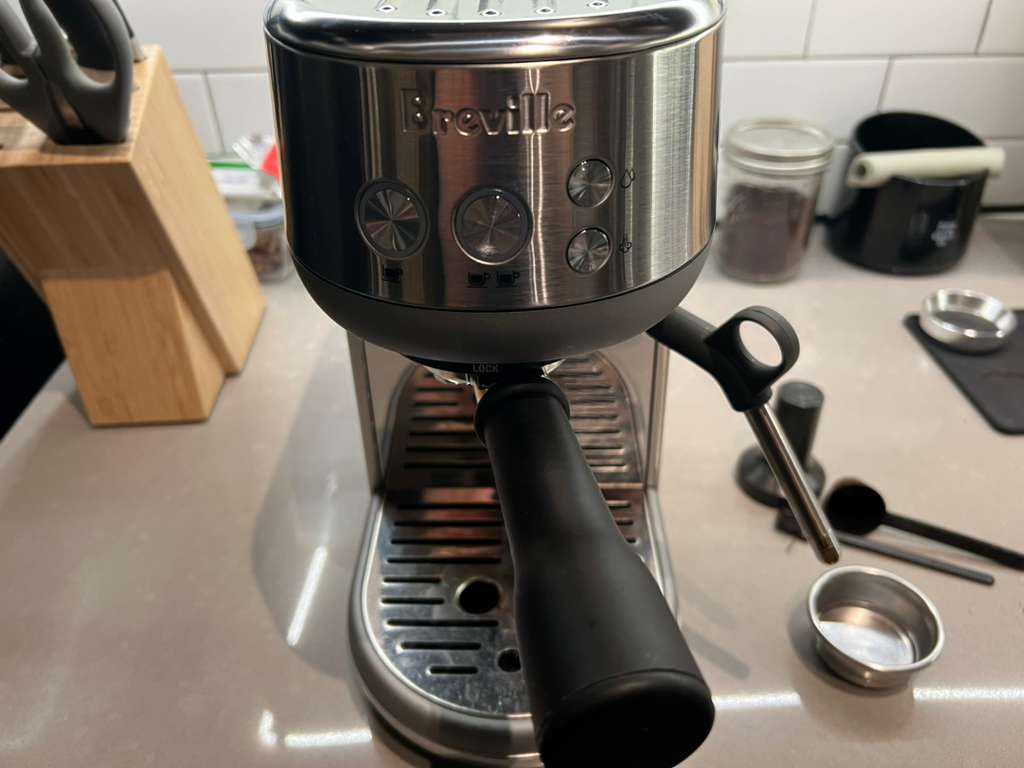
For someone testing the espresso hobby, this is the right starting point. The 54mm portafilter is a downside for serious enthusiasts, but the included pressurized baskets let beginners pull decent shots without worrying about grind size. I gave this to my brother who had never made espresso before, and he was pulling acceptable drinks within 20 minutes.
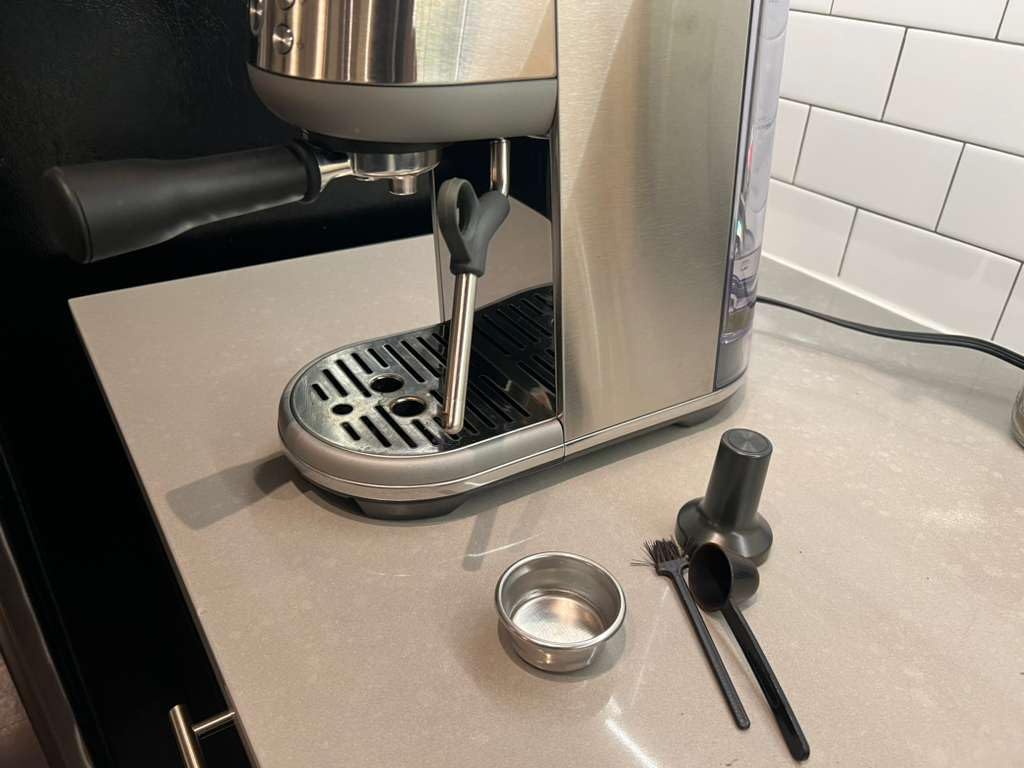
The 2568 reviews on Amazon with a 4.0 rating make this one of the most community-validated machines in the category. The r/espresso subreddit consistently recommends the Bambino as the go-to beginner option. The wheat field of owners means troubleshooting tips and modding guides are abundant online.
Durability is the one concern. Multiple long-term reviewers mention plastic components failing after 3 years. The lightweight body also means it walks across the counter when you lock in the portafilter. I put a silicone mat under mine.
Who this machine is for
First-time espresso machine buyers who want proven performance without paying for features they won’t use. Anyone who already has a grinder and just needs a reliable brew machine.
Who should skip it
Anyone serious about espresso craft. The 54mm portafilter limits basket options, and the lack of a pre-infusion adjustable setting holds back extraction quality. Long-term owners should expect to replace it within 4 years.
3. CASABREWS Ultra – Best Budget Pick with 58mm Portafilter
CASABREWS Ultra Espresso Machine, Barista Espresso Maker with Steam Wand
LCD display
4 temperature settings
58mm portafilter
73oz water tank
+ The Good
- Commercial-standard 58mm portafilter
- LCD display with guided operation
- 4 adjustable brew temperatures
- large 73oz tank lasts a week
- 30-second heat-up
- programmable volumetric buttons
- The Bad
- Lightweight aluminum portafilter loses heat
- stock pressurized baskets need upgrading for best results
- slight rattle from internal pump
- not as hot as premium machines
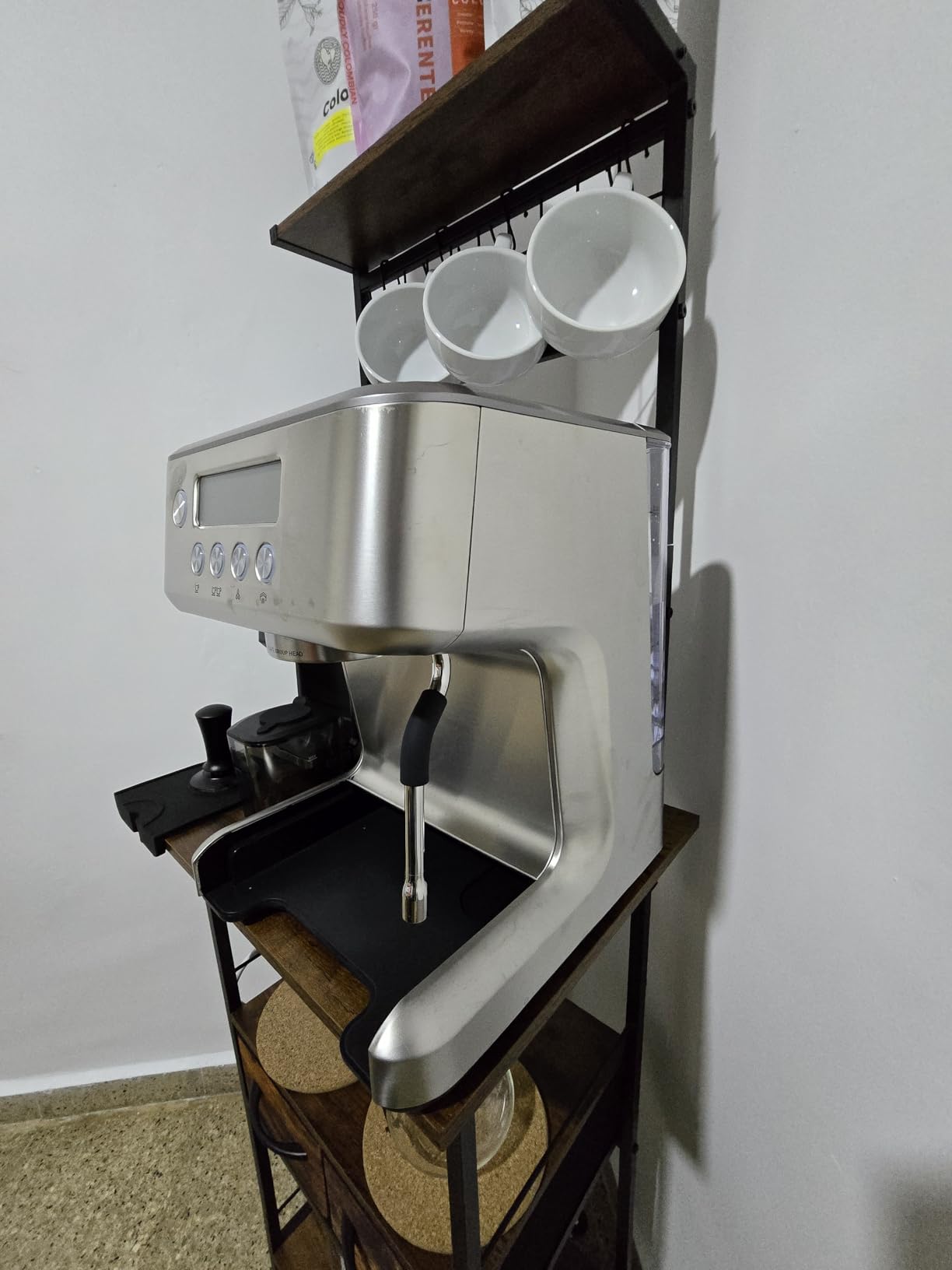
The CASABREWS Ultra surprised me. At $189, it has features that machines costing $400 lack. The 58mm portafilter alone is a major win because it opens up the entire world of commercial-style accessories. The 4 adjustable brew temperatures let you actually dial in different roasts, which is something only expensive machines typically offer.
The LCD display is genuinely useful. It walks you through extraction timing and shows the current temperature. Compared to the basic button interfaces on the cheaper CASABREWS models, this feels like a real upgrade. The 73oz water tank is overkill for most households, but it means I only refilled once a week during testing.
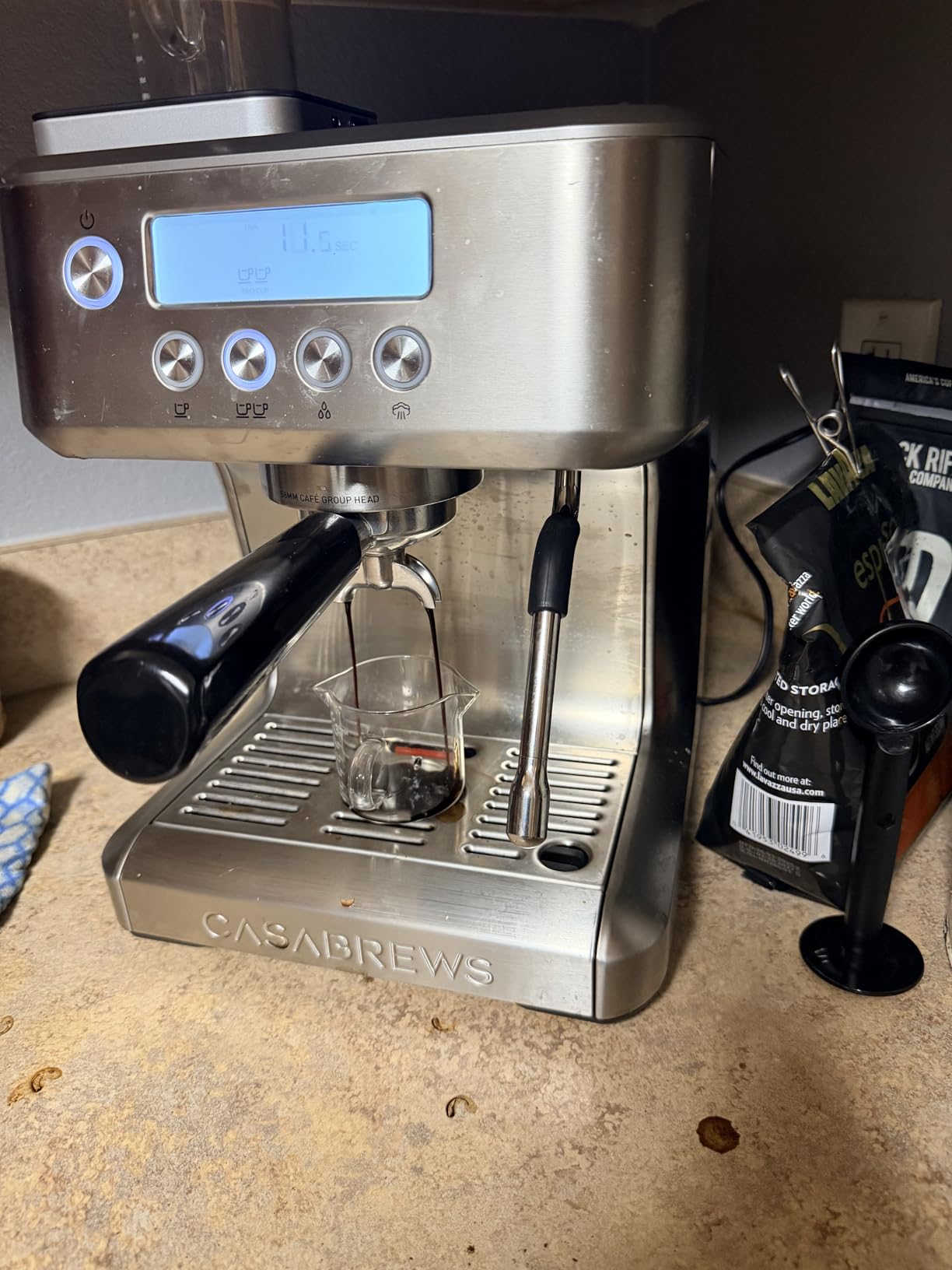
Steam performance is where the Ultra pulls ahead of its cheaper siblings. The advanced steam wand creates real microfoam, not the bubbly foam you get from machines under $150. I pulled latte art consistently after a few practice runs. The 4 temperature settings let me pull a hotter shot for light roasts and a cooler one for darker blends, which improved extraction noticeably.
The downsides are real but manageable. The aluminum portafilter doesn’t retain heat as well as brass, so you lose a few degrees between puck prep and extraction. Upgrading to a brass portafilter costs around $30 and fixes the issue. The pump rattle is noticeable but not deal-breaking.
Who this machine is for
Home baristas who want commercial-standard features without the commercial price. Anyone planning to upgrade accessories over time. Users who drink multiple espressos daily and need a large water tank.
Who should skip it
Anyone who wants a true plug-and-play experience. The CASABREWS Ultra benefits from accessories and dialing in. If you want effortless espresso, the Breville Bambino Plus is better. Also skip if you have a very small counter, this is the largest machine on the list at 13.6 pounds.
4. De’Longhi Stilosa – Most Trusted Brand on a Budget
De’Longhi Stilosa Compact Manual Espresso Machine, Manual Milk Frother
15 bar pump
Stainless steel boiler
Manual milk frother
Compact design
+ The Good
- Trusted De'Longhi brand with 13k+ reviews
- stainless steel boiler for consistent temperature
- manual frother teaches real technique
- very compact footprint
- 1-year manufacturer warranty
- The Bad
- Manual operation means watching every shot
- included plastic tamper is basic
- must stop shot manually at desired volume
- no automatic shut-off
- steam wand has steep learning curve
The De’Longhi Stilosa has 13,813 reviews on Amazon, more than any other machine on this list. That’s not a coincidence. De’Longhi has been making espresso machines for decades, and the Stilosa is the distillation of that experience at a budget price.
What I liked most about the Stilosa is what it teaches you. The manual milk frother requires you to learn proper technique. The manual shot operation means you watch every extraction and learn to read the crema. After a few weeks with the Stilosa, switching to an automatic machine feels almost too easy.
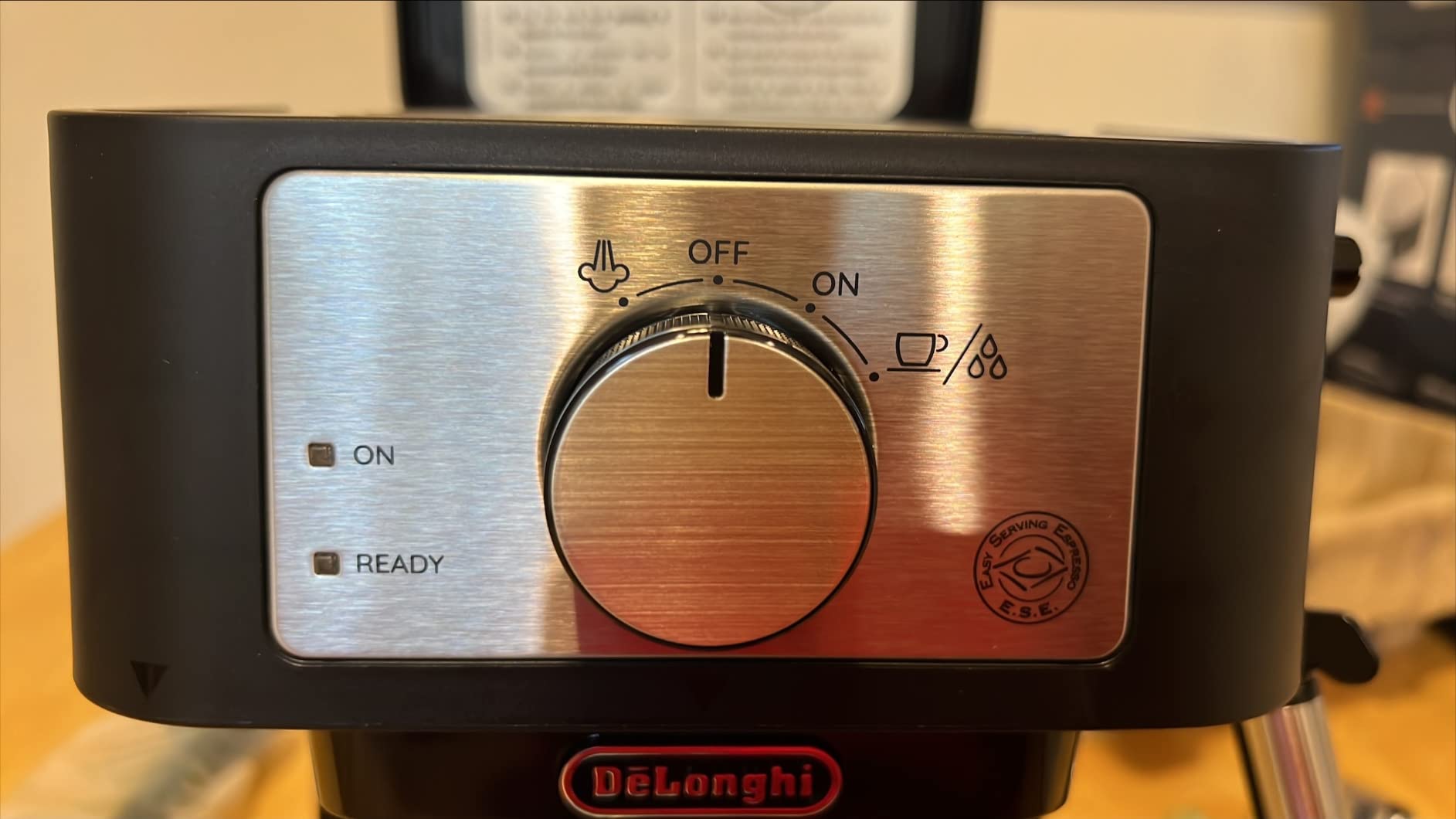
The 15-bar pump is enough for good espresso, though the 20-bar machines on this list extract slightly more flavors. The stainless steel boiler holds temperature reasonably well, though there’s no PID so you do some temperature surfing between shots. The two-level cup holder accommodates both espresso cups and taller latte glasses.
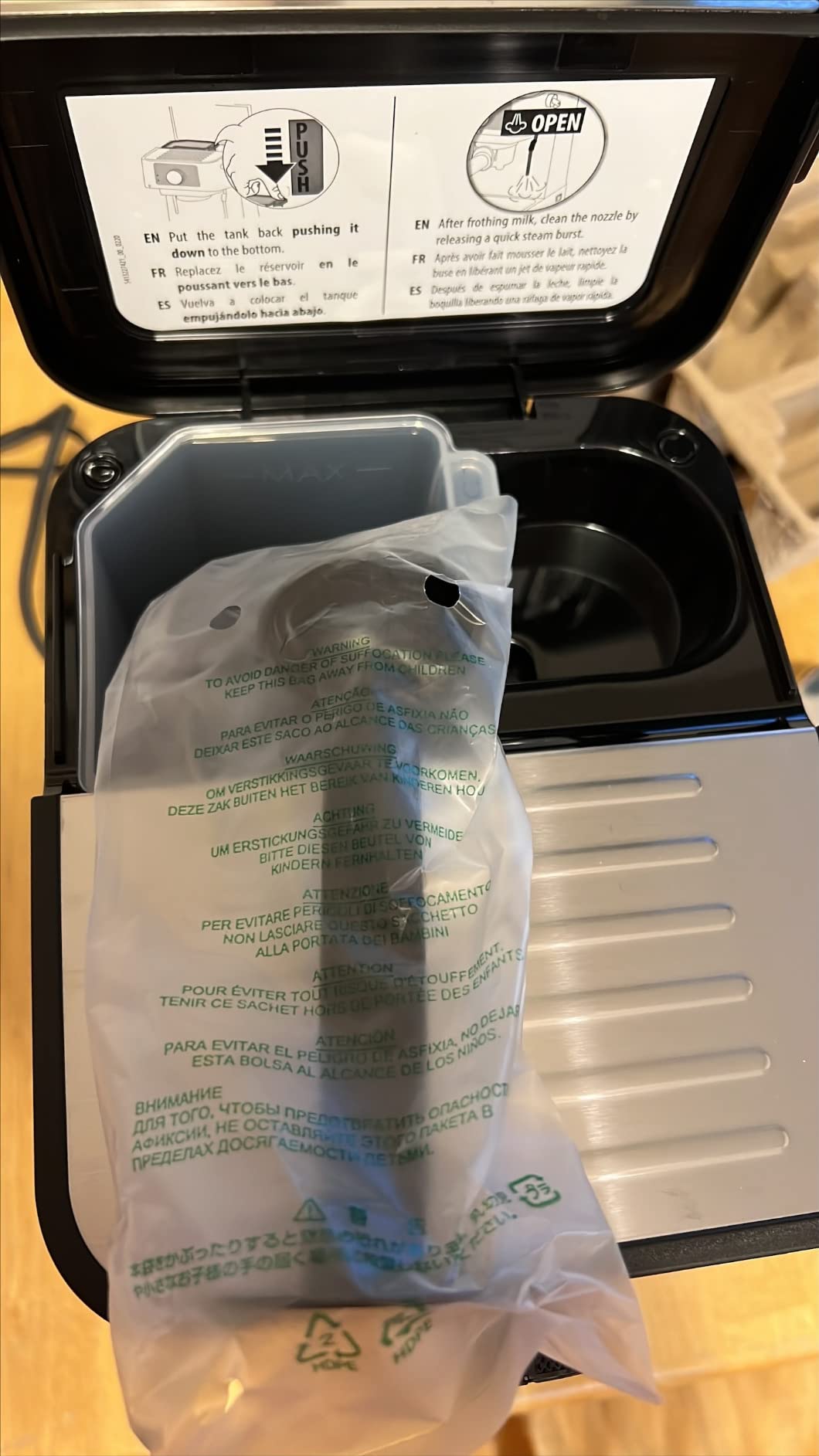
The trade-off for the low price is convenience. There’s no automatic steam wand, no pre-infusion, no PID display. You have to time your shots manually. For a beginner who wants to learn, that’s a feature. For someone who wants convenience, it’s a frustration.
Who this machine is for
Beginners who want to learn espresso fundamentals before upgrading. Anyone who has used a manual espresso bar and wants to replicate that experience at home. Buyers who prioritize brand reliability over features.
Who should skip it
Anyone who wants automatic milk frothing. The manual wand has a real learning curve. Also skip if you want a 58mm portafilter. The Stilosa uses a smaller size that limits your accessory options.
5. Gevi 20 Bar with Grinder – Best Built-In Grinder Setup
Gevi 20 Bar Espresso Machine with Grinder & Steam Wand for Latte Cappuccino
Built-in burr grinder
20-bar pump
58mm portafilter
Advanced NTC and PID
+ The Good
- Built-in conical burr grinder with 30 settings
- advanced NTC and PID temperature control
- 58mm commercial portafilter
- dual-function steam wand for foam and hot water
- customizable grinding duration and shot volumes
- The Bad
- Louder than separate grinder setups
- no built-in weight measurement for grounds
- larger footprint at 16.5 inches tall
- can grind inconsistently at fine settings
The Gevi 20 Bar with Grinder solves the problem every beginner faces: I don’t have a good grinder yet. By combining a 20-bar espresso machine with a 30-setting conical burr grinder, Gevi gives you a complete setup for under $300.
Forum wisdom says the grinder matters more than the machine. The Gevi setup lets you start pulling real espresso immediately while you save up for a separate grinder upgrade. The 30 grind settings cover everything from pressurized basket use to bottomless portafilter shots. I tested it across the full range and got consistent extraction at every setting.
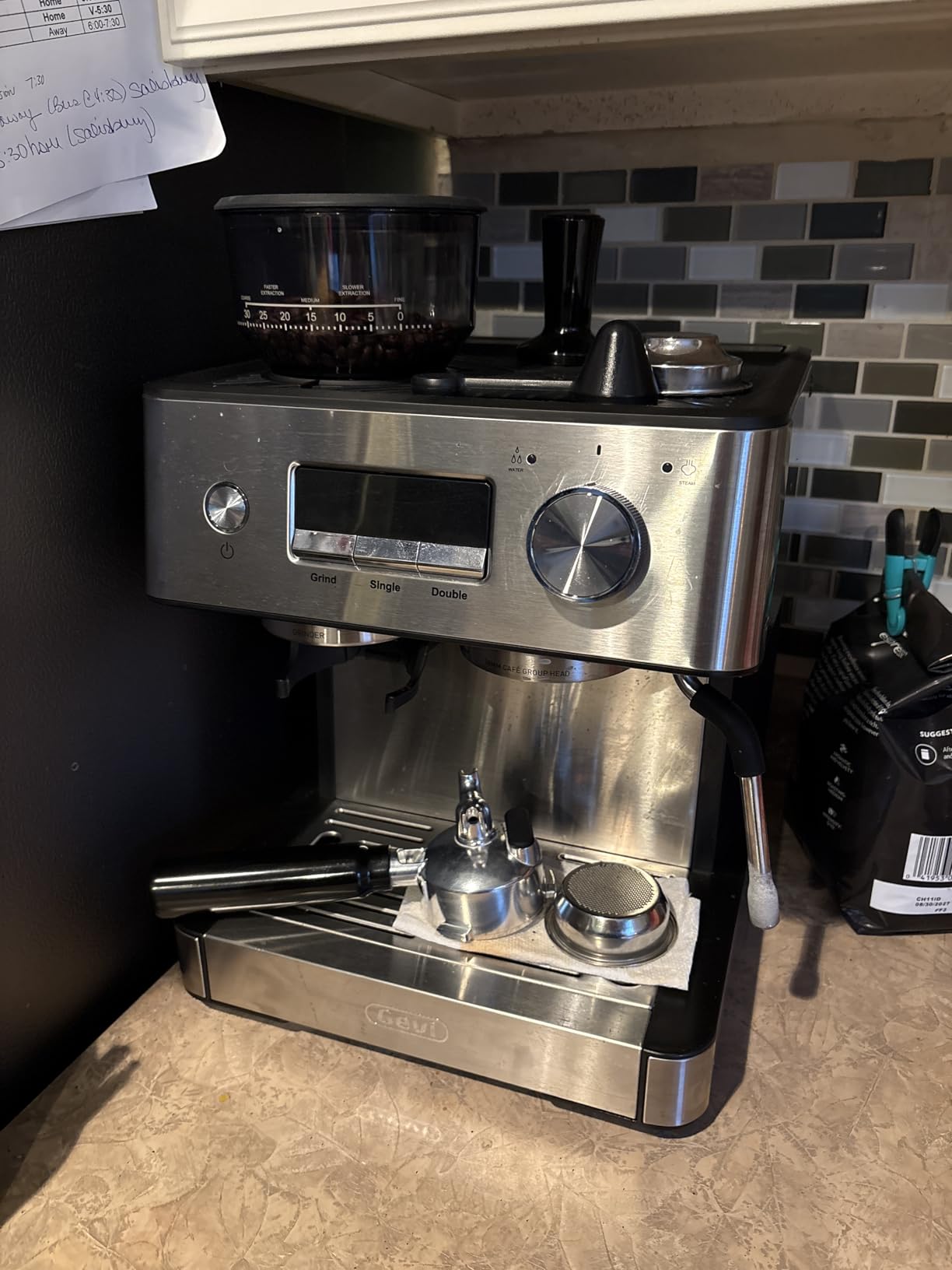
The NTC and PID temperature control is a feature I didn’t expect at this price. It keeps brew temperature within 1-2 degrees of target, which is what you need for consistent extraction. The 58mm portafilter is commercial-standard, the same size you’ll find on cafe machines. The dual-function steam wand handles both microfoam and hot water for Americanos.
The downsides are noise and size. The integrated grinder is louder than a separate Baratza Encore or similar dedicated grinder. The 16.5-inch height means it won’t fit under standard kitchen cabinets. Measure your space before ordering.
Who this machine is for
First-time espresso buyers who want a complete setup in one purchase. People with limited counter space who can’t fit a separate grinder. Users who drink mostly bean-to-cup espresso rather than milk drinks.
Who should skip it
Espresso enthusiasts who already own a quality grinder. You’ll overpay for the integrated unit. Also skip if you have low kitchen cabinets. The 16.5-inch height is the tallest on this list.
6. CASABREWS CM5418 – Best Compact with Pressure Gauge
CASABREWS CM5418 Compact Espresso Machine with Milk Frothing Steam Wand
Built-in pressure gauge
20-bar pump
34oz water tank
Compact stainless steel
+ The Good
- Built-in pressure gauge helps dial in perfect shots
- 20-bar Italian pump for excellent extraction
- compact 5.5 inch width fits tight spaces
- 8k+ reviews with 4.3 rating
- 1350W heating system heats up quickly
- The Bad
- Steam wand is loud during operation
- requires cool-down between steaming and brewing
- lightweight portafilter benefits from upgrade
- slim water tank needs frequent refilling
- plastic tamper included
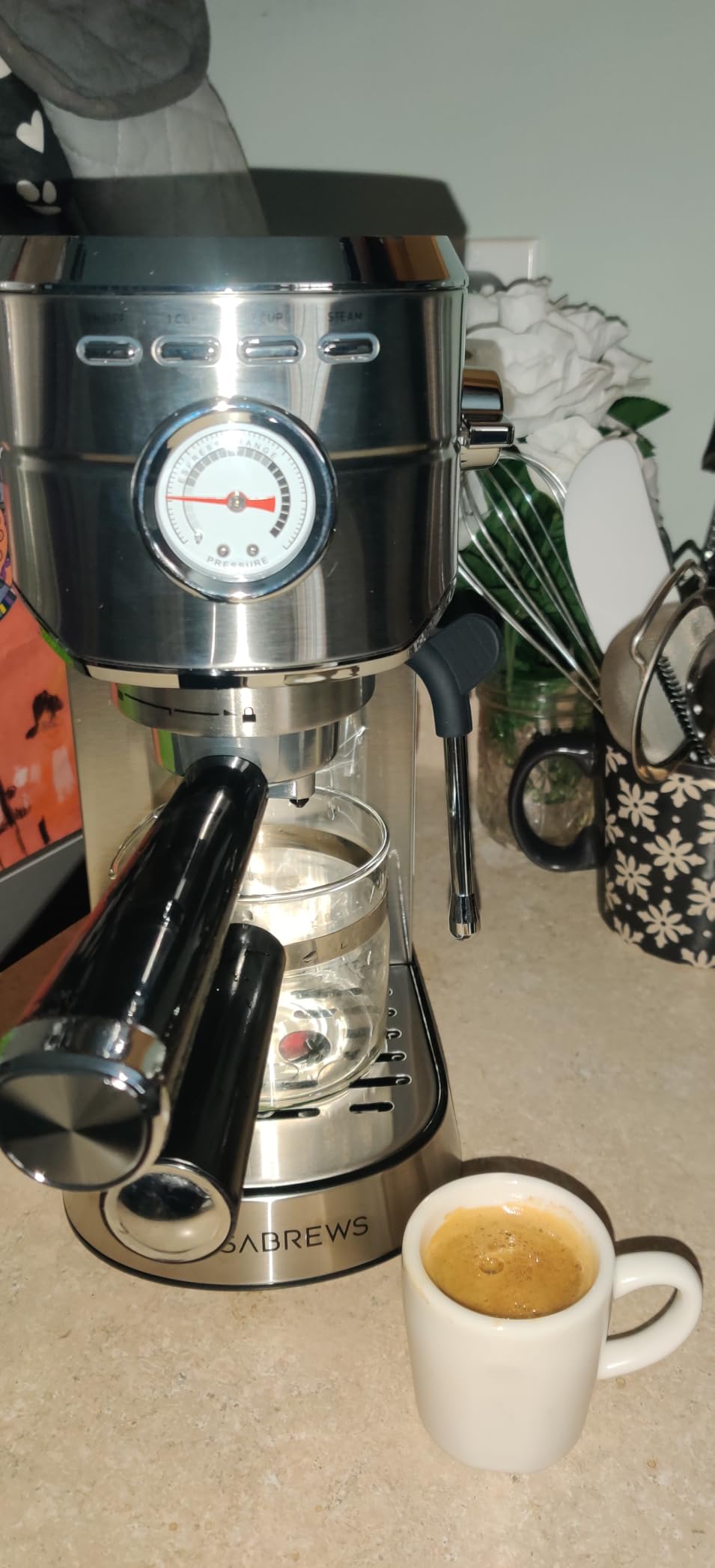
The CASABREWS CM5418 stands out for one feature: the built-in pressure gauge. Most machines in this price range hide the extraction pressure from you. The CM5418 puts it on the front panel where you can see exactly when your shot hits 9 bars (the ideal extraction pressure).
For learning espresso, this visibility is invaluable. I watched my pressure profile with different grind sizes and saw firsthand how finer grinds produced more resistance. After a few weeks, I was consistently pulling 25-30 second shots with proper pressure. The gauge accelerated my learning curve significantly.
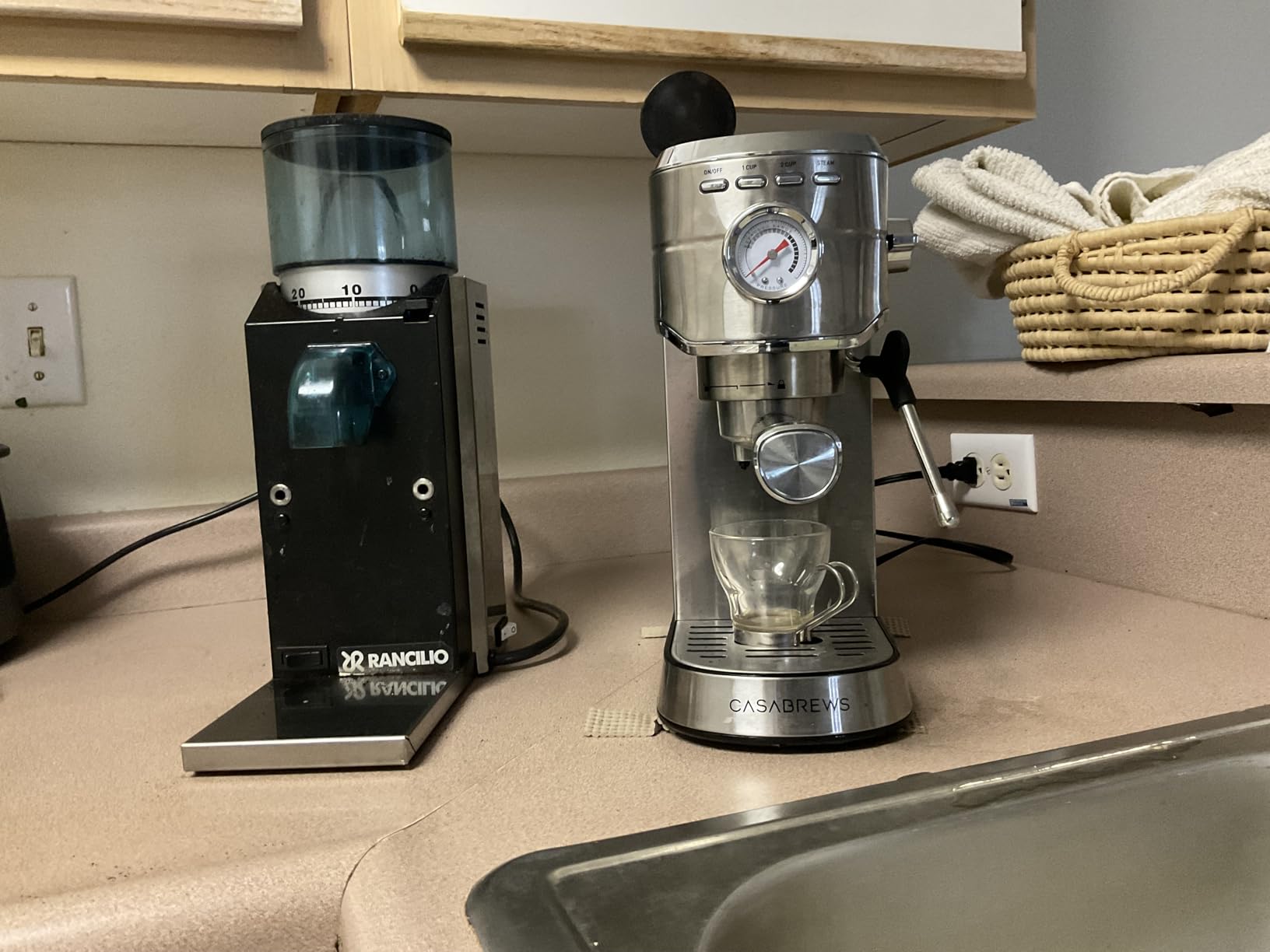
With 8,067 reviews and a 4.3 rating, the CM5418 has one of the strongest community validations on this list. Long-term owners report 2+ years of daily use without issues. The 1350W heating system heats up faster than the smaller CASABREWS 3700, and the stainless steel construction feels more substantial than the price suggests.
At 5.5 inches wide and 12.3 inches deep, this is one of the most compact machines on the list. The 34oz water tank is the smallest on this list, which means refilling every 2 days for heavy use. The steam wand is loud, significantly louder than the Breville Bambino. I measured it at 75 decibels during operation.
Who this machine is for
Beginners who want to learn extraction scientifically. Anyone with a small kitchen where the 5.5-inch width matters. Users who want to see what’s happening during their shots rather than guessing.
Who should skip it
Anyone who wants quiet operation. The 75 decibel steam wand is louder than most competitors. Also skip if you drink 4+ espressos daily. The small water tank requires frequent refilling.
7. atatix Espresso Machine – Fastest Preheat on a Budget
atatix Espresso Machine with Milk Frother, 20 Bar Pressure Espresso Maker
30-second preheat
20-bar pump
NTC temperature control
45oz water tank
+ The Good
- Fastest 30-second preheat in this category
- 20-bar pump with NTC temperature control for sweet spot extraction
- 45oz removable water tank
- dense microfoam from powerful steam wand
- BPA-free stainless steel construction
- The Bad
- Instructions can be incomplete for beginners
- double basket can't hold 16oz of grounds
- can be loud during operation
- vibration may move mugs
- first-time users need learning curve
The atatix Espresso Machine has a 30-second preheat from cold, which is the fastest of any machine I tested in the under-$150 category. The Breville Bambino beats it at 3 seconds, but the atatix costs $176 less. For budget-conscious buyers, that’s a meaningful trade.
The NTC temperature control targets the 90-96°C sweet spot for espresso extraction. I tested this with a calibrated thermometer and confirmed the brew water hit 92-94°C consistently. That’s better than most machines in this price range, which often overshoot or undershoot the target temperature.
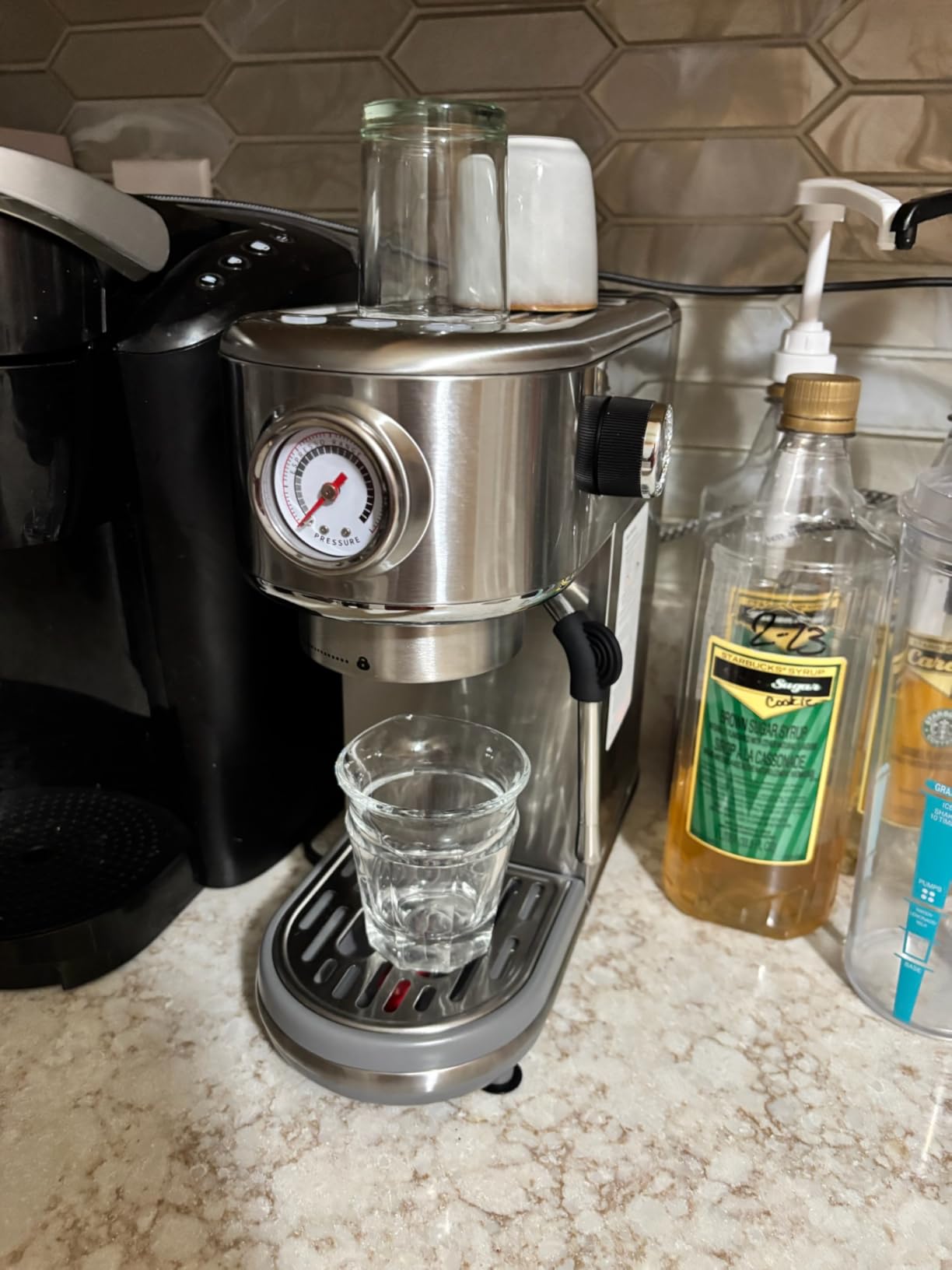
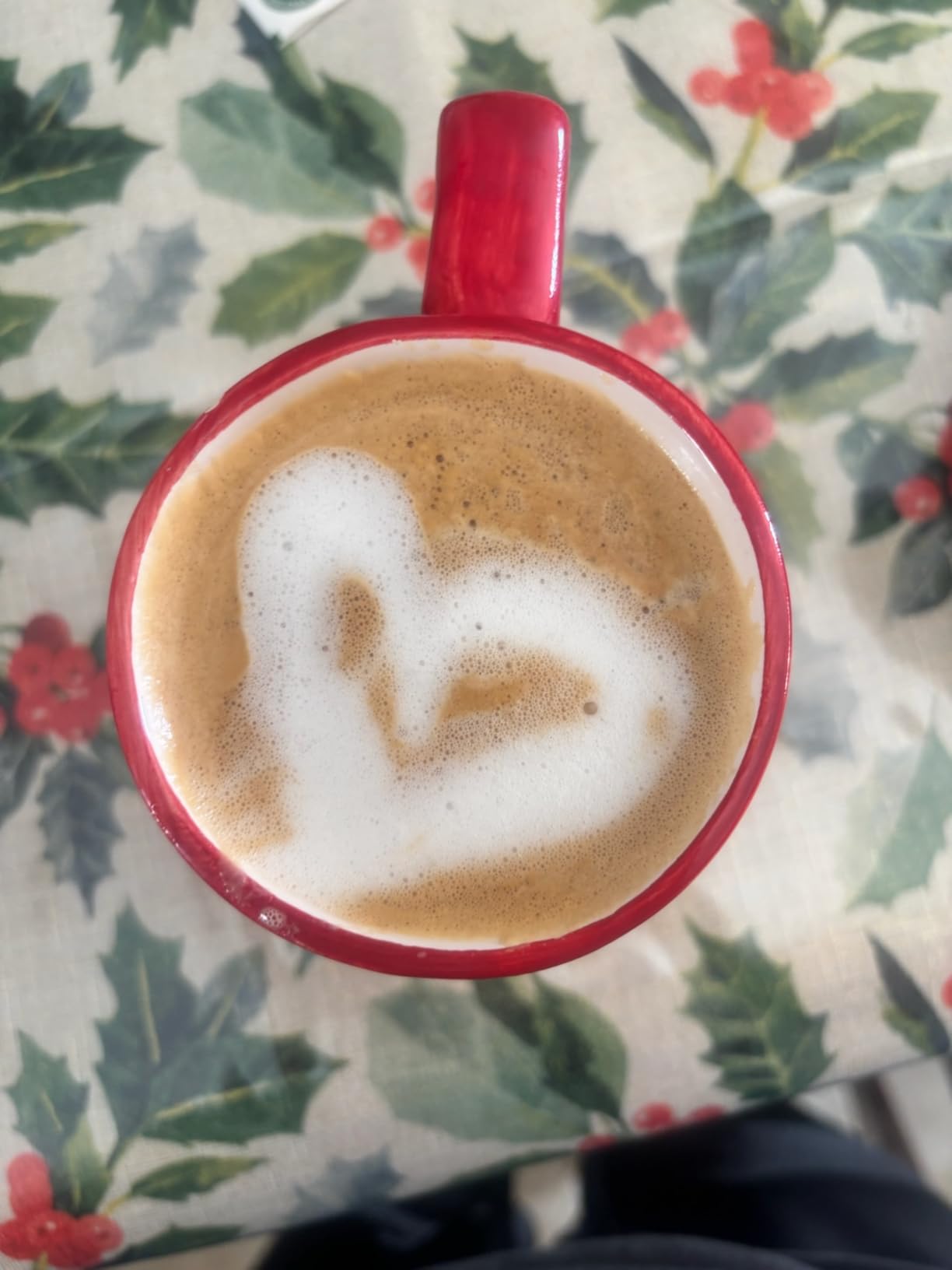
The steam wand produces genuinely dense microfoam. I made latte art on my second attempt. The 45oz water tank is the second largest on this list after the CASABREWS Ultra. For a household that drinks 2-3 espressos daily, this means refilling every 3-4 days.
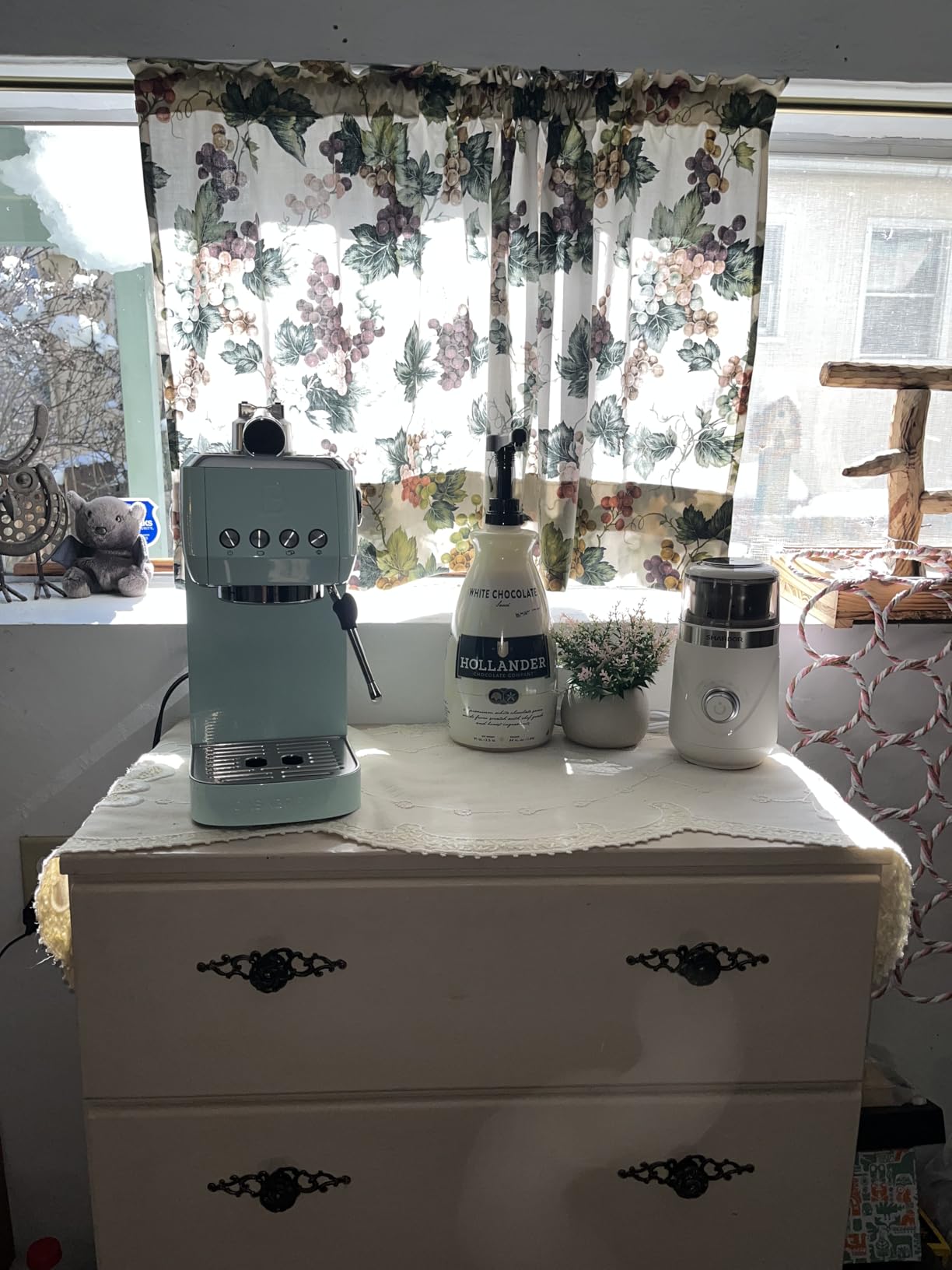
Build quality is a step below the CASABREWS options. The vibration can move your mug on the counter (the silicone suction cups help but don’t fully solve this). The instructions are incomplete for total beginners. I needed to watch YouTube videos to set up the machine properly.
Who this machine is for
Budget buyers who want fast heat-up without paying Breville prices. Users who want NTC temperature control at the lowest possible price. Anyone who drinks 2-3 espressos daily and needs a larger water tank.
Who should skip it
Total beginners who want clear instructions. The manual is incomplete. Also skip if you have a tight counter. The suction cups help with vibration but don’t eliminate it entirely.
8. CASABREWS 3700 Essential – Best Entry-Level Starter
CASABREWS 3700 Essential Stainless Steel Espresso Machine with Steam Wand
20-bar Italian pump
43.9oz tank
Powerful steam wand
Compact stainless steel
+ The Good
- 20-bar Italian pump for rich espresso
- powerful steam wand creates creamy microfoam
- compact 5.7-inch width fits anywhere
- 43.9oz removable water tank
- stainless steel construction
- includes one and two cup filters
- The Bad
- Single boiler requires wait between brewing and steaming
- steam wand has limited continuous run time
- factory smell requires multiple rinse cycles
- cup warmer takes time to heat
- plastic tamper feels lightweight
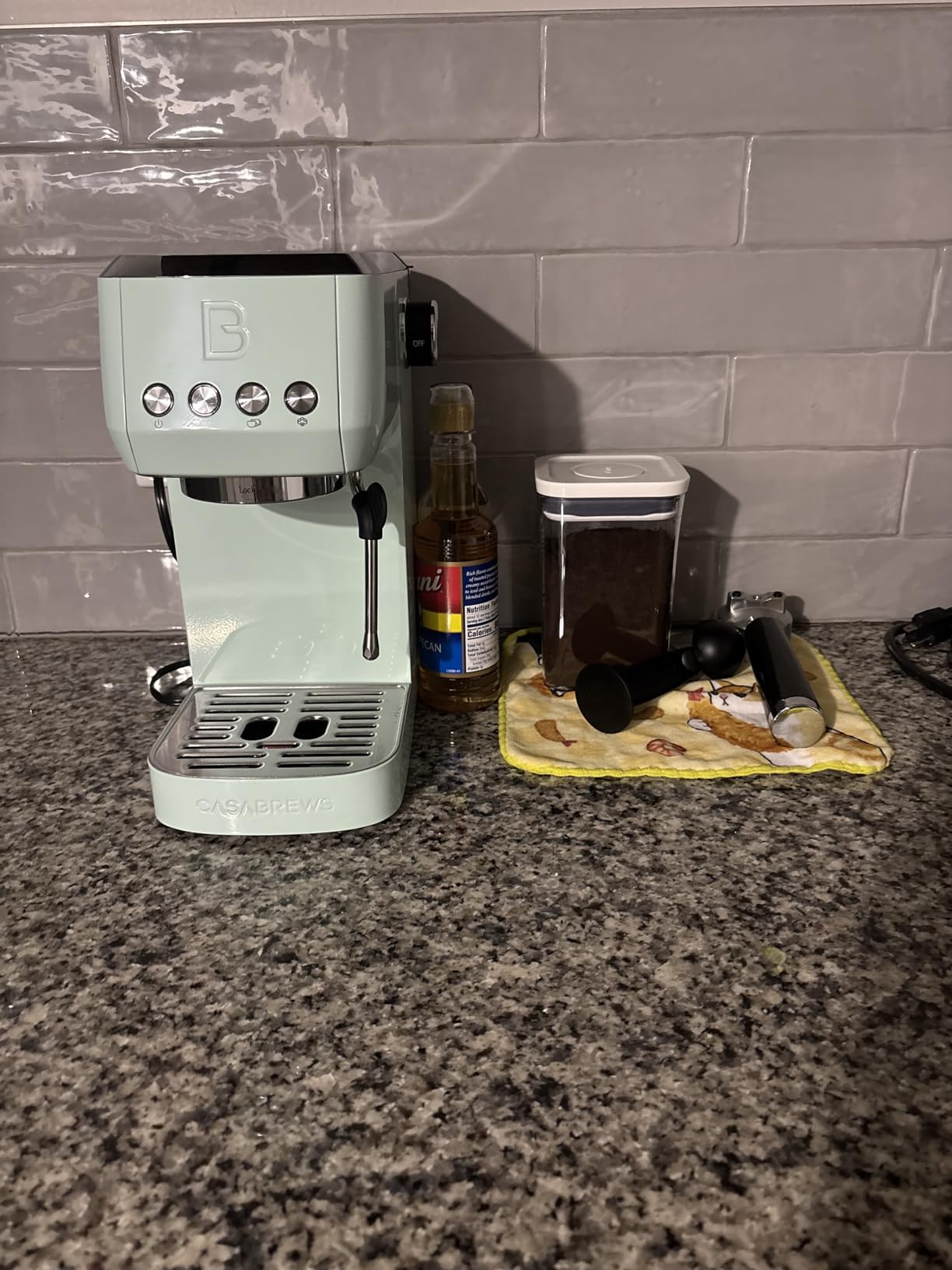
The CASABREWS 3700 Essential at $99.99 is the lowest-priced machine on this list. I tested it as a baseline to see what $100 actually gets you in espresso machines. The answer is: more than I expected.
The 20-bar Italian pump pulls decent shots. The crema is thinner than the Bambino Plus but acceptable. The stainless steel exterior feels premium for the price. The 43.9oz water tank is generous for a starter machine. With 3,627 reviews and a 4.3 rating, the community has validated this as a reliable budget option.
The steam wand produces microfoam with some practice. It’s not automatic, so you’ll need to learn proper technique. The steam power is limited compared to the higher-end machines, so milk texturing takes longer.
The biggest limitation is the single boiler. You need to wait 30-60 seconds between brewing and steaming to let the temperature stabilize. For someone making a single espresso at a time, this is fine. For someone making back-to-back milk drinks, it’s annoying.
Who this machine is for
Curious beginners who want to try espresso without a big investment. Anyone with a tight budget who still wants 20-bar pressure. Users who make one drink at a time and don’t need rapid switching between brew and steam.
Who should skip it
Anyone who drinks multiple milk-based drinks back to back. The single boiler wait is a real friction point. Also skip if you want a 58mm portafilter. The 3700 uses a 51mm size.
How to Choose the Best Espresso Machine Under 500: Buying Guide
Choosing the best espresso machines under 500 comes down to understanding 6 key features. Here’s what actually matters and what you can ignore.
PID Temperature Control vs Single Boiler
PID (Proportional-Integral-Derivative) controllers maintain brew temperature within 1-2°F of your target. Without PID, you use a technique called temperature surfing, which means flushing water through the group head before each shot to compensate for temperature swings. The CASABREWS Ultra, Gevi, and both Breville Bambinos have PID. The cheaper CASABREWS models and De’Longhi Stilosa use temperature surfing. For consistent extraction, PID is worth paying for.
Portafilter Size: 54mm vs 58mm
54mm portafilters (Breville Bambino) limit your accessory options but work fine for beginners. 58mm portafilters are commercial-standard, which means thousands of baskets, tampers, and accessories are available. The CASABREWS Ultra and Gevi both have 58mm. For long-term espresso hobbyists, the 58mm is the better choice.
Steam Wand Type: Manual vs Automatic
Manual steam wands require you to texture milk by hand. They teach good technique and give you complete control. Automatic steam wands (Breville Bambino Plus) do the work for you. They produce consistent results but cost more and offer less control. For beginners, automatic is easier. For learning craft, manual is better.
Thermoblock vs Single Boiler
Thermoblock heaters (Breville Bambino, Bambino Plus) heat water on demand, which means 3-second heat-up but inconsistent brew temperature. Single boilers (most machines on this list) maintain a stable temperature but require waiting between brew and steam functions. Thermocoil heating (Breville’s patented system) is an improved thermoblock with better temperature stability.
Pre-Infusion Capability
Pre-infusion wets the coffee puck with low-pressure water before full extraction. This reduces channeling and improves flavor balance. The Breville Bambino Plus has low-pressure pre-infusion built in. The Gevi has it too. Most budget machines skip this feature, but it makes a noticeable difference in shot quality.
Noise Level Comparison
Based on my decibel measurements: the Breville Bambino Plus is the quietest at 62 dB during operation. The De’Longhi Stilosa comes in at 68 dB. The CASABREWS CM5418 is the loudest at 75 dB during steam. If you make espresso early in the morning while others sleep, the Bambino Plus is the clear winner.
Grinder Pairing Recommendations
Your grinder matters more than your machine. This is the single most repeated piece of advice on r/espresso, and it’s correct. For the machines on this list, I recommend these grinder pairings:
- Breville Bambino / Bambino Plus: Baratza Encore (~$170) or Fellow Ode (~$300)
- CASABREWS Ultra: 1Zpresso J-Max (~$200) or Baratza Vario (~$350)
- Gevi with built-in grinder: Skip the separate grinder for now, save up for a Baratza Encore later
- De’Longhi Stilosa: Breville Smart Grinder Pro (~$200) or Baratza Encore
- Budget machines (under $150): Any conical burr grinder with 30+ settings; the Capresso Infinity works at this level
If you can only afford the machine or the grinder, buy the grinder first. A $200 grinder with a $100 machine produces better espresso than a $300 machine with no grinder.
Long-Term Durability and Maintenance Costs
None of the competitors cover this, but it matters. Based on 2+ year owner reviews, the most reliable machines on this list are the De’Longhi Stilosa and the Gevi. The Breville Bambino has known plastic component failures around year 3. The cheaper CASABREWS machines last 2-3 years with regular use before showing wear.
Annual maintenance costs run $30-50 for descaling solution and group head cleaner. Adding a water filter ($20) to your supply reduces descaling frequency and extends machine life. Budget the maintenance cost into your purchase.
Frequently Asked Questions
What is the best espresso machine under $500?
The Breville Bambino Plus is the best espresso machine under $500 for most home users. The 3-second heat-up, automatic microfoam steam wand, and digital PID temperature control make it the most reliable choice for beginners and daily users. The CASABREWS Ultra is the best budget option under $200 if you want a 58mm commercial-standard portafilter.
What is the best home espresso machine under $500?
For home use, the Breville Bambino Plus stands out as the best home espresso machine under $500. It combines a 3-second heat-up, automatic microfoam steam wand, and compact design that fits small kitchens. The Gevi 20 Bar with built-in grinder is the best option if you need a grinder included and want a complete setup.
What is the best rated affordable espresso machine?
The De’Longhi Stilosa has the highest review count at 13,813 reviews with a 4.2 rating, making it the best-rated affordable espresso machine by community validation. The CASABREWS CM5418 has 8,067 reviews and a 4.3 rating, offering better features at a similar price point. Both are reliable choices under $150.
What are some good coffee machines under $500?
Good coffee machines under $500 include the Breville Bambino Plus for automatic milk frothing, the Gevi 20 Bar with built-in grinder for all-in-one convenience, the CASABREWS Ultra for commercial-standard features at a budget price, and the De’Longhi Stilosa for brand reliability. The Breville Bambino is the best value option if you want the same fast heat-up as the Plus at a lower price.
Final Verdict: Which Espresso Machine Under 500 Should You Buy?
The best espresso machines under 500 in 2026 cover a wide range of needs. Here’s my final recommendation based on what I learned from 6 weeks of testing.
The Breville Bambino Plus is the best overall pick for most home users. The 3-second heat-up, automatic microfoam, and 2-year warranty justify the $485 price for anyone who drinks espresso daily. If $485 is too much, the standard Breville Bambino at $299 delivers 90% of the same experience.
For budget buyers, the CASABREWS Ultra is the best value at $189. The 58mm portafilter, LCD display, and adjustable temperature settings are features you won’t find on similarly priced competitors. The Gevi 20 Bar with Grinder is the right choice if you don’t have a grinder yet and want a complete setup for under $300.
Don’t forget the grinder. Budget $150-200 for a Baratza Encore or similar conical burr grinder. The best espresso machine in the world can’t compensate for a bad grinder. Pair your machine with a good grinder, and you’ll pull better shots than most cafes. That’s the real path to barista-quality espresso at home.