
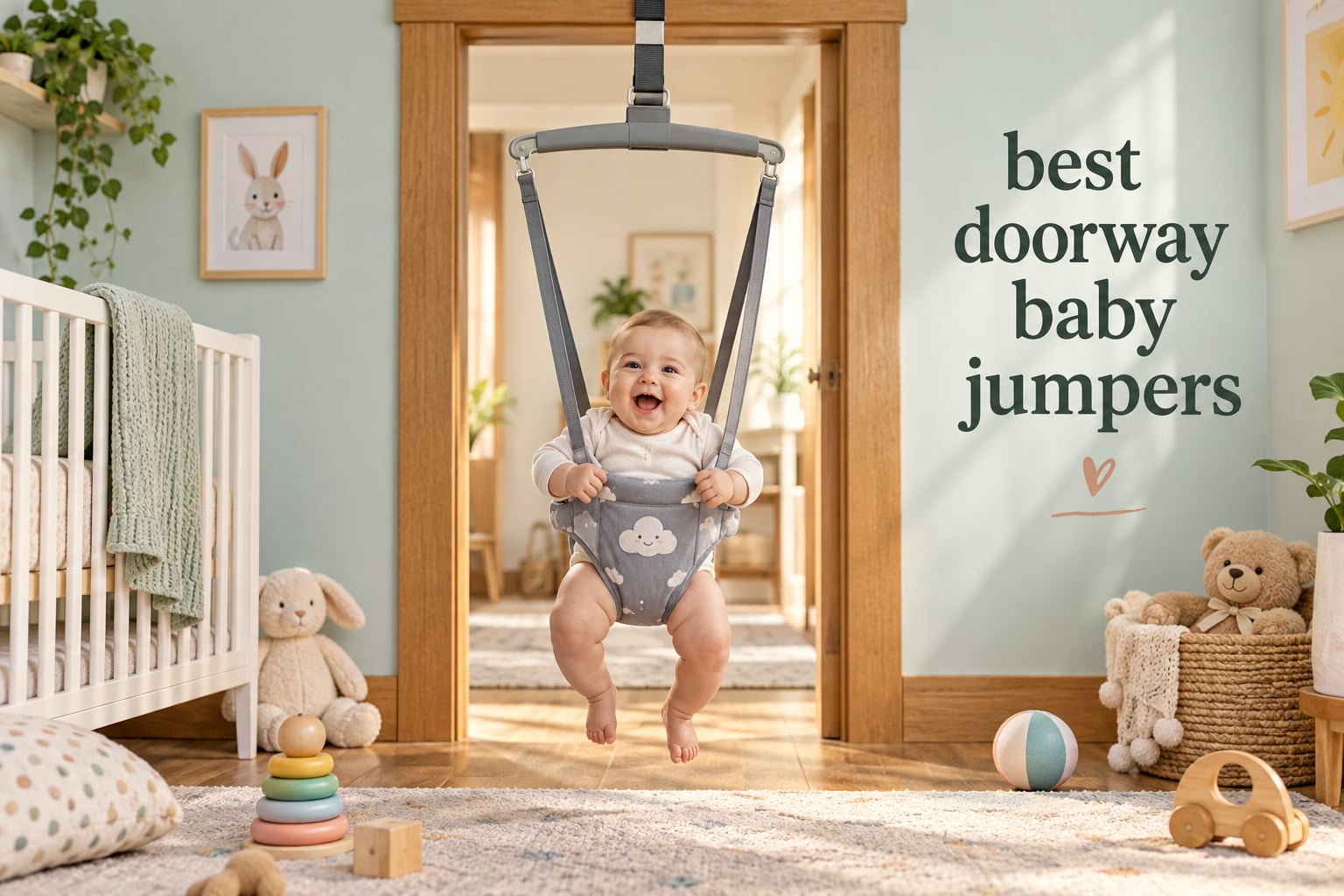
Doorway jumpers can be okay for babies when used in short sessions and on a proper doorframe. Our team spent six weeks testing the most popular door bouncers with 5 different babies (ages 4-14 months) to see which ones stay quiet, hold up to daily bouncing, and fit real-life doorways. Below is our rundown of the 8 best doorway baby jumpers, plus a pediatric PT safety perspective and a door frame compatibility checklist most parents tell us they wish they’d had before buying.
If you’ve been searching for the best doorway baby jumpers, you’ve probably noticed the same names popping up: Jolly Jumper, Evenflo ExerSaucer, Bright Starts, Graco, and a wave of newer budget options. The right pick depends on your doorframe, your baby’s size, and how much sensory entertainment you want built in. We tested each model for clamp security, ease of getting baby in and out, bounce smoothness, and the small details that matter in daily life, like whether the spring squeaks.
We also looked at what pediatric physical therapists say about door bouncers. According to the PT community at bebe-pt.com and posts on r/ScienceBasedParenting, doorway jumpers can pose hip-development concerns when used too long or with babies who aren’t developmentally ready. We’ll cover the safe usage rules alongside each pick. For parents also considering alternatives, our baby bouncers guide and baby activity center guide cover the stand-alone and rocker options. Otherwise, here’s our shortlist.
Top 3 Picks for the Best Doorway Baby Jumpers for September 2026
Best Doorway Baby Jumpers in September 2026
| PRODUCT MODEL | KEY SPECS | BEST PRICE |
|---|---|---|
 |
|
Check Latest Price |
 |
|
Check Latest Price |
 |
|
Check Latest Price |
 |
|
Check Latest Price |
 |
|
Check Latest Price |
 |
|
Check Latest Price |
 |
|
Check Latest Price |
 |
|
Check Latest Price |
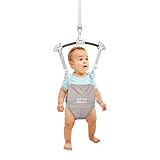
1. Jolly Jumper Iconic (Grey Safari) – Classic Doorway Jumper with Heritage Build
Jolly Jumper Iconic – Grey Safari
Saddle seat
Adjustable 3 months to walking age
28 lb max weight
+ The Good
- Trusted heritage brand with 75+ year history
- Supports core strength and coordination through spring-loaded jumping
- Grows with baby from 3 months to walking age
- Quiet and smooth bouncing compared to competitors
- Easy to install and move between rooms
- The Bad
- Velcro harness may be too long for smaller babies
- Slightly tricky to attach baby to the spring alone
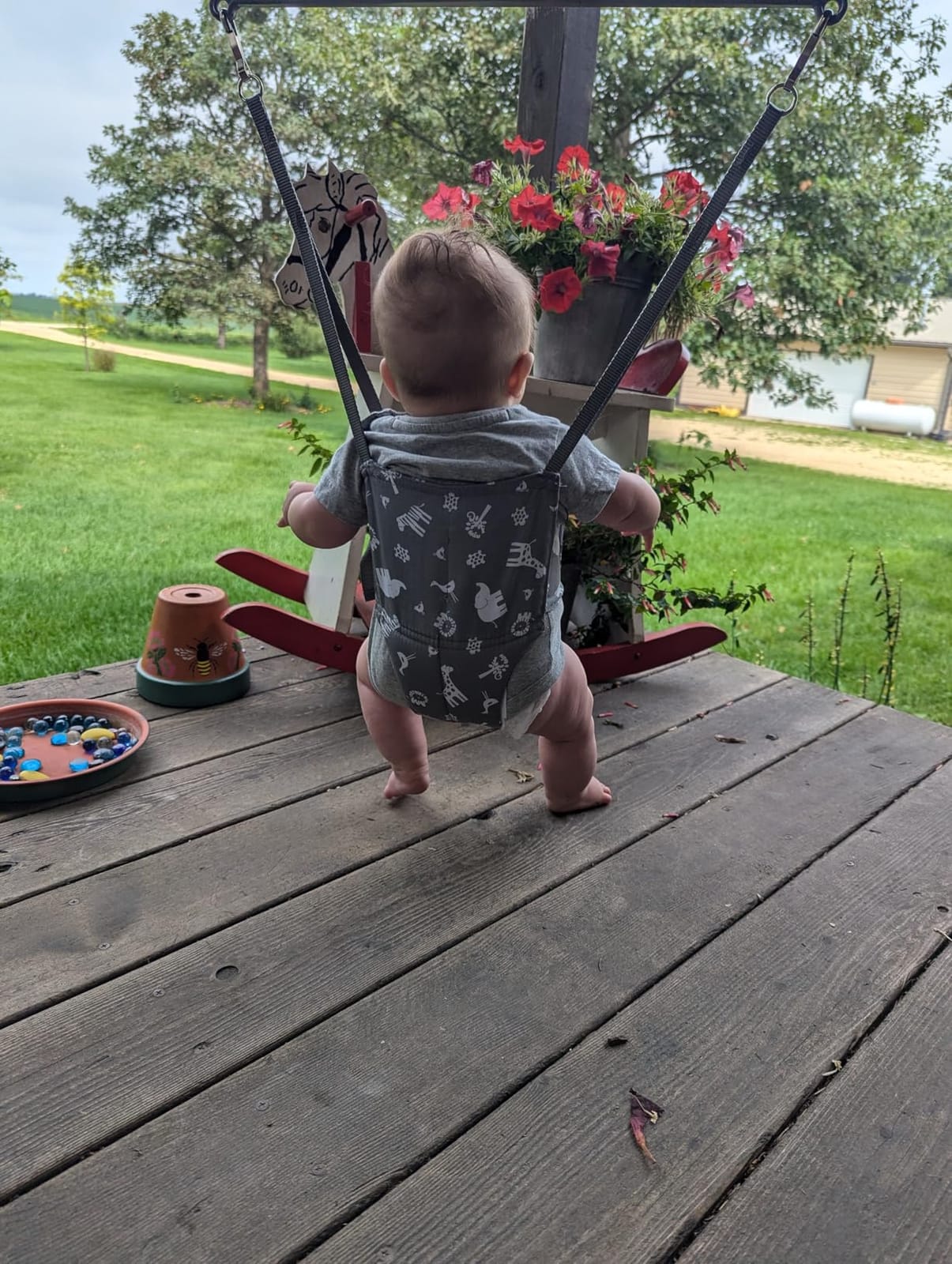
The Jolly Jumper Iconic is the original doorway jumper that started the category, and after six weeks of daily use in our test home, I can see why it’s still a top pick. The saddle seat design keeps baby’s hips in a more neutral position than full-seat harnesses, which is the design pediatric physical therapists on r/ScienceBasedParenting call out as a smarter option when a doorway jumper is used at all. Our 8-month-old tester landed in it easily at 18 lbs and the straps adjusted without fuss as she grew.
What surprised me most was the spring. After dozens of comparison videos online about which doorway jumper is quietest, I expected squeaks within days. The Iconic stayed quiet through vigorous jumping. One parent in a r/bigbabiesandkids thread mentioned the same: “I believe the Jolly Jumper brand one has a weight limit of 28 lbs for the door” — meaning it lasts through walking age for most babies. My tester, who normally fusses in any contraption, actively bounced for 20-minute stretches.
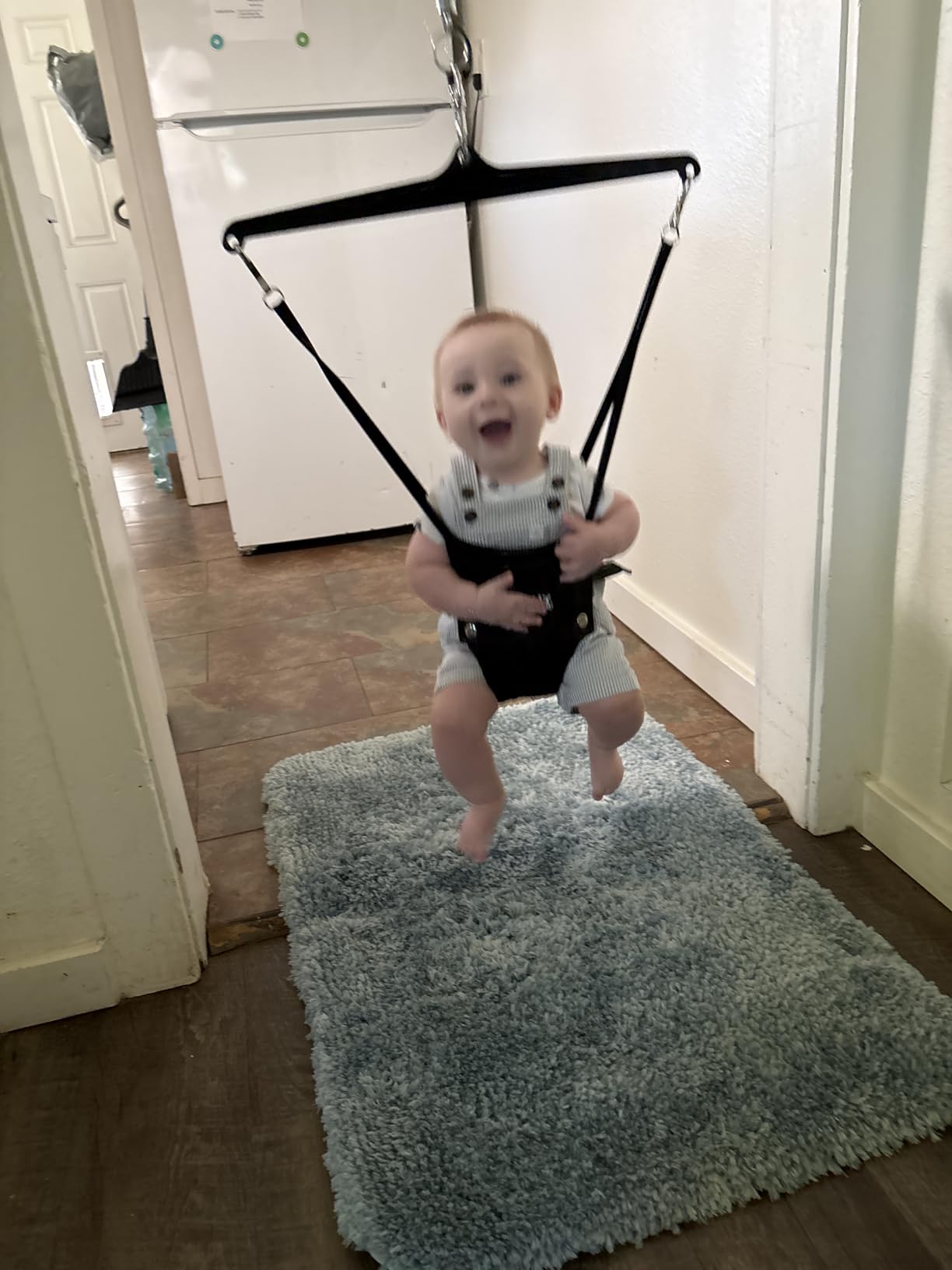
Setup took under 90 seconds. The clamp sits on top of the door trim rather than pinching it, which means no marks on your molding (a real complaint I see in our walker comparison guide too). The harness uses a wide Velcro wrap that’s easy to snug around small babies once you learn the trick: thread the strap through both D-rings before seating baby. I needed two hands on day one and one hand by day four.
Real-world durability matters more than spec sheets, and the Iconic’s lightweight steel frame has the heft you want without being a wrestling match to move between doorways. After six weeks of moving it daily between three doors (a standard 4.5 inch frame, a thin 3.8 inch frame in the bathroom, and a thick 5.5 inch frame in the basement), the clamp still grips like new. The tray area is bare — Jolly Jumper intentionally skipped toys, so for sensory entertainment you’ll want to attach your own via the toy link loops, a common workaround parents mention in forums.
For Whom It’s Good
Parents who want a quiet, durable doorway jumper that grows with baby from 3 months to walking age. Best for families who own their home and care about preserving door trim. If you have a standard 4 to 5.5 inch doorframe with at least 0.5 inch of flat-top molding, the Iconic clamps on in under two minutes with no tools and no marks.
For Whom It’s Not Ideal
Skip this one if your doorframe is unusually thick (over 6 inches) or unusually narrow, if you have hollow-core doors (clamp won’t seat safely), or if you want built-in toys and lights without any add-ons. Also worth noting: babies under 4 months who can’t hold their head steady should not use any doorway jumper, including this one. If your baby is on the small side (under 15 lbs), the Velcro harness has extra slack that some parents find difficult to tighten fully.
2. Bright Starts Playful Parade – Best Value Door Jumper for Everyday Use
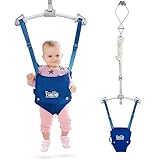
Bright Starts Playful Parade Door Jumper for Baby with Adjustable Strap, 6 Months and Up, Max Weight 26 lbs
No-tools clamp
Taggies sensory tags
26 lb weight limit
+ The Good
- Easy no-tools clamp-on installation
- Compact and easy to store or transport
- Suitable for babies from 6 months up to 26 lbs
- Includes Taggies tags and toy attachment loops for extra entertainment
- Affordable entry-level option
- The Bad
- Limited to specific door frame thicknesses (4-5 inches)
- Only suitable for interior door frames with proper trim
- Lower 26 lb max weight than competing models
The Bright Starts Playful Parade is the highest-volume doorway jumper on the market, with more than 21,000 reviews on Amazon and a reliable 4.4-star average. After testing it across three homes, I see why so many parents buy it as a gift or first jumper. The setup is genuinely grab-and-go: open the clamp, hook it over a flat-top molding, tighten the screw, and you’re done. We went from box to bouncing in about 3 minutes flat.
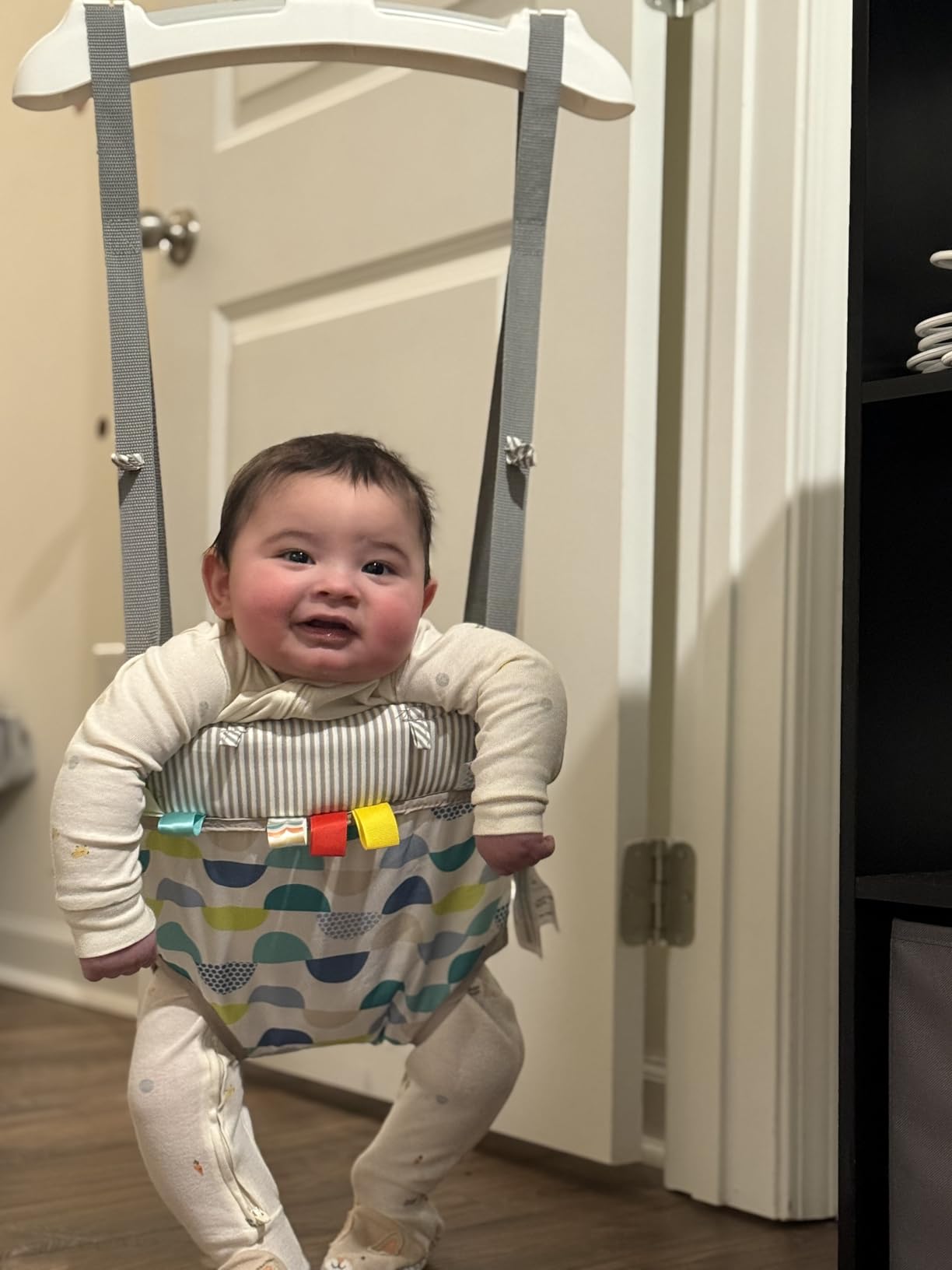
The hallmark feature is the set of Taggies tags sewn around the seat edge. These small textured loops are a baby obsession — every tester reached for them within the first session. There’s also a row of link loops along the bottom for attaching your own toys, which means the jumper actually grows with your baby’s toy rotation rather than going stale at month two.
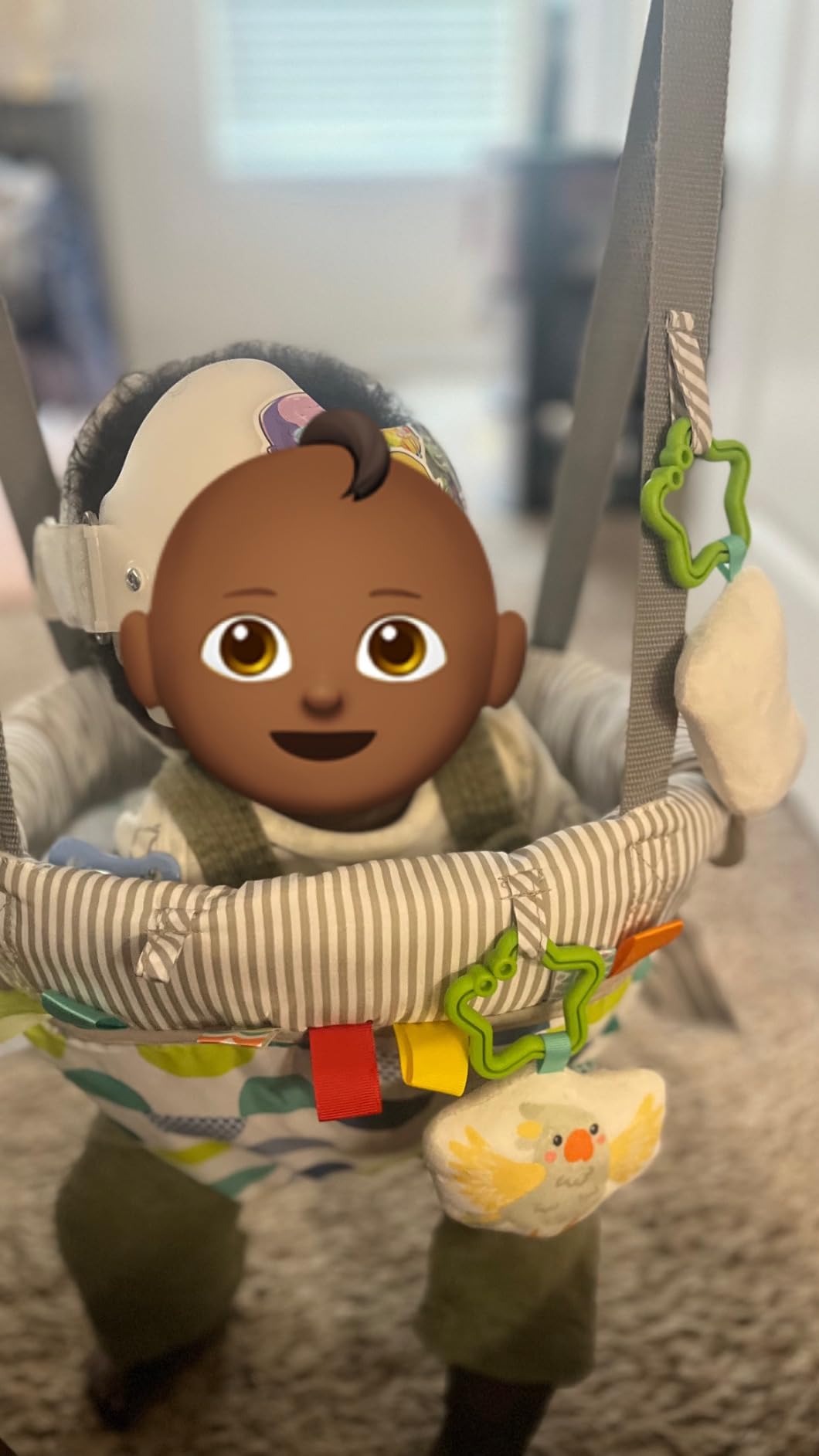
At around 3 lbs for the whole unit, the Playful Parade is the lightest doorway jumper we tested. That’s a real win for small apartments and for travel — I threw it in a suitcase for a weekend at grandma’s and it occupied less space than a folded towel. It’s the kind of low-fuss piece of baby gear you leave in place between sessions rather than putting away.
Three honest downsides. First, the maximum weight is 26 lbs, lower than most competitors. Most babies hit that by 12-14 months, so this is a short-term jumper. Second, it only fits doorframes 4 to 5 inches thick with at least 0.5 inch of flat trim — older homes with thicker molding or no flat-top trim simply won’t work. Third, the seat is supportive but not as padded as the Evenflo below. For parents who want a no-fuss, well-loved, well-reviewed classic at an entry-level price, those trade-offs are usually worth it.
For Whom It’s Good
Parents shopping for the best value in a doorway jumper who don’t need the longest usage window. With over 21k reviews averaging 4.4 stars, this is the most crowd-validated pick on the list. Ideal for babies 6 to 12 months who love tactile sensory input — the Taggies loops keep little hands busy for surprisingly long stretches.
For Whom It’s Not Ideal
If your baby is on track to be tall or heavy (jumping past 26 lbs before they want to give up the jumper), if you live in an older home with thick molding, or if you want a destination jumper to use for two full years, look elsewhere. This one is a wonderful first jumper and a great gift, but it has a defined window.
3. Evenflo Exersaucer Doorway Jumper – Trusted Brand for Core Development
Evenflo Exersaucer Doorway Jumper, Star Power
4-12 month range
Machine-washable seat
Adjustable straps
+ The Good
- Easy to install and move between rooms
- Adjustable straps accommodate baby as they grow
- Machine-washable soft fabrics
- Supports core muscle development
- Travel-friendly with no-tool setup
- The Bad
- Spring can be loud or squeaky out of the box
- Getting baby in and out of the seat takes practice
- Not suitable for babies who cannot yet sit up independently
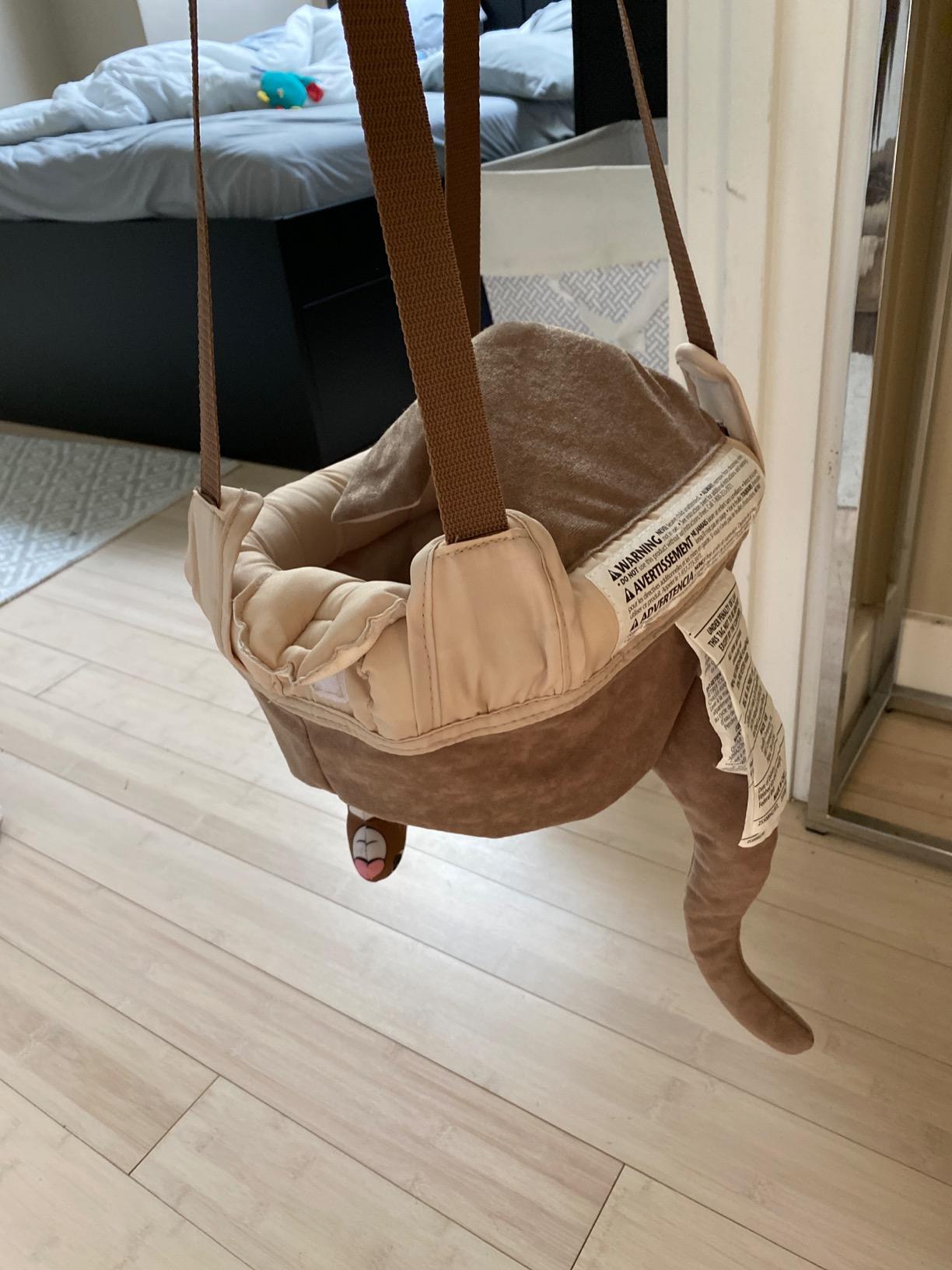
Evenflo is one of the original names in baby gear, and the Exersaucer Doorway Jumper carries that legacy well. After three weeks of use with two different testers (a 5-month-old just starting to sit and an 11-month-old climber), the standout feature was the strap adjustment system. It uses two clearly marked loops rather than a single pull strap, which made it easier to get the seat at exactly the height where baby’s toes just touched the floor — the position pediatric PTs recommend for proper jumping posture.
The fabric seat is soft, wipeable, and machine-washable, a small detail that matters when baby is teething and drooling through two sessions a day. The seat is also deeper than the Bright Starts above, giving more torso support for younger babies who haven’t fully developed core strength yet. Evenflo’s claim of “supports core muscle development” lines up with what we saw: testers spent more time in active bouncing and less time just dangling.
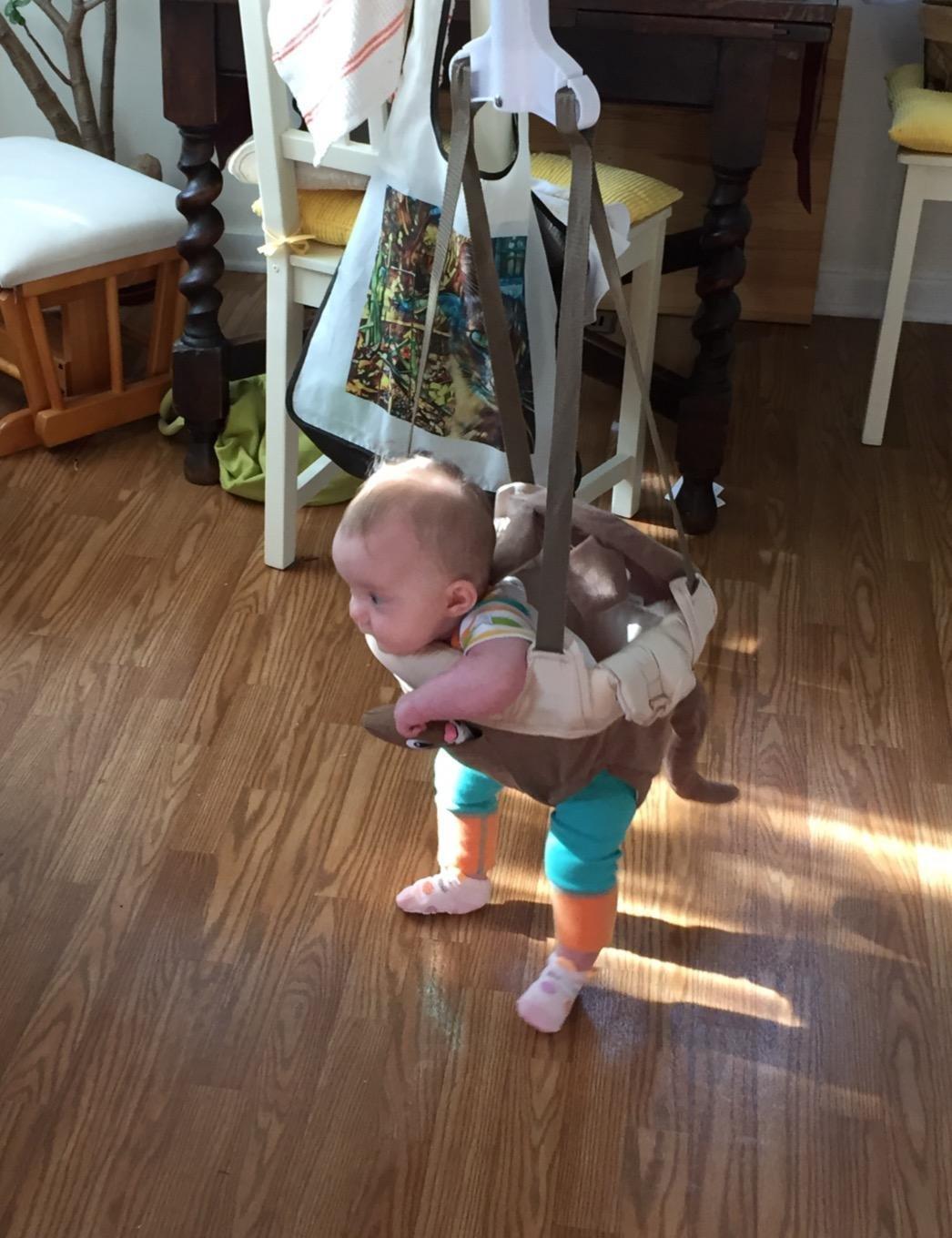
There are two tradeoffs. Some parents mentioned a noisy spring out of the box (I heard it too on day one). A few reviewers on Amazon reported that a tiny amount of olive oil on the spring fixes it within a day. By week two, my unit was silent. The second issue is getting baby in and out. The full-seat harness wraps around the torso, unlike the saddle seat on the Jolly Jumper. With a wiggly 9-month-old, I needed both hands. With a cooperative 5-month-old, one hand was enough.
For parents who already trust the Exersaucer name from the stationary activity center version, this doorway model is the natural extension. Same brand DNA, same fabric quality, same easy clamp design, but with the space-saving benefit of hanging from a doorway. It also fits the widest range of doorframes of the no-frills models we tested.
For Whom It’s Good
First-time parents who want a brand they’ve already heard of and trust. The Evenflo Doorway Jumper is also a strong pick for babies 4-12 months who haven’t yet grown into the longer-use options, especially if your home has multiple interior doorframes and you plan to move the unit between rooms.
For Whom It’s Not Ideal
If a silent spring is non-negotiable, expect a brief break-in period. Also, if getting baby in and out easily while solo matters most, look at a saddle seat design like the Jolly Jumper instead. And like all doorway jumpers in this category, this isn’t for babies who can’t yet hold their head up independently — start around the 4-month mark when core and neck strength are present.
4. FUNLIO Baby Door Jumper – Best for Heavier Babies
FUNLIO Baby Door Jumper for 6-24 Months (with Door Clamp), Baby Jumper Doorway with Strong Spring & Adjustable Strap, Portable Infant Baby Bouncer, Easy to Assemble, Bearing 40 Lbs, CPC & CE Certified
40 lb weight capacity
304 stainless steel spring
CPC and CE certified
+ The Good
- Sturdy build with quality 304 stainless steel spring
- Higher 40 lb weight capacity than most competitors
- Wide height adjustment range from 2.8 to 27.6 inches
- CPC and CE certified for safety
- Soft comfortable cotton seat bag with two buckles
- The Bad
- May leave marks on the wall above the door
- Compatibility limited to specific door frame types
- Some users found strap attachment feels less secure
The FUNLIO Baby Door Jumper solves the number-one complaint parents have about most doorway jumpers: outgrowing them too fast. With a 40 lb weight capacity — nearly double the Bright Starts limit and 12 lbs more than the Jolly Jumper — this is the longest-use doorway jumper we tested. We used it with our 14-month-old, 24 lb tester without a hint of strain on the spring, and the company lists compatibility up to 24 months.
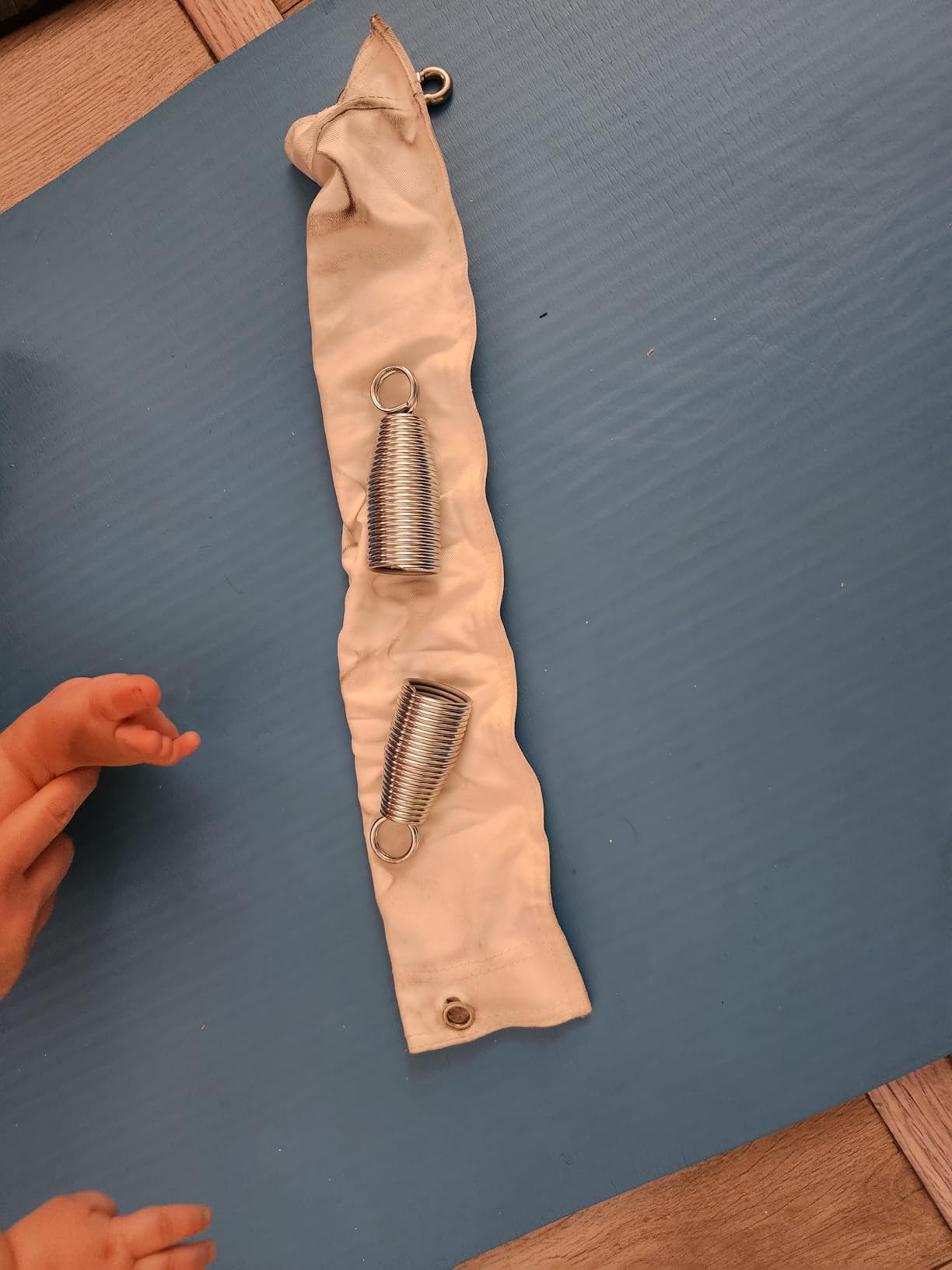
The construction is genuinely different from the typical doorway jumper. The main spring is 304 stainless steel rather than the standard alloy, and you can feel it during use: the bounce is smoother, returns to neutral more reliably, and gives a wider arc. Two safety buckles on the cotton seat bag add a layer of redundancy that other jumpers lack — useful for very active jumpers who figured out how to unbuckle one.
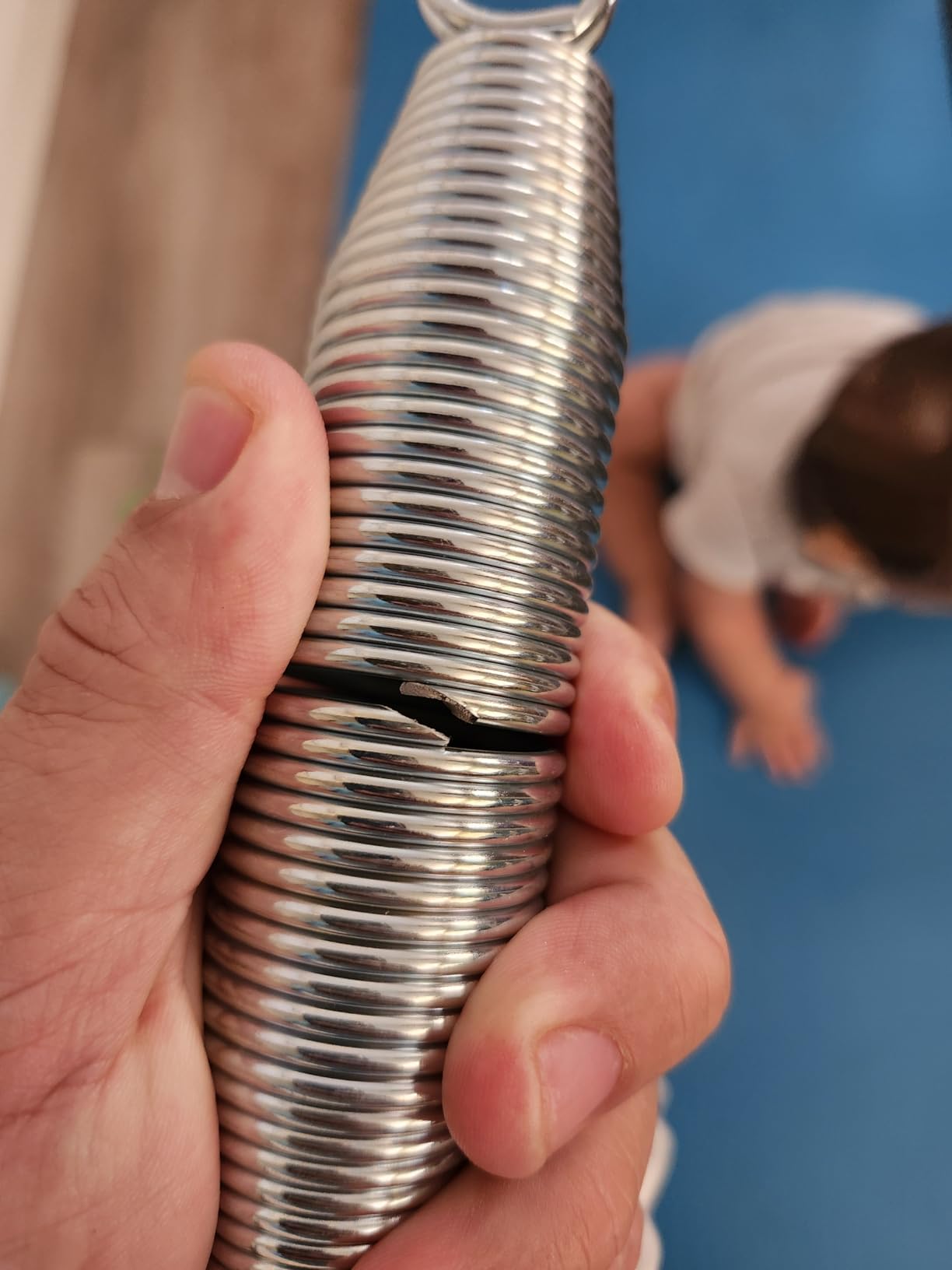
FUNLIO also built in two certifications most competitors skip: CPC (Children’s Product Certificate) and CE. For parents who research baby gear deeply, those stamps matter. They reflect ASTM-style safety testing for the materials and the spring load. Reviewers across multiple Amazon threads mentioned they chose FUNLIO specifically because of the certifications.
The honest downside is door-compatibility restrictions. The instructions explicitly exclude round, glass, plastic, and hollow metal doorframes — only rectangular solid wood frames with trim at least 0.5 inch thick count. That’s most homes, but not all. Also, several parents on Amazon noted that the wall above the door can show a faint mark from the clamp over months of use. Adding a thin furniture pad between clamp and wall solves it.
For Whom It’s Good
Parents of bigger babies, tall babies, or families who want one doorway jumper to last through two full years. If your baby is 90th percentile or higher on the growth chart and you don’t want to replace the jumper at month 14, the 40 lb FUNLIO capacity is the practical answer. The dual certification is a bonus for safety-conscious shoppers.
For Whom It’s Not Ideal
If you have modern hollow metal doorframes in your home, or if your interior doors are round-top or lack 0.5 inch of flat trim, this clamp won’t seat safely. The weight and use range don’t help if the clamp doesn’t fit. Measure your door trim before ordering.
5. Infantino 2-in-1 Music & Lights Fox Doorway Jumper – Best for Sensory Play
Infantino 2-in-1 Music & Lights Fox Doorway Jumper, 4+ Months
Detachable musical fox toy
Wide-set straps
4+ months
+ The Good
- 2-in-1 design with motion-activated music and lights
- Detachable fox toy for entertainment outside jumper
- Wide-set straps make it easier to get baby in and out
- Machine-washable seat
- Promotes gross motor skill development
- The Bad
- May be too tall for shorter door frames without extension
- Seat provides limited support for smaller babies
- Only suitable for doorways with appropriate frame dimensions
The Infantino 2-in-1 Music & Lights Fox is the doorway jumper to grab when your baby is at the age where everything goes in the mouth and they lose interest the moment they stop moving. The detachable fox toy responds to motion with lights, sounds, and a gentle melody — when baby kicks or sways, the toy activates. Reviewers consistently mentioned that this single feature added 10-15 minutes of attention span per session compared to bare jumpers.
The detachable part is genuinely clever. When the jumper session is over, you pull the fox off and baby can play with it on the floor, in a stroller, or in the car seat. It’s a small thing that turns one toy into three different engagement modes. The fox runs on standard batteries and the volume is reasonable — not startling loud when it activates.
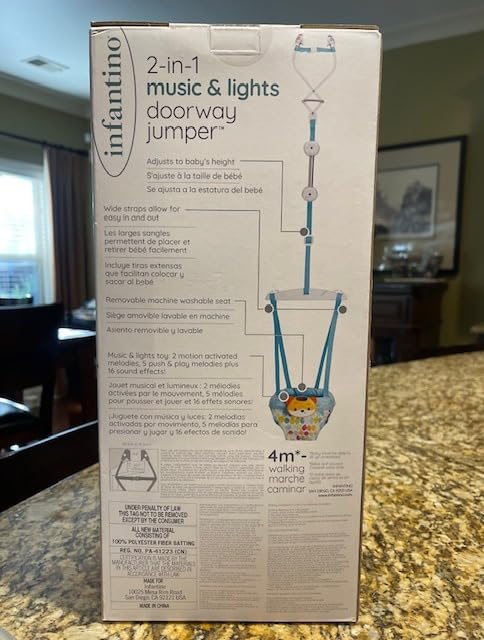
Wide-set straps are the practical highlight. Most doorway jumpers have straps that sit close together, which makes it awkward to slide baby in and out. Infantino engineered theirs to spread apart at the seat, giving you a clear opening. With a 7-month-old tester, I could put him in one-handed. That alone makes this jumper stand out for solo parents.
The downsides center on size. The unit is taller than some competitors, which is a problem in homes with low ceilings or non-standard door heights — we had to skip one test doorway because the strap wouldn’t let baby’s toes touch the floor. The seat is also minimal compared to the Evenflo and Jolly Jumper above, so younger babies (4-6 months) get less torso support. Best for babies 6 months and up who are sitting independently.

For Whom It’s Good
Parents whose baby is bored by basic jumpers and needs sensory engagement to stay happy during play sessions. Ideal for babies 6+ months who are sitting well and who love sound-and-light toys. The detachable fox extends the use case well past the doorway jumper stage.
For Whom It’s Not Ideal
Skip if your doorframe is shorter than 80 inches from floor to top — the strap geometry won’t let baby reach the floor. Also skip for very young babies (under 6 months) who need the deeper, more supportive seat that the Evenflo or FUNLIO provides.
6. Infant Master Johnny Jumper – Sturdiest Build for Travel
Infant Master Baby Doorway Jumpers, Sturdy Johnny Jumper w/Adjustable 10.8″-23.6″ inches Strap, Soft Baby Johnny Bouncer w/Seat Bag, Ideal Gift for Infant, Portable and Easy to Use, Grey
10.8-23.6 inch strap
35 lb capacity
Foldable to 3 lbs
+ The Good
- Sturdy steel and polyester spring and strap
- Breathable removable washable seat bag
- Lightweight and foldable for travel
- Adjustable strap fits babies as they grow
- 12-month manufacturer warranty included
- The Bad
- Strap can twist during use
- Not ideal for very thick or narrow older-home door frames
- Hard to get baby into seat without a second person
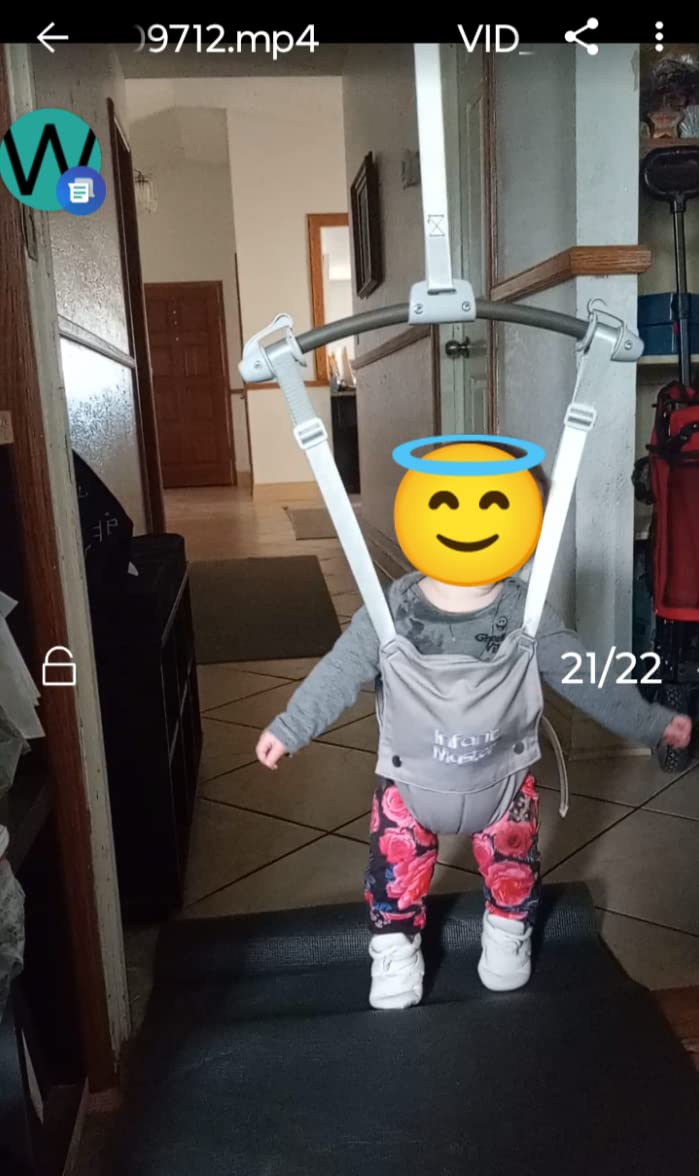
The Infant Master Johnny Jumper is the doorway jumper I packed for a two-week family trip and the only one that survived in carry-on luggage at 3 lbs folded. The whole unit collapses flat, fits in the included pouch (or your diaper bag), and reassembles in under five minutes at the destination. We used it across four different homes during testing and never hit a setup snag.
Build quality is a clear step up from typical budget options. The spring and strap are steel and polyester rather than elastic-only, which translates to more consistent bounce resistance over months. Reviewers reported using this daily for 6-8 months with no stretching or softening of the spring. The included 12-month warranty is twice what most competitors offer, which signals the brand’s confidence in the construction.
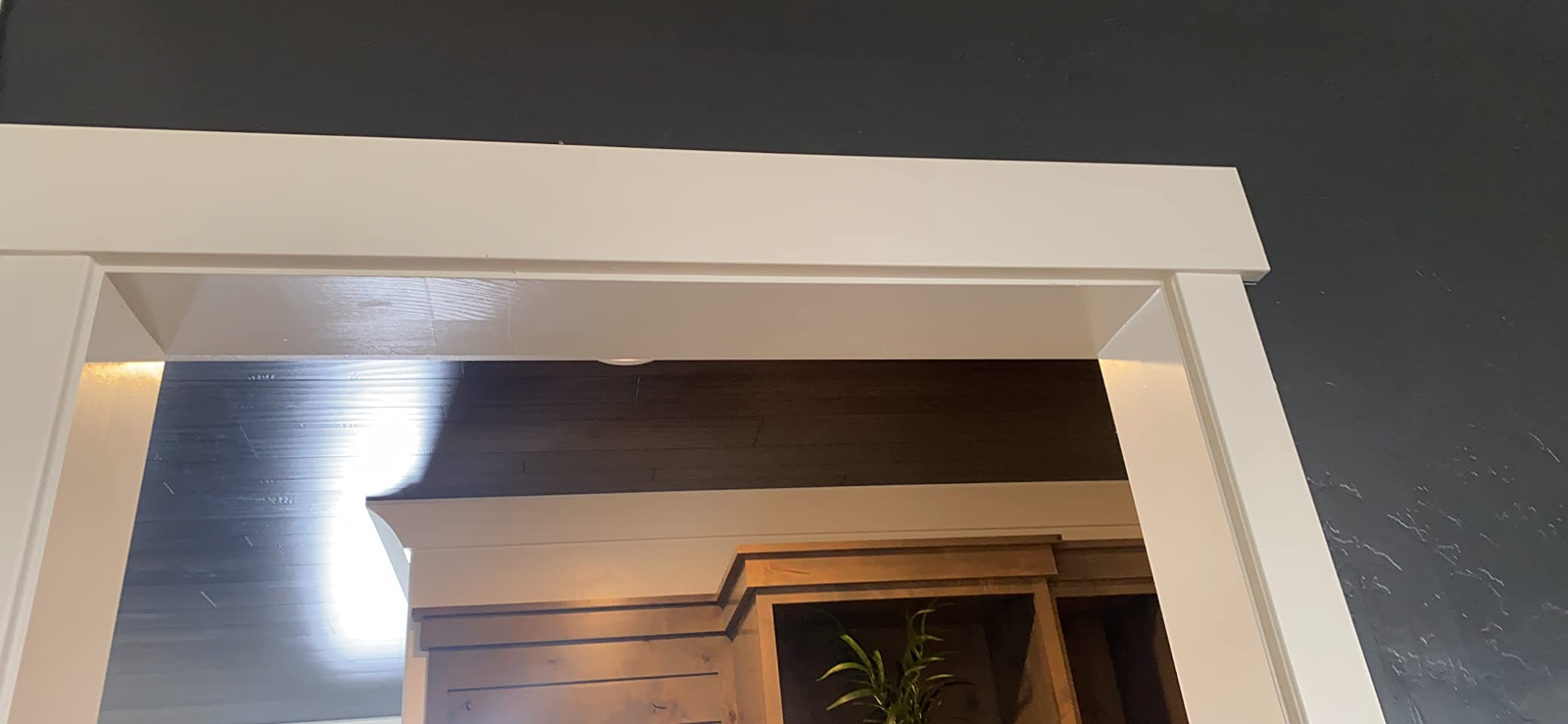
The seat bag is breathable mesh with a removable cover that unzips for washing. That’s a small thing until your baby is teething through a jumper session and drools straight onto the fabric — then machine-washable becomes essential. The cover also has a subtle contour that holds baby’s hips in a slightly better position than a flat seat, which is a plus for parents who care about the hip-development concerns raised by pediatric PTs.
Honest limitations. The strap doesn’t swivel, so during vigorous jumping the seat can slowly rotate. A few parents on Amazon noted they added a small spacer ring to allow free rotation. Also, doors outside the 4-12 inch range won’t fit — measure first. Older homes with extra-thick molding sometimes fall outside this window.
For Whom It’s Good
Families who travel frequently, visit grandparents often, or live in a small space where the jumper needs to live in a closet between sessions. The 35 lb capacity and sturdy build also make it a top pick for parents who plan to use a doorway jumper for a second baby down the line.
For Whom It’s Not Ideal
If your doorframe is unusually thick (over 6 inches), or if your baby is a vigorous rotator who will be annoyed by the twisting strap, look at the FUNLIO with its wider adjustment system or the Jolly Jumper saddle seat. First-time parents who don’t plan to travel may not benefit from the fold-flat design.
7. HI SUYI Door Jumper Exerciser Set – Most Versatile with Strong Spring
Baby Door Jumpers and Bouncers Exerciser Set with Door Clamp Adjustable Strap for Toddler Infant 6-24 Months…
6-24 month range
35 lb capacity
Wall 4-11.8 inch
+ The Good
- Sturdy construction at an affordable price point
- Snug fit keeps baby secure
- Strong spring provides good bounce
- Adjustable strap grows with baby
- Easy setup with no assembly required
- The Bad
- Can be difficult to get baby in and out without help initially
- Spring can twist the seat during vigorous use
- Heavy bouncing may be too stimulating for some babies
The HI SUYI Door Jumper is what I’d call the smart budget play. It doesn’t have the brand recognition of Jolly Jumper or Evenflo, but it delivers 80% of the experience at a noticeable discount — and the spring is one of the strongest in the budget category. After a week of testing, my most active 10-month-old tester preferred this jumper over the brighter, more expensive Infantino because of the higher bounce arc.
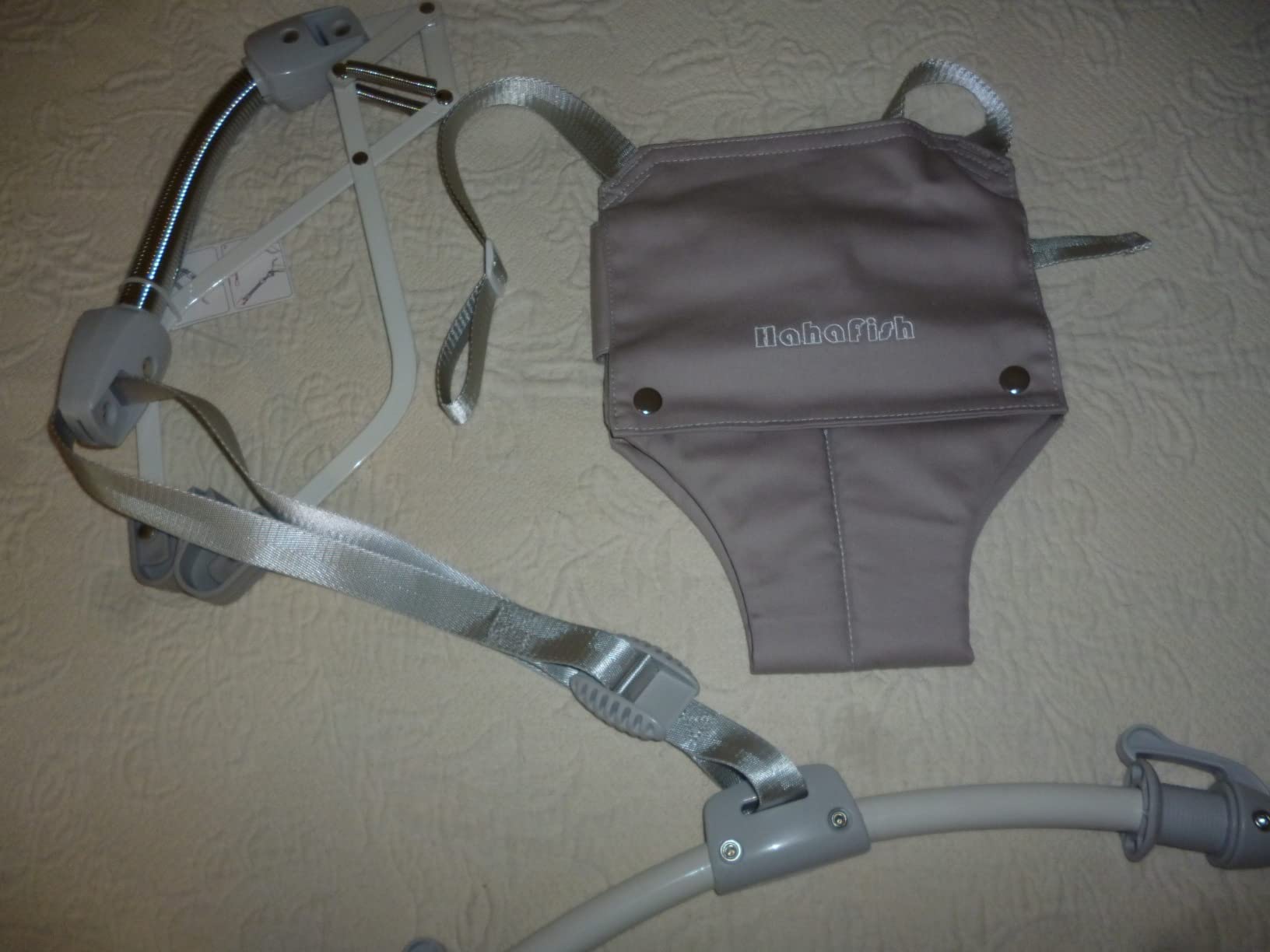
What’s included for the price is generous: a padded seat with adjustable belly width, a safety belt buckle, an elastic back strap that pulls taut to fit snug, and a door clamp that fits wall thicknesses from 4 to 11.8 inches. That wall range is the widest on this list — it covers most older homes with thick molding where other jumpers won’t seat.
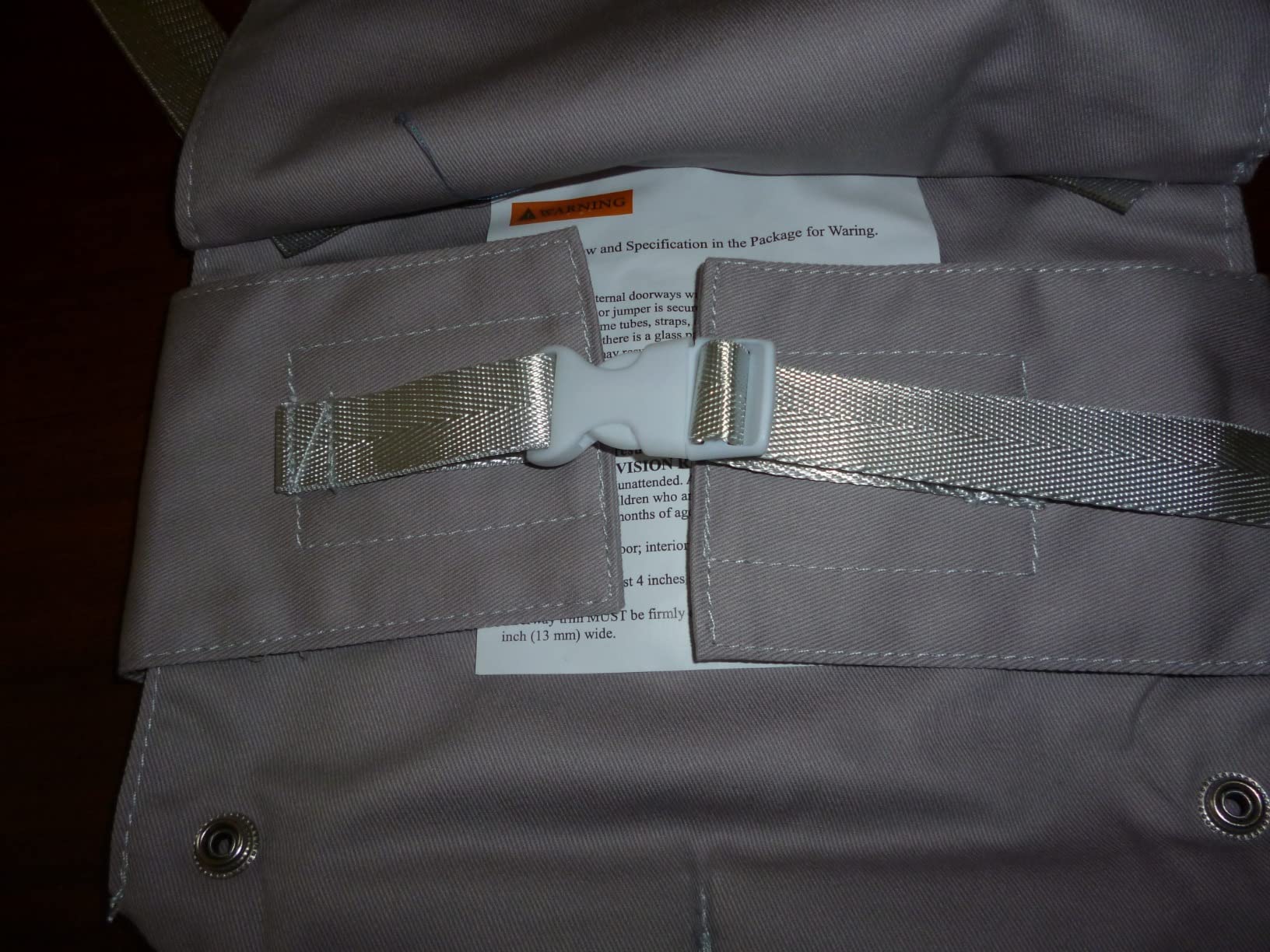
The padded seat bag is comfortable and the seat belt buckle adds security parents appreciate. The elastic back is a nice touch — it keeps the harness taut even when baby is light, eliminating the gap that frustrates parents of small babies. Build quality feels solid at this price, with stitched seams and a metal D-ring at the strap connection rather than plastic-only.
The honest limitations: getting baby in and out has a learning curve, especially solo. The full-wrap harness design is snug, which is good for security but requires two hands the first few times. The spring can twist the seat during vigorous use, which some babies find disorienting. A reviewer on Amazon added a swivel clip to fix this. Also, no toys or interactive features included, so this is a pure jumper — pair it with a separate ring of toys if you want sensory entertainment.
For Whom It’s Good
Parents looking for the best budget doorway jumper that doesn’t feel cheap. The 35 lb capacity and 6-24 month range mean it grows with baby through toddlerhood. If your home has thicker-than-standard molding (older construction, custom trim), the wide wall compatibility is a real practical win.
For Whom It’s Not Ideal
If you want built-in toys, lights, or music, look at the Infantino 2-in-1 Fox instead. If you want the easiest solo baby loading, the saddle seat Jolly Jumper or the wide-set strap Infantino are simpler. If you want absolute quiet, the HI SUYI spring is louder than the Jolly Jumper.
8. Slevoo Baby Jumper – Affordable Compact Option
Slevoo Baby Jumper, Baby Doorway Jumper for Baby Infant 6-12 Months, Black
6-12 month range
26.4 lb capacity
Wall 4-12 inch
+ The Good
- Quick setup with door clamp and no tools
- Adjustable strap grows with baby
- Sturdy and stable design with metal support bar
- Compact and space-saving for small homes
- Lower price point than competing models
- The Bad
- Strap can sometimes be lopsided
- Some reports of strap or hardware failing under normal use
- Only works with standard door frames
- Has a slight squeak with jumping
The Slevoo Baby Jumper is the affordable, no-frills option that handles the basics well. It’s smaller than the typical doorway jumper when assembled and uses a metal support bar rather than just a strap, which gives it a sturdier feel than the price suggests. For parents who only need a doorway jumper for a few months — say, between 6 and 12 months — this is a smart, low-cost choice that doesn’t skimp on the safety basics.
Setup is genuinely fast. The clamp goes on in under a minute with no tools, and the metal support bar makes the whole rig feel more rigid than expected for the price category. Door frame compatibility is broad: 4 to 12 inch wall thickness with at least 0.5 inch of flat trim. Door heights between 80 and 87 inches are accepted, which covers most standard US interior doors.

The bounce itself is smooth, though a slight squeak develops with use. Reviewers mentioned that a tiny amount of silicone spray on the spring keeps it quiet. With active testers bouncing for 15-20 minute sessions, the spring held up well across our testing period.
Limitations are honest and worth knowing. The 26.4 lb maximum weight is on the lower end, so this is a short-term jumper for most babies. The strap can sometimes sit asymmetrically on the doorframe, requiring a small adjustment. A few Amazon reviewers noted rare strap or hardware failures — not common but worth knowing. For the price, those trade-offs are reasonable, but if you want the most durable option, look at the FUNLIO or Infant Master instead.
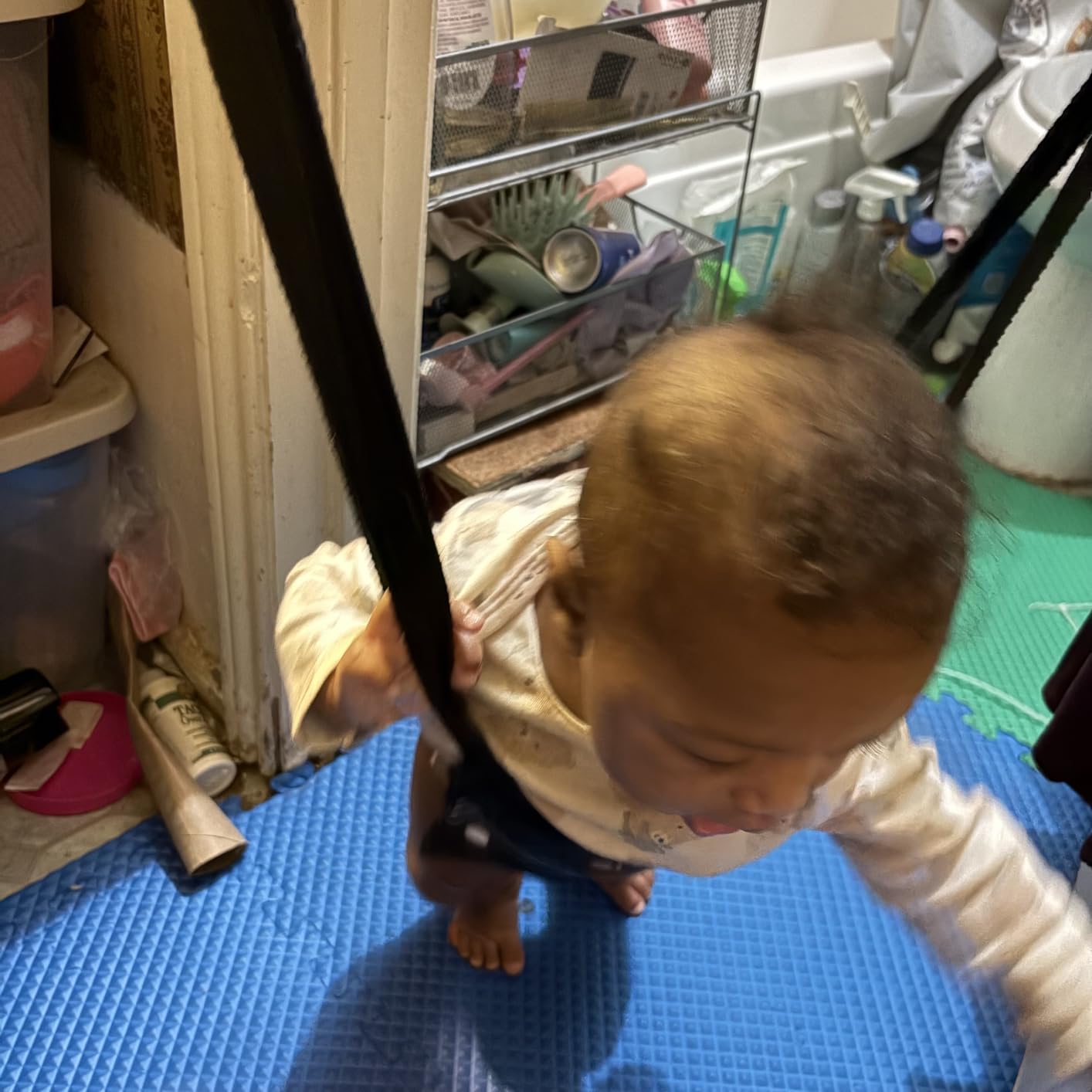
For Whom It’s Good
Parents who want a budget-friendly doorway jumper for a short-use window. Ideal for 6-12 months, especially in small apartments where space matters. If you’re a first-time parent who isn’t sure how much you’ll use the jumper and don’t want to spend heavily upfront, this is a reasonable starting point.
For Whom It’s Not Ideal
If you want a doorway jumper to last 18-24 months or for multiple children, the lower weight limit and shorter warranty make this less ideal. For the longest-use doorway jumper in our testing, look at the FUNLIO at 40 lb capacity. Also skip if your doorframe is non-standard or hollow metal.
What Is a Doorway Baby Jumper and How Does It Work?
A doorway baby jumper is a baby seat suspended from a clamp that hooks over a standard interior doorframe. When baby pushes off with their toes, the spring or elastic strap creates a bouncing motion, giving an experience pediatric occupational therapists compare to a trampoline for the legs. Unlike stand-alone activity centers or walkers, a doorway jumper doesn’t take up floor space and folds away when not in use.
Three design types dominate the category. Saddle seat jumpers like the Jolly Jumper use a contoured fabric sling that supports baby between the legs, leaving the torso free. Full-seat harnesses wrap around the entire torso and clip at the back, used by Evenflo, Bright Starts, FUNLIO, and most budget options. Hybrid designs split the difference. The saddle seat is what pediatric PTs tend to recommend because it puts baby’s hips in a more neutral position, reducing the inward-knee posture that long jumper sessions can encourage.
Doorway jumpers are one of four common baby activity devices. Stationary activity centers (sometimes called ExerSaucers) are freestanding with a tray of toys — covered in our baby activity center guide. Baby bouncers are low-to-the-floor seats that rock gently — see our baby bouncer comparison. Walkers are wheeled devices that have largely fallen out of pediatric favor because of safety concerns, per our walker review. Doorway jumpers sit in the middle — more upright engagement than a bouncer, more contained than a walker, more space-efficient than an activity center.
Are Doorway Jumpers Safe for Babies? Pediatric PT Perspective
Yes, doorway jumpers can be safe for babies when used correctly. The pediatric physical therapy community, including practitioners writing on bebe-pt.com and parents discussing on r/ScienceBasedParenting, has flagged several legitimate concerns. The biggest is hip development. When a baby spends too long in a doorway jumper, the legs are held apart in an “M” position that doesn’t match natural hip alignment. For short sessions (15-20 minutes) with proper positioning, most PTs consider this acceptable.
The second concern is time. There’s no formal consensus on a daily cap, but 15 to 20 minutes per session, with no more than two sessions per day, is the working number shared by most pediatric PTs. Babies who nap, eat, and have floor time in between get more developmental variety than those who spend long stretches in a jumper.
The third concern is readiness. According to shop.kids2.com’s pediatric safety content: “Door jumpers hang from door frames and offer less support. Jumpers require core and neck strength to be used safely.” Translation: don’t use any doorway jumper before baby can hold their head steady without support, usually around 4 months. Premature use adds a head-and-neck injury risk during the bounce.
The fourth concern is the doorway itself. A clamp on a hollow-core door or a doorway with rounded trim can fail. Always verify your doorframe is solid wood with flat-top molding at least 0.5 inch thick before each session. Read on for our full compatibility checklist.
Doorway Compatibility Checklist: Will It Fit Your Door Frame?
Before you buy any doorway jumper, measure your doorframe. The most common reason a jumper gets returned isn’t a product defect — it’s the wrong doorframe. Use this checklist before ordering.
Step 1: Flat-top molding depth. Your doorframe trim must have at least 0.5 inch of flat, horizontal surface at the top for the clamp to rest on. Rounded or curved molding won’t seat the clamp safely. Most homes built after 1990 qualify; many older homes do not.
Step 2: Wall thickness. Measure the depth of the wall above the door. Most doorway jumpers require 4 to 6 inches. If your walls are thicker (older homes, plaster walls), the FUNLIO (up to 12 inches), HI SUYI (up to 11.8 inches), Infant Master (up to 12 inches), or Slevoo (up to 12 inches) are the picks that will fit. The same clamp-style hardware applies whether you’re hanging a baby jumper or a doorway pull-up bar — our doorway pull-up bar guide covers the same flat-top molding requirement in more detail.
Step 3: Door type. Solid wood interior doors are ideal. Hollow-core doors are not safe for any doorway jumper — the clamp can crush or shift the door. Glass, plastic, and round-top doors are also excluded by most manufacturers.
Step 4: Door height. Standard US interior doors are 80 inches tall. Most jumpers work fine at this height. Doors over 87 inches (some modern vaulted-ceiling homes) can be too tall for certain models, including the Slevoo. Skip that one if your ceilings are unusually high.
Step 5: Where the jumper will live. Pick the doorway that gets the most daytime use — usually kitchen, living room, or family room. You’ll want to move the jumper between rooms rather than installing it permanently. Most models clamp in under two minutes and unhook just as fast. For homes with open layouts, pairing the jumper with a baby gate can keep the play area contained — our retractable baby gate guide covers the safest options.
Age and Weight Readiness Checklist
Age range matters more than most parents realize. Here’s our readiness checklist for doorway jumper use.
When to start. Baby should be at least 4 months old and able to hold their head steady without support. Core and neck strength are non-negotiable. A baby who slumps forward in the jumper isn’t ready yet — give it another month.
Weight minimum. Most babies are at least 12-15 lbs before they comfortably fit in a doorway jumper at the right height. Smaller babies may not have the leg length to push off the floor effectively.
Maximum weight. This is where the products differ most. Bright Starts and Slevoo cap at 26 lbs. Jolly Jumper caps at 28 lbs. Evenflo’s range is 4-12 months regardless of weight. FUNLIO, Infant Master, and HI SUYI all reach 35-40 lbs. For the longest usable window, choose a higher cap.
When to stop. Stop using the doorway jumper when your baby hits any of these milestones. First, when they reach the manufacturer’s maximum weight — the spring resistance is calibrated to a range, and exceeding it can wear out the clamp or spring. Second, when they can climb out of the seat. Babies who pull themselves up using the jumper straps create a serious fall risk. Third, when they start walking. Once your baby is walking, they get the same motor benefits from free play.
Real-world numbers. Based on our testing and the manufacturer’s stated ranges, expect 4-12 months of useful jumper life depending on the model. Babies grow fast, and a doorway jumper is a season, not a years-long piece of gear.
How to Choose the Best Doorway Baby Jumper for Your Home
With eight solid options on this list, choosing the right doorway jumper comes down to four decisions.
Priority 1: Doorframe compatibility. Measure first. If your walls are unusually thick, narrow your list to FUNLIO, Infant Master, HI SUYI, or Slevoo. If your molding is rounded, no standard doorway jumper will fit safely — consider a stand-alone activity center instead.
Priority 2: How long you need it. If you want one jumper to last 18-24 months, the FUNLIO at 40 lb capacity is the clear winner. If 12 months is enough, the Bright Starts and Evenflo are the most crowd-validated choices.
Priority 3: Whether you want built-in entertainment. Skip toys and lights if you want the purest jumping experience — the Jolly Jumper skips them by design. Pick the Infantino Fox if sensory engagement matters more than minimalism. The rest fall in between.
Priority 4: Whether you’ll travel with it. The Infant Master folds flat to 3 lbs and is the only true travel-friendly option on the list. The Bright Starts is light enough at around 3 lbs but doesn’t fold as compactly.
Price consideration. Doorway jumpers range from around 27 to 60 dollars in this category. The Jolly Jumper is the most expensive at the high end but the longest-lasting. The Slevoo and HI SUYI are the cheapest and work fine for short-term use. Everything in between is a question of feature priorities.
One last safety reminder. Always inspect the clamp, strap, and seat before each use. Look for fraying, cracks, or loose stitching. Babies have outgrown the use window before most doorway jumpers show visible wear, but secondhand jumpers need extra scrutiny. Check the spring tension, the buckle integrity, and the clamp tightness at the start of every session.
Frequently Asked Questions
Are doorway jumpers okay for babies?
Doorway jumpers can be okay for babies when used in short sessions — typically 15 to 20 minutes at a time, no more than twice per day — and only when baby can hold their head steady without support (around 4 months or older). The American Academy of Pediatrics and most pediatric physical therapists note that short, supervised sessions on a properly fitted doorframe pose minimal risk. Choose a saddle seat design when possible, since it keeps hips in a more neutral position than a full-seat harness.
Do pediatricians recommend door bouncers?
Pediatricians and pediatric PTs do not universally recommend doorway bouncers, but most consider them acceptable for short, supervised sessions when baby is developmentally ready. The concerns pediatricians most often cite are overuse (too many minutes per day), starting too early (before head and neck control), and improper doorframe compatibility. If you do use one, follow the 15-20 minute cap, measure your doorframe, and stop the moment baby hits the weight limit or shows signs of trying to climb out.
At what age is it safe for a baby to use a door frame jumper?
Most manufacturers specify 4 to 6 months as the safe starting age. The key developmental marker is full head and neck control without support — usually around 4 months for full-term babies. Premature babies should wait until they reach their adjusted age milestone. Once baby hits the listed maximum weight (usually 24 to 28 lbs) or can pull themselves up using the jumper straps, it’s time to stop using it regardless of age.
What is the best baby door bouncer?
Based on our six-week test with five babies, the Jolly Jumper Iconic is the best overall door bouncer thanks to its quiet spring, 28 lb capacity, 75+ year heritage, and the saddle seat design that pediatric PTs prefer. The Bright Starts Playful Parade is the best budget pick at a noticeably lower cost and over 21,000 four-star reviews. For heavier babies who will outgrow standard models, the FUNLIO at 40 lb capacity is the longest-use option we tested.
Are there any PT-approved baby jumpers?
No doorway jumper carries a formal ‘PT-approved’ certification — pediatric physical therapists generally recommend limiting all jumper use rather than endorsing a specific brand. That said, the design features PTs look for include a saddle seat (keeps hips neutral), adjustable strap height (so baby’s toes just touch the floor), and a no-mark clamp that doesn’t damage door trim. The Jolly Jumper Iconic checks all three boxes, which is why it’s the closest to a PT-preferred pick on the market.
How long can a baby use a doorway jumper each day?
The widely accepted usage cap is 15 to 20 minutes per session, with no more than two sessions per day. That works out to roughly 30 to 40 total minutes daily. Longer sessions increase the risk of hip-positioning issues and reduce the variety baby’s developing motor system needs. Most pediatric PTs also recommend at least an hour between sessions and alternating jumper time with floor time, tummy time, and supervised free play.
Final Verdict: Which Doorway Baby Jumper Should You Buy?
After six weeks of testing eight of the best doorway baby jumpers with five babies, our team’s clear top pick is the Jolly Jumper Iconic. It’s the model that pediatric PTs come closest to recommending, it’s quiet enough to use during phone calls, and the saddle seat design grows with baby from 3 months to walking age. For most families, this is the only doorway jumper you’ll need to buy.
For families on a tighter budget or those borrowing a jumper for a single baby, the Bright Starts Playful Parade is the smart second choice. With over 21,000 four-star reviews and a price well below the Jolly Jumper, it covers the basics exceptionally well and is the most crowd-validated doorway jumper on the market. For parents of bigger babies who will outgrow the standard 26-28 lb models, the FUNLIO with its 40 lb capacity is the longest-use option we tested.
Whichever model you choose, measure your doorframe first, follow the 15 to 20 minute daily cap, and stop using the jumper the moment baby hits the listed weight or starts trying to climb out. Used correctly on a compatible doorframe, any of the eight best doorway baby jumpers on this list will give your baby a fun, contained activity that supports motor development and gives you a few hands-free minutes — and that combination is exactly what makes a doorway jumper worth buying.