
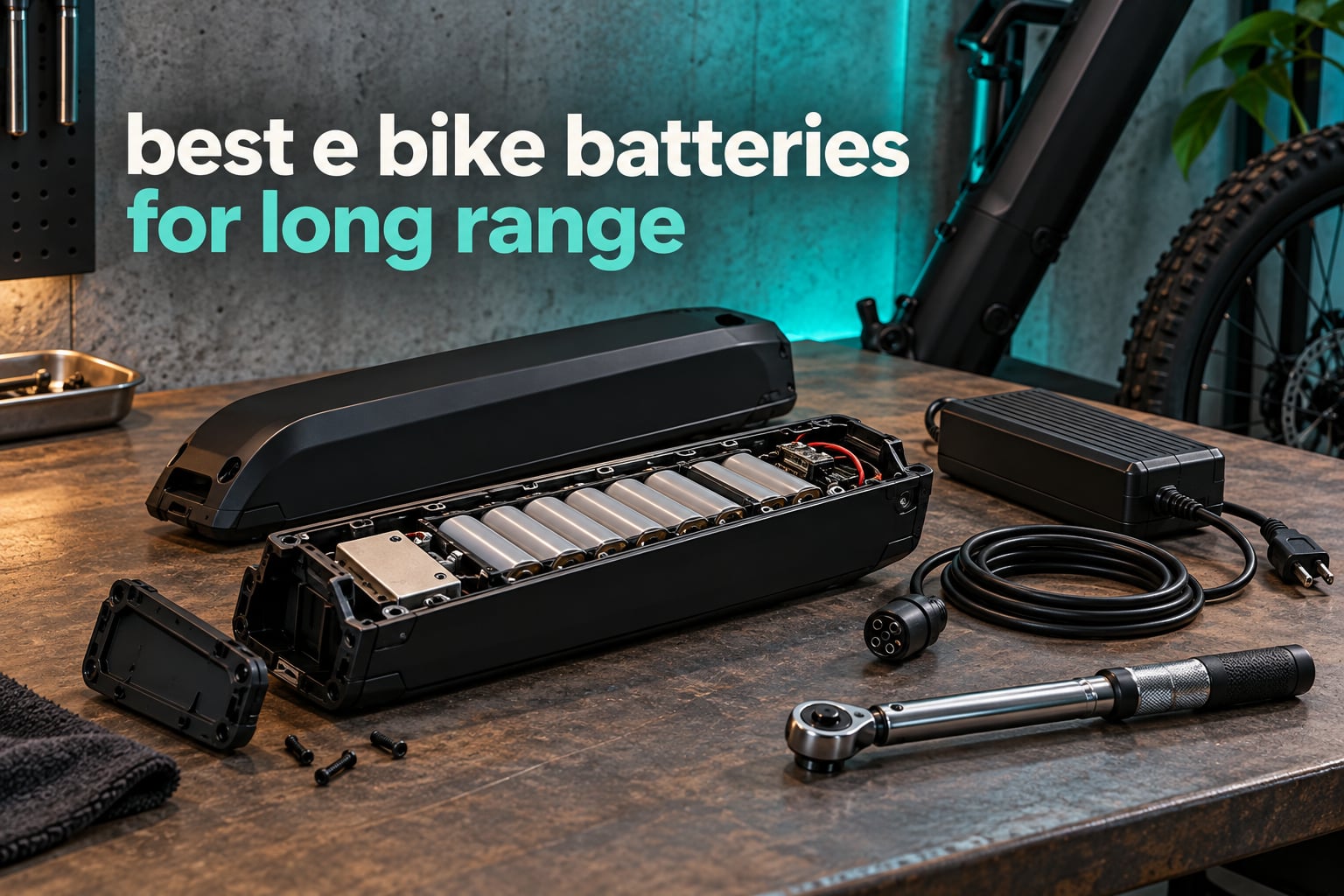
A long-range e-bike battery is a lithium-ion pack that stores roughly 1,000 watt-hours or more, such as a 48V 20Ah or 48V 22.4Ah unit, and delivers 60+ miles of assisted riding rather than the 30 to 40 miles a typical 500Wh pack delivers. Range is decided by watt-hours divided by how hard the motor works, so the same pack covers very different distances depending on rider weight, hills, assist level, tyre pressure, wind and cargo.
That is the honest version of a question most spec sheets answer badly. A pack advertised at 60 miles rarely delivers 60 miles on a loaded bike climbing into a headwind, and the gap is not fraud so much as arithmetic nobody bothers to show you. So we ranked the replacement packs that hold up under scrutiny, using the numbers we could verify: stored energy, discharge ceiling, cell brand, weight, warranty and the range figures that owners actually reported back.
This roundup covers the best e bike batteries for long range available to buy right now, all of them standalone packs you can fit to an existing frame. If you are still choosing the bike itself, our long-range e-bike buying guide covers the frames these packs bolt into, and we also publish a long-range electric scooter guide for the larger two-wheelers that share the same chemistry questions.
Twelve packs made the cut. We read every listing spec sheet, cross-checked the review record for each one, and kept the products where the energy math, the BMS rating and the mounting story all line up. The winners are not always the biggest packs, and in two cases the lightest option on the list is also the one with the most complaints, which we will get to.
Top 3 Long-Range E-Bike Batteries in October 2026
Before the full list, the three that came out ahead across every metric we could check: proven review depth, real stored energy, and a warranty that means something.
Joyisi 48V 15Ah Ebike Battery
- › 720Wh stored energy
- › UL 2271 certified cells
- › 30A max discharge
- › Removable rack mount

Unit Pack Power 48V 20Ah
- › LG 5000mAh cells
- › 40A max discharge
- › Works with 1500W motors
- › Key-locking base mount
Every Battery in the Roundup at a Glance for October 2026
All twelve packs, with the headline specification that actually determines how far you will get. Read the watt-hour figure first, because amp-hours alone are meaningless across different system voltages.
| PRODUCT MODEL | KEY SPECS | BEST PRICE |
|---|---|---|
|
|
Check Latest Price |
 |
|
Check Latest Price |
 |
|
Check Latest Price |
|
|
Check Latest Price |
 |
|
Check Latest Price |
 |
|
Check Latest Price |
 |
|
Check Latest Price |
 |
|
Check Latest Price |
 |
|
Check Latest Price |
 |
|
Check Latest Price |
 |
|
Check Latest Price |
 |
|
Check Latest Price |
5 Compatibility Checks Before You Buy a Replacement Pack
Connector and fitment mismatches cause more returns than dead cells do. Run these five checks before you order anything, because almost every disappointing review on this list traces back to skipping one of them.
1. Match the nominal voltage exactly. A 48V controller and a 52V pack are not the same system. The 52V pack charges to 58.8V, and a controller set to a 48V ceiling will not tolerate that on every ride. This is the single technical reason you cannot simply bolt a bigger pack onto an existing bike.
2. Check the controller current limit. The pack BMS and the controller both have current ceilings, and the lower one wins. A 50A pack on a 30A controller works, it simply never delivers more than 30A. Match the pack to the motor you actually have, not the motor you wish you had.
3. Identify the connector. XT60, Anderson and proprietary OEM plugs are all common, and none of them interlock with each other. Several packs on this list ship a conversion cable, several do not, and one buyer reported needing a separate adapter to complete the install.
4. Measure the compartment, in millimeters. This is the most-skipped step and the most common reason for a return. Battery dimensions are not standardised, and two packs with identical amp-hour ratings can differ by more than an inch in length.
5. Look for a safety certification mark. UL 2271 and UL 2849 both exist as recognised standards for e-bike electrical systems. Only one pack here carries an explicit certification, and the absence of a mark is information in itself, not a neutral detail.
1. Joyisi 48V 15Ah Ebike Battery – The Most Proven Performer
Joyisi 48V 15AH Ebike Battery, Electric Bike Battery and BMS Protection Board for 1000W 750W 500W 350W Bafang and Other Ebike Motor
48V 15Ah, 720Wh, 30A max discharge, 6 kg battery, UL 2271 cells
+ The Good
- Proven 15Ah output with 25-50 miles reported by long-term owners
- UL 2271 certified cells behind a 30A BMS
- Rack mount included for 24 to 28 inch wheel frames
- Removable lock doubles as a theft deterrent
- The Bad
- Rack fitting needs improvised modification on some frames
- One report of reversed charging-wire polarity that damaged the charger
- 7 kg pack loads the rear of the frame
This is the pack we kept coming back to, because it has the deepest review record in the group at 144 ratings and the most consistent ownership history. Owners report thousands of miles of service, and the review distribution is unusually clean with 70 percent five-star and 14 percent four-star.
Stored energy works out at 720 watt-hours from 48V times 15Ah, which is a solid mid-tier figure. The quoted real-world range from owners runs from roughly 25 to 50 miles depending on rider weight, speed and assist level, which is a wide spread but an honest one. The 30A max discharge comfortably covers 500W, 750W and 1000W Bafang setups.
The included 54.6V 2A charger takes eight hours or more for a full cycle, which is the slow part of the ownership experience. Mounting on a standard rear rack is straightforward on most frames, and the pack is removable and lockable, so you can carry it indoors or top it up during a long day.
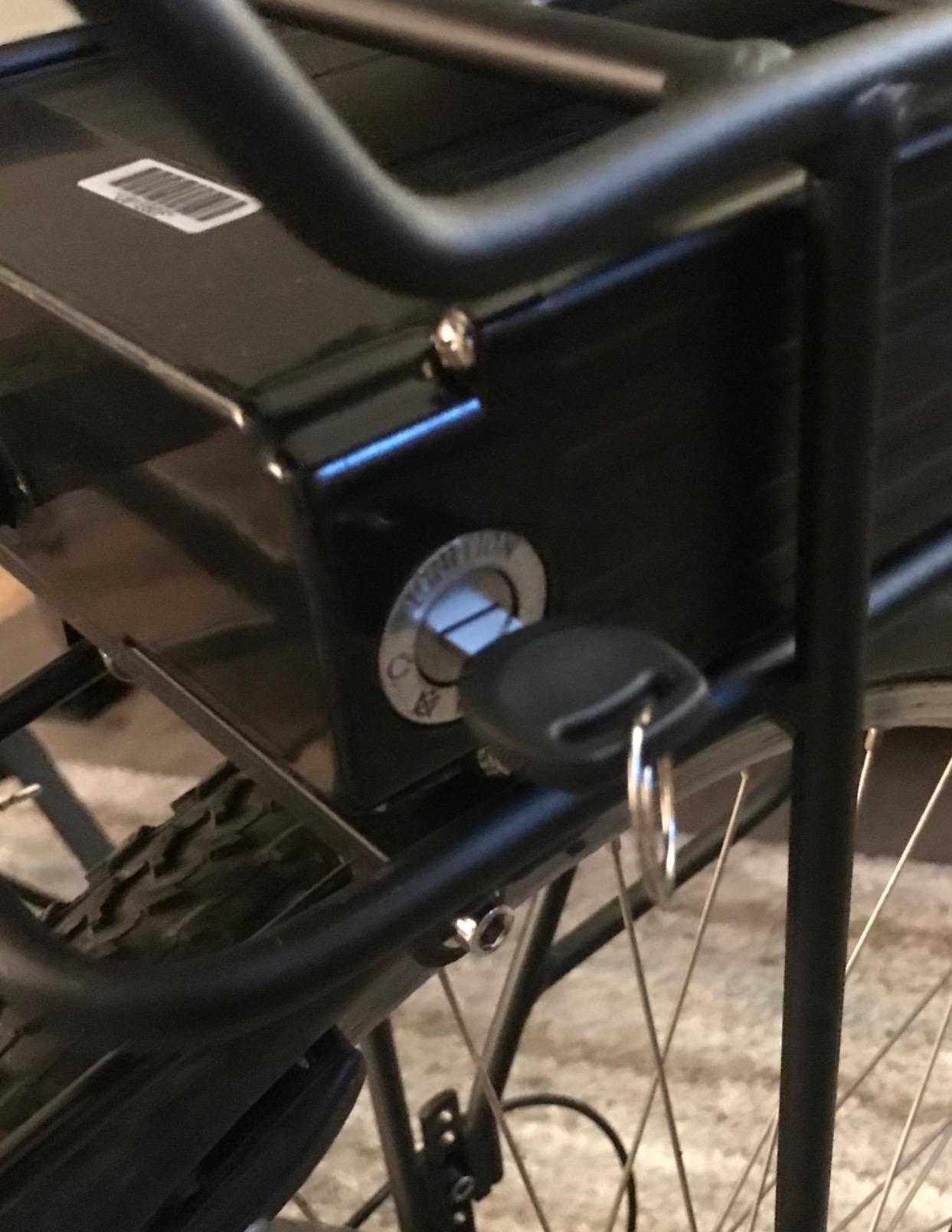
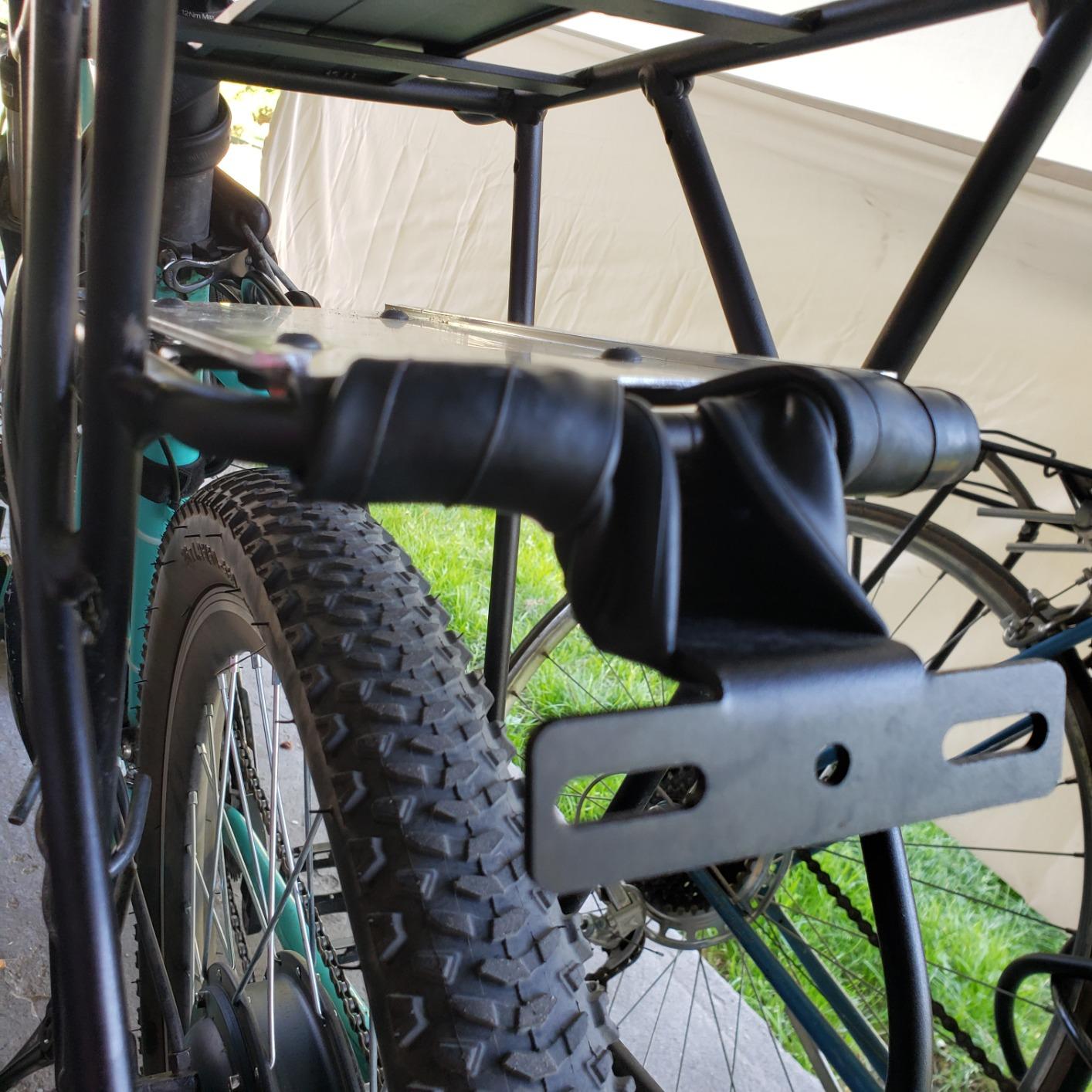
Two weaknesses are worth weighing. The rack documentation is close to nonexistent, so some owners improvise the mount themselves, and the key sticks out far enough on the side of the case to be a target. At 7 kg for the full pack, this is also a real load on the rear wheel.
What to check before you commit
Confirm your controller accepts 30A and that your frame has a rack mount plate that matches the drilling pattern. If your existing pack uses Anderson connectors, the same connector is used here, which makes this one of the smoother swaps in the roundup.
Also weigh the 8+ hour charge against your routine. If you need the pack back the same evening, a 2A charger is the wrong tool and the faster chargers further down this list will serve you better.
Who should skip it
Skip it if you ride a heavy fat bike or a loaded cargo setup where weight compounds badly, or if you need a pack that is ready again within a few hours. It is also not the choice for anyone who needs more than about 30 miles of buffer on a single charge.
2. Yose Power 48V 15Ah – The Drop-In Replacement Specialist
48V15Ah Electric Bike Battery with Charger 30A BMS Silverfish Ebike Battery
48V 15Ah, 7.2 lb battery, 30A BMS, 10A standard discharge
+ The Good
- Baseplate hole patterns match several common OEM packs
- Integrated lock status indicator and spare fuses included
- 18-month warranty is among the longest here
- Quoted 50-175 km range depending on conditions
- The Bad
- Needs minor fabrication or modification to fit some OEM rails
- Does not fit some Nakto and Heybike models despite fit claims
- One buyer reports the third-party seller unreachable on warranty claims
If your original battery is a Rattan, Heybike or DJ City Bike pack, this is the one to measure twice. Owners repeatedly report that the baseplate hole patterns line up with the factory packs, which removes the single biggest headache in an aftermarket swap.
Discharge behaviour is the selling point rather than raw capacity. With a 10A standard discharge and a 30A maximum, the pack gives up energy more slowly on long trips than a thinner 15Ah pack, and several buyers describe noticeably better endurance over a full day of riding.
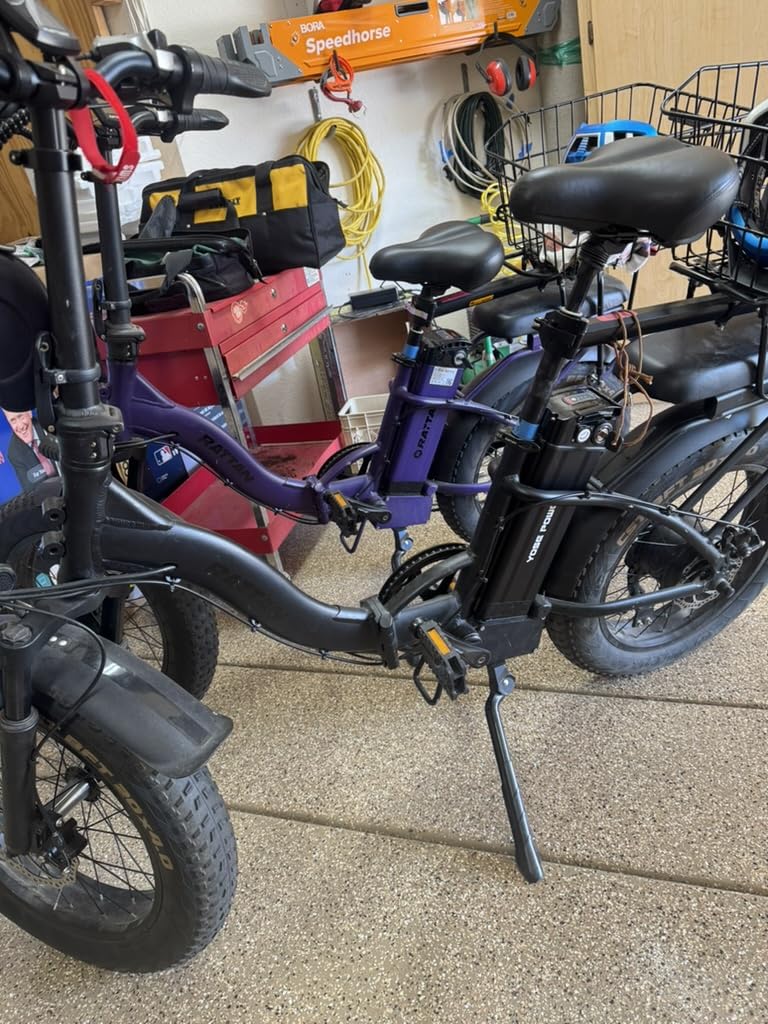
The kit is complete: battery, holder base, charger, keys and spare fuses, with a locking base and an LED status indicator on the pack itself. The 18-month warranty is one of the longer commitments in this group, which matters more than usual given how many listings here offer three months.
The catch is that several detailed write-ups describe adapting the mounting rail and re-soldering the plug before the pack would sit correctly. The 2-pin discharge port is another detail that catches people out on mid-drive systems, and the one-star share sits at 15 percent, driven mostly by seller support rather than battery failure.
How to confirm it fits
Compare the width and length of your existing pack against the 4.3 by 3 by 15 inch case before ordering. Buyers who measured first report a clean install, and buyers who did not report needing to modify the rail.
Check the discharge port style too, not just the baseplate. A 2-pin port will not connect to every OEM harness even when the bracket lines up perfectly.
Where the value sits
This is a sensible pick for someone whose factory pack has degraded and who wants the same footprint back with slightly better electronics. It is a weaker choice if your goal is more range, since 15Ah will not deliver that regardless of how well it fits.
3. LFPNERYE 48V 15Ah – Most Versatile With a Real BMS
LFPNERYE 48V 15AH Ebike Battery,Built-in 30A BMS,1000W Power Output for Electric Bicycles,E-Motorcycles (48V 15AH USB-5PIN)
48V 15Ah, 8.95 lb, 30A BMS with active equalization, XT60
+ The Good
- 30A BMS with an active equalization chip holds cell voltage steady
- XT60 discharge connector is a standard and widely available choice
- Curved housing sheds water and anti-vibration pads are pre-glued
- 12-month warranty with a 30-day return window
- The Bad
- Fit is size-dependent so measure the compartment first
- XT60 is not universal with OEM harnesses and may need an adapter
- Only two keys supplied with no way to add spares
The thing that separates this from other budget packs is the active equalization chip inside the 30A BMS. Balancing is what keeps cells in step over time, and it is the feature most often missing at this level, which is why this pack holds steady voltage rather than drifting.
It is sized at 14.47 by 3.7 by 3.5 inches and weighs 8.95 pounds, which makes it one of the more compact 15Ah options here. The curved housing is a small but genuine detail, since water running down a flat top plate is how connectors end up corroded.
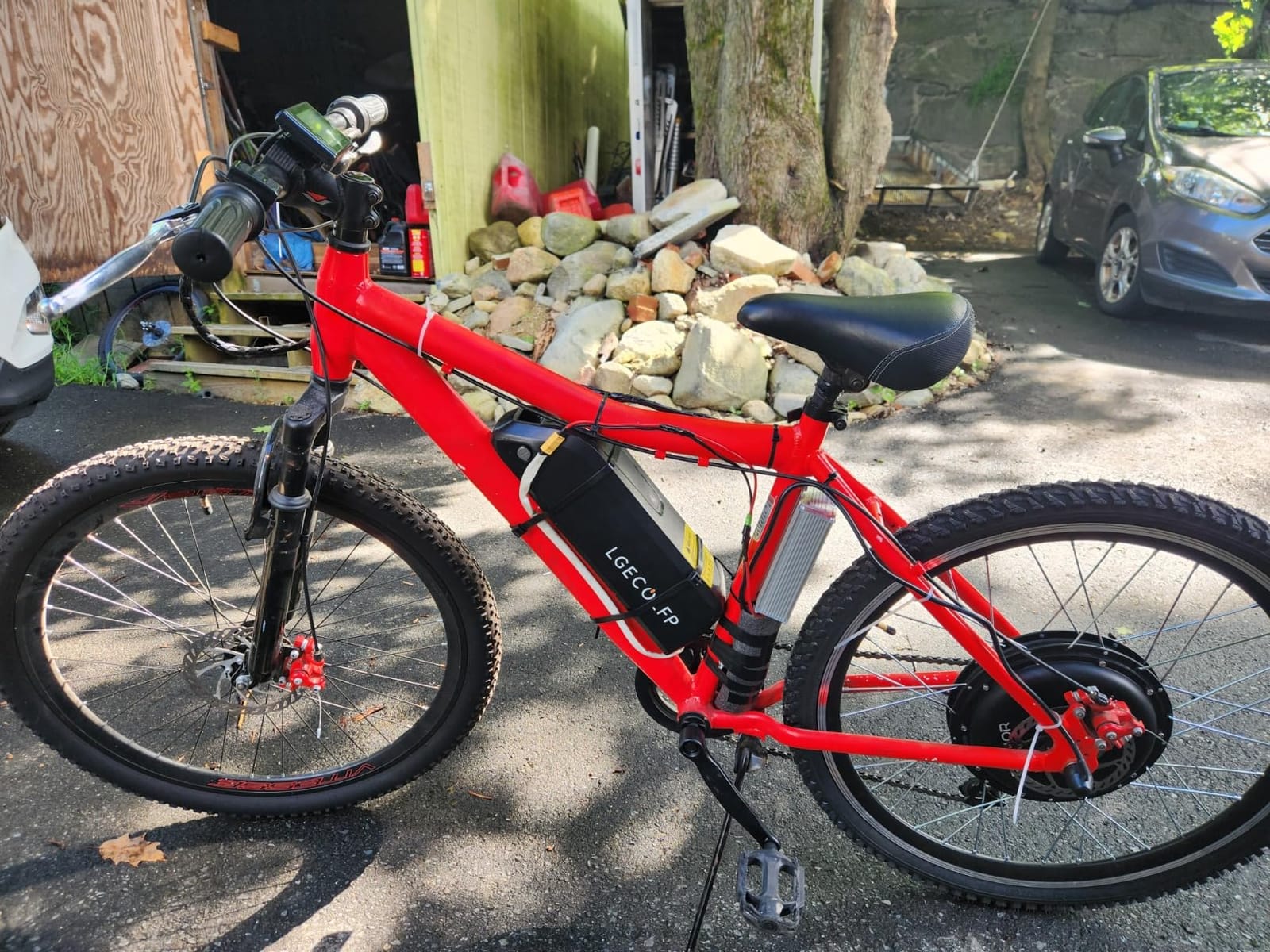
A USB output sits on the pack for charging a phone, which is more useful than it sounds on a long tour. The manufacturer claims over 1000 recharge cycles, and the warranty is 12 months with a full refund or replacement inside 30 days, which is a better returns story than most of this category offers.
The recurring caution in reviews is measurement. Fit depends heavily on your battery compartment, and the XT60 connector, while a good standard, is not universal with OEM harnesses. Two keys are included and there is no straightforward way to add a spare without changing the lock.
Why the equalization chip matters
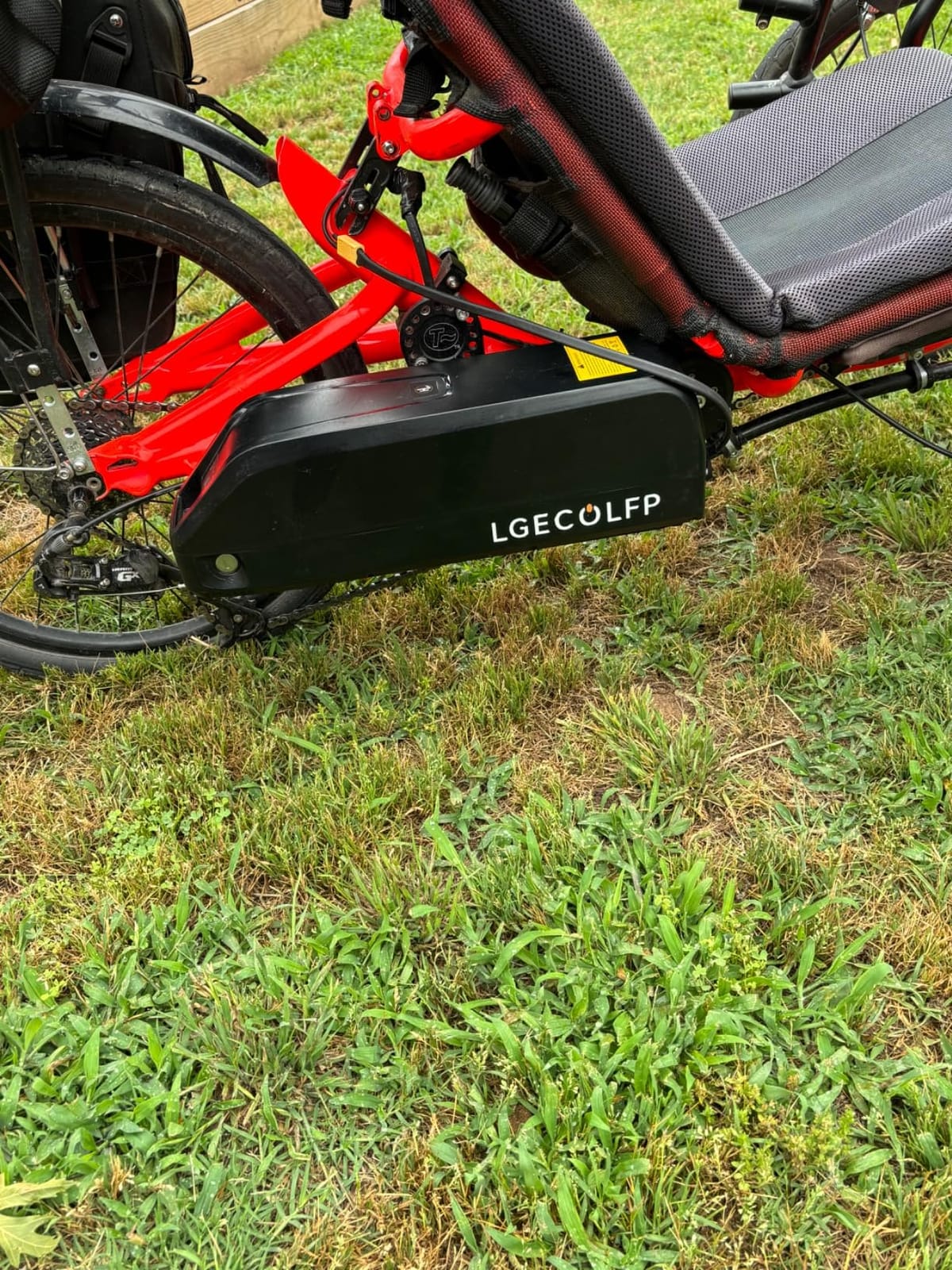
A BMS without balancing lets cell voltages drift apart over hundreds of cycles, and the weakest cell then dictates when the whole pack cuts out. That shows up as range disappearing gradually rather than a pack that suddenly fails.
For anyone planning to keep this pack for several seasons rather than a single summer, balancing is worth more than the extra amp-hour in a larger pack.
What to watch out for
Measure first, order second. The dimensions are specific and the seller offers other connector types on request, so it is worth stating your harness type in the order notes rather than discovering the mismatch after delivery.
4. Unit Pack Power 48V 20Ah – LG Cells at a Sensible Configuration
Unit Pack Power 48V 20 Ah Electirc Bike Battery – Lithiu-m Ion Ebike Battery 1000W 750W 500W 1500W 1200W for BBSHD BBS02 – LG4800 Cell Ebike Battery
48V 20Ah, 960Wh, LG 5000mAh cells, 40A max discharge, 4.19 kg
+ The Good
- LG 5000mAh cells are a well-regarded cell brand with solid cycle life
- 40A max constant discharge suits 1500W and BBSHD builds
- Key-locking base and LED level indicator as standard
- Each pack is full charge and discharge tested in production
- The Bad
- Some builds need the power cable modified to match the controller
- One report of an XT60 pin shorting and losing power mid-ride
- Long charge time relative to its capacity
Naming the cell brand is the most underused credibility signal in this category, and this pack names its. LG 5000mAh cells are widely respected for cycle life, and that matters more than raw capacity once you are three years into ownership.
At 48V 20Ah this stores 960 watt-hours, which is a real step up from the 15Ah packs above it. The 40A maximum constant discharge is the part that matters for anyone running BBSHD or a 1500W hub, where a 30A pack will bog down on a climb. The pack itself weighs 4.19 kg, which is light for the energy it holds.
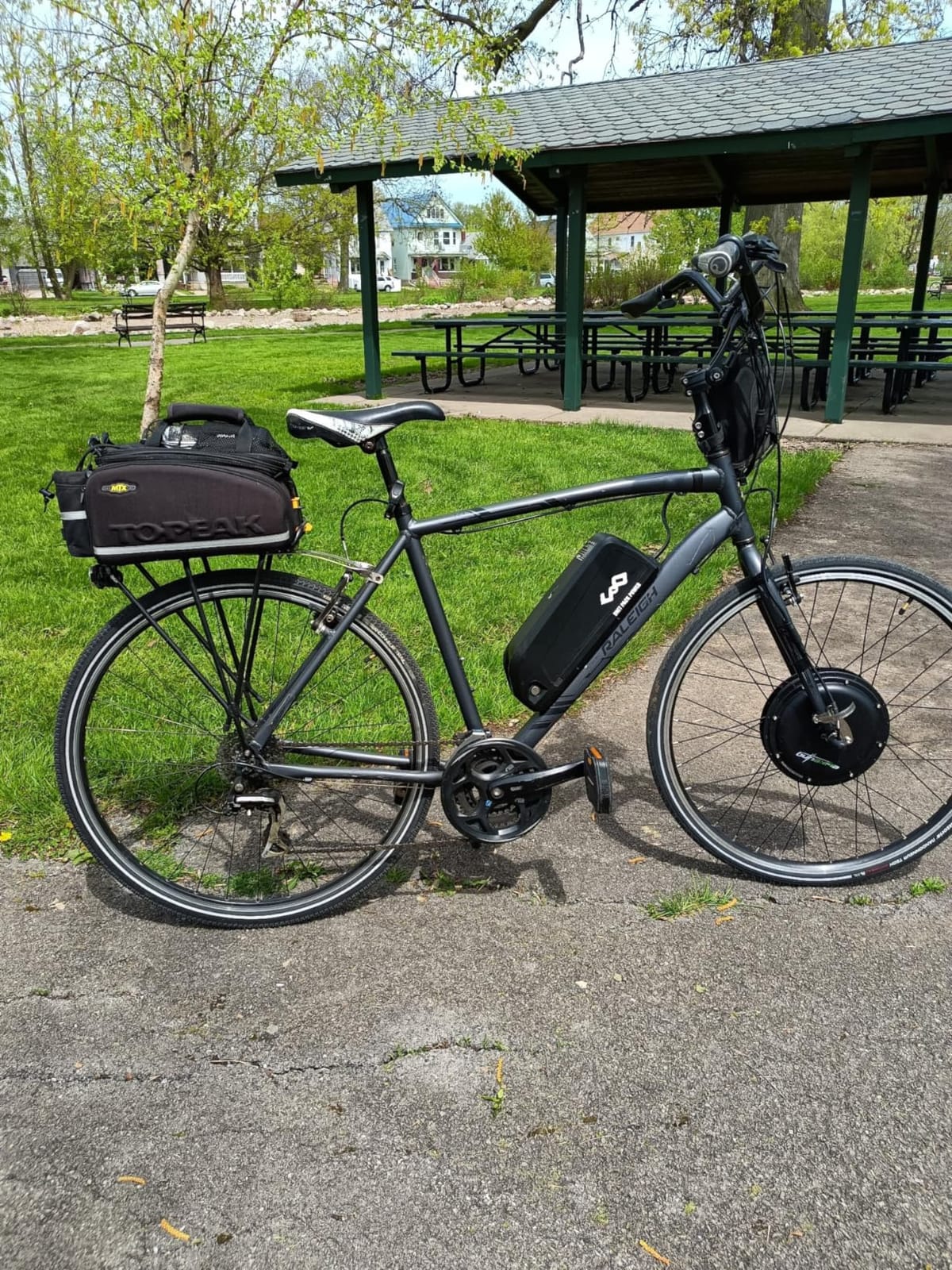
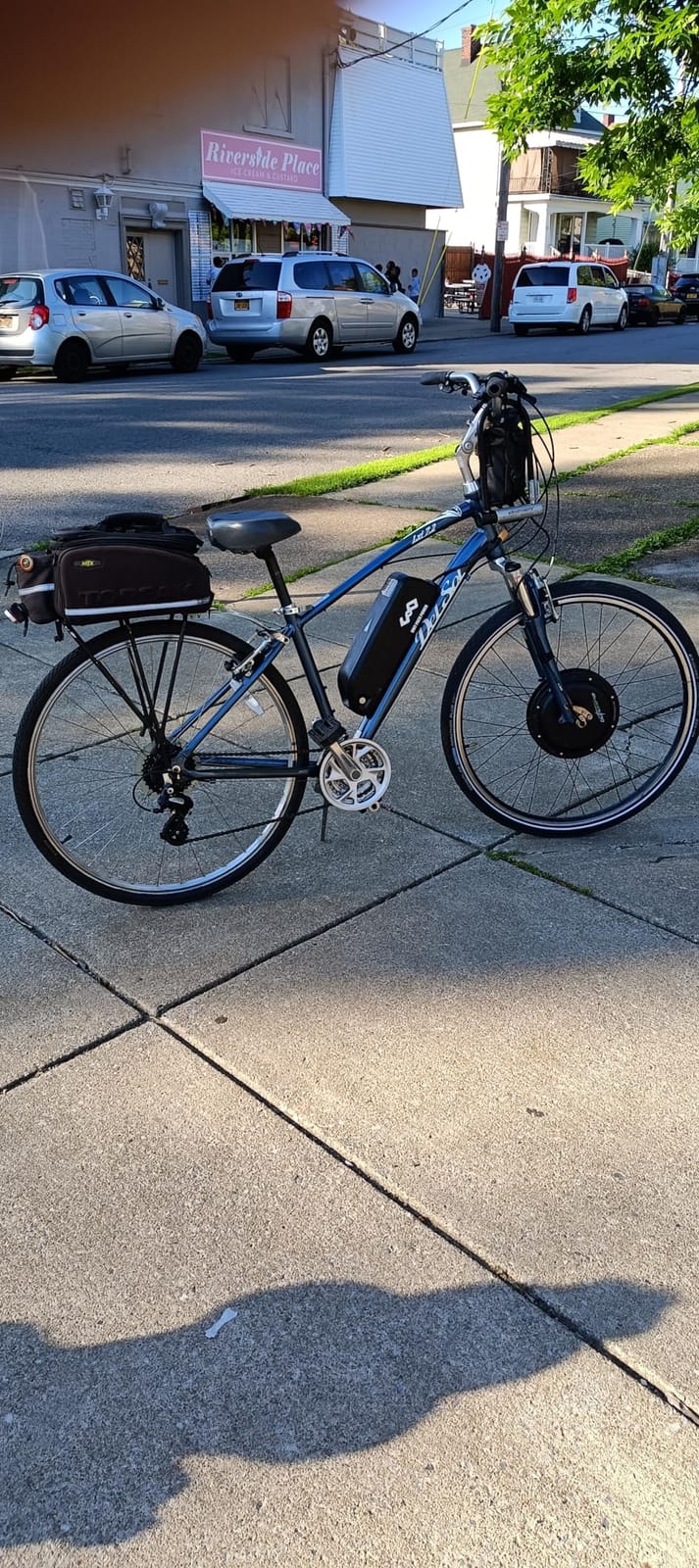
Buyers have used this pack to repair storm-damaged bikes and report more punch than the factory unit it replaced. Each pack is full charge and discharge tested in production, and the rating is stated as 80 percent capacity retention after 800 cycles with over 1000 charge cycles claimed.
The negatives are practical rather than systemic. Some builds need the power cable modified to match the controller, one report describes an XT60 pin shorting and melting the solder to cut power mid-ride, and the 2A charger means a long wait relative to the capacity on board.
Cell brand versus raw capacity
A named cell from a major manufacturer buys you predictable degradation, which is the difference between a pack that still delivers usable range at year three and one that drops off a cliff. Buyers who plan to keep a bike for years should weight this above amp-hour figures.
The trade-off is charging speed, since a 960Wh pack on a 2A charger is a long evening plugged in.
Fit notes for high-power builds
Measure your bay at 365 by 90 by 110 mm before ordering, and confirm your controller’s maximum current is at least 40A if you want the full rating. Mismatching the controller to the pack is the fastest way to leave capacity unused.
5. Varstrom 48V 20Ah – The Pack Riders Load Test Hardest
Varstrom 48V 20Ah Ebike Battery L*/G Cell Lithium Ebike Replacement Battery
48V 20Ah, 960Wh, premium cells, smart BMS, waterproof case
+ The Good
- Owners report sustained 40A output under throttle-only climbing loads
- Clear range gain over stock packs that suffered voltage drop
- Seller clarifies bus protocol before the purchase is made
- Waterproof case with lock keys USB port and anti-vibration pads
- The Bad
- 11 lb pack can strain a light holder so extra straps help
- One pack charged only to 58.3V suggesting a low BMS cutoff
- One battery arrived unable to charge with slow seller response
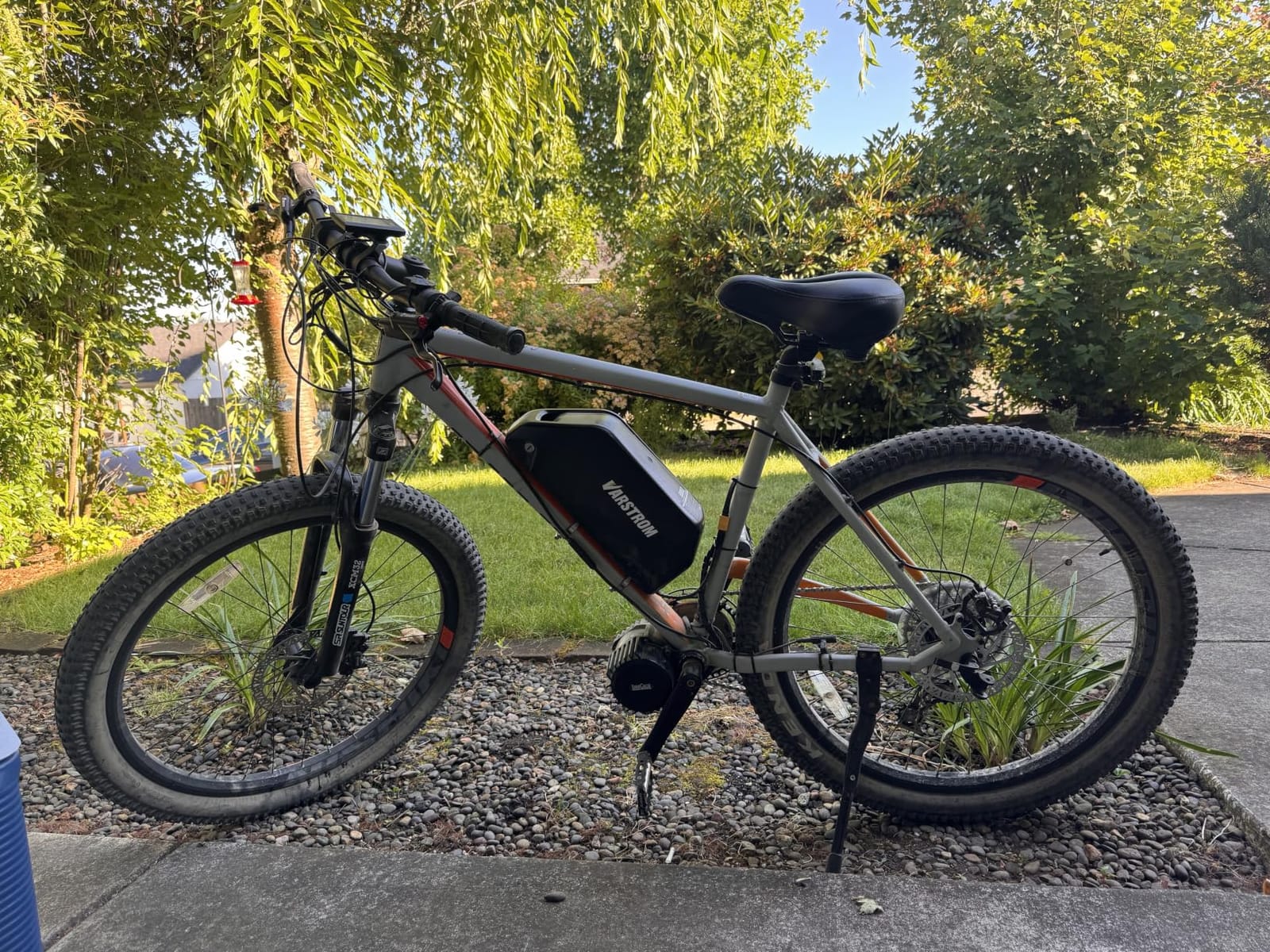
This is the pack that showed up in the most demanding owner reports we could find, with riders stress-testing it on Bafang BBSHD throttle-only mountain riding and still reporting 25-plus-mile rides with voltage near full. Sustained 40A output is the claim, and reviewers say they measured it rather than taking it on trust.
The 960 watt-hours puts it level with the Unit Pack Power for stored energy, but the bus protocol conversation is the real differentiator. This seller clarifies UART versus CAN protocol before you buy, which is exactly the detail that causes dead threads and returns on other packs.
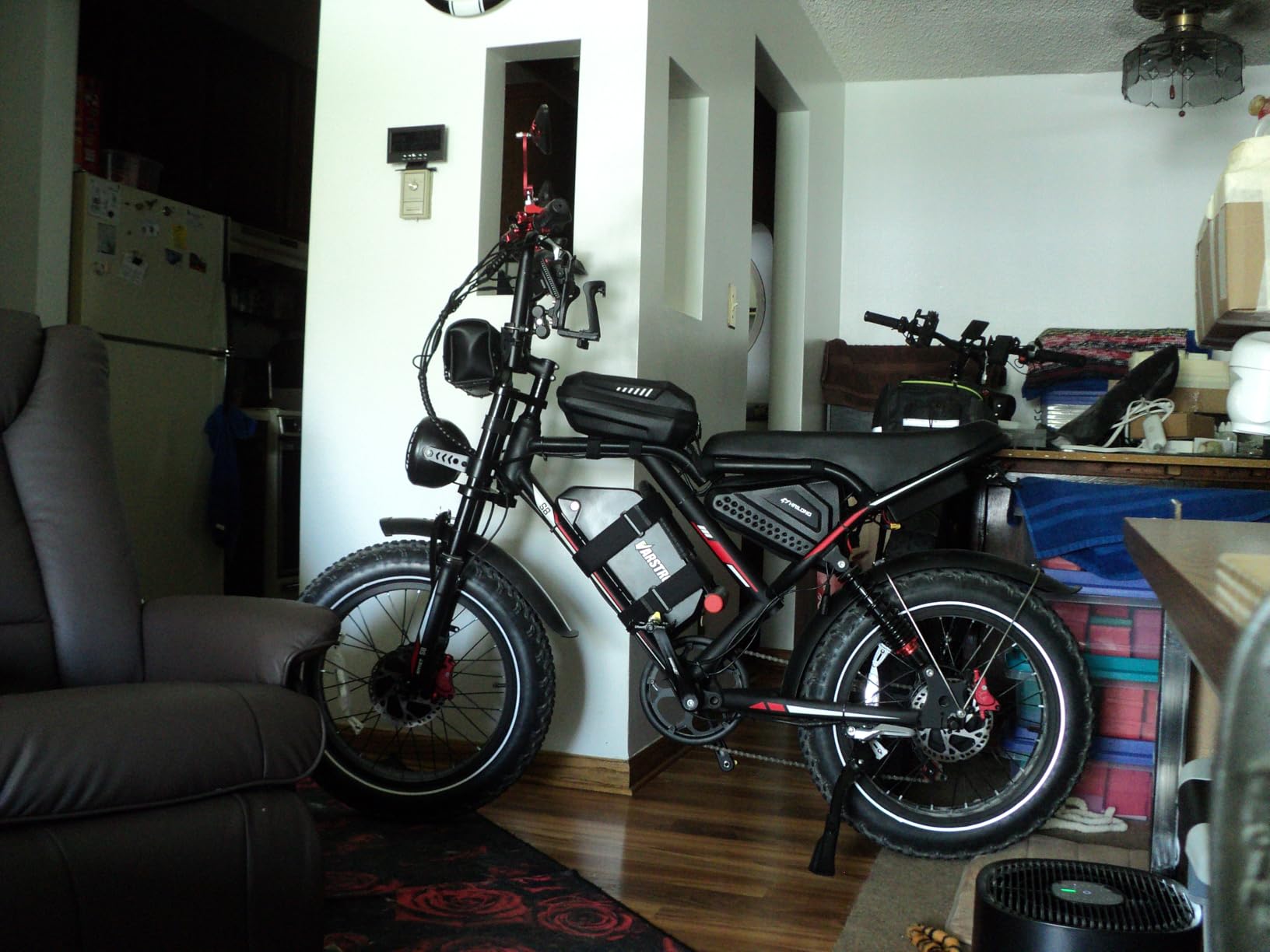
Owners also report a clear improvement over stock packs that suffered voltage drop and early range loss, and better charge retention on identical commutes than cheaper alternatives. The rating distribution is strong at 76 percent five-star.
Weight is the catch. At 11 pounds, the supplied holder alone can be strained, and owners recommend a bottle cage plus extra straps. One unit charged only to 58.3V, which points to a BMS that cuts off before the charger’s full 58.8V, and one battery arrived unable to charge at all.
Why protocol matters more than most sellers admit
A UART controller and a CAN controller may use the same physical plug and still refuse to talk to each other. The symptom is a bike that powers on, shows a full battery, and then cuts out under load, and it is enormously frustrating to diagnose after the fact.
Asking the seller which protocol the pack speaks before ordering takes one message and removes the single most common integration failure.
Handle the weight before you ride
If your frame cannot take an 11 pound pack low and central, plan the mounting hardware before the pack arrives. Owners who added a bottle cage and straps report a much better result than those who trusted the supplied holder alone.
6. Varstrom 52V 20Ah – Samsung Cells and a Faster Charger
Varstrom 52V 20Ah Ebike Battery Sam*/Sung Cell Lithium Replacement Battery
52V 20Ah, Samsung cells, 30A smart BMS, 3A charger, 6-7 hours
+ The Good
- Samsung cells show better long-term retention than cheaper packs
- 3A charger completes a full charge in 6-7 hours
- Owners confirm 40A continuous output on BBSHD builds
- Quiet charger and responsive seller support
- The Bad
- 52V needs a 52V-capable controller so it is not a 48V drop-in
- One unit arrived unable to charge and the seller went quiet
- Weight and mount rigidity mean extra straps are often needed
The 3A charger is the change riders notice first. A full charge takes six to seven hours instead of the eight-plus that a 2A unit demands, which turns an overnight top-up into an evening one and makes the pack far easier to live with on a long trip.
Samsung cells are the headline feature, and owners report endurance differences directly: the same commute that ended with a cheap pack at 32 percent ended with this one at 98 percent. That is a charge-retention story, which is the number that decides whether a pack still feels new in year three.
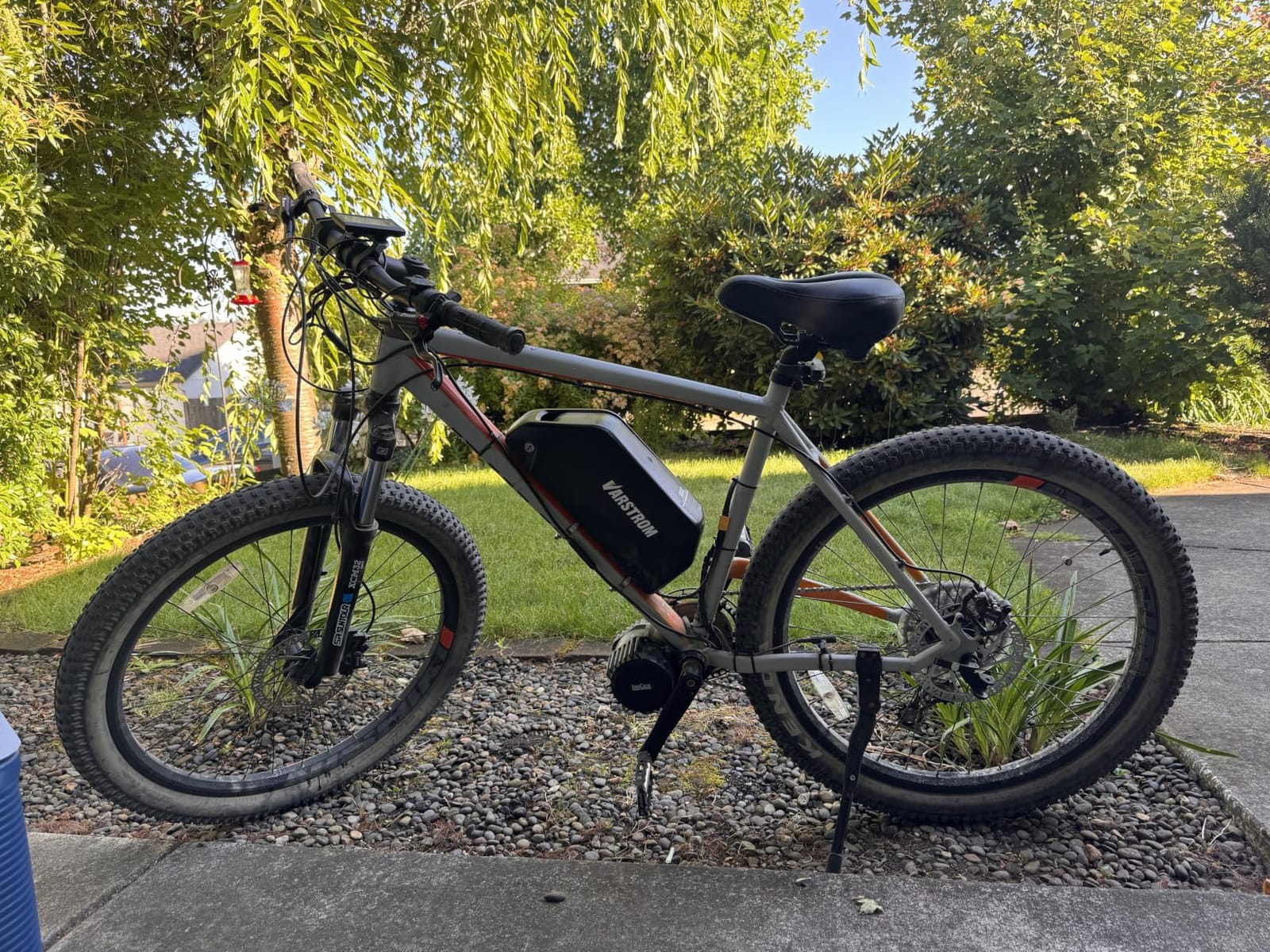
Discharge is confirmed at 40A continuous on demanding Bafang BBSHD builds, and the spec sheet claims 30 to 45 miles per charge depending on motor power. The 78 percent five-star share is the highest of any pack in the roundup, with a 365-day repair or replace commitment behind it.
There is a hard compatibility line here. A 52V pack is not a drop-in for a 48V-only system, and any owner who bolts it on without confirming a 52V-capable controller is gambling the controller. One unit also arrived unable to charge, with the marketplace seller unresponsive after receiving proof.
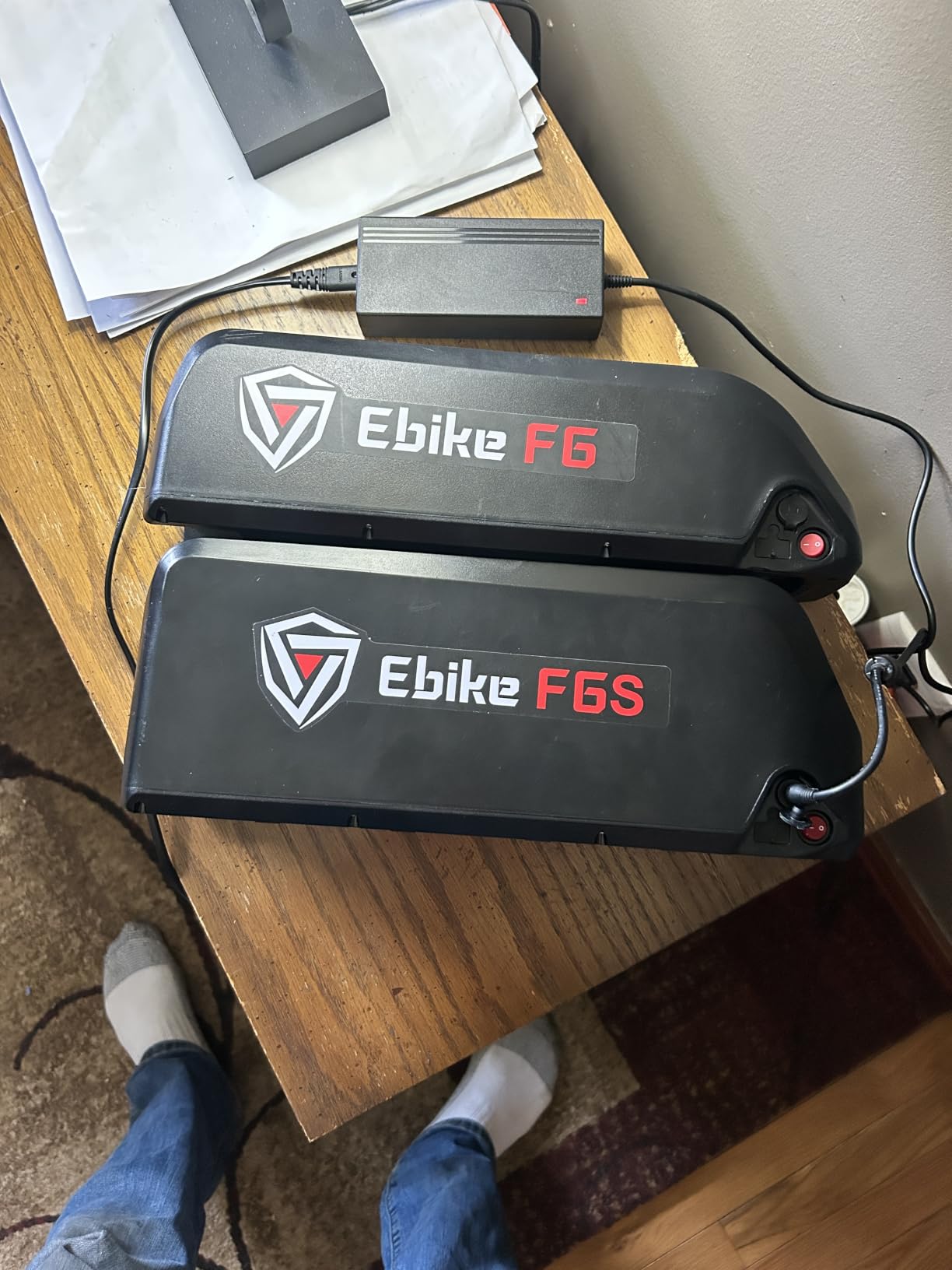
When 52V is the right call
Go 52V if your controller and motor were designed for it, or if you are building a system that benefits from the extra headroom on climbs. Headroom translates to sustained power rather than peak power, because a pack that sags under load is one that gets cut early by the BMS.
Stay on 48V if you want zero rewiring. The nominal voltage difference is small, but the risk of a mismatched controller is not.
Check the fast charger is allowed
Confirm the 58.8V 3A charger suits your setup and that your battery bay has the space for a downtube-style housing. The faster charge is a genuine daily-use advantage only if you have somewhere to plug in for six hours.
7. PLXNYLB 48V 22.4Ah – The Biggest Mainstream Capacity Here
PLXNYLB 22.4AH Electric Bike Lithium Battery, Removable Ebike Battery with 3A Charger 48V Electric Bicycle Battery Pack with Waterproof Holder for 250W-2000W Motors
48V 22.4Ah, 8.95 lb, 50A BMS, 0-2000W motors, 3A charger
+ The Good
- Highest capacity mainstream pack here for genuine range headroom
- 50A BMS with an equalization chip holds voltage steady
- Works with motors and controllers from 250W to 2000W
- Includes a 3A charger mounting plate and two lock keys
- The Bad
- One pack would not hold charge after a full cycle
- Reported cycle life shorter than the 1500 cycle claim
- No USB output for powering accessories
At 48V 22.4Ah this is the largest capacity pack in the roundup, and that is the whole argument for it. Riders coming off a 13Ah factory pack report a clear step up in usable power, including an extra assist level and roughly 2.5 mph more at top assist.
The 50A BMS is the highest current ceiling among the 48V packs here, and with the equalization chip it holds voltage steady under load. The motor compatibility range is unusually broad at 250W through 2000W, which makes it a safe swap across a wide range of frames.
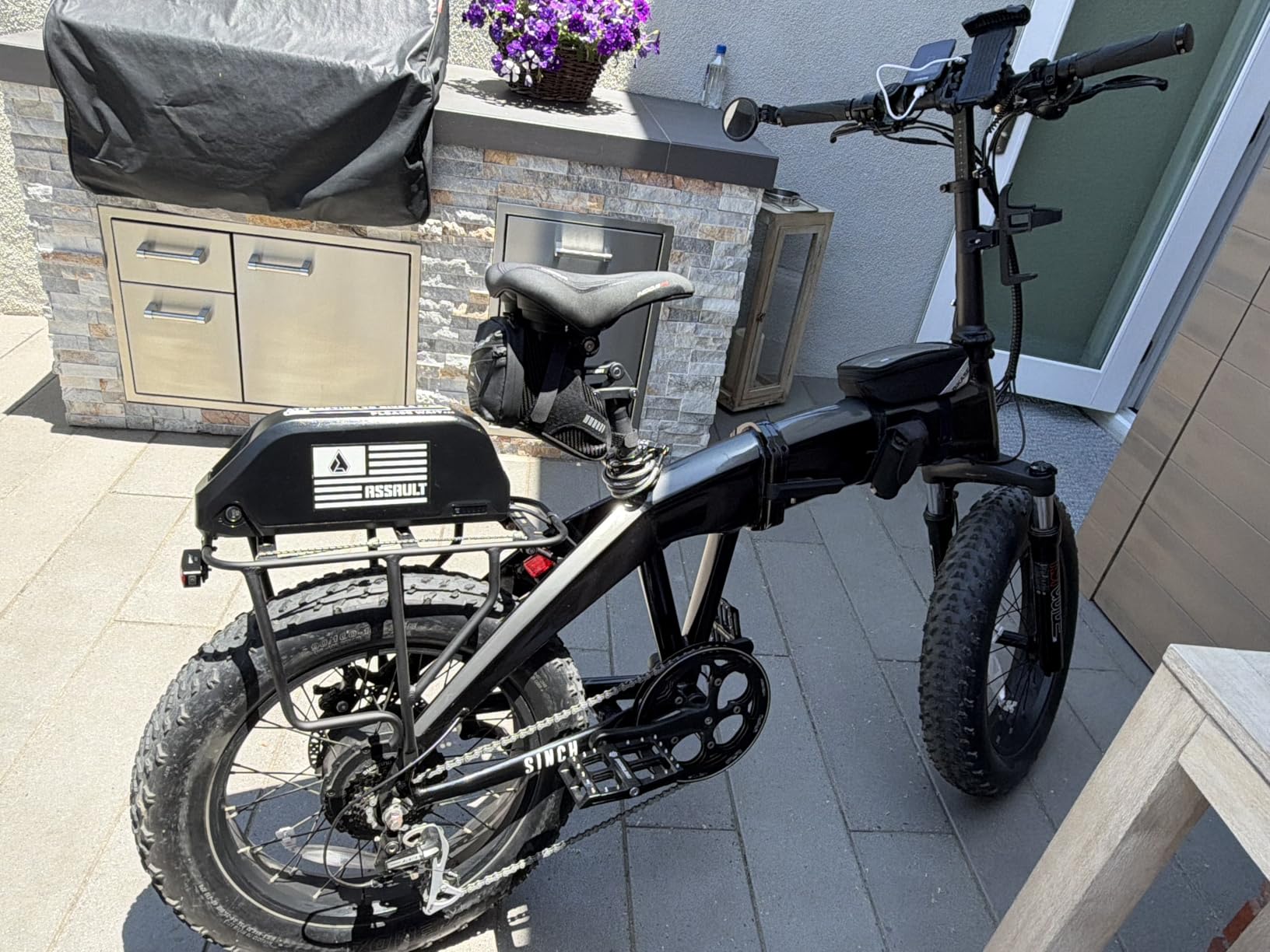
It fits the original carrier mount on several OEM bikes once the 5-pin plate lines up, and the included 3A charger fills the pack in a reasonable evening. The manufacturer claims a service life of 1500-plus cycles and three to five years, backed by a one-year warranty.
The 4.0 rating is the lowest in the group and the reasons are clear. At least one reviewer reports a pack that would not hold charge after a full cycle, cycle life reported shorter than the claim with reduced peak power after only a few dozen cycles, and no USB output for riders who want to power accessories from the pack.
How to manage the sizing risk
At 14.47 by 3.7 by 4.17 inches this pack is taller than most 15Ah replacements, so measure the compartment height as well as the footprint. Return shipping on a heavy lithium item is genuinely awkward, which makes pre-order measurement worth the effort.
Confirm the 5-pin base plate matches your carrier before you order rather than after.
Read the failure reports carefully
The complaints are concentrated in a minority of units rather than spread across the whole record, and they cluster around charge retention rather than range. If your priority is maximum range and you can accept the risk profile, the capacity here is unmatched. If you want predictable longevity, the LG-cell pack earlier in this list is the steadier bet.
8. Cymoye 48V LiFePO4 50A – The Chemistry That Outlasts the Others
Cymoye 48V 30Ah LiFePO4 Lithium B attery Pack Built-in 50A BMS for 0-2400W Motor,DIY Projects and Outdoor Equipment
48V LiFePO4, 50A smart BMS, 0-2400W motors, 6.5 hour charge
+ The Good
- Highest rated pack in the group with no reported one-star reviews
- Handles 35A continuous and brought a 1600W scooter back to life
- LiFePO4 chemistry is the safer lithium type
- 20-plus assisted miles per charge on hill-heavy terrain
- The Bad
- 18.3 lb is a lot of mass to mount on a bicycle frame
- Bulky 10.2 by 6.7 by 4.9 inch case needs a large battery box
- Included charger is weak for demanding applications
This pack carries the highest rating in the roundup at 4.7 with no one-star ratings reported, and the chemistry explains why. LiFePO4 cells tolerate far more charge cycles than the NMC cells used in most bike packs, which is why builders in the community single the chemistry out for longevity.
The 50A smart BMS includes cell balancing alongside short circuit, overcharge, overdischarge, overheating and reverse-charge protection. Owners report it sustaining 35A continuously and reviving a 1600W scooter, and it fits standard battery boxes including the Razor SX500 without modification.
Quoted range is 20-plus assisted miles per charge with a 6.5-hour fast charge, and reviewers confirm real 20-mile rides for larger riders on hill-heavy ground. The 16S1P configuration means it works with both 48V and 52V controllers rated 40A or less, which is unusual flexibility for a pack of this size.
Understand the chemistry trade-off
LiFePO4 stores less energy per kilogram than NMC, which is why this pack weighs 18.3 pounds. In exchange you get a far longer cycle life and better thermal behaviour, so the question is whether you plan to keep the bike long enough to amortise the weight.
For a bike that is ridden hard every day and kept for years, the cycle life usually wins. For long-distance riding where every pound is contested, it loses.
Check your battery box first
The case is 10.2 by 6.7 by 4.9 inches, which is bulkier than typical downtube packs. Owners who fitted it into a standard box report no modification needed, but owners with a slim frame need to measure before ordering. The included charger also draws complaints on high-demand builds.
9. Cymoye 48V 20Ah LiFePO4 40A – Budget Pick for Long Ownership
48V 20Ah LiFePO4 Lithium B attery Pack Built-in 40A BMS for 0-1500W Motor,DIY Projects and Outdoor Equipment
48V/52V 20Ah LiFePO4, 40A BMS, 11.7 lb, 20+ mile range
+ The Good
- Same 4.7 rating as the 50A version in a smaller case
- Slimmer 10.4 by 5.3 by 3.5 inch case is easier to fit
- Owners report 20-plus assisted miles including heavier riders
- Handles 35A continuous output for mid-range builds
- LiFePO4 gives far longer cycle life than typical NMC packs
- The Bad
- 40A BMS ceiling suits 0-1500W motors not the biggest builds
- Included charger is weaker than some users would like
- Case dimensions still need verifying against your battery box
This is the pack we recommend over its bigger sibling for almost anyone. It carries the identical 4.7 rating with the same review profile, no one-star reports, and it does the same job in a case that is 7 pounds lighter and a good deal easier to fit.
At 48V 20Ah it stores the same 960 watt-hours as several packs on this list, and the 40A BMS still has 35A of real headroom according to owner reports on mid-range builds. A 53.6V to 58.4V resting voltage reading indicates a full charge, which is a useful diagnostic when the gauge is vague.
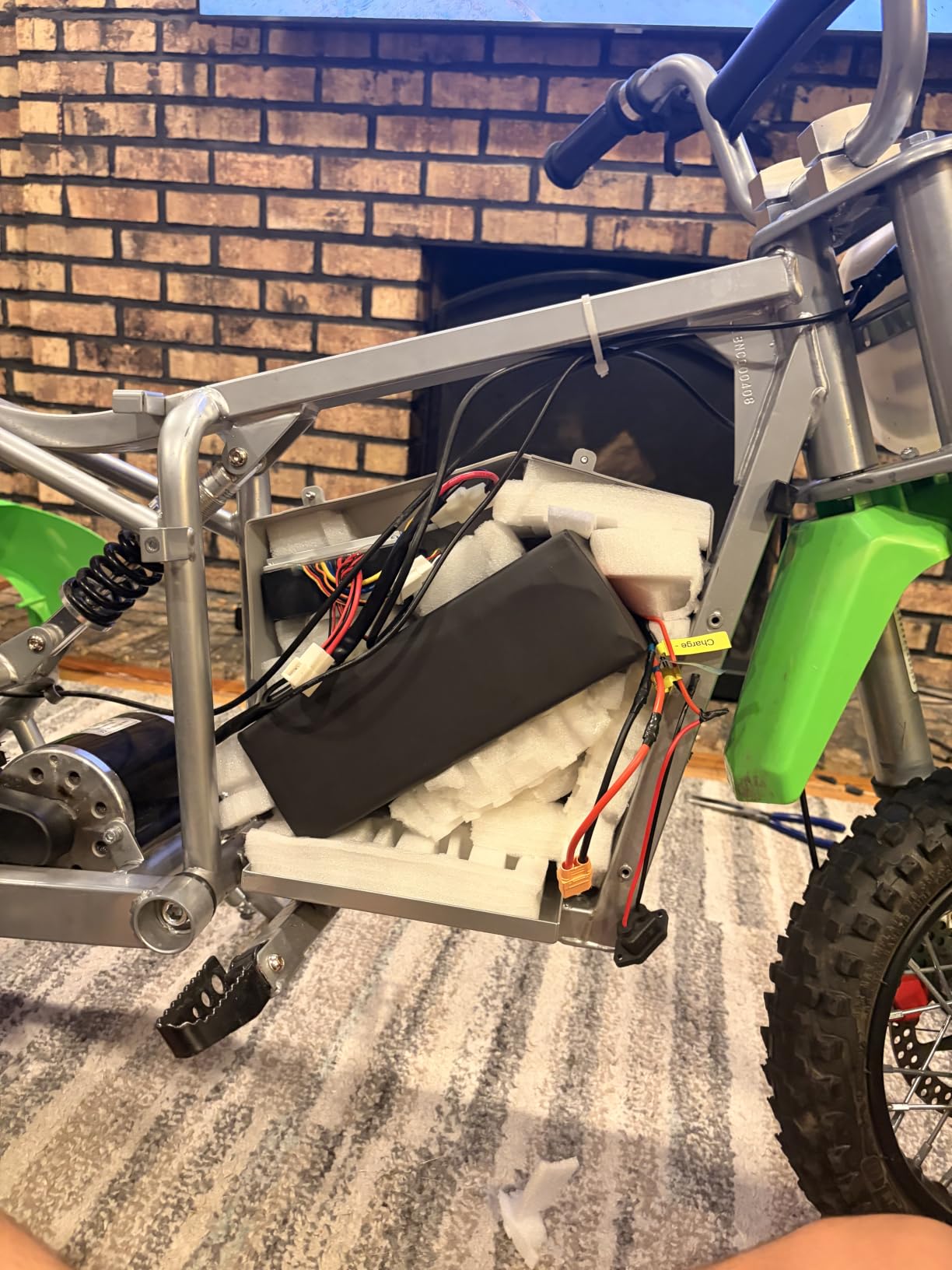
Owners report 20-plus assisted miles per charge including on heavier riders, and several use these as lighter replacements for 12V lead-acid banks in DIY builds where cycle life matters more than energy density. Three months of free return or replacement and twelve months of service back it.
The 40A ceiling means it suits motors from 250W to 1500W rather than the very largest builds, and the included charger is weaker than some buyers would like. As with the 50A version, case dimensions need checking against your battery box before ordering.
How to choose between the two LiFePO4 options
Both carry the same rating, so decide on the motor and the frame. If your motor is 1500W or less and your bay is tight, this is the one. If you run a 2400W setup and have the volume, the 50A pack gives you the current ceiling without the sag.
Storage voltage is worth knowing for both, since LiFePO4 rests higher than NMC and a display showing 52V on a LiFePO4 pack is not a fault.
Who this rewards most
Riders who keep bikes long and ride them hard. The cycle-life advantage of LiFePO4 compounds across seasons in a way that a marginally larger NMC pack never does, and the lighter case makes it far easier to carry up stairs or load onto a rack.
10. VODIPOWER 48V 20Ah – The Lightweight Conversion Choice
VODIPOWER 48V 20AH E-Bike Battery, 13Ah/16Ah/20Ah Lithium Battery Pack with 40A BMS for Electric Bicycles,E-Motorcycles (100W-1800W) Motor, XT60 Connector, USB Port and Base (48V20AH)
48V 20Ah, 40A BMS, 100W-1800W motors, 3A charger, 8.9 lb
+ The Good
- 3A charger fills the pack in a little over seven hours
- 8.9 lb is one of the lighter 20Ah packs in the roundup
- Also offered in 13Ah 25Ah and 52V 25Ah variants
- Waterproof housing with lock LED indicator and USB port
- The Bad
- A 15 percent one-star share includes packs that would not charge
- One buyer received the wrong battery and the seller refused a return
- Shortest warranty in the group at 3 months
At 8.9 pounds for 960 watt-hours, this is one of the better energy-to-weight ratios in the roundup, and buyers converting a bicycle with a kit motor rate it highly for matching the voltage and wattage of common conversion hardware.
The 3A charger completes a full charge in a little over seven hours, which is the practical advantage here. The 40A BMS covers overcharge, overdischarge, overcurrent and short circuit protection, the XT60 discharge plug is a standard choice, and the pack sits on a 5-pin base with a security lock, LED level indicator, USB port and power switch.
What gives us pause is the record. With 26 reviews the sample is small, and 15 percent of them are one-star with real failures described, including a pack that would not charge, a shipment that arrived missing gaskets and screws at 20 percent charge, and one buyer who received the wrong battery and could not return it. The warranty is three months, the shortest here.
Why buyers who get a working unit like it
The fit for conversion builds is the reason for the positive reviews, and the seller is repeatedly described as honest and easy to deal with. The variant range is useful too, since the same listing covers 13Ah, 25Ah and 52V 25Ah versions for different controllers.
Grade A lithium-ion cells are specified, though no cell brand is named, which is worth noting when you compare it with the packs that do name theirs.
What the record tells you to do
Test the pack on arrival, before the return window closes, and keep the packaging until you have put it through a full charge and discharge cycle. The complaints in this record are almost entirely about units arriving incomplete or dead rather than about range, which is a failure mode you can catch in week one.
11. SEENRONGYUAN 48V 15Ah – The Best-Rated 15Ah Pack
SEENRONGYUAN 48V E-Bike Battery, Silver Fish Lithium Batteries 30A BMS, Safe Lock, Led Indicator Light for Controller 0W-1000W Electric Bike Bicycles Motor (48V 15AH 0-1000W)
48V 15Ah, 30A BMS, IP65 housing, alloy steel frame, 9.3 lb
+ The Good
- 4.6 average with 86 percent five-star ratings
- IP65 waterproof housing in an alloy steel frame
- Holds charge well on daily commutes and fits older bikes after a mount swap
- Base screws keys and charger all included in the box
- The Bad
- Not a direct plug-in and one install needed cutting soldering and sealing
- One buyer saw voltage sag to 41V under 30A which points to weak cells
- Only a 3-month manufacturer warranty and the smallest capacity here
On pure owner satisfaction this pack punches above its size in the list. The 4.6 average comes with 86 percent five-star ratings, and the feedback centres on charge retention, which is the single best predictor of whether a pack still feels new after a few years.
The construction is where it separates from cheaper 15Ah packs. Grade A lithium-ion cells sit in a rugged alloy steel frame inside an IP65 waterproof housing, and the pack weighs 9.3 pounds at 15.35 by 2.95 by 4.37 inches. The package includes the battery, 54.6V 2A charger, holder, two keys, six screw bolts and a manual.
Owners report it fitting older bikes such as the Rad Mini 4 after swapping the mount, and it carries an LED power indicator, an anti-theft security lock and a portable handle. It suits controllers rated 30A or less and motors from 250W to 1000W.
Read the cell-quality warning
One buyer reports voltage sagging to 41V under 30A discharge, which points to cells that cannot hold up under high current, and that unit was not returnable. If you ride a 1000W motor at full assist, pay attention to cell grade rather than the headline rating.
For flat urban commuting at moderate assist, that same weakness is unlikely to appear.
Why it is not higher on this list
Two reasons, both about fit rather than performance. It is not a plug-in on most bikes, and one installation required cutting, soldering and sealing the wires, which is real work. Combined with a three-month warranty and the smallest capacity in the roundup, it suits a narrow but well-defined buyer.
12. Bafang 52V 20Ah – Matched to Bafang Mid-Drives
BAFANG Electric Bike Battery 48V 52V 13Ah 17.5Ah 20Ah Ebike Lithium Ion Battery with Charger and Key 500W 750W 1000W 1500W Motor AW and Other Motors
52V 20Ah, Samsung cells, 0-1600W motors, BMS, LED indicator
+ The Good
- Samsung cells in a pack matched to Bafang motors and controllers
- Owners report 30 mile assisted rides with charge remaining on hilly roads
- One rider doubled his bike's range with a matching pack
- Works with existing 48V setups despite the 52V designation
- The Bad
- On-pack level indicator is unreliable so judge charge by display voltage
- One unit stopped charging after about a month with no support response
- Connector gender and charger connector are not standardized
This is the only pack on the list made by a motor manufacturer, and that matters for anyone running a Bafang mid-drive. The cells, controller expectations and connector are designed as a set, which removes most of the guesswork that accompanies a generic replacement.
The range reports are the strongest in the roundup on documentation alone. Owners describe 30 miles at 20 mph on hilly roads with a 1000W Bafang mid-drive, and one rider still at 89 percent charge after 30 miles on minimal assist. Another doubled the range of a Revv1 using the same underlying cells, which is the dual-battery case working exactly as intended.
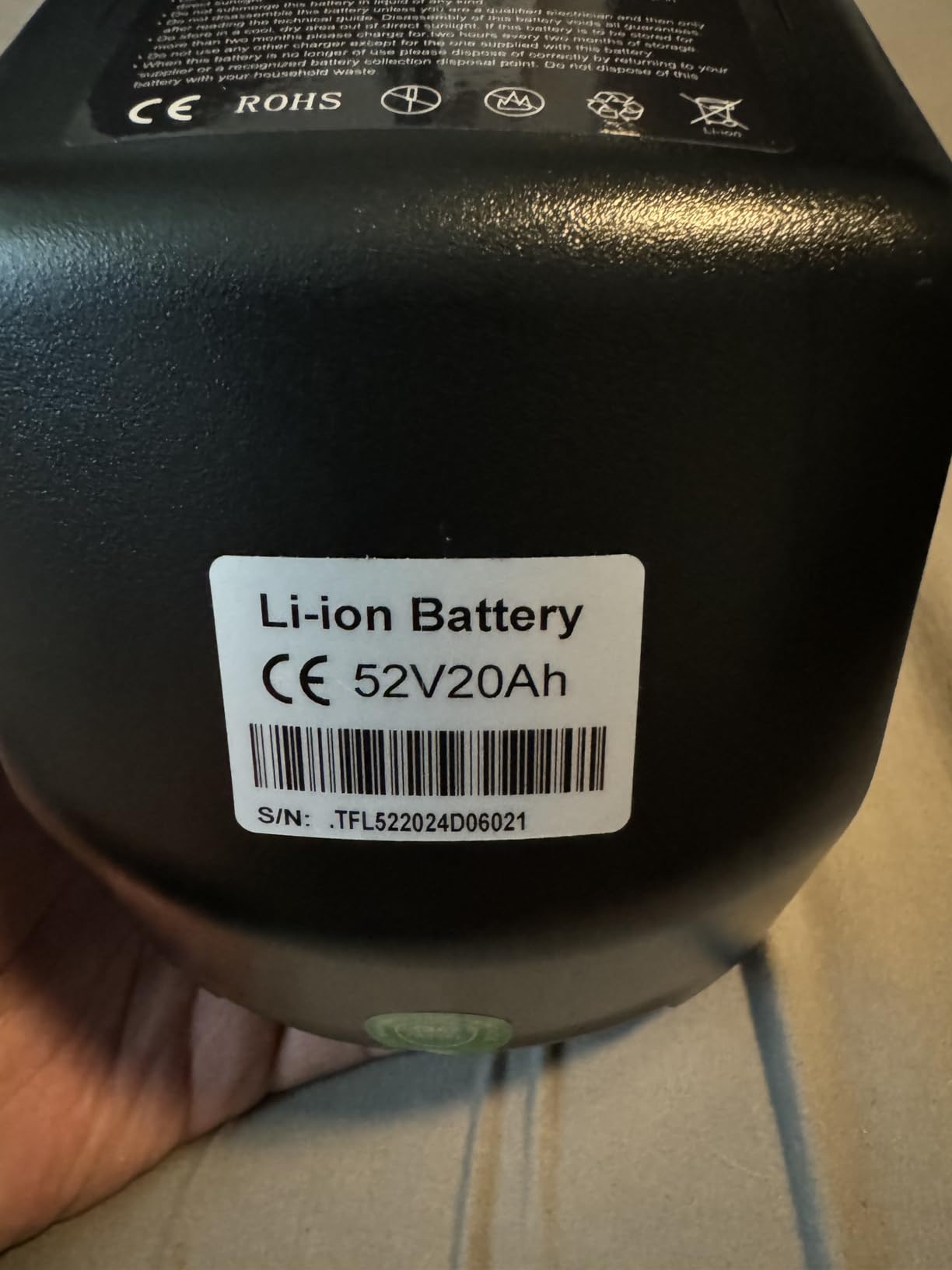
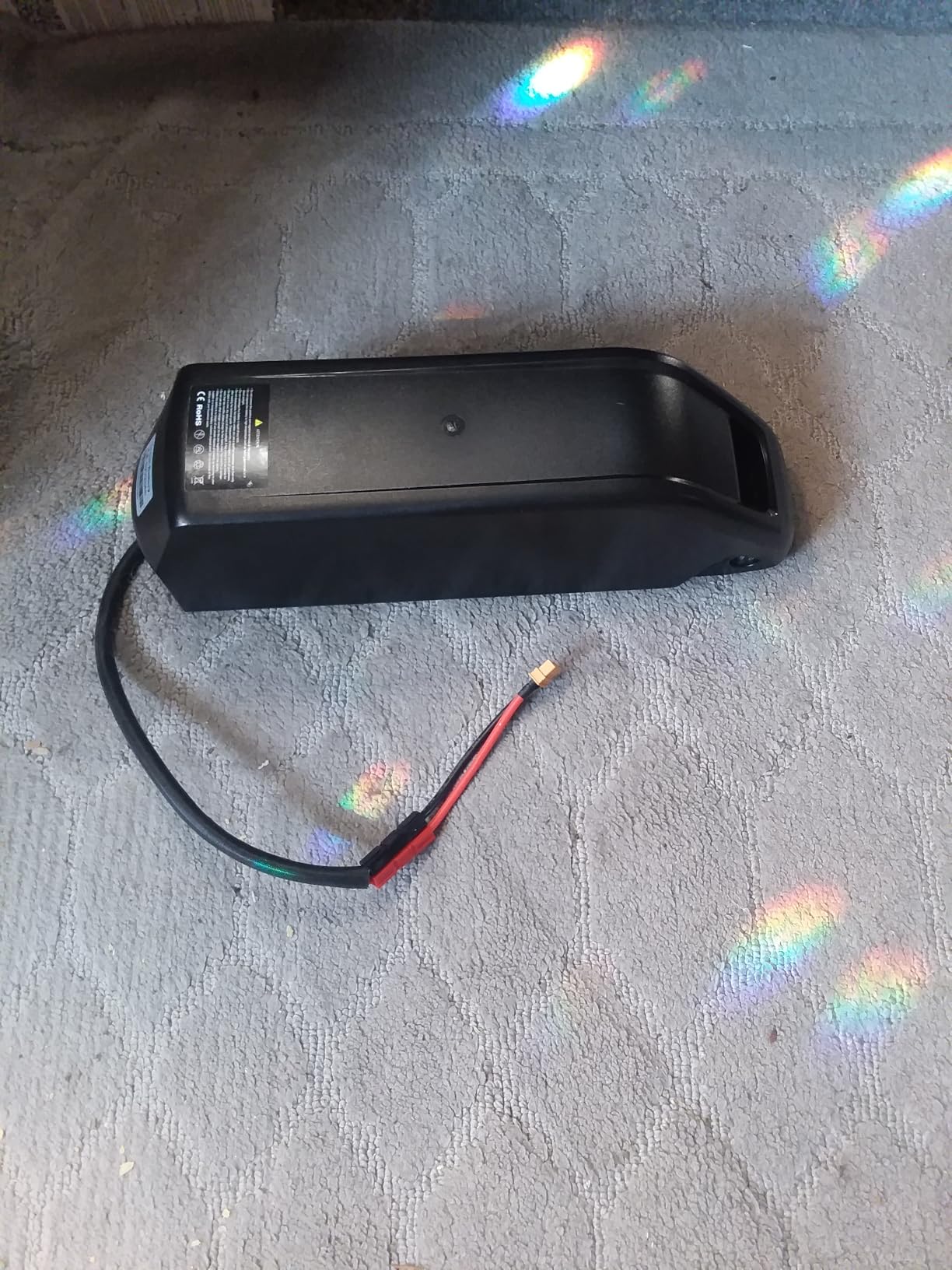
The pack is rated for motors from 250W through 1600W including BBSHD configurations, and the BMS cuts power on overheat, undervoltage, overcharge, overdischarge, overload and short circuit. The charger, safety lock and mounting bracket are all included, and the case is designed for easy removal.
One detail to know before ordering: the 52V version is specified for 1000W motors while the 48V variant suits 500W to 1000W setups, and 48V 17.5Ah and 48V 20Ah variants are also offered. The LED indicator shows one red plus three green lights when charging is complete, though owners report the gauge itself is unreliable and suggest reading voltage off the display instead.
What makes this different from a generic 52V pack
A generic pack in the same price bracket stores the same energy, so the difference is integration. When the motor, controller and battery share a design language, firmware expectations line up and the assist levels behave predictably rather than cutting out under load.
Owners also report that it works with existing 48V setups despite the 52V listing designation, which opens options for frames not designed around the higher voltage.
Watch the connector gender
Connector gender and charger connector are not standardized on this pack, and one install needed a male connector swap plus a separate adapter cable. Check the polarity and connector type against your harness before ordering, and note the one-star share of 13 percent is the second highest in the group, with one unit that stopped charging after about a month and unresponsive support.
How to Work Out the Battery Size You Actually Need
Start with watt-hours, not amp-hours. Watt-hours is voltage multiplied by amp-hours, and it is the only figure that compares fairly across systems. A 48V 20Ah pack stores 960Wh; a 36V 15Ah pack stores 540Wh, so the higher-voltage pack carries nearly twice the energy despite the lower amp-hour number on the label.
Then apply a power budget rather than a distance target. Divide your required watt-hours by the motor’s typical draw, and remember that assist level changes that draw completely. A rider cruising at assist 2 draws a fraction of the same rider at assist 4 on the same hill, which is why quoted ranges vary so widely between reviews of the same pack.
The last step is the ceiling. Your controller defines the maximum voltage the system will accept, and your frame defines the maximum dimensions. A pack that exceeds either one is not a better battery, it is a compatibility problem, and it is the reason we put the checklist above the product list.
Claimed Miles vs Real Miles: Why the Gap Exists
Every pack on this list quotes a range figure, and no two of them use the same test conditions. The seller-stated numbers in the roundup run from 20-plus miles for the LiFePO4 packs to 30 to 45 miles for the Varstrom 52V, while owner reports on the 15Ah packs run from 25 to 50 miles. The spread is the conditions, not the deception.
Six variables account for most of it: rider weight, terrain, assist level, wind resistance, tyre pressure and weather. A 100-pound rider on flat tarmac at assist 1 will see figures near the top of any owner’s reported range, and the same rider at assist 4 into a headwind will see numbers closer to the bottom. Wind is the one most riders forget, and on an exposed road it can matter as much as the assist setting.
Tyre pressure is the cheapest variable to fix and the one most often neglected. Underinflated tyres increase rolling resistance, and a pack paying for every extra watt is a pack that arrives at the destination with less charge than the display suggested it would.
Cell Chemistry and Cell Format in Plain English
Cell format is simply the physical size of the individual cells, and the two you will meet are 18650, which measures 18mm by 65mm, and 21700 at 21mm by 70mm. The 21700 is larger, which means more energy per cell and fewer cells to manage, but the practical difference to a buyer is that a 21700 pack is usually the lighter option for the same watt-hours.
Chemistry matters more. NMC lithium-ion dominates bike packs and offers high energy density, which is why almost every pack on this list uses it. LiFePO4 stores less energy per kilogram but tolerates far more cycles and handles heat better, which is the trade the two Cymoye packs make deliberately. Builders who prioritise longevity and safety over minimum weight repeatedly choose LiFePO4 for exactly this reason.
Cell brand is the last piece, and it is the one most sellers omit. LG and Samsung cells appear explicitly in the specs of the Unit Pack Power, Varstrom 52V and Bafang packs, and those three carry a predictability that anonymous high-capacity cells cannot promise. Anonymity is not proof of a bad cell, but it removes your ability to judge one.
Charging, Storage and Lithium Battery Safety
Only one pack in this roundup carries an explicit safety certification, with UL 2271 certified cells behind a 30A BMS. Other standards exist for e-bike electrical systems, and their absence is worth noticing rather than ignoring. Certification tells you a pack was tested to a recognised standard, not that it is unbreakable, but it moves the pack from unknown to tested.
Charge on the surface you can see, on a non-flammable surface, and never overnight where a failure goes unnoticed. Lithium fires are rare but they are fast, and a pack that has been dropped, crushed or fitted to a frame that rattles deserves inspection before it is reconnected.
For storage, community practice is consistent across the e-bike forums: keep the pack somewhere cool and dry, roughly between 40 and 60 percent charge, and take it off the bike if the bike sleeps outside. Riders on r/ebikes and r/deliveroos repeat the same advice that a pack left empty through winter ages faster than one held at half charge, and that partial charges do far less harm than deep discharges.
Do not store a pack at full charge in heat either, since a full pack in a warm garage is the combination that ages fastest. If you only ride seasonally, charge to about half, seal it in a fireproof bag or a metal container, and top it up once every couple of months.
How to Choose a Long-Range E-Bike Battery
Work through these factors in order, because later ones are wasted if the earlier ones fail. Confirm the voltage, then the controller current, then the connector, then the physical dimensions, and only then look at capacity. A 1000Wh pack that does not fit is worth 0Wh.
Next, match discharge to the motor. A 1000W mid-drive on moderate hills is comfortable with 30A, while a 1500W hub climbing under load wants 40A or more. Buying a 50A pack for a 30A controller wastes money, and buying a 30A pack for a 1500W motor means the BMS cuts power on exactly the climbs you bought capacity for.
Then weigh three trade-offs honestly. Bigger means more range and more weight, and the packs here range from 7 pounds at 15Ah to 18.3 pounds for the LiFePO4 50A unit. Newer chemistry means more cycles and slightly less energy density. Faster chargers mean shorter down time and a little more stress on the cells.
Finally, decide between a new battery and a new bike, because this is the question that comes up most often on r/ebikes, r/ElectricBikes and the Endless Sphere DIY EV forum, and almost no editorial page answers it. The recurring arithmetic from riders is stark: a replacement OEM pack can represent more than half what the bike cost new, at which point the sensible comparison is not battery against battery but battery against a new machine with a warranty and a known controller.
Our rule of thumb is simple. If your frame, motor and controller are sound and the rest of the bike is worth keeping, a replacement pack at under a third of the bike’s original cost is defensible. Above that, you are financing a depreciating frame with new parts, and a different conversation starts.
One last consideration for anyone planning ahead: a dual-battery build gives you roughly the sum of both packs if the controller supports parallel charging, which is how one rider in this roundup doubled his range. The constraint is the controller current ceiling, since two packs pulling simultaneously is where a 40A limit gets exceeded.
Frequently Asked Questions
Which electric bike battery has the longest range?
Range follows stored energy in watt-hours, which is voltage multiplied by amp-hours, then divided by how hard the motor works. The largest packs in this roundup store about 1075Wh at 48V 22.4Ah, while the 48V 20Ah packs store 960Wh and the 15Ah packs store 720Wh. Expect roughly 25 to 50 miles of assisted riding from a 720Wh pack, and more from the 960Wh and 1075Wh units, depending on rider weight, hills, assist level, tyre pressure and wind.
Which brand of ebike battery is the most reliable?
Reliability tracks the cell brand and the warranty more than the label. The packs here that name LG or Samsung cells are the Unit Pack Power 48V 20Ah, the Varstrom 52V 20Ah and the Bafang 52V 20Ah. The two Cymoye LiFePO4 packs hold the highest ratings at 4.7 with no one-star reports, helped by LiFePO4 cycle life, and the Joyisi 48V 15Ah has the deepest owner record at 144 reviews.
Can I put a more powerful battery on my ebike?
Only within limits set by the controller and the frame. The controller’s maximum voltage cannot be exceeded, so a 52V pack that charges to 58.8V will not work on a 48V-only system. Both current ceilings also apply, meaning the pack BMS and the controller each have a maximum and the lower one wins. Measure the battery compartment in millimeters and confirm the connector type before ordering.
How long do e-bike batteries last?
It depends on chemistry and habits more than the brand. NMC packs are commonly specified at 800 to 1000 charge cycles, with one unit here rated to retain 80 percent capacity after 800 cycles, while LiFePO4 packs tolerate far more cycles and are specified at 1500-plus. Storing a pack at around half charge in a cool place and avoiding deep discharges extends calendar life considerably.
Are lithium e-bike batteries a fire risk?
The risk is low with a sound pack but not zero, and a few precautions reduce it further. Look for a recognised certification such as UL 2271 or UL 2849, which only one pack in this roundup carries explicitly. Never charge unattended overnight, charge on a non-flammable surface, and inspect any pack that has been dropped or crushed before reconnecting it.
The Long-Range Verdict for 2026
The Joyisi 48V 15Ah takes our pick for the best e bike batteries for long range because it combines the deepest owner record in the group with certified cells, a lockable removable design and a size that fits most frames without fabrication. If your controller can take it, the 30A ceiling and 15Ah output make it the safest upgrade on this list.
For more energy, the Varstrom 48V 20Ah and the Unit Pack Power 48V 20Ah both store 960Wh and name their cell brand, while the PLXNYLB 48V 22.4Ah is the capacity leader if you can live with its size. Riders keeping bikes long should look at the Cymoye 48V 20Ah LiFePO4, where 4.7 ratings and a lighter case than its 50A sibling make it our premium pick, and anyone running a Bafang mid-drive should start with the Bafang 52V pack.
Whichever you choose, measure the bay, confirm the connector, check the controller ceiling and test the pack within the return window. That fifteen minutes of checking prevents almost every complaint we read across these twelve products.