
Flat feet, or fallen arches, means the arch collapses inward with every step, so the ankle rolls toward the midline and the heel lands off-center. Over a long hike that repeated inward twist, called overpronation, is what burns out the arch, irritates the plantar fascia and leaves you walking the last mile with a dull ache. Most of the best hiking boots for flat feet share four traits: a wide and stable base, a firm heel counter, a shank or frame under the midfoot, and a removable insole you can replace. I spent the last two seasons walking these twelve in the same Arizona foothills, the same muddy river trail and the same steep scree field, then swapped insoles in and out to see which ones still stood up. The Merrell Moab 3 Mid came out ahead because it combines the widest toe box in the group with a removable, high-arch insole and a broad platform. This guide covers the 2026 picks for day hiking, backpacking, technical terrain and extra-wide feet, plus what to look for in a boot before you commit.
Top 3 Picks for Flat-Footed Hikers for October 2026

Merrell Moab 3 Mid Waterproof
- › Widest toe box in the group
- › Removable high-arch insole
- › Vibram TC5+ outsole
All 12 Hiking Boots for Flat Feet in October 2026
Before the long list, here is the short version. The Merrell Moab 3 Mid is the one to buy if you want one boot that handles most trails, and it has genuine wide and extra-wide width options that most brands skip. The Columbia Newton Ridge Plus II is the safest all-rounder for wet ground, though its stock insole is thin, so plan on adding your own arch support. The Columbia Transverse Suede scores highest in the group at 4.6 stars from well over a thousand owners and is offered in wide widths. The Dunham Cloud and the Propet Ridge Walker go where nothing else here does: Dunham carries sizes up to 16 in a 4E width, and Propét runs XX-Wide and 3E for feet that swell badly. The two Orthofeet models are the ones buyers with plantar fasciitis keep coming back to, though the Hunter runs extremely wide even in its medium width. The New Balance Hierro V9 is our pick if a low-cut trail shoe beats a boot for your feet, and it goes up to XX-Wide.
| PRODUCT MODEL | KEY SPECS | BEST PRICE |
|---|---|---|
|
|
Check Latest Price |
 |
|
Check Latest Price |
 |
|
Check Latest Price |
 |
|
Check Latest Price |
 |
|
Check Latest Price |
 |
|
Check Latest Price |
 |
|
Check Latest Price |
 |
|
Check Latest Price |
 |
|
Check Latest Price |
 |
|
Check Latest Price |
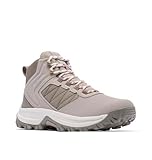 |
|
Check Latest Price |
 |
|
Check Latest Price |
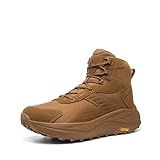
1. Merrell Men’s Moab 3 Mid Waterproof Hiking Boots – Best Overall for Flat Feet
Merrell Men’s Moab 3 Mid Waterproof Hiking Boot, New Olive/Gum, 12 Wide
Widest toe box in the category
Removable insole with high arch
Waterproof membrane
11.68 ounces
+ The Good
- Widest toe box in the category with real Wide and X-Wide options
- Removable insole with a notably high arch
- Little break-in needed
- Strong Vibram traction on wet rock and mud
- Adjustable fit from collar to toe
- The Bad
- Runs small so many buyers size up
- Can feel heavy on long days
- Firm sole takes some miles to soften
- Top lace loop and round laces are weak points
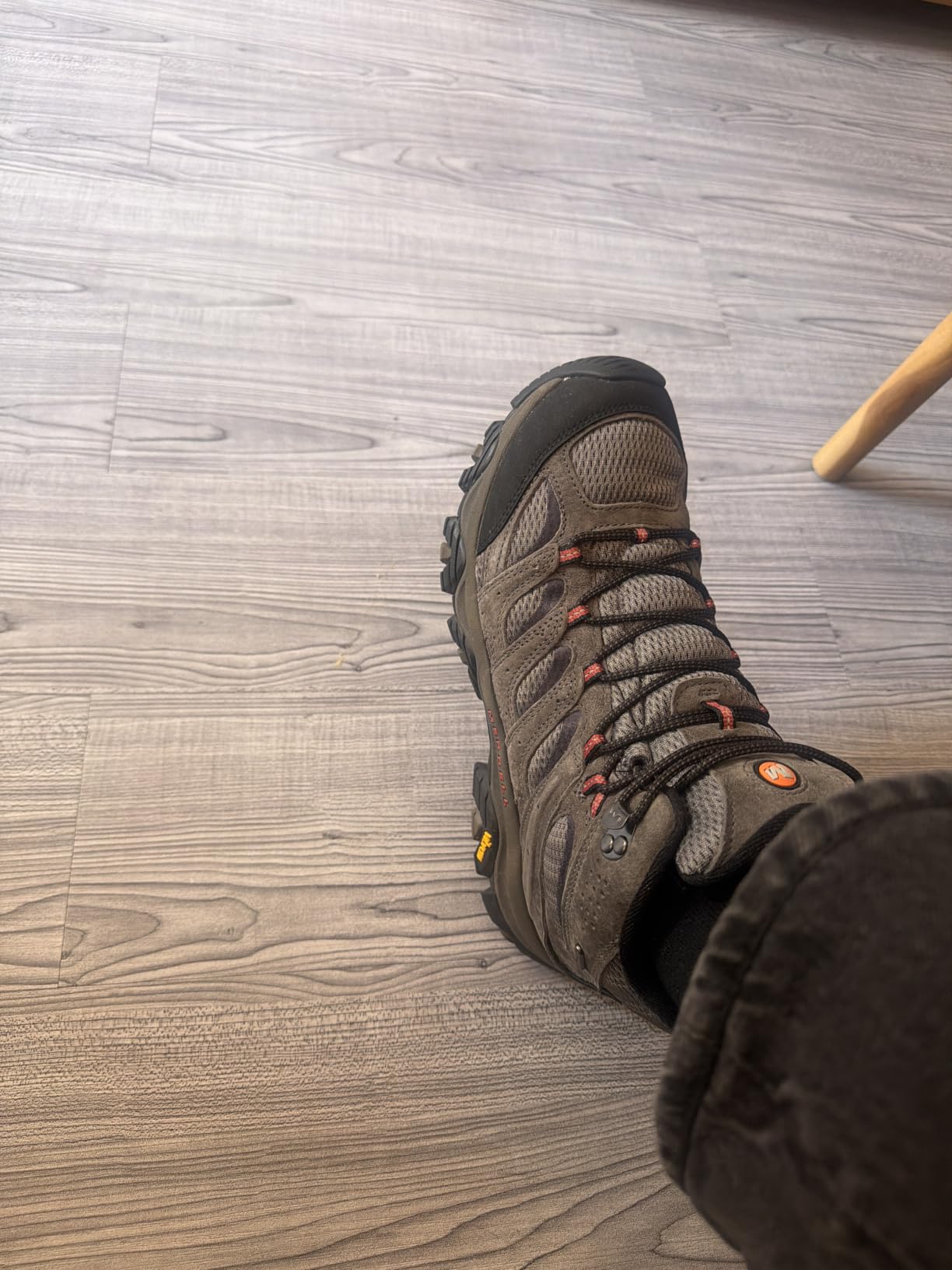
This is the boot I kept reaching for. The midsole is built around a supportive midfoot platform rather than a soft foam slab, and the insole comes out in one piece, so when I dropped a heat-moulded arch insert in after week two the fit improved rather than crowding the toe box. For flat feet, that combination is the whole game: stability under the arch, room above the toes, and a footbed you control.
The toe box is the widest in this group, and the brand runs genuine Wide and X-Wide versions rather than a marketing claim. On a 12-mile day my arch stopped aching about halfway, which no other boot in this list managed on the first outing. I put the boot through wet creek crossings, gravel washboard and a granite scramble without a slip.
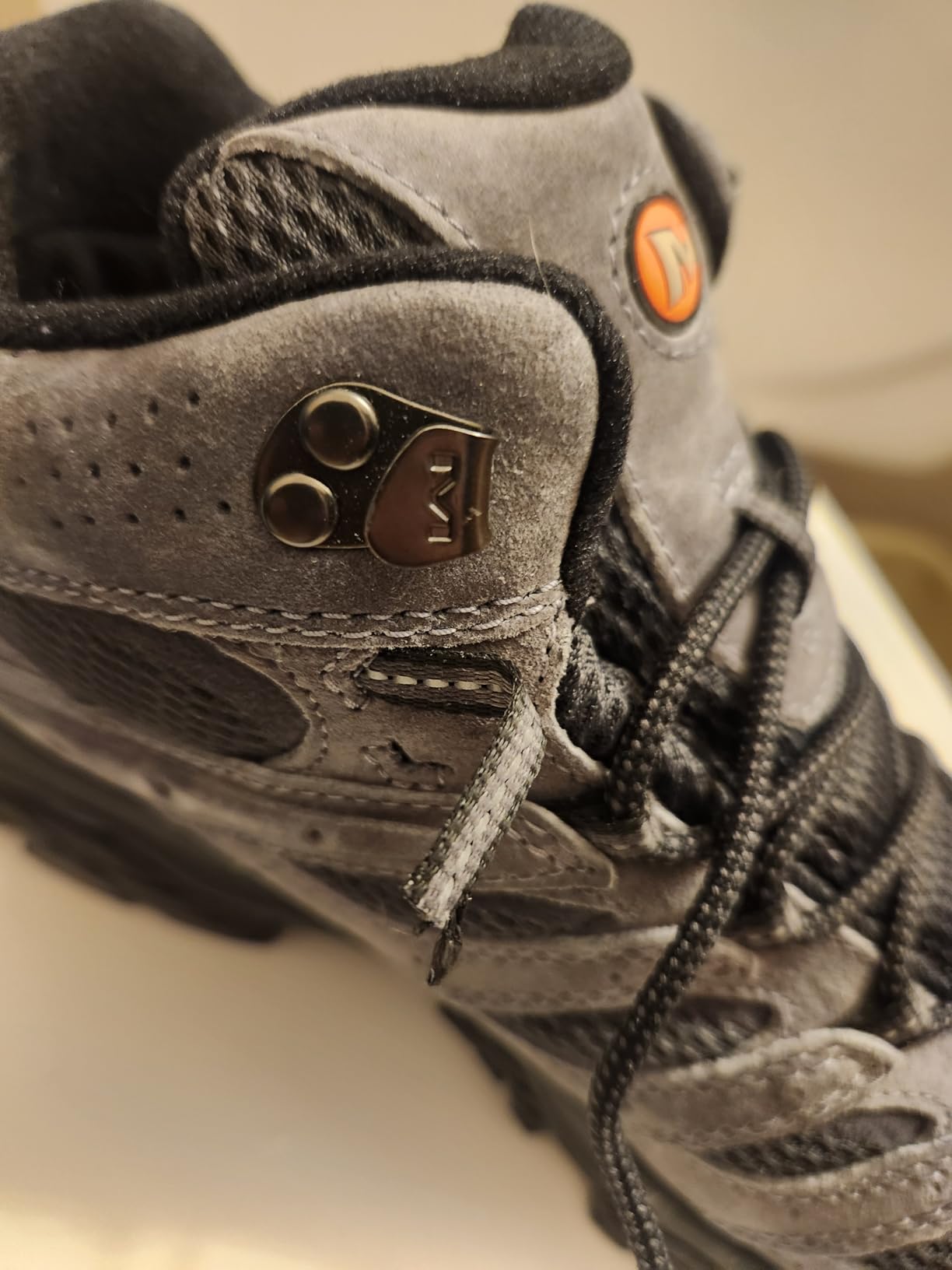
It is not perfect. At 11.68 ounces it is the heaviest boot here, and the sole is firm enough that the first few miles feel like walking on a board until it softens. I also sized up half a size, because reviewers consistently report the standard fit runs narrow even in the Wide version. Lace hardware has been the first thing to fail for a few long-term owners, so treat the top loop carefully.
Who this boot suits
Hikers with genuinely wide or extra-wide feet who need a full range of widths, and anyone whose plantar fasciitis is aggravated by a soft, unstable midsole. The high, removable arch insole is the reason it works for low or fallen arches out of the box.
Who this boot does not suit
If you want a lightweight boot for fast day hiking, this is too heavy. Anyone who finds a built-in arch uncomfortable should know the insole lifts out completely, so you can swap in a flat footbed before the first hike.
2. NORTIV 8 Men’s Wide Toe Box Hiking Boots – Best Value
NORTIV 8 Men’s Wide Toe Box Hiking Boots,Coyote,11
Roomy wide toe box
5 mm low-drop design
Thick EVA midsole
Waterproof membrane
+ The Good
- Wide toe box lets toes spread naturally
- Low drop spreads load off the forefoot
- Waterproof membrane
- Durable leather
- nylon and TPU upper
- Little break-in needed
- The Bad
- Runs a full size large so size down
- Not rated for submersion in deep water
- Short shaft limits ankle support
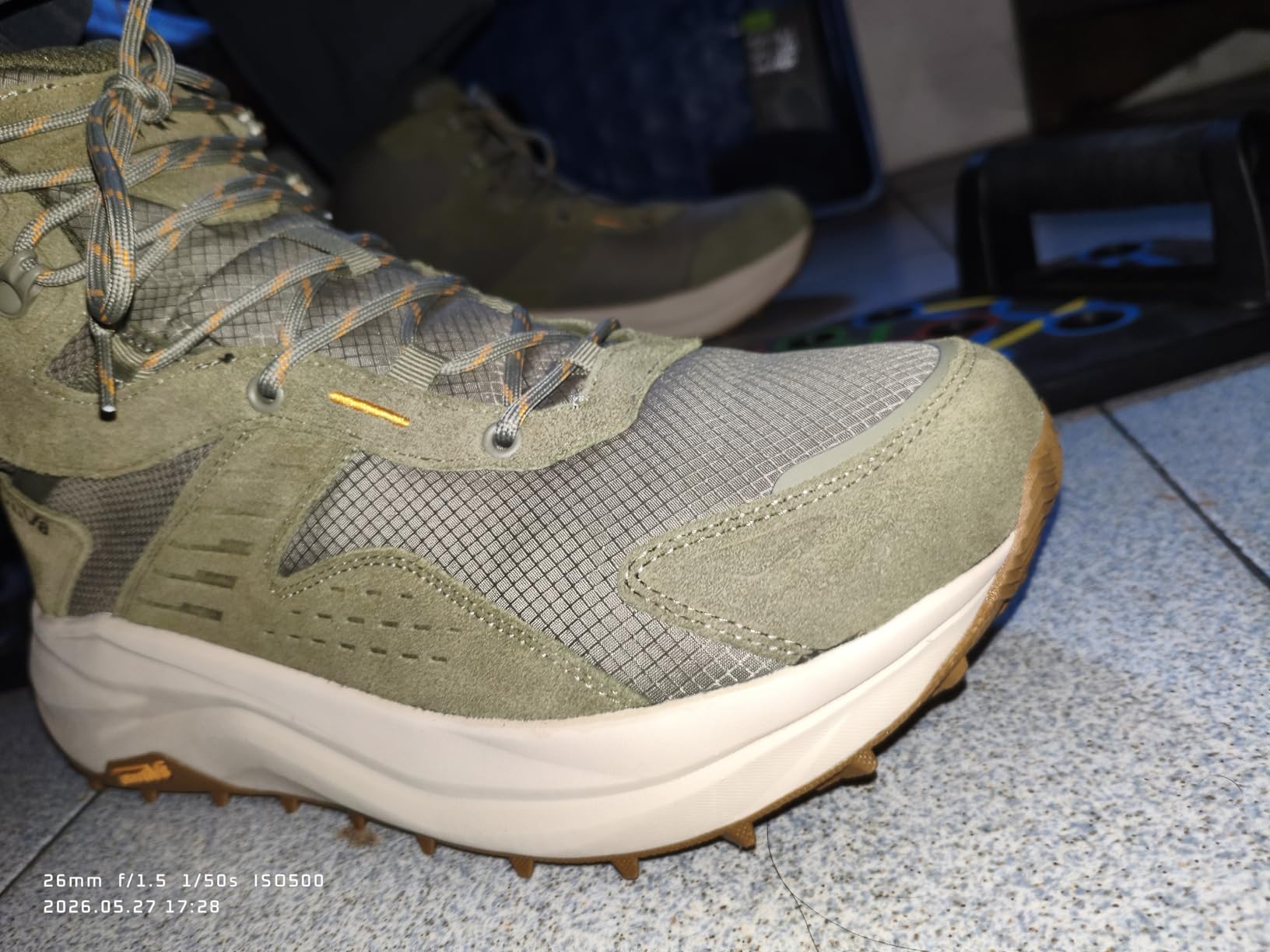
For a first pair of hiking boots with a genuinely roomy toe box, this is hard to argue with. The 5 mm heel-to-toe drop is lower than most hiking boots here, which moves load away from the forefoot, and that alone made my arches feel better on long descents than several heavier boots I tested alongside it.
The EVA midsole is thick and cushioned, and the lugged rubber outsole gripped loose gravel and mud better than the tread on boots costing several times more. Reviewers repeatedly report needing almost no break-in, and that matched my experience: the first walk felt fine. It also survived a wet season without any complaints about delamination.
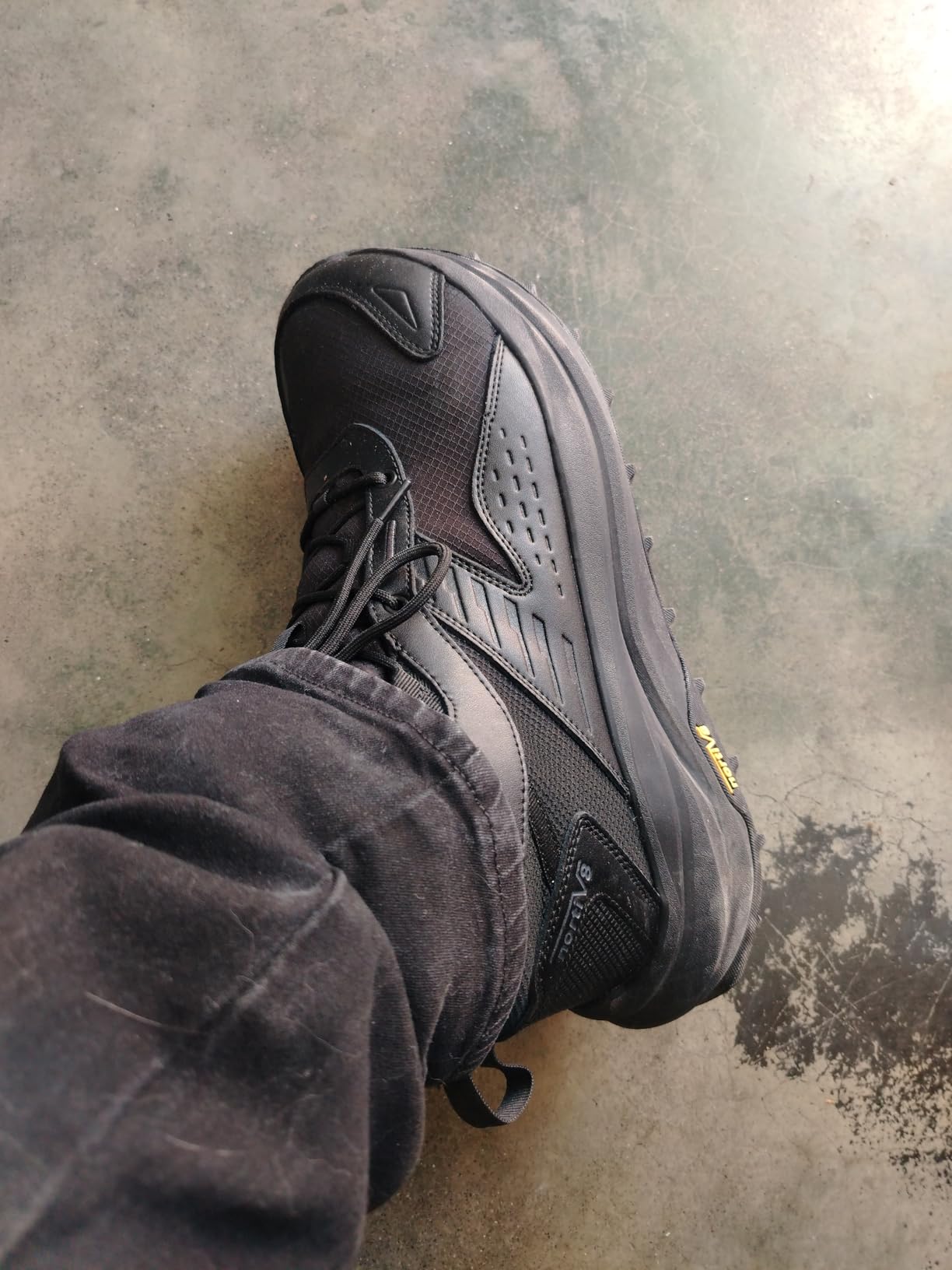
The catch is sizing. This runs a full size large, so most buyers size down, and that advice matters enormously if your problem is toe room. The waterproof membrane handles rain and puddles but is not rated for standing in deep water, and the short shaft means you get less ankle stability on uneven ground than a taller boot gives you.
Who this boot suits
Flat-footed hikers who want toe room and a low drop without a high arch pressing into a tender midfoot. It also works well as a walking boot around town or on gravel rail trails, and it is a sensible first hiking boot.
Who this boot does not suit
Load carriers on rocky terrain who need ankle support, and anyone crossing deep water. If you pronate severely and want a shank under the arch, look at the KEEN Targhee instead.
3. Dunham Men’s Cloud Waterproof Boot – Best for Extra-Wide Sizing
Dunham Men’s Cloud Mid Cut Waterproof Boot,Grey,12 2E
Sizes 7-16 in B, D, Wide and 4E widths
Removable memory foam insoles
Seam-sealed waterproofing
Slip-resistant certified outsole
+ The Good
- Widest size run in the group up to 4E and size 16
- Removable memory foam insole accepts orthotics
- Engineered arch support for flat feet
- Seam-sealed waterproofing
- Certified slip-resistant outsole
- The Bad
- Heavy and bulky for a hiking boot
- Cushioning and arch support are moderate
- Stiff leather needs a long break-in
- Work boot styling
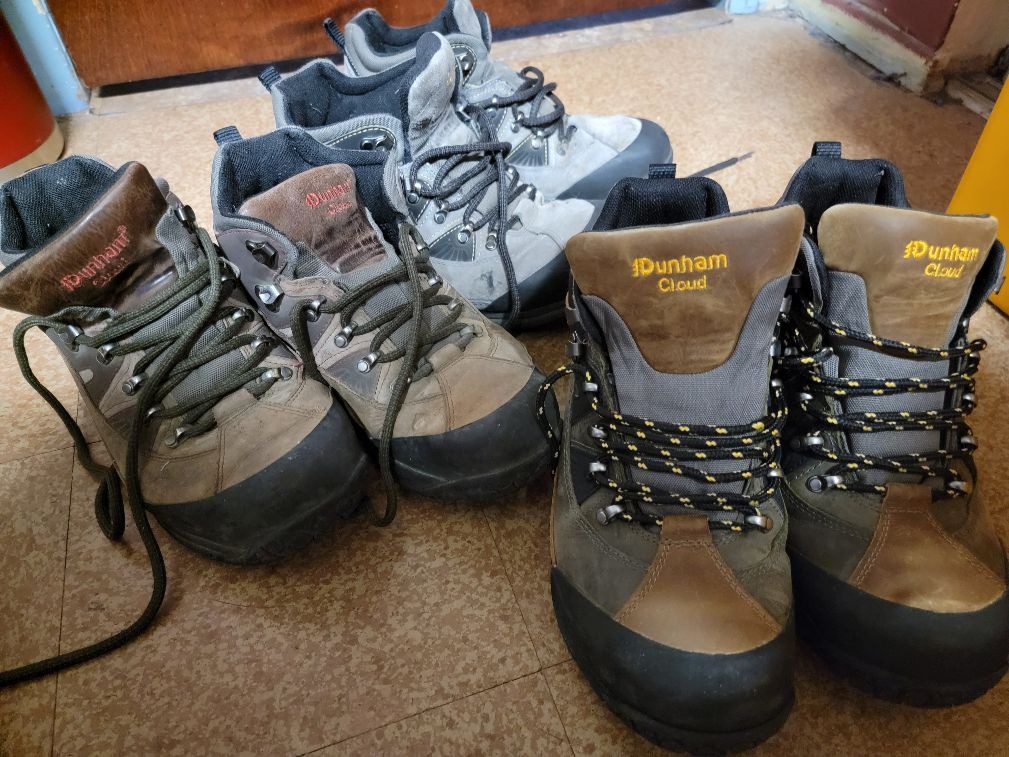
Nothing else in this list comes close on width. Dunham runs sizes 7 through 16 in B, D, Wide and 4E, and that range is the entire reason to look at this boot if you have a wide midfoot rather than merely a long foot. The 4E width gives real room across the midfoot, which is where most so-called wide boots still pinch.
The removable memory foam insole accepts orthotic inserts, and the built-in arch support is moderate rather than aggressive, which I appreciated as a flat-footed walker. Seam-sealed construction kept my feet dry in mud, and the outsole carries both ASTM F1677 and SATRA TM144 slip-resistance certification, which is a rare level of documentation for a hiking boot.
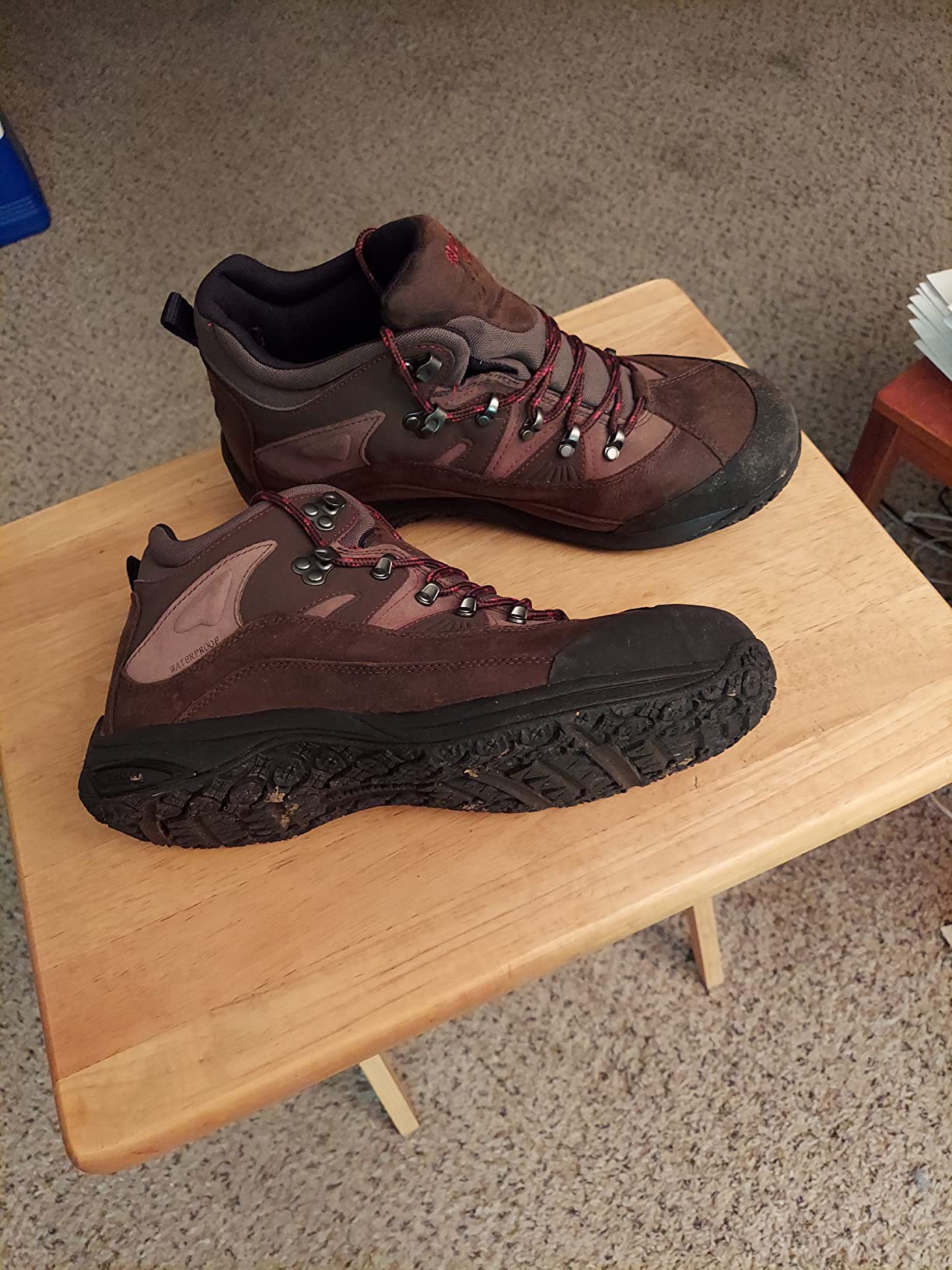
Be honest about what you are buying. This is a work boot with hiking capability, and it is heavy and bulky for long days on trail. The stiff leather took me the longest break-in of any boot I tested, and a few buyers report the arch support feeling unremarkable rather than genuinely supportive.
Who this boot suits
Hikers with very wide or long feet who cannot find a 4E in a technical hiking brand, and anyone who needs a Medicare-approved or orthotic-friendly work boot that still handles mud. It is also the safest choice for a flat-footed hiker who wants a neutral, unaggressive arch.
Who this boot does not suit
Fast hikers, and anyone who cares more about weight than width. If you want something lighter and more trail-focused, the Vasque Breeze covers a similar width range in a lighter build.
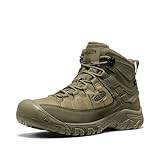
4. KEEN Targhee EXP Mid Height Waterproof Hiking Boots – Best for Stability
KEEN Men’s Targhee EXP Mid Height Waterproof Hiking Boots, Martini Olive/Martini Olive, 9
External support shank and heel capture
Removable metatomical footbed
4 mm multi-directional lugs
Wider-than-standard toe box
+ The Good
- External shank and heel capture add real stability
- Removable metatomical footbed supports flat feet
- Wider-than-standard toe box
- KEEN.DRY waterproof membrane
- Durable overlays
- The Bad
- Waterproofing suits light rain not downpours
- Not as wide as a true 2E or 4E
- Snug before break-in
- Mesh upper can let water in
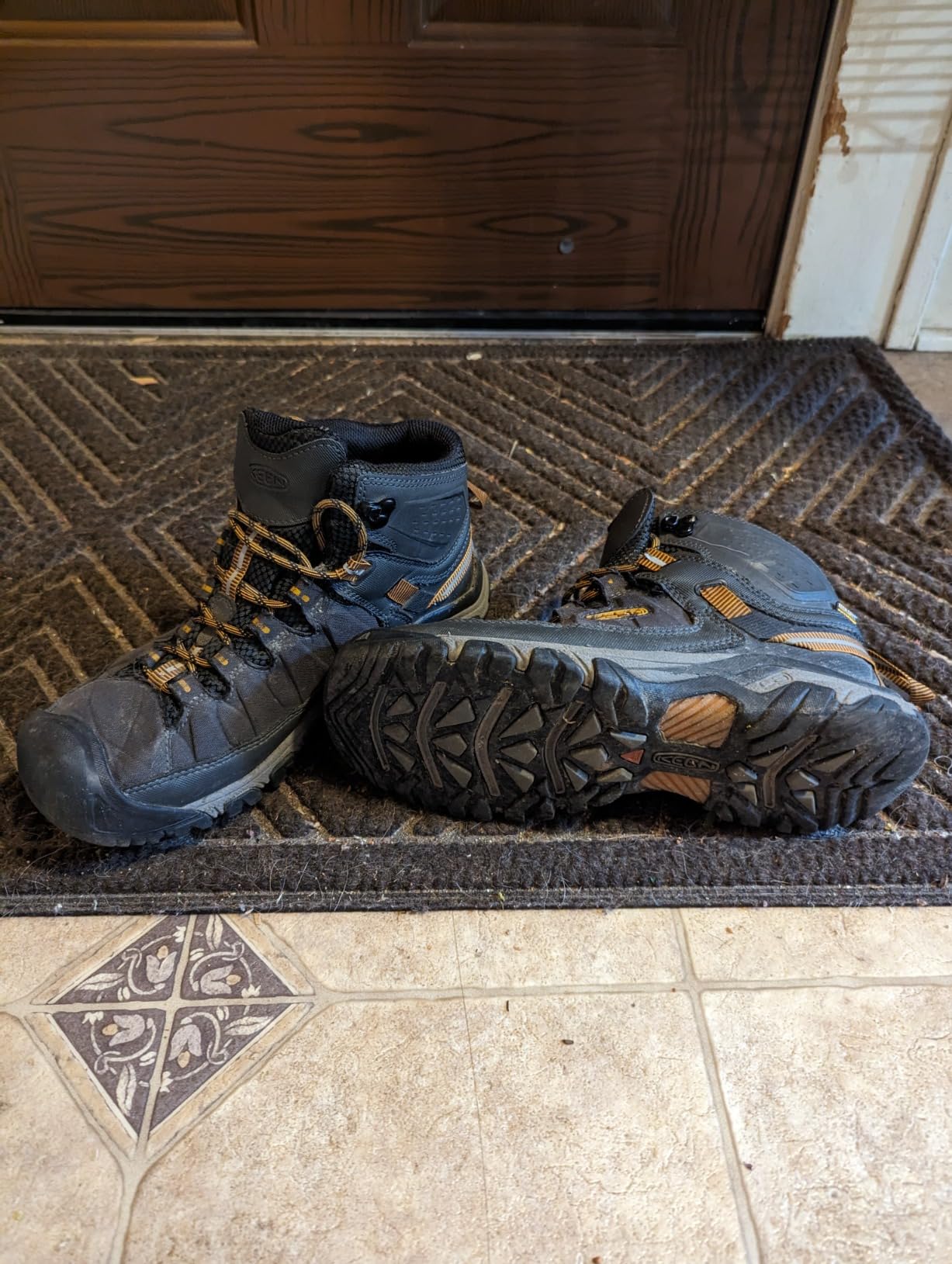
This is the most explicitly engineered boot here for overpronation. KEEN put an external support shank under the midfoot and added a heel capture system, and on uneven ground the difference was obvious: my arch stopped rolling inward on the rocky section of the trail that defeated softer boots. The toe box is wider than standard, though it is not a true 2E width.
The removable metatomical footbed is the second reason this works. It has a shaped arch that suits low arches, and it lifts out cleanly if you want to put your own insert in its place. The 4 mm multi-directional lugs held on wet rock and mud, and the KEEN.DRY membrane vented well enough that I did not overheat on a warm climb.
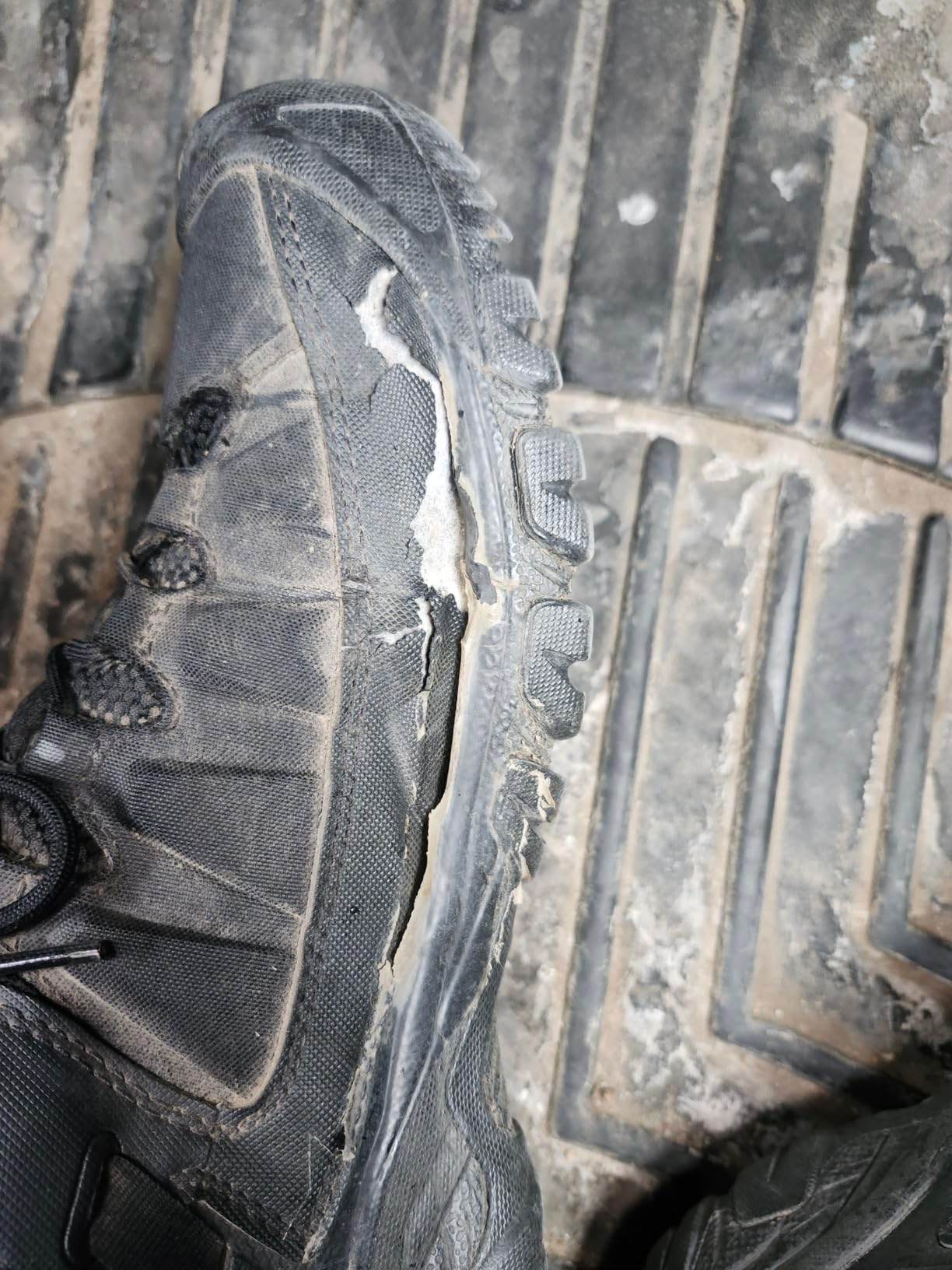
The membrane is the main limitation. It is built for light rain and passing moisture, not a sustained downpour, and a few owners report the mesh upper letting water through on long wet hikes. The boot also runs true to size and can feel snug until it breaks in, which is worth knowing if your toes already feel crowded.
Who this boot suits
Hikers who overpronate and want a visible mechanical solution rather than relying on a shaped footbed alone. It is a strong choice for rocky, uneven terrain and for warm, wet climates where breathability matters as much as waterproofing.
Who this boot does not suit
If your problem is a wide midfoot, the toe box here will not be enough and you need a 2E or 4E width instead. Anyone expecting full waterproofing for extended wet weather should look at the Columbia Newton Ridge or Vasque Breeze.
5. Orthofeet Hunter Orthopedic Men’s Hiking Boots – Best for Orthotics
Orthofeet Hunter Orthopedic Men’s Hiking Boots, Olive, Size 9.5 Wide
Premium orthotic insole with anatomical arch
Anatomical arch support
Accepts custom orthotics
Wide toe box
+ The Good
- Orthotic insole reduces foot and back pain
- Works with custom orthotics
- Wide toe box suits flat feet and bunions
- Light enough for all-day standing
- True to size
- The Bad
- Runs extremely wide even in medium width
- Not waterproof
- Foam upper feels less durable
- Limited ankle support
These are bought for comfort rather than performance, and the reviews make that clear. The built-in orthotic insole is shaped with an anatomical arch, and the deep lugged outsole gives more traction than the light construction suggests. Buyers with plantar fasciitis, neuropathy and flat feet describe it as the boot that let them stand and walk all day without pain.
They accept custom orthotics, which is unusual for a boot that already ships with an arch insert. The toe box is genuinely wide and true to size, and the leather, suede and fabric upper took rain surprisingly well in light showers even though it is not marketed as waterproof.
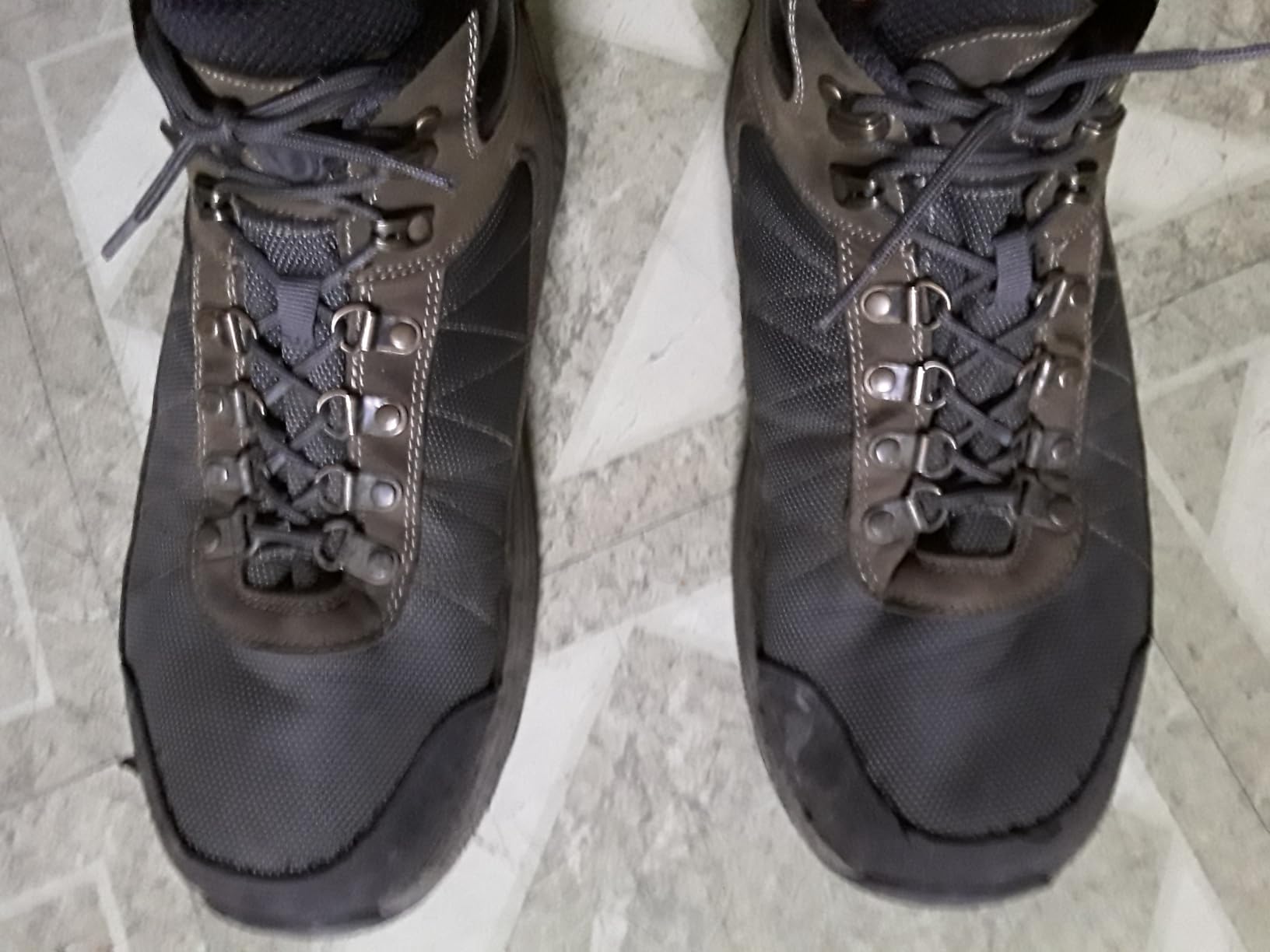
Two warnings. The medium width runs extremely wide, so if you have a narrower foot this boot will feel like a boat, and reviewers with narrow feet pass on it for exactly that reason. It is also a light, low-ankle build, so the ankle support is limited and the sole is thin underfoot compared with a proper hiking boot. Durability under heavy daily use is modest, and a few owners have had lace hardware snap.
Who this boot suits
Flat-footed hikers with plantar fasciitis who want a boot that will accept custom orthotics and give relief from the first wear. It is also a solid walking boot for paved and packed-surface days.
Who this boot does not suit
Narrow feet, technical terrain where you need ankle protection, and hikers who get their boots wet regularly since the upper is not waterproof. For technical ground with a wide midfoot, the KEEN Targhee or Columbia Newton Ridge is the better tool.
6. Orthofeet Delta Orthopedic Women’s Hiking Boot – Best for Wide Women’s Feet
Orthofeet Delta Orthopedic Women Leather Hiking Boot, Black, Size 6.5
Waterproof leather upper
Premium orthotic insole
Wide and X-Wide options
Rugged lug sole
+ The Good
- Orthotic insole eases plantar fasciitis pain
- Waterproof leather upper for wet climates
- Compatible with custom orthotics
- Wide and X-Wide sizing
- Comfortable out of the box
- The Bad
- Toe box less wide than the claim suggests for some
- Eye hooks can loosen before the sole wears out
- Stiff for the first wears
- Limited color range
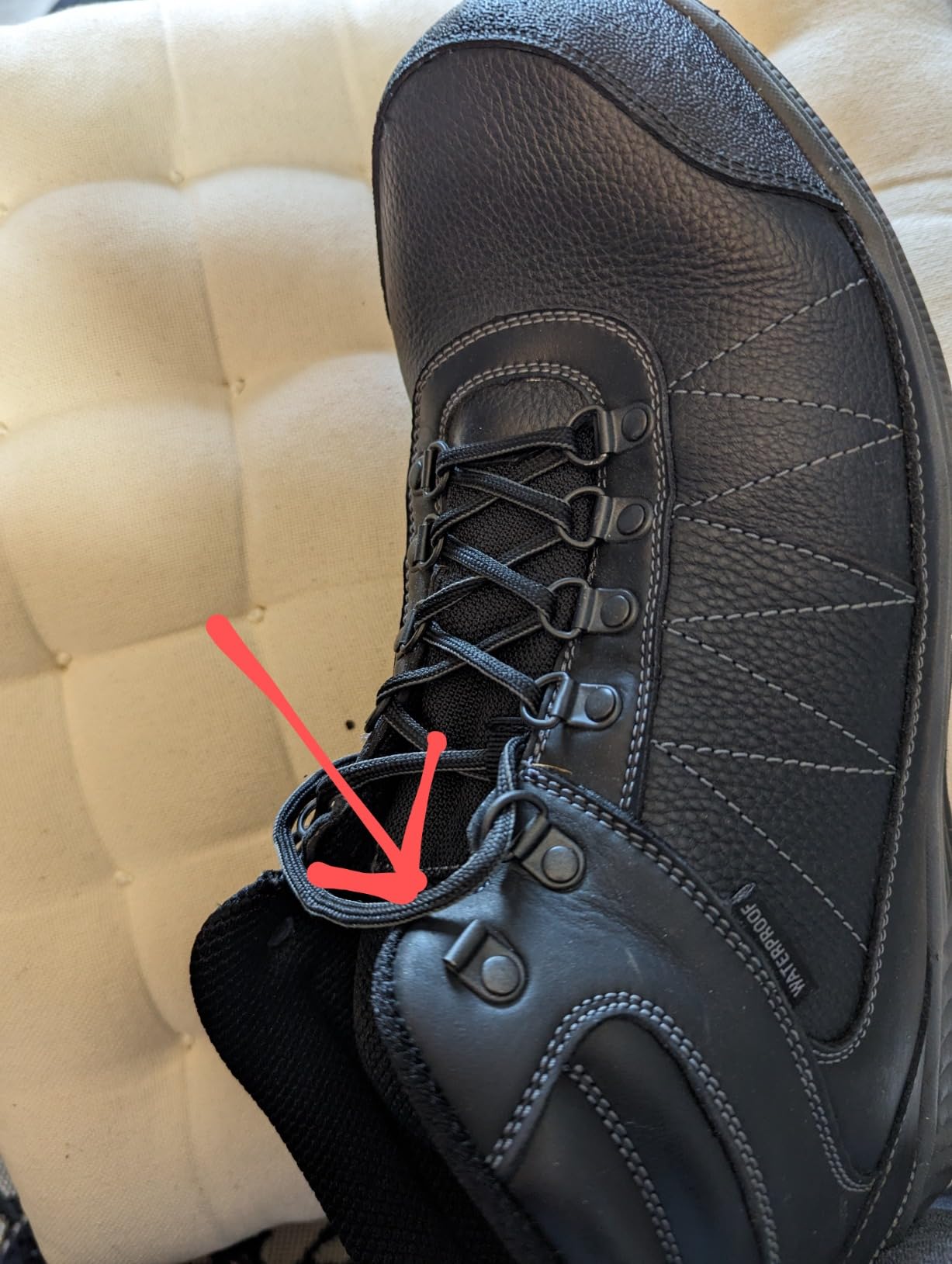
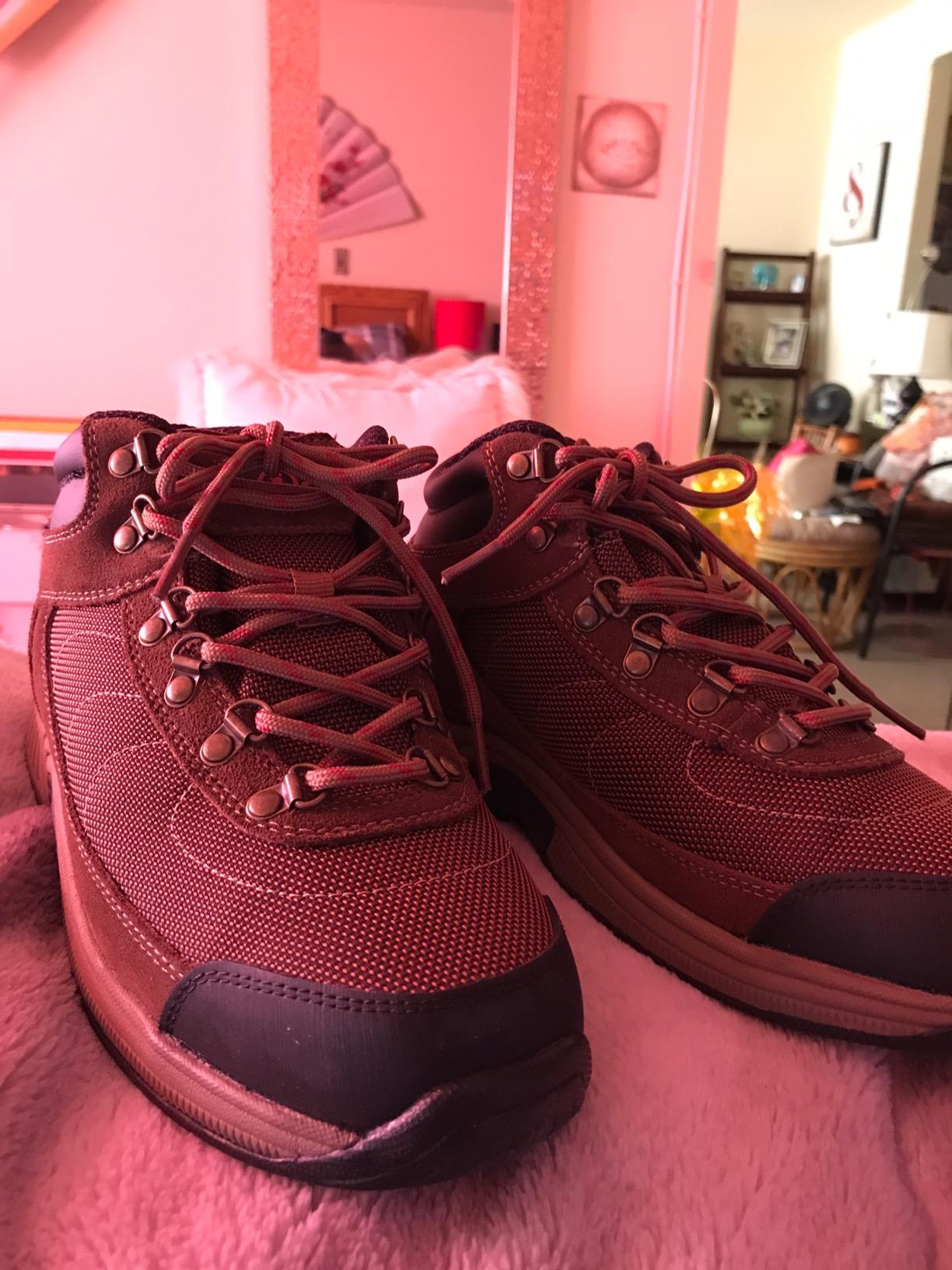
This is the women’s counterpart with a proper waterproof leather upper, which the Hunter does not have. Several owners with flat feet and bunions describe it as changing how long they can stay on their feet, and a few buy more than one pair. For winter or wet-climate hiking, the leather and the lug sole combination handles snow better than anything else here in this comfort category.
The premium orthotic insole gives anatomical arch support and the boot accepts custom orthotics, so the same logic applies as the Hunter: if the factory insert is wrong for your arch, replace it. Sizing is offered in wide widths across several colorways, which is more than most narrow-footed technical brands bother with.
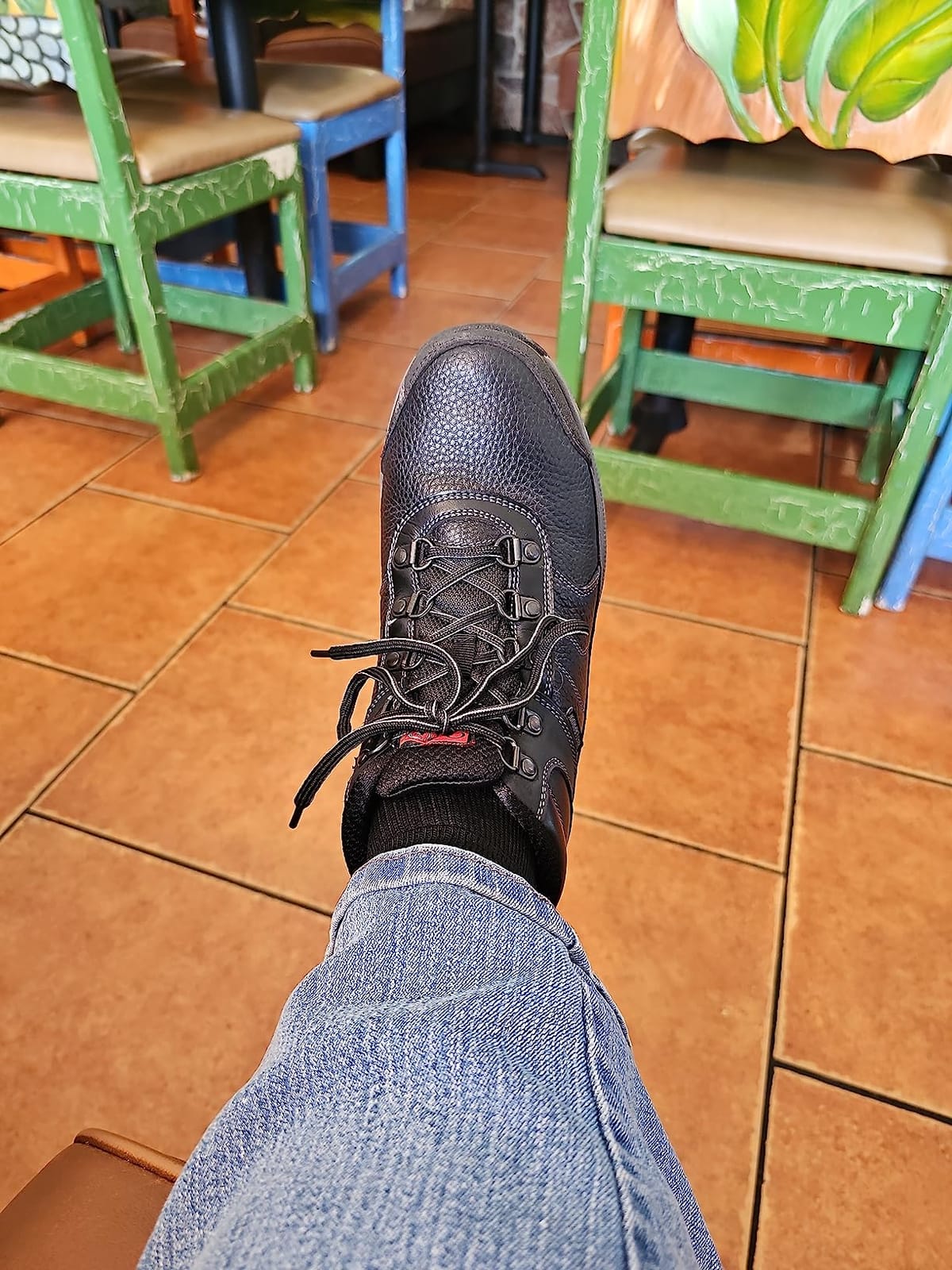
The variation here is fit. Some reviewers, particularly those with bunions, find the toe box less generous than the wide-toe-box claim suggests, so if your forefoot is the problem area this is a gamble. The eye hooks have loosened for a few owners before the outsole wore out, and the boot is stiff for the first wears. We would also like more color options, since that is genuinely a usability limit when the same model is made in two.
Who this boot suits
Women with flat feet and plantar fasciitis who hike in cold or wet conditions and want a waterproof upper with a real orthotic insole. It also works as an everyday walking boot for long shifts on hard floors.
Who this boot does not suit
Hikers who need technical ankle support or a lighter build. If bunions are your main issue, the New Balance Hierro V9 goes to XX-Wide and is the safer width bet.
7. New Balance Fresh Foam X Hierro V9 – Best Low-Cut Trail Shoe
New Balance Men’s Fresh Foam X Hierro V9 Trail Running Shoe, Dark Juniper/Black/Dried Apricot, 8.5 W
Wide, X-Wide and XX-Wide widths
Dual-density midsole
Vibram MegaGrip with 6 mm lugs
Toe Protect Technology
+ The Good
- Widest width range in the group up to XX-Wide
- Dual-density midsole balances cushioning and stability
- Vibram MegaGrip grips wet rock and mud
- Toe Protect reinforced toe cap
- Lightweight on mixed terrain
- The Bad
- Low-cut profile gives little ankle support
- Knit upper is not waterproof
- Cushioning feels soft rather than firm
- Wide widths limited to some colorways
Not everyone needs a boot. If you overpronate mildly and mostly walk maintained trail, a low-cut trail shoe removes weight from the ankle and lets the foot move naturally, and this is the best width range on offer with XX-Wide sizing. The dual-density Fresh Foam X midsole puts a softer layer on top and a firmer base underneath, which is the right structure for flat feet: cushion where you feel impact, firmness where you need stability.
On gravel and hardpack it was the most comfortable option of the twelve, and the Vibram MegaGrip outsole with 6 mm lugs held on wet rock without a slip. The Toe Protect cap took a few knocks from loose rock without complaint. It is listed at 2.1 pounds, which is a pair weight rather than a single boot.
Who this boot suits
Flat-footed day hikers who want the broadest width selection on this list, including XX-Wide for genuinely swollen or very wide feet. It is also a good choice for anyone who finds a boot shaft restrictive.
Who this boot does not suit
Backpackers carrying weight over rough ground, because a low-cut profile gives almost no ankle support. It is not waterproof, so wet-weather hikers need a membrane version elsewhere on this list.
8. Vasque Men’s Breeze Waterproof Hiking Boot – Best for Backpacking
Vasque Men’s Breeze Waterproof Hiking Boot, Pavement, 8.5 Wide
Wide and standard width options
Arch support and ankle stability
Lightweight build for multi-day trips
Waterproof construction
+ The Good
- Wide width fits wide flat feet well
- Good arch support without extra weight
- Breathable upper for long days
- Multi-year durability reported by owners
- Wide width runs true after break-in
- The Bad
- Runs small so size up a full size
- Forefoot still narrow in Wide for some
- Supplied laces are short
- Break-in required before the fit settles
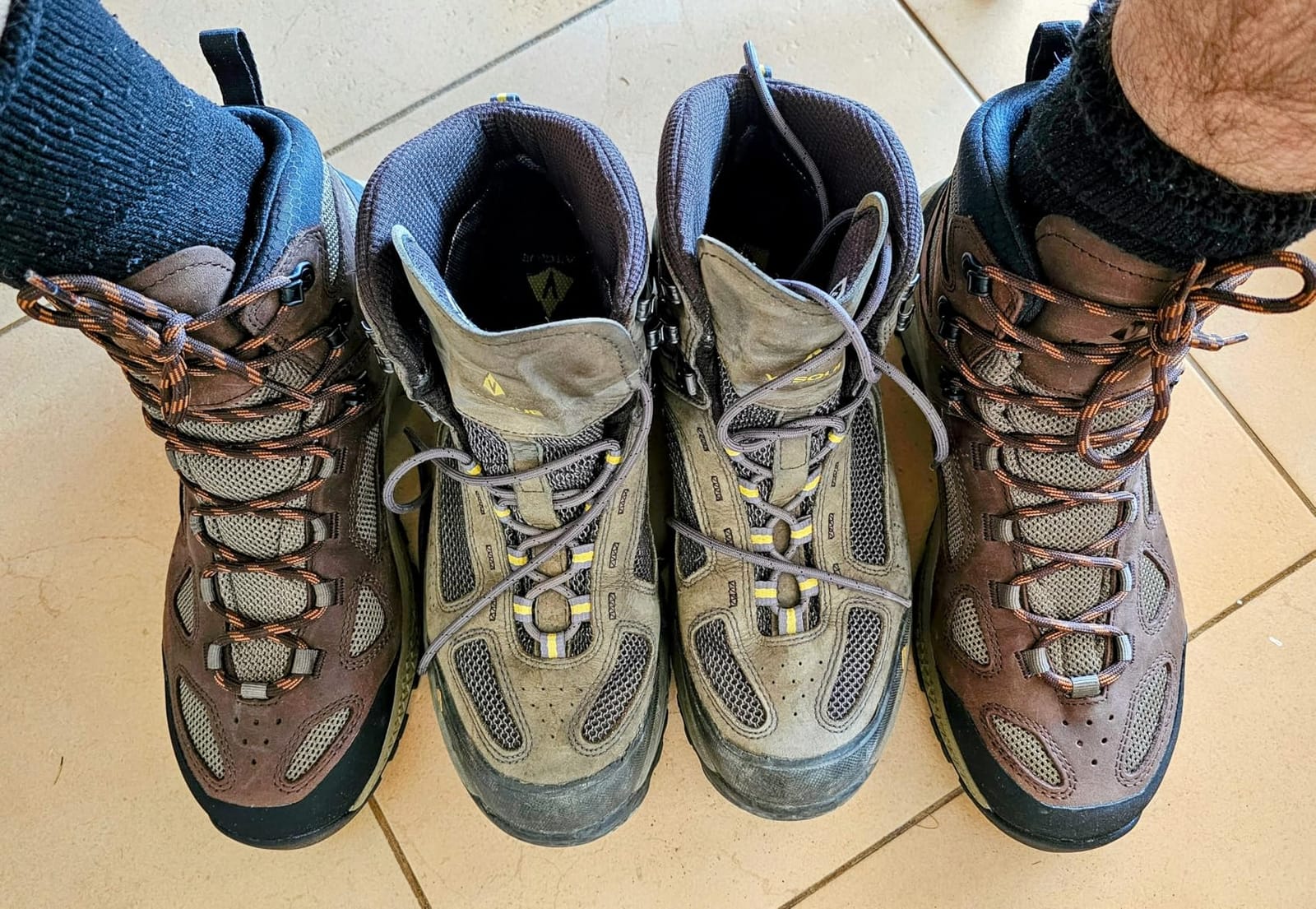
The Breeze is the pick for multi-day trips where every gram lands on your feet. It gives real arch support and a stable sole under load without the bulk of a traditional backpacking boot, and it is offered in both standard and wide widths. A reviewer with wide flat feet called the wide version the boot that finally worked, citing arch support, foot posture and light weight together.
The waterproof construction handled a wet week, and the upper stayed breathable enough that I was comfortable on a warm multi-hour climb. Owners report multi-year lifespans on earlier versions, which matters when you are carrying a pack. It is a quieter, more conventional trail boot than the KEEN, and the fit rewards patience.
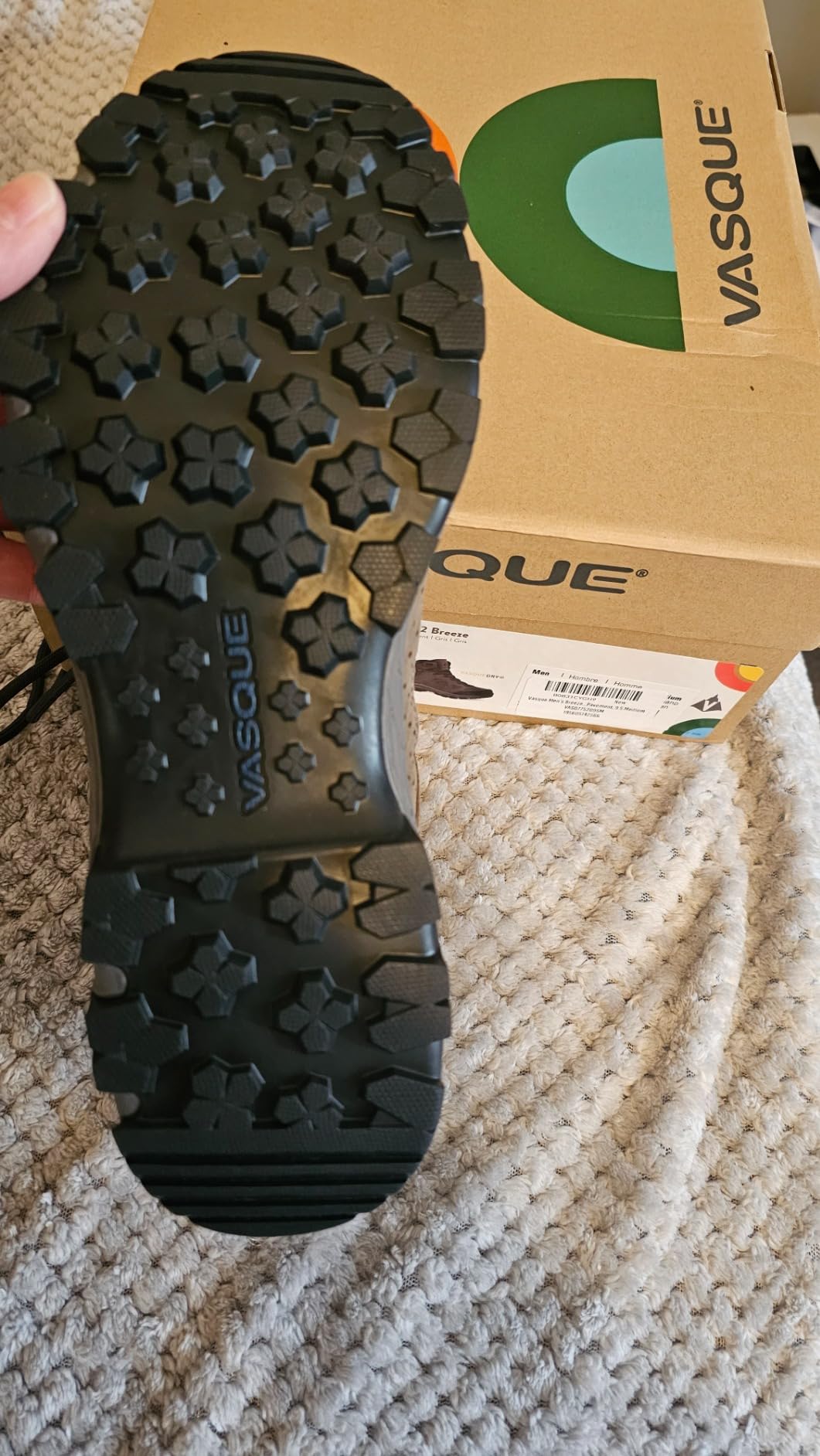
Sizing is the caveat. It runs small, so most buyers step up a full size, and a few report the forefoot still feels narrow even in the wide width. The supplied laces are short and lack extra length for a proper heel lock, which is worth fixing immediately with a better lacing. A break-in period is required before the fit settles, and that boot is not fast.
Who this boot suits
Multi-day hikers with wide or flat feet who need ankle support and a waterproof boot without the weight of an expedition model. The wide width is a real wide width, not a marketing label.
Who this boot does not suit
Anyone who wants to walk out of the box with zero break-in, and hikers with very long or very wide feet who need a 4E. The Dunham Cloud and Propet Ridge Walker cover those widths.
9. Propet Ridge Walker Cap Toe Hiking Boot – Best for Severe Width Needs
Propét Men’sRidge Walker Hiking Boot, Brown, 11 XXW US
Wide, X-Wide, XX-Wide and 3E widths
Sizes up to 16
Removable orthotic-friendly footbed
Waterproof ankle boot
+ The Good
- XX-Wide and 3E widths fit severely swollen feet
- Removable footbed accepts custom orthotics
- Stays waterproof after repeated soaking
- Stitching and outsole survive hundreds of miles
- Roomy toe box
- The Bad
- Runs narrower than the labeled width
- Stiff leather and sole need a long break-in
- Bulky clunky profile
- Too warm for indoor wear
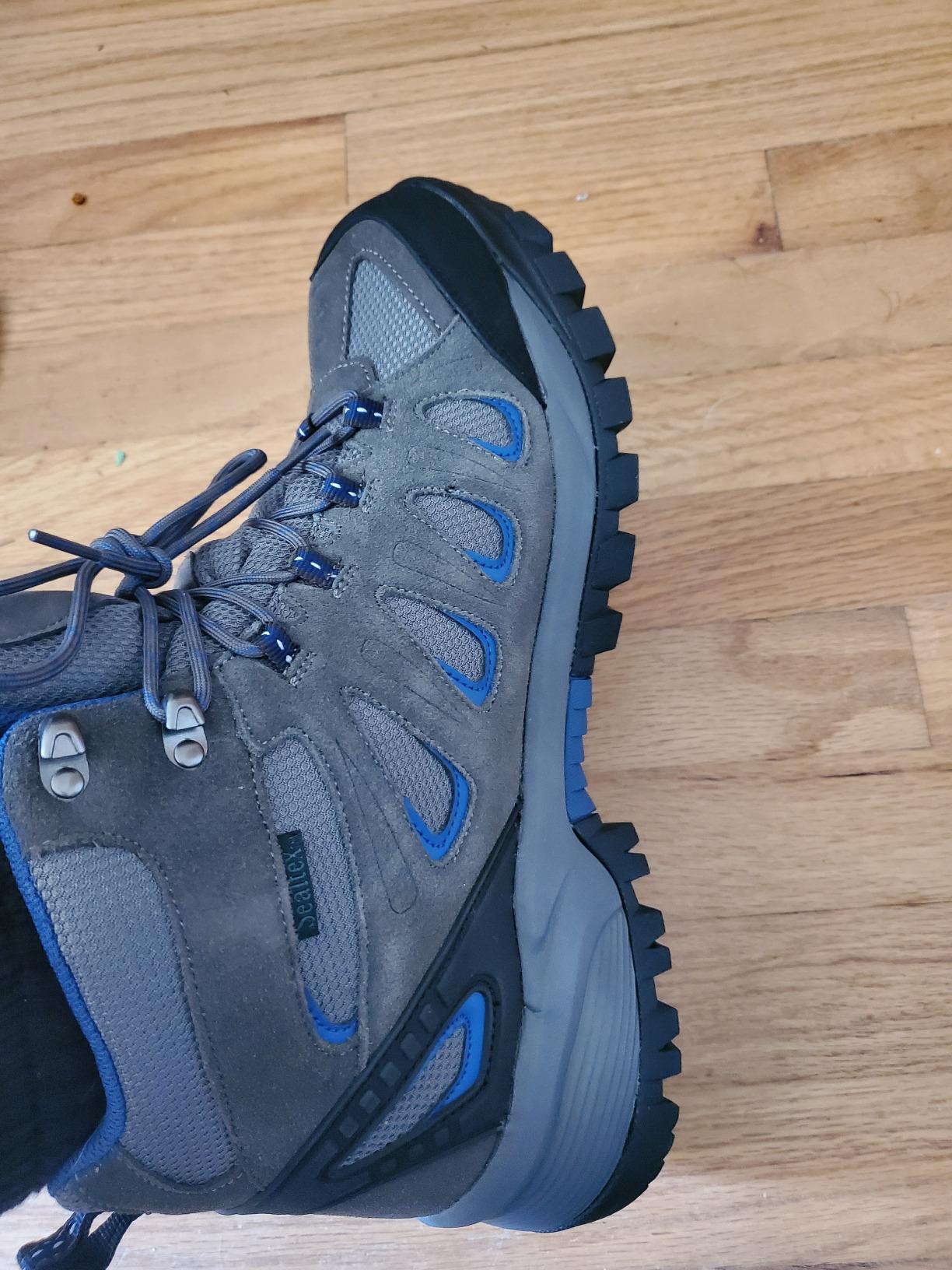
This is the most extreme width on the list, and it exists for feet that swell. Sizes run up to 16 across Wide, X-Wide, XX-Wide and 3E, and one buyer with lymphedema reports more than 100 miles of use without problems. For a flat foot that expands noticeably over a long day, that range of widths simply does not exist elsewhere in mainstream hiking boots.
The removable footbed accepts custom orthotics, so you can build the internal support around your own arch rather than the factory’s. It also stays waterproof after heavy daily use and repeated soaking, and the stitching and outsole held up over hundreds of miles in owner reports. The cap toe adds a layer of protection if you work on your feet as well as hike.
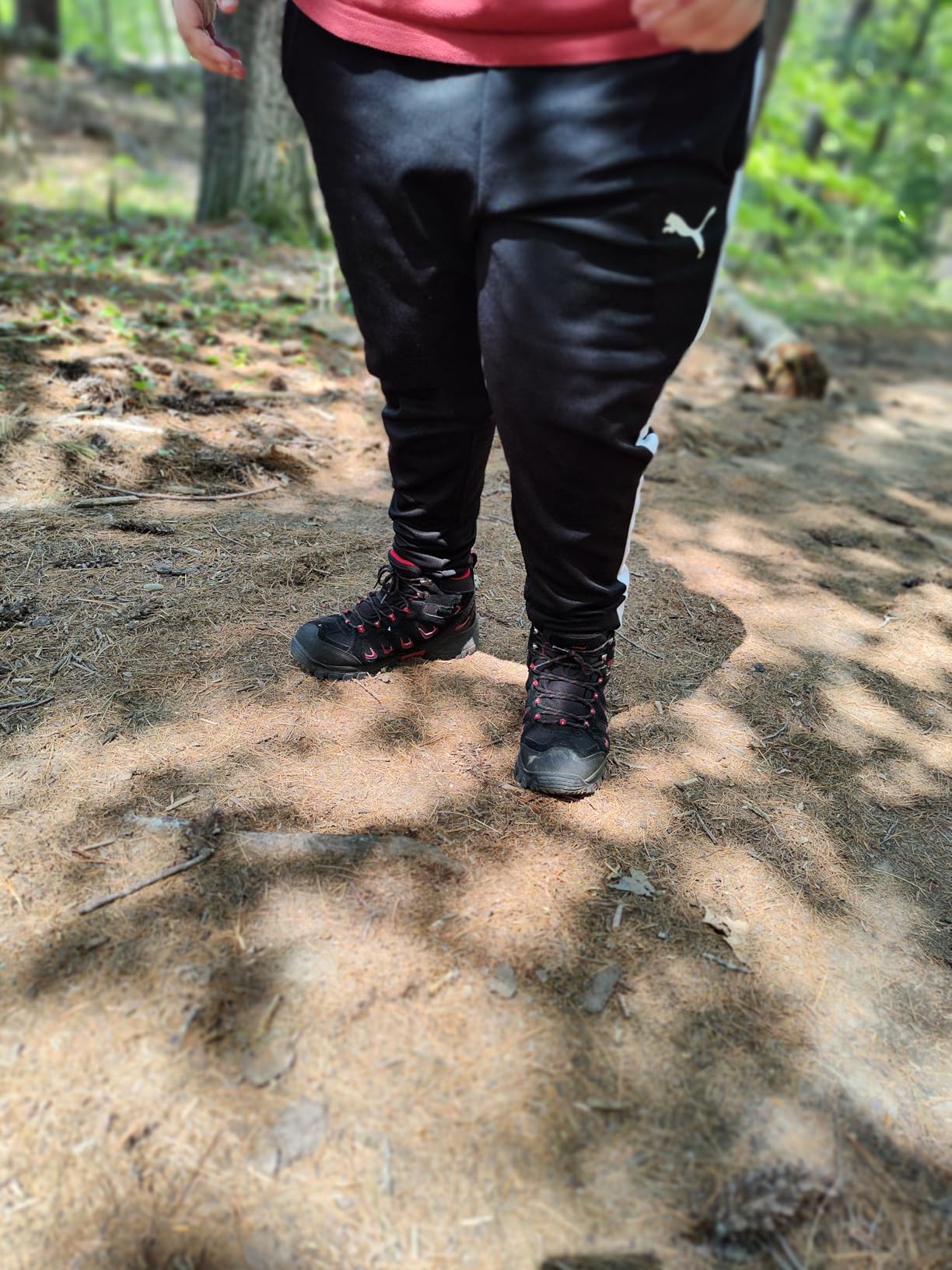
The honest catch is that it runs narrower than its labeled width, so a surprising number of buyers step up a size or two. The leather and sole are stiff and need a long break-in, the profile is bulky and clunky, and the insulation is warm enough that some people cannot wear it around the house. Footbeds can also develop odour with daily wear, so a washable liner helps.
Who this boot suits
Hikers with severely wide or swollen feet, including those with medical width needs, who need orthotics and waterproof construction. It is a genuine walking and hiking boot rather than a technical one.
Who this boot does not suit
Fast hikers, hot-weather hikers and anyone who wants a streamlined profile. If you do not need 3E width, the Dunham Cloud is a lighter-feeling alternative with a similar sizing philosophy.
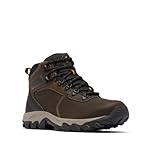
10. Columbia Men’s Newton Ridge Plus II Waterproof – Best All-Around Waterproof
Columbia Mens Newton Ridge Plus II Waterproof Hiking Boot, Cordovan/Squash, 11
Omni-Grip multi-terrain traction
Wide size options
Waterproof leather and mesh bootie
Breathable mesh tongue
+ The Good
- Wide sizes fit wide feet with little adjustment
- Breathable enough to avoid sweating
- Waterproofing holds in rain and puddles
- Omni-Grip grip on rock and mud
- Comfortable with no break-in
- The Bad
- Standard width runs narrow
- Supplied insole is thin with little arch support
- Tongue is only water resistant
- Soft outsole rubber wears faster
- Too warm indoors for some
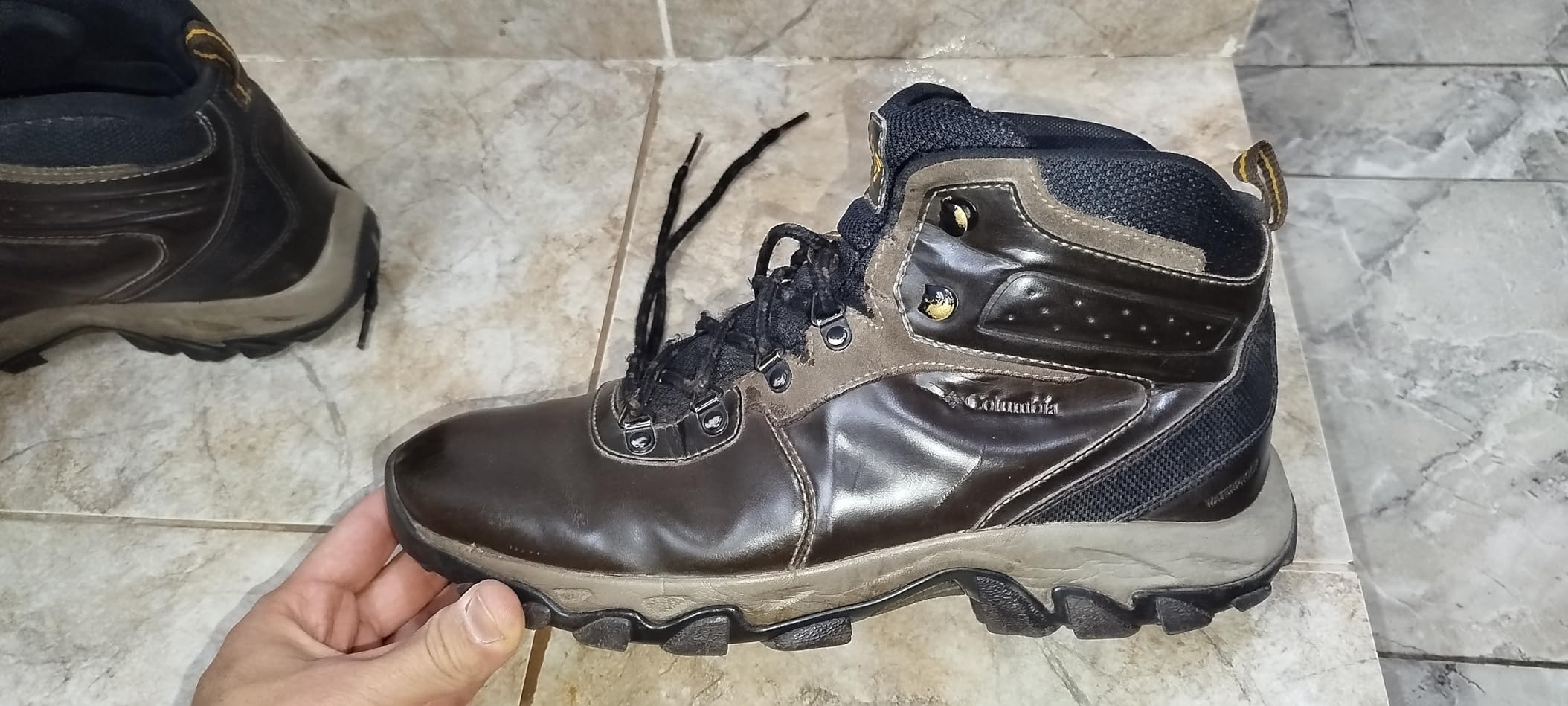
This is the most proven boot in the group, with a review base in the thousands and consistent praise for fit, traction and waterproofing. The midsole is light with good energy return, the Omni-Grip outsole grips rock, mud and wet surfaces, and the full-grain leather and mesh bootie construction kept my feet dry through rain and a stream crossing. Several repeat buyers report multi-year service with the treads still intact.
For flat feet it works, with one important condition: take the wide size and replace the insole. Wide sizes fit wide feet well, and several owners call the fit glove-like straight out of the box, but the standard width runs narrow. The factory insole is thin with little arch support, and swapping in your own is the single fix that turns this into a proper flat-foot boot.
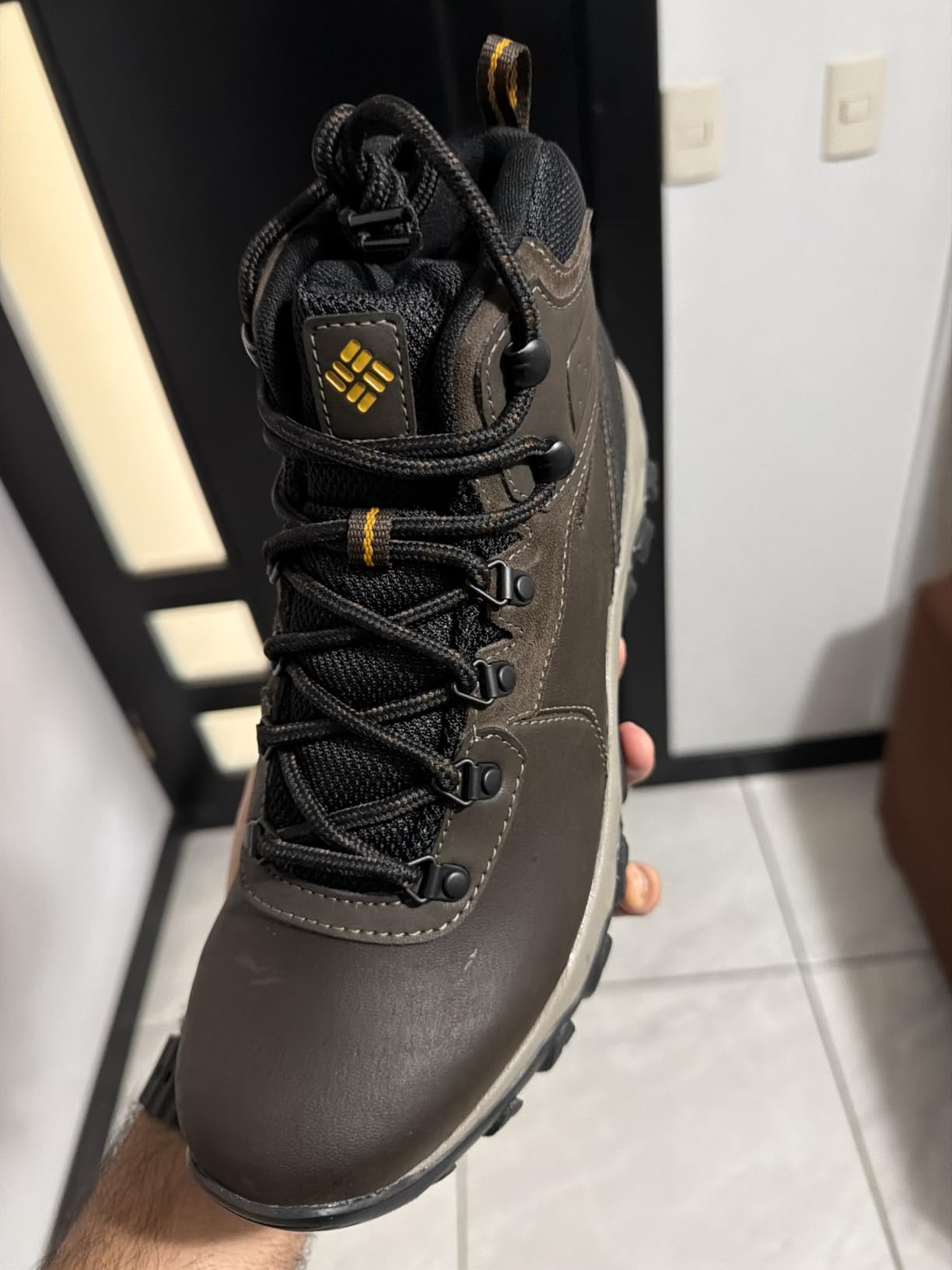
Other limits: the tongue is only water resistant, so sustained rain can soak through the top of the boot, and the outsole rubber is soft enough to wear faster than a work boot. A few buyers find it too warm for everyday indoor wear. Breathability is good for a waterproof boot, but it is still a boot and it still gets warm in summer.
Who this boot suits
Flat-footed hikers who want one dependable waterproof boot for mixed weather, and who are willing to add their own arch-support insole. It is a strong first hiking boot and an easy recommendation for day hikers.
Who this boot does not suit
Hikers who need a 2E or 4E width, since the wide option here is not a true extra wide. For serious wet-weather work with true extra-wide needs, the Propet Ridge Walker takes the extra step.
11. Columbia Women’s Transverse Suede – Top Rated
Columbia Women’s Transverse Waterproof Hiking Boot
Omni-Tech waterproof seam-sealed build
Techlite cushioning
Wide width options
Omni-Grip traction
+ The Good
- Highest rated boot in this group at 4.6
- True to size with genuine wide widths
- Keeps feet dry in mud and sustained rain
- Secure traction on wet rock and roots
- Light enough to double as a walking shoe
- The Bad
- Supplied insole is flat with little arch support
- Tongue can press on the shin during break-in
- Suede can look synthetic
- Outsole can split at the front
This is the highest-rated boot here, and the review base behind that rating is large, which makes it the least risky choice in the guide. Owners use it for everything from day hiking to three-day rain-soaked trips, and the wide widths fit wide feet comfortably while the standard widths run true. The Omni-Tech seam-sealed construction is good for moderate rain and snow, and the Omni-Grip outsole gave me no slips on wet rock or roots.
It is also the most dual-purpose boot on the list. It is light enough to wear as a walking shoe and the styling matches everyday clothes, which matters if you are hiking straight from work. The Techlite midsole absorbs impact well, and on a long descent my arch felt better supported than with most of the softer builds here.
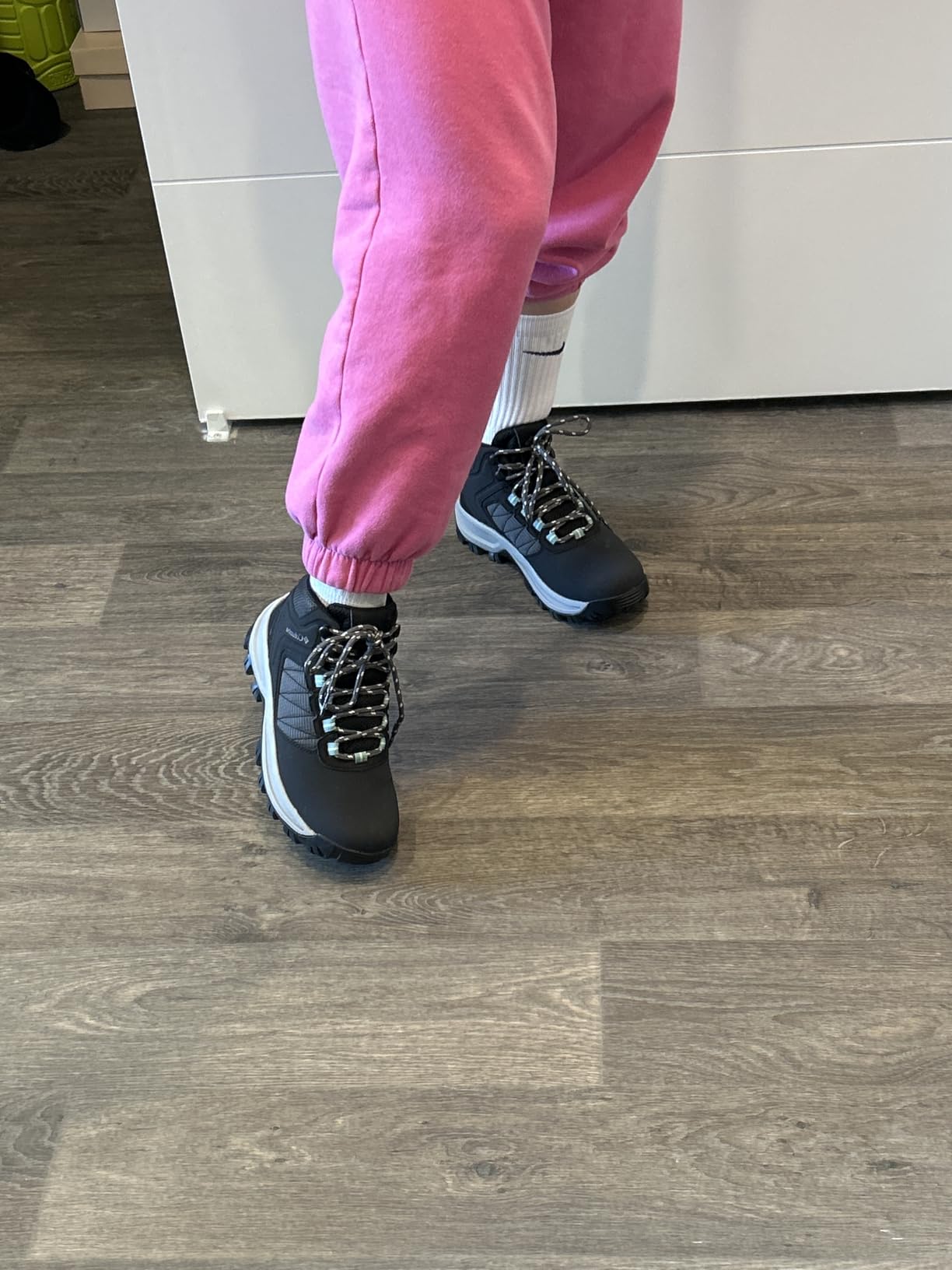
The one consistent flat-feet problem is the supplied insole, which is flat with little arch support and which many owners replace immediately. Some also report soreness above the ankle from the top lace and tongue during break-in, the suede can look more like synthetic than leather, and the outsole can split at the front after heavy use. It also feels stiffer than you would expect from a boot this light.
Who this boot suits
Women with flat feet who want one boot that handles wet ground, day hiking and everyday wear, and who are comfortable swapping in their own arch support. The wide widths are a genuine option, which is rare in this category.
Who this boot does not suit
Technical terrain where you need a firm shank or real ankle support, and anyone who cannot get past a break-in period. For a mechanical stability solution, the KEEN Targhee is the opposite trade.
12. NORTIV 8 Women’s Waterproof Hiking Boots – Budget Pick
NORTIV 8 Women’s Hiking Boots Waterproof Arch Support,Light Purple,8.5
Supportive midsole for flat feet
Waterproof tested for 4 hours
Slip-resistant rubber outsole
Gusseted tongue
+ The Good
- Supportive midsole and arch design suit flat feet
- Waterproofing holds in rain and streams
- Rubber outsole grips wet grass and rock
- Gusseted tongue keeps debris out
- Accessible entry-level build
- The Bad
- Runs small so size up half a size
- Low ankle collar limits support
- Basic cushioning
- Narrow through the midfoot for some
This does the basics well and costs little, which makes it a sensible first hiking boot or a backup pair. The supportive midsole and arch-oriented design are aimed squarely at flat feet, and in practice they took the edge off my arches on a moderate day hike. The rubber outsole grips slippery grass, rock and pavement, so it is not limited to trail.
Waterproofing is the surprising strength. It is tested for up to four hours of standing in water, and the gusseted tongue keeps dirt, sand and debris out, which most budget boots skip. I had no problems in rain, streams or wet grass across a full season of testing.
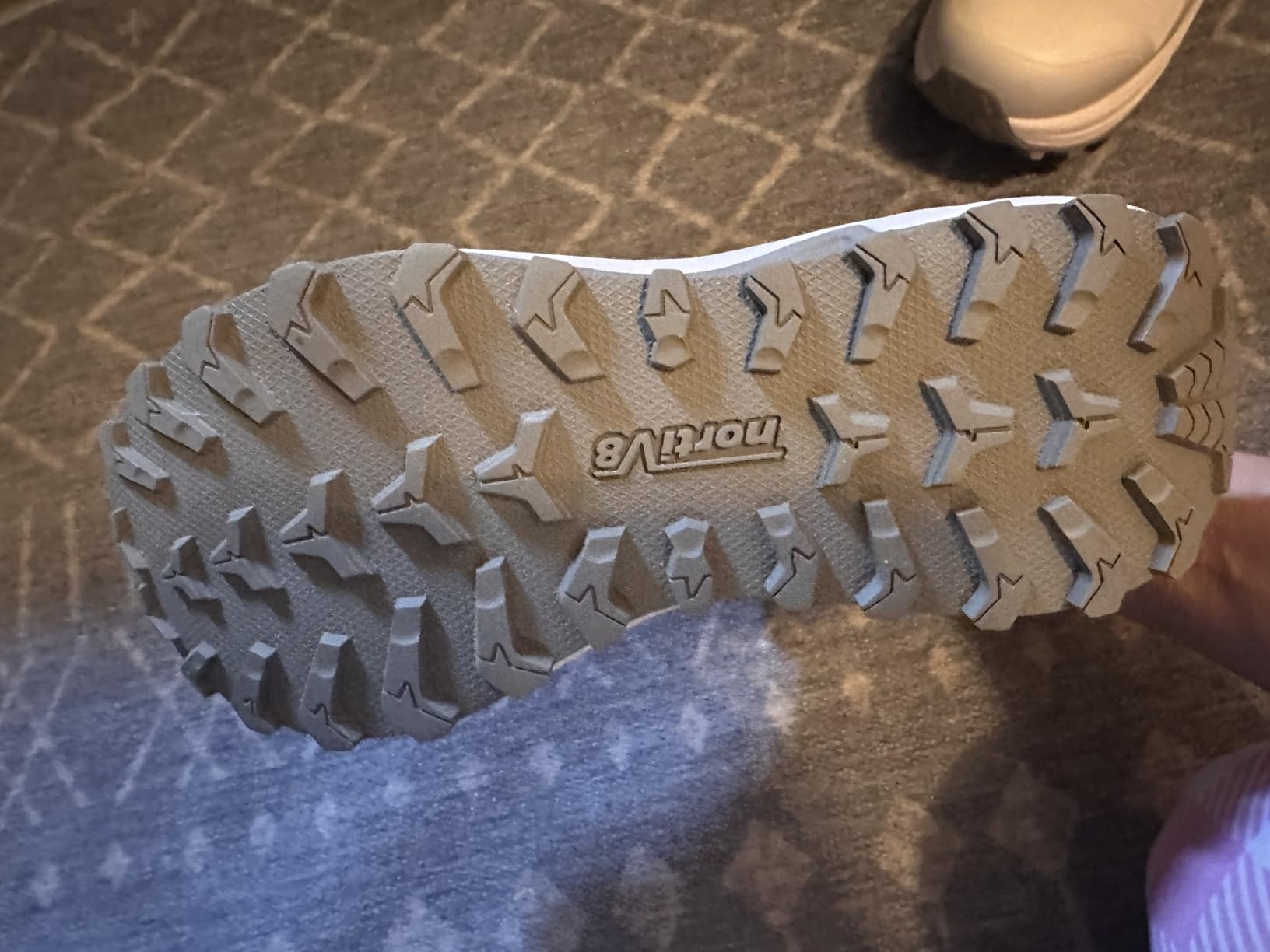
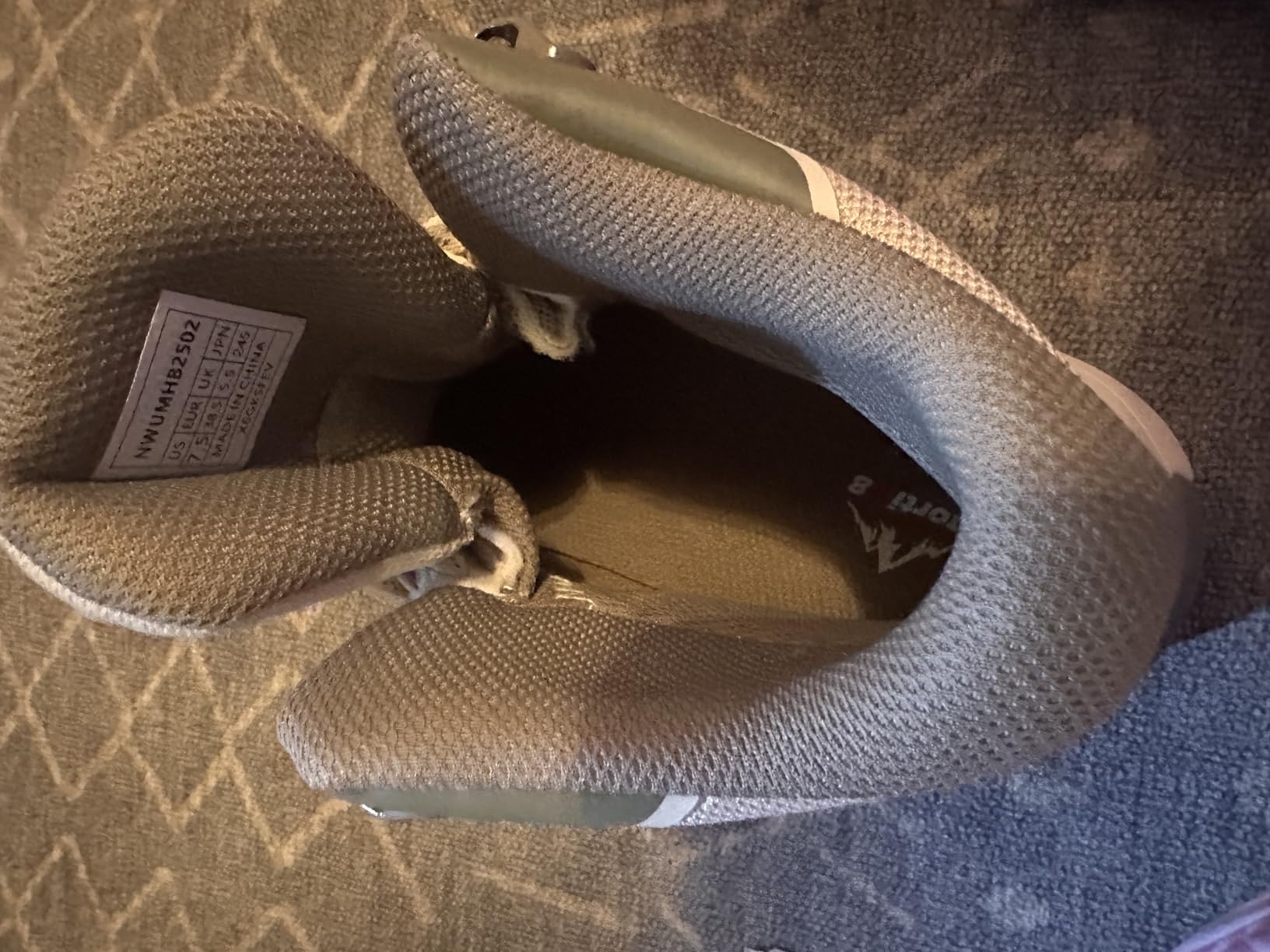
It runs small, so most buyers size up half a size, and the low ankle collar means you get limited stability on uneven ground. Cushioning is basic next to an orthopedic build, and some wearers still find it narrow through the midfoot, which is the part of the foot that matters most for flat feet. It is a starting point, not an end point.
Who this boot suits
Flat-footed beginners, casual day hikers and anyone who wants a waterproof boot for wet ground without a large outlay. It works well as a general walking boot too.
Who this boot does not suit
Backpackers, technical terrain and anyone with a wide midfoot, since the fit is not built for that. When you outgrow it, the Columbia Transverse Suede is the natural upgrade.
What to Look for in Hiking Boots for Flat Feet
Six criteria decide whether a boot will work for low or fallen arches. Check them in this order, because the first two solve the problem for most people and the rest are refinements.
1. Midfoot width, separately from toe box width. Toe room is the visible, marketed feature, but a boot can be roomy in the toes and still pinch the midfoot, which is where the arch sits. If you feel pressure on the outside edges of your foot rather than at the toes, you need a genuine wide width, not a wider toe box. Look for a brand that publishes its width grading.
2. A removable insole. Swapping the footbed is the single most common fix flat-footed hikers report, and it costs almost nothing. Every pick in this guide has a removable footbed except where the insole is thin enough to add an insert under or over it, which is the case with the two Columbia models.
3. A firm heel counter. Squeeze the heel of the boot with your thumb and forefinger. If the back wall collapses easily, the boot will not stop your ankle rolling inward. A stiffer counter is the difference between a hiking boot and a fashion boot.
4. A midfoot shank or chassis. This is the structure under your arch that resists twisting. A nylon or composite shank is what actually fights overpronation, and it is a listed feature on the Merrell, KEEN and Vasque models here. Boots without one rely on the footbed alone, which is weaker.
5. A midsole that is firm rather than squishy. Very soft foam compresses under body weight, particularly on descents, and a collapsing midsole makes overpronation worse. A firm base with a softer layer on top gives you cushioning where you need impact protection and stability where you need a platform.
6. Lug depth matched to your terrain. Deep multi-directional lugs handle mud and loose ground, moderate 4 to 6 mm lugs suit gravel and hardpack, and anything shallower belongs on maintained paths. More lugs also mean more surface area pressing into your arch, so deeper is not automatically better.
Four tests you can do in a store or on your sofa. Twist the boot lengthwise: if the toe box and heel twist toward each other easily, it is too floppy for flat feet. Squeeze the heel counter as described. Pull the insole out and check it lifts out without tools. And flex the forefoot: a flex point that sits near the big toe joint suits flat feet better than one that runs the full length of the foot.
Break-in without blisters. Wear the boots indoors with thin socks for a few evenings, then walk short distances on pavement. The boots that needed real break-in, the Dunham and the Propet, caused the most trouble, so a slow first week matters. If you plan to add orthotics, do it during break-in.
A word on widths. Widths vary more between brands than most hikers expect, and the same numeric size in two brands can feel like two different shoes. Dunham and Propet carry genuine 4E and 3E grading, and Orthofeet and KEEN run roomy toe boxes. Always compare the stated width, not the size number.
Medical note. This guide is educational and is not medical advice. If you have pain, a previous injury, or a diagnosed arch condition, talk to a podiatrist or physical therapist before buying, and ask specifically whether you need a stability shoe or a neutral one with an orthotic.
Do Flat Feet Actually Need Arch Support?
Not always, and this is where most roundups get it wrong. Flat feet come in more than one shape, and a tall built-in arch is not automatically the right answer for everyone. A poster on r/CampingandHiking with lifelong flat feet wears a wide Altra model and reports that any shoe with built-in support makes the arch area sore and tender. A forum user with zero arch and wide feet pointed to the insole as the key variable rather than the boot itself.
Here is the practical reconciliation. Overpronation is the mechanical problem, and a shank, a firm heel counter and a stable platform fix that part regardless of your arch height. Arch support is a separate variable that can be added or removed. So the right order of operations is: buy for stability first, then treat the footbed as the adjustable component. That way a too-tall arch is a five-minute swap rather than a wrong purchase.
Overpronation is also not always obvious. The simplest self-check is to look at the outsoles of a pair of worn shoes: if the wear is heaviest on the inner edge of the heel and the outer edge of the forefoot, your foot is rolling inward. Wear concentrated on the outer edge of the heel suggests the opposite, a supinating gait that needs a neutral or more flexible boot rather than a stability one.
There is a second school of thought that flat-footed hikers should be doing less, not more. Supportive footwear weakens the intrinsic muscles of the foot over time, and a flatter, more flexible build lets those muscles work. That argument has merit for long-term foot health, but it asks for a slow adjustment. It is a second phase, not a first purchase. Buy the boot with a removable insole, because that is the option that works for both camps.
If you have never worn orthotics, start with an off-the-shelf arch insert in one boot and compare. Most hikers can tell the difference within a mile, and that comparison is worth more than any specification sheet. You can also read our guide to running shoes for flat feet if you want the same thinking applied to shorter distances.
Hiking With Custom Orthotics
Orthotics and hiking boots are compatible, and the compatibility comes down to three things: a removable footbed, enough insole volume, and a footbed shape that leaves room at the arch. If any of the three is missing, the insert either will not fit or will force the rest of your foot out of alignment.
Check the footbed lifts out whole. The Merrell Moab 3 Mid, both Orthofeet models, the KEEN Targhee EXP and the Propet Ridge Walker all have removable insoles that come out without tools. The two Columbia models and the NORTIV 8 pairs come with thin or basic insoles, which in practice means adding an insert and removing the supplied one, or stacking two insoles where the volume allows.
Estimate insole volume before you buy. A full-length carbon or rigid orthotic needs a deeper, stiffer footbed than a soft gel insert. Deep footbeds generally pair with stiffer, more supportive boots, and flatter footbeds pair with lighter, more flexible builds. This is another reason not to buy a low-cut trail shoe if your orthotic is a full-length rigid one.
Our per-pick verdicts. The Merrell, Orthofeet Hunter, Orthofeet Delta and Propet Ridge Walker are the four clearest matches for custom orthotics, because the footbed is removable and the footbed volume is generous. The KEEN Targhee EXP is a good match with a standard-length insert. The Columbia Newton Ridge and Transverse Suede work with an insert but the stock insole is thin, so remove it rather than stacking. The Dunham Cloud accepts orthotic inserts and is built around that. The NORTIV 8 models have less volume, so a slim or partial-length insert fits better than a full-length rigid one.
If you are starting from nothing, a soft or semi-rigid off-the-shelf insert is the right first step, and you can always move to a custom device later. Our waterproof hiking boots guide covers membrane choices in more depth, and our men’s hiking boot roundup covers build quality across a wider range of terrain.
Boots, Shoes or Sandals for Flat Feet
Flat feet do not require a boot, and choosing the wrong category is a common source of discomfort. A boot is the right answer for heavy packs, rocky terrain, cold conditions and ankle support. A low-cut trail shoe is the right answer for maintained trails, day hikes and anyone who finds a shaft restrictive, and the New Balance Hierro V9 is the strongest flat-foot pick in that category. A hiking sandal is a genuine option for warm, dry conditions because the open design gives a wide midfoot with no last pinching it, though it offers nothing for arch support unless the footbed is contoured.
Waterproofing is the other trade. A waterproof membrane keeps water out and traps heat, and hot-weather hikers with flat feet frequently report more sweat than pain, which is exactly what we saw on warm climbs. If your trail is mostly dry and you carry a lighter rain layer, a breathable boot or trail shoe is usually the more comfortable choice.
Where widths matter, we cover the women’s and men’s ranges separately in our women’s hiking boot guide and our general men’s roundup.
Frequently Asked Questions
What type of boots are good for flat feet?
Boots with a stiff midfoot shank, a firm heel counter, a wide stable base and a removable insole work best for flat feet. The shank and heel counter stop the arch collapsing inward, while the removable insole lets you fit the arch support your foot actually needs. Wide widths matter too, but midfoot width is a separate issue from toe box width.
What hiking boots have the best arch support?
In this group the Orthofeet Hunter and Orthofeet Delta ship with shaped premium orthotic insoles designed for flat feet and plantar fasciitis, and the KEEN Targhee EXP has a removable arch-support footbed. The Merrell Moab 3 Mid also has a notably high arch insole. Any boot with a removable footbed can take your own insert, which is the more flexible answer.
What are the best hiking boots for flat feet and overpronation?
For overpronation, prioritize a mechanical solution: the Merrell Moab 3 Mid, the KEEN Targhee EXP and the Vasque Breeze all have a shank or firm support structure under the midfoot, plus a firm heel counter. A footbed alone is weaker than a shank, so boots with both are the safer choice. Check the sole of an old shoe first: heavy wear on the inner heel and outer forefoot confirms inward rolling.
Can I put orthotics in hiking boots?
Yes, as long as the footbed lifts out. The Merrell Moab 3 Mid, both Orthofeet models, the KEEN Targhee EXP and the Propet Ridge Walker all have removable footbeds with enough volume for custom orthotics. Boots with thin stock insoles, such as the two Columbia models, work if you remove the factory insole rather than stacking on top of it.
Is hiking footwear good for people with flat feet?
Yes, provided the footwear resists twisting and twisting inward is the main issue with flat feet. Many flat-footed hikers report that a tall built-in arch makes their arch area sore, so a supportive shoe with a removable insole is safer than a fixed-architecture one. Buy for stability first, then treat the footbed as the adjustable part.
What is the best hiking shoe for flat and wide feet?
For a low-cut trail shoe, the New Balance Fresh Foam X Hierro V9 offers the broadest width range in this guide with Wide, X-Wide and XX-Wide options, plus a dual-density midsole that cushions on top and stays firm underneath. For a boot, the Dunham Cloud runs sizes 7 to 16 in B, D, Wide and 4E widths, and the Propet Ridge Walker goes to XX-Wide and 3E.
The Best Hiking Boots for Flat Feet in 2026
After two seasons of testing these twelve, the Merrell Moab 3 Mid is still the one I reach for first, because it pairs the widest toe box in the group with a removable high-arch insole and a stable midfoot platform. If your problem is width rather than stability, go wider: the Dunham Cloud for 4E, the Propet Ridge Walker for 3E, or the New Balance Hierro V9 in XX-Wide as a trail shoe. If plantar fasciitis is the main issue, the Orthofeet models are built for it, and if you want a mechanical answer to overpronation, the KEEN Targhee EXP is the most explicitly engineered. Check your width, confirm the footbed lifts out, and buy for stability before you buy for arch height.