
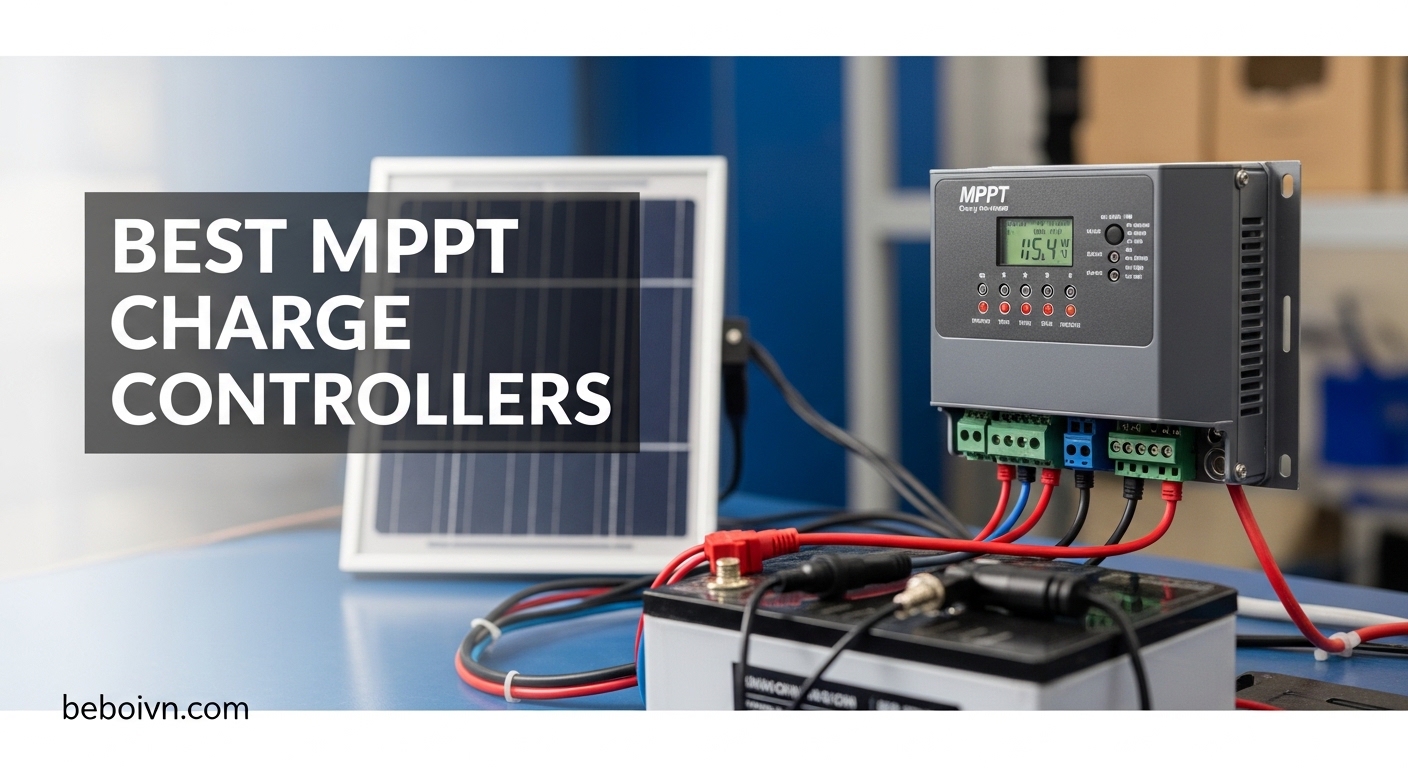
If you are building an off-grid solar system, you need the best MPPT charge controller you can afford. These devices do not just regulate charging. They actively maximize the power your panels pull in, which means faster charges and healthier batteries over time. After reviewing real customer feedback, technical specs, and hands-on performance data, I have narrowed down the top options for every budget and system size.
Most people skip the charge controller entirely or grab the cheapest PWM model they find. That is a mistake. A quality MPPT (Maximum Power Point Tracking) controller can squeeze up to 30% more energy from your panels, especially on cooler mornings or when shade hits part of your array. That extra harvest adds up fast when you are relying on solar to keep your cabin powered or your RV batteries full.
This guide covers 10 controllers that actually deliver. I looked at tracking efficiency, build quality, battery compatibility, and real-world ease of use. Whether you run a tiny 12V weekend setup or a 48V whole-home system, there is a solid option here for you.
Top 3 Picks for Best MPPT Charge Controllers
Here are our top three recommendations based on overall value, performance, and user satisfaction.
Best MPPT Charge Controllers in 2026
Compare all 10 top-rated MPPT solar charge controllers below.
| PRODUCT MODEL | KEY SPECS | BEST PRICE |
|---|---|---|
 |
|
Check Latest Price |
 |
|
Check Latest Price |
 |
|
Check Latest Price |
 |
|
Check Latest Price |
 |
|
Check Latest Price |
 |
|
Check Latest Price |
| Ampinvt 80A |
|
Check Latest Price |
 |
|
Check Latest Price |
 |
|
Check Latest Price |
 |
|
Check Latest Price |
1. Victron Energy SmartSolar MPPT 100/50 – Best Overall
Victron Energy SmartSolar MPPT Solar Charge Controller 100V, 50A, 12/24V
100V max PV input
50A charge current
12/24V auto-detection
Bluetooth built-in
+ The Good
- Ultra-fast MPPT tracking (up to 30% more energy than PWM)
- Built-in Bluetooth with VictronConnect app for real-time monitoring
- Auto-selects 12V or 24V systems
- Compatible with all major battery types (lithium
- AGM
- GEL
- flooded lead-acid)
- Silent
- compact
- and rugged industrial-grade design
- The Bad
- Slightly more expensive than no-name brands
- Does not support 48V systems
- Bluetooth connectivity range limited to approximately 20 feet
- Additional purchases required for at-a-glance display
The Victron SmartSolar 100/50 stands out as the gold standard for mid-range MPPT solar charge controllers. I have seen this unit repeatedly praised across solar DIY forums for its exceptional tracking speed and rock-solid reliability. The intelligent MPPT algorithm finds the maximum power point faster than most competitors, which matters when panels are shifting in and out of shade throughout the day.
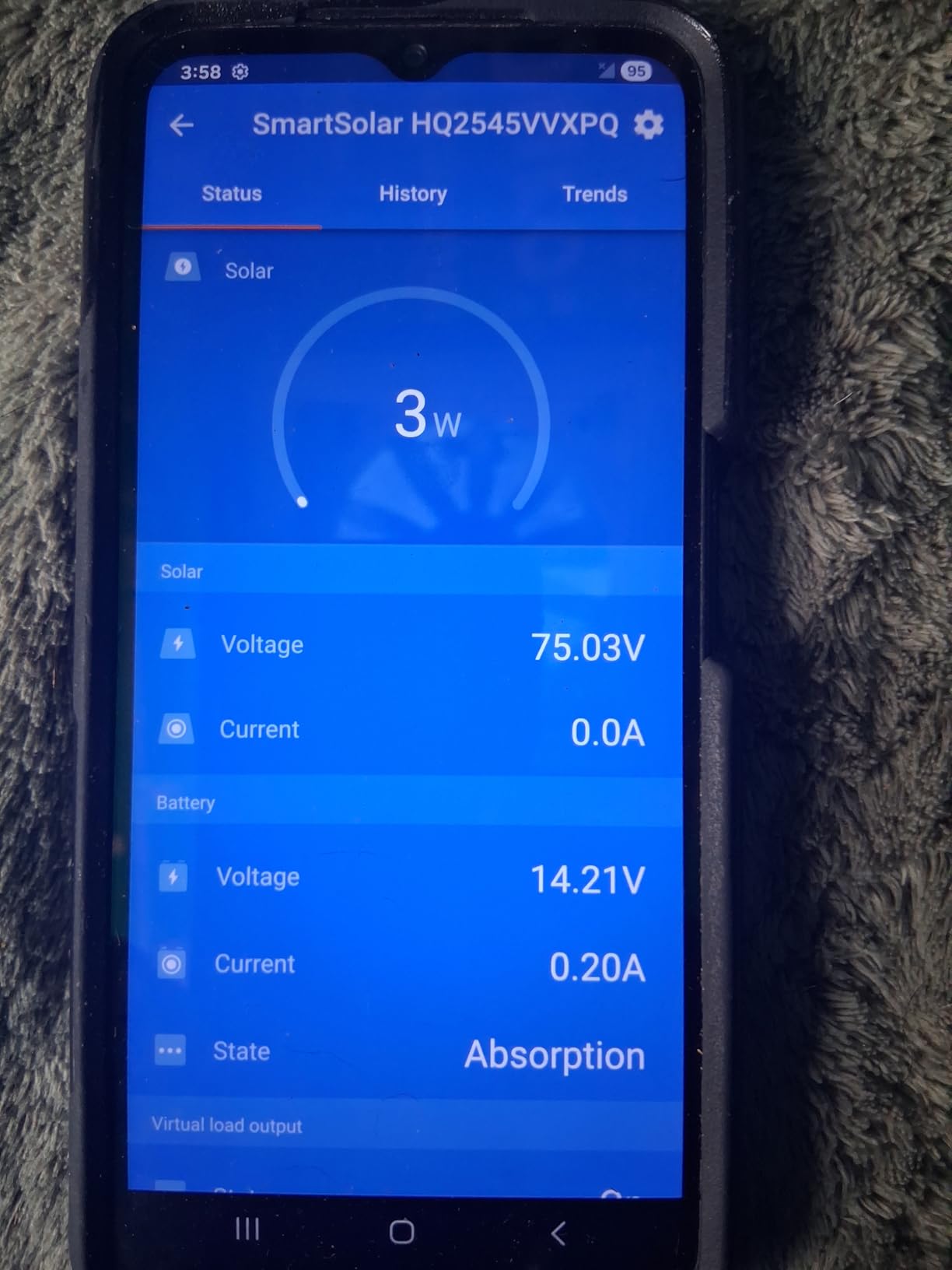
Setup takes minutes rather than hours. The VictronConnect app connects via Bluetooth and lets you monitor real-time voltage, current, and battery percentage from your phone. You can adjust charging parameters, check 30-day history graphs, and receive firmware updates without touching the hardware. This kind of visibility helps you catch problems before they kill your batteries.
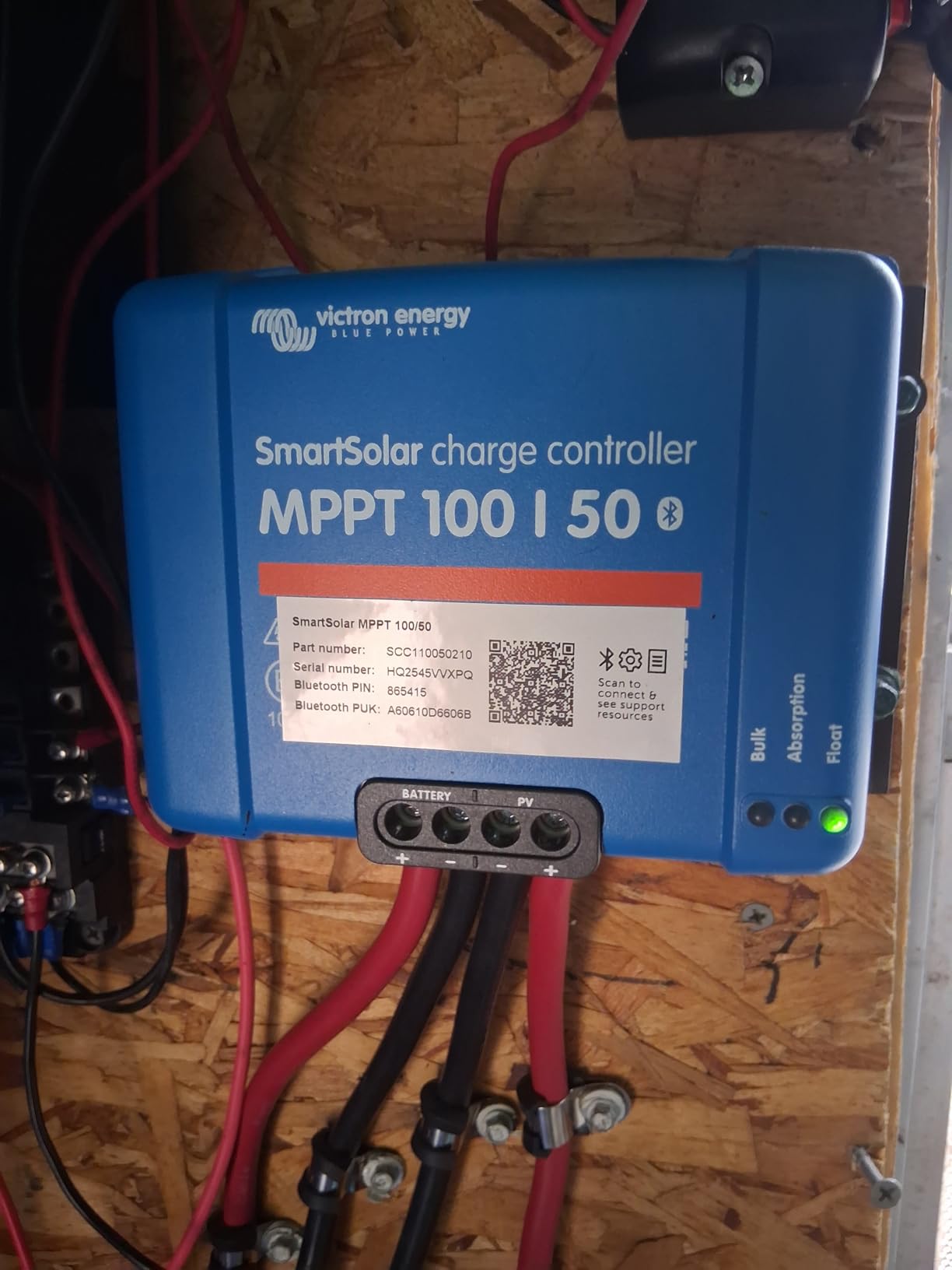
What really impresses me is the build quality. The industrial-grade components handle temperature swings without complaint. I have read reports of these units performing reliably in desert heat up to 140F and still maintaining proper charging curves. The self-consumption is negligible, so you are not losing precious harvest to the controller itself.
The synchronized charging feature lets you connect multiple SmartSolar controllers together. They coordinate automatically to behave as one larger controller, which is perfect for bigger setups needing more amperage than a single unit can provide. Load output is configurable too, so you can protect batteries from over-discharge by setting custom disconnect voltages.
Best for
This controller works best for serious off-grid homeowners, weekend cabin builders, and anyone who wants reliable solar harvest without babysitting the system. It handles up to 1000W of solar input comfortably, making it suitable for larger 12V or 24V battery banks. The only limitation is lack of 48V support, so it is not ideal for whole-home systems.
Not ideal for
Budget-conscious users may hesitate at the price. Also, if you need 48V battery support, look elsewhere. The Bluetooth range of 20 feet means you need your phone nearby for full monitoring, which can be inconvenient in some installations.
2. Victron Energy SmartSolar MPPT 75/15 – Best Budget Victron
Victron Energy SmartSolar MPPT Solar Charge Controller 75V, 15A, 12/24V
75V max PV input
15A charge current
12/24V auto-detection
Bluetooth built-in
+ The Good
- Excellent entry-level MPPT at an affordable price
- Built-in Bluetooth with VictronConnect app for easy monitoring
- Compact size fits tight spaces
- Auto-selects 12V or 24V systems
- Compatible with all major battery types
- Silent and industrial-grade build quality
- The Bad
- Bluetooth range limited to 10-30 feet
- Small flat-head screws require small screwdriver for wiring
- Wire input relatively small for 10 AWG
- Defaults to 24V when used with 12V batteries
- No built-in display requires phone app
Victron did not compromise on core performance with the 75/15 model. This smaller SmartSolar controller still delivers the same fast MPPT tracking as its bigger siblings. With over 5,300 reviews and a 4.7 rating, users consistently report better energy harvest compared to budget PWM controllers. The intelligent algorithm works even in partial shade, squeezing out every available watt.
The compact form factor makes this ideal for van conversions, small cabins, or tight mounting locations. I appreciate how Victron maintained the Bluetooth functionality despite the smaller size. Configuration through VictronConnect is identical to larger models, so you get full access to charging parameters, history data, and firmware updates.
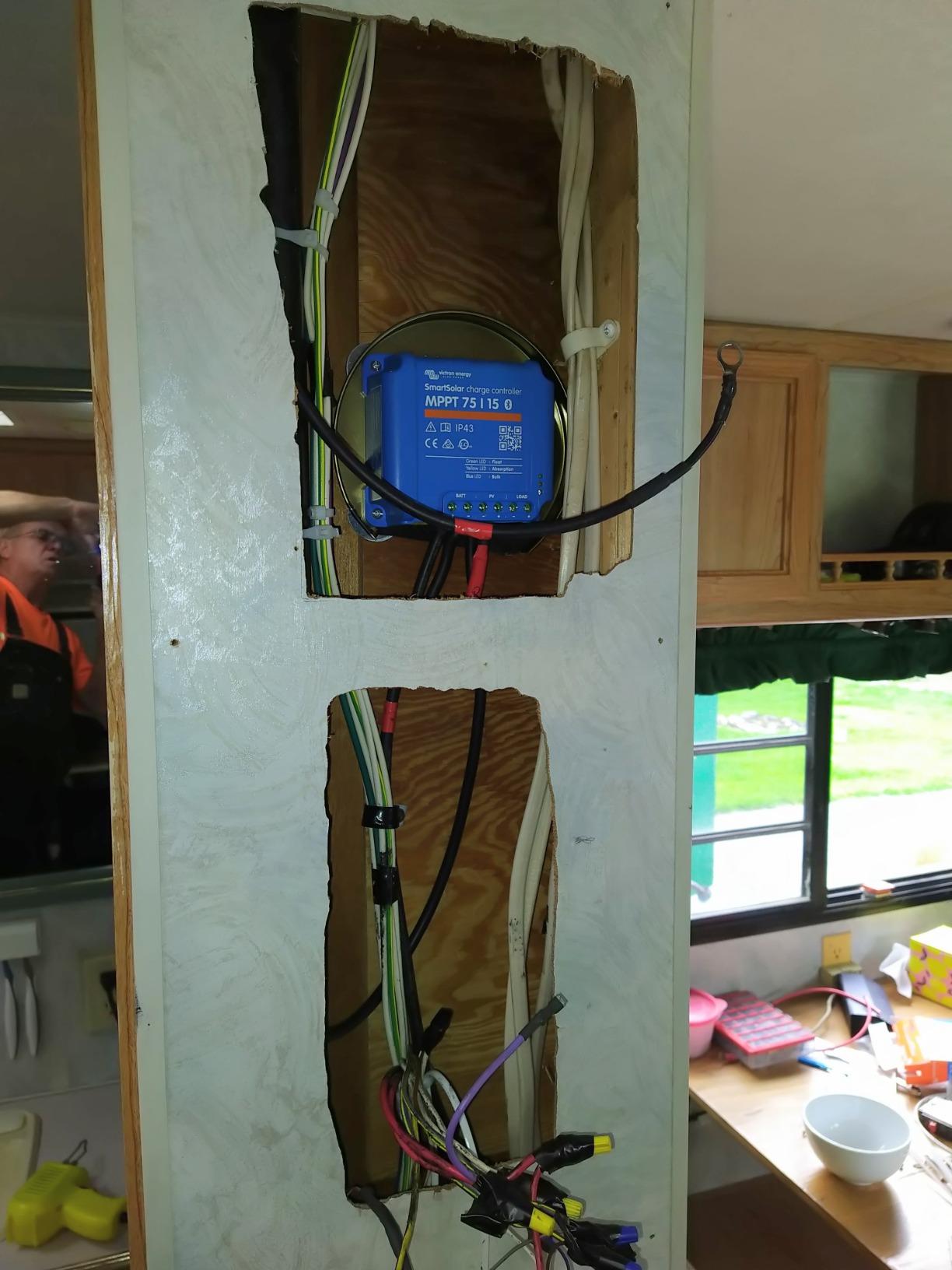
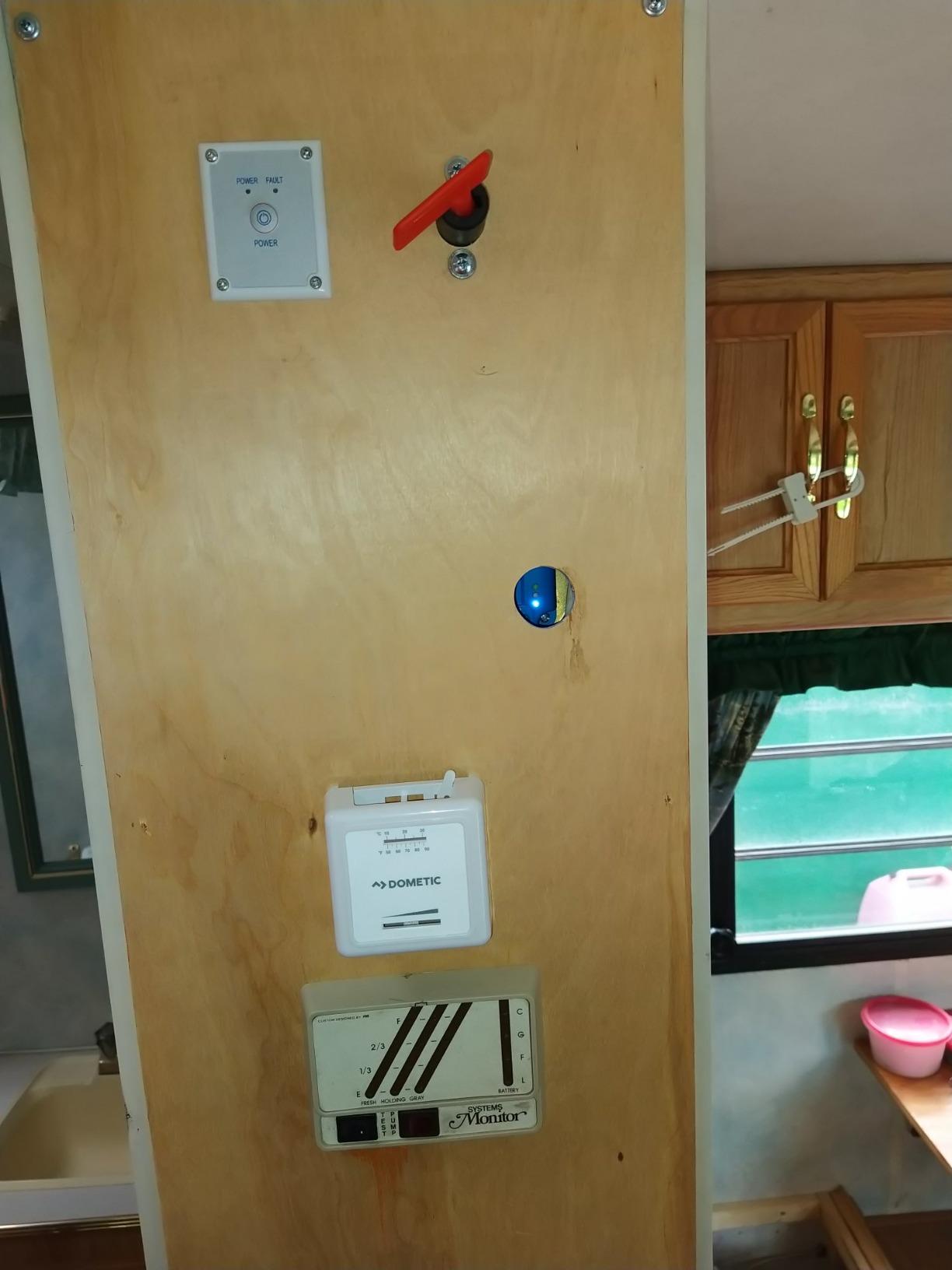
Setup is straightforward despite the small size. Auto-detection handles 12V and 24V systems automatically, though you may need to change the default from 24V if you are running a 12V battery bank. The unit handles up to 300W of solar panels, which covers most small to medium setups comfortably.
The screw terminals are small, and users report needing a precision screwdriver. This is a minor inconvenience compared to the performance you get. I also notice the lack of a built-in display means you need your phone nearby for full monitoring, but the VictronConnect app is genuinely well-designed.
Best for
This is the best choice for van lifers, small cabin owners, and anyone with tighter budgets who still wants genuine Victron quality. The 15A rating handles 200-300W systems well. If you are upgrading from PWM, you will notice the difference immediately.
Not ideal for
Larger systems needing 30A or more should look at bigger controllers. The small wire terminals also limit use with heavy gauge cables. If you need a built-in display without pulling out your phone, consider other options.
3. Renogy Rover 40A MPPT – Best Value for Mid-Range Systems
Renogy Solar Charge Controller Rover 40A 12V24V Auto Parameter DC Input MPPT Charge Controllers for Solar Panels Adjustable LCD for Gel Sealed Flooded Lithium Battery
40A charge current
12/24V auto
99.9% MPPT efficiency
LCD display
+ The Good
- Extremely rugged for harsh environments
- Dual-peak MPPT handles shading with 99.9% efficiency
- LCD display provides real-time data
- Load terminals for DC appliances
- 4-stage charging with lithium recovery
- Wide temperature range with compensation
- 3-year warranty
- The Bad
- Bluetooth module sold separately
- Bluetooth connectivity can require resets
- Screw terminals may strip if over-tightened
- Overheating errors possible without proper ventilation
- Some customer service issues reported
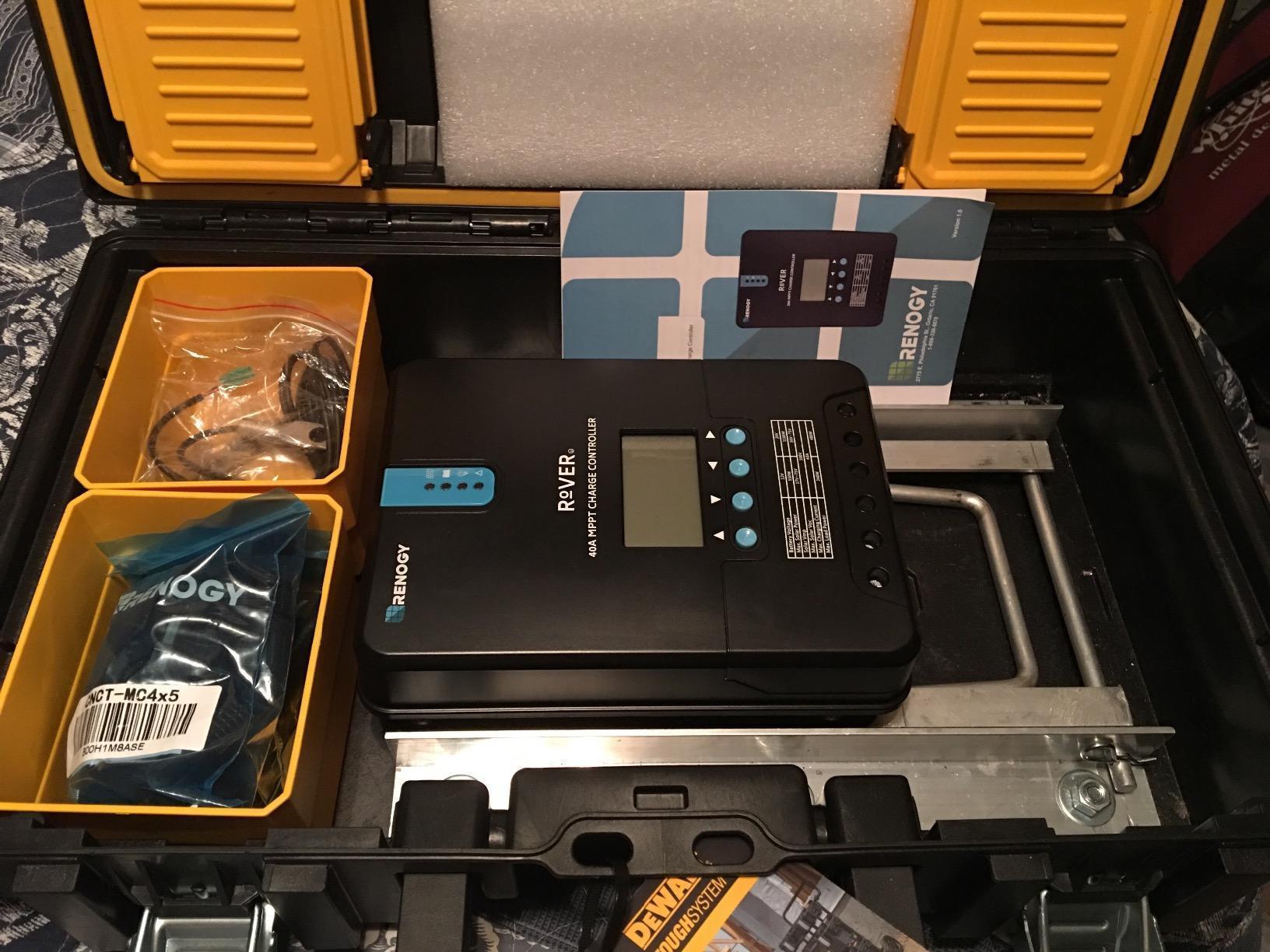
The Renogy Rover 40A fills a sweet spot between budget controllers and premium brands. This unit has earned its reputation through rugged dependability. I have read countless reports of these surviving desert heat, high humidity, and years of continuous use without issues. The dual-peak MPPT technology handles partial shade situations better than single-point tracking, which matters if you have trees nearby or panels that shade unevenly.
The backlit LCD display shows everything you need at a glance. Battery percentage, amps, voltage, and error codes display clearly. The 365-day data logging is useful if you want to analyze long-term performance. You can also connect to Renogy monitoring systems via the separate BT-1 or BT-2 Bluetooth module, though that adds to the cost.
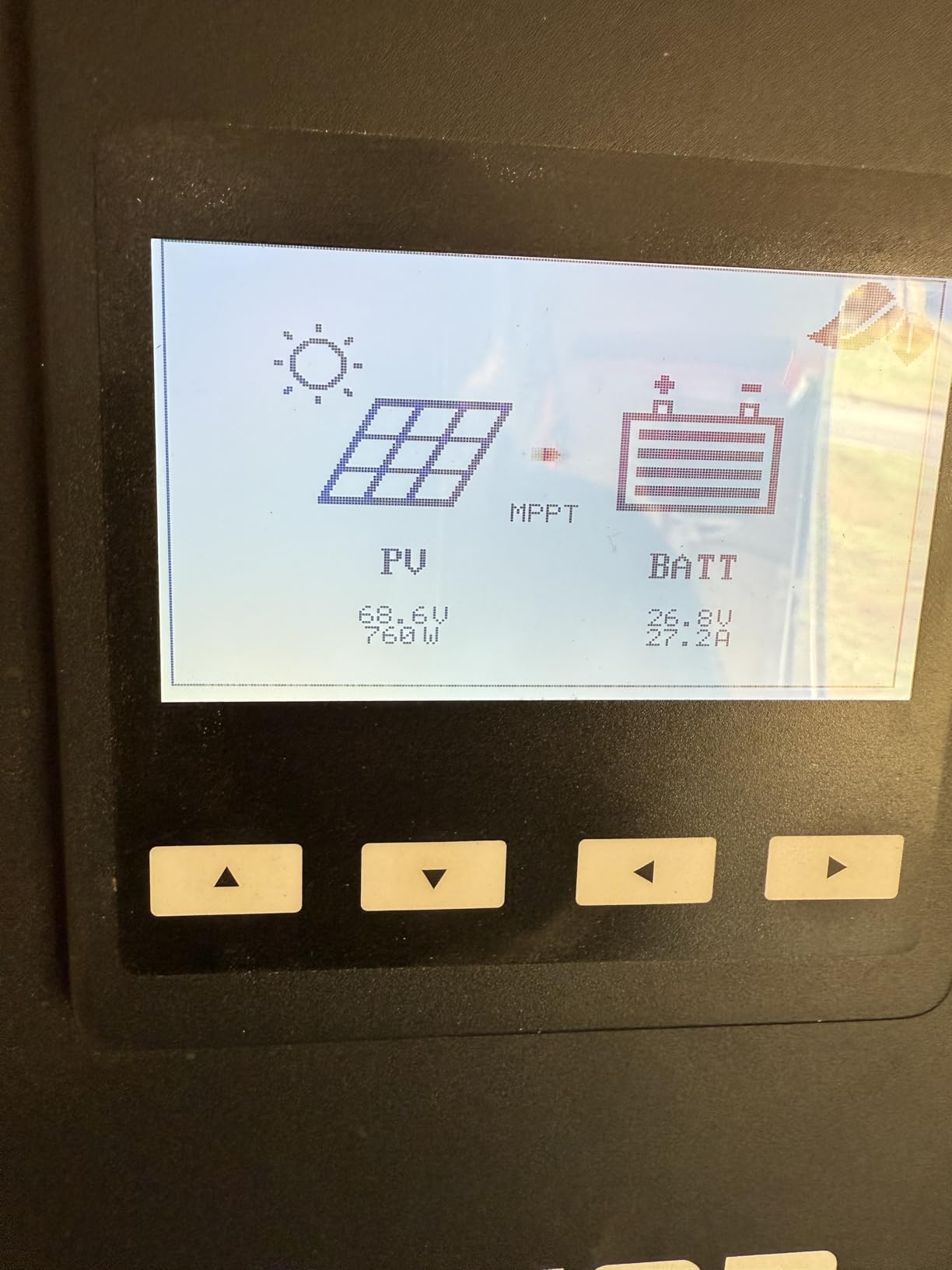
I appreciate the load terminals built into this controller. You can wire fans, lights, or pumps directly through the Rover 40A with over-discharge protection. The 4-stage charging algorithm (Bulk, Absorption, Float, Equalization) keeps batteries healthy, and the lithium battery recovery feature can rescue dead lithium packs that other controllers would abandon.
Temperature compensation works from -40F to 149F, which covers virtually any climate. TVS lightning protection up to 6kV provides peace of mind in storm-prone areas. The aluminum housing dissipates heat well, though vertical mounting with proper ventilation is still important to avoid thermal throttling.
Best for
Mid-range solar setups between 500W and 800W benefit most. RV owners, cabin builders, and anyone wanting professional features without premium pricing will appreciate this controller. The load terminals add flexibility for off-grid homes needing direct DC appliance support.
Not ideal for
Users wanting built-in Bluetooth should factor in the additional module cost. The BT-1 and BT-2 modules have mixed reviews for connectivity stability. Also, the 100V maximum PV input limits panel configurations compared to controllers accepting higher voltages.
4. EPEVER Tracer 4210AN 40A MPPT – Best Budget 40A Option
+ The Good
- Very solid and reliable with proven long-term durability
- Affordable price for features
- MPPT tracking efficiency over 99.5%
- Wide battery type support including LiFePO4
- RS485 and Modbus for remote monitoring
- Real-time energy statistics
- Silent operation
- Multiple units can be paralleled
- The Bad
- Difficult to program custom parameters
- LCD screen washed out at angles
- Backlight hard to see unless level
- PC monitoring software difficult to set up
- Accessories sold separately
- Temperature sensor sometimes missing
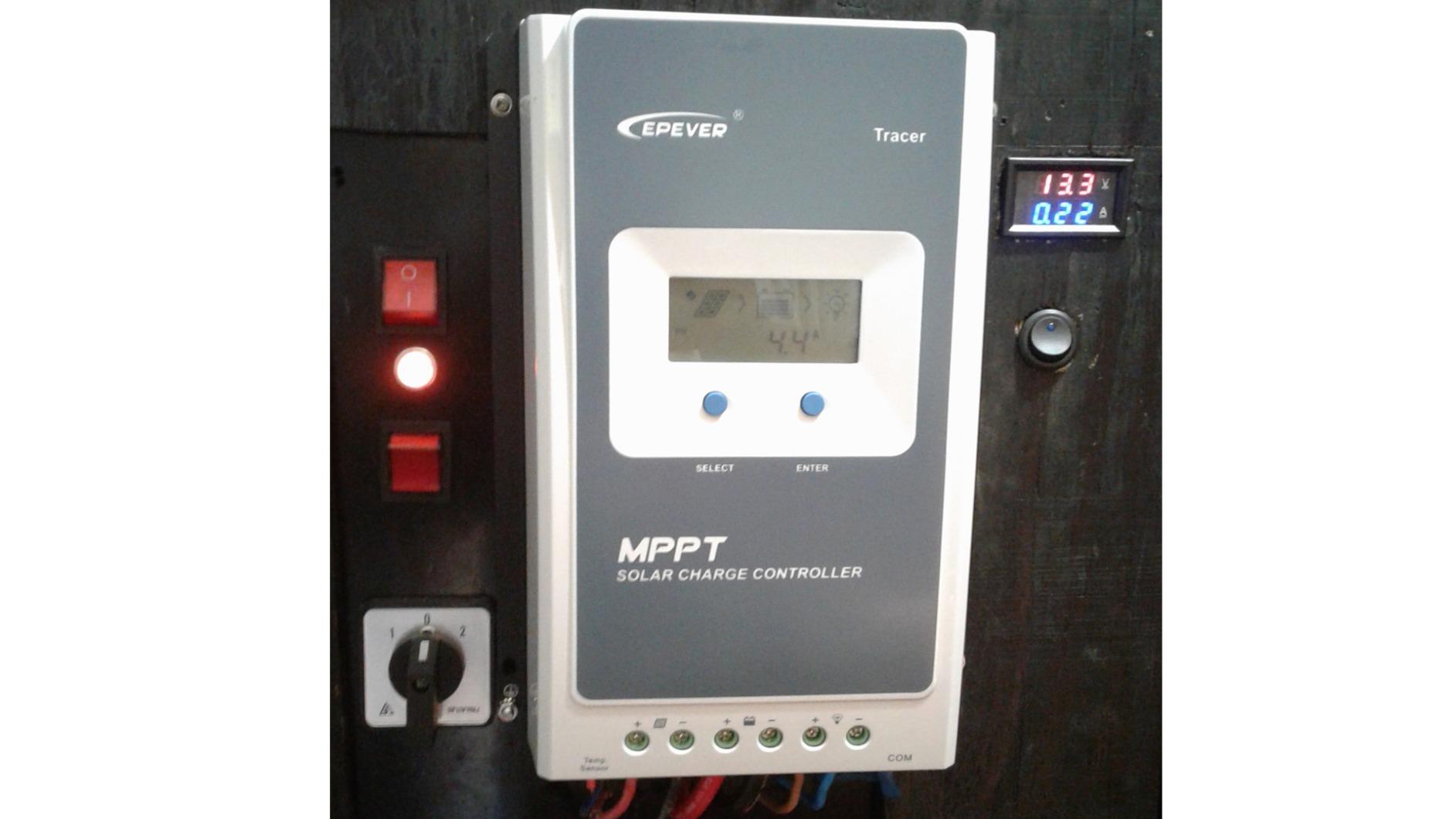
The EPEVER Tracer 4210AN G3 earns its place as the best budget 40A option through sheer reliability. I have seen users report running these controllers for years without problems. The 99.5% tracking efficiency matches or exceeds much more expensive competitors. For the price, you get solid MPPT performance and broad battery compatibility that works with everything from sealed lead-acid to multi-cell lithium configurations.
Remote monitoring via RS485 and Modbus protocol opens up professional monitoring options. You can connect to PC software, optional MT50 or MT52 displays, WiFi adapters, or BLE adapters for phone access. The real-time energy statistics including lifetime kWh produced give you complete visibility into your system performance.
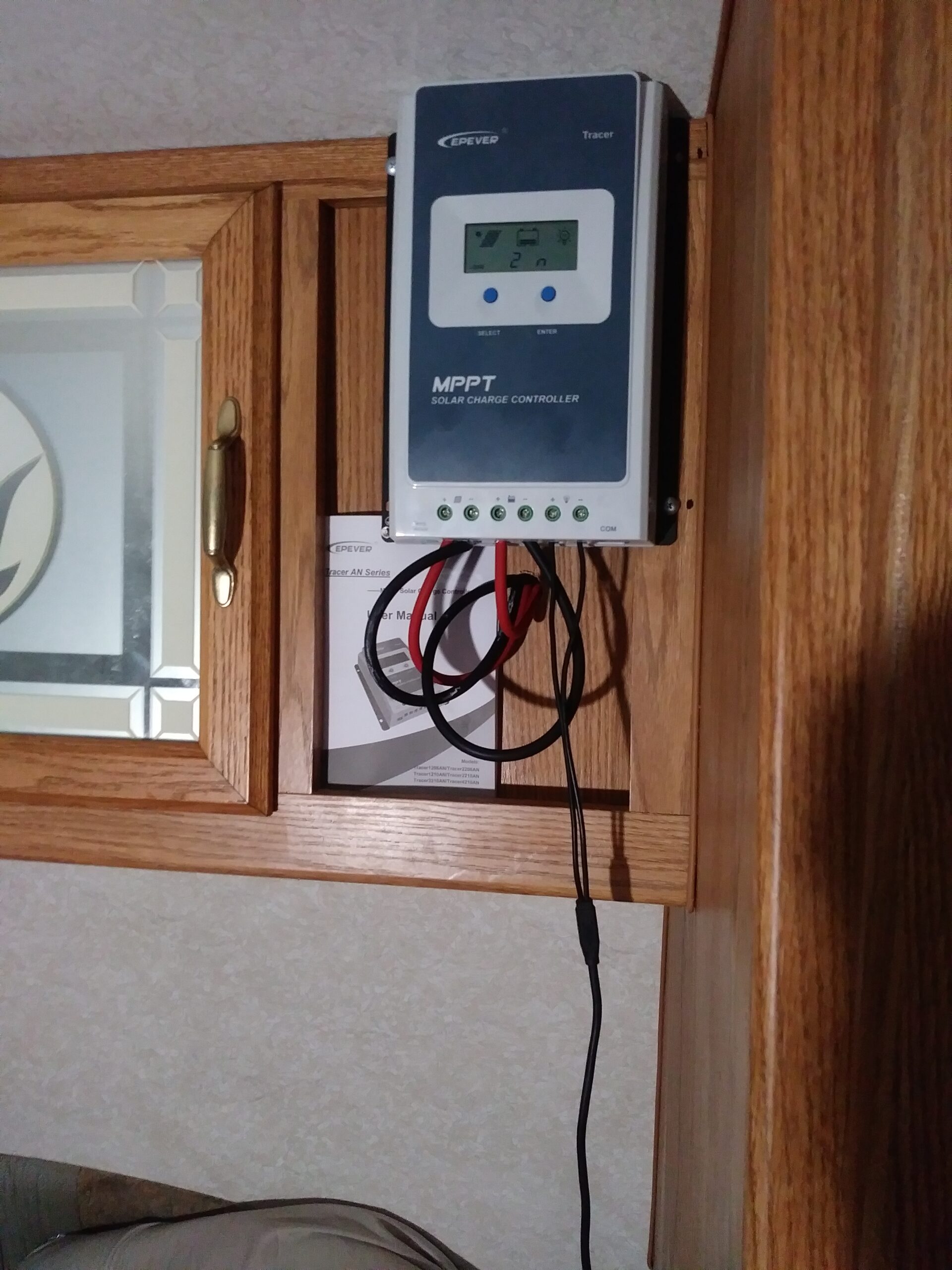
The interface challenges are real though. Programming custom parameters, especially for lithium battery settings, requires patience. The LCD screen readability suffers at angles, and the backlight only works well when viewing directly. These are common complaints that do not affect core charging performance.
Heat dissipation works well in normal conditions, and the overheating power reduction feature protects the unit during extreme loads. Multiple Tracer controllers can be paralleled for larger systems needing more than 40A capacity. The independent voltage regulation ensures consistent output regardless of load changes.
Best for
DIY solar enthusiasts comfortable with some configuration learning will get excellent value. The Tracer 4210AN works well for medium off-grid systems, remote installations, and anyone wanting professional monitoring without professional pricing. Budget-minded users who can work through the interface will not find better MPPT performance at this price.
Not ideal for
Users wanting plug-and-play simplicity should look elsewhere. The accessories (MT50 display, WiFi adapter) add cost and some compatibility issues exist with older EPEVER accessories. If you need immediate out-of-box usability, this may frustrate you.
5. Morningstar SunSaver 15A MPPT – Most Reliable Small Controller
Morningstar SunSaver 15A MPPT Solar Charge Controller (SS-MPPT-15L)
15A charge
12/24V auto
Series 4-stage MPPT
5 year warranty
+ The Good
- Top-of-the-line industrial build quality
- Factory pre-sets actually charge batteries properly
- US-based company since 1993
- Lowest hardware failure rate in industry
- Simple dip switch configuration
- Easy to mount
- Low self-consumption
- Mission-critical reliability
- 5-year warranty
- The Bad
- Most expensive in its class
- Timer-based charge termination may not fully charge batteries
- No solar amperage display on remote meter
- RFI issues possible for radio equipment
- Programming not straightforward for custom settings
- No built-in Bluetooth
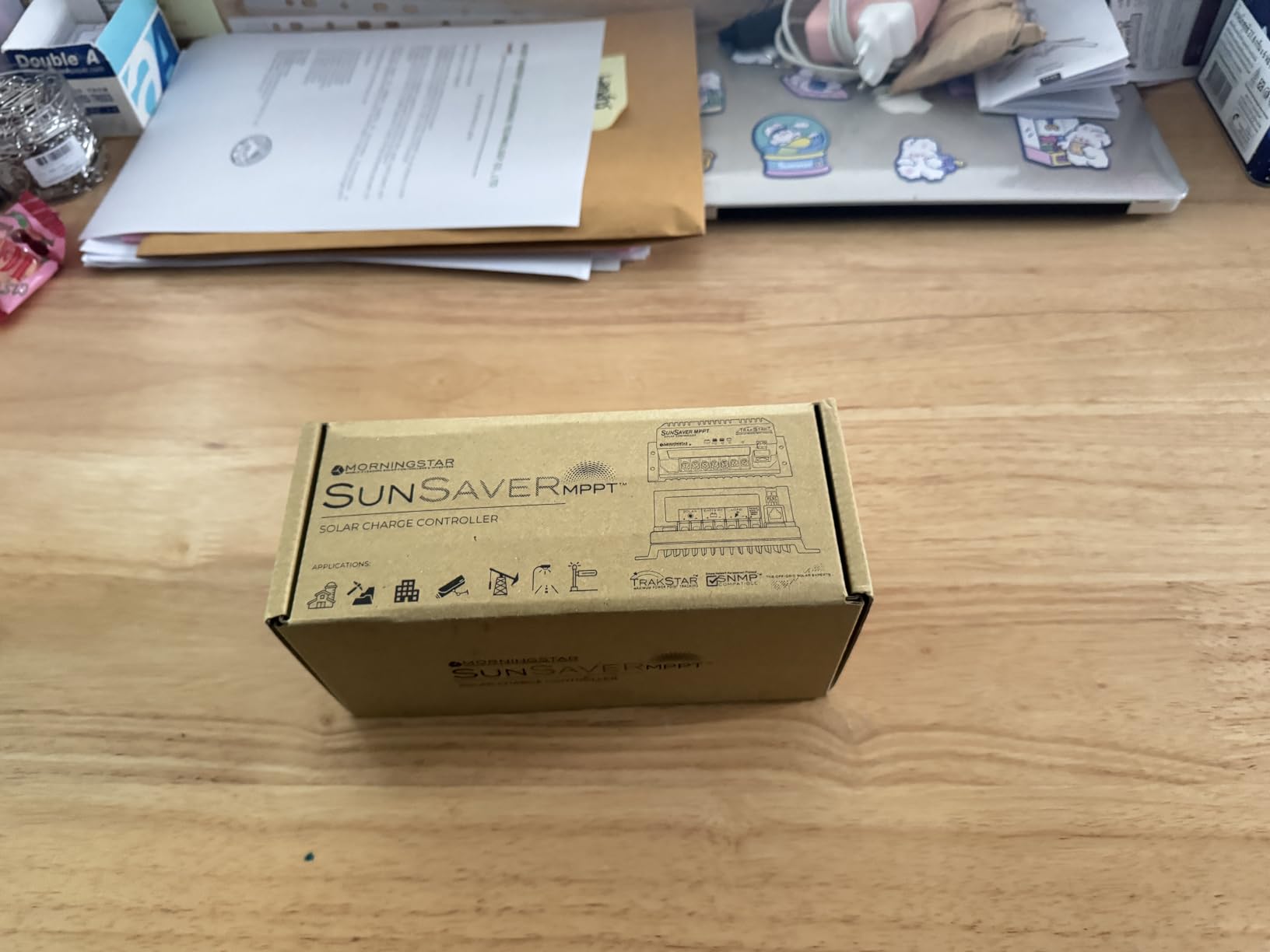
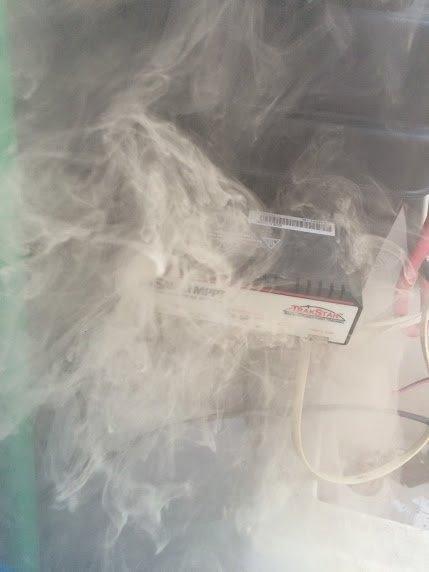
Morningstar builds equipment meant to last decades, and the SunSaver 15A MPPT exemplifies that philosophy. This is the controller I recommend when reliability cannot be compromised. The US-based company has been manufacturing solar electronics since 1993 and maintains an industry-leading low failure rate. These units appear in remote telecom installations, military applications, and critical infrastructure where downtime is not an option.
Factory pre-sets charge batteries correctly out of the box, which is rarer than you might think. Many competitors require extensive configuration to avoid undercharging or overcharging batteries. The dip switch configuration makes common battery type selection straightforward, and the optional computer interface module provides free software for graphing and control.
The 5-year warranty substantially exceeds most competitors offering 2-3 years. Electronic protections guard against surges, short-circuits, overloads, and reverse polarity. Advanced self-diagnostics alert you to wiring errors before damage occurs. The load/lighting control function provides automatic dusk-to-dawn operation for solar lighting systems.
Heat management works without a fan, eliminating a common failure point. The polycarbonate housing withstands UV exposure and harsh weather. Self-consumption is extremely low, meaning more of your panel harvest reaches your batteries rather than feeding the controller itself.
Best for
Mission-critical applications, remote installations, and anyone valuing long-term reliability over initial cost. The SunSaver 15A works well for telecom, monitoring stations, off-grid cabins, and solar lighting systems. If your panels are in locations that are difficult to access, this reliability matters.
Not ideal for
The premium pricing and timer-based charging termination may disappoint some users. RFI (radio frequency interference) can affect sensitive amateur radio equipment. Bluetooth is not built-in, requiring optional modules for smartphone monitoring.
6. Morningstar TriStar 60A MPPT – Best for Large Off-Grid Systems
Morningstar Tristar 60A MPPT Solar Charge Controller (TS-MPPT-60)
60A charge
12/24/36/48V support
99% efficiency
Ethernet/Modbus
+ The Good
- 99% peak efficiency extracts maximum power
- Trusted brand with low failure rate
- Advanced MODBUS networking
- Remote Temperature Sensor included
- 5-year warranty
- No cooling fan to fail
- Clear instructions and thorough manual
- The Bad
- Expensive compared to budget alternatives
- Ethernet monitoring can be unreliable
- Firmware updates require RS-232 port
- Sticker on front may peel
- Data logging limitations
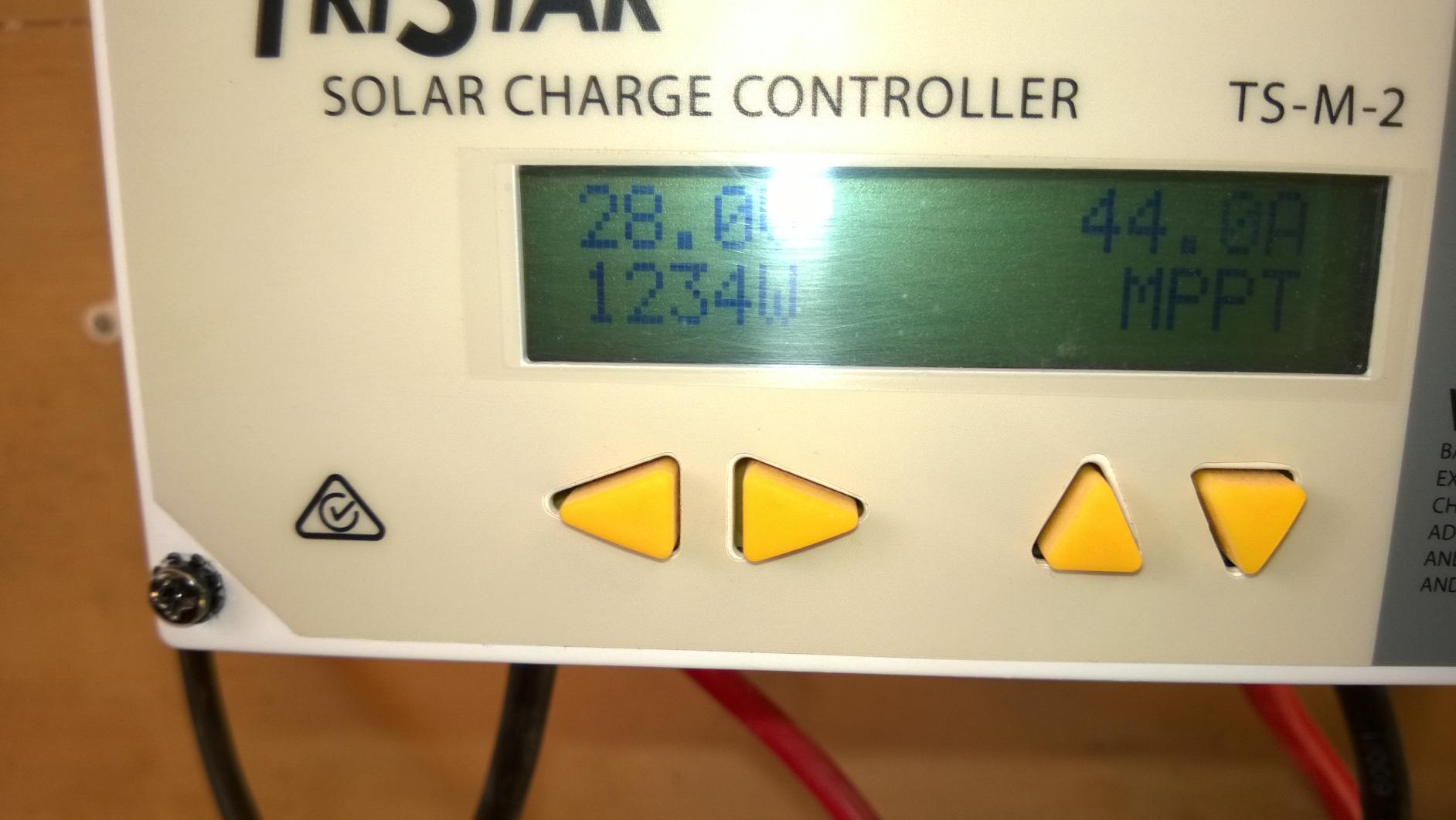
The Morningstar TriStar 60A handles large off-grid installations where 99% efficiency makes a meaningful difference in energy harvest. This controller supports 12V through 48V battery systems, making it versatile for everything from residential solar to commercial installations. The proprietary tracking algorithms minimize power losses throughout the charging cycle.
I recommend the TriStar for systems with multiple solar arrays or high-voltage panel configurations. The MODBUS protocol and MS View software integration work for professional monitoring setups. Ethernet connectivity enables web-based access to system data, though some users report reliability issues with this feature.
Build quality is exceptional. The steel housing withstands harsh environments, and the absence of a cooling fan eliminates the most common failure mode in charge controllers. The included Remote Temperature Sensor improves charging accuracy by measuring actual battery temperature rather than estimating it.
Installation documentation is thorough. Unlike some competitors with vague manuals, Morningstar provides clear wiring diagrams, configuration procedures, and troubleshooting guides. This matters when you are working with large systems where mistakes are costly.
Best for
Large off-grid installations, commercial solar setups, and anyone needing 48V battery support with premium efficiency. The TriStar 60A handles serious power and rewards careful installation with decades of reliable service. Professional installers appreciate the documentation and MODBUS integration.
Not ideal for
Budget-conscious residential users should consider smaller controllers. The Ethernet monitoring feature has mixed reviews for reliability. Firmware updates require an RS-232 connection which many modern computers lack.
7. Ampinvt 80A MPPT – Best Budget High-Amp Controller
+ The Good
- Affordable price for 80A MPPT controller
- Easy to install and use
- LCD shows operating data clearly
- Graphs and reports for power generation logs
- Supports multiple battery types including LiFePO4
- Good customer service
- Compact size despite high capacity
- The Bad
- Screen can malfunction (flashing)
- Factory reset erases all logs
- Voltage reading can be off by 0.3V
- Fan can be loud at low settings
- Some quality control issues
- Not ideal charging profile for lithium
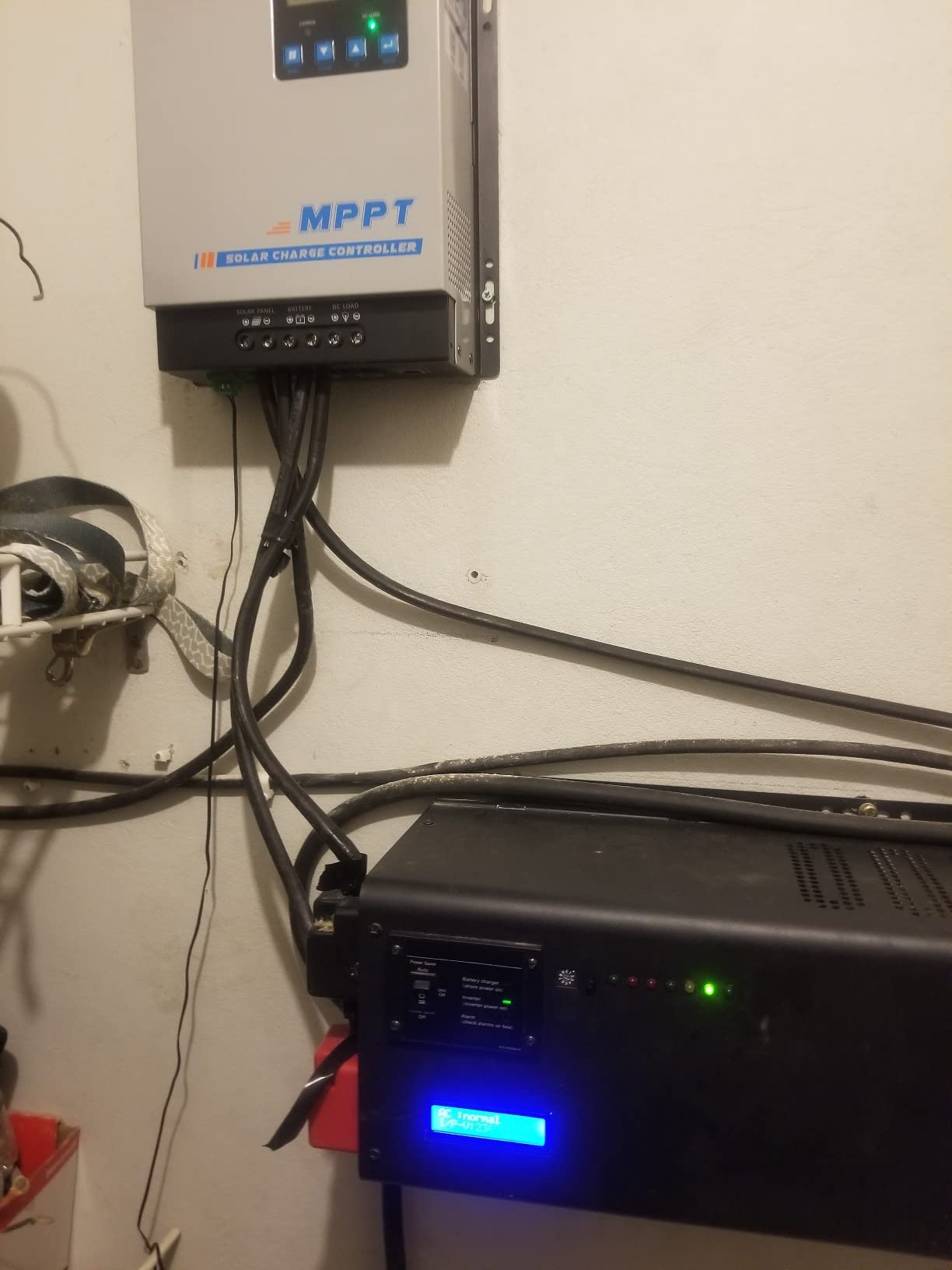
The Ampinvt 80A fills the gap for users needing serious amperage without serious cost. At roughly half the price of name-brand 80A controllers, this unit delivers MPPT tracking and decent build quality. The LCD dashboard shows operating data and real-time statistics, which helps you monitor system health without external devices.
Auto voltage detection handles 12V, 24V, and 48V systems automatically. The 150V maximum PV input accommodates most residential panel configurations, and the RS485 WiFi module enables phone app monitoring. Tracking rate above 99% and conversion efficiency above 98% compete with more expensive options.
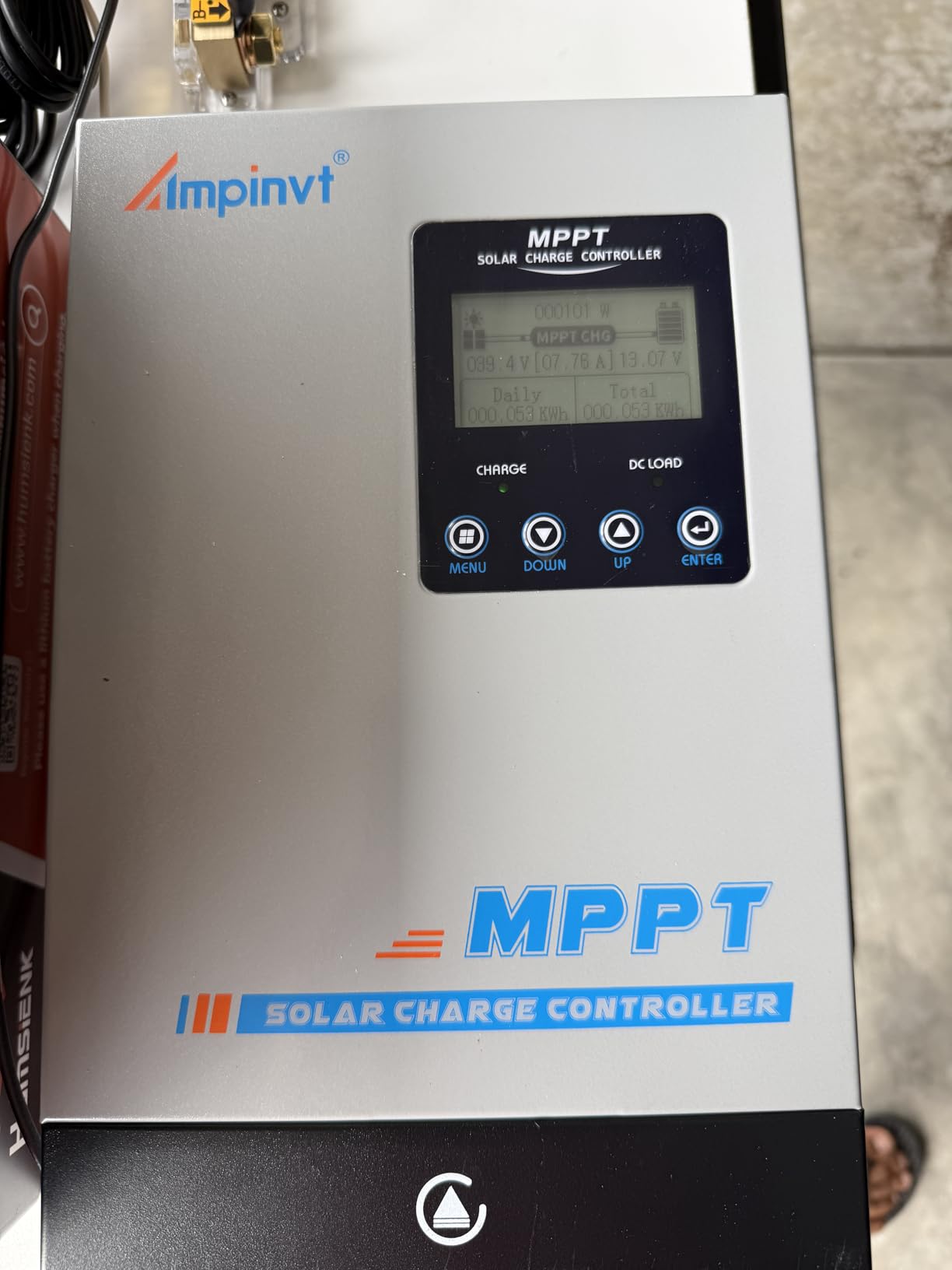
Real-world performance reports are mixed. Most users find these controllers reliable for the price, though screen malfunctions and voltage calibration issues appear in some reviews. The lithium battery charging profile may not suit all battery chemistries, so verify compatibility before purchasing.
The cooling fan runs at low speeds that some users find audible. Quality control varies more than premium brands, but Ampinvt’s customer service receives generally positive feedback for problem resolution. These trade-offs are expected at this price point.
Best for
Budget-conscious users needing 60A or higher for larger battery banks. The Ampinvt 80A works well for off-grid workshops, RV parks with multiple batteries, and anyone building high-capacity systems without premium pricing. Consider it for systems where controller failure is an acceptable risk.
Not ideal for
Mission-critical applications requiring guaranteed reliability should invest in Morningstar or Victron. The lithium charging profile may not fully optimize LiFePO4 batteries. Screen quality issues can affect monitoring visibility.
8. POWLAND 120A MPPT – Best for 48V and High-Voltage Systems
POWLAND 120A MPPT Solar Charge Controlle 12V/24V/36V/48V/60V/72V/84V/96V Auto,Max Input 230V Solar Charger, LCD Display Intelligent Regulator for AGM, Gel, Lithium ect
120A charge
230V max input
12-96V auto
98% efficiency
+ The Good
- Excellent value for the power offered
- Wide voltage compatibility (12V-96V)
- Graphs show 3 days of production data
- No overheating issues
- Easy to program
- Robust build quality
- Good alternative to expensive Victron
- The Bad
- LiFePO4 settings fixed and not adjustable
- Voltage calibration can be off
- Settings menu confusing
- Manual lacks advanced feature documentation
The POWLAND 120A handles an exceptionally wide voltage range that most controllers cannot match. With automatic sensing from 12V through 96V, this single controller works across tiny setups and substantial off-grid installations. The 230V maximum solar input accepts high-voltage panel configurations that would damage standard controllers.
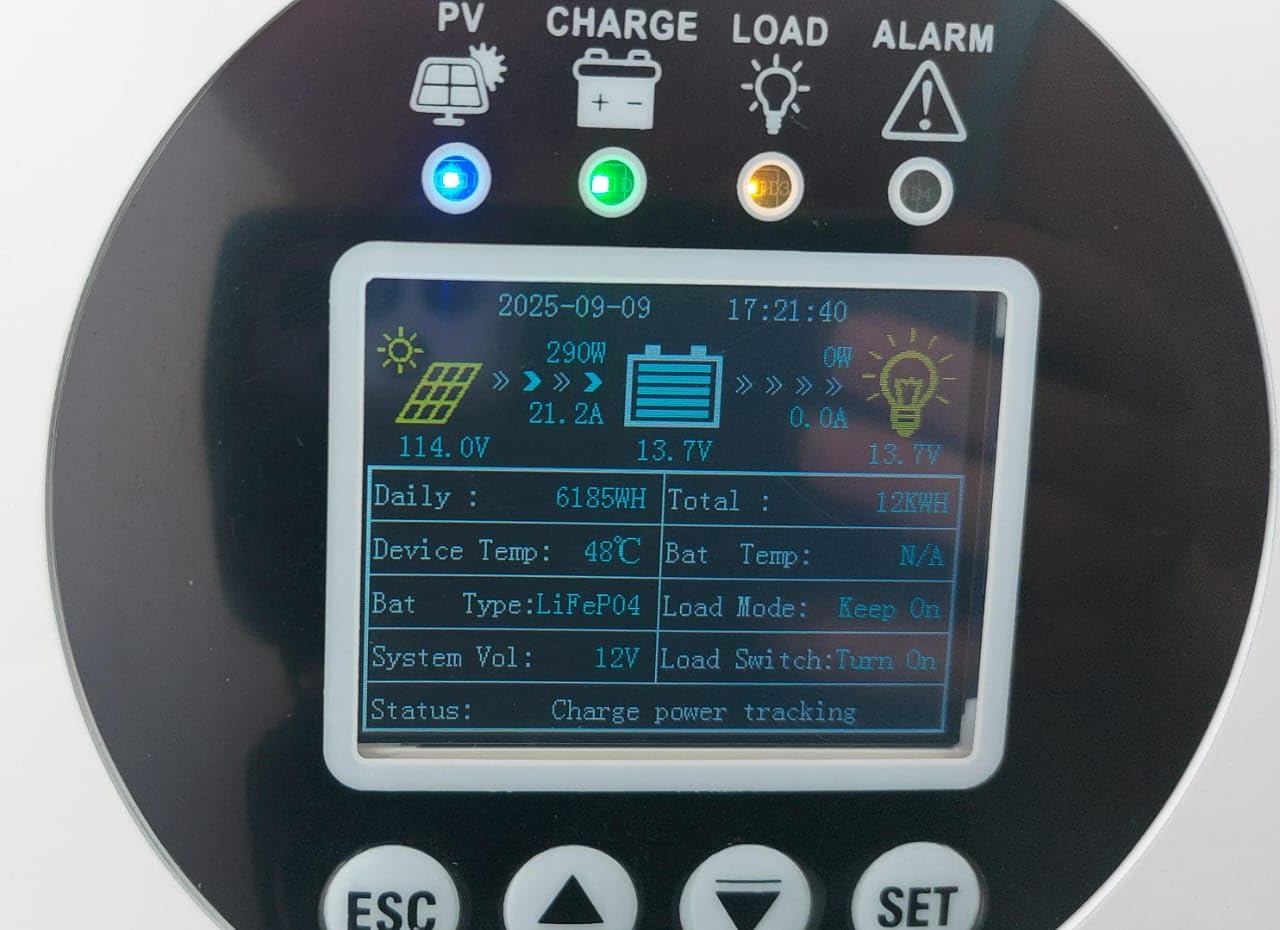
At this amperage and voltage combination, the POWLAND typically undercuts premium competitors by hundreds of dollars. The LCD dashboard provides graphs showing the last three days of production data, which helps identify patterns in harvest and consumption. I have read reports of these controllers performing reliably in large residential off-grid systems.
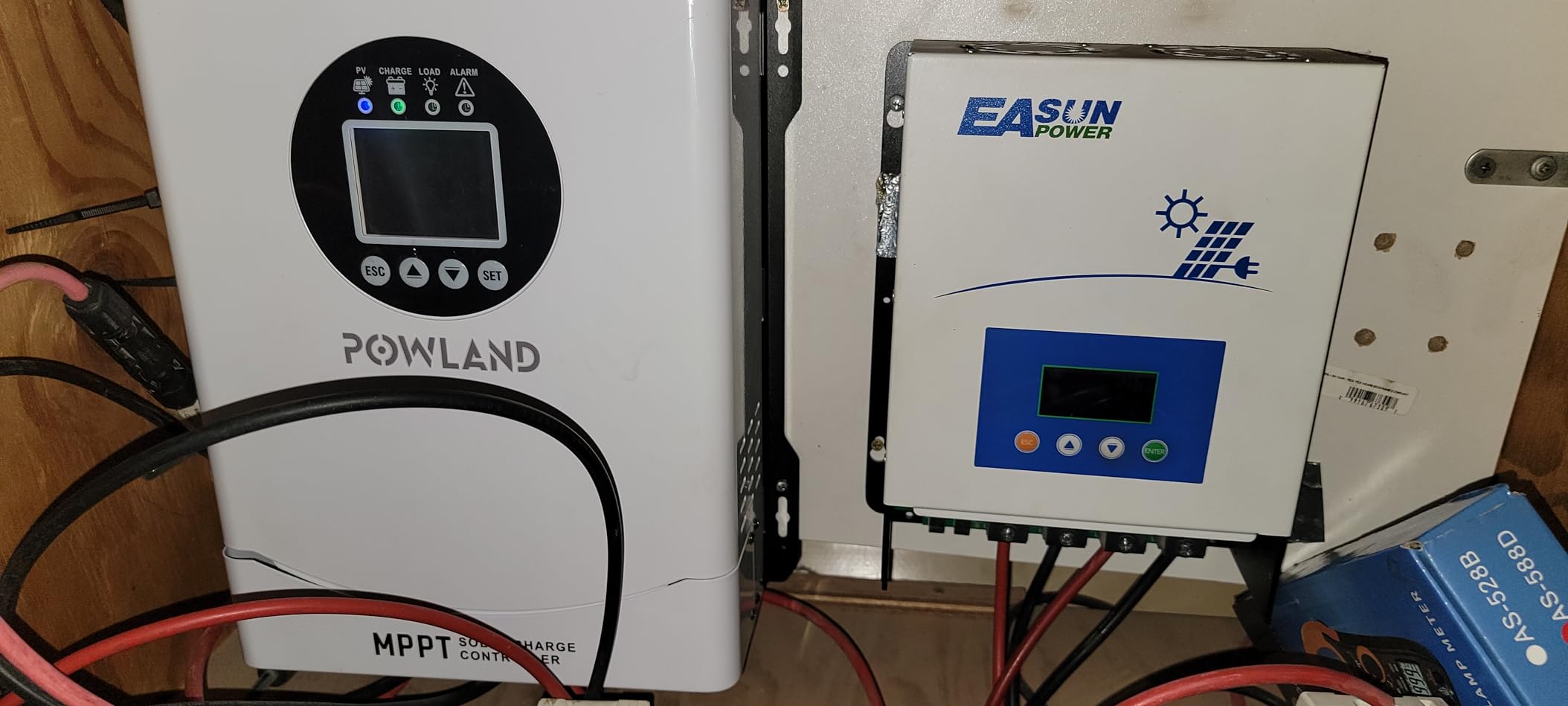
The advanced MPPT algorithm tracks real-time maximum power efficiently. 3-stage charging (bulk, absorption, float) extends battery lifespan when properly configured. Comprehensive protections guard against reverse polarity, overload, and open-circuit conditions.
Programming the controller requires learning the menu system. Some users report confusion with the settings structure, and the manual does not fully document advanced features. Voltage calibration occasionally needs adjustment, with some units outputting 15.8V instead of expected values.
Best for
High-voltage off-grid systems, 48V battery banks, and anyone needing 100A+ capacity without spending Outback money. The POWLAND works well for larger cabins, small commercial installations, and hybrid systems with varying battery voltages. Consider it when you need serious power handling at moderate cost.
Not ideal for
Users needing adjustable LiFePO4 profiles should verify settings meet their requirements. The fixed lithium settings may not suit all battery chemistries. Menu navigation takes time to master without comprehensive documentation.
9. Renogy Rover Lite 60A MPPT – Best Heavy-Duty for Harsh Environments
Renogy 60A MPPT Solar Charge Controller 12V/24V/36V/48V Auto, 150V Solar Input Solar Panel Controller for Lithium/AGM/Gel Batteries, Off-Grid Solar Controllers Home RV Marine Workshop
60A charge
150V max input
Metal body
-31F to 113F range
+ The Good
- Robust metal construction commercial grade
- Excellent self-cooling design (no fan to fail)
- Easy installation with clearly labeled ports
- Big easy-to-read LCD screen
- 2-year warranty with good customer service
- Ideal for harsh environments
- Battery temperature sensor included
- The Bad
- Larger and heavier than smaller MPPT controllers
- Bluetooth module sold separately
- Load E04 error possible during certain conditions
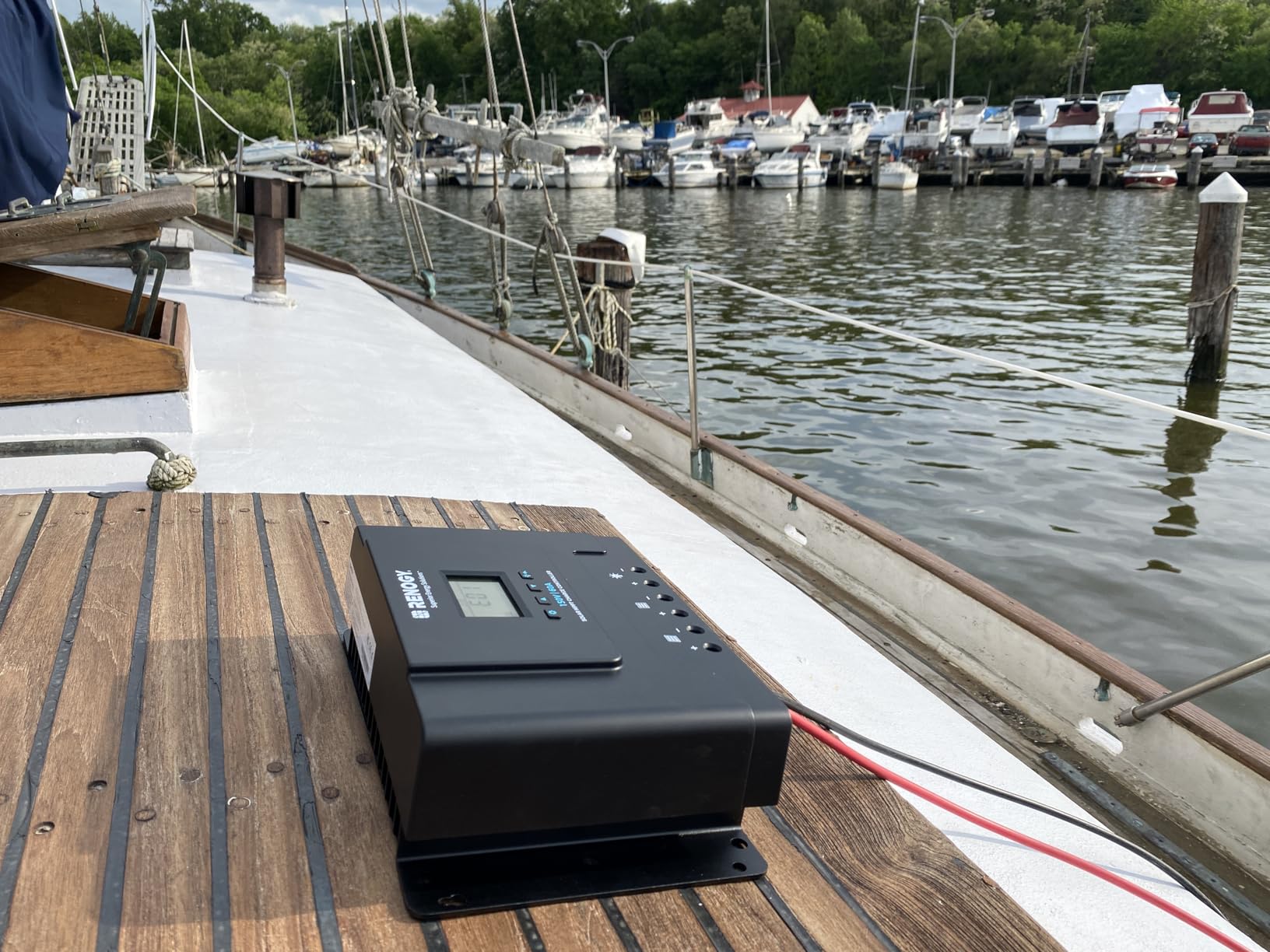
The Renogy Rover Lite 60A builds on Renogy’s reputation for rugged reliability. The metal housing and self-cooling design handle harsh conditions without the failure points inherent in fan-cooled units. This controller thrives in marine environments, high-humidity workshops, and dusty off-grid locations where lesser equipment fails quickly.
Full-load operation from -31F to 113F covers extreme climate ranges. The built-in low-temperature protection for lithium batteries prevents charging damage in cold weather, which is essential for cabins in northern climates. FCC, RoHS, and CE certifications verify safety and environmental compliance.
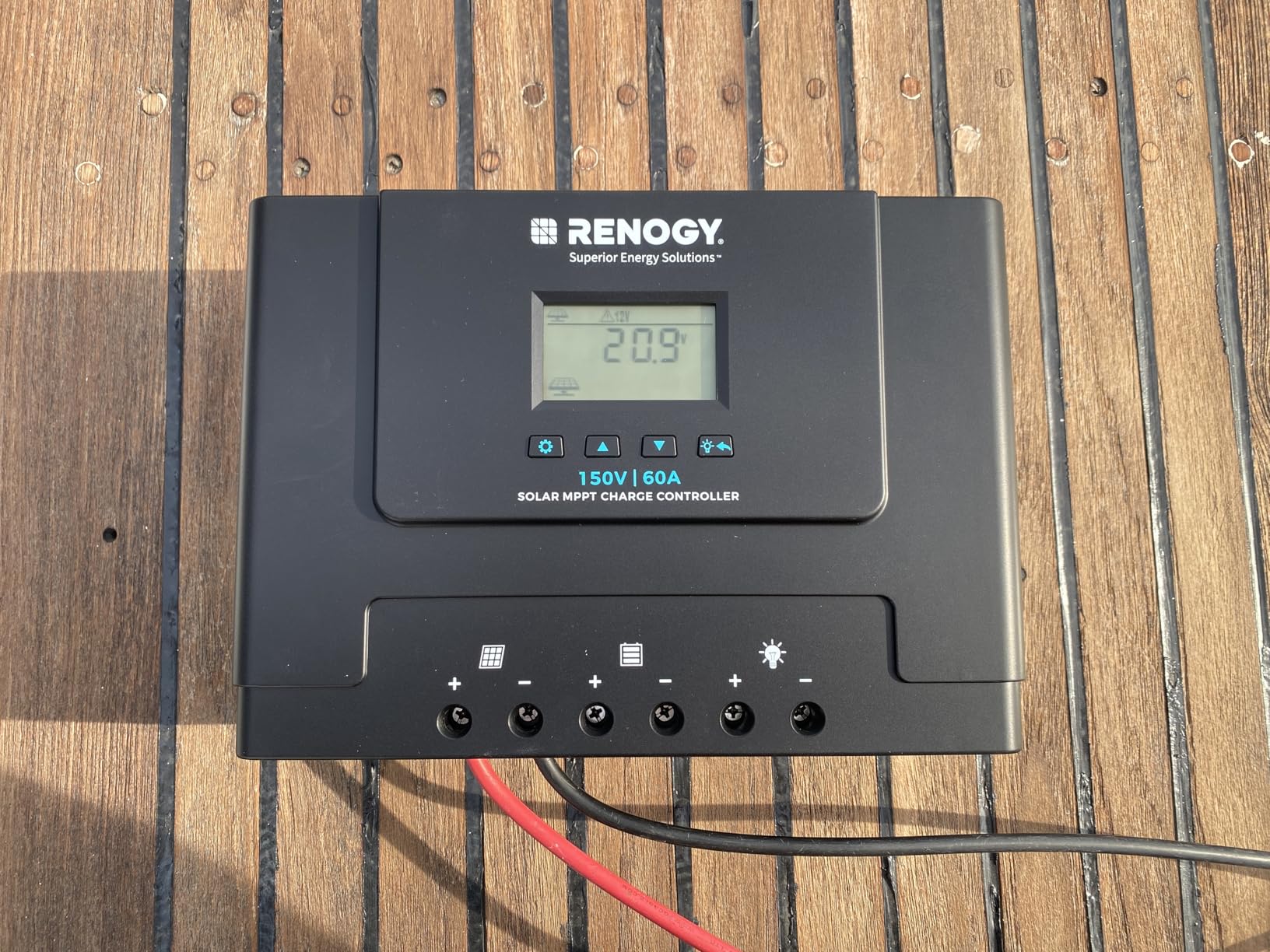
Installation is straightforward with clearly labeled ports. The big LCD screen shows system data without squinting, which matters when checking status in bright sunlight. The battery temperature sensor (included in the box) improves charging accuracy across temperature swings.
The 150V maximum solar input allows connecting up to six 200W monocrystalline panels in series. This flexible configuration works well for installations needing long panel runs or higher-voltage arrays that would exceed other controllers.
Best for
Marine applications, off-grid workshops, and harsh environment installations. The metal body and self-cooling design excel in humidity, dust, and temperature extremes. Anyone needing 60A capacity with reliable long-term performance will appreciate this controller.
Not ideal for
The larger size and weight require adequate mounting space. Bluetooth monitoring requires an additional module purchase. Occasional Load E04 errors may concern users needing flawless continuous operation.
10. EPEVER Tracer BN 40A MPPT – Best Aluminum-Body Controller
EPEVER 40A MPPT Solar Charge Controller 12V/24V Auto Working Max.PV 150V Solar Panel Charge Regulator Tracer BN Series Negative Ground Solar Controller
40A charge
150V max PV
12/24V auto
Die-cast aluminum
+ The Good
- Die-cast aluminum housing excellent heat dissipation
- Well-made solid construction
- Excellent customer service
- MT50 remote meter included
- Reliable performance over years
- Easy to set up
- Large terminals for heavy cables
- The Bad
- Can have issues reading battery voltage correctly
- Menu navigation takes time to learn
- LED display requires MT50 remote meter
The EPEVER Tracer BN 40A distinguishes itself with die-cast aluminum construction that dissipates heat without fans or active cooling. The passive thermal management extends component life and eliminates noise. I have seen users report running these controllers for multiple years in demanding conditions without failures.
The included MT50 remote meter provides comprehensive monitoring at a glance. Battery voltage, current, state of charge, and charging stage display clearly. Combined with the RS485 interface, you get multiple monitoring options without additional purchases.
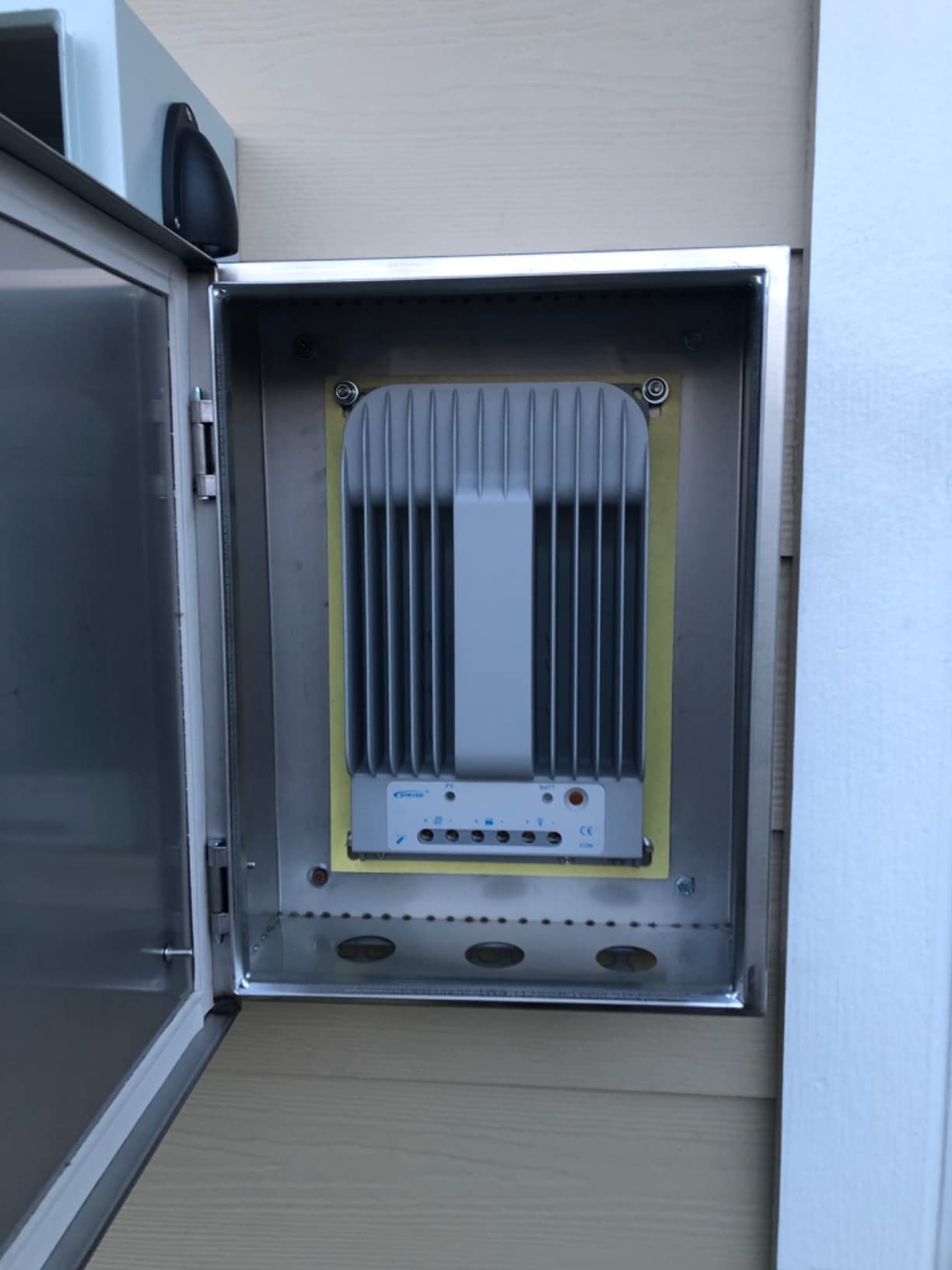
EPEVER’s customer service receives consistent praise in user reviews. The 99.5% MPPT tracking efficiency and 98% conversion efficiency match or exceed competitors at higher price points. The 150V maximum PV open circuit voltage provides flexibility for panel configurations.
Large wire terminals accommodate heavy gauge cables without strain. Negative ground design works with most battery systems. The 4 charging options (Sealed, Gel, Flooded, User) cover common battery chemistries with proper charging profiles.
Best for
Users wanting premium heat dissipation without premium pricing. The aluminum body suits enclosed installations where airflow is limited. Anyone valuing EPEVER’s reliability and customer service will find this a solid long-term investment.
Not ideal for
The MT50 remote meter is required for display since the controller itself lacks built-in indicators. Menu navigation requires a learning investment. Voltage reading inconsistencies occasionally reported for 12V vs 24V detection.
How to Choose the Best MPPT Charge Controller
Selecting the right MPPT charge controller requires understanding a few key specifications. Here is what actually matters when comparing your options.
Charge Current Rating and Sizing
The charge current rating determines how quickly your batteries charge. For most systems, choosing a controller rated at least 25% higher than your calculated charge current provides headroom and extends equipment life. To calculate needed amperage, divide your total panel wattage by your battery voltage. A 400W panel array charging a 24V battery bank needs roughly 17A, so a 20A or 25A controller makes sense.
Oversizing is generally safer than undersizing. A controller running near its maximum rating generates more heat and may throttle or fail. Controllers also lose efficiency at maximum load, so having extra capacity improves long-term performance and allows system expansion.
Maximum PV Input Voltage
This specification limits what panel configurations you can use. Higher voltage inputs allow connecting panels in series, which reduces wire size and voltage drop over long distances. If your panels are far from your battery bank, prioritizing a controller with higher PV voltage tolerance saves on wiring costs.
Most residential setups work fine with 100V controllers. Commercial installations or long wire runs may need 150V or higher input tolerance. Always calculate your panel open-circuit voltage in cold weather, as panels produce higher voltage when cool.
Battery Voltage Compatibility
MPPT controllers support different battery voltages. Basic units work with 12V and 24V systems. More capable controllers add 36V and 48V support for larger installations. Some premium controllers like the POWLAND 120A support voltages up to 96V for commercial applications.
Match your controller to your present and future battery bank. If you plan to expand from 24V to 48V later, buying a controller with 48V support from the start avoids replacement costs. Some users start with 12V for simplicity and upgrade to 24V as their needs grow.
Battery Type Support (LiFePO4, Lead Acid, AGM, Gel)
Not all controllers work equally well with different battery chemistries. Lead acid and AGM batteries accept a range of charging profiles, while lithium chemistries often need specific voltage setpoints. LiFePO4 batteries are particularly sensitive to undercharging and overcharging.
Look for controllers with programmable charging profiles if you use lithium batteries. Some budget controllers have fixed lithium profiles that do not fully optimize LiFePO4 performance. Victron and EPEVER controllers offer extensive battery type presets and custom profile options.
MPPT vs PWM: When MPPT is Worth It
PWM (Pulse Width Modulation) controllers are cheaper but waste energy by forcing panels to operate at battery voltage rather than their optimal power point. MPPT controllers extract up to 30% more energy in optimal conditions and even more in partial shade or cool temperatures.
The breakeven point depends on your system size and usage. For panels under 100W, PWM may suffice due to minimal gains. Above 200W, MPPT efficiency gains almost always justify the higher cost. If you have panels in partial shade or live in cooler climates, MPPT advantages increase significantly.
Bluetooth and Monitoring Features
Built-in Bluetooth enables phone apps for configuration and monitoring without additional hardware. Victron’s VictronConnect app is widely considered the best in class, offering comprehensive data, history graphs, and firmware updates. Some brands require separate Bluetooth modules that add cost and complexity.
Consider whether you need local monitoring (controller display), phone app access, or remote monitoring via WiFi or Ethernet. Remote monitoring matters for installations you cannot access easily. Local displays are convenient for quick status checks without pulling out your phone.
Wire Terminal Quality and Installation
Quality terminals accommodate larger wire gauges without strain. Budget controllers sometimes use small terminals that limit cable size and create connection problems. Look for terminal specifications matching your planned wire gauge.
Proper installation affects performance and safety. Controllers should mount vertically with adequate ventilation. Heat dissipation matters, especially in enclosed spaces. Temperature sensors (either built-in or external) improve charging accuracy by measuring actual battery temperature.
What is the best charge controller for MPPT?
The Victron SmartSolar 100/50 stands out as the best overall MPPT charge controller. It offers ultra-fast MPPT tracking, built-in Bluetooth, excellent build quality, and compatibility with all major battery types. With a 4.7 rating from over 2,200 reviews, it delivers reliable performance for 12V and 24V off-grid systems.
What are the top MPPT controller brands?
The most reputable MPPT charge controller brands include Victron Energy, Renogy, EPEVER, Morningstar, and POWLAND. Victron and Morningstar are considered premium options with exceptional reliability. Renogy and EPEVER offer strong value with good performance. POWLAND specializes in high-amperage controllers for large systems.
How big of a MPPT charge controller is needed for 400W of solar panels?
For a 400W solar panel array, you need an MPPT controller rated at least 15-20A depending on your battery voltage. At 24V, 400W produces about 17A, so a 20A controller provides safe headroom. At 12V, you need roughly 33A, so a 40A controller is appropriate. Always oversize by 25% for longevity and expansion.
Is an MPPT charge controller better than PWM?
Yes, MPPT controllers are significantly better than PWM in most situations. MPPT extracts up to 30% more energy from solar panels through intelligent maximum power point tracking. The advantages are greatest in cool temperatures, partial shade, and when panels are wired at higher voltages than battery voltage. For systems over 100W, MPPT is almost always worth the additional cost.
Can I use an MPPT charge controller with lithium batteries?
Yes, most MPPT charge controllers support lithium batteries including LiFePO4. However, you need to verify the controller has appropriate lithium charging profiles or custom voltage settings. Budget controllers sometimes have fixed lithium profiles that do not fully optimize LiFePO4 batteries. Victron, EPEVER, and Morningstar controllers offer comprehensive lithium battery support with programmable profiles.
Final Thoughts on the Best MPPT Charge Controllers
The best MPPT charge controller for your setup depends on your system size, battery type, and budget. For most people, the Victron SmartSolar 100/50 delivers the best combination of efficiency, reliability, and features. The built-in Bluetooth and intelligent MPPT tracking make a real difference in daily energy harvest.
If budget constraints matter more than premium features, the Renogy Rover 40A and EPEVER Tracer 4210AN offer strong value. These controllers handle mid-range systems well and include features like load terminals and data logging that justify their pricing. The Ampinvt 80A and POWLAND 120A serve larger installations where high amperage matters more than brand prestige.
For mission-critical applications where failure is not an option, Morningstar controllers deliver exceptional reliability backed by decades of industry experience. The SunSaver 15A and TriStar 60A cost more upfront but pay back through decades of maintenance-free operation.
Whatever controller you choose, proper sizing and installation matter as much as the hardware itself. An expensive controller installed incorrectly will underperform a budget unit properly configured. Take time to calculate your actual needs, verify battery compatibility, and follow mounting guidelines. Your batteries and your future power bill will thank you.