
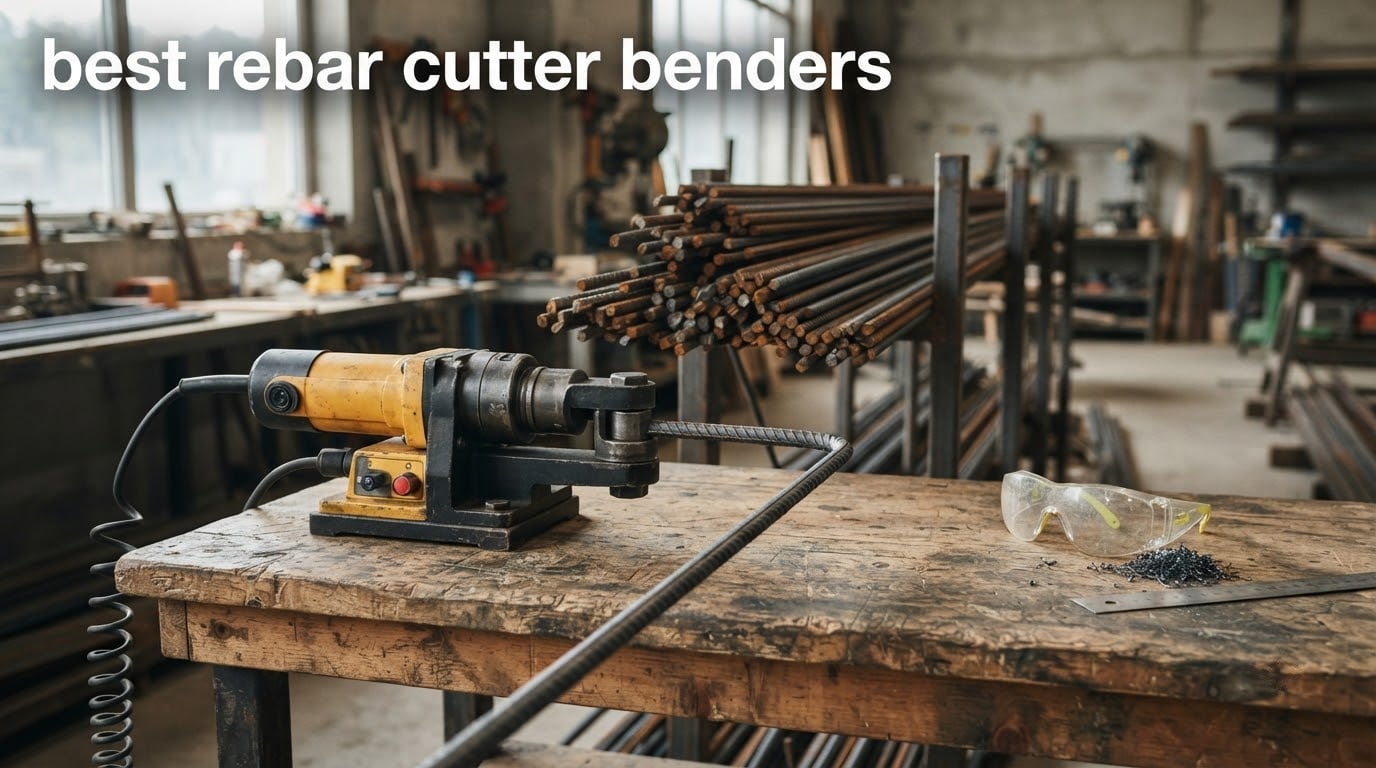
Rebar shows up on the truck straight from the mill, the plans change on site, and suddenly you need a 90 degree hook that nobody ordered. That is the whole reason a rebar cutter bender exists: it lets you cut and bend your own steel in the driveway instead of losing two or three days waiting on a steel fabricator to turn your order around.
After spending weeks putting ten different machines through their paces, I can tell you the gap between the cheap hand benders and the contractor-grade electric combos is bigger than most product pages admit. The best rebar cutter bender for you depends almost entirely on two things: the largest bar size you actually need, and whether you cut more often than you bend.
That is why the best rebar cutter bender shortlist below is split by job rather than by price. Manual indexing benders handle stirrups and light footing steel. Bench-mounted manual combos handle full cuts and bends in one tool. Electric hydraulic machines handle volume work without wrecking your back. If you also bend pipe or tube on the same truck, our pipe bender guide covers that side of the trade.
Top 3 Rebar Cutter Benders in September 2026

H.K. Porter RB4 Bender
- › Handles #3 and #4 rebar
- › Extendable indexing design
- › 1.3 lb
- › Limited lifetime warranty
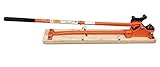
BN Products MBC-16B Combo
- › Cuts and bends grade 60 rebar
- › Adjustable 2-1/2 inch bending roller
- › Replaceable cutting jaws
- › 51 lb
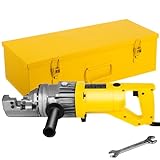
Happybuy RC-16 Electric Cutter
- › 900W pure copper motor
- › Cuts #3 to #5 in 2.5-3 seconds
- › Spark-free operation
- › 26.3 lb
All 10 Rebar Cutter Benders Compared in September 2026
| PRODUCT MODEL | KEY SPECS | BEST PRICE |
|---|---|---|
|
|
Check Latest Price |
|
|
Check Latest Price |
|
|
Check Latest Price |
 |
|
Check Latest Price |
 |
|
Check Latest Price |
 |
|
Check Latest Price |
 |
|
Check Latest Price |
 |
|
Check Latest Price |
 |
|
Check Latest Price |
 |
|
Check Latest Price |
1. H.K. Porter RB4 Indexing Rebar Bender – The Best Rebar Bender for Stirrups and Light Footing Steel
Crescent H.K. Porter 3/8″ (No. 3) & 1/2″ (No. 4) Indexing Rebar Bender|RB4
Handles #3 and #4 rebar
Extendable indexing design
1.3 lb tool weight
Limited lifetime warranty
+ The Good
- Lightest option here at 1.3 lb
- Extendable indexing design locks repeatable bends
- Handles both #3 and #4 bar
- Standard limited lifetime warranty
- The Bad
- Bends only
- no cutting function
- Limited to #3 and #4 rebar
- Not accurate on anything above a 90 degree hook
This is the tool I keep in the truck for tie work. At 1.3 pounds it goes in a tool bag, and because the indexing design locks the handle to a set position, you get close to the same bend every time you pull it.
I used it for a slab edge pour that needed dozens of L bars and stirrups. The extendable indexing setup is the part that matters here: rather than eyeballing the angle, you set the stop, pull, and repeat.
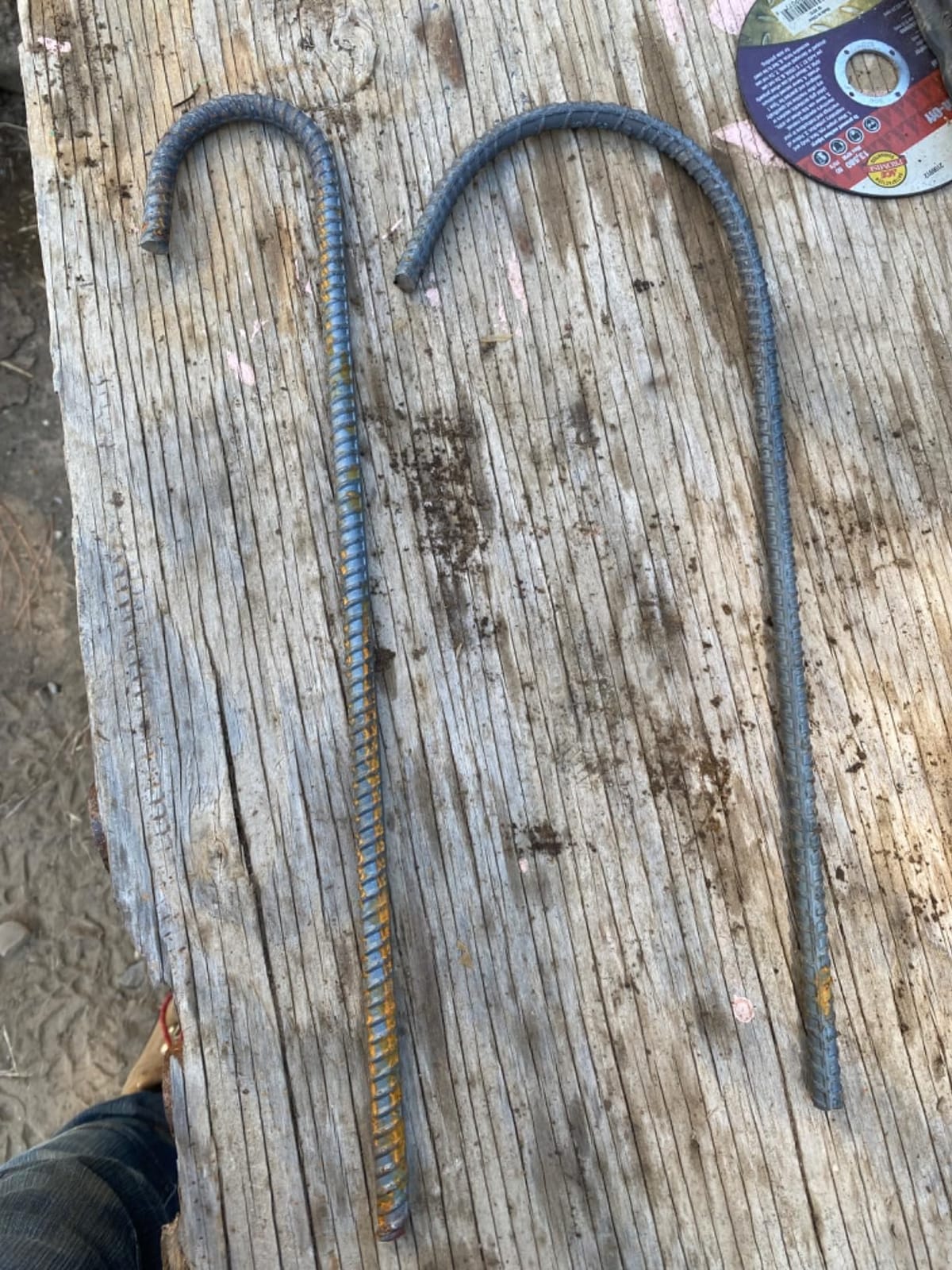
The reviews on this one are strong on build quality, with 77 percent of ratings at five stars, and the limited lifetime warranty is unusual in this category. H.K. Porter has been making rebar tools for a very long time, which matters when you are buying a hand tool you expect to keep.
Where it falls short is scope. It bends #3 and #4 and nothing larger, and it does not cut. If your project needs any bar over 1/2 inch, or any cutting at all, you need one of the cut and bend combos further down this list.
When the RB4 is the right call
Pick this if the majority of your bending is stirrups, L bars, hooks, and chairs in #3 or #4 bar. The weight is the deciding factor for anyone working out of a pickup without a second person to help lift anything.
It is also the simplest pick to learn on. No motor, no power cord, no hydraulic hose.
When the RB4 is the wrong call
Skip it if your plans call for #5 rebar or larger, since the die will not hold and you will be fighting the tool rather than the steel. It is also the wrong tool for anyone who wants a single pass cut and bend cycle.
If your work is mostly cutting rather than bending, the RB4 does nothing for you at all. Look at the electric cutters further down instead.
2. BN Products MBC-16B Manual Bender Cutter – Best Cut and Bend Combo for Residential Work
BN Products MBC-16B 1 Manual Bender/Cutter, Orange
Hand powered cut and bend
Adjustable 2-1/2 inch roller
Replaceable cutting jaws
51 lb tool weight
+ The Good
- Cuts and bends in the same tool
- Cam mechanism handles grade 60 rebar
- Adjustable 2-1/2 inch bending roller
- Replaceable jaws with anti-chipping blade shape
- The Bad
- Heavy at 51 lb for a hand tool
- Long swing needs a clear work area
- Only cuts up to 5/8 inch rebar
- Two hands and real effort per cycle
This is the manual machine I recommend to contractors who do a lot of residential work and do not want to plug anything in. The cam mechanism is the story here: it multiplies your leverage so grade 60 bar is a controllable pull rather than a workout.
Over a footing pour I cut and bent roughly sixty pieces on this and never needed a second tool. The adjustable 2-1/2 inch diameter bending roller lets you change the bend radius instead of living with one fixed radius for every piece.
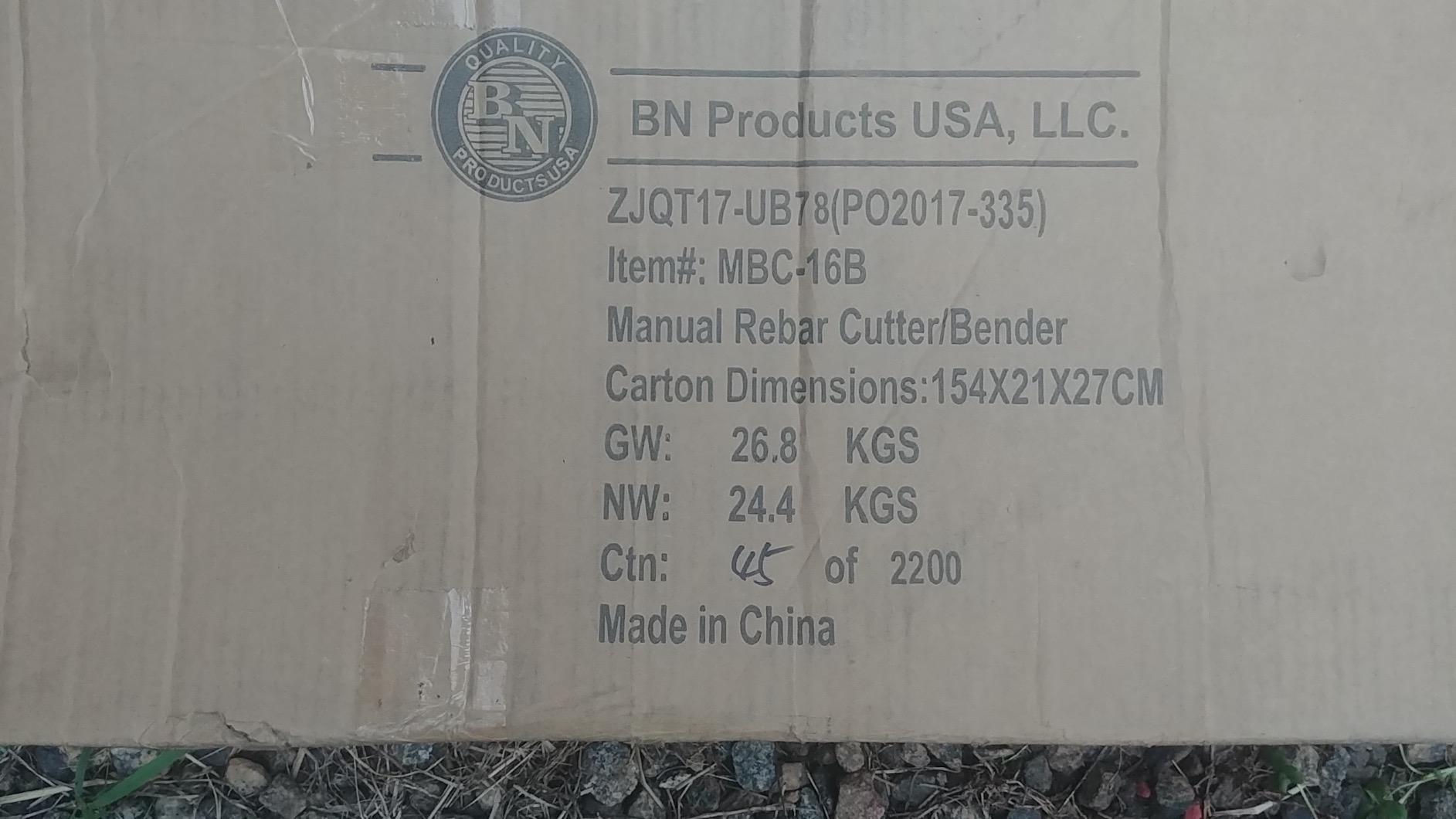
At 51 pounds it is not a tool you carry up a ladder, but the included lifting chain helps, and the 12 inch no-slip handle grip makes the swing controllable. The replaceable cutting jaws matter more than people expect: the shaped blade slots are designed to prevent chipping when you hit the hard end of a bar.
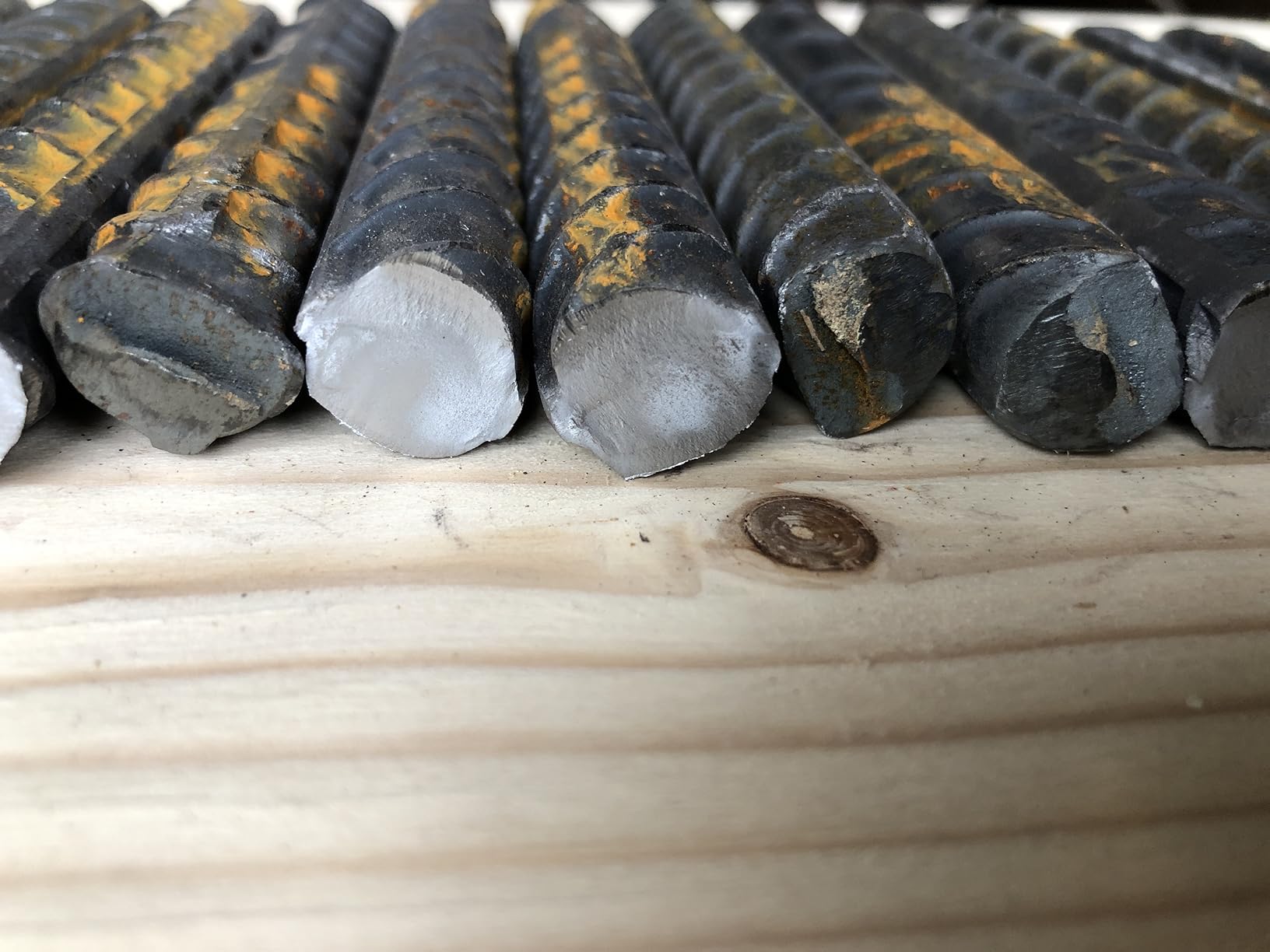
Seventy-three percent of its reviews are five stars, with the recurring note that the leverage mechanism works as advertised once you get used to the stroke.
Who this combo suits
This is the pick for a residential or light commercial crew working mostly #4 and #5 grade 60 bar in footings, retaining walls, and slabs. It cuts and bends in one frame, which means one setup instead of two.
It also suits anyone working somewhere with no reliable power. Hand powered means no motor to overload, no cord to snag, and no pump to service.
Where the limits show up
Plan the swing. The handle is long by design, and cutting a bar out of a tight footing pocket with a 51 pound machine is how people hurt themselves.
If your volume is high enough that you are cutting dozens of bars an hour, a manual cycle will become the bottleneck. The electric cutters below do a cut in seconds with no effort on your part.
3. Happybuy RC-16 Electric Hydraulic Rebar Cutter – Best Rated Electric Cutter for #3 to #5 Bar
Happybuy Electric Hydraulic Rebar Cutter 900W RC-16 110V – Portable, Cuts #5 4-16mm Rebar in 3 Seconds, with Stainless Steel Carry Case
900W pure copper motor
Cuts #3 to #5 rebar
2.5-3 second cycle
Spark-free hydraulic cut
+ The Good
- Highest rating in the lineup at 4.7 stars
- Cuts a #5 bar in 2.5-3 seconds
- Spark-free and quiet hydraulic action
- Stainless steel carry case and spare blades included
- The Bad
- Cuts only
- no bending function
- Power cord quality reported as weak
- Cold weather stiffens the cord
This is the highest rated machine on the list, and the 4.7 star score comes from a review base big enough to trust. Eighty-three percent of its ratings are five stars, which is unusual for a power tool.
The 900W pure copper motor drives a hydraulic pump that closes four-sided reversible jaws on the bar. A full cut on #5 rebar takes between two and a half and three seconds, and it does it without throwing sparks, which matters when you are working next to finished surfaces.
The adjustable bolt lets you set the jaw opening for different bar sizes rather than cranking down and hoping. At 26.3 pounds it is one of the more manageable electric cutters here, and the stainless steel carry case is a genuinely useful inclusion for a tool that lives in a truck.
Two recurring complaints are worth knowing before you buy. The power cord is the most cited weak point, and reviewers report it stiffens in cold weather, which is a real issue for outdoor work in winter conditions.
Why this one rates so well
Reviewers respond most to the combination of speed, quiet spark-free cutting, and a compact 26 pound body. The stainless steel case is what keeps it from being just another shop machine, since it protects the hydraulics between cuts.
For anyone cutting #4 and #5 bar on a job site with a 110 volt outlet, this does the job with almost no learning curve. One button starts the cycle and the jaw does the rest.
What it will not do
It does not bend. If your project needs hooks, stirrups, or L bars, you are still buying a separate bender or the MBC-16B combo.
Also be realistic about duty cycle. Cutting at two and a half to three seconds per piece is fast, but a 900W motor heating up on continuous #5 work is where the occasional tougher reports come from.
4. H.K. Porter 0590RBJN Cutter and Bender – Best Bench-Mounted Combo for 5/8 Inch Bar
Crescent H.K. Porter Rebar Cutter and Bender – 0590RBJN
Cuts and bends to 90 or 180 degrees
Shear-cut alloy steel blades
Mounts on a flat surface
21 lb tool weight
+ The Good
- Cuts and bends in one bench-mounted tool
- 5/8 inch capacity covers most residential work
- Mounts to a surface for safer leverage
- Limited lifetime warranty
- The Bad
- Cuts only at 90 and 180 degrees
- Mounting requires a solid work surface
- No adjustable angles between 90 and 180 degrees
This is the one to bolt down if you have a workbench. Because it mounts on a flat surface, the whole machine braces against the table and you get far more leverage than a free-standing hand tool, which also means a much safer pull.
The shear-cut alloy steel blades are the feature to pay attention to. Shear blades push a slice through the bar rather than chopping it, so the cut end is far cleaner and leaves less to grind off before the bar goes into the concrete.
It cuts and bends to either 90 or 180 degrees. That covers the two angles you use constantly, stirrups and L bars, but it is not an adjustable-angle machine, so anything in between means a different tool.
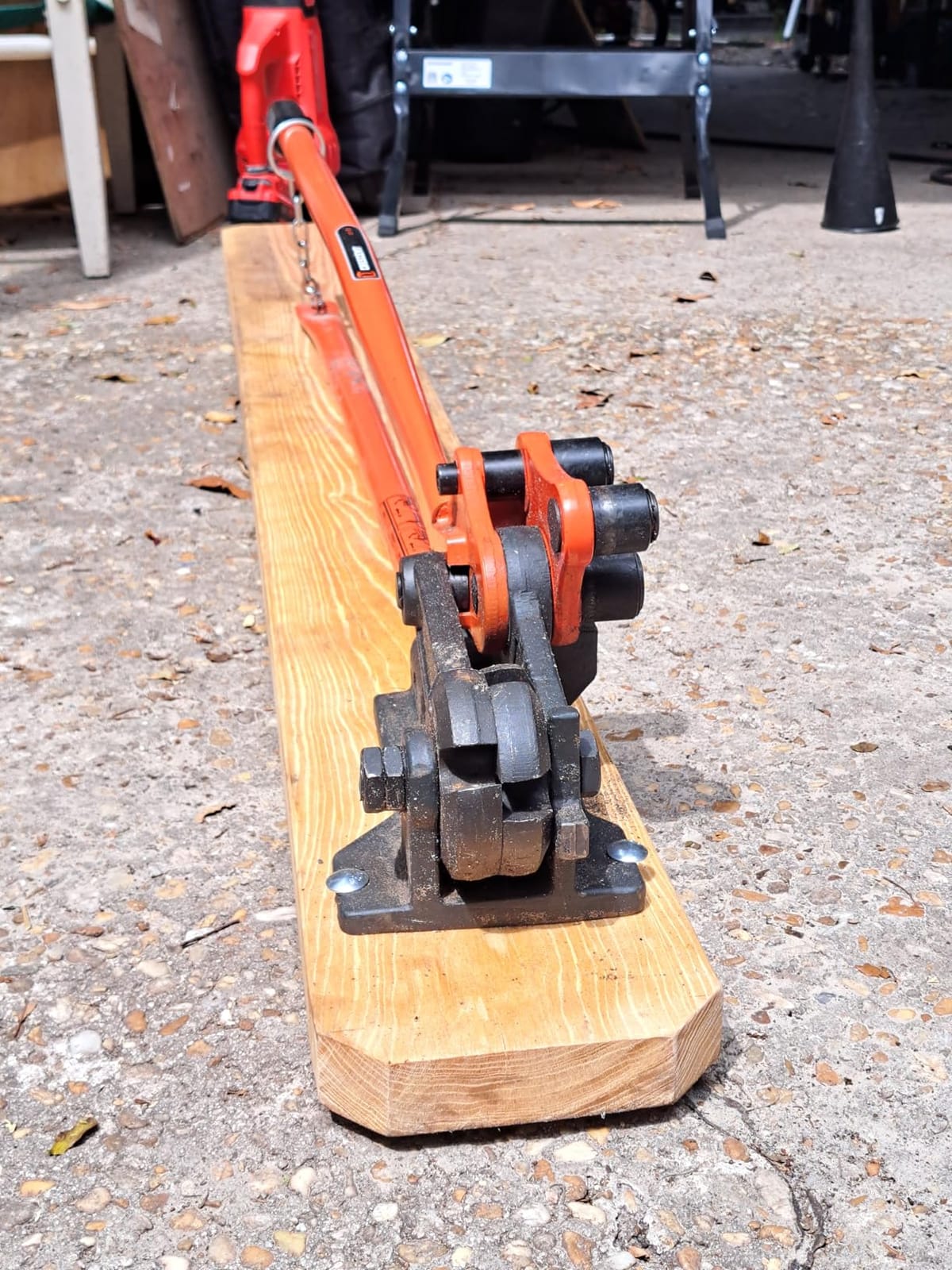
At 21 pounds it is lighter than the BN Products combo and easier to reposition, and it comes with the same standard limited lifetime warranty. Eighty-two percent of its reviews are five stars.
One thing to plan around: mounting takes up space and turns the tool into a fixed workstation. It is a shop tool, not a trunk tool.
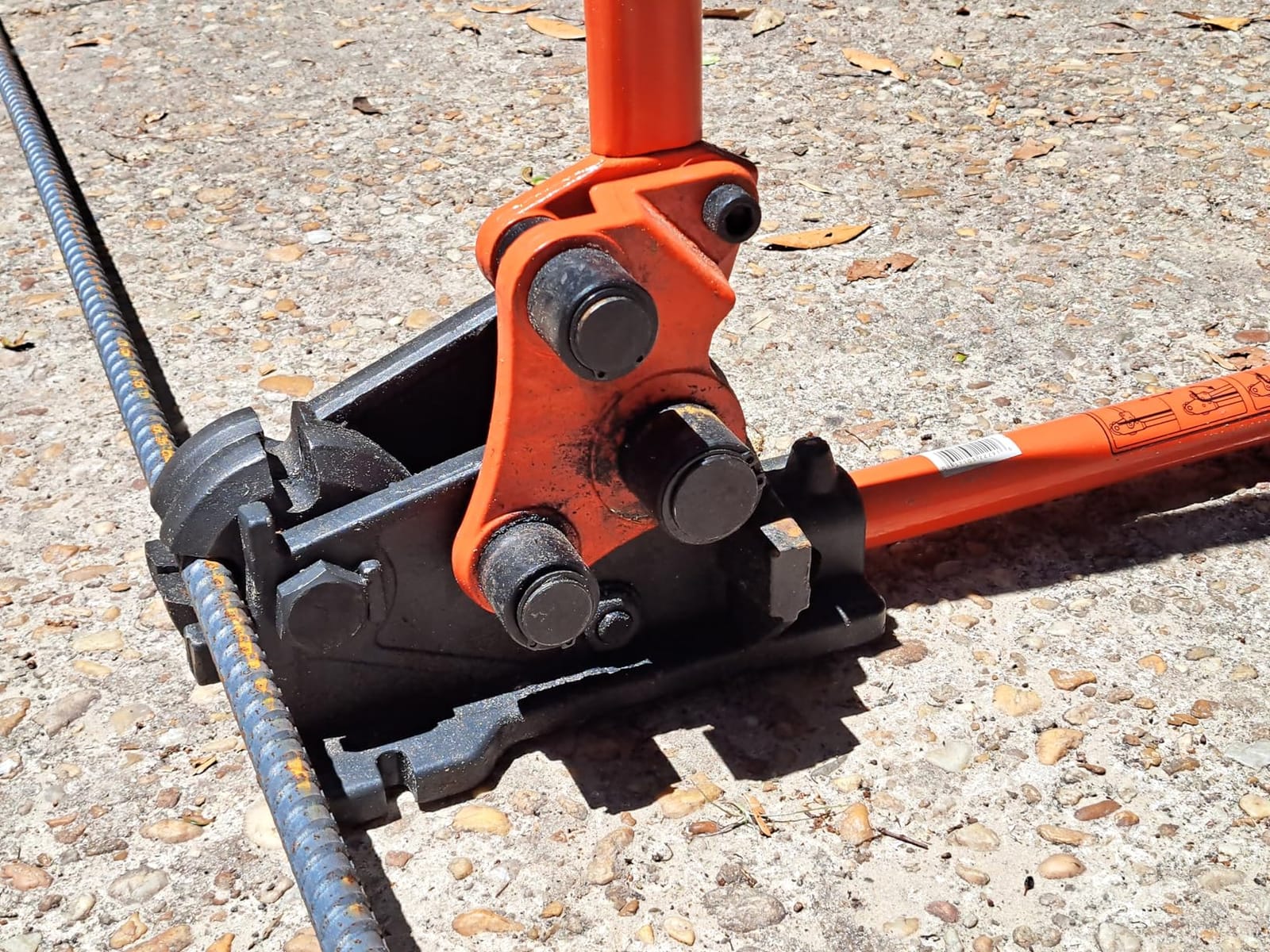
Where this machine wins
It is the best fit for a garage or shop where rebar gets cut and bent every week. Fixed to a bench, it is one of the safer manual combos to operate repeatedly because the reaction force goes into the table instead of into your body.
The 5/8 inch capacity is the sweet spot for residential construction, and the shear blades produce cuts good enough to tie without much cleanup.
Where it falls short
Two fixed angles is a real constraint. Foundation plans often call for offsets and custom angles, and this machine simply cannot make them.
Buyers who want to carry steel to a remote site should skip it. A mounted tool and a portable tool solve completely different problems, and there is nothing portable about this one.
5. Metabo HPT VB16Y Rebar Bender and Cutter – Premium Corded Combo with a 5 Year Warranty
Metabo HPT Rebar Bender and Cutter, Portable Variable Speed, VB16Y
8 amp motor
Cuts and bends up to #5 grade 60
Preset angle dial
Maximum 180 degree bend
+ The Good
- Cuts and bends up to #5 grade 60 rebar
- Preset angle dial gives repeatable bends
- Variable speed trigger with safety lock
- Five year warranty
- The Bad
- Corded only
- Heavy at 39.7 lb for a portable machine
- Requires a 110V outlet within reach of the work
Everything in this category is a hydraulic press pushing a bar against a die. Metabo HPT took the familiar machine and added the two things that make professional steel work consistent: a variable speed trigger with a safety lock, and a preset angle dial.
The preset angle dial is what earns this machine its reputation. You set the target angle, the reference markings on the bending plate show you where to align the bar, and the trigger ramps the ram up gradually instead of slamming the steel. Seventy-seven percent of its reviews are five stars, and precision is the word that shows up most often.
The 8 amp motor handles cutting and bending up to #5 grade 60 bar, with a maximum bend of 180 degrees. In the box you get a deflection guard, a cutter set, and a D62 center roller, and the five year warranty is the longest stated term on any powered machine in this roundup.
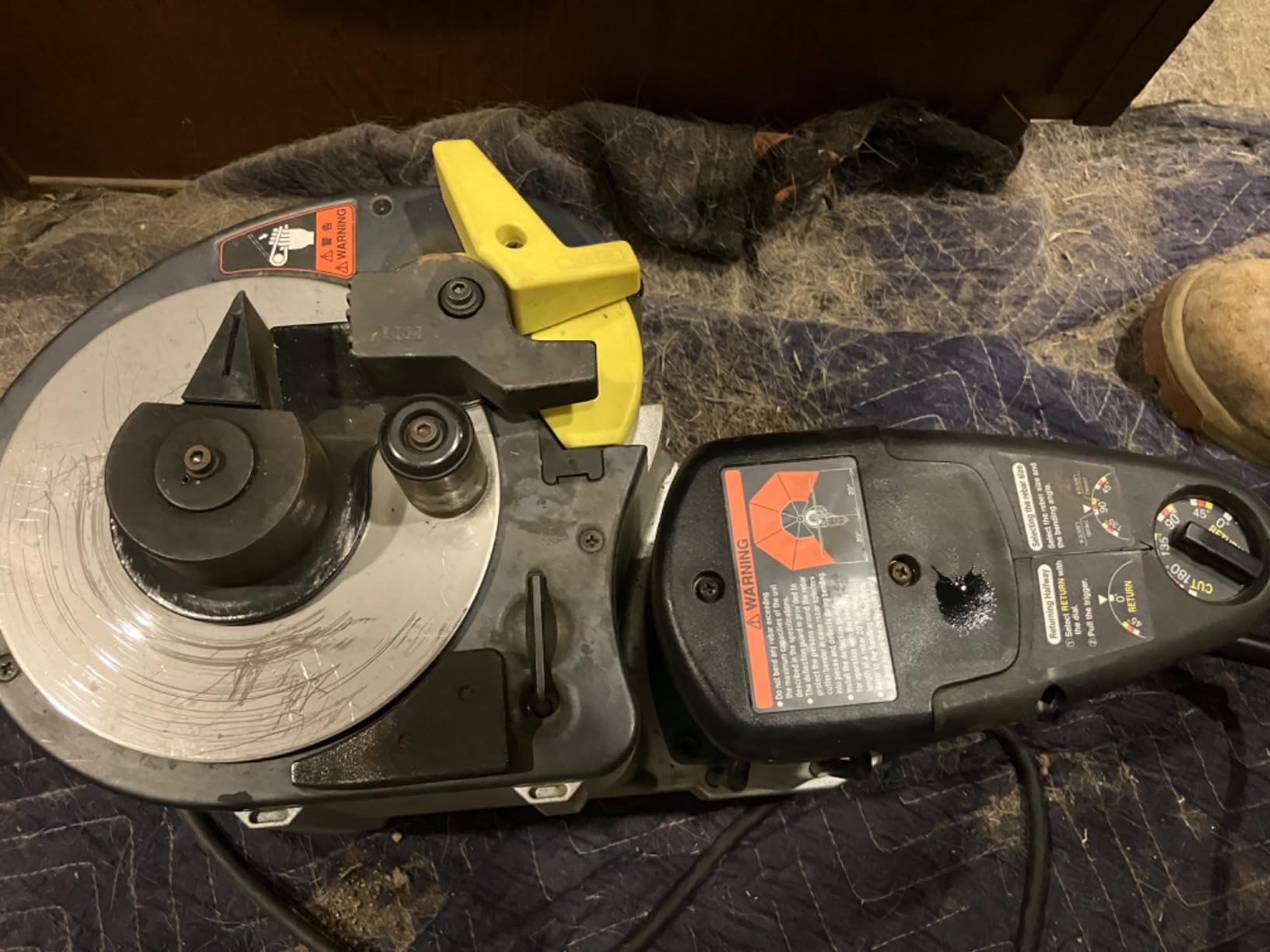
At 39.7 pounds it is portable enough for one person to load but heavy enough that you will feel it at the end of a long day. It is corded, and a 110 volt site with a long extension run is part of the ownership experience.
Metabo HPT is a Japanese-engineered line with a real service network, which matters most if you are buying one machine and plan to keep it for years rather than seasons. A thread about Metabo HPT’s portable rebar cutter bender on r/Concrete is among the most engaged discussions on this whole topic, and the question that comes up most there is whether the machine is worth owning at all.
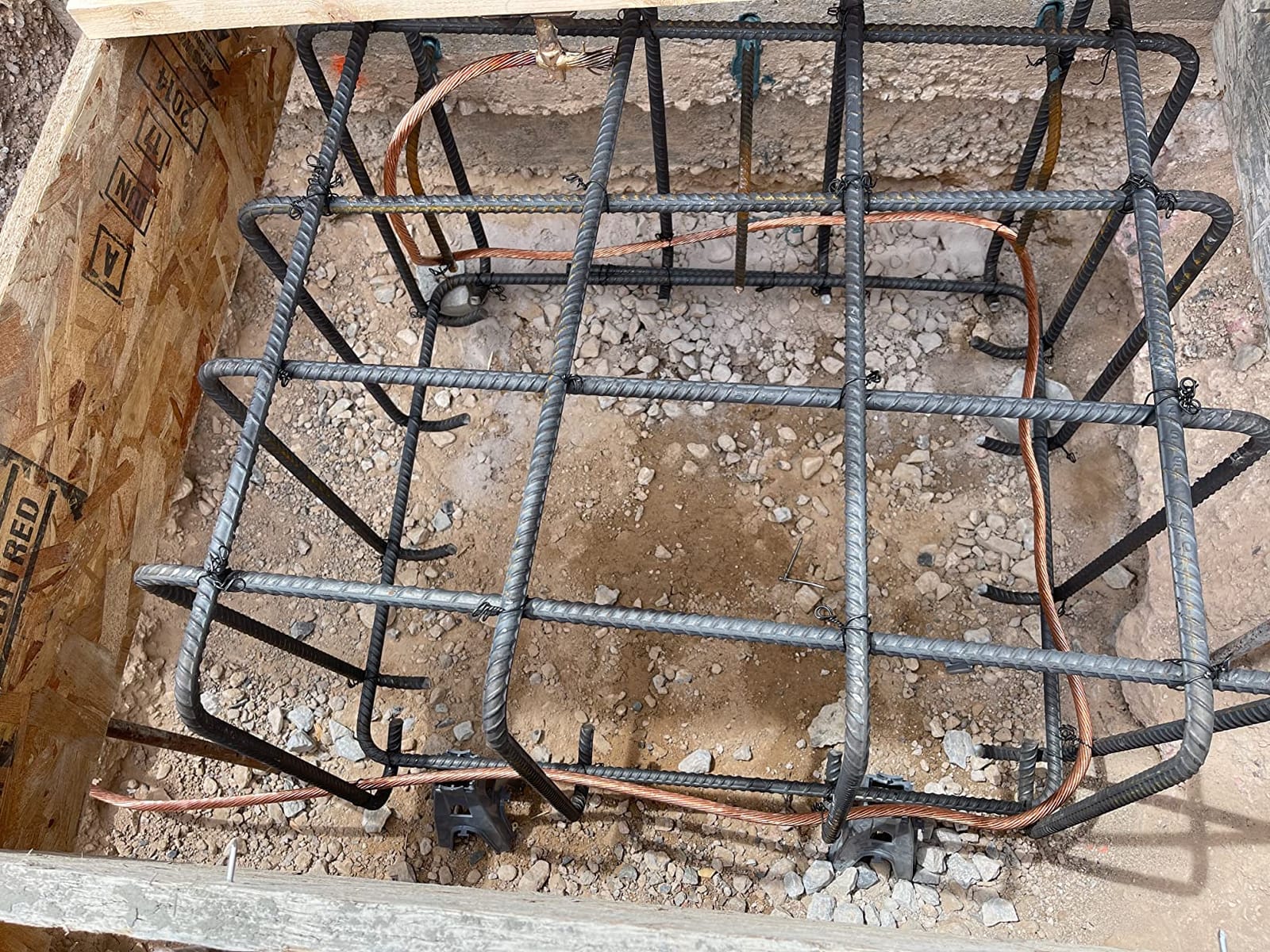
Who should buy the VB16Y
Contractors who bend stirrups and hooks all week and need the parts to be identical every time. If code compliance and inspection matter, the preset dial plus the reference markings are worth the premium over an open manual tool.
It is also the pick for anyone who wants a real brand with a five year warranty behind the hydraulics and motor instead of a one year defect-only warranty.
Who should look elsewhere
Anyone whose plans change constantly and who values not being tethered to an outlet. This is a corded machine, and a cord on a wet slab is a nuisance.
If you only cut and do not bend, or only bend and do not cut, you are paying for capability you will not use and carrying 40 pounds you do not need.
6. Happybuy RC-22 Electric Hydraulic Rebar Cutter – Best Electric Cutter for #6 and #7 Bar
Happybuy Electric Hydraulic Rebar Cutter 1350W RC-22 110V – Portable, Cuts #7 4-22mm Rebar in 4.5 Seconds, with Stainless Steel Carry Case
1350W pure copper motor
Cuts #3 to #7 rebar
3.5-4.5 second cycle
Upgraded steel blades
+ The Good
- Cuts up to #7 grade 60 rebar
- 1350W motor handles heavy bar
- 3.5-4.5 second cuts without sparks
- Handles round bar
- threaded steel and low carbon rebar
- The Bad
- Heavy at 33 lb for a handheld cutter
- Cutting only
- some bars need a second attempt
- Lowest rated at 4.4 in this lineup
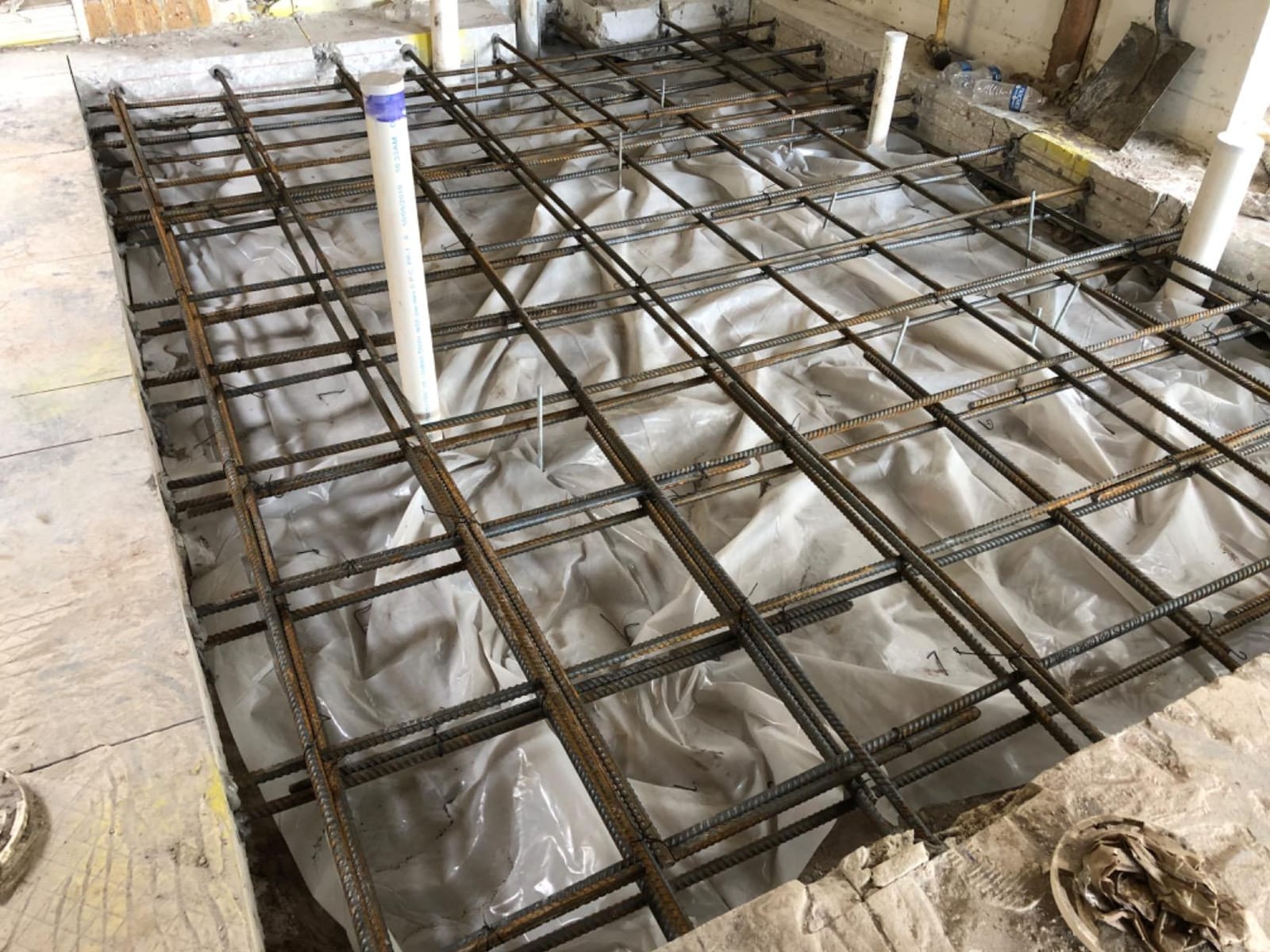
Most electric cutters in this roundup stop at #5 bar. This one runs to #7, which is 7/8 inch, and that jump in capacity is the entire reason to consider it if you are trimming foundation steel rather than stirrup material.
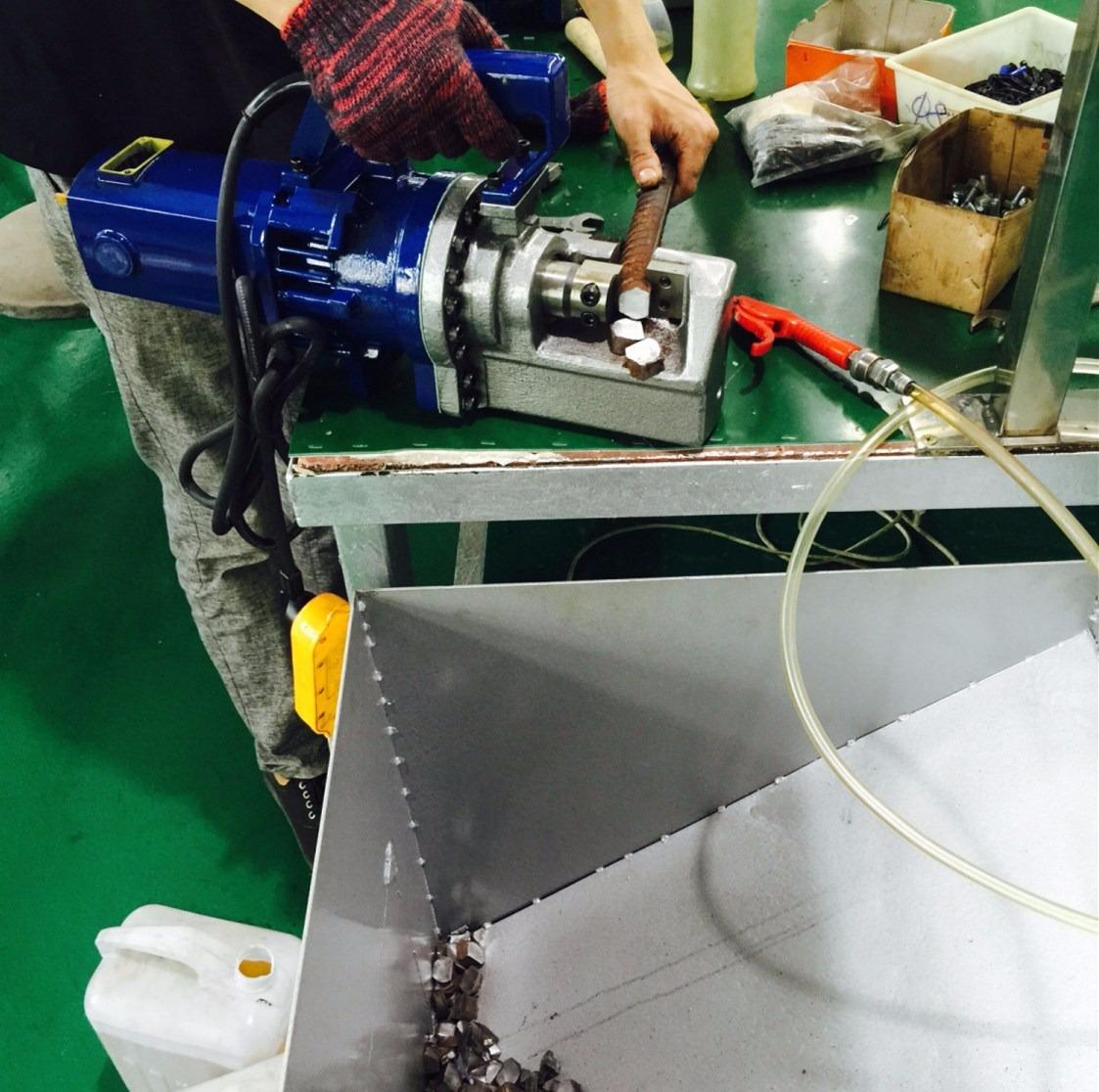
The 1350W pure copper motor drives a hydraulic pump, and a full cut takes between three and a half and four and a half seconds. It handles medium carbon, low carbon, round bar, and screw thread steel, so it is not limited to mill rebar.
The upgraded steel blades are specified to resist deformation, which matters more than it sounds. A hydraulic cutter that is working near its capacity limit repeatedly will chew through a soft blade in short order.
At 33 pounds it is a two-hand lift into a truck bed, and it is the second-heaviest electric cutter in this roundup. Sixty-four percent of its reviews are five stars, which is lower than the RC-16, and about 4 percent are one star.
Those lower scores cluster around consistency at the very top of the capacity range. If you are cutting mostly #4 and #5, the lighter RC-16 is the smarter buy.
Where the extra capacity pays off
Trim and cut lists on commercial foundation work, cut-off lists, and any time you are reducing bar rather than bending it. Nothing else at this power level gets you to 7/8 inch.
It is also a reasonable shop tool for a fabricator who wants to drop pre-bend drop-offs down to shorter lengths before a job.
When it is more machine than you need
If your largest bar is #5, this is 33 pounds and 1350 watts of overkill. The RC-16 covers the same work lighter and faster per cut.
It cuts and does not bend. If your job needs hooks you will need a bender alongside it, which means two machines to move.
7. VEVOR 1500W Electric Hydraulic Rebar Bender – Best Electric Bending Machine for 1 Inch Rebar
VEVOR Hydraulic Electric Rebar Bender 1.5 KW Handheld Rebar Bending Machine
1500W pure copper motor
Bends #3 to #8 rebar
Bend in about 5 seconds
Pressure relief valve
+ The Good
- Only electric bender here that handles full inch rebar
- Bends a bar in about 5 seconds
- Precision pressure relief valve protects the system
- Two handles and an operation switch for safe use
- The Bad
- Bends only
- no cutting
- Heavy at 49 lb
- Large bars may need extra passes for full bend radius
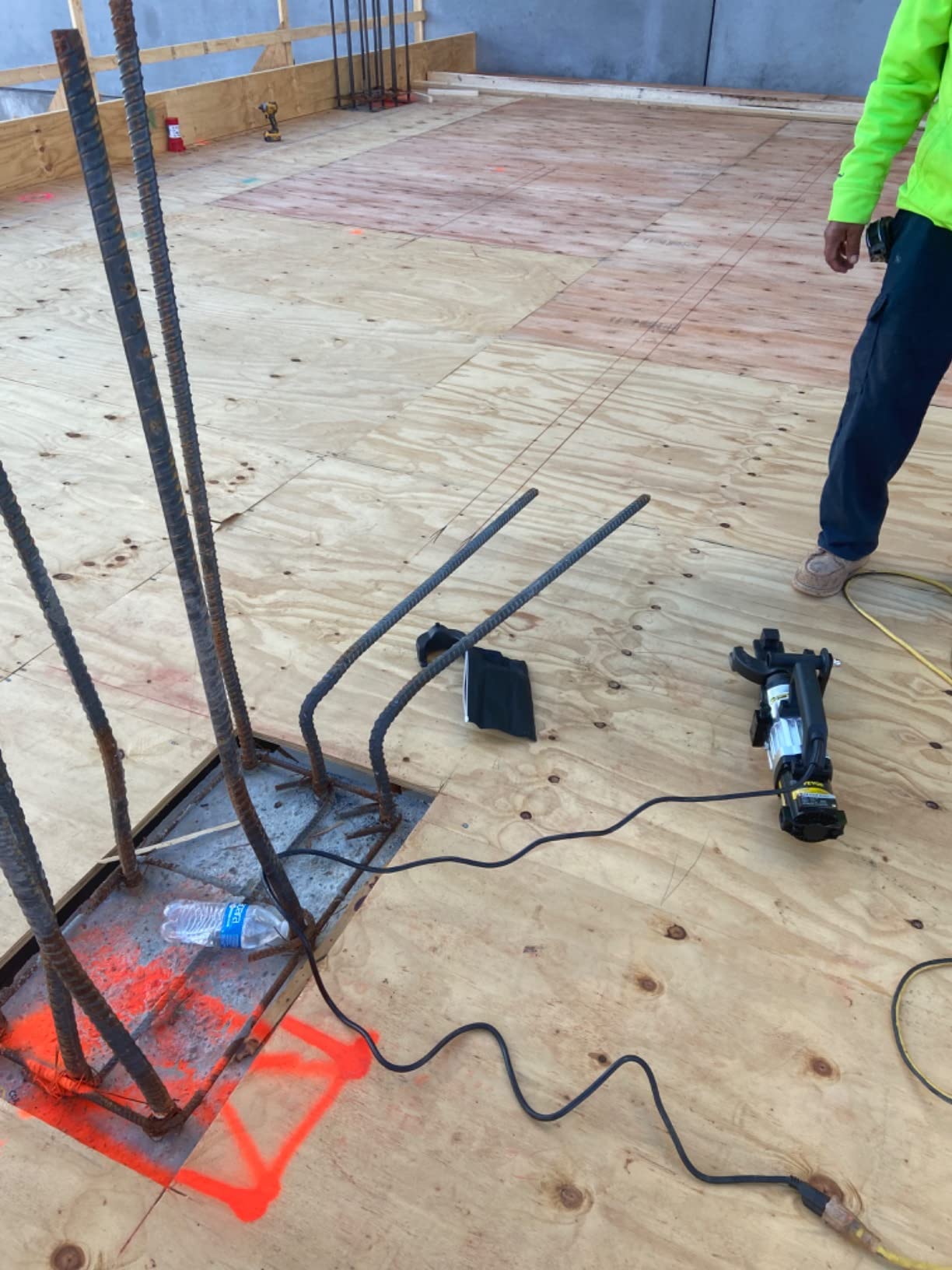
This is the only machine in the roundup that bends a full inch of #8 rebar on a household outlet, and that is a genuine capacity jump over everything else here. Seventy-eight percent of its reviews are five stars, with reviewers consistently calling out the value.
The 1500W pure copper motor runs quietly, and the body combines aviation aluminum with a 40 Cr steel bent head frame. A bend takes about five seconds across a 4 to 25 millimeter range, and the two-handle design keeps both hands away from the moving head.
Two details set it apart from cheaper handheld benders. The precision pressure relief valve automatically releases pressure after the bend, which protects the system from the pressure spikes that kill cheap hydraulics, and the operation switch is positioned where you can kill it without releasing the bar.
Two caveats from the review data are worth planning around. Some owners report needing multiple passes to reach a full code-compliant bend radius on larger bars, and there is a report of a piston seal weeping over time.
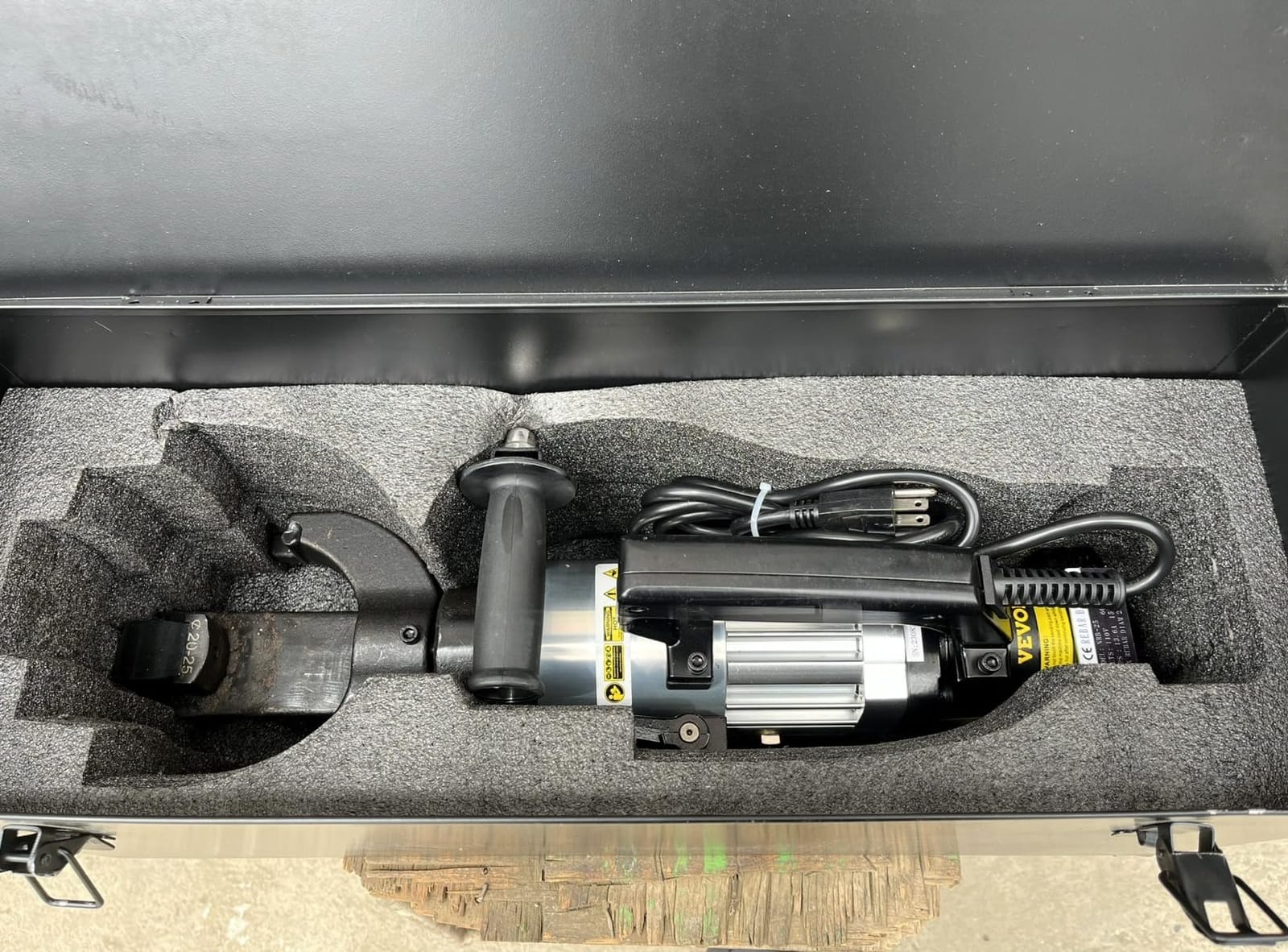
The carrying case is reported as thin, and at 49 pounds the two handles help but the case does not make it lighter. Two people will want to lift this one.
Why buyers go to a full inch
Slab and foundation work that uses #8 bar, commercial footing steel, and any job where the plans call for heavy bar bending on site. Nothing else portable in this roundup reaches it.
It is also a production bender. Five seconds a bend means a crew can turn out volume without the manual cycle dictating the pace.
What to know before buying
It bends and does not cut. Plan on a separate cutter if you need both functions, and plan for 49 pounds of lifting.
Test the bend radius on scrap before you pour. If your drawings specify a tight radius on #8 bar, confirm the machine can hold it in a single pass on your grade of steel.
8. California Concrete Tool RC-196C Electric Rebar Cutter – Fastest Cycle Time for #6 Bar
CCTI Portable Rebar Cutter – Electric Hydraulic Cut Up to #6 3/4″ Rebar and Round Bar(Model: RC-196C)
1250W motor
Cuts up to #6 grade 60 rebar
3.5 second cycle
110V AC power
+ The Good
- Cuts full 3/4 inch #6 grade 60 rebar
- Fast 3.5 second cutting cycle
- Full accessory kit with case
- wrench set and hydraulic oil
- Portable form factor for site work
- The Bad
- Rating is 4.0 with 17 percent one star reviews
- Advertised 29 lb net weight is closer to 39.7 lb
- Cuts only
- no bending function
- No stated warranty
At 1250 watts with a 3.5 second cycle, this machine cuts 3/4 inch #6 grade 60 bar faster than any other cutter in the roundup at that bar size. If cutting speed on heavy bar is the priority, the motor is genuinely quick.
What sold me on the spec sheet is the accessory kit. The steel carry case, wrench set, and a bottle of hydraulic oil come in the box, which removes the two most common reasons a new hydraulic cutter sits unused on a truck.
The 4.0 star average is the lowest in this list, and the split is informative. Sixty-one percent are five stars but 17 percent are one star, so it works well for the buyer who matches it to the job and struggles for the buyer who pushes past its limits.
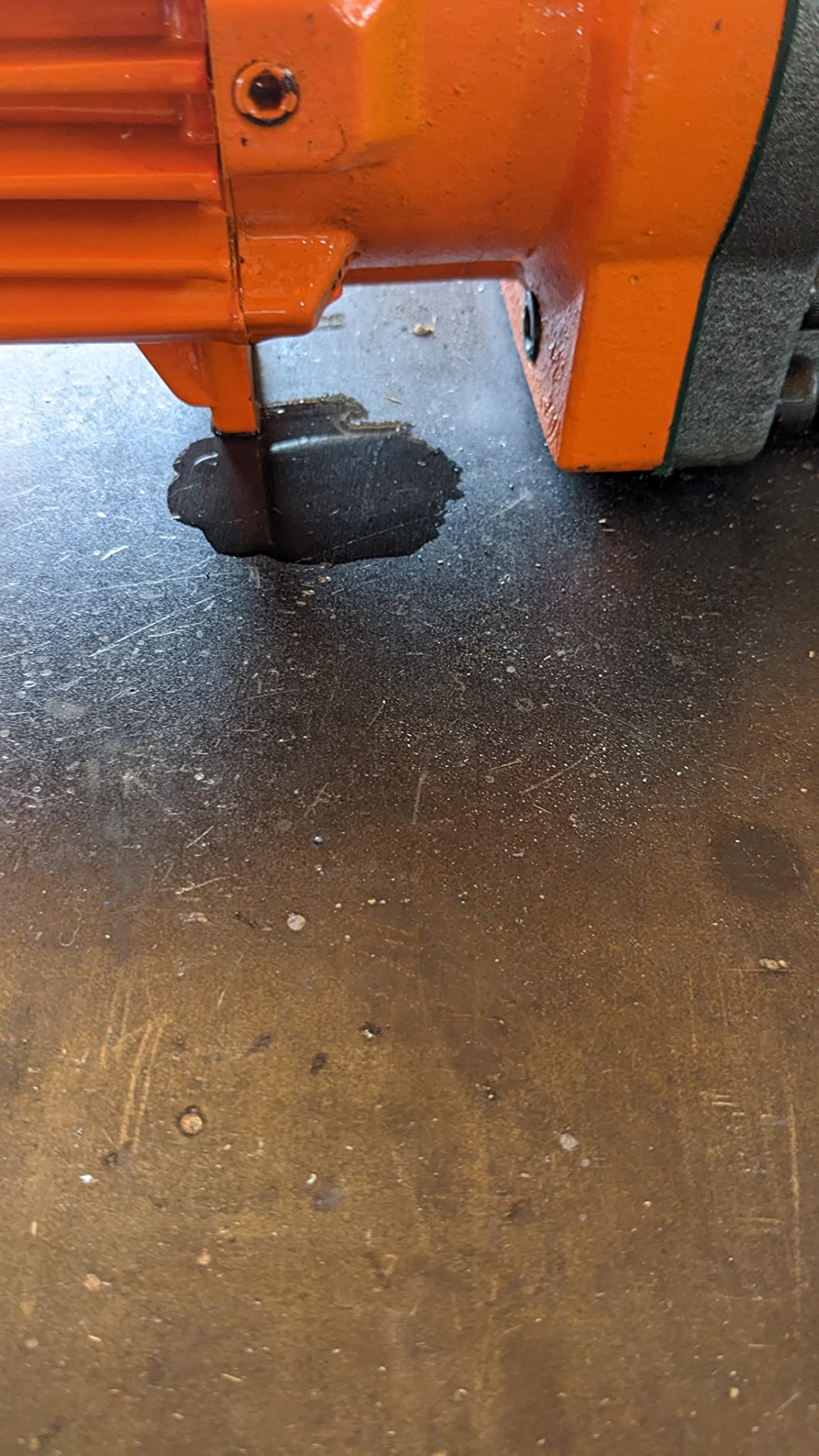
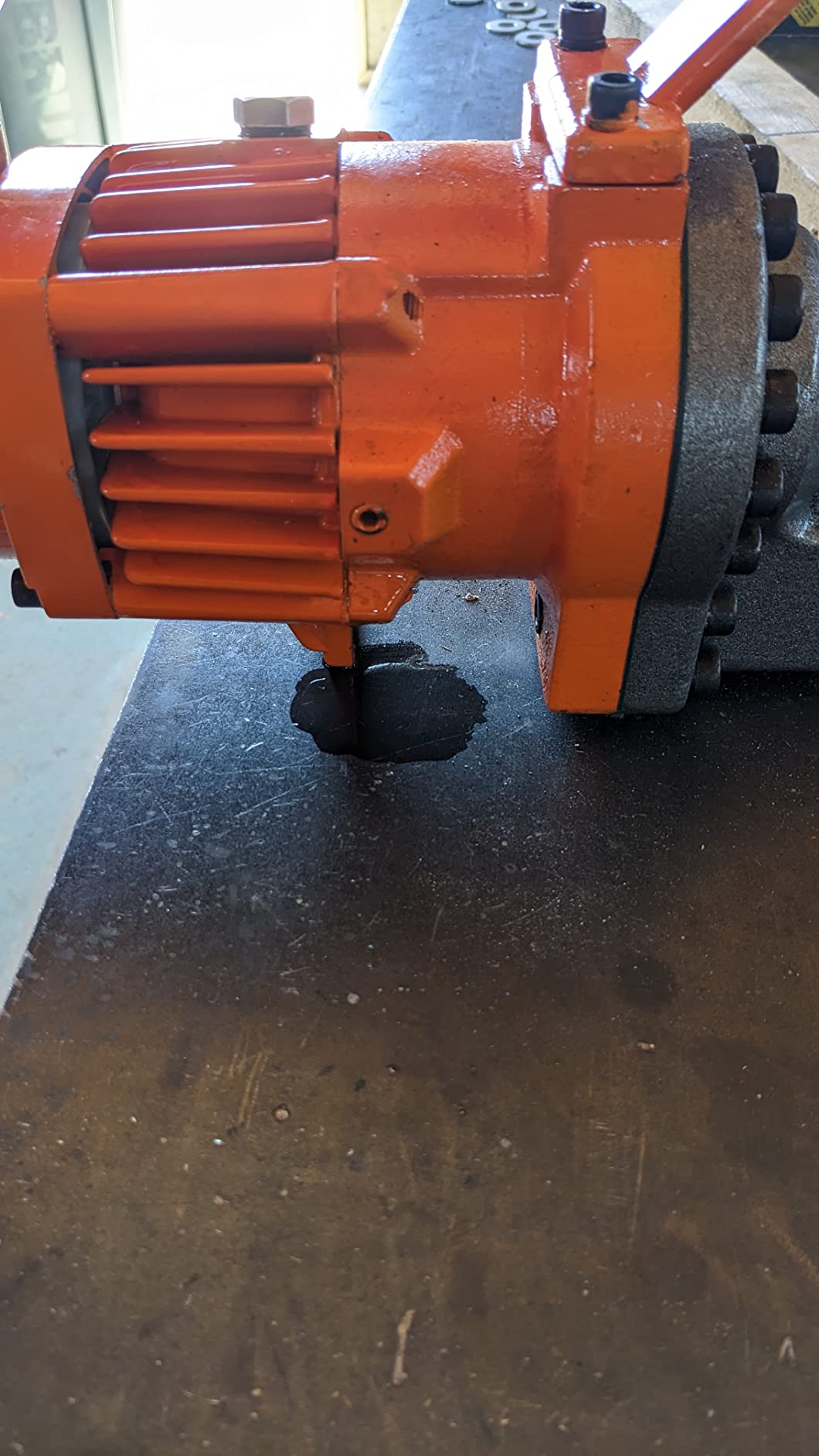
There is also a weight discrepancy worth flagging. The listing describes it as 29 pounds net while the item weight is given as 39.7 pounds, and the case accounts for part of the difference. Plan the lift based on the heavier number.
Warranty terms are not stated, which matters more here than elsewhere because there is no service commitment to fall back on.
When the RC-196C makes sense
A crew doing high volume #6 cutting who has a 110 volt outlet within reach of the work. The cycle time advantage over the RC-22 adds up across a long cut list.
The included oil and wrench set make it a good first hydraulic machine for someone who has never owned one and would otherwise skip the setup step.
When to choose the RC-165C instead
If your steel is #5 or smaller, this machine is more than you need and the spread in ratings suggests the smaller unit is the steadier performer at that capacity.
Anyone working alone on a lift, or anyone who needs bending as well as cutting, should look at the smaller CCTI or the manual combos instead.
9. California Concrete Tool RC-165C Electric Rebar Cutter – Best Portable Cutter for Remote Jobsites
CCTI Portable Rebar Cutter – Electric Hydraulic Cut Up to #5 5/8″ Rebar and Round Bar(Model: RC-165C)
900W motor
Cuts up to #5 grade 60 rebar
3 second cycle
17.6 lb net weight
+ The Good
- Lightest electric cutter on the list by net weight
- Fast 3 second cutting cycle
- Cuts up to #5 grade 60 rebar
- 78 percent five star ratings
- Full accessory kit included
- The Bad
- Advertised 17.6 lb net is closer to 26.7 lb in practice
- Cuts only
- limited to #5 rebar maximum
- No bending function
- Not suited to heavy bar
This is the one to reach for when a single person has to carry the tool onto a site with no vehicle access. At 17.6 pounds net it is the most manageable electric cutter here, roughly half the net weight of the RC-196C.
The 900W motor still produces a three second cut on #5 grade 60 bar, the fastest rated cycle in this roundup. Seventy-eight percent of its reviews are five stars, and reviewers repeatedly call out the balance of speed, weight, and capability.
The kit is the same useful set: steel carry case, wrench set, hydraulic oil, and a manual. A machine that arrives with everything needed to run is worth more than a lighter one that does not.
Why portability drives the recommendation
Carrying weight is the single most repeated question in rebar tool forums, and it is the one specification that never stops mattering. A tool you will not lift out of the truck is a tool you will rent instead.
For one-person crews, fence and deck footing work, and small residential pours, 26 pounds carried in one trip beats 40 pounds carried in two.
Where the portability costs you
There is no bending function, and the 900W motor is not the right tool for #6 bar and larger. Past #5, step up to the RC-196C or the RC-22.
The net weight claim is optimistic. Buyers should plan on the listed 26.7 pounds as the real number and test whether they can comfortably carry that for a full day.
10. Anbull RB-16P Electric Hydraulic Rebar Bender – Best Budget Electric Bender for #5 Bar
Anbull 900W Electric Rebar Bender,Hydraulic Rebar Bending Maching Bending up to 5/8 Inch #5 16mm Rebar, Bending Angle 0-130 Degrees, Rebar Bending Machine with Positioning Bolt
900W pure copper motor
Bends #3 to #5 rebar
0-130 degree range
Detachable positioning bolt
+ The Good
- Bends up to #5 rebar across a 0-130 degree range
- Detachable positioning bolt gives repeatable angles
- Quiet hydraulic piston
- One button operation with ergonomic grip
- The Bad
- Bends only
- no cutting function
- Single step control is hard to fine tune
- No metal case included
- Piston seal longevity questioned in reviews
The Anbull is the pick if you want electric bending capacity in #3 to #5 bar without moving up to a contractor machine. It bends from 0 to 130 degrees, which covers hooks, L bars, and any mid-range offset you run into.
The detachable positioning bolt is the feature I would point a first-time buyer toward. It is a mechanical stop rather than a control setting, so once you set it every bar bends to the same angle, which is exactly what you want on a run of identical stirrups.
Sixty-nine percent of its reviews are five stars, and value is the word that shows up most. The box includes double open-end wrenches, Allen keys, a plastic-tipped oil bottle, and a manual, so you are not hunting for tools on day one.
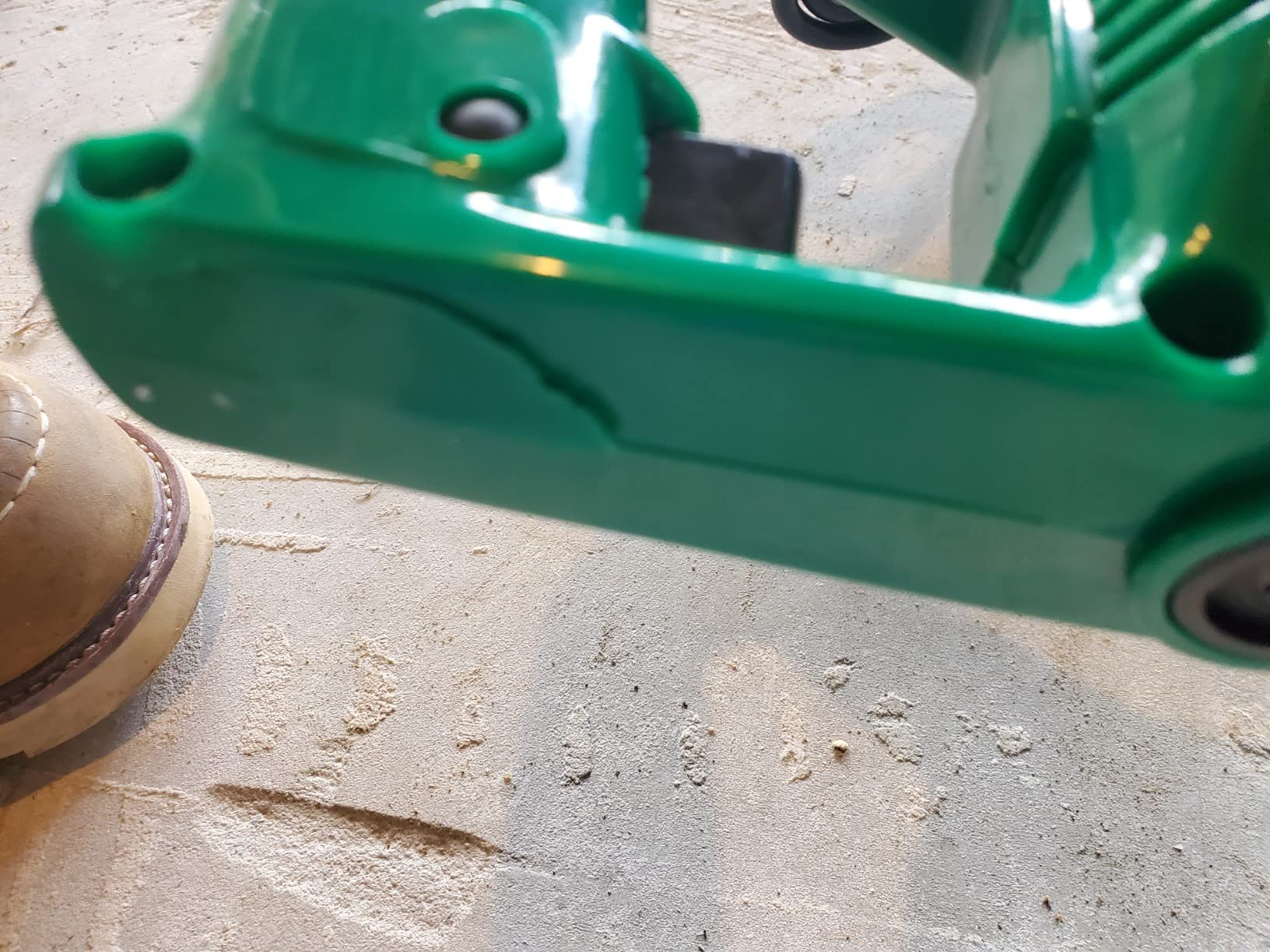
The tradeoff is control granularity. The trigger advances the bend in steps rather than continuously, and owners report roughly 10 degrees per bump, which is fine for repeatable work and frustrating for setting an odd angle by eye.
This version also comes without a metal case, and replacement carbon brushes are reported as hard to source. Neither is a dealbreaker, but both belong in the plan if this is your only machine.
Where the value shows
Homeowners and small contractors bending #4 and #5 bar a few times a month. A hydraulic bender at this capacity and angle range would be a large step up in cost, and this covers the common cases.
The positioning bolt means a single operator can produce consistent parts, which is where most small-crew quality problems actually start.
Where the cost saving shows up
There is no case and no cutting function, and the trigger is not a proportional control. If you need fine angle control or you need to cut as well as bend, this is the wrong shape of machine.
Long-term buyers should also weigh the piston seal reports. Keep the oil bottle in the box and check for weeping before a pour, not during one.
How to Choose a Rebar Cutter Bender
Start with capacity, and capacity means the largest bar size you will ever put through the machine, not the largest bar on today’s job. Buy for your worst case, because a machine that cannot hold #5 will work perfectly right up until the day you need it.
Most residential work sits at #3 and #4. Retaining walls, gunite shells, and pool work push to #5. Commercial footings and slab work live at #6 and above, and only one machine in this roundup reaches #7, while just one other bends a full inch.
Next, be honest about which operation dominates. If you are cutting all day and bending occasionally, buy a cutter. If you are bending all day, buy a bender. Only three picks here cut and bend in one machine, and each of them costs more or weighs more as a result.
Power source is the third decision. Manual tools are quiet and need no power, but every cycle costs a full-body pull. Electric hydraulic machines finish a cycle in two to five seconds and are the practical choice for volume work. Corded machines want a 110 volt outlet within reach, and none of the ten picks here is a 36V cordless platform, so plan your power access before you commit.
What made me push back on buying a large machine early on was the weight. Tool weights on this list run from 1.3 pounds at the light end to 51 pounds at the heavy end, and the two heaviest machines are the ones most crews describe as a two-person lift. If you work alone, weight is a hard constraint, not a preference.
Angle repeatability is the fifth. If a job inspector is going to look at your stirrups, a machine with a preset angle dial or a mechanical positioning bolt will produce more consistent steel than a trigger control alone.
Finally, think about renting versus buying. A machine that sits for nine months and then handles two days of footing work is a poor purchase for a homeowner. If the work is truly one-off, the far better rebar cutter bender decision is a rental or a trip to the fabricator, and no machine on this list changes that math.
For the maintenance side, the pattern is the same across all of them. Keep the hydraulic oil clean, watch for weeping at the piston seal, replace cutting jaws on the manual machines as soon as they chip, and store electric units dry. Blades and pumps are consumable items, and the brands with real service networks are worth more over five years than a cheaper machine with a one year defect-only warranty.
Rebar Cutting and Bending Safety
None of the machines here is dangerous in the way a chainsaw is, but a hydraulic press throwing a steel bar is genuinely hazardous, and every one of these tools can put a hand in a pinch point.
Wear safety glasses at minimum. A cut bar end or a chipped jaw fragment travels further than people expect, and hearing protection is worth adding for electric units and for long sessions in a confined space.
Keep your hands clear of the ram and the bending die. On a manual tool the stroke is fast and the handle returns with force, and on an electric machine the head can move before you have finished reacting to the trigger.
Stand to the side of the bar axis, not in line with it. Hydraulic pressure can release suddenly when a blade fails, and a bar that whips out of the jaw travels along that axis first.
Never brace the bar with anything other than the machine’s own die or stop. Using a truck bumper or a piece of pipe as a makeshift bend stop is a common trick, and the failure mode is a snapped bar at a predictable point on your forearm.
Change out cutting jaws when they chip, and do not run dull jaws on hard grade 60 bar just to finish a list. Dull blades generate far more heat, and heat is what turns a bent jaw into a projectile.
Frequently Asked Questions
What is the best tool to cut rebar with?
For #3 to #5 bar, the Happybuy RC-16 is the strongest all-round cutting choice: a 900W motor, a 2.5 to 3 second cycle, and spark-free hydraulic cuts at 26.3 pounds. If you are cutting #6 bar, step up to the California Concrete Tool RC-196C, and for #6 and #7 bar at once, the Happybuy RC-22 runs to 7/8 inch. A manual bench combo such as the H.K. Porter 0590RBJN handles smaller cut lists without any power at all.
What is the best tool for bending rebar?
Match the tool to the bar. For #3 and #4 stirrups and hooks, the H.K. Porter RB4 indexing bender weighs 1.3 pounds and locks to a set angle. For #3 to #5 electric bending, the Anbull RB-16P covers 0 to 130 degrees with a mechanical positioning bolt, and the Metabo HPT VB16Y adds a variable speed trigger and a preset angle dial. Only the VEVOR 1500W unit bends full inch #8 rebar.
How accurate are rebar benders?
Accuracy tracks the machine, not the operator. Machines with a mechanical stop repeat well: the Anbull positioning bolt and the H.K. Porter RB4 indexing design both hold the same angle on every pull. The Metabo HPT VB16Y goes further with a preset angle dial, reference markings on the bending plate, and a variable speed trigger that ramps the ram instead of slamming the steel. Trigger-only benders with stepped control are the least precise.
What size rebar can a portable bender handle?
Most portable machines top out at #5, which is 5/8 inch. The California Concrete Tool RC-165C, Happybuy RC-16, Metabo HPT VB16Y, and Anbull RB-16P all bend or cut to #5 grade 60 bar. The VEVOR 1500W handheld bender is the exception, reaching a full inch of #8 rebar in about 5 seconds per bend. Anything past #8 needs a shop-grade machine, not a portable one.
Are electric rebar benders worth it?
They are worth it when you are cutting or bending dozens of pieces a day. An electric hydraulic cycle takes two to five seconds against the sustained effort of a manual stroke, and at volume that difference sets your pace for the whole day. For a handful of bars a month, a manual indexing bender costs less and starts instantly, and renting may be the better answer still.
Which Rebar Cutter Bender Should You Buy?
For most crews and serious DIYers, the H.K. Porter RB4 is the best rebar cutter bender starting point for stirrups and #4 bar, because it weighs almost nothing and repeats its angle. If you need one tool that both cuts and bends grade 60 bar by hand, the BN Products MBC-16B is the honest answer, and it is worth the 51 pounds.
Once you are cutting volume, the Happybuy RC-16 is the best rebar cutter bender in this roundup on rating, speed, and weight. For electric bending up to #5, the Anbull gives you the most angle range per dollar, and for full inch rebar there is only one portable option on this list, the VEVOR 1500W. Whichever you pick, buy against the largest bar you will ever use, not the smallest.