
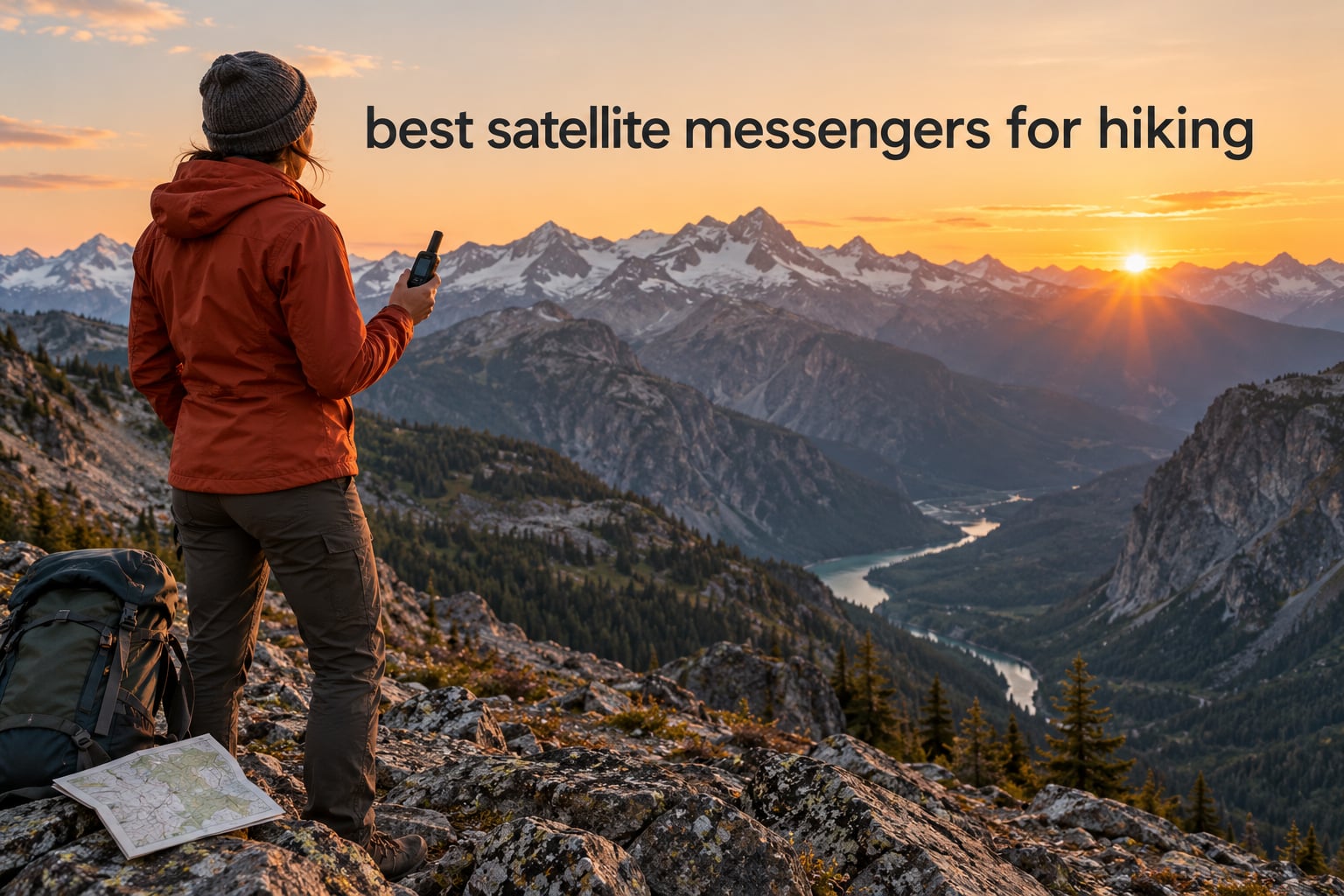
Cell coverage ends exactly where the trail gets interesting. Walk past the last paved road, lose the last bar of signal, and the phone in your pocket becomes a dead rectangle of glass. A satellite messenger fixes that gap. It sends and receives text over a constellation that does not care about towers, terrain, or whether anyone built a road to where you are camped.
We spent weeks working through the current generation of these devices for the best satellite messengers for hiking, comparing network reach, SOS handling, message speed, battery behaviour in cold, and how much they add to a pack. Seven survived the cut, because the market is far smaller than the marketing suggests. Most of what gets advertised as a hiking satellite communicator is either the same hardware in different packaging, or a phone-only feature dressed up as a device.
What follows is the short version. If you only have a minute, the comparison table below settles the question. If you have an afternoon, the individual reviews tell you where each unit fails, which is the part most roundups skip. Pair the device advice with a solid layer system and you are set: start with our waterproof hiking jacket guide and our backpack picks for hiking before worrying about radios.
One thing to say up front. Every device in this roundup is a satellite communicator, not a satellite phone. They send texts, coordinates, and SOS alerts. They do not make voice calls, and they do not stream video. If someone quotes you on a satellite phone, you are shopping in a different category entirely.
Top 3 Satellite Messenger Picks for Hiking in October 2026
Three units earn the top of this page. The ZOLEO is the one we would hand to most hikers. The inReach Mini 2 is the proven workhorse for weekend trips. The inReach Mini 3 Plus is the only one here that sends photos and voice notes straight over the satellite link.
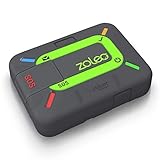
ZOLEO Communicator
- › Iridium network
- › Works without a phone for SOS and check-ins
- › 200+ hour battery
- › IP68 waterproof

Garmin inReach Mini 2
- › Lightest full-featured unit
- › TracBack navigation
- › MapShare live tracking
- › Up to 14 days in tracking mode

Garmin inReach Mini 3 Plus
- › Color touchscreen
- › Photo and voice messaging
- › 350 hour battery in tracking
- › IP67 rugged build
All 7 Satellite Messengers at a Glance for October 2026
Every device below runs on either the Iridium network or the Globalstar network, and that single fact drives most of the differences you will feel in the field. The last column is what the device does for you once you are actually walking.
| PRODUCT MODEL | KEY SPECS | BEST PRICE |
|---|---|---|
|
|
Check Latest Price |
|
|
Check Latest Price |
 |
|
Check Latest Price |
 |
|
Check Latest Price |
 |
|
Check Latest Price |
 |
|
Check Latest Price |
|
|
Check Latest Price |
1. ZOLEO Satellite Communicator – The Best All-Round Choice for Hiking
ZOLEO Satellite Communicator (Slate Grey)
Weight: 12 ounces
Battery: 200 hours
Network: Iridium
Water rating: IP68
+ The Good
- Works with no phone for SOS and check-ins
- 200+ hours of battery life
- IP68 waterproof
- Medical Assist for non-emergencies
- Dedicated SMS number and email address
- The Bad
- Phone app setup is confusing
- No maps or keyboard on device
- Needs a clear view of the sky
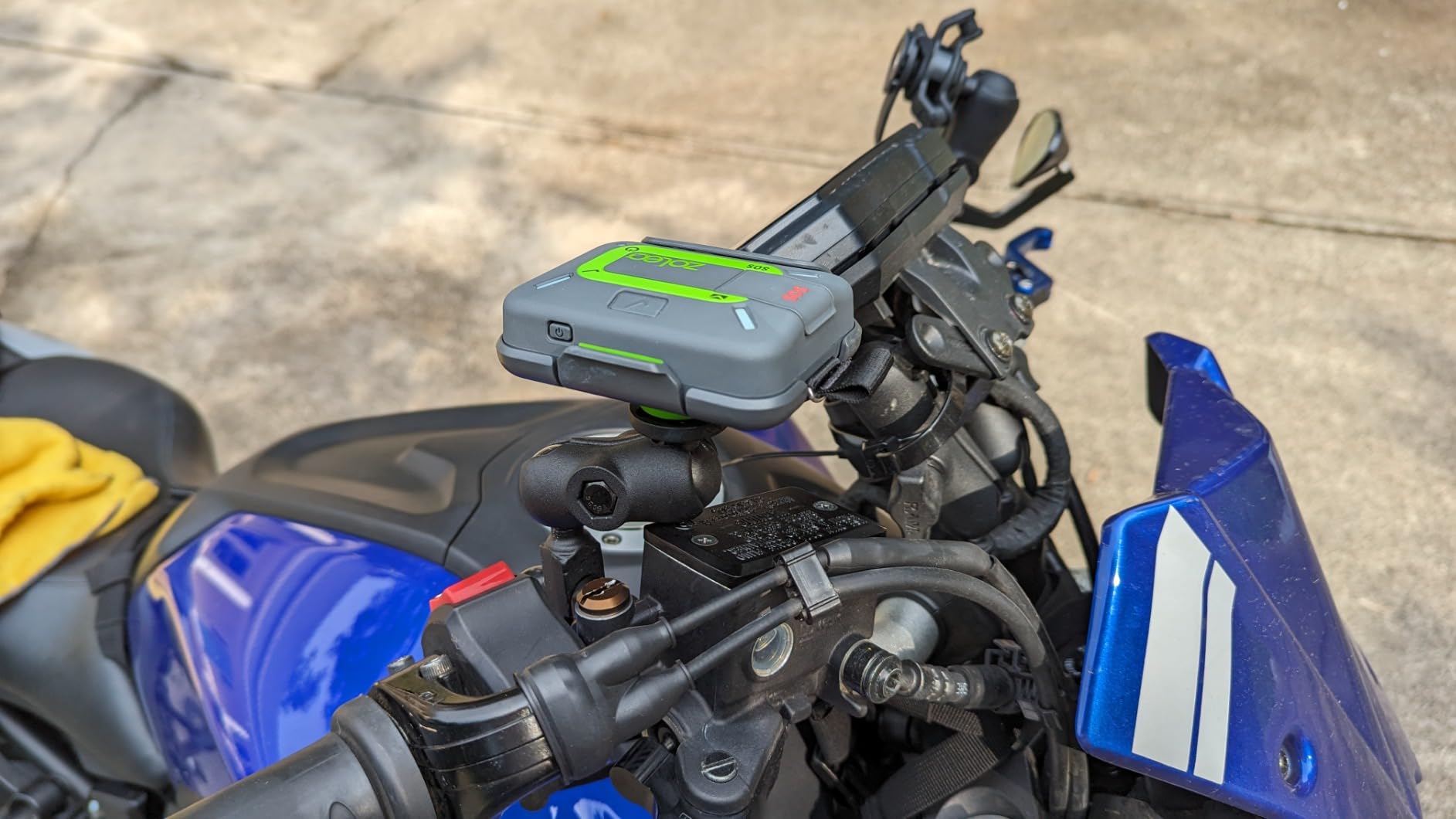
The ZOLEO has the most reviews of any device in this roundup by a wide margin, and after working with it that number starts to make sense. It is a genuinely small object, 12 ounces in a body roughly the length of a deck of cards, and it does the two things a hiker actually needs: send your coordinates and get help. Everything else is secondary.
What separates it from the Garmin units is that the device itself carries the load. You can fire a check-in, send a preset message, or trigger SOS without opening the app. For a thru-hiker whose phone might be dead, frozen, or stashed in a dry bag, that independence is the whole game. The status lights for message received, check-in sent, and low battery mean you can verify a send by looking at the unit on your shoulder strap rather than digging out a phone.

It connects over satellite, cell, or Wi-Fi, so the same message goes out over the cheapest link available. That is not just convenience. Every satellite text has a transmission cost in a typical credit-based plan, and letting a message ride a cell tower when you are walking out of coverage preserves your credit for the part of the trail where you have nothing but sky. Long messages run up to 900 characters, which is enough for a real update rather than a one-word answer.
Battery life is rated at 200 hours, and owners regularly describe getting close to a week of continuous use depending on how often they check in. The IP68 rating means rain, river spray, and a dunk in a creek are all non-events. The in-box contents are sensible for a backcountry tool: a carabiner, a lanyard, a USB cable, and a quick start guide.
Who the ZOLEO suits
It suits the hiker who wants a safety device, not a gadget. If your idea of using a satellite messenger is sending a location to your family every evening and knowing that SOS works when it is pressed, this is the most complete answer in the list. The unlimited check-ins mean that kind of routine does not quietly drain a monthly message allowance, and automatic location sharing at intervals you set means nobody is texting you to ask if you are still alive.
It also suits anyone who wants a non-emergency medical option. Medical Assist lets you reach a medical professional for advice on a sprained ankle, altitude sickness, or a medication question without burning an SOS alert that pulls search and rescue into your situation. Owners use it for exactly that, and it removes a lot of the anxiety that makes people press SOS too early.
Where the ZOLEO falls short
Onboarding is the weak point, and it is a consistent theme in the reviews. The companion app is not intuitive, the documentation is thin, and several buyers describe a stretch of trial and error before contacts and check-in intervals are configured correctly. Budget an evening with a charger and a phone before a trip rather than doing it at the trailhead. The device carries a limited lifetime device warranty, which is a genuine plus, but setup is still on you.
There is no navigation on the unit. No maps, no keyboard, no breadcrumb trail. The display is a simple indicator panel, not a screen for wayfinding, so all route-finding has to come from your phone, a paper map, or a dedicated GPS. If you are hiking off-trail in canyon country where getting lost is a navigation problem rather than a communication problem, this is the wrong tool. Automatic check-in messages can also eat credits faster than some hikers expect, so set a realistic interval.
2. Garmin inReach Mini 2 – Best for Weekend Hiking and Thru-Hikes
Garmin inReach® Mini 2, Satellite Communicator, Orange
Weight: 99 g
Battery: 336 hours
Network: Iridium
Screen: 1.27 inch monochrome
+ The Good
- Proven and widely used
- Iridium global coverage
- TracBack returns you to your start
- MapShare live tracking page
- The Bad
- Screen too small for real work
- Typing on-device is slow
- Setup and documentation are dated
If you want the version of this decision that a lot of hikers have already made for you, the inReach Mini 2 is it. Owners report multi-year ownership on these units, and community threads describe it as the default hiking and adventure-motorcycling safety device. That longevity matters for something you buy for rare, high-consequence events rather than daily use.
It runs on Iridium, so coverage behaves the way hikers expect: it works at altitude, in heavy tree cover, and in the places where a geostationary network would struggle to see a satellite. The pairing with Garmin wearables and handhelds is the quiet superpower. If you already track on a watch, the messenger extends that system rather than creating a second one.
TracBack is the feature that has rescued more trips than any other on this list. Record your start, wander off, and the unit walks you back along your breadcrumb trail without needing a phone, a map, or a signal. For off-trail desert routes and foggy forest mornings, that turns a bad day into a merely annoying one.
MapShare gives family a live tracking page without sending them a stream of texts, and coordinates can be embedded in any message you send. Rated battery is 336 hours, and Garmin claims up to 14 days in 10-minute tracking mode. The body weighs 99 grams and clips to a shoulder strap, a lid loop, or a pocket without becoming a pack-feel problem.
Who the inReach Mini 2 suits
It suits hikers who want redundancy behind a phone rather than in front of one. Navigation happens on your phone or handheld, your phone runs the maps, and this unit is the backup layer that still functions when the phone is off, dead, or dry. Plenty of owners run exactly that combination, with the phone for route-finding and the Mini 2 for comms and SOS.
It also suits anyone who wants TracBack or a proper breadcrumb trail, and anyone whose trips include international travel. Iridium is the network most consistently described as genuinely global, which matters when your hiking takes place across multiple continents or in places where you cannot verify local service rules before you arrive.
Where the inReach Mini 2 falls short
The 1.27-inch monochrome display is the crux. It is sunlight-readable and transflective, so it is genuinely visible in daylight, but it is not a place to compose a message. The unit requires a phone for real work, and on-device typing is slow enough that reviewers treat it as an emergency fallback rather than a daily tool. If your phone dies, this unit can still send a short text and an SOS, but do not picture a rich conversation.
Menu structure and documentation draw regular criticism, and a cluster of owners reports battery life running short of the advertised ten to fourteen days, most often in cold conditions. The subscription can be suspended for seasonal trips, which is a major practical advantage for anyone who only hikes part of the year.
3. SPOT X Satellite Messenger – Best for Messaging Without a Phone
Spot X with Bluetooth 2-Way Satellite Messenger
Weight: 7.04 ounces
Battery: 240 hours
Network: Globalstar
Standalone with dedicated number
+ The Good
- Genuinely standalone operation
- Physical keyboard for typing
- Can message any cell number or email
- 24/7 search and rescue SOS
- The Bad
- Slower message delivery
- Message limits on heavy-use trips
- Older hardware design
The SPOT X is the most standalone device in this roundup, and in one specific way it beats everything else here. It carries its own dedicated mobile number and a physical keyboard, so you can type a real message to any cell number or email address without touching a phone, without an app, and without a paired device. For guides leading a group on a schedule, for parents handing a communicator to a kid, or for anyone whose phone is the first thing to die, that independence is the argument for owning one.
The keyboard is genuinely good. Several reviewers call it the best typing experience available on any device in this class, and short replies that take four taps on a touchscreen can be typed in seconds here. Motion sensors, weather, and tracking features are built in, and the box includes a strap and carabiner, a charging cable, a quick start guide, a mirrored SOS sticker for the inside of a lid, and a kickstand for propping it up in camp.

SOS with confirmation is the part that matters most. Press the button and search and rescue is notified, then the unit gives you confirmation that help is coming, which is a comfort that cheaper one-way beacons cannot offer. Bluetooth pairing adds smartphone-style contact messaging when you want a real keyboard-plus-screen experience, but it is an option rather than a requirement.
So why the 3.9 average? It comes down to the network and the plan. Globalstar is more sky-dependent than Iridium, and signal acquisition is slower in the conditions hikers care about most, including deep canyons and dense canopy. Message delivery is also slower than newer Iridium-based units, and subscription message limits can run out on a heavy-use trip when you least want them to.
Who the SPOT X suits
It suits professional and group use where messages get typed in quantity. A guide running a multi-day trip, a family splitting across two campsites, or a school group can all benefit from a device that does not need a phone per person. Standalone operation also means one device can be handed around, lost, or dropped into a river without taking anyone’s communications with it.
It suits anyone who wants a dedicated number that friends and relatives can text like a normal phone number. That single feature is unique here, and it removes the app dependency that frustrates people on other platforms. It also suits hikers who need a real SOS and want written confirmation, without paying for a touchscreen device they will never use.
Where the SPOT X falls short
Reliability of signal acquisition is the main one. Owners on forums and in reviews describe this device struggling where Iridium units hold a lock, and the Globalstar satellite network gives you less margin when the sky is blocked by rock or canopy. If your hiking involves narrow canyons, thick forest, or big walls of stone, factor that in heavily.
The 3.9 average rating carries a sizeable share of one-star reviews, and the complaints cluster around reliability, message allowances, and hardware that feels dated next to current Garmin units. On a long trip with heavy messaging, the subscription limits are a real planning constraint rather than a footnote.
4. Garmin inReach Messenger – Best for Group Messaging and Long Trips
Garmin inReach® Messenger Satellite Communicator, Global Two-Way Messaging
Weight: 4 ounces
Battery: 28 days in tracking
Network: Iridium
Multi-band GNSS
+ The Good
- Group messaging to several contacts at once
- Preset check-ins that do not use text credits
- Messages route over cellular first
- Can charge a depleted phone
- The Bad
- Monochrome screen pushes work to the app
- Subscription required for core features
- Resistive screen feels dated
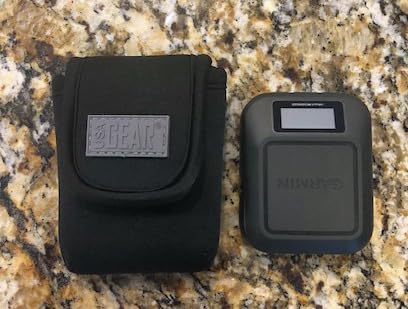
Group messaging is the reason to buy this one over its siblings, and it is a genuinely different feature rather than a repackaged version of the same thing. You can text multiple contacts at once from the Garmin Messenger app, which turns a trip where five people want to know where you are from a series of one-to-one pings into a single broadcast.
The second standout is the preset check-in messages, which do not count against your text allowance. That quietly changes trip economics. A thru-hiker who sends a preset “made camp, all good” every evening burns no credits, and can still keep a reserve of real messages for the times a human actually needs to write something. The device also routes messages over cellular automatically when a signal is available, spending satellite capacity only when there is no alternative.
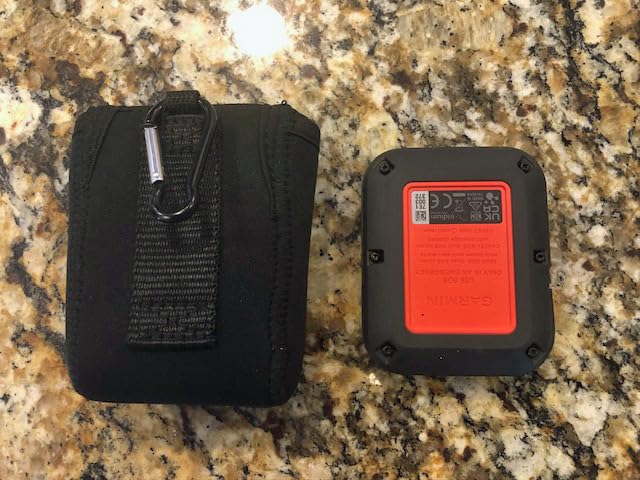
Battery is rated at 28 days in 10-minute tracking mode, which makes it the longest-running unit here in tracking terms. There is also a safety charging feature that will top up a dead phone, turning the device into a small power bank when yours is the thing that failed. At 4 ounces it is one of the lighter options, and it pairs with Garmin handhelds, wearables, marine equipment, and other smart devices over Bluetooth, ANT+, and Wi-Fi.
Positioning is handled by a multi-band GNSS receiver supporting BeiDou, GPS, Galileo, and QZSS, which helps lock onto satellites in rough terrain where a single-band receiver would struggle. The SOS routes to Garmin’s 24/7 IERCC coordination centre with your location attached, and the service itself is one of the most established rescue-monitoring operations in this category.
Who the inReach Messenger suits
It suits trips where you are coordinating with a group. Family tracking on a long trail, a hiker running a trip with friends spread over a week, or a group leader who wants one broadcast instead of five separate messages will get more from this device than from any other on the page. Free preset check-ins also make it a good fit for a rigid schedule where you report at set times regardless of weather.
It suits long trips where weight and battery are the binding constraints, and it suits hikers who want their phone charged. The ability to rescue a flat phone mid-route is not the main reason to buy a satellite messenger, but on a two-week trip it may be the feature you use most.
Where the inReach Messenger falls short
The display is the compromise. It is a 160 by 68 pixel monochrome resistive screen, which is functional for checking status and not much else. Nearly all real interaction happens in the Garmin Messenger app, so this is a phone-paired device in practice, and if you were hoping for a standalone communicator you should look at the SPOT X or the ZOLEO instead.
An active satellite subscription is required for every core feature, so the device does nothing useful the day it arrives unless you activate a plan. Compared with a colour-screen unit, the resistive display also feels dated. The 4-ounce body and long tracking battery do a lot of work to compensate, but they do not turn it into an all-purpose device.
5. SPOT Gen 4 Satellite GPS Messenger – The Budget Pick
Spot Gen 4 Satellite GPS Messenger
Weight: 142 g
Network: Globalstar
Function: one-way check-in and SOS
+ The Good
- Lowest entry point of the group
- Works with no phone at all
- Motion-activated tracking
- Simple SOS sends GPS coordinates
- The Bad
- One-way messages only
- Needs spare batteries carried
- Very limited feature set
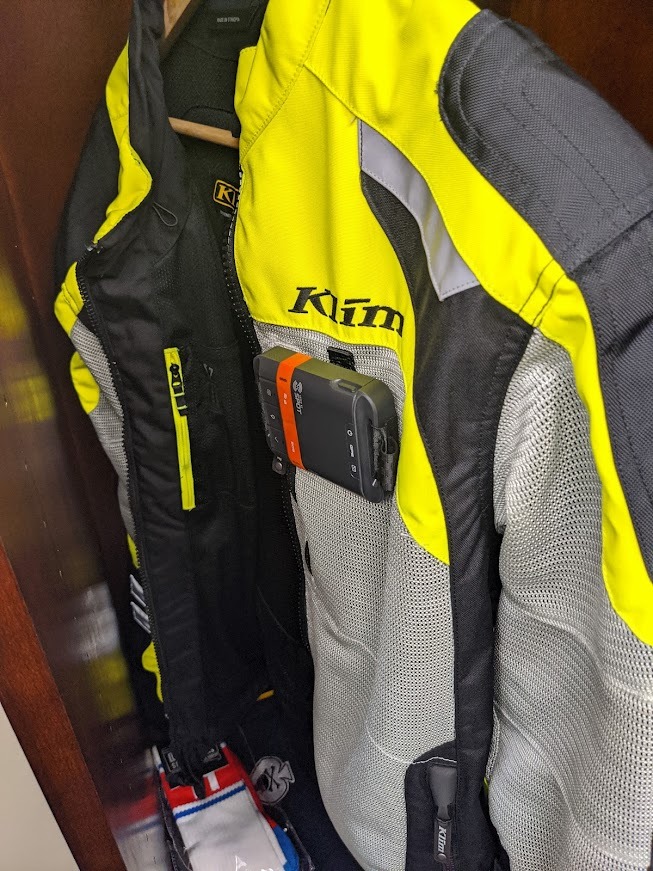
There is a place for a device that does one job cheaply, and the SPOT Gen 4 fills it. This is not a messaging tool. It sends check-in messages one way, it tracks your location on a schedule or when you move, and its SOS button transmits your GPS coordinates to emergency responders. In exchange for giving up two-way communication entirely, you get the cheapest way to keep family informed and to summon help.
Motion-activated tracking is the clever part. The unit transmits location updates while you are moving and again once you stop, which means it does not drain its batteries sitting motionless in camp and it does not need you to remember to check in. For a walk-home scenario on a child’s backpack, or for a hiker who wants passive reassurance without thinking about it, that behaviour is the whole product.
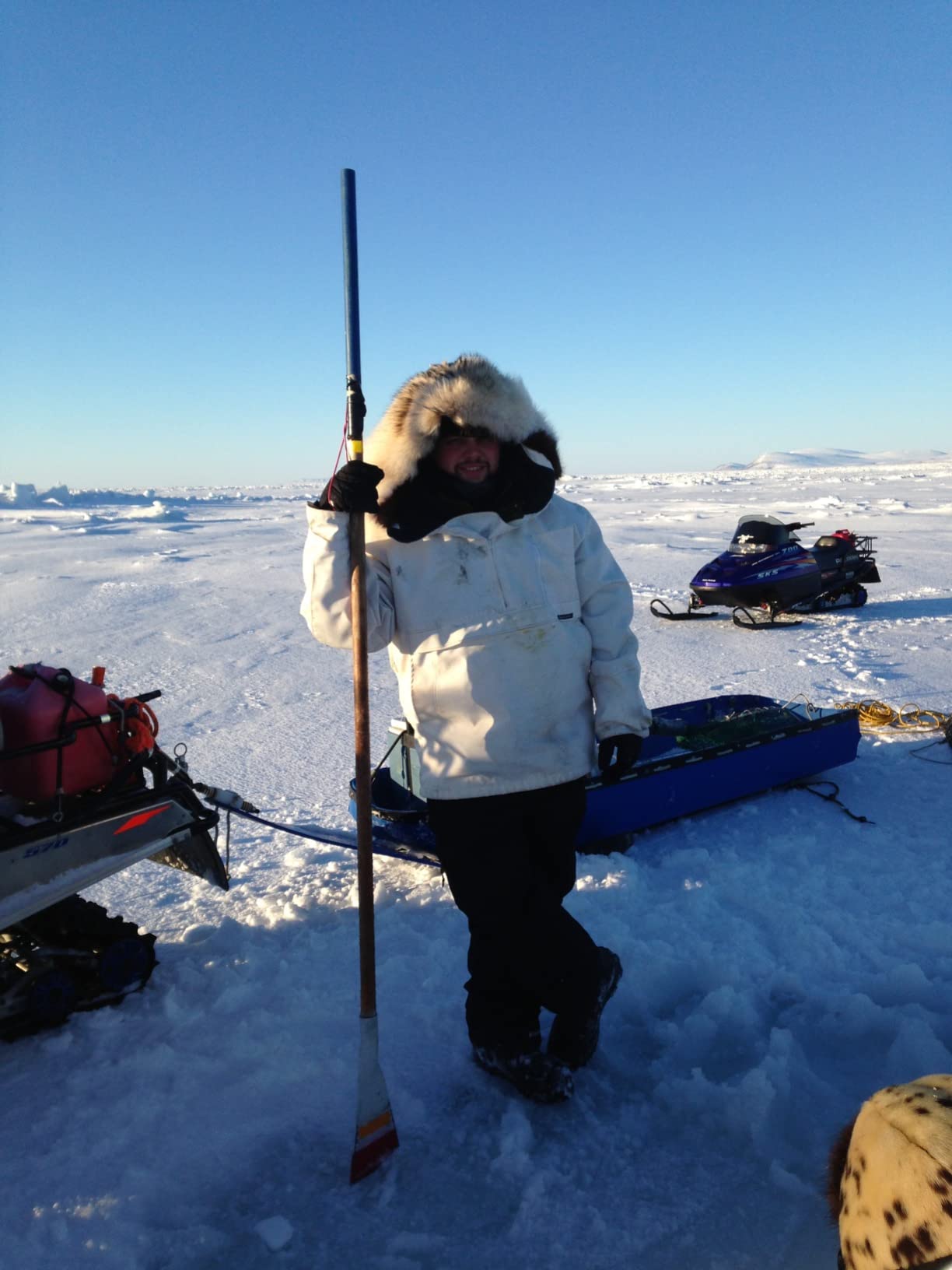
Critically, it needs no cell phone and no cellular service. The device, strap and carabiner, a USB cable, batteries, and a quick start guide are all in the box. It is built for outdoor activities, camping, and emergency situations, and it operates on the Globalstar satellite network.
Where it does not compete is feature depth. You cannot message back. You cannot confirm receipt of a check-in. You cannot ask what the weather will do tomorrow or share a route plan. For a hiker who wants conversation, check-ins, weather forecasts, and interactive two-way SOS, this device simply is not the category.
Who the SPOT Gen 4 suits
It suits people who want a safety net, not a communications system. Parents handing a device to a teenager on a school trip, an adult walking a child home across a long parking lot trail, or anyone who wants a passive tracker for a relative who will not carry a subscription-heavy smartphone. The 4.2 rating reflects that most owners understand exactly what they bought.
It also suits a hiker on a very occasional trip who wants a device that can raise an alarm if something goes badly wrong, without committing to a full messaging plan. Given that it is the lowest entry point of the group and holds a 142 gram body, the trade is defensible for that use case.
Where the SPOT Gen 4 falls short
Two-way messaging is the headline limitation. You send a check-in and nobody replies, which means you cannot coordinate pickup times, report a change of plan, or get advice. A wilderness communicator that cannot answer back is a limited tool in exactly the situation where you might need it.
It also runs on replaceable batteries that you have to carry as spares, which adds pack weight in a way that no rechargeable unit does. Functionality overall is well below smartphone-style communicators, and the plastic enclosure with a limited warranty is not built for the abuse of alpine or packrafting use. Choose this one for simple reassurance, and choose something else if you plan to rely on messaging.
6. ACR Bivy Stick – Best for Credit-Based Plans and Large Groups
ACR Bivy Stick – Iridium Satellite Communicator, GPS Tracker & SOS
Weight: 3.35 ounces
Battery: 120 hours
Network: Iridium
Durability: IPX7, MIL-STD-810
+ The Good
- Runs on Iridium at a lower plan tier
- Unused messages roll into the next month
- GroupTrack covers up to 12 people
- Offline maps and 50000+ curated routes
- The Bad
- Everything routes through the Bivy app
- App can crash mid-track
- Weak pairing with some Android phones
- Reports of units failing to charge
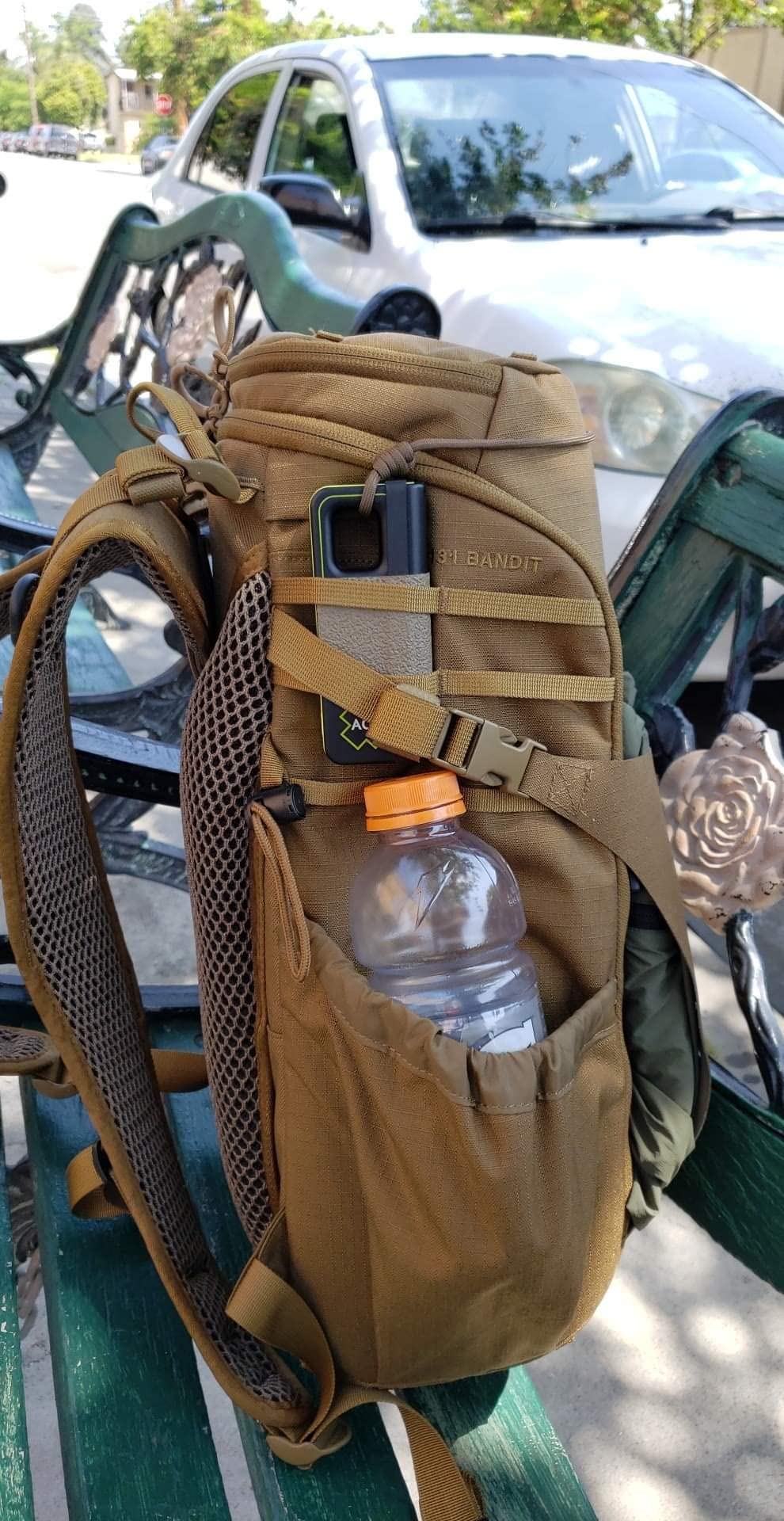
The Bivy Stick is the cheapest way onto the Iridium network, and for a hiker who only walks a handful of nights a year, that changes the arithmetic completely. Iridium is the network you want for genuine global reach, and owners report reaching it at a lower equipment and plan tier than the Garmin route. The subscription also rolls unused messages into the following month, so quiet seasons are not wasted.
GroupTrack is the sleeper feature. It shares locations with up to 12 people, which makes this the right device for a family group, a guided expedition, or a club trip where the leader wants one pane showing everyone. Unlimited check-ins, a breadcrumb trail share, offline maps in the app, and access to more than 50,000 curated adventures round out a feature set that punches above its class.
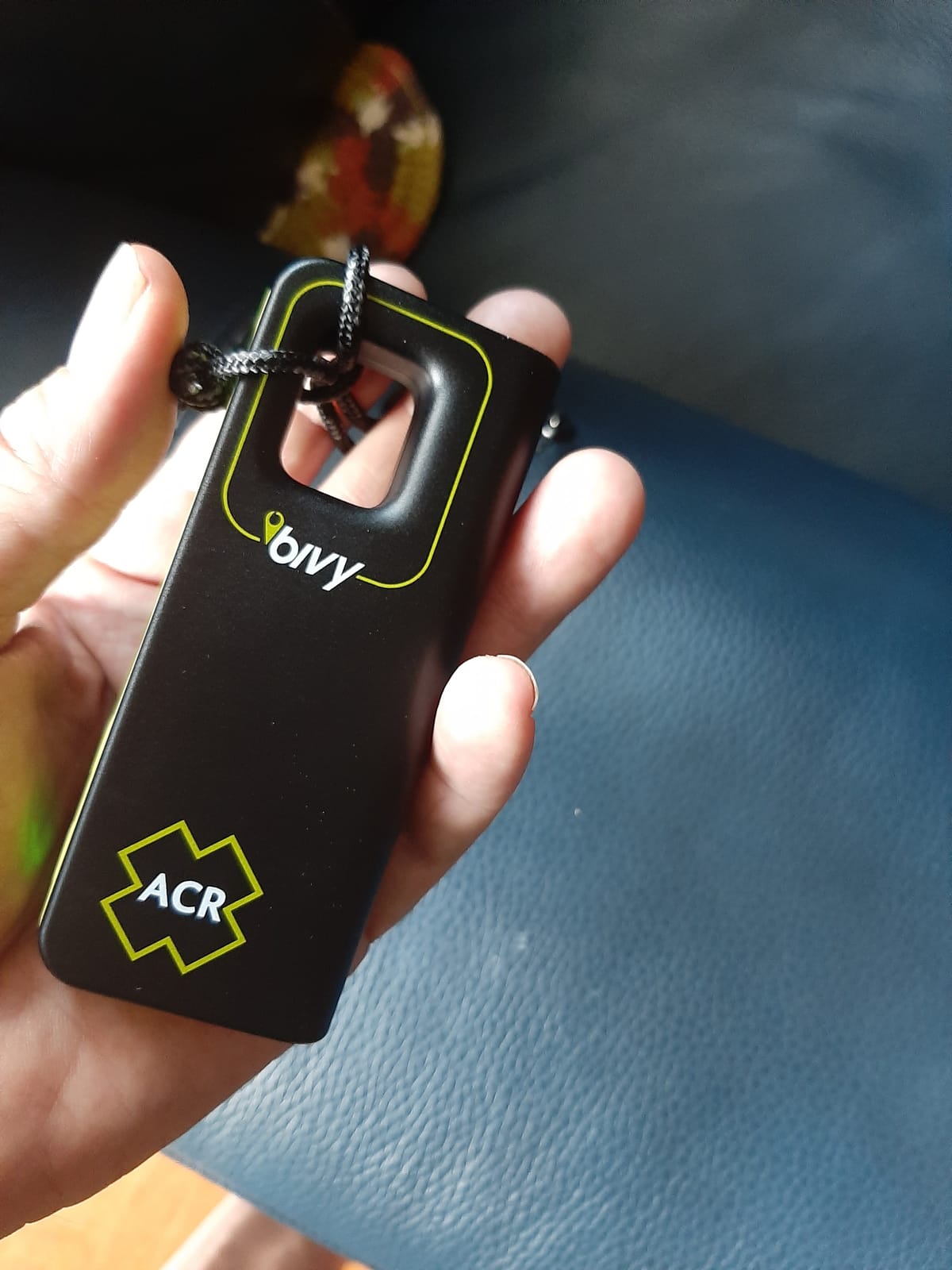
The hardware is tiny at 3.35 ounces and tough. The enclosure is compliant with IPX7 and MIL-STD-810 standards, which is a genuine durability benchmark rather than marketing shorthand, and the box includes a carabiner, a charging cable, a lanyard, and a mounting adapter. SOS is monitored around the clock by Global Rescue with real-time location attached, and you get a dedicated SMS number and email address once activated.
ACR’s support is also worth mentioning, because it shows up repeatedly in reviews: owners who had hardware or activation problems describe quick resolutions, including free replacements. When a device is a safety tool, the quality of the support line behind it is part of the product.
Who the Bivy Stick suits
It suits the occasional hiker who wants Iridium without a premium price tag, and anyone who wants plans that flex with use rather than charging a flat monthly floor whether you walk or not. If you take fewer than a dozen multi-day trips a year, the credit-based structure and rollover are where the value sits.
It suits groups. Twelve people on one GroupTrack map is more coordination than most families ever need, and the offline map library plus curated adventure routes are useful when you are planning a route from a car with no data connection.
Where the Bivy Stick falls short
Everything routes through the app. Messaging and tracking both depend on the phone, and the reviews are clear that the Bivy app can drop its Bluetooth connection or crash outright, which interrupts a route track at the worst moment. Pairing is also weak with some Android phones, and owners report aggressive battery drain on the handset as a side effect. Device-triggered route tracking is reported as unreliable too.
Then there is durability. The 3.8 average is the lowest here, and while some of that reflects app frustration, a number of owners across forums describe units that stopped charging or powering on anywhere from a few months to three years into ownership. That is a serious complaint for a safety device, and it is worth weighing before you commit. It also needs a clear view of the sky for best signal. If reliability over a multi-year ownership window matters most to you, a unit with a longer service history is the safer bet.
7. Garmin inReach Mini 3 Plus – Best for Photos and Voice Messages
Garmin inReach® Mini 3 Plus, SOS Satellite Communicator
Weight: 4.31 ounces
Battery: 350 hours in tracking
Network: Iridium
Screen: 1.9 inch colour
+ The Good
- Highest rated of the group
- Sends photos text and voice off grid
- Colour touchscreen readable without a phone
- 350 hours battery in tracking mode
- The Bad
- Highest purchase price of the group
- Photo and voice need a paired phone
- Subscription required for core features
This is the current-generation device, and it is the only one in the roundup that sends a photograph or a spoken voice note over the satellite link. For a hiker whose family wants more than a coordinate ping, that is a meaningful upgrade rather than a spec-sheet line. You can record a short clip, or snap a picture of the ridge you are camped under, and it arrives on the other end.
The 1.9-inch high-resolution scratch-resistant colour touchscreen is the other reason owners are happy. You can read incoming messages and check tracking status without digging out a phone, which is the entire weakness of the older monochrome Garmin units. LiveTrack sharing includes distance, elapsed time, and elevation, so whoever is following along sees your progress rather than just a dot.
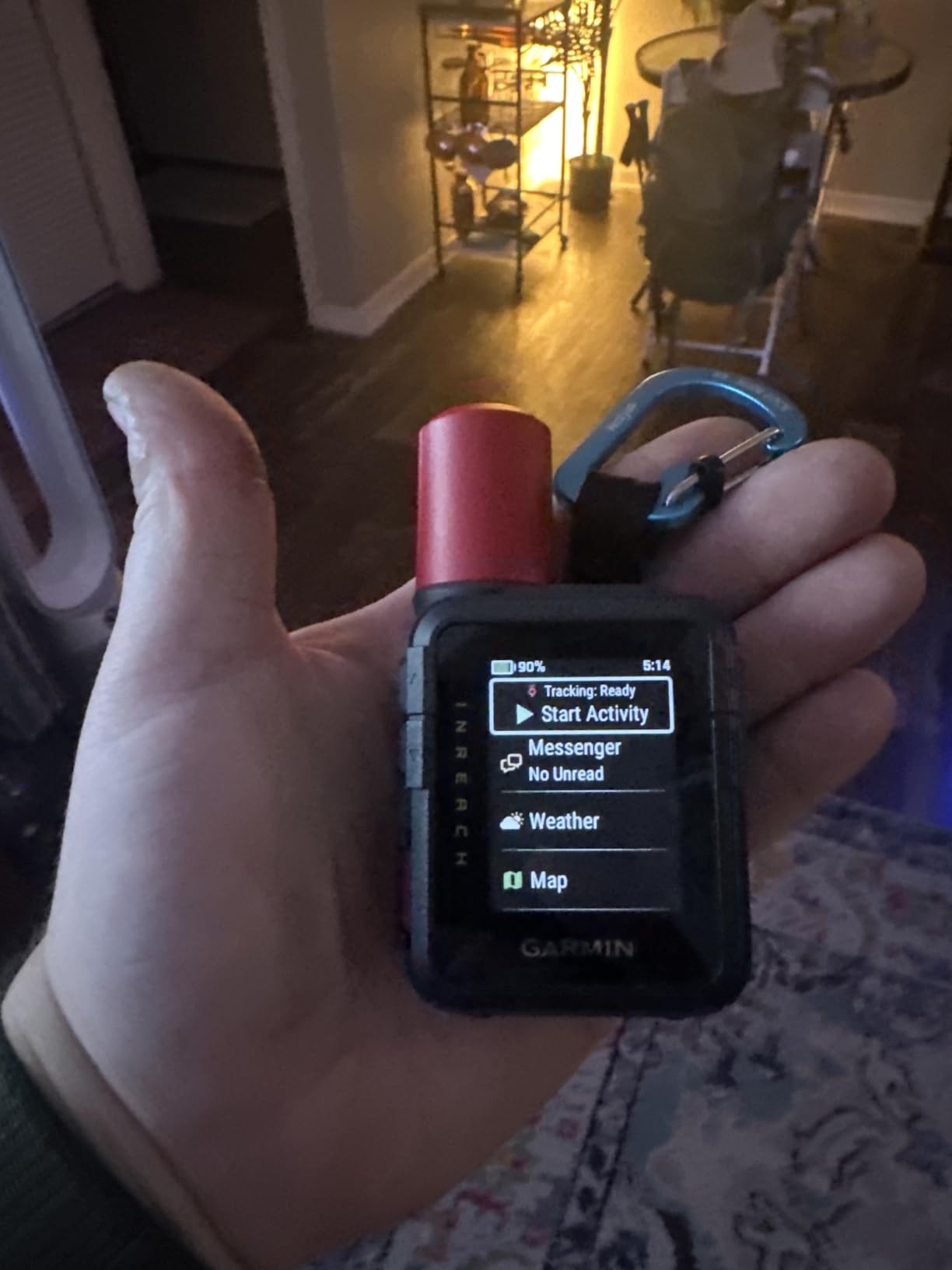
Reception is the quiet advantage. Owners report that it does not need to be aimed at the sky and that it holds a connection in wooded and dense terrain, which is exactly where a phone and a geostationary network both struggle. Battery is rated at 350 hours in 10-minute tracking mode and 95 hours in performance messaging, an IP67 rating covers the weather, and voice commands let you start a check-in or begin tracking hands-free in eight languages.
Weather reports and destination forecasts are built in, and it pairs with Garmin Explore for trip planning and navigation, so the same device that carries your messages can hold your route plan. Interactive SOS still routes to a 24/7 Garmin Response centre with your location attached.
Who the inReach Mini 3 Plus suits
It suits hikers whose people are waiting at home and want more than check-ins. Sending a photo of the campsite or a voice note saying you are fine, in a place with no bars, does more for a worried family than any coordinate ping. It also suits anyone who has been frustrated by a small monochrome screen that pushed every task into an app.
It suits hikers in wooded and dense terrain, where not having to find open sky is a genuine reliability gain. Voice commands help when your hands are cold or busy, and the touchscreen means you can monitor a trip without adding phone battery drain. The 4.31 ounce body stays out of your way.
Where the inReach Mini 3 Plus falls short
It is the most expensive unit in the group, and that cost lands on top of an ongoing subscription. Reviewers rate the device highly and still name the purchase price as the main reservation, which is a fair summary of the trade. It is also the newest model here, with a much smaller review history than the Mini 2 or the ZOLEO, and long-term durability data does not exist yet for a device this new.
Photo and voice messaging require pairing with a compatible smartphone, so the flagship feature still leans on the phone for the heavy lifting. And an active satellite subscription is required for core messaging. If you do not care about pictures and voice notes, this is more hardware than your trip needs.
What to Know Before You Buy a Satellite Messenger for Hiking?
Most wrong purchases happen because someone starts with a brand name instead of a requirement. Work through these five questions first and the device will pick itself.
Pick the satellite network first
Iridium or Globalstar is the first fork in the road, and it overrides every other preference. Iridium is a low-earth-orbit constellation with near-global coverage and the better behaviour under canopy and in canyons. Every Garmin unit here plus the Bivy Stick runs on it.
Globalstar leans on geostationary satellites, which means a clear view of the sky is part of the operating procedure. That is fine on an open ridge and frustrating in a slot canyon or under dense forest. If your hiking takes place in steep terrain, choose Iridium and accept nothing less.
Standalone or phone-paired: which one fits your trips
A standalone device carries its own number, screen, and controls. The ZOLEO handles check-ins and SOS without an app, and the SPOT X goes further with a physical keyboard and its own number. If your phone dying is a realistic scenario rather than a theoretical one, weight this heavily.
A phone-paired device is smaller, cheaper, and much easier to use day to day, because it borrows your phone’s screen and keyboard. The inReach Messenger and Mini 3 Plus both work this way, and the inReach Messenger can even charge your phone when it runs flat. For most hikers running a phone-plus-messenger setup, the trade is worth it. Decide which failure you are actually defending against before you choose.
Do you need wayfinding, or only communication?
Most communicators do not navigate. The ZOLEO has no maps, no keyboard, and no breadcrumb trail at all. If your hiking involves routes without a maintained path, you want TracBack, waypoints, or a real GPS, and that changes the answer.
Among the Garmin units, the Mini 2 offers TracBack navigation back to your starting point without a phone, and the Mini 3 Plus pairs with Garmin Explore for trip planning and weather reports. The Bivy Stick carries offline maps and a large library of curated routes inside its app. Nobody reading this page should assume the messenger doubles as their navigation device.
Read the subscription terms before you activate
The hardware is a one-time cost. The plan is a recurring one, and this is where hikers get surprised. The four things to check are the monthly floor, whether you can pause the plan during off-season, whether unused messages roll over, and whether your routine check-ins count against a text allowance. ZOLEO and the Bivy Stick are the two that handle light and irregular use most gracefully, with the Bivy Stick’s rollover being the clearest example. Garmin allows suspension for seasonal trips. Check-ins that are preset rather than typed are the easiest way to protect an allowance.
Activation and cancellation traps are the most common complaint in hiking forums, and the advice is consistent: activate a plan at home with a charger, not at the trailhead, and screenshot where the cancel button lives before you need it.
A satellite messenger is not a beacon: know the difference
A personal locator beacon is a one-way distress transmitter. It is smaller, cheaper to run because there is no subscription, and its only job is to call for help. A satellite communicator also talks back, tracks, forecasts the weather, and shares a route plan, but it needs an active plan for every core feature. The SPOT Gen 4 sits between the two, giving you SOS and one-way check-ins with a very small feature set.
If your goal is pure emergency insurance with no hiking frequency, a beacon is a defensible answer. If you want to coordinate pickup times, tell people you are safe, and get a weather forecast, you want one of the seven devices in this roundup.
While you are choosing, it is worth reading our rain jacket guide, since wet gear ruins trips far more often than radios do. For footwear and the long days on trail, we have covered the best waterproof hiking boots and the best hiking shoes for men separately.
Frequently Asked Questions
Which satellite messenger is best for hiking?
The ZOLEO is the best all-round choice for most hikers because it works without a phone for check-ins and SOS, runs on the Iridium network, and rates IP68 with a 200-hour battery figure. The Garmin inReach Mini 2 suits hikers who want TracBack navigation and a proven track record, and the inReach Mini 3 Plus is the pick if you want to send photos and voice notes over the satellite link.
Do I need a subscription for a satellite communicator?
Yes for every device in this roundup. An active satellite subscription is required for the core features of all seven, including messaging, tracking, and interactive SOS. The details differ widely, though: some plans use a monthly floor, some roll unused messages into the following month, and some let you suspend the plan during off-season months. Read the terms before you activate.
Is Garmin inReach better than ZOLEO?
Both run on the Iridium network and both have strong 24/7 SOS monitoring, so the choice comes down to what you need from the device. ZOLEO works standalone for check-ins and SOS and carries a limited lifetime device warranty, while the Garmin line gives you TracBack navigation, multi-band GNSS, and deeper phone-app integration. The Garmin inReach Messenger also adds group messaging and can charge a depleted phone.
What is the difference between Iridium and Globalstar networks?
Iridium is a low-earth-orbit constellation with near-global coverage that performs well in canyons, at altitude, and under tree cover. Globalstar relies more heavily on geostationary satellites, so it needs a clearer view of the sky and tends to acquire a signal more slowly. Every Garmin unit and the ACR Bivy Stick use Iridium, while the SPOT X and SPOT Gen 4 use Globalstar.
Are satellite communicators worth it for day hiking?
For most day hikers, a dedicated communicator is overkill because the trailhead is rarely far from a road and phones work for most of the route. They earn their place on remote multi-day trips, off-trail routes, winter ascents, international travel, and any hike where a delayed return becomes a rescue call. If you do buy one, a phone-paired model is the lighter and cheaper way to start.
Final Verdict: The Best Satellite Messengers for Hiking in 2026
After working through all seven, the best satellite messengers for hiking divide cleanly by how you hike. The ZOLEO is our first choice for most people because it is the only device that gives you a real standalone safety net, a long battery, and IP68 water resistance without a premium price tag. It is the one we would hand to a friend setting out for their first three-day trip.
The Garmin inReach Mini 2 remains the proven weekend workhorse, and its TracBack function is the single most useful navigation safety net on the page. The inReach Mini 3 Plus is the best current-generation device and the only one sending photos and voice over satellite, at the highest purchase price of the group. The inReach Messenger wins on group messaging and can rescue a flat phone. The SPOT X wins for typing without a phone, on a dedicated number, while the SPOT Gen 4 is the budget one-way beacon for simple reassurance. The ACR Bivy Stick is the cheapest route onto Iridium with group tracking for twelve, if you can accept the app dependency.
Whatever you choose, set it up at home with a charger, learn the SOS flow before you need it, and pair it with a proper shell and a solid pack. The gear is only worth buying if you know how to use it when the weather turns and nobody has signal for forty miles.